Porsche, renowned for blending its rich heritage with forward-thinking innovation, recently achieved a remarkable feat by setting a new vehicle altitude record. In December, a specially modified 911 Carrera 4S, under the skilled control of triple Le Mans winner Romain Dumas, conquered Ojos del Salado in northern Chile. This volcano, the highest in the world, witnessed the 911 reaching an unprecedented altitude of 22,093 feet, a testament to Porsche’s engineering prowess and adventurous spirit.
This record-setting project, born from a 2019 discussion between Klaus Zellmer, then President of Porsche North America, and Frank Walliser, Vice President of Vehicle Dynamics, was designed to celebrate the 30th anniversary of the 964 Carrera 4. The first all-wheel-drive 911, the 964 Carrera 4, represented a significant milestone in Porsche’s history, and this new achievement was a fitting homage.
Porsche 911 Altitude Record
Two unique 911s were crafted for this challenge: ‘Doris’ and ‘Edith’. Both cars featured a groundbreaking suspension system initially developed for the 919 Hybrid Le Mans racer. However, Edith, the record-setting vehicle, was distinguished by Porsche’s inaugural steer-by-wire system and a significant reduction in weight through the use of advanced materials.
In keeping with Porsche’s philosophy, the core powertrain components – the twin-turbo 3.0-liter flat-six engine and the seven-speed manual transmission – remained unaltered from the Carrera 4S. The real innovation lay in the manual control of power distribution, allowing the driver to switch between rear-wheel and all-wheel drive. This feature, combined with a bespoke locking differential system, was pivotal in tackling the demanding conditions of Ojos del Salado.
The visual dominance of the 34-inch mud-terrain tires on both cars was unmistakable. These tires, together with portal axles and a unique gearing arrangement from Tibus, drastically altered the vehicles’ capabilities, transforming them into something far removed from any standard Porsche model. Despite these extensive modifications, the driving experience retained familiar elements of the Porsche 911. The layout of the controls in the Altitude 911s remained typical of the brand, although Edith’s cabin was stripped back for its record attempt, emphasizing functionality over comfort.
The ‘Warp Connector’ suspension system, initially intended for the 919 Le Mans racer but never used, marked a significant departure from standard Porsche setups. This system, featuring interconnected springs and dampers, provided exceptional stability and responsiveness over rough terrain. The ‘SpaceDrive’ steering system in Edith, devoid of traditional steering feedback, was engineered to offer precision and control, crucial for navigating the challenging volcanic landscape.
The performance of these cars was a revelation. The unique gear ratios and advanced suspension systems facilitated an unparalleled driving experience. The rear-engine layout, a defining characteristic of the 911, contributed significantly to their stability and traction, even on the most challenging off-road courses. The difference in weight between Doris and Edith became increasingly evident in demanding situations. Edith, benefiting from extensive weight-saving measures, demonstrated superior agility and control, especially on steep descents where engine braking was crucial.
Following their historic ascent, Doris and Edith are currently being transported back to Porsche’s headquarters, destined for a place of honor in the company’s museum. Still adorned with the Chilean dirt from their remarkable journey, these vehicles stand as symbols of Porsche’s enduring commitment to innovation and adventure. As they take their place in the museum, they will not only commemorate a significant achievement but also inspire future generations to continue pushing the boundaries of automotive engineering and exploration.
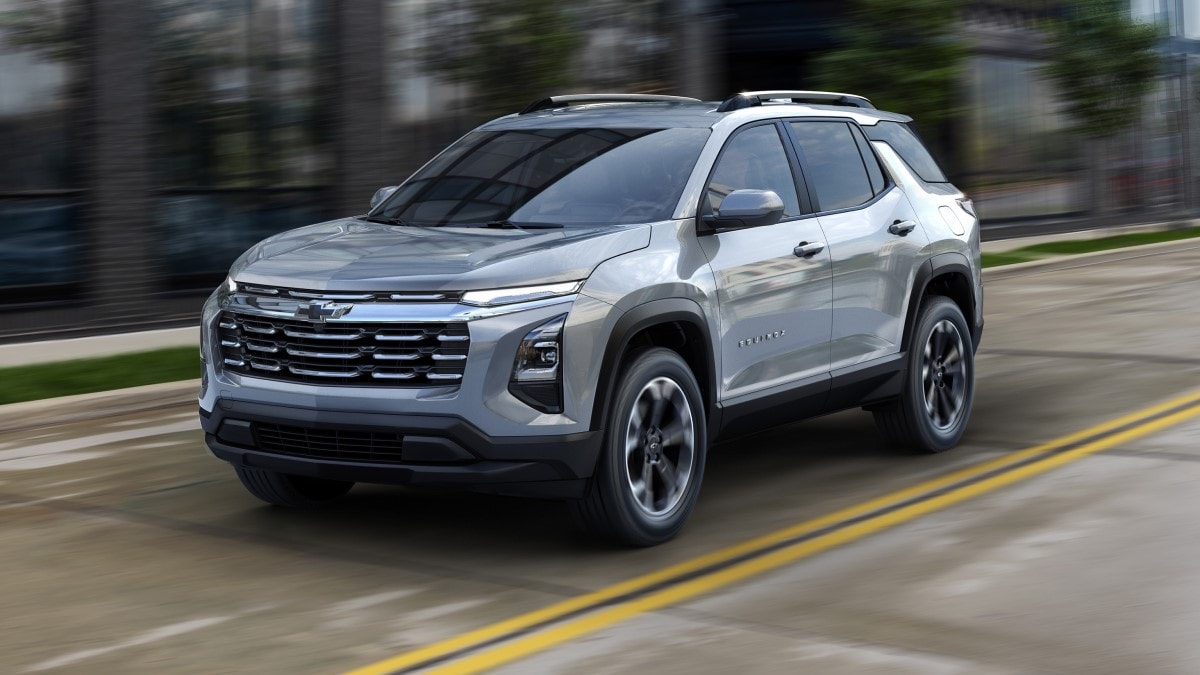
The Chevrolet Equinox gets a redesign from the ground up for the 2025 model year with a chunky, rugged look, a more spacious cabin, and an off-road-themed trim. The engine carries over from the 2024 model currently on dealer lots. But, Chevy says, that’s all they have in common.
The next Equinox will have nothing in common with the other 2025 Chevrolet Equinox. Last year, Chevy debuted a fully electric model, the Equinox EV. Many observers thought the next gas-powered Equinox would borrow its sleek, Camaro-inspired look. But the gas-powered and electric models look similar — like a pair of cousins where one runs cross country and the other plays linebacker.
The Equinox is one of the 15 best-selling vehicles in America. But critics have long found its design a little stale and uninspiring inside and out.
That may change for 2025.
Rugged New Look
Chevrolet is leaning into a chunky, hiking boot aesthetic for most of its recent SUV redesigns. The look comes to the compact class with the 2025 Equinox. An oversized grille with thin LED daytime running lights over larger headlights leaves little room for body color on the front fascia. It’s a look that would have seemed unusual five years ago but has grown typical now.
Further back, the bodywork is busy with creases, but they’re far more straight than curved, adding to the bulky aesthetic. A D-pillar that almost reaches the roof — an element borrowed from the recent redesign of its big brother Traverse — gives it a floating roof look.
The RS trim level will get a gloss black roof and black mesh grille, lending it a bit of sporty flair. But, thematically, this one borrows from trucks rather than sports cars.
Especially in the new Activ trim level. Chevy says it is “inspired by customers whose passions start where the pavement ends.” The changes are mostly cosmetic — blacked-out badges, a separate grille insert, and a “maple sugar and black interior theme.” But it does ride on all-terrain tires for better grip in slippery conditions.
Chevrolet has not released pricing information. The current Equinox starts at $26,600, plus a mandatory $1,395 destination fee.
Airier Feel Inside
Inside, designers have done their best to give the Equinox’s cabin a more open feel despite this SUV’s compact dimensions. Car design has leaned into open spaces ever since designers began working with EVs, which have no central transmission tunnel. That gives them a more airy feel everyone seems to be trying to replicate in gas-powered cars now.
In the 2025 Equinox, that means the return of the column shifter. It’s smaller and electronic instead of mechanical. But placing it on the steering column lets designers eliminate a bulky shifter between driver and passenger.
The Equinox also embraces the other recent interior design trend — pairs of screens mounted together to appear almost as one large screen. An 11-inch driver’s display and an 11.3-inch central infotainment display butt up against one another.
Chevrolet says the screens are “the gateway to music, media, maps, and other connected services via Google built-in.” The company doesn’t mention Apple CarPlay or Android Auto. GM has promised to eliminate them from EVs. But, this being the gas-powered Equinox, they may still appear here.
Same Engine, New Chassis
The 2025 Equinox rides on an entirely new platform, Chevy says. But its engine carries over from the last model — a 1.5-liter turbocharged 4-cylinder making 175 horsepower.
It comes paired with a continuously variable transmission in front-wheel-drive (FWD) editions or an 8-speed automatic with the available all-wheel-drive (AWD) setup.
The compact SUV segment is one of the most crowded. Shoppers have many compelling choices there. The segment leader, the Toyota RAV4, now sells so many copies each year that it nearly knocked a full-size truck out of the top three best-sellers list for the first time in a decade last year.
So, the Equinox competes in a tough field. But Chevrolet managed to outsell most competitors in the space with a far less interesting offering this year. Now that it’s a better-looking SUV, expect to see a lot of these on the road.
A new infotainment system is coming to Ford and Lincoln vehicles later this year. Dubbed the Ford and Lincoln Digital Experience, it will let drivers stream videos, surf the web, and play video games from their cars.
Unveiled Monday, the new system debuts on the 2024 Lincoln Nautilus crossover SUV first shown last year. The Nautilus sports a dashboard-spanning 48.0-inch panoramic display, but other vehicles will get more conventional setups with smaller touchscreens and digital instrument instrument clusters.
Ford Digital Experience
Regardless of the screen, the Ford and Lincoln Digital Experience includes Google built-in apps, with Google Maps as the default navigation option and Google Assistant for voice control. But unlike rival General Motors, Ford is also retaining Apple CarPlay and Android Auto. It’s also including Amazon Alexa connectivity, with the option to use Alexa for voice control.
The Google partnership also includes Google Play Store integration, allowing drivers to download apps directly to their cars. Among the options are YouTube, Amazon Prime Video, and PBS Kids for watching videos while parked; the Vivaldi web browser; and the racing video game Asphalt Nitro. This and other games can be played on the dashboard screen via a Bluetooth-enabled controller, again, while stationary.
Ford Digital Experience
The new system is backed by more robust hardware capable of more than five times faster main processing and 14 times faster graphics processing compared to Ford’s current Sync 4 system. It also has four times the memory and eight times the storage of current Ford and Lincoln infotainment systems. Ford says it’s also brought more of the software development in-house, which the automaker claims will allow it to develop new features and improvements more quickly. These can be pushed to cars via over-the-air (OTA) updates and a 5G connection.
Ford will announce which vehicles from its main brand will be the first to get the new Digital Experience at a later date. The Nautilus is expected to go on sale in the U.S. later this year with a starting price of around $51,000.
In the current automotive landscape, turbocharging has emerged as a prevailing trend, offering an effective means to boost power and torque while achieving fuel efficiency. The prevalence of turbocharging has, in part, been driven by stringent legislations and emission tests that pose challenges for naturally aspirated (NA) engines.
Which brings us to some questions: are we approaching that point where NA engines will become a rarity in our cars, or have we already crossed that threshold?
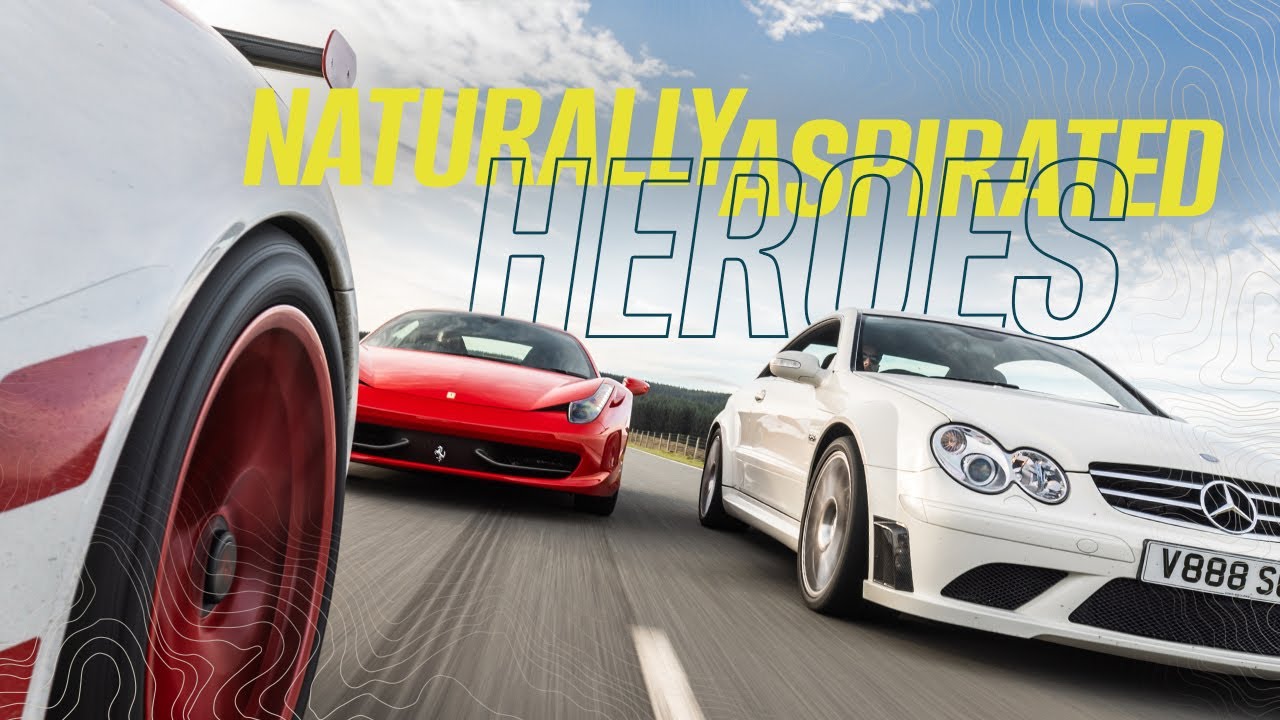
This is the case of this video from Supercar Driver on YouTube which puts the spotlight on three modern classics which are all equipped with naturally-aspirated engines: a Porsche 997 GT3 RS, a Mercedes-Benz CLK Black Series, and a Ferrari 458.
The video explores the current state of NA engines and prompts viewers to consider when, or if, these engines will become relics of the past in the automotive world. Be sure to watch this video and share your thoughts on naturally-aspirated engines.
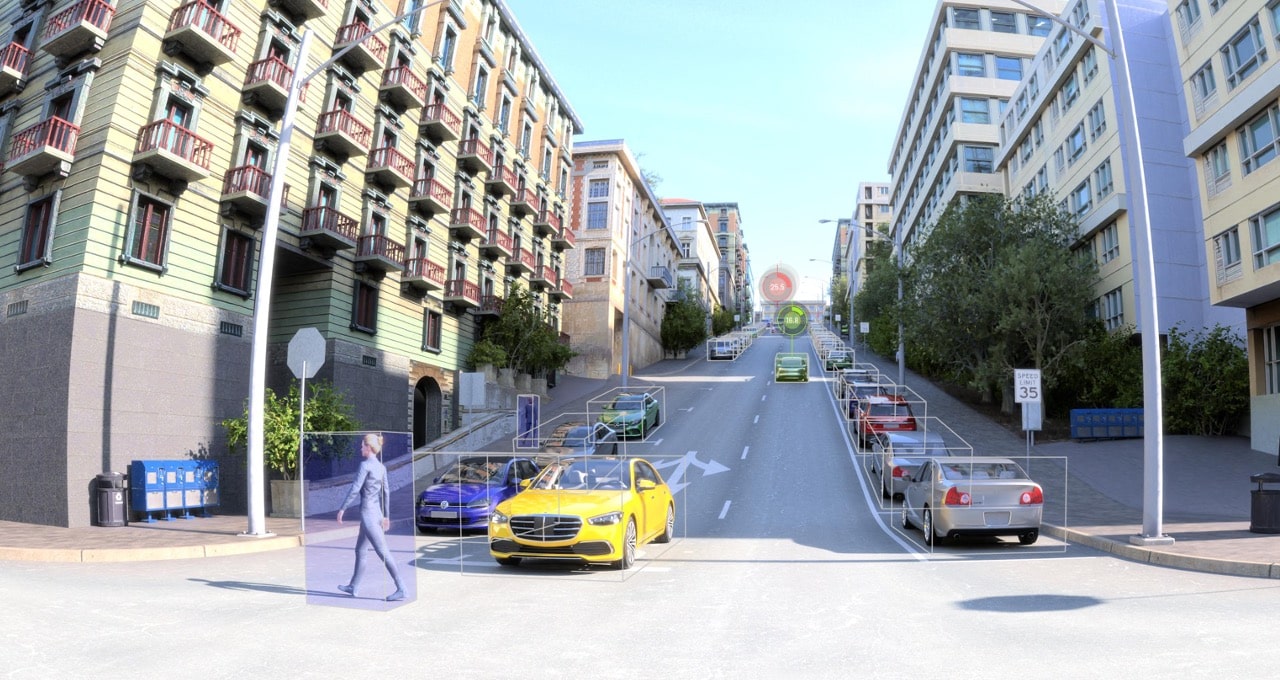
The automotive industry is being transformed by the integration of cutting-edge technologies into software-defined cars.
At CES, NVIDIA invited industry leaders to share their perspectives on how technology, especially AI and computing power, is shaping the future of transportation.
Watch the video to learn more from NVIDIA’s auto partners.
Redefining Possibilities Through Partnership
Magnus Ostberg, chief software officer at Mercedes-Benz, underscores how the company’s partnership with NVIDIA helps push technological boundaries. “[NVIDIA] enables us to go further to bring automated driving to the next level and into areas that we couldn’t go before,” he says.
Computing Power: The Driving Force Behind Autonomy
Shawn Kerrigan, chief operating officer and cofounder at Plus, emphasizes the role of computing power, saying, “Autonomous technology requires immense computing power in order to really understand the world around it and make safe driving decisions.”
“What was impossible to do previously because computing wasn’t strong enough is now doable,” says Eran Ofri, CEO of Imagry. “This is an enabler for the progress of the autonomous driving industry.”
“We wanted a platform that has a track record of being deployed in the automotive industry,” adds Stefan Solyom, chief technology officer at Pebble. “This is what NVIDIA can give us.”
And Martin Kristensson, head of product strategy at Volvo Cars, says, “We partner with NVIDIA to get the best compute that we can. More compute in the car means that we can be more aware of the environment around us and reacting earlier and being even safer.”
The Critical Role of AI
Don Burnette, CEO and founder of Kodiak Robotics, states, “NVIDIA makes best-in-class hardware accelerators, and I think it’s going to play a large role in the AI developments for self-driving going forward.”
“Driving as a routine task is tedious,” adds Tony Han, CEO and cofounder of WeRide. “We want to alleviate people from the burden of driving to give back the time. NVIDIA is the backbone of our AI engine.”
And Thomas Ingenlath, CEO of Polestar, says, “Our Polestar 3 sits on the NVIDIA DRIVE platform. This is, of course, very much based on AI technology — and it’s really fascinating and a completely new era for the car.”
Simulation Is Key
Ziv Binyamini, CEO of Foretellix, highlights the role of simulation in development and verification. “Simulation is crucial for the development of autonomous systems,” he says.
Bruce Baumgartner, vice president of supply chain at Zoox, adds, “We have been leveraging NVIDIA’s technology first and foremost on-vehicle to power the Zoox driver. We also leverage NVIDIA technologies in our cloud infrastructure. In particular, we do a lot of work in our simulator.”
Saving Lives With Autonomy
Austin Russell, CEO and founder of Luminar, highlights the opportunity to save lives by using new technology, saying, “The DRIVE platform has been incredibly helpful to be able to actually enable autonomous driving capabilities as well as enhance safety capabilities on vehicles. To be able to have an opportunity to save as many as 100 million lives and 100 trillion hours of people’s time over the next 100 years — everything that we do at the company rolls up to that.”
“Knowing that [this technology] is in vehicles worldwide and saves lives on the road each and every day — the impact that you deliver as you keep people and family safe is amazingly rewarding,” adds Tal Krzypow, vice president of product and strategy at Cipia.
Technology Helps Solve Major Challenges
Shiv Tasker, global industry vice president at Capgemini, reflects on the role of technology in addressing global challenges, saying, “Our modern world is driven by technology, and yet we face tremendous challenges. Technology is the answer. We have to solve the major issues so that we leave a better place for our children and our grandchildren.”
Learn more about the NVIDIA DRIVE platform and how it’s helping industry leaders redefine transportation.
Serengeti National Park: It’s Africa’s most popular national park and a dream destination for animal lovers worldwide.
However, how well do you know the magnificent Serengeti National Park in Tanzania? Are you planning a trip to check off the Big Five from your must-do list or witness the Great Migration in action?
If so, keep reading to discover more with our ten fascinating facts about the Serengeti.
1. The Serengeti National Park is most popular as the home of the Great Migration, one of the world’s most prominent regular exhibitions
The Serengeti National Park is widely known for hosting the Great Migration, one of the world’s most prominent natural spectacles. Over 1.5 million wildebeest, 250,000 zebras, and countless other prey species migrate between the Serengeti and Kenya’s Masai Mara in an annual cyclical movement in search of greener grazing grounds.
They are closely followed by lions, leopards, cheetahs, and other predators that roam these grasslands. The most breathtaking sight to witness is when the herds cross rivers like the Mara River while battling crocodiles and strong currents. The best time to observe this migration at the Serengeti National Park is June to August.
2. Around 250,000 Wildebeest Die Each Year in the Migration
One of the most astonishing facts about the Serengeti is that it is estimated that approximately 250,000 wildebeest die each year during migration. These animals’ main causes of death are usually starvation, drought, or predation. Although these losses are significant, they are sustainable due to the large number of creatures that survive the journey.
Additionally, these deaths nourish the rest of the food chain, sustaining the entire ecosystem.
3. The Serengeti Public Park was first safeguarded in 1940, yet the public park wasn’t officially settled until 1951
The boundaries of the recreational space have been altered from that moment onwards. For instance, in 1959, an area measuring 8,200 square kilometers was designated as the Ngorongoro Preservation Region. The Serengeti Public Park is vast, covering over 14,700 square kilometers. However, the recreational space actually protects less than half of the Serengeti habitat, which spans approximately 30,000 square kilometers.
4. The Serengeti is home to numerous kopjes
These stone formations are made from exposed granite. They emerge from the lush meadows, having been shaped over thousands of years. Kopjes serve as a popular resting place for lions and are said to have inspired Pride Rock in the 1994 Disney classic The Lion King.
Specifically, the Simba Kopjes, which are the tallest kopjes in the park and are named after the main character in the movie.
5. For quite a long time, the Tanzanian government had been arranging a significant expressway through the Serengeti Public Park to interface rustic networks
However, the construction of this road would have blocked off the Great Migration and destroyed the perfect ecosystem. Despite opposition from the United Nations, the US government, Tanzanian tourism, and conservationists, the East African Court ultimately halted the road in 2014.
To this day, there has been no progress on constructing the road. We hope it stays this way, so wildlife can continue to thrive and bring tourism revenue to Tanzania. There are alternative routes to connect these rural communities as well. In fact, even the German government proposed partially funding such a project!
6. In the 1890s, a severe drought and an epidemic among cattle plagued the area that would later become Serengeti Public Park
Unfortunately, this disease also spread through the wild populations of prey animals. Wildlife was devastated, but it wasn’t until around the mid-1970s that wildlife populations had fully recovered.
Protecting Wildlife
7. Preserving Serengeti involves significant contributions from the Maasai clan since it holds deep historical significance as their native land
Besides being resettled mainly to protect wildlife, the clan still grazes its cattle near this sanctuary, maintaining close harmony with natural surroundings. Tourists visiting Serengeti Public Park frequently explore a traditional settlement inhabited by Maasai tribespeople.
Here, cultural richness transcends monetary value, and prosperity lies within herds—a collection exceeding 50 cows exemplifying dignity.
8. Today, the Serengeti has a steady lion populace of around 3,000 people
Lion populations are falling across Africa, so the Serengeti population is a higher priority than at any other time to shield the species.
9. Elephants are native to the Serengeti, however, there were none present when the national park was established
It’s believed that they were completely hunted for their ivory during the 1800s. However, in the 1900s, elephants started returning to the park. Their populations have fluctuated due to natural factors and poaching activities.
Nevertheless, today, there is a thriving population of over 7,000 elephants throughout the entire Serengeti ecosystem. This represents an increase from approximately 6,000 in 2014 – fantastic news!
The good news continues in the rest of our world regarding the Serengeti. Another member of the Big Five, the buffalo, is also thriving in this area. In 2020, there were approximately 60,100 individuals, an increase from 50,000 in 2014.
See the Serengeti National Park for Yourself
We hope you have enjoyed learning about the Serengeti National Park. Now that you are well informed about the wonders of the Serengeti, it’s time to start planning your trip!
Tourism is crucial in preserving and protecting precious natural habitats like the Serengeti. It shows that these places hold more value for local economies when left untouched rather than being destroyed for development purposes.
If you’re interested in visiting the magnificent Serengeti yourself, take a look at our range of Tanzania safaris.
5 Days (North Serengeti Migration) – Serengeti and Ngorongoro Crater
Discover the three most popular destinations in Tanzania – Central Serengeti (2 nights), North Serengeti (1 night), and Ngorongoro Crater (1 night) on a journey that starts and ends in Arusha, with experienced driver guides leading the way.
Itinerary:
Day 1 – Arusha to Central Serengeti
Day 2 – Central Serengeti to North Serengeti
Day 3 – North Serengeti to Central Serengeti
Day 4 – Central Serengeti to Ngorongoro
Day 5 – Ngorongoro Crater Tour to Arusha
Meals:
Day 1: Lunch & Dinner
Day 2: Breakfast, Lunch & Dinner
Day 3: Breakfast, Lunch & Dinner
Day 4: Breakfast, Lunch & Dinner
Day 5: Breakfast & Lunch
Included:
Park fees (For non-residents)
All activities (Unless labeled as optional)
All accommodation (Unless listed as an upgrade)
Professional driver/guide
All transportation (Unless labeled as optional)
All Taxes/VAT
Roundtrip airport transfer
Meals (As specified in the day-by-day section)
Drinks (As specified in the day-by-day section)
Excluded:
International flights (From/to home)
Additional accommodation before and at the end of the tour
Tips (Tipping guideline US$15.00 pp per day)
Personal items (Souvenirs, travel insurance, visa fees, etc.)
Embark on a journey covering the two most popular destinations in Tanzania – Central Serengeti (1 night) and Ngorongoro Crater (1 night), beginning and ending in Arusha, guided by experienced driver guides for a trip of a lifetime.
Itinerary:
Day 1 – Arusha to Central Serengeti
Day 2 – Central Serengeti to Ngorongoro
Day 3 – Ngorongoro Crater Tour (5 hours) to Arusha
Meals:
Day 1: Lunch & Dinner
Day 2: Breakfast, Lunch & Dinner
Day 3: Breakfast & Lunch
Included:
Park fees (For non-residents)
All activities (Unless labeled as optional)
All accommodation (Unless listed as an upgrade)
Professional driver/guide
All transportation (Unless labeled as optional)
All Taxes/VAT
Roundtrip airport transfer
Meals (As specified in the day-by-day section)
Drinks (As specified in the day-by-day section)
Excluded:
International flights (From/to home)
Additional accommodation before and at the end of the tour
Tips (Tipping guideline US$15.00 pp per day)
Personal items (Souvenirs, travel insurance, visa fees, etc.)
At Gowitos Safaris, We Believe That Tourism Is Not Only A Way To Experience The Beauty Of Tanzania, But Also An Important Way To Support The Local Economy And Preserve The Country’s Natural And Cultural Heritage. By Visiting Tanzania And Experiencing Its Beauty Firsthand, You Are Contributing To The Growth And Development Of Local Communities, And Helping To Protect The Country’s Unique Wildlife And Landscapes.
Consumer Guide Car Stuff Podcast – Cadillac Lyriq Review
Whether you drive a car, need a car, or just occasionally bum a ride with friends, you’ve come to the right place. Join Jill and Tom as they break down everything that’s going on in the auto world. New-car reviews, shopping tips, driving green, electric cars, classic cars, and plenty of great guests. This is the Consumer Guide Car Stuff Podcast.
Episode: 203
Broadcast date: January 22, 2024
Guest: Stanley Horaczek
–
Jill and Tom opened the show by welcoming new listeners. The last few episodes of the Car Stuff Podcast have been very popular. Tom expressed his disappointment that Jill had selected such a boring donut for today’s episode. The hosts had stopped by Morkes Chocolate in Palatine, IL, together for donuts prior to the show. Tom discussed briefly his early but favorable impressions of the Chevrolet Trailblazer RS he is currently evaluating.
Jill and Tom then reviewed Cadillac’s first EV, the Cadillac Lyriq each had extended time with. Tom noted having “one and a half” issues with the car, but both hosts were generally very impressed. Listen in for the full review, including driving-range findings.
In the second segment the hosts welcomed Stanley Horaczek of Popular Science to the show. Stanley walked the hosts through the site’s new Top 5 Auto Trends for 2024 list.
Jill is subjected to Tom’s conceptually flawed “NOVAS” quiz in the third segment. Did Jill score on the Billy Joel bonus question? The hosts wrapped up the show talking about the placement of some EV charging stations in poorly lit locations.
…
The Consumer Guide Car Stuff Podcast is broadcast live every Monday at 3:00 PM CT
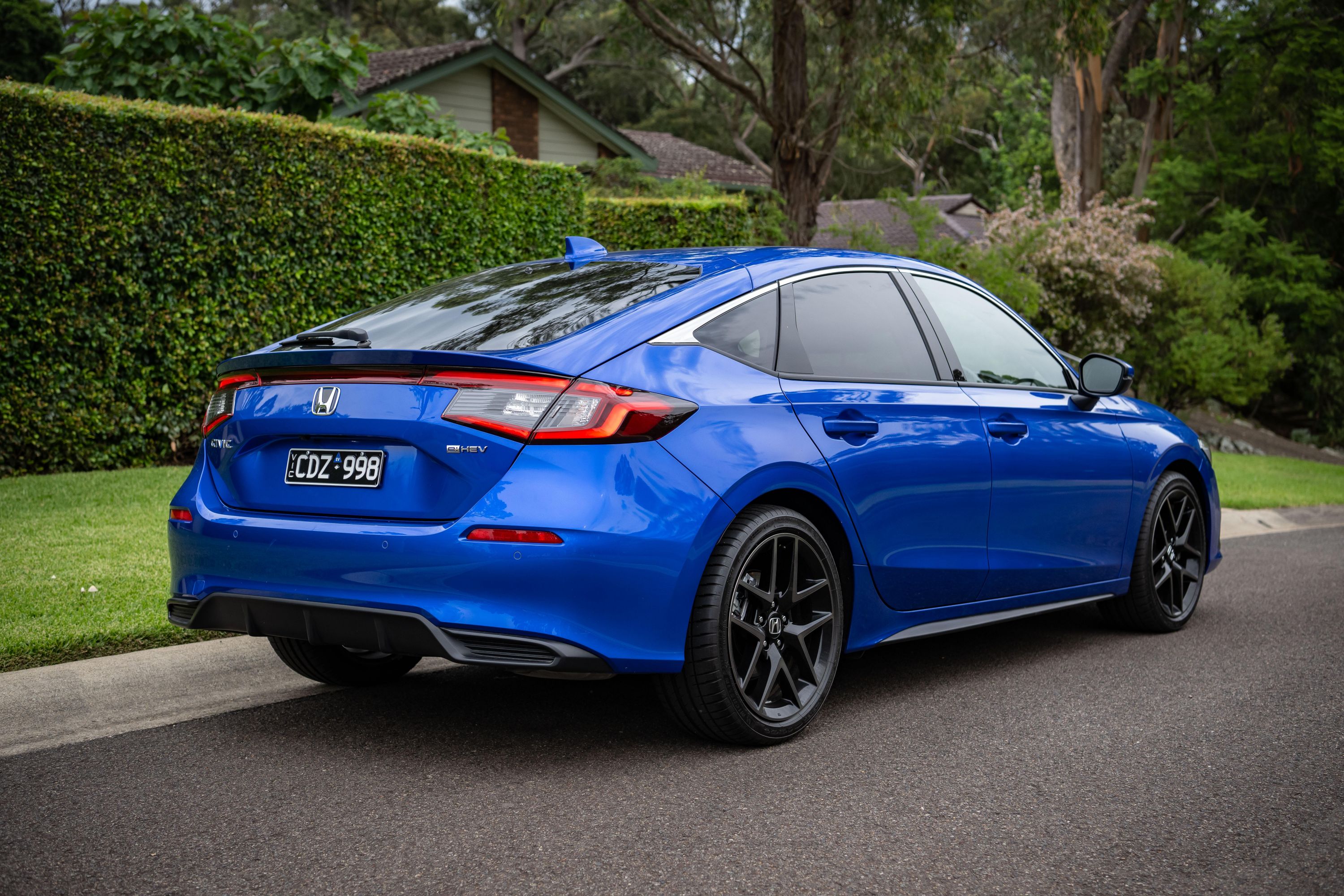
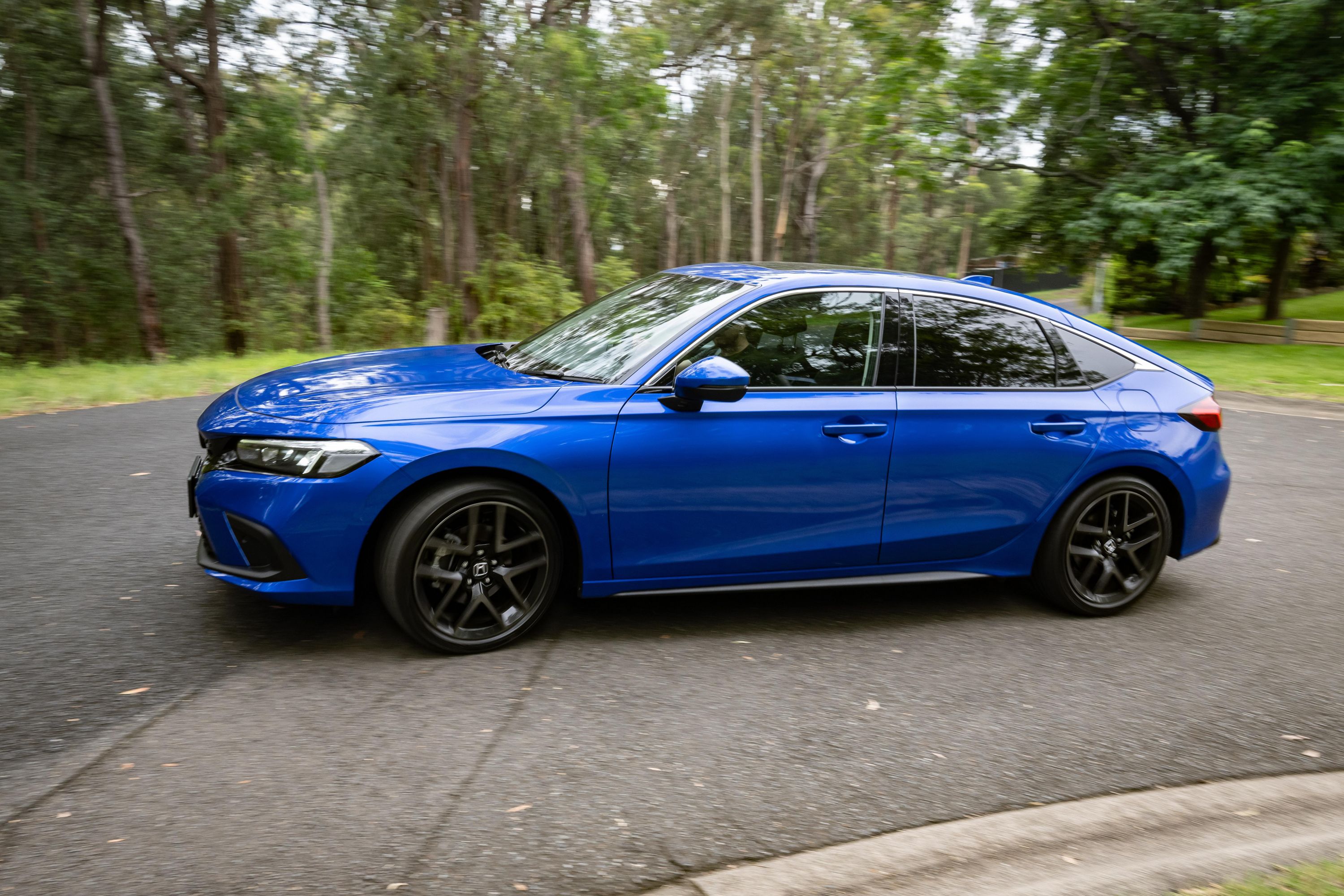
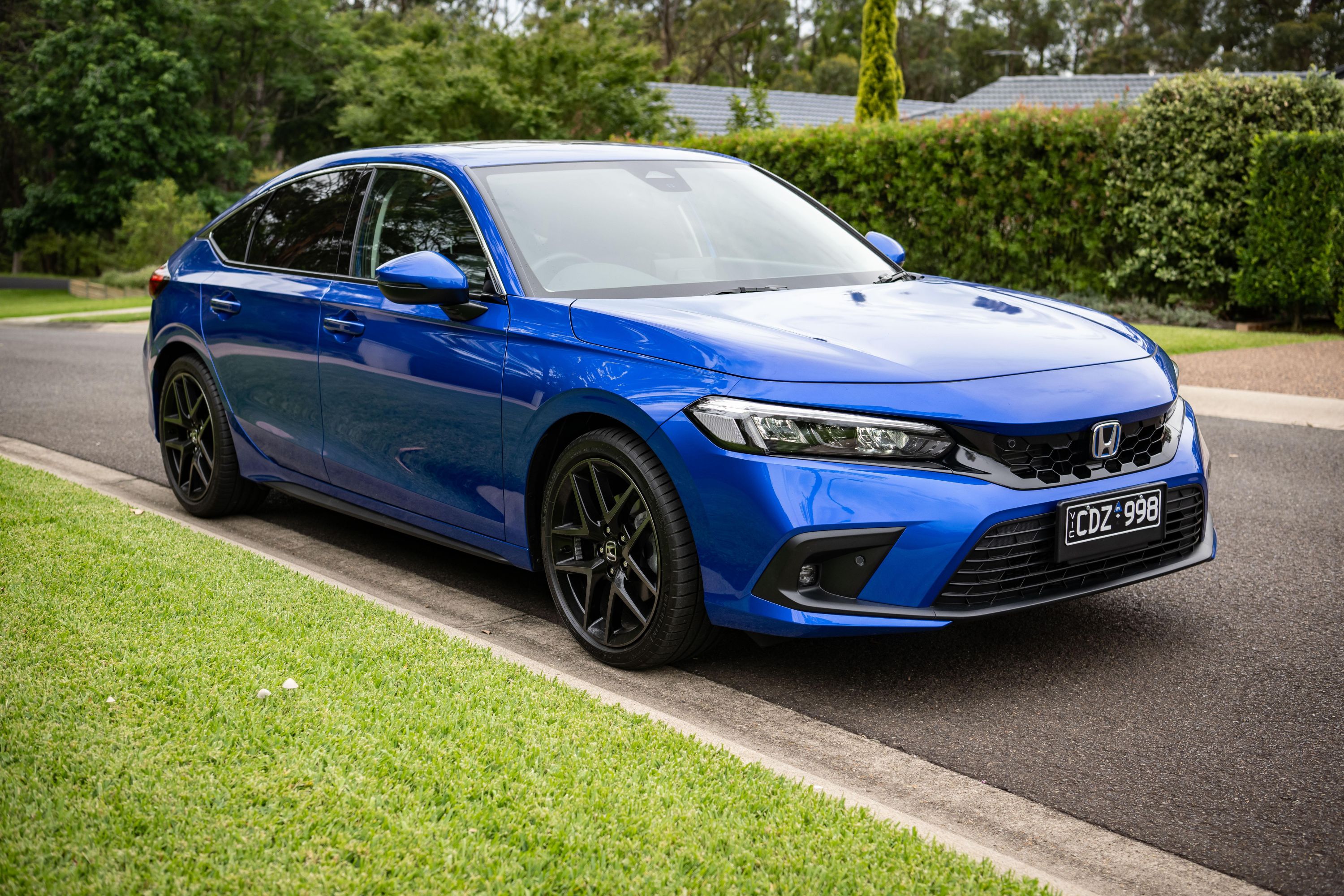
The Honda Civic range has been around for a bit over a year now, and when the line-up first launched there was a lot of reaction about the pricing.
Since then, a lot of other brands have jacked prices up too, but the Civic remains one of the most expensive mainstream hatchbacks you can get in Australia. The hybrid one tested here? It’s pretty darn pricey.
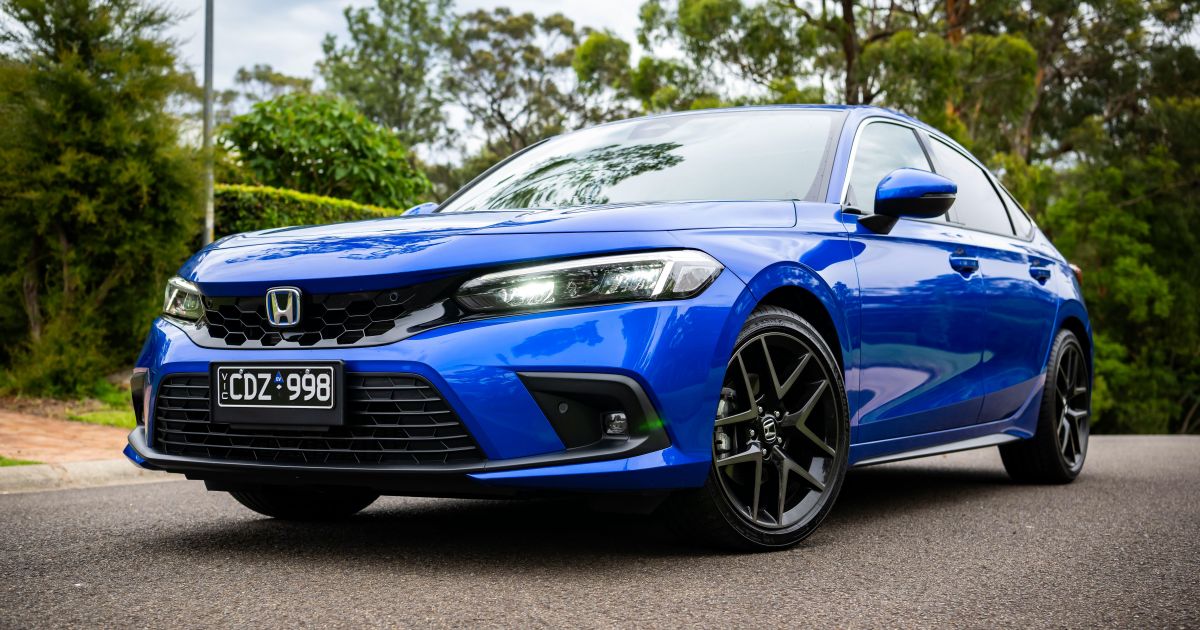
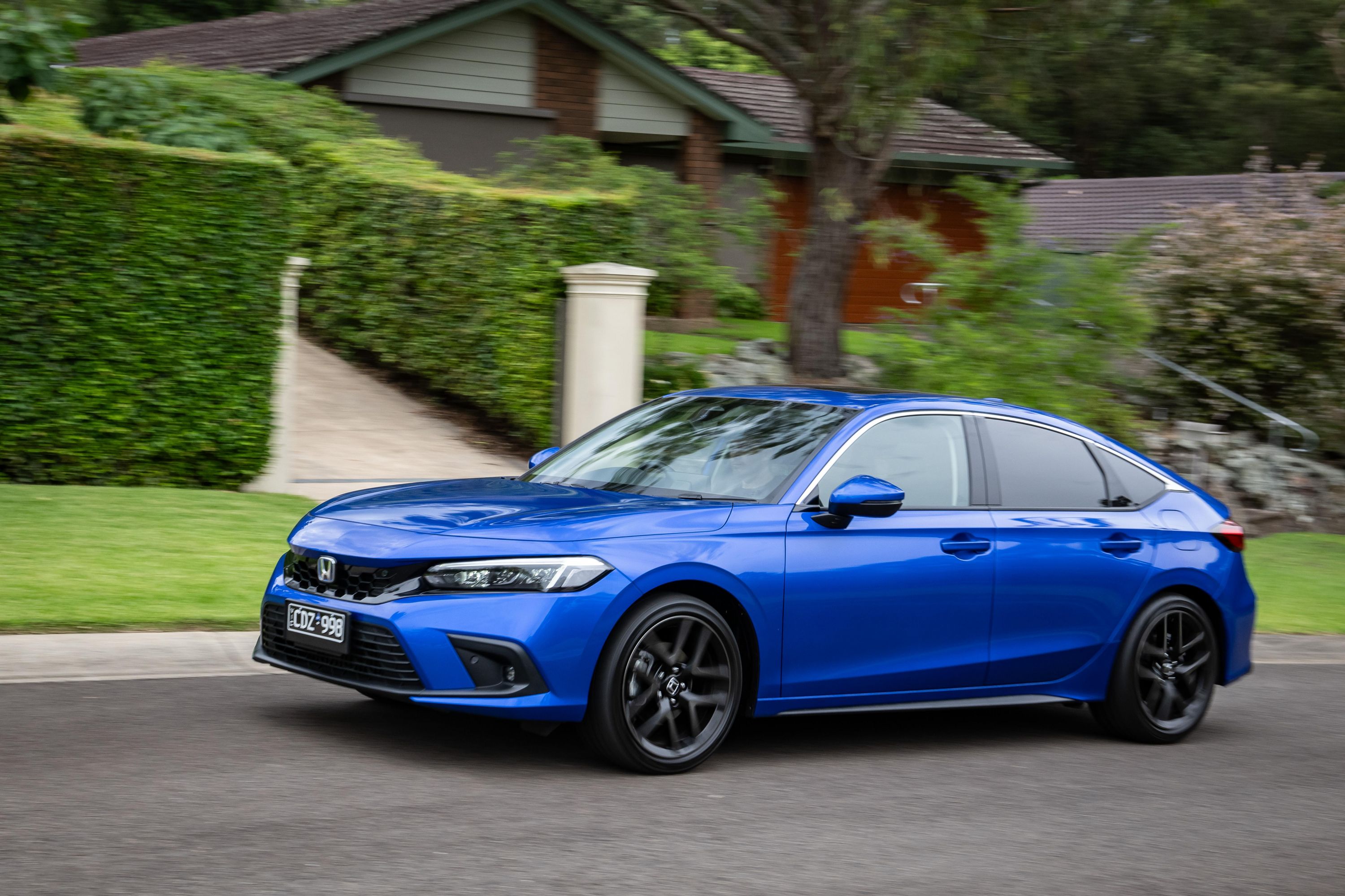
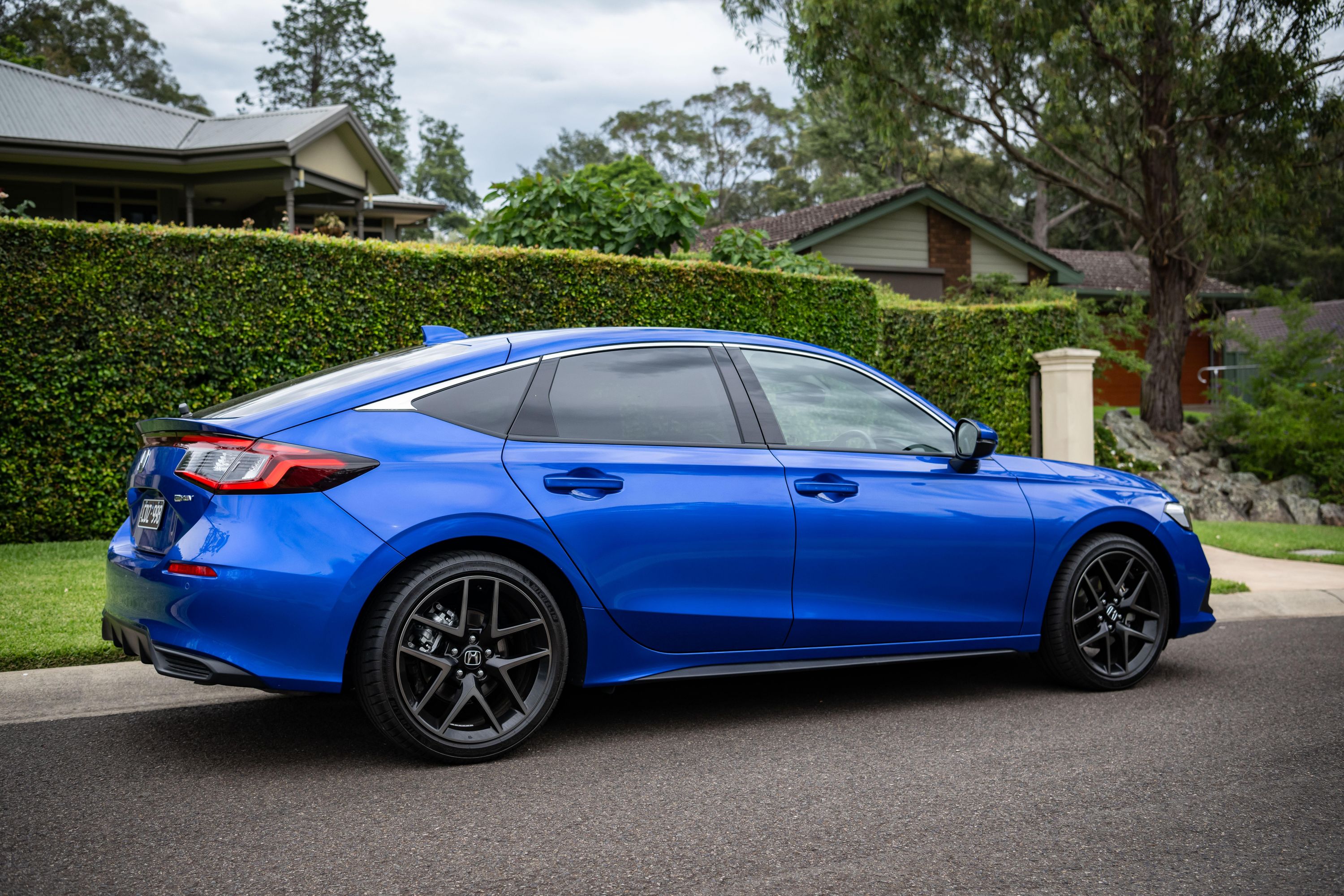
Budget aside, the 2024 Honda Civic e:HEV LX is impressive. Like, I think I’d try and find a way to make the repayments work, because it’s such a good thing. I’ll tell you why in this review.
How does the Honda Civic fare vs its competitors?
View a detailed breakdown of the Honda Civic against similarly sized vehicles.
Honda
Civic
How much does the Honda Civic cost?
Honda Australia has national drive-away pricing for its model range, and it’s on the high side.
The Civic e:HEV LX is $55,000 drive-away, and to me that’s about 10 per cent too much to be competitive with some of its big-name rivals.
Like, seriously, you can get a fully-kitted out Toyota Corolla Sedan ZR Hybrid ($40,260) or Corolla Hatch ZR Hybrid ($39,100); though, you might have to wait a while to get either of those. Even so, they represent unbelievable value compared to the Civic.
There are other hatchback rivals that you could also look at, like the Kia Cerato. The sporty GT version is an absolute hum-dinger of a bargain at $36,390 plus on-roads, and you could spend your savings on more than a lifetime’s worth of petrol.
If you want a hybrid small car and a sedan would do the job, there’s the new Hyundai i30 Sedan Hybrid, which starts from $33,000 plus on-roads. So, there are plenty of options out there.
There are even hybrid choices from within the Honda brand. You can get a HR-V e:HEV L ($47,000 drive-away) or the related ZR-V e:HEV LX ($54,900 drive-away) for less than this hatchback. You’d think those compact SUVs might hold their value better given higher demand, too…
But the Civic really does play a bit more of a semi-premium role now than it did in generations past. However like I said in the preamble: price isn’t everything!
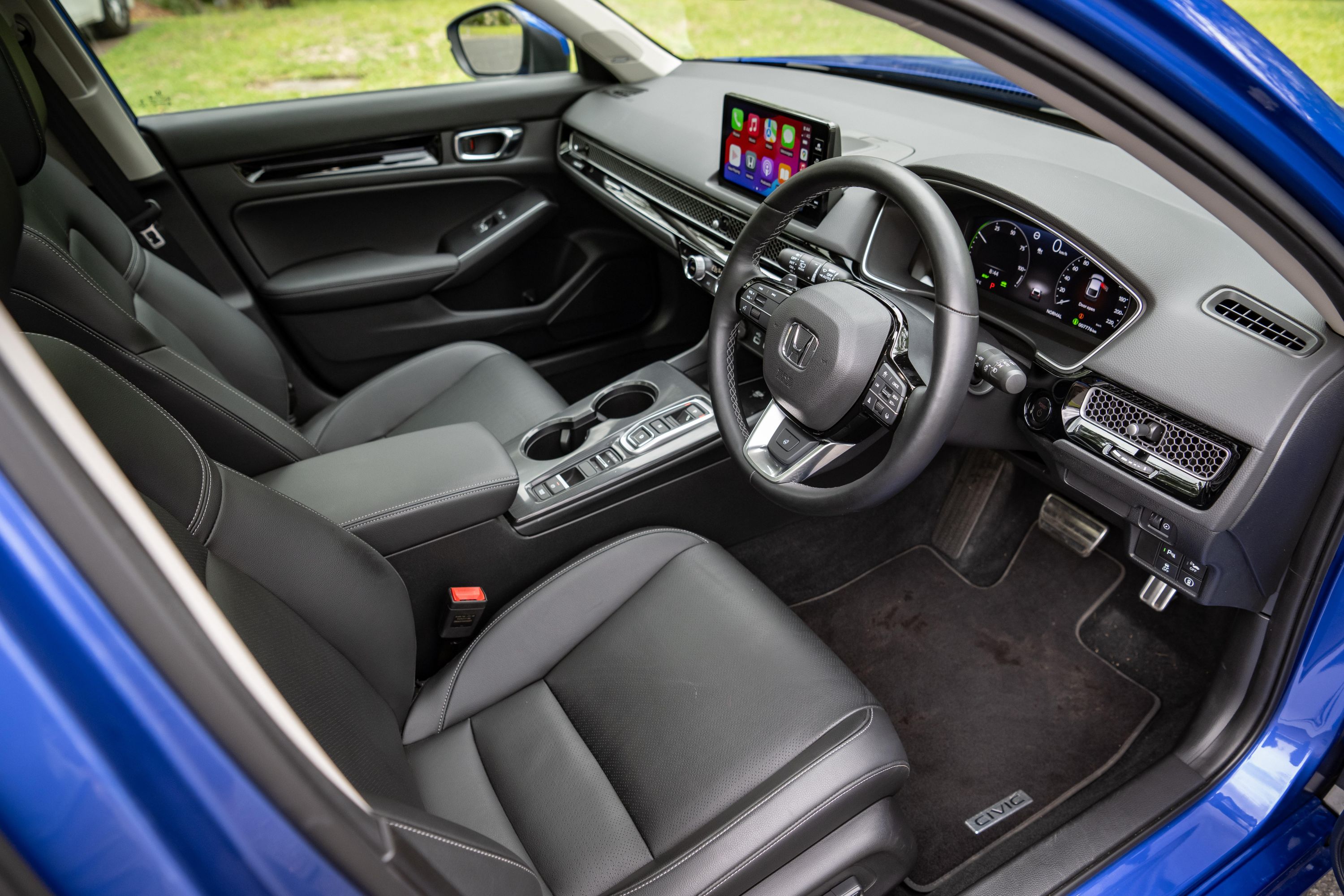
What is the Honda Civic like on the inside?
Do the blindfold test.
If you took off the blindfold, you could be convinced that you are in a Honda CR-V, or a Honda ZR-V, or a Honda HR-V.
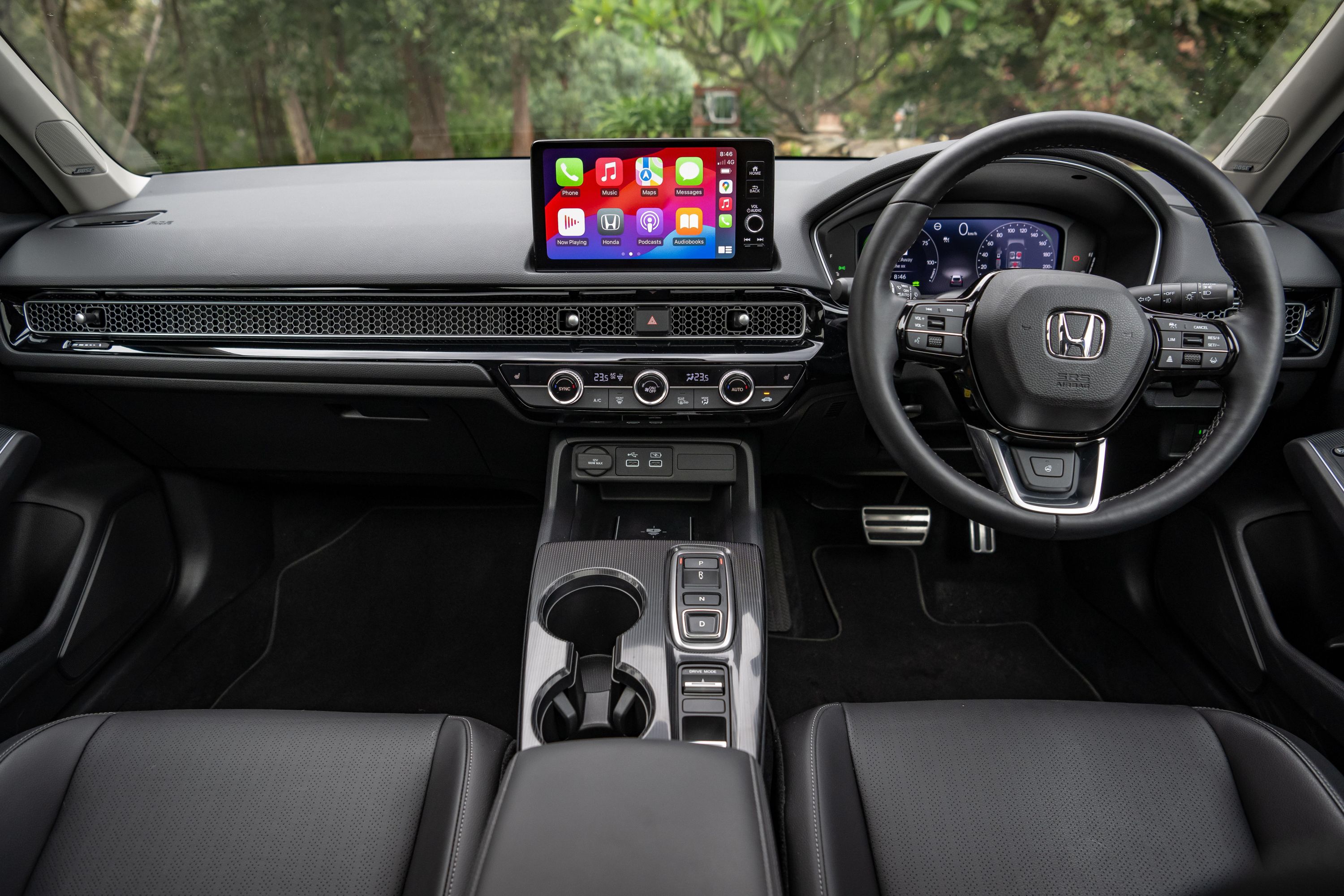
Do you know what – I don’t have a problem with that. I can understand why some people might, because the interior design is very much a copy and paste job between the different Honda models.
But I think it’s a beautiful design, and it works well no matter which application you’re talking about.
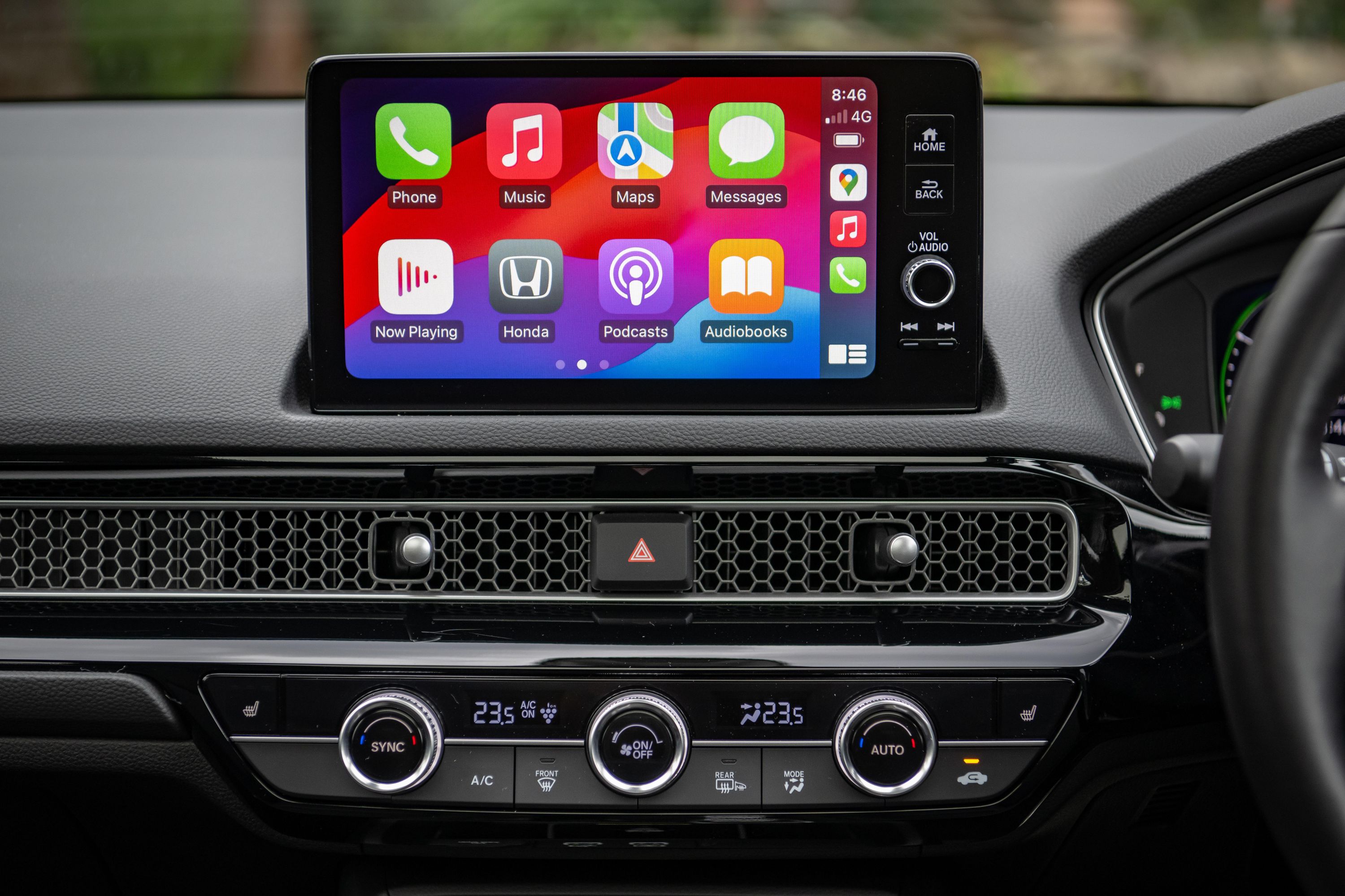
Part of the reason that it does work well is that it does still have manual dials and controls, and they are bloody lovely to use. There’s a motion to the knobs that is truly joyful to experience. There’s tactility, and a lovely sound to the actuation as you adjust the fan speed or temperature.
I know, I’m a bit of a knob knob; but these are lovely little details. The vents are excellent in terms of adjustability, too.
The media system also has a couple of buttons (home, back and tuning triggers) and there’s a volume knob – all of which make living with the screen a lot easier.
Of course, there’s wireless Apple CarPlay and Android Auto as well, and it is a pretty simple screen setup despite the fact there are a few pages of menus to wander through, including screen settings, sat nav and plenty more.
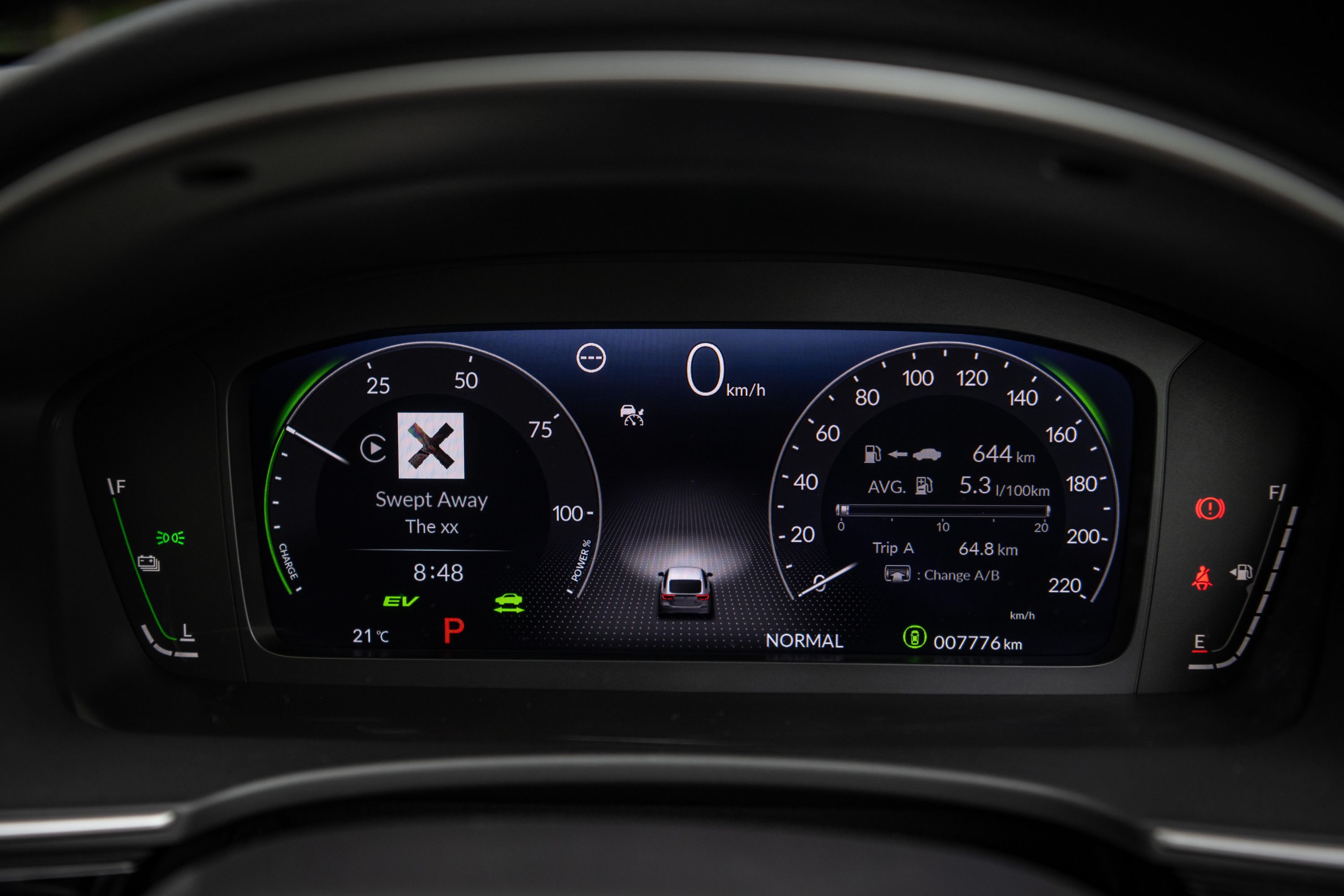
The small digital instrument display in front of the driver takes a little bit more learning than the touchscreen itself, with the roller pads on the steering wheel being your means of controlling the display.
But there is a decent amount of clever information and data available to you, like trip computers, media controls and even a display to monitor the car’s powertrain and see what’s happening at any given time while you’re driving.
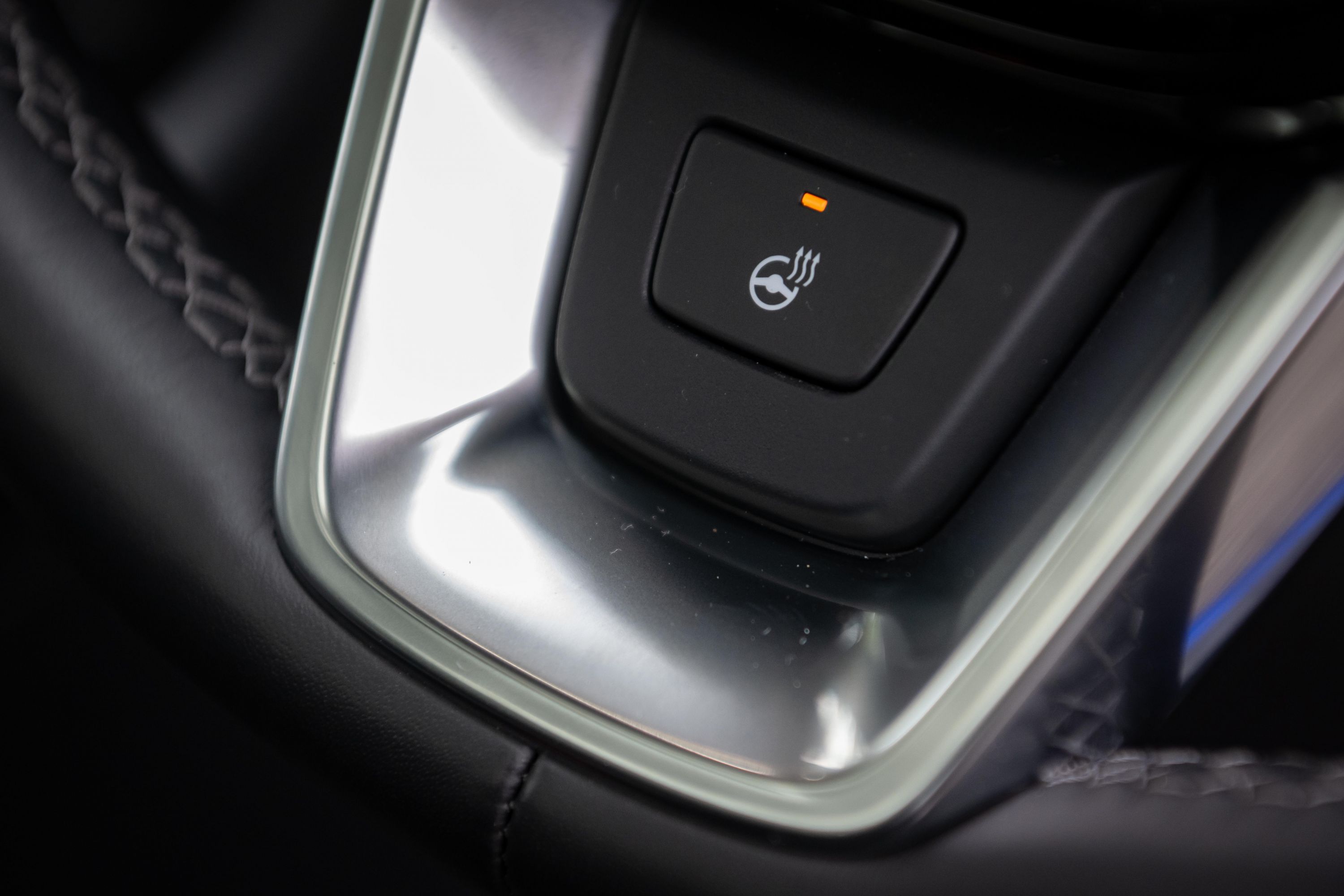
You’ve also got a steering wheel heating button on the steering wheel itself – which is way better than having to go through the screen to get to it!
Some buttons I’m not as fond of include the gear-selector controls, which include push buttons for the Park, Neutral and Drive actuation, and a pull trigger for Reverse, which is the same action you do when you’re pulling on the electronic handbrake.
I managed to get it wrong a few times – there is some innate thing in my brain that makes me want to pull the reverse trigger to put the car into park… I guess it works, too!
There’s also a Drive Mode controller down near the selector as well, but for this test I just drove the car in the standard mode.
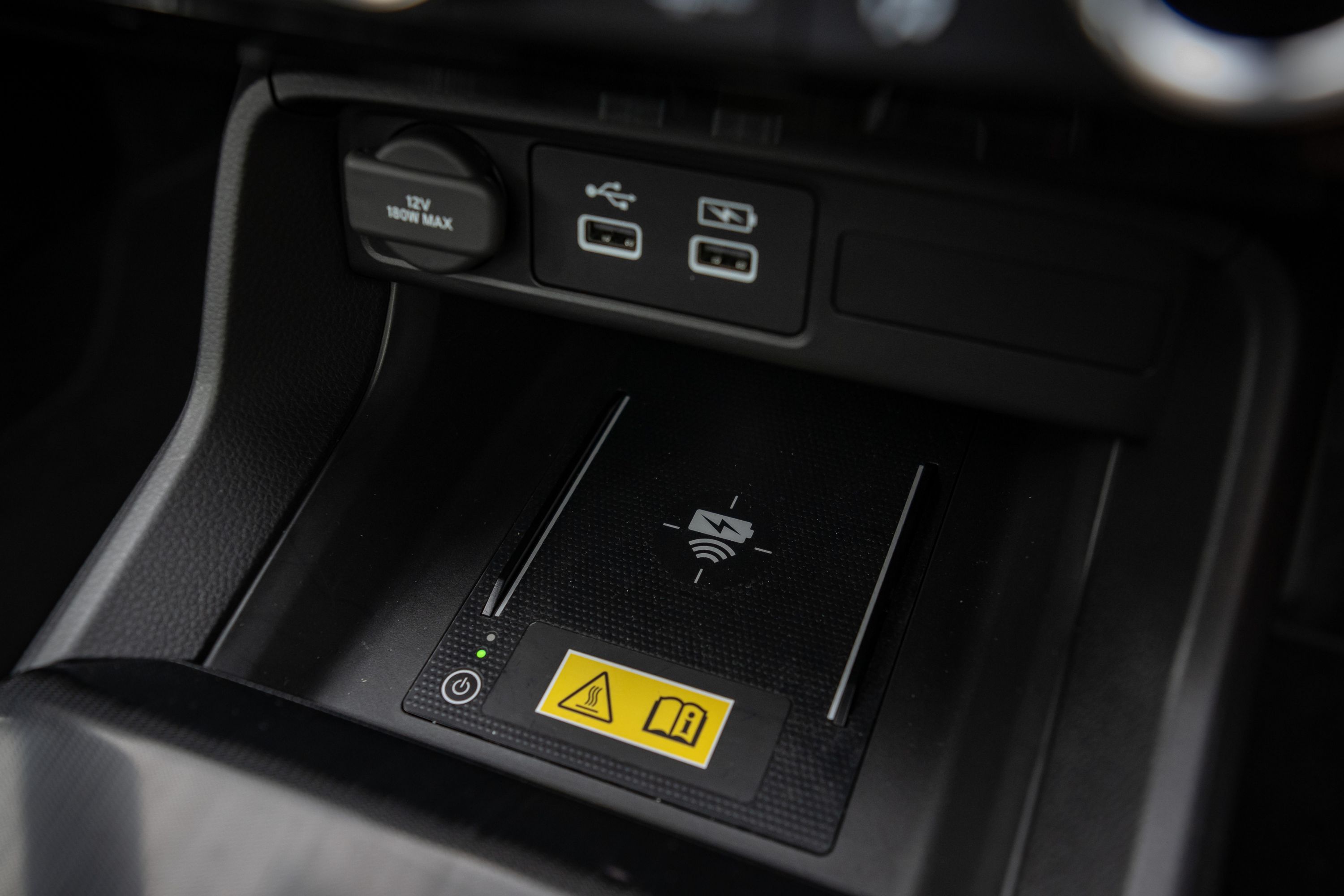
You’ve got a wireless phone charger with a pair of USB-A ports and a 12-volt outlet as well, a pair of decent sized cupholders between the front seats, and a reasonable centre console bin. Both front doors have good sized bottle holders, and there are soft elbow pads and a soft centre console cover too.
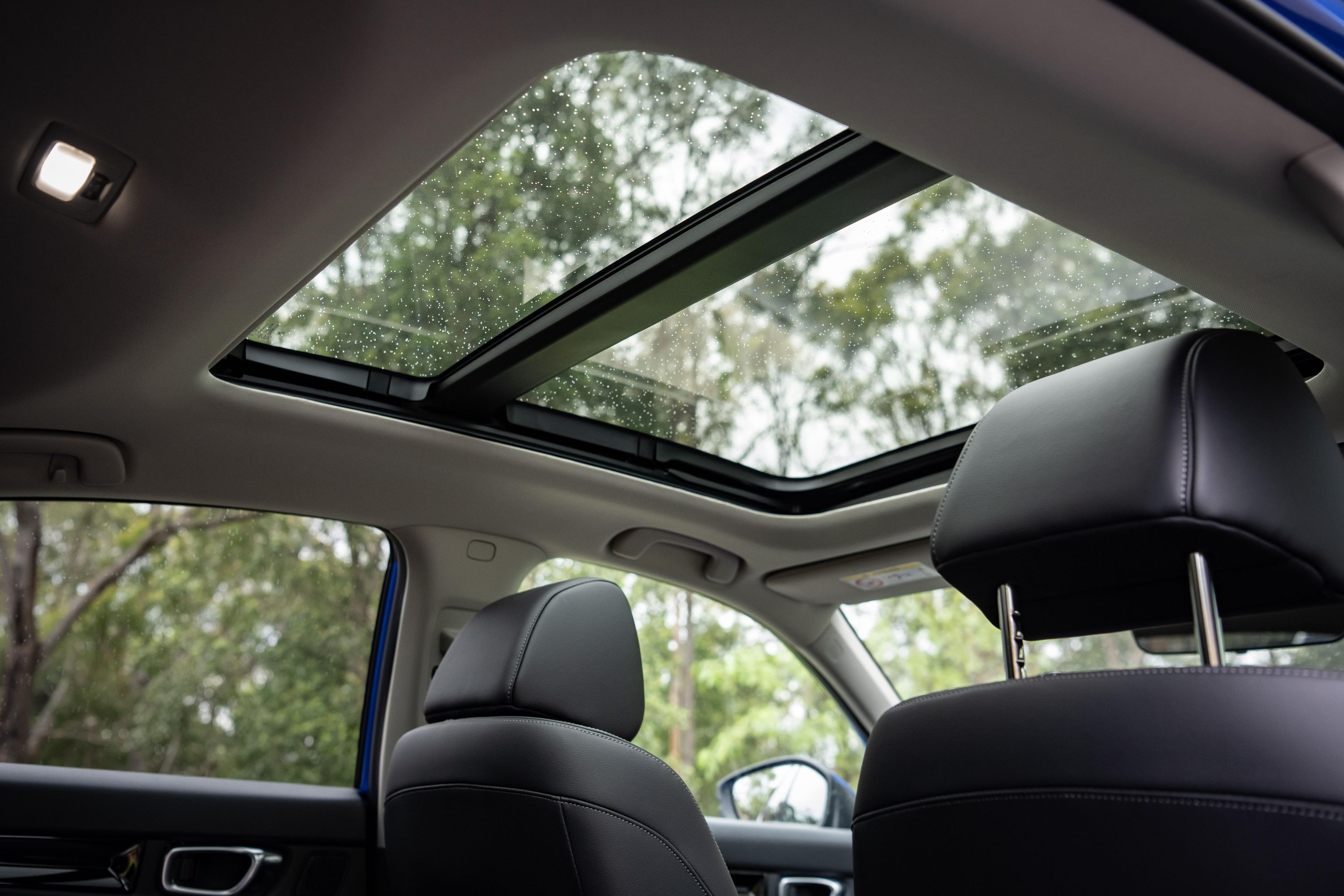
I appreciate that this higher-grade model still comes with a light headliner as opposed to black, which is seemingly the go-to for so many brands, and the hybrid also has a panoramic sunroof which does make for an even more airy experience inside.
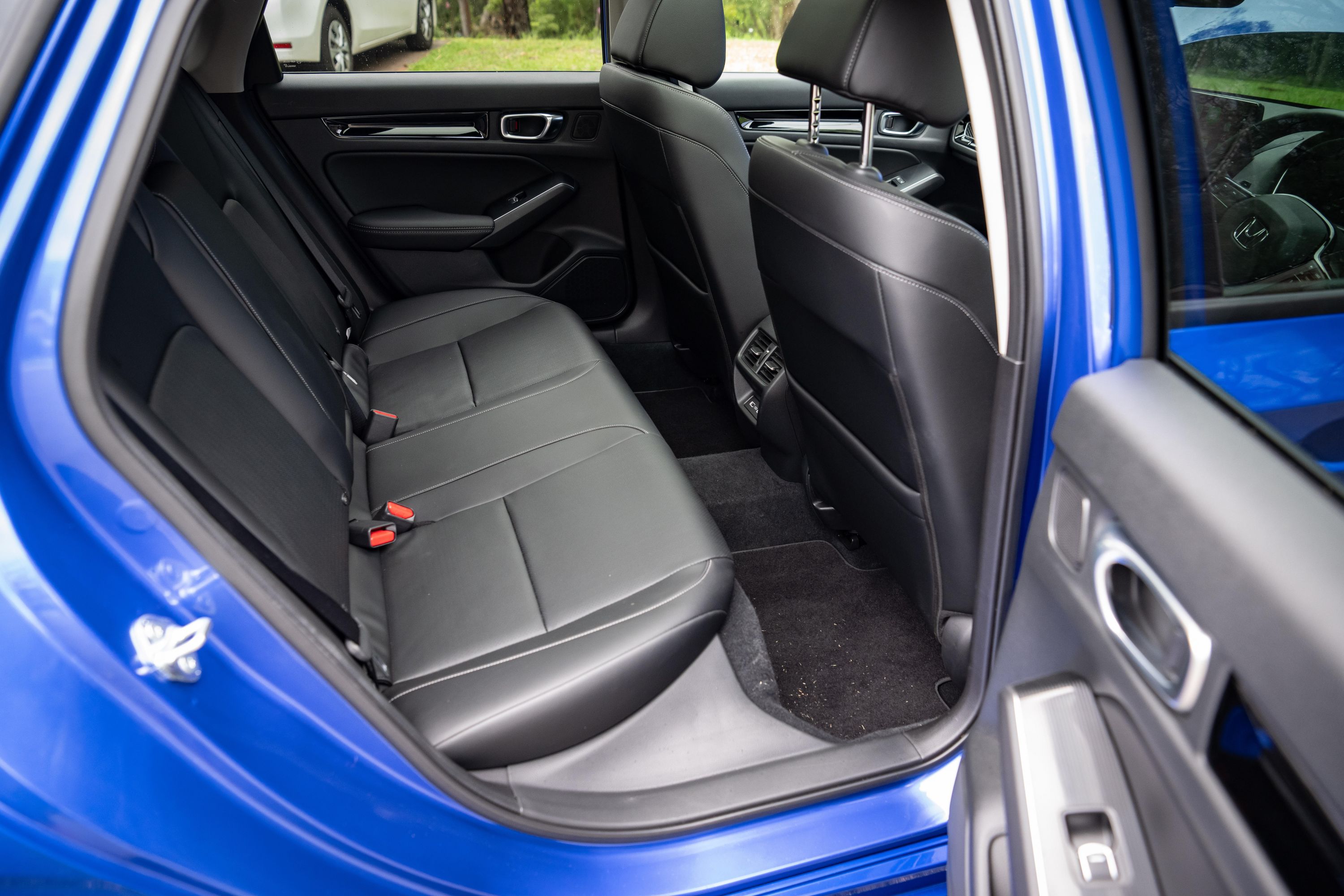
In the backseat, head room is the biggest issue – both getting in and sitting in the back. This means that you might have to be careful about how tall you are!
At 6’0” or 182 cm, my head just brushes the ceiling, and I have to duck to get in and out. But thankfully, there is ample legroom and foot space in front with the driver’s seat in my position.
You could potentially fit three adults across the back, but it wouldn’t be the most comfortable trip for everyone involved, as the middle seat isn’t comfortable and it is a higher position than the more sculpted outboard seats. There is a modest transmission tunnel intrusion to contend with, too.
If you’re riding two-up in the back, there’s a flip down armrest with cupholders as well, directional air-vents, and a pair USB-A ports.
You get two map pockets, bottle holders in the doors and soft elbow pads as well – though the top parts of the doors are a little bit downgraded compared to the material used upfront, and while the front doors have ambient light strips, the back ones don’t.
Parents will note there are ISOFIX points in the outboard spots, and three top-tethers as well.
Thankfully in the Civic – as opposed to the CR-V – you get an integrated middle seatbelt in the backrest, meaning it doesn’t come down from the ceiling. Likewise you don’t have to attach the middle top-tether to the ceiling, as it’s in the boot area.
There are no clever Magic Seat elements to the interior, and this $55,000 hatchback doesn’t come with an electric tailgate, and you also miss out on a proper parcel shelf – instead you get a retractable cover, which will not double as a parcel shelf unless you’re loading feathers on there (or maybe a tissue box).
Under the boot you won’t find anything, because there is no spare tyre in the spec; although, you do get a repair kit hidden back there.
The boot itself isn’t a flat space either, but it is a damn sight more usable than a Corolla Hatch, with the hybrid model still offering a healthy 409 litres of cargo capacity (which is less than the petrol, at 449L).
You can fold the seats down and get extra space if you need it, but it’s not a flat load-through to take advantage of the 1187L of cargo volume with the back seats folded down.
What’s under the bonnet?
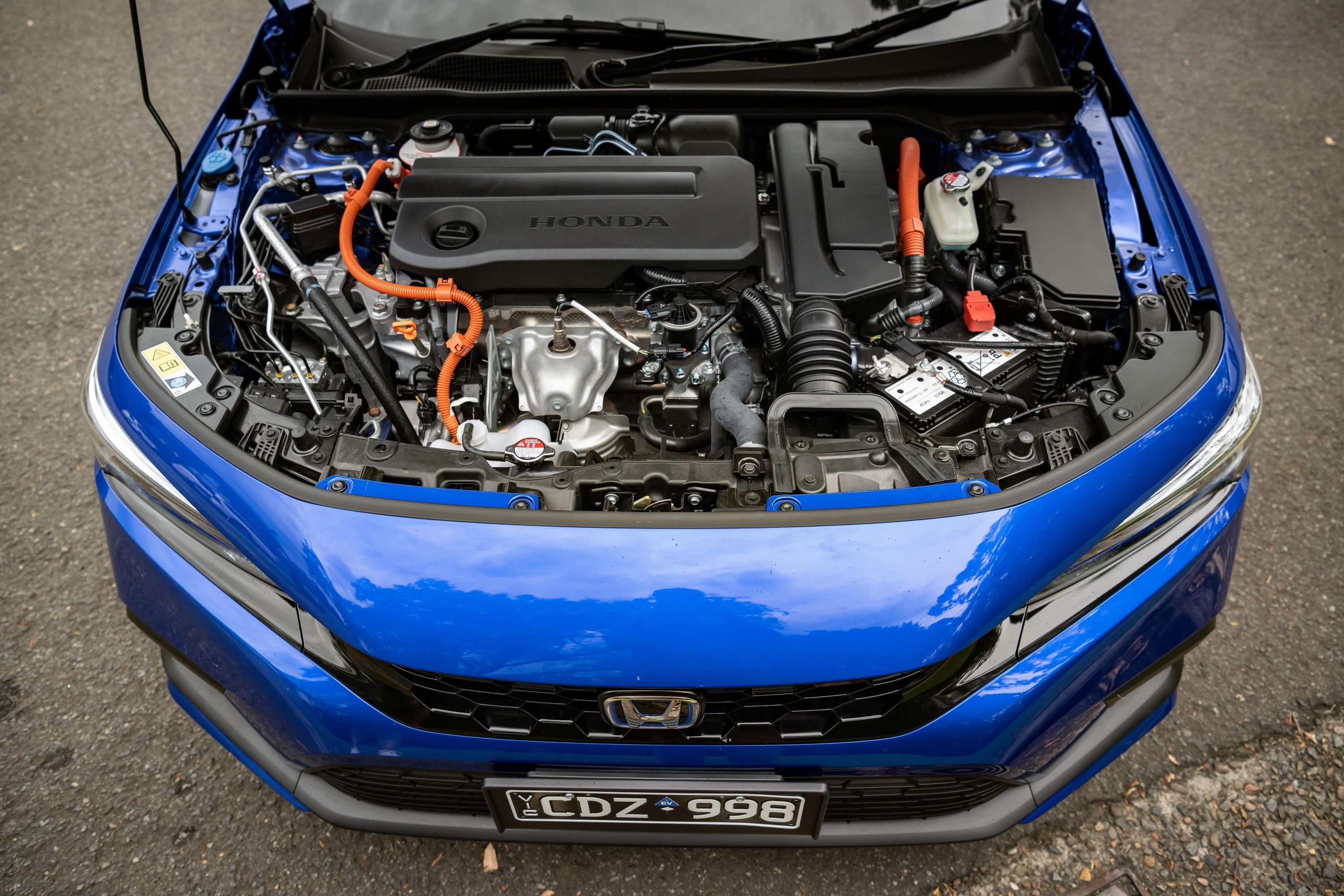
The e:HEV LX uses a 2.0-litre naturally-aspirated petrol engine teamed to a pair of electric motors and a battery pack.
The engine is a 2.0-litre Atkinson cycle petrol with direct injection (with outputs of 105kW/186Nm) which is teamed with a 1.05kWh lithium-ion battery and two electric motors – but don’t go thinking that means that it’s all-wheel drive… it’s not! Both e-motors power the front wheels only.
The combined outputs are gruntier than the base model turbo-petrol Civic, with 135kW and 315Nm. That’s pretty hefty for a compact hatchback. It makes use of an e-CVT (continuously-variable transmission).
The official combined cycle fuel consumption figure for this grade is 4.2L/100km and it is rated to drive using 91 RON regular unleaded. It has a 40-litre fuel tank. Across hundreds of kilometres of mixed testing, I saw a return of 5.0L per 100km, which – while not as good as the sticker, or as a Corolla Hybrid – but it’s still pretty good.
How does the Honda Civic drive?
It’s almost like the lovechild of a Kia Cerato GT and a Toyota Corolla Hybrid.
I say that because it’s a sportier drive than you might expect a hybrid hatch to be, but still with the petrol-electric smarts and trickery to make it a properly efficient choice, especially in start-stop city driving.
The petrol-electric hybrid powertrain is eager to use EV mode as much as possible in lower speed situations, and it will even dip in and out at higher pace, too. But in traffic jams or when dealing with intersections or parking, you’ll notice it’s driving electric because of the lack of engine noise, and the little green light on the dash.
The engine is a little noisy, being that it acts a bit more like a generator in some situations, but it can also use that engine to support the electric propulsion (like a Toyota), meaning it feels properly quick when you put your foot flat. The official number is 7.8 seconds from 0-100km/h, but it feels a bit more brisk than that.
It does have a CVT auto, which means you can still get that “buzzing” style sound under acceleration, but it also has noticeable “shifts” when you’re accelerating from a standstill.
By sporty to drive, I mean that it has a firmer ride than some people might be happy with; though, I really love the driving manners of this car.
It is hard-riding at times, but it is firm and controlled in corners, and never crashy over bumps… just a bit of a ‘lumpy’ feeling at times.
The steering has that typical Honda speedy assistance to it, meaning it feels direct and fast in the way it changes direction, and that adds to the sporty driving factor.
It’s enjoyable to drive, whether you’re linking up a few faster corners, or even just doing boring stuff like dealing with roundabouts or reverse-parallel parks.
Now, this spec does have a reversing camera with multiple view options; though, there’s no side or front (or 360-degree) camera system. It’s not overly hard to park, but the rear pillars aren’t the thinnest.
One frustration for drivers who live where there are lots of coarse-chip surfaces is the amount of road noise that can creep into the cabin, especially at freeway pace. That seems to be a new-gen Honda trait, sadly.
What do you get?
Civic VTi LX highlights:
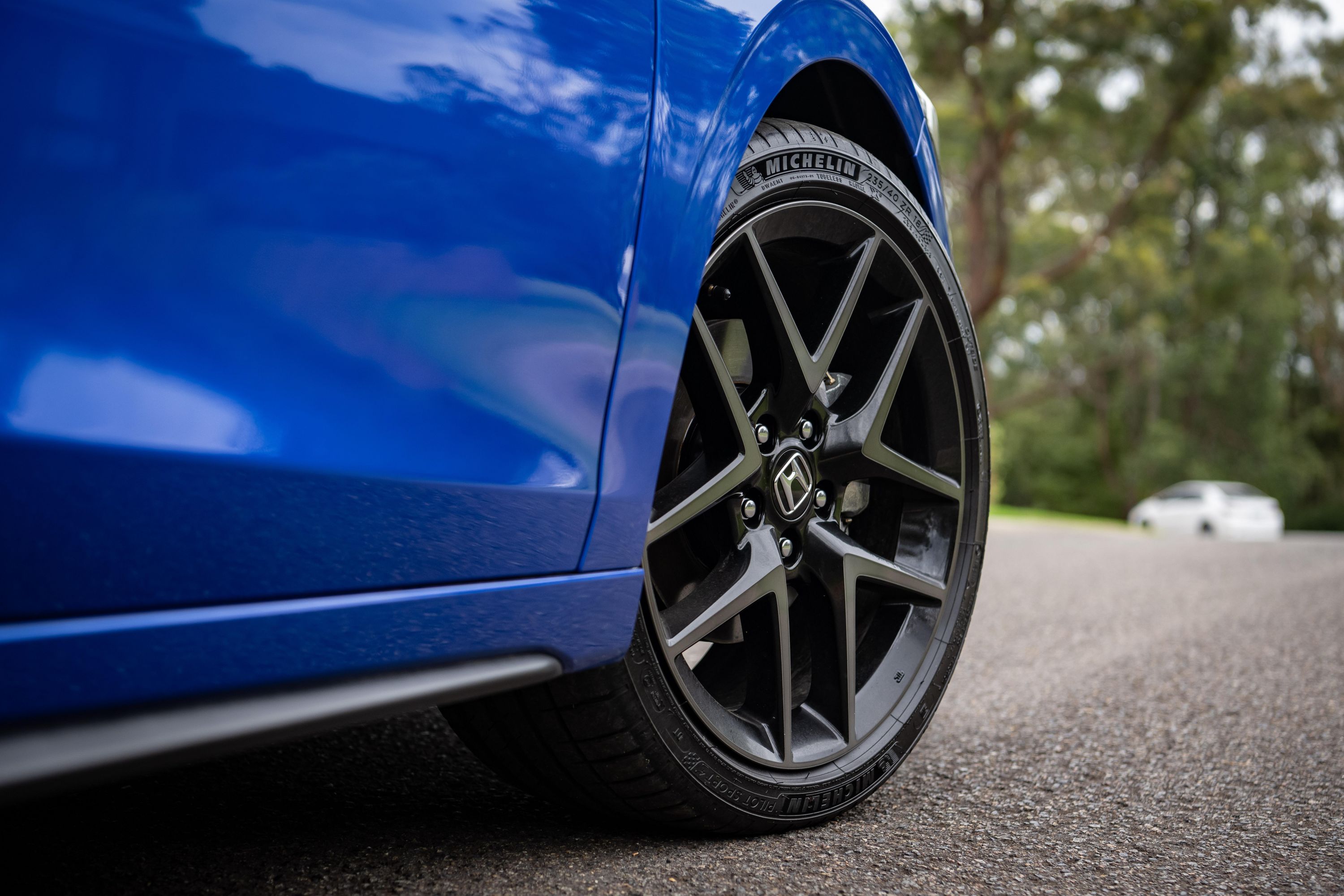
18-inch alloy wheels
Automatic LED headlights, auto-levelling
Automatic high-beam
LED fog lights
Rear privacy glass
9.0-inch touchscreen infotainment system
Wireless Apple CarPlay
Wired Android Auto
Satellite navigation
DAB+ digital radio
12-speaker Bose sound system
Wireless phone charger
7.0-inch digital instrument cluster
Leather-wrapped steering wheel
Leather-wrapped shifter
Leatherette upholstery with red-accented suede
8-way power driver’s seat
4-way power passenger seat
Heated front seats
Rain-sensing wipers with integrated washer nozzle
Power retractable exterior mirrors
Auto up/down power windows (front)
Auto-dimming rear-view mirror
Paddle shifters
Alloy sports pedals
Dual-zone climate control
Rear air vents
Tilt, telescopic steering adjustment
Red ambient lighting
Civic e:HEV LX adds:
Panoramic sunroof
10.2-inch digital instrument cluster
Heated steering wheel
Power lumbar support for front seats
Leather-appointed upholstery
Individual drive mode
5yr Honda Connect subscription
Auto up/down power windows (front and rear)
Smart keycard
Push button gear shift
Let us know if you’d go e:HEV or VTi in the comments!
Is the Honda Civic safe?
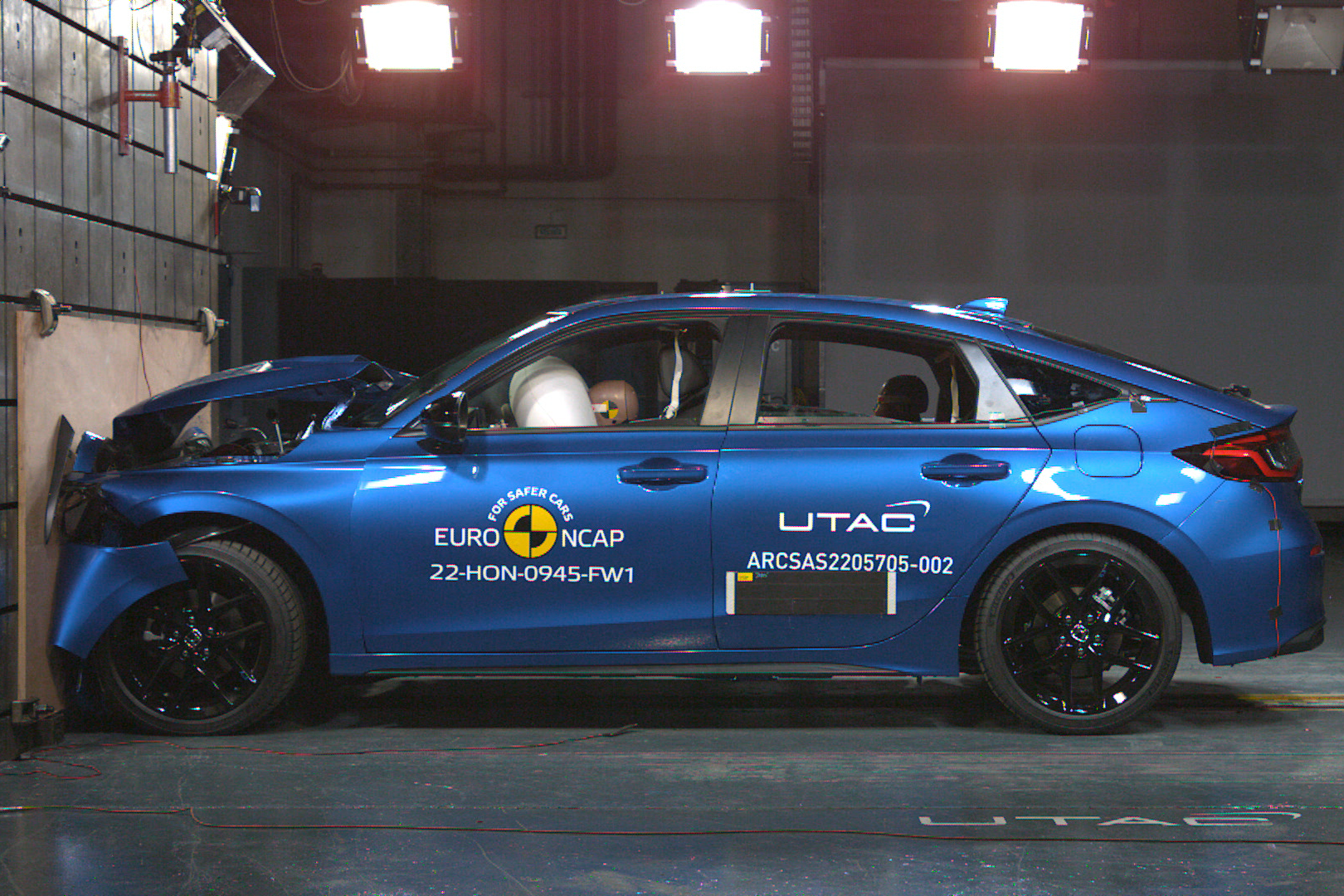
At the time of writing, the current Honda Civic hasn’t been tested by ANCAP – but there is a five-star score for the hybrid model based on 2022 Euro NCAP crash testing.
Euro NCAP crash testing
In that testing, it achieved 89 per cent for adult occupant protection, 87 per cent for child occupant protection, 82 per cent for vulnerable road users and 83 per cent for safety assist.
Standard safety equipment includes:
Autonomous emergency braking (AEB)
Vehicle, Pedestrian, Cyclist detection
Junction assist
Blind-spot monitoring
Rear cross-traffic alert
Lane departure warning
Lane keep assist
Lane centring
Traffic Jam Assist
Adaptive cruise control
Driver attention monitoring
Front, front-side, front knee and full-length curtain airbags
Reversing camera
Front, rear parking sensors
Traffic sign recognition
Intelligent speed limiter (can adjust to sign-posted speed if you want)
What’s weird about this spec is that it adds rear side and front centre airbags, which you don’t get in the base model.
How much does the Honda Civic cost to run?
Buy any Honda in Australia and you get a five-year, unlimited-kilometre warranty for the car, but buy a hybrid Honda and the battery pack is covered for an eight-year/unlimited-kilometre period.
You also get five years of premium roadside assistance cover, and there’s a five-year capped-price servicing plan, too.
Honda Australia offers “5 Low Price Services”, with scheduled maintenance capped at $199 per service for the first five visits. The service intervals are 12 months or 10,000 kilometres – which is shorter than many rivals (15,000km is average).
Buyers will receive satellite navigation map updates for the duration of the new-car warranty, and Honda Connect services data is included for five years, too.
CarExpert’s Take on the Honda Civic
The Honda Civic e:HEV LX is lovely. It just costs a bit too much.
If this was $50,000 drive-away, Honda would be selling a lot more of them. Likewise if the petrol was in the $42,000 range, it would be a bigger success story on the sales charts.
But if you’re okay with spending more, then you’re getting a lot of small car for the cash. It’s properly efficient, lovely to drive, and has a pretty usable cabin with a lovely design to it, too.
If there was one major takeaway from the Men’s Fall/Winter ’24 collections, it was that there appears to be two major perspectives and that is the legacy vs new take on design. One sees new creative directors, bringing their maisons into a new direction while the other sees existing heads of fashion houses honing into their brand. Each takes on the age-old question of how to present new clothing while balancing between marketability and creative, conceptual appeal. How brands communicate the storytelling through the clothes while simultaneously clueing us into the direction of where the house is going is essential.
The New Guards
Louis Vuitton
It appears as if the creative direction at Louis Vuitton is quite literally based on geographical aesthetics. Pharrell Williams’ predecessor Virgil Abloh succeeded in incorporating his vision while staying true to Louis Vuitton’s brand heritage. Abloh imbued his collections with sport and streetwear elements to deliver a clear visual identity in the clothing while incorporating clean tailoring (and hushing the naysayers) and also including his own African influences. However, Louis Vuitton’s Fall/Winter 2024 Men’s Collection chose to shine a light on “American Western dress” and workwear. From the “American Dandy” to the “First Cowboy” Louis Vuitton approached the collection through a country lens with suits and shirts chain-stitched with the cacti, bucrania and bolos of Western imagery alongside vaquero jackets with hand-embroidered metallic florals.
No doubt various pieces will be enjoyed by the Lil Nas X and Orville Pecks of the music industry who enjoy an updated take on Western American fashion but it begs the question of who Williams has in mind when he is designing the clothes and why is one of the biggest French luxury fashion houses taking the “American Western” approach. When Louis Vuitton’s Pre-Fall 2024 collection showed the House go to Hong Kong, the perspective was clear — to leverage on Hong Kong as a (re)burgeoning fashion market while highlighting the collection’s nautical-inspired collection. While this collection was indeed beautiful, there was a missing “Pharrell” stamp on the pieces that his predecessor was so successful at delivering. This is where Pharrell’s insight should come in. He understands how to create visual branding artists in the music industry and has been working on his image since the early noughties.
Gucci
Whatever you thought you knew about Alessandro Michele’s Gucci has gone out the window. Enter the new era of Gucci with Sabato De Sarno at the helm. The magpie meets more-is-more approach has come to an end and is instead replaced with exquisite simplicity and irreverent glamour. Ostentatious colours and silhouettes are instead replaced with flashes of red, blue, and green. It is the dawn of new creative design but is it by no means a venture into quiet luxury. This is a reset, with the focus shifting to the collection’s accessories. Sophisticated designs and sleek wardrobe staples were paired with leather gloves and bags in the House’s signature Gucci Rosso colour. From crossbody bags to cylindrical cases, duffles to backpacks the leather pieces of the collection were the true pièce de résistance. By honing into their bags and accessories they are effectively saying, that when you buy into the new Gucci, you are also buying into its new design team lead. This is “Gucci Ancora” and a brilliant menswear debut from Sabato De Sarno, marking a step in the right direction for both Gucci’s brand and marketability.
Givenchy
Givenchy explores “gentlemanliness” through the character of Hubert de Givenchy. Sartorial pieces were each injected with a nonchalant air of flamboyance that was delivered through textures of outerwear, teddy coats and bomber jackets. Givenchy’s infinity G monogram was brought out from archives and featured within the collection alongside the revival of the 2G emblem that was used on buckles. Givenchy always designs with the modern man in mind and so you will often find the collection’s feature youth take on clothing combined with subtle detailing.
Hermès
Hermes artistic director Véronique Nichanian knows how to design with men in mind. It takes a specific design prowess to bring English checks and herringbone textiles to a French design house. The collection oozed with versatile pieces including a black A-2 flight jacket in leather and belted long leather coats and knitwear featuring mixed argyle patterns. Haut à Courroies bags were the standout accessories followed by crocodile leather belts and cashmere beanies.
The Trailblazers
Dior
The beauty of what Kim Jones does is his ability to translate a narrative, be it whimsical or sentimental without being a literal interpretation. For Dior’s Winter 2024 men’s collection, the House took viewers on a historical journey through the life of Monsieur Dior’s late uncle, a ballet dancer turned photographer. Here, Kim Jones brings together the world of ready-to-wear with haute couture adding his special brand of theatricality and utilitarian finishes. Single-breasted suits in muted tones walked alongside “second-skin” ribbed knits and duffle-inflected outerwear together with elegant leather pieces and woolen jumpsuits. The rich textiles of kimonos crafted with practiced hand techniques added to the flamboyance of the rather masculine collection. With couture interwoven with ready-to-wear pieces, perhaps Dior is choosing to focus on the details in a world of fast fashion and cyclical trends. Archive-inspired embroideries and utilitarian bags that amplify the existing House codes are further evidence that Dior doesn’t need to reinvent the wheel.
Valentino
Pierpaolo Piccioli explored the characters of the modern man as Valentino continues to reflect on what shapes contemporary masculinity. Valentino’s Fall/Winter 2024 collection was a fresh take on traditional menswear and masculine wardrobe staples. Rather than redefine what we have come to know of menswear, Pierpaolo Piccioli instead made subtle tweaks. Adding on a double lapel to evoke the look of two blazers in one or playing with proportions from streamlined to oversized outerwear.
Rick Owens
Rick Owen’s special take on apocalyptic style has garnered a legion of followers propelling the brand into stardom. Voluminous leather creations masterfully crafted with a utopian twist paired with balloon-like footwear and larger-than-life jumpers. Pieces were crafted from deconstructed bicycle tires to deliver boxy motorcycle jackets — a standout piece from the collection. Enveloping duvet coats and oversized alpaca capes along with bulbous necklines and rubber-pull boots played into the oversized silhouettes that we have come to know of as Rick Owen’s industrial signature style.
Zegna
Artistic director Alessandro Sartori delivered versatile pieces that are interchangeable and can be transformed into an array of effortless individual looks. Key pieces from Zegna included the new Triple Stitch Monte Shoes and the Il Conte Jacket alongside the Oasi of Cashmere’s ever-evolving silhouettes which were seen in the collection through Sartori artful layering and a multi-dimensional approach to colour. The collection’s double-collared blazers, collarless anoraks and knitted tops suggest not only functionality but also provide a variety of adaptable pieces suited to a range of styles.
For more on the latest in luxury fashion and runway news, click here.
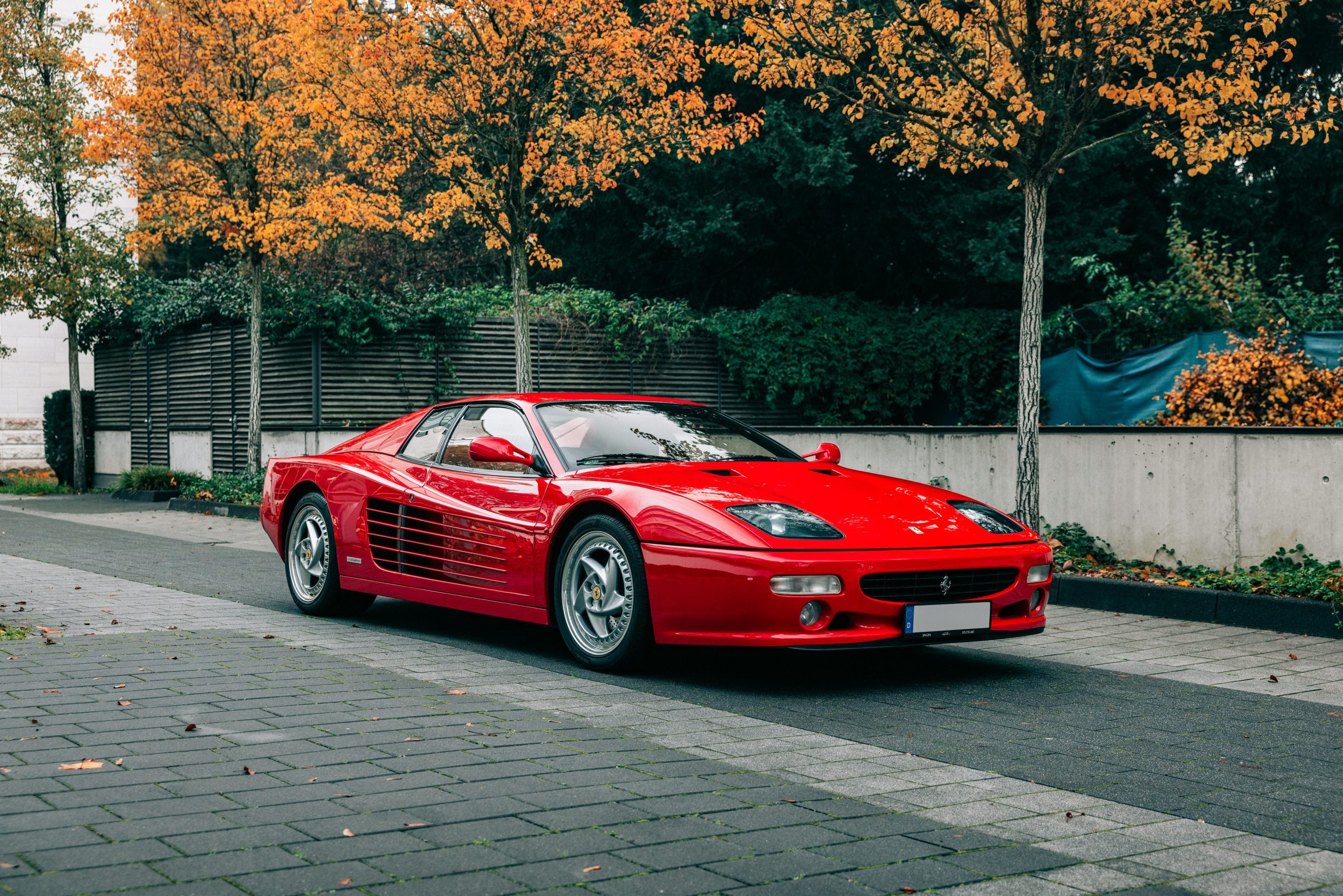
The 512 M was launched in October 1994 at the Paris Salon as the ultimate and final Testarossa. It was also the last of the ageing flat-12 Ferraris which first came on the scene in 1973 with the 365 GT4 BB.
The result of constant evolution, the 512 M shared almost all of its engineering from the 512 TR that came before it. Most of the changes were limited to slight body upgrades that many consider ruin the lines of the original design.
At the front a new F355-style front bumper was used with fixed headlights to replace the heavier popup style. At the rear, the rather garish matt black grille from the TR was reduced and limited to space between the rear lights. Of course the signature side strakes that made the Testarossa so popular in the first place were retained for its ‘Miami Vice’ street creds.
Inside the familiar interior was retained, but a new steering wheel and adjustable pedals were included. On the performance end, horsepower was up 12 bhp to 440 bhp at 6750rpm. This was good enough for zero to sixty in sixty 4.7 seconds and top speed of 195mph. By the time production ceased in 1996, only 500 examples were completed, which made the 512 M especially coveted among Testarossa enthusiasts and Ferrari collectors.
The technical storage or access is strictly necessary for the legitimate purpose of enabling the use of a specific service explicitly requested by the subscriber or user, or for the sole purpose of carrying out the transmission of a communication over an electronic communications network.
Preferences
The technical storage or access is necessary for the legitimate purpose of storing preferences that are not requested by the subscriber or user.
Statistics
The technical storage or access that is used exclusively for statistical purposes.The technical storage or access that is used exclusively for anonymous statistical purposes. Without a subpoena, voluntary compliance on the part of your Internet Service Provider, or additional records from a third party, information stored or retrieved for this purpose alone cannot usually be used to identify you.
Marketing
The technical storage or access is required to create user profiles to send advertising, or to track the user on a website or across several websites for similar marketing purposes.