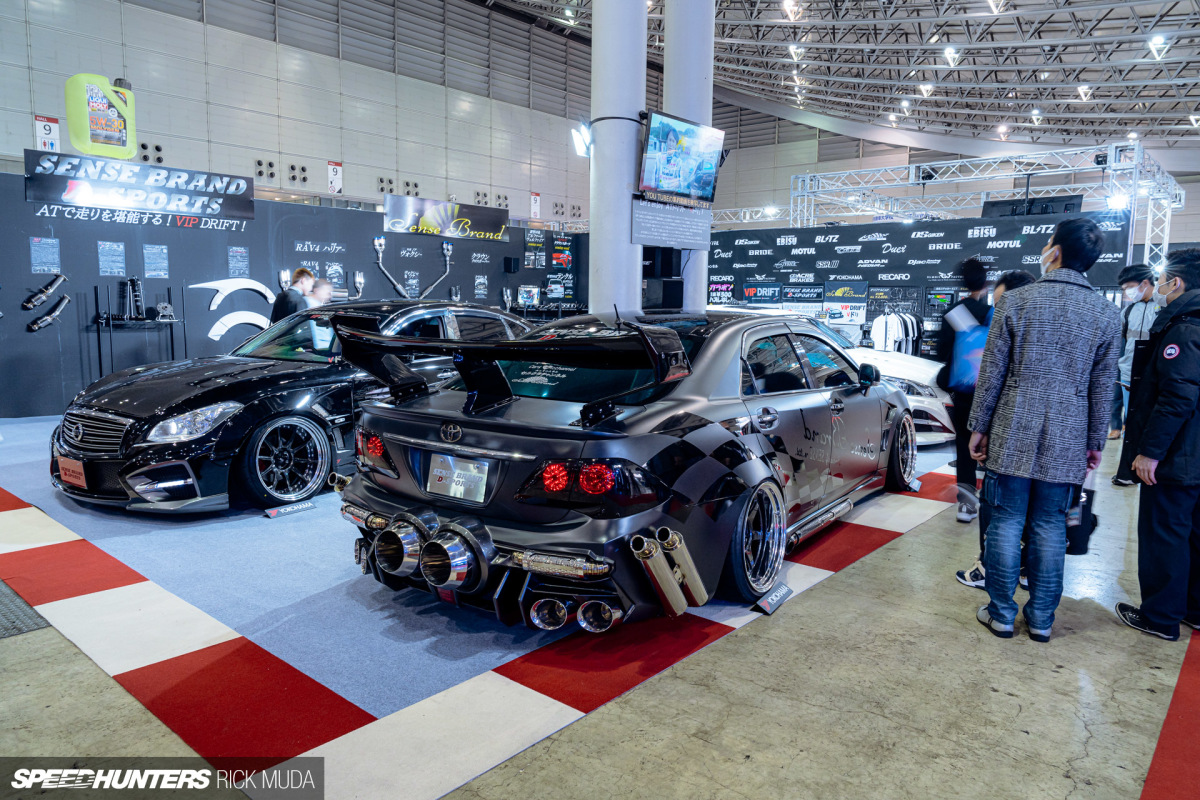
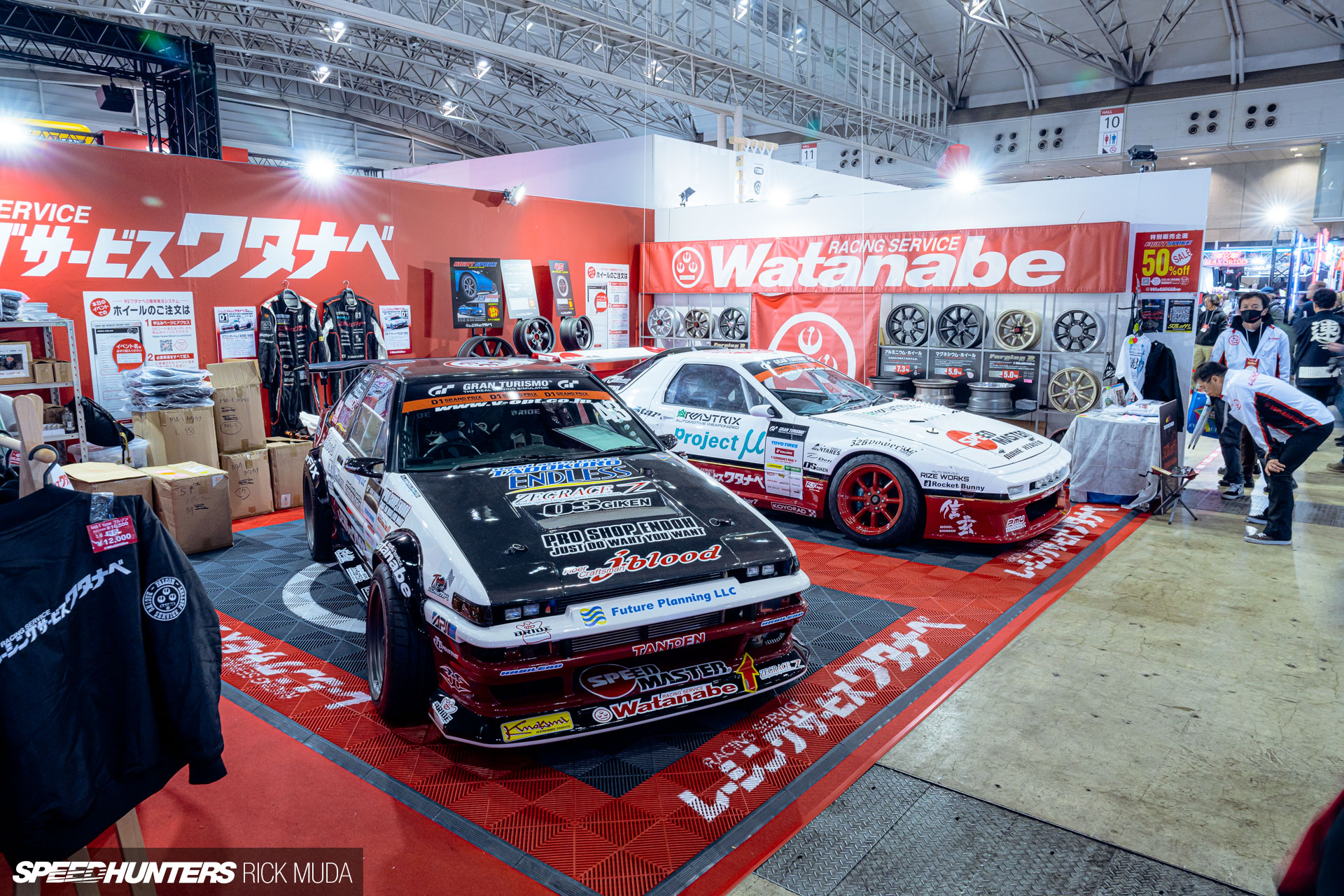
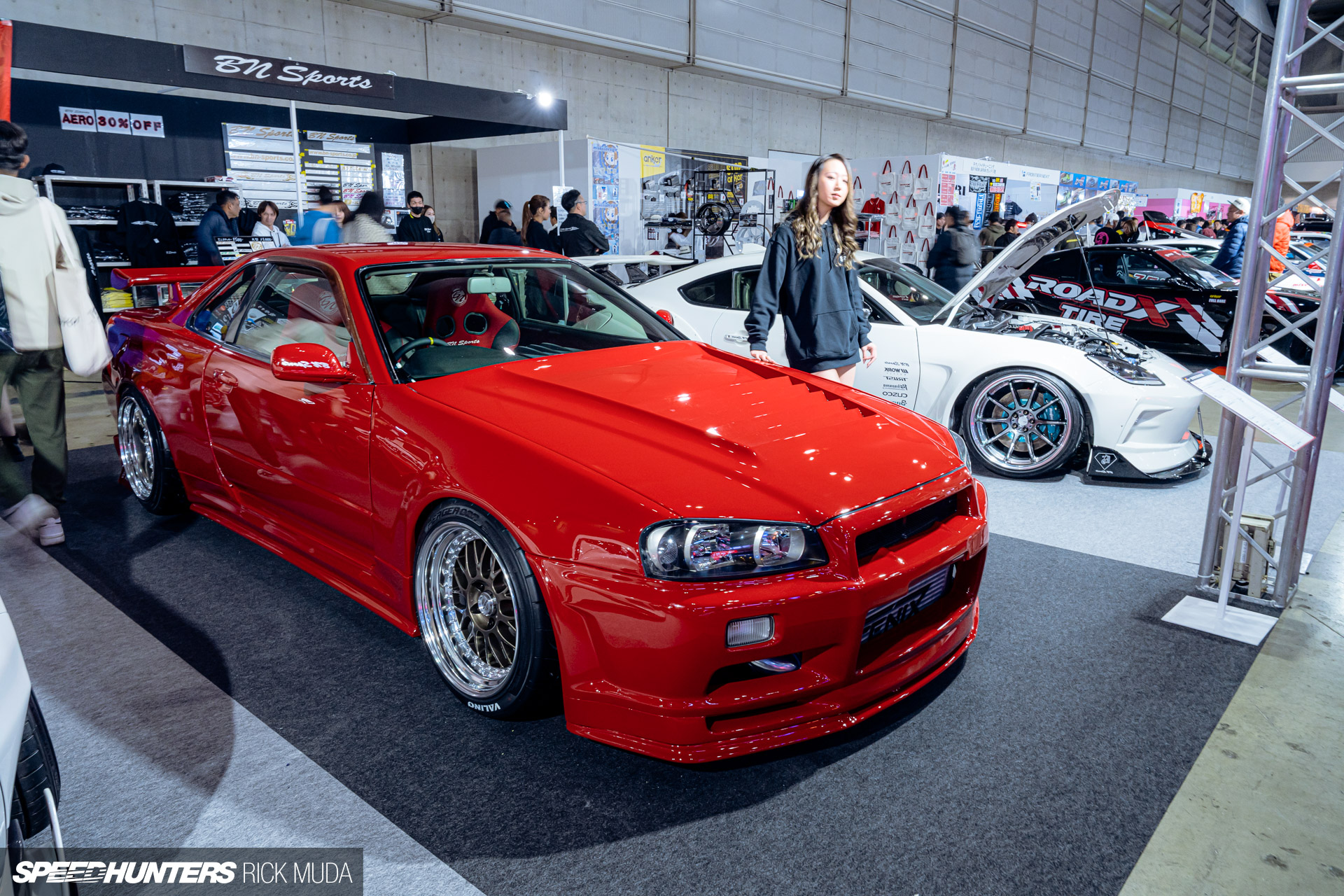
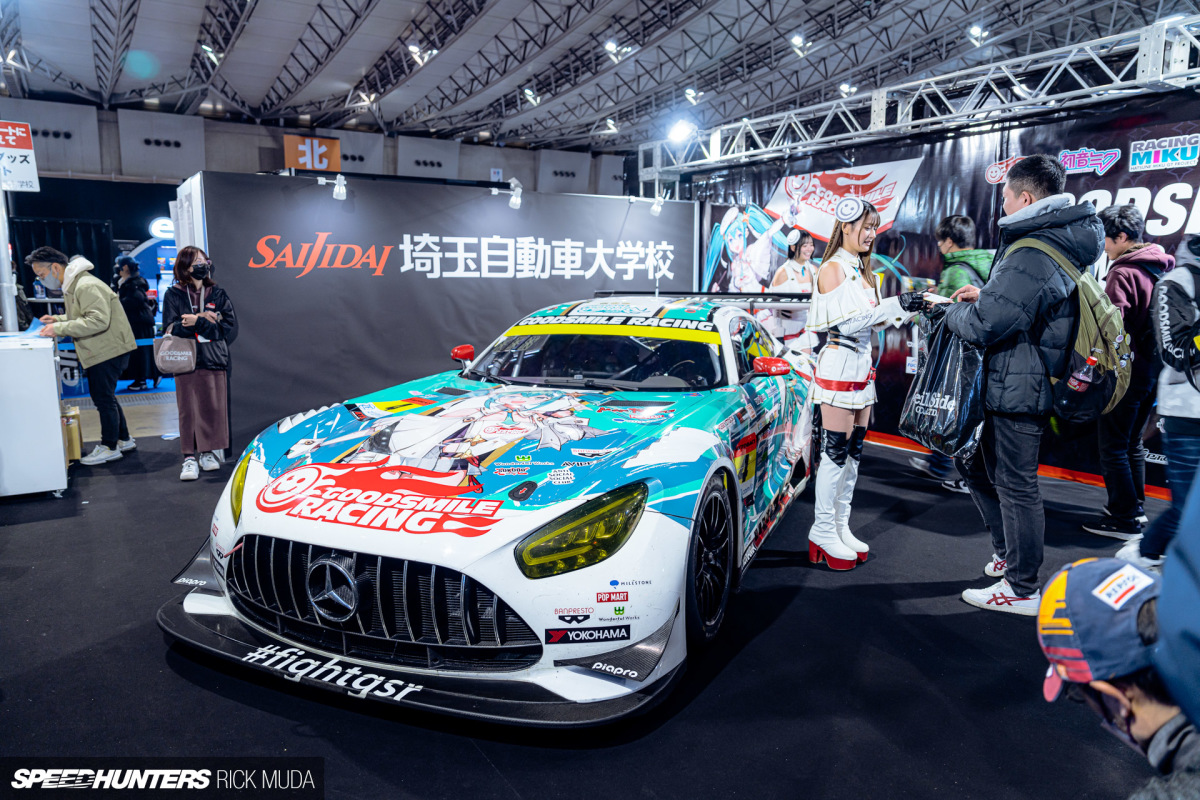
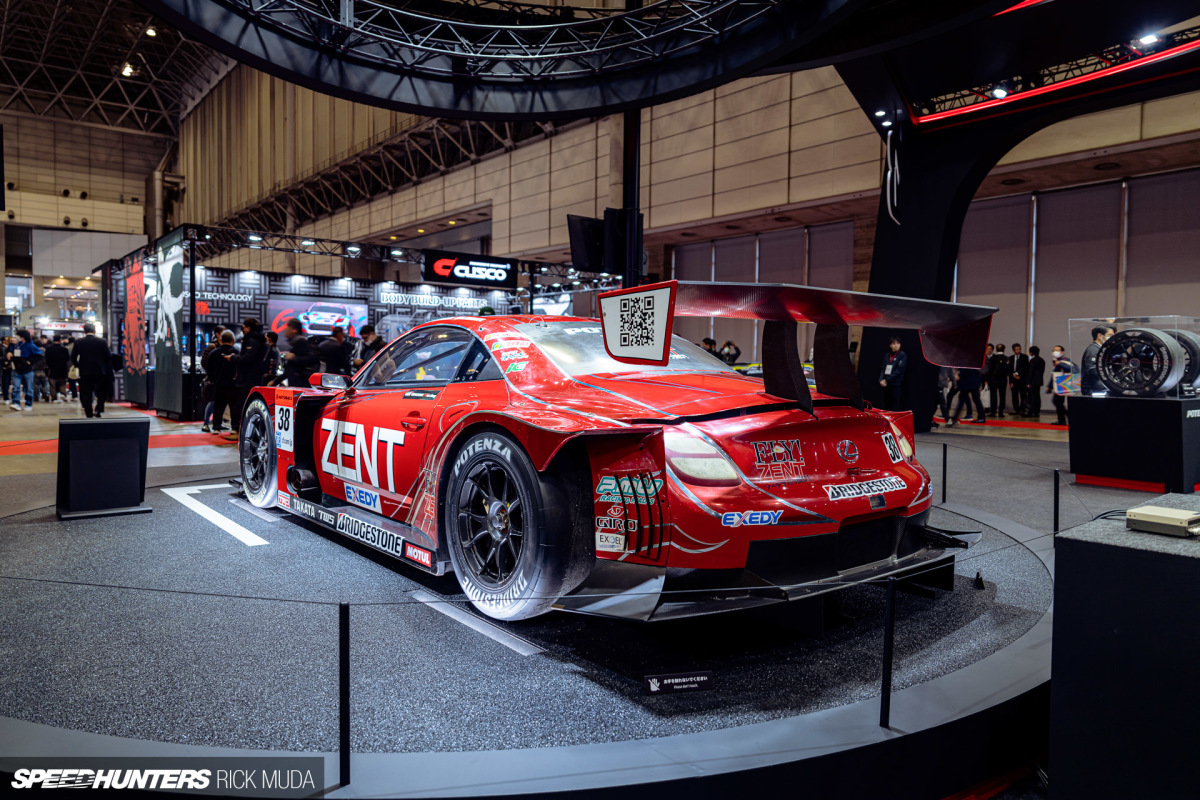
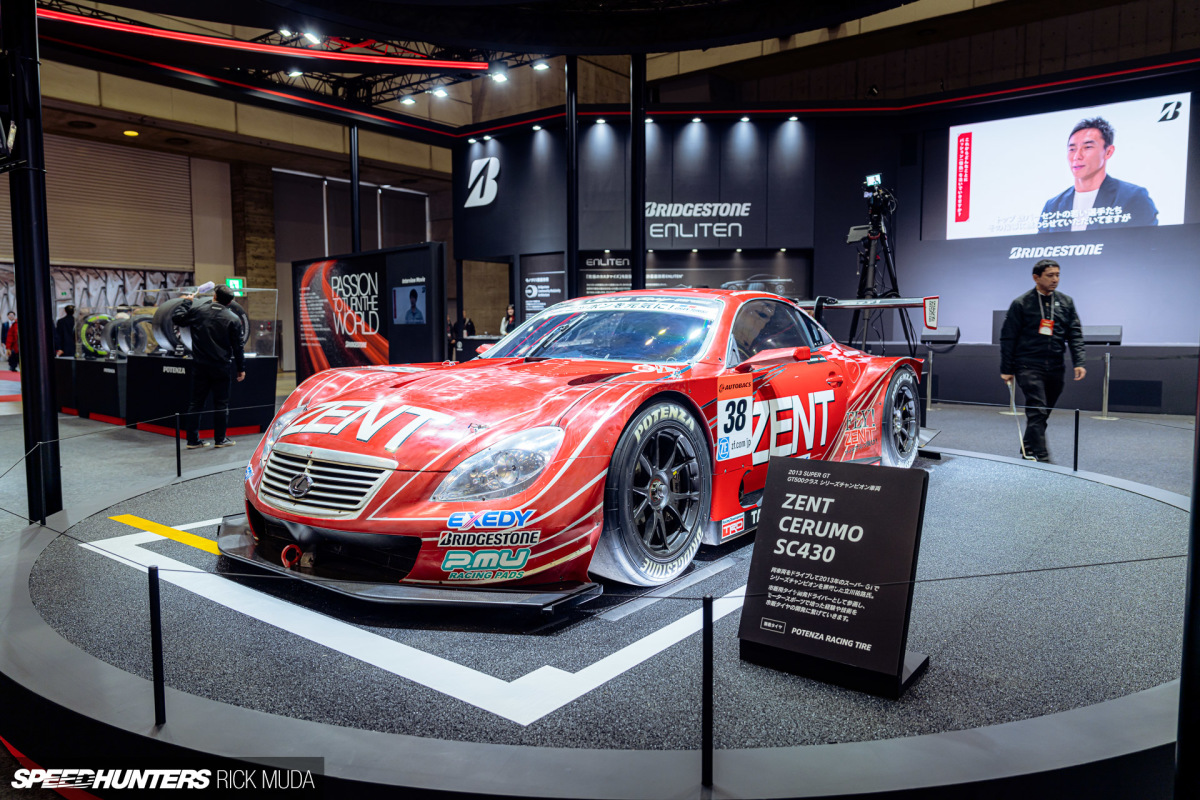
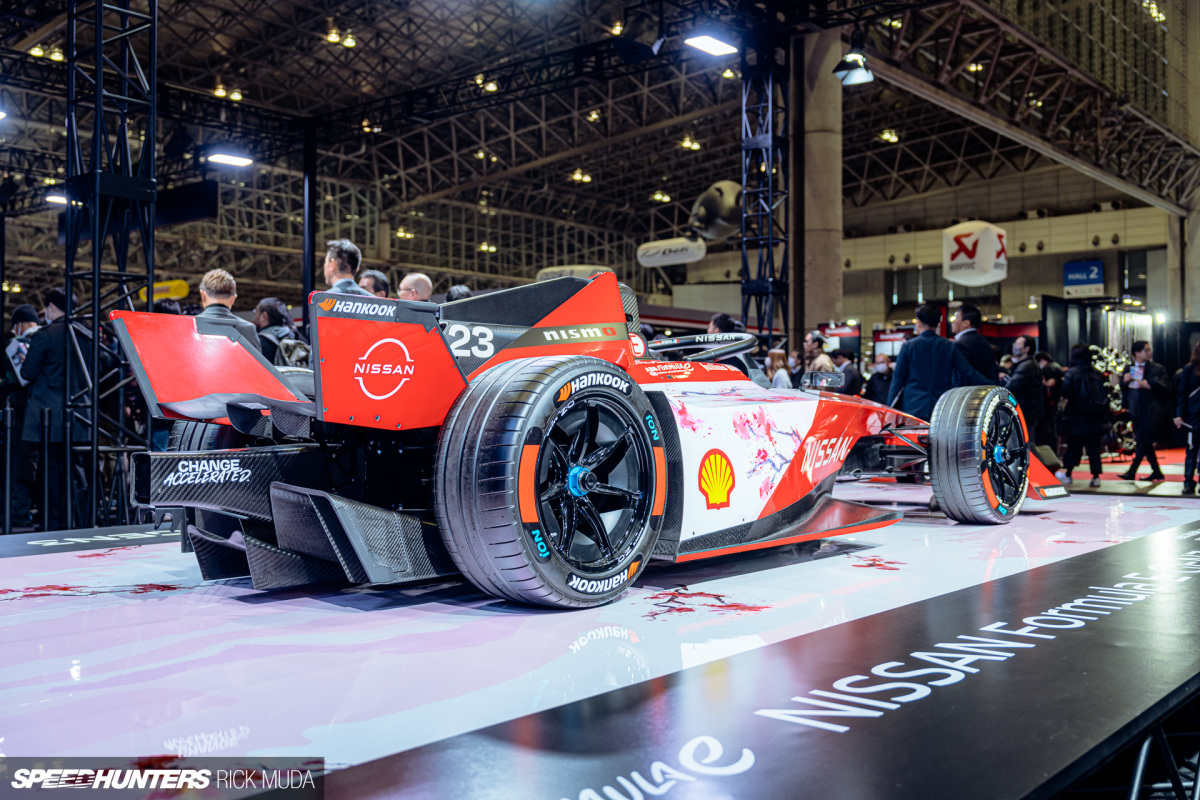
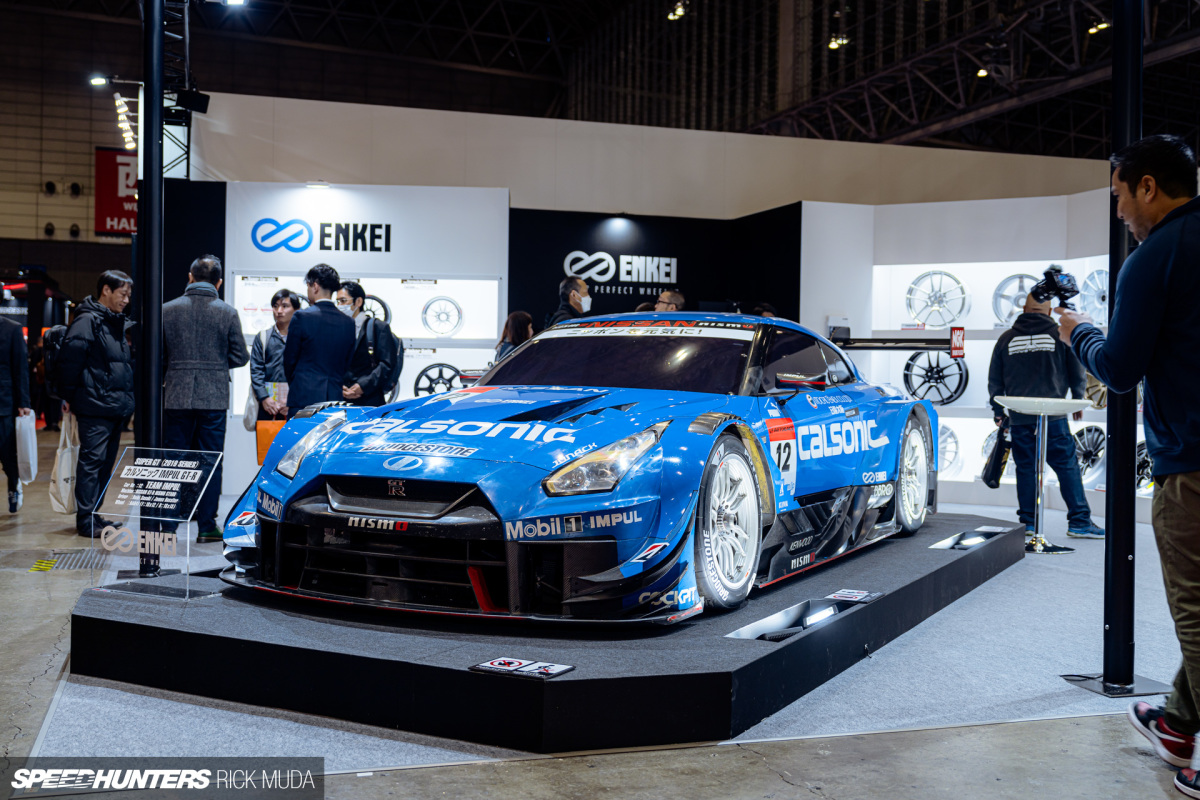
The Tokyo Auto Salon is where independent companies as well as manufacturers show their latest wares in the realm of customised vehicles, and this year’s edition sees Lexus brings a performance-oriented concept based on its LBX B-segment crossover. Enter the Lexus LBX Morizo RR Concept, so named for borrowing company chairman and master driver Akio Toyoda’s racing nickname, Morizo.
Pitched as a “concept model with further-honed basic vehicle elements that enable the driver to interact with the car and pursue driving fun,” the LBX Morizo RR Concept is equipped with parent company Toyota’s turbocharged three-cylinder petrol engine, the G16E-GTS.
This engine also powers the 2024 GR Yaris – and by extension, the GR Corolla as well – and is also paired with full-time AWD and a direct-shift eight-speed automatic transmission, a version of the latter also found on the rally-bred three-door hatchback. This powerplant in the LBX Morizo RR Concept appears to be in similar state of tune as the 2024 GR Yaris, producing 304 PS at 6,500 rpm and 400 Nm from 3,250 rpm – 4,600 rpm.
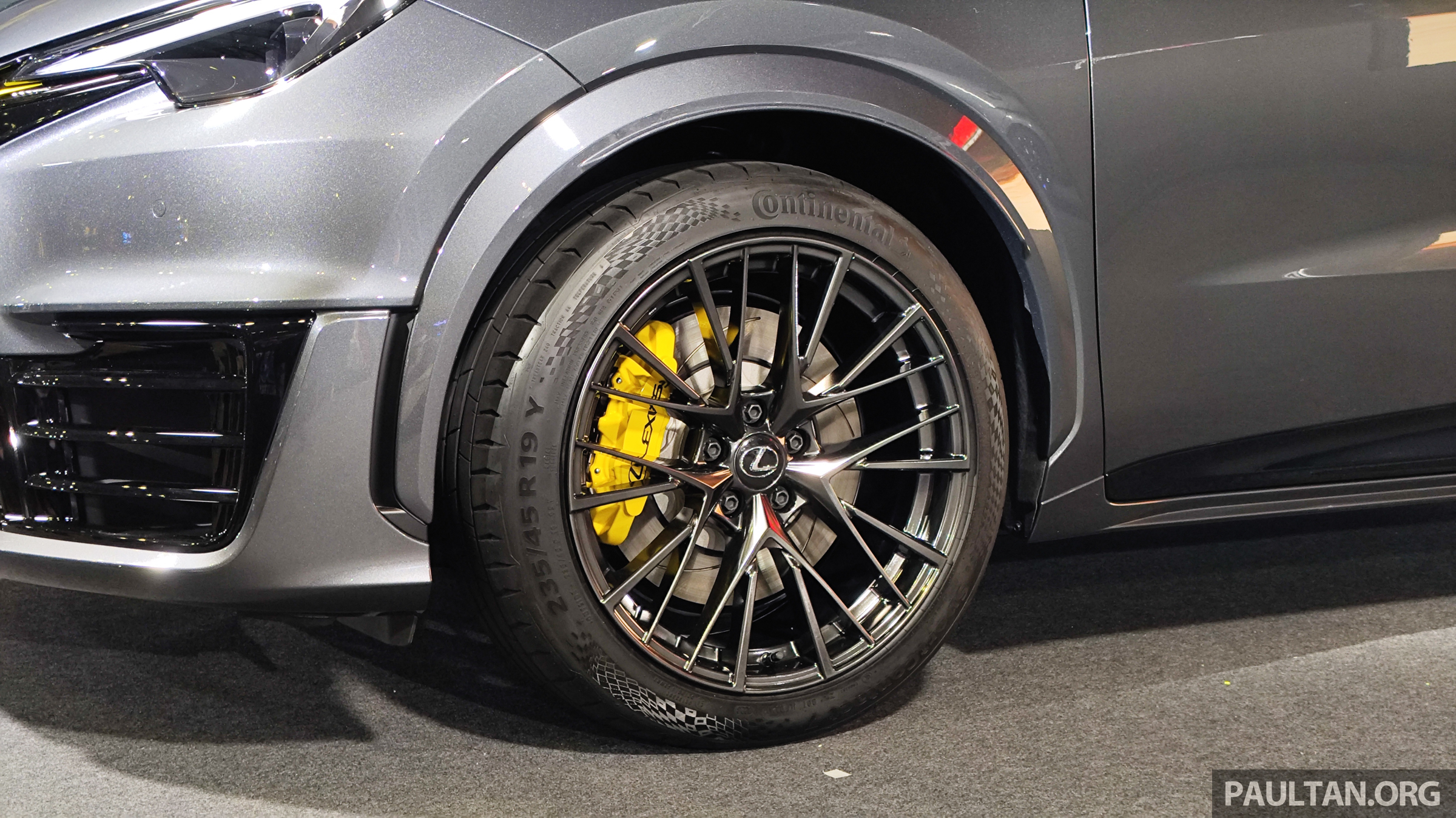
The exterior dimensions of the LBX Morizo RR Concept are a length of 4,190 mm, width of 1,845 mm (20 mm wider than the base LBX), and a height of 1,535 mm (10 mm lower). This paint finish is named Sonic Chrome, with contrasting elements in black. A signature yellow is applied to the spindle grille moulding and brake calipers, while a ‘Morizo RR’ emblem signs off on the identity of this concept.
Lexus adds that the LBX Morizo RR Concept has been treated to a plethora of ‘exclusive developments’ which have been applied to its packaging, body, suspension, tyres, AWD control, and the eight-speed automatic transmission. Rolling stock is a set of 19-inch BBS forged aluminium wheels, and are shod in Continental SportContact 7 tyres in 235/45R19 front and rear.
To accommodate its electronically controlled full-time AWD driveline, the LBX Morizo RR Concept starts with the suspension layout of the AWD version of the base LBX, which is MacPherson struts in front and a double wishbone arrangement at the rear (FWD versions of the LBX employ a rear torsion beam).
Inside, the LBX Morizo RR Concept gets special sports seats in front with seat belts in yellow with the Morizo RR logo, while the driver in particular gets an aluminium pedal set.
While it is a concept by name, the Lexus LBX Morizo RR Concept certainly appears feasible for production. Would you have a Lexus LBX with the underpinnings of a GR Yaris?
Cars are an expensive business, so it goes without saying that you want to ensure your money does not get flung down the drain, wasted on a car that is not fit for purpose, stolen, or otherwise likely to end up in an empty wallet and no shiny new car for you.
Scams are sadly all too common when it comes to buying cars because cars do not come cheap, and that means if you want to avoid any of the above scenarios, you really do need to keep your wits about you and ensure you know about all of the most common scams going around, including the following…
Cloned number plates are one of those scams that simply will not quit so we’ll take a look at this particular caper first and foremost. Picture this: you find the car of your dreams, but little do you know it’s wearing a disguise – a number plate stolen from an identical car. Like a dodgy doppelganger, this vehicle is masquerading as a law-abiding citizen, but in reality, it’s more crooked than a politician’s smile. Always check the vehicle history and ensure the number plates match up with what’s on the paperwork, because although you can find number plates for sale legitimately, and many people use them to make their cars unique in a perfectly legal way, it is always best to check where yours came from before buying a new car. Remember, if the car’s history is murkier than a muddy puddle in a rainstorm, steer clear.
2. The ‘Too Good to Be True’ Bargain
We’ve all seen those adverts where the car is so cheap it might as well come with a free unicorn. If the price is so low it causes you to do a double-take, chances are there’s something fishy going on. It could be stolen, have hidden damage, or might even be cursed by an ancient spirit (just kidding on the last one – or are we?). Trust your gut – if it feels like a trap, it probably is.
3. The Mysterious ‘Seller Abroad’ Story
Ah, the seller who’s perpetually abroad – probably ‘working on an oil rig’ or ‘serving in the military’. They’ll promise to ship the car to you as soon as you transfer the money. Spoiler alert: the car doesn’t exist, and your money will take a one-way trip to Scamsville. If you can’t see the car and meet the seller in person, walk away.
4. The ‘I Only Accept Wire Transfers’ Trick
Any seller insisting on a wire transfer for payment should set off alarm bells louder than Big Ben at noon. Wire transfers are a scammer’s best friend – once the money’s gone, it’s gone faster than a toupee in a hurricane. Stick to safer payment methods where you have some buyer protection.
5. The ‘Clocking’ Conundrum
‘Clocking‘ – winding back the odometer to make the car seem less used than a gym membership in January. Always compare the mileage on the odometer with the car’s service and MOT history. If the numbers are as inconsistent as British summer weather, it’s probably been tampered with.
6. The ‘Outstanding Finance’ Fiasco
Imagine buying a car only to discover it’s got more outstanding finance than a student loan. You could end up liable for the debt, and worse, the finance company could reclaim the car. Always do a finance check before buying – it’s like a credit check, but for cars.
7. The ‘Accident Damage’ Deception
Some cars have had more facelifts than a Hollywood starlet. They’re repaired and sold without any mention of their accident-prone past. A thorough inspection and a vehicle history check can reveal if the car’s been in any major accidents. If the car’s history has more red flags than a bullfight, best to avoid.
Picture this: a seller suggests using a ‘buyer protection’ service that turns out to be as real as a three-pound note. They’ll promise you the moon and the stars in terms of security, but once you’ve paid, they vanish like a ghost in the night. Always use legitimate payment services and never fall for fake buyer protection schemes.
9. The ‘Dodgy Dealer’ Dilemma
Not all car dealers are created equal. Some are more slippery than a bag of eels. Watch out for dealers with a history of bad reviews, sketchy practices, or cars that seem to have had more past lives than a cat. A reputable dealer should be more transparent than a pane of glass, not shadier than a parasol in July.
10. The ‘Phantom Car’ Flimflam
Ever seen an ad for a car that seems perfect, only to find it mysteriously disappears when you enquire? Then, suddenly, the seller has another, more expensive car to sell you. It’s the old bait-and-switch – as reliable as a chocolate teapot. If the car you enquired about always seems to just have been sold, it’s time to look elsewhere.
11. The ‘Hire Purchase Agreement’ Hoax
Here’s a sneaky one – selling a car that’s still under a hire purchase agreement. It’s like selling a rental movie – it’s not really theirs to sell. Make sure the seller actually owns the car outright, or you might find yourself in a sticky legal quagmire.
12. The ‘Overenthusiastic Seller’ Scam
Beware the seller who’s pushing you to buy like they’re on commission at a used vacuum cleaner store. If they’re rushing you, refusing inspections, or avoiding questions, they might be trying to offload a problem faster than a hot potato.
13. The ‘Guarantee’ Gambit
Some sellers promise the world in terms of guarantees and warranties, but these promises can be as hollow as a chocolate Easter bunny. Always read the fine print and understand what’s actually covered. A guarantee should be a safety net, not a spider’s web.
14. The ‘VIN Switcheroo’ Shenanigans
The Vehicle Identification Number (VIN) is like the car’s fingerprint. Scammers might tamper with it to hide a car’s shady history. Ensure the VIN on the car matches the one in the documents. If they don’t match, it’s a bigger red flag than you’d find at a communist rally.
15. The ‘Pressure Cooker’ Sales Tactics
Finally, beware the high-pressure sales tactics. If a seller’s laying it on thicker than gravy on a Sunday roast, take a step back. A good deal will still be a good deal tomorrow. Don’t be rushed into making a decision; after all, you’re not choosing a sandwich, you’re buying a car.
16. The ‘Mystery Maintenance’ Mislead
Sellers sayingthe car has been meticulously maintained, yet there’s not a single shred of proof, is one of the more common scams out there and one that so many people fall for because they just take people on their word!
As you can imagine, this is really not a great idea, and it is so very important, if you do not want to be ripped off, that you always ask for service records, receipts for repairs, and any other documents that prove the car has been cared for better than a beloved pet. If the seller’s records are not exactly forthcoming, then it’s a clear sign the car’s history might be more fiction than fact. Remember, a well-maintained car should have a paper trail as extensive as a royal family tree, not a mysterious past like a spy novel protagonist.
Knowledge is power, and now you know a lot more about the awful scams that can be perpetrated on innocent car buyers, hopefully, you can avoid them and get that perfect car at the best possible price.
When I started Legal Nomads as a blog in 2008, I did so so that friends and family could follow me after I quit my job as a lawyer to travel the world for one year.
Of course, one year turned into many—you all know the story by now. When the site began to grow sharply in the years that followed, I made a decision to keep it ad-free and not take any sponsored text links or advertorial. I did not enjoy reading sites peppered with ads—so I treated my community the way I wanted to be treated.
Years ago, someone once told me that was a very stupid idea, that I’d never be successful if I built my business with those kinds of rules.
Did I leave a lot of money on the table?
Definitely.
But I wanted the Legal Nomads blog to be a living tree of my experiences and adventures, without sacrificing the kinds of reading I wanted to focus on. So I wrote the way I wanted to, and shared what I found most interesting at the time.
While I am lucky to have an incredibly loyal and engaged community of readers, the downside to this choice has been that the blog has taken a back seat to other pages and projects that do bring in income. It’s been especially dormant during the last few years when my capacity to work has been extremely limited.
So after almost a full year of not posting on the blog, I wanted to update you all on what’s been going on. I realize that what I share below may not be news to those of you who get my Curious About Everything newsletter, or are Patreon members. But there is still a big group that receive neither of those, and it’s high time I gave you an update!
I’m also going to be sending out my 2022 gift guide soon, focusing on talented local artisans here in Ottawa (who also ship to the United States).
Updates, mostly in chronological order, below.
I ended up on the front page of CNN for a weekend
In 2021, CNN commissioned a piece about my spinal CSF leak and how I went from travel and food blogger to bedbound. The editor, Karla, saw an Instagram post I wrote about the work to accept what is, and how to reframe the present moment when life lets you down.
The piece was very hard to write, both physically and emotionally. I’ve said elsewhere that it felt like doing surgery on myself, carving away parts of my story that were too unwieldy to fit into the brief.
I had hoped that the piece would raise awareness for this terrible spinal condition that many people don’t even know exists. I was one of the blissfully unaware, before it happened to me. I also wanted to write something that fellow patients could potentially send to their families and feel seen by, helping them explain how painful and debilitating spinal CSF leak is.
CNN decided to put the piece on the front page for an entire weekend.
I completely lost track of who read it as my inbox exploded with comments and terrible stories of pain from people who could relate. It was an overwhelming, exhilarating week and I feel honoured that my writing was so widely read and shared.
Screenshot from CNN’s frontpage, January 31, 2022
I still receive messages from people who stumble on the piece and recognize their symptoms on it, sending them down the path to get treated for spinal CSF leak.
I’m very grateful to Karla for giving me the opportunity to effect change through my story.
Note: I received many questions about my leak story after sharing it, like why I haven’t gone for surgery, or things I wished I knew before I got a lumbar puncture. I did a special edition FAQ newsletter, and you can see answers to those questions here.
The Legal Nomads community adopted two ‘Legal Lemurs’
One day, while I was in the shower—where all good ideas derive—I decided that I would adopt a lemur from the Duke Lemur Center.
Lemurs are some of my favourite animals (behind tarsiers of course), and I regret not visiting them in their home of Madagascar before I become disabled.
Adopting a lemur seemed like a fun distraction from the gaping maw of the news cycle, and I wondered if any readers would be interested.
I took to social media with a hastily made graphic and asked if anyone else would be interested in joining in. 31 people said yes, and I sent $750 in lemur monies to the Duke Lemur Center.
In return, we adopted a Coquerel’s sifaka and an aye-aye, and receive quarterly behaviour updates about our lemurs with a lot of really cute photos.
One of our lemurs, Pompeia, even had a baby this spring.
Our aye-aye is named Agatha, and she has a very feisty personality. Her updates often involve the creative ways that she avoids going in her enclosure when she’s supposed to. (Below is a different aye-aye, Binx.)
LOOK AT THAT FACE
(For clarity, this is only a symbolic adoption; sadly there will be no actual lemurs sent our way.)
I’ll be re-upping the adoption process next February, since many of the Legal Lemur parents have already asked if we could renew again. If anyone wants to be kept updated about this eye bleach, please send me an email and I’ll keep your name in mind for next year.
I joined the Spinal CSF Leak Foundation’s Patient Advisory Panel for Research, and later in the year, their Board of Directors
Around the same time as we adopted some lemurs, the American Spinal CSF Leak Foundation announced its selections for a research board that is patient led, and helps formalize the role of patients in moving research forward.
Research is an area of hope for complex cases like me, and I joined the patient panel for research in February 2022, along with a group of other patients. We all appreciate having the opportunity to include our voice as research studies are crafted or conducted.
Later this year, the Foundation asked me to join their board of directors, and I accepted. Both the US and Canadian Foundations have been very helpful, both for me and for patients in North America generally. I am excited to continue serving the patient community, and hopefully continue to raise awareness in new ways.
I moved to Ottawa
After a year in Aylmer, in Quebec’s Gatineau region, I finally found a place for me in Ottawa. It’s near water, it’s an 8-minute drive from my brother, and it’s in a building that has thus far been very accommodating with respect to my disabilities.
Though I have now clawed back a few hours a day of ‘uptime’ with my spinal CSF leak, there is still a lot I cannot do.
Me on my 43rd birthday, in Ottawa
I have to limit lifting anything to 5 pounds and under. I can’t bend at the waist, or twist my spine. Anything that raises intrathecal pressure too much is going to risk blowing open my leak. (As will Covid, by the way, so my concern with getting it is not only my risk profile for complications with my immune dysfunction, but also that a coughing fit can take away all of this hard-earned independence.)
I do go for walks when my health allows, but doing so eats into my “standing up” budget—and means I need to make sure I’m not cooking a meal then (I’ll have a salad instead), and not standing up to write that day. Since I’m writing this post, today will not be a walk day.
Still, the slow walks I have done were absolutely beautiful, especially in Autumn. And after years fully in bed, they feel like jubilation.
Beautiful trees here!
As for the apartment: my building gave me permission to install a special device on my patio door, since the heavy glass door was not something I could open safely. It drills into the top of the patio door and allows me to press a button to open it. I also invested in electric blinds, and in a tabletop freezer. A friend gave me his old tabletop oven, and both freezer and oven sit side by side and able to be accessed at any time.
I’ll be writing a post eventually about the accessibility changes that helped make this place doable for me. But I do want to say here that it feels really wonderful to have a place to my own after so many years of roaming the world, and then living in other peoples’ houses.
Oaxaca was meant to be that for me, a home base I loved that I could eat in and soak up the joy of living in such a special city. There is peace in having a small space to my own that I could build around my limitations, even if I can’t stand up for long each day.
I am thankful for my dad and stepmum, who gave me a generous gift to help furnish the apartment. I had no furniture when I rented it, and it’s been a challenge finding pieces that are the right height, and not strongly off-gassing. Their gift allowed me to hunt for the items that worked best without scrambling.
IKEA, Facebook Marketplace, Kijiji (a Canadian Craigslist alternative) and a friend who donated his bench cushion couch to me all came in handy.
The overall result is a place with lots of furniture storage—bins and drawers and shelves—so that I can access things but not have them cluttering the counters. Because I can’t bend, it means most things have to be at waist level. There’s a lot of lower drawers that I can’t get to, but family helps me grab things if I need them there.
It’s also been really nice to bring in some of the souvenirs from my travels for the first time. The photo below is my reading corner, with art from my first trip to Asia in 2004, and a papier-mâché lady from my years in Oaxaca.
The duck is new, and delightful.
My reading nookMy standing desk nook, where the sausage gets made.
I am mostly breaking even, thanks to my community
When I became disabled, I worried about how I would support myself going forward. I did not want to be a burden on my family, but I could barely sit up let alone find a way to earn a living. Though I am privileged that my family would never let me starve, it felt very tough to not be able to support myself in my 40s
At first, my celiac translation cards were selling quite well, and seemed like a way that I could at least have some passive income to pay bills I incurred.
When Covid hit, however, no one traveled any longer — and my sales crashed to near zero.
I then started my Patreon membership, upon the urging of this lovely community who asked for it to help support my very changed life. (For those unfamiliar, Patreon is a way for readers to pledge monthly recurring memberships, in return for Patreon-only benefits.)
Many people set up their memberships with tiers that have different access. The more you pay, the more you have access to. I decided to have similar benefits across all tiers (a “support only” membership), since I was concerned my health would intervene in my ability to give the benefits my Patrons deserved. I wanted people to pledge what they were comfortable with.
Obviously, my tiers are birds. Birds with names.
Screenshot from my Patreon page
We’ve had Zoom calls with the community, I do videos answering questions (although I’ve received a lot less questions of late so less of those!), I have done some video tutorials on meditation techniques, and the Patreon community gets updates about what’s going on more frequently.
I have lost some Patrons in recent months, all citing financial issues as the reason. Understandably, as everything has become more expensive, we cut the extras where we need to. Overall, though, the Patreon provides a fairly consistent income stream at at time when I can’t work as I used to.
That means that I don’t need to chase down paid work to make ends meet, and can instead focus on raising awareness for my condition, and sitting on the Foundation’s board of directors (which is unpaid).
In 2021, my celiac cards started selling again since travel picked up. Whenever I have “uptime” available, I work on updating the existing celiac guides I have, and on working toward new ones. There are several new countries in the works, two of which that are out being beta tested now with celiac readers who will provide feedback.
Taken together, and with my food map sales (see below), I’m making ends meet.
Entrepreneurship is generally anxiety-inducing, since you never know if one month will fare well compared to the next. Adding to that, I expected that when my life changed that my audience would too. No longer able to share fun travel photos or food stories, I wondered if I’d have anyone reading at all.
I am thankful that many of you are still here.
My spinal csf leak is stable enough that I have delayed going back to Duke
I get emails each week asking why I’m not pushing for surgery, or more blood patching. I think this is one of those very personal things that many people do not understand. It was a very dramatic last blood patch, and I have to be willing to accept all the risks for me to go back.
After the CNN piece came out, I spoke with my doctor at Duke and he offered to patch me again. This is a reasonable thing, given that I was sealed for 8 months during the last patch he gave me. But I also needed an epinephrine jab on the table during that same procedure, and my immune system has gone into overdrive since.
I was also told I have a condition I’ve not written much about called adhesive arachnoiditis, where my spinal nerves are clumping together causing a lot of pain.
There are other considerations that factor in. It’s not a guarantee that the patch will work, especially as we can only use blood since I am allergic to the glue. While blood-only does work for many, with a connective tissue disorder in the mix, fibrin is more durable (pun intended), which is why they went with it for me in the first place.
So it’s a matter of accepting risks, but among them that I may end up net negative—not just that the patch may not work.
This combination of factors, along with my few hours of ‘standing up time’ a day, has led me to push out patching for now.
I have hope that the science evolves to support a better probability for my healing. There are new imaging techniques, procedures, and ongoing research for this condition. Thus far, not much has shown to be applicable to my complex case, but you never know.
I do plan to get treatment eventually, because symptoms abound. When I stand, I still get the “brain sag” feeling of my spine being smushed by my brain. I have a lot of nerve pain and back pain, and neurological issues. And I’m grateful that Duke is willing to patch again.
I am just not there yet.
The hand drawn maps of food that I designed have been selling since 2014. The plan was, and remains, to do ten countries in all.
Most of the foods Canadian think of as ‘our foods’ are colonial dishes. There were no “ketchup chips” or poutine prior to Columbus, that’s for sure. I wanted to include Indigenous dishes as well, and I reached out to the specialists in Indigenous foods in Canada both to make sure I was including a cross-section of dishes, but also to ensure the spelling was correct.
I hope it’s a more inclusive map as a result.
Food map of Canada in 12×12 format (without title)
The shop that houses my maps was stagnant since 2016, when I set up a now-defunct theme and ignored it ever since except to add new maps for sale.
Despite that, people have bought maps! And sent me their pictures of their maps all over their walls. I am also thrilled to have orders for new restaurant openings, with my map adorning their walls for the cuisine in question.
For this holiday season, I wanted to redesign the shop so it better reflect the style of the LN website, now that I’ve redone things here. I did the shop redesign myself, because I wanted to update things as I go…. So it took me awhile.
Behold! Old shop:
And, the new shop:
Yay! Check it out here. I’m still fixing some bugs, but it’s mostly done.
Phew, I think that’s everything.
Thank you for your support, and for coming along on this very unusual ride.
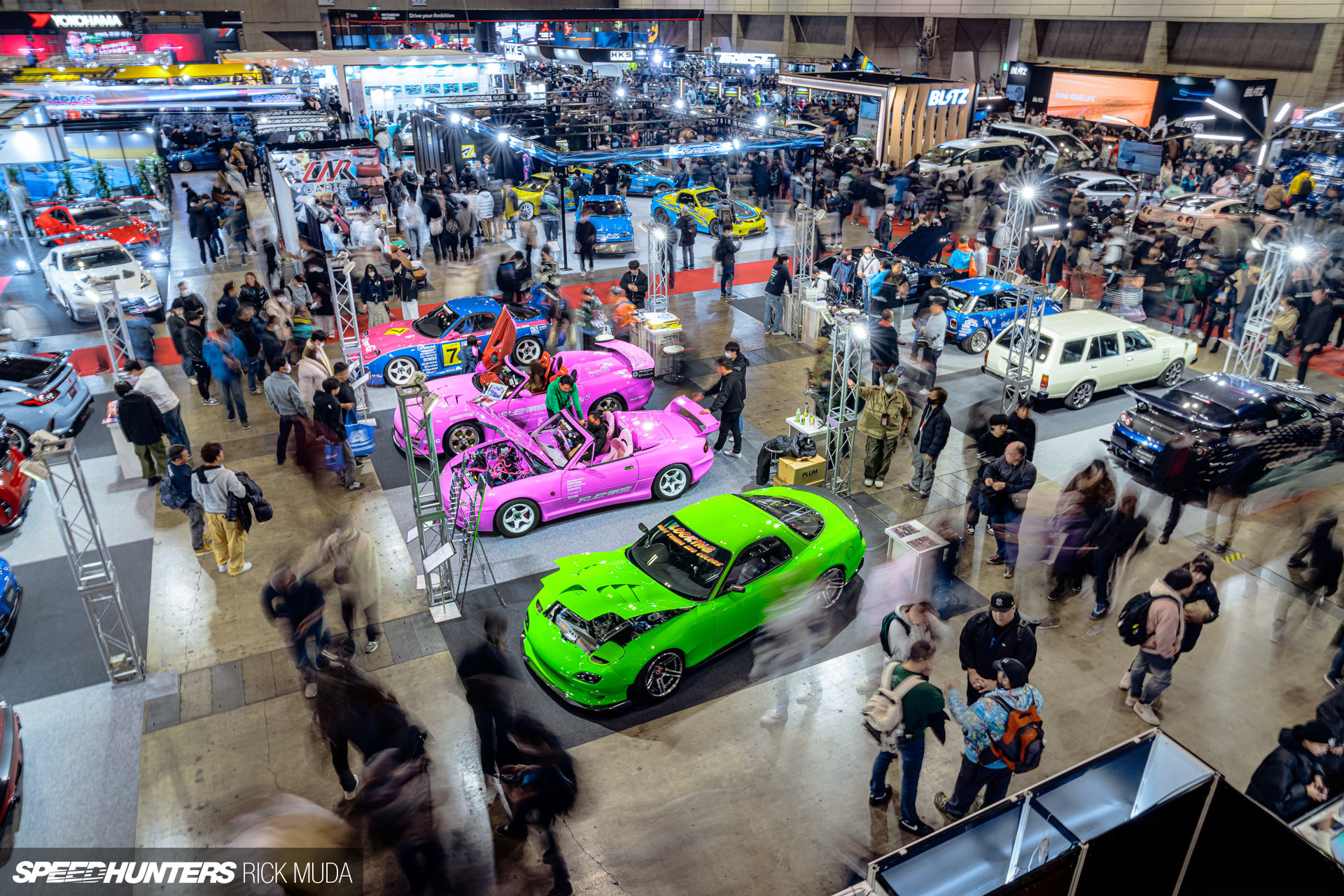
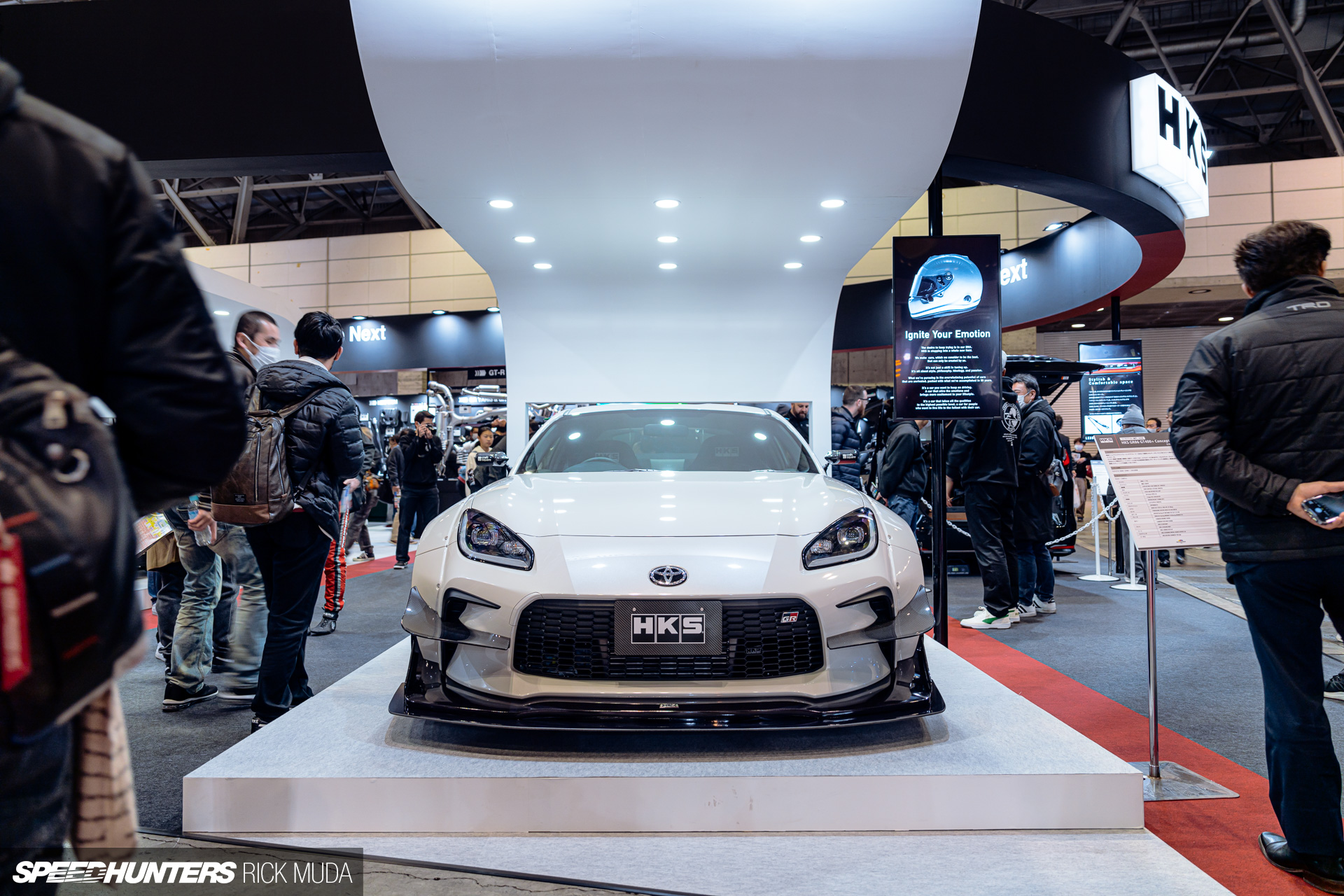
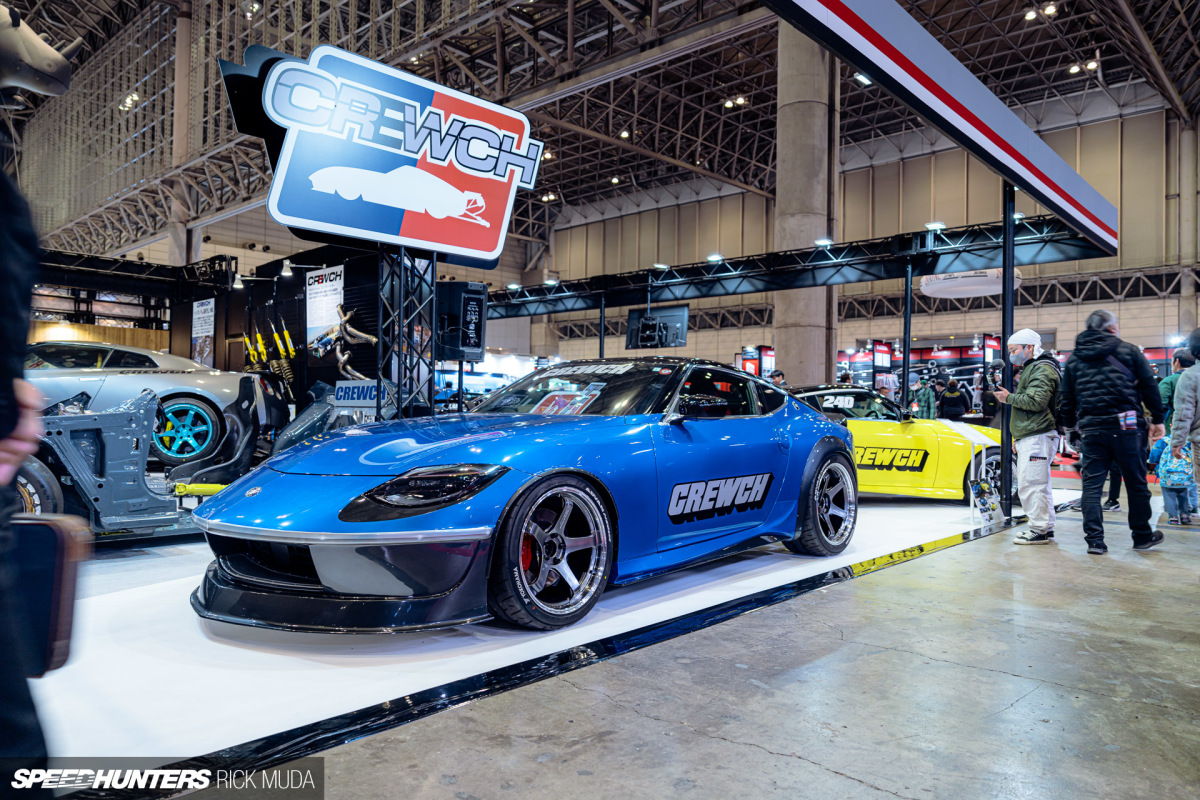
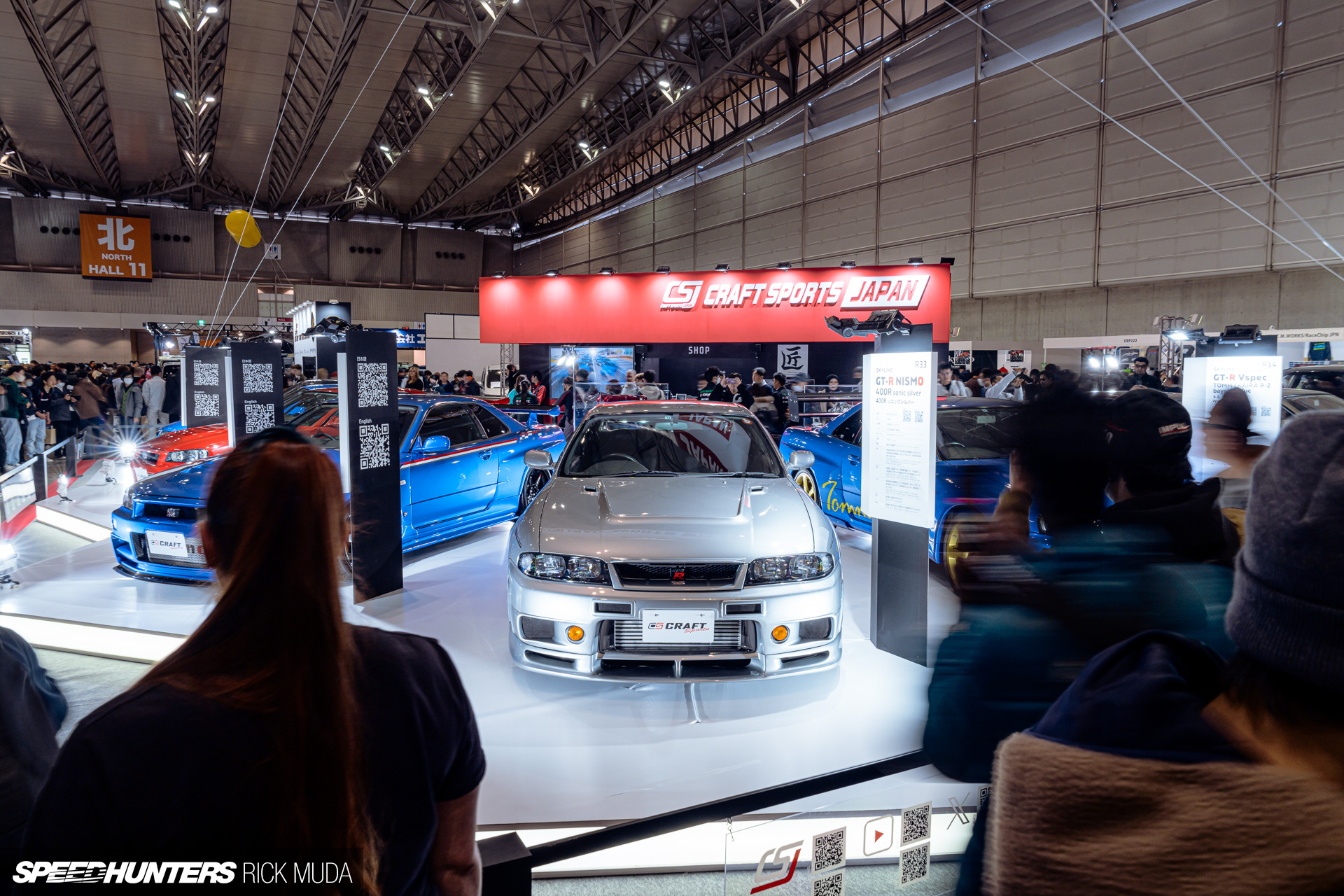
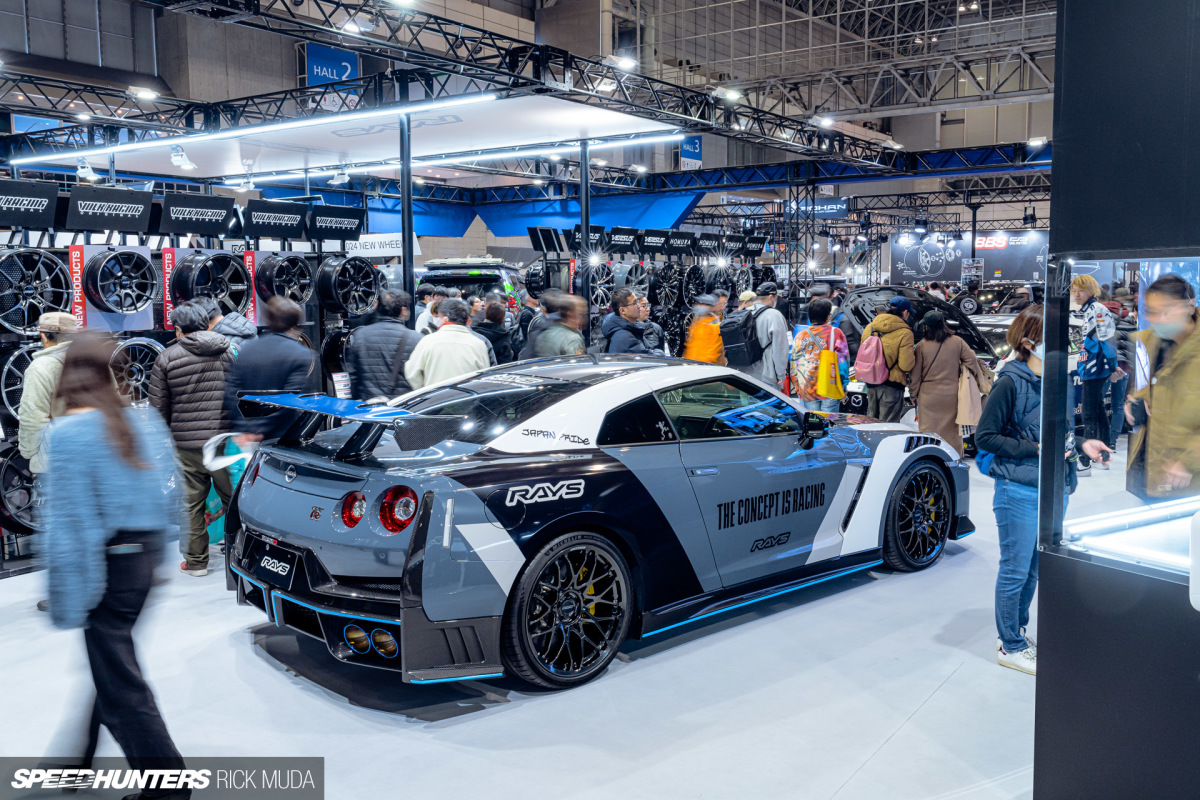
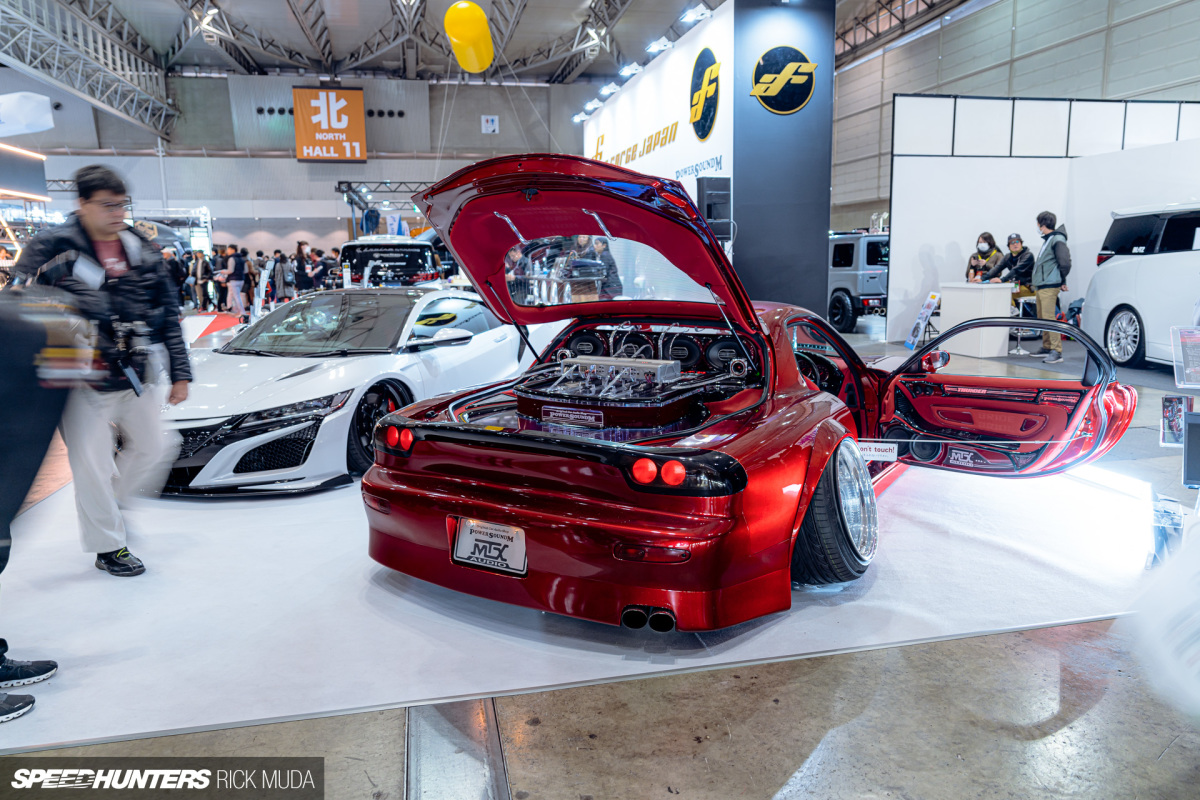
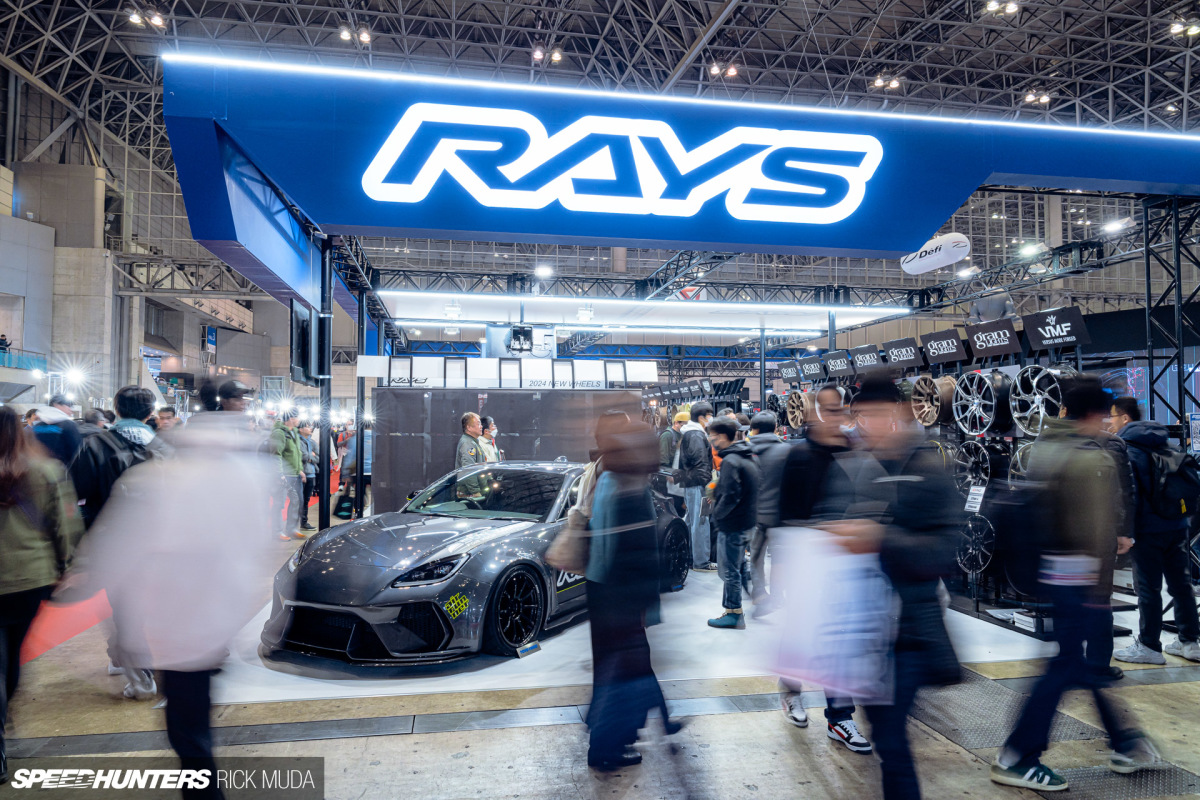
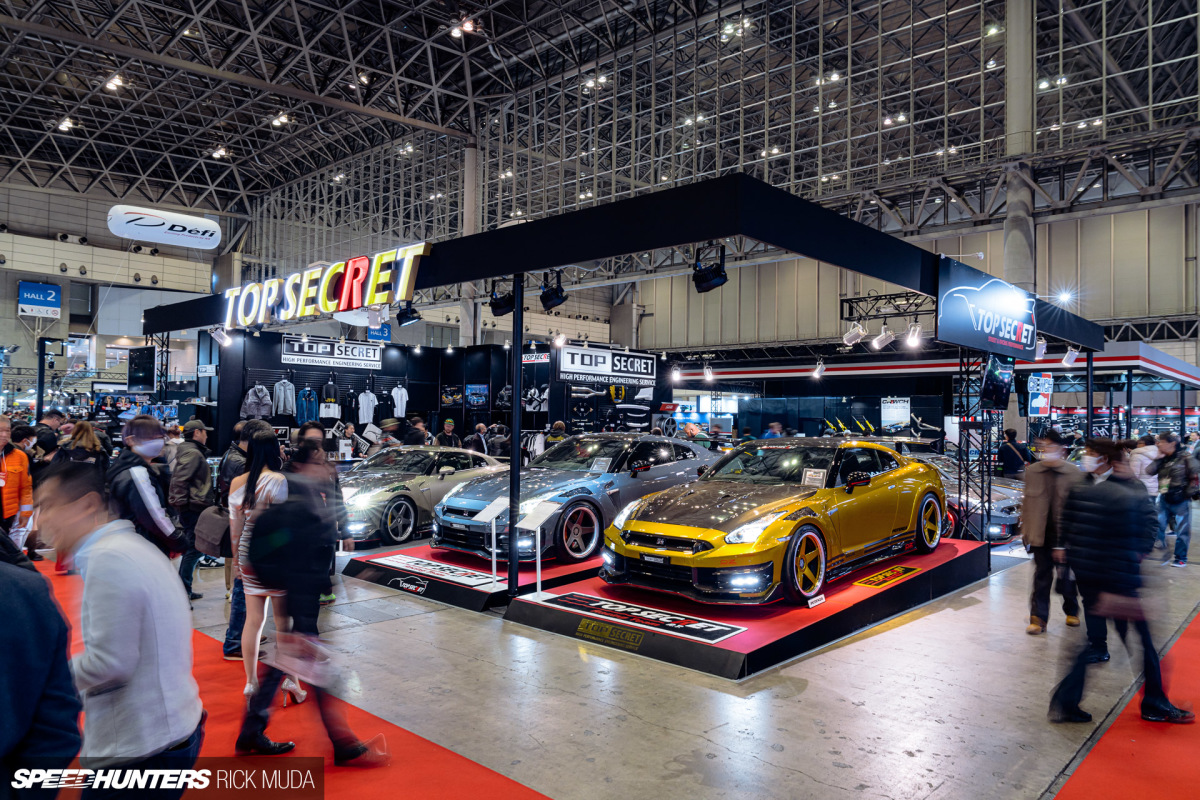
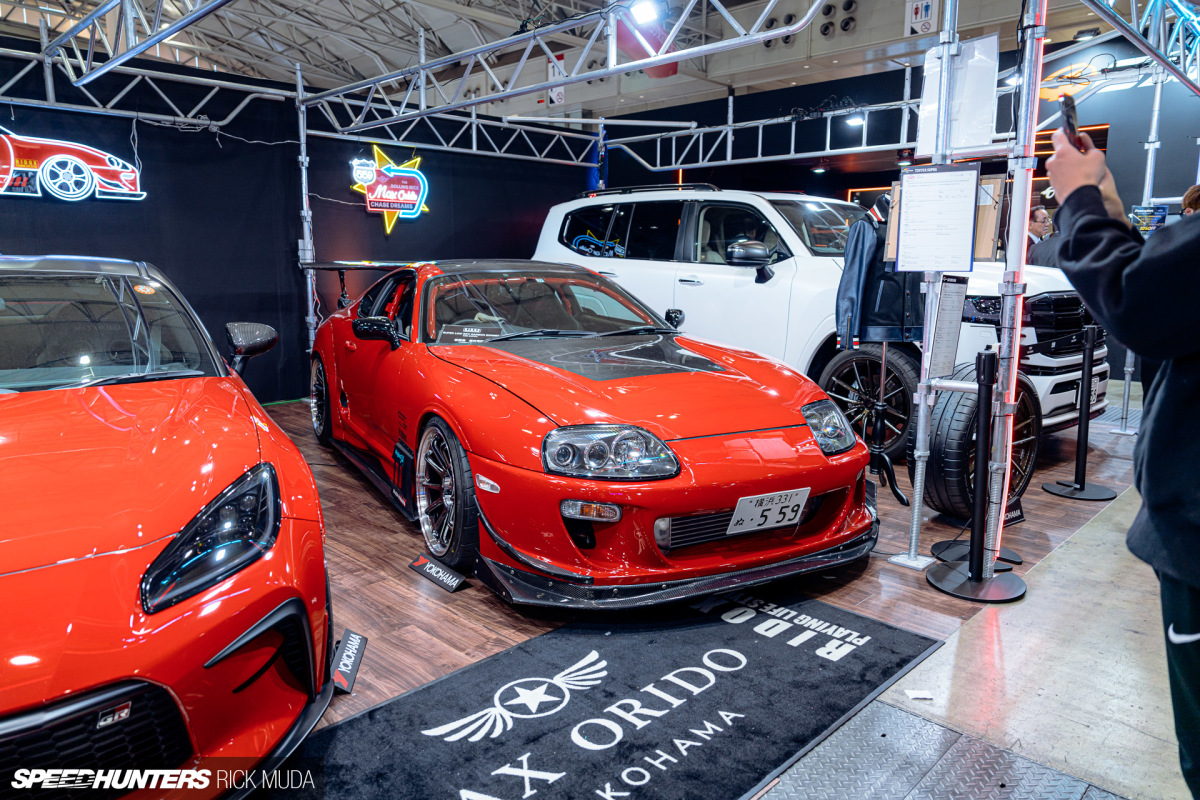
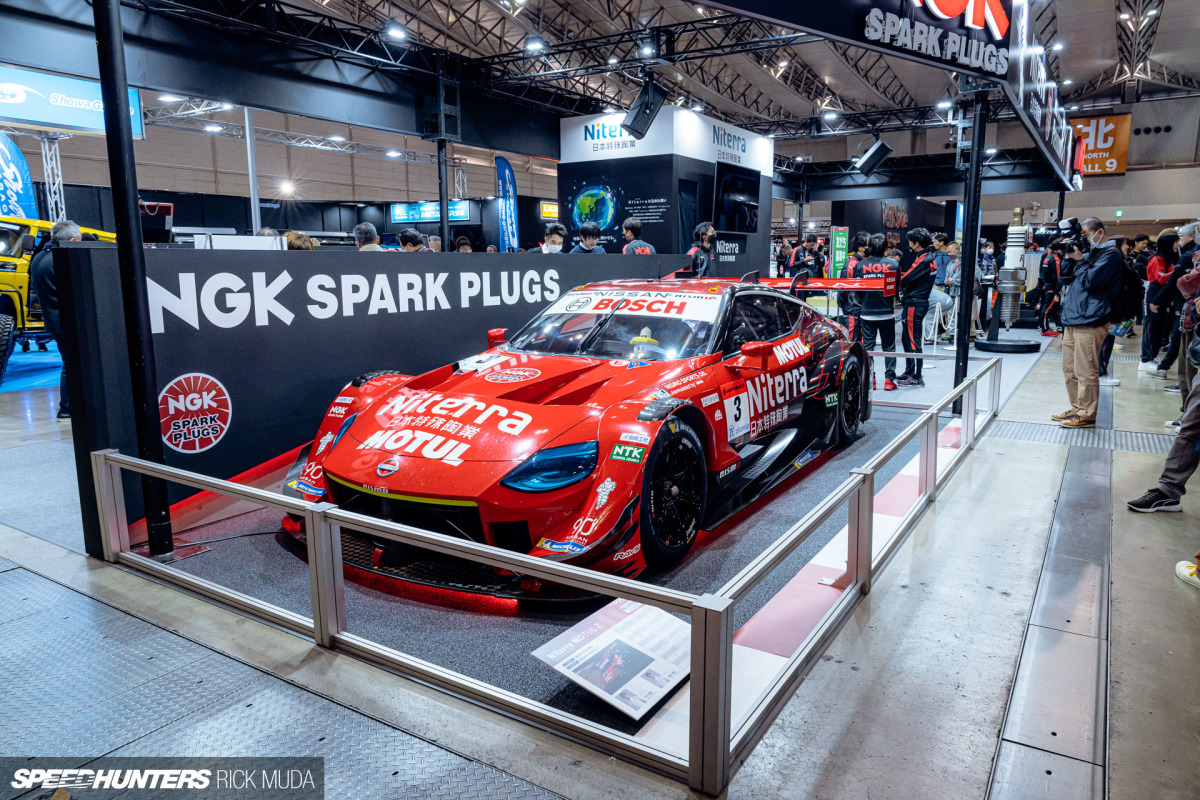
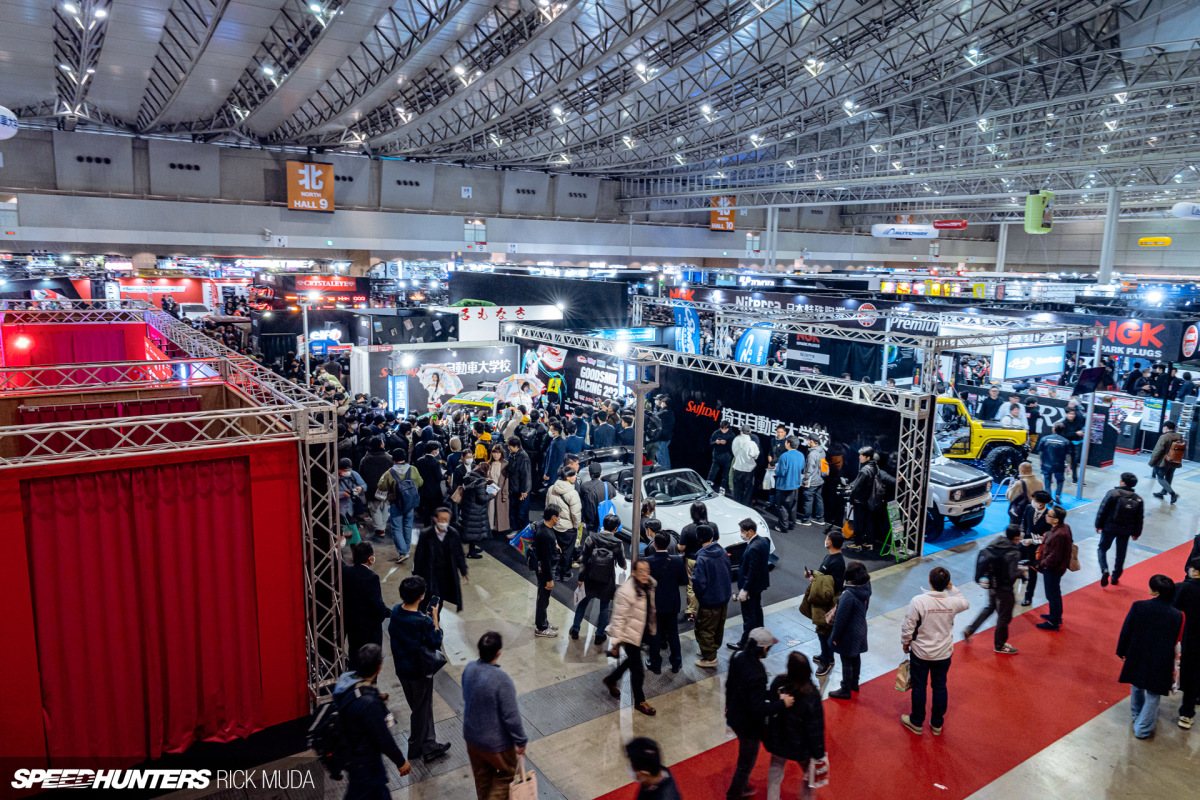
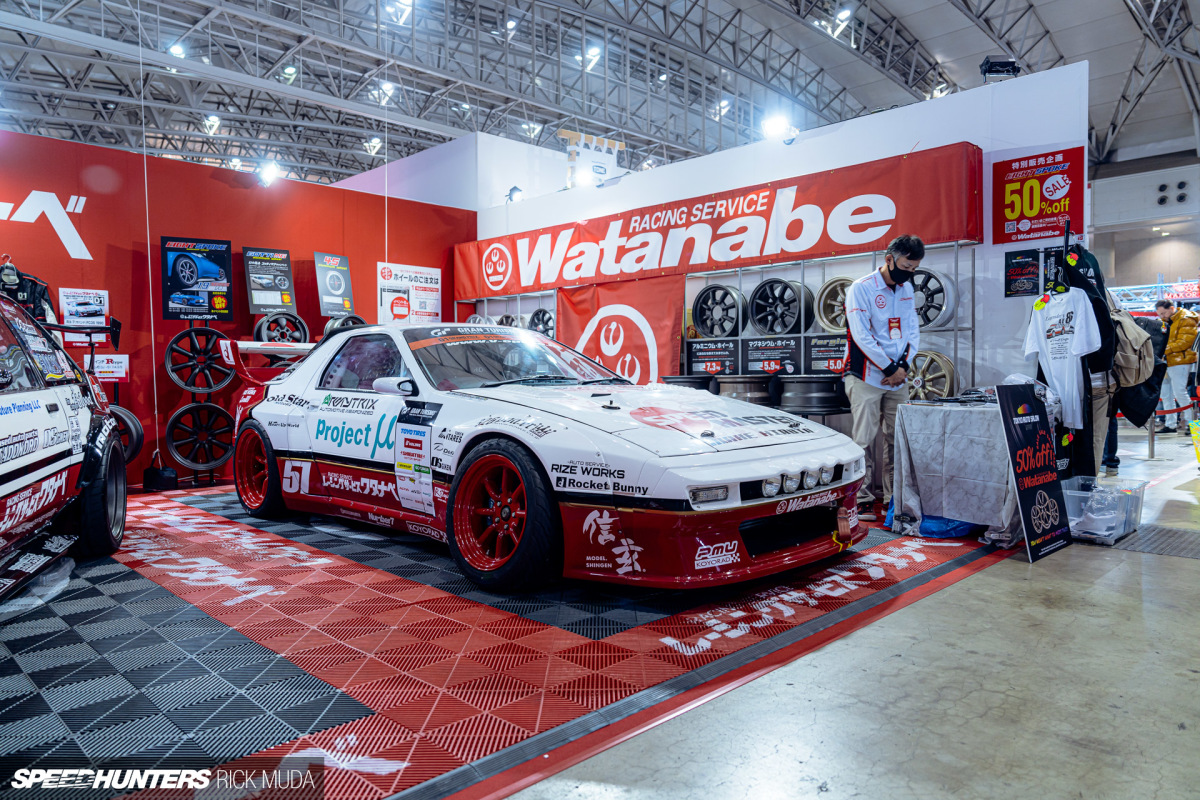
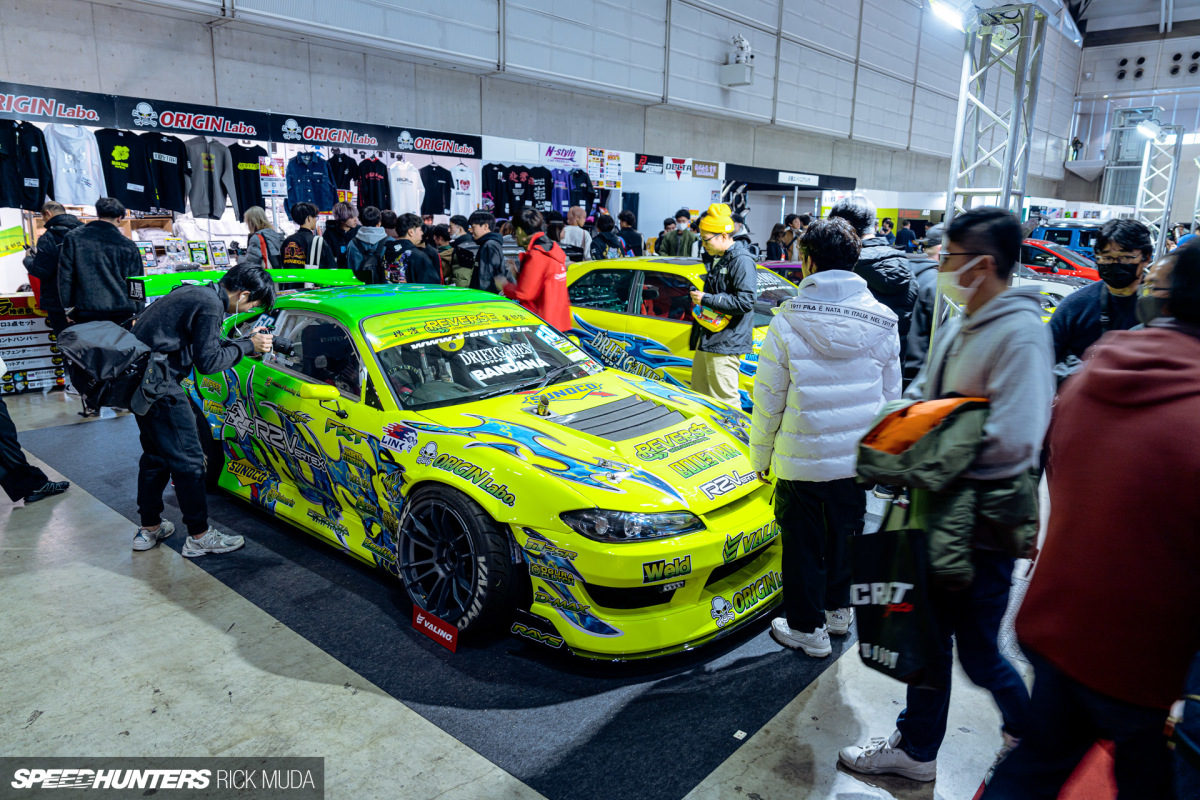
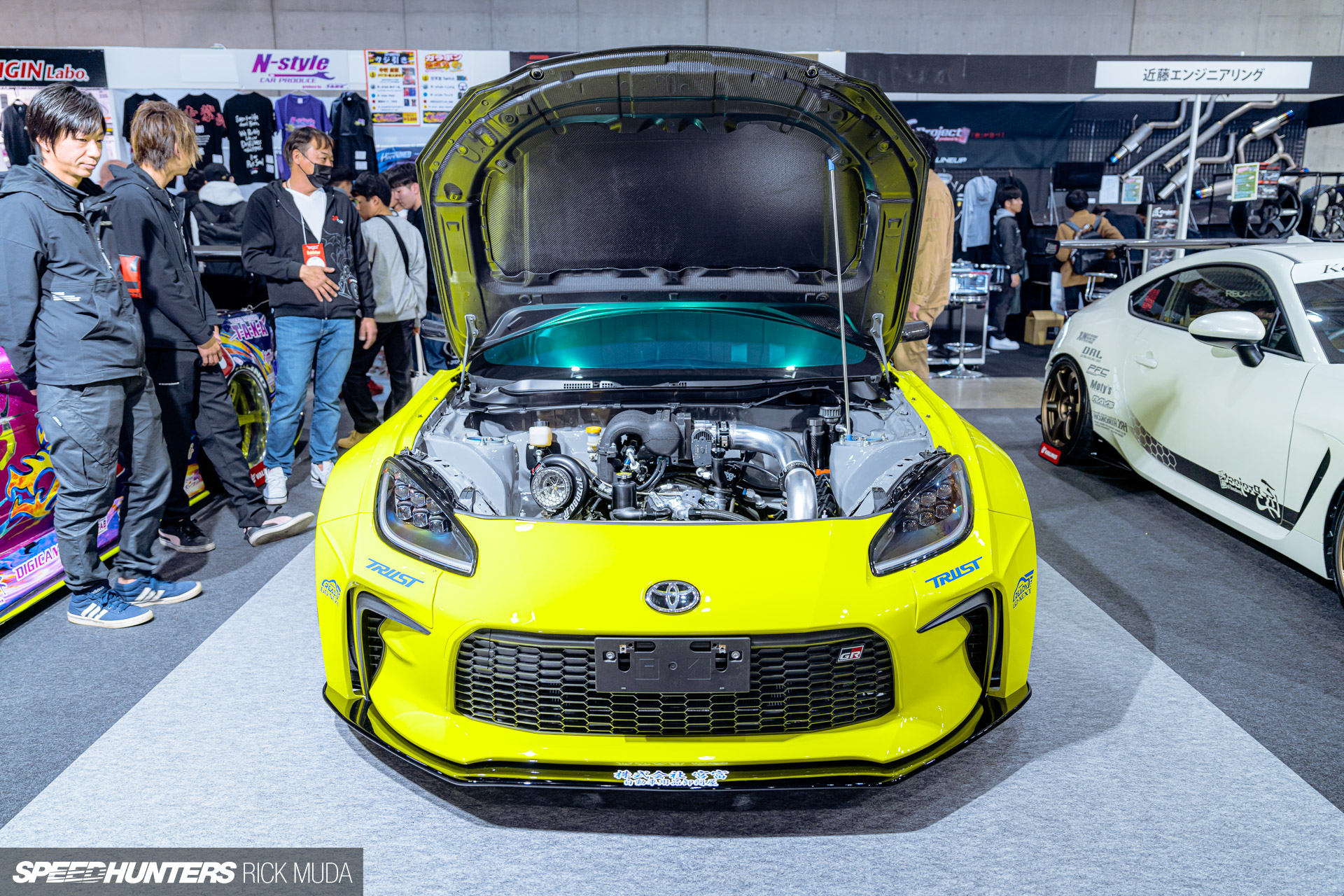
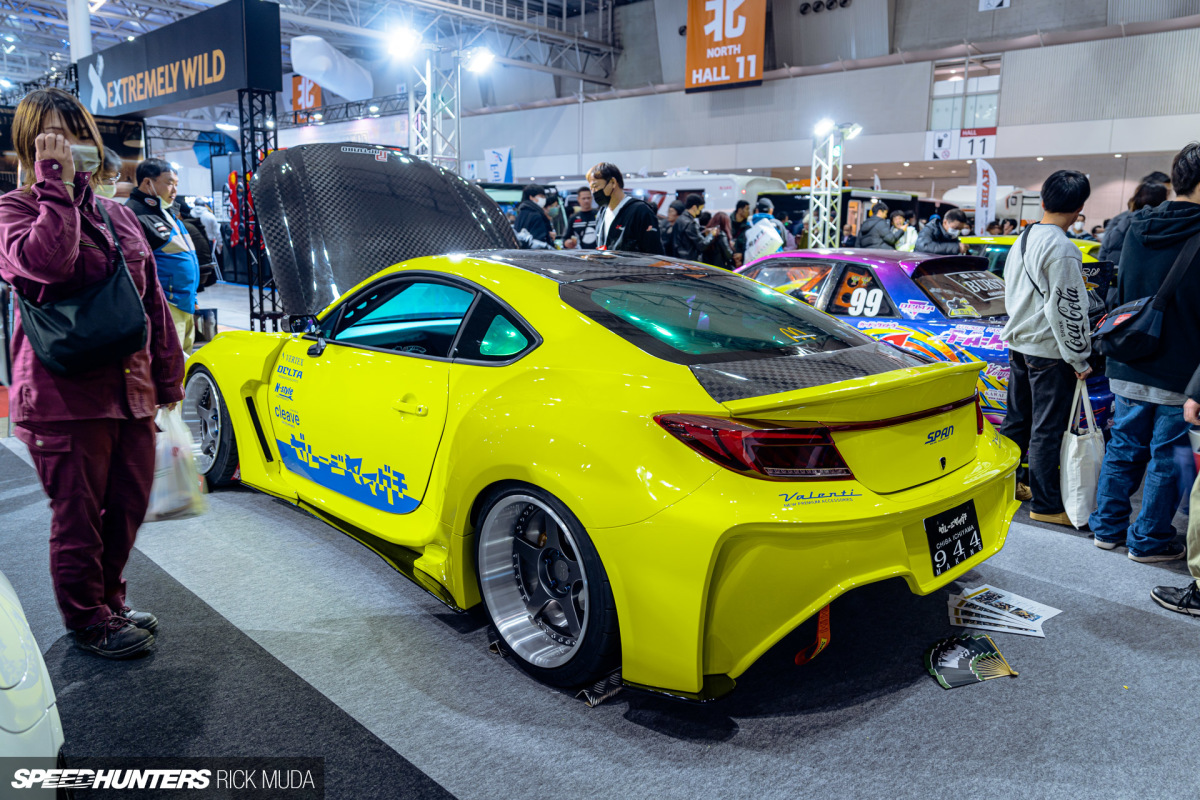
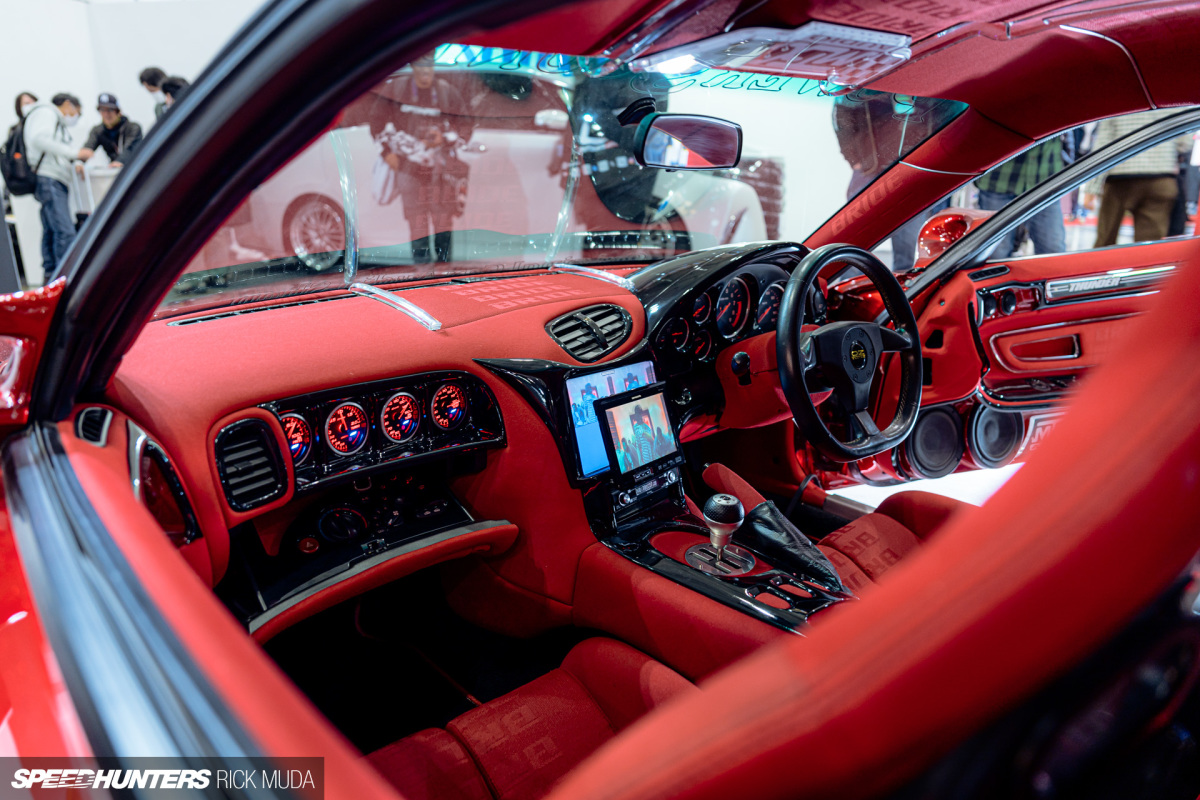
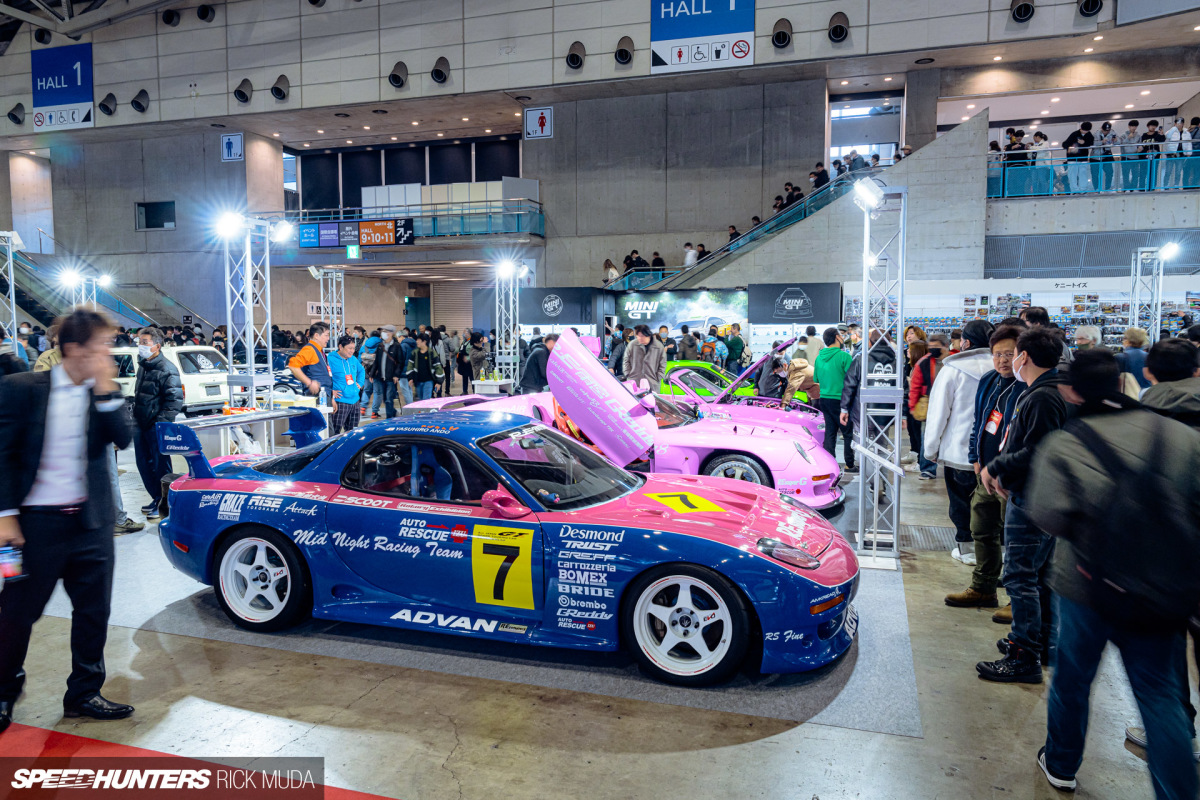
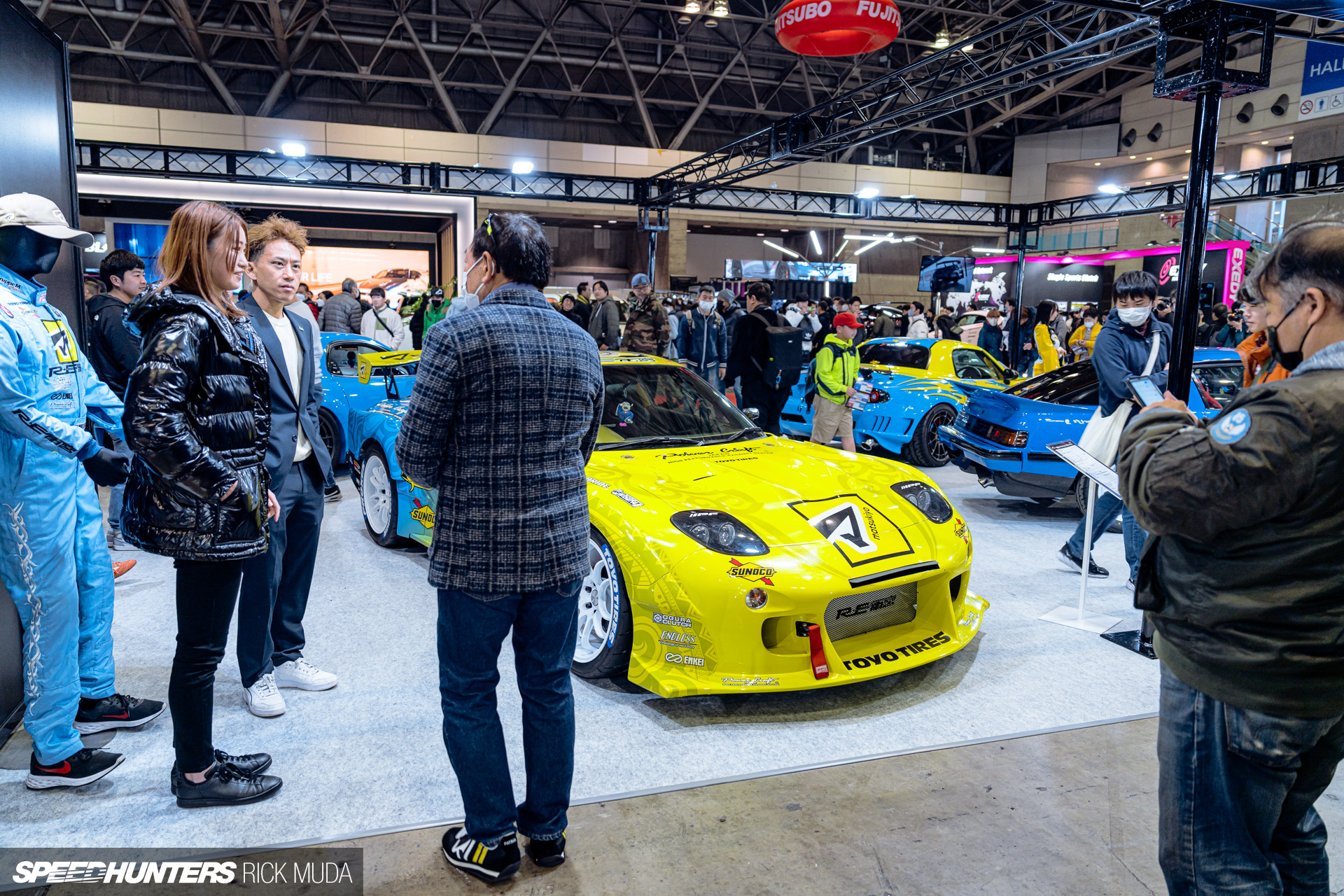
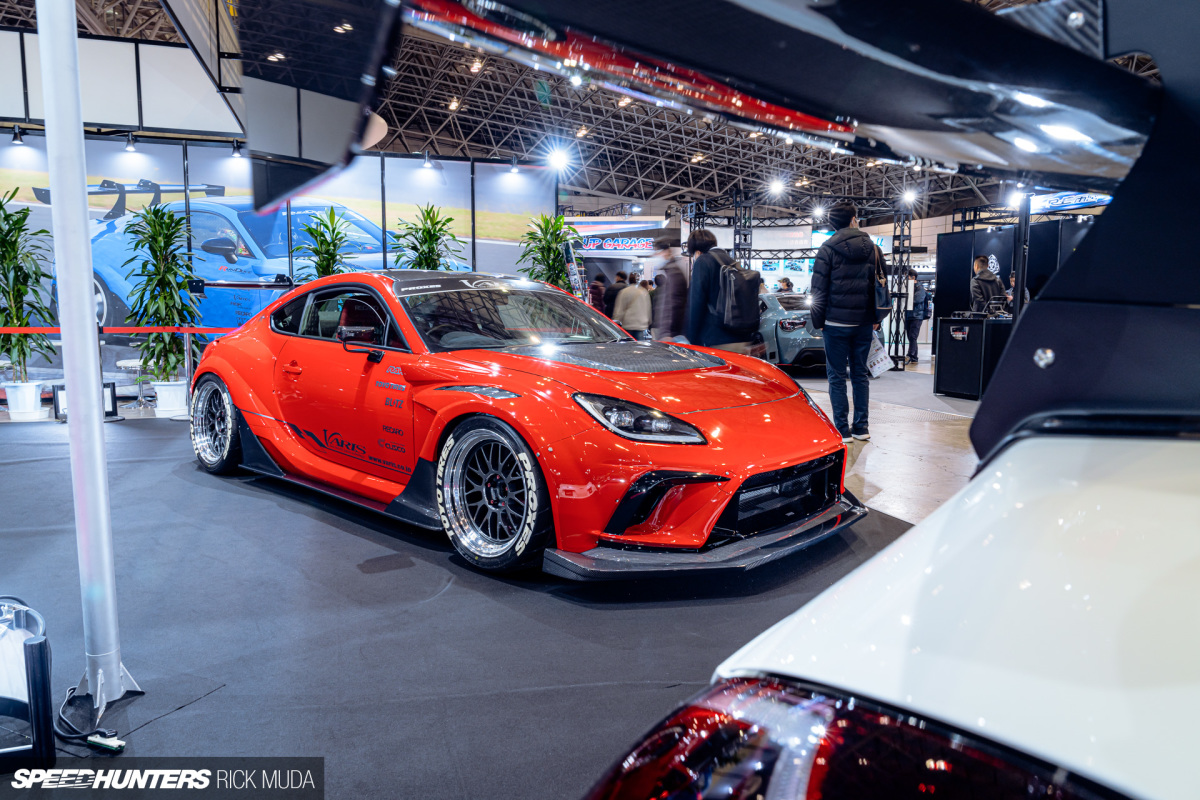
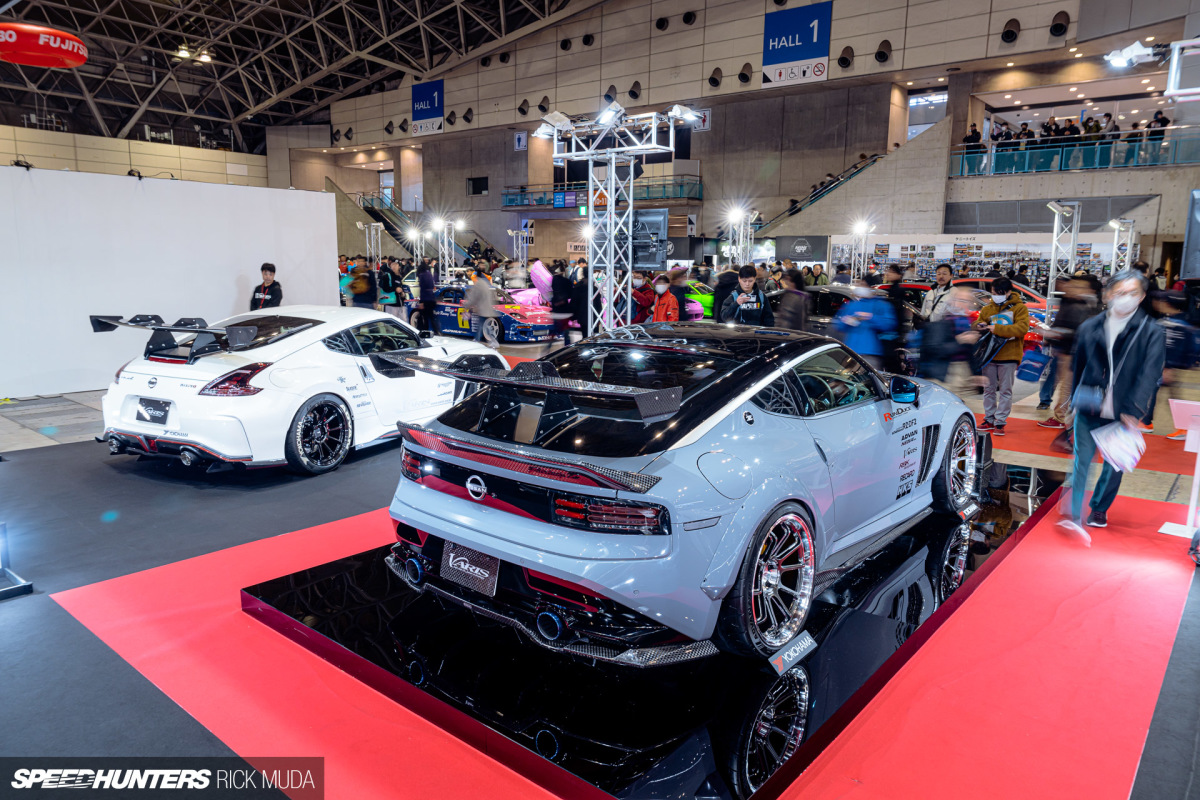
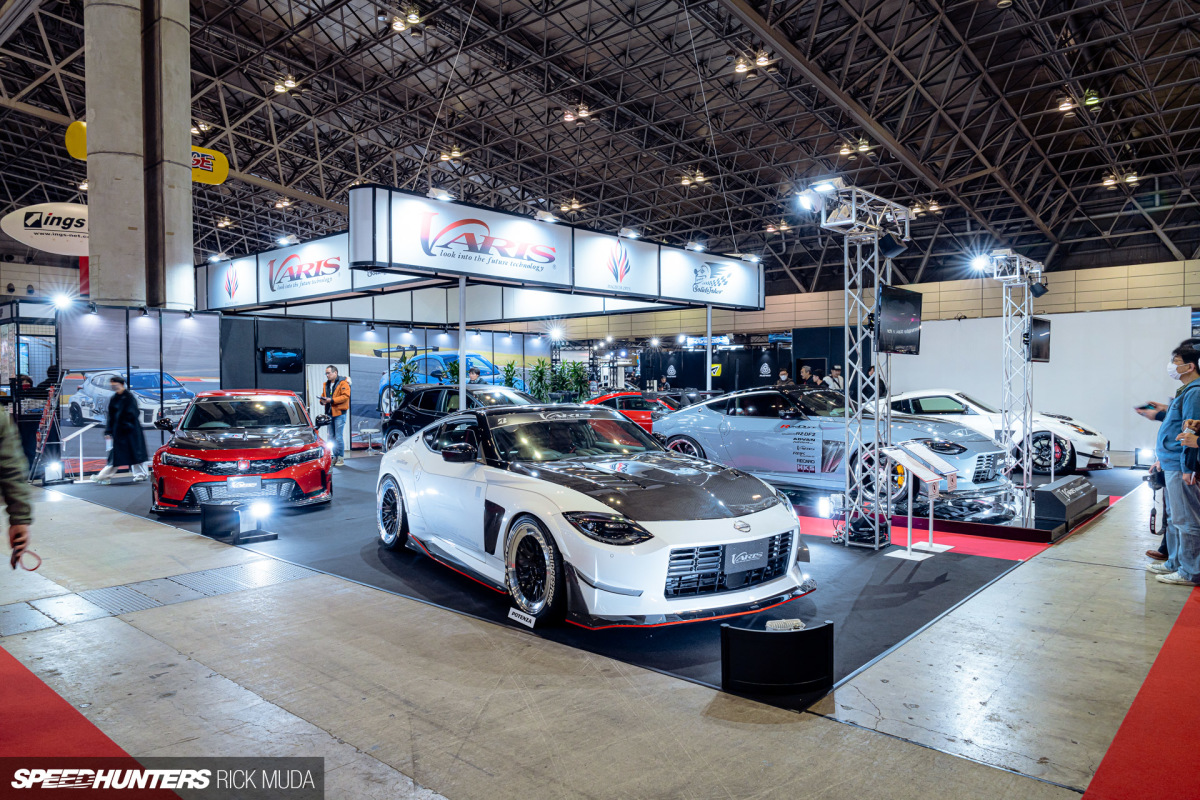
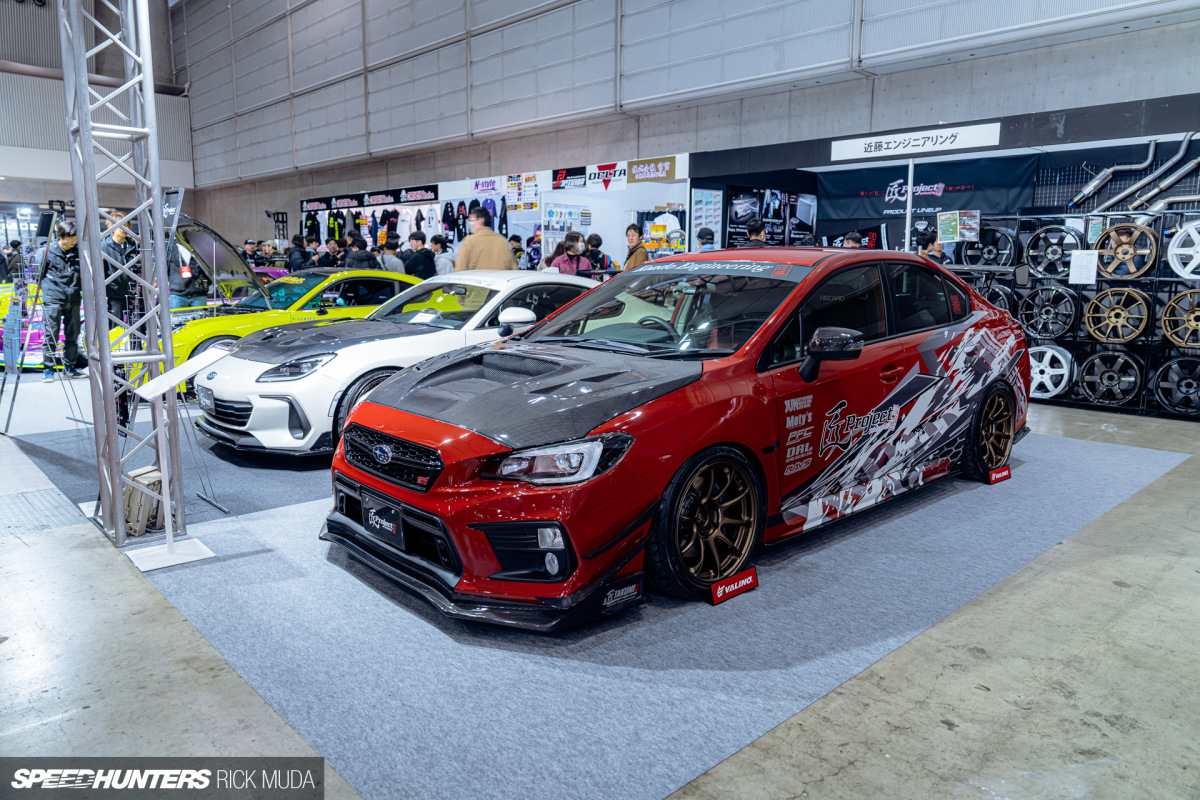
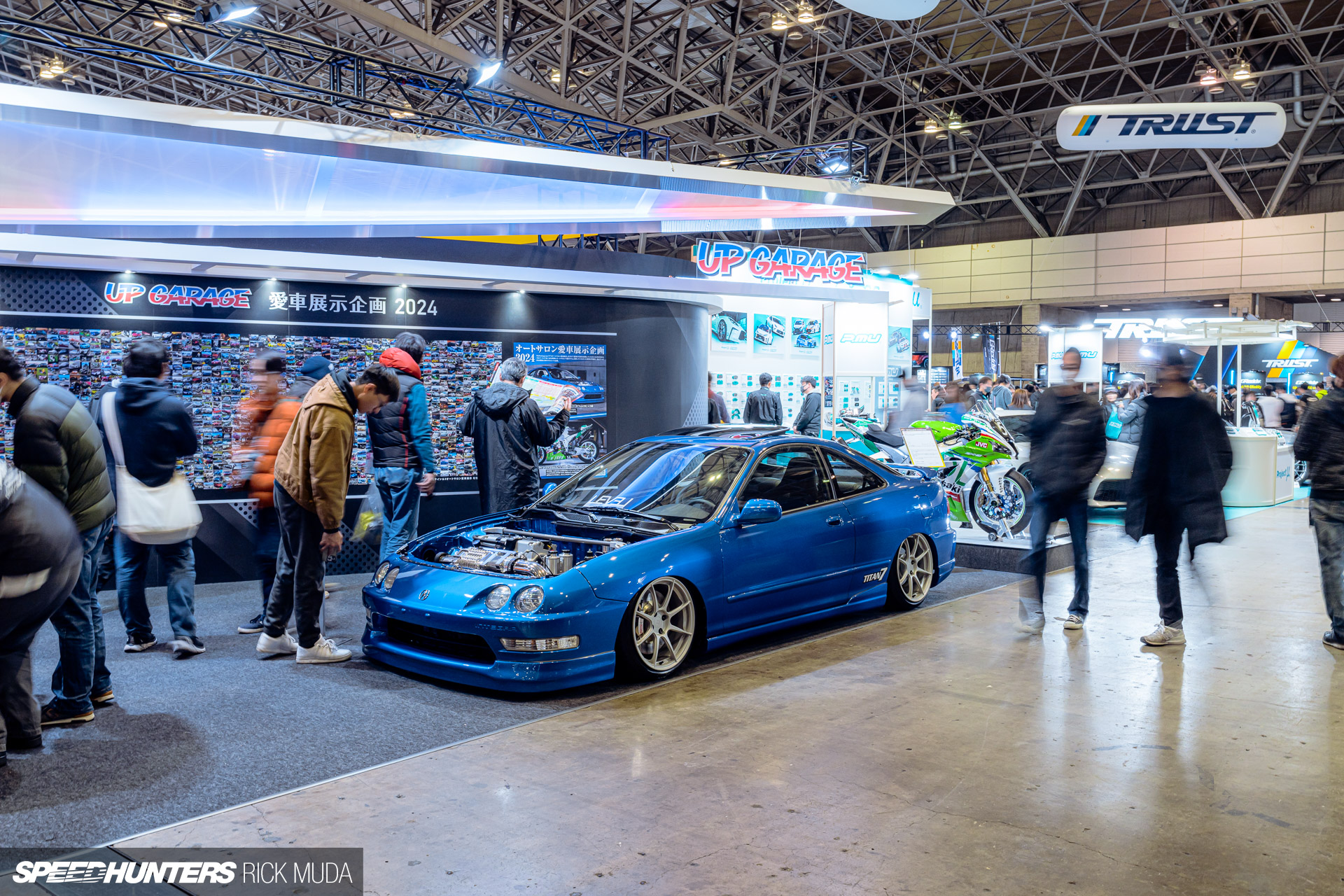
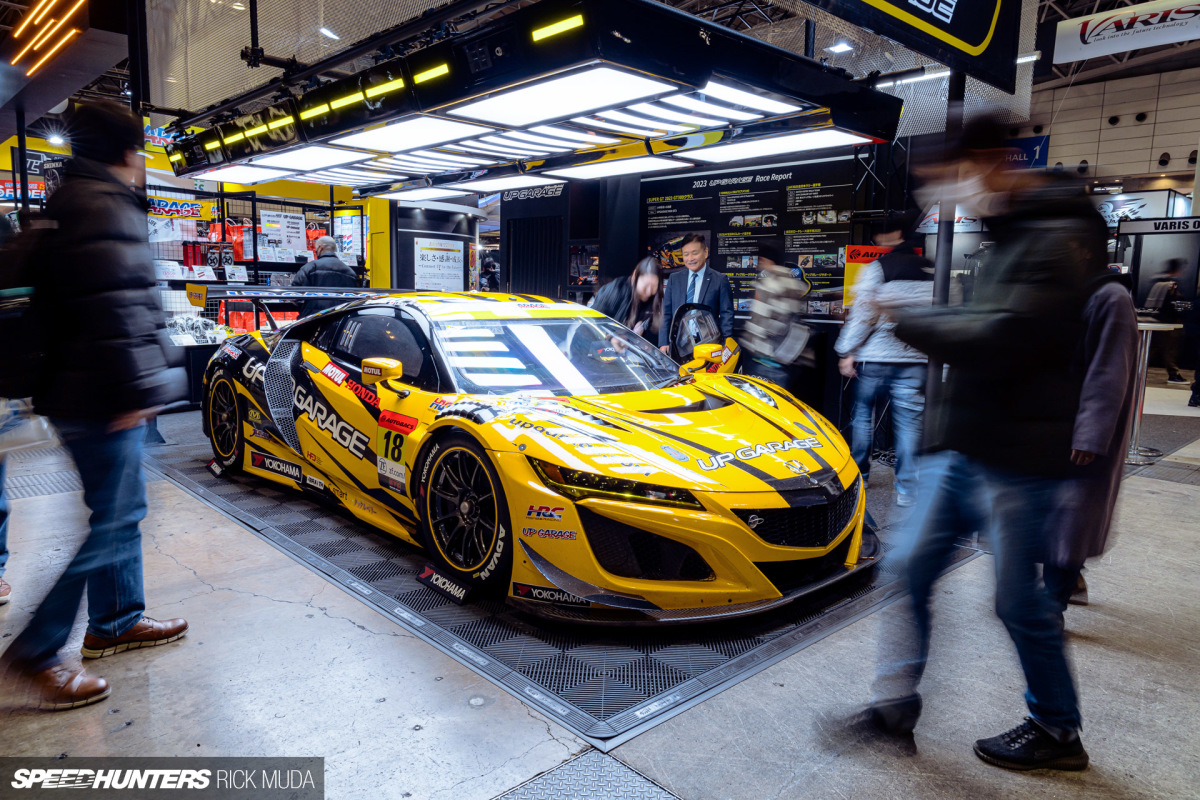
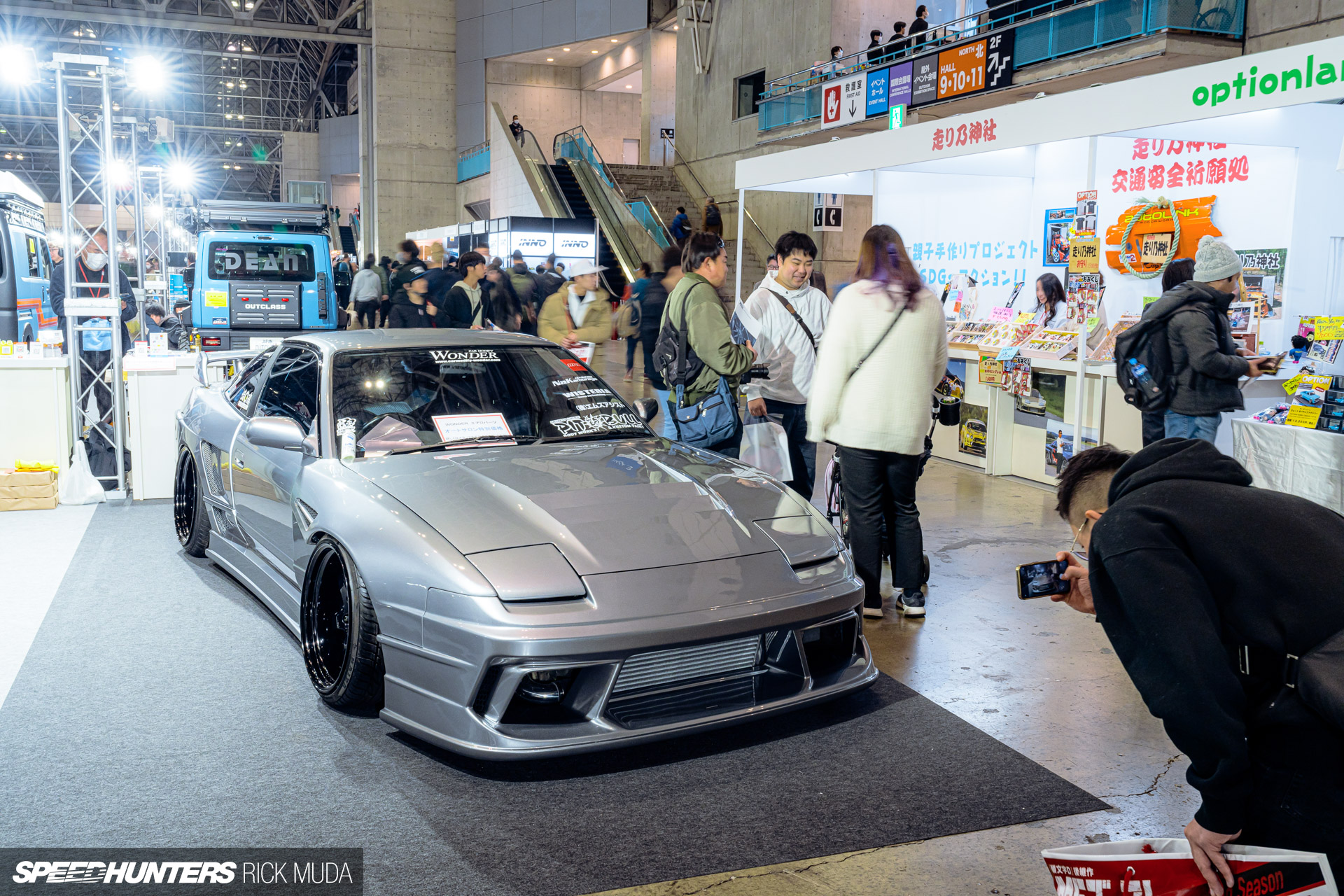
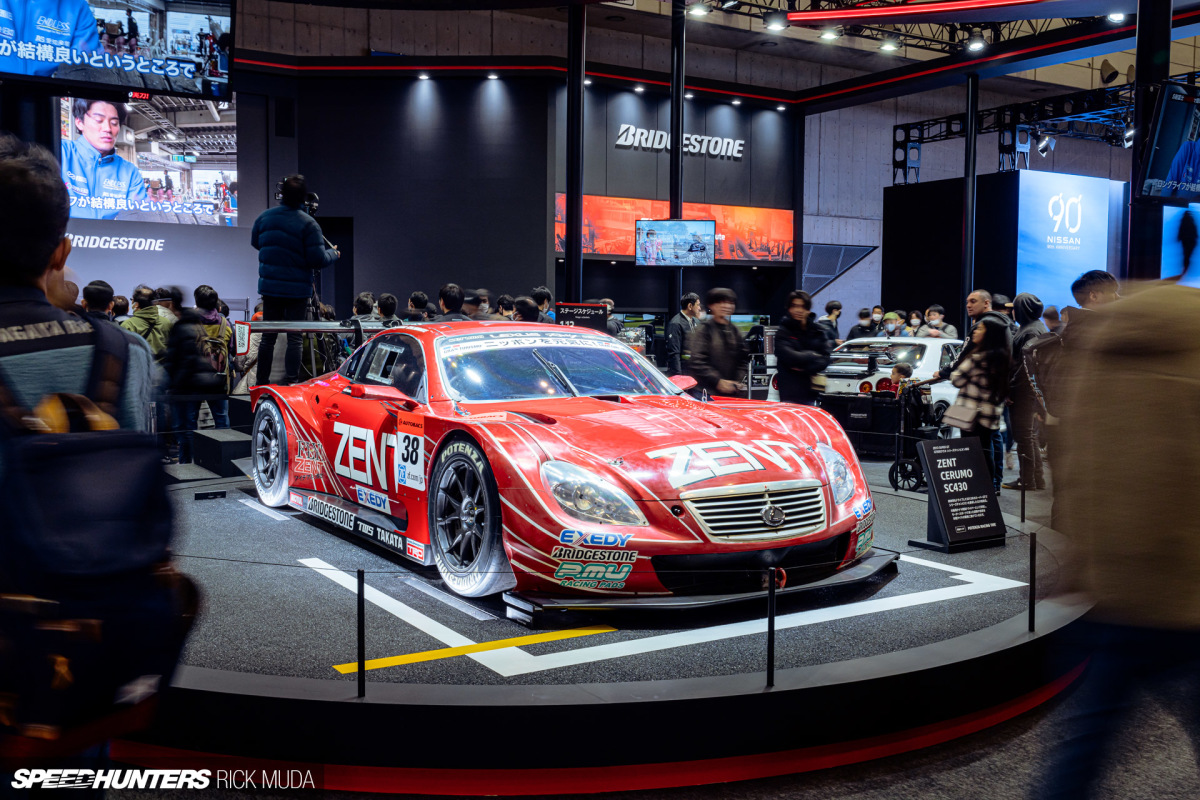
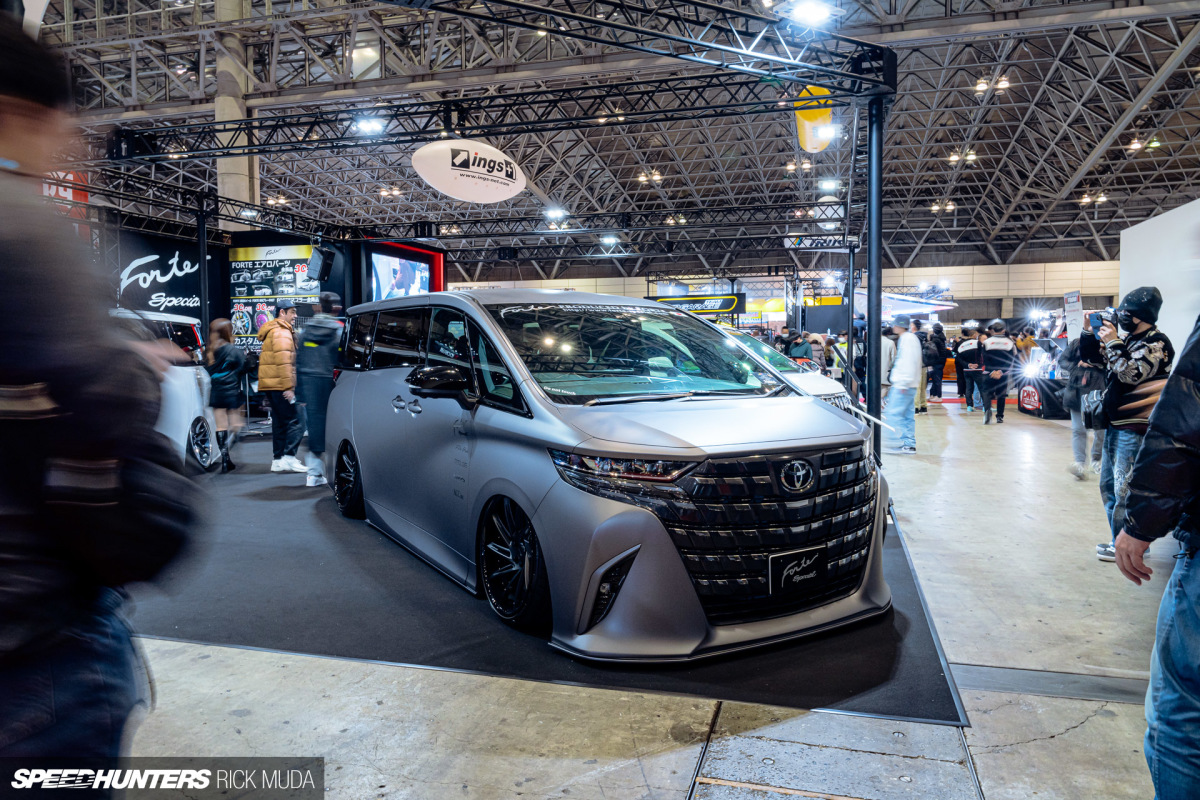
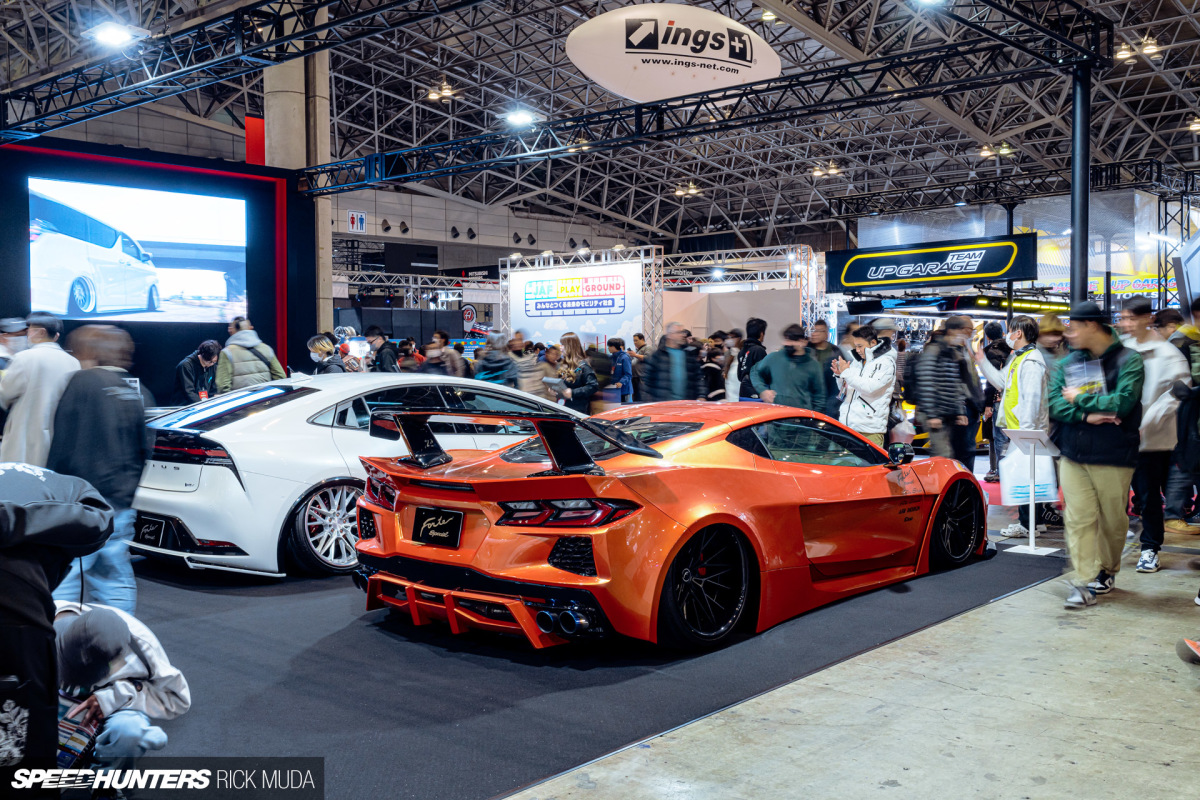
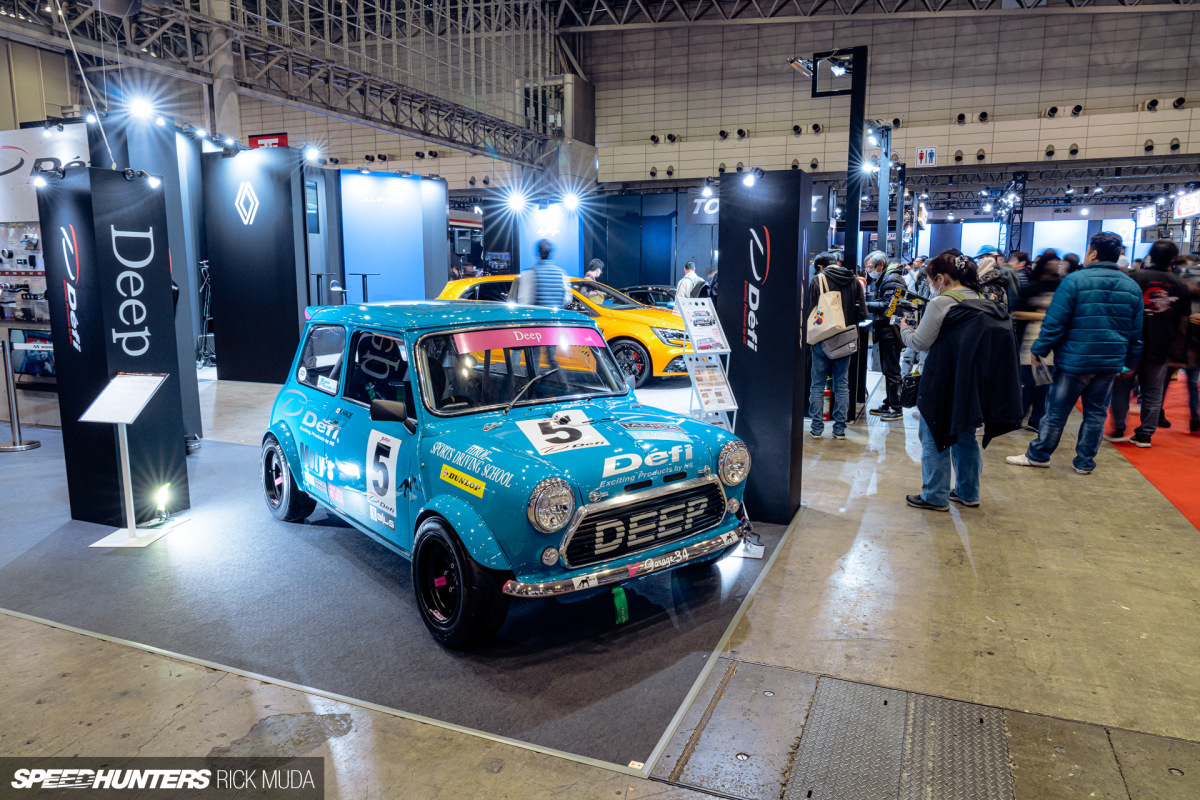
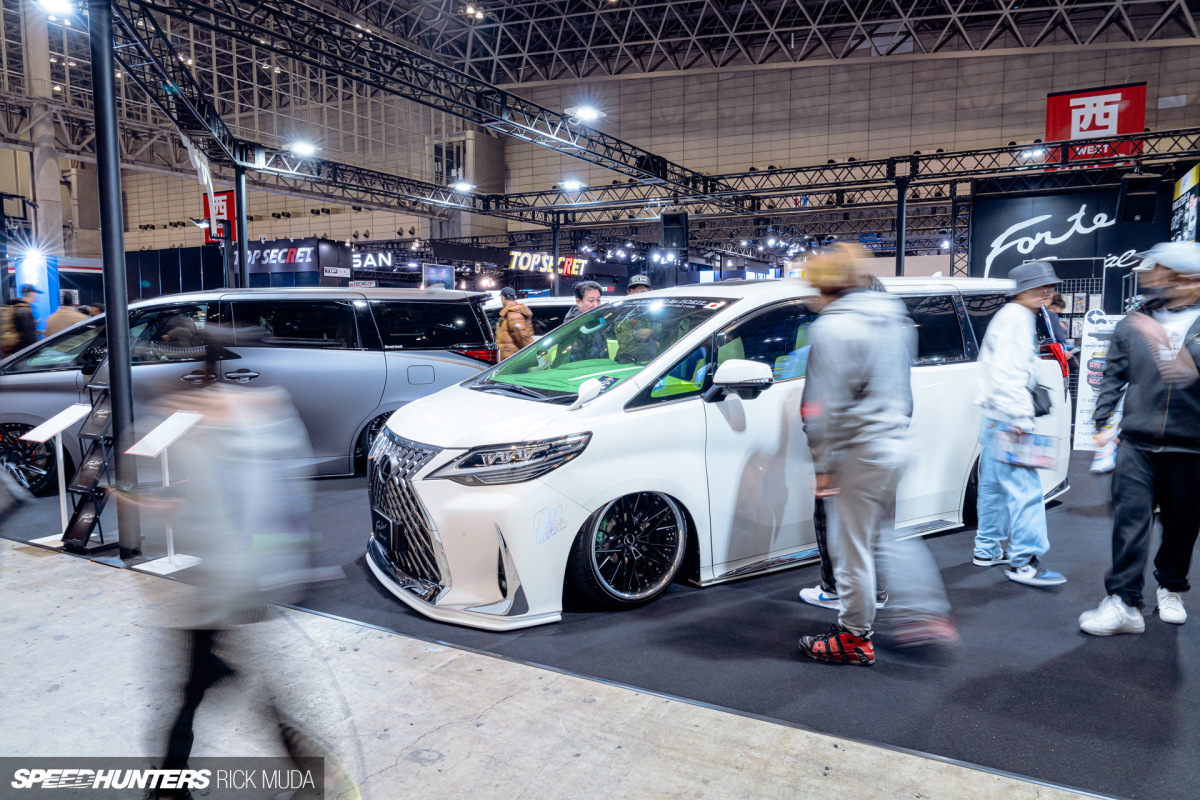
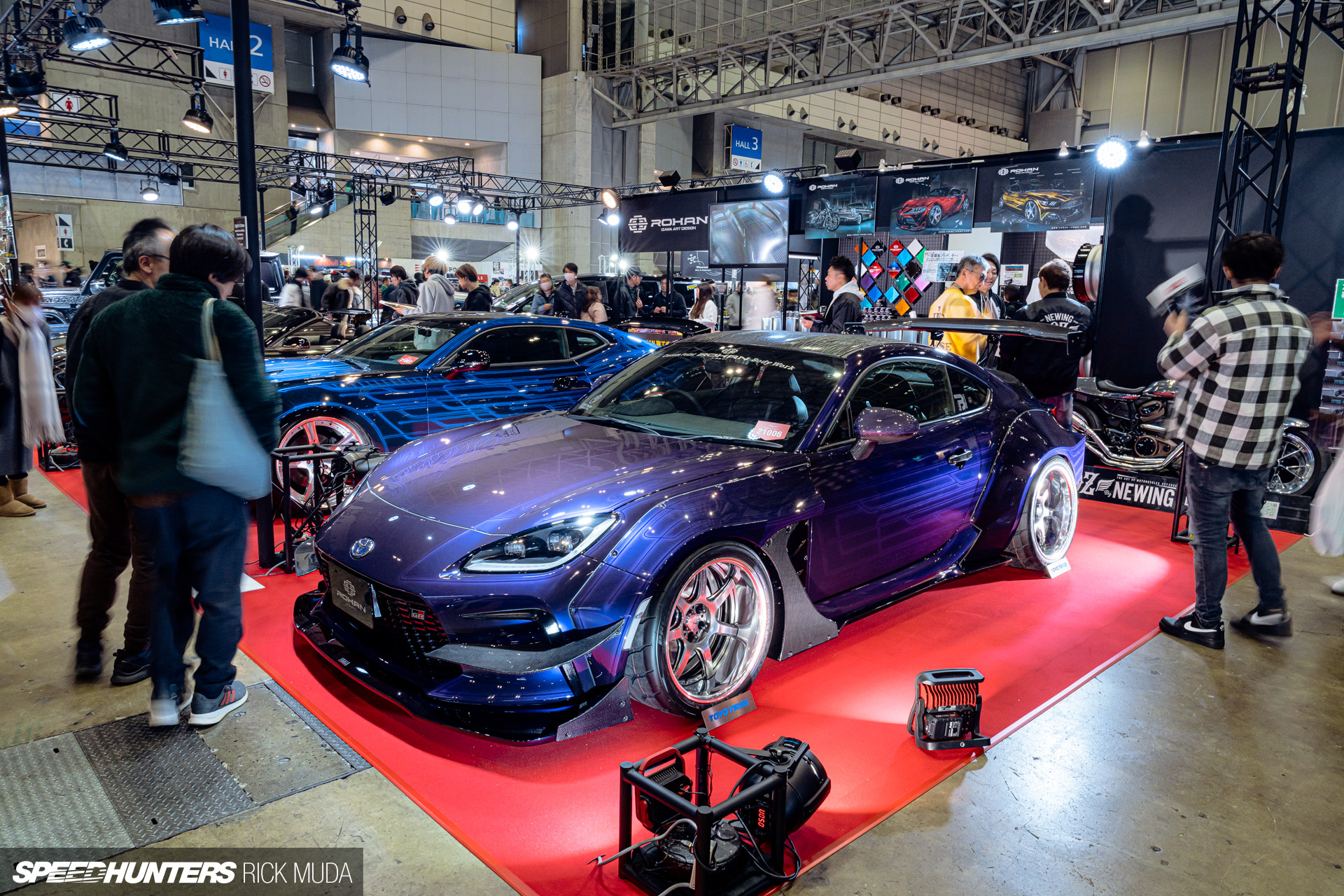
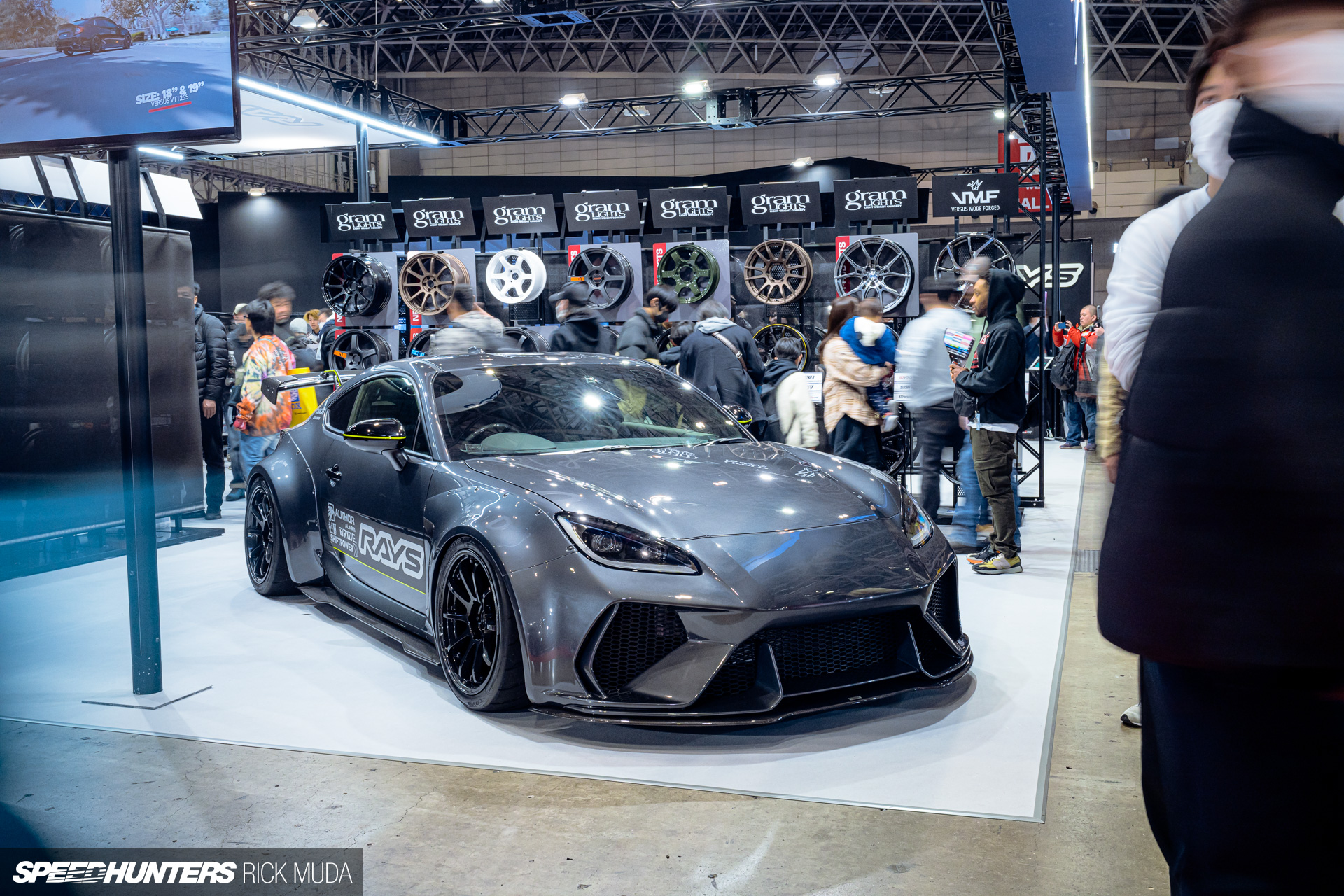
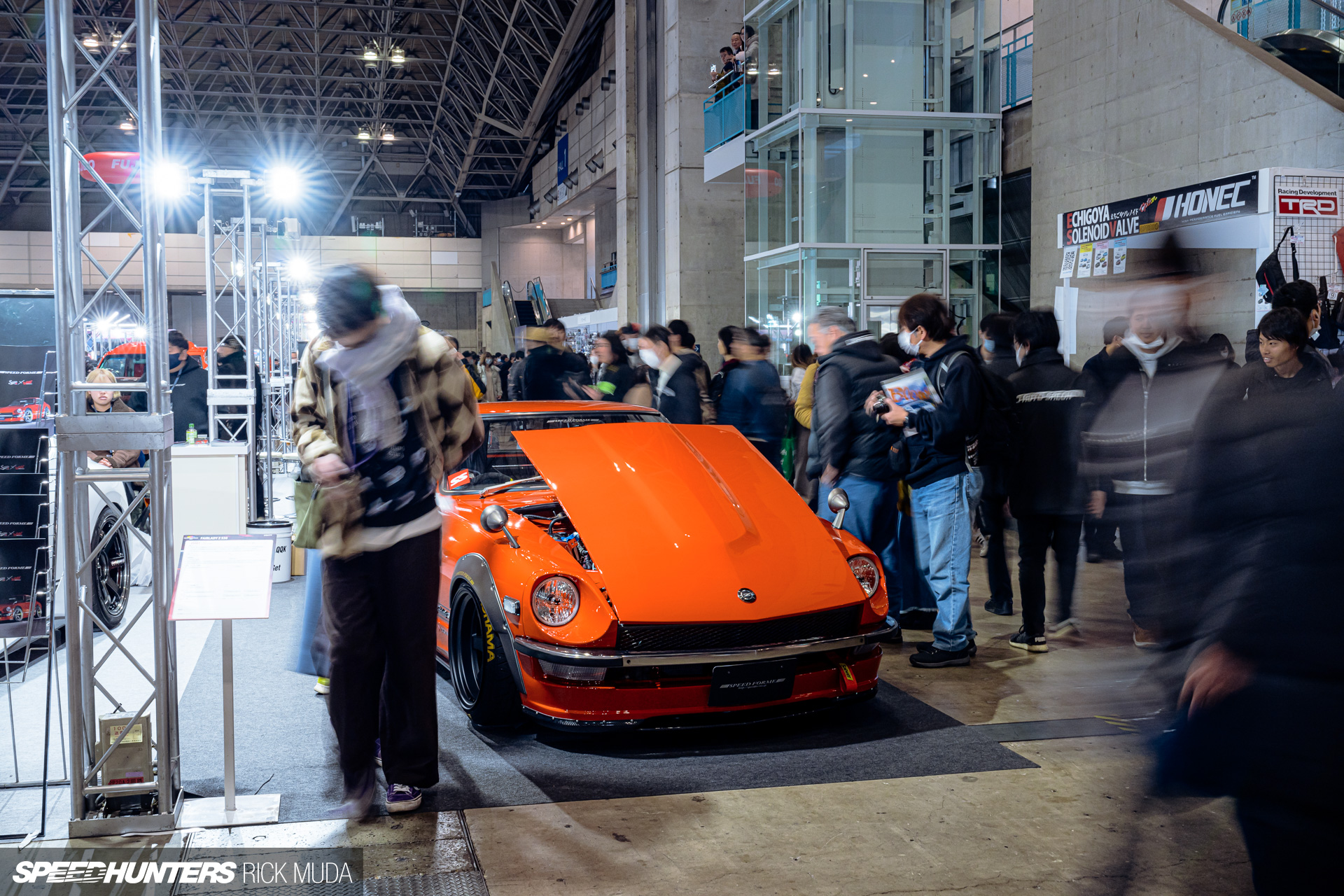
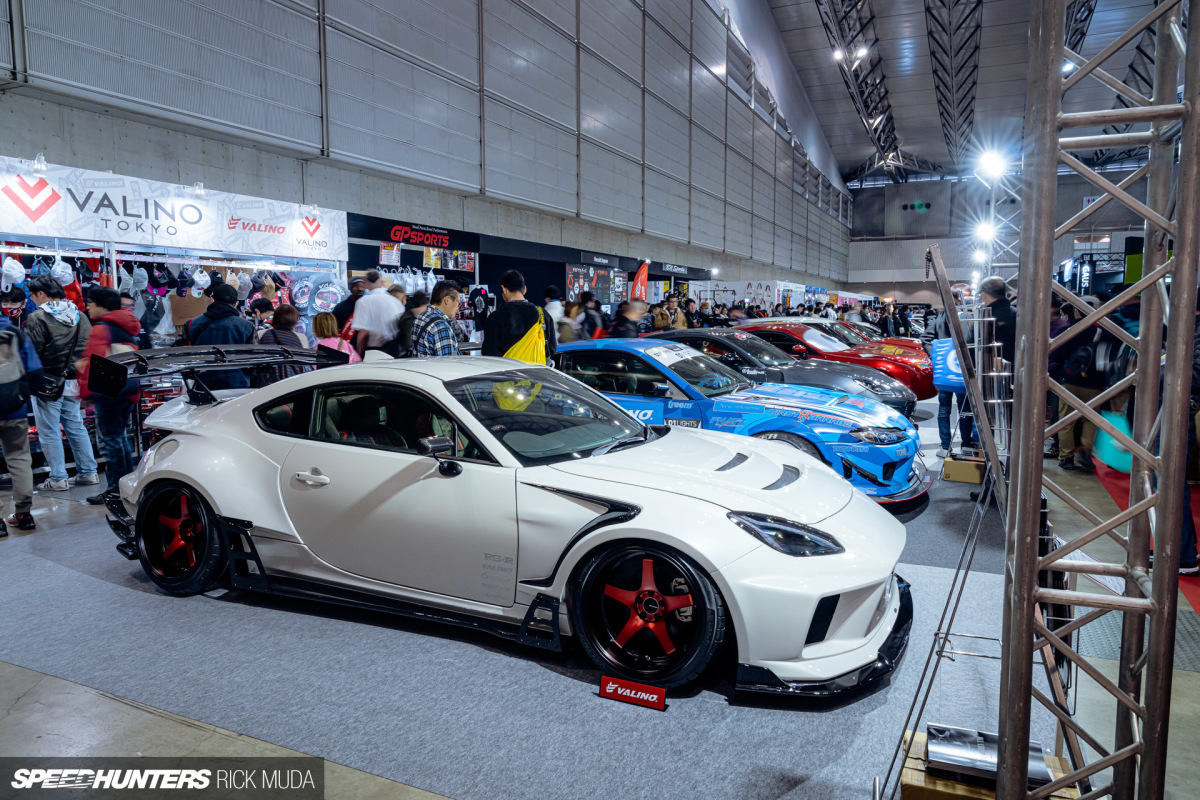
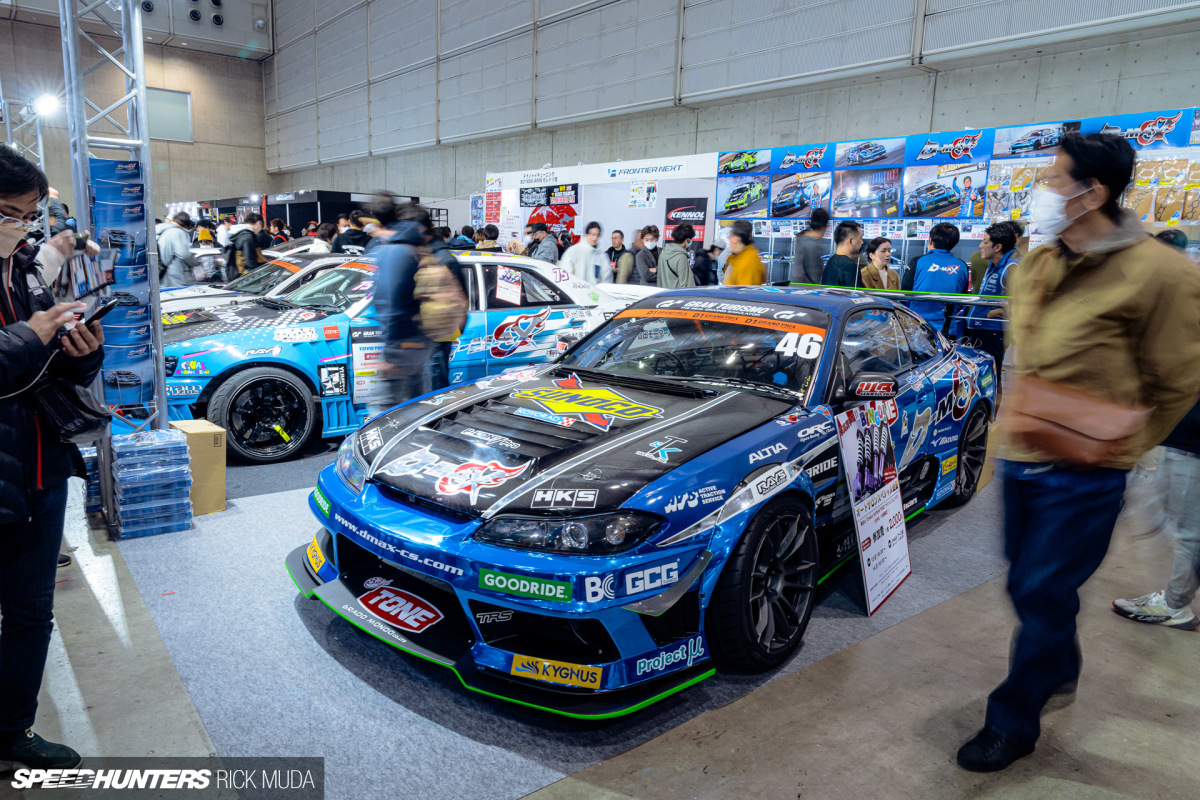
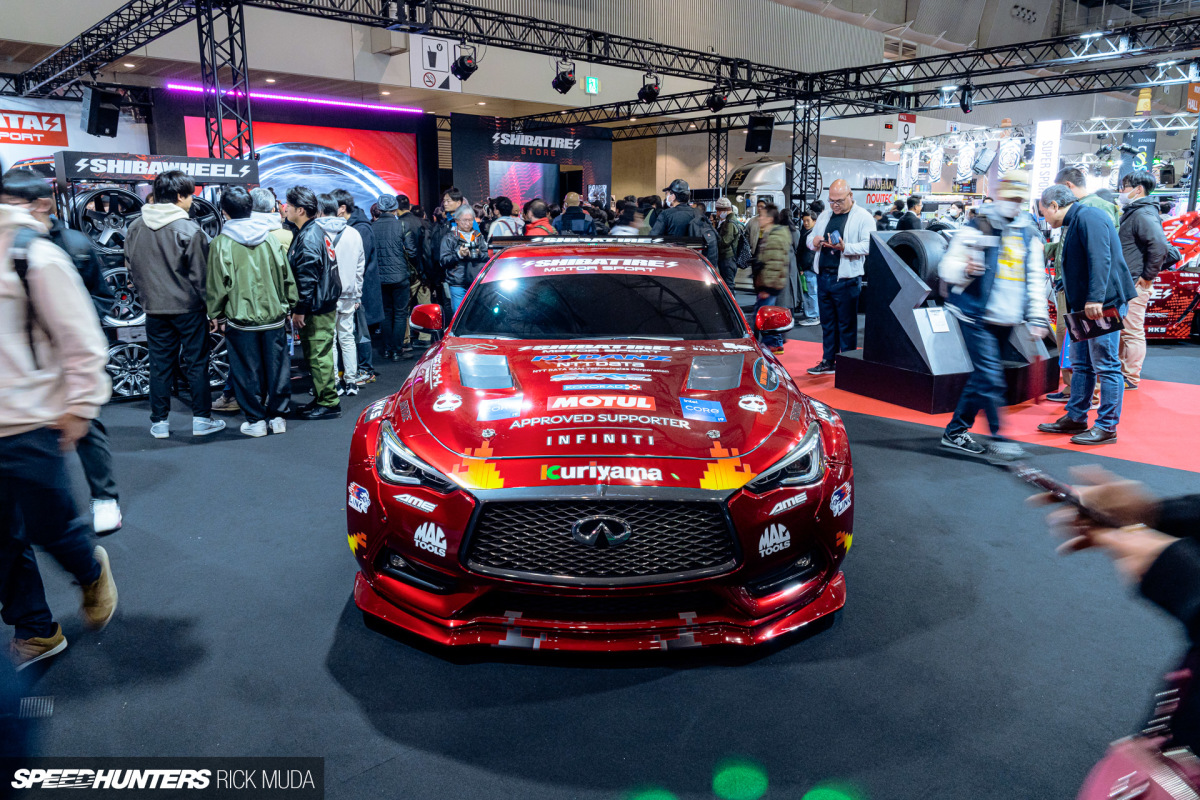
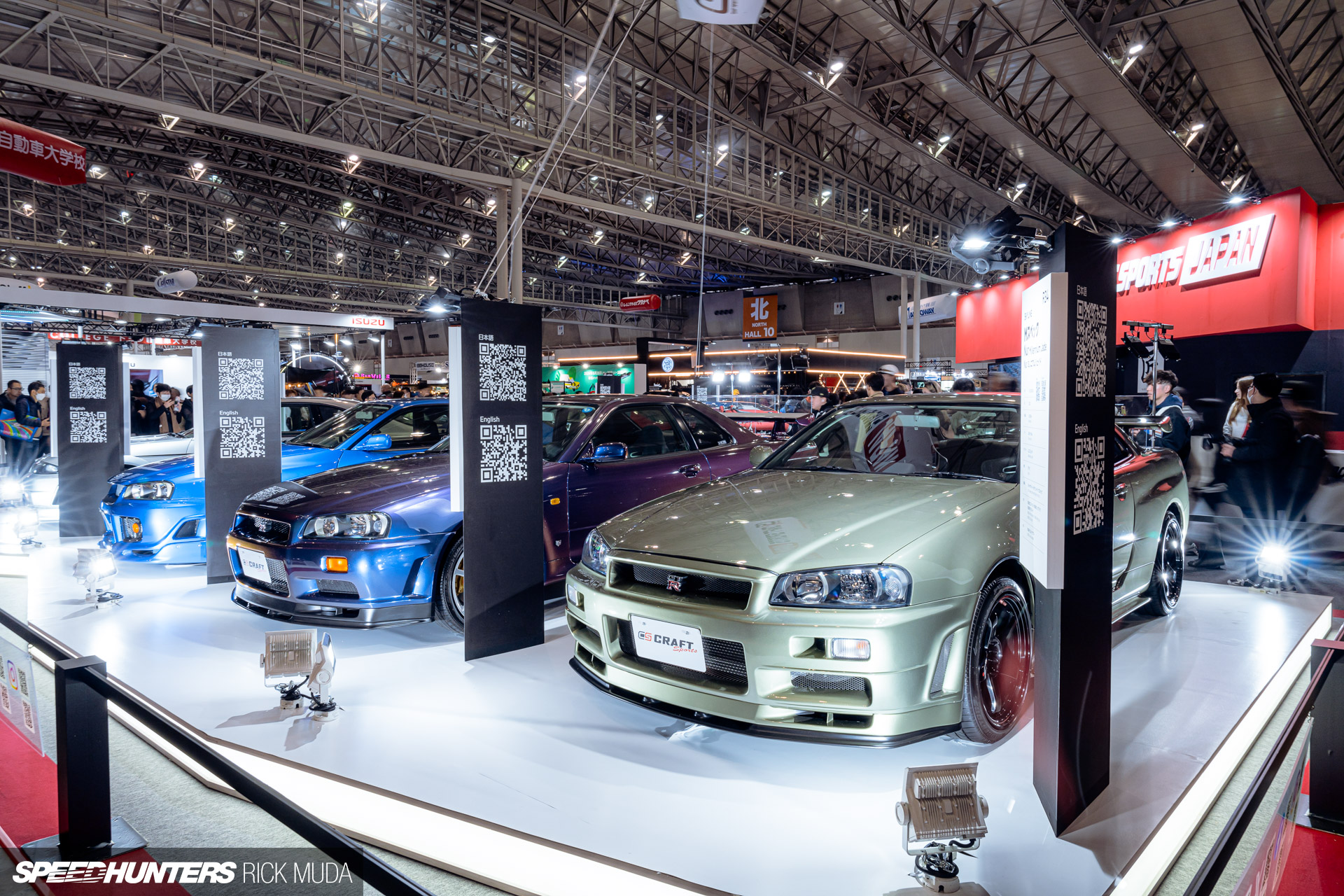
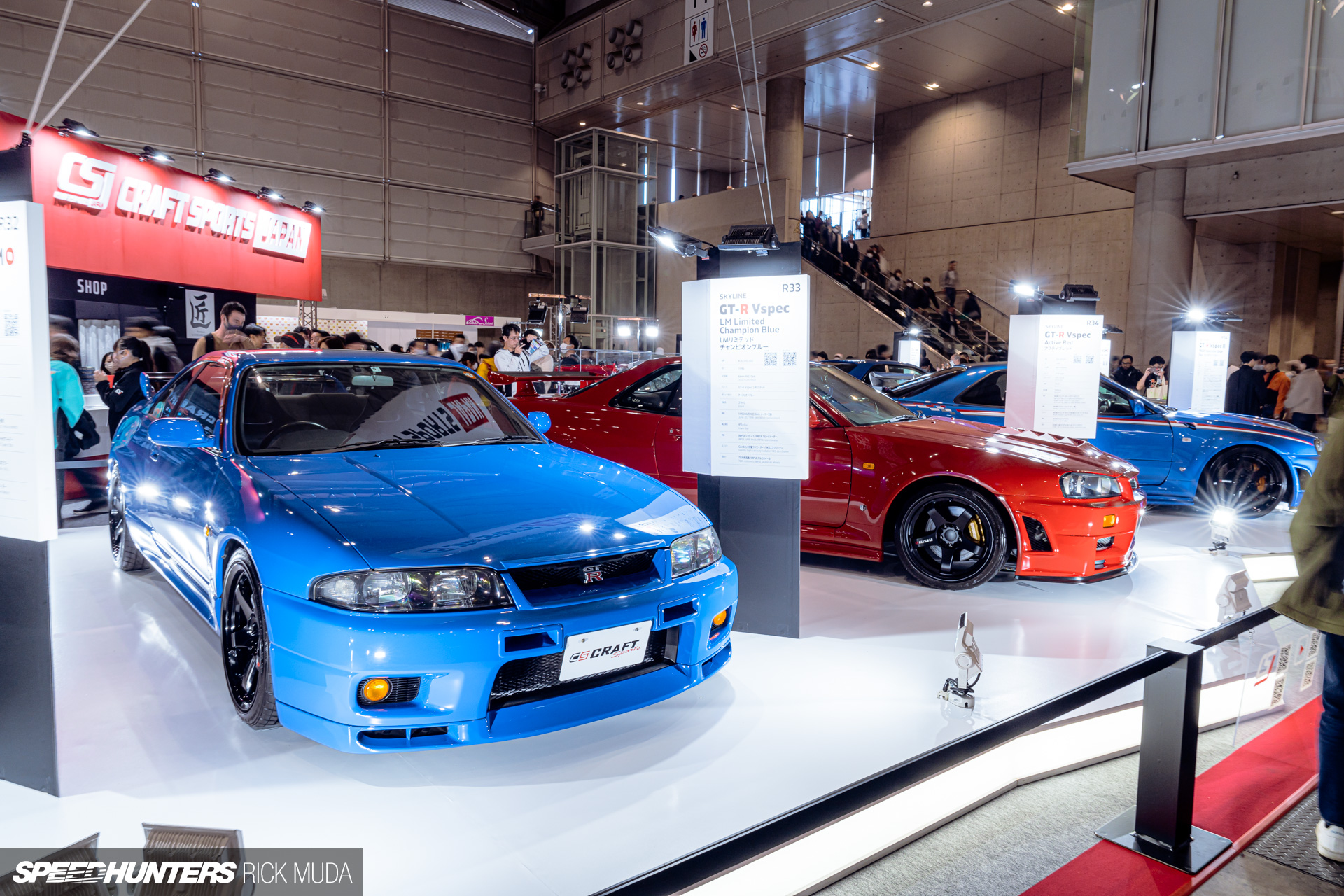
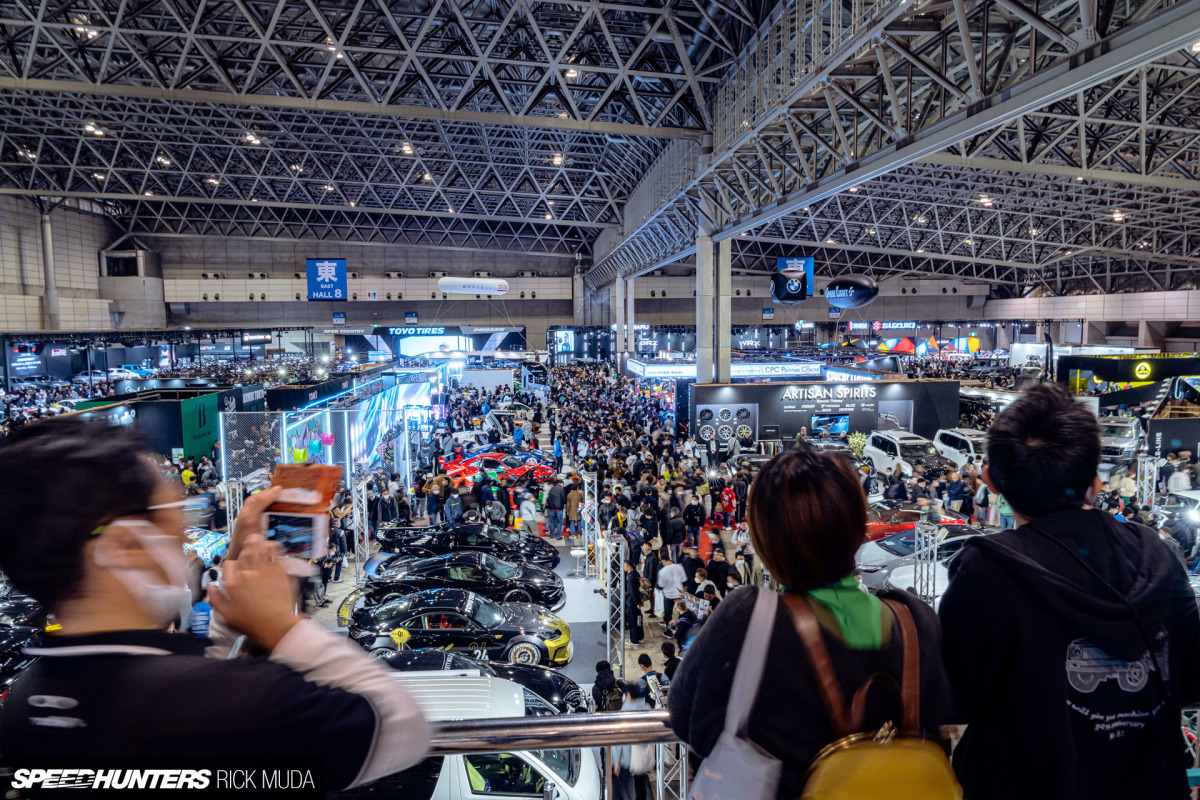
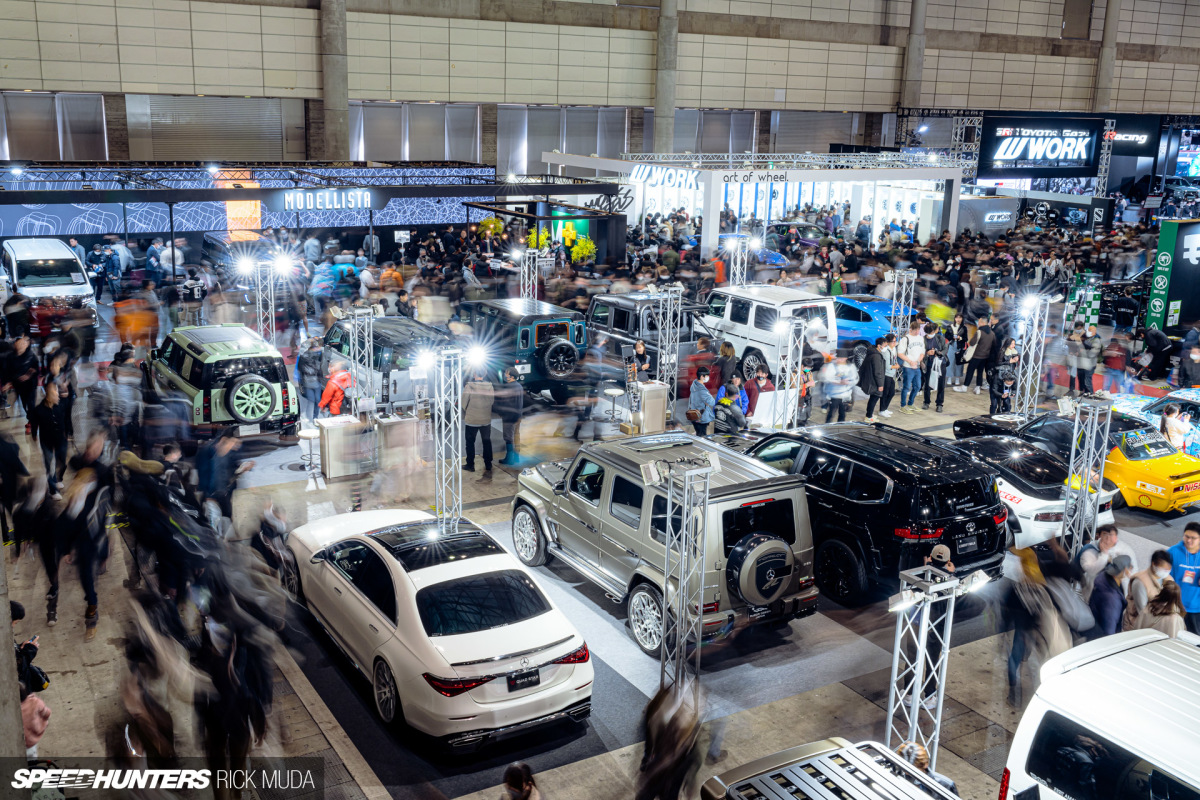
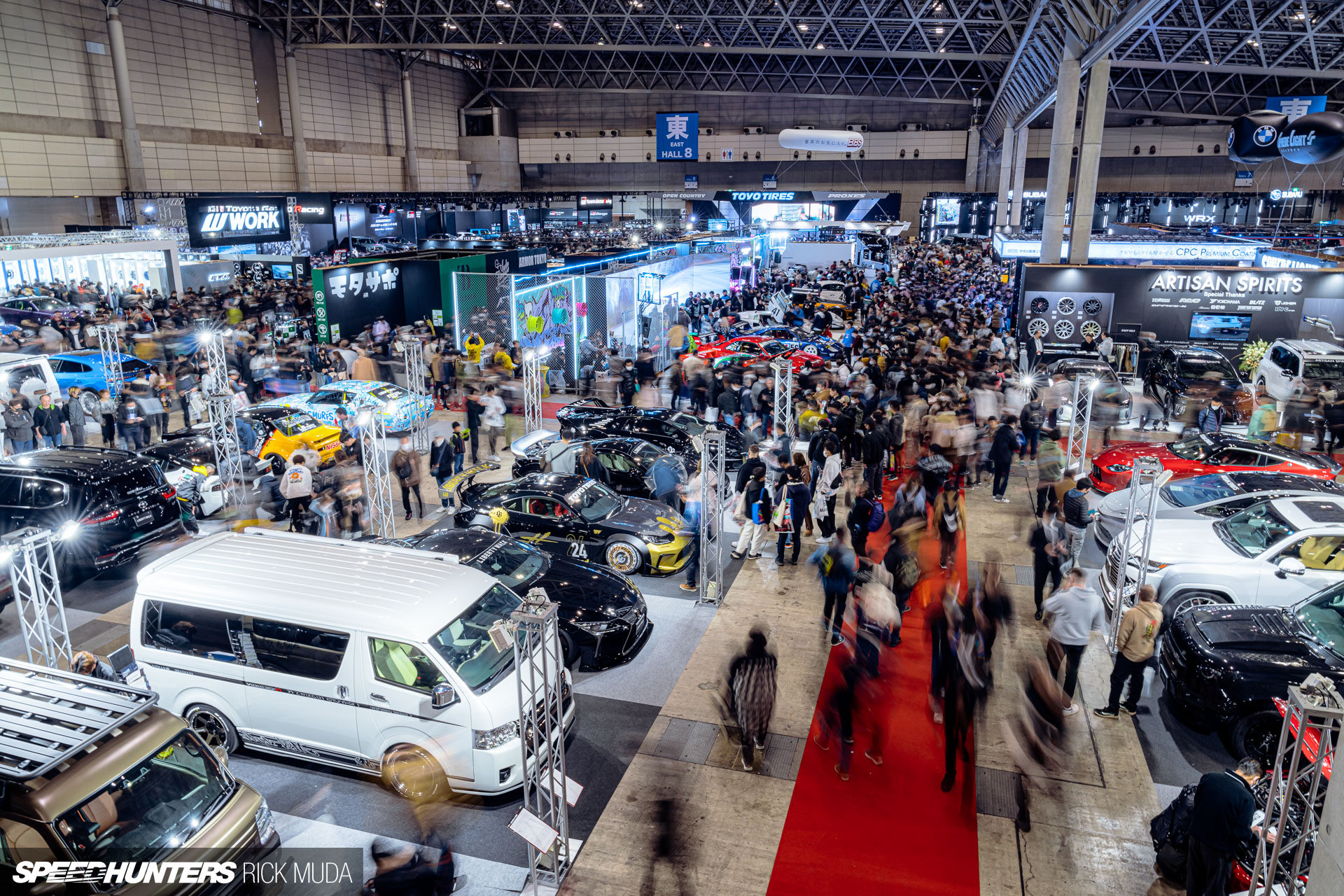
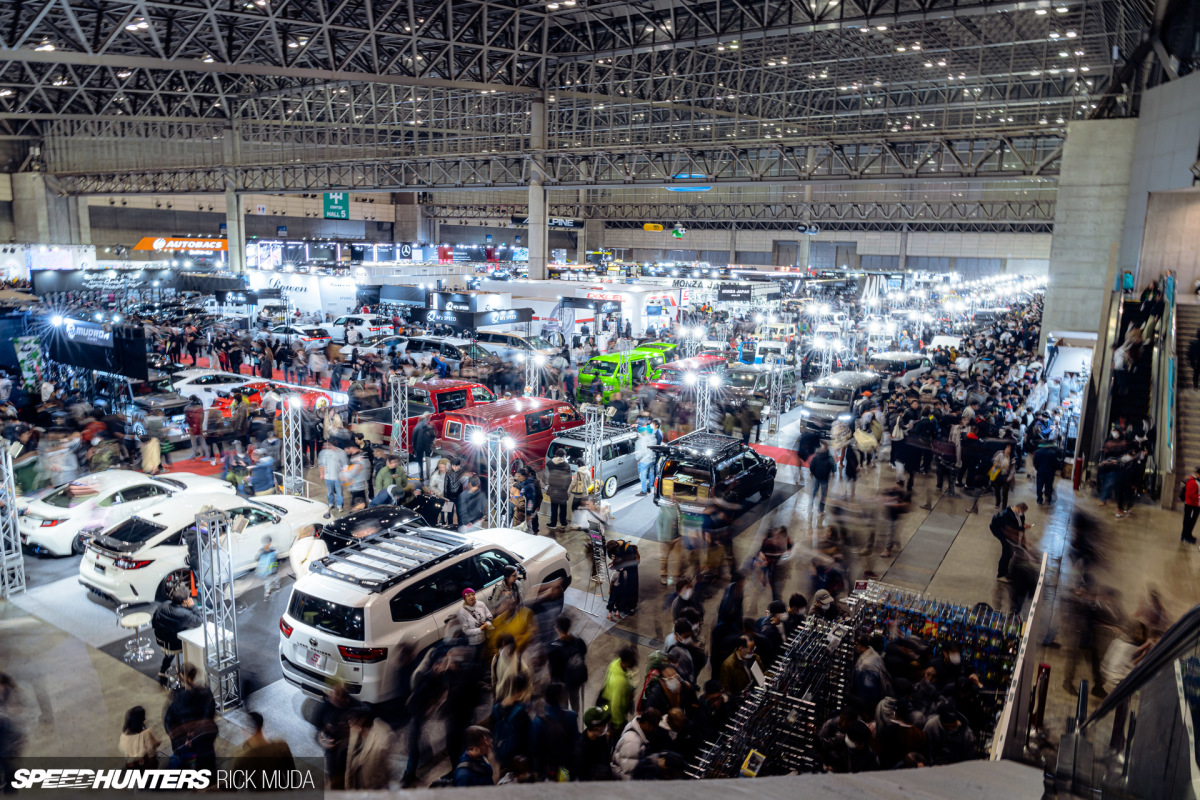
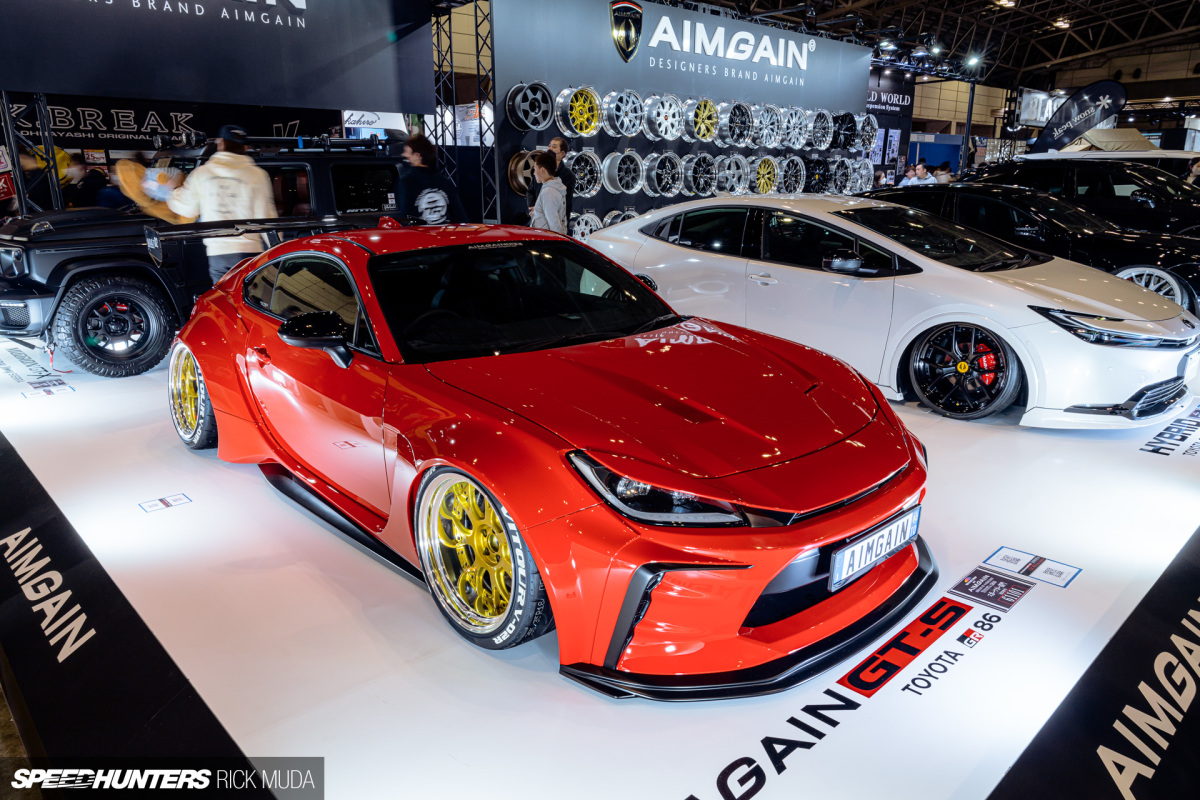
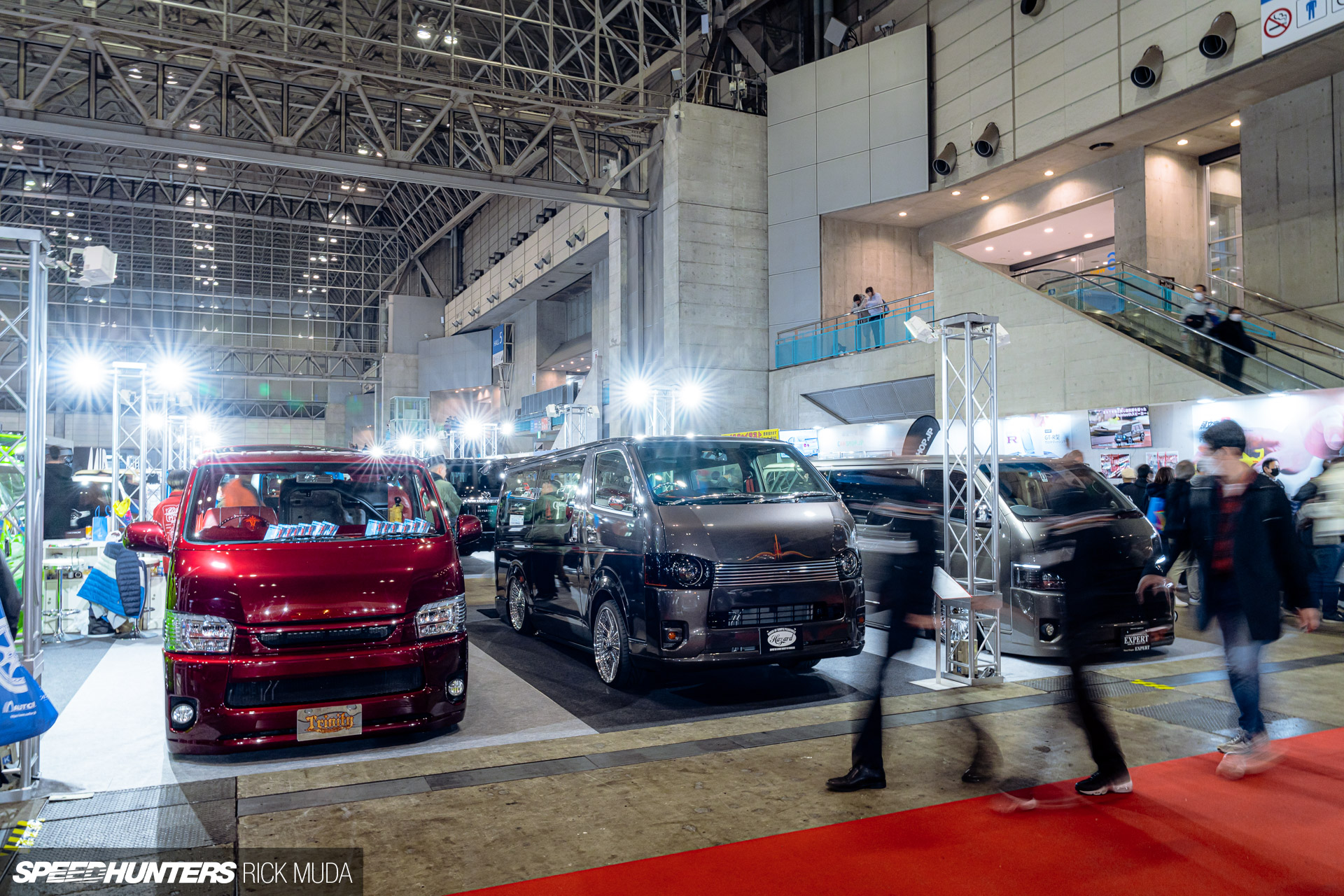
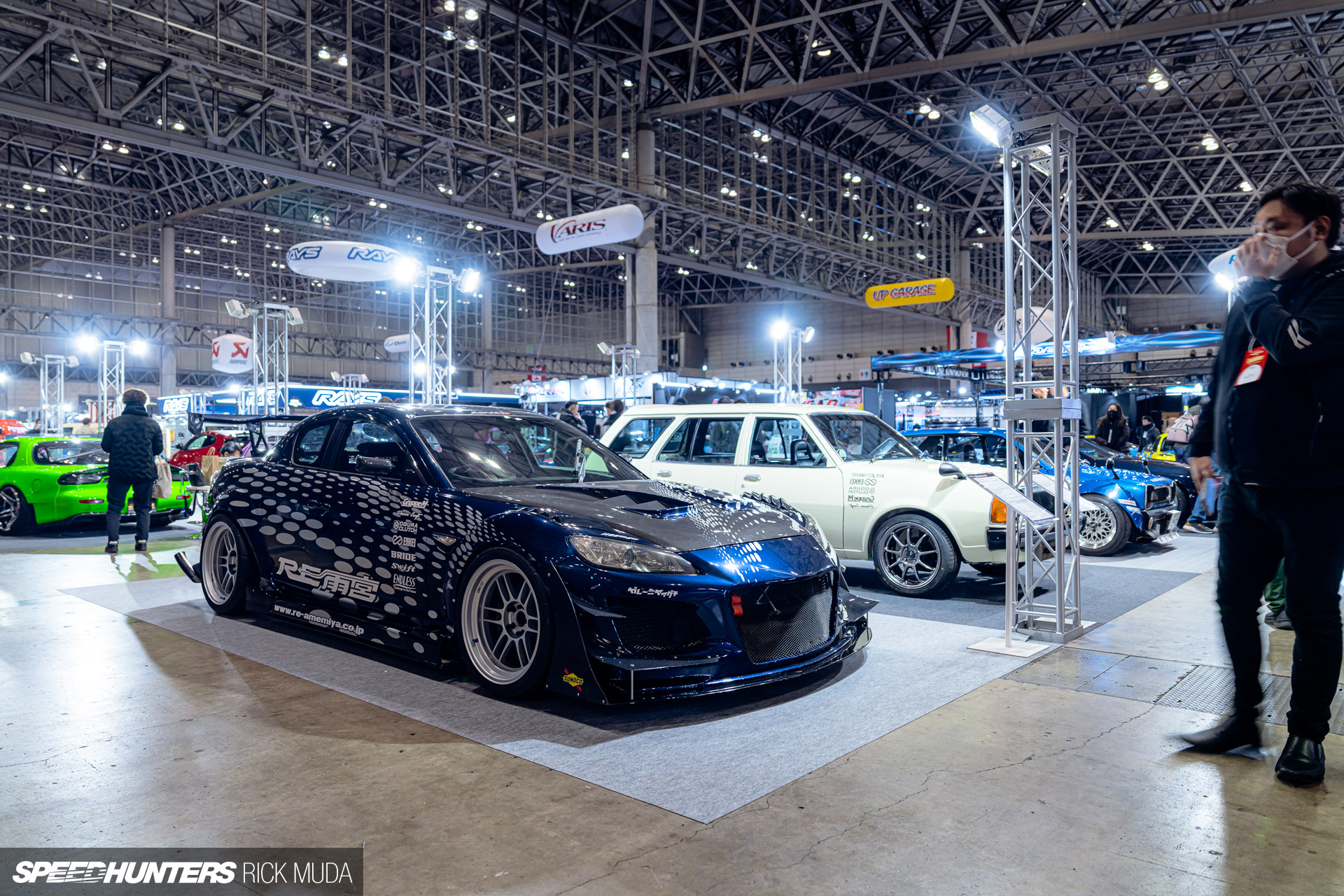
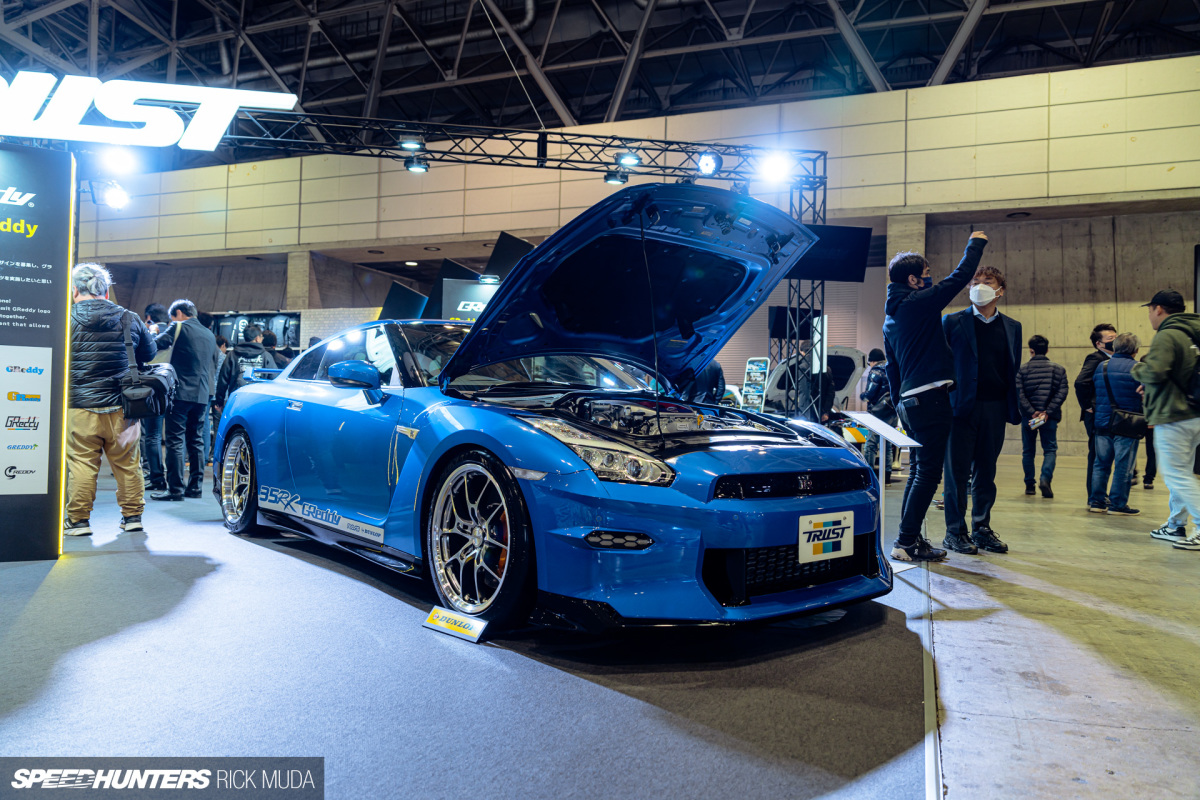
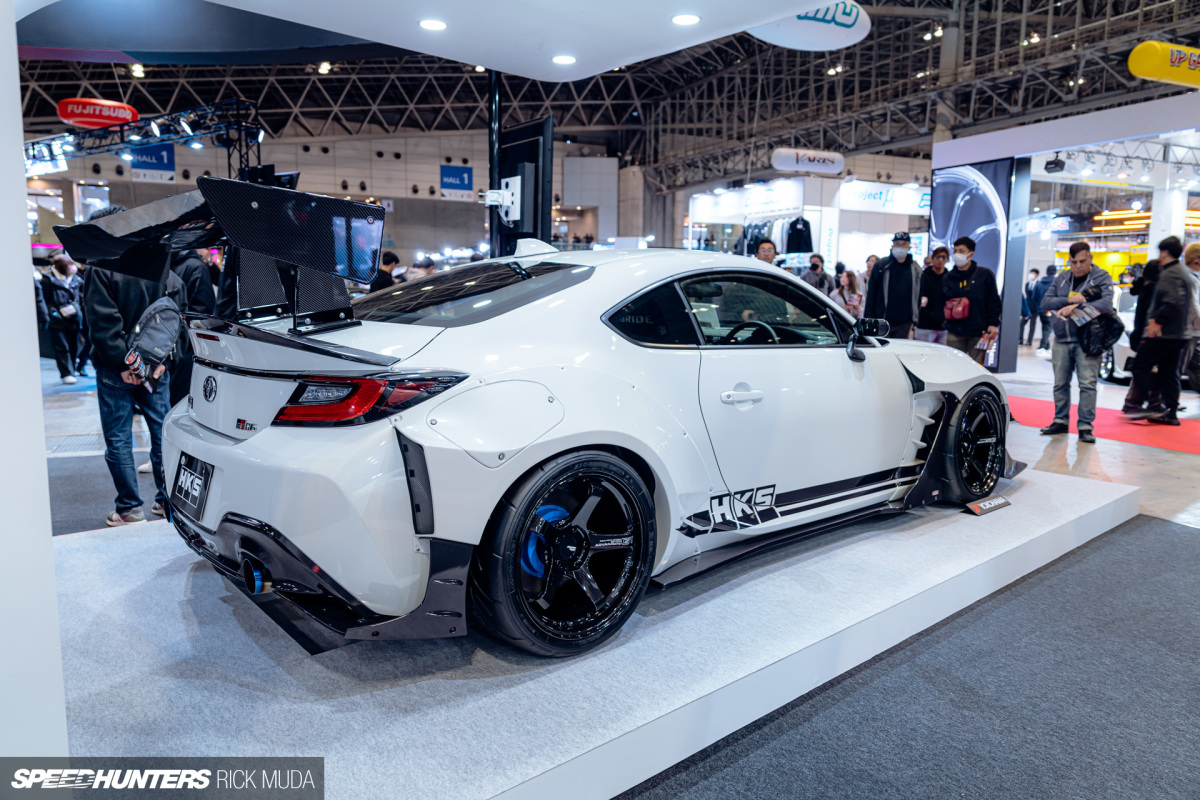
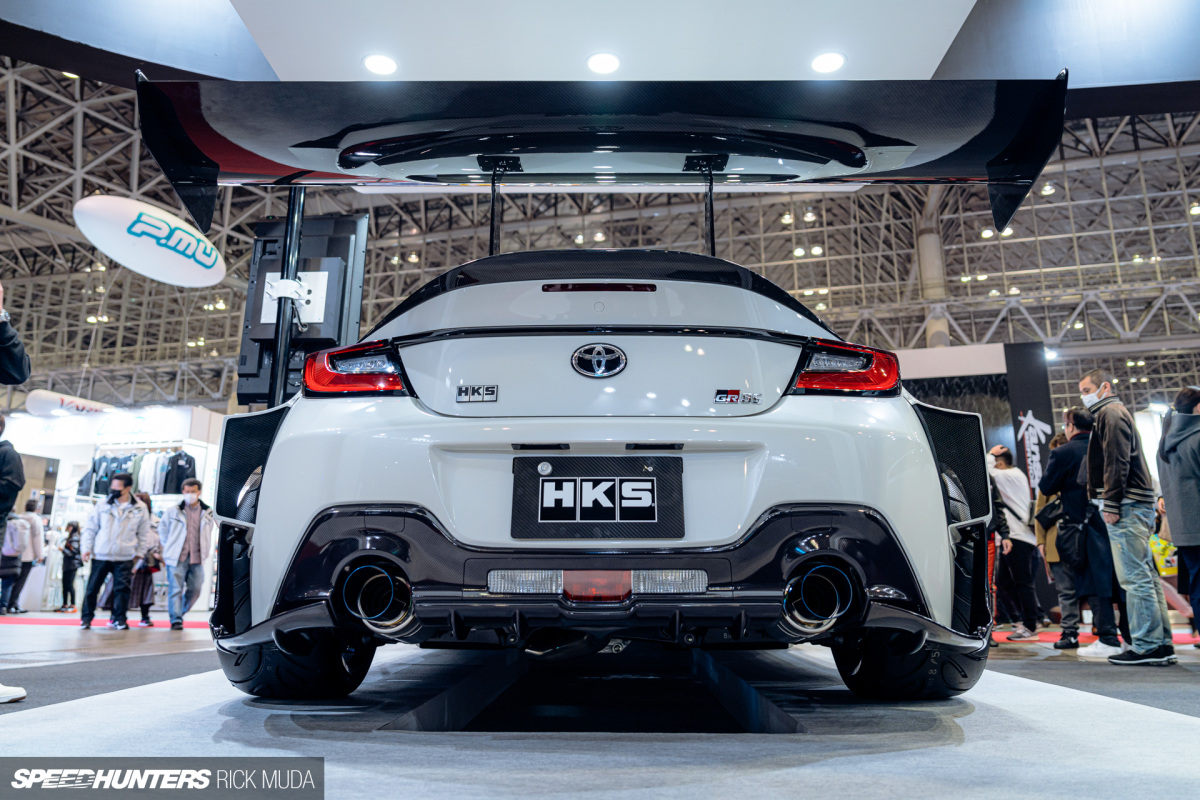
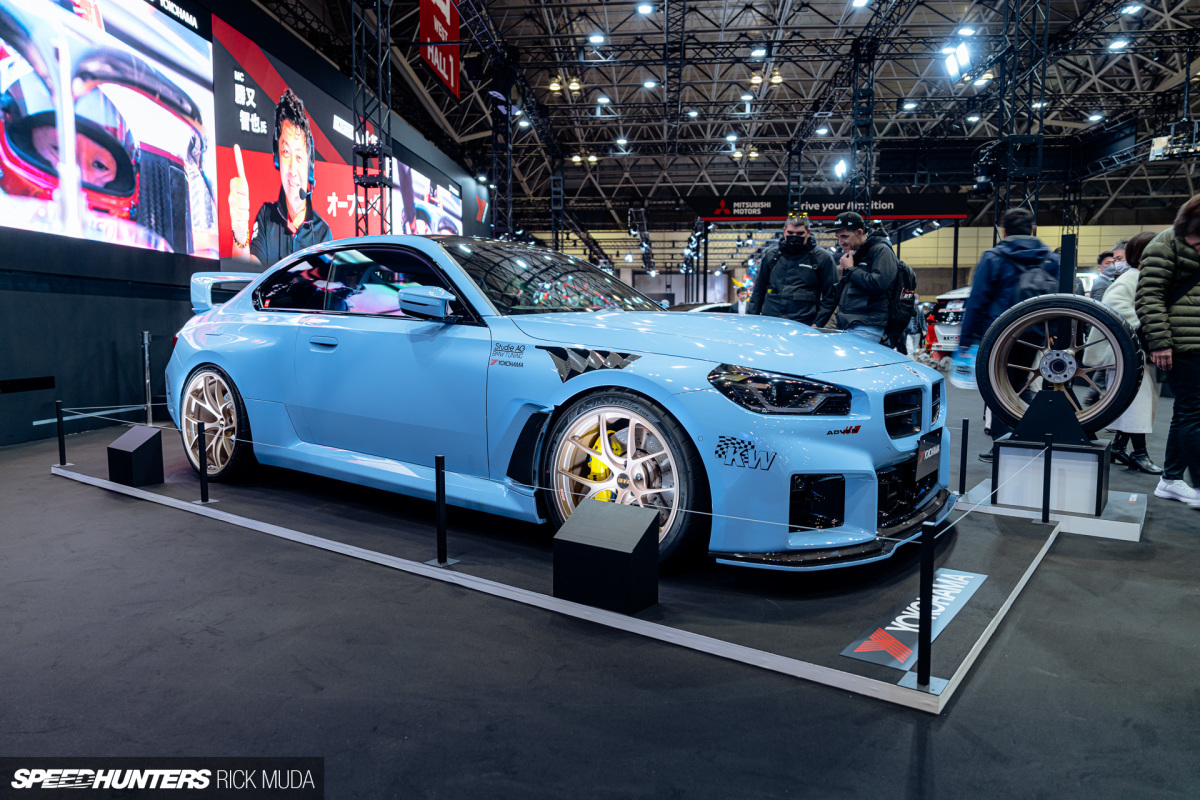
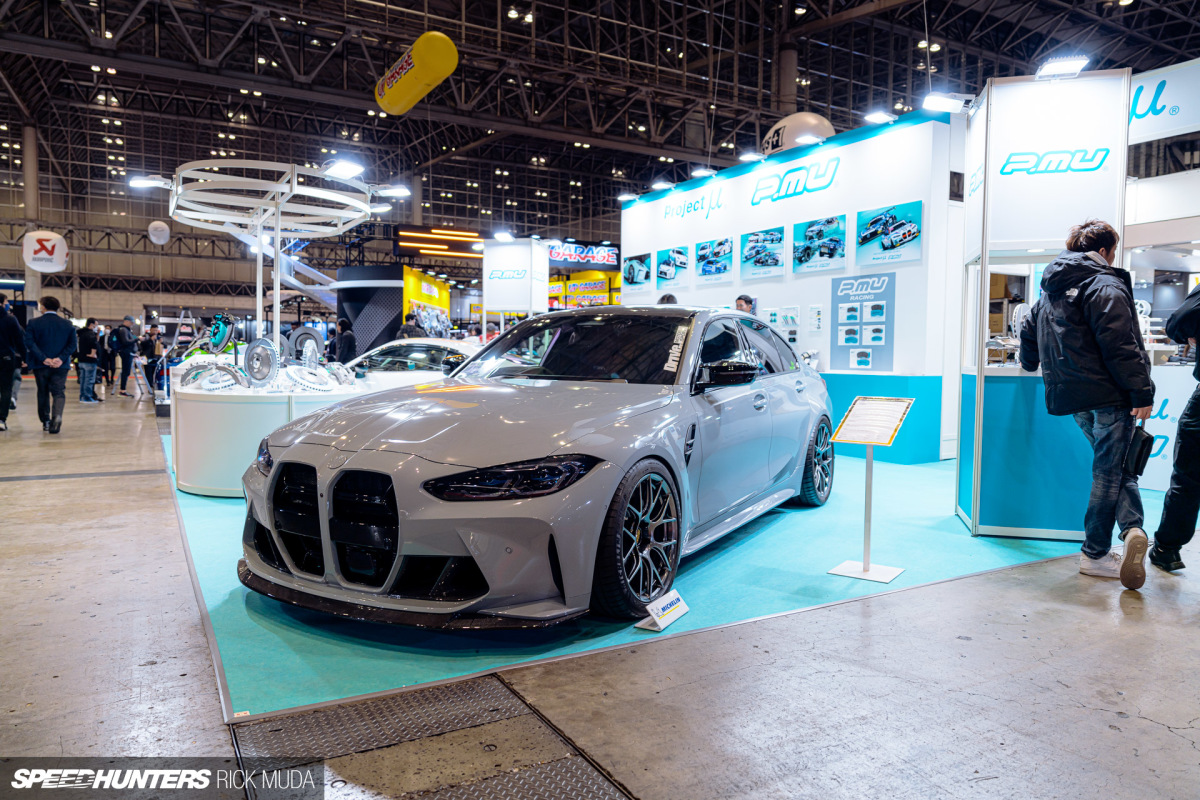
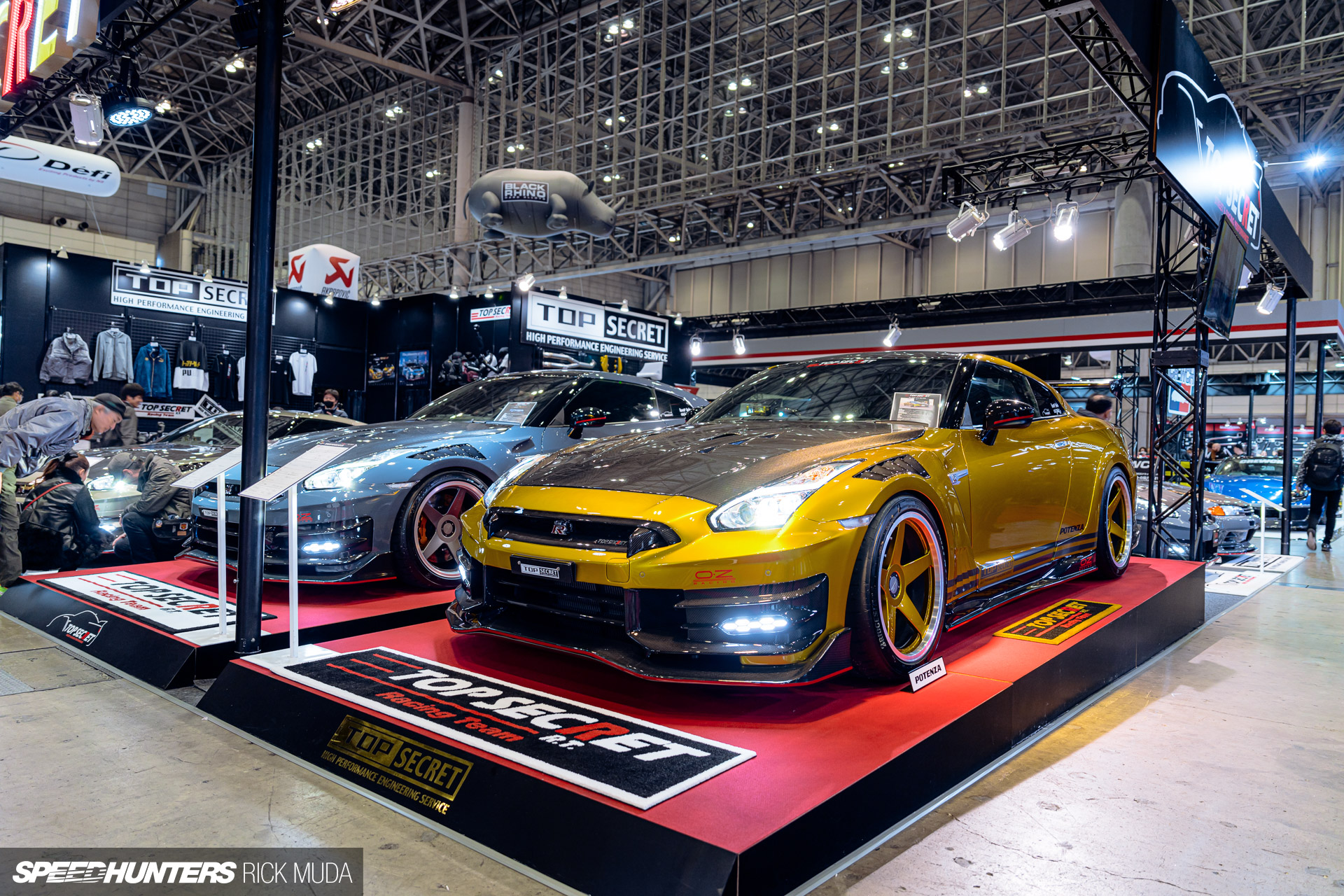
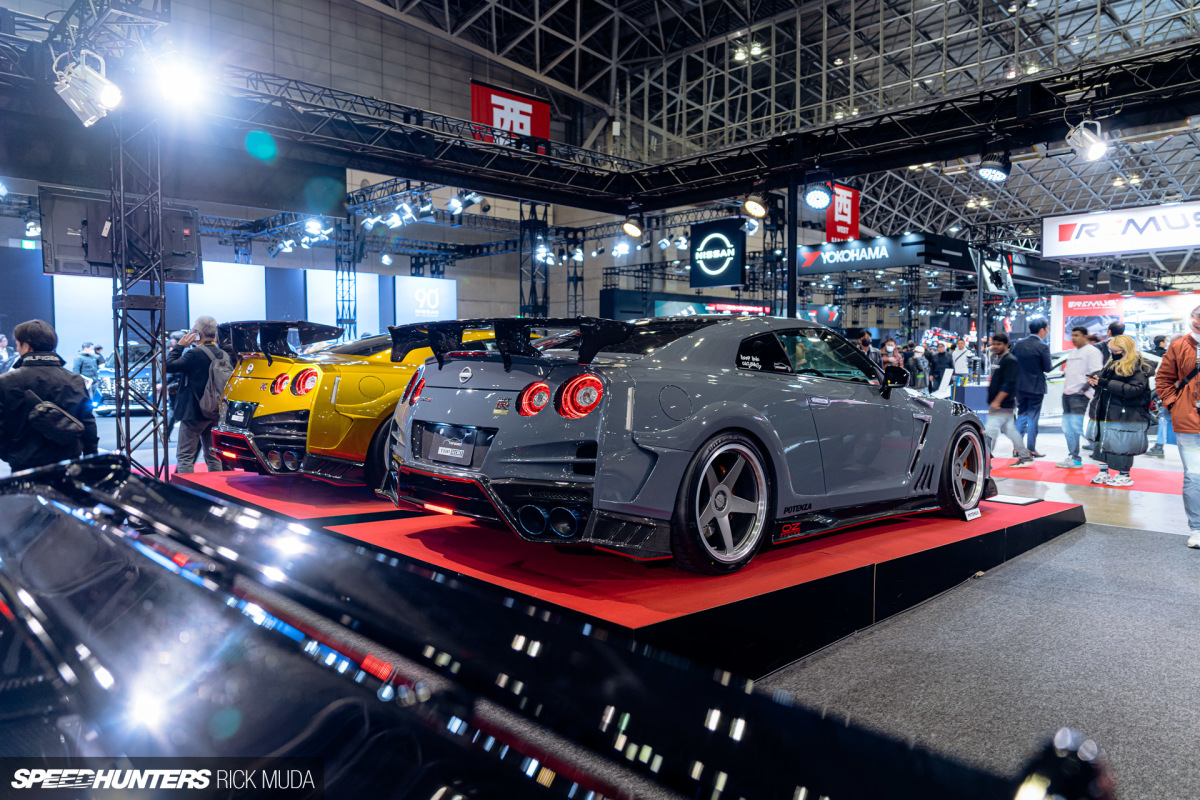
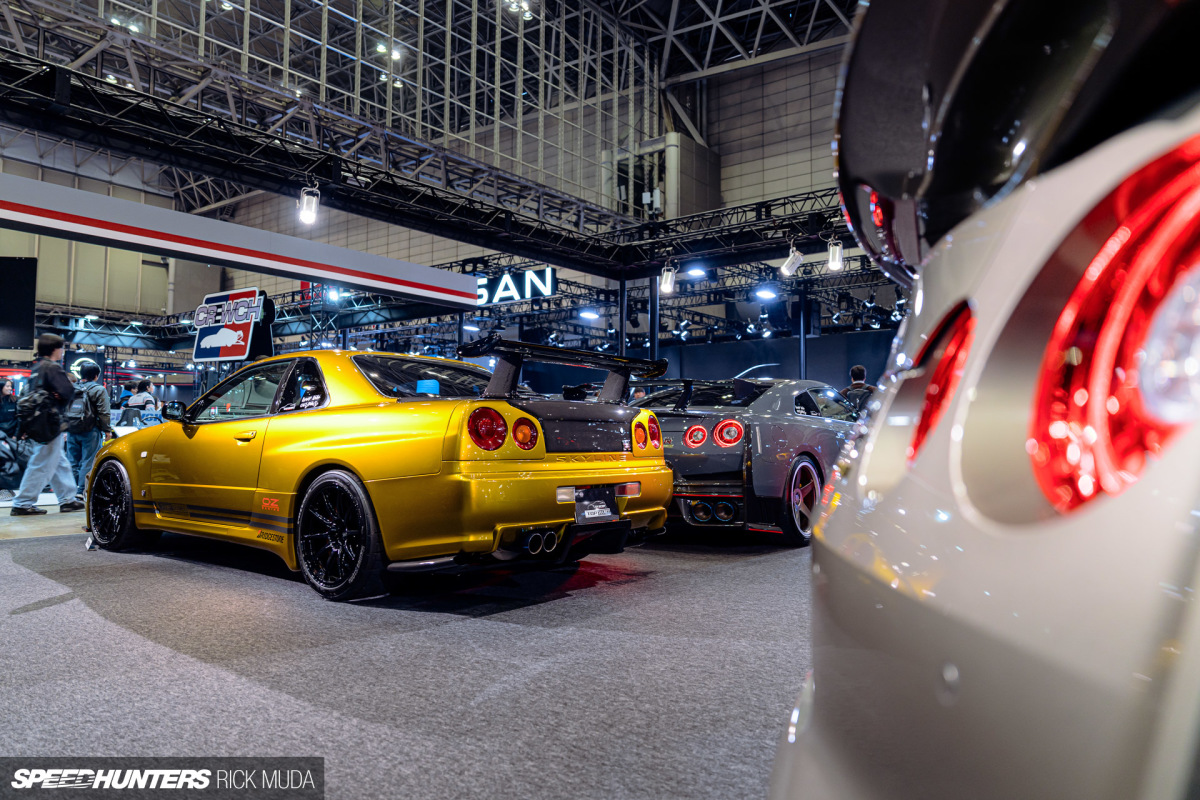
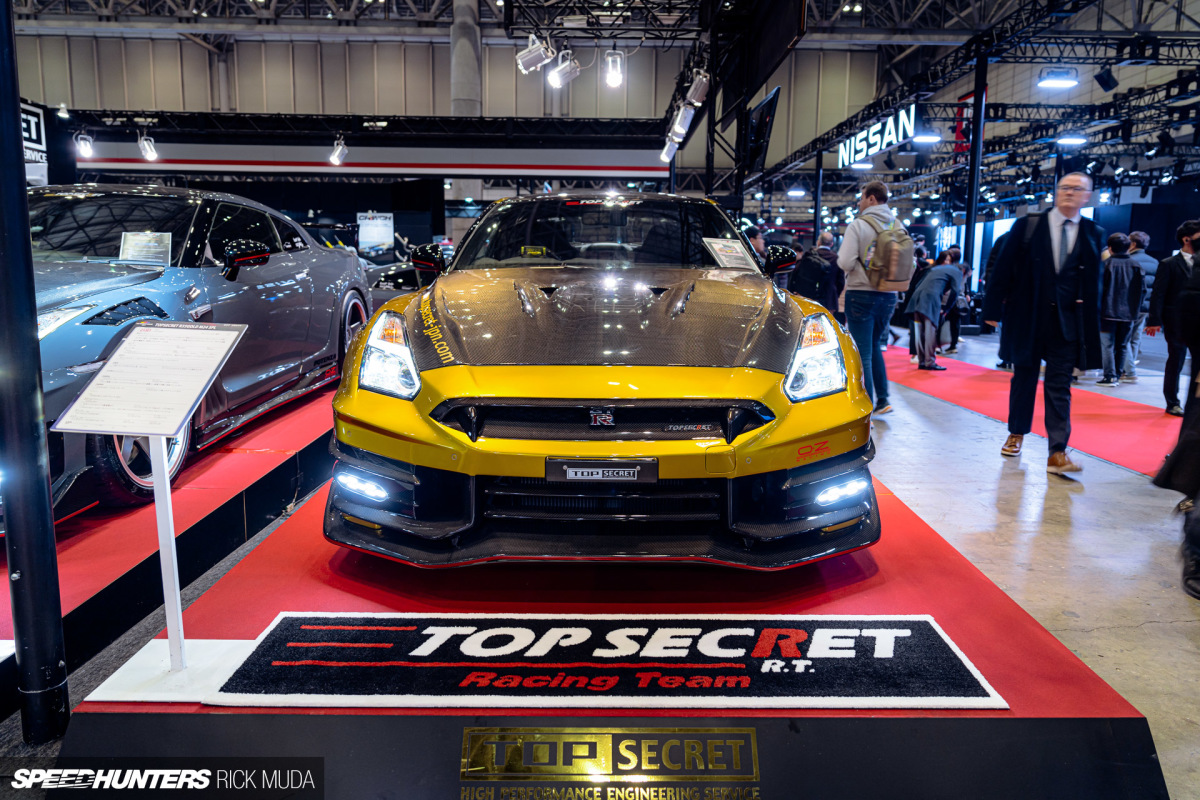
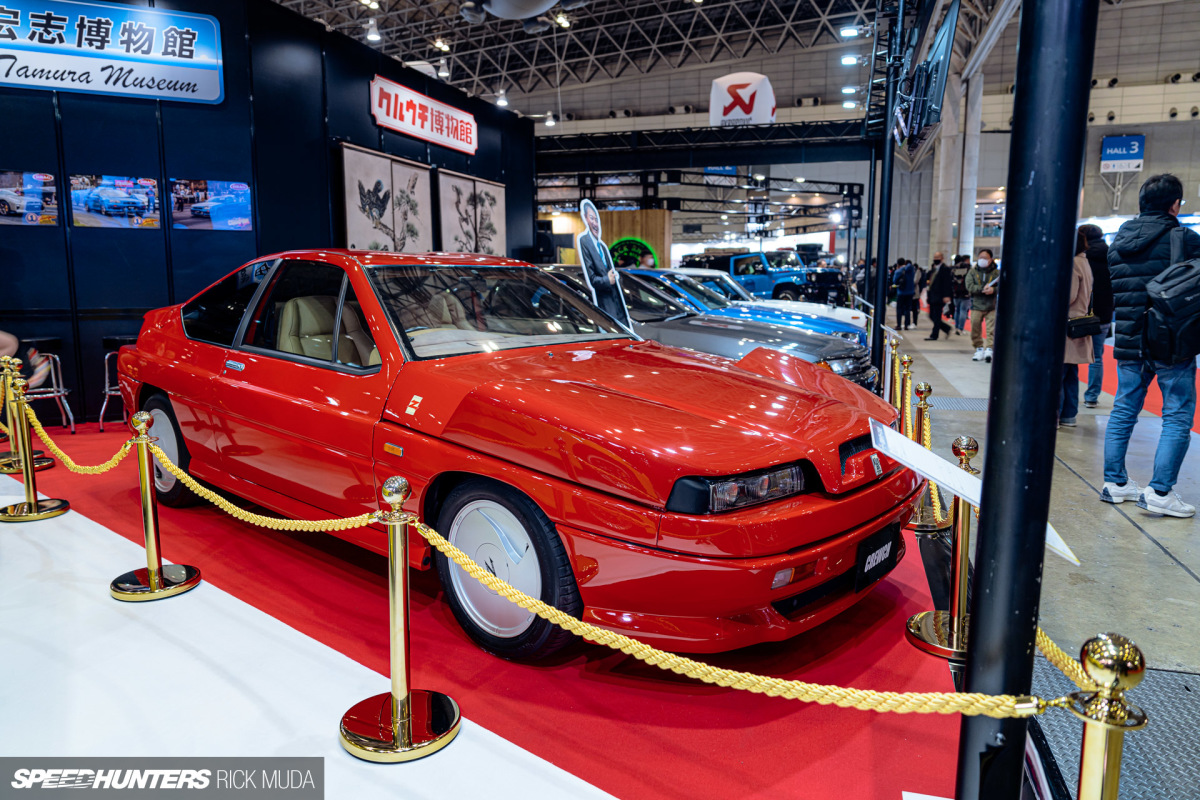
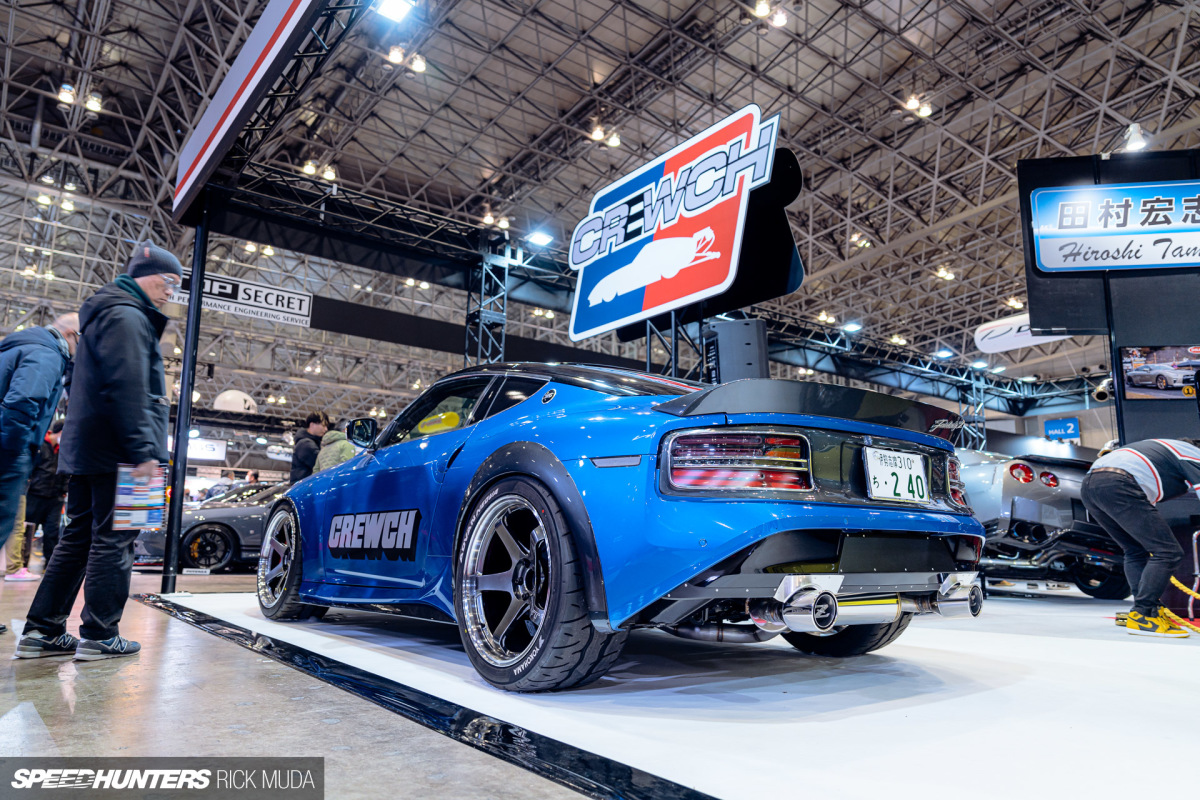
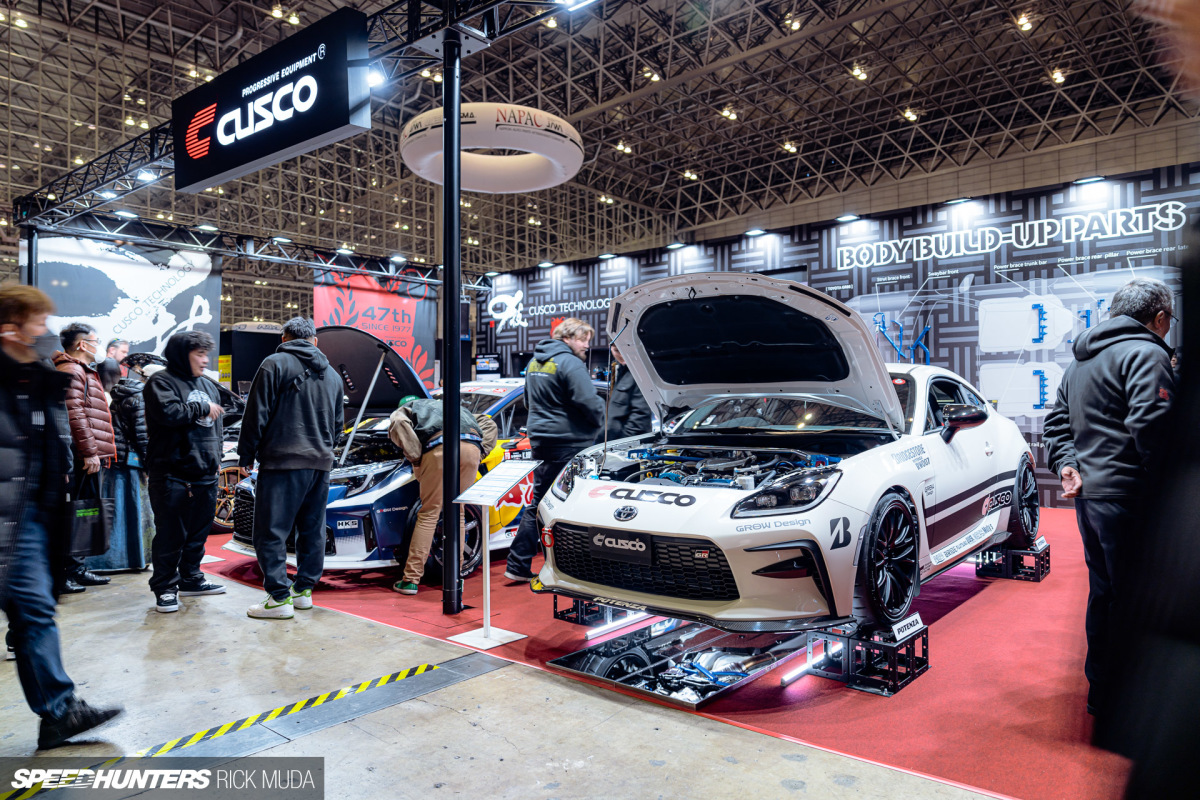
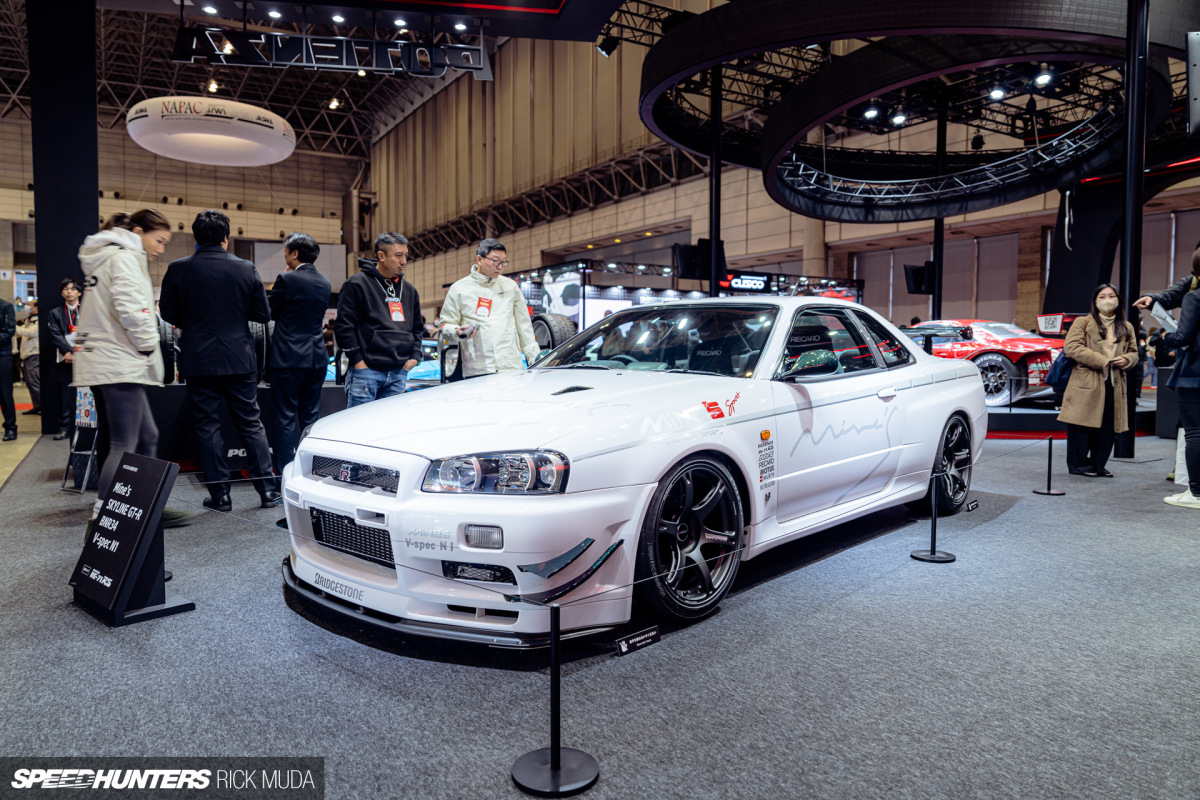
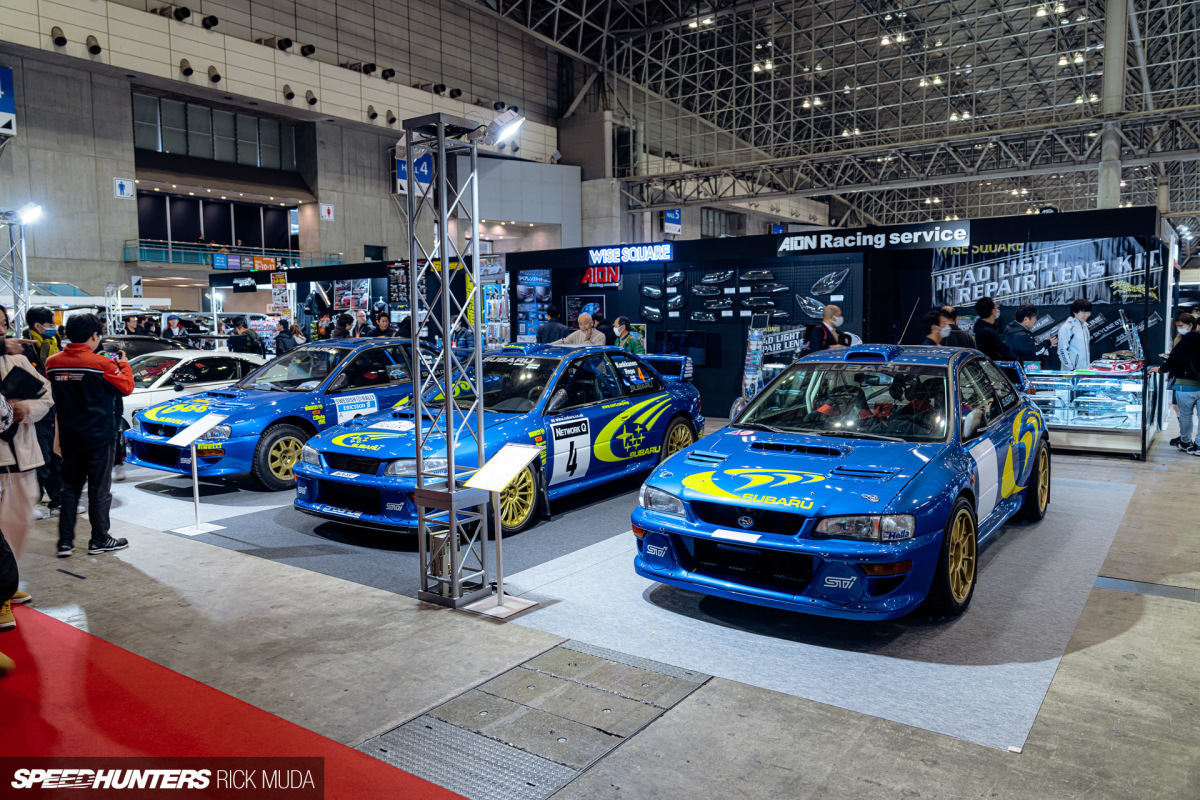
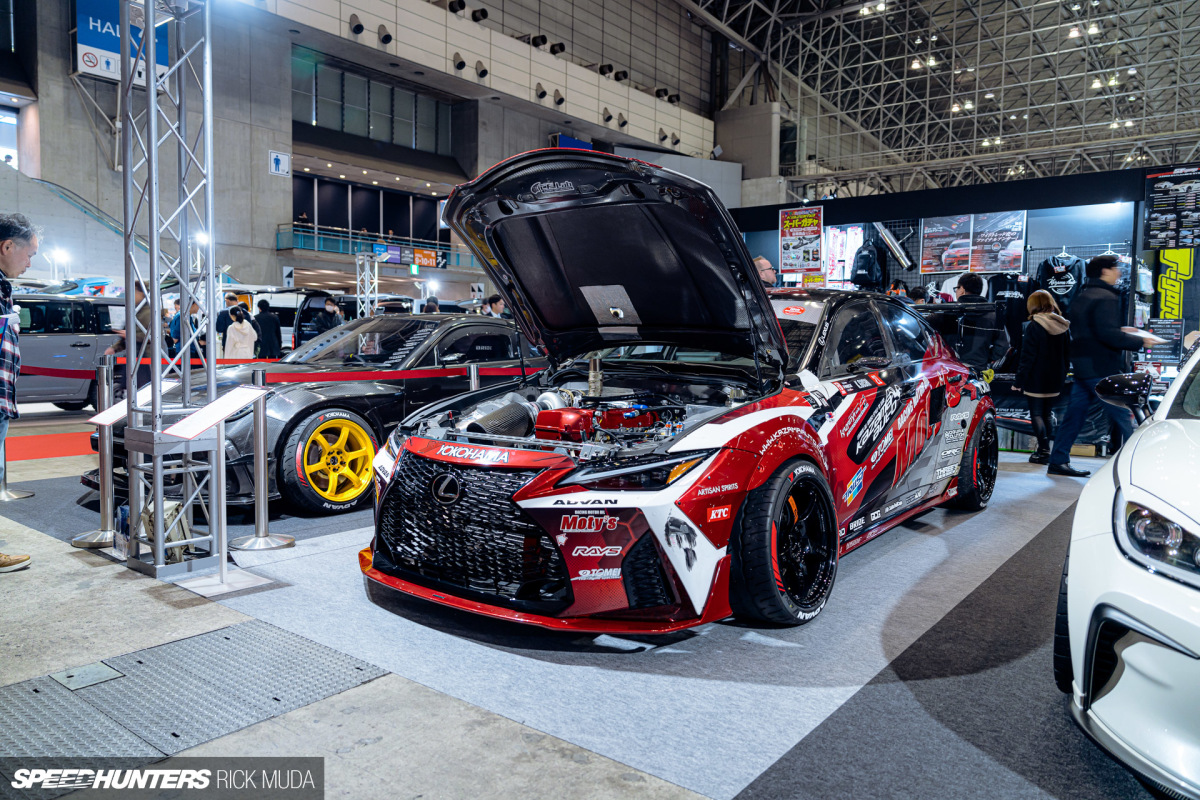
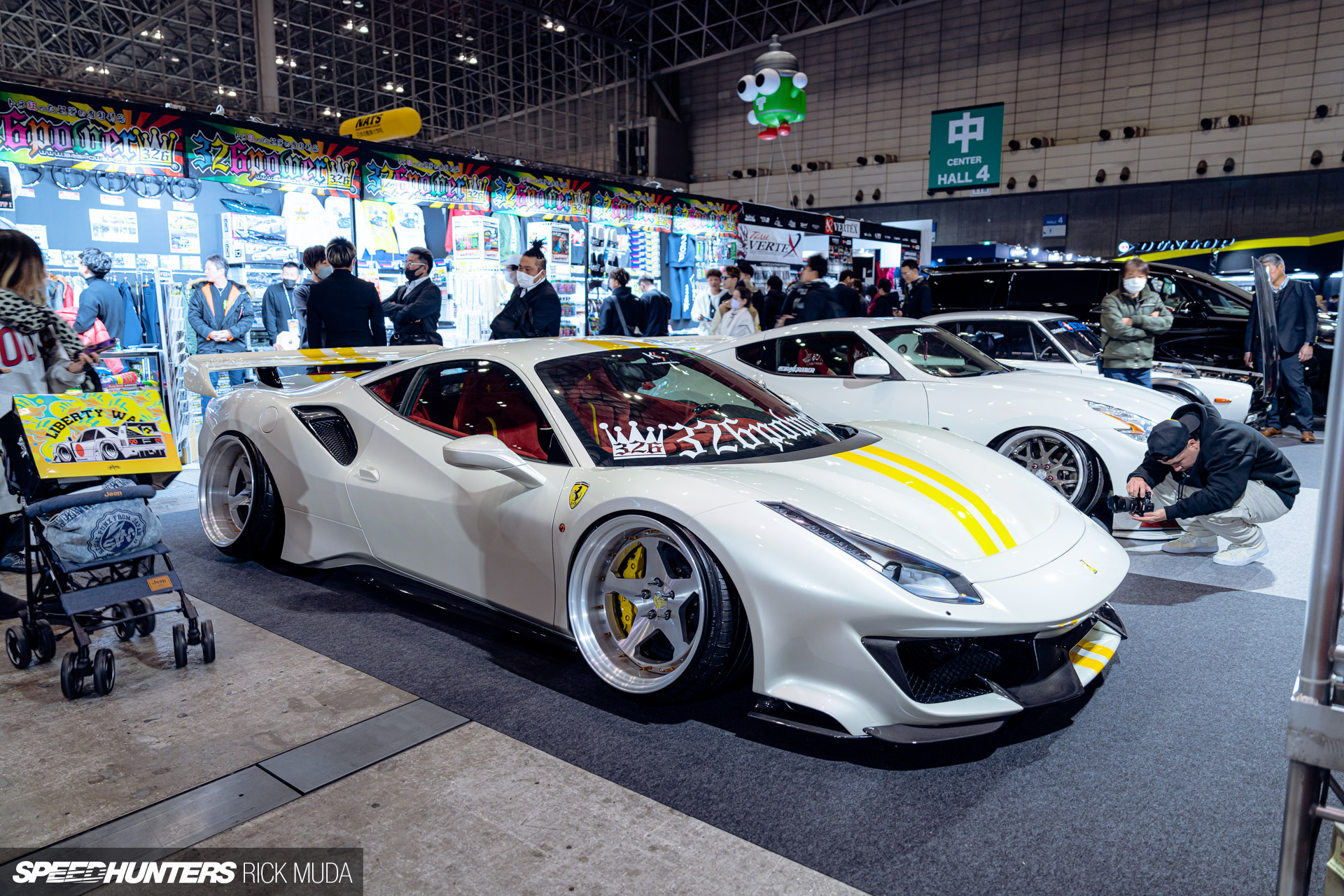
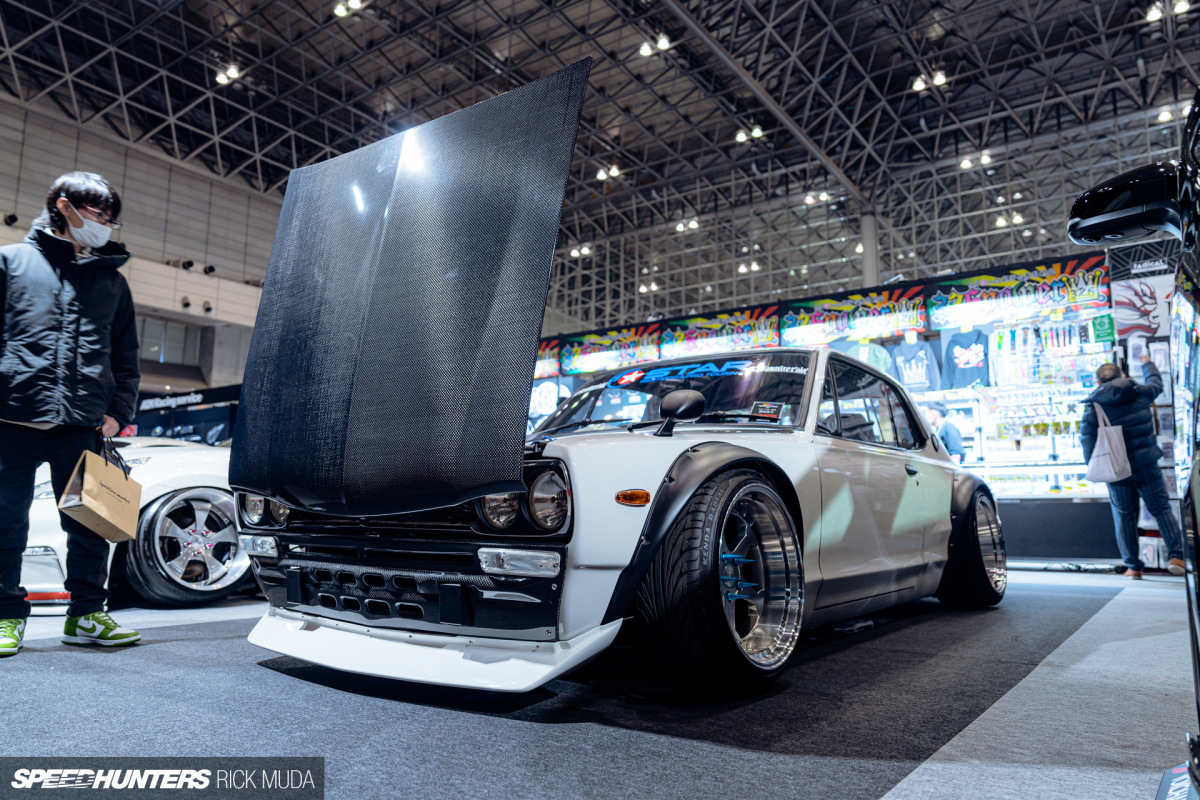
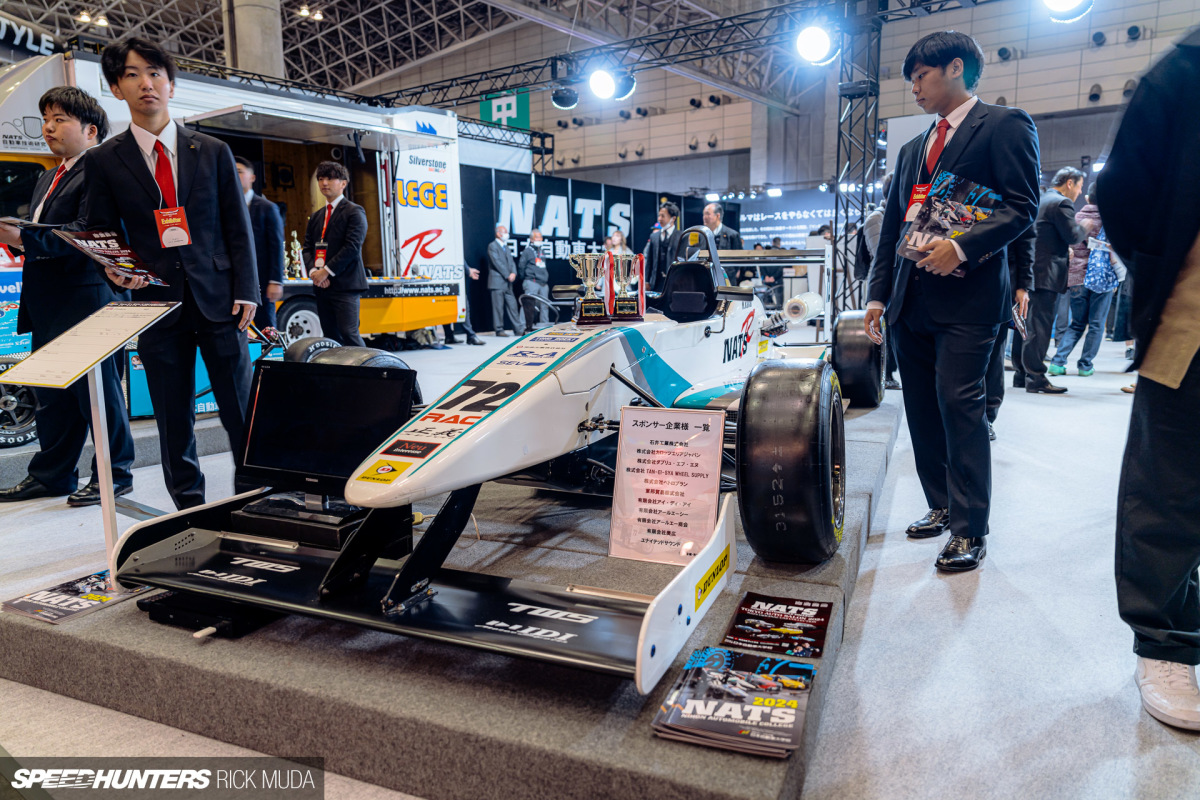
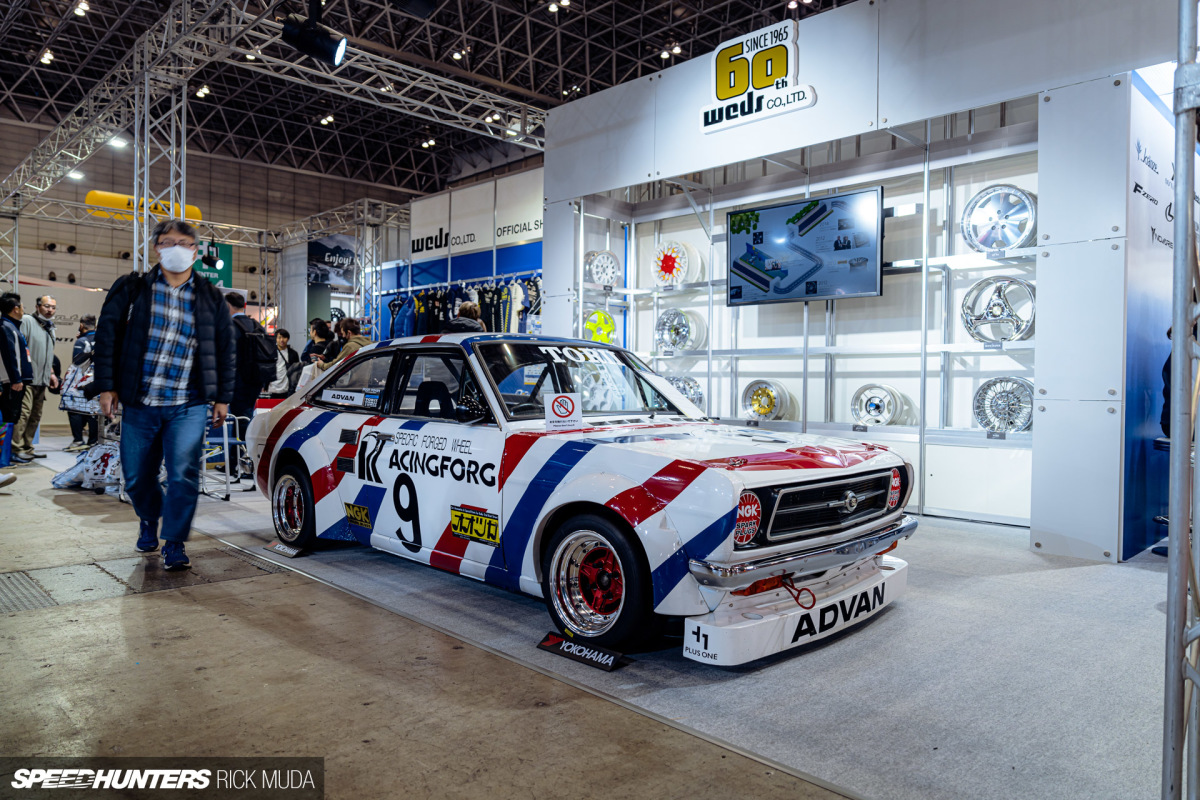
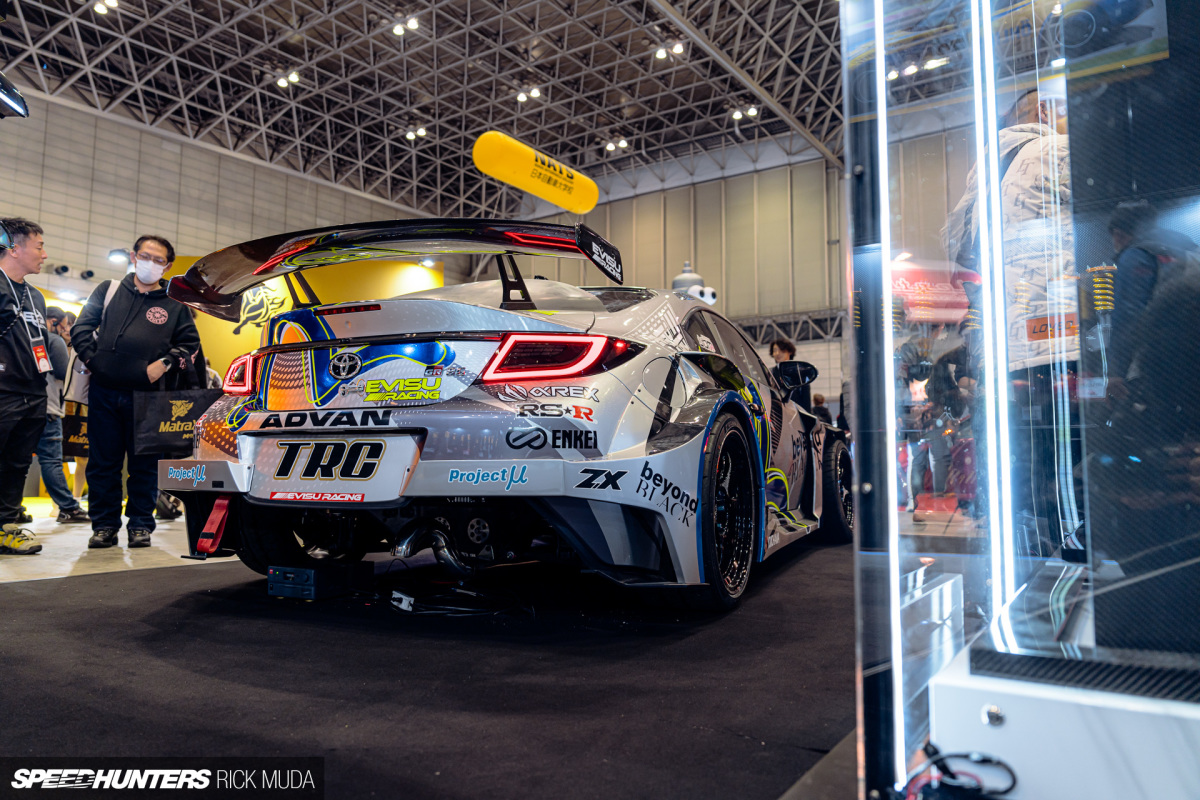
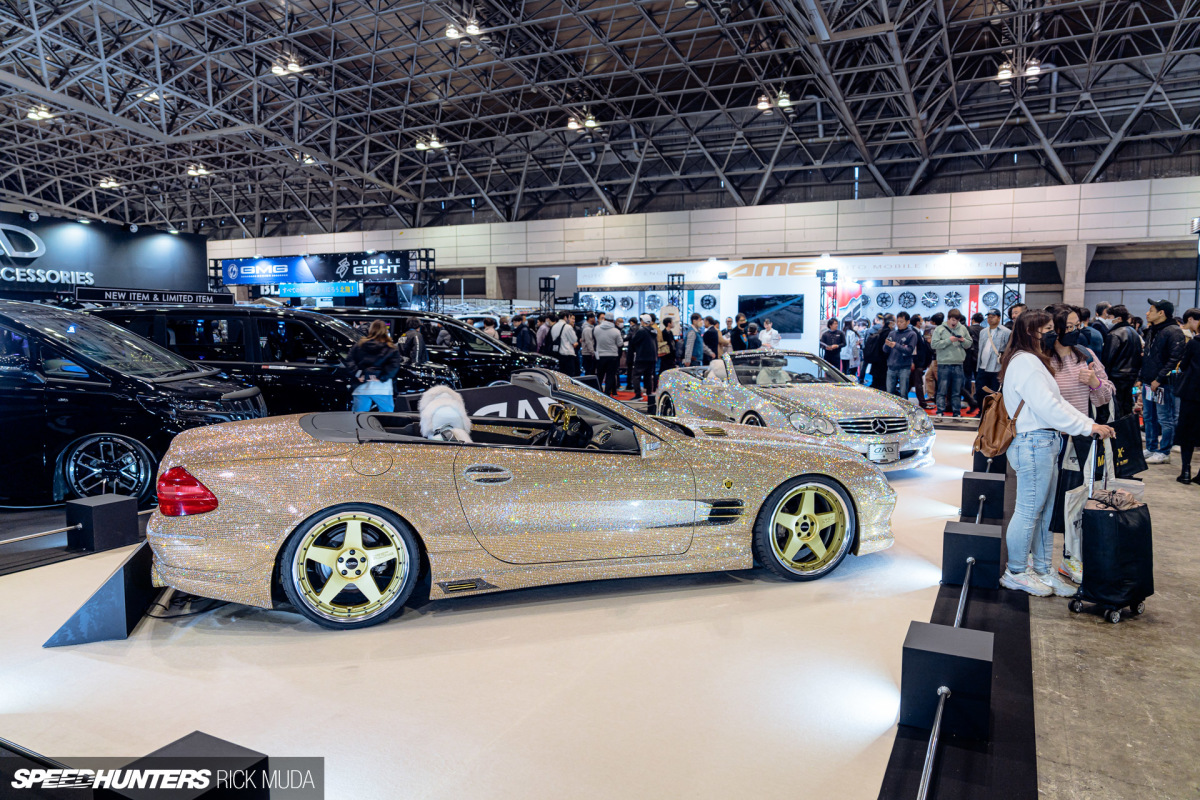
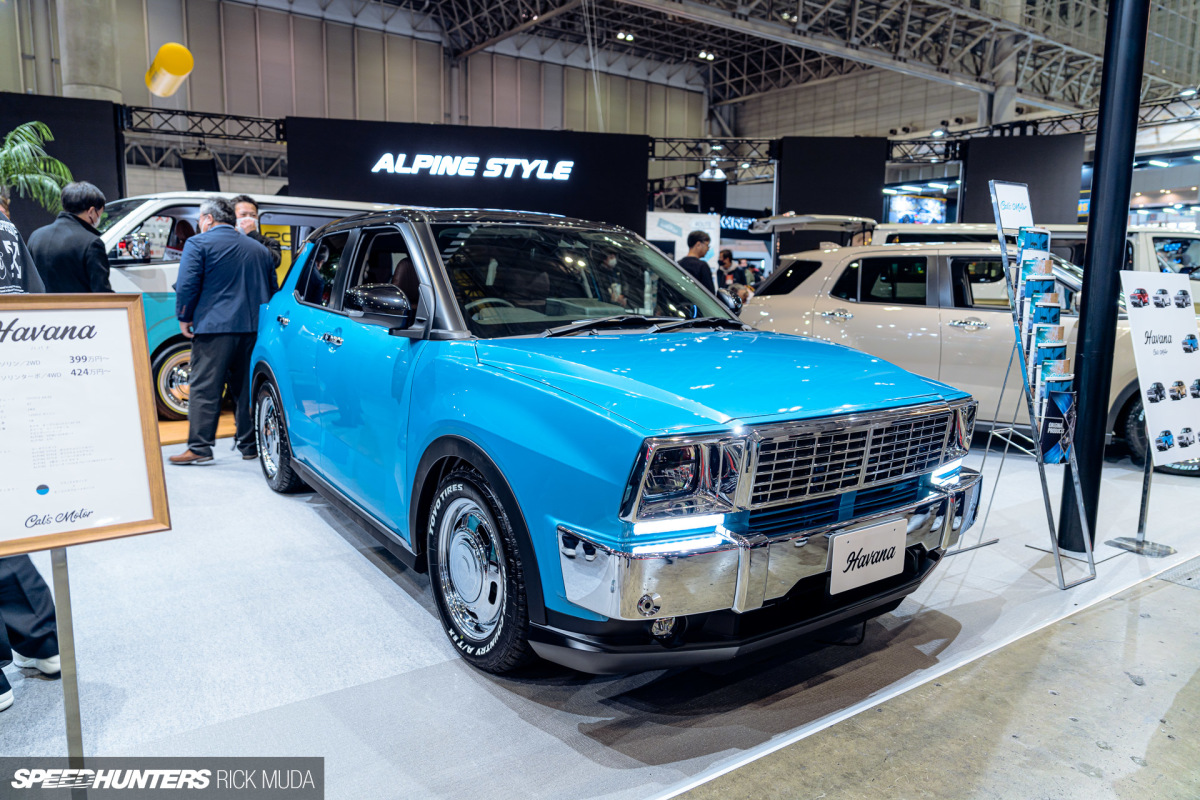
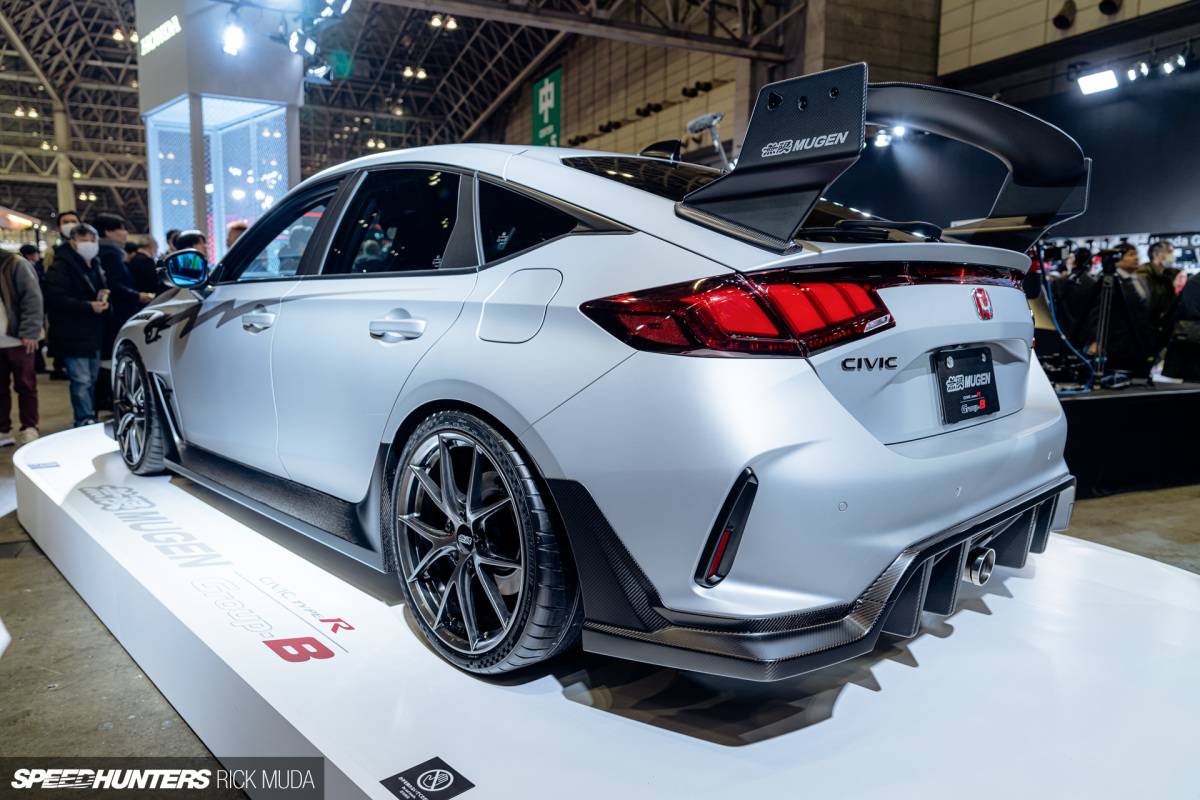
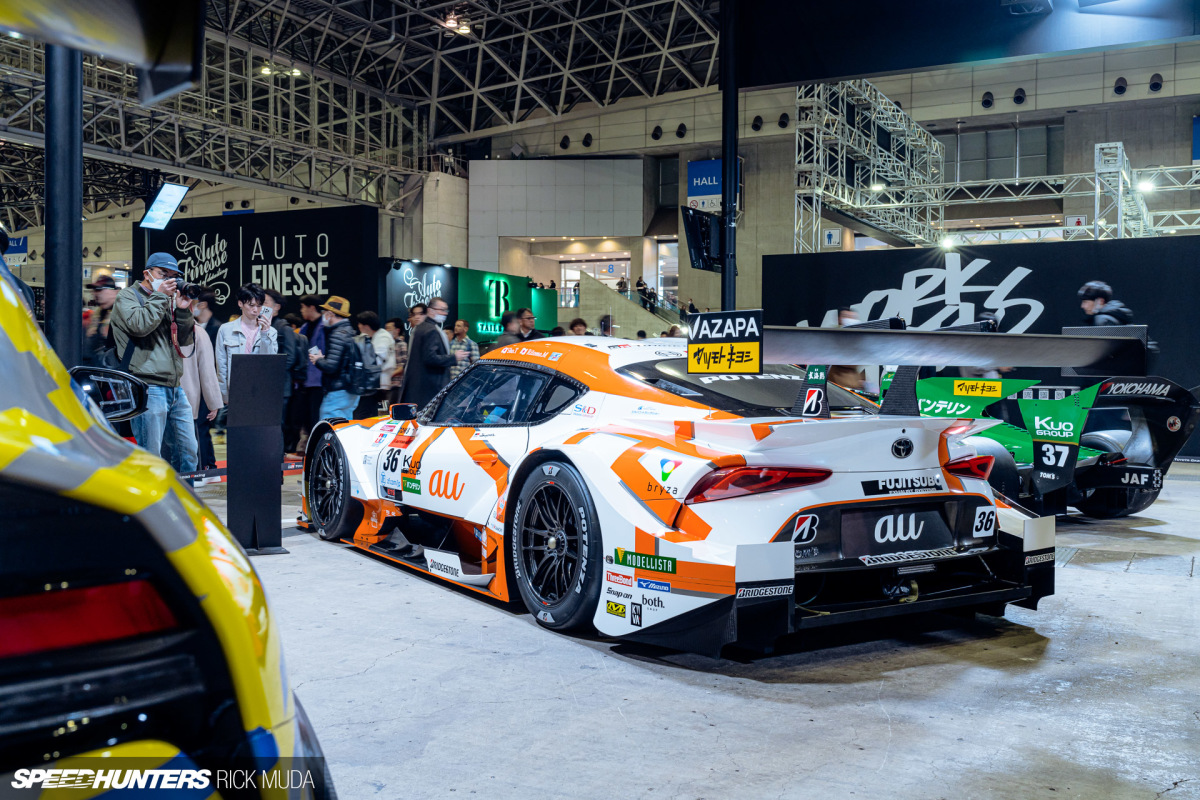
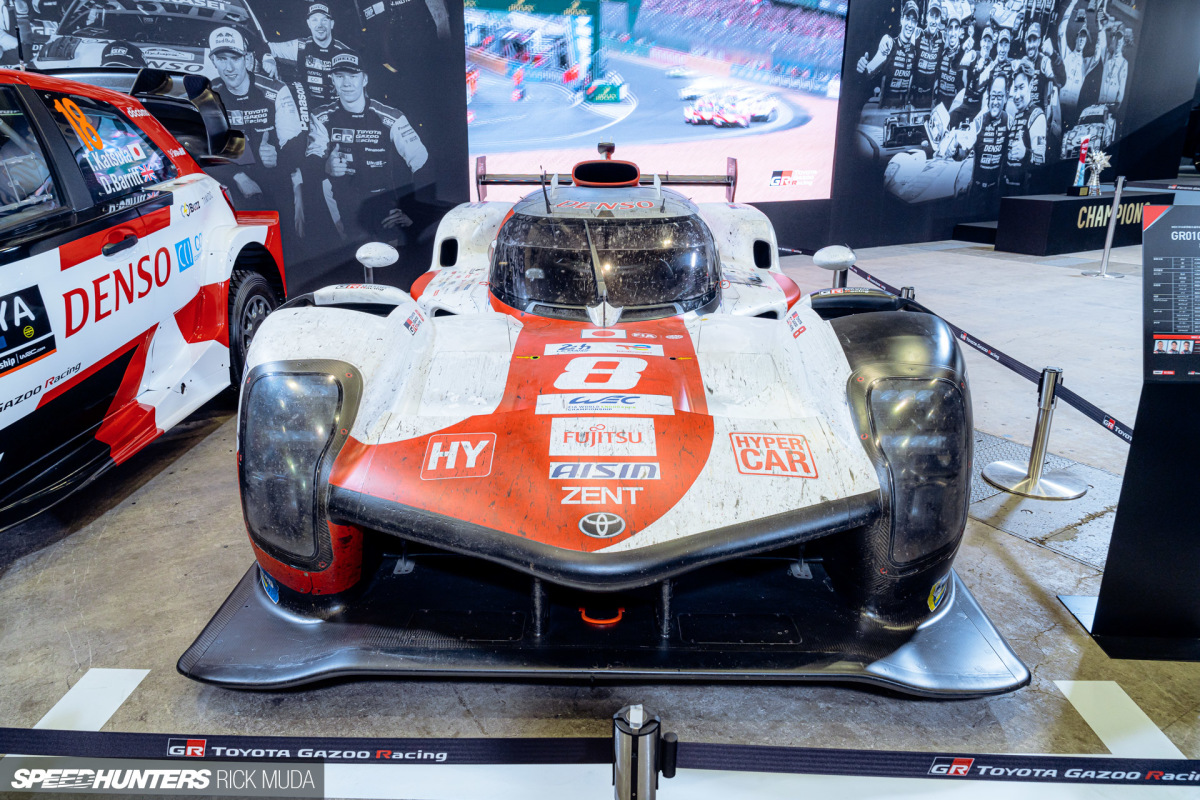
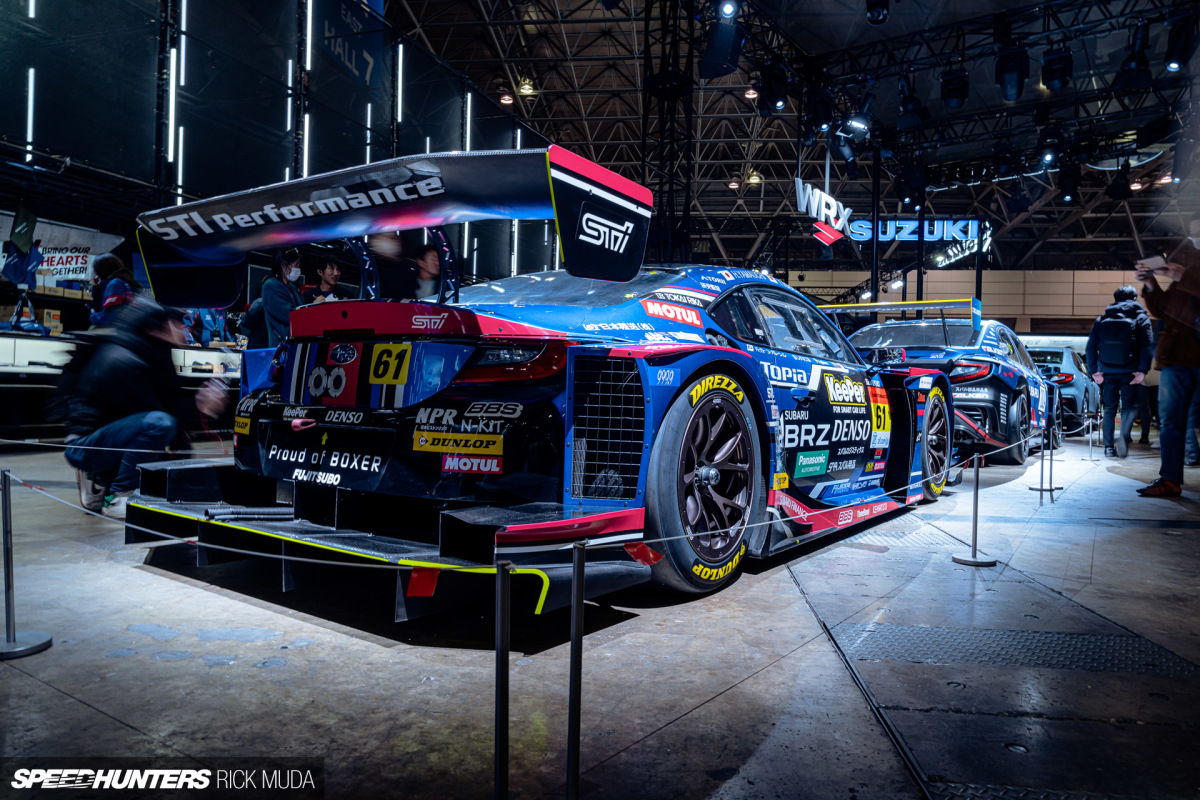
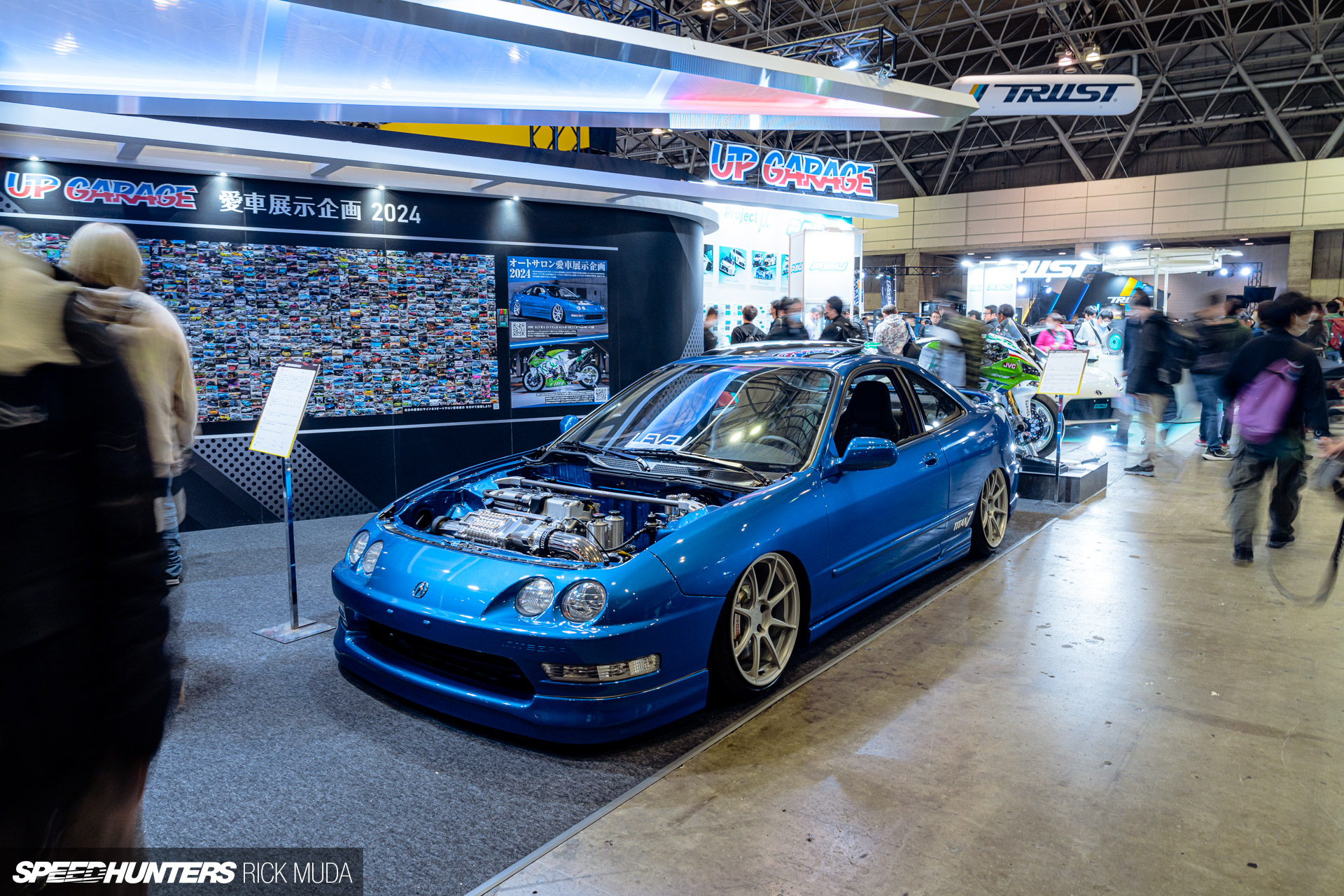
How does one formulate a game plan for seeing everything the world’s busiest car show has to offer? The answer is, you don’t.
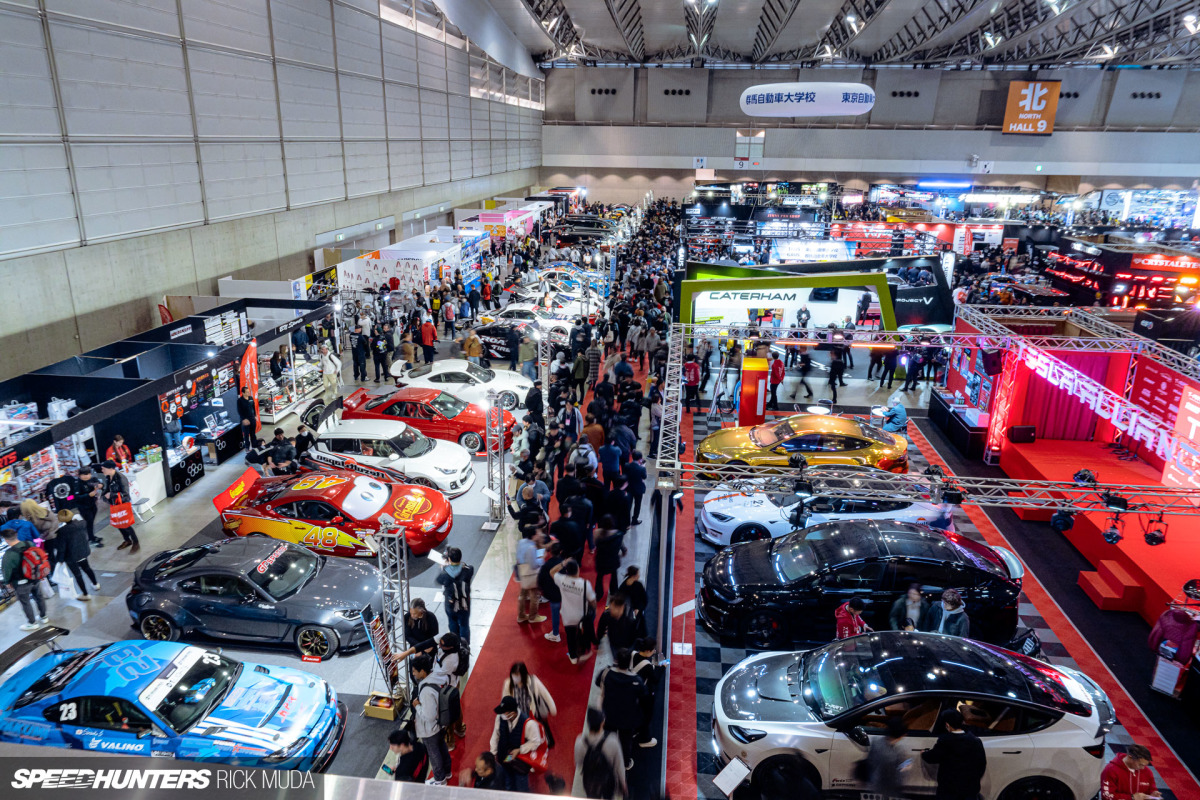
Visiting Tokyo Auto Salon is battle of physical strength and mental fortitude. On just Friday and Saturday alone, I managed to clock over 59,000 steps on my phone’s health app. That’s 40 kilometers, spent walking around the halls. But that wasn’t even the hard part.
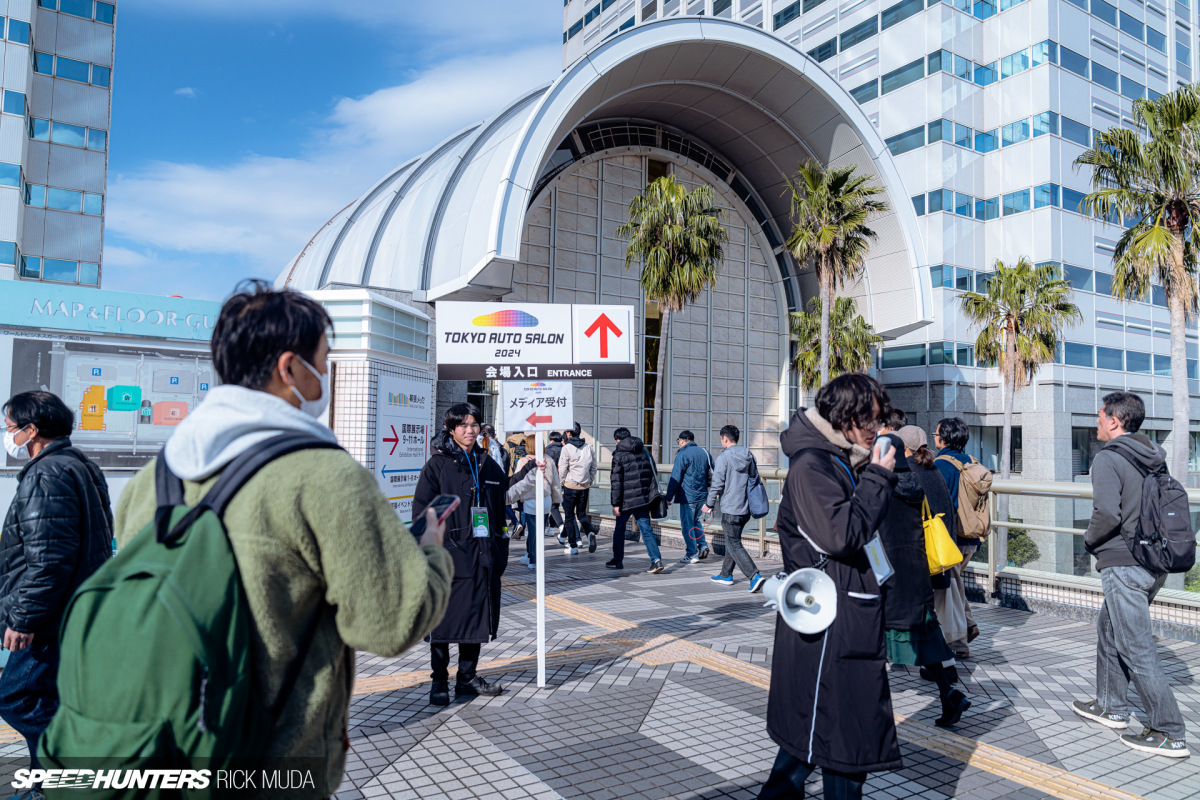
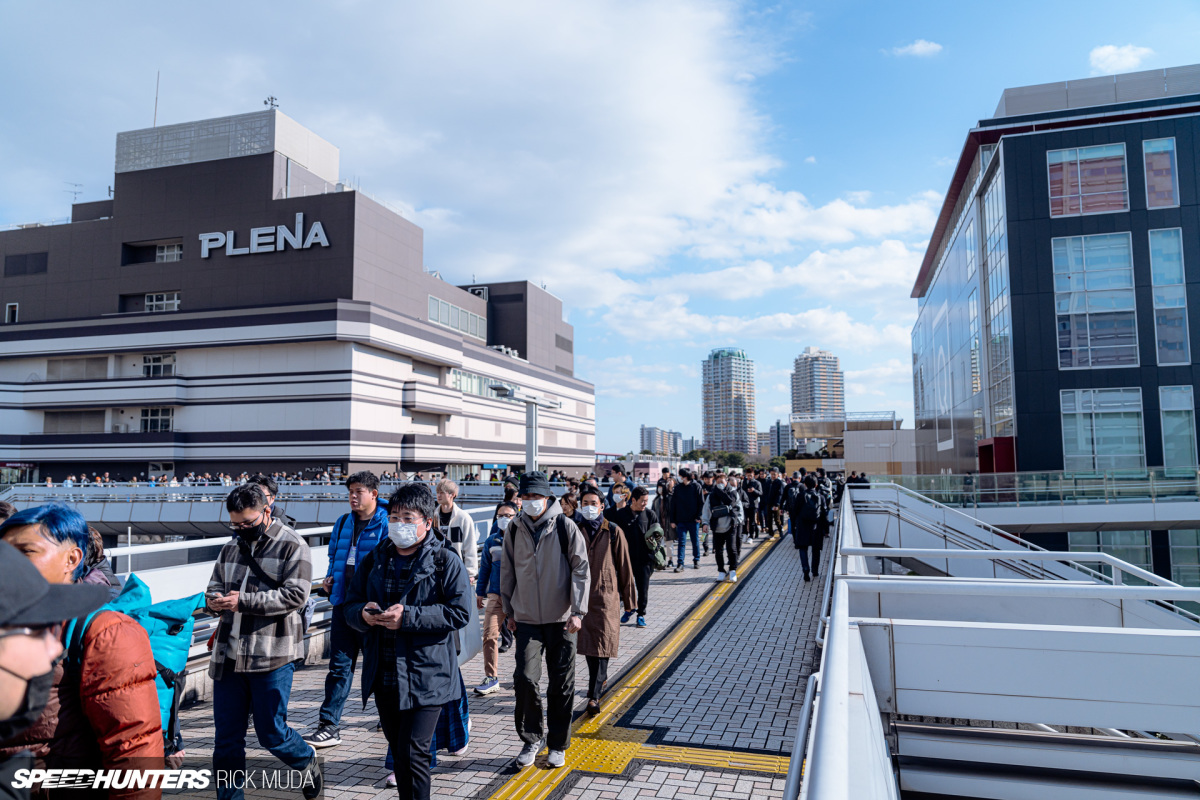
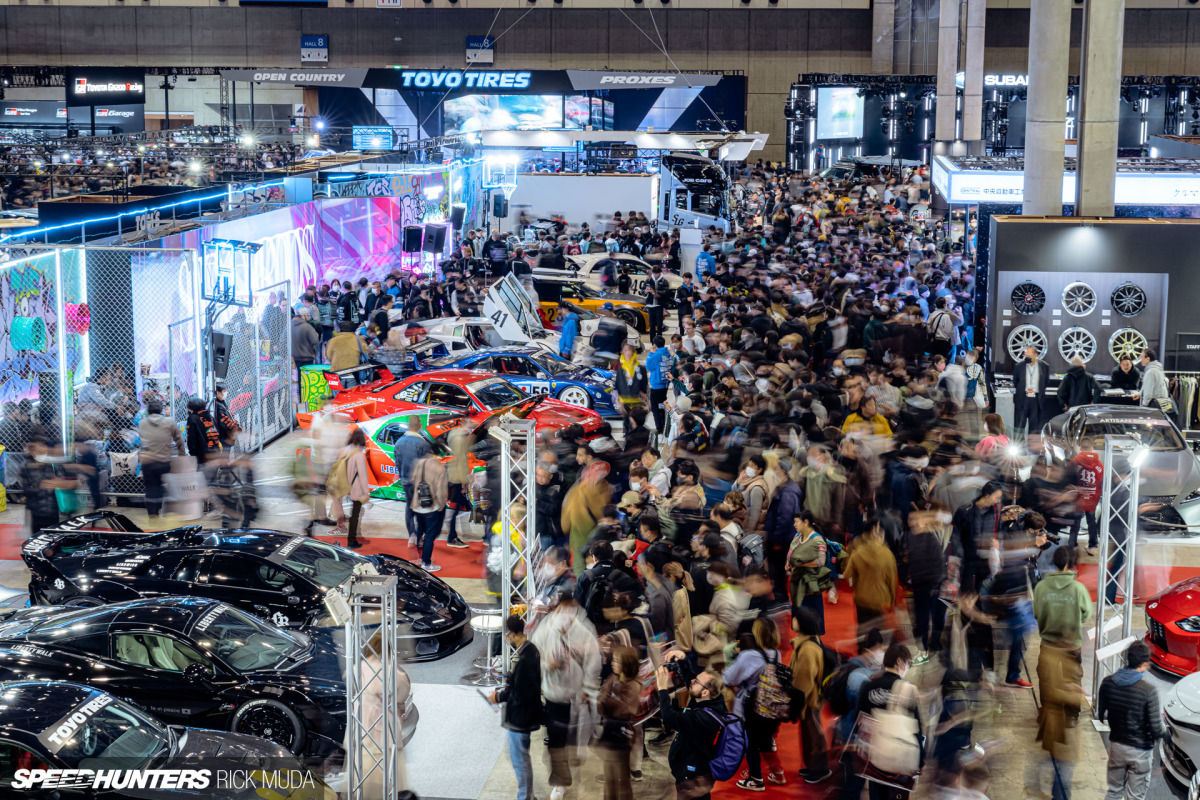
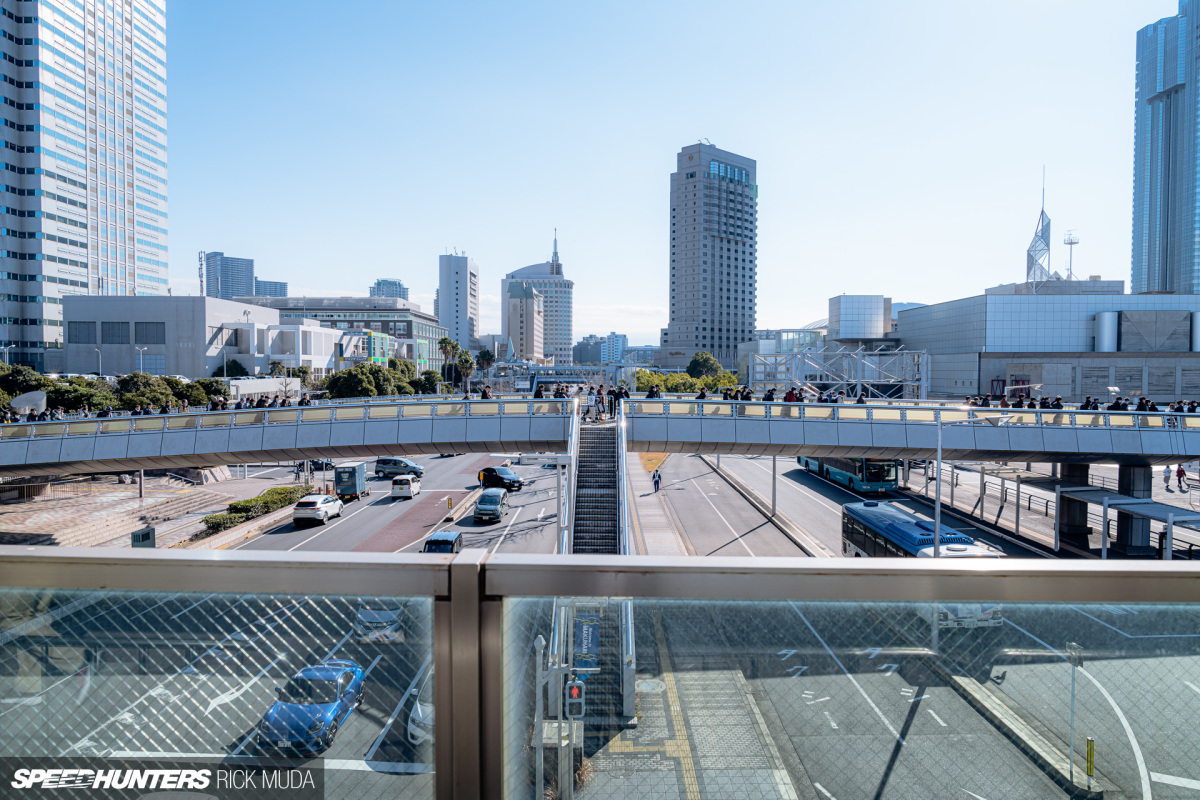
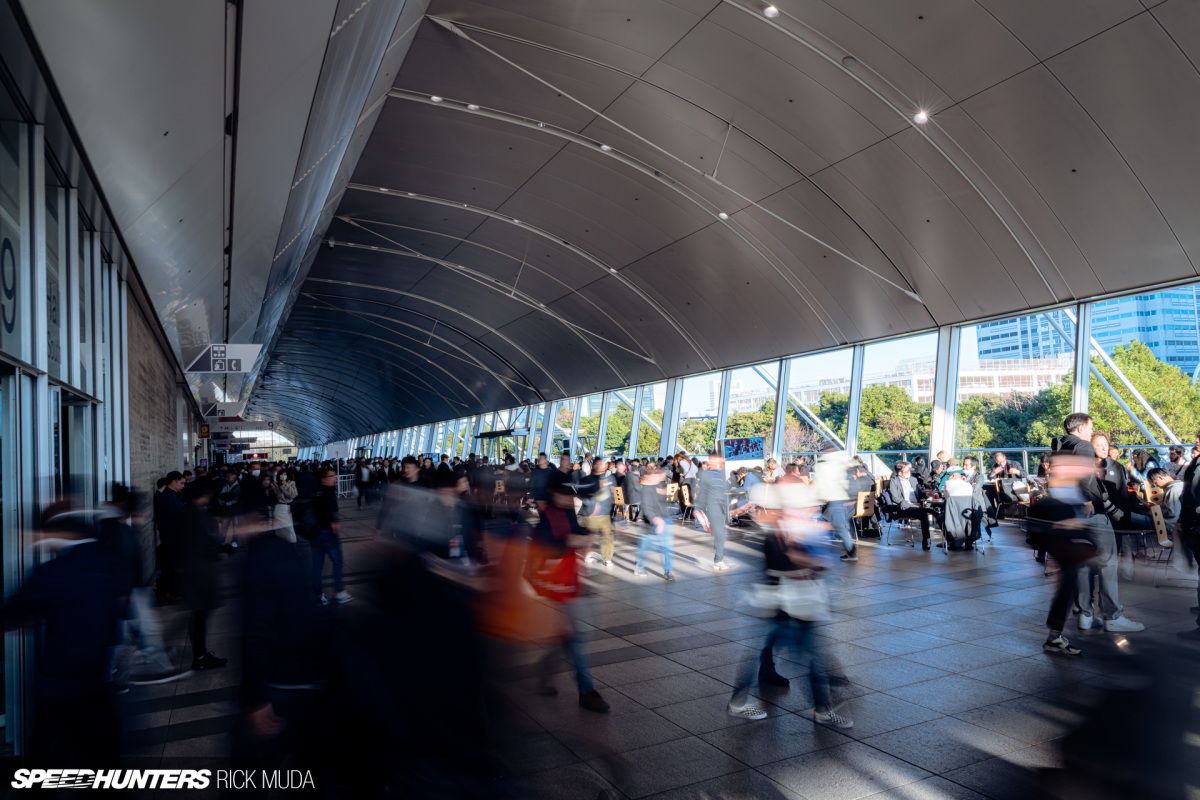
We all know how busy the Makuhari Messe convention center gets come TAS time – if you don’t, it’s usually in the hundreds of thousands of attendees – but as mentioned in our second Tokyo Auto Salon 2024 story, we won’t be at all surprised if this year’s official head count is an all-time record. Even the huge car parks reached capacity and had to be closed.
Once upon time, Friday morning at TAS was reserved for media and industry folk, but over the years it’s almost become as crazy as Saturday and Sunday, when everyone is welcome. This year, Friday was busier than ever right from 9:00am opening, and at 2:00pm, when the doors opened to public special ticket holders, it was a madhouse. And it pretty much stayed this way till Sunday closing at 6:00pm.
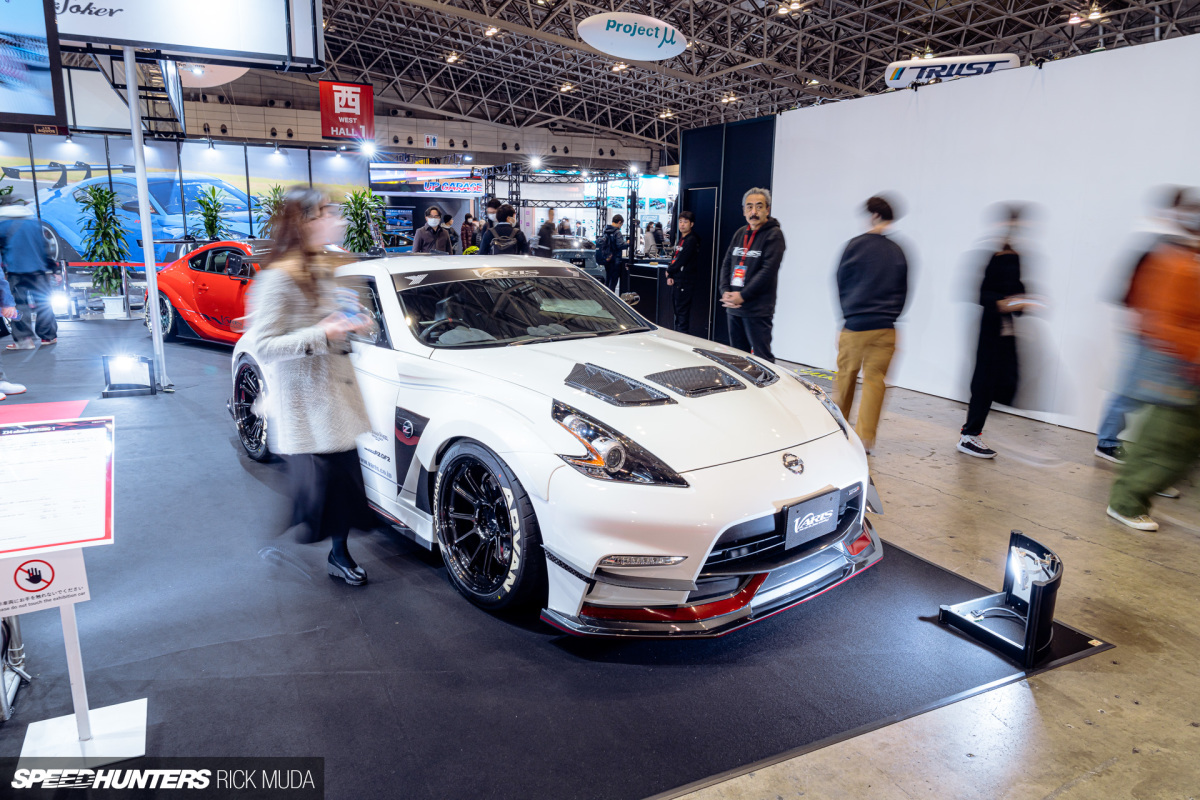
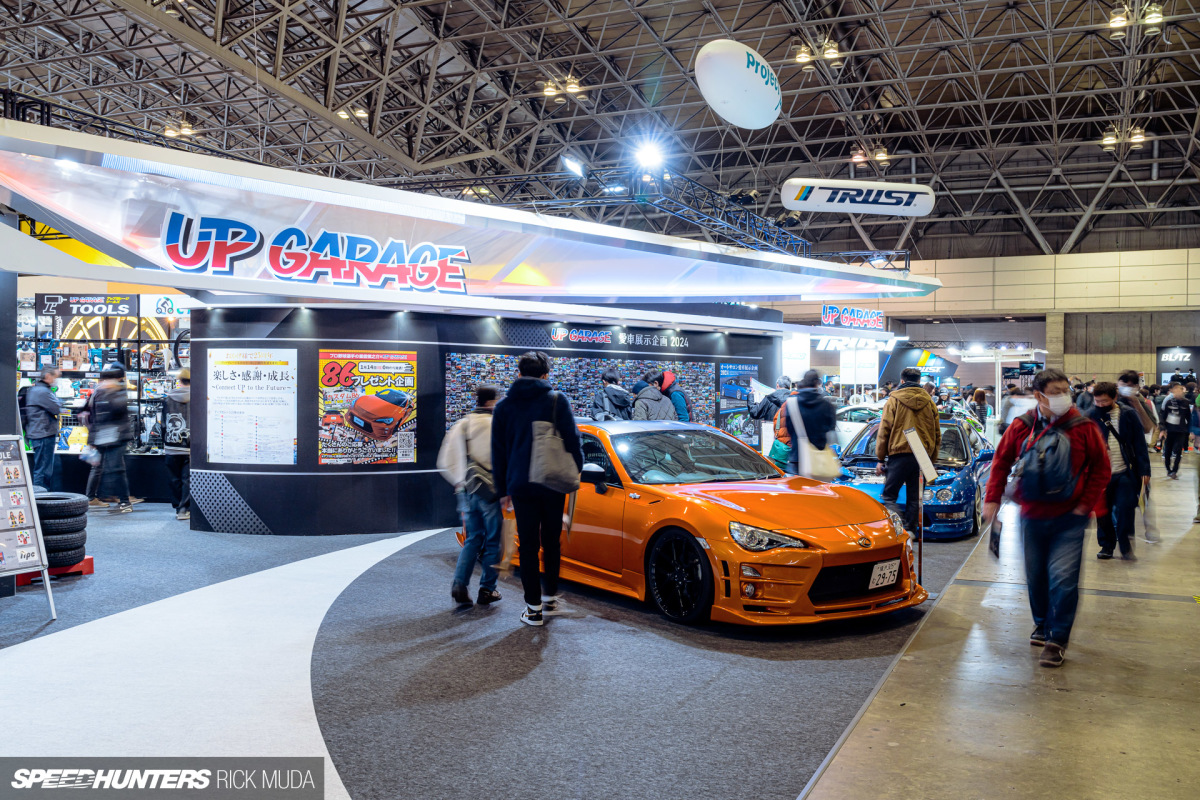
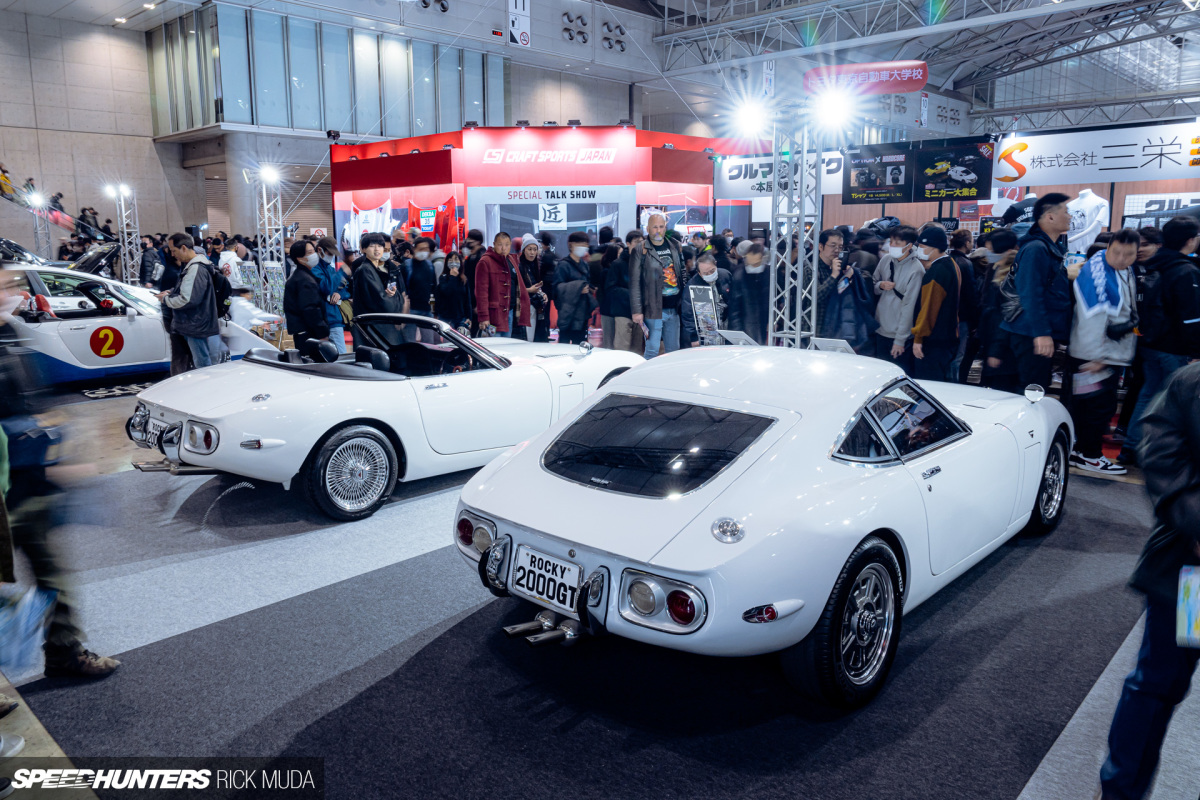
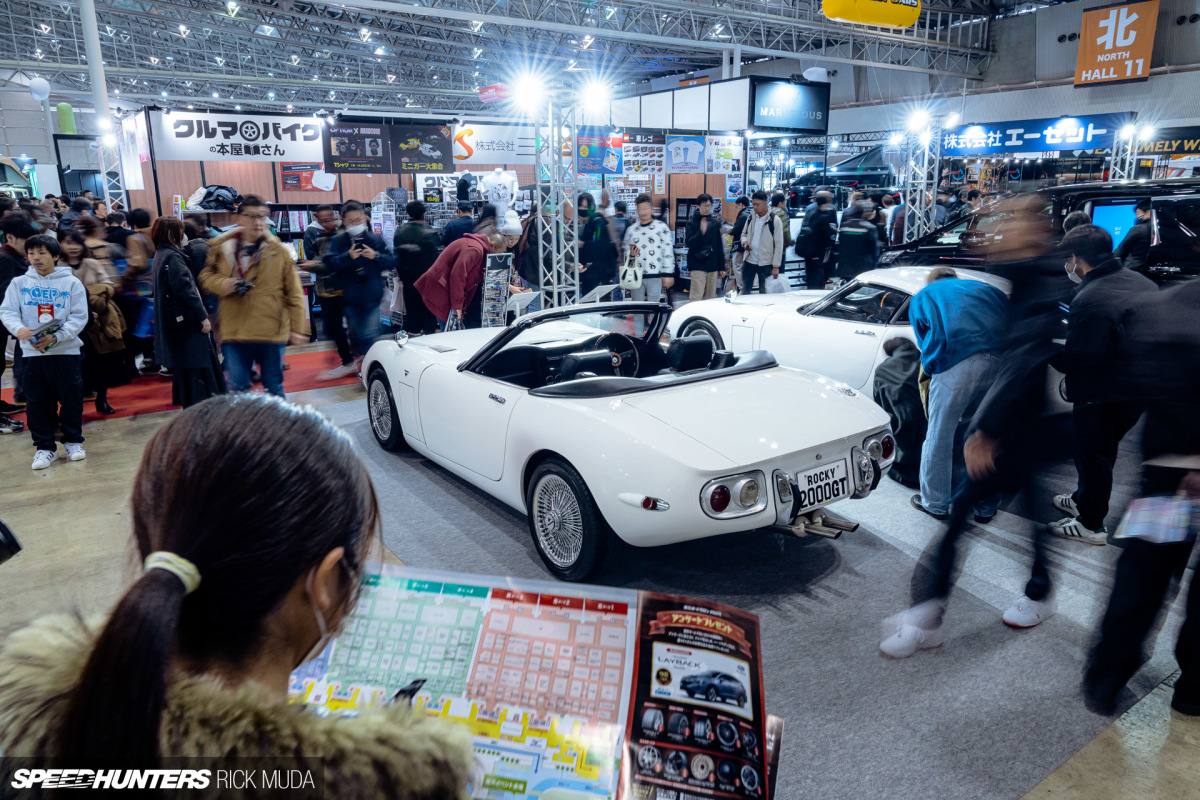
Early on in the day I realized there was no point waiting to get completely clear shots of cars using normal shutter speeds. I decided to go with the flow and slow the speeds down where needed. Accepting and adapting is all part of the Tokyo Auto Salon experience.
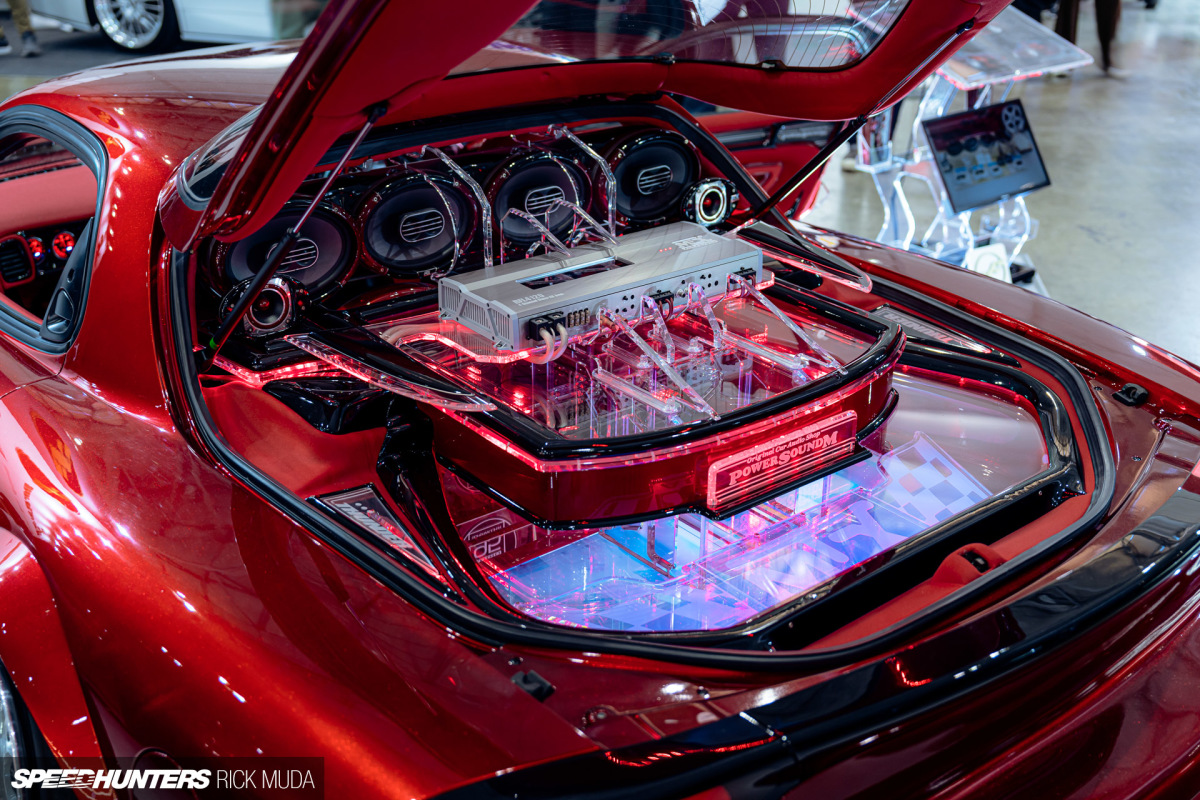
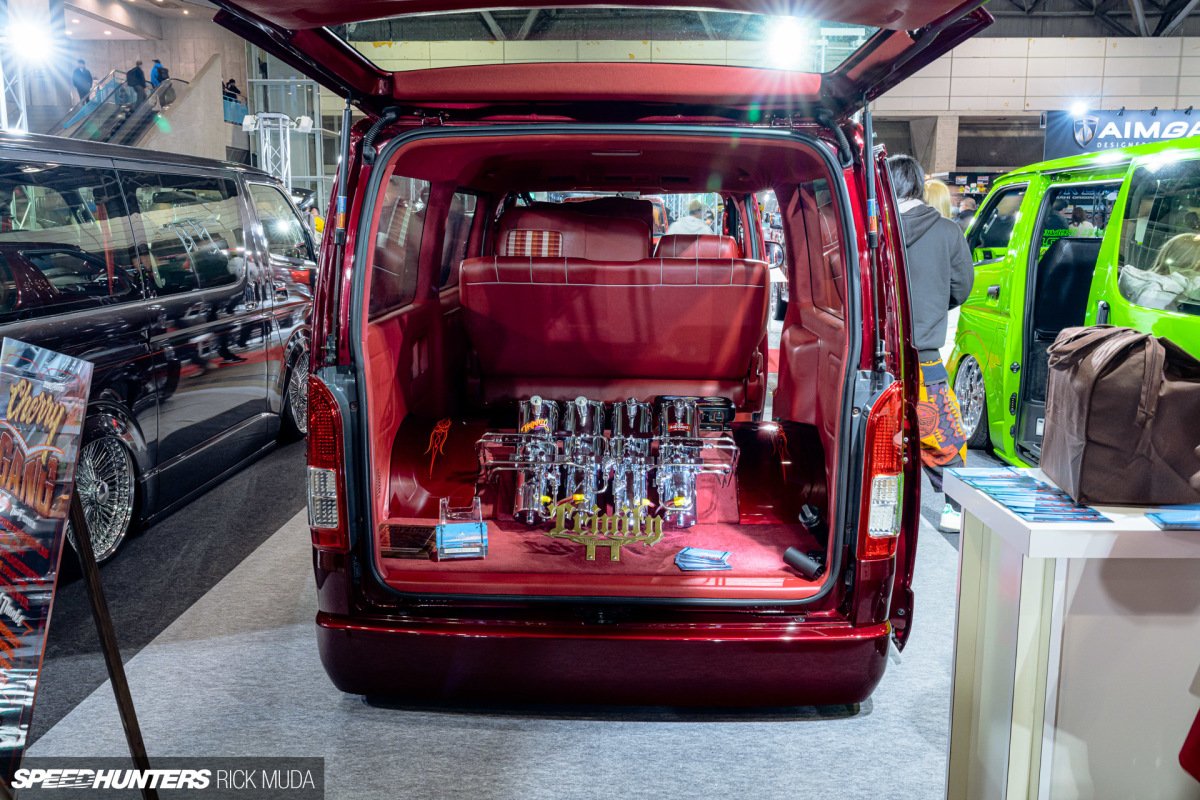
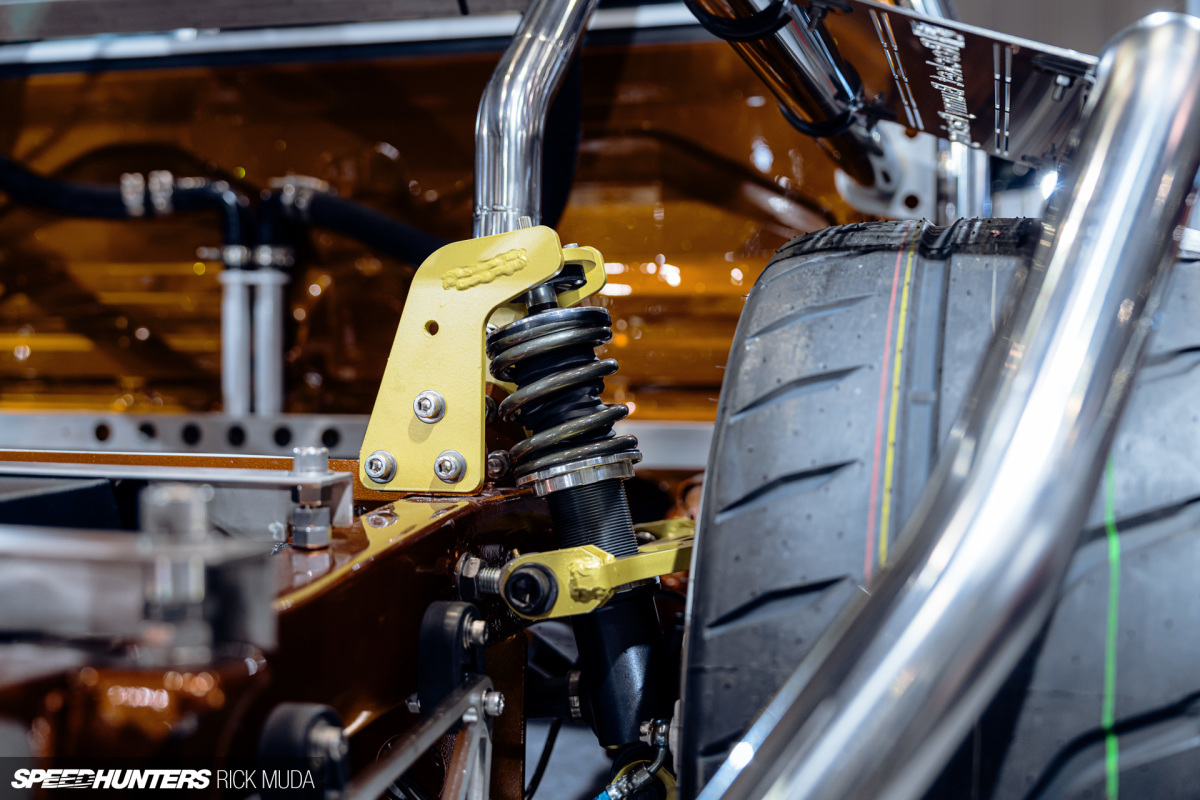
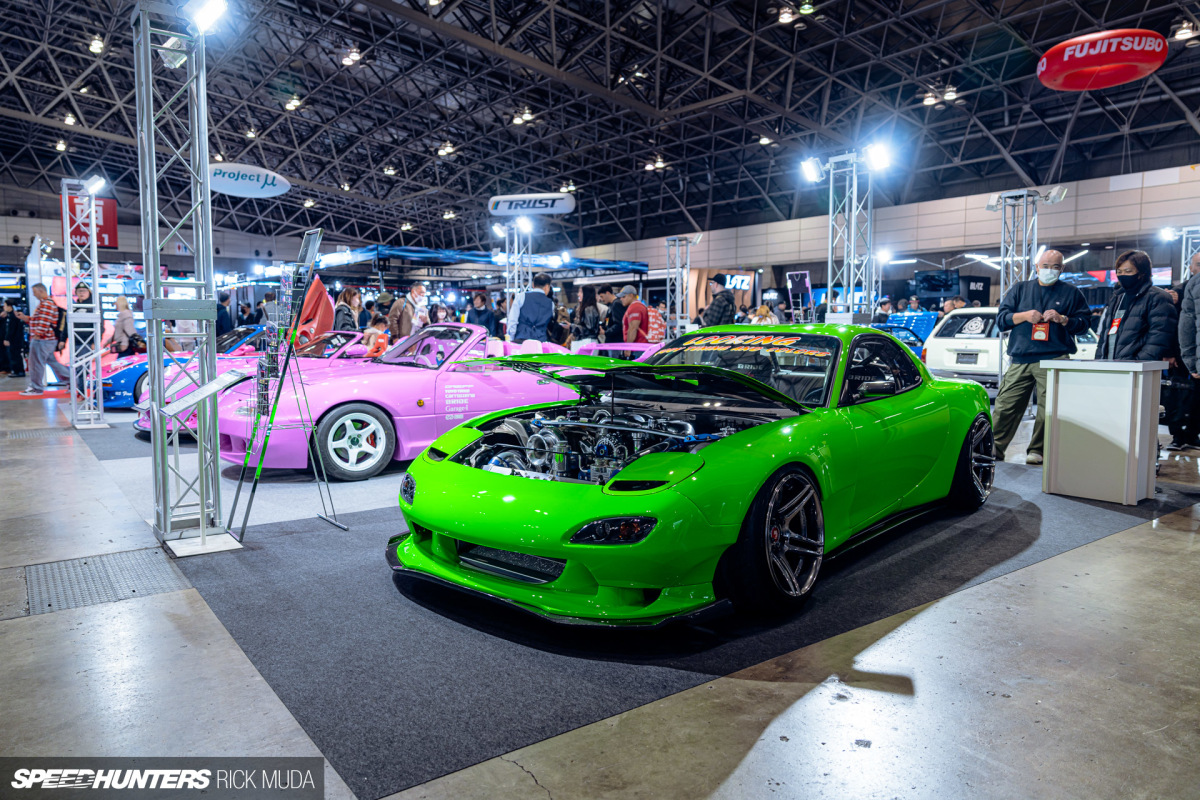
I could go on and on about the struggles of shooting at TAS, but at the end of the day, just being at the event makes up for any perceived pain. Like everyone else who attended this year, I was so excited to see the latest work from Japan’s performance tuners and custom car builders, and once again they did not disappoint.
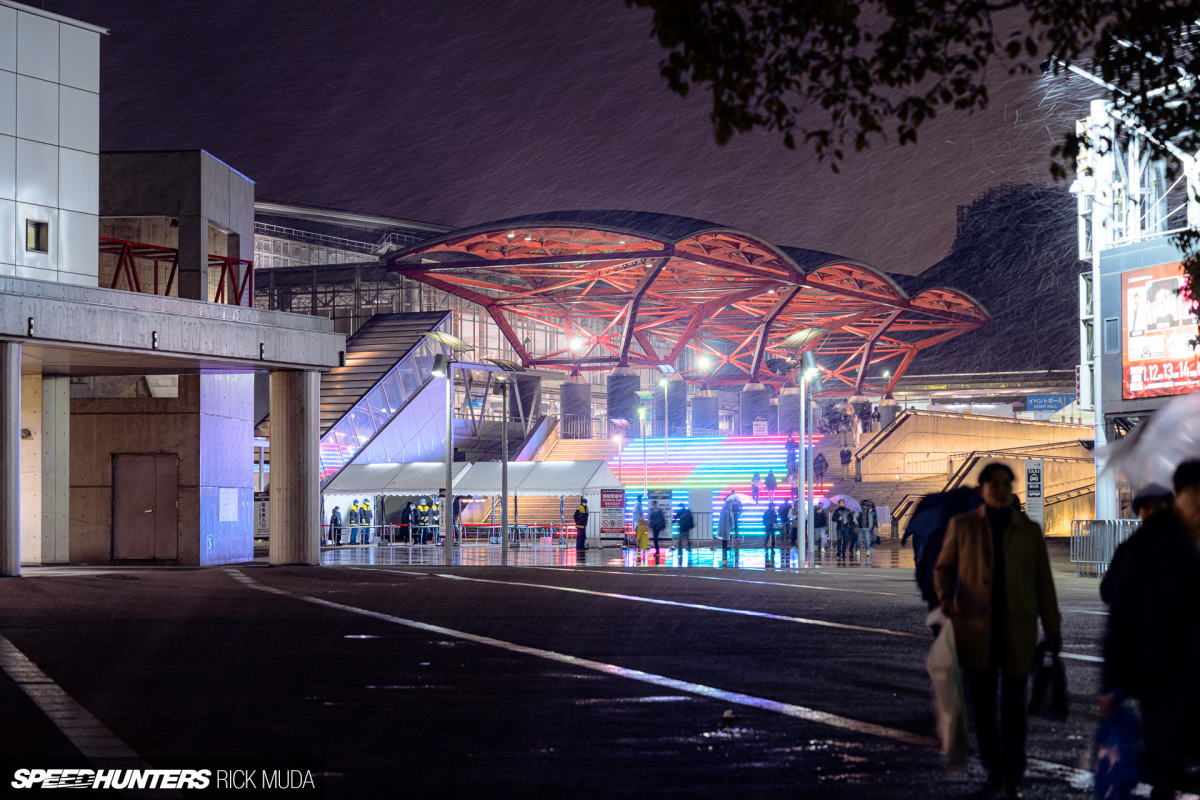
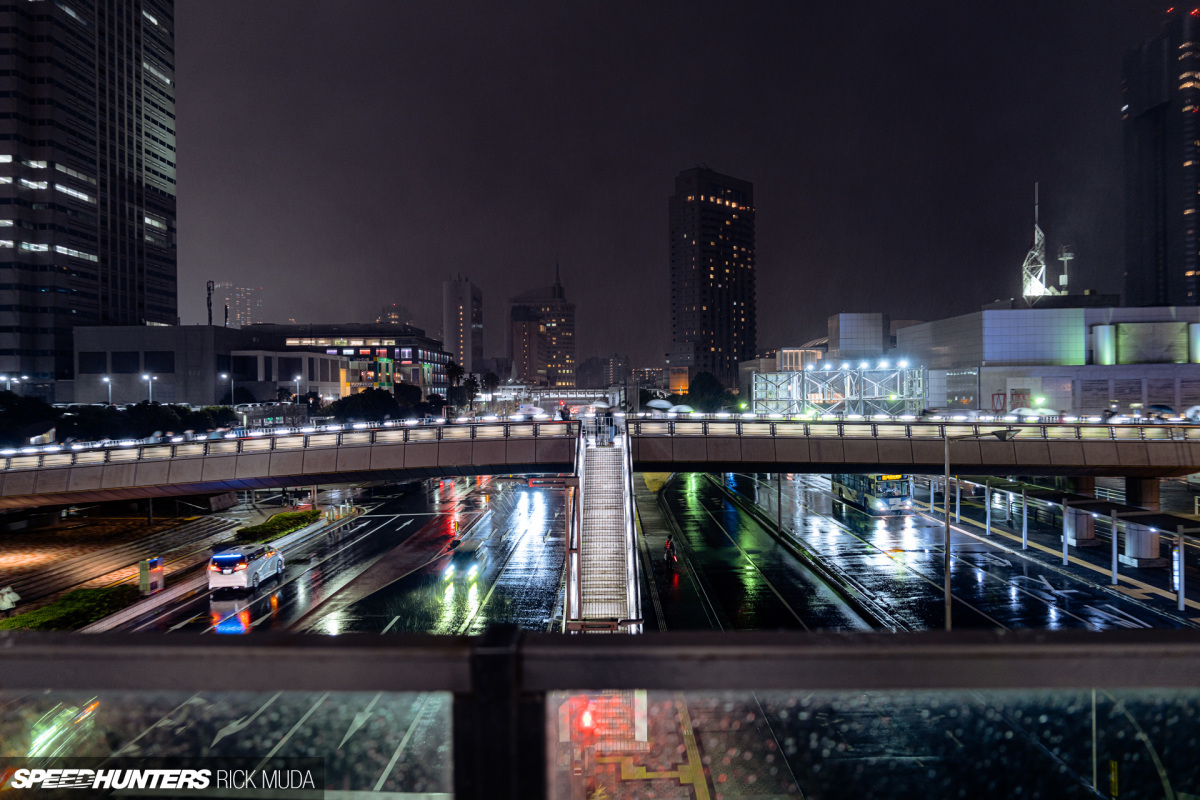
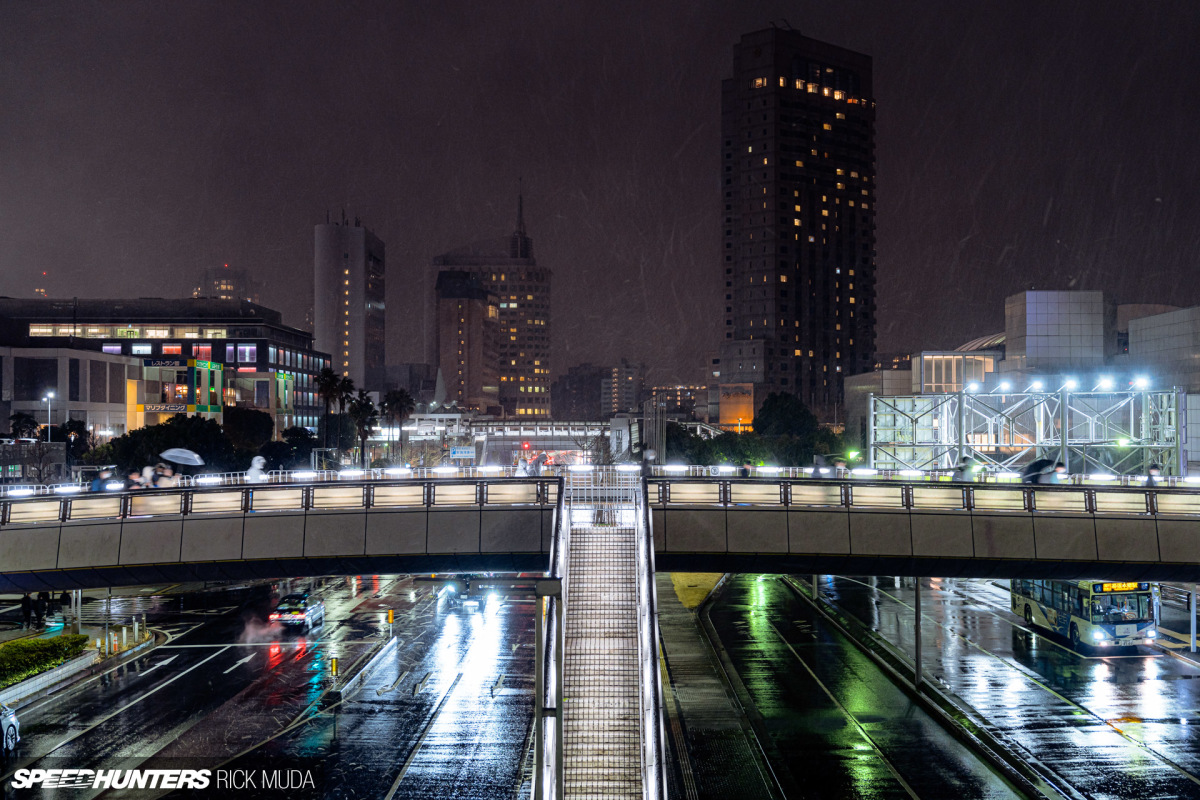
Even better, I got to see snow in Tokyo for the very first time as I left the venue on Sunday night.
It’s only fitting that we share a gallery post as big as Tokyo Auto Salon 2024, and this one easily clocks in as our biggest gallery ever. Sorry not sorry to anyone who gets a cramp in their scrolling finger…
The second Singapore Yachting Festival will be held at ONE°15 Marina Sentosa Cove from April 25 to April 28. The four-day boating and lifestyle show will be preceded by the inaugural ICOMIA Boating Industry Conference on April 23-24 and the Yacht Style Awards on the evening of April 24, with both events also held at ONE°15’s flagship marina.
About 70 boats including many making their country and regional debuts are expected at this year’s Singapore Yachting Festival, according to ONE15 Events Management. The subsidiary of SUTL Enterprise is organising the show in collaboration with SG Marine Guide, headed by Wade Pearce.
As well as motor yachts, sailboats, catamarans and superyachts, the floating attractions will include a wide range of water toys, with many available for testing by show visitors. Water toy demos and RIB rides will also be among popular activities.
The on-land attractions will be elevated this year by a Lifestyle Festival including F&B vendors, luxury brands, pop-up stalls and retail booths, while live bands, jugglers and face painters will add to the entertainment.
Arthur Tay, SUTL Enterprise’s CEO and Executive Director, said: “ONE°15’s acquisition of the Singapore Yachting Festival signifies a transformative journey towards elevating our brand influence in the marine industry. With curated, unique experiences, Singapore Yachting Festival aligns seamlessly with our vision to propel yachting into a lifestyle embraced by a discerning, aspirational audience.”
Held on the two days ahead of the show, the ICOMIA Boating Industry Conference will be a collaboration between ICOMIA (International Council of Marine Associations) and the Singapore Boating Industry Association.
With a focus on sustainability and decarbonisation of the recreational marine industry, the event will host global speakers sharing insights on industry topics, covering the latest research and innovation including propulsion systems and infrastructure development, Asia’s growing markets, and industry-driven efforts.
The conference will also have opportunities for networking sessions between local, regional and international trade professionals.
The third edition of the Yacht Style Awards will be held on Wednesday, April 24, on the eve of the second Singapore Yachting Festival.
Recognising the best of the yachting industry in the extended Asia region and internationally, the lavish gala dinner in the club’s Constellation Ballroom will feature an invitation-only audience of more than 300 VIPs, yacht owners and prospects, and major personalities in the yachting industry.
The Awards are designed to showcase excellence and creative flair in the industry both regionally and internationally. Criteria for the yacht categories include innovation, style, build quality, owner experience and a focus on the Asia market.
Meanwhile, tickets for the Singapore Yachting Festival are available online and are specially priced until March 31 at SGD 30 nett for a single-day pass, SGD 55 nett for a multiday pass and SGD 150 nett for the two-day conference pass.
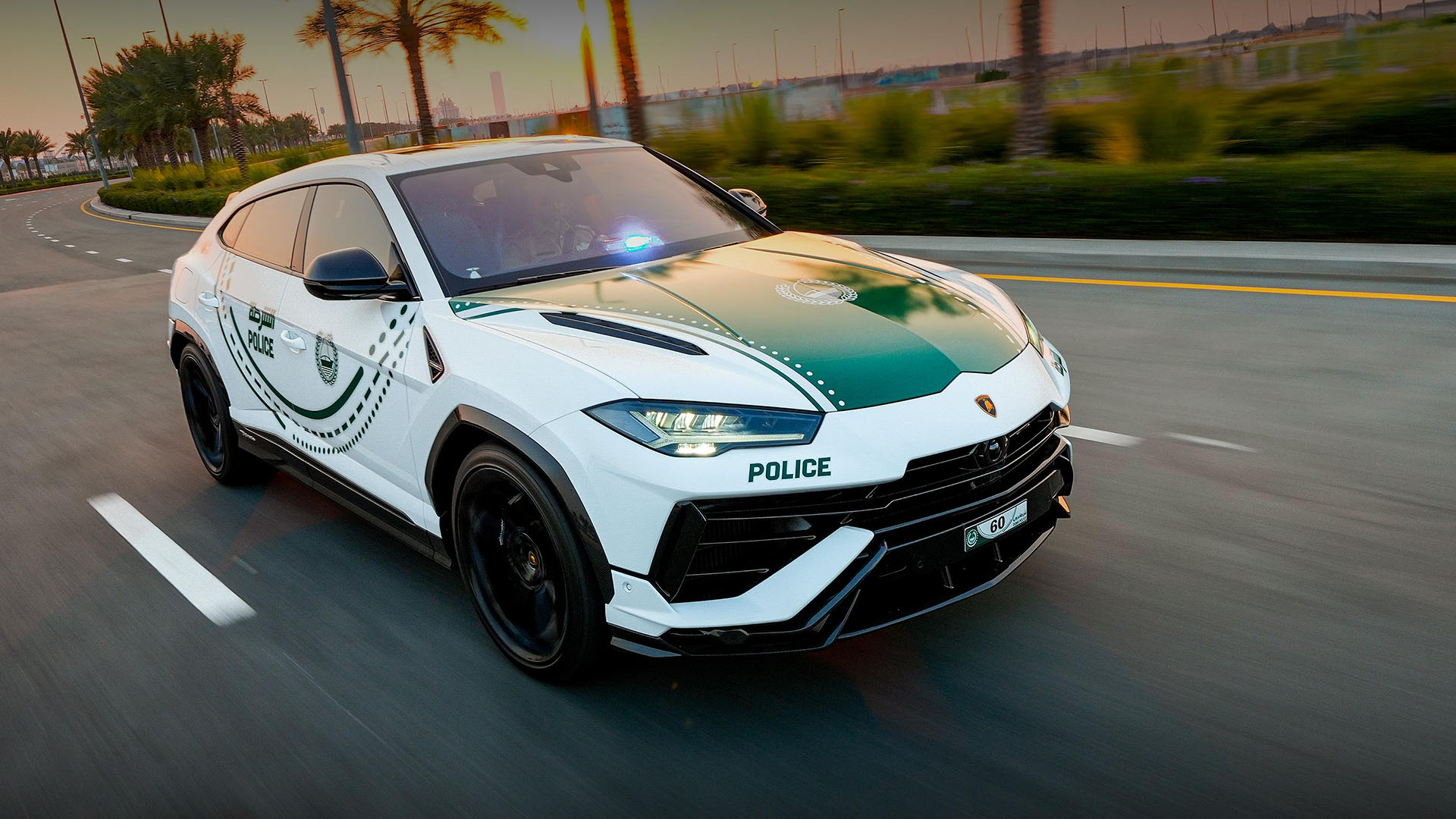
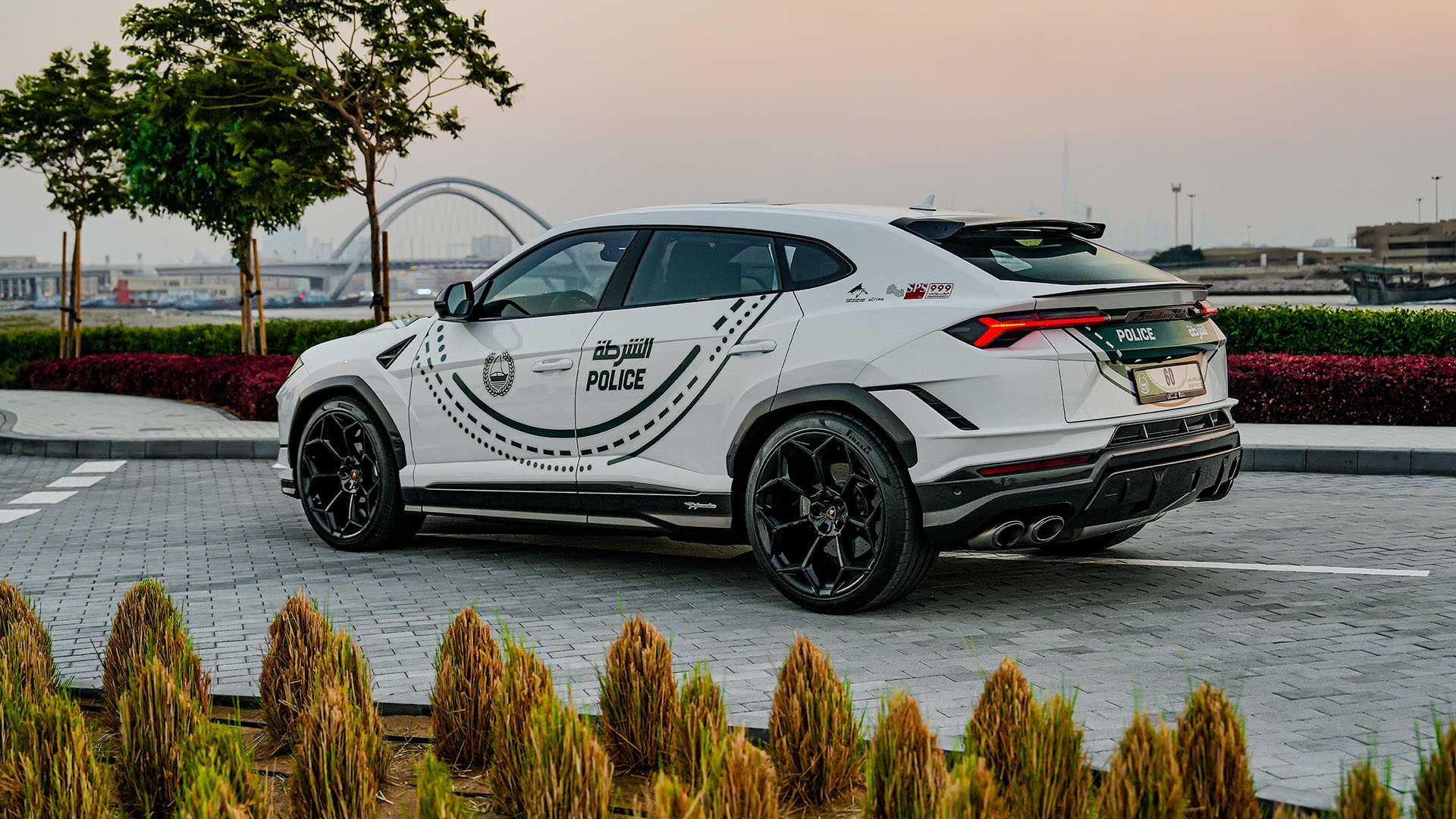
We all know that you don’t want to be doing shenanigans on the Dubai streets, the police force has some of the world’s fastest supercars and hypercars in their fleet, and their latest addition comes in the form of the Lamborghini Urus Performante, delivered by the local Lamborghini Dubai dealership in late 2023, during the 60th Anniversary of the factory in Sant’Agata.
At a special ceremony held at Dubai Airshow 2023, Paolo Sartori, Regional Head, Automobili Lamborghini Middle East and Africa, handed over the keys to the marque’s Super SUV to Major General Ahmed Mohammed bin Thani, acting commander-in-chief of Dubai Police. Paolo Sartori, added: “We are delighted to continue our collaboration with Dubai Police, supporting them in their crucial public safety mission. Following our delivery of an Urus to the force in 2022, this new Urus Performance edition will be used to carry out a range of public duties and, above all, will help enhance the city’s security and safety, with this initiative further demonstrating our brand’s longstanding presence here in the UAE.”
The Lamborghini Urus Performante is an evolution of the original Urus we all know, the mid-life facelift of the Urus is known as the Urus S, but the Urus Performante is aimed at a different market segment, the latter comes with the well-known twin-turbo V8 engine just like the Urus and now the Urus S, but in the Performante guise the power output is a staggering 666 CV with an equally impressive 850 Nm of torque at engine speeds from 2,300 to 4,500 rpm, and despite we’re talking about an SUV that puts down some serious weight, the Urus Performante still handles the acceleration from 0 to 100 km/h (ca. 60mph) in a mere 3.3 seconds while she runs out of breath after reaching a top speed of 306 km/h (ca. 190 mph).
Keeping in mind just how awesome a Lamborghini Urus Performante already is straight from the factory in Sant’Agata, she still needs some modifications to be ready for active duty in the Dubai Police Force, hence this Super SUV had to go through a period of preparation, and receive some bespoke modifications to fit the requirements of an active police force in Dubai.
Every single Dubai Police supercar comes in its traditional color scheme, mainly white with green details and the Dubai Police logo both on the hood and the side of the car, in the case of the Lamborghini Urus Performante a 360° blue LED light bar is mounted at the rear together with an electric siren so you know what is speeding up behind you when you’re in trouble with the law in Dubai, naturally, the interior had to be customized too, now including an armored gun box, and a fold-down message display to warn people, they also added a compartment in the luggage space to hold service equipment and for first aid response there is also a defibrillator on hand.
Commenting at the ceremony, General Ahmed Mohammed bin Thani, acting commander-in-chief, of Dubai Police expressed his appreciation for the collaboration with Lamborghini Dubai. “The high-performance Super SUV was added as part of Dubai Police’s efforts to increase the number of patrol officers across Dubai. The new Lamborghini Urus Performante will support Dubai police in their commitment to better serve residents, maintain social safety and security, and provide services in popular tourist destinations.”
Alexandria, also known as “Al-Iskandariya” in Arabic, held the prestigious title of capital of Egypt for almost a millennium before gradually losing its importance.
In modern times, however, Alexandria has emerged as a prime destination to explore when visiting the African continent. What unique experiences await you in this fascinating city?
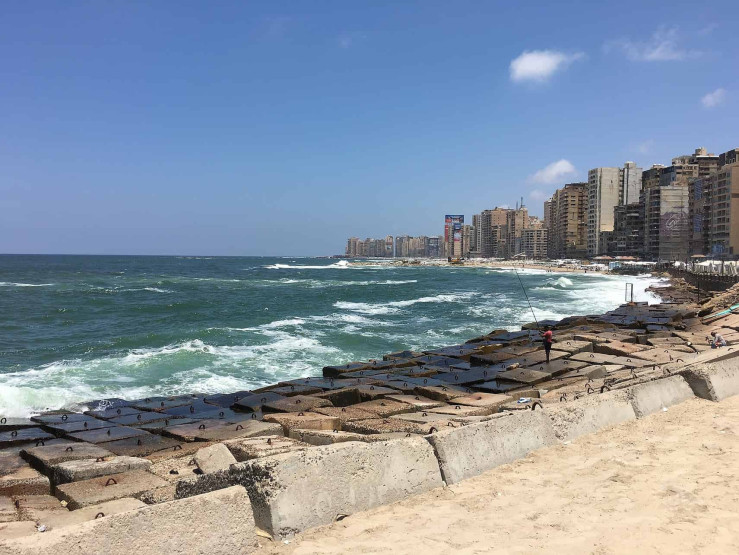
Alexandria, the second largest city in Egypt after Cairo, is located on the Egyptian Mediterranean coast. Often referred to as the ‘Pearl of the Mediterranean’, Alexandria attracted many European entrepreneurs until 1952 with its wealth of attractions, extensive sandy beaches, cultural festivals and temperate climate.
As a result, despite being only 225km from Cairo, this port city exudes a Mediterranean rather than an Arab atmosphere.
History of the city
The city of Alexandria dates back to 322 BC when Alexander the Great founded it at the age of 25.
Situated on the Mediterranean coast, the city of Alexandria served as the capital of Egypt during the Ptolemaic era until it eventually lost its importance and position as the capital.
Alexander the Great, after liberating Egypt from the Persian Empire, decided to build a new city connected by sea to his homeland of Macedonia. He chose the fishing village of Rhakotis, which had a natural harbor, and commissioned his architect, Deinocrates, to transform it into what we know today as the city of Alexandria. It is worth noting that Alexander was not allowed to be buried in the ancient capital of Memphis, having rejected it in favor of building Alexandria.
Port of Alexandria.
What is the city of Alexandria famous for?
The Lighthouse of the Pharaohs in Alexandria is renowned as one of the Seven Wonders of the Ancient World and the world’s first lighthouse. French archaeologists have uncovered over 3,300 fragments of the lighthouse, which are now on display in Alexandria’s museums.
Built during the reign of Ptolemy II Philadelphus by the Ptolemaic Kingdom of ancient Egypt, it stood at a staggering height of at least 100 meters (330 feet). For centuries it held the title of the world’s tallest building until the Eiffel Tower was built in 1889.
Although it no longer exists due to damage from three major earthquakes, the remains of this historic landmark can still be admired underwater through scuba diving.
Interestingly, however, parts of Alexandria are literally underwater. The remains of Cleopatra’s palace, over 7,000 colossal statues, countless gold and silver coins and countless other artefacts that have surfaced throughout history lie at depths of 8-15 meters below sea level in the Abu Kir harbor basin. Recognizing their importance, the Egyptian government has made plans for an underwater museum where divers can already marvel at these extraordinary discoveries.
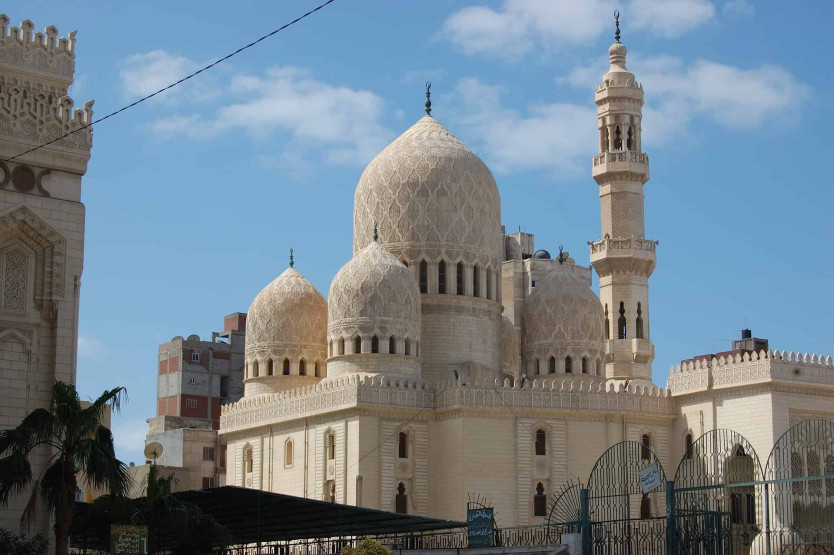
Alexandria’s notable landmarks include the Qait Bay Fortress with its panoramic views of the city, the Greco-Roman Museum with its ancient treasures, the catacombs known as Kom El-Shokafa, the towering Morsi Abu El-Abbas Mosque, a nearly 27 meter high Pompey’s Column and the Montazah Palace – once King Farouk’s summer residence – with its enchanting park.
The crowning glory of this vibrant city is undoubtedly the Bibliotheca Alexandrina – the new library of Alexandria – and its accompanying cultural center.
Mosaic of the ancient lighthouse of Alexandria.
Layout of the city
Alexandria was originally divided into three distinct areas:
Rhakotis, which was the original city assimilated into Alexandria;
Brucheum, the opulent royal or Greek quarter;
and the Jewish region in the northeast.
The city boasted two prominent colonnaded streets, each about 60 meters wide, which intersected in the heart of Alexandria. Its strategic location between the Mediterranean and the Red Sea established it as a vital hub for trade, making it one of Egypt’s most important commercial centers.
Best time to visit
The ideal time to explore Alexandria is in autumn (late September to early November) and spring (March and April). At these times, the weather is pleasantly temperate, making it perfect for taking in the city’s architectural wonders.
I’m sure you’ve had similar experiences I had whilst traveling. You’re in a certain place and a fellow traveler, or a local, tip you off on a little-known beach, bar or accommodation. Great travel tips from other travelers or locals always add something special to our travels. That was the inspiration for Travel Dudes.
This one is so weird even I can’t really do it justice, so here’s the museum’s explanation of what it is to do the job for me:
Charles Deutsch and René Bonnet (DB) were important names in French motor racing between 1940 and 1960. Together they embarked on designing competition cars, first with Citroën engines, but supply was troublesome and DB soon moved on to using Panhard, whose flat-twin air-cooled engines lent themselves to race preparation.
From these beginnings, the different configurations of the DB-Panhard achieved enormous success in their class, due largely to the advanced thinking behind the weight and aerodynamics of the car. At the beginning of the 1950s, it was Deutsch’s cousin Georges Boschetti, a young engineer from the Ecole Centrale who designed the car and convinced Charles and René to produce the Racer 500 DB, a single-seater formula car with a Panhard engine and front-wheel drive for participating in competition.
More than 60 years later, Claude Chaume and Catherine Baroche, attracted to post-war formula cars, decided to build a Racer 500 replica. Claude had a passion for cars and Catherine had a passion for driving them. Claude was 10 years old when he and his father built a go-cart using a 125cc Monet Goyon engine from the 50s. He also had a particular affinity for the Citroën 2CV engine. Historically, Panhard was taken over by Citroën in 1965; it seemed a perfect idea to link all these connective elements and create his own single-seater Racer 500 DB.
It took just four and a half months to complete. They befriended Raymond Janiaut, a specialist of DB in Côte-d’Or, France. He had an authentic Panhard Racer 500 DB from the same era. Raymond has remanufactured a large number of the DB monoposto Racers that are currently driven today. He lent Claude and Catherine the body molds to an original Racer 500 DB so that the proportions of the “new” Racer were perfect.
Rather than a complete copy, this one is a close evocation, assembled with reliable and easy-to-find parts. The steering wheel is from a Fiat 124 Spider, with mirrors from an Austin Mini. The original Racer 500 DB used the 610 Dyna-Panhard engine, underbored at 497cc instead of 650cc to qualify for the 500c class of Formula Junior. Claude and Catherine fitted theirs with a 1980s Citroën 2CV6 602cc, twin-cylinder. It is stock except for an added oil cooler.
The frame was rendered by computer software using the same dimensions as the original Racer 500 DB, but they took a few liberties, including the more modern and safer roll bar. The gearbox remained the original 2CV6, with power to the front wheels. The engine is fueled by a simple 5 liter jerrycan fitted behind the seat. They called their car Racer CC (Claude & Catherine).
Both Claude and Catherine marveled at the authenticity of their Racer CC. Catherine described her drives, in vintage racing goggles, as pure exuberance! This is one of 12 purported to have been built so far.
Voice-assist systems are commonplace in cars today, but Ford wants to give them personalities.
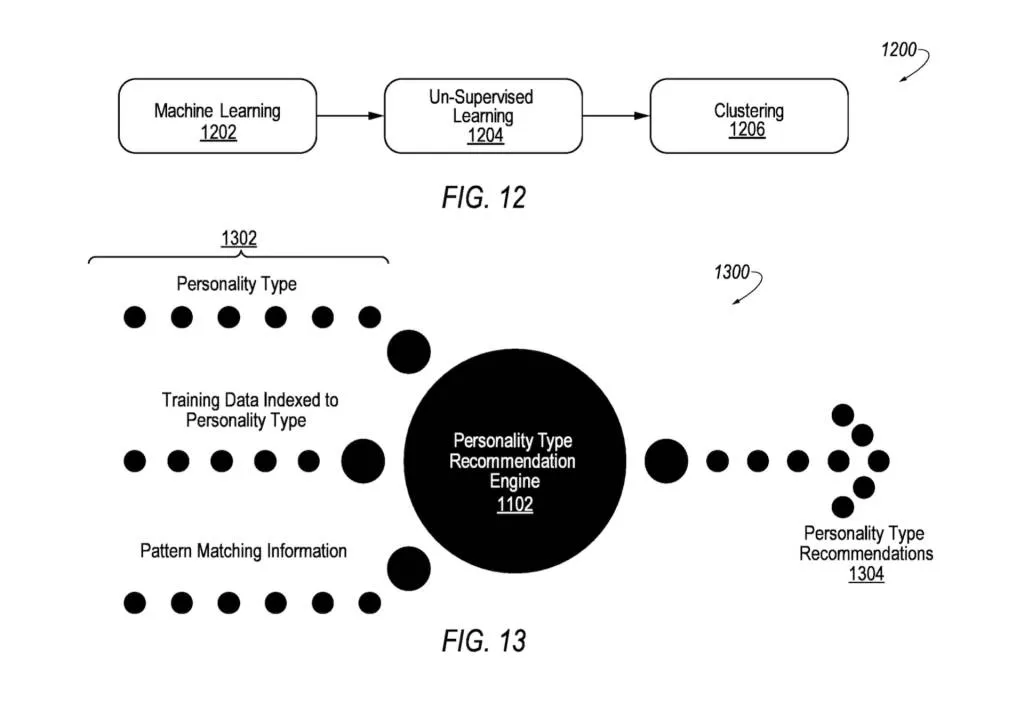
A patent application from the automaker published by the United States Patent and Trademark Office (USPTO) on Jan. 2, 2024 (and originally filed on Aug. 17, 2020), discusses using machine learning to create in-car digital assistants with distinct personalities selectable by the user.
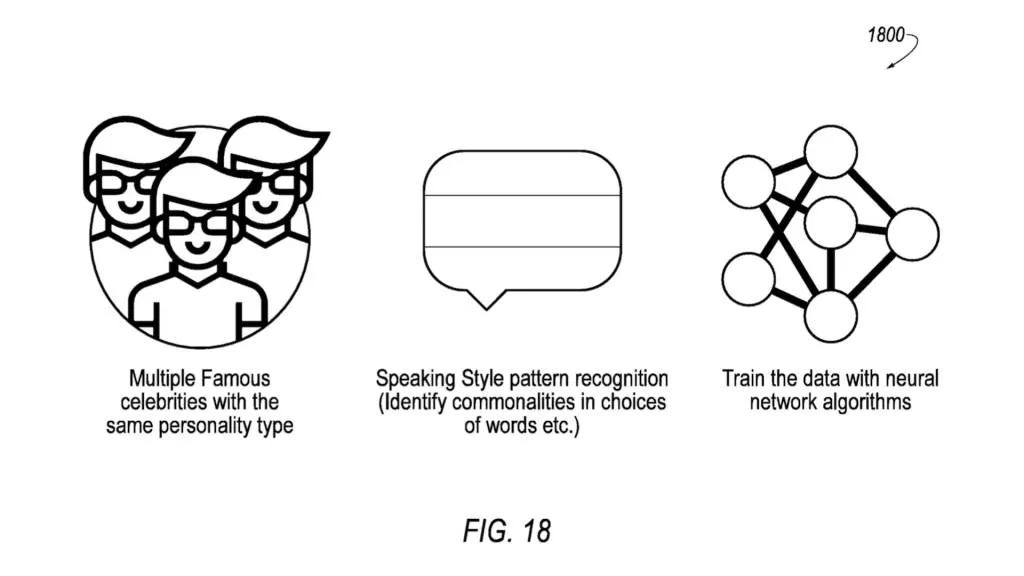
These personalities would be conveyed by the vocabulary used by the digital assistant when responding to prompts, as well as speech tone, pitch, and pronunciation. The vocabulary would be chosen by feeding the software examples of speech from people assumed to have the personality traits the digital assistant is trying to mimic.
Celebrities would be among the models for the digital assistant. Ford doesn’t appear to be suggesting that digital assistants would impersonate specific celebrities (which would likely bring some legal trouble) but it discusses using their social media posts, audio and video interviews, and books or articles about a celebrity with a given personality type to help train the digital-assistant software.
Ford digital assistant personality generator patent image
Ford digital assistant personality generator patent image
Ford also discusses giving the digital assistants names, hypothetical ages and genders, and even backstories. All so that drivers will get a more lively response when asking for directions to the nearest Starbucks.
As with all patent applications, it’s unclear if the ideas discussed here will make it to production. But the rise of ChatGPT means this is definitely on-trend. At CES 2024, Mercedes-Benz unveiled an AI-powered next-gen user interface, while Volkswagen announced that it will integrate ChatGPT with its infotainment systems. So automakers do seem ro believe it will be better if we talk to our cars more.
Can’t decide where to stay for your next Hong Kong trip? Is Tsim Sha Tsui a good area for tourists? Is Central better than Mong Kok? When is it ideal to stay in Lantau island? In this article, we’ll break it down to help you pick the best neighborhood for you.
Hong Kong is one of our most visited destinations. Over the past 13 years, we have stayed at various areas within the territory. And yes, some areas are better than others. But to properly determine the best, we need to understand Hong Kong’s geography.
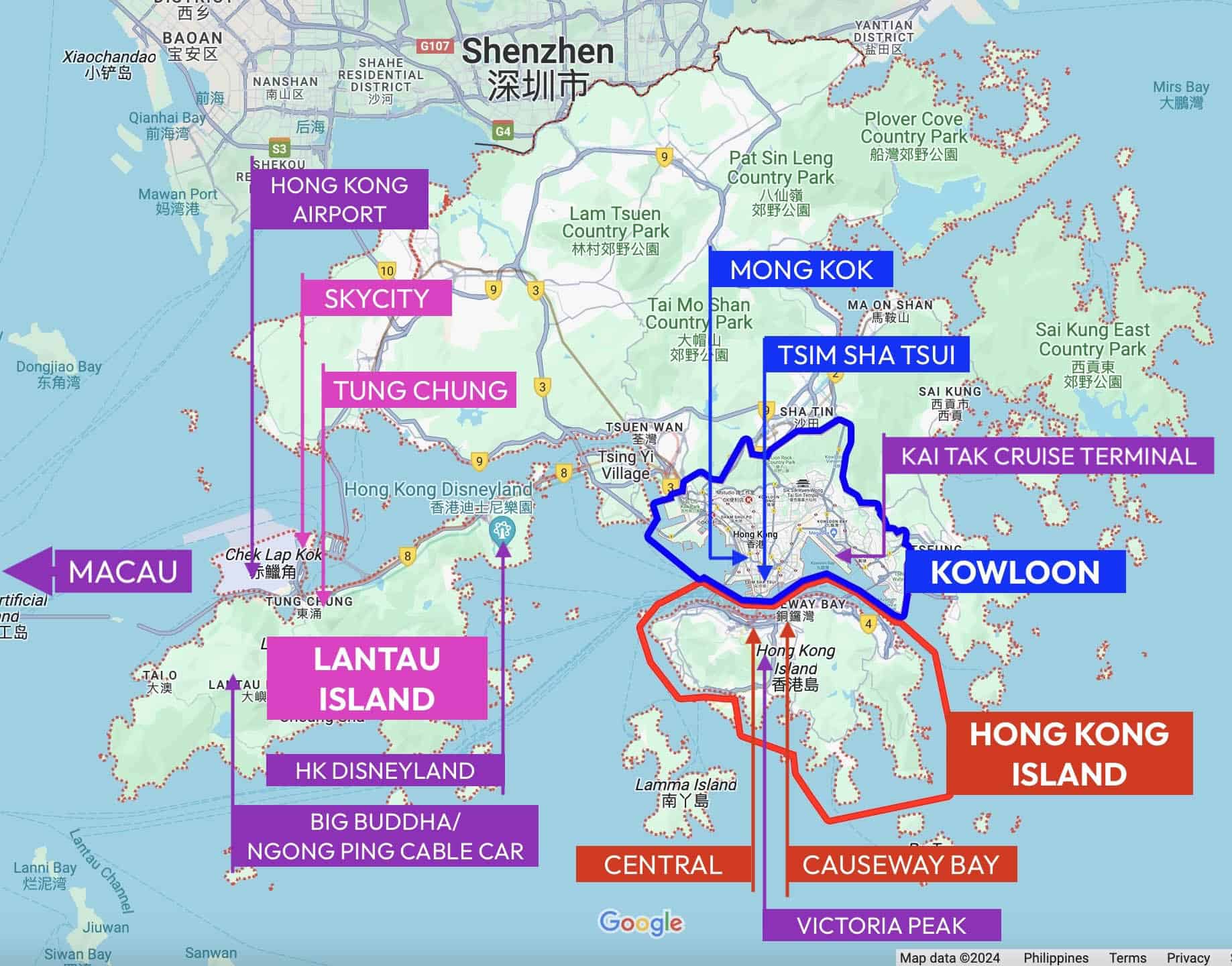
Hong Kong may be small, but it is a bit complicated. It is set mainly on a peninsula, but it also covers various nearby islands. To its north is Shenzhen and to its west, now connected by a bridge, is Macau. And like Macau, Hong Kong is a Special Administrative Region of China. It is a part of China, but it has its own economy, currency, and immigration laws. That’s why even Chinese mainlanders still need to go through immigration checks when entering Hong Kong.
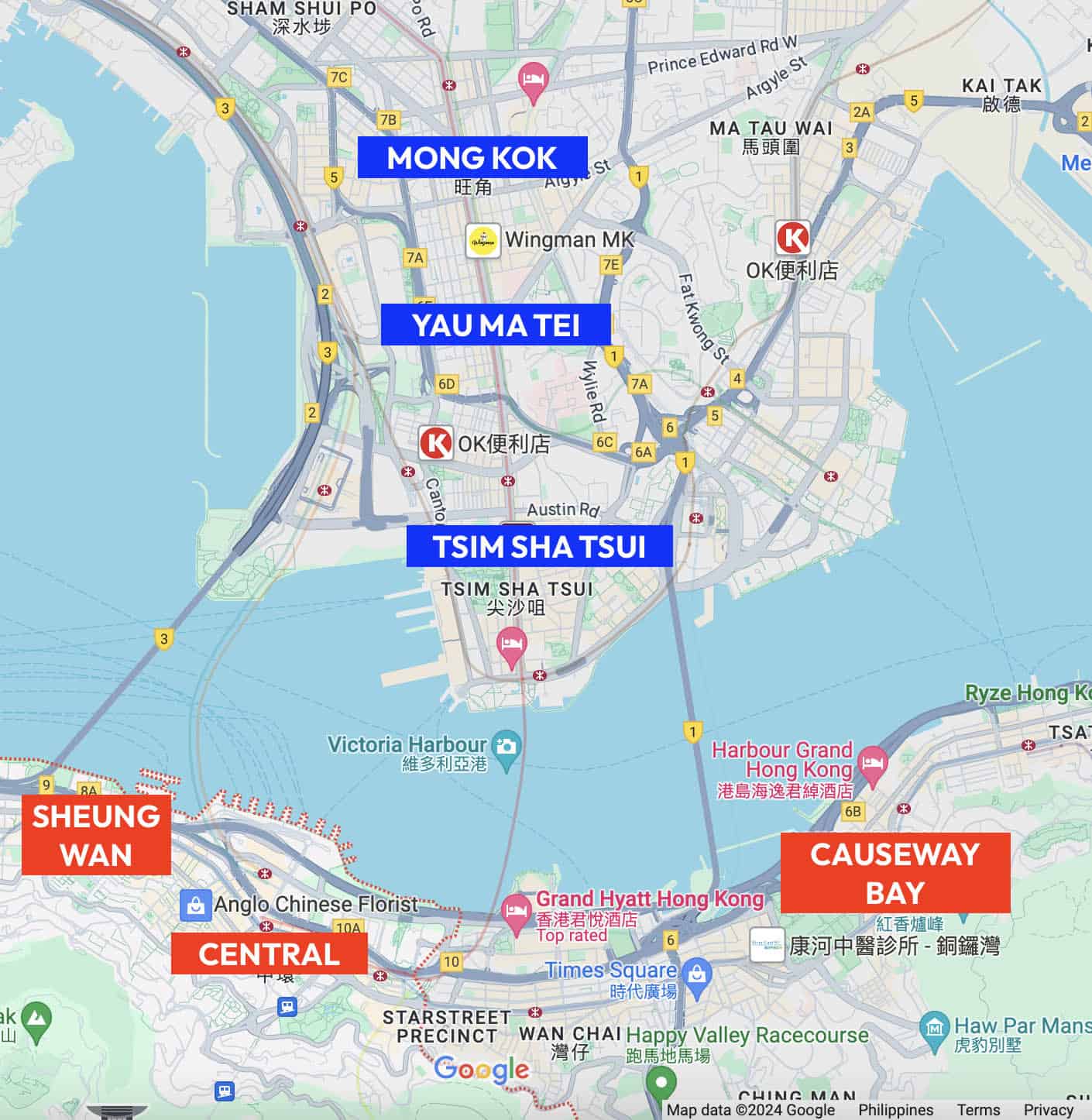
Hong Kong is composed of 3 main regions:
Kowloon, on the peninsula, where Tsim Sha Tsui and Mong Kok are located. Hong Kong’s city center has two faces. One of them is Kowloon, which covers most of the developed area on the mainland. This is the older and more traditional side of the city. It’s what many consider quintessential Hong Kong. It’s highly developed, yes, but you’ll easily notice that many of the buildings are not very modern. It is dense, busy, and incredibly textured. This side is often used as a setting in Hollywood movies.
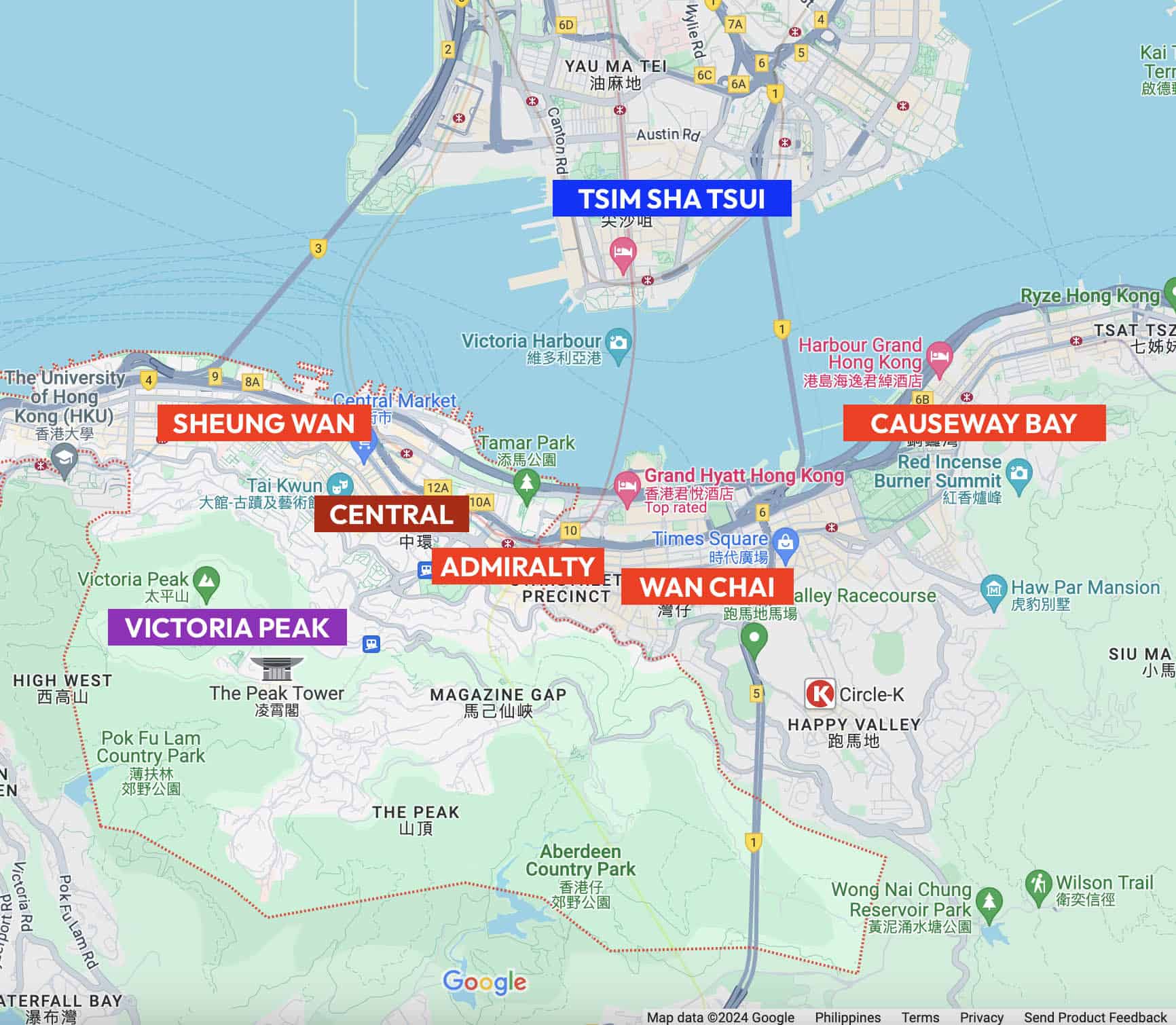
Hong Kong Island, where you’ll find the Central Business District. If Kowloon is gritty and traditional, Hong Kong Island is polished and aesthetically more colonial, blending Chinese culture with British influences well. But it is divided into smaller neighborhoods including Central, Admiralty, Wan Chai, Sheung Wan, and Causeway Bay.
New Territories, which covers the area north of Kowloon and 200 outlying islands including Lantau Island, where you’ll find Hong Kong Disneyland, Ngong Ping 360, and Tai-O Village. The Hong Kong International Airport is also within the New Territories.
The truth is, Hong Kong is further divided into 18 smaller districts. But for tourists, especially first-timers, only a few of these will probably matter.
So which is the best area to stay? Objectively, I’d say it depends on your specific itinerary. But if you ask me for my personal preference, here’s how I would rank these areas.
(By the way, you’ll also find a list of top hotels in the area, categorized by budget. When we say “affordable”, we mean that relatively. Accommodations are generally expensive in Hong Kong. Hotel prices have skyrocketed over the past years. The properties we listed under affordable may still be considered costly by other standards.)
WHAT’S COVERED IN THIS GUIDE?
1. CENTRAL
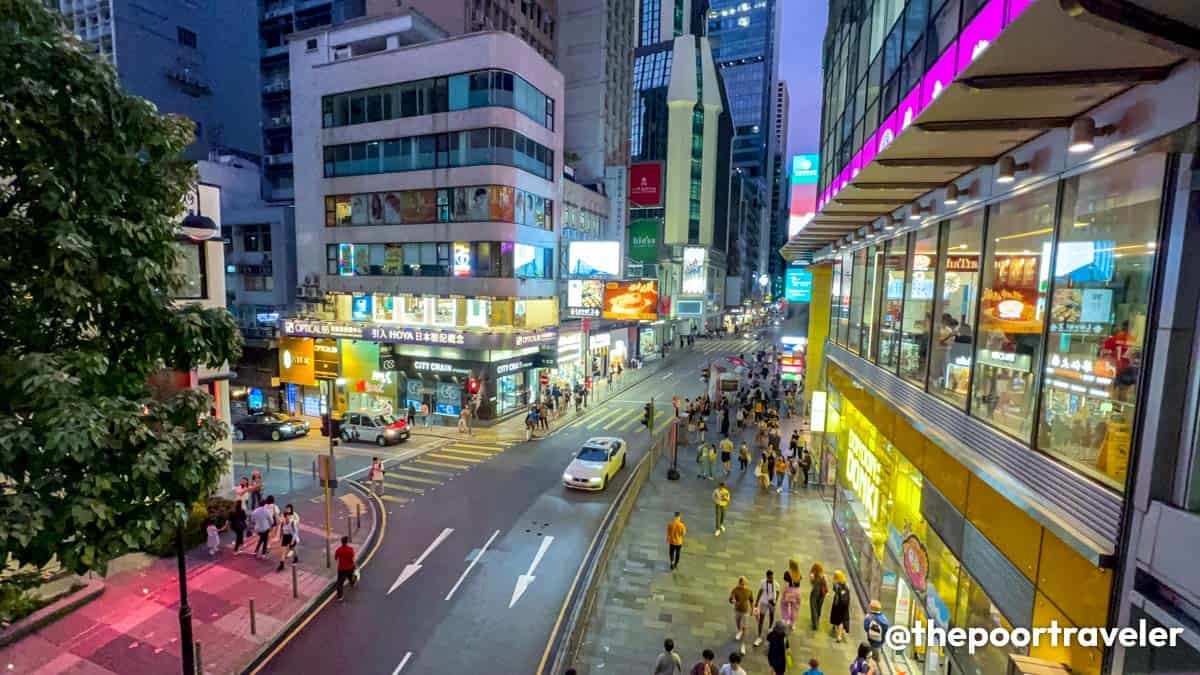
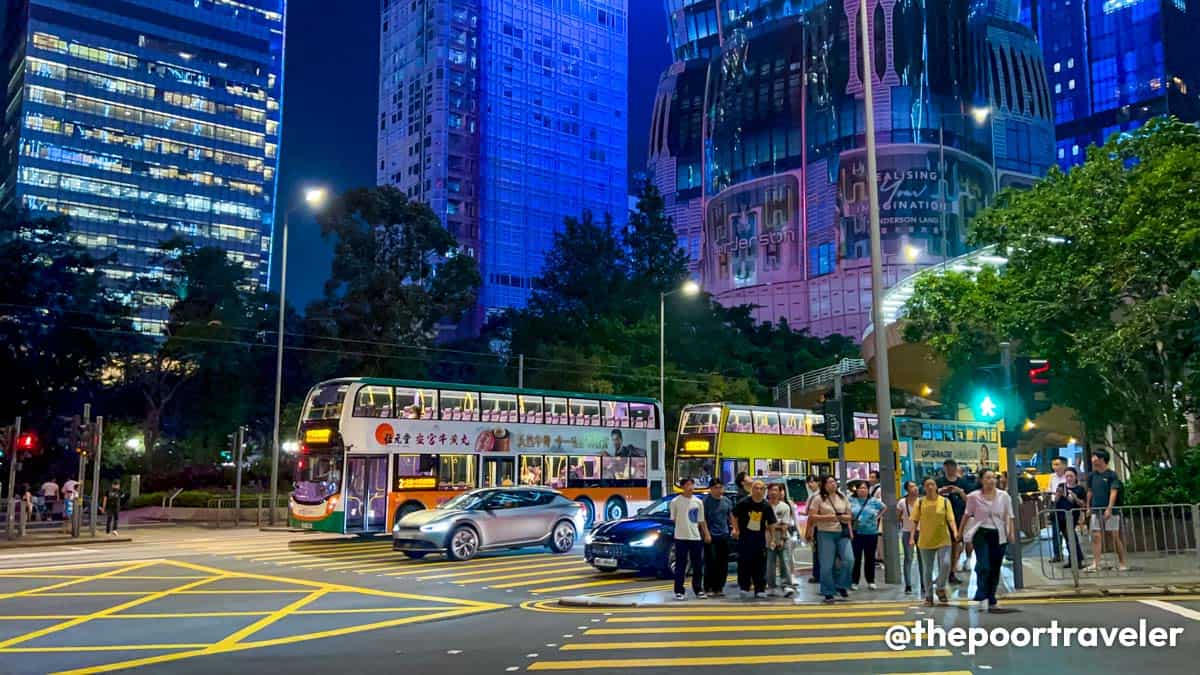
Strictly speaking, Central often refers to a specific area surrounding the Central Station. But for tourism purposes, the term is sometimes used loosely to include the whole Central and Western District, encompassing Admiralty and Sheung Wan.
The heart of Hong Kong’s Central Business District, it is bustling especially at rush hours. But it gets less busy as you move away from it. On our most recent trip, we stayed in Sheung Wan which is very quiet.
Central is very accessible, more accessible than Tsim Sha Tsui or Mong Kok in Kowloon. There is a direct bus from the airport (A11 bus). But most importantly, there is a direct train – the Airport Express, which is the fastest way to get to the city center. You can reach Central in roughly 30 minutes, significantly quicker than taking the bus or multiple regular train rides. (By the way, if you want to book a seat on the Airport Express train, you can reserve in advance on Klook.)
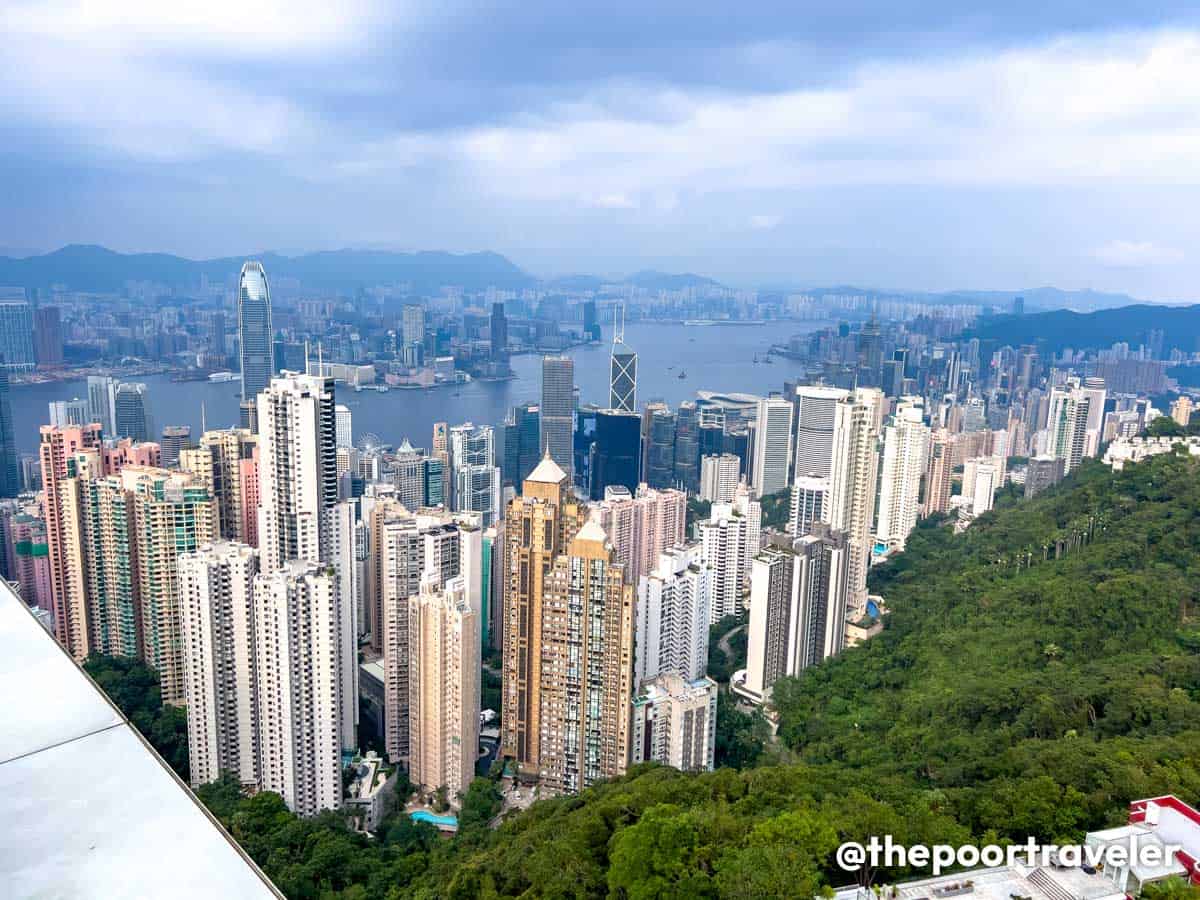
Central is your jump off point to two popular attractions: Victoria Peak and Ocean Park. So if your itinerary has these two sites on two separate days, this may be a good base.
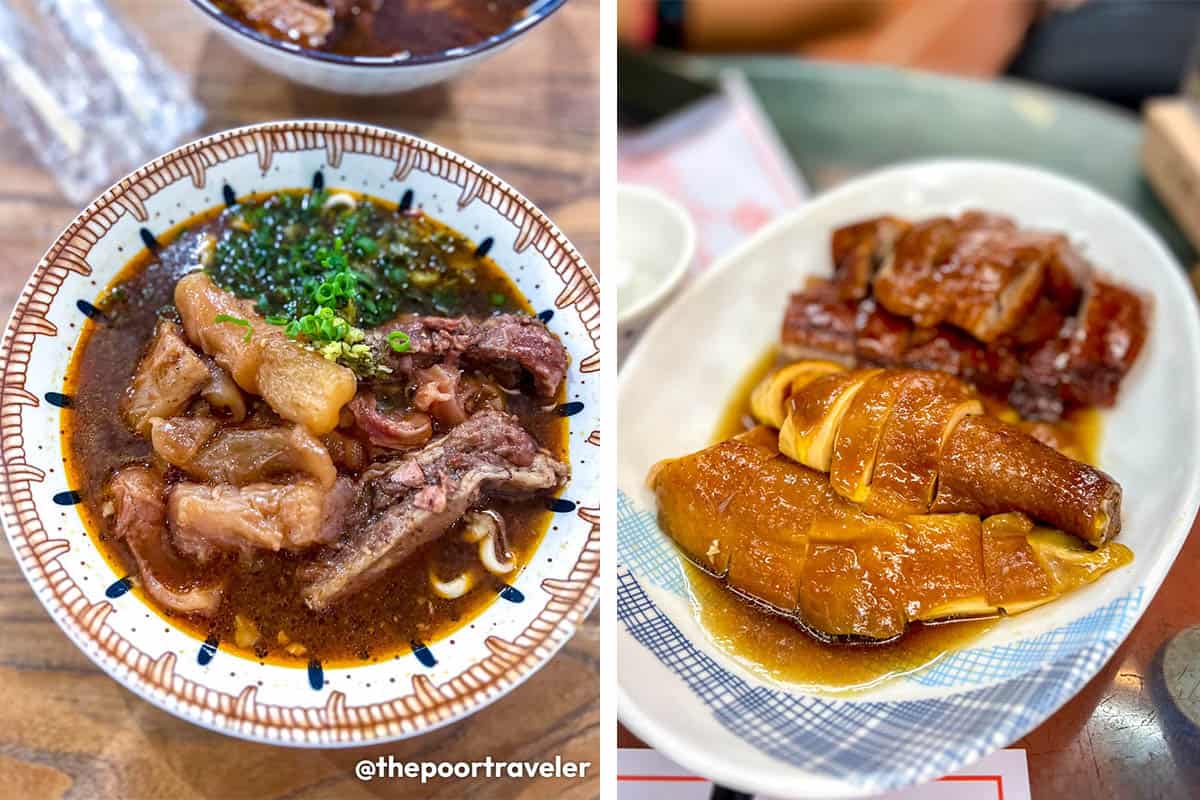
Another big pro for Central is that its dotted with countless iconic foodie spots, and many of them are affordable. Some are even awarded with Michelin Bib Gourmand or Michelin stars. I’ve stayed at the Central area a number of times, and I loved it each time because of these restaurants! Several food tours also scribble across the area.
While many hotels in Central-Central district are upscale, it is not impossible to find relatively inexpensive places to stay especially in the Sheung Wan area.
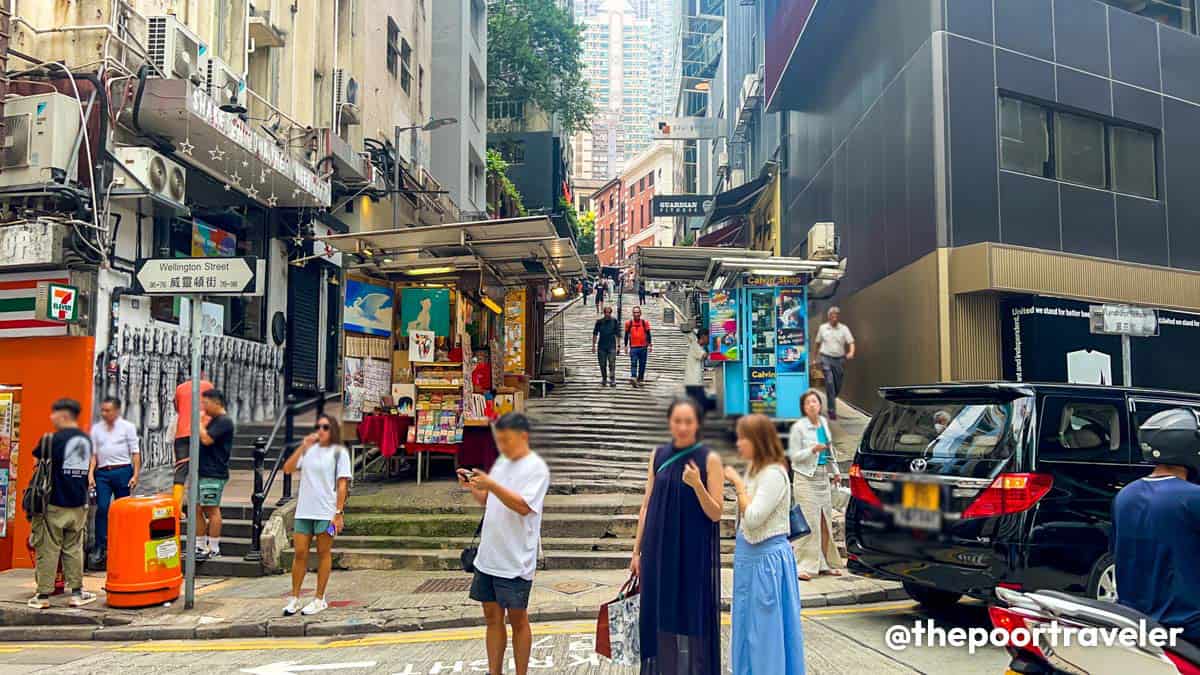
But as much as I adore Central, it’s not for everyone. It is hilly. The ground is so uneven, walking around can be so exhausting if you’re not used to it, and can be very challenging for those with mobility issues.
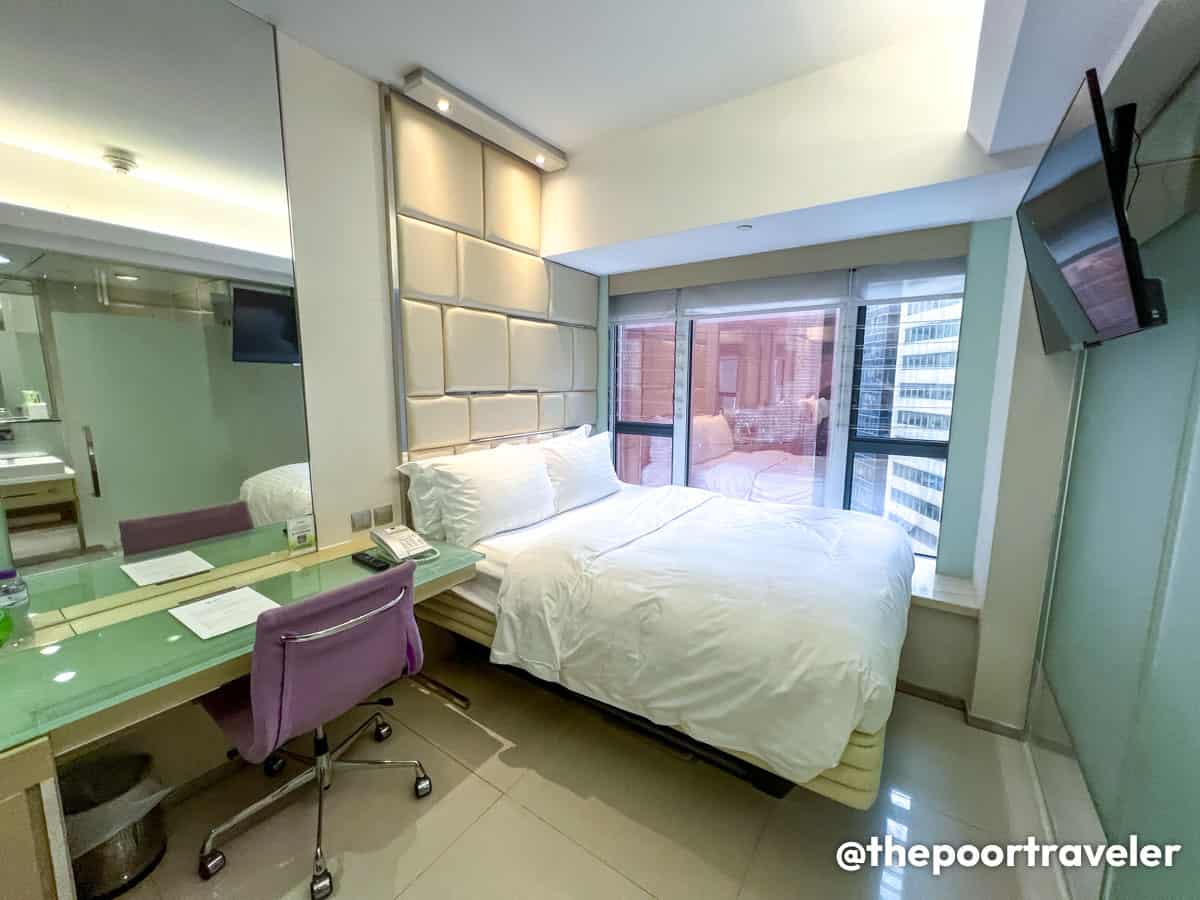
And although not as bad as Kowloon hotels, space here is also expensive, so expect tiny, cozy rooms!
PROS
Central location
Accessible from the airport
Close to key attractions
Fantastic restaurants
Affordable lodging options
Vibrant nightlife
CONS
Also crowded
Hilly and lots of stairs
Cozy rooms
iClub Sheung Wan Hotel
Top Affordable Hotels in Central & Sheung Wan
Here are some of the top-reviewed Central and Sheung Wan hotels and hostels on Agoda that are relatively affordable.
Top Premium Hotels in Central & Admiralty
Below are the top Central properties on Hotels.com, regardless of the price.
Tsim Sha Tsui (often shortened to TST) is well-known among budget travelers because of three things.
First, accessibility. There is no direct train line between this and the airport, but there are direct airport buses (Bus A21) that stop at multiple points across the district. In fact, TST’s main artery is Nathan Road, which runs parallel to the A21 Bus route and also to a section of the MTR or subway train’s Tsuen Wan Line. This subway line also connects TST to the Central district on the other side of the harbor. There are multiple MTR stations, ferry terminals, and bus stops! See? Very accessible.
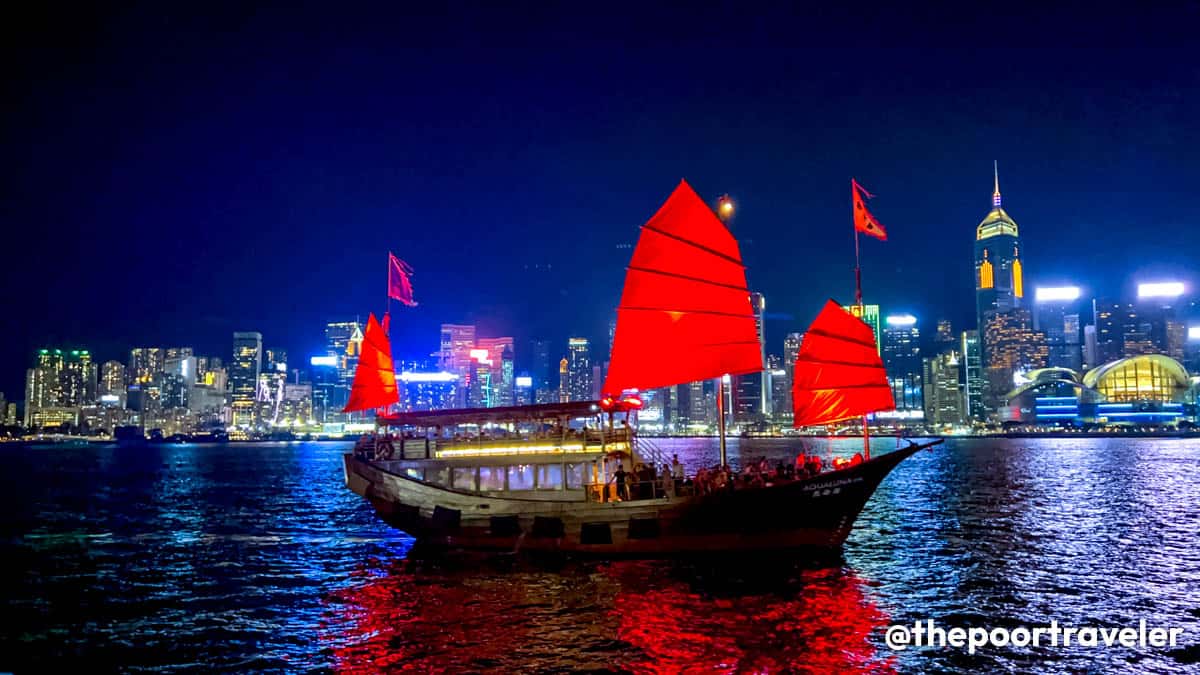
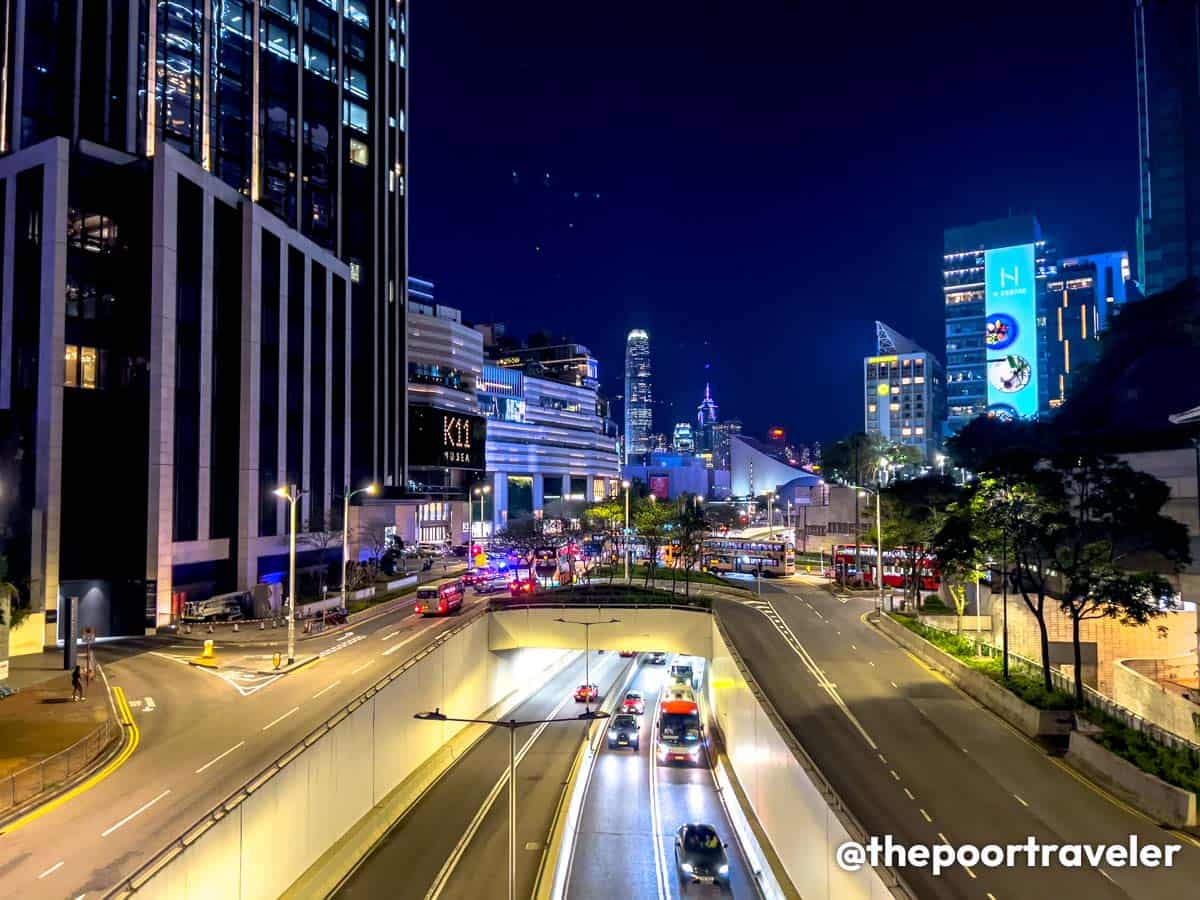
The second reason is its proximity to some key Hong Kong attractions including the Avenue of Stars, the K11 Mall, and the shopping streets in Mong Kok and Jordan areas.
View of Central from Avenue of StarsEast Tsim Sha Tsui
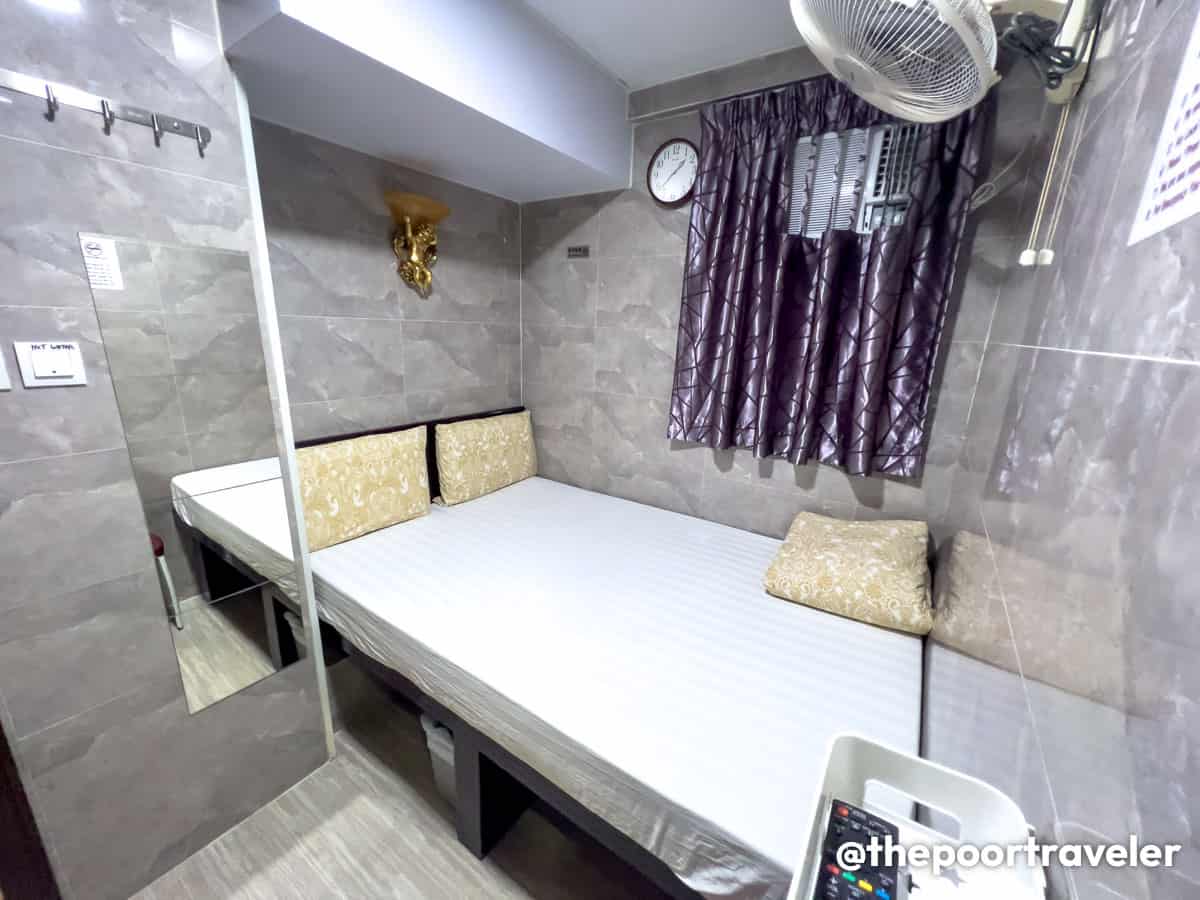
Lastly, there’s A LOT of budget-friendly accommodations in Tsim Sha Tsui. But beware, because space is such a scarce commodity in these parts of Hong Kong, most rooms in Kowloon are extremely small. There isn’t usually much space to move around, but you’ll find properties that are cleverly designed.
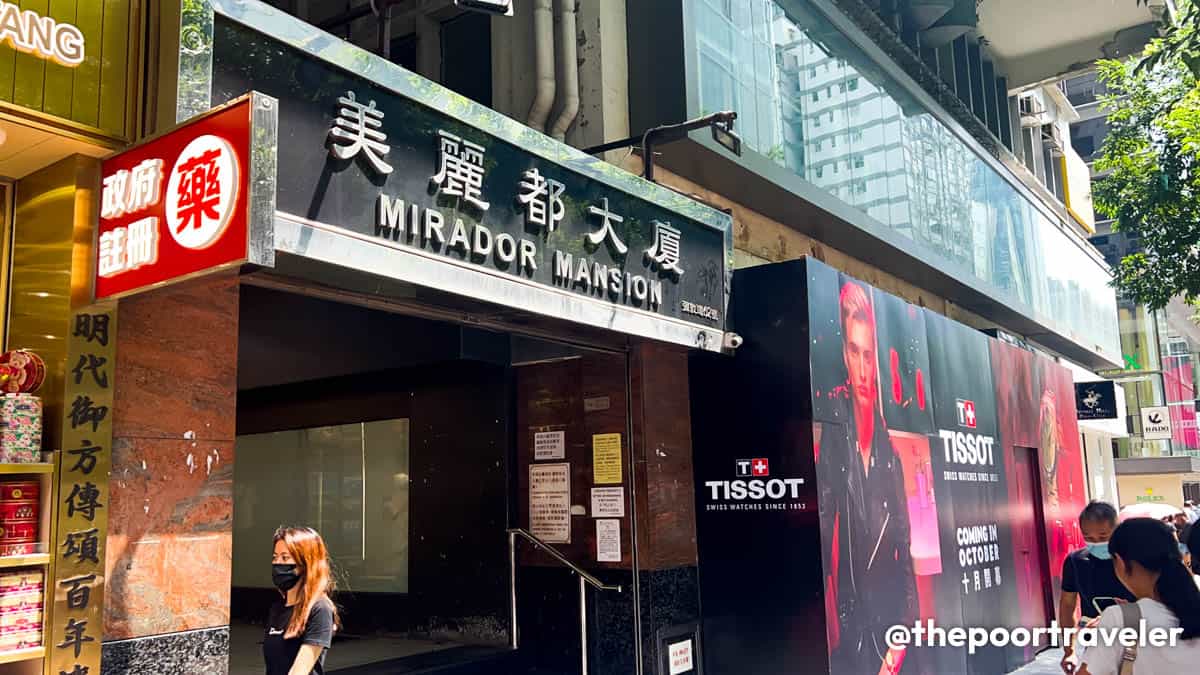
Most budget-friendly rooms are housed in either of the two famous (or infamous) buildings: the Chungking Mansions and Mirador Mansion. You may have heard a lot about these two properties before: some may be good, some may be bad. So what’s the truth?
Well, these two are old residential buildings, but many owners have turned their units into guesthouses or mini-hotels for tourists. They look nice and shiny from afar, but up close, it can be a bit intimidating. Its crowded ground floor is a maze of various shops, and inside — er, let’s just say they’ve seen better days. But don’t write it off yet.
Actually, in our early years, we always stayed here. With the exception of long elevator queues occasionally, we never really had a bad experience. That’s not to invalidate other accounts I’ve seen online which mention bed bugs and all. I’m just saying we didn’t have that experience, even in our recent stay here just a few months ago.
But that’s the thing! While they look dated (or dare I say dilapidated, at least the hallways), some units are clean and well-kept. Just a few months ago, we booked a room at Victoria Inn at Mirador Mansion. It was cramped but neat and furnished with hotel essentials. Overall, we had a pleasant stay!
Victoria Inn at Mirador Mansion in Tsim Sha Tsui
It’s just a matter of booking a reputable establishment, so always check reviews.
By the way, Tsim Sha Tsui is mostly flat, which makes a walk across the area a walk in the park. The streets are busy and narrow, though, so don’t be too complacent.
PROS:
Diverse budget-friendly hotels
Accessible
Direct bus airport bus
Close to tourist attractions
Close to street markets
CONS:
No direct airport train
Small, cramped rooms
Crowded
Top Affordable Hotels in Tsim Sha Tsui
Interested in Tsim Sha Tsui? Below are some of the relatively inexpensive hotels with the best reviews on Agoda.
Top Premium Hotels in Tsim Sha Tsui
Below are the top Tsim Sha Tsui properties on Hotels.com, regardless of the price.
Also worth checking out in Kowloon are Mong Kok and Yau Ma Tei. Both are parts of the Yau Tsim Mong District, the same administrative unit that Tsim Sha Tsui belongs to. And both have a lot of similarities to TST.
They are also accessible from the airport by the same direct bus – Bus A21. They’re also along the Tsuen Wan Line, which is connected to Central, and Nathan Road, which is punctuated by multiple bus stops.
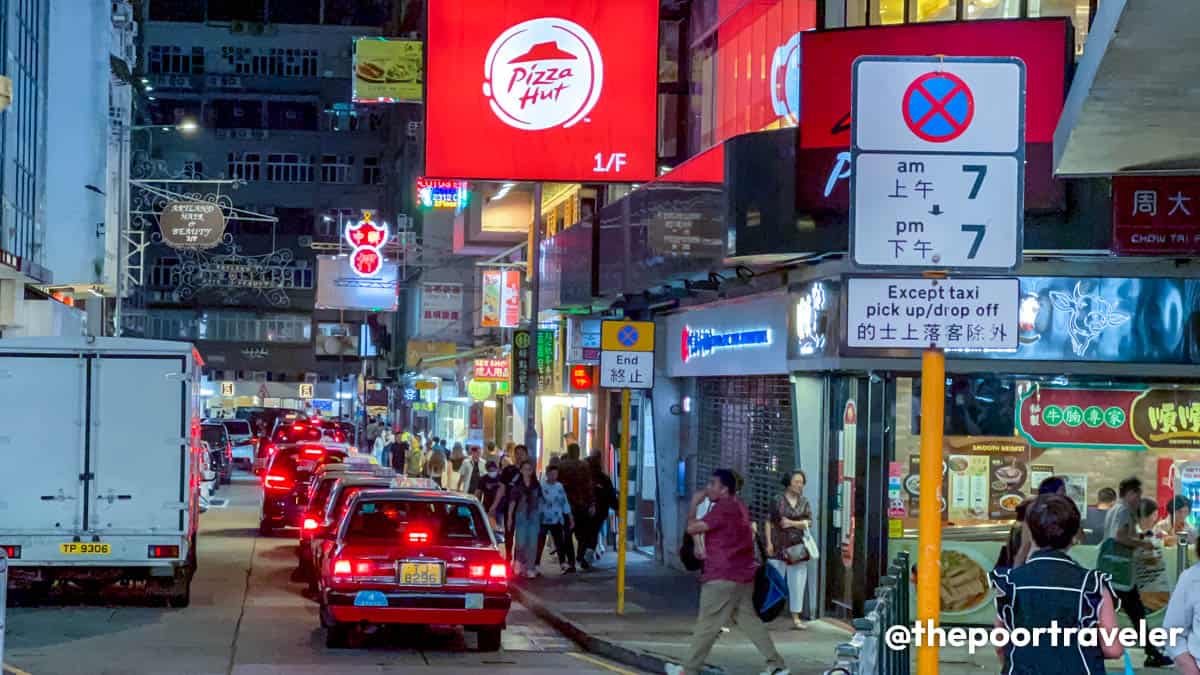
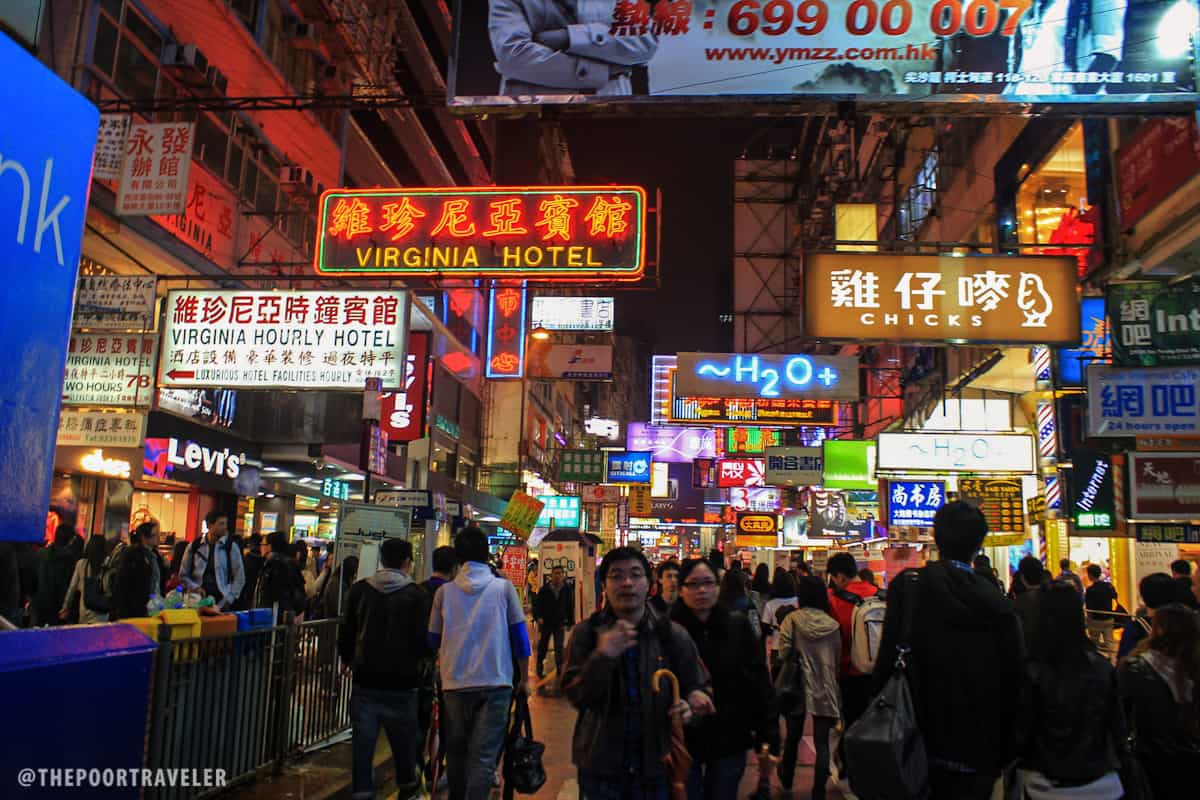
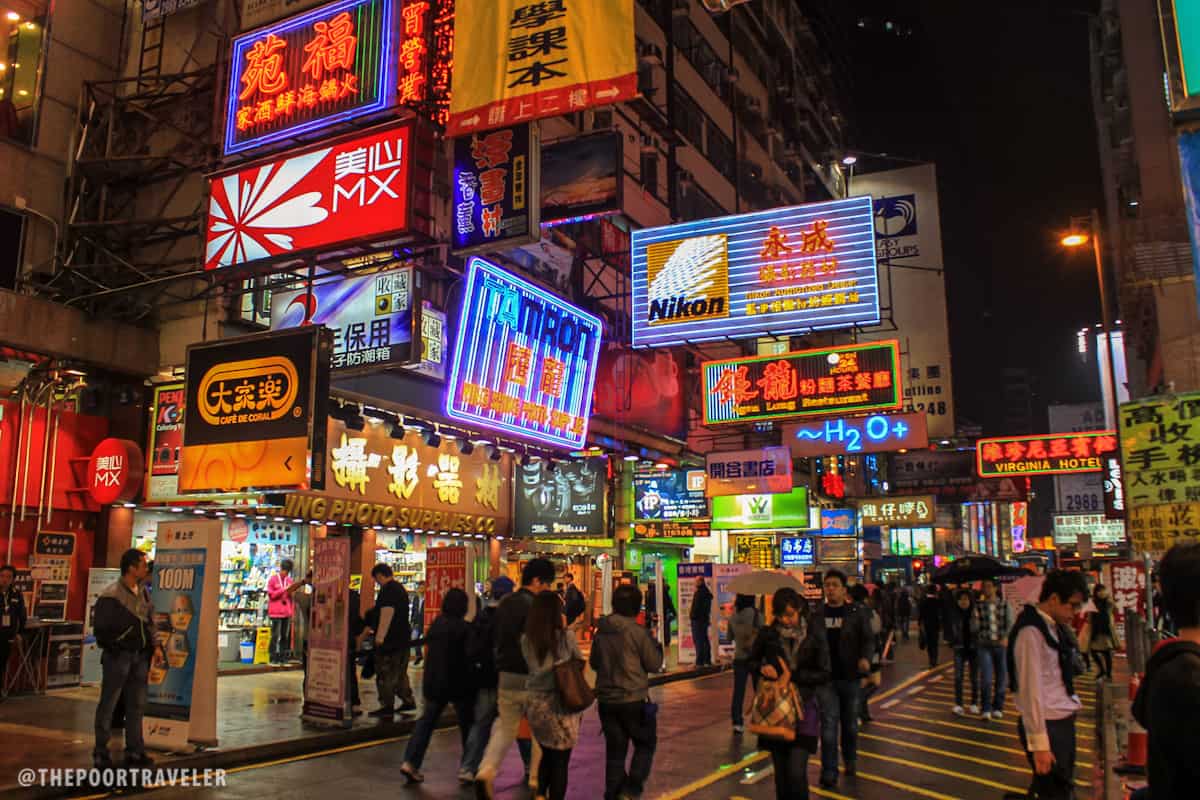
But the vibe in Mong Kok, in particular, is significantly different. Its streets are lit by colorful neon signs, and the energy here is more buzzing, more frenetic. It’s a popular shopping area. Its map is scribbled with shopping streets and night market streets. It’s also here that you’ll find the legendary Sneaker Street.
When searching online, you’ll also come across several affordable accommodations, both old and new. And if you’re into street food, you’re gonna love Mong Kok and Yau Ma Tei, too!
PROS
Central location
Accessible from the airport
Close to key attractions
Close to night markets and shopping streets
CONS
Also crowded
Cozy rooms
Busy and noisy
Top Budget Hotels in Mong Kok & Yau Ma Tei
Lovin’ the vibe of Mong Kok? Below are some hotels and inns in Mong Kok and Yau Ma Tei areas that got great scores from Klook customers.
Top Premium Hotels in Mong Kok & Yau Ma Tei
If you have a bigger budget, here are some options on Agoda and Hotels.com with the best reviews from actual guests, not considering the rates.
4. TUNG CHUNG and HONG KONG SKYCITY (Near Airport)
Region: New Territories
Staying near the airport comes with a lot of perks. And the same is true for Hong Kong.
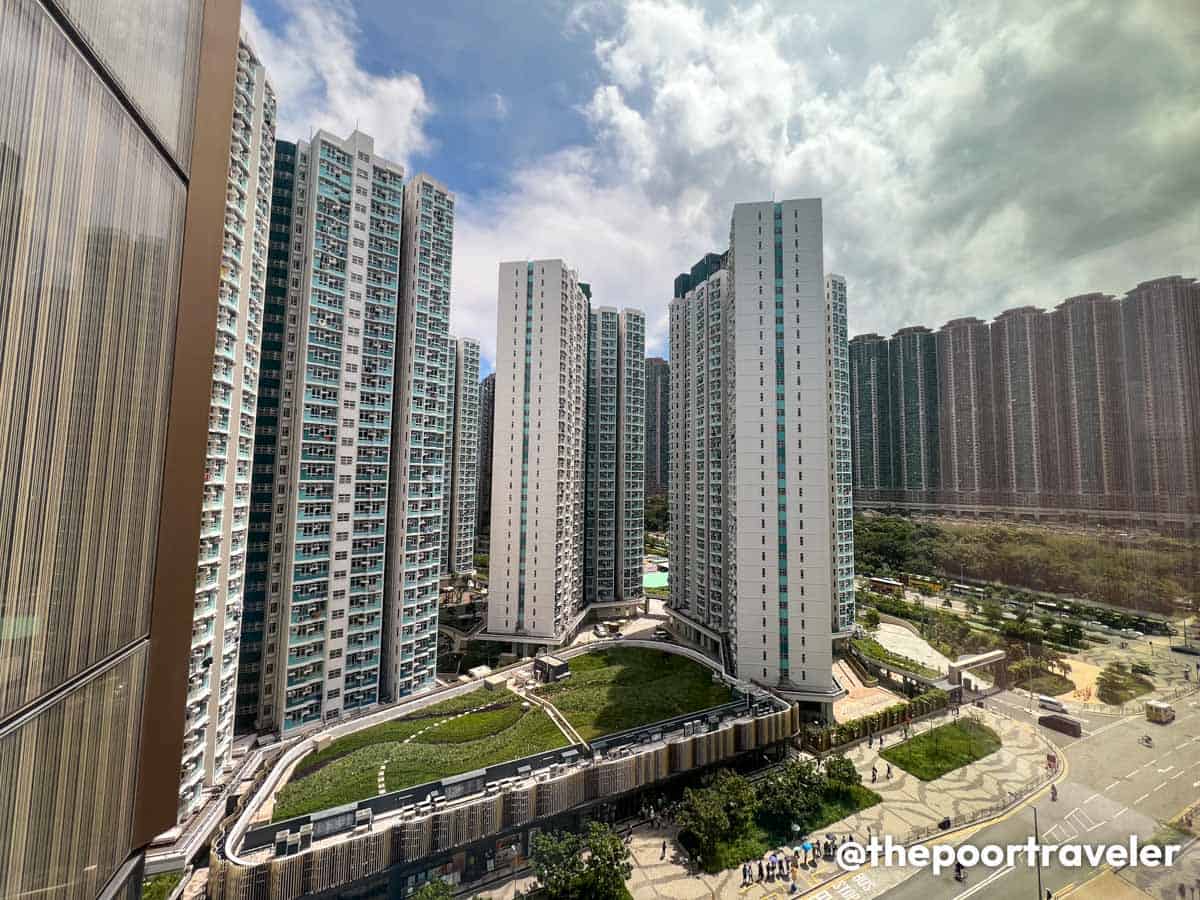
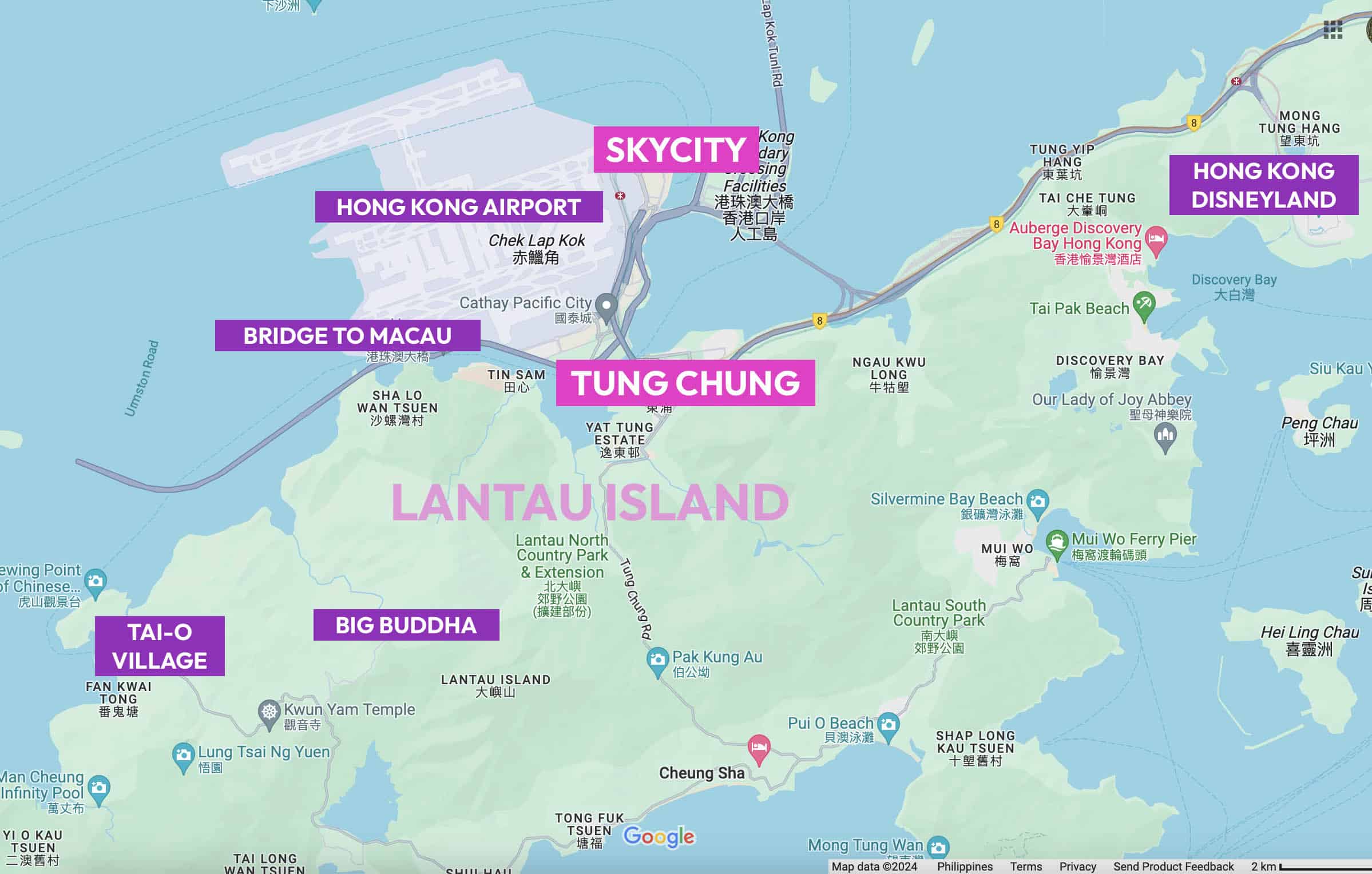
The Hong Kong International Airport is located on reclaimed land on Chek Lap Kok Island, just off Lantau Island. Beside the airport is a cluster of reputable hotels called SkyCity. Just across the channel, at the part of Lantau Island closest to the airport, you’ll spot another developed area called Tung Chung.
Many of the lists of best places to stay that you’ll find online don’t even mention these two areas. But don’t dismiss them right away. I actually believe that in many cases, these are the most ideal.
Huh? You might be asking, “But it’s so detached from the city center! Why would you think it’s a good area to stay at all!”
Well, the airport isn’t the only key point of interest close to Tung Chung and SkyCity. This area is home to the following:
Hong Kong International Airport
Hong Kong Disneyland
Ngong Ping 360 (Tian Tan Buddha)
CityGate Outlets Mall
Tai-O Village
Hong Kong-Zhuhai-Macao Bridge (HZMB) Port, which is the gateway to Macau
So if your itinerary mainly consists of these attractions, it makes more sense to stay in either SkyCity or Tung Chung. If you stay in the city center like Tsim Sha Tsui or Central, you’ll have to travel back and forth, wasting a lot of time and money in the process.
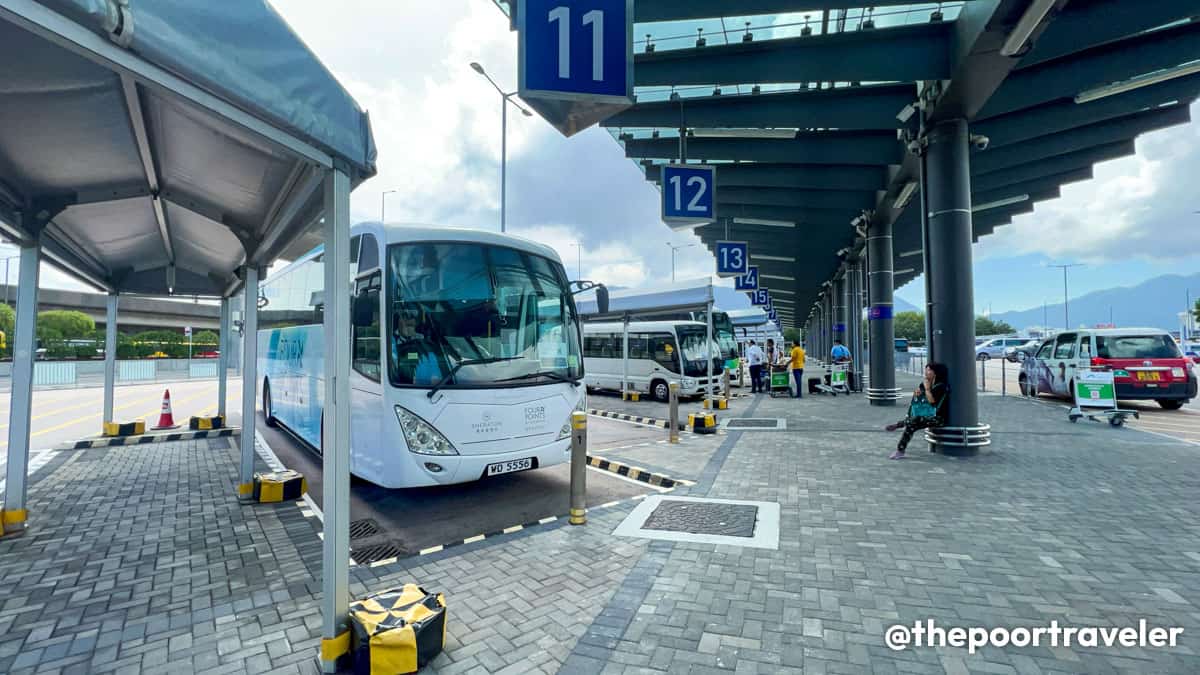
Moreover, most of the big hotels in SkyCity and Tung Chung offer FREE bus transfer to and from the airport and Tung Chung MTR Station. Yep, completely FREE of charge. And there’s usually a bus every 30 minutes or so.
The catch is: most hotels here are a bit high-end – Marriott, Sheraton, and the like – but its prices are competitive, much lower than its counterparts in the city center, and sometimes, up to par with mid-range ones.
For example, last year, we visited in peak season. We booked two hotels: a supposedly budget hotel in Tsim Sha Tsui’s Mirador Mansion and this more upscale hotel in Tung Chung. For the “budget” TST hotel, we paid HKD 930 (PHP 6640) per night. Yes, I know it’s still steep, but this was really one of the cheapest we found for that period.
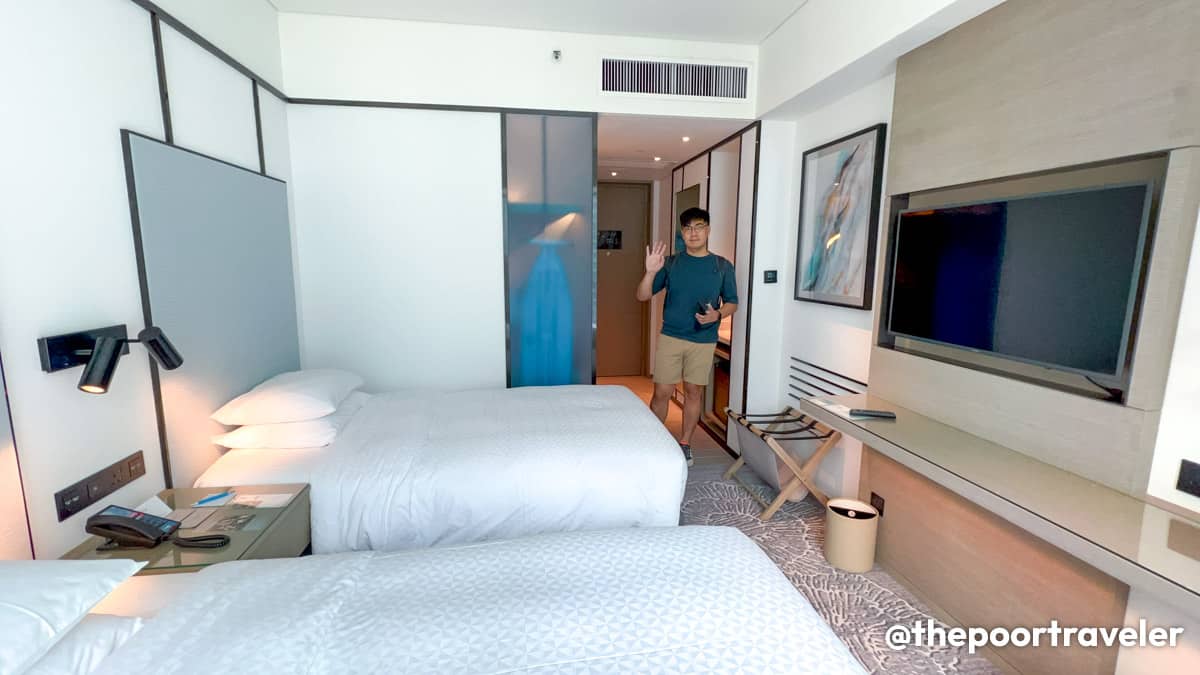
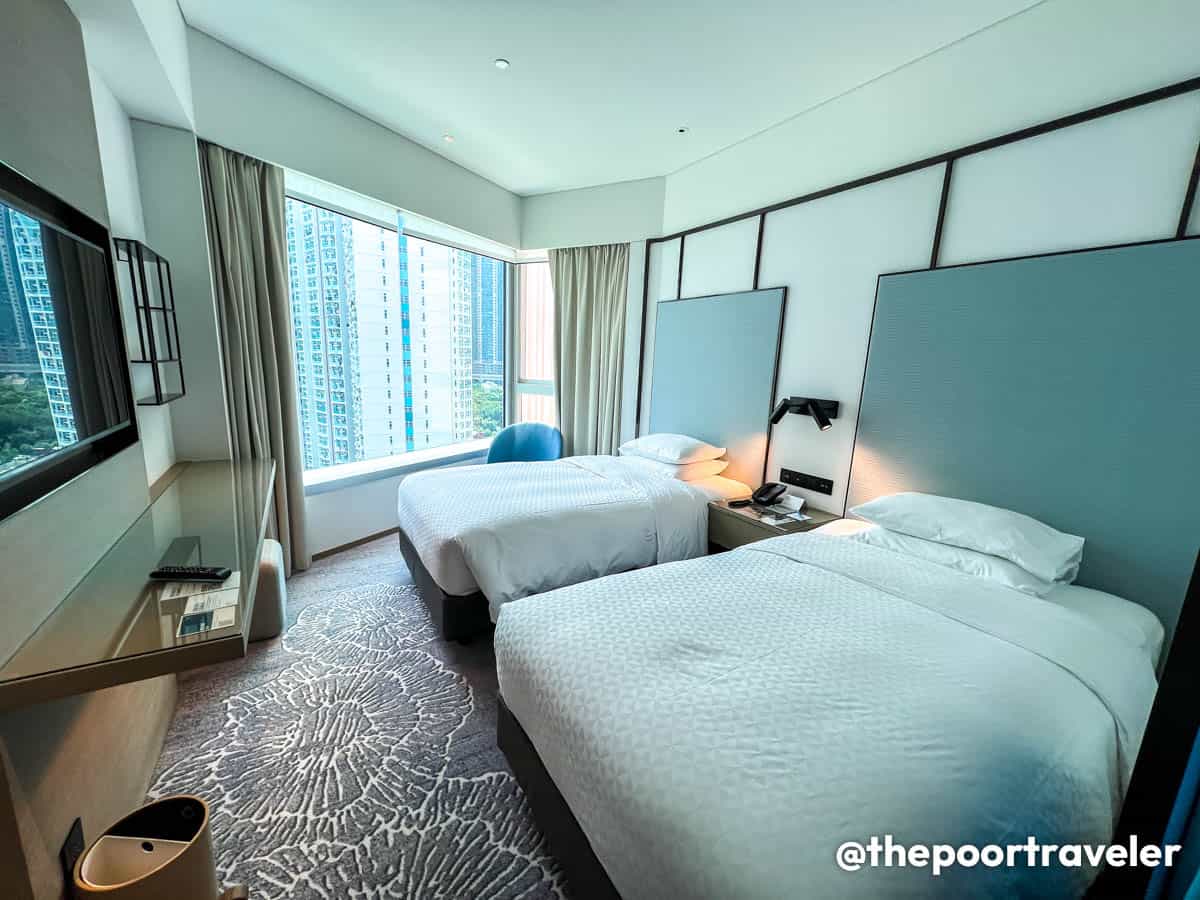
Within the same time frame, our room at Four Points by Sheraton in Tung Chung costs HKD 990 (PHP 7070) per night. That’s just a HKD 60 difference per night, but there’s a big difference in experience. Our room in Tung Chung was at a full-service hotel and was much, much more spacious and much cleaner, too.
Nevertheless, this area has its cons. Aside from it being far from the city center, there are also very limited affordable dining options. We had to make sure we had dinner elsewhere before coming back to the hotel or we’d be stuck with the expensive in-house restaurants at the hotel. That or the convenience store.
This area is not for everyone. If your itinerary calls for more time in the city center, then don’t book a hotel here. But if you have the Disneyland-Ngong Ping-and-Macau trifecta in your itinerary, consider it!
PROS:
Near the airport
Most accessible from Disneyland, Ngong Ping, and Macau
Again, I’d have to answer with “that depends on your itinerary.”
If you’re visiting HK Disneyland and Ngong Ping 360, and and you’re doing a day trip to Macau, I really think SkyCity and Tung Chung are your best bets.
If your itinerary involves multiple days in the city center, then stay in either Kowloon or Hong Kong Island.
If you’re after good food and nightlife, I recommend you stay in Central or surrounding areas like Sheung Wan and Admiralty.
If you like shopping and night markets, choose Mong Kok.
If you’re on a tight budget, stay in Tsim Sha Tsui or Mong Kok.
As for me, if you ask me to choose without any set itinerary, I’d pick Central/Sheung Wan. It has all the things I want in a neighborhood, easy access from the airport whether by bus or by Airport Express train, close to key attractions like Victoria Peak, and lots of delicious food spots!
But that’s just me. How about you? Have you tried staying at any of these districts? Which one is your favorite? Let us know in the comments section below.
That’s all for now. Remember: plan smart, travel safe, and make every trip WORTH IT!
The technical storage or access is strictly necessary for the legitimate purpose of enabling the use of a specific service explicitly requested by the subscriber or user, or for the sole purpose of carrying out the transmission of a communication over an electronic communications network.
Preferences
The technical storage or access is necessary for the legitimate purpose of storing preferences that are not requested by the subscriber or user.
Statistics
The technical storage or access that is used exclusively for statistical purposes.The technical storage or access that is used exclusively for anonymous statistical purposes. Without a subpoena, voluntary compliance on the part of your Internet Service Provider, or additional records from a third party, information stored or retrieved for this purpose alone cannot usually be used to identify you.
Marketing
The technical storage or access is required to create user profiles to send advertising, or to track the user on a website or across several websites for similar marketing purposes.