Bermuda in the off-season offers a quieter way to explore the island.
Although visitors can’t swim at the beach in winter, they can be immersed in the island’s rich culture and history.
Well-known activities, like taking a scooter around the island, are still available in the off-season too.
There’s a reason wintertime is Bermuda’s off season—the ocean is more of a cold plunge, the famous pink beaches are too breezy for sunning, and a jacket, not a bikini, is the costume de rigueur.
This British Overseas Territory sits on the same latitude as North Carolina, after all. While it’s more tropical than Britain, to be sure, it’s not an always-warm Caribbean island. With a remote location in the North Atlantic, Bermuda is a place with true seasons, including a cold one.
Aerial view of The Loren at Pink Beach hotel.
The Loren at Pink Beach
Yet on a chilly mid-February getaway to The Loren at Pink Beach—my first time visiting Bermuda—I fell in love with the out-of-water side of of the destination even without being able to partake in my usual island activities of swimming, diving, and sun-soaked beach days.
Without the usual pressure to squeeze in beach time, boat days, and exploring (and, oh yeah, relaxing, too), you’ll discover a side of Bermuda that’s slower, cozier, and rich in history and culture. The dark ‘n’ stormys are just as strong and the vibe is more romantic—just get a hotel room with a view.
Here’s the best things to do in Bermuda without going to the beach.
Tour the Crystal and Fantasy Caves
The clear waters and interior of Crystal Cave.
Alessandra Amodio/Travel + Leisure
Touring the breathtaking Crystal and Fantasy Caves is a must on any trip to Bermuda. As I descended the 83 steps into the Crystal Cave, I was blown away by this natural wonder. You walk on a floating trail between limestone stalactites that are potentially hundreds of millions of years old and over some of the most crystalline water I’ve ever seen. Entry is by guided tour only and it’s $24 per adult, per cave, or $35 if you visit both (and you’ll want to). Since it’s underground, it’s equally stunning on a rainy day.
Practice morning yoga
One of my favorite Bermuda experiences was practicing yoga among locals without ever leaving my hotel. Salt Yoga meets at The Loren, so the hotel’s daily yoga offering isn’t packed with other hotel guests but rather a group of happy-go-lucky locals. I felt like I was among friends as I joined the regulars to salute the sun from The Loren’s raised beachfront pavilion with the waves creating a natural sound machine all around us—a ticket to bliss, and you won’t even get sandy.
Get a massage inside a cave
A spa treatment room in Prospero’s Cave at Grotto Bay’s Natura Spa.
Alessandra Amodio/Travel + Leisure
I didn’t get the chance on my visit, but booking a massage inside a natural cave at Grotto Bay is at the top of my wishlist for next time.
Sip a rum swizzle at The Swizzle Inn
Aside from being Bermuda’s oldest pub, The Swizzle Inn’s claim to fame is creating the rum swizzle, Bermuda’s national drink, in 1932. Served from an iced pitcher, you can order by the glass, half jug, or full jug. But know that a little goes a long way with this heady combo of Gosling’s Black Seal and Amber rums mixed with orange, pineapple, and lemon juices plus fruit liqueurs and falernum.
And don’t neglect Bermuda’s other national drink, the dark ‘n’ stormy; something about this concoction of dark rum, ginger beer, and lime hits different when the weather is, indeed, dark and stormy.
Customers sit at the outdoor dining patios of the Swizzle Inn Pub and Restaurant in Hamilton, Bermuda.
Nicola Muirhead/Getty Images
Eat like a local
You don’t need prime weather to enjoy Bermuda’s flourishing culinary scene.
At The Loren, notable restaurants from around the world regularly take over the kitchen for intimate, multi-course pop-up dinners as part of their guest chef series. The hotel’s two restaurants are highly rated in their own right, but an Uchi experience during Valentine’s Day weekend visit really kicked things up a notch.
On Sundays, locals fill the tables for brunch at Village Pantry in Flatts Village. Or, for a peek into the past, make a dinner reservation at the historic Tom Moore’s Tavern, built in 1652 as a private home. The present-day restaurant retains many of the original features and has attracted celebrities and royals, including Prince Charles in 1970.
Don’t even think about leaving without trying a famous Bermudian fish sandwich, a staple on most menus island-wide. It’s fried fish on raisin bread with tartar sauce, coleslaw, tomato, and cheese, so I had my doubts about its supposed deliciousness, but one bite made me a believer. It’s comfort food, Bermuda style.
Rent a scooter and get lost
As long as the weather is fair enough, renting a scooter to explore is another top thing to do in Bermuda off the beach. Bermuda limits each household to one car, so it’s a very scooter-friendly island and the roads are easy to navigate. You can wind your way by pastel homes, windswept cliffs, and hidden lookout points for a true taste of the island’s beauty. The Loren arranged for Oleander Cycles to drop off and pick up a scooter at the hotel for us, so the process couldn’t have been easier.
Walk around Hamilton
Spend a few hours walking and shopping around Hamilton, the capital city of Bermuda; Front Street is worth a stroll. And don’t miss the massive modern art collection at the pretty-in-pink Hamilton Princess & Beach Club—the lobby and ground-floor halls are lined with pieces by Picasso, Matisse, Warhol, and Banksy. The courtyard setting of the Crown & Anchor’s harborfront terrace is nice for a lingering lunch.
Make your own perfume
For a truly authentic Bermudian souvenir, stop by the Lili Bermuda Perfumery to create a custom scent or shop their line of handcrafted fragrances inspired by island botanicals. Located in a 1700s-era home in the historic town of St. George, the perfumery traces its storied history to 1928. You can join a complimentary tour (held daily at 11 a.m. and 3 p.m. except on Sundays and public holidays) or even take afternoon tea in the gardens on Wednesday and Saturday afternoons.
Visit Bermuda in the wintertime and you may not go home with a tan, but if you’re like me, you may find this off-season vacation somehow even more refreshing than one on which you never change out of a swimsuit.
In the world of exotic cars, there are few names that can compare with Ferrari. The very mention of the word brings to mind blood red cars with shapes and sounds that reach beyond reason and into the soul.
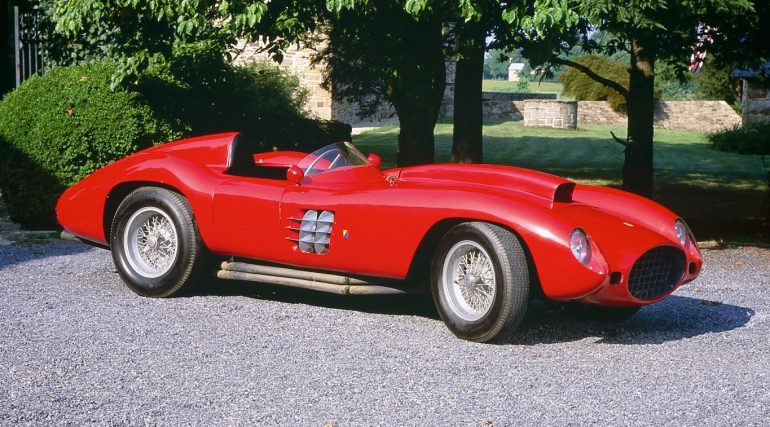
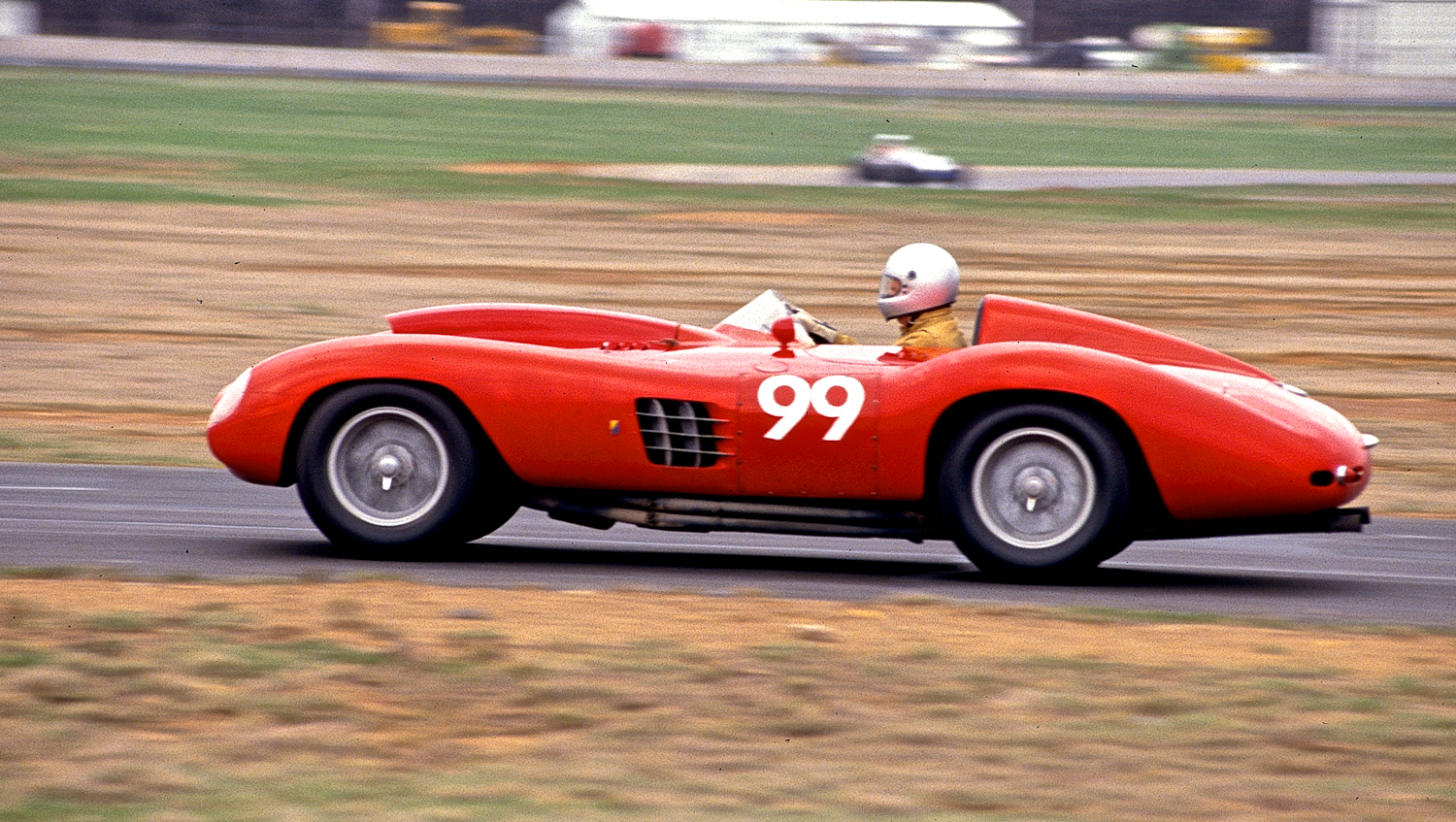
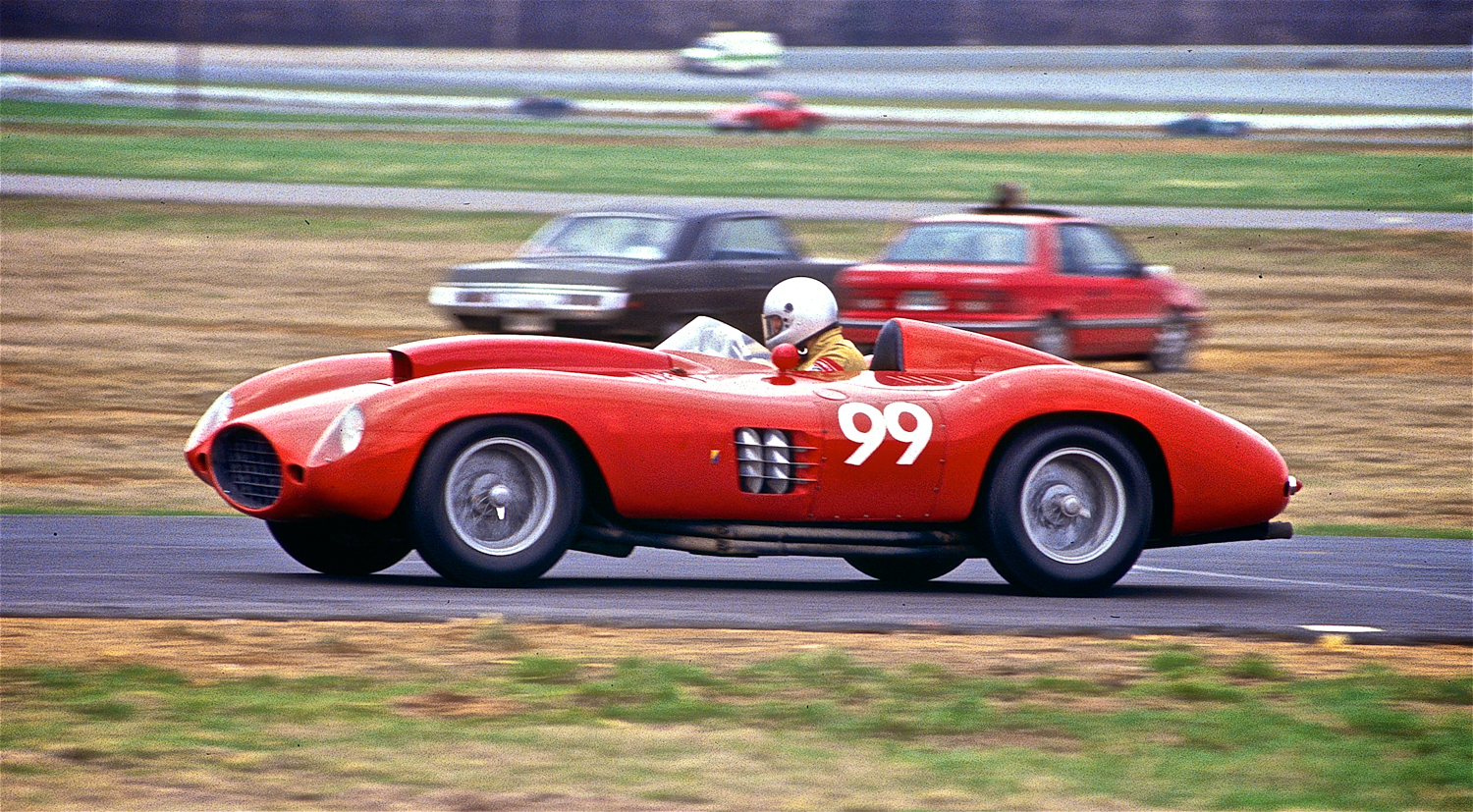
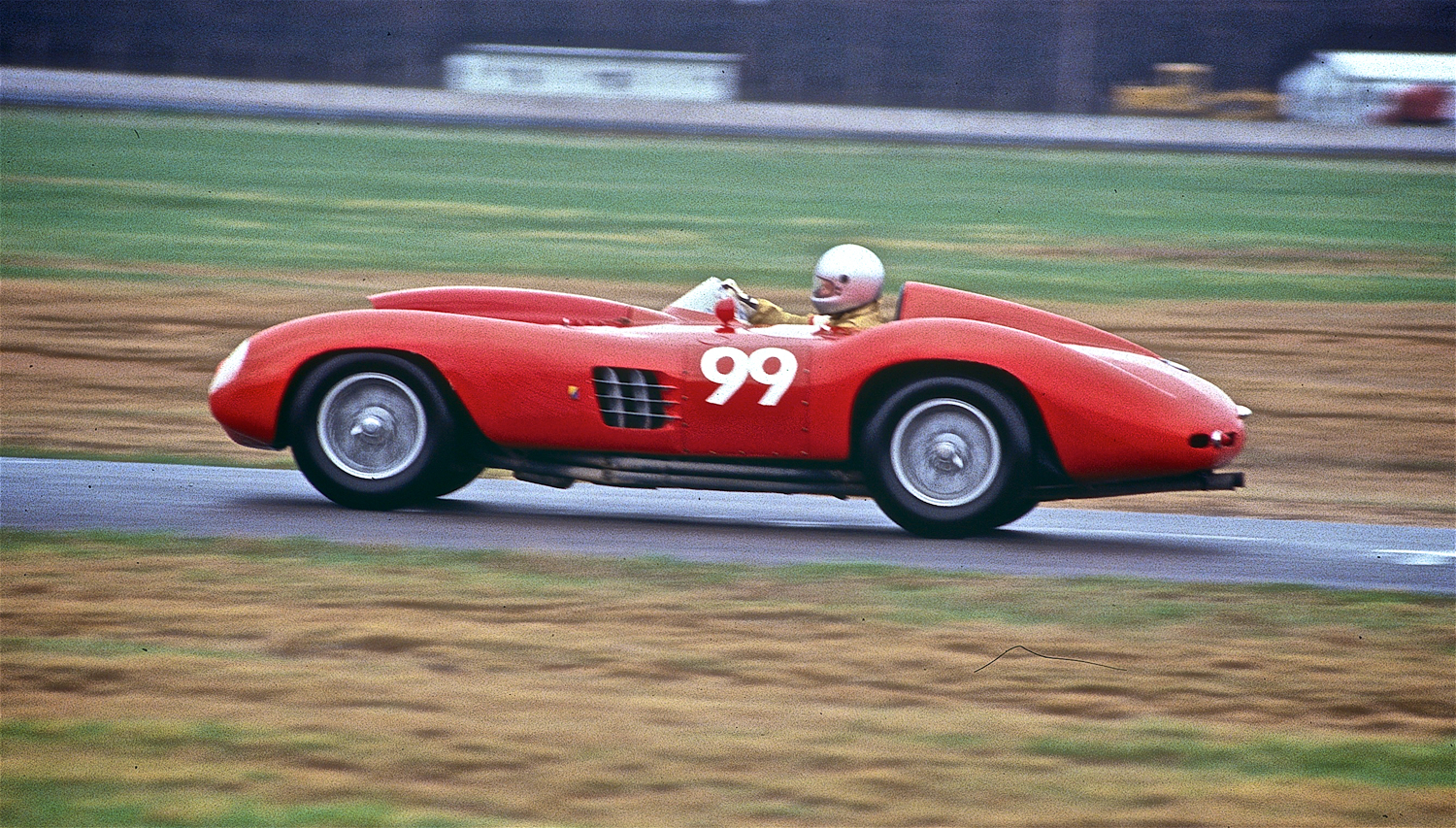
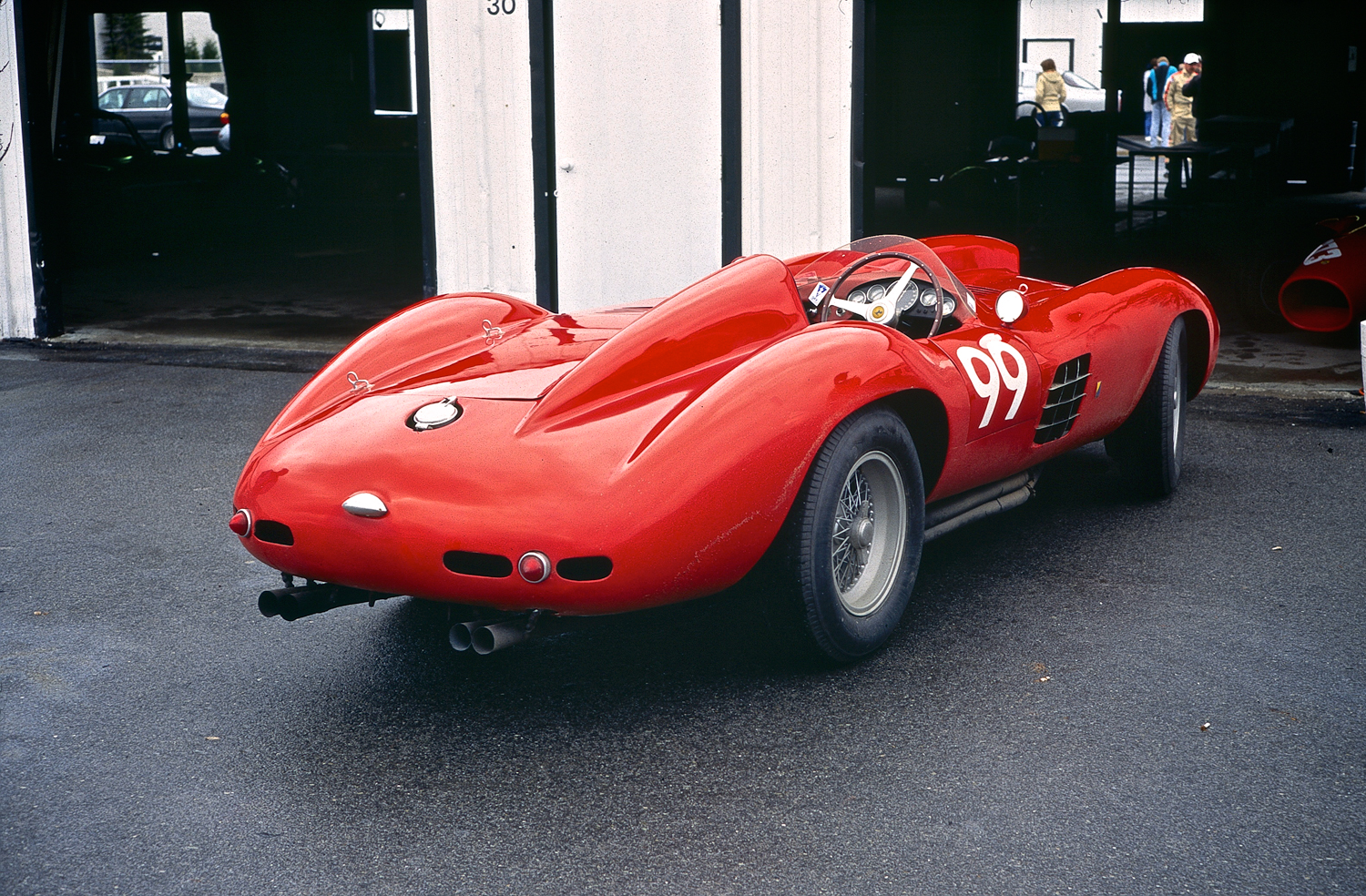
It was through the sweet sound of its motor that I first discovered the Ferrari featured in this story. I was wandering about Pocono International Raceway during a vintage weekend, when I heard the unmistakable music of a Ferrari V-12 at full song. Off in the distance, I saw a red blur on the tri-oval, flying by every car on the track. As it approached, the engine sound grew louder and the shape more distinct. Whoosh. In an instant it was by me, but that fleeting glimpse and that glorious roar was all I needed to confirm that it was a Ferrari. But which Ferrari, what year, which motor? Despite having devoured nearly every Road & Track magazine back to the ’50s, I couldn’t nail down what this car was. More than a little interested, I went looking for my mystery racer in the paddock. When I finally caught up to the car and its owner, I learned the fascinating story of the Parravano Special – the Ferrari 410S
The ex-Parravano Ferrari 410 S, at speed during a vintage event at Pocono.
Parravano and Ferrari
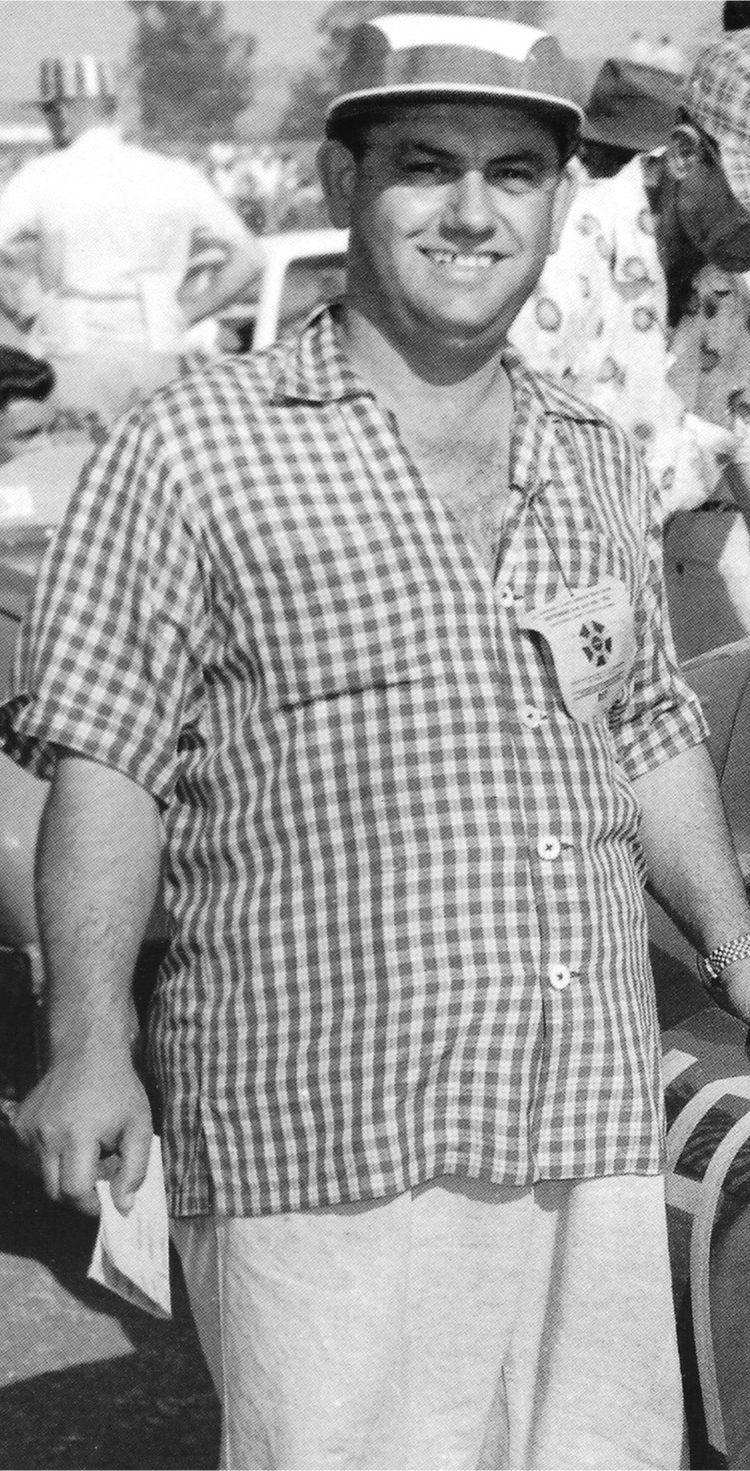
Tony Parravano
Tony Parravano was a California based contractor in the 1950s who had a talent for making money and an enthusiasm for sports car racing. Anxious to encourage the growth of American sports car racing, Paravano freely wrote large checks from his vast bank account to buy fast cars and hire the best drivers to race them.
Parravano’s passion for fast racecars was good news for Enzo Ferrari who went through some very lean financial times in the mid-’50s. Back then, Paravano was one of Commendatore Ferrari’s best customers, literally buying cars in “fleets” for his drivers to campaign. One driver that caught Parravano’s attention was a very young Carroll Shelby. The experience of signing on to drive for Parravano and dealing with his penchant for Italian cars made quite an impression on Shelby. He writes about the first time they met at Parravano’s Inglewood, California garage, in some detail in his wonderful book The Cobra Story. Shelby recalls in the chapter called We Buy Up Modena. “Parravano’s interest in racecars was already something more than a rumor, and this guy was loaded.” Shelby adds, “’I’m going to buy another fifteen Ferraris,’ Parravano said, the way he might have been talking about five-cent cigars ‘and I’d like you to drive them for me. Any of them, I don’t care. Take your pick.’” Naturally, Shelby signed on with Scuderia Parravano right then and there, winning races and building a reputation as an outstanding driver in the process.
As you might have figured, Parravano wasn’t what you would call an easy customer for Ferrari to deal with. Somewhat of an eccentric character, Parravano always insisted that his cars be different from the cars Ferrari was building for his “regular” patrons. Shelby writes, “You know, Parravano was great for not having a car like anyone else. He’d go to Scaglietti (Ferrari’s coachbuilder) and slip him five hundred bucks to make the body different and old man Ferrari would have a fit. But Tony didn’t care; he knew what he wanted and as a result he never owned any Ferrari that looked like the others.”
Parravano’s “have it your way” philosophy went past body shape and style and carried on into the engine compartment. Of course, this American wanted no part of the Lampredi-designed six-cylinder motors being developed by Ferrari for European competition. He placed his orders for something a little more substantial, something with 12 cylinders and nearly 400 hp.
The first V-12 car built to Parravano’s specs was a long wheel-based spider that had lots of unique Parravano-styling accents. The California millionaire couldn’t wait to try out his new car, so he picked it up at the Ferrari factory and immediately took it to a place called Castelfusano for some impromptu testing. With his hired gun, Mario Bornigia, at the wheel, this 4.9-liter V-12 monster was clocked at nearly 190 mph. Convinced that his way of building fast racers was correct, Tony packed up his new car and headed back to America to shake up the embryonic world of SCCA racing. With Carroll Shelby at the wheel for the first time in Parravano’s employ, this early 410 Special came home first in a very difficult rain-soaked race held in Seattle, Washington. Shelby recalls, “The 4.9 was a pig to handle; there’s no other term for it. With all of that power on the wet, you might as well have been on roller skates. I won the race despite all of those shenanigans of the 4.9; Hill was second, Miles third and Pollock fourth, I’m pretty sure.”
With this superb victory under his belt, and with more than a few dollars to spend, Parravano went back to Italy to order more cars like the one Shelby wrestled to victory in Washington State.
A Car Is Born
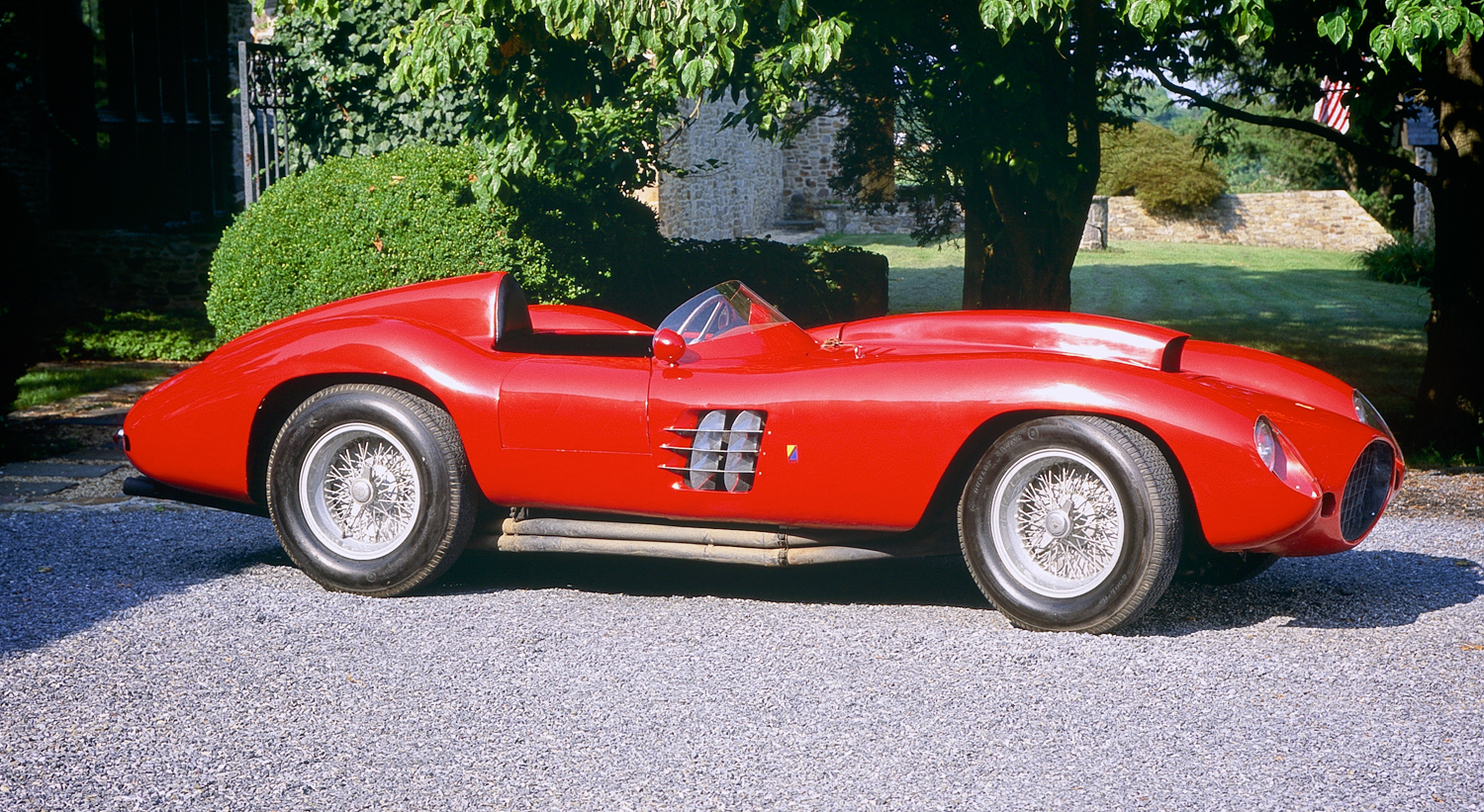
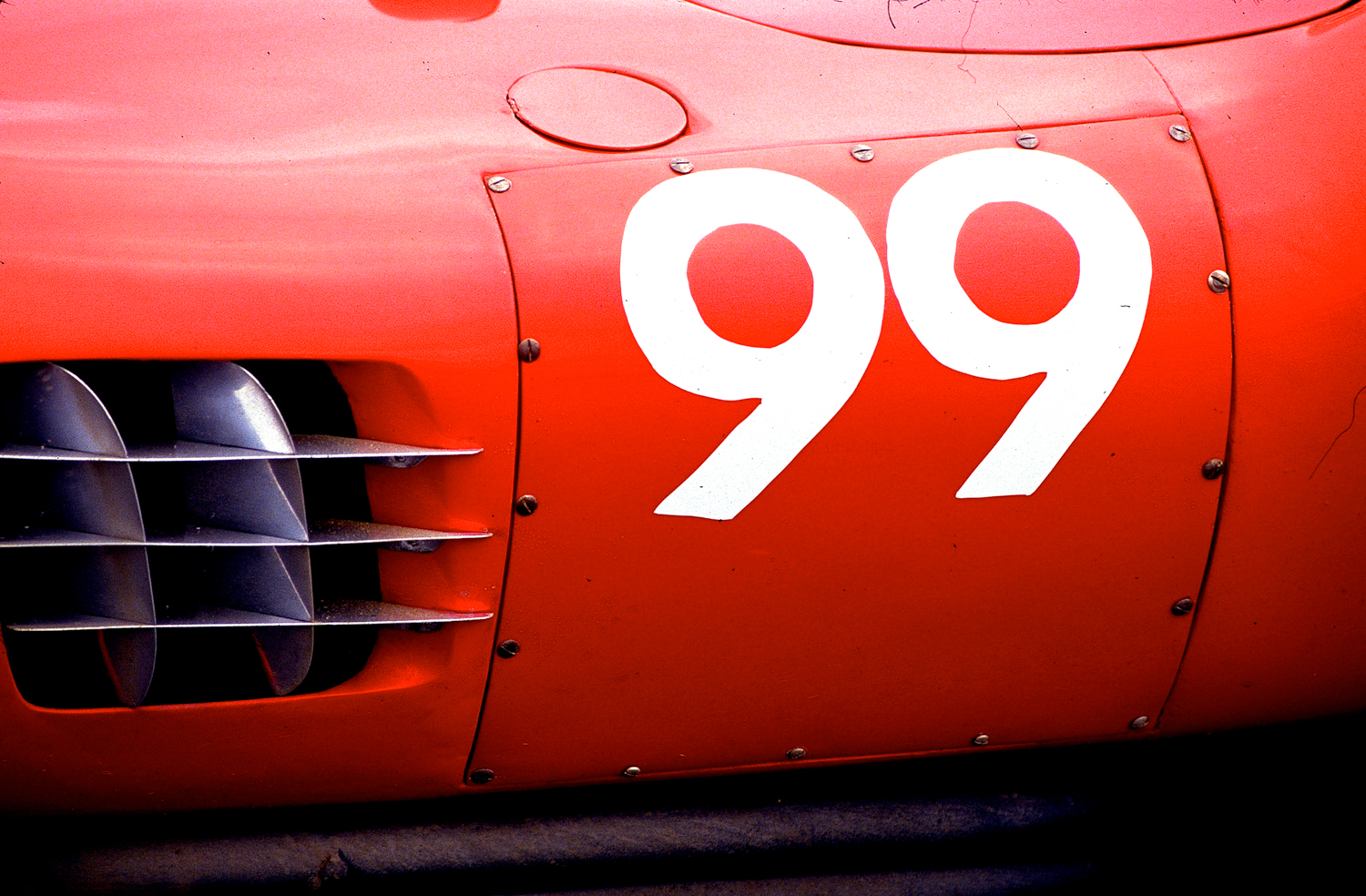
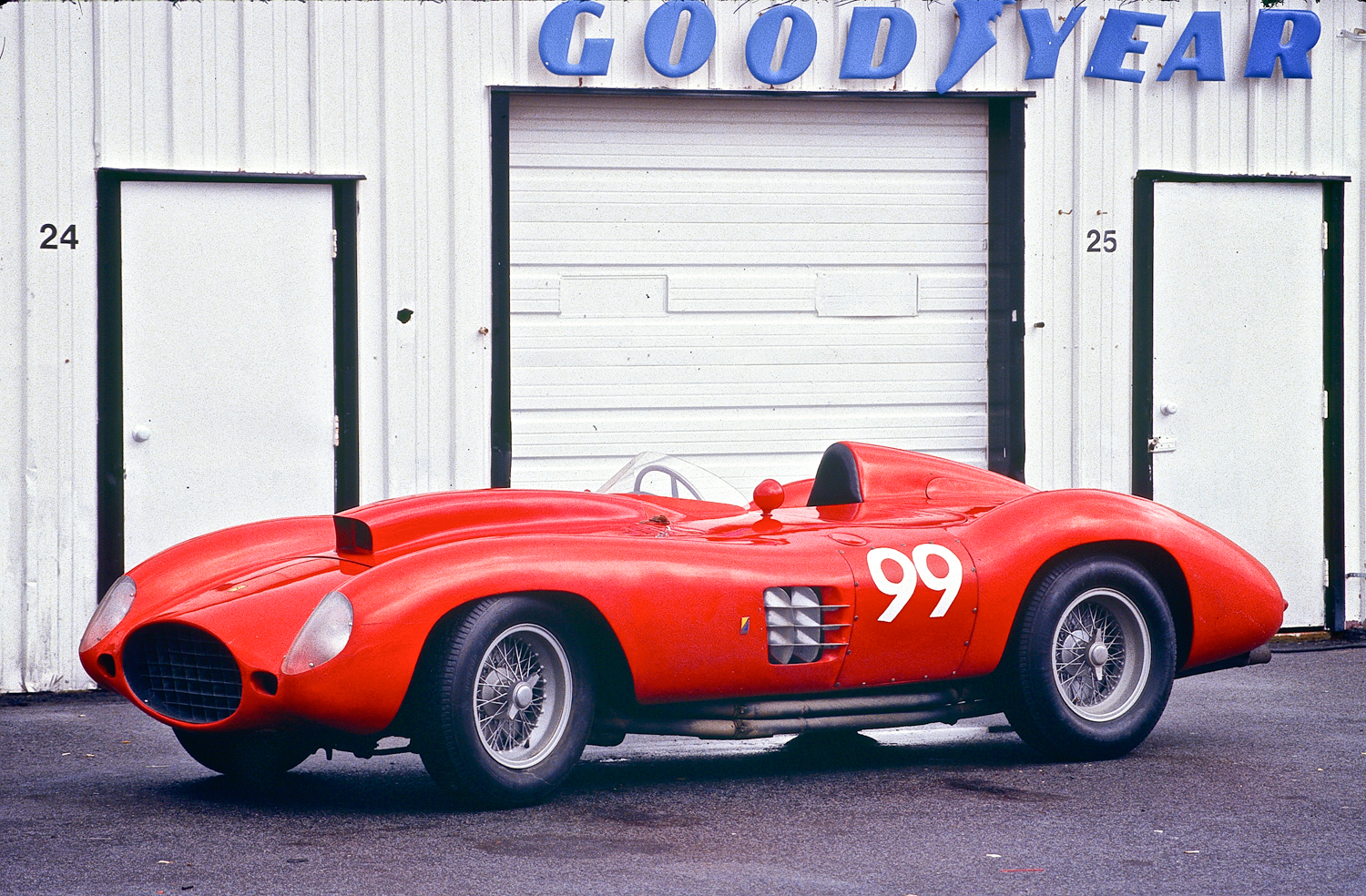
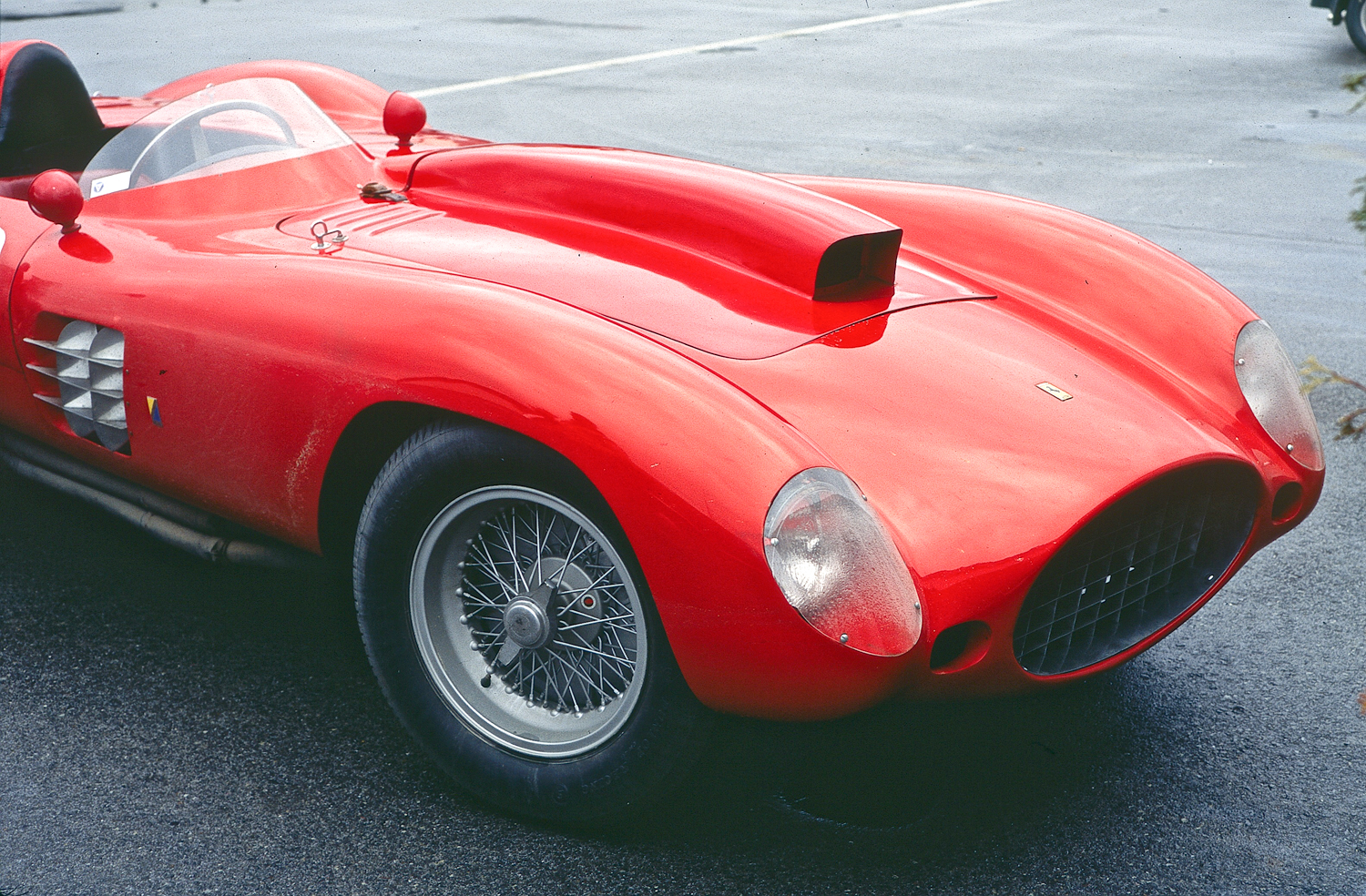
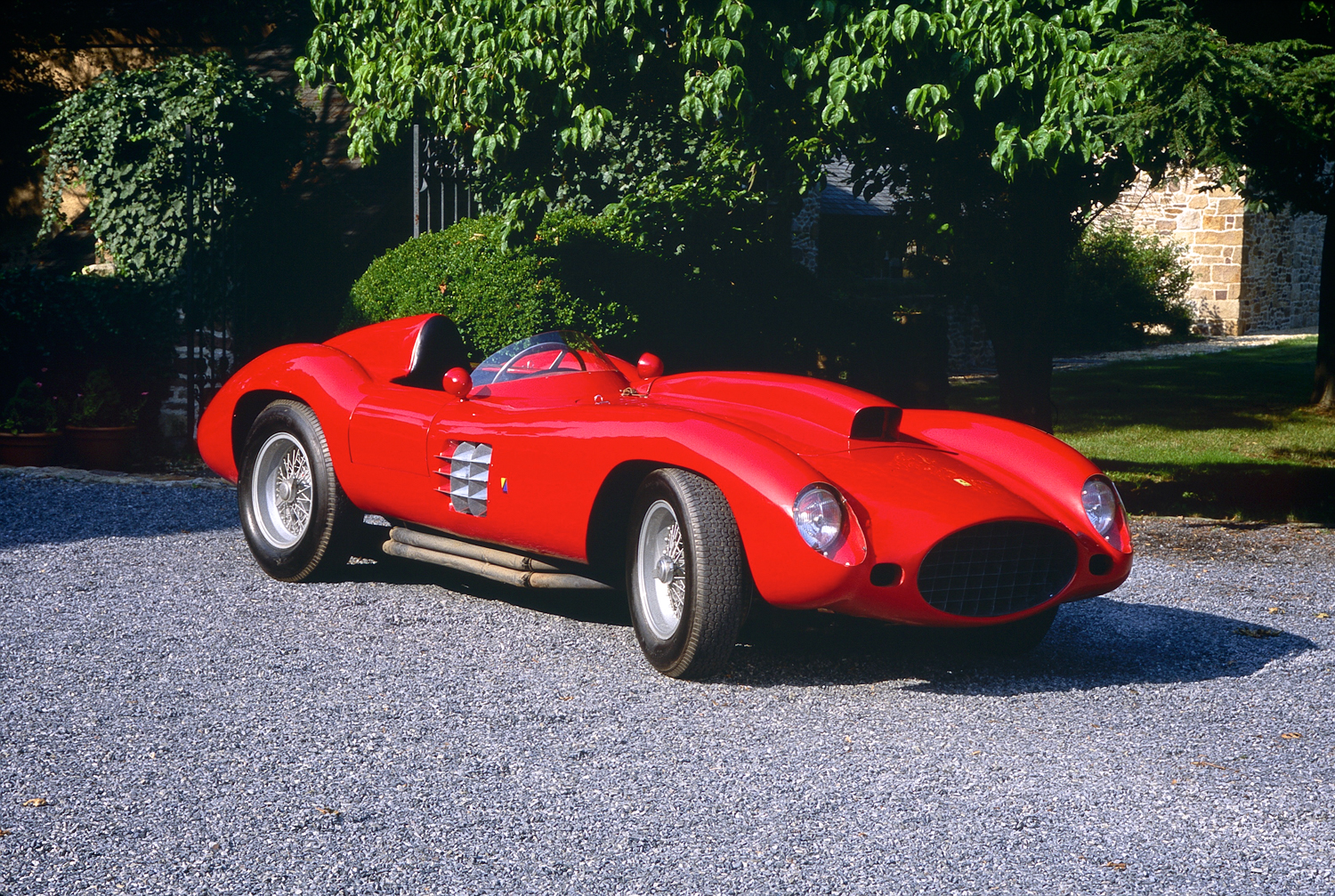
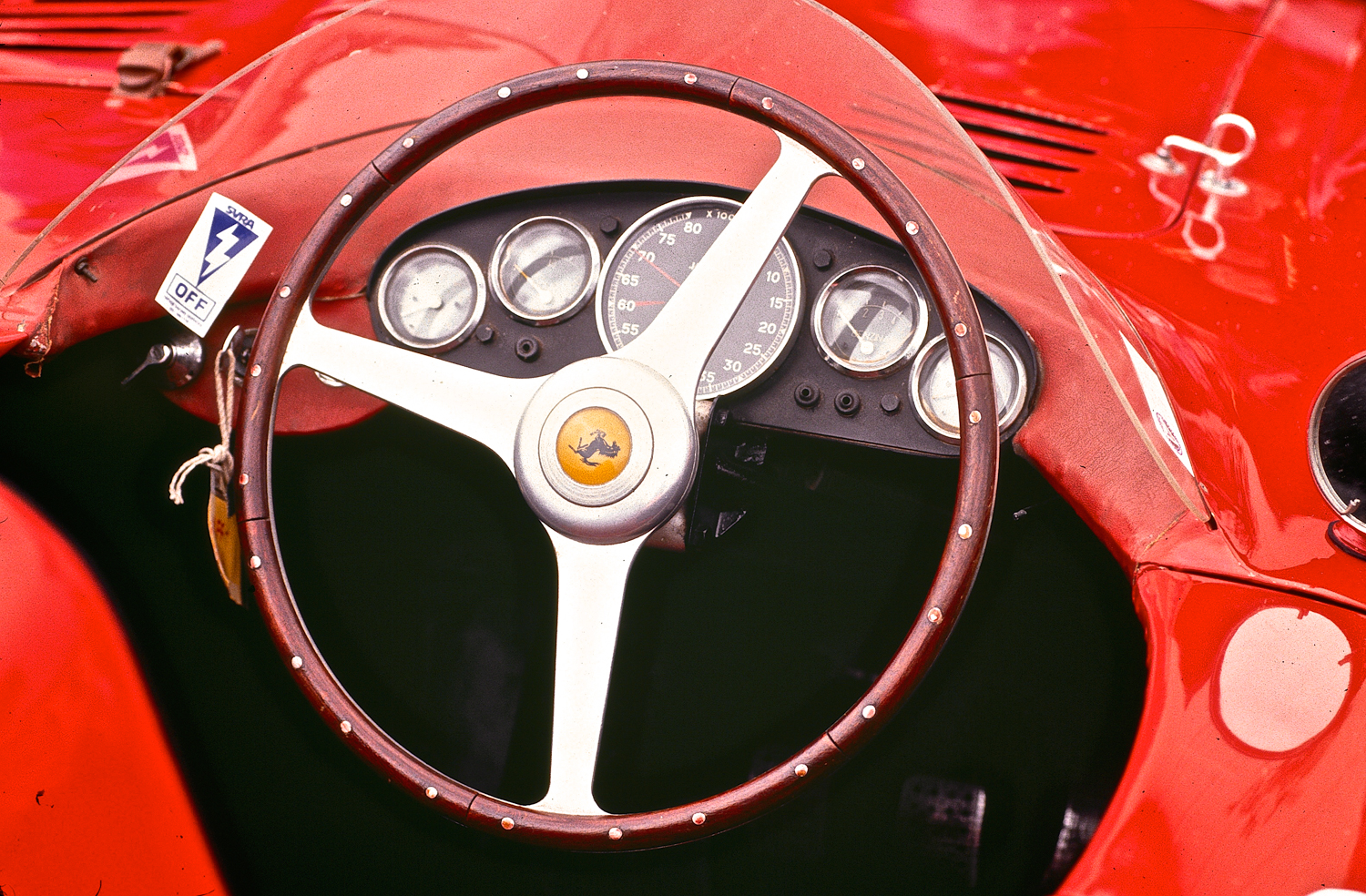
It is as a result of that trip that Ferrari bolted together Serial Number 0592/CM, the car featured here. The owner, when I saw it, was a Ferrari enthusiast / vintage racer who asked me to keep him anonymous, did exhaustive research proving conclusively that this is one of the mercurial millionaire’s “special order” Ferraris, built to Parravano’s singular specifications and typically 1950s American taste. That’s why we find the very low-slung body, an extra wide oval-shaped grill and the slightly ostentatious polished aluminum side vents staring back at us.
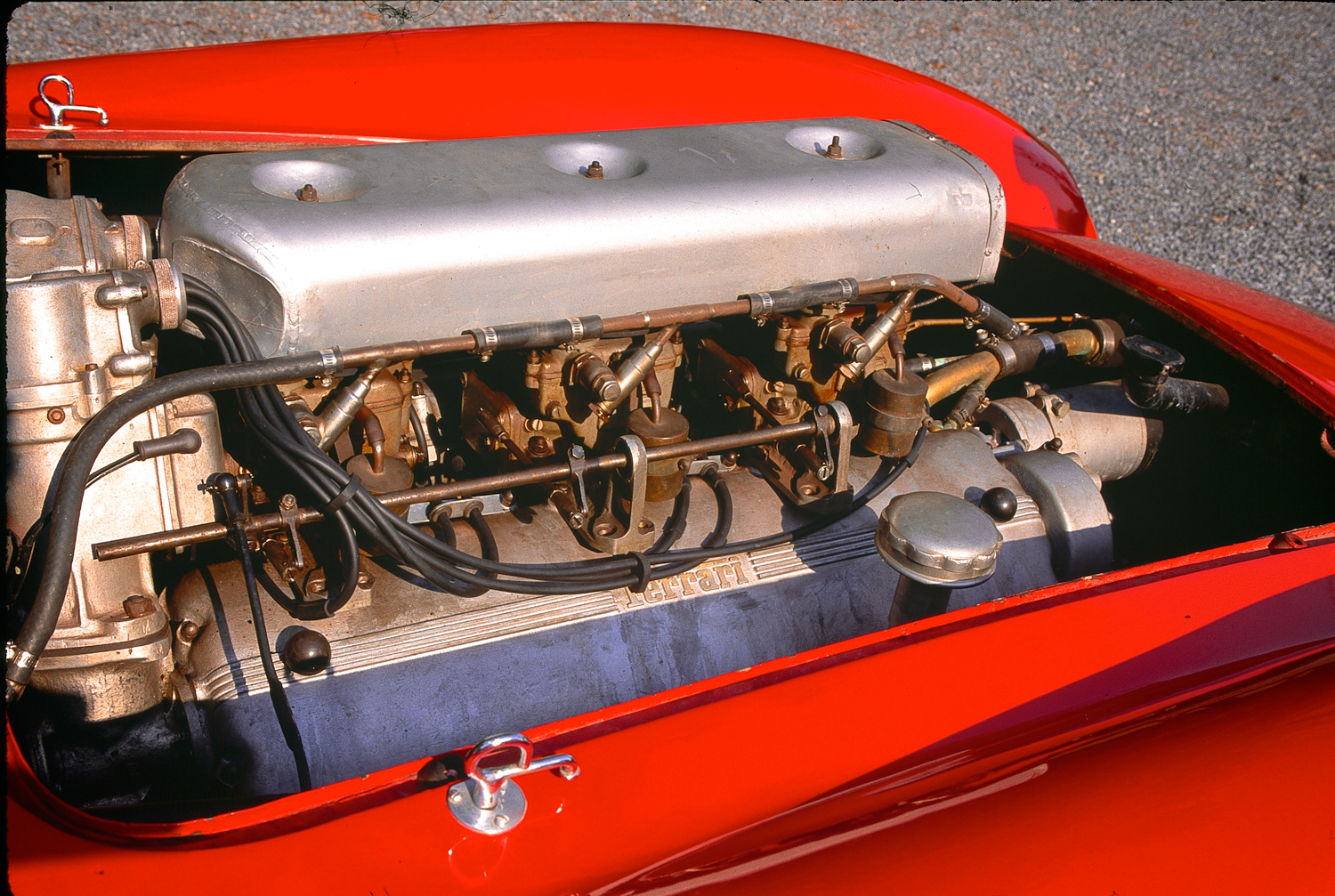
Since Parravano wouldn’t have it any other way, this special received the same 4,962-cc engine found in the earlier car. The only difference was this car received a pure-race dry sump lubrication system.
Sitting on top of the V-12 are three big Weber 46 DCF carbs on tall induction tubes. Because of the very low hood line and tall carb/air cleaner dimensions, Ferrari had to construct an even taller hood scoop to cover everything, something that no doubt pleased Mr. Parravano to no end.
Since they were building a racecar, the chassis was given a tube frame with an extra thin aluminum skin for maximum lightness. But the owner wonders if this was a custom-built chassis or if Ferrari, ever the clever businessman, just took an old car and re-bodied it to make a fast buck. There is some evidence of that because during the restoration process the owner found weld marks and brackets that show where another body could have been attached. In fact, Shelby comments on Ferrari ‘s business practices by saying, “I suspect they sometimes unloaded on Parravano all the junk at the factory.” One other possibility is that this car is the reincarnation of the first Parravano 410 which Shelby totaled in a race late in 1955.
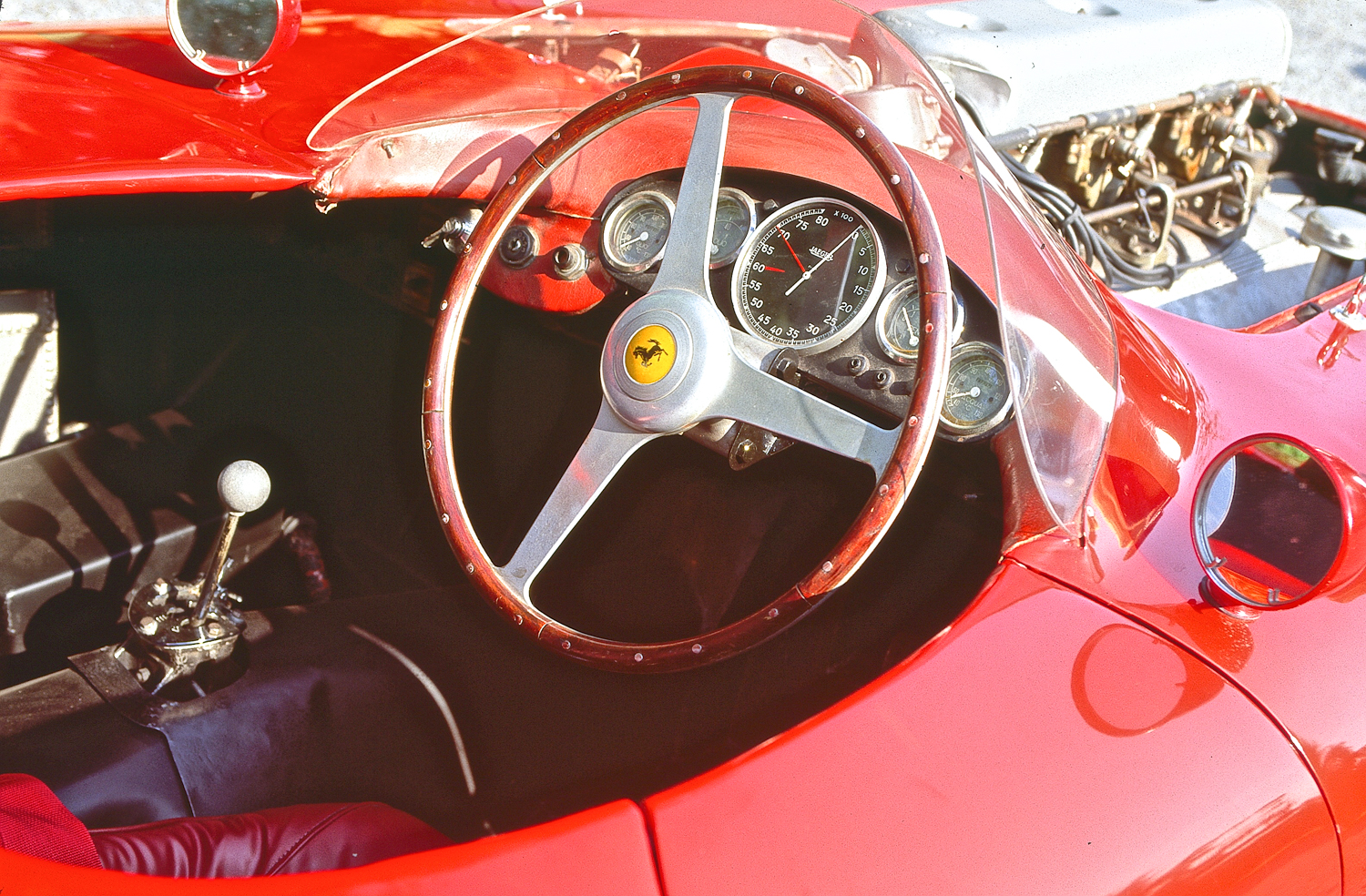
Although the first 410 Special had a more traditional engine/transmission/live axle setup, this new car was fitted with a 5-speed transaxle/de Dion rear suspension with outboard Al-fin drum brakes mounted to a single transverse leaf spring and damped by lever shocks.
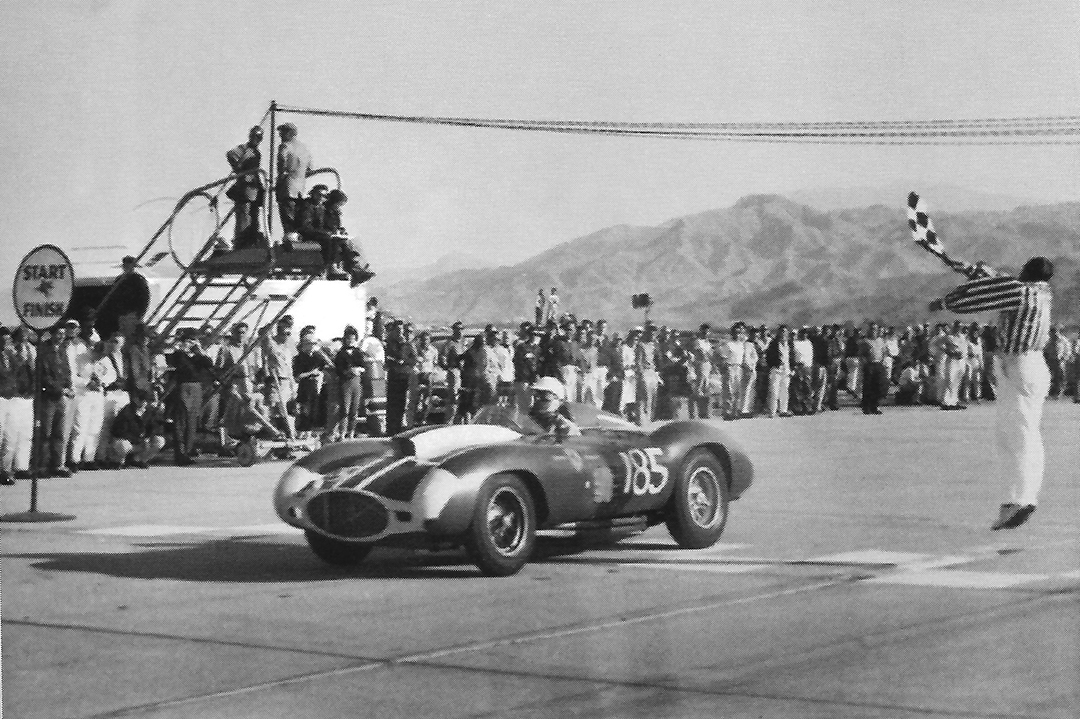
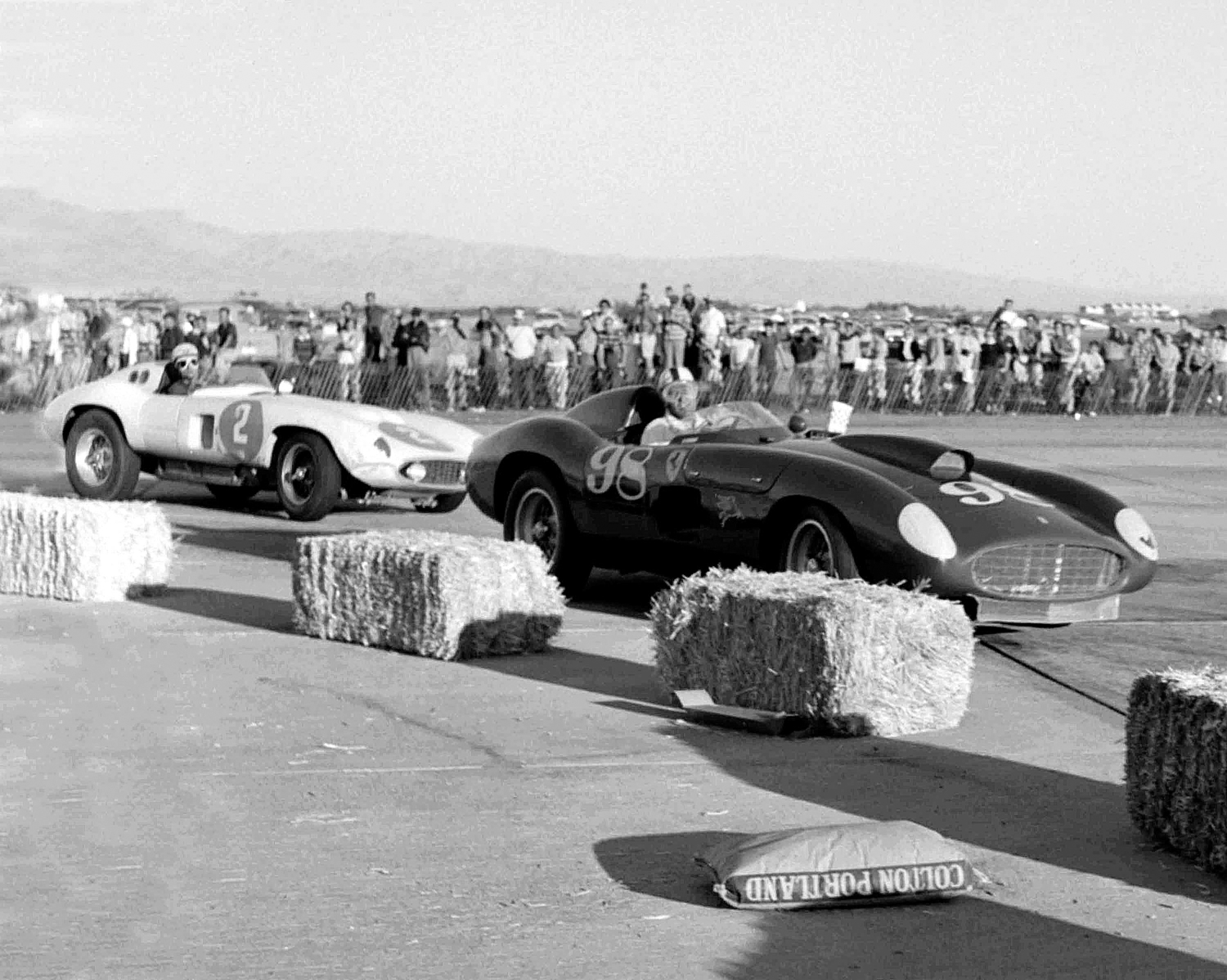
Carroll Shelby drives Parravano’s Ferrari 410 S to victory in the 1956 Palm Springs Grand Prix.
Ferrari 0592/CM was first raced in 1956 by Shelby with a high degree of success, taking several firsts for Parravano. The most famous victory being the Palm Springs GP held in February of that year.
Parravano’s World Falls Apart
That, however, was the high water mark for Parravano Racing. Shortly after the Palm Springs event, Shelby left the team to drive for John Edgar, and to open his own sports car agency in Dallas. As if losing your best driver wasn’t bad enough, later that same year Parravano was suspended by the SCCA for not playing by the rules.
Several months later, even worse news came from the Internal Revenue Service who for some odd reason wanted more of Parravano’s money than he was willing to let them have. This prompted Parravano to make a run for the border with all of his toys stuffed in trucks. The first truck, the one containing 0592CM and some other goodies, made it across to Mexico before the U.S. Government caught on and blocked the rest of the convoy. And while that was the end of the line for Mr. Parravano, fortunately, it was not the end of our 410 Special.
After finding sanctuary in Mexico, our featured car spent several years sitting in storage until it made a not-too successful appearance at a re-creation of the historic Carrera Mexicana. During the event, the driver spun off and got hung up in the sand and dirt. While trying to free himself, he failed to notice that the reverse lockout on the shift gate was open and accidentally shifted into reverse at the worst possible time. Ker-blamo! This mistake turned expensive Italian gears into cracked steel and shredded aluminum. Because you can’t go to your local dealer for transmission parts for a Paravano Special, this shunt basically put the car out of commission.
Carroll Shelby went on to win again at Palm Springs, later in 1956, now at the wheel of a John Edgar-owned 410 S. Photo: Allen Kuhn
The world of exotic cars is extremely small and our Ferrari collector is as knowledgeable about all things Ferrari as anyone. When he saw a picture of this car in a report on the race in Road & Track, he guessed that this was the missing Parravano 410. Through diligent detective work he found and then contacted the owner with hopes to buy this prize. He told me, “After that race, the car just sat. They must have kept it in a chicken coop because it was covered with droppings. The transmission was just pieces in a box.”
It took some delicate negotiations to get the car legally across the border but eventually the new owner, his family, and the Ferrari were on their way home. However, despite having dotted all of the i’s and crossed all the t’s with the Mexican and U.S. governments, this Parravano Special was still not through with the law. It seems that the Feds couldn’t recognize a classic car when they saw one. After letting the Ferrari into the USA, they followed it all the way to its new home in the north east to find out what was really in that curious hulk. Their faces were as red as the faded paint when they arrived at the car’s last new home looking for contraband and found only dried chicken, ahem, dust.
Because the car was only raced a few times before its exile, it was in surprisingly good shape. The major damage was the exploded transaxle and chewed up rear drums – that due to recent careless handling.
Excited by what they had, the whole family dove right in to work at getting the car ready for the track. They discovered that the central shaft – a critical transmission piece – was impossible to buy or even recreate using the services of local machine shops. The lack of that vital part put the completion of their project on hold.
One day, they found out about a derelict Ferrari Monza for sale in Philadelphia. The owner, fully indoctrinated in all things Ferrari, realized immediately that this car had the same type of gearbox they needed for their 410 S. He told me, “We bought the Monza to get the transmission.” And you would think that was it, but as it turns out, this Monza was an ex-factory team car, with a fantastic history. His wife recalls scraping grease off the underside of the car and finding the serial number on the belly pan. She said, “Guess what this is? And then added, “We better put the transaxle back!”
Stopped again from completing the 410 (and still anxious to get behind the wheel to drive it) the owner was blessed with one final bit of luck. Through a friend of a friend the vital transmission main shaft was hand fabricated by Ford of England’s Advanced Vehicles shop (where they make the Cosworth motors) in exchange for no more than a hand shake and a couple of drinks. The owner laughs, “They probably had to sell a few extra Fords that year to pay for that part.” Maybe it’s out of loyalty to his benefactors that here is a Ford in the family driveway!
That was all done in the early 1970s and the owner enjoyed the car for over three decades, making beautiful Italian opera from the muscular V12 motor wherever it went. True to its racing heritage, he drove it at several vintage races on the east coast from Lime Rock to the Glen.
After 37 years of ownership, the 410S was sold to a new owner in Europe who shipped it to the Factory in Maranello for certification through the Classiche service program. In 2014, it went to auction at Monterey and found a new home back in the United States. But happy memories from driving the car never faded. When I asked the owner, what was it like to drive a piece of Ferrari history with a monster V-12 at racing speeds? He looked back at me and let a small smile cross his face. “It’s pure horsepower,” he said.
Recently, we had to get these vaccines in preparation for a trip to South Africa. And while these vaccines are not required to enter South Africa if you’re coming directly from the Philippines, the yellow fever vaccine is required if you’re coming from or transiting in a country within the yellow fever belt. You can find the list of countries with risk of yellow fever transmission and countries requiring yellow fever vaccination in this publication of the World Health Organization.
We had to get vaccinated since our Africa trip would include a visit to Kenya first before heading to South Africa.
The International Certificate of Vaccination (ICV), sometimes called the yellow card is a document with records of an individual’s vaccinations required to travel abroad. Is is recognized by countries that are members of the World Health Organization. This serves as a proof of vaccination, but note that not all countries require ICV. It’s best to double check the requirements of your destination country to avoid wasting your time and money.
On the homepage, click “Sign Up”. Then, agree to the terms and enter your email address. Tap “Verify” and follow the steps after that.
Already have a yellow card before but no account yet?
Don’t worry! You can retrieve your record. Here’s how:
Step 1: On the homepage, click “Login”.
Step 2: Tap the yellow button that says “No Account yet but already have Yellow Card? Login using your name and ICV serial number.”
Step 3: Enter your name (first name, middle name, and last name) and ICV number.
Step 4: You’ll then need to enter your personal details and upload a valid government ID like passport or UMID.
2. Schedule an appointment.
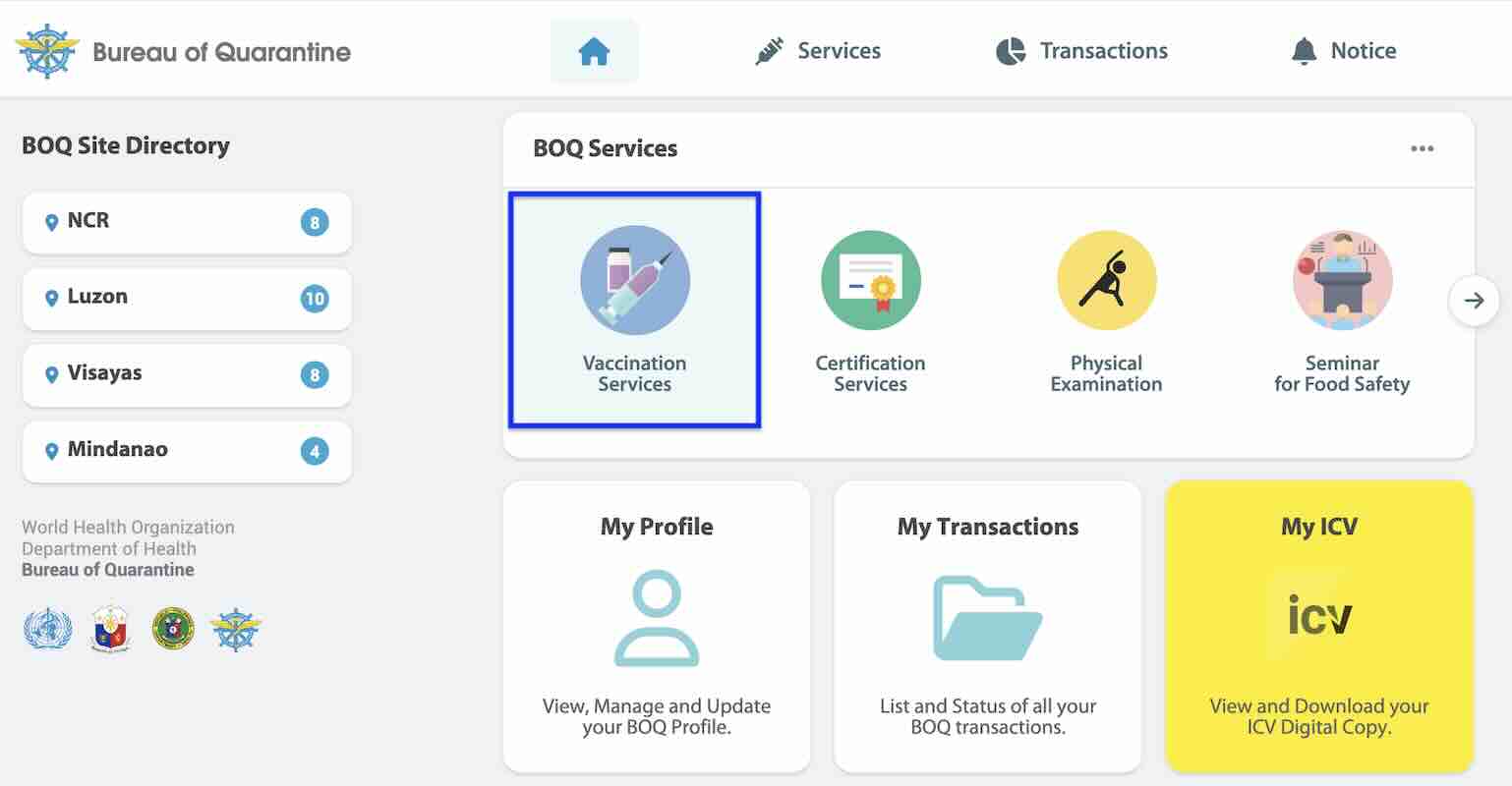
After creating an account, your next step is to schedule an appointment. On the dashboard, click Vaccination Services icon under the BOQ Services.
On the next page, you will be shown the available vaccines that the BOQ can administer. Usually, yellow fever and polio vaccines are available. Sometimes, mumps vaccine is also offered. However, there are also times when NO vaccine is available. So if you’re in need of a vaccination, just check every now and then for the availability. The prices are also indicated here. Select which vaccine you need and click “Next”.
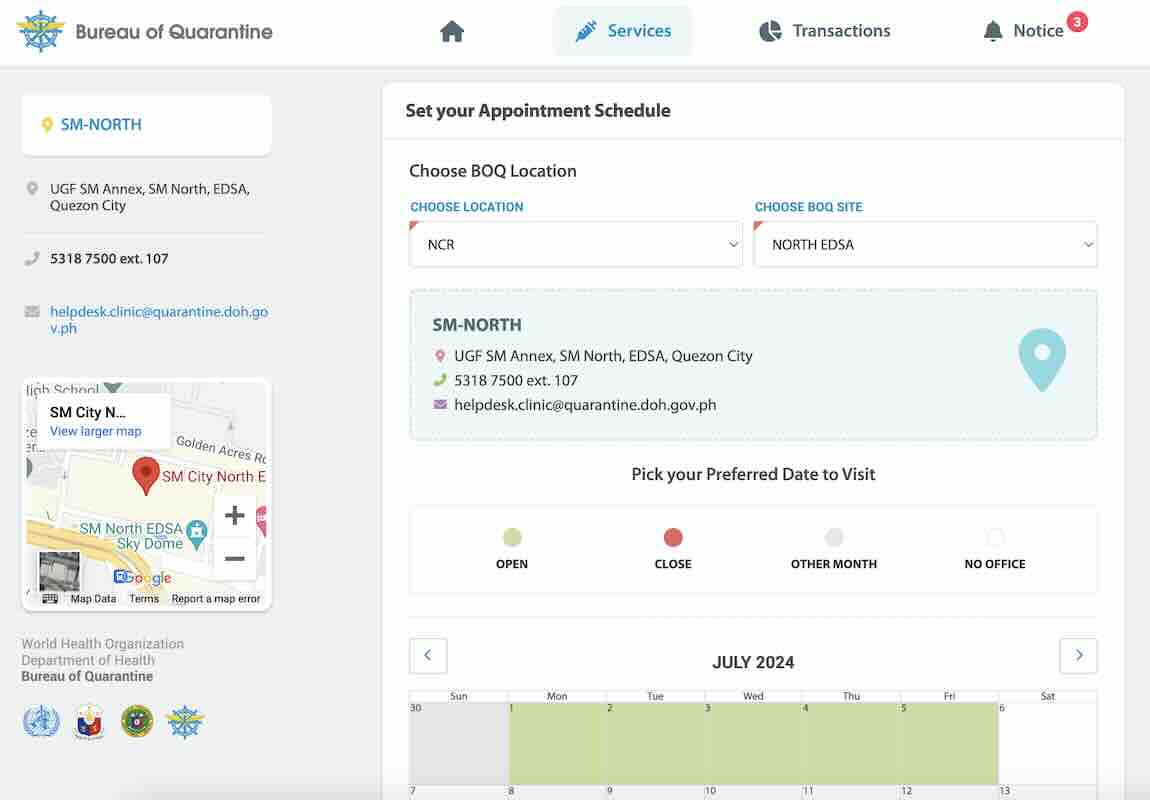
On the next page, choose a BOQ location and site. Below is the list of BOQ locations and the BOQ sites under them:
NCR
Manila Main Office
Manila – Robinsons
Mall of Asia (MOA)
North Edsa
Eastwood
McKinley
Ayala Malls Fairview Terraces
81 Mall Newport
Luzon
Bataan
Batangas
Pampanga
La Union
Subic – Quay Global
Laoag
Tabaco
Palawan – Main
SM Palawan
Tuguegarao
Visayas
Cebu Main
Cebu – Robinsons Galleria
Bohol
Iloilo
Bacolod
Kalibo
Tacloban
Dumaguete
Mindanao
Davao
Cagayan de Oro
General Santos
Zamboanga
Once you choose a BOQ site, you will find its address and contact information. You will also see a calendar below. Just choose a date that’s best for you.
The dates highlighted in GREEN are available, while the ones highlighted in RED are fully booked. If a calendar does not show, it means that there are no available vaccine on that site yet. Vaccines are subject to availability at each BOQ site, so make sure to check the ones that are accessible to you.
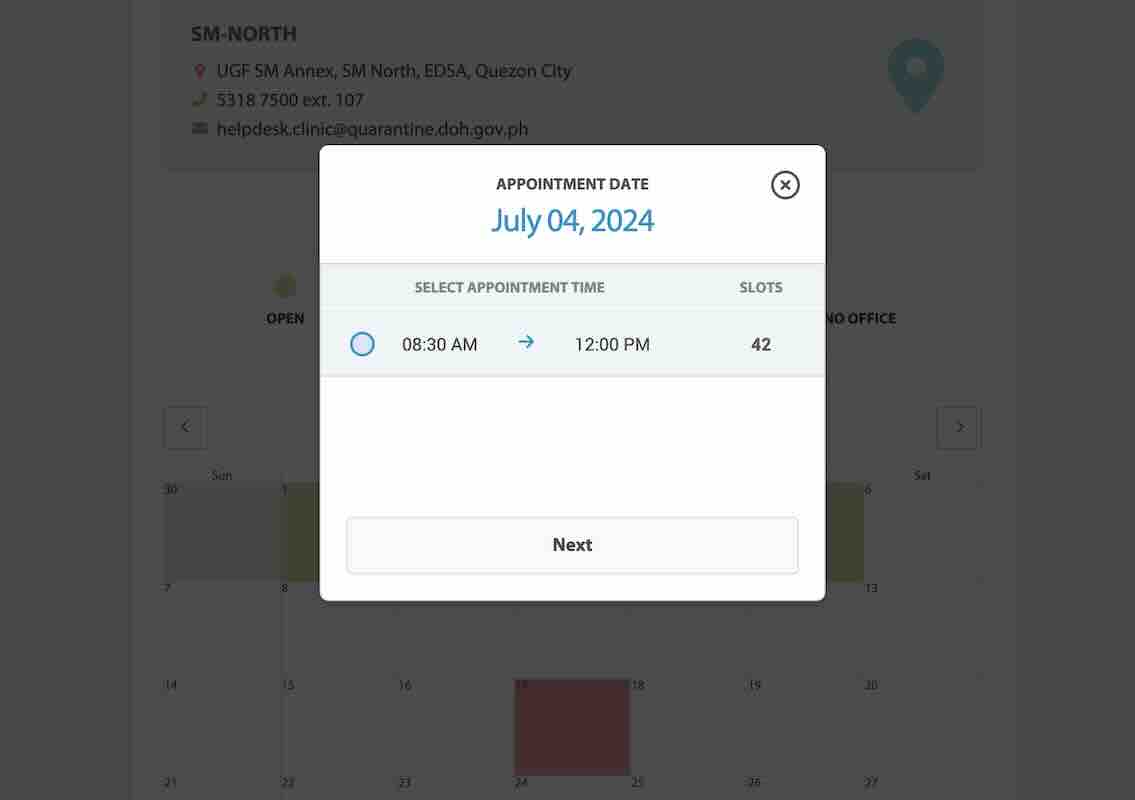
Click the date you chose and a pop-up will appear. This is where you can choose the time you prefer. It will also tell you how many slots are available in each time slot.
If you’re booking for the yellow fever vaccine, note that there’s a chance for your schedule to be canceled if they don’t reach 10 patients on your appointment date. If this is the case, the system will ask you to reschedule. Otherwise, you will receive a confirmation for your appointment right away.
3. Confirm your details.
After choosing your vaccine schedule, the next page will show all your details. Make sure they are correct.
When you scroll down, you’ll see a screening checklist with questions about your health. Just select your answer for each question and click “Next”.
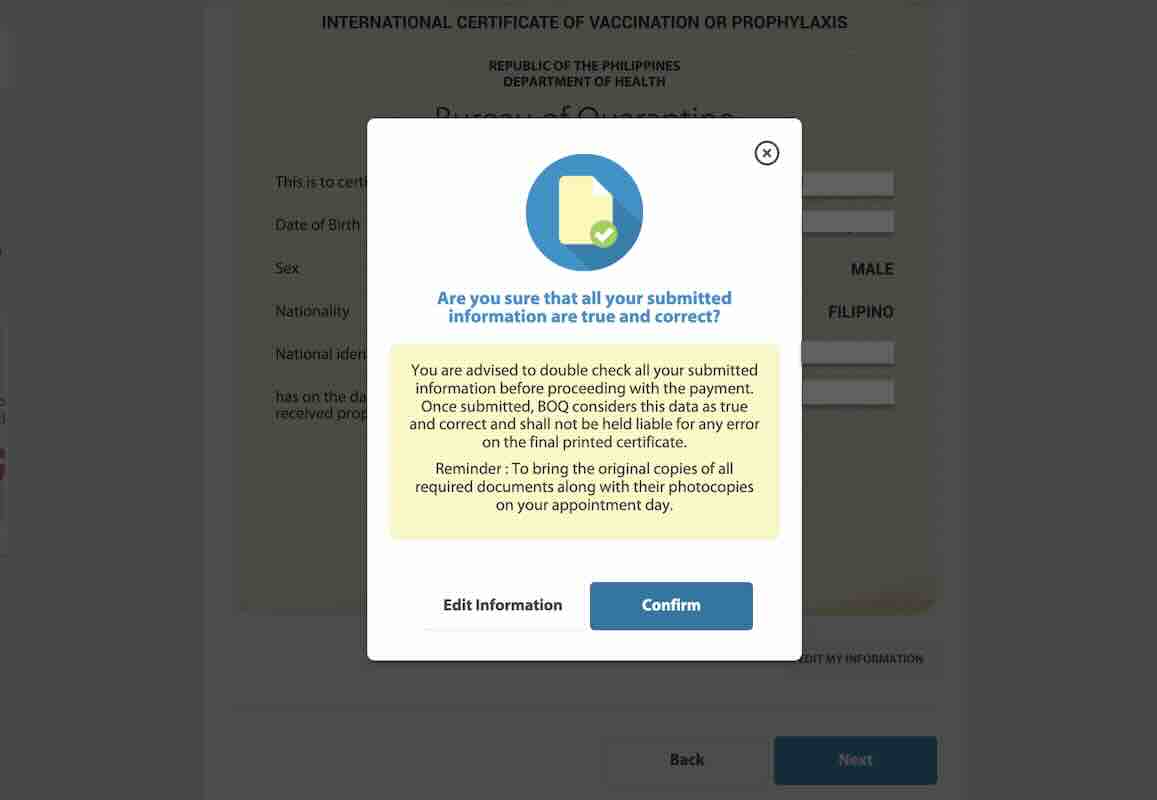
Then, you’ll see a preview of your ICV card. Double check all the information. If everything is correct, click “Next”.
4. Pay the fees.
The final step to confirm your vaccination schedule is to settle the payment. You can pay using your credit/debit card, cash, mobile wallet, and online banking. If you want to pay with cash, you can do so at their authorized payment centers like 7Eleven, LBC, Family Mart, and Cebuana Lhuiller.
Whichever payment method you choose, they’ll have detailed instructions you can follow. Note that aside from the cost of the vaccine, there’s also an additional convenience fee and DST fee.
5. Save the QR code.
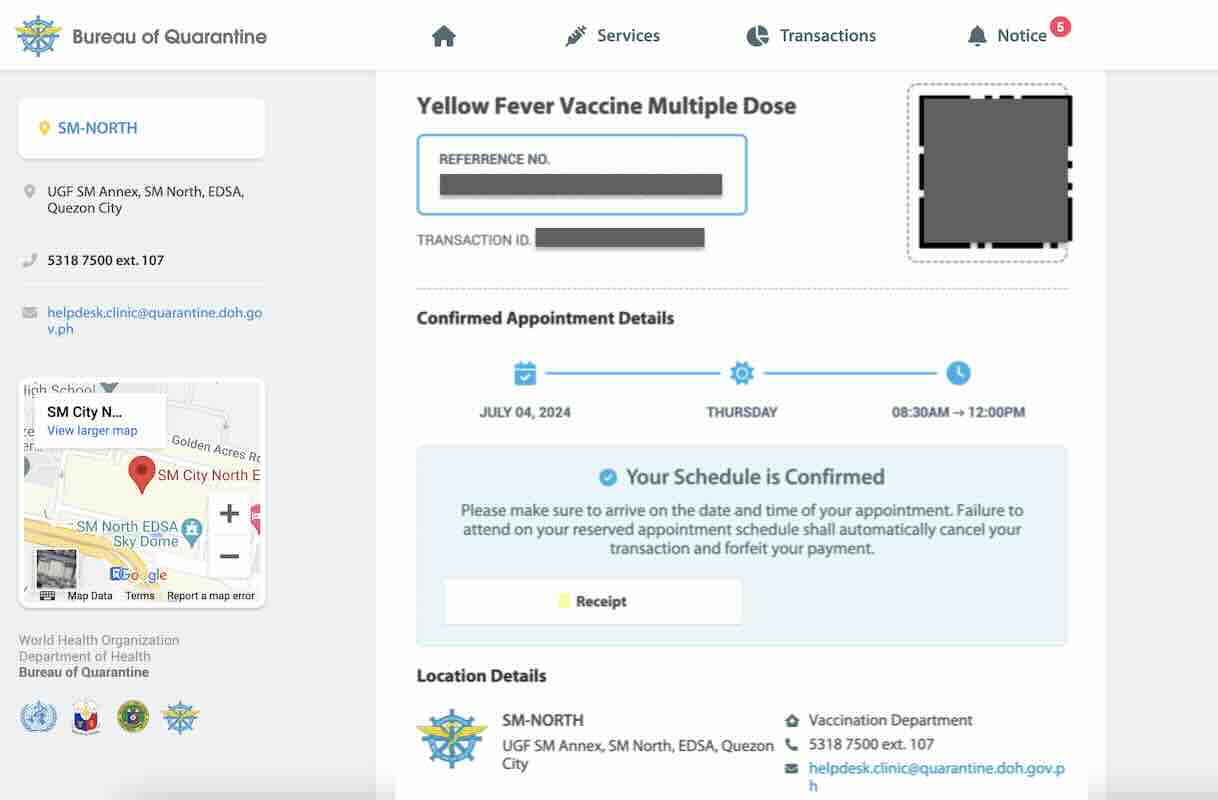
Once your payment is confirmed, you will get a QR code for your appointment. Just save this by taking a screenshot on your mobile device.
6. Get your vaccine.
On the day of your schedule, go to your chosen BOQ site. Make sure to have your QR code and passport with you. They will check these when you get to the site. If you already have an ICV card, you can bring it to your appointment as well. If you don’t have one yet, they will issue a new one for you.
After getting your vaccine, just wait for your ICV to be released. Make sure to check your name and passport number on the card before you leave.
Frequently Asked Questions
How much is yellow fever vaccine from BOQ?
Yellow fever vaccine costs PHP 1,970.
This does not include the PHP 30 convenience fee and PHP 30 DST fee. Total of PHP 2,030.
Your chosen payment method might also incur additional charges.
What should I wear to my vaccination appointment?
The vaccine will be administered on your upper arm, so make sure to wear something that you can roll up the sleeves easily. They also have this infographic on the proper attire with a note saying that wearing shorts is not allowed.
Can I get the yellow fever and polio vaccine at the same time?
Yes! These two vaccines can be administered at the same time, which we did. However, if you’re getting other vaccines, make sure to consult the BOQ first if it would be okay to get them at the same time.
If I renew my passport, would I need a new ICV?
That depends on you. You can choose to have the vaccine recorded on your existing ICV or you could opt to have a new ICV issued instead. Just remember that if you use your existing ICV, you need to bring your old passport when you travel because the officers refer to the passport number to verify the ICV.
You also have the option to have your previous vaccine records transferred to a new ICV. However, you would need to make a separate appointment for ICV issuance to be able to do this.
The Aston Martin Valhalla was officially revealed in December last year. Now, the first production Valhalla has been seen in public. It was presented at the Top Gear stall at Bicester Motion Scramble earlier today.
While it is said to be the first Valhalla roll off the assembly line, it may not be the first customer car. The fact that it’s currently with Top Gear suggests that it could be part of the press fleet.
The spec on this Valhalla is special too. The car is finished in silver and exposed carbon with blue accents. There’s also a blue stripe running along the centre, while the interior is wrapped in blue Alcantara.
The Valhalla is Aston Martin’s first series production hybrid supercar. It is also the first model to use its bespoke 4.0-liter twin-turbo flat-plane V8 paired with an all-new 8-speed dual-clutch transmission, which incorporates an electric motor and an electronic rear differential.
The internal combustion engine produces 817 hp, while three electric motors deliver a combined output of 248 hp. Together, the plug-in hybrid powertrain delivers 1065 hp and 811 lb-ft of torque.
I only had three days to explore Toledo and the weather was gorgeous. I had an itinerary built by the local tourism folks, my camera batteries were charged, and I was ready to tell a visual story of visiting the northwestern Ohio city. But what story would that be?
I never went for very long without capturing a photo. Urban parks, skyline photos, food! Around every corner there was something beautiful to photograph. With every stop, I had more to tell the story.
Take a look at my favorite travel photos from my time in Toledo. Leave me a comment below and tell me which was your favorite and why!
READ MORE: 18 Exciting Things to Do in Toledo, Ohio | A 3-Day Itinerary
Welcome to Toledo! It’s a city in the midst of revitalization and opportunity. I spent three days exploring the city and found more than enough to keep me busy and my camera clicking.
There were a lot of coffee shops in Toledo. Above, Rust Belt Coffee is located downtown and served these delicious fried apple pies. Below, Black Kite Coffee made an awesome mocha latte.
I always knew the Great Lakes were big, but I had no idea they were also deep. At the National Museum of the Great Lakes, I learned more about the geology and history of the lakes.
One of the perks of visiting the National Museum of the Great Lakes was the opportunity to take a self-guided tour of the Schoonmaker, a cargo vessel that once traveled the Great Lakes.
The owner of the vessel would frequently travel in a special cabin and wanted a faux fireplace for his evenings. Those are specially-designed lightbulbs in the fireplace.
The Toledo Museum of Art was one of the most beautiful art museums I have ever visited. The building itself was practically a work of art. I found myself spending more time capturing photos of the building than the art pieces.
I arrived at Maumee Bay State Park to find hundreds of seagulls lounging on a sandy beach along Lake Erie. But just minutes later, this guy runs through the seagulls, sending them flying away.
This was my happy place at Maumee Bay State Park. The semi-covered picnic table sat on a hill above Lake Erie, offering a stunning view. The weather was perfect and I had the entire place to myself. What more could I ask for?
I stumbled upon Perrysburg while looking for dinner my first night in Toledo. What a charming town! The town was named after Commodore Perry, a Navy officer who fought a pivotal battle on Lake Erie during the War of 1812.
The most exciting place I visited for photography was the Cannaley Treehouse Village at Oak Openings Preserve. An entire tree house village! I had a guided tour of the homes and learned about the history of getting them built. It was a fascinating experience that only made me want to stay there!
Seriously. Just look at this. Swinging rope bridges. Slides. Every home was elevated off the ground and fully furnished. I can just imagine the photos I would capture and fun I would have spending two or three nights here.
I never had to go far to find good food in Toledo, and Schmucker’s was really good food. The diner has been there for decades and now owned by the third generation of the family that started it. Do you know how painful it was to invest ten minutes capturing photos of the food before I could eat it?!
Maumee Bay Brewing Co. offered more than just fantastic craft beers – they also had a full menu for dinner. Thick, crunch onion rings got me started. The bacon cheeseburger was a great way to finish the day.
Walking around Toledo, I couldn’t help but look up. Not exactly record-setting skyscrapers, but still tall enough to remind me this was a city. Some of the buildings had beautiful architecture.
While looking up, down, left, and right at the beautiful buildings and public artwork, I suddenly heard a shout. I looked up to find The Handlebar bicycle bar slowly trudging along the street. Everybody was having fun despite the fact they had to keep pedaling to make the bar move!
I was a bit sad to leave Toledo behind. It was the first time I had ever seen one of the Great Lakes. It was a vibrant young city. And it was one of my favorite destinations of 2020. I look forward to returning to the city – and next time I’m going to the zoo!
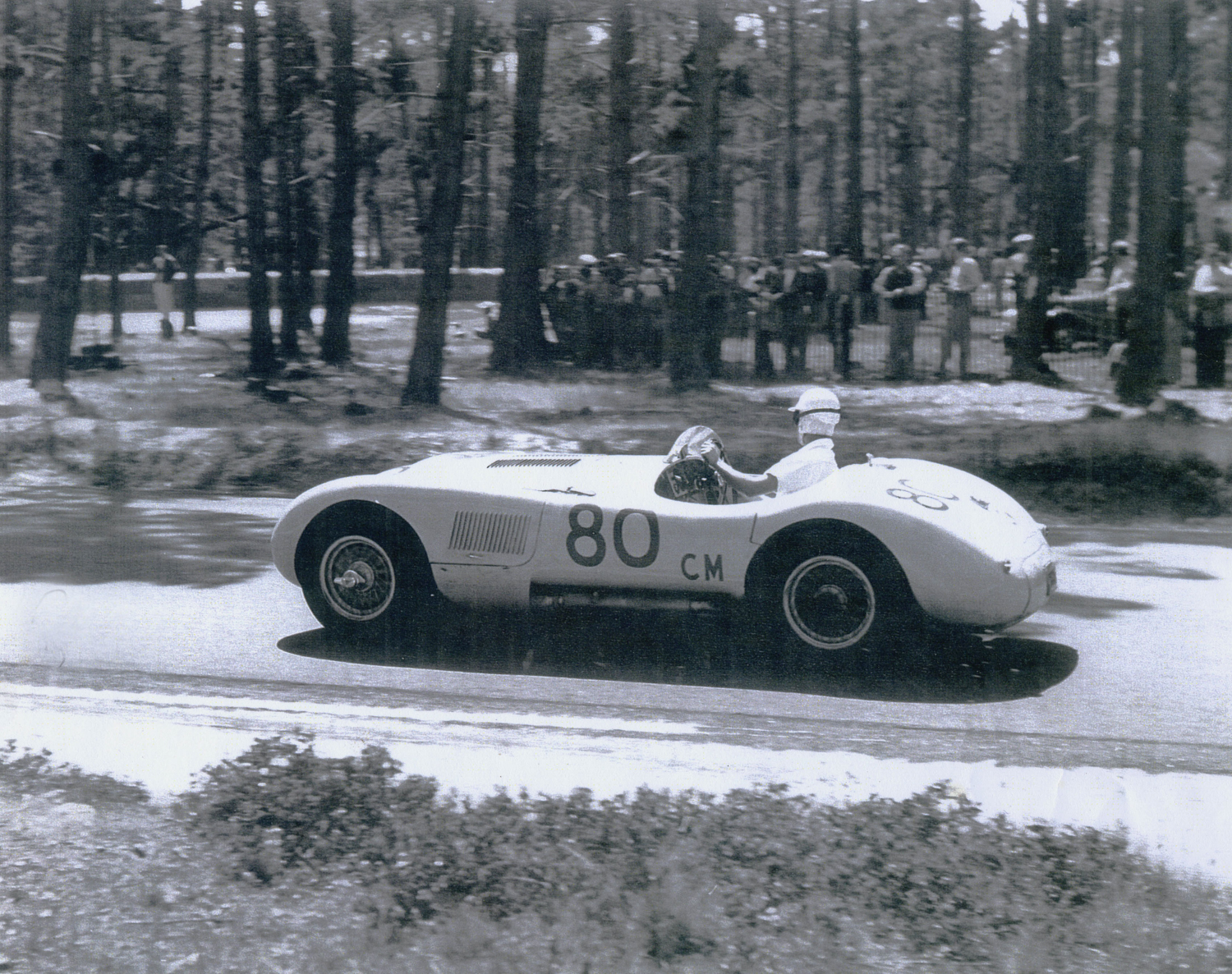
Riddelle Gregory at Pebble Beach 1954 where he placed 3rd in the main event. His pit crew included Phil Hill and his brother Maston
The first few years of the 1950s saw sports car events evolve from chummy club gatherings for “gentlemen racers” into more serious competition as interest in the sport gained traction. With the growing number of cars and drivers, more races were needed up and down the west coast to satisfy the demand. As a result, several venues had been added to the race calendar including Pebble Beach, Golden Gate Park, Palm Springs, Torrey Pines, Santa Barbara and Stockton Airport, all of which were in California. In the Pacific Northwest, early races were held at Bellingham Airport, Shelton Airport and Paine Field, each in Washington State. Sports car racing was on its way, just four years after the first organized road race was held at Buchanan Field in Northern California, in late 1949.
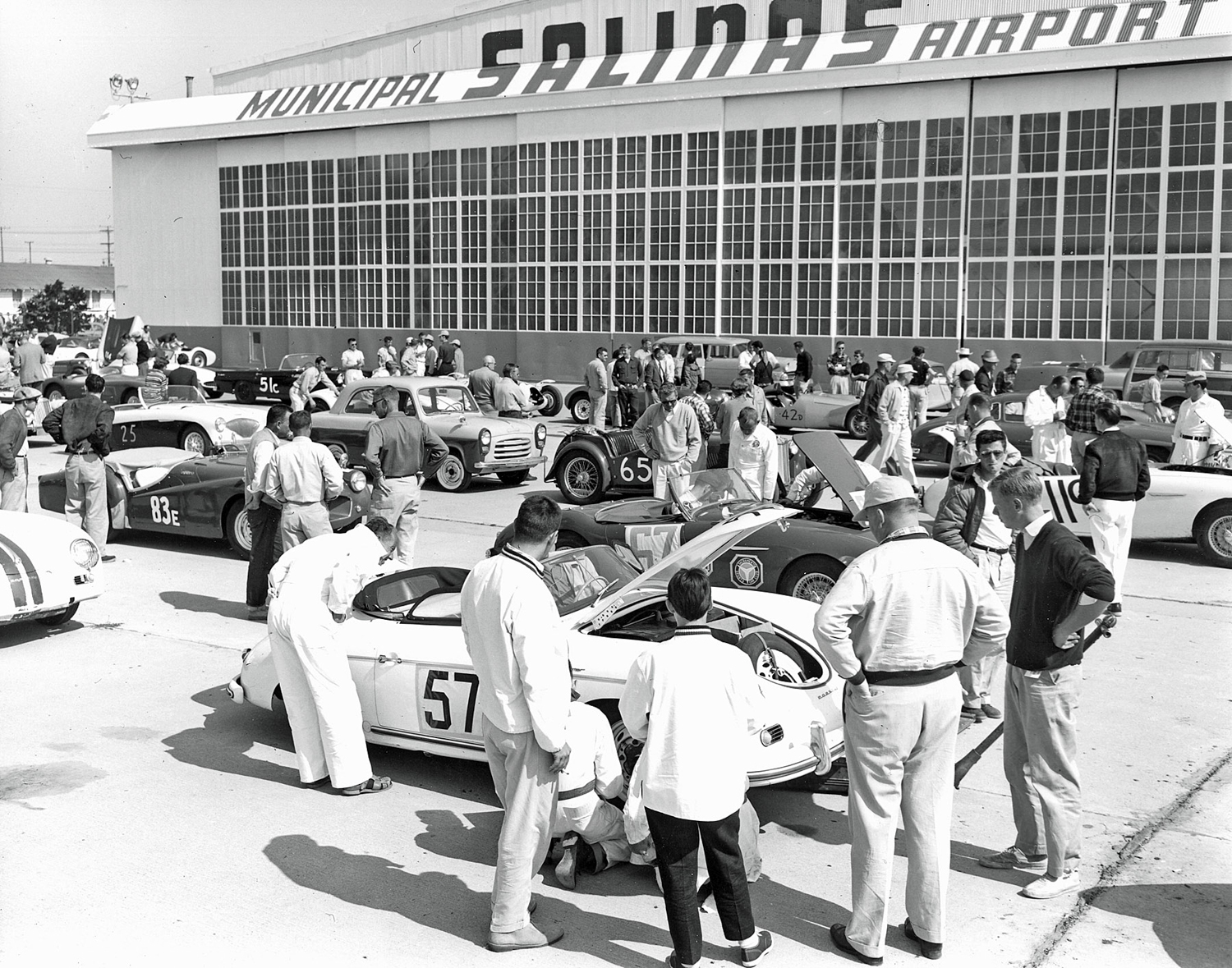
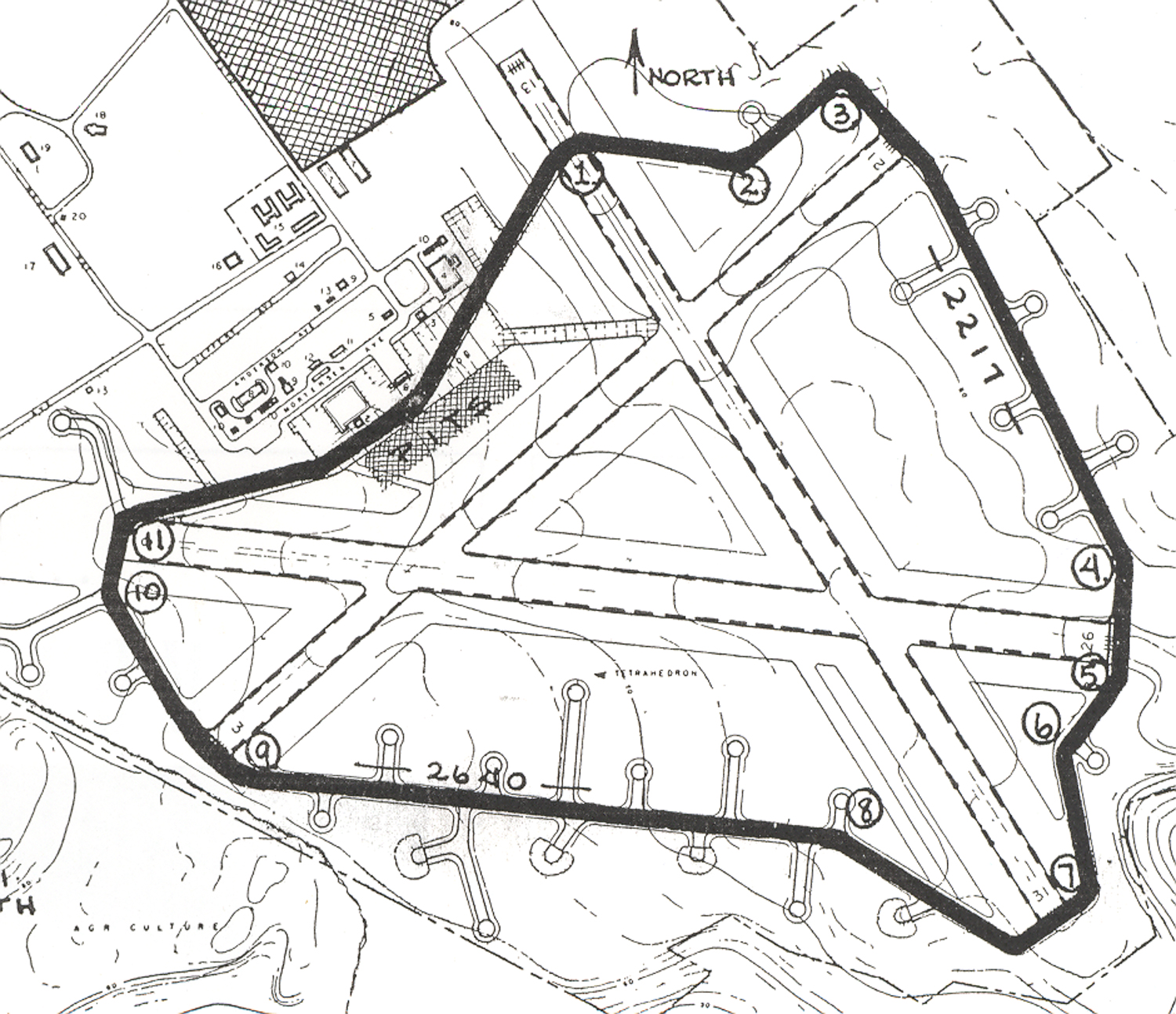
The Salinas Airport course layout was unusual since it did not use the runways but all the surrounding access roads. Challenging and fast.
The clubs that organized and sanctioned most of the events were the Sports Car Club of America (Northwest and San Francisco Regions) and the California Sports Car Club of Southern California (Cal Club). Each club continued their search for additional, suitable locations on which to race. Even though some races were held on city streets, the majority utilized municipal airports, creating road courses from a combination of runways and access roads. While the landscape was flat and featureless it was ideal for airplanes but not for race cars, however, until a better solution could be found, airport circuits were the best alternative.
The first time I laid eyes on my favorite travel shoes was while I was on one of my regular 10-mile runs. I was back home in Australia, running through the bush (yes, we actually do that!), nursing foot pain from a pair of worn-out sneakers I should’ve retired months prior. A fellow runner ahead of me caught my attention—specifically, her Hoka Clifton 9 Sneakers did. So, being the non-bashful person I am, I caught up and asked what she was wearing and if they were worth the hype.
“This is my 10th big run in them and so far so good,” she said, sprinting off effortlessly. After finishing my run, I immediately went online to buy the podiatrist-approved pair of shoes—and haven’t looked back since. In fact, I love them so much that I noticed they are on sale at Zappos right now and am going to stock up on a fresh pair.
Hoka Women’s Clifton 9 Sneakers
Zappos
Truth be told, I’ve been a Hoka fan for a while, but the Cliftons are the ones I keep coming back to. I’ve tried the Bondi, the Mach, the Rocket—each with its own perks—but the Clifton remains my MVP. For someone with flat, wide feet, they check every box for feeling roomy and cushioned while offering stability. I don’t get blisters, even on long runs that exceed 10 miles—something I do when I’m feeling especially unhinged.
While Hokas are renowned for their performance, I wear my Cliftons for far more than just running. On a recent trip to Madrid, they were my travel MVPs. I ran laps around Retiro Park in the morning with other Madrileños, got lunch at my hotel, and then slipped them back on for afternoons of shopping in Chueca and Salamanca. At night, I’d stroll to my favorite tapas spots—still in my Cliftons.
Beyond comfort and price, I genuinely love the look of the Clifton 9s. Sure, they have a boxy silhouette, but they’re lightweight and flexible—ideal for tossing into a suitcase. And they’re not just built for city adventures. Last time I was in the Swiss Alps, I forgot my trail runners and had to rely solely on my Cliftons. They held their own across mixed terrain, being unexpectedly durable for a road shoe.
If you’re planning to update your running shoes this summer—whether you’re training for a half-marathon or just power walking through a new city—the Clifton 9s are a safe bet. They’re versatile, durable, and stylish enough to work beyond the track. It’s no wonder Hoka has released ten different iterations of them.
Hoka Women’s Clifton 9 Sneakers
Zappos
The mesh upper is light and airy, the collar soft and hug-like, and the cushioning plush enough for even the flattest of feet (hi, it’s me). And I’m not the only one singing their praises. One reviewer summed it up perfectly. “The Clifton is always my go-to shoe for support and comfort… it is superb and the support in the heel is unbelievable.” Another fan said they were on their fifth pair and still loving them. They haven’t experienced any plantar fasciitis flare-ups since making the switch.
Supportive, comfortable, lightweight, and more than just a running sneaker, I look forward to stocking up on another pair before they sell out.
Riddelle Gregory at Pebble Beach 1954 where he placed 3rd in the main event. His pit crew included Phil Hill and his brother Maston
The first few years of the 1950s saw sports car events evolve from chummy club gatherings for “gentlemen racers” into more serious competition as interest in the sport gained traction. With the growing number of cars and drivers, more races were needed up and down the west coast to satisfy the demand. As a result, several venues had been added to the race calendar including Pebble Beach, Golden Gate Park, Palm Springs, Torrey Pines, Santa Barbara and Stockton Airport, all of which were in California. In the Pacific Northwest, early races were held at Bellingham Airport, Shelton Airport and Paine Field, each in Washington State. Sports car racing was on its way, just four years after the first organized road race was held at Buchanan Field in Northern California, in late 1949.
The Salinas Airport course layout was unusual since it did not use the runways but all the surrounding access roads. Challenging and fast.
The clubs that organized and sanctioned most of the events were the Sports Car Club of America (Northwest and San Francisco Regions) and the California Sports Car Club of Southern California (Cal Club). Each club continued their search for additional, suitable locations on which to race. Even though some races were held on city streets, the majority utilized municipal airports, creating road courses from a combination of runways and access roads. While the landscape was flat and featureless it was ideal for airplanes but not for race cars, however, until a better solution could be found, airport circuits were the best alternative.
Imagine setting sail on crystal-clear waters, with the sun warming your skin and the ancient Greek islands beckoning from the horizon. The Saronic Gulf is a jewel waiting to be uncovered by both novice sailors and experienced mariners alike.
In just seven days, you can explore charming harbors, vibrant markets, and stunning beaches that tell stories of a rich maritime history.
This beginner’s guide offers you a well-crafted itinerary, replete with tips on navigating these breathtaking waters, anchoring in the best spots, and savoring local cuisine.
Whether you crave relaxation or adventure, this journey allows you to immerse yourself in the vibrant culture and natural beauty of the Saronic Gulf. So, hoist the sails and prepare for an unforgettable voyage that promises to awaken your sense of wonder and adventure!
Here’s an overview:
Baboo Travel
If you’re a sailing enthusiast looking to mix your summer getaway with a dash of adventure, a sprinkle of culture, a touch of history, and some downtime in the stunningly clear waters of the Mediterranean, then this Saronic Sailing Adventure is just what you need!
Sailing in the Saronic Gulf offers a unique blend of history, culture, and natural beauty. The proximity of the islands to Athens means that you can start your adventure almost immediately after arriving in Greece.
The relatively short distances between the islands allow for leisurely sailing, ensuring that you can explore multiple destinations without feeling rushed.
Additionally, the Saronic Gulf is known for its calm waters and favorable winds, creating a safe and enjoyable environment for novice sailors.
Another compelling reason to sail in the Saronic Gulf is the region’s rich historical and cultural heritage. Each island has its own unique stories and landmarks, from ancient temples and theaters to charming villages and bustling markets.
This area has been a significant maritime hub since antiquity, and many islands played crucial roles in Greek history. As you navigate these waters, you’ll have the opportunity to step back in time and immerse yourself in the fascinating tales of the past.
The Saronic Gulf also boasts stunning natural beauty, with crystal-clear waters, pristine beaches, and lush landscapes. The islands are dotted with idyllic anchorages, secluded coves, and picturesque harbors, providing the perfect backdrop for a relaxing and rejuvenating sailing holiday. Whether you want to swim in the turquoise sea, hike through scenic trails, or simply relax on a sun-drenched deck, the Saronic Gulf has something to offer every traveler.
Essential Sailing Preparations
Before embarking on your sailing adventure in the Saronic Gulf, it’s crucial to make thorough preparations to ensure a smooth and enjoyable journey. Start by planning your itinerary and familiarizing yourself with the destinations you’ll be visiting.
Research the local weather patterns, wind conditions, and sea currents to make informed decisions about when to sail and where to anchor. It’s also essential to check the marine charts and navigation aids for the region, as these will help you avoid hazards and navigate safely.
Next, ensure that your vessel is in top condition and equipped with all the necessary safety gear. Conduct a thorough inspection of the boat, checking for any signs of wear or damage. Make sure that all essential systems, such as the engine, steering, and communication equipment, are functioning correctly.
Stock up on provisions, including food, water, and fuel, as well as any spare parts and tools you may need for repairs. Don’t forget to pack personal items such as clothing, sunscreen, and medications, as well as any recreational gear you may want, like snorkeling equipment or fishing gear.
Finally, it’s essential to familiarize yourself with the local regulations and customs. Greece has specific rules for sailing and anchoring, and it’s important to comply with these to avoid fines or other issues. Make sure you have all the necessary permits and documentation, such as your sailing license, boat registration, and insurance.
It’s also a good idea to learn some basic Greek phrases, as this can help you communicate with locals and enhance your overall experience.
With careful planning and preparation, you’ll be ready to set sail and make the most of your adventure in the Saronic Gulf.
Sailing in the Saronic Gulf can be thrilling.
Day 1: Departing from Athens to Aegina Island
Your journey begins in Athens, where you’ll board your vessel and set sail for Aegina Island.
Aegina is one of the closest islands to Athens, making it an ideal first stop on your itinerary. As you leave the bustling city behind, you’ll be greeted by the serene beauty of the Saronic Gulf, with its calm waters and stunning vistas. The sail to Aegina takes approximately two to three hours, giving you plenty of time to relax and enjoy the journey.
Upon arriving in Aegina, you’ll find a charming harbor lined with colorful fishing boats, bustling cafes, and lively markets. Take some time to explore the town, which is known for its vibrant atmosphere and friendly locals.
Be sure to visit the Temple of Aphaia, an ancient sanctuary dedicated to the goddess Aphaia. This well-preserved temple is one of the most important archaeological sites in Greece and offers stunning views of the surrounding landscape.
In the evening, head to one of the island’s many tavernas to sample some local cuisine. Aegina is famous for its pistachios, so be sure to try some of the delicious dishes that feature this local specialty. Fresh seafood is also a highlight, with many restaurants serving up the catch of the day in a variety of traditional Greek recipes.
As the sun sets, enjoy a leisurely stroll along the waterfront, taking in the sights and sounds of this enchanting island.
Start your second day with an inland tour of Aegina, exploring its rich history and natural beauty. Rent a scooter or bicycle to venture into the island’s charming villages and scenic landscapes.
Visit the impressive Monastery of Agios Nektarios, one of the largest monasteries in Greece, which is dedicated to Saint Nektarios of Aegina. The monastery is a place of pilgrimage and spiritual significance, offering a peaceful retreat from the bustling harbor.
Another must-see is the archaeological site of Kolona, located near the town of Aegina. This ancient site features the remains of a Doric temple and other historical structures, providing a fascinating glimpse into the island’s past. As you explore, take in the stunning views of the surrounding countryside, with its rolling hills, olive groves, and picturesque villages.
In the afternoon, set sail for Poros Island, which lies just a short distance from Aegina. The sail to Poros takes approximately one to two hours, giving you ample time to enjoy the journey and take in the beautiful scenery.
Upon arriving in Poros, you’ll be greeted by a charming harbor and a lively town, known for its neoclassical architecture and vibrant atmosphere. Spend the evening exploring the town, visiting its shops, cafes, and tavernas, and soaking up the local culture.
Take a day to explore the Aegina inland.
Day 3: Discovering Poros and Spetses Islands
On your third day, take the time to fully explore Poros Island, which is known for its lush landscapes and charming villages. Begin your day with a visit to the Clock Tower, one of the island’s most iconic landmarks. From here, you’ll have panoramic views of the town and the surrounding waters, making it the perfect spot for some memorable photographs.
Then, head to the Archaeological Museum of Poros, which houses a fascinating collection of artifacts from the island’s ancient history.
After exploring the town, rent a scooter or bicycle to venture into the island’s interior. Discover the lush pine forests, scenic trails, and secluded beaches that make Poros a nature lover’s paradise. Head to the Monastery of Zoodochos Pigi, a peaceful retreat nestled in the hills, offering stunning views and a serene atmosphere.
Take a leisurely swim in the crystal-clear waters of Love Bay, a picturesque cove surrounded by pine trees.
In the afternoon, set sail for Spetses Island, which is known for its elegant mansions, charming harbor, and rich maritime history. The sail to Spetses takes approximately three to four hours, giving you plenty of time to relax and enjoy the journey.
Upon arriving in Spetses, take some time to explore the town, with its narrow streets, beautiful buildings, and lively waterfront.
Visit the Bouboulina Museum, dedicated to the famous Greek heroine Laskarina Bouboulina, and learn about her role in the Greek War of Independence.
The unbeatable beauty of Spetses Island.
Day 4: Spetses – Hydra Island
Spend the morning exploring more of Spetses Island, which is known for its beautiful beaches, charming villages, and rich history. Rent a scooter or bicycle to venture further afield and discover some of the island’s hidden gems.
Visit the Church of Panagia Armata, a beautiful church located near the old harbor, which is dedicated to the Virgin Mary. Explore the island’s many beaches, such as Agia Marina, Vrellos, and Zogeria, where you can relax, swim, and soak up the sun.
In the afternoon, set sail for Hydra Island, which is known for its stunning architecture, vibrant art scene, and car-free streets.
The sail to Hydra takes approximately two to three hours, giving you ample time to enjoy the journey and take in the beautiful scenery. Upon arriving in Hydra, you’ll be greeted by a picturesque harbor lined with elegant mansions, charming cafes, and bustling markets. Take some time to explore the town, visiting its shops, art galleries, and historic landmarks.
Hydra is known for its vibrant cultural scene, with many artists, writers, and musicians calling the island home. Visit the Hydra Museum Historical Archives, which houses a fascinating collection of artifacts and documents related to the island’s history.
Take a leisurely stroll through the town’s narrow, winding streets, admiring the beautiful architecture and soaking up the unique atmosphere. In the evening, enjoy a delicious meal at one of the island’s many tavernas, sampling some local specialties and fresh seafood.
Azure waters surrounding Hydra Island.
Day 5: Hydra – Epidaurus
Start your fifth day with a leisurely breakfast in Hydra, soaking up the morning sun and the vibrant atmosphere of the island. After breakfast, explore more of the island’s charming streets and hidden corners.
Visit the Monastery of the Assumption of the Virgin Mary, a beautiful and serene monastery located in the heart of the town. If you’re feeling adventurous, hike up to the Prophet Elias Monastery, which offers stunning views of the island and the surrounding waters.
In the afternoon, set sail for Epidaurus, a small town on the northeastern coast of the Peloponnese Peninsula, which is known for its ancient theater and healing sanctuary. The sail to Epidaurus takes approximately four to five hours, giving you plenty of time to relax and enjoy the journey.
Upon arriving in Epidaurus, you’ll find a picturesque harbor and a charming town with a rich history and a relaxed atmosphere.
One of the main attractions inEpidaurus is the ancient theater, which is renowned for its exceptional acoustics and stunning architecture. The theater, built in the 4th century BCE, is still used for performances today, and attending a play or concert here is a truly unforgettable experience.
Another must-see is the Sanctuary of Asclepius, an ancient healing center dedicated to the god of medicine. Explore the ruins of the sanctuary and learn about the ancient practices of healing and medicine.
The theatre of Epidaurus.
Day 6: Epidaurus – Agistri Island
On your sixth day, explore more of Epidaurus and its surrounding areas. Visit the Little Theatre of Epidaurus, a smaller but equally impressive theater located near the main archaeological site. Take a leisurely stroll through the town, visiting its shops, cafes, and markets, and soaking up the local culture. If you’re interested in history, visit the Epidaurus Archaeological Museum, which houses a fascinating collection of artifacts from the ancient site.
In the afternoon, set sail for Agistri Island, a small and tranquil island located just a short distance from Epidaurus. The sail to Agistri takes approximately one to two hours.
Upon arriving in Agistri, you’ll find a peaceful and charming island with crystal-clear waters, lush landscapes, and charming villages. Spend the evening exploring the island, visiting its beaches, and enjoying the serene atmosphere.
Agistri is known for its beautiful natural scenery, with many opportunities for hiking, swimming, and exploring. Visit the village of Megalochori, the island’s main town, which is known for its traditional architecture and friendly locals. Take a leisurely swim in the crystal-clear waters of Dragonera Beach, a secluded and picturesque cove surrounded by pine trees.
In the evening, enjoy a delicious meal at one of the island’s many tavernas, sampling some local specialties and fresh seafood.
A local sits in the town of Megalochori.
Day 7: Agistri – Athens
On your final day, relax and enjoy the serene beauty of Agistri Island. Start your day with a flavorful breakfast in the morning sun and the peaceful atmosphere of the island. Afterwards, take a leisurely stroll through the village of Skala, known for its charming streets, beautiful architecture, and friendly locals.
Visit the Church of Agioi Anargyroi, a beautiful and serene church located near the waterfront.
In the afternoon, set sail for Athens, bringing your unforgettable journey through the Saronic Gulf to a close. The sail to Athens takes approximately three to four hours, giving you plenty of time to reflect on your adventure and enjoy the final leg of your journey. Upon arriving in Athens, discover the city, visiting its many historical and cultural landmarks. From the ancient Acropolis to the bustling markets of Monastiraki, Athens offers a wealth of attractions and experiences to enjoy.
As you prepare to leave Greece, reflect on the incredible journey you’ve experienced. From the charming harbors and vibrant markets to the stunning beaches and rich history, the Saronic Gulf has provided an unforgettable backdrop for your sailing adventure. Whether you’re a novice sailor or an experienced mariner, this journey offers a unique and enriching experience, allowing you to immerse yourself in the vibrant culture and natural beauty of the region.
As you set sail for home, you’ll carry with you the memories of an unforgettable voyage and the promise of future adventures on the open sea.
A view of Athens, a historically enriched Greek city.
Baboo Travel
If you’re a sailing enthusiast looking to mix your summer getaway with a dash of adventure, a sprinkle of culture, a touch of history, and some well-deserved relaxation in the stunningly clear waters of the Mediterranean, then this Saronic Sailing Adventure is just what you need! Check here!
We enjoy exploring our planet and want to do our part to keep it healthy for future generations.
We love, and aim, to create the perfect match in every journey while making the world a little better:
– by empowering our Local In-destination Experts
– by driving real value to their local communities, and
– by helping our travelers to be carbon positive and their travels regenerative.
We enjoy exploring our planet and want to do our part to keep it healthy for future generations.
We love, and aim, to create the perfect match in every journey while making the world a little better:
– by empowering our Local In-destination Experts
– by driving real value to their local communities, and
– by helping our travelers to be carbon positive and their travels regenerative.
( UPDATED May 6, 2020) I don’t know how many miles I’ve driven on the Blue Ridge Parkway, but it’s a lot. I don’t know how many photos I’ve captured, but it’s a lot. I don’t know how happy I’ve felt, but it’s a lot.
The Blue Ridge Parkway is my favorite drive in the country. I visit every year, drive at least one section, and I’ve included it in several of my road trips. It’s a temptation I wouldn’t even try to resist.
Ever since my first visit to the Parkway as an adult in 2011, I have been capturing photos from the scenic overlooks, destinations, and middle of the road. Here are some of my favorite photos I’ve captured over the years that I hope will inspire you to drive the Blue Ridge Parkway.
Ah, life is a road trip, and my favorite road trip is the Blue Ridge Parkway. The most difficult part of driving that wonderful two-lane road is resisting the urge to stop every half mile to capture a photo. I never put up much of a fight.
Mabry Mill is probably the most iconic destination on the Blue Ridge Parkway. I have captured many photos of the spinning wheel beside the grist mill, but I’ve also captured photos of the exhibits behind the mill and reenactors in the other buildings.
Linville Falls is a wildly popular destination on the Blue Ridge Parkway. But did you know there is another, smaller waterfall just minutes from the parking lot? Duggers Creek Falls was one of my favorite discoveries of the year!
The Linn Cove Viaduct was called “The Missing Link” because it was the last section of the Blue Ridge Parkway completed. The infamous S-curve is one of the most beautiful one-mile drives on the Parkway.
Craggy Gardens is one of my favorite places to visit on the Blue Ridge Parkway. The view from Craggy Pinnacle, top left, is rather amazing. Below, the hike to Craggy Knob passes through a rhododendron tunnel filled with blooms around June each year.
There are 25 tunnels on the Blue Ridge Parkway, and all but one are located in North Carolina. The Craggy Pinnacle Tunnel is one of my favorites because it’s so photogenic.
I’ve seen a lot of wildlife on the Blue Ridge Parkway, but these three photos are my favorites so far. I reckon hiding your head in the lake means you don’t have to do your chores later?
Roanoke Mountain was one of the most surprising discoveries I ever made on the Blue Ridge Parkway. The one-lane, one-way road across the mountain includes a couple of scenic overlooks. Below, the view from the Mill Mountain Overlook is one of my favorites.
Every day I spend on the Blue Ridge Parkway ends with a sunset. Of course, they aren’t all spectacular. But this one at the Cowee Mountain Overlook was one of the best I’ve ever seen.
See that red chair? That was my red chair. Shortly after capturing this photo of Sharp Top at the Peaks of Otter, I plopped down into that chair and didn’t move for an hour. Best hour all week.
Ravens Roost Overlook instantly became one of my favorites on the Blue Ridge Parkway. From the long parking area there is an awesome view, pictured above, that includes a portion of the Shenandoah Valley. Below, this lone tree on the edge of a cliff is the perfect photo subject.
Autumn is one of the best, and most popular, times of year to drive the Blue Ridge Parkway. Brilliant colors, fallen leaves, and crisp air create an inviting atmosphere begging to be explored from sunrise til sunset. I often do exactly that.
Along with vibrant colors during the autumn, there are also wooly worms!
This view, hidden behind Pisgah Inn, is one of the best on the Blue Ridge Parkway. It’s not entire a secret, so I don’t mind revealing it here, but I’d rather enjoy it as a guest of the inn for a few nights in October.
Julian Price Lake is the only body of water on the Blue Ridge Parkway visitors are allowed to kayak. At the base of Grandfather Mountain, the lake has an awesome view throughout the year.
The Linn Cove Viaduct was designed to almost seamlessly blend with the natural curves of Grandfather Mountain, but it stands out during the peak of fall colors.
Every mile I drive on the Blue Ridge Parkway makes me happy. I reckon I’ll just keep driving it. I’ve done the entire Parkway end-to-end twice now, including countless short sections, but I don’t think I’ll ever get tired of that black top cutting a path across the mountains.
The technical storage or access is strictly necessary for the legitimate purpose of enabling the use of a specific service explicitly requested by the subscriber or user, or for the sole purpose of carrying out the transmission of a communication over an electronic communications network.
Preferences
The technical storage or access is necessary for the legitimate purpose of storing preferences that are not requested by the subscriber or user.
Statistics
The technical storage or access that is used exclusively for statistical purposes.The technical storage or access that is used exclusively for anonymous statistical purposes. Without a subpoena, voluntary compliance on the part of your Internet Service Provider, or additional records from a third party, information stored or retrieved for this purpose alone cannot usually be used to identify you.
Marketing
The technical storage or access is required to create user profiles to send advertising, or to track the user on a website or across several websites for similar marketing purposes.
:max_bytes(150000):strip_icc()/TAL-hamilton-bermuda-BRMUDAOFFSZN0425-8d21679caadb4a4197dde2afa268e7fe.jpg "I Visited Bermuda and Never Went to the Beach—Here’s Why an Off-season Trip Is Worth It")
:max_bytes(150000):strip_icc():format(jpeg)/TAL-hamilton-bermuda-BRMUDAOFFSZN0425-8d21679caadb4a4197dde2afa268e7fe.jpg)








:max_bytes(150000):strip_icc()/hokas-are-my-favorite-travel-sneaker-and-im-eyeing-this-pair-on-rare-sale-before-its-gone-tout-f31be570e992455584d4e937068ca764.jpg "Travel-ready Hoka Clifton 9 Shoes Are on Sale at Zappos")
:max_bytes(150000):strip_icc():format(jpeg)/hokas-are-my-favorite-travel-sneaker-and-im-eyeing-this-pair-on-rare-sale-before-its-gone-tout-f31be570e992455584d4e937068ca764.jpg)


