The one-off Koenigsegg Jesko Absolut ‘Kronos’ has just been revealed to the public. This bespoke hypercar is headed to the @zach_garage collection in the UK. Note that it’s a right-hand-drive car.
The Jesko Absolut ‘Kronos’ (chassis no. 7389) is finished in Poseidon Blue-tinted carbon with 24K gold leaf highlights. The gold detailing can be found on the front, sides, and top section, as well as the rear diffuser.
The Jesko Absolut is fitted with AirCore Carbon wheels, which also have gold pinstripes. The aero cover on the rear wheels is in blue carbon, matching the spec of the car.
The interior is wrapped in blue Alcantara upholstery with gold stitching. Even the door handle crests are finished in gold.
The Jesko Absolut is the low-drag version capable of reaching speeds in excess of 300 mph. At its heart is a 5.0-liter twin-turbo V8 engine with a peak output of 1600 hp and 1106 lb-ft of torque. The engine drives the rear wheels via a 9-speed multi-clutch transmission.
The spec on the Jesko Absolut Kronos is similar to the Regera (chassis no. 7197), which was once owned by the same collector.
It’s been almost a year since the Lamborghini Temerario made its global debut. Just like its predecessor, the Huracan, the new Temerario will also be offered to customer teams running GT3-spec machines in multiple racing series across the world.
The first teaser of the Temerario GT3 recently appeared in the official Lamborghini magazine. The new race car is expected to be revealed soon, but it will make its track debut at Daytona in 2026.
The Temerario GT3 will be powered by the same 4.0-liter twin-turbo V8 engine as the road car. However, it is unlikely to feature the three electric motors that make up the car’s hybrid system. The output from the internal combustion engine will also be restricted to comply with GT3 regulations.
As you may be aware, the roadgoing version of the Temerario uses a V8 that revs 10,000 rpm and a hybrid system, producing a combined output of 907 hp. The ICE alone develops 789 hp @ 9000-9750 rpm and 538 lb-ft of torque @ 4000-7000 rpm, while the electric motors provide a boost of 148 hp and 221 lb-ft.
The Temerario GT3 will also feature lightweight body panels and a revised aero package designed as per GT3 norms. It is expected to get a large adjustable rear wing, a GT3-spec front splitter, a rear diffuser, a stripped-out interior with a roll cage, among other modifications.
It’s an all too familiar airport scenario: hustling to the gate, dodging people and suitcases, all while trying your best to not spill your coffee. It’s so frustrating (and universal) that a $12 cupholder has become one of the most popular travel accessories on Amazon, loved by thousands — even flight attendants. Fortunately, the “life-changing” hack has now inspired brands to add built-in cupholders to their luggage, and the Wrangler Astral Smart Carry-on is one of the best of its kind.
This unassuming suitcase is fitted with a clever mechanism that not only holds your coffee cup, but can also be used to charge your phone. Reviewers call it a “game changer,” and if you’re in the market for new luggage, now is the best time to shop since it’s currently on sale for just $48 at Amazon.
Wrangler Astral Smart Carry-on With Cupholder
Amazon
This carry-on measures 14.5 by 9.5 inches and stands 22 inches tall, including the height of its four 360-degree spinning wheels. Although the standard carry-on luggage size limit is 22 by 14 by 9 inches, plenty of reviewers have shared they’ve had no problem fitting it into the overhead bins on flights with major airlines like American, Southwest, Spirit, and even international budget carriers.
Its larger size is an advantage for carry-on-only travelers and overpackers alike. Reviewers say they can fit at least a week’s worth of clothing inside with room to spare for shoes and toiletries. Your belongings will stay in place thanks to elastic straps and a zippered barrier, while the exterior of the bag is made from a strong ABS shell designed to withstand the rigors of air travel. One traveler wrote that “she” — meaning the suitcase — “was a horse this summer. Seven trips, two of them flights (crossed multiple large airports), and she barely got a scratch on her.”
As for the cupholder, it remains folded up at the back of the suitcase until you get your obligatory airport coffee. The feature also doubles as a phone stand and charging port. With your own battery pack or portable charger hooked up to the inside, you can plug a USB cable right into the cupholder. Besides being “pretty nice when you’re sitting at an airport gate and don’t have a good place to put your drink,” travelers have also found other uses for the handy add-on. One customer shared, “I was staying in a hostel with very limited space and I put my suitcase right next to my bed and it held my phone all night,” adding that it even “made a great little stand [for] watching a movie.”
Wrangler Smart Luggage 2-piece Set
Amazon
The Wrangler Astral Smart Carry-on comes in six colors, all of which are on sale starting at just $48 at Amazon. It’s even available in a two-piece set that you can score in an impressive 10-color range. In addition to the convenient cupholder carry-on, the package deal also gets you a matching 15-inch underseat duffel that’s the perfect personal item. Between the two, more than 11,000 shoppers have given Wrangler’s clever cupholder luggage five stars.
Looking for more bags with built-in cupholders to make your next travel day a little easier? It’s not an easy feature to find, but we dug up some more options on Amazon, all on sale with prices starting at just $55.
More Deals on Carry-ons With Cupholders:
Hanke 20-inch Carry-on
Amazon
Mixi 20-inch Carry-on
Amazon
Krute 20-inch Carry-on
Amazon
Feilario 20-inch Carry-on
Amazon
French Connection 22-inch St. Martin Carry-on
Amazon
At the time of publishing, the price started at $48.
Cashmere is the Chardonnay of sweaters: it’s smooth, buttery soft, and luxurious. That said, while it’s usually thought of as a higher-end product, it’s never been more accessible. Whether your budget is $50 or $500, you don’t have to look far or wide to find a sweater to add to your travel wardrobe. I live in Montana, some 5,000 miles from Mongolia (where the world’s best cashmere comes from), but I have at least a dozen cashmere sweaters in regular rotation.
Because cashmere isn’t an entry-level material like cotton, shopping for a cashmere sweater can be intimidating. But it doesn’t have to be. I recently collaborated with Travel + Leisure editors, who are also huge fans of this premium fabric, to compare and contrast the best of the best for traveling. We tested and traveled with an array of cashmere sweaters representing different styles, fits, and price points. Below are our top picks, including a 100 percent cashmere sweater for less than $100 from Naadam, a sustainable cashmere brand founded by two college kids who backpacked around Mongolia in 2013 and returned with a brilliant business idea.
PHOTO: Naadam
If you asked AI to create a cashmere sweater that checks all the boxes, affordability being one of the boxes, it would come up with Naadam’s Original cashmere sweater. The only reason someone wouldn’t like this sweater would be if they were allergic to cashmere. A medium weight that isn’t too thin or too thick, it’s the sweater even the extra discerning Goldilocks would have settled on. While the price has come up a bit since it debuted at just $75, it’s still a steal, and it will never go out of style. T+L editor Hillary Maglin can see it being a wardrobe workhorse for a decade or more.
Choose from more than two dozen colors, including an array of limited edition looks such as electric pink, tomato red, and brown sugar. It’s the ideal length for a front tuck, and it runs true to size. Not sure what size you are? Instead of just featuring chest and hip measurements, Naadam’s handy size guide lets you input your height, weight, and age to calculate your bust measurement and subsequent size. What does Naadam mean? Naadam is a traditional festival held every year in Mongolia. In fact, it’s recognized for its intangible cultural heritage by UNESCO, which says the event’s rituals and customs “accentuate respect for nature and the environment.” Naadam sources its sustainable cashmere from the Gobi Desert, where the brand’s founders once found themselves staying with herders while backpacking in the East Asian country.
The Details: 2XS to 2XL | 100 percent Mongolian cashmere
PHOTO: Everlane
What to Consider
Some shoppers, including our tester, found it runs slightly large; size down if you’re in between sizes.
Even if we’d brought in a tailor, senior editor Jackie Cucco could not have been more satisfied with this sweater’s fit. She found the relaxed style to be really comfy and easy to wear. And thanks to the oversized silhouette, it’s effortless to pair with practically everything she tested it with, including trousers, jeans, and dresses. The extra-thick ribbing on the hems adds some texture, and the sleeves are a bit on the long side, so you can roll them up if you like that look.
Choose from more than a dozen colors, including contrasting stripes, and keep in mind that it’s a mid-weight sweater, so it’s best for shoulder season days. While the Good Cashmere Standard-certified cashmere in this sweater comes from Mongolia, Everlane is transparent about the fact that the sweater itself is made in China. However, the brand is just as clear about which specific factory it works with. It employs more than 700 people and has been a partner of Everlane’s since 2011.
The Details: 2XS to 2XL | 100 percent Grade A Mongolian cashmere blend, including 70 percent recycled cashmere and Good Cashmere Standard-certified cashmere
PHOTO: State Cashmere
Craftsmanship is what separates this thicker ribbed sweater from other ribbed sweaters. Choose from four colors, all neutrals, and rest assured, you won’t have buyer’s remorse. T+L associate editor Anna Popp has traveled with it on countless trips, and despite the frequent use, it still looks like it’s in mint condition. In addition to being durable, this best-seller from State Cashmere is versatile, making it not just a travel wardrobe staple, but a wardrobe staple in general. While the ribbed look instantly elevates, it’s not out of place at Whole Foods or a yoga studio.
I’ve been a big fan of State Cashmere since it was founded in New York City nearly 10 years ago, and I love that it was the brainchild of an American college student with Mongolian heritage. In fact, Hao Rong’s grandparents raised cashmere goats. Unlike companies that mass produce in huge quantities, Rong hones in on quality and “conscious consumption,” even if it affects the brand’s bottom line. State Cashmere’s entire women’s collection features just 16 products, only available in a handful of colors.
The Details: S to XL | 100 percent inner Mongolian Cashmere
PHOTO: White+Warren
Leave it to White+Warren — whose customers include the likes of Emma Stone, Angelina Jolie, and Jennifer Garner — to create a cashmere sweater so warm you’ll find yourself welcoming a cold spell. Like the brand’s iconic travel wrap, a best-seller since 1999 and one of our favorite travel blankets, this cashmere crewneck is as soft as it is cozy. It’s also not basic, which makes it easier to justify the bigger price. “I like that the collar and sleeves have accent patterns so it’s not one big knitted design,” T+L editor Taylor Fox said. The back also has a nice ribbed detail running down the middle.
Choose from eight colors, and note that you may need to roll up the cuffs as the sleeves are extra long. In fact, we found the entire sweater to run large. However, that’s perfect if you plan on wearing a layer underneath. While the White+Warren Cashmere Crewneck sweater doesn’t come with a coupon for free dry cleaning, it does come with a complimentary cotton dust bag for travel and storage.
The Details: XS to XL | 100 percent responsibly sourced Mongolian cashmere
PHOTO: Ravella
If you’re looking for a stylish cardigan that doubles as a coat, can triple as a robe, and is so high quality it will become a family heirloom, you’ve found it. Cucco says there is no comparison between the Ravella Winslet Cashmere Cardigan Coat and the cheaper cashmere sweaters she owns. Perhaps it’s because Ravella only uses Mongolian cashmere from Capra Hircus goats, the same premium breed, trusted by designer brands like Loro Piana, whose Parksville Cashmere Crewneck will set you back a cool $1,450.
We also love that, in addition to looking elegant, this sweater features slouchy pockets — a feature most cashmere sweaters don’t have because they’re costly to add. The elegant rib detailing also takes it from mid to modish, and in terms of warmth, the Ravella Winslet Cashmere Cardigan Coat is definitely on the thicker side. It runs true to size and is long enough to cover your thighs. Choose from seven colors. Pro tip: avoid natural white and natural oatmeal if you think you’ll be sitting somewhere dirty, like on public transportation.
The Details: XS to XL | 100 percent luxury Mongolian cashmere from Capra Hircus goats
PHOTO: Jenni Kayne
Between its four stylish oversized buttons and boxy-ish fit that layers nicely over a variety of tops and pairs well with even more bottoms, the Jenni Kayne Cropped Cashmere Cocoon Cardigan is a shoo-in for the best cardigan we tried. That said, it could also win the softest sweater superlative. Popp felt “super comfortable” living in it, including on a cross-country flight, while traveling for six straight weeks. And despite all that wear, it shows little tear. “The cashmere is super luxe, which gives it a high-quality feel and look,” she noted. Choose from eight colors, all neutrals, as Jenni Kayne prefers to use eco-friendly processes that require fewer chemicals.
The Details: 2XS to 3XL | 100 percent Mongolian cashmere
PHOTO: Quince
Like clockwork, I treat myself to this sweater in another color every spring and fall. Fortunately for me, it’s available in 17 enticing hues such as mauve mist, faded denim, and a butter yellow I wish I could pull off with my pale skin tone. Initially, I was skeptical of the quality, but I was wrong. While I won’t say this sweater is so well-constructed that it warrants tacking another zero onto the end of the price, I’ve yet to get a hole in any of mine. And I’m not the exception to the rule.
In terms of softness, it’s just as soft as my more expensive sweaters. That said, it’s a lot thinner. I don’t really wear it in winter because it’s not warm enough (I live in Montana), but it’s the first sweater I reach for when I’m traveling somewhere warm like Miami or Costa Rica where I want a lightweight layer to tie around my neck or stash in my bag when I’m out sightseeing and to slip on over my head when I step indoors and am greeted by the arctic blast of an over-eager AC unit.
The Details: XS to XL | 100 percent Grade A Mongolian cashmere
PHOTO: Lilysilk
A cashmere sweater with a detachable hoodie? Sign us up. Hopefully, Lilysilk gave the designer who came up with this brilliant idea a raise, or at the very least, a dedicated parking spot. Popp, who is not usually a fan of hoodies, is now a convert. She’s even gone so far as to say this sweater has become her “go-to plane top” and she wears it with the matching pants to maximize comfort.
The hood detaches via buttons, instantly turning this sweater into a classic crewneck for an entirely different look. While Lilysilk is best known for its signature silk, the brand added a cashmere line in 2019. It’s a proud partner of The Good Cashmere Standard, an arm of the Aid by Trade Foundation, which aims to make the cashmere industry more sustainable.
The Details: XS to 2XL | 100 percent Mongolian cashmere
PHOTO: Naked Cashmere
Popp, who likes to sport sweaters on flights since they’re the bulkiest top they pack, says wearing this brushed cashmere turtleneck is like “wrapping yourself in a luxe travel blanket.” She found it roomy enough to wear a layer underneath, which comes in handy since this sweater isn’t intended for those who run hot. And unlike tighter turtlenecks, you’ll never get claustrophobic when putting it on or taking it off, and it’s less likely to mess up your hairstyle.
Of course, our favorite thing about this sweater is the brushed look. The 10-karat gold-tone custom charm on the side also doesn’t go unnoticed. Be sure to note the limited sizing available in general extra-small/small and medium/large options.
The Details: XS/S to M/L | 100 percent brushed cashmere
PHOTO: From Future
From Future’s Short Crewneck Sweater has earned me compliments on all seven continents. I bought it at Le Bon Marché in Paris (From Future is a French brand) in 2021. Four years later, I’m still reaching for it regularly, even though I’ve added at least a dozen more cashmere sweaters to my closet since then. Unlike every other crewneck sweater I own, this one has a perfectly cropped fit. It’s not so short that my stomach shows, but it’s short enough that I can comfortably wear high-rise pants and show off my waist.
I’m also a huge fan of the three to four inches of ultra-wide ribbing at the hemline, collar, and cuffs. It adds a noticeable texture, like what you’d find on a chunky cable knit sweater. While I wouldn’t describe it as bulky, this sweater features four-ply cashmere, so it’s definitely the thickest and warmest cashmere sweater I own. Like Ravella, From Future only uses premium fibers from Capra Hircus goats. Choose from five colors; they sell out fast, so if you see something you like, don’t sleep on it.
The Details: XS to XL | 100 percent GCS-verified cashmere
PHOTO: Quince
In two words, Cucco sums up the Quince Mongolian Cashmere Tee as a “good value.” Indeed, for the cost of a sit-down lunch at the airport, you can have a 100 percent cashmere essential that looks just as at home on a Boeing 747 as it does in the boardroom. At around 16 microns thick, it’s pretty thin. That said, it’s far from see-through, and because it’s so lightweight, it means you can still be sporting cashmere come summer. After all, tees are meant to be worn 365 days per year.
Granted, unlike regular tees, this one is extra soft and fitted and features fine ribbed detailing on the neckline, hem, and sleeves. If you have an older Quince cashmere piece — the brand has been in business since 2018 — just know this cashmere is an improved version. Quince spent two years re-engineering it to make it more durable. Choose from 15 colors, including ivory that you may find yourself wearing more than your favorite white tee.
The Details: XS to XL (also available in 1X to 3X) | 100 percent Grade A Mongolian cashmere
Our Testing Process
All of the cashmere sweaters we tested are owned by T+L editors and writers who have worn them extensively, whether at home or on the road. Even if we’ve only had them for a few months, they’ve traveled the world with us and have been put to the test in a variety of environments. Softness, fit, comfort, style, and durability are among the attributes we’ve looked at, and we’ll continue to collect and compare our insights in the coming months. Personally, I own cashmere sweaters from five of the brands mentioned above, and many more from brands whose sweaters didn’t make the cut.
Tips for Buying a Cashmere Sweater
Look for 100 percent cashmere
These days, cashmere is a bit of a buzzword, and many sweaters advertised as cashmere are actually cashmere blends featuring lower-quality (and scratchier) fabrics. If you want the best, look for a cashmere sweater that is labeled as 100 percent. Much like champagne must come from a certain region in France, cashmere is only cashmere if it comes from specific breeds of goats. Most cashmere is sourced from China and Mongolia, where best practices (for the goats, herders, and environments) aren’t always used. For that reason, try to buy from brands that source sustainable cashmere. Reputable brands will be transparent about where they get their cashmere from and label their products as Good Cashmere Standard-certified.
Define your budget
Make your search less stressful by crunching the numbers before you start adding anything to your shopping cart or even think about stepping foot in a fitting room. Most cashmere sweaters cost over $100. With 100 percent sweaters starting at around $40, Quince consistently has the most affordable option. That said, when determining how much you can spend, keep in mind the cost of upkeep. For example, I spend $9 per sweater every time I dry clean it (approximately three to four times per year).
Frequently Asked Questions
How do I wash a cashmere sweater?
Like many delicate fabrics, cashmere must be washed in cold water using a mild detergent. Most tags on cashmere products say “hand wash only,” but there’s a learning curve. If you’re not comfortable handwashing and subsequently laying out your sweater to air dry, definitely take your cashmere sweater to the dry cleaner. It won’t be cheap to clean, but it’s usually pristine when it’s returned. I’ve yet to have a dry cleaner mess up any of my cashmere sweaters, whereas I’ve shrunken a few sweaters and been disappointed by lingering odors after hand washing at home.
Some sources online will say you can wash cashmere in washing machines without a center agitator. However, I’ve never been satisfied with how they come out, and they tend to pill more when I wash them at home compared to when the dry cleaner washes them. If you do decide to wash a cashmere sweater in a washing machine, consider investing in a mesh bag to keep it contained. And again, make sure you use a mild detergent with no harsh chemicals or bleach.
How can I tell if cashmere is high-quality?
The fastest way to tell if cashmere is high-quality is to feel it. Higher-quality cashmere is never scratchy. If you look at it closely, it should also have a tighter weave and retain its shape if you stretch it. Unfortunately, it’s hard to tell if cashmere is high-quality just by looking at it, and if you buy it online, you won’t be able to feel it. Fortunately, companies and brands that use premium cashmere will usually have information on their websites; generally speaking, the more details provided — length of fibers, ply, and gauge — the better the sweater.
What is the best way to store cashmere sweaters?
Forget felt hangers. The best way to store cashmere sweaters is to fold them and store them in a canvas bag or box. Make sure they’re clean — dirty sweaters can attract unwelcome critters — and completely dry (you don’t want mildew either). Personally, I keep mine in a paper-lined cedar chest because cedar oils naturally repel moths. That said, my cedar chest is pretty full at this point, so I’ll either need to get another one or look into options like these cashmere sweater storage bags.
Why Trust Travel + Leisure
For this story, Katie Jackson and T+L editors divided and conquered to test an array of cashmere sweaters representing 11 different categories. Jackson grew up raising sheep on a ranch in rural Montana, and while she hated shearing them (her favorite chore was bottle-feeding lambs), she learned to appreciate natural fibers at a young age. She’s worked as a full-time travel writer since 2015 but has yet to cross Mongolia off her bucket list. At the top of her Christmas list, meanwhile, is always a gift certificate to her local dry cleaner (whom she’s on a first-name basis with).
In a bold move to rival the dominance of French fashion giants, Prada has announced its acquisition of Versace from Capri Holdings in a USD 1.375 billion deal (approximately EUR 1.25 billion) — uniting two of Italy’s most renowned luxury fashion houses. This strategic takeover signals a seismic shift in the luxury fashion landscape, one that could redefine the dynamics between global luxury conglomerates. In a statement confirming the news, Prada’s group chair and executive director Patrizio Bertelli said the group was “ready and well positioned to write a new page in Versace’s history”. Bertelli added that both companies “share a strong commitment to creativity, craftsmanship and heritage.”
Versace Reborn
The news comes as Donatella Versace steps down after 27 years at the helm of Versace, with Dario Vitale taking over the reins as of 1 April 2025. The writing was effectively on the wall for Versace — her stepping down and taking on the role of chief brand ambassador at Versace, alongside her replacement being the former Miu Miu design director — seemed to make the deal even more imminent. Capri Holdings — Versace’s parent company — oversaw the transition, marking the first time in 47 years that a collection will not be designed by either the late Gianni Versace or Donatella herself.
Following the announcement, Donatella shared a heartfelt Instagram post following the news with the caption, “I hope I’ve made you proud so far” — undoubtedly a dedication to her late brother Gianni Versace, who founded the brand in 1978. Donatella went on to say in part: “Championing the next generation of designers has always been important to me. I am thrilled that Dario Vitale will be joining us and excited to see Versace through new eyes. I want to thank my incredible design team and all the employees at Versace whom I have had the privilege of working with for over three decades. It has been the greatest honour of my life to carry on my brother Gianni’s legacy.”
Read More: What To Know About Prada’s “Looming” High-Stakes Acquisition of Versace
Tapestry’s Loss Is Prada’s Gain
Initial discussions of a pending merger of Tapestry and Capri Holdings were cut short by legal issues as the FTC (Federal Trade Commission) sued to block the deal in April 2024 on the grounds that consolidating mid-market leather prices could result in an unfair monopoly that limits consumer choice. The FTC had argued that a merger between Tapestry and Capri Holdings would put six brands — including Michael Kors and Coach — under a single company, potentially resulting in a monopoly of the leather bags and accessories market, inevitably reducing competition and leaving consumers with fewer affordable options. The lawsuit raises concerns that such consolidation could stifle innovation and drive up prices, as a lack of competition often leads to complacency amongst market leaders. According to Reuters, the FTC notes that the deal would also give Tapestry a dominant share of the “accessible luxury” handbag market, controlling over 50 percent of it once the deal was completed.
Read More: Luxury American Company Tapestry to Acquire Capri Holdings in a Bid to Rival European Luxury Conglomerates
With Versace’s flamboyant, baroque-inspired aesthetic now joining forces with Prada’s modernist minimalism, the merger could have the potential to carve out a new Italian powerhouse poised to compete on the same scale as LVMH and Kering. While Versace has faced its share of economic highs and lows in recent years, Prada’s resilience in the face of luxury’s “slowing” demand gives this union serious weight. In the first half of 2024, Miu Miu’s retail sales surged by 93 percent year-over-year, reaching approximately USD 573 million — significantly contributing to Prada Group’s overall net revenue growth of 17 percent during this period. This remarkable performance underscores the brand’s growing popularity, particularly among Gen Z consumers and in the Asian market. Capri Holdings — a conglomerate that has faced well-documented financial struggles — had initially put the brand, along with Jimmy Choo on the market in December 2024 following the collapse of a USD 8.5 billion proposed merger with Tapestry.
Read More: Impact of Tapestry and Capri Monopoly on Mid-Luxury Consumers
Do Not Be Fooled By Trump’s Turbulent Tariffs
Coming at a time of turbulent tariffs and looming fears of a global recession, Prada’s acquisition of Versace signals confidence and long-term vision in an industry where other power players are treading carefully. This acquisition is as much a business deal as it is a cultural consolidation and a major step forward for Italian fashion. The Trump administration’s latest tariffs could reshape the luxury fashion industry by increasing costs and altering consumer behavior. According to reports by boinclo.co.uk, President Trump’s new tariffs introduce a baseline 10 percent duty on all imports, with higher rates for specific countries — up to 54 percent on goods from China, 46 percent from Vietnam and 25 percent from Italy. These increases could significantly raise production costs for luxury brands that rely on international manufacturing and materials. Consequently, companies like Gucci, Prada and Balenciaga are facing decisions to scale back collections or delay launches in the United States market. One can assume that this would leave the door wide open for Prada to focus on the Asian market, where it already has a strong foothold. The Guardian also reports that the uncertainty caused by the tariffs has also impacted corporate strategies. According to the article, Prada’s acquisition of Versace for EUR 1.25 billion was influenced by market volatility stemming from trade tensions. The deal’s valuation was adjusted downward from initial estimates due to these economic uncertainties.
Read More: Opinion: The Liberation According to Donald Trump
As LUXUO reported in January, the acquisition would allow Prada to tap into Versace’s strong presence in North America — a region where Prada has traditionally had a more subdued influence. This presents immediate opportunities for growth and market penetration in the region. According to Bain & Company, North America accounted for approximately 34 percent of global luxury sales in 2024. This acquisition could significantly strengthen Prada’s foothold in the market.
The Strategy Behind the Shake-up
Since the late 1990s, when Prada acquired Helmut Lang and Jil Sander — deals that key shareholder Patrizio Bertelli later referred to as “strategic mistakes” — the group has largely avoided major acquisitions. The recent move to acquire Versace signals a significant departure from that long-standing cautious approach. It also follows the leadership transition two years ago, when Andrea Guerra took over the CEO role previously held by Bertelli and Miuccia Prada. The shift further highlights the rising prominence of their son — Lorenzo Bertelli — who is widely regarded as the group’s future chief executive.
Prada’s origins date back to 1913, when Miuccia Prada’s grandfather opened a leather goods shop in Milan. As it stands today, The Prada Group owns Prada, Miu Miu, Church’s, Car Shoe, Marchesi 1824 and Luna Rossa. By all accounts, Prada is already thriving. 2024 saw Miu Miu and Prada ranked first and second as fashion’s most popular brands according to the Lyst Index. At a time when the luxury fashion industry was experiencing various sales slumps, the Prada group saw revenues rise by 16 percent — the result of an increase in Miu Miu sales and continued growth in Asia with a boost in sales coming from China and Japan. That year also saw Miu Miu’s remarkable 89 percent jump that came atop a 58 percent growth from the year before (2023).
This success came at a time that saw the luxury market slow dramatically for other luxury brands and Prada’s competitors. So why take the risk now instead of sailing on a steady high? It all comes down to weighing risks and rewards. Last year, when the Kering Group experienced a four percent rate drop, LUXUO (rightfully) noted that this was not an immediate red flag as the Kering Group was setting its sights on long-term goals instead of short-term returns. July 2023 saw The Kering Group make an acquisition bid towards Valentino, announcing that it bought a 30 percent stake in the Italian Maison for USD 1.83 billion in cash. The agreement gives Kering the option to acquire 100 percent of the share capital of Valentino by 2028. The transaction is part of a broader strategic partnership between Kering and Mayhoola, which could lead to Mayhoola becoming a shareholder in Kering.
Read More: The Power and Relevance of Luxury Fashion Conglomerates
And so, in true market fashion, what goes down often comes back stronger — and when the dust begins to settle, Prada intends to be front and centre. With its sharpened focus, renewed creative leadership and a calculated acquisition, the Prada Group is not just preparing for a comeback — it is laying the foundation for dominance in what would be a reshaped luxury landscape once things take a turn for the better.
Viva Italia
Remember how, in June 2023, LVMH CEO Bernard Arnault made headlines with a first-of-its-kind deal to sponsor the 2024 Summer Olympics — a strategic move worth USD 166 million (approx. EUR 150 million). The aim? To capitalise on the global visibility of sport and align luxury with athletic prestige. As Arnault put it, the partnership would “contribute to heightening the appeal of France around the world.”
Now, with the Olympics behind us, Prada is sailing into similar waters — quite literally — through its long-standing partnership with Luna Rossa Prada Pirelli, the Italian team competing in the 37th America’s Cup. More than just a sporting alliance, the Luna Rossa project exemplifies Prada’s commitment to performance and cultural pride. Representing Circolo della Vela Sicilia for the third time, the team blends high technology with Italian heritage — values that resonate just as powerfully in couture as they do on open water. In a landscape where luxury brands are increasingly seeking relevance through sport, Prada’s involvement in competitive sailing is not just a brand extension — it is a strategic reflection of performance and national identity.
With American markets in turmoil and French conglomerates recalibrating their growth strategies alongside various CEO reshuffles, Italy could quietly be positioning itself at the forefront of luxury’s next great cultural and competitive renaissance.
Read More: Major Moves: Loewe Appoints Former Proenza Schouler Designers As Creative Directors; Mugler Names A New Designer
For more on the latest in luxury business news and reads, click here.
A Thailand wedding might look like a postcard, but behind the photos is a destination that truly understands how to host a meaningful event.
Couples from across the world are choosing Thailand not just for its natural beauty, but for its planning ease, diverse venue options, cultural depth, and surprisingly affordable luxury.
From barefoot beach weddings in Koh Samui to elegant courtyard ceremonies in Chiang Mai, Thailand has quickly become one of the worlds most sought-after spots for destination weddings.
But what really makes a wedding in Thailand perfect?
In this article, well go beyond the usual travel buzzwords and explore what makes a destination wedding in Thailand a genuinely wise and unforgettable choice. Whether you’re dreaming of a small celebration or a multi-day event with 200 guests, Thailand offers the kind of flexibility, value, and experience that few countries can match.
Diverse Wedding Venues That Match Every Couples Style
Thailand is one of the few countries that offers wedding venues for nearly every kind of setting, each supported by strong infrastructure and hospitality experience.
Beach Weddings in Thailand: Picture-Perfect and Easy to Access
Phuket, Krabi, and Koh Samui are famous for beach weddings and for good reason. Couples can choose from private coves, full-resort buyouts, or even simple barefoot ceremonies at sunset.
Many luxury hotels and resorts offer dedicated wedding packages, and most locations are within an hours travel of an international airport.
Phuket: Ideal for larger weddings with luxury touches
Koh Samui: More intimate, with high-end villas and beachside resorts
Krabi: Great for natural landscapes and more secluded celebrations
Wedding reception on the beach in Thailand.
Mountain & Countryside Venues
In Chiang Mai and Pai, Northern Thailands cooler climate and forested hills create a peaceful, rural setting for ceremonies.
Here, you’ll find boutique resorts and converted Lanna-style homes that offer traditional architecture with full privacy.
Temples and Cultural Courtyards
While you cant marry inside most Thai temples unless you’re part of the religion, many venues are built with temple-inspired design. For those seeking a culturally rich Thailand wedding, Bangkok and Chiang Mai offer venues that blend religious symbolism with modern planning ease.
Bonus Tip: Many resorts also allow couples to bring in decor or rituals from their own cultures, whether Hindu, Christian, Jewish, or interfaith, making Thailand one of the most flexible countries for multicultural destination weddings.
Bride in the countryside in Thailand.
Cultural Richness and Personalized Ceremonies That Go Beyond Copy-Paste Weddings
Instead of following the standard hotel banquet formula, Thailand allows couples to infuse tradition, travel, and personal storytelling into their ceremonies. You might include a Thai water blessing ceremony one day, and then walk barefoot under palm trees to exchange vows the next.
Many couples also blend their own cultural elements into the setting Hindu rituals, Western vows, Chinese tea ceremonies, or Islamic nikahs customized by planners who are used to working with international clients.
Thailands wedding venues and teams are extremely adaptable, meaning your celebration doesn’t have to feel like a generic destination wedding. It can feel like your story told in paradise.
Affordable Luxury: What the Same Budget Can Do in Thailand
Its no secret that Thailand offers significantly more value for your wedding budget than many Western countries.
A 50,000 wedding in Europe might cover a mid-sized event with modest floral design and a set-menu dinner. That same budget in Thailand could afford:
A beachfront or hillside venue
Multiple days of events
Full custom decor and lighting
Live entertainment
A private chef or international buffet
Accommodation for the couple and some family
That said, its important to note: luxury in Thailand is scalable.
At the very high end, Thailand can match global luxury standards and pricing, but the results often feel far more unique and personalized than equivalent weddings in urban centers or resort towns in Europe or North America.
In short: Thailand doesn’t just stretch your budget, it elevates what’s possible with it.
Global Cuisine Meets Local Excellence
Thailand is justly famous for its food from papaya salads to coconut curries, yet wedding catering here is highly international. Whether you’re dreaming of an Indian fusion menu, Middle Eastern mezze, modern Japanese, or classic European fine dining, most luxury wedding venues in Thailand offer a wide range of global cuisine options.
Couples can also work with specialist wedding planners or private chefs to design more curated menus, including:
Multi-day themed dining experiences
Cocktail bars with local infusions
Organic and wellness-based options
Family-style dining or plated service
Its this combination of diversity, quality, and personalization that makes Thai wedding food stand out, not just for flavor, but for its ability to suit your exact vision.
Grilled shrimps in Thailand.
More Than a Wedding – A Full Guest Experience
Unlike local weddings where guests may just attend for one evening, Thailand weddings turn into full experiences.
Your guests aren’t just arriving for a dinner. They’re arriving for:
A beach bonfire welcome party
A spa day before the ceremony
A group snorkel or jungle hike
A cultural outing to local temples or markets
A cooking class or a sunset cruise
The country makes it easy to transform your wedding into a multi-day shared adventure. Many guests treat it as their annual holidaymaking your wedding a truly meaningful travel experience for everyone involved.
Related read:
In the nature on a boat in Thailand.
Planning Your Wedding in Thailand: Easier Than You Might Think
Thailand has one of the most tourism- and event-friendly infrastructures in Asia, and that includes a growing community of wedding planners, venue teams, and hospitality professionals who speak fluent English and understand the needs of international couples.
Whether you’re booking a beachfront venue in Phuket, a hillside villa in Koh Samui, or a luxury resort in Bangkok, you’ll find staff and coordinators well-versed in Western and Indian wedding requirements. Many planners also have dedicated teams to manage multi-day Indian wedding events, complete with mehndi, sangeet, pheras, and more.
Even if you’re planning from abroad, everything from walkthroughs to tastings to decor design can be handled virtually with professionalism and ease.
Legal Requirements: Don’t Let the Paperwork Scare You
Yes, its possible to get legally married in Thailand, but the exact process depends on your country of origin. For example, couples from the UK or Australia follow a different process than those from the U.S. or India.
The good news? There are plenty of experienced local lawyers and agencies in Bangkok and major cities who specialize in marriage legalization for foreigners.
Most couples handle the following:
Visit their embassy in Bangkok for documentation
Have those documents translated into Thai
Legalize the documents through the Thai Ministry of Foreign Affairs
In most cases, its a simple 23 day process and many wedding planners offer assistance or can connect you with reliable legal advisors. If you’re unsure, the best step is to consult with a legal expert before you book, just to avoid surprises.
And remember, many couples also choose to handle the official paperwork at home and treat their Thailand celebration as a symbolic destination wedding, focused purely on the joy of the experience.
Big fat Indian weddings with baraats, mandaps, and multi-day rituals
Western ceremonies with coastal vows and villa receptions
Chinese weddings with tea ceremonies and red decor traditions
Islamic weddings held in beautiful garden venues with halal catering
Interfaith celebrations that mix family traditions with local Thai elements
Thailand doesn’t just allow for culture, it embraces it. And couples leave not just with wedding photos, but with stories about how beautifully Thailand held their cultures, their families, and their hearts.
Final Thoughts (and a Little Fun Before You Go)
A destination wedding in Thailand is more than a dream. Its a plan that makes sense, emotionally and practically.
You get more value for your budget
Your guests get the trip of a lifetime
You get to personalize your wedding far more than you might at home
And you walk away with not just a partner, but a lifetime memory shaped by culture, nature, and connection
If you made it this far in the article, chances are someone in your life is going to get married soon.
So go ahead, share this with your friends. One of them just might say, Thailand? That’s it. That’s the place.
And who knows? You might end up on a beach in Koh Samui, dancing barefoot at sunset, drink in hand, watching someone you love say “I do”.
Experience the magic of luxury, tailor-made weddings in Thailand, where creativity, precision, and artistry come together to craft your dream celebration. Whether you envision a breathtaking ceremony in Bangkok, a serene beachside affair in Phuket, or a romantic setting in Chiang Mai or Koh Samui, we specialize in creating bespoke weddings that beautifully reflect your unique love story. Say goodbye to templates and limitations—embrace pure elegance designed with passion and executed to perfection. Let us turn your wedding dreams into an unforgettable reality.
Experience the magic of luxury, tailor-made weddings in Thailand, where creativity, precision, and artistry come together to craft your dream celebration. Whether you envision a breathtaking ceremony in Bangkok, a serene beachside affair in Phuket, or a romantic setting in Chiang Mai or Koh Samui, we specialize in creating bespoke weddings that beautifully reflect your unique love story. Say goodbye to templates and limitations—embrace pure elegance designed with passion and executed to perfection. Let us turn your wedding dreams into an unforgettable reality.
Many have ‘visiting the Himalayas’ on their India bucket list, along with the iconic landmark Taj Mahal. A few also have the yoga capital of the world Rishikesh on there, but very rarely do you hear the Kalka to Shimla Toy Train climbing into the top 10. The fact that it’s still a relatively hidden gem is exactly what makes this adventure so special.
The Kalka to Shimla train journey is up there with the likes of the Ella – Kandy train in Sri Lanka and is, IMO, one of the best train journeys in the world.
The Kalka to Shimla toy train is a bucket list train journey in the north of India, Himachal Pradesh to be exact, that ventures through the Himalayas and winds through some pretty outstanding scenery for just shy of 5 hours.
The train begins in Kalka, located at the edge of the Shivalik foothills, and ascends gracefully to Shimla, passing 900 curves, 102 tunnels, and over 800 bridges. Yep, it’s an interesting one. Honestly, the 5 hours flew by!
Not only is the scenery absolutely insane on the Kalka-Shimla toy train, but the deeply spiritual land here in North India pulses with a quiet power that takes you on a journey within too.
If and when you embark on the Kalka Shimla Toy Train, you will feel the undeniable atmosphere in this region. This land has a magical way of slowing down thought and softening you into spirit.
Okay, paper and pen at the ready, here’s how to plan your Kalka-Shimla Toy Train adventure.
Get lifetime access to my endless hours of research and time spent on the ground finding the best places to eat, drink, relax and explore in the area. You simply open the Google Map on your device and all my pins are at the touch of your fingertips.
A bit about the Kalka–Shimla Railway
Built in1903 (now a UNESCO World Heritage Site)
Distance of the train journey: 96.6 km
Duration of the train journey: 4-6 hours, depending on the train
Elevation Gain (huge): From 656m (Kalka) to 2,075m (Shimla)
Most notable stop: Barog (pictured below), home to the longest tunnel and a ghost legend. This stop was named after Colonel Barog, who was supervising the site when the digging began for the tunnel.
My highlights of the Kalka–Shimla Railway
To be honest, while Barog (pictured above) was an impressive stop and gave you a chance to step off the Kalka-Shimla toy train and soak up the surroundings en route, I would say it was more the bridges and the steep incline that the train managed to climb throughout the journey that impressed me the most…
The impressive train track climbs from Kalka at 656 meters (2,152 ft), and terminates in Shimla at an elevation of 2,076 meters (6,811 ft), that’s a height difference of 1,420 meters (4,660 ft)!! Wild.
As I sat on the train winding through the mountains, my mind was blown thinking about the man power it would have taken to build the track between the years of 1898 and 1903, that’s without the technology we have these days.
What also made the Kalka–Shimla Railway so magical was the authentic, old-world charm that it still has – compared to trains in the West. Albeit maybe a bit of safety is compromised on the Kalka–Shimla Railway lol, but you feel a true sense of freedom as you dangle out of the windows and doors of this Kalka–Shimla marvel.
Travel tip:
As you stop at each station, locals will jump on with local handmade snacks that are so enticing, but do remember, many tourists get ill here on the local water supply, and you may find some water getting caught up in your fresh snacks. Better safe than sorry!
To get access to all the best photo opportunities, tips and finds on the Kalka Shimla Railway and beyond, be sure to grab my India Google Map Legend! It will save you HOURS of research and will ensure you have the trip of a lifetime!
Get lifetime access to my endless hours of research and time spent on the ground finding the best places to eat, drink, relax and explore in the area. You simply open the Google Map on your device and all my pins are at the touch of your fingertips.
A Brief History of the Railway
It’s always fun to know a little bit about how these epic train journeys came into existence. The Kalka–Shimla railway was constructed during British rule in India to connect the newly established summer capital of Shimla to the rest of the Indian rail network. Work on the Kalka–Shimla Railway began in 1898 and was completed by 1903. It was considered an engineering marvel for its time, with over 900 curves, 102 tunnels, and 800 bridges that enabled it to climb through the Shivalik Hills.
I mean, it’s still an engineering marvel in my eyes today!
Recognized as a UNESCO World Heritage Site, the Kalka–Shimla Railway stands as both a historical and cultural treasure in India.
Booking the Kalka Shimla Train: How & Where
Okay, I’m going to kick this one off by saying book ahead for this one.
When I visited with my dad, we turned up the night before thinking we could get a ticket and it was fully booked for weeks. In my defence, I did try to book on the IRCTC site but i kept getting errors and thought I’d just ‘figure it out when I got there’.
Luckily, the owner of our hotel in Kalka spoke to his friend that was a train guard and we were advised to get to Kalka station for the first train at 5am and jump into any seats that didn’t get claimed. THANK GOD we got some seats!
Due to the popularity and heritage status of the Kalka Shimla train, booking the Kalka Shimla train early is highly recommended. Especially during summer or snowfall season when this route shines as one of the best train rides in India. Trust me, it books out weeks in advance!
To book yourself on the train from Kalka (KLK) to Shimla (SML), choose one of the options below:
IRCTC website: www.irctc.co.in (you’ll need to create an account to book)
Head to the ticket counters at the station (though don’t chance an on the day ticket!)
Train booking apps: MakeMyTrip, Cleartrip, or RailYatri
Travel tip:
If you’re travelling from Delhi or Chandigarh, pair the toy train with the Kalka Shatabdi for a seamless connection.
Best Time to Take the Kalka Shimla Toy Train
Timing your journey on the Kalka Shimla Toy Train can completely transform the type of experience you have. Not only the time of the year… but the time of the day! I hadn’t previously considered that.
One benefit of us messing up our tickets was that we got on the first train out of Kalka and rode the train as the sun rose above the Himalayas… honestly it was MAGIC. That made the train ride!!
We visited and took the Kalka Shimla Toy Train in early January, but here’s an overview of the different seasons if you’re considering what time of year to come…
Spring (March to May): Lush greenery, rhododendron blossoms, and pleasant weather. One of the best times for clear views and light sweaters.
Summer (June): Cool escape from the plains. Book well in advance, as this is peak season.
Monsoon (July–August): Misty forests, dreamy fog, but possible delays due to rain. Very atmospheric if you’re into moody mountain vibes.
Autumn (September–November): Crisp air, golden forests, and fewer crowds. A great time for photography.
Winter (December–February): Snowfall transforms the route into a white wonderland—one of the best train rides in India during this time.
Travel tip:
We travelled in January, and whilst the skies were blue and the weather pleasant, when we ascended to Shimla, it was COLD! Remember, you are elevated to 6,811 ft, pack your layers!!
Which Train Should You Choose?
There are a few trains that run on the Kalka-Shimla railway, and they all take around 4-5 hours. We travelled on the Himilayan Queen as we just took what was available. I loved the train – we were so excited to get back on it for the return journey!
We actually travelled first class and were lucky enough to have a pretty empty carriage too! Price wise, one way was like 750INR / £7 each! Insane value considering you are on the train for 5 hours!
Remember, you will most likely be getting the train back down too, so you could always sample two different trains to spice it up!? Here’s some of the options you have…
No matter which you choose, the Kalka Shimla train goes along the same route and guarantees access to one of the most picturesque and memorable train experience in India, if not the world!
What to Expect on the Journey
A slow, scenic pace with the train averaging a speed of just 15–20 km/h.
Travel tip:
The best side to sit on for the views is on the right side heading uphill (Kalka → Shimla) and the left side coming back down!
Food! I don’t know if its included in the standard ticket but we got lunch included in our first class ticket; see pictures below! To be honest, it wasn’t really that appetising for me but I predicted it and made sure I bought snacks with me!
Plenty of photo opportunities! Curved tracks, epic bridges, hill towns, forest tunnels, mountain panoramas!
Onboard toilets! Yes, they have them, but as you can imagine, the facilities are basic. Be sure to carry your tissue and sanitiser to help you along the way!
Once you’ve stepped off what many call the best train ride in India, I assume you’ll at least spend a night in Shimla before continuing your journey? Shimla is a stunning town in the mountains and is packed with colonial charm, forested trails, spiritual landmarks, and awesome views.
I thought I’d pop my best things to do in Shimla in this Kalka-Shimla Toy Train guide, too, so that you know how to make the most of your time there.
My top 5 Things To Do in Shimla
1. Walk the Ridge and Mall Road
This is a pedestrian-only promenade and is the beating heart of Shimla. It’s buzzing with life, local businesses and colour. You’ll find everything from Himachali wool garments and local coffee to German bakery treats.
We had a lovely coffee and watched the world go by at Honey Hut located along this road! They had a wonderful menu with coffee, dairy alternatives and lots of cake options! Seats inside and outside too! Highly recommend.
2. Trek or take the cable car up to Jakhoo Temple
Home to a 108-foot tall statue of Lord Hanuman, this ancient temple sits atop Shimla’s highest point and is surrounded by whispering pines and clouds. It’s a great spot for sunset!
Legend says Hanuman paused here while searching for the Sanjeevani herb in the Ramayana.
To get up there, you can either hike 2.5 km from the Ridge or take the Jakhoo ropeway (gondola), just like we did!
Get lifetime access to my endless hours of research and time spent on the ground finding the best places to eat, drink, relax and explore in the area. You simply open the Google Map on your device and all my pins are at the touch of your fingertips.
3. Admire the Shimla Train Station
Honestly, look at the photo below. Potentially one of the most picturesque train stations in the world?! So dreamy. Leave time when you arrive / before you catch the train back down to soak up the view and take a few snaps!
4. Take an evening wander through Lakkar bazar
Wood in Hindi translates to Lakkar, and so Lakkar Bazaar is… a wood-themed market!
It’s located on left hand side road from The Ridge so right in the centre of town. It’s also a fab spot to watch the sunset from!
There are many stalls selling wooden handicrafts, items, gifts, souvenirs, sticks etc. made from Shisham or Apricot wood. A great place to pick up a souvenir!
The shops remained open till around 9 pm.
5. Get a traditional Indian spread at 45 The Central
Grab a glass of chai and a selection of your favourite Indian dishes at 45 The Central. We had a wonderful experience here and can highly recommend the food!
FAQ: Kalka to Shimla Toy Train
Q: Is the train suitable for all ages? Yes! It’s slow, safe (just keep kids away from the open doors!), and scenic. It’s perfect for solo travellers, families, and older passengers alike. I did it with my dad for his 70th birthday and he loved it!
Q: Can I bring luggage onboard? Yes, though space is limited, especially during peak season. A small suitcase or backpack is ideal.
Q: Are there meals served? Some premium services offer snacks and in first class you get a form of a meal! It’s best to prepare and bring bottled water and some food of your choice with you, particularly if you know what you like to eat! 🙂
Q: Is there Wi-Fi? Nope. But that’s the beauty of it. This journey invites you to unplug and be fully present. Embrace it!
Q: How far is Shimla station from the main town? About 1.5 km uphill. Another good reason to not bring too much luggage with you! There are taxis and tuk-tuks available at the station, so do not fear, you have options when you arrive!
I think that’s everything?!
I am so excited for you to experience the Kalka to Shimla Toy Train in North India.
It’s a once-in-a-lifetime experience, and the stories of these mountains are waiting for you.
If I missed anything or you have a question, leave me a comment and I’ll be sure to update the guide to make it the best Kalka to Shimla Toy Train travel guide out there!
Have you been on the Kalka to Shimla Toy Train?
Anything you’d add to this Kalka to Shimla Toy Train guide?
Love as always and happy adventuring…
Get lifetime access to my endless hours of research and time spent on the ground finding the best places to eat, drink, relax and explore in the area. You simply open the Google Map on your device and all my pins are at the touch of your fingertips.
Are you an Overseas Filipino Worker (OFW) or a digital nomad working online while traveling? The OWWA OFW e-Card is a helpful tool that makes life easier. This card saves time and effort when getting an Overseas Employment Certificate (OEC), using government services, or getting discounts.
We’ve talked a lot about Visas – Visa on Arrival and Visa Required, for example, in TMTG. But there are more things you need to know, especially if you’re a digital nomad like me.
Want to start your digital nomad journey? Grab my eBook, “The A-Z on Becoming a Digital Nomad!” It’s a simple and useful guide. It comes with tips for Filipinos who want to work online and explore the world.
This guide has the latest updates for 2025. It includes key terms like exemption number, foreign affairs, Migrant Workers office, OWWA membership status, permanent OWWA, valid POEA OEC number, and training programs.
What is the OFW e-Card?
The OFW e-Card is a free identification card issued by the Overseas Workers Welfare Administration (OWWA). It serves as a valid government ID for OFWs.
It gives fast access to services. It also cuts down on paperwork. It’s made for OFWs, expats, and digital nomads who travel often. It shows your OWWA OFW eCard and the status of your OWWA membership.
Don’t forget to keep a copy of the OFW e-Card in your files.
OFW e-Card Benefits
The OFW e-Card helps you process your Overseas Employment Certificate (OEC) faster. You don’t need to wait in long lines. Use the card when you apply for or renew your OEC or exit clearance.
If you don’t need an OEC, register at the POEA Balik Manggagawa online portal. You’ll get your BM Exemption Number, which is needed for your e-Card application.
Access to Government Services
With an OFW e-Card, you can easily access services from:
OWWA (Overseas Workers Welfare Administration)
Department of Migrant Workers (DMW), which oversees the Migrant Workers Offices (MWOs) abroad
Government Placement Branch (GPB), Philippine Embassy, and consulates
This means fewer visits to offices. That gives you more time for yourself.
It’s a good idea to bring a document organizer to keep all your IDs, receipts, and important papers in one place.
You can visit the nearest OWWA Regional Welfare Office or any of the OWWA satellite offices for more assistance.
Some stores, travel agencies, and airlines give special discounts to OFW e-Card holders. You can save on flights, hotels, and groceries.
Access to Training Programs
The e-Card lets you join training programs from OWWA and other government agencies. These programs improve your skills. They are great for new hires and direct hires.
The e-Card works as an ID while working or traveling in other countries. It’s useful in airports like the NAIA Terminal. You can also use it at OFW lounges or while shopping at the Duty-Free Fiesta Mall.
If you’re carrying digital files, contracts, or scanned IDs, bring a USB flash drive to keep your files safe and accessible.
How to Get an OFW e-Card
It’s easy to apply for an OFW e-Card. You can do it in person or online. Use their official website. Make sure you are an active OWWA member before applying.
You can also download the OWWA mobile app. It works on Android and iOS. Download it from the App Store or Google Play.
For easy internet while abroad, try Yesim. Use code KATRIN8414 for a discount!
OFW e-Card Online Application
1. Visit the OWWA website. Look for the OFW e-Card application page.
2. Fill out the application form. Include your personal info, phone number, passport identification page, and OWWA membership info.
3. Upload your documents. This includes your employment contract, valid passport, OEC, or other required information.
4. Choose where to pick up your e-Card. Pick an OWWA regional welfare office or POEA branch (like POEA Ortigas).
5. Submit the form. Complete the CAPTCHA and tap “Submit.” You’ll get a reference or tracking number.
6. Wait for approval. Then pick up your e-Card at your chosen location.
Tip: Some OWWA offices offer delivery. Others let someone pick it up with an authorization letter. Ask if this is available near you.
OFW e-Card In-Person Application
Visit the nearest OWWA head office, OWWA regional welfare office, or Philippine Overseas Labor office.
Fill out the application form.
Submit your documents. Include your passport, OEC, employment contract, and valid ID.
Wait a few days while it’s processed.
Pick up your e-Card when it’s ready.
Traveling internationally? Don’t forget to buy health insurance for travel. It helps protect you from unexpected medical expenses.
Final Thoughts
The OFW e-Card is more than just an ID. It’s a useful tool for OFWs, digital nomads, and travelers.
The OWWA e-card makes OEC processing faster. It also connects you to government services. Furthermore, it gives you access to discounts and offers career training. Not only that, but it adds convenience while following the rules and the Data Privacy Act.
Don’t wait. Apply for your OFW e-Card now and enjoy the benefits!
FAQ
Who can apply for an OFW e-Card?
OFWs with an active OWWA membership, returning OFWs (Balik-Manggagawa), and Filipino workers with a valid Overseas Employment Certificate (OEC) can apply for the OFW e-Card.
Is the OFW e-Card free?
Yes, the OFW e-Card is free for qualified OFWs. However, if you choose to have it delivered, there may be a small delivery fee depending on your location.
Can I apply for the OFW e-Card while working abroad?
No, the OFW e-Card is currently only available for application in the Philippines. However, you can authorize a representative to claim it on your behalf.
How long does it take to process an OFW e-Card?
Processing time may vary, but it usually takes 7 to 15 working days. You will receive a notification when your card is ready for pickup.
Where can I claim my OFW e-Card?
You can claim your OFW e-Card at any OWWA regional office or designated POEA office in the Philippines. If delivery is available in your area, you may select that option.
Can I use the OFW e-Card instead of my OEC?
The OFW e-Card can be used to speed up OEC processing, but you may still need to present a valid OEC when leaving the Philippines.
Chicago has been ranked the safest city for LGBTQ+ travelers.
Other top cities included Seattle and San Francisco.
The report was published by Misterb&b, which operates travel services and accommodations for LGBTQ+ travelers.
A new report is providing important safety insights for LGBTQ+ travelers.
Chicago was recently determined as the safest city for LGBTQ+ travelers in the United States. The findings are revealed in the 2025 Misterb&b’s Queer Safety Index, which provides a ranking based on potential legislative risks, local rights protections, and hate crime reports filed with the FBI to determine the safest cities.
Chicago is home to several LGBTQ+ neighborhoods including Northalsted, Andersonville, and Uptown. The Chicago Tourism Board, Choose Chicago, reveals that Chicago is home to the first official gay neighborhood in the United States.
Seattle, San Francisco, Portland, and San Diego rounded out the top five. Other top cities for high LGBTQ+ safety included Honolulu, Denver, Albuquerque, Las Vegas, and Palm Springs. The full ranking is available on misterbandb.com, which operates a travel site offering accommodations and home-sharing for LGBTQ+ travelers.
“To compile this index, [M]isterb&b’s data scientists looked at what cities and places are the most booked, and safest for LGBTQ people, and predict these will be the 30 safest cities for U.S. LGBTQ+ folks this year,” a Misterb&b spokesperson told Travel + Leisure.
According to a May 2024 ranking of international destinations safe for LGBTQ+ travelers, five countries tied for first place: Canada, Malta, New Zealand, Portugal, and Spain. The report also ranked U.S. states for LGTBQ+ safety, with New York, California, and Colorado taking the top three spots.
Safety guides provide clarity and insights from publicly available data to help travelers make informed decisions on safe travel destinations.
For example, Iceland was recently ranked as the safest destination for international travel by Berkshire Hathaway Travel Protection. Australia, Canada, Ireland, and Switzerland rounded out the top five in that report which analyzed crime rates, crowding levels, and peace/safety indexes.
The Rise of Premium Chauffeur Services in a Post-Rideshare Era
Over the past decade, urban mobility has undergone a rapid transformation. The arrival of ride-hailing platforms like Uber and Lyft disrupted traditional taxi services and reshaped consumer expectations around speed, cost, and convenience.
But even as these platforms grew dominant, a subtle shift began to emerge among frequent travelers, business professionals, and discerning passengers: a renewed appreciation for premium, high-touch transportation. What began as a niche preference has evolved into a significant trend-the rise of professional chauffeur services as a reliable, experience-first alternative to algorithm-driven ride-shares.
This article explores the broader movement, examining what modern travelers truly value and why premium car services are seeing a resurgence in cities around the globe.
Why the Ride-Share Model Isn’t Always Enough
The ride-share model offered a promise: instant access to low-cost, flexible transport in urban environments. While this revolutionized commuting, it also came with trade-offs.
For all their convenience, ride-share services have been frequently criticized for fluctuating pricing, inconsistent vehicle standards, and unreliable driver behavior.
For travelers who require precision, comfort, and professionalism-especially in contexts like airport transfers, corporate meetings, or long-distance journeys-these shortcomings matter. A missed flight or an uncomfortable ride isn’t just an inconvenience; it’s a disruption to productivity and well-being.
Trust, Consistency, and Professionalism: The Premium Advantage
Where ride-sharing platforms prioritize volume and speed, premium chauffeur services are built around trust, consistency, and a personalized approach.
These services place a strong emphasis on professional driver training, vehicle quality, and transparent pricing. Chauffeurs are typically licensed, vetted, and trained not just to drive-but to serve. Vehicles are clean, executive-grade, and purpose-selected to suit the journey at hand.
This predictability translates into peace of mind for clients who value punctuality, safety, and discretion above all else.
Chauffeur pick-up.
What Business and Leisure Travelers Now Expect
Today’s travelers-especially post-pandemic-are far more intentional about how they move.
For business travelers, reliable ground transport is critical. Executives need to prepare for meetings, make calls in transit, and arrive on time without the stress of navigating logistics.
For leisure travelers, the journey itself is increasingly seen as part of the overall experience. Comfortable seating, smooth scheduling, and courteous service aren’t luxuries; they’re expectations.
This demand for thoughtful, seamless mobility is driving many to shift away from app-based convenience in favor of dependable chauffeur services that deliver more than just a ride.
Technology with a Human Touch
Premium services today are not lacking in innovation-they simply apply it differently. Rather than replacing human interactions, technology is used to enhance them.
Real-time flight tracking, automatic rebooking in case of delays, pre-scheduled journeys, and 24/7 live support are now standard features.
But it’s the integration of these tools with professional service that makes the experience frictionless. Clients don’t just book a ride-they receive a service designed around their needs. The result is an ecosystem where technology works quietly in the background, and the focus remains on delivering excellence.
Chauffeur checking the flight arrival times.
Sustainability and the Ethics of Travel
As travelers grow more conscious of their environmental footprint, sustainability is increasingly influencing mobility decisions. Chauffeur companies are responding by integrating electric vehicles, offering carbon-neutral rides, and reducing waste across operations.
For example, many premium services now offer 100% carbon offsetting as a standard feature. This focus on ethical operations is not just a value-add; it’s becoming a differentiator.
Customers are choosing brands that align with their values-brands that see transportation as part of a sustainable future.
A Case Study in Evolution: 1ST Airport Taxis
One example of a company aligning itself with this shift is 1ST Airport Taxis, a UK-based airport transfer and long-distance transport provider. Founded in 2016, the company has scaled its operations across more than 500 cities in 10 countries.
Its focus is clear: specialized, high-quality airport and intercity transport, backed by live flight tracking, professional chauffeurs, and a custom-built technology platform.
By maintaining carbon neutrality and expanding into on-demand executive services, it exemplifies how premium providers are modernizing without compromising their core values.
Beyond the Airport: Intercity and Event Mobility
Premium chauffeur services have also expanded their use cases beyond simple airport transfers. Increasingly, these providers are used for intercity business travel, event logistics, and even private tourism experiences.
For example, a traveler might book a chauffeur for a full-day countryside tour, a three-city corporate roadshow, or a high-profile wedding weekend.
The value lies not only in the ride but in the continuity, care, and customization that comes with it.
Mercedes S Class
Wajid Hussain and the Tech-Driven Foundation of 1ST Airport Taxis
Behind every forward-thinking company is a founder who saw a problem others ignored. For 1ST Airport Taxis, that person is Wajid Hussain.
Frustrated by the frequent inconsistencies in traditional cab services and the impersonal nature of ride-hailing platforms, Hussain envisioned a better solution-one that merged the flexibility of app-based booking with the reliability of professional transport. He didn’t outsource his vision. Instead, he led the development of a custom in-house platform, engineered from the ground up to manage real-time flight monitoring, dynamic dispatching, and direct customer-driver communications.
Under his leadership, the company didn’t just grow; it scaled with discipline, entering over 500 cities while retaining core values like service, safety, and transparency.
Hussain’s commitment to innovation with integrity has not only defined the company’s reputation but has also influenced best practices in the premium transport space more broadly.
Setting Industry Standards: Driver Vetting and Professionalism
One of the defining features of high-end chauffeur services is the quality and consistency of the people behind the wheel.
At 1ST Airport Taxis, this begins with an uncompromising driver vetting process. Every chauffeur must pass comprehensive background checks, demonstrate advanced licensing credentials, and complete a service-focused onboarding program.
But the process doesn’t stop at paperwork. Drivers are also trained in etiquette, discretion, local geography, and customer service through structured sessions that reflect the expectations of executive clientele. This model creates a level of accountability that most ride-share services lack, where drivers can operate with minimal oversight.
As a result, customers of 1ST Airport Taxis know they’re in the hands of a professional-not just someone available through an app. It’s a quiet but powerful differentiator, and one that helps elevate every journey into something dependable and dignified.
Chauffeur Service.
The Role of Chauffeur Training and Hospitality Standards
Unlike the open marketplace model used by ride-share platforms, premium chauffeur services operate with tightly controlled quality standards. Drivers are typically subjected to multi-layer background checks, extensive training programs, and regular performance reviews. But training doesn’t stop at safe driving.
Chauffeurs are expected to master soft skills-greeting etiquette, handling of special luggage or requests, discretion for VIP clients, and even basic foreign language support. For any passengers, especially corporate clients and international travelers, these finer details define the overall experience.
Fleet Standards: When the Car Makes the Difference
In the luxury ground transport world, the vehicle is as important as the chauffeur.
Executive-grade fleets often consist of late-model sedans, SUVs, and vans from brands like BMW, Mercedes-Benz, and Audi. These vehicles are meticulously maintained to offer not only comfort but also safety and reliability. Features such as onboard Wi-Fi, leather interiors, privacy screens, and climate control help convert travel time into productive or restful time.
It’s this elevated attention to vehicle quality that sets premium providers apart from their app-based counterparts.
Price vs. Value: Rethinking Cost in the Premium Segment
One of the prevailing myths is that chauffeur-driven transport is prohibitively expensive. While the upfront cost may be higher than ride-shares, the total value often exceeds expectations-particularly for long-distance travel or multi-passenger bookings.
With fixed pricing, no surge fees, and door-to-door service, the economics start to favor premium providers in many scenarios. A single ride may not just save time-it may offset other hidden costs like airport parking, car rentals, or missed connections.
Customer Behavior and the Return of Service-Led Loyalty
While ride-hailing apps excel in transactional convenience, they often lack in building long-term customer loyalty. Premium chauffeur services, on the other hand, invest in creating relationships.
From personalized greetings to remembering client preferences and providing direct support during disruptions, the experience feels curated. This return to hospitality-led travel is one of the key reasons why frequent travelers and companies are choosing service consistency over volume-based platforms.
Chauffeur transfer.
Premium Transport and the Future of Business Mobility
As remote and hybrid work reshape the landscape of business travel, mobility needs are becoming more complex.
Professionals want time-saving options that allow for privacy, focus, and flexibility. Chauffeur services are responding by offering by-the-hour bookings, intercity routes that rival short-haul flights in efficiency, and tailored packages for high-value clients.
These innovations are positioning premium transport providers as an essential layer in the business mobility stack-not just an upgrade, but a necessity.
Cultural Shifts: The Search for Quiet Luxury
The growing interest in ‘quiet luxury’-understated but high-quality experiences-is influencing travel preferences too. Today’s customers are less impressed by visible extravagance and more drawn to meaningful service.
A discreet, well-dressed chauffeur in a polished executive car speaks volumes, especially in contrast to loud branding or unpredictable ride-share encounters. This shift is particularly noticeable among Gen X and millennial professionals who seek comfort without fanfare.
Final Thoughts: What Travelers Really Want Now
Convenience sparked the rise of ride-sharing, but a desire for reliability, personalization, and quality is driving the rise of premium chauffeur services. This isn’t just about status-it’s about standards.
For many, the ground transport decision is no longer based solely on price or wait time, but on the confidence that their experience will be safe, timely, and respectful.
As mobility evolves, this demand for intentional service is likely to grow-not fade.
Learn More
If you’re exploring premium ground transport options for your next business trip, airport transfer, or leisure travel, it’s worth considering what truly adds value to your journey.
Look beyond the algorithm and toward providers committed to service and sustainability.
I’m sure you’ve had similar experiences I had whilst traveling. You’re in a certain place and a fellow traveler, or a local, tip you off on a little-known beach, bar or accommodation. Great travel tips from other travelers or locals always add something special to our travels. That was the inspiration for Travel Dudes.
I’m sure you’ve had similar experiences I had whilst traveling. You’re in a certain place and a fellow traveler, or a local, tip you off on a little-known beach, bar or accommodation. Great travel tips from other travelers or locals always add something special to our travels. That was the inspiration for Travel Dudes.
The technical storage or access is strictly necessary for the legitimate purpose of enabling the use of a specific service explicitly requested by the subscriber or user, or for the sole purpose of carrying out the transmission of a communication over an electronic communications network.
Preferences
The technical storage or access is necessary for the legitimate purpose of storing preferences that are not requested by the subscriber or user.
Statistics
The technical storage or access that is used exclusively for statistical purposes.The technical storage or access that is used exclusively for anonymous statistical purposes. Without a subpoena, voluntary compliance on the part of your Internet Service Provider, or additional records from a third party, information stored or retrieved for this purpose alone cannot usually be used to identify you.
Marketing
The technical storage or access is required to create user profiles to send advertising, or to track the user on a website or across several websites for similar marketing purposes.


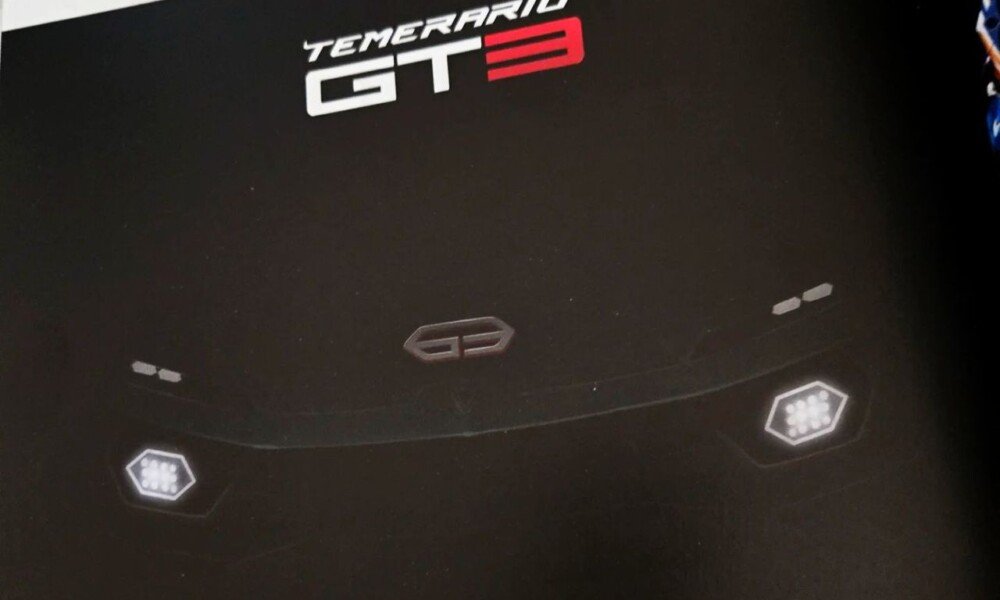


:max_bytes(150000):strip_icc()/tal-wrangler-luggage-travel-hack-with-cup-holder-tout-bec0d64f8e2648b6bab3ea8aa9e7f856.jpg "This Carry-on Luggage Has a Hidden Cupholder")
:max_bytes(150000):strip_icc():format(jpeg)/tal-wrangler-luggage-travel-hack-with-cup-holder-tout-bec0d64f8e2648b6bab3ea8aa9e7f856.jpg)
:max_bytes(150000):strip_icc()/tal-naadam-the-original-cashmere-sweater-hillary-maglin-06-1-e3be3b2a8e6e44b48547298df4881666.jpeg "The 11 Best Cashmere Sweaters, Tested and Reviewed")
:max_bytes(150000):strip_icc()/naadam-the-original-cashmere-sweater-d54d9b113dbb4c469912ed6636db4bb3.jpg)
:max_bytes(150000):strip_icc()/everlane-the-boxy-crew-in-cashmere-2-2b8c45640ac24ab9bdf0c1ad30371cfb.jpg)
:max_bytes(150000):strip_icc()/state-cashmere-the-ribbed-crewneck-cashmere-sweater-bf84582c68e74bb7a29b89c88203485c.jpg)
:max_bytes(150000):strip_icc()/white-warren-cashmere-crewneck-b6bf6829ceb64320be141b88e4260b17.jpg)
:max_bytes(150000):strip_icc()/ravella-winslet-cashmere-cardigan-coat-7152a14debb147f5807f577b982ce8c7.jpg)
:max_bytes(150000):strip_icc()/jenni-kayne-cropped-cashmere-cocoon-cardigan-418c3baccd894919bbe1d487e912fff1.jpg)
:max_bytes(150000):strip_icc()/quince-mongolian-cashmere-crewneck-sweater-27bda19eb47f4cb1a16cbf6f41455367.jpg)
:max_bytes(150000):strip_icc()/lilysilk-eshe-2-in-1-cashmere-detachable-hoodie-294dfa5fa2264068a4db0f4e786f5221.jpg)
:max_bytes(150000):strip_icc()/naked-cashmere-ethel-brushed-cashmere-turtleneck-sweater-c6f8bde65baf4bff8d7c50d00cd361d7.jpg)
:max_bytes(150000):strip_icc()/from-future-short-crewneck-sweater-45db351ff97543e89b290a4c36b9ffc0.jpg)
:max_bytes(150000):strip_icc()/quince-mongolian-cashmere-tee-d5b08ec0da08496188cc5d3acf01a0b0.jpg)


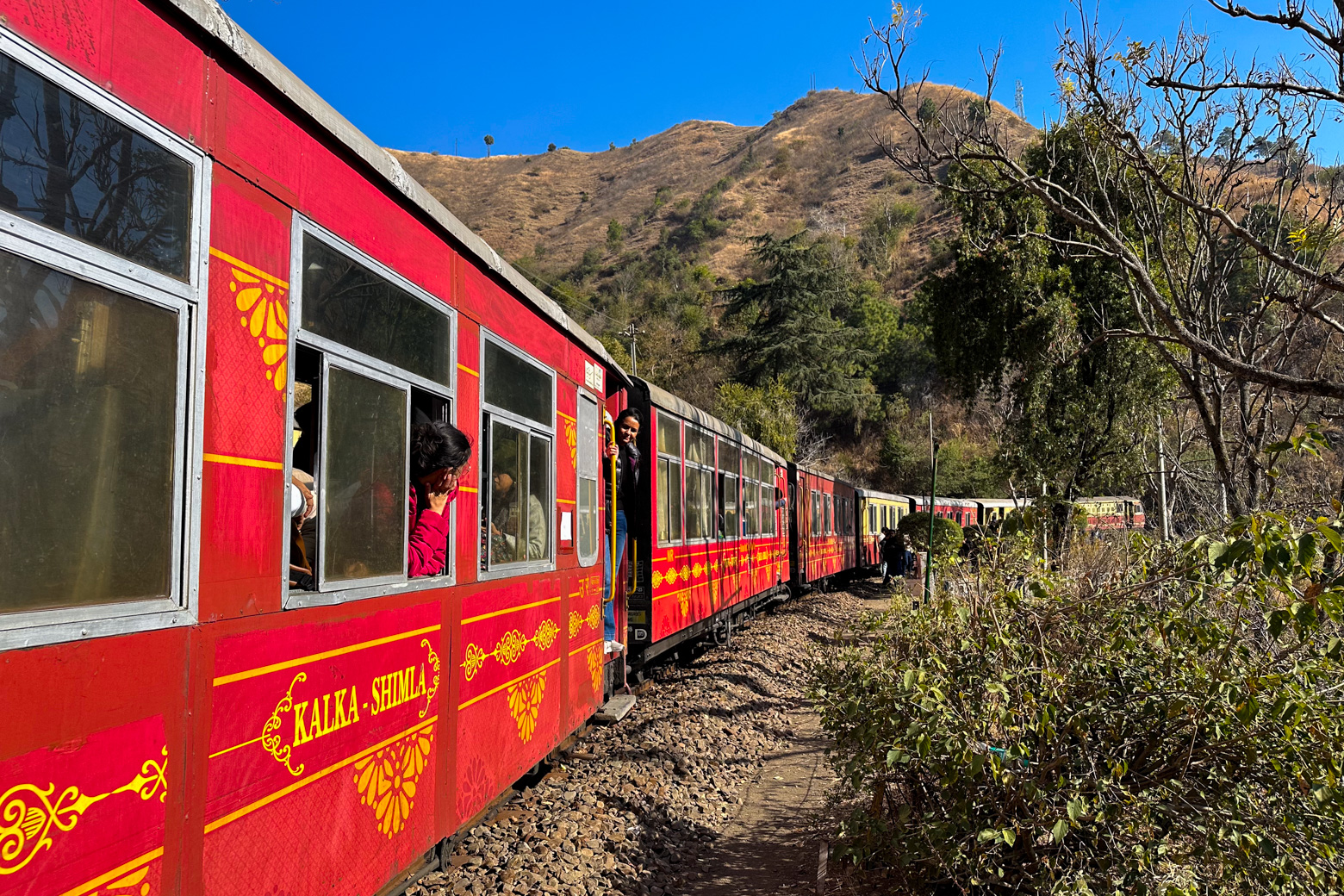

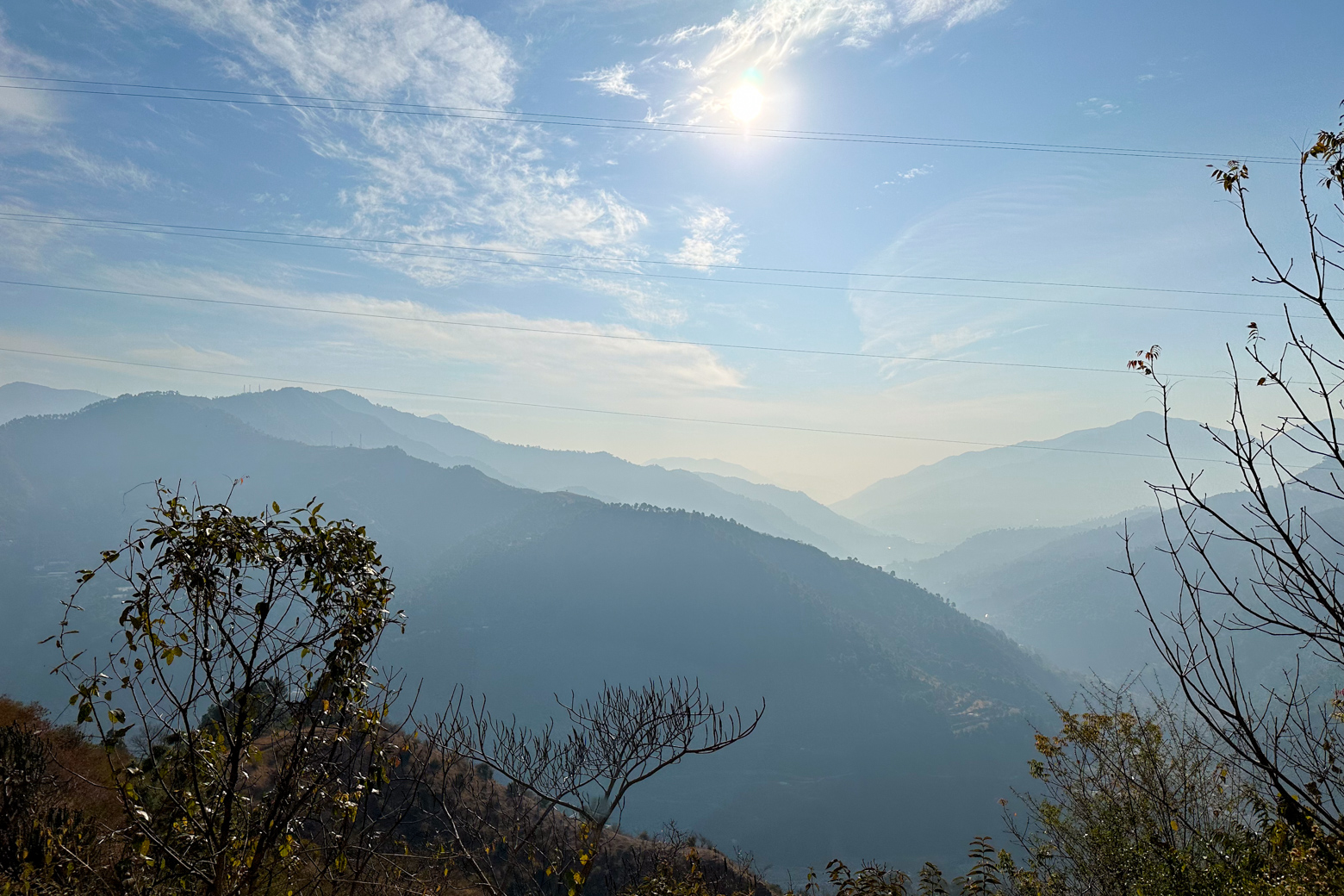
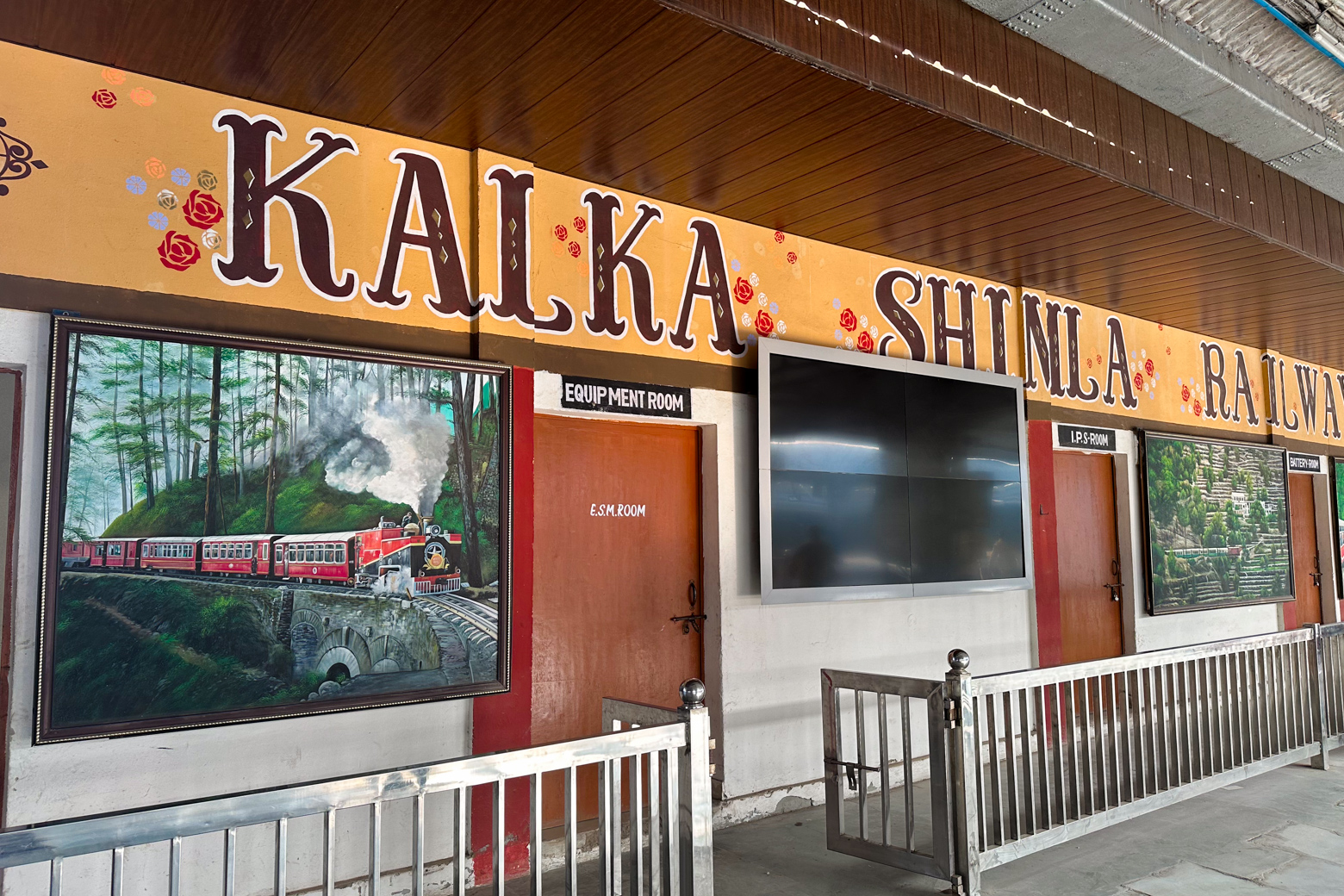
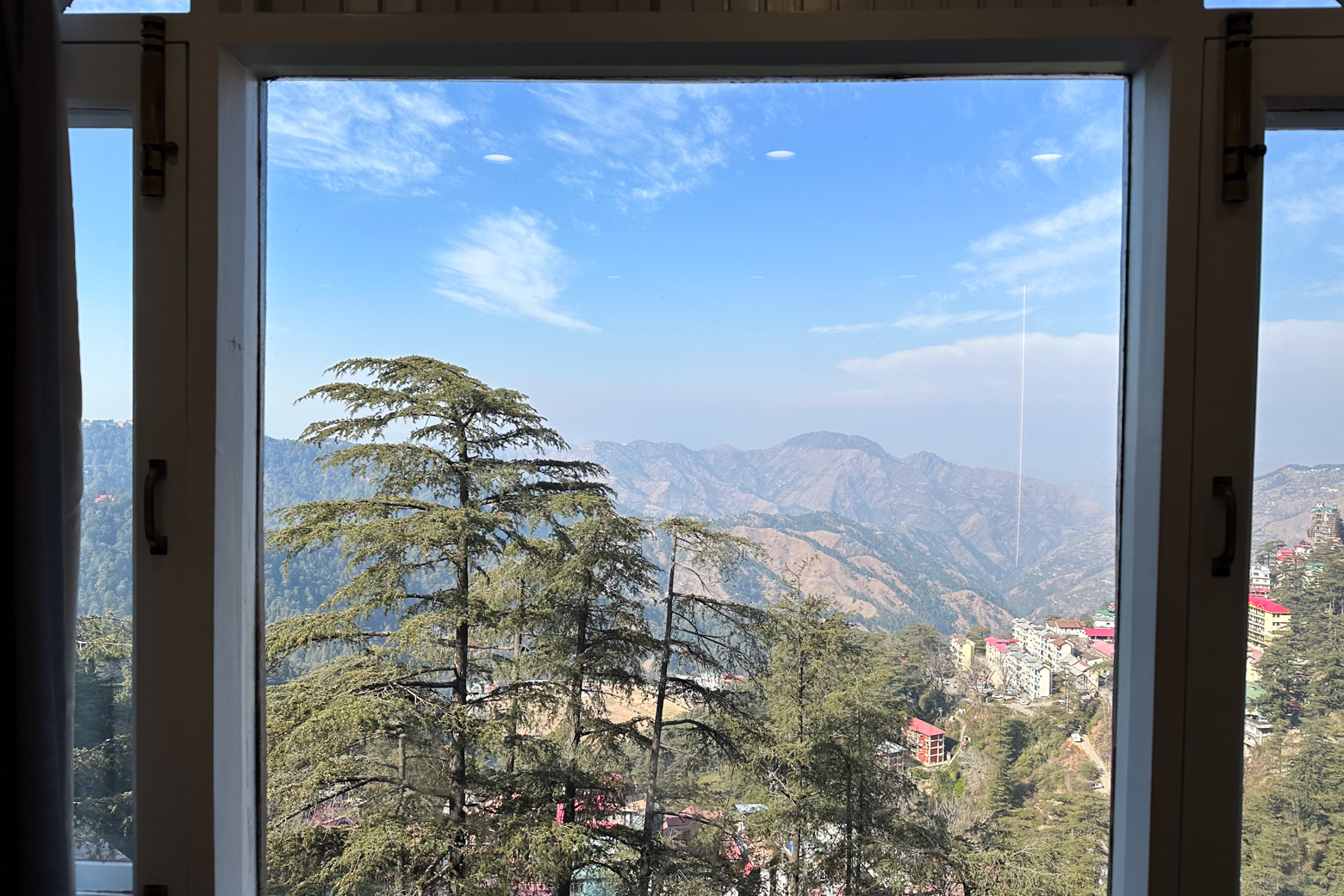
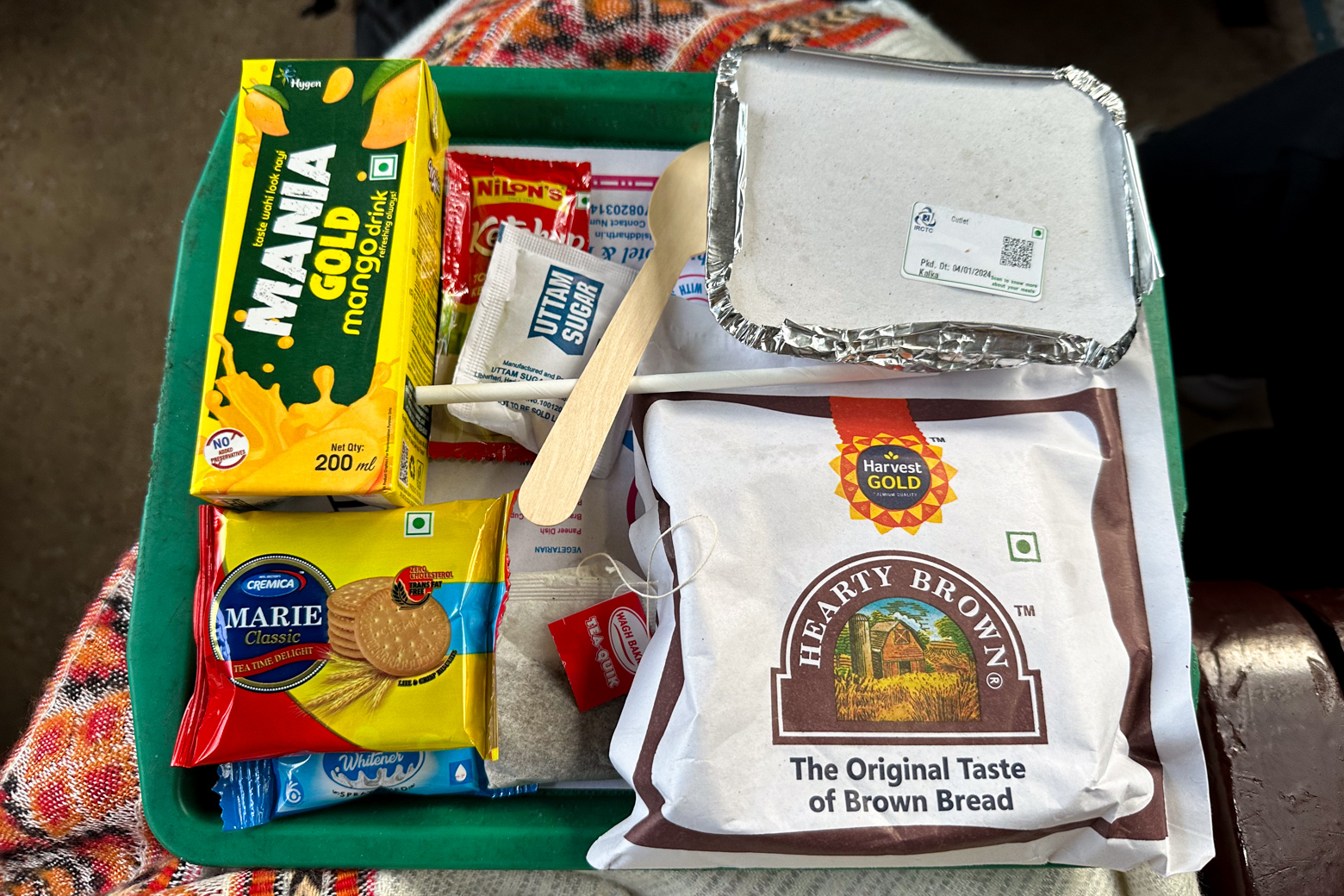




:max_bytes(150000):strip_icc()/TAL-chicago-riverwalk-and-buildings-QUEERSAFETYINDEX0425-a5124241783a40c8ac8545e86f7525bc.jpg "Chicago Was Just Named the Safest U.S. Destination for LGBTQ+ Travelers")
:max_bytes(150000):strip_icc():format(jpeg)/TAL-chicago-riverwalk-and-buildings-QUEERSAFETYINDEX0425-a5124241783a40c8ac8545e86f7525bc.jpg)


