When I first started working online, people thought it’s all just great. “Wow, you’re living the dream!” they’d say. No more allowance struggles. Just a 19-year-old student nomad, building a free lifestyle. Anywhere I could find stable Wi-Fi. Usually plugged into a tiny USB or flexible controller. Always balancing my PC or Mac on the edge of a borrowed desk.
Deciding to work from home wasn’t something I planned. It was a leap. It has its own challenges. I had to learn to study without being in a classroom. I also considered learning a new language to connect with clients abroad. Every day became a mix of trial, error, and growth. It’s like an apprenticeship in remote work, with no formal instructor.
If you want to learn more about becoming a freelancer, “The A-Z on Becoming a Digital Nomad” can help! It’s a beginner-friendly guide filled with tips and tools I wish I had when I was starting. That lifestyle shift can be a lot, so you need this book.
The Hidden Challenges of Nomadic Life
What people don’t usually see is the full calendar. Overlapping deadlines. Late-night meetings after class. The stress of juggling school work, assignments, and group projects – where I was the only one doing the work.
And it’s not just me. Any solo traveler, work-from-anywhere parent, or manager of a client from two continents face a version of this overwhelm.
I’ve gotten used to living in organized chaos. I’ve learned that self-discipline and time management are the ideal foundation for surviving the chaos of different cultures, schedules, and environments.
A TED Talk That Hit Home
I stumbled upon a TED Talk by Avni Patel Thompson – “Can AI Help With the Chaos of Family Life?” And honestly, I didn’t expect it to resonate as deeply as it did.
After all, I’m not wrangling toddlers or organizing school runs. But her story? It hit home. Especially the parts about managing relationships, routines, and expectations.
Avni is a tech innovator and founder. She designed an app to help busy parents coordinate the never-ending list of family activities. From pickups and playdates to birthday parties and everything in between.
At first, it sounds like the one thing anybody needs. Automate the chaos. Eliminate the stress. Voilà! More mental space to enjoy your family.
But as the product evolved, Avni noticed something strange.
The app started to erase the very points where connection happens. Those annoying messages asking who’s picking up the kids? Turns out, they’re also moments where couples talk and sync.
Take that away, and relationships start to feel like a basic checklist. The same can happen when you’re just messaging friends or locals while bouncing between Europe and Canada.
Digital Tools Can’t Solve Everything
Yes, we’ve all become experts at using tools to control our freedom. We plan our days on Notion. We organize chats through WhatsApp or Messenger. Set reminders on Google Calendar. Check Discord for updates on side projects or team calls.
It seems to make sense until it doesn’t. And like Avni, I have learned that the most optimized systems can burn you out. You can control your time. Or at least you think you can. But not always your energy. You are free. But never off.
The freedom to work from anywhere is heaven, but what if your anywhere means your dorm room at 3 AM after a group meeting? Or your client overseas wants edits right now?
But honestly? I still would not change it for anything.
Chaos Can Be a Feature
I had a big realization after watching that TED Talk. The chaos is not a bug. It’s actually a feature.
Being a digital nomad, especially as a student nomad, teaches you to be resilient. You manage more than just time zones and deadlines. You manage your own energy, or learn to be present even when nothing goes according to plan. It helps you grow while you go.
Avni reminded me: growth often happens in the mess. When you’re spread too thin. When you’re starting your first freelance gig. When you’re studying for midterms while trying to figure out how to manage lighting control on a set. Or debugging RDM devices while interning in creative tech.
Just like parenting, digital nomadism isn’t perfect. It’s about reaching beyond your comfort zone. It’s about building a life on your own terms, even if those terms keep changing.
What This Lifestyle Really Means
If you’re a student considering remote work:
It won’t always be smooth. You’ll face loneliness, missed deadlines, and the constant search for Wi-Fi.
But you’ll gain something rare: a chance to build your future proactively, explore new destinations, experience different cultures, and enjoy perks like student discounts.
Seeing someone like Avni reminded me: balancing multiple priorities is possible with patience and focus. This path isn’t just for the wealthy or experienced; it’s for anyone willing to take control of their time — students, parents, fresh grads, or digital nomads passing through Spain or the UK.
Embrace the Chaos and Start!
Watching that TED Talk validated my chaos and gave me a reason to embrace it. You don’t need to have it all figured out; you just need courage to start.
Pick a talk, a skill, or a project. Your student nomad journey begins when you decide it does.
Pack Smart: Essentials for Student Nomads
Travel Health Insurance – As Kach always recommends, secure EktaTraveling health insurance for affordable coverage against flight delays, medical emergencies, or unexpected travel disruptions.
Wireless Headset – Kach recommends investing in a quality headset to stay focused during virtual meetings or study sessions, even in busy cafés or hostels.
Laptop – Your most important tool as a student nomad. Choose a lightweight, high-performance that can handle multitasking — from editing documents to managing freelance work — wherever your journey takes you.
Travel Adapter – Keep your devices charged wherever you go worldwide. It’s one of those small but vital tools that save travelers from unnecessary stress.
Connectivity – Stay connected worldwide with an Eskimo eSIM, a favorite among digital nomads for its reliable data coverage and instant setup — no need to swap SIM cards when crossing borders.
Learn the Language – As a long-time traveler and multilingual digital nomad, Kach recommends Rosetta Stone, one of the world’s most trusted language-learning programs. With its $179 Lifetime Subscription, it’s a smart investment for student nomads who want to confidently communicate and connect while abroad.
Pro Tip: Kach recommends preparing these essential tools and devices before your journey begins. Having them ready ensures a smooth, productive, and connected lifestyle wherever you decide to study or work next.
FAQ
What’s the best way to start as a student nomad?
Discover your skills. Make a plan on how you can work online while studying. Establish a routine between your activities. Apply for internships or freelance work that fits your lifestyle.
Do I need a student visa to work remotely in a foreign country?
Yes, in many cases, you will need a student visa. This can serve as your proof of eligibility for residency, health coverage, and sometimes part-time work. Always check the visa policies of your host country before traveling.
Can student nomads really afford to travel long-term?
with the right planning, of course! Many places offer student discounts on transportation, housing, and even gadgets. Budgeting smartly, using affordable control systems. Knowing the best places for value can make long-term travel sustainable.
About The Writer
I’m Cyrine, a 19-year-old Filipina writer navigating college, freelancing, and the journey to becoming a digital nomad. I share real stories, budget tips, and lessons from chasing freedom through remote work, one step at a time.
We have created the ultimate list of the best cocktail captions for Instagram posts. Simply browse this article and choose your favorite!
Who doesn’t love drinking a delicious mixed drink with friends or a loved one? If you’ve taken some incredible photos then you need the best cocktail quotes for Instagram to perfectly describe the moment!
Looking for something witty to get a giggle from your followers? Look no further! There are also numerous funny cocktail puns scattered throughout this article. Why not choose one of them to add to your next photo.
Cocktail Captions for Instagram
I have mixed drinks about feelings.
Twinkle, twinkle, little star, point us to the nearest bar.
Why limit happy to an hour?
I always make time for cocktails.
But first, cocktails.
A party without cocktails is just a meeting.
Happy hour vibes.
Technically it’s not drinking alone if the bartender is there.
Take life with a grain of salt, a slice of lime, and a shot of tequila.
Cocktails are not the answer. Cocktails are the Question. Yes is the answer.
Next: Rooftop Bar Captions for Instagram
Trust me, you can dance – Vodka
I prefer my espresso in a martini.
Want to make me yours? Offer me some cocktails.
Girls just wanna have cocktails.
Keep calm and make yourself a cocktail.
You Might Also Like:
Coffee Captions for Instagram
Food Captions for Instagram
Brunch Captions for Instagram
My doctor said I needed to drink more water, so I added ice to my whiskey.
Make happy hour last all day.
A banana has 105 calories, a vodka soda has 64. Choose wisely.
It’s strange how eight glasses of water a day seems impossible. But eight cocktails doesn’t.
Cocktails are the other Vitamin C.
Hit me with your best shot.
A cocktail a day keeps the worries away.
You don’t need a recipe for your cocktail, just blend every spirit out there and the best cocktail is already ready.
The best cocktails are the ones we drink with friends.
Tonight’s forecast? 99% chance of cocktails.
Long Live Happy Hour!
I wish someone would look at me the same way I look at cocktails.
Enjoy a taste of heaven.
Behind every great night is a cocktail.
The best kind of alcohol is…A lot.
Thank you from the bottom of my glass.
It’s a cocktail o’clock.
An intelligent man is sometimes forced to be drunk to spend time with his fools.
Choose happy…hour.
It’s beginning to look a lot like cocktails.
No working during drinking hours.
Friday called, she’s on her way bringing cocktails!
Step aside coffee. This is a job for cocktails.
A drink a day keeps reality at bay.
Darling, every hour is ‘happy hour’ when you are fabulous.
Save water, drink cocktails.
Sip, sip hooray!
Time flies when you are having a cocktail.
Strong women need strong drinks.
Political party? No. Cocktail party? Yes.
I enjoy long romantic walks toward the bar.
Cocktails are way cheaper than therapy.
Friends don’t let friends go thirsty.
Some call it self-confidence – I call it cocktails.
There is nothing that a cocktail cannot solve.
Next: Tea Captions for Instagram
Don’t even ask, just pour me a drink.
Never chase anything but drinks and dreams.
Hydrate responsibly.
First drink, then let’s think about it.
Drink happy thoughts.
Eat, Sleep, Cocktail, Repeat.
We don’t trust camels or anything that can go a week without a drink.
I’m in need of liquid therapy.
I got 99 problems and cocktails solve every one of them.
Cocktail thoughts.
Next: Date Night Captions for Instagram
Cocktail Puns for Instagram
Sip happens.
Let the evening be gin.
I NEED A HUGe cocktail.
I’d rather be someone’s shot of whiskey than everyone’s cup of tea.
Born to rum.
Hakuna ma’ vodka.
Call me old-fashioned.
Alcohol you later.
Don’t cry over spilt milk… it could’ve been a cocktail.
Drink responsibly – Don’t spill any.
Pretty fly for a Mai Tai!
I’m in a good place right now. Not emotionally, I’m just in a bar.
When life throws lemons, catch them and make a cocktail.
Do cocktails count towards my eight glasses of water a day?
You Might Also Like:
Florida Captions for Instagram
Yes, way rose.
Knock knock, it’s cocktail o’clock!
My favorite book: “Tequila Mockingbird”
Yes, size matters! No one wants a small cocktail!
Let’s drink about it.
Cocktail Quotes for Instagram
“If you like piña coladas, and getting caught in the rain…” – Rupert Holmes, Escape
“No amount of physical contact could match the healing powers of a well-made cocktail.” — David Sedaris
“There cannot be good living where there is no good drinking.” – Benjamin Franklin
“Here’s to alcohol, the rose-colored glasses of life.” – F. Scott Fitzgerald
“I feel bad for people who don’t drink. When they wake up in the morning, that’s as good as they’re going to feel all day.” – Frank Sinatra
“It’s 4:58 on Friday afternoon. Do you know where your margarita is?” ― Amy Neftzger
“Work is the curse of the drinking class.” – Oscar Wilde
“If life gives you lemons, make lemonade…and find someone whose life gave them vodka.” – Ron White
“Cheers to the freakin’ weekend.” — Rihanna, “Cheers (Drink to That)
“Hear no evil, speak no evil, and you won’t be invited to cocktail parties.” – Oscar Wilde
“Why limit happy to an hour?” – W.C Fields
“Alcohol may be man’s worst enemy, but the bible says love your enemy.” — Frank Sinatra
“There are two kinds of people I don’t trust: people who don’t drink and people who collect stickers.” — Chelsea Handler
“I like to have a martini, two at the very most. After three I’m under the table, after four I’m under my host” – Dorothy Parker
“She has a cocktail in her hand and confetti in her hair.” – Kate Spade
“Do not allow children to mix drinks. It is unseemly and they use too much vermouth.” – Steve Allen
“When I read about the evils of drinking, I gave it up. Reading, that is.” – Henny Youngman
“It is true that whiskey improves with age. The old I get, the more I like it.” – Ronnie Corbett
The second US-spec Koenigsegg Jesko has landed in the United States. The latest example, dubbed ‘Eye of the Tiger’, was delivered to Dallas, Texas, and shares the garage with a CCXR and a Regera.
The Koenigsegg Jesko ‘Eye of the Tiger’ is finished in a metallic shade called Champagne with Yolk Yellow accents, a yellow Apex stripe, Slingshot stripe, and Engelholm Fins. It has a Graphite central Slipstream Stripe and Swedish colors on the side skirts.
The car rides on AirCore Carbon wheels with Yolk Yellow brake calipers and carbon mirror caps. The cabin is trimmed in Roe Deer and Cream leather and a yellow G-Force Meter.
Besides the unique spec, this special Jesko also features a few custom add-ons, such as an “Eye of the Tiger” artwork with chassis no. 288 and a special plaque with Christian von Koenigsegg’s signature.
The Jesko is powered by a 5.0-liter twin-turbo V8 engine that puts out 1280 hp (1600 hp on E85) and 1106 lb-ft of max torque. The engine is hooked to a 9-speed multi-clutch transmission, which Koenigsegg refers to as the Light Speed Transmission or LST.
Steel is an alloy of iron and carbon, and frequently, other materials too. This alloy remains the material of choice for most collectors and forms the bulk of Swiss exports. We will defer the usual examination of steel in general, fascinating though it is, and move straight ahead to definitions and the use of the material in watchmaking. Amongst the many alloys of steel-primarily distinguished by how many and what kinds of metals are in the mix-most of you, dear readers, will be familiar with 316L and 904L steel.
Here is what makes up 904L stainless steel, assembled from various sources and first published by us in 2021:
Nickel, 23-28%
Chromium, 19-23%
Carbon, 0.02% maximum
Copper, 1-2%
Molybdenum, 4-5%
Manganese, 2% maximum
Silicon, 1.0% maximum
Iron (balance)
Colloquially, we think of these as stainless steel and this works just fine; some might recognise 904L as OysterSteel, which is one of watchmaking’s earliest efforts to impose a measure of branding on materials. Generalist sources will note that steel was probably used first in the 1910s and then picked up in popularity with the Great Depression. The hardness of the steel (compared with silver and gold) made some kinds of casemaking and finishing techniques impractical, especially the Art Deco styles popular in the 1920s and 30s. Of course, this gave watches different features depending on the materials used.
Steel cases made robust tool watches possible, the usefulness of which was demonstrated by early aviators such as Charles Lindbergh and Santos Dumont, most famously (and fabulously). It is not precisely recorded what sorts of watches were used by artillery officers in WW1, but this is where steel could be expected to shine, no pun intended. In reality, whatever watches could be pressed into service probably were. By WW2, things had gotten more orderly and militaries everywhere had recognised the need for good tools and field watches.
While water-resistance is not directly related to material choice here, the most famous of such cases, the Rolex Oyster, was in steel. With the end of the great wars and the end of rationing, more maximalist consumer habits did not see steel fall by the wayside and the growth of the watch business in this part of the 20th century saw more and more steel models.
We refer here to the Rolex GMT-Master and Daytona watches, but also to the Omega Speedmaster and the Heuer Carrera. All the iconic dive watches also emerged in this time frame, including the Submariner and Fifty Fathoms. Coincidentally and obviously, the rise of the luxury steel sports watch also happened in the 20th century.
As with many observers of the trade, from EuropaStar to WatchTime and WatchAround, and CEOs ranging from Julien Tornare and Guido Terreni to Thierry Stern, we concur that the sweeping tide of casualisation is primarily responsible. As a material, steel happens to benefit from the same cultural changes evident in the normalisation of jeans in professional settings, especially when the dress code is “business casual.” This would hThe Enduring Role of Steel in Watchmakingave been unthinkable 50 years ago.
This story was first seen as part of the WOW #79 Summer 2025 Issue
For more on the latest in luxury watch reads, click here.
Buying a roadside motel can be one of the most rewarding hospitality investments—if you know what today’s travelers truly value. This guide breaks down the modern essentials, from safety and cleanliness to operational strategies that boost reviews, occupancy, and long-term ROI.
I still remember pulling into a tired roadside motel just after midnight: sodium lights buzzing, a clear view of my car from the room door, and zero line at check‑in. In that moment, what mattered wasn’t a chandeliered lobby—it was lighting, parking sight-lines, and easy access. Those three cues told me I’d sleep safely and get back on the road at dawn. That’s the core of roadside motel investment: align clean, safe, easy stays with efficient operations, and you capture resilient drive‑market travel even when budget hotel trends shift.
Over the past decade, I’ve advised on a dozen acquisitions and operated or asset‑managed five roadside motels. The pattern is consistent: when we prioritize basics guests actually value, margins widen and reviews follow. In this guide, I’ll share the practical, field‑tested framework I use when looking for motel for sale on Relamo—from underwriting and capex to guest experience and revenue. You’ll see exactly how I audit, recast, stress‑test, and sprint so a modest property can outperform its comp set without bloated costs.
What Today’s Travelers Really Value (Above-the-Fold Checklist)
Cleanliness You Can See and Smell
For roadside stays, “motel cleanliness” is table stakes and a booking driver. My pre‑arrival routine starts with a quick “sniff test” at the threshold—no heavy fragrances, just neutral, fresh air. I run a grout/silicone audit in the bath: bright caulk, no mildew seams, polished fixtures. I standardize white linens because they telegraph clean at a glance and launder predictably. During turnovers, we do a UV flashlight sweep to catch missed splashes and dust lines that erode guest reviews. When housekeeping standards are visible, guests trust everything else. Do this next:
Walk three ready rooms with a UV light.
Replace any caulk that isn’t bright white.
Standardize linens to a single white SKU.
When Buying a Roadside Motel Safety, Lighting, and Parking is Paramount
Motel safety isn’t just cameras; it’s how the site feels at night. I evaluate sightlines from each door to the lot, then swap blue‑white bulbs for warm 3,000–3,500K LEDs that brighten without glare. I want continuous, even parking lot lighting—no dark pockets between poles—plus clear wayfinding to rooms and exits. Security cameras should be obvious (not intimidating) with signage that’s simple and legible. Those cues reduce anxiety and boost conversions before a guest even reads your amenities. Do this next:
Night‑walk the property and mark shadow zones.
Re‑lamp to warm LEDs and add one pole if needed.
Replace any ambiguous directional signs.
Frictionless Check‑In (Late Arrivals Included)
Fancy lobbies don’t win late arrivals—clarity does. I rely on contactless check‑in with smart locks and a message sequence that halves after‑hours calls. Here’s the template I use:
T-24 hrs: “Hi {First}, excited to host you at {Property}. Quick heads-up: easy self check-in. Reply YES to confirm.”
T-2 hrs: “Directions pic attached. Park anywhere lit. Your door code is {####}. Wi‑Fi: {SSID}/{PW}. Text if you need help.”
+5 mins post check-in time: “Welcome! If something’s not right, text me first—we’ll fix it fast.”
Clear instructions and a reliable keypad beat marble every time. Do this next:
Map your late‑arrival flow in three messages.
Install smart locks on your highest late‑arrival room block.
Add a pictorial directions card to confirmations.
When Buying a Roadside Motel You Must Be Sure there is Fast, Reliable Wi‑Fi Everywhere
Hotel Wi‑Fi is no longer a perk; it’s oxygen. I run a quick heatmap assessment on my phone, walking door‑to‑door and noting drops. My minimum target is 25–50 Mbps down per room at peak, with a mesh network and bandwidth caps to prevent a single stream from hogging. Access points (APs) should be spaced to avoid overlap but eliminate dead zones, and VLANs separate guest traffic from office/PMS devices. When the internet “just works,” complaints vanish. Do this next:
Speed‑test five rooms at peak; log results.
Add APs to hit 25–50 Mbps per room.
Enable per‑device bandwidth caps.
Sleep Quality: Beds, HVAC Noise, and Blackout
Five‑star mentions come from sleep quality: great motel beds, quiet HVAC, true blackout curtains. I do a “10‑minute sleep test” in every renovated room—lie down, listen for rattles, feel for mattress dips, and check for light leaks. I tighten rattling fan shrouds, add door sweeps and gaskets, and upgrade to real blackout with side tracks. A supportive mattress and crisp linens make budget rooms feel premium without premium capex. Do this next:
Run the 10‑minute test in three random rooms.
Install door sweeps and window gaskets where light bleeds.
Replace any mattress failing the “roll‑to‑center” test.
Value Touches That Punch Above Their Weight
Guests love simple, functional in‑room amenities: a mini‑fridge/microwave, serious water pressure, plenty of outlets, strong coffee. My favorite $40 upgrade is a pressure‑boost showerhead—guests notice immediately. For outlets, I place at least two visible bedside options plus a desk‑level combo with USB‑A/C. Pair it with a small pour‑over kettle and quality ground coffee, and satisfaction jumps. Do this next:
Swap in pressure‑boost showerheads across ready rooms.
Add bed‑height outlet bars with USB‑C.
Upgrade coffee to a consistent, bold blend.
Pet‑Friendly and EV‑Ready (Market Dependent)
A pet‑friendly motel policy and two Level 2 chargers widen your funnel. I designate pet rooms with hard floors, add a HEPA pass after checkout, and use lint rollers in the housekeeping cart. For EVs, I post simple signage and a flat fee that’s easy to understand: “Level 2 Charging: $10/session for guests, $20 for visitors.” Clarity keeps turnover smooth and reviews positive. Do this next:
Install two L2 chargers with clear pricing signage.
Market and Asset Due Diligence That Predicts Demand
Location Patterns That Work for Motels
I start with my “3R test”: Road, Reason, Repeatability. Road means true access—an interstate exit or a high‑flow state route where an “interstate motel” makes sense. Reason is a dependable draw: national park gateway, college town, hospital, distribution node, or utility crews on multi‑month projects. Repeatability asks, “Will this demand show up again next week and next year?” When all three line up, you’ve got a durable base.
My quick map scan method: pull up the corridor, layer in the nearest distribution centers, job sites, hospitals, and recreation nodes. Then drive the strip at 10 a.m. and 10 p.m.—you’ll see weekday crew trucks and weekend leisure in real time. Properties with easy in/out and visible parking tend to outperform because they convert impulse bookings from drive‑market travel. Do this next:
Run the 3R test on three candidate corridors.
Day/night drive‑by to spot actual demand.
Note where crew trucks already congregate.
Comp Set, Seasonality, and Demand Calendar
Before pricing anything, I build a comp set of 5–7 similar motels and chart seasonality. My simple spreadsheet tracks ADR (average daily rate), occupancy, day‑of‑week mix, special events, and blackout dates. I call the DMO/chamber to confirm festivals, sports schedules, and construction projects. Then I build a demand calendar with rate fences for weekday crews vs. weekend leisure. This upfront work prevents rate panic later. Do this next:
Create a comp set sheet with ADR/occ trends.
Call the DMO/chamber for the annual event list.
Draft a 12‑month demand calendar with notes.
Seller Financials: What to Trust, What to Normalize
I recast the P&L to get to true NOI (net operating income). That means normalizing owner labor, stripping one‑time expenses, and accounting for deferred maintenance that hasn’t hit yet. I separate property taxes, insurance, utilities, payroll, and distribution costs, then overlay seasonality to understand month‑to‑month cash flow. If the seller is light on reporting, I triangulate with OTA production, PMS night audit totals, and bank deposits.
Common add‑backs and flags: personal vehicles on the motel’s fuel line, family payroll that won’t continue, cash sales not recorded in deposits, and maintenance “paid in favors.” I also estimate a realistic capex reserve for items I’ll address immediately (life‑safety, sleep stack, Wi‑Fi). Only after this recast do I talk valuation. Do this next:
Recast P&L with owner labor at market wage.
List deferred maintenance with rough costs.
Cross‑check revenue with bank and OTA data.
Valuation and Financing Fundamentals for Motels
Underwriting Basics: NOI, Cap Rates, DSCR
I value the business on stabilized NOI—not wishful “after renovation” projections. I test DSCR (debt service coverage ratio) under conservative assumptions: my stress‑test rule is DSCR ≥ 1.50 with a 10% RevPAR dip and +200 bps interest rate shock. I also run sensitivity on occupancy and ADR separately to see which lever breaks DSCR first. If the deal only works at perfect utilization, I pass. Do this next:
Underwrite base/stress cases side by side.
Confirm DSCR ≥ 1.50 in stress.
Flag any scenario relying on unrealistic ADR jumps.
Financing Options: SBA 7(a) vs 504 and Conventional
Match loan type to your plan. SBA 7(a) is flexible for acquisitions with meaningful goodwill and working capital; 504 shines when buying real estate with heavy fixed‑asset capex; conventional works if you’ve got strong collateral and experience. I present lenders a crisp package: trailing 24 months P&L, demand thesis, capex scope, construction timeline, and a 13‑week cash flow. I’m explicit about guarantees, fees, and prepayment penalties so there are no surprises. Do this next:
Choose financing based on hold period and capex.
Assemble a lender packet (P&L, thesis, capex, timeline).
Model prepayment penalties in your exit.
Avoiding Overpaying: The Renovation Trap
Don’t pay the seller for upside you must create. On one acquisition, I traded a price reduction for repair credits tied to life‑safety and room refresh—sprinkler remediation, GFCIs, and sleep stack upgrades. We closed sooner, and I kept control of how each dollar got spent. Renovation dollars should accrue to your basis, not inflate the seller’s. Do this next:
Separate “as‑is” value from post‑reno pro forma.
Negotiate credits for code and room refresh items.
Tie credits to a pre‑close punch list.
Property Audit and Renovation Priorities Guests Feel
80/20 Capex: Curb Appeal and First 5 Minutes
Guests decide in five minutes. My weekend “facelift sprint” checklist: repaint doors and trims in a modern, matte palette; re‑stripe parking with accessible spaces clearly marked; refresh signage with high‑contrast fonts; trim landscaping, add native plants; replace door hardware for a solid close. These budget renovation moves reset expectations before a guest sees the room. Do this next:
Schedule a 48‑hour curb‑appeal sprint.
Replace any peeling numbers/signage.
Photograph before/after for your GBP.
Sleep Stack: Mattress, Linens, HVAC, Blackout
Invest where guests spend the night. Vendor criteria: medium‑firm mattresses with encasements, 250–300 thread‑count white linens, and HVAC units under 55 dB on low. I rotate mattresses on a three‑year cadence in highest‑demand rooms and five years elsewhere. Pair with tracked blackout curtains so no light leaks at the edges. Sleep quality drives repeat business. Do this next:
Upgrade top 25% of rooms first (highest demand).
Set a rotation calendar in your PMS.
Audit HVAC noise; isolate units above 55 dB.
Bathroom Experience and Water Systems
Pressure, temperature stability, spotless caulk—these beat tile trends. I replace sticky mixing valves, descale lines quarterly, and swap aerators to balance flow. A $10 silicone refresh makes showers feel new. Keep fixtures gleaming and the floor bone‑dry at turnover. Do this next:
Replace two worst mixing valves this week.
Set a quarterly descaling routine.
Re‑caulk any seam that isn’t pristine.
Wi‑Fi and Smart Basics
Design Wi‑Fi intentionally: proper AP placement, VLANs, and smart bandwidth caps. My rule of thumb is one exterior‑rated AP per 4 rooms on exterior corridors (or ~1,000 sq ft), mounted away from metal obstructions. Use a controller to balance loads and an isolated VLAN for office/PMS devices. Smart basics—smart locks, noise‑monitoring in common areas, and a guest messaging line—prevent problems before they hit reviews. Do this next:
Map APs and run a peak‑hour walk test.
Isolate office devices on a VLAN.
Add a SMS line for real‑time guest support.
Designing the Guest Experience Travelers Rave About
Check‑In Flow and Late‑Night Protocol
I script the digital guest journey so no one is guessing at 1 a.m. Here’s my three‑message sequence and signage cues:
Message 1 (T-24h): “You’re set for easy self check-in at {Property}. Reply YES to confirm your mobile number for arrival updates.”
Message 2 (T-2h): “Turn in at {Landmark}, follow the lit ‘Lobby → Rooms’ signs. Your code: {####}. Wi‑Fi {SSID}/{PW}.”
Message 3 (T+5m): “Welcome! If we can improve anything, text here and we’ll fix it fast.”
Signage: A-frame at entrance with “Check-In →” arrow + QR to directions map; door placards with code pad instructions.
Friction melts when directions and codes are crystal clear. Do this next:
Print an entrance A‑frame with QR directions.
Load the three‑message sequence into your PMS/CRM.
Test the flow as a mystery guest.
Room-Level Details That Earn Mentions
Little things drive big “guest reviews.” I keep HDMI ports accessible and label them; pre‑install streaming apps and a simple channel guide on one laminated card. Task lighting at the desk, warm bedside lamps, and blackout curtain tracks create a cozy, functional feel. A mini‑fridge and microwave seal the deal for road‑trippers. Do this next:
Expose and label HDMI/USB on every TV.
Replace channel binders with one clean card.
Add a desk lamp with USB‑C.
Pet, EV, and Accessibility Readiness
Policies need to be clear and fair. My pet policy: $25/night, designated hard‑floor rooms, max two pets, with a quick HEPA pass after checkout. EV charging: two Level 2 spots, $10/session for guests, 4‑hour limit, tow‑away after. Accessibility: stripe accessible parking correctly, ensure ramp slopes meet code, and verify ADA room features (grab bars, clearance). Always verify local codes before making life‑safety, ADA, or signage changes. Do this next:
Publish pet/EV policies on GBP and OTAs.
Walk the accessible route with a tape measure.
Audit ADA rooms for missing grab bars.
Revenue, Distribution, and Reputation Playbook
Pricing by Segment and Day‑Mix
Weekday crews and weekend leisure behave differently. My motel pricing strategy sets weekday “crew rates” with length‑of‑stay (LOS) minimums and weekend “flex” rates with fenced perks. Example rate ladder: Mon–Thu Crew $79 (LOS 3+), Flex $89; Fri–Sat Flex $109–$129; Sun Reset $79. LOS controls maintain margin while keeping the calendar clean. Do this next:
Build a weekday/weekend rate ladder.
Add LOS 3+ for crew rates.
Review pickup daily; adjust fences, not just price.
Direct Bookings, Google Business Profile, and OTAs
I treat Google Business Profile as the front door. Top 5 photo shots: exterior at dusk (lit and inviting), a pristine bathroom close‑up, the bed with crisp linens, parking lot under lights, and the lobby/check‑in station. OTAs provide visibility; my direct booking offer is simple: “Book direct for 5% off plus early check‑in if available.” Keep parity close, but make direct slightly better and friendlier. Do this next:
Refresh GBP with the five must‑have photos.
Add “5% direct + early check‑in” to your site header.
Audit OTA content for consistency.
Reviews Management That Moves Rankings
Fast, human replies are free marketing. Two templates I use:
Positive:
“{Name}, you just made our day. We obsess over clean rooms and quiet nights—thanks for noticing. Safe travels and see you next time.”
Negative:
“{Name}, I’m sorry we missed the mark on {issue}. I’ve already {fix taken}. Please email me at {email} so I can make this right on your next stay.”
Then I fix the pattern behind the complaint. That’s how rankings rise. Do this next:
Reply to all reviews within 24 hours.
Tag recurring issues and assign owners.
Close the loop publicly when a fix ships.
Compliance, Risk, and Community Relations
Compliance isn’t optional; it’s the foundation. I build a pre‑close life‑safety punch list: working smoke/CO detectors, illuminated exit signs, emergency lighting, fire extinguishers and service dates, GFCI outlets near water, pool chemical logs, and boiler/HVAC service records. I verify insurance coverages—general liability, property, business interruption—and confirm signage permits before I re‑face anything. Always verify local codes before changing life‑safety, ADA, or signage elements.
Community relations matter, too. Within a week of closing, I introduce myself to the police precinct liaison, the fire marshal, and city hall staff handling permits. I share my cell, outline my renovation plan, and ask for their best practices for our corridor. Neighbors appreciate owners who show up—and that goodwill pays off when you need a variance or a courtesy patrol. Do this next:
Complete the life‑safety punch list pre‑close.
Review insurance with your broker annually.
Schedule meet‑and‑greets with local officials.
Operations Model, Staffing, and SOPs
Owner‑Operator vs Remote‑Managed
Choose a model and staff to it. When I remote‑manage, I rely on a daily dashboard: occupancy, ADR, RevPAR, same‑day pickup, housekeeping status, tickets open/closed. I hold two check‑ins—15 minutes at 9 a.m. and a 5‑minute 4 p.m. huddle—to catch issues before peak arrivals. Clear SOPs and a light tech stack (PMS, smart locks, messaging) bridge the distance. Do this next:
Build a one‑page daily dashboard.
Schedule two standing check‑ins.
Document the top 10 SOPs first.
Housekeeping and Maintenance Rhythms
Turnover speed and preventive maintenance protect margin and reviews. I use a color‑coded room board (red dirty, yellow in progress, green inspected) and a weekly PM cycle: Mondays HVAC filters, Wednesdays drains and traps, Fridays exterior lights and cameras. Quick, visible wins reduce surprise outages. Do this next:
Stand up a color‑coded board today.
Assign a weekly PM theme by day.
Track average turn times per housekeeper.
Vendor Stack and Cost Control
Consolidate linens, laundry, pest, and consumables; measure each to NOI. I set par levels (3x for linens and towels) and reorder triggers at 2x par. Quarterly, I bid out top spend categories and require delivery SLAs. Simple controls keep a budget from bleeding. Do this next:
Set par levels and reorder points.
Bid top three vendor categories.
Add SLAs to every vendor agreement.
Hidden Value Levers and Overlooked Opportunities
Crew Contracts and Corporate Locals
Weekdays are won with utility crews and local businesses. My outreach script is simple:
“Hi, I own {Property} near {Site}. We host crews with quiet rooms, truck-friendly parking, and direct billing. Weekday crew rates from ${Rate} for LOS 3+. Can we be your backup when shifts run late?”
Rate terms: LOS 3+, tax‑exempt forms on file, two room inspections per week, and a no‑penalty shift extension policy. Do this next:
List 10 nearby crew employers.
Send the script and follow up by phone.
Add direct billing to your PMS.
Pet Fees, Micro‑Markets, and Parking Monetization
Small add‑ons compound. My sample pricing and signage:
Pet fee: $25/night per room (sign: “Designated pet rooms only—ask us!”)
Micro‑market: $3–$8 items, honesty fridge with tap‑to‑pay
Premium parking: $10/night for oversized/trailer spots (sign: “Reserved oversized parking—see front desk”)
Keep it clear and guest‑friendly. Do this next:
Stock a 20‑SKU micro‑market.
Stripe two oversized, paid spots.
Print clean, friendly signage.
Land Use Tweaks: RV Pads, Food Truck Nights
We turned a dead corner of frontage into two RV pads with hookups and a Friday food‑truck rotation. The pads filled most weekends, and the food trucks pulled locals who posted photos of our lit exterior—free marketing. Community activity builds goodwill and midweek inquiries. Do this next:
Map two RV pads with hookups if zoning allows.
Book a monthly food truck night.
Promote both on GBP Events.
Next Steps
While buying a roadside motel can be straightforward, it’s important you focus on repeatable demand, guest‑felt renovations, and simple, consistent systems. Underwrite to stabilized NOI, stress‑test DSCR, and invest capex where travelers actually feel it—sleep, showers, Wi‑Fi, and frictionless check‑in. Keep your distribution tight, your reviews human, and your compliance airtight. If you want my pre‑offer checklist and lender packet template, download the toolkit—or message me for a quick pre‑offer review. I’m happy to pressure‑test your corridor, comp set, and first‑90‑days plan so you can buy confidently and start earning five‑star reviews fast.
I love road trips. You get in car and can just head off anywhere you want. There’s a freedom to a road trip that you can’t get with trains (and, don’t get me wrong, I love train travel too). Small towns, beautiful parks, historic buildings….whatever you see, you can stop for and can stay as little or as long as you’d like!
Over the years, I’ve been on dozens of road trips. Some destinations are just meant for them (think New Zealand, Ireland, Iceland, the United States, South Africa, etc, etc.).
However, when you don’t have your own car, renting one can be a pain in the ass. No one likes doing it and we all (rightly) worry we’re getting ripped off. There’s always a lot of questions that go with renting a car.
Where can I find the best deals?
How do I know this cheap car rental site is legit?
What are things I should watch out for?
And what about insurance? Do I really need that? Or is my credit card’s insurance good enough?
In this post, I am going to share my tips and advice to help you find a cheap (but reliable) car rental and how to avoid common pitfalls that many travelers make.
Step 1: Join Rental Company Mailing Lists & Loyalty Programs
Most rental car companies advertise deals to their subscribers first. As soon as you know that you’re going on a road trip, join the mailing lists of the major car rental company. That way, you can snag any deals on offer as soon as they are announced.
To find the main rental car companies in your destination, simply visit the website of the airport you’re arriving at and see what car rental companies are available there.
Additionally, like airlines, many car rental companies have loyalty airlines that offer perks like discounts, bonus upgrades, and free rentals. Enterprise, Avis, Alamo, and Hertz are some of the major players on the market that offer free loyalty programs. Sign up for them so you don’t miss out on any perks, offers, or upgrades.
Step 2: Search for a Car with Discover Cars
While you can certainly check each car rental company individually for a deal, the best way to compare prices is to use an aggregator. These websites compile information from every car rental website so you don’t have to spend time manually comparing prices before you book.
Discover Cars is the best car search aggregator to use as it pulls more cars from more websites to ensure you find the best deal (it searches over 500 websites for deals). It cover 165 countries and 50,000+ locations worldwide!
Be sure to compare weekly and daily rates as well. For example, if you need a car for 4 days, compare the price for a 7-day trip as well. Sometimes it’s cheaper to rent for a whole week and just return the vehicle early.
Step 3: Check for Discounts & Deals
Some car rental websites share discounts directly on their website. For example, b oth Budget and Avis have “last minute deals” sections on their website where you can find incredible discounts as long as you’re flexible with your dates and destination.
Most major car rental companies also offer discounts and deals to certain groups as well. For example, Avis offers up to 35% off to AARP members (AARP is an interest group in the U.S. for people 50 and over) while Budget offers up to 35% off to veterans. Check and see if there are any discounts or deals you qualify for before you book, such as corporate discounts, government discounts, senior discounts, or discounts that stem from any hotel or airline programs you are a part of.
Now that you’ve found the best deal, it’s time to do a quick comparison with sharing economy websites like Turo. Turo is like Airbnb but for cars. Locals list their vehicle and a price per day and you can browse the options and book a vehicle. It’s not available everywhere (they’re currently only in the United States, Australia, France, the United Kingdom, and Canada) but you can find it in most major cities. Depending on your needs and the duration of your trip, you might be able to find a cheaper deal.
Renters need to be at least 21 years old, have a valid driver’s license, and have proof of a good auto insurance score. You can either pick up the car, have it dropped off, or meet the owner somewhere to get the keys.
Prices can be as low as $25 USD per day, making it an affordable option if you book early.
And, if you’re looking for an RV, check out RVShare, which is similar to Turo but focused solely on RVs and campervans. They have the largest inventory out there.
There’s also the website Imoova.com, where you relocate people’s vehicles for them. You’ll be on a deadline as vehicles need to be delivered by a certain date, however, rates are usually just $1 per day — and many include some money for gas too.
Step 5: Book Your Car (and Book Early!)
Book early. Like booking flights, the closer you are to the date, the more expensive the car will be — assuming there are any left to rent! The recent pandemic saw car rental prices skyrocket as people shifted from trips abroad to road trips at home. The best time to rent a car is when you know you need to rent a car! Don’t wait.
Now that you’ve found a cheap car rental, here are some considerations to keep in mind before you book your rental:
1. Are there driver requirements? – Some countries charge extra if a driver is under 25 years of age. Others require a certain amount of driving experience before one can rent a car (usually one year). Each country has different requirements, so make sure you read the fine print before you book. You can learn more about getting an international driver’s license on this blog post.
2. What does your travel insurance policy require? – Car companies always push you to get extra insurance when you rent a car. But should you? That depends on whether you have your own travel insurance with collision coverage, your own car insurance, or coverage through your travel credit card.
Some travel insurance companies and credit cards want you to decline the insurance from the rental agency, while others insist you get it and make a claim with them first. Before you rent a car, make sure you understand what is required by your existing travel insurance plan. The credit cards listed here have really good car insurance coverage.
3. What is not included? – Once you find a rental car, companies usually try to sell you all kinds of extras. GPS, liability insurance, satellite radio, a children’s car seat — these are just some of the extras not included in most rental cars. Find out what is and isn’t included, so you aren’t surprised when picking up your vehicle.
4. Do you need to fill the tank at the end? – Some rental car companies allow you to drop off the car as is but that is really rare. Most insist you fill up the tank beforehand. If you don’t, they charge you a highly inflated fee for the gas when they fill it up. I always just fill the tank back up before I drop the car back off.
5. How can you avoid getting scammed? – Before you head out on your trip, take pictures and videos of the car. Specifically, the bumper, windshield, and tires as these are the most likely areas to get damaged. That way, when you return it, they can’t blame you for any pre-existing damage. I always walk through with the person handing me the car and do a walk through with someone when I drop it off.
6. Do you have unlimited mileage? – Unlimited mileage is slowly becoming standard. However, it’s not always the default, check that you have unlimited mileage for longer road trips. Otherwise, you’ll be counting miles so you don’t get billed extra.
7. Do they charge for an extra driver? – If you’re going on a road trip with friends or family, chances are you’ll be sharing the driving. Unless you’re going with a spouse or domestic partner (which some companies include as an additional driver for free), that means you need to pay a fee for an extra driver, usually $10-20 USD per day! Limit your extra drivers if that’s the case, otherwise you’ll be charged a fortune. Also, keep in mind that it’s illegal to charge fees for extra drivers in some places (such as California).
8. Where is the pickup/drop-off location? – Most travelers pick up their rental cars at the airport. While convenient, airports charge companies fees for operating there — fees that get passed onto the customer. It’s worth checking around to see if there’s a difference in price for off-airport locations. If they are easy to reach, chances are you can find a cheaper price there.
9. Is the car automatic or manual transmission? – If you’re from the US or Canada and are used to driving an automatic vehicle, you might be surprised when renting a car abroad, as manual transmissions are standard in most other parts of the world. Because of this, renting an automatic-transmission car is usually more expensive. Double-check that you’re renting a vehicle that you can actually drive (don’t take chances trying to teach yourself on a rental car).
***
Road trips are one of the best ways to explore a new destination and the freedom of having a car is unrivaled, allowing you to get off the beaten path and into all kinds of adventures. And knowing a few things before you rent a car can save you a lot of time, hassle, and expensive pricing.
How to Travel the World on $75 a Day
My New York Times best-selling book to travel will teach you how to master the art of travel so that you’ll get off save money, always find deals, and have a deeper travel experience. It’s your A to Z planning guide that the BBC called the “bible for budget travelers.”
Book Your Flight Find a cheap flight by using Skyscanner. It’s my favorite search engine because it searches websites and airlines around the globe so you always know no stone is being left unturned.
Book Your Accommodation You can book your hostel with Hostelworld. If you want to stay somewhere other than a hostel, use Booking.com as it consistently returns the cheapest rates for guesthouses and hotels.
Don’t Forget Travel Insurance Travel insurance will protect you against illness, injury, theft, and cancellations. It’s comprehensive protection in case anything goes wrong. I never go on a trip without it as I’ve had to use it many times in the past. My favorite companies that offer the best service and value are:
Want to Travel for Free? Travel credit cards allow you to earn points that can be redeemed for free flights and accommodation — all without any extra spending. Check out my guide to picking the right card and my current favorites to get started and see the latest best deals.
Need a Rental Car? Discover Cars is a budget-friendly international car rental website. No matter where you’re headed, they’ll be able to find the best — and cheapest — rental for your trip!
Need Help Finding Activities for Your Trip? Get Your Guide is a huge online marketplace where you can find cool walking tours, fun excursions, skip-the-line tickets, private guides, and more.
Ready to Book Your Trip? Check out my resource page for the best companies to use when you travel. I list all the ones I use when I travel. They are the best in class and you can’t go wrong using them on your trip.
Santa Fe, New Mexico, which was named the best city in the U.S. by Travel + Leisure readers this year, is often praised for its charming downtown and enticing art scene. It’s outdoor adventure offerings are rarely lauded as the main draw. The new Hotel Glorieta is ready to change that.
“Santa Fe is one of those rich American cultural cities where the natural beauty isn’t going to hit you in the face,” says Jeff Burns, partner at the hotel’s ownership group, Bullwhip Capital. “But by the third day, visitors really start to see it.”
He wanted to open a hotel that would attract others looking for a greater connection to the outdoors. Burns and his business partners bought The Lodge, a 128-key hotel a mile north of downtown, and have spent the last year giving it a stylish new look.
The lobby lounge area.
Kate Russel/Hotel Glorieta
I checked in a few weeks after the property’s reopening. With its north-of-downtown location and a perch on a hill, it also boasts one of the best views of the city. While vestiges of the building’s original incarnation as a Sheraton circa 1976 remain, it’s had a top-to-bottom refresh, led by buzzy local design firm French & French. They kept some of the furnishings and artwork from The Lodge, which operated for the last 20 years, but added meaningful upgrades to make the property feel new.
“The previous hotel owners had assembled a wonderful collection of furniture and art, and we felt it was important to honor that history,” says Heather French, the design principal. “The solid wood Mexican beds, for instance, are beautifully crafted and timeless, so we chose to keep them and design around them.” Speaking of the beds, the plush Sealy Beautyrest felt like a cloud, clad with crisp Italian-made Sferra linens.
Interior of a Double Queen guest room.
Kate Russel/Hotel Glorieta
The art in the newly repainted guest rooms includes woven wall hangings and historic black-and-white photographs of local Indigenous communities. Luxe Schumacher fabrics add texture and pops of color throughout. While the bathrooms are a throwback to an earlier time, my spacious King Suite featured a living area with a leather pull-out sofa, a workspace with a desk overlooking downtown, and a massive wall-hung flat-screen television.
I didn’t have a car, which made the trip challenging. The beauty of Hotel Glorieta is that it’s removed from downtown, but that means nothing is in walking distance. With wheels of my own, I might have struck out to see nearby Abiquiú, where famed artist Georgia O’Keefe’s Ghost Ranch is, or spent a day luxuriating in spring-fed pools at Ojo Santa Fe. To avoid disappointment—or racking up Uber charges—do yourself a favor and rent a vehicle.
Thoughtful touches abound at Hotel Glorieta, a name that means “gathering spot.” There’s a gratis coffee bar in the lobby, stocked with urns of drip coffee, a trio of flavored syrups, and takeaway cups; in-room glass bottles are filled with filtered water to help reduce single-use plastics; and the breakfast buffet—with dishes such as house-made granola, scrambled organic eggs, and fried potatoes with spicy-tart salsa—is a bargain at $10.
One morning, I walked through the hotel’s back parking lot and up one of the sand-covered hills rising up at the rear of the property. I found easy access to the La Tierra network of 25 miles of trails. Another afternoon spent lounging at the property’s kidney-shaped pool was a pleasure, thanks to the ample umbrellas and a friendly bartender-slash-DJ spinning tunes and mixing up a first-rate paloma. Morning yoga on the grassy central lawn is offered several times a week, and for days when the weather isn’t cooperating, the instructor can move the class to the diminutive chapel (it also doubles as a venue for events and weddings). The Marigold Room, just off the lobby, is an intimate music space and listening room for just 150 guests that’s already pulling national touring acts.
Exterior of the chapel.
Kate Russel/Hotel Glorieta
Some of the additions to Hotel Glorieta are yet to come. With the official grand opening in late October, the on-site eatery and cocktail bar Lady Duff’s Lounge will debut a new cocktail menu and table service with a small menu of items such as steak with chimichurri fries, oyster ceviche, and Mexican flan with mint-berry syrup. The lounge will also host live jazz performances. Additionally, the team will add a barrel sauna on the pool deck, making the “leisure club,” with its existing pool, hot tub, and bar, an all-weather hang-out spot.
With the expansion of the restaurant’s offerings, Burns says they plan to offer other services for guests interested in exploration. “We want to be an urban adventure hotel. The whole idea is that you can check-in and we’ll ask, ‘Where do you want to go today? What do you want to do?’ And we can pack you a Yeti cooler, with sandwiches, drinks, and whatever else you want, and you’ll be able to go out and hike or explore,” he says.
2025 has seen Shanghai turn its attention from urban expansion to cultural renewal. The city’s newest institutions — from reimagined museums and performance spaces to contemporary teahouses — are evolving how Chinese heritage is presented and experienced. These projects highlight a broader movement within Shanghai’s creative community. From the Shanghai Museum East to Tank Shanghai — LUXUO dives into how nightlife and cultural institutions are using architecture, digital art and experiential design to make dynamic experiences accessible to younger audiences.
Next-Gen Museums & Galleries
Rockbund Art Museum
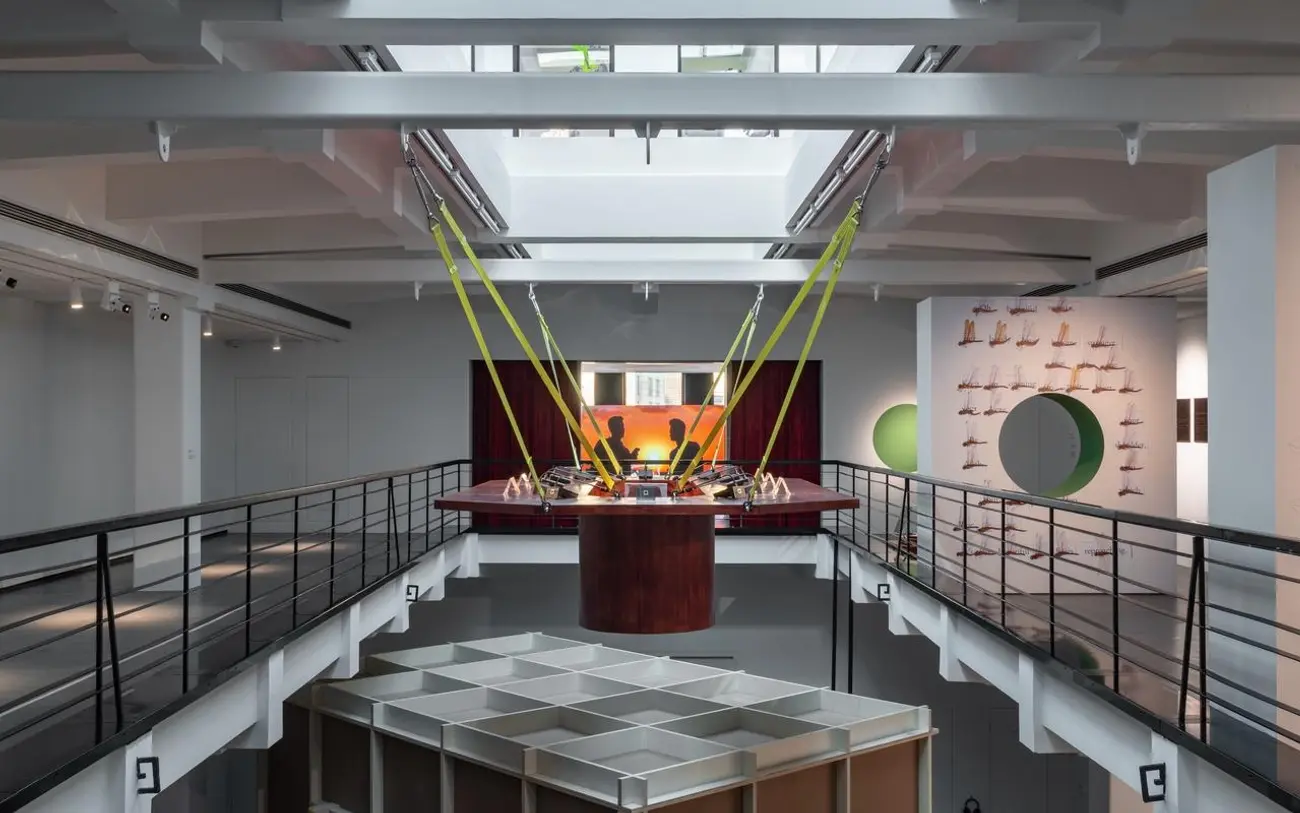
Located within a restored Art Deco building near The Bund, Rockbund Art Museum has evolved into one of Shanghai’s most forward-thinking art institutions. It presents contemporary Asian and international artists who push boundaries through immersive installations and socially conscious narratives. The museum is known for championing new voices such as Xu Bing and Zhang Peili while also collaborating with international figures like Philippe Parreno and Ugo Rondinone.
Its exhibitions often explore identity, technology and cultural transformation — issues that resonate deeply with a range of audiences. The museum’s digital engagement strategy — including livestreamed artist talks and AR exhibition guides — reinforces its connection to younger, tech-savvy visitors seeking interactive experiences beyond static displays.
Tank Shanghai
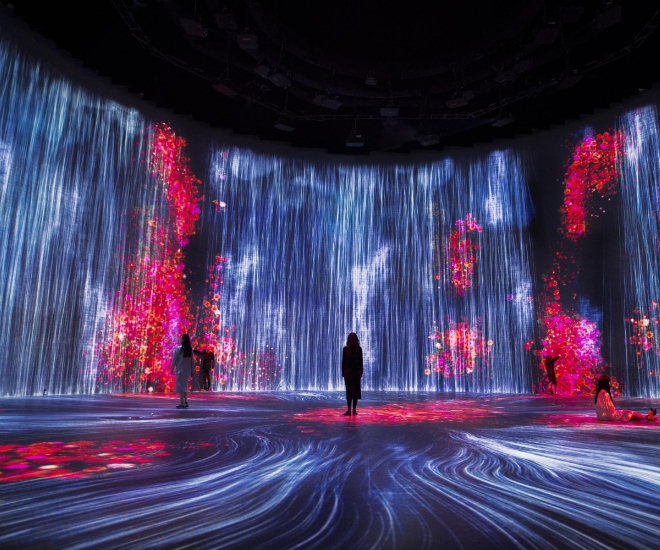
Occupying a series of decommissioned oil tanks along the Huangpu River, Tank Shanghai is one of the city’s most visionary cultural redevelopments. Conceived by collector and entrepreneur Qiao Zhibing, the museum transforms an industrial relic into a fluid space for contemporary expression, where visitors can drift between five interconnected tanks that each host a different creative experiment. Tank Shanghai’s exhibitions often merge art, architecture and digital media, presenting large-scale installations that play with light, sound and spatial perception. Past highlights include a mirrored labyrinth by artist Doug Aitken and teamLab’s “Universe of Water Particles”, where visitors are surrounded by cascading virtual waterfalls projected in real time.
Beyond its galleries, the museum’s open-air park and riverside promenade have become a social and cultural gathering point, blending art, leisure and community. Weekend pop-ups, live screenings and cross-disciplinary collaborations draw a young, creative crowd seeking connection as much as inspiration. In bridging industrial heritage with technological imagination, Tank Shanghai redefines what a museum can be — not a place of quiet contemplation, but a living organism shaped by the city’s pulse and its people.
Shanghai Museum East (New Wing)
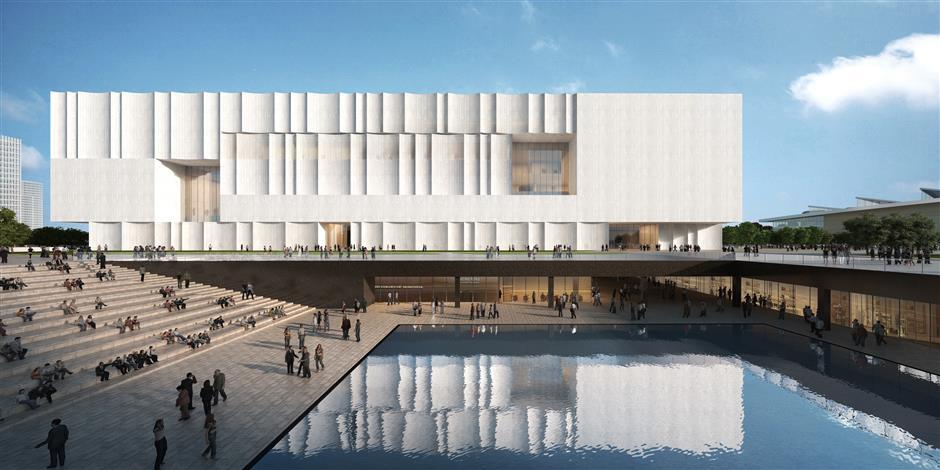
Standing at the cultural heart of Pudong, Shanghai Museum East marks a new chapter for one of China’s most revered institutions. The striking, curved structure — conceived by architect Jean-Marie Duthilleul — mirrors the flow of the nearby Huangpu River, symbolising continuity between heritage and modernity. Within its halls, ancient artefacts and contemporary technology coexist, offering visitors a reimagined journey through Chinese civilisation. Unlike traditional museum layouts, Shanghai Museum East integrates interactive storytelling throughout its galleries.
AR and VR experiences allow visitors to handle virtual relics, reconstruct archaeological sites or witness ancient craft techniques in motion. Its digital lab and immersive projection rooms transform static displays into living narratives, turning history into something to be explored rather than observed. The museum also dedicates space to digital art and cross-cultural collaborations, reflecting Shanghai’s role as a global creative capital. Rotating exhibitions pair traditional Chinese aesthetics with experimental mediums — from algorithmic calligraphy to AI-generated landscape art — drawing younger audiences eager to experience culture through technology.
Immersive Cultural Experiences
Private Opera & Performance Spaces
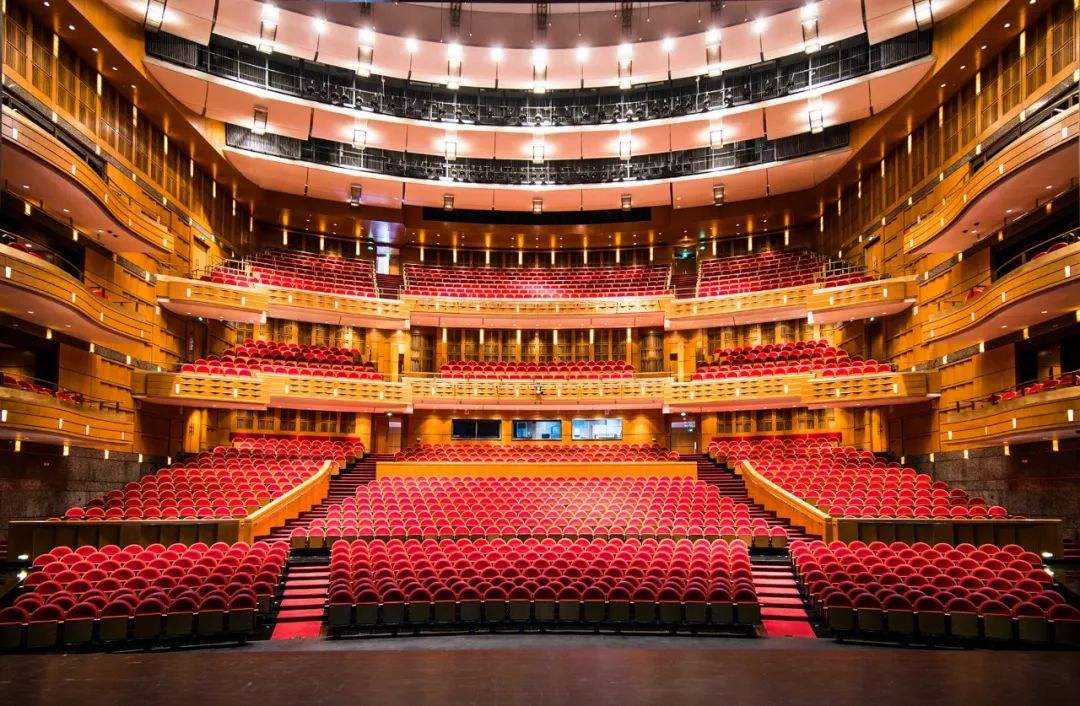
Beyond grand theatres, Shanghai’s independent performance spaces are reinventing traditional art forms for contemporary audiences. Small-scale venues such as the Modern Sky Lab or The Theatre Above host reimagined Peking opera shows and contemporary dance pieces that blend classical technique with digital light projections and modern narratives. Many require advance booking and are tucked away in refurbished warehouses or historic buildings — turning each visit into an exclusive cultural discovery. This format appeals to a younger audience seeking intimate, meaningful encounters with heritage arts reinterpreted through a modern lens.
Traditional Teahouses & Calligraphy Workshops
Amid Shanghai’s fast-paced rhythm, a new generation of teahouses is redefining how traditional culture is experienced. Moving away from ornate, tourist-driven settings, contemporary venues such as Yi Cha, TeaYard and Hulu Café are championing a minimalist, meditative approach to tea appreciation. At Yi Cha, nestled near Wukang Road, guests are invited to slow down with curated tea tastings that highlight regional varieties like Longjing and Tieguanyin, presented in handcrafted ceramics by local artisans. TeaYard — tucked in a converted lane house in Jing’an — blends nature-inspired interiors with soundscapes and scent pairing, turning each tea ceremony into a sensory journey.
These concept spaces attract a younger audience drawn to design and mindfulness — many also offering calligraphy and ceramic workshops that reconnect urban dwellers with China’s artistic traditions. At One Teahouse by XU, guests can take part in guided shufa (书法) sessions led by contemporary calligraphers who reinterpret classical brushwork through modern aesthetics. Meanwhile, community art studios like ShanghART Art & Design Workshop and Dongxi Studio host small-group calligraphy classes where meditative forms of self-expression are translated through ink, rhythm and gesture. Together, these spaces represent more than cultural preservation. By pairing the artistry of tea with the mindfulness of calligraphy, they offer an experience rooted in craftsmanship and intention.
Shanghai Nightlife & Cultural Intersections
Penicillin Shanghai
An offshoot of Hong Kong’s award-winning bar, Penicillin Shanghai is not merely a nightlife spot but a sustainability lab disguised as a cocktail lounge. Its “closed-loop” system upcycles ingredients, ferments produce on-site and measures its carbon footprint — transforming mixology into an environmental statement. The bar’s “industrial-chic” setting and experimental drinks — such as the Eco Negroni made with spent coffee grounds and locally distilled gin — make it a gathering point for Shanghai’s conscious creatives. For Gen Zs, it represents a shift in luxury nightlife — from excess to experience, from consumption to purpose.
SYSTEM Shanghai
A cornerstone of Shanghai’s new creative underground, SYSTEM Shanghai occupies a former textile warehouse in Huangpu and operates as both club and cultural incubator. Known for its boundary-pushing line-ups of local and international DJs, SYSTEM’s programming also spans experimental film nights, pop-up fashion shows and visual art residencies. Its minimalist industrial setting, illuminated by generative light installations, transforms each event into a temporary (and contemporary) artist curation. As far as nightlife venues, SYSTEM represents a cultural ecosystem where music, technology and design intersect — a magnet for visitors who see nightlife as a medium for expression rather than escape.
INS Park
Nestled in the heart of Fuxing Park, INS Park — short for “Into Nothing Serious” — is a six-storey nightlife complex that has become a landmark for Shanghai’s next-generation party culture. More than just a collection of bars, it functions as an immersive, multi-floor entertainment ecosystem where visitors move floor by floor, experiencing a spectrum of atmospheres and music genres. From celebrity-frequented hip hop lounges to underground techno rooms, student-focused dance bars and elegant cocktail spaces, INS Park caters to a wide demographic while maintaining a cohesive, high-energy atmosphere.
Its design encourages exploration with elevators connecting to distinct venues — each with its own aesthetic and programming — creating a night out that feels like a curated journey rather than a single stop. In addition to its bars and nightclubs, INS Park houses a KTV, casual dining options and a 1,000-square-meter esports arena. This combination of social interaction, music, technology and leisure makes it a rare venue that bridges nightlife with broader cultural experiences.
For Shanghai’s younger, experience-driven crowd, INS Park exemplifies a shift in how nightlife is consumed — less about exclusivity or extravagance and more about variety. Its “everything under one roof” approach has drawn comparisons to iconic multi-venue destinations like Found 158, but reinterpreted vertically in a city centre setting — solidifying INS Park as a hub where nightlife, social creativity and cultural experimentation intersect.
For more on the latest in lifestyle, culture and travel reads, click here.
Once dubbed the “Paris of the East”, Shanghai today stands as the beating heart of China’s luxury economy — accounting for nearly one-third of the nation’s high-end retail sales, according to Bain & Company’s 2025 China Luxury Report. Its dense mix of finance, fashion and culture gives the city a dual identity as both a testing ground for global brands and a launchpad for regional trends.
Shanghai As a Luxury Hub
Unlike Beijing, which skews toward political and heritage-driven luxury, or Guangzhou, which leans into cross-border retail, Shanghai’s edge lies in its fusion of international sophistication and youthful consumer power. The city’s West Bund and Xintiandi districts now host some of the world’s most immersive retail flagships — from Louis Vuitton’s “Voyager” concept store, integrating a private art salon and fragrance atelier, to Hermès Maison Shanghai, which curates local art exhibitions alongside its leather goods. As LVMH’s Asia-Pacific President Andrew Wu recently noted, “Shanghai isn’t just a market, it’s a mindset — it sets the pace for how the next generation experiences luxury.”
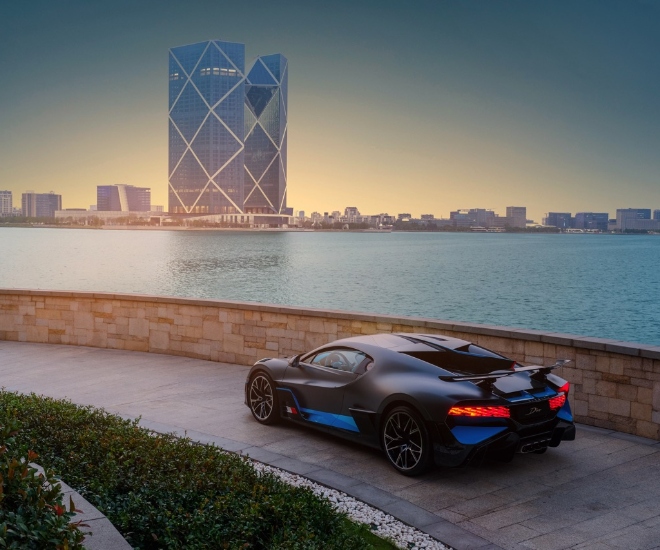
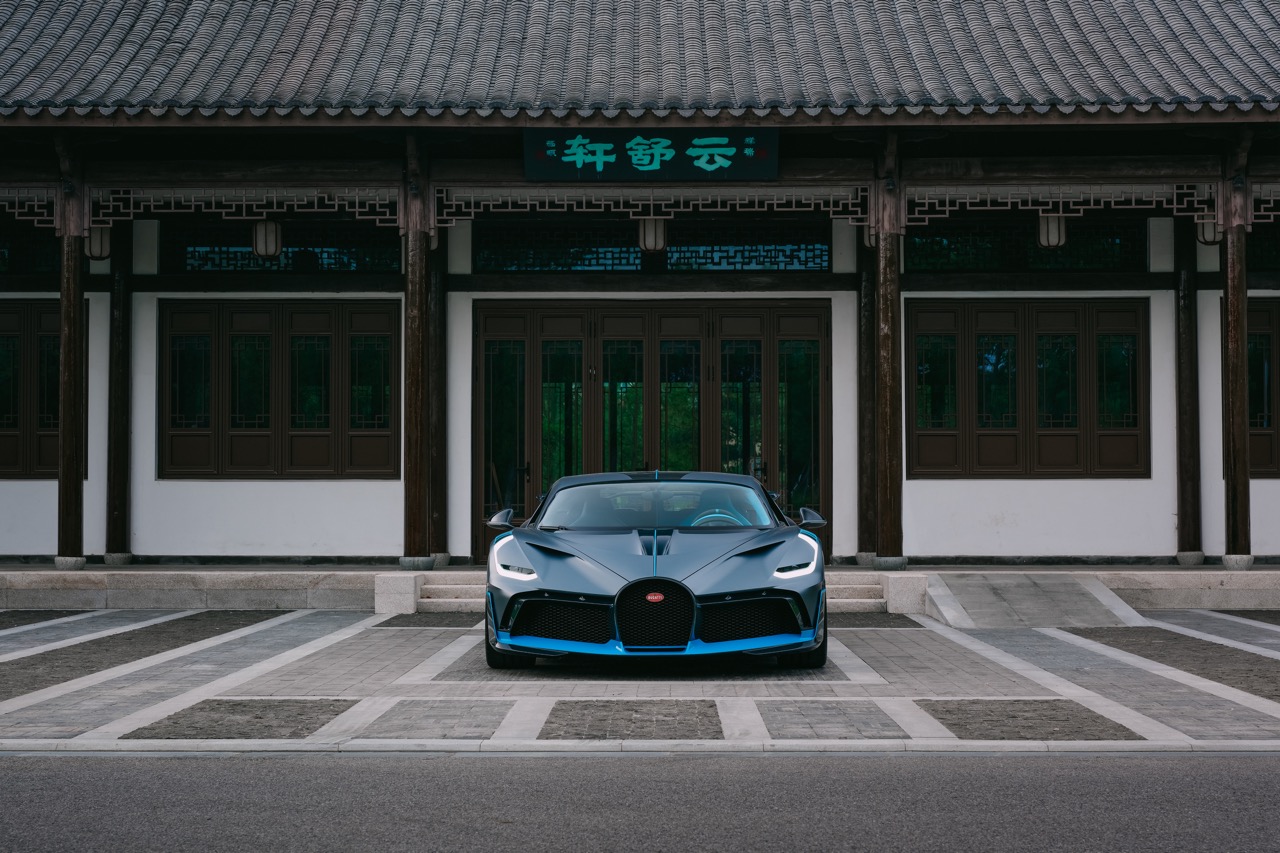
Adding to this dynamic, Bugatti marked a major milestone in September 2025 with the opening of its first dedicated showroom in mainland China. The new Bugatti Shanghai space — located in the heart of the city and designed in partnership with Kingsway Apex — represents the brand’s expansion into China’s most dynamic luxury hub. The launch event featured the first public appearance of the Bugatti Divo in China, while the showroom’s interior introduced the Bugatti Home collection — reinforcing the brand’s positioning at the intersection of engineering excellence and lifestyle design.
Luxury Retail Innovation
Shanghai’s luxury landscape is increasingly defined by technological experimentation. Brands are embracing AR/VR try-ons, AI-driven shopping assistants and metaverse-inspired pop-ups to engage a digitally fluent demographic. At Chanel’s Nanjing West Road flagship, visitors can preview handbags and eyewear using AR mirrors powered by Tencent Cloud, while Bvlgari’s “Serpenti Metamorphosis” pop-up in Plaza 66 combined digital projection mapping with scent diffusion for a multi-sensory retail experience.
Experiential concepts are also on the rise. Louis Vuitton’s 2025 “Art of Travel” installation collaborated with Chinese contemporary artist Cao Fei, blending digital animation with physical craftsmanship. Similarly, Gucci Garden Archetypes Shanghai transformed a former theatre into a multi-room narrative of its campaigns — part art gallery, part retail immersion.
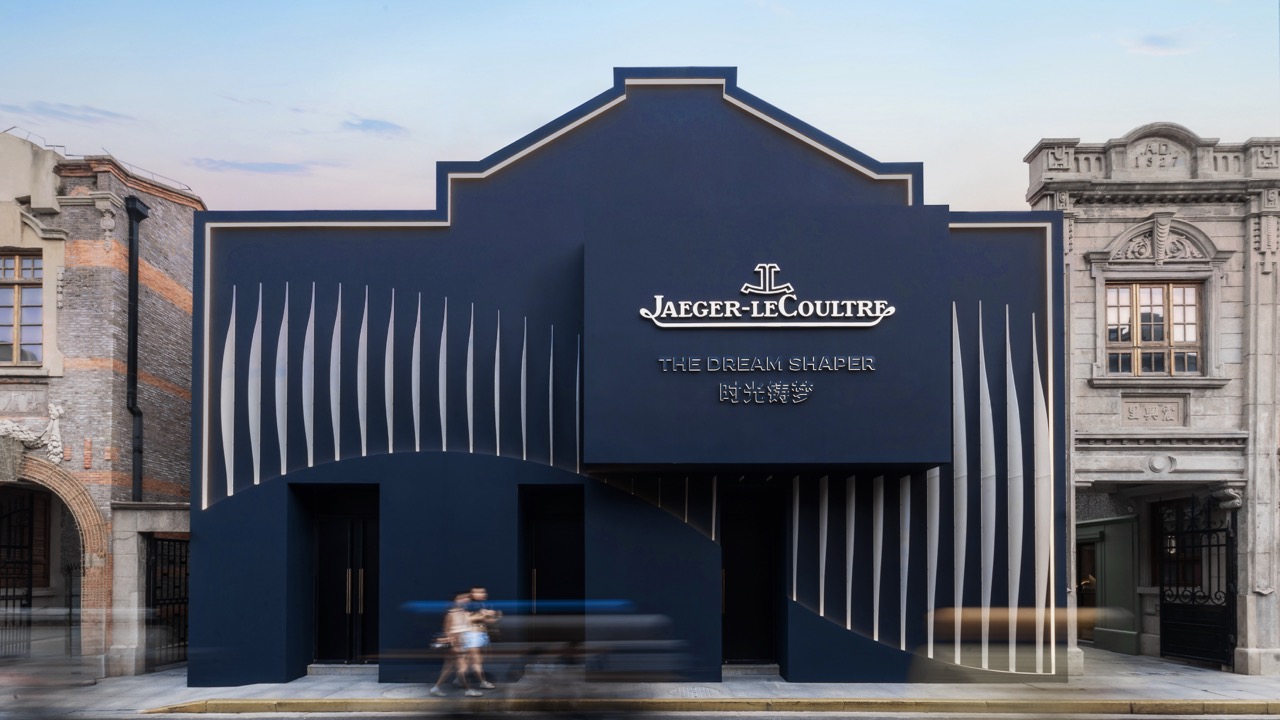
In September 2025, Jaeger-LeCoultre further elevated the city’s status as a hub for cultural retail with the opening of “The Dream Shaper” exhibition in Zhangyuan. The immersive showcase explored the evolution of feminine watchmaking through nearly 200 years of craftsmanship, presenting over 70 archival and limited-edition pieces, including the “Reverso Tribute Enamel Xu Beihong” and “Rendez-Vous Shooting Star”. Visitors experienced live demonstrations of métiers such as gem-setting and miniature enamel painting, reinforcing Shanghai’s role as a key market for horological education and appreciation.
As WWD China said, “Shanghai’s consumers no longer buy products — they buy participation. Brands that understand that dynamic win long-term relevance.”
Consumer Trends
Shanghai’s new luxury consumer is young, informed and values-driven. Gen Z and millennials now make up over 70 percent of luxury spending in China — according to McKinsey’s 2025 Luxury Consumer Pulse — and their influence is shaping product development and communication strategy. Personalisation and sustainability top their expectations. Local shoppers increasingly prefer “quiet luxury” pieces and made-to-order experiences, signalling a shift away from overt logos toward craftsmanship and meaning. Brands like Cartier and Dior have launched appointment-only personalisation studios in Shanghai, offering engraving and bespoke packaging that celebrate Chinese motifs.
Heritage storytelling also resonates strongly. For example, Qeelin’s “Lotus Rebirth” collection, first unveiled in Shanghai, reimagines ancient Buddhist symbols through contemporary jewellery design — a nod to the balance of spirituality and modernity that appeals to Chinese luxury buyers. Similarly, French high-jewellery Maison Chaumet debuted its “Jewels by Nature” haute joaillerie collection in Shanghai in September 2025, following its summer launch in Marbella. Hosted at the Xijiao Hotel, the event brought together brand ambassadors Gao Yuanyuan and Yosh Yu, with pieces such as the “Wild Rose” convertible necklace and “Fairy Iris” brooch showcasing Chaumet’s naturalist design heritage.
As Nicola Del Din, CEO of Luxottica China, commented during the 2025 China Luxury Forum: “Chinese consumers today aren’t looking West for validation — they are defining global luxury on their own cultural terms.”
Cultural Alignment & Marketing
In Shanghai, the most effective luxury campaigns are those that listen rather than translate. Major Maisons now align launches with Chinese festivals, zodiac symbolism and social milestones beyond token gestures but as authentic storytelling opportunities. Gucci’s 2025 Lunar New Year campaign — shot against the backdrop of the Suzhou Creek skyline — featured a dragon motif reinterpreted by local digital artist Pan Daijing, merging heritage with contemporary culture. Dior’s “Portraits of Modern Grace” exhibition celebrated Chinese female artists, positioning the brand within a narrative of empowerment and creativity.
Mass-market collaborations are also finding resonance within luxury’s cultural framework. PUMA’s September 2025 global launch of its PUMA x Rosé collection in Shanghai created an experiential showcase designed around the K-pop star’s creative universe. The event combined holographic installations, interactive displays and digital voice memos from Rosé herself, reflecting how lifestyle brands use Shanghai as a global stage to blur the boundaries between celebrity, culture and commerce.
Social media remains the amplifier. On Xiaohongshu (RED) and WeChat, localised storytelling and limited-edition drops often go viral within hours — as seen in Cartier’s “Love in Shanghai” pop-up, which drew over 20 million views in its first week. Meanwhile, influencer collaborations and personality-led marketing strategies continue to drive consumer trust with over 65 percent of Shanghai-based luxury shoppers saying their purchasing decisions are influenced by digital creators, per Daxue Consulting.
Shanghai as a Benchmark
Yet success in Shanghai is not without friction. Brands must navigate tightened import policies, complex data privacy laws and rising competition from domestic luxury players such as Icicle and Xu Zhi, who already provide luxury and sustainable design alternatives. Balancing global brand identity with local resonance remains the ultimate test. As luxury becomes more experiential and socially conscious, Shanghai offers fertile ground for partnerships — from collaborations with local artisans to co-creations with AI-powered design studios. For Maisons willing to localise meaningfully, the city represents not just a market, but a model for the future of luxury.
As far as luxury hubs in Asia go, Shanghai acts as a living litmus test for the world’s top Maisons. It is where Hermès tested its augmented reality store concierge, Louis Vuitton piloted its first WeChat-exclusive pre-launch and Cartier trialled its phygital jewellery appointments before global rollout. In this context, the city continues to attract major cultural showcases such as Qeelin’s Miracle Garden presentation at Aman Yangyun — a multisensory exhibition that reinterpreted traditional Chinese motifs across five themed realms. Events like these reinforce Shanghai’s role not only as a luxury market but as a stage for storytelling, where artistry and heritage converge.
In many ways, Shanghai encapsulates what modern luxury aspires to be — connected, localised and immersive. As the city continues to evolve, its influence will ripple beyond China’s borders, shaping how brands sell luxury and how consumers define where it goes next.
For more on the latest in business reads, click here.
Barcelona is a city that’s worth visiting all year round, whether you come in the heat of summer or during the cooler months. Even though the weather can be a bit rainy towards the end of the year, there’s still plenty to enjoy! The city is full of things to do and see, and you’re bound to fall in love with its charm, whatever the season.
Here’s our list of the top things to do in Barcelona when it rains.
Visiting the Museu Nacional d’Art de Catalunya (MNAC) on a rainy day is one of the best things you can do in Barcelona. Inside, you’ll find an impressive collection of Romanesque art, one of the most complete in the world. The museum itself opened in 1990, although the Palau Nacional, where it’s housed, was originally built in 1929 for the International Exhibition.
A visit to the MNAC isn’t just a must for art and history lovers; it also rewards you with some of the best panoramic views of Barcelona. From its terrace, you can admire Plaça d’Espanya, Gran Via, and even catch a glimpse of La Sagrada Família in the distance.
Address: Palau Nacional, Parc de Montjuïc, s/n, Sants-Montjuïc, 08038 Barcelona
2. Escape the weather at the iconic Els 4Gats restaurant
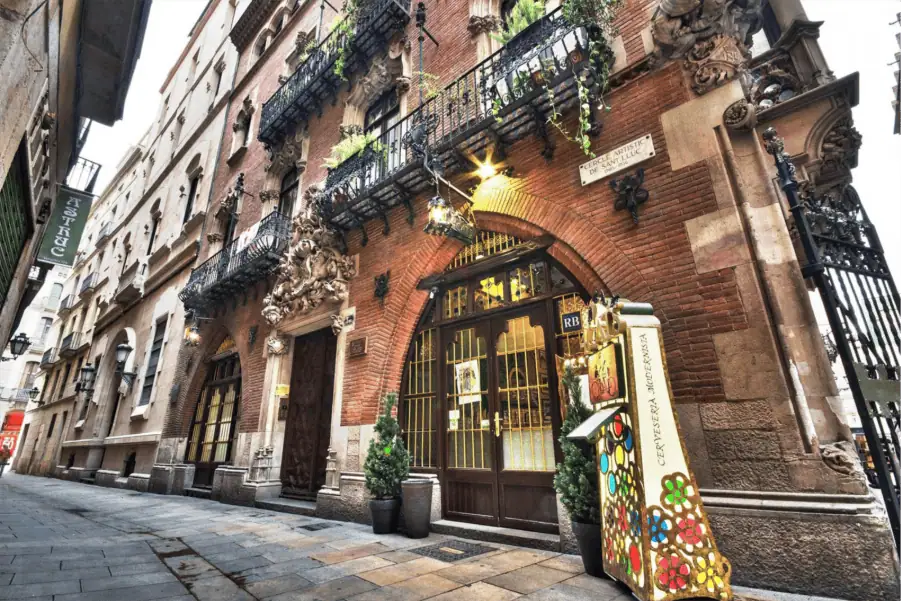
This restaurant, located in the Ciutat Vella district, is one of the most historic spots in Barcelona. It first opened its doors in 1897, when three Catalan painters decided to create a unique venue inspired by the famous Parisian cabaret “Le Chat Noir”, a popular meeting place for artists during the Modernist era.
The name “Els 4Gats” (which means The Four Cats) has an amusing origin. When the founders told their friends they were opening a new restaurant, people joked that “only four cats would show up”, a Spanish expression meaning very few people. Amused by the comment, they decided to embrace the phrase and use it as the restaurant’s name.
Today, Els 4Gats is known for its homemade cannelloni and rice dishes, all prepared with locally sourced ingredients and inspired by traditional Catalan cuisine.
You’ll find it right in the heart of Barcelona, just a short walk from the lively Portal de l’Àngel shopping street and close to the Barcelona Cathedral, an architectural gem well worth a visit.
This is another spot you simply can’t miss when visiting Barcelona. Besides being Gaudí’s most famous masterpiece, what fascinates most visitors is how long it has been under construction. Work began back in 1882, and to this day, the Sagrada Família is still not finished.
Unlike any other church in the world, it’s truly a one-of-a-kind building. The project originally started thanks to private donations from the Spiritual Association of the Devotees of Saint Joseph, and the first architect wasn’t Gaudí, but Francisco de Paula del Villar. After several disagreements, he stepped down, and Gaudí took over, completely transforming the design.
A charming detail is that each façade tells a different chapter of Christ’s life, as if the church were a story carved in stone: the Nativity, the Passion, and the Glory façades. If you look closely, you’ll notice figures, symbols, and geometric shapes all inspired by nature, one of Gaudí’s main sources of inspiration.
Through this design, Gaudí aimed to create a connection between the human and the divine, filling every corner with meaning and symbolism. The project has continued over the years thanks to donations and ticket sales, allowing new generations to carry on his vision.
And if you climb one of its towers, you’ll be rewarded with breathtaking panoramic views of Barcelona, the kind that make you want to come back again and again. On rainy days, the soft light filtering through the stained glass creates a magical, almost ethereal atmosphere inside the basilica—perfect for slowing down and soaking in the details. Plus, with fewer crowds, you’ll have more space to explore and appreciate the architecture in peace.
Address: Carrer de Mallorca, 401, L’Eixample, 08013 Barcelona
Another great option for something to do in Barcelona when it rains is to visit this shopping center. But Las Arenas is not just any mall, it has a fascinating history. Originally built as a bullring, it hosted events until 1977, a past that’s still visible in its circular shape and architectural details. After a major renovation, it reopened in 2011 as one of the city’s most impressive shopping and leisure complexes.
One of its highlights is the rooftop terrace, a large circular viewpoint that offers beautiful panoramic views of Barcelona, especially over Plaça d’Espanya and Montjuïc. While the terrace is best enjoyed on sunny days, the rest of the center is perfect for staying dry and entertained when it rains.
The center sits right on Plaça d’Espanya, one of the city’s best-connected areas. From here, important avenues like Gran Via de les Corts Catalanes and Avinguda del Paral·lel begin, making it easy to get around. Inside, you’ll find a mix of fashion and jewellery shops such as Mango and Pandora, as well as great restaurants to enjoy a meal while the rain passes. It’s the kind of place where you can easily spend a few hours browsing, shopping, and relaxing without worrying about the weather.
It’s also just a short walk from Montjuïc, where you can explore green spaces and iconic landmarks like the Palau Sant Jordi and the Magic Fountain. If the rain lets up—or if you’re lucky enough to catch a rainbow—Montjuïc awaits with open skies and stunning views.
Address: Gran Via de les Corts Catalanes, 385, L’Eixample, 08015 Barcelona
Rainy days in Barcelona usually come with cooler weather, the perfect excuse to enjoy a classic hot chocolate with churros. And there’s no better place for it than Petritxol Xocoa, a beloved spot that’s been dedicated to the art of chocolate for over 20 years. You can be sure it won’t disappoint!
The café is located in the Gothic Quarter, on one of the city’s most iconic streets, Carrer Petritxol, affectionately known as “the chocolate street.” This nickname comes from the fact that it’s where some of Barcelona’s oldest “granjas” (traditional cafés) first opened, serving the same warm churros with thick, rich chocolate that locals still adore today.
While you’re in the area, take a moment to wander through the narrow historic streets of the Gothic Quarter and discover the many small, local shops that give this neighborhood its charm.
Besides their famous chocolate and churros, Petritxol Xocoa also offers handmade bonbons, cakes, and milkshakes, a sweet stop you won’t want to miss.
Address: Carrer de Petritxol, 11, Ciutat Vella, 08002 Barcelona
Barcelona is home to a wide variety of cinemas spread across its many neighbourhoods, making a rainy day the perfect excuse to explore a new area and finish the day watching a film on the big screen.
Here are some of the most popular options:
Cinemas Verdi
Located in the lively Gràcia neighborhood, this is the perfect cinema if you fancy a stroll through one of Barcelona’s most characterful areas. It’s known for showing films in their original version and for its warm, local atmosphere—a true neighborhood gem.
Address: Carrer de Verdi, 32, Gràcia, 08012 Barcelona
Balmes Multicines
Found right in the heart of the Eixample district, this cinema boasts 12 digital screens and a wide selection of original-version movies. It’s also very well connected by public transport, whether you come by bus or FGC train, making it an easy and comfortable choice for a rainy afternoon.
Address: Carrer de Balmes, 422–424, Sarrià-Sant Gervasi, 08022 Barcelona
Cinema Maldà
Tucked away in the Gothic Quarter, this small but charming cinema offers a more intimate and cozy experience. It’s perfect for those who enjoy independent films and a relaxed setting. All screenings are in the original version with subtitles, making it ideal for both English and Spanish speakers.
Address: Carrer del Pi, 5, Ciutat Vella, 08002 Barcelona
Zumzeig Cinema
A non-profit, cooperative cinema that focuses on independent and thought-provoking films. It offers a multidisciplinary programme in the original version and often hosts cultural and social events such as debates, workshops and talks. It’s a great choice for those who want to combine cinema with a community feel.
Address: Carrer de Béjar, 53, Sants-Montjuïc, 08014 Barcelona
Things To Do in Barcelona When it Rains
Charming Rainy Days in Barcelona
Here you have it!
Even when the sky is covered in clouds, Barcelona never loses its charm. Its museums, restaurants, cinemas and historic corners invite you to enjoy the city in a calmer, more authentic way. Sometimes, a rainy day is the perfect excuse to discover Barcelona’s cosier, more intimate side. So grab your umbrella, step outside, and let Barcelona surprise you—rain or shine!
We are an expert agency in the tourism sector based in Barcelona, Catalonia. For over 10 years, we have offered holiday apartments and long-term apartments in Barcelona, to anyone wanting to visit or spend some time in the Catalan Capital.
We are an expert agency in the tourism sector based in Barcelona, Catalonia. For over 10 years, we have offered holiday apartments and long-term apartments in Barcelona, to anyone wanting to visit or spend some time in the Catalan Capital.
The technical storage or access is strictly necessary for the legitimate purpose of enabling the use of a specific service explicitly requested by the subscriber or user, or for the sole purpose of carrying out the transmission of a communication over an electronic communications network.
Preferences
The technical storage or access is necessary for the legitimate purpose of storing preferences that are not requested by the subscriber or user.
Statistics
The technical storage or access that is used exclusively for statistical purposes.The technical storage or access that is used exclusively for anonymous statistical purposes. Without a subpoena, voluntary compliance on the part of your Internet Service Provider, or additional records from a third party, information stored or retrieved for this purpose alone cannot usually be used to identify you.
Marketing
The technical storage or access is required to create user profiles to send advertising, or to track the user on a website or across several websites for similar marketing purposes.


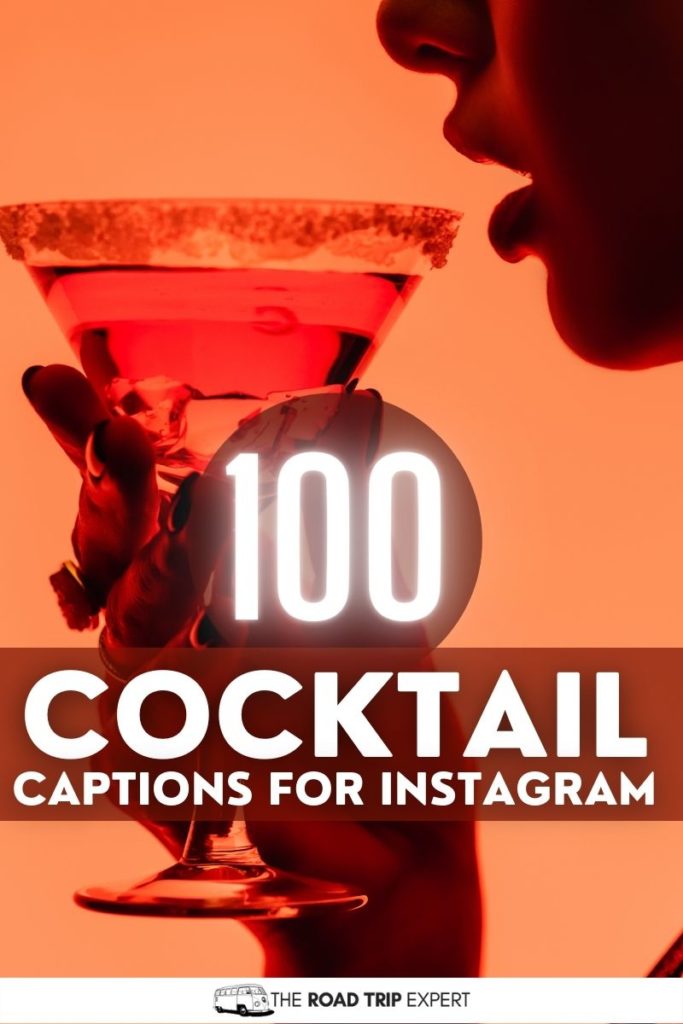






























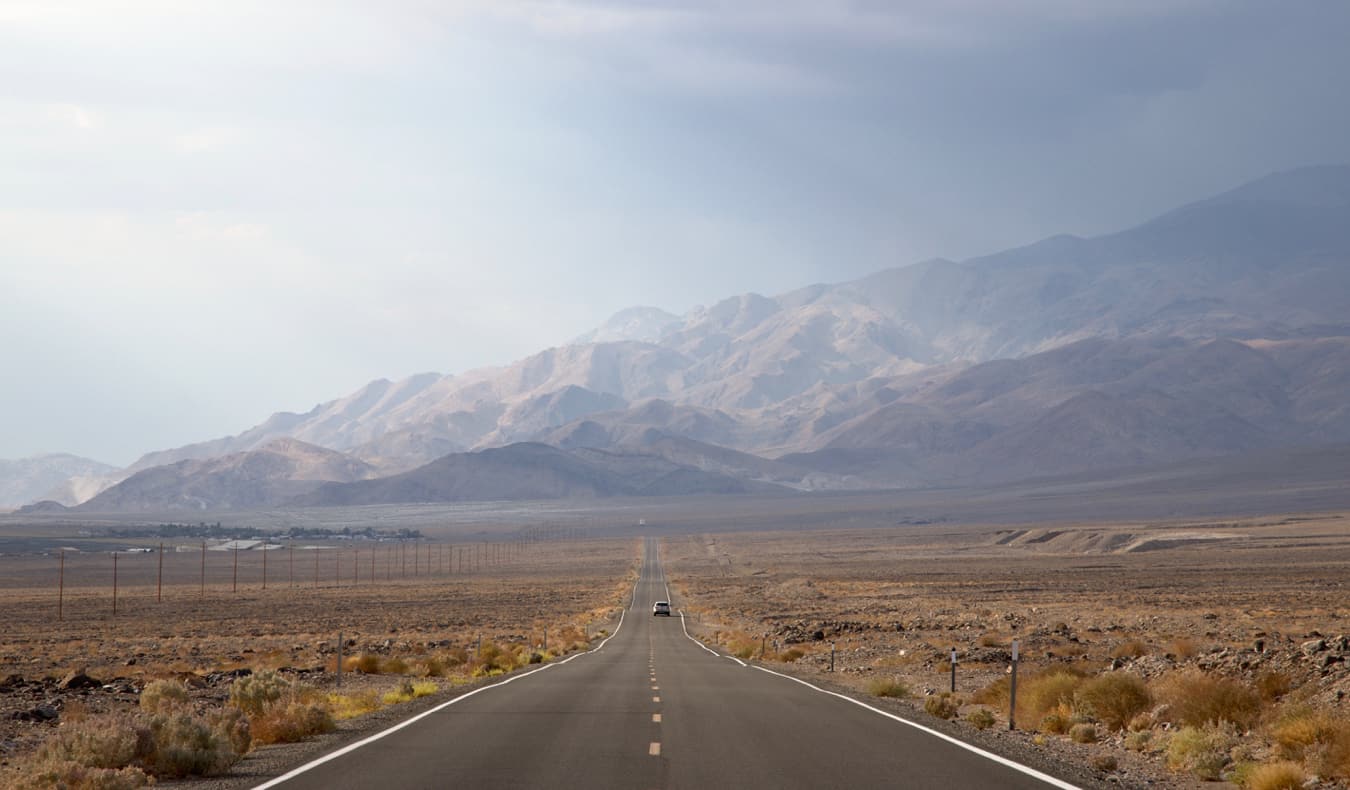

:max_bytes(150000):strip_icc()/TAL-header-entrance-hotel-glorieta-HOTELGLORIETE1025-5ae3fa8b1ca64b66b90453470952f829.jpg "Hotel Glorieta Opens in Santa Fe, New Mexico")
:max_bytes(150000):strip_icc():format(jpeg)/TAL-header-entrance-hotel-glorieta-HOTELGLORIETE1025-5ae3fa8b1ca64b66b90453470952f829.jpg)