The McLaren 765LT has been recalled over a rear window that could potentially detach from the car.
According to the National Highway Traffic Safety Administration (NHTSA), the bonding adhesive used to glue the polycarbonate rear window in place could fail. The issue came to light after multiple owners complained about a rattling noise from the back of the cabin.
The source of the rattling noise was found to be the rear window, which, on some cars, was partially separated from the frame, while on others it was completely detached. As per the traffic safety regulator, 163 McLaren 765LTs from the 2021 model year have been affected by this recall.
McLaren has found a solution to this issue. The rear windows on the affected cars will be reattached to the carbon frame using physical fasteners instead of an adhesive. Owners have been advised not to exceed 96 mph with the windows down until their car has been fixed.
New Orleans is often considered the most unique city in the US. Originally founded by the French, it passed through the hands of various powers, including the Spanish and the Confederates.
Its charming French architecture and distinctive Creole and Cajun cuisine make New Orleans a popular destination for tourists from across the nation, but there is something else that attracts visitors to this energetic, bustling city – its ghosts.
As one of the most haunted cities in the country, there’s a lot for ghost hunters to unpack here. Here are the spookiest haunted houses in New Orleans to investigate, whether you’re a paranormal hunter or simply curious about what’s lying behind the glittering surface of New Orleans.
In a hurry? Book these New Orlean Ghost Tours!
👻 French Quarter Ghosts and Ghouls of New Orleans: Explore eerie tales of murder, war, and the supernatural in the haunted French Quarter. 👻 Blood and Magic: Voodoo and Vampire True Crime Tour: Uncover the mystique of voodoo, vampire legends, and true crime stories. 👻 New Orleans Ghosts Boos and Booze Haunted Pub Crawl: Sip your way through haunted bars while hearing spine-tingling ghost stories. 👻 Big Easy Bayou Bites French Quarter Food Tour: Savor iconic French Quarter dishes while uncovering its cultural and haunted past. 👻 Frenchmen Street Music and Murals Bayou Bar Crawl: Enjoy live music, murals, and drinks on Frenchmen Street with a haunted twist. 👻 Time and Money: Tombs and Mansions of the Rich and Famous: Discover the dark secrets of lavish mansions and mysterious tombs in the Garden District.
Here are a few of the most well-known haunted houses in New Orleans and their stories.
The LaLaurie Mansion
The LaLaurie Mansion is the most well-known haunted house in New Orleans. It belonged to the socialite Madame Delphine LaLaurie, also known as Madame Blanque and her third husband. Madame LaLaurie, who came from a respected European Creole family, was well-regarded in the New Orleans community.
She often threw lavish parties in her mansion, entertaining the townsfolk. On the exterior, Madame LaLaurie was a kindhearted woman, including to the African Americans in New Orleans. She made an appearance of caring for the enslaved and ensuring their fair treatment. This was a farce because, unknown to the residents of New Orleans, her treatment of her own slaves was subpar.
Over the years, rumors started emerging about her horrible treatment of slaves, but it was mostly swept under the rug. From 1830-1834, 12 slaves belonging to LaLaurie died, according to funeral registry records from that time.
Although slavery was still legal in Louisiana, slavery in the state was originally codified under the French Code Noir, which explicitly forbade torturing slaves. Corporal punishment was allowed, but only under certain conditions. Even though Louisiana later came under the control of the Americans, the prevailing Catholic beliefs differed from the Protestant beliefs in the rest of the states, which also influenced people’s attitudes toward slaves.
Nevertheless, LaLaurie was able to keep her horrible treatment of her slaves under wraps – until a fire broke out at the mansion on April 10th, 1834. It is believed that a slave set the fire in an attempt to escape or alert the townsfolk of their treatment, and the strategy worked. When the fire department arrived, they found a 70-year-old woman chained to the stove by her ankle.
Madame LaLaurie, furthermore, refused to allow the fire department access to the slave quarters. Forced to break down the door, what they discovered horrified them: slaves with limbs stretched and torn from one extremity to another and slaves tied and suspended by their necks. Some slaves were horribly mutilated, including an older woman with a deep wound to the head.
Some reports describe slaves with spiked iron collars to force their heads into upright positions and other forms of restrictive iron bondage.
Enraged, local residents tried to storm the mansion. The fire had been put out, but a mob gathered and ransacked the mansion in search of the LaLauries. They had already fled the town on their way to France. They lived in France for the rest of their lives, never to return for fear of what might be done to them.
Both the ghosts of the tormented slaves and Madame LaLaurie herself are said to haunt the mansion despite it being rebuilt over the years. Passersby have reported muffled groans and cries of pain coming from the former slave quarters.
The mansion also served as a girl’s school in the 19th century. Students reported constantly being attacked by a woman, showing bruises, scratches, and injuries to their school teachers. The identity of this woman was never known, as teachers never saw her, but it is suspected that it was the ghost of LaLaurie, reveling in and enjoying the torture of more innocents.
The Old Ursuline Convent
In the 1700s, when New Orleans was still a French colony, French colonialist men outnumbered women four to one. The King of France would send young girls (usually orphans) to New Orleans for the men to marry.
These girls were commonly known as casket girls, as they would arrive in New Orleans with small caskets in which they carried their clothes and personal belongings.
However, after one such “shipment” of around 300 girls in 1727, strange things started to happen in New Orleans. The girls, who spent the journey in the underbelly of the ship, staggered onto shore, sun-deprived and malnourished. The men awaiting their arrival found them unnaturally pale.
In the days after their arrival, several bodies were found in New Orleans. These bodies had lost a lot of blood, and a rumor started to spread that the pale girls had killed them for their blood. Several young men had also gone missing, with no trace of them ever found.
Suspicious, the nuns at the convent decided to investigate. They came across the casket, which they found still unopened and surprisingly heavy.
They opened the caskets, only to find all of them mysteriously empty. They suspected the girls of transporting vampires or ghosts in their caskets and locked the caskets in the attic, bolting the windows shut. The windows are bolted shut to this day!
According to New Orleans legend, anyone who opens the window will unleash a horrible curse onto the city. Some residents report seeing glowing, glaring eyes peering out of the shuttered windows at night.
Today, this former convent is a museum that’s open to the public.
The Ursuline Convent – Copyright US Ghost Adventures
The Sultan’s Palace
The Sultan’s Palace, also known as the Gardette-LePretre House, is one of the most photographed buildings in the French Quarter. This three-and-a-half-story building stands out, even in the ancient French Quarter, for its unique architecture. Its impressive facade doesn’t tell the full story of its sordid past, though, including mass murder, a Turkish sultan, and a stolen harem.
The first known owner of the property was a free African American woman. It changed hands multiple times until it was sold to Jean Baptiste LePretre in 1839.
According to the local legend, LePretre was approached by a Turk who asked if he would rent the large home to a visiting Turkish sultan. LePretre, a farmer, agreed, as he spent most of his time on his plantation and needed the cash. The sultan promptly moved in, together with his harem of veiled women.
It was the talk of the town! The sultan would hold parties, and every night, the sounds of laughter and the smell of opium would emanate from the building. Nobody was privy to what was truly going on, as locals were not invited to the party—it was reserved for Turks.
What people didn’t know, though, is that the sultan was fleeing his brother, also a sultan, from whom he stole gold, silver, jewels, and women.
On a dark stormy night, assassins, presumably sent by the sultan’s brother, broke into the house while one of the parties was taking place armed with machetes and swords. They hacked the sultan, the women in his harem, and the guests to death. When New Orleans woke up, residents found a gory sight – dismembered bodies and blood flowing into the streets.
The Vampire Café
Building on the legends of New Orleans’s spookiness and the vampire casket girls, The Vampire Cafe offers a modern-day “vampire” experience. In this haunted bar, you can order a vampire-themed drink based on your blood type.
For the best experience, I recommend visiting as part of a New Orleans haunted pub crawl. Learn more about the R-rated history of all these different New Orleans haunted locations with the aid of some liquid courage. You’ll need it!
The Vampire Cafe – Copyright US Ghost Adventures
Experience New Orleans’ Haunted History Through Ghost Tours
When it comes to uncovering the spooky side of New Orleans, nothing beats joining a ghost tour. These immersive experiences combine history, mystery, and a touch of fright, offering a closer look at the city’s haunted past. From spine-chilling tales to supernatural lore, ghost tours let you walk in the footsteps of history while experiencing the atmospheric charm of New Orleans’ most iconic neighborhoods.
Here’s a roundup of some unforgettable options to suit your style:
French Quarter Ghosts and Ghouls of New Orleans
Step into the haunted heart of the French Quarter, where real-life tales of murder, wartime tragedies, and unexplained phenomena come alive. This tour delves deep into the hidden history of the Big Easy, giving you a bone-chilling perspective on its ghostly residents.
Duration: 1 hour
Blood and Magic: Voodoo and Vampire True Crime Tour
Dive into the mystique of New Orleans’ voodoo culture and vampire lore on this tour, which uncovers the eerie true-crime stories and spiritual practices that shape the city’s dark allure.
Duration: 1.5 hours
New Orleans Ghosts Boos and Booze Haunted Pub Crawl
Mix ghost stories with liquid courage on this haunted pub crawl, where you’ll explore some of New Orleans’ spookiest historic bars while sipping on your favorite cocktails.
Price: $27 per person
Duration: 2 hours
Big Easy Bayou Bites French Quarter Food Tour
For those who prefer their frights served with a side of deliciousness, this food tour offers a chance to taste the French Quarter’s culinary delights while exploring its rich cultural and haunted history.
Price: $75 per person
Duration: 2 hours, 45 minutes
Frenchmen Street Music and Murals Bayou Bar Crawl
Let the good times roll with this vibrant tour showcasing the best of Frenchmen Street’s live music, stunning murals, and energetic bar scene. This unique crawl combines art, culture, and merriment with a twist of haunted history.
Price: $35 per person
Duration: 2 hours
Time and Money: Tombs and Mansions of the Rich and Famous
Explore the opulent mansions and mysterious tombs of New Orleans’ Garden District. This tour unveils the darker side of the city’s wealth, with haunting tales hidden behind lavish façades.
Whether you’re fascinated by ghostly legends, enthralled by true crime, or simply want to soak up the city’s eerie charm with a drink in hand, these tours offer a memorable way to delve into New Orleans’ haunted history. Book a tour today and prepare to be captivated by the stories that make the Crescent City a ghost hunter’s dream!
US Ghost Adventures provides entertaining, historic, and authentic ghost tours and experiences across the United States’ most haunted cities.
We deliver fun, honest, and bone-tingling accounts of the very real hauntings that are so prevalent across the nation. While our stories are derived from historic research, a ghost tour wouldn’t be the same without the ghost stories!
US Ghost Adventures provides entertaining, historic, and authentic ghost tours and experiences across the United States’ most haunted cities. We deliver fun, honest, and bone-tingling accounts of the very real hauntings that are so prevalent across the nation. While our stories are derived from historic research, a ghost tour wouldn’t be the same without the ghost stories!
Bernie Ecclestone is selling 69 cars from his collection of Grand Prix and F1 race cars
Ecclestone has been amassing the collection for more than 50 years
Included in the sale is the original Brabham BT46B “fan car,” of which only one exists
There are few people as inextricably linked with Formula 1 as Bernie Ecclestone, so it should come as little surprise that he has an impressive collection of race cars from the sport.
Ecclestone, 94, is now parting ways with many of them—a total of 69 cars—which will be sold via U.K. exotic car specialist Tom Hartley Jr. Many of them have been locked away for decades, as Ecclestone rarely showed them to the public, if at all.
Ecclestone was involved in F1 starting in the 1950s, initially with the Connaught team and later with Brabham, which he bought and ran in the 1970s. However, he’s most widely recognized for founding the Formula One Group in 1987, the group of companies that promotes F1 around the globe and controls its commercial rights. Ecclestone finally ceded control of the group in 2017 to its current owner, Liberty Media.
Ecclestone has been amassing his collection for more than 50 years. He was adding to it as recently as 2018, at least according to public records, when he paid $5 million for a 1993 McLaren MP4/8A F1 race car piloted by Ayrton Senna.
Bernie Ecclestone’s collection of historic grand prix and Formula 1 race cars
That car isn’t one of the 69 cars offered up for sale, though there are plenty of other highlights available. These include Michael Schumacher’s championship-winning Ferrari F2002 from the 2002 F1 season, as well as older successful Ferrari race cars like the 312B3, 246, and the 375 driven by Alberto Ascari to victory in the 1951 Italian Grand Prix.
Outside of Ferrari, highlights include a Vanwall VW10 driven to multiple wins by Stirling Moss in 1958, and multiple Brabhams, including the one-and-only BT46B “fan car,” which was designed by Gordon Murray and piloted by Niki Lauda to victory at the 1978 Swedish Grand Prix before it was banned.
Bernie Ecclestone’s collection of historic grand prix and Formula 1 race cars
In a statement, Ecclestone said he always preferred to collect grand prix cars, particularly F1 cars, over road cars, as his passion has always been about racing. He also said he now wants to part with them while he is still alive, as he would like to know where they end up, and not leave their sale as a burden for his family after he’s gone.
“A Grand Prix and, in particular, a Formula 1 car is far more important than any road car or other form of race car, as it is the pinnacle of the sport, and all the cars I have bought over the years have fantastic race histories and are rare works of art,” he said.
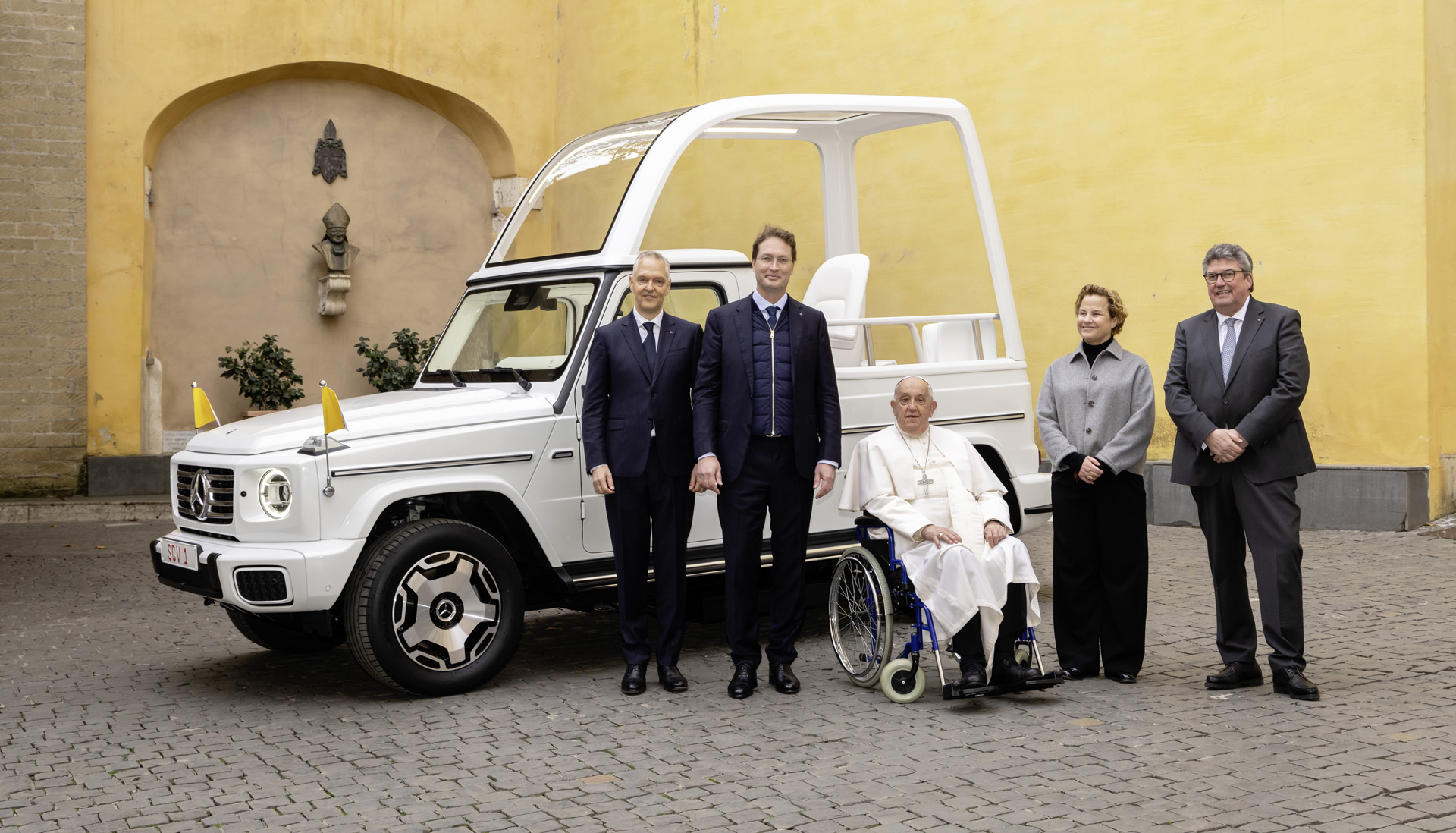
Mercedes delivered Pope Francis’ new electric Popemobile, a modified G 580 with EQ Technology
The latest Popemobile continues a 94-year tradition of Mercedes providing vehicles for the Catholic Church
The first electric Popemobile was delivered in 2017 and was based on an Opel Ampera-E
Mercedes-Benz CEO Ola Källenius headed to the Vatican on Wednesday to personally greet Pope Francis and hand over the keys to the Pontiff’s new Popemobile, a modified Mercedes-Benz G-Class.
The donor G-Class was an electric G 580 with EQ Technology, making this the first Mercedes Popemobile to be powered by batteries. It’s not the first electric Popemobile, though. That honor goes to a Popemobile based on the Opel Ampera-E, delivered to Pope Francis in 2017. The Ampera-E is a rebadged Chevrolet Bolt that was briefly sold by Opel when the brand was still part of General Motors.
The latest Popemobile follows a long line of Mercedes-Benz vehicles used by the leaders of the Catholic Church over the past 94 years. The first was a Nürburg 460 Pullman Saloon for Pope Pius XI, delivered in 1930. This was followed by a 600 Pullman Landaulet and 300 SEL for Pope John XXIII. His successor, Paul VI, used a Mercedes-Benz 600 Pullman Landaulet and, later, a 300 SEL.
A G-Class has served as the basis for Mercedes’ Popemobiles since the 1980s, at which point the Popemobile name became popularized. The first G-Class-based Popemobile was used by Pope John Paul II, who regularly used it for celebrations in Saint Peter’s Square.
Popemobile based on the 2025 Mercedes-Benz G 580 with EQ Technology
The new electric Popemobile is slated to go into action later this month when Pope Francis makes an official visit to Brazil. It will also feature prominently during the upcoming 2025 Jubilee celebrations.
The G 580 with EQ Technology, which was launched for the 2025 model year, features a quad-motor all-wheel-drive powertrain rated at 579 hp. However, the Pope’s version is equipped with a powertrain designed for the low speeds required for public appearances.
At the rear of the vehicle is a rotating seat that allows for flexible movement and enables addressing an audience from various angles. Positioned behind this seat are two additional seats, integrated on the left and right, to accommodate extra passengers. A protective canopy can also be added when necessary to deal with inclement weather.
The Nismo Festival, one of the most iconic events on Japan’s automotive calendar, is a must-attend for any Nissan otaku.
But, this year, the event seemed to reflect a turning point – one where the industry’s growing focus on EVs and modernity may have marked the beginning of the festival’s decline.
For many, the real draw of the annual Nismo Festival isn’t checking out the latest hybrid and EV models already on display at your local dealership but witnessing a select few of Nissan’s incredible Heritage Collection cars hitting the track and making some noise.
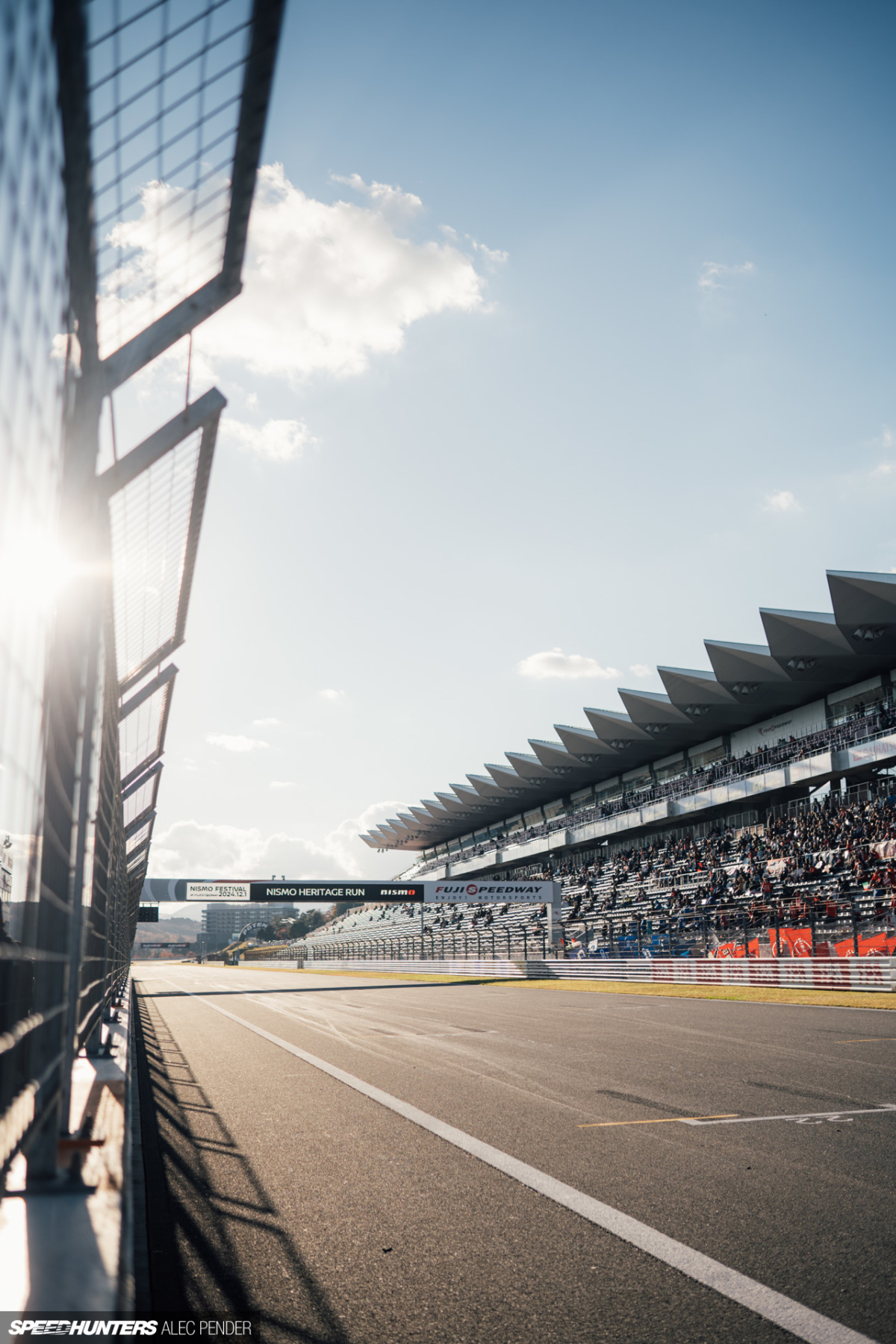
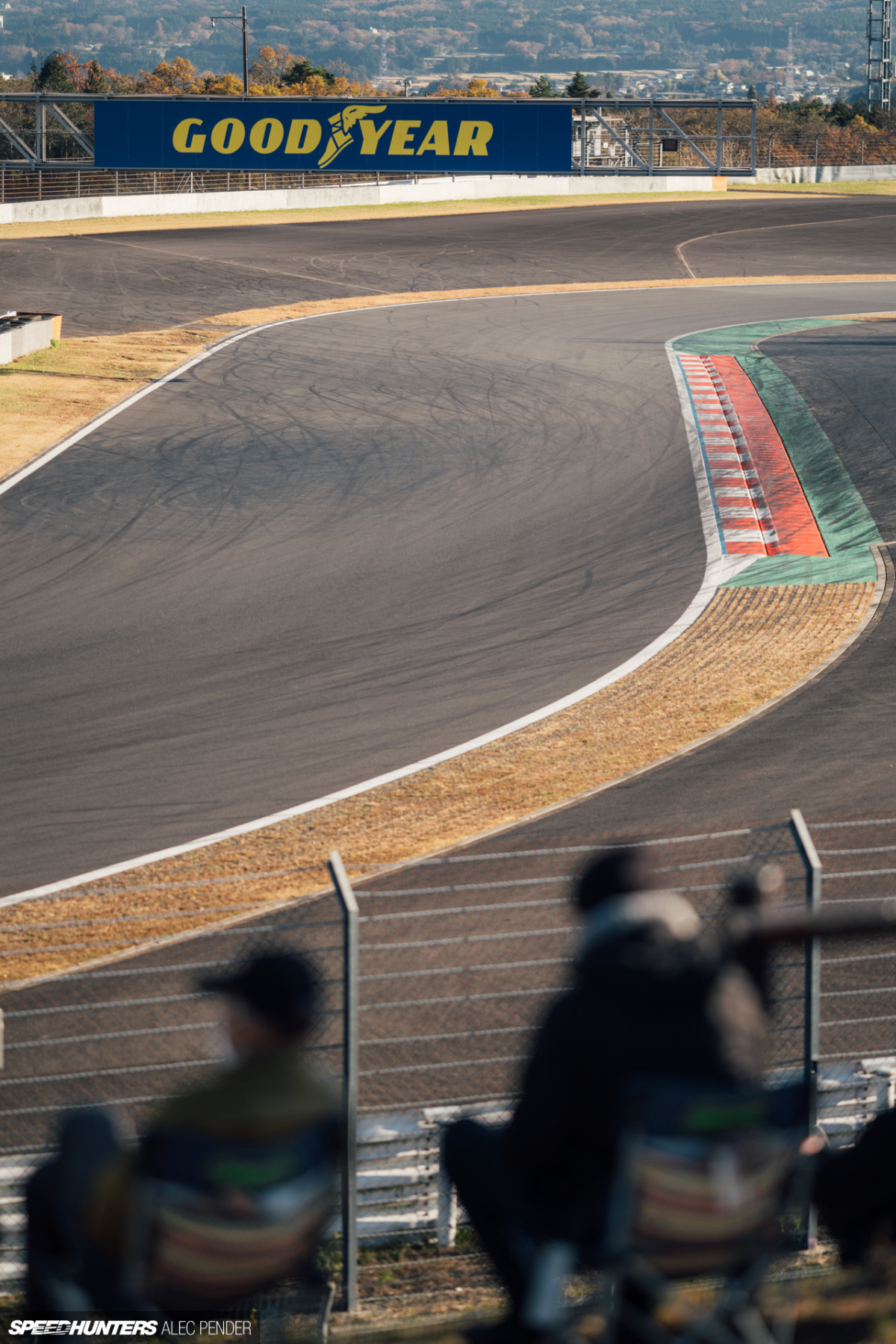
Last weekend’s event was more subdued than previous Nismo Festivals, with just 16 non-EV race cars lapping Fuji Speedway throughout the day.
But rather than dwell on the inevitable shift toward an electrified automotive future, let’s focus on the legends that did take to the track this year.
2024 marks the 40th anniversary of Nismo, and 28,500 fans turned up to celebrate that milestone with Nissan.
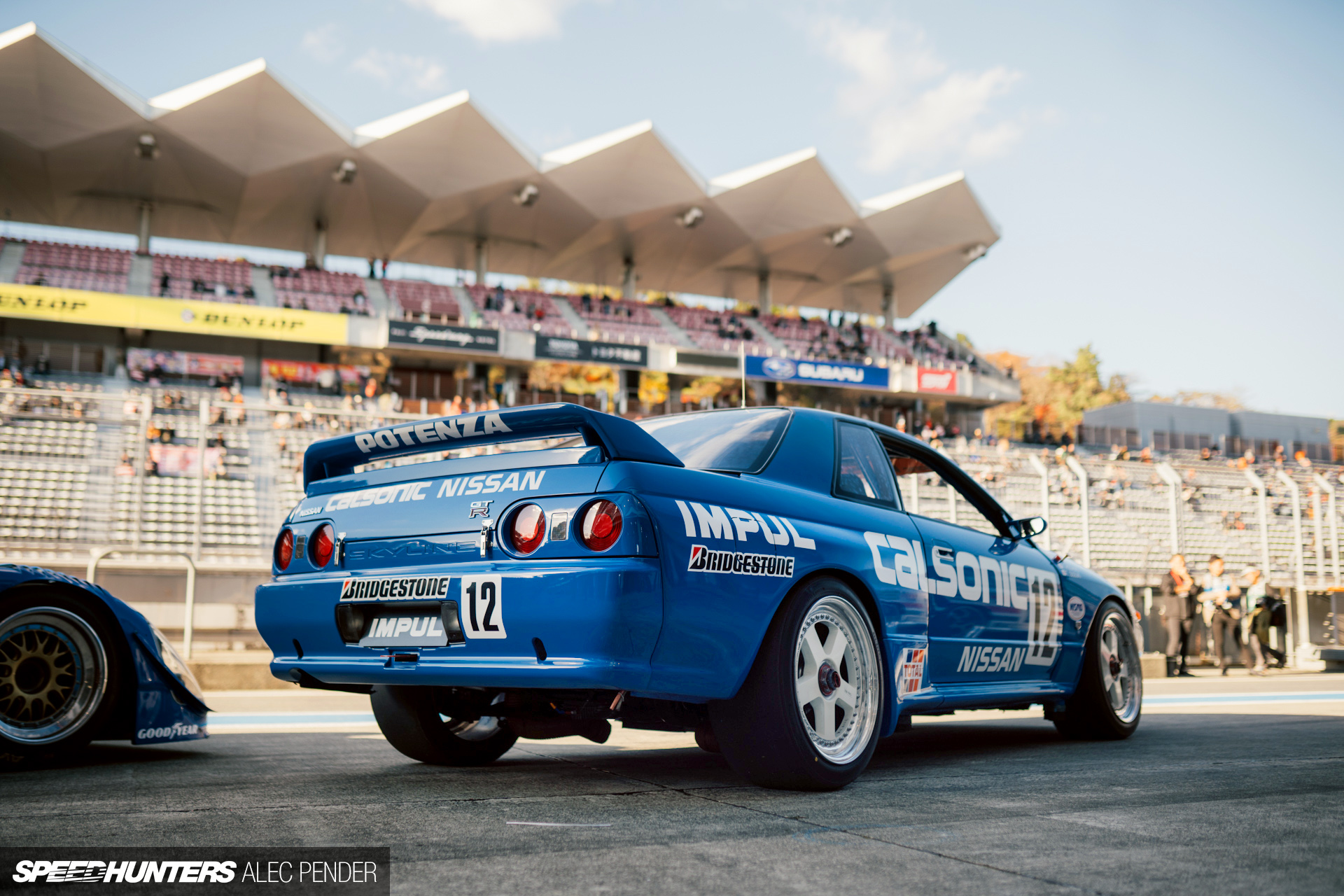
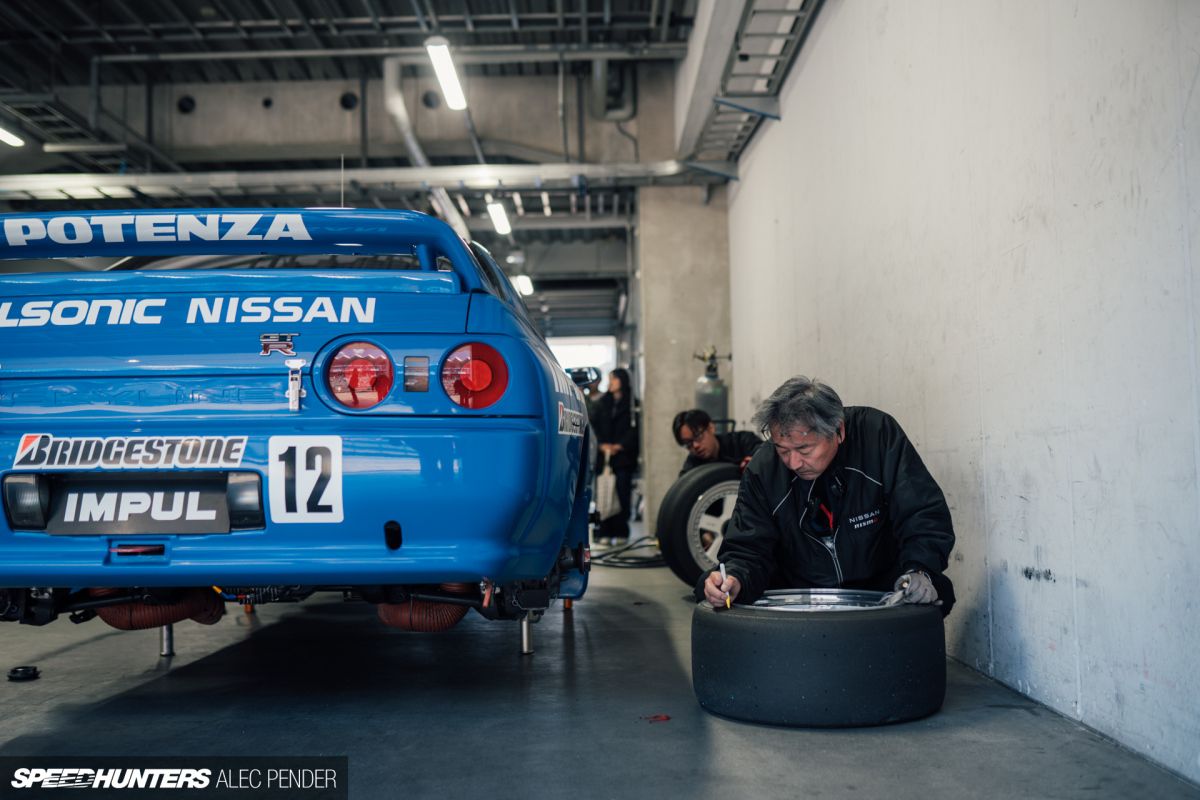
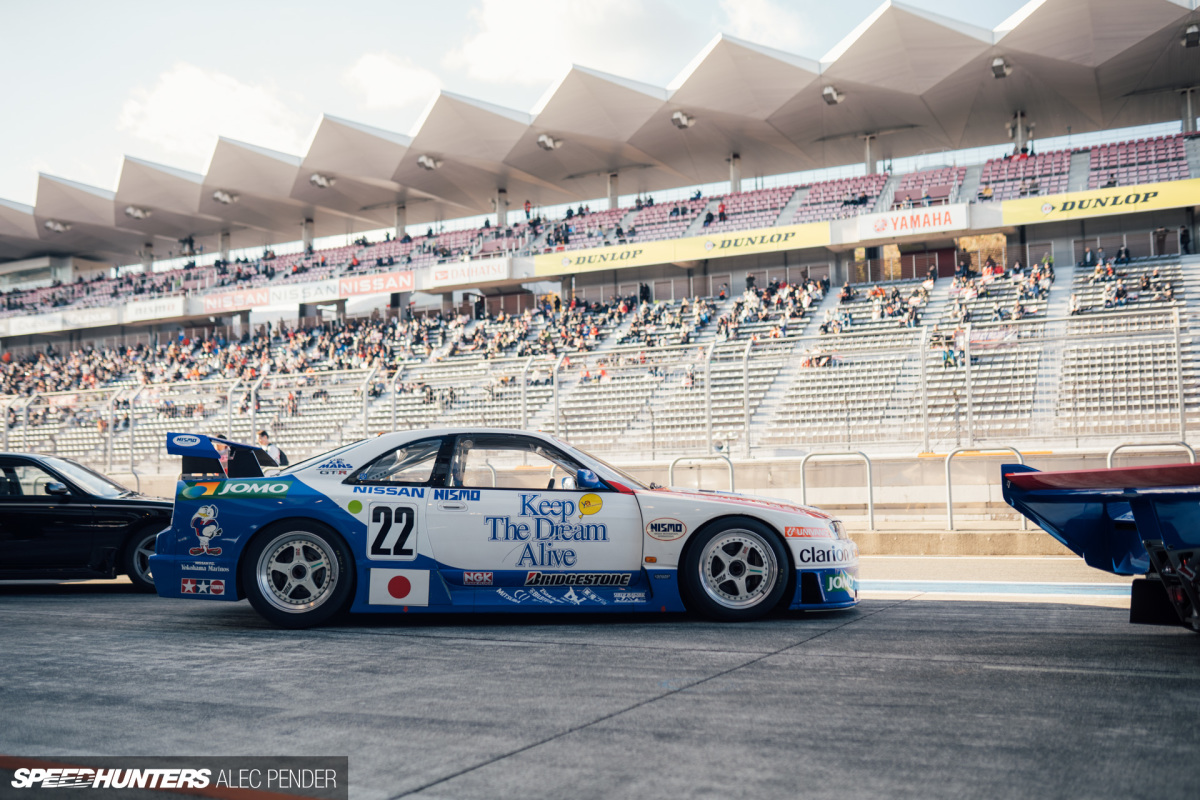
And what better way to kick things off than with Nissan’s most legendary race car – the Group A Calsonic R32 Skyline GT-R? For many in attendance, this was their childhood poster car, and its unmistakable blue and white livery is forever linked with Nismo’s legacy.
And then there’s the sound from its 550hp RB26 – just incredible!
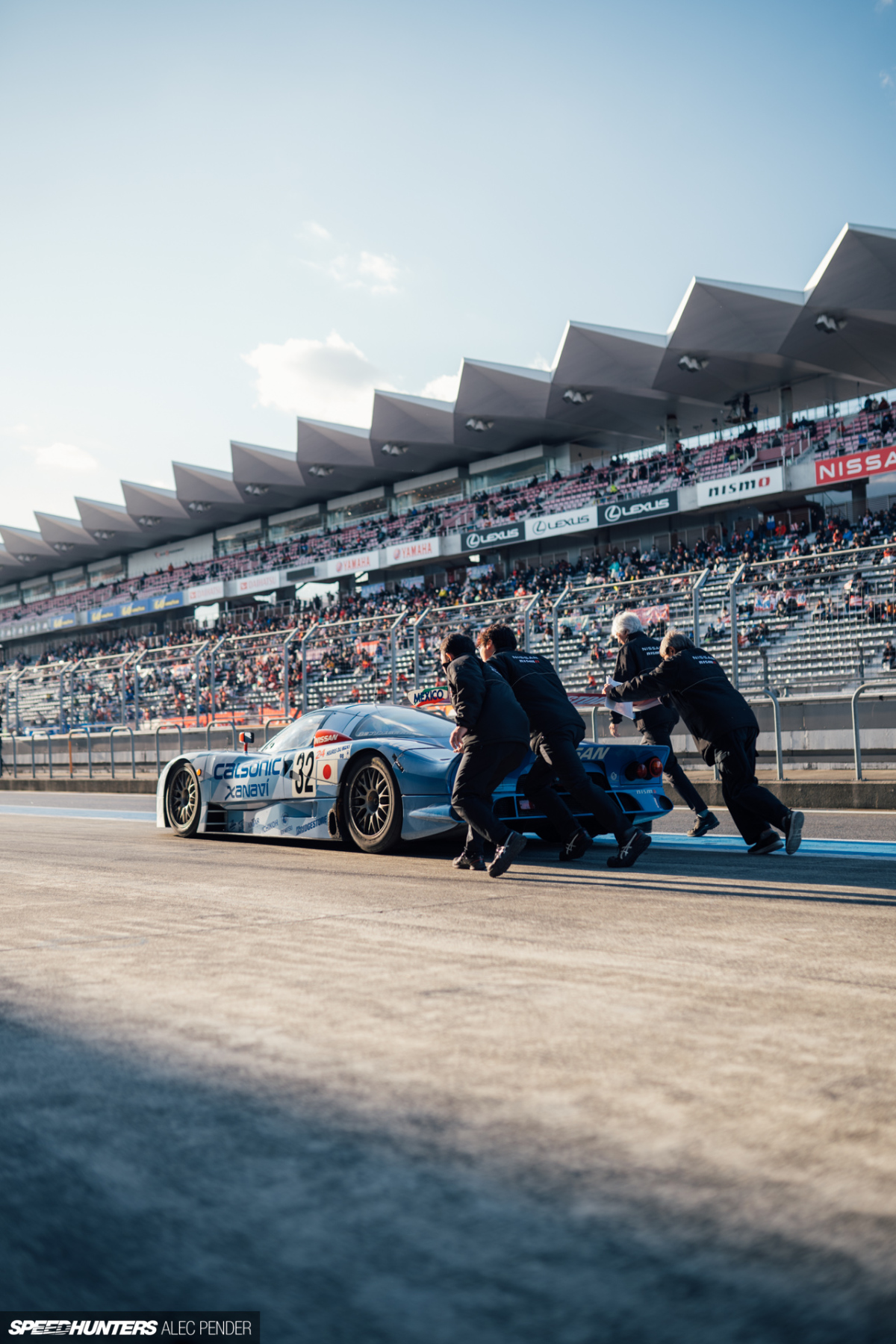
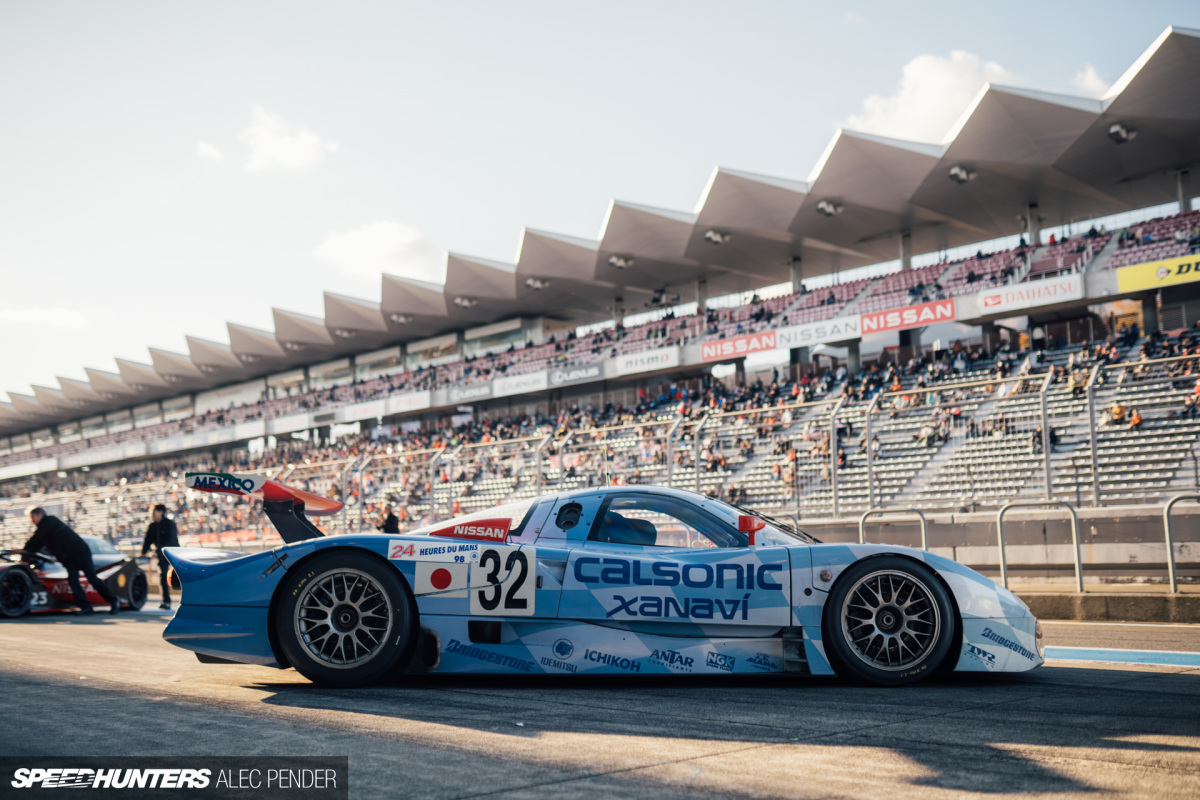
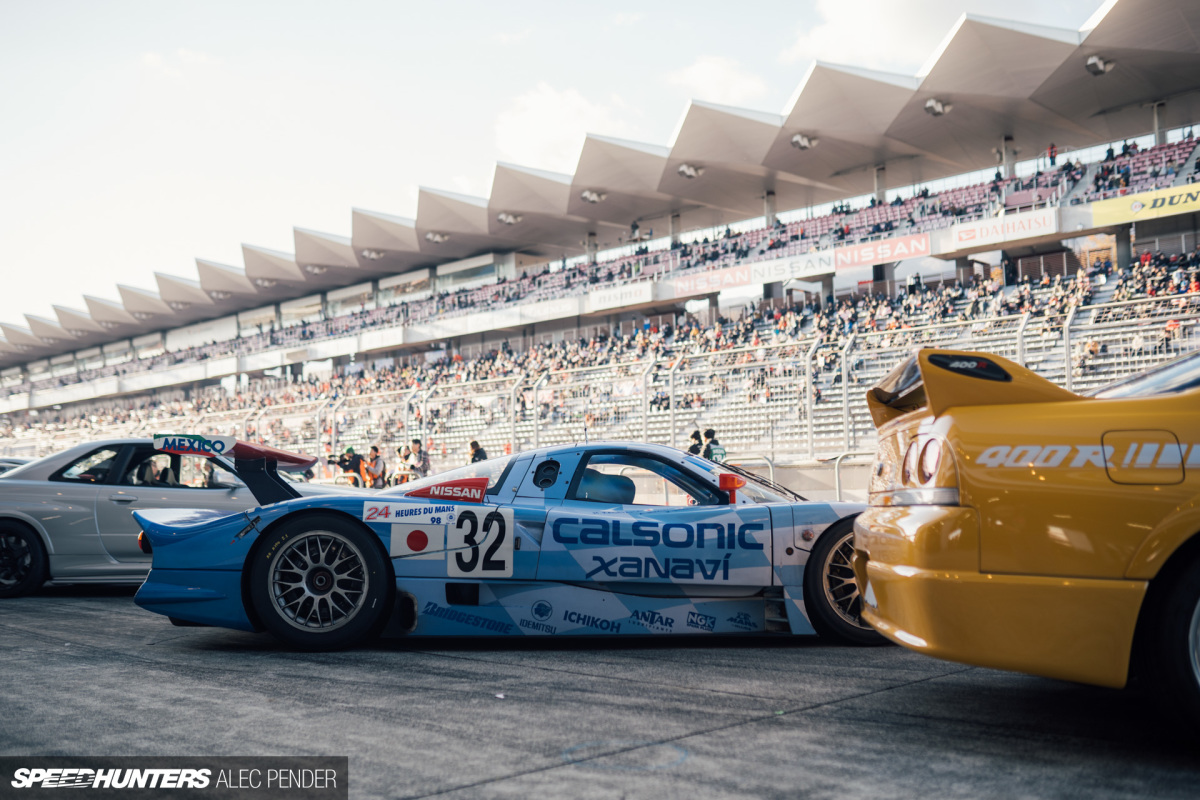
Another standout this year was the Calsonic-liveried R390 GT1. With its 3.5L V8, once used in Group C racing, the R390 GT1 was Nissan’s entry into the 1997 and 1998 24 Hours of Le Mans races. While only two road-going chassis were ever made, one was recently restored and is still driven by former F1 and Nissan works driver Erik Comas.
For many, the highlight of the Nismo Festival is the Historic Car Exhibition Race, and this year’s edition certainly didn’t disappoint. Dozens of classics from the 1970s raced wheel-to-wheel around Fuji Speedway, providing a glimpse into Nissan’s rich motorsports heritage.
Then there was the all-Sunny race, with no less than 22 B110s and B310s lining up for a standing start. The sound of their engines screaming off the main straight grid was amazing.
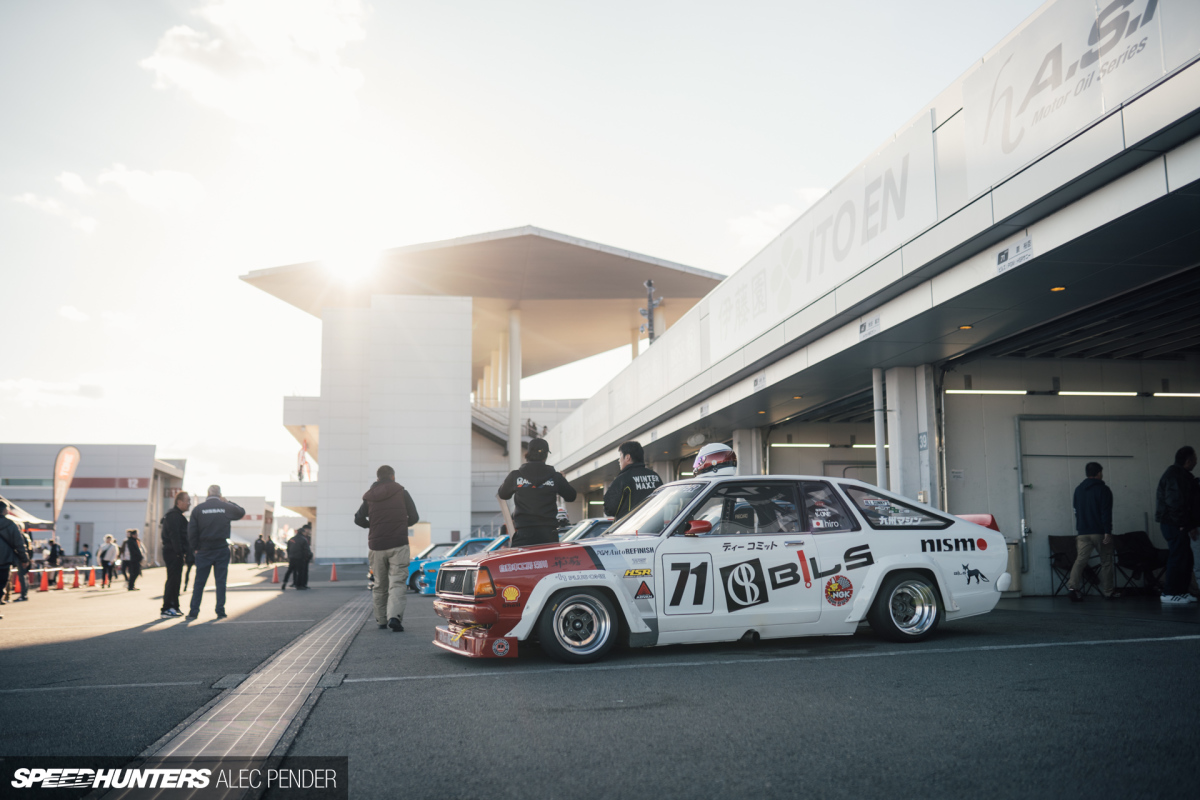
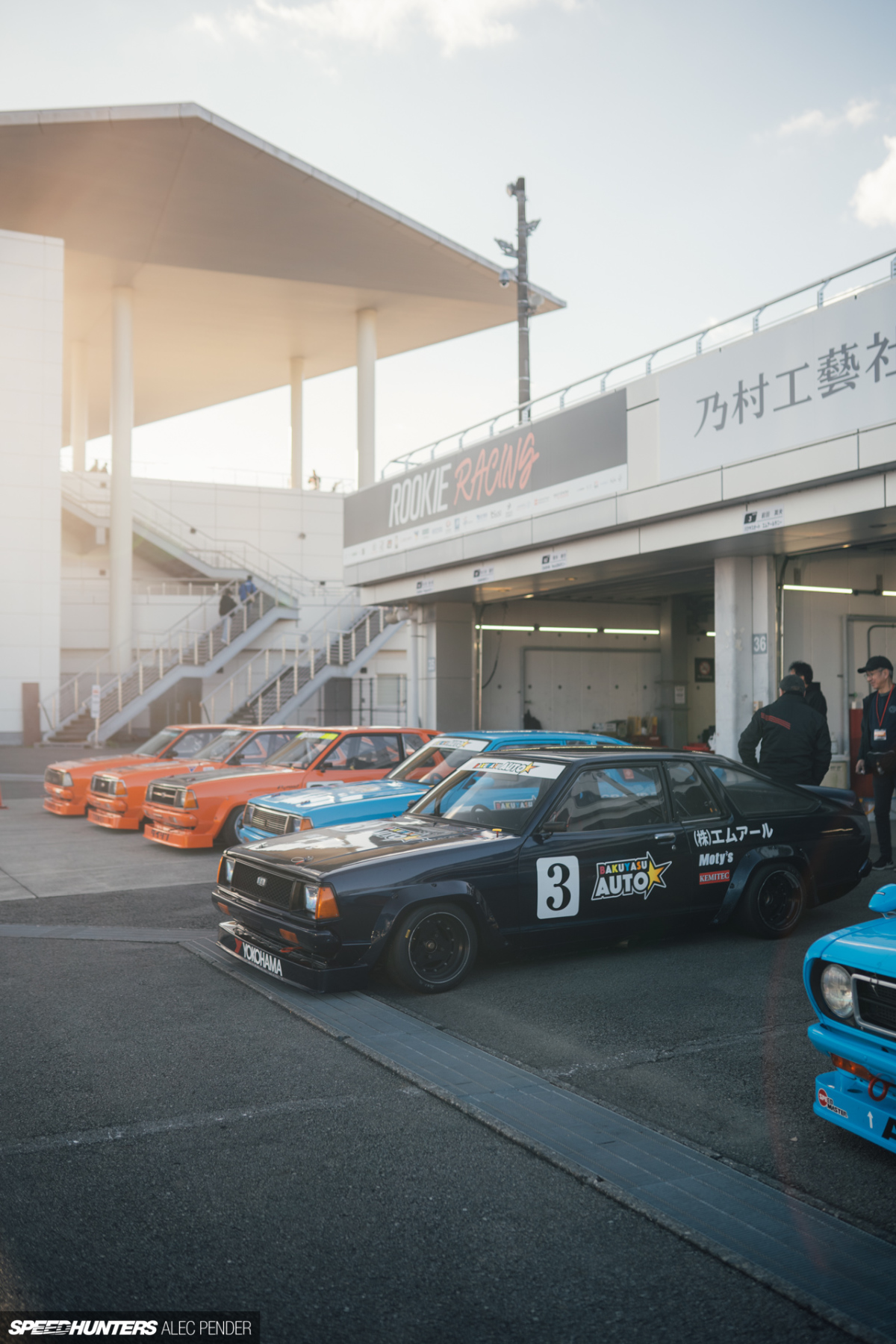
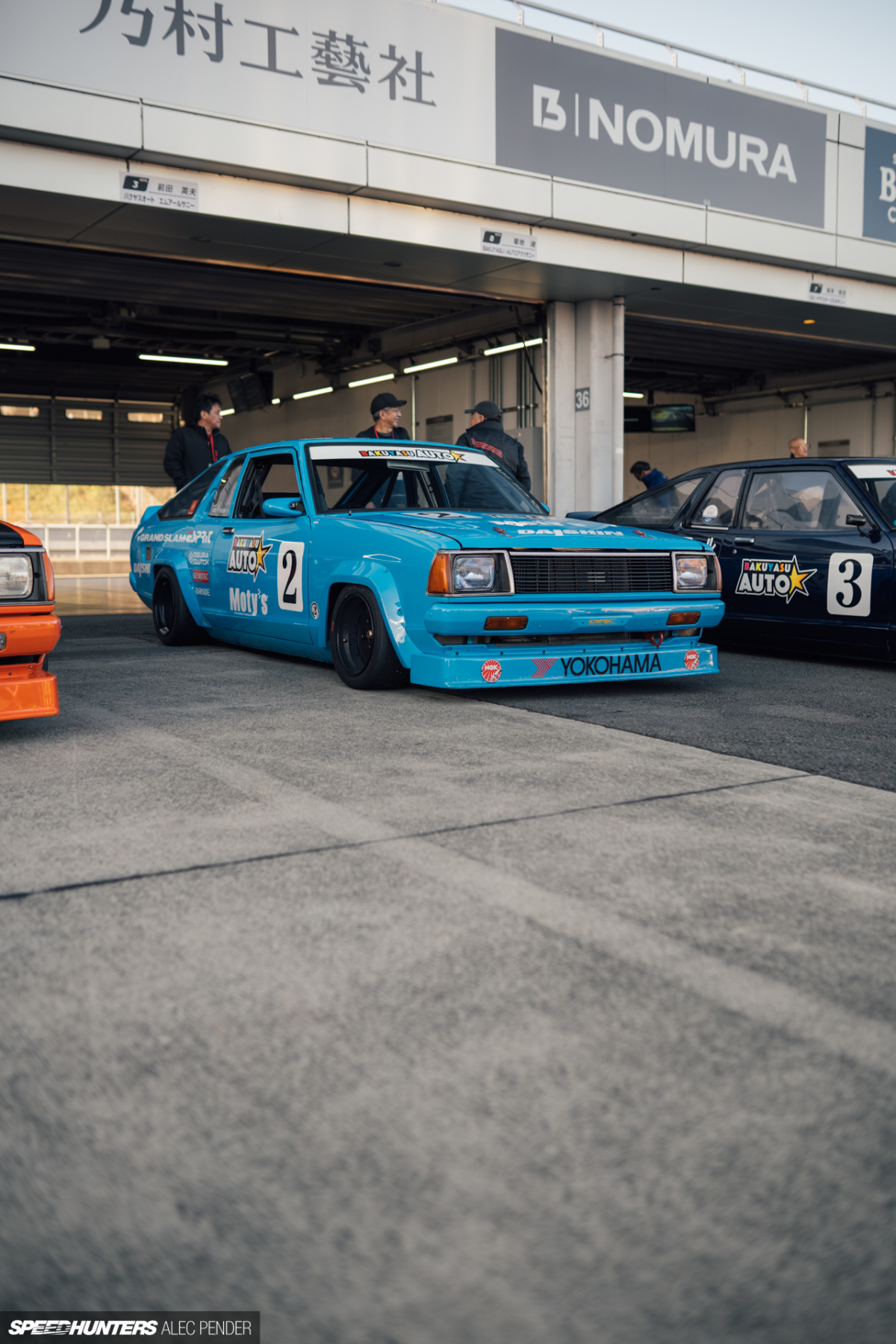
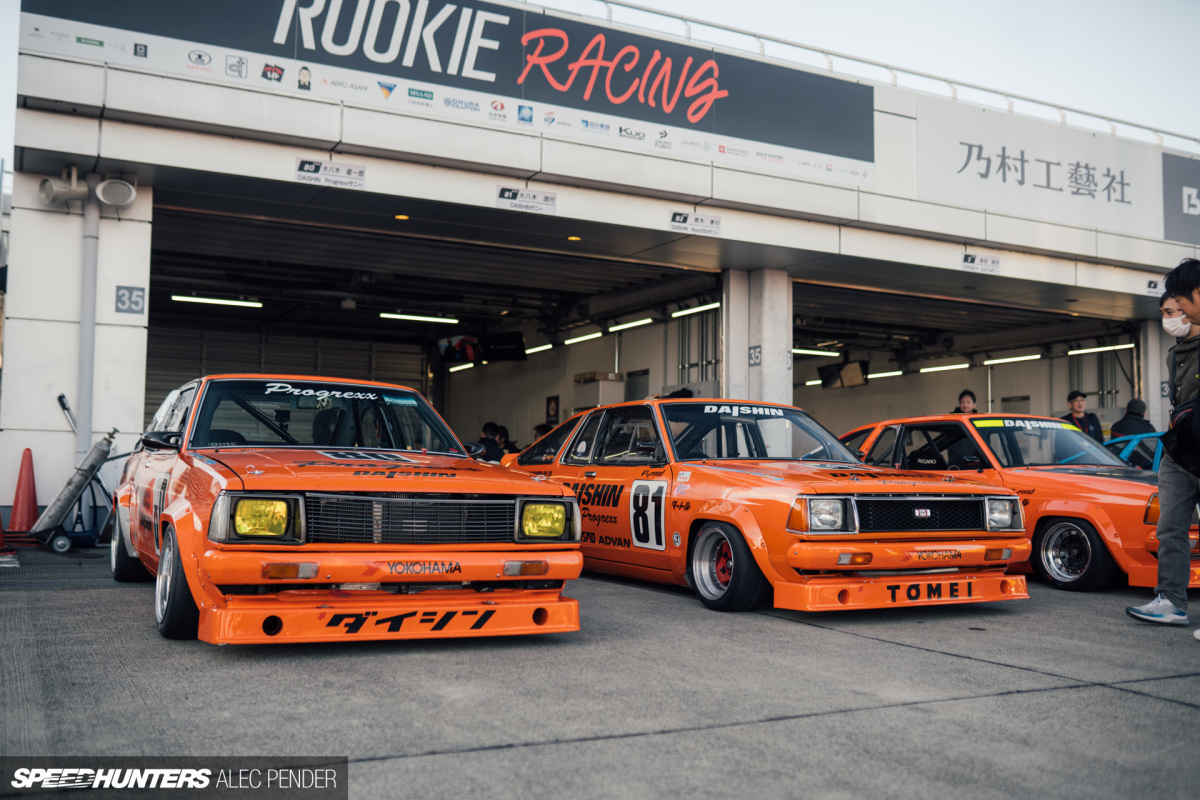
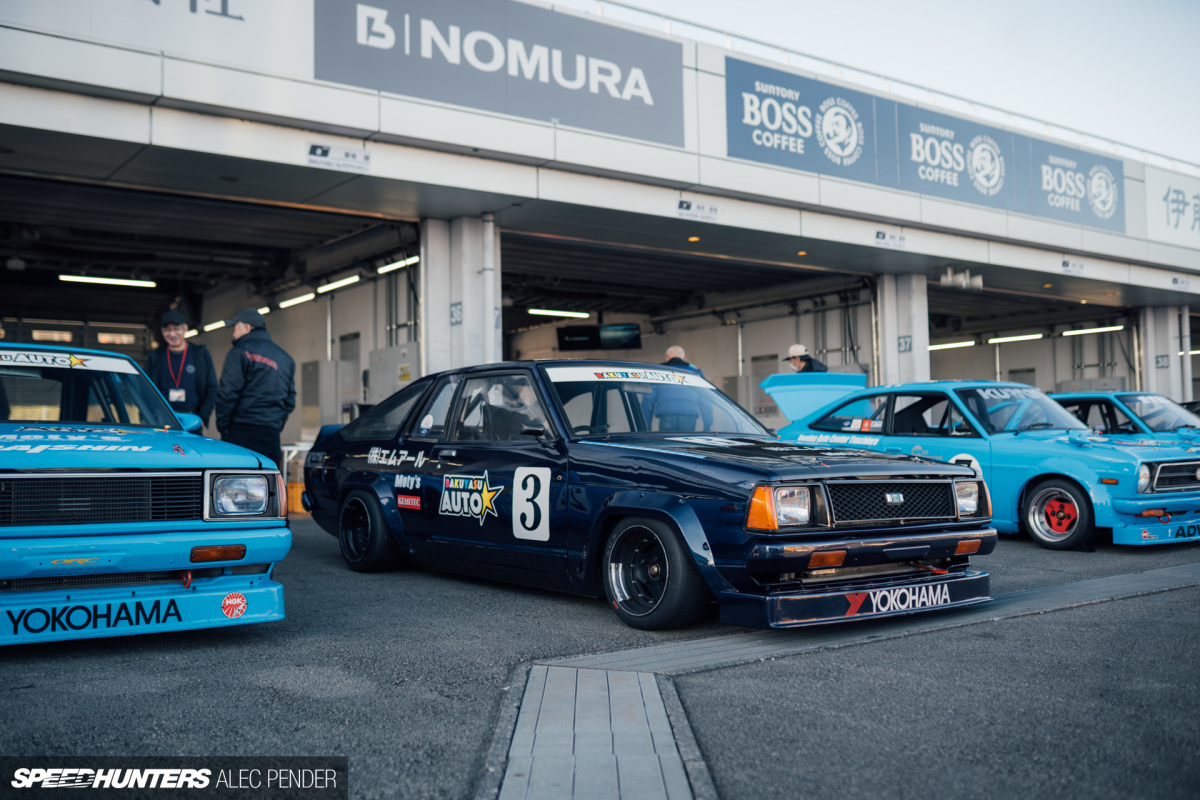
Away from the main paddock, the Historic Car Exhibition Race pit offered a more relaxed experience.
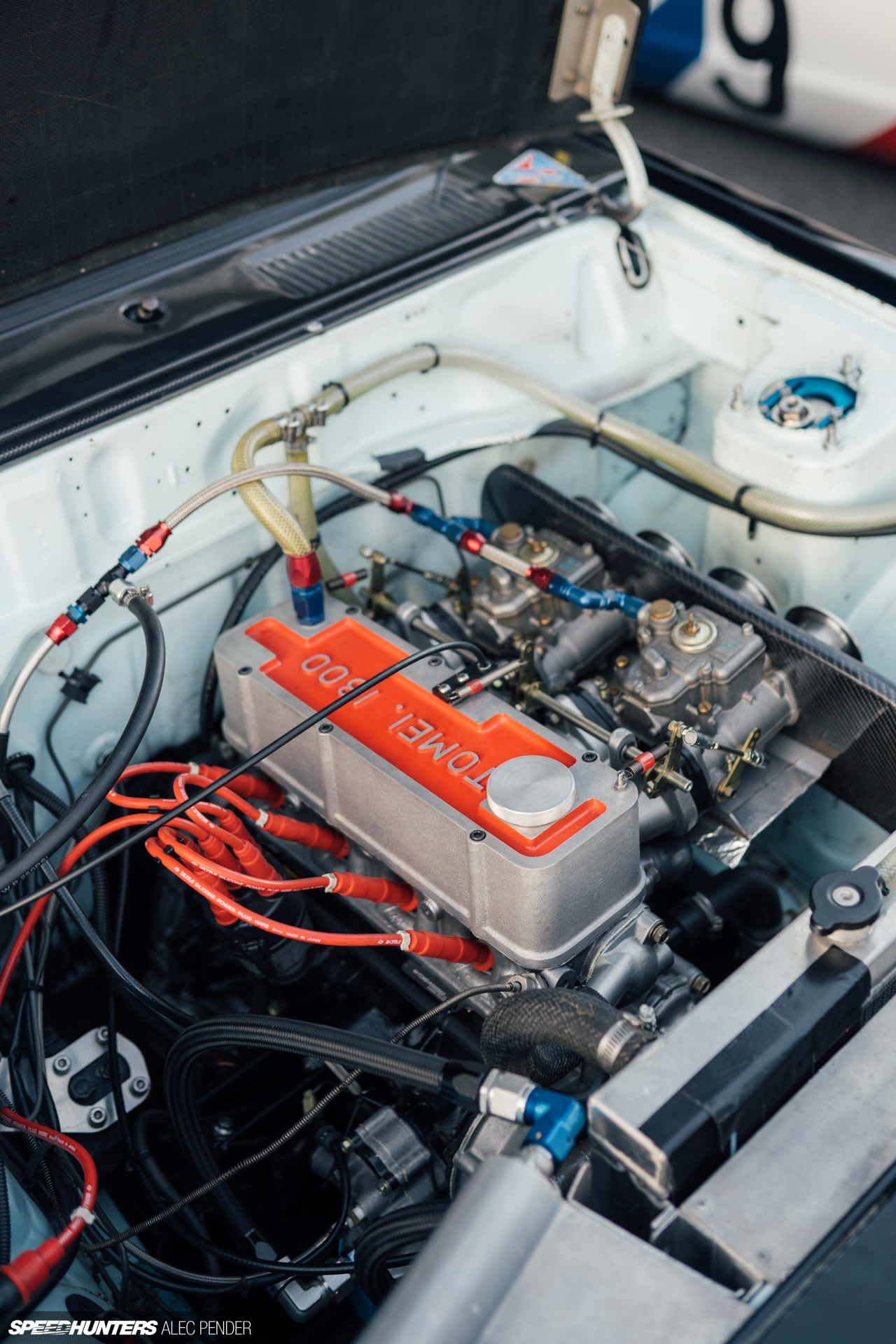
Small wheels, open carbs, and raw interiors – you have to love old-school race cars.
As Tokyo’s notorious Sunday traffic began to build, many attendees made their way to Fuji Speedway’s exits at around 3:00pm. That left the Historic paddock nearly empty, all set against the stunning backdrop of a classic Fuji sunset.
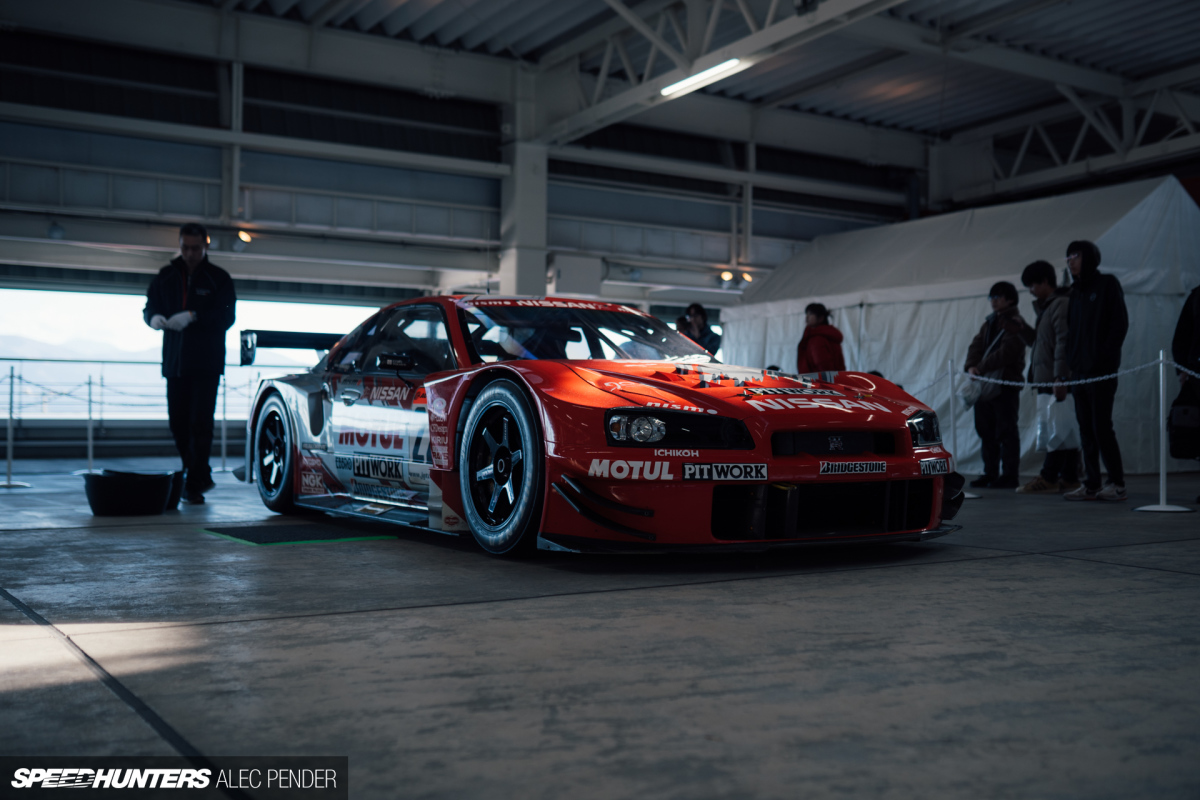
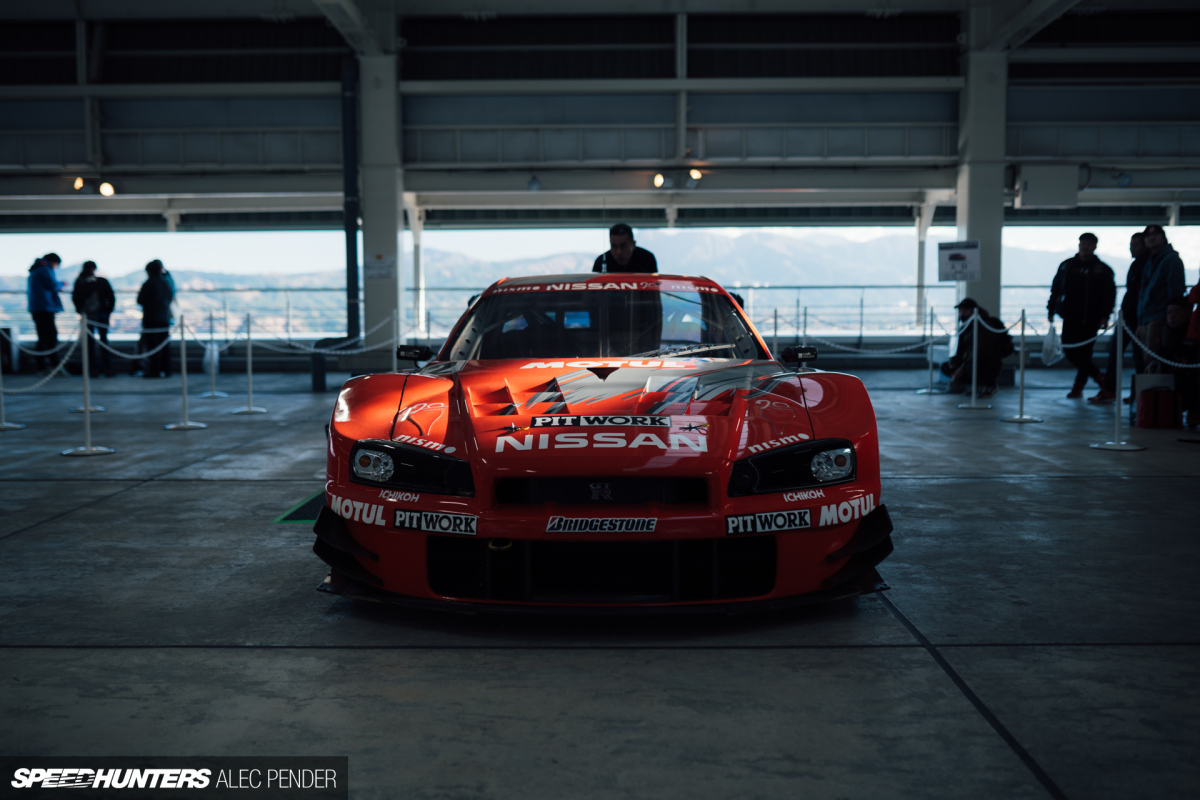
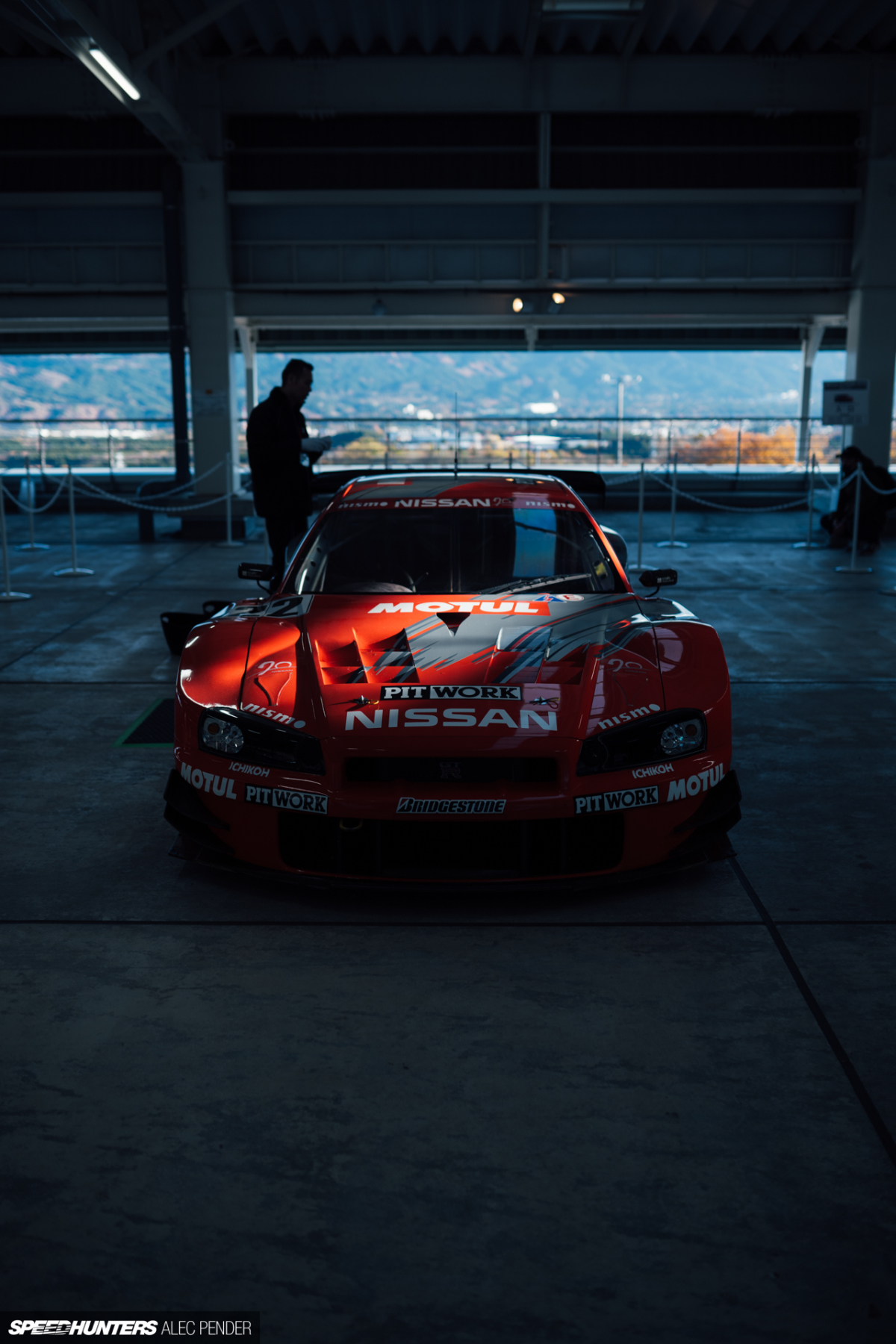
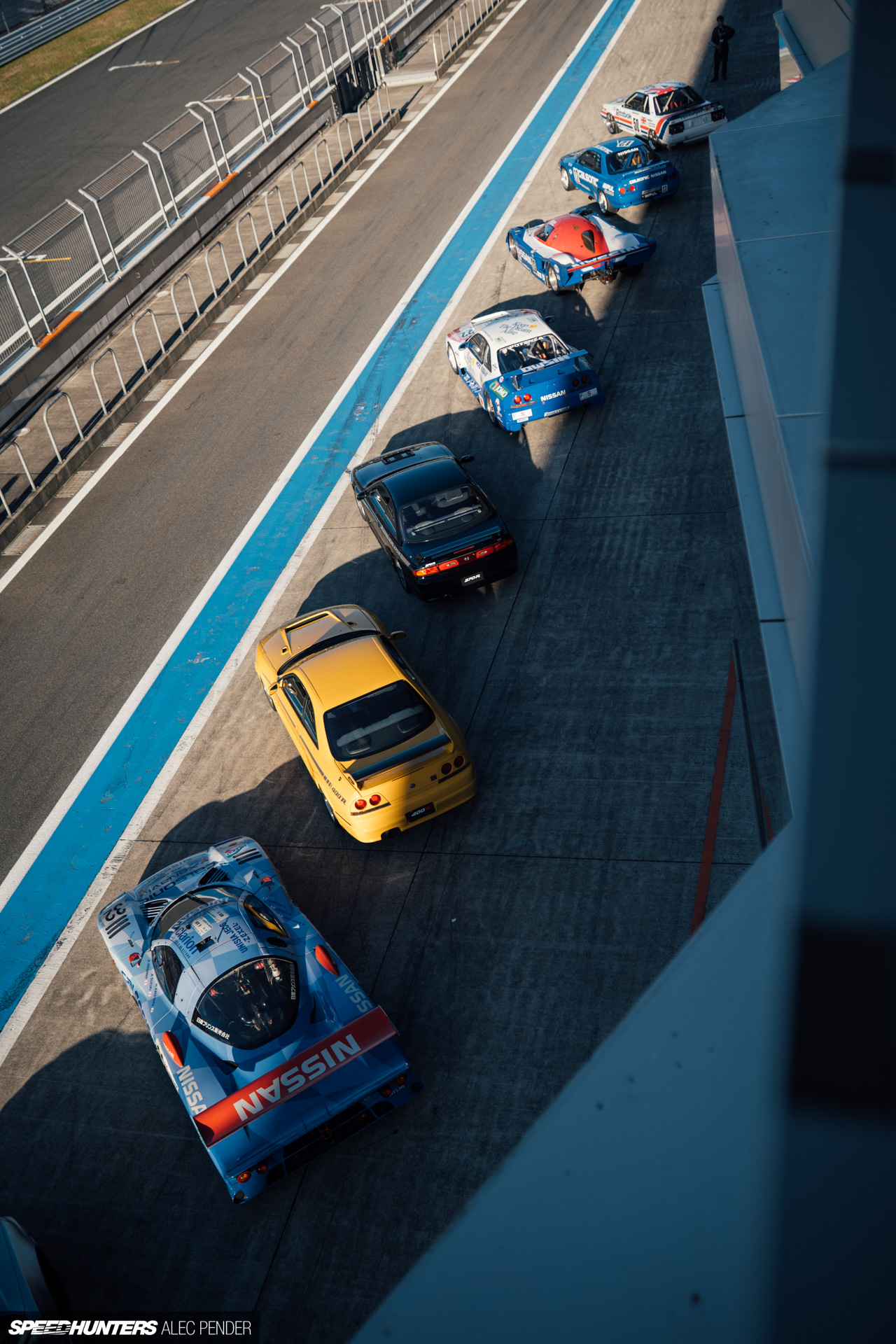
On the fourth floor of the Fuji Speedway stand, tucked away from the crowds, sat more iconic machines, including the JGTC Motul Skyline GT-R.
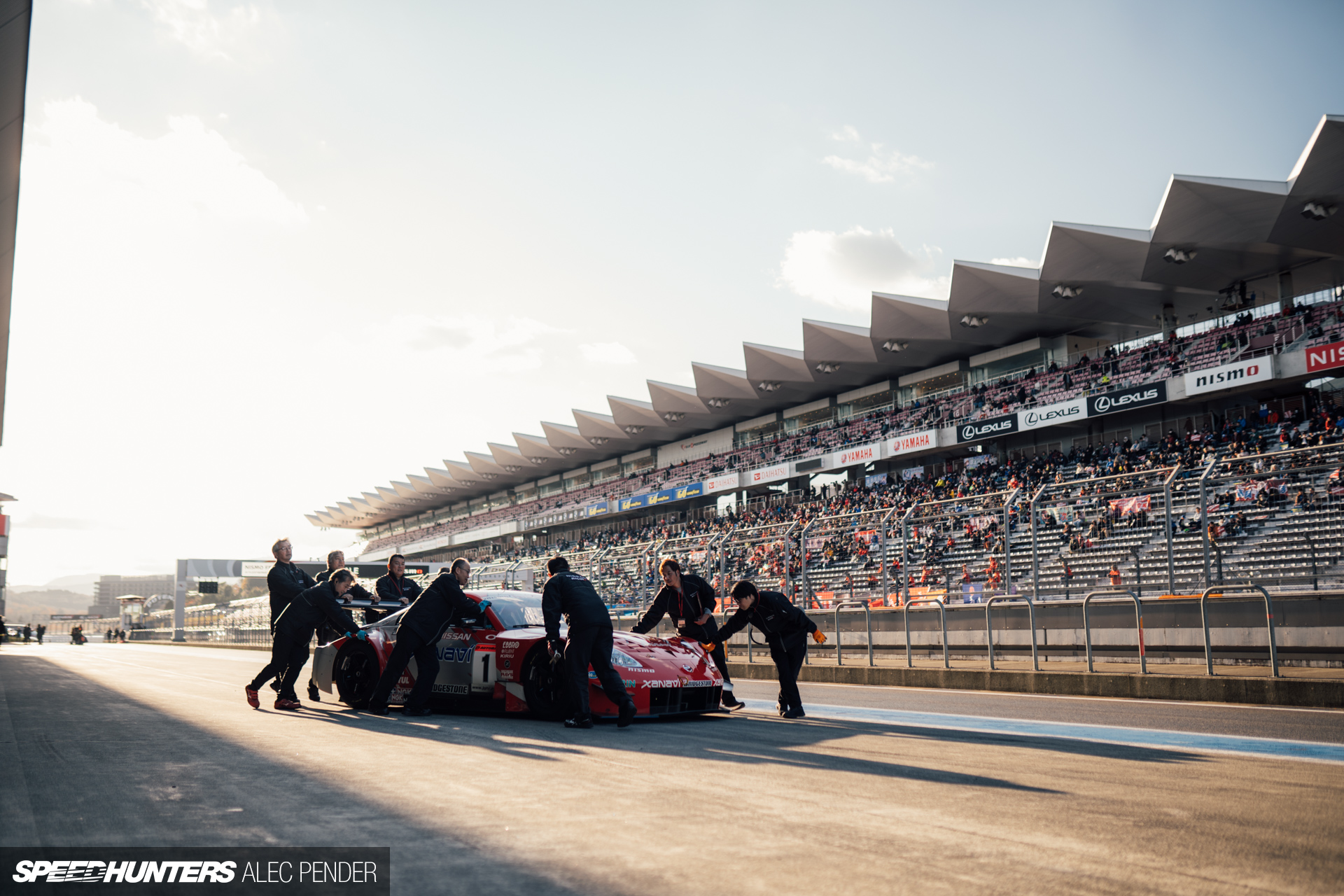
Powered by the VQ30DETT, this car marked the final chapter for the R34 in the JGTC, as Nissan switched to the Z33 Fairlady Z the following season.
Alongside the Skyline, the 1996 JTCC Sunny, with its naturally aspirated SR20 engine pumping out 300hp, added another historic touch to the lineup.
Back in the main paddock, the Heritage cars lined up for their final laps.
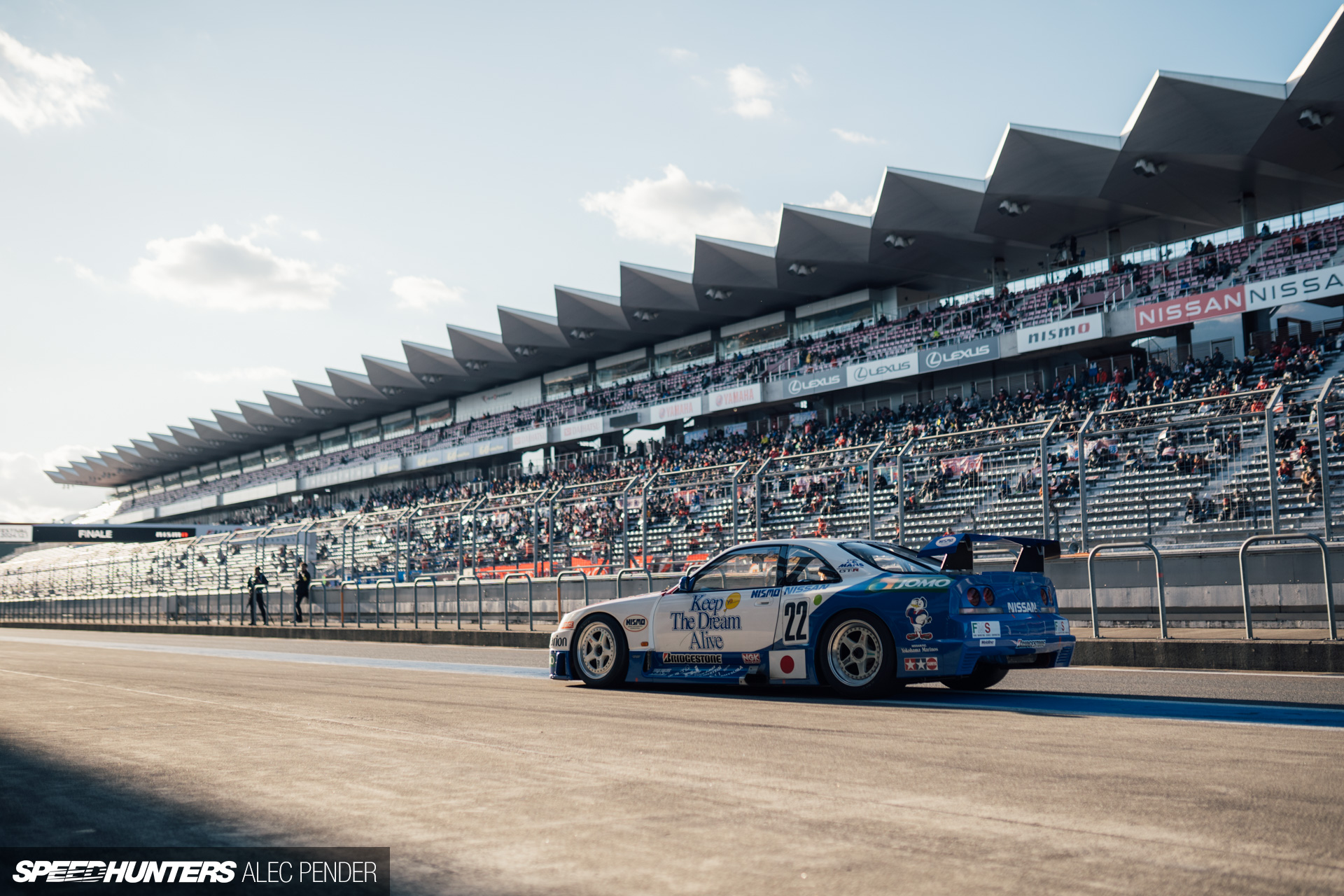
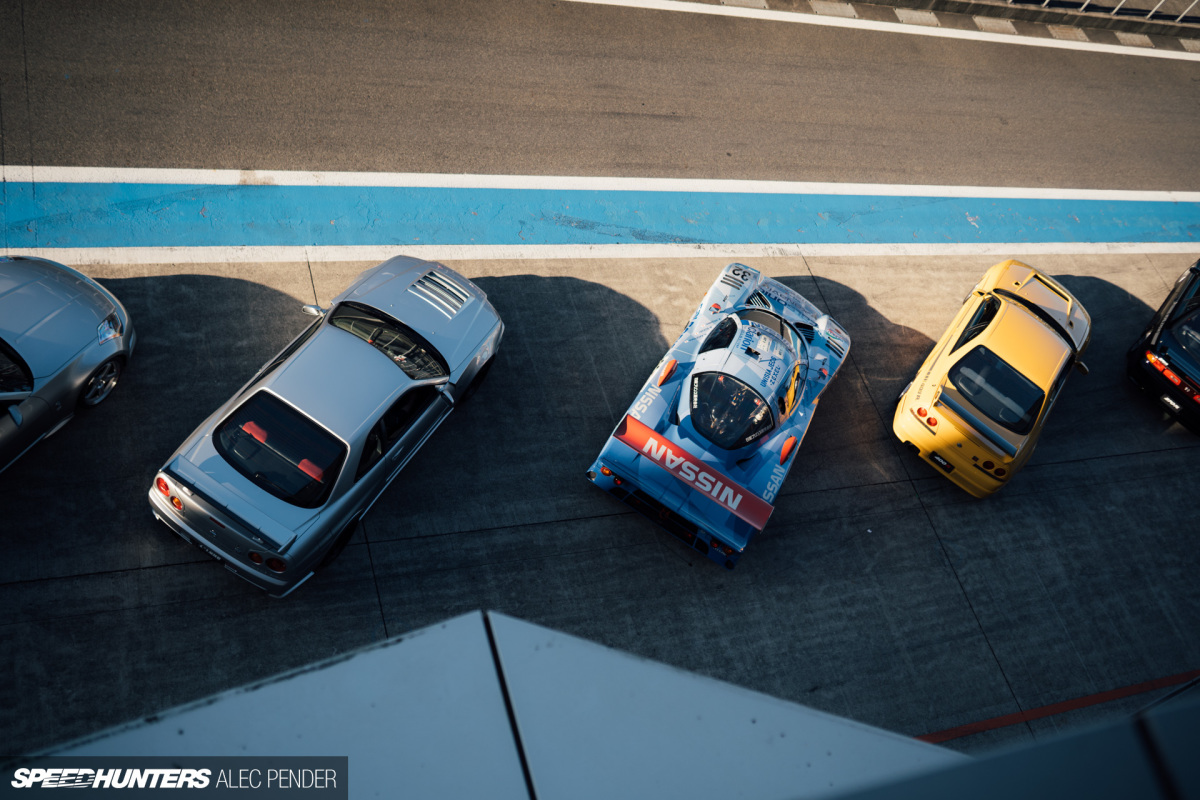
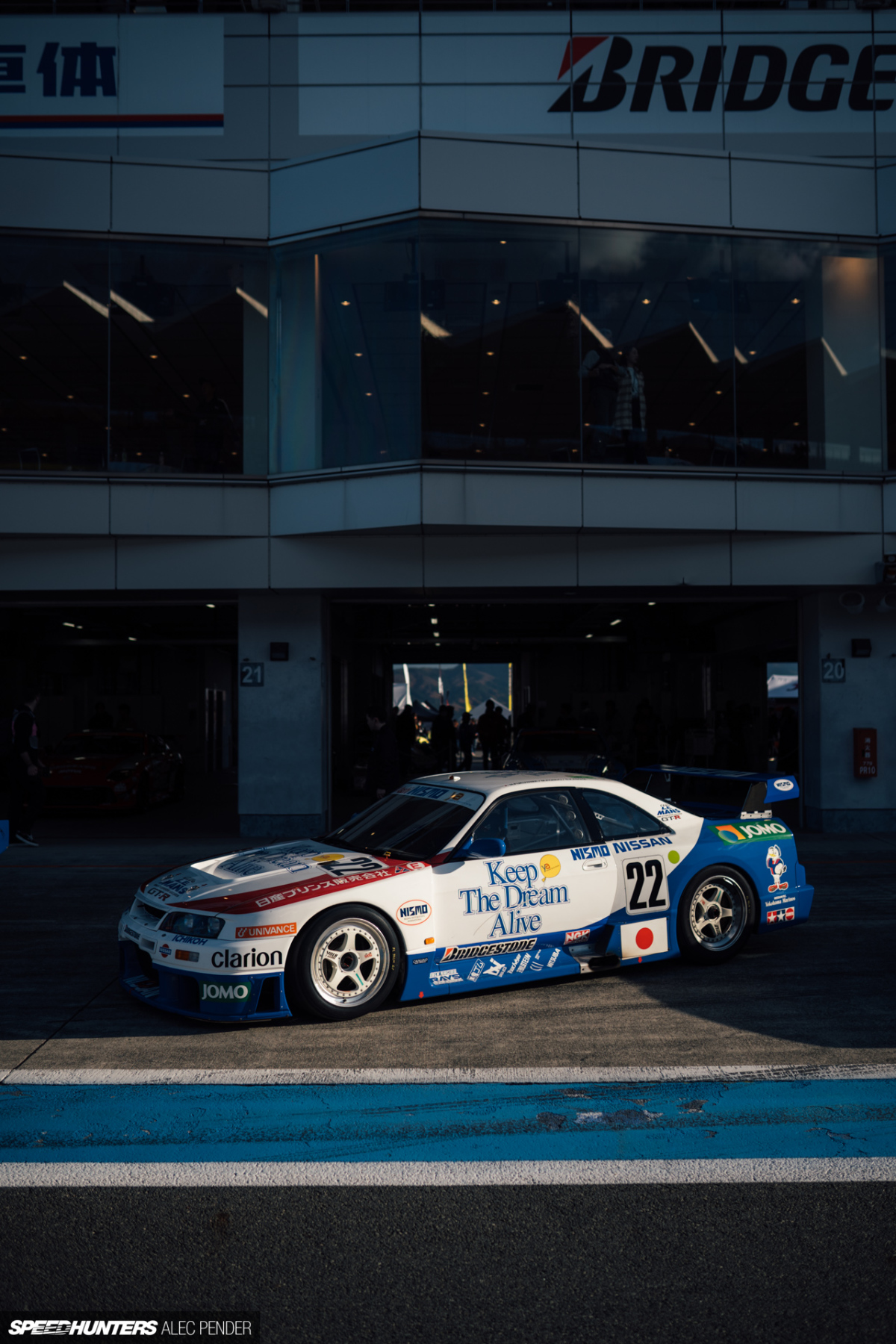
The R33 Skyline GT-R LM was basking in the late afternoon sun. While the LM didn’t enjoy success at Le Mans, it’s an absolute stunner. What a sight!
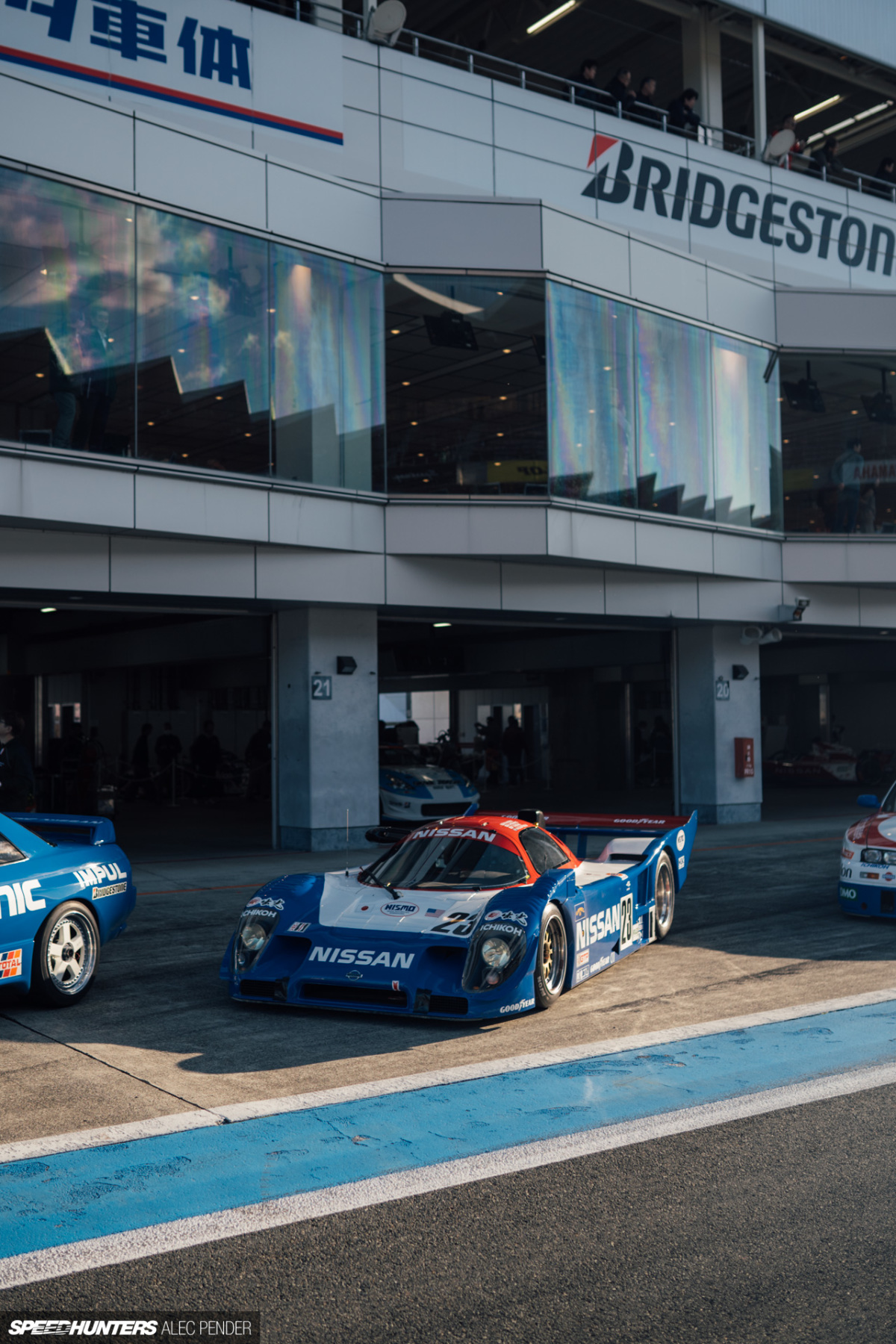
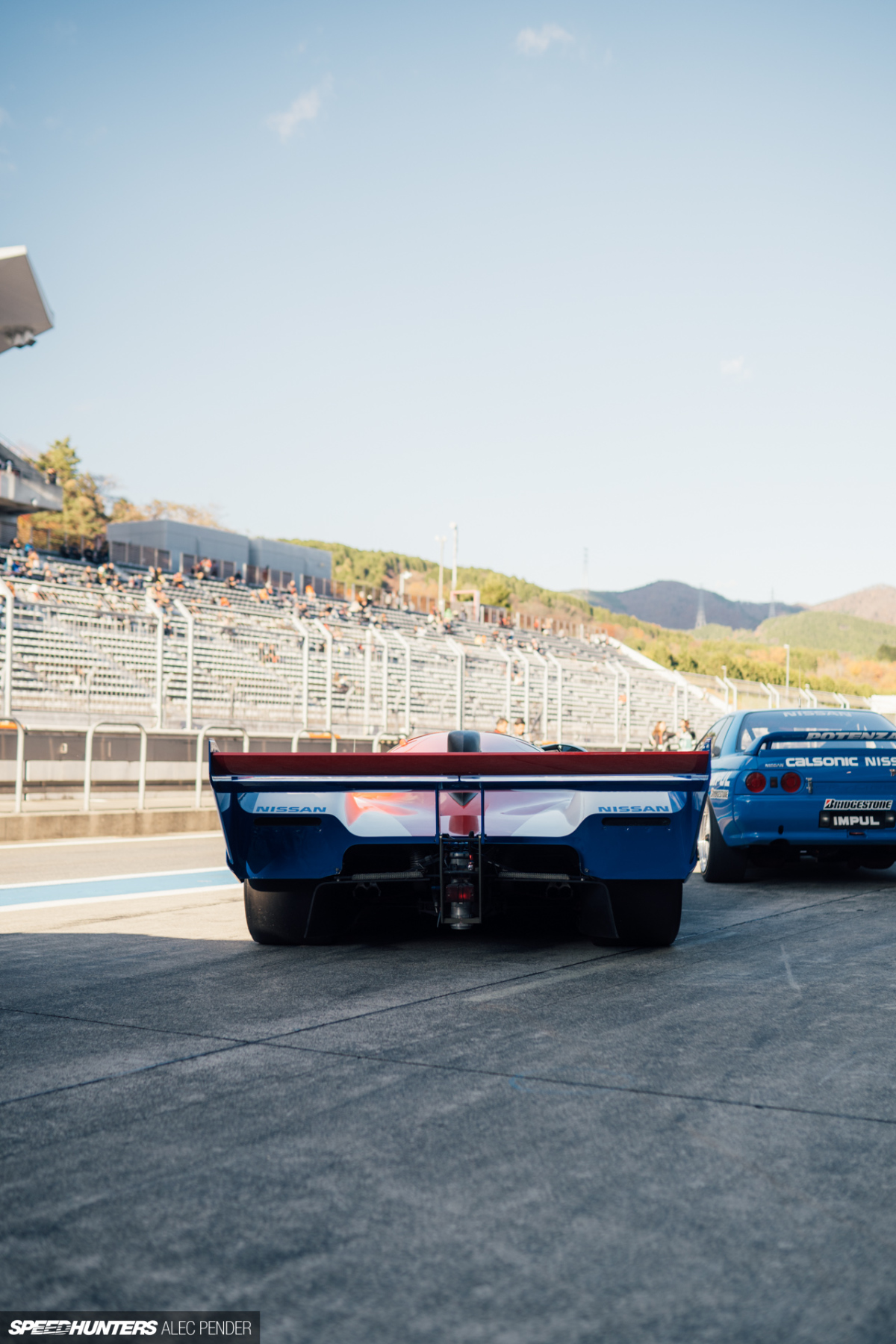
One of the most exciting moments was seeing the R91CP – a car that made history as the first Japanese-driven and Japanese-made vehicle to win outright at the Daytona 24 Hours in 1992.
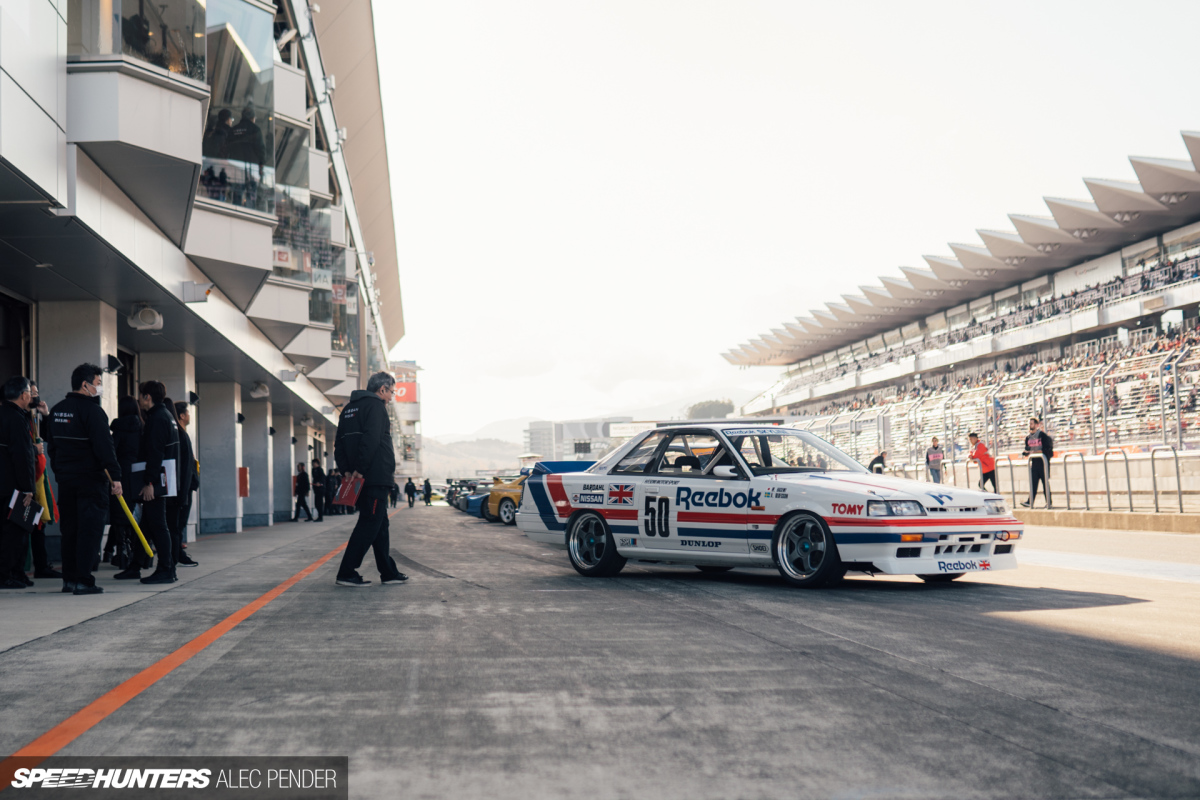
Equally impressive was the 1989 Reebok Skyline GTS-R, which dominated the All-Japan Touring Car Championship in ’89.
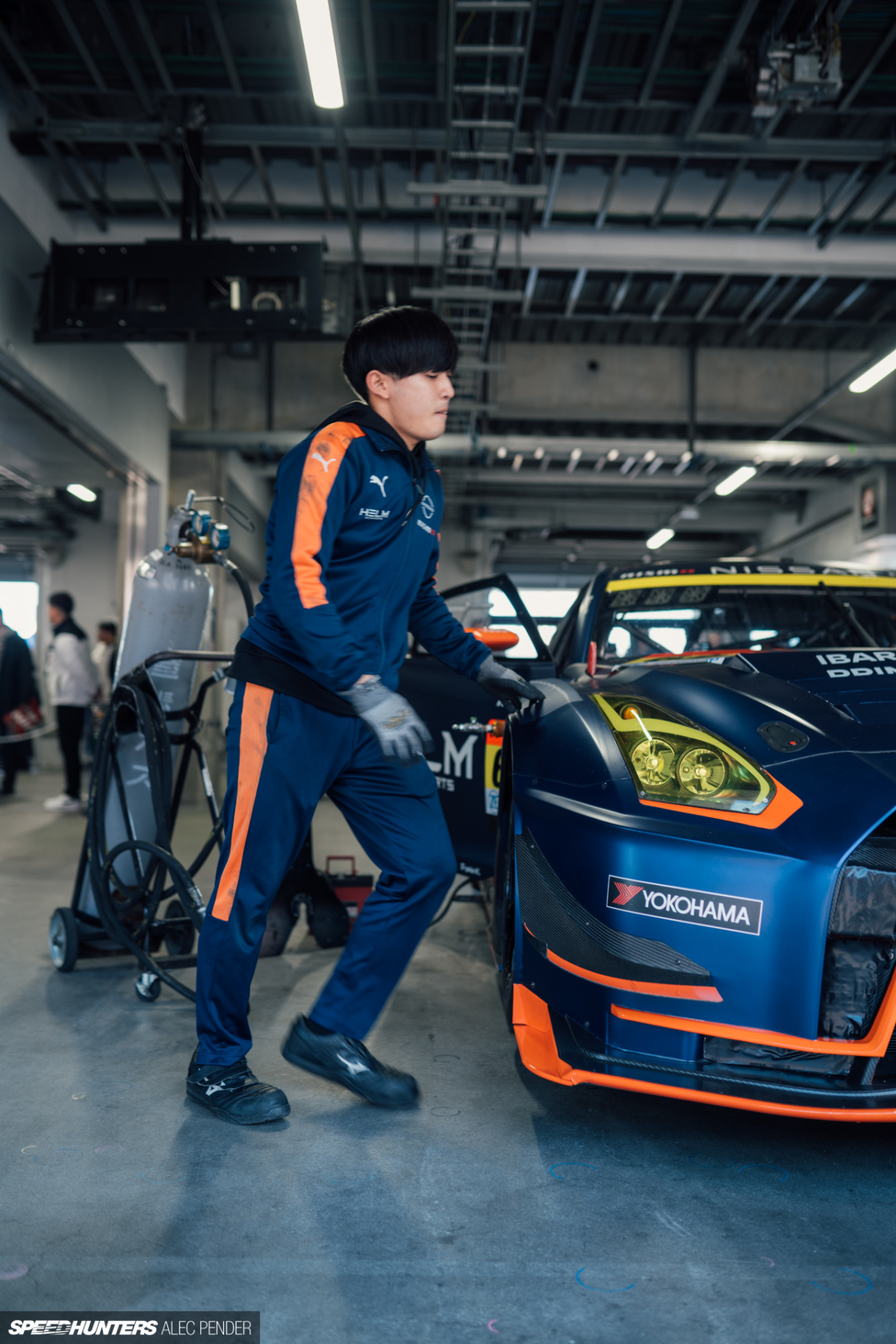
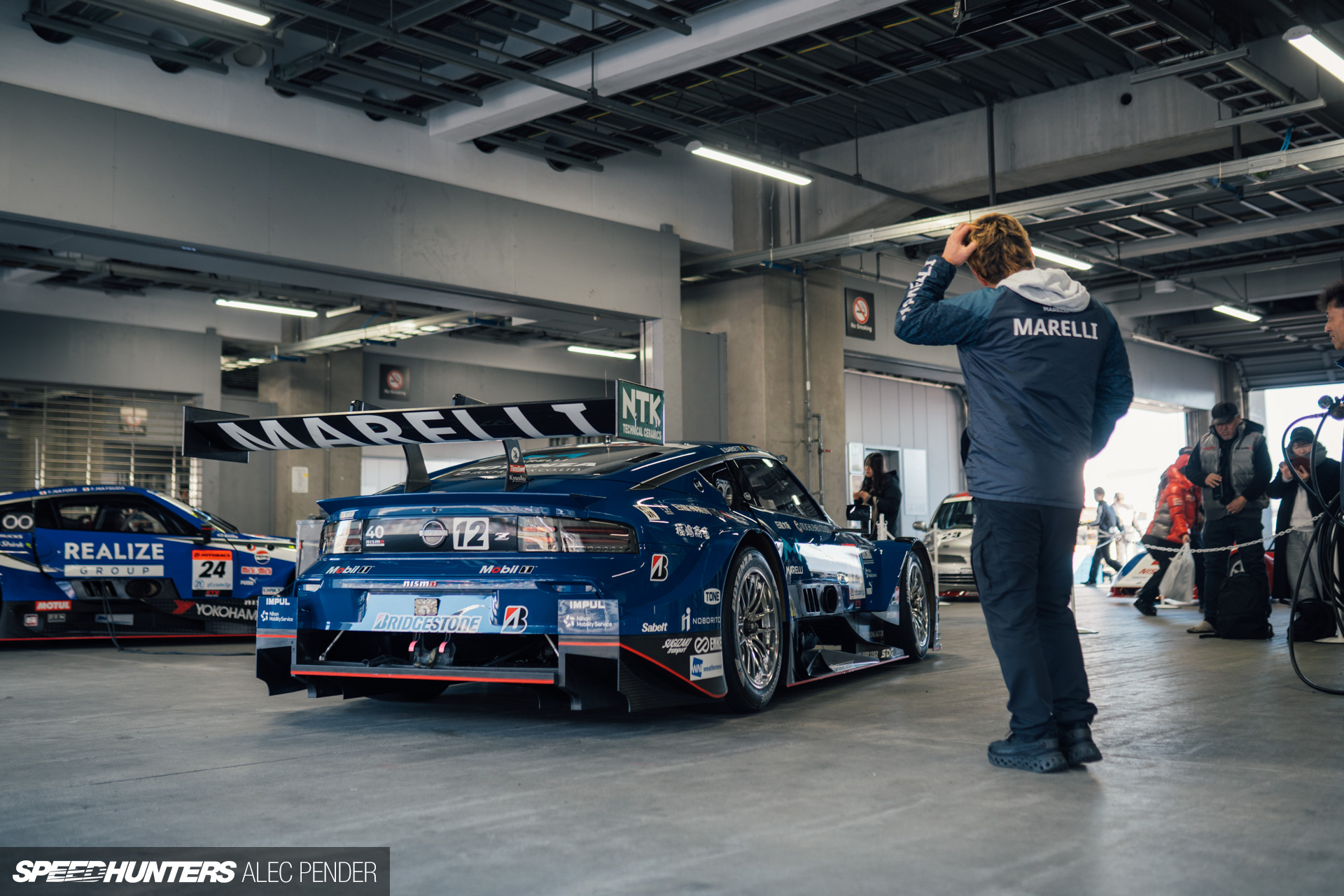
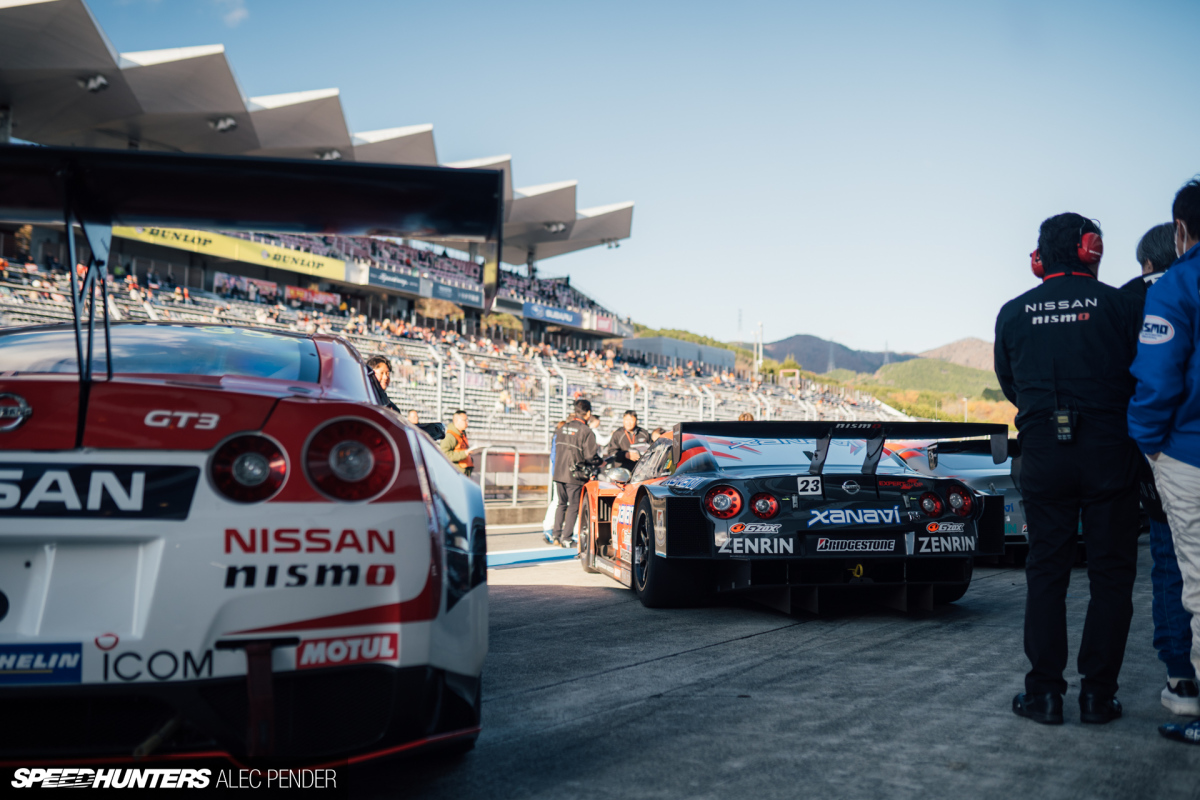
Of course, Nissan’s focus on current racing technology is always evident at the Nismo Festival, and the automaker’s current lineup of Super GT cars took centre stage.
While these newer machines don’t make much noise, they still commanded attention as they flew around the track.
With rumours of an S16 Silvia circulating online, I’m holding onto hope for a rear-wheel-drive Toyota GR86 competitor. But with Nissan’s growing emphasis on EVs and front-wheel-drive platforms, let alone its current financial woes, that optimism feels a bit strained.
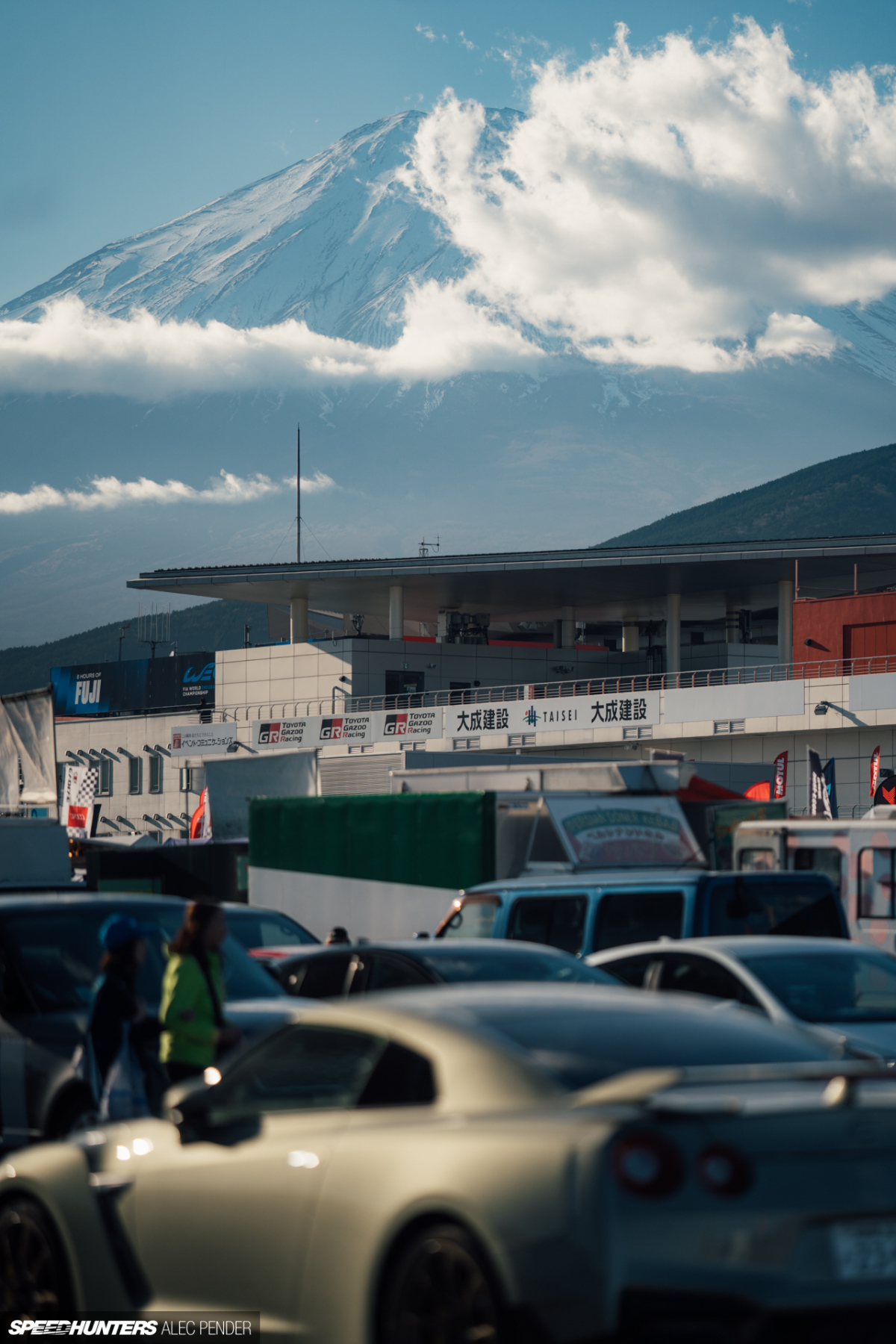
With a slightly less intense on-track schedule this year, I had more time to explore the massive spectator car park, which had turned into an unofficial meet of its own. The sheer number of GT-Rs was impressive.
In fact, the car park deserves a standalone feature – stay tuned for that!
Walking away from the 2024 Nismo Festival, I couldn’t help but feel conflicted. As an event, I’d still recommend it to any Nissan enthusiast who happens to be in Japan during the first weekend of December. But as the once-thriving Heritage lineup of running cars shrinks and EVs continue their dominance, it feels like the Nismo Festival is hanging in the balance. Let’s hope that’s not the case.
The Dutch Grand Prix will be dropped from the F1 calendar after 2026
The decision was made by the race promoter
F1 organizers continue to look for new locations and are keen to add an African race
The Formula 1 Dutch Grand Prix at the historic Circuit Zandvoort returned to the calendar in 2021 after a 36-year hiatus. Now it’s about to disappear once more.
The race promoter has confirmed that 2026 will be the final year the hugely popular Dutch Grand Prix is held.
“We are a privately owned and operated business, and we must balance the opportunities presented by continuing to host the event against other risks and responsibilities,” Robert van Overdijk, the Dutch Grand Prix’s director, said in a statement.
F1 CEO Stefano Domenicali, in a separate statement, said various options to keep the race on the calendar beyond 2026 were discussed, including potentially alternating biennially with another race, though ultimately no solution could be found.
Circuit Zandvoort, home of the Formula 1 Dutch Grand Prix
The current contract for the Dutch Grand Prix lasts until 2025, but a one-year extension to host the 2026 race was agreed upon between the race promoter and F1 organizers.
F1 organizers are keen to add races in new locations, but the 2024 calendar is already jam-packed with a record 24 races, meaning other traditional locations may disappear in the future or alternate with other races.
The Spanish Grand Prix is set to leave Barcelona in 2026 and move to Madrid, though talks are taking place about retaining a race in Barcelona. F1 is also looking to expand into Africa and is holding talks with Rwanda about a race close to the capital, Kigali.
Max Verstappen at the 2023 Formula 1 Dutch Grand Prix – Photo credit: Getty Images
The Dutch Grand Prix is the home race for current champion Max Verstappen and proved to be an immediate hit with fans upon its return, not least because of the tricky nature of Circuit Zandvoort. The circuit, nestled within the sand dunes of the North Sea coast, is popular for its significant changes in altitude and banked corners, which all add to the theater.
“We have decided to go out on a high with two more incredible Dutch Grands Prix in 2025 and 2026,” van Overdijk said. “We wanted to take this step while our event is adored and supported by passionate fans, residents, and the Formula 1 community.”
Americans owe trillions in car payments and the last few years have shown that people are willing to acceptlife ruining payments to be able to drive what they want. A recent video of a customer at a Mercedes dealership showed in real time just how wildly financially irresponsible folks who get into these car buying situations can be.
2024 Mercedes-AMG GLC43 Is A Hot Compact SUV With A Fascinating Engine
BenzsandBowTies is a YouTube channel run by Doug Horner who’s part of the sales staff at a Mercedes-Benz dealership. The channel gives a behind the scenes look at the sales process at the dealer. A recent video posted to the channel is almost unbelievable in its absurdity. Horner and a member of his sales team by the name of Angela have a customer who’s looking to get into a new Mercedes GLE. There’s just one large problem: he’s upside down to the tune of $29,000 on his current vehicle. He also mentions he doesn’t want an EV.
Angela mentions that he currently drives a 2024 Genesis GV80. The kicker is that they purchased — not leased — the luxury SUV just four months ago. What could bring someone to want to get out of a car they purchased just a few months prior? Angela mentions the customer says he finds the GV80 “uncomfortable,” which is definitely not true. As someone who has been in the car sales business before, I guarantee you that that’s the kind of excuse someone makes when they’re trying to justify the decision they’re making; he just wants the GLE because he wants it.
So Doug and Angela are trying to get the customer into either a 2025 GLE53 AMG or a 2024 GLE53 AMG Coupe. The problem is the customer only wants to put $7,500 down, which if you know the base price of either of those models ($89,200 and $92,150 respectively) and do the math is not even 10 percent down. Angela mentions that the customer doesn’t even want to put anything down but they need something given his negative equity. This all gets better when you hear that the customer is willing to accept a $2,500 monthly payment. Doug says the 2024 would be the better choice (likely because they’re just trying to get it off the lot) but both Mercedes’ have $5,500 incentives for American Express card holders, which the customer is, but that still doesn’t help much.
Doug has the customer figured out though. Angela gives him more details regarding the Genesis. Aside from having just purchased it a few months back, the customer has already put 11,000 miles on it over those four months. Given that fact, Doug says this guy is likely a high-mile driver with a pattern of getting out of cars early and then flipping a massive amount of negative equity onto something else.
In a sane world, neither Doug nor any other dealership, would entertain this guy given just how underwater he is on his current loan. Sadly, this isn’t a sane world and both dealers and people are financially irresponsible. Doug mentions the customer has a loan to value ratio – the amount of the loan divided by the actual cash value of a vehicle – of 121 percent, which is absurd; the higher that ratio is the riskier you are to lenders. No bank on the planet should lend this guy more money to get into a bigger hole just for a newer car. And while the video ends without us knowing whether or not he got into a GLE, it’s sad to think that he likely did and will likely start the whole underwater process again when he gets tired of the GLE.
Never forget the Mazda RX Vision conceptPhoto : Mazda
Mazda’s famous rotary engine finally made its big return last year, but it wasn’t under the hood of a replacement for the RX-8. In fact, it wasn’t even in a performance car at all. Instead, it served as a range extender for the MX-30 electric crossover. You can’t buy that particular car in the U.S., but that doesn’t mean Mazda’s given up on bringing the rotary engine back to the Land of the Free. In an interview with Automotive News, the CEO said that’s because we need a more powerful twin-rotor engine.
The Mazda MX-30 Is No More (In The U.S.)
Speaking with Auto News, CEO Masahiro Moro said it isn’t easy to develop a rotary engine that meets stricter emissions requirements but that the company expects to get there soon. ”I want a rotary engine that complies with very stringent emission regulations. That is going to be a significant challenge. We are very close,” Moro explained.
While other countries already get the MX-30 with a rotary engine, it’s allegedly too weak to give us big, strong Americans the kind of power we demand. Because of that, Mazda plans to double the number of rotors, with Moro saying:
If we are thinking about the U.S. market, one rotor is not enough. Two rotors are needed to generate more power. We have tested with the single rotor. The next phase will be moving to two. The rotors spin separately in different chambers with one shaft. We need to generate more electricity. Two rotors will generate more power, which is more suitable to U.S. market characteristics.
While it shouldn’t be a surprise to anyone who’s been paying attention, that second-to-last sentence will be a bummer for anyone hoping that whatever car the new two-rotor engine ends up in won’t be a hybrid. It sounds like the new engine will still serve as a range extender just like in the MX-30, and the team simply needs something that can recharge the batteries more quickly than the single-rotor engine.
That would certainly be a change compared to the RX-7 and RX-8, but at the same time, if that’s what it takes to get a production version of the Iconic SP Concept, I’ll take it. If the choice is between a gorgeous electric coupe with a rotary range extender or no coupe at all, I’m going with the former option every single time.
Bonhams is set to auction a 2006 Koenigsegg CCXR coupé on December 12, with estimates reaching up to $2.3 million. This prototype vehicle, used extensively by Koenigsegg for testing, has remained under the original ownership since new, making it a highly desirable collector’s item.
Koenigsegg, the Swedish supercar manufacturer, achieved global recognition within a decade of its founding in 1994 by Christian von Koenigsegg. Aiming to create the ultimate performance car, the company quickly developed from a small team into a world-class operation, debuting its first production model, the CC8S, in 2002. This car earned the Guinness World Record as the most powerful production car, solidifying Koenigsegg’s place among elite automakers.
The CCR followed, setting a new benchmark in 2005 with a top speed of 388 km/h, dethroning the McLaren F1 as the world’s fastest production car. Koenigsegg continued pushing boundaries with the CCX and CCXR. The CCXR featured a groundbreaking engine designed in-house, capable of running on E85 ethanol, making it the first “green” supercar. This innovative engine produced 806 bhp on petrol and an astounding 1,018 bhp on ethanol, combining extraordinary power with reduced environmental impact.
Performance-wise, the CCXR was a marvel, achieving 0–100 km/h in 3.1 seconds and 0–200–0 km/h in a mere 13.7 seconds. Koenigsegg’s signature design features include Dihedral Synchrohelix doors, which improve usability in tight spaces, and a removable roof that transforms the car into a high-speed convertible. The carbon fiber monocoque’s rigidity ensures the roof can be stored in the car’s nose, allowing for practical flexibility.
Chassis ‘7031,’ the car up for auction, debuted on June 18, 2006, near the factory, without model badges and with protective tape—a sign of its first outing. It served as the first production vehicle after prototype ‘7030’ and was acquired by Koenigsegg’s largest shareholder, Bård Eker. Used for European certification testing in Barcelona, its odometer reading was adjusted to meet test criteria.
After nearly six years of absence, ‘7031’ reappeared in 2012 at the Gran Turismo Nürburgring event, now sporting CCXR badges, a Top Gear-style rear wing, and “STREETFIGHTER 7031” decals. Subsequent appearances included events in Norway and the Rudskogen festival, before being stored.
Finished in Satin Black with unique design elements, ‘7031’ underwent a major rebuild in 2014 to “R” specification, now producing 1,018 bhp. Complete with its original user manual, tools, and accessories, this one-of-a-kind test car offers collectors a rare opportunity to own a piece of Koenigsegg’s groundbreaking legacy.
Mastering document editing can significantly enhance productivity at a time when efficiency is essential. The hours spent managing files can detract from core business activities, leading to unnecessary stress and delays. Imagine handling reports, contracts, and presentations seamlessly without the frustration of incompatible formats or tedious editing processes. Streamlining these tasks empowers executives to focus on strategic decision-making rather than administrative burdens. This guide provides essential tips to help busy professionals harness the power of document editing tools.
Understanding the Importance of Document Editing
Documents are ubiquitous in business, serving as standard formats for contracts, reports, and presentations. However, many professionals underestimate the benefits of effective document editing.
Whether you’re correcting mistakes, adding annotations, or merging content, having the right tools, such as a reliable PDF editor, can streamline operations and enhance communication. For executives, the ability to edit documents efficiently means reduced turnaround times and improved collaboration with teams and clients.
Implementing effective editing practices can lead to fewer errors, clearer documentation, and better business outcomes. Professionals can position themselves and their organisations for greater success by investing time in understanding these tools.
Essential Tools for Effective Document Editing
Choosing the right editing tool is crucial for maximising productivity. Numerous options exist, catering to various needs and preferences.
Some popular tools offer unique features that simplify the editing process. For instance, an intuitive online interface allows users to edit, compress, and convert files seamlessly. Cloud-based solutions also offer the convenience of allowing documents to be accessed and edited from anywhere, ideal for busy executives on the go.
When selecting a tool, consider factors such as ease of use, compatibility, and specific features that best suit your editing needs. A robust tool should enable you to merge files, convert documents to different formats, and add comments or annotations easily.
Streamlining Your Document Workflow
Establish a streamlined workflow for handling documents to maximise efficiency. Begin by organising files logically. Use clear naming conventions and folders to keep everything easily accessible.
This practice reduces time spent searching for documents and enables quicker responses to client requests or internal needs. Incorporating editing practices into your daily routine can significantly impact productivity.
Familiarise yourself with the features of your chosen editing tool. For instance, learning to annotate directly on a document can facilitate clearer communication with your team. Highlighting critical sections or adding comments enhances collaboration and ensures everyone is aligned.
Additionally, consider integrating your editing tool with other software you use, such as document management systems or project management applications. This integration can automate tasks like file sharing and storage, reducing the time spent on manual processes.
Optimising Annotations for Better Communication
Effective annotations can transform your approach to collaboration. Clear and concise notes can prevent misunderstandings and miscommunications when working on documents with colleagues or clients.
Instead of sending emails back and forth, use annotation tools to highlight essential points and provide context directly within the document. Features like sticky notes, text boxes, or shapes allow you to convey your thoughts visually and textually.
Highlighting text sections and adding comments creates a dialogue within the document. This method makes it easier for others to understand your perspective, which is particularly useful during contract negotiations or project reviews, where clarity is crucial.
Moreover, consider establishing annotation standards within your team to ensure everyone uses a consistent approach. This may include specific colours for different comments, such as green for approval and red for issues needing attention. A standardised approach promotes a more efficient review process, allowing team members to quickly identify each document’s status.
Embracing Collaboration Through Document Tools
Collaboration is essential in any business environment, and editing tools facilitate this process. Features like document sharing, real-time editing, and commenting allow team members to work together more efficiently, regardless of their physical locations.
This capability is especially important in hybrid working models, where remote collaboration is the norm. When sharing documents, ensure all stakeholders have access to the necessary editing tools.
Allowing clients to annotate contracts can expedite the approval process and reduce misunderstandings. Utilising tracking features to monitor revisions and comments can help maintain clarity and accountability throughout the collaboration process.
To enhance collaboration further, consider setting up shared workspaces where team members can store and access documents. This centralises document management and fosters teamwork. Everyone can contribute to and view the latest versions of files, which promotes a cohesive working environment.
Best Practices for Document Security and Version Control
Maintaining the security and integrity of sensitive documents is paramount in business. Editing tools often come with features that allow you to secure your documents through password protection and encryption.
These security measures ensure that only authorised individuals can access sensitive information, safeguarding your company’s data. Furthermore, version control is critical when handling multiple edits and collaborators.
Regularly saving versions of your documents prevents the loss of important changes while helping to track the document’s evolution. Consider using cloud-based solutions that automatically manage version history. This feature allows you to revert to previous versions as needed.
Additionally, maintain a clear naming convention for different versions of the same document. A system that includes dates and descriptors (e.g., “Contract_2023_Nov_Initial”) can help keep track of the latest edits and prevent confusion.
Harnessing Analytics for Document Performance
Some advanced editing tools offer analytics features that track document engagement. Understanding how recipients interact with your files can provide valuable insights. For example, you can see which sections are frequently viewed or where users spend the most time.
This information can guide future document design and content strategies. If certain sections are consistently revisited, consider enhancing those areas to provide additional context or clarification.
Likewise, if you notice abrupt drop-offs in engagement, it may indicate a need to simplify that portion of the document. By leveraging analytics, you can continuously improve how you create and present documents, ensuring they effectively meet your audience’s needs.
Implementing these tips will streamline your document editing processes and enhance overall productivity within your organisation. By focusing on effective document management strategies, you can significantly reduce the time spent on administrative tasks. This shift allows for more attention to strategic initiatives that drive business success.
For more on the latest in business reads, click here.
The technical storage or access is strictly necessary for the legitimate purpose of enabling the use of a specific service explicitly requested by the subscriber or user, or for the sole purpose of carrying out the transmission of a communication over an electronic communications network.
Preferences
The technical storage or access is necessary for the legitimate purpose of storing preferences that are not requested by the subscriber or user.
Statistics
The technical storage or access that is used exclusively for statistical purposes.The technical storage or access that is used exclusively for anonymous statistical purposes. Without a subpoena, voluntary compliance on the part of your Internet Service Provider, or additional records from a third party, information stored or retrieved for this purpose alone cannot usually be used to identify you.
Marketing
The technical storage or access is required to create user profiles to send advertising, or to track the user on a website or across several websites for similar marketing purposes.