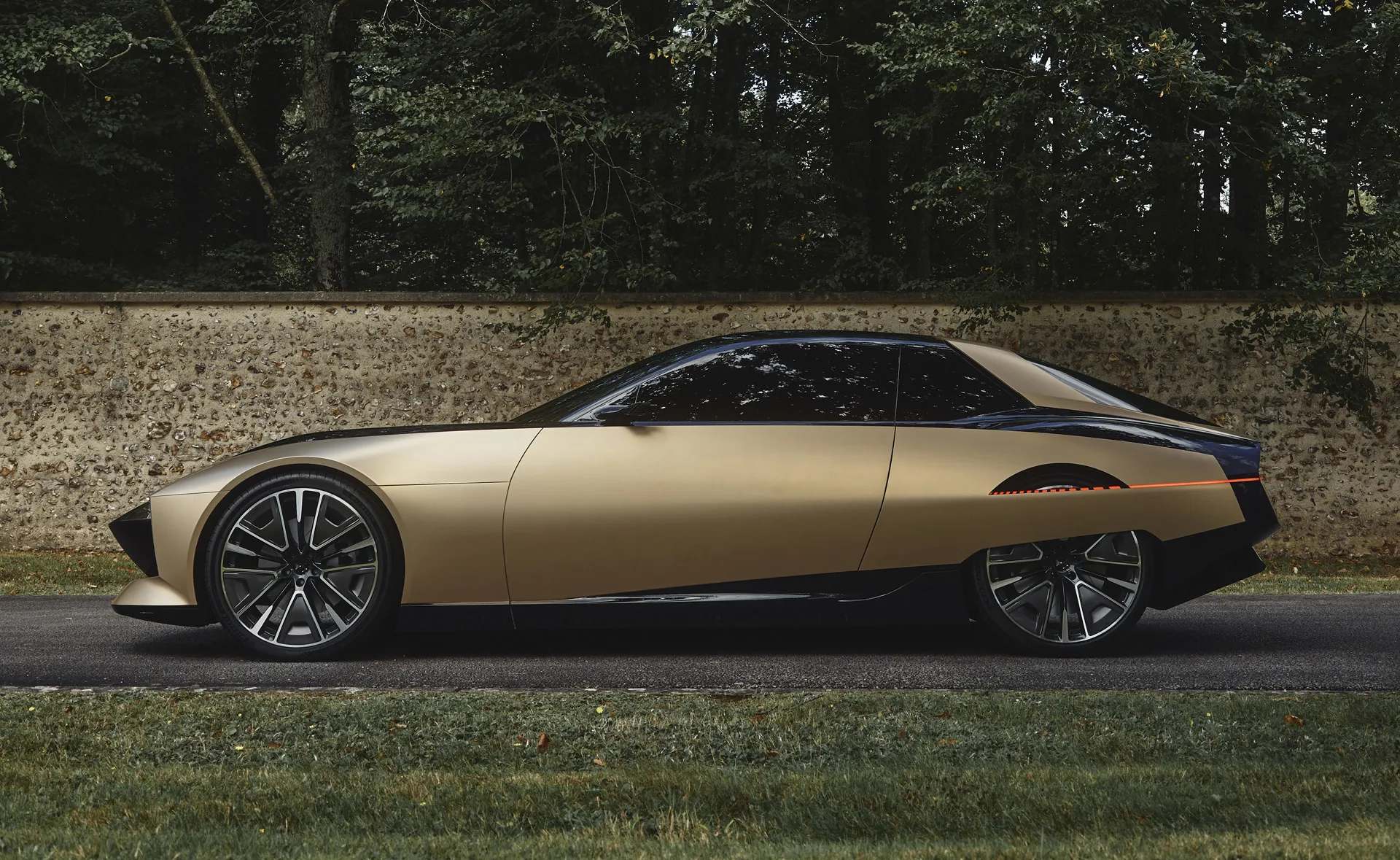
The modern take on the Citroën SM unveiled by France’s DS in September may see production yet.
In an interview with Top Gear published on Monday, DS design chief Thierry Metroz said the company is investigating ways to get the large coupe concept into limited production, like using the services of a coachbuilder.
He also said the idea of production isn’t so far-fetched, as the concept, known as the DS SM Tribute, was built using parts from fellow Stellantis brand Maserati, specifically the platform of the redesigned 2024 Maserati GranTurismo. The original SM launched in 1970 used Maserati parts, including its V-6 engine.
Any modern version may also use Maserati’s current twin-turbocharged 3.0-liter V-6, which delivers up to 550 hp in the GranTurismo, as opposed to the trend of going electric. Metroz hinted that an expensive, limited-production car wouldn’t succeed as an electric vehicle.
2024 Maserati GranTurismo Trofeo
“When you’re buying a million euro car, you don’t want an EV,” he said.
Metroz also revealed that both outgoing StellantisCEO Carlos Tavares and DS CEO Olivier Francois back the idea, so long as it makes money.
Even if the DS SM Tribute doesn’t make production, elements of its design are likely to appear on future models from DS. At the reveal, DS said the concept was also an exercise in developing the design for production DS models due around the end of the decade.
Much of Mexico’s magic comes from the ability to slow down and tap into its simplest pleasures. Valle de Guadalupe takes that laid-back ethos and raises the bar. The dreamy landscape of undulating hills, vineyards, and smudgy, pastel-colored sunsets is a place where life revolves around the joys of wine, food, and nature. With more than 100 wineries, world-renowned restaurants, and boutique hotels that blend seamlessly into the scenery, it’s the perfect escape for oenophiles.
“The weather in Valle de Guadalupe is pleasant throughout most of the year, with each season offering something special,” says Zach Rabinor, CEO of Journey Mexico and a Travel + Leisure A-List advisor. With spring comes colorful blossoms, while summer offers sun-drenched days perfect for wine tasting. In the fall, the valley bursts to life with the Fiestas de la Vendimia, a celebration of the grape harvest, while winter brings cooler climes and an opportunity to cozy up next to a fire.
The culinary scene here is just as magical as the setting. You’ll find yourself dining at places like Fauna, where every dish is a creative masterpiece, or savoring succulent seafood paired with bright bubbles at Conchas de Piedra.
And then there’s the wine — bold, experimental, and deeply rooted in tradition. “Valle de Guadalupe’s wine scene stands out for its creativity and innovation,” says Rabinor. “There’s a strong focus on experimentation such as at Pictograma at Banyan Tree Veya, where they exclusively use grenache grapes, which require minimal water — a crucial consideration given the region’s water scarcity. Then, there are newer wineries like El Cielo, which have quickly gained recognition and multiple awards despite being very young.”
Add to that boutique hotels like La Villa del Valle, and you’ve got a destination that rivals the best food and wine regions in the world.
Top 5 Can’t Miss
Stay at the newly opened Banyan Tree Veya, which prioritizes wellness in addition to superior wine and food.
Arrange for a day of wine tasting around Valle de Guadalupe’s 100-plus wineries.
Book a table at Fauna, one of the destination’s most iconic restaurants.
Opt in on a six- or nine-course tasting menu underneath a centuries-old oak tree at Animalón by chef Javier Plascencia.
Pop down to Ensenada for a seaside escape, a little nightlife, and more fantastic restaurants.
Best Hotels & Resorts
Courtesy of Banyan Tree
Banyan Tree Veya
According to Rabinor, Banyan Tree Veya stands out for being a destination in itself — everything you need is on property. Deeper than that, Banyan Tree is known for its wellness and spa experience, and Veya is no exception. The hotel features a winery, great food, and personalized service.
El Cielo Resort
Evocative of romantic villas scattered across the Tuscan countryside, El Cielo Resort is a dreamy, romantic escape surrounded by rolling vineyards. Rooms are spacious with patios and fire pits, and the wines produced on site are among the most awarded in Valle de Guadalupe.
La Villa del Valle
From its hilltop perch overlooking 70 acres of vineyards, La Villa del Valle is an intimate luxury inn shrouded in olive groves and fields of lavender. Each of the six rooms is individually decorated and stocked with homemade, organic bath products. Guests can wander the grounds to enjoy the swimming pool and hot tub, yoga studio, and spa services.
Casa 8 by Bruma Wine Resort
As its name suggests, Casa 8 is an eight-room luxury retreat surrounded by hills and vineyards. The chic spaces focus on neutral tones and earthen elements like stone, wood, and clay, with light, airy linens and expansive views. The rooms operate like a bed-and-breakfast on the grounds of Bruma Wine Resort, featuring a common area, pool, and outdoor kitchen. Rabinor recommends Casa 8 for its private wine tasting on the property and the fact that it shares the grounds with Valle de Guadalupe’s legendary Fauna restaurant.
Best Things to Do
Monte Xanic Winery in Valle de Guadalupe.
Guillermo Arias/Bloomberg via Getty Images
Wine Tasting
The primary reason people visit Valle de Guadalupe is to sip and savor the local wine. You can build your own wine tour (we recommend including Bruma and Vinos Pijoan), or you can go on a guided, private experience with companies like Journey Mexico. The latter offers a private full-day tour of wineries, including lunch and sunset drinks, among other offerings.
Cycling
While wine tasting is the main focus in Valle de Guadalupe, there are several ways to enjoy the experience that don’t necessarily involve sitting. Cycle among the vineyards to enjoy the scenery (and the wine, of course). Many of the hotels offer bikes for guests to use. For something a little more action-packed, the Ensenada area has fantastic mountain biking.
Ensenada
Speaking of Ensenada, this seaside city has had a resurgence in the last few years, and it’s just about a 45-minute drive from Valle de Guadalupe. Head down to Ensenada for a seafood tostada at La Guerrerense or a cold beer at Hussong’s Cantina, the oldest bar in the city.
Horseback Riding
You can explore Valle de Guadalupe’s stunning natural beauty on horseback, with many hotels in the area offering riding excursions. Cuatro Cuatros, for example, takes guests along the paths of its private nature reserve, including a trail along a private beach.
Best Restaurants
Deckman’s in Valle de Guadalupe.
Matthew Suarez/Getty Images
Animalon by Chef Javier Plascencia
Tucked in the shadow of a 200-year-old oak tree, Animalón by chef Javier Plascencia has quickly skyrocketed to the top of best in Mexico lists. The restaurant serves a seasonal tasting menu in six- or nine-course setups, drawing on inspiration from Valle de Guadalupe and the Baja region.
Fauna
Fauna is one of Baja California’s local-turned-international legends. Rabinor says, “An experimental daily menu, the restaurant’s strong suit, is possible thanks to an amazingly creative team led by chef David Castro Hussong, whose wide experience at such a young age is well-reflected in the menu.”
Malva by Roberto Alcocer
Rabinor also recommends the open-air Malva, which sits next to Mina Penelope winery. Chef Roberto Alcocer’s innovative menu ranges from chilly platters of briny oysters to rich, succulent lamb birria. It won’t be hard to miss Malva — it’s one of the first restaurants you’ll come upon as you head into the valley.
Deckman’s
Leaning into the farm-to-table ethos, Deckman’s rustic-chic open-air restaurant sets the mood with strings of patio lights, open flames, and a rancho aesthetic. The kitchen team here may operate on a dirt floor, but the plates are nothing short of white glove (think sustainably sourced grilled fish, steak on the barbecue, rustic root vegetables, and succulent, juicy oysters).
Conchas de Piedra
Drew Deckman (of aforementioned Deckman’s) has another venture in Valle de Guadalupe, and for this one, he teamed up with Casa de Piedra winery to bring sinfully good seafood and wine pairings. Menu items include sea urchin bruschettas, fresh clams, and oodles of oysters, all served on communal wooden tables overlooking the vineyards.
Best Time to Visit
Vineyard in Valle de Guadalupe.
Guillermo Arias/Bloomberg via Getty Images
There’s no wrong time to visit Valle de Guadalupe — it just depends on what you’re looking for. For the idyllic landscape shots plus great wine-tasting weather, April to September rewards with hot, sunny, and dry days, as well as green vineyards ripe with hanging bunches of grapes. August through October is harvest season, and the valley buzzes with excitement during the Fiestas de la Vendimia, a celebration of wine, food, and culture. For a quieter, more intimate visit, winter brings cooler weather, a cozy atmosphere, and roaring fireplaces perfect for unwinding with a glass of wine.
How to Get There
Road to Valle de Guadalupe.
Cesar Alvarado/Getty Images
The best way to get to Valle de Guadalupe is to fly into Tijuana first and then drive to your final destination. The drive takes around two hours and the road is beautiful. Another option is to cross the border in San Diego, but be aware that wait times at the border can vary significantly, and you could be stuck for quite a while.
How to Get Around
You’ll need a vehicle to get around Valle de Guadalupe, but if no one in the group wants to be the designated driver, it’s easy to arrange for a car service. Most hotels will have driver recommendations at the ready, so your entire party can be chauffeured around in safe style.
In March, LUXUO explored how the fashion industry was being reshaped by the exit of long-standing creative directors, an impending economic downturn, and declining sales pushing brands to diversify their offerings. As we move through the year, these shifts continue, with major shake-ups defining the landscape: Hedi Slimane’s departure from Celine, Kim Jones leaving Fendi, Sarah Burton’s move from Alexander McQueen to Givenchy, Alessandro Michele’s transition to Valentino, and Haider Ackermann succeeding Peter Hawkings at Tom Ford after just one year. Perhaps the most surprising change came with Virginie Viard’s sudden exit from Chanel in June, followed by rumours of Marc Jacobs eyeing the coveted role and the opportunity to redefine the brand’s iconic legacy. Amidst these upheavals, LUXUO also noted how the struggle to maintain profitability has increasingly centered on the beauty industry. Now, lets turn our focus to fashion brands looking inward, reassessing and refining their own core offerings to navigate this period of uncertainty. This season’s product launches highlight a shift in focus, as brands hope their timeless designs will resonate and withstand the economic storm.
Read More: Sales-Focused Fashion Industry Turns to Beauty
New Bags, Classic Motifs
At Dior, the maxicanage motif adorns a series of exquisite leather goods in black or beige-grained leather. Themaxicanageis a new iteration of the carnage motif which has long been a symbol of the Dior allure, inspired by the light-colored cane embellishing the Napoleon III chairs in the Maison’s haute couture salons. For the Dior winter 2024/2025 men’s collections, Kim Jones presents the maxicanage on classic Dior creations such as the saddle twin and weekender.
Read More: New Season, Recharged Motifs
Similarly at Gucci, one can see the evolution of the GG Marmont silhouette for the label’s fall/winter ‘2024 collection. The revisiting of the brand’s interlocking GG monogram emblem rekindles the brand’s legacy in consumers’ minds and is a nod to past grandeur in times that call for strategic restraint. In the early 1970s, Gucci created a new rounded iteration of its logo, the Gucci Blondie which was then resurrected by Sabato De Sarno and took center stage at the Gucci Cruise 2025 show.
Read More: The Power and Relevance of Luxury Fashion Conglomerates
Touch of Tradition
In the fashion industry, the term “contemporary” has become synonymous with innovation. But perhaps, more than anything, it speaks to the art of reinvention. There is something profound in taking a traditional garment, silhouette, or technique, and breathing new life into it, often through a modern lens. At Tod’s the Tod’s T Vintage was inspired by sneaker designs of the 80s and 90s combined with the signature Tod’s Gommini pebble rubber sole sewn to the wedge and the Tod’s logo is hot stamped on the shoe.
Alexander McQueen revisited Scottish Tartan, a textile used by the late Alexander McQueen himself including the controversial autumn/winter 1995–96 Highland Rape collection. For 2024, Seán McGirr revisited this element of his Maison’s heritage and this time showcased distressed finishes and raw edge details that embody the rebellious spirit of this label’s namesake. Paired with bold statement sling bags, each piece reflected McQueen’s unique ability to blend tradition with an avant-garde twist. Tod’s — with its legacy of elevating sneakers to a symbol of refined craftsmanship, and Alexander McQueen — with its bold reimagining of Scottish tartan, demonstrate how fashion houses are revisiting their iconic signatures to push the boundaries of tradition, bringing timeless elements into a modern context and presenting something fresh to the forefront.
Eye on Accessories
A return to house classics and staples is one thing, but beyond beloved emblems and cherished motifs, maisons also rely on the use of intricate techniques and exceptional craftsmanship. This season saw LOEWE showcase their leather savoir-faire and extraordinary caviar beading. Inspired by antique tapestries and Chelsea porcelain, the Squeeze bag becomes a work of art, featuring songbirds, a beloved dog, exuberant florals, and botanicals, with more than 20,000 beads hand-applied in layers using the ‘Aari’ technique to create a stunning 3D effect. A floral bouquet also adorns the Campo biker boot; each pair requires 360 hours of beading by 12 artisans. The same technique is applied to Toy pumps, a beaded oblong pouch, and a series of beaded charms, including asparagus stalks, a radish, cabbage leaf, and ladybird.
For Winter 2024, Bottega Veneta’s signature bags have been reimagined with “Silky Calf Leather,” a strikingly thin and soft material that mimics the touch and sheen of silk fabric. The Andiamo bag is constructed for the first time in this luxurious leather, incorporating the Maison’s signature intrecciato pocket detail. The sculptural brass knot both adorns and fastens the bag’s braided straps, allowing the Andiamo to be worn across the body or over the shoulder. Meanwhile, the “Hop” bag steps away from the traditional intrecciato craftsmanship to celebrate the supple, geometric silhouette of the leather. Framed with leather trimmings, the Hop maintains its structure while embracing its triangular form, designed to be admired from all angles. Each piece is meticulously crafted by a single artisan over two days, ensuring both precision and artistry.
By revisiting and refining their iconic motifs, techniques, and craftsmanship, brands are forging a path forward—one where heritage meets the demands of the present. Amid this transitional period, fashion is evolving beyond mere survival, embracing adaptation with innovation and vision to redefine signature element that endure.
For more on the latest in style and fashion industry reads, click here.
Welcome to Karijini National Park, one of Western Australia’s most breathtaking outback destinations and Western Australia’s second largest national park.
If you’re looking to add something ‘out of the box’ to your Australia bucket list or to road trip through a less popular but no less mind-blowing destination… you’re in the right place.
This best things to do in Karijini National Park travel guide is about to get your Australia wanderlust flowing! I went last year and it was insane. You’ll see what I mean from the images alone in this Karijini travel guide. Karijini National Park is a remote location indeed but that’s what makes it so magic. It’s truly an intimate experience with the natural beauty of the Australian outback.
You may have seen the photos of the dramatic red gorges, natural swimming holes, and ancient landscapes? Yup, Karijini National Park is not short of unique adventures. There are so many incredible trails, drives and experiences to choose from.
This guide will help you navigate the best things to do in Karijini National Park, where to stay in Karijini National Park, and what not to miss in Karijini National Park – if (when) you make it here.
Without further ado…
Our road trip through Karijini National Park was part of a 10 day road trip itinerary through Western Australia, starting and ending in Perth. We started the drive north after picking up our motorhome in Perth and then cut inland at Geraldton, where we made a beeline for Karijini. Post Karijini National Park we headed west to Exmouth before cruising down the coast back to Perth!
See my top tips for planning a Western Australia road trip here.
We also recorded a YouTube video with all our tips and highlights in from the trip. Watch it here:
How to get to Karijini National Park
Located in the Pilbara region, aka Australia’s wild northwest, Karijini is remote for sure but very accessible. Here are your options…
Driving from Perth:
Most road trippers landing to Western Australia will land and pick up a campervan in Perth (like we did). Karijini is then a 14 hour drive (1,500km) north from there. It’s not the closest but if you’re seeking off-the-grid exploration and a real once in a lifetime adventure – don’t write it off because of the distance… hear me out!
Flying in:
Visitors choosing to fly in typically fly into Paraburdoo Airport, which is 100km from Karijini in the nearest town of Tom Price. Then of course like anywhere in Australia, you’ll need to rent a vehicle.
Choosing your vehicle:
A 4WD vehicle is strongly recommended for your Karijini National Park adventure, as some roads and best things to do in Karijini National Park are only accessible via unsealed tracks. That is if you’re the kind of traveller that wants to do it ALL!
We didn’t have a 4WD for our visit, we were in a motorhome. We still managed to get to some stunning Karijini National Park highlights but there were definitely a couple of places we had to write off that we would have otherwise loved to visit.
For example, if you’re traveling by motorhome, places like Hancock Gorge are off-limits due to rough, unsealed, narrow roads (unsuitable for larger vehicles). With a motorhome you’ll need to stick to sealed or well-graded roads and you’ll want to check your rental insurance too to be clear what roads you’re insured to drive on!
It’s definitely still worth doing with a motorhome but just be aware there will be some restrictions. See a map of the sealed / unsealed roads below.
Where to stay in Karijini National Park
Inside the park itself you have two main options:
Karijini Eco Retreat: This glamping site offers up the options of eco tents, cabins and campsites which are all nestled amongst native bushland at the edge of Joffre Gorge (Jijingunha). Additionally there’s an outback restaurant and bar. Click here to book.
Dales Campground (cheaper option): Located right in the National Park this camp spot offers 153 gravel surface pitches and is within close proximity to Dales Gorge, Fern Pool, Fortescue Falls and Circular Pool (some of the best spots). This is a motorhome-friendly option with basic amenities (showers etc) in the nearby visitors centre. You can book up to 180 days in advance – $15 per adult per night.
Outside the park:
Tom Price: Offers a variety of hotels and caravan parks, suitable for motorhomes and travellers seeking more amenities. One you could check out is Tom Price Tourist Park.
Best Time to Visit Karijini National Park
The best time to visit is autumn – early spring (between April and October), when the weather is mild and perfect for hiking. However it is important to note that the gorge pools can be rather cold during this period.
Did You Know? Winter mornings in Karijini can be surprisingly chilly, often dropping below 5°C, so pack layers if you choose winter (June – August).
On the contrary… if you visit Karijini National Park during the summer (November–March) it can bring extreme heat and possible flooding, which may limit access to certain trails and areas.
In the summer, you also get the rain so there is high risk of flash flooding. Note: you cannot go in the gorges when it’s raining, and the chance of road closures are high so this could create some delays on your trip.
In the summer you also need to plan your hikes for first thing in the morning because the midday heat is almost unbearable reaching 40degrees on a daily basis.
We visited in early December and it was indeed very very hot, with lucky no flooding. A perk of visiting at the end of the season is that we felt we had Karijini National Park to ourselves which was crazy special. The gorge pools were filled with water to swim in and the water was warm (enough).
But yes, hiking was hot and so was sleeping in our motorhome with no a/c. We only stayed one night – not sure we could have managed many more!
Note: Karijini Visitor Centre is closed from early December to early February each year.
1. Hike and Swim at Dales Gorge
This easily accessible gorge is perfect for both motorhome travellers and 4WDs alike.
There are plenty of options to choose from depending on your mobility and energy levels! Park up at Fortescue Falls carpark to explore:
Fortescue Falls viewing area (flat walk, 15 min return)
Dip in Fortescue Falls: Descend 400m, swim and then climb back up (leave an hour)
Dip in Fern Pool: 300m detour from Fortescue Falls to this tranquil oasis.
Circular Pool: A hidden gem nestled at the end of the gorge.
If you’re looking for a bigger hike, we did the Gorge Rim Walk combined with the Dales Gorge Walk Trails which is a 5.1km loop trail in the Karijini National Park, starting and finishing at Fortescue Falls carpark. You’ll follow the rim of Dales Gorge all the way to Three Ways and Circular Pool Lookouts, before descending into the gorge. From here your follow the Dales Gorge Trail to Fortescue Falls, take a dip (potentially extending the walk to explore Fern Pool) before returning and climbing back up to the Fortescue Falls car park to finish.
Travel tip:
Keep an eye out for rock-wallabies and native birds like the spinifex pigeon. The pools are also surrounded by ancient ferns and gum trees, adding to the serene atmosphere.
2. Explore Hancock Gorge (4WD Only)
Located within the Weano recreation area, Hancock gorge is for those with a hunger for adventure. The challenging spider walk involves scrambling through narrow rock walls, leading to the stunning Kermit’s Pool.
To access, enter the park through the Western entrance.
You’ll walk through water, scale the rocks and as you go deeper into the gorge, the red rock walls get narrower and narrower which is where you’ll adjust your climbing style and you’ll experience where the famous Spider Walk gets it’s name.
Fun Fact: Hancock Gorge is nicknamed the “amphitheater of the outback” because of its acoustics and towering walls, which create a dramatic and echoing environment.
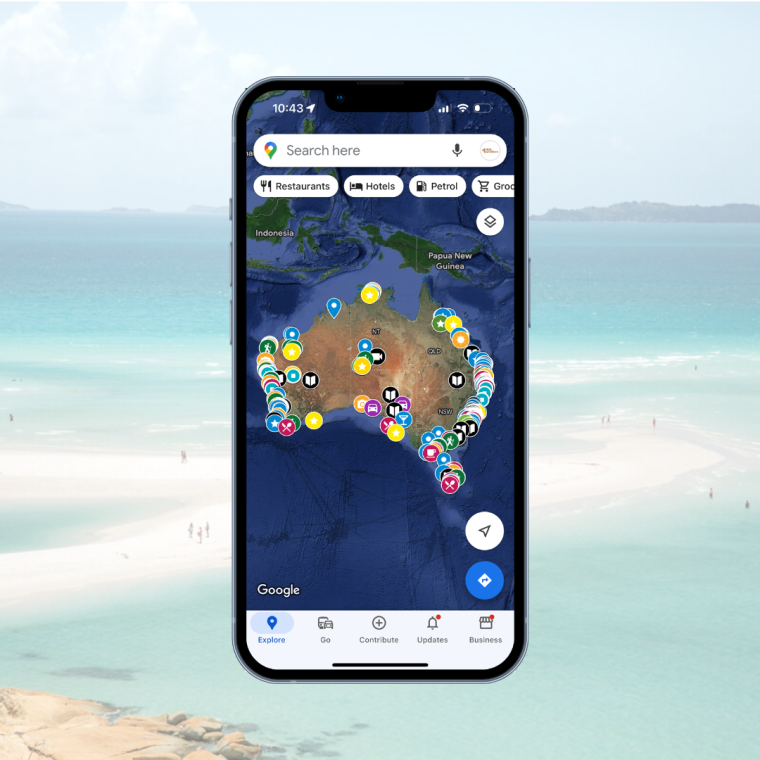
Get lifetime access to my endless hours of research and time spent on the ground finding the best places to eat, drink, relax and explore in the area. You simply open the Google Map on your device and all my pins are at the touch of your fingertips.
3. Discover Hamersley Gorge (4WD Preferred)
Hamersley Gorge is an accessible gorge for 2WD, though it is an unsealed road so allow extra time for the drive (from memory the roads is in need of grading and was very bumpy). A 4WD if often preferable.
I’m so happy we could access Hamersley Gorge thought because the iconic layered rock formations and swimming holes, in the sunset light were beyond stunning.
The car park is just 200m from the gorge and it’s only a 1-1.5km hike down and back up to enjoy a dip in between the ancient energy of these red rocks.
Fun fact: The swirling rock layers here at Hamersley Gorge date back over 2.5 billion years and offer insight into Earth’s early history. It’s one of the most photogenic spots in the park, just take a look at my images below…
4. Visit Weano Gorge
Weano Gorge is a favourite among travellers for its easy-to-moderate trails, accessibility and the famous Handrail Pool, which requires only a short descent into the gorge. The main access points are motorhome-friendly (phew) but having a 4WD again provides that additional flexibility for parking closer to trailheads.
Be sure to check out:
Junction Pool Lookout
Junction Pool
Upper Weano Gorge Trail (1km)
Oxer Lookout
Hancock Gorge – Kermit’s Pool trail (1.5km)
Hancock Gorge – Kermit’s Pool trail (1km)
Note: This gorge is home to unique flora like ghost gums and spinifex grass, as well as lizards basking on the sun-drenched rocks.
5. Take time to look up to the stars
Karijini’s remote location makes it a prime spot for some stargazing. Staying at Karijini Eco Retreat or Dales Campground gives you the perfect chance to admire the night sky under the Milky Way.
Did You Know? Karijini lies in one of the least light-polluted regions of the world, making its night skies some of the clearest you’ll ever see.
6. Do the Joffre Falls walk trail
I would honestly like to return to do this one as I’ve heard this walk in Joffre Gorge is one of the best things to do in Karijini National Park.
From what i’ve read, the hike is deceptively easy up until the rim of the gorge. Here it becomes more challenging as you descend down into the bottom of the gorge. But for those agile and adventurous there are rewards await. Views of the amphitheatre-like landscape, the cascading waterfall and the relief of a dip in the pools below to name a few.
Get it on your Karijini National Park bucket list!
Other tips and things to note:
FOOD AND WATER – There are minimal resources within the park itself so make sure you plan ahead for food and water supplies.
FUEL – Similar etiquette to most of WA, make sure you are filled up with fuel before you enter the park. Tom Price is your nearest fill up.
PHONES – Signal was far and few between so make sure you have all your essentials downloaded!
VISITOR CENTRE – The staff here are great if you need advice / help planning your trails etc. They also have some essentials to purchase.
RUBBISH – There are no rubbish bins within the park, so bring rubbish bags with you. Also make sure you don’t leave your rubbish bags outside overnight – we learnt our lesson and spent the morning cleaning it up!!
They might not be the best things to do in Karijini National Park but they are essential parts of keeping Karijini National Park as beautiful as it is.
Dales Gorge, Karijini National Park
Karijini National Park is honestly an outdoor adventurer’s dream, whether you decide to arrive in a rugged 4WD or a motorhome. Because of it’s crazily unique landscapes, Karijini is the kind of destination you’ll remember forever.
Is there anything else you’d add to the best things to do in Karijini National Park bucket list?
Have any questions or tips of your own? Leave them in the comments below, we’d love to hear from you.
Get lifetime access to my endless hours of research and time spent on the ground finding the best places to eat, drink, relax and explore in the area. You simply open the Google Map on your device and all my pins are at the touch of your fingertips.
Despite the call to reconsider the proposed use of hydrogen fuel cell buses as first- and last-mile feeders for the Kuching autonomous rapid transit (ART) trackless tram public transport system due to their high cost, the Sarawak state government stands by its plan to utilise them.
State transport minister Datuk Seri Lee Kim Shin says hydrogen buses are set to become cheaper in the long term, with recent advancements in hydrogen production and fuel cell technology expected to improve efficiency and reduce operation costs.
He added that hydrogen buses offer a more sustainable option, which is in line with the state’s green economy roadmap, The Star reports. “We must take this opportunity to build a competitive edge, positioning Sarawak as a participant in the global green economy,” he said.
Lee said this in response to the call made by Padungan assemblyman Chong Chieng Jen for the state government to replace hydrogen buses with electric buses for the Kuching Urban Transportation System (KUTS) project. While debating the 2025 state budget at the state legislative assembly last week, Chong cited 10 city authorities worldwide which had tried using hydrogen buses and failed due to high operating costs.
However, Lee said Chong had referred to a website citing information dating back to 2001, while data from 2021 was collected during the Covid-19 pandemic when ridership was greatly reduced. “This data is outdated and does not reflect the present realities of advancement in hydrogen technology,” he explained.
The ART will form the backbone of the KUTS, and the trackless tram system will cover routes totalling 70 km over three rail lines and 31 stations in its first phase. Revenue services are expected to begin in stages from the fourth quarter of 2025, starting with the Blue Line (Line 1) from Rembus in Kota Samarahan to Hikmah Exchange in the centre of Kuching.
If you’re a long-time Speedhunters reader, you’ll know that I have a deep fascination with car spaces. I’m always excited to see how enthusiasts from around the world blend their love for cars with their passion for architecture.
I’ve made a point to visit as many private car-centric spaces as possible since first checking out Chiba-san’s home in Tokyo in 2020. While some have been off-limits to my camera, others have not. The place I’m about to show you falls squarely into the latter category: Welcome to JEDM Garage in Jakarta, Indonesia.
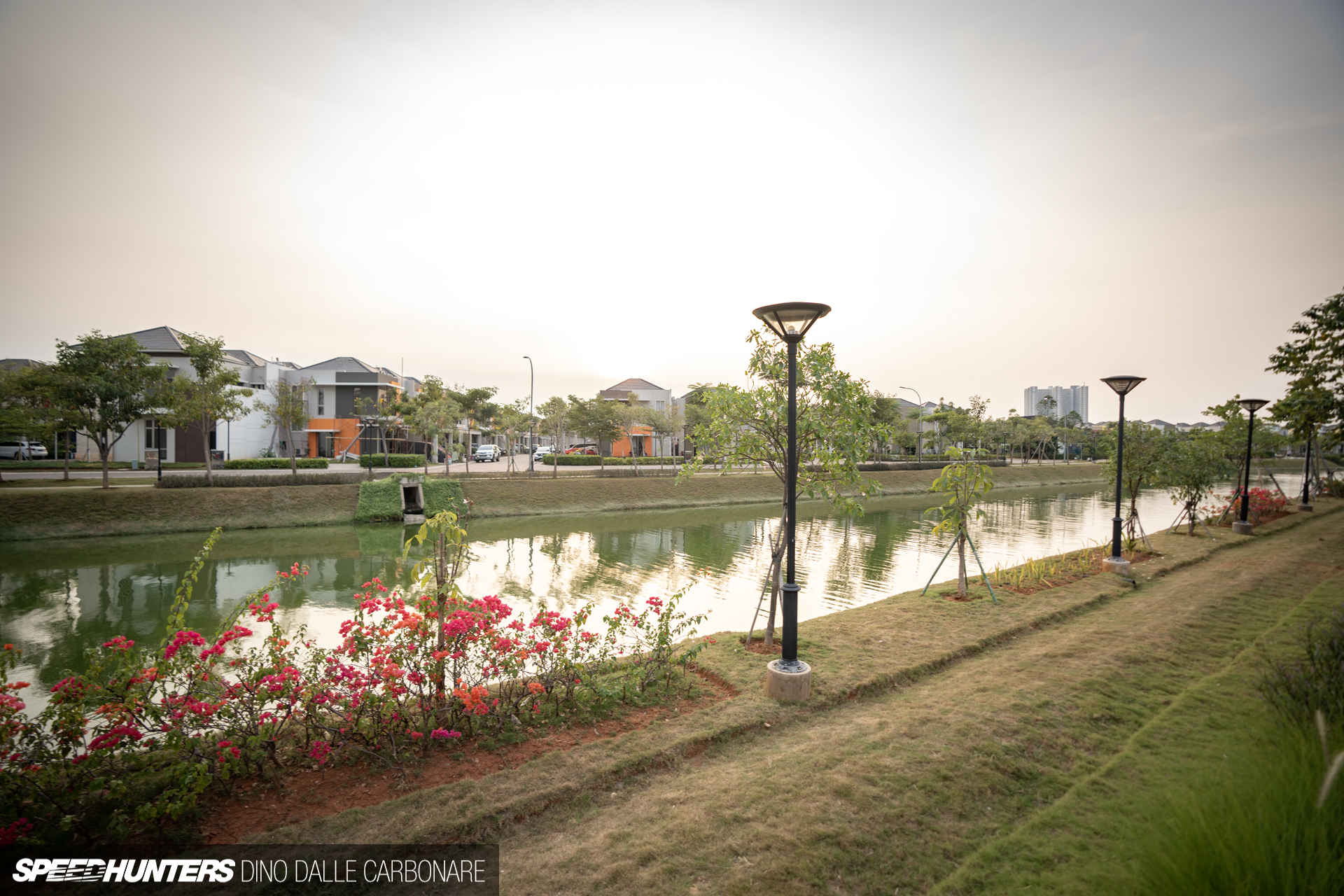
Located in Pantai Indah Kapuk 2, or PIK 2, just outside the heart of Jakarta, JEDM Garage sits on a large plot of land. It’s one of 10 units in a recently developed area, with two already occupied – one by a Lamborghini service center, the other by a luxury car reseller. JEDM Garage is, for now, the only private garage in the enclave.
PIK and PIK 2 are much like Tokyo’s Odaiba and Ariake districts – areas built on reclaimed land to open up more space for both commercial and housing developments.
As Mr. Jedm’s car collection grew, it began spilling over into multiple locations, prompting the idea of creating a dedicated space to house his cars. But, as you’ll see, simply storing them was never the full vision.
The Garage
When I first visited JEDM Garage earlier this year during my trip to Jakarta for the Elite Showcase, I was immediately blown away by the layout.
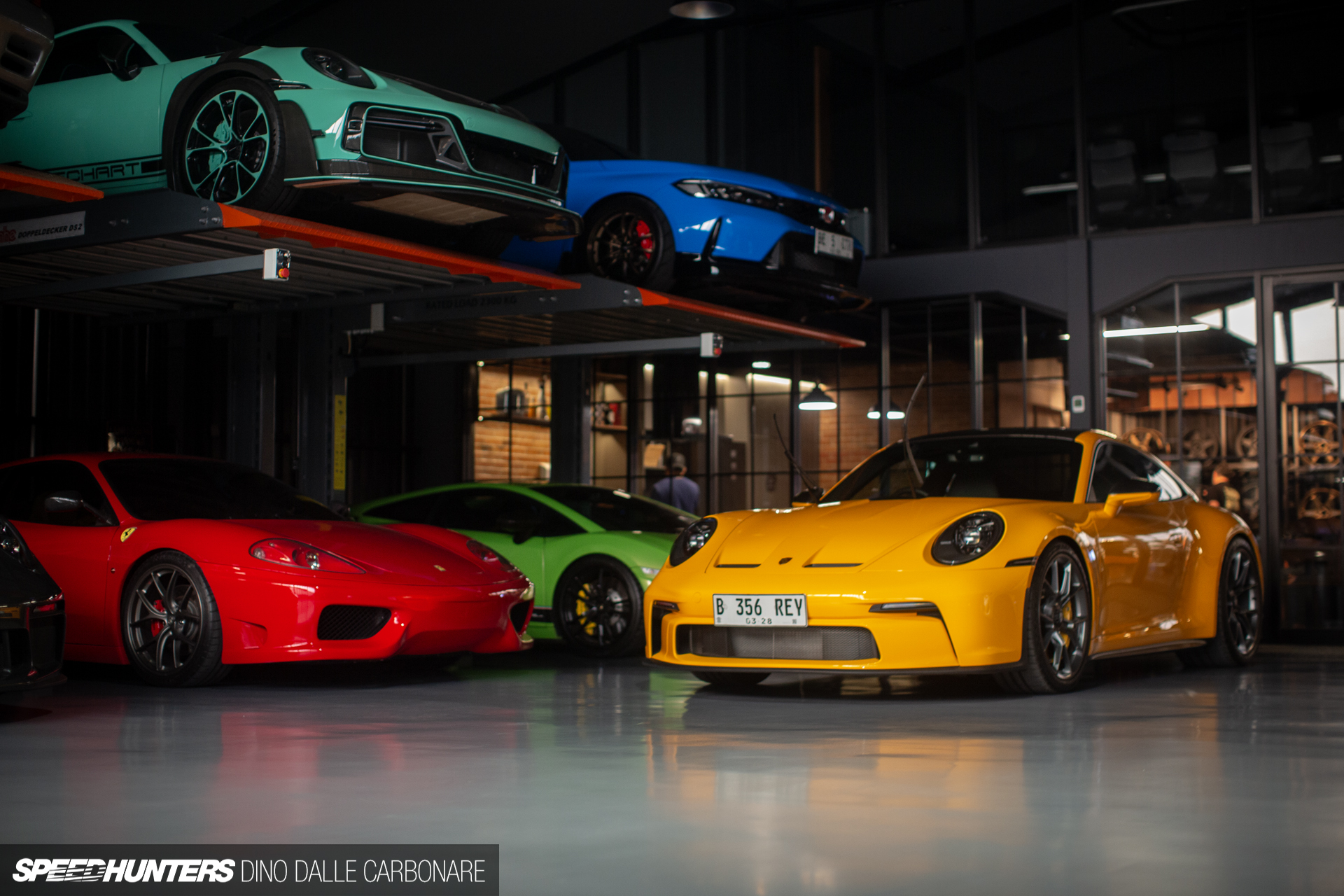
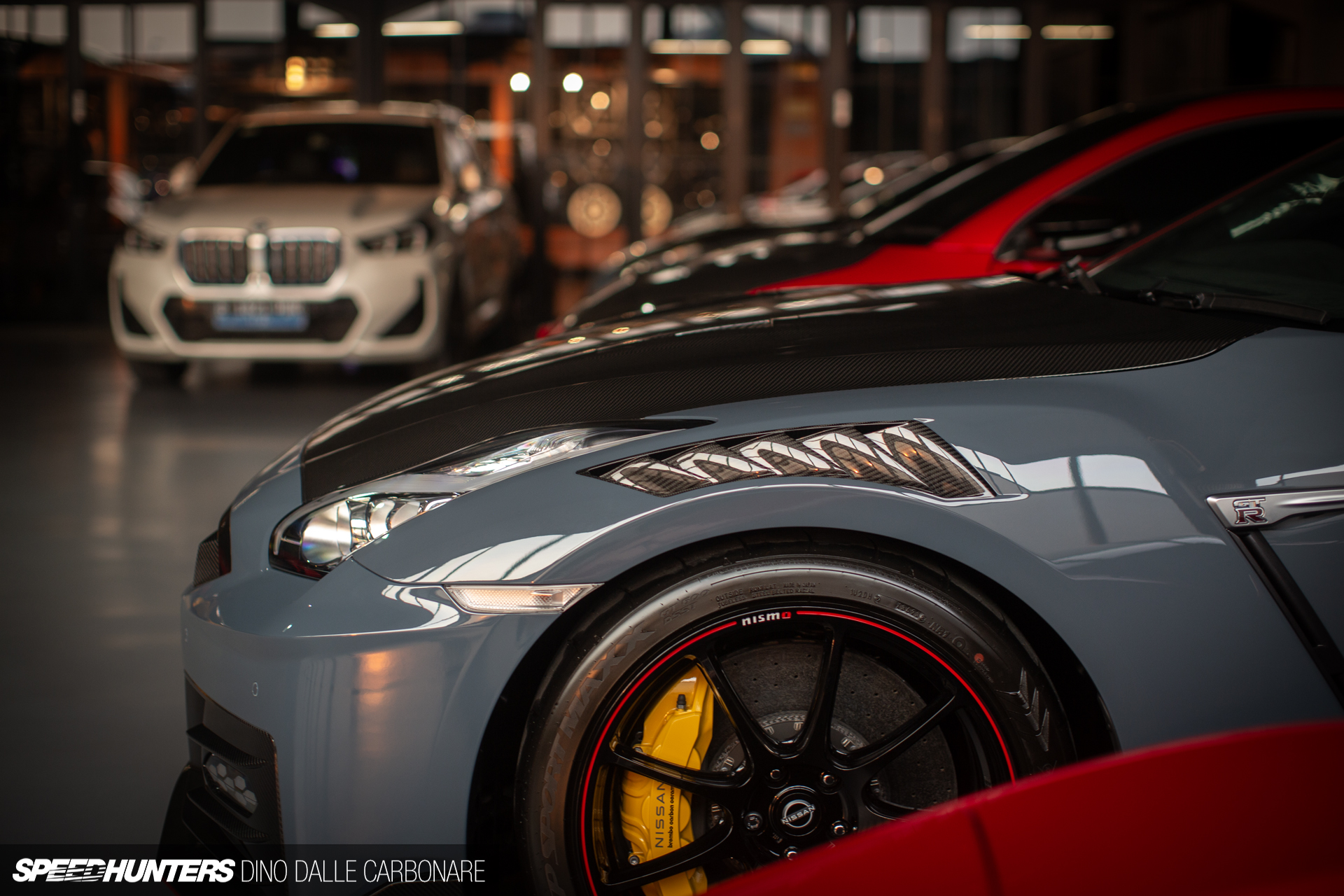
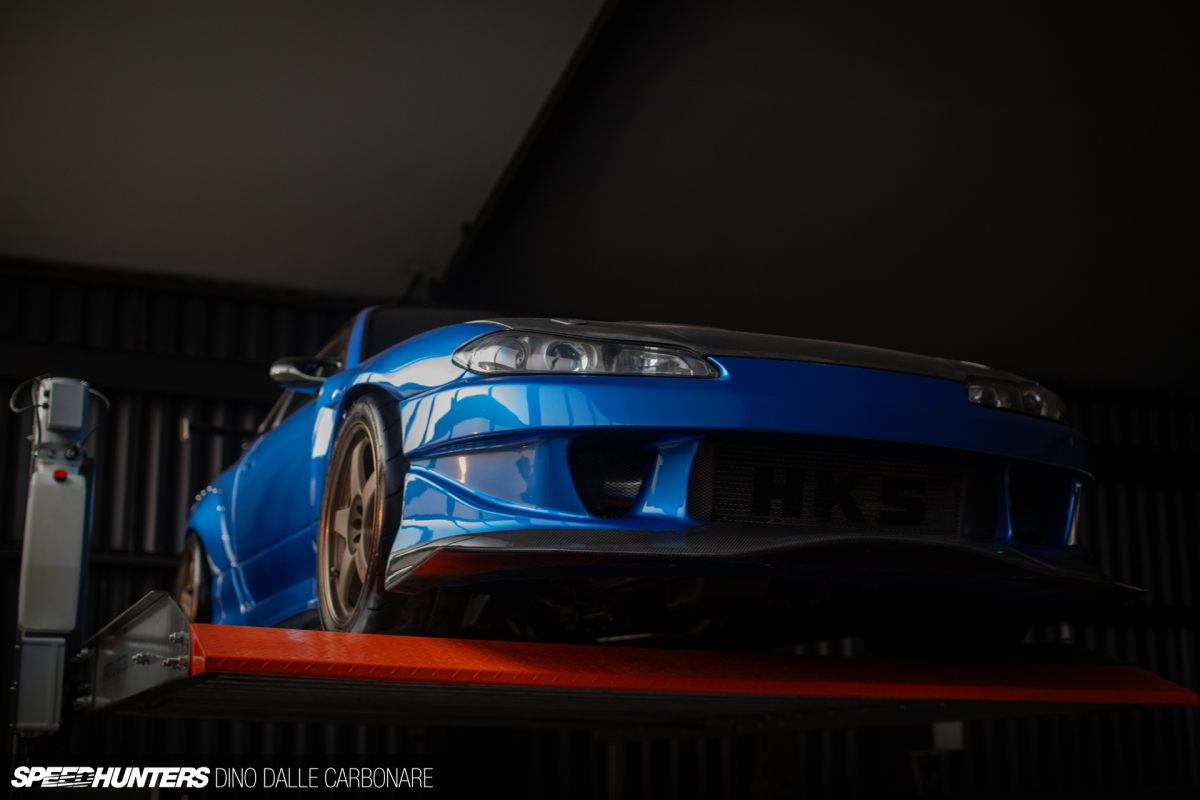
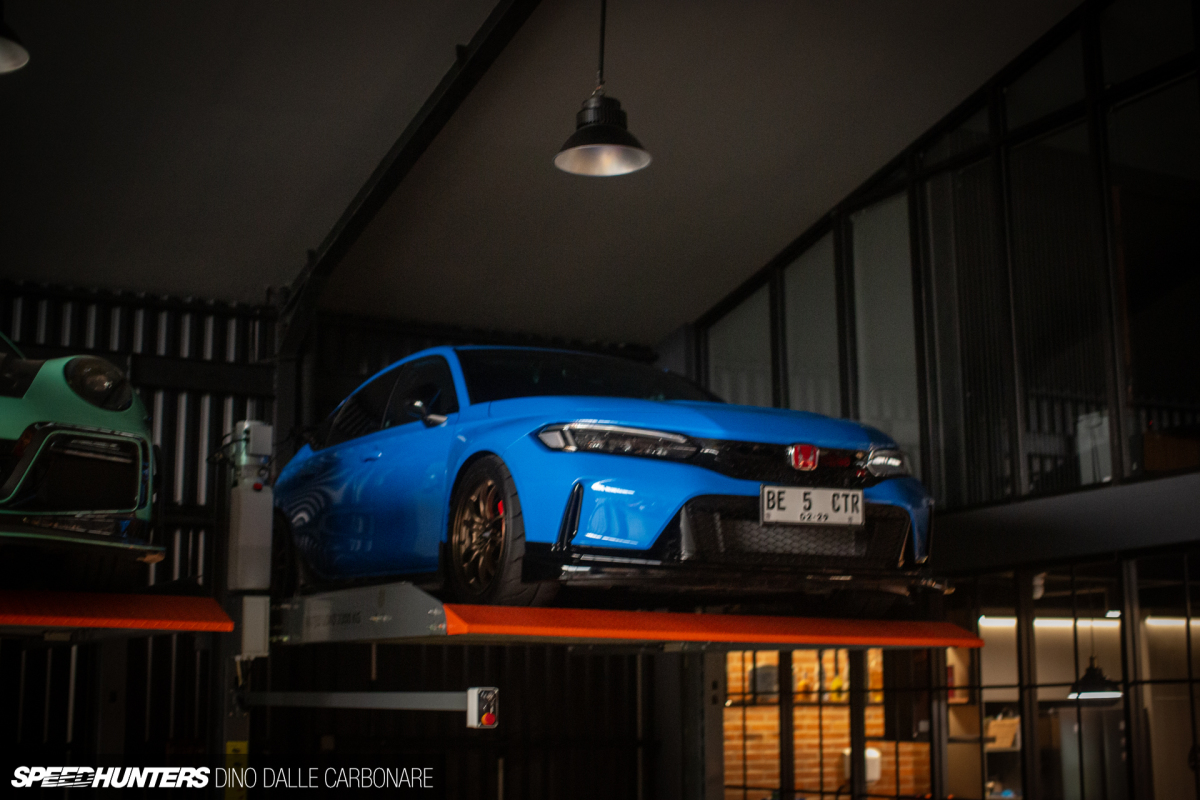
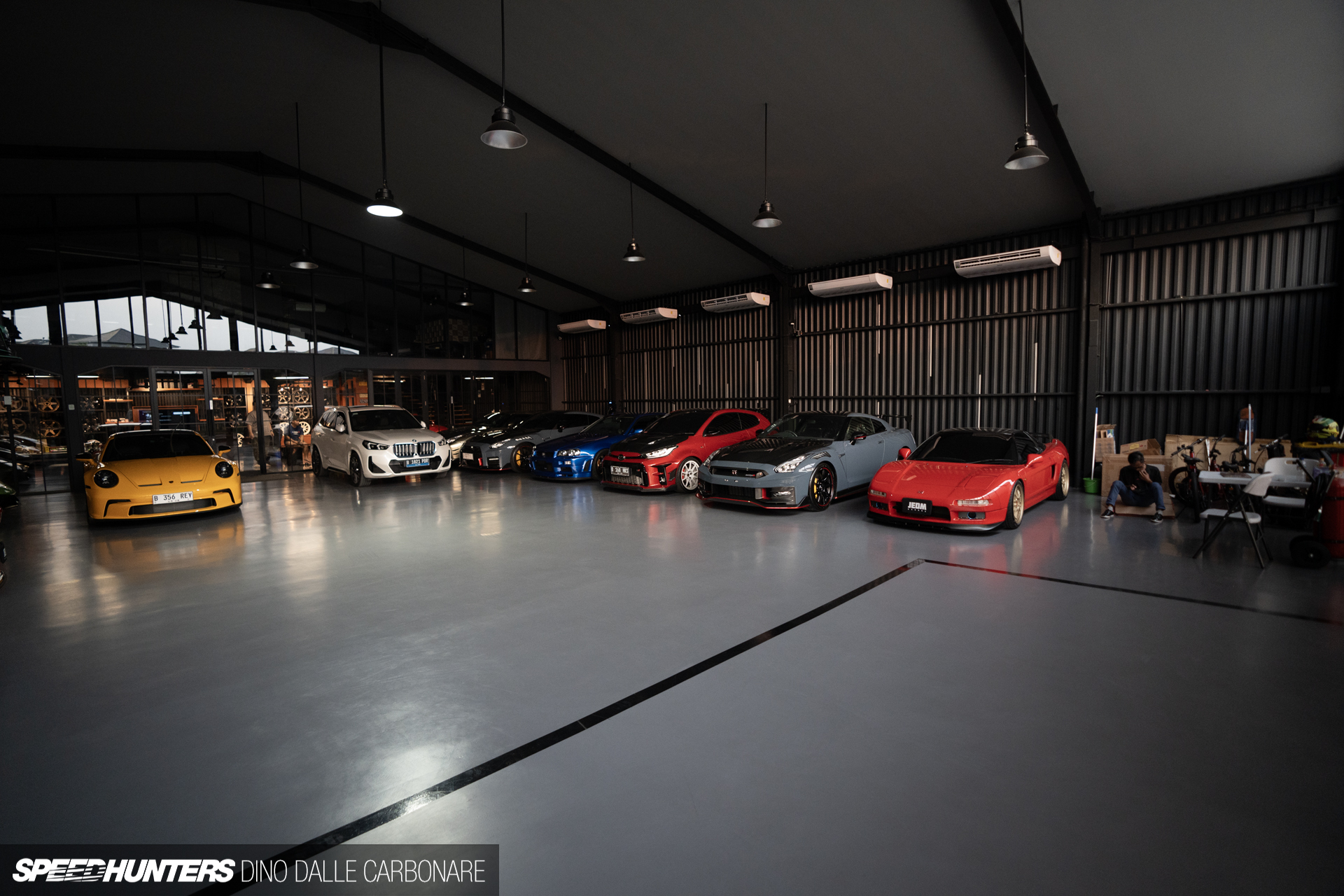
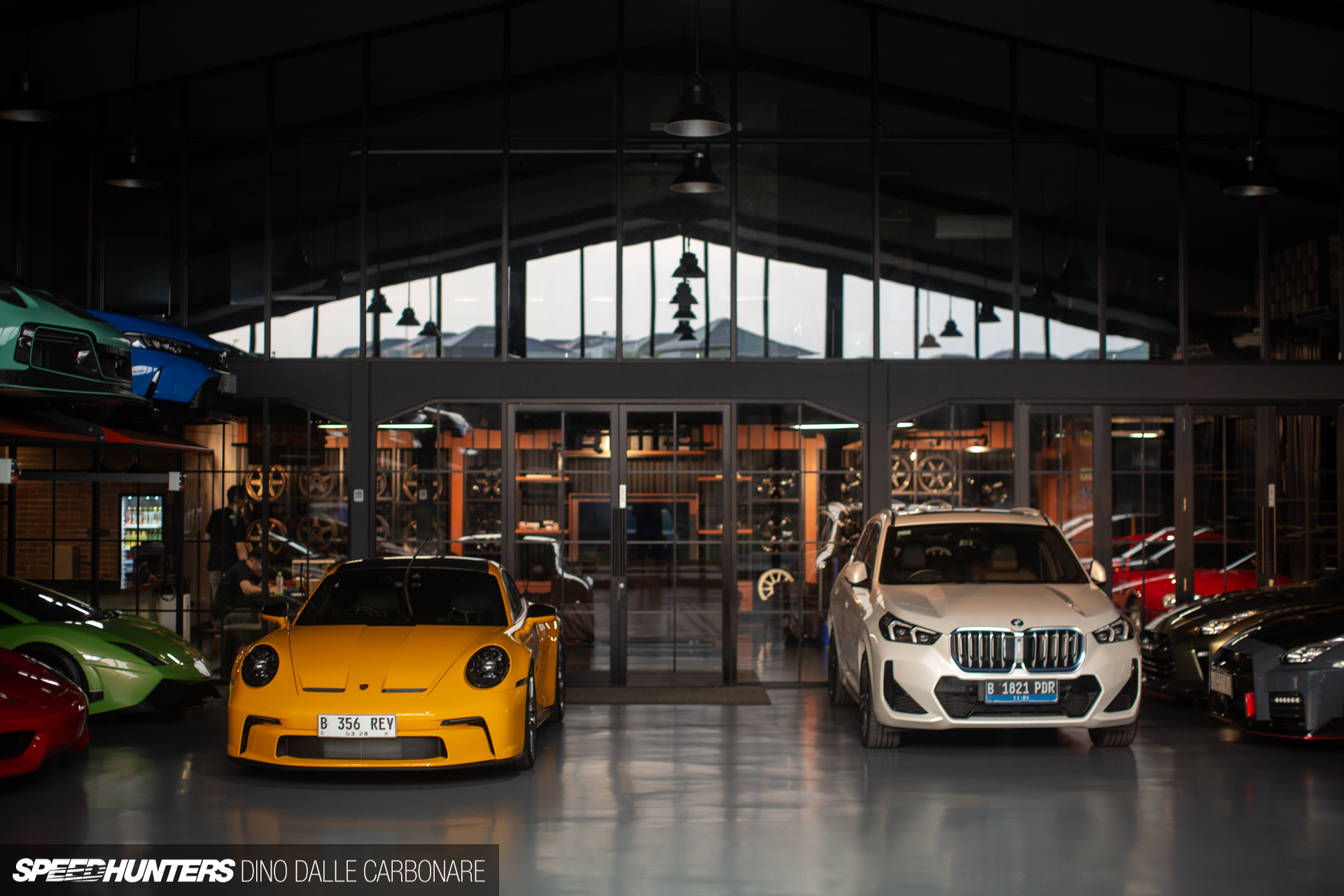
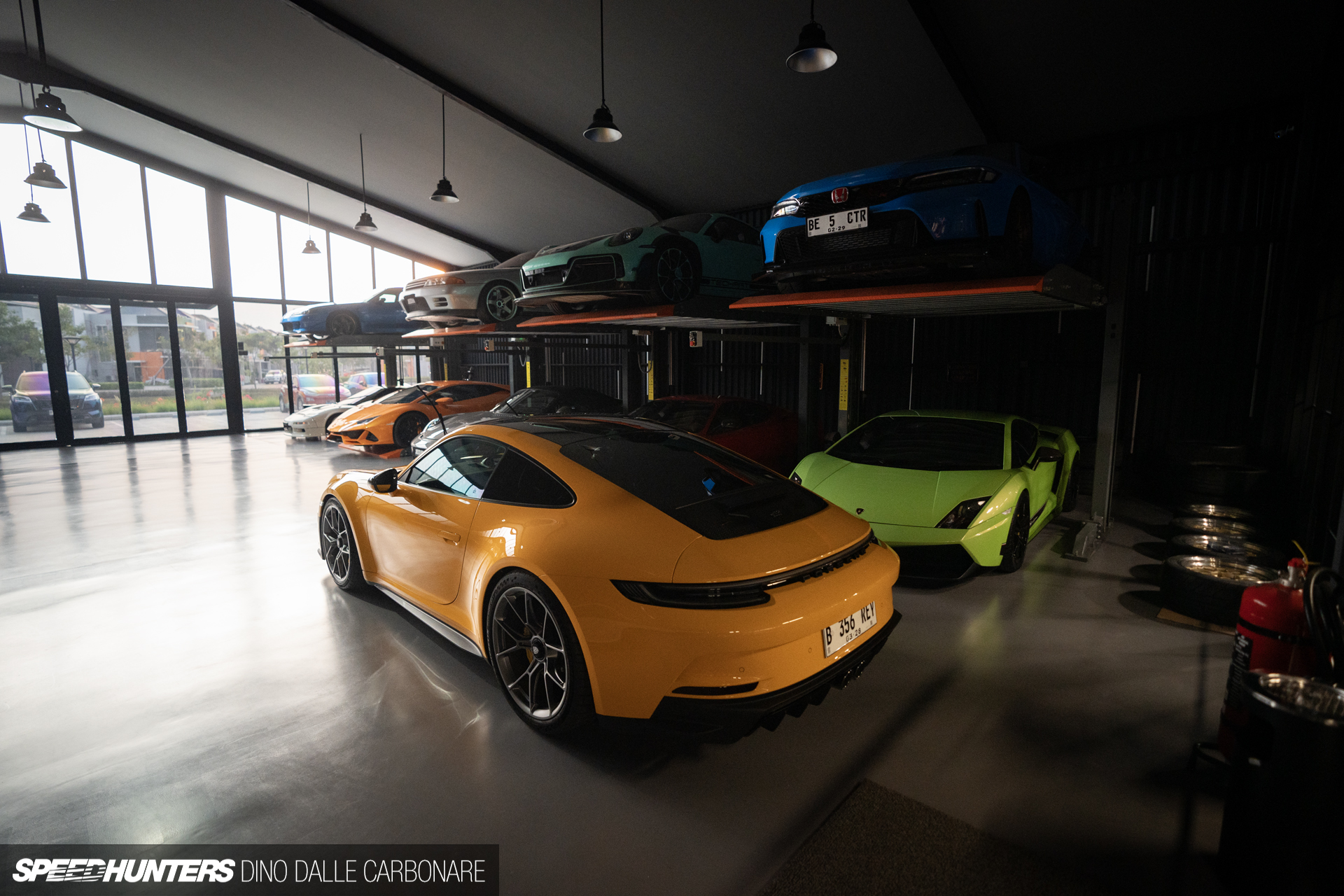
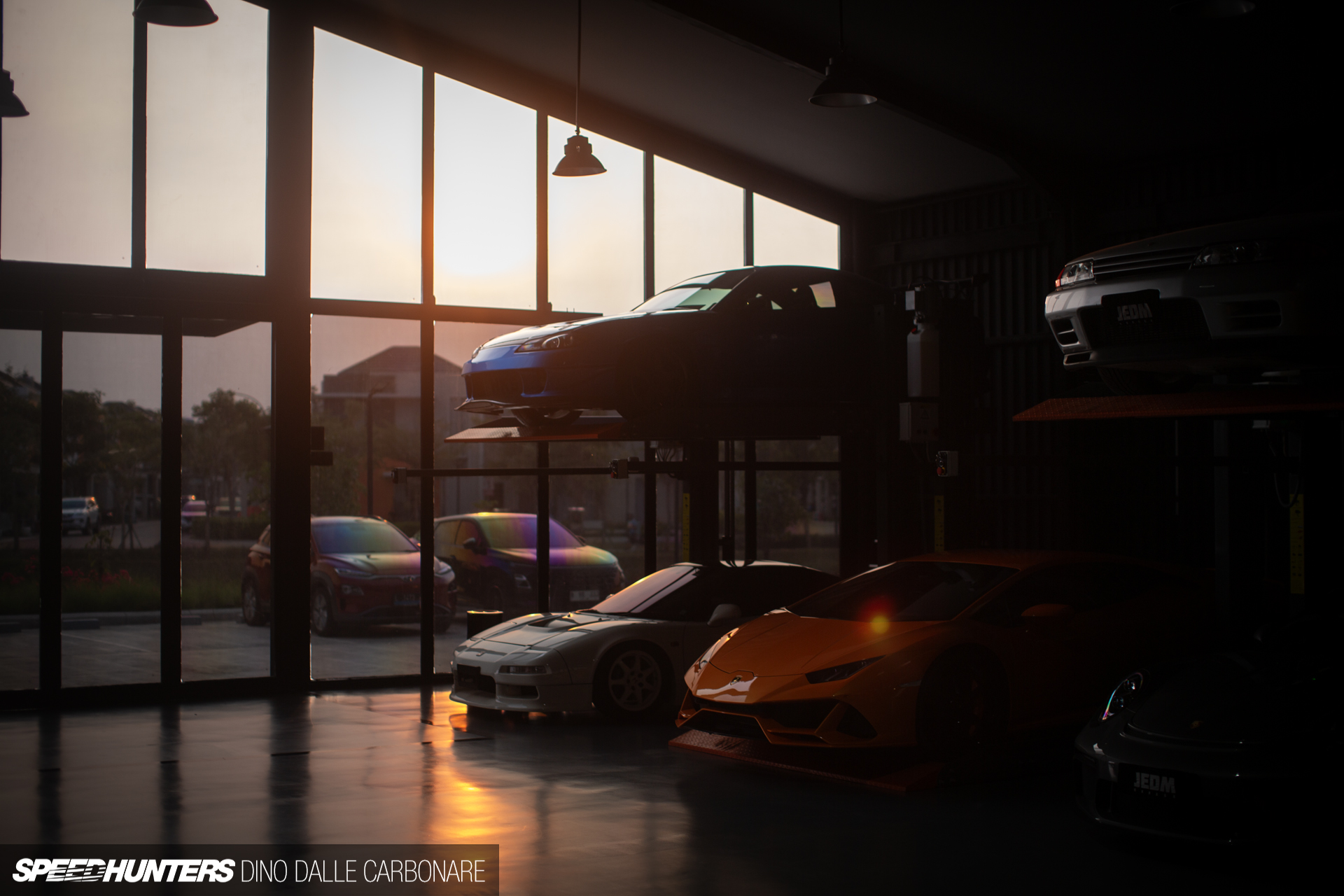
Upon entering through massive sliding glass doors, you’re greeted with perfect symmetry. To your left are five car lifts, doubling the garage’s storage capacity and allowing for 10 cars to be displayed.
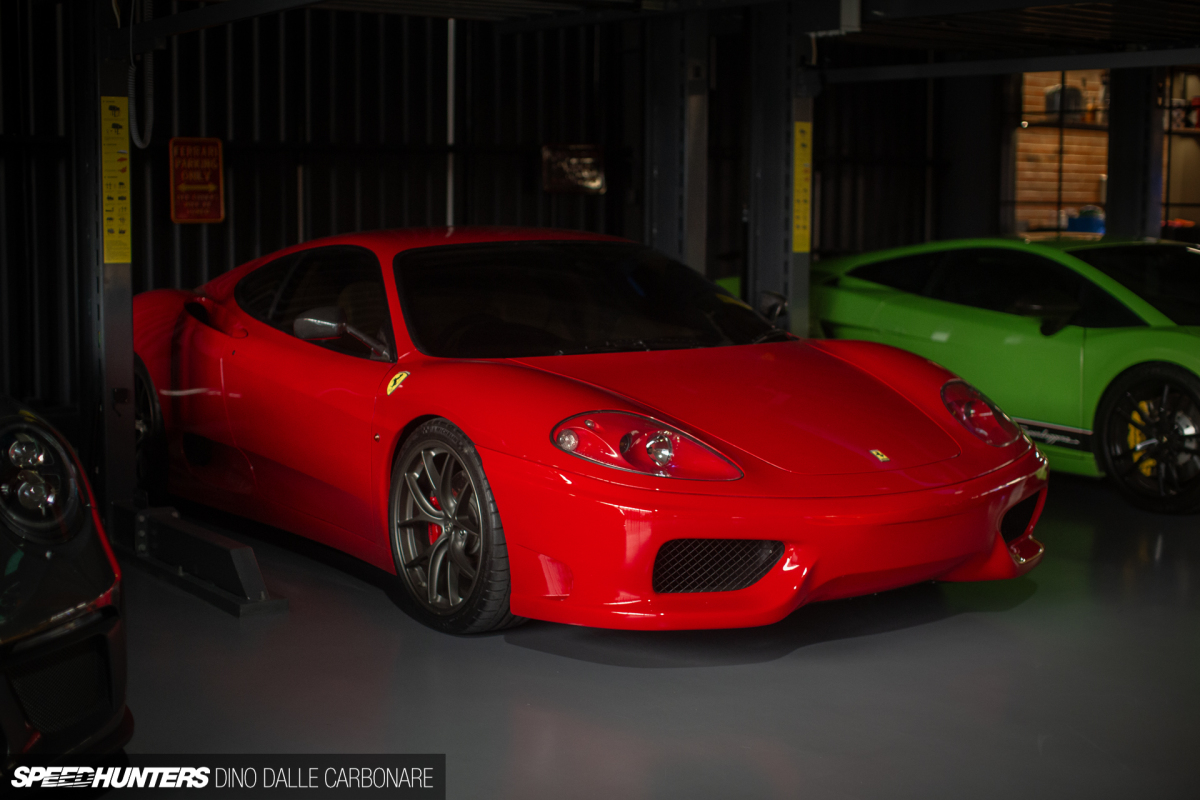
To your right, six more cars sit on the floor. Above them, five industrial-sized air conditioning units keep the space cool and dry – a necessity given Jakarta’s scorching heat and humidity.
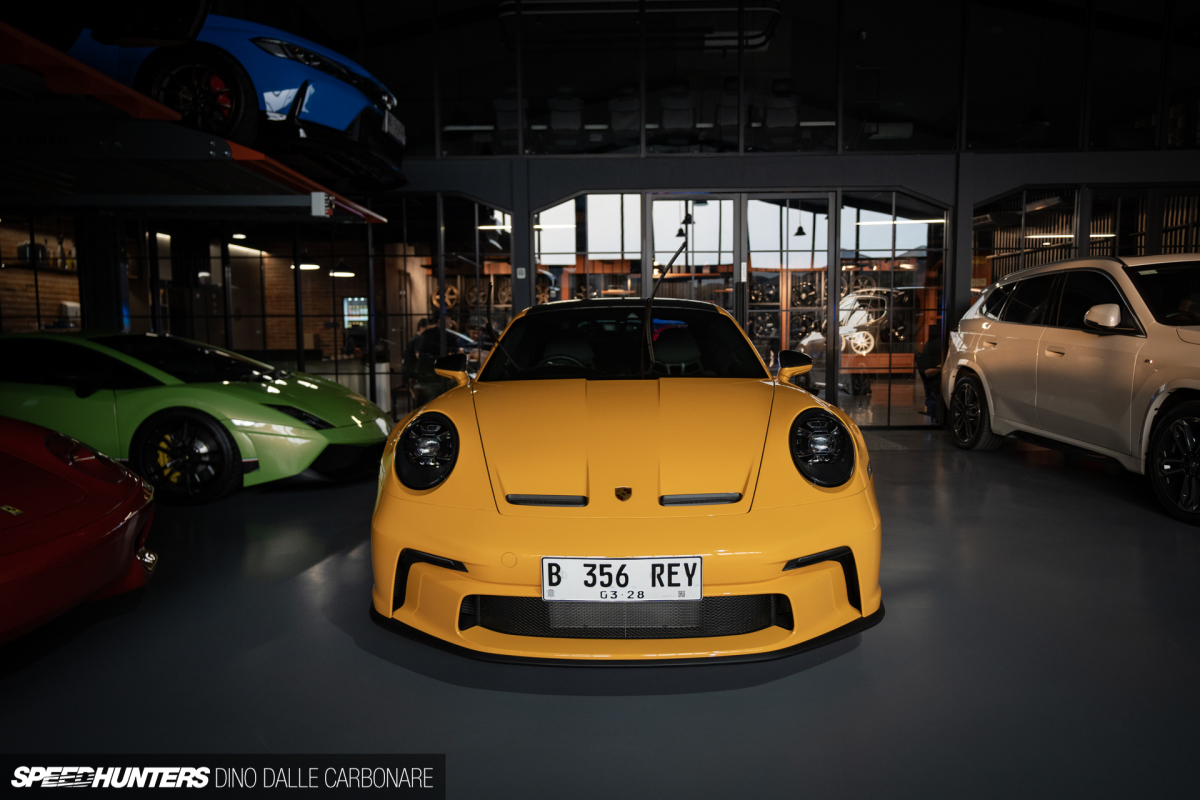
The central area remains open, offering plenty of space to maneuver cars in and out of the garage and accommodate guests when they stop by. This super clean 911 GT3 Touring in Signal Yellow was one such visitor.
As for the cars, they represent a fraction of Mr. Jedm’s extensive collection. There’s a mix of European exotics, like a Techart 992 Turbo S GTstreet Flyweight (one of only 19), but make no mistake: this is a true JDM enthusiast’s paradise.
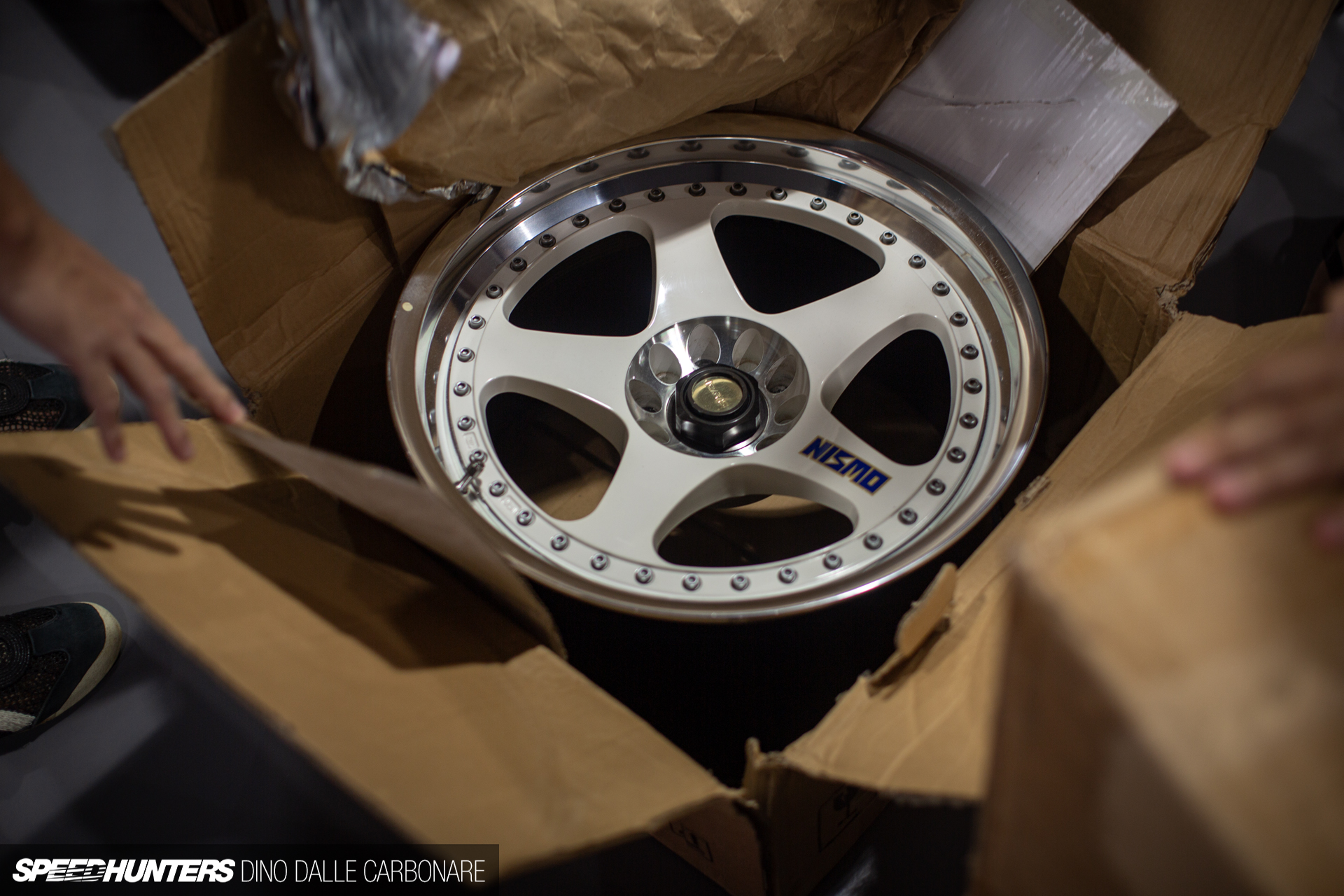
A perfect example of that arrived while I was shooting the garage: a set of Nismo LM GT-1 wheels in near-mint condition. These won’t be used on a car anytime soon – at least not until they’ve had some time to be displayed.
Mr. Jedm’s passion for Japanese cars has no limits. I don’t think there’s a model he hasn’t owned, driven, or tuned at some point. It makes my obsession with GT-Rs seem like a passing interest by comparison.
Gentleman, This Way, Please
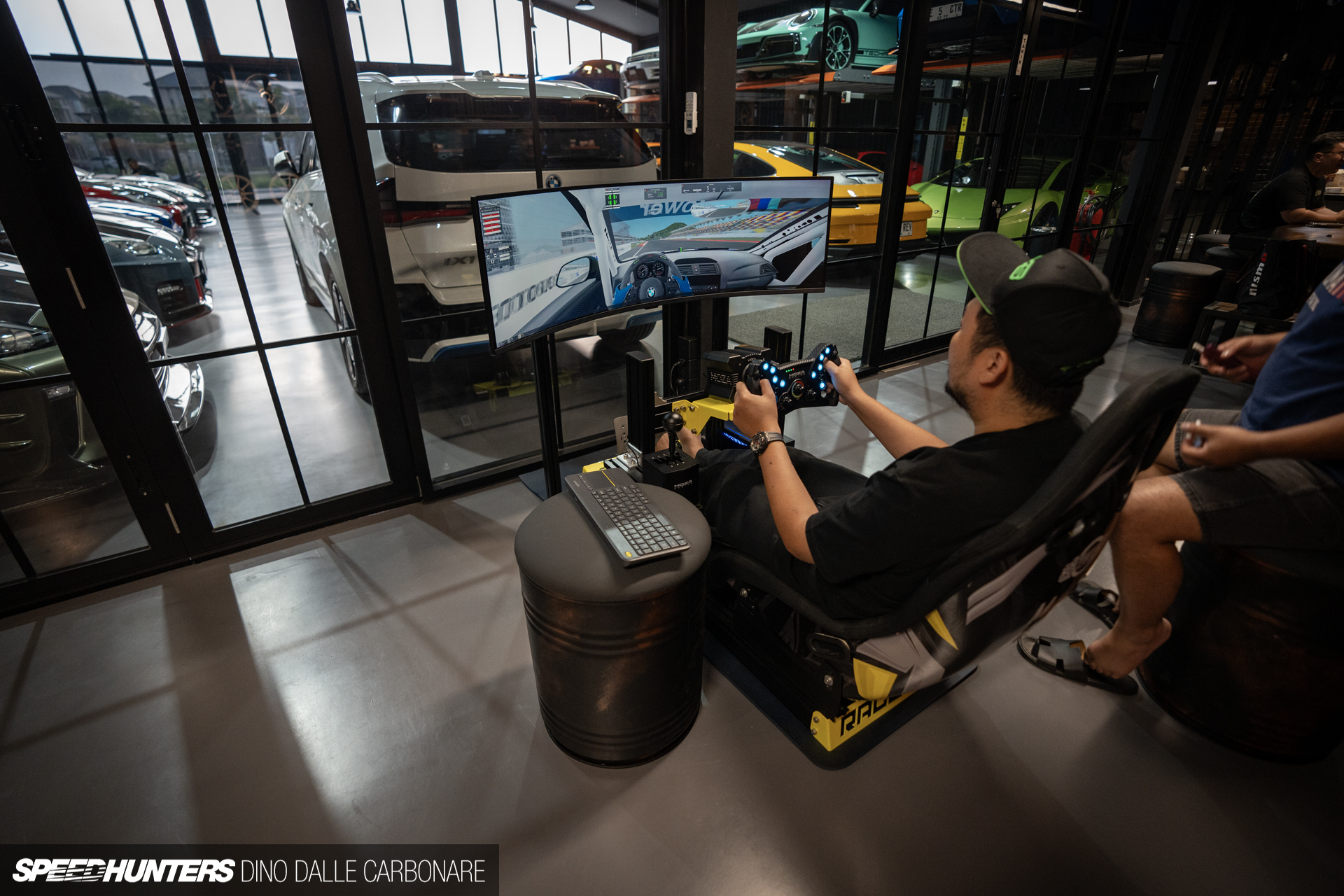
While the building could easily have been just a storage space and perhaps able to fit a dozen more cars, the vision behind JEDM Garage was to create the ultimate enthusiast’s hangout.
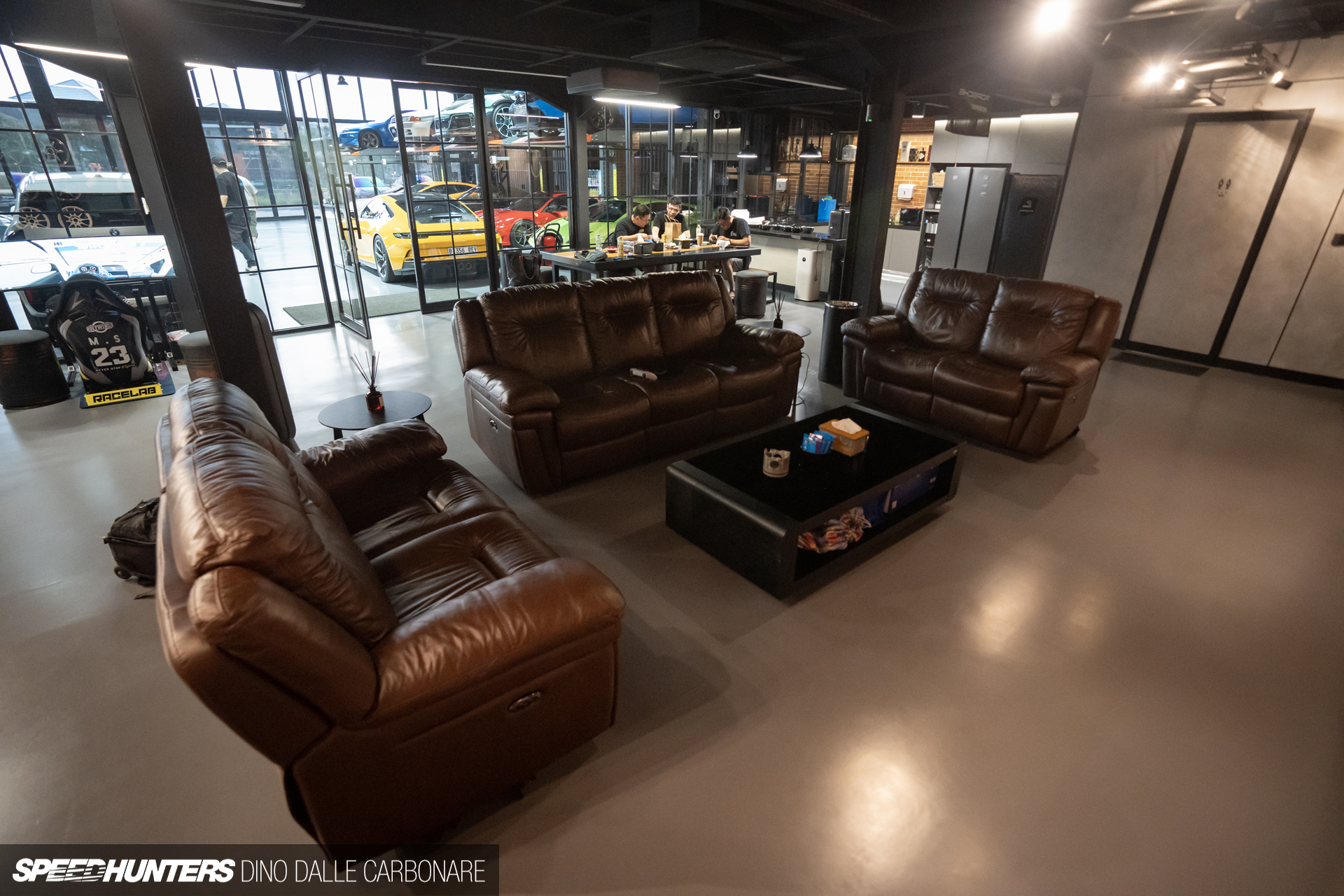
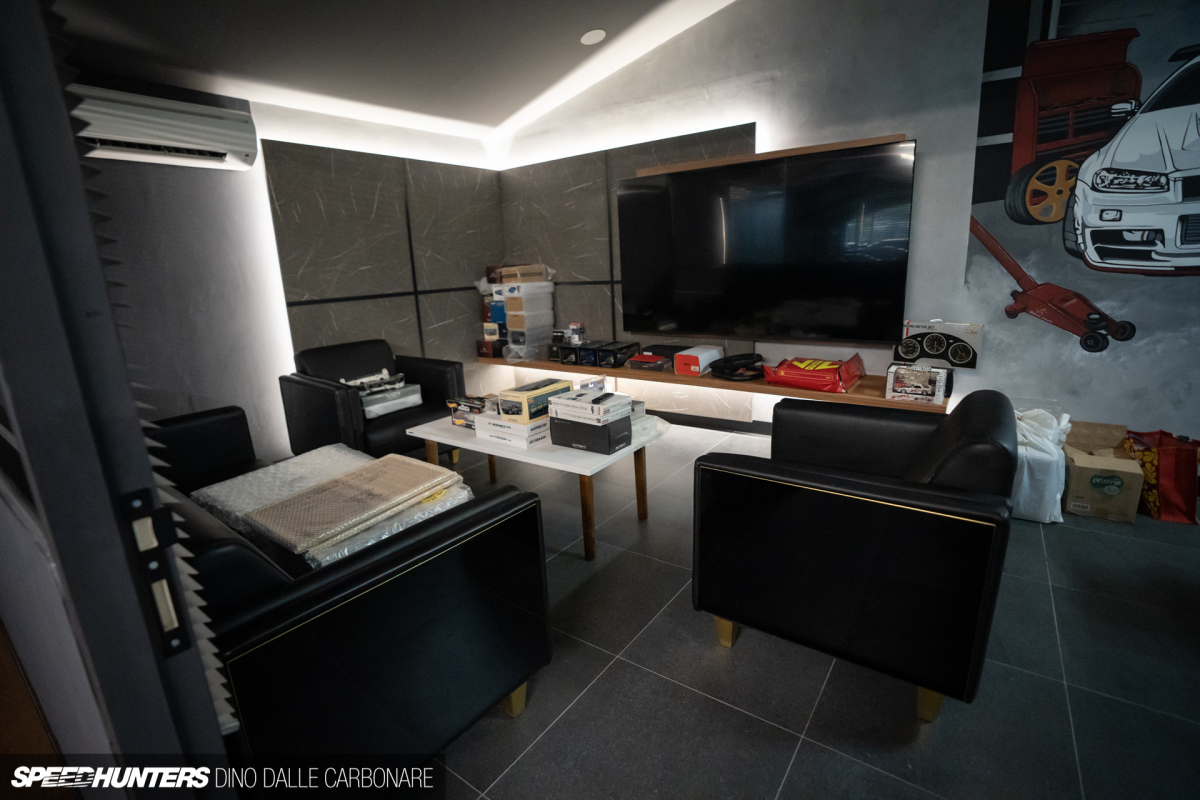
Behind the simulator is a lounge area with leather recliners, perfect for watching car videos on the big screen.
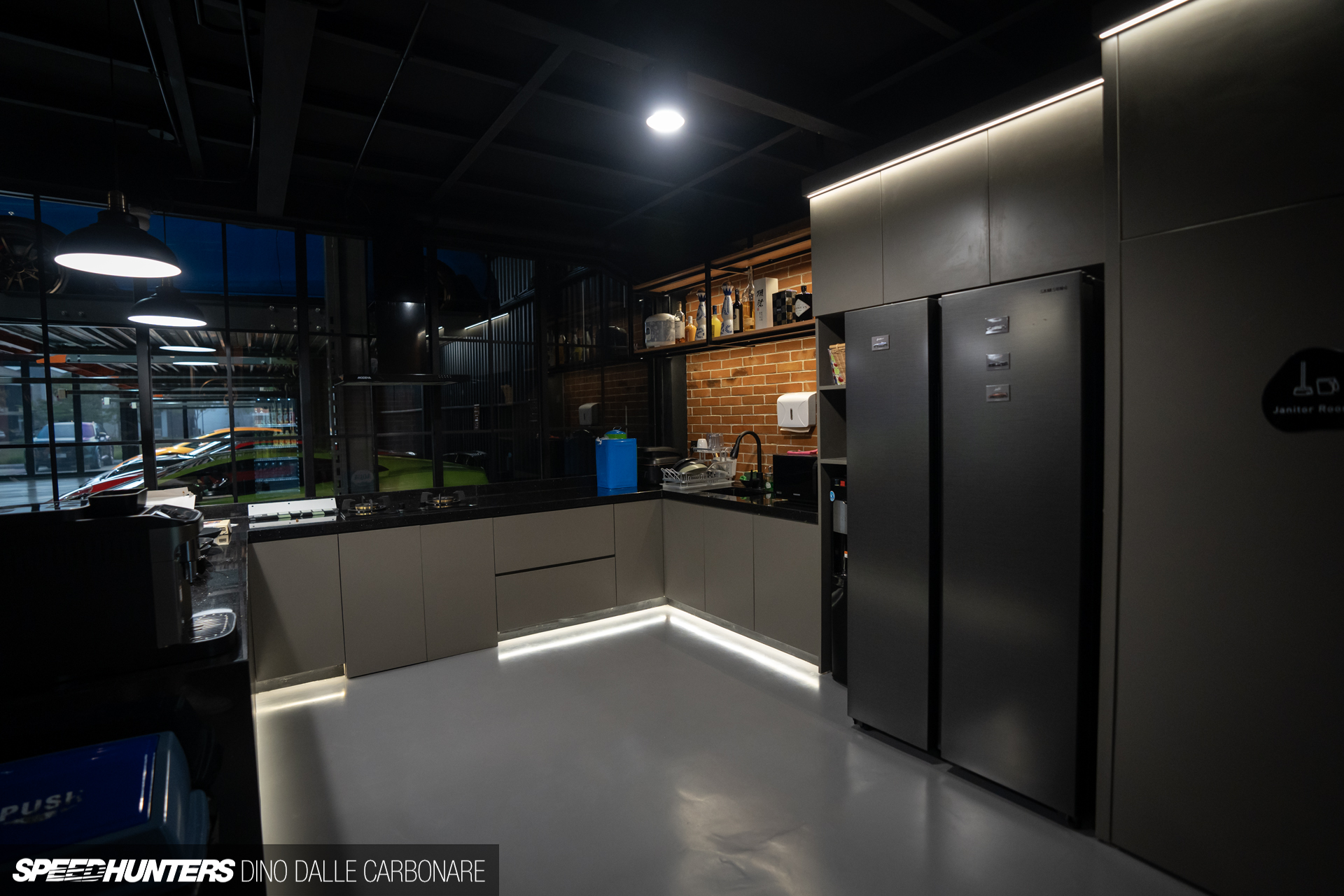
The adjacent kitchen is well-equipped for prepping meals and drinks. I may have tested it out by cooking up a few kilos of Spaghetti alla Carbonara…
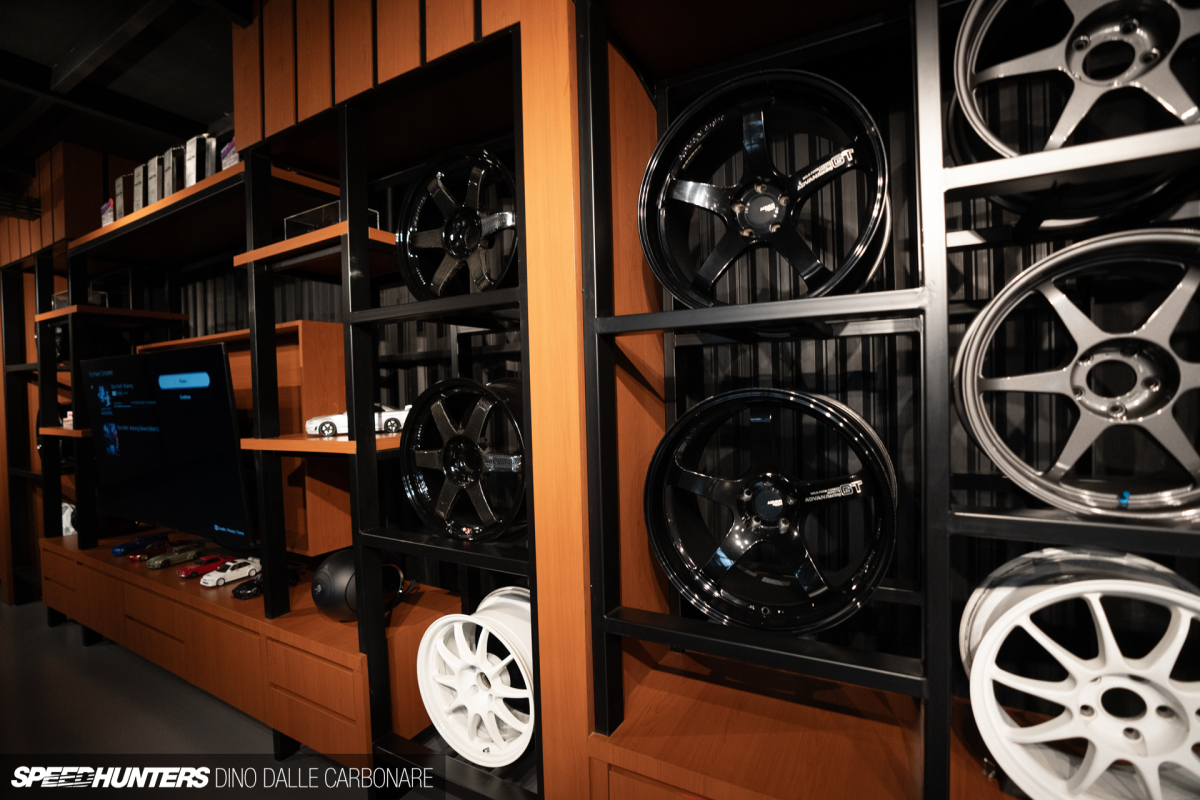
The entire wall facing the sofa area is essentially a JDM wheel museum, with Mr. Jedm’s favorite models displayed around the television. It’s here that the Nismo LM GT-1s now sit. Along with those GT-1s, my favorites have to be the rare set of Buddy Club P1 Racing wheels, the OG bronze RAYS Volk Racing TE37s, and the carbonized TEs that were custom-made for a past project.
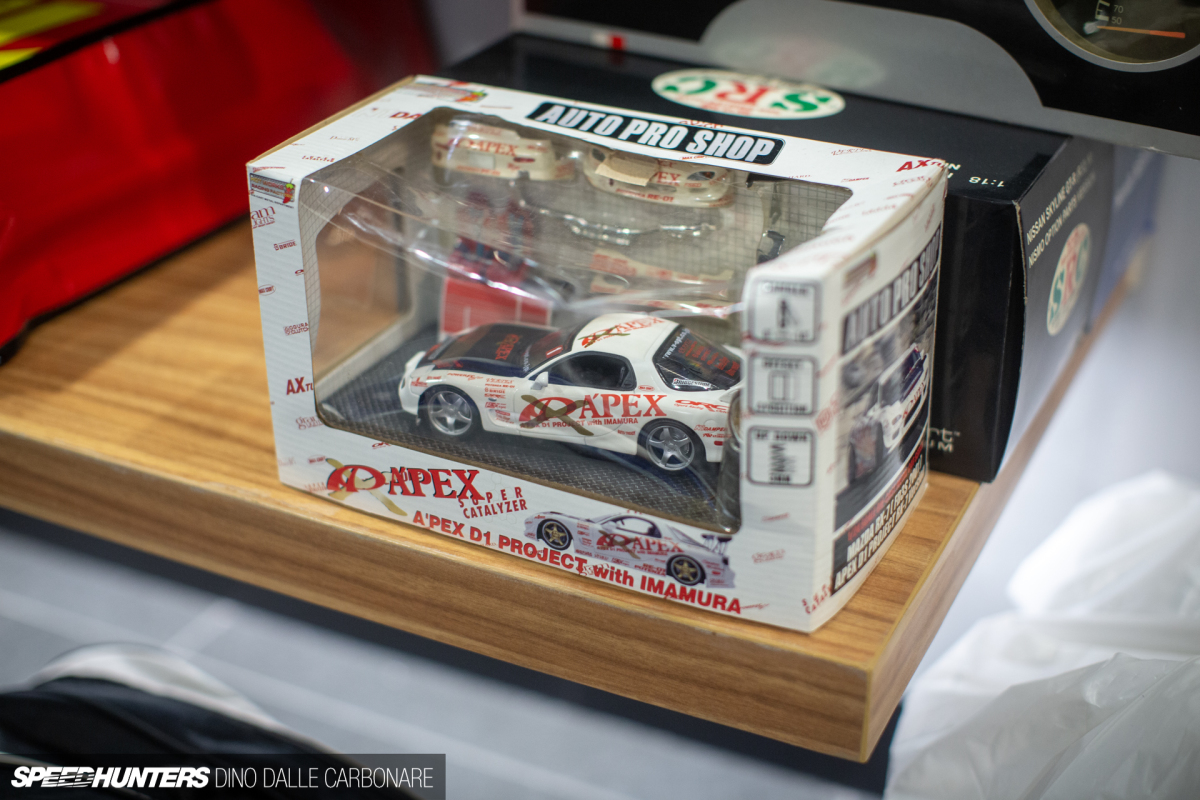
All the car show awards and scale models peppered throughout the space would keep you occupied for hours.
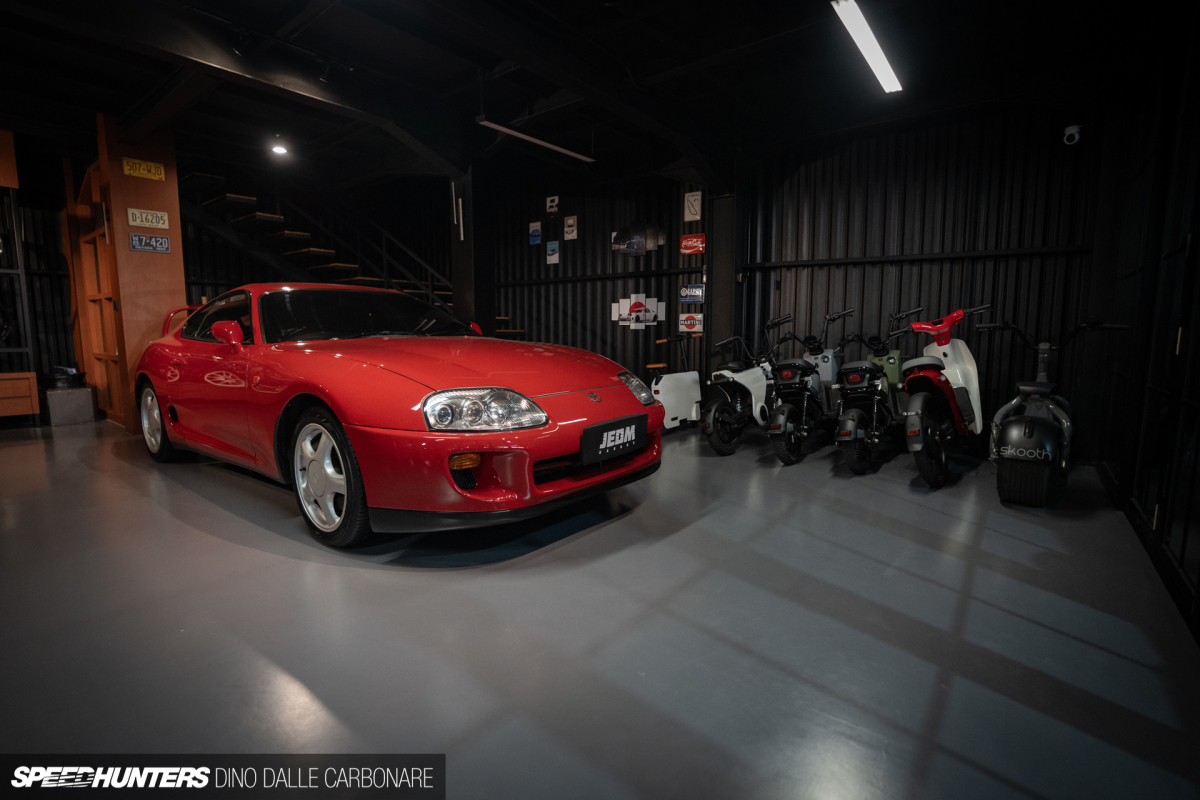
One highlight was the completely stock, unmodified red JZA80 Toyota Supra – a car that even Max Orido admired during his visit. The real question is: Will it stay unmodified?
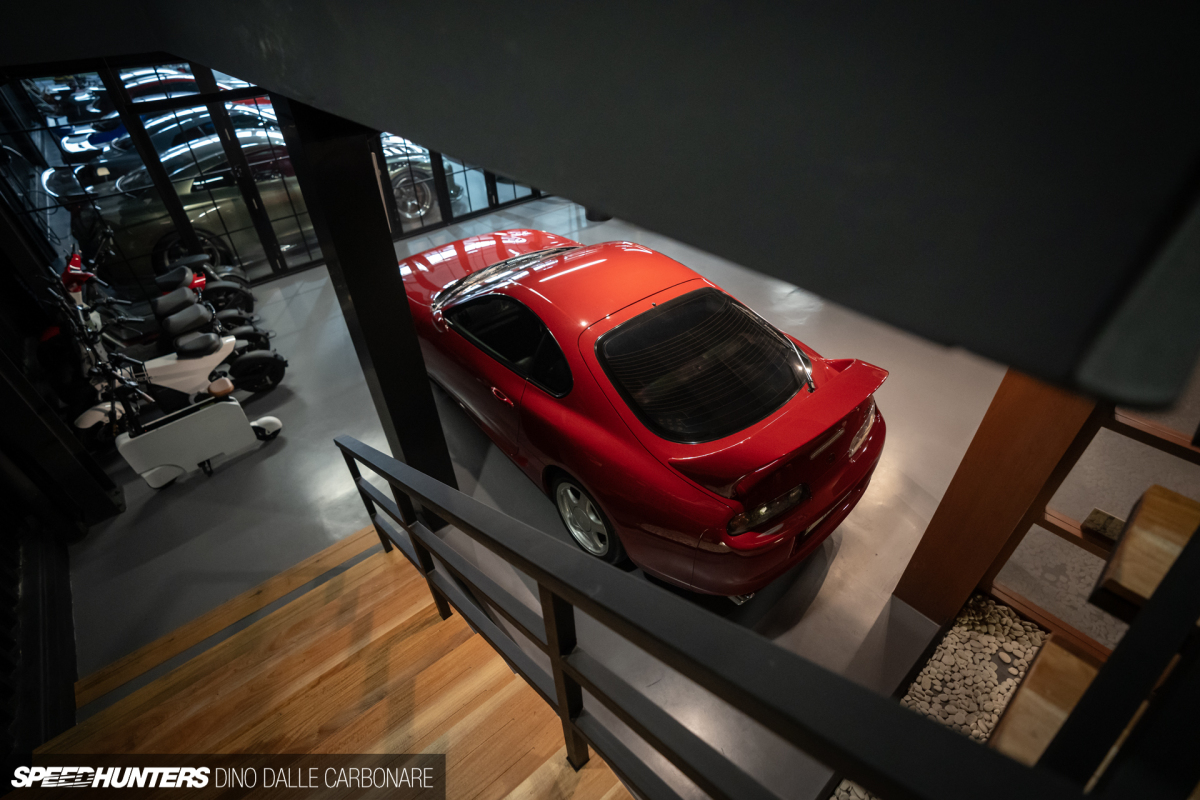
Behind the Supra lies a tranquil Japanese-style garden, complete with water features, making excellent use of the space under the stairs.
As you head towards the staircase, you’ll find a selection of EV scooters – perfect for a friendly race with your buddies out front.
Party Downstairs, Business Up Top
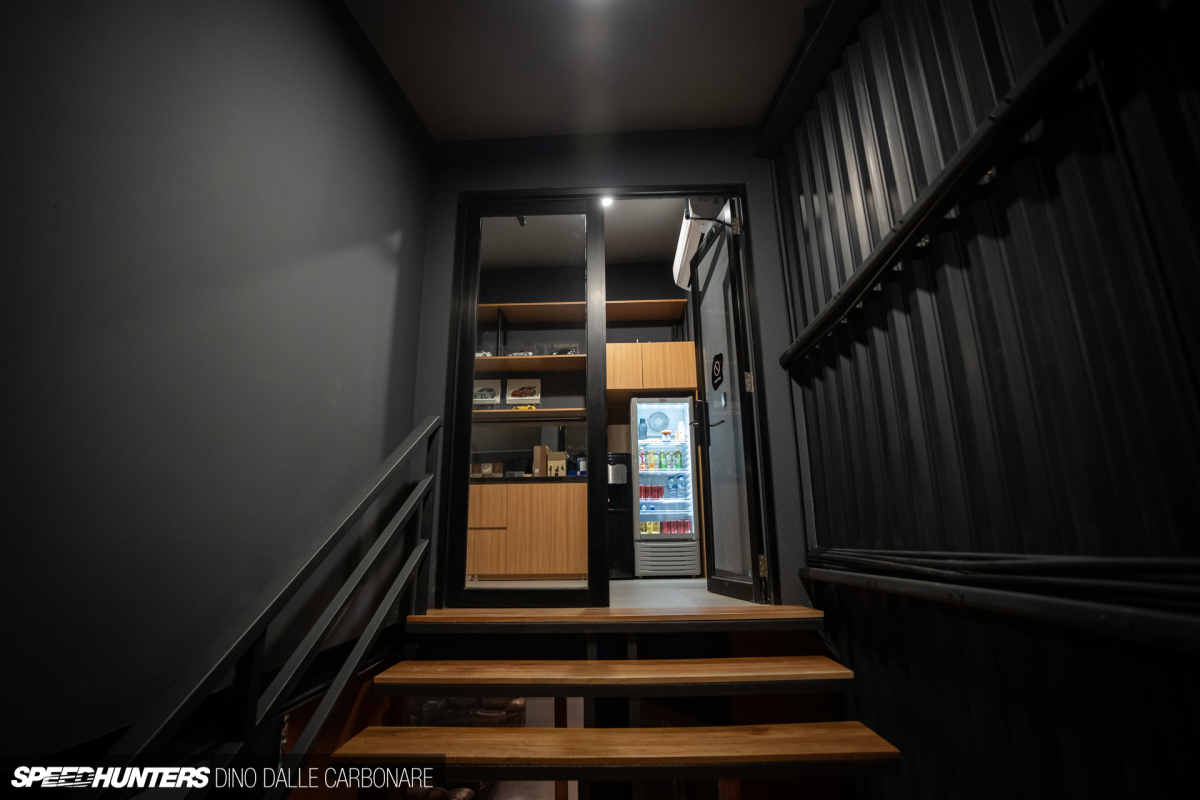
On my way upstairs, I couldn’t help but smile when I spotted the stock GR Yaris hood that Mr. Jedm had all 2004 Elite Showcase guests and visitors sign.
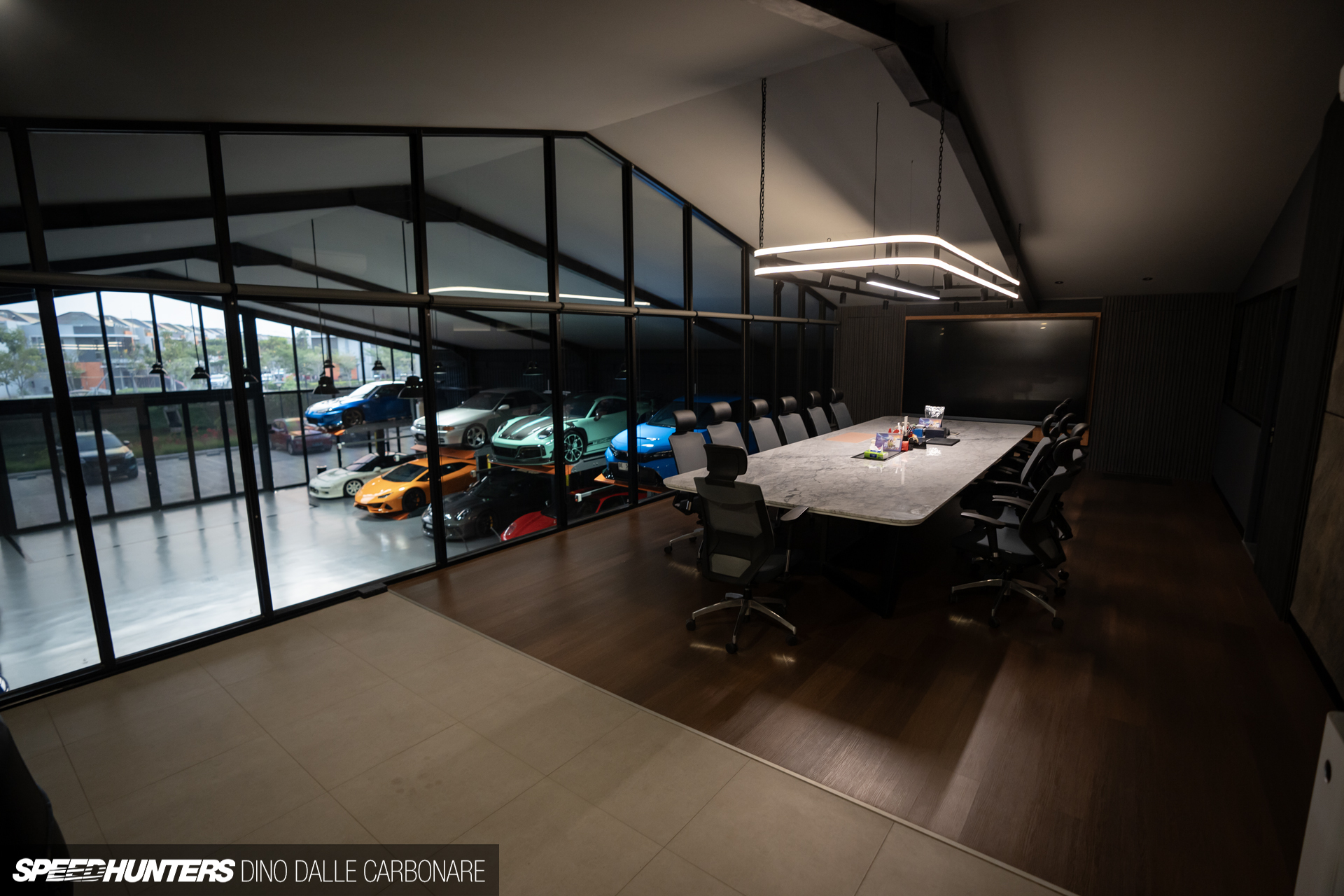
The second floor is just as expansive as the first, but it’s more of a private area – ideal for work and relaxation.
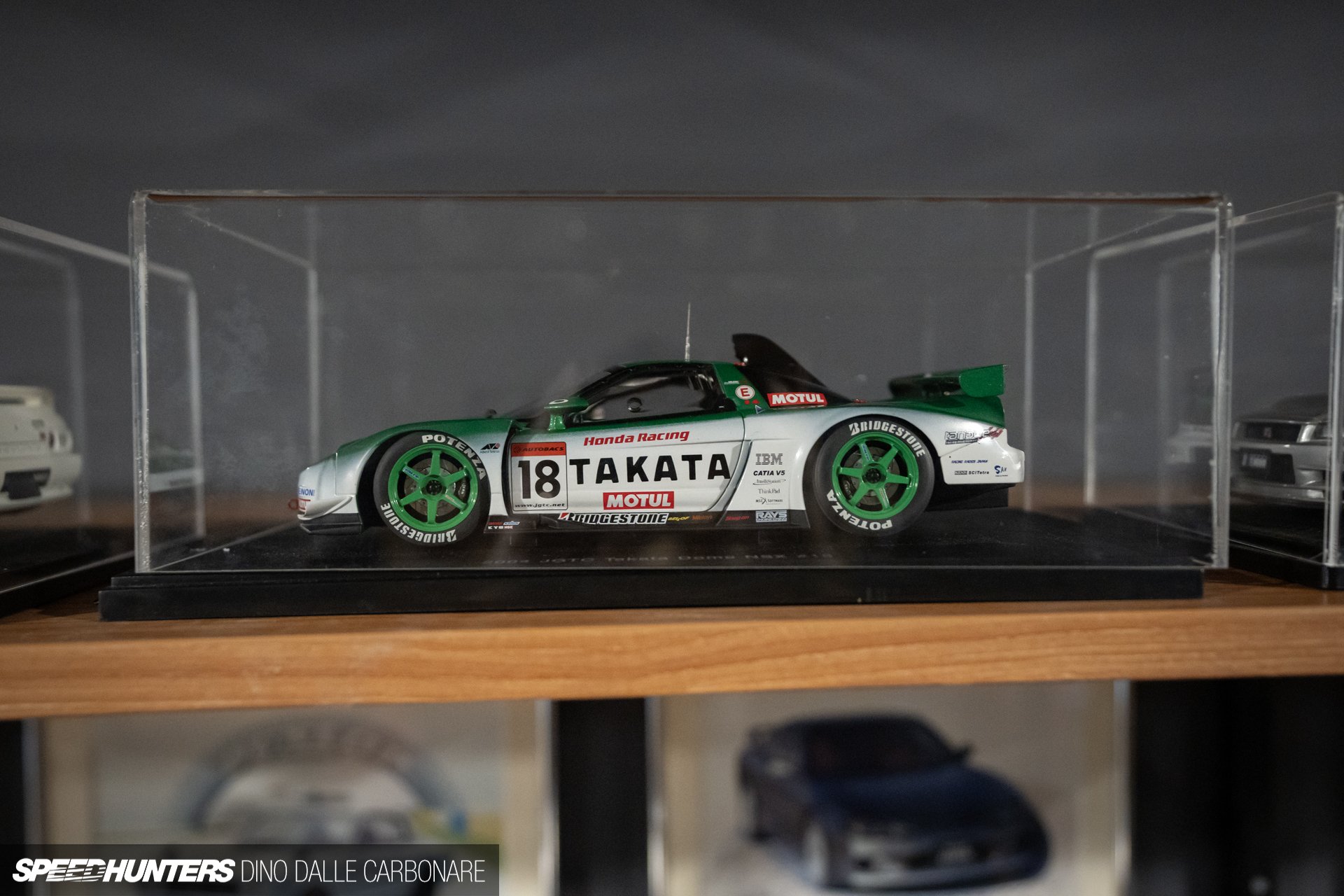
That said, the JDM theme continues throughout, starting with this array of model cars, beginning with the RB26-generation of GT-Rs, including a white 400R, and ending with some famous tuner demo machines and the TAKATA Honda NSX GT500 race car.
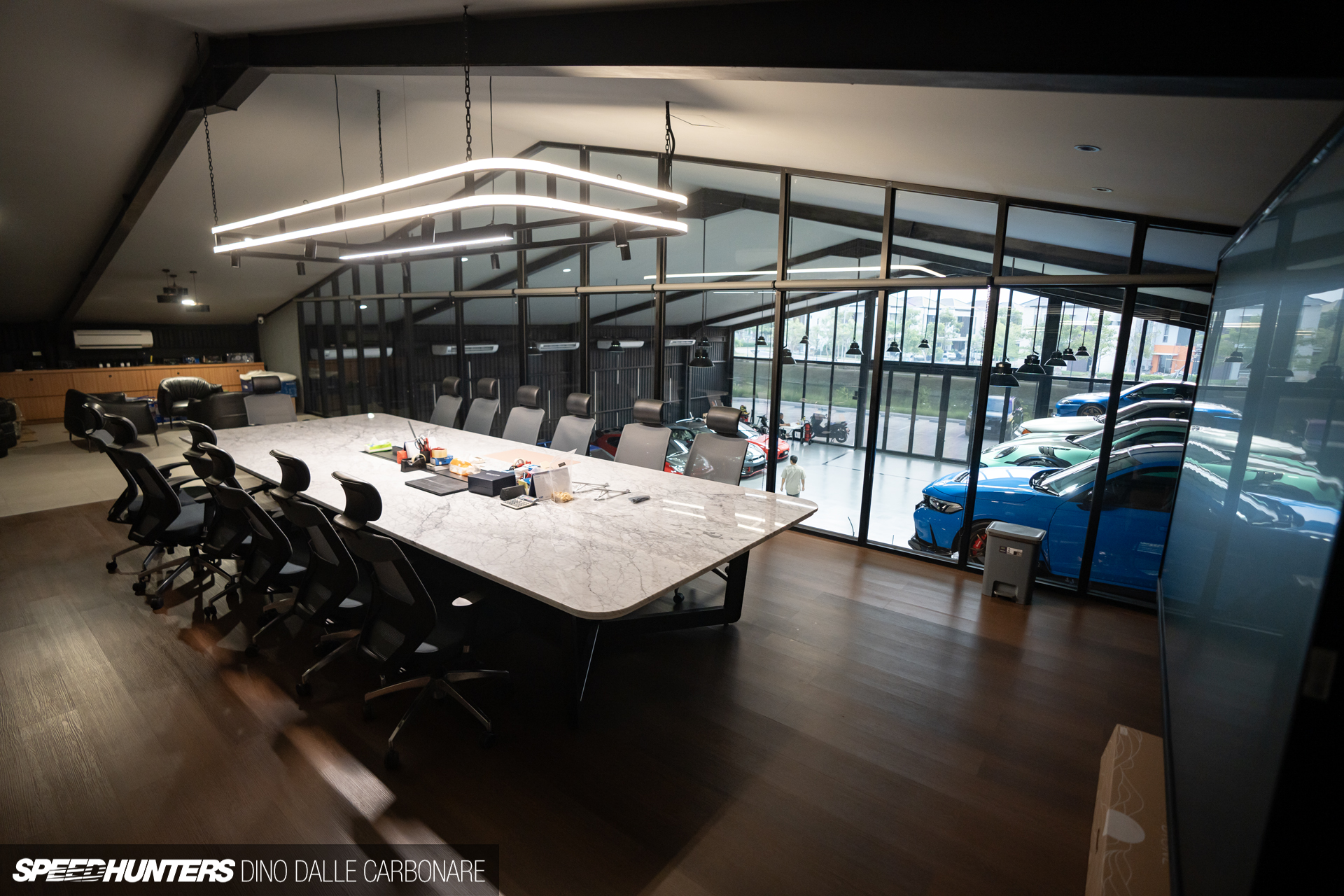
The centerpiece is a massive marble conference table where Mr. Jedm and his team meet.
I couldn’t help but laugh at the healthy stash of race gas laid out in the small lounge area.
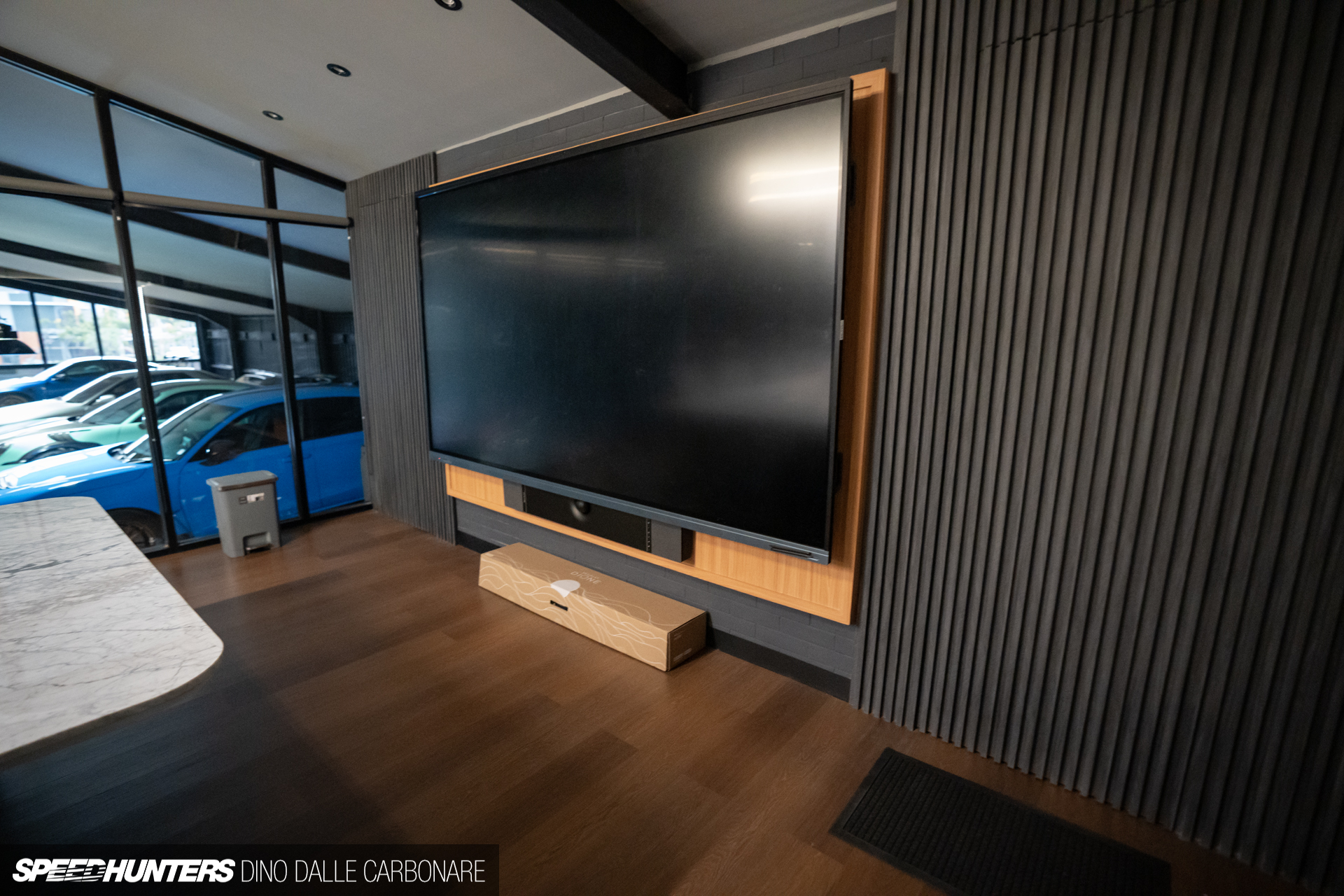
Of course, there’s a massive 110-inch screen for presentations… or, you know, car videos.
While it’s a truly perfect environment for work, I can’t imagine getting much done with so many incredible cars just outside the window. I’d need blinders.
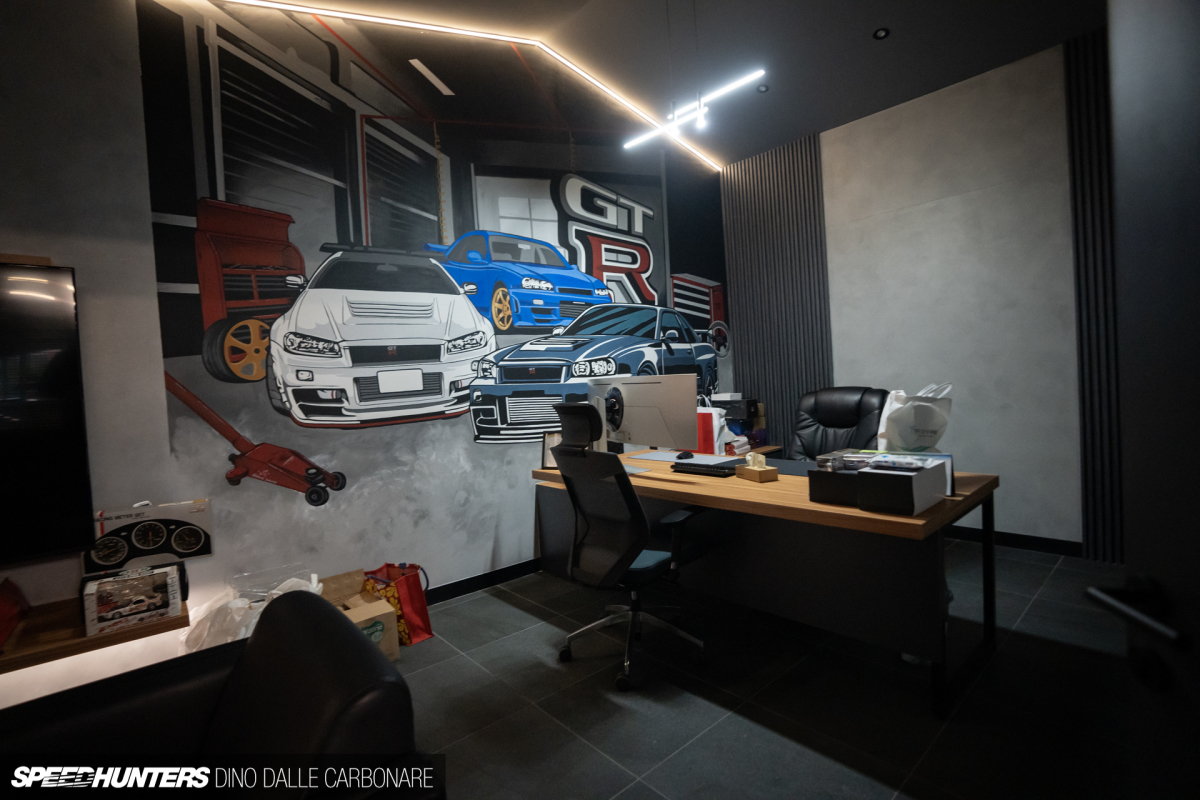
When the workday is done, Mr. Jedm has carved out a private space for himself – his office.
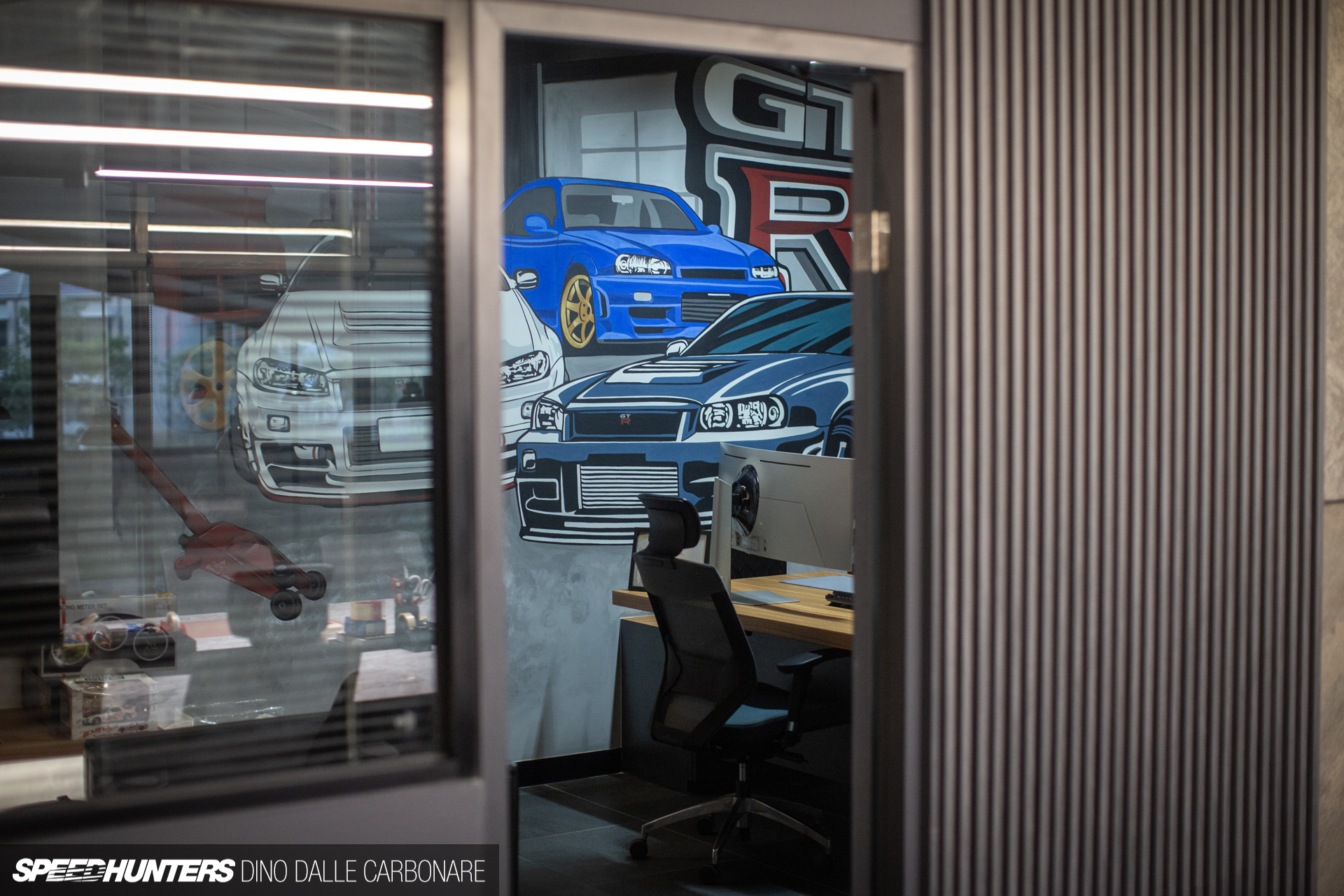
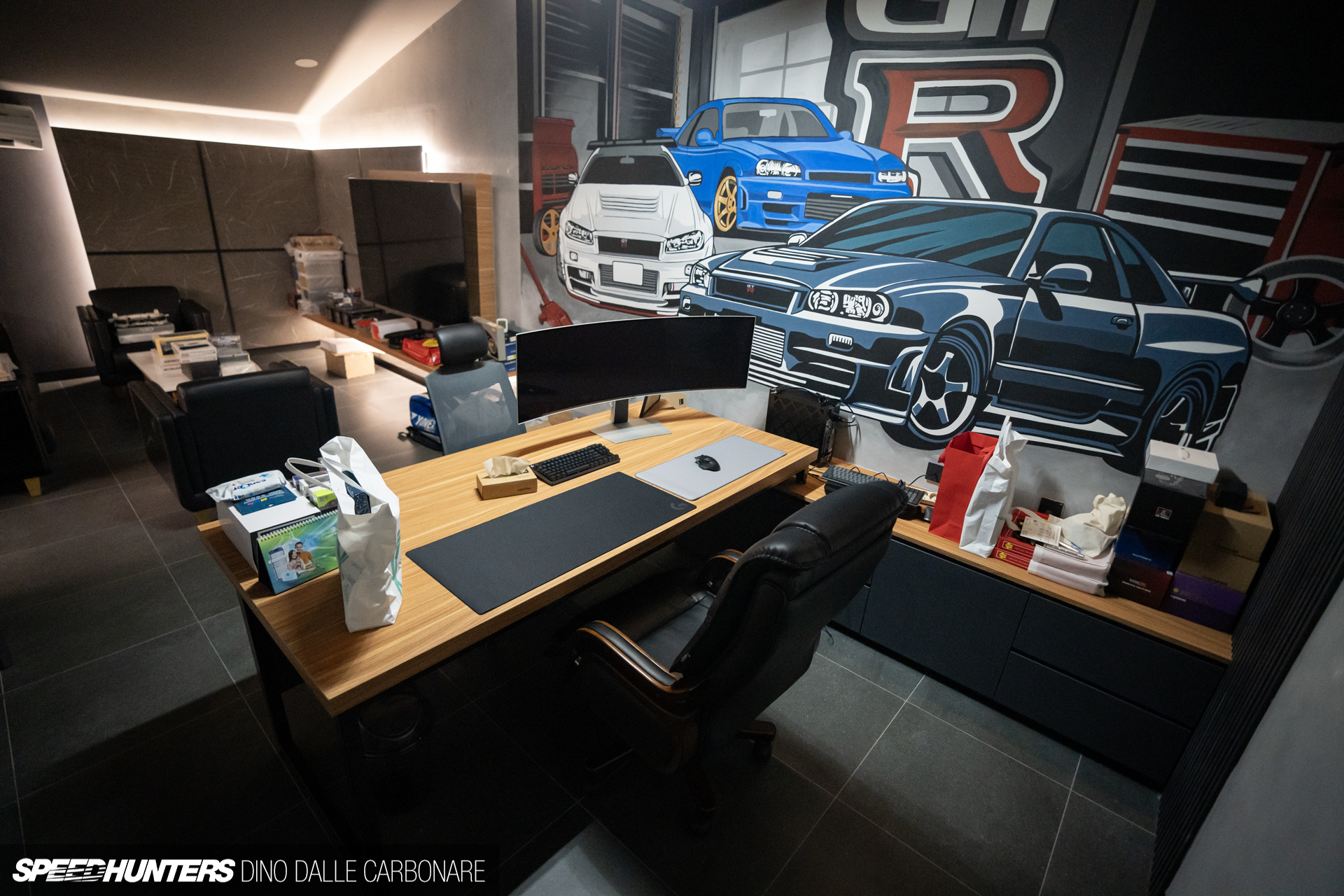
But this is no ordinary office. It’s decorated with a 3-meter-high mural of BNR34 Skyline GT-Rs, something I had to stop and marvel at for a moment. I almost shed a tear, reflecting on my life choices and dreaming of having something similar in my own man cave one day. Vintage, well-fed Italian kidney, anyone?
Mr. Jedm’s sanctuary is still a work in progress, with his office next on the list to be filled with the countless automotive collectibles he’s picked up over the years.
This is just the beginning of JEDM Garage, and in future visits, I’ll be diving deeper into the cars themselves because, trust me – there is some absolute gold in this collection. But for now, I hope you’ve enjoyed this latest chapter in our garage house/space series.
Hyundai has dialed up the performance on its already spirited Elantra N sport sedan by launching a version inspired by the car’s racing sibling that was designed to meet the TCR touring car regulations.
The new Elantra N TCR Edition was revealed on Sunday and starts sales in Korea in December. Availability in the U.S. hasn’t been confirmed, but Hyundai said the car will be sold in more markets starting next year.
Hyundai hasn’t added any extra power. Instead, the car benefits from upgrades to the aerodynamics and chassis.
Key among the upgrades is a huge rear wing complete with swan neck-style struts like you find on a race car, as well as track-focused sports cars like the Porsche 911 GT3. The design maximizes the surface area of the lower side of the wing, meaning more low pressure air and as a result more downforce.
Hyundai Elantra N TCR Edition
Other upgrades include 19-inch forged wheels and new 4-piston monoblock brake calipers from the Hyundai N Performance parts catalog.
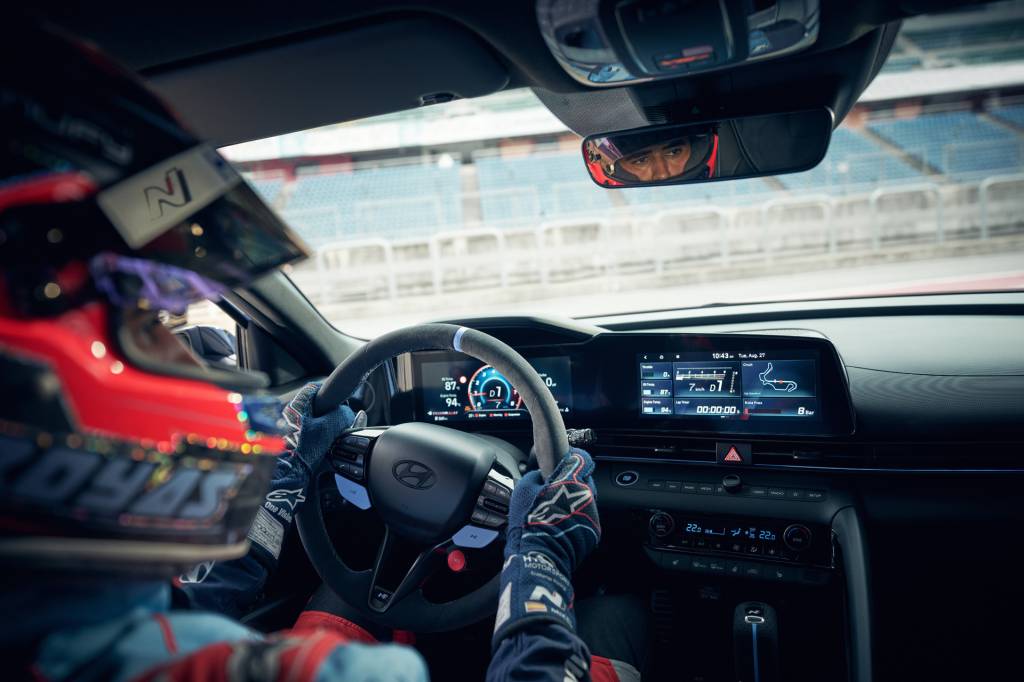
There are some special features in the cabin, too. These include a new steering wheel with Alcantara trim, unique badges, and Hyundai N’s signature light blue used for the seat belts and 12 o’clock mark on the steering wheel.
Like all Elantra N sedans, the new TCR Edition packs a 2.0-liter turbo-4 that sends 276 hp (286 hp with a temporary boost mode) to the front wheels, either via a 6-speed manual transmission or an 8-speed dual-clutch automatic.
HWA Evo restomod channels the legendary Mercedes-Benz 190 E 2.5-16 Evolution II
Deliveries start in late 2025 and only 100 examples are planned
Pricing starts at $753,600
Original examples of the Mercedes-Benz 190 E 2.5-16 Evolution II homologation special of the early 1990s can fetch more than half a million dollars today at auction, but HWA wants to build a modern homage that will cost even more. Much more.
The German motorsports and engineering outfit founded by one of the founders of AMG is working on a restomod dubbed the HWA Evo. First announced in 2023, the car channels the original 190 E homologation special, using a hand-selected donor chassis of a run-of-the-mill 190 E. Only 100 examples are planned, and you can still purchase one, assuming you can afford the starting price of 714,000 euros (approximately $753,600).
HWA Evo
While the price is steep, HWA has extensively reengineered the car with the latest materials and know-how to deliver modern levels of safety, comfort, and of course performance.
Each vehicle starts off as a bare chassis, after which HWA reinforces the central structure and replaces the front and rear sections with bespoke subframes designed in-house. This enables the new suspension to be mounted directly to the chassis, helping to maximize rigidity. According to HWA, around 75% of the chassis components are new, helping to double the torsional stiffness of the original design.
HWA Evo
The suspension is another area that has benefited from HWA’s decades of motorsports experience. Much of the design is unique, including the wishbones which are similar to what HWA uses for the DTM race cars it builds. The adjustable dampers and anti-roll bars are from KW Suspension and H&R, respectively.
HWA also worked with Bosch to develop ESP and ABS systems for the car, as well as an ECU—something that is unusual for a car with a production run of only 100 units.
HWA Evo
Under the hood, HWA has gone with a twin-turbocharged 3.0-liter V-6, as opposed to the Cosworth-developed 2.5-liter inline-4 engine of the original 190 E Evo II. Thanks to the front axle being moved forward by 2.0 inches, and the transmission, a 6-speed manual, being moved to the rear, the engineers were able to install the engine low and as far back as physically possible in the engine bay.
According to HWA, this front-mid-engine, transaxle layout results in a 50:50 weight distribution. Other performance targets include an output of around 500 hp and a curb weight of less than 3,000 pounds, the latter made possible by a body made from carbon fiber. Buyers will also be able to opt for lighter carbon-ceramic brake rotors as an alternative to the standard steel rotors. The brakes are from Brembo.
HWA Evo
Deliveries of the HWA Evo are scheduled to start in late 2025. The build slot for the first example was snapped up during an auction held in July in Germany, with the final price paid, including fees and taxes, a whopping 1.3 million euros ($1.37 million).
HWA is working with a company called Curated to market the remaining build slots. Curated is a U.S. company specializing in the sale and restoration of classic cars from the 1970s up to the early 2000s.
The F 900 GS Is BMW’s Most Enduro-Focused Adventure Bike Yet
Factory Ducati Lenovo squad riders Francesco Bagnaia and Enea Bastianini pushed for 13 victories combined with two-time champ Bagnaia scoring 11 on his own. Those 11 victories weren’t enough to win the championship, however, as podium consistency, a scad of Saturday sprint wins, and luck pushed Jorge to the win by just ten points. In fact this season was an all-Italian affair, as only Aprilia managed a non-Ducati victory with Maverick Viñales at the Motorcycle Grand Prix of the Americas in Texas.
Prior to last weekend’s Barcelona Grand Prix, Martin had secured a 19-point lead over Bagnaia and simply needed to finish in the top nine in the race to win the title. From the outset it was clear that Martin would keep a level head and maintain the consistency that brought him here. Settling into an easy third behind polesitter Bagnaia and Gresini Ducati team rider (and 2025 Ducati Corse rider) Marc Marquez was the winning move, as that’s where the trio finished. There wasn’t much need to fight for the win and risk losing the title fight.
With Casey Stoner’s 2007 title, and Bagnaia’s pair in 2022 and 2023, this win for Martin is just Ducati’s fourth in modern MotoGP history. It also puts Martin as just the fourth champion in history to win the title without securing the most Grand Prix victories. Here’s another weird statistic for Martin’s 2024 title: At 26 years and 293 days of age on Sunday, he’s the oldest first-time champion since the MotoGP modern title format began back in 2002.
This victory for a satellite team just proves how competitive MotoGP can be. You know, as long as your satellite team is in Ducati’s orbit.
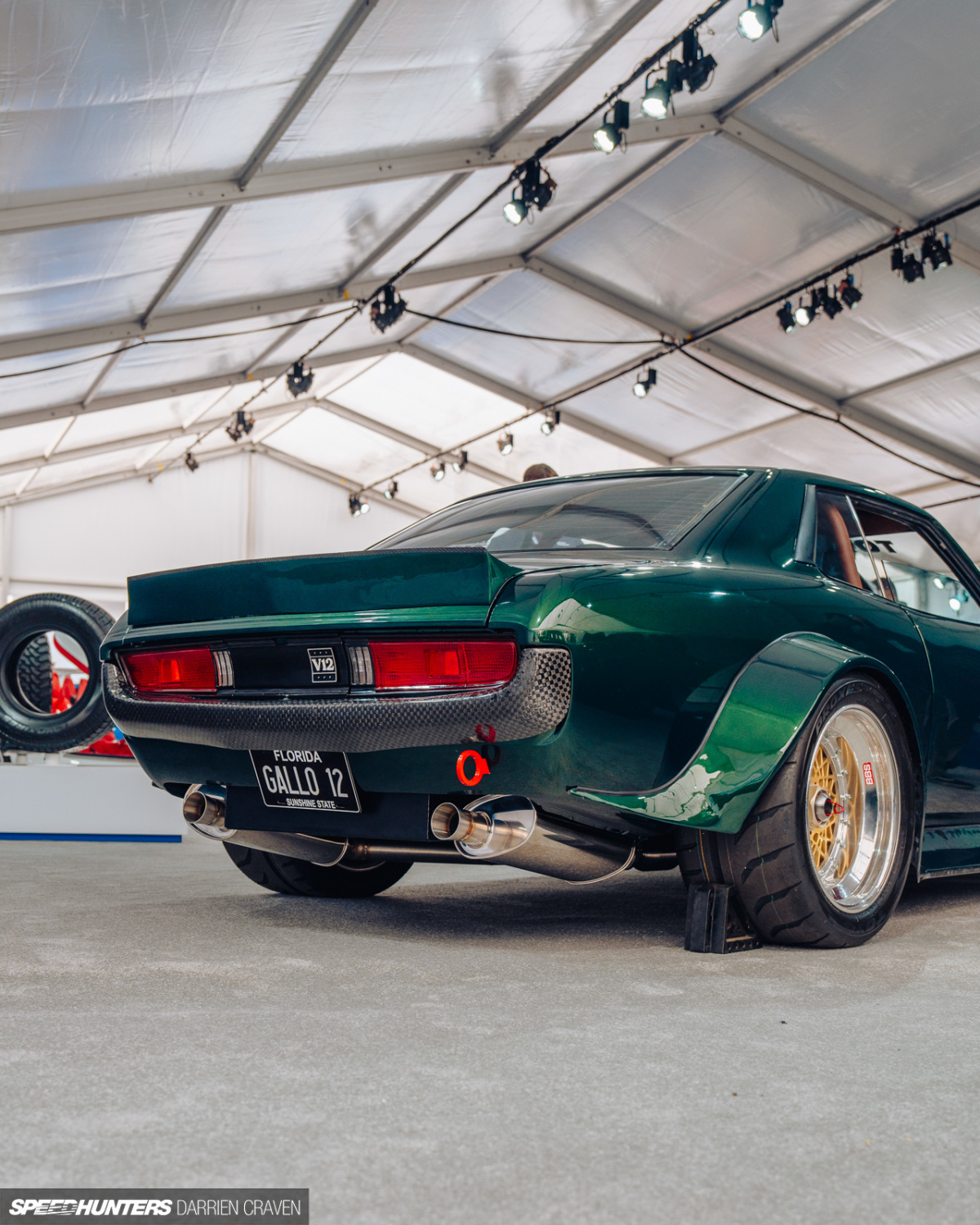
Growing up with dreams of becoming a car designer, the first-generation Toyota Celica coupé was one of my all-time favourite designs.
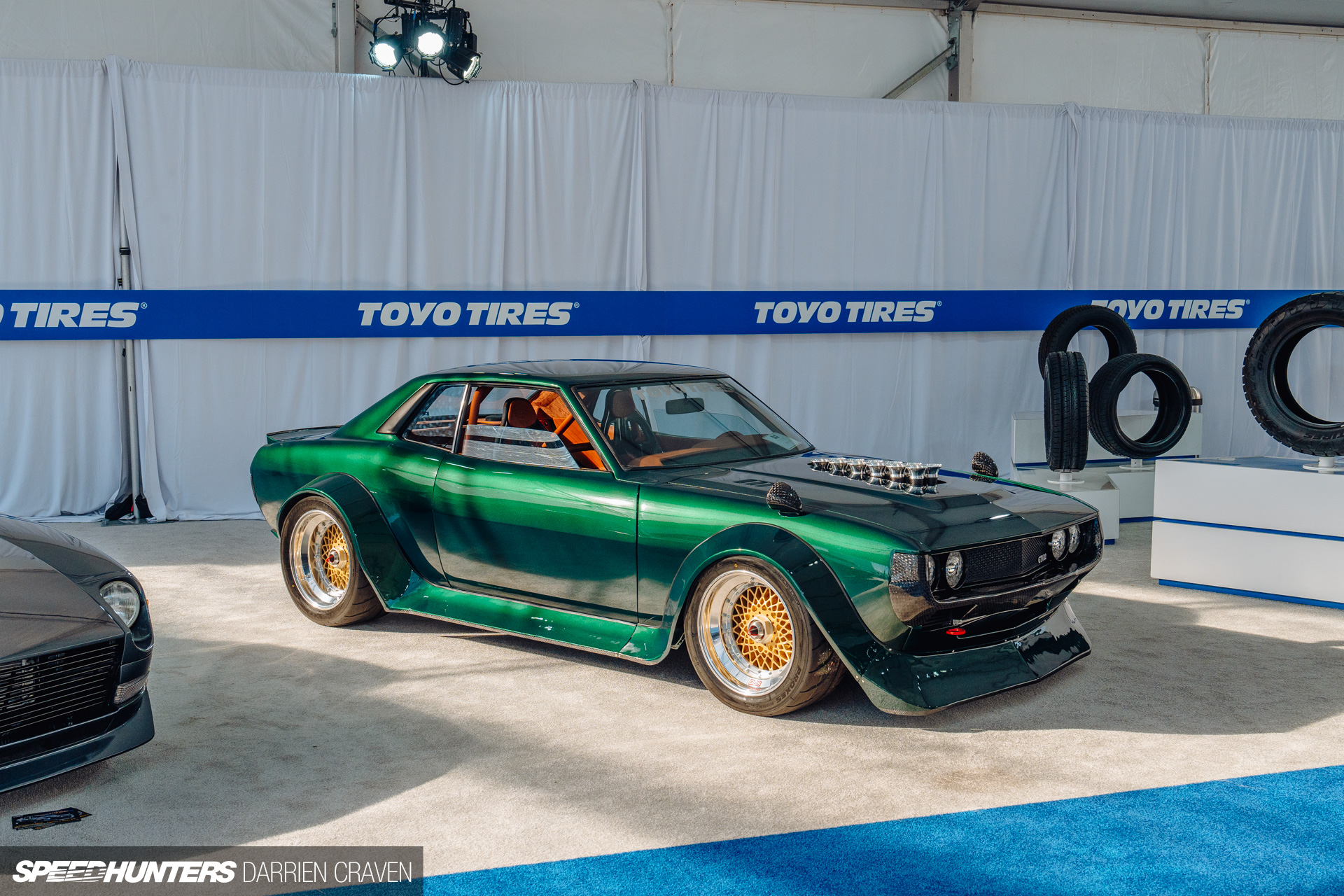
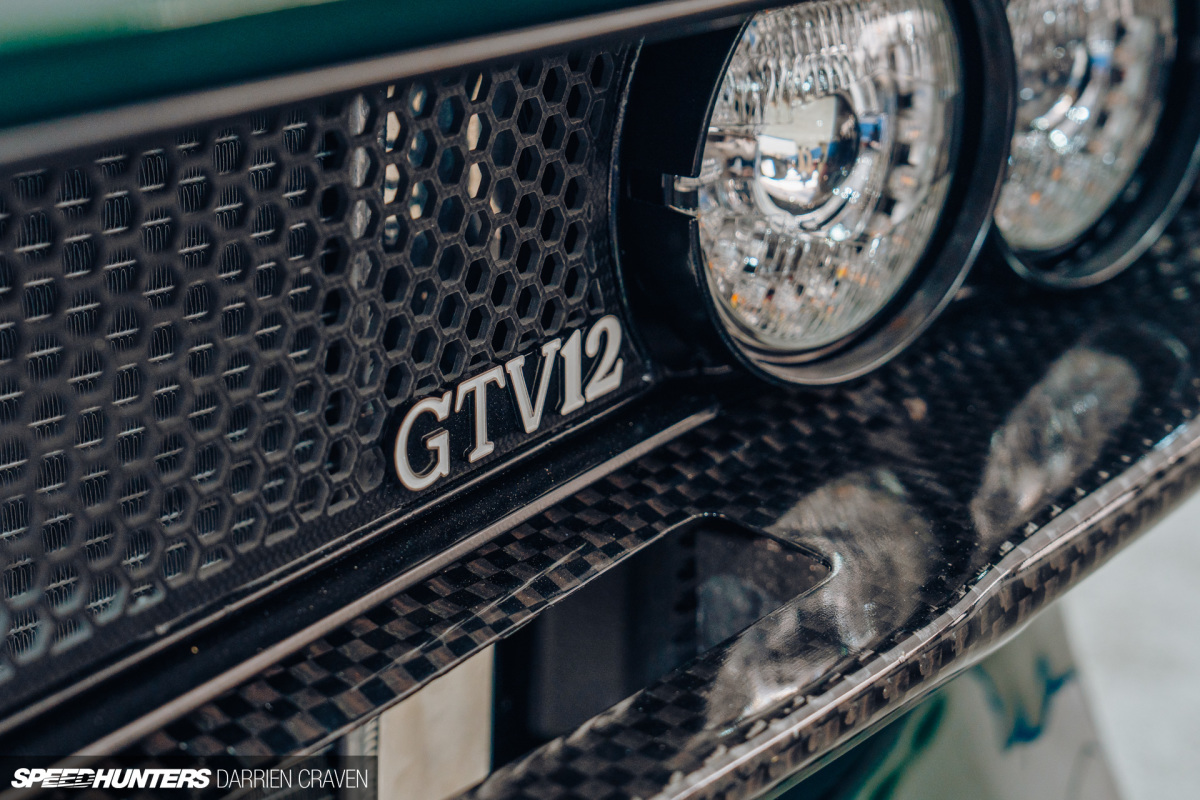
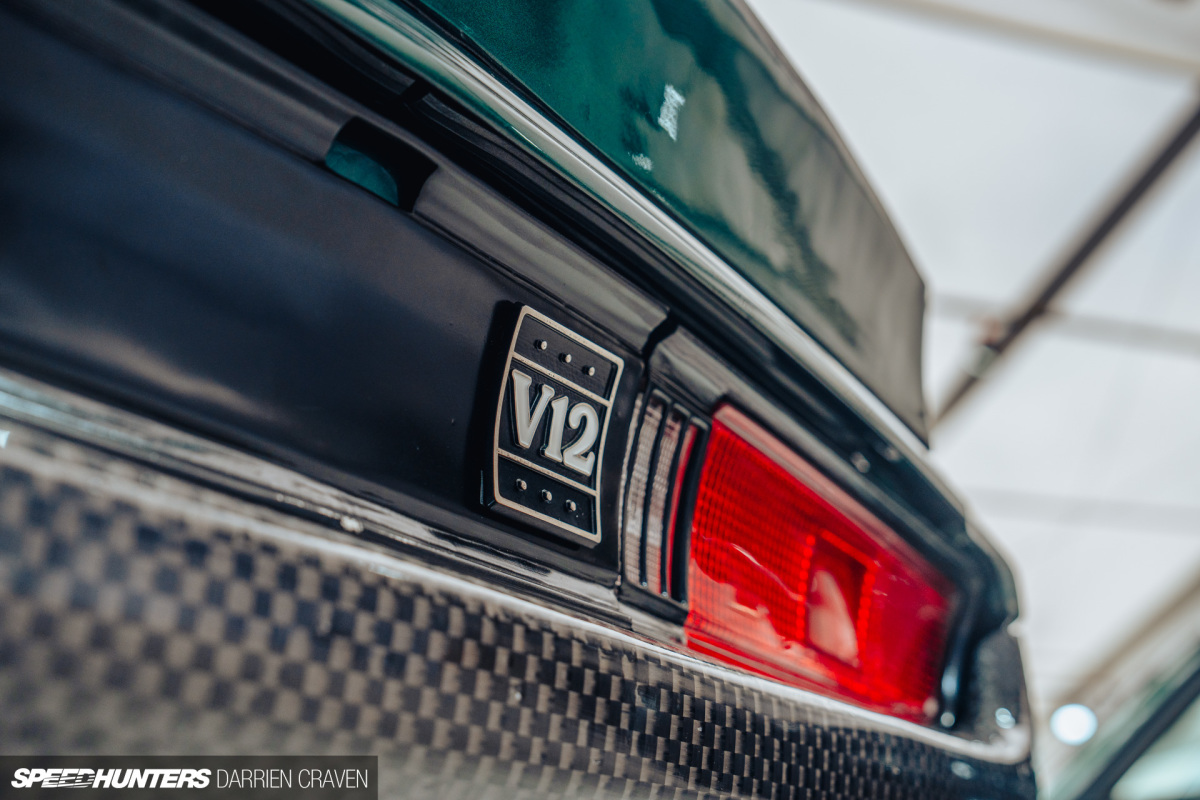
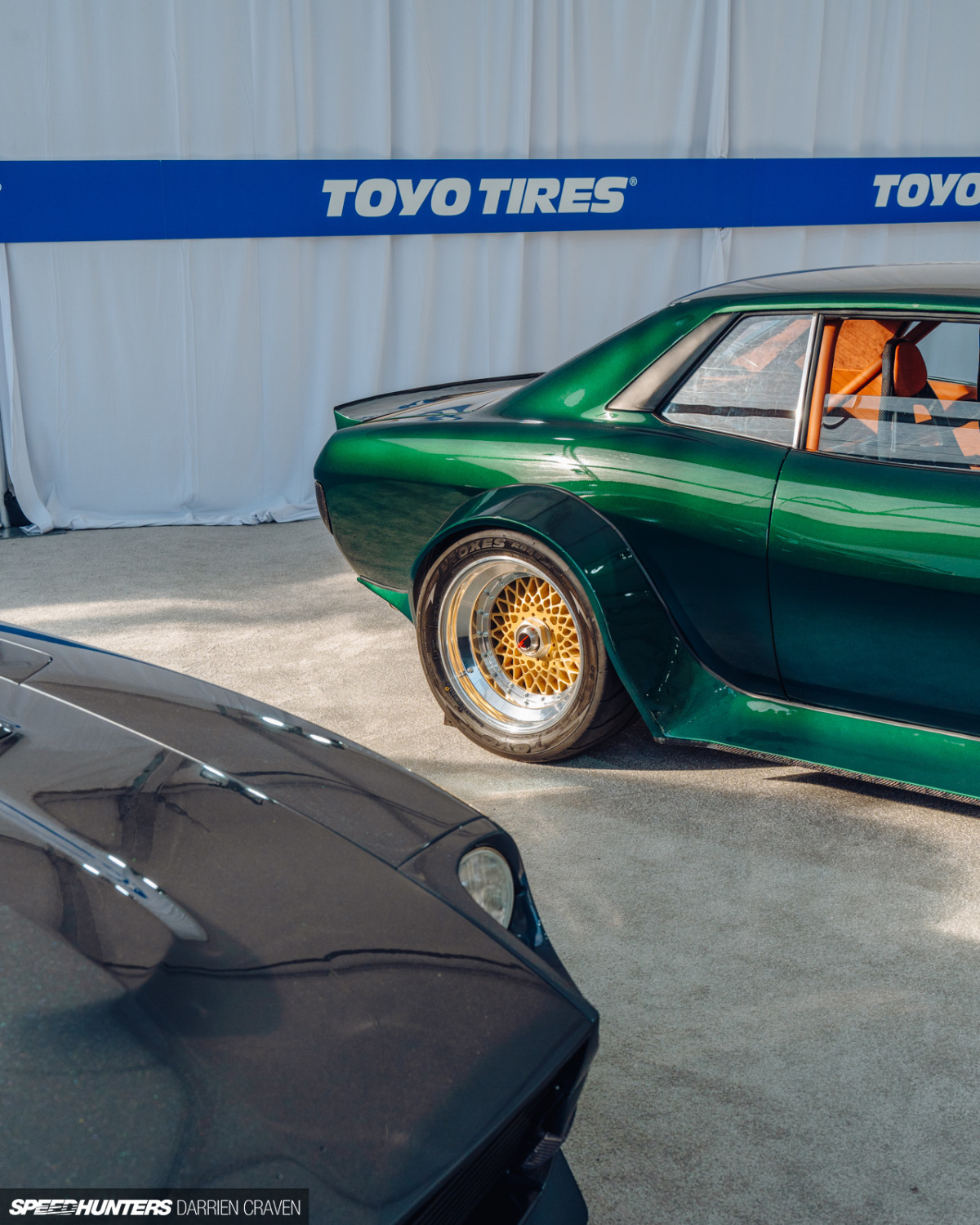
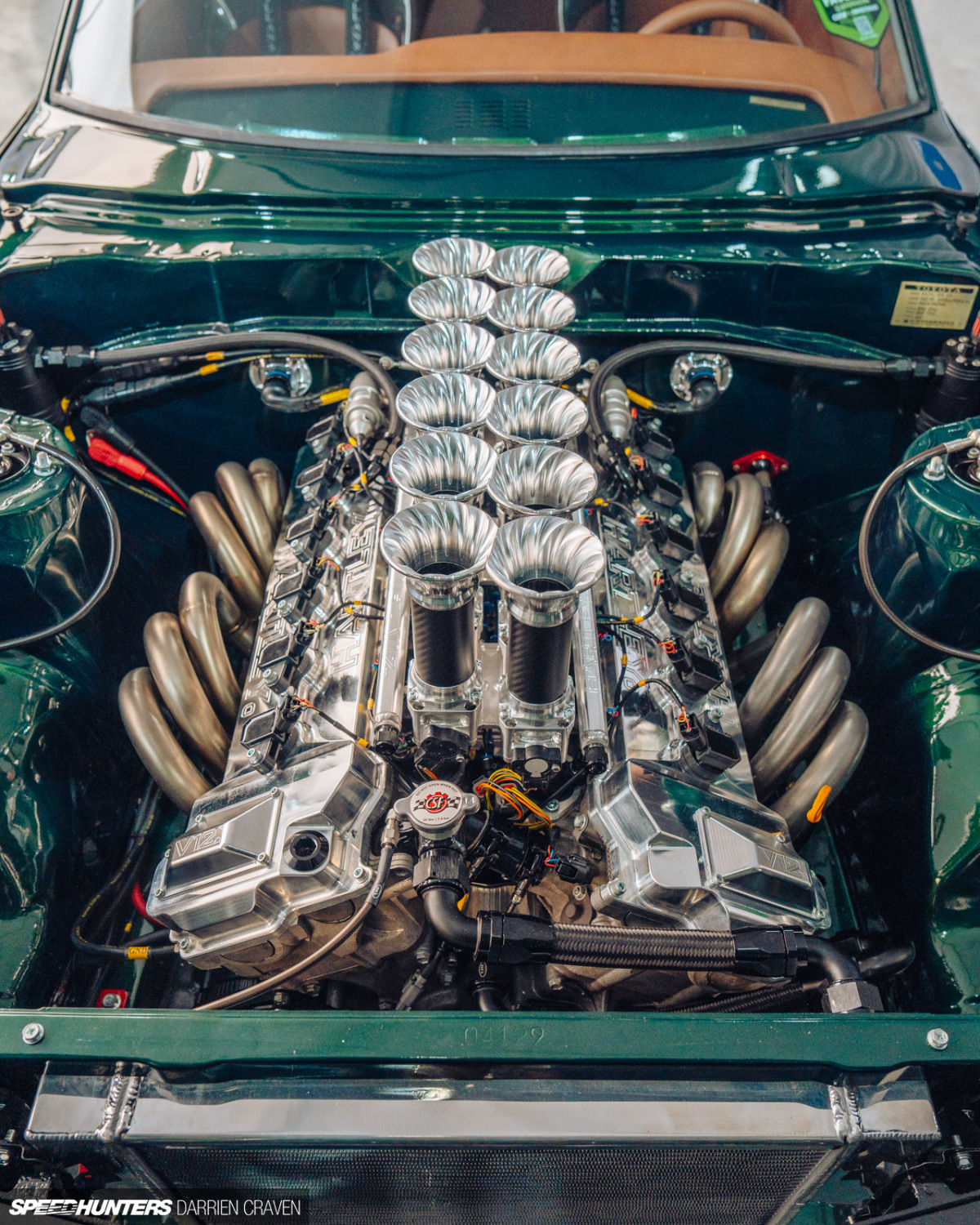
In fact, I still have an A3-sized drawing of a green Celica GT, complete with over-fenders, stashed away somewhere. But I don’t think my 10-year-old self could have ever imagined a build quite like the 1976 Celica ‘GTV12,’ brought to life by Shawn Bassett and his team at Attacking The Clock Racing, and on display at the 2024 SEMA Show in the Toyo Treadpass.
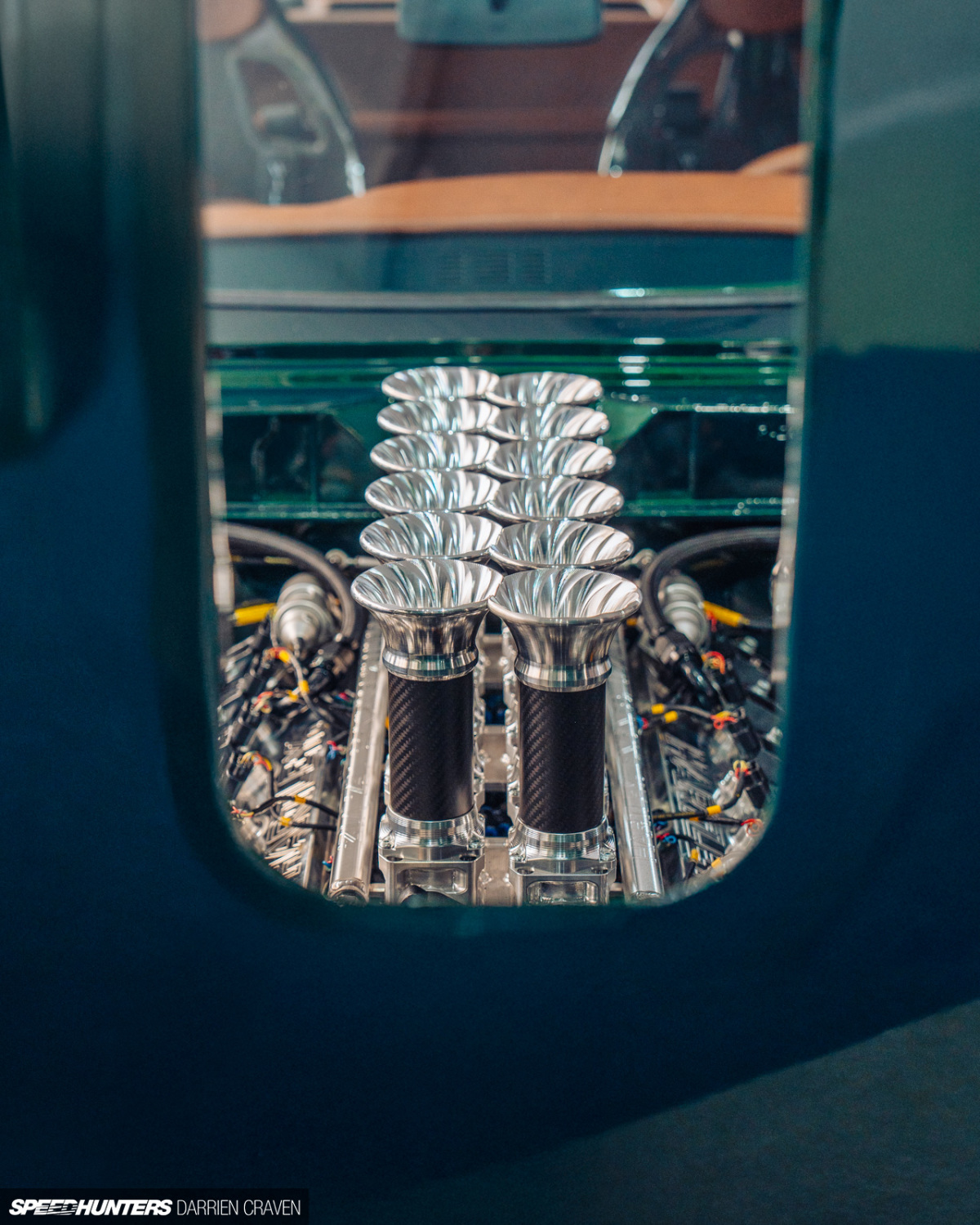
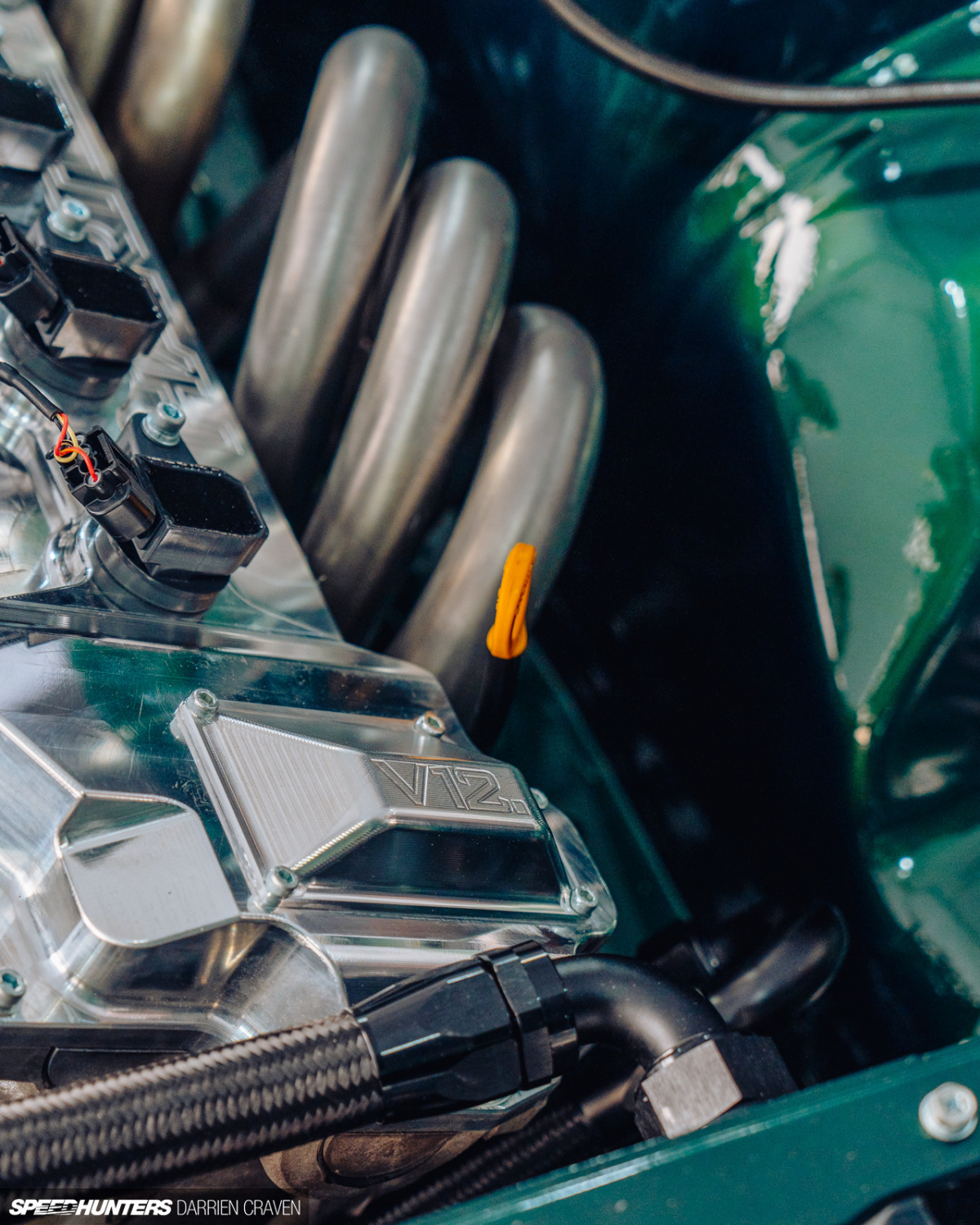
Gone is the original four-cylinder engine, replaced by a stunning 1GZ-FE V12 from a Toyota Century. With billet rocker covers, individual throttle bodies, tubular exhaust manifolds, and a polished CSF Race radiator, the setup looks like a precious jewel set in the metallic green engine bay.
The transmission swap is just as impressive, with the Century’s lethargic 4-speed auto replaced by a ZF 8-speed from an A90 Supra. But that’s not all.
Peek inside, and you’ll spot a sequential shift lever and a clutch pedal in the OBP adjustable pedal box. That’s because the automatic ZF transmission has been cleverly programmed to mimic the feel of a manual gearbox, with electronic ‘clutch control’ enhancing the sequential shifting capability.
The suspension is equally bespoke, transforming this old-school mini-muscle car into something more modern and agile. The front end now runs S13 Nissan geometry, while the rear features a custom pushrod arrangement. The team at Moton Suspension crafted a one-off setup for the Celica, complete with inverted dampers and special anodising to tie in with the green colour scheme.
Speaking of which, I must admit, I’m a sucker for green on tan. The theme for the build was to create a hot rod using as many Toyota parts as possible, right down to the metallic British Racing Green paint borrowed from a special-edition JDM GT86. Rivet-less overfenders flow into deep side skirts and an even deeper chin spoiler, giving the little coupé unmistakable IMSA vibes.
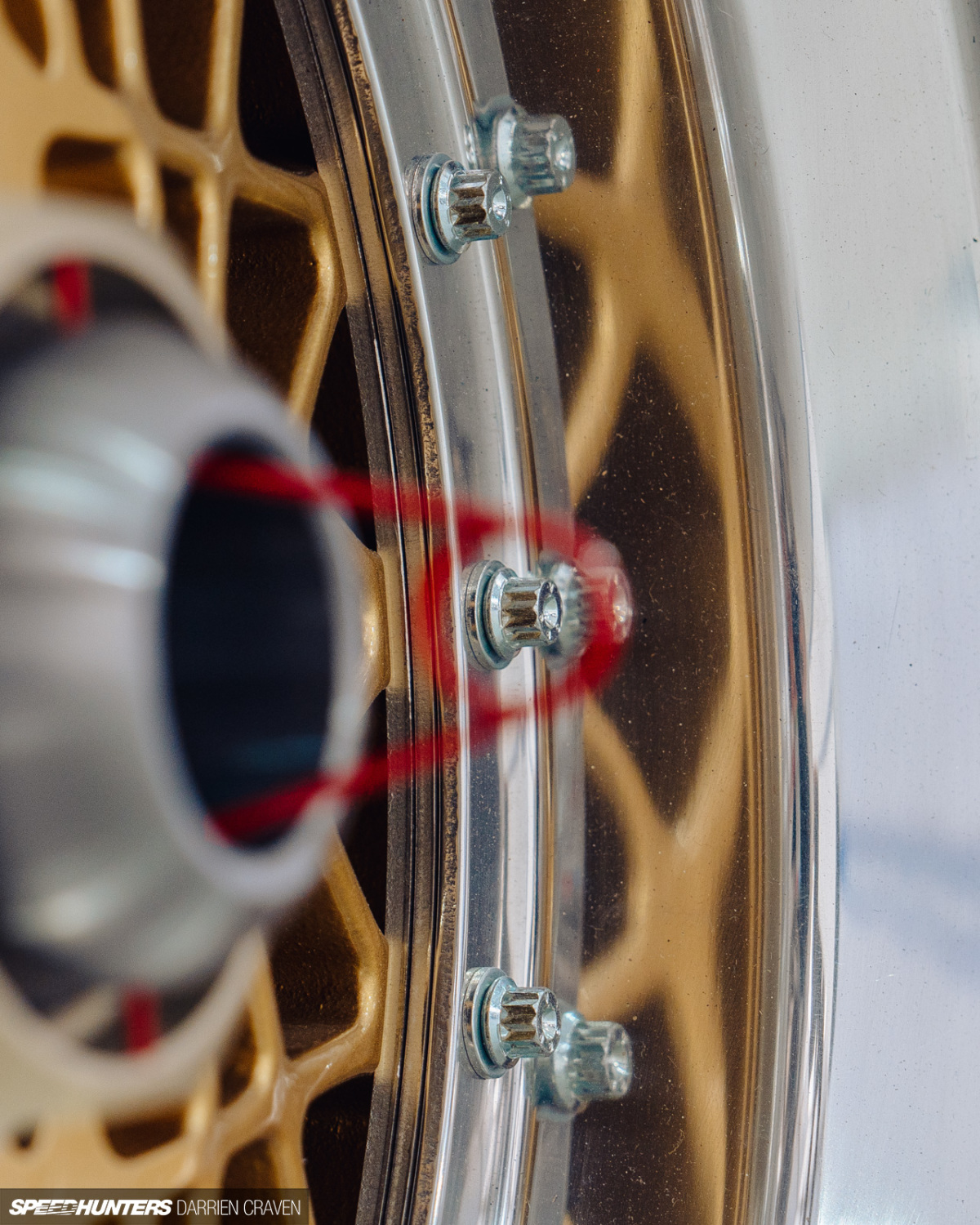
The cherry on top is the set of BBS E55s wrapped in Toyo Proxes R888R tyres – a combo that would make any split-rim enthusiast go weak at the knees.
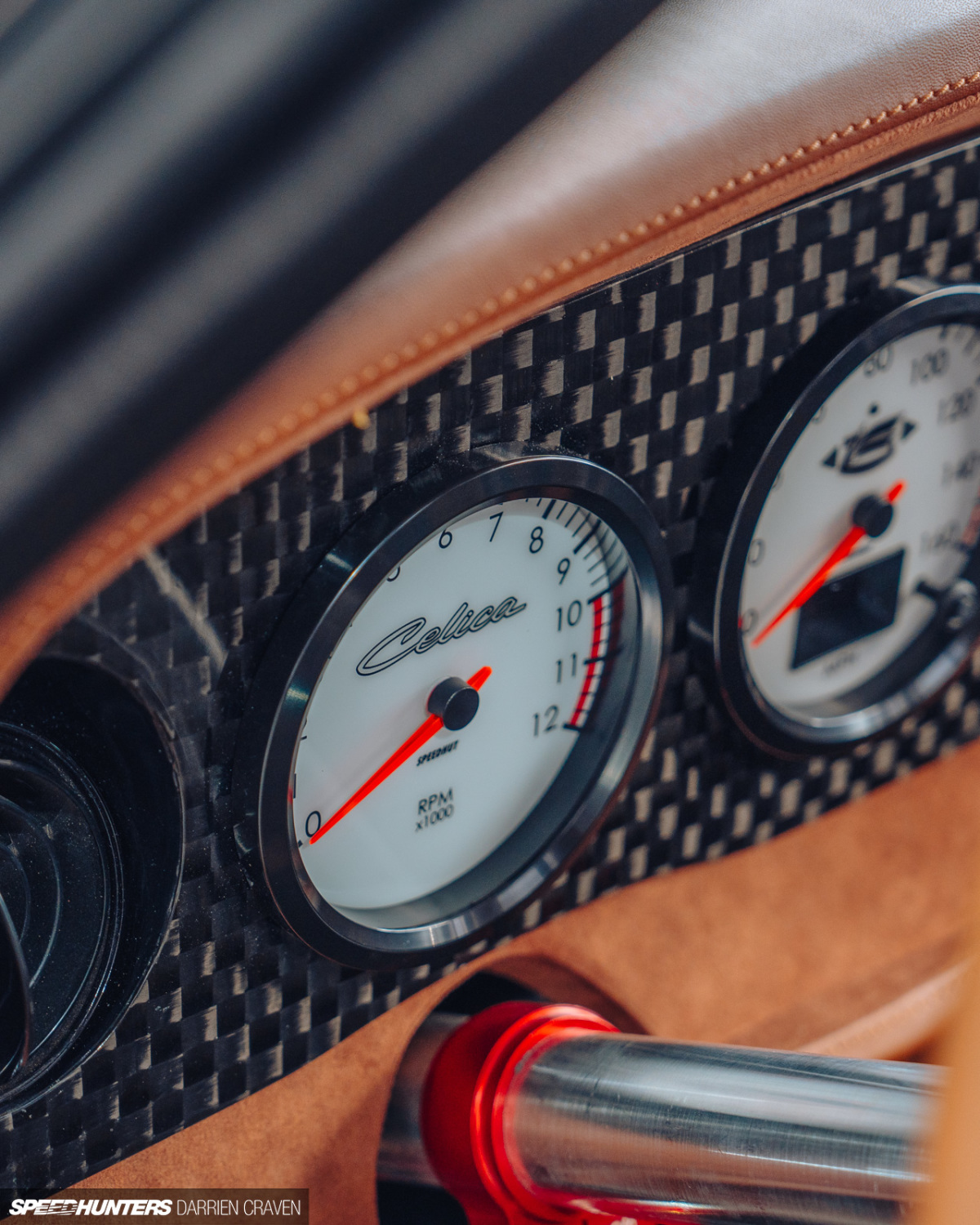
The paint job is broken up by custom ‘spread-tow’ carbon fibre accents, visible in the bold square weave pattern.
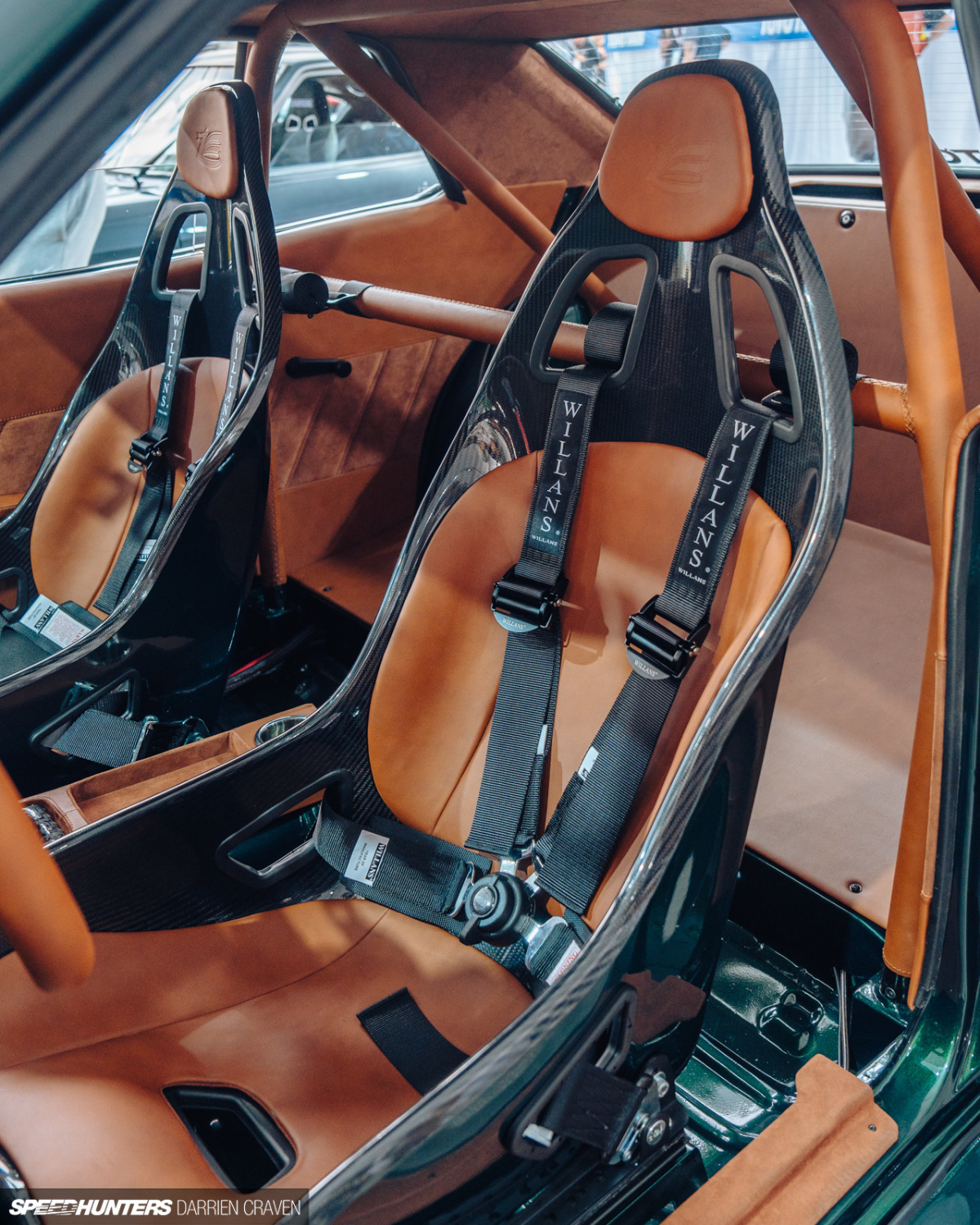
Inside, it’s a sea of Lamborghini ‘Kela Brown’ leather and suede. The sun visors, roll bar, and steering wheel were all expertly reworked by the trimmers at E3 Upholstery, as were the carbon shell bucket seats fitted with Willans harnesses.
This happens when a shop specialising in Pikes Peak competition cars is asked to do something extraordinary. And extraordinary this Celica is – so much so that it’s hands down my favourite Toyo Treadpass build this year.
Mario Christou Instagram: mcwpn, mariochristou.world mariochristou.world
The technical storage or access is strictly necessary for the legitimate purpose of enabling the use of a specific service explicitly requested by the subscriber or user, or for the sole purpose of carrying out the transmission of a communication over an electronic communications network.
Preferences
The technical storage or access is necessary for the legitimate purpose of storing preferences that are not requested by the subscriber or user.
Statistics
The technical storage or access that is used exclusively for statistical purposes.The technical storage or access that is used exclusively for anonymous statistical purposes. Without a subpoena, voluntary compliance on the part of your Internet Service Provider, or additional records from a third party, information stored or retrieved for this purpose alone cannot usually be used to identify you.
Marketing
The technical storage or access is required to create user profiles to send advertising, or to track the user on a website or across several websites for similar marketing purposes.