Home Blog Page 396

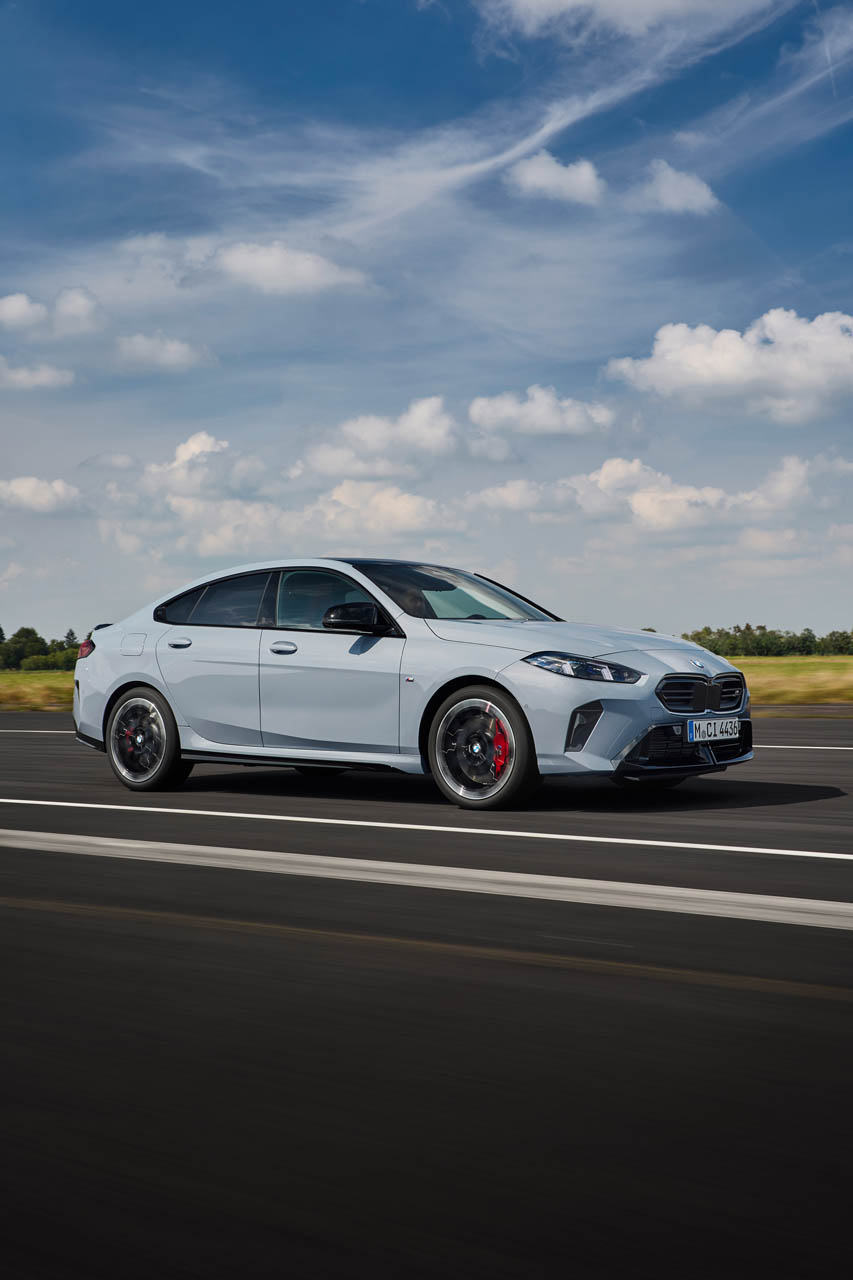
2025 BMW 2-Series Gran Coupe revealed with up to 312 hp

0


  • The BMW 2-Series Gran Coupe has been given an overhaul
  • U.S. receives 228 and M235 models
  • Pricing starts at $40,775, including destination

BMW late on Tuesday unveiled a heavily updated version of the 2-Series Gran Coupe, the compact sedan that first arrived in 2019 as a 2020 model.

The updated version is due on sale in the U.S. next spring and will arrive as a 2025 model. The changes are similar to those on the updated version of the related 1-Series hatchback that debuted in June and is off-limits for this market.

There’s a new look for the 2-Series Gran Coupe at the front characterized by slimmer headlights, new grille patterns (as well as the option of an illuminated grille), and a new lower fascia design. The rear is also new, with the taillights, lower fascia, and exhaust tips also featuring new designs. In the U.S., the 2-Series Gran Coupe will feature an M Sport exterior design package as standard.

2025 BMW 2-Series Gran Coupe

2025 BMW 2-Series Gran Coupe

Inside, the updated 2-Series Gran Coupe adopts the more modern cabin design of BMW’s other compacts, including the new 2024 X2 crossover that started sales last year. A large display panel integrating a 10.3-inch digital gauge cluster and 10.7-inch infotainment screen now sits atop the dash. There’s also a new center console with additional controls, including a small nub for changing gears, as opposed to the traditional upright lever.

The infotainment system is powered by Google’s Android operating system, and is easier to use thanks to a QuickSelect feature that provides quick access to frequently used functions. It’s also possible to display individually configurable graphics on the infotainment screen as an alternative to the standard navigation map view.

2025 BMW 2-Series Gran Coupe

2025 BMW 2-Series Gran Coupe

When it comes to mechanical changes, the focus was on sharpening the handling via increased body rigidity and revisions to the suspension. Those revisions include new adjustable dampers featuring an additional sleeve, recalibrated anti-roll bars, and a 20% increase in the caster offset of the front wheels.

The U.S. market will receive 228 and M235 models. The 228 will be offered with the choice of front- or all-wheel drive, and come powered by a 2.0-liter turbo-4 rated at 241 hp. The M235 will come with all-wheel drive only, as well as a 2.0-liter turbo-4 bumped up to 312 hp. In both cases the transmission is a 7-speed dual-clutch automatic.

BMW estimates the 228 with all-wheel drive will hustle to 60 mph from rest in about 5.8 seconds. The M235 needs just 4.7 seconds to achieve the same feat.

Production of the 2-Series Gran Coupe is handled at BMW’s plant in Leipzig, Germany.

The 228 with all-wheel drive and M235 go on sale next March with prices starting at $42,775 and $50,675, respectively. The 228 with front-wheel drive starts sales in mid-2025 and will carry a starting price of $40,775. All figures include a $1,175 destination charge.


Source link

‘We Would Like to Achieve Superhuman Productivity,’ NVIDIA CEO Says as Lenovo Brings Smarter AI to Enterprises

0


‘We Would Like to Achieve Superhuman Productivity,’ NVIDIA CEO Says as Lenovo Brings Smarter AI to Enterprises

Moving to accelerate enterprise AI innovation, NVIDIA founder and CEO Jensen Huang joined Lenovo CEO Yuanqing Yang on stage Tuesday during the keynote at Lenovo Tech World 2024.

Together, they introduced the Lenovo Hybrid AI Advantage with NVIDIA, a full-stack platform for building and deploying AI capabilities across the enterprise that drive speed, innovation and productivity.

“We would like to achieve essentially superhuman productivity,” Huang told a crowd gathered in-person and online for Lenovo’s Seattle event. “And these AI agents are helping employees across industries to be more efficient and productive.”

They also unveiled a new high-performance AI server featuring Lenovo’s Neptune liquid-cooling technology and NVIDIA Blackwell, marking a leap forward in sustainability and energy efficiency for AI systems.

“This is going to be the largest of industrial revolutions we’ve ever seen,” Huang noted, highlighting the profound impact AI is having on industries worldwide. “And we’re seeing, in the last 12 months or so, just an extraordinary awakening in every single industry, every single company, every single country.”

Lenovo Unveils Hybrid AI Advantage With NVIDIA

The Lenovo Hybrid AI Advantage with NVIDIA is built on Lenovo’s services and infrastructure capabilities with NVIDIA AI software and accelerated computing. It enables organizations to create agentic AI and physical AI that transform data into actionable business outcomes more efficiently.

“Our strategy is to combine modularization with customization so that we can respond quickly to customer needs while tailoring our solutions for them,” Yang said.

Introducing Lenovo AI Fast Start and Hybrid AI Solutions

As part of the Lenovo Hybrid AI Advantage, Lenovo has introduced Lenovo AI Fast Start, a service designed to help organizations rapidly build generative AI solutions.

Leveraging the NVIDIA AI Enterprise software platform, which includes NVIDIA NIM microservices and NVIDIA NeMo for building AI agents, Lenovo AI Fast Start enables customers to prove the business value of AI use cases across personal, enterprise, and public AI platforms within weeks.

By giving organizations access to AI assets, experts, and partners, the service helps tailor solutions to meet the needs of each business, speeding up deployment at scale.This platform also includes the Lenovo AI Service Library and uses NVIDIA AI Enterprise software, including NVIDIA NIM, NVIDIA NeMo and NVIDIA NIM Agent Blueprints for agentic AI, as well as support for NVIDIA Omniverse for physical AI.

The AI Service Library offers a collection of preconfigured AI solutions that can be customized for different needs.

When these offerings are combined with NIM Agent Blueprints, businesses can rapidly develop and deploy AI agents tailored to their specific needs, accelerating AI adoption across industries.

With the addition of NeMo for large language model optimization and Omniverse for digital twin simulations, enterprises can use cutting-edge AI technologies for both agentic and physical AI applications.

Energy Efficiency and AI Infrastructure

Yang and Huang emphasized the critical need for energy-efficient AI infrastructure.

“Speed is sustainability. Speed is performance. Speed is energy efficiency,” Huang said, stressing how performance improvements directly contribute to reducing energy consumption and increasing efficiency.

“Lenovo’s 6th Generation Neptune Liquid Cooling solution supports AI computing and high-performance computing while delivering better energy efficiency,” Yang said.

By reducing data center power consumption by up to 40%, Neptune allows businesses to efficiently run accelerated AI workloads while lowering operational costs and environmental impact.

In line with this, Lenovo’s TruScale infrastructure services offer a scalable cloud-based model that gives organizations access to AI computing power without the need for large upfront investments in physical infrastructure, ensuring businesses can scale deployments as needed.

Introducing Lenovo ThinkSystem SC777 V4 Neptune With NVIDIA Blackwell

The CEOs revealed the ThinkSystem SC777 V4 Neptune server, featuring NVIDIA GB200 Grace Blackwell.

This 100% liquid-cooled system requires no fans or specialized data center air conditioning. It fits into a standard rack and runs on standard power.

“To an engineer, this is sexy,” Huang said, referring to the ThinkSystem SC777 V4 Neptune server he and Yang had just unveiled.

The SC777 includes next-gen NVIDIA NVLink interconnect, supporting NVIDIA Quantum-2 InfiniBand or Spectrum-X Ethernet networking. It also supports NVIDIA AI Enterprise software with NIM microservices.

“Our partnership spans from infrastructure to software and to service level,” Yang said. “Together, we deploy enterprise AI agents to our customers.”


Source link

Consumer Guide Car Stuff Podcast Episode 242: Pickup Truck Sales, Thoughts on the Tesla Robo Taxi, Chatting with EV Startup TELO | The Daily Drive

0


Paul Herrold of the Sons of Speed sits in for Jill again this week. Jill returns for the next episode. Paul and Tom opened the show discussing large pickup-truck sales. Tom had heard that the Chevrolet Silverado was outselling the Ford F-150 this year, which was inaccurate. Tom went down the list of the top pickup sellers in the third quarter.


The hosts also noted General Motors’ decision to drop the Ultium brand in relation to its electric-vehicle products. Ultium had been used by the maker to describe both vehicle architecture and battery chemistry. Listen in for a complete analysis.


Paul and Tom went on to summarize Tesla’s Robo Taxi reveal. The autonomous EV, intended initially for commercial ride-hailing use, features scissor-style doors, just two seats, and will not be equipped with a steering wheel or floor pedals. The hosts are skeptical. Tesla anticipates the Robo Taxi being available to users before 2027.


Paul then talked about a Sons of Speed “The Lap” video, this one featuring the Subaru BRZ. Paul noted that even though the little Subaru isn’t especially powerful, it is fun to drive in the right hands.


In the second segment, Paul and Tom are joined by TELO CEO Jason Marks. Jason introduced the hosts to TELO, and its initial product, a pickup truck with the footprint of a Mini Cooper. Jason laid out near- and midterm plans for the TELO, including production and battery sourcing, as well as distribution.


In the last segment, Paul is subjected to Tom’s “Which Died Last?” quiz. To wrap up the episode, Paul shared some thoughts on the Subaru WRX, which he and fellow Sons of Speed editor Brendan Appel spent time with on the track.


Source link

Check out the Alpine A110 R Ultime

0


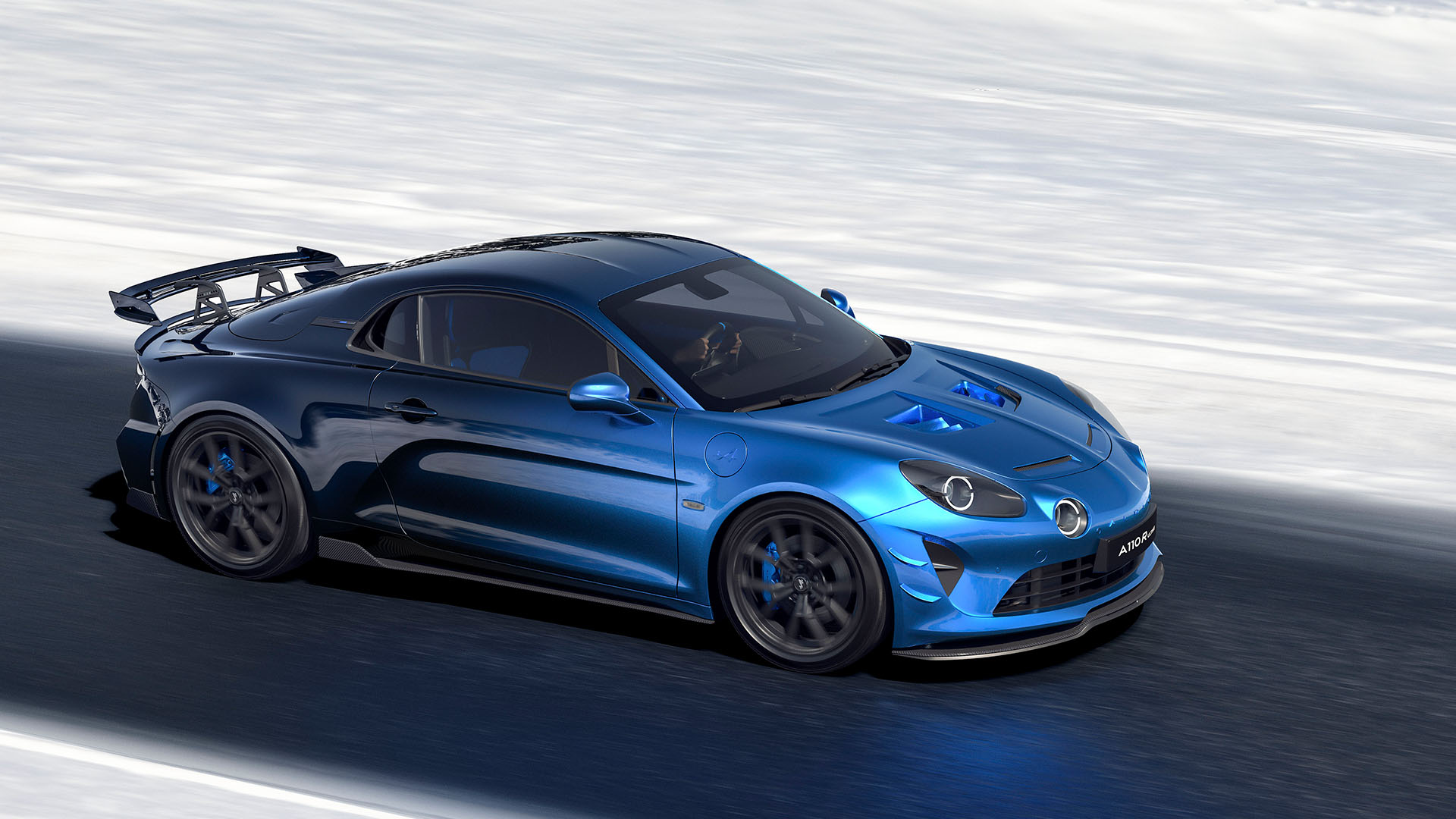
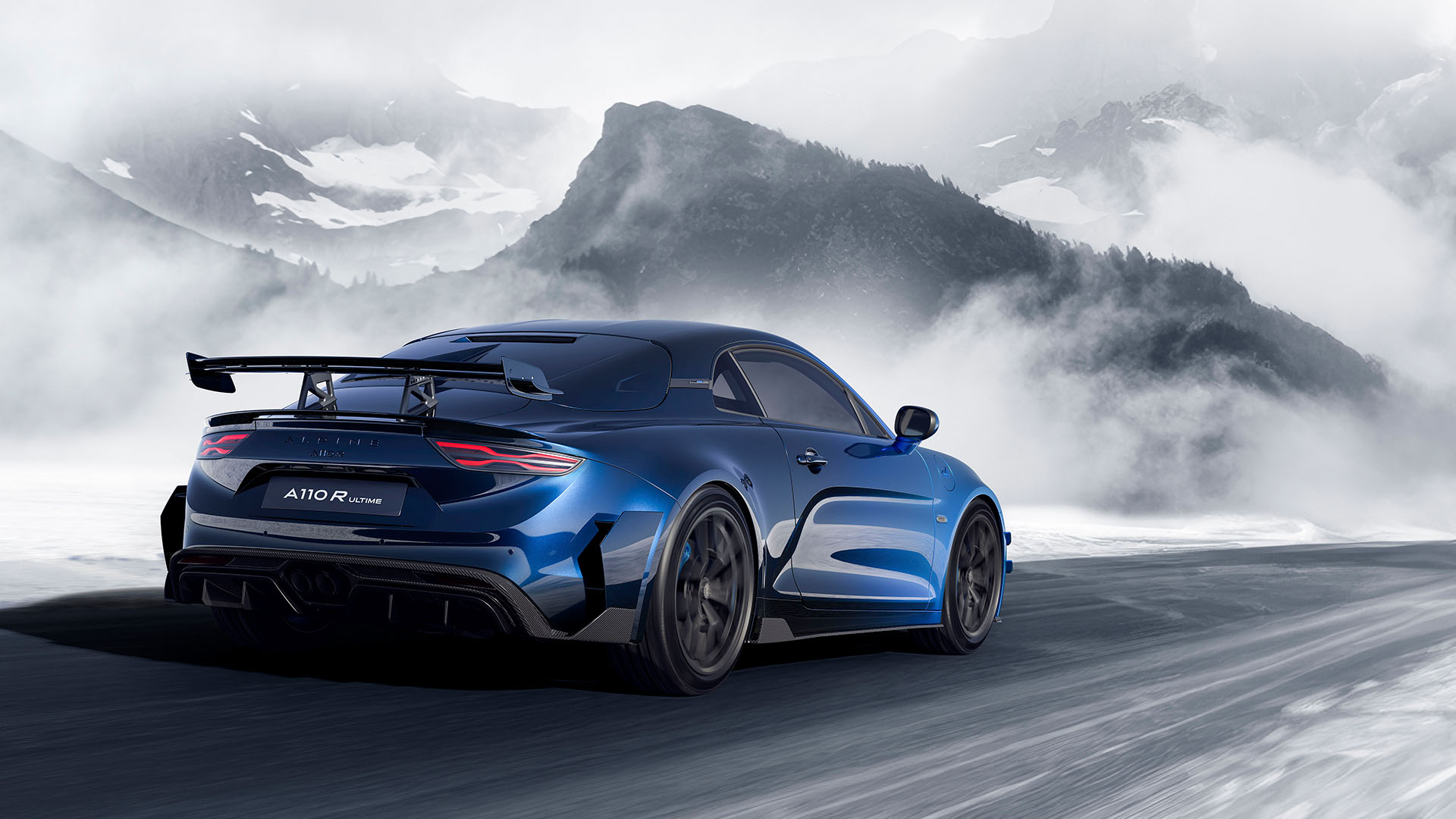
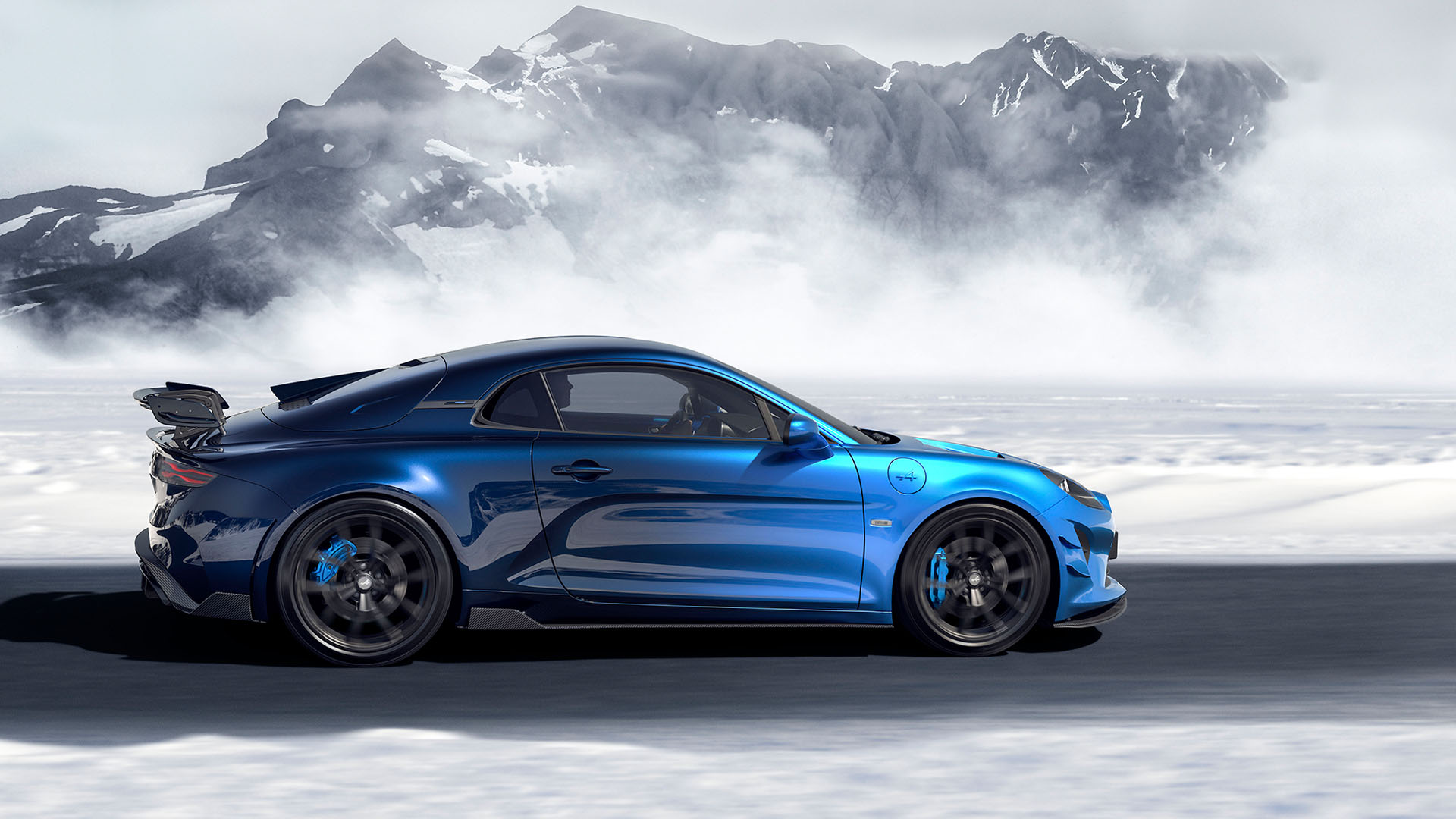
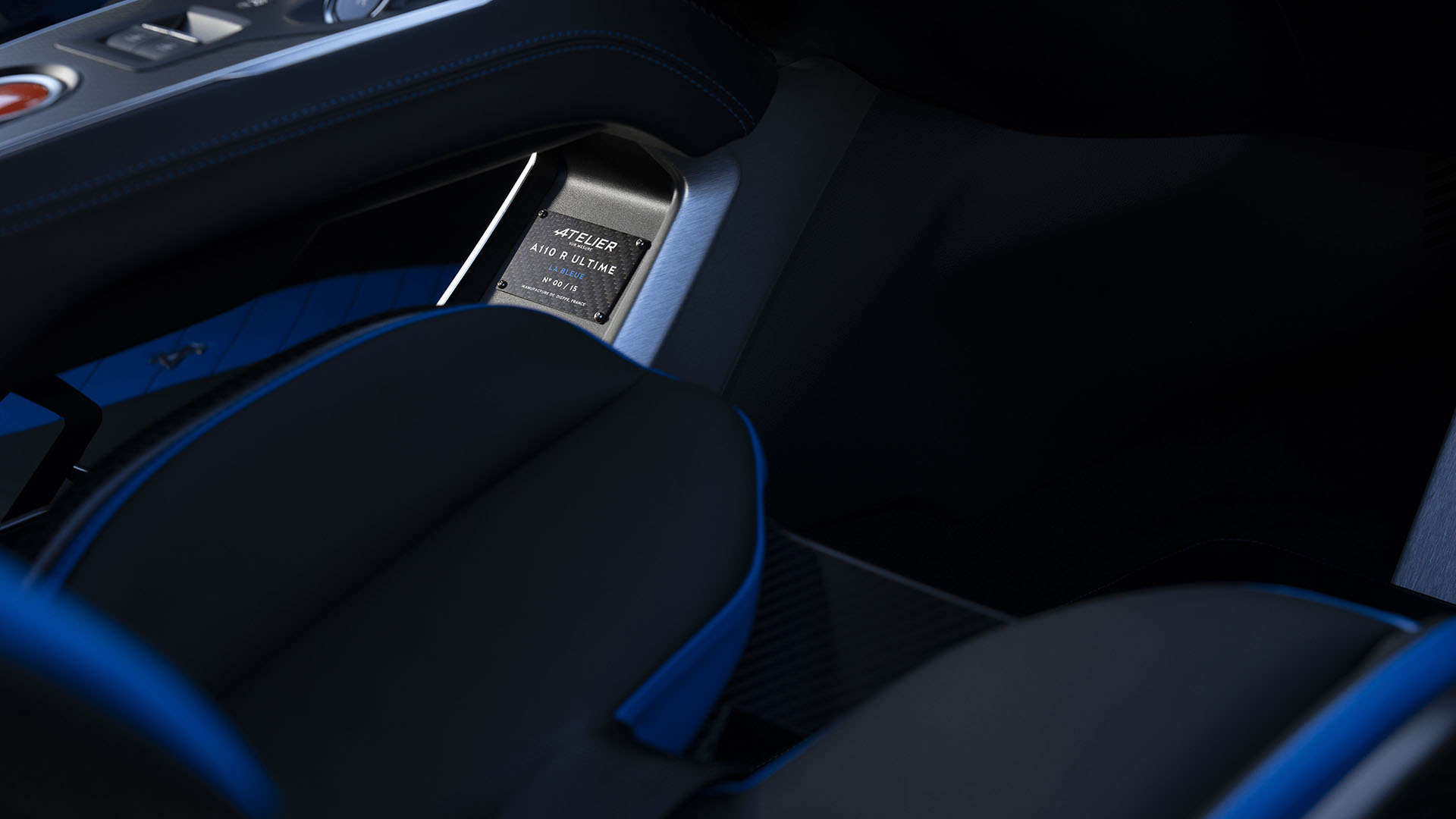
Alpine has revealed its all-new A110 R Ultime limited edition at the Paris Motor Show. Alongside the A390_β show car, the forerunner of the brand’s future sport fastback, the Alpenglow HY6 and the A290, the A110 R Ultime limited edition draws on the best of Alpine’s engineering and the tailor-made experience of its Atelier program.

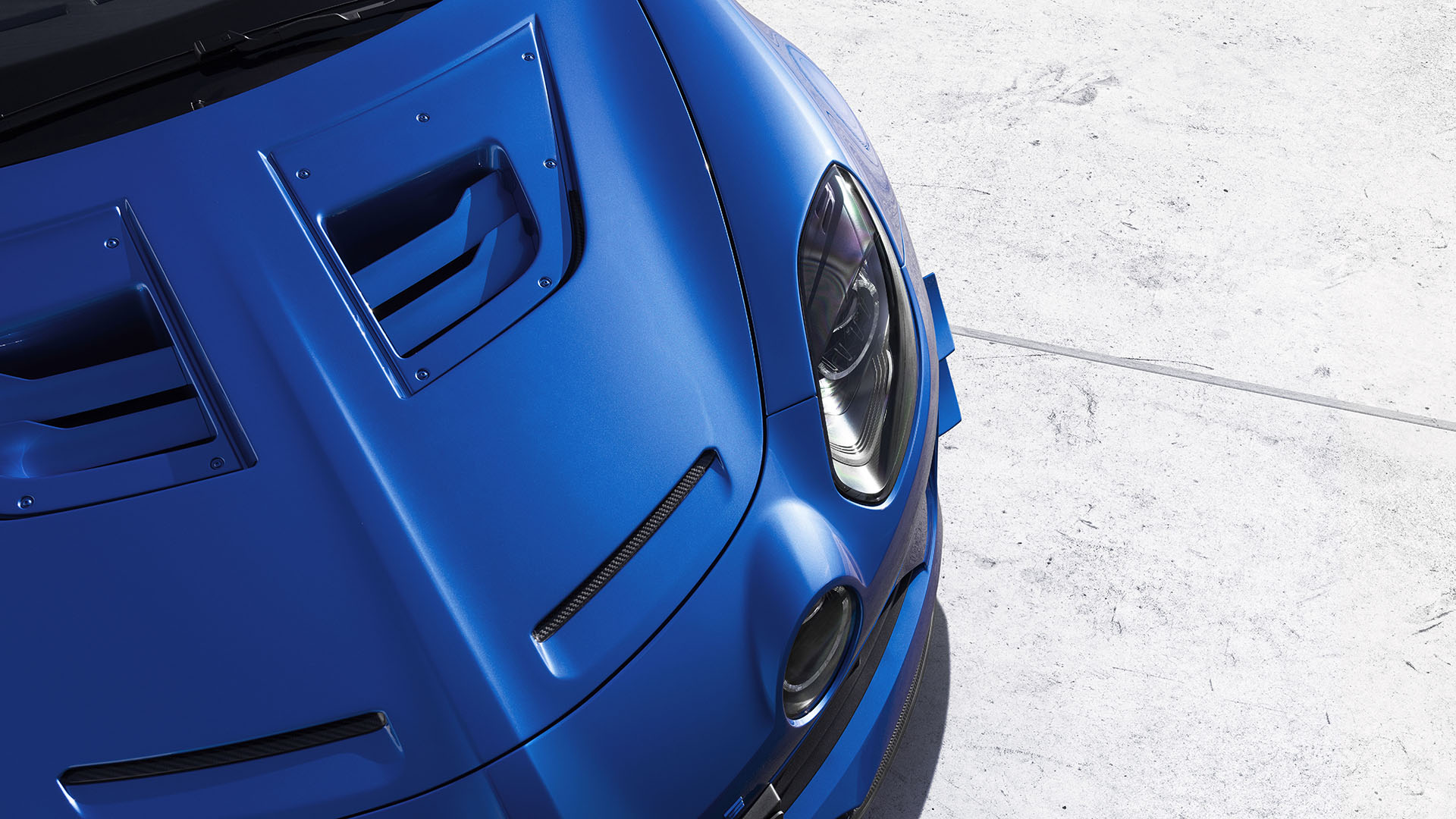
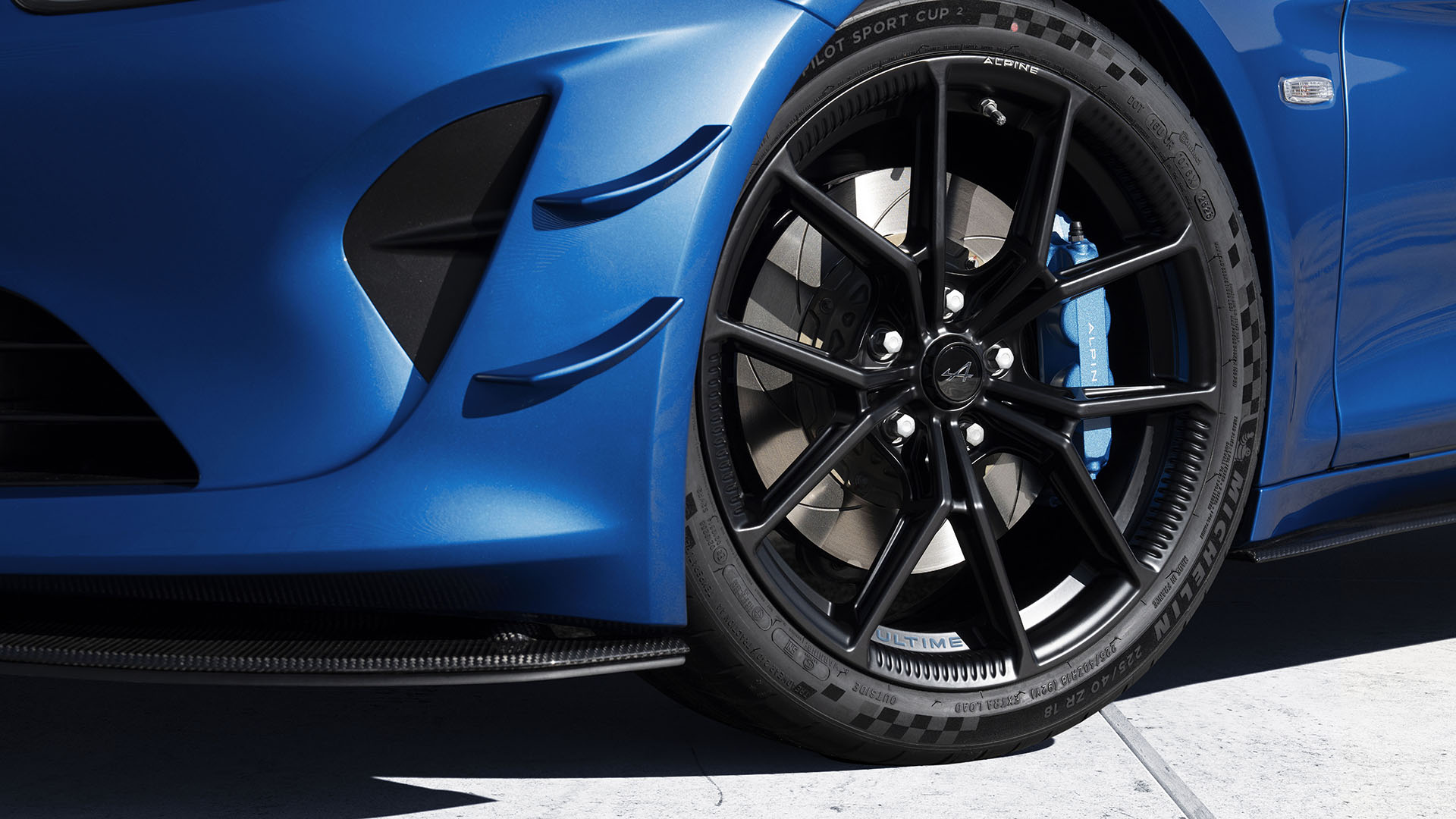
The A110 R Ultime, with its sharp chassis and engine boosted to 345 bhp in RON102 (192 hp/L), reaches maximum power at 6,000 rpm. Maximum 420 Nm (310 lb-ft) torque is available from 3,200 rpm, 80 Nm more than the standard A110 R Turini. This 110-unit limited edition sports car has a Launch Control automated start function. Its power-to-weight ratio is 3.2 kg/hp, and it sprints from 0 to 100 km/h in a scant 3.8 seconds. The Ultime limited edition combines the best of Alpine’s and Alpine Racing’s technical expertise. It features a modified turbo (turbine and compressor), a new DW6 gearbox with improved torque capacity, an Akrapovic® titanium exhaust system, four Ohlins® adjustable dampers, a bespoke braking system with 330 mm AP Racing bi-material discs, high-performance brake pads, and new cooling ducts.

In addition, Alpine’s aerodynamicists have increased the vehicle’s downforce (+160 kg of additional downforce at Vmax compared to an A110 R Turini). This, combined with the increase in power and torque, improves the Alpine A110 R Ultime’s handling on track, making it ultra-high-performance and ever more agile on corner entry, cornering, and acceleration.

Fitted with 18-inch forged wheels at the front and 19-inch at the rear, shod with Michelin PS2 CUP tires, this new Alpine A110 R Ultime transmits its power directly to the road. The road holding work carried out had a clear objective: further improving the car’s performance.

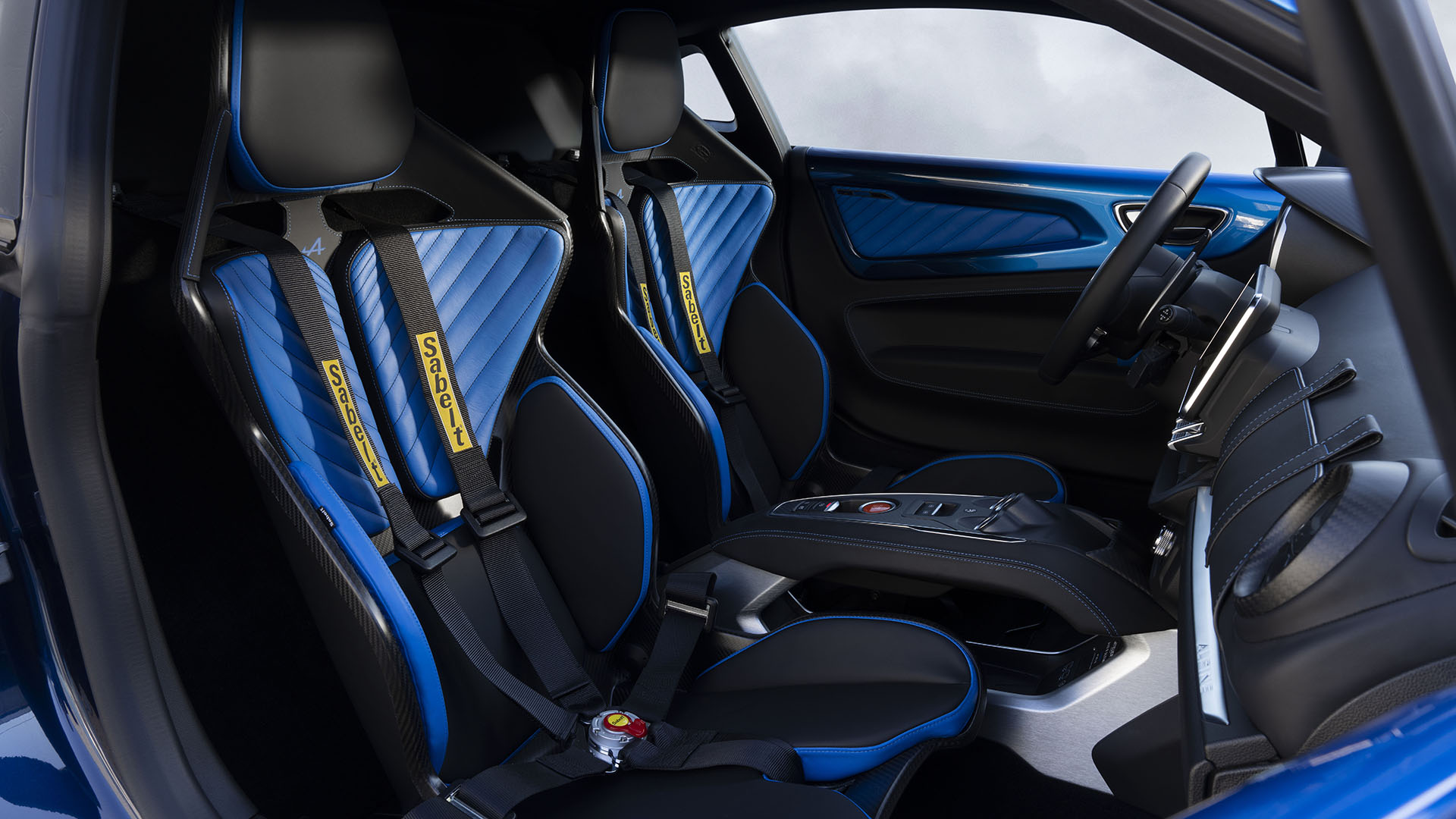
The model’s exclusivity is also reflected in its design, with a specific two-level personalization catalog: Atelier and Atelier Sur-Mesure. Thanks to a prestigious collaboration between Sabelt® and Poltrona Frau®, this limited edition Atelier Alpine personalization range offers unprecedented diversity, with new possibilities for combining exterior and interior finishes.

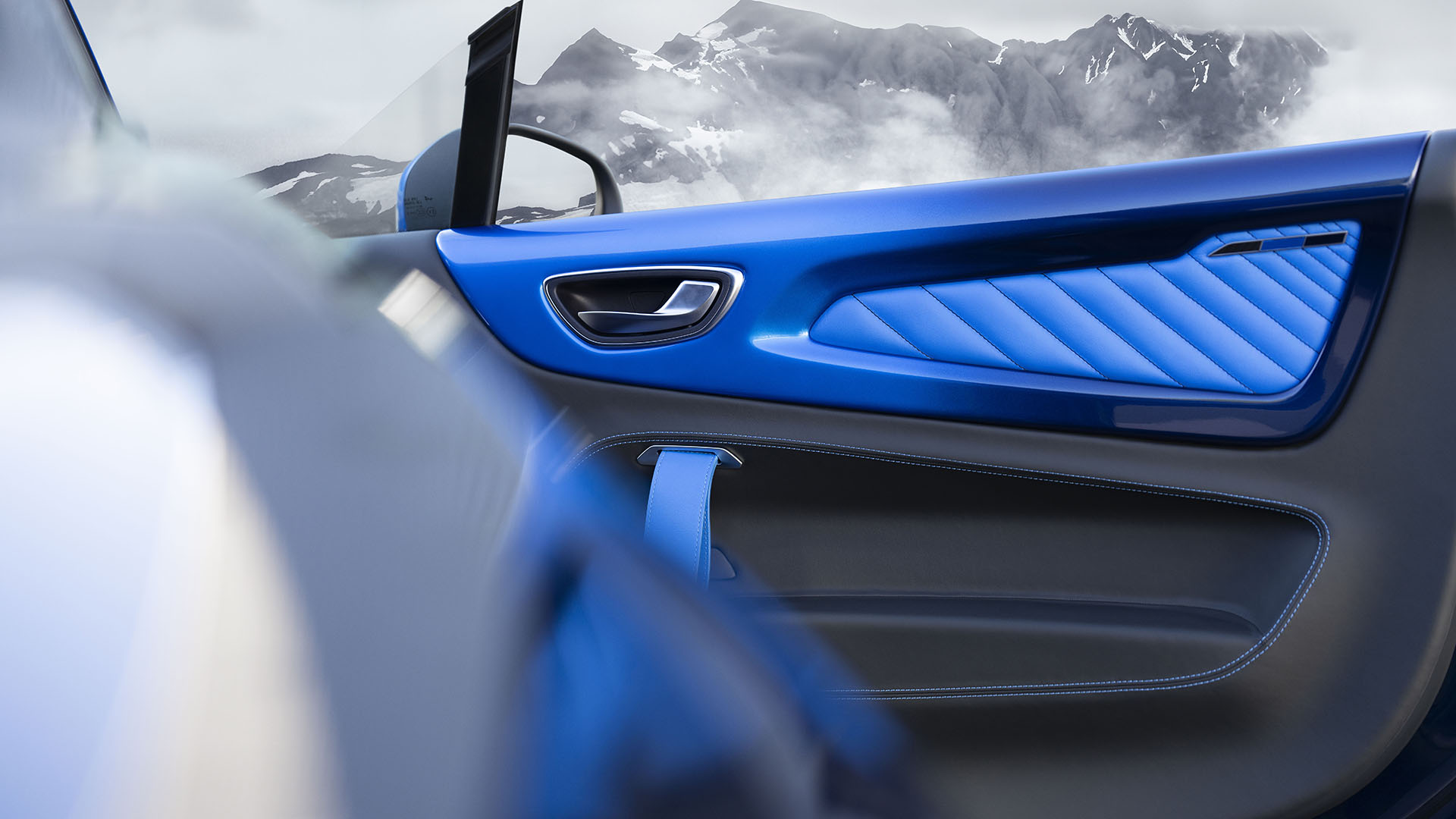
Its entry-level Atelier personalization package has 27 exterior colors and Alcantara® upholstery in four colors: Grey, Red, Blue, and Orange. This allows customers to choose the ambiance that reflects their style. By customizing numerous details, these colorful harmonies extend throughout the cabin. They can be seen in the steering wheel stitching, dashboard, door decorations, center console, and floor mats, all in harmony with the steering wheel’s center point, the door strap, and the Sabelt® seats.

For its second level of personalization, the Atelier Sur-Mesure offers an even more advanced and original experience, the result of a co-creation process between the Alpine, Poltrona Frau®, and Sabelt® design teams, with a choice of 9 additional Alcantara® colors and, for the first time, leather in 10 colors. For customers seeking an extra touch of elegance through luxurious craftsmanship, Alpine and Poltrona Frau® have developed three finishing techniques: embroidery, embossing, and leather braiding.  With leather or microfibre from floor to ceiling, including the center console, dashboard, steering wheel, and door decorations, each customer has the opportunity to create a genuinely unique A110.

The car on the Alpine stand at the Paris Motor Show is dressed in the unique “La Bleue” configuration, limited to 15 units. On the outside, the color, as if sculpted by speed, is a fusion of two emblematic Alpine blues: Alpine Vision Blue and Abysse Blue. This hand-crafted gradient covers the entire car like a monolithic sculpture. The gradient extends to a unique Poltrona Frau® and Sabelt®blue leather interior, in exclusive harmony with this hue never before seen on the A110.

“La Bleue” is an exclusive illustration of the possibilities the Atelier Sur Mesure Alpine offers. The price for this configuration is €330,000, including VAT* (subject to local taxes*).


Source link

How to Get the Most Out of Your Trip to Patagonia, According to a Top Travel Advisor

0


For anyone with a passion for wildlife, Patagonia is paradise. It’s as vast as it is varied, and while there are challenges in connectivity, thoughtful planning is key. As a longtime travel advisor who specializes in ensuring visitors have a once-in-a-lifetime visit to Patagonia, here are my recommendations for planning the perfect trip to this gem of South America. 

How to Get the Most Out of Patagonia 

The Patagonia region encompasses the vast southernmost tip of South America, and it’s shared by Argentina and Chile. If you plan on spending six or more nights in the area, it’s possible to visit both Chile and Argentina by way of Patagonia, and see various landmarks along the way. When traveling through both destinations, you have the option of going overland through the Andes Mountains between El Calafate and Torres del Paine. Or, for even longer trips that include the city of Ushuaia, you may consider a four-night, small-ship adventure aboard Cruceros Australis. (The latter is a great option for those with an ample budget and an interest in marine wildlife.)

My suggestion is to start in vibrant Buenos Aires and end in the relaxing Chilean wine country.

What to Do in Argentine Patagonia

The southern part of Patagonia in Argentina has vast grasslands, abundant wildlife, and jaw-dropping glaciers. There are flights daily from Buenos Aires to both El Calafate and Ushuaia, or access overland via Chile. 

Stay at the Estancia Cristina Lodges for a more authentic experience.

Courtesy of Estancia Cristina Lodge


El Calafate

An easy flight to El Calafate will put you on the doorstep of Perito Moreno and Los Glaciares National Park, a scenic and rugged area of glaciers. More adventurous travelers can opt to kayak at the face of the 350-foot Perito Moreno glacier (or hike atop it), while those looking to relax and get good photos can stay along the expansive walkway system.

There are a few hotel options to choose from in El Calafate. Eolo, an intimate Relais & Châteaux property, is generally hard to get into, but it’s worth a try for the comfortable estate set on nearly 10,000 acres of land. Those seeking some culture should consider Estancia Cristina, a lodge hidden in a remote valley protected by mountains, lakes, and the Upsala glacier. 

El Chaltén

This small village in Argentine Patagonia is a hiker’s paradise, with both Fitz Roy and Cerro Torre, two famous mountains in the Andes. For hikers with more time, it’s a great complement to Torres del Paine National Park.

The hotel options in El Chaltén include Hosteria Senderos, a cozy accommodation ideally situated near the trailheads. Outside of town, there’s the remote, charming, and family-run five-room Aguas Arriba Lodge, accessed only by boat or a hike. And Explora’s first hotel in Argentina, Explora El Chaltén, offers unparalleled views of the Electric Valley and the Marconi glacier.

Ushuaia at the southern tip of Argentina is a bustling port for travelers.

Andrew Peacock/Getty Images


Ushuaia

Ushuaia is typically included for those visiting the area via cruise, traveling only to Argentina, or wanting a more extensive Patagonia trip. My two favorite experiences include walking among penguins on the small Isla Martillo and hiking in Tierra del Fuego National Park on the 150-mile-long Beagle Channel.

There are two accommodations I recommend in Ushuaia: Los Cauquenes Resort + Spa sits on the shores of the Beagle Channel and offers various experiences that lean on the surrounding environment, like a private cruise and tour on the channel. Modern Arakur Ushuaia Resort & Spa is located in the Cerro Alarkén Nature Reserve, offering great views down below. 

What to Do in Chilean Patagonia

The Chilean part of Patagonia, which stretches more than 1,000 miles north to south, is home to volcanos, glacial fjords, a temperate rain forest, and the highest density of pumas in the world.

Views from the inside of a Suite Yurt at Patagonia Camp.

Courtesy of Patagonia Camp


Torres del Paine

The views in Torres del Paine National Park are some of the world’s best and most iconic. With its various trails and a wilderness road system, as well as a host of incredible basecamp-style lodges, this location is a must-visit for adventure types.

Many will stay in one of the park’s lodges, which include a range of excursions throughout and outside the park. The French Valley is a harder-to-reach highlight that affords hiking at a variety of levels. On the western side of the park is Grey Glacier; wildlife lovers should pinpoint excursions generally to the east, where pumas are more predominant, as are large herds of guanacos. 

As for accommodation options in and around the park, Explora Patagonia has unique access, the best diversity of excursions, next-level horseback riding, and a location that can’t be beat. Tierra Patagonia‘s facilities and architecture, proximity to wildlife, and laid-back vibe make it a favorite of many travelers. Estancia Cerro Guido has a sense of place and intimacy the others can’t touch. Meanwhile, Awasi differentiates itself with private excursions and a five-star Relais & Châteaux food and wine experience. And Patagonia Camp stands out for its glamping yurts, amazing food, and excursions like kayaking, along with a more approachable price point.

Ending in Central Chile

At the end of your journey to Patagonia, take a short flight to Santiago, the bohemian Valparaiso, and its adjacent agricultural central valleys. To top off the trip, spend a couple of nights at the unrivaled hidden gem of Clos Apalta Residence. 

Jordan Harvey is a member of Travel + Leisure’s A-List and specializes in Patagonia, Argentina, and Chile trips. You can create a tailor-made itinerary with Harvey by contacting him at jordan@knowmadadventures.com.


Source link

2025 GWM Haval H7 one step closer to Australia

0


GWM Australia hasn’t yet confirmed the Haval H7 – aka China’s second-generation Big Dog – for local showrooms, but more evidence points to the mid-sized SUV being released here.

After being approved for sale in Australia last month, several examples of the GWM Haval H7 have been spotted at a Melbourne port, and subsequently near the carmaker’s local headquarters.

Their lack of camouflage as well as a range of four colours suggests these vehicles will be used for both in-house and public demonstrations.

100s of new car deals are available through CarExpert right now. Get the experts on your side and score a great deal. Browse now.

Last month, GWM Australia and New Zealand managing director Charles Zhao told CarExpert: “There is a possibility for the Big Dog, but timing isn’t finalised yet.”

The Haval H7’s size similarity compared to other GWM SUVs such as the Haval H6 and H6 GT was noted as one of the factors behind the delay in locking in the model for local sale.

Measuring 4705mm long, 1908mm wide and 1780mm tall, and riding on a 2810mm wheelbase, the SUV is 52mm longer, 22mm wider, and 56mm lower than the Haval H6, with a 72mm longer wheelbase.

GWM has received Australian government type approval for the Haval H7 to be sold as a 1.5-litre four-cylinder hybrid and a turbocharged 2.0-litre four-cylinder.

According to the federal homologation documents, the hybrid’s petrol engine is capable of producing up to 110kW while the electric motor – integrated into its automatic transmission – can develop 130kW, bringing total system outputs up to 179kW.

An identical drivetrain is found in the Haval H6 hybrid, which shares the same power output and has 530Nm of torque, with drive sent to the front wheels through a two-speed ‘Dedicated Hybrid Transmission’.

The documents don’t detail the turbocharged 2.0-litre engine, though in the H6 it produces 150kW and 230Nm, and is mated to a seven-speed dual-clutch automatic transmission. 

Australian examples of the H7 should instead feature a nine-speed dual-clutch auto, as well as both front- and all-wheel drive layout options.

Earlier this year South African publication The Citizen reported the H7 would go on sale there with the option of a 2.0-litre turbo four producing 170kW and 380Nm.

While Chinese examples are also available with GWM’s Hi4 plug-in hybrid system – which features a 1.5-litre Miller cycle four-cylinder engine, a two-speed Direct Hybrid Transmission, and a 19.09kWh lithium iron phosphate battery – this hasn’t been approved for sale in Australia.

Underpinned by the same LEMON architecture as the Haval H6, the H7 features MacPherson strut front and multi-link rear suspension.

Standard features in China include a 12.3-inch digital instrument cluster and a 14.6-inch infotainment touchscreen, while a panoramic sunroof, head-up display and heated steering wheel are among optional equipment.

GWM has previously eyed introducing the Haval H7 nameplate here, which would have been used on a model to slot in above the previous-generation Haval H6 but below the since-axed Haval H9, while offering a third row of seating.

The company went as far as receiving government approval and inviting media to view the old H7, but the SUV never ended up reaching showrooms.

The original Big Dog was also brought here for evaluation in 2021, with local media also given the chance to see it, but it never ended up being launched despite local trademark filings.

The first-generation Big Dog – for which the Dargo nameplate was being eyed locally – remains on sale in China.

MORE: Everything GWM
MORE: 2025 GWM Haval H7: Chinese ‘Big Dog’ SUV set to be unleashed in Australia
MORE: GWM Australia could fill another niche with a third mid-sized SUV


Source link

How Cadillac is tempting Australians to buy its EV

0


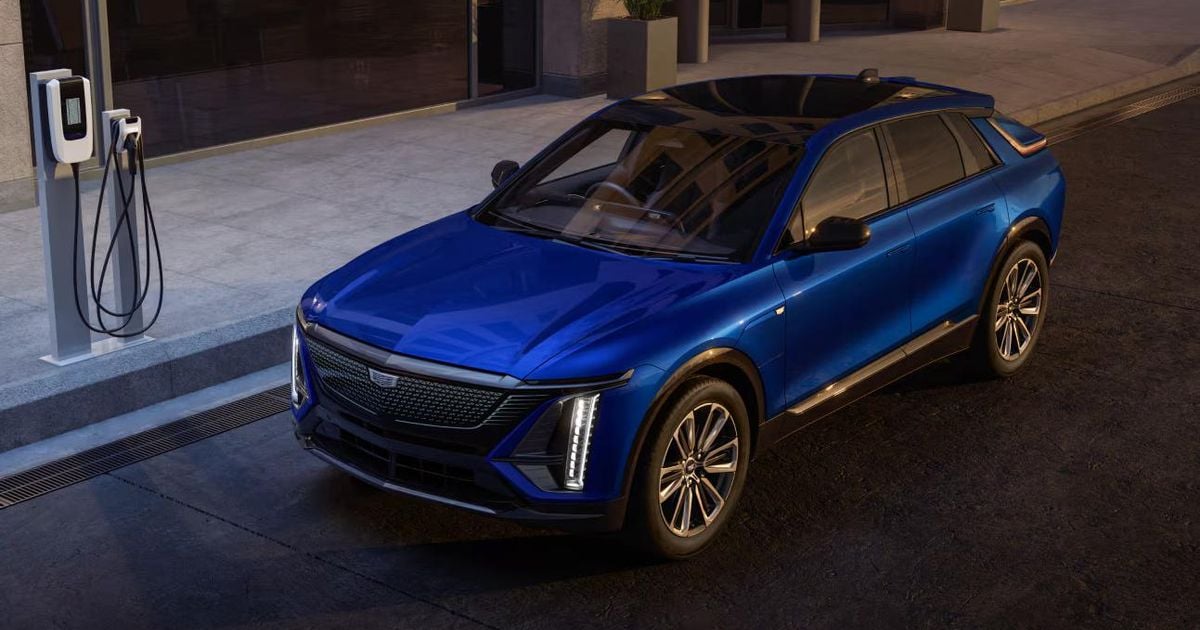
Cadillac is entering the competitive luxury car market in Australia, but it’s coming armed with a comprehensive after-sales package.

Its first model in Australia, the Lyriq, is now available to configure and order online ahead of customer deliveries beginning early next year.

In addition to pricing which undercuts German rivals, Cadillac is also backing its vehicles with a five-year, unlimited-kilometre vehicle warranty, five years of roadside assistance, and five years of free scheduled servicing.

The battery is backed for eight years or 160,000km.

100s of new car deals are available through CarExpert right now. Get the experts on your side and score a great deal. Browse now.

It’s calling this after-sales package Cadillac Confidence, and it’s transferable to the next owner should you sell your Cadillac.

All Lyriqs will come with one year of free public charging through the Chargefox network.

Once that year is up, you can then opt to receive another two years of free Chargefox charging. Alternatively, you can opt for JET Charge to deliver and install a 7.4kW Autel home charging unit, free of charge.

“Whether this is your first EV or your latest and greatest, we want to ensure the experience is a luxury one,” said GM Australia and New Zealand managing director Jess Bala.

Cadillac has also partnered with Plenti to offer “tailored financing solutions” for Lyriq buyers.

The Lyriq range opens at $117,000 before on-road costs for the Luxury, with the Sport ringing up at $119,000 before on-roads.

For now it’s only being sold online, however Cadillac is opening two Australian Experience Centres: one in Sydney, one in Melbourne.

Cadillac has teased more product announcements will follow in 2025. While it hasn’t officially confirmed what vehicles it’ll launch beyond the Lyriq, the company has trademarked the Optiq, Vistiq and Escalade iQ nameplates.

That suggests the brand is looking to offer a range of electric SUVs. It has previously confirmed it intends to be an EV-only brand in Australia, while globally it has previously set a goal of going EV-only by 2030.

MORE: 2025 Cadillac Lyriq price and specs: US EV undercuts German rivals
MORE: Everything Cadillac Lyriq


Source link

Porsche Panamera 2nd Generation (Typ 971) Buyers Guide

0


When the Porsche Panamera 2nd Generation (Typ 971) was introduced in 2017, it was building upon the foundation set by the last generation Panamera. With its sleek new design, updated technology, and a lineup of powerful engines, the new Panamera Typ 971 was no slouch.

At the heart of the Panamera 2nd Generation lineup was a range of advanced engine options that catered to both performance enthusiasts and those seeking efficiency. The Panamera 4S featured a 2.9-liter twin-turbocharged V6 producing 440 hp, offering an exhilarating driving experience with a 0-60 mph time of around 4.0 seconds.

For those craving even more power, the Panamera Turbo packed a 4.0-liter twin-turbocharged V8, delivering a potent 550 hp. In addition, Porsche introduced a groundbreaking hybrid model, the Panamera Turbo S E-Hybrid, which combined the V8 engine with an electric motor for a total of 680 hp.

Externally, the Panamera’s design evolved significantly with the Typ 971 generation. The car’s roofline was lowered, giving it a more coupe-like silhouette while maintaining its four-door practicality. The front fascia featured Porsche’s signature quad-LED headlights and a more sculpted, aerodynamic shape.

From the side, the car’s elongated body and flowing lines enhanced its sporty yet elegant profile, while the rear end was modernized with a full-width LED light strip that seamlessly integrated into the taillights.

Inside, the Panamera offered a luxurious cabin. The traditional buttons were replaced with touch-sensitive panels, creating a clean, minimalist layout that centered around Porsche’s advanced Porsche Communication Management (PCM) system, featuring a large 12.3-inch touchscreen.

The driver enjoyed a digital instrument cluster that combined analog charm with modern technology, while high-quality materials such as leather, carbon fiber, and aluminum were used throughout the cabin to ensure a premium feel. Comfort was also a priority, with ample space for passengers and the availability of long-wheelbase Executive models that offered additional legroom for rear-seat occupants.

Throughout its production, the Panamera competed in the luxury performance sedan segment against formidable rivals such as the Mercedes-AMG GT 4-Door, BMW M8 Gran Coupe, and the Audi RS7. Despite the competition, the Panamera set itself apart with its blend of Porsche’s motorsport heritage, hybrid technology, and a balance of luxury and dynamic driving capabilities that few could match.

Model Changes (Breakdown by Year)

2017 Porsche Panamera

The 2017 Porsche Panamera introduced the second generation with a fresh design that addressed the first generation’s divisive styling. It featured a sleeker, coupe-like roofline, slimmer headlights, and an overall more aggressive look. Built on the new MSB platform, shared with the Bentley Continental GT, the Panamera gained improved rigidity and weight distribution.

Engine options included the Panamera 4S with a 2.9-liter twin-turbo V6 and the Panamera Turbo with a 4.0-liter twin-turbo V8. A hybrid variant, the Panamera 4 E-Hybrid, combined a V6 with an electric motor for added efficiency. Inside, the Panamera featured a fully digital cockpit with a 12.3-inch touchscreen and an 8-speed PDK transmission across all models.

The starting prices for the 2017 Porsche Panamera lineup were as follows:

  • Porsche Panamera: Starting around $85,000
  • Porsche Panamera 4S: Starting around $99,000
  • Porsche Panamera 4 E-Hybrid: Starting around $100,000
  • Porsche Panamera Turbo: Starting around $147,000
  • Porsche Panamera Turbo Executive: Starting around $160,000
  • Porsche Panamera 4S Executive: Starting around $106,000
  • Porsche Panamera 4 Executive: Starting around $96,000

2018 Porsche Panamera

In 2018, Porsche expanded the Panamera lineup with new variants that added even more performance and versatility. The standout was the Panamera Turbo S E-Hybrid, which combined a 4.0-liter V8 engine with an electric motor to produce an astounding 680 horsepower. This made it the fastest Panamera at the time, offering incredible speed while maintaining the efficiency of a hybrid system.

Porsche also introduced the Panamera Sport Turismo, a new shooting brake body style that provided more practicality with increased rear-seat headroom and cargo space. Despite its wagon-like design, the Sport Turismo retained the sporty driving characteristics.

Additionally, the Panamera GTS made its debut, featuring a detuned version of the 4.0-liter twin-turbo V8 engine, producing 460 horsepower. The GTS variant also boasted sportier suspension tuning and aggressive styling cues, it was more focused on driving enthusiasts. 

The starting prices for the 2018 Porsche Panamera lineup were as follows:

  • Porsche Panamera: Starting around $86,000
  • Porsche Panamera 4: Starting around $90,000
  • Porsche Panamera 4S: Starting around $104,000
  • Porsche Panamera 4 E-Hybrid: Starting around $100,000
  • Porsche Panamera GTS: Starting around $128,300
  • Porsche Panamera Turbo: Starting around $151,500
  • Porsche Panamera Turbo S E-Hybrid: Starting around $186,200
  • Porsche Panamera Sport Turismo: Starting around $97,000
  • Porsche Panamera Turbo Sport Turismo: Starting around $155,000
  • Porsche Panamera Turbo S E-Hybrid Sport Turismo: Starting around $190,200

2019 Porsche Panamera

In 2019, Porsche introduced minor updates to the Panamera lineup. One of the notable changes was the addition of the Panamera Turbo S E-Hybrid Sport Turismo, which brought the hybrid powertrain to the wagon-style Sport Turismo model.

Alongside this new variant, Porsche continued to refine the Panamera’s technology. Improvements were made to the driver assistance systems, increasing safety and convenience, while connectivity options were expanded as well.

The starting prices for the 2019 Porsche Panamera lineup were as follows:

  • Porsche Panamera: Starting around $87,300
  • Porsche Panamera 4: Starting around $91,950
  • Porsche Panamera 4S: Starting around $104,600
  • Porsche Panamera 4 E-Hybrid: Starting around $103,800
  • Porsche Panamera GTS: Starting around $128,300
  • Porsche Panamera Turbo: Starting around $151,500
  • Porsche Panamera Turbo S E-Hybrid: Starting around $187,700
  • Porsche Panamera Sport Turismo: Starting around $98,000
  • Porsche Panamera 4S Sport Turismo: Starting around $110,200
  • Porsche Panamera Turbo Sport Turismo: Starting around $155,500
  • Porsche Panamera Turbo S E-Hybrid Sport Turismo: Starting around $190,200

2020 Porsche Panamera

In 2020, Porsche gave the Panamera a facelift and introduced several new models to the lineup. The exterior saw subtle tweaks, including a revised front bumper, new headlight and taillight designs, and updated wheel options. Inside, Porsche refined the digital cockpit further, improving connectivity and updating the infotainment system.

Engine upgrades were a highlight of this refresh. The Panamera GTS received a boost in power, with its 4.0-liter V8 now producing 473 hp. The Panamera Turbo S replaced the previous Turbo model and came equipped with a 620-horsepower version of the 4.0-liter twin-turbo V8, making it the fastest non-hybrid Panamera in the range.

Also, Porsche introduced the Panamera 4S E-Hybrid, a new variant positioned between the standard hybrid and the Turbo S E-Hybrid, offering 552 hp. 

The starting prices for the 2020 Porsche Panamera lineup were as follows:

  • Porsche Panamera: Starting around $87,200
  • Porsche Panamera 4: Starting around $91,800
  • Porsche Panamera 4S: Starting around $105,000
  • Porsche Panamera 4 E-Hybrid: Starting around $103,800
  • Porsche Panamera GTS: Starting around $129,300
  • Porsche Panamera Turbo S: Starting around $177,700
  • Porsche Panamera Turbo S E-Hybrid: Starting around $187,700
  • Porsche Panamera Sport Turismo: Starting around $98,000
  • Porsche Panamera 4S Sport Turismo: Starting around $110,200
  • Porsche Panamera Turbo S E-Hybrid Sport Turismo: Starting around $191,700

2021 Porsche Panamera

In 2021, the Porsche Panamera received a series of updates aimed at refining both its performance and design. The most noticeable changes came in the form of exterior tweaks, with a redesigned front and rear bumper, new headlight and taillight designs, and a full-width LED light bar at the rear, which gave the car a more modern and aggressive look.

Porsche also offered new wheel designs, enhancing the car’s sporty appearance.

Performance saw significant upgrades with the introduction of the Panamera Turbo S, which replaced the previous Turbo model. With 620 horsepower, it became the fastest non-hybrid Panamera, offering a marked improvement over its predecessor’s 550 hp.

The Panamera GTS also received a power bump, now delivering 473 hp, making it even more performance-focused, while its suspension was recalibrated to deliver a sportier driving experience. The hybrid models, particularly the Panamera 4S E-Hybrid, also benefited from improved electric range and battery management, enhancing both power and efficiency.

Inside, Porsche made several technology upgrades. The 2021 Panamera featured an updated Porsche Communication Management (PCM) system, which offered improved responsiveness, better connectivity, and seamless integration with services like Apple CarPlay. 

Additionally, the driver assistance systems were enhanced, offering more advanced features such as improved adaptive cruise control, lane-keeping assist, and night vision assist. 

The starting prices for the 2021 Porsche Panamera lineup were as follows:

  • Porsche Panamera: Starting around $88,550
  • Porsche Panamera 4: Starting around $93,350
  • Porsche Panamera 4S: Starting around $106,350
  • Porsche Panamera 4 E-Hybrid: Starting around $105,150
  • Porsche Panamera GTS: Starting around $130,650
  • Porsche Panamera Turbo S: Starting around $179,050
  • Porsche Panamera Turbo S E-Hybrid: Starting around $191,150
  • Porsche Panamera 4S E-Hybrid: Starting around $114,650
  • Porsche Panamera Sport Turismo: Starting around $99,350
  • Porsche Panamera 4S Sport Turismo: Starting around $113,350
  • Porsche Panamera Turbo S E-Hybrid Sport Turismo: Starting around $193,050

2022 Porsche Panamera

For 2022, Porsche introduced a new Platinum Edition package, available on the Panamera, Panamera 4S, and Panamera 4 E-Hybrid models. This appearance package features black exterior trim, distinctive 21-inch wheels with a satin platinum finish, and smoked headlamp lenses for a more striking look. Inside, models equipped with this package boast Platinum Edition badging on the aluminum door sill protectors. 

The 2022 Panamera also benefits from Porsche’s updated infotainment system, PCM 6.0, which now includes standard Android Auto integration, along with wireless Apple CarPlay connectivity and built-in access to Apple Music and Apple Podcasts.

The starting prices for the 2022 Porsche Panamera lineup were as follows:

  • Porsche Panamera: Starting around $92,400
  • Porsche Panamera 4: Starting around $97,000
  • Porsche Panamera 4S: Starting around $106,400
  • Porsche Panamera 4 E-Hybrid: Starting around $108,300
  • Porsche Panamera GTS: Starting around $136,000
  • Porsche Panamera Turbo S: Starting around $182,700
  • Porsche Panamera Turbo S E-Hybrid: Starting around $193,800
  • Porsche Panamera 4S E-Hybrid: Starting around $116,600
  • Porsche Panamera Sport Turismo: Starting around $100,200
  • Porsche Panamera 4S Sport Turismo: Starting around $115,300
  • Porsche Panamera Turbo S E-Hybrid Sport Turismo: Starting around $197,600

2023 Porsche Panamera

Porsche hasn’t introduced any major updates to the Panamera for 2023. Although the model has remained mostly the same since its 2021 refresh, the most notable change for this year is the addition of standard adaptive cruise control across all trim levels.

Following 2023, Porsche introduced the third generation of the Panamera for 2024 wrapping up the 2nd generation of the Panamera.

The starting prices for the 2023 Porsche Panamera lineup were as follows:

  • Porsche Panamera: Starting around $93,850
  • Porsche Panamera 4: Starting around $98,300
  • Porsche Panamera 4S: Starting around $108,400
  • Porsche Panamera 4 E-Hybrid: Starting around $110,200
  • Porsche Panamera GTS: Starting around $137,350
  • Porsche Panamera Turbo S: Starting around $184,200
  • Porsche Panamera Turbo S E-Hybrid: Starting around $197,850
  • Porsche Panamera 4S E-Hybrid: Starting around $118,200
  • Porsche Panamera Sport Turismo: Starting around $101,900
  • Porsche Panamera 4S Sport Turismo: Starting around $117,100
  • Porsche Panamera Turbo S E-Hybrid Sport Turismo: Starting around $199,200

Porsche Panamera 2nd Generation (Typ 971) Common Problems

The Porsche Panamera 2nd generation is known for its Porsche heritage and reliability. However, like many vehicles, it is not without its issues. Some owners have reported recurring problems that can impact both reliability and overall driving experience. These problems, while not universal, are essential for potential buyers to consider and are best mitigated through regular maintenance and prompt attention to warning signs.

Keep in mind, that it is essential that all cars, can have issues and it is crucial to perform a Pre-Purchase Inspection (PPI) from an authorized dealer or experienced independent mechanic to reveal all issues.

Coolant Leaks: Many Panamera owners have reported coolant leaks, especially from the coolant expansion tank and water pump. These leaks can lead to overheating if not addressed promptly, risking significant engine damage if the coolant level drops too low.

Transmission Issues: Some drivers have experienced delayed gear engagement or rough shifting in the PDK transmission. These issues can range from minor annoyances to more significant problems, requiring inspection by a Porsche technician to avoid long-term transmission damage.

Air Suspension Failures: Panamera models equipped with air suspension systems can face issues such as air leaks or faulty air springs, leading to uneven ride height or a rougher ride. Proper maintenance is crucial to avoid costly repairs.

Electrical Glitches: Occasional electrical and software glitches have been reported, including issues with the infotainment system, screen freezing, and random audio system malfunctions. These can often be resolved with software updates or system resets.

Oil Pressure Monitoring Faults: Some Panamera owners have encountered oil pressure warning messages, especially at highway speeds. While it might be an electrical issue related to the oil pressure sensor, it’s essential to investigate to prevent potential engine damage.

Overheating at Idle: The auxiliary coolant pump in some Panameras has been known to fail, especially when the car is idling or stuck in traffic. This can cause the engine to overheat, leading to potential long-term engine problems if not fixed.

Recalls

2017 Panamera Turbo, 2018 and 2020 Panamera 4, 2018 Panamera 4 E-Hybrid, and 2019 Panamera 4 Sport Turismo vehicles

Seat belts: Rear/other: Anchorage (Recall no. 23V443000)

The screw that attaches the lower seat belt anchor to the seat frame on the outboard rear seats may not have been tightened properly. An improperly tightened seat belt anchor can detach during a crash, increasing the risk of injury.

2017 to 2021 Panamera, Panamera 4, Panamera GTS and Panamera Turbo vehicles

Electrical system (Recall no. 23V033000)

Humidity may enter the external coolant pump for the climate control system and cause an electrical short circuit. An electrical short circuit increases the risk of a vehicle fire.

2017 to 2020 Porsche Panamera vehicles

Exterior lighting: Headlights (Recall no. 22V656000)

The caps that cover the low-beam headlight horizontal adjustment screws are missing, which can allow the headlights to be improperly adjusted. As such, these vehicles fail to comply with the requirements of Federal Motor Vehicle Safety Standard number 108, “Lamps, Reflective Devices, and Associated Equipment.” Improperly adjusted headlights may not illuminate the road properly, or cause a glare to oncoming drivers, which can increase the risk of a crash.

2021 Panamera, Panamera 4 E-Hybrid, Panamera 4S, Panamera GTS, Panamera Turbo S vehicles

Seat belts (Recall no. 21V608000)

The seat belt automatic locking retractors may deactivate early, which can prevent the child restraint system from securing properly. As such, these vehicles fail to comply with the requirements of Federal Motor Vehicle Safety Standard number 208, “Occupant Crash Protection.” An unsecured child restraint system can increase the risk of injury during a crash.

2021 Panamera, Panamera Turbo S, Panamera GTS, Panamera 4, Panamera 4 Sport Turismo, Panamera 4 Executive, Panamera 4S Executive, Panamera 4S, Panamera 4S E-Hybrid, and Panamera 4 E-Hybrid vehicles

Suspension: Front (Recall no. 21V362000)

The front lower trailing arms were not forged correctly and may break. A broken front lower trailing arm may cause a loss of vehicle control, increasing the risk of a crash.

2017 Panamera 4, Panamera Turbo, Panamera Turbo Executive, 2017-2018 Panamera, Panamera 4S Executive, Panamera 4S, 2018 Panamera Turbo S Hybrid, Panamera 4 Hybrid Sport Turismo, Panamera 4 Sport Turismo, Panamera Turbo S Hybrid Sport Turismo, Panamera 4 Hybrid, Panamera 4 Executive vehicles

Service brakes (Recall no. 19V735000)

The instrument cluster may not provide a visual warning when the brake pads are worn out. As a result, these vehicles fail to comply with Federal Motor Vehicle Safety Standard (FMVSS) number 135, “Light vehicle brake systems.” If the driver is not alerted when brake pads are worn out, the vehicle may not respond as expected when braking, increasing the risk of a crash.

2017 Panamera vehicles

Air bags: air bag/restraint control module (Recall no. 19V533000)

The air bag Electronic Control Unit (ECU) may have a defective power supply capacitor that can result in air bag deactivation or inadvertent deployment of the air bags. Deactivated air bags increase the risk of injury. Inadvertent deployment of the air bags increase the risk of a crash.

2018 Panamera, Panamera 4, Panamera 4 E-Hybrid, Panamera 4 E-Hybrid Executive, Panamera 4 E- Hybrid Sport Turismo, Panamera 4S, Panamera Turbo, Panamera Turbo Executive, Panamera 4 Sport Turismo, Panamera Turbo S E-Hybrid Sport Turismo vehicles

Electrical system (Recall no. 19V180000)

Incorrect soldering of a control unit may result in the intermittent failure of various systems, possibly affecting vehicle driveability. Impaired vehicle driveability can increase the risk of a crash.

2018 Panamera 4 Executive, Panamera 4S Sport Turismo, Panamera 4 Hybrid, Panamera 4 Hybrid Executive, Panamera 4 Hybrid Sport Turismo, Panamera Turbo Sport Turismo, Panamera Turbo S Hybrid Executive, Panamera Turbo S Hybrid, Panamera 4 Sport Turismo and Panamera Turbo S Hybrid Sport Turismo vehicles

Service brakes (Recall no. 19V115000)

The instrument cluster may not provide a visual warning when the brake pads are worn out. As a result, these vehicles fail to comply with Federal Motor Vehicle Safety Standard (FMVSS) number 135, “Light vehicle brake systems.” If the driver is not alerted when brake pads are worn out, the driver may lose control of the vehicle while attempting to brake, increasing the risk of a crash.

2017 to 2018 Porsche Panamera, Panamera 4, Panamera 4S, Panamera Turbo, Panamera 4S Executive, Panamera Turbo Executive, 2018 Panamera 4 Executive, Panamera 4 E-Hybrid, Panamera Turbo S E-Hybrid, Panamera 4 E-Hybrid Executive, Panamera S E-Hybrid Executive, Panamera 4 Sport Turismo, Panamera 4S Sport Turismo, Panamera 4 E-Hybrid Sport Turismo, Panamera Turbo Sport Turismo, and Panamera Turbo S Sport Turismo vehicles

Steering: Electric power assist system (Recall no. 18V898000)

 A software failure may result in an intermittent loss of electric power steering assist. An intermittent loss of power steering assist can increase the risk of a crash.

2018 Porsche Panamera Turbo S Hybrid Executive, Panamera 4 Hybrid, Panamera Turbo S Hybrid, Panamera 4 Hybrid Executive, Panamera 4 Hybrid Sport Turismo, and Panamera Turbo S Hybrid Sport Turismo vehicles

Service brakes, hydraulic (Recall no. 18V841000)

The brake lines installed on the front axle may corrode over time. Corrosion inside the line may affect the front braking performance. Braking ability that is reduced due to a corroded brake line can increase the risk of a crash.

2017 to 2018 Panamera 4S, Panamera Turbo and Panamera Turbo Executive and 2018 Panamera Turbo S E-Hybrid, Panamera Turbo S E-Hybrid Executive, Panamera 4S Sport Turismo, Panamera Turbo Sport Turismo, Panamera Turbo S E-Hybrid Sport Turismo, and Panamera 4S Executive vehicles

Suspension: Rear (Recall no. 18V388000)

The connecting links may detach from the rear-axle anti-roll bar potentially damaging the surrounding suspension parts and affecting the vehicle’s handling. An unexpected change to the vehicle’s handling can increase the risk of a crash.

Maintenance and Ownership Costs

Owning a Porsche Panamera 2nd generation comes with a higher level of maintenance and ownership costs compared to standard luxury vehicles, but it’s relatively in line with other high-performance cars. Routine maintenance, such as oil changes, brake servicing, and tire replacements, can be more expensive due to the use of premium parts and specialized labor. 

While taking your Panamera to a Porsche dealer for servicing typically results in higher expenses, opting for an independent Porsche specialist can often reduce repair costs while maintaining the same quality of service. 

Here are the suggested service schedule and intervals per Porsche:

OIL CHANGE SERVICE:

  • Oil & Filter Change: Every 10,000 miles (15,000 km) or 1 year (whichever comes first)
  • Uses approximately 9 quarts of oil for the V8 engine.

INTERMEDIATE MAINTENANCE (Every 20,000 miles or 30,000 km):

  • Change engine oil & filter
  • Check operation of wiper/washer system and headlight cleaning system
  • Check tire pressure and tire condition
  • Inspect brake lines, brake pads, and discs for wear
  • Read diagnostic fault codes and reset maintenance interval
  • Inspect battery, coolant levels, wiper blades, and headlight adjustment

REGULAR MAINTENANCE (Every 40,000 miles or 60,000 km):

  • Change engine oil & filter
  • Inspect brake hoses, brake system, and fluid levels
  • Check steering, tie rods, and suspension components for wear
  • Perform visual inspection of exhaust system for leaks and damage
  • Check radiator and air intakes for contamination
  • Replace air filter (if applicable)
  • Test all lights and replace as needed

ADDITIONAL MAINTENANCE (Every 2 Years):

  • Change brake fluid
  • Check tire sealing compound for expiration
  • File condition report for long-life guarantee

SPARK PLUG REPLACEMENT:

  • V6 and GTS Models: Every 40,000 miles (60,000 km) or 4 years
  • V8 S and Turbo Models: Every 30,000 miles (45,000 km) or 4 years
  • V8 S E-Hybrid: Every 40,000 miles (60,000 km) or 4 years

ADDITIONAL MAINTENANCE (Every 80,000 miles or 120,000 km):

  • Replace air cleaner filter element

Change oil in all-wheel and rear final drives (for applicable models)

Here is a rough estimate of typical service costs associated with the Porsche Panamera:

  • Oil Change – The cost of an oil change for the Panamera ranges from $300 to $500, depending on the model and service location. Porsche typically recommends synthetic oil, which adds to the cost but extends the intervals between changes to about 10,000 miles.
  • Minor Service – A minor service, typically performed every 20,000 miles, includes an oil change, filter replacement, and a general inspection. The cost for this service is usually around $500 to $800.
  • Major Service – A major service, which occurs every 40,000 miles, is more comprehensive and includes items such as spark plug replacement, brake fluid change, and transmission servicing. The cost for a major service can range from $1,200 to $2,000, depending on additional repairs and labor involved.
  • Tires – Replacing all four tires on a Panamera, particularly performance tires, can cost between $1,200 and $2,500, depending on the brand and type of tires used.
  • Brakes – For brakes on the Porsche Panamera, the cost of replacement varies significantly based on whether the car is equipped with standard brakes or Porsche Carbon Ceramic Brakes (PCCB).
    • Porsche Carbon Ceramic Brakes (PCCB): If your Panamera is equipped with Porsche’s high-performance carbon-ceramic brakes, the cost can be significantly higher. Replacing PCCB pads and rotors can range from $10,000 to $15,000 for a complete front and rear replacement. Carbon-ceramic brakes are much more expensive due to the specialized materials and manufacturing process but offer superior performance and longevity under high-stress driving conditions.
    • Standard Brakes: For models equipped with standard steel brakes, replacing the brake pads and rotors for both the front and rear typically costs between $1,500 and $3,000. This range depends on whether you’re using OEM parts or aftermarket components, and the labor rates of the service provider.
  • Transmission – The Porsche Panamera’s PDK dual-clutch transmission requires regular maintenance, with fluid changes recommended every 40,000 to 60,000 miles, costing around $800 to $1,500. While major issues are uncommon, repairs can range from $4,000 to $8,000, and full transmission replacements can reach up to $20,000, depending on the extent of the damage.

Options List

When purchasing a Porsche Panamera 2nd generation, there are several key options and packages that you can consider.

The options are divided into a few categories.

For those prioritizing performance, the Sport Chrono Package is a good choice. It adds launch control, dynamic engine mounts, and a driving mode switch on the steering wheel, improving the Panamera’s handling and acceleration.

This package is particularly beneficial for drivers looking to maximize the Panamera’s dynamic capabilities. Models like the Panamera GTS or Turbo S E-Hybrid can further benefit from this package, as it sharpens throttle response and enhances overall performance.

In terms of luxury, the Premium Package Plus is a popular option, offering features such as adaptive LED headlights, 14-way power seats with memory, ventilated seats, and soft-close doors. It elevates the interior comfort and adds a touch of refinement, making the Panamera a more enjoyable daily driver.

For those seeking a more immersive experience, the Burmester 3D High-End Surround Sound System is another highly regarded upgrade.

For technology and driver assistance, the InnoDrive with Adaptive Cruise Control is an advanced system that adjusts speed based on navigation data, making highway driving smoother and safer. The Night Vision Assist is another cutting-edge feature, using thermal imaging to detect pedestrians or animals in low-light conditions.

Personalization is also a strong selling point for the Panamera. Porsche offers a wide array of exterior colors, interior materials, and wheel designs, allowing buyers to personalize their car to reflect their tastes through the Porsche PTS program. 

The Porsche Paint to Sample (PTS) program is one of the most exclusive customization options offered by Porsche, allowing buyers to select from a vast palette of unique and rare colors that are not part of the standard color offerings.

This option is particularly popular with Porsche enthusiasts who want to make their car stand out from the crowd by choosing a color that reflects their personal style or pays homage to classic Porsche hues from past models.

With PTS, buyers can choose from over 100 colors, including iconic shades like Rubystar, Voodoo Blue, and Signal Yellow, many of which have historical significance in the Porsche lineup. The Paint to Sample program ensures that each Panamera is distinct, with a color that is meticulously applied to achieve flawless results.

The PTS process is done at Porsche’s factory, using the same high standards as their regular paint options, ensuring durability and a premium finish. Vehicles with rare PTS colors often hold their value better and can command a premium in the resale market due to their uniqueness.

Additionally, the SportDesign Package adds more aggressive exterior styling cues, including a distinctive front fascia and rear diffuser, enhancing the Panamera’s visual appeal.

When considering market stability, models equipped with performance-oriented options and exclusive packages like Porsche Carbon Ceramic Brakes (PCCB) and all-wheel drive (available on select variants) tend to retain higher resale value. These options not only boost performance but also appeal to enthusiasts, ensuring that the car remains desirable in the long run.

It’s also important to consider the condition, mileage, and service history when purchasing a used Panamera, as well-maintained models with desirable options are likely to hold their value better over time.

2017 Porsche Panamera Options List

2021 Porsche Panamera Options List

Key Options

  • Sport Chrono Package
  • Porsche Carbon Ceramic Brakes (PCCB)
  • Burmester 3D High-End Surround Sound System
  • InnoDrive with Adaptive Cruise Control
  • Rear-Axle Steering
  • Paint to Sample (PTS)

Porsche Panamera 2nd Generation Price and Values

The Best Porsche Panamera 2nd Generation to Buy

When it comes to choosing the best Porsche Panamera 2nd generation, several key factors should be taken into consideration, including engine options, available features, and the vehicle’s overall condition.

For those seeking the best version of the 971 generation Panamera, the 2020 model year is a strong choice. By this year, Porsche had introduced various refinements, including updated technology, enhanced interior materials, and the availability of additional performance packages such as the Sport Chrono Package.

The 2020 Panamera also benefits from a range of engine options, from the efficient V6 to the more powerful V8 and hybrid powertrains, giving buyers flexibility depending on their performance preferences.

In addition to selecting a model year, it’s essential to evaluate the condition and mileage of the Panamera. Well-maintained vehicles with low mileage are likely to retain more value over time, particularly if they come with a complete service history. 

Careful research, comparing prices, and prioritizing well-kept cars will help maximize your investment, especially if you are considering long-term ownership or resale value.

Ultimately, the best Panamera for you will depend on your needs, preferences, and budget. A well-maintained 2020 Porsche Panamera with low mileage and a comprehensive service record is a smart choice for those seeking a usable family friendly Porsche with long-term value in mind.

Conclusion

In summary, with a starting price around $80,000+, the Porsche Panamera 2nd generation offers a lot of car for the money. As a four-door sedan, it stands out with its wide range of engine options, including powerful V8s and efficient hybrid variants, along with extensive customization choices like the Paint to Sample (PTS) program.

While competitors such as the Mercedes-AMG GT 4-Door, BMW M8 Gran Coupe, and Audi RS7 offer strong alternatives in the luxury performance sedan market, the Panamera stands out itself through its refined handling, premium interior, and the combination of Porsche’s racing heritage with grand touring comfort.

For those seeking a high-performance luxury sedan that offers both driving exhilaration and daily usability, the Porsche Panamera 2nd generation is an excellent choice.

Car Hacking Shortcuts

  • Look for models with the Sport Chrono Package for enhanced performance and driving dynamics.

  • Prioritize models with high-demand features such as the Porsche Carbon Ceramic Brakes (PCCB) or the Premium Package Plus to boost resale value.

  • Paint to Sample (PTS) colors for exclusivity and long-term value retention.

  • Seek out CPO (Certified Pre-Owned) vehicles to take advantage of warranty coverage and avoid steep depreciation.

  • Focus on well-maintained, low-mileage Panamera.


Source link

10 Highly-Rated Beauty and Body Treatments to Try in Bangkok

0


Photo: Bangkok Family Spa

The city of Bangkok has long been a well-travelled destination for visitors in search of captivating cultural experiences, phenomenal street food and well-priced goods. However, in recent years, the city has emerged as a global beauty hub, drawing clients from across the globe to experience beauty treatments that are both cost-effective and luxurious.

While Thailand has always been well-known for exceptional spa treatments like massages and relaxation retreats, Thai beauty culture has begun to gain international acclaim with anything from Thai beauty brands to beauty treatments. Following the major global success of Korean beauty and Japanese beauty, Thai beauty has emerged rapidly as a competing player in the global beauty market.

Accelerated by the massive spike in the popularity of Thai celebrities and Thai pop culture on a global scale, the Thai beauty industry has been successful in casting a wider net in markets like China, Japan and the majority of South East Asia. Furthermore, thanks to the compelling influence of Thai culture, masses of tourists have been flocking to the Thai capital to receive treatments that are affordable, technologically advanced and effective.

Thailand’s beauty culture is known for their openness and willingness to try more experimental treatments and new innovations. This has resulted in a dynamic market that offers many different varieties of experiences from Aromatherapy Thai massages to 24K gold facials and advanced laser treatments. Another compelling factor is that beauty treatments in Thailand are approximately 60% cheaper than if one were to do the exact same procedure in the west, making Bangkok an extremely popular destination for affordable beauty experiences.

While one could argue that “bargain” treatments come with risks and may not be as reliable as a more expensive alternative. However, as with all countries, one must do informed research before committing to any treatment. Due to a lower cost of living and operational costs, Thai clinics and spas are able to offer beauty treatments at reasonable prices while maintaining a high quality of service and modern equipment. That being said, LUXUO has gathered a list of popular beauty treatments available in Bangkok, from laser treatments to full body massages.

Read more: Luxury Healing: Alternative Therapies for Ultimate Rejuvenation 

HydraFacial Treatment

Photo: HydraFacial

Backed by clinical studies and scientific development, HydraFacial is one of the most popular facial treatments worldwide. The HydraFacial treatment is a multistep process performed by a license aesthetician using a proprietary machine called HydraFacial MD. The patented vortex fusion technology is essentially a “medical-grade hydradermabrasion device” that performs a patented three-part process — cleansing, exfoliating and the infusing the skin with specialised boosters to hydrate, detox and clarify the skin.

Spas like the highly-rated Loft Thai Boutique Spa and Massage have reimagined the facial to encapsulate the treatment into a whole spa experience, by incorporating a Thai facial massage. Nakhon Spa Bangkok is also another leading beauty business that offers the HydraFacial with a comprehensive hour-long experience with specialty skin boosters.

PICO Laser Treatment

Photo: IDS Clinic

Pico Laser is a non-invasive facial treatment that is primarily used to treat common skin concerns, including acne scars, freckles, age spots and even tattoos. Using ultra-short pulses of concentrated energy, the Pico laser breaks down pigmented cells into micro particles that the body naturally eliminates over time. Furthermore, these treatments are known to be a quick, effective and relatively painless way of achieving brightened skin and overall better complexion.

Medical Facility, Kritthada Clinic is a specialised “Innovative Medical Laser and Aesthetic Centre” that provides treatment administered by experienced doctors only. BSL Clinic Sukhumvit is also a high-rated and prestigious clinic that specialises in laser treatments.

Microdermabrasion Facial

Photo: Iconic Beaty Aesthetics

Microdermabrasion is a minimally invasive cosmetic procedure performed by a healthcare professional to rejuvenate the skin and reduce signs of aging. The process starts with a layer of fine crystals that is massaged into the skin with a wand to remove the top layer. By removing the top layer of the skin, complexion will appear more even and bright and new collagen growth is stimulated for younger-looking skin.

Astrid Anti-Aging Studio specialises in medical facial treatments and is an ideal clinic if one is looking to address a variety of anti-ageing concerns.

Oxygen Facial

Photo: Advanced Skin Therapy

The popularity of oxygen facials have grown rapidly in the last few years, it is a treatment that aims to boost collagen production and combat inflammatory. The facial works by delivering oxygen to the skin which increases the rate of cell turnover — it is non-invasive and known to be effective. The benefits include: improved complexion, reduced wrinkles and reduced appearance of acne and other blemishes.

Metro Bangkok Clinic is one of the leading clinics for the Oxygen facial, in using oxygen along with jet technology to deep skin the skin by infusing saline and oxygen.

Gold Facial

A Gold facial often is perceived as a fad treatment, however it is not only clinically supported but also has been used throughout history for its medicinal properties. In Eastern cultures, gold is known to be an antimicrobial and antibacterial agent used to draw toxins out of the skin to achieve a more youthful and radiant complexion. In addition to the luxuriousness of the ingredient, when applied to the skin, gold works to increase blood flow and impedes the breakdown of collagen and elastin, allowing the reduction of fine lines without the need for invasive procedures.

Loft Thai Boutique Spa and Massage holds the title for the highest rated gold facial, with a comprehensive skin consultation, exfoliation, 24K gold leaf mask and facial massage.

Read more: K-Beauty’s Influence on Male Grooming: Transforming Western Beauty Standards

Collagen Induction Therapy

Collagen Induction Therapy (CIT) — also known as micro needling — is a minimally invasive cosmetic procedure that uses fine needles to create micro punctures in the skin. These micro-injuries stimulate the body’s natural healing process, boosting collagen and elastin production, allowing the skin to appear more youthful. As a result, CIT helps improve skin texture, reduce the appearance of age lines, scars, and even stretch marks on the body, and promote overall skin rejuvenation. It can be effective for a variety of skin concerns, but typically used for concerns of acne scars and signs of aging.

BSL Clinic Sukhumvit is one of the leaders providing this treatment, with expert knowledge on anti-ageing skin concerns.

HIFU Treatment

Photo: Rejuva Fresh

HIFU (High-Intensity Focused Ultrasound) treatment is a non-invasive cosmetic procedure that uses focused ultrasound energy to penetrate into the deep layers of the skin. This focused energy heats the underlying tissue, stimulating collagen production and tightening the skin. Additionally, HIFU is often used for facial lifting and contouring, reducing wrinkles, and improving skin elasticity. It can allow the individual to achieve a more youthful appearance without the need for surgery and with minimal downtime. While the results are not instantly noticeable, the final result will develop gradually over a few months as collagen builds up, offering a natural-looking lift.

With over 28 branches throughout Thailand, V Square Clinic is the most visited clinic for this treatment and specialise in enhancing facial features.

Traditional Thai Massage

Traditional Thai Massage is the most well-known and well-frequented spa experience in Thailand. It is an ancient healing practice that combines acupressure, Ayurvedic principles, and assisted yoga postures. Unlike Western massage techniques, which primarily involve kneading tense muscles, Thai massage focuses on optimising energy flow throughout the body. During the massage, the therapist will use their hands, thumbs, elbows, knees, and feet to apply pressure along energy lines called “Sen” and to stretch the body into various positions. This form of massage helps improve flexibility, alleviate tension, and promote better circulation, and relaxation. It is often seen as a more active, invigorating experience compared to other types of massage.

Traditional Thai massages are widely available throughout the country, among the most popular and highest rated are Health Land Resort and Spa and Anantara Spa.

Aromatherapy Thai Massage

Photo: Bangkok Family Spa

Aromatherapy Thai Massage combines the traditional techniques of Thai massage with the therapeutic use of essential oils. In this treatment, strategic pressure is applied along the body’s energy lines while incorporating gentle stretches, similar to traditional Thai massage. However, the addition of essential oils is used to enhance relaxation and stimulates the senses, allowing the individual to experience a truly all-rounded experience. The specific oils are chosen for their specific healing properties, such as lavender for promoting calm, reducing stress, or relieving muscle tension. This cultural blend of physical manipulation and aromatherapy creates a holistic experience, balancing and soothing the body and mind.

Once Upon a Thai Spa and Oasis Spa in Bangkok are some of the most luxurious spas in Bangkok that specialise in Aromatherapy and are among the highest ranked for the experience.

Cupping

Photo: Helsana

Cupping is an ancient therapeutic technique originally used in traditional Chinese medicine and other cultures to promote healing and stimulate circulation. It involves placing glass or bamboo cups on the skin to create a vacuum through suction and heat. This suction pulls the skin and underlying tissues upward, increasing blood flow to the targeted area, which helps relieve muscle tension and reduce inflammation. Cupping is often used for short-term pain relief, to instantly ease muscle stiffness, and to improve overall well-being. Shortly after treatment, the cupping does leave temporary circular marks on the skin, which fade over time.

Loft Thai Boutique Spa and Massage is known for all things to do with relaxing and invigorating the body, offering a 120-minute session of cupping as well as aromatherapy. Another option to look into is Form Recovery and Wellness, a clinic that specialises in Traditional Chinese Medicine, ideal if one is looking to address targeted concerns.

Read more: The Top Nine Most Gentle Cleansers

Hot Stone Massage

Hot Stone Massage is a therapeutic treatment a well-known treatment used all around the world. The experience that involves placing smooth, heated stones on specific areas of the body to soothe muscles and relieve tension. The heat from the stones results in an increase in blood flow, making it easier for the therapist to apply deeper pressure during the massage. The stones used in the spa experience are typically made of basalt, a type of volcanic rock that retains heat for long periods of time. This massage can not only help alleviate muscle stiffness but reduce stress, and promote deep relaxation. Additionally, the pleasant combination of targeted heat and pressure makes it particularly relaxing for individuals with chronic pain or tight muscles.

Nara Spa in Bangkok is best-known for being the leading organic spa treatments. They couple the hot stone treatment with traditional Thai massage to truly unwind. Oasis Spa combines hot stone therapy, aromatherapy and Swedish massage to stimulate pressure points and improve circulation.

Click here for more on the latest in skincare and beauty reads, click here.


Source link

Honda Prelude will skip stick, unlike brand’s original hybrid coupe

0


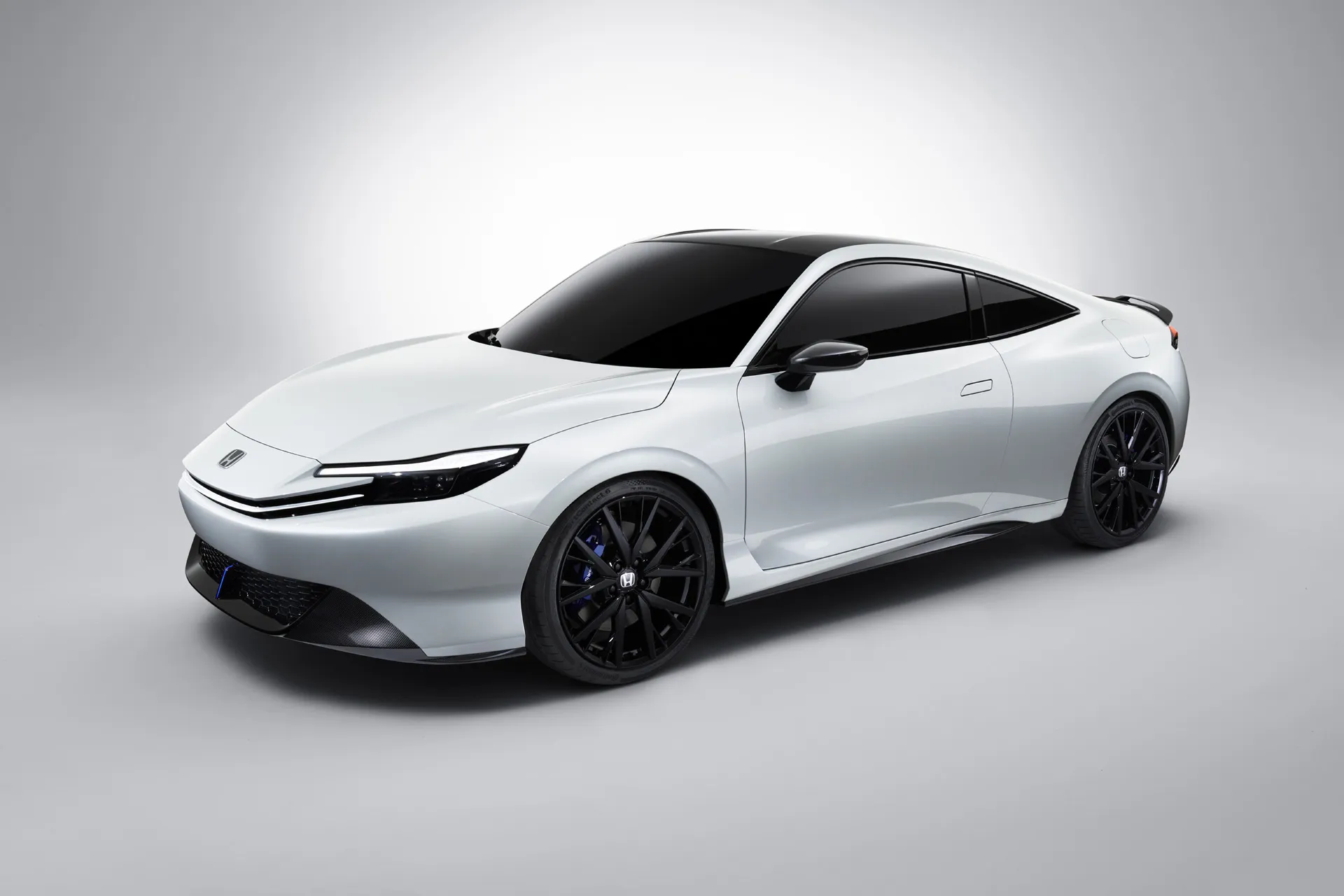
The Honda Prelude coupe looks set to return as a hybrid—in some markets, at least. But a manual transmission—something Honda offered on its very first Insight hybrid coupe—may not be included.

Motor Trend reports that, despite speculation, the Prelude revival won’t have a stick shift. That’s based on comments from Honda global officer in charge of electrification Shinji Aoyama. The report states that Honda is considering adding an automatic transmission to the version of its dual-motor hybrid system used in the Civic in order to provide more visceral shifting feel without a clutch pedal.

Honda Prelude concept

Honda Prelude concept

Launched in Japan in 1978, the Prelude was for most of its existence a sporty coupe that draped sleeker bodywork over reliable mechanical components shared with more mainstream models. Production ended in 2002 with the fifth-generation model.

Honda unveiled a Prelude concept at the 2023 Tokyo auto show, saying at the time that it was eying a production version. It subsequently confirmed that production version for Europe, and while it hasn’t announced similar plans for the U.S., Honda did renew the trademark on the Prelude name in the U.S. in 2023, which could pave the way for the new hybrid coupe in this market.

Honda Prelude concept

Honda Prelude concept

While a manual gearbox seems superfluous with Honda’s current two-motor hybrid system—which negates the need for anything resembling a conventional transmission—Honda has a history of stick-shift hybrids. The original Insight offered a 5-speed manual transmission, and Honda offered a manual on the CR-Z, another hybrid that aimed to capitalize on the nostalgia of car enthusiasts by positioning itself as a successor to the Honda CRX.

Honda has even reportedly created a manual transmission for EVs. It’s being tested as one of many potential features for the upcoming 0 Series of dedicated models due to start arriving in 2026, but hasn’t been confirmed for production.


Source link