Large language models that power generative AI are seeing intense innovation — models that handle multiple types of data such as text, image and sounds are becoming increasingly common.
However, building and deploying these models remains challenging. Developers need a way to quickly experience and evaluate models to determine the best fit for their use case, and then optimize the model for performance in a way that not only is cost-effective but offers the best performance.
To make it easier for developers to create AI-powered applications with world-class performance, NVIDIA and Google today announced three new collaborations at Google I/O ‘24.
Gemma + NIM
Using TensorRT-LLM, NVIDIA is working with Google to optimize two new models it introduced at the event: Gemma 2 and PaliGemma. These models are built from the same research and technology used to create the Gemini models, and each is focused on a specific area:
Gemma 2 is the next generation of Gemma models for a broad range of use cases and features a brand new architecture designed for breakthrough performance and efficiency.
PaliGemma is an open vision language model (VLM) inspired by PaLI-3. Built on open components including the SigLIP vision model and the Gemma language model, PaliGemma is designed for vision-language tasks such as image and short video captioning, visual question answering, understanding text in images, object detection and object segmentation. PaliGemma is designed for class-leading fine-tuning performance on a wide range of vision-language tasks and is also supported by NVIDIA JAX-Toolbox.
Gemma 2 and PaliGemma will be offered with NVIDIA NIM inference microservices, part of the NVIDIA AI Enterprise software platform, which simplifies the deployment of AI models at scale. NIM support for the two new models are available from the API catalog, starting with PaliGemma today; they soon will be released as containers on NVIDIA NGC and GitHub.
Bringing Accelerated Data Analytics to Colab
Google also announced that RAPIDS cuDF, an open-source GPU dataframe library, is now supported by default on Google Colab, one of the most popular developer platforms for data scientists. It now takes just a few seconds for Google Colab’s 10 million monthly users to accelerate pandas-based Python workflows by up to 50x using NVIDIA L4 Tensor Core GPUs, with zero code changes.
With RAPIDS cuDF, developers using Google Colab can speed up exploratory analysis and production data pipelines. While pandas is one of the world’s most popular data processing tools due to its intuitive API, applications often struggle as their data sizes grow. With even 5-10GB of data, many simple operations can take minutes to finish on a CPU, slowing down exploratory analysis and production data pipelines.
RAPIDS cuDF is designed to solve this problem by seamlessly accelerating pandas code on GPUs where applicable, and falling back to CPU-pandas where not. With RAPIDS cuDF available by default on Colab, all developers everywhere can leverage accelerated data analytics.
Taking AI on the Road
By employing AI PCs using NVIDIA RTX graphics, Google and NVIDIA also announced a Firebase Genkit collaboration that enables app developers to easily integrate generative AI models, like the new family of Gemma models, into their web and mobile applications to deliver custom content, provide semantic search and answer questions. Developers can start work streams using local RTX GPUs before moving their work seamlessly to Google Cloud infrastructure.
To make this even easier, developers can build apps with Genkit using JavaScript, a programming language mobile developers commonly use to build their apps.
The Innovation Beat Goes On
NVIDIA and Google Cloud are collaborating in multiple domains to propel AI forward. From the upcoming Grace Blackwell-powered DGX Cloud platform and JAX framework support, to bringing the NVIDIA NeMo framework to Google Kubernetes Engine, the companies’ full-stack partnership expands the possibilities of what customers can do with AI using NVIDIA technologies on Google Cloud.
Editor’s note: This post is part of the AI Decoded series, which demystifies AI by making the technology more accessible, and which showcases new hardware, software, tools and accelerations for RTX PC users.
Mozilla Firefox, the popular open-source browser, is the latest partner to incorporate NVIDIA RTX Video, a technology that uses AI to improve video quality on Windows PCs and workstations. The browser’s latest release taps local NVIDIA RTX GPUs to make streaming and video better than ever.
Pixel Perfect
First announced at CES in January 2023, RTX Video is a collection of AI video enhancements that improve the quality of videos played on browsers through platforms like YouTube, Prime Video and Disney+. The technology makes videos streamed on NVIDIA GeForce RTX-powered PCs and RTX-powered workstations appear sharper and more detailed without requiring a higher-resolution source.
RTX Video is made up of two parts. RTX Video Super Resolution upscales low-resolution video for cleaner, crisper imagery. It works by analyzing the lower-resolution video and using deep learning to predict what the higher-resolution version should look like. The algorithm then combines this predicted image with a traditionally upscaled version to reduce or eliminate compression artifacts and sharpen the final output.
RTX Video HDR goes one step further: when enabled, it analyzes standard dynamic range (SDR) video content through AI neural networks to add high-dynamic range (HDR) information, improving visibility, details and vibrancy.
Since 90% of video online is 1080p or lower and SDR, enabling RTX Video is like pushing the “remaster” button on most of the content users watch everyday.
Pretty Foxy
Mozilla Firefox now supports RTX Video Super Resolution and HDR in its latest stable version (v126). It’s never been easier for users to access AI-enhanced upscaling, de-artifacting and HDR effects for online videos.
“Video is a core pillar of the modern web, and we are committed to delivering a great experience for our users,” said Bobby Holley, chief technology officer of Firefox at Mozilla. “Mozilla is integrating RTX Video into Firefox to improve video quality for our users with compatible GPUs.”
Firefox joins other Chromium-based browsers, including Google Chrome and Microsoft Edge, in supporting RTX Video. RTX Video Super Resolution is also supported in popular video players like VLC.
Enabling RTX Video is easy:
Update to the latest GeForce RTX Game Ready Driver, NVIDIA Studio or NVIDIA RTX Enterprise Driver.
Ensure Windows HDR features are enabled by navigating to System > Display > HDR.
Open the NVIDIA Control Panel and navigate to Adjust Video Image Settings > RTX Video Enhancement.
Turn on “Super Resolution” and “High Dynamic Range.”
Note that RTX Video HDR requires an NVIDIA GeForce RTX or RTX professional GPU connected to an HDR10-compatible monitor or TV.
Generative AI is transforming gaming, videoconferencing and interactive experiences of all kinds. Make sense of what’s new and what’s next by subscribing to the AI Decoded newsletter.
Blessed with photogenic good looks and no shortage of main character energy, Britain has become a first-choice filming location for everything from cortisol-spiking spy thrillers to plush period pieces. According to data from Social Films, 220 feature films were made in Britain in 2022, and films shot here have won more Oscars than any other country other than the U.S.. It’s easy for travelers to get in on the action, as many of the most popular filming locations are within easy reach of London, making for picture-perfect day trips from the British capital.
Oxfordshire
Famed for its quintessential English countryside charm and ancient collegiate city, the county of Oxfordshire sits less than 60 miles northwest of London, making it a no-brainer for film fans. The county’s only city, Oxford, is about an hour from London’s Paddington Station by train and feels like the set of a moody, dark academia film with aristocratic architecture lifted from antiquity, shadowy lanes, and bookish students flitting off to tutorials. With such moody allure, it’s no surprise that the charming city has plenty of on-screen credits, including “Saltburn,”which was filmed in Radcliffe Square — with its pebble-paved streets and iconic domed library — as well as in front of the Divinity School, the oldest building in the university built for teaching, dating back to the 1420s. (The building was also used in the “Harry Potter” films as the infirmary and ballroom.) Open for visitors, Brasenose College, one of the 36 colleges that make up Oxford University, was used in “Saltburn” as well, as the main characters’ college. It’s been reported that filming even took place in actual dorm rooms, “lent” to production by real-life pupils.
Jaap Buittendijk/Courtesy of Warner Bros. Entertainment
The recent “Wonka” movie was also filmed in Oxford, using backdrops like Hertford Bridge, better known as the Bridge of Sighs because it resembles the famed bridge in Venice. During filming, Timothée Chalamet, who plays the top-hatted young chocolatier, was reputedly staying at the stylish new country hotel, Estelle Manor, located about a half-hour’s drive away in the rolling Oxfordshire hills.
Courtesy of Blenheim Palace
Another wildly popular filming location, the magnificent Blenheim Palace, birthplace of Sir Winston Churchill, is also about a half hour away from Oxford. Over 300 years old with a wooded estate stretching over 12,000 acres, this UNESCO World Heritage Site has hosted film crews from “Harry Potter” — check out the ancient, gnarled Cedar of Lebanon tree, to the left of the Grand Bridge, used in Professor Snape’s childhood flashbacks — as well as “Spectre”in the“James Bond” series; “Mission: Impossible – Rogue Nation;” “Indiana Jones and the Dial of Destiny;” and most recently, “Napoleon.” (Director Sir Ridley Scott was on location for the epic film for nearly a month.) The locations and filming backstories for all the big hits at Blenheim are handily marked on the self-guided Lights, Camera, Action! Trail, which can be followed via a QR-code map.
Birmingham
Located about two hours by train from London’s Euston station, the United Kingdom’s second biggest city and the country’s one-time industrial and manufacturing hub, Birmingham has become synonymous with the Peaky Blinders television show, soon to be a major motion picture in 2025.
Robert Viglasky/Courtesy of Netflix
According to the West Midlands Growth Company, Birmingham’s visitor numbers have grown by over a quarter since Peaky Blinders first aired in 2013. For fans of the show, which was inspired by a real 1920s street gang in Birmingham, the open-air Black Country Museum in Dudley — a “living” museum using unscripted live actors — is a must. Spanning over 26 acres and including over 100,000 original objects sourced from the community, historic buildings, and restored automobiles, the museum tells the story of the so-called Black Country (the sooty site of Birmingham’s iron foundries that rose to significance during the Industrial Revolution) from 1700 through 1968.
For historical accuracy, all six seasons of Peaky Blinders were partially filmed on-site, using museum locations like the canal-flanked scrap metal yard, the Blacksmith’s building, Canal Street bridge, and St. James’s church school. “It helped us get on the map,” Claire Packer, the museum’s Head of Audiences & Communications, told Travel + Leisure. “We started reaching people we otherwise may not have reached.”
Courtesy of Black Country Living Museum
Die-hard fans might also like to check out the hip-and-gritty neighborhood of Digbeth in Birmingham, which runs along the Fazeley Canal. A one-time hub for warehouses and factories now covered with vibrant street art, the area — in particular Fazeley Street — is the soon-to-be-home of the new Peaky Blinders film studio, fashioned by Peaky Blinders creator (and Birmingham local) Steven Knight, who wants to bring the area back to life.
Bath
COURTESY OF NETFLIX
The elegant, refined Georgian city of Bath, an hour train ride from Paddington, is essentially one big romantic backdrop for the Regency-era-drama Bridgerton. With season three having just premiered, key on-screen sites include The Holburne Museum, a fine art gallery used as Lady Danbury’s mansion, and No. 1 Royal Crescent, used as the exterior for the Featherington family home. The real-life property is a townhouse museum and is missing the lion statues and other decorative flourishes, but it’s still undeniably photogenic. Used as a stomping ground for many characters in street scenes as well as a proxy for London’s Covent Garden, Bath’s picture-perfect city square Abbey Green — with a 200-year-old London plane tree at its center and Abbey Deli (The Modiste Shop onscreen) — is another recognizable spot.
joe daniel price/Getty Images
While most of the filming was done at a soundstage in Ascot, Bath is still rich with history, where fiction and nonfiction meet. For example, A.H. Hale pharmacy on Argyle Street is where Queen Charlotte — the only real character in the Bridgerton series — would have her prescriptions filled, and you can still see her royal crest of arms on top of the shop.
Report-card grades are derived from a consensus of test-driver evaluations. All grades are versus other vehicles in the same class. Value grade is for specific trim level evaluated, and may not reflect Consumer Guide’s impressions of the entire model lineup.
Big & Tall Comfort
Big Guy
A
Tall Guy
A-
Big & Tall comfort ratings are for front seats only. “Big” rating based on male tester weighing approximately 350 pounds, “Tall” rating based on 6’6″-tall male tester.
Base price: $33,515 (not including $1350 destination charge)
Options on test vehicle: Special paint ($395)
Price as tested: $35,260
Quick Hits
The great: Roomy and nicely appointed cabin, easy on the gas
The good: Balanced ride and handling, upscale feel
The not so good: Balky power delivery, glitchy infotainment system
Tom Appel
There is an old-school stoicism to the Volkswagen Taos that is not found in other small crossovers like the Hyundai Kona or Kia Seltos. The proper, upright design of the Taos, combined with its crisp, formal sheet-metal, gives VW’s smallest U.S.-market crossover a sense of reserved propriety unusual in its class.
2024 Volkswagen Taos SEL
Indeed, the Taos, introduced stateside in 2022, presents as more premium than playful, a vibe which may play a role in helping consumers decide to purchase the Volkswagen, or search elsewhere for a small ‘ute with a spunkier attitude.
We have no problem with the little VW’s design, though formal, it comes off as German—in the best possible way—and the formality of its design may better suit young, entry-level drivers looking to be taken seriously early in their professional and social lives.
2024 Mazda CX-5 Carbon Turbo: Test Drive
2024 Volkswagen Taos SEL
The Taos returns for the 2023 model year largely unchanged, and though priced slightly higher than the likes of the aforementioned Kona and Seltos, it’s reserved nature may be just what many shoppers are looking for.
The ’24 Taos lineup ascends up from the entry-level S trim level (starting around $25,000), uplevel SE (Around $30,000), and tops out with the well-equipped SEL ($35,000). New for 2024 is the SE Black, which starts around $32,000 and slots between the SE and SEL.
5 Cool Things About the 2023 Volkswagen Tiguan R-Line Black
2024 Volkswagen Taos SEL
All 2024 Taos models are powered by a 158-horsepower 1.5-liter turbocharged 4-cylinder engine. Front-wheel drive models mate the engine to a conventional 8-speed automatic transmission, while AWD examples employ a 7-speed “dual-clutch” automatic. The topline SEL comes only with AWD and the DCT automatic.
Consumer Guide recently spent a week behind the wheel of the topline Taos SEL. With destination charge and extra-cost Pure Gray paint our test car came to $35,515 And while we like the color, we’re not entirely sure what makes in “pure.”
Like all Volkswagen crossovers, the Taos is seemingly larger on the inside than it is on the outside. There’s no shortage of front-row seating space, even for larger folks, and the generous door openings make for easy vehicle entry and exit. The cabin itself is modern in feel and nicely appointed, though not all of the materials employed are premium in feel; there’s plenty of hard plastic to be found, if you look for it. Still, the interior generally comes of as classy.
While most controls are clearly marked and easy to reach, not all is well in the world of Taos connectivity. We’re sparred with VW’s native infotainment systems before, and still find it frustrating. This editor’s phone, for example, needed to be relinked to the car several times over the course of our test week, adding time to my commute. Additionally, the info displayed on the Taos touchscreen generally trailed the content being played via Bluetooth—rendering the display pretty much useless when listening to music or podcasts.
2024 Volkswagen Atlas Cross Sport SEL Premium R-Line: Test Drive
2024 Volkswagen Taos SEL
Using Apple CarPlay, the system seemed to perform better when a connection was established, but Apple engagement did little to keep the car/phone Bluetooth connection in place between drive. On the plus side, the Beats-brand audio system, standard on the SEL, does a nice job reproducing the mid-century American jazz favored by this editor.
On the road the Taos acquits itself well. The little crossover rides and handles well, and the cabin is generally quiet, especially for the class. For whatever reason, AWD Taos models employ a more sophisticated rear-suspension design, the impact of which is better feel in fast corners and on curvy roads, but also a little less cargo space.
Around town the DCT automatic transmission can be clunky, shifting more in low-speed driving than seems necessary, and occasionally shifting harshly when accelerating from a start. If a Taos test drive is in your future, be sure and spend some time evaluating the vehicle in low-speed traffic; it’s possible you may find the drivetrain too “busy” for daily commuting chores. That said, the small turbocharged engine provides better than adequate power for all but the most-aggressive passing maneuvers.
And while the Taos AWD drivetrain maybe balky in traffic, it is certainly efficient. In driving that favored city conditions, we saw better than 29 mpg. And, the Taos is fine running on regular-grade gasoline.
In a nutshell, the Taos is a classy, upscale-feeling little crossover than offers up surprisingly roomy and comfortable cabin, and excellent fuel economy. We’re disappointed by the glitchy connectivity and the lack of slow-speed drivetrain smoothness, though perhaps the latter can be chalked up to “character.”
As far as safety is concerned, VW’s comprehensive IQ.Drive suite of driver-assistance systems is standard on all Taos trim levels. A point of value: Taos presents better is a lower trim level, but we don’t find our test car’s price tag especially off putting. We recommend the midlevel SE, but appreciate why a shopper might want to enjoy the additionally classy environs of the SEL.
Canyon, Prius, Trax: 3 Quick Reviews
2024 Volkswagen Taos SEL
2024 Volkswagen Taos SEL Gallery
(Click below for enlarged images)
2024 Subaru Crosstrek Wilderness: 5 Cool Things
Consumer Guide Car Stuff Podcast Episode 220: New Subaru Forester, So Long Malibu, All About Nikola and Zero-Emissions Trucking
If you’ve driven on a road in Australia, you’ll know that one of the most disobeyed rules of the road is the classic “keep left unless overtaking”.
Keep left, unless you’re overtaking – the sign says it all!
Right-lane hogs can be fined
Penalties vary between states and territories
It means what it says. If you’re driving on a road with more than one lane, you should keep left unless you’re overtaking. But there are differences in the way the rule is implemented and interpreted across the country.
Generally speaking, if you’re driving on a multi-lane road with a speed limit of less than 80km/h (think of those inner-city arterials that always seem to be crawling at crabs’ pace), you can drive in whatever lane you want.
But if the road is a motorway, highway or freeway with a higher speed limit, it’s best not to populate the right lane permanently, as you could face fines and demerit points if you’re not overtaking other road users.
Here’s a rundown of the rules across the country:
New South Wales
In NSW, if you’re driving on a road that has a sign-posted speed limit above 80km/h (so, in 90km/h zones, or roads with speed limits higher than that) you have to keep left unless you’re overtaking someone.
That’s the general rule, but there are some exceptions:
NSW road rules state: “You must not drive in the right lane, unless you’re overtaking, turning right, making a U-turn, not turning left and there’s a ‘Left lane must turn left’ sign or traffic lights with a left arrow signal, avoiding an obstruction, driving in traffic that’s stopped or travelling slowly in the left lane, driving a bus or a truck and the right lane is for buses or trucks only, overtaking a slow vehicle making a left turn.”
Situations where you need to overtake using the left lane include when the vehicle you’re overtaking is: “waiting to turn right or make a U-turn from the centre of the road; stopped; travelling on a multi-lane road”.
In some instances you are allowed to use the left lane if there’s stopped traffic in the right lane, and you’re allowed to: cross the outer edge lines (for a maximum 100m), drive in a bus lane, transit lane or truck lane (for a maximum 100m), or drive in a bicycle lane or tram lane (for a maximum 50m).
Get caught doing the wrong thing and the fine is $349 and two demerit points.
Queensland
In QLD, the rules are clear. “On single-lane roads, you must stay as close as practical to the left side of the road.”
But if the road has multiple lanes and if the speed limit is 90km/h or above, or if the roadway has signage stating ‘Keep Left Unless Overtaking’, then you must not use the right lane unless you are: overtaking; turning right; making a U-turn; avoiding an obstruction; driving in congested traffic; or using a special purpose lane that you are allowed to be in.
And in news that will upset anyone who believes in proper lane etiquette (here’s looking at you, Germany) it’s legal for drivers to “overtake on the left on all multi-lane roads”.
You can still be fined for sticking in the right lane if you’re not doing any of the above-mentioned actions. The penalty is a $123 fine and two demerit points.
Victoria
The rules for Victoria state that drivers on “any multi-lane road with a speed limit over 80km/h… must keep out of the right lane”.
But as with the other states, there are some exceptions, such as if you are overtaking or turning right, or all lanes are congested. Further, “if the right lane is a transit lane, this rule applies to the lane immediately to the left of the transit lane”.
Note the wording of the rule, though. If you read between the lines (or should that be lanes?) it essentially means the far-right lane is off limits unless overtaking.
If you’re on one of the six-lane freeways, the rule means you can use lanes one through five as you wish.
Get caught being naughty, and you could be up for two demerits and a few hundred bucks in fines.
South Australia
The SA police prefer if you keep to the “far left side of the road” in multi-lane situations, lest you face a $355 fine and two demerits.
One thing that’s different about SA is that roads with speed limits at 80km/h or more don’t need to have “keep left” signage present.
It’s understood, if the speed limit is high and there’s more than one lane available to be driven in, that road users should keep in the far-left lane and reserve the right lanes for overtaking only.
Western Australia
The big state has pretty similar rules to the rest of the nation. If the speed limit is 90km/h or more, you need to keep left. Under 90km/h, you only need to do so if there’s signage stating as much.
As with other states, you’re allowed to disregard the keep left signs if you’re overtaking, making a U-turn, avoiding an obstruction, if the left lane is a turning lane and you’re not turning, or if the left lane is a special use lane (bus, slow vehicle turnout lane etc).
Further, if other lanes are congested with traffic, you can stick in the right.
The fine is teeny, at $50, but it still has two demerit points attached to it.
Northern Territory
In the NT the rules state that if the road has more than one lane and a speed limit of more than 80km/h, or it has a ‘keep left unless overtaking’ sign, then you must keep to the left side of the road.
And in a nice touch, NT also reminds road users that, when they are being overtaken, they must not increase their speed, must also keep left and allow enough space for the overtaking vehicle, and also stay within their lane.
No demerit points or fines for this doing the wrong thing, and get this: Northern Territory doesn’t do double demerits, either!
ACT
In the Australian Capital Territory – aka, the land of the roundabout – if you drive in the right lane and you’re not overtaking (and the road’s speed limit is over 80km/h) you could be fined $316 and smacked with two demerit points.
Tasmania
The expectation is that, in Tassie, if the speed limit is above 80km/h, you should keep to the left unless you’re overtaking – whether there are signs to state it, or not.
Failure to follow the rule could result in a $146.25 fine, and two demerit points.
And because cyclists are road users, too, if you’re riding your bike in the right lane on a road with ‘keep left’ signs, you could face a $130 fine.
Not intended as legal advice. Check with the relevant roads authority in your state or territory.
The Subaru Crosstrek is a very popular compact SUV that offers a point of difference over like-priced rivals…
It’s only available in all-wheel drive – and if that matters to you, the Subaru’s system is better and offers more capability than any of the other vehicles in the small SUV class.
But if you’re not heading off to the campground, or being adventurous down near the beach, is the Crosstrek still a good car to live with?
I just spent a week in the top-spec petrol model to tell you what it’s like.
How does the Subaru Crosstrek compare?
View a detailed breakdown of the Subaru Crosstrek against similarly sized vehicles.
Subaru
Crosstrek
How much does the Subaru Crosstrek cost?
The small SUV segment is aggressive, with more than 20 players in the mix.
But Subaru has done a good job in carving its own spot in the segment, and for the first four months of 2024, it has managed to rank as the fifth-most popular vehicle in its class.
Part of that must come down to the fact that all Crosstrek models are all-wheel drive, while rivals tend to only offer AWD in the top-spec variants, at a premium.
2024 Subaru Crosstrek pricing:
Model Variant
$RRP
2024 Subaru Crosstrek AWD 2.0L
$34,990
2024 Subaru Crosstrek AWD 2.0X Special Edition
$36,990
2024 Subaru Crosstrek AWD 2.0R
$38,490
2024 Subaru Crosstrek AWD Hybrid L
$38,590
2024 Subaru Crosstrek AWD 2.0S
$41,490
2024 Subaru Crosstrek AWD Hybrid S
$45,090
Prices exclude on-road costs
To see how the Subaru Crosstrek lines up against the competition, check out our comparison tool.
What is the Subaru Crosstrek like on the inside?
There haven’t been any big changes since the Crosstrek launched, and even when it did it felt familiar to anyone who had sat in or looked at a Subaru before.
In my opinion, there’s nothing wrong with that, because the dashboard design, that big colourful media screen, and most of the controls are all easy to learn and operate.
There are some exceptions to that, however. While many of the controls are right there on the bright, crisp and colourful screen, there are still some hard buttons for your temperature adjustment and demister, as well as volume and tuning dials, which I like to see.
Annoyingly, the fan controller is at the bottom of the screen, and you need to press the screen a few times to operate the recivulated A/C, too.
But the 11.6-inch portrait-style touchscreen media system is a relatively simple thing to get your head around – at least, from my perspective it is.
Maybe it’s because this screen is reminiscent of the menu layout on an iPhone, with bright and colourful icons that I found it easy to learn. I’ve spoken to some Android aficionados that don’t dig it quite as much.
Now, the system itself features wireless Apple CarPlay and Android Auto, satellite navigation for those who like to keep it old-school, DAB digital radio, and AM/FM tuning too – with a dial for tuning and volume. Rejoice!
Further, there are USB-A, USB-C, and AUX ports, as well as a wireless phone charger in this spec. I found it was a bit grippier than some other cars, and my phone didn’t go flying through corners.
I also like the fact there are dedicated heated seat buttons for the top two grades down near the shifter, and there’s a 12-volt port and decent cup holders between the front seats, not to mention bottle holders in the doors and a centre console bin as well.
The Crosstrek’s vibe is a bit more rugged than some other SUVs in the class, and I like the grey and black trim finishes that make it feel somehow a bit more outdoorsy than rivals that seemingly think black trim is the only option.
The leather-accented seats in this top-spec model are comfortable, nicely adjustable and feel pretty fancy. Also in that column is the fact the 2.0S comes standard with a sunroof – albeit a small one by current standards.
Perhaps one way that it feels a bit more conservative than rivals is the fact it still has traditional dials in the instrument, rather than a predominantly digital display like so many rivals offer nowadays.
There’s a digital part to the cluster, which includes a speedo readout and trip computer, but it’s maybe just a bit less exciting than some competitors if you’re a tech fiend.
Another thing that might be a bit overwhelming to some people is the amount of buttons on the steering wheel, but I’ve always liked the fact you have so many controls at your fingertips when you’re driving, and there’s a button for almost anything you’d want, right there.
Okay, so what about cabin usability for a family?
It’s not the roomiest small SUV in the segment, but positioned in the back with the driver’s seat set for my position (at 182cm/6’0 tall), there was just enough knee room, foot room, and a little bit of head room for me to slot in reasonably comfortably.
Watch your head if you’re taller when getting in and out, as the apertures are a little small; and also, there is a transmission tunnel intruding into the foot space so three-across might be too squishy.
The actual seat comfort is a bit lacking, so longer trips might be a task, but also – and something that might be a deal-breaker if you’re a parent – there are no directional air vents in the back of this SUV.
But if you’re okay with that, there are ISOFIX points for the window seats and three top-tethers, as well as USB-A and USB-C ports, a map pocket, bottle holders in the doors, and there is a flip-down armrest with shallow cupholders.
Boot space will be another potential deal breaker for young families in particular, I would suggest, as there’s just 291 litres of cargo capacity, and that means you’re limited to a pram and some smaller bags, where others in the class have much more usable boot spaces.
At least you get a space-saver spare wheel under the boot floor, and a light in the back as well, shopping bag hooks and a cargo load protector with cute little wilderness easter eggs. If you want a more practical family-ready SUV, the Forester will tick that box!
What’s under the bonnet?
The Crosstrek has a hybrid option, but it’s not going to be a fuel-sipper like a Toyota Yaris Cross.
For that reason, it’s hard to recommend it, since it only uses about half a litre less per 100km, and the standard Crosstrek has a decent engine under the bonnet.
It’s a non-turbo 2.0-litre horizontally-opposed four-cylinder ‘Boxer’ petrol engine producing 115kW of power (6000rpm) and 196Nm of torque (4000rpm). The engine is paired with a continuously variable transmission (CVT) auto featuring eight simulated shift points, and Subaru’s symmetrical all-wheel drive is standard.
The official combined cycle fuel consumption figure is 7.2L/100km for the petrol versions of the Crosstrek, with an idle start/stop system that cuts the engine in traffic. During my time with the Crosstrek 2.0S, I saw a real-world return across a mix of urban, highway and freeway driving of 8.1 litres per 100km.
What’s good about the Crosstrek is that it has a large-for-the-segment 63-litre fuel tank, offering potentially decent driving range between fills. Also, it can run on 91 RON regular unleaded fuel.
How does the Subaru Crosstrek drive?
I wanted to see what the Crosstrek was like to live with on the daily – doing the stuff that you’d likely also do if you owned one of these.
Urban runs to the shops, daily errands like daycare drop-offs, and a longer commute to the city, too – for the most part, it did all of that stuff pretty well.
But it’s not all that fun, and that could be the thing that makes you think twice about it.
The thing that’s the least fun about it is the engine and transmission combo, which is lethargic feeling in start-stop traffic in particular, especially when the car is in “Intelligent” drive mode, which is more about efficiency than power.
Put it into “Sport” and it certainly feels perkier and revs harder, but that also means you hear that engine/CVT combo making more of a racket more of the time.
Suffice to say, it’s not a joyful daily driving experience from a powertrain perspective. There are other SUVs in this segment with far more fun and punchier engines teamed with smarter and smoother transmissions.
It feels a little lacking in terms of performance and polish, but honestly, if you’re not a leadfoot or you aren’t always in a hurry to get where you’re going, you might find the responsiveness and usability of the powertrain is perfectly fine.
Lots of Subarus are sold in country areas and regional zones, and for those buyers who are planning to use their car for a longer drive to get the kids to school or get themselves to work, the Crosstrek might be a better fit than for those who live in urban areas and spend a lot of time in traffic.
I found the long-distance drives I did to be the most likeable ones, as the adaptive cruise control does a decent job of harnessing the lack of torque, and the driver assistance features aren’t so annoying as to make you want to switch everything off for the duration of the trip.
But the most impressive thing about the Crosstrek across a mix of scenarios is the ride comfort, which is far more impressive than the lower-riding Impreza hatch it shares a platform with.
Indeed, the higher ride height and increased ground clearance of the crossover model makes it a pretty likeable thing in urban settings, over bumpy and lumpy roads; and yes, if you encounter gravel or unsealed sections, it has a really good handle on the surface.
That ride comfort, combined with the all-wheel drive surefootedness you’ll appreciate whether the road is rough or the weather is bad; and predictable steering with a nice amount of weight to it; means the chassis is somewhat at odds with the powertrain in this car.
If only Subaru put a more powerful engine in it!
What do you get?
Context is everything, so here’s a rundown of the standard specifications across the Crosstrek range for you to decide which variant might be best for your wants and needs:
Crosstrek 2.0L + Hybrid L standard spec highlights:
Auto Stop Start
Subaru Intelligent Drive (SI-Drive)
X-Mode with hill descent control
17-inch alloy wheels
LED headlights
Dusk-sensing headlights
Rear combination lights incl. LED brake lights
Power-folding mirrors with indicators
Black roof rails
Tricot (Tetra Embossing) cloth seat trim
Dual-zone climate-control air-conditioning
11.6-inch touchscreen
Wireless Apple CarPlay and Android Auto
USB ports – USB-A and USB-C
Wireless Qi charger
6-speaker audio system
Crosstrek 2.0R adds:
18-inch alloy wheels
Two-mode X-Mode
Front and rear wipers with front de-icer
Self-levelling LED headlights with auto off
Front cornering lamps
Door mirrors – heated
Steering Responsive Headlights (SRH)
Front LED fog lights
Roof rails – dark grey
Premium cloth seat trim
Leather steering wheel/gear shift
Sports pedals
Auto-dimming rear view mirror
Heated seats – driver and front passenger
10-way power seat with lumbar support – driver
Rear USB-A, USB-C charging ports
Front View Monitor
High-beam assist
360-degree camera
Side View Monitor
Crosstrek 2.0S and Hybrid S add:
Electric sunroof
Leather-accented seat trim
Satellite navigation
10-speaker Harman Kardon audio incl. amplifier
Is the Subaru Crosstrek safe?
The Subaru Crosstrek is yet to be tested by ANCAP, and is therefore unrated.
Standard safety features include:
9 airbags
Dual front, dual front side, dual curtain
Driver’s knee
Far side
Front passenger seat cushion
EyeSight Driver Assist:
Front Pre-Collision Braking (AEB)
Adaptive cruise control
Lane keep assist
Lane centring assist
Lane departure prevention
Lane departure warning
Lane Sway Warning
Lead Vehicle Start Alert
Pre-Collision Braking System (AEB)
Pre-Collision Throttle Management
Autonomous emergency steering
Brake light recognition
Intelligent speed limiter
Speed limiter
Speed sign recognition
Wide-angle monocular camera
New stereo camera with improved image recognition
Subaru Vision Assist:
Blind-spot monitoring
EyeSight Assist Monitor
Lane change assist
Rear cross-traffic alert
Rear parking sensors
Reverse Automatic Braking (AEB)
Front side radar
Driver Monitoring System – Driver Focus:
Distraction warning
Drowsiness warning
Facial recognition
Climate control setting (last used)
MID display (last used)
Crosstrek 2.0R adds:
Subaru Vision Assist:
High-beam assist
360-degree cameras
Side View Monitor
Considering the entire Subaru range wears five-star ANCAP and Euro NCAP safety ratings, we’d be surprised if the new Crosstrek didn’t achieve similar, given the common vehicle architecture and suite of standard safety systems.
How much does the Subaru Crosstrek cost to run?
Subaru backs the Crosstrek with a five-year, unlimited-kilometre warranty.
Capped-price servicing is available for the first five years/75,000 kilometres with intervals of 12 months or 15,000km.
However, the first five services are pricey. The rates are capped at $346.25, $473.47, $420.60, $771.74 and $361.13 respectively, so an average of about $475 per year – or roughly twice what it costs to service a Corolla Cross.
You get one year of roadside assistance included, too.
CarExpert’s Take on the Subaru Crosstrek
There’s no denying that for many buyers, the Crosstrek will be a perfect fit for their lifestyle and budget.
It’s not the most thrilling small SUV to drive, and the boot and back seat could be too compromised for a growing family; but for couples, empty nesters and adventurers, it might just be the right thing.
Click the images for the full gallery
MORE: Buy a Subaru Crosstrek MORE: Everything Subaru Crosstrek
Those who’ve owned or leased a Chevrolet Bolt EV from the 2017 through 2022 model year are likely eligible for an amount ranging from $700 to $1,400, as part of a $150 million settlement amount against GM and LG Energy Solution.
The Michigan class-action case is the consolidated version of eight class-action cases filed in various U.S. District Courts vs. GM in late 2020 and early 2021 and, in settlement documents posted by CBS, lays out eligibility and amounts.
According to the settlement, Bolt owners who installed diagnostic software that temporarily affected these models’ driving range are eligible to get $1,400, provided they installed it by Dec. 31, 2023, while those who owned or leased a Bolt prior to the remedy can claim $700.
2021 Chevrolet Bolt EV
The $1,400 amount is the same that GM offered to pay 2020-2022 Chevrolet Bolt EV and EUV owners in October 2023, in exchange for the installation of diagnostic software limiting capacity (and range) to 80% of the original over a period of 6,200 miles. That was considered an early settlement amount and required signing a legal release.
The class action settlement also excludes customers who opted for a buyback from GM, which was on the table for some customers early on in the diagnosis and recall process. But it doesn’t exclude drivers who already got a new battery.
The 2021 recall effort eventually spanned all of the roughly 140,000 Bolt EV and Bolt EUV vehicles in North America, after two specific manufacturing battery defects in cells supplied by GM partner LG led to at many fires. GM said that it would replace all battery modules in 2017-2019 Bolt EVs. Some of those owners of earlier Bolt EV models got a completely new pack, resulting in more range than they originally had.
2020 Chevrolet Bolt EV review update – Portland OR
Bolt EV drivers were inconvenienced. For many months before a recall remedy was announced, GM asked Bolt EV drivers to park 50 feet away from other vehicles—a challenge for many of its drivers, who tend to live in urban areas. It also instructed customers to set their vehicles to a maximum 90 percent state of charge, charge their vehicles more frequently and not allow range to drop below 70 miles, and park their vehicles outside immediately after charging.
The incidents were generally when the vehicles were parked and nearly fully charged but still hooked up to a charger, not when they were being driven.
LG eventually agreed to pay GM $1.9 billion for the issue—effectively covering the cost of the recall itself, but not other factors like reputation.
A new-generation Chevy Bolt EV is set to replace the Malibu at GM’s Kansas plant, likely arriving later in 2025. It’s expected to make a switch to GM’s Ultium EV platform and will be GM’s first U.S. product to use lithium iron phosphate (LFP) battery cells on that platform.
We’re down to the last 80 days before the 2024 Olympic Games begin in Paris, and Omega, the official Olympic timekeeper since 1932, has launched its latest special commemorative editions, this time based on the Speedmaster collection’s Chronoscope series, distinguished by its two-counter presentation.
At 43mm, the four vintage-inflected models feature while opaline dials bearing three concentric timing scales—tachymeter (to measure speed), pulsometer (pulse), and telemeter (distance)—in a design that harks back to the aesthetic from the 1940s. In stainless steel with an anodised aluminium bezel, or in Omega’s proprietary fade-resistant yellow-gold alloy, Moonshine Gold, with a ceramic bezel, and paired with either a bracelet in the same material as the case or a black calfskin strap, the models combine gold, black and white, the colours of the logo of the 2024 Olympic and Paralympic games.
The closed caseback features a stamped medallion with a mirror-polished Paris 2024 emblem against a base of frosted metal. (The emblem—combining gold, a stylised Olympic flame, and a woman’s face to stand for Marianne, the personification of the French Republic—is designed as a three-fold tribute to this year’s Games.)
Powering the four Speedmaster Chronoscopes is the Co-Axial Master Chronometer Calibre 9908/9909, certified by the Bern-based Swiss Federal Institute of Metrology (METAS) for superior precision, performance and magnetic resistance.
This duo comes after the Seamaster Diver 300m Paris 2024 special edition launched last July to mark the one-year countdown to the start of the Games and also Omega’s 31st turn as the event’s official timekeeper. The 42mm watch is available only at the brand’s Paris boutiques, making it bona fide souvenir for those attending the Games in person.
The Seamaster Diver 300m Paris 2024 special edition is composed of a stainless steel case and bracelet, together with a Moonshine Gold bezel. Its laser-engraved white ceramic dial bears the wave pattern found on most members of the Seamaster Diver 300m family, while the date display at 6 o’clock employs the custom Art Deco–inspired typeface specially developed for the Paris 2024 games, and the central seconds hand is decorated with the Paris 2024 emblem.
Like the Olympics-themed Speedmaster Chronoscopes, the Seamaster Diver 300m Paris 2024 special edition comes with a closed commemorative caseback and a polished Moonshine Gold medallion in the form of the Paris 2024 logo inlayed on textured laser-ablated steel. Within the case resides the Co-Axial Master Chronometer 8800, also certified by the Swiss Federal Institute of Metrology. The Quick Change System lets wearers switch between steel bracelets, rubber straps, and the Paris 2024 NATO straps.
Are you looking for a deeper connection with a spirited culture and spectacular landscapes? Then look no further than a homestay in Nepal!
Imagine yourself in the middle of the majestic Himalayas, not just in a basic hotel room, but within the welcoming embrace of a Nepali family.
Homestays are an exceptional alternative to traditional hotels or hostels, especially for travelers who want first-hand experiences of the local culture and community. In other words, homestays are a form of lodging and hospitality where the visitors and local family share their residence.
This could be considered an affordable and pocket-friendly accommodation alternative, especially in a country like Nepal, which is a melting pot of cultures, traditions, and ethnicities.
Here’s why booking a homestay in Nepal should be at the top of your travel itinerary.
Here’s how to travel sustainably in Nepal
Embark on a purposeful adventure with Voyageons Nepal, where each travel experience contributes to sustainable development and local empowerment.
Their travel packages are about more than sightseeing. They’re built to focus on sustainability, making sure you get a true local experience while leaving behind a positive impact on the community.
There are many reasons to book a homestay in Nepal, here are just five of them.
1. It’s Budget-Friendly
Homestays in Nepal are usually more budget-friendly than hotels. So, be a smart traveler and choose a pocket-friendly option instead.
Accommodation: Homestay rates are usually lower than hotel rooms. Depending on the arrangement, you can share a room with a common sleeping area or have your own.
Meals: Homestays generally include meals in the package price, especially breakfast and dinner. This can be an immense saving compared to eating separate meals out at restaurants every day.
Activities: Most homestays offer cultural activities or local experiences as part of the package, which can save you on the cost of separate tours.
Reasons to Book a Homestay in Nepal
2. You Get First-Hand Experiences of Culture, Traditions, Local Cuisines, and Lifestyle
Homestays give you a firsthand experience of living with a Nepali family. You get a close look at their lifestyle, traditions, culture and, of course, the local cuisine.
Here’s what you can expect:
Personal family interactions: You’ll get to interact with your host family, share conversations, eat meals, hear, laugh, and hear their delightful and bummer experiences. This personal bonding can deepen understanding of their lifestyle, beliefs, and traditions.
Closer exposure to Nepali culture: In homestays, you’ll get to witness religious ceremonies, participate in local festivals, or even learn a few phrases in the local language. You’ll get to hear interesting stories about their traditions and customs from your host family, which will give you a whole new meaning, changing your point.
A culinary exploration: Nepali cuisine has a unique, delicious blend of flavors and spices, including regional specialties like Dal Bhat (lentil soup and rice). Homestays will serve you authentic home-cooked meals prepared with fresh local ingredients. You’ll learn about the significance of different dishes and spices and maybe even adopt some basic cooking skills from your host family.
Religious practices: You’ll participate in daily prayers or offerings from the host family, which will enhance your learning about the significance of the rare religious symbols, traditions, and rituals they accompany.
Festival celebrations: If you get lucky enough, you’ll experience a local festival firsthand. You’ll have a firsthand experience of the traditional dances, music, food preparations, and the joy of celebrating together with love and harmony.
Homestays provide an opportunity to participate in local activities, such as learning cultural dances and cultural artworks like paintings, pottery making, and cultural dishes.
Here are some other experiences you can take part in:
Participating in daily chores: Homestays offer experiences like milking cows, helping in the fields, or attending the local market. You’ll get a glimpse into the realities of everyday life in Nepal.
Learning local crafts and skills: You’ll get a chance to learn traditional crafts, like pottery, painting, carpet weaving, and woodcarving, from your host family. This way, you’ll better appreciate their local skills and knowledge.
Learn work-leisure balancing: You’ll experience how they balance their work and leisure in a Nepali household. You’ll witness traditional crafts being made, followed by evenings filled with storytelling or traditional folk music.
Reasons to Book a Homestay in Nepal
4. Help Promote Economic and Environmental Sustainability
Homestays tend to create a positive cycle of sustainability in Nepal. By supporting local families economically, you contribute to cultural preservation and encourage environmentally friendly practices that ensure a sustainable future for future generations.
Here are more ways to support the local economy:
Support income generation of the local community: While you stay in a homestay, you’ll directly pay the money to the host family without any third-party involvement, which will benefit them directly. You’ll be providing the host family with a vital source of income. This will be vital in improving their living standards, empowering them financially, and promoting economic sustainability.
Support local businesses: During your stay, you might get fascinated by local souvenirs and handicrafts or participate in tours organized by the family or community members. This might encourage you to spend money supporting small businesses and contributing to the local economy.
Sustainable and eco-friendly practices: Homestays usually promote sustainable and eco-friendly practices like using local resources, composting food waste, avoiding the use of plastics, and conserving energy. As you support them it will motivate them to continue these practices.
Choose responsible tourism: As you choose a homestay, you’ll become responsible by supporting responsible tourism principles. You’ll be more aware of your environmental impact and choose to contribute to it for protection.
Homestays truly offer a homely experience that goes beyond the standard hotel stay. A Nepali family homestay will provide you with a warm and welcoming atmosphere where you can feel at home.
Here’s what you can expect:
Warm hospitality: At a Nepali family homestay, you’ll be greeted and treated as a guest rather than a customer. You’ll experience genuine warmth and hospitality from the host family, who will take pride in sharing their home and culture with you.
Memorable connections: You’ll feel comfortable and at ease, like you belong there, as you share meals, conversations, laughter, and stories with your host family. You’ll develop genuine connections with your host family, create lasting memories and build connections.
Flexibility and tailored experiences: Homestays are usually flexible and can be customized according to your interests and preferences. Everything from meal timings to activity arrangements to room arrangements can be discussed and adjusted according to your preferences.
Get some local insights: While you stay in a homestay in Nepal, your host family becomes your window into local life as they share stories about their traditions, customs, and daily routines. This offers a glimpse into the local perspective that guidebooks cannot provide.
Reasons to Book a Homestay in Nepal
Nepal Homestay Dos and Don’ts: Tips for Better Experiences
Follow these dos and don’ts to ensure a respectful and enriching experience at your Nepali homestay. Remember, the goal is to immerse yourself in the culture and connect with the local people, creating lasting memories and fostering a positive cultural exchange.
Dos
You must be mindful of local customs and traditions, like removing shoes before entering a home.
Especially while you visit religious sites, dress modestly.
You can ask your host family if they expect any specific things from guests.
For your convenience, learn a few basic Nepali phrases Like “Namaste” (hello), “Dhanyabad” (thank you), and “Ramro” (good). This shows respect and effort to connect with your hosts.
As homestays might not offer the same level of amenities as hotels, you need to be flexible and adaptable in embracing the opportunity to experience a different way of life.
You need to communicate clearly to the host family about your preferences for meals, activities, and privacy. You shouldn’t hesitate to ask for clarification on anything you’re unsure about.
You should be open to new experiences like participating in offered activities, trying local dishes, and asking questions about their culture. This way, you’ll get to embrace the opportunity to learn and immerse yourself in Nepali life.
Don’ts
Most homestays have basic rules like meal times, footwear removal indoors, or smoking restrictions. You must be respectful and follow them.
Be respectful of Nepali cuisine and traditions, even if they differ from your own.
Don’t consume illegal substances, drugs are strictly prohibited in Nepal.
Ask for permission before taking pictures of people or religious sites, especially if they seem uncomfortable.
If you don’t like something, communicate politely with your host family, and they’ll most likely try their best to accommodate you.
Nepal is known worldwide for its diverse communities, culture, and traditions due to which you get a new experience every other homestay. From cultural activities to language, cuisines, and traditions everything varies from one community homestay to another.
Nepal is usually famous for its community homestays. A community homestay is often located in rural areas, usually run by a community group where profit is shared among the members of the community.
Reasons to Book a Homestay in Nepal
Get the best of Nepal with community homestay packages at Voyageons Nepal, including three meals per day, accommodation and many more.
Here are a few recommended community homestays in Nepal.
The region and community you’re visiting play a vital role in the types of cuisines you’ll be served at a homestay in Nepal.
Despite that, here are some of the general cuisines you’ll be served.
Dal Bhat: Dal Bhat is considered a national dish in Nepal. It consists of steamed rice and lentil soup and is often served with various curries and vegetables.
Achar (pickle): Achar is a spicy pickle made with local vegetables, commonly served as a side dish.
Seasonal vegetables: Seasonal vegetables that are fresh and locally grown, like spinach, cauliflower, potatoes, cabbage, and green beans, are usually served.
Gundruk (fermented leafy vegetables): A gundruk is a unique fermented leafy green vegetable that’s a staple food and flavoring in Nepali cuisine. It is a slightly sour side dish.
Tea: Tea in Nepal can be considered as the common breakfast drink. You’ll get some made-in-Nepal tea with milk and sugar in it.
Sel Roti: Sel Roti is a traditional and popular dish among the hill people in Nepal. In Nepali homestays, it is often a breakfast offering made from local and seasonal ingredients.
It is crucial to keep in mind that in the high Himalayas due to the limited access to ingredients, the meals you’ll be served there tend to be simpler consisting more of root vegetables and yak cheese.
To sum up, Breakfasts are simple yet filling, usually consisting of Roti (flatbread) with seasonal vegetable soup, eggs & masala chai, a spiced milk tea.
Lunch is supposed to be the biggest meal, mostly Dal Bhat the national dish which consists of steamed rice with lentil soup, accompanied by various curries, seasonal vegetables, pickles, and yogurt.
Dinner is usually a lighter version of lunch, consisting of similar dishes to lunch but in smaller portions.
Similarly, as snacks you can expect some treats like popcorn, dried fruits, seasonal fruits, or local sweets throughout the day.
Additional Reminders!
Let your host know in advance if you have any specific food preferences or any kind of food allergies. You’ll be accommodated accordingly.
Embrace the fact that homestays focus on home-cooked meals, not fancy restaurant fare. Hence, you’ll get to enjoy authentic flavors and the experience.
You’ll only get a chance to enjoy and try new dishes and experience Nepali culinary traditions firsthand in a homestay!
Booking a homestay in Nepal is not just finding a place to sleep, rather it’s a gateway to a transformative experience. You’ll delve into the heart of Nepali culture, build genuine connections with local families, and aroma the warmth of their hospitality.
From indulging in delicious home-cooked meals to getting involved in vibrant festivals, homestays will offer you a unique blend of cultural immersion, budget-friendly travel, and a chance to contribute to sustainable and responsible tourism.
So, why not ditch the impersonal hotel experience and embrace the beauty of a Nepali homestay?
As you return home, you’ll develop a fresh mindset and a deeper understanding of Nepal, cherish the memories, and unblemished admiration for the simple joys of the unforgettable journey of this mesmerizing country.
Reasons to Book a Homestay in Nepal
Farmstay and Cultural Retreat Package
Consider the Baseri Farmstay and Cultural Retreat Package for a peaceful and culturally enriching break from urban life. Located in Nepal’s countryside, Baseri Farm Stay offers a unique experience that diverges from the typical tourist path, providing an authentic touch with its natural beauty and traditional practices.
From your arrival in Nepal, the farm stay immerses you in the country’s agricultural lifestyle and scenic landscapes. You will actively participate in farming activities, gaining insight into Nepal’s agricultural heritage.
The retreat also explores Nepal’s cultural richness, visiting ancient temples and historical sites such as Chandeshowri, Changunarayan, Dapcha, and untouched Balthali village, alongside Panauti and Bhaktapur Durbar Squares. Adventure blends with tranquility through mountain flights over the Himalayas and visits to spiritual sites in Bouddha, Patan, Khokana, and Bungmati.
Dining at the farmstay emphasizes local flavors, from dal bhat to raksi, enhancing your cultural experience. The package includes all necessary permits, a TIMS card, full-board meals, and guided services, ensuring a comprehensive exploration of Nepal’s heritage.
The Baseri Farmstay and Cultural Retreat Package offers more than a vacation; it’s an opportunity to connect deeply with Nepal’s land and people, leaving you with lasting impressions and a broader perspective. Embrace this journey of meaningful travel in Nepal’s serene and culturally vibrant setting.
Price: $1,499 Cancellation Policy: For a full refund, cancel at least 48 hours in advance of the start date of the experience. Trip Style: Farming & Sightseeing Trip Difficulty: Easy Max Altitude: 2,000 m Accommodation: Farm Stay Meals: All Meals Included Best Season: January – December
Itinerary
Day 1: Arrive in Nepal and soak in the serene vibes at Baseri Farm Stay. Experience genuine Nepali hospitality amidst lush green surroundings, setting the tone for a peaceful and revitalizing journey.
Day 2: Take a laid-back day to relax at the farm, uncovering the wonders of horticulture and the variety of plants thriving in this picturesque setting.
Day 3: Dive into Nepal’s cultural richness with a trip to Chandeshowri Temple in Banepa. Return to the farm to bask in the tranquil atmosphere.
Day 4: Set off on an adventure to Namobuddha, an ancient pilgrimage site. Explore the charm of the traditional Newari village in Dapcha, immersing yourself in Nepal’s cultural diversity.
Day 5: Indulge in another day of relaxation at Baseri Farm Stay, allowing the serene environment to rejuvenate your senses.
Day 6: Uncover the historical treasures of Panauti by exploring Durbar Square, the spiritual Triveni Ghat, and the ancient Indreshwor Mahadev Temple.
Day 7: Immerse yourself in the simplicity and beauty of farm life, taking a moment to admire the natural surroundings.
Day 8: Embark on a cultural exploration with a visit to the UNESCO-listed Bhaktapur Durbar Square, followed by a pilgrimage to the ancient Changunarayan Temple.
Day 9: Enjoy the tranquility of Baseri Farm Stay, letting the peaceful ambiance be a source of relaxation.
Day 10: Venture to the charming village of Balthali for a scenic overnight stay, surrounded by the beauty of the Nepali countryside.
Day 11: Reconnect with nature at Baseri Farm Stay, embracing the calmness and simplicity that define this unique retreat.
Day 12: Witness the grandeur of the Himalayas with an early morning mountain flight. Later, explore Bouddha for spiritual insights and indulge in spa and sound healing activities.
Day 13: Explore the iconic Shyambhunath Stupa and the historic Kathmandu Durbar Square, immersing yourself in the capital city’s rich cultural heritage.
Day 14: Embark on a journey to the ancient city of Patan, followed by visits to the traditional villages of Khokana and Bungmati, where time stands still.
Day 15: Bid farewell to Nepal, carrying memories of a tranquil and culturally enriching journey through the heart of the Himalayas.
Travelers on a Baseri Farm Stay in Nepal
Welcome to VoyageonsNepal, where our dedication to travel goes beyond exploration – it’s about creating a positive impact. Our mission is to offer unparalleled and sustainable travel experiences in Nepal that contribute to the well-being of local communities and empower entrepreneurs.
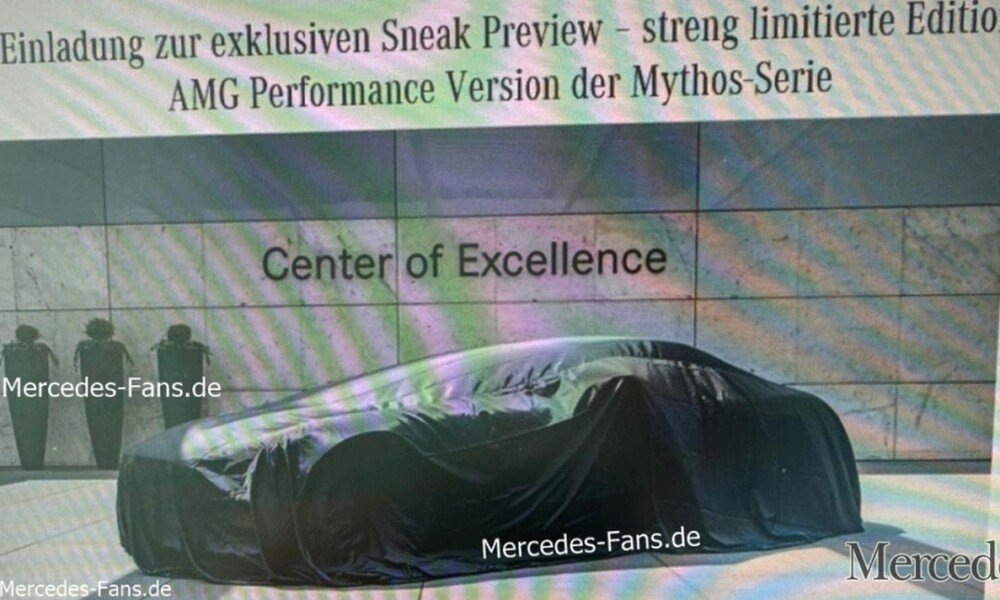
Mercedes-Benz is all set to debut the first model under its highly-exclusive Mythos brand next month.
According to media reports, the automaker will showcase the Mythos Mercedes-AMG SL Speedster on June 6-8, 2024. A private preview of the new SL Speedster has been planned at the Center of Excellence in Sindelfingen, Germany.
Invitations have already been sent out to select customers. Mercedes-fans.de got hold of one featuring the SL Speedster under a cover. It has an elongated bonnet and a short tail section, which reminds us of the old 300 SLR.
The car has been described as an “open vehicle concept with an extremely low silhouette, without a roof or windscreen, and featuring a motorsport halo roll protection system and requiring the use of a helmet for a high-speed driving experience”. Mercedes-Benz CEO Ola Kallenius calls it the “most desirable car in the world”.
The technical storage or access is strictly necessary for the legitimate purpose of enabling the use of a specific service explicitly requested by the subscriber or user, or for the sole purpose of carrying out the transmission of a communication over an electronic communications network.
Preferences
The technical storage or access is necessary for the legitimate purpose of storing preferences that are not requested by the subscriber or user.
Statistics
The technical storage or access that is used exclusively for statistical purposes.The technical storage or access that is used exclusively for anonymous statistical purposes. Without a subpoena, voluntary compliance on the part of your Internet Service Provider, or additional records from a third party, information stored or retrieved for this purpose alone cannot usually be used to identify you.
Marketing
The technical storage or access is required to create user profiles to send advertising, or to track the user on a website or across several websites for similar marketing purposes.





 2024 Volkswagen Taos SEL