The Tesla Cybertruck is getting new software features to improve off-road performance, potentially helping turn the electric pickup into the more trail-ready vehicle some owners seem to want.
According to the official Cybertruck account on X (formerly Twitter), the social media network owned by Tesla CEO Elon Musk, the pickup will soon get an Off-Road Mode bundling a number of features that aim to add capability without changing any hardware.
Off-Road Mode and more updates rolling out soon
Here’s what’s coming… – Off-Road Mode Overland Mode – More consistent handling & better overall traction while driving on rock, gravel, deep snow, or sand.
Overland Mode and Baja Mode alter vehicle characteristics for different terrain, much like the off-road drive modes already available from several manufacturers. Overland Mode is designed for maximizing traction on rock, gravel, deep snow, or sand, while Baja Mode dials back stability control for more lively handling on loose surfaces. Also new is Trail Assist holds the vehicle at a set speed, including on both hill ascents and descents.
Dual-motor all-wheel drive Cybertrucks will also soon be able to actually engage their front and rear locking differentials thanks to the software update. The tri-motor Cyberbeast will also be able to do this with the front locking differential, but it will simulate a rear locker via software with the two rear motors.
Tesla Cybertruck
A Slippery Surface mode will also temporarily lock the rear differential on dual-motor trucks (virtually simulated on tri-motor trucks) if traction is particularly bad on pavement. New programming for the Cybertruck’s adaptive suspension will also allow it to measure payloads more accurately and adjust to compensate. And Tesla is also adding a self-leveling feature to the suspension for camping, similar to what Rivian pushed to its R1 models in a previous software update.
Tesla is also in the midst of a Cybertruck recall to address pedal trim pieces that could slip off and jam the accelerator, causing unintended acceleration. That recall applied to less than 4,000 vehicles, indicating few Cybertrucks have actually been delivered.
Are you ready to dive deeper than ever into the thrilling world of sports and discover what makes these events more than just competitions? Buckle up for an exhilarating journey as we explore the top 10 bucket list sports events in the upcoming months that promise to deliver unforgettable experiences.
From the high-speed thrill of Formula 1 races to the elegant clashes of Grand Slam tennis tournaments and the adrenaline-pumping excitement of Premier League football, there’s something on this bucket list to ignite the passion of every sports enthusiast.
Get ready to be captivated by the world’s most spectacular sporting events!
Here’s an overview:
Looking to book sports travel packages?
Experience the thrill of live sports like never before with P1 Travel, your gateway to unforgettable sporting events around the globe. Founded in 2007 by two passionate sports enthusiasts, P1 Travel has evolved from humble beginnings selling tickets in front of stadiums to becoming the largest ticketing company in Europe.
They’re bringing fans closer to the action with secure, guaranteed tickets as the official reseller for top clubs, iconic tournaments, and venues worldwide.
You can choose from various ticket options, including exclusive hospitality packages and hotel deals, tailored to enhance your experience and suit your preferences.
West Ham United Premier League Match at London Stadium
London Stadium will be the site of a thrilling Premier League match when West Ham United takes on their rivals. Get the most out of your matchday experience with Royal East or Great Briton hospitality options, which include exceptional seating and other features. As you support your favorite team, you can feel the crowd’s energy because you are surrounded by other supporters who share your passion for the beautiful game.
A game of ‘The Hammers’ should definitely be on your bucket list.
After the exhilarating Premier League match at London Stadium, why not extend your London adventure with a visit to the iconic Tower of London? Immerse yourself in centuries of history as you explore the fortress, admire the Crown Jewels, and learn about the tower’s infamous past. With its rich heritage and stunning architecture, the Tower of London offers a captivating glimpse into England’s royal history, making it a must-see attraction for visitors to the city.
Get ready for a weekend of high-speed thrills at the legendary Silverstone Circuit. From the heart-stopping action on the track to the vibrant atmosphere in the stands, the British Grand Prix promises an unforgettable experience for motorsport fans of all ages. Feel the roar of the engines as Formula 1’s finest drivers battle it out for supremacy, with every corner and straight providing a new challenge to overcome.
Following the adrenaline-fueled excitement of the British Grand Prix at Silverstone, why not immerse yourself in the cultural delights of nearby Oxford? Just a short drive from the circuit, Oxford is famed for its prestigious university, stunning architecture, and rich literary history.
Take a leisurely stroll through the city’s charming streets, explore the historic colleges, and perhaps even enjoy a punt along the tranquil River Thames. With its blend of academic excellence and timeless beauty, Oxford perfectly contrasts the fast-paced world of motorsport, making it an ideal destination for post-race relaxation and exploration.
Immerse yourself in the passion of Italian football with matches featuring Serie A giants like AC Milan, Inter Milan, AS Roma, Lazio Roma, and Napoli. From the historic San Siro to the iconic Stadio Olimpico, each game offers a unique blend of skill, drama, and excitement that will leave you breathless. Experience the intensity of the rivalry as these storied clubs battle it out for supremacy in one of Europe’s most competitive leagues.
After soaking up the electrifying atmosphere of Serie A showdowns in Italy, indulge yourself in some culinary delights with a food tour through the vibrant streets of Rome. Discover the city’s rich gastronomic heritage as you sample traditional dishes such as freshly made pasta, crispy Roman-style pizza, and creamy gelato.
With its bustling markets, quaint trattorias, and charming cafes, Rome is a paradise for food lovers seeking authentic Italian flavors. And what better way to end a day of thrilling football action than by savoring the tastes of la dolce vita in the Eternal City?
Witness the drama unfold in the UEFA Champions League as Europe’s top clubs battle it for continental glory. Whether it’s a thrilling group stage encounter or a high-stakes knockout tie, every Champions League match is a spectacle not to be missed. Feel the buzz of anticipation as the biggest names in football take center stage, with the fate of nations hanging in the balance.
After immersing yourself in the excitement of a Champions League match, explore the vibrant streets, historic landmarks, and cultural treasures of the host city. Whether strolling through charming neighbourhoods, indulging in local cuisine, or discovering hidden gems, combining a city trip with a football match offers a perfect blend of sports and leisure.
Each destination provides a unique backdrop for unforgettable experiences and adventures, from iconic stadiums to bustling city centers.
Source: P1Travel.com
French Open at Roland Garros
Prepare to be captivated by the drama and intensity of Grand Slam tennis atRoland-Garros. From the fiery battles on the clay courts to the passionate crowds in the stands, the French Open offers a tennis experience like no other. Witness the world’s top players compete for glory on the sport’s most demanding surface, with every match showcasing the tennis elite’s skill, athleticism, and determination.
After being enthralled by the excitement of the French Open at Roland Garros, explore the enchanting city of Paris. Wander along the picturesque streets, marvel at iconic landmarks such as the Eiffel Tower and Notre-Dame Cathedral and experience exquisite French cuisine at charming bistros and cafés.
With its rich history, vibrant culture, and romantic ambiance, Paris provides the perfect backdrop for post-match relaxation and exploration. Whether you’re strolling along the Seine River or admiring world-class art at the Louvre Museum, a city trip combined with a day of Grand Slam tennis promises an unforgettable experience in the City of Light.
Don’t overlook the excitement of the UEFA Europa League, where underdog teams compete for their chance to shine on the European stage. Catch the action live and experience the passion and intensity of knockout football at its finest. From the raucous atmospheres of packed stadiums to the nail-biting drama of penalty shootouts, the Europa League never fails to deliver moments of pure sporting drama.
After enjoying the thrill of Europa League matches, why not extend your trip and explore the vibrant cities hosting these exciting football clashes? Wander through historic streets, savor local cuisine, and immerse yourself in the unique culture of each destination.
Whether it’s exploring the charming neighbourhoods of Sevilla, soaking up the maritime atmosphere of Lisbon, or discovering the rich history of Prague, combining a Europa League match with a city trip offers the perfect blend of sports and adventure. Soak in the atmosphere of bustling city squares, delve into fascinating museums, and create unforgettable memories in some of Europe’s most captivating cities.
Source: P1Travel.com
Belgian Grand Prix at Spa-Francorchamps
Prepare to be amazed by the breathtaking beauty of Spa-Francorchamps as Formula 1 drivers tackle one of the most challenging circuits on the calendar. Experience the thrill of watching the world’s best drivers navigate iconic corners like Eau Rouge and Blanchimont in pursuit of victory.
Feel the adrenaline rush as cars reach blistering speeds on long straights and brave drivers push the limits of both man and machine in their quest for glory at the Belgium Grand Prix.
Witnessing the exhilarating Belgian Grand Prix at Spa-Francorchamps, allows you to explore the charming city of Antwerp? Visit one of Europe’s major ports at the MAS Museum, wander through the picturesque streets of the historic center, and marvel at the stunning architecture of the Cathedral of Our Lady.
Indulge in delicious Belgian cuisine, from mouthwatering chocolates to savory waffles, and immerse yourself in Antwerp’s vibrant cultural scene. Whether you’re exploring world-class art galleries or discovering hidden gems in the trendy parts of town, Antwerp offers a perfect blend of history, culture, and culinary delights. So why not make the most of your Belgian Grand Prix experience and embark on a memorable city trip to Antwerp?
Manchester United Premier League Match at Old Trafford
Feel the pulse of Manchester as Old Trafford plays host to a thrilling Premier League showdown. Treat yourself to the ultimate Manchester United VIP experience with hospitality options at the Victoria Warehouse or The Sports Bar, where you can enjoy gourmet dining and unrivalled views of the action on the pitch. Immerse yourself in the history and tradition of one of football’s most iconic clubs and stadiums as you witness the drama unfold on the hallowed turf.
After soaking in the atmosphere of a Manchester United Premier League match at Old Trafford, why not extend your trip and explore the vibrant city of Manchester? Dive into its rich industrial heritage at the Science and Industry Museum, wander through the bohemian Northern Quarter, and indulge in some retail therapy at the Trafford Centre. Whether you’re a football fanatic or a culture vulture, Manchester offers something for everyone.
Soak up the buzz of the city, sample its diverse culinary scene, and discover why Manchester is renowned for its dynamic arts and music scene. From iconic landmarks to hidden gems, a city trip combined with a visit to Old Trafford promises an unforgettable experience in the heart of England’s Northwest.
Old Trafford Stadium. Source: P1travel.com
Austrian Grand Prix at the Red Bull Ring
Feel the adrenaline rush at the Red Bull Ring as Formula 1 returns to the picturesque Styrian mountains. With its fast straights and tight corners, the Austrian Grand Prix promises wheel-to-wheel action and edge-of-your-seat excitement from start to finish. Experience the electric atmosphere as fans from around the world gather to witness the drama unfold, with every twist and turn of the track holding the promise of a potential race-defining moment.
After feeling the adrenaline rush of the Austrian Grand Prix at the Red Bull Ring, why not extend your trip with a nature getaway in the breathtaking Alps? Escape the hustle and bustle of city life and immerse yourself in the serene beauty of the mountains. Explore pristine alpine trails, breathe in the fresh mountain air, and marvel at panoramic views of snow-capped peaks and lush valleys.
Whether you’re hiking, mountain biking, or simply relaxing amidst the tranquility of nature, the Alps offer endless opportunities for outdoor adventure and rejuvenation. So why not swap the roar of engines for the whisper of mountain breezes and embark on an unforgettable alpine retreat after the excitement of the race?
Red Bull Ring Austria. Source: P1Travel.com
Wimbledon Championships
Indulge in the tradition and elegance of Wimbledon as the world’s best players compete for glory on the iconic grass courts of the All-England Club. From the prestigious Centre Court to the intimate surroundings of Court 18, Wimbledon celebrates tennis excellence that will leave you spellbound. Experience the history and heritage of the oldest Grand Slam tournament as you witness unforgettable moments and timeless performances from tennis legends past and present.
After immersing yourself in the timeless elegance of the Wimbledon Championships, why not extend your trip and explore the dynamic city of London? Dive into the rich tapestry of history at the British Museum, take a leisurely stroll along the South Bank of the Thames, and marvel at the iconic landmarks such as the Tower of London and Buckingham Palace.
Indulge in a quintessential London experience with afternoon tea at one of the city’s historic hotels, and sample diverse culinary delights in Covent Garden and Soho. So why not combine the elegance of Wimbledon with the excitement of a city trip to London for a truly unforgettable experience?
Is This Your Year To Attend One of These Bucket List Sports Events?
So, there you have it, folks – your ultimate bucket list sports events for the months ahead and what to do around these amazing events. Whether you’re a football fanatic, a motorsport enthusiast, or a tennis aficionado, these events promise to deliver unforgettable experiences and memories that will last a lifetime.
Don’t miss out on the action – start planning your sports adventure today!
It’s all about unforgettable experiences. We are the largest ticketing company in Europe, bringing you to live events worldwide! Our tickets are guaranteed! As the official reseller for top clubs, tournaments, and iconic venues, we deliver every ticket we sell.
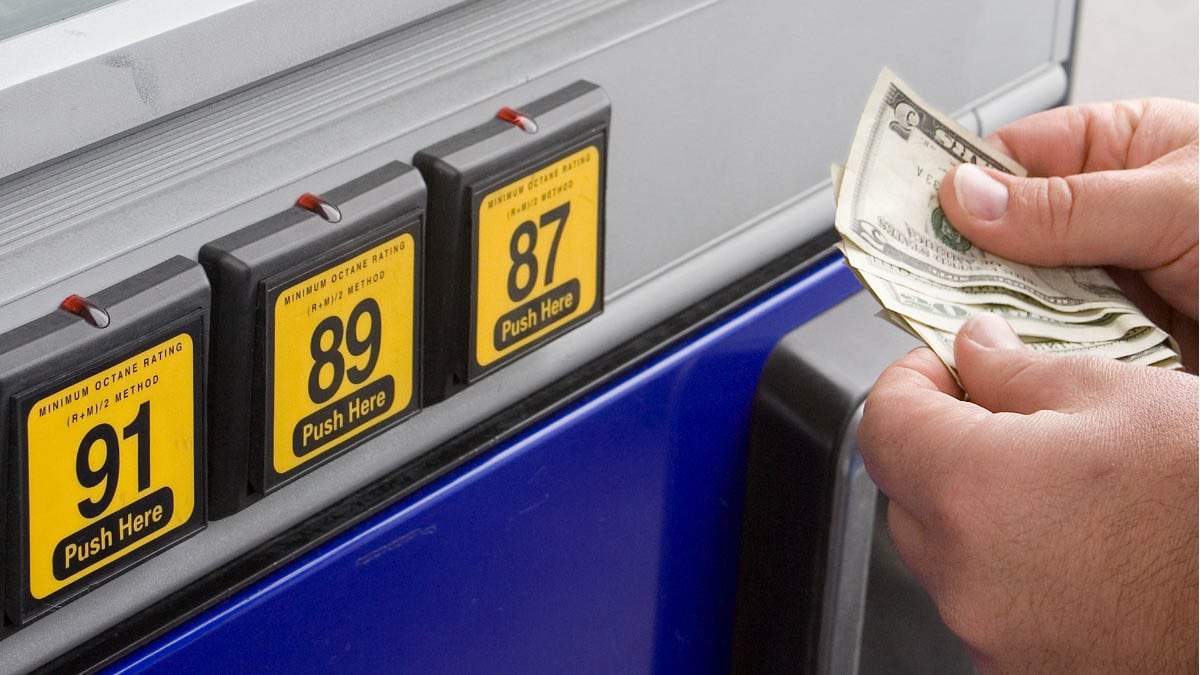
Choosing between premium and regular gasoline is among car owners’ most common decisions. The choice is also often misunderstood, and the result might waste money at the fuel pump.
What is premium gasoline? How do you know if your vehicle needs higher octane? And what are the pros and cons of choosing more expensive gas?
Here’s everything you need to know about premium gasoline when your car’s fuel needle points toward empty.
Should You Use Premium Gas?
The answer to the fundamental question is easy because the car’s manufacturer answers it. Automakers recommend the type of gasoline to use for peak performance. Spoiler alert: Most cars, trucks, and SUVs are fine running on a diet of regular gasoline.
RELATED: How Often Should I Change My Oil?
Premium Gas Explained
What constitutes premium versus regular gasoline can vary from state to state. In most places, regular gasoline has an 87 octane rating, while premium is 91 to 94 octane. A higher octane rating means the gas is more compatible with higher compression ratios.
That term refers to the conditions in the cylinder when the air and fuel detonate to keep the engine’s pistons churning up and down. Manufacturers often recommend that cars with high compression ratios, particularly those fitted with turbochargers, run on premium gas for peak performance.
Gasoline impacts your car’s performance, fuel economy, and emissions levels. A check of the owner’s manual will uncover what grade of gas the manufacturer recommends. Some cars also have a label near the gas cap citing the fuel grade you should use.
RELATED: Turbochargers Explained: How They Add Power and More
Premium vs. Regular Gas
Using premium gas (when the manufacturer recommends) maintains performance and fuel economy. It also reduces the chance of engine “knocking.”
Knocking is a potentially serious engine problem. Audible engine knocks happen when the air/fuel mixture within a piston’s combustion chamber is incorrect. Over time, excessive engine knocking can lead to expensive engine repairs. Explore common car repairs and service providers using Kelley Blue Book’s Service Advisor.
Avoiding a trip to a repair shop for knocks and pings could be worth the extra money you pay when refueling. At the time of writing, AAA reports a nationwide average for one gallon of regular gasoline is $3.66 (versus the record high of $5.016 in June 2022). Premium grade costs $4.46 on average, resulting in a $12 difference if you’re filling up with 15 gallons of premium fuel instead of regular unleaded.
The amount of money is significant, particularly when considering that some of the best-selling U.S. vehicles are full-size pickup trucks. With their large fuel tanks, the price gap between choosing regular or premium grows significantly.
MORE: Types of Gasoline Explained: Learn the Differences
Does Premium Gas Have Ethanol?
Some premium gasoline for vehicles will contain ethanol. This is more dependent on whether the gas in question is one of three grades of fuel where ethanol is added: E10, E15, and E85. The number of each loosely corresponds to the percentage of ethanol in each fuel grade.
Can You Mix Premium and Regular Gas?
Mixing premium and regular gas in your car or truck is OK. Modern vehicles’ high-tech electronics and fuel monitoring features easily adjust to different grades of gasoline. Even if the maker recommends premium gas for your car, there is no risk of immediate engine damage if you need to fill up with a tank of lower octane.
Problems such as decreased performance and poorer fuel economy would only surface if a car owner permanently ignores a higher-octane recommendation. On the other hand, there is no benefit in putting premium fuel in a vehicle engineered to run on regular gas.
The common misconception that “the good stuff” is a treat for your car or minivan only boosts the profit of the station, not the power or fuel mileage of your vehicle.
RELATED: What Happens if You Put Diesel in a Gas Car?
Will Premium Gas Hurt My Car?
Using premium gas for your vehicle will not hurt its internal combustion engine. If your car is meant to run on regular octane gas, filling it with premium gas causes no damage — other than to your bank account.
Does Premium Gas Last Longer?
Shopping for fuel isn’t like reaching deep into the cooler for milk with a more distant expiration date. Premium gas does not last longer than regular gasoline in a fuel tank.
A car owner might only consider the longevity of a car’s gas if the vehicle has been sitting unused for an extended period. And we mean months or years, not days or weeks.
MORE: Do My Tires Need to be Replaced?
Cars Requiring Premium Gas
Is there a golden rule that sporty or luxury vehicles need premium gasoline, while less expensive cars and trucks are fine running on regular? Not necessarily. Each vehicle is different and could have multiple engine options with varying fuel recommendations. That’s why it’s up to the owner to know what fuel is best for their vehicle.
As we pointed out, the owner’s manual indicates gasoline requirements. An online search can help find the answer if the manual isn’t available. If the vehicle is an older classic car, it’s worth contacting a car club. Enthusiasts with the same make and model will likely be happy to offer advice.
So, what are some examples of mainstream models in which premium fuel is recommended? Many people might correctly assume Chevrolet requires using premium for its 2024 Corvette sports car. At the same time, it’s surprising to some that Mini recommends 91-octane gas for its 2024 Cooper Convertible. Ford, Honda, Nissan, Subaru, Toyota, Volkswagen, and more — almost every automaker, in fact — has a model or sometimes a specific engine that is engineered to operate better with higher gas grades.
There are options if you’d like to limit your trips to the local filling station but aren’t ready to kick the fossil-fuel habit entirely with an electric car. A plug-in hybrid (PHEV) could be your solution. PHEVs offer an all-electric drive mode, often providing 25-40 miles of travel using only battery power. Models such as the Ford Escape PHEV, Hyundai Tucson PHEV, and the Toyota RAV4 Prime are fine with regular-grade gas.
Is Premium Gas Worth It?
Use premium gas if the owner’s manual calls for it. Otherwise, there is no sense in wasting money by putting premium gas in your vehicle’s tank if the manufacturer recommends regular gasoline. A better point to consider is Top Tier gasoline, which has more detergents and other chemicals that help keep your fuel system running clean.
In a study about the effects of these Top-Tier fuels, the AAA found after 4,000 miles, an engine running on other brands had 19 times more engine deposits than it did when fueled by a Top-Tier brand. Over time, those engine deposits can cause serious internal issues and limit the life of a car’s powertrain.
The good news is these fuels are widely available at filling stations, and any extra engine-cleaning benefits are the same whether you choose regular or premium gas.
Is Premium Gas Better?
Yes and no. If a car manufacturer recommends premium fuel, it’s best to stick with that advice. However, occasionally filling with regular won’t cause significant issues. Putting premium gas in a car that only requires regular is a big money waster. Don’t do it; there is no added benefit.
Read Related Articles:
Editor’s Note: This article has been updated since its initial publication.
Whether you drive a car, need a car, or just occasionally bum a ride with friends, you’ve come to the right place. Join Jill and Tom as they break down everything that’s going on in the auto world. New-car reviews, shopping tips, driving green, electric cars, classic cars, and plenty of great guests. This is the Consumer Guide Car Stuff Podcast.
Episode: 217
Broadcast date: April 29, 2024
Guest: John Vincent
–
–
Jill and Tom are in studio together this week. The hosts opened the show discussing a couple of polls Tom conducted on “X.” One poll asked folks to pick their favorite album for a long evening drive, while the other tested respondent’s willingness to pay for extra EV range. Still in the first segment, Jill shared her impressions of the very-affordable Nissan Versa small sedan.
In the second segment Jill and Tom are joined by John Vincent, Senior Editor for Vehicle Testing with U.S. News and World Report. John discussed the organization’s Best EV and Hybrid list, and Best Family Car list. John also shared his driving impressions of the Fisker Ocean crossover EV.
In the third segment Jill and Tom reacquaint themselves with the Lexus NX lineup, which is comprised of a confusing array of alphanumeric trim levels, which neither host could completely remember. Jill was then subjected to Tom’s “Regular or Premium Gas” quiz. The hosts wrapped up the show discussing the demise of the Mini Cooper Clubman small wagon.
Comedy giant Jerry Seinfeld, renowned for his Porsche collection, may seem to have exclusive access to some of the brand’s most elusive models. From the 356 SC Cabriolet to the 718 RSK Spyder, his garage reads like a Porsche hall of fame. Particularly notable is his connection to rare Porsches, often securing first pick on limited editions like the 996 Classic Club Coupe and the Carrera GT prototype.
Seinfeld’s collection reportedly focuses on unique Porsches with significant build numbers. Among them is the last 356 ever produced, the first 911 imported to the US, and what he claims is the last air-cooled 911—a 993 Carrera 4S Cabriolet in Mexico Blue. However, the new claimant for the title of the last air-cooled 911 is a Turbo version, raising questions about which truly holds the distinction.
The seller asserts that while Seinfeld’s cabriolet was the final 993 to roll off the production line, this Turbo was the last to leave the factory. Removed from the line on the day Ferry Porsche died, it was then enhanced by the Special Wishes team with numerous custom options, culminating its factory journey six months later. This claim is supported by a Porsche certification, affirming this Turbo as the final 993 to exit the factory gates.
This 993 911 Turbo was tastefully customised with wheel spokes and brake callipers painted in Ocean Blue, matching the exterior. The cabin boasts extensive Midnight Blue leather upholstery, and a dash-mounted memorial plaque to Ferry Porsche, enhancing its collectability. Door sills engraved with ‘The Last Waltz’ underscore its uniqueness, celebrating its historical significance.
Despite being a non-S variant, it originally featured the WLS 2 Performance kit, elevating the M64/60 twin-turbo engine from 408hp to 450hp, aligning it with the top-spec Turbo S. Paired with a six-speed manual gearbox, it offers an authentic driving experience, reminiscent of Porsche’s pre-PDK era. Its impeccable condition is validated by multiple concours victories across Japan and the US.
Priced at £1,500,000, this 993 Turbo is not just a collector’s item but a piece of Porsche history. It’s a worthy investment, especially if it escapes to Seinfeld’s collection. Interested buyers should act swiftly—this Porsche’s rarity and Seinfeld’s known interest could lead to a quick sale.
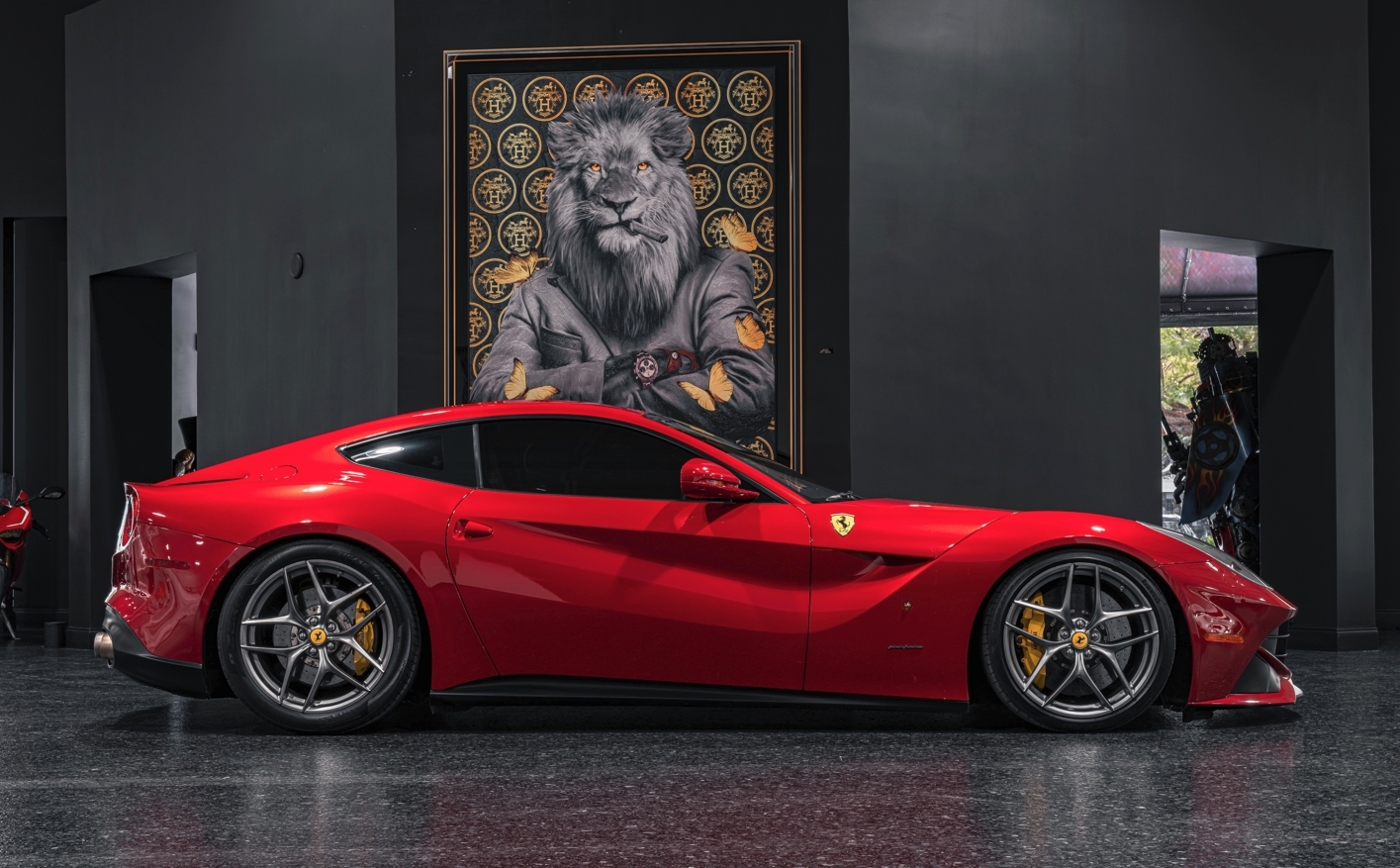
When the 2012 Ferrari F12 Berlinetta was introduced, it was a big deal for Ferrari, stepping in after the beloved 599 GTB Fiorano. This wasn’t just about bringing in a new car; it was about setting new heights for what a sports car with its engine in the front and power in the back wheels could do.
As the main star of Ferrari’s lineup at that time, the F12 mixed the latest tech with classic Ferrari looks. It had big shoes to fill after the 599, aiming not just to match but to wow, combining the best of new technology with that unmistakable Ferrari charm.
Beneath its elegant sculpted hood lies a powerhouse: a naturally aspirated 6.3-liter V12 engine, which was the most powerful road-going engine Ferrari had ever produced up to that point.
Delivering 730 hp, the F12 was capable of accelerating from 0 to 60 mph in just 3.1 seconds, with a top speed of over 210 mph, making it one of the fastest cars grand touring cars at the time.
Beyond its amazing performance, the F12 was praised for its handling dynamics, which were the result of meticulous aerodynamic design and advanced chassis development. This combination ensured that the car not only delivered straight-line speed but also the agility and precision on winding roads and race tracks.
The design of the F12 speaks the language of Ferrari’s rich heritage, with sleek aerodynamics, sharp lines, and the brand’s signature styling cues, making it unmistakably a Ferrari. The F12’s design merges form and function seamlessly, starting with its front bumper that proudly displays the Ferrari stallion emblem, encircled by slats that channel air straight into the engine lurking behind.
The car’s doors are subtly indented, a deliberate design choice to improve airflow and enhance aerodynamics. This thoughtful styling is brought full circle with the iconic circular taillights that hallmark its rear, creating the F12’s aesthetic and performance ethos.
Inside, the cabin reflects a balance between comfort and performance, incorporating ergonomic design and advanced technology that draws inspiration from Ferrari’s relationship with Fiat, enhancing its practicality for daily driving without compromising on the thrill of high-performance driving.
Throughout its production years, the F12 found itself in a competitive rivalry with the Lamborghini Aventador. However, despite its similar price point, the F12 stands out in its category with its naturally aspirated V12 engine and its grand tourer credentials. Additionally, the F12 appeals more to those who seek a more understated presence, preferring to attract less attention than the Aventador typically does.
Model Changes (Breakdown by Year)
2012 Ferrari F12
The 2012 model marked the debut of the Ferrari F12 Berlinetta, replacing the Ferrari 599 GTB Fiorano.
Powered by a 6.3L V12 engine that churns out an impressive 730 hp, it stands out for its remarkable performance.
Its low, sleek profile unmistakably asserts a dominant presence on the road. With a starting base price of approximately $330,000, it positioned itself competitively against the Lamborghini Aventador.
2013 Ferrari F12
For 2013, Ferrari carried forward the groundbreaking legacy of the F12berlinetta from its 2012 introduction, maintaining its brand’s prestige without significant updates in performance, design, or technology.
2014 Ferrari F12
In 2014, while the Ferrari F12 remained unchanged from the previous year, Ferrari introduced an element of exclusivity and personalization through its Tailor Made program. This initiative allowed owners to customize their F12 with bespoke touches, offering an array of personalization options that ranged from unique color combinations, interior materials, and trim details.
Though these customizations did not extend to mechanical changes, the program enabled F12 owners to create a vehicle that was uniquely theirs, further enhancing the allure and prestige of owning one of Ferrari’s most powerful and elegant models.
This move by Ferrari underscored the brand’s commitment to not only delivering unparalleled performance but also catering to the individual tastes and desires of its clientele, ensuring that each Tailor Made F12 was as distinct and unique as its owner.
Despite the absence of new variants or significant updates to the car’s performance or design, the introduction of the Tailor Made program in 2014 represented a significant enhancement to the F12’s appeal, offering an added layer of exclusivity and personalization to an already outstanding vehicle.
2015 Ferrari F12
In 2015, Ferrari introduced a significant update to the F12 lineup with the unveiling of the F12 TDF (Tour de France), a track-focused variant that took the already great F12 to new heights of performance and driving dynamics.
Limited to just 799 units, the F12 TDF was a tribute to Ferrari’s historical dominance in the Tour de France automobile race, embodying the spirit and performance that Ferrari cars exhibited on those legendary roads.
The F12 TDF boasted a large upgrade in power, with its 6.3-liter V12 engine now producing an astounding 769 hp, up from the 730 hp found in the standard F12. This increase in power, combined with a significant reduction in weight, allowed the F12 TDF to offer an even more exciting driving experience.
The weight savings were achieved through the extensive use of carbon fiber and other lightweight materials, both inside and out, which not only reduced the car’s overall mass but also improved its power-to-weight ratio dramatically.
Aerodynamically, the F12 TDF featured substantial enhancements over the regular F12. Ferrari’s engineers reworked the car’s exterior to include redesigned aerodynamic elements, such as a larger splitter, new aero blades, and louvers on the fenders, which increased downforce without significantly affecting the drag coefficient.
These modifications allowed the F12 TDF to achieve better stability at high speeds and more precise handling, especially on the track.
Driving the F12 TDF was described as an unparalleled experience, thanks to its performance upgrades and aerodynamic improvements. The car’s agility and responsiveness were significantly enhanced, allowing for tighter cornering and more aggressive acceleration.
The F12 TDF’s dynamic capabilities were further complemented by its revised suspension setup and the introduction of rear-wheel steering, which improved grip and stability during high-speed maneuvers.
In comparison to the regular F12, the F12 TDF was a more extreme, track-focused machine that pushed the boundaries of what was possible in a front-engined, rear-wheel-drive sports car. It retained the essence of the F12’s design but added a level of performance and exclusivity that appealed to the most discerning Ferrari enthusiasts and collectors, making it a fitting homage to the brand’s racing heritage.
Starting price for the F12 TDF was $490,500.
2016 Ferrari F12
In 2016, the Ferrari F12’s journey of refinement and excellence saw its focus shift towards offering clients more personalized customization options and enhancing the car’s interior luxury and comfort.
While the core mechanical specifications and the exterior design largely remained unchanged, Ferrari provided its clientele with an expanded palette of customization options, allowing for a more tailored and individual expression of style and luxury.
The minor updates in options included a broader range of exterior colors, new wheel designs, and perhaps more choices in terms of brake caliper colors, allowing owners to make their F12berlinetta distinctively theirs.
Ferrari’s Atelier program offers an extensive selection of materials, finishes, and details, enabling buyers to work closely with the manufacturer to create a vehicle that perfectly reflects their preferences and lifestyle.
Interior enhancements for the 2016 F12 focused on elevating the level of luxury and technological convenience within the cabin. This involved the introduction of new leather or Alcantara upholstery options, and more elaborate stitching patterns to keep the F12 at the cutting edge of automotive interior design.
Additionally, 2016 has seen updates to the F12’s infotainment system, offering improved navigation, connectivity, and audio system options.
2017 Ferrari F12
In 2017, marking the end of the Ferrari F12’s production and Ferrari’s 70th year in the business of creating some of the world’s most coveted cars, the company rolled out special liveries and editions for the F12. These 70th Anniversary Editions were a tribute to Ferrari’s rich heritage and its unbroken lineage of automotive excellence and only 70 of these F12’s exist.
The 70th Anniversary Editions introduced for the F12 featured unique customization options that went beyond the standard offerings. These included a range of specially designed liveries that paid homage to iconic Ferraris from the past, allowing owners to own a piece of Ferrari history.
Each livery was inspired by a story or a specific model that had left an indelible mark on the brand’s legacy, offering a blend of Ferrari’s racing heritage and its prowess in creating road cars that are as beautiful as they are powerful.
In terms of interior enhancements, these special editions included exclusive upholstery options, bespoke trim elements, and commemorative badging, emphasizing the uniqueness of the vehicle and the significance of Ferrari’s 70th anniversary.
Ferrari F12 Common Problems
Despite what one might assume about its mechanical intricacies, the Ferrari F12 stands as one of the most dependable V12 grand tourers ever produced.
Many people have driven their Ferrari F12s for extended distances, many with higher miles, proving its reliability.
However, it is essential to keep in mind that all cars, even supercars, can have issues and it is crucial to perform a Pre-Purchase Inspection (PPI) from an authorized dealer or experienced independent mechanic to reveal all issues.
Wonky Starter Motors: Some Ferrari F12 models have experienced issues with their starter motors, which can result in unreliable starting performance. This problem may manifest as difficulty in starting the engine or inconsistent start times, potentially due to electrical or mechanical faults within the starter system.
Rough-Shifting Transmissions: The F12’s 7DCL750 transmission, known for its quick and smooth gear changes under optimal conditions, has been reported in some cases to shift roughly. This issue can be particularly noticeable at low speeds or during downshifts. Additionally, there have been instances where this transmission may leak fluid, a condition that could lead to operational inefficiency and require professional repair to prevent further mechanical damage.
Peeling Paint: Aesthetic concerns have arisen with the F12 regarding its paintwork, with reports of paint peeling in certain areas. This issue detracts from the vehicle’s otherwise impeccable appearance and may be due to factors such as improper application during manufacturing, environmental stresses, or the quality of the paint used.
Leather Shrinkage on Dashboard and Rear Sunscreen: The Ferrari F12’s luxurious interior is not without its flaws. Owners have noted that the leather on the dashboard and the rear sunscreen can shrink over time. This shrinkage not only affects the visual appeal of the interior but can also lead to cracking and damage to these leather components, likely caused by exposure to sunlight and temperature variations.
Creaking from Torque Bolts in Rear Driveshaft: There have been reports of creaking noises emanating from the rear driveshaft area, specifically linked to the torque bolts. This noise can indicate that the bolts are not maintaining their proper tension, potentially affecting the driveshaft’s alignment and operational smoothness, and might require retightening or replacement of components to resolve.
Corrosion at Rear Mesh: Corrosion issues have been identified at the rear mesh of some F12 models. This problem can compromise not just the vehicle’s aesthetics but also the integrity of the mesh itself, which is crucial for protecting underlying components from debris while ensuring adequate ventilation. Corrosion in this area can be attributed to moisture accumulation and environmental exposure, necessitating regular inspection and maintenance to prevent deterioration.
Each of these issues highlights the importance of regular, comprehensive maintenance and prompt attention to any signs of wear or failure to ensure the Ferrari F12 remains in peak condition.
Recalls
2013-2017 F12 Berlinetta, 2017 F12 TDF vehicles
Service brakes, hydraulic (Recall no. 22V536000)
The brake fluid reservoir cap may not vent properly, creating a vacuum inside the brake fluid reservoir, and resulting in a brake fluid leak that may lead to a partial or total loss of brake function.
2015-2017 F12 Berlinetta, 2016 F12 TDF vehicles
Air bags (Recall no. 19V411000)
The air bag Electronic Control Unit (ECU) may malfunction, possibly causing the non-deployment or improper deployment of the air bags and/or seat belt pretensioners.
2017 Ferrari F12, 2016-2017 Ferrari F12 TDF vehicles
Air bags: Frontal: Passenger side: Inflator module (Recall no. 19V006000)
These vehicles are equipped with certain air bag inflators assembled as part of the passenger frontal air bag modules used as original equipment or replacement equipment. In the event of a crash necessitating deployment of the passenger frontal air bag, these inflators may explode due to propellant degradation occurring after long-term exposure to absolute humidity and temperature cycling.
2013 Ferrari F12 vehicles
Air bags (Recall no. 18V040000)
These vehicles are equipped with certain air bag inflators assembled as part of the passenger frontal air bag modules used as original equipment or replacement equipment. In the event of a crash necessitating deployment of the passenger frontal air bag, these inflators may explode due to propellant degradation occurring after long-term exposure to absolute humidity and temperature cycling.
Ferrari F12 Berlinetta vehicles manufactured December 19, 2014, to April 29, 2015
Air bags: Frontal (Recall no. 15V433000)
The affected vehicles may be equipped with a driver side air bag module that was improperly assembled. This can cause the air bag to deploy in a rotated orientation.
Maintenance and Ownership Costs
While historically, maintaining a Ferrari V12 has been quite costly, the F12 is regarded as having comparatively modest maintenance needs.
However, it is important to remember that regular maintenance and repairs will still be necessary, and the costs can vary depending on whether you take your car to a dealer or an independent mechanic.
Here is the suggested service schedule and intervals per Ferrari:
ANNUAL OR EVERY 6,000 MILES (Minor Service):
Replace Engine Oil & Filter
Replace Brake Fluid
Brake Inspection
Indicator Light check
Inspection of Transmission & Differential Assembly
Top-Up Power Steering Fluid if Necessary
Inspect Transmission Oil & Top-Up if Necessary
Inspect Front & Rear Suspension Systems
Inspection of Tire Wear
EVERY 3 YEARS OR 25,000 MILES (Includes 6,000 Mi Service Plus):
Replace Transmission Fluid
Replace Spark Plugs
Replace Air Filter
Replace Coolant
Tightening of Engine & Transmission Mounts & Fasteners
Replace Auxiliary Belts
EVERY 6 YEARS OR 50,000 MILES (Includes 25,000 Mi Service Plus):
Replace Water Pump
Replace Auxiliary Belts
Check for wheel bearing play, Replace if necessary
Here is a rough estimate of typical service costs associated with the Ferrari F12:
Oil Change – The Ferrari F12berlinetta requires a higher grade of oil and a more extensive labor process, costing approximately $800 for an independent specialist and upwards of $1,200 at a Ferrari dealership.
Minor Service – This service generally includes an oil change, replacement of the cabin air filter, and engine air filter. For the F12, due to its high-performance specifications and the quality of parts required, you can expect to pay around $3,000 at a Ferrari dealership.
Major Service – In addition to the items covered in a minor service, major service for an F12 typically includes the replacement of spark plugs, a brake system flush, and a transmission fluid flush. Given the Ferrari’s specialized needs and parts, this service can cost around $5,000 when performed at a Ferrari dealership.
Tires – A set of premium, high-performance tires suitable for the F12, such as the Michelin Pilot Super Sport, could cost in the region of $2,500 to $3,000 due to the car’s specific size and performance requirements.
Brakes – The Ferrari F12 uses carbon-ceramic brake rotors, designed to last the vehicle’s lifetime under normal driving conditions. However, the cost for a set of aftermarket OE-equivalent brake pads can run about $1,000 to $1,500.
Clutch – The F12 features a dual-clutch transmission engineered for high performance and longevity. It is designed to last the life of the car under normal use, so typically there would be no additional expenses for clutch or flywheel service.
Please note that these costs can vary based on location, the specific model year of the F12, and the extent of use it has seen. It is always recommended to have these services performed by qualified Ferrari technicians to maintain the car’s performance and value.
Options List
When it comes to purchasing a Ferrari used, it all comes down to three key points: Options, options, and options.
When considering the resale value of the Ferrari F12, certain features are highly sought after by potential buyers. Among these, the carbon fiber steering wheel, carbon bucket seats, and Scuderia shields are almost universally coveted. These items tend to stand at the top of the list for enthusiasts looking to acquire a pre-owned F12.
Further enhancing the appeal, options such as the carbon fiber interior and exterior trim, the aforementioned carbon fibre steering wheel, the Homelink mirror, a front lift system, and a parking camera are often the first checked boxes on a buyer’s wish list. These features not only contribute to the aesthetic and functional value of the vehicle but also signify a well-optioned F12.
In addition to these primary options, there are secondary features that, while not as critical, are still desirable for adding an extra touch of luxury or personalization. These include the iconic prancing Horse stitched on the headrests, black inserts for the outer mirrors, and a selection of optional wheel designs.
Thee details may not be deal-breakers but they do make the vehicle stand out and can tip the scales for buyers looking for a particularly well-appointed example of the F12.
Finally, a handful of F12 customers also went through the Atelier and Tailor Made program by Ferrari. The Atelier program offers an extensive range of additional customization options for the Ferrari F12 that go beyond what you might find in the standard dealer configurator.
These options allow for a higher degree of personalization and access to unique features that are not typically offered through the standard purchasing process.
On the other hand, the Tailor Made program takes customization to the highest level, providing an expansive array of personalization choices that stretch the boundaries of what’s possible. This program is akin to having a blank canvas where almost any vision of personal taste can be brought to life.
It offers an extensive selection of paints, fabrics, leathers, and other materials, enabling customers to create a truly bespoke Ferrari that reflects their individual style and preferences to the finest detail.
Because of the strict approval requirements, cars that went through the Atelier and Tailor Made program are considered highly desirable.
These cars usually command a higher premium in the market due to their exclusivity and uniqueness.
Here are some examples of option changes
Some of the more desirable options to look for include:
Carbon fibre package (interior, exterior)
Carbon fibre steering wheel
Carbon bucket seats
Scuderia shields
Front lift
Parking camera
Atelier or Tailor made options
2015 Ferrari F12 options list
Ferrari F12 Price and Values (F12 TDF)
The Best Ferrari F12 to Buy
When it comes to buying a F12, there are a few key factors to consider that can affect the car’s long-term value.
For F12s that will most likely continue to climb in value will be the special edition F12 TDF. Although they are already very expensive, they are extremely desirable and regularly traded for high dollar value with no sign of depreciation.
F12 70th Anniversary Editions are also quite rare and desirable, as every single one of the 70 cars built is all spec’d differently in unique heritage colors and interior options, they are a safe choice to purchase.
Despite the Ferrari F12 undergoing only a few minor updates and changes throughout its production years, each model released is considered a solid purchase. The F12 has consistently maintained a high standard of quality and performance, ensuring that every iteration, from its initial release to the final models, represents a robust and reliable choice for enthusiasts and collectors alike.
Whether early or later models, the F12 stands as a testament to Ferrari’s commitment to engineering excellence, making any of them a worthy addition to a connoisseur’s garage.
In the current market, as cars increasingly adopt hybrid technology, collectors and enthusiasts are developing a heightened appreciation for naturally aspirated V12s, making them highly desirable.
In addition, the condition and mileage of the car are also important factors to consider when buying an F12. The ones that are more likely to retain their value in the long run and will fetch the most money will be a well-maintained car with low mileage.
Therefore, it’s important to do your research, compare prices, and look for well-maintained cars if you are considering purchasing an F12 with the goal of not losing any money.
Conclusion
In summary, with a price tag starting at around $240,000, the Ferrari F12 emerges as an excellent contender for those seeking their grand touring supercar experience. It’s not only reliable but also impresses with its performance and the symphony of its engine. The F12 distinguishes itself as the supercar of choice for the discerning gentleman.
While the Lamborghini Aventador may be a viable alternative, the F12’s blend of exhilarating performance and refined elegance places it in a league of its own.
Ultimately, if you’re in the market for a supercar that offers both grand touring luxury and thrilling performance, the F12 should be at the top of your list, promising a decision that’s as rewarding as it sounds.
Car Hacking Shortcuts
Make sure the car has a front lift system.
Spec matters: Look for any F12 with Atelier or Tailor made options
YouTube robotics influencer Dave Niewinski has developed robots for everything from driveable La-Z-Boy chairs to an AI-guided cornhole tosser and horse-drawn chariot racing.
His recent Interactive Animatronic GLaDOS project was among nine winners in the Hackster AI Innovation Challenge. About 100 contestants vied for prizes from NVIDIA and Sparkfun by creating open-source projects to advance the use of AI in edge computing, robotics and IoT.
Niewinski won first place in the generative AI applications category for his innovative robot based on the GLaDOS guide from game series Portal, the first-person puzzle platform from video game developer Valve.
Other top winners included contestants Andrei Ciobanu and Allen Tao, who took first prize in the generative AI models for the edge and AI at the edge applications categories, respectively. Ciobanu used generative AI to help virtually try on clothes, while Tao developed a ROS-based robot to map the inside of a home to help find things.
Harnessing LLMs for Robots
Niewinski builds custom applications for robotics at his Armoury Labs business in Waterloo, Ontario, Canada, where he uses the NVIDIA Jetson platform for edge AI and robotics, creating open-source tutorials and YouTube videos following his experiences.
He built his interactive GLaDOS robot to create a personal assistant for himself in the lab. It handles queries using Transformer-based speech recognition, text-to-speech, and large language models (LLMs) running onboard an NVIDIA Jetson AGX Orin, which interfaces with a robot arm and camera for interactions.
GLaDOS can track his whereabouts in the lab, move in different directions to face him and respond quickly to queries.
“I like doing things with robots that people will look at and say it’s not what they had immediately expected,” he said.
He wanted the assistant to sound like the original GLaDOS from Portal and respond quickly. Fortunately, the gaming company Valve has put all of the voice lines from Portal and Portal 2 on its website, allowing Niewinski to download the audio to help train a model.
“Using Jetson, your average question-and-answer stuff runs pretty quick for speech,” he said.
Niewinski used NVIDIA’s open-source NeMo toolkit to fine-tune a voice for GLaDOS, training a spectrogram generator network called FastPitch and HiFiGAN vocoder network to refine the audio quality.
Both networks are deployed on Orin with NVIDIA Riva to enable speech recognition and synthesis that’s been optimized to run at many times the real-time rate of speech, so that it can run alongside the LLM while maintaining a smooth, interactive delivery.
For generating realistic responses from GLaDOS, Niewinski uses a locally hosted LLM called OpenChat that he runs in Docker from jetson-containers, saying that it was a drop-in replacement for OpenAI’s API. All of this AI is running on the Jetson module, using the latest open-source ML software stack built with CUDA and JetPack.
To enable GLaDOS to move, Niewinski developed the interactions for a Unitree Z1 robotic arm. It has a stereo camera and models for seeing and tracking a human speaking and a 3D-printed GLaDOS head and body shell around the arm.
Trying on Generative AI for Fashion Fit
Winner Ciobanu, based in Romania, aimed to improve the virtual clothing try-on experience with the help of generative AI, taking a top prize for his EdgeStyle: Fashion Preview at the Edge.
He used AI models such as YOLOv5, SAM and OpenPose to extract and refine data from images and videos. Then he used Stable Diffusion to generate the images, which he said was key to achieving accurate virtual try-ons.
This system taught the model how clothes fit different poses on people, which he said enhanced the realism of the try-ons.
“It’s quite handy as it allows users to see how clothes would look on them without actually trying them on,” said Ciobanu.
The NVIDIA JetPack SDK provided all the tools needed to run AI models smoothly on the Jetson Orin, he said.
“It’s super-helpful to have a stable set of tools, especially when you’re dealing with AI tech that keeps changing,” said Ciobanu. “It really cut down on the time and hassle for us developers, letting us focus more on the cool stuff we’re building instead of getting stuck on tech issues.”
Finding Lost Items With Robot Assistance
Winner Tao, based in Ontario, Canada, created a robot to lessen the burden of searching for things lost around the house. His An Eye for an Item project took top honors at the Hackster challenge.
“Finding lost objects is a chore, and recent developments in zero-shot object detection and LLMs make it feasible for a computer to detect arbitrary objects for us based on textual or pictorial descriptions, presenting an opportunity for automation,” said Tao.
Tao said he needed robot computing capabilities to catalog objects in any unstructured environment — whether a living room or large warehouse. And he needed it to also perform real-time calculations for localization to help with navigation, as well as running inference on larger object detection models.
“Jetson Orin was a perfect fit, supporting all functionality from text and image queries into NanoDB, to real-time odometry feedback, including leveraging Isaac ROS’ hardware-accelerated AprilTag detections for drift correction,” he said.
Other winners of the AI Innovation Challenge include:
George Profenza, Escalator people tracker, 2nd place, Generative AI Applications category
Dimiter Kendri, Cooking meals with a local AI assistant using Jetson AGX Orin, 3rd place, Generative AI Applications category
Vy Phan, ClearWaters Underwater Image Enhancement with Generative AI, 2nd place, Generative AI Models category
Huy Mai, Realtime Language Segment Anything on Jetson Orin, 2nd place, Generative AI Models category
Fakhrur Razi, Autonomous Intelligent Robotic Shopping Cart, 2nd place, AI at the Edge Open category
Team Kinetika, Counting for Inspection and Quality Control with TensorRT, 3rd place, AI at the Edge Open category
Learn more about NVIDIA Jetson Orin for robotics and edge AI applications. Get started creating your own projects at the Jetson AI Lab.
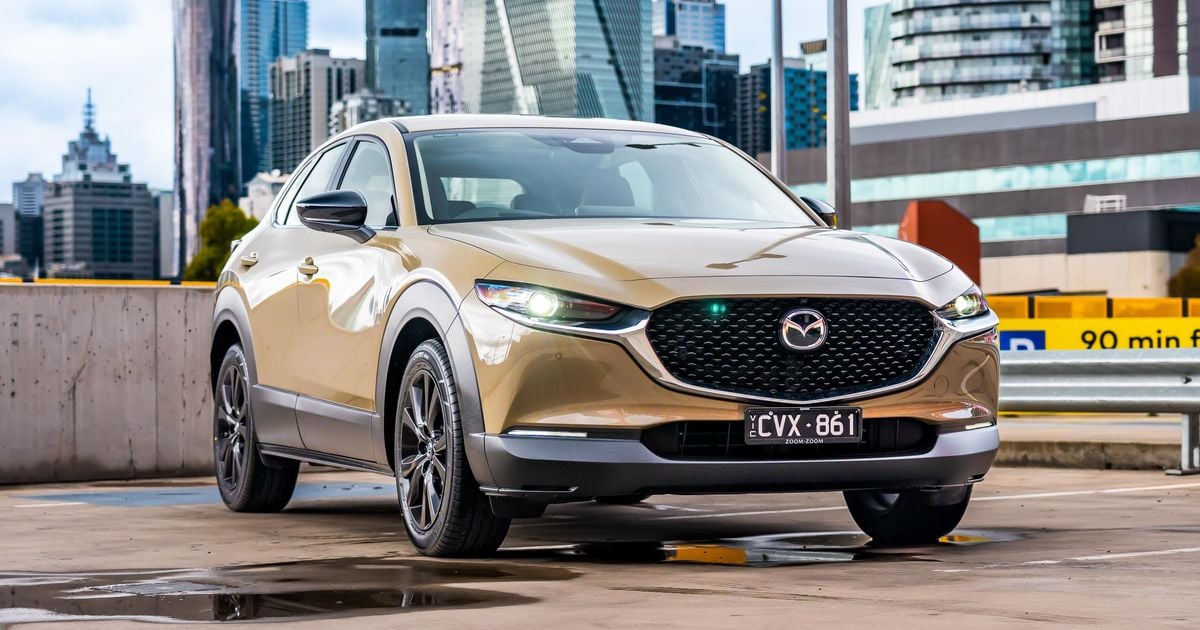
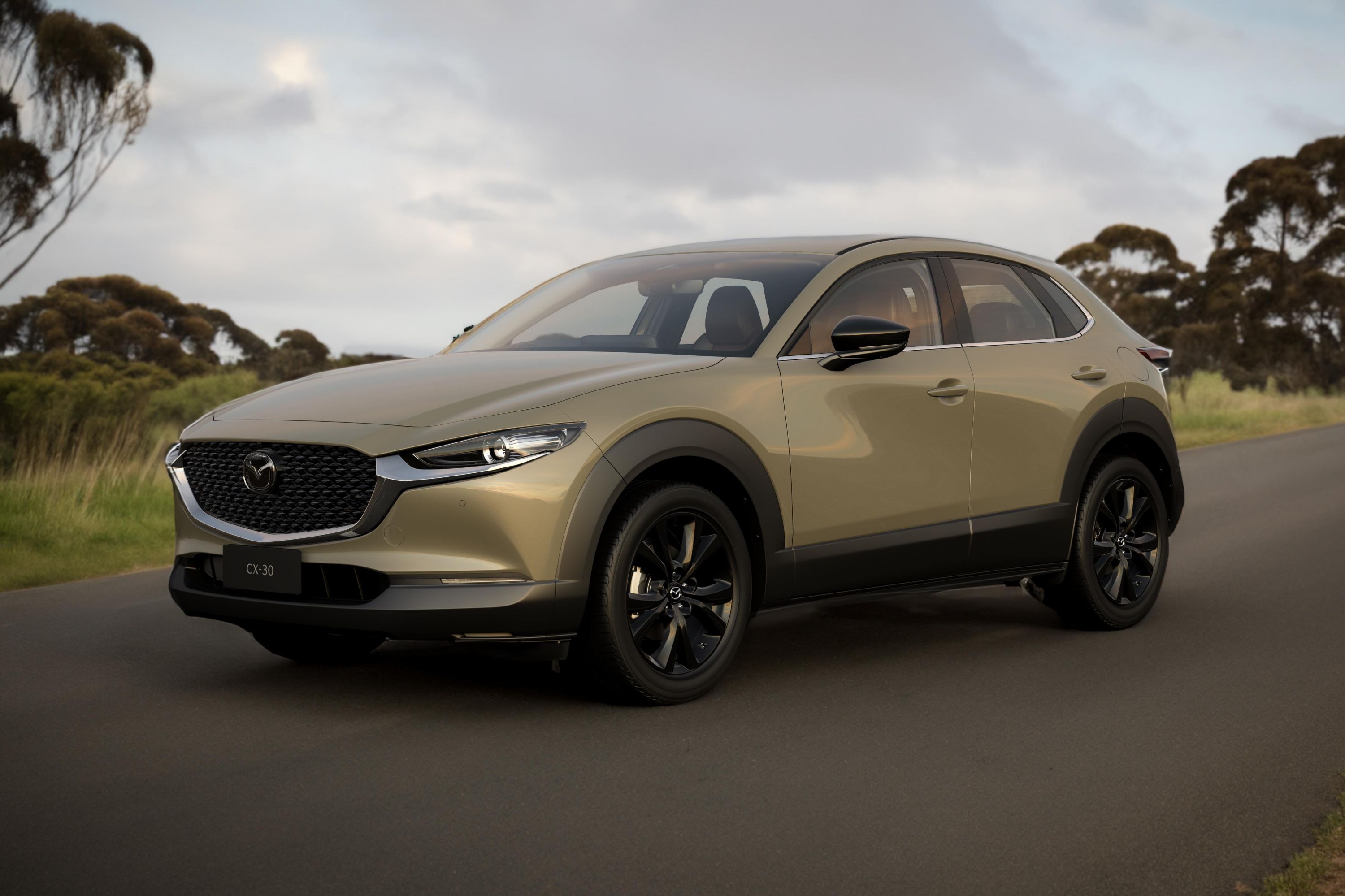
It’s hard to stand out if you’re selling a small SUV in Australia, but Mazda has managed with the CX-30 since its debut in 2020.
There were already plenty of variants to choose from, but this year Mazda has trimmed the fat while also introducing a new member to the family – the GT SP.
Available in front- and all-wheel drive, the GT SP replaces the outgoing Touring SP and is a victim of price rises that have hit the whole CX-30 range.
With a drive-away price tag well past $40,000, is the new Mazda CX-30 GT SP a shrewd buy amongst such stiff competition?
How does the Mazda CX-30 compare?
View a detailed breakdown of the Mazda CX-30 against similarly sized vehicles.
Mazda
CX-30
How much does the Mazda CX-30 cost?
The 2024 Mazda CX-30 range starts at $33,140 before on-road costs and tops out at $47,540 plus on-roads for the G25 Astina with all-wheel drive.
Five model grades are available, and they are split across two engine options.
2024 Mazda CX-30 pricing:
CX-30 G20
2024 Mazda CX-30 G20 Pure: $33,140
2024 Mazda CX-30 G20 Evolve: $34,840
2024 Mazda CX-30 G20 Touring: $38,840
2024 Mazda CX-30 G20 Astina: $44,040
CX-30 G25
2024 Mazda CX-30 G25 Touring: $40,340
2024 Mazda CX-30 G25 GT SP: $42,340
2024 Mazda CX-30 G25 GT SP AWD: $44,340
2024 Mazda CX-30 G25 Astina: $45,540
2024 Mazda CX-30 G25 Astina AWD: $47,540
Prices are before on-road costs
The test vehicle featured here is a G25 GT SP in front-wheel drive guise, optioned with Zircon Sand Metallic exterior paint ($595), the Vision Technology pack ($1300), and floor mats ($225).
That brings the total list price to $44,460 before on-road costs, or $49,221 drive-away for Victorian buyers.
To see how the Mazda CX-30 compares with its rivals, use our comparison tool.
What is theMazda CX-30 like on the inside?
Mazda may not be considered a premium brand in the car world, but the interior of the CX-30 appears to have been carefully constructed to challenge that long-held view.
Immediately your attention is drawn to the striking burgundy leather seats, which look great and add a splash of colour to an otherwise dark cabin.
From that first visual impression, the experience remains positive once you slide into the driver’s seat. Aside from looking the part, the chairs are plush, well bolstered for daily driving, and have plenty of electric adjustment for drivers of all shapes and sizes.
It’s starting to get chilly here in Melbourne as winter approaches, but any discomfort doesn’t last long in this variant thanks to its three-stage heated front seats as standard.
The configurability of the seat heaters is certainly preferable to the on/off switch fitted to other cars in this ballpark, and is in line with far more expensive SUVs.
Looking around the rest of the cabin, Mazda’s attention to detail becomes even more apparent.
You’ll find mostly thin layers of soft-touch materials coating surfaces above the waistline, including the dashboard. We’re not talking top-grade Nappa leather here, but all the common contact points are pleasing to the touch.
There’s no step down in quality from the front seats to the rear, either, which is a common cost-cutting ploy.
The thin leather-trimmed steering wheel feels natural in the hands, as does the gear lever.
My main gripe is that the transmission tunnel receives the gloss black plastic treatment. Sure, it looks great when new, but the stuff is a magnet for scratches.
The inside of the Mazda CX-30 GT SP isn’t just about style, there’s plenty of substance too.
None of the interior pieces have any play in them; everything is solid and seemingly built to a high standard. All the buttons and switches have a satisfying tactility, especially in 2024 when manufacturers are increasingly turning to screens and haptic controls.
Six years on the market can date a car, but in this case it gives the CX-30 some advantages over the competition.
Considering this is essentially a jacked up Mazda 3, storage space is also commendable.
Door bins up front fit a 1L water bottle in addition to other bits and bobs, the items cleverly separated into tiers.
Cups and bottles are still best stored in the dedicated centre cupholders, which are stationed at the front of the transmission tunnel and possess the diameter to fit a 1L bottle.
However, the slots are too close to the dash controls, so a large bottle blocks access to important functions such as the seat heater button and climate controls.
You shouldn’t have to choose between storing a drink and having access to regularly used features.
Further back, a cavernous, carpet-lined storage area is located under the centre armrest. If only it was easy to access.
Opening the armrest involves a convoluted sliding and folding process which is fiddly and difficult to complete while driving. The lid itself also feels flimsy – I was worried about breaking it during every use.
Once in reach, the armrest area is a very usable space. A plastic divider can be used to separate items, and there are two USB-C and one 12V connection points built in.
Glovebox room is on par with other cars of this size, and there is a sunglasses holder located above the driver.
With roots dating back to 2019, the CX-30 is a taste of old-school cool in many respects, but that doesn’t mean we’re dealing with CD players and single DIN stereos.
Ahead of the driver is a 7.0-inch digital cluster flanked by analogue dials that tell you everything you need to know without reinventing the wheel.
It’s a simple layout that some will perceive as basic, but I think it’s perfectly uncluttered and informative.
For those worried about copping speeding tickets in the mail, the posted limit is indicated by a handy red mark on the speedometer, as well as speed sign graphics located both on the digital cluster and heads-up display. The simple HUD also displays speed.
To the left sits a 10.25-inch infotainment system which is only equipped to GT SP and Astina variants of the CX-30 as standard, lower variants feature a smaller display, though you can opt for the larger one as part of the Vision Technology package.
For its clarity and competitive size, the screen is positioned way too far from the driver. This is a big deal, because it prevents you from utilising the touch capability of the system, forcing use of a rotary dial on the transmission tunnel.
While mostly easy to use, the dial has its limits. Accessing apps is made infuriating when you have to scroll all the way through a long list (e.g. Spotify playlists) to reach them. It’s also painstaking to enter destinations in the satellite navigation, which requires endless twisting and toggling. At least the maps are detailed.
Once you’ve mastered use of the rotary dial, the infotainment system is relatively easy to navigate and contains all the features you need.
Everything is configurable, from the digital displays to safety tech and entertainment settings.
Adjusting the climate controls is also a doddle. Physical buttons and dials make it easy to change settings on the go, without having to negotiate a maze of menus.
The GT SP has wireless smartphone mirroring capability which is not available in base models. In my experience, Apple CarPlay works smoothly and reliably.
The same cannot be said for the wireless phone charger. It was temperamental, and my phone had to be in exactly the right position for it to charge. When the rubber-topped pad was working, charging was quick and my phone never threatened to launch itself at anyone in the cabin.
Back in the second row of seats, there aren’t nearly as many toys or creature comforts.
Space is at a premium; I am six-two with long legs and couldn’t get comfortable behind the driver.
My knees also touch the back of the passenger seat, but I could just about get comfortable on that side, and there’s plenty of toe room. The back seats neither slide nor recline.
Headroom also leaves plenty to be desired. My head constantly grazed the dark headlining, adding to a sense of claustrophobia that’s only remedied by the vibrant seats and front sunroof.
Mazda does offer the larger CX-5 if you’re carting a family around, but it’s worth considering rivals such as the Kia Seltos offer more usable space in the back.
The aforementioned sunroof is a quality addition to the GT SP, injecting light and fresh air into the cabin.
While tech is in strong supply up front, you won’t find any USB ports in the back. A couple of air vents is all you get.
There’s adequate storage space, including map pockets in the seat backs, an armrest with fixed cup holders, and door bins big enough for a 1L drink bottle or your favourite book.
You’ll need to put those nooks to good use, as the boot is on the smaller side at 317L.
The small stature of the CX-30 makes it easy to load and unload items, but lifting the manual tailgate reveals a cargo area that’s plain minus a small light, and compromised by a low roofline.
If you want to unlock some more space, the rear seats allegedly fold 60/40. However, with the front seats set too far back the back seats can’t fold, instead you need to move the seats forward before dropping the second row. It’s not the end of the world, but it’s an extra step in a process that should be simple.
There are top tether points for the three rear seats, and ISOFIX points on the two outboard rear seats.
What’s under the bonnet?
The Mazda CX-30 GT SP is powered by a 2.5-litre naturally aspirated four-cylinder petrol engine producing 139kW of power and 252Nm of torque.
Power is sent to the front wheels only in this configuration, although an all-wheel drive version is available.
Model
Mazda CX-30 GT SP
Engine
2.5-litre four-cylinder
Power
139kW
Torque
252Nm
Transmission
6-speed automatic
Driven wheels
Front-wheel drive
Kerb weight
1477kg
Fuel economy (claimed)
6.6L/100km
Fuel economy (as tested)
9.5L/100km
Fuel tank capacity
51L
Fuel requirement
91 RON
Emissions (CO2)
154g/km
Our fuel economy figure was measured over 350km of mostly peak-hour traffic commuting, with some short stints on the open road.
To see how the Mazda CX-30 compares with its rivals, use our comparison tool.
How does theMazda CX-30 drive?
The nostalgia evoked by interior features in the CX-30 can also be felt in the driving experience, which is involving despite underlying flaws.
Overseas model shown
Modern drivers are used to turbochargers with instant shove, but the naturally aspirated four-cylinder in the GT SP requires some patience at low revs.
Max torque (252Nm) isn’t available until 4000rpm, so you really have to wring out the motor to make meaningful progress. Overtakes on the freeway can be a chore for that reason.
More throttle means more noise, and the buzz produced by this 2.5-litre can quickly become onerous if the driver prefers a quiet, insulated journey.
Having said that, the engine is only noticeable when you’re in a hurry and tyre roar is mostly absent.
When pottering around at low revs the CX-30 is quiet enough and when required the engine pulls in a linear fashion, while the automatic transmission was buttery smooth in stop-start traffic, unlike some dual-clutch systems offered in this segment.
Overseas model shown
I quite enjoyed the driving experience of this small SUV.
What CX-30 lacks in performance it makes up for with approachability. If you’re hopping out of an old car it’ll feel very normal, and the GT SP is still quick enough in regular driving. The 2.5-litre engine doesn’t work nearly as hard as the 2.0-litre in lesser models.
The CX-30 also manages to combine desirable driving characteristics of both big and small cars. It rides comfortably over potholes and bumps like a larger SUV, but feels as nimble as the Mazda 3 it’s based on.
It lands on the sporty side of the spectrum, but enough effort has gone into making this comfortable that you’re not punished for picking a car that handles well on the daily commute.
Mazda has also managed to incorporate some weight and feel into the steering, which is confidence inspiring on twisty roads.
Overseas model shown
Efforts to keep the CX-30 sleek and compact do have a detrimental effect on visibility though. Thankfully with the Vision Technology pack, you have the assistance of surround-view cameras, front parking sensors, and front cross-traffic alerts.
That makes the CX-30 easy to park and manoeuvre in tight spaces such as a shopping centre carpark, a place cars like this frequent.
Other driver aids such as adaptive cruise control and lane-keep assist are well-calibrated and never border on intrusive, which made the GT SP a pleasure to navigate through peak-hour Melbourne traffic.
Having said that, the blind-spot monitor became a source of annoyance every now and then, with its regular beeps and notifications.
What do you get?
The GT SP sits towards the top of the lineup, below only the Astina. Take a look at what each variant offers below.
G20 Pure highlights:
16-inch grey alloy wheels
Space-saver spare wheel
Automatic LED headlights
Automatic high-beam
Rain-sensing wipers
Automatic power-folding side mirrors
7.0-inch digital instrument cluster
8.8-inch infotainment system
Head-up display
Wired Apple CarPlay and Android Auto
Satellite navigation
DAB+ digital radio
Eight-speaker sound system
Push-button start
Leather-wrapped shifter
Leather-wrapped steering wheel
Fabric upholstery
Evolve adds:
18-inch silver alloy wheels
Paddle shifters
Dual-zone climate control
Overhead sunglass storage
Rear fold-down centre armrest
Touring adds:
Front parking sensors
Auto-dimming driver’s side mirror
Reverse tilt-down driver’s side mirror
Side mirror memory
Wireless Apple CarPlay and Android Auto (NEW)
Wireless phone charger (NEW)
Keyless entry
Illuminated front vanity mirrors
Black leather upholstery
10-way power driver’s seat
Two-position driver’s seat memory
GT SP adds:
18-inch black alloy wheels
Power tilt and slide glass sunroof
Gloss black grille
Gloss black side mirrors
10.25-inch infotainment system
Heated steering wheel
Heated front seats
Burgundy leather upholstery
Is theMazda CX-30 safe?
The Mazda CX-30 received a five-star ANCAP safety rating back in 2019.
It scored 99 per cent for adult occupant protection, 88 per cent for child occupant protection, 80 per cent for vulnerable road user protection, and 76 per cent for safety assist.
All 2024 Mazda CX-30 variants come standard with the following safety equipment:
Autonomous emergency braking (AEB)
Pedestrian detection
Cyclist detection
Rear AEB
Blind-spot monitoring
Rear cross-traffic alert
Lane-keep assist
Lane departure warning
Driver attention alert
Traffic sign recognition
Rear parking sensors
Reversing camera
Tyre pressure monitoring
The G20 and G25 Touring add:
The G20 and G25 Astina also receive:
Front cross-traffic alert
Cruising & Traffic Support
Driver monitoring system
Surround-view monitor
The optional Vision Technology package ($2000, G20 Pure; $2000, G20 Evolve; $1800, G20 and G25 Touring; $1300, G20 and G25 GT SP) adds:
Front cross-traffic alert
Cruising & Traffic Support
Driver monitoring system
Surround-view monitor
Front parking sensors (G20 Pure and G20 Evolve only)
The CX-30 is backed by a five-year, unlimited-kilometre warranty in line with the wider Mazda range.
Mazda recently increased its servicing intervals of petrol-powered models to 12 months or 15,000km (up from 10,000km), and offers seven years or 105,000km of capped-price servicing.
The small SUV segment is absolutely saturated with options, and yet this variant of the CX-30 manages to carve itself out a niche.
We challenge you to find a competitor that drives this well, with the interior polish and attractive packaging.
The GT SP is a worthwhile upgrade over the Touring model; $2000 is a bargain for features including an upgraded infotainment system, sunroof, burgundy heated seats, and a heated steering wheel, to name a few.
In our eyes, it’s also great value when compared to the flagship Astina which commands a $3000 premium for an upgraded sound system, adaptive headlights and a power tailgate.
Does that make the GT SP the pick of the range? Of the G25 models certainly, and if you’re spending any time on the highway it’s the G25 we’d recommend over the under-gunned G20.
Some of the CX-30’s flaws can’t be fixed with red seats and black wheels, however. It’s small by class standards in the rear, and it’s a shame the sporty suspension and steering aren’t backed by a turbocharged engine in Australia.
The all-new Aston Martin Vanquish was introduced in 2012, marking the beginning of a new era for the flagship Aston Martin. Replacing the Aston Martin DBS, which was in production from 2008 to 2012, the company decided to resurrect the iconic Vanquish name for this new model. The Vanquish represents the peak of British automotive engineering, combining performance with elegance.
As a grand tourer, it not only continues Aston Martin’s legacy of creating some of the most visually stunning vehicles but also marks a significant evolution in the brand’s lineup.
For the powerplant of the Vanquish, it comes with a 5.9-liter V12 engine, producing 565 hp and 457 lb-ft of torque. Paired with a six-speed automatic transmission that offers smooth and responsive shifts, Vanquish’s performance is not just about raw power; it’s about delivering a driving experience.
The Aston Martin Vanquish exterior styling is a blend of classic elegance and modern dynamism, making it instantly recognizable as part of the Aston Martin family. Its sculpted bodywork, featuring flowing lines and muscular curves, is not only aesthetically pleasing but also aerodynamically efficient. The use of carbon fiber in the body panels not only reduces weight but also enhances the vehicle’s strength and performance.
In addition, the iconic grille and LED-infused headlights contribute to its commanding presence, while the 20-inch alloy wheels and dual exhaust tips underscore its sporting intentions. Every element of the Vanquish design is meticulously crafted, reflecting Aston Martin’s commitment to beauty and performance.
Inside, the Vanquish interior is covered with the finest materials, including hand-stitched leather, Alcantara, and carbon fiber accents, creating an environment that is both opulent and inviting.
The Vanquish comes with features designed to enhance the driving experience, such as an intuitive infotainment system with a 6.5-inch display, navigation, Bluetooth connectivity, and a premium Bang & Olufsen sound system. The seats are not only aesthetically pleasing but also designed to provide maximum comfort and support, even during long drives.
Nothing declares your arrival quite like an Aston Martin Vanquish, with its world-class looks, delightful interior, and a V12 engine that will happily push the car to more than 190 mph, blending luxury with performance seamlessly.
Model Changes (Breakdown by Year)
2013 Aston Martin Vanquish
The 2013 model is the first full year of production for the Vanquish, which replaced the DBS.
Featuring a 5.9-liter V12 engine that produces 565 hp.
The starting price for the Aston Martin Vanquish was $278,000.
2014 Aston Martin Vanquish
In 2014, the Aston Martin Vanquish underwent its first series of updates since its reintroduction. These enhancements focused on refining what was already great. Minor but the infotainment system received updates aimed at improving usability, ensuring that Vanquish’s technology offerings were as cutting-edge as its mechanical components.
The year also marked a significant expansion of the Vanquish line with the introduction of the Vanquish Volante convertible. This addition brought a new dimension of open-air exhilaration to the Vanquish, allowing drivers to experience the V12 engine under the open sky. The Vanquish Volante managed to maintain the coupe’s sleek lines and performance while offering the added luxury and freedom of a convertible.
The starting price for the coupe remained the same as the previous year, while the Vanquish Volante convertible base price was $296,000.
2015 Aston Martin Vanquish
The 2015 Aston Martin Vanquish introduced several updates that significantly enhanced its appeal and performance on the road. Most prominently, the replacement of the six-speed automatic transmission with a new, more efficient eight-speed Touchtronic III automatic transmission marked a substantial improvement.
This upgrade not only refined the car’s acceleration but also its fuel efficiency, ensuring a smoother and more responsive driving experience. Alongside the transmission upgrade, the Vanquish also received a power boost, with the engine’s output increasing to 568 hp (20 hp more than the previous year) and torque to 465 lb-ft.
In addition to mechanical enhancements, the 2015 Vanquish expanded its aesthetic and customization options. Three new exterior colors—Diavolo Red, Divine Red, and Sea Storm—along with three interior piping colors—Dark Knight, California Poppy, and Fandango Pink—were introduced, allowing for greater personalization.
The starting price for the Vanquish coupe was $283,295 ($5,000 more than the previous year), and $301,000 ($5,000 more than the previous year) for Vanquish Volante convertible.
2016 Aston Martin Vanquish
The Vanquish Carbon Edition was added in 2016, available in striking black or white exterior colors. This special trim level featured gloss-black wheels, carbon-fiber interior trim for a sophisticated touch, black quilted leather upholstery, and anodized black speakers, offering an even more exclusive option for buyers.
The starting price for the Vanquish Carbon Edition started at $320,000.
2017 Aston Martin Vanquish
In 2017, Aston Martin added a new model to their lineup called the Vanquish S. This model was a big step up from the previous ones, offering more power and a bunch of improvements. The Vanquish S came with a stronger V12 engine that produced 580 hp (12 hp more than the previous year), making it faster and more powerful.
This boost was complemented by a quicker-shifting transmission, ensuring that the power was delivered to the wheels with greater efficiency and responsiveness. Additionally, the suspension system received significant improvements, aimed at providing a more engaging and refined driving experience, whether on winding roads or at high speeds on the straightaway.
The Vanquish S came with a series of updates designed to improve both form and function. The introduction of a carbon fiber aero kit underscored Aston Martin’s commitment to cutting-edge materials and technology. This kit included a meticulously designed front splitter and rear diffuser, which not only enhanced the vehicle’s visual appeal but also played a crucial role in improving its aerodynamic performance.
These components worked to reduce aerodynamic lift and increase downforce, thereby enhancing stability and handling at high speeds. The quad-exhaust tailpipes added to the Vanquish S’s aggressive look and sound, making it unmistakable on the road or the track.
The starting price for the Vanquish S was $287,000 ($4,000 more than the previous year) for the coupe and $305,000 ($4,000 more than the previous year) for the Vanquish Volante convertible.
2018 Aston Martin Vanquish
In 2018, the Aston Martin Vanquish lineup was streamlined to feature just one model, the Vanquish S. This decision brought a focus on refining the Vanquish S platform. It received several updates to enhance its performance and aesthetics further. Among these improvements were a revised suspension setup and an updated transmission.
The adjustments to the suspension ensured a smoother, more responsive ride, while the transmission updates allowed for quicker and more efficient gear shifts, making the Vanquish S both faster and more enjoyable to drive.
Additionally, the 2018 Vanquish S featured aesthetic and functional upgrades with the addition of a new carbon fiber front splitter and rear diffuser. These elements not only enhanced the car’s sleek and aggressive appearance but also improved its aerodynamic efficiency, contributing to better stability at high speeds.
Under the hood, the Vanquish S saw an increase in power up to 580 hp (17 hp more than the previous year), thanks to larger inlet manifolds and a robust quad exhaust system.
The starting price for the Vanquish S was $293,000 ($6,000 more than the previous year), and $311,000 ($6,000 more than the previous year) for the Vanquish Volante convertible.
2019 Aston Martin Vanquish
For 2019, there were no significant updates to the Vanquish. This is because Aston Martin was preparing to make way for new the DBS Superleggera replacement.
Aston Martin Vanquish Common Problems
The Aston Martin Vanquish is celebrated for its blend of high performance and unparalleled elegance, but like any vehicle, it has its share of common problems that potential buyers and current owners should be mindful of.
It is also important to remember that it is essential to perform a Pre-Purchase Inspection (PPI) from an authorized dealer or experienced independent mechanic to reveal all issues before you purchase your vehicle.
Seeping Shocks: This issue indicates that the shock absorbers are leaking fluid, compromising the vehicle’s stability and smoothness on the road by affecting the suspension’s performance.
Faulty Headlights and Turning Signals: Owners have reported malfunctions in the vehicle’s lighting systems, including headlights and turn signals, which are crucial for safe driving, especially in low visibility conditions.
Broken Door Struts: There has been a few owners that have experienced failure of door struts, which can lead to doors not staying open or closing properly, posing a risk to safety and convenience.
O2 Sensors Failure: Frequent failures of the oxygen sensors can disrupt the engine’s air-fuel ratio, leading to decreased fuel efficiency and performance, as well as potential emissions issues.
Catalytic Converter Disintegration: The breakdown of primary catalytic converters can lead to significant repair costs and negatively affect the car’s exhaust system efficiency.
Front Pads Replacement: Wear and tear on the front brake pads necessitate their replacement around 40,000 miles, a common maintenance issue that reflects the vehicle’s usage and performance demands.
Recalls
2014 Vanquish vehicles equipped with a 6-Speed Touchtronic II Automatic Transmission
Power train: Automatic transmission: Control module (tcm/pcm/tecm) (Recall no. 17V796000)
A communication error between the Engine Control Module (ECM) and the Transmission Control Module (TCM) can cause the transmission park pawl to not engage.
2014-2016 Vanquish vehicles
Latches/locks/linkages (Recall no. 15V846000)
The affected vehicles are equipped with interior door unlocking mechanisms that may not function when the vehicle has been locked from the outside. As such, these vehicles fail to conform to Federal Motor Vehicle Safety Standard (FMVSS) number 206, “Door Locks and Door Retention Components.”
Maintenance and Ownership Costs
Aston Martins are not usually known for their reliability, but surprisingly, the Vanquish stands out as an exception with very good performance and low maintenance requirements.
However, it is important to remember that regular maintenance and repairs will still be necessary, and the costs can vary depending on whether you take your car to a dealer or an independent mechanic.
10,000 MILES or 12 MONTHS
At the 10,000-mile or 12-month mark, your Vantage will require:
20,000 MILES or 24 MONTHS
When you reach 20,000 miles or two years of ownership, whichever comes first, your Vantage will need:
Brake and clutch fluid replacement;
A tire rotation;
In-cabin air filter replacement; and
Synthetic engine oil and filter replacement.
30,000 MILES or 36 MONTHS
After three years of ownership or 30,000 miles, whichever milestone occurs first, you should visit your Aston Martin dealership for the following:
A 131-point factory maintenance inspection;
Ancillary drive belt replacements;
A tire rotation;
An engine air filter replacement; and
Synthetic engine oil and filter replacement.
Here is a rough estimate of typical service costs associated with the Aston Martin Vanquish:
Oil Change – Costs can be as low as $300 when performed by independent mechanics, while dealers may charge up to $800.
Minor Service – This service typically includes an oil change, cabin filters, and engine filters. Expect to pay around $2,000 when servicing through a dealer.
Major Service – A more comprehensive package, major service includes everything in the minor service plus spark plugs, brake flush, and transmission flush. Dealers typically charge about $3,000 for this level of service.
Tires – Replacing a set of high-performance tires, such as the Michelin PS4, will cost around $2,000.
Brakes – Unlike carbon-ceramic rotors, steel brakes will experience wear over time and will need replacement. The cost for replacing steel brake rotors and pads can vary widely depending on the model and parts quality but expect to pay between $1,000 to $1,500 for a full set of rotors and pads at a dealer. Independent mechanics might offer lower prices. Aftermarket brake pads that are original equipment (OE) equivalent can cost about $800 for a full set.
Options List
The Aston Martin has a list of options and packages that customers can choose from.
Some of the main options included include ventilated front seats, 20-inch alloy wheels in silver or gloss black finish, painted brake calipers, carbon fiber side mirror covers, a carbon fiber roof for the coupe, Alcantara upholstery, and lightweight sports seats.
In addition, popular options were to upgrade optional paints to metallic, and satin colour.
With some of these options selected, it can often add a premium to the vehicle value, such as Skyfall Silver, Black, White, Red, Navy Blue, and Gold, offering a range of hues for personalization. Inside, contrast is always beautiful: red, black, tan all with the diamond stitching and carbon fiber trim will always bring a premium for cars that are well spec’d.
A handful of Vanquish customers also went through the Aston Martin Q program which was a factory-in-house customization program, that allowed customers to personalize their Vantage with unique exterior colors that were not available on regular production models.
Because of the strict approval requirements, cars that went through the Aston Martin Q program are considered more desirable.
These cars usually command a higher premium in the market due to their exclusivity and uniqueness.
Some examples of option changes
Key Options
Carbon fibre exterior and interior package
20-inch alloy wheels
Diamond stitching interior
Optional paint
Aston Martin Q paint/options
2012 Aston Martin Vanquish Options List
Aston Martin Vanquish Price and Values
The Best Aston Martin Vanquish to Buy
When it comes to buying a Vanquish, there are a few key factors to consider that can affect the car’s long-term value.
Some of the criteria are broken down into a few categories.
For the Vanquish that will hold the best value, the Vanquish S is the top choice, as it comes with updated performance enhancements, exclusive styling features, and advanced technology options that set it apart from earlier models.
Some may prefer the Vanquish Carbon Edition as it comes with exclusive carbon fiber accents both inside and out. This special edition also features unique finishes and materials that distinguish it from other models, which could be desirable for some. However, it might not bring a huge premium over other models.
When considering market stability for a Vanquish, targeting models from 2015 onwards is a wise choice. This period marks a pivotal upgrade with the replacement of the six-speed automatic transmission by the more efficient eight-speed Touchtronic III. Not to mention there were also power upgrades made for 2015 and up.
However, on the other hand, all Vanquishes including the first release (2013-2014) will remain a strong purchase simply because V12 engines are now becoming highly sought after by collectors and enthusiasts in the current market.
In addition to limited edition models, the condition and mileage of the car are also important factors to consider when buying a Vanquish. There are many that have been driven hard and neglected maintenance. But the ones that are more likely to retain their value in the long run and will fetch the most money will be a well-maintained car with low mileage.
Therefore, it’s important to do your research, compare prices, and look for well-maintained cars if you are considering purchasing a Vanquish with the goal of not losing any money.
Conclusion
In summary, with a starting price of ($120,000+), the Aston Martin Vanquish is a choice that you can’t go wrong for a high-performance grand tourer.
With V8 power and open roadster coachwork, the 289 Cobra was truly a rogue of the roadway. Only the American Corvette served as the competition. By 1962, however, the new Corvette was shifting design to a more bladed and chiseled look.
The new Cobra, although an older design by British standards, became a purposeful and fresh look for Americans who wanted something more raw and powerful. Overnight, the performance legend built up, as racing victories mounted.
The Cobra too was very much like Carroll Shelby—brash and unapologetic with just a hint of refinement. When the Cobra was released, the most prominent British sports cars featured 4-cylinder engines and small, tidy coachwork. These cars largely served the more buttoned-up English sportsmen.
The Cobra featured a handmade body with a sinewy front fender line that undulated from the front to the rear of the car, but visually separated from the main hood and trunk. The new Jaguar E-Type was draped in a more uniformed design, combining unibody construction and partially enclosed wheels.
The stately Aston-Martin was upright and refined, but also more of a single body envelope. Though both of these cars used potent inline 6-cylinder engines, neither contained the raspy thumping American V8 engine.
Going 0-60 in the Cobra took an astonishing 4.9 seconds, besting both the Jaguar and Aston by two seconds. Even the production V8 Corvette was a full three seconds slower to 60. Although only 700 Cobras were built with the small block 260 and 289 engines, the low production numbers only added to the mystique and desirability of these cars.
The technical storage or access is strictly necessary for the legitimate purpose of enabling the use of a specific service explicitly requested by the subscriber or user, or for the sole purpose of carrying out the transmission of a communication over an electronic communications network.
Preferences
The technical storage or access is necessary for the legitimate purpose of storing preferences that are not requested by the subscriber or user.
Statistics
The technical storage or access that is used exclusively for statistical purposes.The technical storage or access that is used exclusively for anonymous statistical purposes. Without a subpoena, voluntary compliance on the part of your Internet Service Provider, or additional records from a third party, information stored or retrieved for this purpose alone cannot usually be used to identify you.
Marketing
The technical storage or access is required to create user profiles to send advertising, or to track the user on a website or across several websites for similar marketing purposes.