Right now, the entire world is stuck in quarantine. Our lives are filled with uncertainty. We aren’t sure when we will have the ability to go on a road trip or vacation. We don’t even know when we’ll be able to see family and friends that don’t reside with us. So, like many others, at the moment ALL I can think about is running away. Done doesn’t mean finished. Just because we’ve checked a state off, doesn’t mean we won’t go back.
Doug and I find ourselves watching a ton more television than normal. We are watching things we never would have watched before. We now find ourselves stopping on new shows because we’ve seen everything that we usually watch.
Doug and Lagertha dreaming about road trips.
Some of the shows we have started watching at random have really made us think about our trips. Doug is the one who pointed it out after we were watching “Ride with Norman Reedus” and I asked a question. In this episode he was in Kentucky with Clifton Collins Jr. They started in Louisville, went through Lexington and finished up in Red River Gorge. My question to Doug, “We didn’t go to Louisville when we were in Kentucky, did we?” The answer was “No,” we had not been to Louisville, or Lexington, or even the Red River Gorge. All looked like places we would have enjoyed visiting, but we didn’t stop at any of them.
When we were in Kentucky we went to the original Kentucky Fried
Chicken. Ok, so it wasn’t exactly the
fantastic eclectic little dives that Norman seems to find, but it was pretty
cool. They do still serve food so we
planned it as our dinner stop for the day.
But attached to the restaurant is a museum of all things KFC. They had a model of the original layout
including the gas station, hotel, and yes… restaurant. The history of the notorious food chain is a
little dark and is quite a comeback story.
Jayden Chatting with the Colonel
We did make our Kentucky stop more exciting than KFC by stopping
in Loretto, home of Maker’s Mark bourbon.
If you have never been, we highly recommend it! Unlike other distilleries we have been to,
Jayden was able to come on the tour with us.
We didn’t have to choose a different tour option because we had a child
with us. This was fantastic because he
had just as much fun learning their process as we did while we walked the
grounds through numerous buildings. Doug
and I did the testing at the end, but obviously, Jayden had to sit out for
that. The grounds of the plant are
undeniably stunning. I almost wanted to
renew our vows just to have a reason to try and host it there. Like I said, highly recommended.
Testing Placemat At Makers Mark
Another show we have caught ourselves watching, “Diners,
Drive-In’s, and Dives” with Guy Fieri.
Now, I’ll admit, watching this show is not new for the two of us. We have seen plenty of episodes. In fact, I’ve gotten out of bed to make bacon
cupcakes because we were watching it while lying in bed one night. But it isn’t a show we turn to unless there
isn’t much else on, solely because then Doug starts drooling over something
we’ve seen, I declare that we have all of the ingredients and start
cooking. I don’t know if you’ve ever
watched Triple D, but not many of the things he eats are healthy by the
standards of any diet. For us, watching
too much Triple D, quickly leads to expanded waist lines. This time when we watched the show, I was
concentrating more on WHERE he was instead of what he was eating. I guess I really just can’t stop thinking
about that next road trip!
But Norman, Guy, and Doug got me thinking – I know we’ve already checked Kentucky off of our map, but
just like every other state, there is always something more to see! I’m sure if all of us sat there and just
thought about the state we currently live in, there will be countless things
that we haven’t done, or seen there. I
know Guy has been to New Jersey. Do you
know how many of the restaurants on his check list we’ve been to here in our very
own state? NONE! We have never been to any of Guy’s NJ
stops. New Jersey isn’t a very big state
and we live dead smack in the middle. It
isn’t like we live in Texas, we live in New Jersey. We’ve gone to NYC for pizza, so why exactly
haven’t we gone to Wildwood for hot dogs?!
I don’t know… I just don’t have a great answer. But you know that it now has my mind racing
about our next road trip.
Map Dots
That old saying, “Do
not look too far for
you will see nothing” really came blaring to mind. I think sometimes we forget to take a look at
what is right in front of us. I kept
daydreaming about getting lost on some adventure in a state I found more exotic
than my own, but the truth is, the minute the quarantine is lifted here, I
think we are going to Wildwood for hotdogs!
Maybe head down into Cape May and do a ghost tour. On the way home, we are going to stop in
Margate to see Lucy the Elephant.
Taking a quick road trip can be
easy. Take a look on the Triple D
website https://www.dinersdriveinsdiveslocations.com/ find your
state and get in the car! I’m sure you
could have a lot of fun checking all of the same places off that he has. Or take a page out of Norman’s book, and go
explore a town that you haven’t been to or spent much time in. Find your own little dive to walk into. You never know, you may find your new
favorite place. Just because you’ve been
somewhere, doesn’t mean that you’ve seen all of it.
When our country starts to open back up and people are
able to start moving around again, it is going to be slow and may take a little
while for wallets to recover. But that
doesn’t mean that we have to put a little escapism on hold waiting for that to
happen. Stay closer to home and find the
little nooks and crannies that make the people of your home state special. Go out to someplace local and new to you for
lunch. Help your local small businesses get
their feet back on the ground and running again. You don’t have to spend a fortune to enjoy
not being stuck at home anymore. Life is
an adventure, go make yours!
Do any of you have a favorite local “Find” that you want
to share? Help some of our readers know
what they should check out near your home, and maybe we’ll add one of your
choices to our next road trip!
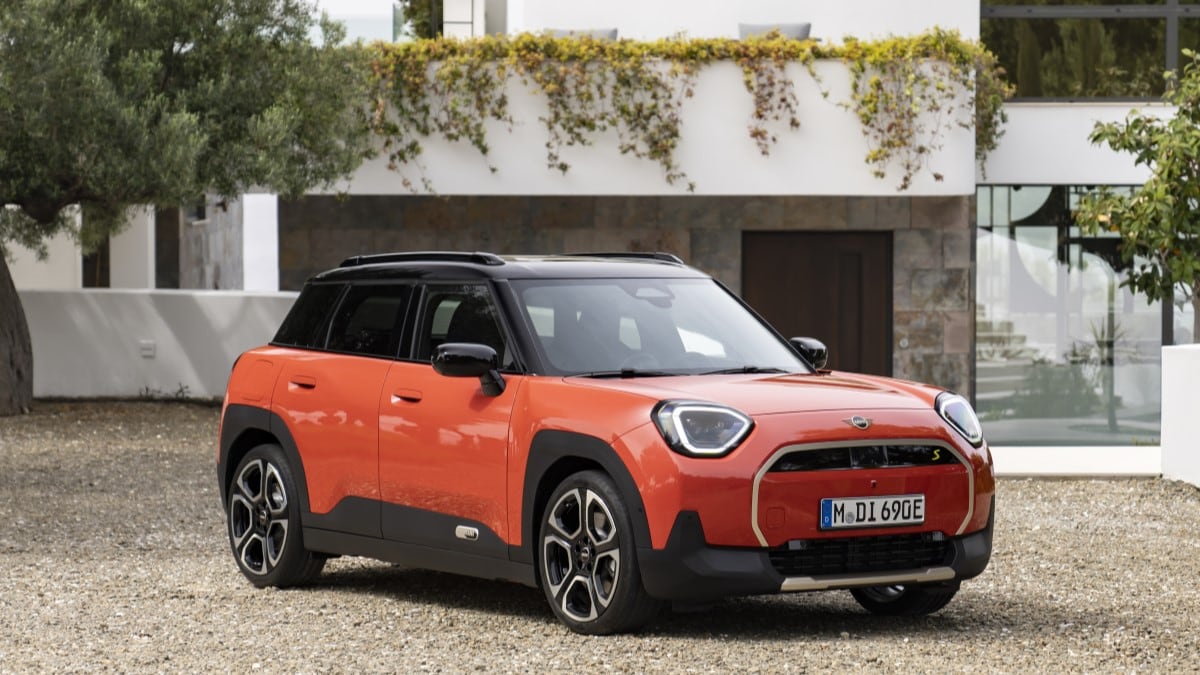
When you explain cars for a living, a car you can’t explain is kinda fun. I have no idea what Mini is trying to do here. I don’t know what an “ace man” is. But I like the 2025 Mini Aceman already, and I haven’t even met him.
Yes, we’re gonna anthropomorphize this one. Not sure what else to do with it.
Mini doesn’t know what its newest car is, either. In press materials, they call the Aceman “the first crossover model for the premium small car segment,” as if luxury compact crossovers weren’t common. But this isn’t exactly one of those, so we’ll give them points for trying.
Whatever It Is, It Fits In a Mini Showroom
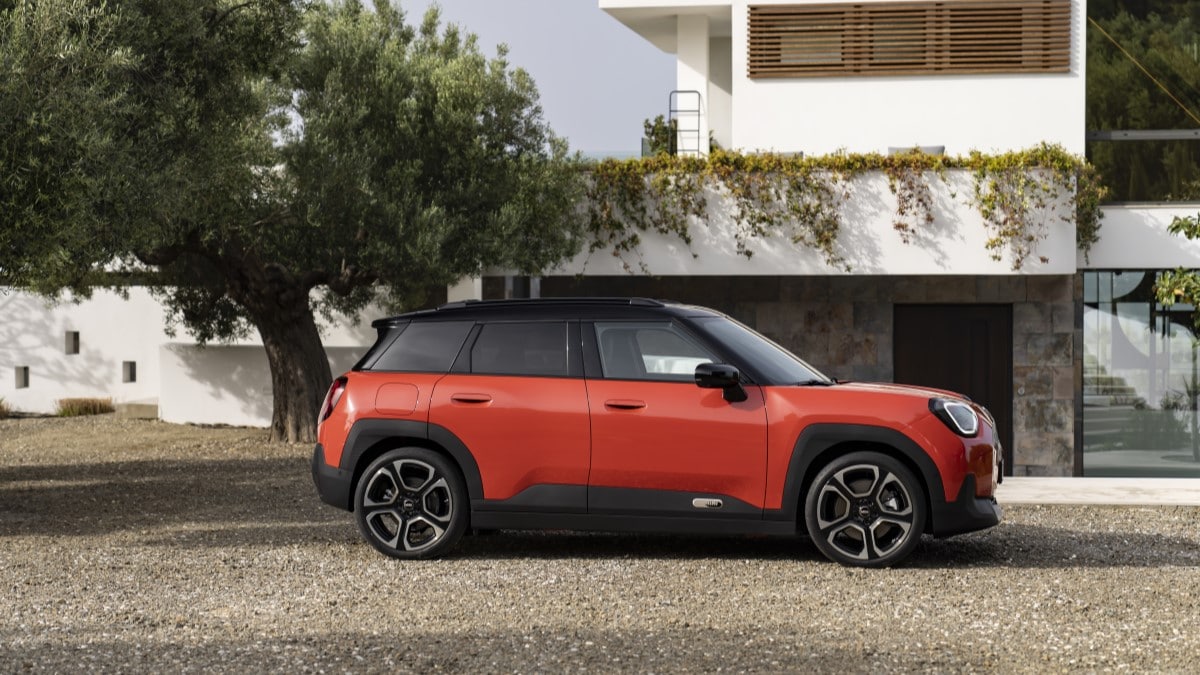
The Aceman is something like a subcompact luxury hatchback. It doesn’t exactly replace the recently canceled Clubman in the Mini lineup. But Mini salespeople will probably park it where they used to park the Clubman because it’s gotta go somewhere, and it’s kinda like one in a way.
It’s larger than a Cooper and smaller than a Countryman. Mini hasn’t put a price on it, but we imagine it will slot in between them on that measure, too.
Oh, and Mini hasn’t officially said the Aceman is bound for U.S. dealers. But there’s probably a reason Mini reached out to American journalists with details on the new car, so let’s assume it’s headed stateside.
Enough about what it isn’t.
All-Electric, Range May Be a Problem
The Aceman is all-electric. In Europe, it’s available with 184 or 218 horsepower, both models only in front-wheel drive (FWD). But we suspect only the latter will come to the States.
Mini says the less-powerful version gets up to 310 km (192 miles) of range in European testing. Euro tests tend to produce longer figures than the formula America’s EPA uses to calculate range. So, that model likely doesn’t go far enough between charges to be competitive here. The more powerful version, with up to 406 km (252 miles) in European testing might work as a runabout here.
Eight driving modes give you a lot of flexibility in how you’d like your car to feel from behind the wheel.
Lego Look and… Cloth Dashboard?
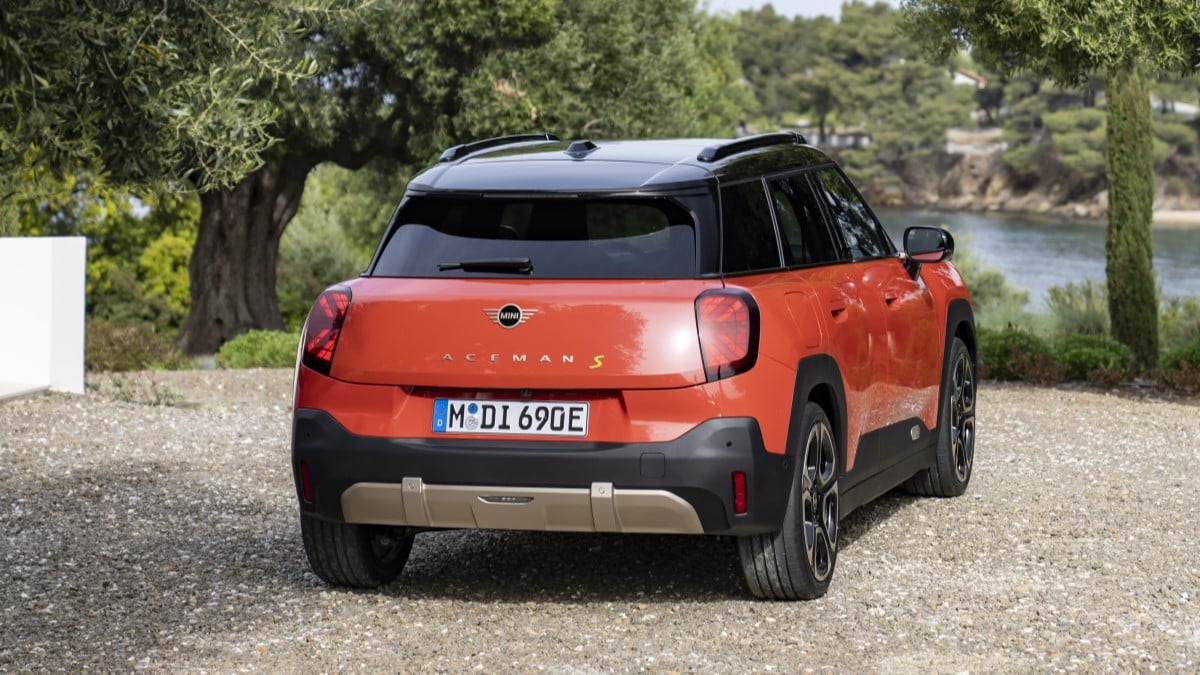
The Aceman is funky looking. A more angular take on the current simple-shapes Mini design language, it seems like a Mini built from Lego. Black plastic body cladding gives Mini an excuse to call it a crossover, but that ground clearance isn’t going to fool you.
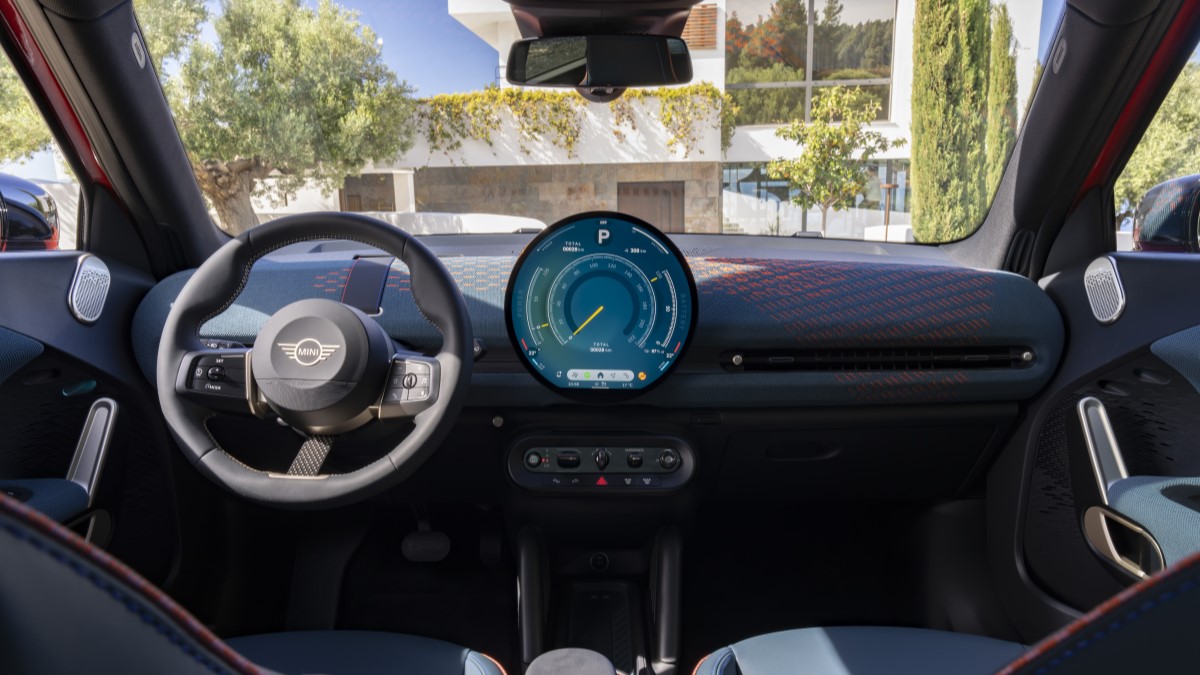
Inside, it uses the extremely simple design scheme common to current Minis. Nearly everything runs through a large, quirkily-circular touchscreen. Patterned cloth-like materials cover places you expect to see upholstery and some you don’t.
Even the dashboard, Mini says, “is covered with a knitted material in which the lower color shines through the upper one. This gives the interior a homely character with starkly accentuated color contrasts.”
It’s made of “easy care” recycled polyester, Mini says, so staining your dashboard shouldn’t be a new worry in your life.
Mini has always gone all-in on personalization more than any other automaker. Who else lets you pick your mirror cap color, for instance? That ethos carries over into the AI age through the Mini Personal Assistant.
It, the company says, “learns continuously through dialogue and is able to take on day-to-day tasks on repeated routes. Based on geo-based data, for example, the vehicle can identify the entrance to a multi-story car park and automatically open the window.”
Disconnecting a car battery is a straightforward task requiring careful attention to the proper procedure and safety precautions. Read on to learn how to safely disconnect your battery and get answers to questions you might have when preparing to service the vehicle or install a new battery.
Safety Precautions and Tools
Physical injury is possible when working with car batteries. Take simple steps to prevent hurting yourself.
Wear safety glasses and gloves to protect against acid and electrical hazards.
Remove any metal jewelry to prevent accidental short circuits.
Lift cautiously and avoid straining yourself when lifting the battery, which can weigh nearly 50 pounds.
A wrench set, socket set, or adjustable wrench is needed to loosen the bolts connecting the battery cables. Many clamps have 10-millimeter bolts, but there is no auto industry standard. Be prepared with a wrench set, socket set, or adjustable wrench to loosen the clamps.
Steps To Disconnect Car Battery
Disconnecting and reconnecting a battery incorrectly can lead to blown fuses, permanent battery damage, or ruin the car’s onboard computers.
Turn off the vehicle and ensure the ignition is in the OFF position. Note: ACC or ON without the engine running is not good enough. Turn the ignition OFF before removing the battery connections.
Locate the battery, which typically is under the hood on either side of the engine bay. Check the owner’s manual if the battery location is not obvious.
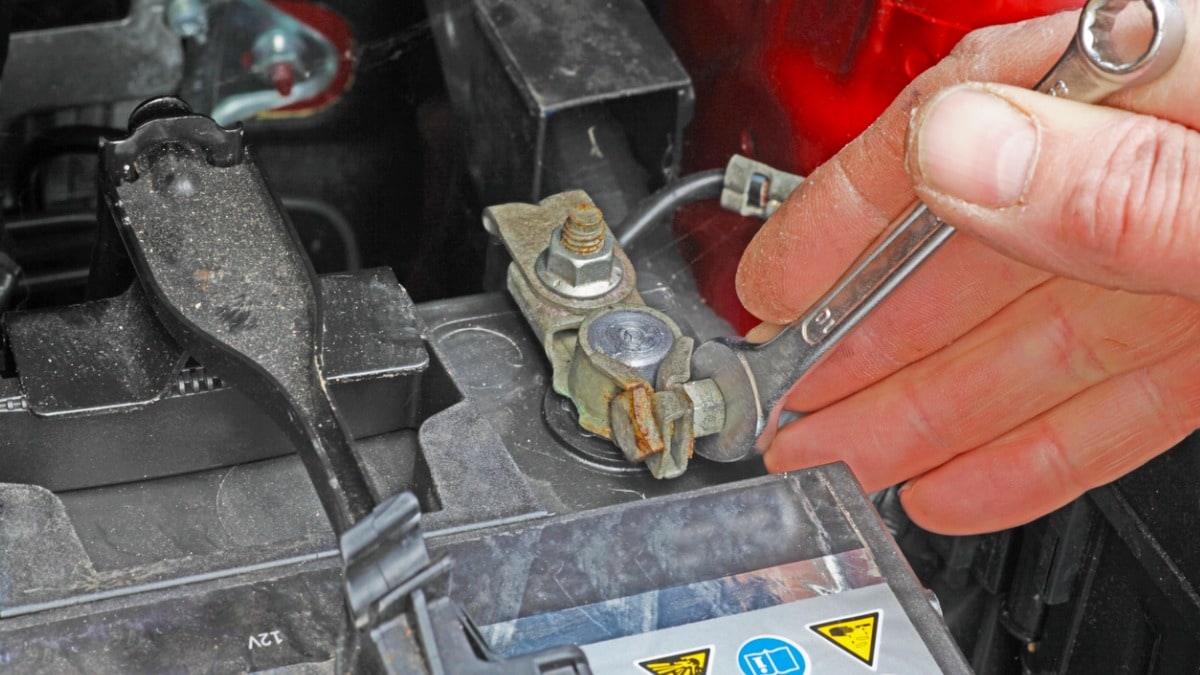
Identify the terminals. The positive terminal is usually marked with a plus (+) sign and may have a red cover. The negative terminal has a minus (-) sign and often has a black cover.
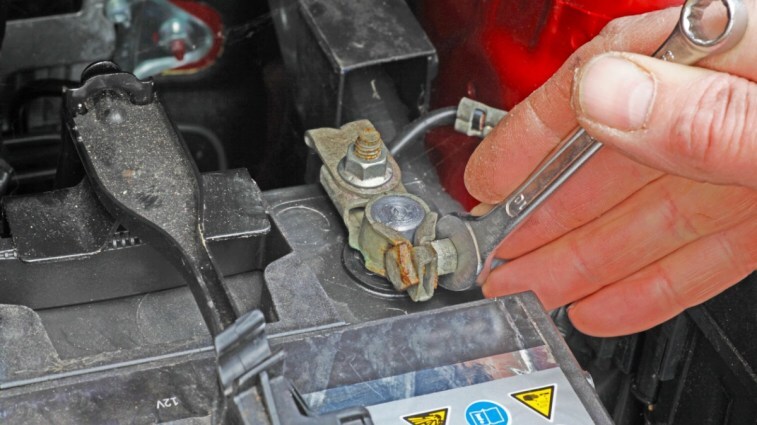
Disconnect the negative terminal first. Use a wrench and turn counterclockwise to loosen the nut or bolt on the negative terminal and remove the cable. Disconnecting the negative terminal first minimizes the risk of a short circuit by reducing the chance of the wrench touching both the battery terminal and the car’s body simultaneously.
Disconnect the positive terminal. Follow the same process as with the negative terminal.
Secure the cables. Ensure that the disconnected cables are secured away from the battery to prevent accidental contact.
Reconnecting the Battery
Disconnecting and connecting a car battery has risks, including electrical shock, short circuits, and damage to the vehicle’s electrical system if not done correctly. When reconnecting, follow the disconnection steps in reverse order.
Reconnect the positive terminal first, followed by the negative terminal.
Tighten the terminals securely to ensure a good connection.
When you disconnect the battery, you can reset the car’s computer and clear error codes. However, it may also reset other systems, requiring you to set the clock or reprogram radio presets. While it’s unhooked, use the opportunity to clean the battery terminals and apply a specialized protectant to prevent corrosion.
Disconnecting a car battery is a manageable job if you have the right tools and work cautiously. Put your safety first and consult the owner’s manual for specific instructions related to your car model. If in doubt, seek professional assistance to avoid potential hazards or damage to your vehicle’s electrical system.
Regular inspection of your battery can prevent unexpected issues and extend its lifespan. Stay on top of all routine maintenance to keep your car running safely and help retain the vehicle’s value when you’re ready to sell or trade for a new car.
Turkey is known worldwide for its gorgeous beaches that has clean and transparent oceans and incredible surrounding views. Bodrum, Marmaris, and Cesme have always been the most popular coastal towns with thousands of tourists in the season, some remarkable beaches on the Aegean also have the gift of offering a more calm and private experience together with nature.
Other articles you can read:
Kabak Beach
Among other hidden gems, the most prominent one would be Kabak Beach which is found in Kabak village that is situated in Fethiye districts. A piece of land in this particular area is close to world thundering height hills and offers you the best privacy ever. Just a boat ride or taking a long, steeped down path which can be very tricky leads to the beach, which is created by such a challenge maintaining a clean and unchanged natural look. Then a picturesque Kabak beach consisting of wonderful white sand and gin-clear water.
Feel how only chaotic sounds, noisy traffic, and someone’s work stress turn into a slow rhythm of waves, sea rustle, and the blowing of a salt breeze. Turn off the phone and appear in a paradise where it is worth spending a few happy moments in peace. However, though digital detox is quite popular nowadays, you may be wondering what is the best mobile eSIM card for Turkey travelers. Choosing an eSIM data plan for your travel is essential and the benefits of a virtual SIM card and eSIM service are indisputable. Download the simple app and explore digital SIMs from Yesim.app to discover the most of them.
Datca Beach
Apart from these three crystal clear waters, there is one more hidden beach on the Aegean coastline which is Datca Beach located in Datca town, which is where the modest city is. This poem is interesting because of the still surface of the water, where you can reflect on yourself, and the beautiful mountain views that surround you. Imagine yourself seeing a coquette of the sea and you will realize that these sparkling waves will be your choice for the seafood restaurants which will be such a place to daydream on the beach. Datca Beach can boast of an artificially Maldives-like ambiance and it is also one of the top playgrounds for water sports fans including paddle boarders and snorkelers and hence another good wardrobe for people or travelers who are scouting for rush and adventure.
Bozbuk Beach
Bozbuk beach, located in Akbuk, Turkey, is a heaven. While it is not frequently visited by tourists because it is a bit off the main path, it does draw a lot of locals, who are usually a good indicator of a local appeal. Although the location is not very charming, the beach is magnificent, and the waters are crystal clear and perfect for swimming. Bozbuk is great for individuals Looking for tranquility during their vacation because there are no aquatic sports or activities. Two local eateries along the shore provide traditional cuisine and beverages.
Patara Beach
Though this beach is known as Patara, Fethiye, it is closer to the Kalkan in Antalya. Because of local development limits, the beach stays tranquil and unpolluted by big structures and enormous complexes; as a result, the area’s lodging is primarily tiny boutique hotels and flats. Since Fethiye’s famed beaches are sometimes overcrowded, it is best to take the bus to Patara, which has 20 kilometers of golden sand and clean sea. The relaxing, tranquil ambiance of Petara allows you to recuperate while topping up your tan.
Assos Beach
Along the Aegean coast, as you move further south, comes Assos Beach, which is no less than the other hidden places waiting to be explored. Situated between the old-minded city of Assos, this peaceful shoreline has a gorgeous outlook of the antiquated building on the hillside behind it. The beach is composed of small stones and sand and also has transparent ocean water that guarantees suitable conditions for swimming and snorkeling. Another option is to take a tour of the local ancient archaeological sites or hike towards the Acropolis for breathtaking views of the seascape.
Ilica Beach
Stealing a spotlight on the Aegean coast from popular beach destinations is an off-the-beaten track but a worthy visit to the Ilica Beach in Cesme. Cesme may be a popular place for relaxing, but Ilica Beach is quieter than the latter. The seashore is famed for its geysers which gush when their temperature soars and then flow into the sea thus creating a warm environment for sitting and relaxing. Visitors can also bid their time by exploring a variety of water sports like windsurfing and kiteboarding while others can savor a moment of the glory of the sun on the sparkling sand.
The Aegean coast’s hidden beaches create an exceptional and restful hideaway that provides better refuge for tourists who want to skip the crowded tourist areas. From quiet beaches to truly pristine areas of the shore, these underdeveloped jewels are yet to be discovered by those pursuing the kind of beach relaxation that is more secluded and authentic. No matter if you are searching for a quiet retreat or an action-packed vacation, this coast hosts your choice for various activities. Take your passport, SIM card for travel, and sunglasses and immerse yourself in a true paradise!
Editor’s note: This post is part of Into the Omniverse, a series focused on how artists, developers and enterprises can transform their workflows using the latest advances in OpenUSD and NVIDIA Omniverse.
Universal Scene Description, aka OpenUSD, is elevating the manufacturing game. Siemens, a leader in industrial technology, has embraced OpenUSD as a cornerstone of its digital transformation journey, using it to help bridge the gap between physical and virtual worlds.
Siemens is integrating OpenUSD into its Siemens Xcelerator platform applications, starting with Teamcenter X.
The integration empowers manufacturers to create robust digital twins that mirror real-world counterparts with unprecedented fidelity and efficiency. This allows for optimized resource utilization, minimized waste and enhanced product quality through comprehensive simulation and analysis — all of which align with sustainability and quality objectives.
For a company such as Siemens — one that touches all parts of the manufacturing cycle — digitalization can mean time and cost savings, streamlined workflows and reduced risk of manufacturing defects.
Ian Fisher, a member of Siemens Digital Industries Software team, is no stranger to the impact of embracing digital transformation — especially one powered by OpenUSD and generative AI.
“We are an industrial company where data is king,” he said. “OpenUSD comes in from the media side of the world, and we are looking to bring its openness and flexibility into the industrial world.”
Enterprises of all sizes depend on Siemens’ Teamcenter software, part of the Siemens Xcelerator platform, to develop and deliver products at scale. By connecting NVIDIA Omniverse — a platform of APIs and services based on OpenUSD — with Teamcenter X, Siemens’ cloud-based product lifecycle management software and engineering teams can make their physics-based digital twins more photorealistic and immersive, improving accuracy and minimizing waste and errors within workflows.
Siemens’ adoption of OpenUSD means that companies like HD Hyundai, a leader in sustainable ship manufacturing, can consolidate and visualize complex engineering projects directly within Teamcenter X. Find out more in the demo:
OpenUSD is touching other parts of the Siemens company as well. The Siemens Motion Control Business Unit produces inverters, drive controllers and motors for more than 30,000 customers worldwide. Its lead electronics plant, GWE, based in Erlangen, Germany, has been working on use cases from AI-enabled computer vision for defect detection to training pick-and-place robots.
One of their main challenges has been acquiring data to train the AI models that fuel these use cases. By building custom synthetic data generation pipelines using Omniverse Replicator, powered by OpenUSD, the engineers were able to generate large sets of diverse training data by varying many parameters including color, texture, background, lighting and more — allowing them to not only bootstrap but also quickly iterate on their AI models.
Committed to a future of widespread OpenUSD integration, Siemens was one of eight new general members that joined the Alliance for OpenUSD (AOUSD) last month, an organization dedicated to interoperability of 3D content through standardization.
Watch Fisher and other special guests discuss the impact of OpenUSD on industrial digitization workflows in this livestream replay:
Get Plugged Into the World of OpenUSD
Siemens and OpenUSD took center stage this week at Hannover Messe, the world’s leading industrial trade fair. Siemens CEO Roland Busch and Rev Lebaredian, vice president of Omniverse and simulation technology at NVIDIA, shared their vision on the potential of OpenUSD for customers in all industries.
For more on how Siemens is using OpenUSD to build and test complex AI-based automation systems completely virtually, watch the replay of the GTC session, “Virtual Commissioning of AI Vision Systems With OpenUSD.” All other sessions from GTC’s OpenUSD Day are available for viewing on demand.
— NVIDIA Design & Visualization (@NVIDIADesign) April 22, 2024
Get started with NVIDIA Omniverse by downloading the standard license free, access OpenUSD resources and learn how Omniverse Enterprise can connect teams. Follow Omniverse on Instagram, Medium and X. For more, join the Omniverse community on the forums, Discord server, Twitch and YouTube channels.
Support for Battle.net on GeForce NOW expands this GFN Thursday, as titles from the iconic StarCraft and Diablo series come to the cloud.
StarCraft Remastered, StarCraft II,Diablo II: Resurrected and Diablo III are part of 16 new games joining the GeForce NOW library of more than 1,900 titles.
Plus, a new update rolling out for members this week brings AV1 streaming to Mac M3 computers. This feature will improve game-streaming quality for members on M3, M3 Pro and M3 Max devices.
Plenty of Space in Hell
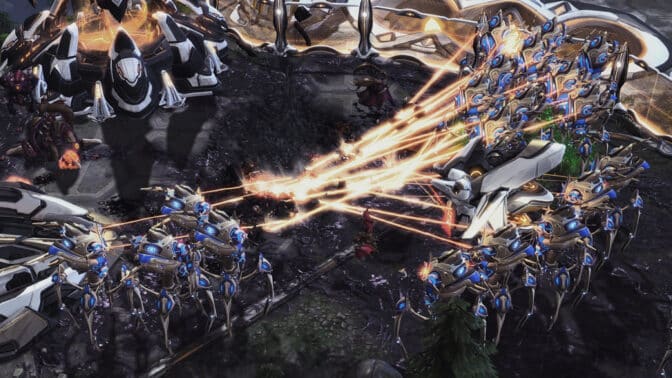
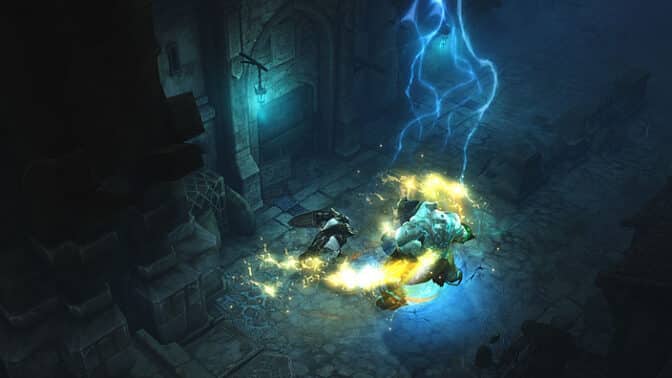
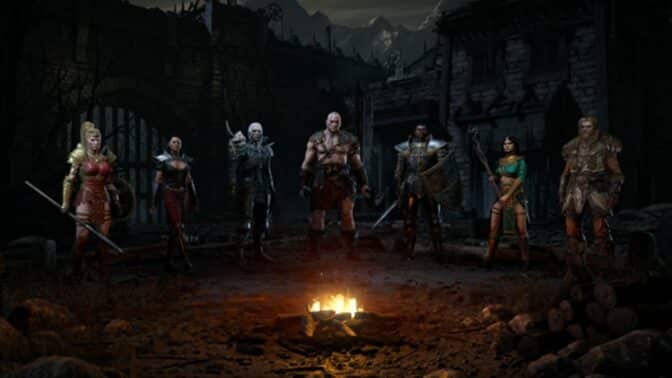
Dive into the original Blizzard games that set the stage for real-time strategy and action role-playing games (RPGs). StarCraft Remastered, StarCraft II, Diablo II: Resurrected and Diablo III bring galactic warfare, epic quests and legendary battles to the cloud.
Oh my Zerg.
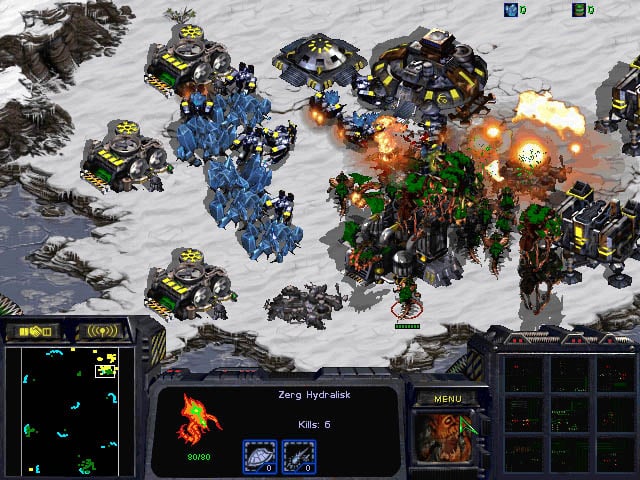
In StarCraft Remastered, command one of three races — Terran, Zerg or Protoss — as they desperately struggle for survival. Build bases, gather resources and engage in intense battles using unique units and strategies.
Time to Plyon to the cloud.
Continue the saga with StarCraft II, with enhanced graphics and extended storytelling. Save the galaxy from emergent threats in full-length Terran, Zerg and Protoss campaigns. Take charge of all multiplayer units solo in Versus Mode, team up with a friend for Co-Op Missions or explore community-created game modes in the Arcade.
The fires of hell heat up the cloud once again.
In Diablo III, become a hero to battle the forces of darkness, uncover ancient secrets and face powerful foes in the action RPG set in the world of Sanctuary. With various character classes, intense combat and a rich loot system, members can experience a gripping single-player experience and cooperative multiplayer adventures.
Remastered goodness.
Pursue the mysterious Dark Wanderer and battle the denizens of hell in the remastered action RPG Diablo II: Resurrected. The title’s classic Diablo gameplay — enhanced with stunning 3D visuals for all the environments, characters and monsters — enable a nostalgic, high-quality return to hell.
Stream all the action at up to 4K resolution or up to 240 frames per second with an Ultimate membership. These top games join the Battle.net games first added to GeForce NOW, including Diablo IV, Overwatch 2, Call of Duty HQ and Hearthstone.
Remember the Cloud
Unrelenting odds are no problem for the cloud.
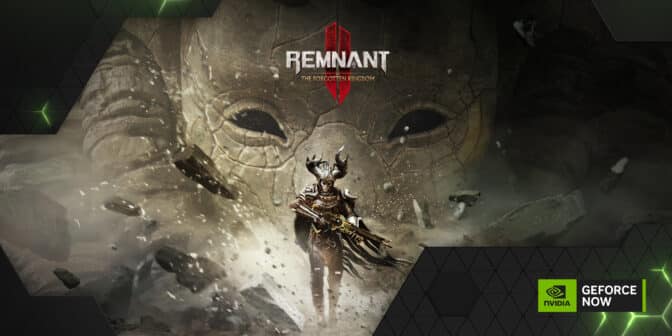
The second downloadable content (DLC) for Ark Games’ Remnant II is available for members to stream. Experience a brand-new storyline, area, weapons, bosses and more in The Forgotten Kingdom.
Piece together the forgotten history of the lost tribe of Yaesha in an attempt to quell the vengeful wrath of Lydusa, an ancient stone spirit. Navigate the lingering traces of torment, treachery and death that haunt the land’s once-proud ziggurats. Traverse new dungeons, acquire powerful gear — including a new Archetype, “The Invoker” — meet unexpected allies and face new threats to return a semblance of peace to the forgotten kingdom.
GeForce NOW members will be able to stream the DLC without waiting around for downloads. Uncover the secrets of the lost tribe with an Ultimate membership for eight-hour gaming sessions and support for ultrawide resolutions.
New Adventures
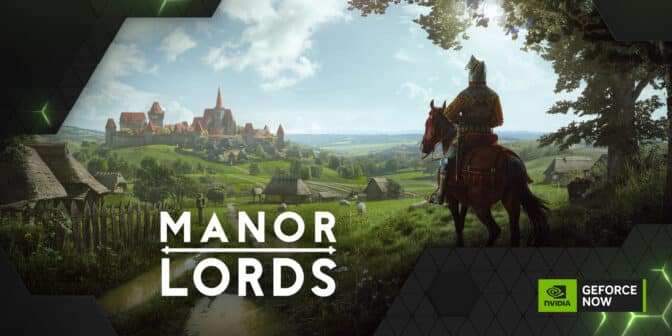
Grow from a humble hamlet to a hub for the kingdom in “Manor Lords.”
Guide a medieval village as it grows into a bustling city in Manor Lords, streaming this week on GeForce NOW. Manage resources and production chains in this historically accurate city builder while expanding the land through large-scale tactical battles.
As the capital of Colorado, Denver is a vibrant city with quick access to numerous trails. From downtown Denver, you can drive an hour or less and find yourself submerged in the evergreen trees and the Rocky Mountains, making it a convenient destination for hiking.
When I lived in Colorado for six years, I spent many weekends and summers exploring the best hikes in Denver with friends and my husband. One of my favorite things to do was to go for a day hike and then drive into the city to grab drinks and food.
Whether you’re visiting Denver for work, fun, or have time to kill during a layover at Denver International Airport, there are hikes for people of all abilities to enjoy. I’ve included a mix of distances, difficulty levels, and elevation gains so you can pick the best trail for you.
Although I have not explored ALL the trails in Denver (there are hundreds), these are six of the best trails I’ve hiked during the summer season. I hope this guide helps you decide which trails to tackle on your next trip to Denver.
Download my FREE Outdoor Trip Planning Toolkit
Enter your email to get access to printable PDF packing checklists, itineraries, and more.
Best Day Hikes in Denver
Before you arrive in Mile High City, it is important to consider which trail you want to explore so you know what to expect.
All of the hikes on this list are accessible via paved roads. None of them requires a vehicle with 4×4 or high clearance to get to the trailhead (if the roads are clear of snow).
If you want to bring your canine companion, all the hikes on this list are also dog-friendly. Without further ado, here are 6 of the best hikes in Denver.
1. Red Rocks Trading Post Trail
Trail Basics
Distance: 1.5 miles
Type: Loop
Elevation Gain: 357 feet
Time: 45 minutes
Difficulty: Moderate
Drive time from Denver: 20 minutes
Map: AllTrails
Out of all of the hikes on this list, the Red Rocks Trading Post Trail is the closest drive from downtown Denver, making it an ideal hike if you are in a time crunch. At 1.5 miles, this is a moderate, family-friendly hike.
Many people have heard of the Red Rocks concert venue. If you don’t have tickets to a show, this trail is a great way to get a taste of the iconic red rocks and explore the famous venue.
This loop trail starts and ends at the Trading Post, a historical Pueblo Revival building that includes the Colorado Music Hall of Fame museum, memorabilia, and souvenirs. I highly recommend checking it out at the end of your hike to cool down in the air-conditioning or warm up in the heat (depending on the time of year you visit).
I hiked this trail in September with my husband and cattle dog. There are several sets of stairs throughout the trail, but the dirt trail is relatively flat and easy, and I wore hiking sandals.
I enjoyed stopping for photos of the towering rocks that surround the trail. These interesting rock formations make you feel like you’re exploring Mars!
Something to note about this trail is that there is little to no shade coverage. If you hike on a sunny day, bring sun protection and plenty of water. There are restrooms and water available at the Trading Post.
There are ways to lengthen the hike and add on connecting trails if you’re looking for a longer day hike, including the Will Call trail or Mt. Vernon Creek trail.
With the stunning orange rock formations along the trail, you may feel like you’re on Mars
2. Saint Mary’s Glacier
Trail Basics
Distance: 1.6 miles
Type: Out-and-back
Elevation Gain: 528 feet
Time: 1 hour 15 minutes
Difficulty: Moderate
Drive time from Denver: 1 hour
Map: AllTrails
Have you ever hiked to a glacier? If not, here’s your chance. Saint Mary’s Glacier is a quick, 1.6-mile hike and only an hour’s drive from Denver.
Although this hike is short, it can be challenging for those not acclimated to the high elevation. The trail starts at 10,388 feet of elevation, so you may struggle to breathe and maintain your usual pace on the trail.
On your way to Saint Mary’s Lake, you’ll hike in a forest through towering bristlecone pine trees. This section of the trail is a bit challenging as you gain 347 feet of elevation in half a mile.
However, the trail is wide with plenty of places to stop and catch your breath. Once you arrive at the lake, you’ll continue to take the trail to the right and climb another 200 feet over 0.3 miles.
This is where the obvious route disappears, and I recommend downloading the AllTrails map ahead of time to help you navigate. The reward is incredible panoramic views of the Rocky Mountains to the west.
No matter what time of year you complete this hike, you’ll see snow on the glacier. In the summer, you can bring your swimsuit and jump in the lake, but it is freezing glacial water. There are restrooms at the trailhead but no water, so bring your own!
To park at the trailhead, you must pay $20 and display a permit on your windshield. There is no ranger on duty, so you must grab an envelope and put cash inside or write down your credit card information (you drop it into a secured lock box). Bring a pen to write down your license plate number on the envelope.
View of the Rocky Mountains after hiking a short way up the side of Saint Mary’s Glacier
3. Echo Lake to Idaho Springs Reservoir
Trail Basics
Distance: 4.0 miles
Type: Out-and-back
Elevation Gain: 761 feet
Time: 2 hours
Difficulty: Moderate
Drive time from Denver: 55 minutes
Map: AllTrails
If you love alpine lakes, forests, and mountain views, this hike has it all. The Echo Lake to Idaho Springs Reservoir trail is a 4-mile, out-and-back trail with just the right amount of challenge for a fulfilling day hike.
The trailhead has water, vault toilets, and free parking. As soon as you start hiking on the path, you will see beautiful views of Echo Lake. On a clear day, you can see the reflection of the pine trees and snowy mountain peaks in the blue water.
This trail is above 10,000 feet in elevation for the entire hike, so you may need to take breaks to catch your breath. Thankfully, the dirt path weaves through a forest that offers shade and big rocks to sit on as needed.
The trail is hilly and rocky, so wear grippy hiking boots with good traction and use trekking poles if you have them.
As you approach Idaho Springs Reservoir, there is a steep gravel section. It is a little under 300 feet of gain over a half mile. The trail widens at this section, so you will have plenty of room to take breaks.
Once you reach Idaho Springs Reservoir, you’ll be greeted with stunning views of blue water, pine trees, and mountain views. I recommend finding a spot near the water to enjoy a hiking snack or picnic lunch before heading down.
The reflection of mountains and trees in the water of Echo Lake at the start of the hike
4. Mt. Snitkau
Trail Basics
Distance: 3.6 miles
Type: Out-and-back
Elevation Gain: 1,555 feet
Time: 2 hours 45 minutes
Difficulty: Hard
Drive time from Denver: 1 hour
Map: AllTrails
The hardest hike on the list, Mt. Snitaku is perfect for an experienced hiker looking to challenge themselves on a Denver day hike. This 13’er reaches an elevation of 13,240 feet at the summit.
To access the trailhead, you’ll drive up the iconic Loveland Pass and see breathtaking views of the mountains right from your car. Parking is free, but there are no bathrooms or water at the trailhead.
Even after living and hiking in Colorado regularly, I found this 3.6-mile hike challenging. There is no easing into this hike; as soon as you start walking, there is a steep uphill climb.
The trail is rocky, so you’ll want hiking boots with good traction and trekking poles. It is a wide and exposed trail with no trees or shade, so bring proper sun protection. If you’re hiking in winter, you will need traction devices like microspikes and warm layers.
After hiking for about 0.8 miles, you will reach the junction where the trail splits for Mt. Snitkau and Mt. Cupid. Take the trail to the left for Mt. Snitkau.
Around 1.2 miles, there is a minor Class 2 small rock scramble where the trail becomes a bit harder to navigate, and you may need to use your hands for extra balance. I looked for cairns along the trail to navigate this boulder section, but I recommend downloading the AllTrails map ahead of time just in case.
As soon as you reach the top of Class 2, you’ll see where the dirt trail continues to Mt. Snitkau. After hiking another half mile along the trail, you’ll reach the narrow ridge to the summit.
Once you arrive at the summit, you will see breathtaking views of Torreys Peak and Grizzly Peak behind a small, blue alpine lake in the distance. The summit can be windy and cold depending on the day (even when I hiked in early July), but if the conditions aren’t too bad, I recommend stopping here for a quick hiking snack.
If you want to extend the hike and bag two 13’ers in a day, people often hike back to the junction and take the trail to Mt. Cupid. This will add another 1.6 miles to your hike and about 450 feet more elevation gain.
View of an alpine lake and mountain peaks from the summit of Mt. Snitkau
5. Mayhem Gulch and Juniper Loop Trail
Trail Basics
Distance: 4.7 miles
Type: Loop
Elevation Gain: 797 feet
Time: 2 hours 15 minutes
Difficulty: Moderate
Drive time from Denver: 40 minutes
Map: AllTrails
The Mayhem Gulch and Juniper Loop Trail is a pleasant day hike in Denver for someone looking for a less popular or crowded option. Only a 40-minute drive from Denver, this hike delivers gorgeous views of juniper trees and mountain peaks.
The trailhead has vault toilets but no water. It is free to park in the lot. There is a pleasant mix of sunny stretches and shaded sections along the trail, so bring sun protection.
The trail is a dirt path with some rock scree. It can be a little slick at parts, so wear hiking shoes with good traction. I personally wore hiking sandals and was fine.
Although this hike is listed as a loop, it is more of a lollipop shape. You will gain the majority of the elevation (600 feet) over the first 1.5 miles of the “stick” section of the lollipop.
The stick section winds through a forest. Once you reach the fork for the loop, you can head either clockwise or counterclockwise.
I hiked clockwise, but I don’t think there is a clear advantage to either direction. Both are equal amounts challenging and have similar views.
Along the loop portion of the trail, you will see stunning views of mountain peaks. There is also an open meadow perfect for photos and a picnic in the sun.
Check if it’s a bike or hike day
On certain days, this trail is only open to mountain bikers and hiking is not allowed. Currently, even calendar days are bike-only. Double-check the Jefferson County Open Space website and read the signage at the trailhead before you begin the hike.
Posing for a photo with my friends during a group hike in a meadow along the trail
6. Lake Isabelle
Trail Basics
Distance: 6.6 miles
Type: Loop
Elevation Gain: 672 feet
Time: 2 hours 30 minutes
Difficulty: Moderate
Drive time from Denver: 1 hour 20 minutes
Map: AllTrails
I saved the best hike for last! Lake Isabelle is probably in my top 5 favorite hikes in all of Colorado. Although it is slightly further than an hour from Denver at 1 hour 20 minutes, it is worth the trip if you have the time.
It is also the only hike on the list that requires a permit purchased in advance. You must purchase a day-use permit to park at Brainard Lake through Recreation.gov before you drive to the trailhead (there is no cell service in the Brainard Lake Recreation Area, and permits often sell out in the summer).
Permits cost $14 plus a $2 reservation fee, and they are released on a 14-day rolling window. You must either print or screenshot your permit before driving to the trailhead.
The trail makes a lollipop with two sticks on both sides. The first (and last) 0.4 miles of the hike aren’t particularly scenic as you walk along the paved Brainard Lake Road to access the trail.
This is the only boring section, though. Once you reach the forested section with a dirt path and trees, you will pass Long Lake on your right. This lake is gorgeous in its own right, and you will see the other side of the lake on your way down.
You will continue to wind through the forest on a relatively flat, smooth trail. At about 2.2 miles, you will reach a small wooden bridge and cross over a stream that connects Lake Isabelle and Long Lake.
At 2.3 miles, you will reach a fork in the trail. You will take the trail left to Lake Isabelle; you’ll eventually take the fork in the other direction on the way down to form the loop and see the other side of Long Lake.
As you approach Lake Isabelle, you will see a meadow to the left. You can typically spot moose in the distance (I have seen them here on three separate occasions).
Around 3.1 miles, you must cross over some boulders with running water to reach Lake Isabelle. Go slow and watch your step – this section can be slick and is challenging for many people.
If you walk a little further, you’ll arrive at Lake Isabelle and see the beautiful snowy peaks of Niwot Ridge, Navajo Peak, Navajo Glacier, Apache Peak, and Shoshoni Peak with the clear blue water of Lake Isabelle in front. This breathtaking view of the mountains with the alpine lake is what makes it one of my favorite hikes.
It is a scenic spot to enjoy a hiking snack and take in the views. In the summer months, you can bring a swimsuit and jump in the water for a swim.
There are beautiful sights of trees, water, and mountains along the way to Lake Isabelle
Best Time of Year to Hike in Denver
With 300 days of sunshine, there are pleasant hiking conditions in Denver throughout the year. It ultimately depends on whether you prefer to hike in the snow.
Summer
For the best chance of clear trail conditions, I recommend hiking from May through September for hikes below 10,000 feet. For hikes above 10,000 feet in elevation, you may need to wait until late June or early July for the snow and ice to melt.
Summer is also wildflower season in Colorado. You will see gorgeous flowers like Blue Columbine and Indian Paintbrush on many trails while hiking in July.
In high elevations, the summer air still feels cool while hiking. In addition to sun protection, bring a lightweight jacket to feel comfortable while hanging out at the summit.
Wildflowers along the trail while hiking in the summer to Lake Isabelle
Fall
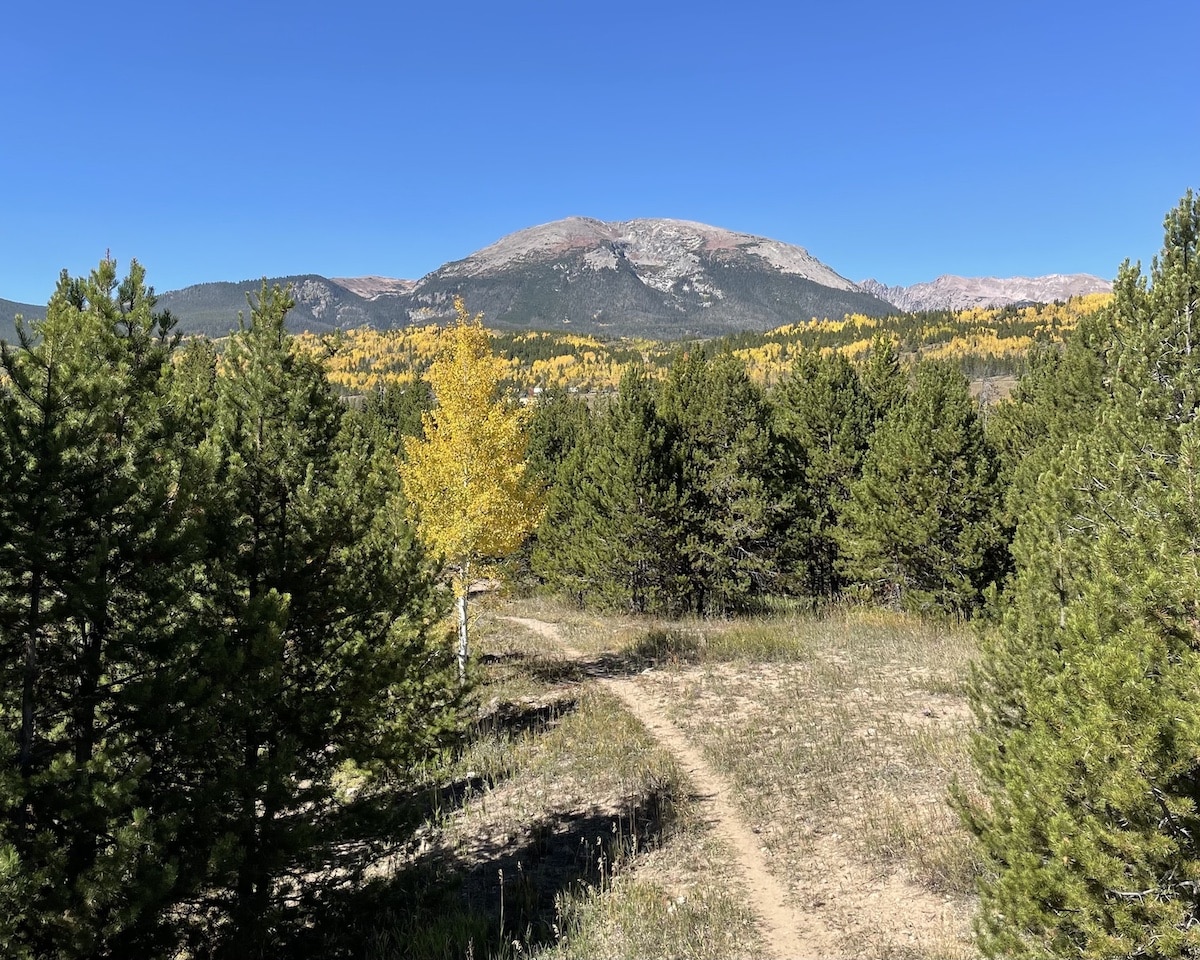
Fall is one of my favorite seasons to hike in Colorado. If you pick a trail with aspen trees, you will enjoy beautiful golden leaves fluttering around you.
Temperatures in the fall are still pleasant for hiking, but towards the end of September, there is a risk of snow in the mountains at high elevations. Even if the weather seems nice in Denver, it can be a night-and-day difference once you head to the mountains.
Be sure to wear fall hiking apparel and check trail conditions before driving an hour to a higher elevation.
Fall is the prime leaf-peeping season in Colorado as the aspen leaves turn golden yellow
Winter
If you visit Colorado during the winter, you must come prepared. Depending on the depth of the snow and the amount of ice on the trail, I recommend hiking with winter traction devices like snowshoes or microspikes. I usually check AllTrails before driving to the trailhead to read recent trail reports.
Some of the trails on this list travel through avalanche terrain, so unless you have taken an avalanche course and have the proper equipment, you should stick to gentler terrain like that you’ll find on the Red Rocks Trading Post trail. You can check current warnings with the Colorado Avalanche Information Center before hitting the trail.
The paved roads leading to the trailheads on this list may also be inaccessible if they haven’t been plowed. Check for road closures and drive a vehicle that handles well in snow. I’ve gotten stuck at a trailhead (even in a 4×4 vehicle) and relied on the kindness of a stranger to pull me out.
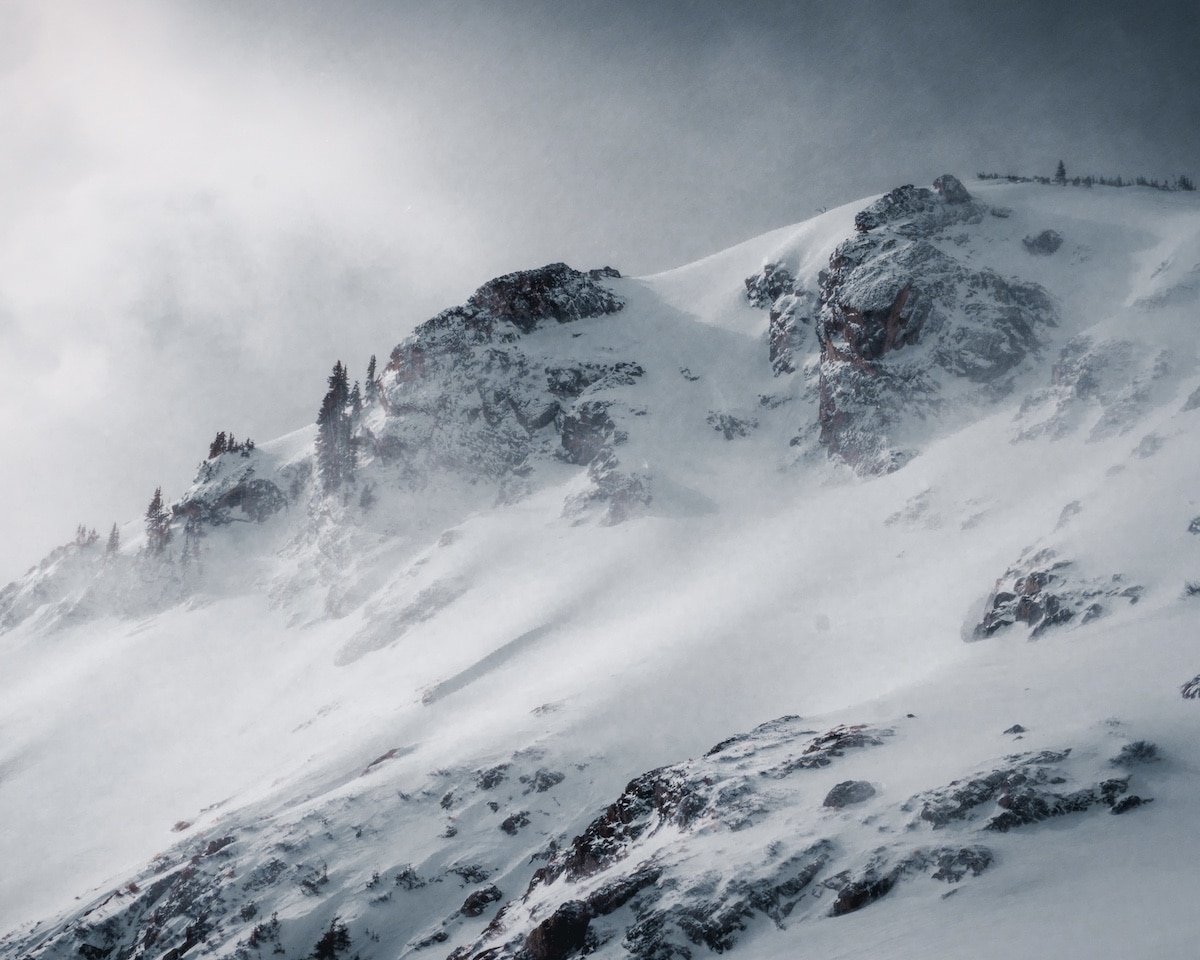
Snow blowing on top of Saint Mary’s Glacier in January in Colorado
Spring
Spring is tough for hiking in Denver due to the trail conditions. Some trails still have snow and ice, while others have TONS of mud from the melting snow.
However, there are often fewer crowds in the spring, which makes it easier to find parking at popular trailheads and enjoy peace on the trails. There are also often sunny skies in March and April with pleasant hiking temperatures.
Spring hikes in Colorado often feature snow and mud along the trail, but the trade-off is fewer people
Tips for Hiking in Denver
Before you hit the trails in Colorado, read these tips to ensure a safe and enjoyable experience in the Rocky Mountains.
Adjust to the elevation: If you are arriving in Denver from a lower elevation, spend a few days in the city adjusting before you hit the trails. Relax, hydrate, and avoid alcohol to reduce your chances of experiencing altitude sickness on the trails. If you want to do a hike over 10,000 feet, consider starting with a hike at a lower elevation first and working your way up.
Hydrate: Drink plenty of water each day leading up to your hike. I usually drink a gallon of water per day a few days before I have a big hike planned so my body is well-hydrated. This helps me avoid cramps on the trail.
Bring sun protection: With 300 days of sunshine in Colorado, you will likely have sunny conditions on your hike no matter what time of year you visit. Make sure to pack accordingly with a sun hat, sunglasses, sunscreen, and a sun protection shirt.
Prepare for no cell service: Many of the hikes in Denver have no cell phone service along the trail due to the mountains blocking the cell towers. Download trail maps and permits ahead of time, and bring a Garmin inReach in case of emergency.
Be aware of your surroundings: Although Colorado is relatively safe, it is important to pay attention to other people around you, especially when hiking alone. Hike with another person if possible, and always leave one earbud out if listening to music. Tell someone where you are going and when they should expect to hear from you afterward, and always be aware of your surroundings.
Be aware of wildlife: There are black bears, mountain lions, moose, and other wildlife in Colorado. Do not approach wildlife and keep a safe distance away if you encounter an animal on the trail. You can rent or purchase bear spray to carry with you on hikes for protection.
Hiking with another person or a group is both fun and a good safety precaution
Planning a trip to Colorado? Check out these other outdoor activities:
Save this post to Pinterest
Have you hiked in Colorado? What do you think is the best day hike in Denver? I’d love to hear about your favorite trail in the comments.
By 1979, the Pinto was nearing retirement. After a decade-long run, Ford’s underachieving but cheap-to-own small car would soon be replaced, though not until after literally millions of the unpleasant little buggers were sold into the hands of less-than-discriminating American consumers.
More Favorite Car Ads
1979 Ford Pinto
Generally crude in operation, the Pinto did have a well-earned reputation for reliability, and was bargain priced and relatively easy on the gas. Also, the Pinto was American, a thing which protectionist-minded car shoppers appreciated.
1979 Ford Pinto Ad
Pintos were prone to explode, however, though Ford management was loathe to admit this. Turns out that early in the development of the Pinto—a rush project helmed by no less an automotive luminary that Lee Iococca—it was determined that the Pinto was want to blow up when struck from the rear by another vehicle. You might expect that, at this point, development of the Pinto would be halted until a fix for the potentially deadly defect could be designed, but you’d be wrong.
Price of a 2013 Ford Pinto: $17,375
1979 Ford Pinto Ad
It wasn’t until 1878 that Ford was compelled to recall the Pinto, this after a disputed number of injuries and deaths were ascribed to the car’s faulty design. The fix, as it turns out, was the installation of an $11 plastic shield placed between the rear differential and the gas tank. Lives were lost because Ford dragged its corporate feet on a simple and low-cost fix.
Though the Pinto scandal briefly made headlines, American car shoppers seemed to lose interest in the story pretty quickly. Ford continued to build Pintos, and consumers continued to buy them.
What makes this 1979 Pinto ad so funny—or perhaps so sad—is its oblique reference to the exploding-Pinto scandal. The last paragraph of the ad is headlined. “Redesigned Fuel System.” The text makes no reference as to why the fuel system might have been redesigned, or how that redesign might benefit a Pinto owner. But, if you were aware of the Pinto’s proclivity for bursting into flames, you might take some comfort in the text of this paragraph. Ford had fixed the problem—but you’d only understand that if you knew about the problem in the first place.
The Pinto was replaced in 1980 by the Escort. The Escort featured front-wheel drive, a roomier cabin, was generally more refined, and was much more fuel efficient. And while the Escort suffered from a number of its own issues, bursting into flames was not one of them.
Carnac the Magnificent Says, “McIntosh, Dolly Parton, and the Ford Pinto . . .”
Given the Toyota HiLux has long been Australia’s favourite new car (until the Ranger supplanted it last year), you’d think an SUV version would be a sure-fire hit – well, you’d be wrong.
While popular in other parts of the world, the Toyota Fortuner has never had the same love from Australians as its ute-bodied sibling, despite offering virtually identical mechanicals as well as wearing the coveted Toyota logo on the nose.
For context, Toyota registered 3619 units of the Fortuner in 2023, equating to 2.9 per cent market share of the large SUV segment under $70,000 – the Ford Everest, meanwhile, returned 15,071 registrations and 11.9 per cent share.
Perhaps part of the problem is the fact Toyota also offers the LandCruiser Prado in the same segment, which for a bit more money brings a more refined cabin and a bespoke design, in addition to a bigger and plusher cabin. With an all-new Prado on the way however, the gap between the two nameplates is likely to widen.
So with that in mind, why should you buy a Fortuner?
WATCH: Paul’s video review of the MY21 Fortuner Crusade
Well, the 2024 Toyota Fortuner Crusade on test is the cream of the crop, being the absolute flagship and arguably the most luxurious take on the Fortuner/HiLux formula.
If you’re not in need of a tray, could this upmarket Fortuner be a better bet than a HiLux SR5 or Rogue? And does it deserve a bit more love from the Australian buying public? Read on to find out.
How does the Toyota Fortuner compare?
View a detailed breakdown of the Toyota Fortuner against similarly sized vehicles.
Toyota
Fortuner
How much does the Toyota Fortuner cost?
While the range opens at just under $54,000 before on-roads, the flagship Crusade on test lists for $66,755 plus on-road costs.
Toyota Fortuner pricing:
2024 Toyota Fortuner GX 4×4: $53,775
2024 Toyota Fortuner GXL 4×4: $58,895
2024 Toyota Fortuner Crusade 4×4: $66,755
Prices exclude on-road costs
To see how the Fortuner lines up against the competition, check out our comparison tool.
What is the Toyota Fortuner like on the inside?
Unlike most ute-based SUVs which effectively carry over their commercial vehicle cabins, the Fortuner gets unique bits compared to a HiLux.
Everything from the steering wheel to the buttons and controls are generally the same, but the Fortuner sports a more car-like cockpit with a better integrated touchscreen and an upright centre stack that blends the HiLux and Prado’s designs together.
You also get more upmarket, padded materials like some stitched elements on the dashboard, on either side of the centre console where your knee comes to rest, as well as the trimming atop the instrument cluster.
Carryover elements from the HiLux include the telescopically-adjustable multifunction steering wheel, the gear shifter, 4×4 dial, climate control cluster, front tweeters near each side mirror, and A-pillar grab handles.
It all feels solid, if a little old-school and dated in areas. The clunky gated automatic shifter and thick manual handbrakes are examples of the platform’s advancing age, as is the fake woodgrain trim – which I don’t mind…
The Fortuner is nowhere near as digitised as the brand’s latest products, like the incoming next-gen Prado.
The blue-coloured analogue dials are a nice flash of colour compared to the related HiLux, and the multifunction display in the middle offers key information but also harks back to Toyotas and Lexuses of old.
Meanwhile, the central infotainment system is still running older software, meaning it has wired Apple CarPlay and Android Auto and slower hardware that leaves a little to be desired next to something like an Everest. It does retain physical buttons and dials for various shortcuts and controls, which makes it easy to use.
Embedded navigation does feature, which is handy if you frequent areas without cellular service, and there’s standard DAB digital radio for the GXL and Crusade. You also get a subscription to some of the Toyota Connected Services – including access to the myToyota app, Stolen Vehicle Tracking, Automatic Collision Notification, and SOS Emergency Call.
Second row space is fine without being standout. Legroom is good, though head room and toe room are on the tighter side for the segment.
There are roof-mounted air vents, cup holders, a coat hook, foldable grab handles, as well as 12V and 220V outlets.
Other amenities include map pockets, a fold-out centre armrest, as well as ISOFIX anchors on the outboard seats.
The fold-out third row is also on the smaller side, best left for kids. But, the fact that these remain units that fold into the sides of the boot area means you’re limited for boot space as well as visibility out of the rear quarter windows.
Toyota doesn’t actually quote a boot capacity figure for the Fortuner, but independent figures quote 200L with the third row in use, 716L with the third row folded, and 1080L with the second row folded. As you can see from the images, it’s quite hindered by those rear seats when they’re not in use.
You also get a full-size spare wheel, which is an 18-inch alloy unit in the Crusade and 17-inch steel unit in lower grades.
What’s under the bonnet?
The Fortuner is powered by the same 2.8-litre turbo-diesel as the HiLux and LandCruiser Prado.
Model
Toyota Fortuner
Engine
2.8-litre 4cyl turbo-diesel
Power
150kW (3000-3400rpm)
Torque
500Nm (1600-1800rpm)
Transmission
6-speed automatic
Driven wheels
Four-wheel drive (2H, 4H, 4L)
Weight
2110kg (kerb)
Fuel economy (claim)
7.6 litres per 100km
Fuel economy (as tested)
9.9 litres per 100km
Fuel tank size
80 litres
Emissions
201g/km
Kerb weight
2190kg
Gross vehicle mass
2800kg
Braked towing capacity
3100kg
Our observed fuel figure from the Fortuner’s trip computer came about from mixed driving including peak-hour commuting, which isn’t really this thing’s favourite set of conditions. Still, it came in under the 10L/100km mark.
To see how the Fortuner compares with the competition, check out our comparison tool.
How does the Toyota Fortuner drive?
Kind of like a HiLux, naturally…
The Fortuner fires up with a diesel grumble and feels suitably old-school from the get-go compared to something like a Ford Everest. It definitely gives off more of a workhorse vibe.
Clatter is adequately subdued but it never really goes away, and the heavy and clunky controls are a reminder of the Fortuner’s age and its agricultural roots. But, for many that will be a good thing.
With the more powerful 500Nm tune introduced in 2020, the Fortuner is still competitive with four-cylinder benchmarks including the Ford Everest Bi-Turbo, and offers more pep on paper than the Isuzu MU-X.
The 2.8-litre four-cylinder oiler is tried and tested. It’s in many a HiLux and LandCruiser Prado, as well as the Fortuner and HiAce. It’s been around forever, but combined with the standard six-speed auto it offers strong and relatively smooth progress.
Around town it’s got that sort of relaxed, almost lazy vibe that a lot of these ladder-frame 4WD wagons have in daily driving.
It’ll get a bit shouty if you work it hard, but it also has a bit of grunt to get you up to freeway speeds or perform overtakes. In our recent 4WD SUV Mega Test, the Fortuner proved itself one of the better performing four-cylinder diesel options in the segment – it beat all its direct rivals in performance testing bar the Everest Bi-Turbo.
The heavy hydraulic steering isn’t super urban or carpark friendly, though it at least feels accurate and offers decent feedback. Buyers of the Crusade trim also get a 360-degree camera which makes placing this 4795mm long and 1855mm family truck a little easier in tighter spaces.
Can’t really complain about general visibility either. The mirrors are big, as are the windows, and it’s all pretty upright so you have a good view out.
Like most ladder-frame 4x4s the Fortuner feels more at home on the open road, where it can lean on its torque-rich drivetrain and soft tuning to eat up highway miles.
The diesel engine settles nicely into the background with the auto transmission in sixth, and there’s generally good insulation from road noise. Wind noise can be a little noticeable off those chunky side mirrors, though.
Fuel use on the highway will drop dramatically, given the Fortuner still lacks idle stop-start tech so predominantly city and urban use will see the indicated readout approach 10L/100km and beyond.
The steering can feel a touch vague at speed, particularly about-centre, meaning you’re often making very small corrections to keep it on the straight-ahead. It’s a touch boaty, and this is something we’ve experienced in other heavy-duty Toyota models.
While Toyota has done well to continually update the Fortuner with active safety systems over the years, the tech suite still isn’t a patch on the Ford Everest and Isuzu MU-X.
As we’ve mentioned in other ladder-frame Toyotas with hydraulic steering still yet to migrate to the newer TNGA-F architecture, the Fortuner’s lane keep assist via braking is often overzealous and can be unsettling when the vehicle suddenly jabs one of the inside wheels and veers from the lane marking it thinks you’re about to drift over.
This is exacerbated by the Lane Trace Assist function meant to actively keep the Fortuner centred in its lane. If anything it’s just constantly twitching and making corrections which just doesn’t inspire confidence in the tech.
I rarely have to do this these days, but I often found myself taking over and doing the bulk of the work myself on anything other than perfectly straight marked freeways.
Blind-spot monitoring and rear cross-traffic alert are handy inclusions, though they shouldn’t be limited to the Crusade and their audible warning is an annoying high-pitched beep which will just make you wince each time it sounds.
The Toyota claws back ground off-road, where its capable DNA shone through at last year’s 4WD SUV Mega Test. Here’s a rehash of what we found:
“The Fortuner slipped back slightly on the rollers in 2H, before the traction control figured things out. It barely moved back at all in 4H, driving off with a minimum of fuss.
“Body rigidity was impressive in our flex test, with no catching from the door.
“After a hint of wheelspin from the hanging wheels, the traction control did a good job allowing the Fortuner to clamber out of the offset moguls. Like the HiLux, the Fortuner went about its business with a minimum of fuss.
“It effortlessly scaled Mogul Mountain in 4L with the rear differential unlocked, even on highway tyres.”
What do you get?
Three grades are available – we have the flagship Crusade on test.
Fortuner GX highlights:
17-inch alloy wheels
Steel spare wheel
Side steps
Variable Flow Control steering
LED headlights
LED daytime running lights
Air-conditioned cool box
6-way driver seat manual adjust
4-way passenger seat manual adjust
8.0-inch colour touchscreen
Apple CarPlay, Android Auto
6-speaker audio
Parking sensors front, rear
Reversing camera
Smart entry, start (keyless)
Toyota Connected Services (3yr)
myToyota Connect app
Stolen Vehicle Tracking
Automatic Collision Notification
SOS Emergency Call
Fortuner GXL adds:
Downhill Assist Control
LED fog lights
Premium steering wheel
Paddle shifters
Satellite navigation
Digital radio
Dual-zone climate control
Rear privacy glass
Roof rails
Chrome rear door garnish
Chrome exterior door handles
Fortuner Crusade adds:
18-inch alloy wheels
Full-size alloy spare
Premium grille finish
Bi-LED headlights
Door courtesy lights
Power tailgate
Leather-accented upholstery
8-way power front seats
Woodgrain-look instrument panel
Auto-dimming rear-view mirror
11-speaker JBL premium audio
220V accessory connector
Panoramic View Monitor (360 camera)
Options
The mid-range GXL is available with an optional package.
Premium Interior Option Pack: $2500
Black leather-accented upholster
8-way power adjust front seats
Is the Toyota Fortuner safe?
The Fortuner wears a five-star ANCAP safety rating based on 2019 testing of the related HiLux ute.
It lists scores of 95 per cent for adult occupant protection, 84 per cent for child occupant protection, 88 per cent for vulnerable road user protection, and 78 per cent for safety assist.
Standard safety systems include:
Adaptive cruise control (high speed)
Autonomous emergency braking (AEB)
Pedestrian detection (day, night)
Cyclist detection (day)
Lane departure warning
Reversing camera
Road Sign Assist (speed signs only)
Fortuner Crusade adds:
Blind-spot monitoring
Rear cross-traffic alert
How much does the Toyota Fortuner cost to run?
Like the wider Toyota lineup, the Fortuner is covered by a five-year, unlimited-kilometre warranty.
The Fortuner still has six-month/10,000km intervals, which is quite a bit shorter than most rivals.
Toyota offers five years-worth of capped price servicing, with each visit costing $290 a pop – or $2900 for five years.
CarExpert’s Take on the Toyota Fortuner
The top-spec Fortuner has its merits, but doesn’t feel like the best pick of the range nor the segment.
It rides on proven underpinnings, and come with the peace of mind that comes with buying a Toyota. It’s also not as bulky as the Prado if you’re conscious of having more city-friendly dimensions.
But really, that’s where its good fortunes start to end. It’s not as powerful or practical as segment benchmarks, and it’s really starting to fall behind on the tech front.
It’s also not all that refined, and the driving experience is heavy and old-hat. If anything, this just proves why so many Australian’s just leapfrog the Fortuner and head straight to the Prado. The all-new Prado due imminently will only make that more apparent.
Really though, the Fortuner is only one major update away from being a solid contender. We’ve seen plenty of excellent advancements in Toyota’s portfolio that the inevitable migration of the Fortuner to the TNGA-F could not come soon enough and address its key shortcomings – or, just bring the new 4Runner already!
In Parmigiani Fleurier, one discovers an entirely unlikely success story; like so many of these, it appeared to happen virtually overnight yet it was decades in the making. No doubt you know that this is about the Tonda PF collection since this was the family of watches that changed the trajectory of the brand back in 2021. This much is obvious, and thus conventional wisdom also has it that the person responsible here is none other than CEO Guido Terreni. The man himself is not so quick to embrace this role in the story so far, although he certainly agrees that Parmigiani Fleurier is on the road to a brighter future. We think he deserves credit at least as the navigator but also as the architect of the narrative.
In the most recent Morgan-Stanley report on the state of the Swiss watch industry, Parmigiani Fleurier powered into the top 50 brands (at number 46) for the first time. While this report, and others like it, are merely indicative rather than definitive, it still highlights how far the brand has come in a few short years. Back in 2020, as lockdowns were being eased here, we wrote that collectors and the community should take the trouble to reacquaint themselves with Parmigiani Fleurier. Then the firm affirmed our interest with the release of the Tonda GT Sport, by far the most handsome and commercially oriented collection to bear the Parmigiani Fleurier badge.
Terreni, who took the helm at Parmigiani Fleurier in early 2021, told us that he felt the foundations of a great collection of watches began with the Tonda GT Sport. At the same time, he wanted to take things further because he saw Parmigiani Fleurier as a brand with “a gentle and understated soul,” and something like the Tonda GT Sports could easily have veered into aggressive territory; there was already a built-in motorsports angle here after all. Instead, Terreni made a bet on the understated qualities of Parmigiani Fleurier, which critics had long charged were holding the brand back. Terreni’s answer was to go quiet and transform the brand by doing the unthinkable in watchmaking: removing the brand name from the dial.
Yes, the Tonda PF only has a cartouche with the brand logo on the dial, a logo that had never been used this way dial-side before. By the end of 2021, the new Tonda PF was already making waves, and we managed to shoot it for our cover that year (#63). Three years later, the virtues of the Tonda PF collection are well known, and it is apparent that the shift to using a badge instead of the brand name is evident elsewhere too, even in the unique creations such as the L’Armoriale pocket watch (see Highlights this issue). To be sure, using a logo instead of a full brand name, even when the founder is still very much in the picture, is relatively odd. In watchmaking, considering how small the product is, you might think this nothing much but you would be wrong. Swiss watchmaking is nothing if not conservative and you only have to scan through various interviews with Terreni to see how often he got asked about this. For the record, we asked him to in our last two chats with him.
For this most recent meeting between ourselves and Terreni, we skipped the brand name questions and went in decidedly more idiosyncratic directions.
We did not get a chance to get into your thoughts on Watches and Wonders Geneva when we met there so let’s start there.
Well, I am very fond of international watch fairs like Watches and Wonders Geneva, especially qualitative ones. This year (2023) we set our second appointment with the industry, with clients and with the press in a continuation of what we had done the year before, when we returned to (a physical fair) and put Parmigiani Fleurier back on the watchmaking map.
To me, this fair in particular should be THE real appointment of the industry. I would love that every brand showcases at Watches and Wonders Geneva because it’s a week in which the public tunes in on watches; watches are not a purchase one makes frequently (when it comes to the broader public). So not everybody’s really following what the brands are doing (all the time) and if you’re buying a watch every five-10 years, it’s not like you follow the industry like people who are in the industry. So having an appointment in which everybody knows that there’s something to follow and (events that one can track) to me is very instrumental.
Tonda PF with micro-rotor
So you are positive on the public days then?
I was used to this in (the now-defunct) BaselWorld, which was open to the public and was ticketed. The public, the trade and the press were not separated; they were all together (although appointments were needed to walk into the private spaces within brand booths).
Here, at Watches and Wonders Geneva, the organisers prefer to have some separation because the space is smaller, so for logistical reasons, it has to be this way (the PalExpo space for Watches and Wonders Geneva is likely smaller than just Hall 1 of BaselWorld, for some context – Ed). This year, there will be three days dedicated to the public and I think (all brands will) be more ready this year than last year. The public took us by surprise in 2023. There were more than 10,000 visitors over two days and the average age was 35. It was really people who were in the early days of understanding what watches (and the hobby of collecting watches) is about. You have to invest in (improving and raising the) knowledge of the audience, and it doesn’t matter if they will not buy immediately. At least they grow their interest and they get to touch and feel the products; (the fair) becomes their introduction to the brands.
”You have to invest in (improving and raising the) knowledge of the audience, and it doesn’t matter if they will not buy immediately”
This speaks to something we discussed previously – all the new people drawn to watchmaking. How does Parmigiani Fleurier speak to this group, while balancing the needs of the established collectors?
Well, it’s quite natural; I think you have to adapt…to customise your talking points. (If someone already knows the brand story) you can skip this and directly go on to a subject that is specific and deeper. It all depends on who you have in front of you. So usually people go shopping in a physical store to be educated, because they have been introduced to the watch or the brand when they saw it on the wrist of a friend, or they read about it. There is a sort of research that the customer does – especially when going up in price (of any given watch), you are often going deeper into watchmaking content. Of course, not everybody is a watch lover. A lot of people are just buying the watch for the hype or because it’s cool…they like the aesthetics. What drives people is personal, you know, so the brand has to relate to the audience individually.
Tonda PF 36mm
We did not get a chance to get into your thoughts on Watches and Wonders Geneva when we met there so let’s start there.
Well, I am very fond of international watch fairs like Watches and Wonders Geneva, especially qualitative ones. This year (2023) we set our second appointment with the industry, with clients and with the press in a continuation of what we had done the year before, when we returned to (a physical fair) and put Parmigiani Fleurier back on the watchmaking map.
To me, this fair in particular should be THE real appointment of the industry. I would love that every brand showcases at Watches and Wonders Geneva because it’s a week in which the public tunes in on watches; watches are not a purchase one makes frequently (when it comes to the broader public). So not everybody’s really following what the brands are doing (all the time) and if you’re buying a watch every five-10 years, it’s not like you follow the industry like people who are in the industry. So having an appointment in which everybody knows that there’s something to follow and (events that one can track) to me is very instrumental.
Tonda PF MInute Rattrapante
So you are positive on the public days then?
I was used to this in (the now-defunct) BaselWorld, which was open to the public and was ticketed. The public, the trade and the press were not separated; they were all together (although appointments were needed to walk into the private spaces within brand booths).
Here, at Watches and Wonders Geneva, the organisers prefer to have some separation because the space is smaller, so for logistical reasons, it has to be this way (the PalExpo space for Watches and Wonders Geneva is likely smaller than just Hall 1 of BaselWorld, for some context – Ed). This year, there will be three days dedicated to the public and I think (all brands will) be more ready this year than last year. The public took us by surprise in 2023. There were more than 10,000 visitors over two days and the average age was 35. It was really people who were in the early days of understanding what watches (and the hobby of collecting watches) is about. You have to invest in (improving and raising the) knowledge of the audience, and it doesn’t matter if they will not buy immediately. At least they grow their interest and they get to touch and feel the products; (the fair) becomes their introduction to the brands.
This speaks to something we discussed previously – all the new people are drawn to watchmaking. How does Parmigiani Fleurier speak to this group, while balancing the needs of the established collectors?
Well, it’s quite natural; I think you have to adapt…to customise your talking points. (If someone already knows the brand story) you can skip this and directly go on to a subject that is specific and deeper. It all depends on who you have in front of you. So usually people go shopping in a physical store to be educated, because they have been introduced to the watch or the brand when they saw it on the wrist of a friend, or they read about it. There is a sort of research that the customer does – especially when going up in price (of any given watch), you are often going deeper into watchmaking content. Of course, not everybody is a watch lover. A lot of people are just buying the watch for the hype or because it’s cool…they like the aesthetics. What drives people is personal, you know, so the brand has to relate to the audience individually.
”A collector or watch lover likes to browse and compare; he likes to be advised by somebody who knows more than him”
So, we know how a brand would work this on the ground, in its own environment. Parmigiani Fleurier works with many partners though and is most visible in a multi-brand setting. What is your approach here?
I think Parmigiani Fleurier is clearly attractive to somebody who is well-educated in watchmaking and who usually prefers to shop in multi-brand environments. This is because a collector or a watch lover likes to browse and likes to compare; he likes to be advised by somebody who knows more than him.
And when you go into a mono-brand store, the staff there know a lot about their own brand, but they lose track of what is happening outside. So, you have an experience which is one-to- one on the brand, but you cannot compare. I know this from my experience with my previous company (Bulgari, where Terreni was in charge of watchmaking – Ed). The advisor who works in a professional multi-brand retailer is more of a neutral consultant who builds a relationship with a collector, and advises him on what works (or could work) for him.
Let me give you an example: I was in Germany, in Hamburg, and had dinner with two collectors that were very avid collectors – both wealthy and young. One of them was living in Berlin and I was going to Berlin the next day. I asked him why he drove three hours to have dinner with me instead of meeting me the next day. He told me that he was following his advisor, who had moved from Berlin to Hamburg (after a promotion). So this collector is still served by the same advisor because he trusts him; there is clearly a bond there (and this is what happens at the best multi-brand retailers).
This is why I am so keen to see how the new concept Sincere is doing in KL will go. The SHH space is more of a lounge than a store where you can pass the time, enjoy your hobby, and share your passion with people who are professional. (As a consequence) you do not only see things that are commercial.
And this is your take on the multi-brand retail experience versus what some watch brands are trying to do by creating their own mono-brand stores?
(As mentioned), the multi-brand (retail) advisor becomes a sort of consultant working in the interests of the watch lover (and of course the retailer) and creates a bond based on trust. You know there are so many novelties every year and you cannot navigate this, being concerned with your job, with your family, etcetera. It’s not everyone who has the time (and inclination) to study the industry. And so every year, you (the collector) ask your advisor what is new, what is exciting? What do you think would suit me? This you cannot do very well in a mono-brand environment (or even) in a multi-brand one
because you are focused on the commercial standard collections. Again, this is why the SHH is interesting to me. This is the right thing to do for the multi-brand retailer who wants to survive this war because there’s a hidden war between brands that are integrating their distribution and multi-brand retailers that are losing certain interesting brands as a consequence. To survive, they have to give a service which is bigger than the single relationship with (certain) brands that they carry.
If I were a multi-brand dealer, I would not do an event with a single brand. I would do an event on micro-rotor watches; I would do an event on chronographs; on calendars; or on the different styles that (are naturally present) in a multi-brand environment. I’m not a multi-brand retailer, so they do what they want, but if I were them this is what I would do!
Parmigiani Fleurier CEO Guido Terreni
Duly noted, and it will be published! Speaking then of micro-rotors and the retail experience, one final question on the Tonda PF. This is a watch that you need to see up close and feel, especially with the knurled bezel and the bracelet being as it is. Superficially, it looks very much like the Tonda GT Sport, but it is very different. The retail experience must be paramount here? And how does the brand go about making sure that fit and feel are excellent?
Well, what you’re asking is very smart because it’s very difficult to convey the comfort of any given watch with just a picture; to show it to a film. You don’t grasp the reality until you put it on your wrist.
And to design a comfortable watch is an art. It’s really not easy, and it has a lot to do with the weight (of the watch head, and of the materials used); with the way the watch sits on your wrist. It has a lot to do with the flexibility of the bracelet. All these ingredients have to come together to make an experience which is comfortable and I think the Tonda PF with micro-rotor is the most essential example – this watch started everything and forms the matrix of everything that we are doing. So, on the bracelet we did for the Tonda PF… When you design a bracelet, which is not a totally flexible bracelet but it’s a semi-rigid one, basically the designer has to choose an arc. This arc is a statistical curve of the entire population. It’s not your wrist; it’s not my wrist. OK, so in centimeters, my 17 1/2 wrist is different from yours because my bone structure is different from yours and so on.
And it’s not the wrist that has to adapt to the arc of the design; it’s the watch that has to adapt. To me, that’s why the flexibility of the bracelet is extremely important.
And there’s also the preferences of different markets where sometimes people are OK with having the watch sort of sit all the way towards the end of the wrist, and some people insist that no, no, it must sit (snugly) before the (protrusions of) the wrist bones.
The technical storage or access is strictly necessary for the legitimate purpose of enabling the use of a specific service explicitly requested by the subscriber or user, or for the sole purpose of carrying out the transmission of a communication over an electronic communications network.
Preferences
The technical storage or access is necessary for the legitimate purpose of storing preferences that are not requested by the subscriber or user.
Statistics
The technical storage or access that is used exclusively for statistical purposes.The technical storage or access that is used exclusively for anonymous statistical purposes. Without a subpoena, voluntary compliance on the part of your Internet Service Provider, or additional records from a third party, information stored or retrieved for this purpose alone cannot usually be used to identify you.
Marketing
The technical storage or access is required to create user profiles to send advertising, or to track the user on a website or across several websites for similar marketing purposes.