Germany-based Capricorn Group has revealed their first hypercar. Styled by the famous Italian design house Zagato, the Capricorn 01 promises to be an “ultra-driver-focused” hypercar.
The Capricorn 01 Zagato is based on a carbon fibre monocoque. Even the front and rear subframes are made from lightweight carbon fibre. As a result, the car weighs just 1200 kg or 2646 lbs dry.
The exterior of the Capricorn 01 appears to have been inspired by a few modern supercars. There’s a hint of Ford GT when viewed from the side, while the front reminds us of the De Tomaso P72. And, of course, being a Zagato design, it has the signature double-bubble roof. The car rides on 21-inch wheels made from either a lightweight alloy or carbon fibre.
The interior features a neo-retro design and comes with a carbon dashboard equipped with old-school toggle switches, a 3-spoke steering wheel and three analogue dials.
Nestled inside the chassis is a mid-mounted, supercharged 5.2-liter V8 sourced from Ford. It delivers 888 hp and 738 lb-ft of torque and is paired with a 5-speed dog-leg manual gearbox that sends power to the rear axle.
Capricorn claims that the 01 Zagato is capable of accelerating from 0-62 mph in under 3 seconds and can reach a top speed of 224 mph.
Only 19 examples of the Capricorn 01 Zagato will be produced, each with a price tag of $3.15 million.
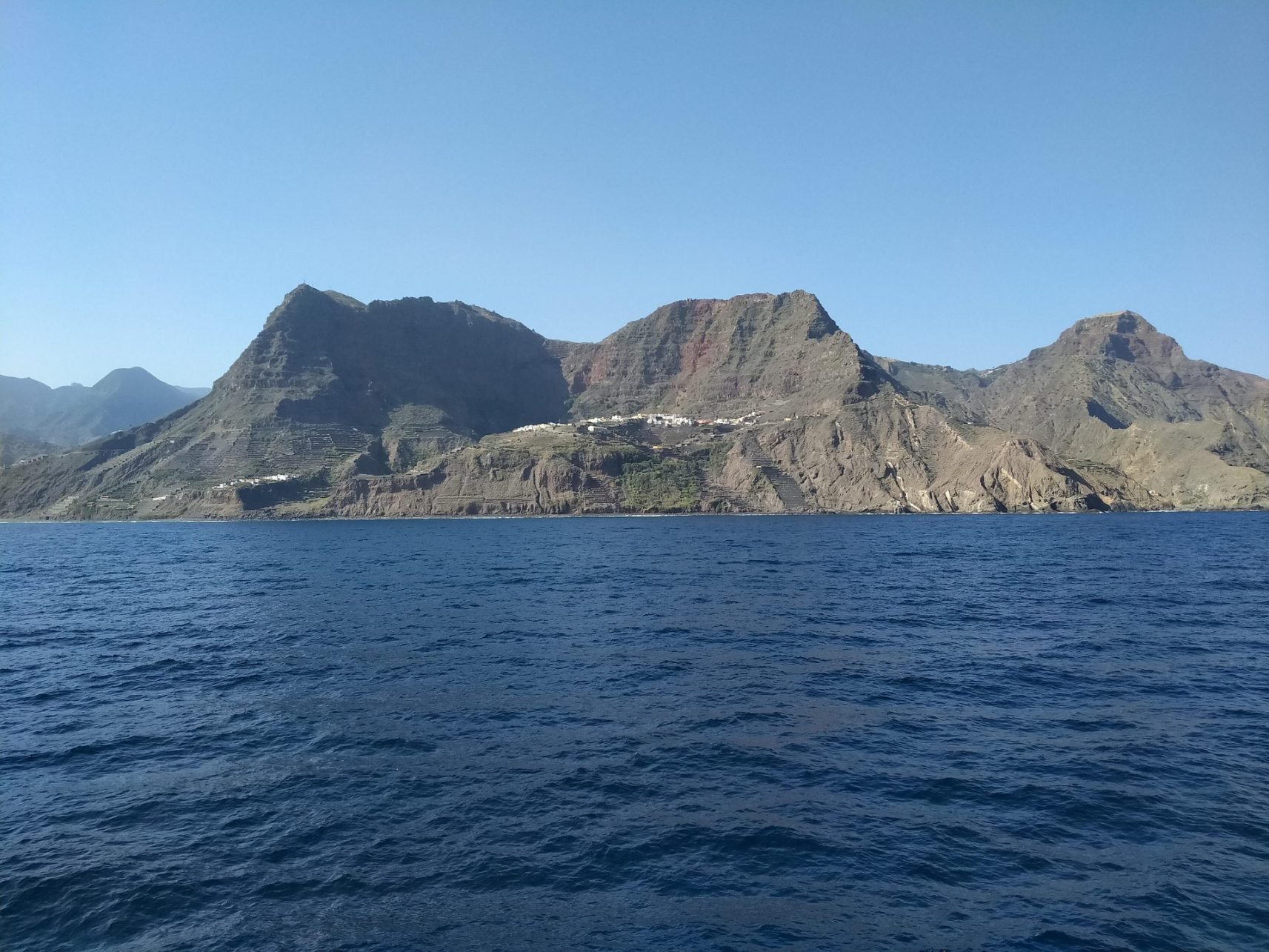
This UNESCO Biosphere Reserve, known as “Columbus’s last stop before America,” presents a dramatically different landscape from its larger neighbor – Ancient laurel forests, mystical valleys, and cultural traditions that have survived for centuries.
Just 50 minutes by ferry from Tenerife’s Los Cristianos port, La Gomera offers one of the most rewarding day trip experiences in the Canary Islands.
Ferry connections operate multiple times daily with Fred Olsen Express and Naviera Armas, departing at 9:00 AM, 2:30 PM, and 6:30 PM, with return journeys providing flexible scheduling for day trips. Round-trip tickets start at €43 per person, with car transport available from €21, though most day-trippers find the island easily explorable on foot and via organized tours.
Garajonay National Park: Ancient Laurel Forest Experience
The crown jewel of La Gomera, Garajonay National Park protects one of the world’s last remaining laurel forests, a prehistoric ecosystem that once covered much of Mediterranean Europe. These ancient woods, shrouded in mystical mists, create an almost Jurassic atmosphere where endemic species thrive in humidity levels reaching 80%.
Guided hiking tours through the park provide the safest and most educational experience, with local experts explaining the complex ecosystem while navigating the well-marked but sometimes challenging trails. Half-day guided hikes cost €45-65 per person and include hotel pickup from San Sebastián, professional interpretation, and visits to the park’s Visitor Center near Cruz del Carmen.
The Alto de Garajonay summit, at 1,487 meters, offers panoramic views across the entire archipelago on clear days. The challenging Gran Ruta 18 circuit hike covers 17 kilometers and takes approximately 6 hours, making it suitable only for experienced hikers with proper equipment. For day-trippers, the shorter Sendero El Cedro trail provides excellent forest immersion in just 2-3 hours.
Practical note: The laurel forest creates its own microclimate with frequent mist and sudden temperature changes. Waterproof clothing and layered clothing are essential, even during summer months.
Mirador de Abrante: Walking on Air
One of La Gomera’s most spectacular attractions, the Mirador de Abrante features a dramatic glass walkway extending 7 meters over a 600-meter precipice. This architectural marvel, opened in 2014, creates the sensation of floating in mid-air while offering panoramic views of the picturesque village of Agulo below and Tenerife’s Mount Teide on the horizon.
The glass-floored skywalk provides 360-degree views, with the transparent floor allowing visitors to see directly down to Agulo’s traditional stone houses and terraced landscapes. Entry costs €3 for the viewpoint, with the adjacent restaurant offering local cuisine (though currently closed as of 2022).
Access requires a narrow, winding mountain road from the main highway, adding adventure to the visit. The drive takes approximately 20 minutes from the park’s main visitor center, with adequate parking available at the site. The viewpoint operates Tuesday-Sunday from 10:00 AM to 4:00 PM.
Photography tip: Visit during golden hour for the most dramatic lighting, when the red volcanic cliffs contrast beautifully with the green valley below and the blue Atlantic beyond.
Mirador de Abrante in La Gomera, Spain.
Silbo Gomero: The Whistling Language Demonstration
La Gomera preserves one of the world’s most unique communication systems: Silbo Gomero, a whistled language declared UNESCO Intangible Cultural Heritage in 2009. This ancient system, used for centuries to communicate across the island’s deep valleys and ravines, can transmit messages up to 4 kilometers.
Live demonstrations are regularly performed at various locations, including the Abrante Viewpoint, Garajonay National Park visitor centers, and San Sebastián’s town square. Professional silbadores (whistlers) demonstrate how Spanish words are converted into whistled sounds using just two vowel tones and four consonant sounds, with meaning clarified through pitch, duration, and context.
School visits can be arranged through the La Gomera Whistled Language School (Aula Insular del Silbo Gomero), where this unique skill is taught as a compulsory subject to all island children. These educational sessions cost €8-12 per person and provide hands-on instruction in basic whistling techniques.
Cultural significance: Today, over 20,000 La Gomera residents can communicate in Silbo Gomero, using it for practical daily communication, emergency situations, and maintaining cultural identity. Visitors often witness spontaneous whistled conversations between locals across valleys during their visit.
El Cercado: Traditional Pottery Village
Hidden in La Gomera’s highlands, El Cercado maintains one of the Canary Islands’ last authentic pottery traditions, with techniques virtually unchanged since pre-Hispanic times. Only three workshops continue this ancient craft, run exclusively by women who pass skills from mothers to daughters across generations.
Live demonstrations show master potters creating traditional pieces entirely by hand without pottery wheels, using only local clay, sand, and almagre (red ochre) for the characteristic finish. The month-long process from clay preparation to wood-fired completion creates utilitarian pieces like gofio storage bowls, water jugs, and the distinctive carabucho (goat milking vessel).
Las Loceras Interpretation Center in El Cercado’s village square provides historical context through exhibits and displays, operating Tuesday-Sunday 10:00 AM-2:00 PM with free admission. Visitors can purchase authentic pottery pieces directly from the workshops, with prices ranging from €15-45 for traditional items.
Workshop visits require advance booking during peak tourist seasons, as the three remaining loceras (pottery women) balance traditional production with tourist demonstrations. The village’s isolated location, reached via mountain roads through terraced landscapes, adds to its authentic rural atmosphere.
Valle Gran Rey: Natural Swimming and Coastal Beauty
La Gomera’s largest town, Valle Gran Rey, offers perfect relaxation after cultural and hiking activities. The valley’s Charco del Conde natural swimming pool, formed by volcanic rock and filled with crystal-clear seawater, provides safe swimming protected from Atlantic swells.
Playa de la Calera, the municipality’s largest beach, features black volcanic sand and calm waters ideal for swimming and sunbathing. The beachfront promenade offers numerous restaurants serving fresh seafood and traditional Gomeran cuisine, including locally caught fish and almogrote cheese spread.
Whale watching excursions depart from Valle Gran Rey’s small harbor, offering different perspectives of La Gomera’s dramatic coastline while searching for pilot whales, dolphins, and sea turtles in the surrounding waters. These 3-hour trips cost €35-45 per person and include swimming stops in secluded bays with complimentary refreshments.
La Playa in Valle Gran Rey in La Gomera, Spain.
Planning Your La Gomera Day Trip
Recommended schedule: Depart Tenerife on the 9:00 AM ferry, arriving in San Sebastián de La Gomera at 9:50 AM. Join organized tours departing at 10:30 AM, or rent a car at the port for independent exploration. Return on the 6:30 PM ferry for a full day experience, or the 2:30 PM ferry for a more relaxed half-day visit.
Independent exploration offers a flexibility but requires careful timing with ferry schedules and mountain road conditions. Car rental at San Sebastián port costs €35-50 per day, with fuel and insurance included. The island’s compact size (25km x 22km) makes all major attractions accessible within 45 minutes of driving.
Cultural immersion: La Gomera rewards those seeking authentic Canarian culture away from resort tourism. Traditional guachinches in Valle Gran Rey serve local wines and island specialties, while village markets offer handmade crafts and locally produced honey, cheese, and mojo sauces. The island’s slower pace of life and genuine local hospitality create lasting impressions beyond typical day-trip experiences.
This neighbor island experience perfectly complements a Tenerife vacation, offering dramatic landscape contrasts, unique cultural encounters, and the satisfaction of discovering one of Europe’s best-preserved traditional island communities.
After a successful day trip to La Gomera, it’s no surprise that you might book your next whole vacation there.
I’m sure you’ve had similar experiences I had whilst traveling. You’re in a certain place and a fellow traveler, or a local, tip you off on a little-known beach, bar or accommodation. Great travel tips from other travelers or locals always add something special to our travels. That was the inspiration for Travel Dudes.
I’m sure you’ve had similar experiences I had whilst traveling. You’re in a certain place and a fellow traveler, or a local, tip you off on a little-known beach, bar or accommodation. Great travel tips from other travelers or locals always add something special to our travels. That was the inspiration for Travel Dudes.
Are Investors Really Enjoying Capital Appreciation and Rental Returns?
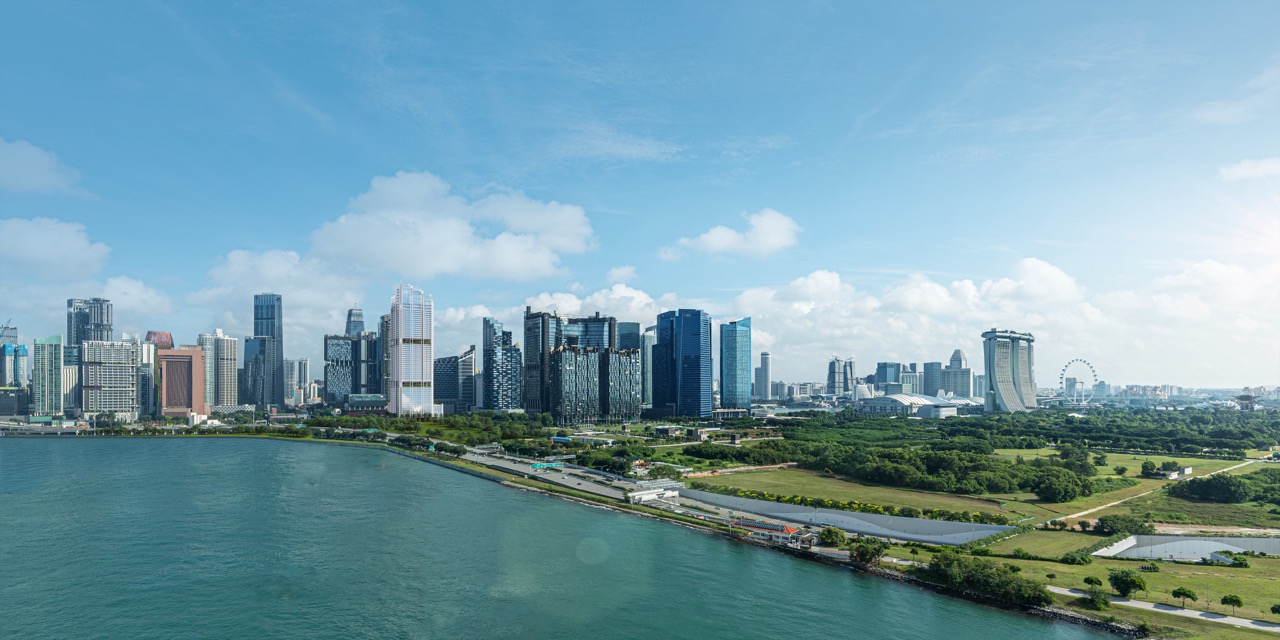
According to the latest HSBC Global Entrepreneurial Wealth Report 2025, Singapore, the UK and Switzerland rank as the top destinations for the world’s super-rich to send their money.
Singapore leads the pack, cementing its reputation as a global hub for entrepreneurial wealth and relocation. The study surveyed 3,000 entrepreneurs across 15 markets, and the city-state emerged as the standout choice for wealth preservation and growth.
The UK: Rising Rents, Shrinking Supply
But what about the UK market? Are landlords benefitting from these money flows?
The Royal Institution of Chartered Surveyors (RICS) reported that new rental listings plunged to minus 37 in August — the lowest since April 2020, when Covid froze the economy. With demand far outstripping supply, rents are forecast to rise another three percent over the next year.
The numbers are stark: official data shows rents have jumped 30 percent in just four years. In London, tenants now pay an average of GBP 2,250 (SGD 3,904) per month, piling on more cost-of-living pressure. What’s behind this? A landlord exodus. Government legislation tilted towards renters has pushed many owners to sell, further reducing rental stock and driving prices higher.
In short, tenants lose, but the remaining landlords are enjoying fatter returns.
Could the Same Happen in Singapore?
Singapore is different, but parallels exist. The world’s steepest property tax on foreign buyers — a 60% Additional Buyer’s Stamp Duty (ABSD) — has effectively excluded foreigners from the residential market. That leaves citizens and permanent residents as the primary players.
This exclusion keeps prices in check relative to other wealth hubs such as Hong Kong, London, Monaco, and Zurich. But it also limits rental supply. Fewer investors mean fewer rental units — and that helps drive rents higher for locals who own property.
Indeed, Singapore’s rental prices have been climbing steadily. And while one could argue that lower barriers for foreign buyers might have fueled even higher property values and rents, for now, the beneficiaries are clearly the local landlords.
Global Property Dynamics
The latest Savills World Cities Prime Residential Index confirms the shifting landscape.
Tokyo surged with 8.8 percent growth in H1 2025, powered by a chronic shortage of new supply and strong demand. Forecasts call for another 6 percent –7.9 percent rise in the second half of the year.
Berlin, Dubai, and Seoul each posted growth above 5 percent, supported by tight supply pipelines and resilient sentiment.
Lifestyle cities such as Amsterdam, Cape Town, Lisbon, and Sydney also gained, buoyed by their enduring appeal to global buyers.
Hong Kong struggled, with a 3.5 percent drop in H1 2025 amid policy uncertainty and already sky-high pricing. Still, it remains the world’s most expensive market, averaging US$3,720 per square foot.
Singapore: Safe Haven Currency, Unique Market
The currency story matters too. Julius Baer notes that the Singapore dollar, along with the Swiss franc, is the only major currency to consistently deliver positive returns against the US dollar over 10, 20, and 30 years. Since 2000, the SGD has risen 29.3 percent versus the USD — the strongest in Asia.
This makes Singapore both a property and currency haven. But the residential market here is unlike any other. The ABSD creates a fortress, keeping international speculative capital out and leaving long-term value creation to locals and PRs.
Where Should Investors Look?
With capital values projected to rise just 1.5 percent in H2 2025, the real opportunities lie in the secondary market, where older prime condos offer:
Larger layouts
Lower density
Scarcer locations
For eligible buyers — Singaporeans, PRs, and exempt nationalities such as Americans and Swiss — these properties represent strong value and upside, especially given the en bloc potential in prime locations.
Take Orchard Road: around Cairnhill, rare gems like The Edge on Cairnhill by starchitect Moshe Safdie (of Marina Bay Sands and Jewel Changi fame) trade below SGD 2,700 psf. That’s far more attractive than smaller, less central new launches.
Or Tanglin: St. Regis Residences — 999-year leasehold, with elegant grounds and concierge services — can be found at just SGD 2,800 psf. That’s a bargain compared to many newer but less distinguished projects. Nearby, The Tomlinsontrades even lower, though without the same brand cachet.
Final Take
In a world of currency volatility, supply squeezes, and shifting policy, Singapore stands out. With limited land, strong domestic demand, and a rock-solid currency, property here continues to serve as one of the best long-term value preservation assets. For those eligible to buy, the secondary market in prime districts remains the smartest play — combining heritage, space, and long-term appreciation.
This opinion piece was written by luxury expert Alex Shlaen
For more on the latest in business reads, click here.
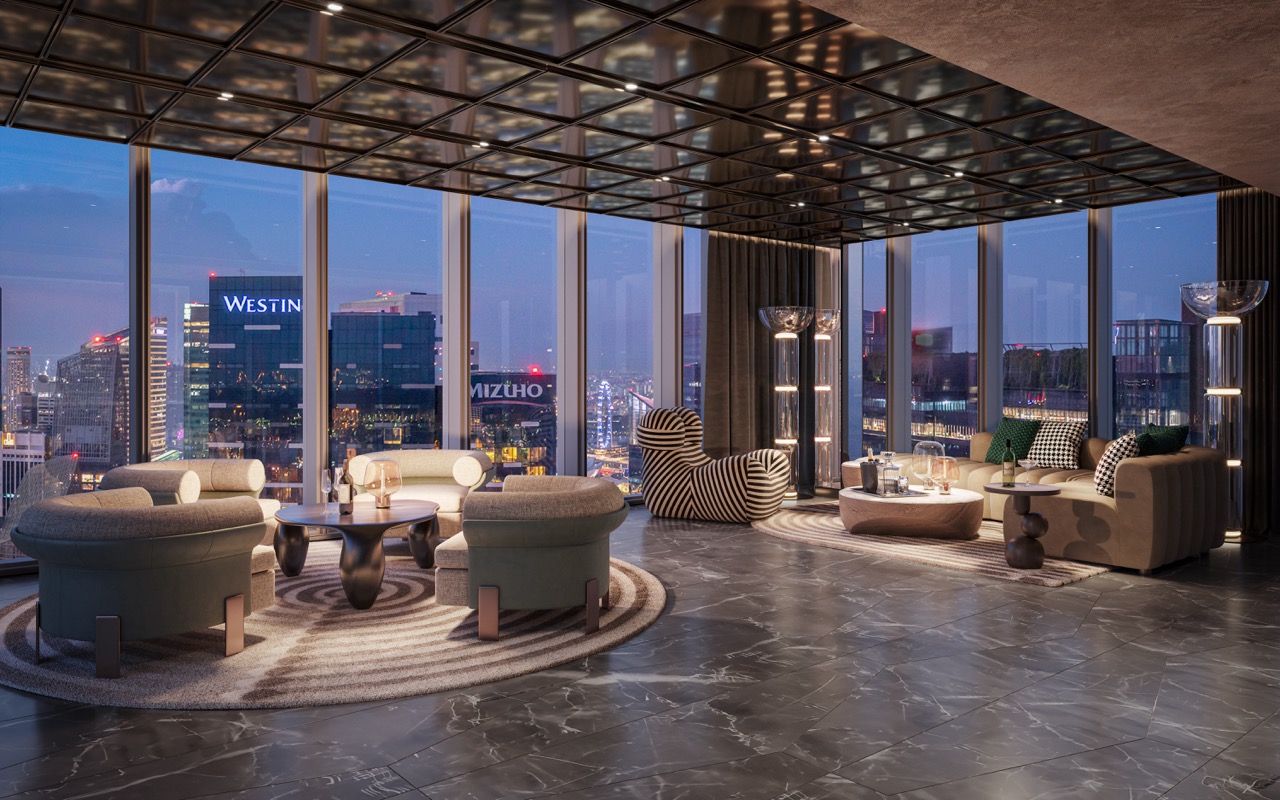
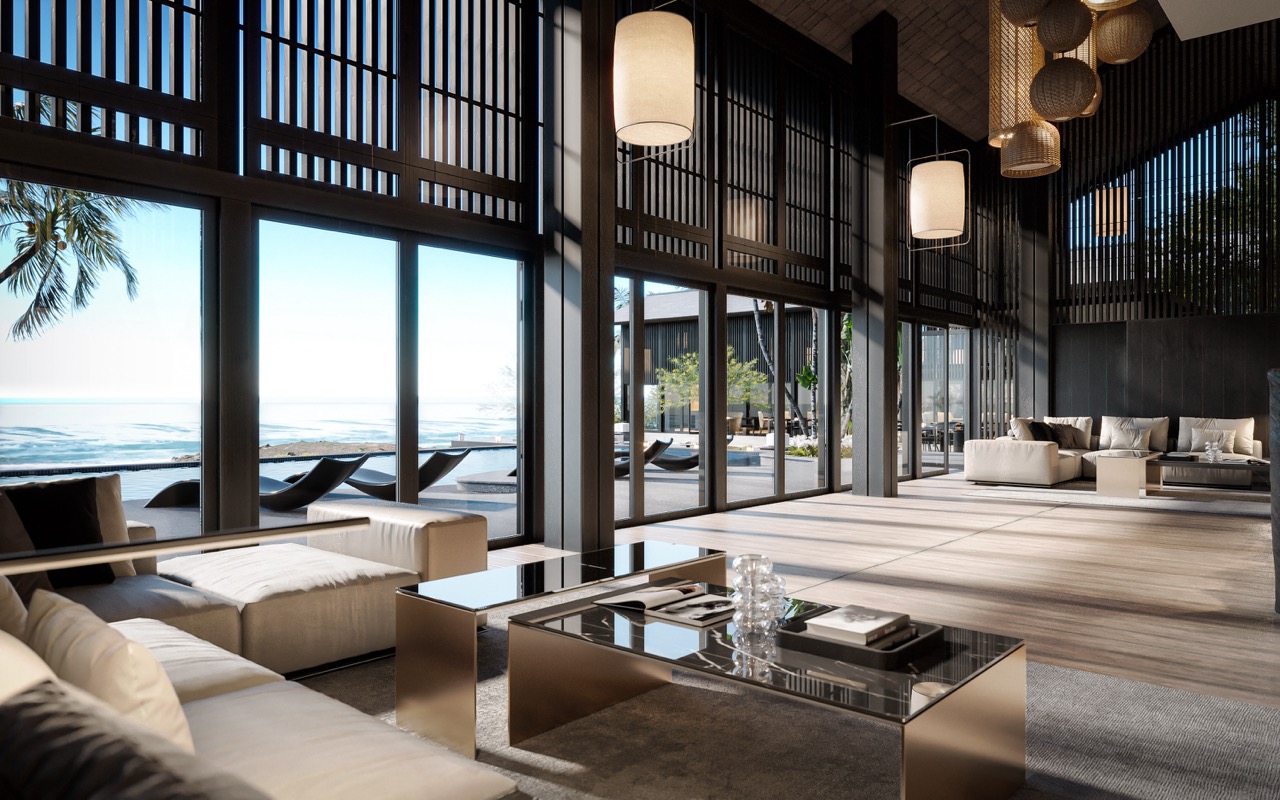
ONC3D, recently honored as the Best Luxury Architect Visualization & Design Studio in Singapore by the Luxury Lifestyle Awards, is reshaping the way architecture and design are presented on the global stage. Renowned for turning architectural ideas into photorealistic experiences, the studio enables developers, architects, and real estate leaders to communicate their projects with clarity and impact.
With over a decade of expertise, ONC3Dhas assembled internationally accredited designers and architects to deliver tailored visualization services. Their portfolio spans luxury resorts, hotels, penthouses, private villas, and world-class sports facilities. Each commission is brought to life through cutting-edge renders, engaging animations, and immersive digital presentations.
A Portfolio with Global Reach
The studio’s work extends across premium developments in Asia and beyond. Projects such as The Embassy Wireless in Thailand, W Residences Marina View by IOI Properties, and Midtown Bay by GuocoLand highlight their ability to produce visuals that resonate with international investors and audiences.
Tailored Visualisation Approach
Every project at ONC3D begins with a collaborative discovery phase. This process ensures client preferences, design aspirations, and project objectives are clearly understood. By assembling custom teams for each commission, the studio aligns technical expertise with the creative direction needed for the project.
Through mood boards, concept visuals, and interactive tools, clients are guided toward refined solutions while maintaining full involvement in the design journey. This consultative method has earned ONC3D a reputation as both a trusted creative partner and a technical authority.
Integrating Sustainability
Environmental responsibility is a core pillar of ONC3D’s operations. Their studio practices minimize waste, relying on digital workflows instead of paper-heavy processes. Energy-efficient rendering systems further reduce computational consumption while maintaining visual quality.
Beyond internal measures, ONC3D brings sustainability into the spotlight of design presentations. Their visualizations accurately depict green building materials, renewable energy systems, and eco-conscious architectural elements, supporting clients who prioritise sustainable development.
Excellence Under Pressure
One high-profile residential commission illustrated the studio’s capacity to perform under demanding circumstances. The project involved clients with undefined aesthetic preferences, tight deadlines, and exceptionally high expectations.
ONC3D responded with a structured process, offering curated mood boards and early-stage visualizations to help clarify the design direction. Rapid review cycles enabled quick decision-making, while consistent updates reassured the clients throughout the project. In the end, the final visuals exceeded expectations and were delivered on schedule, demonstrating the team’s resourcefulness and focus under pressure.
Comprehensive Services
ONC3D delivers a comprehensive suite of visualization services that bring architectural concepts to life with precision and impact. Their expertise spans photorealistic 3D rendering for both print and digital platforms, cinematic animations that immerse viewers in the design, and virtual tours offering interactive 360-degree exploration of spaces. To complement these, the team provides drone photography for striking aerial perspectives, professional photo retouching to refine marketing assets, and creative consultancy that strengthens both architectural and interior design narratives. For developers looking to connect with audiences on a deeper level, ONC3D also designs tailored campaign and development strategies, complete with scriptwriting and voiceovers.
Collectively, these services give architects and developers the tools to communicate their vision clearly, captivate stakeholders, and present projects at the highest level.
Leadership with Vision
Guiding ONC3D is Ani Som, CEO, whose academic training in Chicago and London complements her passion for the visual arts. With over a decade of experience in architectural visualization, Ani has cultivated a leadership style that fuses technical expertise with creative insight. Her ability to understand client needs and translate them into compelling visuals has made ONC3D a trusted partner across the Asia-Pacific market and beyond.
Discover ONC3D
Combining artistry, technical precision, and environmental awareness, ONC3D continues to push the boundaries of architectural visualization. Their recognition from LLA underscores their influence in shaping how luxury developments are communicated worldwide.
To elevate your next project, visit https://onc3d.com/.
About Luxury Lifestyle Awards:
Luxury Lifestyle Awards, a part of the World Luxury Chamber of Commerce, is a global organization dedicated to selecting, recognizing, and promoting the finest luxury goods and services worldwide. With a 16-year legacy, LLA connects discerning clientele to exceptional luxury experiences. Its rigorous evaluation process assesses over 5,000 products and services across 400 categories in 100 countries, culminating in a prestigious list of winners that showcases the world’s elite. Renowned brands like Ritz-Carlton, Savills, and Dom Pérignon have been recognized by the Luxury Lifestyle Awards, enhancing brand credibility, elevating status, and providing global exposure for award recipients. For more information, please visit: https://luxurylifestyleawards.com/.
For more on the latest in lifestyle, properties and travel reads, click here.
Toyota has a big event scheduled for October 13. The teaser suggests that we might witness the unveiling of multiple models, including the highly anticipated Lexus LFR and Toyota GR GT
The event will be held at the Fuji Speedway, where preparations are almost complete. Signs put up around the track confirm that the GR GT will most likely be part of the event, which will be streamed live on Toyota’s YouTube channel.
Another sign hints at the Lexus LFA successor. It says, “The sign at Fuji Speedway has changed. On the left is the 2000GT. Next to it is the LFA. And next to that…?”
The Lexus LFR was showcased in concept form at Pebble Beach in August this year. Touted as the LFA successor, the new front-engined sports car is expected to be powered by a brand-new 4.0-liter twin-turbo V8 paired with a hybrid system. The internal combustion engine is said to produce around 720 hp, while the hybrid will provide another 180 hp.
Lovers meeting at midnight on a bridge. Ballerinas are poised in the wings before their performance. A fairy perched delicately on a cloud. These are not scenes from the theatre or the opera — they are the ticking heartbeats of Van Cleef & Arpels timepieces.
This is a Maison that does not merely construct watches. It composes fairytales. Each timepiece is written in the language of rare crafting techniques such as enamel, miniature painting and engraving, all underpinned by extraordinary mechanical artistry.
Positioning the female figurine on the dial of the Lady Arpels Bal des Amoureux Automate
Ever since its foundation – following Alfred Van Cleef and Estelle Arpels’s wedding in 1895 – emotion, craftmanship and storytelling have been the soul of the brand.
Love is more than a theme for Van Cleef & Arpels; it is a cornerstone. The first piece the Maison ever sold was a diamond heart. And more than a century later, that spirit of enchantment and poetry endures in its most iconic horological collection: Poetic Complications.
Lady Arpels Bal des Amoureux Automate
“Each of our creations starts with a story,” says Pascal Narbeburu, Timepieces Métiers Director at Van Cleef & Arpels. When the Poetic Complications collection was launched in 2006, it turned traditional watchmaking over its head. Instead of privileging technical prowess for its own sake, here, emotion, craftsmanship and storytelling become the driving force of the watch, while animations, complications and métiers d’art all come together to paint a vivid picture of romance and poetry.
The governor of the automaton is put into place on the calibre of the Lady Arpels Bal des Amoureux Automate
Each watch takes up to 5 to 10 years of research and development. It is hardly surprising, then, that throughout the years Van Cleef & Arpels has received 15 awards (eight of them for the Poetic Complications) at the Grand Prix d’Horlogerie de Genève.
Time to Romance
Lady Arpels Bal des Amoureux Automate with a diamond-paved bracelet
One of the most emblematic watches embodying the Van Cleef & Arpels spirit is the Lady Arpels Pont des Amoureux. Launched 15 years ago, it features two lovers standing on opposite sides of a bridge, waiting for their reunion.
Beyond the charming narrative is an ingenious technical feat: she moves with the passing hours; he climbs more quickly, in line with the minutes, to meet her at 12 o’clock. There, they share a kiss lasting a magical three minutes before a retrograde mechanism returns them to their respective places. Since 2019, an on-demand animation triggered by a push-button allows the wearer to replay the scene at will.
The lovers have returned in various guises over the years. For 2025, Van Cleef & Arpels has brought back the couple in two iterations: the first is a series of four watches where they make a date to rendezvous at the bridge at different times of the day. Then, there is the Lady Arpels Bal des Amoureux Automate watch, where they waltz on the cobblestoned streets of Paris.
Embodying the very essence of Van Cleef & Arpels’ identity, this collection remains a cornerstone of the brand’s horological storytelling, still highly sought-after by collectors and emblematic of timeless design.
“We have our own vision of time which stays very consistent through the years” says Narbeburu. “That is one of the reasons why the Poetic Complications watches we have created since 2006 are timeless. It is like taking a classic from your bookshelf and reading it to your children. A story never gets old.”
Applying coloured grisaille enamel on the dial of the Lady Arpels Pont des Amoureux Soirée
The latest Pont des Amoureux creations for 2025 meld a multitude of artisanal techniques and mechanical feats, showcasing the Maison’s ever-evolving mastery. Narbeburu notes that Van Cleef & Arpels has been steadily developing its in-house capabilities, especially for mechanisms that serve the storytelling aspect of the Poetic Complications collection. As a result, the Maison is able to develop, assemble and do quality control for its complications in-house. This allows designers, engineers, watchmakers and artisans to create embodiments of the Van Cleef & Arpels watchmaking philosophy; the movements they craft are mechanically ambitious yet always elegant, with decorative techniques applied that serve a narrative purpose. The watchmaking team demonstrates technical finesse in creating advanced complications in the most compact way possible. This is necessary so that the movements can fit in ergonomically optimised cases, making the watches suitable for everyday wear.
From Day to Night
Lady Arpels Pont des Amoureux Soirée (left) & Lady Arpels Pont des Amoureux Aube (right)
For 2025, the Maison depicts the lovers meeting at different moments of the day, namely dawn, morning, dusk, and moonlight. The dials are a sight to behold, crafted using the coloured grisaille enamel technique. A palette of delicate watercolours depicts the city at various points during the day and night. During sunrise, the rays of the sun permeate through the buildings in a radiant burst of yellows, oranges, purples and pinks, while the sky shimmers in a gradient kaleidoscope of purples, pinks and oranges as the sun sets.
To achieve this effect, the craftsman fires each dial around 10 times in the oven, a complex endeavour that captures every nuance and detail of the sky. Each dial takes about 40 hours to create. The scene continues on the caseback, with a sculpted gold case and an enamel decal – making for a true work of art.
Dancing Under the Stars
Left: Lady Arpels Pont des Amoureux Matinée; Below: Lady Arpels Pont des Amoureux Clair de Lune
The lovers continue their romantic sojourn, off the bridge and on to the cobbled streets of Paris. Inspired by the open-air dance cafes of the 19th century, they lean into each other for a kiss at noon and midnight. However, the Maison pushed the envelope even further for the Lady Arpels Bal des Amoureux Automate, as the two lovers lower their linked arms in harmony – this seemingly simple gesture took Van Cleef & Arpels four years to perfect, so the movement appears natural, fluid and graceful.
The scene is ebullient, with a smattering of stars, lanterns and fairy lights evoking an idyllic night out, while two stars indicate the time on the retrograde counter. One of the biggest challenges, says Narbeburu, was to combine all the Maison’s narrative elements inside the limited space of a case. “This watch is almost three-dimensional. On the dial, there are five different layers, including the clouds, the buildings, the figures, and we had to make sure that the watch remained thin.”
This dial requires over 40 hours of work, created using two enamel techniques: the ancient and highly complex grisaille and coloured grisaille, a technique created in-house, so the background is almost hypnotic in its chiaroscuro effect.
When the Stars Align
Lady Arpels Planétarium
What could be more romantic than stargazing with someone you love? For Van Cleef & Arpels, the sky is not the limit, it is a canvas. While many brands have explored astronomical complications, calculating tides and celestial positions with scientific precision, Van Cleef & Arpels’ goal is more emotive: to bring the heavens to the wrist.
Technical innovation meets artistic ingenuity within the Lady Arpels Planétarium. The beauty lies in the astronomical mechanism, which can track the movement of planets around the dial. It all fits within a 38mm case, making it truly a work of wonder
The Lady Arpels Planétarium watch is a perfect representation of this vision. Set on a dial of deep blue aventurine glass, which shimmers like a night sky, it features seven concentric rings that chart the real-time movement of the planets. Each orb is crafted in a different, exquisite material: Venus in green enamel, Earth in turquoise, Mercury in pink mother-of-pearl, the Sun in sculpted gold, and the Moon as a diamond, which itself revolves around the Earth in 29.5 days. A golden shooting star encircles the dial every 12 hours, pointing to the current time, a touch that adds just the right celestial flair to the timepiece.
Positioning the turquoise at the centre of the oscillating mass in the Lady Arpels Planétarium
When Horology Meets Horticulture
In a magical garden, flowers bloom and close, marking each passing hour. In the hands of Van Cleef & Arpels, nature is captured in a rich and vivid tableau.
Lady Arpels Heures Florales
The Lady Arpels watch serves as a canvas, allowing Van Cleef & Arpels’ artisans to pay homage to their perennial muse, nature, in all its boundless beauty and bounty. Among the highlights are the Lady Arpels Heures Florales timepieces, offered in two variations and colours, inspired by the 1751 work Philosophia Botanica by Swedish botanist Carl von Linné. In his book, Linné imagined a garden whose flowers opened and closed to reveal the time.
Lady Arpels Heures Florales
The Lady Arpels Heures Florales timepieces bring this dream to life with a miniature garden where blossoms unfurl to display the hours, offering a delightful surprise as the next flowers to bloom remain a mystery.
Demonstrating how the team takes a hands-on role for every watch and is constantly pushing boundaries, Narbeburu reveals that they went through a demanding creative process that involved all production teams working on several iterations, each time incorporating an elevated touch of “magic” to the creation.
Featuring a mechanical garden of blooms, the Lady Arpels Heures Florales features hand-painted flowers that unfurl upon the hour.
One of the “magical” aspects of the garden is that the blooming of the flowers appears completely random. “In the morning, one flower might bloom to indicate 1am; in the afternoon, it will be a different flower; and the morning of the next day, yet another one,” explains Narbeburu. “So, we have three cycles that give the impression of randomness.”
The minutes are indicated on a lateral band on the case middle, allowing time to be read discreetly. Though poetic and gentle in its expression, the mechanism is a marvel of engineering, representing five years of innovation from concept to creation.
Summer Breeze
Assembling the sapphire crystal disc bearing the two butterflies on the Lady Arpels Brise d’Été
The winner of the Prestigious Ladies’ Complication Prize at the 2024 Grand Prix d’Horlogerie de Genève, the Lady Arpels Brise d’Été watch evokes the lightness of a summer breeze, surrounded by nature. With this piece, Van Cleef & Arpels showcases its mastery of a wide range of artistic crafts, combining techniques such as gem-setting, plique-à-jour, and vallonné enamel. These methods act like brushstrokes painting a vivid landscape: the butterfly wings and blades of grass are rendered in delicate plique-à-jour enamel, giving them a translucent quality, while the flower petals — crafted in vallonné enamel — have a domed, luscious finish.
The caseback of the Lady Arpels Brise d’Été
Each blossom is adorned with spessartite garnets, and the garden shimmers with vibrant green tsavorites. Completing this enchanting tableau, wildflowers gently sway in the summer breeze, while two butterflies gracefully circle the dial to indicate the hours and minutes. Pressing the pusher at 8 o’clock sets their elegant dance in motion.
Fairy Dust
At Van Cleef & Arpels, Haute Joaillerie and Haute Horlogerie often collide, as they are complementary.
Left: Lady Féerie; Right: Lady Féerie Or Rose
A familiar figure in the universe of Van Cleef & Arpels, the fairy is a recurring muse, a symbol of lightness, hope and benevolence. She first fluttered into the Maison’s world in the 1940s as a sculpted, gem-set clip. Today, she reappears in the Lady Féerie watch, perched gracefully on a cloud, her wand delicately commanding the minutes.
Left: Lady Féerie Or Rose ; Right: The caseback of the Lady Féerie Or Rose
Her form is sculpted in gold, and she wears a sapphire- and diamond-studded tutu. Her wings are made of turquoise plique-à-jour enamel, while the dial is crafted in guilloché mother-of-pearl.
A Perfect Dance
Lady Arpels Ballerine Musicale Rubis (left) and Lady Arpels Ballerine Musicale Émeraude (right)
Van Cleef & Arpels has long been both passionate about the arts, and inspired by it, with an affinity for dance. It started with Louis Arpels, a member of the founding family of the Maison, who would often attend the ballet with his nephew Claude in tow. This passion eventually took form in the iconic ballerina clips of the 1940s, pieces that remain beloved to this day.
Lady Arpels Ballerine Musicale Diamant
The Maison continues to dance its way into our hearts with a series of three timepieces, the Lady Arpels Ballerines Musicales watches, which uses gem-setting, miniature painting and a complex animation and a mechanism that combines a music box and a chime to create a sensorial spectacle. Available in a series of three, each iteration, the Lady Arpels Ballerine Musicale Émeraude watch with its green tones, Rubis in red, and finally Diamant in blue, pays homage to the three acts in Jewels. Famously, ballet choreographer George Balanchine developed Jewels in the 1960s following an encounter with Claude Arpels, with whom he shared a passion for gemstones.
Lady Arpels Ballerine Musicale Emeraude
The details of the watch are truly exquisite, from the dramatic folds of the curtain that parts to the revealed hand-painted dancing ballerinas. They pirouette onto the stage, to the tune of the music. Unlike a minute repeater, this musical box can play a range of notes. Miniaturising this engineering marvel into a wristwatch was truly an extraordinary feat, one that was 10 years in the making.
This being Van Cleef & Arpels, the diamonds on the front of the case emulate the chandelier of a stage and those on the case middle give the impression of curtains – a demand that made the architecture even more challenging, as they muffled the sound, requiring masterful engineering to preserve both the watch’s beauty and its musical clarity.
Curtain call
Van Cleef & Arpels redefines the function of time with its Poetic Complications collection, watches where technical prowess is at the service of the story. As Narbeburu reminds us, “The story is at the center of the creation; mechanics and métiers d’art allow us to tell it.”
Here, time pauses for a kiss on a bridge or the blooming of flowers in a garden. Blending mechanical ingenuity with artistic craftsmanship, these pieces reflect the spirit of Van Cleef & Arpels, from its inception more than a century ago; it continues to shape the Maison’s unique approach to watchmaking.
“We have our own vision of time which stays very consistent through the years. That is one of the reasons why the Poetic Complications watches we have created since 2006 are timeless. It is like taking a classic from your bookshelf and reading it to your children. A story never gets old.” – Pascal Naberburu, Timepieces Métiers Director at Van Cleef & Arpels
For more on the latest in luxury watch reads, click here.
The first light of dawn weaves into the low-lying mist, turning it gold. Steam curls lazily above the water, blurring the lines between the banks and grassy land. Wade in carefully—there are secrets from another age yet to uncover before you can relax.
In the distance, the Leonidas monument stands guard, looming about as large as he should—stern and solitary against the rising sun. Faint chatter, a few laughs, a few curses. These are the early risers, mostly locals, lowering themselves into the milky pools, fumes or no fumes. Cars on the nearby highway hum in the distance, but the scene still feels timeless, unspoiled by the modern buzz.
The Thermopylae hot springs aren’t a myth, but a place you can actually visit—and for free.
Travelers describe it as surreal: a steaming roadside pool framed by mountains and layers of history. There are no ticket booths, no fancy facilities—just open access, the smell of sulfur, and the awareness that you’re standing where empires once clashed.
Here’s your guide to visiting the best hot springs in Greece.
Best Hot Springs in Greece: From Thermopylae to Santorini
Where Warm Waters Meet Epic History
Thermopylae (Θερμοπύλες) means “the Hot Gates,” a name earned from the geothermal springs that have bubbled here for thousands of years. Cradled between mountains and sea, this narrow pass was both a strategic bottleneck and a sacred site.
In 480 BC, King Leonidas led 300 Spartans (plus allied Greeks) in a famed last stand against Persia—and though historians still debate how many stood, who stayed, and how the battle unfolded, their myth has shaped generations and whole cultures to come. The terrain has changed, but the hot springs still flow—as they did when ancient warriors soaked their wounds in sulfurous waters believed to hold divine power.
Top Hot Springs in Greece: From Volcanic Bays to Mountain Escapes
Beyond Thermopylae, Greece offers a dazzling variety of natural springs—from wild mountain pools to seaside resorts with centuries of history.
Pozar Hot Springs – Northern Greece
📍 Aridaia, Central Macedonia
Set in a forested gorge at the foot of Mount Voras, Pozar is one of Greece’s most beloved thermal escapes. Steaming waterfalls tumble into stone pools surrounded by greenery and cliffs. Facilities include changing rooms, cafés, and spa services, and entry to the outdoor pools costs just a few euros.
Tip: Winter mornings are spectacular, with warm water and snow-dusted peaks.
Day Trip: Pozar Thermal Baths & Edessa Waterfalls
Relax, rejuvenate, and explore Northern Greece’s natural beauty in one unforgettable private tour. Experience the perfect mix of wellness and wonder — from soaking in warm mountain springs to discovering Edessa’s famous waterfalls.
Highlights include: ↠ Bathe in over 50 natural pools at the Pozar Thermal Baths, surrounded by lush mountain scenery ↠ Visit the majestic Edessa Waterfalls, one of Greece’s most stunning natural sights ↠ Enjoy a scenic drive through Macedonia’s countryside in a private, air-conditioned vehicle ↠ Savor traditional Greek cuisine at a charming village near Pozar ↠ Private 8-hour tour from Thessaloniki — fully customizable to your pace and preferences
~3–4 € per person for access to the outdoor thermal pools (the scenic natural gorge setting with the waterfalls).
~5–6 € per person for the indoor spa/thermal baths (individual or group rooms with regulated temperatures).
Children and seniors sometimes receive discounts.
Opening Hours:
Daily, 07:00 – 21:00 (some parts open later during summer evenings).
The outdoor pools often stay open longer, especially in winter when night soaking is popular.
Other Practical Notes:
Parking is free and located right next to the entrance.
Towels and swimsuits can be rented if needed.
The site is open year-round, and many locals love visiting in winter when the air is crisp and the pools steam dramatically.
Edipsos Hot Springs – Evia Island
📍 Northern Evia
Known since antiquity, Edipsos is where Heracles supposedly bathed between Labors, and where Roman emperors came for rejuvenation. Today, you can soak in free coastal rock pools or visit traditional spa hotels.
📝 Tip: Low tide reveals more natural pools.
Loutraki Thermal Spa – Corinthia
📍 80 km west of Athens
Loutraki blends modern spa treatments with ancient pedigree. The town has been famed since classical times; today it’s an easy wellness day trip from Athens, combining historic charm with hydrotherapy and seaside strolls.
Santorini Hot Springs – Volcanic Baths in the Caldera
📍 Palea Kameni islet, by boat
A Santorini boat tour highlight: swimming from the cool Aegean into gently warm, rust-colored volcanic waters. The caldera views make this one of Greece’s most memorable thermal experiences.
📝 Tip: Wear dark swimwear—the minerals can stain. The sulfur- and iron-rich water can irritate sensitive skin and shouldn’t be entered with open cuts. Rinse off well after your swim.
The Methana Peninsula is a geothermal wonderland of wild seaside springs, volcanic craters, and quiet villages. It’s raw, authentic, and perfect for travelers who like geological drama without the crowds.
Loutra Ypatis – Mt. Oiti, Central Greece
📍 Near Lamia
Sacred to the nymphs of Mount Oiti, these springs are tied to the myth of Heracles’ ascent to Olympus. The tranquil spa town still welcomes visitors seeking the reputed healing benefits of its waters.
Myth & Healing: Ancient Beliefs in Hot Springs in Greece
For ancient Greeks, springs were gifts from the gods:
Heracles bathed at Edipsos and Mount Oiti to regain his strength and ascend to Olympus.
Nymphs were believed to bless springs like Loutra Ypatis with rejuvenating power.
Wise centaurs like Chiron were linked to healing springs in the Peloponnese.
Thermal waters were sacred spaces for renewal—a tradition that still lingers in how locals treat them today.
Best Hot Springs in Greece: From Thermopylae to Santorini
Practical Guide: Visiting Thermopylae Hot Springs
Location: Near Lamia, Central Greece — 175 km north of Athens Admission: Free Hours: 24/7, year-round
Best Time to Visit Thermopylae Hot Springs
Dawn for magical mist and golden light Daytime for a livelier local vibe Night for solitude (bring a flashlight!)
Getting There
By car: 2 hrs from Athens (E75 north). Free parking onsite.
By bus: KTEL to Lamia + taxi for the last stretch.
Tours: Often combined with Delphi or Meteora.
What to Bring
Dark swimsuit (sulfur stains), towel, flip-flops, water, flashlight for early or late visits.
Health & Safety Tips for Visiting Hot Springs
Greece’s thermal waters are natural and often rich in sulfur, iron, and other minerals. While most travelers enjoy them without issues, it’s worth keeping a few health precautions in mind:
Children: Warm springs can be dehydrating, and some pools are quite hot. Limit children’s soaking time (10–15 min at a time) and make sure they drink plenty of water.
Pregnant women: Consult your doctor before visiting hot springs, especially during the first trimester. High temperatures and mineral content can sometimes pose risks.
Skin conditions & open wounds: Sulfur-rich water may irritate sensitive skin, eczema, or fresh cuts. If you have any open wounds, avoid soaking to prevent infection.
Hydration: Hot springs can make you sweat more than you realize. Bring water and take breaks to cool off.
Time limits: Prolonged soaking can lead to dizziness or fatigue. 15–20 minutes at a time is usually plenty for most pools.
Rinse afterward: Always shower or rinse after bathing to remove mineral residues and reduce skin irritation or staining.
⚠️ Note: These are natural sites, not supervised swimming pools. Surfaces can be slippery, and there are usually no lifeguards—so use common sense and caution.
Greece’s thermal springs are more than wellness stops—they’re living links to history, landscape, and myth. Whether you soak at dawn in Thermopylae, swim into Santorini’s caldera, or follow Heracles’ trail at Edipsos, these waters invite you to slow down and step into stories thousands of years old.
We offer a range of services designed to make your time in Santorini, Thessaloniki, Halkidiki, and Athens truly unforgettable. Whether you’re looking to kick back and relax, dive into some adventure, or mix a bit of both, we’re here to help you craft the perfect experience.
We offer a range of services designed to make your time in Santorini, Thessaloniki, Halkidiki, and Athens truly unforgettable. Whether you’re looking to kick back and relax, dive into some adventure, or mix a bit of both, we’re here to help you craft the perfect experience.
Perhaps more than any other material that we have covered so far, the stars might be right for titanium to truly take off. We first tackled this material in 2021, right on the heels of our ceramic special, and there were some links. While the world has since moved on from sweeping post-pandemic concerns, the watch-buying world has embraced titanium wholeheartedly, even though statistics indicate that this metal (and its alloys) accounts for under 10% of Swiss exports in 2024 (source: Statista). This will no doubt trend upwards because no less than Rolex has finally gotten into the game.
The Rolex Oyster Perpetual Yacht-Master 42 debuted in 2023 in RLX titanium (more on this later) and marked the first full watch case in any kind of titanium alloy for the brand; Rolex had previously used titanium for the caseback of the Deepsea model. It is this watch, and Rolex’s subsequent Deepsea Challenge model, that made us decide to give titanium, as opposed to all other materials, a more thorough re-examination of this issue. As usual, though, we are getting ahead of ourselves…
Read More: Yacht Style — Rolex Yacht-Master 42
To move things ahead and bring you up to speed, here is a brief primer on titanium, pulled and distilled from our 2021 special. If you have a watch cased in Grade 2 titanium, then that is commercially pure titanium; yes, commercially pure titanium is suitable for use in finished products. This is one of the amazing things about titanium, and is quite unparalleled, except perhaps for platinum (as far as watchmaking goes). So, what is titanium anyway?
A metallic element, titanium appears grey, or perhaps like unshining silver. In other words, it is colourless and not particularly lustrous. Its chemical element symbol is Ti and its atomic number is 22. A Group 4 transition metal, it lends its name to its grouping of metals, including zirconium (Zr), hafnium (Hf), and rutherfordium (Rf). See the gold section for more details on what the atomic number means.
In watchmaking, titanium has been in general use for 55 years now, with the Japanese getting a head start on the Swiss. Citizen was the first to experiment with this metal back in the day, and yet perhaps even this storied firm might be surprised to see how far it has come. These days, titanium alloys are even used in the most mundane of things, including woks, so our collective ability to work with it has improved dramatically. Thus, titanium is hardly novel or exotic, in watchmaking, except when used in movements (more on this later, and yes, there are a few laters to address already).
One of the main benefits of titanium, as demonstrated in its extraordinary use in the aerospace industry, is that it offers a high strength-to-weight ratio, also known as specific strength, creating an extremely strong substance (see relevant sidebar). This simply means that titanium is relatively strong at a low weight. The easiest way to think about this, in terms of watches, is to consider the difference between a watch in titanium and a watch in steel, if they are roughly the same size.
When watchmakers create models in titanium of something that exists in steel, they are effectively making something lighter, not stronger. It is the lightness, with relatively good strength, that makes titanium so useful. The titanium watch is much stronger at its weight than a steel watch would be, at that same weight. Titanium is simply less dense than steel, and certainly than iron.
Now, titanium offers a high level of mechanical resistance, otherwise known as mechanical impedance, making it extremely durable. It would not be suitable for a long-wearing item such as a wristwatch otherwise. It would certainly be no good for something like a dive watch, where it will be expected to take a beating and keep on ticking, as the saying goes.
Unlike ceramic, for example, titanium does not easily reach critical failure. In other words, it bends but does not break, like steel and aluminium. The point that it deforms is not that important here, but we will explore it a little.
Oyster Perpetual Yacht-Master 42
To compare metals, it is necessary to introduce a titanium alloy into the picture, which for our purposes will be Grade 5. This is an alloy of titanium, aluminium and vanadium under the following formulation: Ti-6Al-4V. For stainless steel, we will use the standard 316L that most watchmakers favour.
We will use ultimate tensile strength (see the sidebar portion of the same name) here, with 316L clocking in at 485 MPa and Grade 5 rated at 1,170 MPa; MPa stands for megapascals, a unit of pressure. This does not mean that titanium is simply stronger, because some kinds of steel can reach 3,000 MPa.
As an outside reference here, aluminium is rated at 50MPa, and that is among the reasons why cases are so rarely executed in this material (again, some alloys and forms offer different properties).
On the matter of hardness, we will use the Rockwell scale (see ‘Hardness’). Approximately, 316L registers 79 while Grade 5 registers 41. Now, there are some subtleties to this measure, but broadly speaking, this result speaks to the point some collectors have noted on forums about titanium being softer than steel.
Again, some treatments increase the hardness of both steel and titanium (famously Duratect, also from Citizen, and DLC just about everywhere else), but this has an impact on one of titanium’s more attractive properties.
In the air, titanium creates a powerful oxide layer that prevents the material from reacting any further (see ‘Passivation’). This has the effect, in watches, of titanium cases looking less obviously scratched than stainless steel cases. The muted colour of titanium helps here too, but the effect is similar in Grade 5 titanium that has been polished. Of course, surface treatments upend all this, and should be considered when discussing with your friendly neighbourhood sales specialist.
The main benefit of titanium versus steel, though, as far as watches go, comes down to its corrosion resistance (‘Passivation’). This is a defining characteristic of titanium and carries over to most of its alloys. It marks the metal as quite special, as noted in our original segment on why the biomedical field uses it. In simple terms, a watch in titanium will not react to fresh water, sea water, typical swimming pool water, alkalis, acids and just about anything. It is the next best thing to platinum (which is a comparison we like to repeat, but it is relevant), but much cheaper and lighter.
As for cost, titanium is more expensive than steel, primarily because it is relatively more difficult to machine (it has to be worked in a contained setting with inert gases such as argon) and somewhat more expensive to process. The cost has little to do with rarity, which brings us to the first of our “laters.” Titanium lends itself quite easily to all sorts of useful alloys, which is demonstrated by all the grades of the material in use in watchmaking. This is why Rolex can brand its version, resulting in RLX titanium; this has enormous implications for what brands can do to both add value and extract the appropriate premium. Rolex itself confirms that it has selected a special grade 5 titanium alloy and that is what RLX titanium is.
Finally, titanium has been gaining notice for its usefulness in movements, as seen in TAG Heuer and Ulysse Nardin this year. Whether this picks up momentum – and we have every reason to think it will – will also be key to the rise of titanium.
This story was first seen as part of the WOW #79 Summer 2025 Issue
For more on the latest in luxury watch reads, click here.
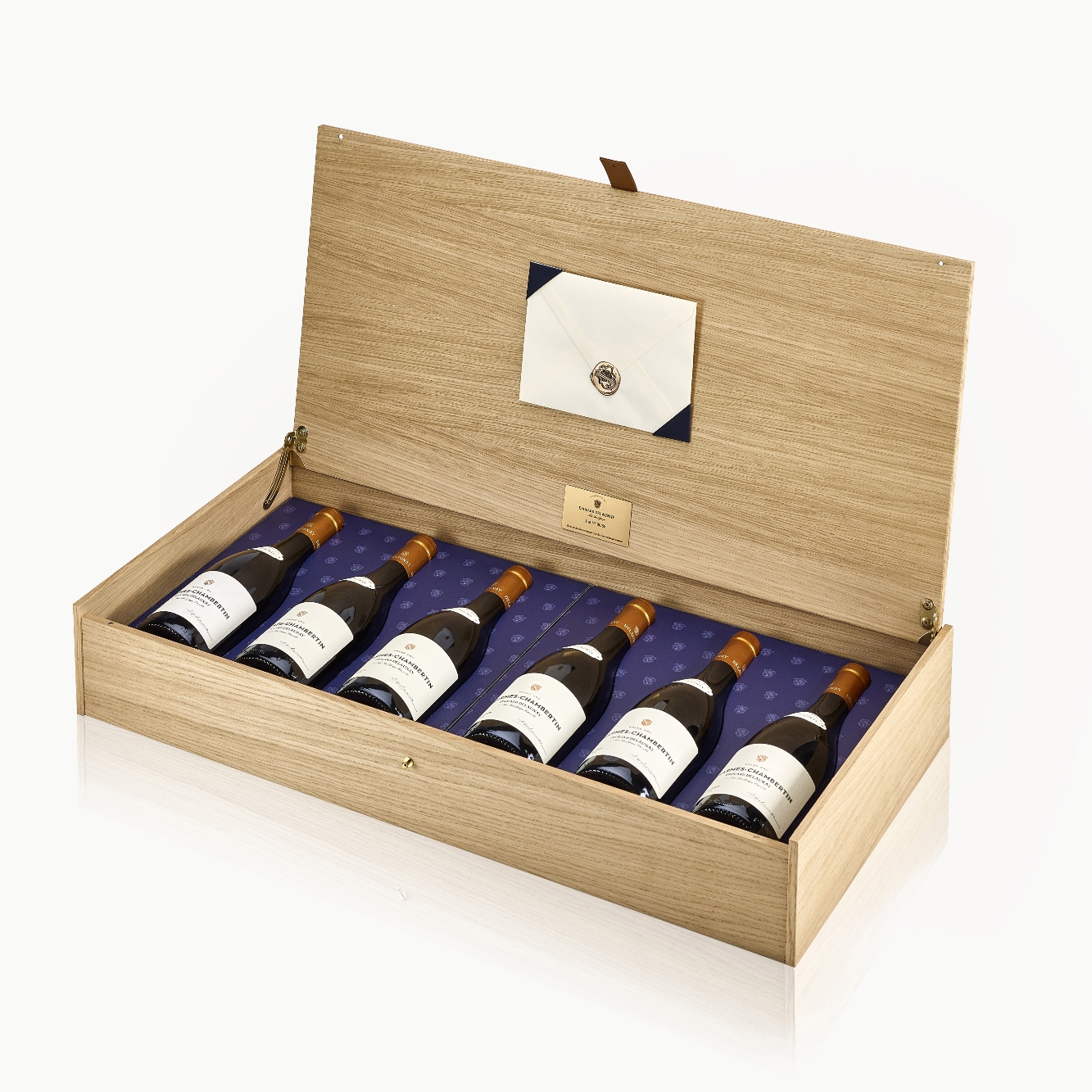
When Bonhams announced its partnership with Burgundy’s Edouard Delaunay for “Jubilant Revival in Burgundy: Maison Edouard Delaunay Ex-Domaine – Finest & Rarest Wines”, it marked so much more than a milestone auction. It also represented a shift in how fine wines are released, authenticated and collected. Running online from 5 to 27 November 2025, the sale features 68 exceptional lots sourced directly from the Delaunay family’s private cellar — bottles that have never left their home at Château de Charmont until now.
Founded in 1893 and revived in 2017 under fifth-generation winemaker Laurent Delaunay, the Maison has become a model of Burgundy’s modern renaissance, uniting heritage with technical mastery. LUXUO speaks to Laurent Delaunay, president of Edouard Delaunay, about the significance of this unprecedented collaboration with Bonhams, the evolution of Burgundy’s auction market and why provenance remains the ultimate benchmark of value in fine wine.
How unique – and extraordinary – is this association between Bonhams and Edouard Delaunay?
For us, it is both new and truly unique. This is the very first time that we have worked on such a project with a prestigious auction house of this calibre. Traditionally, wine auctions have focused on the secondary market — collectors or cellar owners reselling bottles they had previously purchased from producers or négociants. These sales confirmed that fine wine could be both a pleasure to share and a valuable investment.
In recent years, however, a new approach has emerged: auctions featuring wines released directly by the producers themselves, often bottles that have been carefully kept until they reached their ideal maturity and market interest. This is precisely what we are offering through this collaboration with Bonhams.
For wine lovers, the benefits are clear. Authenticity and provenance are fully guaranteed since these wines come directly from our own family cellar. They have never travelled, have always been stored in perfect conditions at our Château de Charmont in Burgundy, and are now released at their optimal drinking window. Although this approach is gaining traction, it remains rare. For us, this is a true première.
How important and knowledgeable are Burgundy wine lovers in the Far East?
Extremely. Alongside the USA and the UK, wine enthusiasts in the Far East are among the most passionate and knowledgeable in the world. Since relaunching our Burgundy winery in 2017, we have made this part of the world a priority — selecting the finest importers and distributors, spending time in the region to present our wines, and welcoming many Asian visitors to Château de Charmont, just outside Nuits-Saint-Georges.
Over the years, many of these encounters have evolved into genuine friendships. I am constantly impressed by the curiosity and deep understanding of Burgundy that our Asian friends display. On several occasions, they have even introduced me to fellow Burgundy producers I had not met before — which says a lot about their passion and network.
What will be the profile of the bidders at this special auction to be staged in Hong Kong?
Open-minded wine lovers and collectors — people who are eager to discover a different facet of Burgundy, one that reflects the spirit of an authentic family Maison they might not yet know. Burgundy is a fascinating and singular wine region where, even for seasoned connoisseurs, there is always more to explore: new names, forgotten appellations, hidden gems.
As the renowned wine critic Michel Bettane recently wrote, “This is no longer a renaissance, it is a masterful return to the forefront.”
And although the auction will be launched from Hong Kong, it will be accessible online to wine enthusiasts across the globe.
Do you expect some record-breaking numbers?
Not necessarily. We are fully aware of our current market positioning and we continue to build our reputation step by step. However, given the exceptional quality of our wines — which have been unanimously praised by critics and sommeliers alike — we are confident that their value and recognition will continue to grow over time.
This auction therefore, represents an ideal opportunity for discerning collectors to invest in our best wines while they remain attractively priced. Above all, it allows us to introduce Edouard Delaunay to a new audience of collectors, to strengthen our image, and to establish an initial benchmark within the auction world.
How will you assess whether the auction is a complete or partial success?
Together with Bonhams, we have set moderate guide price targets and will be pleased if they are reached or exceeded. But beyond the financial aspect, what truly matters to us is the level of interest and enthusiasm this event generates around Edouard Delaunay.
Are there other similar initiatives by Edouard Delaunay planned elsewhere in the world?
No. This will remain a unique initiative, with no plans to replicate it in the near future.
Aston Martin has awarded its DB12 the official “S” badge. A modest 20PS increase and a handful of weight-saving tweaks should only make the DB12 S more desirable than ever.
In a world where truly petrol-powered sports cars are becoming rare, Aston Martin remains an exception — and that only adds to its allure. As if the standard DB12 weren’t exclusive enough, the British marque is now following in the footsteps of the DBX and Vantage by giving its grand tourer a sharpened “S” treatment.
Power from the 4.0-litre twin-turbocharged V8 rises from 680PS to 515kW (700PS), with a maximum torque output of 800Nm delivered between 3,000 and 6,000rpm. Top speed is rated at 325km/h, and the 0–100km/h sprint takes just 3.5 seconds. Visual tweaks are limited to a new front splitter, reprofiled side sills and a discreet rear spoiler.
The acoustic experience has been turned up a notch thanks to a four-exit stainless steel sport exhaust system. Not only does it sound deeper and more purposeful than the standard DB12, it also saves nearly 12kg. The S model features revised suspension tuning, a retuned limited-slip differential, and steering enhancements aimed at boosting driver engagement and road feel.
Carbon-ceramic brakes are standard – 410mm at the front and 360mm at the rear – offering improved stopping power and a reduction in unsprung mass. In fact, the braking system alone trims 27kg from the car’s overall weight.
“We’ve made a wide range of carefully considered refinements that retain the DB12’s signature refinement while delivering greater performance and a more rewarding drive,” explains Simon Newton, Director of Vehicle Performance at Aston Martin. “The DB12 S elevates the super tourer formula with a new dimension of dynamism and depth.”
Interior options include full semi-aniline leather, a mix of semi-aniline leather and Alcantara, or leather with Alcantara accents. Buyers can also choose between comfort seats or carbon sport seats.
The Aston Martin DB12 S is available to order now as a coupé or Volante, with first deliveries scheduled for early 2026.
The technical storage or access is strictly necessary for the legitimate purpose of enabling the use of a specific service explicitly requested by the subscriber or user, or for the sole purpose of carrying out the transmission of a communication over an electronic communications network.
Preferences
The technical storage or access is necessary for the legitimate purpose of storing preferences that are not requested by the subscriber or user.
Statistics
The technical storage or access that is used exclusively for statistical purposes.The technical storage or access that is used exclusively for anonymous statistical purposes. Without a subpoena, voluntary compliance on the part of your Internet Service Provider, or additional records from a third party, information stored or retrieved for this purpose alone cannot usually be used to identify you.
Marketing
The technical storage or access is required to create user profiles to send advertising, or to track the user on a website or across several websites for similar marketing purposes.