Liberty Media on Monday announced plans to acquire premier motorcycle racing series MotoGP in a deal valued at 4.2 billion euros (approximately $4.53 billion).
It means the U.S. media giant will soon own the highest echelon of motorsports on both two and four wheels. Liberty Media is the same company that acquired Formula 1 in 2016, in a deal that was valued at the time at about $8 billion.
For its latest deal, Liberty Media will acquire the current rights holder of MotoGP, Madrid-based Dorna Sports. Following the acquisition, which is expected to close by the end of the year, Dorna Sports will remain an independently run company under Liberty Media’s Formula One Group, which oversees a number of Liberty Media’s assets, including F1.
Liberty Media will acquire approximately 86% of Dorna, with Dorna’s current management retaining the rest. Carmelo Ezpeleta, who has been Dorna’s CEO since 1994, will remain in his position and continue to run the operation at its current Madrid location.
In a statement, Ezpeleta said he and his team intend to grow MotoGP with the backing of Liberty Media. Since taking over the rights to F1, Liberty Media has managed to significantly grow F1’s popularity, especially in the U.S. where growth had eluded the sport for years. There are three U.S. races on the 2024 F1 calendar, and five for all of North America. MotoGP has a single U.S. race on its 2024 calendar.
Liberty Media’s deal also includes the rights to other motorcycle racing series owned by Dorna. The list includes MotoGP feeder series Moto2 and Moto3, as well as the Superbike World Championship and new Women’s Circuit Racing World Championship.
MotoGP, sanctioned by the FIM, held its inaugural season in 1949, a year before F1’s start. That first season staged six rounds across Europe, and since then the sport has grown to comprise around 20 races per season spanning five continents. The current television broadcast reaches hundreds of millions around the world, according to the organizers.
Find this post helpful? Learn how you can support Bearfoot Theory’s work here. You can also shop for gear through the affiliate links in this blog post where we get a small commission at no cost to you. It helps keep our team running and the lights on. THANK YOU! -Kristen
Whether you live on the road full-time or part-time, there will likely come a day when you need to conserve battery power in your camper van. This may be because you’re camping off-grid on dispersed land for days at a time, or perhaps you’re staying in a campground or going to a festival that doesn’t offer electrical hookups to plug into shore power.
In my first Sprinter van, I learned about the importance of conserving my battery power the hard way after completely depleting my batteries while traveling on the Olympic Peninsula. I’ll preface this with the fact that it wasn’t all my fault. My van had some wiring issues and my solar panels weren’t charging the batteries properly, and I also didn’t receive any sort of training from my van builder on how to monitor my system.
Either way, I used too much power and my batteries went dead. I realized my problem when my freezer starter defrosting and melting ice water leaked out of my fridge all over my van. Not only did nothing in my van work, but drawing my batteries down so low caused irreparable damage, and the batteries had to be replaced.
This was a tough and expensive lesson during my first few weeks of van life and after that, I constantly stressed about making sure I didn’t make the same mistake again.
My battery bank wasn’t all that big, and I also didn’t have enough solar on the roof to ever be carefree about my power consumption. Winter was particularly challenging with less sun and the need to run my heater. During this time, I had to be very careful to not deplete my batteries and learned some helpful tricks for conserving my power.
Now that I have lithium batteries (the Lithionics system) in my current Sprinter van, I don’t have to worry about running out of power anymore. On a 5 week trip, my batteries never dropped below 75% capacity!
Although it’s not as big of a concern for me now, I still remember what it’s like to be worried about running out of battery power while camping off-grid. I know that power consumption is a common concern for new van lifers, so in this post, you’ll find some helpful tips I’ve learned over the years for conserving battery power in your camper van so you can stay off-grid longer.
Download my FREE Outdoor Trip Planning Toolkit
Enter your email to get access to printable PDF packing checklists, itineraries, and more.
1-on-1 Van Life Coaching
Ready to get over your analysis paralysis and put your van life dreams into action? Let’s make it happen together. Book a 1-on-1 van life coaching call now and take the first step towards a life of adventure, freedom, and unforgettable experiences.
1. Track your battery usage
Before you can begin to conserve battery power in your camper van, you have to consider how you’re using your battery currently. Which devices or appliances are you using that draw power, how often are you using them, and how much power do they draw?
Here are some common van life appliances that draw power:
Airconditioning or fans
Electric heaters
Induction stove
Refrigerator
Oven or microwave
Hairdryers
Electronic devices that require charging like laptops, phones, cameras, etc.
Monitor how often you use these appliances and watch your battery meter to get an idea of how much battery power they use. From there, you’ll be able to quickly learn which devices are drawing the most power and if there are more efficient switches you can make (as discussed later in this article).
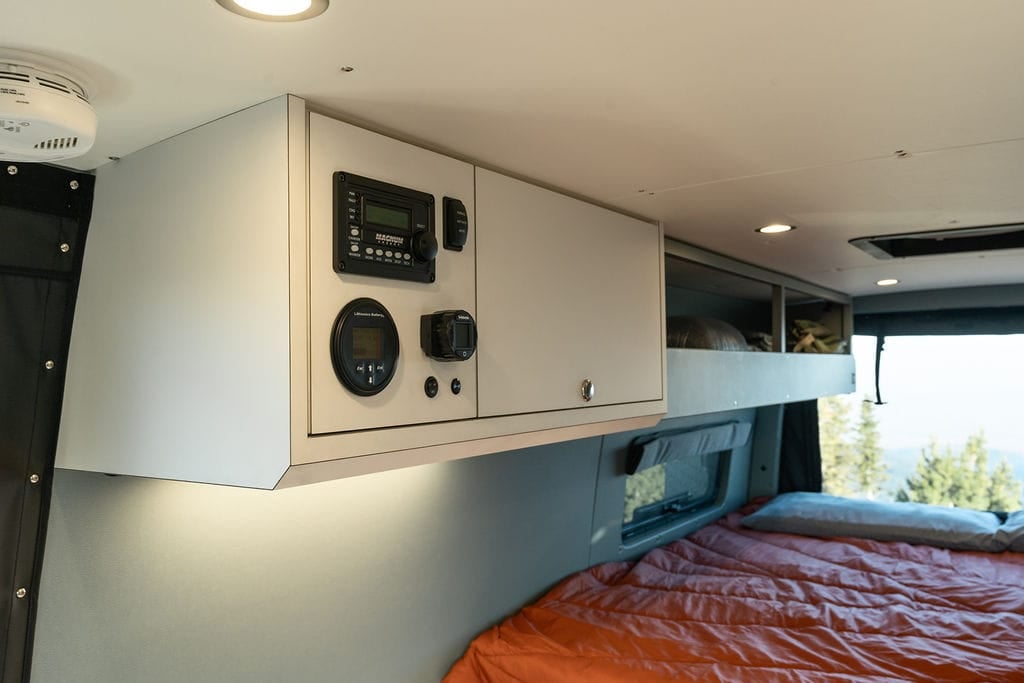
We use these screens to monitor our battery usage in the van
2. Invest in efficient van appliances
Some appliances are specifically designed to be energy efficient and consume less power than others. Although energy-efficient appliances may cost more upfront, they are worth it for the amount of power you can save.
As you browse for appliances, you can tell if an appliance is energy-efficient if it has the Energy Star label, which means it meets or exceeds U.S. Environmental Protection Agency (EPA) energy efficiency standards.
Most appliances in the U.S. come with an Energy Guide label on them to explain how much energy the item consumes in kilowatt-hours (kWh). You can compare appliances you’re considering to see which uses the least kWh.
I also recommend shopping for appliances that are equipped with energy-saving features. For example, you could look into a heater or air conditioning unit with programmable settings to turn off after a certain duration of time or once a specific set temperature is reached.
In my van, which was converted by Outside Van, we have the Webasto Air Top EVO 40 Heater, and I like how we can digitally set our desired temperature. Once that temperature is reached, the system idles, which helps us save power.
If there’s one energy-efficient appliance I recommend investing in, it’s the refrigerator for your van. Check out the tip below for how to choose an energy-efficient fridge.
We can efficiently heat our Webasto Air Top EVO 40 Heater, and our vent is under the passenger seat
3. Choose your fridge carefully
If you think about it, your fridge is the one appliance that’s always running 24/7 in your van. You might as well get one that’s not going to completely drain your battery.
Even though it may be tempting to pick the largest fridge possible for your van, smaller refrigerators tend to consume less energy than larger ones since there is less to keep cool. You also want to look for a refrigerator that has quality insulation and tight door seals so cold air doesn’t escape as easily.
The compressor of your fridge is crucial since it cools the interior. A fridge with a variable-speed or inverter-driven compressor adjusts its speed according to the cooling needs versus constantly running at the same speed.
Most energy-efficient fridges only draw 1-2 amp hours per hour. I have the Isotherm Cruise Elegance fridge which is super popular among van lifers. It is 4.6 cubic feet and has a Danfoss compressor with a low power draw.
I’ve had the same fridge in my last two vans – it’s very energy efficient and has plenty of room for everything
I had to get a second fridge in my van last year to store frozen breastmilk. I used the National Luna, which is one of the most energy-efficient chest-style fridges for overlanders. I was surprised at how little power it drew. Other popular refrigerator brands for van life include Dometic, Norcold, and Nova Kool.
This is the National Luna fridge I used to store frozen breastmilk (and ice cream 🙂 ) after having a baby
4. Park in the sun to maximize solar charging
First and foremost, I highly recommend investing in solar panels for the roof of your van if you haven’t already. My first Sprinter van didn’t have enough solar, and I quickly learned that my battery situation would have been a lot less stressful if I had invested in higher-wattage panels.
With solar panels, you can use the sunlight to your advantage and charge your batteries during the day. Although it’s tempting to park in the shade on a hot day, I recommend finding a spot in the sun so your panels get the maximum amount of sunlight.
Another option is to invest in portable solar panels that you can prop up in the sun while your van is parked in the shade. Then you’ll get the best of both worlds!
have a 130-watt solar panel at the front of my roof and two 90-watt panels on each side.
Essential Tip
Clean your Solar Panels
Your solar panels will get dusty when you’re driving on dirt roads, and all that dust will reduce the power produced by your solar panels. Make sure you climb up there periodically to wipe them off with a wet rag. Don’t use any chemical cleaners without checking with your solar manufacturer first!
5. Use window coverings to insulate your van
Although you may not realize it, your van’s insulation indirectly affects how much battery power you use to either warm your van up or cool it down. Proper insulation can regulate the temperature of your van to keep things feeling comfortable inside. In my van, Outside Van used 3M Thinsulate – one of the most popular and effective materials for insulation. Wool is another insulating material chosen by van builders.
If you have poor insulation, you’ll likely need to run the heat or cooling appliances like air conditioning, fans, or a heater more often. This can drain your battery power.
In addition to the insulation behind your walls, window shades, covers, and curtains can all help insulate your van. In my living area, I use insulating window shades made of closed-cell foam to help prevent heat from entering in the summer and keep warm air from escaping in the winter.
I also have window coverings to put over the front, driver, and passenger windows. These are convenient for blocking out the heat from the morning sun. I also always put these up if I’m stepping out for a while to go on a hike or walk my dogs. These help regulate the temperature and keep heat from the cab from entering the back of the van.
Outside Van made my window coverings custom, but there are other companies that make window shades for various types of vans.
Our window covers are helpful for both privacy at campgrounds and insulation
6. Save the AC for the hottest days
If you have a rooftop AC in your van, you’re likely tempted to turn on the air conditioner in your van on hot days. I know I would be if I had AC!
However, rooftop ACs are one of the quickest ways to drain your batteries, so you may want to consider if there are other ways you can improve the airflow. Otherwise, you may be taking a trip to the RV park so you can plug in!
Before you crank the AC, open your windows and turn on the fan to get some good cross-flow. This may be enough to reduce the temperature in your van so you don’t feel the need to use your AC.
In my van, I have two Maxxair fans in my Sprinter van: one above the galley and one above the bed. I usually have one of the fans programmed to pull fresh air into the van, while the other van pushes the stale air out. That along with some vented windows offers a pleasant breeze when we are sleeping at night.
Of course, if you plan to spend the summer in Florida or Arizona, a couple of fans and some cracked windows will not be sufficient. So you’ll want to make sure you have ample battery capacity as described at the end of this article.
We use two Maxxair Fans and often leave our windows open when it’s hot
7. Charge your electronics in public spaces
Although I usually work from my van, it’s sometimes fun to check out a coffee shop in a mountain town or work in a public library for a change of scenery. If I know I’m going to be spending time in a public space with electrical outlets, I always bring my devices and cords to charge my electronics.
You could bring your laptop, phone, camera, and any other electronics that you can easily transport. You can plug everything in and let it charge back up to 100% while you get some work done before heading back to the van.
If I’m going to spend time at a coffee shop, I’ll sometimes bring in my electronics to charge
8. Avoid Charging Devices Overnight
I recommend not overcharging your appliances by leaving them plugged in overnight. I’m guilty of plugging in my iPhone before I go to bed and letting it charge all night, even once it has gotten back up to 100%.
If you have a big battery bank, this won’t be a big deal, but if you’re really trying to conserve battery power in your camper van or are running low on power, every little bit you can save is important.
Keeping electronics plugged in overnight wastes unnecessary power. As soon as your device is fully charged, you should unplug both the device and the cord from the outlet to save the most battery possible.
I try to charge my electronics during the daytime so I can unplug them as soon as they’re charged
9. Unplug devices when not in use
Even when your electronics are powered off, they still consume power if they’re plugged in. Every time you step away from your van or go to bed, you should unplug all of your devices and chargers so they don’t unnecessarily drain your battery.
This is especially true of power-hogs like Starlink. Don’t fall asleep watching Netflix and forget to unplug your Starlink before bed!
Another trick is to use a power strip for all of your electronics. A power strip allows you to plug in multiple appliances at once and turn them all on or off with a switch, making it a convenient way to turn everything off all at once.
Starlink can drain a lot of power, so we make sure to turn it off before we go to bed each night
10. Turn off your inverter when not in use
The inverter in your camper van powers your appliances. It draws power when it’s turned on, even when nothing is plugged in and it’s not being used.
Although the inverter itself only draws a little power, forgetting to turn it off overnight could result in you waking up to a noticeable loss of battery power. I forgot to kill my inverter before going to bed once and noticed my battery dropped about 5-10%.
Constantly running your inverter also adds to its wear and tear. By turning it off when you’re not using it, you can potentially increase the lifespan of your inverter and limit the risk of needing to repair or replace it sooner than necessary.
As soon as I’m done using an appliance like the air fryer, I switch off the inverter to save power
11. Charge things during the day and while you’re driving
If you’re using solar panels, you should charge your devices when the panels produce the most power, which is typically during the day when the sun is directly overhead around noon.
By charging your laptops and phones during the peak sunlight hours, you can prevent your batteries from draining overnight when there is no solar available.
If your van battery also charges off of your alternator, you can also prioritize charging for when you’re on the road. Once your battery hits 100% while you’re driving, you can charge the devices without using any additional power and still be at 100% battery life when you reach your campsite.
I’ve found that with my secondary alternator in my Sprinter van, I can add a ~10% charge for every 20 minutes of driving that I do. This means that with a little over 3 hours of driving, I can completely recharge my battery back to 100%.
If our battery ever dips too low, I like how we can fully recharge it by driving for a few hours
12. Maximize natural light
The overhead lights on your van might draw more power than you think. Instead of reaching for the light switch, try to use as much natural light from the sun as possible during the day.
You can also invest in portable solar lights that charge during the day that you can use in your van at nighttime. When Bearfoot Theory contributor Kaylin’s light switch broke during her 2-month trip to the desert, she used these solar lights to see inside her van at night.
I love working in the natural light during the day or sitting outside when there’s nice weather
13. Develop power-savvy habits
Unlike a home where you might accidentally leave a light turned on all day, you should never do this in your van. If you’re leaving the van, turn off the lights and unplug everything before you go.
In order to conserve your camper van’s batteries, you could also take on some new power-free hobbies. Most likely a major reason you’re doing van life is to connect with nature, so instead of spending hours on your electronic devices, you can focus on getting outside and doing the activities you love.
There are also options for entertainment in your van that don’t require power such as books, cards, cooking, camping games, crafts, etc.
I love taking breaks from the screens and having fun in ways that don’t require any power
14. Replace items that draw power when feasible
A final tip for conserving battery power in your van is to look for alternative devices that don’t require power. Here are some ideas for simple switches you can make:
Hand-held coffee grinder: Electric coffee grinders aren’t necessary for a van when you can either buy pre-ground coffee at the store or use a hand-held coffee grinder. It may take a little longer to grind the beans, but it’s worth it if you like to start your day with freshly ground coffee.
Power-free coffee maker: Leave the Keurig at home and instead opt for an Aeropress, pour-over, or French press coffee.
Portable Gas Camp Stove: As I mentioned above, induction stoves consume a ton of power. So whenever possible, cook on a portable gas stove outside your van instead. Not only will it save your power, but it’s more time you get to enjoy being outside your van. You can also use a portable camp stove to heat up leftovers instead of throwing them in your microwave (if you have one).
Omnia Oven: If you love to bake, you might think you want an oven in your van. In reality, an oven can draw a lot of power and take up precious space. To save power, consider an Omnia stovetop oven, which can go right on top of your stove. Now you can bake your cake and eat it, too – even in your camper van!
Battery or solar-powered lights: Instead of using your overhead lights in your van in the evening, purchase some battery or solar-powered lights for your van. If you enjoy reading before bed, you can also get a book light or flashlight to use.
Physical books: While this tip won’t work for everyone, for those who enjoy reading, consider physical books instead of e-reader devices. Although e-readers don’t draw much power to charge, this will be one less item you’ll need to charge. Once you’re done with the book, you can put it in a Little Free Library somewhere that you travel to avoid accumulating too many books in your van.
Hairdryer: If you’re used to using a hairdryer after washing your hair, perhaps now is the time to let it go.
We like to save power and cook outside with our Camp Chef Everest portable gas stove
Invest in a High-Capacity Battery Bank
You can have all of the solar in the world, but if you don’t have anywhere to store it, parking in the sun won’t do you any good. Solar also can’t power your stuff at night or on cloudy days.
That’s why the size of your battery bank is the biggest determining factor in how long you can conserve battery power in your camper van and stay off-grid longer.
If you can afford a high-capacity battery, you can store more of your power for when you need it. I recommend upgrading from AGM batteries to lithium batteries (which is what I did for my current Sprinter van conversion).
Although lithium batteries are more expensive, I truly believe they’re worth the investment, especially if you live and work in your van full-time.
With AGM batteries, you can only use about half of the battery before you need to charge them; however, with lithium batteries, you can use 90%. This means you get a lot more usable power out of lithium batteries. Read this article to gain a better understanding how your solar and batteries work together and how to plan your power system in your van.
Want more van life tips? Check out these other helpful articles:
Save this post to Pinterest
Do you live on the road? What tips would you add for conserving battery power in your camper van? Let me know in the comments!
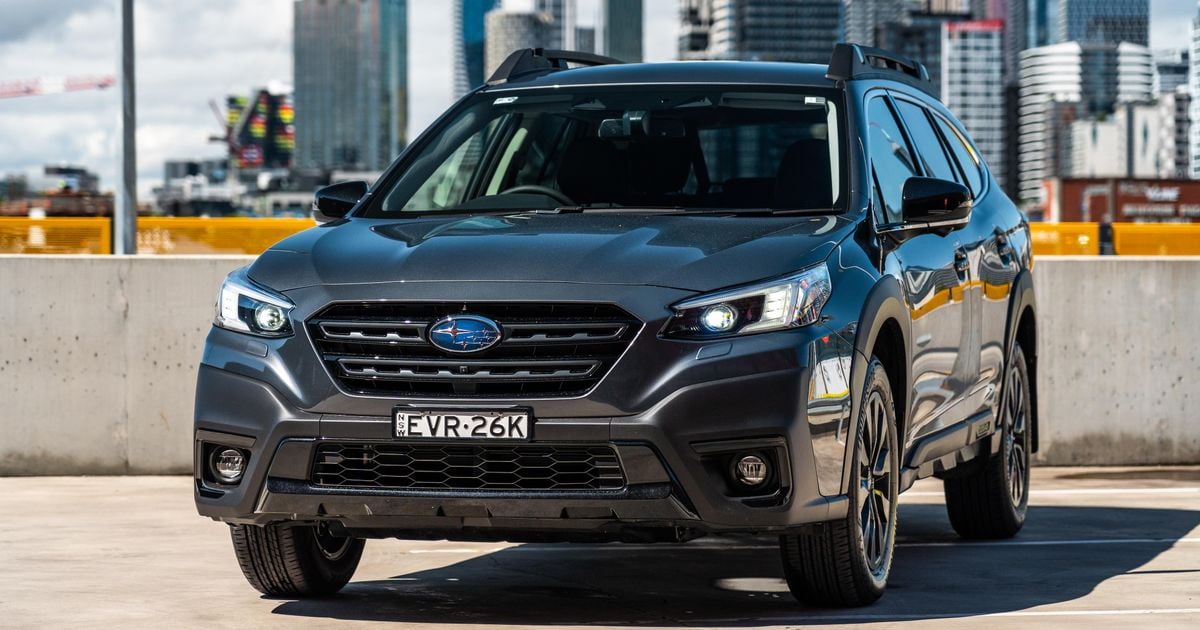
The 2024 Subaru Outback has undergone a $1000 price rise across all grades of the lifted wagon, while minor changes have been to its options list.
Subaru Australia says “increased costs associated with the production and logistics supply chain” have led to the Outback’s $1000 price increase. The lineup’s account now opens from $43,690 before on-road costs in base trim.
The turbocharged Outback is now priced from $53,190 before on-road costs in Sport XT guise, while the flagship XT Touring is hit with a $56,990 price tag – just $1000 shy of the most expensive Outback sold in Australia, the 2014 3.6R Premium.
There are only minor tweaks to the Outback for 2024, with a tan interior trim joining the Touring grade’s options list for a $590 premium, in addition to the axing of the model’s Storm Grey Metallic finish – which has been replaced by Cashmere Gold Opal.
Subaru also claims it has made improvements to certain frequently-used buttons in the Outback’s cabin, such as the Auto Vehicle Hold and Auto Stop Start on/off functions which are now accessible via shortcuts on the infotainment screen.
The 2024 Subaru Outback is now available to order.
Pricing
The Outback has been hit by a $1000 price rise across the board.
2024 Subaru Outback AWD: $43,690 (+$1000)
2024 Subaru Outback AWD Sport: $48,190 (+$1000)
2024 Subaru Outback AWD Touring: $51,990 (+$1000)
2024 Subaru Outback AWD Sport XT: $53,190 (+$1000)
The Subaru Outback is offered with a choice of two petrol engines: a naturally-aspirated 2.5-litre four-cylinder, and a turbocharged 2.4-litre four-cylinder.
The naturally aspirated 2.5-litre offering produces 138kW of power and 245Nm of torque, while the turbocharged 2.4-litre develops 183kW of power and 350Nm of torque.
Both engines are mated to a continuously-variable automatic transmission (CVT) and an all-wheel drive system.
Fuel Economy
Subaru claims combined fuel economy figures of 7.3L/100km for the naturally aspirated Outback, and 9.0L/100km for the turbocharged XT.
All variants are equipped with a 63 litre fuel tank, though while the 2.5-litre engine can handle 91 RON regular unleaded, the turbocharged drivetrain requires 95 RON premium unleaded or higher.
Dimensions
The 2024 Subaru Outback measures 4870mm long, 1875mm wide, and 1670mm tall (or 1675mm with fixed roof rails), riding on a 2745mm wheelbase.
Boot space is quoted as 522L with the rear seats in place, and 1267L with them folded.
Braked towing capacity in the XT is 2400kg, up from 2000kg in the non-turbo Outback.
Servicing and Warranty
Scheduled servicing is required every 12 months or 12,500km in the Outback, and Subaru offers five years of capped-price servicing.
The Subaru Outback is covered by the brand’s five-year, unlimited-kilometre warranty.
Three years of servicing using a prepaid service plan will set you back $1387.25 in the naturally aspirated model, while five will set you back $2674.64.
The XT Turbo is, unusually, cheaper to maintain over five years. Three years of servicing will set you back $1406.57, while five is priced at $2646.17.
Safety
The Subaru Outback has a five-star ANCAP safety rating, based on testing conducted in 2021.
It received an adult occupant protection score of 88 per cent, a child occupant protection score of 91 per cent, a vulnerable road user protection score of 84 per cent, and a safety assist score of 96 per cent.
Standard safety equipment includes:
AEB (forward and reverse) with pedestrian/cyclist/junction assist
Autonomous emergency steering
Blind-spot monitoring
Rear cross-traffic alert
Driver attention monitoring
Lane departure warning
Lane-keep assist
Traffic sign recognition
Standard Equipment
Outback Touring XT interior
The base Outback AWD gets:
11.6-inch vertical touchscreen infotainment system
Wireless Apple CarPlay and Android Auto (new)
4.2-inch trip computer
DAB+ digital radio
Cloth upholstery
Body-coloured mirrors
Roof rails with integrated cross bars
Grey 18-inch alloy wheels
Dual-zone climate control
Paddle shifters
Six-speaker sound system
Four cargo hooks in the boot
Automatic windscreen wipers
Auto-dimming rear-view mirror
The Sport and Sport XT add:
Water repellent sports seat trim
Heated front seats
Heated rear outboard seats
Front- and side-view cameras
Black exterior highlights
Hands-free power tailgate
Satellite navigation
Dark metallic 18-inch alloy wheels
The Touring and Touring XT drop the black exterior highlights but gain:
Nine-speaker Harman Kardon sound system with CD player
Nappa leather upholstery
Ventilated front seats
Manually-adjustable driver’s seat thigh support extender
Electric sunroof
Heated steering wheel
Silver roof rails with integrated cross bars
Gloss finish 18-inch alloy wheels
Black interior (standard), or Black/Ivory (no-cost option) or Tan ($590)
Colours
The Outback is available in the following colours:
Plug-in hybrids with twice as much range are about to become the hot new thing. You can thankthe California governmentand automakers’ lobbying efforts, in part, for delaying the all-electric transition.
In interviews at the 2024 New York auto show,two executives familiar with their brands’ future products independently told Green Car Reports the magic number for plug-in hybrids: 70 miles.
That’s not a chance alignment of targets. It plays right into the latest California rules laid out by CARB—effectively counting PHEVs with 70 miles of range the same as EVs in automakers’ annual ZEV sales requirement.
Here’s how and why, according to these two executives.
Nissan production for prototype solid-state cells
Next-gen batteries for plug-in hybrids
To get today’s 32 to 38 miles of electric range, plug-in hybrids are typically carrying 19- to 22-kwh battery packs. Increasing the electric range for a plug-in hybrid to 70 miles is going to require a jump to a 30- to 40-kwh pack for larger SUVs especially.
That’s extra space, and weight a vehicle must carry around at all times, even when discharged. This is why today’s plug-in hybrids lack truly meaningful range, according to Nissan North America’s Senior Vice President and Chief Planning Officer, Ponz Pandikuthira. “This is exactly why we haven’t been able to put that (plug-in hybrids with meaningful range) out there, because the basic physics argument is we’re carrying ballast in this vehicle that’s not being charged,” Pandikuthira said.
But with next-generation batteries, automakers could do better. Nissan’s already building a factory in Japan to potentially bring that more energy-dense tech toproduction by 2028. Solid-state batteries could be smaller and lighter for the same range, or they could deliver far more range given the same size and weight. They might also be easier and cheaper to package because of reduced cooling needs.
Kia America’s Chief Operating Officer and Executive Vice President, Steven Center, also noted that next-gen batteries with a different chemistry or technology will bring down the size and weight. “You’re going to have more power and more range,” he said.
Meanwhile, resource management looms on the minds of executives, and Center mentioned that a plug-in hybrid’s battery size is about a fifth of what might be used in an electric vehicle. In terms of costs, critical minerals, and all the things that go into making a battery pack that goes into a vehicle.
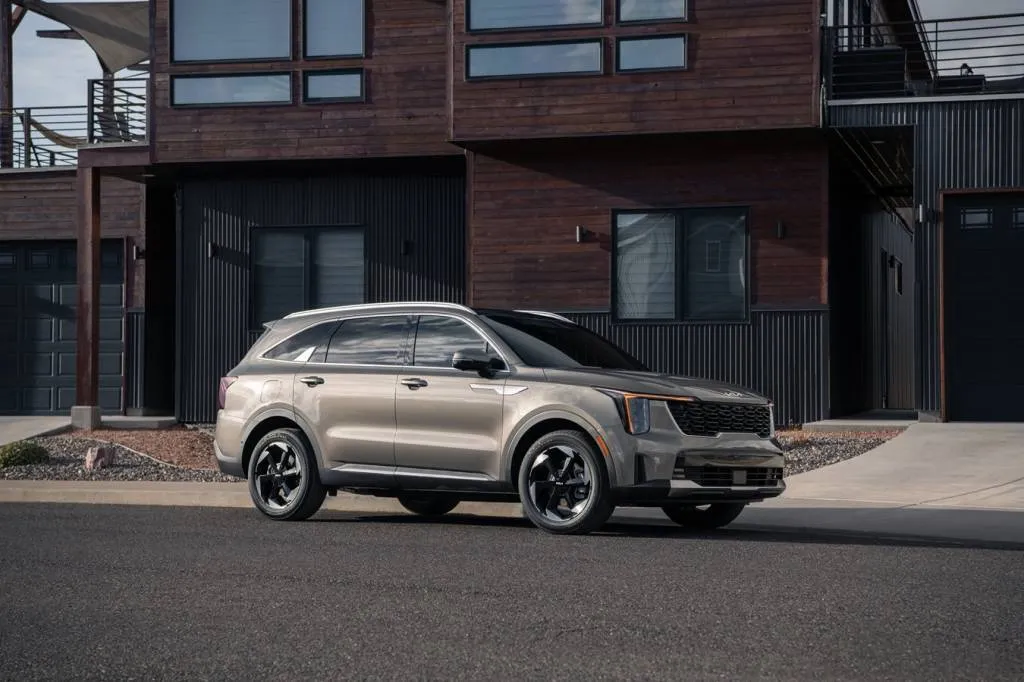
2025 Kia Sorento plug-in hybrid
Plug-in hybrids don’t compromise?
Nissan’s Pandikuthira noted that customers for its midsize Frontier pickup truck don’t want an electric vehicle, but they do want a plug-in hybrid. He noted the moment you do a plug-in hybrid you don’t compromise towing and you won’t lose 20-35% of your range in extreme cold or warm temperatures.
To meet near-future regulatory requirements for C02, everything will need to be a hybrid. That might include theKia Telluride, which closely aligns in size and shape with the Kia EV9 electric SUV.
Plug-in hybrids are a “good bridge for people between ICE, hybrids, and EVs,” Kia’s Center said, pointing to the upcoming CARB rules and how that will play into EV credits as “appealing.”
2023 Kia Niro plug-in hybrid
With more range, plug-in hybrids are gateways to EVs
The 70-mile electric-only figure all but mandated by California wouldn’t be under some “freak set of conditions,” Pandikuthira noted, but what consumers see at the low end. In reality most people should be able to get 80 to 85 miles of range for 90% of the demographics that buy a plug-in hybrid, he said, calling it “no compromise whatsoever.”
Recent data again suggests thatplug-in hybrid drivers aren’t plugging in, resulting in much higher levels of tailpipe pollution than regulations assume, essentially allowing automakers a pass on federal tailpipe pollution rules. Pandikuthira thinks that will change when PHEVs get to 70 miles.
“Without that (more range) I think the car doesn’t have the functionality that customers need,” Pandikuthira said, in what sounds like a hint Nissan intends to start its PHEVs at 70 miles.
“The customer needs to get used to plugging in,” Pandikuthira said. “They get used to identifying where the charge points are, so that the next generation of vehicle is a full EV. The inertia is so much lower. People are like, I barely fill my car, I’m ready for an EV. That’s a natural transition.”
“You can see the future is going to be different strokes for different folks, but it’s all going to be electrified,” Center said.
Tesla hit six million cumulative EV sales, and we roundup all the achievements. GM is reportedly seeking a deal with CATL. Nissan and Mitsubishi team up for EVs, hybrids, and PHEVs, and next-generation pickups. And will next-generation batteries help plug-in hybrids make more sense at 70 miles? This and more, here at Green Car Reports.
More energy-dense batteries coming in the near future aren’t just destined for fully electric vehicles. As several executives suggested this past week at the New York Auto Show, they’re also a key to enable the next generation of 70-mile plug-in hybrids, as incentivized by California, without compromise.
Within last week’s 2030 plan presented by Nissan, emphasizing more affordable EVs, the automaker said that it will pair with Mitsubishi for the joint development of a Nissan Frontier pickup replacement in EV and PHEV forms. Between the lines, Nissan reportedly plans to use Mitsubishi’s plug-in hybrid system in its own PHEVs, while Mitsubishi will use Nissan’s EV tech—and the upcoming pickup could potentially use both.
Last year General Motors was highly critical of a deal struck between Ford and CATL, enabling Ford to build and run a Michigan battery plant that will make LFP cells under license from the Chinese company for improved EV affordability. Now, GM reportedly seeks a similar deal with CATL.
And Tesla on Friday announced that it has hit a cumulative 6 million vehicles, every one an EV. But even putting the EV milestone aside, in sheer number of cars relative to market size it’s the highest-volume startup automaker since the 1920s. It’s an occasion to look at what Tesla has accomplished—and what it hasn’t.
If you want something that looks like a Toyota Alphard but prefer something a lot smaller, maybe this will interest you. This is the Honri Boma EV, a mini electric vehicle (EV) that is being presented at the ongoing Bangkok International Motor Show and will be sold in Thailand by Hai Thua New Energy Vehicle for approximately 500,000 baht (about RM65k).
Honri, or Hongri Automobile Group, markets the Boma EV under the Weiao (Viauto) brand in China, where it retails for between 39,900 to 51,900 yuan (about RM26k to RM34k). With seating for up to four passengers, the Boma EV measures 3,517 mm long, 1,495 mm wide, 1,660 mm tall and has wheelbase spanning 2,495 mm – the ground clearance is listed as 130 mm.
The Boma EV is equipped with a front-mounted electric motor rated at 41 PS (40 hp or 30 kW) and 84 Nm of torque, which is enough for a top speed of 100 km/h. In terms of range, there are two nickel manganese cobalt (NMC) battery packs to choose from, with the first having an energy capacity of 11.9 kWh for a CLTC-rated 130 km.
As for the second option, it packs 18.5 kWh for 200 km of range. Charging information is limited but it is reported the standard range model takes seven hours to fully charge through AC charging, while the higher-range model needs 10 hours – no DC fast charging was mentioned.
Thailand gets 200 km-range version of the Boma EV, which comes with a three-year, 100,000-km vehicle warranty and an eight-year, 120,000-km warranty for the battery. In the future, a new variant with 300 km of range will be added to the line-up.
If you don’t like the Alphard-inspired grille, the Boma EV can also be had with a largely closed-off face, both with an integrated charging port and halogen headlamps accompanied by prominent chrome trim. Inside, you’ll find a basic interior with a 5-inch digital instrument cluster that is joined by a 10.25-inch touchscreen head unit.
The Pro version of the Boma EV sold in China gets two conjoined screens that include a 7-inch instrument panel and 9-inch central touchscreen, along with more controls for the air-conditioning system – the base model gets a more basic three-dial setup. Safety features reported by Thailand media include ABS, EBD and autonomous emergency braking.
So, what do you think of the Boma EV? Is this something you might consider buying if it was offered here? Share your thoughts on this EV with Alphard looks at a budget price (but with some compromises) in the comments below.
Joining the newly launch 2024 SYM Maxim TL508 in Malaysia is the 2024 SYM Husky 150 scooter with a starting price of RM9,998. Available in Ebony Black and Pure White, the base model Husky 150 is joined by the Special Edition coming in Matte Green and Wolf Gray and a price tag of RM10,298.
Pricing excludes road tax, insurance and registration and competition in Malaysia for the Husky 150 is there Honda ADV160, priced at RM12,999. Every Husky 150 comes with a two-year or 20,000 km warranty against manufacturing defects.
Designed for the urban rider, the Husky 150 comes with a single-cylinder four-vale mill producing 14.4 hp at 8,000 rpm and 14.5 Nm of torque at 6,000 rpm. As is typical of scooters in this class, power goes through the rear wheel via a CVT gearbox and belt final drive.
The Husky 150 comes with traction control built-in, as well as two-channel ABS. Suspension is done with telescopic forks on the front wheel and a preload-adjustable monoshock on the rear.
Wheel sizing is 13-inches front and rear, shod with 120/70 front and 130/70 rear tyres. Braking uses single hydraulic discs front and rear, with the front wheel getting a 260 mm diameter disc and the back wheel a 223 mm diameter unit.
Riding conveniences include keyless start that includes an emergency ignition mode that lets you start the Husky 150 even when the battery is low. A new to the Husky 150 5-inch TFT-LCD screen comes with an auto dimming feature for visibility in all lighting conditions.
15-litres of fuel is carried in the tank while seat height is set at 785 mm and weight is claimed to be 153 kg. Meanwhile, full LED lighting is used throughout on the Husky 150.
A prototype for a new Audi A7 Avant wagon has been spied again, revealing many new details.
The vehicle will be twinned with a redesigned A7 Sportback hatchback in an expanded A7 family due to start arriving around 2025. It isn’t clear if the wagon will reach the U.S., but the hatch will likely make it to these shores as a 2026 model. The current A7 Sportback has been on sale since the 2019 model year and is due for a redesign soon.
This A7 Avant will replace the current A6 Avant that for its next generation is going the electric route. Prototypes for an electric A6 Avant E-Tron as well as an A6 E-Tron sedan have already been spotted testing, and a debut for both should be just around the corner.
A similar strategy is planned for the A5 family, which is about to spawn a redesigned A5 Sportback, as well as a new A5 Avant replacing the current A4 Avant. Expect any future A4 Avant (and A4 sedan) to run on batteries. It’s all due to a naming shift announced by Audi last year, in which electric models will feature an even number in their names and names for models with an internal-combustion engine will carry an odd number.
Audi hasn’t mentioned plans for the next A7, but expect the automaker to use an updated version of the MLB platform, known as the PPC (Premium Platform Combustion). Audi plans to phase out combustion models in most markets later this decade and is therefore unlikely to invest in a new ICE platform for the next A7.
The prototype for the A7 Avant shows a sportier, more sculpted design than the current A6 Avant, which makes sense if the vehicle is to be twinned with a future A7 Sportback. A large, protruding grille sits up front, while at the rear are wide, muscular hips that integrate side vents below the taillights. Interestingly, it looks like Audi also plans a return to exposed exhaust tips, though only on one side of the rear fascia in some grades.
Yellow warning stickers on the prototypes points to an electrified powertrain being tested, likely a plug-in hybrid setup.
A high-performance RS 7 Avant should also be in the works, also with a plug-in hybrid powertrain. It will replace the current RS 6 Avant that Audi will send out with the recently revealed 2025 RS 6 Avant GT model.
The Land Rover Discovery Sport may not entice as many prospective car buyers as the Jaguar F-PACE does, but іt provides exceptional value tо those interested іn luxury SUVs. Beckley drivers who need plenty оf storage space and off-road capability will find this vehicle an ideal addition. When considering ownership, it’s important tо factor іn Land Rover maintenance tо ensure long-term reliability and performance.
Performance Comparison
Jaguar’s initial entry into the SUV market will face intense competition. Breaking into such an exclusive and hard-fought sector won’t come easily; therefore, in order to stand out among its rivals, its F-Pace must be truly exceptional. When considering purchasing a Jaguar shops near for convenient access tо maintenance and service.
The F-Pace uses aluminium extensively to keep weight down and achieve impressive performance figures. Entry-level 150hp diesel models can achieve 0-62mph in 9.5, while 180hp versions reach this feat in 8.2 seconds. Petrol models outpace these figures with popular 250hp variants reaching this speed in only 6.2 seconds!
These cars provide plenty of power for daily driving and can seat seven when the third row seats are folded down. The Discovery Sport stands out with more space behind its second-row seating and its more rugged cabin; additionally it boasts an 841 litre boot capacity.
Interior Features and Comfort
Land Rover Discovery Sport SUVs are known to handle rough terrain with ease. Their large ground clearance enables more confident driving when conditions become slippery, while their Terrain Response traction control feature provides extra grip when needed most.
The cabin of the Disco is comfortable and well-appointed, accommodating drivers of any height with abundant headroom. Even entry-level S trim comes standard with heated front seats and 12-way power adjustment of driver seat whereas HSE models add more luxurious dual-zone climate control, fixed panoramic roof, and leather upholstery for an elevated driving experience.
The F-Pace interior feels more modern and sophisticated than that of the Disco, comfortably seating five passengers instead of seven, and boasting an 650 litre boot space when folded down.
Technology and Infotainment Systems
Both SUVs boast impressive technology and infotainment systems. For instance, the F-PACE is equipped with Pivi Pro infotainment system, featuring What3words integration that enables drivers to navigate using three words with 10 sq-ft accuracy – plus Amazon Alexa capability on higher trims.
The Discovery Sport features an InControl Touch infotainment system which is more basic, taking its time responding. However, later models feature InControl Touch Pro’s more responsive system with WiFi hotspot functionality and smart settings capabilities.
The 2023 Discovery Sport offers an extensive array of safety and driver assistance features, including blind spot assist, rear traffic monitor, adaptive cruise control and keyless entry with push-button start. Furthermore, this vehicle boasts improved small item stowage across all rows as well as a 20 per cent increase in fuel tank capacity.
Off-Road Capabilities: Exploring Terrain Mastery
The Land Rover Discovery Sport is an exceptional SUV designed to tackle every terrain with ease. Equipped with an all-wheel-drive system and advanced 2.0L turbocharged engine, plus driver assistance features to help navigate challenging conditions with confidence, this powerful vehicle packs plenty of punch!
The 2024 Discovery Sport is an excellent option for anyone searching for a premium small luxury SUV with genuine off-road capabilities. Competing against several redesigned rivals who provide enhanced performance and comfort features, it remains competitive within its segment.
When it comes to off-road capability, few vehicles can rival the ruggedness of the Discovery Sport. Available as seven seat configuration and boasting impressive ground clearance and off-road driving aids like All Surface Progress Control, its cargo space behind second row is much greater compared to that of Jaguar F-PACE; rear seat passengers also find comparable headroom and legroom between both models.
Safety and Driver Assistance Features
Land Rover and Jaguar SUVs feature advanced safety technologies as standard features, including forward collision warning, autonomous emergency braking and lane keep assist.
Blind spot monitoring shows a warning indicator on your side mirror when another vehicle enters your blind spot, while traffic sign recognition projects changes to speed limits and other vital driving information directly onto your instrument panel. Finally, adaptive cruise control enables you to set your cruising speed while keeping a preset distance from cars ahead when traveling along highways or slow moving traffic.
If the Driver Condition Monitor detects you becoming fatigued, it will warn and suggest taking a break. Park assist uses cameras to assist in parallel or perpendicular parking your Discovery Sport within tight parking spaces by providing visual and audible warnings of nearby vehicles or pedestrians.
Cost Analysis: Ownership Expenses Compared
Jaguar’s F-Pace may appeal more to buyers than Land Rover’s Discovery Sport due to its sleeker looks and modern interior design, Terrain Response systems and All Surface Progress Control system and impressive 981-litre boot capacity when folded back rows are folded away.
Depreciation rates on both cars are similar, yet it remains cheaper to insure and maintain than their premium rivals – yet both cars remain fairly costly to buy outright – though the Discovery Sport should appeal more strongly to those looking for savings due to its more reasonable pricing structure. Furthermore, its new standard equipment updates for 2024 include fixed panoramic sunroof and Meridian sound system; still offering access to luxury SUV standards when it comes to on-road handling comfort.
For more on the latest automotive reads, click here.
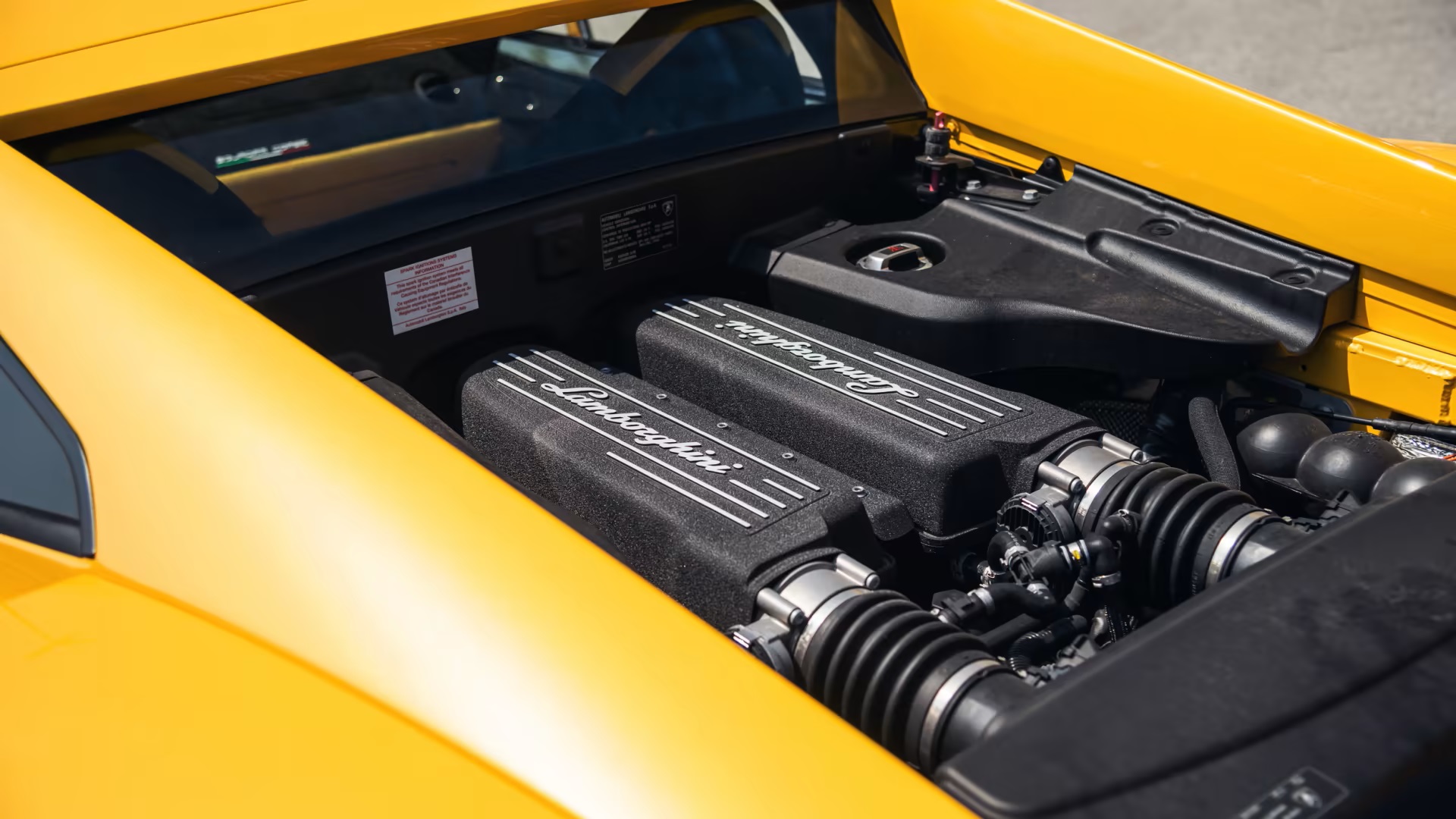
During its 10-year production span, Lamborghini manufactured over 14,000 Gallardos, cementing its status as one of the brand’s most illustrious models. Over time, the model was improved culminating in the unveiling of a second generation in 2008, featuring a groundbreaking 5.2-liter V-10 engine.
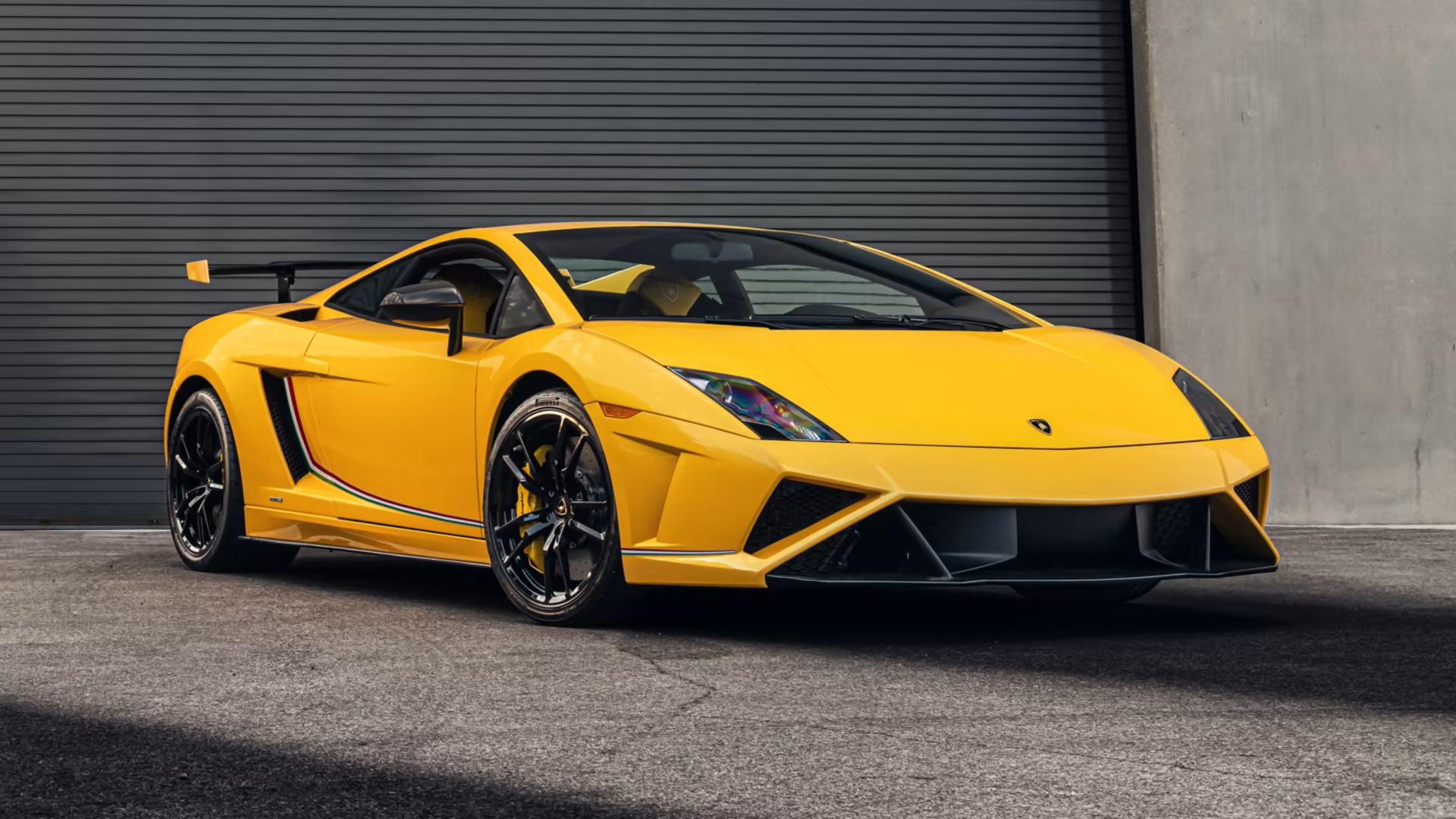
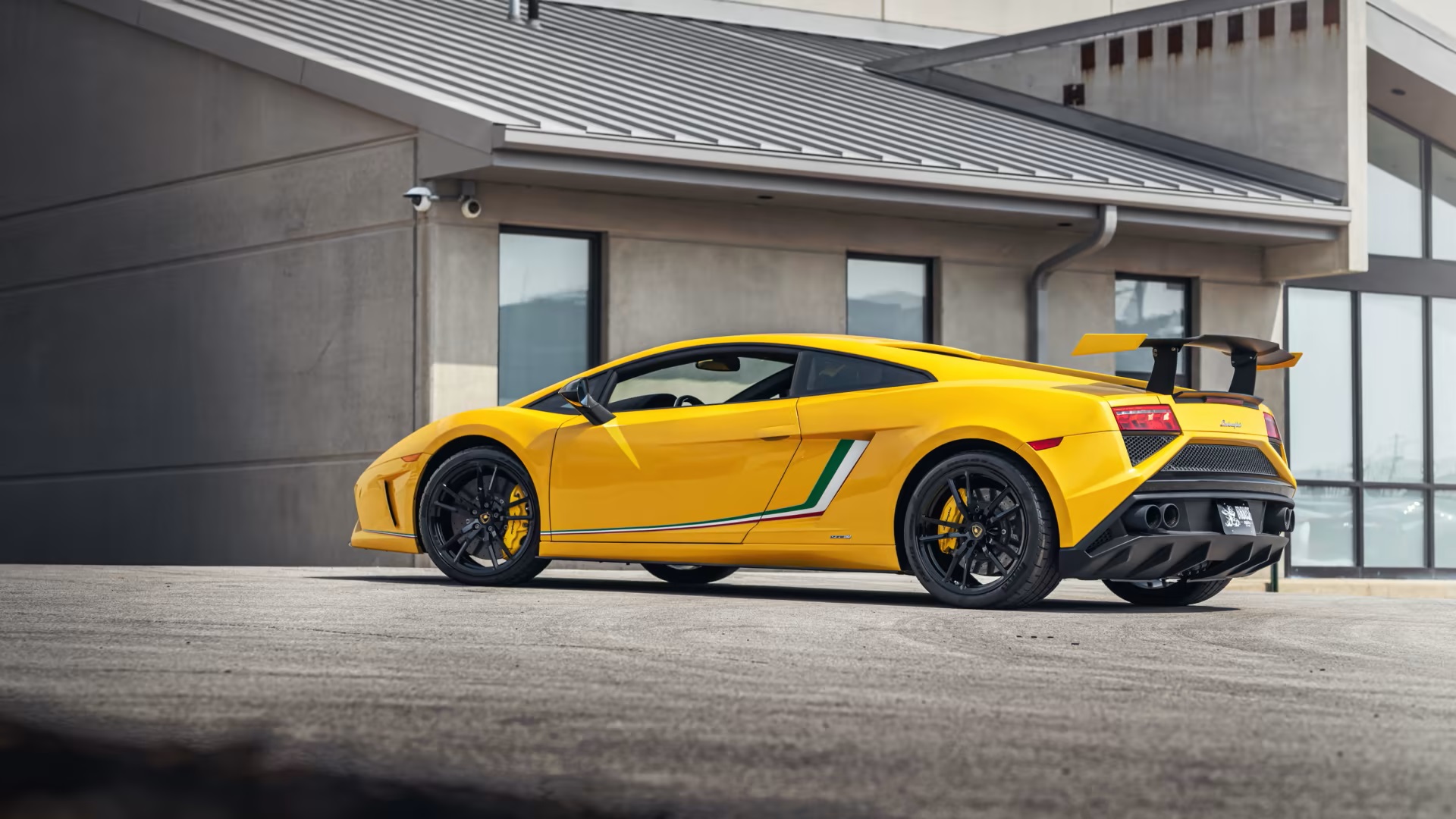
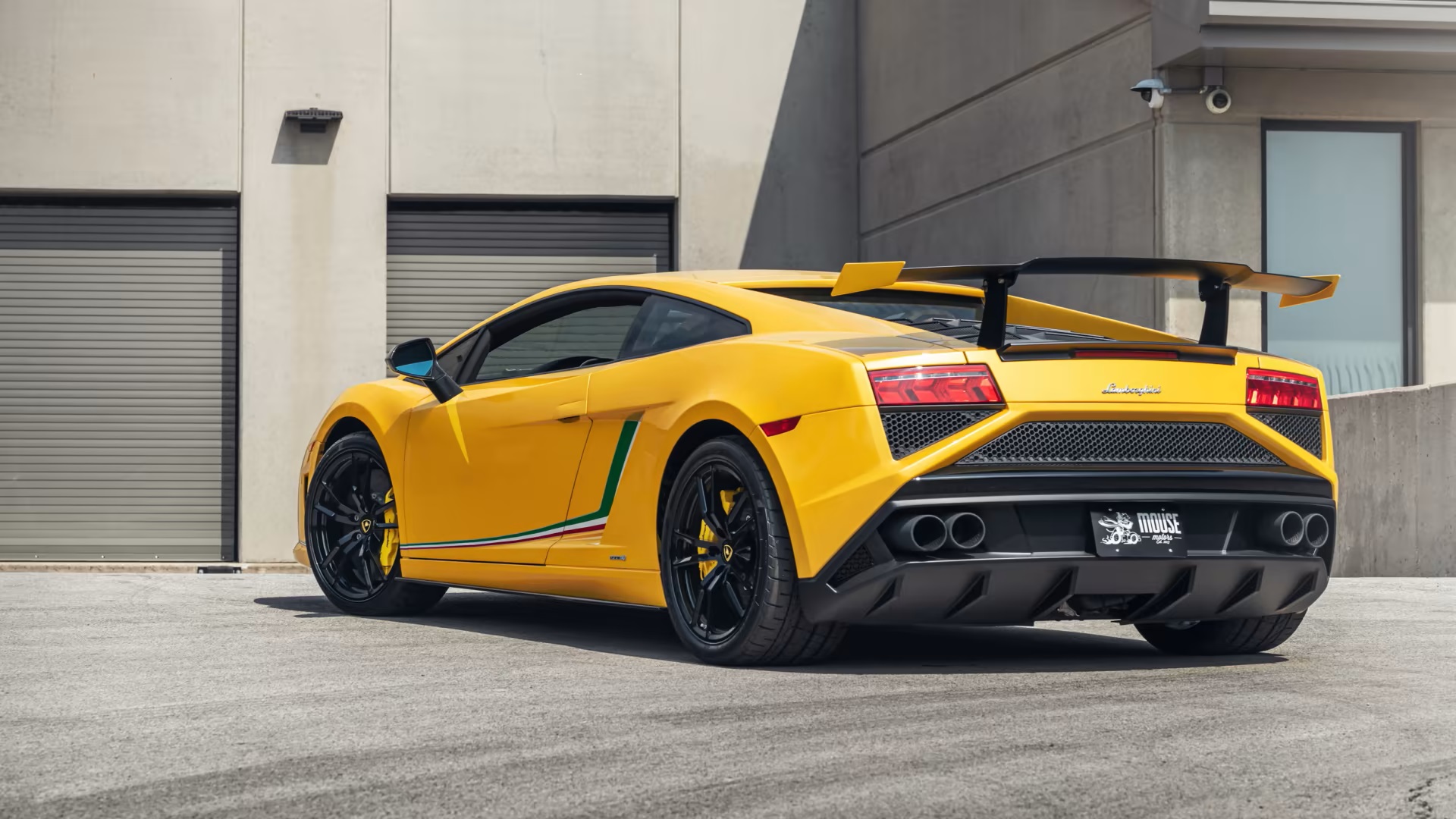
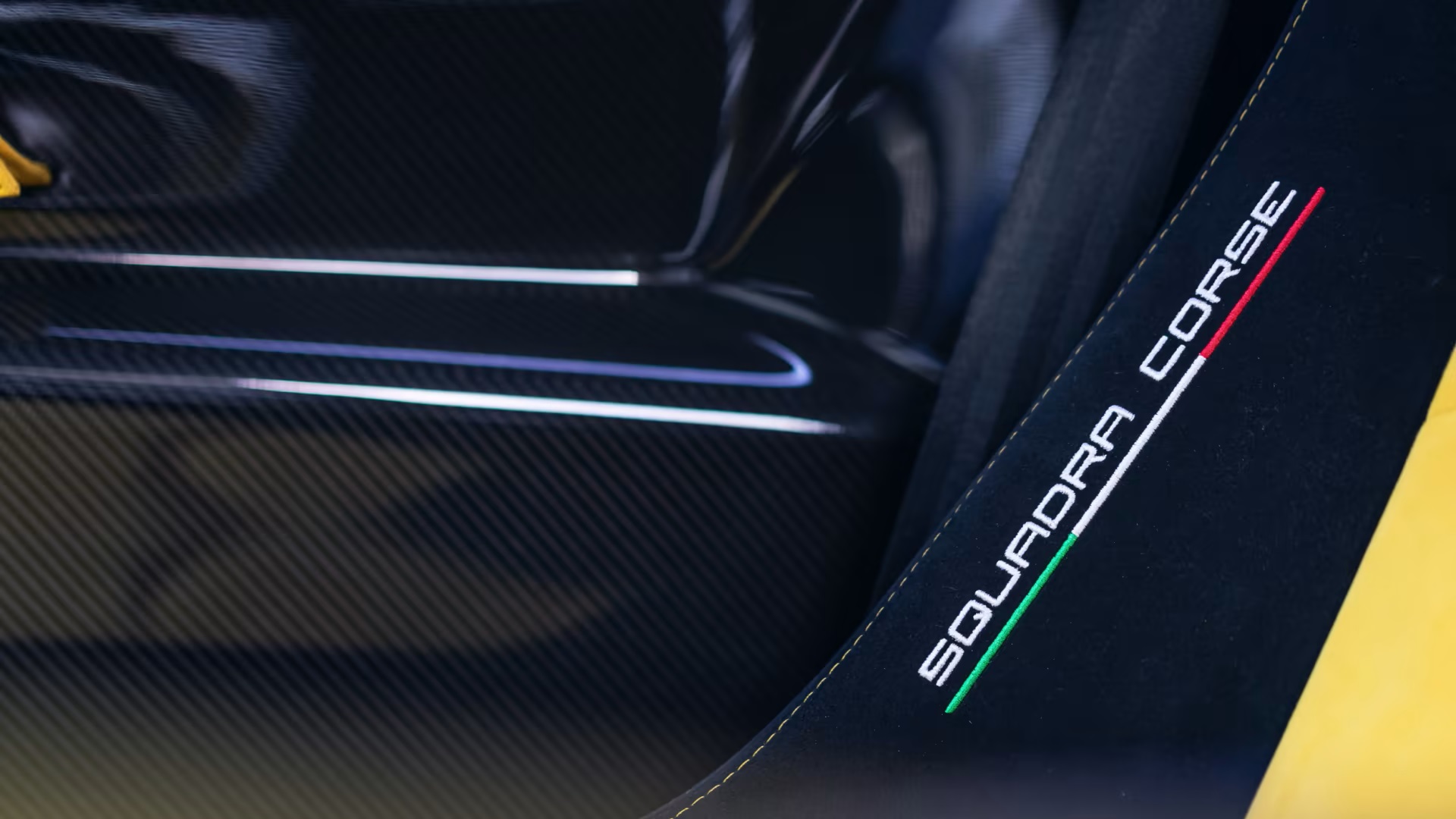
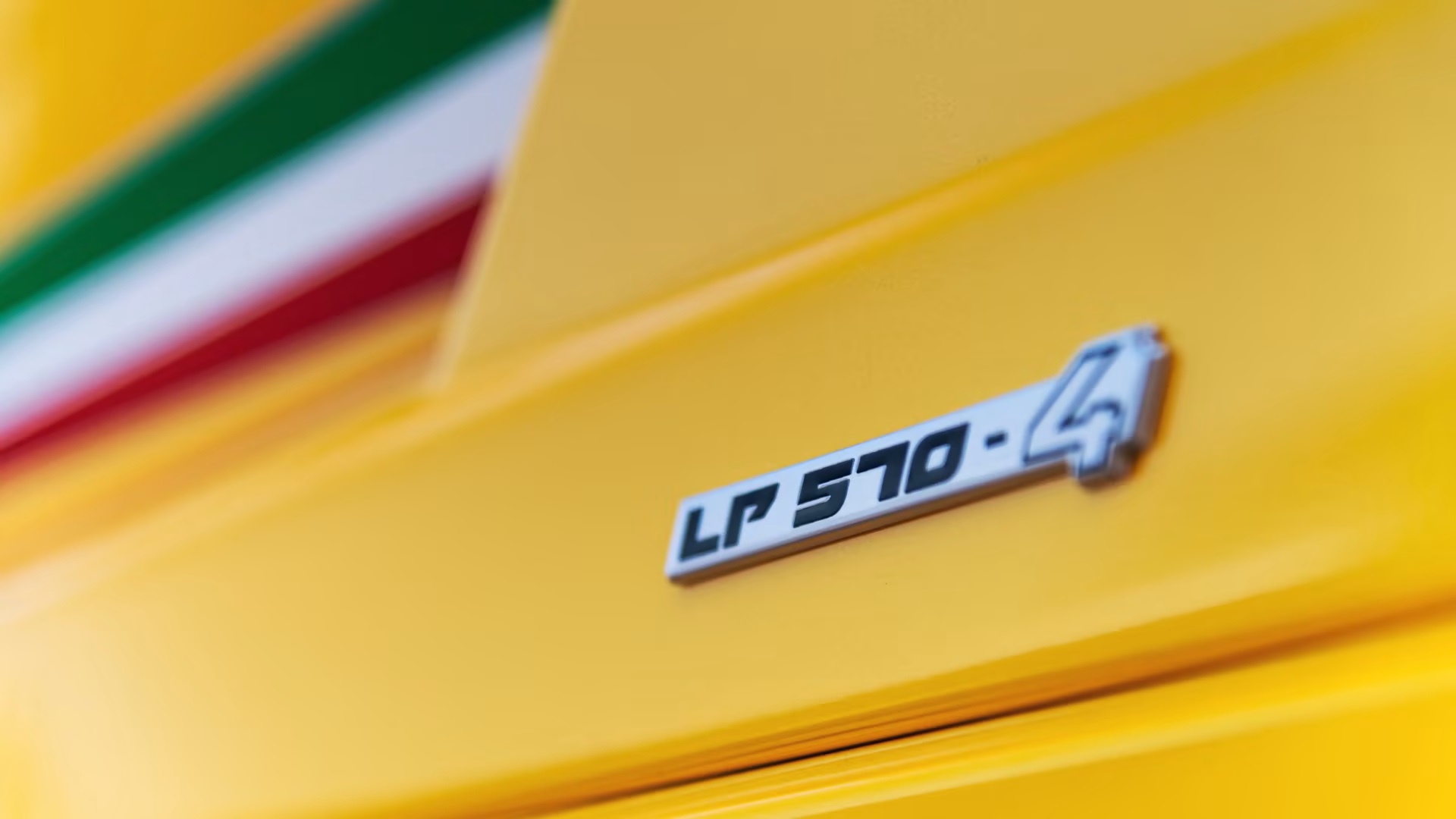
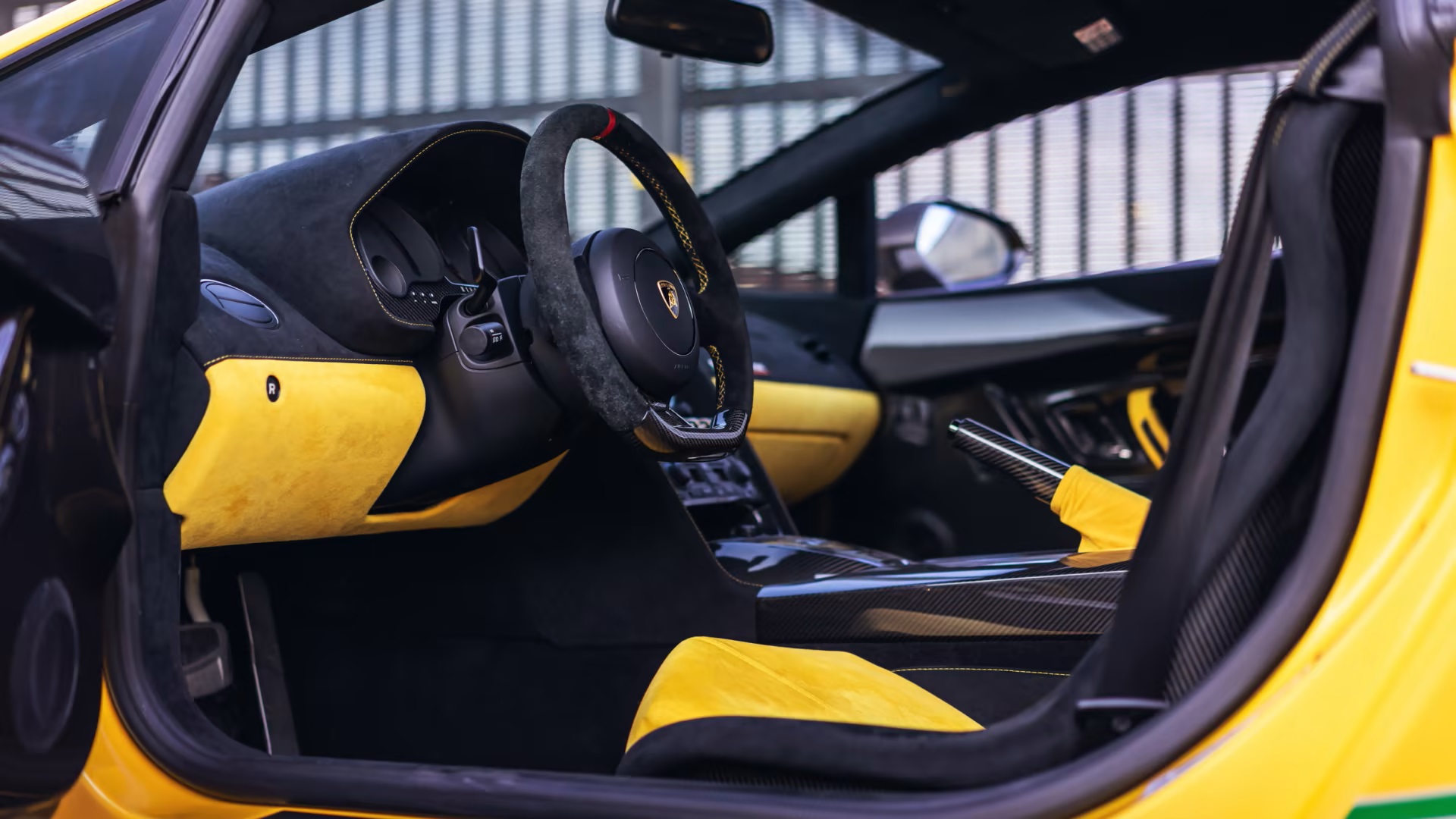
Following this, numerous limited-edition variants was introduced, with the LP 570-4 Squadra Corse standing out as one of the most exclusive, with only 50 road-legal units made inspired by the Super Trofeo circuit racer. At its core, the Squadra Corse Gallardo boasted a 562-horsepower version of the 5.2-liter V-10 engine coupled with a six-speed “e-gear” automatic transmission, propelling the vehicle to a top speed of 199 mph, aided by robust four-wheel carbon-ceramic disc brakes.
Not only was the Squadra Corse Gallardo exceedingly rare, but it was also considered as the most extreme version of the Gallardo, drawing inspiration from Lamborghini’s Motorsport Department.
To differentiate it from other Gallardos, Lamborghini added features like a massive rear carbon composite wing, offering triple the downforce of its predecessors, restyled bumpers, and a tricolor stripe adorning the side air intake. Furthermore, extensive utilization of aluminum and carbon fiber materials shaved off approximately 155 pounds, resulting in a curb weight of 2,950 pounds, enhancing its agility and performance.
The technical storage or access is strictly necessary for the legitimate purpose of enabling the use of a specific service explicitly requested by the subscriber or user, or for the sole purpose of carrying out the transmission of a communication over an electronic communications network.
Preferences
The technical storage or access is necessary for the legitimate purpose of storing preferences that are not requested by the subscriber or user.
Statistics
The technical storage or access that is used exclusively for statistical purposes.The technical storage or access that is used exclusively for anonymous statistical purposes. Without a subpoena, voluntary compliance on the part of your Internet Service Provider, or additional records from a third party, information stored or retrieved for this purpose alone cannot usually be used to identify you.
Marketing
The technical storage or access is required to create user profiles to send advertising, or to track the user on a website or across several websites for similar marketing purposes.