Just shy of 12 months after resuming selling vehicles in Australia, Chery announced it would bring a second brand to our market – and its managing director says there’s the potential for more.
Chery Australia recently announced the Jaecoo brand will arrive here in the second half of 2024, spearheaded by the mid-sized J7 crossover.
That aligns our market with others like Europe, where the Jaecoo brand is also being rolled out – despite the fact the J7 is badged as a Chery in its home market of China.
Chinese-market Chery Explore 06
Jaecoo J7
When asked whether any of Chery’s other brands could come here, Chery Australia managing director Lucas Harris left the door open.
“Past the end of this year, nothing’s off the table really,” he said.
“Personally I’d really love to see some of the Exeed product come. I’ve had the good privilege of driving the new sedan and the new SUV in China.
“Personally, I’d love to see those cars come here, maybe one day.”
As for how Jaecoo will be positioned relative to Chery, Mr Harris said it would be a more premium, lower-volume offering.
“The reality is the product and the brand Jaecoo is actually quite a different position to what Chery is, you know the design and feel of the products and their capabilities aim to be different and the sort of customer that we think will be interested in that will be different,” he said.
“I don’t think it’s the same sort of volume aspiration as what Chery is, it’s a bit more premium, certainly the styling a lot more different.
“Chery is going to be our sort of volume brand, where we’re going to position Jaecoo a bit more premium.”
It’s unclear how much the J7 will cost, though a base price north of the also mid-sized Chery Tiggo 7 Pro’s $36,990 drive-away sticker seems likely.
While Jaecoo is intended to be a more premium brand, it’s not the only brand in the Chery family using the p-word.
The company’s namesake Chery brand is slotted below Jetour and the more premium Exeed, both of which were established in the mid-2010s and sell vehicles not only in China but also in various Middle Eastern and Latin American markets.
Exeed Sterra ET
Until Exeed revealed the Sterra ES Mr Harris drove in China, the brand specialised in SUVs: the LX, TX, RX and VX, all packing turbocharged four-cylinder engines.
The Sterra ES sedan and Sterra ET SUV, sized similarly to the Tesla Model S and Model X, use a new electric vehicle (EV) platform and offer the option of dual-motor all-wheel drive and 800V electrical systems.
Headline stats for the Sterra ES include a drag coefficient of 0.205, claimed energy consumption of as little as 11.7kWh/100km and up to 905km of range on the CLTC cycle, and a 0-100km/h time of 3.7 seconds in top-spec guise.
The electric sedan also comes standard with air suspension.
Exeed RX
Exeed LX
Exeed TXL
Exeed VX
As is common for Chinese carmakers, Chery hasn’t focused on just a single brand and has instead rolled out multiple brands to varying success. Jetour and Exeed effectively replaced the defunct Riich brand at the top of the Chery tree.
Chery also has the Karry commercial vehicle brand in China, while last year it established two new EV brands: iCar and Luxeed. The latter is used for a vehicle developed by Chery and smartphone company Huawei.
In Europe, Chery plans to sell vehicles under the Omoda, Jaecoo, and Exlantix brands.
Omoda C5
Omoda will be used for for a rebadged – or, more accurately, a partially de-badged – Chery Omoda 5, while Exlantix is expected to be the export name for the aforementioned electric Exeed Sterra models.
Even more confusingly, Chery vehicles are sold as Chireys in Mexico. This is because American businessman Malcolm Bricklin owns the rights to the Chery name in North America, having previously planned to import them.
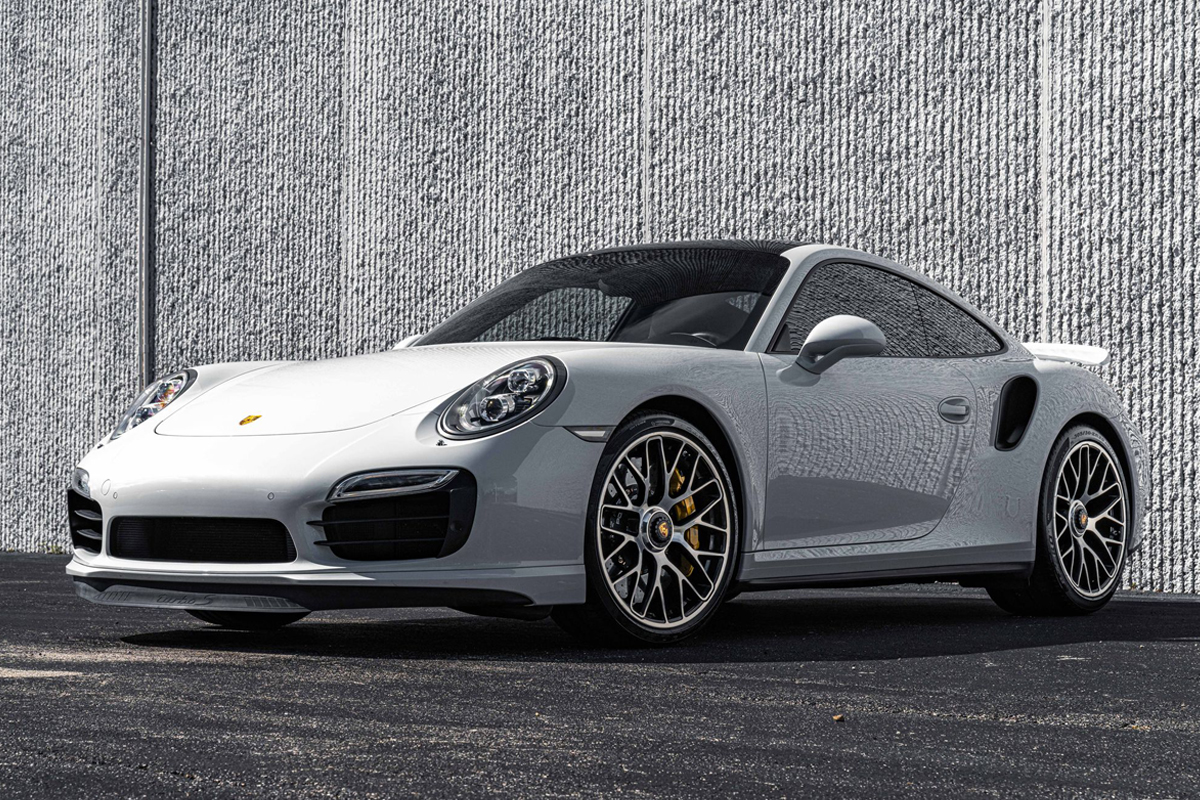
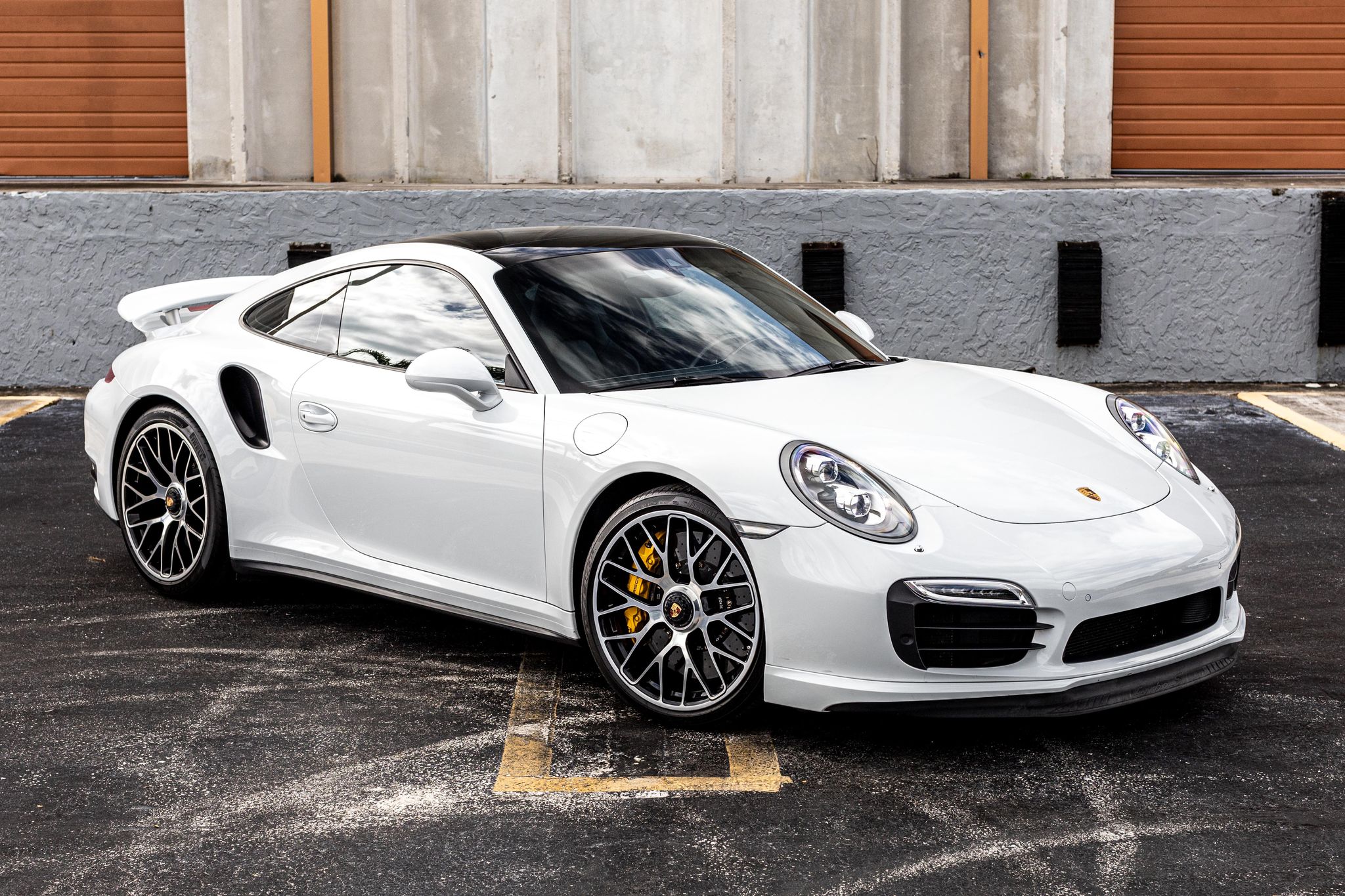
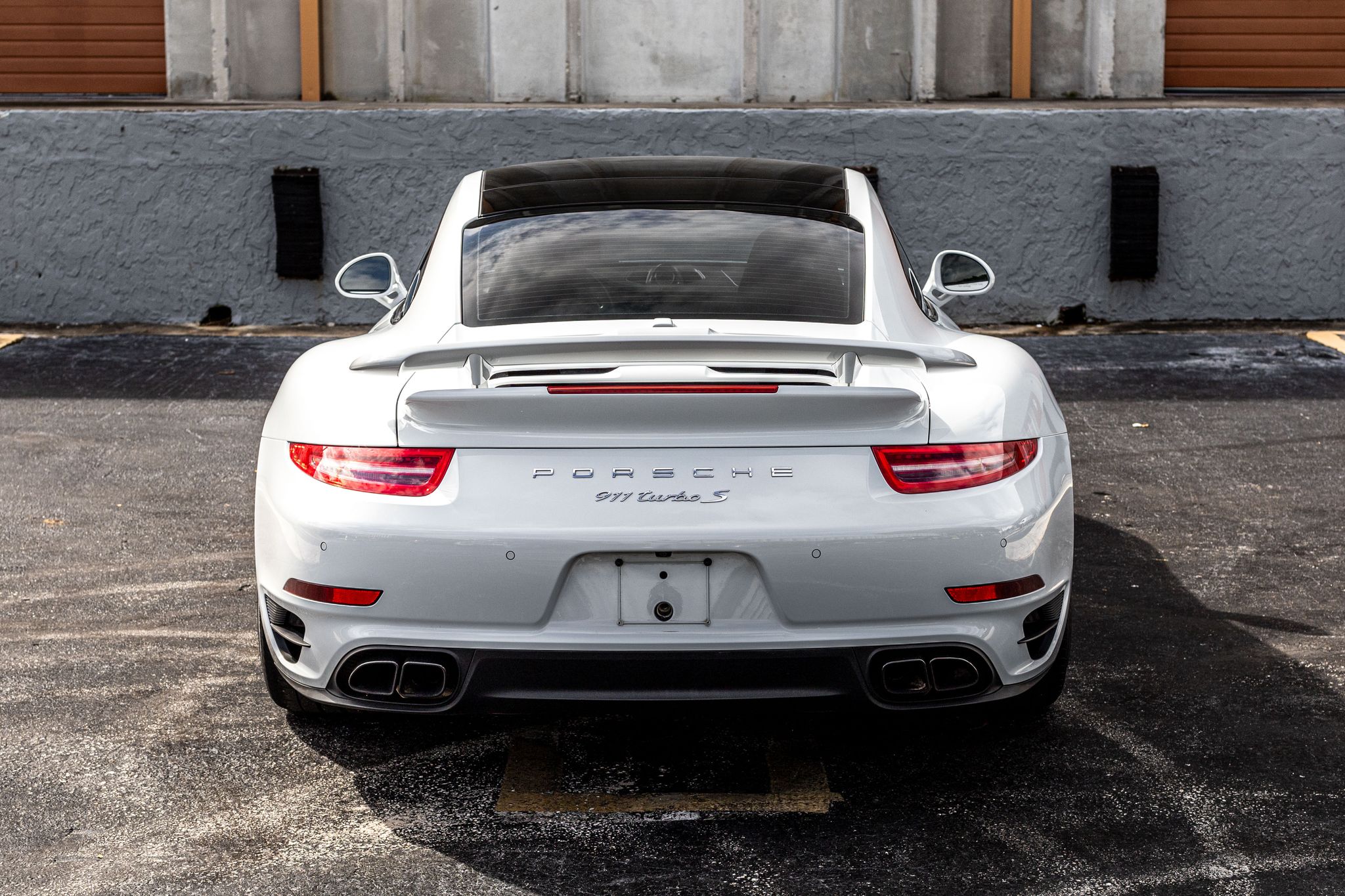
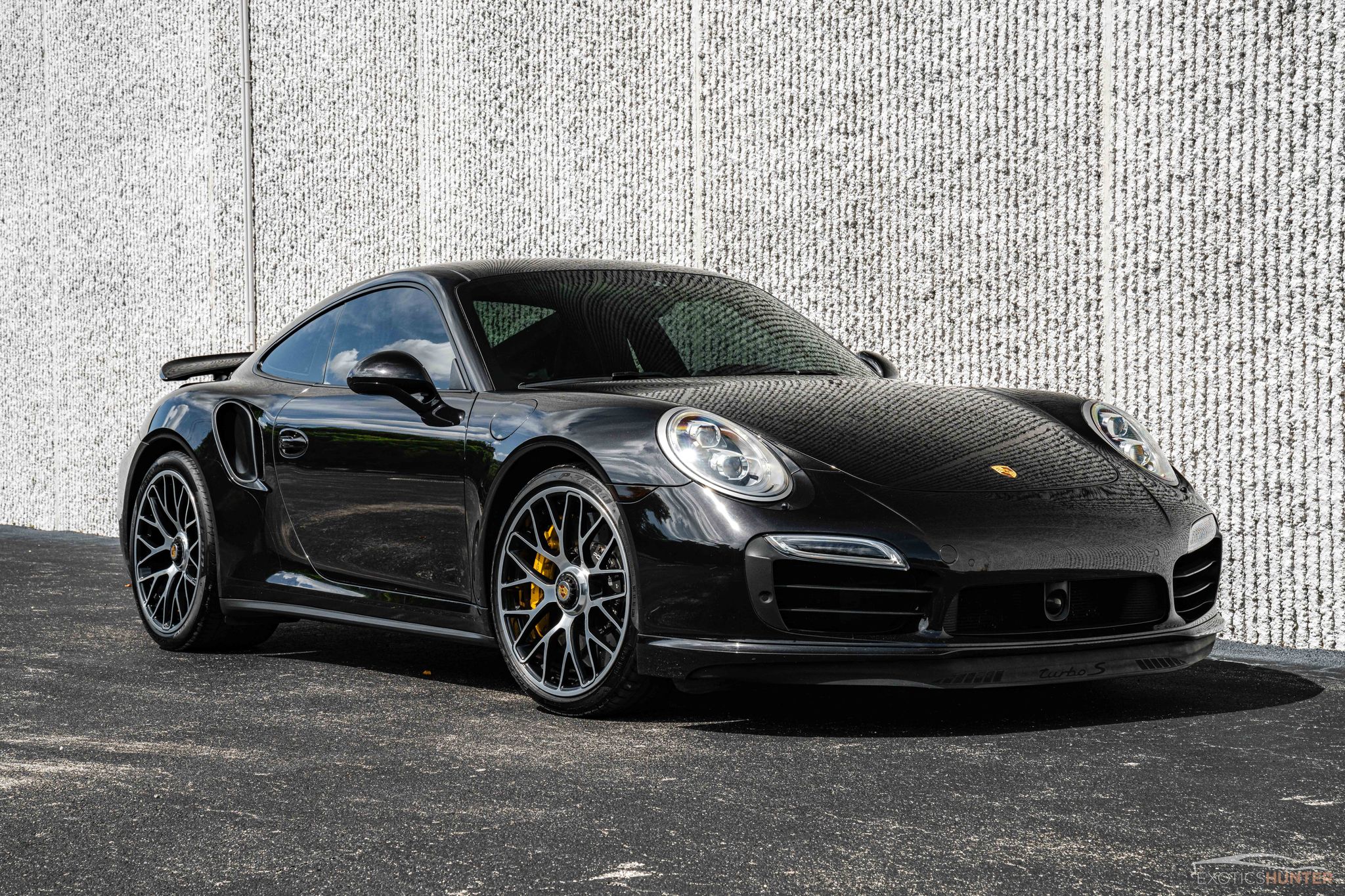
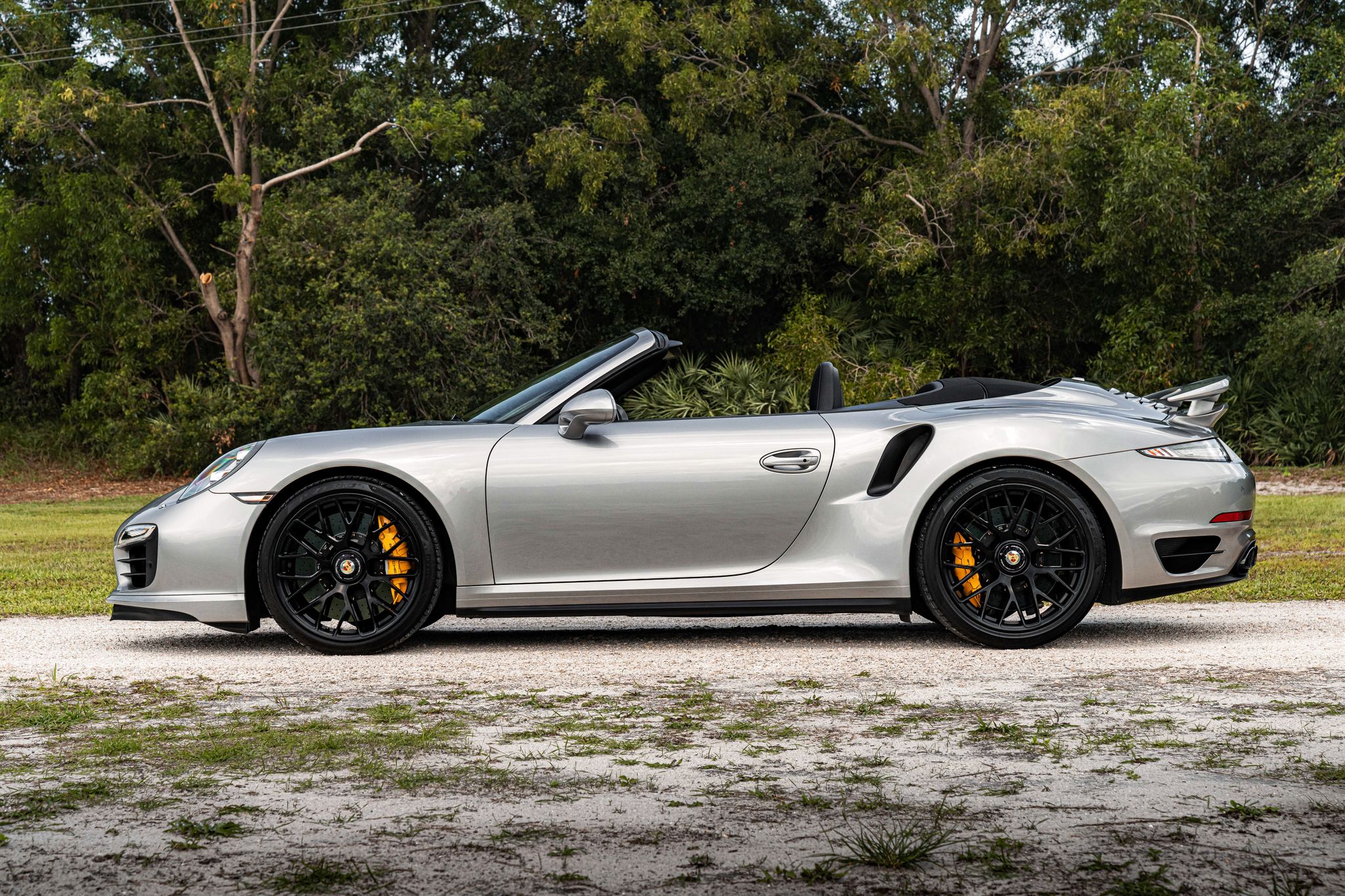
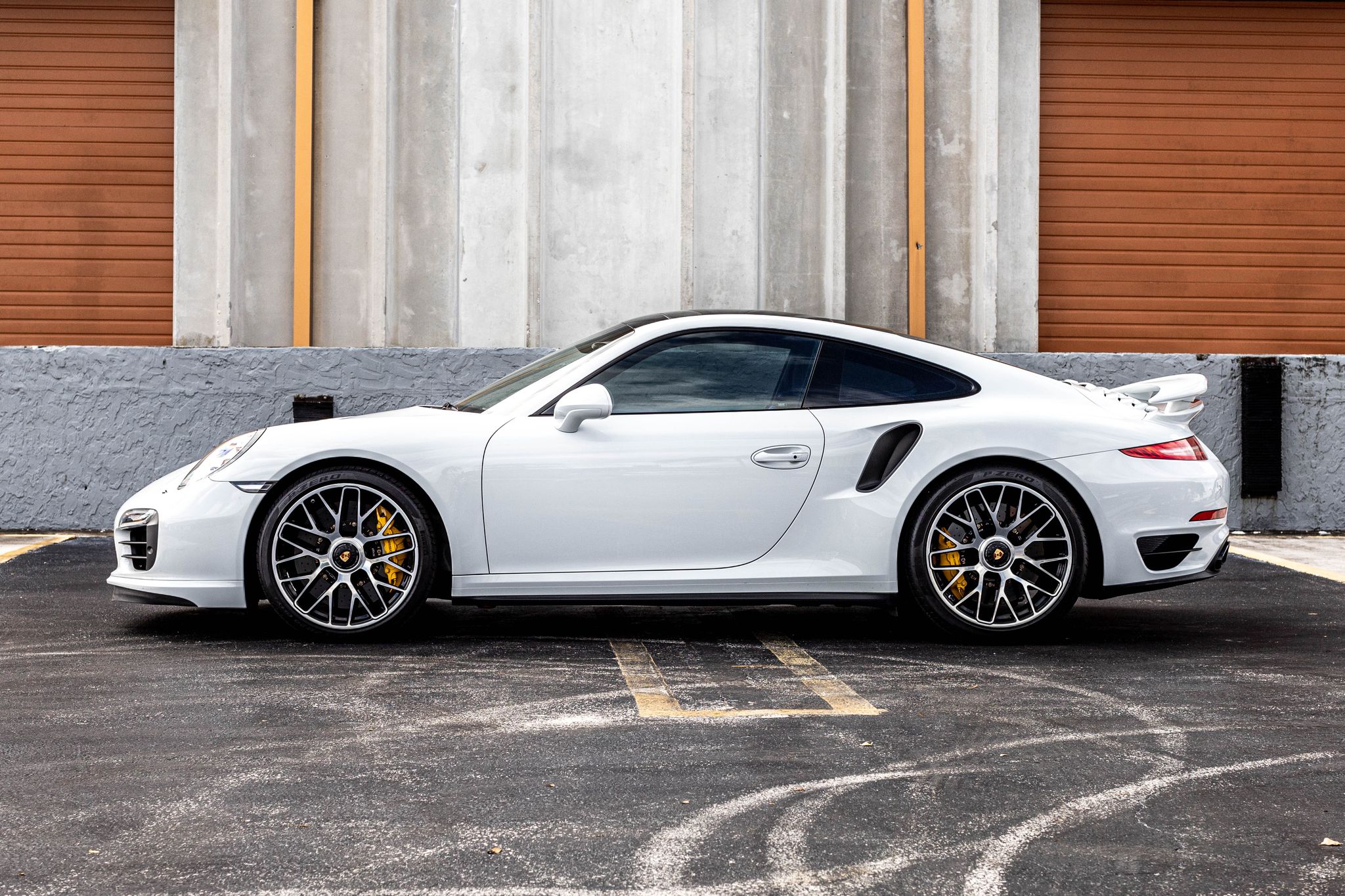
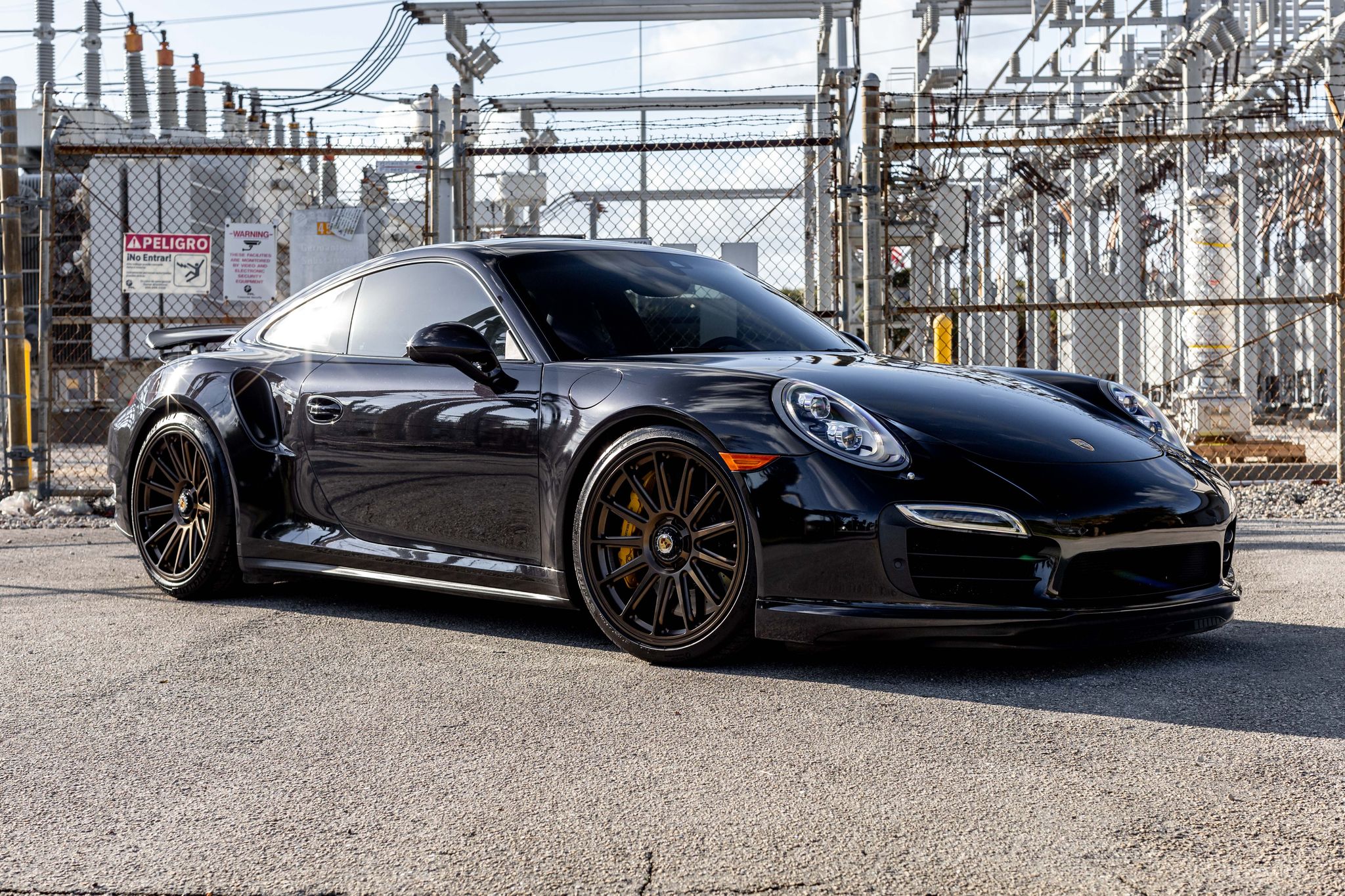
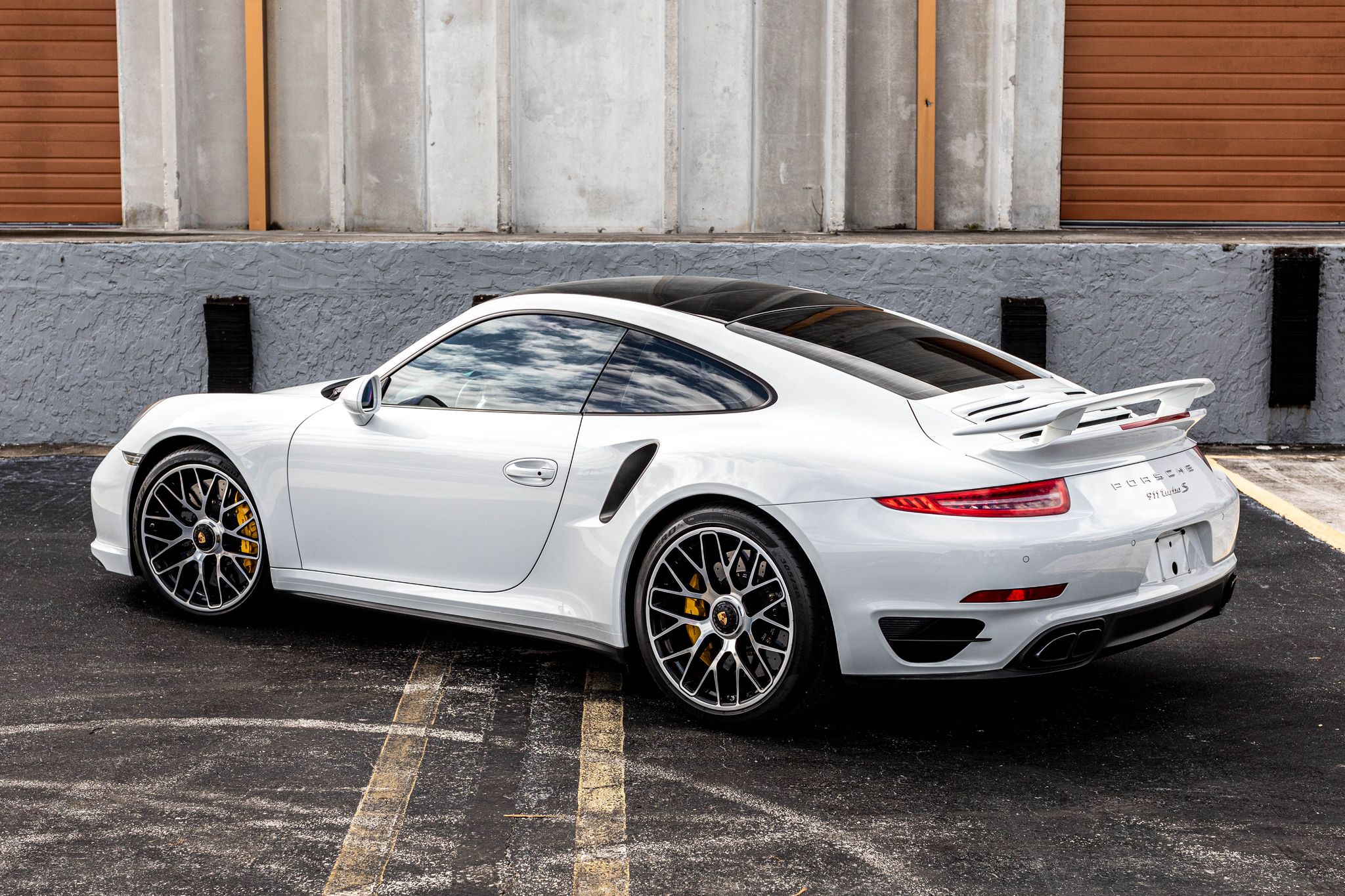
The all-new Porsche 991.1 Turbo (coupe and cabriolet) was introduced in 2014, marking the beginning of a new era for the 911 Turbo series. It replaced the 997 Turbo, which had been in production since 2006. For Porsche, the challenge of creating a new Turbo model is always not an easy task, as each generation must surpass its predecessor in performance and innovation.
40 years following the debut of the initial 911 Turbo prototype, the 991 Turbo made its appearance, boasting a power output precisely double that of its forerunner. While the 911 Turbo is typically the most substantial model in the 911 lineup, its weight fortunately did not increase twofold.
The engine remains essentially the direct fuel injection (DFI) mechanism found in the 997 Turbo 3.8, with refined tuning has enhanced its output to 520 hp, maintaining the predecessor’s power-to-weight ratio.
The 991 Turbo, equipped with its standard automatic transmission, weighs in 110 lb heavier than the 997 Turbo 3.8 with a manual gearbox. This model also marked the first instance of a 911 Turbo not offering a manual gearbox option and only comes standard with PDK transmission.
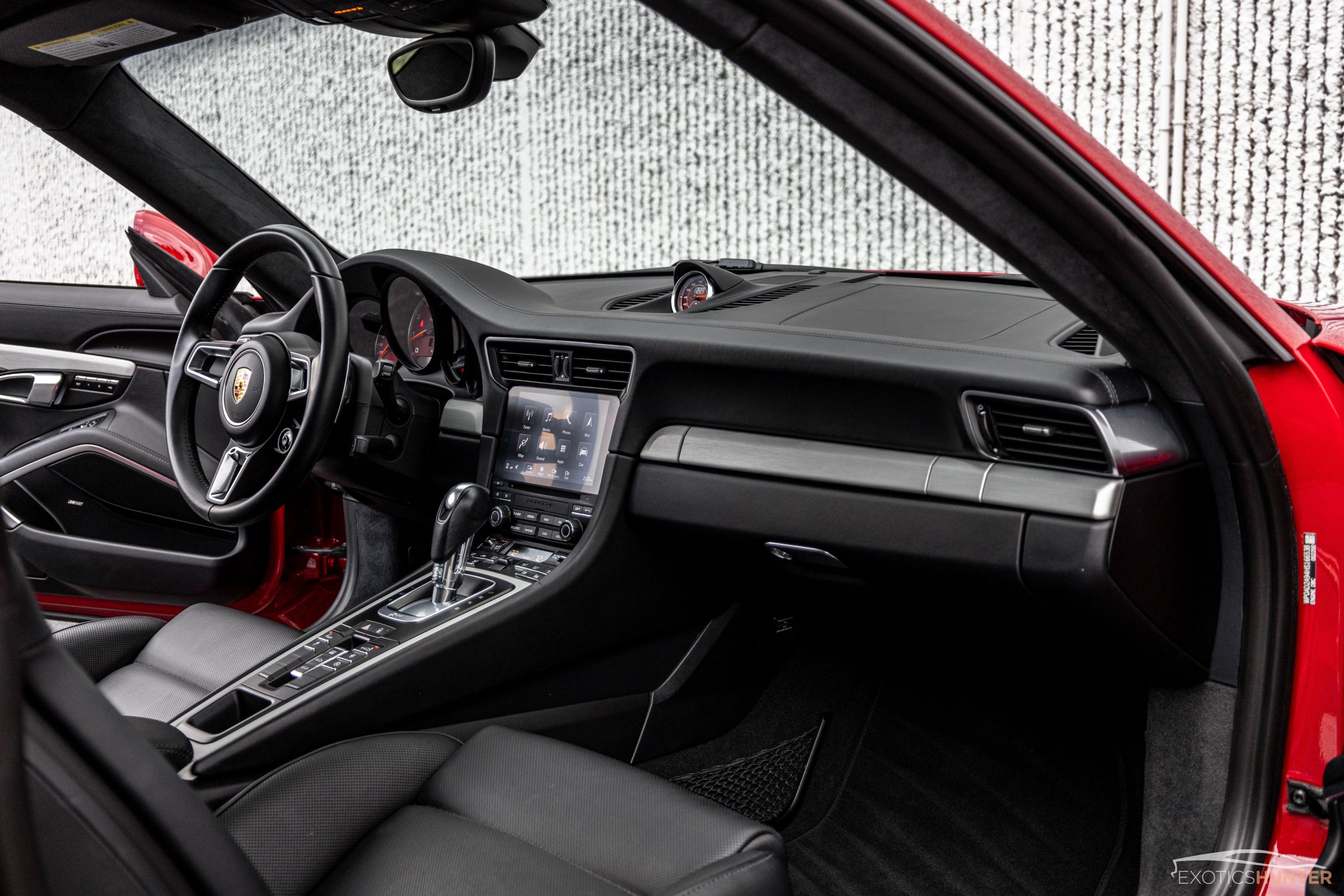
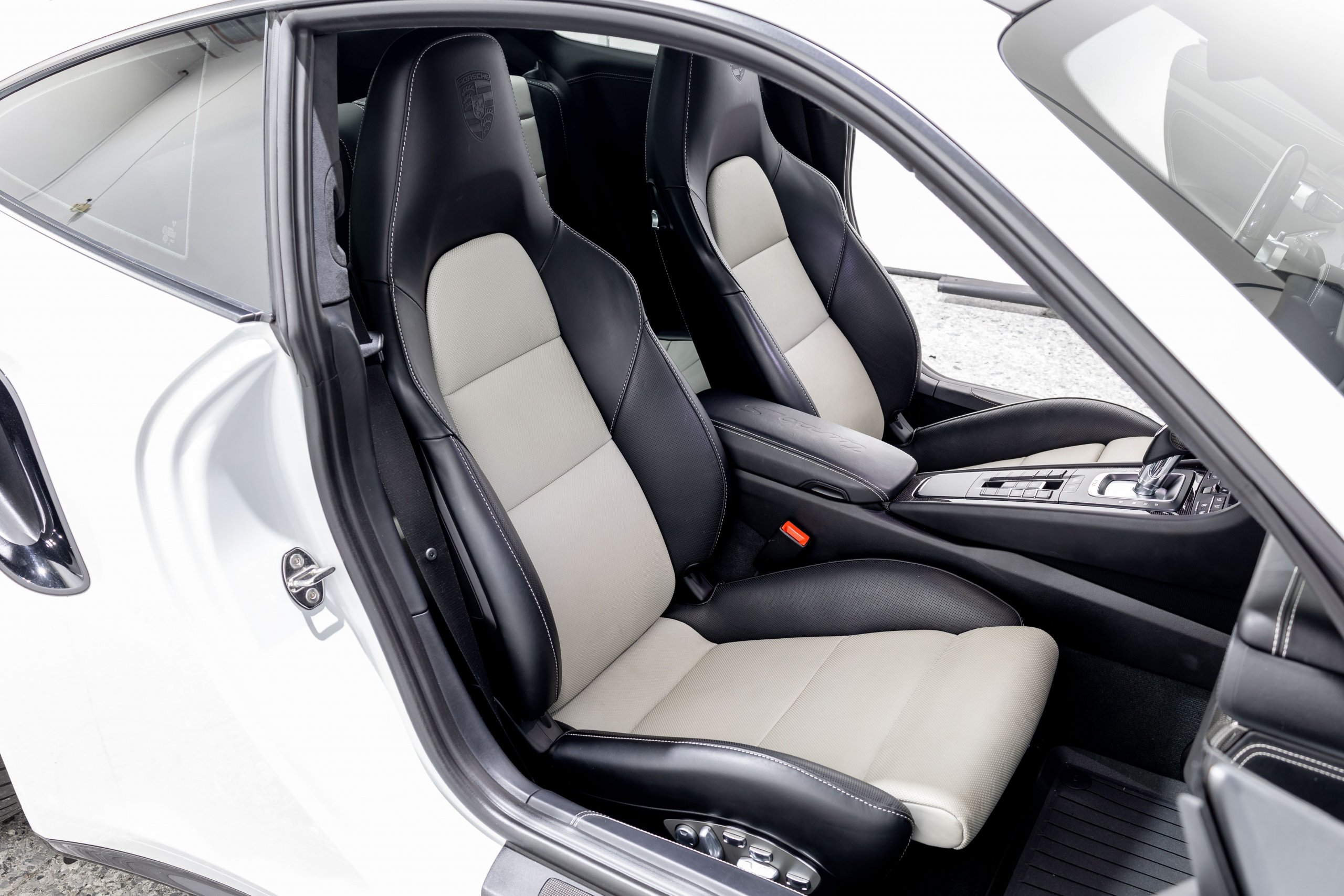
The Turbo’s interior is covered with premium materials, including leather upholstery, brushed aluminum, and carbon fiber accents, emphasizing its high-performance pedigree. The sports seats, available in 18-way adaptive Sport Plus options with memory function, offer superior support during spirited driving while ensuring comfort on longer journeys.
Further enhancing the driving experience are features like the Sport Chrono package, integrating a lap timer and performance display, and ambient lighting that adds to the cabin’s sophisticated ambiance. The 991.1 Turbo also includes advanced infotainment options with seamless connectivity, ensuring that both driver and passengers enjoy a blend of exhilarating performance and cutting-edge technology.
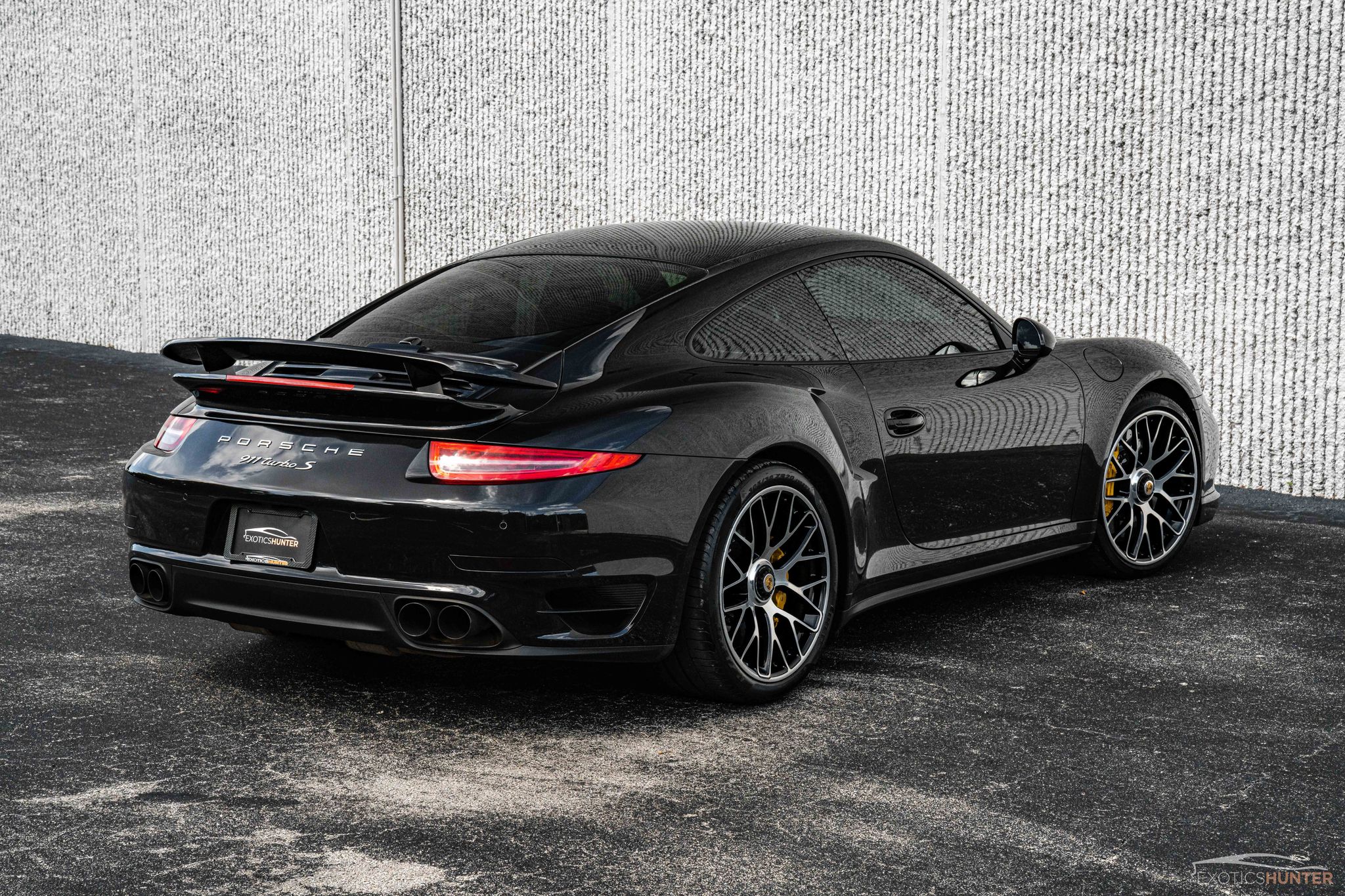
Porsche introduced an active aerodynamics system for the 991 Turbo, featuring a three-stage retractable front spoiler lip and a rear wing that can adjust to three different positions. This system allows for the configuration of both the front and rear spoilers to optimize high-speed cornering on the racetrack or achieve maximum velocity on straightaways.
In the performance setting, the front spoiler fully extends all its segments, creating significant downforce on the front axle. Likewise, the rear wing reaches its highest elevation and steepest angle of attack, producing maximum downforce on the rear axle.
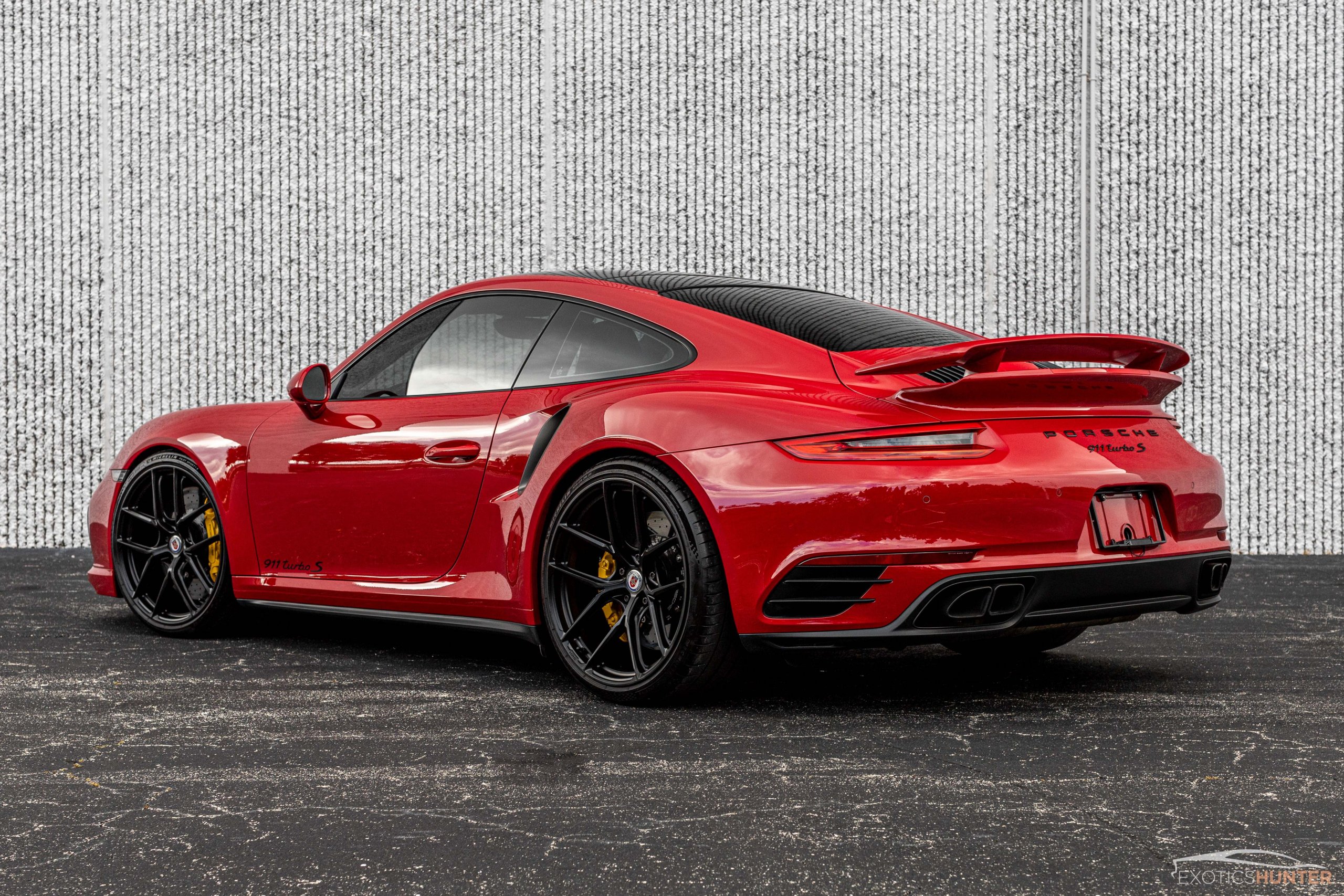
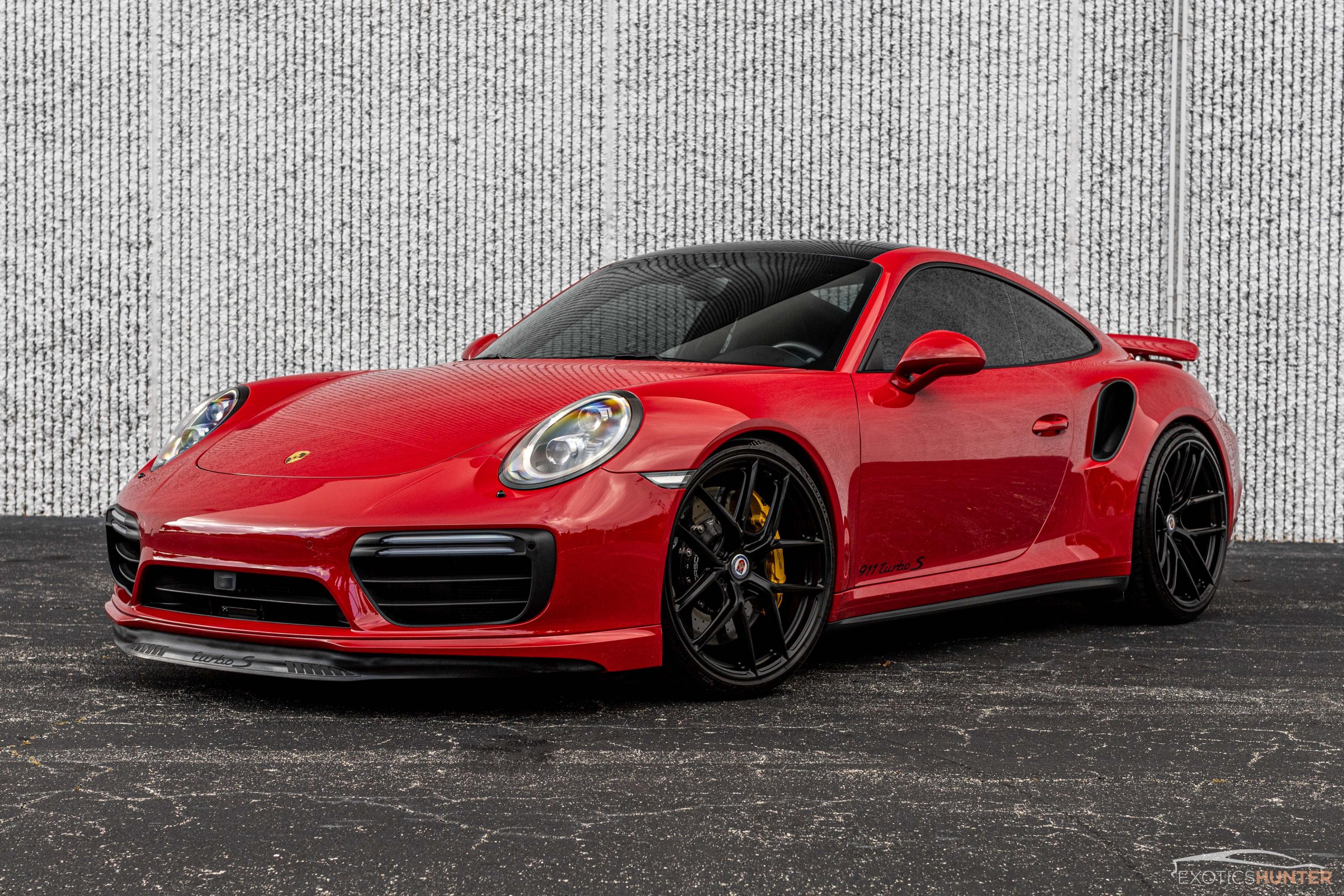
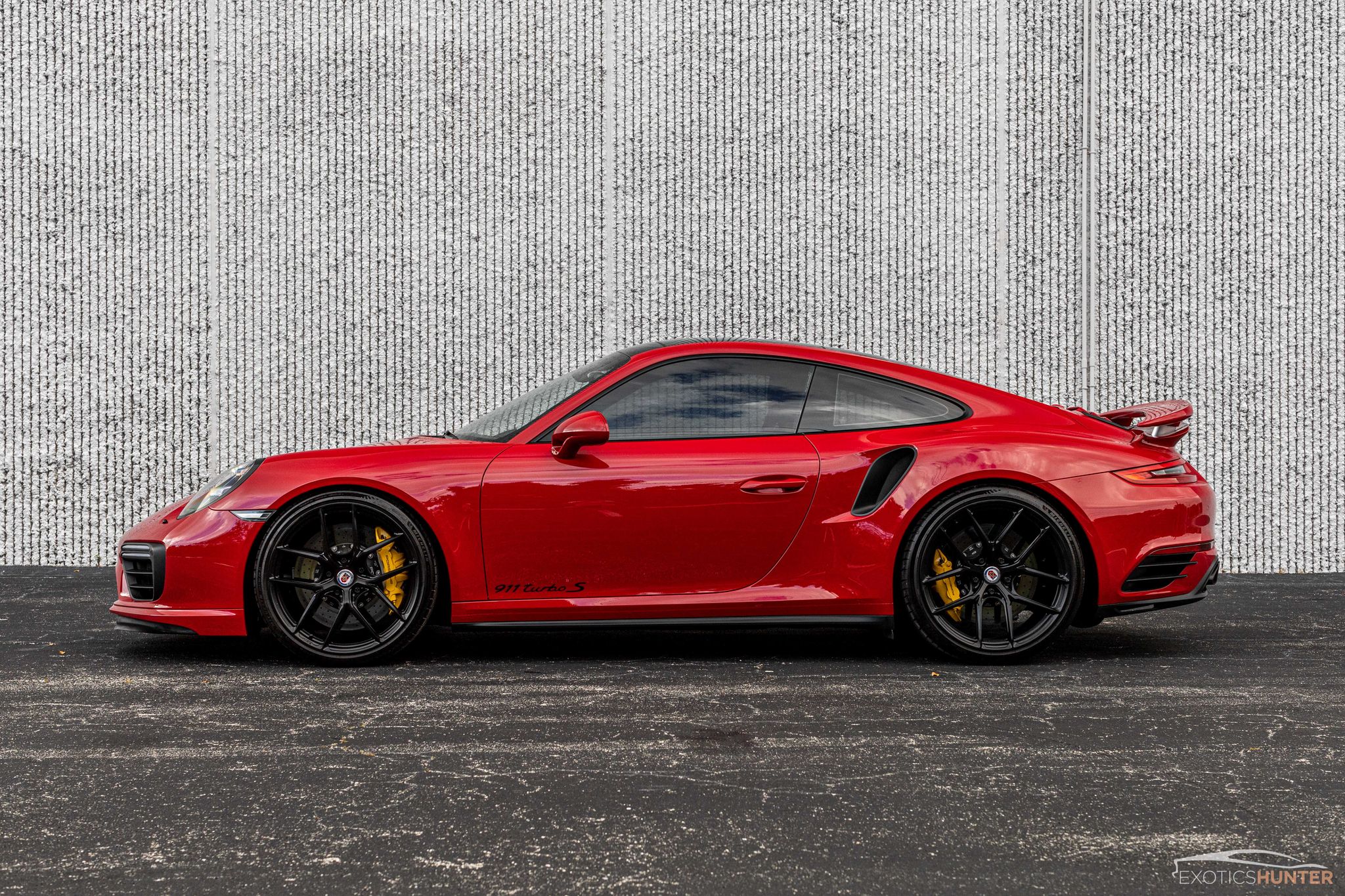
For the first time, Porsche made the 991 Turbo S available right from the outset of the 991 Turbo’s production. The Turbo S distinguished itself with GT3 mirrors, slightly altered front spoiler grilles, and unique interior details.
Continuing its tradition, the Turbo S was a more lavishly equipped variant of the Turbo, featuring a power kit that delivered 560 hp.
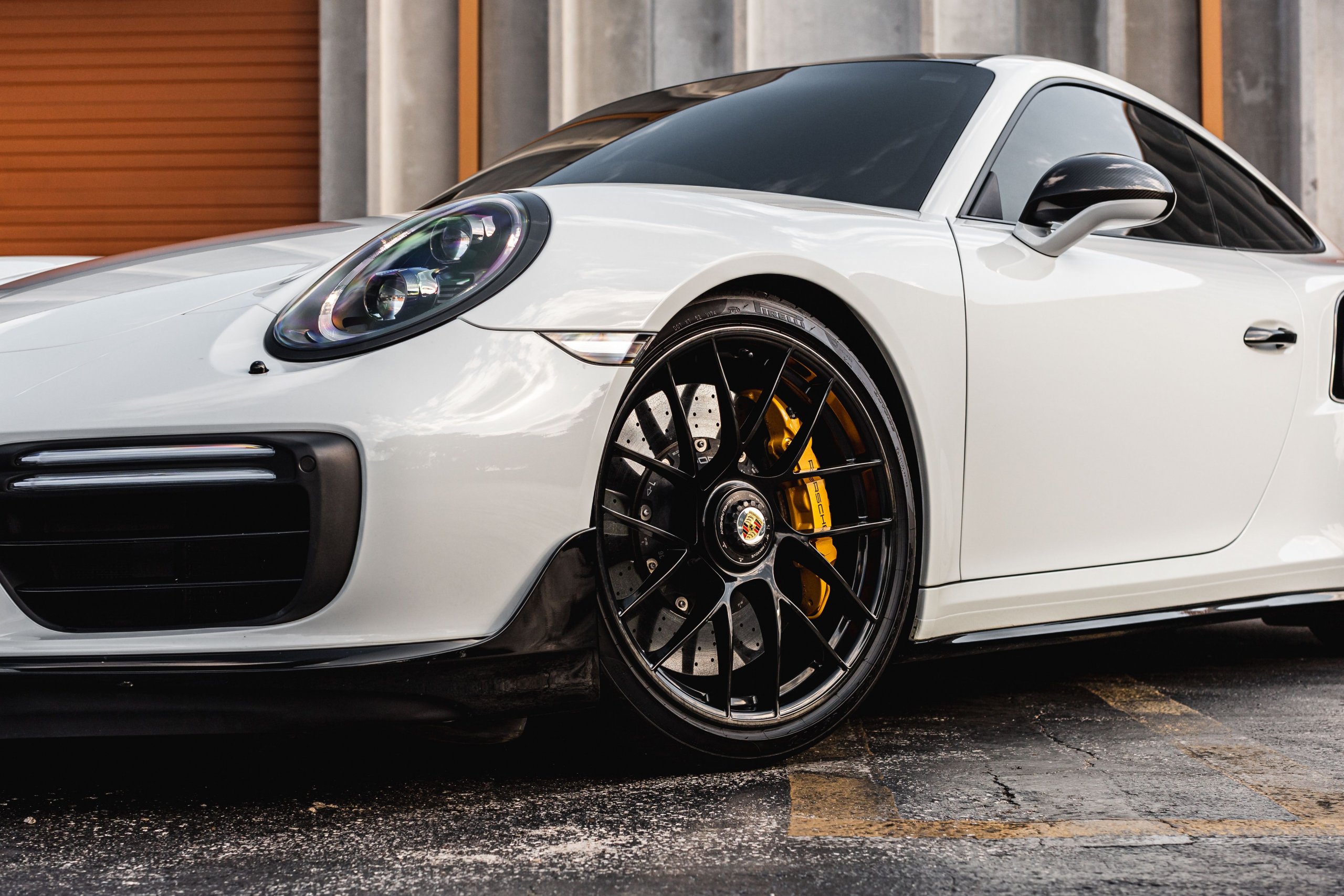
Standard equipment included the PDCC Porsche Dynamic Chassis Control hydraulic roll bar system, Sport Chrono package (offering Launch control and a 0.15 bar over boost function), dynamic engine mounts, PCCB Porsche Ceramic Composite Brakes, central locking wheels, full LED dynamic headlights, and 18-way adaptive Sport Plus seats with memory function.
Although the available options are impressive vehicles in their own right, the 911 Turbo stands out as the combination of over 40 years of evolution, establishing it as the most practical and sensible choice among them.
Model Changes (Breakdown by Year)
2014 Porsche 991.1 Turbo
The 2014 model is the first full year of production for the 991.1 Turbo, which replaced the 997 Turbo.
Featuring a 3.8-liter Turbocharged flat-six engine that produced 520 hp in the Turbo, and 560 hp for the Turbo S.
Starting price for the coupe was $149,00 for the Turbo and $182,000 for the Turbo S. The starting price for the Turbo Cabriolet was $161,000 and $194,000 for the Turbo S Cabriolet.
2015 Porsche 991.1 Turbo
In 2015, Porsche introduced an optional aerodynamics package for the 991.1 Turbo and Turbo S, featuring a front lip spoiler, side rocker panels, a revised rear deck lid with a fixed trailing edge and side winglets, and an adjustable rear wing to enhance both performance and appearance, alongside updates to the Porsche Communication Management (PCM) system that improved the user interface and connectivity options.
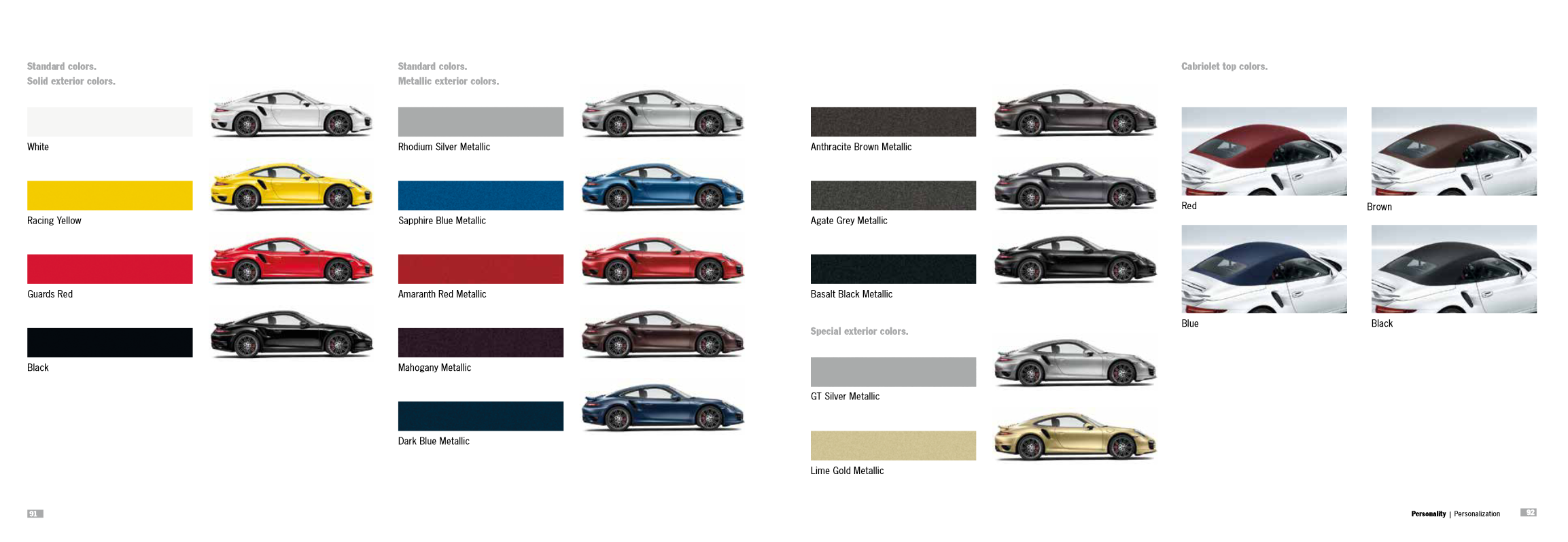
Additionally, the introduction of new exterior and interior customization options allowed for unprecedented levels of personalization, enabling owners to tailor their vehicles with an expanded selection of colors and trim options to their liking.
Starting price for the coupe was now $151,00 for the Turbo and $182,000 for the Turbo S. The starting price for the Turbo Cabriolet was $163,000 and $194,000 for the Turbo S Cabriolet.
2016 Porsche 991.1 Turbo
In 2016, Porsche introduced a few enhancements across the 991.1 Turbo and Turbo S models.
Starting with the introduction of a dynamic boost function to improve throttle response by maintaining turbocharger pressure during brief throttle lifts, integrating the Sport Chrono package and Porsche Dynamic Light System (PDLS) as standard features to offer dynamic engine mounts, a performance display, and enhanced lighting, alongside chassis enhancements for improved handling and stability, which included making the Porsche Active Suspension Management (PASM) system a standard feature.
The interior also had new customization options such as additional leather and stitching choices, as well as incorporating the latest generation of the Porsche Communication Management (PCM) system for superior infotainment and connectivity.
The base price remained the same as the previous year.
2017 Porsche 991.2 Turbo
In 2017, the Porsche 991.2 Turbo and Turbo S models were unveiled with comprehensive updates, notably featuring a new 3.8-liter twin-turbocharged flat-six engine. This engine upgrade boosted the power output to 540 hp (20 hp more than 991.1 Turbo) for the Turbo and 580 hp (20 hp more than 991.1 Turbo S) for the Turbo S, marking a significant leap forward in their performance capabilities.
Additionally, these models saw the introduction of new turbochargers equipped with larger compressors, an improved fuel injection system, and a revamped intake system. These enhancements collectively contributed to a more robust and efficient performance, ensuring that both the Turbo and Turbo S models set new benchmarks in their class.
Complementing the mechanical and performance upgrades, the Porsche Communication Management (PCM) system received an overhaul for increased responsiveness. It now featured a more intuitive touchscreen, advanced navigation capabilities, and integrated connectivity options, including Apple CarPlay. Aesthetically, both models were refreshed with revised front and rear fascias, new designs for the headlights and taillights, and improved aerodynamic elements, further enhancing the 991.2 Turbo facelift.
Starting price for the coupe was now $159,000 ($8,000 more than the 991.1 Turbo) for the Turbo and $188,000 ($6,000 more than 991.1 Turbo S) for the Turbo S. The starting price for the Turbo Cabriolet was $171,000 ($8,000 more than the 991.1 Turbo Cabriolet) and Turbo S Cabriolet was $200,000 ($6,000 more than the 991.1 Turbo S Cabriolet).
2018 Porsche 991.2 Turbo
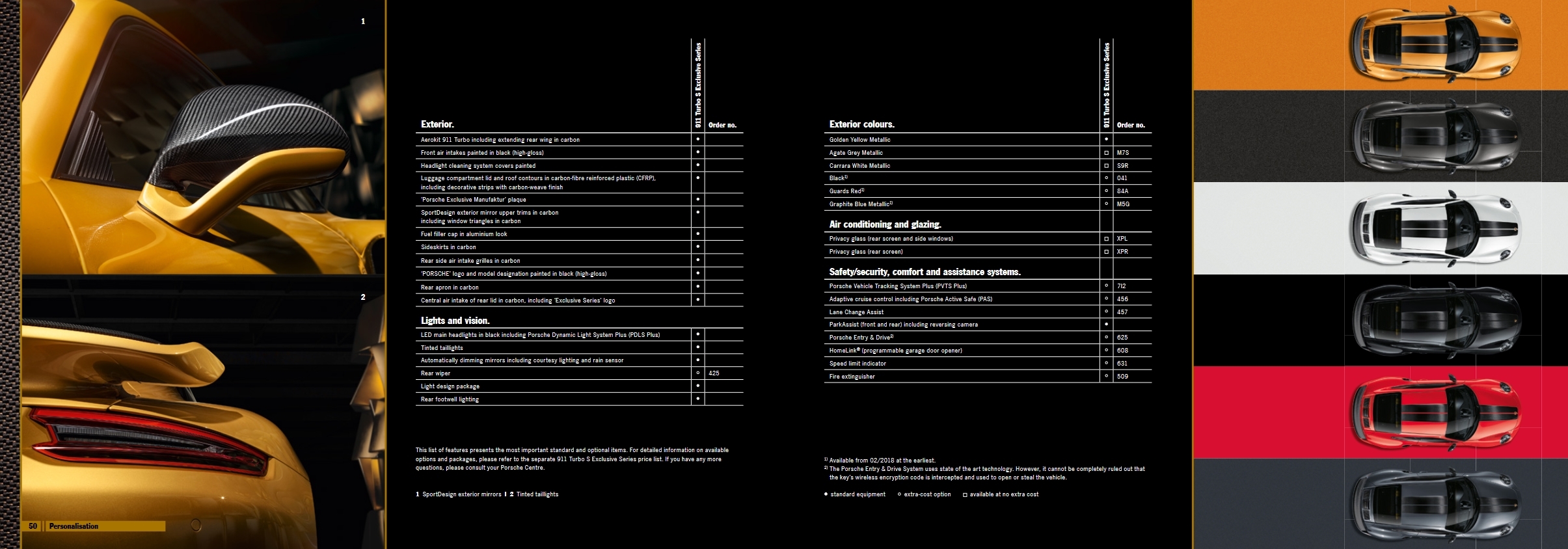
The Porsche 911 Turbo S Exclusive Series, unveiled in 2018, offered in coupe and as a cabriolet, distinguishing itself from the standard Turbo S with a series of bespoke enhancements. With its power output boosted to 607 hp, thanks to specialized engine tuning and optimized turbochargers, the Exclusive Series offered a more edriving experience with quicker acceleration and a higher top speed.
And at the time, Turbo S Exclusive Series was the most powerful and unique 911 Turbo S ever.
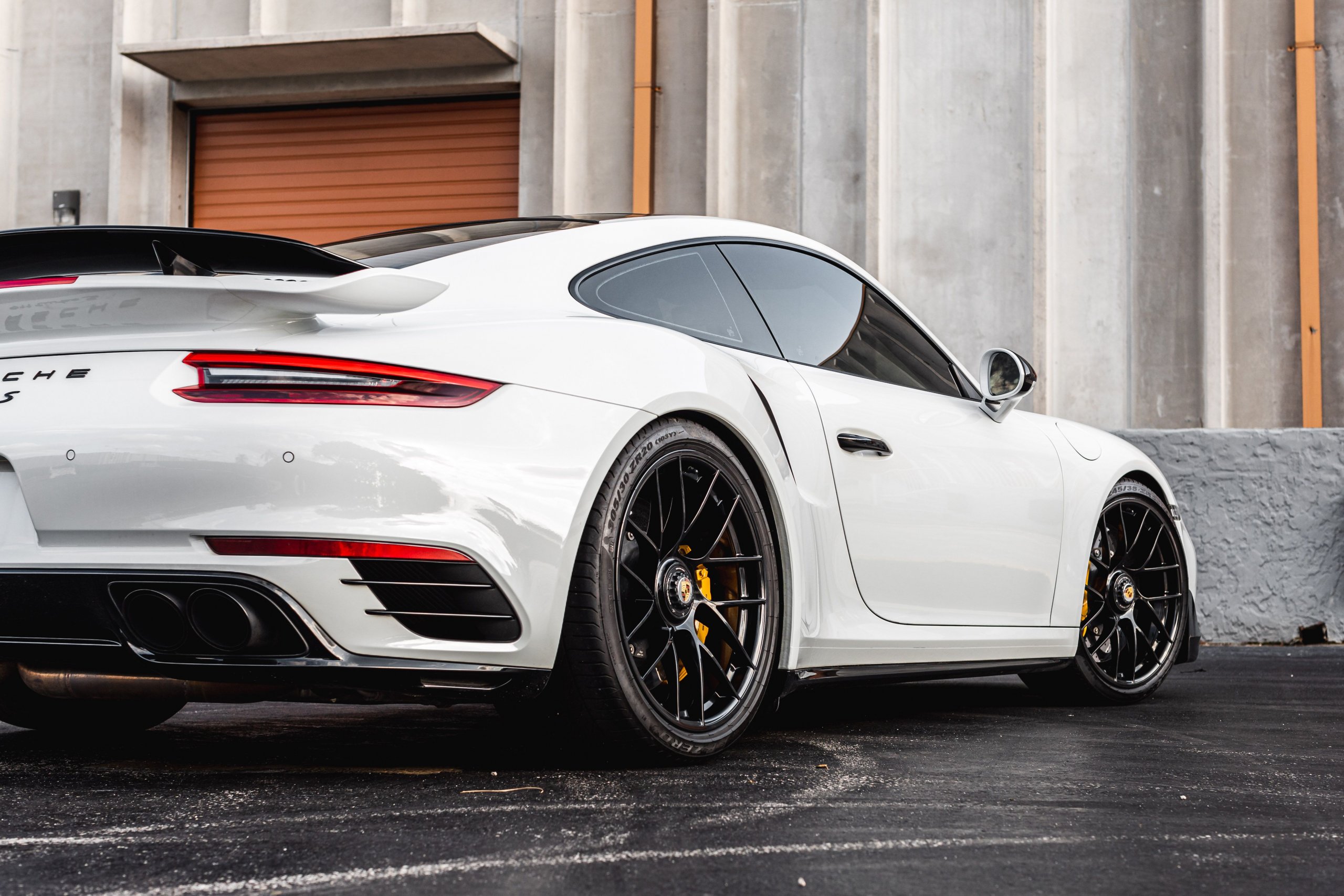
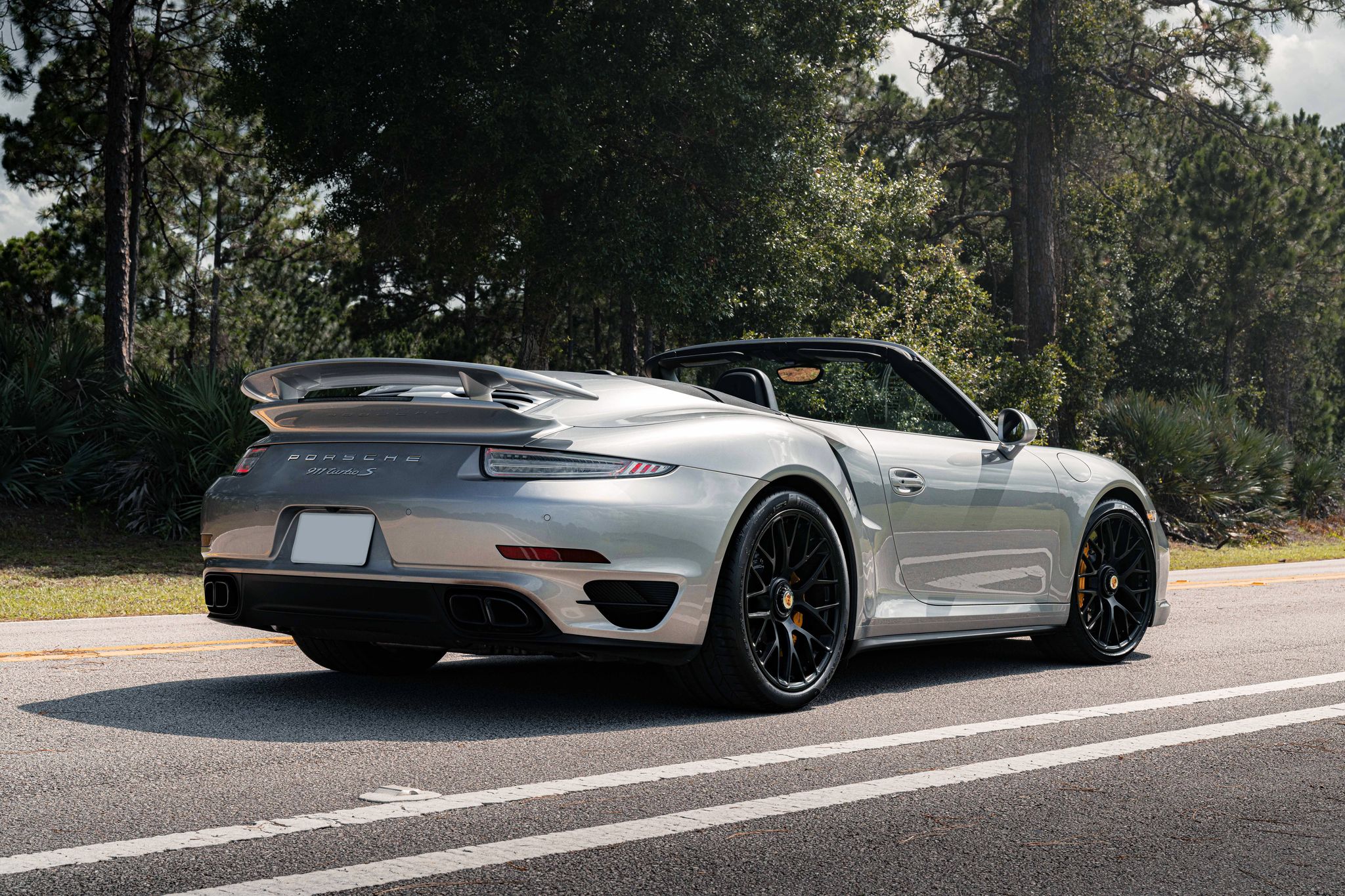
This Turbo S Exclusive Series stood out with its unique design elements, including the striking Golden Yellow Metallic paint complemented by carbon fiber stripes, exclusive 20-inch black wheels with Golden Yellow details, and additional carbon fiber components for improved aerodynamics and aesthetics.
The interior matched this exclusivity, featuring luxurious leather in a black and Golden Yellow theme, embossed Turbo S logos, and a badge indicating the car’s unique number in the limited 1 of 500 production run.
Moreover, the Exclusive Series was not just about visual enhancements; it also included performance-oriented upgrades like a specific sport exhaust system. This, combined with dynamic handling upgrades, ensured that the Exclusive Series maintained a sharper edge in performance driving scenarios compared to its standard counterpart.
Porsche offered additional customization options through the Porsche Exclusive Manufaktur, allowing owners to tailor their vehicles to personal preferences.
The starting price for the Turbo S Exclusive Series was $260,000 ($72,000 more than the 991.2 Turbo S coupe and $60,000 more than the 991.2 Turbo S Cabriolet).
Porsche broadened the array of standard equipment across the Turbo and Turbo S models, incorporating advanced features such as Lane Change Assist and a heated multifunction steering wheel. These additions aimed to enhance driving comfort and safety, reflecting the brand’s dedication to offering a comprehensive and sophisticated driving experience.
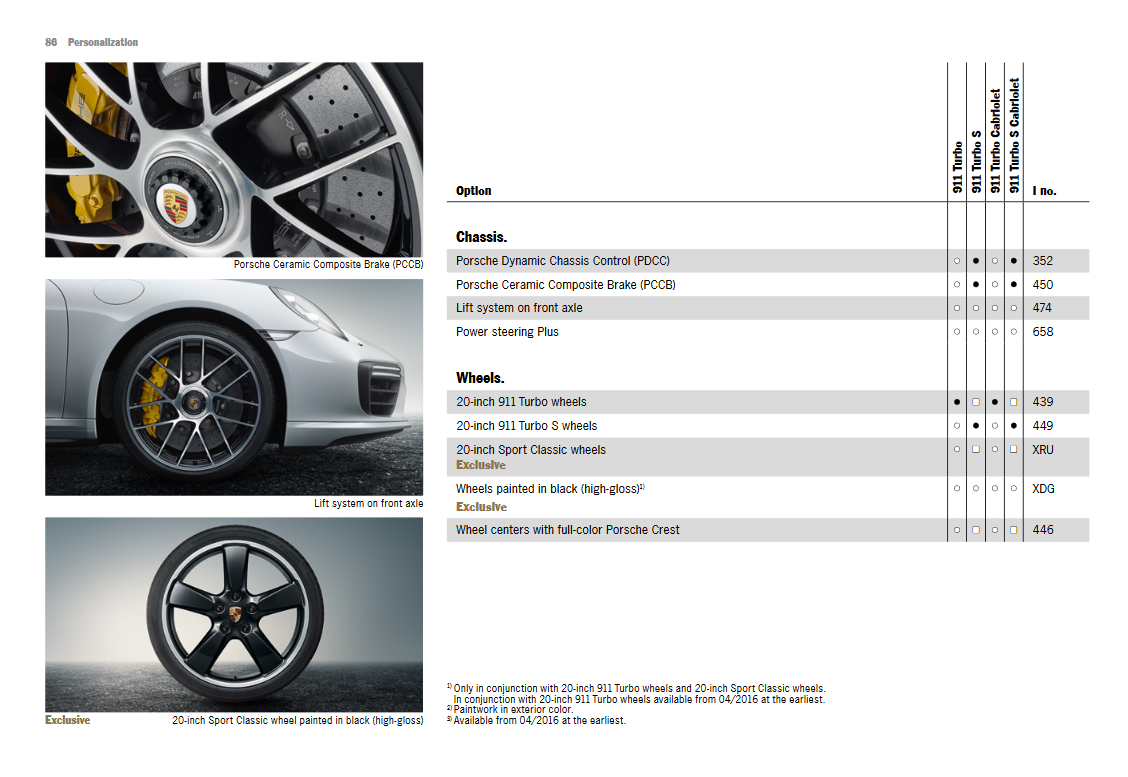
Additionally, the introduction of new 20-inch wheel designs for both the Turbo and Turbo S models provided a fresh aesthetic update, complementing the cars’ dynamic performance capabilities. These new wheel options underscored Porsche’s attention to detail and its pursuit of perfection in every aspect of vehicle design and functionality.
The price for the 991.2 Turbo and Turbo S remained the same as previous year.
2019 Porsche 991.2 Turbo
In 2019, the Porsche 991.2 Turbo and Turbo S models saw significant enhancements in chassis and handling, most notably through the optional Porsche Active Suspension Management (PASM) Sport suspension. This innovation not only reduced the ride height by 10mm but also markedly improved handling and driving dynamics, offering a more engaging and responsive driving experience.
The focus on refining the car’s mechanical underpinnings underscored Porsche’s commitment to delivering superior performance and handling characteristics that meet the expectations of even the most discerning drivers.
Simultaneously, Porsche advanced the safety and comfort features of the 991.2 Turbo and Turbo S models by incorporating new safety and assistance systems, including the Traffic Jam Assist feature within the adaptive cruise control option, enhancing driver convenience and safety in varying traffic conditions.
Interior upgrades were equally impressive, with a broader range of customization options introduced, including new stitching patterns, an array of leather options, and carbon fiber trim details, allowing owners to tailor the cabin to their personal tastes.
The price for the 991.2 Turbo and Turbo S remained the same as previous year.
Porsche 991 Turbo Common Problems
The Porsche 991 Turbo is regarded as one of the best sports cars around that is not only reliable but also fun to drive, with blistering performance that still manages to offer everyday usability and comfort.
Over the years, many 911 Turbos have been used as daily drivers, accumulating high mileage while still maintaining their reliability and performance.
This breaks the traditional belief that supercars are inherently unreliable.
However, it is essential to keep in mind that all cars, even supercars, can have issues and it is crucial to perform a Pre-Purchase Inspection (PPI) from an authorized dealer or experienced independent mechanic to reveal all issues.
Coolant Pipe Leaks: A number of 991 Turbo owners have encountered coolant leaks, a problem often attributed to the failure of adhesives or natural wear and tear over time. This issue necessitates prompt attention to prevent engine overheating and potential damage.
Transmission Concerns: Reports have surfaced regarding the PDK transmission in the Porsche 991 Turbo, with owners experiencing rough shifting patterns and delays in gear engagement. These issues appear to be more prevalent in earlier versions of the model and may require professional assessment to ensure optimal performance.
Engine Concerns: Engine-related problems in the 991 Turbo, while uncommon, have been documented. Owners have reported symptoms ranging from misfires to illuminated check engine lights, necessitating thorough diagnostic evaluations to pinpoint and resolve underlying issues.
Suspension Noises: Some drivers of the 991 Turbo have reported hearing creaks or knocks emanating from the suspension system. This is particularly noted in vehicles that have accumulated higher mileage or have been driven on less-than-ideal road surfaces, suggesting the need for inspection and possible suspension component replacement.
Turbocharger Wear: The turbochargers in the Porsche 991 Turbo, integral to its high-performance capabilities, are subject to wear over time. Continuous use can lead to a decrease in engine efficiency and power output, potentially necessitating the replacement of turbocharger components to maintain the vehicle’s performance standards.
Electronic Issues: Issues with the electronic systems of the 991 Turbo, including glitches in the navigation, infotainment, and various sensor malfunctions, have been reported by some owners. These electronic discrepancies can affect the overall driving experience and may require software updates or hardware repairs to correct.
The front hood upper lock components were not manufactured to specification and may fail to securely latch the vehicle’s hood during operation.
2016 911 Turbo S, 911 Turbo S Cabriolet vehicles
Air bags: Frontal: Passenger side: Inflator module (Recall no. 17V134000)
The passenger frontal air bag inflator initiator may fail to ignite during a crash.
2016-2017 911 vehicles
Air bags: air bag/restraint control module (Recall no. 19V533000)
The air bag Electronic Control Unit (ECU) may have a defective power supply capacitor that can result in air bag deactivation or inadvertent deployment of the air bags.
2017 911 Turbo Cabriolet vehicles
Visibility: Windshield
During manufacturing, the windshield may not have been properly bonded to the vehicle, allowing it to detach in a crash. As such, these vehicles fail to comply with the requirements of Federal Motor Vehicle Safety Standard (FMVSS) number 212, “Windshield Mounting.”
2017 911 Turbo Cabriolet vehicles
Air bags: Side/window (Recall no. 16V946000)
The seat mounted side air bag inflator initiator may fail to ignite during a crash.
Maintenance and Ownership Costs
In comparison to other supercars, the Porsche 991 Turbo is known for its relatively minimal maintenance needs.
However, it is important to remember that regular maintenance and repairs will still be necessary, and the costs can vary depending on whether you take your car to a dealer or an independent mechanic.
Here are the suggested service schedule and intervals per Porsche:
Annual Maintenance or Every 6K Miles:
Vehicle Inspection
Change engine oil and filter
Update or replace maintenance items based on the inspection
Replace engine air intake filters Add the following maintenance items to the annual service, based on the time or mileage intervals shown below:
Additional Maintenance Every 12K or 2 years:
Replace Spark Plugs
Replace brake fluid
Replace the cabin pollen filter
Replace cabin pre-filter element
Replace engine air intake filters
Additional Maintenance Every 24K or 4 Years:
Additional Maintenance Every 48K or 6 years:
Replace PDK clutch fluid
Clean throttle body
Additional Maintenance Every 96K or 12 years:
Here is a rough estimate of typical service costs associated with the Porsche:
Oil Change – As low as $300 for independent mechanics and $480 for dealers.
Minor Service – Typically includes oil change, cabin filters, and engine filters. The cost from a dealer is around $1,500
Major Service – Typically includes all the above plus spark plugs, brake flush, trans flush, expect about $2,500 from a dealer.
Tires – A set of high-performance tires like Michelin PS4 will cost about $2,000.
Brakes – Rotors are carbon ceramic which should last forever. Aftermarket brake pads that are OE equivalent will cost about $800 for a full set. Steel breaks would cost about $6,000 to replace.
Clutch – Dual clutch transmission should last the lifetime of the car so expect zero additional expenses for clutch or flywheel service.
Options List
The Porsche 991 Turbo has a list of options and packages that customers can choose from.
Some other exterior options that Porsche offered for the 991 Turbo included an aero kit, which came with new front spoiler with side fins, side skirts, and wing. It is not a common option, however, it can make the car look more aggressive.
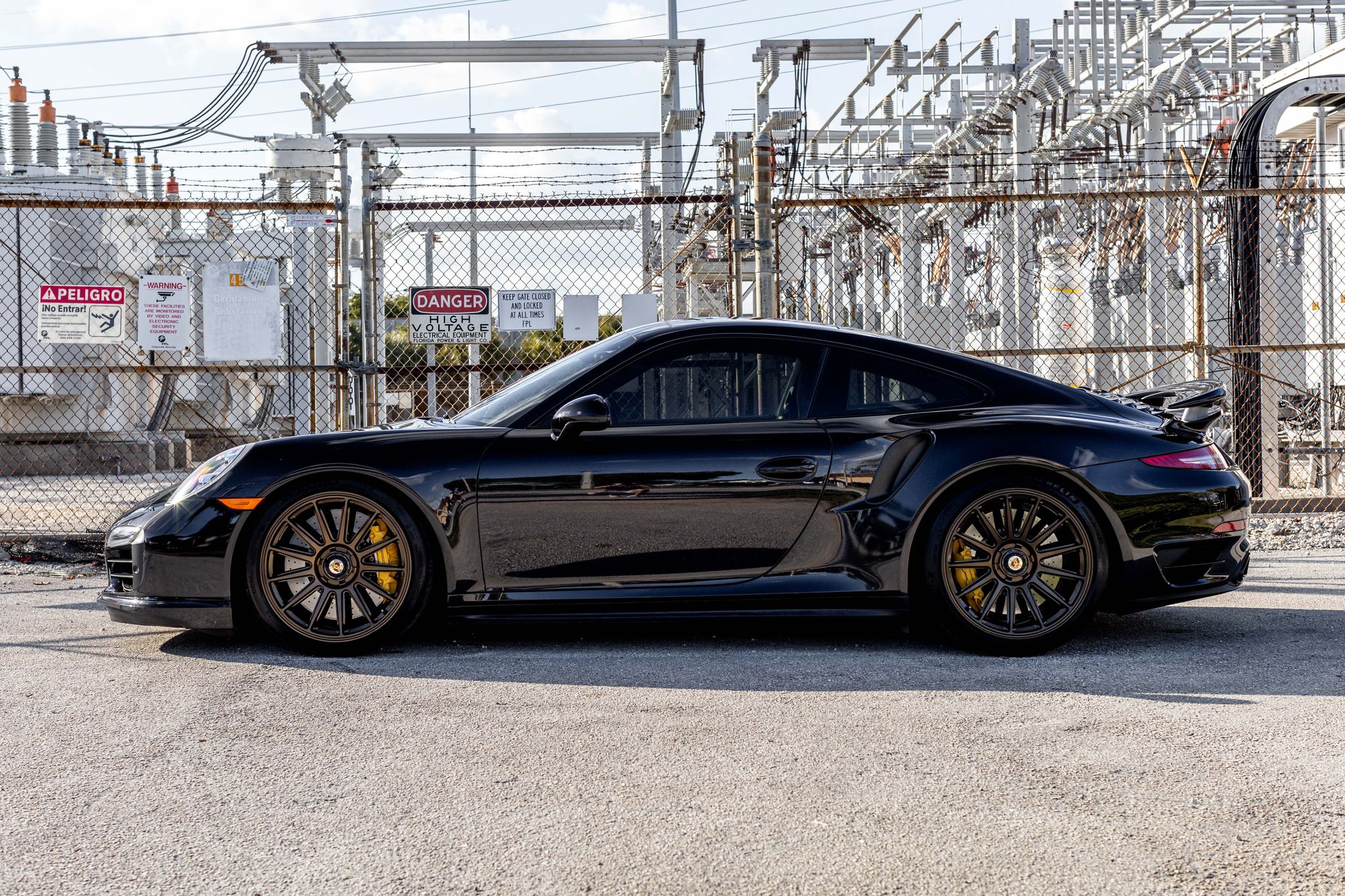
A few also chose to upgrade their Turbo that came standard steel brakes to carbon ceramic brakes (PCCB), and even more rare would be a center lock wheel that came standard on the Turbo S.
The sport chrono is another optional upgrade that a few who like to take their 991 Turbo to the track enjoy. This package adds a dynamic performance dimension, featuring a dashboard-mounted stopwatch, a mode switch on the steering wheel for selecting driving modes, and performance-oriented functions such as launch control and a more aggressive sport plus setting for enhanced engine, transmission, and chassis responses.
Other popular options include ventilated seats for increased comfort during warmer conditions, 18-way adjustable sport seats for superior support and customization, along with carbon fiber interior.
Also, a handful of 991 Turbo customers also went through the PTS (Porsche to Sample) program which was a factory-in-house customization program, that allowed customers to personalize their Porsche with a unique exterior. For individual unique interior colors, materials, and features that were not available on regular production models, you would have to go through the Porsche Exclusive Manufaktur department.
Because of the strict approval requirements, cars that went through the PTS and Porsche Exclusive Manufaktur program are considered highly desirable.
These cars usually command a higher premium in the market due to their exclusivity and uniqueness.
Here are some examples of option changes
2014 Porsche 991.1 Turbo Options List
2016 Porsche 991.2 Turbo Options List
Porsche 991.2 Turbo S Exclusive Series Options List
Key Options
Aerokit
PCCB’s (Porsche carbon ceramic brakes) on Turbo
Sport Chrono option
18-way adjustable sport seats
PTS and Porsche Exclusive Manufaktur interior
991.1 and 991.2 Porsche Turbo Price and Value (Turbo, Turbo S and Exclusive Series)
The Best Porsche 991 Turbo To Buy
The 991 Turbo lineup, spanning from the initial release to the facelifted versions, includes the Turbo, Turbo S, the 991.2 facelift models, and the limited edition Turbo S Exclusive Series. Deciding on the best 991 Turbo to buy depends on individual preferences for performance, features, and collectability.
The Porsche 991 Turbo, introduced as part of the first iteration of Porsche’s 991 model line, set a new standard for high performance everyday sports car. With its 3.8-liter twin-turbocharged engine, the Turbo model offers great performance that’s suitable for both daily driving and spirited weekend drives.
Its all-wheel-drive system, advanced aerodynamics, and beautiful interior make it a solid choice for those seeking a blend of speed and comfort. This model serves as an excellent entry point into the world of Porsche Turbo ownership, offering a balance of performance and practicality.
For those seeking even more power and performance features, the 991 Turbo S elevates the driving experience further. The Turbo S comes equipped with a more powerful engine, producing an increased horsepower output over the standard Turbo model, along with a host of performance enhancements such as ceramic brakes, active suspension management, and dynamic chassis control.
The Turbo S also features a more luxurious interior and additional standard equipment, making it an attractive option for buyers who demand the best in terms of performance and comfort.
The introduction of the 991.2 facelift brought about significant improvements to both the Turbo and Turbo S models. These updates included a power boost for both models, refined aerodynamics, enhanced connectivity features, and the introduction of new driver assistance technologies.
The 991.2 versions also benefited from a modernized interior and exterior styling, keeping the model line fresh and appealing to new buyers. The facelifted Turbo S stands out as a particularly enticing choice, offering the pinnacle of performance in the 991 lineup with its increased power output and advanced technology features.
At the top of the hierarchy is the Turbo S Exclusive Series, a limited-edition model that represents Porsche’s engineering and design capabilities. With its increased power output, distinctive aesthetic enhancements, and upgraded interior, the Exclusive Series is aimed at the collectors and enthusiasts.
However, all versions of the 991 Turbo, starting with the first models before the facelift, are great buys due to how well they’re made and how reliable they are. These cars show off Porsche’s top-notch dependability, with only a few big issues ever reported.
With more cars today moving towards hybrid and electric direction, and collectors are hunting down cars with internal combustions engines even more.
In addition, the condition and mileage of the car are also important factors to consider when buying a 991 Turbo. There are many that have been driven hard and have been modified. But the ones that are more likely to retain their value in the long run and will fetch the most money will be a well-maintained car with low mileage.
Therefore, it’s important to do your research, compare prices, and look for well-maintained cars if you are considering purchasing a 991 Turbo with the goal of not losing any money.
Conclusion
In conclusion, for around ($120,000+) the 991 Turbo is an amazing choice for a sports car you can depend on.
So, you’re in the market for a new set of wheels, huh? Exciting times! But before you rev up that engine and hit the dealership, let’s pump the brakes for a sec and talk about something crucial: should you buy or lease your next vehicle?
It’s a question as old as time (or at least as old as cars), and one that doesn’t have a one-size-fits-all answer. But fear not, because I’m here to break it all down for you so you can make the best decision for your driving needs. Whether you’re thinking of buying or leasing a Toyota, Vauxhall, or any other vehicle, this guide should help you make the right decision for you.
Buying: Owning the Road
The Lowdown:
When you buy a car, you’re in it for the long haul. You pay for the entire cost of the vehicle, either upfront or through financing, and it’s yours to keep until the wheels fall off (hopefully not literally).
Pros:
Ownership – You’re the boss. The car is yours, plain and simple.
No Mileage Limits – Drive as much as you want without worrying about pesky mileage restrictions.
Customization – Want to paint your car hot pink and install a disco ball on the ceiling? Go for it! It’s yours to customize to your heart’s content.
Cons:
Higher Monthly Payments – Buying typically means higher monthly payments compared to leasing.
Depreciation – Cars lose value over time, and when you buy, you’re on the hook for that depreciation.
Maintenance Costs – As the owner, you’re responsible for all maintenance and repair costs once the warranty expires.
Leasing: Testing the Waters
The Lowdown:
Leasing is like renting a car for an extended period. You pay a monthly fee to drive the vehicle for a set term, usually two to three years, after which you return it to the dealership.
Pros:
Lower Monthly Payments – Leasing typically comes with lower monthly payments compared to buying.
New Car Every Few Years – Love that new car smell? With leasing, you can upgrade to a brand-spanking-new model every couple of years.
Fewer Maintenance Worries – Since you’re driving a new car under warranty, maintenance and repair costs are often covered.
Cons:
Mileage Restrictions – Most leases come with mileage limits, and exceeding them can result in hefty fees.
No Ownership – You’re essentially renting the car, so you won’t have any equity built up at the end of the lease.
Fees and Penalties – Returning the car early or exceeding wear and tear limits can lead to additional fees.
A Word on Sustainability: Considering Environmental Impact
In today’s world, where climate change and environmental conservation are at the forefront of many conversations, it’s essential to consider the impact of your vehicle acquisition choice on the planet.
Buying:
Long-Term Ownership – Buying a car often means keeping it for many years, which can lead to higher overall emissions compared to leasing.
Potential for Eco-Friendly Choices – When buying, you have the option to choose a fuel-efficient or electric vehicle, reducing your carbon footprint over time.
Leasing:
Frequent Upgrades – Leasing allows you to drive newer, more fuel-efficient models more frequently, potentially reducing emissions over the long term.
Manufacturing Impact – However, it’s important to acknowledge that leasing may contribute to increased manufacturing demand for new vehicles, which has its own environmental consequences.
Do you like having the latest features and technology?
Are you the type to get emotionally attached to your vehicle?
2. Crunch the Numbers:
Compare the total cost of buying vs. leasing over the same term.
Factor in monthly payments, maintenance costs, and potential resale value.
3. Consider Your Lifestyle:
Are you planning any major life changes in the near future?
Do you need flexibility in your vehicle situation?
4. Test Drive, Test Drive, Test Drive:
Don’t just rely on specs and reviews. Get behind the wheel and see how each option feels in real life.
FAQs: Your Burning Questions, Answered
Q: Can I negotiate the terms of a lease?
A: Absolutely! Just like buying, leasing terms are negotiable, so don’t be afraid to haggle.
Q: What happens if I want to end my lease early?
A: Ending a lease early typically incurs early termination fees, so be sure to read the fine print before signing on the dotted line.
Q: Can I buy the car at the end of my lease?
A: Most leases offer the option to purchase the vehicle at the end of the term, but it’s important to weigh the pros and cons before making a decision.
Final Thoughts: The Road Ahead
At the end of the day, whether you choose to buy or lease depends on your individual needs and preferences. There’s no right or wrong answer, only what works best for you and your wallet.
So, take your time, do your research, and hit the road with confidence knowing you’ve made the right choice for your next automotive adventure.
We went airborne in the 2024 Ford Ranger Raptor, Fisker halted production, and the Audi Q6 E-Tron debuted. It’s the Week in Reverse, right here at Motor Authority.
We drove the 2024 Ford Ranger Raptor and sent it off jumps. The off-road pickup truck with remote-reservoir shocks features front and rear lockers, chunky 33-inch all-terrain tires, and a turbocharged powertrain. It’s the most affordable Raptor, but that doesn’t make it any less fun.
The 2026 BMW iX3 continued undergoing cold-weather testing in the snow. The electric SUV was previewed this week by the Vision Neue Klasse X concept with simple retro styling and the automaker’s next-generation battery technology.
Fisker halted production of the Ocean electric SUV. The struggling startup automaker seeks to preserve cash and deliver current inventory as it attempts to raise capital by selling debt instruments.
The 2025 Infiniti QX80 debuted with redesigned sheetmetal, a new air suspension, and a luxurious interior featuring a bevy of screens. The large SUV’s old V-8 has been replaced by a twin-turbo V-6.
The 2025 Audi Q6 E-Tron debuted a new platform with the automaker’s latest electric vehicle technology. The compact crossover SUV goes on sale in the U.S. later in the year.
We belong to a few Full Time RV groups on social media. Recently, we have been seeing a recurring problem of torn awnings. Thankfully, we haven’t had this problem. Unfortunately, we’ve been close more times than I care to count. So we decided to review some of the things you can do to prevent this from happening to your RV.
# 1. Extend Only When Using
The simplest thing you can do it to only extend the awning when you’re using it. Sounds silly. But the truth is, if you aren’t sitting under it, there isn’t much need for it to be out.
Keeping the awning out when you aren’t using it will make it easier to forget about when you leave your site. Wind, rain, and sun exposure all lead to torn awnings.
# 2. Clean Your Awning Regularly
Keep your awning clean and free from debris. It may be a little bit of a pain, but before bringing your awning in, you should make sure that there aren’t any twigs that will get rolled up with it.
Sadly, one little twig rolled up the right way can create a puncture that will eventually lead to a bigger tear. Make sure you wash both sides of your awning too.
Awning Cleaner and Protectant
3. Wind Causes Torn Awnings
You know not to keep your awning out when you aren’t using it. But if you are using it and the wind picks up, roll your awning in. The right gust of wind under the awning can have that baby sailing over your RV and ripping to shreds. Unfortunately, we saw this happen to someone on what appeared to be a relatively calm day. The wind started slowly and turned wicked before the gentleman thought to bring the awning in.
4. Lower One End When it’s Raining
Rain happens. If you’re using your awning as cover from the rain, drop one end of it to let the rain run off. Keeping the awning fully extended will allow the water to pool in the middle. This will create stress on the awning. Stress can lead to a torn awning. Make sure to pay attention to any wind gusts while using your awning for rain cover though.
Check Out Our Article About Other RV Maintenance
5. Leave Wet Awnings Out to Dry
If it isn’t windy, leave your awning out so it can dry after the rain or washing. Rolling in a wet awning can create mold build up. This will shorten the life span of the material. Obviously, this can’t always be prevented. But you should roll the awning back out and wash it when conditions improve so it can thoroughly dry properly.
6. Tie It Up When Traveling
Most campers today have motorized awnings that keep it secure while traveling. But not all of them! Make sure that your awning is completely rolled in and has been tied up or secured before you pull out of your site. You don’t want to be the person seen ripping your own awning off because you forgot to roll it in, or didn’t secure it properly.
RV Awning Tie Downs
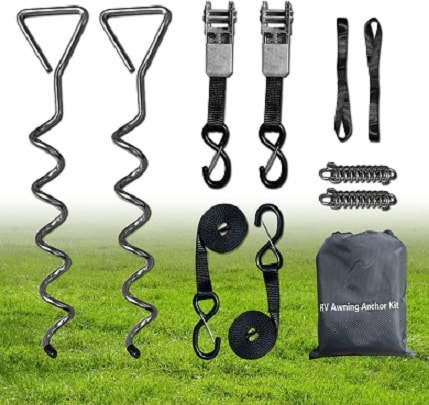
7. Use Tie Downs
Sometimes, bringing your awning in and out all of the time isn’t an option. In that case, we recommend using a Tie Down Kit. They are relatively inexpensive, especially when compared to the cost of replacing a torn awning. The trick here is to not create added stress on the supports, but to just keep the awning in place.
Torn Awnings Happen
Even doing everything listed above you could still find yourself with a torn awning. They aren’t made to last forever. But preventative measures and proper maintenance should extend it’s life expectancy. And save you some money on an unexpected repair.
If you like this article, don’t forget to share it. Maybe one of your friends could benefit from the info too!
The Mazda 2 hasn’t been a new kid on the block for a fair while now, but its latest facelift is yet another attempt to breathe some life into the company’s entry-level vehicle.
The current, third-generation model dates back to 2014, making it one of Mazda’s oldest models in its lineup. The Mazda 2 received its first facelift in 2019 and then yet another last year.
Highlights of this update include a redesigned front and rear bumpers, a revised front grille with a coloured accent on certain variants, tweaked interior finishes, as well as wireless Apple CarPlay across the entire range.
We’ve sampled a wide range of Mazda 2 variants to date but on test here is the almost flagship G15 Evolve hatchback. Does it form as the sweet spot of the range? Read along to find out.
How does the Mazda 2 compare?
View a detailed breakdown of the Mazda 2 against similarly sized vehicles.
Mazda
Mazda 2
How much does the Mazda 2 cost?
Mazda recently upped pricing of the updated Mazda 2 by $150. They previously rose in October last year by $310.
2024 Mazda 2 pricing
2024 Mazda 2 G15 Pure manual hatch: $22,870
2024 Mazda 2 G15 Pure automatic hatch: $24,870
2024 Mazda 2 G15 Pure automatic sedan: $24,870
2024 Mazda 2 G15 Pure SP hatch: $25,670
2024 Mazda 2 G15 Evolve hatch: $26,370
2024 Mazda 2 G15 GT hatch: $28,070
2024 Mazda 2 G15 GT hatch: $28,070
Prices exclude on-road costs
To see how the Mazda 2 compares with its rivals, use our comparison tool.
What is the Mazda 2 like on the inside?
Hopping into the Mazda 2 is made easy as the seat is much closer to hip height than the sleeker Mazda 3. It’s not quite as level to your hip as the higher-riding CX-3 crossover, but you don’t feel like you’re stepping down too far.
Once you’re in you’re presented with a set of seats that are finished in black fabric upholstery with red trim accents. The seat design itself is rather inoffensive though the addition of the red highlights make it look a little sporty.
Both the front seats are manually adjustable, which is to be expected in this kind of vehicle, but they still offer enough adjustability to accomodate shorter to taller people. Disappointingly however, there’s no adjustable lumbar support.
The driver’s seat itself is soft and squishy enough that you feel comfortable on longer trips. There’s also enough side bolstering so you feel secured when going around corners.
Ahead of the driver is where the Mazda 2 starts to show its age. The leather-wrapped steering wheel has a thin rim and feels nice in the hand, though the buttons on it are the older style.
Pressing up and down on the steering wheel buttons provides a clicky feedback, however pressing them in feels mushy and inaccurate.
The indicator and wiper stalks behind the steering wheel are stubby and thick but still have a satisfying thwack when you use them.
Behind the steering wheel is a set of gauges that look incredibly dated. In the centre is a large analogue rev counter with a small digital speedometer readout in the bottom right.
There are also two small basic digital screens flanking this central rev counter. The left-hand screen displays the odometer as well as the selected gear, whereas the right-hand screen can be configured to display bits of information like the average fuel economy.
There’s a notable absence of an engine temperature gauge, which isn’t the end of the world as there are lights for when the engine is cold or too hot.
Above the instrument cluster is a flip-up head-up display that projects a small amount of information onto a plastic polariser. I found it really hard to find a perfect position as it was either too low or too high depending on how I sat in the seat.
Moving across is a now extremely dated 8.0-inch MZD Connect infotainment system which is technically a touchscreen but only when you’re stationary or using smartphone mirroring.
The display resolution isn’t the clearest and the processing power appears to be lacking. This means when you start the car up or open a new program it takes a considerable amount of time for the infotainment system to respond.
When you can’t use the touch inputs on the infotainment system you’re forced to use an older-style control panel which includes a rotary dial. Using the latter can a little painful at first but you soon get used to how it works.
All Mazda 2 variants now come with wireless Apple CarPlay which is handy as you can leave your phone in your pocket and don’t need to mess around with a USB cable. It’s worth noting Android Auto continues to be only offered in wired form.
On the flipside however, no Mazda 2 variant comes with a wireless charger which means your phone battery will die quicker. This is fine on shorter trips, but on longer ones I tended to plug in my phone so its battery would stay topped up.
It takes a fair while for smartphone mirroring to load up on the touchscreen when you first start up the car which is painful if you need to put in a navigation destination quickly.
Speaking of navigation, the Mazda 2 G15 Evolve comes as standard with satellite navigation which looks really dated. It’s also a pain to use as scrolling with the rotary dial to type in a point of interest takes forever. It’s so much easier and quicker to use Google maps on my phone with smartphone mirroring.
Moving down there are a set of round dials for the climate control system. It’s nice to have physical dials for these, however the leftmost knob is for the temperature and it’s hard to tell what it’s set at exactly.
Looking around the cabin there are a couple of soft touches in high touch-point areas, but the majority of the finishes are generally harder plastics. This is pretty common for the segment however.
The Mazda 2 G15 Evolve uniquely receives red highlights around the cabin, including on the rings of the air vents.
There’s also a glossy piano black dashboard finish that got very grubby and dusty after my week of testing. It was also scratched from previous cleaning attempts.
Disappointingly there’s no centre armrest in the Mazda 2 which instead there are two cupholders and a manual handbrake lever.
Moving to the second row I was surprised with how much space there is given the diminutive exterior dimensions. At a leggy 182cm tall I had adequate head and toe room, though I did have to splay my legs around the seat in front.
An adult or two will be okay in the second row for short trips, though things start to get cramped very quickly. Kids will be fine but they don’t have very amenities at their disposal.
The Mazda 2 G15 Evolve doesn’t have any rear air vents, USB ports, or even a fold-down centre armrest. It’s a rather grim place to be, though outward visibility is pretty good.
At the rear there’s a manually opening tailgate which is common for this type of vehicle. It’s actually really light which means opening and closing it is a breeze.
Once the tailgate is open there’s a surprising amount of space. The boot is a rather squared-off and deep area which will hold more bags that you’d first anticipate. Mazda quotes an official boot capacity figure of 250L in the hatchback.
You’re able to fold the rear seats with a 60/40 split which does open up more boot space, though the loading floor isn’t flat. Mazda doesn’t quote an official boot capacity figure with the rear seats folded down.
Like the back seats there aren’t many amenities in the boot apart from a small light that needs to be turned on manually every time you open the boot.
Under the boot floor there’s thankfully a space-saver spare wheel which is better to have rather than a tyre inflation kit or nothing at all. It especially comes in handy if you plan to take the car away from civilisation and nearby tyre repair shops.
What’s under the bonnet?
The facelifted Mazda 2 with the automatic transmission has lost 1kW of power and 2Nm of torque. The manual G15 Pure’s outputs are unchanged.
Model
Mazda 2 G15
Engine
1.5L naturally aspirated 4cyl petrol
Power
81kW
Engine torque
142Nm
Transmission
6-speed auto
Driven wheels
Front-wheel drive
Weight
1109kg (kerb)
Fuel economy (claim)
5.0L/100km
Fuel economy (observed)
5.8L/100km (320km mixed driving)
Fuel tank size
44 litres
Fuel requirement
91 RON
To see how the Mazda 2 compares with its rivals, use our comparison tool.
How does the Mazda 2 drive?
Walking up the to the Mazda 2 you’re forced to take the key out of your pocket because it doesn’t have proximity entry. You need to opt for the flagship G15 GT if you want this feature.
Once you’re in however, there’s a push-button start which infuriates me because you then have to find somewhere to slot the key. I’d much rather just be able to keep it in my pocket all the time.
When the Mazda 2’s engine initially turns on you get a harsh idle with high revs. This is pretty common for Mazda vehicles and you eventually grow to love it.
After the engine has warmed up a tad or you select a gear the revs drop down to a more respectable figure. Then you’re on your way.
The 1.5-litre naturally aspirated four-cylinder petrol engine in the Mazda 2 only has enough power to get around sufficiently but nothing more. With outputs of 81kW of power and 142Nm of torque, it’s completely adequate and in line with the segment.
The six-speed automatic transmission is a smooth-shifting unit that tries to make the most out the engine’s mediocre outputs. Despite this there’s a lack of low-down torque which means from a standstill it will rev out first and second gear all the way to 3000rpm in typical driving.
Don’t be expecting to win any informal traffic light race in the Mazda 2. The firmer you press the accelerator the more it revs and shouts, but you won’t be going any quicker.
Despite this the Mazda 2 feels extremely nimble and dynamic in and around the city. It feels very chuckable in the corners and almost has an MX-5 feeling about it.
The small hatch is super easy park due to its tight turning circle. As standard there’s a reversing camera with poor picture quality, as well as rear parking sensors.
There are also no major blind spots in the Mazda 2 which is nice and surprisingly uncommon as more vehicles adopt more steeply raked rooflines that block rearward visibility.
The suspension and ride quality around town is really compliant, though over certain harsher bumps the rear can slap a tad. It’s obvious the Mazda 2 was designed with the city front of mind.
Building up speed in the Mazda 2 does take some work. Once you accelerate past 60km/h things slow down and you need to be patient. You’ll eventually get to your intended to cruising speed but the engine will get a bit noisy in the meantime.
On the highway the Mazda 2 really doesn’t feel like a small car which is really confidence inspiring. It’s super planted and doesn’t feel like it’s going to get blown away like some of its rivals can feel like.
The transmission is eager to drop back to fifth gear when you’re cruising at 100-110km/h to maintain the speed, though steeper hills will see it drop back to fourth gear. The revs are really high at this point and the engine note isn’t particularly amazing.
There’s also a few bit of road and tyre noise booming through the cabin, especially on coarse-chip bitumen roads which are very common in Australia. This is primarily due to the lack of sound insulation in the Mazda 2.
Like all current Mazda vehicles the driver’s side mirror is magnified which really frustrates me because you can’t properly see if there’s a car in your blind-spot. Thankfully there is blind-spot monitoring as standard across the entire Mazda 2 range.
On the safety front, the Mazda 2’s lane departure warning can be a little too sensitive in its default setting. Thankfully it only vibrates the steering wheel and plays a small chime. You are able to dial down its sensitivity but it’s still a little too overactive on winding narrow roads.
There’s also no adaptive cruise available in the G15 Evolve variant as tested here. You need to step up to the flagship G15 GT to receive this feature.
This isn’t the end of the world however as using regular cruise control I was reminded how user-friendly it is. Sure you need to disengage the system when you’re approaching a slower car, but it also won’t slam on the brakes when someone merges ahead of you on the freeway.
Lastly I want to note the Mazda 2’s LED headlights are fantastic. Better yet, they’re standard across the entire range. These types of headlights are really bright and are ideal for driving at night along dark rural and regional roads where you need to be hyper-vigilant of whether animals with rush out onto the road.
What do you get?
The Mazda 2 is available in four trim levels – on test here is the almost flagship G15 Evolve Hatch.
Mazda 2 G15 Pure highlights:
15-inch alloy wheels
Power-folding exterior mirrors
LED headlights
Automatic headlights
Rain-sensing wipers
7.0-inch infotainment screen
Wireless Apple CarPlay
Wired Android Auto
DAB+ digital radio
Leather-wrapped steering wheel
Leather-wrapped shifter and handbrake
Tilt and telescopic steering wheel adjustment
6-speaker sound system
Keyless start
Air-conditioning
Power windows
1 x 12V outlet
2 x USB outlet
G15 Pure SP adds:
16-inch black-finish alloy wheels
Carbon fibre-style roof
Shark fin antenna
Chrome exhaust extension
Black exterior mirrors
G15 Evolve adds:
16-inch alloy wheels
Black mesh-style grille
LED daytime running lights
Climate control air-conditioning
Auto-dimming rear-view mirror
Colour head-up display
Satellite navigation
Red stitching details
Traffic sign recognition
Is the Mazda 2 safe?
The Mazda 2 had a five-star rating from ANCAP, but as this was based on testing conducted in 2015 it has now expired.
All models come standard with the following equipment:
Autonomous emergency braking (forward, reverse)
Blind-spot monitoring
Lane keep assist
Rear cross-traffic alert
Rear parking sensors
Reversing camera
G15 Evolve and above get traffic sign recognition, while the G15 GT gains a surround-view camera, front parking sensors, and adaptive cruise control.
How much does the Mazda 2 cost to run?
The Mazda 2 is backed by a five-year, unlimited-kilometre warranty.
Servicing is required every 12 months or 15,000km, with the first five services capped at $334, $526, $396, $526 and $334.
CarExpert’s Take on the Mazda 2
The Mazda 2 makes perfect sense for someone looking at either a first or last car.
It’s compact yet surprisingly roomy inside, offers smile-inducing city driving dynamics, and is one of the few vehicles in its segment to still offer the option of a manual transmission.
The latter of these doesn’t apply to the almost flagship G15 Evolve on test here however as it’s only available with a smooth-shifting six-speed automatic transmission. You can only get the manual transmission in the entry-level G15 Pure hatch.
Mazda has slowly but surely continued to up the pricing of the 2 to a point where it no longer seems to be a value proposition. Thankfully there’s a good amount of standard features and safety kit, but the Mazda 2 G15 Evolve is now over $30,000 drive-away.
With this in mind it’s hard to recommend the almost flagship Mazda 2 G15 Evolve as the sweet spot of the range. If you’re after getting the biggest bang for your buck, opt for the entry-level G15 Pure.
If you want all the available safety equipment on the other hand you’re forced to opt for the flagship G15 GT which is $1700 more expensive the G15 Evolve.
Hyundai, Kia, and Genesis are recalling nearly 150,000 EVs in the U.S. over an electronics issue that may cause 12-volt batteries to lose charge while driving.
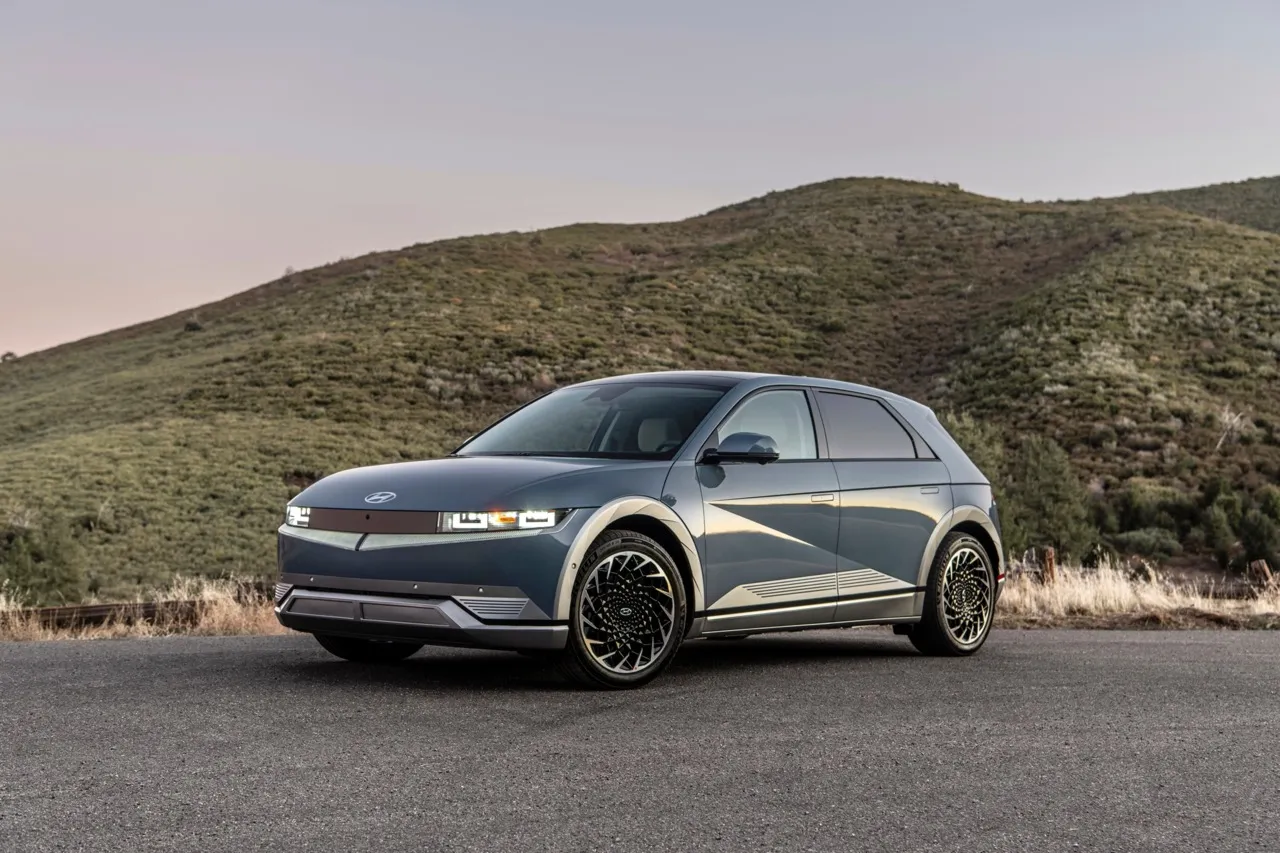
The recall population includes 98,878 Hyundai and Genesis EVs from model years 2023 and 2024—including the Hyundai Ioniq 5, Hyundai Ioniq 6, Genesis GV60, Genesis Electrified GV70, and Genesis Electrified GV80—as well as 48,232 Kia EV6 electric crossovers from model years 2022 to 2024. That makes 147,110 affected vehicles in total. This follows a recall of nearly 170,000 Hyundai and Kia EVs in South Korea earlier this month for the same issue.
All of these EVs have 12-volt batteries and electrical systems in addition to their high-voltage battery packs. According to the National Highway Traffic Safety Administration (NHTSA), the fault here lies with a component called the Integrated Charging Control Unit (ICCU), which can be damaged and stop charging the 12-volt battery, resulting in a loss of drive power.
2024 Kia EV6 GT
This damage can occur through “various conditions such as overcurrent, over-voltage induced at the end of high-voltage battery charging, and certain thermal loading during operation or driving,” according to recall documents. If a fault is detected, the vehicle will issue warnings—including chimes and dashboard lights—to the driver and enter a “fail-safe” mode in which drive power is gradually reduced.
Owners of affected cars will be contacted by the respective brands regarding when to take their cars to dealerships, where the ICCU and its fuse will be inspected and, if necessary, replaced free of charge. Dealers will also install updated software for the ICCU aimed at decreasing thermal loading and peak voltage. The software also alters the operation of the water pump to further lower thermal loading.
2024 Genesis GV60
Automakers have been very slow to get rid of 12-volt electrical systems in new vehicles. One of the few models that have made the switch is the Tesla Cybertruck, which goes with 48-volt hardware. That’s after years of proposals, including suppliers such as Bosch proposing a vehicle-wide upgrade to 48 volts as part of mild-hybrid upgrades.
Considering how the E-GMP platform used by the Hyundai Ioniq 5 and Ioniq 6, Genesis GV60, and Kia EV6 includes various advancements like 800-volt charging, 48-volt electronics are a surprising omission. Curiously, Hyundai introduced a new solution that does away with the old-style lead-acid 12-volt battery in some of its hybrids—but none of its EVs feature the solution.
According to the president of Manila’s gaming agency, the Philippines may surpass Singapore as early as next year to become Asia’s second-largest gambling destination after Macau. This is because new integrated resorts are expected to increase visitor numbers and counteract a fall in Chinese tourists visiting the country.
Enrique Razon, Filipino billionaire and the chairman and CEO of the Manila-listed company International Container Terminal Services, Inc. Image: Casio.org
Alejandro Tengco, chairman and CEO of state regulator Philippine Amusement and Gaming Corp, or Pagcor, stated in an interview on Tuesday at his office that up to eight more casino projects are being planned, in addition to the new integrated resort that billionaire Enrique Razon’s Bloombery Resorts Corp. is set to open in Manila later this year. According to him, the regulator also intends to sell state-run casinos by early 2026.
“If Singapore doesn’t expand, they will plateau. Don’t be surprised if we will surpass them next year,” Tengco said.
Image courtesy of Unsplash
After setting a record of PHP285 billion last year, the Philippines anticipates total gaming income to soar to a new high of PHP336 billion pesos (USD8 billion) this year. When Bloomberg News inquired about Tengco’s assertions, Singapore’s Gambling Regulatory Authority said it had no comment and cited Genting Singapore G13’s and Las Vegas Sands Corp’s financial statements for information on the income of the city-state’s two integrated resorts.
Tengco projects that Singapore’s gross gaming income will be approximately USD6 billion annually.
Manila relies on its casinos and integrated resorts to help increase tourism after the COVID outbreak severely reduced visits. The nation hopes to welcome 7.7 million international visitors this year, down from 5.45 million in 2023 — a figure still less than the 8.26 million pre-pandemic total from 2019.
Image courtesy of Unsplash
The nation’s future casinos, which can cost up to USD 1.2 billion, will be in the capital, Manila, at the former US airbase Clark and in tourist magnets like Cebu and Boracay. Tengco shared, “As you open new markets, new customers will come.”
The business will continue to thrive even with a slower influx of Chinese tourists, according to Tengco, as locals and visitors from South Korea, Japan, Malaysia, and Singapore make up the majority of casino patrons in the Philippines.
With the Philippines’ gaming revenue rising, new integrated resorts will “hopefully neutralise the decline in Chinese tourist arrivals,” said Tengco, adding that Chinese high rollers are still playing in the country. Alongside this, the Philippines is expanding its online casino sector, which last year accounted for five percent of the nation’s overall gaming revenue and is predicted to grow quicker than land-based casinos.
“Our advantage over Macau is that they don’t have online gaming,” Tengco said. Pagcor plans to launch its own online gaming website later this year and is seeking a joint venture partner to operate it.
Alejandro Tengco, chairman and CEO of state regulator Philippine Amusement and Gaming Corp. Image: Casino.org
That is part of Pagcor’s efforts to boost the revenue stream of the agency’s Casino Filipino brand — a collection of 41 mostly small casino outlets — ahead of a planned sale of its casino assets so the agency can solely focus on being a regulator. “We want to decouple because Pagcor has been wearing two hats for too long,” he said, adding the company’s remit is rare in the gambling world.
The statute establishing the organisation as a casino operator and gaming regulator is scheduled to expire in 2033. Pagcor must change the regulation to privatise its casino assets and add 25 years to the agency’s corporate existence.
By late next year or early 2026, Pagcor hopes to offer its casinos in bundles grouped by geography. From the sale, Tengco anticipates Pagcor to raise between PHP60 and PHP80 billion. He said that it will also sell its intended gaming website.
“If we’re successful in the privatisation efforts, investors will have more confidence to invest,” Tengco said.
For more on the latest business reads, click here.
The Great Smoky Mountains National Park has one of the best problems: it’s too popular. In recent years, the park has become overcrowded with throngs of visitors parking for miles along the road’s shoulders, cramming onto narrow hiking paths, and clogging major intersections.
So, when is the best time to visit and avoid the crowds?
From late May until the end of October, the national park is visited by more than half a million people every month. As more and more people seek the most popular parts of the park, it becomes more and more difficult to get there.
Fortunately, two shoulder seasons are the best times to visit the Great Smoky Mountains National Park. And there are always less popular places to visit that still offer hiking trails and scenic views.
Read this month-by-month breakdown of the best times to visit Great Smoky Mountains National Park to learn about the peak times to avoid, shoulder seasons that are the best, and specific events you may want to attend.
Do you have a particular time of year you visit annually? Or do you base your plans on off-seasons and around holidays? Leave me a comment below and let me know how you pick a date to visit this park.
Weather
I learned a lesson about weather predictions in the mountains the hard way. One morning, I checked the local high for the day – it was supposed to top 70 degrees. I grabbed shorts and a t-shirt, left my jacket behind, and headed to a nearby mountain summit for a day hike on the Appalachian Trail.
When I reached the parking lot, which was nearly 4,000 feet higher in elevation, the temperature was a frigid 50 degrees. And the wind made it feel even colder. I hiked to a round bald on the AT, captured precisely one photo, and immediately returned to my car.
Let this be a lesson.
The chart above shows the average monthly temperatures for the lower elevations of the Great Smoky Mountains National Park. Places like Cades Cove, Roaring Fork Motor Nature Trail, Oconaluftee, and Cataloochee Valley.
But if you want to know the temperature at Newfound Gap, Mount LeConte, or Clingmans Dome, you’ll need to subtract about 15 degrees from the current temperature in Gatlinburg.
Read More | 50 Best Things to Do in Great Smoky Mountains National Park
April, May, and September are the most comfortable months for visiting the national park. June and July are the hottest and most humid months. Although it’s about five degrees cooler in the shade of trees, the humidity will cancel it out.
Rain falls in the park several days every month. March is the wettest month, with 4” of rainfall and less than an inch of snow. October is the driest month.
Crowds
2023 was the second-busiest year ever in the Great Smoky Mountains National Park. 13.2 million people visited the park for recreation, almost 1 million shy of the record in 2021.
The Great Smoky Mountains was the most-visited national park in the country. But it wasn’t the most-visited unit managed by the National Park Service. That record went to the Blue Ridge Parkway in 2023, with an astounding 3.5 million more visitors.
There are several reasons why the Great Smoky Mountains National Park is the most visited. It’s within a one-day drive of nearly 70% of the country’s population. The popular Blue Ridge Parkway feeds into the national park at Oconaluftee. And there is no admission fee, although there is a new parking tag fee.
June and July are two of the busiest months of the year in the national park, but October is the busiest – nearly 1.7 million people visited the park in October 2023. April and May are a great shoulder season before the hustle and bustle begins in the summer. August and September are a great buffer season between the popular summer and autumn.
Best Time to Visit
It’s impossible to definitively claim a particular best time to visit the Great Smoky Mountains National Park. That answer depends on what you want to do in the park – hike a trail, spend a night in a campground, or see the fall colors.
But overall, two times a year are best to visit: the shoulder seasons in April through May and August through September.
The shoulder seasons have the most comfortable weather with little rain, comfortable high and low temperatures, and low humidity. These are also the times of year with only half the number of monthly visitors compared to July and October – the park’s busiest months of the year.
You can enjoy scenic drives, popular hiking trails, and flowering plants throughout the park from April through May. It’s a great time of the year to hike to Chimney Tops or Rainbow Falls. It’s also my favorite time of the year to spend a day in Cades Cove. It’s the best time of the year to hike to a waterfall to see the most water spilling over the top.
From August through September, you can enjoy many of the same activities except no flowering plants or thunderous waterfalls.
January
Each year starts quietly in the Great Smoky Mountains National Park. January sees the highest monthly snowfall in the park, with 3.8” on average. U.S. Highway 441 (Newfound Gap Road) closes frequently in January due to the snowfall and typically remains closed for a day or two.
January is the coldest month of the year in the national park. Average temps in Gatlinburg reach a high of 47 degrees and dip as low as 29 degrees overnight. The higher elevations can be 10-20 degrees colder, especially on windy days.
It’s the least-visited month of the year in the park. The visitor centers, hiking trails, and scenic roads have an eerie “ghost town” vibe. 500,000 people still visit the park, but that’s only 25% of the number of visitors that peak in October.
Best Things to Do in January:
February
Following on the heels of January, February is the second least visited month of the year in the Great Smoky Mountains National Park. Temperatures increase slightly, which means less snow and more rainfall.
There are no activities or festivals in February. Clingmans Road and the Roaring Fork Motor Nature Trail are still closed. February isn’t the best time of year to do anything in the park.
Best Things to Do in February:
Visit historic structures
March
Great Smoky Mountains National Park is home to over 1,500 species of flowering plants. Beginning about mid-March, the flowers start blooming in the lower elevations.
It’s the wettest month of the year, with an average of 4” of rainfall and less than an inch of snow. Daytime highs reach about 60 degrees in the lower elevations but barely break into the 50s at Newfound Gap. It’s the first month of the year that overnight lows are above freezing.
Read More | Travel Guide to Cataloochee Valley in the Great Smoky Mountains National Park
March sees a jump in daytime visitors, nearly doubling the number of visitors in February. Weekends become crowded, but it’s still better than during the summer months.
Best Things to Do in March:
Find the blooming wildflowers
Hike to a waterfall
Visit Cades Cove or Cataloochee Valley
Visitors to Grotto Falls can walk behind the waterfall and get their feet wet in the shallow pool.Visitors to Grotto Falls can walk behind the waterfall and get their feet wet in the shallow pool.
April
April is my favorite month in the Great Smoky Mountains National Park. And it’s one of the busiest times of year for ranger-led events and natural splendor.
Daytime highs reach the upper 60s in the lower elevation and the upper 50s around Clingmans Dome. Overnight lows still dip into the 40s, so bring an extra layer for after dark.
April is the second-wettest month of the year, with an average of 3.9” of rain. But the April showers are great for the spring flowers and waterfalls – two of the best things to do during this spring month.
Clingmans Dome Road, Roaring Fork Motor Nature Trail, Forge Creek Road, and Rich Mountain Road open around the end of March and the first week of April. This brings the first opportunities of the year to visit some of these areas of the national park that are typically overcrowded in the summer.
Read More | Travel Guide to the Roaring Fork Motor Nature Trail at Great Smoky Mountains National Park
Hiking to waterfalls is the best thing to do in April. The plentiful rain leaves the waterfalls churning, creating spectacular sights. Although the trails can be wet and muddy, especially the trail to Abrams Falls, seeing the waterfalls at their peak is worth the extra effort.
The Spring Wildflower Pilgrimage and Music of the Mountains are annual festivals that attract thousands of visitors. It’s a great time for these outdoor events with comfortable daytime temperatures. National Park Week brings a surge of weekend visitors, but not that many during the weekdays.
April is the first month of the year to see more than one million visitors typically.
Best Things to Do in April:
Find the blooming wildflowers
Hike to a waterfall
Go for a drive on the Roaring Fork Motor Nature Trail
Day hiking on popular trails
Beautiful sunset view from the observation tower on Clingmans Dome.
May
May is the end of the shoulder season before the busy summer months begin in Great Smoky Mountains National Park. It’s the best month of the year to visit the national park because of the perfect alignment of weather, crowds, and things to do.
Daytime highs rise above 70 degrees for the first time all year. Overnight lows remain in the 50s in the lower elevations, though you’ll still see upper 30s and 40s at Clingmans Dome and Newfound Gap. An average of 3.6” of rain falls throughout the month, which remains steady throughout the summer.
The number of visitors grows slightly from April, reaching about 1.2 million in May. It’s the midpoint of monthly visitors for the year – five months are busier, and six are less crowded.
Read More | The Complete Travel Guide to the Foothills Parkway in Great Smoky Mountains National Park
Pro Travel Tip | The best time to visit Great Smoky Mountains National Park in May is during the week. Weekends, especially later in the month, will become increasingly crowded. However, until schools are closed for the summer, there will be far fewer weekday visitors than on the weekends.
Best Things to Do in May:
Find the blooming wildflowers
Look for blooming rhododendrons
Hike to a waterfall
Go for a scenic drive
Visit Clingman’s Dome and Cades Cove
Go for a day hike
Spend the weekend backpacking through the park
June
June and July are two of the busiest months in the Great Smoky Mountains National Park. 1.5 million people visit the park in June, pushing Gatlinburg, Cherokee, and Townsend to its capacity for lodging and dining. Parking in the national park becomes a nightmare as too many cars try to park in too few spaces.
Daytime temperatures reach the 80s in the lower elevations and 70s in the higher elevations. It’s the most comfortable time of the year to visit Clingmans Dome or hike to one of the Southern Sixers.
The synchronous fireflies event draws thousands of visitors to the national park. The annual event at the Elkmont Historic District became so popular that the national park staff created a lottery system for choosing visitors like overnight guests at LeConte Lodge.
Best Things to Do in June:
Look for blooming rhododendrons
Hike one of the popular trails
Go for a scenic drive
Visit Cataloochee Valley, Fontana Dam, Greenbrier, or Cosby
Go horseback riding
July
July is the peak month for almost everything you don’t want to see in the Great Smoky Mountains National Park. It’s the hottest month of the year, with an average daytime high in the mid-80s. It’s the most humid month of the year, with an average humidity of 75%. It’s the second-busiest month of the year for visitors, with 1.6 million visitors – just one hundred thousand shy of the busiest month.
Between the Fourth of July weekend, overcrowding, parking issues, and hot and humid weather, it’s the definitive worst time of the year to visit the national park.
But if it’s the only time of the year you can visit, there is still a sliver of hope. Cataloochee Valley, Greenbrier, and Cosby are less popular park areas with hiking trails, waterfalls, wildlife, and scenic views. July is a great time to visit these areas.
And the Foothills Parkway is still a relatively peaceful place to visit in the national park. Go for a short drive to Wears Valley and get on the scenic highway. Drive as far as Look Rock Observation Tower.
Best Things to Do in July:
Visit Cataloochee Valley, Fontana Dam, Greenbrier, or Cosby
Go for a drive on the Foothills Parkway
Hike one of the less popular trails
A curved bridge offers visitors spectacular views along the Foothills Parkway.A curved bridge offers visitors spectacular views along the Foothills Parkway.
August
After the mayhem of July, the average number of visitors to Great Smoky Mountains National Park drops 20%. You’ll notice the 400,000 fewer visitors when you try to find parking, book a campsite, or hike one of the trails.
August and September are a short shoulder season. It’s a lull between the summer tourists and the autumn leaf peepers. Temperatures begin to cool, although daytime highs still linger in the 80s. Interestingly, it’s the second-driest month of the year with just 3” of rainfall.
Read More | Cades Cove Loop Road in Great Smoky Mountains National Park – Travel Guide, Map, and Photos
It’s a great time to plan a vacation to the national park. The weather is perfect for outdoor activities, like hiking, horseback riding, and overnight backpacking. The crowds are small enough to enjoy visiting Cades Cove and Clingmans Dome. August is the last great hurrah for green leaves and shorts.
Besides August being my birth month, it’s also my favorite month of the year for sunsets. Late evening humidity can turn an ordinary sunset into a spectacular display of reds, oranges, and pinks across the partly cloudy sky. Head to the Foothills Parkway, Morton Overlook, or Clingmans Dome for the best sunset views in the park.
Best Things to Do in August:
Visit Cades Cove, Clingmans Dome, or Roaring Fork Motor Nature Trail
Go for a drive on the Foothills Parkway
Hike one of the popular trails
Go horseback riding in Cades Cove or Smokemont
Watch the sunset from an overlook
Spend a night in a campground
Bull elk challenge each other for dominance near the Oconaluftee Visitor Center in Cherokee.
September
September is a shoulder month in the Great Smoky Mountains National Park, making it one of the best times to visit for smaller crowds. After peaking with an average of 1.6 million monthly visitors in July, the number drops to about 1 million by September. It’s more crowded than the spring months but not as crowded as July or October.
It’s one of the best times of year to view wildlife from a distance safely. The annual elk rut begins about mid-September – it’s the time of year when young bull elks challenge other bulls for dominance in the herd. The elk are frequently spotted at the Oconaluftee Visitor Center in Cherokee and Cataloochee Valley.
Best Things to Do in September:
Witness the elk rut at Oconaluftee
Visit Cades Cove or Cataloochee Valley
Hike one of the popular trails
Watch the sunset from an overlook
Spend a night in a campground
Go for a scenic drive
Fall colors surround the Cable Mill in Cades Cove.Fall colors surround the Cable Mill in Cades Cove.
October
October defies the laws of nature because it simultaneously exists in two states. It’s the best and worst time of the year to visit Great Smoky Mountains National Park.
It’s the best time of the year because of the spectacular autumn colors sweeping the mountains. But it’s the worst time of the year because of the 1.7 million visitors – the most of any month of the year.
It’s difficult to chase the fall colors in the national park because of the tremendous differences in elevation. Another challenge is timing the natural event to book your lodging before it’s all gone. The fall colors peak from mid-October until early November in different park areas.
Whenever the colors begin to peak, here’s when you can expect to see the best fall colors in different areas of the park:
Week #1 | Little River Road, Cades Cove, Roaring Fork Motor Nature Trail, Oconaluftee
Week #2 | Cataloochee Valley, Fontana Dam, Foothills Parkway, and the lower portions of Newfound Gap Road
Week #3 | Clingmans Dome, Newfound Gap, Look Rock, Mount LeConte, and the Appalachian Trail
Pro Travel Tip | Many hotels, resorts, and short-term lodging have a window for booking cancellations. Make several bookings if you can visit the Great Smoky Mountains National Park whenever the fall colors are peaking. Book your lodging for once a week from the second week of October until the first week of November. When the cancellation date approaches, make your decision about when to visit.
While the daytime highs remain in the 70s in the lower elevations, by September, the higher elevations begin dipping into the 60s during the day and 30s overnight. It’s the driest month of the year, so at least you don’t have to worry about being cold and wet.
Best Things to Do in October:
Visit Cades Cove, Cataloochee Valley, Roaring Fork Motor Nature Trail, Newfound Gap, or Clingmans Dome
Go for a scenic drive (last chance of the year)
Visit a less popular place like Greenbrier, Cosby, or Fontana Dam
November
Everything changes in the Great Smoky Mountains National Park in November. Campgrounds, scenic drives, and visitor centers begin closing for the season. The weather takes a significant turn toward winter. And the visitors finally go home.
Smokemont, Cades Cove, and Elkmont are the only campgrounds open year-round. The Balsam Mountain Campground is the first to close seasonally in mid-October. These campgrounds close for the year by the end of October:
Cosby
Abrams Creek
Big Creek
Cataloochee
Deep Creek
Look Rock
Cades Cove, Cataloochee Road, and Newfound Gap Road are open year-round. These scenic drives close between the end of October and the end of November:
Clingmans Dome Road
Heintooga Ridge Road
Rich Mountain Road
Roaring Fork Motor Nature Trail
The Cades Cove and Clingmans Dome Visitor Centers close at the end of October. But if you need information or advice, you can still visit the Sugarlands Visitor Center in Gatlinburg or the Oconaluftee Visitor Center in Cherokee.
The weather gets closer to freezing temperatures, with overnight lows dipping into the 30s in the lower elevations. November is a wetter month, and typically, it is the first month in autumn to see snowfall.
The number of visitors plummets by almost 50% after the peak of fall colors. November isn’t the quietest month of the year – that’s January – but it’s quiet enough to enjoy scenic drives and hiking trails without seeing many others.
Best Things to Do in November:
Visitor historic structures (outside only)
Build campfires in the campgrounds
December
The year ends with thunderous silence after the chaotic leaf peeping season and overcrowded summer. Temperatures drop to the second lowest of the year, and up to one inch of snow blankets the mountain summits and Newfound Gap.
Surprisingly, 700,000 people visit the national park in December. Most are day trip visitors from Gatlinburg and Cherokee eager to hike the sparsely populated trails.
Sugarland Visitor Center and Oconaluftee Visitor Center are closed during the winter. December and January are the only months of the year with no open visitor centers.
Best Things to Do in December:
Winter camping at Cades Cove, Elkmont, or Smokemont
As it seeks to address production issues with its current Ultium battery cells, General Motors may be considering something even more complex.
First spotted by Motor1, a recently filed GM patent application discusses battery cells with Lego-like shapes meant to accommodate cooling channels. Instead of building battery modules out of a solid mass of cells and installing a cooling plate underneath, as GM does with its current EVs, gaps between the cells would help improve cooling and extend battery life, the automaker claims in the application.
GM also claims a similar effect could be achieved with cells with a more conventional rectangular shape. In this version, cells of varying length and thickness would be arranged to create an H-shaped channel in the module to aid cooling.
General Motors Lego-like battery cell patent image
Either design would likely require GM to stick with roughly rectangular pouch cells, similar to what it’s currently using, rather than the cylindrical cells Lucid, Rivian, and Tesla claim have some thermal advantages, and that BMW is now adopting as well.
Automakers don’t always end up using the ideas they patent, so it’s unclear if this alternative form of battery cooling will appear in a production EV. GM has said that it’s flexible in its battery cells, but manufacturing nonuniform cells would likely add to the challenges GM is already experiencing in ramping up production of its Ultium EVs.
GM chose its current large-format pouch cells for being especially easy to make, but the automaker’s experience so far might suggest otherwise. According to a recent Bloomberg report, the automaker aims to build 200,000 to 300,000 EVs this year. That would be big improvement over the roughly 14,000 Ultium EVs sold in 2023, but still well short of original estimates, Bloomberg notes.
General Motors Lego-like battery cell patent image
The report claims GM “bypassed its own best practices” in order to start Ultium battery-pack production quickly. For example, it skipped the typical test of automated assembly line equipment, installing the equipment in its “Factory Zero” in Detroit without that testing. And it details battery-related fires at Factory Zero, including one that started after a forklift pierced a battery pack.
GM has also been plagued with software issues, which put deliveries of the Chevrolet Blazer EV on hold for months.
GM executives think the worst of these issues are now behind the company, and that it is crawling out of the “production hell” phase of the Ultium ramp, according to Bloomberg. But has GM gotten enough control over these issues to start moving on to new cell configurations?
The technical storage or access is strictly necessary for the legitimate purpose of enabling the use of a specific service explicitly requested by the subscriber or user, or for the sole purpose of carrying out the transmission of a communication over an electronic communications network.
Preferences
The technical storage or access is necessary for the legitimate purpose of storing preferences that are not requested by the subscriber or user.
Statistics
The technical storage or access that is used exclusively for statistical purposes.The technical storage or access that is used exclusively for anonymous statistical purposes. Without a subpoena, voluntary compliance on the part of your Internet Service Provider, or additional records from a third party, information stored or retrieved for this purpose alone cannot usually be used to identify you.
Marketing
The technical storage or access is required to create user profiles to send advertising, or to track the user on a website or across several websites for similar marketing purposes.