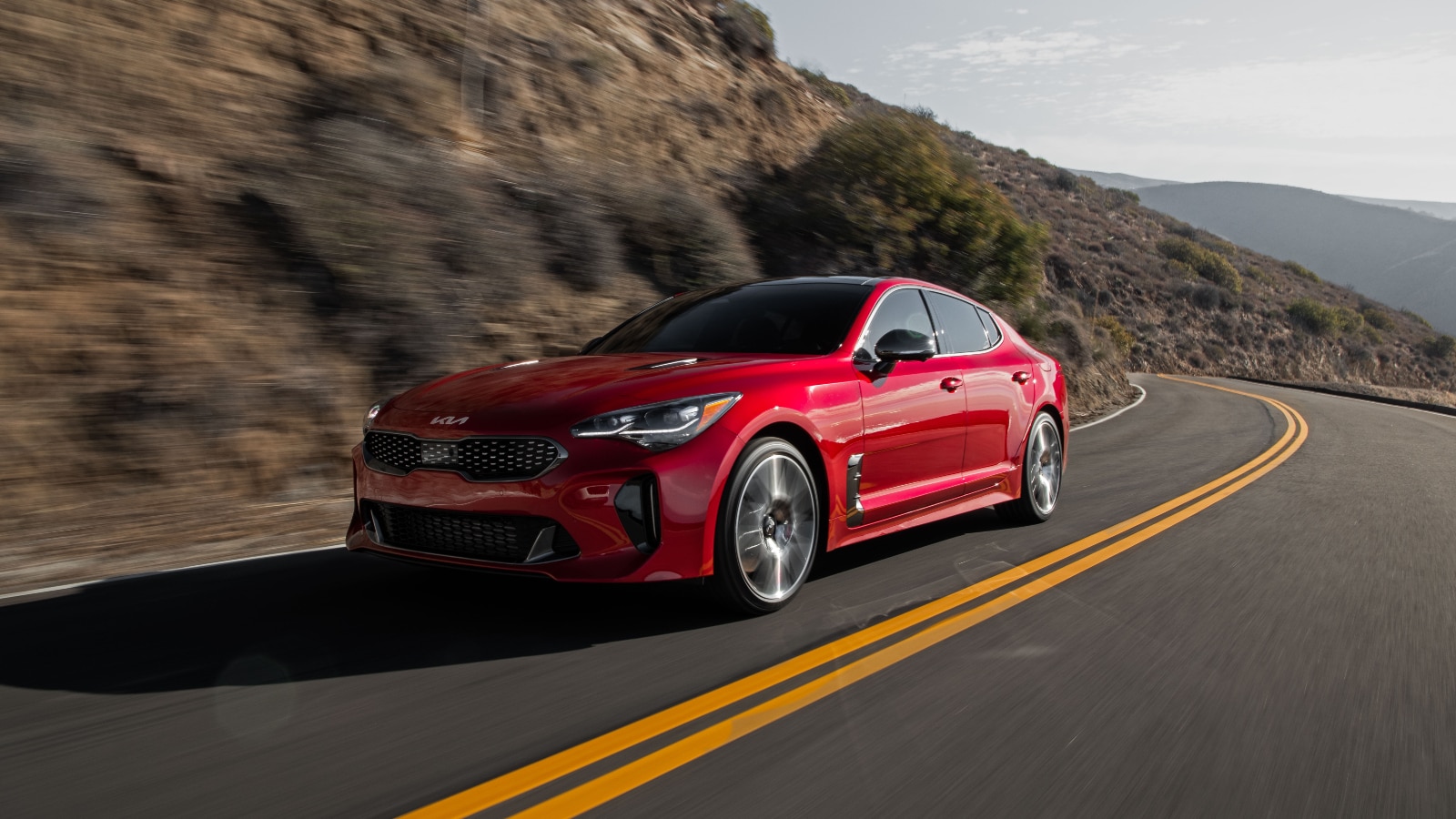
Kia tells federal safety officials that a pipe and hose assembly that feeds oil to the left-hand turbocharger can deteriorate due to heat from the exhaust manifold. “Such deterioration can lead to oil leaks, which in the presence of hot exhaust components, increases the risk of an engine compartment fire while driving,” according to Kia’s filing.
Kia warns drivers that they may smell burning or see an oil pressure warning light as the problem develops.
The company says it has received no reports of actual fires – just one report of smoke from a car sold in its home market of South Korea. However, dealers have reported 25 warranty claims for oil leaks related to the turbocharger.
Dealers will replace the pipe and hose assembly with an improved model designed to resist heat better. Recall repairs are always free.
Manufacturers recall many cars at least once. They attempt to contact every owner but don’t always reach them all with the news. Find out if your car needs any recall-related repairs at our recall center.
Find our content helpful? You can support the BFT team by making your gear, apparel, and travel purchases through the affiliate links in this blog post. We get a small commission with no added cost to you. You can also say thanks by leaving a tip in our virtual tip jar. THANK YOU!
If you’ve spent any time researching hikes or backpacking trips, you’ve probably come across lingo or acronyms that are unfamiliar. Even as an avid hiker who writes about the outdoors for a career, I still stumble upon hiking terms I have to look up every once in a while. I recently learned “Middle Blues,” (definition below), which describes a feeling I’ve never been able to put into words.
While learning hiking lingo is by no means a prerequisite to getting out in nature, it can make you feel a little more confident and “in the know”. It’s helpful to understand what certain terms mean and why they matter, especially when it comes to gear and directions. For example, it’s a lot easier to know what “hike the switchbacks and then look for the blaze” means when you know the definition of a blaze.
The below “hiking glossary” includes a list of common terms that describe gear, trails, and backpacking styles along with other hiking trail terms I’ve heard during my adventures. I think of them as handy shortcuts to better understand the outdoors and the hiking community as a whole.
Let me know in the comments if I missed one of your go-to hiking terms or phrases!
Download my FREE Outdoor Trip Planning Toolkit
Enter your email to get access to printable PDF packing checklists, itineraries, and more.
A-D (Access Trail – Day Hike)
Access Trail
A trail that provides access to a specific area (like a beach or a recreation area) or quick access to another trail.
AT
Spanning 2,100+ miles, the Appalachian Trail (AT) stretches from Georgia to Maine on the east coast.
Backcountry
A wilderness area that is accessed by trails (not a road). In the backcountry, you’re very unlikely to find amenities like shelter, bathrooms, and filtered water.
Backpacking in the backcountry of Sequoia National Park
Base Weight
The amount of weight in your backpack — excluding food, water, and fuel. Your base weight will help you gauge how much you’ll be carrying as it includes your pack, tent, sleeping bag, clothes, etc.
Bear Cans (or Canisters)
Bear cans, or bear canisters, are cylindrical-shaped containers with a lid that screws on. They’re designed to keep bears out of your food while you are camping or backpacking. Bear cans are recommended – and sometimes even required – when adventuring in bear country.
Bear canisters (to the right of me) are designed to prevent bears from getting your food in the backcountry
Bivy or Bivy Bags
Bivy is an abbreviation for bivouac shelter, which is a makeshift campsite or shelter. For backpackers, a bivy refers to a lightweight, collapsible bag that is usually water-resistant and helps shield against the elements like rain, wind, etc).
Bivy bags (also referred to as bivy sacks) are often used by solo backpackers who prefer an ultralight setup.
Blaze
Another name for a trail marker, a blaze is commonly used in the eastern United States. They’re often painted marks on rocks or trees. For example, blue blazes are used on the AT to help hikers use side trails and take advantage of shortcuts or avoid steep sections.
A trail blaze is used to mark the trail
Bonk
If you’ve ever gone hiking and lost all your energy, you have experienced the bonk. It typically happens when you’re under-fueled or dehydrated, which can make you feel unmotivated and even shaky or wobbly. I avoid bonking with these plant-based hiking tips.
Pack lots of nutrient-dense foods so you don’t bonk on your hike – pistachios are a great option! (Just remember to pack out the shells)
Bushwack
To bushwack means to travel in wild or uncultivated territory. Buckwacking typically involves hiking (often off-trail) through dense brush, unmarked pathways, and unmaintained areas.
Cache
A cache is a container of supplies – food, water, and/or gear – that a hiker hides or buries in the backcountry. Some trails, like the CDT (see below for definition), have designated water cache boxes at trailheads. However, well-intentioned caches can lead to piles of litter and unintentional wildlife feeding if not stashed properly.
Cairn
A stack of stones that serve to help with trail navigation and safety — not for aesthetics. Learn more about rock cairns.
Rock cairns are used as trail markers for navigation and safety
Cathole
A hole for your poop! Catholes must be at least six inches deep and located at least 200 feet from water sources. Ideally, a cathole is in a sunny spot, which will speed up the decomposition.
Pro tip: Use a backcountry trowel and start digging before you really have to go because it takes a few minutes to do it right.
Don’t wait until the last minute to dig your cathole!
CDT
One of the most popular thru-hikes, the Continental Divide Trail (CDT) runs from Mexico to Canada and spans 3,100 miles.
Cowboy Camping
Cowboy camping means sleeping on the ground without a tent or shelter. It generally involves setting up your sleeping bag and sleeping pad on a ground cloth and calling it a day.
Sometimes hikers go for cowboy camping life when they’re exhausted and don’t feel like setting up a tent. However, others enjoy the low-maintenance simplicity of the experience. That said, I always recommend having a tent on hand just in case.
Cowboy camping is a great option if you want to get an early start and not have to deal with putting away a tent
Crampons
Crampons are a device hikers put on their shoes to help walk on firm snow and ice. They’re more durable than microspikes (more on that below) and especially helpful on steep, slick inclines. Although crampons aren’t super comfortable to walk on, you can easily pop them off when you don’t need them.
Day hike
A day hike is a hike that’s short enough to be completed in a day. For anyone looking to get outdoors without needing to set up camp overnight, a day hike is a wonderful way to go — and there’s no shortage of incredible day hiking options!
On a day hike in Moab
E-H (Fastpacking – Hydration Reservoir)
Fastpacking
Fastpacking is a combination of running and backpacking. Usually, someone who likes fastpacking will also keep an ultralight setup, so they can be light on their feet and cover more ground.
False summit
A point on the trail that looks like it should be the mountain’s summit but it isn’t.
Flipflop
Flip-floppers usually start somewhere in the middle of a trail, head in one direction until they reach the end, and then return to the starting point and finish the trail in the other direction.
Fourteeners (14ers)
Much like the name suggests, Fourteeners are peaks that rise more than 14,000 feet above sea level. Colorado is home to the most 14ers in the United States.
The view from the summit of Gray’s Peak – one of Colorado’s 58 fourteeners
Frontcountry
The opposite of backcountry, frontcountry refers to more developed and accessible areas. They’re usually marked and signed better than backcountry routes — and they don’t always require hiking to reach them. A frontcountry campsite often means a campsite you can drive to.
Gaiters
Gaiters are a synthetic or leather garment worn on the lower part of the leg. Their purpose is to keep your legs and ankles dry and free of dirt, snow, pebbles, water, etc when hiking or backpacking.
Glissading
The act of descending a steep snow or ice-covered slope by sliding with control while seated. The feet are in front front and legs are slightly bent. Think: sledding sans the sled!
Important: you need to be an experienced mountaineer or with a guide to glissade safely. Falling into a crevass or sliding into a rock field are real dangers when glissading.
Gorp
“Good old raisins and peanuts”. Gorp (aka trail mix) is a common hiking snack and usually includes more ingredients like nuts, seeds, and M&Ms.
GPS
GPS stands for Global Positioning System. It’s a space-based radio navigation system owned by the US government and operated by the United States Air Force. Handheld GPS devices are used by hikers to get information about where they are — and how to get from Point A to Point B.
You can also get a GPS communication device like the Garmin inReach Mini, which allows you to send two-way messages in the backcountry in case you get into trouble.
Grade
The steepness of a trail. It’s usually expressed as a percentage. A trail with an average grade of 5% is pretty mellow while trails that have more than a 5% great are more challenging.
High Apline
High alpine refers to high, lofty mountains, typically above the treeline.
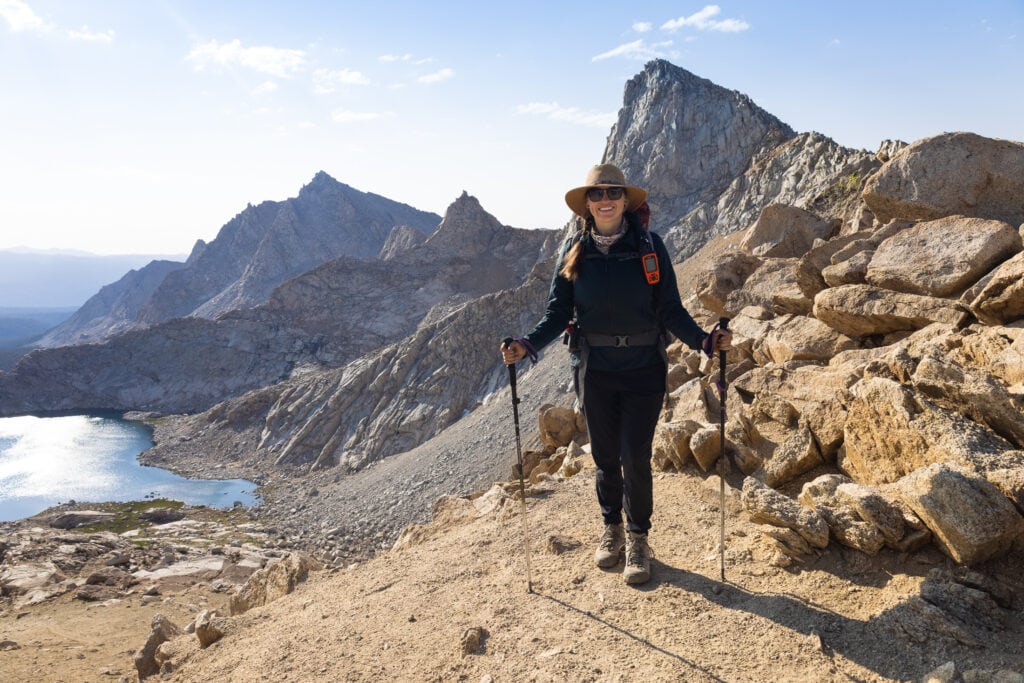
Exploring the high alpine terrain on Sawtooth Pass in Sequoia National Park
Highpointing
Highpointing refers to climbing to the highest point in an area. Some hikers have goals like “highpointing in every state” or “highpointing in every National Park”.
Hiker box
A hiker box is a box or bag where folks leave items for other hikers. They’re usually filled with extra snacks, supplies, bandanas, etc. They’re like a hiking edition of ”little free libraries.” You’ll find many hiker boxes on thru-hikes like the John Muir Trail.
Hot spots
Hot spots are the irritated red spots on your feet, toes, or heels that show up before blisters. It’s best to treat hot spots before they turn into full-blown blisters. Read our best tips for preventing blisters.
Hydration reservoirs
A hydration reservoir – sometimes called bladders – is a flexible, water-tight bag equipped with a drinking hose. They’re designed to be carried in a backpack or hydration pack for easy and hands-free access to water.
I prefer hiking with a hydration bladder because I can drink without stopping
I-L (JMT – Leave No Trace)
JMT
The John Muir Trail (JMT) is 220 miles of epic wilderness through California’s High Sierras. It takes about three weeks to hike and if you can take the time to do it, I couldn’t recommend it more. I hiked the JMT in 2014 and it was a truly life-changing experience.
I hiked the JMT in 2014 and it was one of the best experiences I’ve ever had
LASH
This is an acronym that stands for “long a** section hike.” It’s often used to describe hikers who trek large sections of thru-hike.
Leave No Trace
Simply put, Leave No Trace (LNT) refers to the concept of making a minimal impact on the environment and respecting the land whether you’re hiking, camping, picnicking, or just enjoying the outdoors.
While there are 7 Leave No Trace principles, LNT is more than a set of guidelines; it’s a framework for making responsible decisions when we’re outside. LNT encourages respect and awareness when interacting with the environment and fellow adventurers.
M-P (Microspikes – Post Hike Depression)
Microspikes
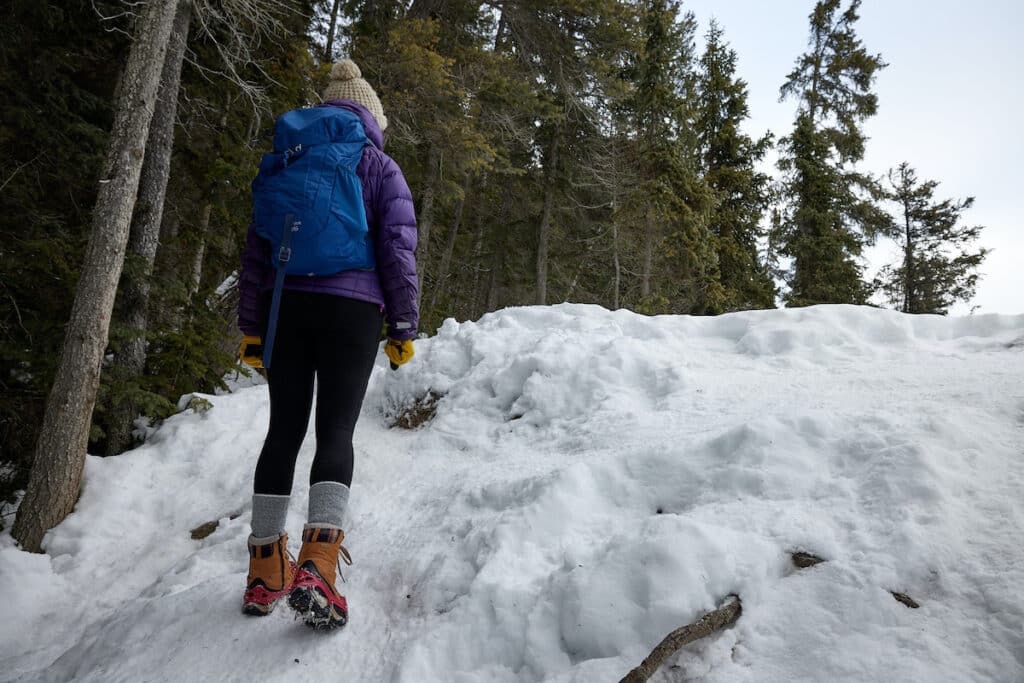
Microspikes add traction to your footwear to help prevent slipping on ice. They’re made of chains and tiny spikes that slip on over your boots. The Kahtoola MICROspikes are easy to slip on, can be thrown in your pack when not needed, and they make a world of a difference.
Wearing my micospikes on a snowy and icy trail
Middle Blues
Middle Blues — also known as “halfway blues” — describes the feeling when you’ve hiked a big chunk of a trail but still have a lot still to go.
NOBO
NOBO means a “northbound” hiker.
Out-and-back
Unlike a loop, an out-and-back trail is a route that involves going one direction and then retracing your steps to go back to the starting point.
PCT
The Pacific Crest Trail (popularized in Cheryl Strayed’s memoir Wild) is a 2,653-mile thru-hike that runs along the mountain ranges of California, Oregon, and Washington. The route passes through 25 national forests and 7 national parks. Considering a thru-hike?
Former BFT team member Kim at the 1,000 mile mark of the PCT
Peak bagging
Peak bagging is the pursuit of climbing mountains and reaching the summit, so the peak is “in the bag.” Peakbaggers often have a bucket list of peaks they want to climb within a specific timeframe.
Post-Hike Depression (Or Post-Trail Blues)
The feeling of sadness after finishing a trail. It’s especially common for thru-hikers and is a completely normal reaction that many hikers experience (myself included). It can be a challenging transition back to everyday routines after being immersed in nature for long stretches of time.
Q-T (Right of way – Triple Crown)
Right of way
Right of way refers to how we share space on the trail. Whoever has the “right of way” is the one who proceeds first. Trail etiquette designates that hikers going uphill have the “right of way.”
Saddle
A saddle is the lowest area between two highlands or peaks.
Scramble
Make your way up steep hills and rugged terrain using both feet and hands. Sometimes sections of trail can be called ‘a scramble’.
Scrambling up the final section of Mount Olympus in Salt Lake City
Scree
Scree refers to small, loose stones on a slope or the base of a mountain. It’s usually challenging to keep your footing on scree (especially when going uphill), so I recommend going slow to avoid slipping.
Slick scree leading up to the top of Handie’s Peak in Colorado
Section hiking
A section hiker will trek segments of a thru-hike over a period of time rather than hiking a trail in one continuous go. For example, there are a number of ways to section hike the John Muir Trail.
Shoulder season
Shoulder season refers to the months right before and right after summer. In other words, late fall and early spring. Depending on the area, the shoulder season is usually late April/early May and late September/early October.
It’s personally my favorite time of the year to go backpacking since it’s a little less crowded and still great weather-wise.
SOBO
A southbound hiker.
Spur trail
A spur trail branches off from a main trail, but rather than looping and connecting with another trail, it results in a dead end. Often, a spur trail leads to a viewpoint or a campsite.
Switchback
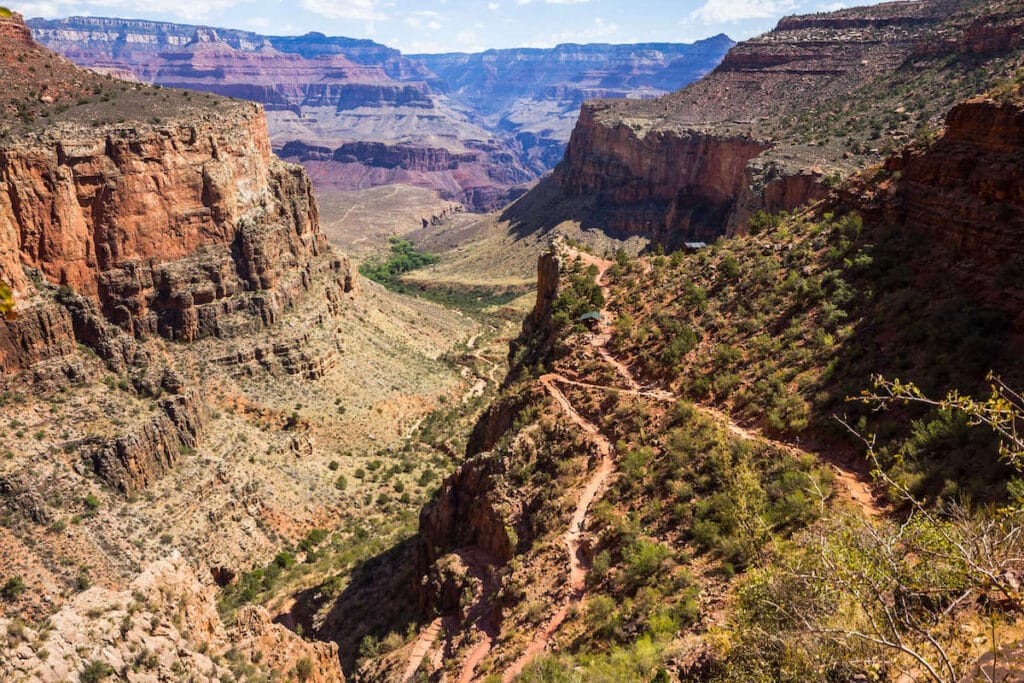
Switchbacks are zig-zaggy parts of a trail that go back and forth horizontally up a hill, so hikers aren’t going straight up and down. They ease the steep ascents and/or descents.
A switchback on the Bright Angel Trail in the Grand Canyon
Talus
A field of boulders or rock debris at the bottom of a cliff.
Hiking through a talus field on the way to the top of Mount Timpanogos, one of the best hikes in Utah
The Ten Essentials
The 10 Essentials is a list established in the 1930s to help climbers and adventurers be prepared in emergencies. The list includes:
Thru Hike
Thru-hiking means hiking an established end-to-end trail in one trip, over days, weeks, or months. Some of the most popular thru-hikes are The Pacific Crest Trail, Appalachian Trail, Continental Divide Trail, and the John Muir Trail.
Topo lines or topo map
Topo maps, short for topographic maps, are a detailed and accurate two-dimensional representation of natural and man-made features on the Earth’s surface.
These types of maps distinguishes itself from other maps by their ability to show elevation and terrain contours, indicating the shape and height of the land through the use of contour lines.
They can be confusing to read if you’re not sure what you’re looking at. Use our guide on how to read a topographic map to help you prepare for the backcounty.
A topographic map has contour lines to help you identify the steepness of terrain
Trail Angels (or Trail Magic)
A trail angel is a person who offers thru-hikers some kind of kindness or service on the trail, but they’re typically not thru-hiking themselves.
They may leave beverages in a cold stream, offer a ride back to a trailhead, or even invite you over for a home-cooked meal and bed for the night.
Trailhead
The place where the trail starts is called a trailhead. If you’re hiking a loop, then the trailhead will also be where you end your hike.
Trail junction
When two trails converge.
Triple Crown
A nickname for the “big three” long trails in the United States: the AT, CDT, and PCT.
U-Z (Ultralight – Zero Days)
Ultralight
Like it sounds, ultralight means very light. Ultralight backpackers are generally very focused on the weight of each item they carry to minimize their load. However, the term also refers to a state of mind where “less is more.”
WAG Bag
Literally, WAG stands for “waste aggregation gelling.” But it’s a word to refer to a poop bag that you’ll use to take your feces away from certain wilderness areas. For example, there are no public toilets at Mt. Whitney, so remember to pack your WAG bags.
Packing out my poop in a WAG bag while packrafting the Escalante River
Waypoint
A waypoint is a reference point that helps you figure out where you are and how to get to where you want to go. When hiking, waypoints are often used to mark important turns on trails or points of interest. The North Star is a standard waypoint that’s been used for centuries, but they can also be rock formations, mountains, signs, or buildings.
Weekend Warrior
While a thru-hiker spends weeks or months backpacking at a time, a weekend warrior typically spends 1 to 3 nights camping, backpacking, and/or hiking over the weekend.
I’ve had periods of my life where I’ve been a thru-hiker and others when I’ve been a weekend warrior. There are benefits to both!
Wicking
Wicking is the ability to absorb or draw off liquid from a piece of gear or clothing. Moisture-wicking fabrics are quick-drying, breathable, and lightweight, which is why they’re so popular among hikers.
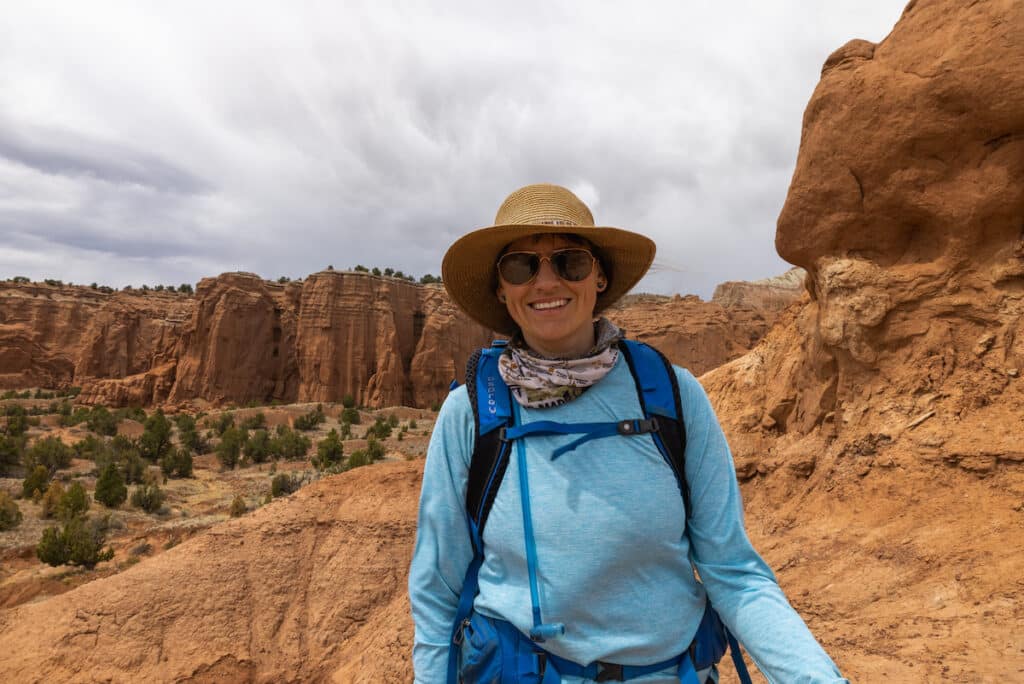
Wearing the moisture-wicking Patagonia Cool Capilene shirt while hiking in Kodachrome Basin
Widowmaker
A widowmaker is a large dead branch up in a tree or an entire dead tree that is still standing. They’re important for hikers to recognize as these trees or branches could fall at any time (especially when it’s windy. You don’t want to set your tent up underneath one.
Zero days
A zero day refers to a day of rest when thru-hikers cover zero miles. I’m a big fan of zero days and recommend them to give your body a break, play tourist, and catch up with friends.
New to hiking? Check out these posts to help you prepare for the trail:
Save this post to Pinterest
What are your favorite hiking terms? What hiking slang did you have to look up when you first started? What new phrases did you learn from this post? Leave a comment and let us know!
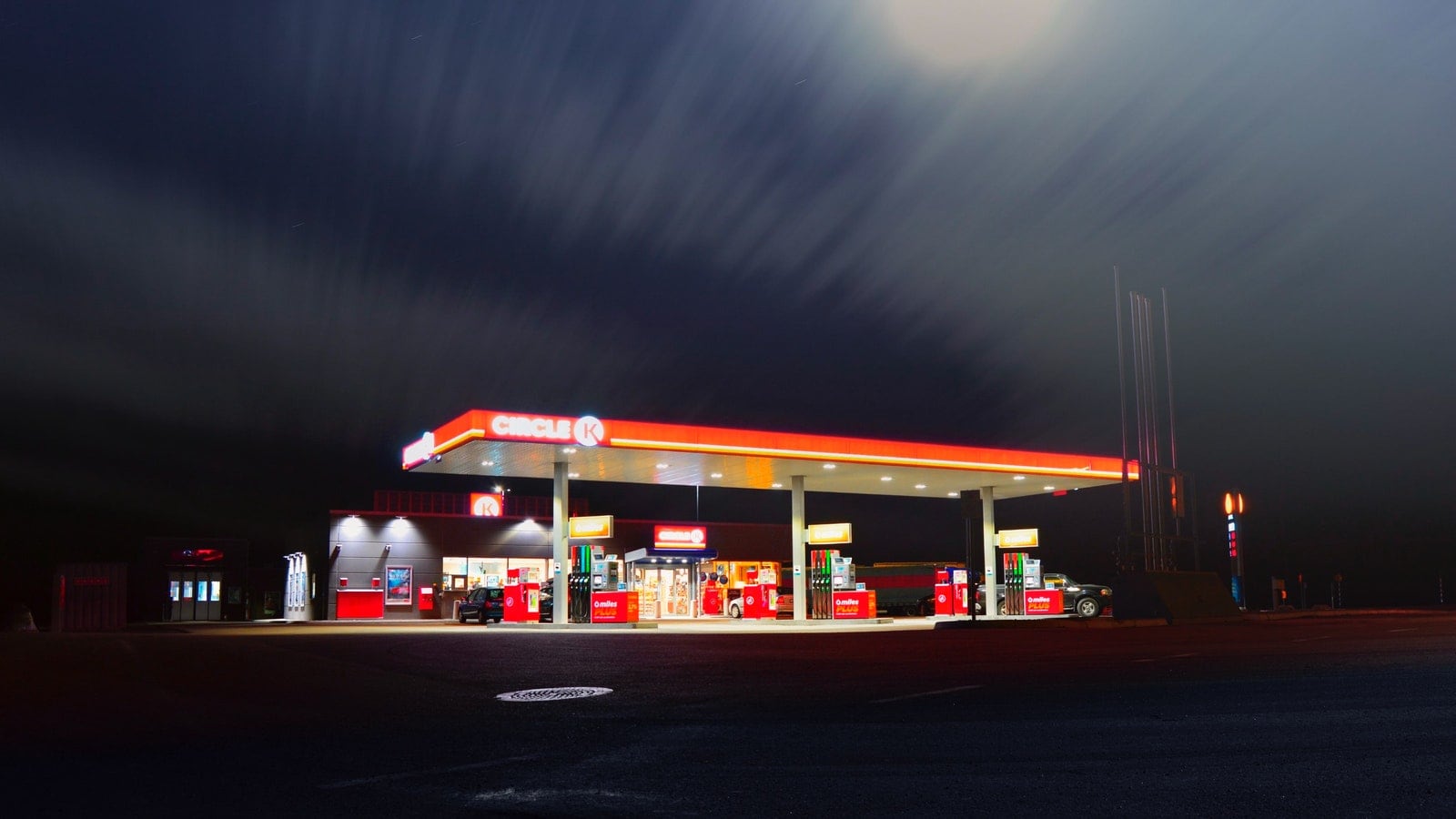
According to AAA, the nationwide average price of a gallon of gas this morning sits at $3.44. That’s three cents less than the same week last year. But gas prices are about to start a normal, seasonal rise.
Gas prices typically rise this time of year. Gas stations sell different blends of gasoline for warmer and colder months. Cars start in the cold more easily with winter blends, but the gas evaporates faster at warmer temperatures, so refiners switch to a blend that won’t evaporate as quickly for summer.
Related:
According to AAA, summer gas is more expensive to make and thus priced higher – about 10 to 15 cents per gallon. Drivers get some of that money back, as most cars are more fuel-efficient on the summer stuff.
“Much of the seasonal rise that happens this time of year is a culmination of refinery maintenance, the switch to summer gasoline, and rising demand,” says Patrick De Haan, head of petroleum analysis for GasBuddy.
Demand is picking up as warm weather tempts Americans out of the house. Americans used 9.04 million barrels of gasoline last week – up from 8.59 million the same week last year.
Higher demand and switching to summer blends mean Americans should expect price increases at the pump. “This is the time of year we normally see pump prices start to rise,” says Andrew Gross, AAA spokesperson. “And while prices have been rather pokey so far, they should begin to accelerate and move higher very soon.”
Explore AI’s Potential in Higher Education and Research at GTC
Skip to content
For students, researchers and educators eager to delve into AI, GTC — NVIDIA’s conference on AI and accelerated computing — is in a class of its own.
Taking place from March 18-21 at the San Jose Convention Center, GTC features over 900 talks presented by world-renowned experts in fields such as generative AI, high performance computing, healthcare, energy and environment and robotics.
See some of the top sessions for attendees in higher education below. And don’t miss NVIDIA founder and CEO Jensen Huang’s GTC keynote on how AI is transforming industries, on Monday, March 18, at 1 p.m. PT.
For Researchers
See more sessions for researchers.
For Educators
Priming Researchers and Students for AI and Accelerated Computing Breakthroughs With Self-Sustaining Training Programs, featuring Israel Chaparro-Cruz, lecturer and co-investigator from Universidad Nacional Jorge Basadre Grohmann; Mohammad Mostafanejad, lead software scientist at the Molecular Sciences Software Institute at Virginia Tech; and Joe Bungo, Deep Learning Institute program manager at NVIDIA.
Learn How Educators Are Integrating Generative AI, Simulation and Design Into Their Curricula, featuring Deepak Chetty, area head for virtual production and assistant professor of practice at the University of Texas, Austin; Barbara Mones, teaching professor in the Paul G. Allen School of Computer Science and Engineering at the University of Washington; and Laura Scholl, senior content developer for the NVIDIA Deep Learning Institute.
Omniverse Educator Summit, an opportunity for educators to explore the NVIDIA Omniverse platform, connect with peers and discover practical resources for classrooms from NVIDIA, including the Deep Learning Institute’s Teaching Kits and University Ambassador Program. Register to attend.
Find more sessions for educators.
For Students
Discover more sessions for students and apply to join the NVIDIA Student Network.
To gain hands-on experience, check out training labs and full-day technical workshops at GTC.
NVIDIA websites use cookies to deliver and improve the website experience. See our cookie policy for further details on how we use cookies and how to change your cookie settings.
A BYD Atto 3 on display inside the Westfield Liverpool shopping centre accelerated suddenly on Saturday, with two people having to be taken to hospital.
SBS News reports the car accelerated forward, crashing to a glass balustrade, and then reversed, crashing into the cosmetics section of Myer at around 12:30pm.
There was no battery explosion, as one news outlet had incorrectly reported shortly after the incident. Photos shared by Tony Pham on Facebook show no signs of a fire.
It’s unclear how the vehicle was able to move, considering display vehicles shouldn’t be able to be driven by customers checking them out.
A 14-year old boy was allegedly inside the vehicle when it crashed. He was sent home with family.
Police told SBS News a man in his 50s was treated for minor head injuries, and another in his 30s was treated for chest injuries. Both were taken to Liverpool Hospital in a stable condition.
Two BYD electric vehicles (EVs) were on display outside of Myer: an Atto 3 and a Seal.
Nissan and Honda are looking to partner on electric vehicles and software to help speed up development and lower costs.
The automakers on Friday announced the signing of a memorandum of understanding for the start of a feasibility study exploring the potential partnership.
The scope of the study covers software platforms, core EV components, and other related products, the automakers said in a joint statement.
Citing sources at Nissan, Nikkei reported on Thursday that Nissan and Honda are looking to jointly work on vehicle development as well as procurement.
2024 Honda Prologue
According to the sources, the primary goal is to reduce costs to help the automakers compete with cheaper EVs being launched by Chinese brands. China’s EV leadership helped the country overtake Japan last year to become the world’s largest exporter of vehicles.
Honda already formed a partnership with General Motors to accelerate the development of EVs for North America. The partnership has resulted in the 2024 Acura ZDX and 2024 Honda Prologue SUVs, with deliveries of the Prologue starting this month. Honda has also joined forces with Sony to establish the global EV brand Afeela, which will launch its first vehicle in North America in 2026.
Nissan is part of an alliance with Renault and Mitsubishi, though neither of those brands have a strong footing in the key markets of the U.S. and China, where Nissan stands to benefit most from launching EVs.
Another option for Nissan may be a partnership with cash-strapped EV startup Fisker. Reuters earlier this month reported that Nissan is in talks with Fisker about an investment to gain access to the platform of Fisker’s planned Alaska pickup truck. According to Reuters’ sources, Nissan may even build the Alaska for Fisker. Neither automaker has confirmed the talks, though Fisker has said it is in talks with a major automaker.
Update: This article has been updated to include Nissan and Honda’s confirmation of their talks about a potential partnership.
The 2025 Polestar 3 was priced this week and confirmed to start deliveries in the next few months. The electric midsize SUV will bring with it clean Swedish design, seating for five, and up to 517 hp.
2025 Audi A3
Audi’s A3 compact range receives a mid-cycle refresh for the 2025 model year. Revealed this week, the updates are subtle, but the S3 variant is confirmed to be getting more power and some drivetrain technology borrowed from the RS 3.
2026 Rolls-Royce Ghost Series II spy shots – Photo credit: Baldauf
Rolls-Royce was spotted testing a prototype for an updated Ghost. The car is expected to be one of Rolls-Royce’s last gas-powered model launches, as the marque is committed to going the full-electric route by the end of the decade.
2026 Mercedes-Benz AMG GT 4-Door Coupe EV spy shots – Photo credit: Baldauf
Also out testing was Mercedes-Benz AMG’s first dedicated EV. The vehicle will be a large fastback with a rumored output approaching 1,000 hp.
2024 Lincoln Nautilus
One of the vehicles we tested this week was the redesigned 2024 Lincoln Nautilus. The crossover has grown slightly compared to its predecessor, and inside sits a 48.0-inch full-width screen at the base of the windshield.
2025 Mercedes-Benz AMG E 53 Hybrid
Mercedes-Benz has just launched a redesigned E-Class and it will soon be followed by its E 53 variant developed by AMG. Revealed this week, the latest E 53 sticks with a turbocharged inline-6 engine but pairs this with a powerful electric motor to deliver a combined output that matches the output of the former E 63’s V-8.
2024 Nissan GT-R Skyline Edition
And finally, Nissan announced two new special editions that join the 2024 GT-R lineup. They feature some of the most desirable colors from the GT-R’s past, including the iconic Bayside Blue that was first featured on the R34-generation Skyline GT-R.
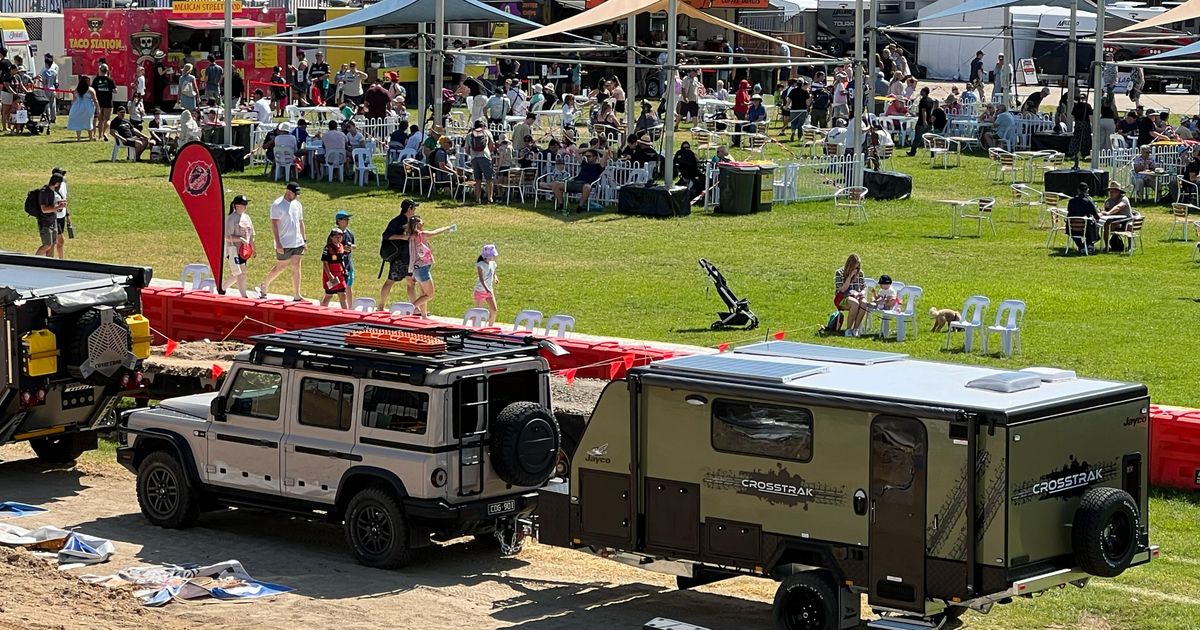
The recent Caravan and Camping Supershow was awash with caravans and campers of all types and sizes but it wasn’t these that stole the show.
Held at the Melbourne Showgrounds, the Supershow is a massive five-day event where big and small players in the camping and touring scene come out to show off and sell their wares.
The show ran February 21 to 25 as a heatwave hit Victoria, yet punters still turned out in droves to check out the latest gear and in essence, prove the continuing popularity of automotive touring across Australia.
From a towing perspective, manufacturer support for the event came from Ineos and Volkswagen.
Ineos as usual had their Grenadier on display, a cross between a utilitarian Land Rover-esque 4WD and a luxury car. But they also had the commercial version which simply has blacked-out rear windows and the second-row seating removed to greatly increase the cargo space and payload.
Much of the interest though centred around the soon to be launched Quartermaster. It’s a dual-cab ute version of the Grenadier which should prove to be a huge hit in Australia when it lands. It’s expected to hit our shores some time later this year.
“Ineos Automotive attend shows such as the Victorian Caravan, Camping & Touring Supershow to provide a tangible experience of the vehicle, to see and feel the engineering behind the Grenadier up close,” said Ineos spokesperson Josh Gay.
“Events like this increase awareness of the Grenadier within the caravanning and overlanding community, which is a key market for our brand in Australia.”
Volkswagen on the other hand had two Amaroks overshadowed by a number of non-caravan touring options. One was an oversized delivery van converted into a motorhome, and much the same as offerings from other manufacturers.
Their other display vehicle, however, was a showstopper! Sitting as the centrepiece of the VW corporate display site was a brand new ID. Buzz, a modern-day, electric successor to the Kombi of old.
With a luxurious interior, modern styling, low-profile tyres and a strong connection to the iconic Kombi, this new model attracted plenty of attention. We’d love to see it gracing the highways and top surfing spots around Australia, just like its legendary ancestors.
Motorhomes though were the flavour of the week and while they do fit the category well, it’s amazing to see the direction the industry is going when one of the state’s biggest caravan and camping shows is featuring a growing diversity of options for caravaners that don’t involve towing.
From my personal perspective though, it was positive and interesting to see these newer motorhome options starting to follow trends in the USA, with off-road fit-outs that included bull bars, 4WD tyres and many other accessories.
It proves just how big and diverse the Aussie off-road community is, but also that our thirst for touring this great land in well set-up vehicles is still just as strong as ever.
Like always though, how big is big enough or more appropriately, how big is too big?
There were basic Hilux 4x4s wearing massive motorhome ad-ons like an uncontrollable growth on their back (picture the Hunchback of Notre Dame but with a much bigger hump), right through to vehicles as large as a commercial bus with every option that opens, closes, expands, extends, retracts and pops in, out or up!
It’s an important reminder that as motorists, we are all sharing the roads with these behemoths and need to take into account their limitations and lack of agility when tackling our roads.
Similarly, we are hearing more calls made for a towing license considering the size and number of caravans and campers we are seeing on our roads these days.
In all honesty, you need a special driving licence for anything heavier than 4999kg, and considering the risk, danger and complexity of towing even a smaller caravan or camper, let alone a 22-foot chalet (or something bigger), shouldn’t we (Australia) be considering something similar for those who are towing?
What are your thoughts? Should Australia implement a licensing and training regime for anyone who wants to tow? Should it be limited to those touring with a caravan or should anyone who is going to tow be required to pass a test?
Magnets could help clean up brake dust. Honda and Nissan ally for EVs. Nio and CATL go in on battery swapping together. And which is the greenest Volvo EX30? This and more, here at Green Car Reports.
In a lifetime carbon analysis released Thursday, Volvo reported that the LFP version not offered in the U.S. is the greener pick of the EX30 lineup. Looking at the pack alone, the battery in the NMC version offered to America has nearly double the carbon impact while offering 35% more capacity.
China’s Nio and CATL have allied for longer-life EV batteries, as well as the used of Nio’s battery-swapping tech. It stems partly from concern from Nio that batteries last as long as vehicles—although it reports that packs used in its battery-swapping are lasting a dozen years or more.
And an electric charge—and magnets—could help curb brake-dust emissions in heavier vehicles including trucks and EVs where the emissions have become a concern.
Disclaimer: This page may contain affiliate links. Please review our full Terms and Conditions for more information and our Privacy Policy. Note that any pricing, operating hours, or other such information provided below may have changed since initial publication.
Compiled by the Road Trip Alberta team
Last updated on March 16, 2024
Nestled in the Canadian Rockies, in the shadow of Sulphur Mountain, you’ll find the magnificent Banff Upper Hot Springs. A soothing soak is one of the best things to do in Banff National Park, and the Upper Hot Springs have long provided rest, relaxation, and healing to people due to its mineral-rich water. We love to soak in the steaming water of the outdoor pool and take in the national park’s stunning panoramic mountain views. However, there are some things visitors need to know before they visit. This guide will tell you everything about the Banff Upper Hot Springs.
Everything You Need to Know about the Banff Upper Hot Springs
About the Springs
What makes the water at the Banff Hot Springs so special? Rainwater that has seeped into the earth’s crust undergoes thermal heating before eventually bubbling its way up to the surface of Sulphur Moutain; from there, the thermal waters pass and trickle down the mountain to the springs at a rate of up to 900 litres per minute. Along its journey, the water picks up an infusion of minerals, including sulfate, calcium, bicarbonate, magnesium, and sodium.
Image via Travel Alberta credit Noel Hendrickson
The water temperatures are also special here, and it is kept at around 40°C (104°F) in the main hot pool. When the flow of natural spring water is too low to fill the pools, supplemental municipal water is used so that the hot springs can be enjoyed all year round.
Fun Fact!
The Banff Upper Hot Springs is the highest hot spring in all of Canada at an elevation of 1,585 metres!
History of the Springs
The history of Banff Upper Hot Springs goes back centuries, as Indigenous peoples used the hot springs as a sacred place to cure illness and maintain good health. In 1883, Canadian Pacific Railway workers started using the Cave and Basin Hot Springs, paving the way to create Banff National Park; the following year, Europeans also started using Banff Upper Hot Springs. Due to the popularity of spas in Europe, the site became extremely popular, especially with the expansion of the railway system in the late 1880s and motorway construction in the 1910s.
Image via Travel Alberta credit Roth and Ramberg
While various buildings were constructed and then destroyed (often by fire), the Upper Hot Springs Bath House opened in 1923. Similar to some of the famous spas in Europe, the bathhouse has a sulphur-water swimming pool, plunge baths, steam rooms, tubs, showers, and dressing rooms. In 1931, the Canadian government declared the bathhouse a Registered Federal Heritage Building.
After many renovations, the bathhouse has been restored to resemble its 1932 appearance, and a restaurant and a gift shop have been added. With over 300,000 visitors yearly, the Upper Hot Springs is one of Banff National Park’s most popular tourist destinations.
Where are the Banff Upper Hot Springs? Location and parking
Banff Upper Hot Springs is located on Mountain Avenue, four kilometres south of the town of Banff. The route to get there is well-marked. If driving, walking or cycling, follow Banff Avenue over the Bow River and turn left (east) at the last set of lights. Follow the signs for 3.6 kilometres to the Banff Upper Hot Springs parking lot.
Image via Travel Alberta credit Roth and Ramberg
Unfortunately, there is limited parking, and why many people choose to take public transit to the hot springs instead. If you’d like to take the bus from downtown Banff, take the bus marked with Route 1, “Sulphur Mountain.” Buses run every 20 minutes during regular operation hours.
You can also walk or cycle to the Banff Upper Hot Springs, which is a great way to see the town and get a little bit of exercise before your soak!
Don’t Miss!
Before or after your soak, we recommend going up Sulphur Mountain on the Banff Gondola, seeing they are so close to one another.
How much does it cost to visit the Banff Upper Hot Springs?
Considering how expensive activities in Banff can be, a visit to Banff Upper Hot Springs is relatively affordable. Note that advance tickets and reservations are not available and admission can only be purchased in person at reception. One-time-use lockers are included in all rates.
Current rates are as follows:
Single Entry Fees (GST included)
Adult: $17.50
Senior: $15.25
Youth(ages 3-17): $15.25
Children: (under 3): Free
Extra Youth: $8.50
Family: $56.75
Group Rates (ten or more people all checking in and paying in one payment – GST included)
Adult: $16.00 each
Senior: $14.00 each
Youth (ages 3-17): $14 each
Image via Banff Lake Louise Tourism credit Noel Hendrickson
Additional Admission Options
Annual passes and multi-use passes are available for those who want to visit the Upper Hot Springs more than once. Additionally, if you plan to visit the Cave and Basin National Historic Site and the hot springs there, you can buy a thermal pass that combines the two admissions.
For more information about admissions and tickets, please visit the website.
Don’t Forget!
A reminder that you’ll need a park pass to be in Banff National Park (whether that’s a day pass or a Parks Canada Discovery Pass).
Hours of Operation
The Banff Upper Hot Springs is open every day of the year. And when we say every day, it’s true: the Upper Hot Springs are even open on Canadian holidays, including Thanksgiving Day, Christmas Day, Boxing Day, New Year’s Day, Good Friday, and Easter.
Image via Travel Alberta credit Roth and Ramberg
During the peak season (May to September), the hot springs are open daily from 9 am to 11 pm. During the off-season (October to April), the hot springs are open daily from 10 am to 10 pm.
That being said, the pools can close at times for maintenance and cleaning. It’s important to check the Parks Canada website for unexpected closures before you visit.
When to Visit the Banff Upper Hot Springs
As mentioned above, the Banff Upper Hot Springs are open year-round! Therefore, there are benefits to visiting during every season, no matter the temperature. The busiest time at the Banff Upper Hot Springs is in the summer months, as it is the peak season for Banff National Park. And being peak season, the hot springs will be very crowded, and there is a limit to how many people can enter the hot springs at once.
Weekdays are generally less busy than weekends, with Monday and Tuesday being the quietest days to visit. Additionally, early morning and later evening are less popular times to visit; the hot springs peak in the afternoon.
Image via Travel Alberta
We recommend visiting in the springtime or fall if you’re after cooler temperatures and fewer people. The Canadian Rockies are still beautiful, and the hot spring waters are a welcome treat on a chilly day. But we highly recommend going in the winter. We think the colder the better as we enjoy the warm pools as we soak in both the panoramic views of the snowy mountains and the thermal waters.
What to Bring to the Banff Upper Hot Springs
Visitors should bring swimsuits, towels, and water shoes to the Banff Hot Springs, although there are also bathing suits and towels available for rental if you do not have your own. You may also want to bring any other toiletries you feel you’ll need after the springs, i.e. deodorant, makeup, etc.
You have access to one-time use lockers but can purchase an additional locker token if needed.
Image via Banff Lake Louise Tourism credit Noel Hendrickson
How long should you spend at the Banff Upper Hot Springs?
While you could easily spend half a day soaking in the mineral-rich water – those views are unbelievable! – we recommended planning for at least two hours at the hot springs. This would also give you a bit of time needed to change, shower, etc.
Accessibility
Banff Upper Hot Springs is wheelchair-accessible, with many ramps, an elevator in the facility and accessible parking out front. An aquatic wheelchair is also available upon request (first come, first served). Service dogs are allowed at the Banff Hot Springs, although they are not allowed in the water.
Image via Travel Alberta credit Roth and Ramberg
Things to Do at the Banff Upper Hot Springs
The main thing to do at the Banff Upper Hot Springs is relax! The natural spring water of the hot springs is meant to have healing properties, and relaxing in a hot pool is a magical experience. The large hot pool can accommodate up to 200 people, while there is a smaller, cooler pool for those who prefer slightly colder temperatures. You can also spend time in the steam room.
When you’re ready for a snack, a café sells light bites and drinks. The gift shop is also a good stop to pick up a souvenir from your time at the springs. Also, make sure to check out the interpretive exhibits around the bathhouse, which document its history and the history of the hot springs themselves.
Image via Travel Alberta credit Roth and Ramberg
Things to Do Nearby
You can also combine a visit to the Banff Upper Hot Springs with the Banff Gondola, as they’re so close to one another. Or you could hike the Sulphur Mountain Trail (a challenging, 9 km out-and-back hike) and then soak in the natural hot springs afterward to soothe your body. This hike is one of the most popular hikes in Banff, and the trailhead is right next to Springs.
Dalene Heck is a co-founder of Road Trip Alberta. She was born in Edmonton, grew up in the Peace Country, and has ventured to almost every corner of Alberta and the world (she’s travelled to 60 countries)! She is a serial blogger, the CEO of HMI Marketing, co-creator of the Trip Chaser card game, a leukemia-slayer, and cat whisperer.
The technical storage or access is strictly necessary for the legitimate purpose of enabling the use of a specific service explicitly requested by the subscriber or user, or for the sole purpose of carrying out the transmission of a communication over an electronic communications network.
Preferences
The technical storage or access is necessary for the legitimate purpose of storing preferences that are not requested by the subscriber or user.
Statistics
The technical storage or access that is used exclusively for statistical purposes.The technical storage or access that is used exclusively for anonymous statistical purposes. Without a subpoena, voluntary compliance on the part of your Internet Service Provider, or additional records from a third party, information stored or retrieved for this purpose alone cannot usually be used to identify you.
Marketing
The technical storage or access is required to create user profiles to send advertising, or to track the user on a website or across several websites for similar marketing purposes.