Home Blog Page 873

Best Selling Luxury Sedans of 2023 | The Daily Drive

0


As luxury shoppers turn to crossovers, these sedans remain popular.

2024 BMW 3-Series
2024 BMW 3-Series – Best Selling Luxury Sedans of 2023

There was a time, not all that long ago, when BMW’s lineup was primarily sedans, grouped conveniently by size in small (3-Series), medium (5-Series), and large (7-Series) model ranges. The Mercedes-Benz lineup was similarly configured, with most of the models being sedans.

More luxury vehicles

Best Selling Luxury Sedans of 2023

Today, the BMW lineup consists of—depending on how you count them—18 individual models, most of which are crossovers. This is true with mainstream makes, too. For years, the Toyota Camry sedan was the best-selling vehicle in the U.S. But, a few years ago, the Toyota RAV4 small crossover took the annual sales crown, and looks positioned to remain in first place for many years to come.

But what of the traditional sedan, specifically the luxury sedan? How well do they sell these days? As seen below, the best-selling luxury sedan in the American market is the Lexus ES, which chalked up more than 41,000 sales in 2023. For comparison, the Lexus RX midsize crossover saw more than 96,000 units moved. And, it’s like that across the luxury-vehicle landscape, crossovers are now handily outselling sedans.

Here we’ll take a look at the five best-selling luxury sedans of 2023. You may be surprised by the relatively low volume numbers—we certainly are. It’s amazing how robust the move away from sedans and into crossovers really is.


Lexus ES

2024 Lexus ES
2024 Lexus ES

2023 sales: 41,735

2024 Base Price Range: $43,190 – 53,480

While not especially sporty, the midsize ES serves up and a serious dollop of core Lexus virtues, including refinement, room and comfort, and, in hybrid guise, impressive fuel economy. Sadly, AWD is offered only with a normally aspirated 4-cylinder engine, but, the brand’s super-silky 3.5-liter V6 is still available on front-drive models.

More Lexus news and reviews


BMW 3-Series

2024 BMW 3-Series
2024 BMW 3-Series

2023 sales: 30,400

2024 Base Price Range: $44,500 – $76,000

With its tidy dimensions and legendary handling prowess, the 3-Series has long been BMW’s spiritual flagship. While still a strong seller, the compact sedan plays second fiddle in the BMW sales-volume department, bested by the compact 4-Series (which includes sedans as well as coupes and convertibles), as well as the X3 and X5 compact and midsize crossovers, respectively.

More BMW news and reviews


Lexus IS

2024 Lexus IS
2024 Lexus IS

2023 sales: 21,386

2024 Base Price Range: $43,690–60,020

Conceived as competition to the BMW 3-Series, the IS has developed a character all its own, and quietly sells in respectable numbers. Though cramped, and no longer offered with a manual transmission, the IS is steeped in sporty character, and boasts, at the top of the model lineup, serious V8 power. We especially appreciated the tidy cabin, excellent ride and handling balance, and—for the class—reasonable prices.

Test Drive: 2023 Lexus IS 500 F Sport


Mercedes-Benz C-Class

2024 Mercedes-Benz C-Class

2023 sales: 26,192*

2024 Base Price Range: $44,500 – $76,000

Thought Mercedes-Benz sells a smaller, more-affordable A-Class, the more traditional, default rear-drive C-Class is the brand’s best-selling sedan. Available with a range of engines and equipment levels, the C-Class hits a market sweet spot in bother price and prestige. Note: Some C-Class sales reported in this total are coupes. That said, because the take rate on C-Class coupes is reportedly very low, we suspect the sedan would still make this list—possible coming in around 20,000 units.

More Mercedes-Benz news and reviews


BMW 5-Series

2024 BMW 5-Series
2024 BMW 5-Series

2023 sales: 20,859

2024 Base Price Range: $57,900 – $64.900

All the guys this author knows who once drove 5-Series BMWs now drive the X5 midsize crossover. And, I guess I can live with that—the X5 is, in its most-affordable iterations, an amazingly refined and comfortable vehicle. Once the most-popular BMW model, the 5-Series is now outsold by the X5 by a 4-to-1 ratio.  The X3 compact crossover is also far more popular than the X5, outselling it roughly 3-to-1.

Listen to the Car Stuff Podcast

Tom on Twitter

Luxury Sedan Gallery

Click below for enlarged images

Luxury Cars of 1985: Classic Car Ads

Consumer Guide Car Stuff Podcast Episode 210: Rivian’s Big Surprise, Sons of Speed Hit the Track, Surprisingly High-Value Nissan Sentra


Source link

Apps claiming to boost EV efficiency can hike insurance rates

0


App-based features pitched as a way to become a safer and more efficient driver may end up reporting you as a higher-risk driver to insurers, The New York Times reports.

New cars, EV or not, have substantial data-gathering capability thanks to their array of onboard sensors, which is sometimes presented to consumers as a way to improve driving or secure lower insurance rates by opting into data collection. But automakers are also selling this information to companies that create risk profiles of customers for insurance companies, according to the report.

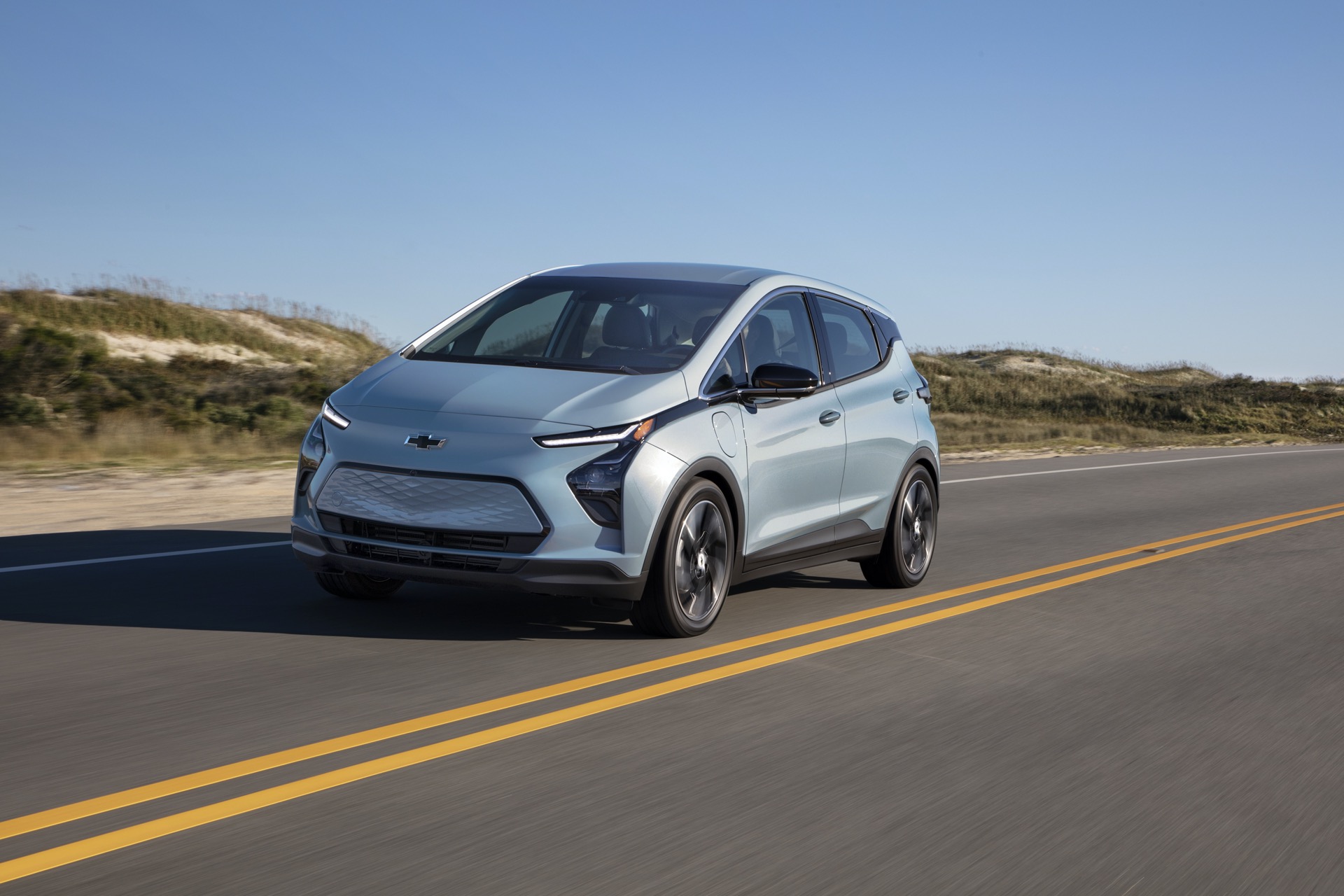
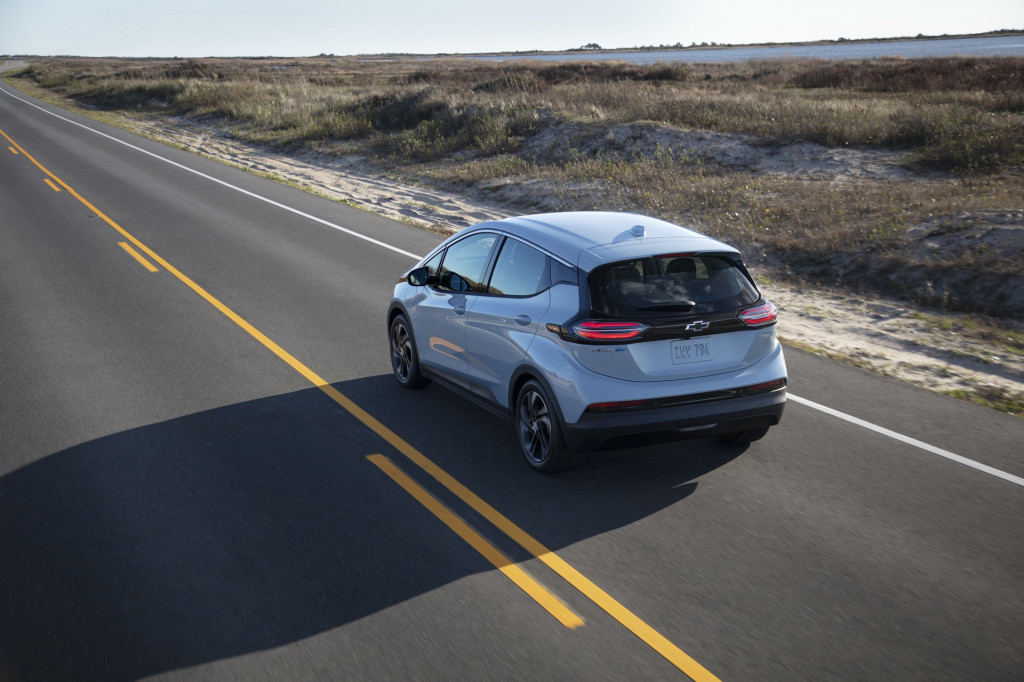
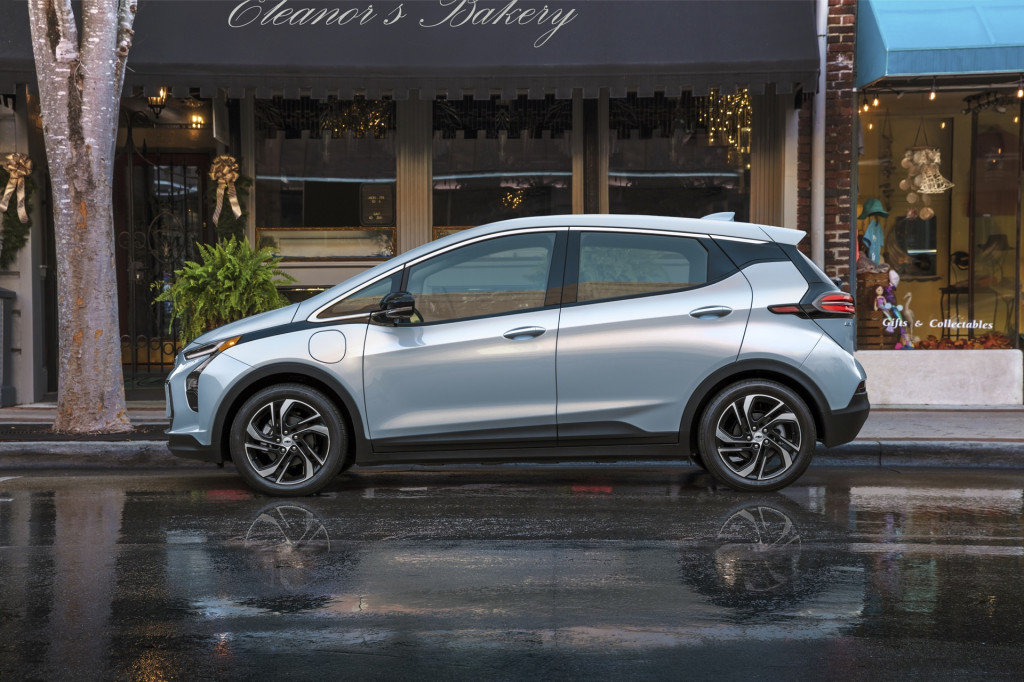
One Chevrolet Bolt EV driver profiled in the report saw insurance-rate increases based on a 130-page report based on six months of driving data, which was shared by General Motors with LexisNexis through the OnStar Smart Driver program. That program provides drivers with positive feedback for good habits like buckling seatbelts and limiting hard acceleration, but it doesn’t appear to include any context about the type of road being driven on, traffic conditions. Insurance companies also pay to see the data generated.

2022 Chevrolet Bolt EV

2022 Chevrolet Bolt EV

In the FAQ section of website, OnStar notes that “insights about driving behavior” are only shared with insurance companies with a customer’s “explicit consent.” If customers provide consent, insurers can access a “driver score” generated by LexisNexis or a second company, Verisk. GM claims it does not have access to this score.

The report claims Kia, Mitsubishi, and Subaru also contribute data to LexisNexis, although Subaru told The New York Times that it only submitted odometer data. Ford, Honda, and Hyundai provide data to Verisk, according to the report.

2022 Chevrolet Bolt EV

2022 Chevrolet Bolt EV

EV drivers hoping to get lower insurance rates by releasing their driving data face an uphill battle. Consumer Reports in 2023 found that EVs cost much more to insure than gasoline cars. However, the Insurance Institute for Highway Safety (IIHS) Highway Loss Data Institute (HLDI) said last year that EVs are stolen less than gasoline cars.

It’s also unclear how such a database might continue to present EV drivers who take advantage of strong regenerative braking settings in their vehicles, like the Bolt EV’s one-pedal driving mode, or those who use the strong acceleration touted by automakers. As one CEO recently argued, EVs’ quicker acceleration is a safety feature.

The security of any data transmitted from vehicles to data brokers also shouldn’t be taken for granted, either. Until now, cybersecurity advocates have focused on charging and over-the-air updates as potential access points for cybersecurity or privacy infringement.


Source link

Porsche Panamera Turbo E-Hybrid Review: A Formidable Powerhouse

0


The latest generation of the Porsche Panamera brings notable enhancements, including an upgraded chassis and a refined plug-in hybrid system. Perfect for those not yet ready for the all-electric Taycan, the new Panamera is a fitting choice.

The Panamera’s design, which has long overcome any aesthetic criticisms, now boasts lines reminiscent of the iconic Porsche 911. A new air intake above the number plate at the front meets the increased air demand of the powertrain, while the redesigned window line accentuates its sporty character. The interior retains the T-shaped structure of the dashboard, seen also in the Cayenne, with the gear selector now positioned on the dashboard. The standard cabin configuration includes four seats, but an option for a snug three-seat arrangement in the second row is available. The boot space in the plug-in hybrid variant is slightly smaller than the petrol versions (421 litres compared to 494 litres), but has increased slightly from its predecessor (403 litres).

The optional rear-wheel steering, no longer a novelty for Porsche, significantly enhances the stability and agility of the 5.05-metre-long Panamera. The new technology takes it a step further: “There are sensors that monitor lateral forces and increase the load on the tyres as needed to make the dynamics as effective as possible,” explains Ingo Albers, Head of Chassis Development. In pursuit of dynamic perfection, engineers have developed a sophisticated suspension system for the plug-in hybrid versions, optionally equipped with Active Ride Suspension.

This requires a 400-volt voltage to function, while the rest of the range features adaptive air suspension. The standard adaptive air suspension has two air chambers and a shock absorber with two electromagnetic valves for controlling compression and rebound. The air springs can adjust the vehicle’s ground clearance for different purposes: raising it by five centimetres for easier entry and exit, and lowering it in sportier driving modes to improve handling.

However, the major innovation is the Active Ride Suspension. “Each wheel and shock absorber has a hydraulic pump that regulates the pressure of the fluid, increasing or decreasing it as needed. This precise adjustment between compression and rebound makes a stabilisation with 48-volt technology unnecessary,” explains Thomas Friemuth, Head of the Panamera Product Range. The innovative suspension system keeps the body on track even during dynamic braking, steering, and acceleration manoeuvres.

When the relevant mode is activated, the suspension can neutralise the body’s pitch and roll movements, reducing the acceleration forces acting on the passengers. In this setting, the car leans into corners like a motorcycle (up to a maximum of 3 degrees), while during acceleration and deceleration, the front and rear are lowered (up to a maximum of 1.5 degrees). In Sport and Sport+ modes, these functions are inactive, and the suspension is configured to neutralise the body movements as much as possible.

The Panamera Turbo E-Hybrid, with 500 kW / 680 PS / 930 Nm, is positioned between the 4S PHEV and Turbo S PHEV versions. The powertrain consists of a V8 turbo engine with increased injection pressure – from 250 to 350 bar -, reinforced pistons and connecting rods, and a new crankshaft, boosting the power from 441 to 519 PS. Additionally, the continuous output of the electric motor has increased from 45 to 80 kW, and the peak output from 100 to 140 kW. The electric top speed remains at 140 km/h.

The hybrid flagship model accelerates to 100 km/h in an impressive 3.2 seconds and reaches a top speed of 315 km/h, 17 km/h faster than before. Like the Cayenne, the battery now has a gross capacity of 25.9 kWh (previously 17.9), extending the electric range to up to 91 kilometres.

It is somewhat hard to accept that in a car costing at least 192,500 Euros, the onboard charger only has a power of eleven kilowatts, requiring over two and a half hours for the battery pack to charge. A few months after its launch, a second PHEV version with a 2.9-litre six-cylinder petrol engine will be released, becoming the second of four hybrid variants of the new Panamera alongside the 4S, Turbo, and Turbo S. Unlike the V8 power hybrid, the base Panamera with its 2.9-litre V6 drives like a completely different car, weighing almost 500 kilograms less than the Turbo E-Hybrid.

This makes it significantly more agile, particularly noticeable in corners and when accelerating out of them. And for those who prefer linear and natural driving behaviour, this model is just right, as the body movements are less filtered despite the corresponding air suspension. Naturally, the driving comfort is less refined, and uneven asphalt is more noticeable. Exactly right for those who want to enjoy a five-door 911.


Source link

How to protect yourself when selling a car

0


Integrity is doing the right thing when nobody is looking – but it’s a virtue some members of society are still learning.

It’s a jungle out there when it comes to selling a car privately, but if you exercise common sense, trust your gut – and some rock-solid paperwork – you’ll be in for a breezy experience. One so good you’ll want to sell a car all over again.

Here are are 12 tips to making sure your private selling experience is as pleasant, safe and secure as possible.

Trust your instincts from the start

We humans are hard-wired to detect anything dodgy. If anything feels off at any point, sense-check with somebody you trust. Chances are, your instincts are right. Anything that sounds too good to be true, probably is.

Cover your number plates in the ad

As well as being able to identify you and where you live, blurring your plates prevents ‘plate cloning’ – where a dodgy person on the internet with the same make, model and colour of your car, copies your plate and puts it on their car for nefarious purposes such as driving on tollways, racking up fines and undertaking other criminal activity.

You won’t know your number plate has been ‘cloned’ until the letterbox starts choking with fines. If you don’t know how to hide your number plate in your ad’s photos, watch some YouTube videos which will guide you.

Watch out for scams during the enquiry process

Scammers might contact you via your advertisement. Don’t click on any links at all – ever.

It might be a phishing attempt to get your personal information, install malware on your computer or worse, get access to your online banking log-in details.

Further to that, never transfer money to a buyer under any circumstances, unless it’s simply returning their deposit. Common scams include making an offer for more than you’re asking and wanting to ship the car overseas. Or someone is in debt, and has a friend, and a convoluted way to buy the car off you. Avoid stuff like this.

Try to sell the car to someone genuine who lives locally and you get a good feeling about – even if you have to lower the price to attract this kind of person.

Many scammers aren’t interested in your car at all – but they are interested in your identity. Stealing it, that is.

Try to keep yourself as anonymous as possible when fielding early enquiries – and consider making a new Gmail or Yahoo address just for taking messages about your car. Don’t give out a home phone number. You don’t need to exchange mobile numbers with a buyer until you’re wanting to call them to arrange an inspection and test drive.

Invite the best-sounding people to inspect the car first

If you get a lot of enquiries – and if you follow all our tips, you should! – you should gravitate towards the people who seem the most legitimate.

That’s not an invitation to discriminate, but it does mean giving preference to people in your local area who’ve put even the smallest amount of effort into their enquiry, reply promptly and seem respectful and polite.

Give lower preference to enquiries from interstate and avoid any from overseas. Also, there are plenty of time-wasters out there, and you will get enquiries from dreamers and tyre-kickers – try to weed them out early. Your time is valuable.

Speak on the phone before arranging an inspection and test drive to further cement the gut instinct and gauge how serious they are. Ignore “low-ballers” – people offering you way below your price. They’re hunting for vulnerable sellers who need to shift the car urgently.

Important: before they come to see the car, ask the buyer if they have a driver’s licence (you’d be surprised). If they don’t, you can ask them to get a customer service number or similar from your state or territory’s transport department. This requires them to prove their identity.

Also, avoid dealing with “middle men”. This is a red flag and common scam tactic. Deal directly with potential buyers only.

Meet in public during the day

For the initial inspection and test drive, try to meet at a large, busy service station, or a shopping centre carpark – somewhere someone might come to your assistance if you need it. Tell a family or friend where you’ll be and what you’ll be doing.

If you want to crank the protect to the next level, you could meet the buyer and complete the inspection and test drive at a police station. If the buyer asks you to pick them up somewhere and then drop them off, decline. Conduct the business in the one place.

It can be unnerving meeting a total stranger in a carpark somewhere, and often they’ll bring along another person to help them check the car over. If that freaks you out, consider having another person with you when a potential buyer comes to check out the car. Let the buyer know beforehand that you won’t be alone.

Never invite a total stranger to inspect a car where you live. If you can’t avoid it, don’t let them come inside. They could be window-shopping only to return later with a torch and a stocking over their head.

Get key details before a test drive

Grab the driver’s licence and take a quick photo of the front and back with your phone (or just write down all the details). Check that it hasn’t expired.

Check that your insurer covers test drives

Many insurers will cover “unlisted” drivers in the case of an accident and simply charge a higher excess. But it’s worth checking. Call your insurer and ask.

Be prepared to walk away at any moment

Keep in mind that cars have been stolen by ‘interested buyers’ before. It’s extremely rare, so don’t stress too much, but be aware.

During the test drive, the thief will pull over to ‘check something’ and ask you to get out. If that ever happens to you, do what they say. Your safety is way more important than the car. Use common sense.

Use secure methods for accepting payment

You can read our guide for accepting payment from a buyer here, but in summary: never hand over the keys until you can see the cash in your bank account.

If you’ve decided you want to be paid via electronic funds transfer (EFT), tell the seller you can’t give them the car until the funds have cleared. It takes a bit of trust on their part, but if they’re a decent person, they’ll understand.

If they don’t, you can explore other options such as an in-branch bank transfer or a bank cheque. Never accept unusual payment methods such as Western Union, PayPal, cryptocurrency or, say, iTunes gift cards. Use your common sense.

Keep a paper trail for any transactions whatsoever

If you want to take a deposit from the buyer, write up a receipt, print two copies and get both yourself and the buyer to sign both. Likewise when the vehicle is sold, complete a proper Bill of Sale or proof of purchase.

We’ve included a comprehensive example in our article about documentation you need to sell your vehicle. If you want to crank the security up a step further, get a Justice of the Peace to sign yours and the buyer’s Bill of Sale.

Complete a “notice of disposal” immediately

Once you’ve received the money and given the car to the buyer, let your local transport government authority know immediately that you’ve ‘disposed’ of the car. This helps cover you if the new owner racks up thousands of dollars in speeding fines or similar.

Read our guide to documentation when selling a car here, as it varies depending on your state and territory.

Do the right thing by the buyer, as well

While a buyer should understand they’re purchasing a vehicle “as is” – meaning it’s on them to complete their due diligence before committing – you should still disclose whether the vehicle is a repaired write-off, any outstanding mechanical items that need attention, and especially if the car is encumbered (you are still paying off the loan).

This can limit your liability down the road if anything goes awry. But also, remember to be polite, respond promptly, be reliable and punctual. If you’re a good person to the buyer, chances are they’ll be a good person to you. Everybody is happy.

If you want to sell your car, click here and receive a price quickly.


Source link

Nissan mulling EV tie-up with Honda to take on rivals

0


Nissan mulling EV tie-up with Honda to take on rivals

Nissan is considering cooperation with fellow Japanese manufacturer Honda in the electric vehicle sector, which could see the creation of an alliance between the Japanese carmakers aimed at taking on overseas EV rivals such as Tesla, Kyodo News has reported.

Citing sources close to the matter, the publication reported that Nissan is considering the joint procurement of parts and the sharing of major components for future EVs from Nissan as well as Honda in order to lower costs, however discussions with Nissan are still in the early stages, Honda’s position on the cooperation is unclear for now.

“I would say it is a realistic move. They could also expand the scope of cooperation to hybrid cars and batteries,” said Tokai Tokyo Intelligence Laboratory senior analyst Seiji Sugiura, according to Kyodo News.

Nissan announced its expedited Ambition 2030 strategy in February last year, revealing that it would release 19 new EVs by 2030, as part of 27 new electrified model that it will roll out by that time. Meanwhile, Honda laid out its EV plans in 2022, stating that it plans to roll out 30 EVs by 2030, and has targeted an annual production volume of two million units.

Honda and Sony signed a memorandum of understanding (MoU) in March 2022, which was followed by the formal establishment of Sony Honda Mobility for the joint development of “high value-added battery electric vehicles”. Last January, Sony and Honda announced its joint EV brand, Afeela, which will have its first car go on sale in North America in 2026.

Honda had partnered with General Motors in 2022 for the co-development of affordable EVs using the latter’s Ultium platform, which saw the emergence of the Prologue electric SUV in 2023. Shortly thereafter, the two companies scrapped the joint development of affordable EVs.

Looking to sell your car? Sell it with Carro.


Source link

The Tranquil Escape of Japan’s Janu Tokyo

0


Janu Tokyo, Japan – Front Desk

Enter a realm of unmatched tranquility and revitalisation as Janu Tokyo, the inaugural masterpiece of the Janu hospitality brand, invites you to the vibrant heart of Azabudai Hills, Tokyo’s exquisite urban haven. With an unwavering dedication to immersive experiences inspired by the renowned Aman Group, Janu Tokyo epitomises refined luxury, where genuine human connections intertwine seamlessly with the art of indulgence and social well-being.

Janu Tokyo, Japan – F&B, Janu Mercato

Nestled gracefully within Mori Building’s Azabudai Hills, the property unveils a mosaic of luxury, featuring 122 impeccably designed guest rooms and suites, eight culinary delights, and a vast 4,000-square-meter sanctuary dedicated to holistic rejuvenation. Embark on a culinary journey harmonising European and Asian flavors at Janu Mercato, Iigura, Sumi, Hu Jing, and other culinary delights, each promising a sensory adventure in line with the brand’s ethos.

Janu Tokyo, Japan

Extending beyond luxury, embracing its role as a cornerstone of the Azabudai Hills community, ushering in a new era of “Modern Urban Village.” Through collaborative efforts with local artisans and cultural institutions, Janu seamlessly integrates into the vibrant fabric of the district, enriching the lives of patrons and residents alike through authentic encounters and immersive experiences.

Janu Tokyo, Japan – Wellness & Spa, Pool

Central to the hotel’s philosophy is an unwavering dedication to holistic well-being, embodied by its multi-faceted spa and wellness center – a sanctuary for body, mind, and soul. Explore Tokyo’s largest gymnasium, vibrant movement studios, and a tranquil hydrotherapy haven, meticulously designed to foster inner balance and radiance.

Janu Tokyo, Japan – Accommodation, Deluxe Room King

Meanwhile, the hotel’s thoughtfully curated rooms and suites, ranging from 55 to 519 square meters, blend contemporary elegance with Japanese minimalism and symmetry, offering captivating views of Tokyo Tower and the lush Azabudai Hills.

Janu Tokyo, Japan

As the inaugural gem in a constellation of twelve upcoming properties, Janu Tokyo ushers in a new era of luxury hospitality. Enveloped within Azabudai Hills’ visionary “Green & Wellness” community blueprint, inviting you on a journey of discovery, connection, and rejuvenation, where the pleasure of authentic human interaction flourishes amidst the verdant allure of a dynamic urban landscape.

Janu Tokyo, Japan – F&B, Janu Lounge

In the words of John Lubbock, “Rest is not idleness, and to lie sometimes on the grass under trees on a summer’s day, listening to the murmur of the water, or watching the clouds float across the sky, is by no means a waste of time.” Indeed, within the embrace of Janu, travel transcends leisure, evolving into a profound voyage of connection – with others, with the world, and with oneself.

For more on the latest in luxury travel reads, click here.


Source link

Car Of The Day: 2023 McLaren Artura

0


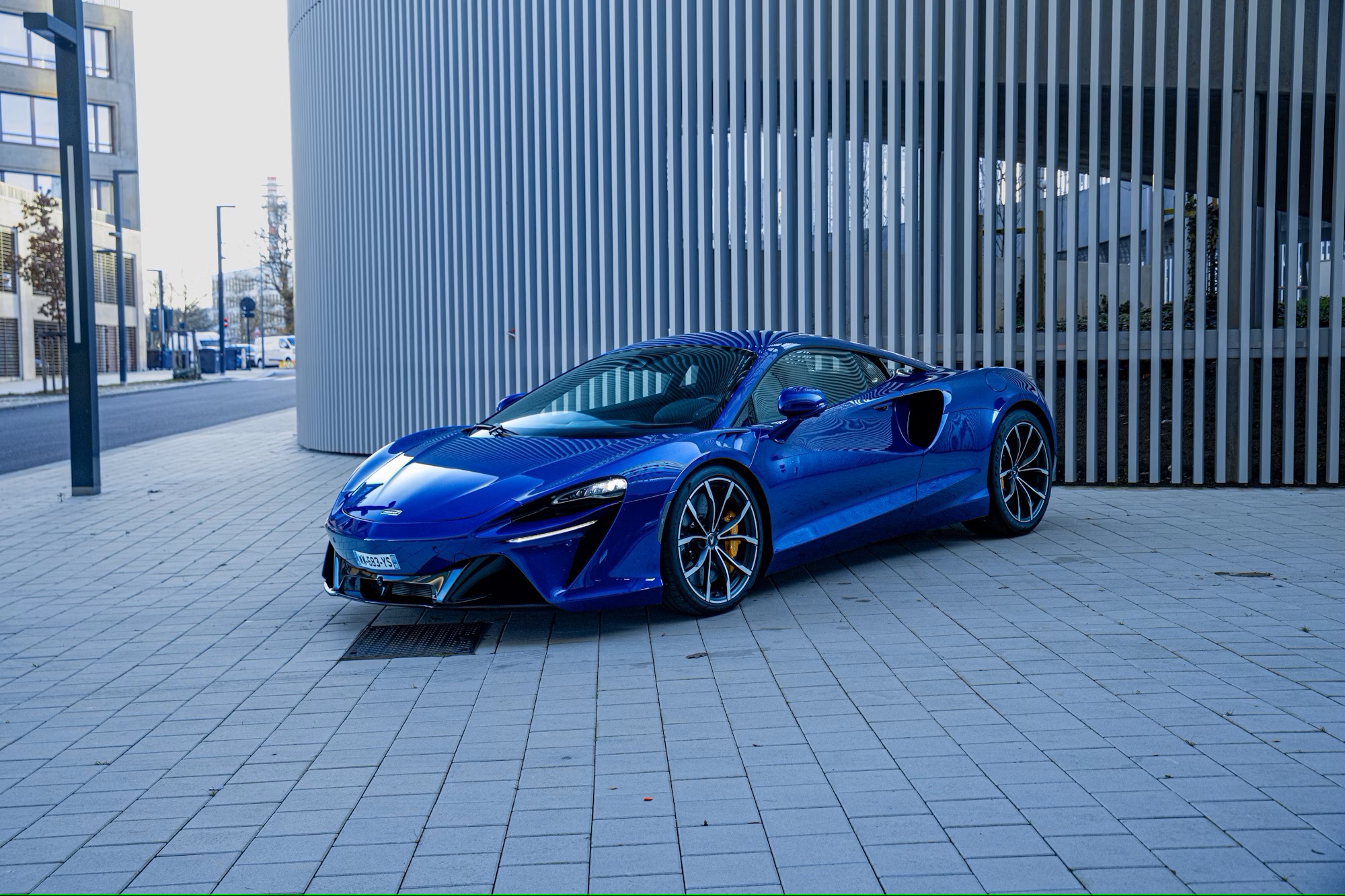
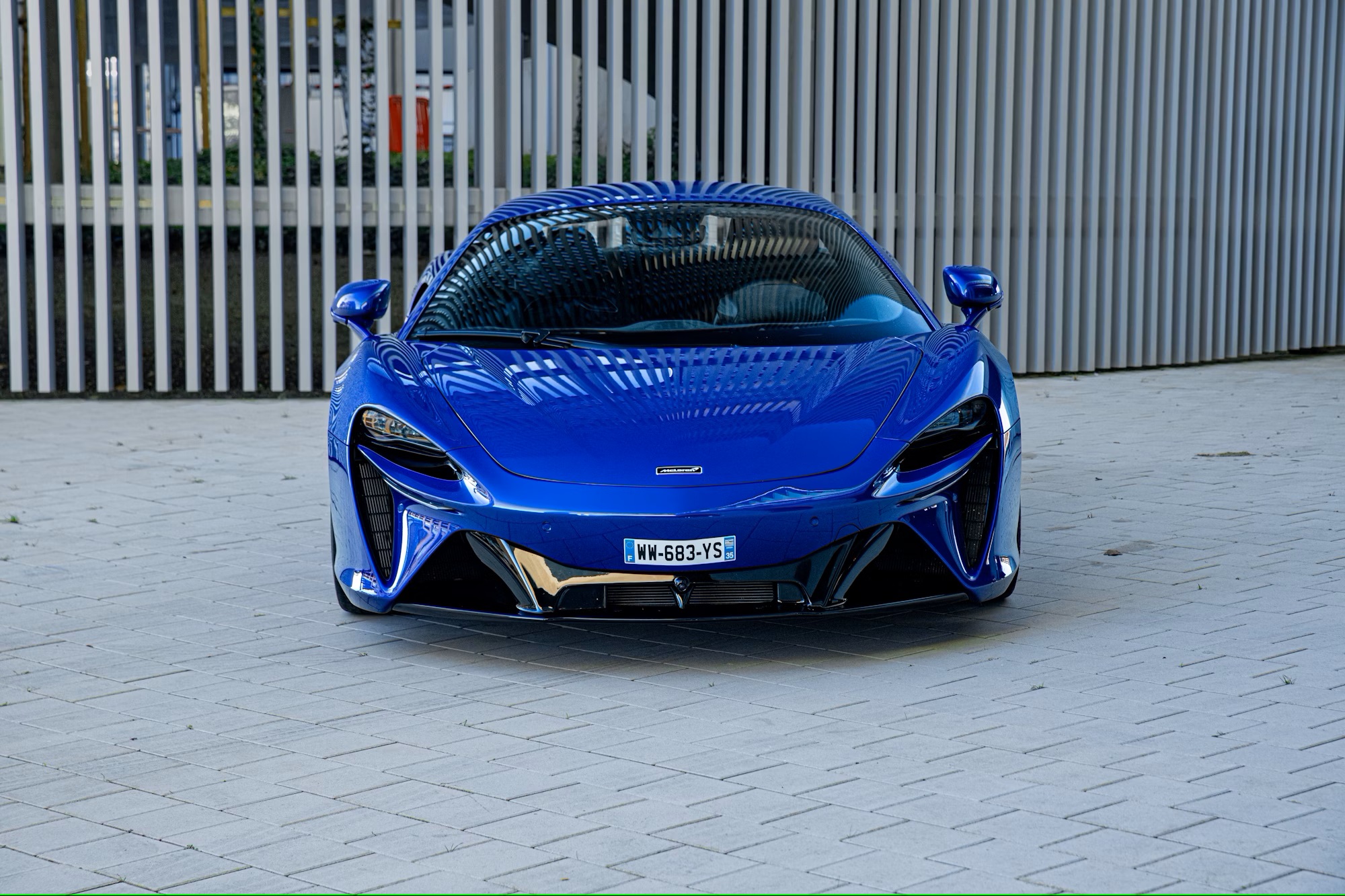
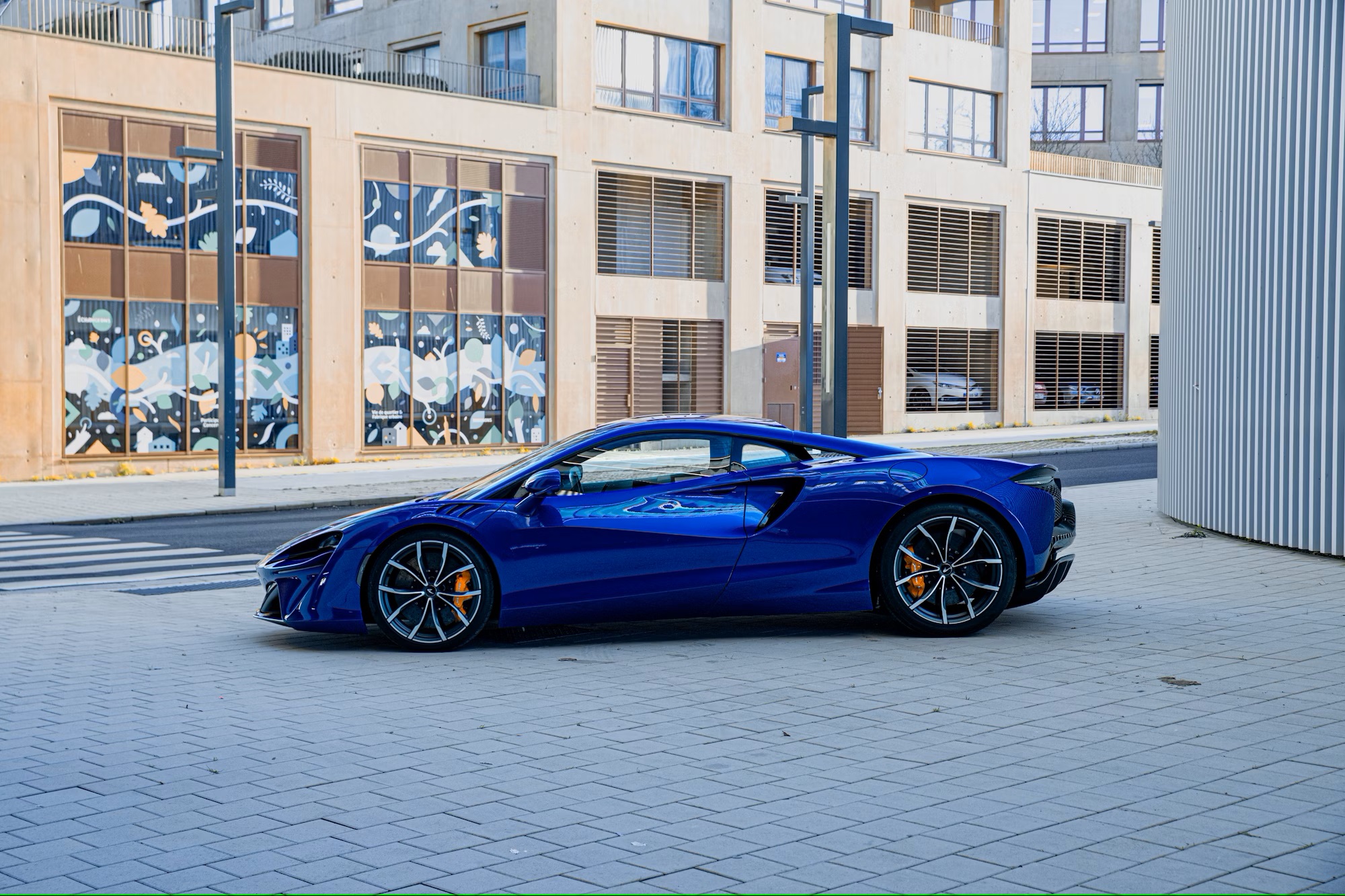
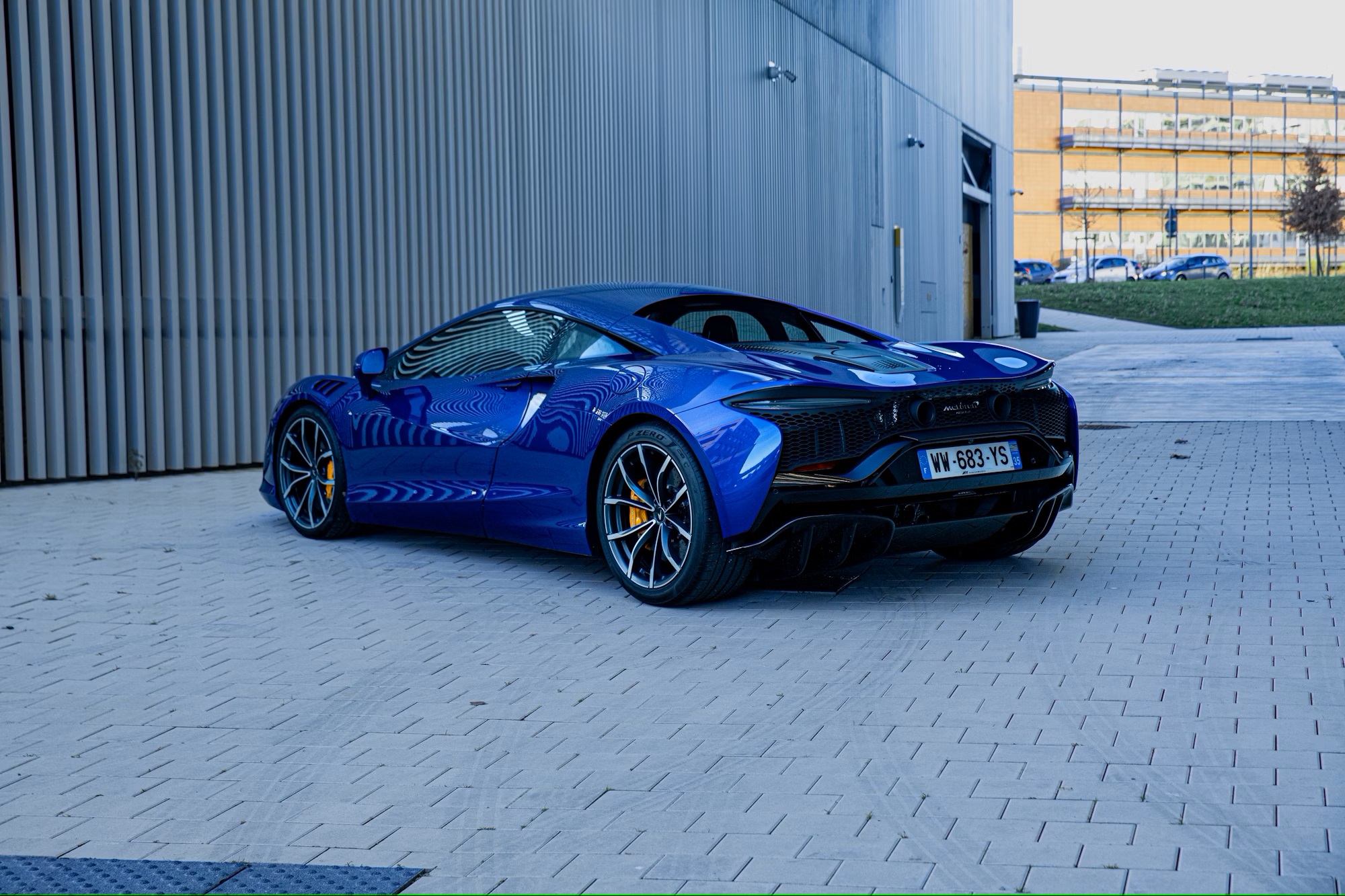
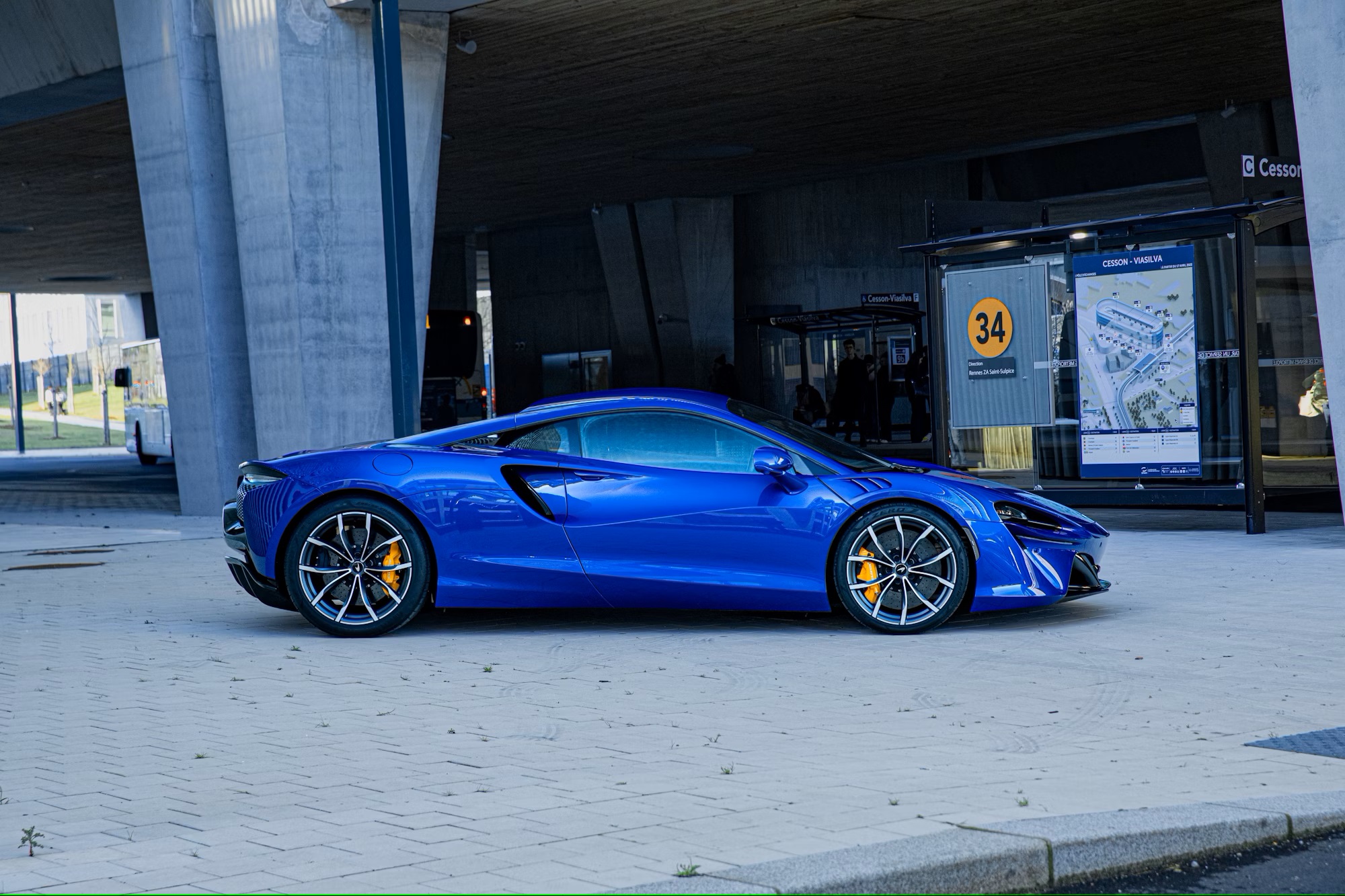
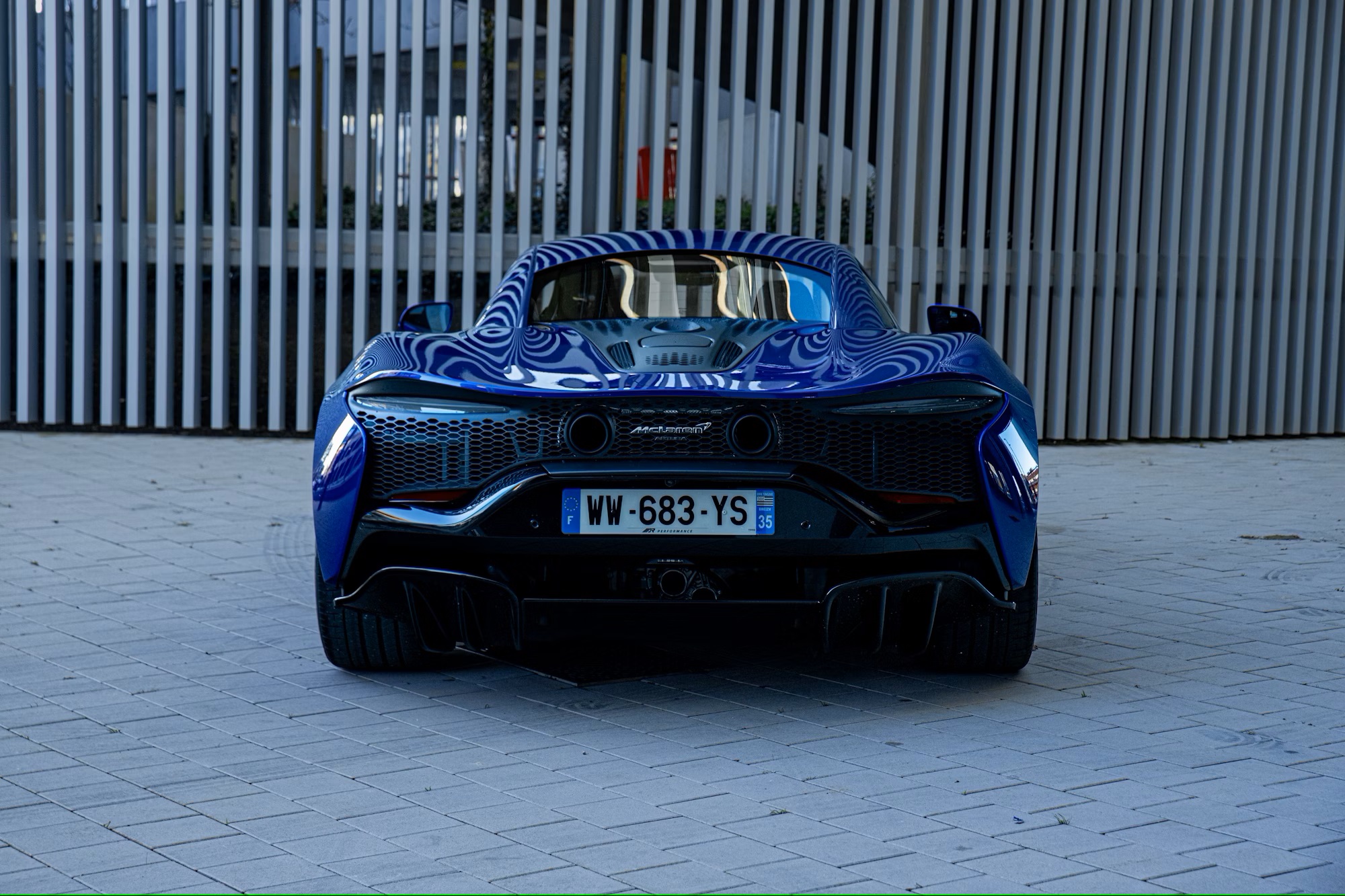
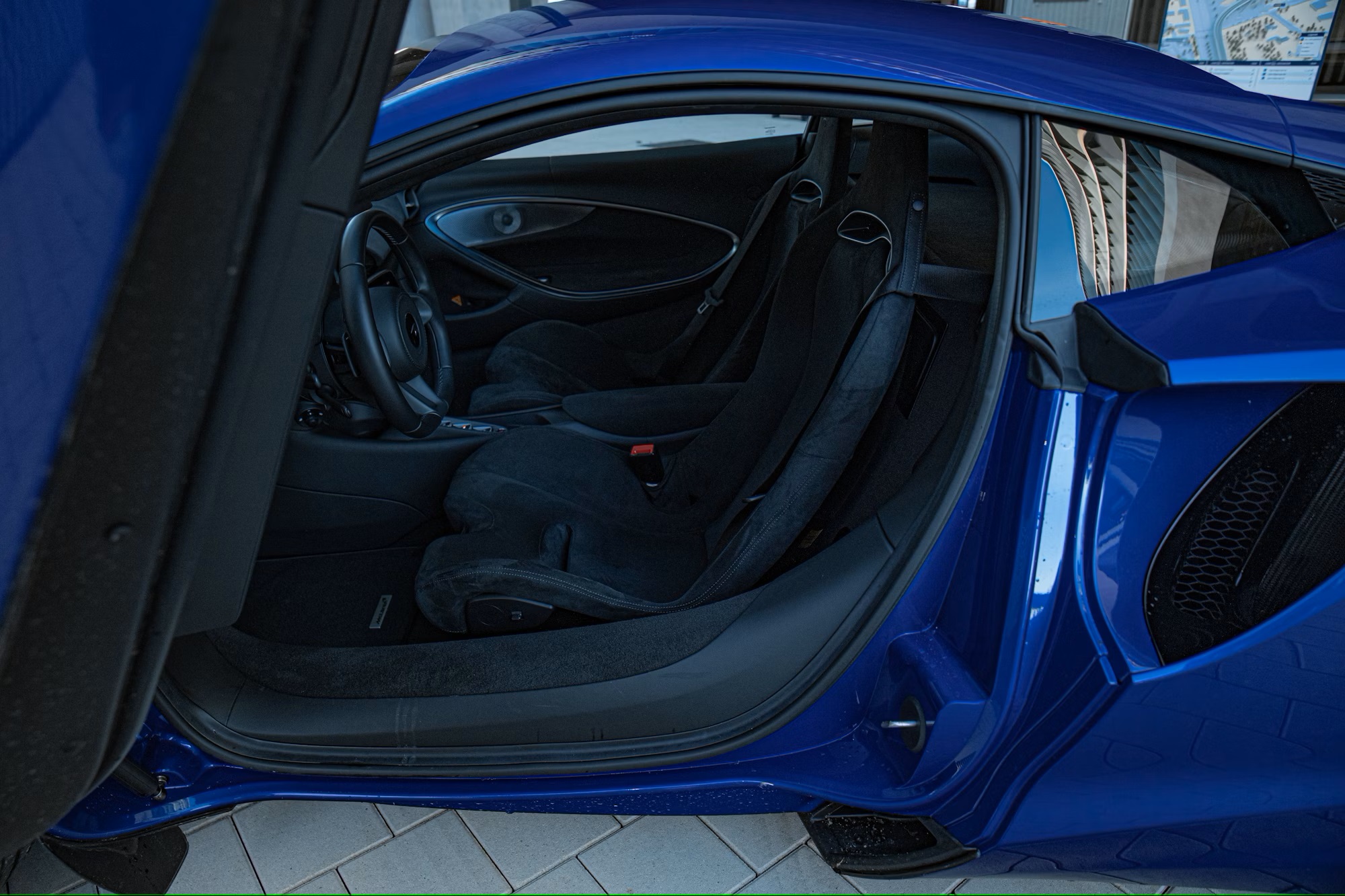
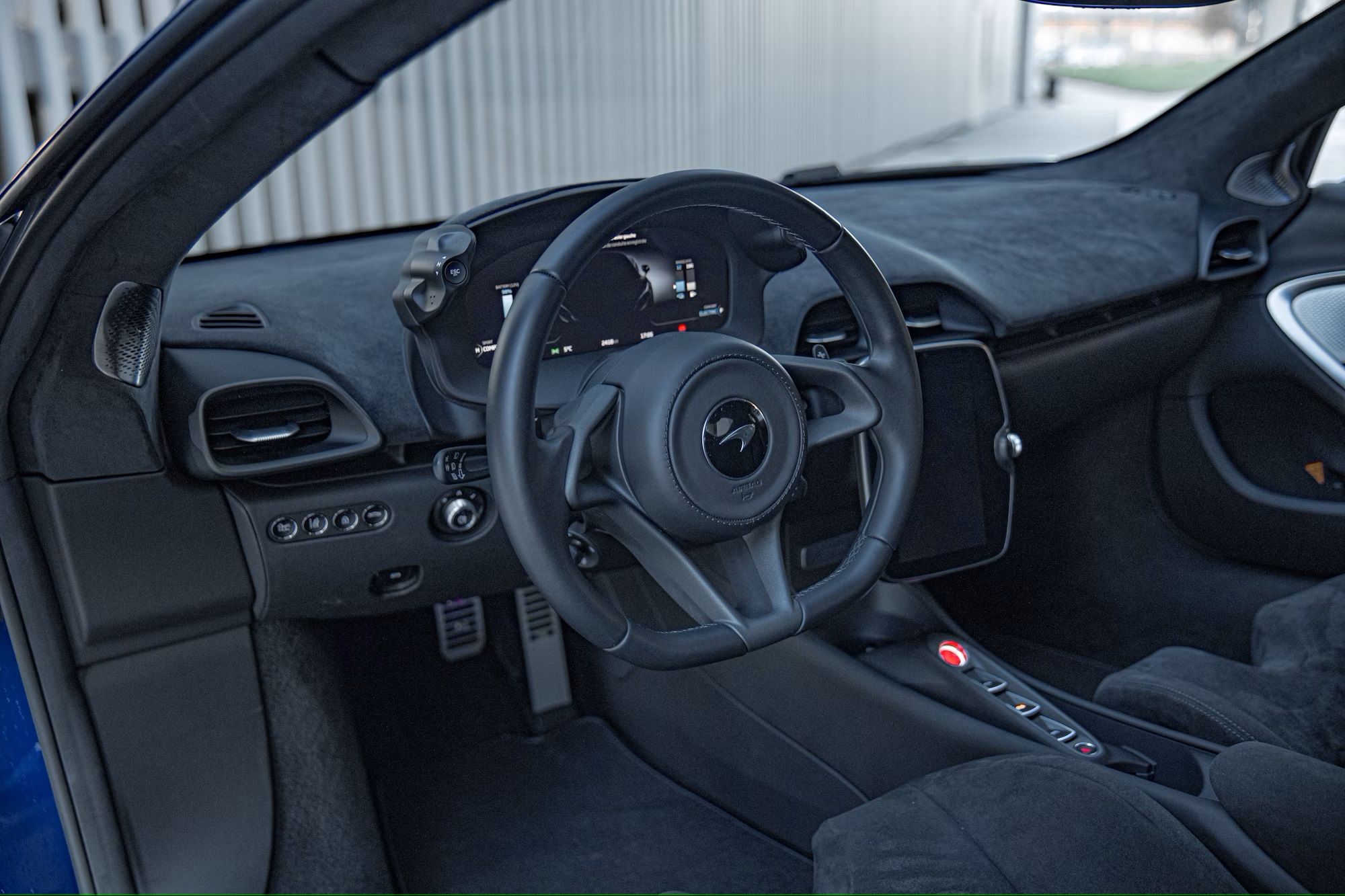
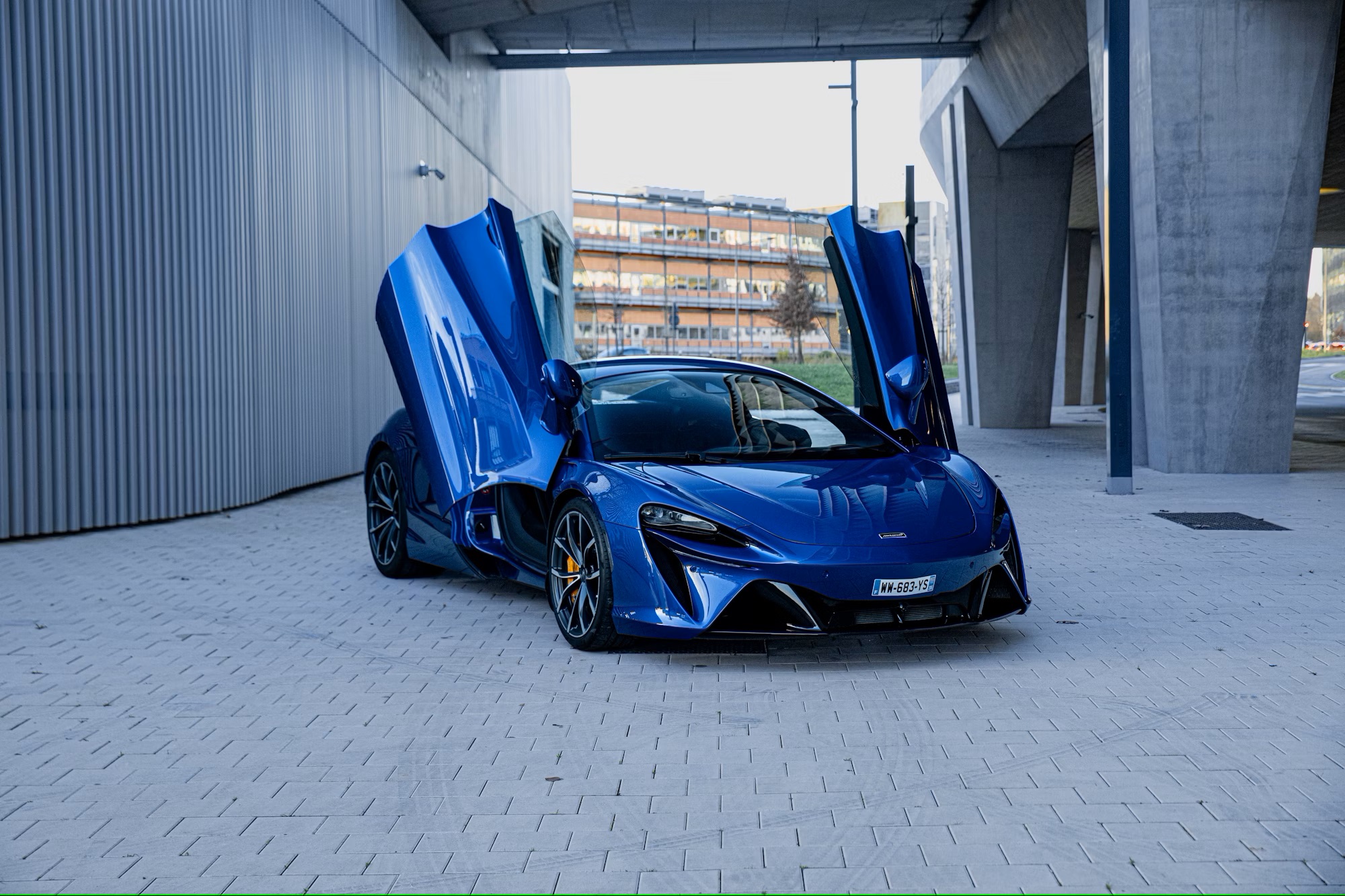
Every drop of McLaren’s technical expertise and experience has been channeled into making the Artura extraordinary to drive and wonderfully enjoyable to own. Ever since the 12C revolutionized the supercar segment a decade ago, McLaren Automotive has continued to push the boundaries of supercar innovation.

2023 McLaren Artura2023 McLaren Artura2023 McLaren Artura

The McLaren P1 brought McLaren hybridization to the hypercar sector as long ago as 2012. The Speedtail introduced astonishing new levels of hybrid performance, its 403km/h (250mph) maximum speed making it the fastest-ever McLaren.

2023 McLaren Artura2023 McLaren Artura2023 McLaren Artura

The brief for the Artura was even more challenging: to create a series-production High-Performance Hybrid supercar that excels on every level, with performance, engagement, and efficiency sharing equal top-billing.

2023 McLaren Artura2023 McLaren Artura2023 McLaren Artura

The engineering and design team approached the challenge holistically – no single part of the process was undertaken in isolation – with ambitious targets set in every area: weight; performance; driver engagement; efficiency; agility; refinement; quality and usability.

2023 McLaren Artura2023 McLaren Artura2023 McLaren Artura

Powered by a plug-in hybrid V6 engine, a departure from the previous V8 models, the Artura achieves a significant reduction in weight compared to its predecessors, helping to offset the additional weight of batteries and electric motors. With 670 hp and 720 Nm of torque, the Artura accelerates from 0 to 60 mph in just 2.6 seconds and reaches an impressive top speed of 205 mph (330 km/h).

2023 McLaren Artura2023 McLaren Artura2023 McLaren Artura 2023 McLaren Artura2023 McLaren Artura2023 McLaren Artura 2023 McLaren Artura2023 McLaren Artura2023 McLaren Artura 2023 McLaren Artura2023 McLaren Artura2023 McLaren Artura 2023 McLaren Artura2023 McLaren Artura2023 McLaren Artura 2023 McLaren Artura2023 McLaren Artura2023 McLaren Artura 2023 McLaren Artura2023 McLaren Artura2023 McLaren Artura

Photo Source: Collecting Cars


Source link

2024 Lincoln Nautilus, AMG’s electric super sedan: Car News Headlines

0


The redesigned 2024 Lincoln Nautilus has finally arrived, and we’ve just tested it. The crossover has grown slightly compared to its predecessor, and inside sits a 48-inch full-width screen at the base of the windshield.

AMG already offers a number of tuned versions of Mercedes-Benz electric vehicles, but soon the Affalterbach company will launch its own EV and a prototype for it has just been spotted. AMG’s EV will be a large fastback with a rumored output approaching 1,000 hp.

Apple’s car project looks to have come to an end after 10 years of development. The company has never provided any clues as to what form the car was to take, but sources have revealed to Bloomberg that Apple was looking at a minivan-like vehicle, with one design even featuring gullwing doors.

You’ll find these stories and more in today’s car news, right here at Motor Authority.

Review: 2024 Lincoln Nautilus steps up the screens, half-steps the hybrid

2026 Mercedes-AMG GT 4-Door Coupe EV spied again

Apple’s car was reportedly a minivan that could have had gullwing doors

Review: 2024 Nissan GT-R

Design legend Marcello Gandini dead at 85

Volvo seeks 30% quicker EV charging without battery upgrades

2025 Kia K4 teased ahead of 2024 New York auto show

Ford F-150 vs Ram 1500: Compare Trucks

VW Group vehicles held at US Customs finally being shipped

More than a third of Prius owners get another one, finds CarMax


Source link

LFP version not offered to US is greener pick

0


In a life cycle assessment of the Volvo EX30 electric vehicle released Thursday, the automaker underscored that its upcoming compact EV has the lowest carbon footprint of any electric Volvo yet.

The team behind the EX30 analysis looked at two EX30 versions—one with the 69-kwh lithium nickel cobalt manganese oxide (NMC) battery pack, the other with the 51-kwh lithium iron phosphate (LFP) battery pack. And it pointed to a very significant difference that makes the LFP version by far the greener pick. 

“The NMC battery has an impact that is almost twice as high as the LFP battery, per pack,” Volvo summed, while it only offers 35% more capacity.

Volvo EX30 NMC vs LFP battery manufacturing CO2, future potential gains

Volvo EX30 NMC vs LFP battery manufacturing CO2, future potential gains

That said, there’s a big asterisk to this conclusion pointing to the greenest EX30: Americans can’t choose it. 

The LFP decision appears to go beyond the EX30 as well. U.S. Volvo spokesperson Russell Datz confirmed to Green Car Reports that “it’s not currently in Volvo’s plans to offer LFP batteries in the U.S.”

Volvo plans to offer the EX30 with only the larger NMC pack, for an EPA-rated 275 miles in single-motor rear-wheel-drive form or 265 miles with dual-motor all-wheel drive.

2025 Volvo EX30 electric SUV (single-motor, Cloud Blue)

2025 Volvo EX30 electric SUV (single-motor, Cloud Blue)

2025 Volvo EX30 electric SUV (single-motor, Cloud Blue)

2025 Volvo EX30 electric SUV (single-motor, Cloud Blue)

2025 Volvo EX30 electric SUV (single-motor, Cloud Blue)

2025 Volvo EX30 electric SUV (single-motor, Cloud Blue)

LFP pack for Europe and China has half the CO2 impact

The EX30 analysis remains one of the first such reports, following on the heels of carbon footprint studies of the Volvo XC40 Recharge and Polestar 2. Volvo notes that this one builds and further develops the methodology in those previous reports and says that one of the goals of this is so it can be used to “make informed decisions.”

While it’s likely that many automakers keep such data and methodology for internal reports—or for data to be touted to shareholders in small pieces in sustainability reports—Volvo is one of the few automakers making them publicly available. Tesla includes some aspects of life cycle analysis, including EV battery longevity, in its Impact Report, but that hasn’t been released since 2022. 

Volvo found the lifetime CO2 of the EX30, based on 200,000 km (124,000 miles), to be 36,000 kg and 31,000 kg, for the NMC and LFP versions, respectively. With the same methodology applied, Volvo had calculated the lifetime CO2 of the XC40 Recharge to be 54,000 kg of CO2 equivalent.

2024 Volvo XC40 Recharge

2024 Volvo XC40 Recharge

To compare that to a gasoline-fueled internal-combustion model, Volvo’s previous report on the XC40 Recharge pegged a gasoline version at 58,000 kg. 

In a chart of total impact per life cycle phase, Volvo shows that the greatest phase is of course the use phase itself. With greater vehicle use, the impact per mile (or km) keeps decreasing—to the degree that overall CO2 from all stages, per mile (or km), is just 65% assuming a 300,000-km lifetime (186,000-mile) than the report’s 150,000-km (124,000-mile) baseline. 

It also notes, as Green Car Reports has pointed out in various ways, EVs start with a larger carbon footprint that pays back through the life of the vehicle, and your EV is as clean as the grid you plug into, and the effective EX30 carbon footprint is far lower if the grid is powered by renewable sources like wind versus the projected composite global electricity mix.  

2025 Volvo EX30

2025 Volvo EX30

Small car, big battery footprint—by weight, and by CO2

It’s not unusual that the battery pack in the EX30 constitutes nearly a quarter of its curb weight. The larger-capacity NMC pack contributes 858 pounds toward the EX30’s roughly 4,000-pound weight, while the smaller LFP pack weighs 902 pounds. Volvo notes that two different suppliers make the NMC cells, so it’s split the difference between the two.

On the materials front alone, 44% of the CO2 footprint for the NMC version of the EX30 is in the battery pack. But the LFP advantage isn’t down to just that; Volvo says that per kwh, LFP cells have about half the carbon impact related to manufacturing. And the EX30 with LFP cells is also about 2% more efficient in the use phase. 

Volvo EX30 lifetime CO2 related to various phases

Volvo EX30 lifetime CO2 related to various phases

Although the battery pack is the largest single carbon-intensive component in the car, by far, Volvo points to the overall weight of the vehicle and the balance of materials as being related both to the EX30’s environmental impact and ease of manufacture. About 55% of its weight is from aluminum, steel, and iron, which contribute 58% of the vehicles climate impact not counting the battery pack.

Material production and refining, manufacturing logistics, and the manufacturing of the vehicles themselves all contribute significantly, too. Currently, the EX30 is built at one factory in Zhangjiakou, China.

2025 Volvo EX30

2025 Volvo EX30

All said, 16% lower CO2 for EX30 LFP version

Carried out to the entire vehicle, factoring in those other manufacturing and materials aspects plus use, end-of-use, and more, the EX30 with the LFP pack has a carbon footprint 16% lower than the model with the NMC battery.

To frame it another way, based on those XC40-family results, switching from the NMC to an LFP pack, in markets where it’s offered, might feasibly reflect a greater improvement in lifetime CO2 than shifting from an equivalent gasoline model to an NMC EX30.

It reinforces why some automakers have been steering towards LFP battery tech. Yet Tesla has stalled at the Model 3 only in its U.S. rollout of the chemistry, and Ford and Rivian, among others, aren’t rolling out the tech as quickly as originally touted. 

The study starts with a baseline 15-year, 124,000-mile vehicle lifespan, with half of the total vehicle mileage accumulated in the first five years. It looks at cradle-to-grave emissions and does assume for the changing of wearable items like tires and wipers, but not potential accident damage along the way. Electricity use itself is based on the WLTP driving cycle, adding losses; since that cycle tends to be very optimistic about efficiency versus real-world results, somewhat more energy might be needed in reality. 

2025 Volvo EX30

2025 Volvo EX30

Various projections are also used not only in what the global energy mix will look like by then but also how built-out capabilities for extracting the most from recycled vehicles might be by then. 

The EX30 may also offer the lowest carbon footprint of any Volvo ever, but it’s not possible to compare these numbers back to the brand’s previous models, which carried a reputation for longevity. Let’s hope the EX30 lasts as long. 


Source link

VW adds sporty GTX option to ID.3 and ID.7 Tourer EVs

0


Volkswagen on Thursday revealed new GTX versions of its ID.3 hatchback and ID.7 Tourer wagon.

The GTX badge is used for the most powerful versions of members of VW’s ID family of electric vehicles. It’s already used on the ID.4 and related ID.5 compact crossovers in some markets, and according to VW around one out of every five buyers of those vehicles opt for the GTX version.

It’s the closest thing to a performance designation for VW’s EVs, though in the future there will likely be GTI versions, as indicated by the reveal of the ID.GTI concept at the 2023 Munich auto show.

In the case of the ID.3 GTX, there’s a standard powertrain with 282 hp plus a GTX Performance powertrain with 322 hp on tap. Both feature a single electric motor at the rear axle. The standard version will hit 60 mph from rest in about six seconds and top out at 111 mph. Opt for the GTX Performance setup, and the 0-60 mph time drops to 5.6 seconds while the top speed rises to 124 mph.

2025 Volkswagen ID.3 GTX

2025 Volkswagen ID.3 GTX

2025 Volkswagen ID.3 GTX

2025 Volkswagen ID.3 GTX

2025 Volkswagen ID.3 GTX

2025 Volkswagen ID.3 GTX

In the case of the ID.7 GTX Tourer there’s a dual-motor all-wheel-drive system delivering a peak 335 hp. The rear motor is rated at 282 hp and the front at 107 hp, and VW’s engineers have dialed in the all-wheel-drive system’s software to make it run with the rear motor only for normal driving, and the front motor only kicking in for high-loads and when extra traction is required.
VW hasn’t published any performance figures for the ID.7 GTX Tourer.

The ID.3 and ID.7 Tourer aren’t bound for the U.S. but VW will sell an ID.7 hatch here later this year, and it may potentially feature the same powertrain found in the ID.7 GTX Tourer. Currently, the ID.7 hatch is only promised in the U.S. with up to 282 hp.


Source link