The 2024 Audi Q4 E-Tron gets a number of changes, including faster charging, more range, quicker acceleration, and retuned ride and handling.
These changes, which previously weren’t expected to arrive until the 2025 model year, are incorporated into a new Q4 55 E-Tron grade that replaces the Q4 50 E-Tron. Standard SUV and Sportback body styles are still available. All models use an 82-kwh battery pack with 77 kwh of usable capacity.
Changes to battery cell chemistry have increased DC fast-charging power from 150 kw to 175 kw, allowing for 10% to 80% charging in about 28 minutes under normal conditions, according to Audi. In addition to battery preconditioning, the Q4 E-Tron now also features post-conditioning, which cools the pack if it exceeds a certain thermal limit while charging or driving.
2024 Audi Q4 E-Tron
EPA-estimated range also increased to 258 miles for the Q4 55 E-Tron SUV—22 miles more than before, Audi claims. The related 2024 Volkswagen ID.4—which gets many of these upgrades, with a slight price hike—now returns up to 291 miles with rear-wheel drive or up to 263 miles with all-wheel drive.
Q4 E-Tron models retain dual-motor all-wheel drive, but now have a new permanently excited synchronous rear motor with more robust cooling. Total system output rises 40 hp to 335 hp, decreasing the Audi-estimated 0-60 mph time by 0.8 second, to 5.0 seconds.
Suspension and steering have also been retuned to provide better response when driving enthusiastically, without sacrificing comfort, according to Audi. The Q4 E-Tron is also available with 21-inch wheels for the first time.
2024 Audi Q4 E-Tron
In a first drive, Green Car Reports found the 2023 Q4 E-Tron to be a nicely priced, practical choice in its peer set. But a follow-up in colder weather exposed underwhelming real-world range.
Pricing starts at $56,395 with destination for the standard 2024 Q4 55 E-Tron and $59,395 for the Q4 55 E-Tron Sportback. Deliveries of the updated models are expected to begin in April. That means Costco members may still be able to take advantage of a $1,500 discount on Q4 E-Tron models running through April 30.
GM announced Friday that it’s dropping prices by up to $6,520 on its 2024 Chevrolet Blazer EV, while resuming sales and deliveries of the model to customers.
The Blazer EVs once again reaching customers have been given “significant software updates,” according to Chevrolet. Examples include updates to the ambient lighting system and gauge-cluster graphics for battery percentage.
They come after owners and reviewers reported a range of interface glitches, some of which appeared to interfere with the ability to charge and drive the vehicle. GM paused sales of the Blazer EV in December.
GM confirmed to Green Car Reports that this update also addresses the intermittent Blazer EV charging issues that some have detailed.
2024 Chevrolet Blazer EV RS
Chevrolet is also dropping prices on the Blazer EV by thousands. The LT AWD price has been cut to $50,195, which is $6,520 lower than the original sticker price. The RS AWD model drops to $54,595, which is $5,620 lower than the previous price. The RS rear-wheel-drive model, which is the range leader of the Blazer EV lineup at 324 miles, also drops $5,620 to a new price of $56,175.
That aligns the Blazer EV to make a lot more sense versus other Ultium models from elsewhere in the GM family. As previously priced, the top of the Blazer EV lineup topped the price of the Cadillac Lyriq.
The Blazer EV is also now fully eligible for the $7,500 EV tax credit. The company notes that for specific models that were built earlier and don’t qualify a $7,500 incentive remains in place. Dealerships have access to a tool that lets them look up a vehicle by vehicle identification number (VIN) to make sure it qualifies.
A number of EV models lost the credit at the start of the new year. At that time new battery sourcing requirements were put into effect under a framework that was revealed in early December in a stricter-than-anticipated form—especially with respect to EV content from China.
That left companies scrambling. In GM’s case, it was a matter of making sourcing changes to cell separators and electrolytes, perhaps among other components.
2024 Chevrolet Blazer EV LT
Honda on Thursday also confirmed that the 2024 Prologue EV qualifies for the full $7,500 credit. The Blazer EV and Prologue are both built by General Motors at GM’s Ramos Arizpe assembly plant in Mexico.
Altogether, the price cut means a Blazer EV in the well-equipped LT trim, with all-wheel drive, will cost just $42,695 to households who meet the EV tax credit’s income cap and other requirements. With the credit, both RS models also slot below $50,000.
Chevrolet didn’t say exactly how the base Chevrolet Blazer LT front-wheel-drive model might be affected by these price changes, although it noted again that it will start under $50,000 not including the tax credit. Prices have yet to come for the 2024 Chevy Blazer RS FWD and high-performance SS models, which aren’t expected to arrive for a few months.
There are very few Blazer EVs in customer hands as of yet. Those who already have one will get an email today, according to Chevy, containing instructions to bring the vehicle back to the dealership for a software update that can’t be completed over-the-air. GM has emphasized that these issues have not been safety-related and owners have been free to keep driving them.
The Rivian R2 debuted, the 2024 Dodge Charger’s powertrain details emerged, and we spotted the electric Range Rover Velar successor. It’s the Week in Reverse, right here at Motor Authority.
The Rivian R2 debuted with seating for five and two rows of seats that fold completely flat. When it arrives in 2026, the R2 will come with single-, dual-, or tri-motor powertrains and a battery pack featuring 4695-style cells. It’s starting price will be $45,000, but Rivian also showed the smaller R3 and performance-oriented R3X that will arrive at a later date with lower prices.
The 2025 BMW M2 CS was caught playing in the snow. During final cold-weather testing our spy photographers spotted the updated sports coupe, and their photos show its revised front and rear ends. Expect a debut later this year.
The 2024 Dodge Charger debuted looking just like the concept car that proceeded it. The Charger lineup will initially consist of an electric three-door hatchback due later this year and a five-door hatchback will join the lineup in 2025. A pair of twin-turbo inline-6 engines will be available in 2025 as well.
The 2025 Infiniti QX80 will not feature a V-8 under its hood. The automaker’s updated flagship luxury SUV will be powered by a twin-turbo 3.5-liter V-6 rated at 450 hp and 515 lb-ft of torque. A debut is set for March 20.
Our spy photographers spotted the 2026 Range Rover Velar successor, and appeared it to be electric. The electric luxury SUV seemed to be longer than the current Velar, and it might even hide a third row. A debut is expected in 2025.
Find our content helpful? You can support the BFT team by making your gear, apparel, and travel purchases through the affiliate links in this blog post. We get a small commission with no added cost to you. You can also say thanks by leaving a tip in our virtual tip jar. THANK YOU!
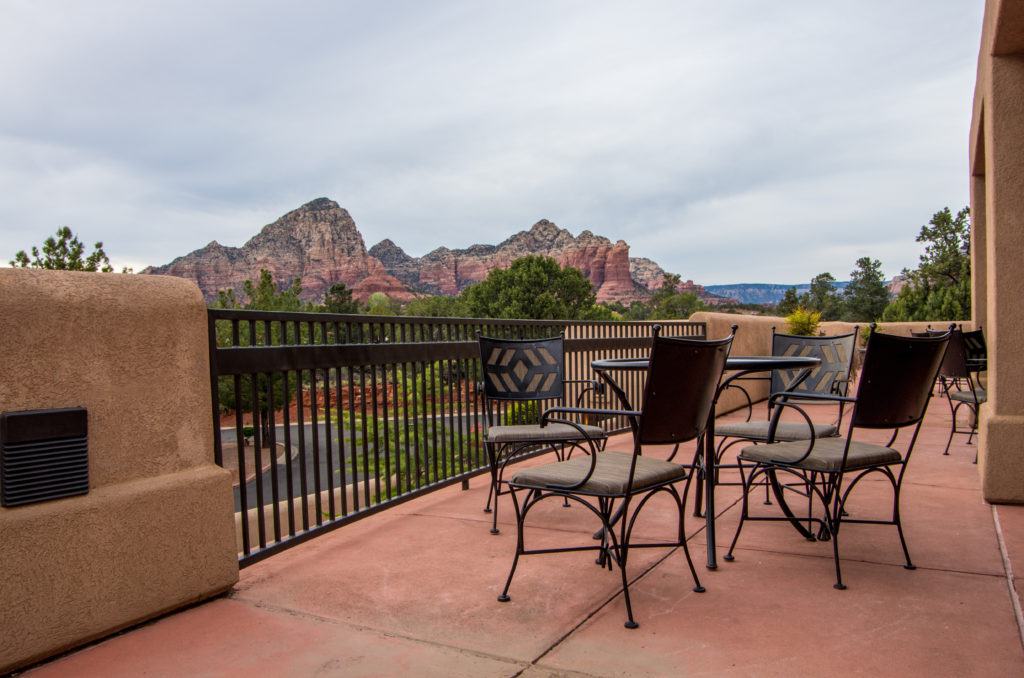
Sedona is a top destination for many adventure travelers. There are endless opportunities for amazing hikes, world-class mountain biking, great dining, and so much more. Plus, the views are incredible no matter where you are in town!
But planning a Sedona getaway can be tricky. It’s a popular destination that receives thousands of visitors every year. While I do love Sedona, every time I go back there are more people and traffic to navigate. Having some insider Sedona travel tips can go a long way.
To help you plan your trip, we’ve put together this Sedona travel guide that includes essential information like where to camp, the best hotels, dining recommendations, helpful tips, and more.
Looking for a day-to-day itinerary? Head to our 4-Day Sedona Itinerary for Adventure Travelers.
Download my FREE Outdoor Trip Planning Toolkit
Enter your email to get access to printable PDF packing checklists, itineraries, and more.
Getting to & around Sedona
Flying to Sedona
The closest airports to Sedona are Flagstaff (45 minutes north) and Phoenix (two hours south).
Groome Transport offers several daily shuttles to and from Sedona from both Flagstaff and Phoenix airports.
Getting around Sedona
A car actually isn’t necessary for your Sedana trip, depending on what your plans and goals are.
Traffic in Sedona has gotten pretty bad over the last few years, so the town has put a lot of effort into making its bus and shuttle systems more efficient.
Here are a few ways to get around Sedona with a car:
The Sedona Shuttle: a free and easy-to-use shuttle system that accesses a number of trailheads and stops within Sedona.
The Verde Shuttle: For $1 a ride, you can hop on the Verde Shuttle and travel between South Sedona, Uptown, and West Sedona.
Groome Transport: Travels between Flagstaff, Sedona, and Phoenix.
Trail Lovers: Offers private adventure shuttles to trailheads
ATV Rentals: There are a number of businesses in town that rent off-road vehicles if you want to explore the dirt roads and OHV areas around Sedona.
Best time to visit Sedona
The best time to visit Sedona is in late fall, winter, and early spring. October through April offer the coolest temperatures.
You’ll want to avoid the hottest months of June – August as highs are consistently in the 90s or even 100s. May and September can be quite hot as well.
Springtime in Sedona from March – April is when the desert is in bloom and is a beautiful (but popular) time to visit.
Winter can be chilly, but that’s no problem if you’re prepared with winter hiking layers. Plus, you’ll have a chance to see the red rocks dusted in snow and enjoy the area without the crowds!
We most recently visited Sedona in the middle of October, and it was still very hot. The highs were in the 90s during the day, and the sun was very strong. We were able to make it work by hiking early and late in the day and finding some shaded hikes outside of town.
Spring, fall, and winter are the best times to visit Sedona for cooler temperatures
Where to Camp & Stay in Sedona
Sedona has plenty of lodging and camping options depending on what you’re looking for.
Hotels and accommodations do tend to be a little pricey in Sedona, especially in the high season.
You’ll also want to book campground reservations in advance as they tend to book out fast.
Camping in Sedona
Paid campgrounds in the Sedona area include:
Manzanita campground: a 10-minute drive north of town near Slide Rock State Park, a beautiful swimming area with a natural water slide.
Cave Springs and Pine Flat campgrounds: also north of Sedona up Oak Creek Canyon.
Lo Lo Mai Springs Outdoor Resort: located on the other side of Sedona toward Cottonwood, this is a beautiful campground. Advanced reservations are required.
Dispersed camping: Sedona has several free dispersed camping areas. You can read more about where to find them on the USDA Forest Service website.
There are a number of camping options in Sedona, both paid and disperesed
#1 campsite finder app
Try The Dyrt PRO free for 30 days
Get a FREE 30-Day membership to The Dyrt PRO, one of our favorite apps for finding campsites.
Perks include: • 5,000+ free camping locations • 1,000+ campground discount network • $0 extra booking fees • Get reservations at sold-out campgrounds, and more
Use the code BEARFOOT to get 30 days free!
Sedona Hotels
There are plenty of other hotel options in and around Sedona. Here are a few options
The Arabella: During our recent trip to Sedona, we stayed at The Arabella, a three-star hotel within walking and biking distance of the city center. It provided quick, easy access to some of the best restaurants in Sedona and made for a short drive to a variety of hikes both north and south of town. The hotel has a fleet of cruiser bikes they loan out, a mountain bike wash station, and they are pet friendly.
Best Western Plus Arroyo Roble: The no-fuss Best Western Plus Arroyo Roble is conveniently located uptown with outstanding Sedona views.
Amara Resort and Spa: If you’re looking to add a massage or a yoga class to your stay, the Amara Resort and Spa offers a serene atmosphere at a lower price than some of the high-end spa hotels in Sedona.
Book your Stay
See pricing and availability for the most popular Sedona hotels and book your stay on Trip Advisor.
Sedona Airbnbs
When initially researching for my Sedona trip and putting together this Sedona travel guide, I found lots of beautiful, unique Airbnbs in the area. However, they were all booked by the time I was ready to reserve our lodging.
So if you’d like to go the Airbnb route, book early for the best choices!
Best Places to Eat in Sedona
Sedona has no shortage of great restaurants, cafes, and other dining options. Here are a few of my favorites:
Tamalazia
Tamalazia is an unassuming spot serving up some delicious and authentic Mexican food, specializing in tamales. Everything is made from scratch and incredibly fresh, and they have lots of vegan options too.
Hideaway House
Hideaway House is perhaps the most classic Sedona restaurant that we visited. It’s a cute, welcoming, down-to-earth cafe with sunflowers painted on the walls and a casual, happy vibe. The outside patio is where it’s at, with the most incredible views that will make you want to linger for as long as possible.
The Hudson
I was skeptical about the Hudson at first since it was recommended everywhere I looked and thought it might be super touristy, but they sure proved me wrong. The Hudson is beautiful inside and out, whether you dine on their outdoor patio overlooking the red rocks or inside where the views are nearly just as expansive.
The salad, ahi sandwich, and fries we had hit the spot for lunch after a long morning of hiking, and the service was superb.
Elote
I have a Bearfoot Theory reader to thank for this recommendation. Elote will blow your socks off. Elote is reservation-only and is often booked months in advance but we were lucky enough to score a reservation a week prior to our trip.
Everything we had was delicious including the margaritas. If you’re vegetarian, the vegetable mole was incredible, and if you like seafood, try the scallops!
Gerardo’s Italian Kitchen
I have a Bearfoot Theory reader to thank for this recommendation as well. We didn’t have a chance to try Gerardo’s during our trip, but after seeing how amazing their food looks I knew I had to include it in this Sedona travel guide, and I already can’t wait to return.
Their traditional, wood-fired pizzas are not to be missed, however, it doesn’t look like they accommodate dietary restrictions.
Oak Creek Espresso
This little coffee shop right in the center of town makes great coffee and delicious pastries, including vegan and gluten free options. It’s a great spot for a grab-and-go breakfast on your way to a hike or to sit and enjoy a coffee before starting the day.
Indian Gardens
Indian Gardens is a sweet little cafe and market 10 minutes north of Sedona up Oak Creek Canyon. It’s a great breakfast and lunch spot that’s perfect to hit up on the way back from a hike in the Oak Creek area.
There’s a beautiful patio out back and a wide range of food options from full-plate meals to delicious breakfast pastries. It is also vegan-friendly.
What to Pack for Sedona
What to pack for Sedona depends on the time of year you’ll be traveling there.
For a warm-weather trip to Sedona, check out our guide to What to Wear Hiking as well as our guide to Sun Protection for Hikers.
For a cool-weather trip to Sedona, check out the following blog posts for ideas on what to pack for your Sedona trip:
Sedona can be both very hot and very cold – be sure to pack according to the season you visit
Sedona Travel Tips
Now that we’ve covered all the logistics, let’s dive into some travel tips! Here are a few ways to make your Sedona adventure more safe and enjoyable:
Start Your Hikes Early
By early, we mean really early. Like 7am early. Sedona is a very popular hiking destination, and trailhead parking lots are usually full before 8am even on weekdays.
For example, the West Fork trailhead parking lot was full when we arrived just before 8am on a Friday. Luckily we were able to find a parking spot at a nearby turnout just up the highway. But had we gotten there any later, we would have had to park even further away and would have had a long walk alongside the highway to get to the trailhead.
Moral of the story and one of our top travel tips in this Sedona travel guide, the very early bird gets the worm in Sedona.
Tip: Check, out the Sedona Shuttle schedule to be the first one on the bus (and trail!). Many trailheads fill up fast and parking is not guaranteed.
Start your hikes early to beat the heat – and crowds
Download maps before heading out
Some trails in Sedona are outside of cell service, so it’s a good idea to download a map of the trail you plan on hiking before heading out.
Plus, not all trails are well marked and in some cases, it can be easy to wander off the trail so it’s best to have a map on hand.
Make dinner reservations ahead of time
Until my recent Sedona trip, I didn’t realize it had such a good food scene! There are some really good restaurants with great food and incredible views.
Since it’s such a popular destination, though, the best restaurants book up quickly and walk-in waits can be quite long during prime dining time.
If you know that there are a couple of spots you want to try while in Sedona, make reservations ahead of time. Some restaurants like Elote and Mariposa are reservation-only and book a month out in advance at times.
Eat at scenic restaurants during daylight hours
This is something we learned after eating a late dinner at Hideaway House after the sun had long set. While the food is good and all, the views are what really make this place spectacular so dine during daylight hours.
A late lunch or early dinner will likely reduce your wait time, too, and you’ll be able to enjoy dining al fresco beneath the red rocks.
Be prepared for the sun and the heat
Sedona can be very hot even outside of the hottest months of May – September. We visited in mid-October and the highs were in the 90s each day.
We made it work by hiking early in the morning (remember, the early bird gets the worm!), by wearing and bringing lots of sun protection, carrying and drinking lots of water, and choosing trails with some shade whenever possible.
Sedona can get very hot- be prepared with sun protection and lots of water
Pack the Right Gear
On that same note, packing the right gear for your Sedona trip will help make it more comfortable and in some instances even safe.
As I mentioned above, sun protection is critical if you’re going during the warmer months. A sturdy, comfortable pair of hiking shoes are essential too, as is comfortable hiking clothing and a hiking daypack with plenty of water.
On the other hand, if you visit Sedona in winter, pack warm layers for hiking so you can be prepared for swings in temperature.
Planning a trip to Arizona? Check out these blog posts to make the most of your adventure:
Save this post to Pinterest
Do you have anything to add that we missed or any questions about planning a Sedona trip? Share your experience, tips, and questions in the comments below.
Laminated glass windscreens are relatively robust, but sometimes, the inevitable happens, with some rogue stone or random object causing more than a simple chip that can usually be repaired. A cracked windscreen isn’t just an eyesore, it can end up being dangerous if you persist in going about without doing anything about it.
Replacing the windscreen is of course the solution, but it’s not as simple as it sounds, and skimping on cost could mean issues down the line. We’re pretty sure you’ve heard cases of jobs gone wrong, with leaks into the cabin being the norm when a windscreen isn’t installed properly. In some cases, the replacement ends up cracking too as a result of being improperly fitted. If you’re going to do it, do it right.
Of course, that’s easier said than done, but there are things you should be looking out for when it comes to replacing a windscreen. There are a few important things to note, the first being that the installer uses quality adhesives that are up to the task. The second is to ensure that trained, competent technicians carry out the installation so that it’s done right.
Finally, you need to ensure that the best glass panel is chosen for the job, which means an original part replacement instead of cheaper after-market glass from third-party manufacturers, which might present minor flaws in terms of fitment and build quality. If you’re covered by insurance, going OEM shouldn’t be an issue, but even if you’re forking out for it yourself, paying more means there’s no risk of issues such as water and air leaks cropping up in the future.
Finding the right trinity can be challenging, but that’s where a company like Sika comes in. The Swiss multinational speciality chemical maker definitely knows about windscreen installations. After all, it has been at the forefront of the windscreen bonding industry for more than 40 years now, and its adhesives are used in one out of every three factory windscreen installations.
With a wide range of OEM-approved adhesive systems that meet the requirements of automotive windscreen safety standards and are compatible with all car brands, Sika has all the right tools for the task. With curing of the glue to OEM standards being accomplished in minutes, Sika adhesives ensure a perfect, proper bonding of the glass to the car.
Now, the right glue (and glass) is one thing, but getting the windscreen installed properly is absolutely crucial. That’s where Sika-approved workshops come into play. With fully qualified, professionally-trained technicians, you can be assured that the installation is carried out in proper fashion with all the necessary care and attention, be it cleaning and priming the bonding surfaces or the process of applying the adhesive.
Curious as to how the whole process works? Well, Hafriz Shah delivers the lowdown on the whole windscreen replacement thing, and why you should consider picking a Sika-approved workshop to carry out the job. Watch the video below to find out all you need to know.
A feasibility on lemon law for vehicles will be carried out this year, according to the ministry of domestic trade and cost of living (KPDN), The Star has reported.
The legislation would empower consumers to claim for losses if the vehicles they have purchased, have broken down or have failed to abide by quality standards or performance criteria as stated by their supplier, KPDN minister Datuk Armizan Mohd Ali said.
“Once the study is completed, a policy decision will be made at the ministry level before the legal framework is carried out,” Armizan stated in a written reply to Ayer Hitam member of parliament Datuk Seri Wee Ka Siong.
Lemon laws are a form of consumer protection, which requires cars under warranty that are found to be defective or unsafe to be fully repaired by the manufacturer.In the event the car is deemed to be irreparable after a reasonable number of repair attempts, the buyer can be offered a refund or replacement.
At the beginning of this year, the plight of a Perodua Bezza owner had been circulating on Facebook, which was followed by an official statement by Perodua regarding the matter.
Countries such as the United States, Australia, Canada, Singapore and the Philippines have already implemented the lemon law in some form, though Armizan noted that the Consumer Protection Act 1999 in Malaysia did protect consumers from defective automobiles.
“The act protects consumers regarding defective vehicles in several ways, although it is not explicitly a ‘lemon law’ and does not offer specific remedies such as car buybacks for unrepairable defects. It provides various provisions that can be applied to address problems with faulty vehicles,” the minister said, Free Malaysia Today reported.
The domestic trade and cost of living minister had previously revealed in January that the government is researching the possibility of introducing a lemon law, following calls from the Consumers’ Association of Penang (CAP) to introduce a legal remedy for consumers.
The CAP has previously called for the same, in 2019. In 2014, the Malaysian Association of Standards Users (Standards Users) and the Federation of Malaysian Consumers Associations (FOMCA) had also called on the government at the time to implement a lemon law.
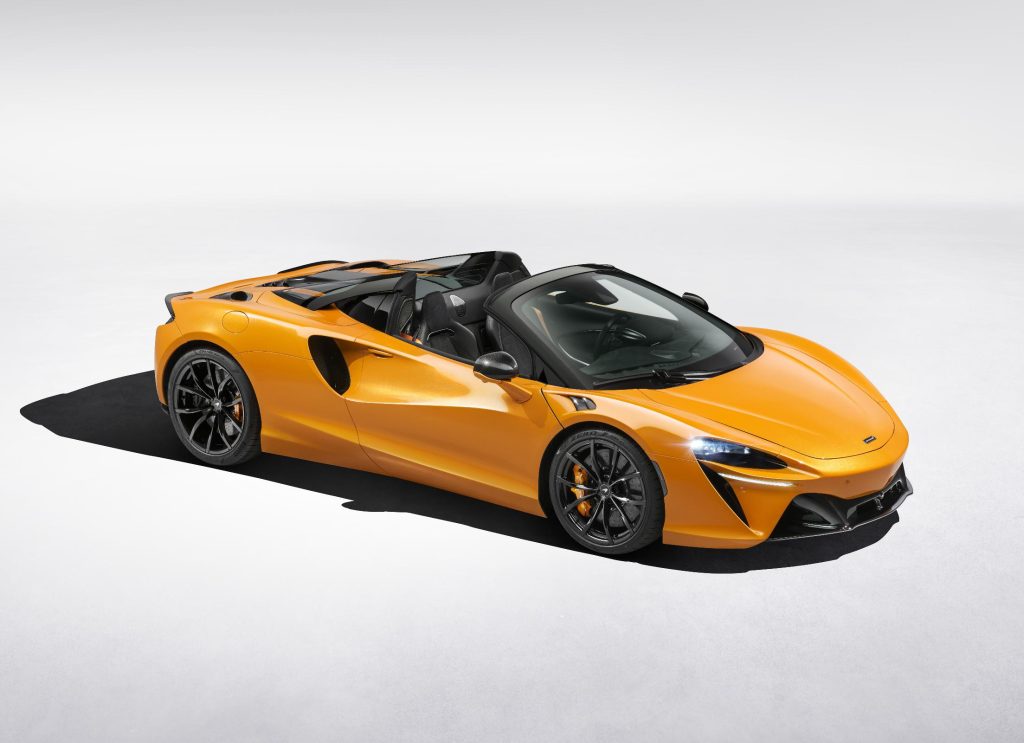
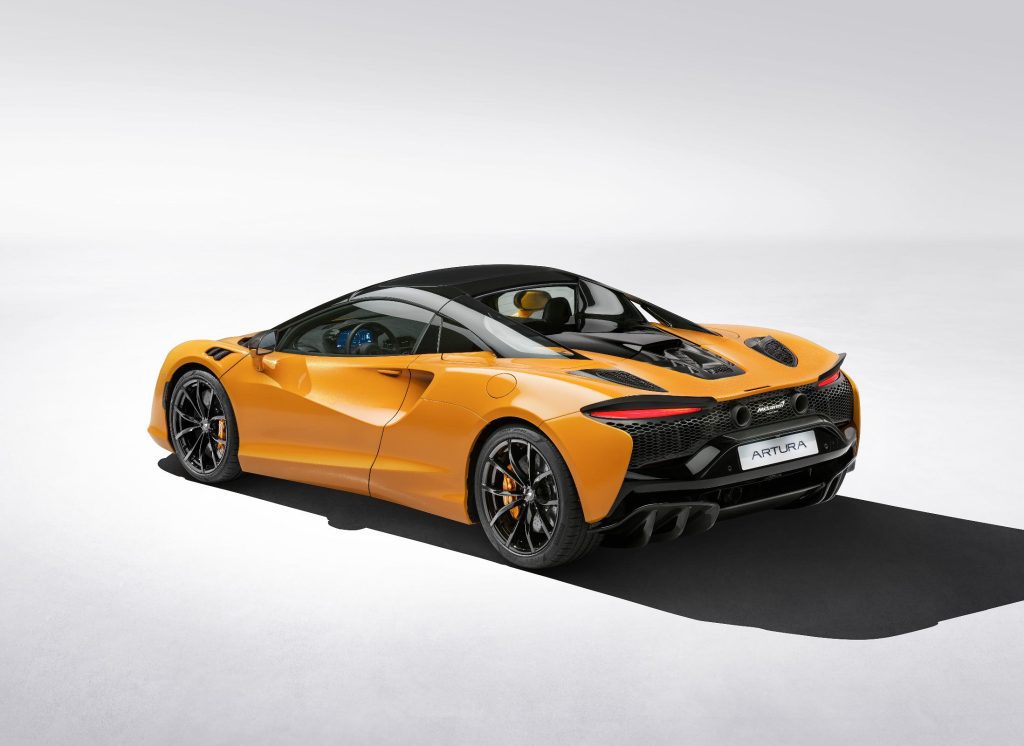
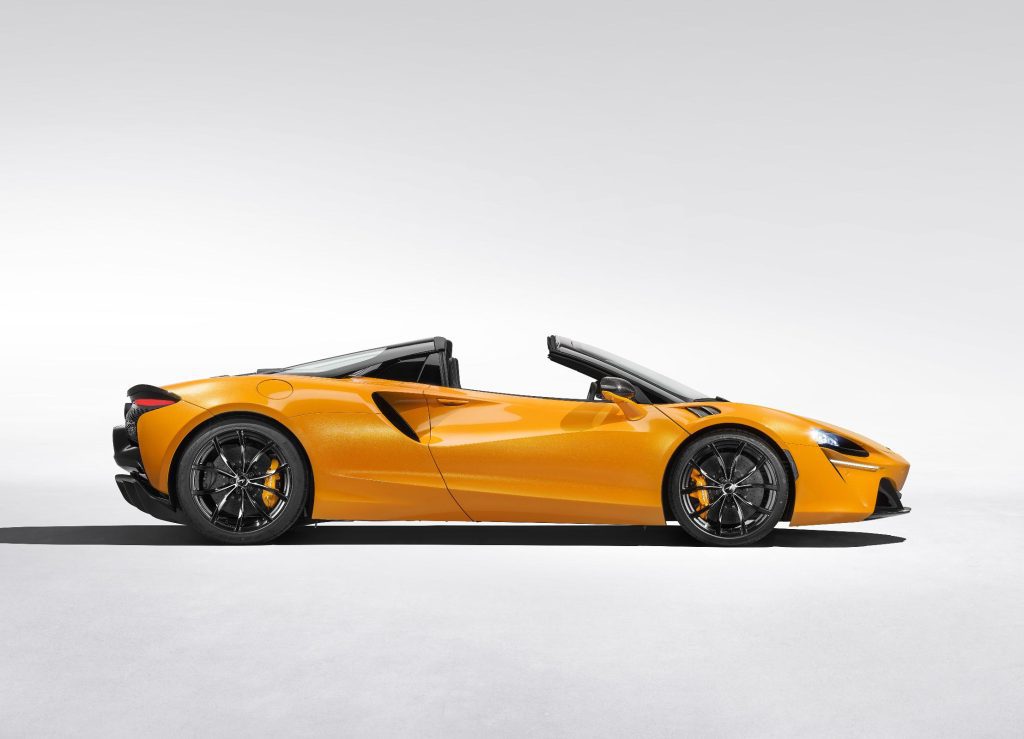
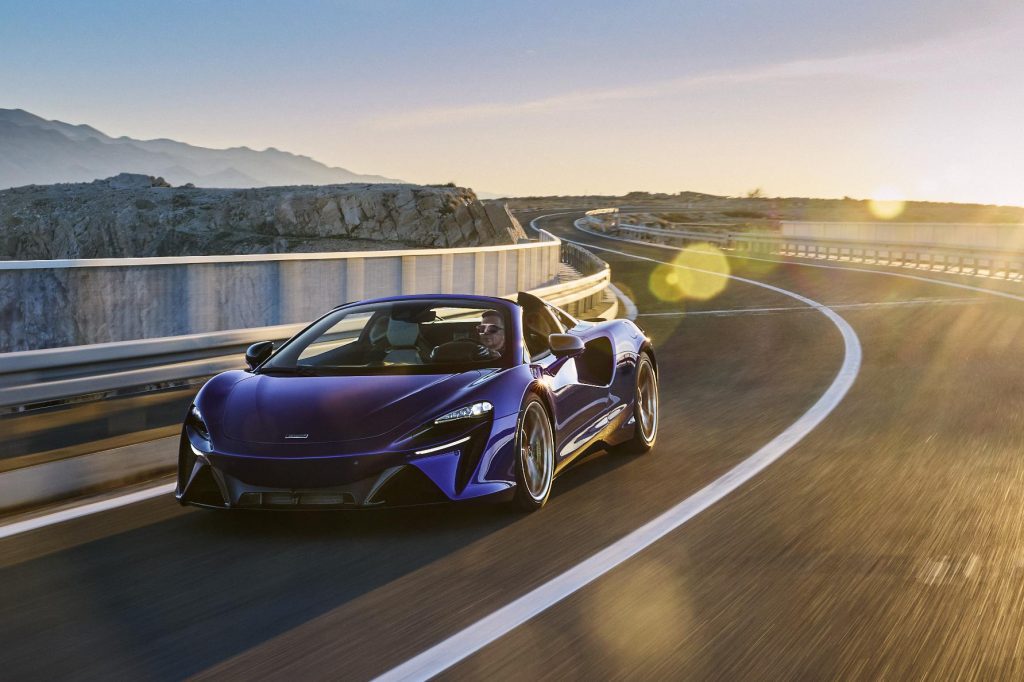
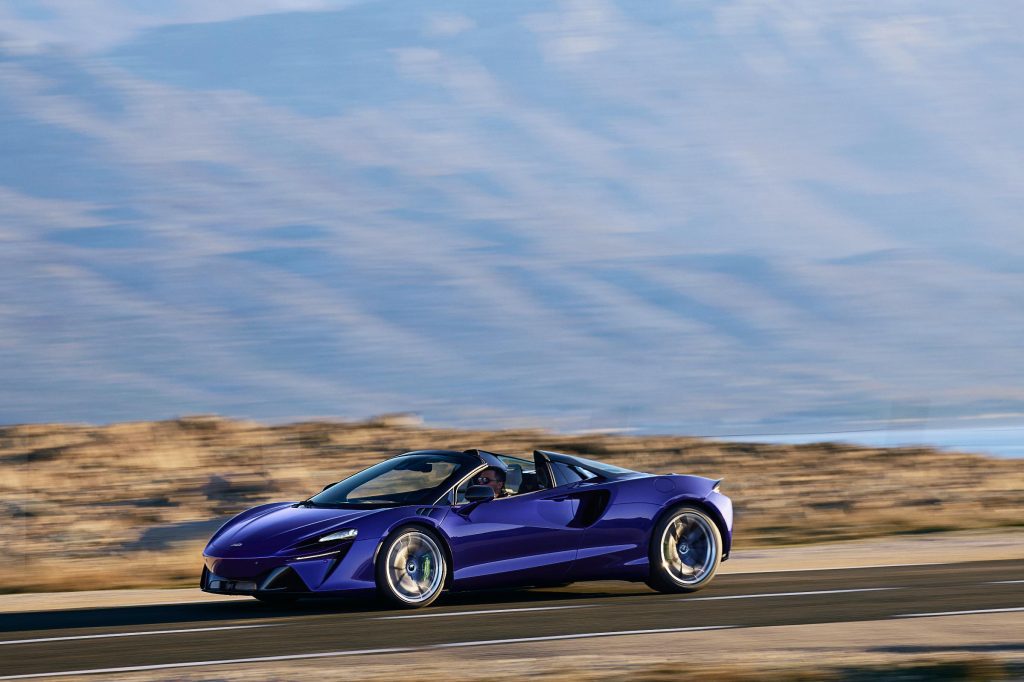
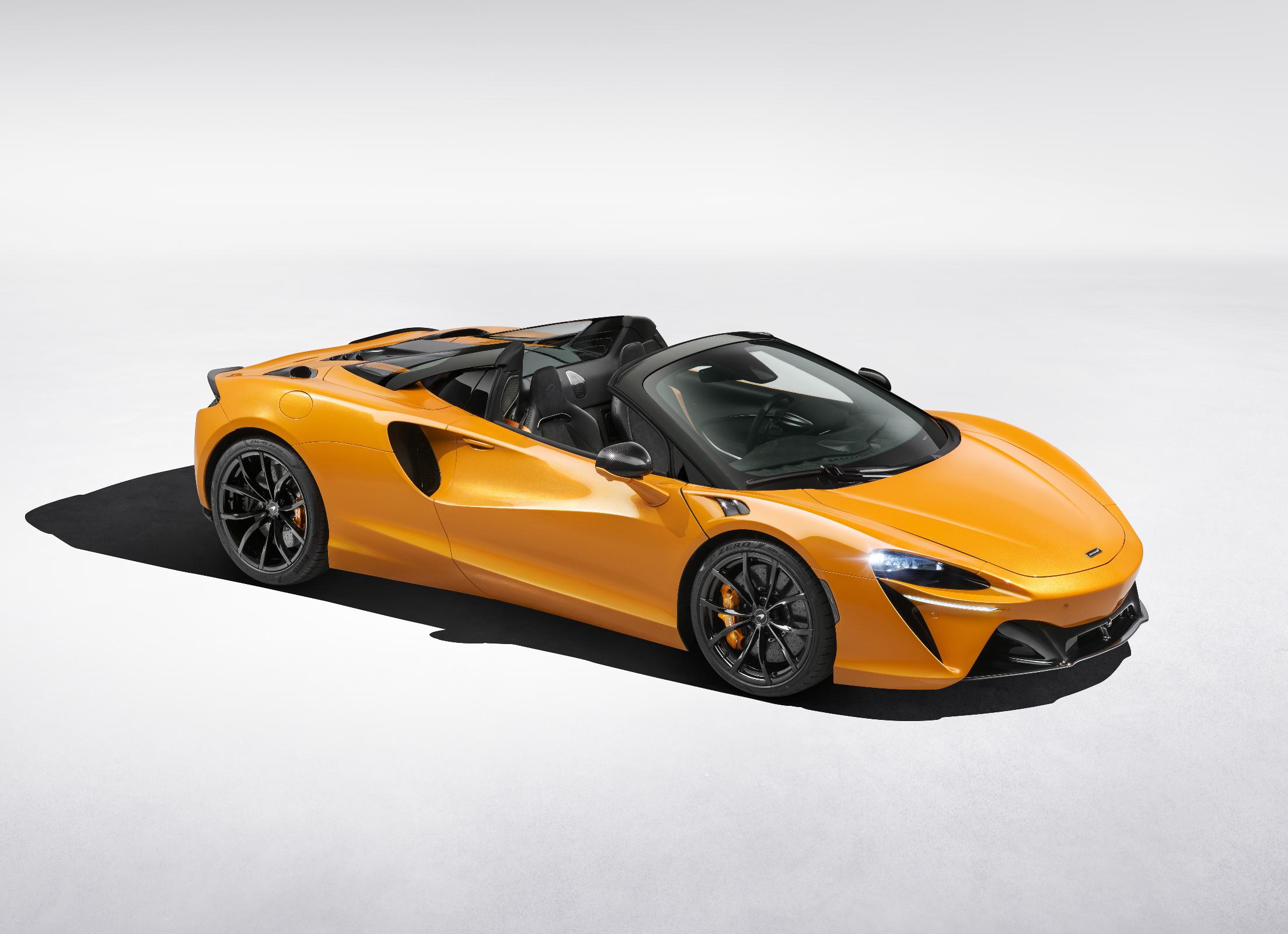
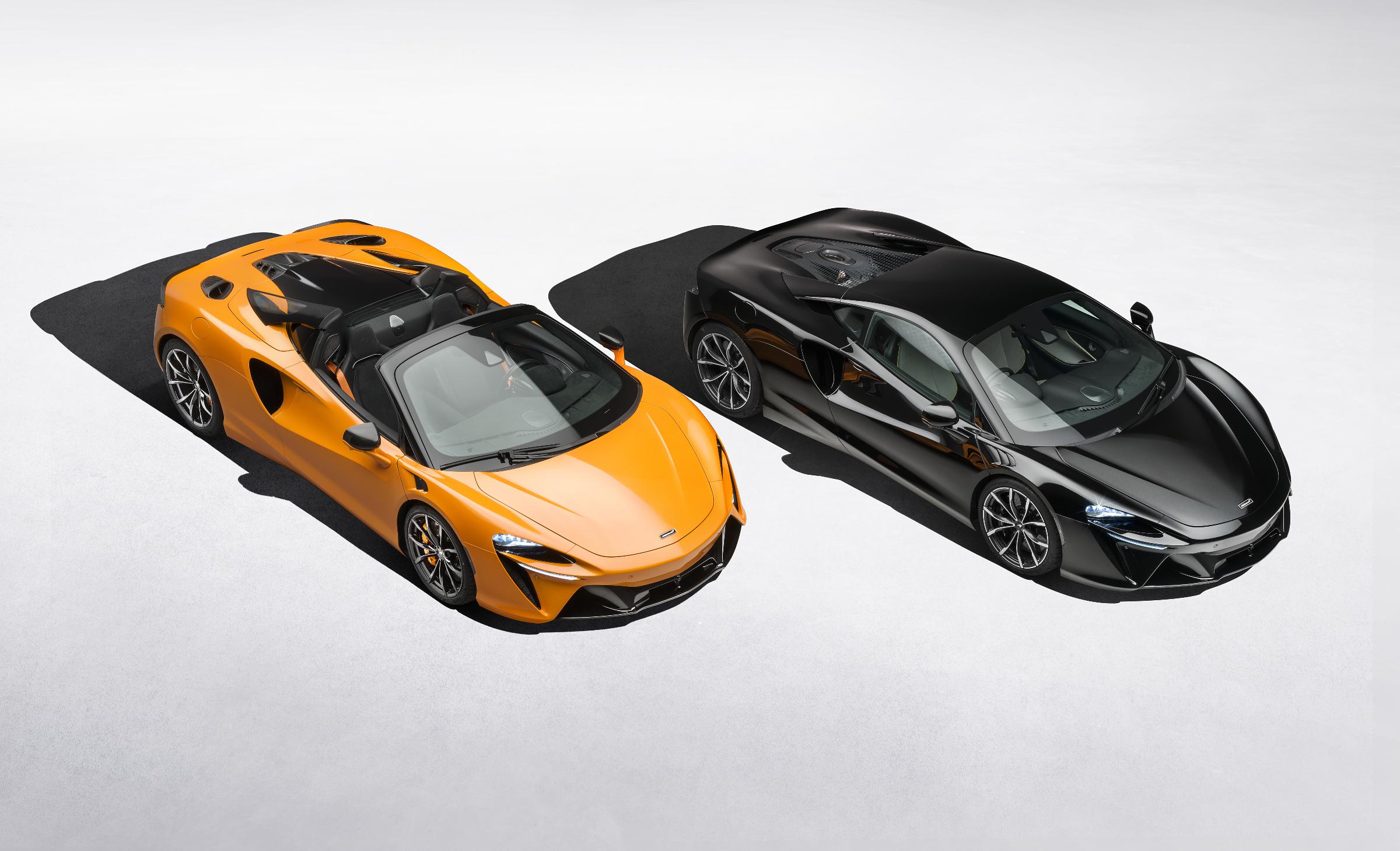
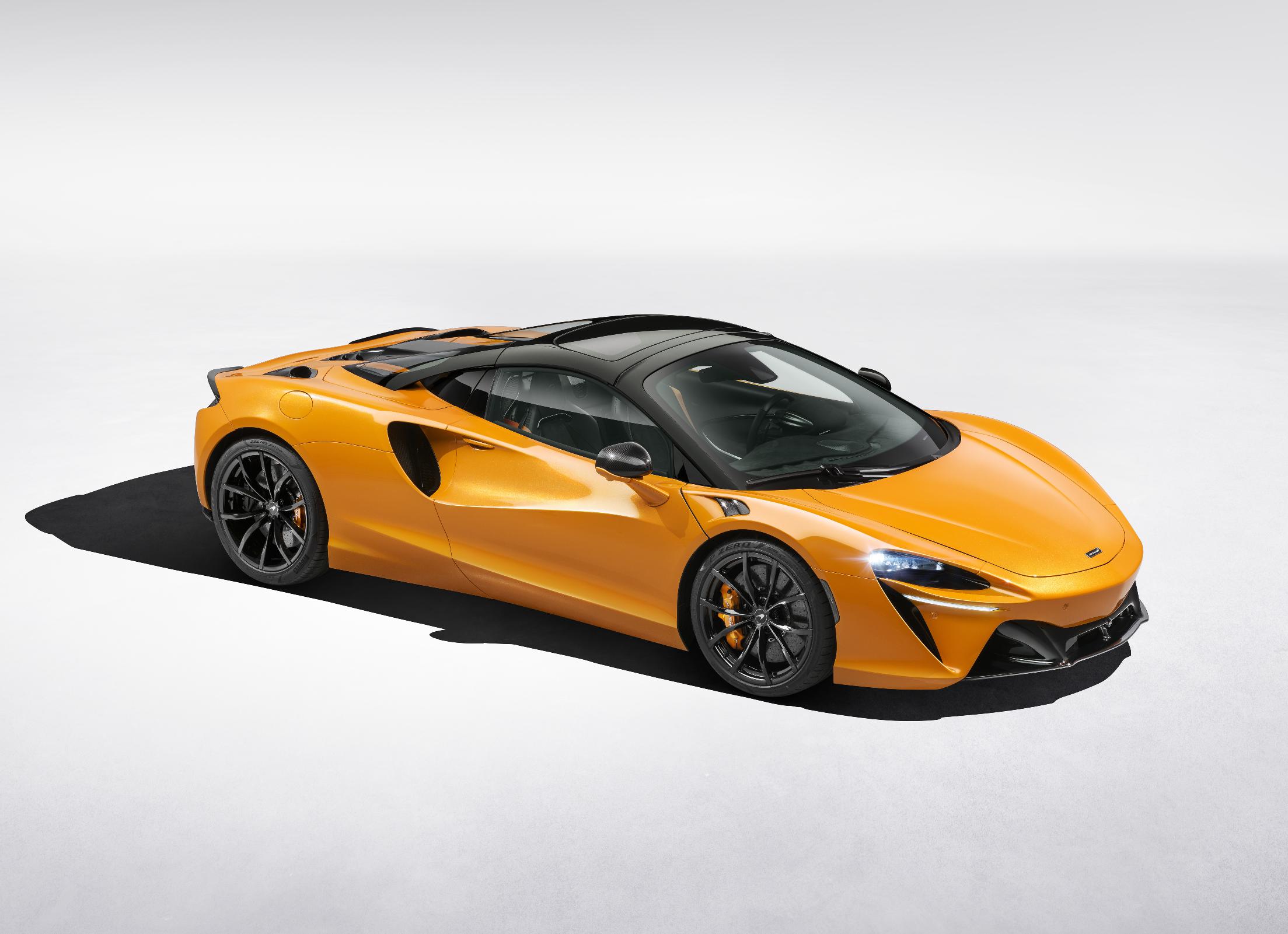
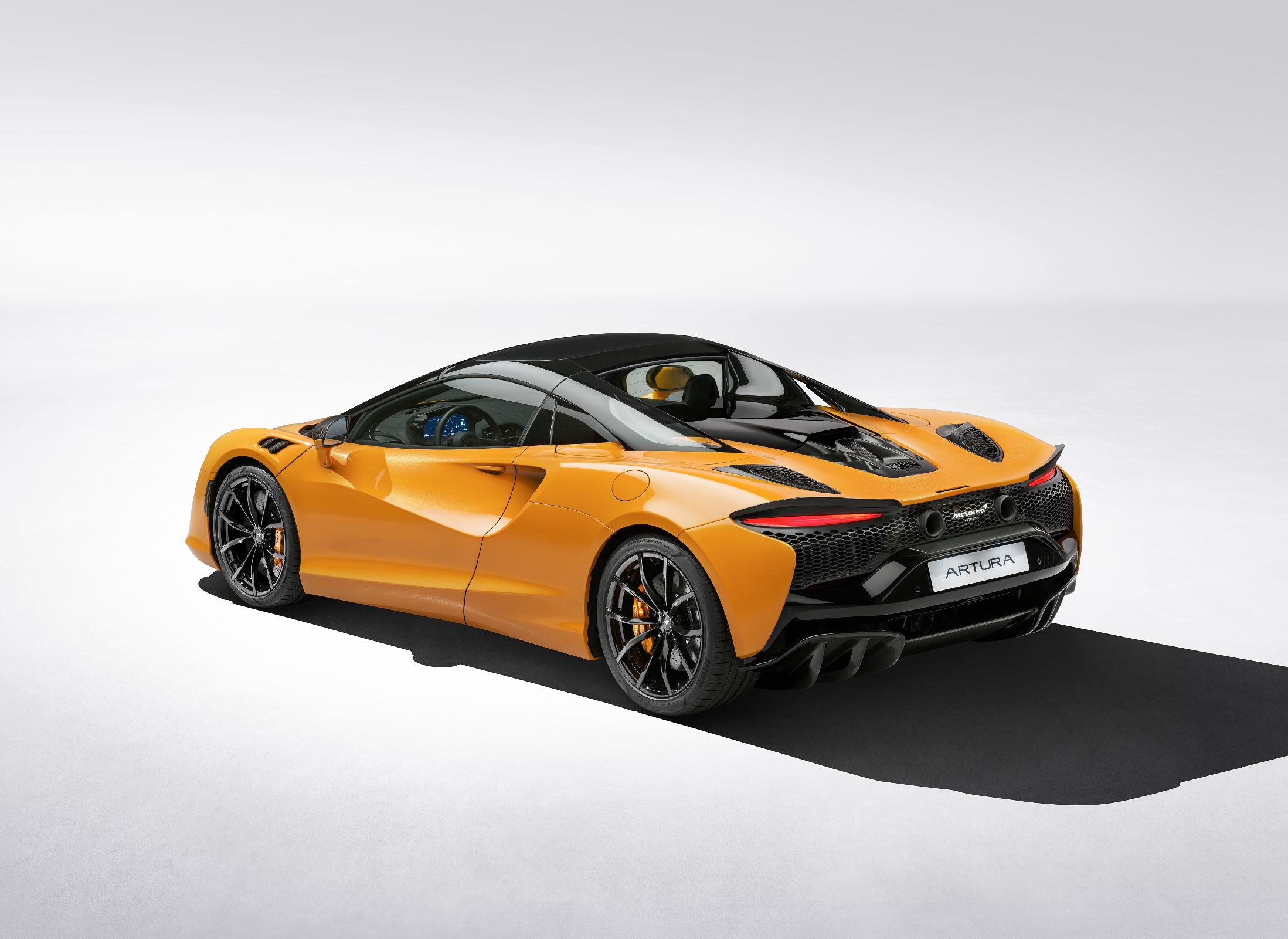
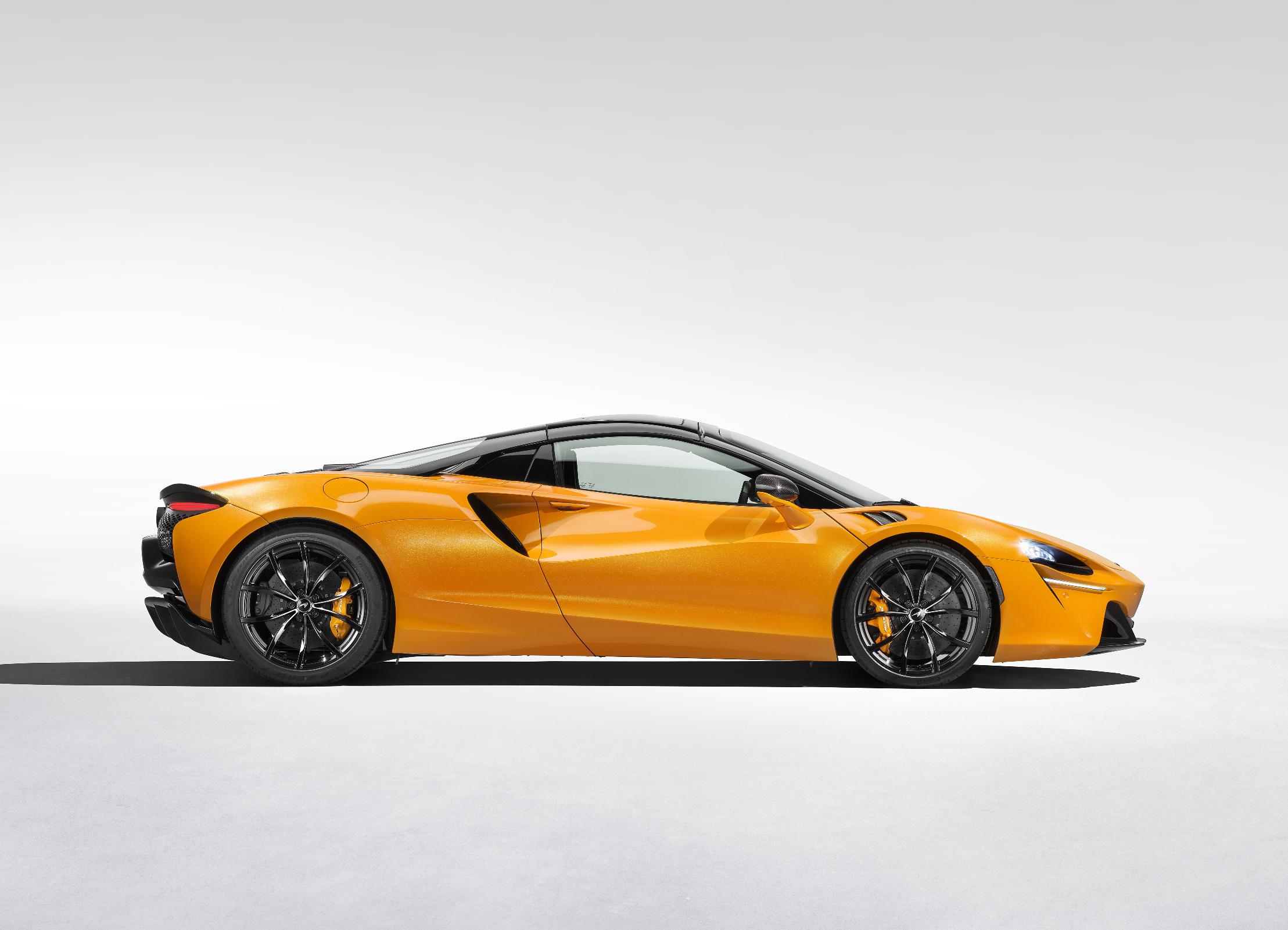
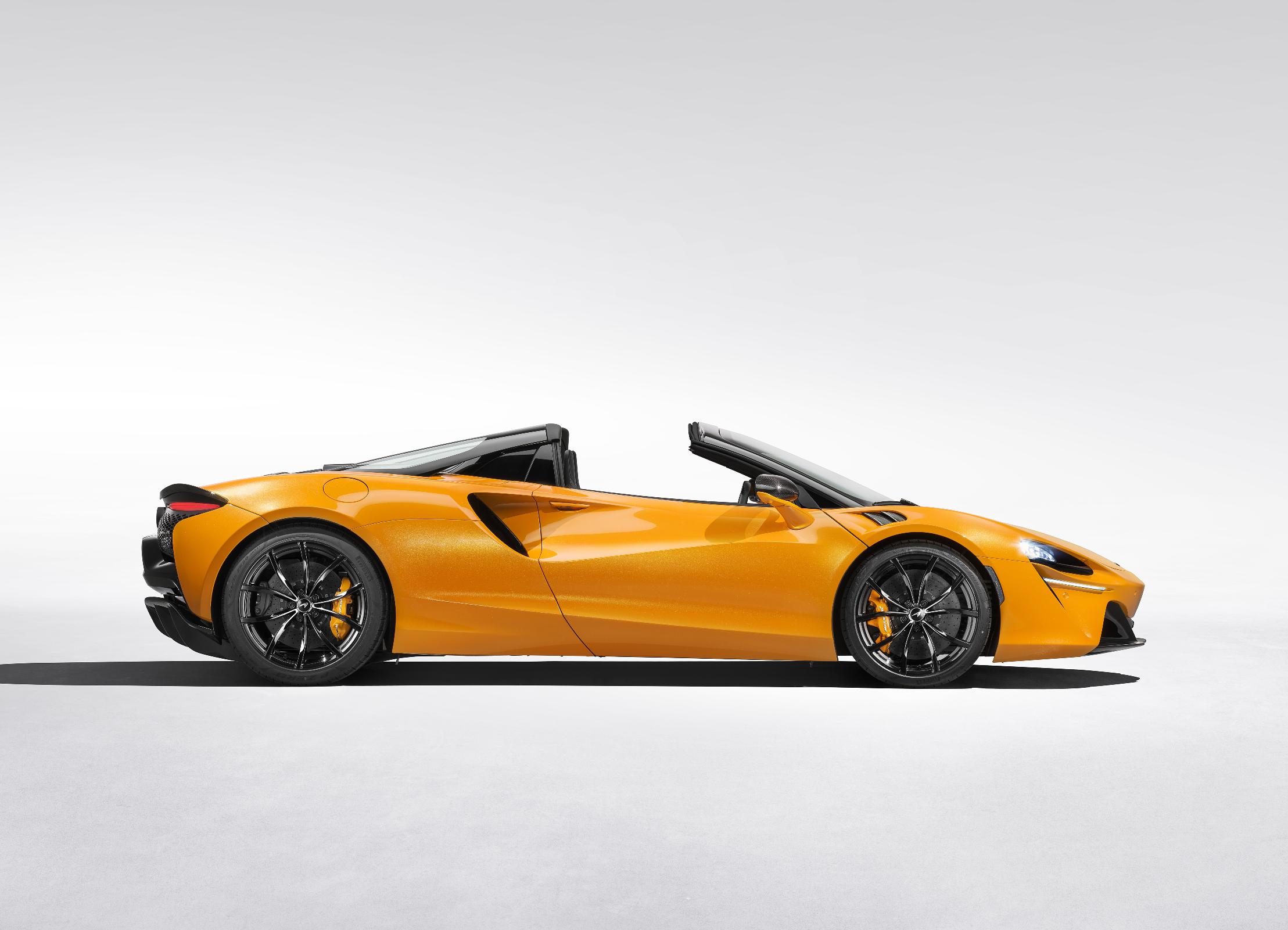
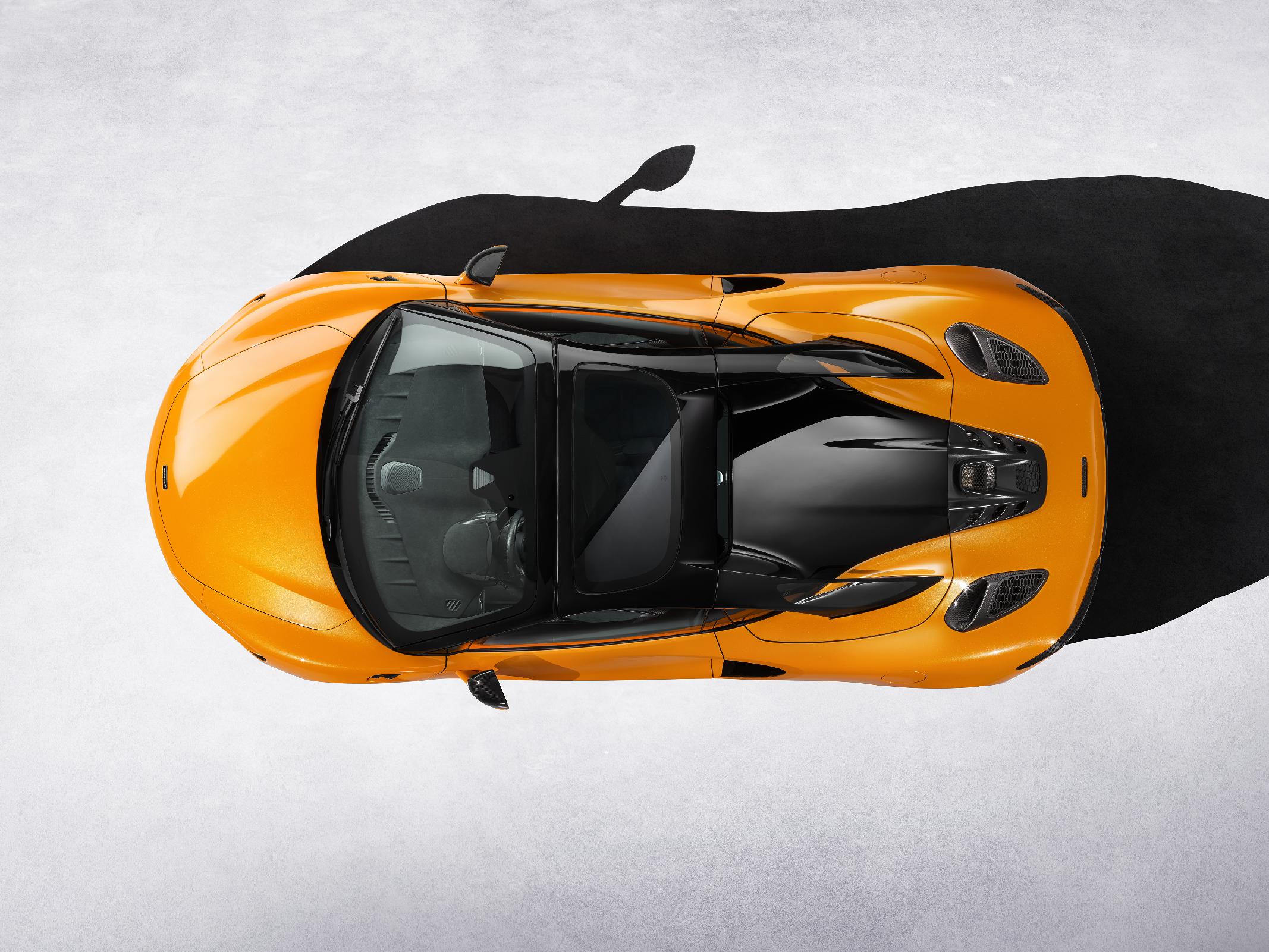
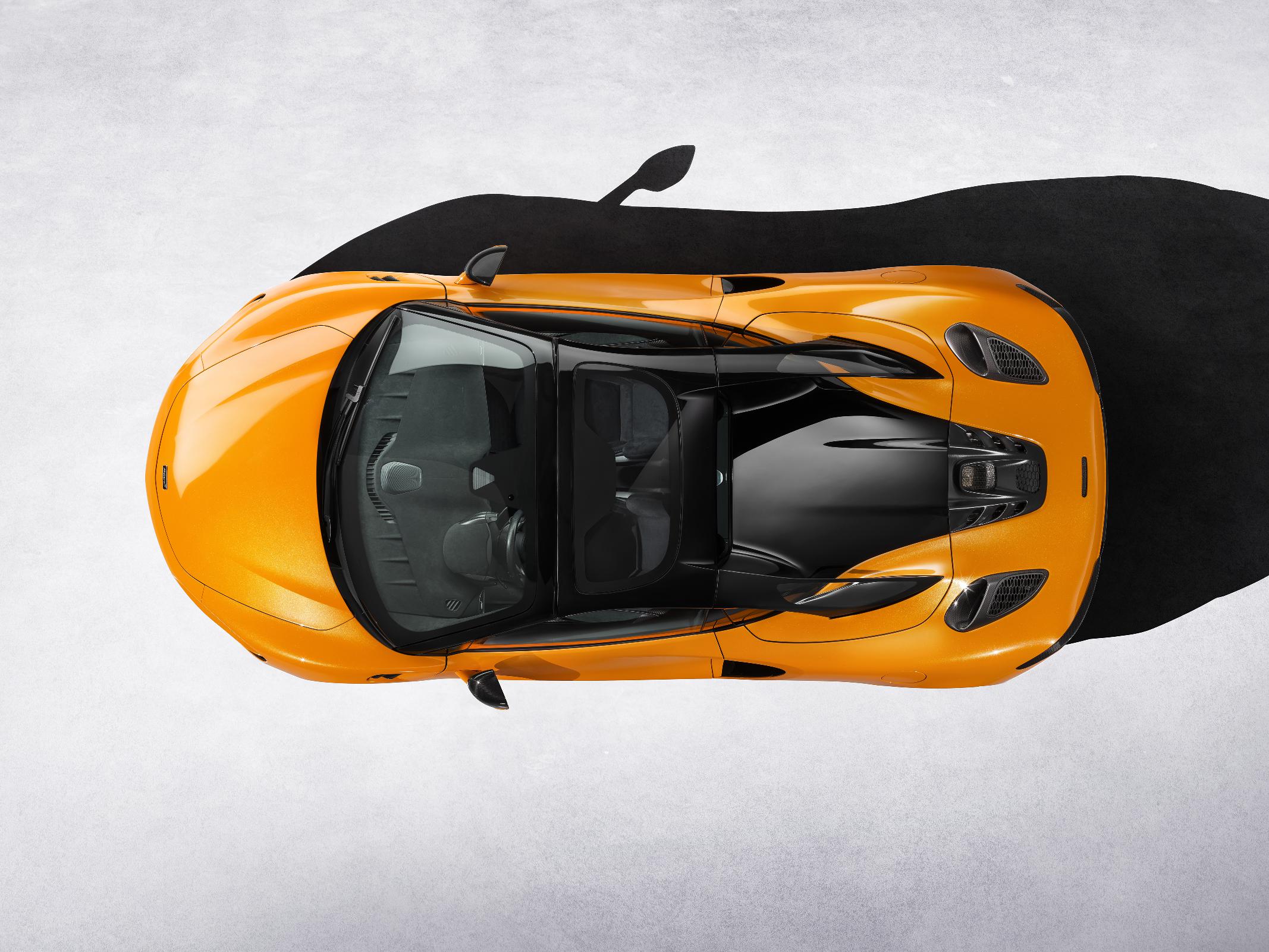
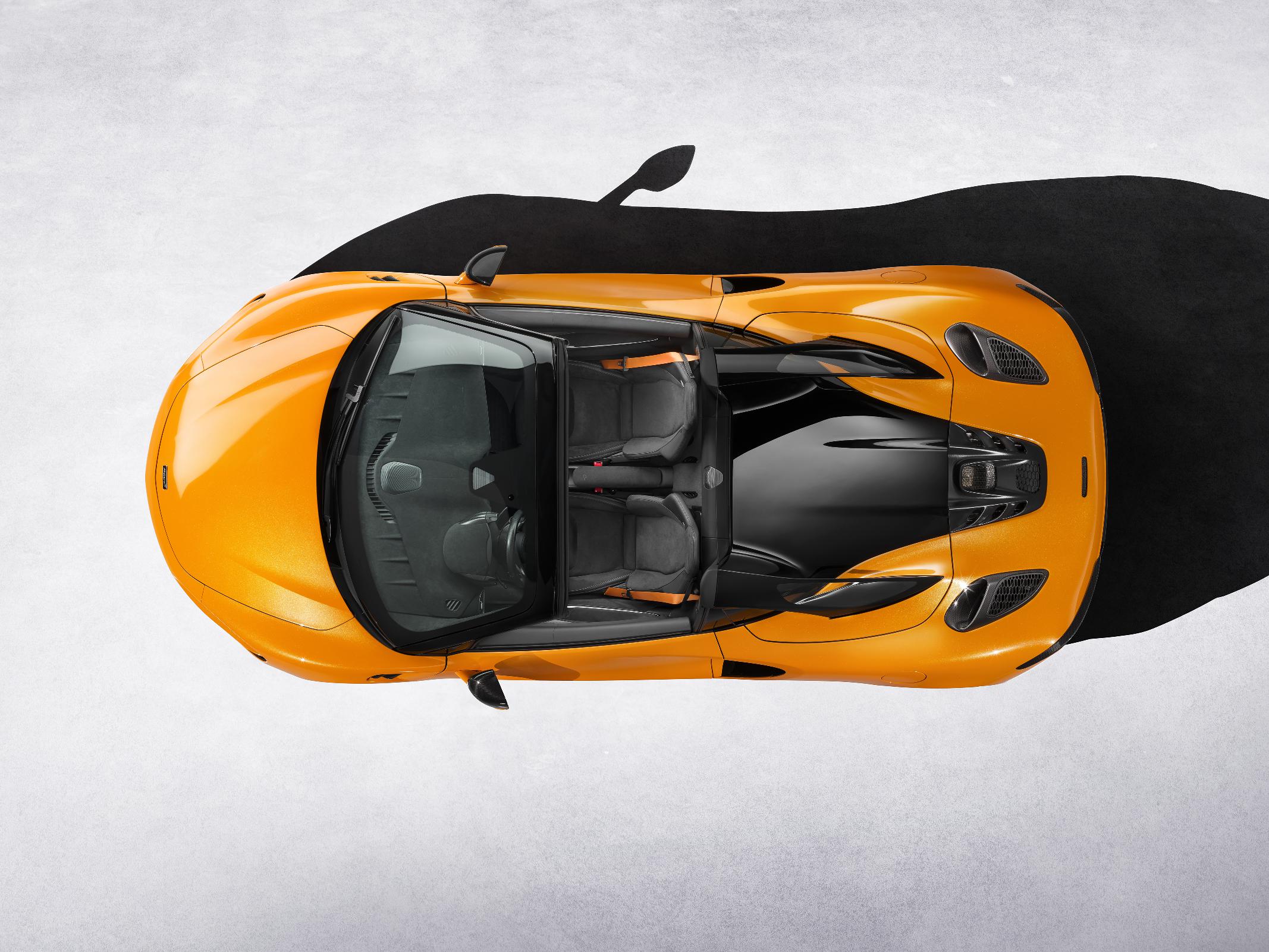
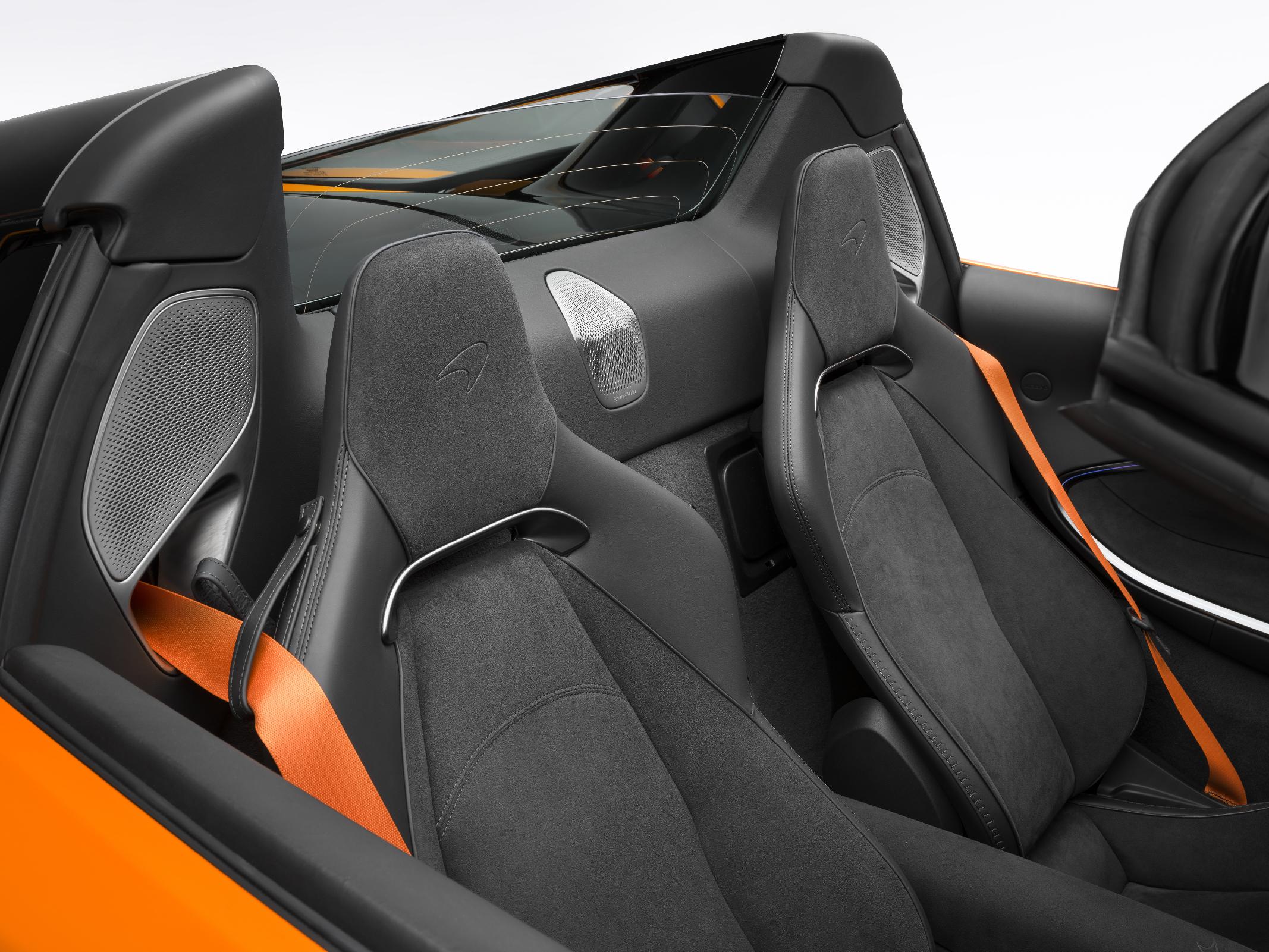
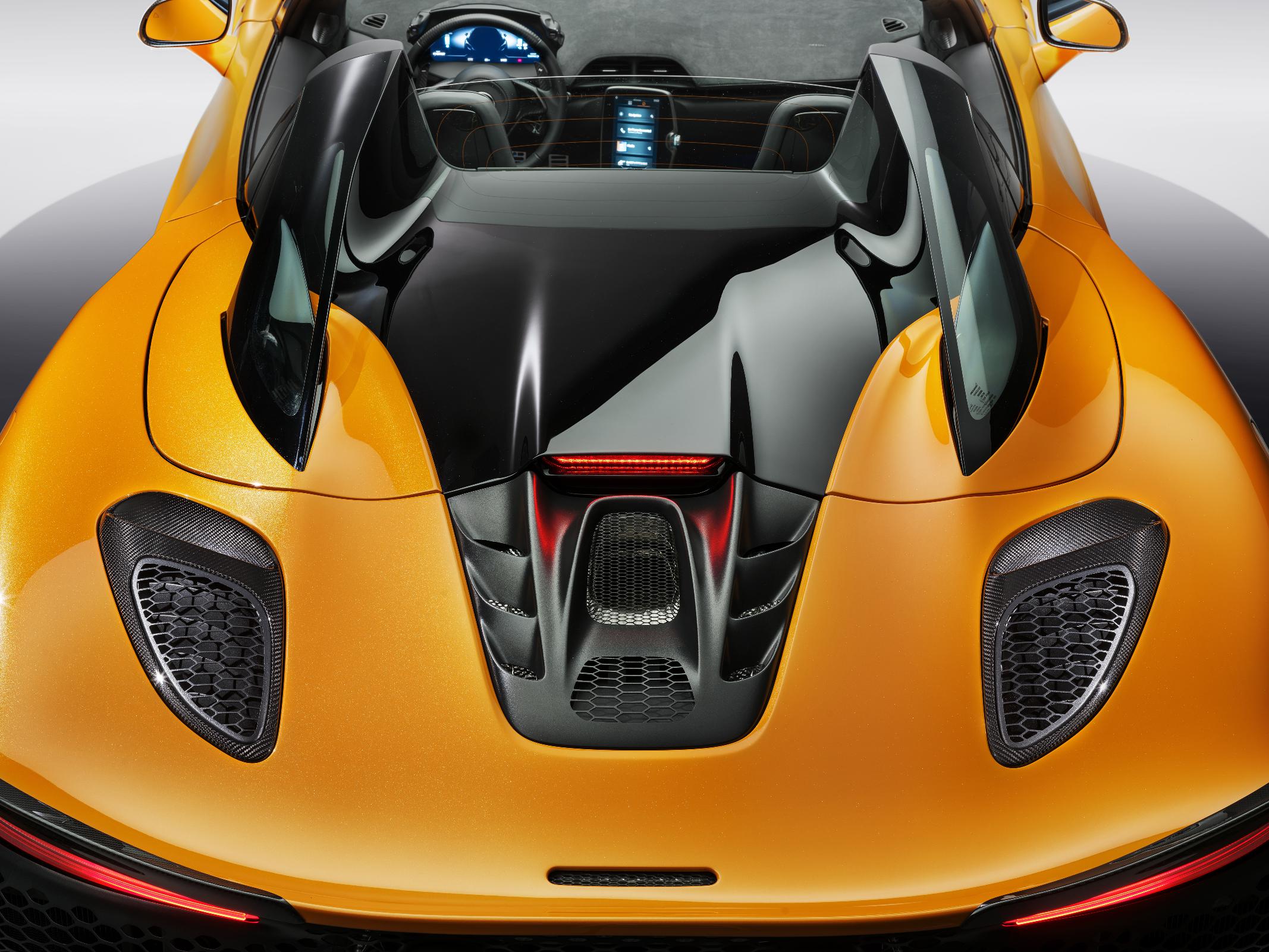
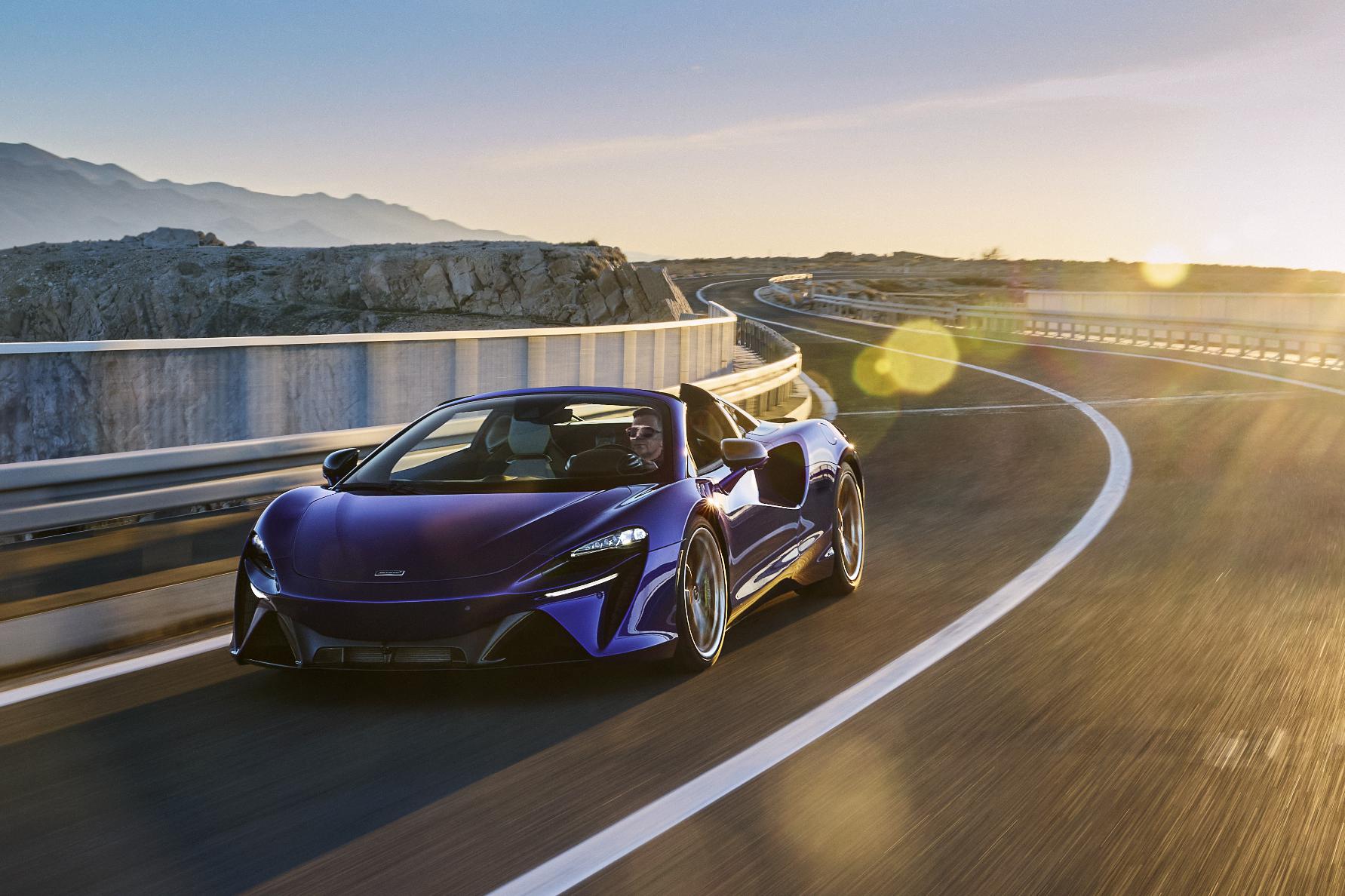
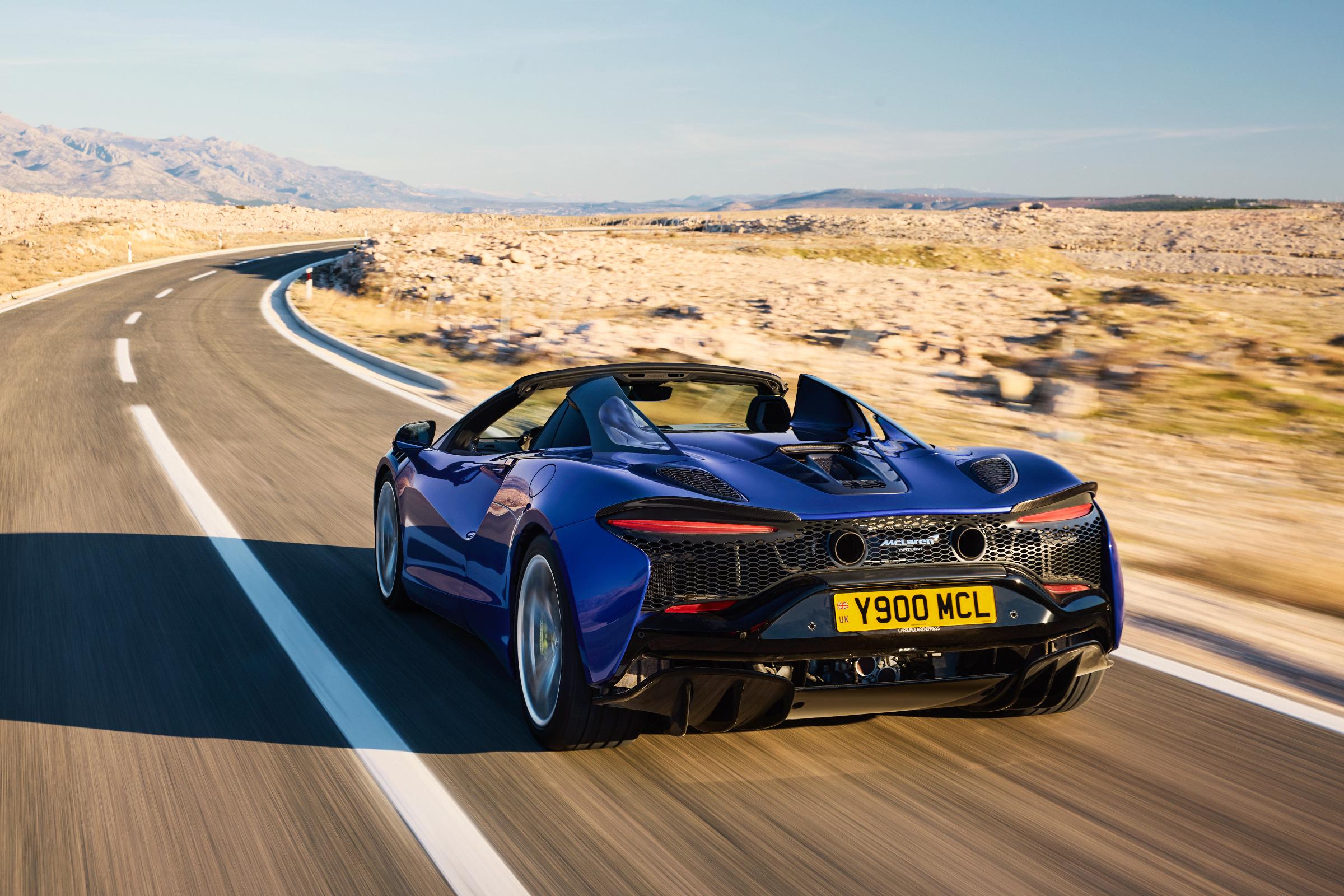
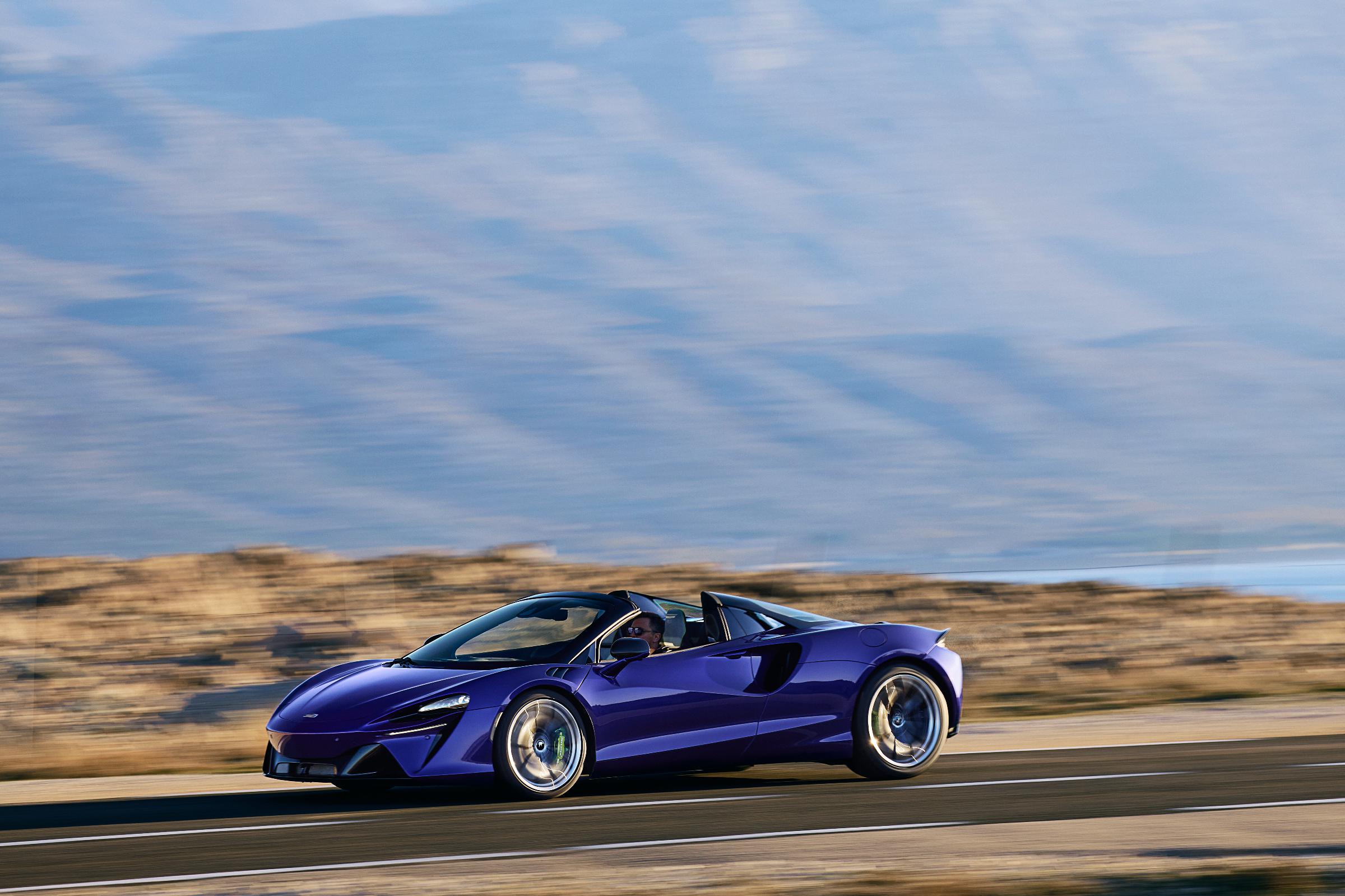
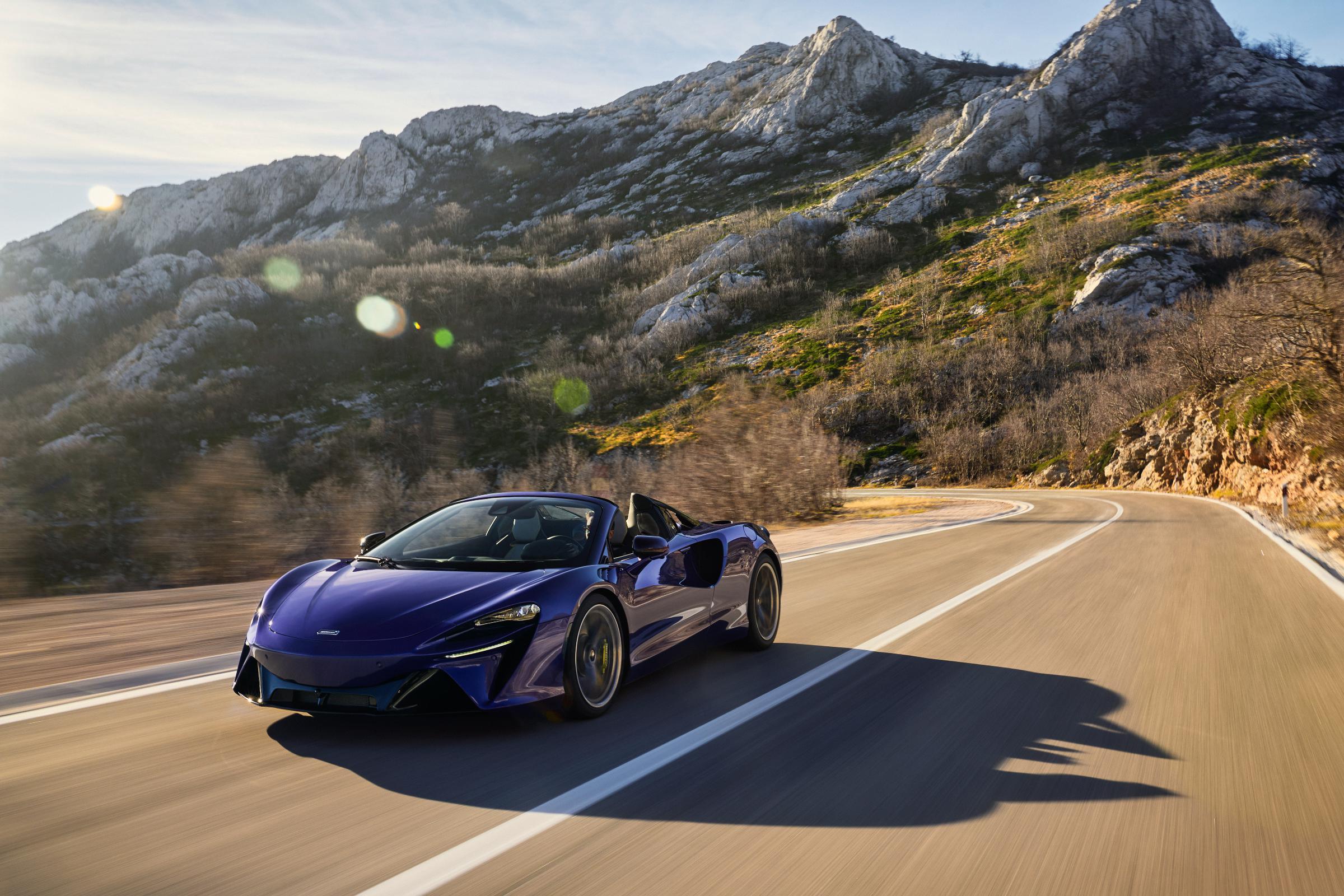
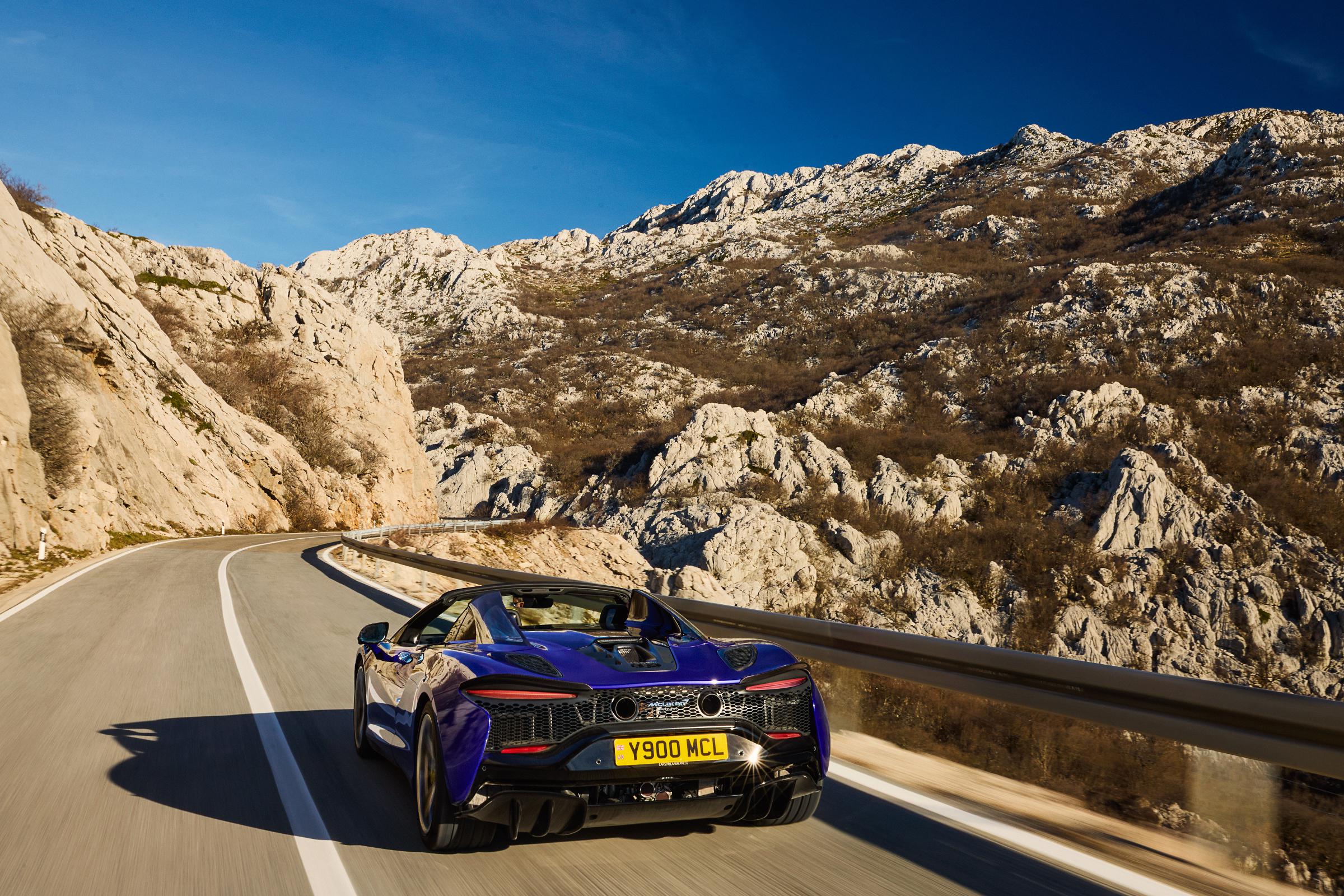
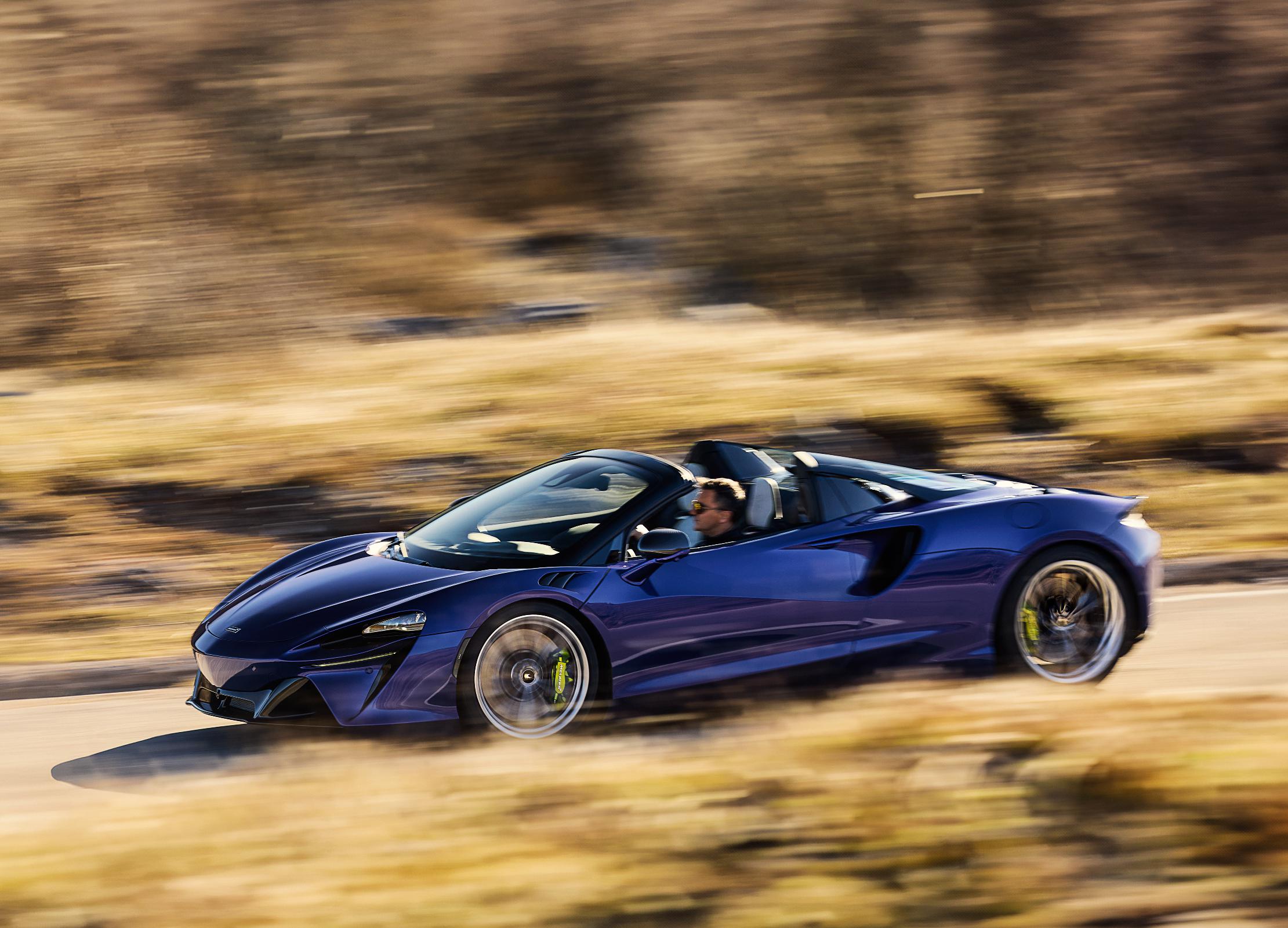
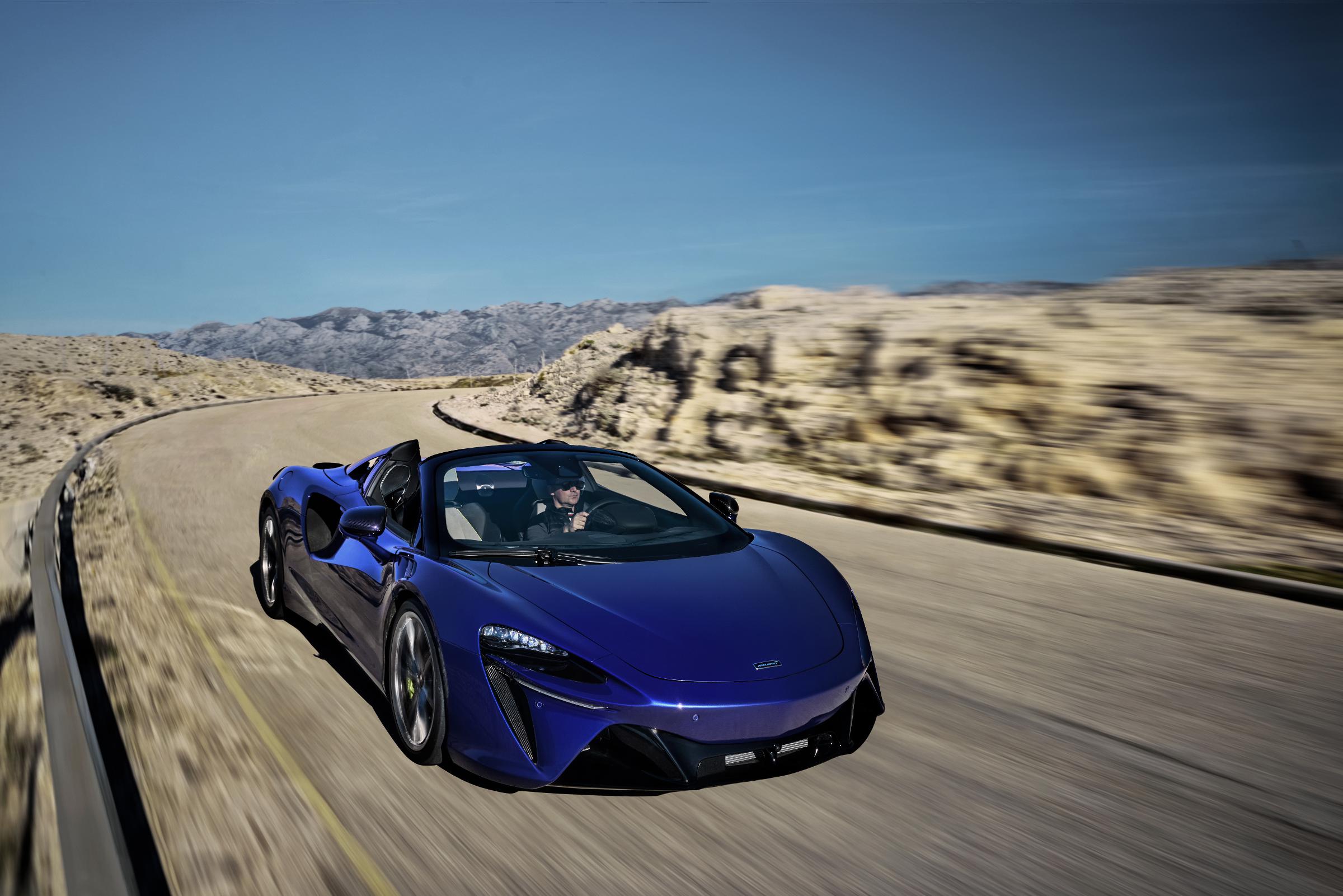
To say that McLaren has been at the forefront of supercar innovation is not overstating the fact. Ever since McLaren Automotive was created in 2010, every year has seen the introduction of a new sports model, new super model, or a new ultimate model, without fail. It is in this spirit and tradition that the 2025 Artura Spider has been created, marking it as the first drop-top hybrid that has ever come out of the Woking UK headquarters. While it is a 2025 model year car, it does fill in the 2024 slot in the cycle of McLaren’s supercars.
What sets the Artura Spider apart from the other Spiders that have come before (12C, 570S, 650S, 720S, and 750S) is that it is the first of any of them that has had less than 8 cylinders. In the drive to extract more performance from only six cylinders, the engine was designed in conjunction with the McLaren Racing Formula One side of the business, which helped create one of the most technologically advanced V6 engines in the world. To boost that power, a hybrid assist motor that is dubbed the Axial Flux E-Motor System adds instant torque and extra power across the entire rev range, as well as replaces the entire reverse gear.
The powertrain isn’t the only high tech part of the car, not by a long shot. In fact, so much new tech, systems upgrades, and composite materials expertise has come with the new Artura Spider that much of it has been carried back to the Coupe, making the 2024+ Artura Coupe almost a “Version 1.5” of the 2022 original car. The biggest part of that, the McLaren Carbon Lightweight Architecture (MCLA), means that the Artura Spider, as well as its Coupe brother, are two of the lightest full Sport Series models ever to leave the McLaren Technology Center (MTC) with the Spider having a kerb weight of just 1,560 kg (3,439 lbs).
Even more impressive is that the Spider weighs a scant 62 kg (137 lbs) more than the Coupe, despite extra carbon tub stiffening and the installation of the motors to fold the power hardtop away. For comparison, that makes the Artura Spider just 70 kg (154 lbs) heavier than the first -ever McLaren performance hybrid, the P1 Hypercar. As well, having two-thirds of the total horsepower of the P1 means that the Spider is not only the lightest drop top that McLaren has made, it’s also one of the fastest, with a 0 to 60 time of 3.0 seconds flat.
At the end of the day, that makes the Artura Spider, despite being a “base” model in the McLaren lineup, one serious performance supercar.
Engine & Performance
The First Performance V6 Spider From McLaren
With input from the McLaren Racing Formula One team, the engineers and designers at the MTC created a revolutionary engine with the Artura Coupe, which has been perfected for the Artura Spider. That engine is the M630 twin-turbocharged, 120 degree V6, the first of its kind in the world in a drop top supercar, but for the Spider, McLaren has turned the wick up a bit.
It produces 597 HP @ 7,500 RPM and 431 lbs-ft of torque @ 2,250 RPM all on its own, 20 HP more than the V6 in the Coupe, mostly thanks to its all-aluminum construction and “hot-vee” turbocharger layout. This system inverts the intake and exhaust ports of the engine, with the compressed air entering from the sides of the engine, and exhausting into the V of the engine banks, which spins up the turbos quicker for better throttle response.
What impresses about the Spider is that this layout makes it possible for the power-folding hard top to have enough room over the engine itself to fold away, without impacting engine cooling or air intake at all. The engine is mounted low down, but with a top that does not protrude up pretty much at all, it still leaves enough air space for the four air intakes to provide enough cooling air to keep it well within tolerances.
The McLaren Axial Flux E-Motor System
While it has a very technical name in a traditional McLaren way, the Axial Flux E-Motor provides 94 HP and an additional 166 lbs-ft of torque, both from 0 RPM. We brought up the McLaren P1 earlier for a very specific reason, as the hybrid motor boasts a power-density-per-kilogram output that is 33% greater than the motor in the hypercar.
The hybrid is also used across the entire rev range, from standstill through to the top speed of 330 KPH (205 MPH). In a bit of ingenious weight saving, the Spider’s dual-clutch transmission only has 8 forward gears with no reverse. Instead, the E-Motor can reverse polarity, acting as the reverse gear. As well, with all of the lessons learned from the coupe as well as advancements in transmission technology, the Spider’s shifts are nearly seamless, changing 25% faster compared to the Coupe.
The combine power of both the engine and the hybrid system comes out to a flat 700 PS, or 691 HP. Total combined torque is a massive 531 lbs-ft. Even better, if you already have an Artura Coupe and are wanting the extra 20 HP, McLaren will provide the upgrade free of charge on request.
Chassis & Handling
The Artura Spider’s driving dynamics are incredibly close to its Coupe brother. Being the only supercar of its class to offer the combined benefits of ultra-lightweight carbon composite construction, an engine in the middle with RWD only, and an e-Motor to provide instant throttle response, it is only added to by the steering being distinctly old-school. Instead of the modern electric assist that most supercars use, the Spider (and Coupe) uses an electronically-controlled hydraulic assist system. This means that like the supercars of old, the driver gets instant feedback and excellent feel for where the front wheels are and what they are doing, making this a marriage of bleeding edge technology with the best parts of the car returning to the old ways of doing things!
An excellent example of this is the electronically controlled rear differential. Instead of using a limited slip mechanical differential, the car itself measures the angle, speed, aggressiveness, and driving mode that the Spider is in, and adjusts the slip between the rear axle shafts several hundreds of times per second. The benefits of this are profound, as the hybrid motor can also add bursts of torque and power while the e-differential slips one side of the car, allowing maximum power to the wheel that needs it most, such as the outside wheel in a hairpin when you plant the pedal to catapult down the next straightaway.
Because of this, the Artura Spider balances its dynamics across two diametrically opposed concepts: increased agility with increased stability.
Aerodynamics & Suspension
Helping keep the Spider planted during those heavy cornering runs, McLaren spared no expense in wind tunnel testing and computer fluid dynamics simulation. Unlike many competitors that use a raft of active aerodynamics to shape the air second to second, the Artura Spider relies on passive aerodynamics for the most part. The front wheel arches are louvered to reduce air pressure inside the wheel wells, with very slim brake cooling duct intakes under the outer edge of the headlights.
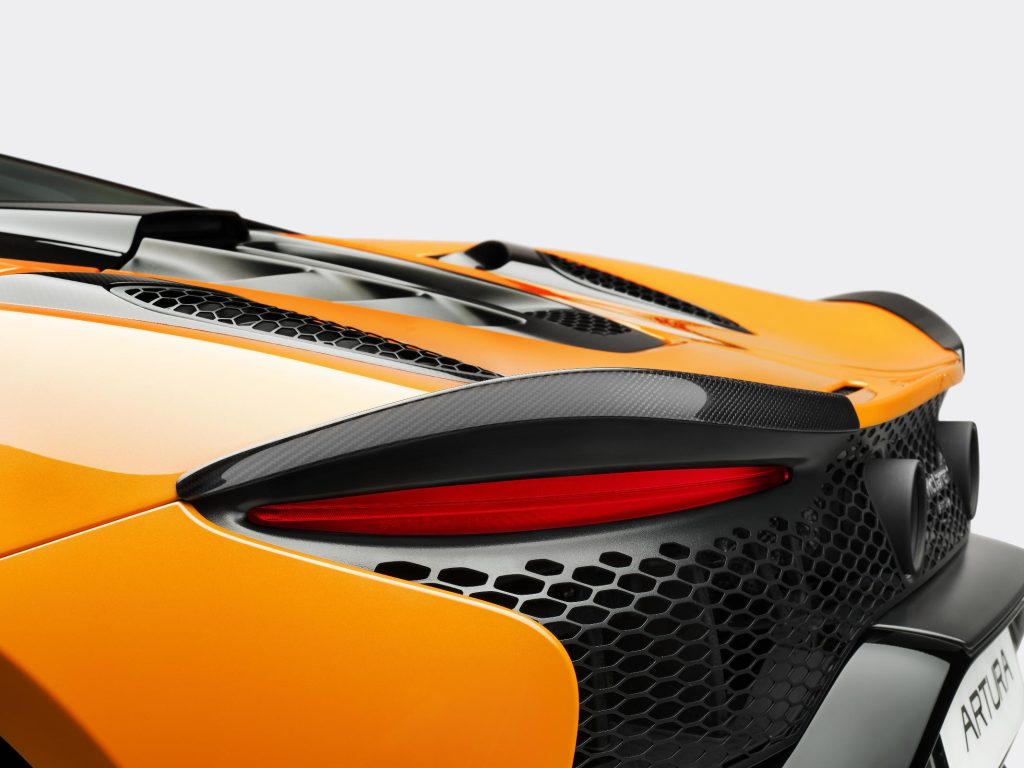
The tail of the Spider, in combination with diffuser, has been shaped to provide 110 kg (243 lbs) of downforce, planting the rear wheels into the tarmac, while the front splitter uses ground effects by venting down under the car instead of up through the hood to provide an “air skirt” of low pressure, sucking the front down into the road as well.
However, you can have the most active and high tech aerodynamics on any car, and it wouldn’t mean much without a superb suspension setup. This is where the Artura Spider shines, as compared to the Coupe, its Proactive Damping Control (PDC) suspension setup responds 90% faster. Depending on which driving mode the car is set to, this can make the Spider capable of turning harder than the Coupe model, which is usually the opposite of what happens when you remove the roof of a supercar.
This can be attributed to the fully independent suspension at each corner of the car, as well as the carbon composite “tub” of both the Spider and Coupe being shared. It is the most advanced tub of its kind, and has less than 0.1% torsional flex side to side, making sure that the suspension keeps the tires on the road and making the car corner absolutely flat.
Traction, Stability, & Driving Modes
There are three driving modes, which McLaren labels as “Handling Modes:” Comfort, Sport, and Track. Each setting has its own independent and distinct set of parameters for the entire car. These parameters control everything from damping, being compliant for urban driving and providing maximum stiffness and dynamic response for track runs, to how much the e-differential slips the drive axles, to even how aggressively the traction and stability control systems kick in when needed.
In a highly appreciated move, McLaren has separated the electronic stability control (ESC) and traction control (TC) settings from each other. This allows the driver to independently control each, from ESC having On, Dynamic, and Off settings, and TC having Handling and Powertrain modes. These two modes either kick in the traction control during cornering if you add too much power, or maximizes the interruption during a top speed sprint to prevent any wheel spinning at all.
All said, it is one of the most customizable vehicle dynamics systems that McLaren has ever put in a supercar.
Brakes & Tires
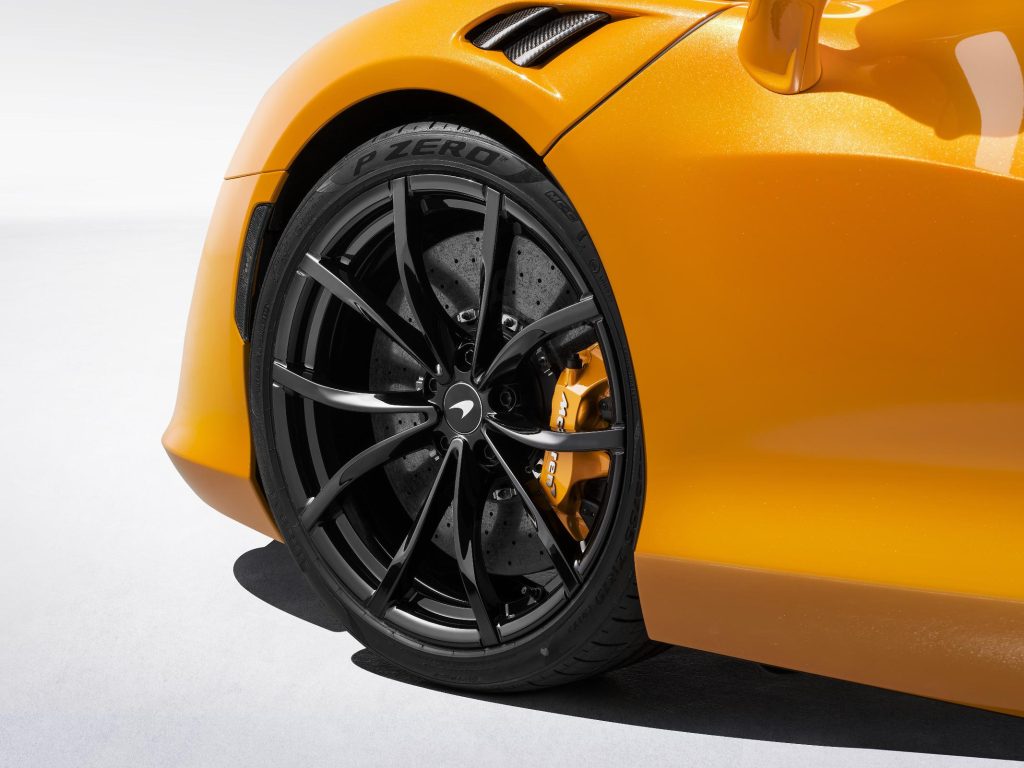
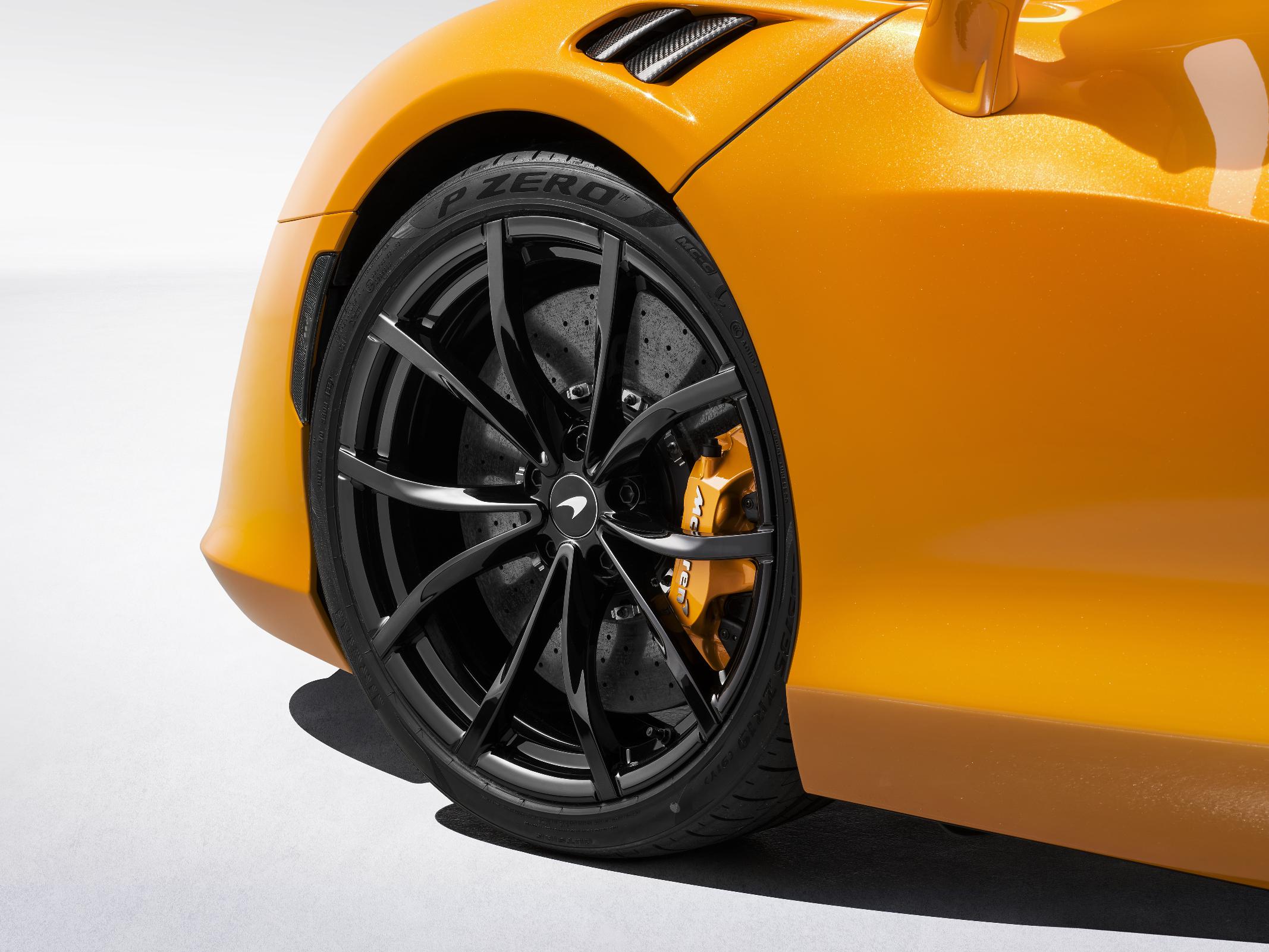
For such a ferociously powerful supercar, it comes with some ferociously powerful brakes. 390mm front and 380mm rear next-gen carbon ceramic discs, clamped by 6 piston calipers at the front and 4 piston calipers at the rear, with an electronically controlled vacuum-type brake booster, can haul the Artura Spider down from 200 KPH (124 MPH) to naught in 124 meters (407 feet). That is near race car level performance, and is one of the shortest braking distances for a supercar Spider in 2024. It is also doubly impressive that the Artura Spider, despite being a hybrid, uses absolutely no regenerative braking. That distance is pure and simple pads-to-discs performance.
It also helps that the Artura Spider has bespoke tires from partner Pirelli. Labelled as P-ZERO MC-C tires, they are 235/35Z R19 at the front and 295/35Z R20 at the rear, are of the Pirelly P-ZERO Cyber Tire family, which are in effect close to semi-slicks cleared for road use. They also are particularly good at water displacement, providing maximum grip in almost all weather types.
The Spider does have two optional tire choices that can be fitted from the factory. The first is the Pirelli P-ZERO Corsa tire, which uses a softer compound to provide maximum grip on track tarmac, while also being cleared for dry road use. The other is the P-ZERO Winter tire, with a bespoke siping and tread block pattern to give maximum grip on icy and snow-covered surfaces.
Design, Styling & Interior
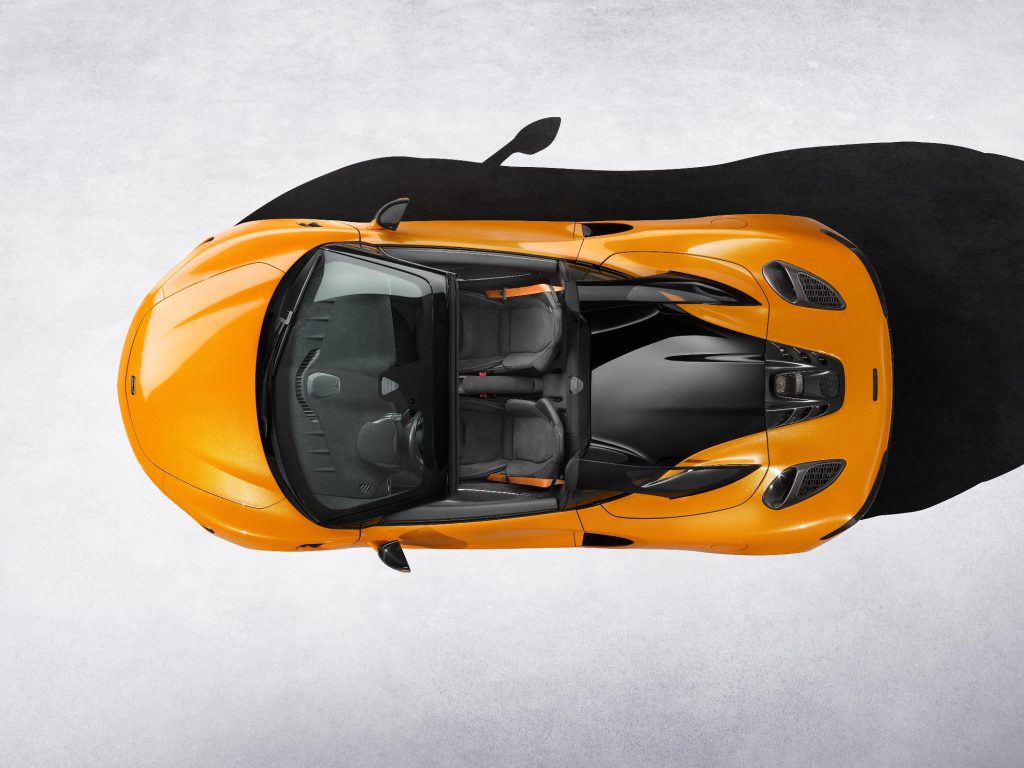
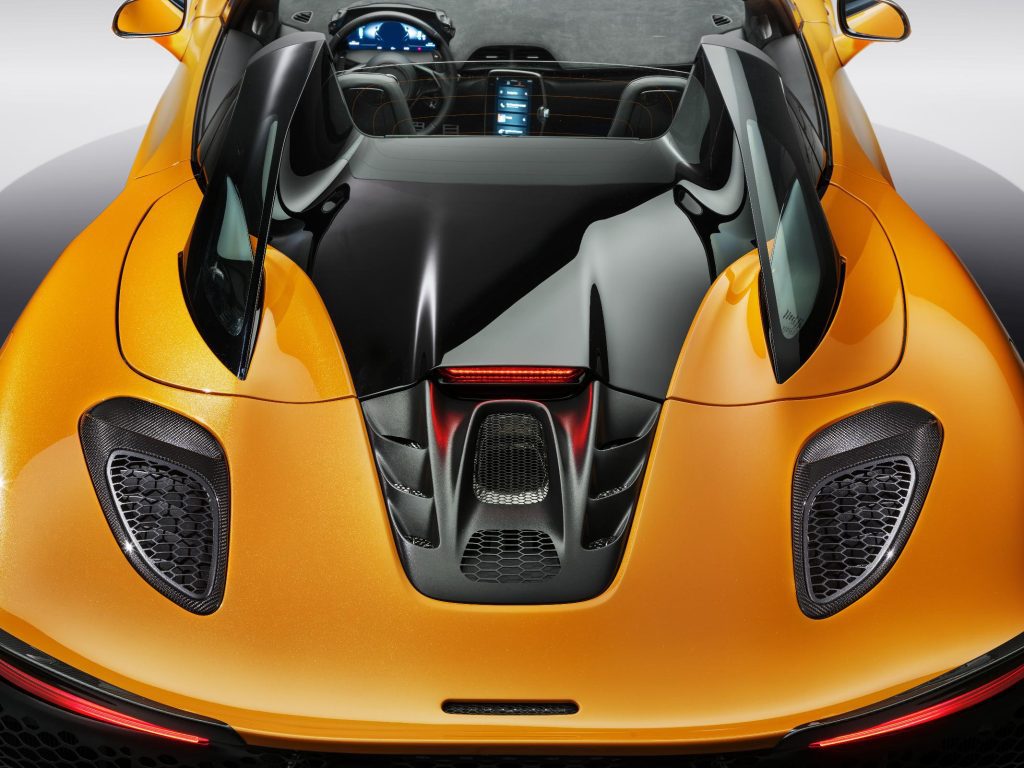
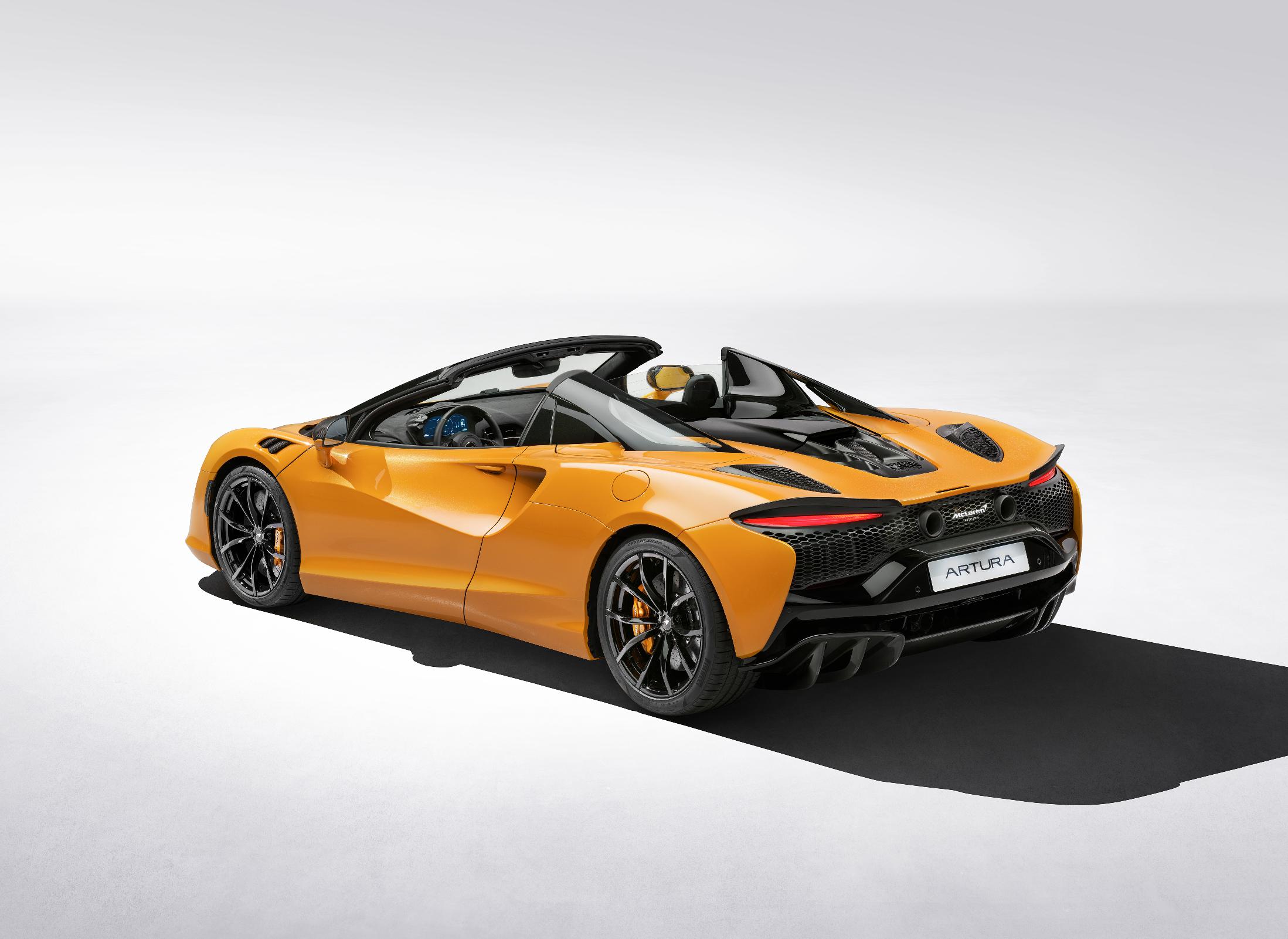
The Artura Spider follows the design aesthetics of the Spider cars that came before, with two flying buttresses behind each seat to provide the most focused airflow over the engine cover louvres to suck out hot hair before flowing over the tail of the car. The “speed bumps” behind the seats also do play a part in overall car stability, and reduce overall buffeting in the cabin due to air-shaping.
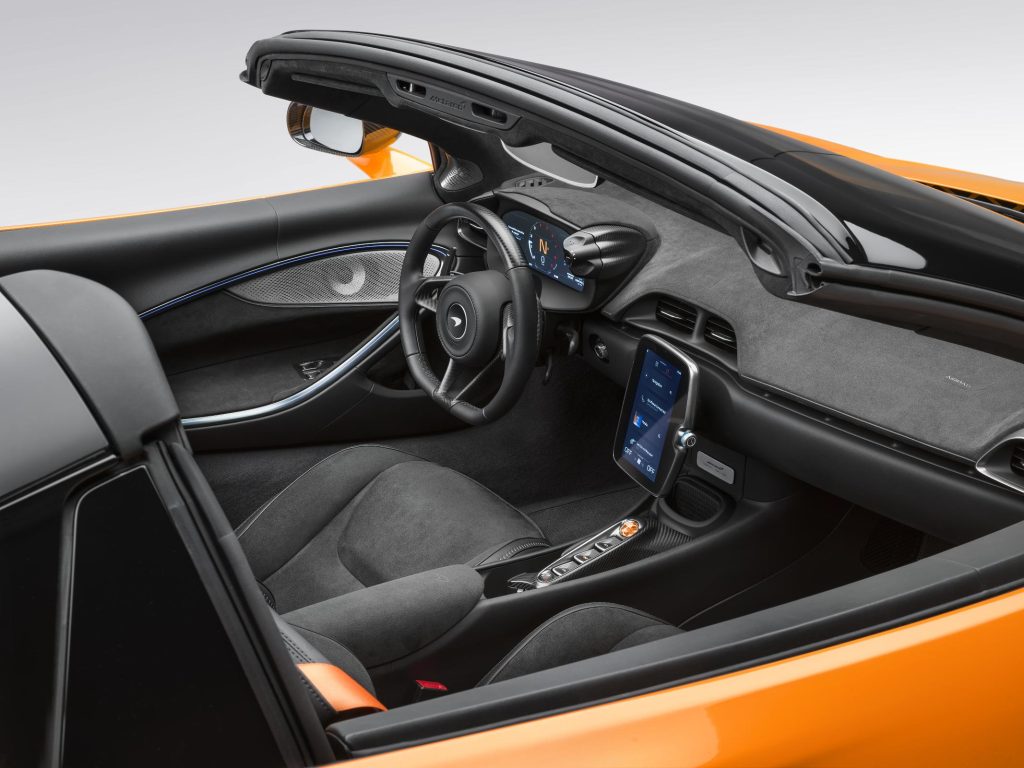
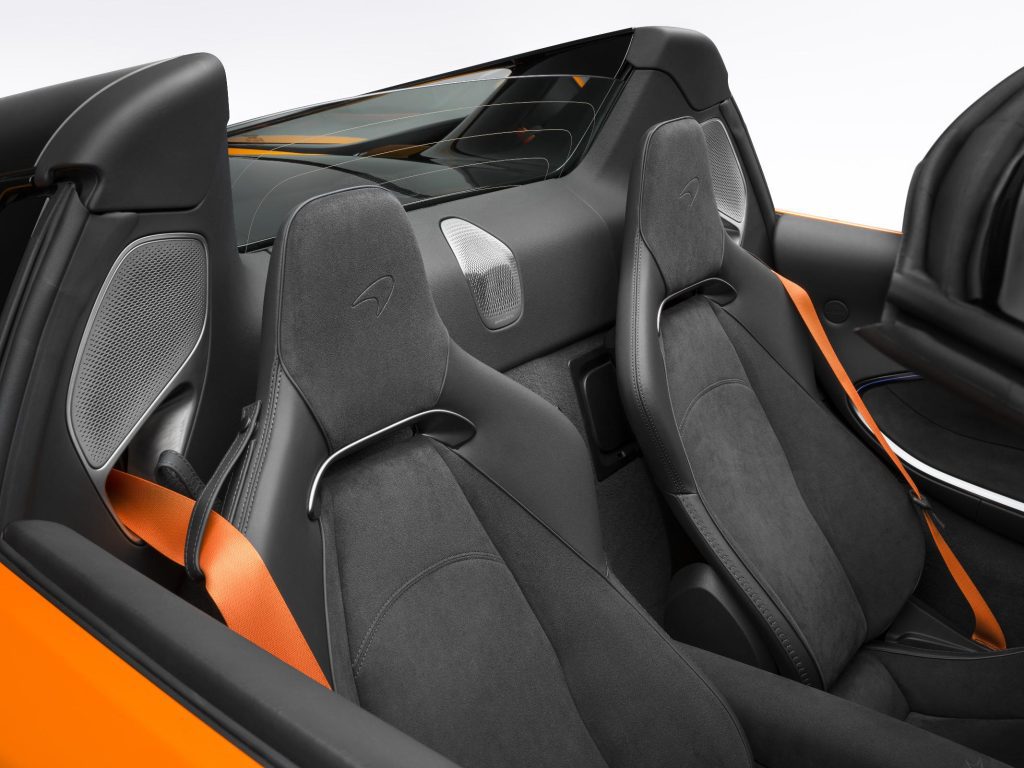
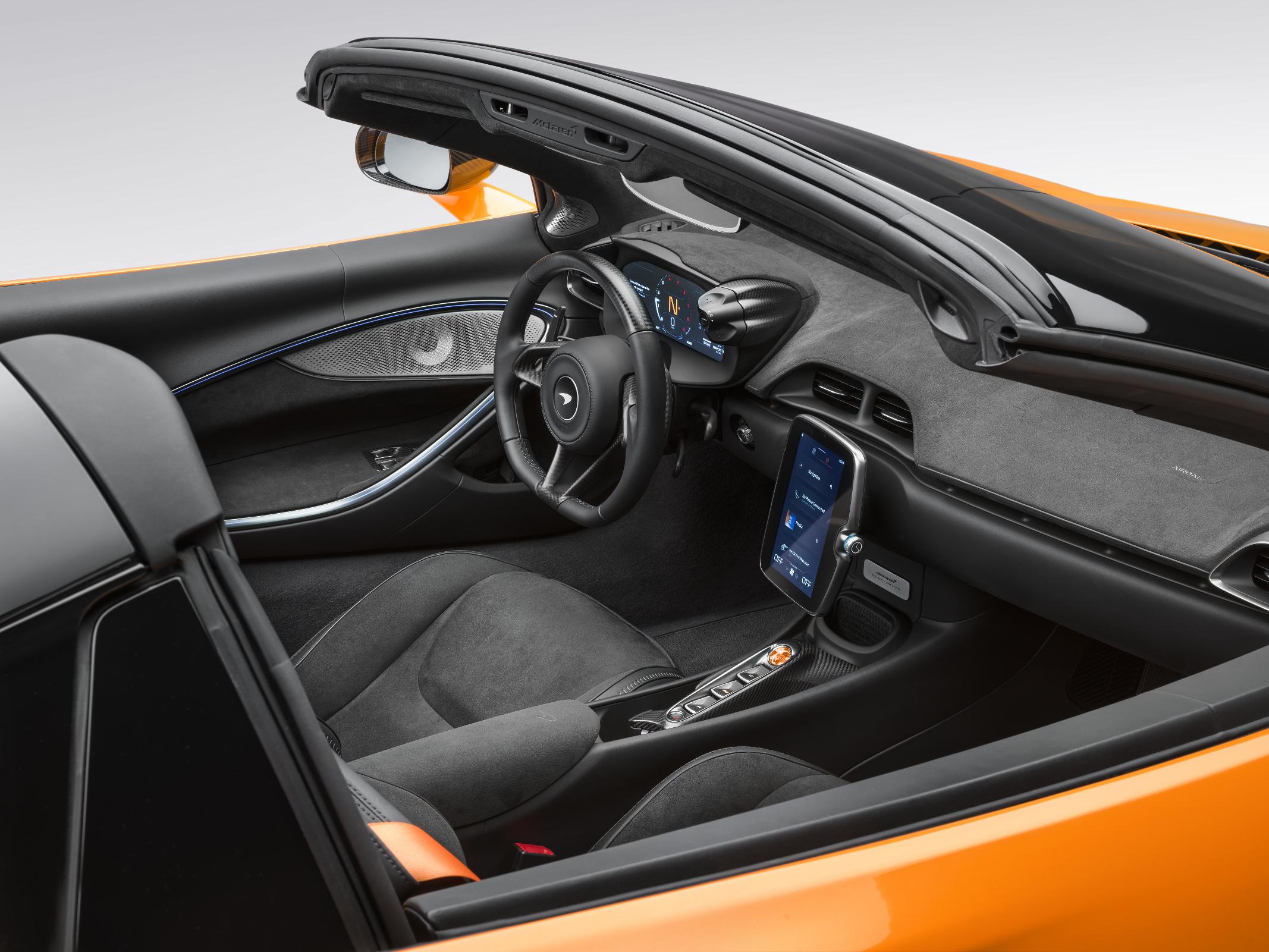
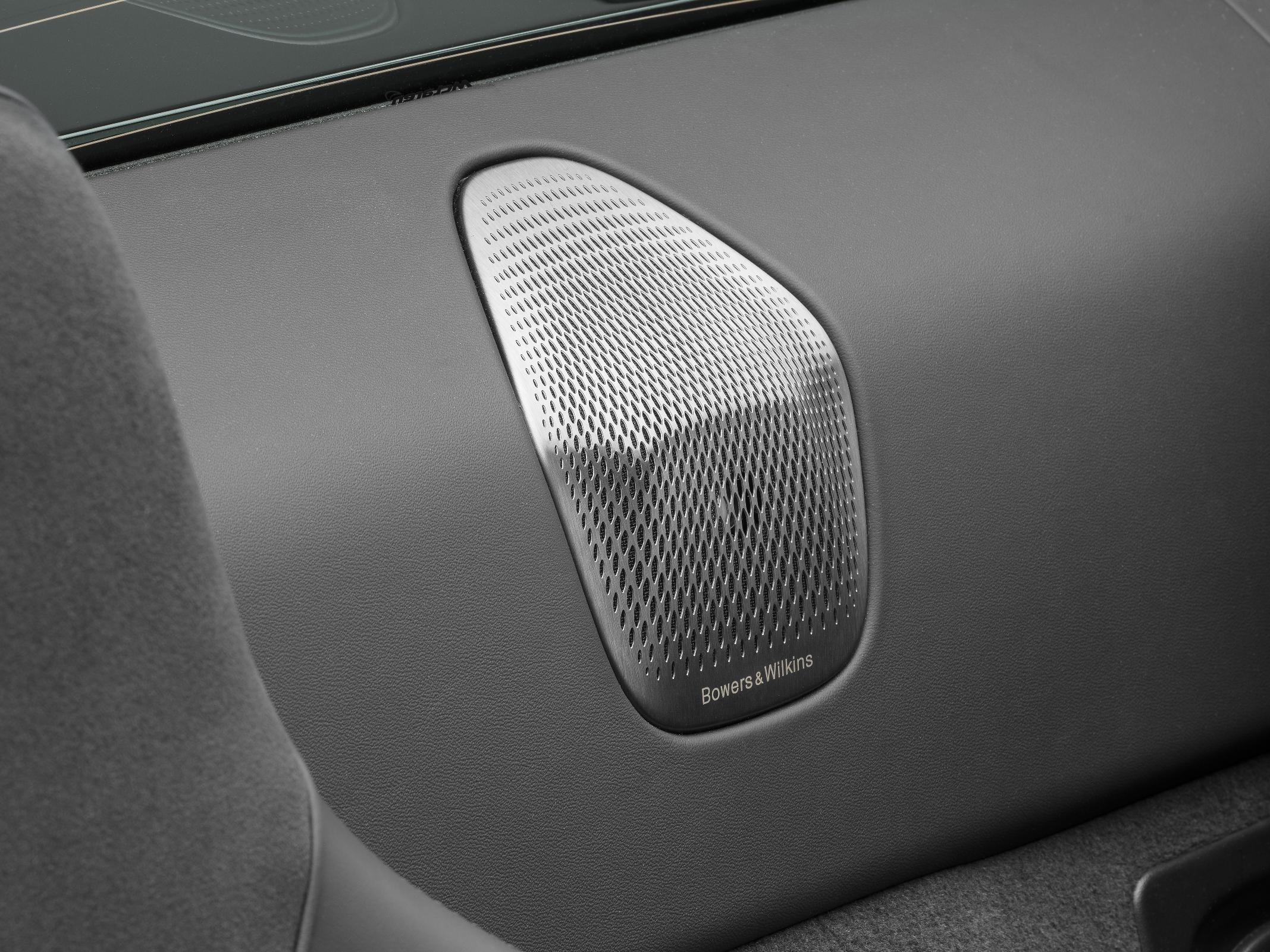
That interior is about as McLaren as you can get. A simple, alcantara-covered steering wheel with a clean and easy to read dash TFT screen. Many car functions, settings, and other Advanced Driver Assistance Systems (ADAS) are accessed via the McLaren Infotainment System 2 (MIS-II) screen that takes up the middle of the console area of the cabin. There is a fast-access knob for driving modes to the upper right of the dash cowling, some transmission and other control buttons down the central line of the cabin, but otherwise it is sparse and has absolutely no clutter. As with all McLaren interiors past and present, it is designed entirely around keeping the driver focused on the act of driving.
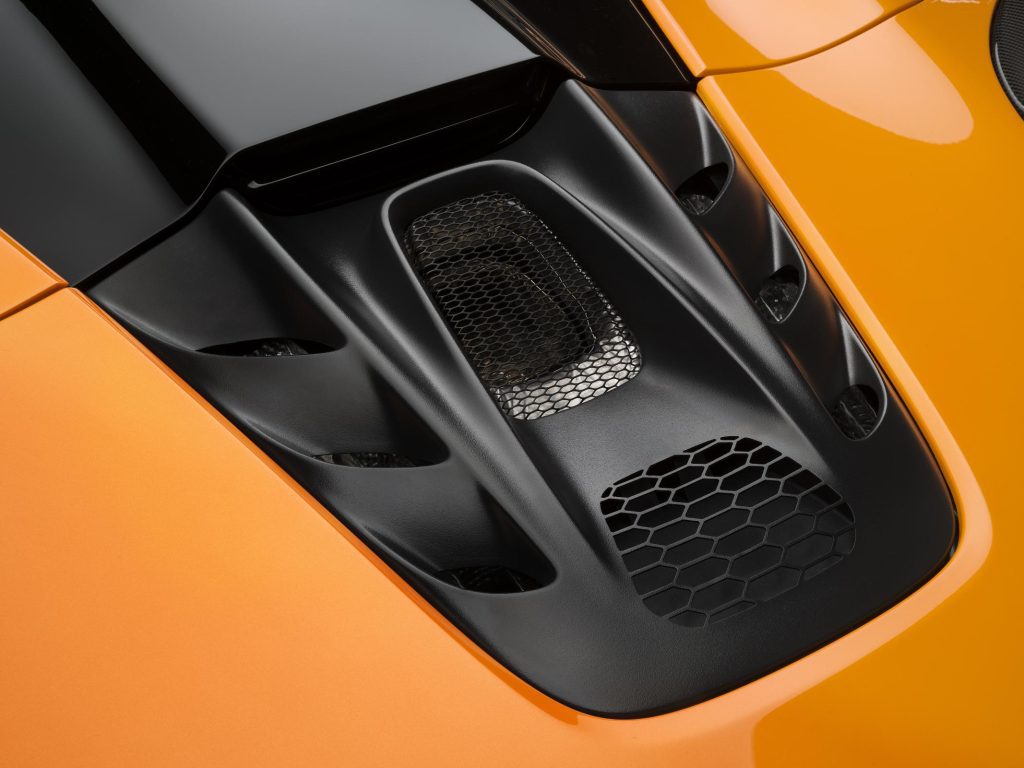
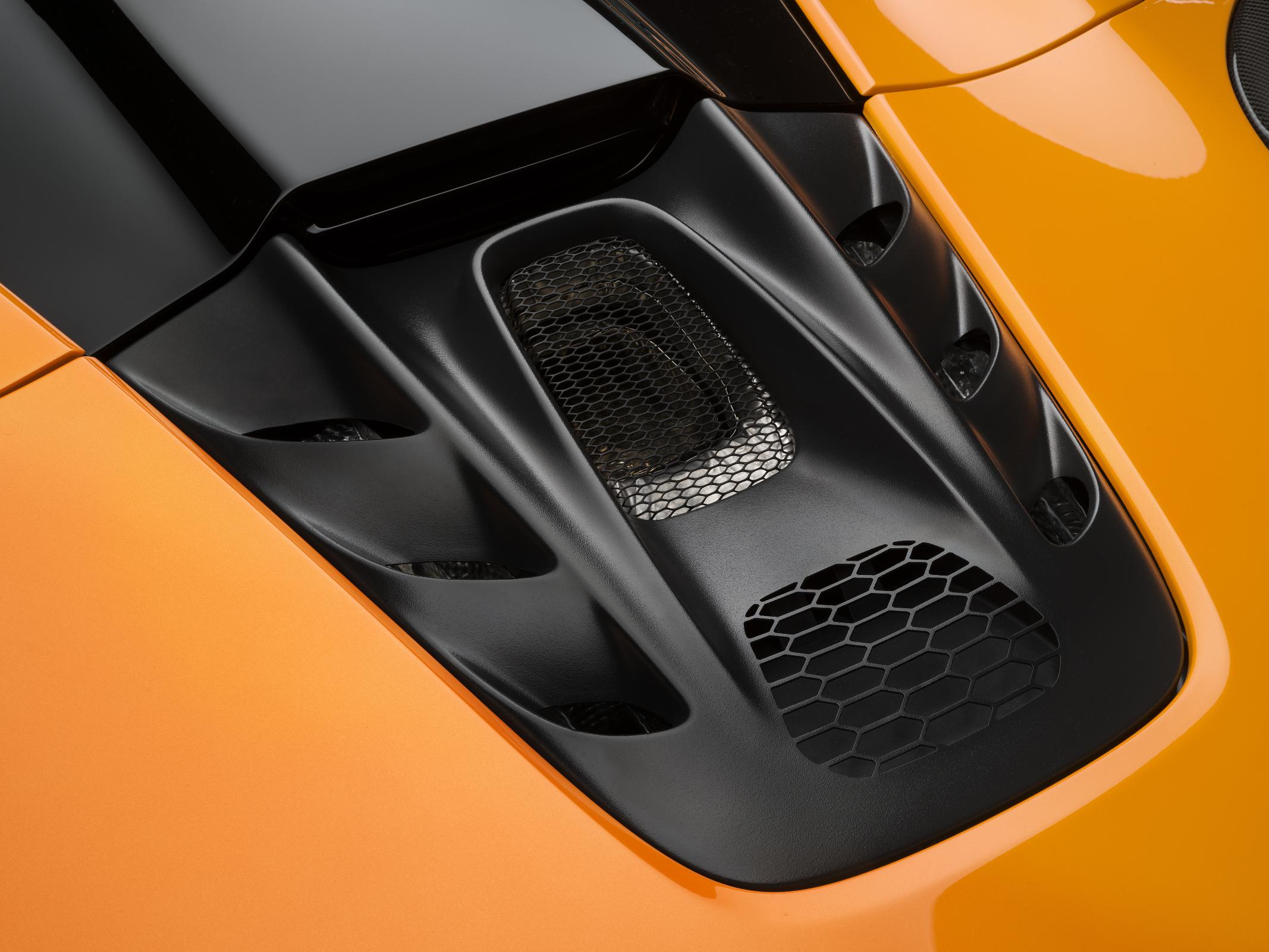
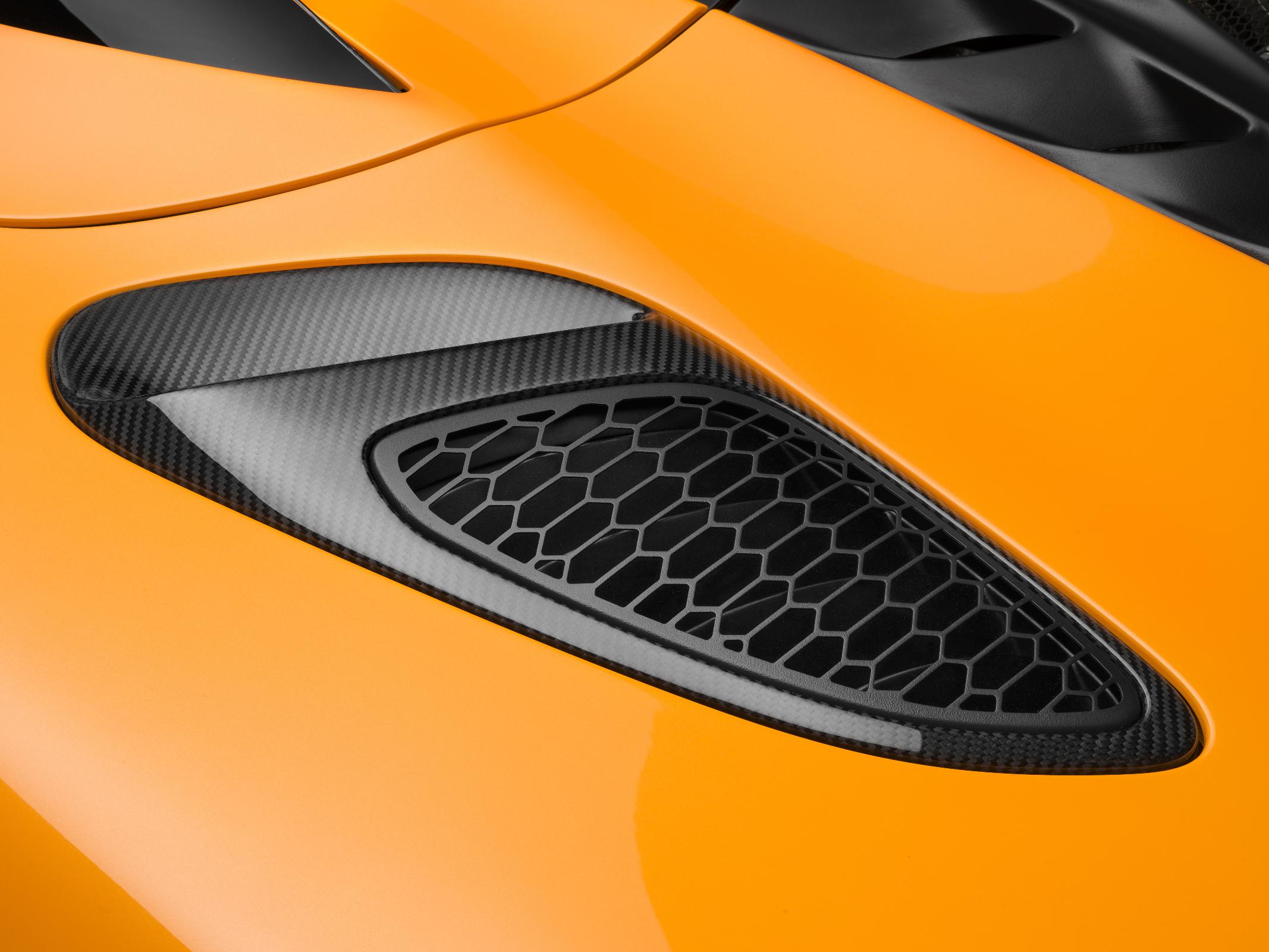
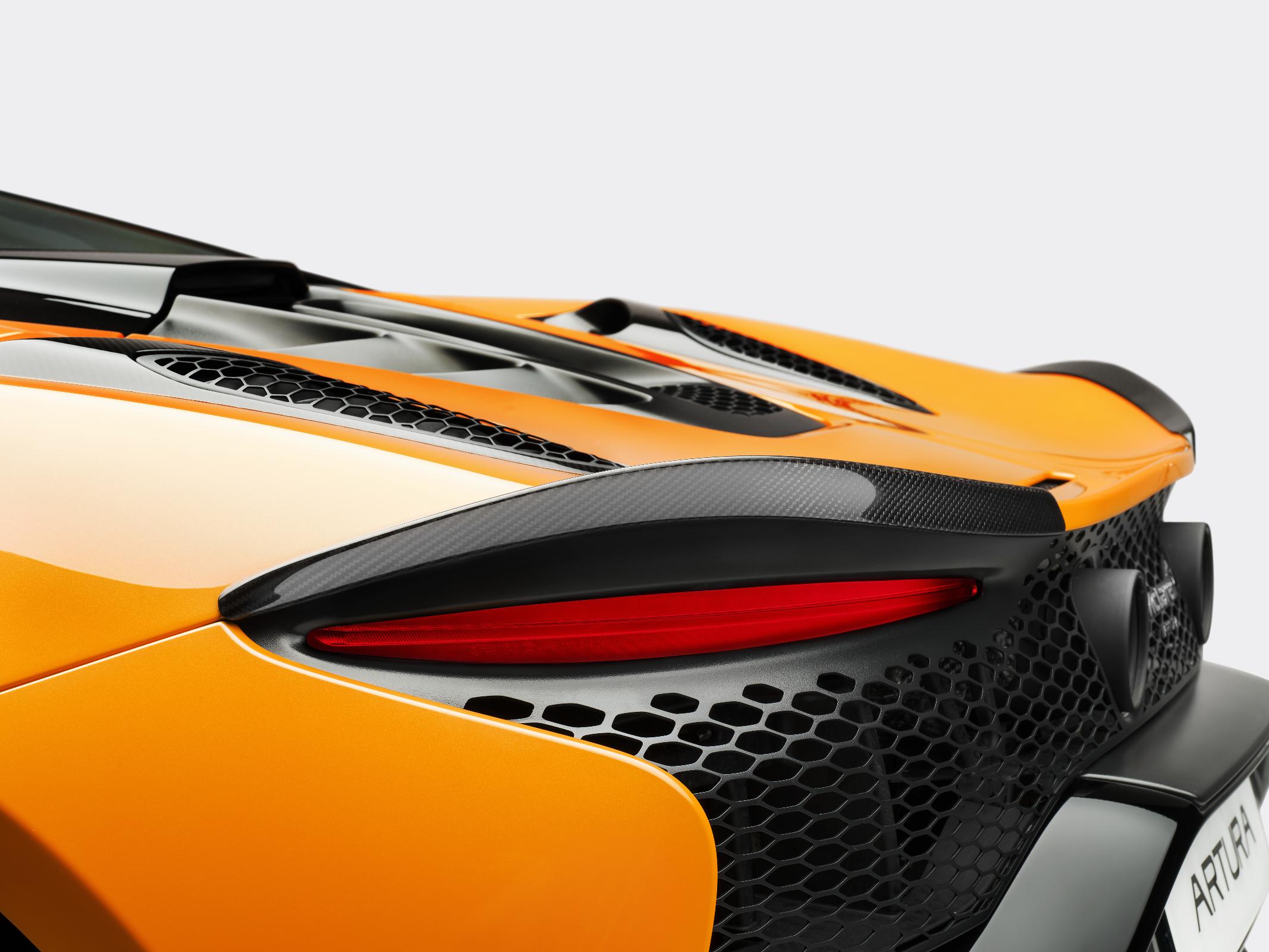
The exterior design language is also as McLaren as you can get. Lower and a bit longer in shape than the 650S Spider, it still has the organically curving wedge shape that has been the style since 2010 for all of the supercars. The side intakes are are joined by two engine cover intakes to the outer edges of the engine cover just before the tail, while the engine cover has heat extraction louvres either side of the central cover, with a perforated cover between that central cover and the tail to take advantage of the Venturi effect to suck out more hot air.
The Artura Spider also offers the most paint options of any McLaren Spider to date, with 20 elite colors, 5 standard colors, 18 MSO-designed colors, and the very expensive color-match to whatever color sample you provide the MTC with.
Pricing
The 2025 McLaren Artura Spider has an MSRP of £221,500, or roughly $284,655. For an additional $6,500, you can change the interior spec to either TechLux, which focuses more on luxury and tech features, and Vision, which focuses on advanced materials and an avant-garde aesthetic.
Each new Artura Spider has a standard five year unlimited mileage warranty on the car, with a six year 75,000 KM/45000 mile battery warranty and a ten-year anti-perforation warranty. All of the warranties can be extended. As well, a three year service plan is included, as well as a five year roadside assistance package.
Specifications Summary
Engine configuration
M630 V6 engine, 2,993cc twin-turbocharged, hybrid drivetrain with axial flux electric motor
Drivetrain layout
Longitudinal mid-engined, RWD
Power PS (bhp/kW) @ rpm
700 (690/515)*: 605PS (596/445) @7,500rpm from petrol engine, 95PS (94/70) from electric motor1
Torque Nm (lb ft) @ rpm
720 (531): 585 (431) @2,250-7,000rpm from petrol engine, 225 (166) from electric motor1
Transmission
8-Speed SSG (reverse using E-motor) with Electronic Differential (E-Diff).
Electric, Comfort, Sport and Track modes
Steering
Electro-hydraulic; power-assisted
Chassis
MCLA carbon fibre monocoque with aluminium front and rear frames and chassis structures
Audi on Friday announced that it is taking a 100% stake in the Sauber F1 team in preparation for entering F1 in 2026.
The automaker announced plans to enter F1 for the 2026 season as both a constructor and power unit supplier in 2022, and bought a stake in Sauber at the start of 2023. In a press release, Audi said it has now reached an agreement with current majority shareholder Islero Investments AG to completely take over the team, something that was hinted at in a March report.
Audi F1 show car
Andreas Seidl, who joined Sauber from McLaren in 2023, will continue as CEO of the newly rebranded Audi team. Seidl will serve as “the face of the future Audi Formula 1 Team,” the automaker said.
Current Audi technical boss Oliver Hoffman will also step down from his current role on the automaker’s management board to become chairman of Sauber’s board of directors, in addition to a position on the board of Audi Formula Racing GmbH, the company created to oversee power unit development and other aspects of Audi’s F1 program beyond the day-to-day running of the team. Hoffman was previously head of Audi Sport, overseeing DTM and Formula E programs.
Audi F1 show car
Sauber will serve as Audi’s factory team and will continue to operate out of its current base in Hinwil, Switzerland. The site has its own wind tunnel, which is unusual for a relatively small F1 team like Sauber.
Sauber is one of F1’s longest-existing independent teams, entering the series in 1993. This won’t be the first time the Swiss team has partnered with a manufacturer, though. It was initially backed by Mercedes-Benz, which previously partnered with Sauber in a successful sports-car program. It was also owned by BMW from 2006 to 2009, scoring its only win during this period. It was branded as Alfa Romeo from 2018 to 2023.
The winning design is planned to become part of the Hot Wheels offering, available for purchase across the world, as the first Hot Wheels x Polestar vehicle to be produced as part of a wider partnership with Polestar production models.
The submission deadline is 16 April 2024. Polestar expects to reveal the winner of the contest in Q4 2024.
The Synergy Concept, winner of the 2022 edition of the contest
Entrants are encouraged to be as imaginative as possible and push the boundaries of performance and design of the vehicle in their final submission.
The only requirement is that Mattel should be able to translate the final design into a 1:64 Hot Wheels die-cast vehicle, and visuals showing the vehicle’s interior design and immediate surroundings should be included as part of their submission.
In the spirit of the competition’s history of collaboration, entrants shortlisted ahead of final selection – by both Polestar and Hot Wheels design professionals – will be coached one-on-one by Polestar’s design team to refine their submitted designs towards final selection.
Maximilian Missoni, Polestar’s Head of Design, says: “Dreams have the power to inspire and transport us beyond what we thought possible. This is a chance for all participating designers to really push that Polestar envelope and let their imagination run riot.”
“Both Polestar and Hot Wheels dedicate time, energy and skill to ensure design is at the core of our vehicles,” said Ted Wu, VP and Global Head of Vehicle Design, Mattel.
“The Hot Wheels design team has always challenged the conventional approach and the Polestar Design Contest allows the design community to showcase their skills and wow us with something we have never seen before, and we cannot wait to see the submissions.”
About the Polestar Design Contest
Launched in 2020, the Polestar Design Contest challenges aspiring designers, both professionals and students, to create exciting visions in line with the Polestar brand and design. Since the first contest, the competition has highlighted top talent around the world, with many of the students going on to work for the Polestar Design team or in the wider professional design industry.
Since the start, the Polestar Design Contest has featured a variety of vehicles and cutting edge concepts and draws entries from students and professional designers across the globe. The designs have included a car which tackles local pollution with on-board and externally visible air filters, an electric-and-helium airship, prosthetic springboard blades to aid walking, and KOJA, the micro-space tree house by Finnish designer Kristian Talvitie that was brought to life in full scale at the renowned Fiskars Art & Design Biennale in Finland.
In 2023, Polestar debuted the Synergy concept car, winner of that contest’s Performance theme, during the IAA in Munich, followed by Mattel’s Hot Wheels Legends Tour stop in El Segundo, California.
The single-seat electric supercar is as much a story of collaboration as it is design, with two exterior and one interior design winners selected from over 600 initial entries, who then spent six months working together with the Polestar Design team to turn three distinct dreams into one cohesive reality.
Juan Pablo Bernal, Interior Design Manager at Polestar, founder of the Polestar Design Contest and curator of the @polestardesigncommunity Instagram page, comments: “I believe this year’s Hot Wheels collaboration will push the design community to work outside of their traditional comfort zones by balancing the minimalist Polestar brand essence with the extreme Hot Wheels aesthetic. But while we’re expecting some of the most extreme submissions yet, we don’t expect to be any less inspired by the quality, quantity and diversity of entries we receive.”
A 1964 Cheetah prototype once owned by a General Motors president is listed for sale on Hemmings.
The Cheetah was created by Bill Thomas, who, after success tuning and racing Corvettes, sought to build a Chevrolet-powered rival to the Shelby Cobra. But instead of using an existing chassis, as Shelby did with the AC Ace, Thomas designed the Cheetah from scratch with clandestine help from Chevy, which was not officially participating in racing at the time.
The engine and transmission are mounted so far back in the tube-frame chassis (for better weight distribution) that the Cheetah doesn’t have a conventional driveshaft. The driver practically sits over the rear wheels in a cramped enclosed cockpit. The car also sports a very short 90.0-inch wheelbase, and a low curb weight of just 1,750 pounds.
1964 Cheetah prototype (photo via Hemmings.com)
Thomas hoped to build 100 Cheetahs to meet racing homologation requirements, but the bar for homologation was later raised to 1,000 production cars—far out of reach for Thomas’ small operation. Just 16 Cheetahs were ultimately built, and 11 reportedly survive today, according to Hemmings.
Among them is the car currently up for sale. Wearing serial number 126364002, it’s the second prototype Cheetah, and was ordered by GM for development work, according to Hemmings. It was tested by Chevy between December 1963 and April 1964, with John F. Gordon, president of GM at the time, listed as the owner at one point.
1964 Cheetah prototype (photo via Hemmings.com)
This prototype differs from production Cheetahs in having aluminum bodywork instead of fiberglass. Its powered by a 327-cubic-inch V-8 sourced from a 1963 Corvette with rare Rochester mechanical fuel injection. It’s good for 360 hp and 350 lb-ft of torque, which is sent to the rear wheels via a 4-speed manual transmission.
The Cheetah and its creator aren’t as well known today as the Cobra and its creator Carroll Shelby, but a $2 million asking price puts this Cheetah prototype in the same territory as current Cobra transaction prices.
The technical storage or access is strictly necessary for the legitimate purpose of enabling the use of a specific service explicitly requested by the subscriber or user, or for the sole purpose of carrying out the transmission of a communication over an electronic communications network.
Preferences
The technical storage or access is necessary for the legitimate purpose of storing preferences that are not requested by the subscriber or user.
Statistics
The technical storage or access that is used exclusively for statistical purposes.The technical storage or access that is used exclusively for anonymous statistical purposes. Without a subpoena, voluntary compliance on the part of your Internet Service Provider, or additional records from a third party, information stored or retrieved for this purpose alone cannot usually be used to identify you.
Marketing
The technical storage or access is required to create user profiles to send advertising, or to track the user on a website or across several websites for similar marketing purposes.