While the airline industry in the U.S. is largely unionized, Delta is different. Its pilots and dispatchers are unionized, but Delta’s technicians and flight attendants, as well as its ramp, cargo and tower employees, are not. With renewed efforts to change that following years of growing support for unions, it’s starting to look like we might actually see some real movement on the issue, leading lawmakers to warn Delta to keep its dirty union-busting hands away from organizing efforts.
2024 2.5L Subaru Crosstrek Sport: Your Questions, Answered
Reuters reports more than 140 Democratic representatives sent Delta CEO Ed Bastian a letter urging Delta to stay neutral in union organization matters and pointing out that the airline had a record “of deploying union busting tactics” in the past. Those union-busting tactics include “threatening employees with termination of their benefits, distributing anti-union literature, and hosting an anti-union website.”
No Republicans signed the letter because, well, when was the last time anyone saw a Republican who could credibly be accused of supporting regular working-class people in any meaningful way?
Delta responded by saying that it “believes every employee has the right to choose or reject union representation without interference,” but that the airline “also has the right and responsibility to ensure our people can make their choice with an informed perspective.” It also pointed out that previous attempts to get workers to unionize had failed.
Unlike a traditional workplace where employees regularly interact in an office building or, at the very least, over Slack, because they’re spread out all over the country and in some cases, the world, it’s incredibly difficult for airline employees to organize in support of a union. Still, the International Brotherhood of Teamsters, Association of Flight Attendants and the International Association of Machinists and Aerospace Workers are all working together to overcome the challenges that stand in the way of a successful union drive at Delta, nor are they focused exclusively on Delta.
The Associated Press reports that unionized flight attendants across the country held rallies at 30 different airports earlier this week as they negotiate for improved contracts that include better pay and worker protections. While pilots won a huge pay increase last year, flight attendants haven’t seen a raise in years. “We haven’t had a raise in five years. Our flight attendants have seen the very rich contracts that the pilots did get, and they expect American Airlines to come to the table,” Julie Hedrick, president of the union at American, told the AP.
Flight attendants understandably want to make more money in general, and they’re also looking to end a policy that means they’re only paid from the time the airplane’s doors close to the time they open. All the time that flight attendants are required to spend waiting for the aircraft to board is unpaid except for, ironically enough, Delta’s flight attendants.
“We negotiated the contract that we’re working under back in 2014, when the cost of rent was much different, the cost of food was much less,” Hedrick said. “Here we are, 10 years later, trying to get a contract done so that our flight attendants can survive.”
While the cost of living is much higher than it was back in 2014, since the pandemic started flight attendants have been forced to deal with an increasing number of unruly passengers. In addition to having to put up with screaming, sometimes violent passengers, airlines have increasingly been delaying flights, and not always for weather-related reasons like they frequently claim.
“Flying these days is not fun,” Lyn Montgomery, president of Southwest’s union told the AP. “It’s chaotic. It’s crowded. We’re late, [flights are] delayed. We are tired and exhausted.”
Airline unions definitely have a long road ahead of them, but that doesn’t mean they’re alone. Forbes reports that United Auto Workers’ union president Shawn Fain joined the protest in Detroit on Wednesday, following Association of Flight Attendants president Sara Nelson and 20 supporters through the Delta hub as a sign of solidarity.
While the UAW is separate from the airline unions, it certainly can’t hurt that both unionized and non-unionized employees witnessed Fain lead the autoworkers’ union to a huge victory following a six-week strike. That strike ended with a new contract that not only gave unionized autoworkers huge raises but also forced automakers to raise workers’ pay at non-union factories, as well. If the UAW can do it, so can the AFA and other airline unions.
“This is what we do as unions: We support each other,” Fain told several flight attendants over lunch. “We support organized labor. We support other workers who want their fair share of the fruits of their labor.”
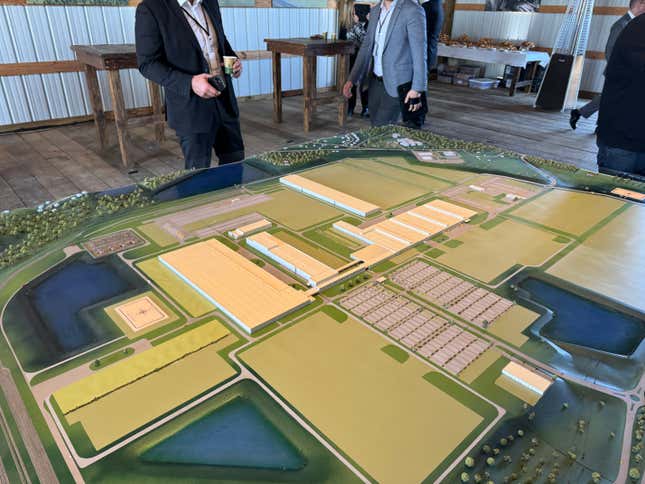
Volkswagen Group made huge waves a few years ago when it announced the revival of the venerated Scout name for a new fully electric truck and SUV that would be built in America. Yesterday I traveled to Blythwood, South Carolina, to witness the groundbreaking of Scout’s new factory, which will be built on a 1,110-acre plot of land and begin production in 2026. After the ceremony, our group of journalists got to sit down at a roundtable with Scout Motors CEO Scott Keogh and head of production Dr. Jan Spies to learn more about the new Scouts, the facility and the company’s philosophy as a whole.
Volkswagen’s CEO Is Stepping Down
Keogh begins by talking about how the original International Harvester Scout “basically invented the category that became the American SUV,” pointing out that even the Scout name was mimicked by other SUVs that came after. “Scout means to go first — then you had the Explorer, and 4Runner, and Discovery, and Blazer and Trailblazer,” says Keogh, “it’s like the Godfather, it’s the prototype, it’s a great place to start. Even if you’ve never heard of it, ‘Scout’ is a positive thing and has a meaning for itself.”
The new Scouts will ride on a bespoke body-on-frame platform that’s not shared with any other Volkswagen Group products, which Keogh says was the result of a lot of debate. “From a design point of view, it allows you to set the proportions up well aesthetically,” he says, “we want to build something that’s highly robust and highly capable.” Keogh adds that the frame will have a “smart solution for executing the battery concept,” but doesn’t go into any further details. Magna Steyr, the company that manufactures the Mercedes-Benz G-Class, will assist with the Scout’s development. As for whether the platform could be used by other brands in the future, Keogh says there are currently no plans, but the possibility is there.
Photo : Scout Motors
The Volkswagen Group has 660,000 employees worldwide, but Scout is working like any other startup, with around 350 employees currently. Where being a part of the VW umbrella becomes most beneficial is in the production process. Components will be shared with Scout wherever possible, and having a supply base already in place is a huge boon. Unlike other startups, Scout is able to get better deals in terms of trade and component sourcing thanks to the backing of VW, which will reduce overall costs and help with pace. “As a pure startup, if we wanted to put a plant together, we wouldn’t be where we are at this stage. It’s allowing us to execute a good pace as opposed to always following the prescribed path,” Keogh says. “What are the things that we can take off the shelf and not reinvent the wheel, and what are the things we can differentiate on and make a real difference? We want to press our advantage here.”
But make no mistake, the Scouts’ design, engineering and powertrains will be unique to the brand, and even the factory itself is unlike other VW facilities. “This is not a twin, or brother or daughter to any of the platforms that we’ve ever had,” says Spies, “when I purchase production equipment for Scout, I take technical specification experience, but not components or parts of factories or the assemblies from any other plant. This is a disadvantage in terms of speed, but a huge opportunity to really deliver the cars that have to be unique for the market.”
To that end, it was important that the Scout’s design, platform and specs be created specifically with the American market in mind. The VW Group has a high market share in China and Europe, but its footprint is much smaller in the United States. “Scout allows us to plunge into the two biggest profit pools in America,” Keogh says, explaining that structuring the company as a clean-slate startup is the smart thing to do, as it doesn’t inherit any of the legacy challenges.
This was one of my favorite vintage Scouts at the groundbreaking ceremony.Photo : Daniel Golson/Jalopnik
According to Keogh, the production Scout’s design is “hyper, hyper, hyper close” to being finished and locked in, and the engineering is “maybe a tack or two behind.” What we’ll see get revealed this summer won’t be a fanciful concept vehicle — Keogh says “we’re not going to be in the business of showing fanciful exploration that’s never going to get made — but there may be a few minor tweaks between the prototype show trucks and the final production vehicles. Most importantly, Keogh promises that “it’ll be awesome.”
The new Scouts are being engineered with the aftermarket already in mind, too. Keogh acknowledges that aftermarket accessories are of huge importance to off-roaders, so Scout is already having conversations with brands to partner with from jump with a factory accessorization program, along with designing its own accessories. “The key thing was to get it all dialed in on the platform, so we have the software and packaging ready for whatever may be coming up,” Keogh explains, avoiding the pitfalls of finishing a car and then trying to make accessories work after the fact.
Keogh goes on to talk about how Scout isn’t trying to position itself in any specific market segment or competitive set. “I view Scout a little bit like Levi’s, if you will,” he says, “Levi’s can be worn at Nobu in Malibu, and it can be worn on a worksite. It’s a cool, iconic American brand.” He calls out the Bronco and Defender as being great examples of “community vehicles” that aren’t just another generic SUV. “We’re not building something to navigate the strip malls of America, we’re building something to navigate America,” Keogh remarks, “it’s going to be a car with character, it’s going to be a car with personality.”
More than anything else, Scout wants to make sure the new trucks are true to the original brand, and that they appeal to owners both past and present. “If the community doesn’t think you’re authentic, and grounded, and real, then you’re a poser. And if you’re a poser, it’s not going to work,” Keogh says. “If you have a mismatch between what the brand was anchored in, and what you’ve put in the marketplace, then that connection is going to be smelled out.”
A scale model of what the facility will look likePhoto : Daniel Golson/Jalopnik
Both the SUV and truck will be shown at the same time, but they won’t enter production in parallel — Spies says it’s never a good idea to start a factory that way, but they are prepping for a quick ramp-up, so customers won’t have to wait long after the first model goes into production. The brand’s plan currently only includes the truck and SUV, but the factory will be able to handle a variety of packages and derivatives, and Spies adds that “we have the opportunity to build all the ideas that are in the sketchbooks of our designers and marketing people” thanks to the flexibility of the ground-up facility. Eventually the factory will be able to produce more than 200,000 vehicles per year and create 4,000 new jobs. Scout is also working with high schools and colleges in the area to recruit and train students for when the factory is up and running.
There’s still a ton we don’t yet know about the Scouts, and some things the brand itself hasn’t figured out. Keogh says Scout hasn’t decided how the vehicles will be sold, whether it be through dealerships or direct-to-consumer. Scout hasn’t said anything about range or performance targets, how big the vehicles will be or how much they will cost.
It’s obvious that Keogh and the rest of the Scout team are genuinely excited to build the brand and show off what they’ve been working on. “The dream of any brand is to start at day one with some momentum and some love and some community, and I think we’ve worked really hard on that,” Keogh says. “It’s the chance of a lifetime.”
Thanks to the success of Netflix’s “just a little overdramatic” but very fun to watch Drive to Survive, F1 has exploded in popularity, with venues selling out months in advance, widespread media coverage, increased celebrity attendance, and bidding wars for broadcasting rights.
All these factors combined mean traveling to F1 races has become a bit of a competitive sport. Despite this, there are ways to maximize your time at a race and see a new corner of the world!
So, if your dream is to watch a Formula 1 race live, we’ve got everything you need to know about F1 travel.
What Is Formula 1?
For the uninitiated, Formula 1 is Motorsport, or rather, car racing. Formula 1 cars are designed to specific rules and cost millions of dollars to build, run, and repair. Formula 1 cars race around non-linear tracks at speeds between 90 to 340 kilometers per hour. There are ten different teams, each with two cars for a total of 20 drivers on the ‘grid.’
Different tracks require different types of tires or downforce (managing wind against the car to help with speed, turning, etc.), and each car is its own entity, as are the drivers. The F1 World Championship as we know it today has been running uninterrupted since 1950.
A typical weekend starts on a Friday with two practice sessions, each an hour long. Then, Saturday sees one more practice session and the qualifying session for the Sunday Grand Prix. Qualifying has three different sessions, with five drivers eliminated from each one until ten remain, and the order to start the race is set, including the very coveted first place or Pole Position. Sunday is the big event, with the actual race taking place.
Other events going on during these weekends may include F1 Academy (a new female driver series), Formula 3 and 2 (hopeful F1 drivers), Porsche Supercup racing, and concerts across the weekend. In the last few years, F1 has also introduced the Sprint format, which includes a 100km dash-style race on Saturdays, which carries points for the World Championship as well.
F1 hosts 23 races worldwide, with the bulk being held in Europe, though the US is an up-and-coming location as Formula 1 continues to penetrate the US market. Six of these races include a Sprint race. Each race has the drivers competing for points to win either the driver’s championship (personal glory) or the constructor’s championship (team glory and, most importantly, prize money to build next season’s car). Sometimes a team and driver win both with ease the most recent being Red Bull Racing and their star driver Max Verstappen.
How to Attend an F1 Race
With 23 races worldwide, you have many options to watch a race. So how can you maximize your time in a location while traveling before or after and still watch the race?
Luckily, some of the best and most affordable races are in locations that allow you to explore nearby locations easily. The races in the United States are by far the most expensive, so since the bulk of the most affordable races are in Europe, we’ll start there.
There are several ways to purchase tickets, whether from the Formula 1 site itself (you can also see the yearly race calendar here with dates), each race track’s individual sites (our preferred method), or from 3rd-party vendors. Read more about purchasing F1 Tickets here.
Top 5 Best Cities to Watch A Race and Maximize F1 Travel
With so many different races worldwide, there are many options for watching a race, but some cities offer a bit more than others. Let’s look at what we believe are the five best cities to watch a raceAND travel around!
Abu Dhabi, UAE: Yas Marina Circuit
Abu Dhabi is probably the most expensive of the races in the Middle East (Bahrain, Qatar, Jeddah), with major hotel chain prices skyrocketing, though smaller budget hotels and Airbnb’s can certainly be found for affordable prices.
However, Abu Dhabi is also the last race of the season, which means it can be very important, even a title decider. 2021 was an amazing final race between Lewis Hamilton and Max Verstappen to decide the Driver’s Championship on the last corner of the last lap. The weather is perfect to be outdoors, as it’s always held at the end of November or early December!
The track in Abu Dhabi is located on Yas Island, about a 10-minute Uber ride from the airport. There are several hotels on the island to stay at (book well in advance!), but so much to do!
Yas Island boasts Warner Brothers World, an indoor theme park dedicated to all things Warner from Gotham City, Bedrock, and Looney Tunes. Right next to the track are Yas Mall and Ferrari World, home to the world’s fastest roller coaster! Also, water parks such as Yas Waterworld and SeaWorld Abu Dhabi. We recommend buying a pass or combined tickets if you’re visiting more than one park.
For more culture, on Saadiyat Island, you can visit the very affordable Louvre Abu Dhabi, which has works and artifacts from throughout history and shared pieces between the Louvre and Musee d’Orsay. Saadiyat will also include, in the future, a Guggenheim and a Natural History Museum.
Finally, you’d be remiss not to see the Sheikh Zayed Grand Mosque. It is the largest mosque in the world that non-Muslims can visit and one of the most stunning buildings to see in person. It is free to visit, though there are strict dress code requirements.
If that wasn’t enough and you want a bit more, you can always head down to Dubai (about 45 minutes by car/taxi), where you can see the Burj Khalifa, the tallest building in the world, visit the Palm Dubai with expansive hotels like the Atlantis, and attend a brunch of whatever kind suits your fancy!
Compared to many Western European cities, Budapest offers a full F1 travel weekend for a much more affordable price. In fact, the Hungaroring is often the cheapest race on the entire calendar. On top of all that, Budapest has plenty of history and gorgeous architecture (like its Parliament) to see and give you that true European feel. Budapest also has a wonderful social scene if you’re looking for a night out.
The Hungaoring always offers great races for F1 fans and novices alike. It is a short 24km from downtown, though taking a cab is recommended. As this race always falls during the summer, you usually have some good weather (though rain isn’t uncommon). The circuit itself is rather short (a little over 4 km) with many corners, making overtaking difficult. Strategy, teamwork, and reading the weather conditions are key to winning in Hungary.
From Budapest, you have aplenty of travel opportunities! Bratislava, Vienna, and Zagreb are all just a few hours’ train ride away. You can venture a bit further as well and make your way to Poland and Germany or head south to Romania and Serbia. Whatever your preference, you can find something or somewhere to maximize your enjoyment.
This race at Zandvoort takes place about 45 minutes outside of Amsterdam and is one of the more easily accessible races, as you can reach it in about 45 minutes by public train.
Zandvoort isn’t usually considered one of the more exciting races on the circuit, but the weather can play havoc with the race and make it more entertaining than F1 races. Zandvoort is a fast circuit, also short, with quite a few curves that test the drivers’ ability to take the car around high-speed corners. The proximity to the ocean also means you must contend with the wind and possibly rain at Zandvoort (the 2023 race was an absolute deluge!), which adds to the challenge.
Being near Amsterdam means you have plenty to do! Amsterdam has something for everyone, from museums and history. There are museums like the Rembrandt, Van Gogh, and Anne Frank House (reserve in advance!).
Nightlife is found aplenty (Amsterdam is pretty famous for this), and day trips abound. You can bike all around the Netherlands (including to Zandvoort itself – a preferred method of arrival). Utrecht is a lovely city and a university town; very much like Amsterdam but less touristy and only about an hour away, as are The Hague and Rotterdam. A bit further, you can venture into northern Germany to Cologne for schnitzel and the gorgeous cathedral or head south into Belgium for some of the world’s best beer, fries, and waffles.
Circuit Zandvoort, Burgemeester van Alphenstraat, Zandvoort, Netherlands
Singapore: Marina Bay Street Circuit
Singapore is a street circuit, meaning the city modifies itself to accommodate the high-speed chase of 20 Formula 1 cars all around the city. Being a street circuit means, however, that you need not travel far to watch the events.
The Singapore Grand Prix was the first night race in the F1 calendar and has been a staple since 2008. One of, if not the toughest, races on the calendar due to Singapore’s humidity and the track’s low-speed corners, Singapore requires a fine-tuned combination of race pace, team strategy, physical endurance, and maximum concentration. It’s not uncommon for the Singapore GP to take the maximum allotted time of 2 hours to complete.
Singapore is a great city for enjoying a race and enjoying a place! Singapore offers one of the best food scenes in the world, with influences from all the surrounding regions. And while Singapore can be very expensive ($70-100 for a meal for two with drinks at a restaurant), the best food at the local (hawker) stalls is very affordable (and better!).
Singapore has a fantastic and affordable public transportation system, which makes getting around incredibly easy. You can also visit Gardens by the Bay, which is absolutely stunning in its design, and the indoor gardens are something to behold! If you want to dish out a few more dollars and ball out, stay at the Marina Bay Sands Hotel, which is situated right next to part of the track.
Thanks to its location, Singapore is a great jumping-off point to travel in Southeast Asia! Kuala Lumpur, Bali, Vietnam, Cambodia, and Thailand are all just short (think no more than 2-3 hours flight) away. You can explore beaches, museums, temples, and so much more, all while flying through Changi Airport, which is consistently ranked as one of the best, if not usually the best, airports in the world!
Perhaps the most affordable race in the Americas, Mexico City, is always interesting due to the altitude challenges that drivers and teams face. The high altitude in Mexico City slows cars down considerably, so it’s not a race you can win on race pace and downforce alone.
The city itself offers plenty to do! You can take time to see Tenochtitlan and the ancient Aztec Pyramids, visit Mexico City’s markets such as Central de Abastos, or visit nearby towns like Xochimilco or Zacatecas. Regardless of where you go, indulge yourself on the many flavors of Mexican cuisine (it is so much more than just tacos and burritos)!
Depending on the date of the race, you could also plan to stay in Mexico for the ever-vibrant Día de los Muertos and experience one of the most meaningful events in Mexican culture. Set your sights on some Lucha Libre and watch the Luchadores in their eccentric masks engage in over-the-top wrestling!
Venturing slightly further away from the city, you can head over to Jalisco, home of the agave plant and thus…tequila! There are many different varieties, including plenty of tequila you don’t just shoot or mix but sip like a fine wine or whisky!
Mexico also offers amazing beaches (think Zihuatanejo, Cancún, Puerto Vallarta, and more) for you to rest and relax before or after a race. With its all-inclusive resorts, you can pay for your stay and eat, drink, and tan until you’ve had your fill! If you venture out beyond the resorts in the Yucatán Peninsula, you can also visit Chichen Itza, home to the ancient Mayans, and the Xcaret Archaeological Park near Playa del Carmen.
Mexico City is a great jumping-off point for some other travel opportunities! The city is a short flight from numerous places on the West Coast of the US, such as Los Angeles or Las Vegas. You could also fly to Bogotá (4-5 hours) and explore all the Colombia has to offer in its wonderful mountains. Or you could head to Central America, like Panama or Costa Rica, where you can take in plenty of beaches and jungles!
Final Thoughts
Whether you’re a seasoned fan, a newbie Drive to Survive initiate, or just a casual observer, Formula 1 races are entertaining spectacles. They also have the benefit of being hosted in a slew of great cities around the world. We’ve given you what we believe to be the best five cities to watch and travel to, but we recommend you explore further and find the city and race that fits you best!
We are the NomadicGregors! A pair international teachers who live and work abroad! Our goal is to share our experiences, photos, tips for travel, and advice/insights on being an international educator – the good and the bad (it’s mostly good!).
McLaren Automotive and its Racing Partner United Autosports today reveal the two 720S GT3 EVO cars that will contest the 2024 FIA World Endurance Championship (WEC) season.
McLaren will make its WEC debut in 2024 with the 720S GT3 EVO in the new LM GT3 class. The eight-race calendar includes the 24 Hours of Le Mans, in which the brand will be represented for the first time since 1998. McLaren has a historic link with the endurance classic, having won on its debut appearance 29 years ago with the iconic #59 F1 GTR.
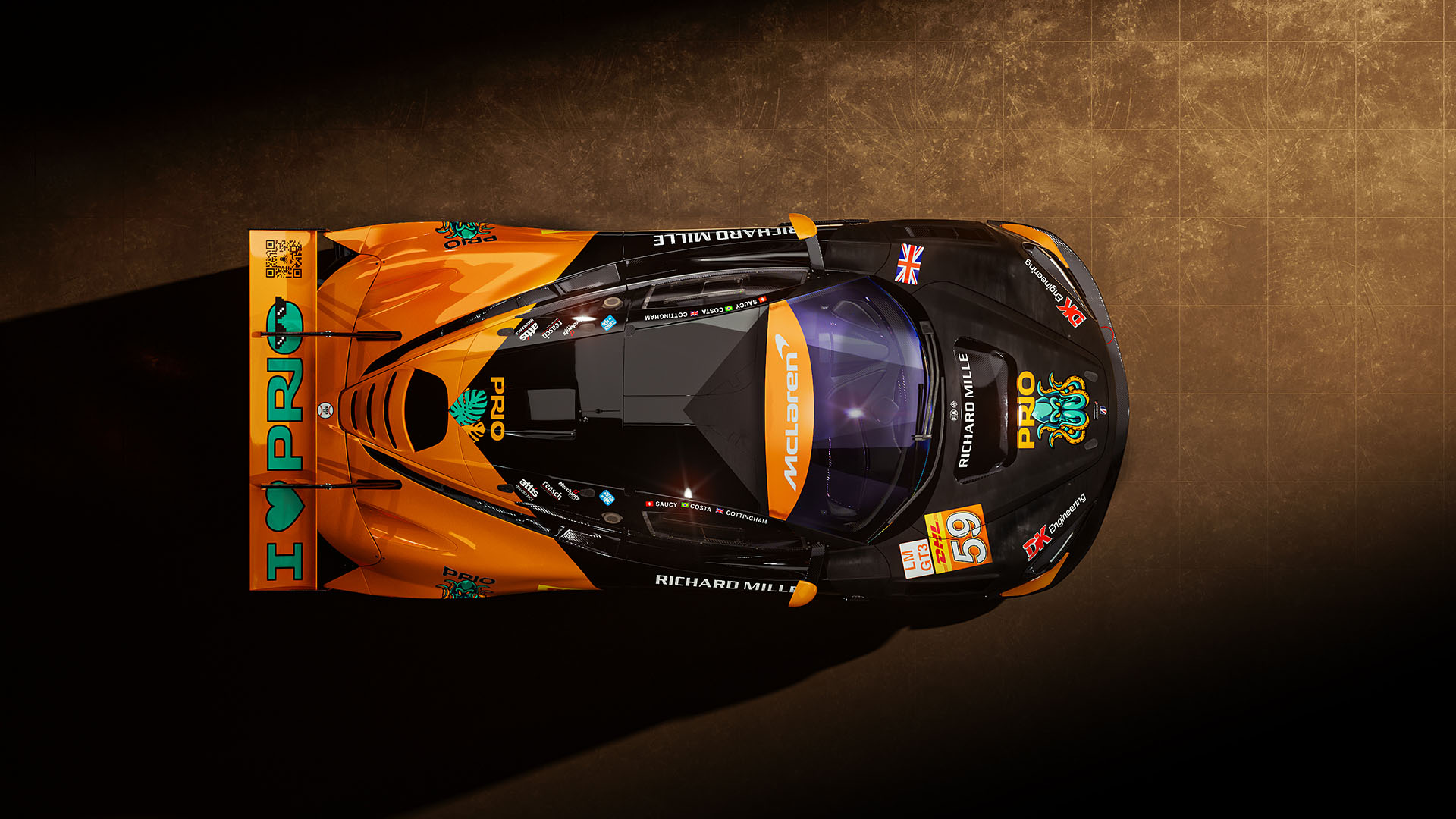
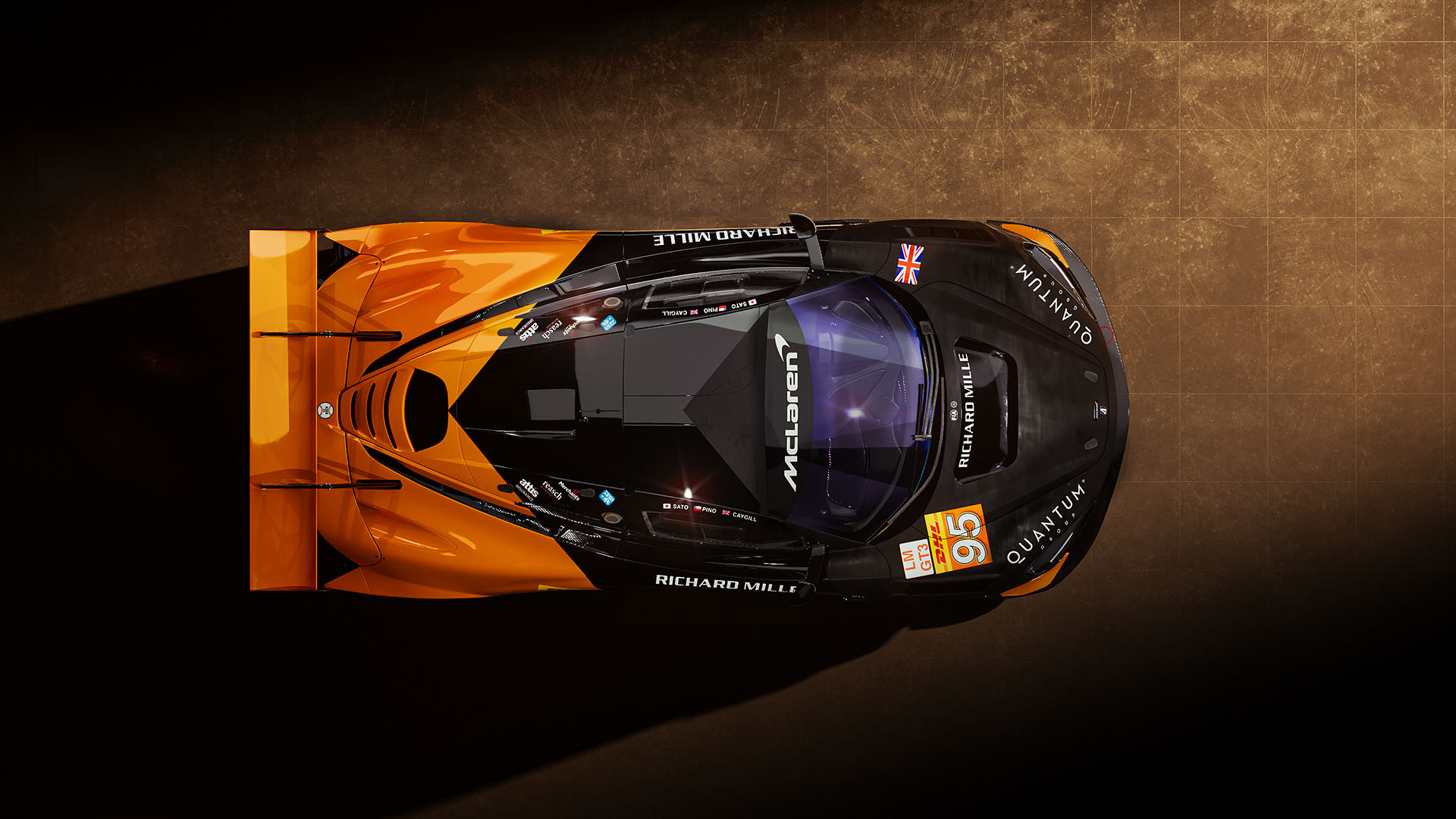
The 2024 season will be the first time McLaren will contest all three of motor racing’s Triple Crown of races in the same season, having previously claimed Monaco Grand Prix and Indianapolis 500 victories. The 720S GT3 EVO cars, which are numbered #59 and #95 in recognition of the Le Mans win for the #59 car in 1995, will run a livery with echoes of iconic McLaren liveries of the past and consistent with this season’s Formula 1 and IndyCar designs.
The 2024 McLaren-United Autosports WEC livery is divided into three sections in a chevron formation. The front of the car transitions from satin black to a high gloss black with the iconic McLaren Papaya at the rear of the car. Papaya also features on the rear wing and aerodynamic dive planes on the nose of the car, as well as being used as a differentiator on the side mirrors and windscreen strip of the #59 car.
The McLaren-United Autosports WEC driver line-up for the 2024 season has also been confirmed ahead of the Official Prologue at Qatar on February 24-25. Swiss Gregoire Saucy, Briton James Cottingham, and Brazilian Nicolas Costa will drive the #59 car. In the #95 car will be Japan’s Marino Sato, Chilean driver Nico Pino, and Briton Josh Caygill.
The 2024 WEC season begins in Qatar on March 2, the first of eight rounds, including Imola, Spa-Francorchamps, and Le Mans in Europe. The championship then heads to Sao Paulo and Texas in the Americas, going onwards to Japan, with the final round in Bahrain in November.
“We are proud to present the 720S GT3 EVO in conjunction with our Racing Partner United Autosports ahead of our WEC debut in Qatar with an exciting driver line-up. Racing is intrinsic to the McLaren brand and the WEC is the perfect arena to demonstrate the performance capabilities of our supercar engineering programs. We are also pleased to celebrate our victory in the iconic 24 Hours of Le Mans with our livery, which is a hugely important part of McLaren’s history.” Michael Leiters, CEO, McLaren Automotive
“This is a proud moment, unveiling the new look of McLaren on its return to Le Mans and the WEC. The design has racing heritage at its core, harking back to the 1995 Le Mans winner, while being – unmistakeably – part of the current McLaren family. It’s an exciting addition to the 2024 McLaren line-up, complementing the Formula 1, IndyCar, and Formula E designs; they look like winning cars, and we have big ambitions.” Richard Dean, CEO, United Autosports
The U.K.’s Lunaz is an expert at dropping electric powertrains into much-loved classics, ensuring they’ll have a safe future in a world of zero emissions.
The company has offered a conversion for the original Range Rover since 2020, and recently it converted an example from 1983 that was turned into a convertible to resemble the open-top Range Rover that featured in the 1983 James Bond hit “Octopussy.”
The original Range Rover, which was built from 1969 right up until the mid-1990s and today is known as the Range Rover Classic, was never intended to have its roof removed and a heavy battery pack installed in the floor. As a result, the latest build by Lunaz was no easy task.
According to the company, the build is the result of more than 5,000 hours of testing and development. In particular, the body and chassis were substantially reinforced. The suspension was also upgraded with stiffer springs and adjustable dampers, while a modern set of brakes boasting 6-piston calipers at the front and 4-piston calipers was added. Despite the modifications, the vehicle’s original approach, breakover, and departure angles, as well as its almost 20 inches of wading depth, remains unchanged.
1983 Land Rover Range Rover convertible with EV conversion by Lunaz
1983 Land Rover Range Rover convertible with EV conversion by Lunaz
1983 Land Rover Range Rover convertible with EV conversion by Lunaz
Lunaz hasn’t provided details on the battery or range but said the electric powertrain is rated at 375 hp.
The vehicle’s interior was also given a full makeover, with Lunaz designing its own center console to incorporate modern controls and infotainment features, including a touchscreen with Apple CarPlay and Android Auto smartphone integration. Lunaz said the new interior design, which also improves ergonomics, will be used in all of its future conversions based on the Range Rover Classic.
The seats have also been renewed, with the driver and front passenger seats given heating functions and padding materials similar to what Lunaz uses for its Rolls-Royce and Bentley conversions.
Pricing hasn’t been announced but Lunaz has previously announced a starting price of 245,000 British pounds (approximately $307,000) for a Range Rover Classic EV conversion.
I haven’t visited New York City since we moved to San Diego two years and three months ago. I expected a whirlwind of emotions as I returned to the city I called home for twenty-two years. Instead, I felt further validated that my family made the right decision when we moved across the country. However, I did love catching up with friends, seeing our old doormen, eating in my favorite restaurants, and discovering new delicious dining destinations. We spent three nights in Manhattan during our recent trip. Below I highlight where we stayed and ate to help you with your plans next time you head to the Big Apple.
Located in Tribeca, this super swanky, boutique hotel was once a favorite staycation (and now vacation) destination of mine. With nightly live music in the main lobby, an art-deco-inspired cinema that plays indie films, Django – a jazz club, and even an oyster bar, you never have to leave the property.
pros: excellent location, well-adorned, retro-inspired rooms with attention to details like a collection of records to play on the record player and a white noise machine
cons: in true NYC fashion, rooms are small
Another one of my favorites is The Conrad, which is ranked by Forbes as one of the world’s best hotels. The atrium lobby is jaw-droppingly stunning, the staff is warm and friendly, the rooms are spacious and immaculate, and the location is serenely located off the Hudson River’s promenade allowing for peaceful strolls and majestic views.
pros: grand lobby, large rooms, prime downtown location
cons: elevators can be accessed by the public (lack of security)
I made a second visit to Luthun during my recent trip to NYC. I remembered the food being divine, and it still is. The nine-course tasting menu changes every two weeks giving diners an excuse to return again and again. The night I dined here the food was inspired by Mexican, Thai, and Indian cuisines. Highlights were the crab tortellini in a potato and corn cream, the tomato tortilla with monkfish finished in a peanut pesto, and swordfish served with summer truffles in a mushroom crepe.
pros: masterfully prepared dishes that are also presented artistically, reasonably priced at $155, worthy of a Michelin star.
cons: the staff is a little rough around the edges and the tipping options are unabashedly set at 25%, 27%, and 30%. I was promised a printed menu but was never given one, even with a friendly reminder
must order: the nine-course prix fix
This Mexican eatery was our favorite local restaurant when we resided in Manhattan. We love this place so much that we ate there twice during our four-day visit. The nachos are seriously the best nachos you’ll bite into, their margaritas are spot on, and the Mexican corn is always fantastic.
pros: well-priced menu in a fun and lively space with delicious food
cons: the after-work crowd consumes the bar area, this place gets packed in the evenings so make sure to make a reservation
must order: nacho mama, grilled corn on the cob, and red bell pepper margarita
If you’re a coffee fiend (like me), you need to start your day with a perfect cup of Joe. Jack’s has been my go-to cafe in NYC. They have multiple locations which all serve great coffee – hot, not too acidic, not too strong. pros: well-trained baristas who make mean lattes and perfectly brewed coffees
must order: latte or brewed coffee
This is my favorite sushi restaurant anywhere on the planet and one of the places I miss most about New York City. SUteiShi is a no-frills spot with a heavy emphasis on sushi preparation. The seafood and ingredients used in their dishes are consistently the freshest available and the temperature of the fish and rice is always just right. I adore this place.
pros: fair prices, friendly staff, fantastic food
must order: grilled black cod, spicy tuna crisps, red snapper fusion sushi with yuzu and fried ginger, big eye tuna fusion sushi with garlic chip, and any roll on the menu
Located in the Southstreet Seaport this new luxury marketplace is next level. You can find all your culinary needs inside- a fish market, bakery, candy shop, cheese store, oyster bar, and even a florist. You can enjoy a perfect afternoon here by eating a delicious lunch at one of the restaurants and then hitting the stands for some scrumptious concoctions to enjoy at home. Even better, walk off those calories along the beautiful promenade along the Hudson River or cross over to Brooklyn with a scenic stroll across the Brooklyn Bridge.
NOMO Kitchen The entrance into the NoMo SoHo is dazzling, providing a perfect backdrop for those Instagram photos we all like to take. It leads you to the hotel lobby and towards the restaurant which has a whimsical outdoor patio filled with roses and graffiti, an urban fairytale setting of sorts.
pros: lovely outdoor patio, great location
cons: service can be slow
must order: salmon toast with an egg and a pastry from the pop-up Pastis bakery
I cannot describe how delicious breakfast is at this Tribeca eatery! Let’s just say it was so good we placed a to-go lunch order to enjoy later that same day. pros: large selection of unique breakfast and lunch options
cons: no table service- order at the counter
must order: the gotan breakfast: eggs over easy, mediterranean salad, labne cheese, zaatar oil, zchoog, potatoes, and pita bread as well as the halloumi and red pepper sandwich stuffed with roasted halloumi cheese, watercress, tahini, red pepper tapenade, parsley pesto, and olive tapenade
Chef Jean-Georges’ eatery is an NYC institution and you can always count on eating a great meal here. The emphasis is on organic, locally sourced, GMO-free, seasonal ingredients in an expansive space furnished with recycled materials. You can feel good about eating here. It’s bustling any time of day, so reservations are recommended.
must order: the black truffle pizza with fontina cheese and a farm egg and the caramel popcorn sundae
Your experience becomes immersive immediately upon entering the showroom boasting several models of the Genesis luxury car line. Shortly after, a staff member will escort you as you take the elevator to the striking dining space. Along with eating an exquisite Korean meal in the grand main area, you can peruse the rare collection of books in the library, soak in the views of the lower Manhattan skylines on their outdoor terrace, or remove your shoes and enter the tea lounge in a serene setting. Genesis House is a genius concept.
cons: the tasting menu cannot accommodate pescatarians or vegetarians
must order: spill the tea cocktail with tequila, turmeric green tea, saffron, and orange; suranchae dish with abalone, diver scallops, snow crab, octopus, poached egg in a pine nut sauce; beoseot mandu dumplings with mushrooms and zucchini, the seaweed chips; banana uyu ice cream with black sesame meringue and orange shortbread crunch
General Motors is expanding the reach of its Super Cruise hands-free driving assistance system. Once complete, Super Cruise will cover “about 750,000 miles of compatible roads across the U.S. and Canada,” the company says.
Super Cruise is a hands-free driver assistance system that works on pre-mapped roads. It allows drivers to take their hands off the wheel as long as they keep their attention on the road.
Related: Self-Driving Cars — Everything You Need To Know
Cameras inside the car monitor the driver and shut down Super Cruise if their attention drifts.
No true self-driving cars are for sale in the U.S., though some automakers advertise similar systems under misleading names that suggest they can drive themselves. Some, like Tesla’s Autopilot system, work without maps and rely purely on the car’s sensors to function. Others, like Super Cruise and Ford’s similar BlueCruise system, follow mapped routes to provide a layer of safety.
There have been few head-to-head comparison tests of the systems published. But, Consumer Reports studies have found that pre-mapped systems perform better.
For the first time, Super Cruise has expanded to cover minor highways, GM says. The version of Super Cruise available on GM trucks like the Chevrolet Silverado and SUVs like the GMC Acadia can tow a compatible trailer.
Super Cruise users should see the updated road network download automatically. GM explains, “The new roads have already started to be added incrementally over-the-air, at no additional charge, and will continue to be added through 2025. Most Super Cruise-equipped vehicles will receive this expansion except for the Cadillac CT6, Chevrolet Bolt EUV, and Cadillac XT6. The average eligible vehicle will update its map within about one month of the GM brand site maps showing updated roads.”
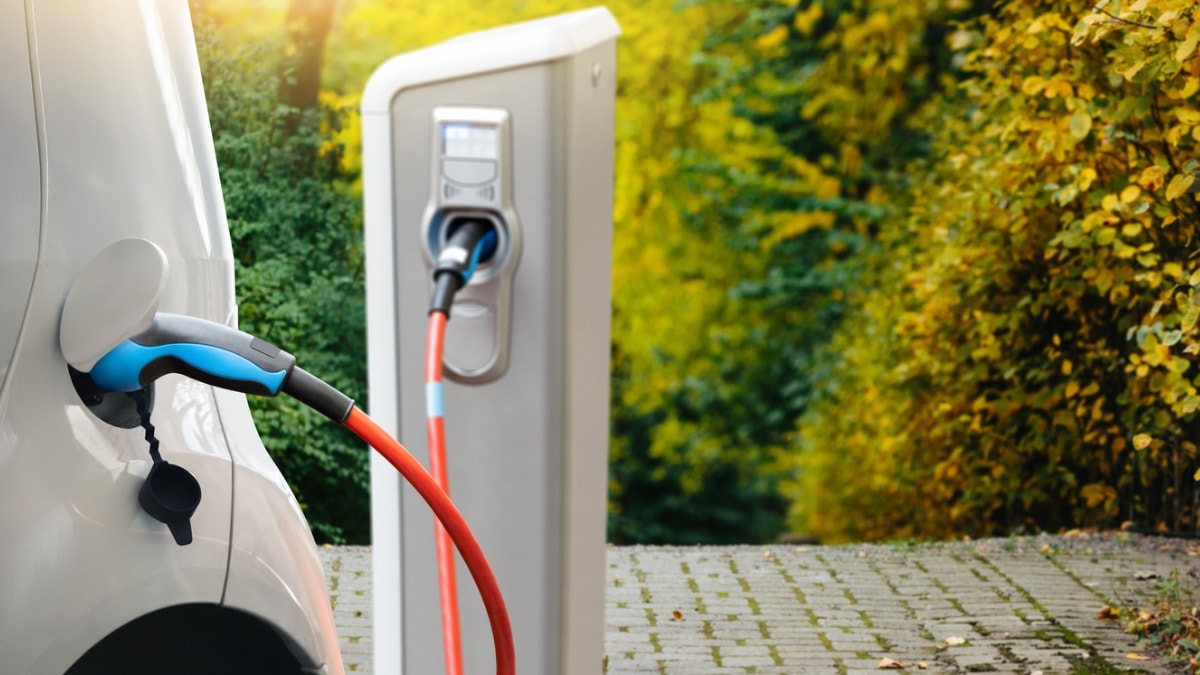
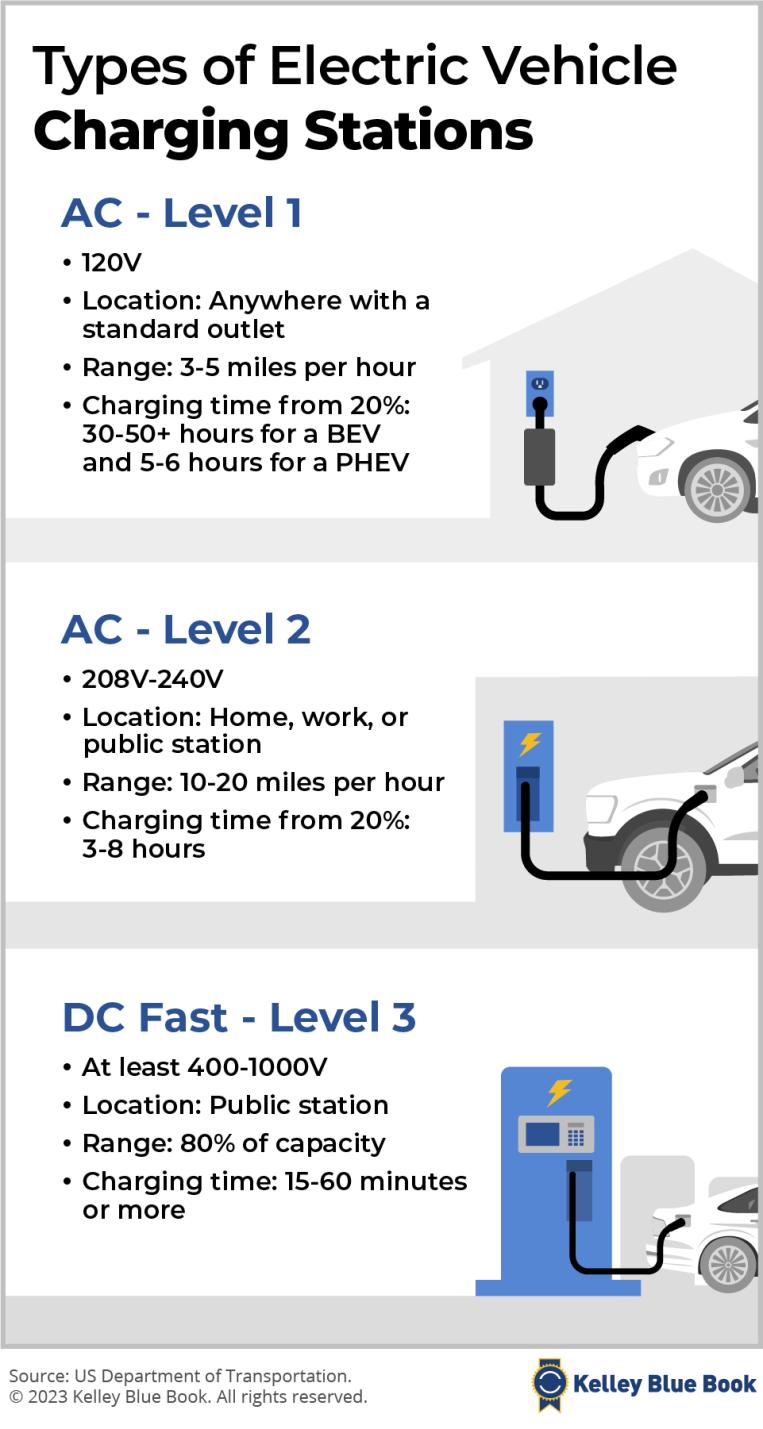
Charging an electric vehicle battery overnight at home is usually the least expensive option.
Gas prices fluctuate, and electricity rates vary regionally, but in most cases, it costs less per month to charge an EV than to buy gas for a traditional vehicle.
While free options are available, public charging stations have time-based fees that usually cost more than home charging.
Many people ask the single biggest question about electric cars: What will I spend to charge the vehicle?
If you’re looking at an electric car vs. a gas car, doing some upfront research on charging compared with gas costs will help you make an informed decision. Remember that many new EVs come with some free charging at public stations.
To answer the question of cost, we enlisted the help of John Voelcker, a longtime automotive journalist and industry analyst specializing in electric vehicles. He’s heard every argument made for (and against) electric vehicle ownership, including recharging costs compared to traditional refueling.
You Need To Do Some Math
Don’t sweat it. The math involved is pretty simple. It helps to have a recent electric bill for the most accurate estimate. You’ll want to calculate the amount you pay for electricity in a given month. Then we’ll provide examples so you can determine how much you spend on each kilowatt-hour (kWh) of electricity used.
“For home charging, find your electric bill, then divide the [number] of kilowatt-hours you used into the bottom-line dollar total. That’ll give you the price you paid per kWh,” Voelcker explains.
Let’s apply this rate to a typical electric car. This example does not take into consideration any discounts provided by your utility.
What Is the Cost to Charge an EV in kWh?
“A conservative rule of thumb is that an electric car gets 3 to 4 miles per kWh,” Voelcker says. “So divide the total miles you drive each month by 3 to get the kWh you would use monthly. Multiply that number by your cost per kWh. The dollar amount you get will most likely be lower than what you pay each month to buy gasoline.”
To put this into perspective, let’s give an example. Suppose you drive about 1,124 miles per month (Americans go an average of about 13,489 miles annually). For an EV, you will use about 375 kWh in that time frame. Using the U.S. household average of about 16 cents per kWh, charging an electric car at home would cost nearly $60 per month.
Is EV Charging Cheaper Than Gas?
According to AAA, the average price of gas hovers at $3.22 per gallon as of this writing. So, filling up a 12-gallon gas tank currently costs about $39. Things get a little tricky because, as we all know, cars and trucks use vastly different amounts of fuel.
Let’s say you’re driving a car that brings a combined average of 30 miles per gallon during a mix of city and highway driving. Using that same 12-gallon tank as a reference point, you’ll have 360 miles of driving range for each fill-up. If you’re driving the same 1,124 miles per month, you’ll need to refuel three times each month and spend about $117 ($39 x 3).
Again, this is only an estimate since fuel prices and mileage vary. But considering few cars and SUVs come close to delivering a 30 mpg combined average, our fairly conservative number-crunching in this scenario makes it clear that recharging will cost less than refueling a car. The financial gap narrows with a more fuel-efficient vehicle, but it remains.
Costs of Charging an EV at Home
Electricity rates are subject to many factors, including the region where you live, the time of year, and even the time of day when peak charges apply. For the most part, electricity usage and costs are at their lowest late at night. That’s good news for anyone considering an EV, according to Voelcker.
“While shoppers worry about access to public charging stations, they need to know that as much as 90% of electric car charging is done overnight at home,” Voelcker said. “The cheapest way to charge your electric car is almost always at home, overnight. Some utilities have special low rates for the overnight period when their demand is lightest.”
Where you live directly impacts your electric bill. People living in Massachusetts pay about 28 cents per kWh of energy use, more than double the kWh cost in states like Louisiana (about 11 cents per kWh) or Wyoming (nearly 12 cents per kWh).
When talking about public Level 2 charging and Level 3 fast-charging systems, the prices are harder to narrow when compared to standard at-home costs. That’s because charging networks vary in price, not to mention availability around the country.
You can always opt to install a Level 2 charger in your garage. The cost isn’t cheap. About $2,000 for parts and installation is a reasonable ballpark figure. Moving up to Level 2 means you’ll cut your charging time sometimes by half. And it can potentially add value to your home.
“Every electric car (Tesla included) can use public Level 2 stations,” says Voelcker, “but Nissan Leafs use one fast-charging standard (called CHAdeMO) while every other EV uses a different fast-charging standard called CCS.”
Many electric cars and charging networks plan to adopt Tesla’s proprietary NACS charge port, with many debuting them for the 2025 model year. Many states, local municipalities, and utility companies offer rebates and incentives for electric car owners to install home chargers. Those help lower costs further.
Voelcker explains the difference sounds more complex than it is. “The vast majority of fast-charging locations have both kinds, with a different cable on each side of the station. It’s like the same gas pump could dispense both regular gasoline and diesel fuel from different hoses.”
As for the price, a 240-volt (Level 2) recharge could cost you anywhere from zero dollars to a fixed hourly rate. Charging networks often provide membership programs to minimize your recharge cost. That’s especially useful if you can’t regularly charge your vehicle at home.
The Electrify America network determines pricing for DC-fast chargers by charger location, your plan, and, for per-minute locations, the maximum power level your vehicle can accept. For example, to use a DC-fast charger at an Atlanta-area local grocery location, the Electrify America Pass Pricing costs 36 cents per minute based on vehicle max power. Other popular charging networks include ChargePoint and EVgo. Like many charging networks on the PlugShare app, users can find charging stations, leave reviews, and provide charging tips to other EV drivers. Tips include whether or not the charging station is in use and if it’s working properly.
Unlike a typical 240-volt Level 2 home charger system, you will find Level 3 chargers in commercial settings because they’re prohibitively expensive for a private individual to install them at home.
Tesla uses its dedicated Supercharger network with more than 50,000 across the globe. But the rates can vary widely depending on region, timing, the Tesla model you’re charging, and the tier you choose for your recharge speeds. Tesla offers four charging tiers. One important caveat: Select Tesla Superchargers now work for non-Tesla vehicles. In 2023, the Supercharger network began opening select locations to non-Tesla cars.
Voelcker stresses that home charging is the best option for anyone considering an electric car. Yet, equally important is knowing where to find EV perks close to home.
“Some workplaces offer charging for employees’ cars … But electric-car owners quickly learn which public stations near them are free, which charge for charging, and how much they cost,” he said.
For example, a bustling parking lot in a crowded city center might lure EV owners with the promise of free electric car charging. But the resultant fee for parking there could easily zoom past what you’d have paid to fill up even the thirstiest gas-powered car or truck. Still, drivers will find the network of chargers growing with plenty of free options, including at malls, hotels, grocery stores, and more.
Voelcker’s final advice to EV owners: “Always ask before plugging in!”
More Electric Cars Guides and Stories:
Editor’s note: This article has been updated since it was originally published.
France’s Alpine has been spotted testing a prototype for its upcoming A290 hot hatch. It will be the first electric vehicle from the brand, which plans to enter the U.S. around 2027 starting with a pair of crossovers.
Audi has named a new design chief who aims to introduce a timeless and sophisticated design language that does away with unnecessary ornamentation. The new recruit previously worked at JLR where he designed vehicles like the new Defender and Range Rover.
Alfa Romeo will soon offer EVs exclusively. That means its current gas-powered lineup will have to be phased out, and the brand’s chief has confirmed the phase-out will start with the fiery Quadrifoglio versions of the Giulia sedan and Stelvio crossover. Both models exit the market in June, at least in the U.S.
You’ll find these stories and more in today’s car news, right here at Motor Authority.
Welcome to this comprehensive guide to the best places in Portugal for digital nomads. If you’re a remote worker looking for a beautiful, affordable, and sunny European country to base yourself in, you’re in luck.
Portugal is easily one of my favorite countries in Europe. I’ve spent time living and working remotely in Portugal on several occasions over the past few years, most recently last summer when I was based in the mountains just outside of Porto.
In this post, I’ll introduce you to 10 of the best places to live in Portugal for remote workers. From the bustling streets of Lisbon and Porto to the gorgeous landscapes of Madeira and the Azores, each one of these locations would be an excellent place to base yourself as a digital nomad, whether for a few weeks or longer term.
Best Places for Digital Nomads in Portugal
When compiling this list of the 10 best places to live in Portugal, I focused on locations that offer a good balance of amenities for remote workers, interesting things to do outside of work time, and affordability. Whether you prefer big cities or small towns, this guide has you covered.
1. Lisbon (One of the Most Popular Places in Portugal for Digital Nomads)
Known for its vibrant culture, strong expat community, and excellent co-working spaces, Lisbon blends historic charm with all the modern amenities you’d expect of a European capital city.
Why Lisbon is a Top City for Digital Nomads
The Portuguese capital, Lisbon consistently ranks as one of the top cities in Portugal for digital nomads. It’s a beautiful city with year-round sunshine, historical charm by the bucketful, modern amenities, fast WiFi, a huge range of accommodation options, and amazing food.
Lisbon regularly hosts digital nomad conferences and meetups, and there’s a strong sense of community among the remote workers who call this city home. There’s so much history and culture here too, it’s hard to be bored in Lisbon.
Many of Portugal’s best beaches are located a short distance from the city, which is another big bonus. Overall, being a digital nomad in Lisbon is a no-brainer – it’s a beautiful, stimulating, and inspiring place to live and work.
Cost of Living in Lisbon
Lisbon’s cost of living is one of its many draws for digital nomads. Despite being one of the most expensive places to live in Portugal, Lisbon’s living costs are still much lower than in many other European capital cities (and especially compared with other Western European countries).
According to Numbeo, a single person’s average monthly expenses in Lisbon tend to be around €1,600 to €2,000. You can usually find a one-bedroom apartment in the city center for about €1,200 per month, and one further out for €900 per month.
A monthly public transport pass costs €40, and there are many excellent hole-in-the-wall eateries and other casual restaurants where you can easily dine out for less than €20 per head, including a beer or two.
Being the capital city, there’s a huge range of accommodation options in Lisbon, with something for every budget. Check on Airbnb, where you can often find nice apartments with even nicer discounts for month-long stays or more. Booking.com can also be a good bet.
The first time I visited Lisbon I stayed in the historic Alfama district, which is known for its narrow streets, beautiful architecture, cute cafes, and old-world charm. Most recently, I stayed in Bairro Alto, with its incredible views out over the rest of the city. I’d definitely recommend both districts.
Pros and Cons of Living in Lisbon
Here are some of the main advantages and disadvantages of living in Lisbon as a digital nomad.
Pros
Community and Networking: Lisbon has a large community of digital nomads and expats, so there are lots of opportunities for networking, socializing, and making new nomad friends.
Balanced Lifestyle: The city offers a perfect blend of work and leisure, with its cultural richness and relaxed lifestyle.
Culture: As the capital city, Lisbon has a practically endless choice of cultural activities, other fun things to do, and interesting places to explore.
Excellent Transport Links: As you’d expect from the capital, it’s easy to get to, from, and around Lisbon.
Nearby Beaches: There are so many great beaches near Lisbon, you’ll be spoilt for choice when the weekend comes around.
Cons
Crowds: Popular areas can get crowded, especially during peak times and seasons.
Gentrification: The growing popularity of Lisbon has led to gentrification in certain areas. In my experience, not all locals are happy about this given its impacts on the cost of living and the local culture.
Relatively Expensive (for Portugal): Compared to other major European capital cities, Lisbon is relatively affordable. Although it’s still one of the most expensive places to live in Portugal.
2. Porto
Porgugal’s trendy second city, the industrial city of Porto may be a bit rougher around the edges than beautiful Lisbon. But it’s a very cool place, a vibrant creative hub with a growing digital nomad scene, and has a lot of other great things going for it.
Why Porto is a Top City for Digital Nomads
With its unique blend of tradition and innovation, Porto is an increasingly popular choice among digital nomads. I spent a month living just outside Porto last year and it’s a fantastic place to base yourself as a remote worker.
Located at the mouth of the Douro River in northern Portugal, Porto is a fascinating city with gorgeous architecture, scenic river views, and loads of great places to eat, drink, and have fun. The internet is fast and the atmosphere is buzzy and vibrant.
Porto is also more affordable than Lisbon, making it a great choice if you want all the benefits of a big city without the corresponding high costs.
Cost of Living in Porto
The cost of living in Porto is one of its main attractions for digital nomads. You can rent a nice apartment in the city center for around €900 per month, or as little as €700 if you don’t mind being a bit further out.
Eating out in Porto is also cheaper than in Lisbon. I’ve enjoyed several meals in cheap (but excellent) local eateries for under €10. And a monthly unlimited public transport pass only costs €40.
Coworking Spaces in Porto
Just like with Lisbon, you’re spoilt for choice when it comes to coworking in Porto. As well as the countless cute cafes, you’ll find many great coworking spaces here.
My favorite neighborhood in Porto is Ribeira. It’s one of the most atmospheric areas in the city, with cobblestone streets, colorful traditional buildings, and plenty of local family-owned eateries, cafes, and bars. I stayed here last year and loved getting lost exploring its narrow backstreets.
Like with Lisbon (and, to be honest, most other places) the most convenient way to find an apartment in Porto is through platforms like Airbnb and Booking.com.
Expat Facebook groups (like Porto Expats) can also be a good place to look for good value long-term rentals, as well as for gaining local insights and meeting fellow nomads.
Pros and Cons of Living in Porto
Here are some of the main advantages and disadvantages of living in Porto as a digital nomad.
Pros
Cultural Richness: Porto’s deep cultural and historical roots provide an enriching living experience beyond just work.
Affordable Living: It’s one of the more affordable major Western European cities, making it ideal for digital nomads on a budget.
Laid-Back Lifestyle: For a large city, Porto is a pretty relaxed, informal place.
Friendly: In my experience, Porto is a very friendly city. Lots of random people struck up conversations with me on the street and in cafes here, which I think is quite unusual for a big city.
Arty, Creative Vibes: Porto is incredibly arty, with loads of public art, murals, sculptures, outdoor concerts, festivals, and attractive tiled buildings.
Cons
Weather: Porto’s weather can be unpredictable, with (relatively) cold and rainy winters which might not suit everyone.
Ugly Outskirts: The center of Porto is beautiful, but the outskirts are quite unappealing and pretty industrial overall.
Smaller Nomad Scene: While growing, the nomad scene in Porto is not as developed as in Lisbon, so it’s not quite as good when it comes to networking opportunities.
3. Funchal, Madeira
The capital of Madeira, Funchal is an attractive city with easy access to the island’s stunning landscapes and a supportive environment for remote workers.
Why Funchal, Madeira is a Top City for Digital Nomads
The subtropical island of Madeira is one of the best locations in Portugal for digital nomads who want a taste of sunny island life with a Portuguese twist. Located off the coast of Northwest Africa, this Portuguese region is known for its stunning volcanic landscapes, lush forests, and dramatic cliffs.
With its growing digital nomad community and great infrastructure for remote workers, Madeira is quickly becoming a hotspot for nomads looking to work in paradise, while remaining just a short flight away from the European mainland.
Given its warm climate, affordable cost of living, fast internet, great coworking spaces, thriving nomad community, and laid-back atmosphere, Funchal is an ideal place to live and work remotely.
Outside of work, you’ll find a huge range of things to do outdoors, including hiking, surfing, sailing, mountain biking, and diving. The beaches here are pretty great too – it’s a nature lovers’ haven.
Cost of Living in Funchal
The cost of living in Funchal is lower than in both Lisbon and Porto. It’s not quite as cheap as some of the smaller towns and cities on the Portuguese mainland (see below), but it’s still relatively affordable compared with other European island destinations and the UK.
According to Nomad List, a digital nomad living in Funchal can expect to spend around $2,200 per month on average. You can rent a studio apartment for about $660/month, and a meal out can cost as little as €8 per person.
Coworking Spaces in Funchal
There are a few different coworking spaces in Funchal, and the prices here tend to be lower on average than in either Lisbon or Porto. Cowork Funchal charges €130 per month for a fixed desk and €100 for hotdesking, while Sangha Cowork Funchal offers hotdesking for €150 per month.
How to Find Apartments in Funchal
The best neighborhoods for digital nomads in Funchal include the Lido area, São Martinho, and the Old Town. These areas offer a blend of local culture, convenience, and accessible amenities.
Weather: Madeira’s subtropical climate makes this a warm and sunny place to live year-round.
Island Living: Ever wanted to live and work on a paradise island that’s only a short-haul flight away from the rest of Europe? Tick!
Affordable Cost of Living: The city offers a lower cost of living compared to many other European cities, making it accessible for digital nomads on smaller budgets.
Cons
Island Isolation: Being on an island can sometimes feel isolating, especially for those used to mainland living.
Limited Nightlife: Funchal’s nightlife is relatively subdued compared to larger cities, which might not appeal to everyone.
Lack of Choice: In fairness, the shops and restaurants in Funchal are pretty good. But still, given that most things need to be flown or shipped in, don’t expect quite the same degree of choice that you’d find in a mainland Portuguese city.
4. Lagos, Algarve
Ideal for those who love the beach and year-round sunshine, Lagos in the far southern Portuguese Algarve region has a laid-back vibe, great seafood, and a growing digital nomad community.
Why Lagos, Algarve is a Top City for Digital Nomads
Lagos has long been known as a sunny European holiday destination. But recently, it’s also started to attract digital nomads with its stunning beaches, relaxed beach lifestyle, and great nightlife.
You definitely won’t find the same number of digital nomad conferences as in cities like Lisbon and Porto, but the main draw here is the high quality of life and natural beauty that’s easily accessible from the city. Lagos is blessed with some of Europe’s most beautiful beaches right on its doorstep.
Lagos is a great option for digital nomads looking for a favorable work-life balance and an outdoor lifestyle. That said, the city has reliable internet, a range of great cafes, a few decent coworking options, and a tranquil and inspiring environment.
Cost of Living in Lagos
Lagos is a relatively affordable destination, especially compared with other larger Portuguese cities. You can rent a one-bedroom apartment in the city center for around €950, basic utilities cost less than €100/month, and a pint of local beer will only set you back €2!
Coworking Spaces in Lagos
While Lagos doesn’t have as many coworking spaces as larger cities, there are a few. CENTRO has monthly coworking packages from €210, while Lagos Coworkers offers fixed desk membership from €270.
How to Find Apartments in Lagos
Popular areas for digital nomads in Lagos include the city center, Meia Praia, and Porto de Mós. These neighborhoods offer a mixture of convenience, scenic beauty, and access to local amenities including the beaches.
Finding accommodation is fairly straightforward, especially through Airbnb and Booking.com. Check out the Expats in Lagos Portugal Facebook group where you can sometimes find even better deals, especially on longer-term rentals.
Pros and Cons of Living in Lagos
Here are some of the main advantages and disadvantages of living in Lagos, Algarve as a digital nomad.
Pros
Natural Beauty and Outdoor Activities: Lagos is famous for its stunning beaches and great range of outdoor activities.
Affordable Cost of Living: The cost of living is relatively low, allowing for a comfortable lifestyle without a hefty price tag.
Growing Digital Nomad Community: The digital nomad community in Lagos isn’t huge, but it is growing.
Cheap Flights: In my experience, you can often find cheap flights to and from Lagos, given its popularity as a holiday destination.
Cons
Limited Public Transport: Public transport is not as developed as in larger Portuguese cities. You’ll probably want to hire a car or a scooter to get around outside of the city center.
Seasonal Tourist Crowds: Lagos is a popular holiday destination and can get quite crowded with tourists during the summer months.
Limited Coworking Spaces: There aren’t many coworking options in Lagos, and those that do exist are relatively expensive (see above).
5. Coimbra
A beautiful and historic university town, Coimbra is a very affordable destination with great bars and a rich cultural scene.
Why Coimbra is a Top City for Digital Nomads
Coimbra is famous for its prestigious university and is a great alternative Portuguese destination for digital nomads. It’s an attractive, calm, and inspiring place to live and work.
Surrounded by a vibrant academic atmosphere, the city has a quietly buzzing ambiance that makes it an incredibly stimulating place for getting work done. And when you’re finished for the day, you can take your pick from the many excellent (and cheap) bars and restaurants.
The city has a good range of modern amenities and fast internet. Its relatively small size makes it easy to navigate on foot, and the abundance of cafes and libraries offers lots of choices when it comes to where to work.
Cost of Living in Coimbra
Coimbra is a pretty affordable place to live in Porgual for digital nomads.
According to Numbeo, a single person can expect to spend about €640 per month on living costs excluding rent. A 1-bed apartment costs around €660 in the city center and as little as €535 outside of it.
Coworking Spaces in Coimbra
Coimbra’s coworking scene is still developing and there aren’t many “true” coworking spaces yet, in the usual sense of the term. However, Fluxo Coworking offers comfortable, modern facilities for €130 per month. It’s even open 24/7!
How to Find Apartments in Coimbra
I recommend checking out the Baixa (downtown) neighborhood and the area around the university. These areas both offer a blend of historical charm, a good selection of amenities, and lots of culture and things to do.
Check out Booking.com and Airbnb for short-to-medium-term rentals, or the Coimbra Expats & Immigrants Facebook group for longer-term accommodation.
Pros and Cons of Living in Coimbra
Here are some of the main advantages and disadvantages of living in Coimbra as a digital nomad.
Pros
Affordable Cost of Living: Coimbra is one of the more affordable cities in Portugal, making it an excellent choice for digital nomads on a budget.
Cheep Beer: It is a student town, after all!
Rich Cultural and Academic Environment: The city’s historical significance and academic atmosphere provide a stimulating and inspiring environment.
Compact and Easy to Navigate: Coimbra’s small size makes it easy to explore and get around on foot.
Fewer Tourists: Coimbra is still relatively undiscovered by foreign tourists, which helps it retain a more authentic Portuguese vibe.
Cons
Smaller Digital Nomad Community: Compared to other larger cities, Coimbra has a fairly small community of digital nomads, which might limit networking opportunities.
PossibleLanguage Barrier: Given the lack of tourism, English isn’t as widely spoken here as in some of the other places mentioned in this post, especially among the older generations. Most young people speak English though.
6. Braga
Located in the far north of Portugal, the attractive city of Braga is another place that offers an authentic Portuguese experience free from the tourist crowds.
Why Braga is a Top City for Digital Nomads
Braga is a charming city that’s known for its rich history, religious significance, and strong local culture. Its picturesque streets are lined with colorful buildings and traditional tiled facades, and the city has several serene parks.
While Braga might not have the same number of digital nomads or coworking places as some better-known destinations, it’s a very tranquil and pleasant place and is fairly budget-friendly too.
Essential for all digital nomads, the city has fast and reliable WiFi and plenty of comfortable and cozy cafes that are great for getting work done. The city’s compact size makes it easy to explore on foot, which is a big plus as far as I’m concerned.
Cost of Living in Braga
Braga is a relatively budget-friendly city in Portugal for digital nomads. Nomad List estimates that a single digital nomad can expect to spend approximately €2,100 per month living in Braga (including rent), with a 1-bedroom studio apartment costing around €690 per month.
But, I reckon you could reduce that overall monthly cost by several hundred Euros if you’re happy cooking for yourself more often than not, buying alcohol from the supermarket rather than in bars, and avoid spending excessively on other luxuries.
Coworking Spaces in Braga
Braga has a limited coworking scene, but Factory Braga is a good option that offers comfortable and modern facilities for remote workers from €102 per month.
How to Find Apartments in Braga
For digital nomads, the city center, São Vicente, and Nogueiró are good places to look for accommodations. These neighborhoods offer a mixture of historical charm and modern amenities, making them ideal for a comfortable living and working environment.
Pros and Cons of Living in Braga
Here are some of the main advantages and disadvantages of living in Braga as a digital nomad.
Pros
Rich Cultural Atmosphere: The city’s historical significance and cultural richness provide an inspiring environment for work and leisure.
Tranquil Lifestyle: Braga offers a peaceful and relaxed lifestyle, perfect for those looking to escape the hustle and bustle of larger cities.
Lack of Tourists: This is another great place to base yourself if you prefer discovering less well-known destinations.
Cost-Effective Living: Braga has a relatively low cost of living, making it an ideal choice for digital nomads on a budget.
Cheap Coworking:Factory Braga is one of the most affordable coworking spaces that I’m aware of in Portugal.
Cons:
Smaller Digital Nomad Community: Less scope for networking and meeting up with other digital nomads.
Limited Entertainment Options: While tranquil, Braga has fewer entertainment and nightlife options compared to larger cities.
Less International: Braga is less international than the larger Portuguese cities, which might be a downside for those seeking a more cosmopolitan atmosphere.
7. Aveiro
Often called the “Venice of Portugal”, Aveiro is a great little city with picturesque canals, a relaxed lifestyle, and a fairly low cost of living, ideal for digital nomads seeking a quieter base in Portugal.
Why Aveiro is a Top City for Digital Nomads
As well as being an incredibly attractive city, Aveiro has excellent digital infrastructure, including fast and reliable internet and a small but growing digital nomad community.
With a population of 81,000, Aveiro is a medium-sized city. It’s small enough that it’s walkable and avoids being overwhelming, but large enough to have a great range of cafes, bars, and restaurants.
Aveiro is an ideal destination for anyone looking to work remotely and experience authentic, laid-back, and friendly Portuguese culture.
Cost of Living in Aveiro
The low cost of living in Aveiro makes it a great choice for digital nomads on a budget. You can expect to pay €725 per month for a 1-bed apartment in the city center, and as little as €9 for a meal out in an inexpensive restaurant.
Coworking Spaces in Aveiro
Aveiro’s coworking scene is growing, with spaces like Fusion Cowork (from €150 per month) and Ocupa (price on request) offering modern facilities for digital nomads.
How to Find Apartments in Aveiro
The Beira-Mar and Forca neighborhoods are good choices for digital nomads due to their central location and proximity to the city’s main attractions. Finding accommodation in Aveiro is relatively straightforward, especially via Airbnb and Booking.com.
The Aveiro Expats Facebook group can also be a useful resource.
Pros and Cons of Living in Aveiro
Here are some of the main advantages and disadvantages of living in Aveiro as a digital nomad.
Pros
Scenic and Peaceful Environment: Aveiro’s picturesque canals and quiet streets offer a serene setting for work and leisure.
Affordable Cost of Living: The city is very budget-friendly.
Cultural Richness: Aveiro has a rich history and cultural heritage.
Walkable: You can get practically everywhere in the city on foot.
Cons
Limited Social Events for Digital Nomads: Compared to larger cities, Aveiro has fewer social events and meetups for digital nomads.
Smaller International Community: The international community in Aveiro is smaller, which may limit networking opportunities.
Fewer Entertainment Options: While tranquil and beautiful, Aveiro offers fewer entertainment and nightlife options than larger urban centers.
8. Évora
Évora is another gorgeous Portuguese city with a tranquil setting, rich cultural heritage, and an addictively slow pace of life.
Why Évora is a Top City for Digital Nomads
Known for its well-preserved Roman and medieval structures, Évora is a beautiful and inspiring place to live and remote work.
While Évora may not host any large digital nomad conferences, its charm lies in the quiet, historical environment that’s ideally conducive to focus and creativity. Évora’s slower pace of life is a significant draw for those seeking to escape the hustle and bustle of larger urban areas.
Public transportation is limited but also unnecessary due to the city’s compact size. Everything is within walking distance, and the local community is friendly and welcoming.
Cost of Living in Évora
Évora is another affordable place to live for digital nomads. Monthly rent costs around €500 per month for a 1-bedroom place in the city center, or as low as €350 a little further out. Dining out in Évora is affordable too, with a meal for two at a mid-range restaurant costing around €20.
Coworking Spaces in Évora
Giraldo Works is a great coworking space in the heart of Évora, offering private offices from €250 per month.
How to Find Apartments in Évora
Évora isn’t a particularly big town, so I’d recommend looking for an apartment close to the city center if possible. As always, check out what’s available on Airbnb and Booking.com.
Pros and Cons of Living in Évora
Here are some of the main advantages and disadvantages of living in Évora as a digital nomad.
Pros
Historical and Cultural Richness: Évora’s ancient historical sites and architecture provide a unique and inspiring setting.
Low Living Costs: Évora is one of the cheapest cities on this list to live as a digital nomad.
Tranquil Lifestyle: Évora’s peaceful environment is perfect for those seeking a quiet and focused work setting.
Cons
Limited Networking Opportunities: The smaller size of the city means fewer networking events and a smaller digital nomad community.
Limited Nightlife and Entertainment: Évora offers fewer entertainment options compared to larger cities, which may not appeal to everyone.
Seasonal Tourist Crowds: While generally quiet, the city can get crowded with tourists during peak seasons.
9. Cascais
The attractive coastal town of Cascais, located just west of Lisbon, is another of my favorite digital nomad cities in Portugal. I spent a few weeks living and working here in 2020 and completely fell in love with the area.
Why Cascais is a Top City for Digital Nomads
Cascais is a great place to live if you want to be based in a chilled seaside town but also have all of the amenities of the capital city on your doorstep.
It’s only a 30-minute train ride from here to Lisbon, so you can easily nip into the big city for a day trip and make it back in time for a sundowner drink on the beach.
The town itself offers excellent amenities, including fast and reliable WiFi – essential for digital nomads. Cascais is dotted with numerous cafes and eateries, many of which are accustomed to catering to remote workers, providing comfortable and scenic spots for getting work done.
On average, you can expect to pay between €1,100–€1,400 per month for a 1-bedroom apartment. In my experience, restaurants here tend to be on par with Lisbon prices, which isn’t surprising given the town’s well-heeled clientele.
If you want to live in Cascais, I’d recommend either living in the town center for convenience or next to one of the local beaches. The Expats Cascais Facebook group lists accommodation available from time to time. Failing that, there’s always Airbnb and Booking.com.
Pros and Cons of Living in Cascais
Here are some of the main advantages and disadvantages of living in Cascais as a digital nomad.
Pros
Scenic Beauty and Leisure Activities: Cascais offers stunning beaches and a range of outdoor activities; perfect for relaxation and leisure.
Proximity to Lisbon: The town’s proximity to Lisbon provides the benefits of a major city without living amidst the hustle and bustle.
Welcoming Expat Community: There is a growing and supportive community of expats and remote workers in Cascais.
Cons
Higher Cost of Living: Compared to other Portuguese towns, the cost of living in Cascais is quite high.
Tourist Crowds in Summer: The town can get crowded with tourists during the summer months and other holiday periods.
Limited Public Transport Options: While there is good connectivity to Lisbon, local public transport options within the Cascais region are limited.
10. Ponta Delgada, Azores
The Azores, a Portuguese Atlantic archipelago, offers breathtaking landscapes, a unique cultural experience, and a growing community of digital nomads.
Why Ponta Delgada, Azores is a Top City for Digital Nomads
Ponta Delgada is the capital of the Azores. It offers all of the essential amenities for digital nomads, including reliable internet and plenty of cafes and tranquil public spaces.
From whale watching to hiking and exploring the archipelago’s volcanic landscapes, the Azores is an amazing place to live for digital nomads who enjoy unspoiled nature, outdoor activities, and the island lifestyle.
Despite its mid-Atlantic location, getting here is surprisingly easy as the main international airport is only about a kilometer from the center of the city.
Cost of Living in Ponta Delgada
The cost of living in Ponta Delgada is generally lower than in mainland Portugal, so it’s another good place for nomads on a budget. Rent for a one-bedroom apartment in the center of Ponta Delgada is generally around €500 per month, and you can easily eat out for under €10 per head.
Coworking Spaces in Ponta Delgada
unOffice and One Solmar Cowork Center both offer coworking. Although, as far as I can tell, prices are only available on request.
How to Find Apartments in Ponta Delgada
Popular areas to live in Ponta Delgada include the city center and the area around the university. You’ll find many options suitable for short and long-term stays on Airbnb and Booking.com.
Pros and Cons of Living in Ponta Delgada
Here are some of the main advantages and disadvantages of living in Ponta Delgada, Azores as a digital nomad.
Pros:
Stunning Natural Environment: The Azores is known for its breathtaking scenery and numerous outdoor activities.
Affordable Cost of Living: Ponta Delgada is more budget-friendly than most cities in mainland Portugal.
Relaxed Lifestyle: There’s a laid-back atmosphere and friendly local community here.
Weather: The Azores enjoys a mild climate year-round.
Cons:
Limited Digital Nomad Community: The community of digital nomads is smaller and less established than in other cities.
Limited Transportation Options: Public transport is limited, you’ll probably want a car or a bike to get around the island.
Remote Location: Given its remote island location, Ponta Delgada can feel isolated at times.
Best Places in Portugal for Digital Nomads: FAQs
Here are answers to some frequently asked questions about where to live in Portugal for digital nomads.
Are digital nomads taxed in Portugal?
Digital nomads are sometimes taxed in Portugal, although it depends on whether you qualify as a “non-habitual resident“, how much tax you pay in other counties, and various other factors. It’s a complicated area so be sure to speak with a qualified tax adviser who will be able to assess your circumstances and give you up-to-date advice.
Where is the best place to work remotely in Portugal?
Many people consider Lisbon to be the best place to work remotely in Portugal due to its vibrant community, coworking spaces, and excellent infrastructure. If you like big cities, Lisbon may be a good choice for you.
Is Portugal a good option for digital nomads?
Yes, Portugal is a great option for digital nomads, offering a blend of cultural richness, affordable living, and a supportive remote working environment.
Is Lisbon or Porto better for digital nomads?
Lisbon and Porto are both excellent cities for digital nomads. They’re very different, however, and the right one for you will depend on your tastes and preferences. Lisbon has a larger community of digital nomads, while Porto is cheaper and has a more relaxed atmosphere.
Which island in Portugal is for digital nomads?
The island of Madeira, especially its capital Funchal, is popular among digital nomads for its natural beauty, mild climate, and good digital infrastructure.
Where is the most popular destination for digital nomads?
Lisbon is the most popular destination for digital nomads in Portugal, known for its lively atmosphere, cultural diversity, and excellent work-life balance.
Final Thoughts
Whether you’re drawn to the buzzing cities of Lisbon and Porto, the tranquil beauty of the Algarve and Madeira, or the historical charm of Coimbra and Évora, there are many wonderful places in Portugal for digital nomads. No matter where you decide to base yourself, the amazing quality of life in Portugal is pretty hard to beat.
All of the places mentioned in this post are totally different. Cascais, Lisbon, and Porto are three of my personal favorites, but each one of these 10 locations offers everything you need to live and work happily: reliable internet, a range of places to work from, great food, and lots to see and do.
The technical storage or access is strictly necessary for the legitimate purpose of enabling the use of a specific service explicitly requested by the subscriber or user, or for the sole purpose of carrying out the transmission of a communication over an electronic communications network.
Preferences
The technical storage or access is necessary for the legitimate purpose of storing preferences that are not requested by the subscriber or user.
Statistics
The technical storage or access that is used exclusively for statistical purposes.The technical storage or access that is used exclusively for anonymous statistical purposes. Without a subpoena, voluntary compliance on the part of your Internet Service Provider, or additional records from a third party, information stored or retrieved for this purpose alone cannot usually be used to identify you.
Marketing
The technical storage or access is required to create user profiles to send advertising, or to track the user on a website or across several websites for similar marketing purposes.