Home Blog Page 941

The last Australian-made NSW highway patrol car has handed in its gun and badge

0


More than six years after the last Australian-made car rolled off a production line, the final locally built highway patrol vehicle has been retired from active duty on the New South Wales Police Force fleet.

This VF Series II Holden Commodore SS served as a part of the New South Wales Traffic and Highway Patrol Command’s fleet since 2017, but has now reached the end of the road.

While it’s no longer being used for police duties, the vehicle has been wrapped in an Indigenous art livery, and will be used for engagement with the Aboriginal community and for general public displays.

It’s unclear for how long it will be used for this purpose.

The 6.2-litre V8-powered Commodore marks a special place in history, with its retirement meaning there are no Australian-built police cars remaining in service in New South Wales.

It should be no coincidence that the final Australian-made highway patrol car in NSW is a Holden, given the brand’s long-standing history in local automotive culture since it turned to building vehicles in 1948.

Holden’s cars became synonymous with the local auto industry until October 2017, when the brand produced its final vehicle on Australian shores. A significant drop in demand for its imported models led to the company’s closure on January 1, 2021.

This isn’t the final Australian-built police car in service, as there are still V6-powered Holden Commodores used by the Queensland Police Service.

CarExpert has also reached out to the Western Australia Police Force to find out if there are any Commodores remaining on its fleet.

The Commodore’s departure from the NSW Police Force fleet comes more than five years after the first Australian jurisdiction moved away from locally built models.

When the last Australian-built police cars were retired from service

  • Tasmania: September 2018
  • Northern Territory: April 2019
  • South Australia: August 2020
  • Australian Capital Territory: July 2022
  • Victoria: November 2022
  • New South Wales: January 2024
  • Queensland: Still in service
  • Western Australia: Yet to be confirmed


Source link

GM’s Super Cruise now covers 750,000 miles in US and Canada

0


General Motors announced on Thursday that its automated driver-assist system known as Super Cruise is being updated to cover approximately 750,000 miles of roads in the U.S. and Canada, or almost double the current coverage.

Super Cruise’s last major update came in 2022 when its coverage was expanded to 400,000 miles, consisting mostly of U.S. and state highways. The latest update sees many minor highways that you find connecting smaller cities and townships added to the coverage.

According to GM, the addition of the new roads means Super Cruise now has nearly six times the coverage of rival driver-assist systems. The roads are scanned using lidar to form precise maps that a vehicle’s onboard sensors can check against.

Super Cruise is a true hands-free driver-assist system complete with support for lane changes and trailering, though it requires constant monitoring from the driver who needs to be ready to take back control when prompted. This means it is still relegated to Level 2 on the SAE scale of self-driving capability.

Level 3 is the first level where the driver is freed from monitoring the road, though only for brief moments. Currently Mercedes-Benz is the only automaker with a Level 3 system, though its system, known as Drive Pilot, only functions at speeds of up 40 mph, and in the U.S. only on select highways in California and Nevada.

Level 4 is the first level where the driver can avoid monitoring the road for extended periods, though only within set conditions. Level 5 is the ultimate goal. It means a system that can equal the performance of a human driver.


Source link

Car Of The Day: 2019 McLaren 720S Spider

0


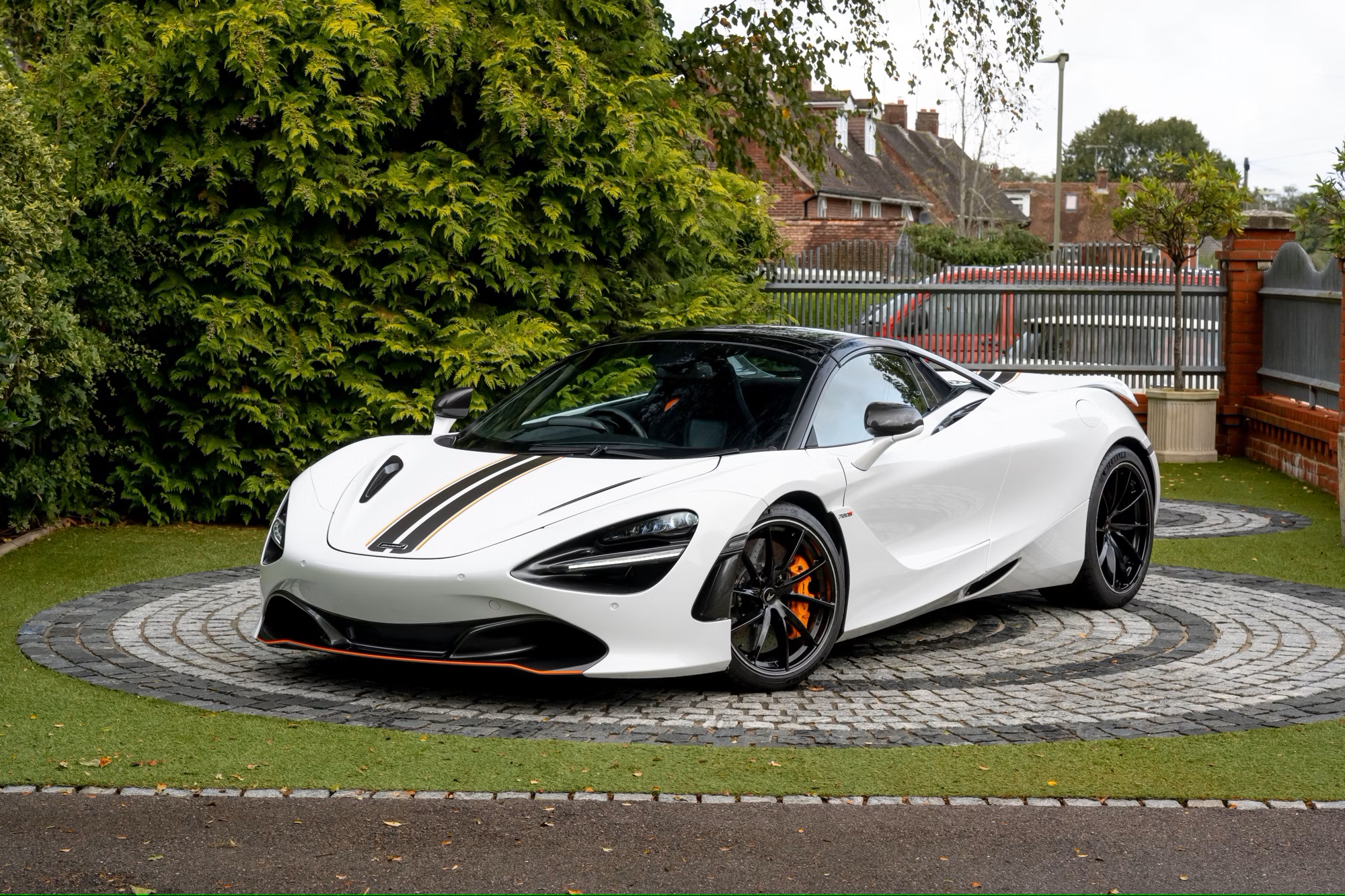
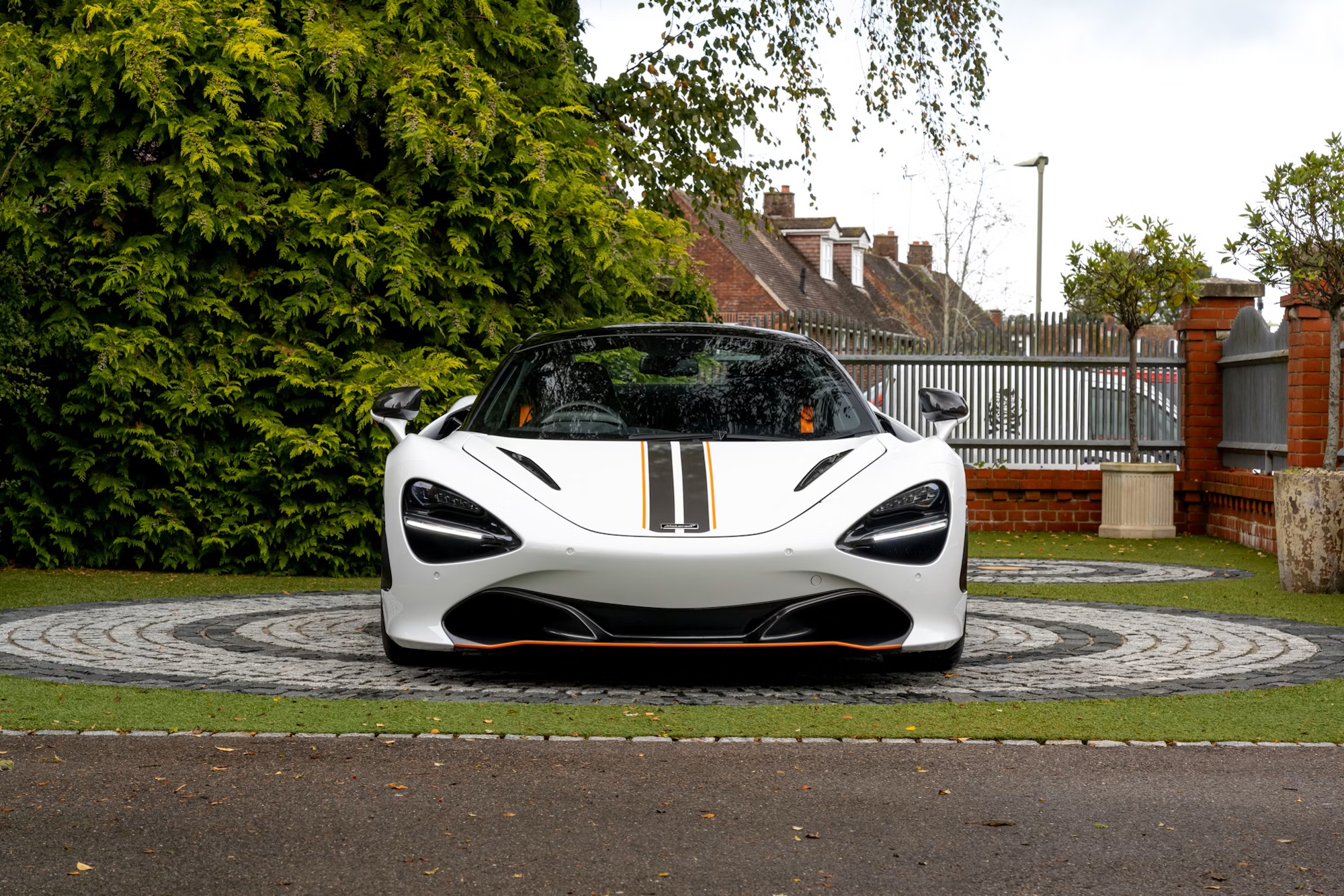
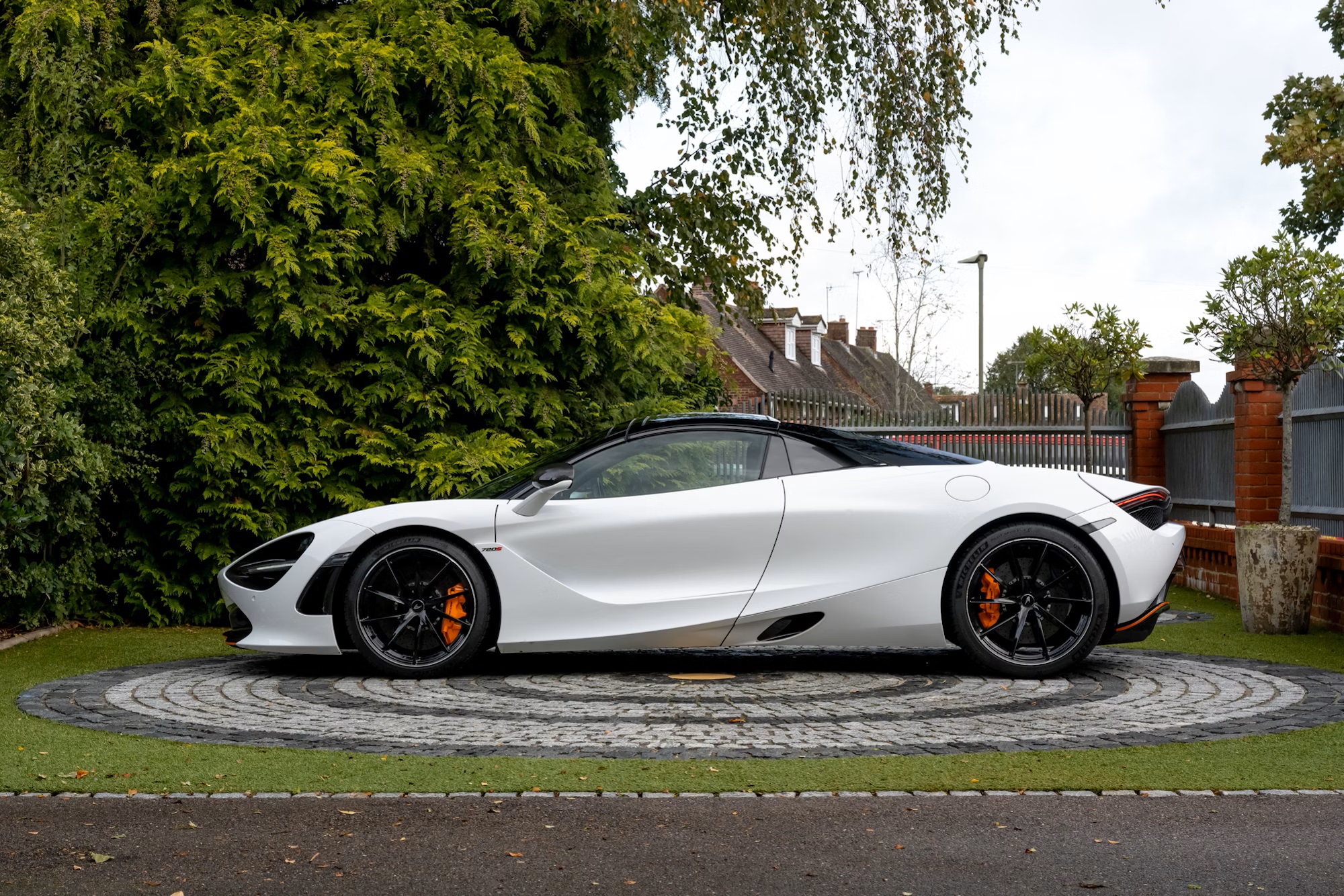
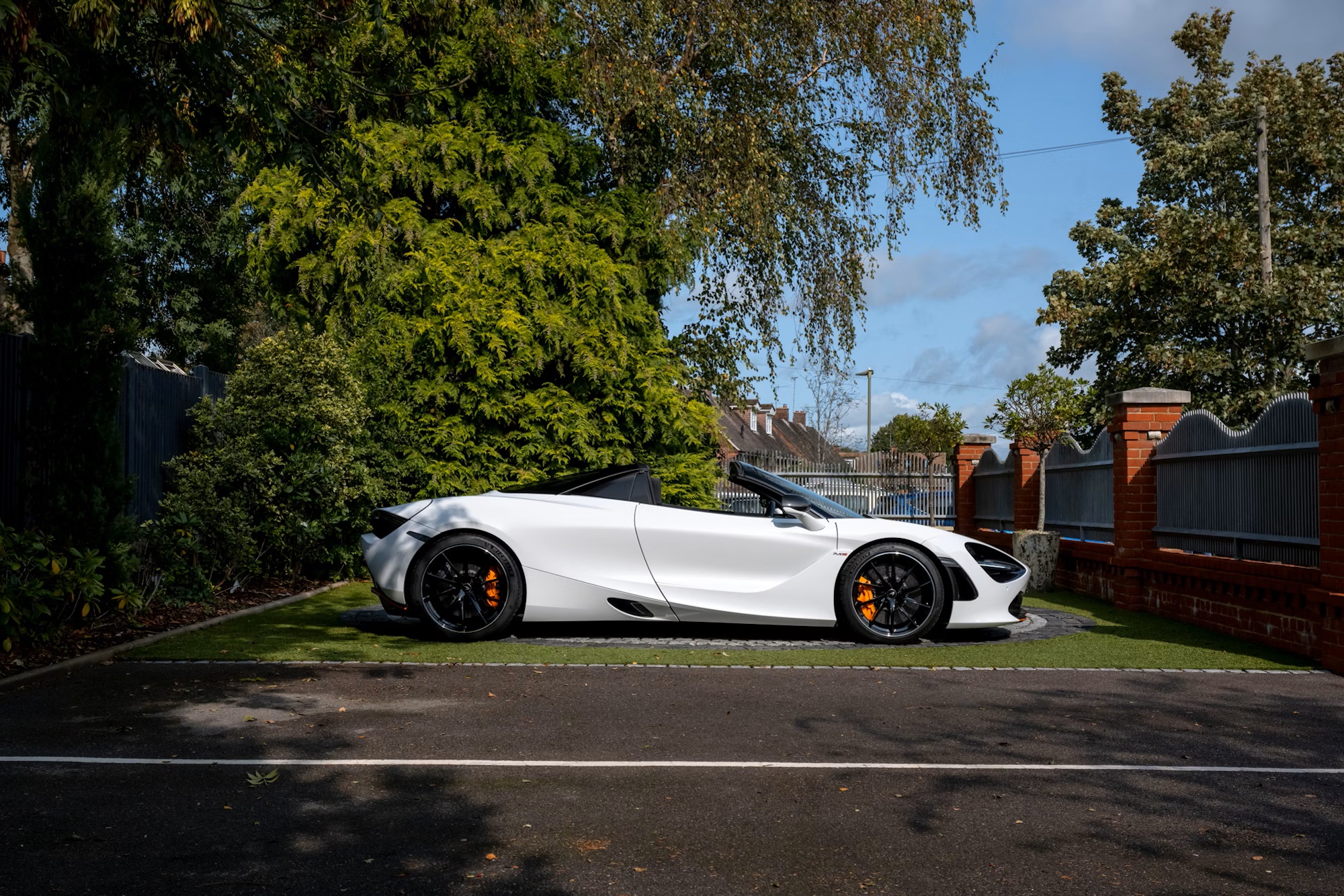
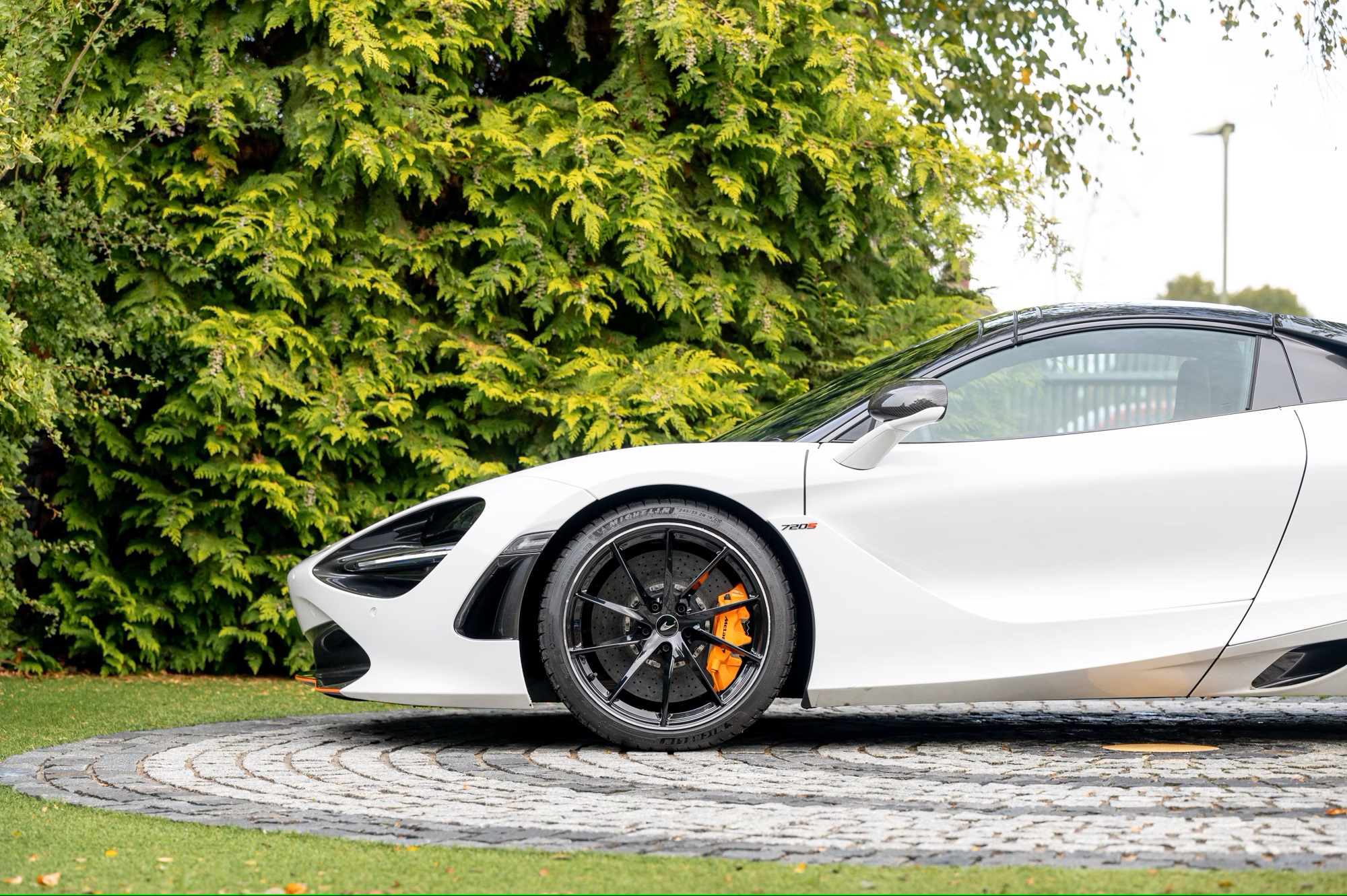
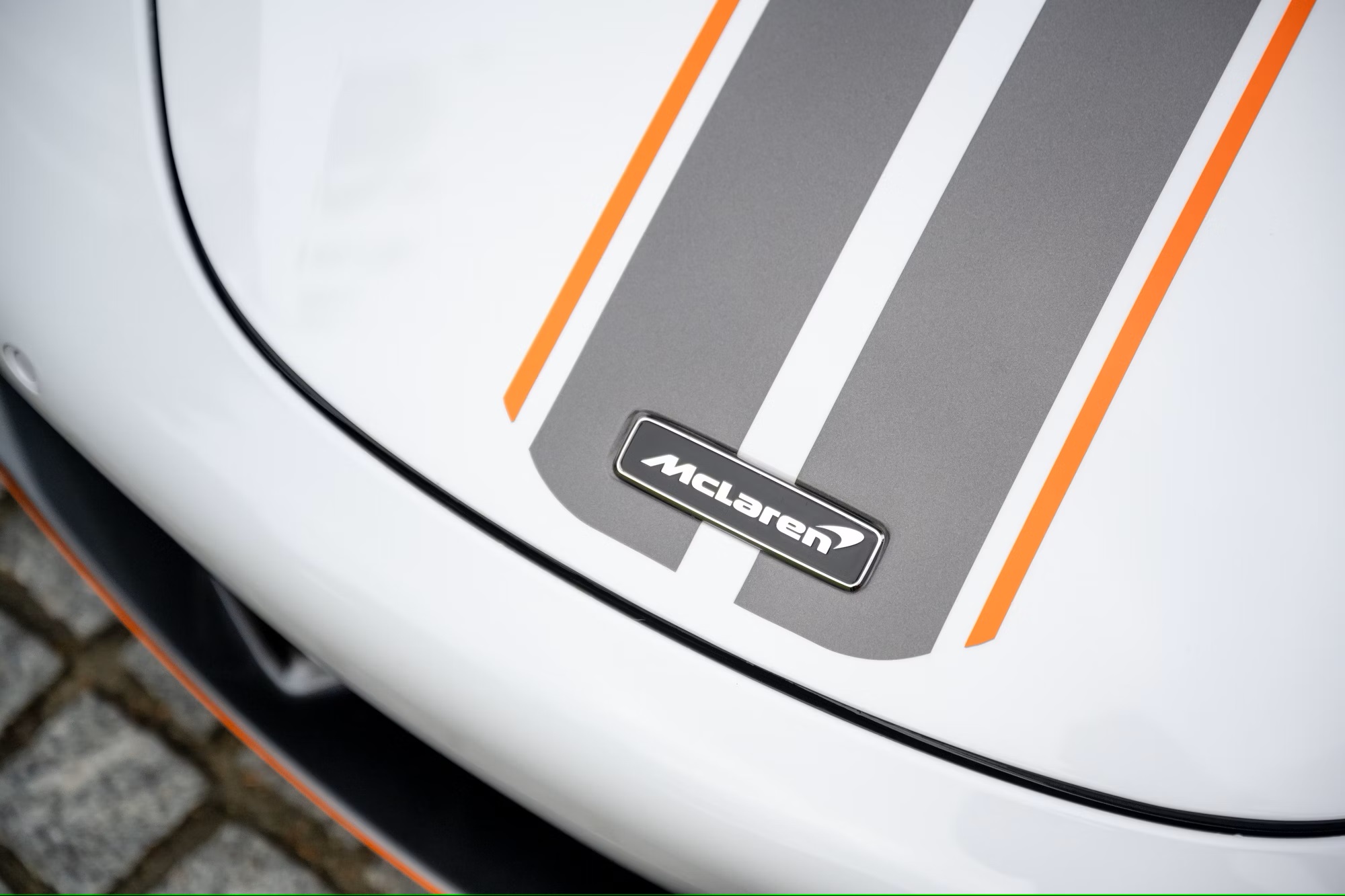
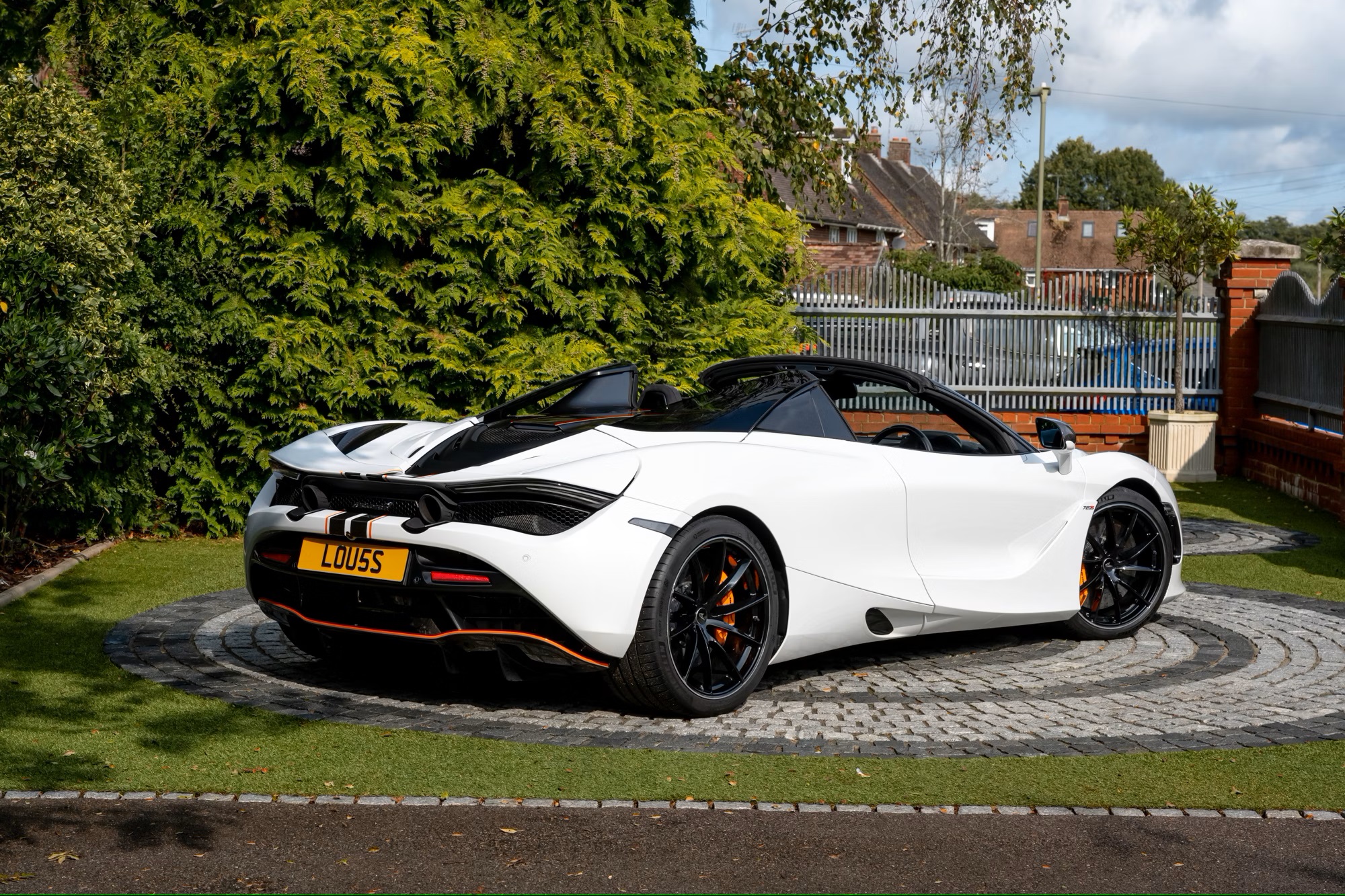
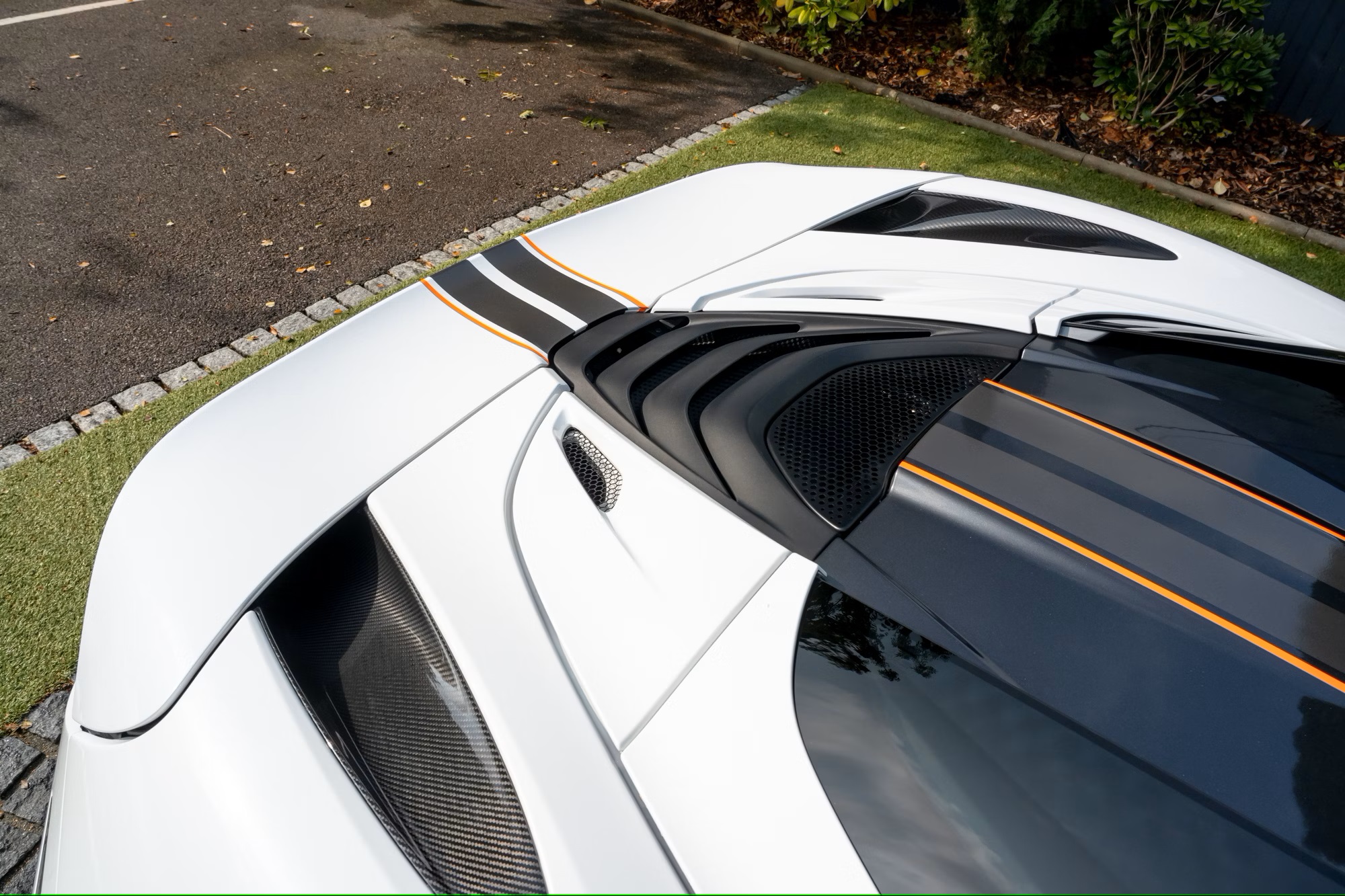
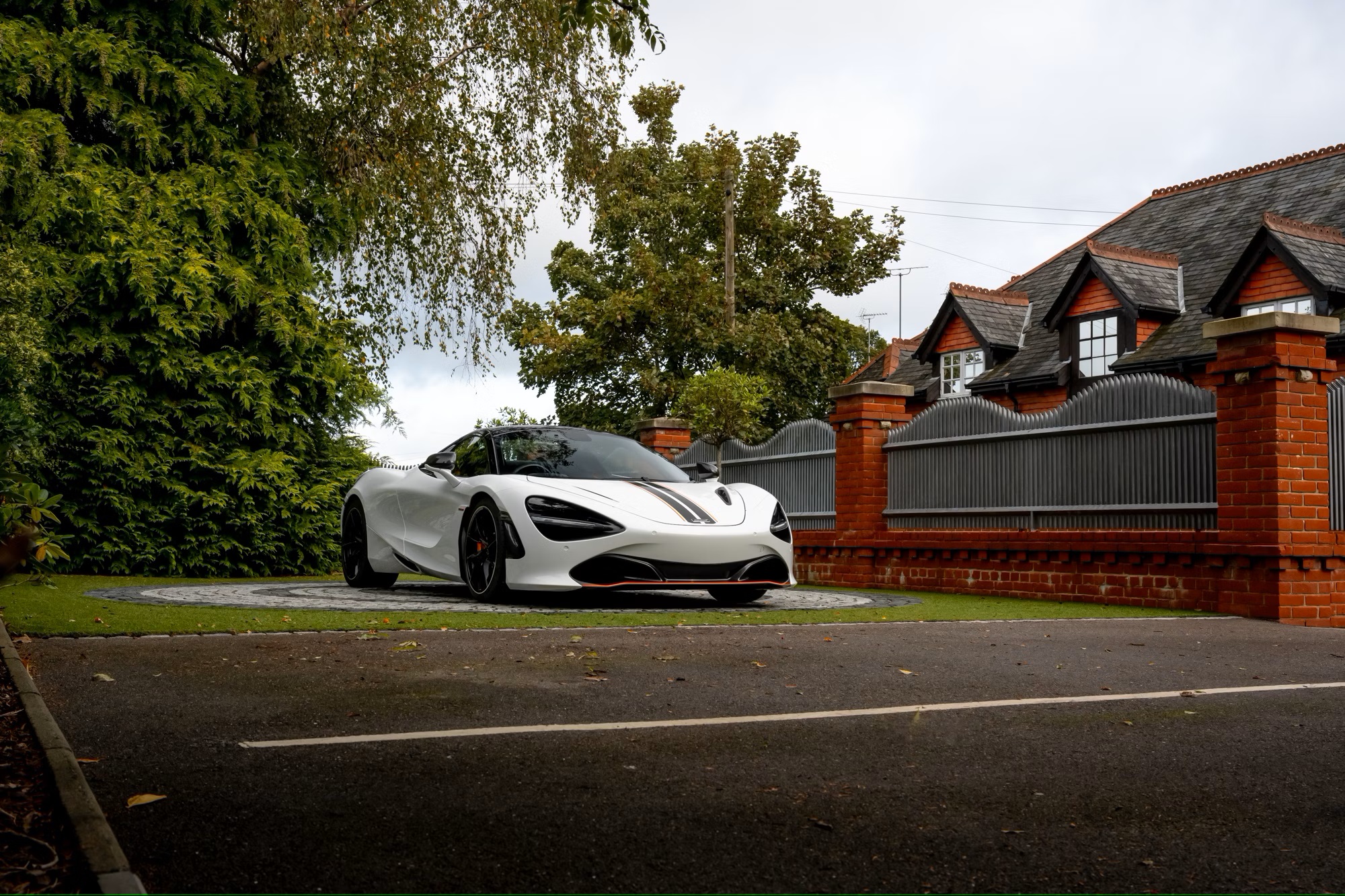
Late in 2018, McLaren unveiled the convertible version of their 720S – monikered “Spider.” For the better and most part, the Spider retains the same DNA as the Coupe, utilizing a modified version of its carbon fibre tub chassis – called Monocage II-S – which accommodates the new folding roof and its mechanism.

2019 McLaren 720S Spider2019 McLaren 720S Spider2019 McLaren 720S Spider

The new roof and tonneau add an extra 49 kg to the chassis, with the Spider weighing in at a dry weight of 1,332 kg. McLaren proclaims that this makes it the “lightest car in its competitive set”, with its intended rival – the Ferrari 488 Spider – coming in at 1,420 kg dry. The fully-electric mechanism is no slouch either, as it is able to raise or lower the roof in just 11 seconds with the car travelling up to 31 mph.

2019 McLaren 720S Spider2019 McLaren 720S Spider2019 McLaren 720S Spider

The Spider shares the same 4.0L twin-turbocharged V8 engine as its fixed-roof stablemate, which produces 710-horsepower and 568 lb-ft of torque delivered via a 7-speed dual clutch transmission. McLaren claims that performance figures for the Spider are virtually identical to that of the Coupe (when the roof is up), citing 0-62 mph in 2.9s, 0-124 mph in 7.9s (just a tenth slower), and a top speed of 212 mph

2019 McLaren 720S Spider2019 McLaren 720S Spider2019 McLaren 720S Spider

Thanks to its brilliant aerodynamic design, the Spider still achieves a remarkable top speed of 202 mph with the top folded. McLaren does a lot things better than anyone else, and throwing out the notion that convertible variants are just bogged down versions of their coupe counterparts, is no exception.

2019 McLaren 720S Spider2019 McLaren 720S Spider2019 McLaren 720S Spider 2019 McLaren 720S Spider2019 McLaren 720S Spider2019 McLaren 720S Spider 2019 McLaren 720S Spider2019 McLaren 720S Spider2019 McLaren 720S Spider 2019 McLaren 720S Spider2019 McLaren 720S Spider2019 McLaren 720S Spider 2019 McLaren 720S Spider2019 McLaren 720S Spider2019 McLaren 720S Spider 2019 McLaren 720S Spider2019 McLaren 720S Spider2019 McLaren 720S Spider 2019 McLaren 720S Spider2019 McLaren 720S Spider2019 McLaren 720S Spider 2019 McLaren 720S Spider2019 McLaren 720S Spider2019 McLaren 720S Spider

Photo Source: Collecting Cars


Source link

Mercedes-Benz AMG reveals 2024 F1 race car

0


The Mercedes-Benz AMG Formula 1 team on Wednesday unveiled its contender for the 2024 season, the W15 E Performance.

The car will be the final Mercedes F1 car driven by Lewis Hamilton before the seven-time world champion makes the switch to Ferrari in 2025. Hamilton will drive alongside George Russell once again, with Mick Schumacher and Fred Vesti serving as reserve drivers. Toto Wolff, one of the team’s main shareholders, remains team principal.

High hopes ride on the W15 as Mercedes hasn’t delivered a competitive car since the 2021 season. The W15 has been considerably altered from last year’s W14, despite the design rules largely carrying over unchanged.

There’s a new chassis, a new transmission casing, and new underbody aerodynamics, as well as changes made to improve what Mercedes describes as an “unpredictable rear axle” on the previous car. Some silver returns to the car’s livery, though many areas keep the exposed carbon-fiber look that dominated the previous car, a move made to save weight by skipping paint.

2024 Mercedes-Benz AMG W15 E Performance Formula 1 race car

2024 Mercedes-Benz AMG W15 E Performance Formula 1 race car

The rules for power unit designs are fixed across all teams in an effort to allow them to invest in development of power units to meet new design rules being introduced in 2026. Some changes can still be made within the existing regulations, though, particularly when it comes to improving reliability, something that will be particularly important this season given the record 24 races on the calendar.

Mercedes uses its own power unit, which in line with the rules consists of a turbocharged 1.6-liter V-6 working in combination with two motor-generators, one on the driveline and another integrated with the turbo. Peak output is in the vicinity of 1,000 hp. Mercedes also supplies power units to Aston Martin, McLaren, and Williams.

The W15 is due to make its initial shakedown run at the Silverstone Circuit in the U.K. on Wednesday. It will then head to the Bahrain International Circuit for pre-season testing Feb. 21-23. The first race of the new season, the Bahrain Grand Prix, will take place at the same circuit on March 2.


Source link

Hiking the Fairyland Loop Trail in Bryce Canyon National Park

0


Enjoy my content? An easy way to say thanks is to make your purchases through the affiliate links in this blog post. We get a small commission with no added cost to you. I also have a virtual tip jar if you want to provide direct support for our work. THANK YOU!

Bryce Canyon is a gem of the Southwest region. I think of it like Zion’s underrated sister that’s less crowded, a little quirkier, and just as beautiful with steep cliffs, stunning hoodoos (gigantic towers of red rocks left standing by erosion), and exceptional trails. One of those trails is Fairyland Loop: a 7.4-mile trek that delivers wildly epic views of the canyon, along with a good sweat.

While Bryce Canyon is best known for the Navajo/Queens Garden Loop and Peekaboo Loop, Fairyland Loop isn’t quite as well known (yet), which is a part of its magic. Its longer length also deters some visitors who don’t have time or aren’t willing to put in the work.

I hiked the Fairyland Loop as part of a Bearfoot Theory group tour that I organized a few years back. Everyone on our trip agreed that this trail is well worth the effort.

Below I’m sharing everything you need to know about the Fairyland Loop Trail in Bryce Canyon, including where to park, when to go, and what to bring. Plus, I’ve sprinkled in a few tips to make the experience as special as possible.  

Outdoor Trip Planning ToolkitOutdoor Trip Planning Toolkit

Download my FREE Outdoor Trip Planning Toolkit

Enter your email to get access to printable PDF packing checklists, itineraries, and more.

Important Reminder: As it goes in all of the destinations we share, please practice good trail etiquette and remember to Leave No Trace. This means packing out all of your garbage (including toilet paper), being respectful to others, and following the established rules.


Fairyland Loop Trail: The Basics 

The Fairyland Loop is a not-to-be-missed hike when visiting Bryce Canyon National Park. It’s one of those trails that makes you feel very far away and in a different world without having to venture off too far. 

Trail Basics

  • Section: Outside the Bryce Amphitheater
  • Distance: 7.9 miles
  • Type: Loop
  • Elevation Gain: 1,555 feet
  • Time: 4 hours
  • Difficulty: Moderate
  • Trailhead: Fairyland Point
  • Map: AllTrails

Located in the northern region of Bryce Canyon National Park, this trail provides views of the popular spiraling hoodoos and a variety of stunning landscapes without as much foot traffic as the Navajo Loop and Queens Garden Trail and Peekaboo Loop mentioned above.

Fairyland is a well-marked trail. The path is generally clear and easy to follow, especially since it’s a loop. 

The Fairyland Loop Trail in Bryce Canyon National ParkThe Fairyland Loop Trail in Bryce Canyon National Park

Unlike many hikes that start at the bottom and take you to the top, this hike starts at the top and takes you down into the canyon and around. 

The Fairyland Loop Trail offers you a different perspective from what you see on the canyon rim and sets you up to see the hoodoos from high and below, which shows the sheer magnitude of their size. They look big in pictures and feel even more massive in person.

There are good stretches of flat sections, especially in the bottom of canyon, but the downhill and uphill sections can feel steep, especially on a hot day with little shade.

Tip: Most of the trail is exposed with little shade, so be sure to pack even more water than you think you need. 

What Direction Should I Hike the Fairyland Loop?

The trail can be hiked clockwise or counter-clockwise. Generally, it’s recommended to hike it counter-clockwise to avoid the steep climb at the end (which totals to about 850 feet in 1.6 miles). Counter-clockwise gives you a steep downhill at the start and a more gentle and gradual uphill trek at the end. If your knees don’t love a steep downhill, you may want to go clockwise.

Against the popular recommendation, I personally hiked it clockwise where you encounter a gradual downhill stretch at the start and steeper incline at the end.

Where to Park for the Fairyland Loop

You have a few options of where to park for Fairyland Loop. There’s a very tiny parking lot at the official Fairyland Point trailhead. This is where I started. If you can’t find a spot (or it’s closed for the winter), you can start your hike at Sunrise Point which connects to the Fairyland Loop.

If you’re visiting Bryce Canyon during a busy season and the idea of fighting for a parking spot stresses you out, the visitor’s center offers parking inside the park’s gate and you take the park’s shuttle to Sunrise Point. You can also use the shuttle if you’re camping in or near Bryce and want to leave your vehicle at your campsite. Note that the shuttle doesn’t operate in the winter. 

How Long Does It Take to Hike the Fairyland Loop?

I’d recommend giving yourself at least four hours to complete the loop. Could you do it faster? Absolutely. But if you want to soak up the experience, take some photos along the way and enjoy the stellar views — you’ll need about a half day of hiking. 

Short on time? Consider starting at the Tower Bridge Trailhead and hike the first quarter of Fairyland Loop. Once you reach “Tower Bridge” you can head back in the direction you came from as an out-and-back hike. This will give you a taste of the scenery in half the time. Alternatively, you can hike the shorter Peekaboo Trail or one of the other awesome trails in Bryce Canyon. 

Tip: Start the Fairyland Loop hike early in the morning to get unmatched sunrise views. You’ll also beat the mid-day summer heat.

How difficult is the Fairyland Loop?

When it comes to difficulty, due to its 7.9 mile length and 1,500 feet of elevation gain, I consider this a moderate trail with a few challenging sections. Also if you are coming from sea level, you will notice the altitude and may find yourself more out of breath than usual. 

The trail sign warns of loose rock, but I wouldn’t say it’s overly slick. Most of the trail is gravel/eroded sandstone, so as long as you have hiking shoes with good traction, I wouldn’t let the signs make you too nervous. You can also hike with trekking poles to provide additional stability on the steeper sections.


Fairyland Loop Trail Guide 

If you’re looking for an epic hike in Bryce Canyon, this is it. Fairyland Loop isn’t a quick hike, but it’s THE way to see Utah’s landscape in all its glory. The views are incredible on this hike. You’ll see hoodoos, the Bryce Amphitheater, the “Tower Bridge,” lots of red rocks, twisty trees, and just stunning sights in every direction.

Views of hoodoos at  Fairyland Loop in Bryce CanyonViews of hoodoos at  Fairyland Loop in Bryce Canyon
Scenic views of hoodoos at Fairyland Loop in Bryce Canyon

Here’s a peek at some of the trail highlights (going counter-clockwise, since it’s the more popular choice):

Mile 0 – Fairyland Point & Rim Trail

You’ll start by heading Southwest (counter-clockwise) from Fairyland Point on the Rim. The beginning portion of the trail is fairly flat, with a few ups and downs, gaining ~300 feet over the first 2.5 miles. This section is a chance to let your legs warm up while overlooking the canyon’s bowl and hoodoos while peering down into where you are headed.

Our group at the Fairyland Point trailhead before starting our hike

Tip: Use the restroom beforehand. There are no bathrooms on the trail and because there’s very little coverage, there are few spots to go discreetly. 

Mile 2.5 – Sunrise Point

After about 2.5 miles, you’ll reach sunrise point – one of the most iconic overlooks in all of Bryce Canyon. Take it all in, because soon you begin your descent down towards the canyon floor, saying goodbye to the crowds on the Rim. After leaving Sunrise Point, for the next 1.5 miles, you’ll drop nearly 800 feet down into the canyon. You’ll pass the picturesque Chinese Wall (a stunning wall of red rocks) and you’ll notice some beautiful vegetation changes.

Descending down into the Canyon

Mile 4.0 – Tower Bridge

At 4.0 miles, you’ll reach the lowest point of the hike where there happens to be a very cool rock formation aptly named the “Tower Bridge”. It’s about .2 miles off the trail and well worth visiting, especially if you’ve never been to Arches National Park. If you brought snacks, it’s a great lunch spot to pause for a bite. 

Tower Bridge on the Fairyland Loop Hike

Past tower Bridge, for the next 2.5 miles, you’ll experience some gradual uphill and downhill sections as you weave your way through the forest and around giant hoodoos, also known as “fairy chimneys” and “tent rocks.” 

The canyon floor on the Fairyland Loop Trail

Mile 6.6 – Begin your Ascent

Over the final 1.3 miles of the Fairyland Loop, you gain just over 600 feet as you climb up and out of the canyon, back to Fairyland Point. As you reach the tops of the hoodoos, you’ll once again have sweeping views of Bryce Canyon and the landscapes surrounding the Park.

This is the final section of the Fairyland Loop. Since you’re hiking counter-clockwise, you’ll be hiking uphill (instead of downhill like we were in this photo)

Mile 7.9 – Return to Fairyland Point

You’ll end right back where you started! Once you’re back to your car, head to the General’s Store for a cold beverage or a tasty treat.


Best Time to  Hike Fairyland Loop Trail

Fairyland Loop is generally accessible year-round, and the best time to visit Bryce Canyon depends on the conditions you want to experience. As you’d expect, fall and spring will give you the mildest, most comfortable climate. I especially love visiting Bryce in autumn so I can appreciate the fall foliage as the colors turn to vibrant shades of red, yellow, and orange. It’s magical. 

Additionally, fall and spring are usually a little less busy compared to the summer. However, Bryce Canyon is relatively comfortable for hiking in summer compared to Utah’s other National Parks. With an elevation of about 7,000 feet, the highs in the summer are typically in the 70s and 80s. However, there isn’t a lot of shade, so remember to stay hydrated, wear sunscreen, and bring a hat. 

I hiked the Fairyland Loop in early June

If you’re visiting Bryce Canyon in the winter, you can still hike the Fairyland Loop, but you’ll need to start at Sunrise Point since the Fairyland Rd. to the trailhead is closed during the winter months. The cold weather also means you’ll likely deal with fewer crowds. 

Especially for hiking in winter, you’ll want waterproof hiking boots with good traction, extra winter hiking layers, and maybe even trekking poles with baskets to give you an extra assist. Unless you are the first hiker after a big storm, you won’t likely need snowshoes since the trail gets packed out by other hikers. However, the trail can get icy, so microspikes can come in handy. 

Bryce Canyon is stunning in winter. I took this picture in mid-November after a snowstorm.

What to Bring on the Fairyland Loop Hike

When preparing for your Fairyland Loop hike, check out the 10 Essentials for Hiking. One important thing to note is there is no water available on the trail and the sun can be intense, so bring plenty of water to stay hydrated. 

Bryce Canyon in the summertimeBryce Canyon in the summertime
Keeping my face protected while hiking Bryce Canyon in Utah

Of course, depending on the season, you’ll need different gear. Below is a quick glimpse at what you’ll need outside of the winter season. Check out our full list of what to wear hiking in the desert. 

You’ll also want closed-toe hiking shoes with good grip, adequate sun protection, and snacks.  Trekking poles can also come in handy to take the pressure off your knees. 

Tip: Bring binoculars! The rock formations are so intricate and unique, you’ll want a close-up look to see the mesmerizing details. Even if you don’t bring them on the hike, it’s nice to have them in your car for afterwards.

Save this post to Pinterest

Want to explore Bryce Canyon even more? Check out these resources:

Have you hiked Fairyland Loop in Bryce Canyon? Did you go clockwise or counter-clockwise? Let us know any of your favorite trail tips in the comments!


Source link

Hyundai trademark points to second, smaller electric ute

0


Hyundai could introduce a second, smaller electric ute in Australia, based on trademarks recently filed locally.

Last week it was discovered that Hyundai filed a trademark application with IP Australia for Ioniq T10, pointing towards a pickup/ute joining its Ioniq lineup of electric vehicles (EV).

Now it appears there could be another ute in the family, with a trademark for Ioniq T7 also filed with IP Australia.

Given Hyundai’s existing naming conventions for its Ioniq range, whereby larger vehicles have higher numbers, the T7 will likely be smaller than the T10.

Hyundai has previously confirmed it’s developing a new Integrated Modular Architecture (IMA) for future EVs, which will eventually replace the E-GMP platform, currently underpinning the Hyundai Ioniq 5 and 6, as well as the Kia EV6 and EV9 to name a few.

It’s understood the platform can support a ute or pickup, and is planned to underpin four models in the next six years.

While Hyundai has been tight-lipped on its plans to develop an electric ute, Kia is working on a battery-powered pickup – though it’s believed to be targeted at the North American market, making it unclear as to whether it will be available in right-hand drive.

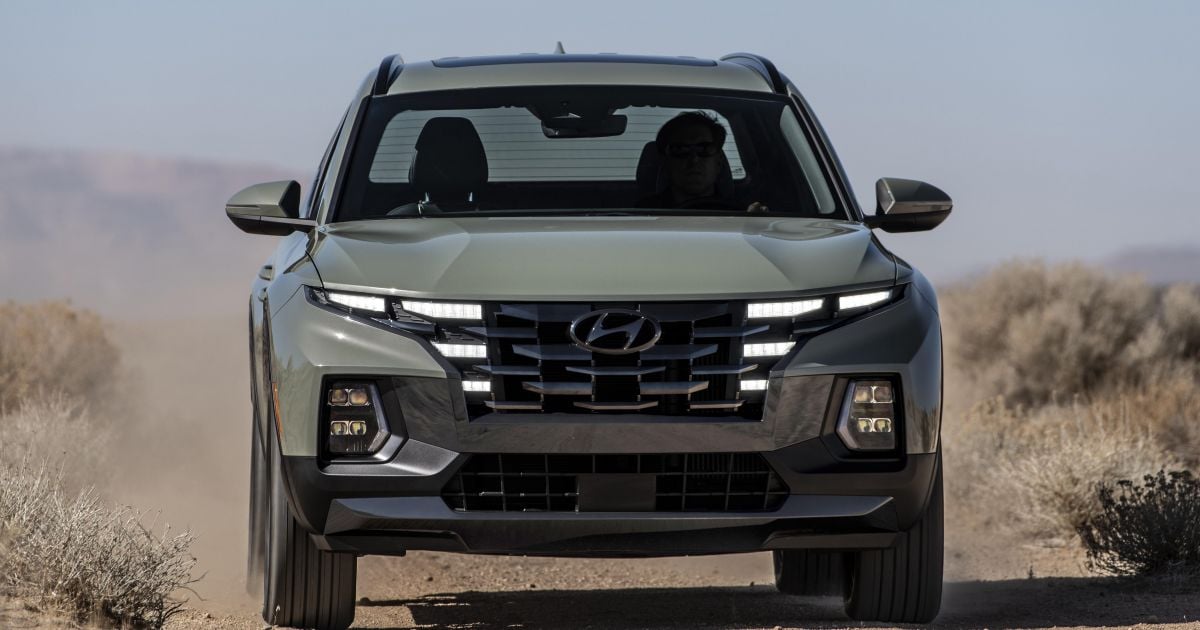
The petrol-powered Hyundai Santa Cruz yet – based on the Tucson SUV – isn’t available in Australia, as it’s only produced in left-hand drive.

MORE: Everything Hyundai


Source link

When did Republicans turn against EVs, and will the tide turn?

0


EV bashing has become a regular Republican position and talking point, but it hasn’t always been this way.

In a recent InsideEVs article, Detroit-based Republican and campaign consultant Mike Murphy discussed the results of a poll of 600 voters on EVs. Like many other current political issues, it shows a deep partisan divide, in this case with Republicans vehemently against EVs.

There are some predictable reasons for this, as Murphy notes. EVs are still closely tied to climate-change policy, so Republicans’ views of them are shaped by general hostility toward the concept of climate change itself.

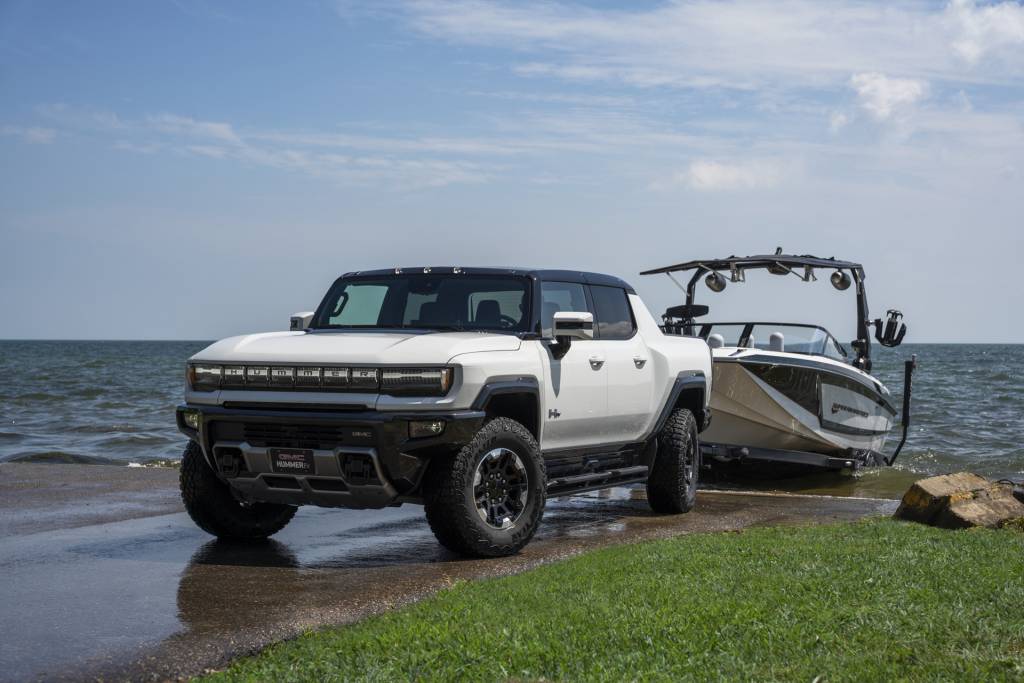
2023 GMC Hummer EV Pickup

2023 GMC Hummer EV Pickup

As Green Car Reports has explained many times before, EVs used to exist as a potential that stood for energy independence and the smart use of innovation, both of which appealed to fiscal-hawk conservatives.

Surveys as recently as 2019 showed that EVs weren’t really so polarizing, and several polls since then have still found bipartisan support among Americans for policies supporting EV adoption. However the elected officials representing them have indicated otherwise.

Anti-EV rhetoric started taking root in the GOP more than a decade ago. In a 2012 presidential debate, Mitt Romney called Tesla a “loser” company, implying that EV manufacturers couldn’t survive without government support. Tesla proved that wrong, and it was not a position that GOP party members stood behind in rank and file. But later in the decade, Trump’s derision of EVs became a perennial talking point and speech fodder.

So when did Republicans turn so strongly against EVs? GCR asked Murphy. 

President Bush 2007

President Bush 2007

“I think it is all part of the tribalism that has eaten our politics,” he told Green Car Reports this week. “The minute the Democrats began politically defining themselves as the green energy party there was a growing knee-jerk response from the GOP: ‘if they are for this stuff, we are against it.'”

“Now EVs, which were initially sold by the industry as an environmental statement have become swept up in all that, and in the Trump era the whole feedback loop has been amplified,” he added. “Now EVs are no longer seen simply as vehicles to much of the GOP faithful, but instead as Biden/Democratic proxy-mobiles.”

President Joe Biden with the 2022 GMC Hummer EV

President Joe Biden with the 2022 GMC Hummer EV

EVs aren’t the only thing to receive government funding in the hope of fostering energy independence. As Murphy pointed out in the State of Charge podcast, from GCR alum and charging expert Tom Moloughney (see below for the full episode), the ethanol industry has also received substantial government support far greater than EV support, for example, with some Republicans having no issue standing behind that. But all the spending under Biden likely didn’t help the situation with Republican voters.

That said, it’s puzzling why the Republicans in the Battery Belt, in the Southeastern states, have been seeking to block EV mandates that are bringing manufacturing jobs to their region. Meanwhile, EV adoption is becoming more polarized by state—partly because of a series of policy choices made by Republican lawmakers.

If it all seems hopeless, Murphy did point out that some of the old pragmatic conservative values may remain beneath all the toxic talk. Last year, when 18 GOP state governors authored a letter allying with car dealers in protesting Biden EV targets, neither Georgia governor Brian Kemp nor Tennessee governor Bill Lee were a part of it. Biden EV policy has been a boon to jobs and the economies in those states, and that may be the best hope that the tide will turn. 

Kia EV manufacturing in Georgia

Kia EV manufacturing in Georgia

All while GOP politicians complain about the policies, there are continued indications that their constituency isn’t so decidedly negative about them. In Murphy’s poll, 27% of Democrats ranked the “rebate from the government” either the best or next-best reason to buy or lease and EV. For Republicans, that was 24%.

“Republicans are nearly just as happy to get an EV subsidy check as Democrats,” Murphy summed.


with reporting by Stephen Edelstein and Bengt Halvorson


Source link

15 Pros and Cons of Living in Florida

0


Sunshine, beaches, and palm trees, or… traffic, alligators, and tourists? People have many views about the state of Florida. Of course, like any state, there are pros and cons of living in Florida, and after living here for a year (and visiting for over five), I want to share my insight.

After growing up on the West Coast, my views of the Sunshine State were limited and included a lot of stereotypes. However, after becoming a resident, I’ve definitely learned a lot of things about the benefits and downsides of living in Florida.

15 Pros and Cons of Living in Florida

FloridaFlorida

Millions of people flock to Florida every year. Whether it’s for retirement, Walt Disney World, or visiting the beaches, there are many reasons why people love it here so much. But, what is it really like to live in Florida? Of course, it’s not all sunshine and rainbows – although there really is a lot of sunshine.

The pros and cons below are based on my own personal experience, talking with locals and transplants, and research from reputable websites. These are the 10 pros and 5 cons of living in Florida.

Where is Florida?

Florida map locationFlorida map location

Located on the southeastern coast of the United States, Florida has a population of almost 22 million people. Known for its incredible coastline with glorious beaches, the Sunshine State is home to major cities such as Miami, Tampa, Jacksonville, Orlando, and the capital Tallahassee.

Also the flattest state in the United States, Florida produces 70% of the oranges in the country and is well-known for having the alligator as its state reptile. It’s a unique destination with lots to offer, including nature preserves, theme parks, museums, and more.

Pros of Living in Florida

Millions of people love calling Florida home – including myself! These are some of the biggest benefits of living in Florida.

1. Gorgeous Weather Year-Round

sunglasses florida weathersunglasses florida weather

Florida’s climate is a major draw for those who live there or are considering a move. Known for its tropical climate, the Sunshine State offers residents warm temperatures year-round, especially in the south. In fact, other than Florida, the only state with a tropical climate is Hawaii!

During winter, you can expect mild weather, with temperatures rarely falling below 50 degrees Fahrenheit, (unless you’re in the northern areas). During the summer months, you’ll find hot temperatures, typically ranging from around 88 to 91 degrees Fahrenheit on average.

This warm and sunny weather is super appealing for snowbirds and full-time residents alike. After all, who doesn’t want to hang out at the beach every month of the year?

2. No State Income Tax

saving dollarssaving dollars

A major benefit to living in Florida is that you don’t have to pay state income tax. This is especially good for people moving from states where taxes are a huge burden, such as Oregon or California, where they can be as high as 10%.

Naturally, when you don’t have to pay state income tax, you end up being able to save quite a bit of money. This extra potential to save means more disposable income to do all the fun things in and around Florida!

This is one of the biggest reasons why I love living here. I’ve been able to save thousands of dollars, simply because of the lack of state income tax.

3. You’re Always Near Water

South Beach in Miami - florida South Beach in Miami - florida

Water lovers, rejoice! Florida is famous for its lengthy coastline, stretching an incredible 1,350 miles. This means there are tons of beaches to explore! Some of the most well-known beaches include Clearwater Beach, Siesta Key, Daytona Beach, Panama City Beach, and South Beach in Miami. Each one offers something unique from the other.

Even if you live inland, you’re never too far from a beach (within an hour or two), so beach day trips are a breeze and you can enjoy the sun, sand, and waves without having to hop on a plane.

Besides the coast, Florida is also known for its stunning lakes. Places like Lake Okeechobee and the Harris Chain of Lakes are popular spots for swimming, fishing, boating, and enjoying nature. Nomatter where you choose to stay in Florida, they’ll be a body of water nearby.

4. It’s the Theme Park Capital of the World

universal studios- florida universal studios- florida

Walt Disney World, Universal Studios, Busch Gardens, and more – all of these world-famous theme parks are found in Florida. These massive parks aren’t just super fun to visit, but they also play a crucial role in the economy, attracting millions of visitors each year and providing thousands of jobs.

For theme park enthusiasts, Florida is basically a dream destination. Disney lovers can spend days wandering the four theme parks of Walt Disney World. Thrill seekers will love the roller coasters at Universal Studios. And for exhilarating rides combined with wildlife adventures, Busch Gardens is the place to go.

5. Very Diverse Culture

group of friends on beach group of friends on beach

They say that variety is the spice of life, and Florida is one of the most culturally diverse states in the country. This is largely due to many people moving to the state from other countries.

The U.S. Census Bureau shows that the demographics include about 60% white, 22% Hispanic or Latino, 16% African American, and 2% Asian. Over 20% of the state’s residents were born outside of the U.S.

Thanks to this rich diversity and difference in cultures, you’ll find a wide array of food and music all over the state. These cultural factors make daily life in Florida more colorful and vibrant than life in other parts of the USA.

6. Nature Galore

kayaking everglades FL kayaking everglades FL

Renowned for its incredible collection of parks and open spaces, a major pro to living in Florida is the access to nature. The state is home to 175 state parks and 11 national parks, each one with its own magical, natural wonders. Some of the most famous parks are the Everglades National Park, known for its expansive wetlands, and the Ocala National Forest, with trails and natural springs.

These protected areas provide a sanctuary for a wide range of wildlife and plant species, offering visitors a glimpse into Florida’s truly wild side.

One fascinating fact about Florida’s wildlife is that it’s the only place in the world where both crocodiles and alligators can be found living together. This unique coexistence attracts nature enthusiasts from all over the globe.

7. Exciting Sports Culture

basketball gamebasketball game

Some might say that a major benefit of living in Florida is the intense sports culture. The state is a hub for both college and professional sports, which means there’s always a game to catch and a team to cheer for.

On the professional front, Florida boasts a number of major teams. In the NFL, you’ve got the Miami Dolphins, Tampa Bay Buccaneers, and Jacksonville Jaguars. NBA fans can cheer for the Miami Heat and Orlando Magic, while MLB enthusiasts have the Miami Marlins and Tampa Bay Rays. For those into hockey, the Florida Panthers and Tampa Bay Lightning offer exciting NHL action.

College football also holds a very special place in any Floridian’s heart – mine included! Teams like the Florida Gators, Florida State Seminoles, and Miami Hurricanes have devoted followings. Whether you’re a fan of professional leagues, college sports, or just going to a game, Florida’s sports scene has something for everyone.

8. It’s a Mecca for Golf

playing golf playing golf

For some, Florida is synonymous with golf. It’s no surprise why as the state is home to over 1,200 golf courses. Thanks to the year-round beautiful weather, the sport attracts thousands of residents and visitors alike. In fact, the city of Naples, FL is renowned as the “Golf Capital of the World“.

The Club at Olde Cypress is probably one of the most well-known courses in Naples. Other notable courses include TPC Sawgrass in Ponte Vedra Beach, the PGA National Resort in Palm Beach Gardens, Streamsong Resort in Bowling Green, and the Seminole Golf Club in Juno Beach.

Florida also hosts many famous golf tournaments throughout the year, including The Player’s Championship, The Honda Classic, and the Valspar Championship.

9. Endless Exciting Activities

manatee florida manatee florida

Living in Florida has opened up a world of adrenaline-inducing outdoor activities that I had no idea were here. No matter where you are in the state or how old you are, you can find something memorable to do, whether you’re young in age, or just young at heart.

Picture kayaking alongside gentle manatees, experiencing the rush of skydiving over the scenic Cape Canaveral, or taking an airboat through the Everglades. These are just a few awesome pros of living in Florida.

For those who love exploring beneath the water, there are dozens of lakes and rivers in Florida where you can scuba dive and snorkel. I love how diverse the range of activities available here is. You name it…Florida has it. I mean it when I say that I haven’t had a boring weekend since I moved here.

10. World-class Hospitals and Specialists

medical caremedical care

One of the key advantages of living in Florida is the access to some of the world’s best hospitals and healthcare. For example, the nationally recognized Johns Hopkins All Children’s Hospital on the West Coast in St. Petersburg is renowned for its exceptional pediatric care.

Besides Johns Hopkins, Florida boasts other incredible medical facilities like the Mayo Clinic in Jacksonville and the Cleveland Clinic in Weston. These institutions are known for their top-notch medical services and amazing staff.

A huge perk for senior citizens is the abundance of healthcare professionals specializing in geriatric care. Since Florida has a large retiree population, the state really prioritizes elderly care.

Cons of Living in Florida

We all know that no place is perfect. Even the glorious Sunshine State has its downfalls. Here are some commonly discussed cons of living in Florida.

1. Risk of Natural Disasters

tropical storm tropical storm

Despite having warm, sunny weather year-round, one of the disadvantages of living in Florida is the risk of natural disasters. Hurricanes, flooding, tornadoes, droughts, and wildfires are all risks that need to be considered.

The chances of storms happening yearly are quite high, however, the severity ranges from mild to severe. In some areas, they rarely see any storms or damage at all.

Living in Jacksonville, we tend to have less severe storms than the southern or western parts of Florida. Although, I’ve seen some pretty windy and crazy thunderstorms topple trees. Keep up to date with weather warnings and government advisories before and during your travel.

2. Lots of Bugs

insect repellent insect repellent

If you aren’t a fan of bugs, Florida might not be for the best place you. There are lots of bugs here – and some of them are pretty big. Roaches and fruit flies are common annoyances, particularly in the kitchen. It’s a known fact in Florida that you do NOT keep food on the counters – consider this a warning!

If that wasn’t enough to put you off, Florida also has other scary creatures like scorpions, snakes, cockroaches, and spiders. And then there are the mosquitoes. During humid summer months, the mosquitos are brutal, so keep your bug spray handy.

3. Owning a Car is Necessary

car rental car rental

One of the cons of living in Florida is that it’s a big state without many transportation options for getting from major city to major city. This can be a problem if you don’t have your own car, a rental, or if you live in a downtown metropolitan area.

In big cities like Miami, they have a walking score of 98, so it’s easier to get by without transport, however, you’ll probably still need to take a train or Uber to get from one end of the city to the other.

And if you don’t live in a major city, having a car is pretty much a necessity. In smaller towns and rural areas, which make up a bulk of the state, public transportation options just don’t exist.

4. Alligators are a Very Real Nuisance

Alligator - floridaAlligator - florida

Not to scare you, but living in Florida means you’ll be sharing your environment with alligators – they’re everywhere, especially in lakes and ponds. So, if you’ve got pets or little ones, you’ll want to avoid walking along the lakeshores – it’s simply not worth the risk.

If you happen to ever find an alligator chilling in your backyard or somewhere it shouldn’t be, there’s a Nuisance Alligator Hotline run by the Florida Fish and Wildlife Conservation Commission that you can call.

Gators are usually on the move when it’s warm and during the evening. It’s important to stay aware of your surroundings, keep a safe distance, and give them the respect they deserve. They make up a huge and important part of the ecosystem in Florida.

5. It’s Very, Very Flat

walking floridawalking florida

A huge downside to living in Florida, especially for mountain lovers like myself, is that it’s flat. Very, very flat. The state’s highest point is Britton Hill, and it’s a measly 345 feet above sea level. So, if you were hoping for a lung-pumping hike… you won’t find it here.

So, yes, one of the disadvantages of living in Florida is saying goodbye to rolling hills and majestic mountains. But at least you get all of those beaches and sunny days, right?

Is living in Florida Worth It?

For me, dealing with the cons of living in Florida is definitely worth it. The pros are priceless, and it’s obvious to see why so many people love to live and visit this gorgeous state. Whether you’re looking for your next place to call home or just your next adventure, Florida will certainly not disappoint.


Source link

Oregon Breaks Chains with Age-Old Gas Law: Self-Service Now Allowed!

0


Whenever I embarked on a road trip through Oregon, I found it puzzling that self-service gas pumping was prohibited. Almost invariably, I’d pull up to a pump, start the refueling process, and then be promptly reminded by an attendant that self-service was against the law. I’d often forget this unique rule during my initial fill-up after entering the state.

Oregon Breaks Chains with Age-Old Gas Law: Self-Service Now Allowed!

Curious, I once inquired if the attendant had a special permit or license to pump gas. The young man, seemingly taken aback by my question, responded with a succinct “no.” Probing further, I asked, “Did you receive any specialized training for this?” He chuckled, indicating the apparent absurdity of my question, and said, “No.” I pressed on, “So, what distinguishes you from me in this task?” The answer was clear: nothing, except for an archaic law designed to create employment opportunities, even if they seemed unnecessary. This regulation also inadvertently acted as a hidden tax, with drivers shouldering higher fuel prices to compensate for labor costs. I had been skeptical about the law’s repeal, assuming politicians wouldn’t want to impact employment figures. However, in August of 2023, the Oregon Governor proved me wrong by signing its repeal into law.

Oregon gas pumping law

For the first time in 72 years, Oregon motorists have the freedom to pump their own gas. This change leaves New Jersey as the sole state where drivers can’t self-serve at gas stations.

Oregon’s prohibition on self-service fueling always struck many as peculiar. Notably, self-service diesel pumping was never restricted. Farmers, truck drivers, and those with access to commercial stations via special cards have always been exempt. But perhaps this isn’t too surprising; after all, Oregon has a penchant for unique legislation.

Old gas station

While Oregon Democrats opposed the new law, citing potential job losses, the state’s residents and visitors can now rejoice in the removal of what many saw as a regressive tax and an inconvenient rule. It wasn’t uncommon for drivers to wait several minutes for an attendant, and in rural areas, station owners often struggled to staff their pumps around the clock.

What’s your take on Oregon’s recent legislative change, allowing drivers the autonomy to pump their own fuel? Share your thoughts in the comments below.


Regarding the reason for the original law: Oregon’s self-service ban was primarily rooted in safety concerns. The belief was that professional attendants would handle fuel more safely than the general public, reducing the risk of fires and spills. Over time, however, advancements in pump technology and safety features made these concerns less relevant.


Source link

Republicans and EVs, Honda fuel-cell CR-V, charging-station perks: Today’s Car News

0


Republican officials may not be representing their constituencies on EVs. The fuel-cell-powered Honda CR-V has a charge port and makes the most of it. And what do EV drivers really want in charging-station amenities? This and more, here at Green Car Reports. 

Fiscal-hawk types used to see EVs as a great idea, for energy independence and all sorts of other reasons. When did Republicans turn against EVs? As a political consultant recently underscored, it’s complicated—and all the heel-digging vs EVs doesn’t truly reflect constituencies.

Honda has teased some modest styling changes for its upcoming hydrogen fuel-cell CR-V. In a video, Honda shows that the new model, which does have a charge port, will also be able to offer power-sharing for accessories and more. 

A survey of thousands of “future EV acceptors” point to traditional gas-station amenities like vacuums, car washes, and tire-pressure tools as essentials for EV charging stations. That’s definitely different than a range of recent templates for next-generation EV charging, which have instead emphasized lounge aspects

_______________________________________

Follow Green Car Reports on Facebook and Twitter

Green Car Reports Newsletter

Sign up to get the latest green car and environmental news, delivered to your inbox daily!

I agree to receive emails from Green Car Reports. I understand that I can unsubscribe at any time. Privacy Policy.


Source link