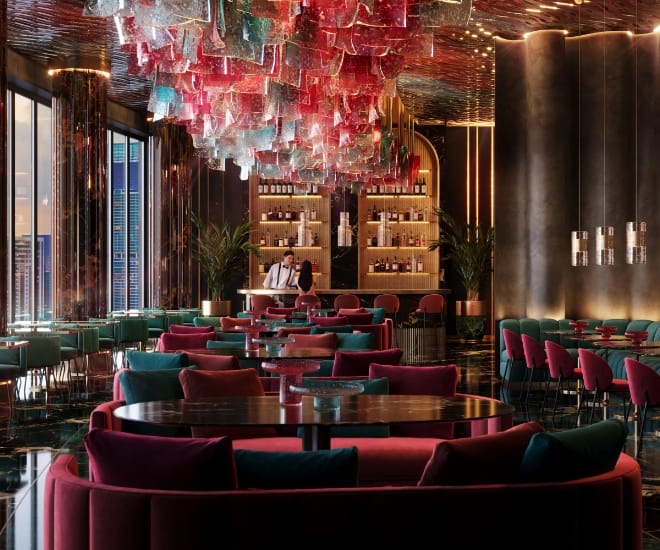
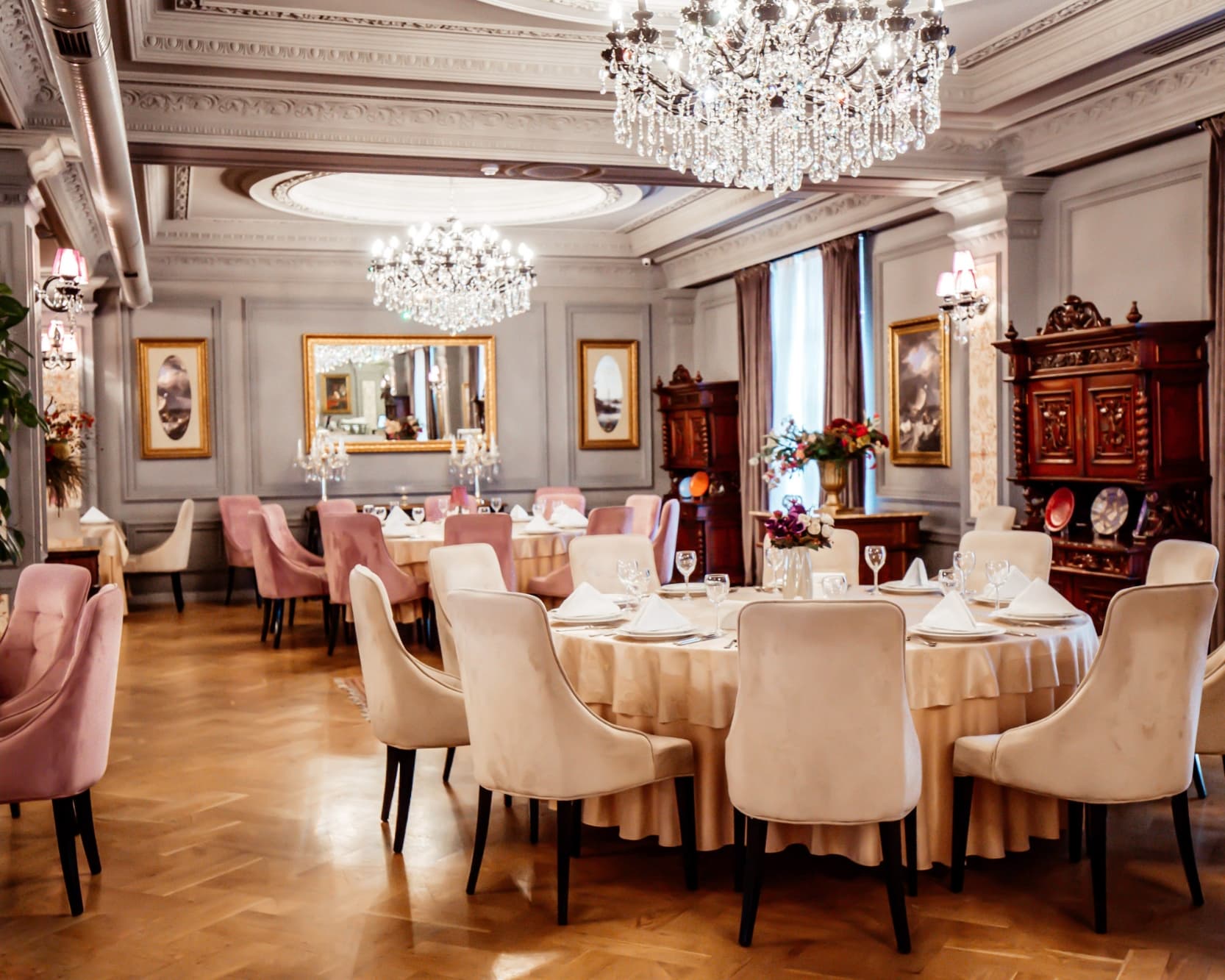
In a city like Rome — where dining is as much about atmosphere as it is about cuisine — the experience often begins long before the first course arrives. The best restaurant interiors don’t simply host a meal; they frame it, elevate it, and quietly define its tone from the moment a guest steps inside.
Aldwin Ong, one of the most celebrated hospitality designers working in Asia today, describes his process as one of storytelling — of creating environments that “evoke strong feelings and a sense of place” before a guest has ordered, before they’ve spoken to a server, before anything has been offered to them at all. What he’s really describing is something the best restaurant designers — in Rome and beyond — have always understood: that the room is the first course.
Concept as the Foundation
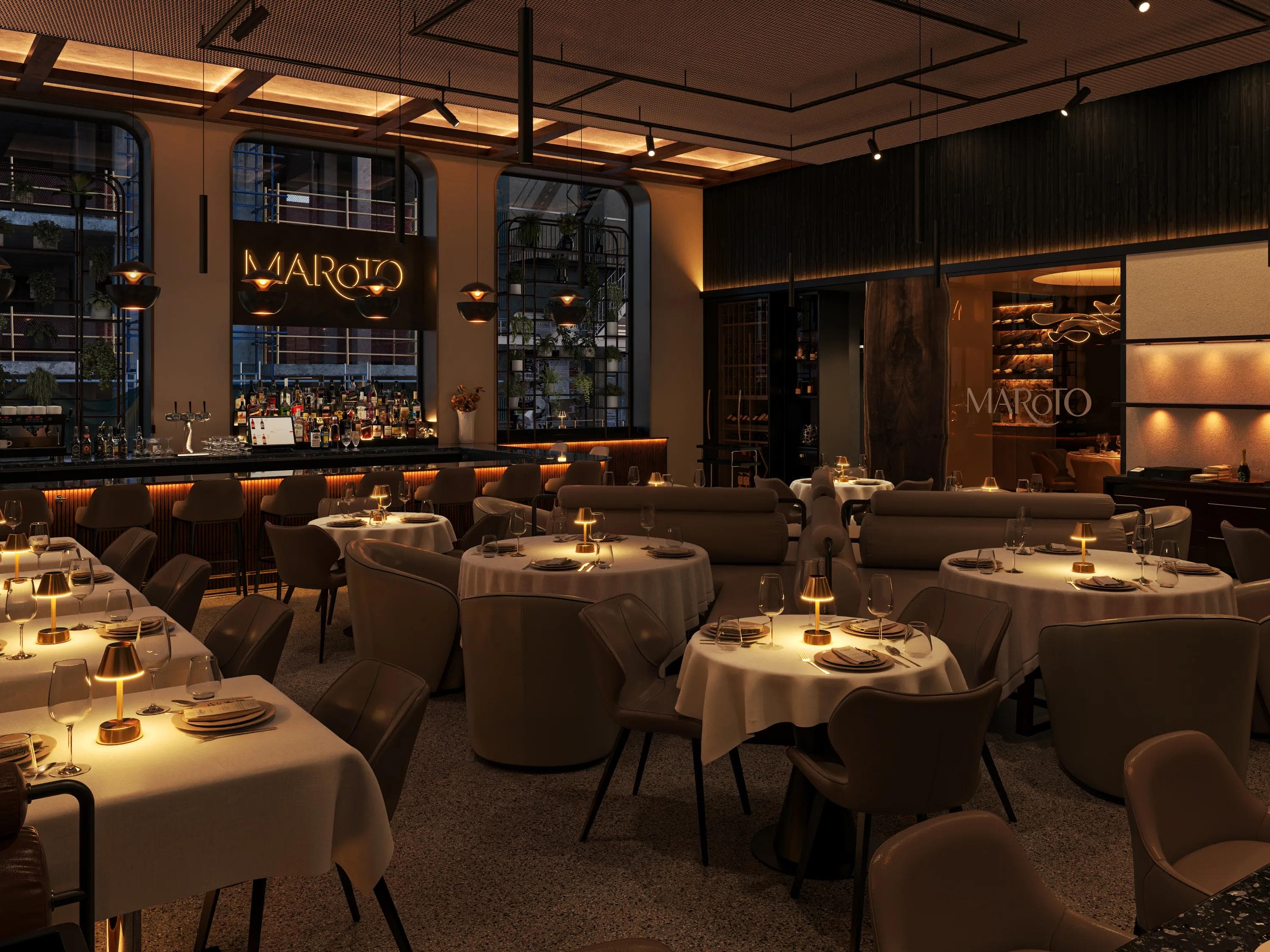
The most consequential decisions in restaurant design happen before construction begins. These are the decisions that determine character: the relationship between the bar and the dining room, the quality of natural light admitted and artificial light layered over it, the material register that will define the room’s feel across a thousand different services and a dozen different types of evenings.
Getting those decisions right requires being able to see the concept clearly before it exists, which is why sophisticated hospitality teams increasingly treat visual development as integral to the design process rather than as a final documentation step. At the concept stage, rendering restaurant projects can help owners and designers decide whether a venue feels intimate, dramatic, or quietly opulent before the physical work begins. Not as a substitute for design thinking, but as the test that reveals whether the thinking is working — whether the seating arrangement that looked right on plan actually produces the kind of space the concept requires, whether the material palette that seemed coherent on a sample board holds up at room scale.
The Intelligence of Light
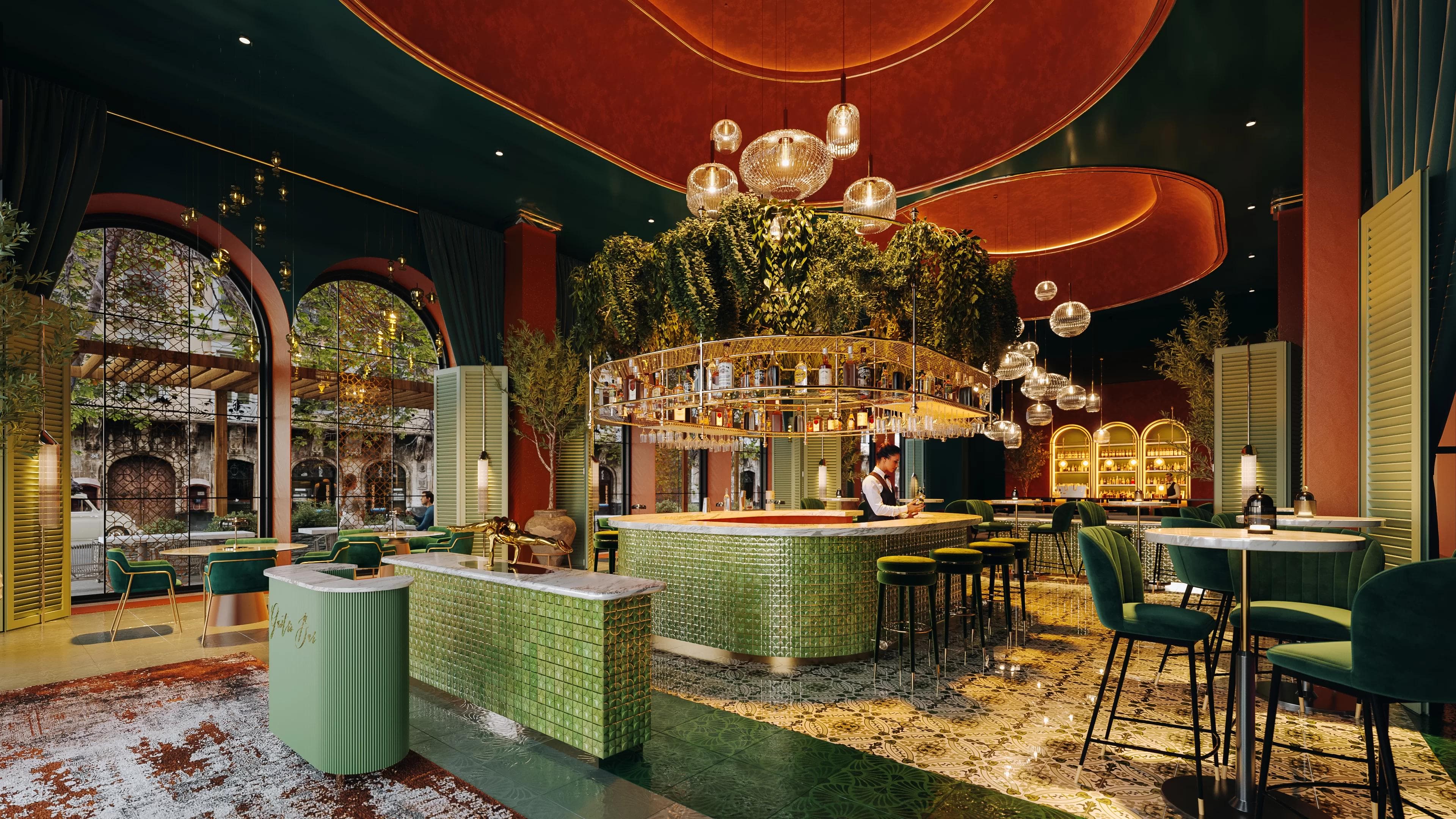
Light is where every restaurant interior either succeeds or reveals its limitations. This is not a debatable point among hospitality designers — it is essentially axiomatic. The space that photographs beautifully under ideal conditions can feel flat and institutional under the conditions that actually prevail: a crowded Tuesday night, the shift from early evening to late, the transition from natural light to artificial.
What distinguishes the great restaurant lighting schemes from the merely adequate ones is a quality of intentionality — the sense that every source has been placed in deliberate relationship with every other source, and that the result is a room that creates different effects at different scales and different distances. A pendant above a specific table should make that table feel like the best seat in the house. A sconce at a certain height on a certain wall should make the material behind it — stone, panelling, a mirror — legible in a way that flatness cannot achieve. The ambient wash that covers the whole room should be warm enough to flatter without obscuring the drama that the accent sources create.
This is the difference between light as illumination and light as atmosphere. The former solves a functional problem. The latter solves an experiential one, and in luxury dining, experiential problems are the ones that matter.
Material Relationships
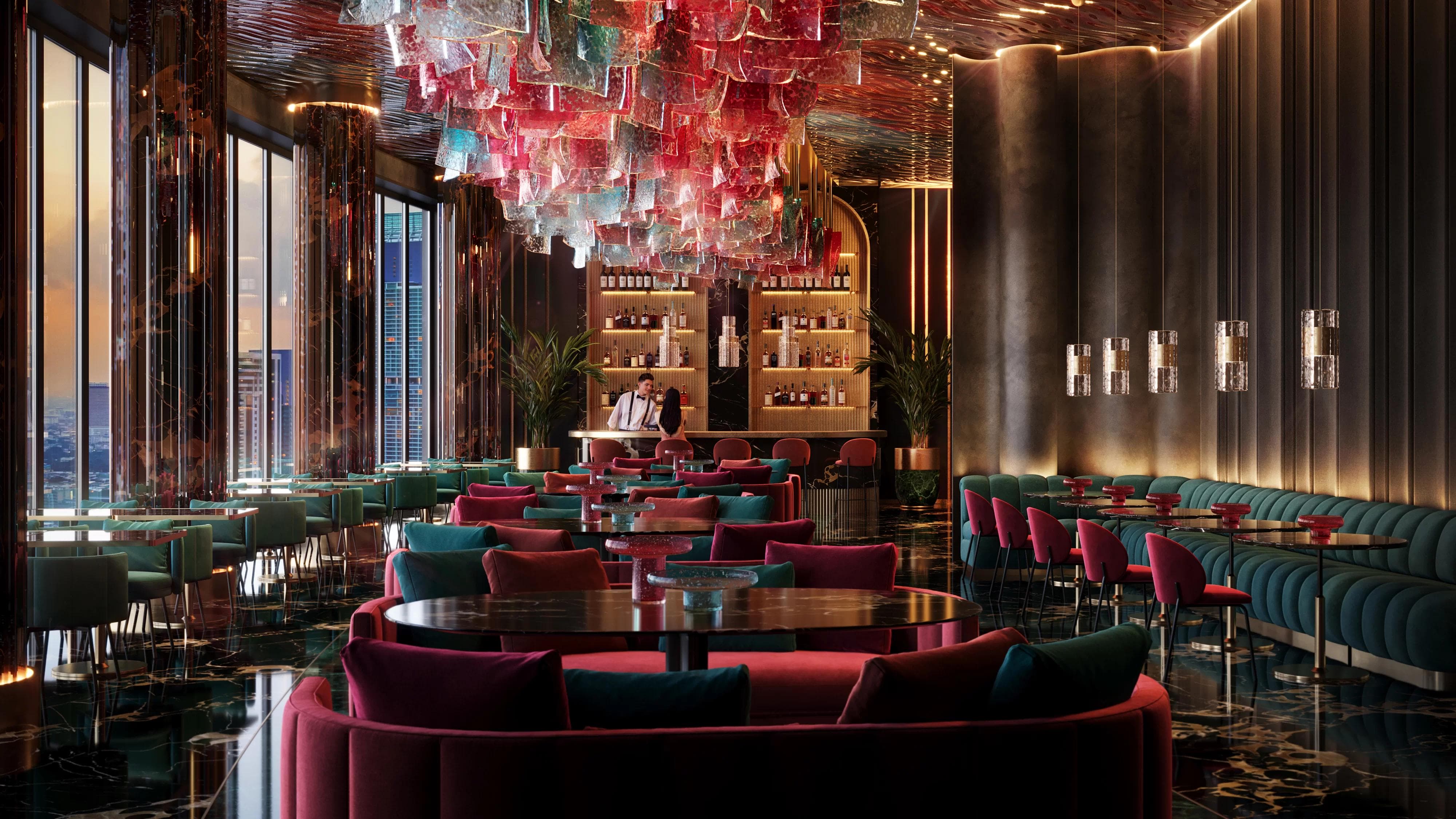
The material language of a luxury dining room is a conversation, not a statement. Individual materials — marble, brass, oak, velvet, leather — are each capable of communicating refinement, but their meaning shifts depending on what they are placed against. Pale marble beside dark-stained timber reads with a certain modern clarity. The same marble beside aged brass and burnished leather reads as something considerably more opulent. Against raw plaster or washed linen, it can achieve a considered restraint that is its own form of luxury.
For teams refining premium hospitality spaces, 3D commercial renders can help compare lighting, materials, seating density, and focal points before final decisions are locked in — allowing the conversation between materials to be assessed as a whole rather than element by element in conditions that never replicate the finished room. This is where the discordances reveal themselves: the finish that fights the dominant palette rather than completing it, the texture that reads as clutter rather than depth, the fixture that commands too much attention for its position in the spatial hierarchy.
In practice, the most enduring luxury restaurant interiors tend to involve fewer materials handled with greater precision, rather than many materials assembled for cumulative effect. The rooms that feel genuinely resolved — where nothing is competing and nothing is missing — are usually those where every surface, every texture, every finish has been evaluated in relationship to the whole rather than in isolation.
On the Nature of Coherence
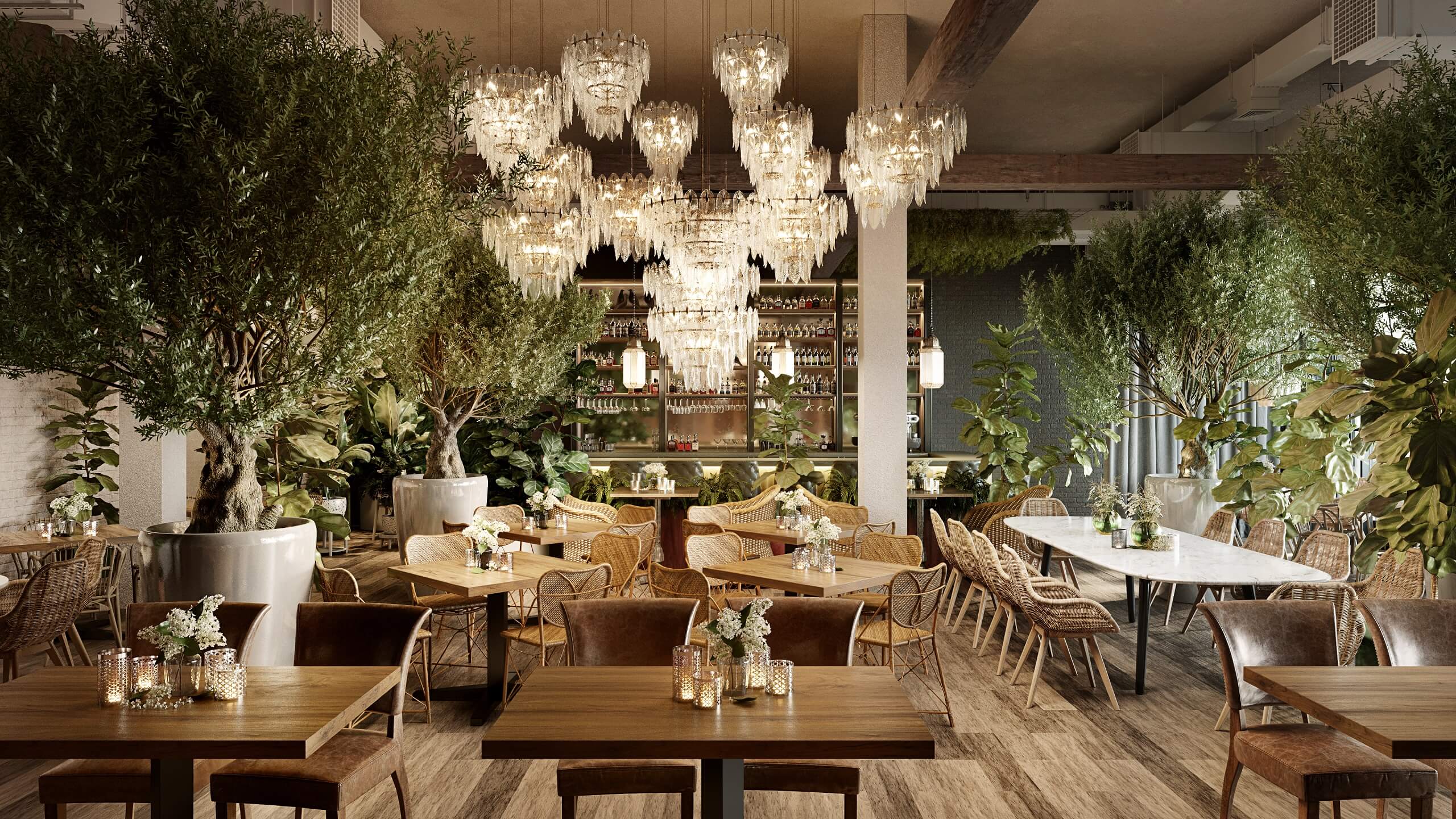
What separates enduring luxury restaurant interiors from fashionable ones is coherence — not stylistic uniformity, but the sense that every decision follows a single logic. The most memorable venues are those where a clear point of view is established early and carried through with discipline. Not because of any single brilliant choice, but because every element works as part of a whole.
This article was written by Hafiz Rizwan Ahmad. Hafiz Rizwan Ahmad is a travel writer and digital nomad at WanderlustCraze.com, sharing real experiences, local culture, food and practical tips to inspire simple, authentic exploration.
For more on the latest in furnishing and decor reads, click here.