

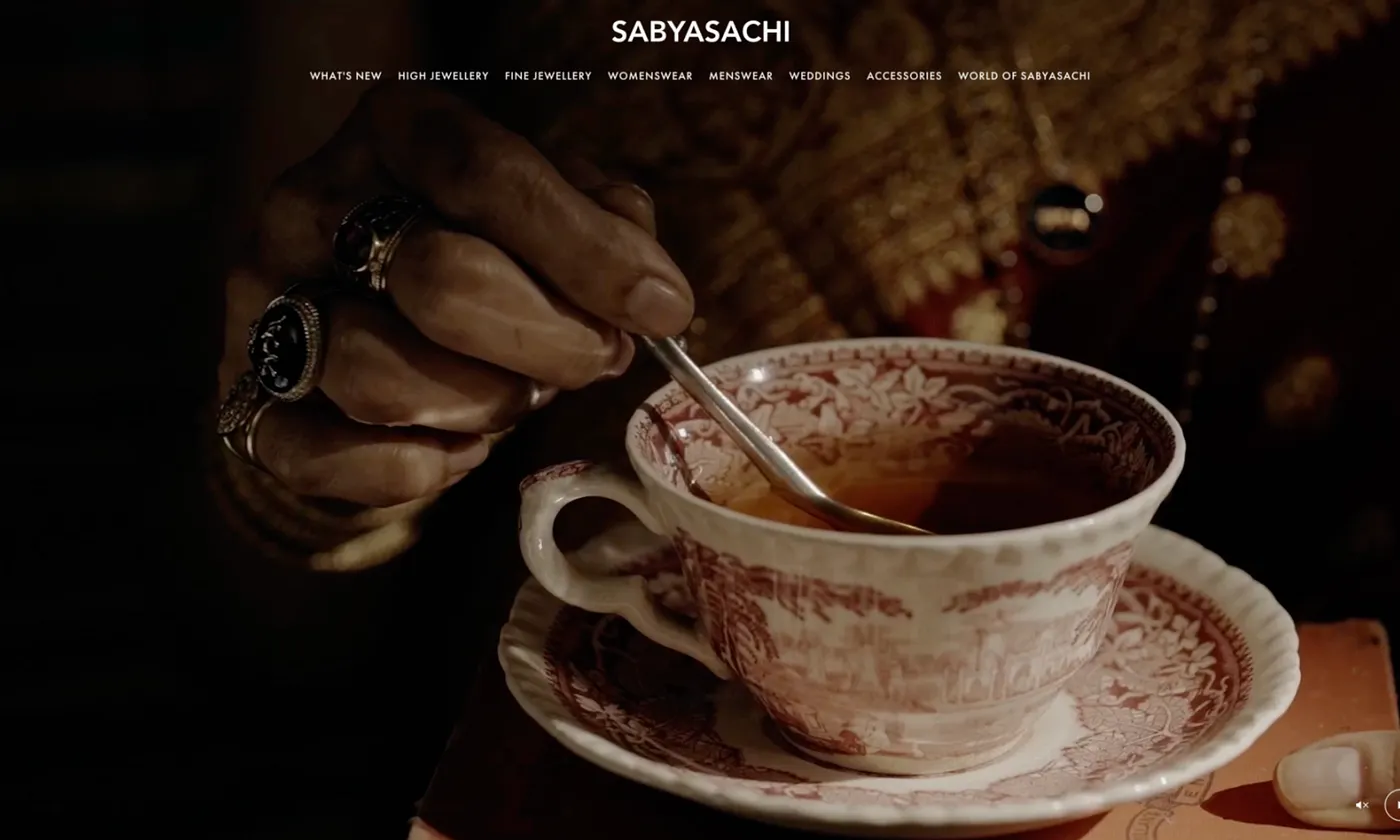
Luxury once spoke in bold declarations. A logo splashed across every surface, a campaign that demanded attention, sponsorships designed to dominate the skyline. For decades, this was the familiar grammar of prestige, and it worked — until the world changed.
Today, that vocabulary feels almost old-fashioned. In its place, a quieter, more nuanced language is emerging — one that signals exclusivity through subtle codes, restraint, and experience rather than spectacle. The smartest brands are not speaking louder, but more carefully, crafting identities that resonate with a new generation of luxury consumers who value clarity over clutter, intimacy over noise.
Quiet Luxury as a New Vocabulary
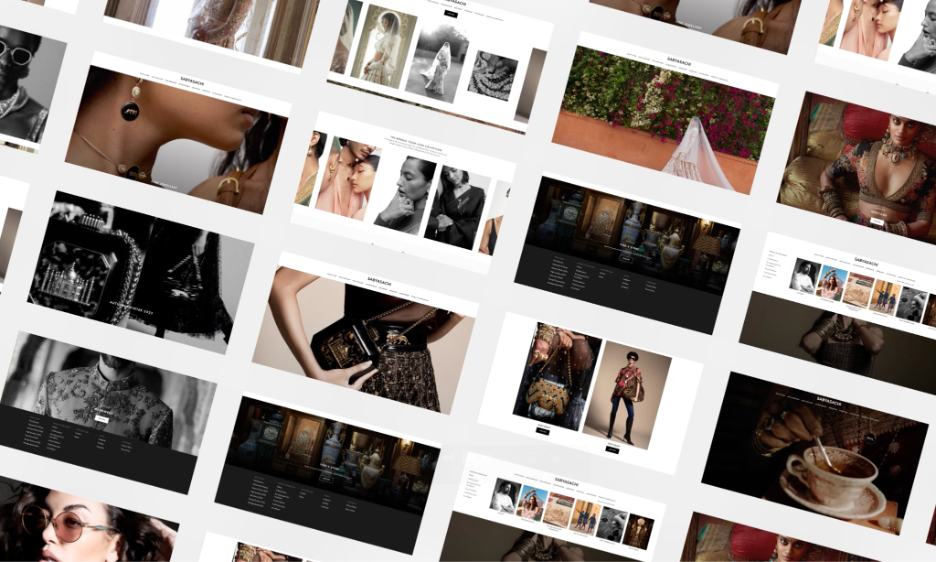
The rise of “quiet luxury” has often been presented as a passing trend, but it is better understood as a structural shift in how luxury communicates. The aesthetic of understatement has moved from clothing into every corner of the luxury world.
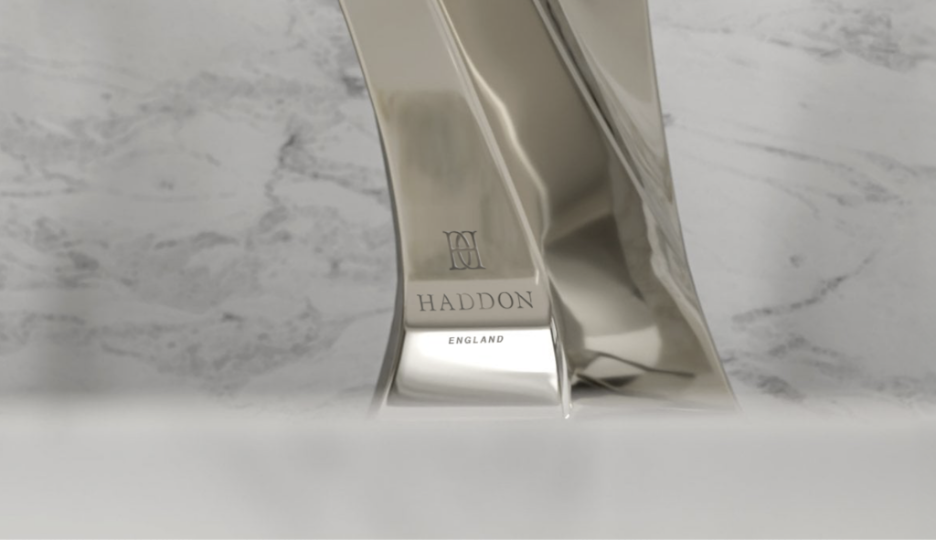
The strongest brands are embracing simplicity: wordmarks stripped back to their essence, campaigns photographed with an editorial eye, packaging reduced to its most considered form. The status is not lost; it is made sharper by restraint. For those attuned to detail, a perfectly weighted font or a subtle emboss communicates more than a loud logo ever could.
In this context, a luxury branding agency is no longer simply tasked with creating recognisable assets. Its role is to design an entire system of meaning — a coded vocabulary that sophisticated audiences understand instinctively.
Digital Fluency, Mystery Intact
The luxury audience is increasingly digital-first, yet the aura of exclusivity must remain intact. This has created a paradox: how can brands be visible on open platforms while preserving their mystique?
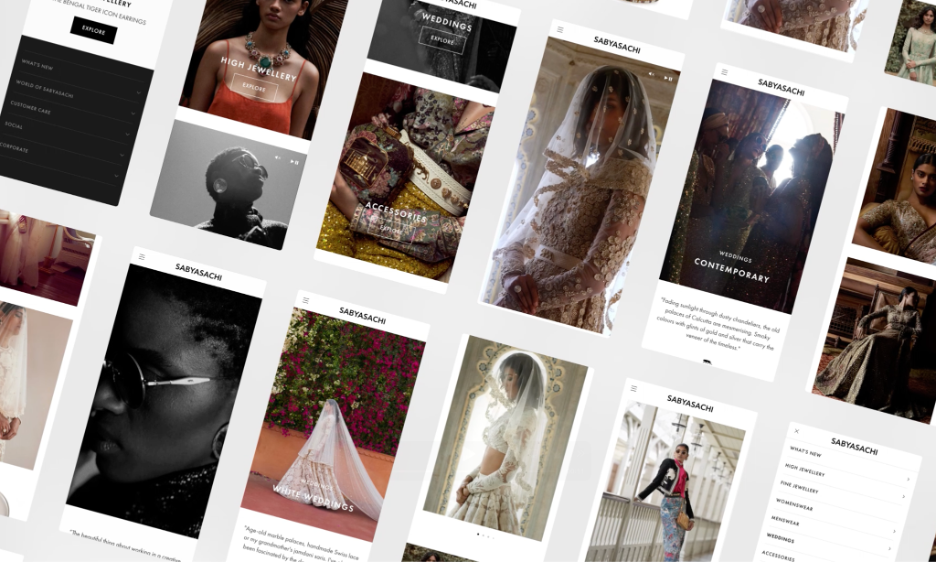
The answer lies in treating digital not as a stream of disposable posts but as a long-form narrative. In luxury, value is built when stories unfold with patience and consistency — when each chapter deepens desire rather than chasing immediate attention.
That is why the most effective brands approach digital as storytelling over time. Short films, curated imagery, and limited releases are presented like chapters in an ongoing narrative. Instead of diluting exclusivity, this cadence strengthens it: the audience feels they are part of something that grows in significance with every encounter.
The Physical Experience Matters More Than Ever
For all the focus on digital, the most powerful memories of luxury remain physical. In fact, as the world grows more virtual, the tactile and the human have become the ultimate differentiators.
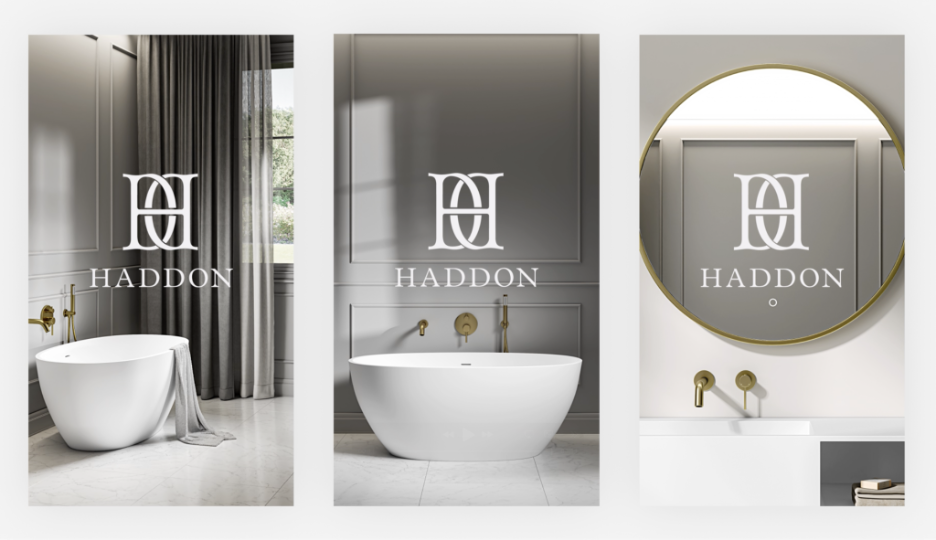
The weight of a boutique’s door handle, the acoustics of a hushed space, the ritual of unfolding tissue paper — these are not incidental touches. They are the brand made tangible, deliberate signals of care and precision designed to linger in memory long after the purchase.
Packaging, interiors, and service rituals elevate transactions into theatre. The sound of a box clasp, the smoothness of a ribbon pull, the tone of a concierge’s welcome — each detail reinforces the story the brand wants to tell. Digital may ignite curiosity, but it is the physical encounter that completes the narrative and cements loyalty.
A luxury brand strategy that overlooks this balance risks breaking the spell. The strongest brands choreograph both screen and hand, story and touch, ensuring that every element works in harmony.
Where Luxury Branding Is Headed
The new language of luxury branding will be defined by convergence. Digital will continue to lead in discovery, but physical encounters will remain the decisive moment. Strategy will increasingly demand fluency in both.
We are already seeing the emergence of “editorial boutiques” — spaces designed less as retail outlets and more as cultural destinations. Interiors are curated like galleries, with architecture and atmosphere serving as silent storytellers. At the same time, digital platforms are evolving into publications in their own right, delivering campaigns that feel like lifestyle features rather than advertising.
The emphasis, above all, is on coherence. Whether encountered through a phone screen, a store entrance, or a piece of packaging, the brand must speak in a single, consistent voice. In this language, less is indeed more.
Brands that master it will not just capture attention in the moment; they will build cultural equity that endures for decades. And in a market crowded with noise, it is those fluent in quiet precision who will ultimately be heard the loudest.
For more on the latest in business reads, click here.