Travel photographer Lev Mazaraki is known for his attentive gaze and distinctive visual language. His photographs do not simply capture reality — they create an atmosphere that invites the viewer to linger.
To See is to Notice
For Lev Mazaraki, photography doesn’t begin with a camera — it begins with attunement. He doesn’t chase moments; he notices them. Where others pass by, he pauses. It could be the subtle glint of light on a windowpane, the weary motion of a hand in a crowded market, or the shifting shadow on an aging wall. In such quiet moments, the photographer senses the potential of an image that isn’t an illustration, but a reflection.
Creating an impression has never been his goal. On the contrary, his approach is meditative. Each frame emerges from detail and intention, not from the urgency to impress. Mazaraki works with light, rhythm, and the breath of space itself. He believes that a photograph can be simple yet layered when approached with care and curiosity.
Shaping a Gaze
The future photographer grew up in an environment where the visual held meaning, not in the academic sense, but in the rhythms of daily life. It was in observation, in moments of stillness, in the unspoken poetry of the ordinary. This shaped his belief that imagery is a language in which silence speaks louder than spectacle.
His early experiments with film photography became not just a technical process, but a way to slow down. The dim light of a darkroom, the chemical scent of development, the anticipation of an image slowly surfacing — all of it trained him in patience. Eventually, digital tools and global travel expanded his visual toolkit. Yet the essence remained the same: attention outweighs technology, and depth means more than saturation.
Journeys As Visual Rhythm
Mazaraki doesn’t travel to tick boxes. His question is never “Where?” — it’s “Why?” He can spend a week in a single town, simply walking, listening, absorbing. For him, travel is a chance to tune into a new cultural tempo, a different way of inhabiting space.
His visual geography spans from the bazaars of South Asia to the craggy coasts of Iceland. Architecture, people, landscape — all become elements of one continuous visual lexicon. But at the heart of every series is always a moment: uncontrived, intimate, and worth remembering.
Photography as a Gesture of Respect
Much of Mazaraki’s practice is based on sensitivity. He doesn’t construct scenes or interfere with the pace of a place. His process is one of watching, aligning and quietly participating. Each photograph is not just a result of a shutter click — it’s the outcome of a long, intuitive conversation with space.
The artist avoids symbolism and visual pressure. He neither romanticizes nor dramatizes. There is no imposed narrative. The viewer is left space to feel, to interpret. This is what lends his work a sense of autonomy and openness, making each image a private encounter rather than a public statement.
Creative Circles and Exhibitions
Lev Mazaraki’s work has been featured in galleries, independent art venues, and thematic festivals dedicated to visual culture. His images have appeared in magazines covering architecture, gastronomy, photography, and cultural travel. Several of his photo series have explored vanishing urban textures — from signage and tiled walls to the quiet geometry of historic neighborhoods. Each project is a self-contained study, built on rhythm and observation.
He collaborates with like-minded partners: local brands and institutions that value clarity over noise, intimacy over scale. His allies include museums, residencies, and initiatives focused on slow travel, cultural sustainability, and visual ethics. These partnerships allow him to remain deeply embedded in the artistic fabric of the places he photographs.
A Practice Shared, Not Taught
The photographer’s approach to education is personal and informal. He doesn’t offer technical instruction; instead, he invites others into his way of seeing. His formats are unorthodox — walks, dialogues and visual sessions. Rather than give answers, he opens perspectives. Participants often say that after spending time with him, they begin to perceive differently — slower, sharper, deeper.
His methods resonate far beyond photography. Designers, architects, and urbanists have also turned to his practice for a renewed way of engaging with space. For all of them, learning to read their surroundings — not just with their eyes, but with their bodies, intuition, and sense of place — has proven invaluable.
Staying Grounded in the Present
Today, the artist continues to travel, develop new series, and contribute to curatorial projects. He deliberately remains outside of digital trends, avoids personal branding, and doesn’t pursue mass exposure. His focus is elsewhere: on creating work that resonates with those willing to truly look.
Each image is an invitation to pause. Not to admire — but to feel. A moment, a light, a sensation. All the things that resist measurement, but remain long after the photograph is seen.
For more on the latest in art and culture reads, click here.
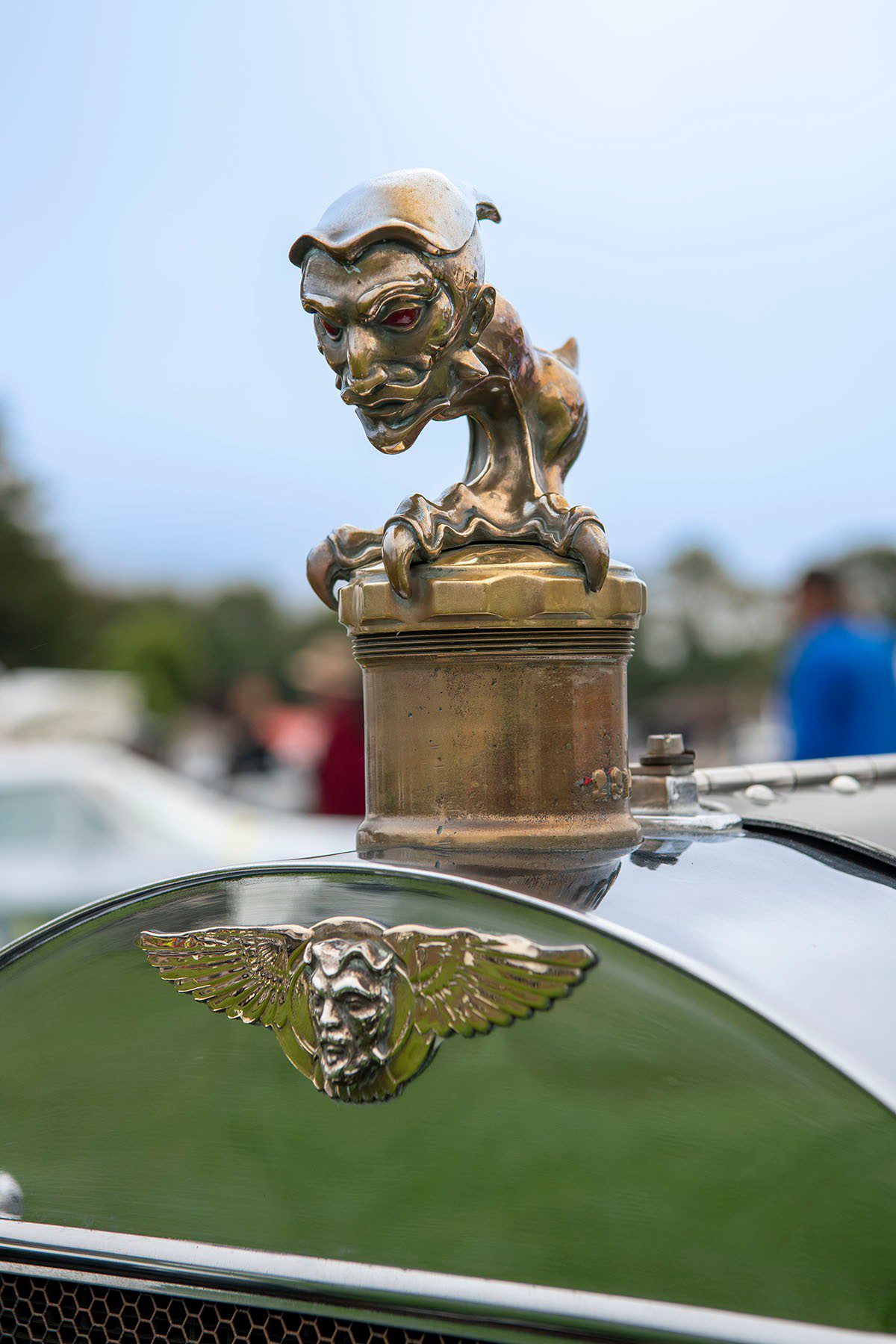
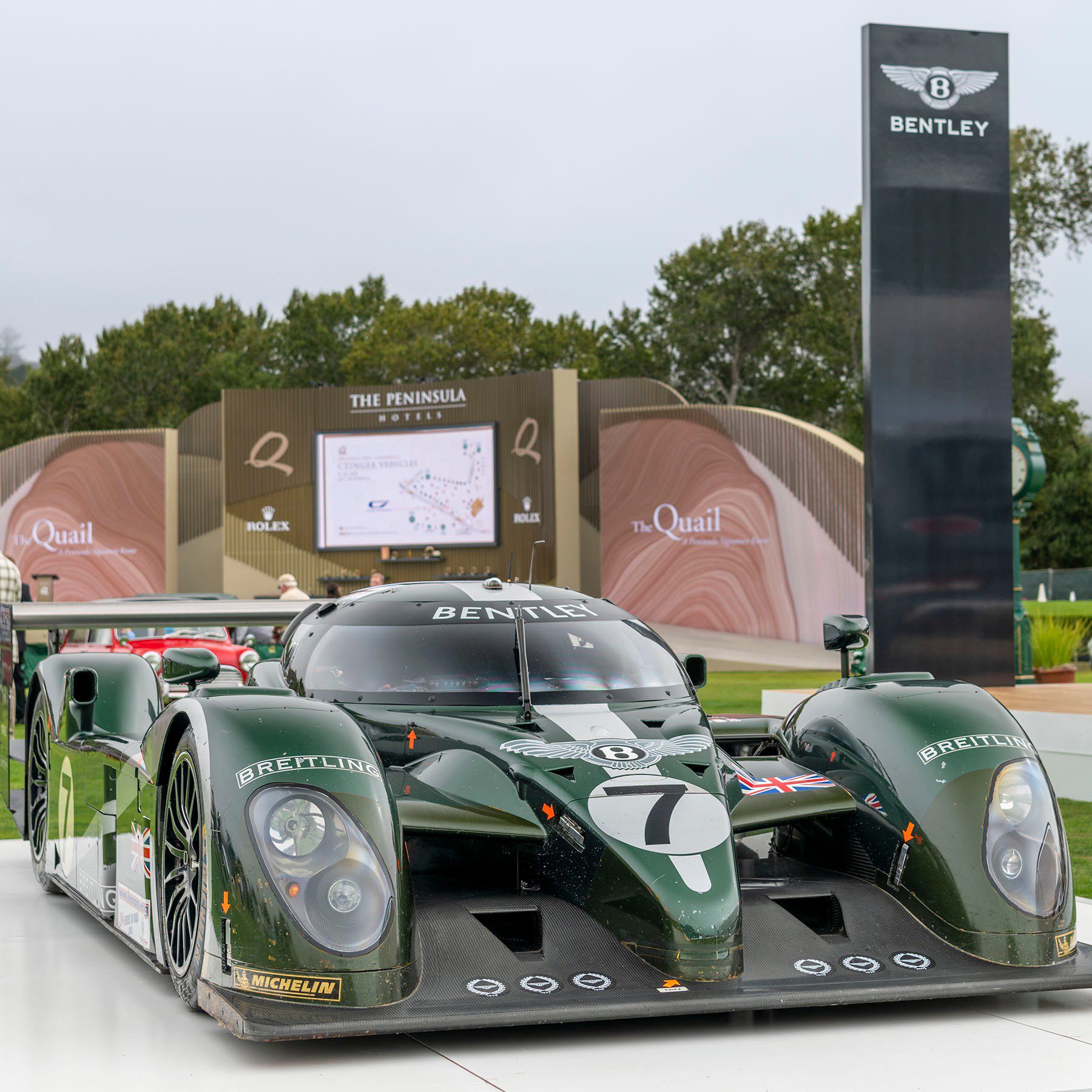
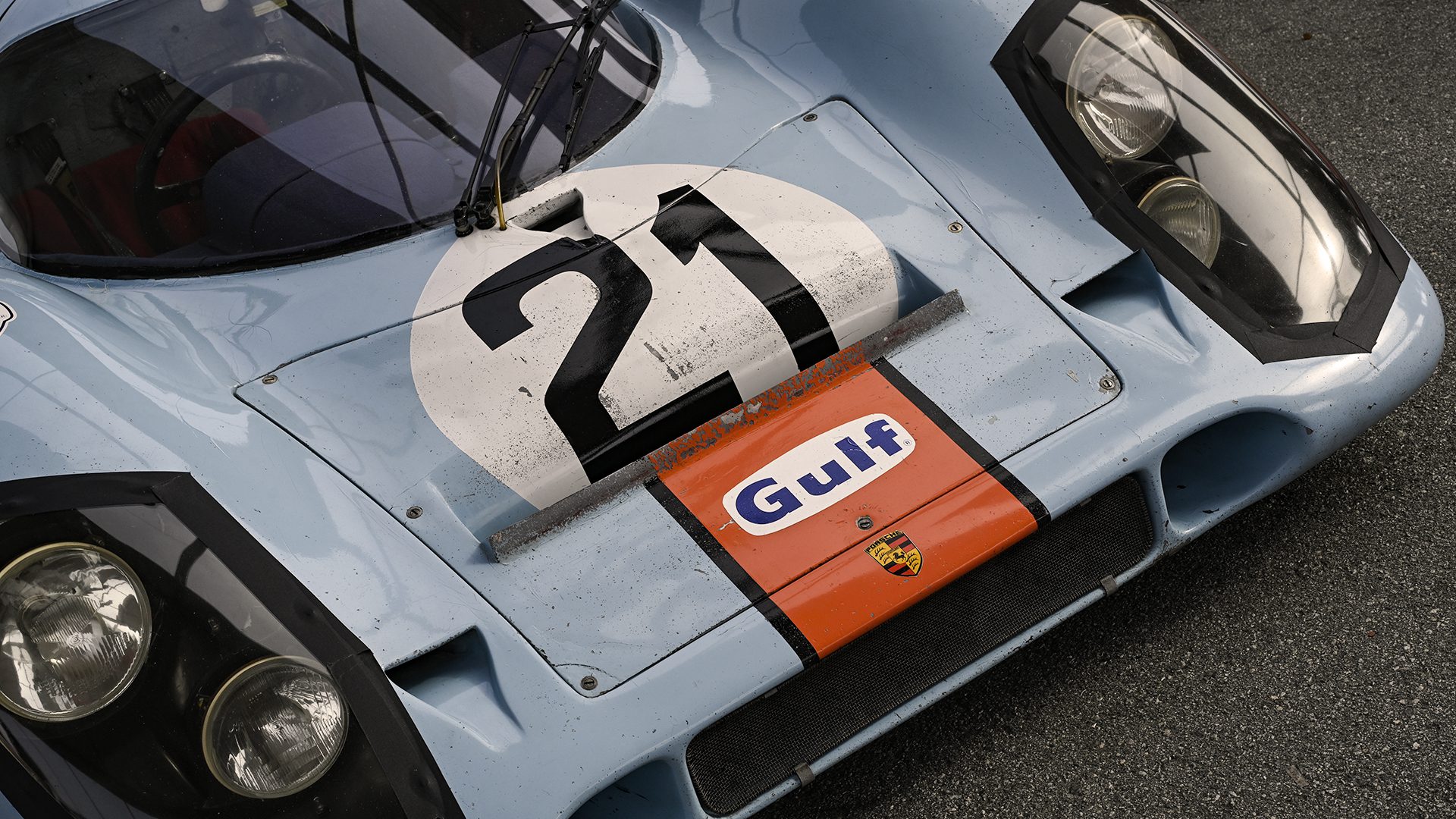
Ms. Ellen Bareley curated the Le Mans Legends Heritage Display. This display contained close to fifty cars, all with Le Mans history. From the 1929 Bentley Speed Six overall winner in 1929 and 1930 to the 2016 Ford GTLM class winner.
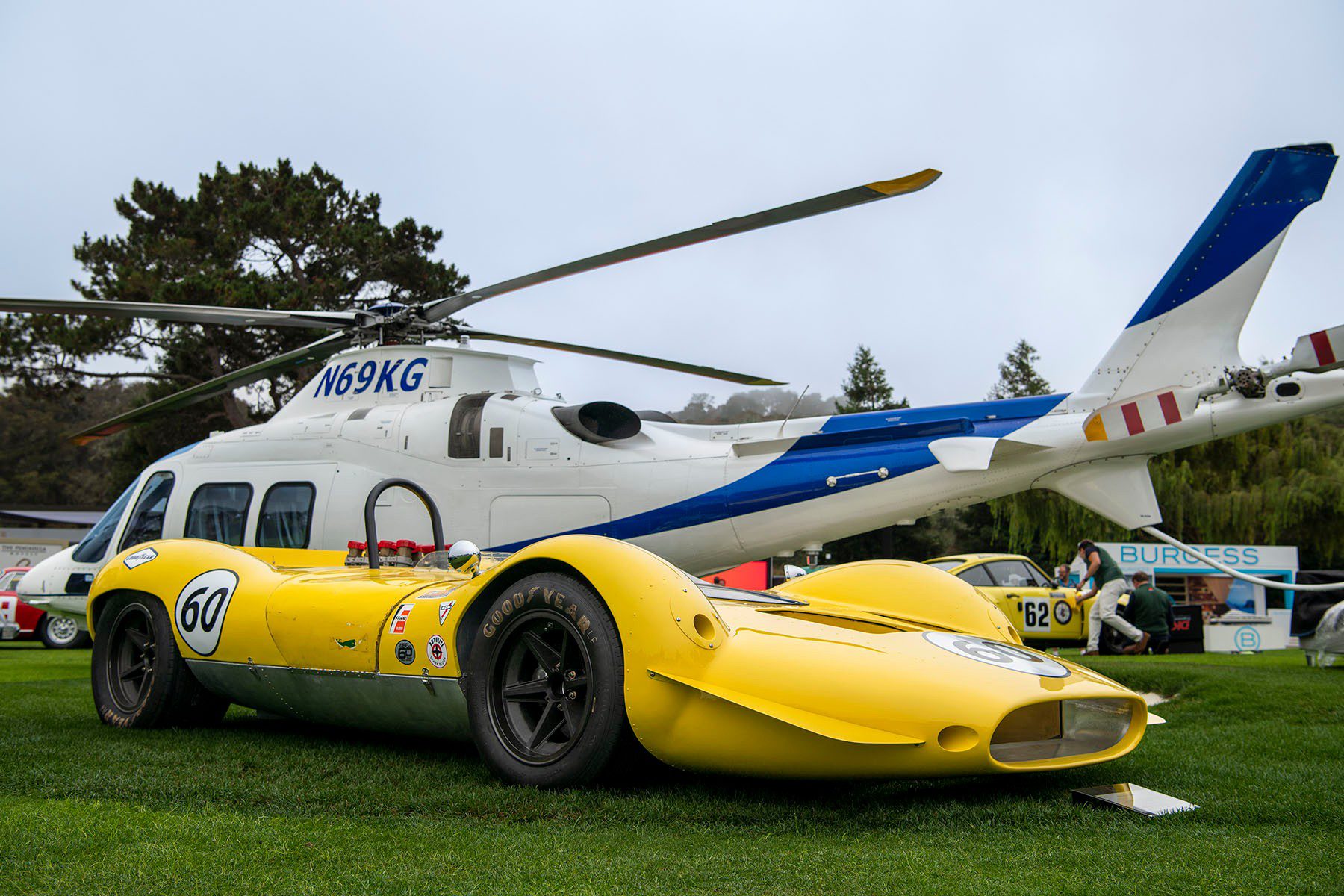
Among the displays was the Jim Hall 1967 Chaparral 2F; push rods, 427 cubic inch Chevy aluminum block, and an automatic transmission wrapped in fiberglass designed and built in Southwest Texas. This is an American Endurance Racing Car. Each of the many times I walked by the Chaparral 2F, I noticed somebody of my age explaining to sons and grandsons what an important car the Chaparral was to them. Jim Hall and his Chaparrals proved that American cars could compete internationally.
Another significant car is Cameron Healey’s 1951 Porsche 356/02-063. This is the car that started the Porsche mystique by winning Porsche’s first international race. The 1100cc Class of the 1951 Le Mans. Later the car was bought by Southern California’s John von Neumann, who eventually cut the roof off, producing the first Speedster. Northern California Porsche racer Chuck Forge eventually raced the car.
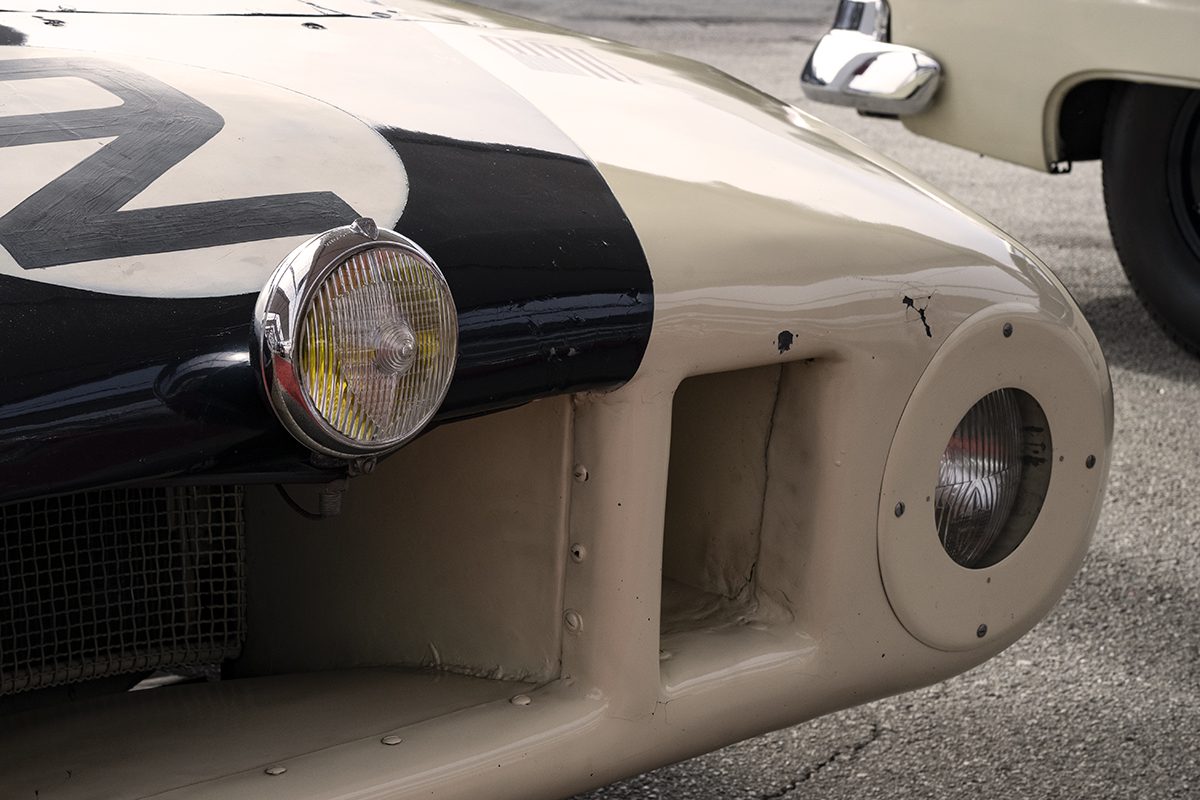
Cameron Healey bought the car from the Forge estate and returned it to how it left the factory in 1951. Even down to the rubber hose jammed behind the right front external driving light to stop vibration and the light moving during the race. Compared to the early fifties British and Italian cars here, this sleek racer definitely feels German!
Cameron Healey and SportsCarDigest compatriot Bill Wagenblatt have worked together to produce the book “46: The Birth of Porsche Motorsport,” which covers the history of 356/02-063 from its first production orders to today. The book includes conversations with original mechanics and team members. I have seen the layout for the book; if you are a Porsche enthusiast, you should have this book. It should be available early next year.
The Sunday morning Hillclimb or “Backwards up The Corkscrew.” This year the 2022 Rolex Monterey Motorsports Reunion ran Wednesday through Saturday, leaving Sunday for the “Cars on Grass” people. For the rest of us, Laguna Seca held a Hillclimb running from the start-finish line through turns eleven, ten, and nine, ending just past The Corkscrew. You may notice this is backward from the usual direction the cars run.
With over fifty entrants in this novel event, the hillside behind The Corkscrew was packed with spectators. Once the entrants grasped the technique of driving up the hill, they put on a good show. The Word is that the track is looking to build a Hillclimb series out of this event. I am for it.
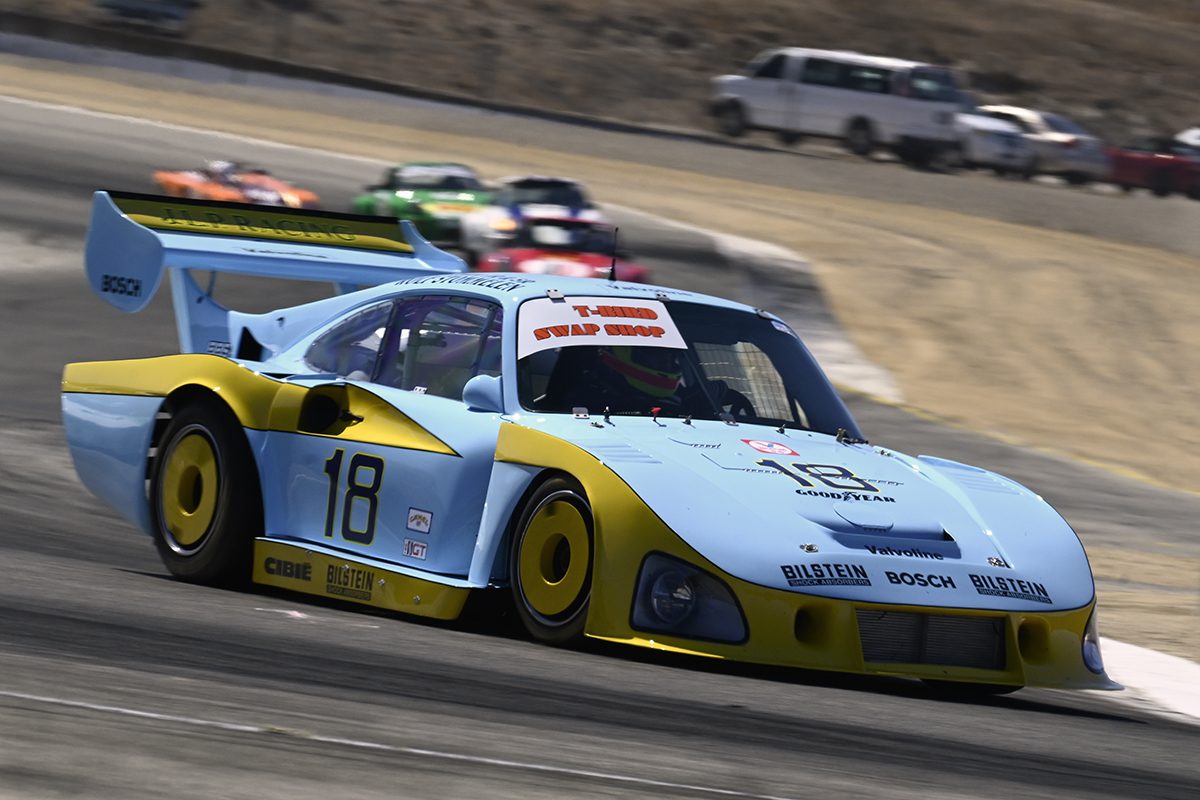
Weathertech Raceway Laguna Seca Raceway had 13 groups of cars running this event. Starting with 1923-1955 The Early Years cars to 1981 – 2005 Le Mans Prototypes and GT1 cars. If you’re turned on by ground-shaking, loud, fast cars, how about the Group 12 Historic Vintage Trans-Am group. Or if your thing is the flame-throwing Porsches, there is Group 8 for 1972-1982 Le Mans cars. On the other end of the spectrum, we have Group 1 1968-1963 Formula Junior; buzzy but quick. Further up the open-wheel ladder is Group 13 1966-1985 Formula One. Very fast with the great sound of high revving V8s and even a Ferrari flat-12 in the field.
Enjoy the following gallery. I plan on having a follow-up 2022 RMMR posting in late September or early October with more images. If you don’t see a car or driver you’re interested in, let us know, and I’ll see if I have a picture to include in the future posting. Hope to hear from you.
Argentina’s newest national park is the 729,294-acre Patagonia Azul Provincial Park.
The park is the first in the area and was designated to protect the region’s wildlife, coastal habitats, and more than 60 islands and islets.
Plans are underway to add tourist facilities to the park, including hiking trails and camping grounds.
For generations, humpback whales have traveled to the southern coast of Argentina to calve and nurse. Giant petrels and imperial cormorants come to nest, and sea lions and Magellanic penguins congregate. It is one of the most wildlife-rich corners of the South Atlantic Ocean and is sometimes called “the Galápagos of Argentina”—but until recently, many of the animals were threatened by industrial fishing.
A new marine provincial park, the area’s first, will change that. Argentina’s new Patagonia Azul Provincial Park expands the previous protected sliver of land dramatically, effectively safeguarding a marine coastal area that’s roughly the size of Yosemite National Park (or 729,294 acres). Not only does the acreage protect the area’s plentiful wildlife, who come to feed and breed, but it safeguards over 60 islands and islets, kelp forests, and rugged coastal habitats.
“This is a resounding win for marine conservation,” Sofia Heinonen, executive director of Rewilding Argentina, said in a press release shared with Travel + Leisure. “Patagonia Azul places under legal protection one of the most biodiverse areas of the Argentine Sea with over 50 species of seabirds, many of which nest in the more than 60 islands and islets with kelp forests, islands and rocky intertidal areas that support unique ecosystems where diverse kinds of sea life converge.”
Rewilding Argentina, a conservation organization that purchases private land and donates it for national parks, provided the land that will act as the entrance to the park and its islands. It will also help the park develop facilities for visitors—like campgrounds and trails—and continue monitoring populations of humpback whales, petrels, penguins, and sea lions.
The formation of the park was led by the government of Chubut (the local province), Argentine National Parks Administration, non-governmental organizations, and the local community of Camarones.
The new, expansive Patagonia Azul Provincial Park is connected to other renowned wildlife areas via a scenic coastal road that runs from the Cabo Dos Bahías Protected Natural Area, which is known for its penguin colony, to the village of Bahía Bustamante, the only town in Argentina dedicated to collecting seaweed and mussels.
Plans are underway to make the new park more suited to visitors, including the addition of hiking trails, campsites, a biological station, and marine access points.
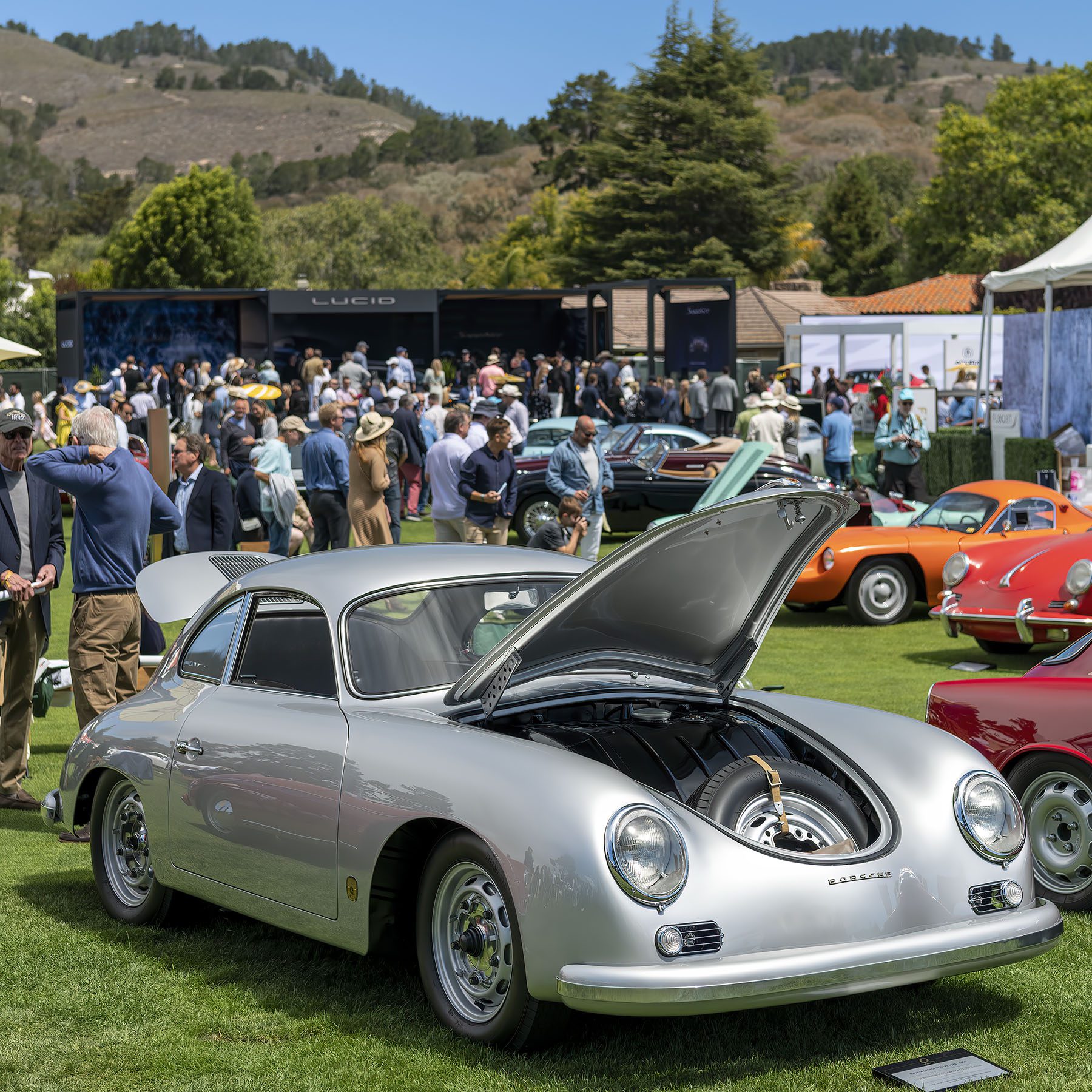
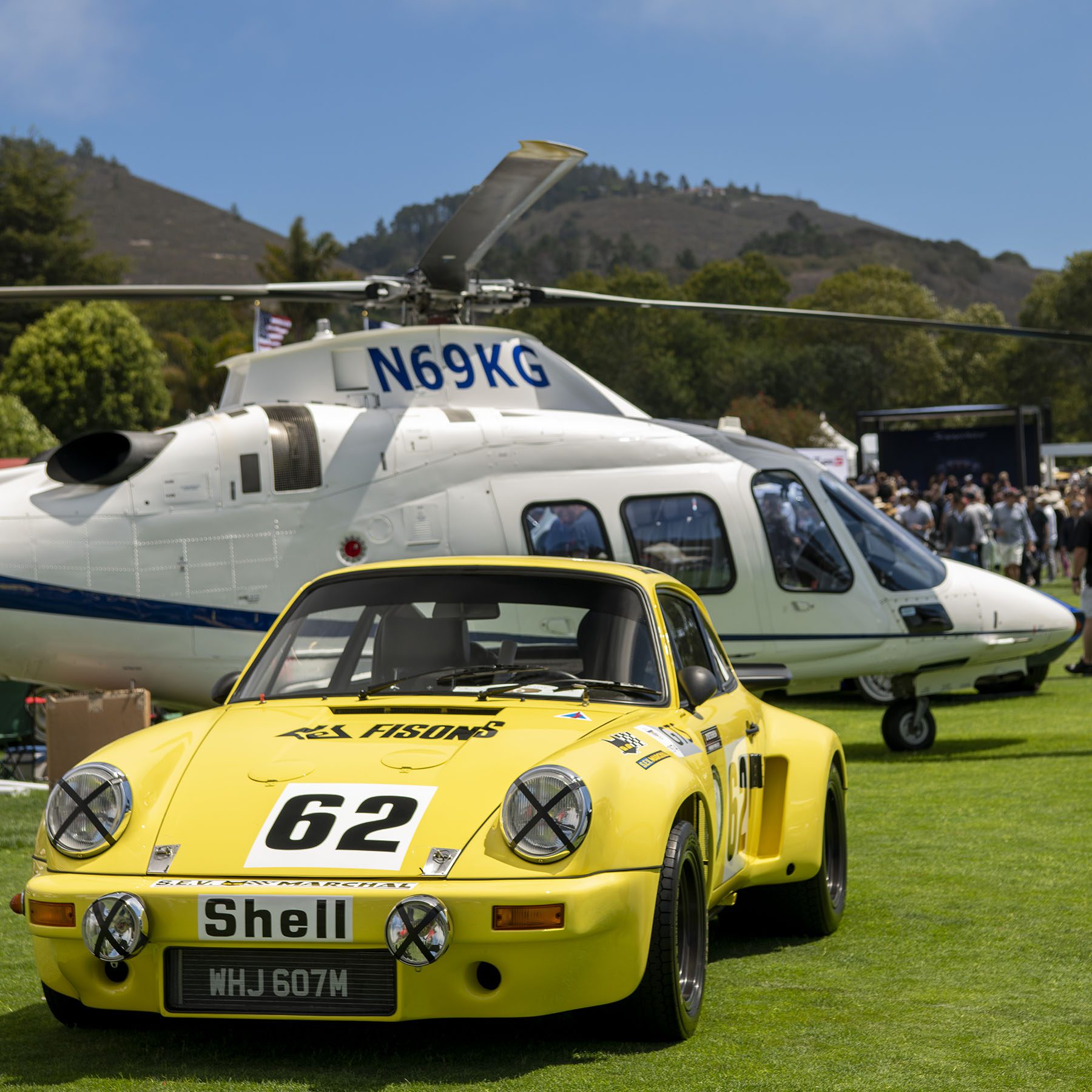
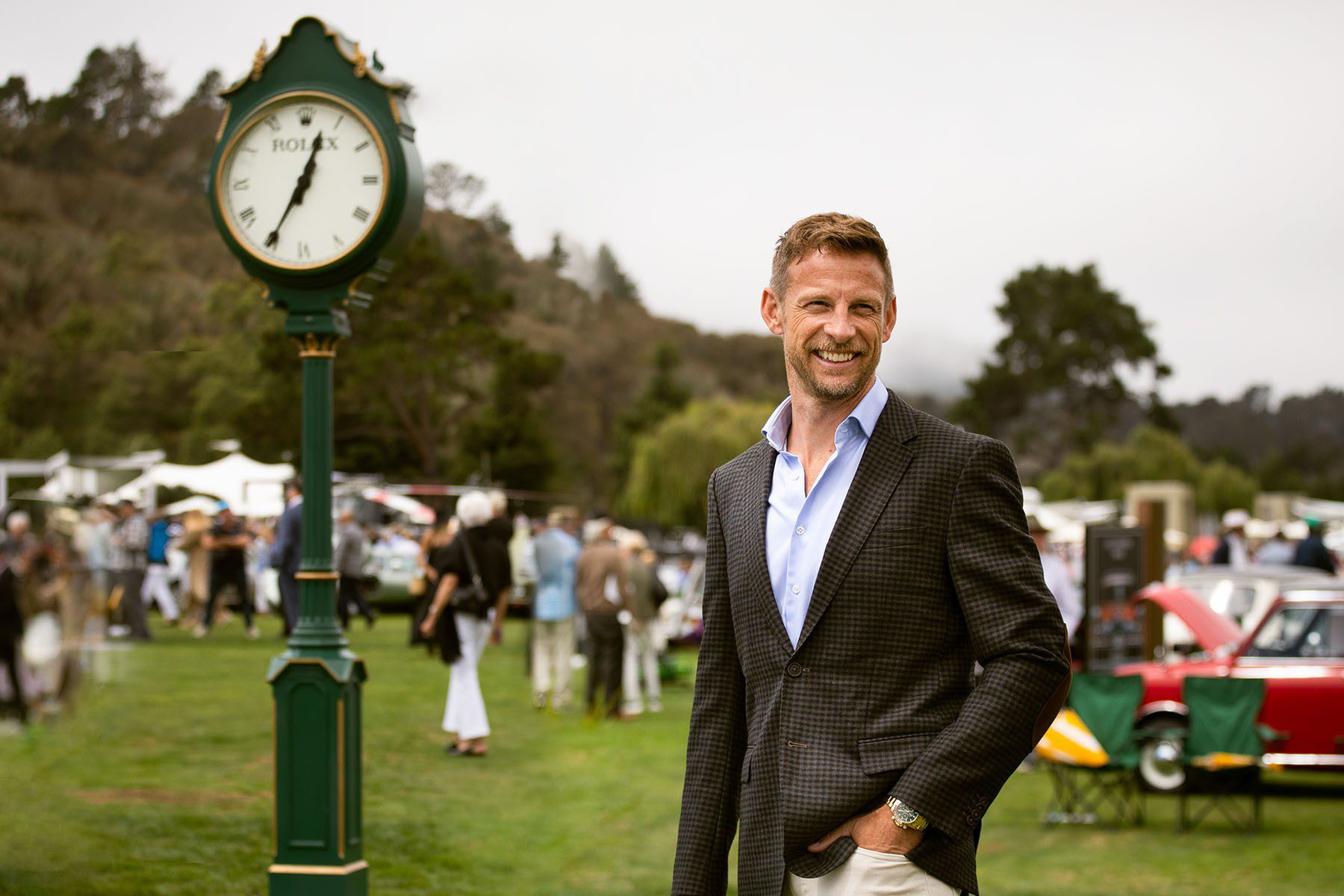
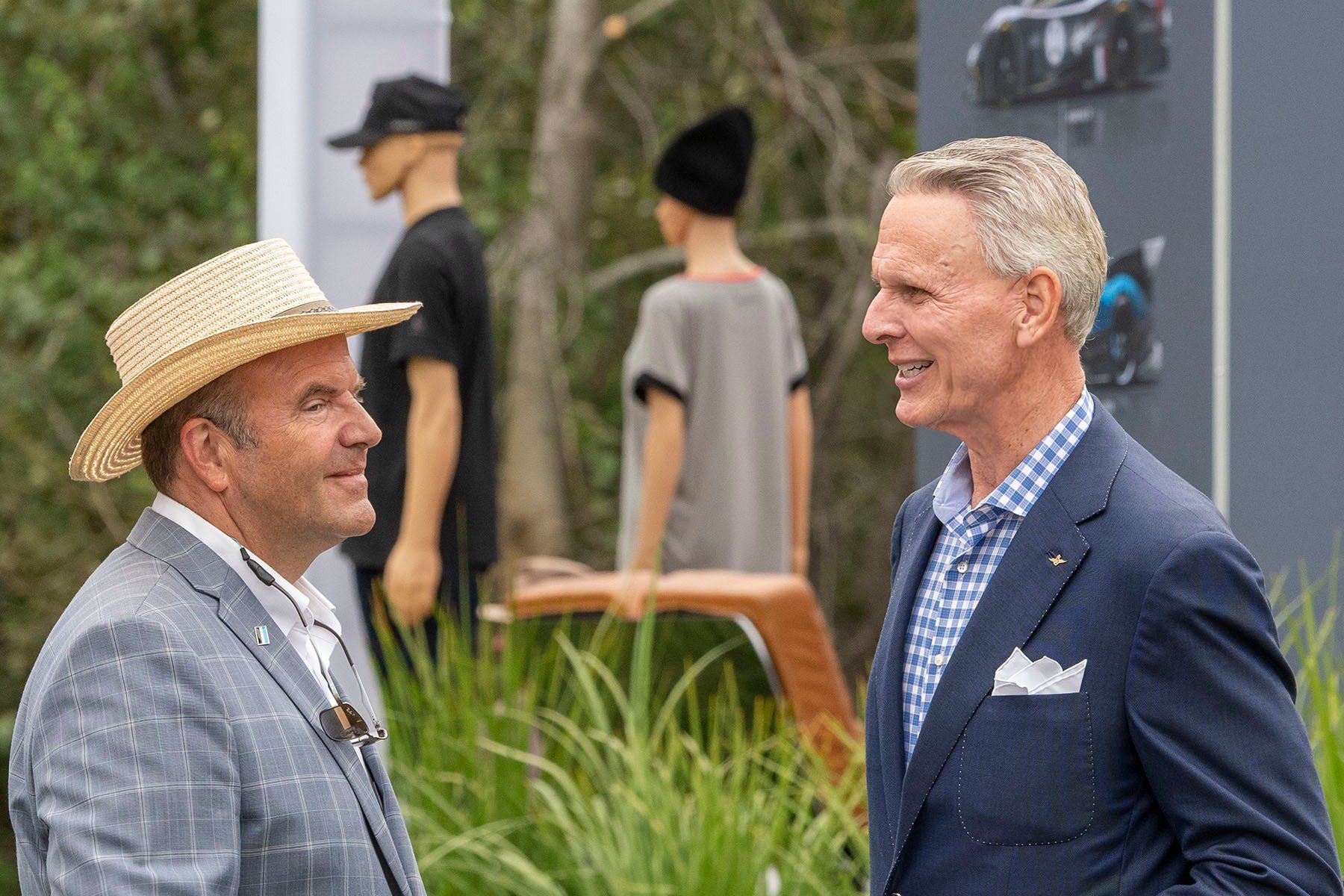
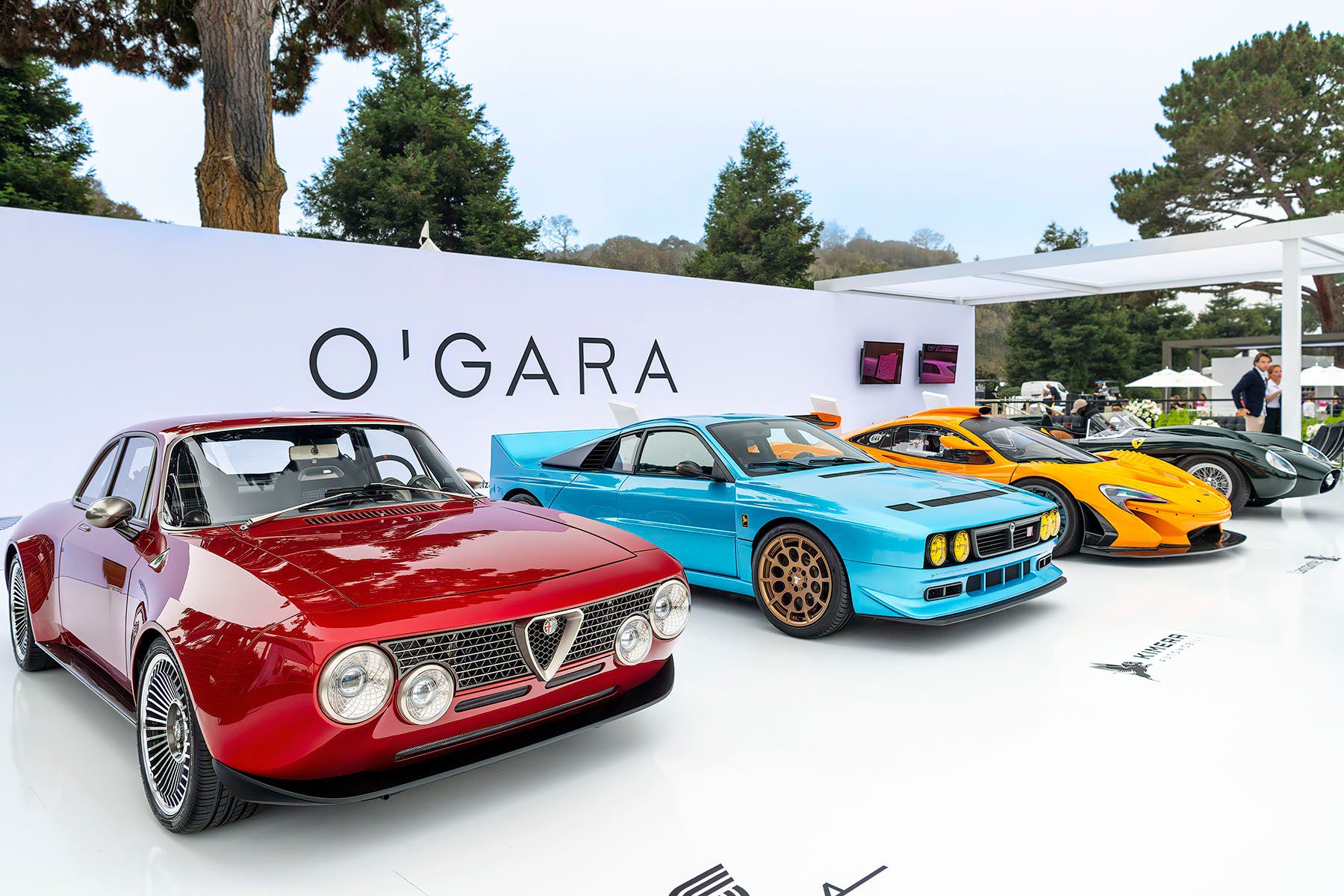
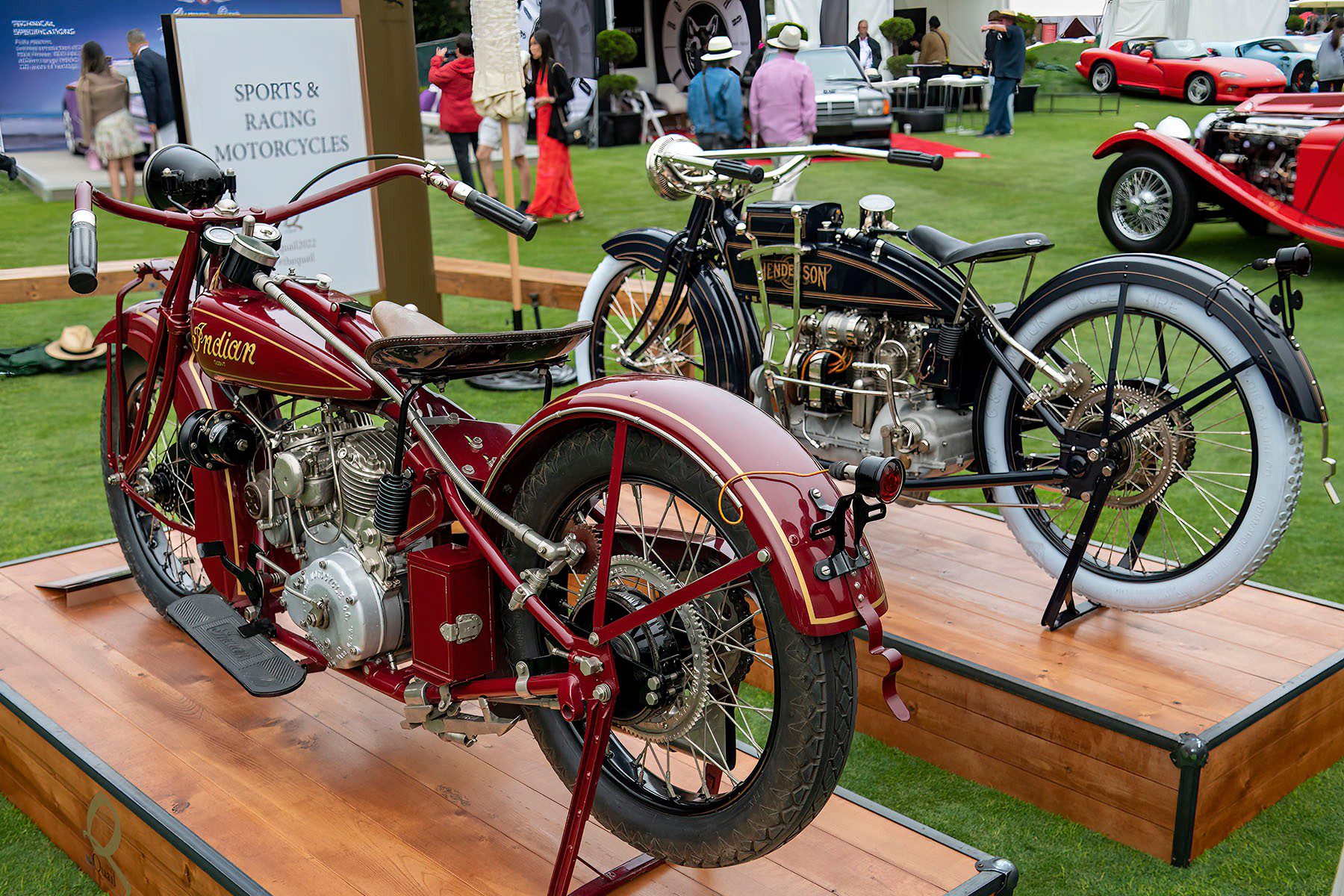
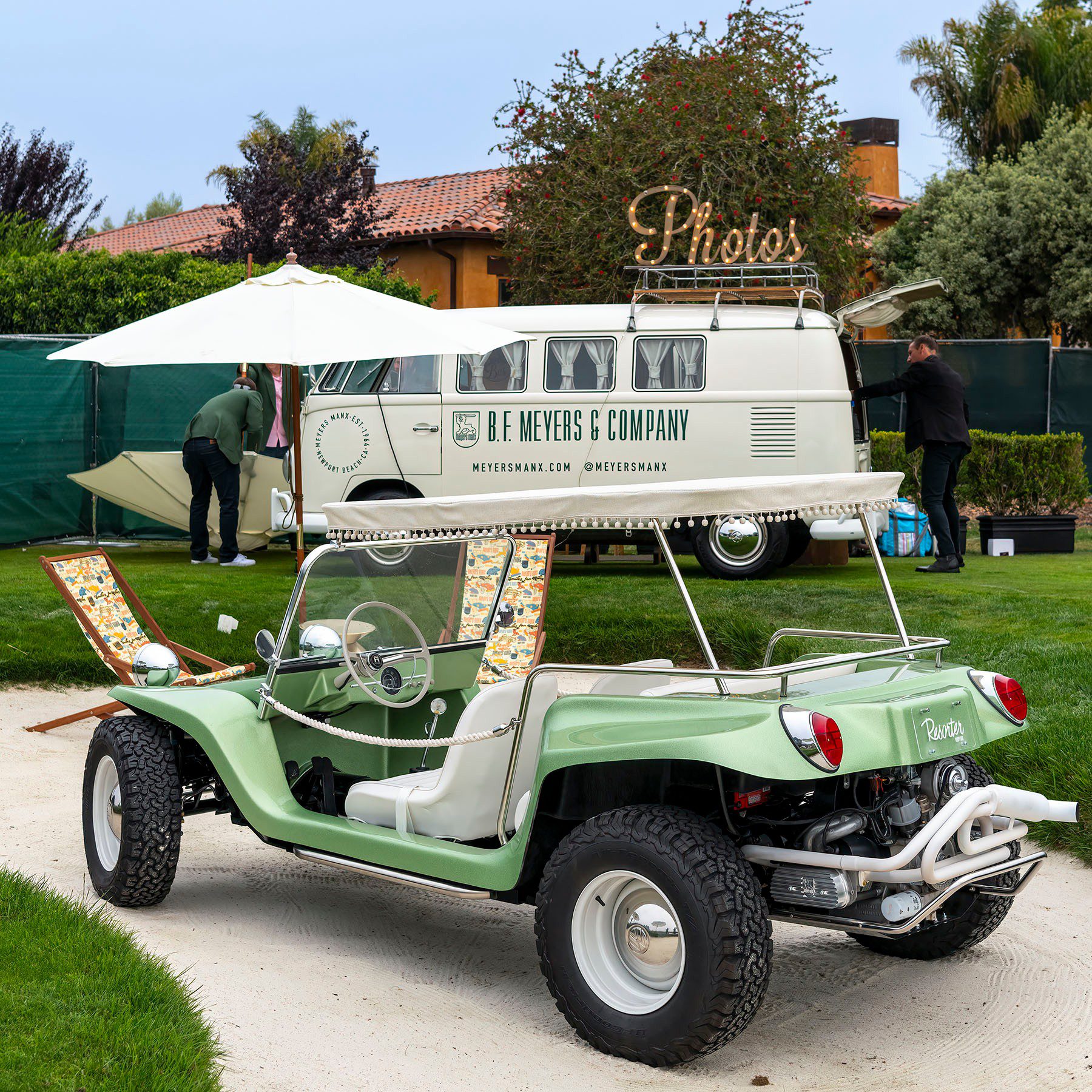
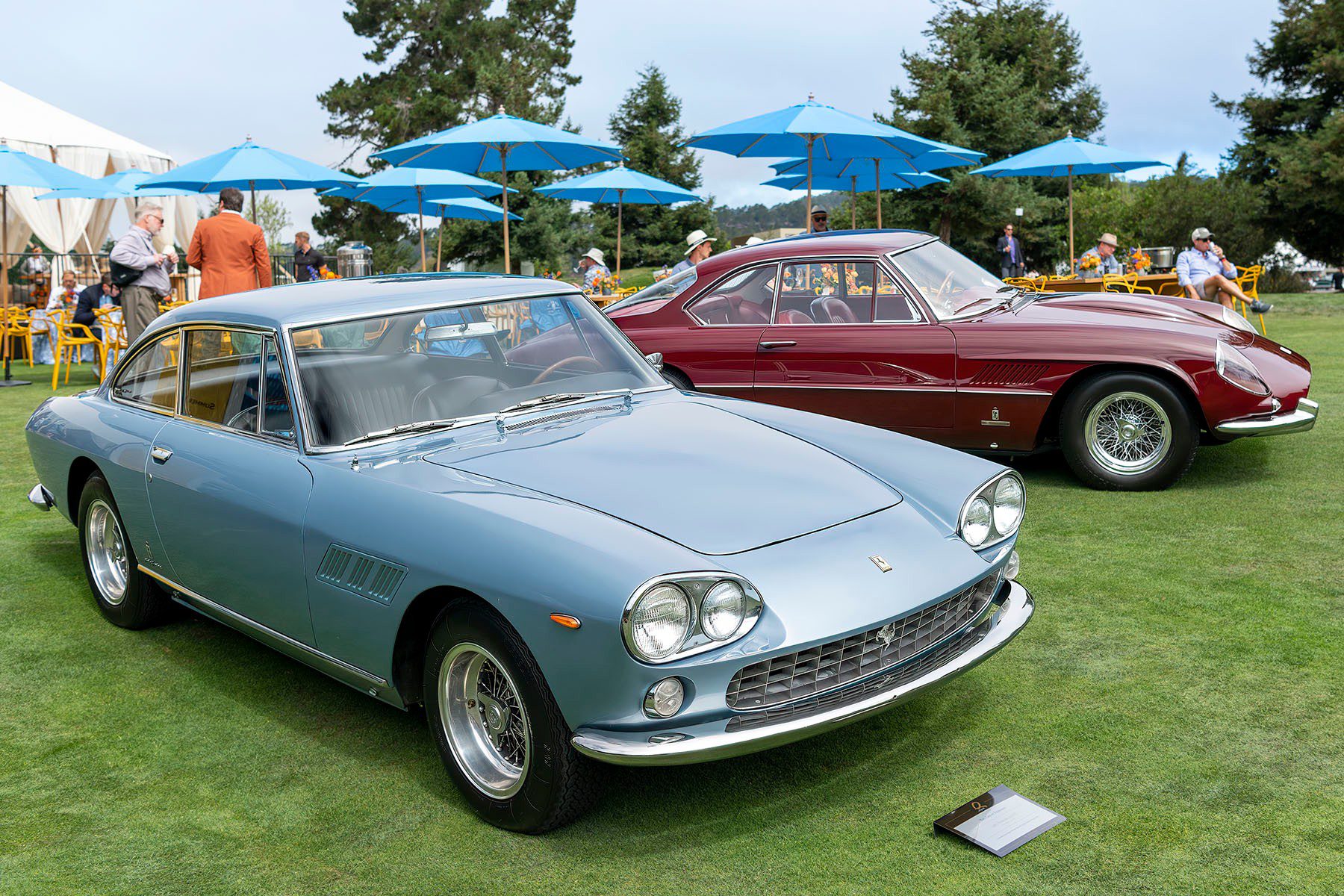
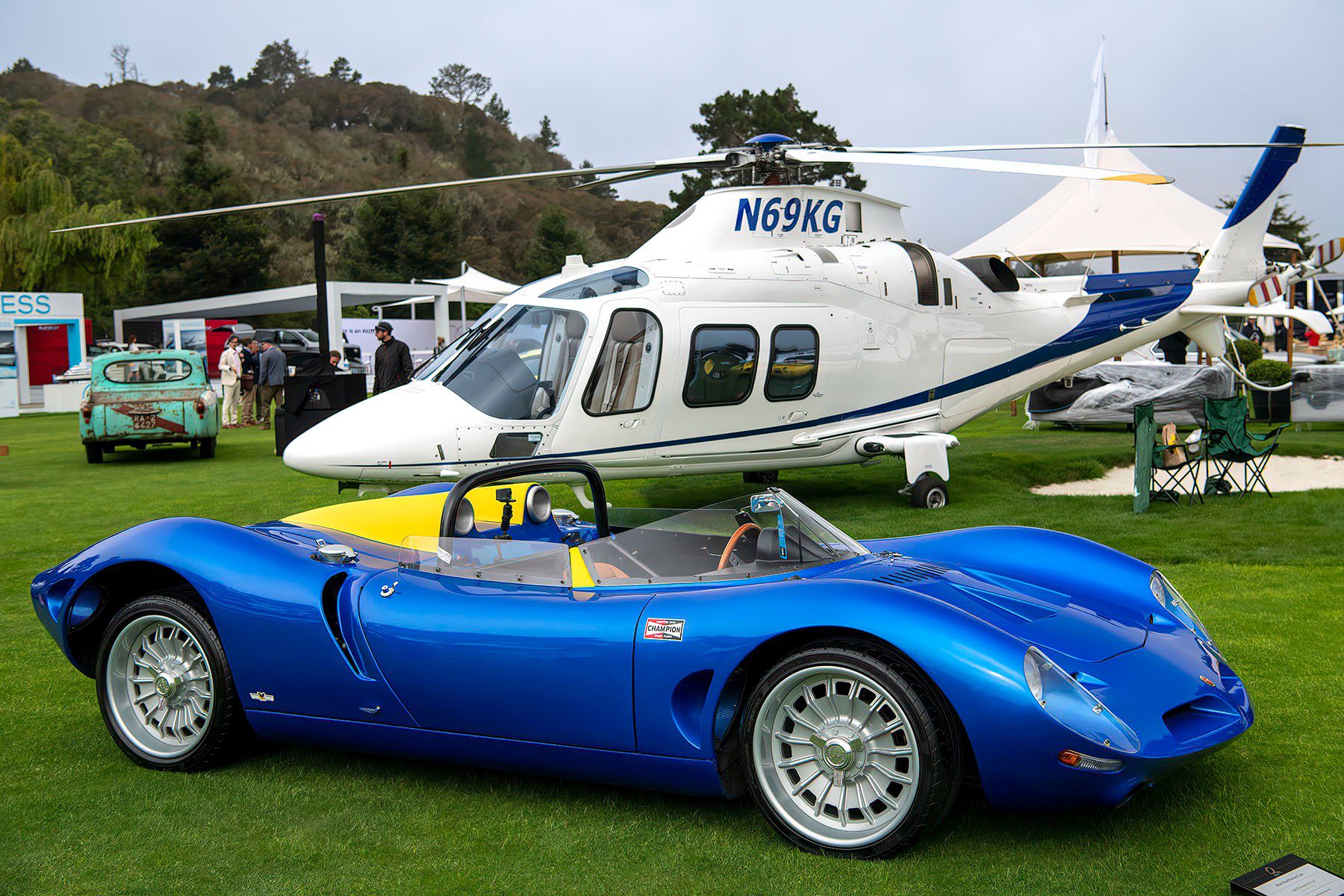
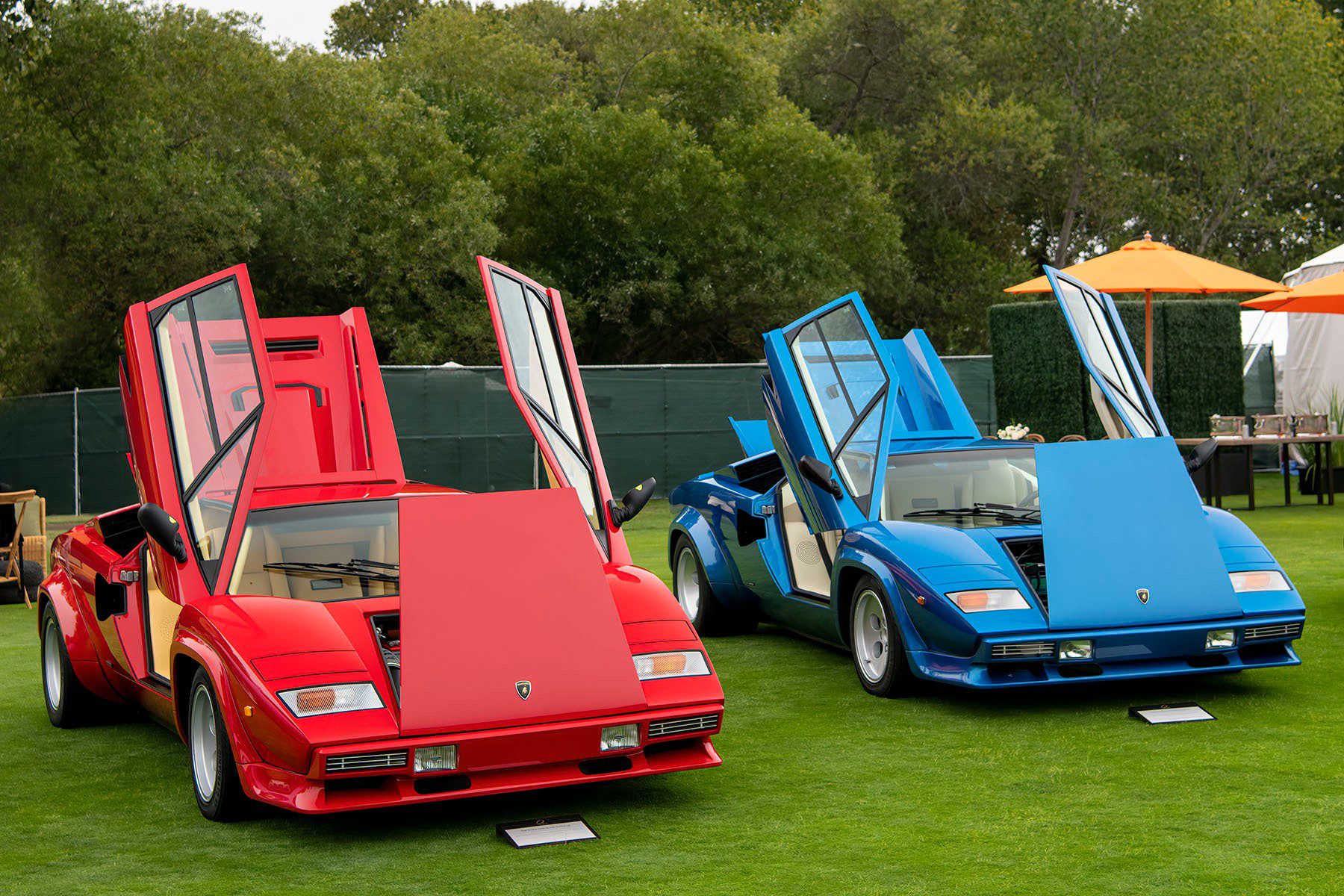
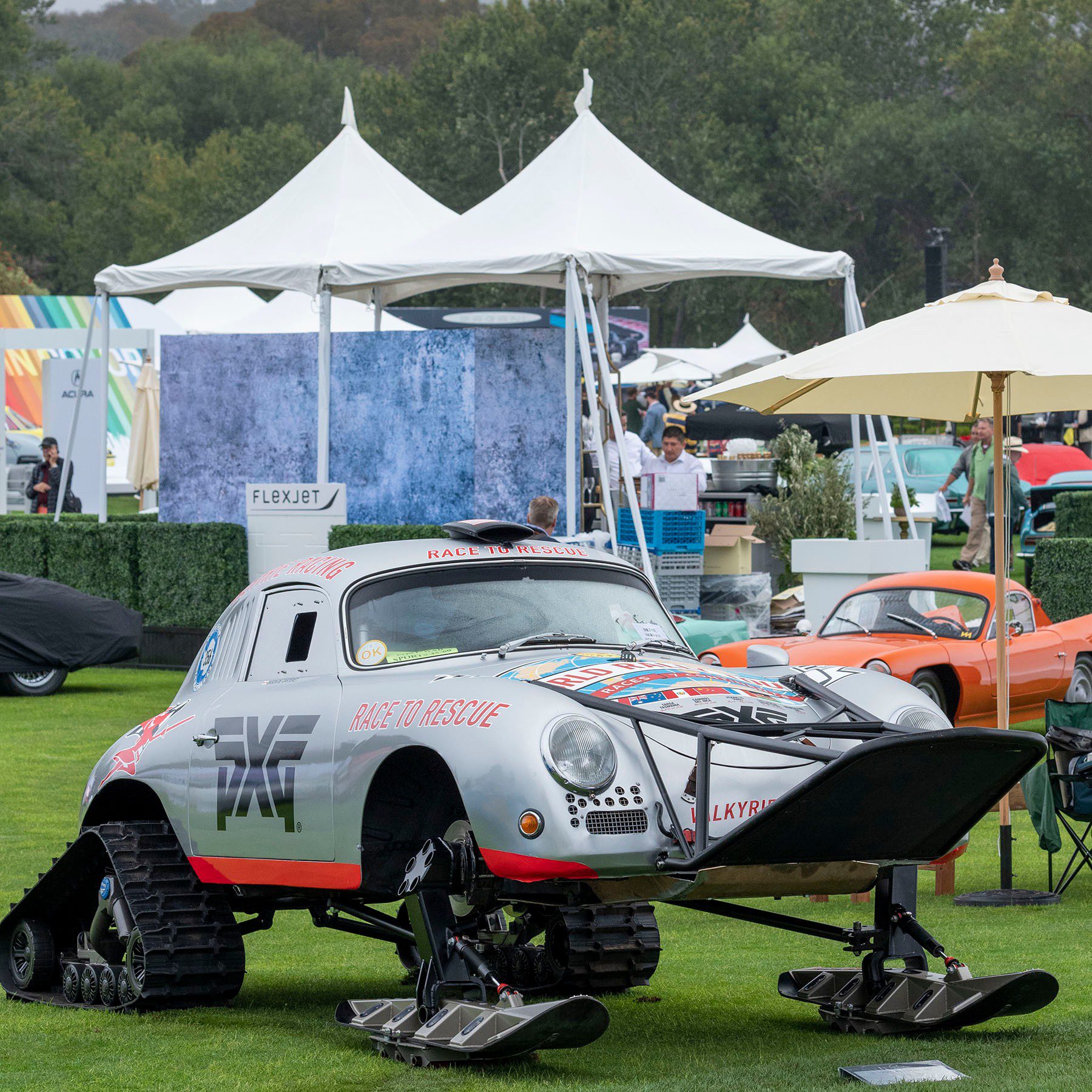
Having just attended the 19th iteration of what I will refer to as a “car culture phenomenon,” I assure you that The Quail, A Motorsports Gathering, continues to grow and mature in directions even its founder Gordon McCall couldn’t foresee.
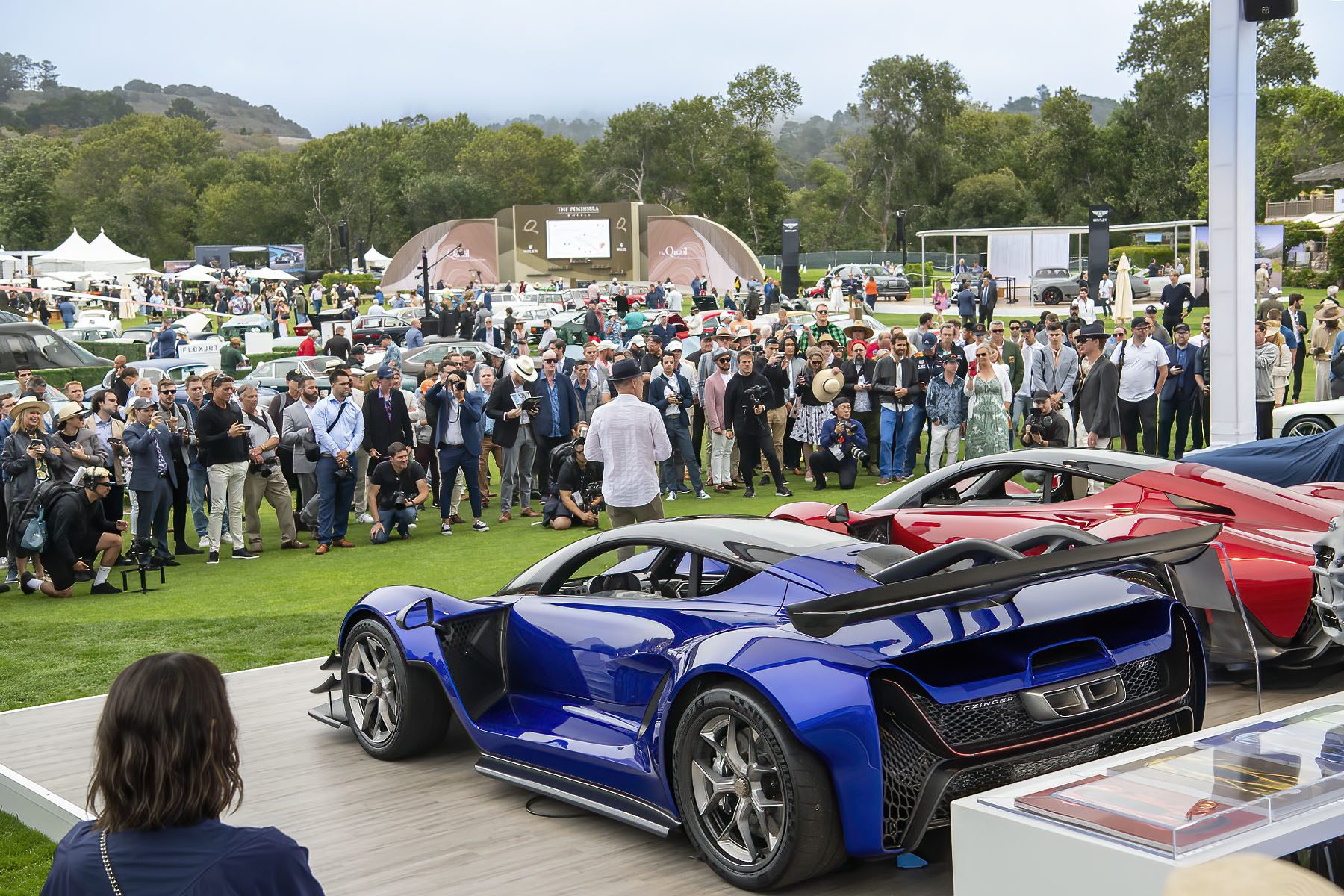
From an analytical point of view, this year’s success could be measured by a whopping 19 automobile manufacturers that chose to present new models at this year’s event. More than double the debuts of last year, one attendee I spoke with contributed this leap in growth to the Geneva Auto Show being cancelled this year. I beg to differ.
A crossroads of luxury lifestyle and the celebration of the automobile, The Quail, A Motorsports Gathering, continues to evolve far beyond beautiful faces, rolling jewelry, and gossip-hungry press. My father always thought a round of golf was the ultimate business mixer; four individuals wanting to escape life’s daily grind with their guards down about “talking shop.”
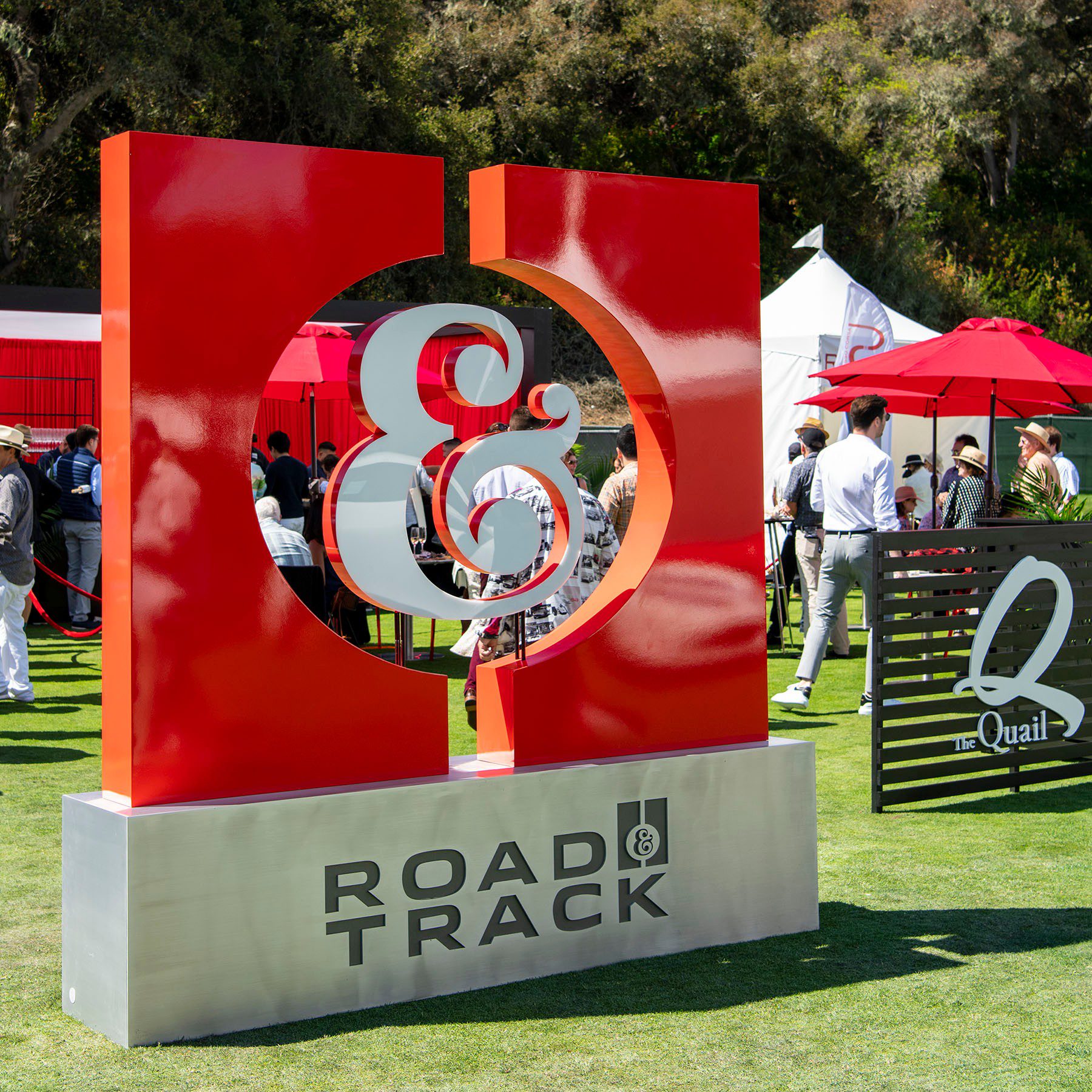
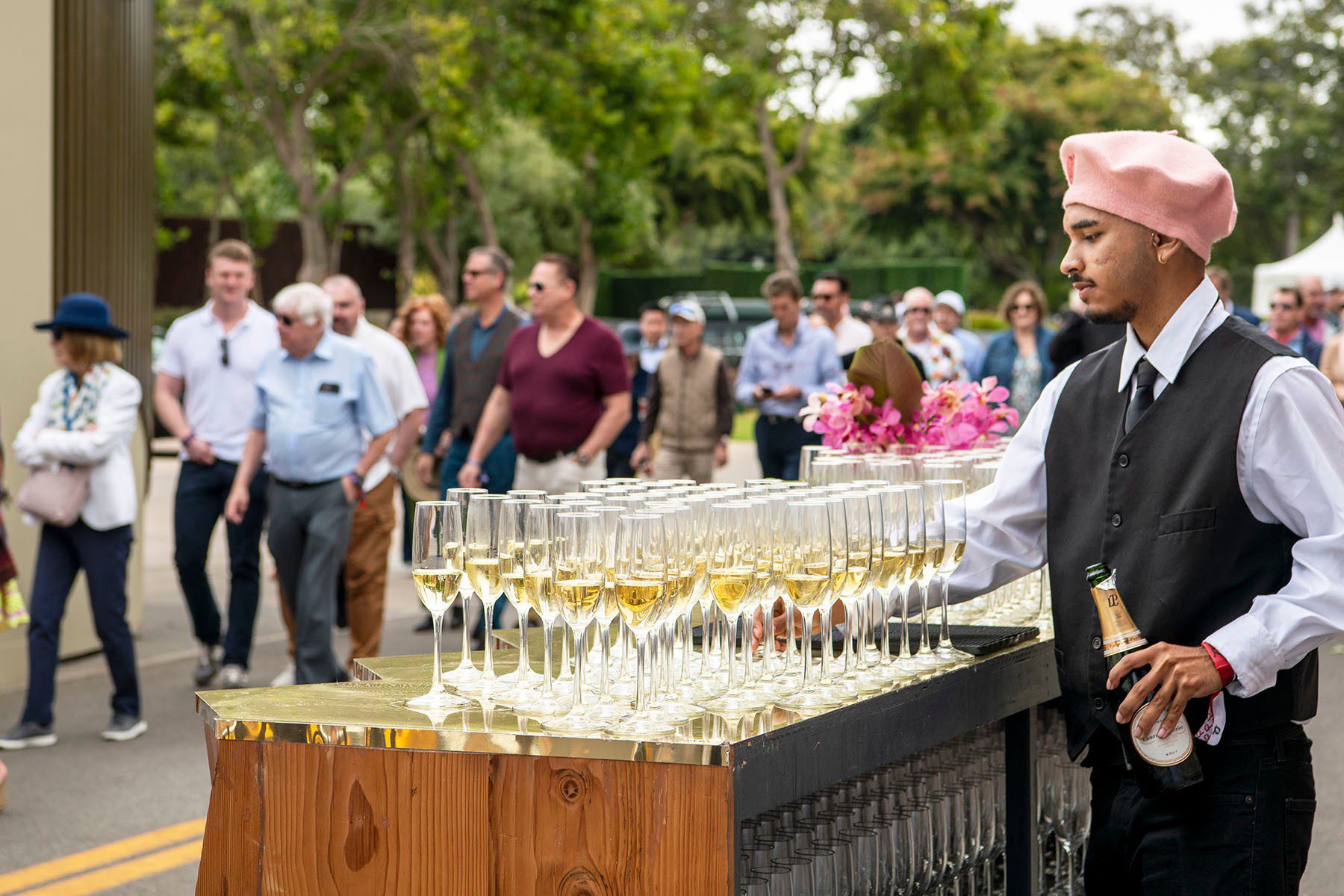
Whether one of the five culinary pavilions where strangers often share tables or waiting in line for caviar at the Road & Track refuge, it’s apparent that The Quail provides a platform for cross-pollination between a multitude of people “in the know.”
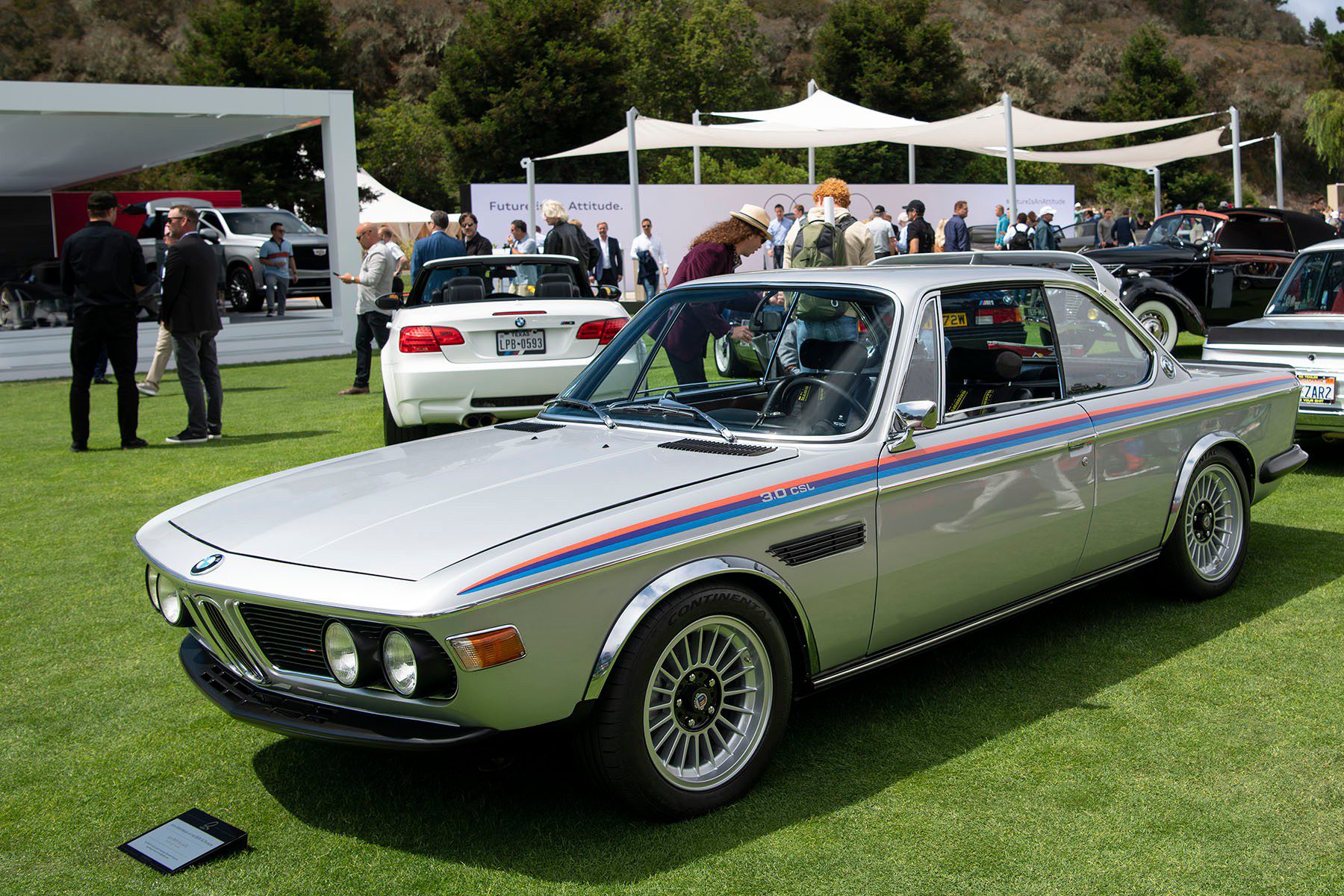
This year’s event celebrated three unique classes starting with the 50th Anniversary of the BMW “M” Division, founded in 1972. Predictably, “M” stands for motorsport, with the division’s first project being a racecar version of the 3.0 CSL model.
Later came the M1 in 1978, followed by the 1979 release of the M535i, a high-performance version of BMW’s popular 5 Series mid-size sedan.
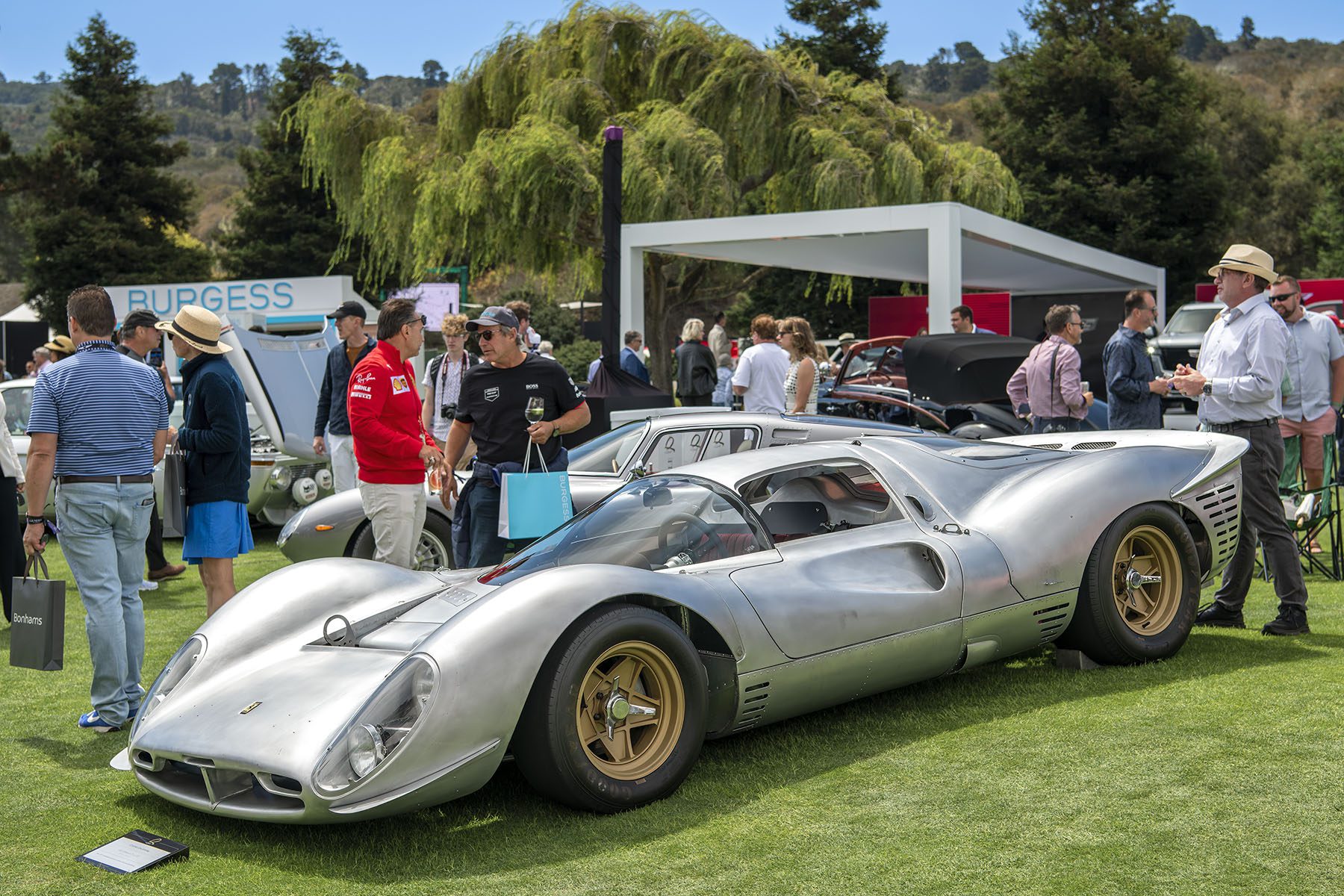
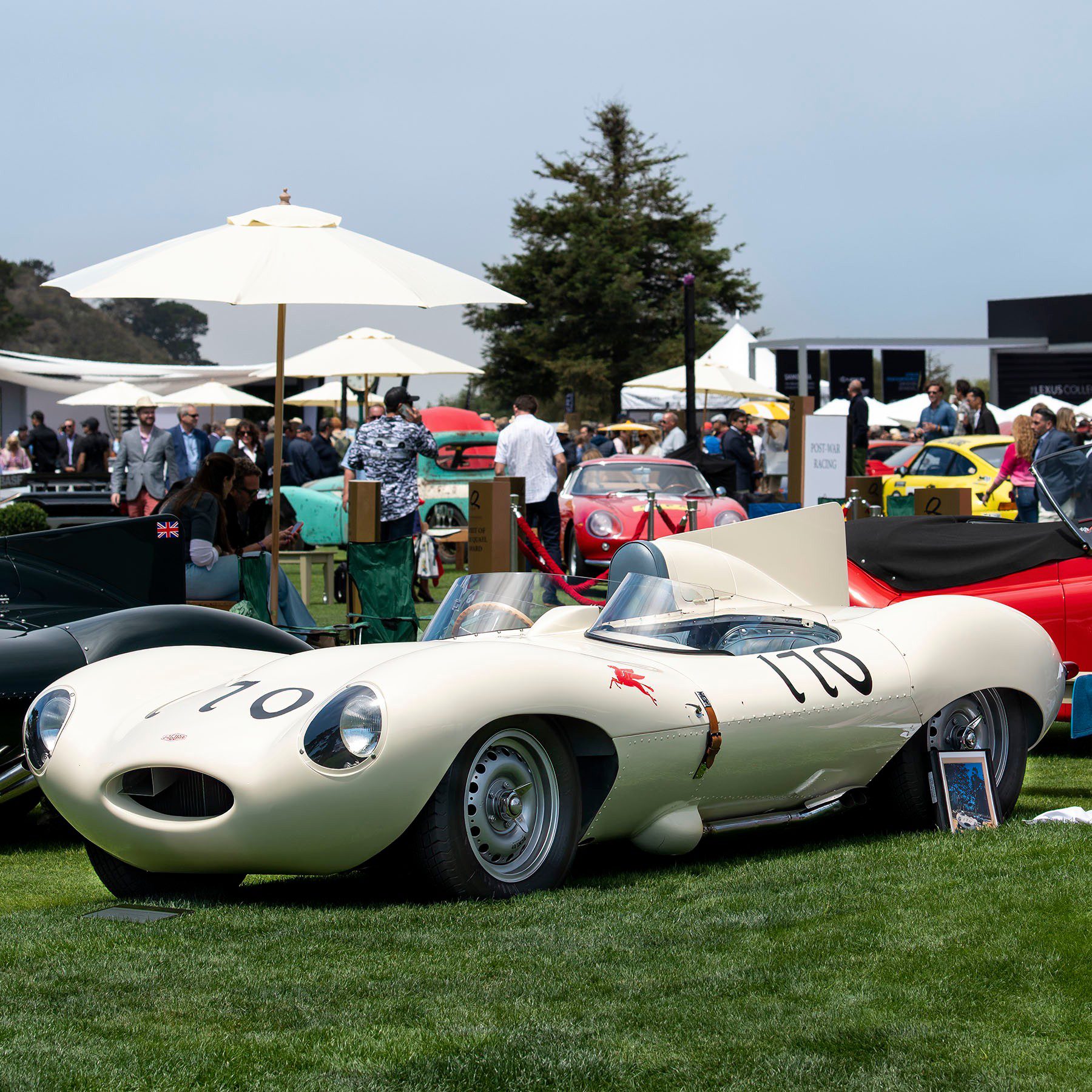
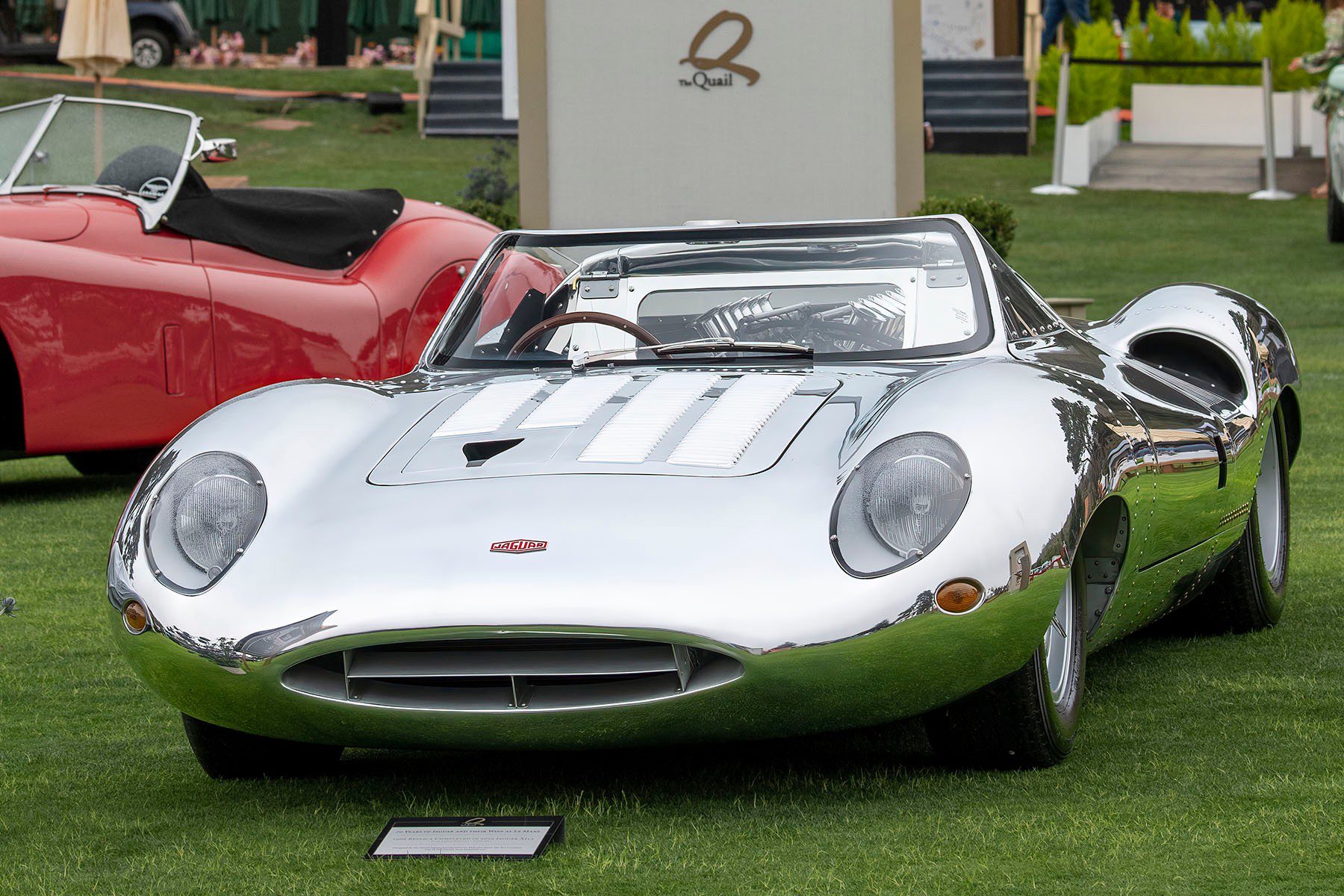
Next was “70 Years of Jaguar and their Wins at Le Mans.” You may recall the 1950s was a golden era for British motorsport, with 5 of the 10 Le Mans 24 races won by Jaguar).
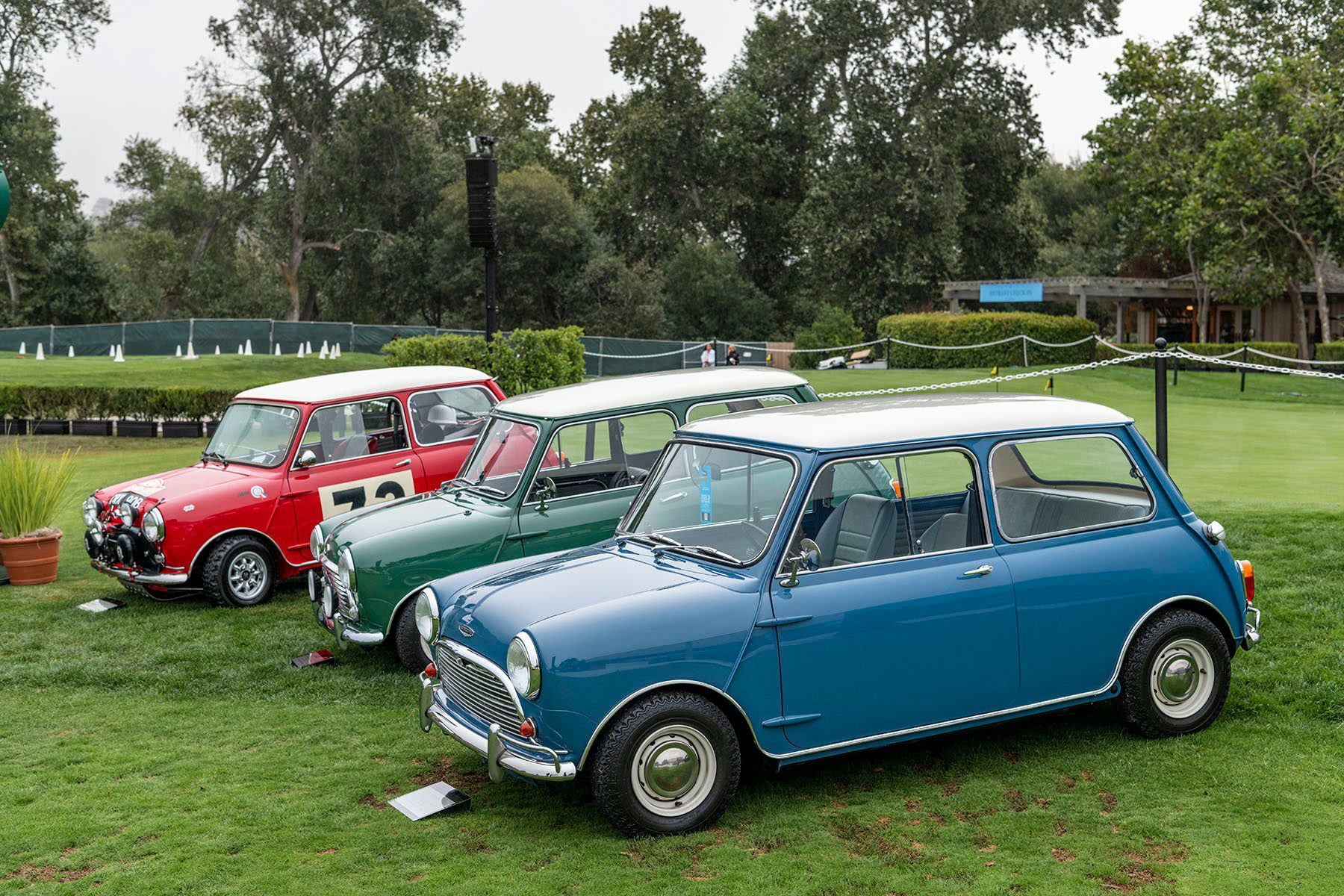
Lastly, with a spoonful of whimsical on top was “All Things MINI.” BMC manufactured the British pop-culture icon of the 1960s through 1971. Many regard the Mini as the British version of the VW Bug, and who could argue with over 5 million sold?
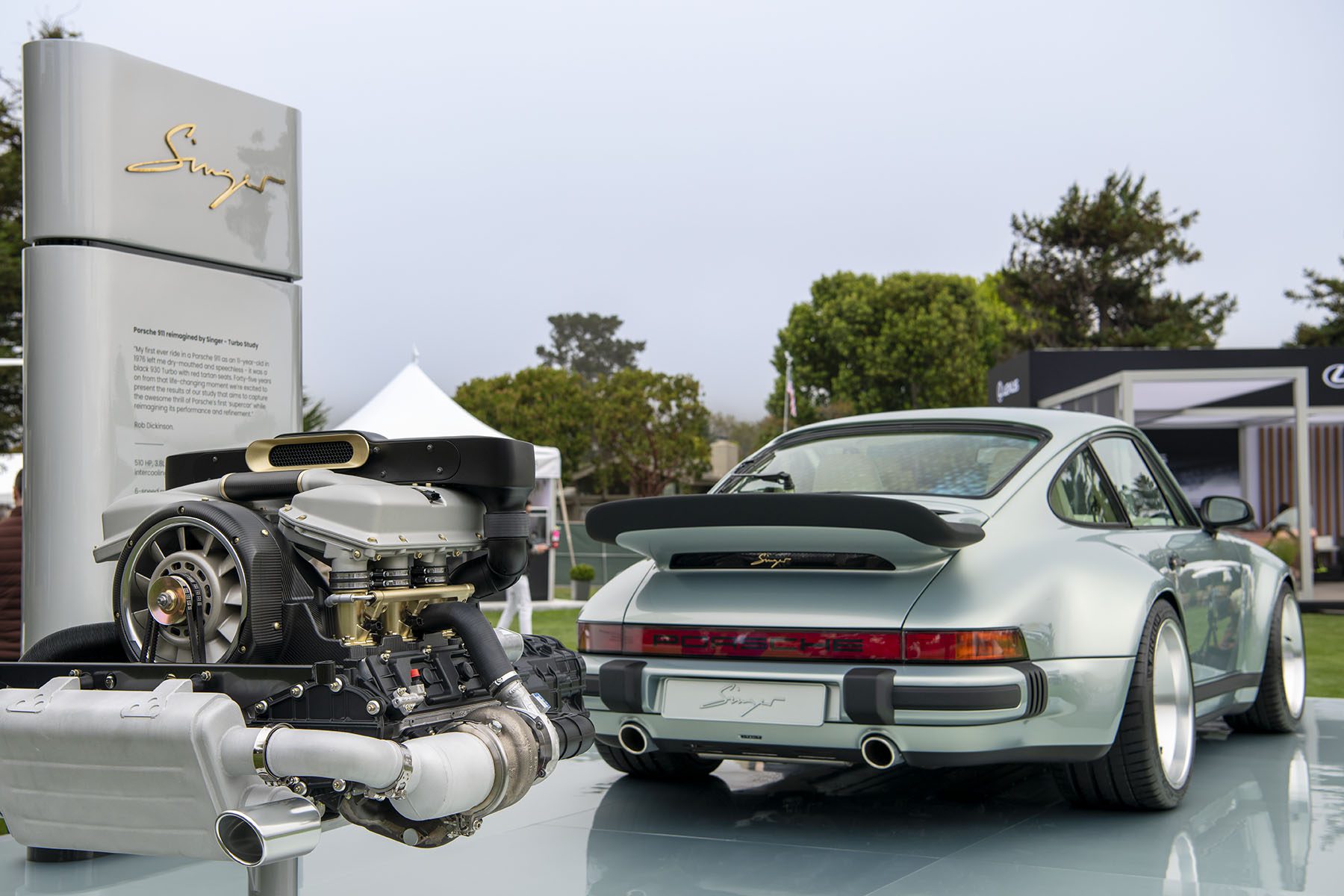
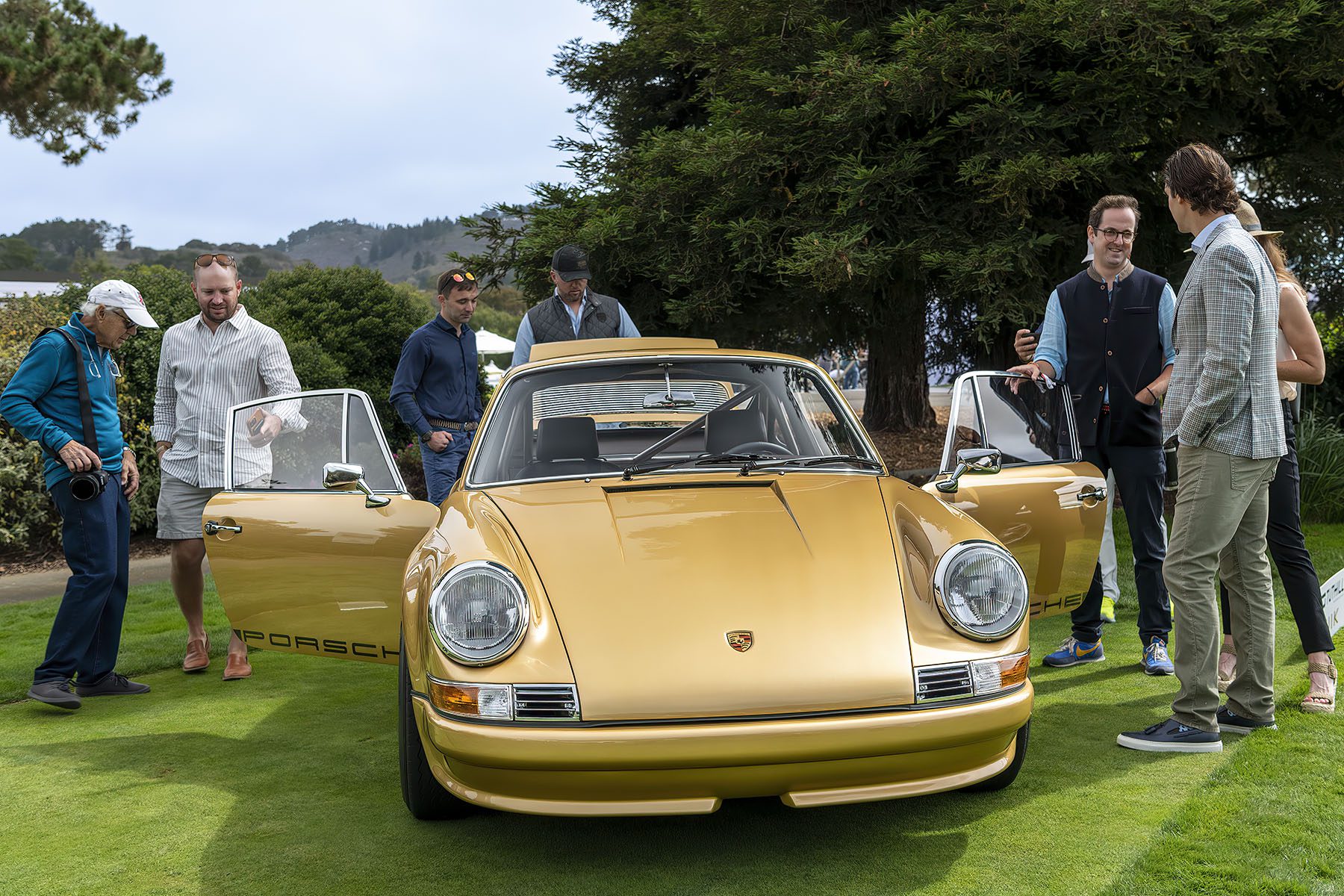
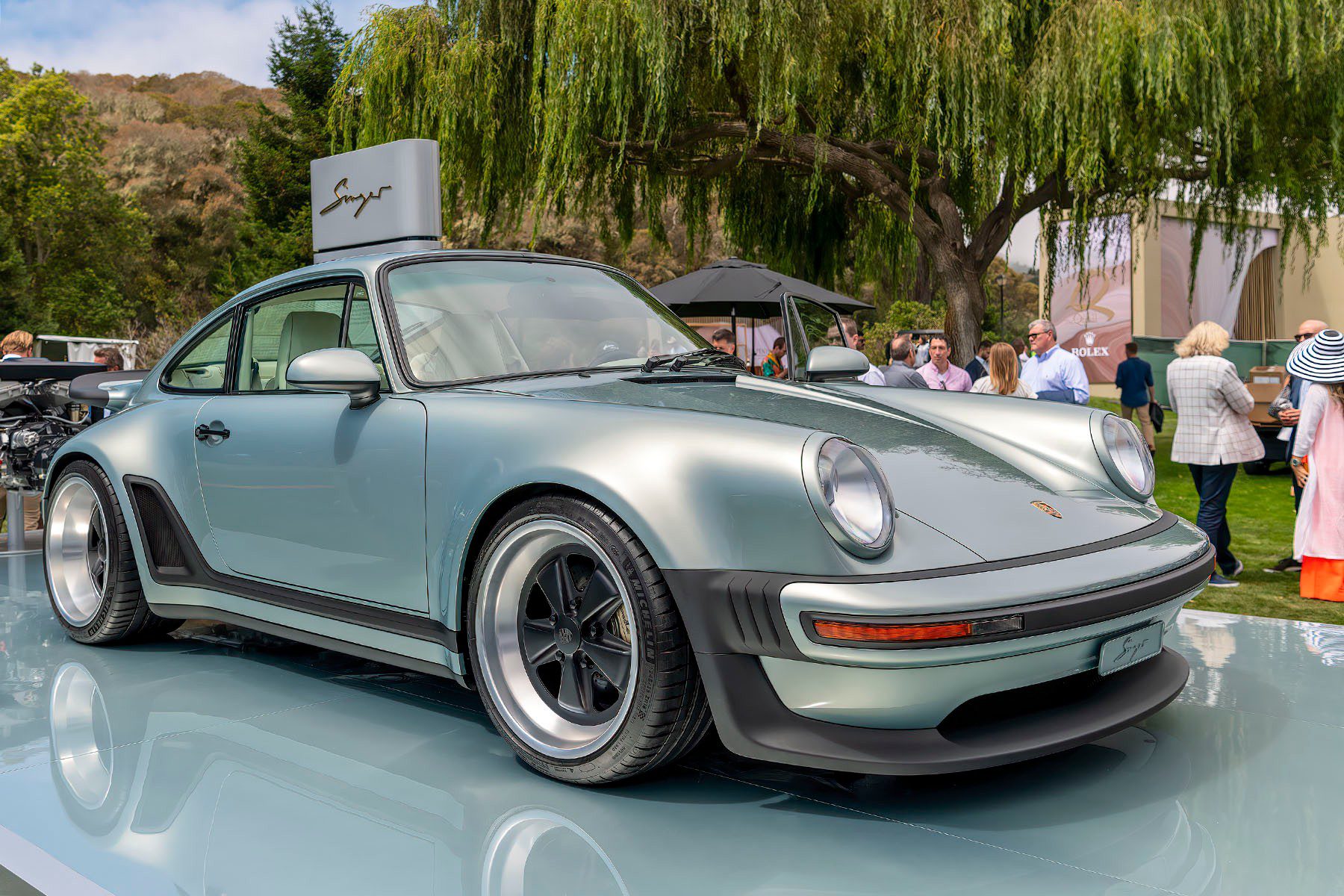
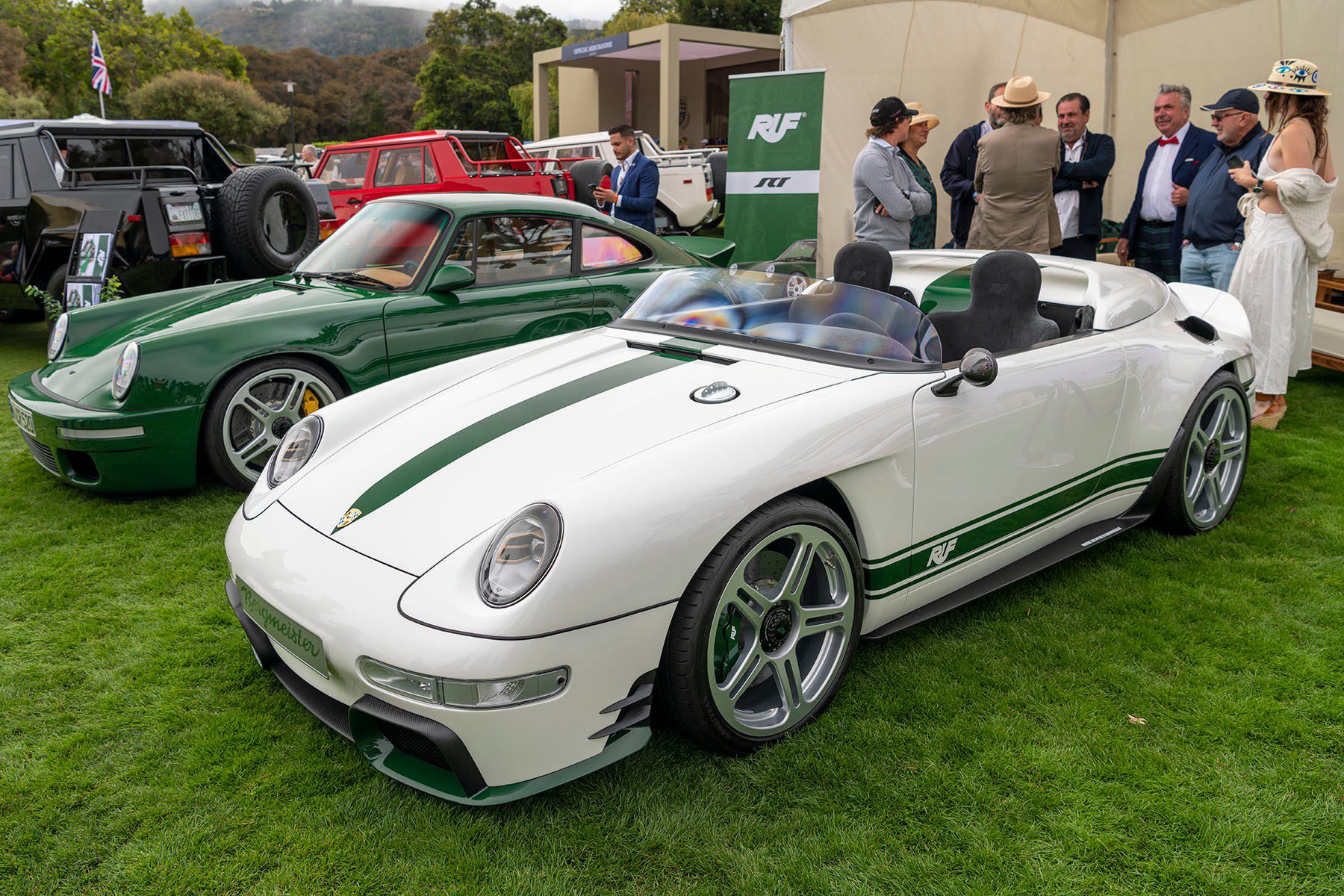
Porsche fans are ALWAYS satisfied at the Quail for several reasons. RUF Automobile from Germany displayed its new Bergmeister prototype, while Singer Vehicle Design’s display was packed, showcasing their “Turbo Study” inspired by the original 1975 930.
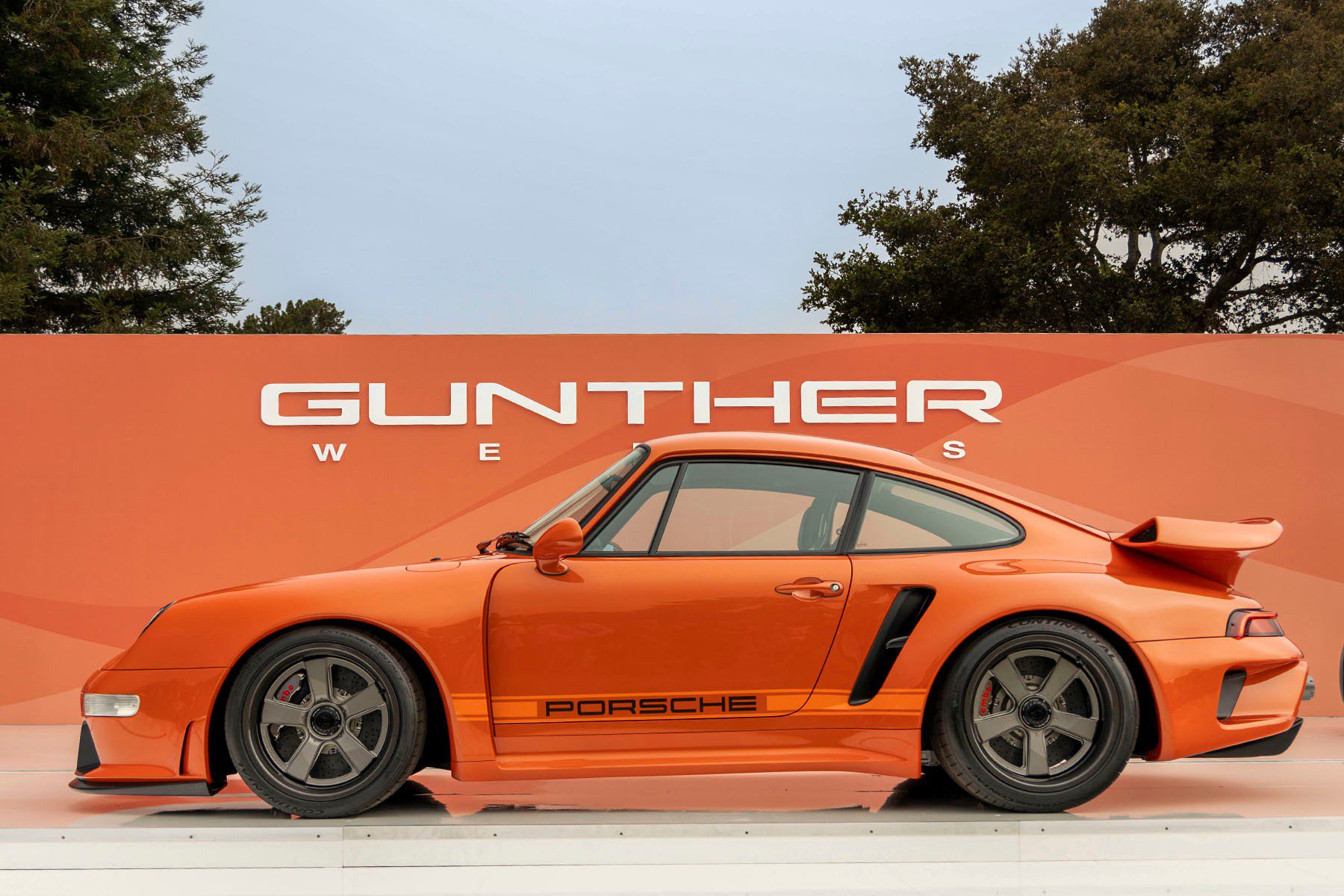
Guntherwerks of Southern California wowed everybody with both their Tornado and Exoskeleton commissions.
For those wanting to go a little faster, Hypercar manufacturer Pagani displayed an impressive collection of their ware, including 2 Huayra Rs, 3 Zonda Rs, 1 Zonda Revolución; 1 Imola, 1 Huayra BC Coupé, a Huayra BC Roadster, and the North American debut of the Huayra Tricolore.
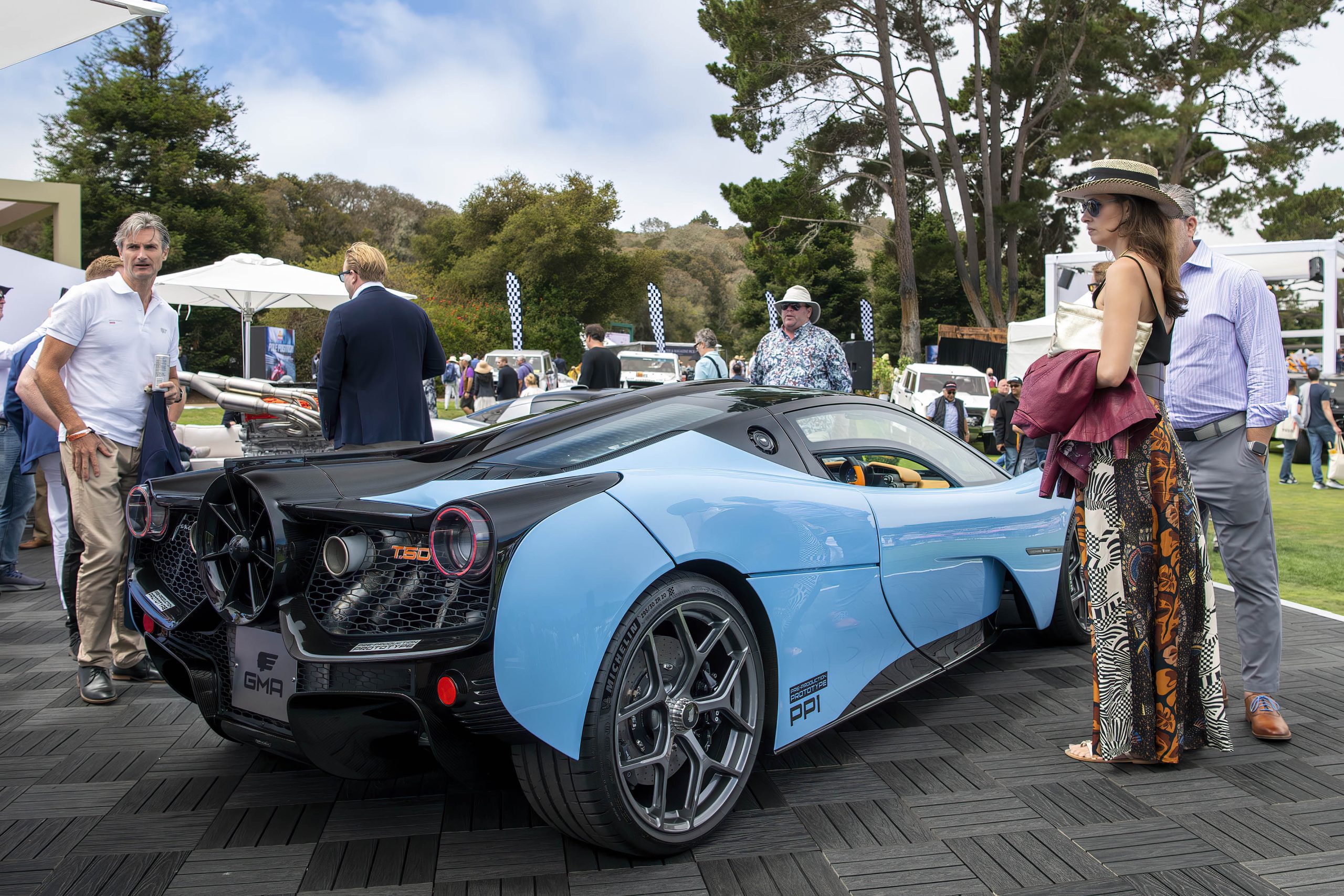
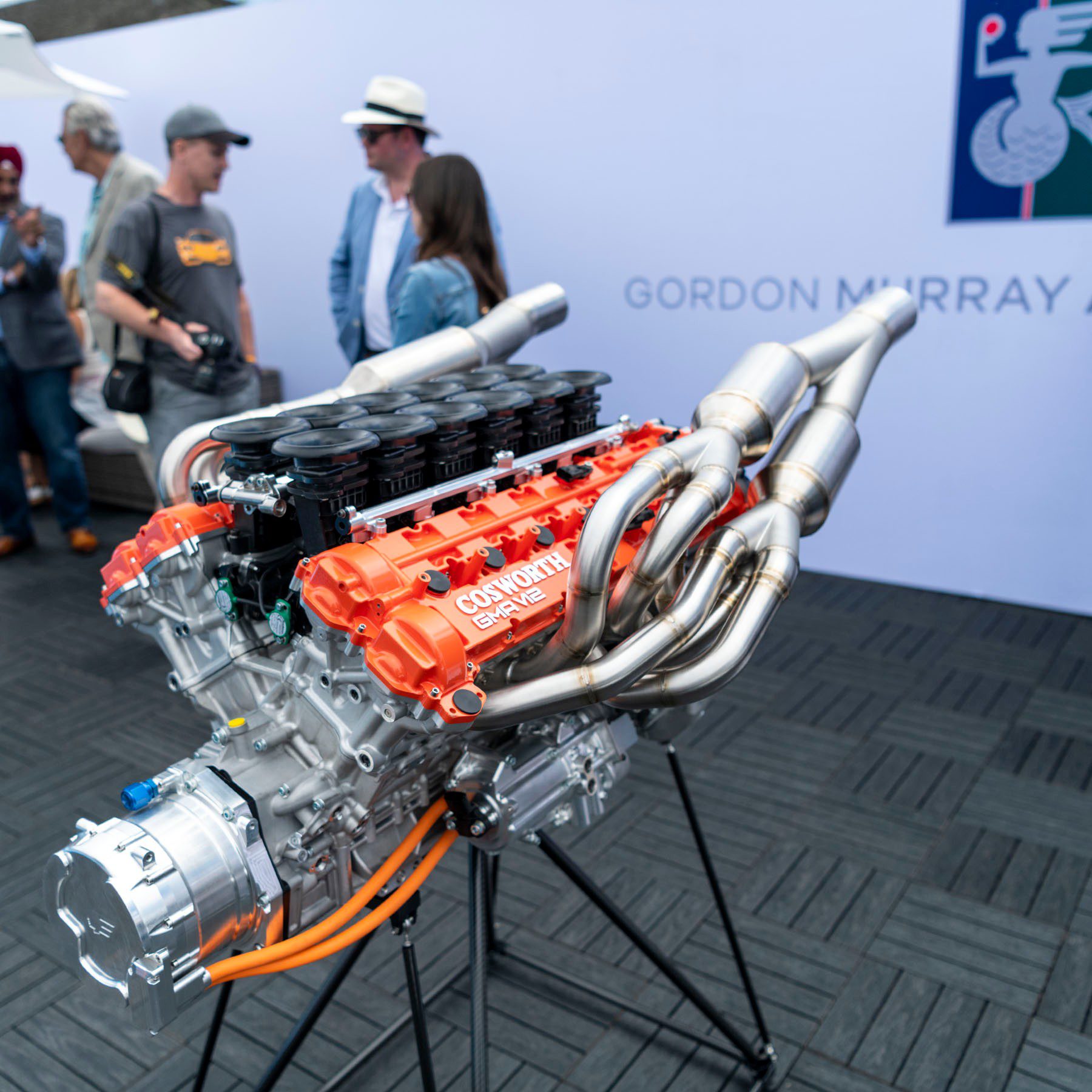
Other notables included Czinger, who debuted the Longtail 21C V Max, and Gordan Murray Automotive, who unveiled the T.33 and T.50 supercar models.
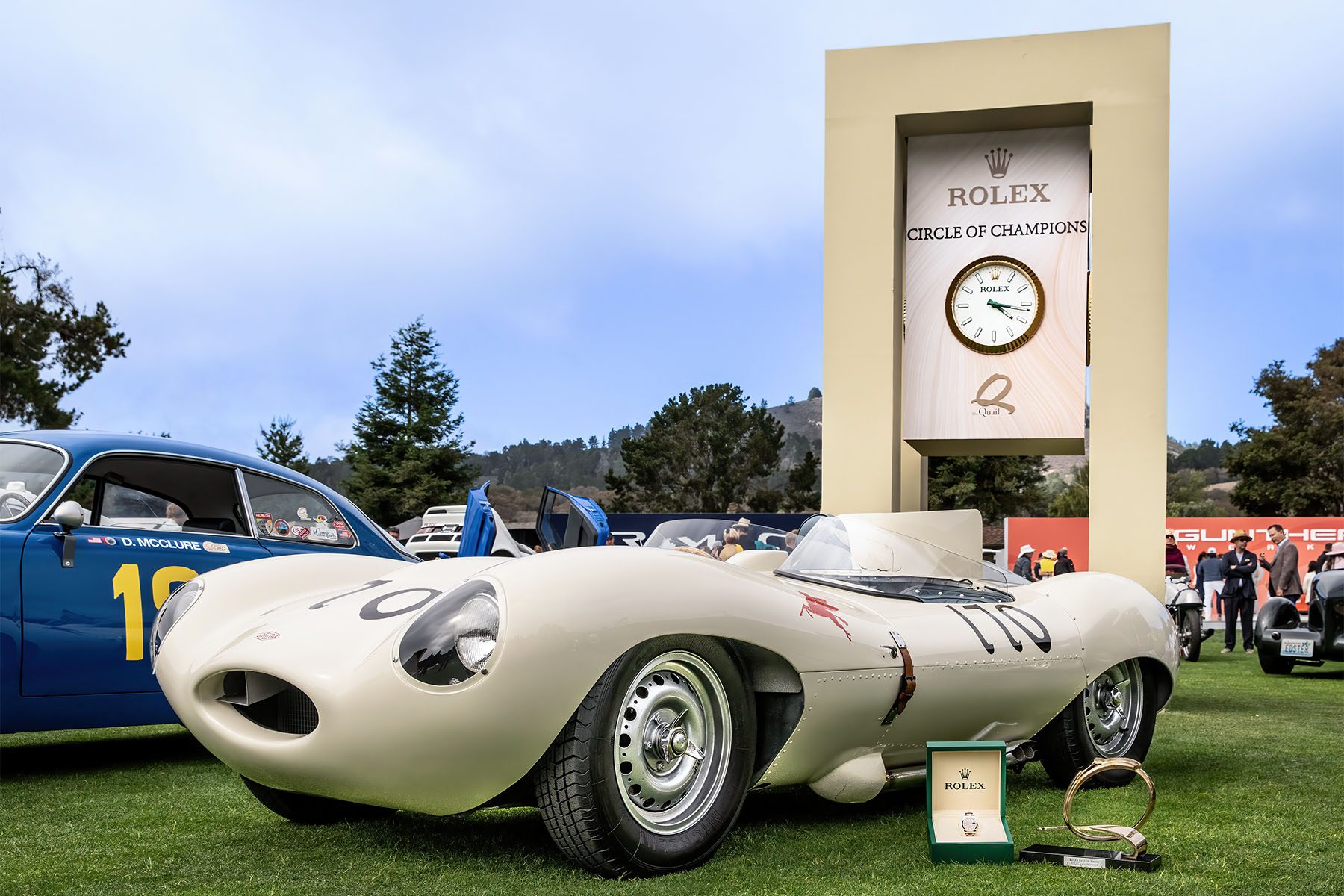
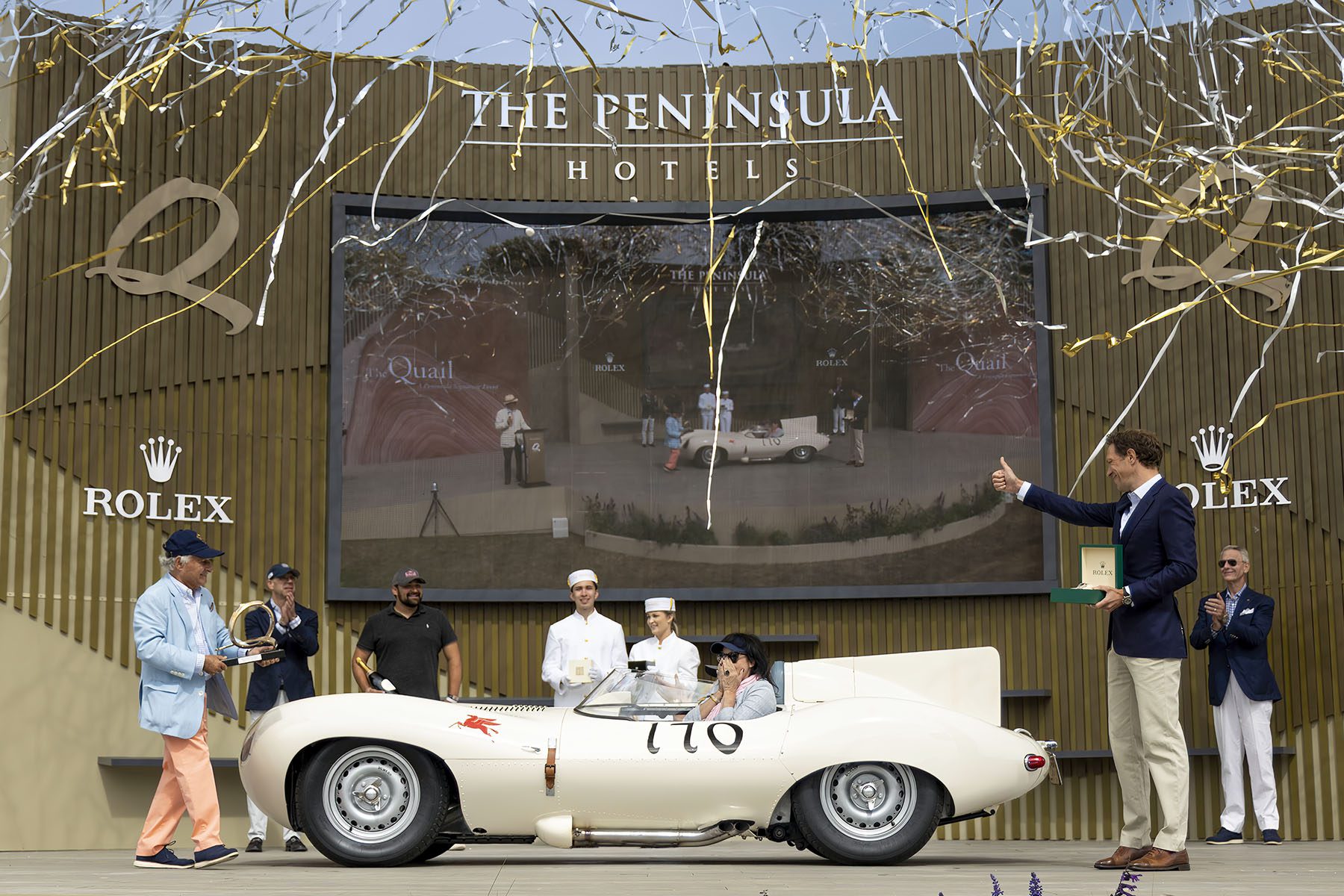
While everyone has an opinion about how cars should be judged, I appreciate The Quail’s “modus operandi,” where entrants choose class winners in that class, and the Best of Show award is selected by all entrants.
This reduces stress for car owners as they are not forced to clean the bottom of their car with Q-tips worried about what the judges may find. Instead, their fee to enter includes two lawn chairs and lunch, thereby promoting enjoyment by all. This year’s winners included:
While each Car Week event on the Monterey Peninsula has its unique character, the overall experience at this year’s Quail continues to be unbeatable. Where else does your ticket include caviar, oysters, fine wines, and champagne?
With its great food, beautiful people, and a very astute selection of automobiles, the experience is world-class. Founder Gordon McCall once told me, “Cars are fun,” so it’s no wonder he left his judging duties at Pebble to create this great institution we can all look forward to every August.
Imagine gliding across the turquoise waters of the Lombok Strait, with Bali’s lush coastline fading behind you and the rugged beauty of Lombok emerging on the horizon.
As an experienced traveler, I’ve always found island hopping in Indonesia to be a thrilling way to soak in the region’s natural splendor.
Traveling by boat makes you feel like you are actually visiting an island. If I have the time, I’ll go for that option.
Bali, with its vibrant culture and bustling beaches, is a global favorite, but just a ferry ride away lies Lombok—a quieter island with pristine shores, world-class surf breaks, and the majestic Mount Rinjani.
Whether you’re chasing adventure or tranquility, taking the ferry from Bali to Lombok is a scenic, budget-friendly way to travel. This guide covers the best ferry routes, operators, schedules, prices, and practical tips to ensure your journey is smooth and memorable.
Traveling between Bali and Lombok by ferry is a popular and scenic way to explore Indonesia’s beautiful islands. Whether you’re island-hopping, heading to Lombok’s serene beaches, or planning to visit the Gili Islands nearby, knowing your ferry options, schedules, and what to expect can save you time and hassle.
The Basics: Is There a Ferry from Bali to Lombok?
Yes, there are multiple ferry routes connecting Bali and Lombok, running year-round with increased frequency during the high season (June to September). The distance between the islands is about 32 nautical miles (roughly 60 km), and depending on the route and ferry type, crossing times range from about 1 hour 15 minutes to over 5 hours.
You’ll pass Penida Island and then expect a few waves as the water and wind push through the channel between the islands.
Where Do You Catch the Ferry in Bali?
You have three main ports to choose from:
Padang Bai (eastern Bali): The busiest and most popular departure point, with several ferry companies operating here. The port area has ticket offices, cafés, and basic amenities.
Serangan (south of Denpasar): A less crowded alternative with a more relaxed vibe. Nearby, you’ll find restaurants and cafés to grab a bite before boarding.
Sanur (southeastern coast): Offers modern facilities and scenic waterfront views, making it a comfortable starting point for your ferry trip.
Choosing your port depends on where you’re staying in Bali and your preferred arrival point in Lombok.
Lombok Arrival Ports
Ferries from Bali arrive mainly at:
Bangsal: Northern Lombok, a gateway to the Gili Islands.
Senggigi: Western Lombok, close to popular resorts and beaches.
Beach arrival with Eka Jaya Boats in Lombok, Indonesia.
Ferry Routes and Operators
There are five key ferry routes between Bali and Lombok:
Route
Duration
Notes
Serangan → Bangsal
~2 to 3 hours
Popular for Gili Islands access
Serangan → Senggigi
~2 to 3 hours
Direct to Lombok’s west coast
Padang Bai → Bangsal
~1 hr 15 min to 2 hrs
Fastest route available
Padang Bai → Senggigi
~1 hr 15 min to 2 hrs
High-speed ferries operate here
Sanur → Bangsal
~2 to 3 hours
Less frequent but scenic
Ferry Companies to Know
You’ll find a variety of operators, each with different schedules, comfort levels, and prices:
Gili Getaway: Known for reliable service and multiple routes.
Blue Water Express: Offers fast and comfortable boats.
Eka Jaya: Popular for affordable fares and frequent departures.
Gili Gili Fast Boat, Sugriwa Express, Tanis Fast Cruise, Semaya One Fast Cruise, Ganggari Fast Boat, Scoot Fast Cruises, Starfish Fast Cruise, and Wanderlust Cruise also operate on these routes.
Booking early is advised, especially during peak season, as boats can fill quickly.
Gili Getaway Fast Boats in Indonesia.
How Long Does the Ferry Take?
Travel times vary widely:
The fastest ferry runs on the Padang Bai to Senggigi route, taking about 1 hour 15 minutes.
Other routes, like from Serangan to Bangsal or Senggigi, can take 2 to 3 hours depending on the boat and sea conditions.
Some slower ferries or those making stops may take longer.
Prices and Tickets
One-way ferry tickets generally cost between €20 and €45 (roughly $22 to $50 USD), depending on the route, operator, and season.
Most companies allow one piece of luggage up to 25 kg included in the ticket price. There are no cabins on these relatively short trips, but seating is comfortable.
Discounts are often available for children and infants but vary by operator.
Ferry Types
Traveling from Bali to Lombok by ferry comes down to two main choices: fast boats and public ferries. Each has its strengths, depending on your budget, time constraints, and travel style.
Fast Boats
These modern vessels prioritize speed and comfort, taking 1.5 to 3 hours to cross the Lombok Strait. They depart from Bali’s ports like Padang Bai, Sanur, or Serangan, arriving at Bangsal or Senggigi in Lombok.
Prices range from $15 to $50 one-way, and amenities often include air conditioning and life jackets.
Operators like Bali Eka Jaya and Gili Getaway are known for reliability.
Blue Water Express from Bali to Lombok.
Public Ferries
Operated by ASDP (Pelayaran Nasional Indonesia), these slower ferries run 24/7 from Padang Bai to Lembar Harbor, taking 4 to 8 hours.
Tickets are affordable at around 80,000 IDR (~$5) per person, plus a 20,000 IDR harbor tax.
They’re ideal for budget travelers or those bringing motorbikes, though conditions can be cramped and basic.
What to Expect Onboard
Seating: Most ferries offer indoor and outdoor seating. Outdoor seats provide great views but can be hot or windy.
Facilities: Basic amenities like toilets are available, but don’t expect luxury.
No cars or pets: Currently, no ferries between Bali and Lombok allow vehicles or pets onboard.
Motion sickness: The sea can be choppy, especially during the rainy season. If you’re prone to seasickness, bring medication or choose the fastest route to minimize discomfort.
Practical Tips for Your Bali to Lombok Ferry Trip
Arrive early: Ports like Padang Bai can get busy, so arrive 30 to 60 minutes before departure.
Book in advance: Use reliable platforms to compare schedules and prices. For example, you can check all available ferry routes and book tickets for how to reach Lombok easily on Ferryhopper.
Pack light and waterproof: Luggage handling can be basic, and waves might splash on deck.
Plan your onward travel: From Bangsal, you can catch boats to the Gili Islands, while Senggigi is a good base for exploring Lombok.
Be prepared for delays: Weather and sea conditions sometimes cause schedule changes or cancellations.
Other Ferry Connections to Lombok Beyond Bali
Lombok isn’t just connected to Bali by ferry-there are several other convenient routes from nearby Indonesian islands, making it easy to weave Lombok into a broader island-hopping adventure.
Here’s a breakdown of the main alternatives.
Gili Islands to Lombok
The Gili Islands (Gili Trawangan, Gili Air, and Gili Meno) are just a stone’s throw from Lombok’s northwest coast. Ferries and public boats run frequently between each Gili and Lombok’s Bangsal or Teluk Nare ports.
Travel time: 10–20 minutes, depending on the island.
Frequency: Multiple daily departures; public boats leave once full, while fast boats have set schedules.
Cost: Around IDR 19,500–22,500 ($1.20–$1.50 USD) for public boats; fast boats are slightly higher but offer more comfort.
Experience tip: The crossing is quick and usually smooth, but boats can get crowded during peak times. Booking ahead is smart if you want a seat on a fast boat. Fast boats are modern, with air-conditioned seating and life jackets. The short crossing makes this route perfect for travelers combining a Gili Islands visit with a Lombok adventure. The fastest route to Lombok is from Gili Trawangan to Bangsal, taking around 15 minutes.
Local boat Alvita at the beach in Lombok, Indonesia.
Sumbawa to Lombok
Lombok’s eastern port, Kayangan, and western port, Lembar, both have regular ferry connections to Sumbawa (Poto Tano and Sape ports).
Travel time: 1–2 hours, depending on the route and sea conditions.
Frequency: Ferries run regularly throughout the day.
Operators: Public ferries accommodate both passengers and vehicles; private speedboats are also available for a premium.
Scenery: This crossing offers panoramic views and occasional dolphin sightings-well worth the journey for those heading east.
Experience tip: Ferries are equipped with life jackets, lifeboats, fire extinguishers, a musholla (prayer room), canteen, toilets, and VIP rooms (extra cost). The route is ideal for travelers moving between Sumbawa’s rugged landscapes and Lombok’s attractions.
Other Indonesian Islands
While Bali and the Gilis are the most popular jumping-off points, you can also reach Lombok by ferry from other islands in Indonesia, especially during high season when extra routes may operate. For example, some routes from Flores or Komodo (Labuan Bajo) may include stops in Lombok, but these are less frequent and typically part of longer, multi-day boat tours.
Good to know
For all these routes, you can buy tickets at the harbor, but booking online in advance (especially for fast boats or during high season) saves time and avoids haggling.
Real Talk: The Challenges
While the ferry ride is generally straightforward, some travelers have noted that:
Port facilities can be basic, especially at Bangsal.
Schedules may change without much notice, so flexibility is key.
Sea conditions can be rough, making the journey uncomfortable for some.
Ticket offices sometimes have confusing information, so double-check your booking and departure details.
Despite these hiccups, the ferry remains one of the most scenic and cost-effective ways to get from Bali to Lombok.
Best tip is to plan better, often opting for fast boats for comfort or public ferries for budget trips. The key is to anticipate potential hiccups—like rough seas or crowded ports—and prepare accordingly.
Ships at the beach in Lombok, Indonesia.
Practical Tips for a Smooth Journey
Drawing from personal experience and insights from fellow travelers, here are tips to make your ferry trip seamless:
Book in Advance: Fast boats can sell out, especially from June to September. Booking online in advance ensures a spot and often offers discounts.
Arrive Early: Ports like Padang Bai can be chaotic. Arrive 30-60 minutes before departure to check in and avoid stress. I once nearly missed a ferry due to long queues—don’t make that mistake!
Prepare for Sea Sickness: The Lombok Strait can be rough, especially in the wet season (November-March). Take motion sickness medication 30 minutes before boarding, and sit in the middle and at the back of the boat for stability.
Pack Essentials: Bring water, snacks, and entertainment (e.g., downloaded podcasts or books), as amenities are limited, especially on public ferries. A small backpack with sunscreen and a hat is ideal.
Dress Appropriately: Wear light, breathable clothing for fast boats, as they can get warm. For public ferries, pack a jacket, as air conditioning can be chilly.
Arrange Transport in Lombok: Ports like Lembar and Bangsal have limited public transport, and taxi drivers may overcharge. Pre-book a private transfer or confirm with your accommodation. Bangsal, in particular, has a reputation for scams, so stay vigilant.
Check the Weather: Rough seas can delay or cancel ferries. Check forecasts and avoid traveling during stormy weather for safety.
Luggage Considerations: Fast boats allow one 25 kg bag free, but space is tight. Public ferries are better for motorbikes or larger luggage, though loading can be slow.
Safety First: Choose reputable operators like Bali Eka Jaya or Blue Water Express for fast boats, and ensure life jackets are available. For public ferries, stick to daytime crossings for a more comfortable experience.
Consider Alternatives: If time is tight, flying from Bali to Lombok (35 minutes, $60-$125) is an option, especially for Kuta-bound travelers, as the airport is just 20 minutes away. Compare costs and convenience before deciding.
Why Visit Lombok?
Lombok is a destination that feels like Bali’s less crowded cousin, offering a blend of natural beauty and cultural richness.
Its uncrowded beaches, vibrant marine life, and cultural authenticity offer a refreshing escape from Bali’s hustle.
Kuta Lombok is a surfer’s paradise with breaks like Gerupuk and Mawi, while Senggigi boasts serene beaches and vibrant sunsets. For adventurers, hiking Mount Rinjani is a bucket-list experience, and the island’s waterfalls, like Tiu Kelep, are breathtaking.
The ferry journey itself adds to the adventure, offering stunning ocean views and a chance to feel the pulse of Indonesia’s island life.
Volcano in Lombok, Indonesia.
Final Thoughts
Traveling by ferry from Bali to Lombok is a rewarding experience that lets you soak in Indonesia’s island vibes right from the water. With multiple routes, operators, and departure points, there’s flexibility to fit most travel plans and budgets.
For a hassle-free booking experience and to explore all your options on one platform, check out how to reach Lombok by ferry on Ferryhopper’s Bali to Lombok page.
Whether you’re chasing beaches, waterfalls, or the famous Gili Islands, the ferry is your gateway to the next chapter of your Indonesian adventure. Just pack smart, book early, and enjoy the ride.
I’m sure you’ve had similar experiences I had whilst traveling. You’re in a certain place and a fellow traveler, or a local, tip you off on a little-known beach, bar or accommodation. Great travel tips from other travelers or locals always add something special to our travels. That was the inspiration for Travel Dudes.
I’m sure you’ve had similar experiences I had whilst traveling. You’re in a certain place and a fellow traveler, or a local, tip you off on a little-known beach, bar or accommodation. Great travel tips from other travelers or locals always add something special to our travels. That was the inspiration for Travel Dudes.
General Motors has taken the wraps off the 2026 Chevrolet Corvette. The updated model comes with a redesigned interior, which was partially revealed through spy images late last month.
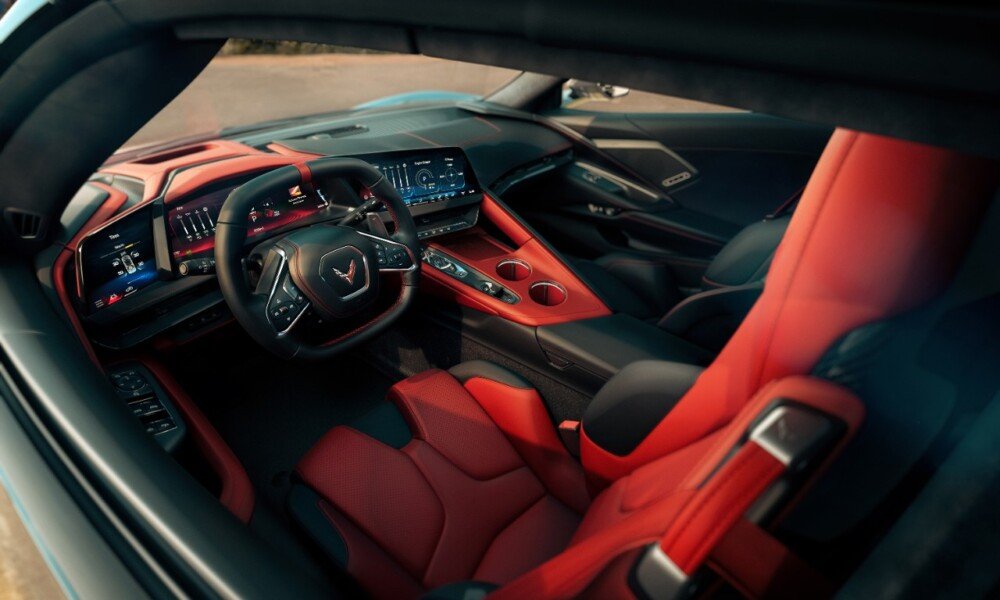
The entire Corvette lineup, including the Stingray, E-Ray, Z06 and ZR1, will feature the new interior for the 2026 model year. While the overall layout remains unchanged, Chevy has made some major changes, including larger and more advanced driver-centric displays, new colourways, finishes, and materials.
The 2026 Corvette comes with a 12.7-inch touchscreen infotainment system, a 14-inch digital instrument cluster, and an additional 6.6-inch touchscreen to the left of the steering wheel, which displays trip mileage or Performance Traction Management.
The centre console has also been tweaked. The drive mode selector has been relocated in line with the gear selector. The HVAC control has been repositioned, creating space for an integrated passenger grab handle. A new wireless charging pad has been added along with new USB Type-C ports, redesigned cupholders and ambient lighting.
Night markets in Taipei are a thing! You honestly can’t miss them – and they’re not just for visitors to the city. Once here, you’ll be rubbing shoulders with locals and visitors to Taipei on the search for the most delicious foods of the evening.
So, to help you have the best experience when visiting the best night markets in Taipei, I’m sharing our top tips and best night markets in Taipei that you can’t miss. This way, you can focus solely on filling your tummy – the essentials, after all!
Should I take cash to Taipei’s Night Markets?
Now, first things first, make sure to take cash with you, and especially smaller notes. The vendors don’t usually like breaking big notes, and it can be a problem if you’re spending a relatively small amount in each stall. Keep lots of $100 bills with you—they are really handy.
Also, the good thing about Taipei Night Markets is that you don’t have to haggle. Honestly, I find it quite exhausting to have to haggle in some markets, and it makes the experience of wandering around Taipei’s night markets much less stressful.
Once you’re here, you’ll see that the food and drinks are priced fairly, and everyone is really friendly.
What to eat in Taipei’s night market?
Firstly, you need to follow no hard and fast rules here. Eat whatever takes your fancy or piques your interest. There are typically hundreds of stalls selling everything from bubble tea, fresh fruit, grilled meats, noodles and vegetarian dishes – trust me, there is loads.
What I would say is that Taiwan has a big foodie culture, so make sure to try some local dishes (which you won’t struggle to find). For instance, you’ll want to try the famous beef noodle soup. I absolutely love it. It’s like a thin broth, with huge chunks of beef and noodles inside and is absolutely delicious. I always add tofu skin to this, too, though I don’t think that would be considered traditional here.
Of course, you have to have some bubble tea. Typically, Taiwan’s bubble tea doesn’t have popping balls inside, and sticks to the more traditional chewy tapioca balls (which I love). It’s also relatively inexpensive, with bubble tea ranging from $40 to $ 80 at the. Very maximum.
If you’re into sweet treats, make sure to also try the shaved ice served at every night market. The mango shaved ice is so refreshing, sweet, and delicious on a hot evening.
Also, it’s not as popular, but salty chicken is another cold meal you can find in the night markets in Taipei. This is typically cold chicken meat and other parts of the chicken mixed with a choice of vegetables and mushrooms. It is then salted and seasoned as you wish.
There’s also a range of Taiwan sausages and several pork-specific dishes that you’ll come across as you wander the markets. Pork is king in meats in Taiwan, and there’s always some version to try in the markets.
If you love seafood, you’ll also find local catches that are grilled fresh, heaps of calamari, and grilled oysters, too. Oh, and don’t forget to grab some of the flame-grilled corn. I literally had this at every market, and it was so delicious.
Finally, make sure to arrive at the Taipei Night Markets hungry – it’s almost an assault on the senses when it comes to trying delicious foods, and I guarantee you’ll leave stuffed.
That takes us to the hard part! There are countless night markets in Taipei, and it can be confusing to decide which ones are the best. What I would say is that it’s often best to choose the ones that are most convenient to either your hotel or your plans for the day. Each one has quite similar offerings, which makes it nice and easy for you.
During our time in Taipei, we visited a fair few night markets in Taipei and we literally filled our tummies in each and every one of them. For us, we loved the;
There are also some smaller, but no less delicious night markets in Taipei, like Nanmen Market (Google Maps link), Shuangcheng Street Night Market (Google Maps link) and Shida Night Market (Google Maps link), too.
However, that’s not an exhaustive list – they’re just ones we enjoyed and would absolutely go back to whilst visiting Taipei.
Also, there’s this incredible night market tour in Taipei that you can book for your visit to the city. It’s a great way to experience the night markets and try what makes Taiwanese food so special.
The joy of Taipei’s night markets is that they sell everything and anything you can imagine while visiting Taiwan. You’ll find sneakers, cuddly toys, perfumes and clothing mixed between the delicious food stalls that line the walkways. Again, just like the food outlets, these tend to take cash-unless it’s a higher-priced purchase, so plan accordingly.
Have the best time visiting Taipei, and don’t forget to check out all the best things to do in Taipei and the iconic spots across Taiwan that you can’t miss. Have fun exploring Taipei.
Not sure if you need a motorhome warranty? Confused about what it covers? Worried you’re being ripped off? Here’s everything you need to know about motorhome warranties and how to check you have what you need.
Don’t forget to grab your FREE pre-trip checklist below, to help keep your road trip organised.
*We work hard to make this the best motorhome travel blog and road trip website possible, full of helpful content for you. The website is supported by our readers, so if you buy through links on this site we may earn a commission- at no extra cost to you. All opinions remain our own.
If you find this post useful, you can also treat us to a coffee – we promise to enjoy it while creating more useful content like this- we might even indulge in a biscuit (or two!)
Motorhome Warranty- what is it?
Let’s start by what it is NOT- a warranty is NOT motorhome insurance. The two are not the same thing.
A warranty is a policy which protects you against faults which may develop with your vehicle, often with no external cause.
Vehicle Insurance is protection against loss caused by external factors, such as an accident, theft or vandalism.
Also, your motorhome or campervan insurance compensates other drivers for damage if you’re at fault in an accident and it is a LEGAL REQUIREMENT to have at least third party motorhome insurance before you drive your vehicle.
However, you do NOT legally need a warranty for your motorhome or campervan.
If you have both, there are times you might claim on both. For example, if you bought a new motorhome and the brakes failed as you were driving home and you hit something, your warranty should cover the cost of repairing your brakes and your insurance the cost of repairing the van and any third party damage.
Your warranty can also do things like provide you a vehicle while yours is being repaired (something many insurance companies don’t do).
Your legal rights
When you buy any vehicle in the UK, you have certain legal rights.
Under the Consumer Rights Act 2015, you can reject a vehicle within 30 days of buying it if it is found to be faulty and get a full refund in most cases. You might also have protection if you paid using a credit card or through hire purchase (under the Consumer Credit Act 1974).
Also, manufacturers have obligations to provide vehicles that meet certain standards and safety checks. Occasionally, they have to issue recalls on vehicles or parts due to a fault. This has NOTHING to do with motorhome warranties- it applies even if you don’t have one. Learn more about motorhome recalls here.
Types of motorhome and campervan warranties
There are several different types of motorhome warranties:
Manufacturer’s warranty
Converter’s warranty
Dealer’s warranty
Insurer/ private warranty
Let’s look at these in more detail below.
Manufacturer’s warranty
Most brand-built motorhomes are built onto a base vehicle (eg: Fiat Ducato). The manufacturer’s warranty often covers just the base vehicle, including the mechanics and electrics, the engine and transmission, the fuel and ignition systems, clutch, gearbox, steering, suspension etc.
Most manufacturer’s warranties have a time limit (eg- 3 years) and during this time the warranty will cover anything the manufacturer has stated should not require repair in the specified time frame.
NOTE: They have strict conditions on this, including if the vehicle has been maintained properly, often by using approved dealers for servicing. If this hasn’t been done, your warranty could be invalid.
Also, check when the warranty started. Many start from when the vehicle was finished in production, meaning it could be 12-18 months into its warranty when you get it.
If you buy an almost new vehicle which is still within the manufacturer’s warranty, you should be able to get it transferred into your name- make sure you do this before you need to claim.
What isn’t covered by motorhome manufacturers’ warranties?
It’s common for these not to cover ‘consumables’, which are anything that would normally require replacement after a certain amount of usage (such as tyres, brake pads and discs, wiper blades etc)
Another common exclusion is diagnosing a fault. Even if it is a part covered by warranty, getting the fault diagnosed by a professional is often not covered.
Converter’s Warranty
This covers work done by a conversion company, if you have had a van converted into a campervan after market.
CAUTION: Different companies will cover different things, so be sure to read the small print to see what you’re covered for.
Often, it comes in two parts:
Part 1 covers the motorhome and fitted equipment, including the external body, the electrical system, water system and some appliances (such as the refrigerator and the cooker)
Part 2 covers the body integrity, including leaks (water ingress).
NOTE: Converter warranty often doesn’t cover the base vehicle, and the time limits for the two may not match.
Dealer warranty
If you buy your motorhome through a dealer (which we always recommend), they should offer some sort of warranty with the sale. This is one of the biggest benefits of buying a motorhome or campervan through a dealer rather than privately.
Usually, these cover a small period (perhaps just 12 months), but you can pay to extend it for longer.
What’s covered by these warranties is down to the dealer, or the insurer who underwrites them. Some cover base vehicles and body, others just one or the other. Be sure to read the small print carefully.
Whilst these are great for peace of mind, they can have a lot of exclusions or unusual terms (such as where the vehicle is serviced), so do read it all thoroughly.
Like manufacturers’ warranties, they will almost certainly exclude wear and tear and consumables. They could also exclude ‘consequential loss’; damage to an insured part caused by the failure of an uninsured part.
NOTE: It’s possible to extend some warranties for as much as 10 years, which sounds great but is likely to include a sliding scale of how much you will need to pay towards any repair costs. Basically, the older your vehicle, the more you will need to contribute when something goes wrong.
Should you extend or pay for a dealer’s motorhome warranty?
This, of course, depends a lot on what is covered by the policy, how much it costs and what other cover you might have in place.
Here are some questions to consider before you pay money for a policy:
How long is the policy valid for?
Is there an annual mileage limit?
Which parts of the motorhome or campervan are covered? Does it cover JUST the base vehicle or the habitation area too?
Does it cover damp/ water ingress?
Is there a maximum amount per claim?
Who pays for the cost of transporting your motorhome to the garage if it breaks down?
Does it cover travel abroad or UK only? If you’re planning to tour Europe in your motorhome, is there a network of approved repairers in both the UK and in Europe?
Do you have to return the vehicle to the dealership for any work to be done? (VERY important if you are buying a long way from home.)
Do you get a replacement vehicle (free of charge) while your motorhome is being repaired under warranty?
If the warranty is valid only with a specific service schedule, does it matter which garage carries this out?
How much will you be expected to contribute to any repairs, especially in the later years of an extended warranty?
How simple is the claims procedure?
Remember, you can choose to buy a private motorhome warranty, rather than use the dealer’s one.
Insurer/ private warranty
If you buy your second-hand motorhome privately, or you discover your warranty has expired and want to get another one, you can buy a private insurance-backed warranty.
Again, these can vary in cover based on the underwriter AND the options you choose; obviously, the more things you want to cover, the more it will cost.
What might invalidate a motorhome warranty?
Frustratingly, there are many normal actions which might invalidate your warranty for good, including but not limited to:
Spending too many nights in your van. Whether that’s one long trip, or a total over the year, many warranties have a total maximum limit.
Maximum mileage. Exceeding that will invalidate your warranty
Use only approved service centres, which may not be near you. If you don’t do this, your warranty will be invalidated.
Doing any repairs or maintenance yourself.
Making any modifications, which includes things like fitting new solar panels, changing your motorhome leisure battery or fitting refillable gas bottles.
NOT going through the correct claims process. Usually, you must get approval from the dealer/ manufacturer before you get a repair carried out. This can often be a hassle, unless you’re with a reputable dealer.
Mistakes. These include things like filling with the wrong fuel, getting stuck under a low bridge and not draining the system down properly for winter.
Continuing to drive after a warning light shows or a fault becomes apparent.
So, do you have a motorhome warranty? Do you want one? If you do decide to get one privately, my advice is to compare, compare and compare again. You also want to be sure it is a policy designed for motorhomes and campervans, not cars.
Want more tips for motorhoming?
Here are some more ideas you might find useful:
Want FREE checklists, eBooks and additional tips to help? Visit our resource page
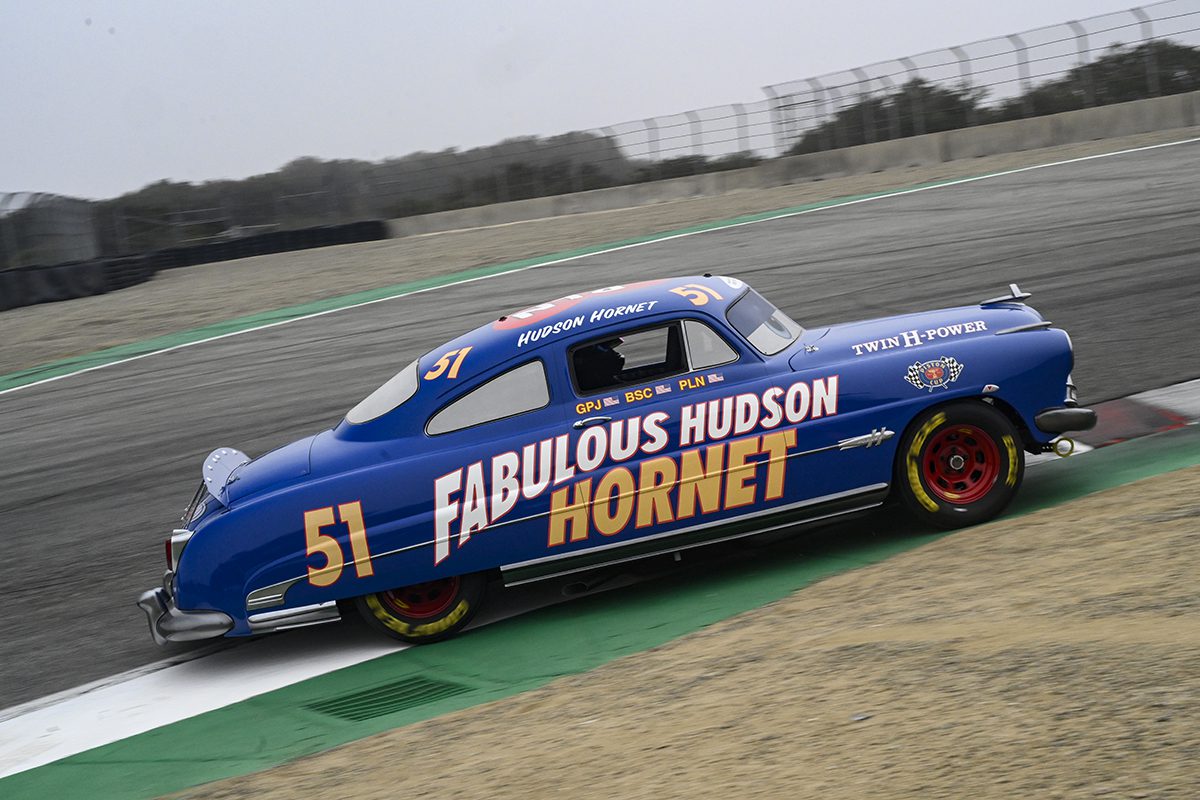
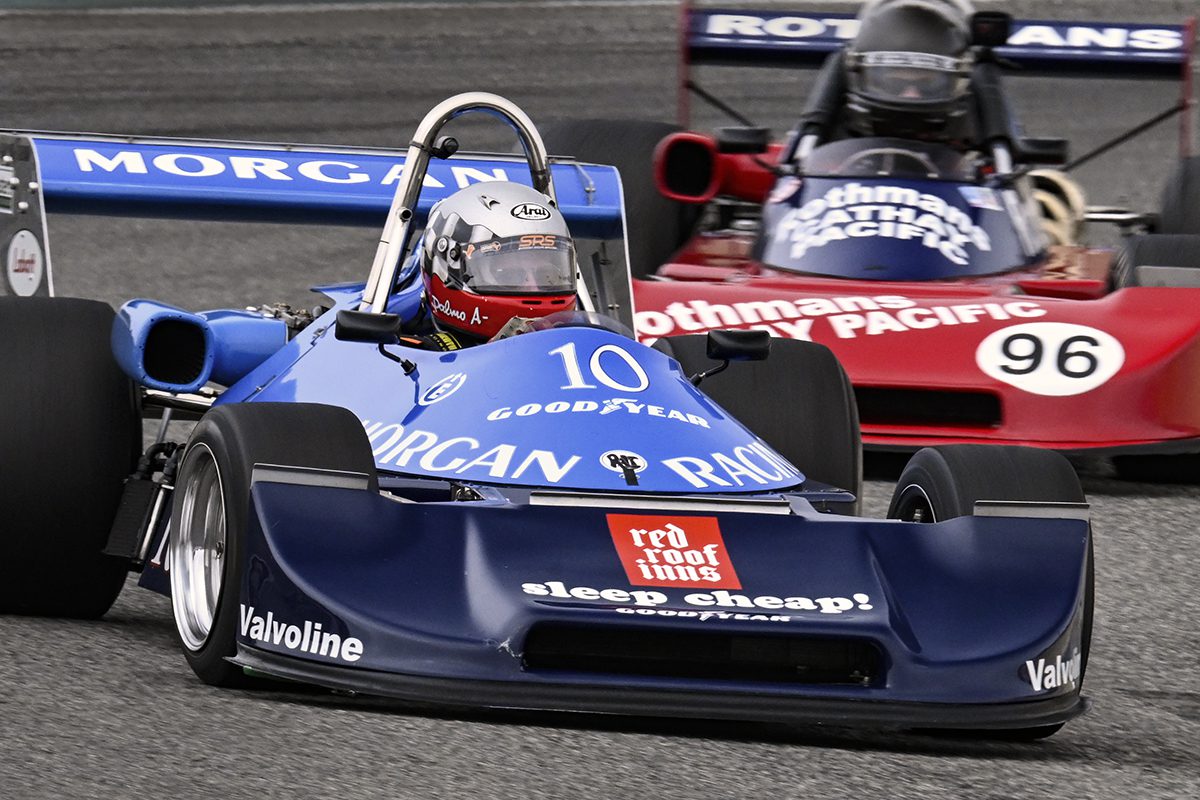
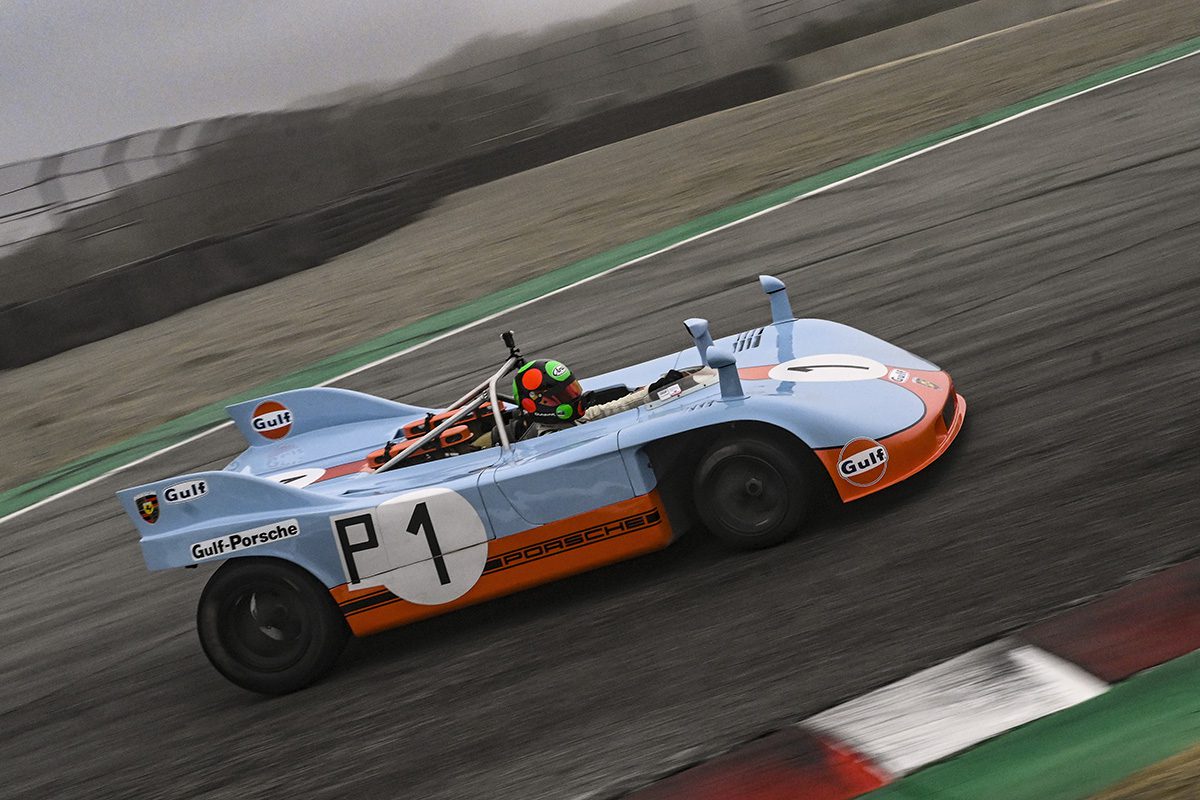
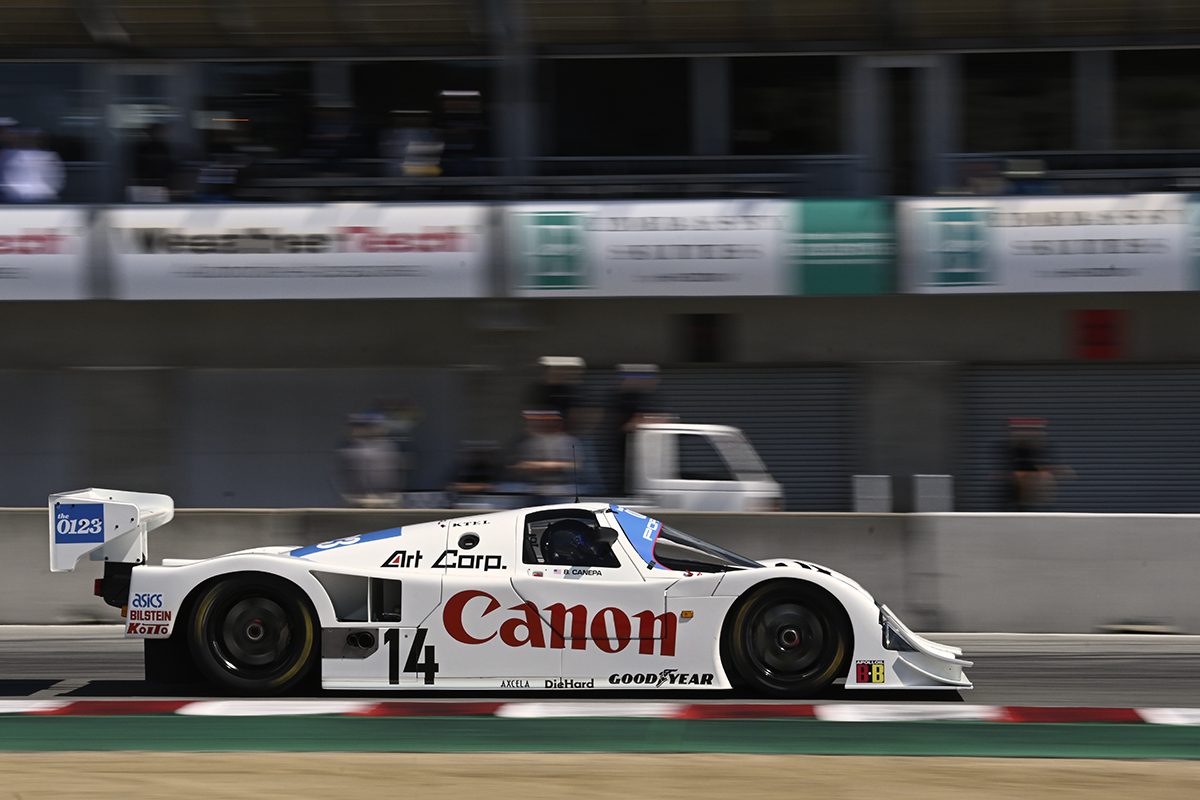
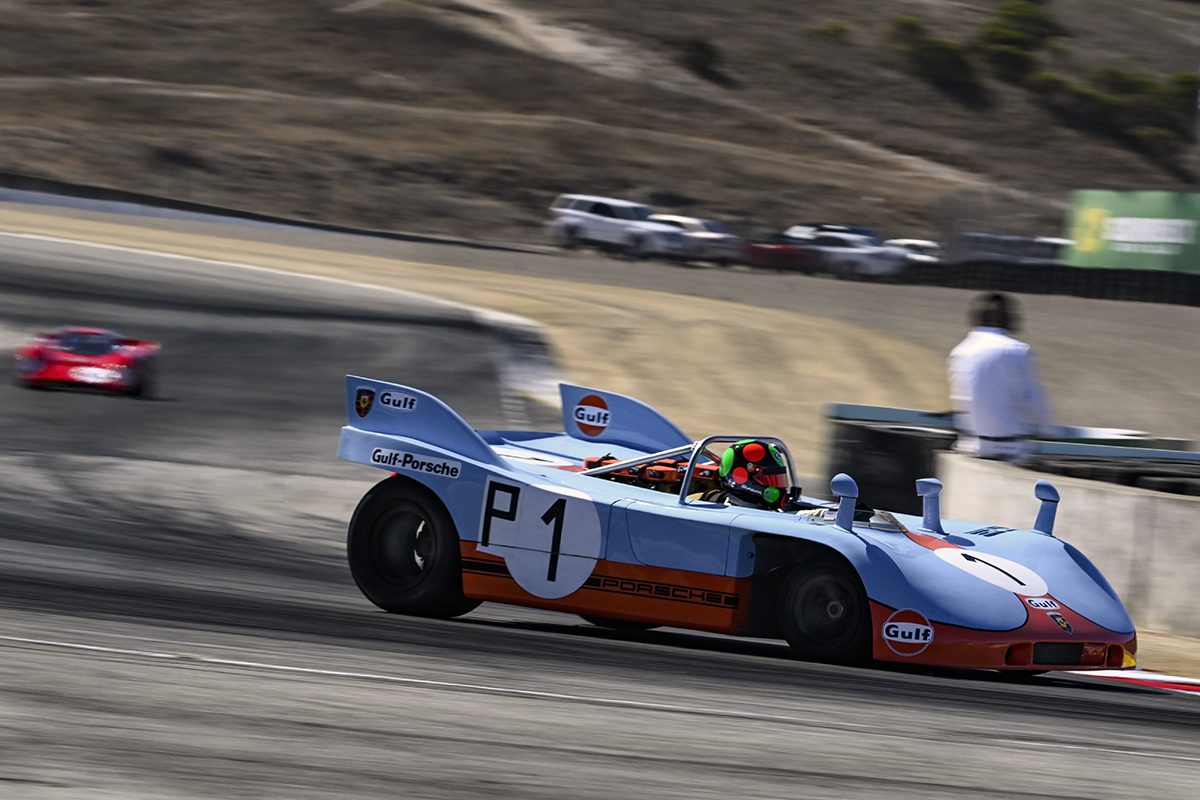
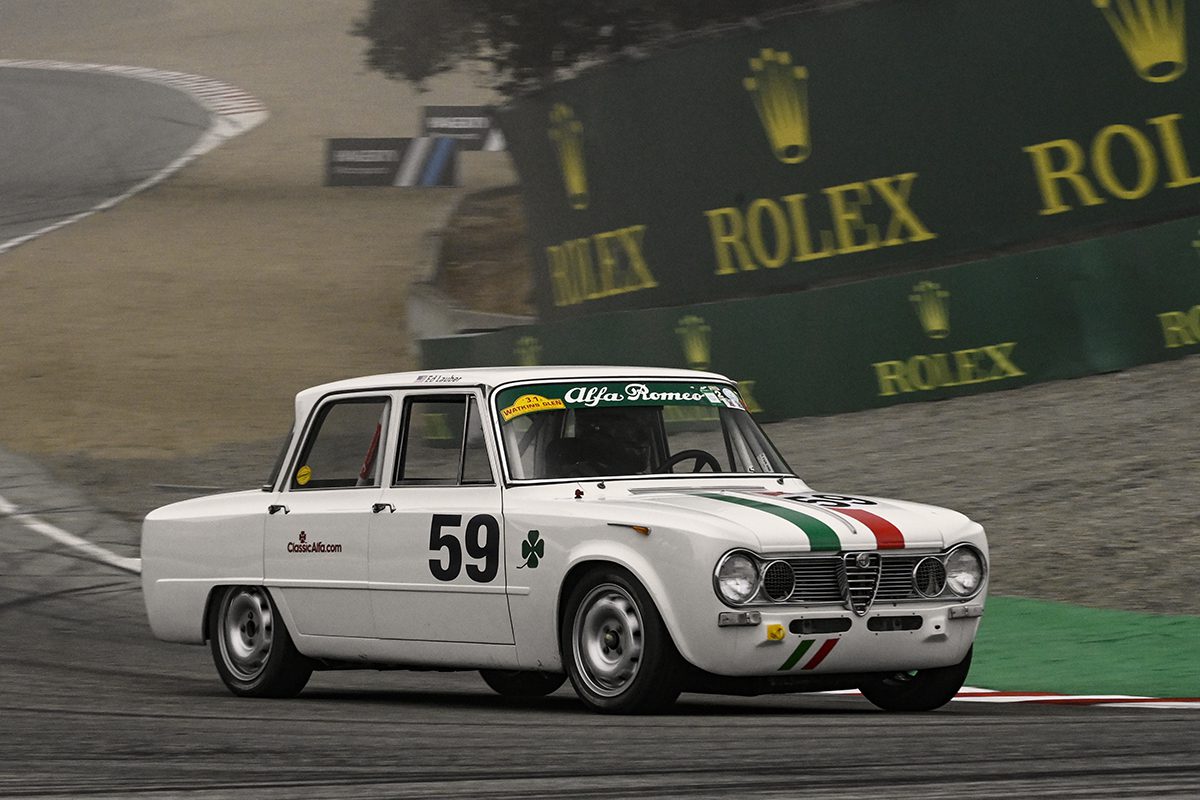
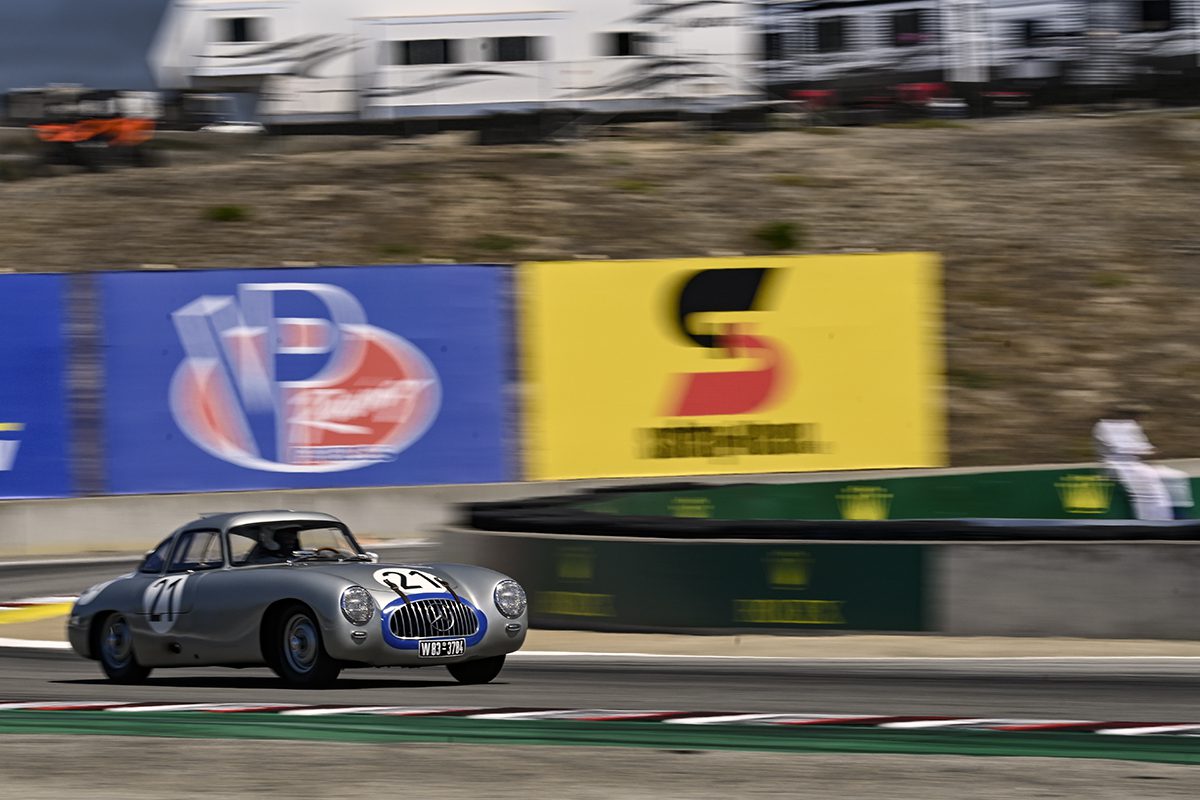
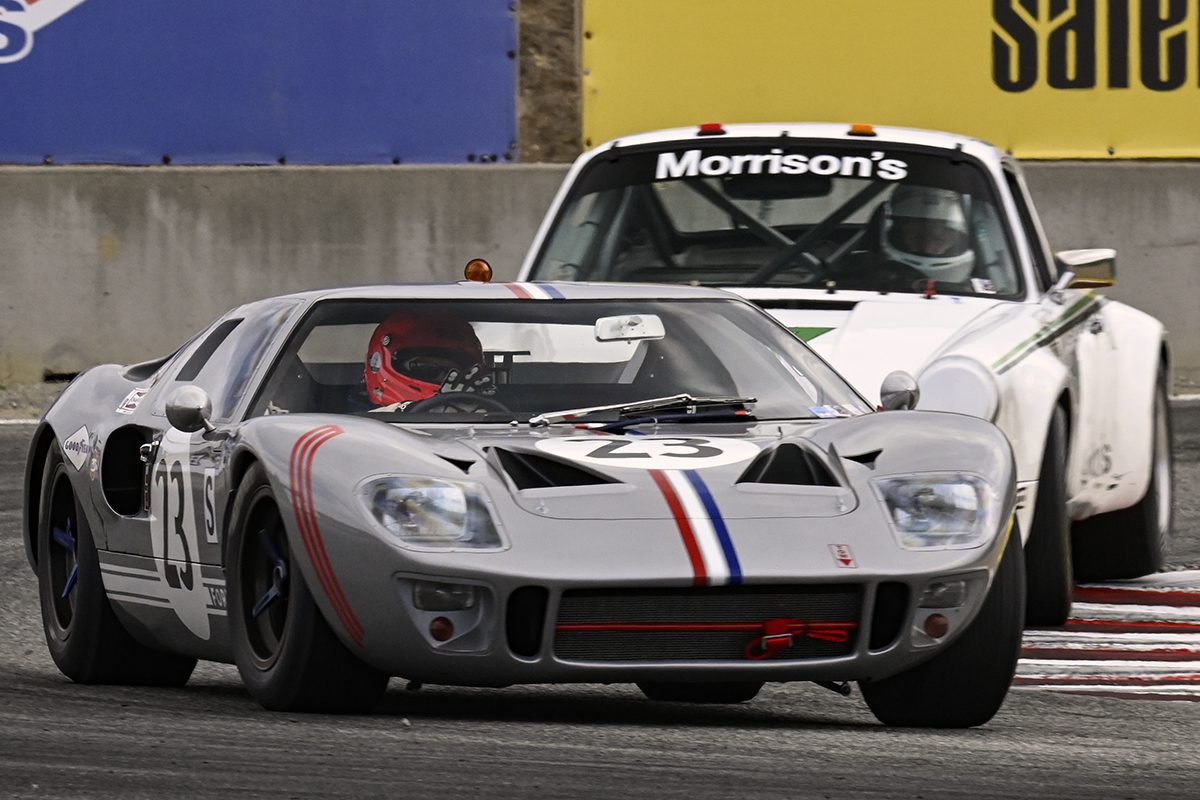
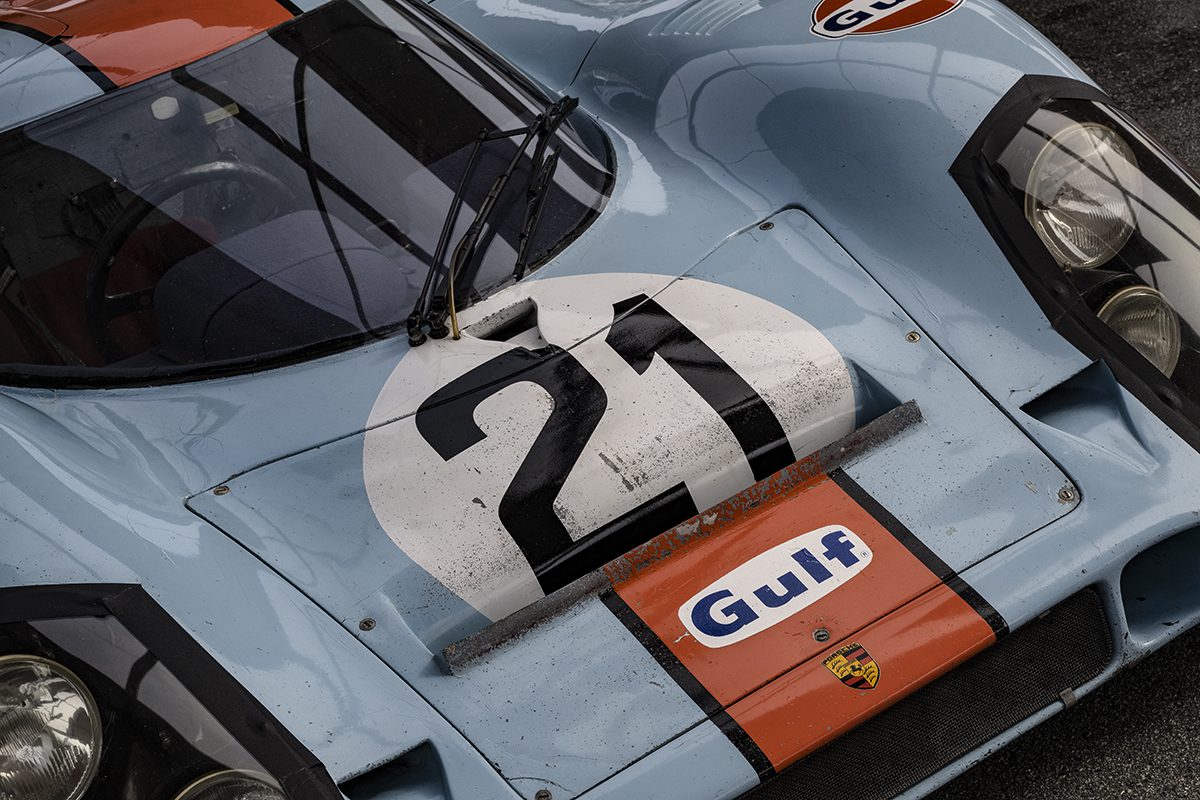
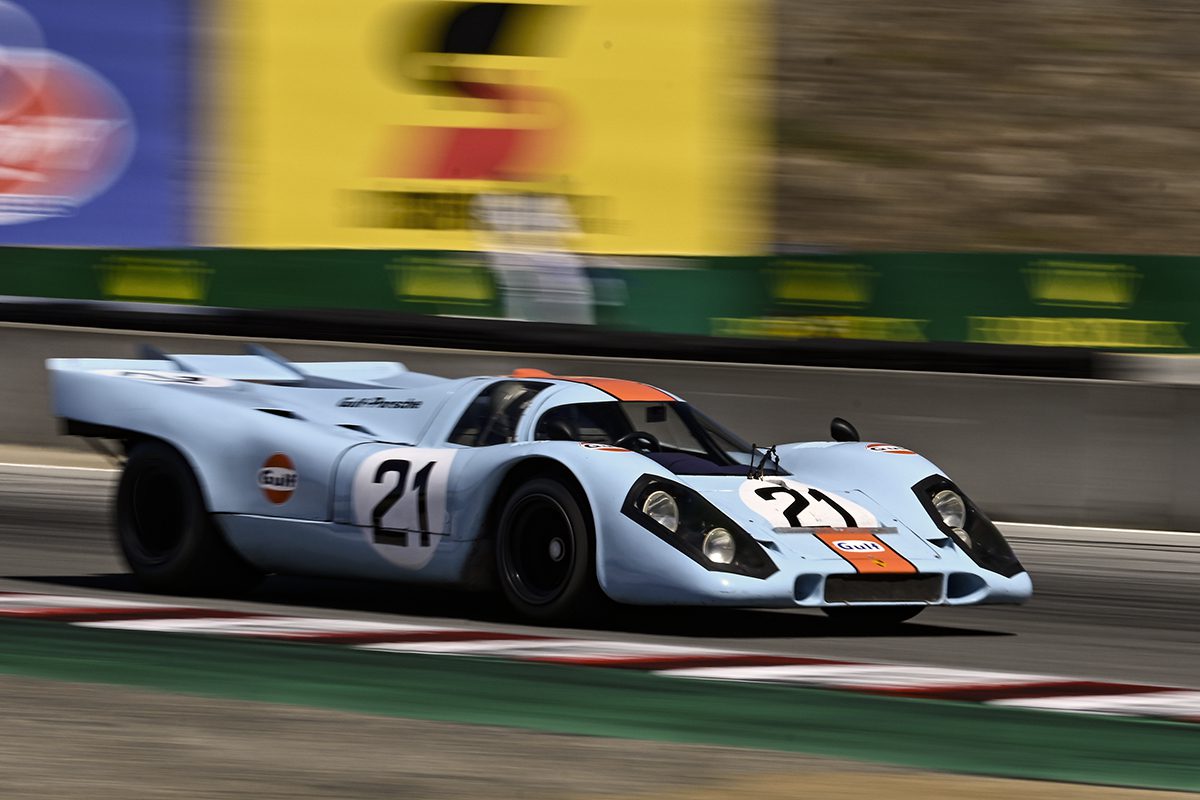
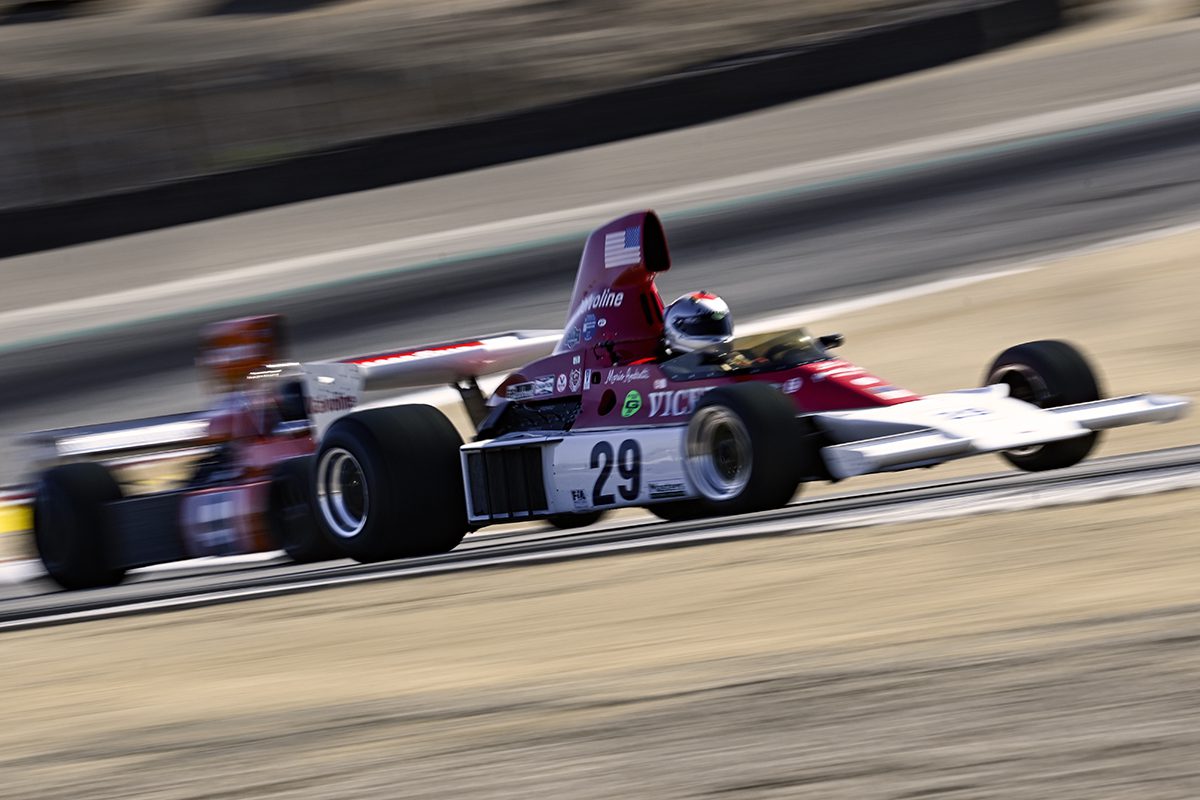
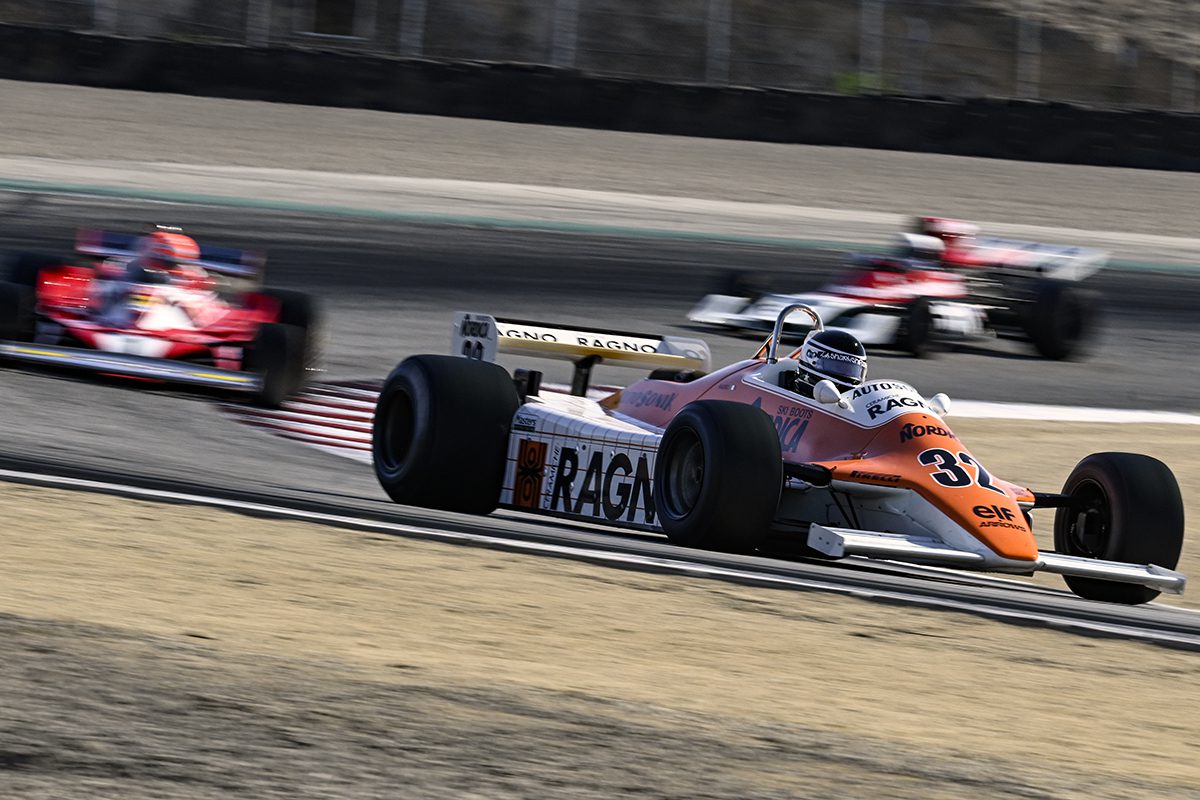
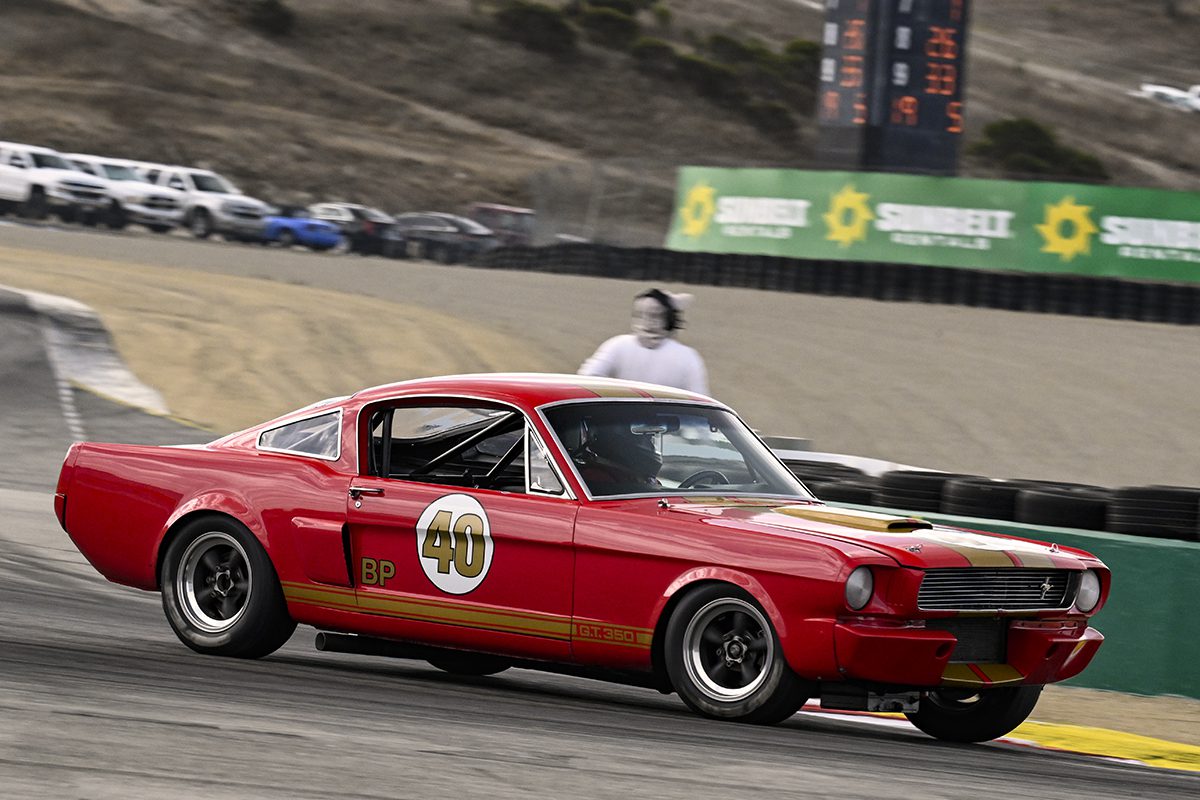
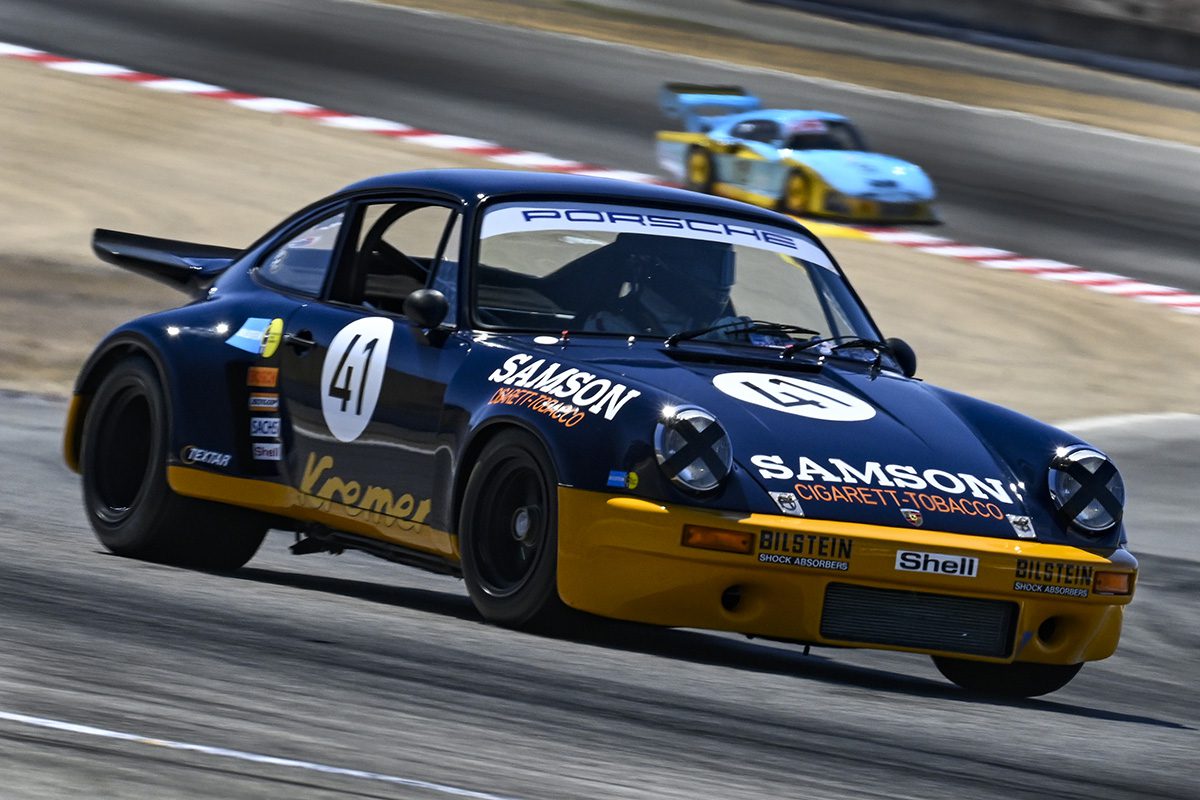
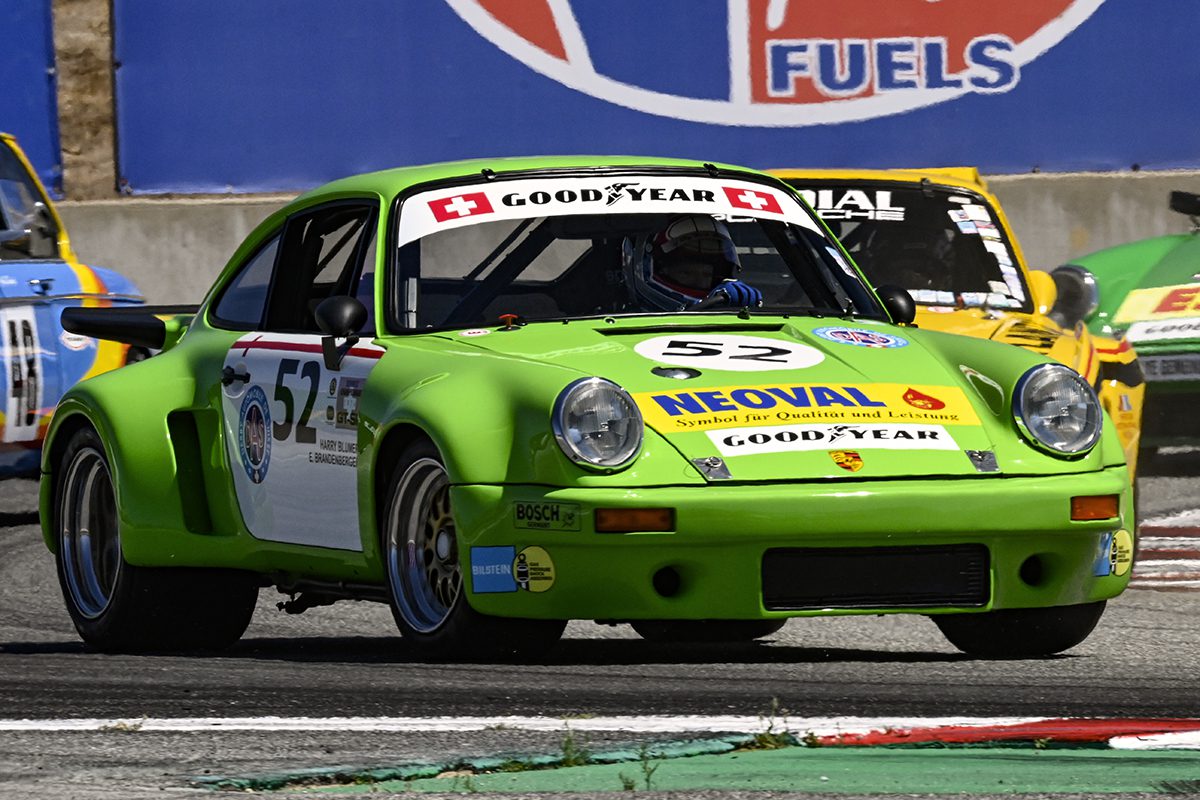
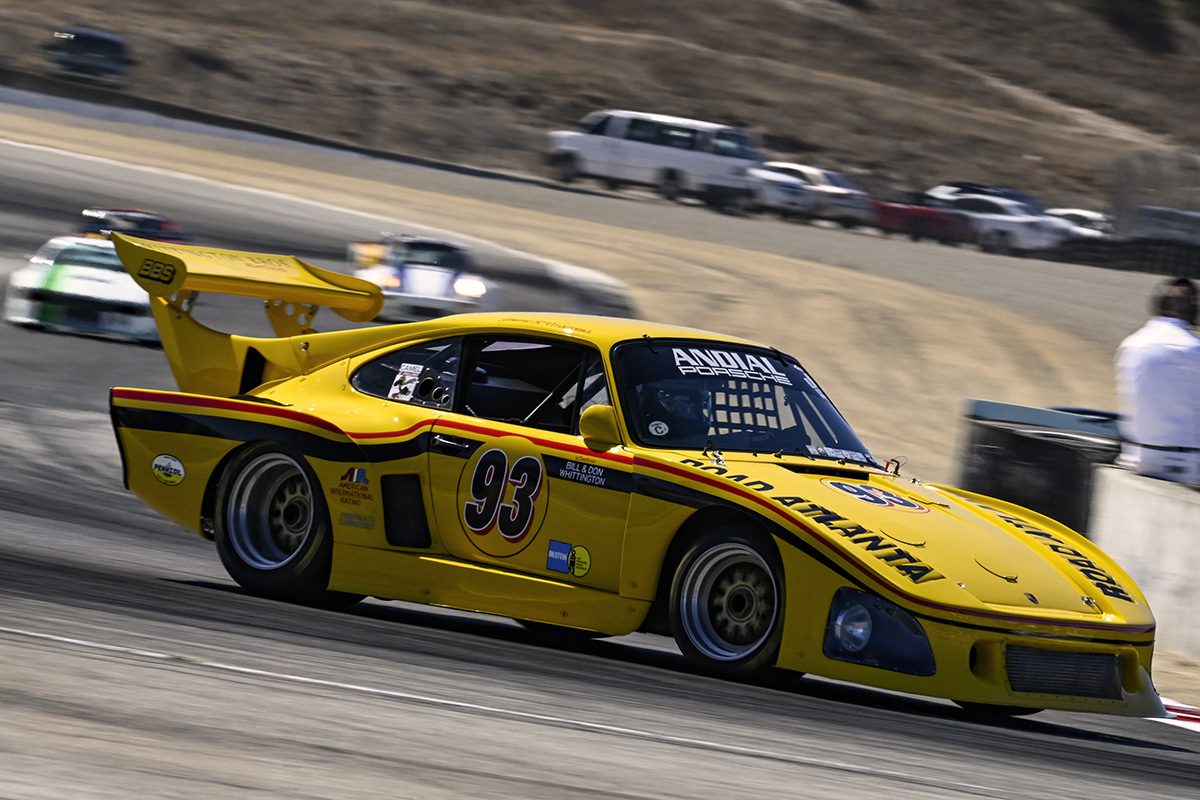
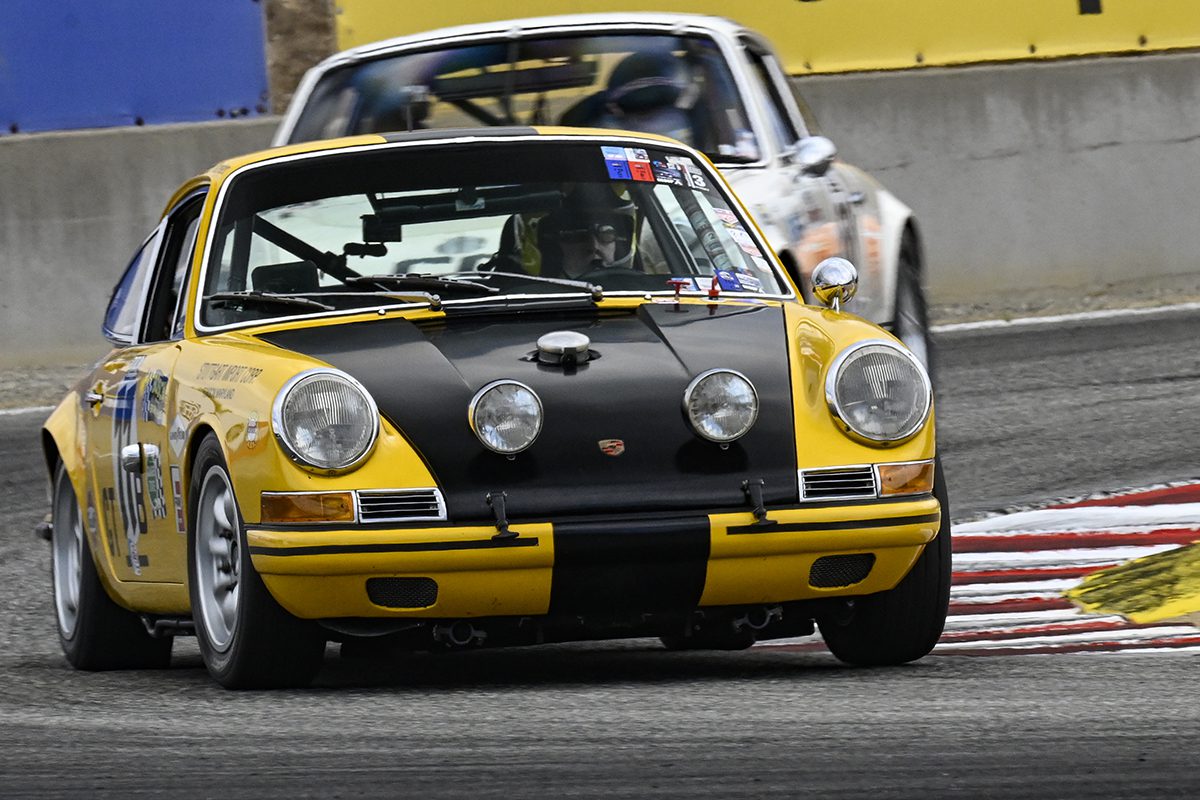
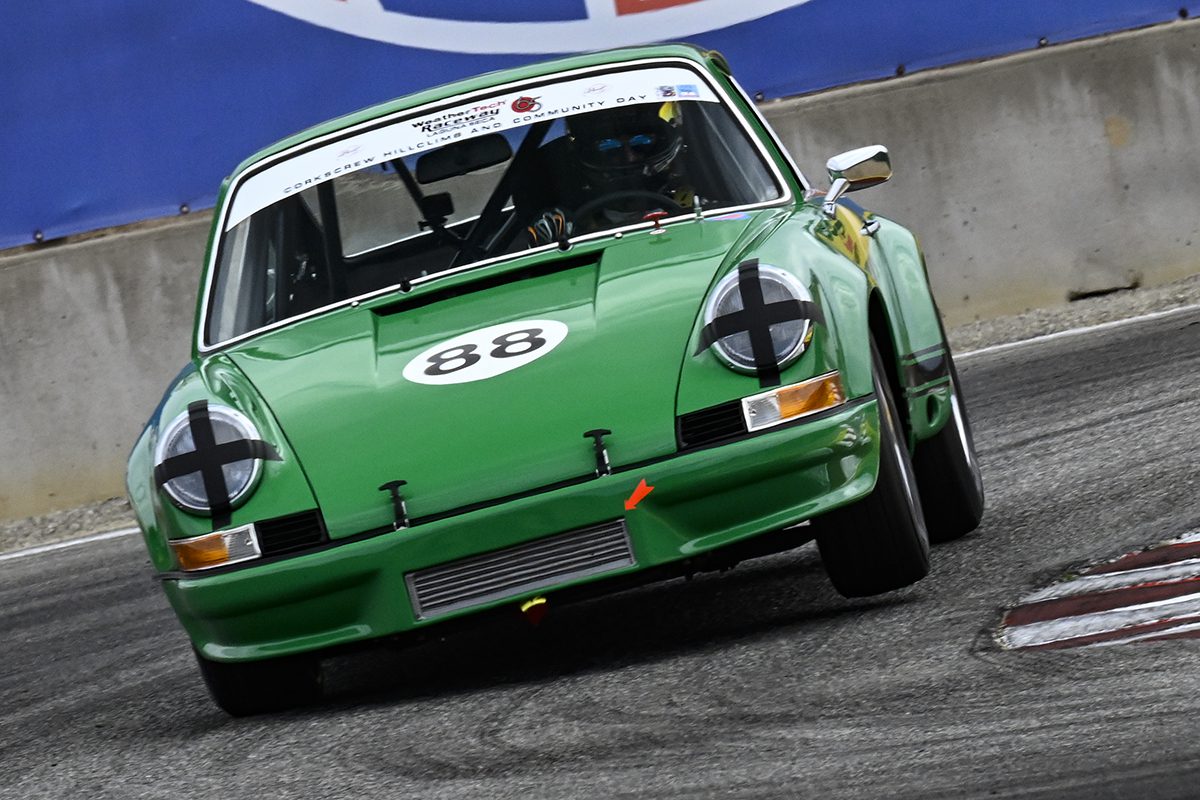
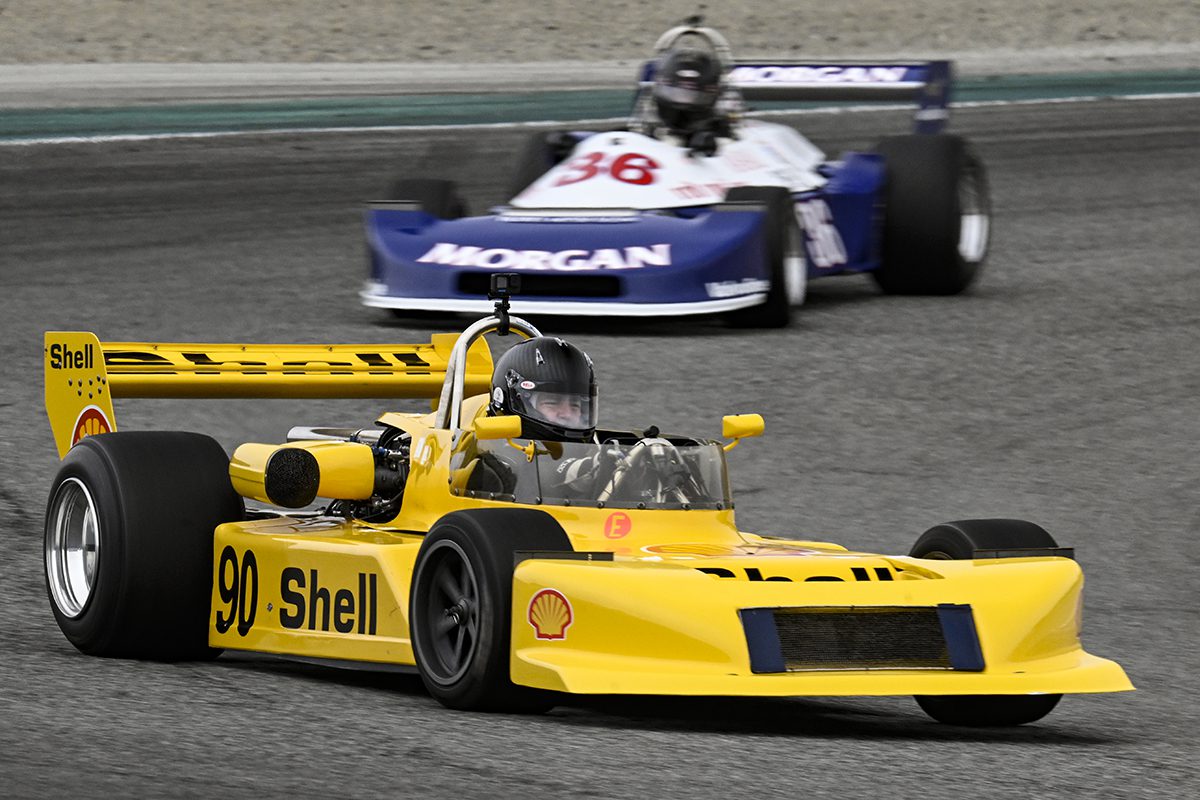
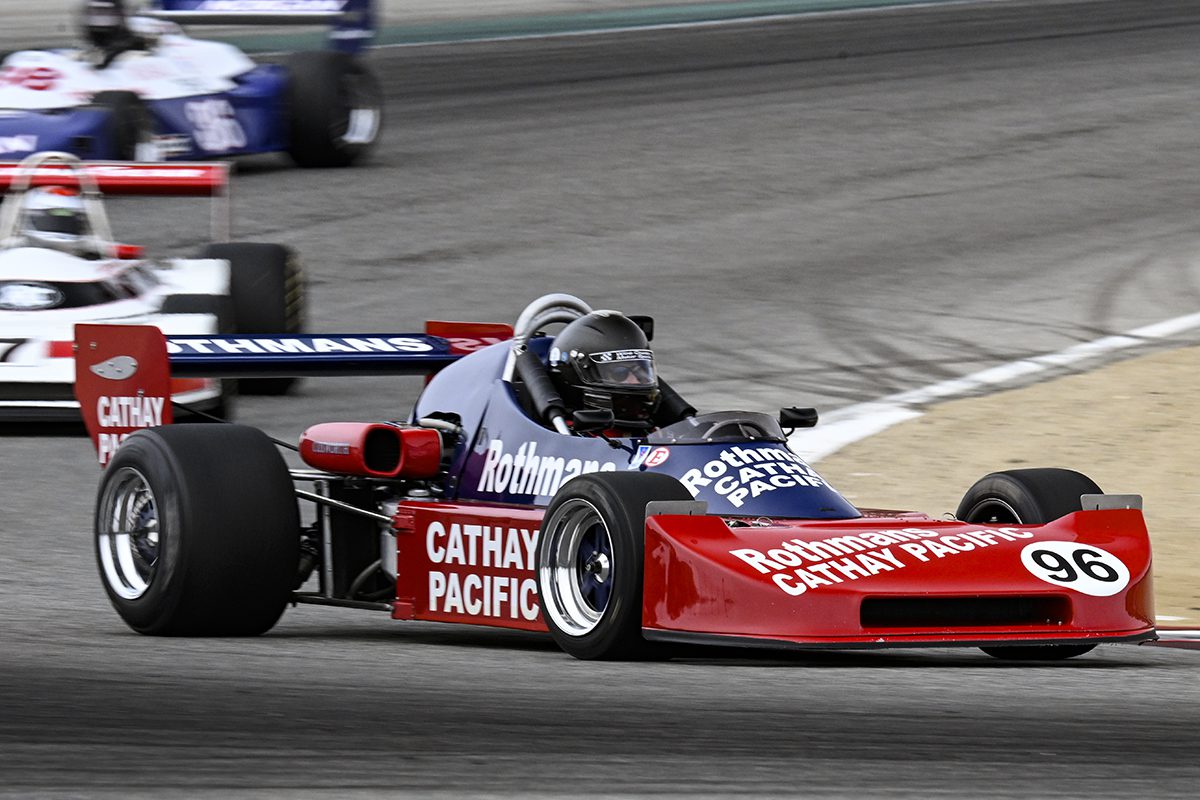
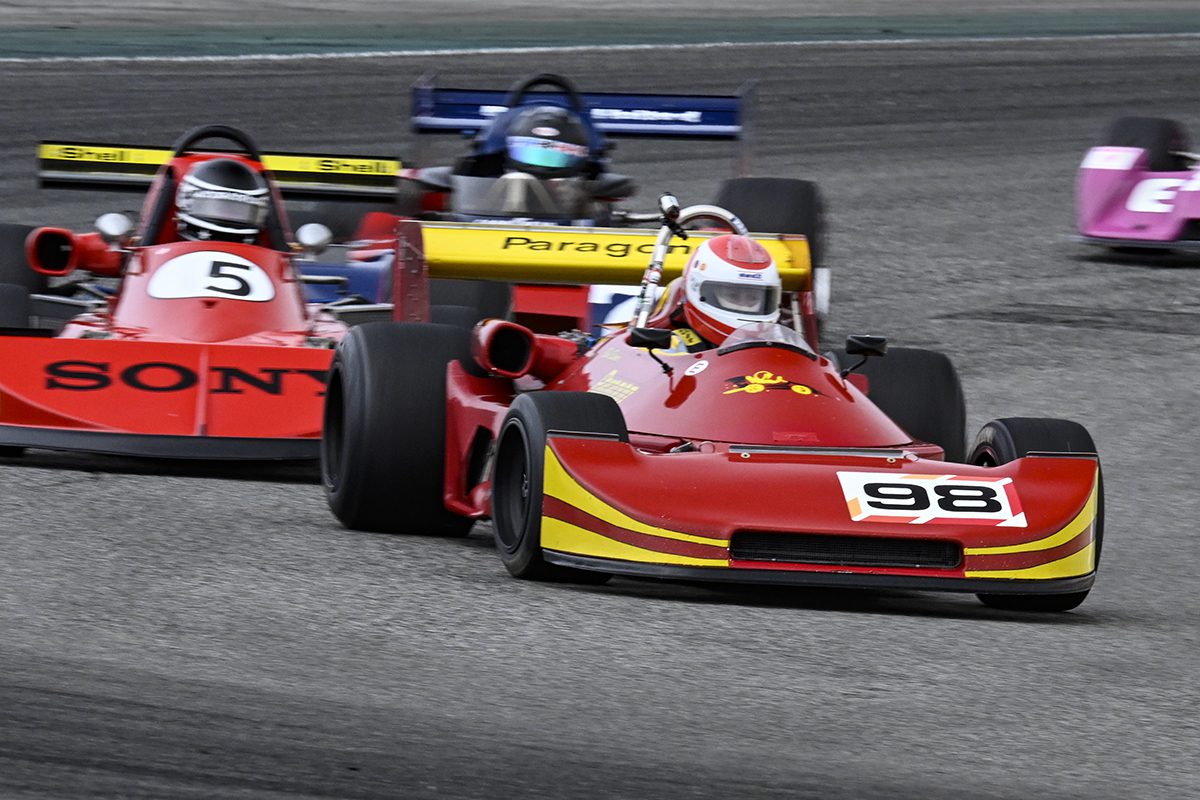
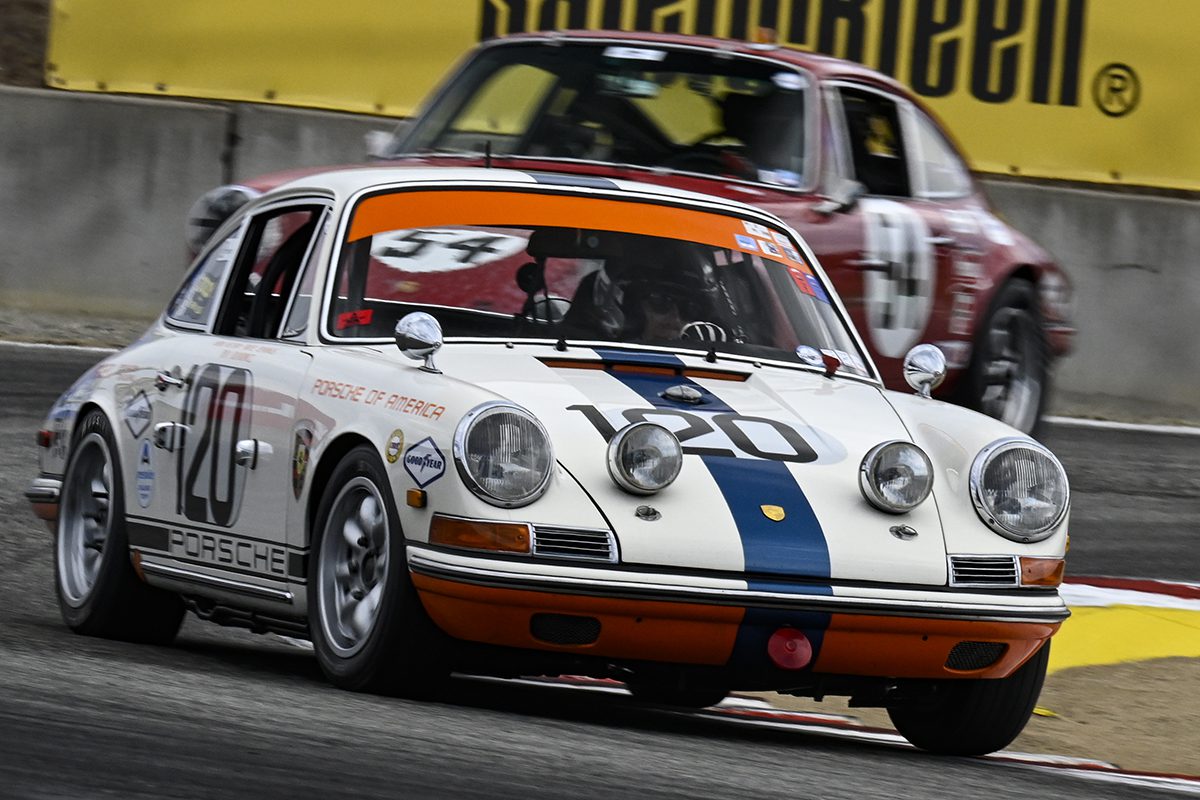
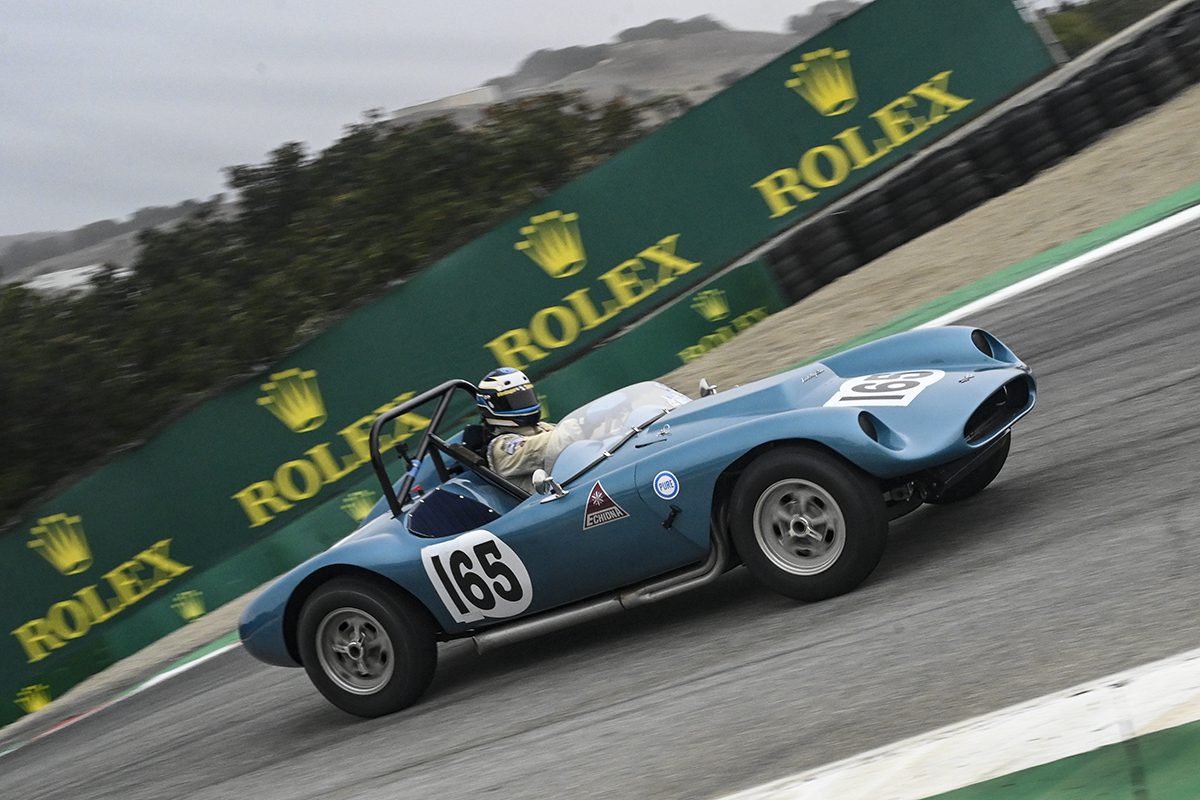
Over the last few weeks, I have assembled a gallery of images from the 2022 Rolex Monterey Motorsports Reunion. Images incorporating a visible driver’s face, a three-wheeling Porsche or Camaro, light with character, and even a foggy day helped me to pick this group. Many closed-car images were shot in corners with the sun side lighting the driver. Look closely, and you can see them in the car. In other photos, the driver’s eyes are visible inside his face shield, or not at all if the visor or sunglasses are too dark. Nothing is better for exposing a driver’s face than a foggy day.
My shooting style is to pick a corner and “set up shop.” I often spend a morning at a turn waiting to capture “That” image. Other photographers come and go. I hang out until the light falters around 11 AM. The reason for staying at one location is that I’ll eventually capture several nice images combined with a few even better ones. Starting around 3 PM, I will be at another turn for the afternoon. Again, I capture images as the sun lowers, shadows grow, and the photos start to gain character.
Sunday’s Hill Climb was unique in my experience. I had no idea what the line would be through the turns as the cars went up the hill: good fun. In the description of each image, I have included the focal length in MM, the f-stop, and the shutter speed for those of you with interest in the “How.”
I hope you enjoy this collection. Be sure to get in touch with any questions or corrections. Comments and inquiries are welcome at [email protected].
2022 RMMR Gallery Highlights
Hugh Ruthven – 1959 Bandini Formula Junior leads through turn five on a foggy morning.
z7II Nikon 400mm f11 at 1/320 second.
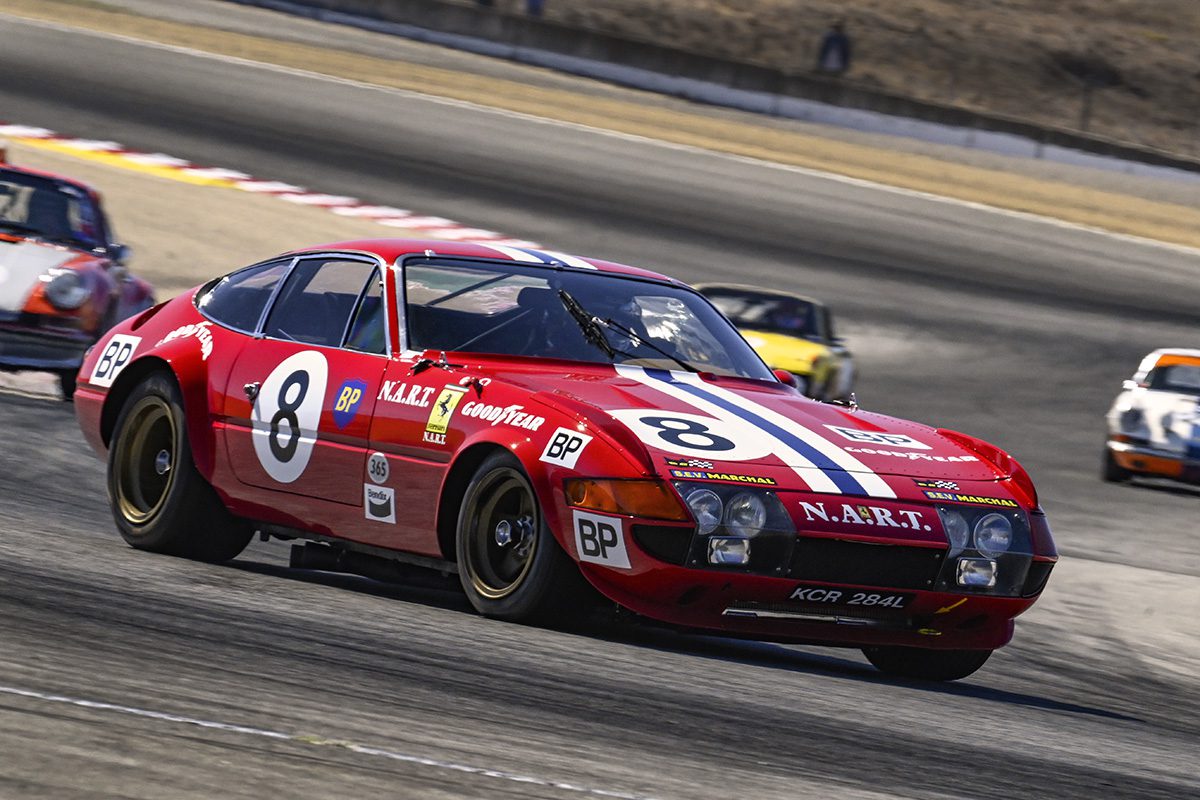
William Connor – 1973 Ferrari 365GTB4 Comp Daytona in turn eleven.
z7II Nikon 430mm f/16 1/320 second.
1950 Cadillac Series 61 Le Mans “Le Monstre”
z7II Nikon 50mm f/11 1/320 second.
Richard Griot – 1974 March 741 in turn two.
z7II Nikon 190mm f16 1/500 second.
Chris Locke – 1976 Lotus 77 goes the wrong way up The Corkscrew during Sunday’s “Hill Climb.”
z7II Nikon 50mm 1/160 second f/16.
John Hill – 1960 Lola Mk 1
z7II Nikon 300mm f/16 1/400 second.
Tommy Steuer – 1966 Shelby GT350 leads a group through turn five.
Z7II Nikon 270mm f/16 1/500 second.
Cavaliere Giovanni Viterale, cluster general manager of Raffles Sentosa Singapore and Sofitel Singapore Sentosa Resort & Spa
As a seasoned hotelier with over three decades in luxury hospitality — including shaping some of Singapore’s most iconic waterfront landmarks — Cavaliere Giovanni Viterale now steers the future of Raffles Sentosa Singapore and Sofitel Singapore Sentosa Resort & Spa as cluster general manager, drawing on a legacy that fuses European finesse with a deep understanding of Asia’s evolving luxury landscape. Tucked into the lush hillside of Sentosa, Raffles Sentosa Singapore is the nation’s first all-villa resort, offering a secluded escape with 62 private pool villas immersed in tropical greenery. Each villa is a private sanctuary, complete with its own terrace and pool, where natural light, curated art and thoughtful design invite guests into an oasis of rest and reflection. This rarefied island sanctuary offers more than renowned butler service and legendary afternoon tea — it marks a shift in what luxury hospitality means today. LUXUO speaks to Cavaliere Giovanni Viterale about the enduring magic of the Raffles brand, the unique appeal of Sentosa and the thoughtful future of elevated hospitality.
Tell us about the history and DNA of the Raffles Hotel brand.
One-Bedroom Villa – Living Room
In 1887, Raffles Hotel opened in Singapore, named after Sir Stamford Raffles, a distinguished British diplomat, botanist and the famed founder of modern Singapore. Characterised by its impeccable service, Raffles Hotel earned a worldwide reputation for its blend of refined elegance, tropical splendour and Asian grace. Following the foundation of Raffles International Ltd in 1989, the first expansion of the Raffles brand came in 1997 with the debut of Raffles Hotel Le Royal in Phnom Penh and Raffles Grand Hotel d’Angkor in Siem Reap, Cambodia. Raffles Hotels & Resorts was acquired by Accor Group in 2016. Today, Raffles is a global family of 25 elegant landmark addresses (including the soon-to-open Raffles Jeddah) in culturally rich destinations around the world.
At its heart, the Raffles brand is defined by gracious hospitality, a strong sense of place and an unwavering commitment to service excellence. These qualities have shaped its legacy – and they continue to resonate with today’s travellers, including a younger generation seeking experiences that are both meaningful and memorable.
Raffles Sentosa Singapore – Aerial View
Across every property, there is a consistent commitment to excellence, but no two Raffles hotels are the same. Each one reflects the character of its destination while staying true to the brand’s legacy of quiet luxury and meaningful hospitality. With Raffles Sentosa Singapore, the Raffles brand is extending this legacy to offer a resort alternative for travellers to Singapore, with experiences that are unique and distinct to Sentosa Island.
Raffles stands out not just for what it offers, but for how it makes people feel – seen, valued and genuinely at home. At Raffles, our visitors arrive as guests, leave as friends and return as family.
As a general manager, what do you first notice when you enter a hotel and what details do you pay close attention to?
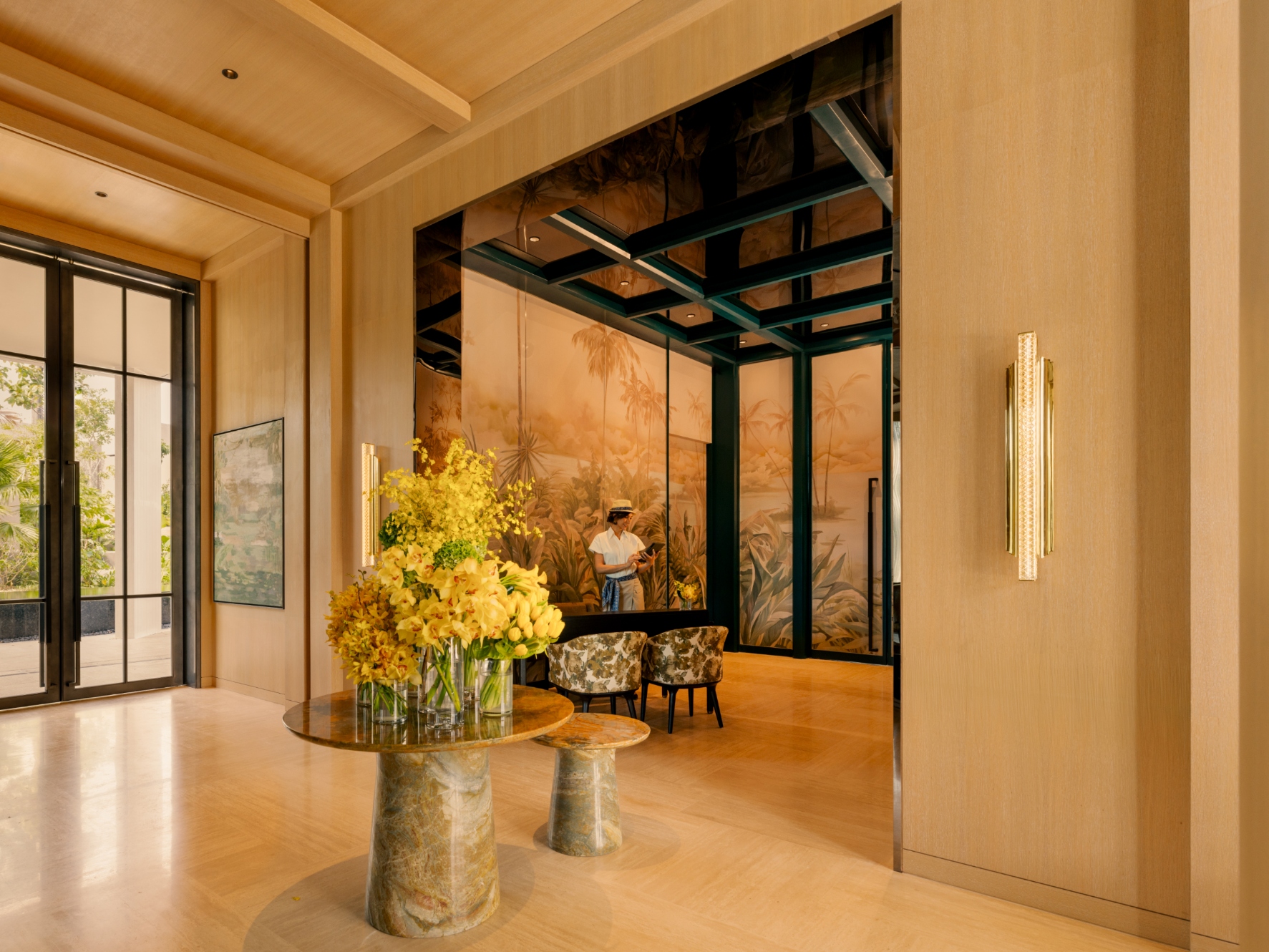
Lobby
The first thing I always pay attention to is the service. As a hotelier, you cannot help but be drawn into noticing the details of how the team are interacting with the guests, and whether they are observing guests to try to anticipate their needs. What sets a great hotel apart from a good hotel is not the design or the elegant surroundings, but the service you receive.
There are 62 distinct pool villas at Raffles Sentosa. How do you maintain consistent service standards at the property?
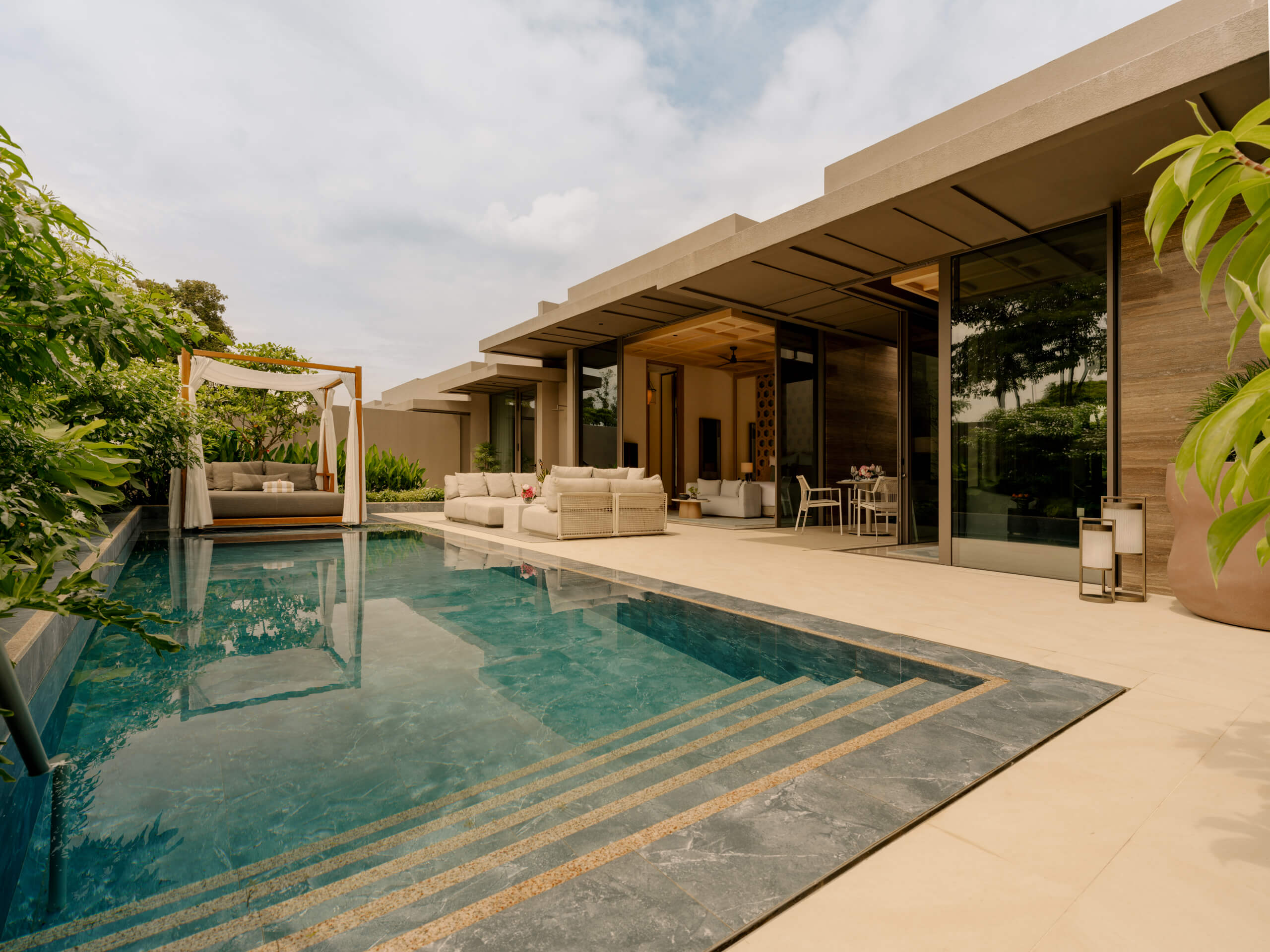
One-Bedroom Villa-Exterior
At Raffles Sentosa Singapore, we remain steadfast in our dedication to maintaining the integrity of our brand’s heritage. The core of what makes Raffles special is our service excellence, which is deeply embedded in every detail, and we aim to ensure that our guests experience this from the very first moment they walk through our doors.
As custodians of the brand, we continue to honour the iconic traditions that are synonymous with the Raffles name, including the legendary Raffles Butler team. They are highly trained to provide bespoke, intuitive service, anticipating our guests’ needs before they even think to ask. We also have a team of Wellbeing Butlers, whose role is to anticipate guests’ wellbeing needs so that they will leave feeling refreshed and rejuvenated.
Our goal is to create experiences that are memorable and reflective of the best of Singapore. By staying true to our roots and honouring our storied legacy, we continue to offer exceptional hospitality that resonates with both long-time patrons and new guests alike.
Tell us more about the Raffles Butler service, a cornerstone of the Raffles brand.
Raffles Room
The legendary Raffles Butler service is integral to any guest experience at Raffles Hotels and Resorts. Raffles Butlers are well known for providing highly anticipatory service while also serving as guides to help guests explore the destination, culture and discover their own passions. Through a blend of heritage, tradition and elegance, Raffles Butlers create personalised moments that redefine luxury. Butlers are trained not only to meet but to exceed expectations, delivering every interaction with poise, authenticity and a deep understanding of guests’ needs.
Each guest is greeted by their Butler on arrival, who then handles their check-in and personally curates the guest’s stay, helping them with any needs throughout their stay and becoming their personal point of contact while they are at the resort.
What makes Sentosa a unique location in Singapore?
Arrival at Porte-Cochere
Sentosa’s unique topography offers an atmosphere that is truly unmatched, setting it apart from the urban luxury hotels in the city. The island’s natural tranquillity, surrounded by lush greenery and pristine landscapes, provides an idyllic environment for a deeply immersive and rejuvenating experience, or for private celebrations. This serene backdrop is perfectly suited for a resort focused on wellness and relaxation, catering to the growing demand among luxury travellers for a holistic and peaceful escape.
At the heart of this sanctuary is nature itself. Our resort is nestled within 100,000 square metres of verdant greenery, offering sweeping views of Sentosa’s untouched surroundings, ensuring that guests are always connected to the island’s serene beauty. The tranquil environment encourages relaxation, helping guests unwind, recharge and reconnect with loved ones in meaningful ways.
Adding to the resort’s charm are two heritage Ficus trees, each over 100 years old, standing as living testaments to the island’s rich history. Additionally, as part of our “60 Trees for 60 Years” initiative to celebrate Singapore’s 60th anniversary, we have re-introduced several rare and endangered species, including the Seashore Mangosteen. These trees, along with others planted during the resort’s official opening on 1 March 2025, will eventually form a green archway leading guests into the resort, enhancing the sense of peace and connection to nature.
What makes Sentosa even more special is its proximity to the city. Just a 15-minute drive from the bustling heart of Singapore, and only 25 minutes from the airport, it offers a world of tranquillity that feels miles away from the urban rush — making it the perfect retreat for those looking for serenity without sacrificing convenience.
What can visitors to Raffles Sentosa expect in terms of dining experiences?
Raffles Ballroom – Chinese Banquet Set-up.
Every dining occasion at Raffles Sentosa Singapore is a cause for celebration with one’s loved ones, friends and colleagues. This serene new escape, rooted in natural beaut,y offers five refined restaurants and lounges helmed by acclaimed chefs with Michelin-level credentials, as well as the gracious hospitality Raffles is known for.
Empire Grill
Empire Grill is the resort’s signature Italian restaurant under the leadership of Cluster Director of Culinary Chef Bjoern Alexander, and is where guests can savour authentic Italian cuisine with a modern twist. Royal China features refined Cantonese cuisine overseen by award-winning chef Chef Ling Heng Yao, while Iyasaka by Hashida, which means celebration in Japanese, offers a distinctive omakase journey in an intimate 12-seat dining space.
Chairman’s Room
Meanwhile, the elegant Raffles Room is where you can enjoy the signature Raffles Afternoon Tea while overlooking the magnificent heritage ficus tree. The Chairman’s Room is a nod to the vintage speakeasy bars of yesteryear and offers a refined selection of whiskies, a selection of Cognac, fine wines and champagnes by the glass in an elegant, intimate setting.
With 62 incredibly spacious private villas, each with their own pool and terrace, the stage is set for an exceptional in-villa dining experience. With bespoke services from our culinary team, sommelier and Butler, each meal is crafted to create an intimate and unforgettable experience.
How does sustainability shape your culinary philosophy and how is this reflected across the hotel’s dining experiences?
Royal China Private Dining Room
At Raffles Sentosa Singapore, sustainability is deeply integrated into our operations, starting with the resort’s distinctive location on Sentosa Island, Asia’s first GSTC-certified island destination. And this is an equally central part of our dining philosophy.
Across the restaurants’ menus, in addition to locally and sustainably sourced ingredients, our chefs also harvest produce grown from our edible garden.
Our signature cocktail, the Sentosa Sling, is crafted using upcycled watermelon skin and lemon leaves grown in our edible garden, showcasing the marriage of luxury with mindful sustainability.
Tell us more about the spa & wellness facilities at Raffles Sentosa and the specific health equipment you have introduced?
Housed in a heritage building (a former army barracks building known as Block 59 back in the 1930s) that has been conferred the prestigious Urban Redevelopment Authority Architectural Heritage Award, Raffles Sentosa Spa blends the timeless charm of its rich history with contemporary wellbeing experiences.
Guests can look forward to contemporary wellbeing experiences encompassing mindfulness, massage, fitness, hydrotherapy, salon services and spa treatments. A state-of-the-art gym with the latest Technogym equipment is also located onsite. Every detail, from the architecture to the surroundings and treatments, is designed to evoke a sense of calm. Our Wellbeing Butlers also curate mindfulness programmes and activities to meet guests’ personal preferences and lifestyle needs.
Apart from the gym, the extensive spa facilities include 12 treatment rooms, a lap pool, two pools with waterfall features, an outdoor whirlpool, indoor hot and cold pools and steam rooms.
What makes a hotel stay an unforgettable experience?
Royal Villa
A stay at Raffles Sentosa Singapore is designed to be more than just an escape – it is a moment of pause, a reconnection with nature, and a return to what matters most; especially with loved ones in complete privacy. Combined with the tranquil comfort of the guest’s own villa and the serenity of the surroundings, the hallmark service offered by our team of butlers makes each stay an experience to cherish long after our guests leave.
How does Accor’s global network elevate Raffles Sentosa’s positioning?
One-Bedroom Villa – Bedroom (Night)
Being part of the Accor network enables us to tap the global distribution of one of the world’s largest and most dynamic hotel groups. For a new hotel like ours, it is invaluable to have the resources of such a huge network behind us to reach out to a network of loyal guests from all over the world.
How do you see the hospitality industry evolving in the next few years?
Cavaliere Giovanni Viterale, cluster general manager of Raffles Sentosa Singapore and Sofitel Singapore Sentosa Resort & Spa
One trend I find particularly exciting is the growing emphasis on sustainability in luxury hospitality. Increasingly, guests are looking for experiences that align with their values, especially when it comes to environmental responsibility. I believe this shift is incredibly important, not just for the planet, but for the future of luxury hospitality.
Guests today are more discerning than ever, and they increasingly want to feel that their choices are having a positive impact on the world. It is exciting to be part of a movement that merges luxury with responsibility, and we are deeply committed to it at Raffles Sentosa Singapore. At the same time, we observe that guests are prioritising space and wellbeing more than ever. They are looking for more than just indulgence — they are seeking a sense of peace and rejuvenation. In a world that moves faster than ever, there is an increasing desire for expansive, private spaces where tranquillity takes centre stage. It is not just about being in a nice resort anymore; people want environments that promote both mental and physical wellness, allowing them to disconnect and reconnect with themselves.
Presidential Villa – Facade
At Raffles Sentosa Singapore, we cater to this desire with our private pool villas and nature-inspired experiences designed to offer a true sanctuary for relaxation and rejuvenation.
For more on the latest in leader interviews and reads, click here.
The technical storage or access is strictly necessary for the legitimate purpose of enabling the use of a specific service explicitly requested by the subscriber or user, or for the sole purpose of carrying out the transmission of a communication over an electronic communications network.
Preferences
The technical storage or access is necessary for the legitimate purpose of storing preferences that are not requested by the subscriber or user.
Statistics
The technical storage or access that is used exclusively for statistical purposes.The technical storage or access that is used exclusively for anonymous statistical purposes. Without a subpoena, voluntary compliance on the part of your Internet Service Provider, or additional records from a third party, information stored or retrieved for this purpose alone cannot usually be used to identify you.
Marketing
The technical storage or access is required to create user profiles to send advertising, or to track the user on a website or across several websites for similar marketing purposes.






:max_bytes(150000):strip_icc()/TAL-header-patagonia-azul-argentina-ARGENTINANP0525-ae0dc819d0994c4d9e81de31fc208424.jpg "Argentina’s Newest Park Is the Size of Yosemite National Park")
:max_bytes(150000):strip_icc():format(jpeg)/TAL-header-patagonia-azul-argentina-ARGENTINANP0525-ae0dc819d0994c4d9e81de31fc208424.jpg)