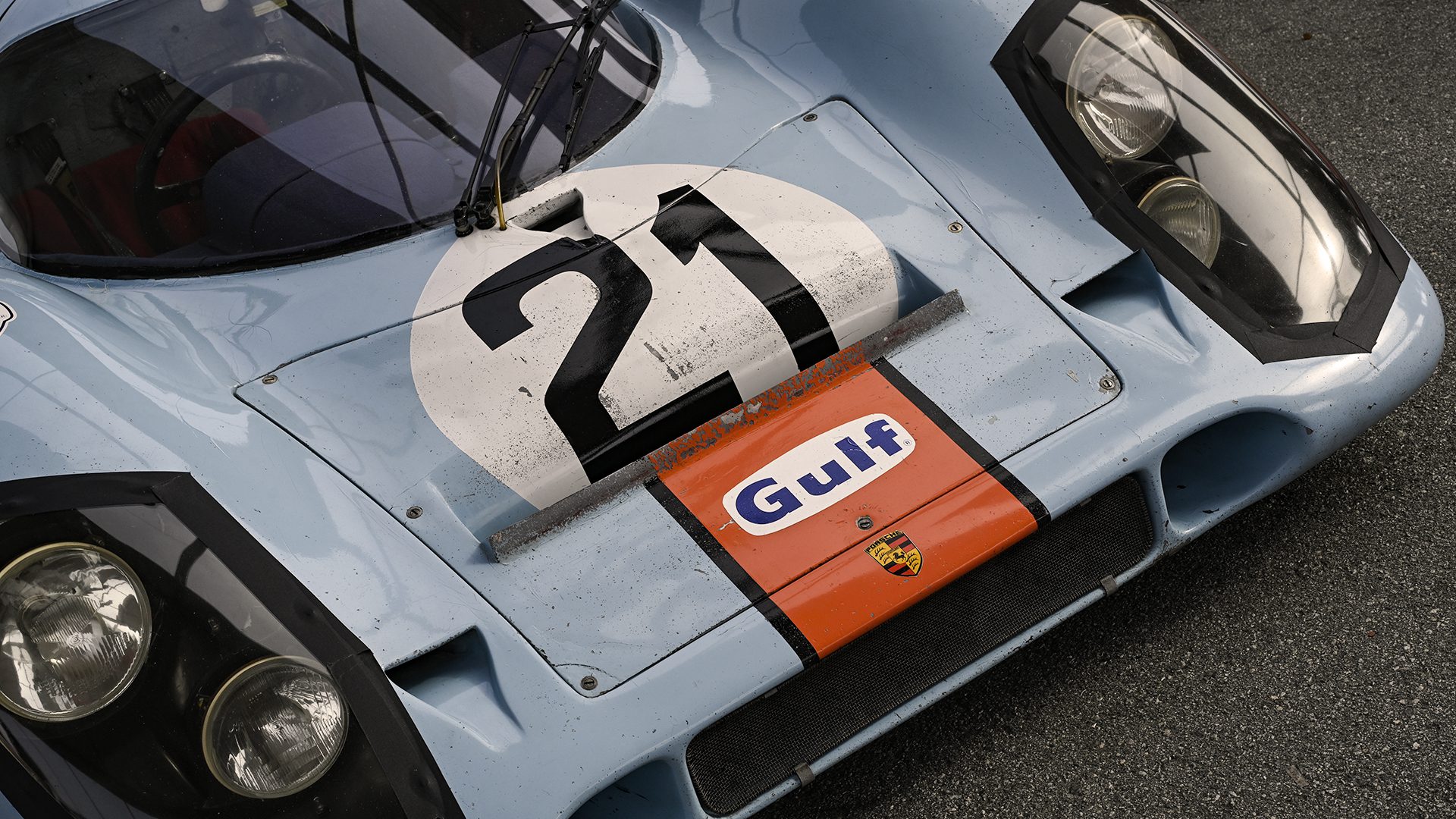
The second Velocity Invitational event was held October 14 to 16 at Weathertech Raceway Laguna Seca, Monterey, California. Jeff O’Neill and his team once again showed the historic racing community that there is more than one way to hold an event.
Velocity Invitational’s mix of exciting cars, family entertainment, attractive location, manufacture support, and a well-curated display results in an incredible 3-day experience. When O’Neill first started Velocity Invitational, his vision was to present the cars in a more spectator-friendly environment.
Instead of the usual vehicles and transporters spread out in the paddock, the Velocity Invitational team erected large tents, where cars are staged by race groups.
The entry is capped at a little over two hundred cars, and the format proves that quality over quantity works. Take Group 4, for example, a Ferrari 250 GTO, a pair of 250 GT SWBs, 4 Alfa Romeo GTZ, and a Ferrari 250 TDF for good measure – more than enough to excite any historic car enthusiast.
Charles Wegner/1959 Ferrari 250 GT TDF (left), Jeff O’Neill/1963 Ferrari 250 GTO and Rob Walton/1961 Ferrari 250 GT SWB Berlinetta approaching Turn 9
McLaren Automotive is a big supporter of the event. In addition to the paddock and on-track demonstrations, CEO Zak Brown provided a 2013 McLaren MP4/28A for Mario Andretti to try. The 1978 World Driving Champion had driving a contemporary formula 1 car on his bucket list, and thanks to McLaren, that has been ticked off. In addition to Mario, two-time world champion Mika Häkkinen demonstrated the TAG/Porsche powered MP4/2C, and Pato O’Ward, the ex-Senna MP4/5B.
Zak Brown (left) watches ae mechanics gets Pato O’Ward ready for demonstration laps in the es-Senna McLaren MP4/5B
As spectators wander the paddock, there are small displays scattered throughout. In addition to the McLaren road cars, Hypercar manufacturers, Czinger, Guntherwerks, Hennessey, and Zenvo, were displayed. Throughout the weekend, track demonstrations were interspersed with the race groups. The Ragtime Racers and display of Miller cars provided a nice contrast to the hypercars.
McLaren road car displayMiller Indy car displayThe Peterson Museum had the Juan Gonzalez Collection of Formula 1 cars on the display in the paddock.
The early 1930 Bugattis bookended the nine race groups to 2012 Porsche 911 Club Cars in Group 9. Each day ended with the Mini vs. Mustang race. This is the second year of the matchup and is a takeoff of the sixties-era racing. WeatherTech Raceway Laguna Seca was an excellent track for the race, with the Mustangs’ power out of the turn and on the straights balanced by the Minis’ handling in the corners.
After starting at Sonoma Raceway in 2019 and the last two years at WeatherTech Raceway Laguna Seca, let’s hope that the Velocity Invitational stays on the calendar. If you haven’t experienced the event or west coast historic racing, add the event to your bucket list.
Jeff O’Neil giving a thumbs up capturing the success of the 2022 Velocity Invitational
2022 Velocity Invitational Photo Gallery
Chris MacAllister/1955 Jaguar D-Type exits Turn 6 on his way to first place in Group 2
Ben McGraw hustles his 1974 Porsche 911 IMSA trough Turn 2
Start of the Sunday afternoon Mini vs Mustang race
Michael Leven heads a group into Turn 2 during the Mini vs Mustand race.
Zak Brown (left) discusses the lines around WeatherTech Raceway Laguna Seca with Pato O’Ward as Mario Andretti is occupied in the background.
Pato O’Ward prior to taking to the track for the McLaren Formula 1 demonstration laps in the ex-Senna McLaren MP4/5B
It’s not unusual for early morning sessions to be run in foggy conditions – here John Mote/1950 Allard K2 is being followed by Tim Barnes/1951 Jaguar XK 120 through Turn 2
Chase Johnson/1958 Ferrari 250 Testa Rossa in Turn 2
Steve Walker’s 1975 BMW 2002 leads Zak Brown in his 1975 Ford Capri RS 3100 through Turn 2 during Friday Morning practice.
The Parker family nose-to-tail in their Cobras
Jim Hague/1970 Ford Mustang Boss 302 hustles through Turn 5 in the always competitive Historic TransAm class
Steven Smith pushing “Gilbert” his 1965 VW Beetle 1600 through Turn 5
John Buddenbaum/1949 Jaguar Parkinson Special turns into The Corkscrew
Gregory Campbell/1955 Porsche Devin Speedster in Turn 8 about to descend The Corkscrew
Anthony Wang’s 1958 Ferrari 250 Testa Rossa looks great in yellow as he goes through Turn 6
Wesley Abendroth/1955 Chevrolet Mistral Flat Out through Turn 6
Paddins Dowling/1934 ERA R2A alongside Brad Baker/1931 Bugatti T51 in Turn 6 during Group 1 practice
Rob Walton/1961 Ferrari 250 GT SWB Berlinetta heads Kevin Adair/1959 Austin Healey 3000S and the rest of the Group 4 field into The Corkscrew
William Lyon/1961 Porsche Abarth Carrera heads a train including David Perkins/1964 Alfa Romeo GTZ, Ranson Webster/1961 Porsche Abarth Carrera, and Jeffrey ONeill/1963 Ferrari 250 GTO into The Corkscrew
Mario Andretti in the 2013 McLaren MP4-28a during the McLaren Formula 1 Demonstration
Peto O’Ward in the McLaren MP4/5B during the McLaren Formula 1 Demonstration
Mika Häkkinen in the McLaren MP4/2 during the McLaren Formula 1 Demonstration
Geir Ramleth/1963 Lotus 23B out brakes Horatio Fitz-Simon/1963 Lotus Elan 26R into Turn 11
Robert Smalley’s 1968 Porsche 911in Turn 2 during the under 2.5-liter TransAm race.
Group 2 action in Turn 2 – Robert S. Davis/1953 Siata 208s is momentarily ahead of Chris MacAllister/1955 Jaguar D-Type who is followed by James Alder/1952 Jaguar XK 120
Uwe Biegner/1953 Porsche 356 turns into Turn 8 aka The Corkscrew
Juan Gonzalez/2008 Porsche 997 RSR heads Ranson Webster/2012 Porsche GT3 Cup through Turn 5
Max Jamiesson/1935 Ford Sprint Car leads Ivan Zaremba/1935 Railton Light Sport Tourer through Turn 6
Brian Mullin hustles his 1938 Talbot T26 along as he exits Turn 6
John Buddenbaum pushing his 1949 Jaguar Parkinson Special through Turn 6
Nicholas Colonna/1958 Devin SS in Turn 6
Conrad Stevenson/1964 Alfa Romeo GTZ is followed by Paul Christensen/1956 Porsche 356A Speedster, and others into Turn 8
John Kerr/1932 Miller-Schofield Champ Car leads Max Jamiesson/1935 Ford Sprint Car and Brian Mullin/1938 Talbot T26 into Turn 8
R. Spencer Trenery/1961 Cooper Monaco about to descend The Corkscrew
John Murray’s 1968 BMW 2002 leads the under 2.5-liter TransAm field into Turn 2.
Nicholas Colonna/1958 Devin SS heads Thor Johnson/1959 Lotus 17 during Friday morning practice.
Jeffrey ONeill/1963 Ferrari 250 GTO exiting Turn 2
Ben Wysard/1952 Porsche Glockler about to exit Turn 8 and start the descent through The Corkscrew.
Chris MacAllister/1964 Shelby Cobra FIA 289 in Turn 11
Charles McCabe/1936 ERA R6B followed by Paddins Dowling/1934 ERA R2A and Brad Baker/1931 Bugatti T51 into The Corkscrew descent with the old Fort Ort in the background.
Steve Schmidt/1958 Porsche 356A Speedster through The Corkscrew
Charles McCabe/1936 ERA R6B in Turn 6 during Saturday morning practice
Charles Christensen/1972 Porsche 911S gets a little air as he heads Jonathan Feiber/1974 Porsche RSR 3.0 in Group 5
Rob Kauffman/1965 Ford GT40 heads Charles Wegner/1965 Shelby GT350 through Turn 2
Ned Spiker’s Maserati 200s in Turn 6
Horatio Fitz-Simon/1963 Lotus Elan 26R in Turn 11
Ned Spiker/1961 Ferrari 250GT SWB leads Ranson Webster/1961 Porsche Abarth Carrera
Crowning the sands of White Bay Beach, The Hideout is a collection of luxe villas with laid-back island charm just steps from all the action.
White Bay Beach is so blissfully beautiful it was always destined to become one of the most sought-after stretches of sand in the region, even without its legendary beach bars.
Head straight to the source to try one of the most iconic Caribbean cocktails, the painkiller, created at Jost Van Dyke’s world-renowned Soggy Dollar Bar.
Dance until dawn at Foxy’s Tamarind Bar and Restaurant, home to the famous Full Moon Party that draws in revelers from across the Caribbean.
Sail to the bare, unblemished East Shore to get a fresh take on Jost Van Dyke, where serene sands and hidden dive spots feel a world away from the island’s party scene.
In the British Virgin Islands, every island seems to have its own distinct, larger-than-life personality, and tiny Jost Van Dyke is no exception. Named after a 17th-century swashbuckling sailor, Jost Van Dyke brims with a bravado that would make even a pirate proud. It is home to the renowned Soggy Dollar Bar, the birthplace of the famous Caribbean cocktail known as the painkiller. With the legendary Foxy’s just one bay over, Jost Van Dyke cements its status as one of the biggest party spots in the Caribbean.
However, visitors that care to peel back the layers of Jost Van Dyke find a mostly untouched island paradise, studded with sparkling clear bays and hidden landscapes that are, dare we say, even quiet. While Jost Van Dyke’s painkiller cocktails run colder and stronger than ever, new attractions like a floating spa and villas with sweeping views prove there are more reasons to come to Jost Van Dyke—and stick around well after final call.
Best Hotels & Resorts
View from White Bay Villas.
Courtesy of The British Virgin Islands Tourist Board
The Hideout
A collection of seven private villas, The Hideout is located right on the sand at White Bay Beach, the most sought-after spot on Jost Van Dyke. Despite their buzzy location, these one-bedroom and two-bedroom standalone suites feel separate and distinct, each offering its own private plunge pool and oceanfront or tropical garden views.
White Bay Villas & Beach Club
Clinging to a cliff overlooking the water, White Bay Villas & Beach Club features 18 spacious villas with sweeping ocean and island views. Ranging from a sprawling five-bedroom estate to more intimate one-bedroom cottages, every space at the property has a breezy Caribbean feel and an indoor-outdoor vibe that fits perfectly with the island. The property also has a small beach club and a waterfront restaurant tucked on the sand below.
Sandcastle Hotel at Soggy Dollar
From its once humble beginnings, the island’s famous Soggy Dollar Bar has expanded to welcome overnight guests at its Sandcastle Hotel at Soggy Dollar. Though the property requires a three-night minimum stay, its six small, colorful cottages are a great option for those who want to be just steps from the sand—and the island’s party scene.
The Glass House
The Glass House is a sleek, sexy four-bedroom villa that sits nestled into the hillside above White Bay Beach, a standalone estate that feels straight out of upscale Virgin Gorda. The property is just as modern as its name implies, with a full wall of glass letting in every tone of Caribbean blue and offering uninterrupted views that carry throughout, from its full kitchen to the immense indoor-outdoor living space perfect for family gatherings.
Best Things to Do
Visitors playing a game at Foxy’s.
Courtesy of The British Virgin Islands Tourist Board
Go beach-hopping.
As boats pull up to the pristine patch of sand at White Bay Beach, many island visitors barely get further than the famous Soggy Dollar Bar—but with vibes this festive, can you really blame them? Spend a few hours soaking in the sun here before heading just a few minutes away to Great Harbour, another popular beachfront with plenty to see and savor, from water sports like paddleboarding and kayaking to beachside bites at Foxy’s Tamarind Bar and Restaurant.
Get an overwater massage.
Anchored above the gentle waves of White Bay, the floating Ocean Spa offers perhaps the most unique relaxation ritual in the Caribbean. Choose from a variety of styles of massages and sink into the experience while being gently rocked and lulled by the sounds of the sea.
Go snorkeling or diving.
Jost Van Dyke’s volcanic foundation makes it a memorable spot for exploring underwater landscapes that range from wall dives suitable for beginners to advanced dive sites like The Cathedral, featuring a tunnel to a secret cave hidden beneath the heart of the island. Jost Van Dyke Scuba is the ultimate outfit for any excursion, offering everything from gear rentals to multi-day PADI certification classes.
Visitors enjoying the Bubbly Pools.
Courtesy of The British Virgin Islands Tourist Board
Hike to the Bubbly Pool.
A natural wonder hidden on the little-visited eastern corner of the island, Jost Van Dyke’s Bubbly Pool is like a natural Jacuzzi cut from centuries of natural erosion in the craggy coastline. Propelled by waves, seawater funnels through narrow slots in the rocks, filling the natural pool with frothy, bubbly water heated by the sun. The Bubbly Pool isn’t accessible by car, so you’ll need to take a trail that cuts behind Foxy’s Taboo to reach it. Bring sturdy shoes for the short hike. Note that waves can get a little rough here, so swim at your own risk.
Best Restaurants
Several dishes from Hendo’s Hideout.
Courtesy of The British Virgin Islands Tourist Board
Soggy Dollar Bar
The most famous beach bar in the Caribbean, Soggy Dollar Bar is much more than just the home of the famous painkiller, a perfectly tropical concoction of dark rum, cream of coconut, and pineapple and orange juices topped with freshly grated nutmeg. Since the 1970s, patrons have been swimming to shore for cocktails, leaving their dollars waterlogged from the journey but always welcome. Nowadays, the popular spot has a full menu of food ranging from grilled fish sandwiches to jerk chicken and Asian-inspired sides.
Foxy’s Tamarind Bar and Restaurant
Peel yourself away from White Bay Beach and belly up to the bar at Foxy’s Tamarind Bar and Restaurant, a beloved island haunt since 1968. Foxy’s is “one of the most legendary beach bars in the Caribbean, known for its lively atmosphere, live music, BBQ feasts, and unforgettable New Year’s Eve parties that draw sailors and travelers from around the world,” says Mason Kramer, destination specialist at onefinestay, a luxury vacation home company that rents villas and curates memorable trips across the British Virgin Islands and beyond. Founder Foxy is such a famous personality in the BVI that he was named a Member of the British Empire by Queen Elizabeth II. Catch him chatting with patrons and performing original music at the bar well into the night.
Hendo’s Hideout
Some of the beachside spots on Jost Van Dyke’s South Shore all start to look the same after a while— but not Hendo’s Hideout. A slightly more elevated, but never stuffy, bar and restaurant experience on White Bay Beach, Hendo’s Hideout features an extensive all-day menu that ranges from sushi with fresh-caught fish to a popular Sunday brunch experience with bottomless mimosas. The gorgeous open-air dining space and spacious, shady beachfront invites guests to spread out all day long.
Abe’s by the Sea
During the busiest days in bustling Great Harbour and White Bay, escape to nearby Garner Bay for a dose of pure peace and plenty of classic Caribbean flavor at Abe’s by the Sea. Feast on fresh lobster, curried fish, and stewed conch among other island favorites, and wash it all down with a Carib at sunset at this still-secret, locals-only spot.
Nightlife
Full Moon Party at Foxy’s
Jost Van Dyke can feel like a party from sunrise to sunset, though its beach bar-style venues don’t lend a true nightlife feel to the island—with one big exception. Partiers flock to Foxy’s Tamarind Bar and Restaurant month in and month out for a raucous, renowned Full Moon Party. Featuring fire dancers, live music, and DJ sets that keep the party going as moonlight floods the bay, these celebrations are so popular that regional ferries often change their schedules just to accommodate attendees.
Areas to Visit
Boats docked at Jost Van Dyke.
NANCY PAUWELS/Getty Images
South Shore
White Bay Beach and Great Harbour sit side by side on the island’s South Shore. This area is the exclusive home to almost all of the island’s restaurants, bars, and accommodations, attracting partiers and paradise seekers. It can sometimes feel busy when the bays fill with yachts during the high season of travel.
East Shore
The less developed and far less visited East Shore of Jost Van Dyke feels a world away from the festivities of White Bay Beach. Despite having its own Foxy’s outpost, Foxy’s Taboo, Jost Van Dyke’s East Shore is about enjoying a laid-back lunch before hiking to the Bubbly Pool and sailing to Little Jost Van Dyke just across the channel.
Little Jost Van Dyke
Toss a conch shell from the beach on the island’s East Shore and you’ll hit Little Jost van Dyke, an uninhabited island with little more than a lone beach bar crowning its untouched coastline. After spending a few hours soaking up the sun, sail to nearby Sandy Spit, a perfect white dune emerging from the sea that makes for a perfect castaway experience (and a perfect snap for Instagram).
Best Time to Visit
A woman relaxing in a beach hammock.
cdwheatley/Getty Images
Like most Caribbean islands, Jost Van Dyke experiences cloud-free skies and clear seas from December through April, drawing visitors fleeing colder climates in droves. Jost Van Dyke is busier and more expensive during the high season of travel, but its smaller number of stayover guests means it won’t feel as crazy as more popular islands in the archipelago.
Off-season travelers should keep in mind that Jost Van Dyke sits within the hurricane belt, where tropical storms are possible from June through November. Even when larger weather systems skirt past the island, the season usually brings high temperatures and storm clouds that dump afternoon rains several times a week.
As to be expected of an island so well known for its party scene, “New Year’s Eve on Jost Van Dyke is a legendary celebration known for its lively atmosphere,” says Kramer, with Foxy’s being the heart of the party. Book your trip during the festive season far in advance, as hotel rooms and villas can book out up to a year in advance.
Sailing enthusiasts will want to plan a visit to the British Virgin Islands in early April for the annual BVI Spring Regatta, considered one of the most prestigious regattas in the Caribbean. Though most of the week-long festival’s events take place on Tortola, Jost Van Dyke is always packed with event visitors and participants looking to unwind before and after the main event, giving the island a festive vibe all week.
How to Get There
Aerial view of White Bay, Jost Van Dyke.
cdwheatley/Getty Images
Jost Van Dyke doesn’t have an airport of its own, so most travelers start their trip to the island by traveling to Tortola. The largest and most populated island in the British Virgin Islands, Tortola is home to Terrance B. Lettsome International Airport (EIS), which receives a daily American Airlines flight from Miami and multiple daily flights from San Juan, Puerto Rico, and other neighboring Caribbean destinations.
From Tortola, Jost Van Dyke is easily accessible via water taxi, ferry, or private boat charter. Ferry service makes the round-trip journey between Tortola’s West End and Jost Van Dyke’s Great Harbour in just 25 minutes, five times a day. Tickets cost $40 per person, round trip.
How to Get Around
Most visitors stick almost exclusively to Jost Van Dyke’s southern shore, making it easy to navigate beaches and oceanfront accommodations on foot. However, the more adventure-minded travelers will love the independence of a car, available for rent from Paradise Jeep Rentals in Great Harbour, to access hilltop viewpoints of the craggy, windswept north coast, or rental homes hidden in the island’s interior. Taxis are also readily available for visitors.
Japan is a destination that attracts travelers from all over the world. With its rich culture, stunning landscapes, and warm hospitality, it’s no wonder tourists keep coming back. There are just so many places to explore that every trip feels like visiting an entirely new destination. Whether you’re hunting for the freshest sushi, exploring centuries-old castles, or trying to see the cherry blossoms, Japan promises an unforgettable experience.
Aside from the Philippines, Japan holds a very special place in our hearts — it’s actually our most visited country ever. But we still remember our first trip to the Land of the Rising Sun, partly because we ran into quite a few hiccups along the way. So we want to share with you some of the things we wish we had known or done differently when we started traveling to Japan. Hopefully, you can learn from our experience and avoid committing the same mistakes.
Japan is a fantastic year-round destination, offering something interesting in every season. However, to make the most of your trip, it’s crucial to align your expectations with your timing.
For instance, if you’re dreaming of seeing cherry blossoms, keep in mind that their blooming season is fleeting — typically lasting just a couple of weeks. Since sakura blooms at different times across Japan, you’ll need to plan accordingly. Blossoms appear earlier in southern cities such as Fukuoka and Nagasaki and later in northern areas like Hokkaido. To catch them at their peak, be sure to check sakura forecasts for your specific destination online before booking your trip.
If you visit during sakura season, expect major parks to be packed with both locals and tourists. To enjoy a quieter experience, consider seeking out smaller, lesser-known parks that are less crowded. Additionally, if you prefer to avoid crowds and high prices, steer clear of Japan’s busiest travel periods. Major holidays see a surge in domestic travel, making transportation and accommodations harder to book and more expensive. Here are some key holidays to take note of:
Golden Week: April 29 – May 5
Obon Festival: August 13 – 15
For those traveling in winter, keep in mind that daylight hours are shorter and many establishments close earlier, especially around New Year’s Day. On the other hand, if you’re visiting during summer, be prepared for intense heat and humidity, sometimes even hotter than in the Philippines. If your trip falls in July or August, make sure to pack light, breathable clothing to stay comfortable while exploring.
2. Dismissing Hotel Location
As budget travelers, our top priority when booking accommodations is always the price. However, cost isn’t the only factor to consider. Location plays a significant role too. Whether we’re booking a hotel, hostel, or apartment, we always aim for accommodations that are near a train station. Japan’s transportation system, particularly its trains, is vast and efficient, and many of the country’s major attractions are easily accessible from train stations. In fact, train stations in many cities also serve as hubs for bus pickups and drop-offs, making them central points for getting around.
View of Umeda Area from Hotel Hanshin Osaka
While it’s not always possible to find a place that’s right next to everything, having a train station within walking distance can greatly simplify your travel experience, whether you’re taking the train or hopping on a bus. It doesn’t have to be very close to the main station. As long as it is within walking distance, it’s good. Japan is also known for being very safe, so walking even at night is generally fine.
That said, you might be tempted to go for a cheaper accommodation that’s farther from the station. While this can save you money upfront, consider the extra cost and time of transportation. The money you save on a more distant place might be offset by train or bus fares, and you’ll also spend more time commuting and walking, which can drain your energy. In these cases, it’s often worth it to spend a little more on a place that’s closer to the station, as the convenience and time saved can make the slightly higher price worthwhile in the long run.
3. Traveling Without Insurance
Japan is one of the safest countries in the world, with a low crime rate, exceptionally polite people, and well-planned cities that make navigating urban areas seamless. However, safety doesn’t mean immunity from unexpected incidents. No one plans to get sick, have an accident, or lose their baggage, but these things can happen, and dealing with them while traveling can be stressful and costly.
That’s why, even though travel insurance isn’t mandatory when visiting Japan, we highly recommend getting one. It ensures that you’re covered in case of medical emergencies, trip cancellations, lost luggage, or accidents, allowing you to enjoy a worry-free trip. Travel is unpredictable, and no matter how carefully you plan, risks are always present. We know several travelers who have encountered unexpected illnesses or accidents but didn’t have to worry about expenses because they were insured.
So, whether you’re traveling to Japan or any other destination, investing in travel insurance is always a smart decision. It’s a small price to pay for peace of mind and financial protection while exploring the world.
For international destinations, consider PGA Sompo’s TravelJOY Plus insurance. You can GET IT HERE! Don’t forget to use WORTHIT for a special affordable rate.
4. Getting Confused About Tourist Passes
Japan’s transportation industry is incredibly competitive, with numerous railway and bus companies offering a wide variety of passes. From city-specific and prefectural passes to regional and nationwide options, each comes with its own advantages and limitations. Choosing the right one can be overwhelming, but selecting the most cost-effective pass depends entirely on your itinerary.
The most well-known pass is the JR Nationwide Pass, but a common question we get is whether it’s actually worth it. The short answer? It depends on your travel plans. Many people assume they need a JR Pass, but if your trip involves just one or two nearby cities, it’s often not worth it. The JR Nationwide Pass provides the best value when your trip includes multiple long-distance journeys. If you’re only traveling between Tokyo and Yokohama or exploring Osaka, Kyoto, Nara, and Kobe, you won’t need a nationwide pass. In these cases, a regional pass is the better option.
Speaking of regional passes, Kansai alone offers a staggering number of choices, including the Osaka Amazing Pass (city-wide), Kansai-Thru Pass, Hankyu Pass, Hanshin Pass, Kintetsu Pass, and JR Kansai Pass. The best one for you depends on your itinerary and which train lines you’ll use most often. If you need a detailed breakdown of these passes, check out this article: JAPAN TRAIN & BUS PASSES.
Beyond Kansai, Chubu (Central Japan), Kyushu, and Tokyo also have their own transportation passes, giving travelers an abundance of options. With so many choices, it can be challenging to find the best fit. But in most cases, there’s a regional or city pass that will be more useful than a nationwide JR Pass. Before purchasing any pass, always compare prices with individual tickets and choose the one that best matches your planned routes!
5. Sticking to Trains
Many tourists, especially Filipinos, are easily amazed by Japan’s trains — and for good reason. The Shinkansen or bullet train is an engineering marvel, offering a smooth, fast, and efficient way to travel. Plus, with Japan’s extensive railway network, it’s easy to default to trains as the primary mode of transportation. However, train fares — especially for bullet trains — can be quite expensive, particularly if you don’t have a rail pass.
If you’re on a budget, buses are a great alternative worth considering. For example, when traveling between Fukuoka and Hiroshima, a bus ticket is significantly cheaper than a Shinkansen fare. Yes, the travel time is longer, but the savings can be substantial.
For longer journeys, overnight buses offer even more benefits. First, the fare is much cheaper than taking a train. Second, because you’re sleeping on the bus, you save on one night of accommodation, which is a big deal considering how expensive hotels in Japan can be. Third, some places in Japan are not accessible by train, but buses can take you there conveniently. And don’t worry — the buses in Japan are clean, quiet, and comfortable.
Inside Hiroshima Bus Center
Of course, overnight buses aren’t for everyone. If you’re traveling with kids or prefer a more relaxed journey, it might not be the best option. But if you’re physically able and don’t mind sleeping on a bus, you can save a lot while still exploring Japan efficiently!
6. Eating Out All the Time
One of the biggest expenses when traveling is food. While we absolutely encourage you to try local restaurants and immerse yourself in Japan’s amazing food scene, eating out all the time isn’t the most budget-friendly option.
When we visit Japan, we try to strike a balance between eating at good restaurants and saving money by buying meals from supermarkets. Japanese supermarkets are a great place to explore, especially if you love Japanese food products. But more importantly, many of them sell pre-cooked or ready-to-eat meals at a much lower price than restaurants — or even convenience stores!
TIP! Visit the supermarket around 7 PM or 8 PM, just before closing time. Many supermarkets discount their remaining ready-to-eat meals, sometimes by up to 75%, just to sell out their stock. If your accommodation is near a supermarket, this can be a huge money-saver!
Of course, this doesn’t mean you shouldn’t eat at restaurants. You definitely should! Japan has plenty of affordable options, including random ramen shops, so you don’t always have to break the bank to enjoy good food.
One last thing: Japan is full of vending machines. You’ll find them on every street corner, offering a quick and convenient way to grab drinks or snacks. But as tempting as they are, buying from vending machines all the time adds up. Supermarkets and even convenience stores usually sell the same drinks at a lower price. So if you’re on a budget, try to limit your vending machine purchases!
7. Leaving Passport at the Hotel
Did you know that foreign tourists can enjoy big discounts when shopping in licensed tax-free shops in Japan? Just look for the “Tax-Free” sign or logo! If your one-time purchase is at least ¥5000, you don’t have to pay the tax.
Some stores, like Don Quijote, have dedicated tax-free counters where you can process your purchase without tax. REMINDER! You must present your passport at checkout. If you forget it, they won’t honor the tax-free discount, so always bring it with you when shopping. After processing, the store will attach a receipt to your passport, which will later be collected at the airport before you go through Immigration when leaving Japan.
That said, if you have the budget, don’t hold back on experiencing the best of Japan! Whether it’s a fancy sushi dinner, a ski trip to a snow resort, or a relaxing dip in an onsen, go for it! These experiences are unique to Japan, and indulging in them isn’t just rewarding but also a great way to support the local economy.
Japan Dos and Don’ts
The Japanese are known as some of the most polite and helpful people in the world, often going out of their way to assist tourists. As visitors, it’s only right that we show the same respect by learning and following their customs. In Japan, many unwritten rules shape everyday life — rules that both locals and tourists are expected to follow. The more familiar you are with these cultural nuances, the smoother and more rewarding your trip will be.
We are also listing down some common faux pas or social slip-ups that many tourists unknowingly commit. While these are not illegal — and it’s highly unlikely that you’ll be thrown in jail for them — they can leave a poor impression. So, knowing what to avoid can go a long way in helping you connect respectfully with locals and fully enjoy your trip.
8. Talking Loudly on Public Transport
Japan’s public transportation system is not only efficient and reliable but also remarkably quiet. Whether you’re on a train or a bus, it’s important to keep noise to a minimum. While it’s okay to chat with your travel companions, make sure your voice is low and respectful. Other passengers don’t need to hear your conversation.
One thing you should absolutely avoid is talking on the phone while commuting. In Japan, many locals use their travel time to rest or unwind, especially because of the country’s demanding work culture. As tourists, it’s essential to respect this unwritten rule and help maintain the peaceful atmosphere.
9. Ignoring Escalator & Elevator Etiquette
Japan has many unwritten rules when it comes to using escalators and elevators, and as tourists, it’s good to follow local etiquette to avoid unnecessary disruptions.
In most of Japan, including Tokyo, people stand on the LEFT side of the escalator and leave the right side open for those who want to walk or overtake. However, Osaka and most of Kansai do it the opposite way — you stand on the RIGHT side, and people walk on the left.
One of Tokyo Solamachi’s escalators.
Why the difference? According to a nikkei.com article, during the Osaka Expo in 1970, they adopted the global standard of standing on the right. However, a lot of people also question whether this is the real reason.
But just remember, for most of Kansai Region, you stand on the right of the escalator. That includes Osaka, Kobe, Nara, Wakayama, and more. However, Kyoto is an exception, because apparently, the locals prefer to stand on the LEFT. But once you’re there, you’ll notice that both left and right standing can be seen, possibly due to the high number of tourists. To be safe, just observe the people around you and follow what they’re doing.
Some cities, like Nagoya and Saitama, have actually started banning walking on escalators due to safety concerns. More places may follow suit in the future. However, since it takes time for people to adjust, you might still see people walking on escalators in these areas.
Japan also has unspoken rules for using elevators. First, give priority to PWDs or Persons with Disabilities. If you’re not carrying anything heavy and are able, consider using the stairs instead. Second, hold the door. If you’re standing next to the control panel, you’re expected to press the buttons for others and hold the door open. And if everyone is getting off at the same floor, you should exit last after holding the door for others.
These small gestures are part of Japan’s culture of respect and consideration, which makes public spaces more efficient and pleasant for everyone!
10. Blocking Dedicated Pathways
Walking around Japan is such a fun experience! The streets are clean, the surroundings are peaceful, and there’s always something interesting to see. Sometimes, even if we can take the train, we choose to walk because it just makes us happy. But if you plan on exploring on foot, there are a few things you should know.
First, pay attention to the sidewalk signs. In many places, there are designated lanes for pedestrians and cyclists, so make sure you’re walking on the correct side. If you ever hear a small bell ringing, that’s a cyclist politely asking you to step aside — there won’t be any loud honking here! Also, if you’re new to the area, try not to wear earphones while walking. They might prevent you from hearing important signals like bike bells.
You’ll also notice yellow, textured pathways on sidewalks, stairs, crossings, and train platforms. These are called Tenji blocks, and they help visually impaired individuals navigate the area. Just be mindful not to block these paths!
Shibuya Crossing, which many regard as the world’s busiest intersection.
At pedestrian crossings, you might hear a bird-like sound coming from the stop lights. It starts slow and speeds up as time runs out to cross. This is super helpful for visually impaired individuals, but it’s also a great way to remind yourself when you need to hurry up!
Japan’s infrastructure is designed to be efficient and accessible for everyone, making walking not just easy but also an amazing way to experience the country. So go ahead, take a stroll, and enjoy every step of your adventure, but always make sure to be considerate of others too.
11. Eating While Walking
Eating in public spaces isn’t illegal in Japan, but eating while walking? That’s a big no-no. It’s just not part of the culture. If you grab a snack from a convenience store, the best thing to do is eat it while you’re still in the area, either inside the store or just outside, as long as you’re not on the move. If you’re at a park, find a bench and take your time. And if you buy a drink from a vending machine, it’s common practice to drink it right there next to the machine instead of sipping while walking.
We enjoyed our melonpan right next to the store.
There are some practical reasons for this, like avoiding spills and keeping the streets clean, but there’s also a cultural side to it. A Japanese tour guide once told us, “If you eat, just eat. Respect your food.” They take food seriously, and they believe you should be present in the moment while eating. Honestly, it makes a lot of sense because you enjoy your food more when you’re not distracted. So next time you grab a bite in Japan, take a moment, find a spot, and really savor it!
12. Miscalculating Food Serving Size
Someone once asked us if it’s okay to leave leftovers when eating out in Japan or if it’s considered rude. The short answer? It’s best to avoid it. Wasting food is generally frowned upon anywhere, but in Japan, food is deeply respected, along with the people who prepare it. If a local invites you to their home for a meal, finishing everything on your plate is a must. Leaving food behind might make your host think you didn’t enjoy it.
If you’re dining at a small, family-run ramen shop, a mom-and-pop restaurant, or a sushi bar — especially if the chef prepares your meal right in front of you — leaving leftovers is considered impolite. The one exception? Ramen broth. It’s pretty normal for people to leave some soup behind.
At food courts or fast food places, nobody will call you out if you don’t finish your meal, but it’s still best to avoid wasting food. We get it: sometimes it’s hard to gauge portion sizes in a different country. In Japan, though, certain dishes tend to come in big servings by default. Ramen is always a hefty bowl, okonomiyaki is usually large and great for sharing, and donburi (rice bowls) often have a lot of rice, even if the toppings don’t seem like much. Some meals even come with unexpected side dishes.
That said, portions in Japan aren’t always huge. They can actually be smaller compared to Western countries. It really depends on the dish and the restaurant. So when in doubt, just ask! If you’re feeling shy, the safest approach is to assume the serving size is big. You can always order more if needed, but leaving food behind can feel disrespectful to the person who cooked it, especially in smaller eateries. Better to play it safe and order extra later than risk wasting food!
13. Keeping Shoes on at Certain Sites
One thing you’ll notice while exploring Japan is how much the culture values cleanliness. It’s a pretty big deal here, and it extends to the simple act of taking off your shoes when entering certain places. Sure, in most hotels and restaurants, you’re fine keeping your shoes on, but there are definitely places where you’ll need to leave them at the door.
Temples and original castles are prime examples. When you visit these spots, you’ll usually find an area dedicated to shoe removal. Often, there’s a shoe cabinet where you can store them while you explore, or in some cases, they’ll even give you a plastic bag to carry your shoes around with you.
Traditional restaurants also have this rule, as do some churches. So, when you’re touring around Japan, be ready for that moment when you’ll have to slip off your shoes. So make sure your socks are up to the task — nothing too old, no holes, and definitely no funky smells! LOL
14. Stepping into an Onsen Right Away
One of the most relaxing and unique experiences you can have in Japan is soaking in an onsen, but there are a few things you should know before diving in.
First, if you have tattoos, you might hit a small roadblock. Traditionally, tattoos carry a stigma in Japan, and many onsens do not allow them. However, there are tattoo-friendly onsens in several cities, so just do a little research online. Sometimes, small tattoos are okay, but when in doubt, it’s always best to ask the staff beforehand.
Kozeniya Tottori Private Onsen
When it comes to the type of onsen, there are two main options: public and private. For both, you’ll need to get comfortable with the idea of being completely naked. Yes, all clothing — swimsuits, trunks, anything — is a no-go. But don’t worry, the areas for men and women are separate, and honestly, no one will be staring at you. People are just there to relax. However, if you’re not ready to strip down in front of strangers, a private onsen in a ryokan or a traditional inn might be a better choice.
If you choose to go to a public onsen, there are some important rules to follow. First, make sure to wash yourself thoroughly before dipping in. Most onsens provide shower areas with handheld shower heads. The key is to be clean before soaking!
Onsen in Japan.
Second, remember that onsens are all about relaxation. Keep the noise level down, and don’t splash the water around. It’s not a swimming pool, so avoid any kind of swimming or vigorous activity. Third, while it’s common to bring a small towel with you, make sure it doesn’t touch the water. Some people like to place it on their head, but it shouldn’t be wet or wrung out in the water.
Finally, after you’re done soaking, be sure to wipe off any excess water before heading back to the locker room. This keeps things clean for everyone else. Enjoy your onsen experience, and just remember: it’s all about relaxation and respecting the space!
15. Tardiness
Being punctual in Japan is extremely important, and it’s something that’s ingrained in the culture. We know it can be easy to run late, but especially in Japan, where everything operates with impeccable precision, being late is a big no-no. We’ve even experienced a situation where a train was delayed, and the staff personally apologized to every single passenger, one by one. Not just over the intercom, but face to face.
If you’re joining a group tour, showing up on time is crucial. When you’re part of a group, it’s not just about you— other people are depending on you. That means you should always be aware of the meeting times, especially when it comes to getting back to the bus or group rendezvous points. If you cause a delay, don’t be surprised if the guide calls you out. We’ve seen it happen. Once, someone was just five minutes late, and it was a huge deal. The guide and the rest of the group were visibly frustrated. Thankfully, we’ve managed to avoid such situations, even after late nights!
When you’re traveling on your own, it’s a bit more relaxed, but there are still some things to consider. First, remember the time schedules for public transportation, particularly for bullet trains with reserved seats. If you miss your scheduled train, you’ll likely have to rebook and lose time and money — and no one wants that. Also, some attractions are a bit far from the city center, and buses may only run on an hourly schedule. Miss your bus, and you’ll be stuck waiting for another hour, which can throw off your plans.
Another thing to keep in mind is that many places close earlier during the winter months, so if you arrive too late, you may miss out on some opportunities. Also, when visiting popular photo spots, be considerate of others. Don’t hog the perfect shot and give other visitors a chance. The same goes for onsens and hotel checkouts. If you’ve booked a private onsen, make sure to show up on time and don’t overstay your reservation. And when it comes to hotels, be sure to check out on time to allow housekeeping enough time to prepare for the next guests.
Being mindful of time will help you make the most of your trip and keep everything running smoothly!
The second Velocity Invitational event was held October 14 to 16 at Weathertech Raceway Laguna Seca, Monterey, California. Jeff O’Neill and his team once again showed the historic racing community that there is more than one way to hold an event.
Velocity Invitational’s mix of exciting cars, family entertainment, attractive location, manufacture support, and a well-curated display results in an incredible 3-day experience. When O’Neill first started Velocity Invitational, his vision was to present the cars in a more spectator-friendly environment.
Instead of the usual vehicles and transporters spread out in the paddock, the Velocity Invitational team erected large tents, where cars are staged by race groups.
The entry is capped at a little over two hundred cars, and the format proves that quality over quantity works. Take Group 4, for example, a Ferrari 250 GTO, a pair of 250 GT SWBs, 4 Alfa Romeo GTZ, and a Ferrari 250 TDF for good measure – more than enough to excite any historic car enthusiast.
Charles Wegner/1959 Ferrari 250 GT TDF (left), Jeff O’Neill/1963 Ferrari 250 GTO and Rob Walton/1961 Ferrari 250 GT SWB Berlinetta approaching Turn 9
McLaren Automotive is a big supporter of the event. In addition to the paddock and on-track demonstrations, CEO Zak Brown provided a 2013 McLaren MP4/28A for Mario Andretti to try. The 1978 World Driving Champion had driving a contemporary formula 1 car on his bucket list, and thanks to McLaren, that has been ticked off. In addition to Mario, two-time world champion Mika Häkkinen demonstrated the TAG/Porsche powered MP4/2C, and Pato O’Ward, the ex-Senna MP4/5B.
Zak Brown (left) watches ae mechanics gets Pato O’Ward ready for demonstration laps in the es-Senna McLaren MP4/5B
As spectators wander the paddock, there are small displays scattered throughout. In addition to the McLaren road cars, Hypercar manufacturers, Czinger, Guntherwerks, Hennessey, and Zenvo, were displayed. Throughout the weekend, track demonstrations were interspersed with the race groups. The Ragtime Racers and display of Miller cars provided a nice contrast to the hypercars.
McLaren road car displayMiller Indy car displayThe Peterson Museum had the Juan Gonzalez Collection of Formula 1 cars on the display in the paddock.
The early 1930 Bugattis bookended the nine race groups to 2012 Porsche 911 Club Cars in Group 9. Each day ended with the Mini vs. Mustang race. This is the second year of the matchup and is a takeoff of the sixties-era racing. WeatherTech Raceway Laguna Seca was an excellent track for the race, with the Mustangs’ power out of the turn and on the straights balanced by the Minis’ handling in the corners.
After starting at Sonoma Raceway in 2019 and the last two years at WeatherTech Raceway Laguna Seca, let’s hope that the Velocity Invitational stays on the calendar. If you haven’t experienced the event or west coast historic racing, add the event to your bucket list.
Jeff O’Neil giving a thumbs up capturing the success of the 2022 Velocity Invitational
2022 Velocity Invitational Photo Gallery
Chris MacAllister/1955 Jaguar D-Type exits Turn 6 on his way to first place in Group 2
Ben McGraw hustles his 1974 Porsche 911 IMSA trough Turn 2
Start of the Sunday afternoon Mini vs Mustang race
Michael Leven heads a group into Turn 2 during the Mini vs Mustand race.
Zak Brown (left) discusses the lines around WeatherTech Raceway Laguna Seca with Pato O’Ward as Mario Andretti is occupied in the background.
Pato O’Ward prior to taking to the track for the McLaren Formula 1 demonstration laps in the ex-Senna McLaren MP4/5B
It’s not unusual for early morning sessions to be run in foggy conditions – here John Mote/1950 Allard K2 is being followed by Tim Barnes/1951 Jaguar XK 120 through Turn 2
Chase Johnson/1958 Ferrari 250 Testa Rossa in Turn 2
Steve Walker’s 1975 BMW 2002 leads Zak Brown in his 1975 Ford Capri RS 3100 through Turn 2 during Friday Morning practice.
The Parker family nose-to-tail in their Cobras
Jim Hague/1970 Ford Mustang Boss 302 hustles through Turn 5 in the always competitive Historic TransAm class
Steven Smith pushing “Gilbert” his 1965 VW Beetle 1600 through Turn 5
John Buddenbaum/1949 Jaguar Parkinson Special turns into The Corkscrew
Gregory Campbell/1955 Porsche Devin Speedster in Turn 8 about to descend The Corkscrew
Anthony Wang’s 1958 Ferrari 250 Testa Rossa looks great in yellow as he goes through Turn 6
Wesley Abendroth/1955 Chevrolet Mistral Flat Out through Turn 6
Paddins Dowling/1934 ERA R2A alongside Brad Baker/1931 Bugatti T51 in Turn 6 during Group 1 practice
Rob Walton/1961 Ferrari 250 GT SWB Berlinetta heads Kevin Adair/1959 Austin Healey 3000S and the rest of the Group 4 field into The Corkscrew
William Lyon/1961 Porsche Abarth Carrera heads a train including David Perkins/1964 Alfa Romeo GTZ, Ranson Webster/1961 Porsche Abarth Carrera, and Jeffrey ONeill/1963 Ferrari 250 GTO into The Corkscrew
Mario Andretti in the 2013 McLaren MP4-28a during the McLaren Formula 1 Demonstration
Peto O’Ward in the McLaren MP4/5B during the McLaren Formula 1 Demonstration
Mika Häkkinen in the McLaren MP4/2 during the McLaren Formula 1 Demonstration
Geir Ramleth/1963 Lotus 23B out brakes Horatio Fitz-Simon/1963 Lotus Elan 26R into Turn 11
Robert Smalley’s 1968 Porsche 911in Turn 2 during the under 2.5-liter TransAm race.
Group 2 action in Turn 2 – Robert S. Davis/1953 Siata 208s is momentarily ahead of Chris MacAllister/1955 Jaguar D-Type who is followed by James Alder/1952 Jaguar XK 120
Uwe Biegner/1953 Porsche 356 turns into Turn 8 aka The Corkscrew
Juan Gonzalez/2008 Porsche 997 RSR heads Ranson Webster/2012 Porsche GT3 Cup through Turn 5
Max Jamiesson/1935 Ford Sprint Car leads Ivan Zaremba/1935 Railton Light Sport Tourer through Turn 6
Brian Mullin hustles his 1938 Talbot T26 along as he exits Turn 6
John Buddenbaum pushing his 1949 Jaguar Parkinson Special through Turn 6
Nicholas Colonna/1958 Devin SS in Turn 6
Conrad Stevenson/1964 Alfa Romeo GTZ is followed by Paul Christensen/1956 Porsche 356A Speedster, and others into Turn 8
John Kerr/1932 Miller-Schofield Champ Car leads Max Jamiesson/1935 Ford Sprint Car and Brian Mullin/1938 Talbot T26 into Turn 8
R. Spencer Trenery/1961 Cooper Monaco about to descend The Corkscrew
John Murray’s 1968 BMW 2002 leads the under 2.5-liter TransAm field into Turn 2.
Nicholas Colonna/1958 Devin SS heads Thor Johnson/1959 Lotus 17 during Friday morning practice.
Jeffrey ONeill/1963 Ferrari 250 GTO exiting Turn 2
Ben Wysard/1952 Porsche Glockler about to exit Turn 8 and start the descent through The Corkscrew.
Chris MacAllister/1964 Shelby Cobra FIA 289 in Turn 11
Charles McCabe/1936 ERA R6B followed by Paddins Dowling/1934 ERA R2A and Brad Baker/1931 Bugatti T51 into The Corkscrew descent with the old Fort Ort in the background.
Steve Schmidt/1958 Porsche 356A Speedster through The Corkscrew
Charles McCabe/1936 ERA R6B in Turn 6 during Saturday morning practice
Charles Christensen/1972 Porsche 911S gets a little air as he heads Jonathan Feiber/1974 Porsche RSR 3.0 in Group 5
Rob Kauffman/1965 Ford GT40 heads Charles Wegner/1965 Shelby GT350 through Turn 2
Ned Spiker’s Maserati 200s in Turn 6
Horatio Fitz-Simon/1963 Lotus Elan 26R in Turn 11
Ned Spiker/1961 Ferrari 250GT SWB leads Ranson Webster/1961 Porsche Abarth Carrera
After dozens of red-eyes, countless airport sprints, and back-to-back international trips, I’ve developed a sixth sense for finding clothing pieces that actually work for travel. I don’t say this lightly, but I’ve discovered the holy grail of travel pants. I wasn’t expecting to fall so hard for a pair of flared yoga pants, but after wearing them for a 20-hour travel day and across four continents, they’ve become a non-negotiable part of my packing list.
The Alo Yoga Airbrush High-Waist Bootcut Leggings combine everything I look for in travel wear: comfort, polish, and the ability to go the distance. They feel like pajamas, look like sleek trousers, and hold up through long-haul flights, layovers, and nonstop itineraries without wrinkling, falling down, or smelling (and if you’ve yet to travel for nearly an entire day without being able to shower, I apologize for unlocking a new fear). If you’re looking for a one-and-done travel pant, this is it.
Alo Airbrush High-Waist 7/8 Bootcut Legging
Alo
As a travel editor and frequent flier, I’ve tested a lot of travel gear. But, Alo’s Airbrush High-Waist Bootcut Leggings are the pants I reach for every time I pack for a long-haul flight, after they proved themselves during a 20-hour-plus travel day from Italy’s Venice to Jackson, Wyoming. They remained wrinkle-free, odor-resistant, and held their shape beautifully without sliding down mid-sprint through the airport terminal or stretching out after a day of wear.
The buttery-soft fabric feels as soft as pajamas, yet the sleek, minimal design makes them stylish enough to wear straight off the plane. The high waistband provides gentle compression without feeling restrictive and doesn’t dig in during long stretches of sitting. Plus, the flare silhouette makes them versatile enough to pass for pants, so you can dress them up or down depending on your itinerary, and they pair well with all types of footwear from comfy sneakers to summer sandals.
I’ve sported them to yoga classes, as cozy lounge pants in hotel rooms, and even dressed them up with oversized button downs and flats and worn them straight from the airport to lunch and sightseeing, so I didn’t miss a beat of vacation. They ensure a travel-day look that’s as put-together as it is comfortable.
What makes these leggings so ideal for both travel and daily wear is their performance-focused design disguised in a fashion-forward silhouette. The fabric is smoothing, sculpting, and breathable, with a four-way stretch that moves with you whether you’re in a cramped plane seat or practicing yoga. The material is also thick enough to feel supportive but lightweight enough to wear year-round. In fact, I’ve worn them for snowy winters out west and for humid Florida summers—and I plan to rock them on my international flights and Europe trips this year.
Alo Airbrush High-Waist 7/8 Bootcut Legging
Alo
The Alo Airbrush High-Waist 7/8 Bootcut Leggings come in sizes XXS through XL with two different inseams—a 7/8 length and full length—meaning there’s a perfect fit for both petite and tall wearers. They are available in multiple shades including black, navy, and espresso brown—the trendiest shade of the year—and are currently on sale, which makes it the perfect time to stock up ahead of summer travel. Whether you’re a frequent flier, a yogi on the go, or just want a legging that can seamlessly transition from airport to adventure, these check every box.
Alo Airbrush High-Waist 7/8 Bootcut Legging
Alo
While I love these flare yoga leggings, the brand has tons of offerings when it comes to comfortable travel pants. Keep scrolling for more Alo leggings and bottoms that can take you from the plane to the first activity on your vacation itinerary.
More Comfortable Travel Pants:
Alo High-Waist Street Smart Trouser
Alo
Alo Breezy Wide-Leg Pant
Alo
Alo High-Waist 7/8 Zip It Flare Legging
Alo
Alo Wide-Leg Cargo Show Off Trouser
Alo
Alo 7/8 High-Waist Airlift Legging
Alo
Alo High-Waist Pursuit Trouser
Alo
Alo High-Waist Origin Wide-Leg Track Pant
Alo
Alo Accolade Straight-Leg Sweatpant
Alo
Alo Show Off Cargo Wide-Leg Trouser
Alo
Alo Soho Sweatpant
Alo
Alo Wanderlust Wide-Leg Trouser
Alo
Alo Sway Bootcut Sweatpant
Alo
At the time of publishing, the price started at $128.
When Mercedes-Benz and RM Sotheby’s confirmed the rumors about a one-of-two 300 SLR Uhlenhaut coupé being auctioned off on May 5th 2022 for a staggering sum of €135 million, equaling to $143 million, it single handedly became the hottest news in the automotive world. The legendary 300 SLR obliterated the 2018 record of the Ferrari 250, becoming the first nine-figure car in history.
With top-tier collector cars becoming as valuable as the greatest works of art, one can’t help but wonder what the next big milestone will be and when the automotive world will witness it.
Will we ever see a billion dollar car? If not sold to an individual or an institution, then will it at least be appraised? Let’s explore the possibilities that might lead to that, as well as cars most likely to reach that mythical sum.
Automobiles as Art: How a Car Could Sell for a Billion Dollars
Artistic value is one of the main factors worth considering when talking about a potential billion dollar car, yet, the art world itself is only halfway there. The most valuable painting ever sold is Leonardo da Vinci’s Salvator Mundi, which crossed the Christie’s auction block at $450.3 million in 2017.
When it comes to unbelievable paintings though, the Renaissance master’s Mona Lisa is certainly the most valuable piece of art in the world, setting the official Guinness world record for the highest insurance value in 1962. The original sum was $100 million and adjusted for inflation, it’s the equivalent of $980 million. The insured sum might be even greater today, though it’s not publicly disclosed, and speculations mention sums exceeding $1 billion.
Interestingly enough, the most expensive sculpture ever sold at an auction went off for a lower nominal price than the 300 SLR. In 2015, Alberto Giacometti’s The Pointing Man sold at $141.3 million. In 2022 money, that’s around $176.6 million. This comparison seems more appropriate (as automobiles are interactive dynamic sculptures, after all).
The Ferrari 250 GTO was on a straight course to reach $100 million in the next few years, but the 300 SLR Uhlenhaut Coupé topped it, forever altering the way we look at the world’s most expensive cars.
To start with, it wasn’t a 250 GTO, a car we all got used to seeing changing hands between collectors, smashing records from 1986 when they first broke the $1 million milestone to this day. The Uhlenhaut’s sale wasn’t heralded by the press either. On the contrary, it came out of the blue, it was private and organized straight by the original custodian, the Mercedes-Benz museum itself.
The secretive nature of this sale made its final result seem even bigger, opening new horizons in the collector car world. So, to surpass the record holder, the future most expensive car will have to meet very strict criteria.
Ideally, a prospective billion dollar car, or at least the next record breaker, is a unique creation, with an elaborate or otherwise intriguing origin story, an exceptional and well-documented history, and a museum-worthy pedigree.
As such, that car will have to be a globally-recognized piece of automotive heritage, and one that seems highly unlikely to ever end up at an auction. It will either be a part of a highly regarded private collection or, like the Uhlenhaut was, a manufacturer’s archive itself.
Not many historic cars tick all these boxes though, which narrows down the choice to this exclusive group. So, let’s go!
Bugatti 57SC Atlantic
Starting off with what’s perhaps the most astonishing automotive creation of all time and potentially the most valuable car in the world, the Bugatti 57SC Atlantic has all it takes to reach a billion dollar appraisal at one point in the future.
The last time one of these changed hands was in 2010 when Gooding Co. brokered a deal between Bugatti collector Dr. Peter D. Williamson’s estate and Mullin Automotive museum at somewhere between $30 and $40 million for the 57 374 “Rothschild Atlantic”, but a lot has changed since then and now that price seems like a bargain.
The second surviving car out of just four built Atlantics, the 57 591 “Pope Atlantic” has been in Ralph Lauren’s private collection since 1988, and it’s the very car we would place our bets on. Though it is highly improbable that this iconic Bugatti will leave the collection, at least in Mr. Lauren’s lifetime, it will certainly go for much more than $40 million, a sum that has usually been closely associated with it.
Finally, there’s the long lost 57SC Atlantic, the 57 453 La Voiture Noire. Jean Bugatti’s personal 57SC hasn’t been seen since 1938 and it could be the greatest automotive discovery should it ever emerge from the shadows. Bugatti’s official website still states the $100 million appraisal, but with the Uhlenhaut auction taken in consideration, the bar should be set considerably higher.
Mercedes-Benz SSK Count Trossi
Perhaps more mysterious than the 57SC, our next candidate is another car from the Ralph Lauren collection. It’s the Mercedes-Benz SSK with a chassis number 36038 and a dramatic body that still sparks debate. What we do know is that Count Carlo Felice Trossi sketched the design which was eventually carried out in 1933 by either an American named Willy White, Jacques Saoutchik, or even Zagato or Park Ward (as suspected by some automotive historians).
Whoever created it did the world a favor by sculpting a unique piece of automotive art built around one of the most pedigreed pre-WW2 cars. With a presence both sinister and stately, the SSK Count Trossi feels at home in Ralph Lauren’s elite collection where it came in 1988, having been bought from Tom Perkins. Upon acquisition, Lauren had the car restored by Paul Russell and Company and the fabled Mercedes-Benz went on to win Best of Show accolades at 1993 Pebble Beach Concours and 2007 Villa d’Este.
Appraising the Count Trossi seems impossible as of now, as it’s the only one of its kind and a handful of surviving SSKs seldom end up on auctions. Still, in 2004 a regular-bodied Mercedes-Benz SSK sold for the equivalent of $7.4 million at a Bonhams auction, which then made it the second most expensive car in the world. Judging by today’s state of the market, an SSK might sell for ten times its 2004 price. Still, as is the case with Mr. Lauren’s 57SC Atlantic, SSK Count Trossi’s sale is very unlikely to take place, but if it does, hundreds of millions is the least we expect.
Bertone Stratos Zero
Marcello Gandini’s bold and hostile wedge design not only caused a shockwave when first publicly exhibited at the Turin Motor Show in 1970, but it forever changed how we looked at sports cars. Measuring just 33 inches in height, the alien-like concept car is still one of the most radical automotive forms ever created, and it’s an inspiration for automotive designers even today.
In 2011, the Bertone Stratos Zero sold at RM Sotheby’s Villa D’Este Auction for a mere €761,600, or around $800,000 in today’s money, so giving it a one billion appraisal is a major stretch. However, the car’s sculptural beauty could multiply its value anytime in the future if the collector world moves towards perceiving and appreciating cars as legitimate works of high art.
Spiritually close to the previous car, Paolo Martin’s 1970s design was hugely influenced by Syd Mead’s futuristic designs and was built on a Ferrari 512S chassis. Low-slung, sculptural and extraterrestrial in appearance, the Modulo was Pininfarina’s most extraordinary concept car built during the great design war with Bertone.
In 2014 Pininfarina eventually sold the 512 Modulo to James Glickenhaus, a Le Mans hero and an avid Ferrari collector who put all efforts into firing up its track proven V12 and making the car roadworthy. Now sporting New York plates, this spaceship on wheels travels around the world, landing at the most prestigious events.
Just like the Stratos Zero, the 512S Modulo has all the potential to transcend the automotive collector appeal and move towards high art, in which case its value could drastically go upwards if it leaves the Glickenhaus collection.
Conceived by gentleman racer and art collector Hervé Poulain, BMW’s Art Car project connected automobiles and high art, making one particular race car an interesting proposition. It’s the BMW M1 hand painted by pop art trailblazer Andy Warhol. Far from the artist’s recognizable style, this wedge-shaped race car was covered in thick layers of paint and Warhol himself commented: “I attempted to show speed as a visual image. When an automobile is really traveling fast, all the lines and colors are transformed into a blur.”
This was his way of explaining his approach to creating an iconic livery. The car went on to win sixth overall and second in-class at the 1979 24 Hours of Le Mans.
The M1 was built in 453 copies, and it commands prices of around $600,000, whereas the racing Procar variants can come close to a million, with one sold in 2020 for $913,000. On the other hand, Andy Warhol’s priciest art piece is Shot Sage Blue Marilyn that sold for $195 million in May 2022 at the Christie’s “The Collection of Thomas and Doris Ammann” auction.
The Andy Warhol M1 Art Car resides in the BMW Welt museum and should BMW ever decide to auction it, it would inevitably become the most expensive BMW ever. Still, could this car’s origin story be enough for a ten figure sum? We’d like to hear your opinion in the comments below!
The Wild Cards: Unlikely Billion Dollar Car Contenders
With all the Mona Lisas, the Old Masters, and the literal Andy Warhols of the automotive industry all covered, the prospective billion dollar car might not be any of the above mentioned. In 20 years’ time, the collector scene is likely to witness a huge paradigm shift and the new generation will splurge big on a late 20th or a 21st Century car.
The car in question could range anywhere between a movie or a celebrity-owned car to more traditional prospects, like one-offs of recent vintage: Rolls-Royce Boat Tail, Bugatti La Voiture Noire, one of Ferrari Special Projects cars, Aston Martin Victor or Glickenhaus’ Ferrari P4/5 Pininfarina.
From the current perspective, it’s easy to dismiss collector potential in these cars as they obviously lack mystique of their historic counterparts, but a few decades from now, automobiles like these will be auction highlights, and could possibly be record breaking ones, taking the throne from the 300 SLR Uhlenhaut or whichever car eventually succeeds it.
How the Inflation Factor Could Drive a Car’s Value Over a Billion Dollars
Another factor that could contribute to a car reaching the billion dollar threshold is inflation. As of now, it is hard to forecast the average inflation in the following years or decades, so let’s compare some prices from the past to their today’s equivalents.
When the 250 GTO was new, it cost $18,500—which was the equivalent of $180,000 at the time of this writing. The first $1 million 250 GTO sale that happened in 1986 now equals $2.7 million, almost trifold in 36 years’ time. In 1989, a 250 GTO broke the $10 million mark, equaling to $23.9 million in today’s money.
With money losing value even further in the future, a car now worth tens of millions could end up selling for hundreds of millions instead, and the same could happen with any of the above-mentioned automobiles.
Our Final Thoughts on the Potential for Billion Dollar Cars
Regardless of the fact that various collector markets seem to be on a neverending ascend, a billion dollar car is still an uncertainty. Should they come up for sale in the next couple of years, the world’s most exceptional automobiles would certainly attract attention from the one percent’s one percent, and while the prospective sums could easily break the current record, they are more likely to be close to the 300 SLR Uhlenhaut’s auction result than to a billion dollar mark.
In the distant future though, a billion dollar car is bound to happen—since petrol burning cars will eventually be a part of history and its prime examples will inevitably evolve into pure pieces of art.
What are your thoughts on this one? Make sure to give us your opinion below!
Mazda just launched the 2023 Mazda MX-5, which has held on to the winning formula that was able to sell more than 24,000 fourth-generation MX-5s in the UK since it was launched back in 2015. This time, a new naming structure was used for the 10-model line-up with the Roadster name given to the convertible models, while other trim levels were named Prime-Line, Exclusive-Line, and Homura.
As the engine line-up is the same, the Roadster and Retractable Fastback RF models have an option between a 1.5-liter 132ps and a 2.0-liter 184ps Skyactiv-G petrol engines. For the 2023 model, the SE-L and Sport grade models that were previously offered were replaced with the Prime-Line and Exclusive-Line grade. The Skyactiv-G Roadster with the 184ps 2.0-liter engine is matched to the Exclusive-Line and top-of-the-line Homura grade, which has replaced the Sport Tech and GT Sport Tech model names.
Similar to the Roadster, the Prime-Line RF is equipped with a 1.5-liter engine. For the Exclusive-Line models, there is an option between a 1.5-liter or a 2.0-liter engine. Only one engine is offered for the Homura, which is the 184ps 2.0-liter engine. Also, for the 2.0-liter RFs in both trim levels, there is an additional option of acquiring it with an automatic gearbox.
Some of the upgrades for the 2023 Mazda MX-5 include the Zircon Sand paint color which is the first time it is offered for the MX-5. Manual models of the Homura will have red Brembo front brake calipers.
Known for their dynamic abilities, the 2023 Mazda MX-5 has kept the same award-winning mechanical set up that it previously had. Initially introduced in September 2018, the upgraded 184ps version of the 2.0-liter Skyactiv-G engine has lighter pistons and con-rod, improved camshafts, fuel injectors, exhaust valves, throttle valve, and air intake. Brought together, they increase the performance of the new MX-5 which gives the engine a redline of 7,500rpm compared to the 160ps version that was in the fourth-generation MX-5 which was launched in 2015. Additionally, with its higher fuel pressure and more efficient combustion, it now has an increase in torque across the rev range, with peak torque rises by 5Nm.
Like before, cars with a 2.0-liter engine with a manual gearbox are equipped with a front strut brace, Bilstein dampers, and limited slip differential as standard. All MX-5 models are equipped with Kinematic Posture Control (KPC). The KPC system from Mazda is designed to improve stability during cornering without affecting the handling and driver engagement of the MX-5. To accomplish this, the KPC system applies a very small amount of brake force to the inner/unloaded rear wheel during cornering, making the brake force pull the body down, limiting body roll to produce a more reassuring cornering that is so subtle that the MX-5’s engaging handling is kept pure.
Performance of the MX-5 does not compromise its efficiency with the help of Mazda’s i-ELOOP kinetic recovery and i-stop stop-start technology as standard in both engines, making the model more economical than ever. In 2015, when it made its debut, it was named the World Car Design of the Year so it is understandable that the style of the 2023 MX-5 has been mostly unchanged.
Program manager and chief designer of the MX-5 Masashi Nakayama shared, “the key phrase for our development of the fourth-generation MX-5 was ‘Innovate in order to preserve’, and I strongly believe that this model’s ongoing appeal is the result of our unceasing commitment to refining the vehicle over its 30-year history. We want it to continue to offer customers unique excitement and cement its position as a cultural icon.”
Mazda UK Managing Director Jeremy Thomson commented on the 2023 Mazda MX-5 and stated, “when it comes to driver engagement, the current generation MX-5 has already established itself as a benchmark sports car, and with the 2023 Mazda MX-5 we continue to offer one of the most exciting and satisfying to drive cars money can buy.”
Thomson added, “Our engineers have created a sports car that incorporates our ground-breaking Skyactiv technology, modern safety and superb efficiency with the driver focused enjoyment for which the MX-5 is loved. The MX-5 is Mazda’s brand icon and it embodies all that is great about our products. Its fun to drive character has strengthened the bond between Mazda and its customers for more than 30 years and the 2023 model continues this unswerving dedication to delivering an affordable, engaging, world-class sports car”.
The 2023 model year car is now ready to order. More information on its price and specifications can be found on their website.
Travel doesn’t always leave time for a wardrobe change after a flight. Maybe check-in isn’t until late afternoon, or your friends booked a walking tour that kicks off minutes after you land. Either way, you’ll always want to be most prepared by wearing an airport outfit that can handle both the plane and whatever comes next.
That’s where these polished-yet-practical Amazon finds come in. I rounded up versatile staples like linen matching sets and breezy jumpsuits—all comfortable enough for the flight, but stylish enough to hit the ground running at your destination. Think wide-leg pants that don’t wrinkle, crossbody bags to fashionably free up your hands, and comfortable shoes that can handle both cobblestone streets and long security lines. Starting at just $15, these pieces are proof you don’t need early check-in or a quick change in an airport bathroom to arrive in style.
Outfit 1:
Matching sets are the secret weapon of frequent flyers, making this Anrabess Two-piece Linen Set a fashion win—especially if you’re getting dressed before sunrise. The breezy linen-blend fabric will keep you cool under airplane blankets, while the wide-leg pants and rich rust color give off main-character energy. It’s the kind of outfit that says, “Yes, I am headed to a boutique hotel in Tulum,” even if you’re really just thinking about getting through TSA without losing your boarding pass.
Once you land, keep it on. It doubles as a chic swimsuit cover-up and layers nicely with a button-up for casual dinners. Finish the look by tossing on the Cushionaire Sandals. They’re cushioned and have a minimalist look that’s ready to walk you straight from baggage claim to the beach bar.
If you’re packing light, the Bostanten Tote Bag is your carry-on hero. It’s roomy enough to hold your Kindle, neck pillow, and snacks with room to spare, but it effortlessly transitions to beach bag mode. Bonus: the zip closure keeps everything secure, and it’s currently 30 percent off. Finish with the $16 Sojos Sunglasses. They look like designer sunglasses, offer polarized UV400 protection, and somehow match every outfit you packed. With these accessories, all you have to do is drop off your suitcase to be ready for the beach.
Outfit 2:
Want to look like you tried without actually trying? Enter: the Faleave Linen Palazzo Pants. These flowy, featherlight pants are tailor-made for a red-eye flight or sweltering arrival gate. The drawstring waist and side pockets mean comfort without compromise, and once you land, they instantly pivot to vacation mode. Pair them with the Artfish Sleeveless Tank, a plain white essential you’ll reach for on repeat. It layers beautifully, breathes well, and works for beach walks, coffee runs, and everything in between.
Airplanes are basically flying refrigerators, so the Zeagoo Button-down Shirt can be your in-flight MVP. Drape it over your shoulders or tie it around your waist once you land to pull any look together. It moonlights as a poolside cover-up or dinner layer later on your trip, too.
Cushionaire’s Belinda Sneakers are the ultimate final touch. The laces add some feminine edge, and the comforting foam sole helps you sprint through a terminal. You’ll still look cute while ordering gelato later, so expect compliments at both ends of your flight.
Outfit 3:
Sometimes the easiest way to feel put-together is to build from the basics and let your accessories do the talking. Start with the Btfbm Silk Midi Skirt: wrinkle-resistant, effortlessly comfortable, and instantly polished no matter what you pair it with. Add the Mousnipy White T-shirt, which is soft, flattering, and destined to be worn at least three times a week on your next trip.
Now for the fun. Throw on the Trendy Queen Cropped Cardigan in pop-of-color red. It adds dimension to any look and is ideal for chilly airports, overly air-conditioned Ubers, or breezy seaside evenings.
As for footwear, the Sam Edelman Michaela Mary Janes are my personal travel-tested favorite. Stylish enough to wear to dinner but comfortable enough for a walking tour, they add polish to everything from denim to day dresses. You’ll reuse the matching cardigan and shoes all trip long to give your basics new life.
Outfit 4:
The Prettygarden Jumpsuit is your one-and-done solution. The ruched waist flatters, the wide-leg silhouette moves with you, and the lightweight fabric means you won’t overheat in transit. Elevate it with a few strategically chosen accessories: the Upsong Woven Crossbody Bag is hands-free, and its earthy texture complements both beachy destinations and cobblestone cities. It’s secure, stylish, and will quickly become your everyday bag on the trip.
Then, there are the Lucky Step Platform Sneakers in a fun leopard print. The neutral colors match everything, but the playful pattern still makes a statement. Additionally, the breathable leather lining means no sweaty feet, even after hours of sightseeing. Don’t forget to layer the Luvamia Denim Jacket on top of everything for your flight, and keep it on hand for cooler nights or restaurant air conditioning. It completes the look without adding bulk.
Outfit 5:
If you lean towards athleisure while traveling, this outfit nails the laid-back-but-intentional vibe. The Langwyqu Oversized Sweatshirt feels like a warm hug and somehow still looks fashion-forward. One reviewer even said the terry lining “regulates heat better” than standard fleece. Translation: Cozy, but not sweaty at 30,000 feet.
Pair it with the Crz Yoga Butterluxe Biker Shorts. They’re soft, smoothing, and breathable with just enough compression to offer a secure, non-resistrictive fit. For footwear, nothing beats a retro dad sneaker—especially the New Balance 608 V5s. They offer sturdy support and a throwback vibe that plays well with sporty and streetwear looks. Finish it off with the under-$3 Hstyle Fuffle Socks, which add a tiny ruffle detail that makes a major difference. So, now you’ve got a head-to-toe outfit that’ll look just as well while grabbing a matcha in Brooklyn as will feel while waiting at gate 37B.
Outfit 6:
There’s something freeing about throwing on a maxi dress for a flight. It’s one piece, it’s forgiving, and you still feel polished when you land. The Zesica Maxi Dress checks all the boxes. It’s breathable, easy to move in, and just formal enough to go straight from plane to party. If you’re heading to a family event but aren’t sure you’ll have time to change beforehand, this is the outfit you want to arrive in.
Layer it with the Malfulus Crochet Cardigan. It adds a textured look with breezy coverage. Plus, you’ll be glad to have it when the AC is blasting in restaurants or hotel lobbies.
Complete the outfit with Babudog Mesh Flats—they’re comfy, cute, and airport-security friendly. Fold them into your tote or wear them all day without a second thought. The Inicat Sling Bag ties it all together. It’s small enough for your essentials, big enough for your wallet and passport, and designed with built-in card slots for extra convenience.
The Lamborghini Urus has become a common sight in the Middle East, especially in Dubai. Those who wish to stand out from the rest opt for aftermarket body kits. Mansory is one of the big players in this market. Then, there are those who go all in with the spec, like this Urus SE, which has the factory paint option that costs $70,000.
This color-shifting paint looks purple from certain angles and orange when the sunlight hits it. No doubt it’s a striking shade, but it might not make sense on a $250,000 Urus.
The Urus SE is the latest iteration of the Lamborghini SUV. It is powered by a 4.0-liter twin-turbo V8 engine that develops 612 hp and 590 lb-ft of torque. It is combined with an electric powertrain delivering 189 hp and 356 lb-ft of torque, for a combined output of 789 hp @ 6000 rpm and 701 lb-ft @ 1750-5750 rpm.
The engine is mated with an 8-speed automatic transmission and a four-wheel drive system. The SUV packs a 25.9 kWh battery that gives it an electric-only range of 37 miles.
Ms. Ellen Bareley curated the Le Mans Legends Heritage Display. This display contained close to fifty cars, all with Le Mans history. From the 1929 Bentley Speed Six overall winner in 1929 and 1930 to the 2016 Ford GTLM class winner.
Among the displays was the Jim Hall 1967 Chaparral 2F; push rods, 427 cubic inch Chevy aluminum block, and an automatic transmission wrapped in fiberglass designed and built in Southwest Texas. This is an American Endurance Racing Car. Each of the many times I walked by the Chaparral 2F, I noticed somebody of my age explaining to sons and grandsons what an important car the Chaparral was to them. Jim Hall and his Chaparrals proved that American cars could compete internationally.
Another significant car is Cameron Healey’s 1951 Porsche 356/02-063. This is the car that started the Porsche mystique by winning Porsche’s first international race. The 1100cc Class of the 1951 Le Mans. Later the car was bought by Southern California’s John von Neumann, who eventually cut the roof off, producing the first Speedster. Northern California Porsche racer Chuck Forge eventually raced the car.
Cameron Healey bought the car from the Forge estate and returned it to how it left the factory in 1951. Even down to the rubber hose jammed behind the right front external driving light to stop vibration and the light moving during the race. Compared to the early fifties British and Italian cars here, this sleek racer definitely feels German!
Cameron Healey and SportsCarDigest compatriot Bill Wagenblatt have worked together to produce the book “46: The Birth of Porsche Motorsport,” which covers the history of 356/02-063 from its first production orders to today. The book includes conversations with original mechanics and team members. I have seen the layout for the book; if you are a Porsche enthusiast, you should have this book. It should be available early next year.
The Sunday morning Hillclimb or “Backwards up The Corkscrew.” This year the 2022 Rolex Monterey Motorsports Reunion ran Wednesday through Saturday, leaving Sunday for the “Cars on Grass” people. For the rest of us, Laguna Seca held a Hillclimb running from the start-finish line through turns eleven, ten, and nine, ending just past The Corkscrew. You may notice this is backward from the usual direction the cars run.
With over fifty entrants in this novel event, the hillside behind The Corkscrew was packed with spectators. Once the entrants grasped the technique of driving up the hill, they put on a good show. The Word is that the track is looking to build a Hillclimb series out of this event. I am for it.
Weathertech Raceway Laguna Seca Raceway had 13 groups of cars running this event. Starting with 1923-1955 The Early Years cars to 1981 – 2005 Le Mans Prototypes and GT1 cars. If you’re turned on by ground-shaking, loud, fast cars, how about the Group 12 Historic Vintage Trans-Am group. Or if your thing is the flame-throwing Porsches, there is Group 8 for 1972-1982 Le Mans cars. On the other end of the spectrum, we have Group 1 1968-1963 Formula Junior; buzzy but quick. Further up the open-wheel ladder is Group 13 1966-1985 Formula One. Very fast with the great sound of high revving V8s and even a Ferrari flat-12 in the field.
Enjoy the following gallery. I plan on having a follow-up 2022 RMMR posting in late September or early October with more images. If you don’t see a car or driver you’re interested in, let us know, and I’ll see if I have a picture to include in the future posting. Hope to hear from you.
The technical storage or access is strictly necessary for the legitimate purpose of enabling the use of a specific service explicitly requested by the subscriber or user, or for the sole purpose of carrying out the transmission of a communication over an electronic communications network.
Preferences
The technical storage or access is necessary for the legitimate purpose of storing preferences that are not requested by the subscriber or user.
Statistics
The technical storage or access that is used exclusively for statistical purposes.The technical storage or access that is used exclusively for anonymous statistical purposes. Without a subpoena, voluntary compliance on the part of your Internet Service Provider, or additional records from a third party, information stored or retrieved for this purpose alone cannot usually be used to identify you.
Marketing
The technical storage or access is required to create user profiles to send advertising, or to track the user on a website or across several websites for similar marketing purposes.
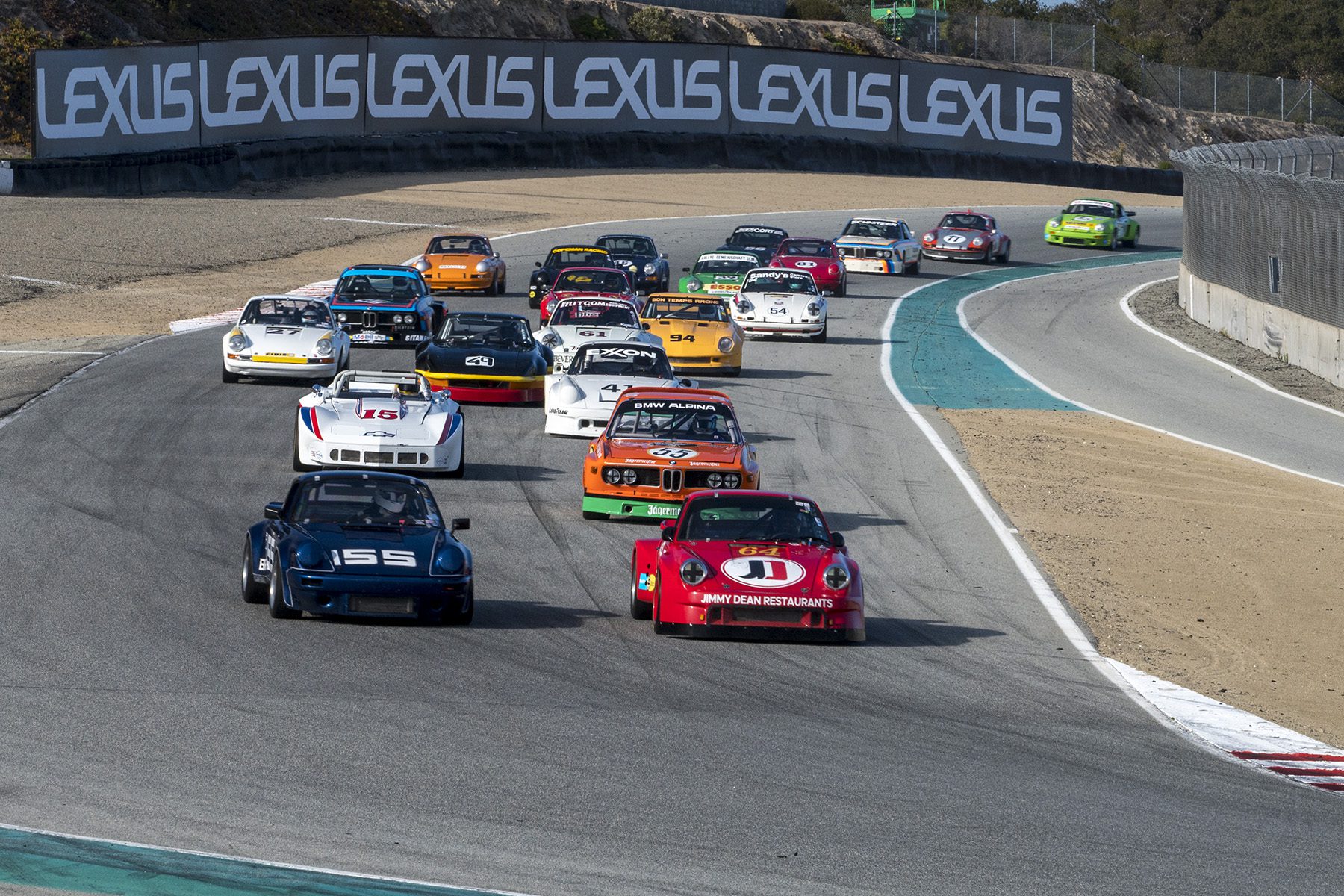
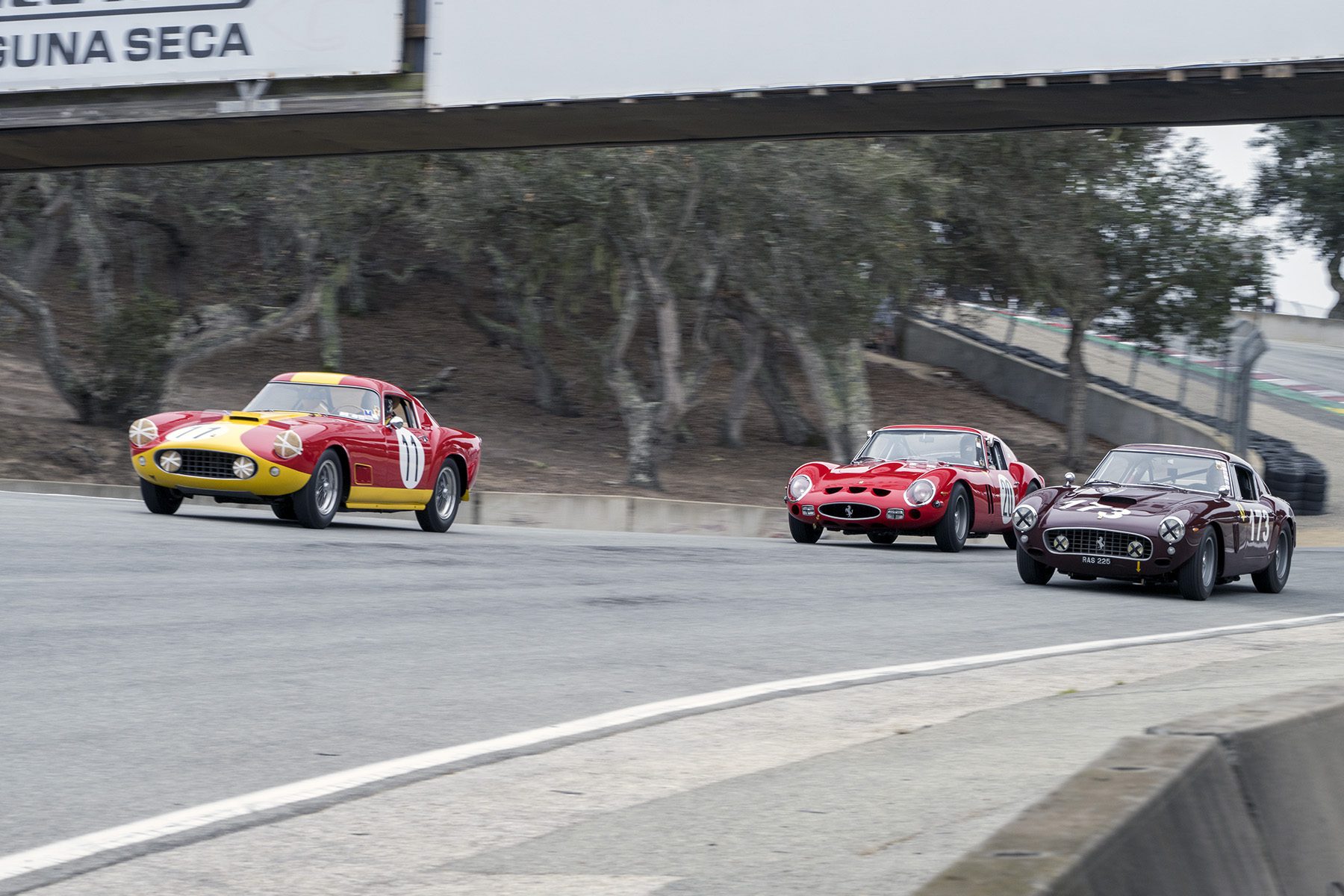
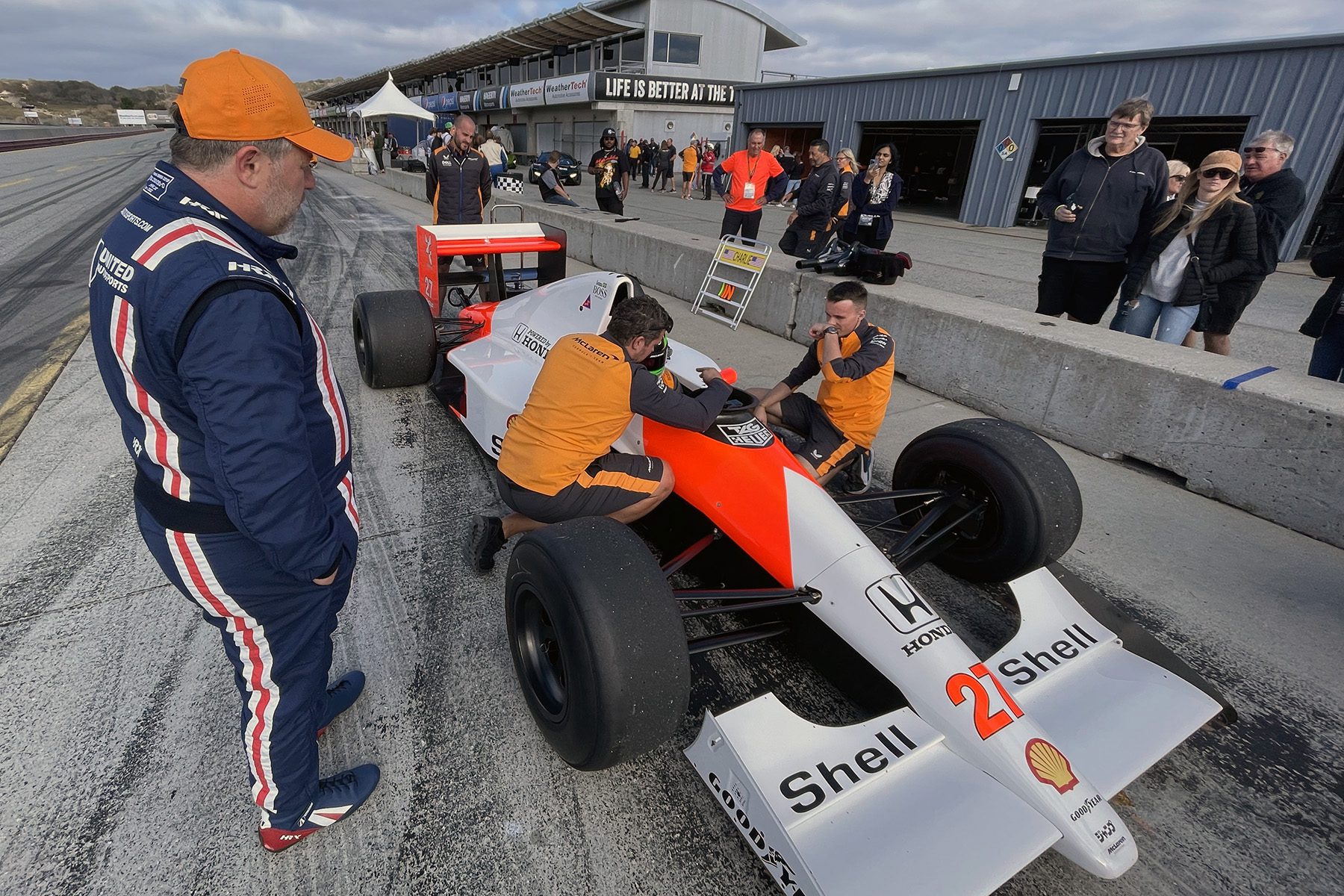
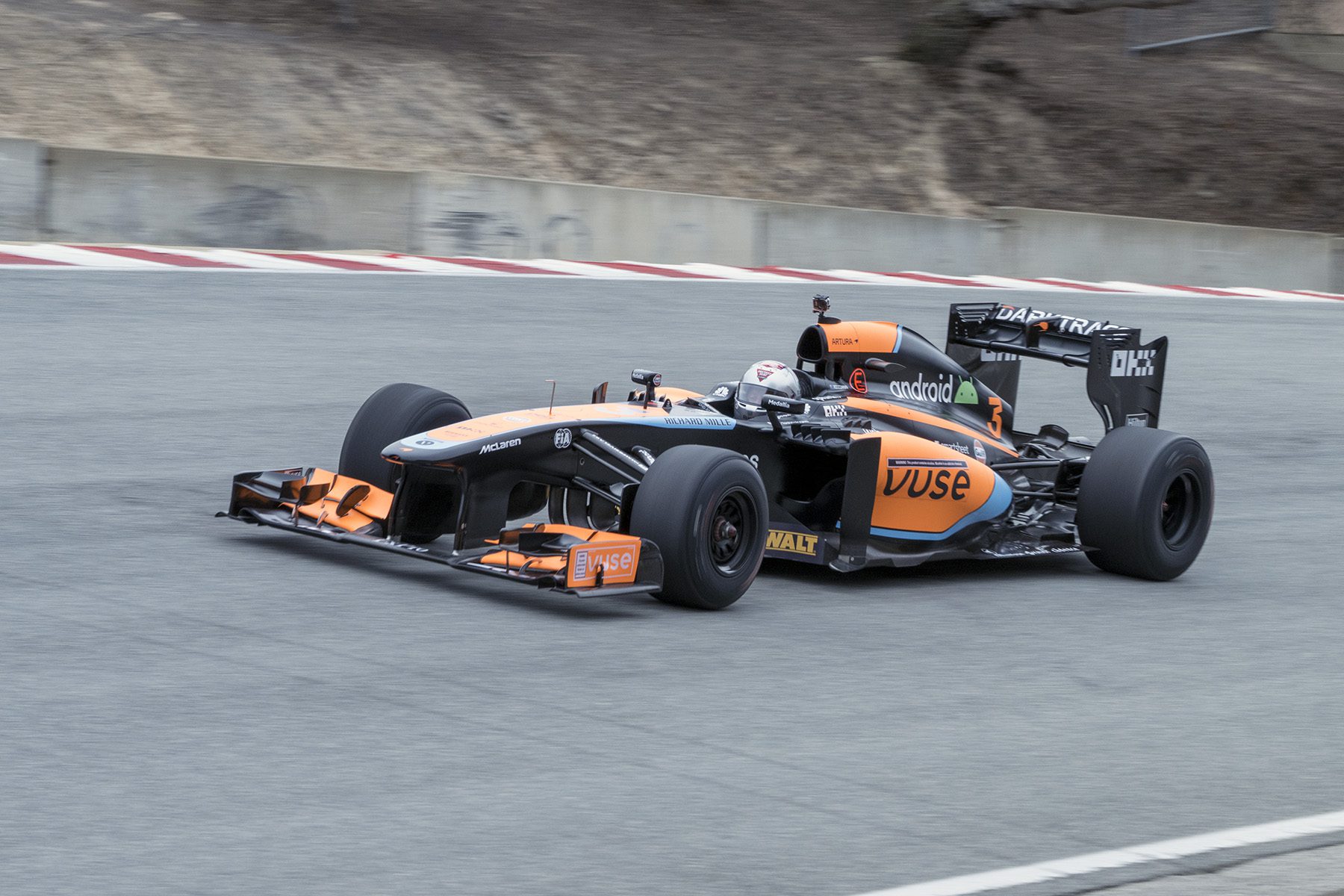
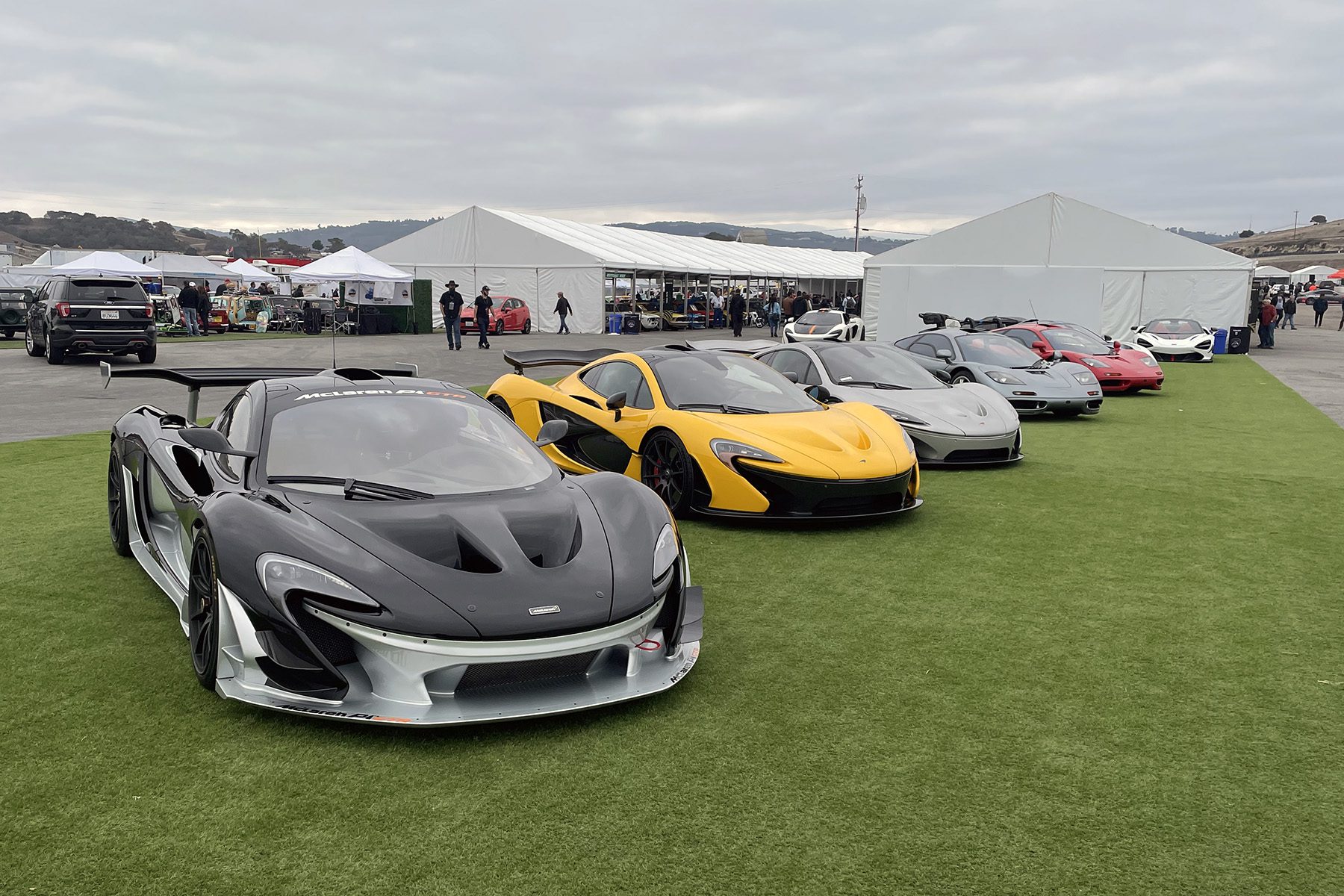
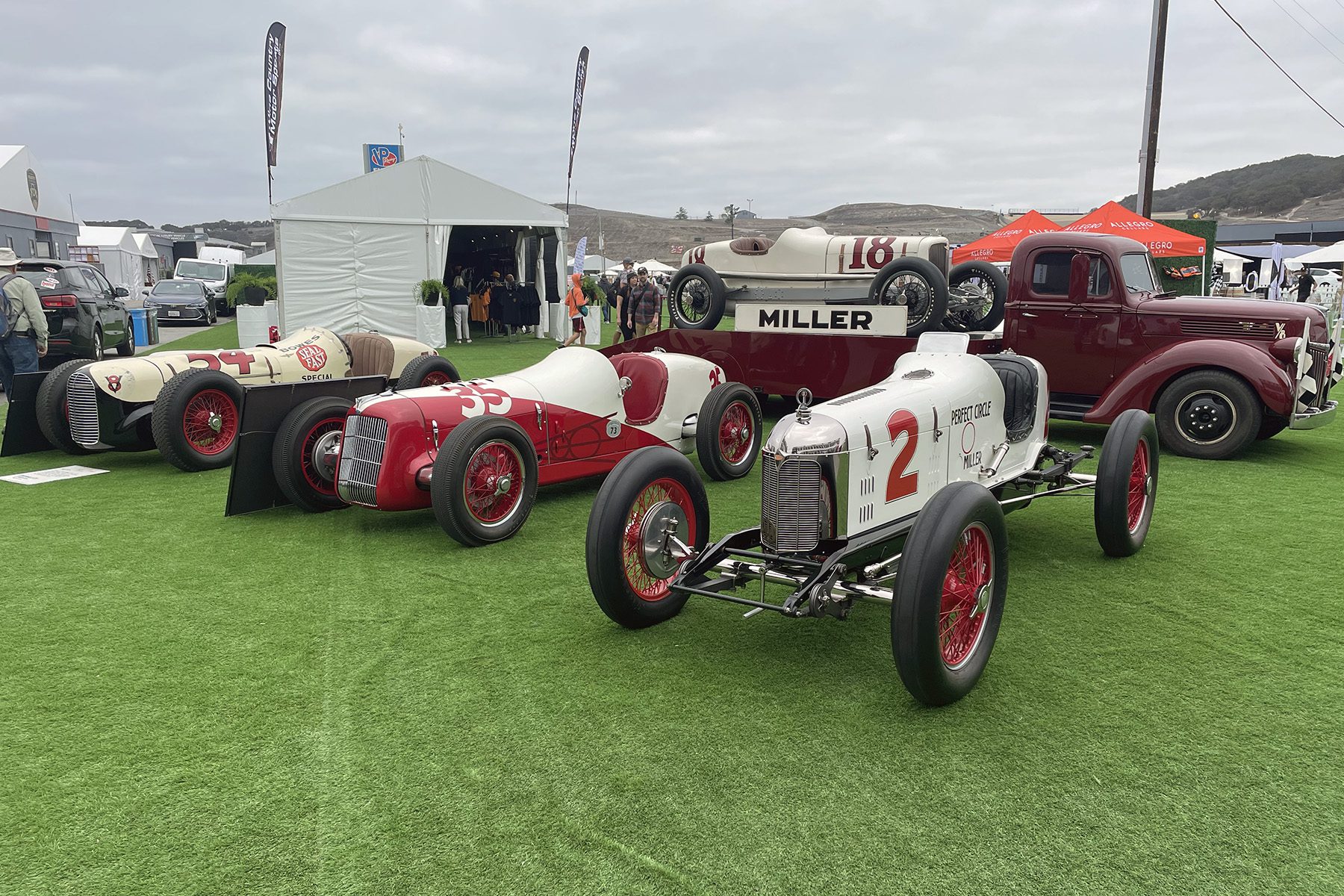
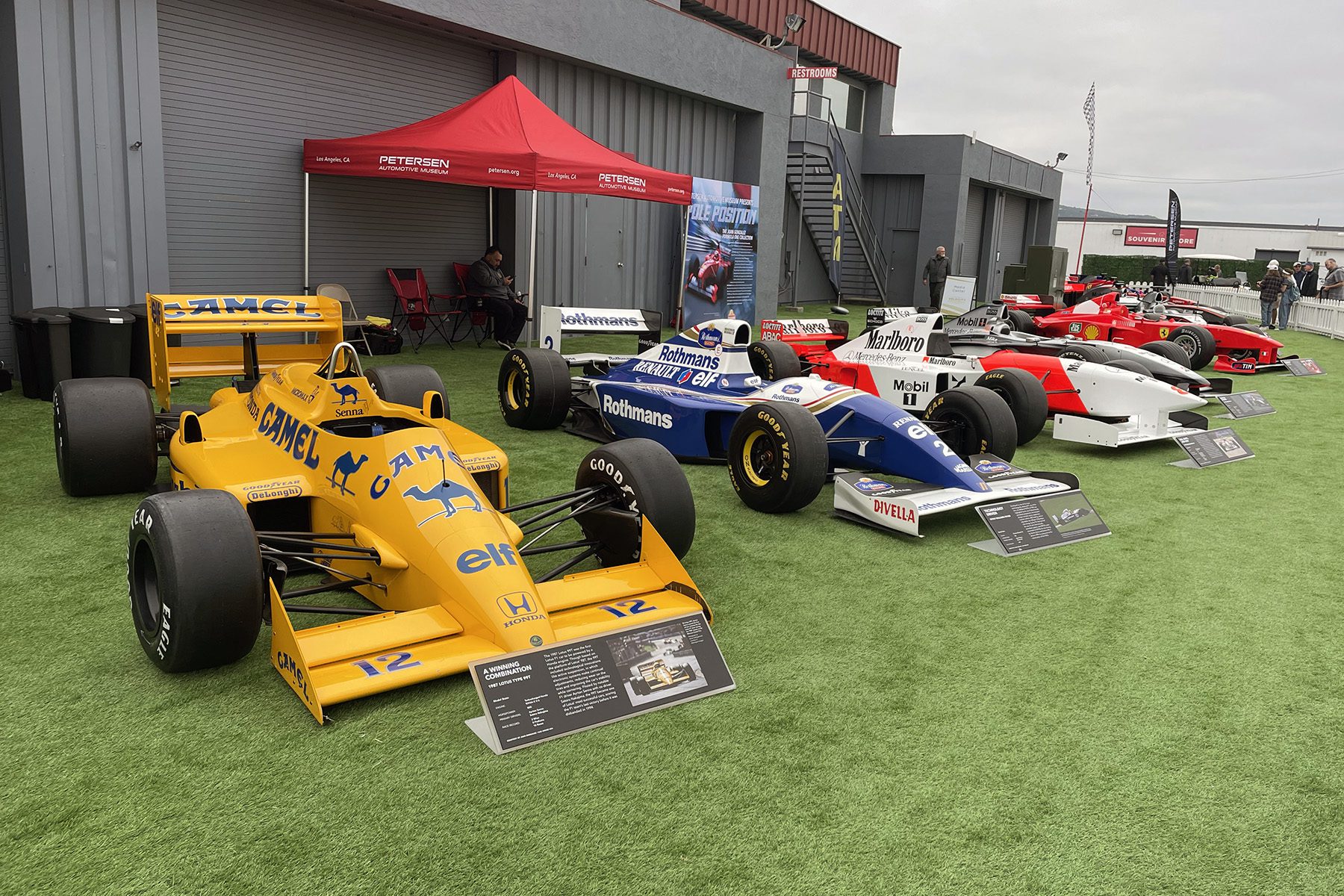
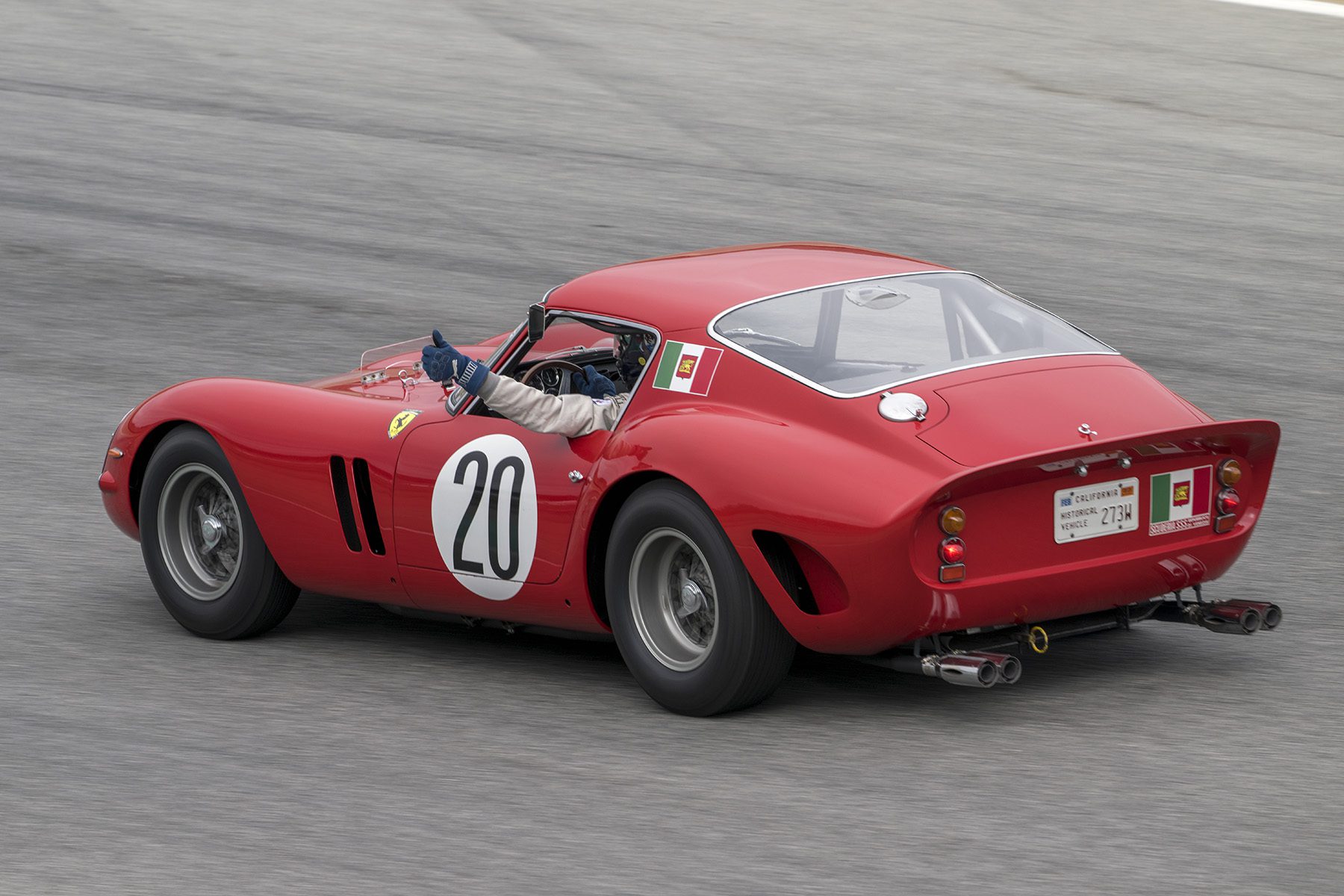
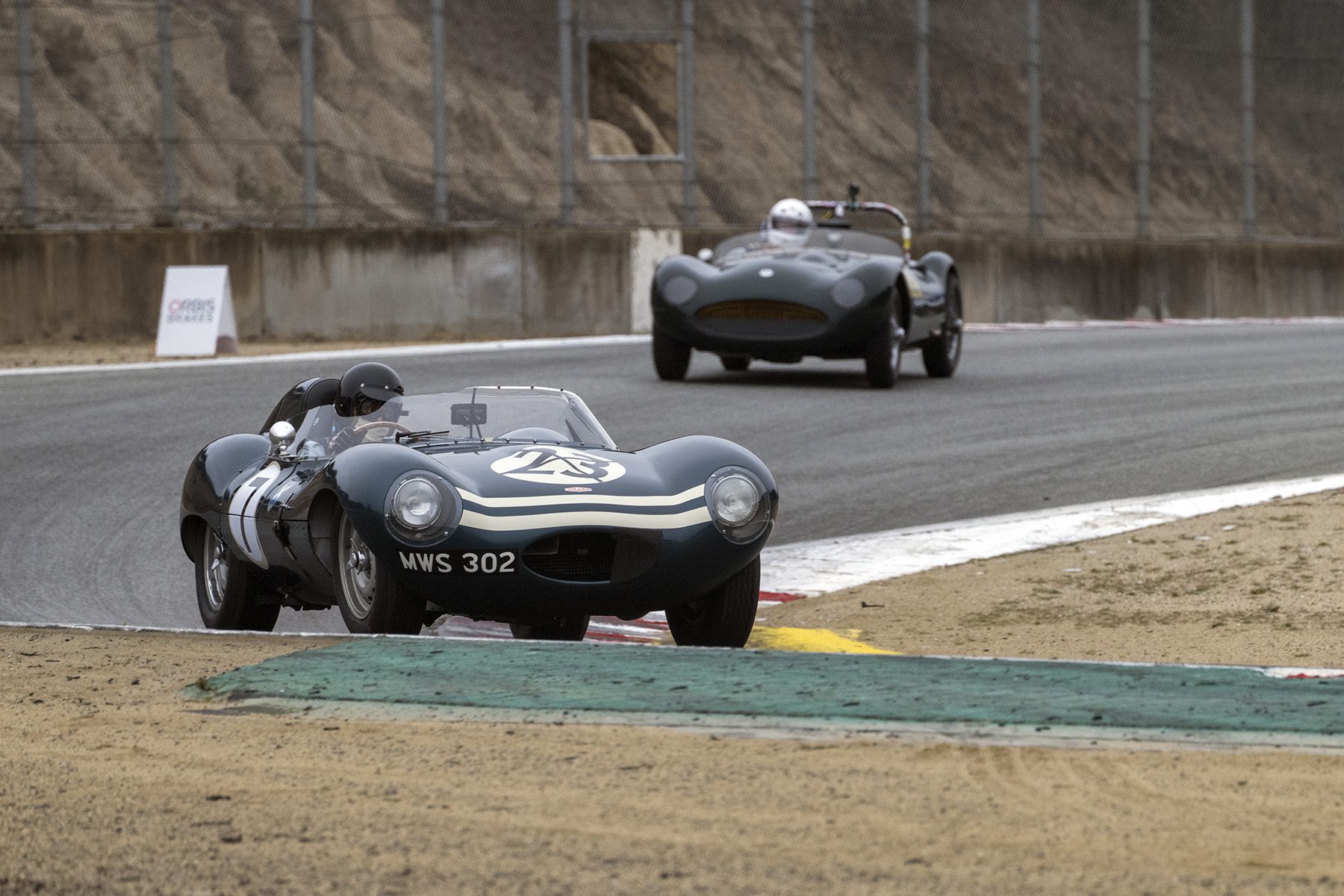
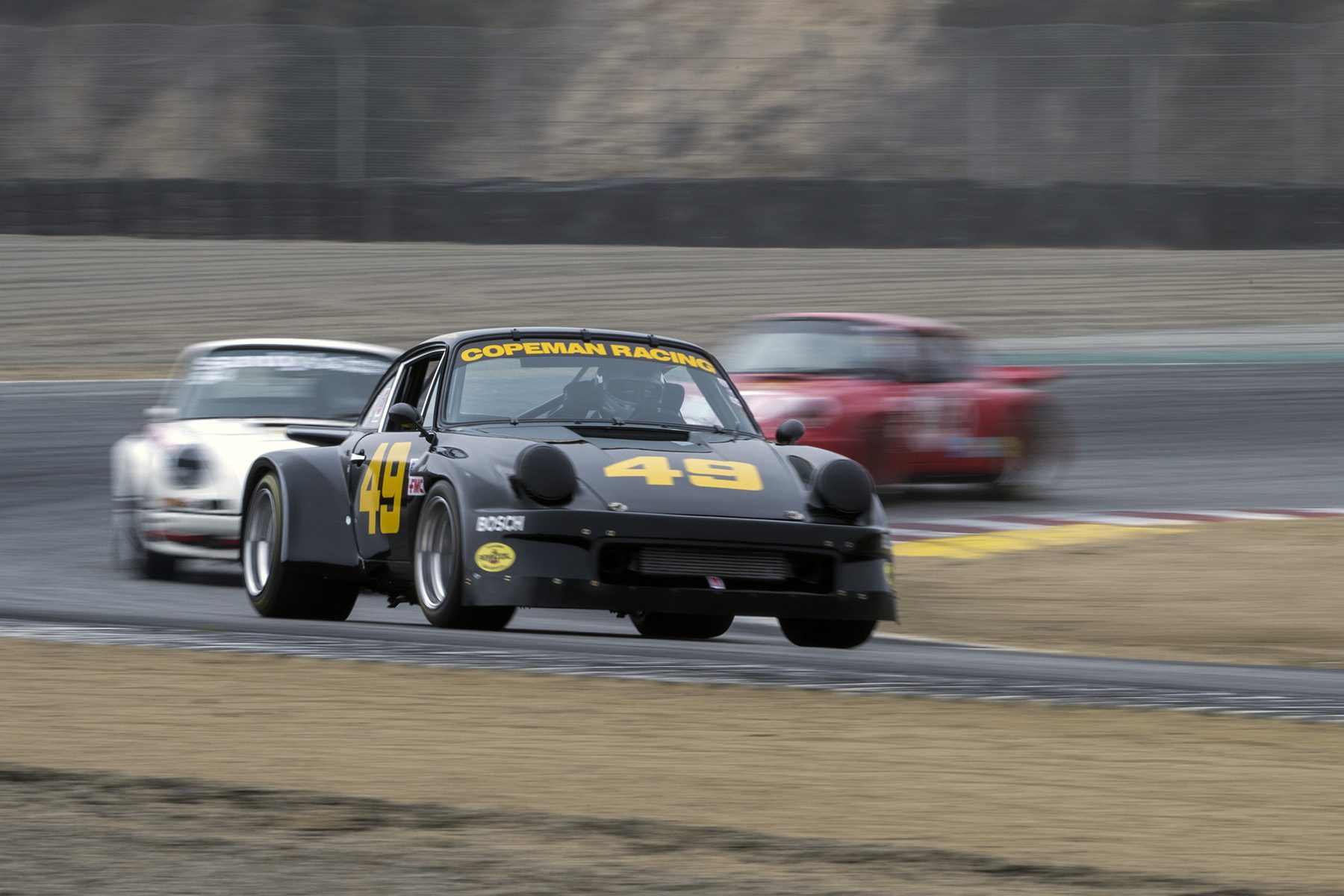
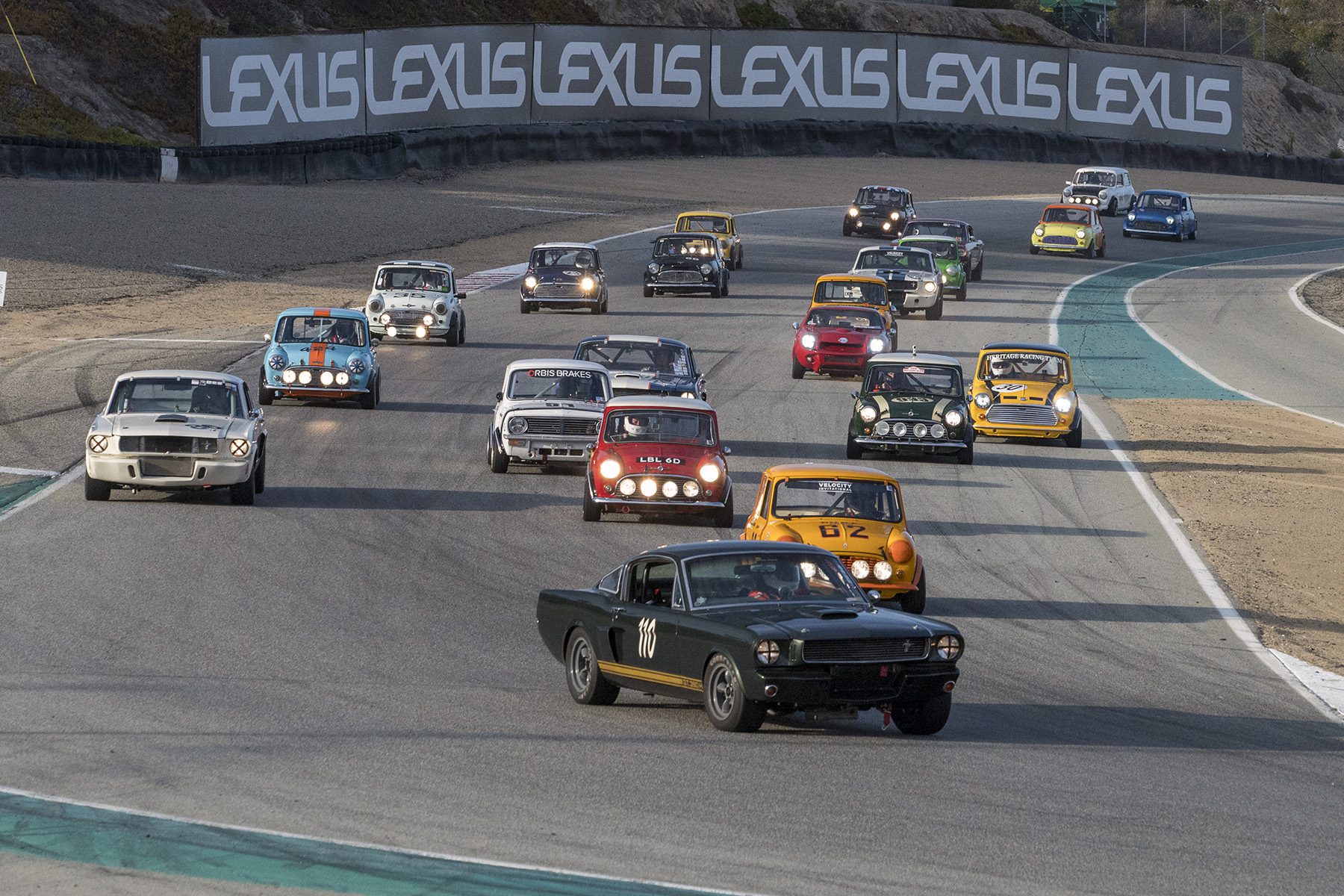
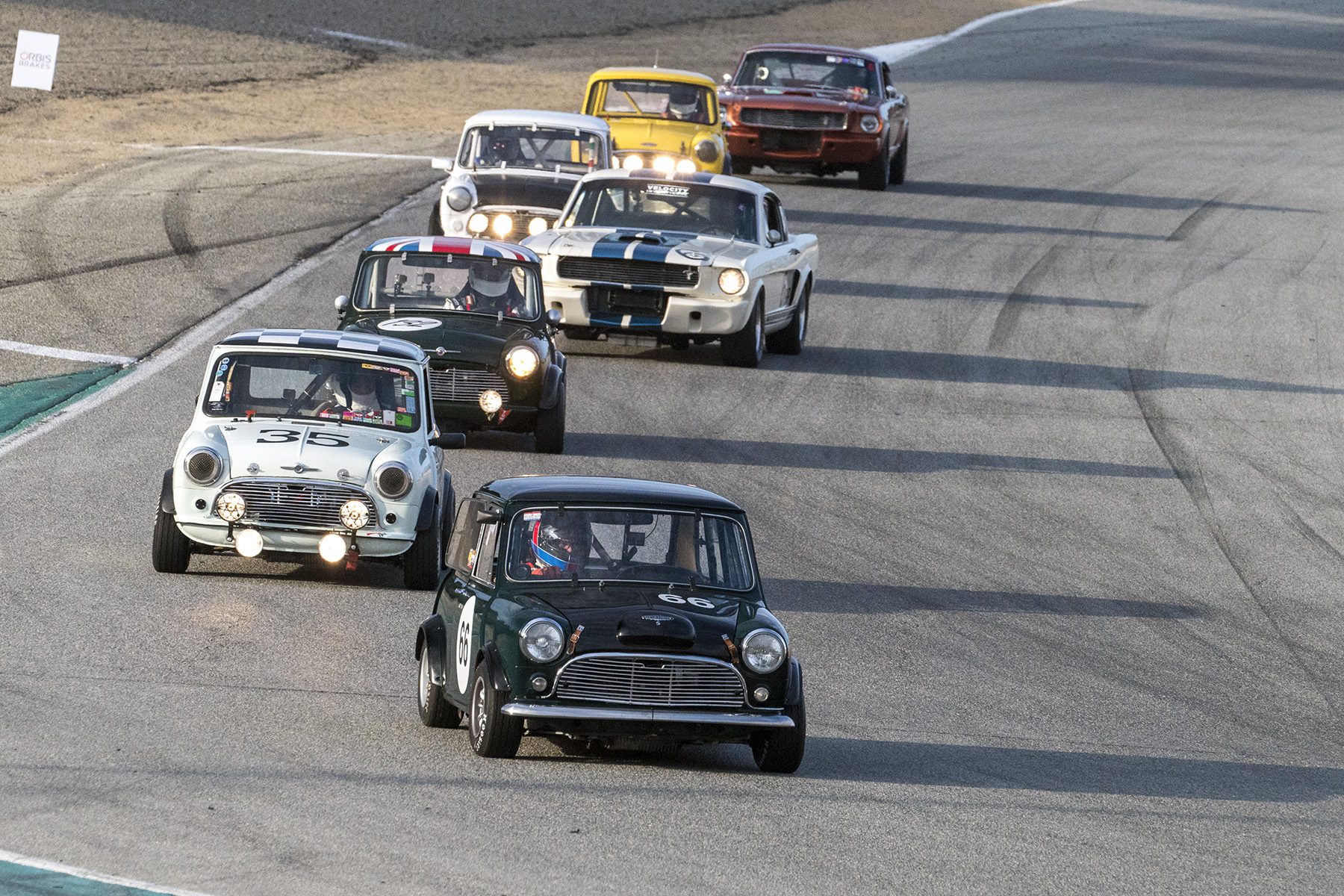
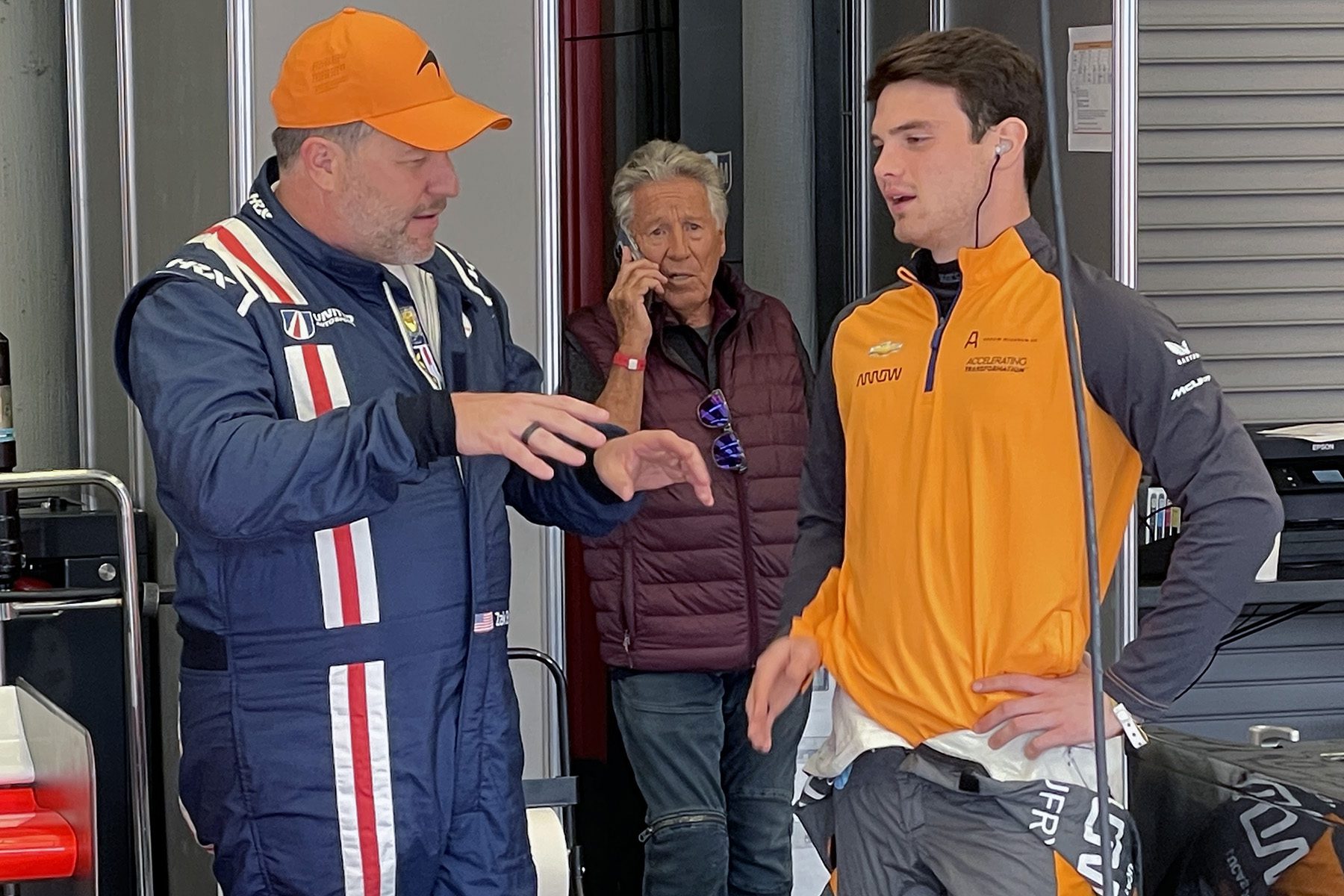
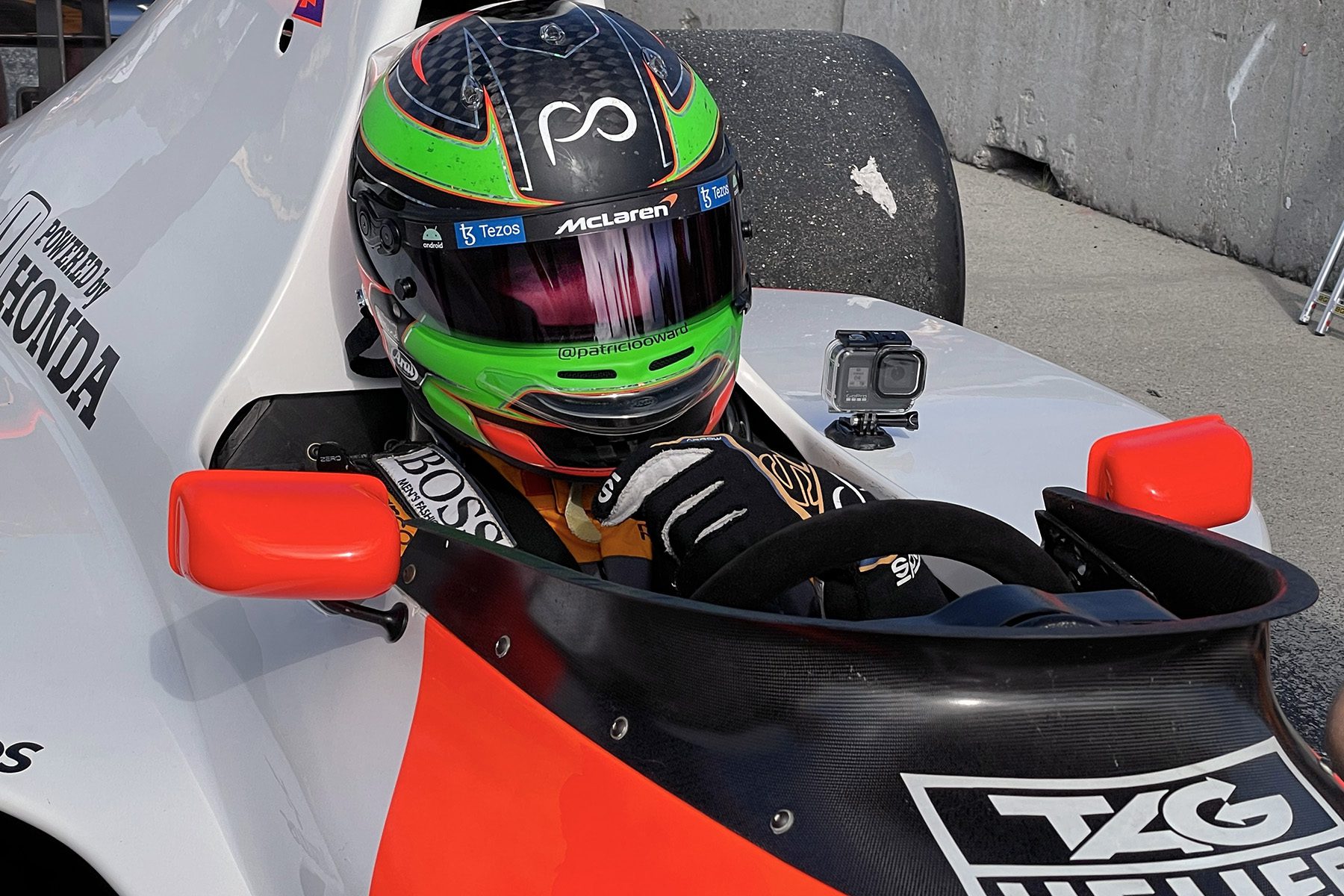
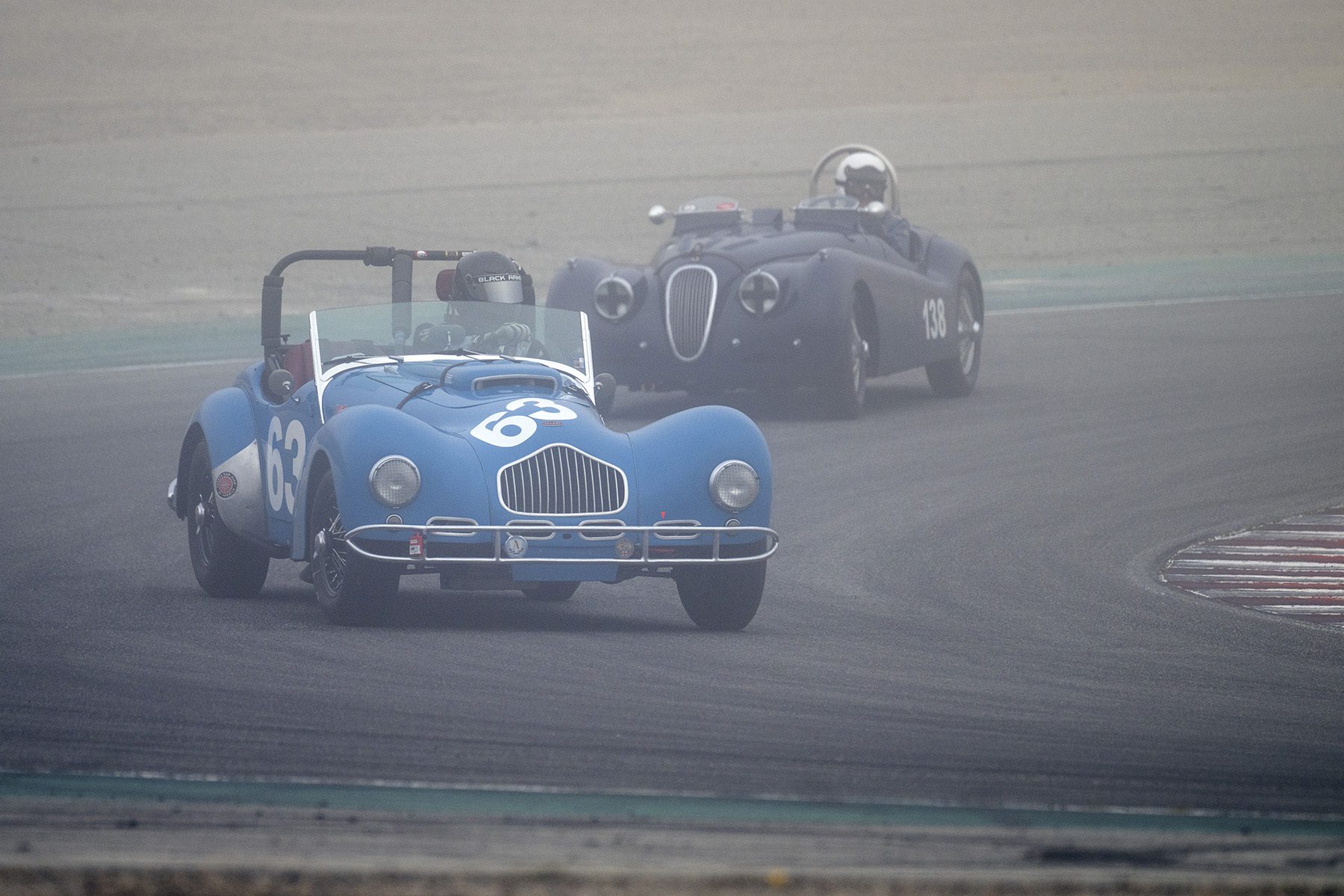
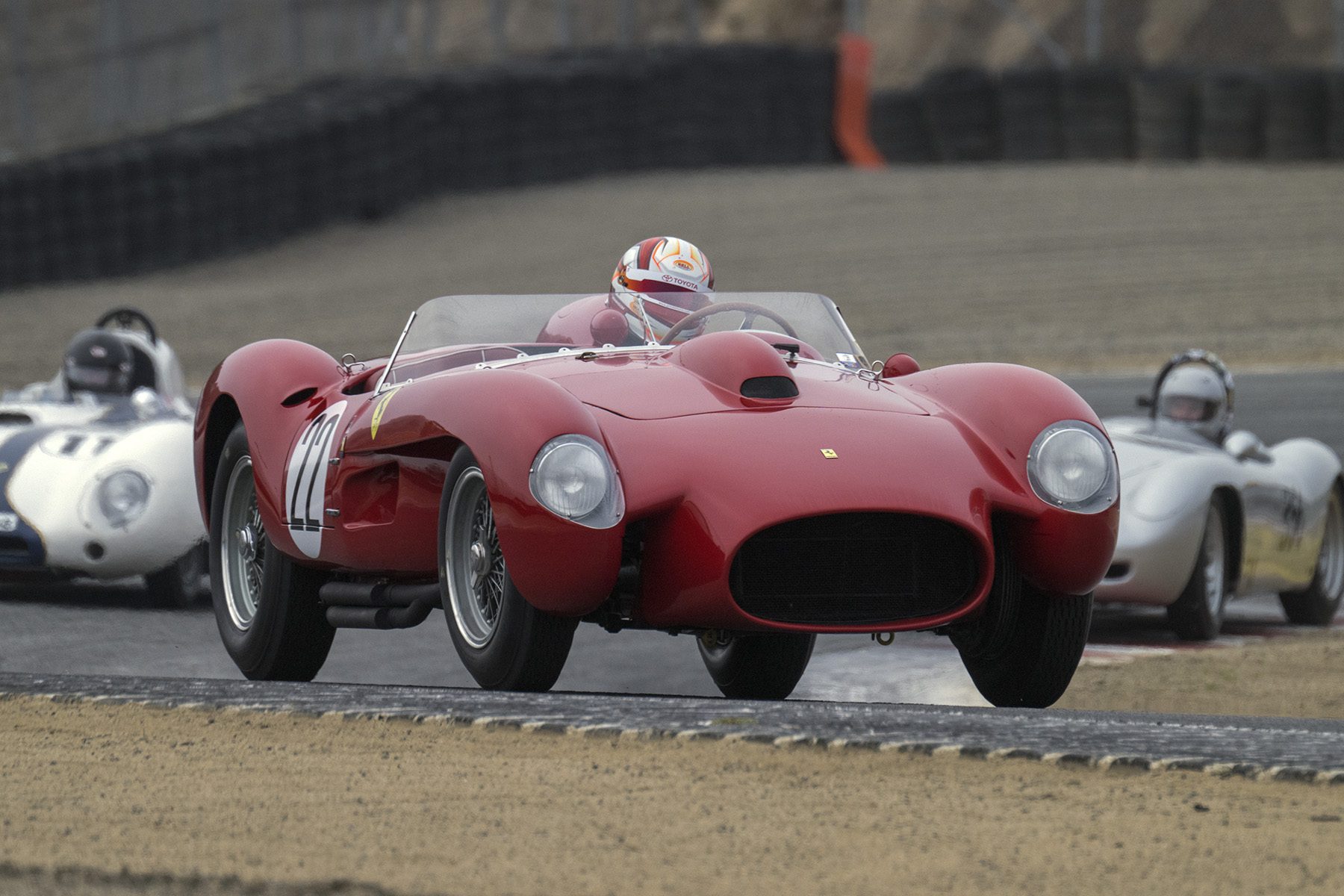
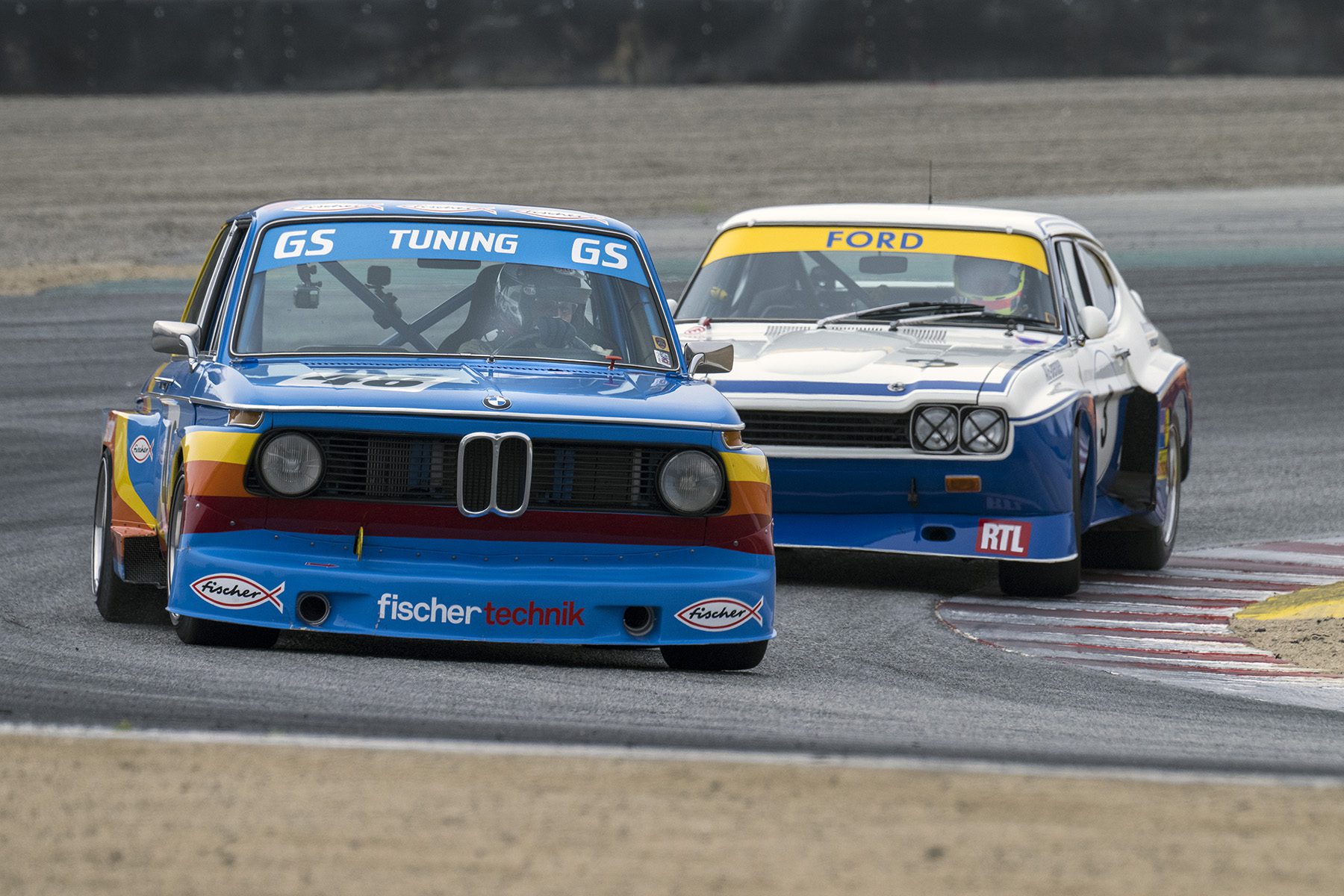
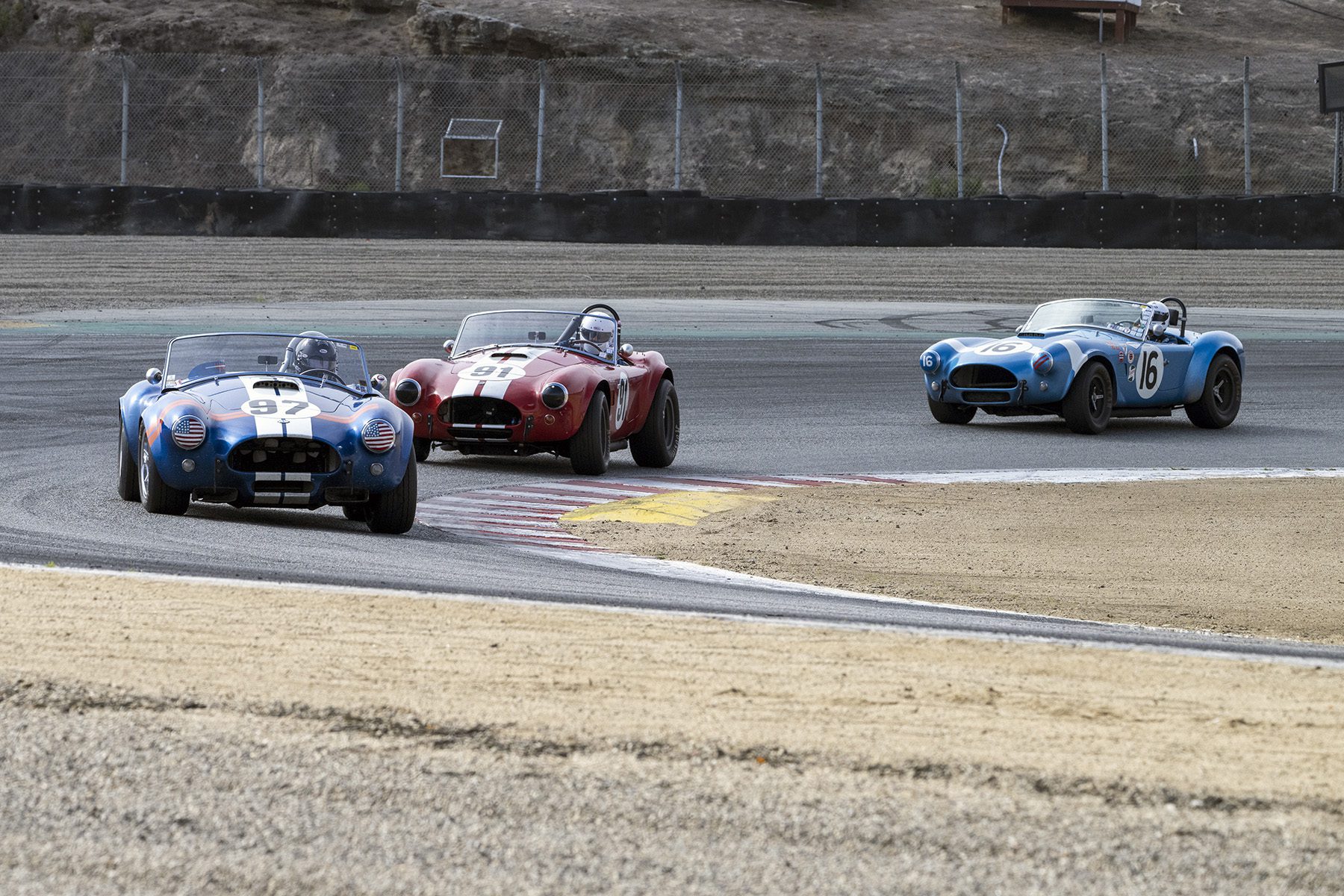
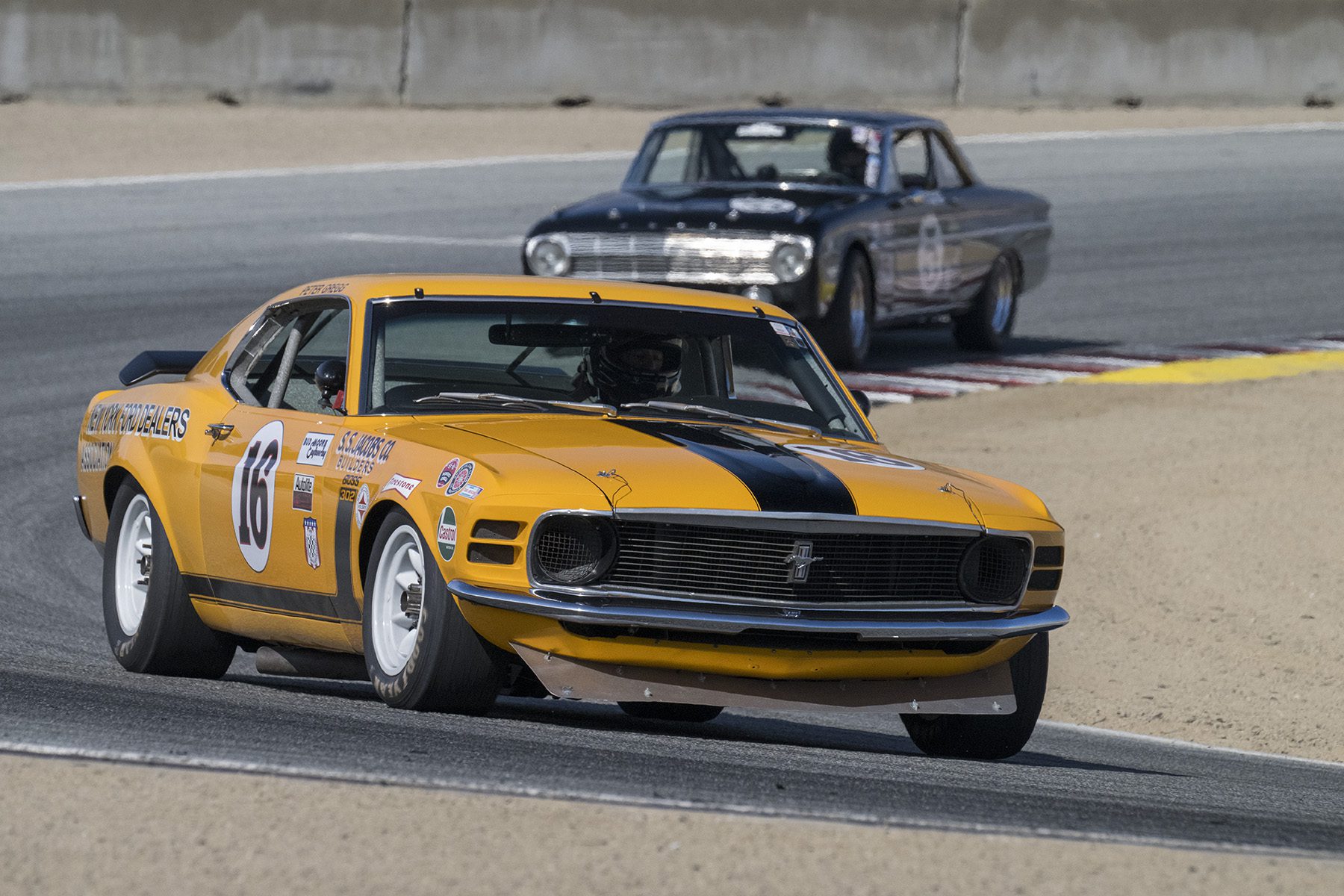
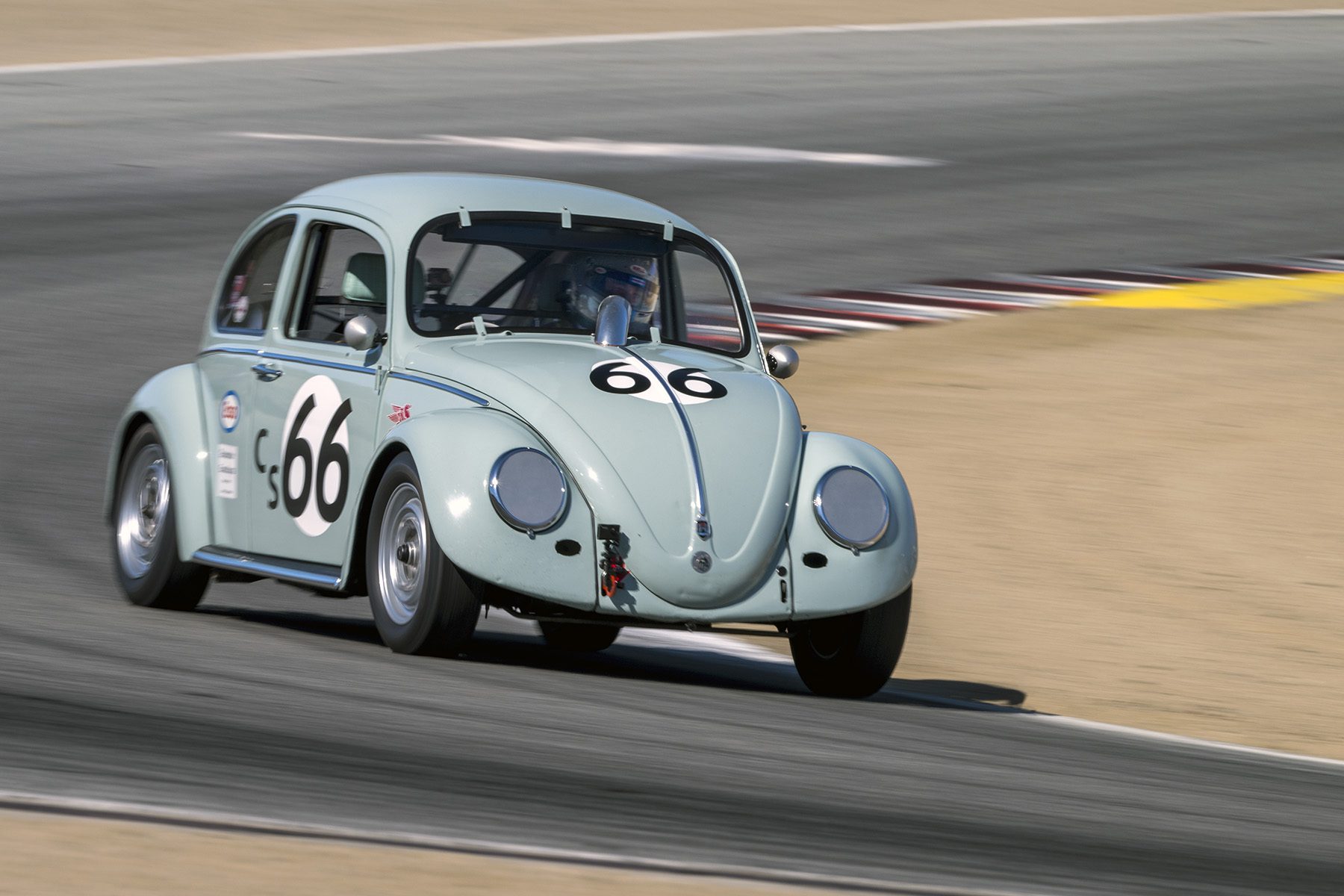
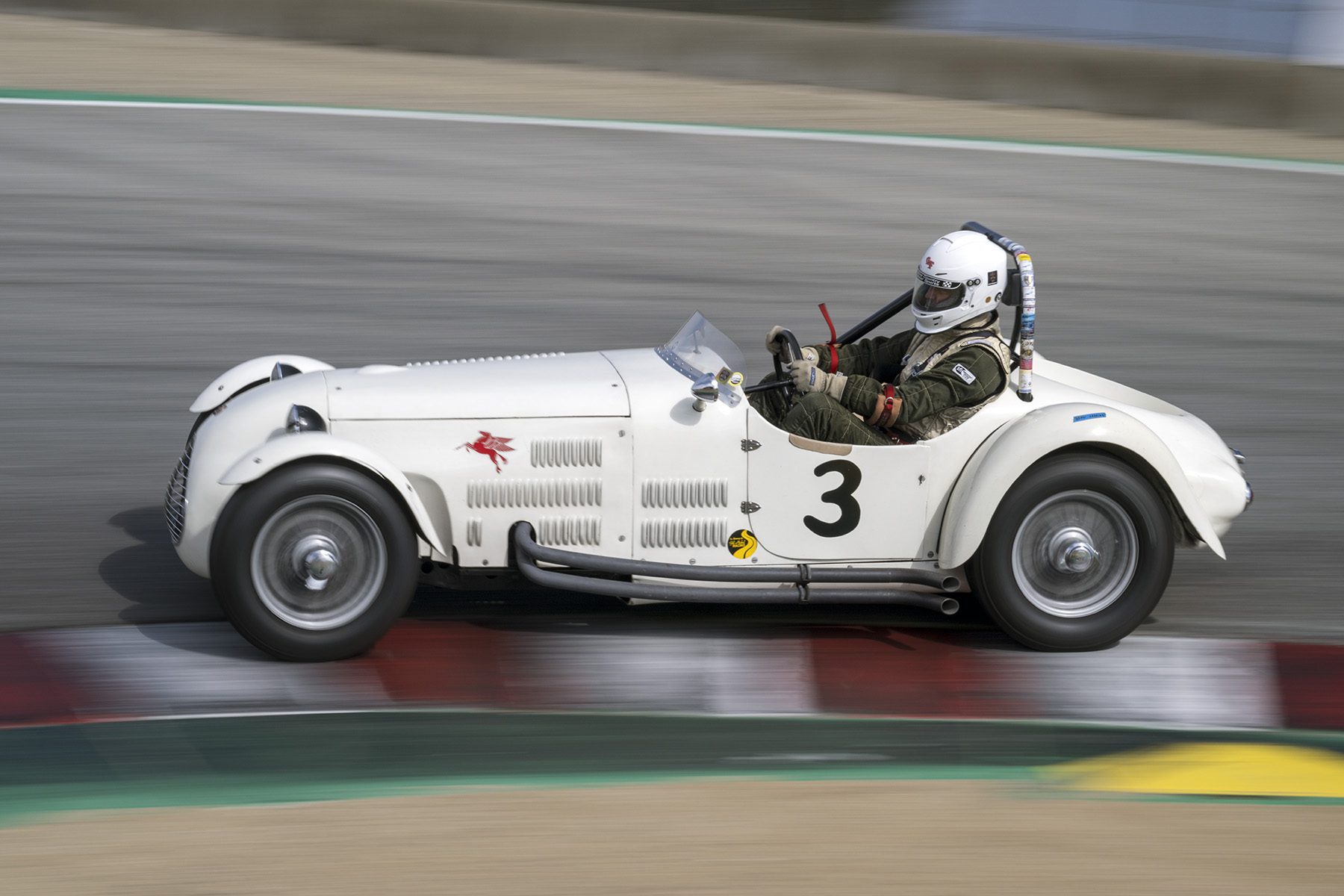
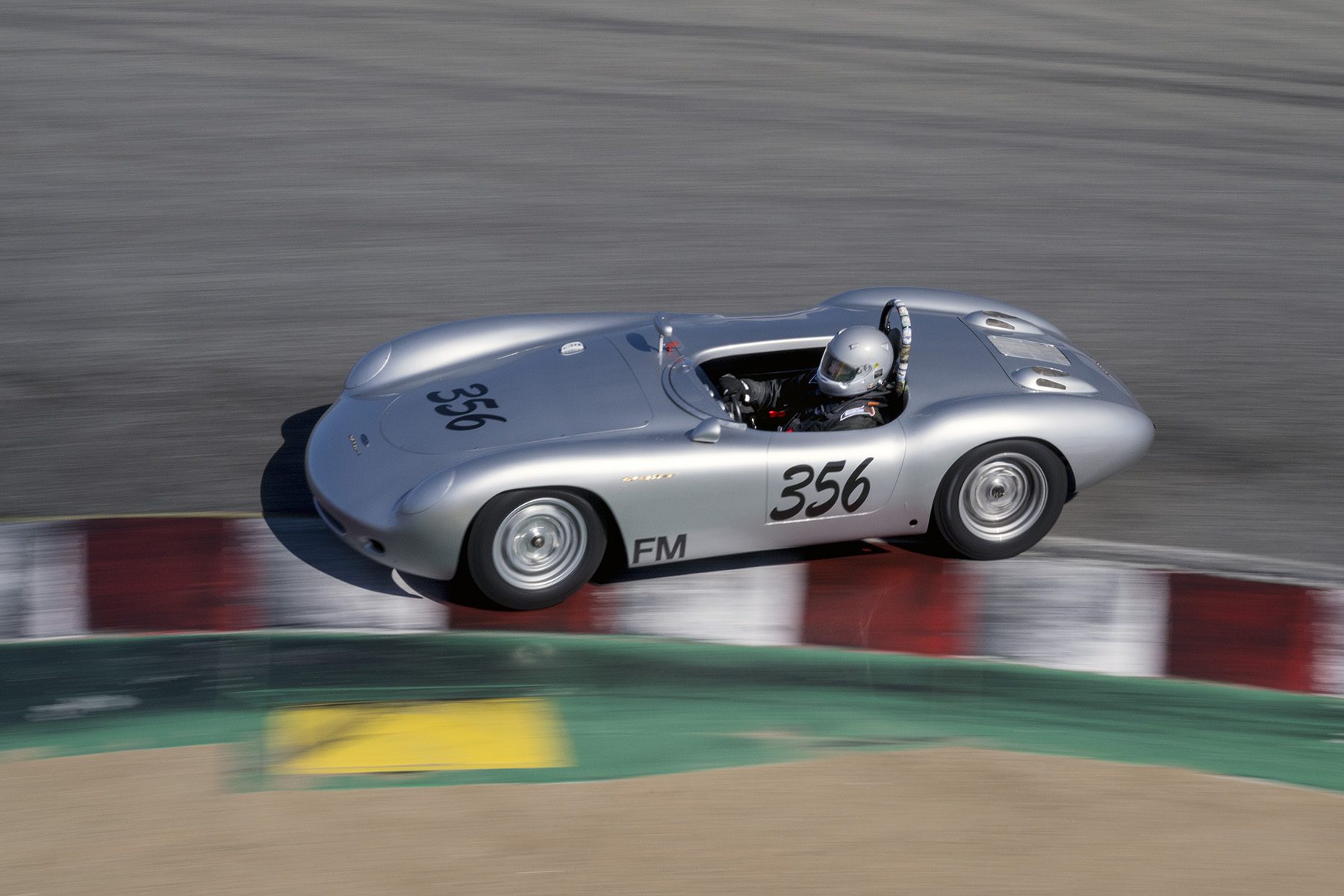
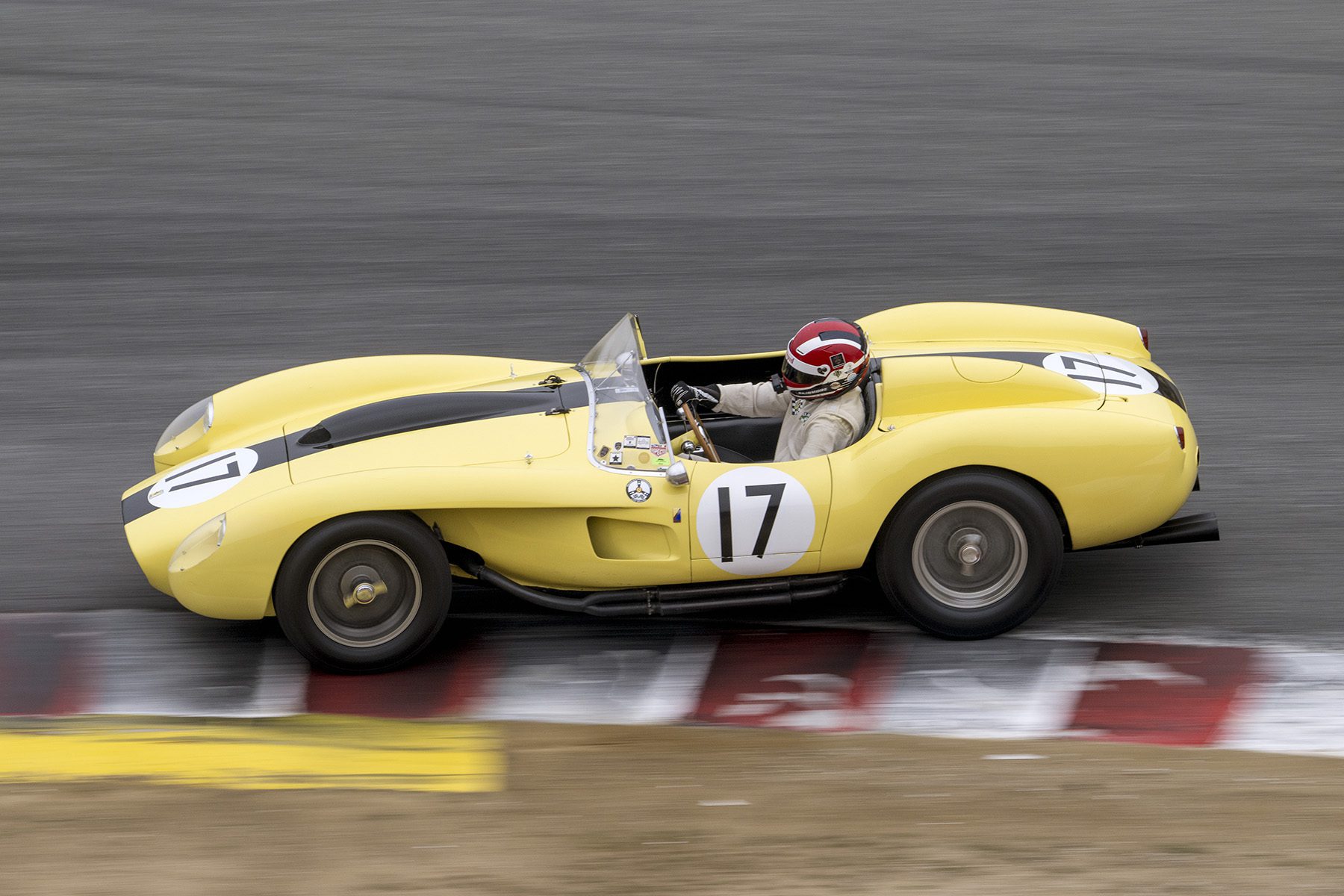
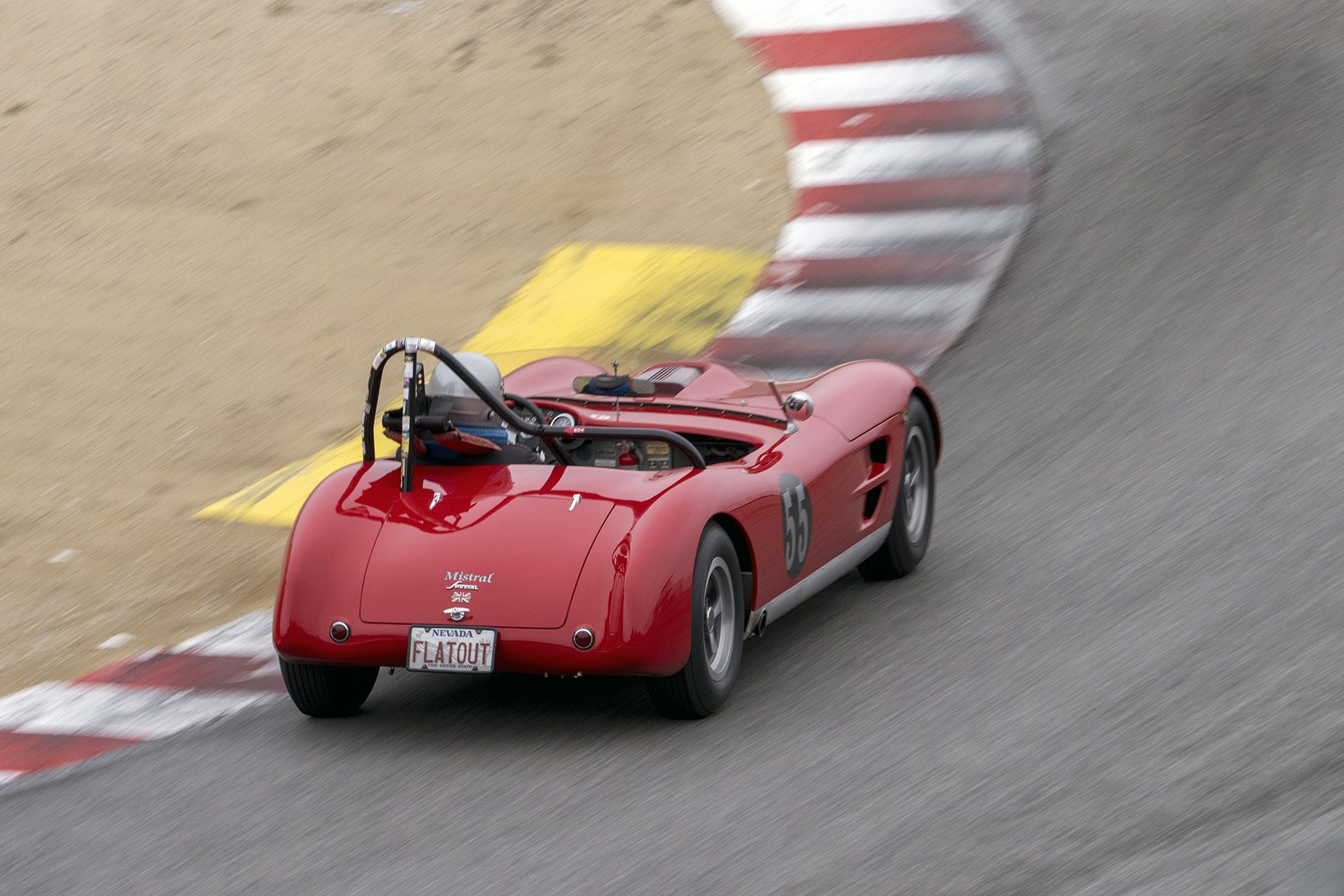
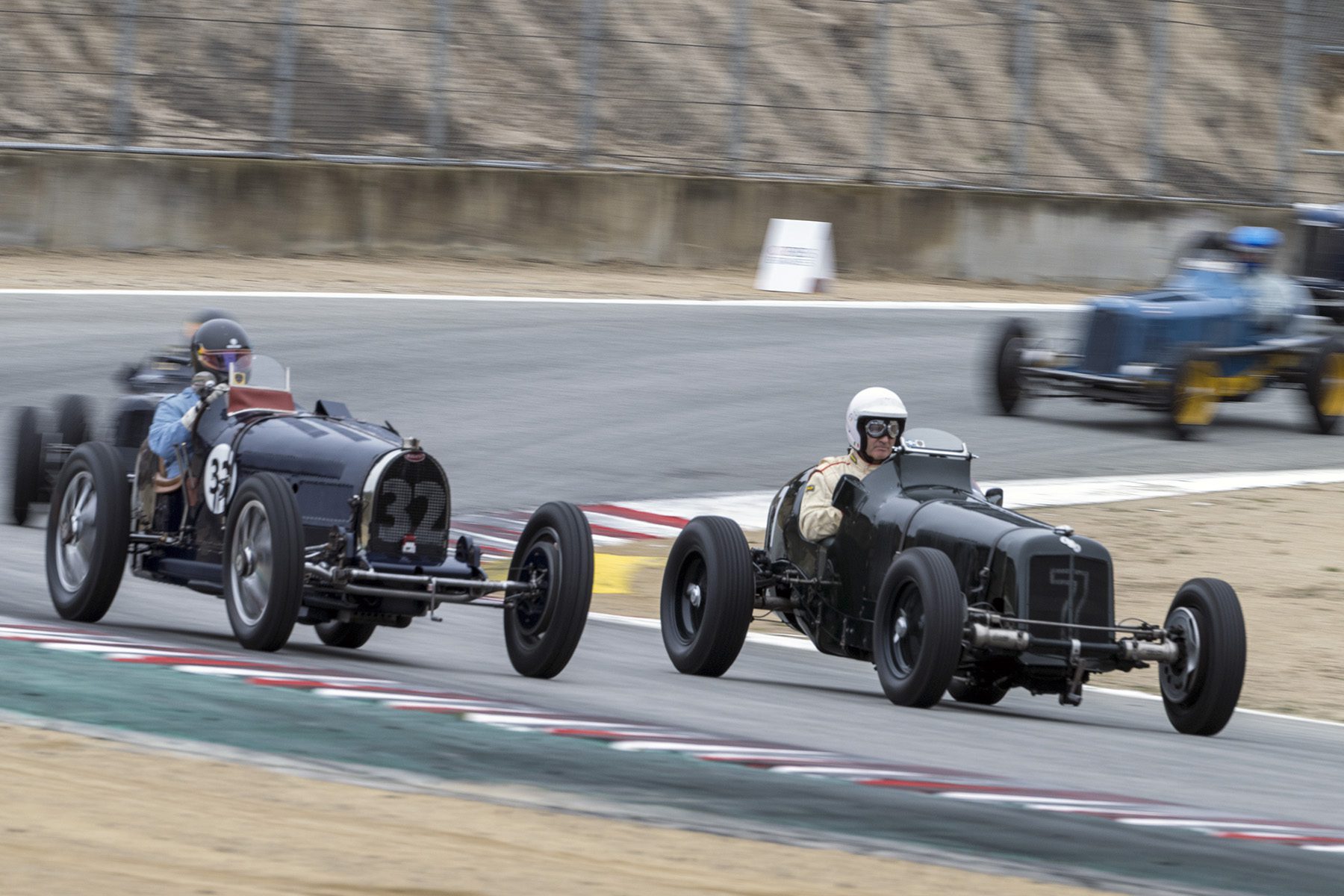
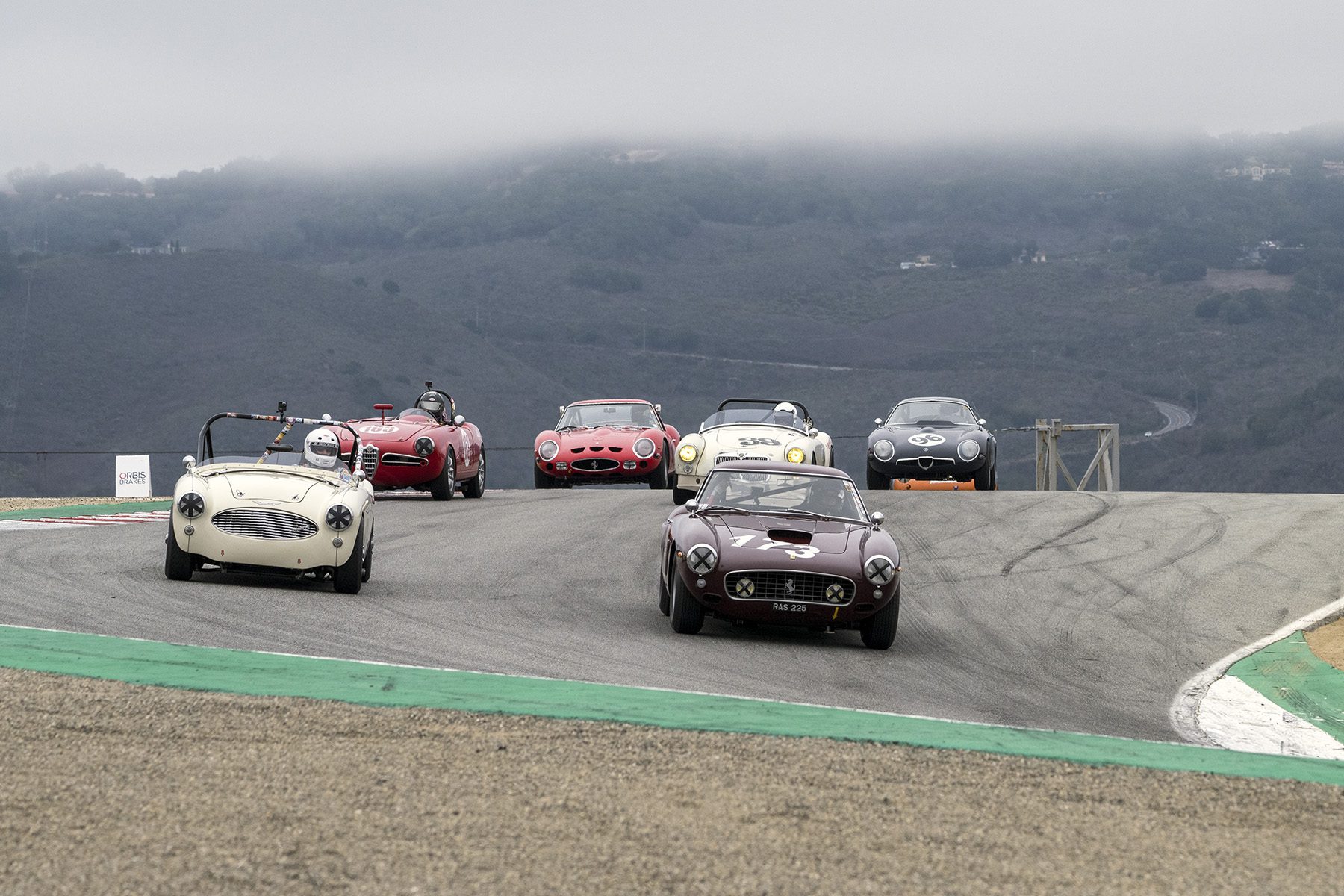
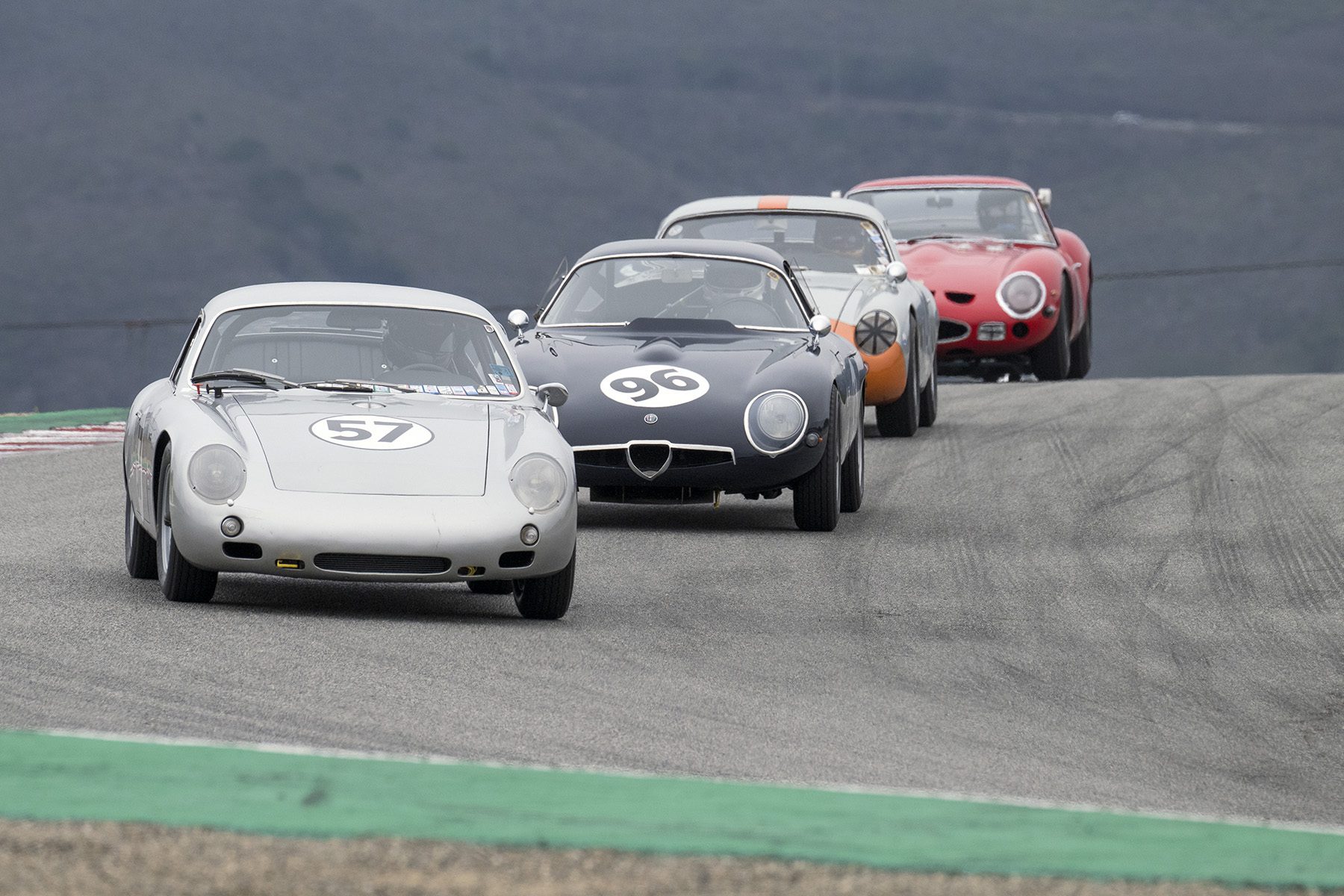
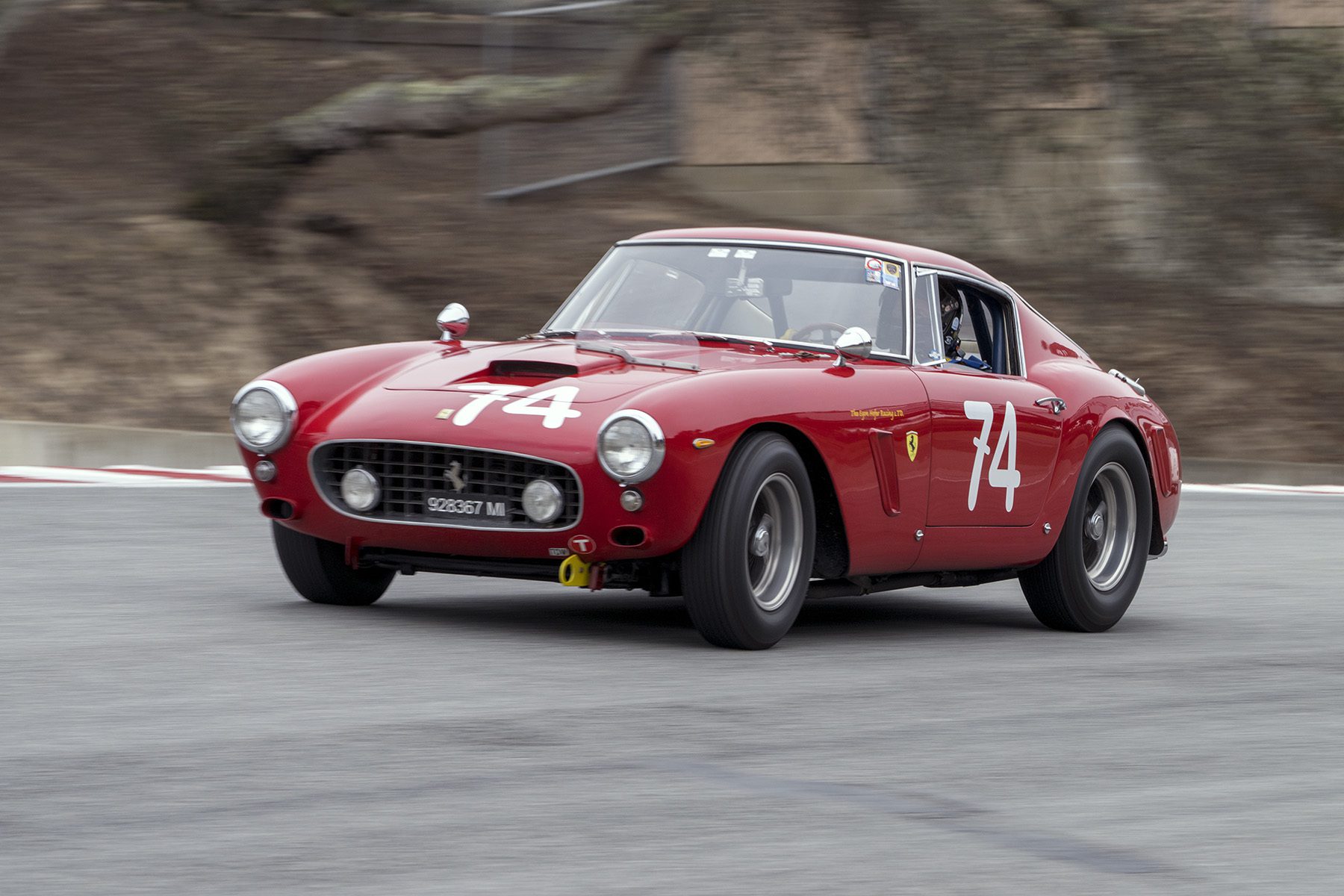
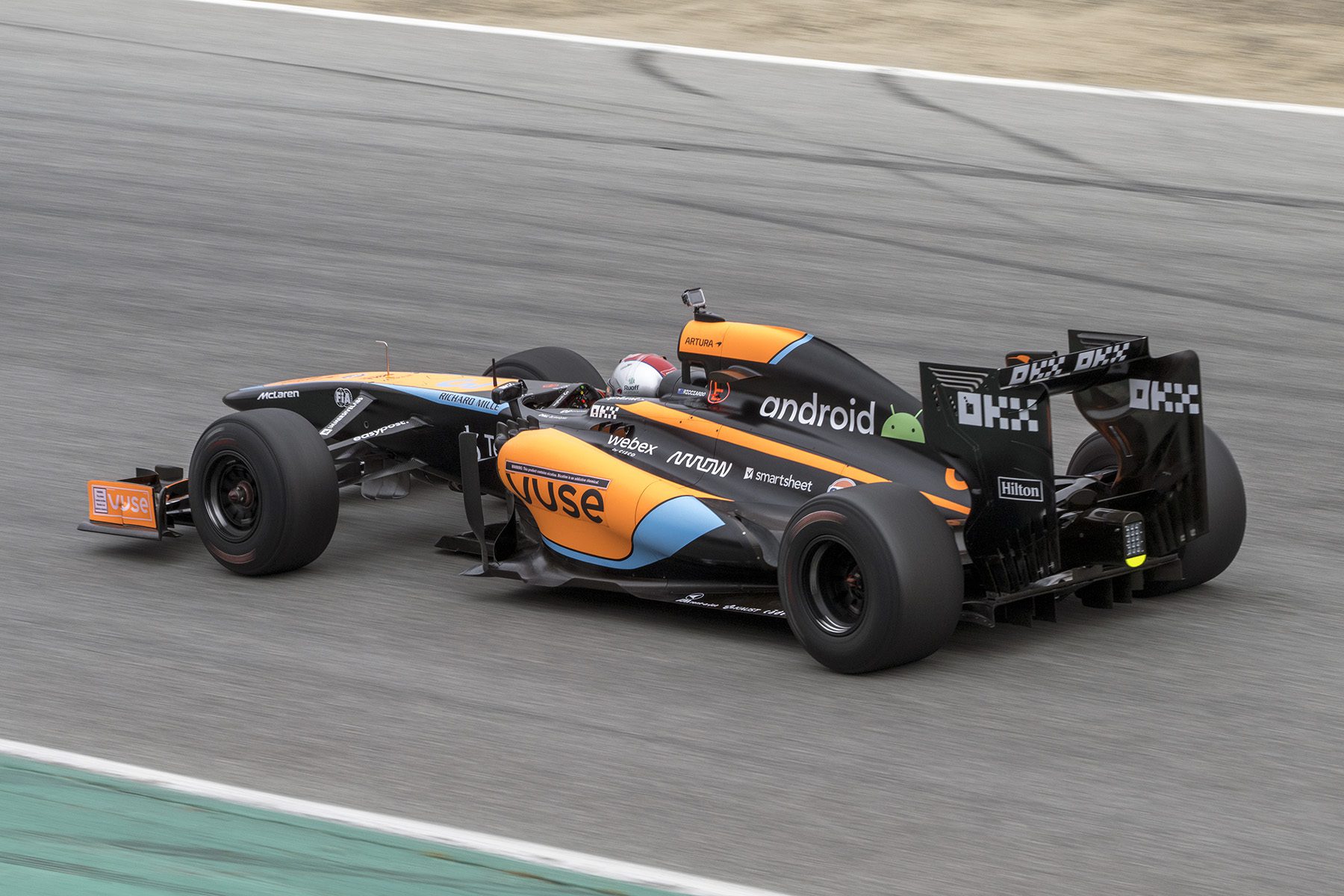
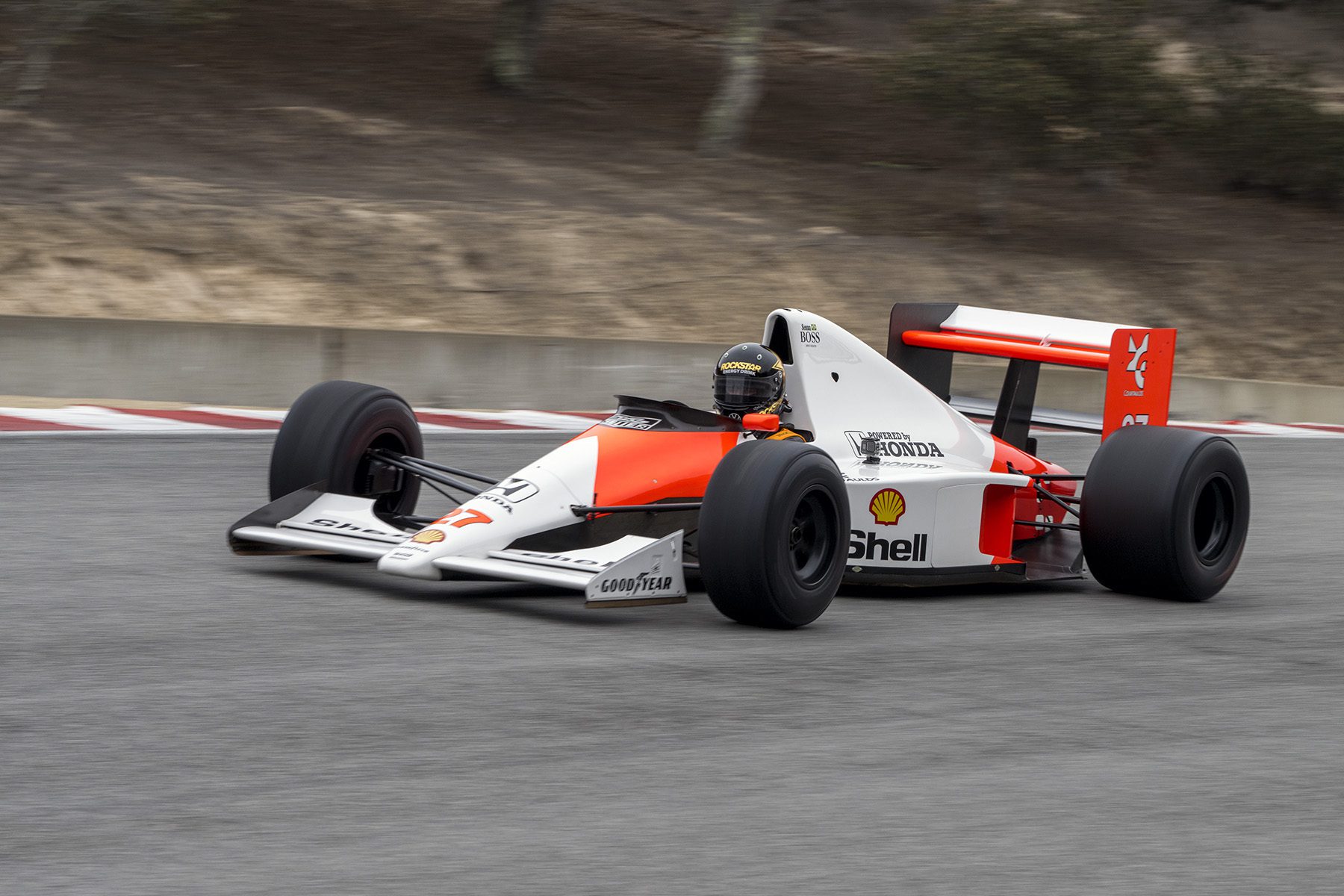
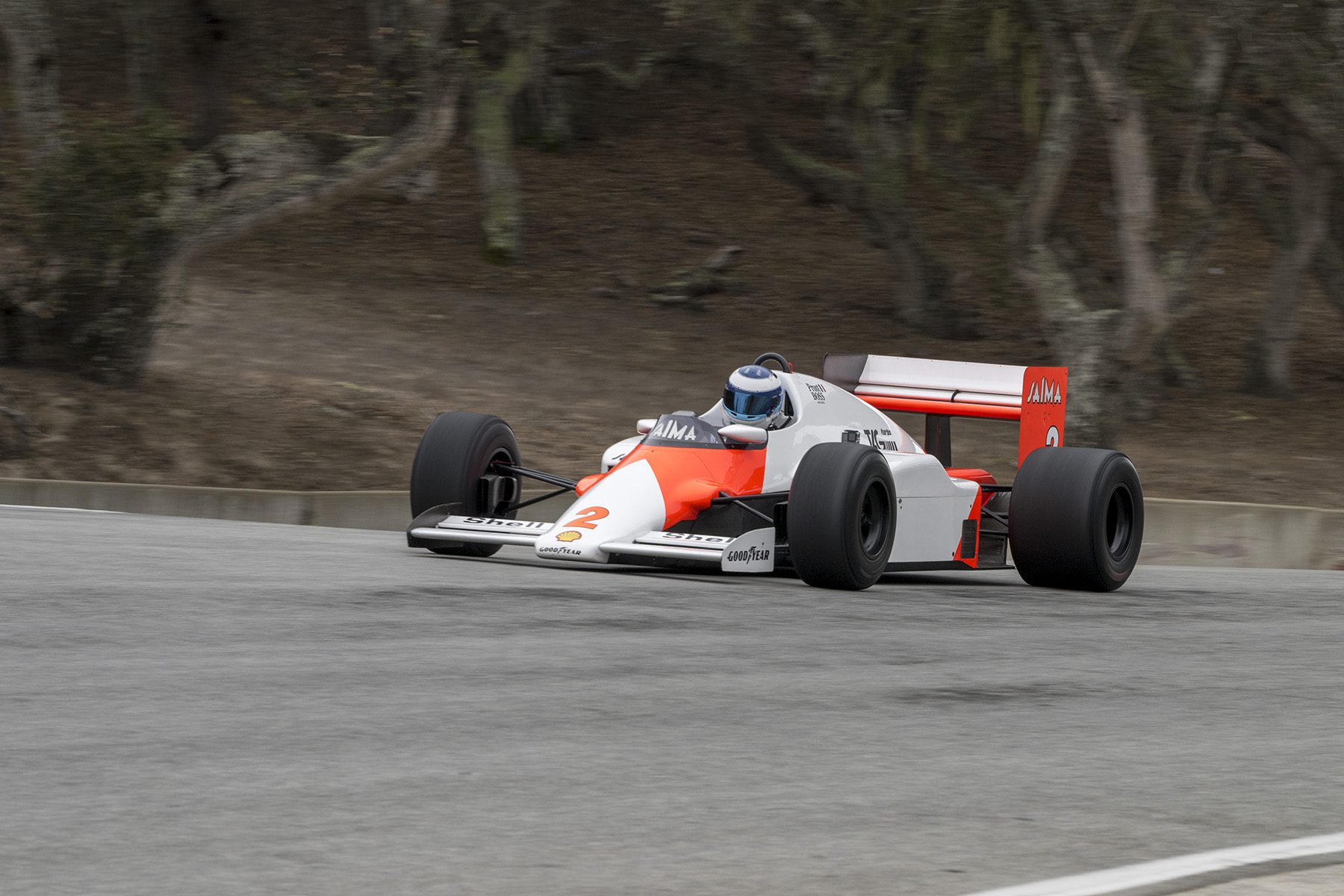
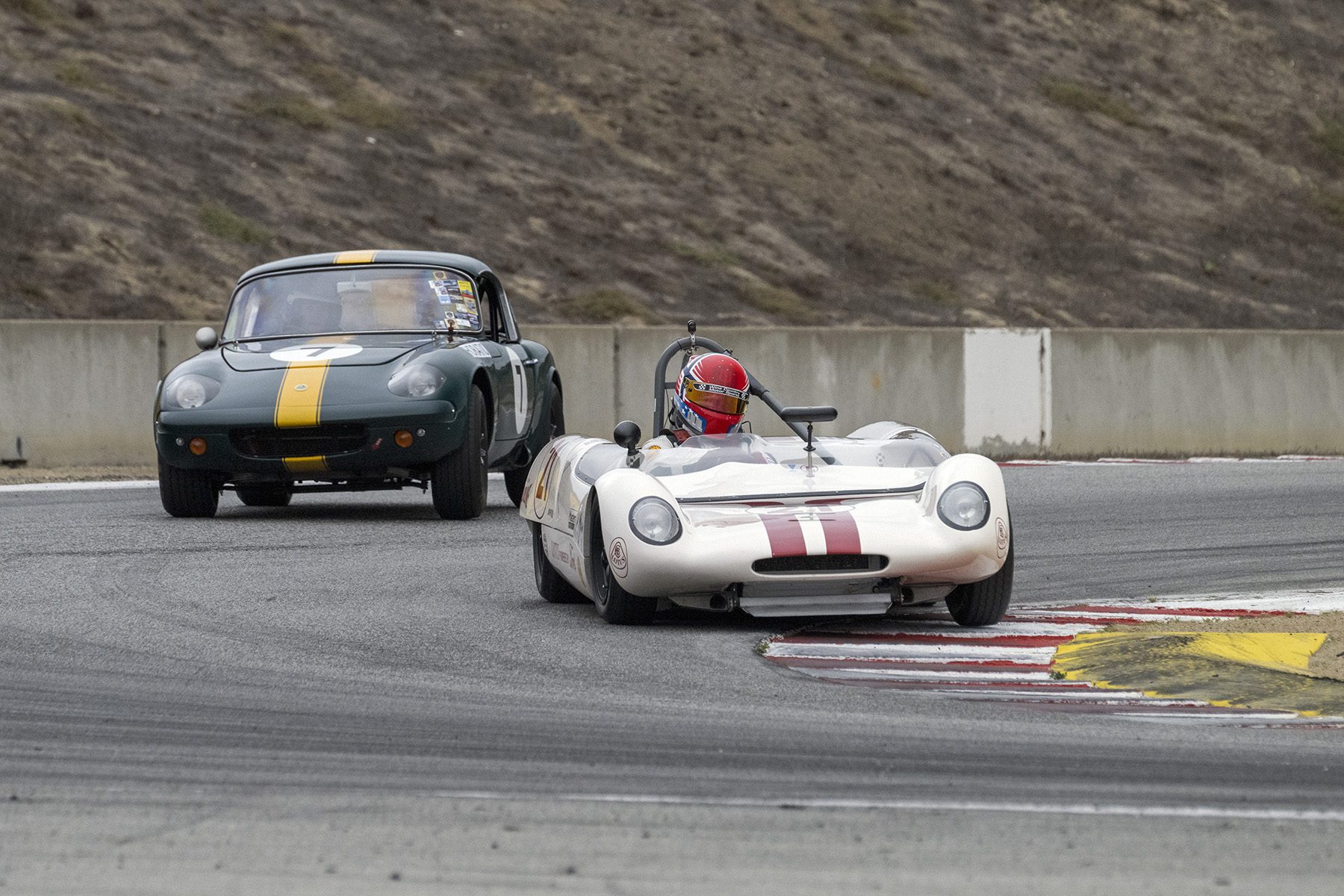
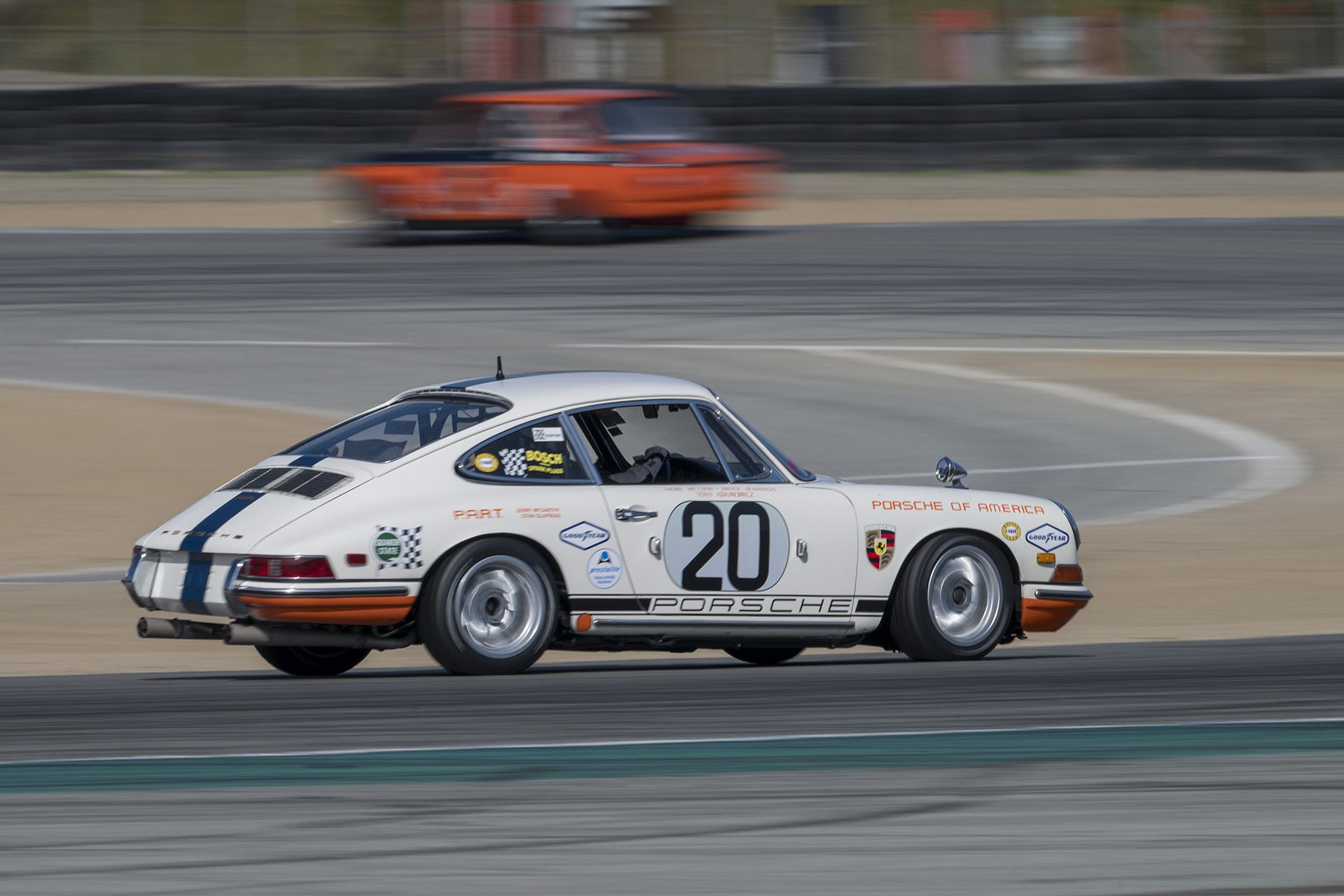
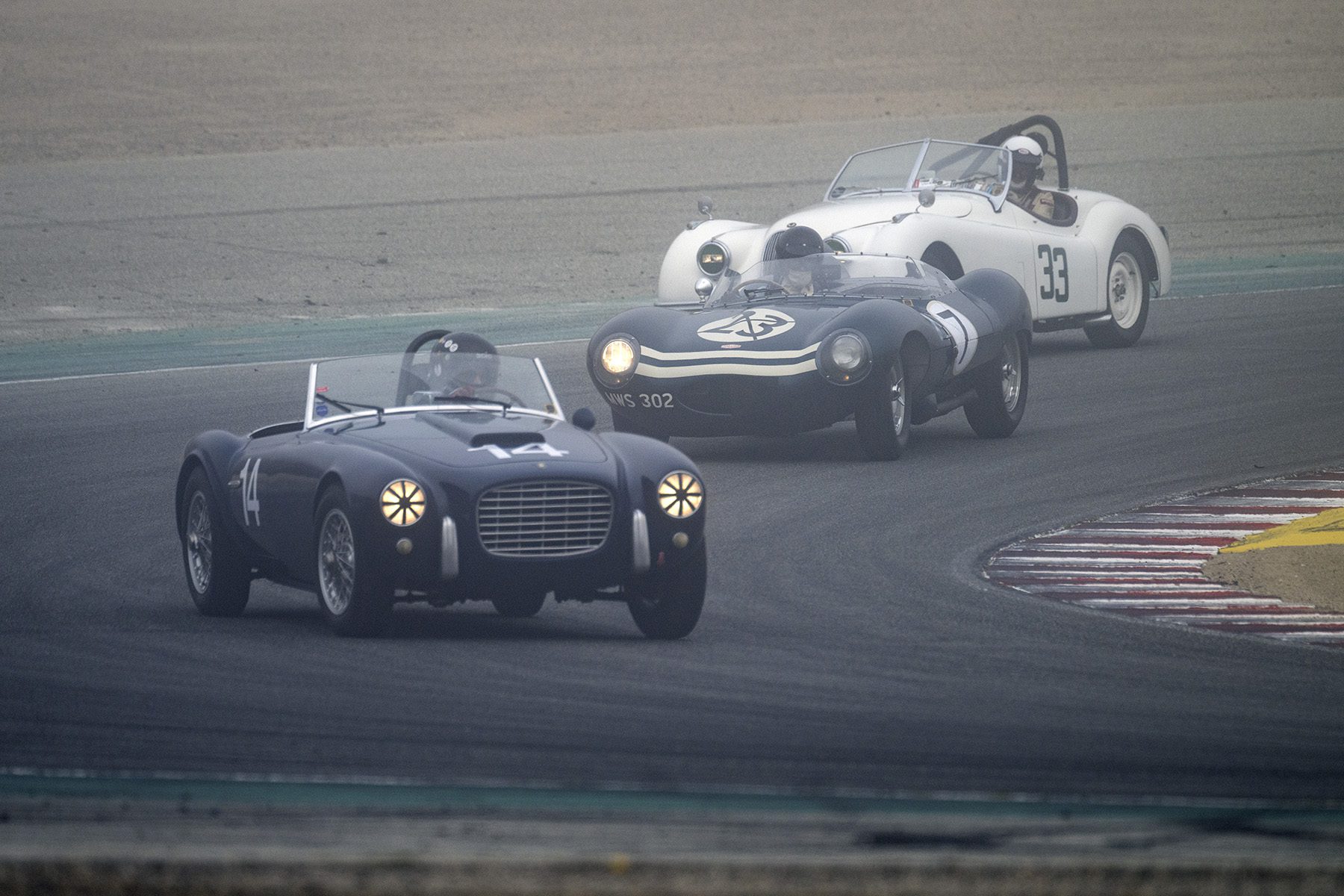
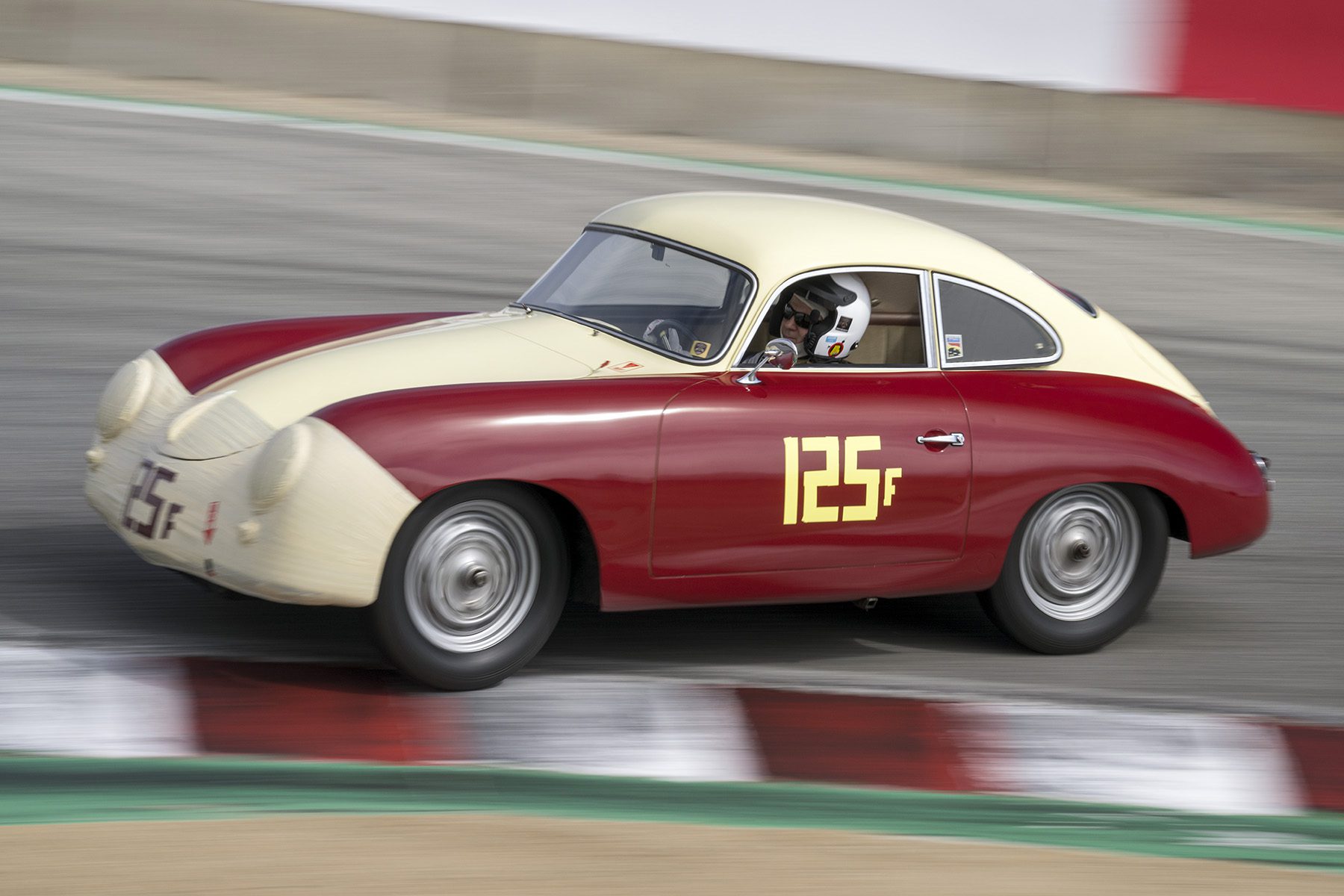
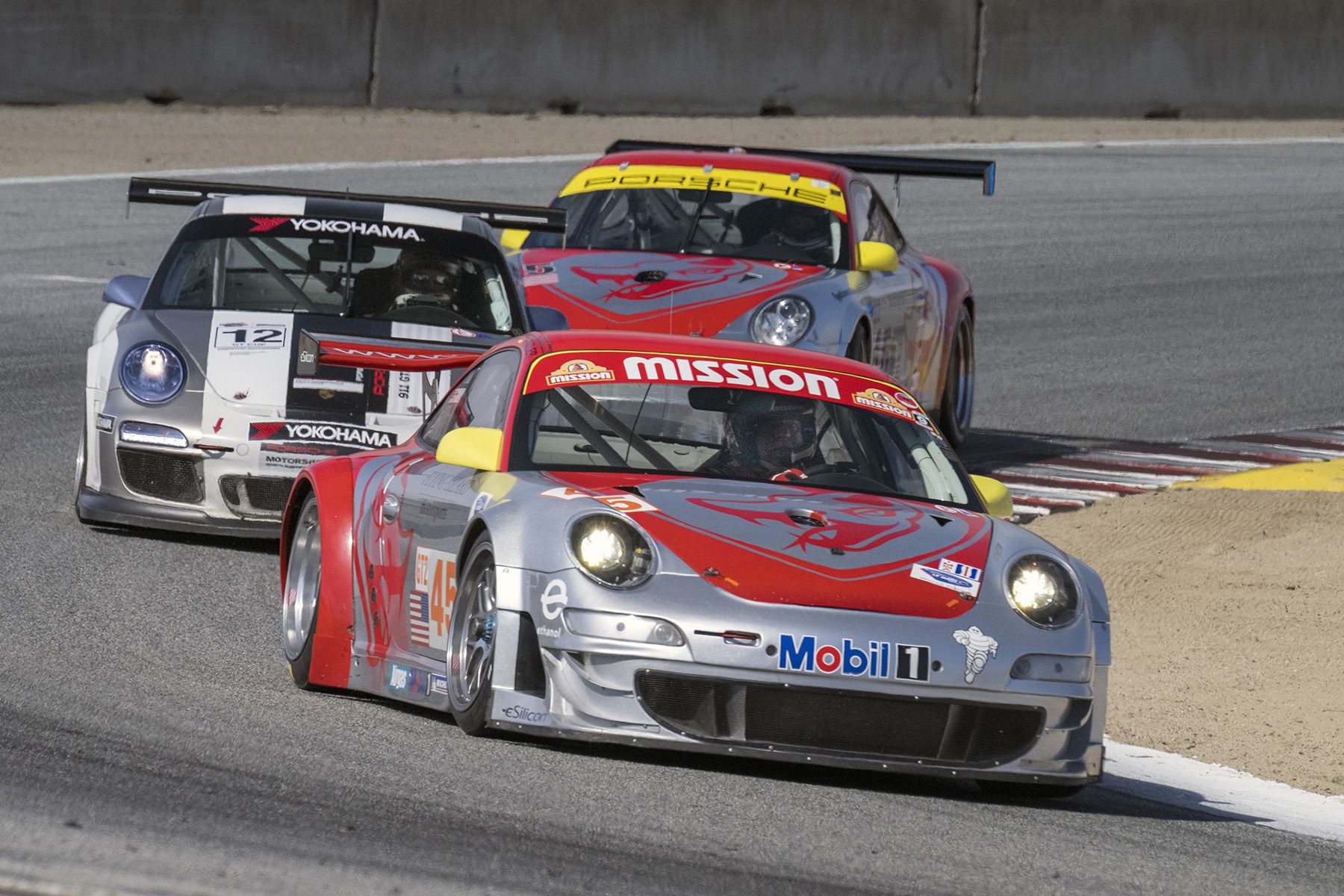
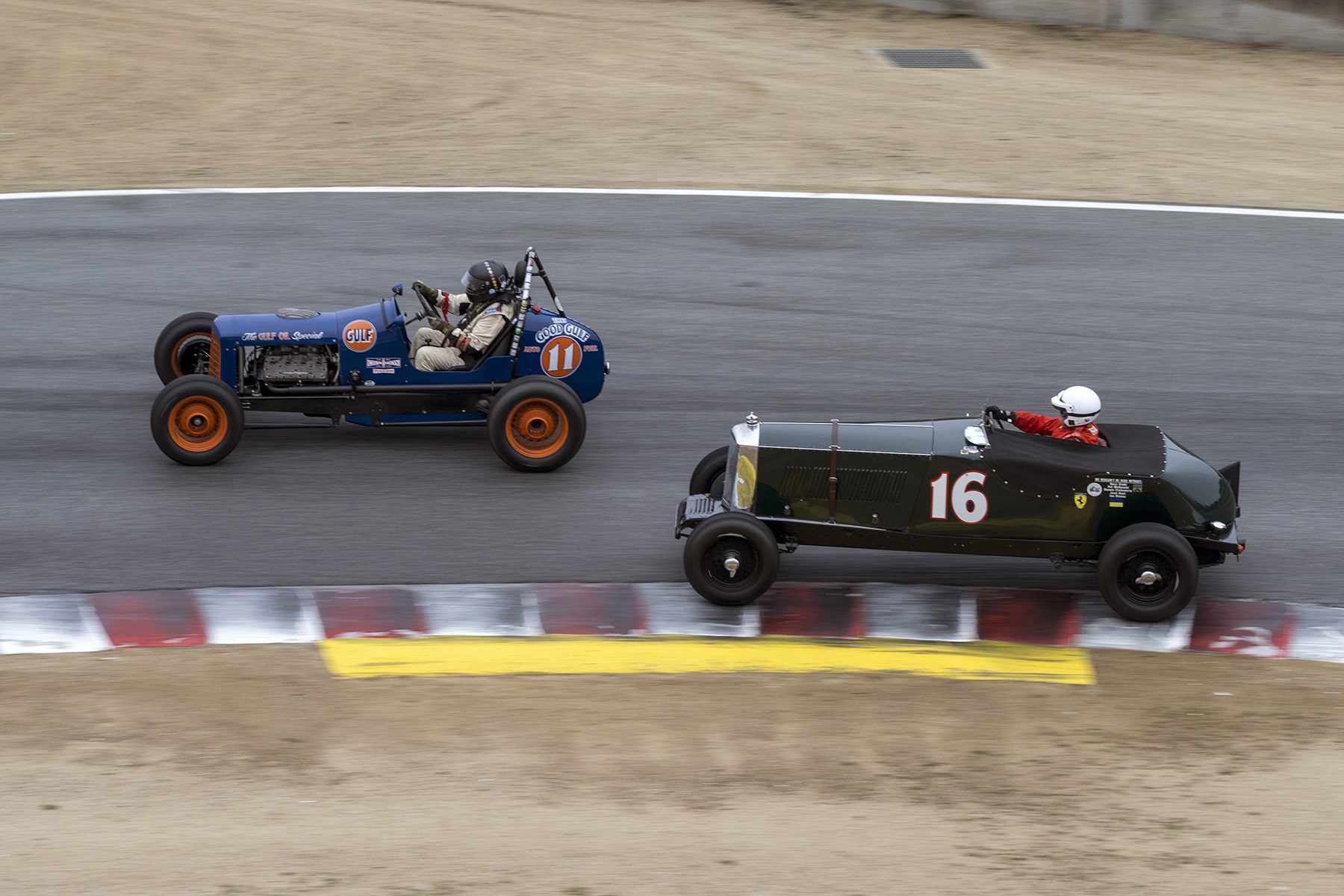
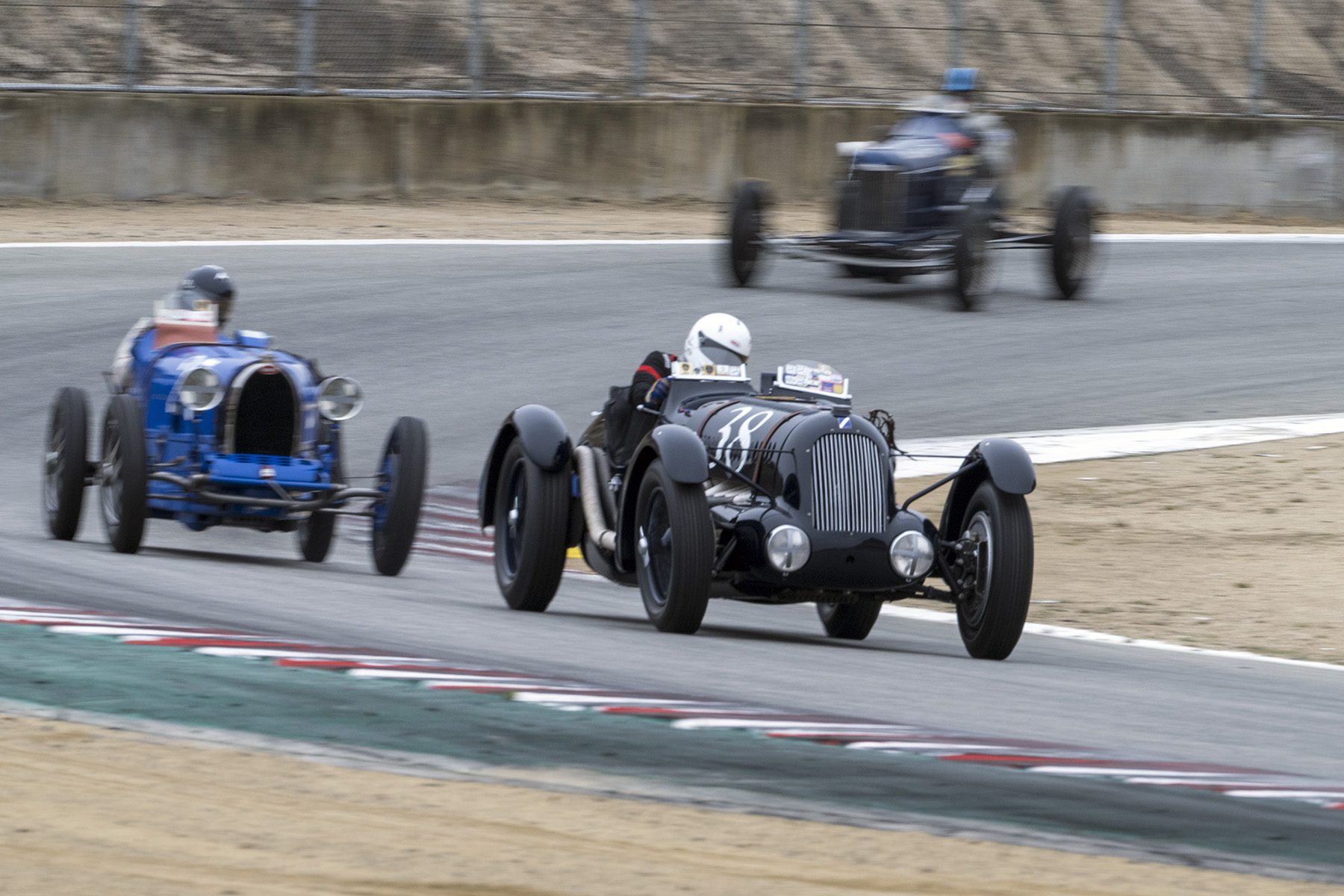
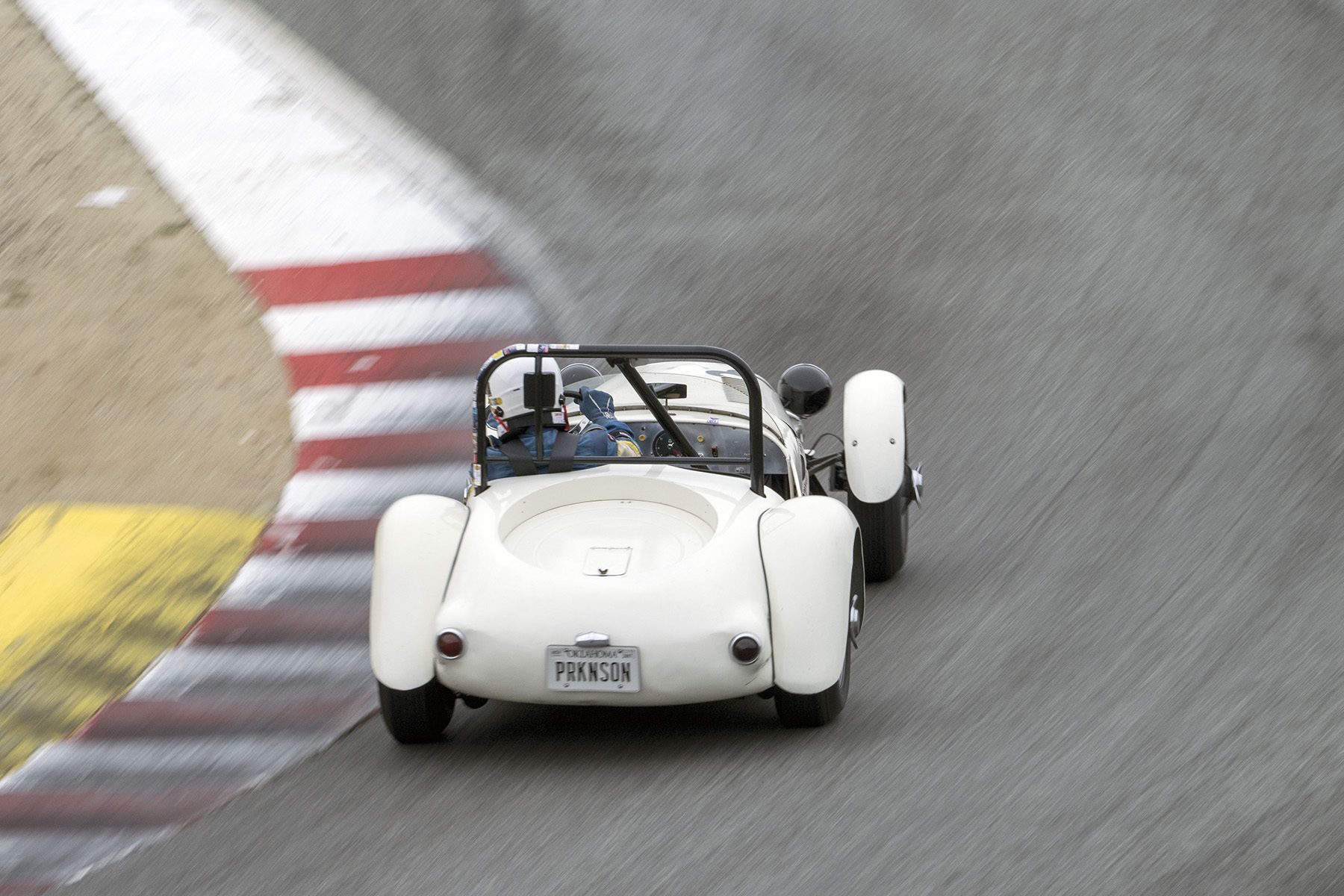
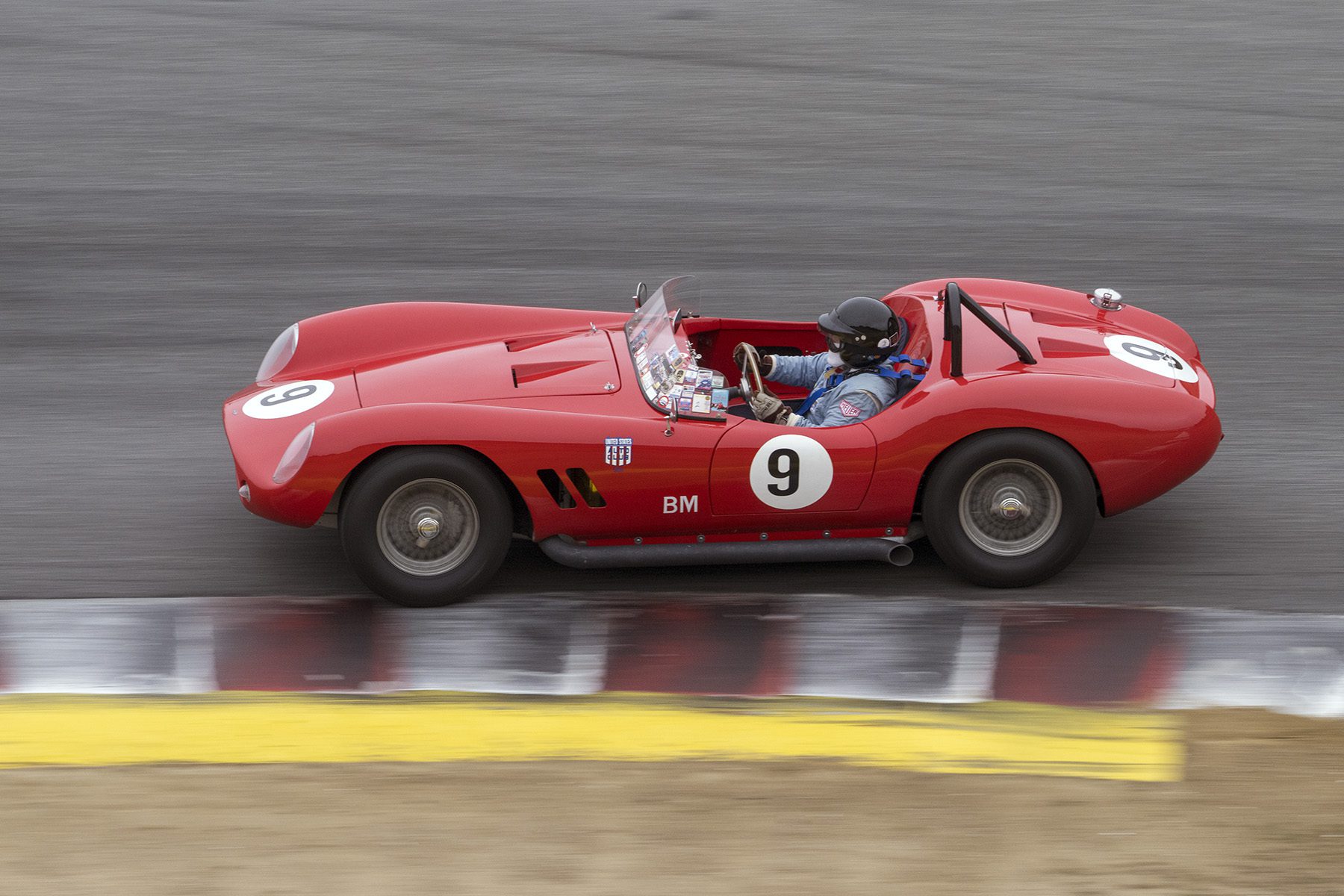
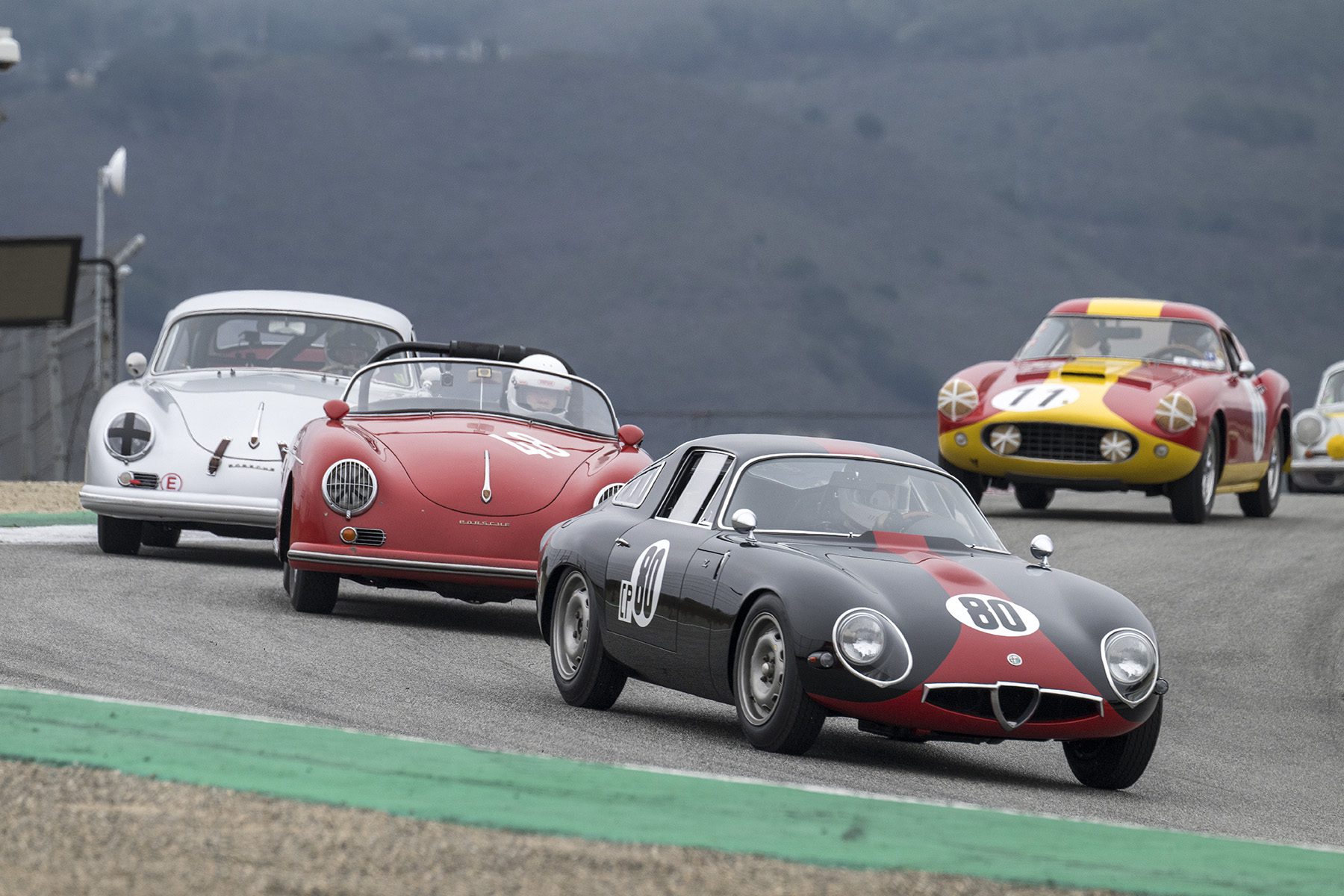
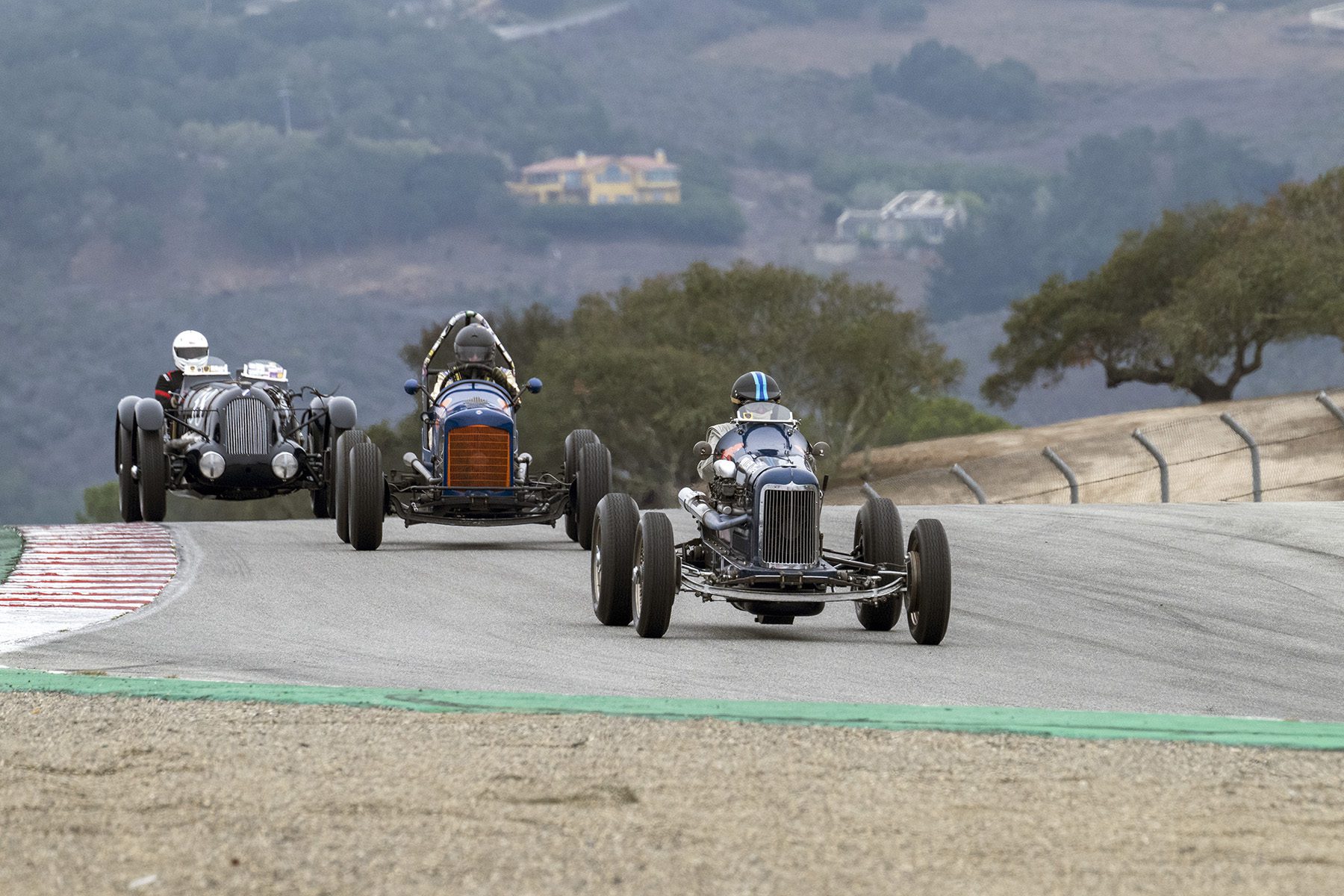
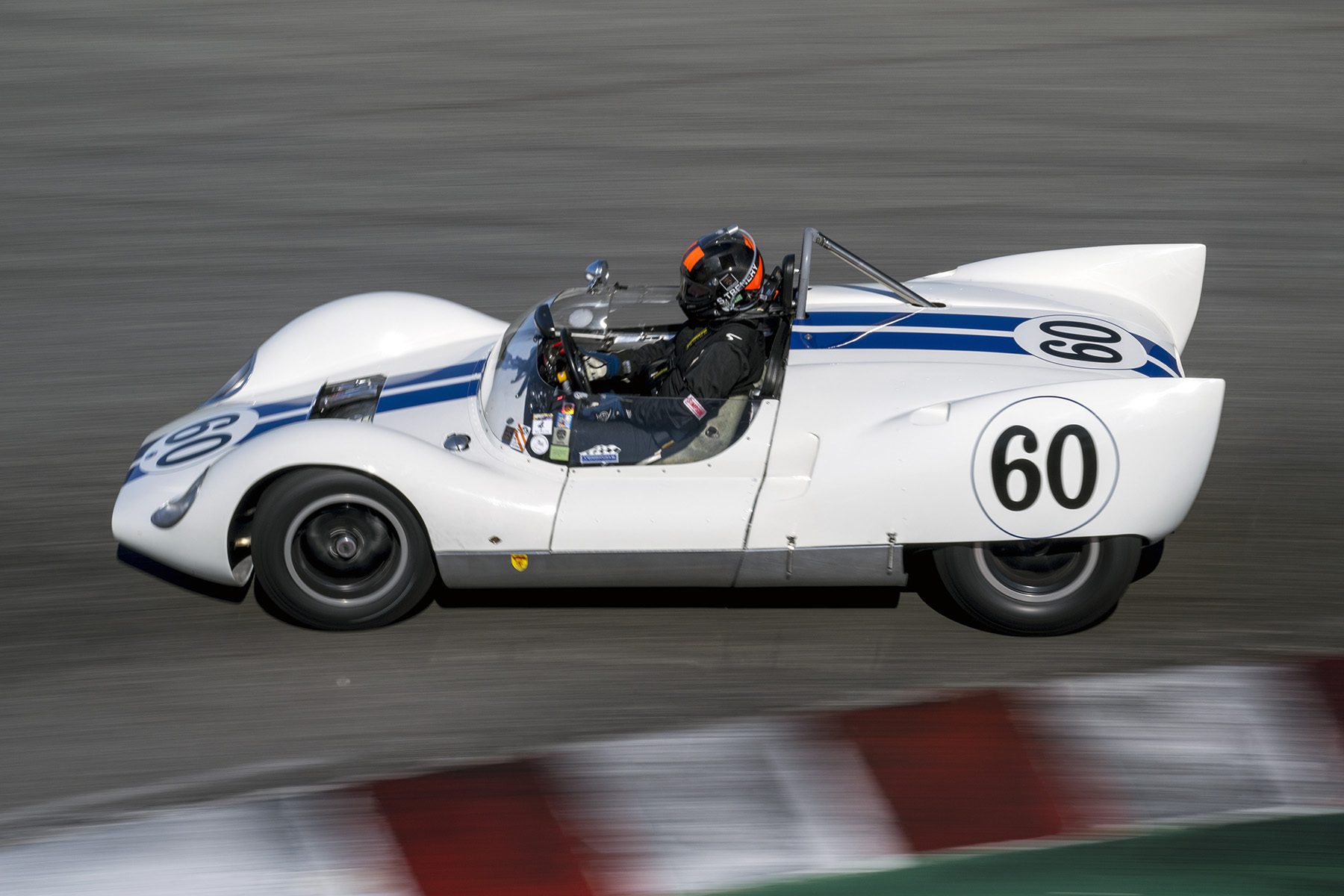
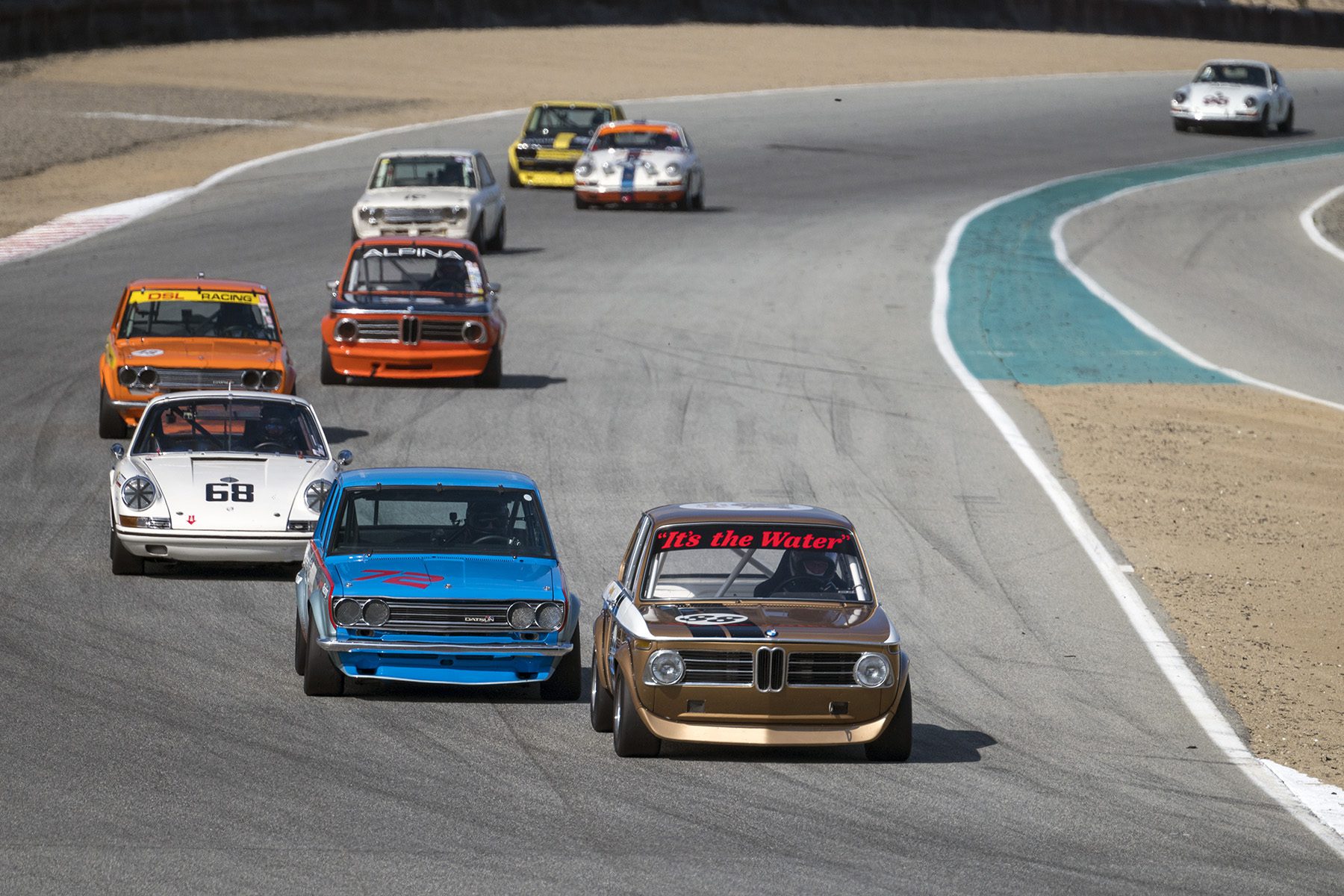

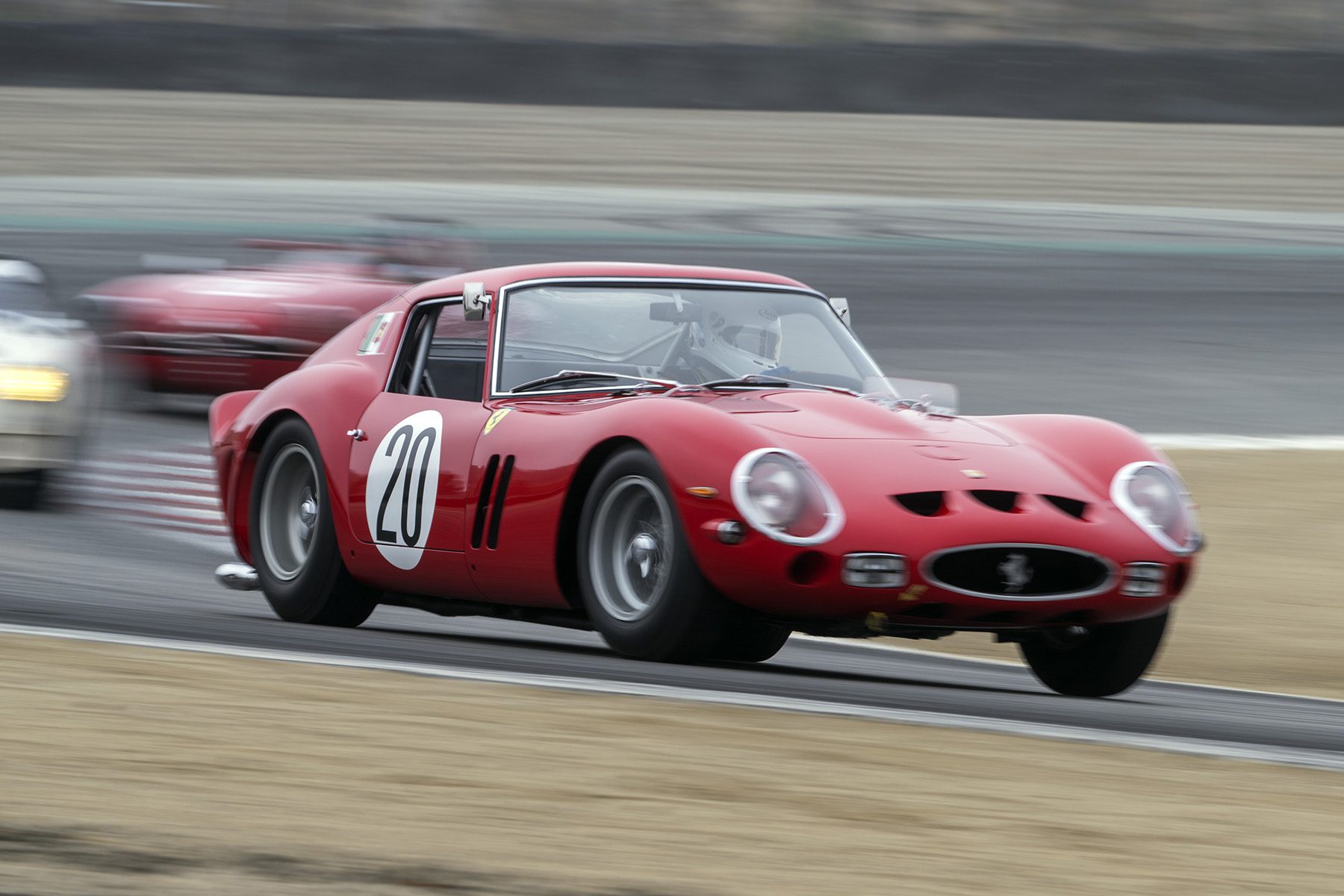
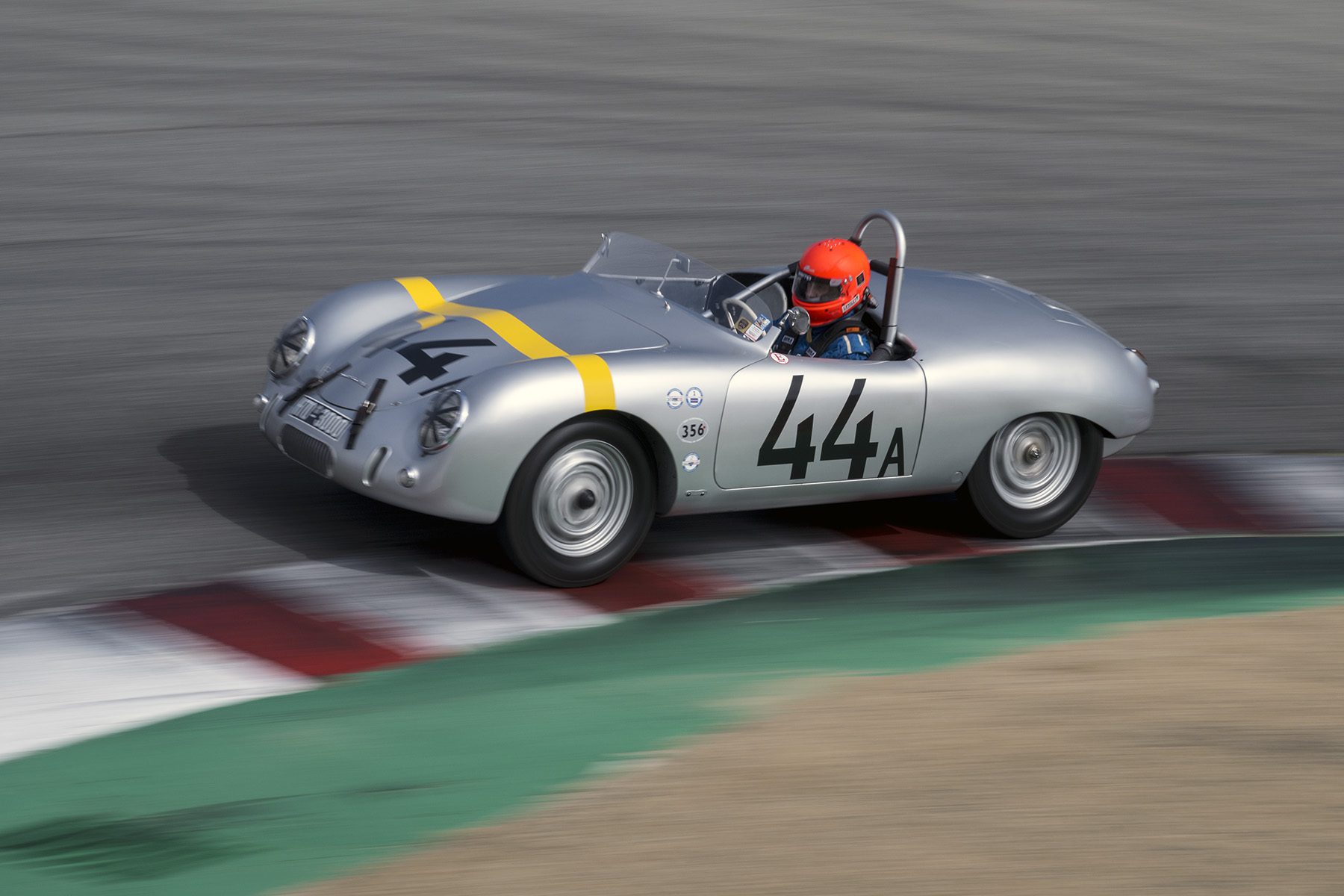
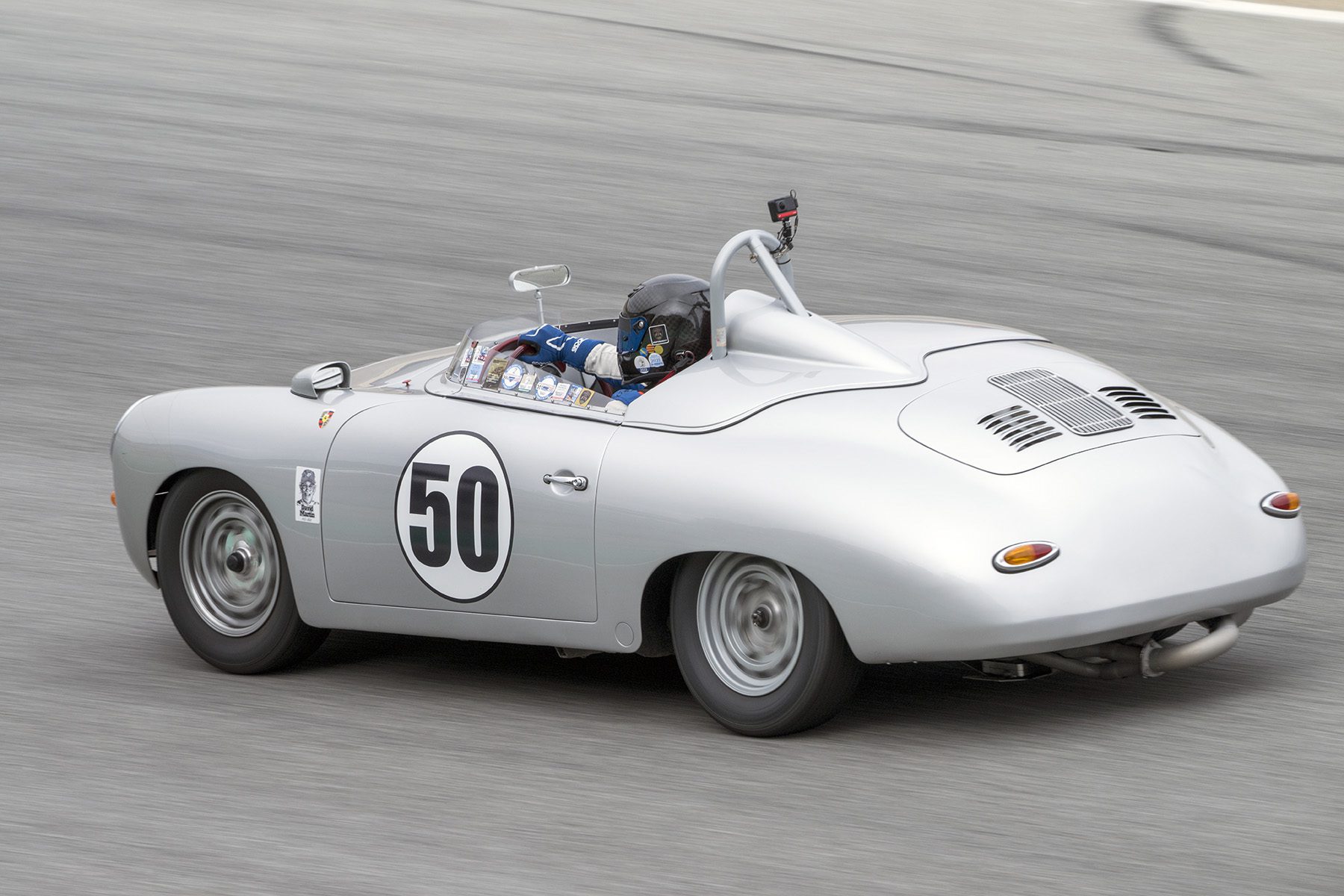
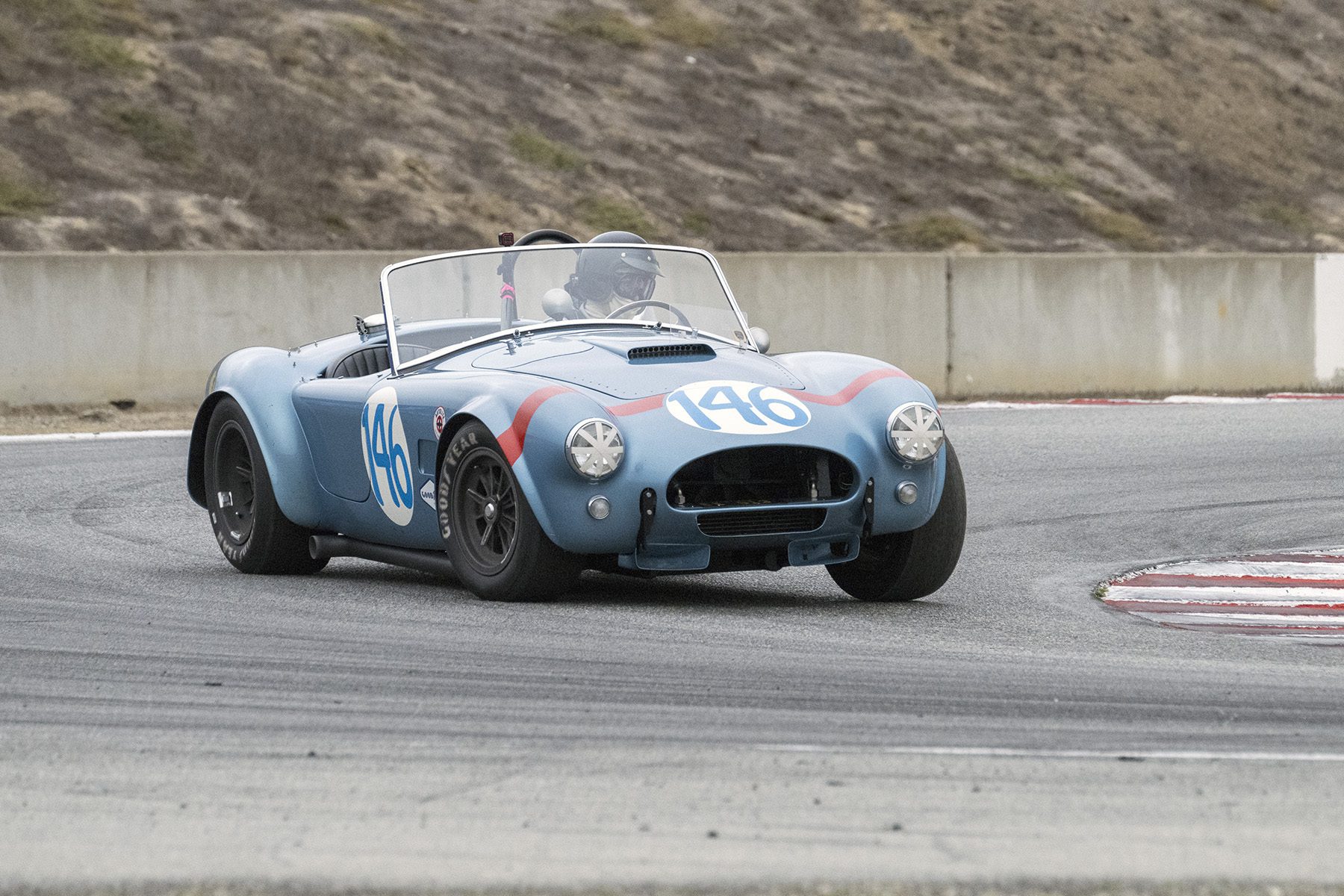
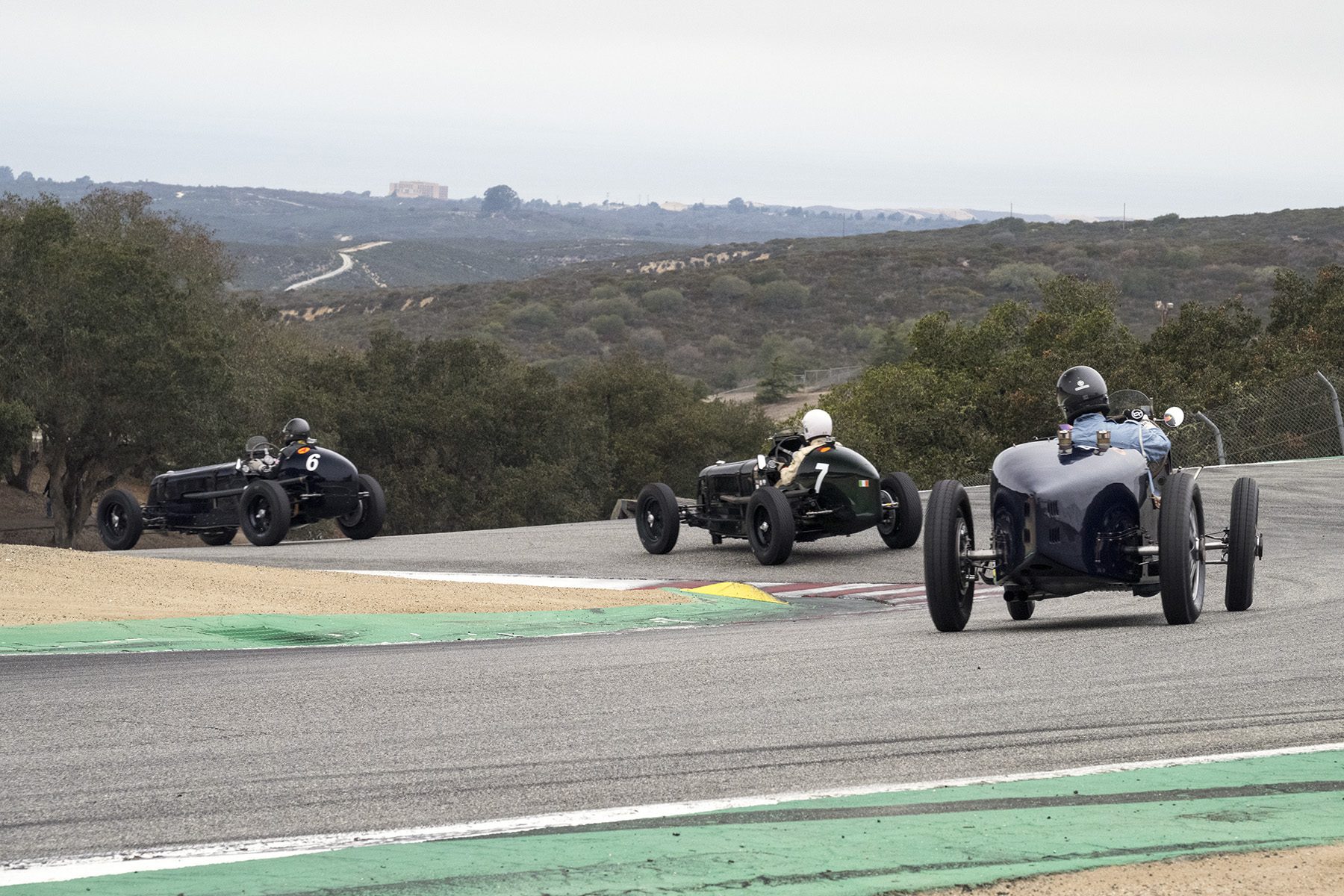
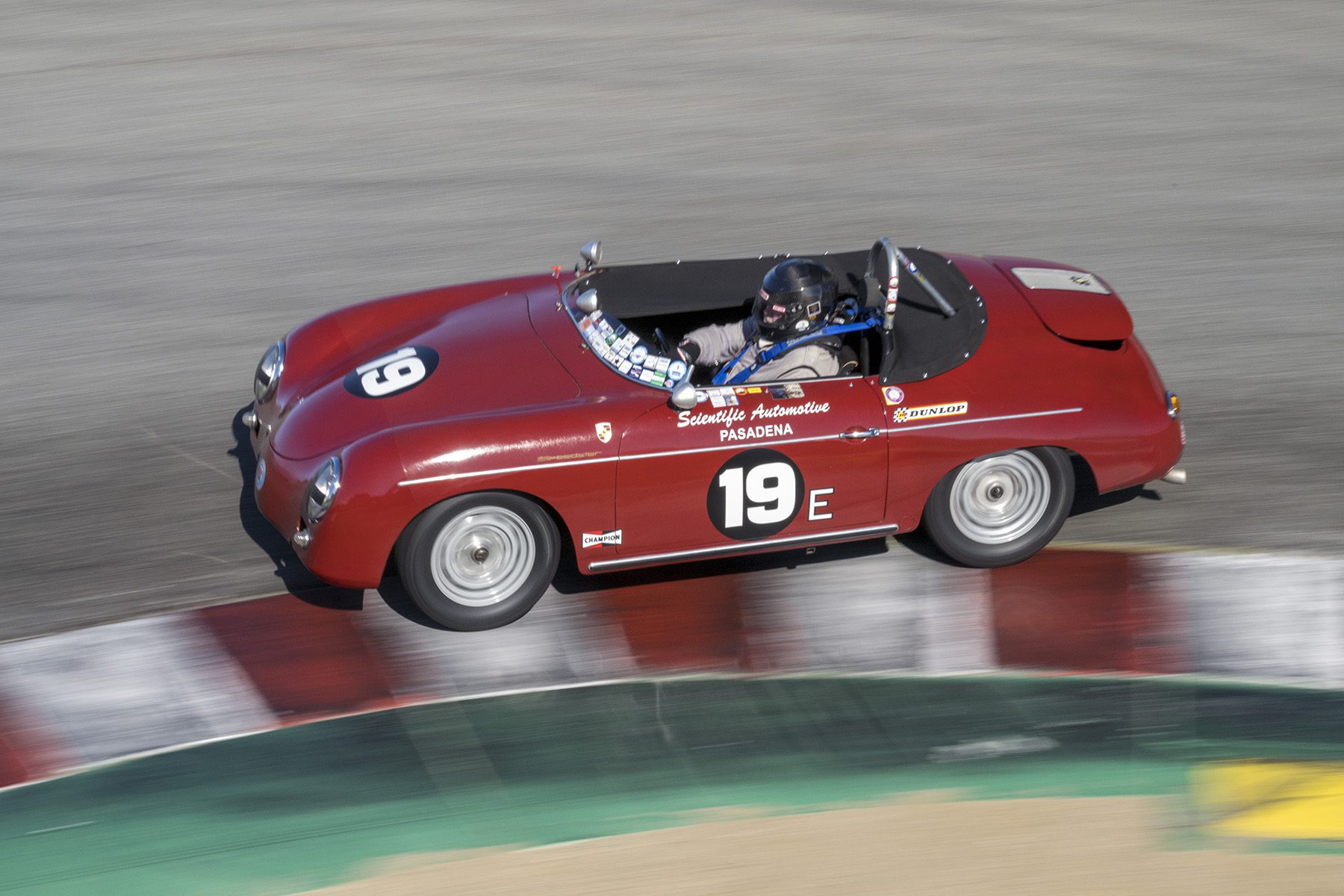
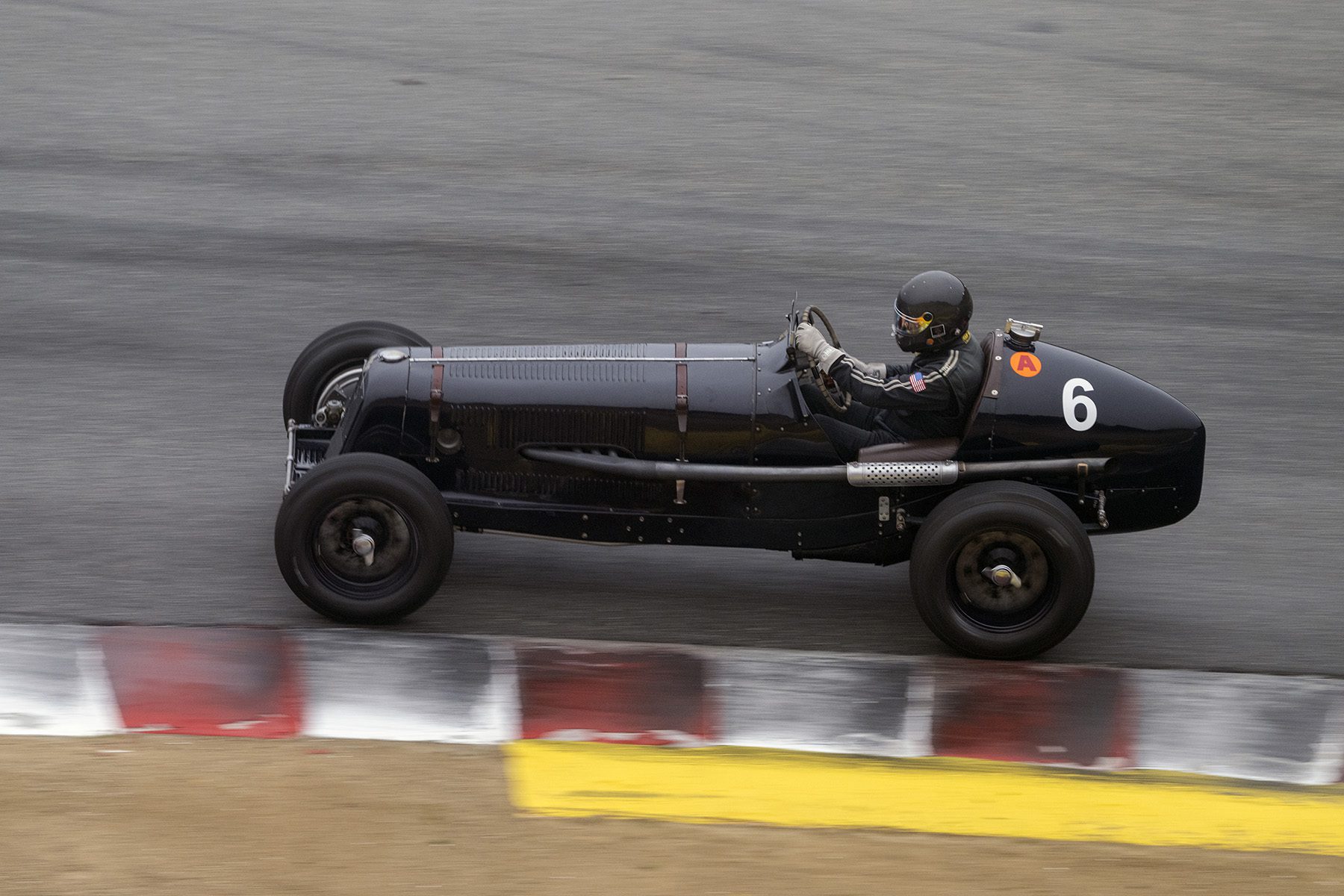
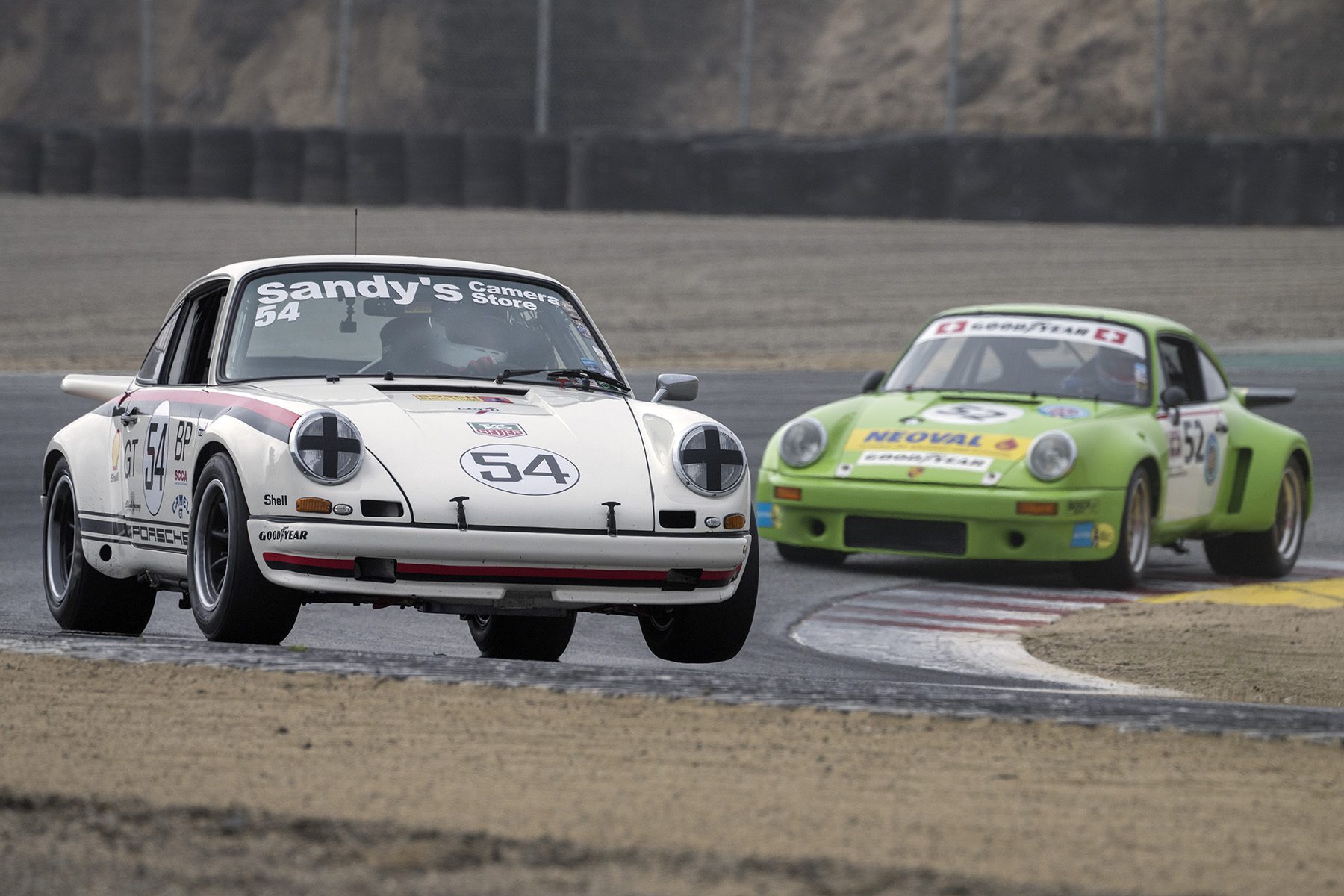

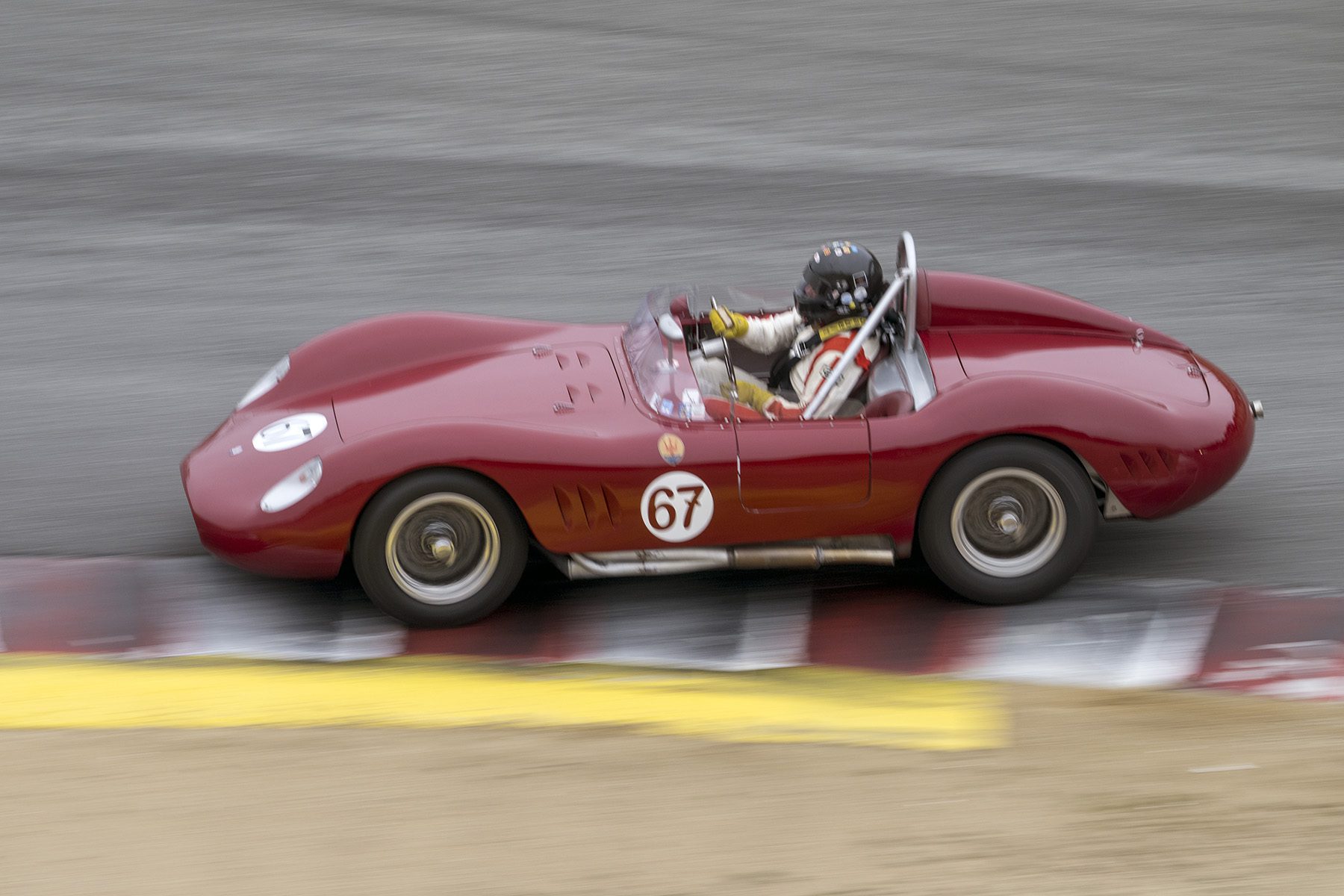
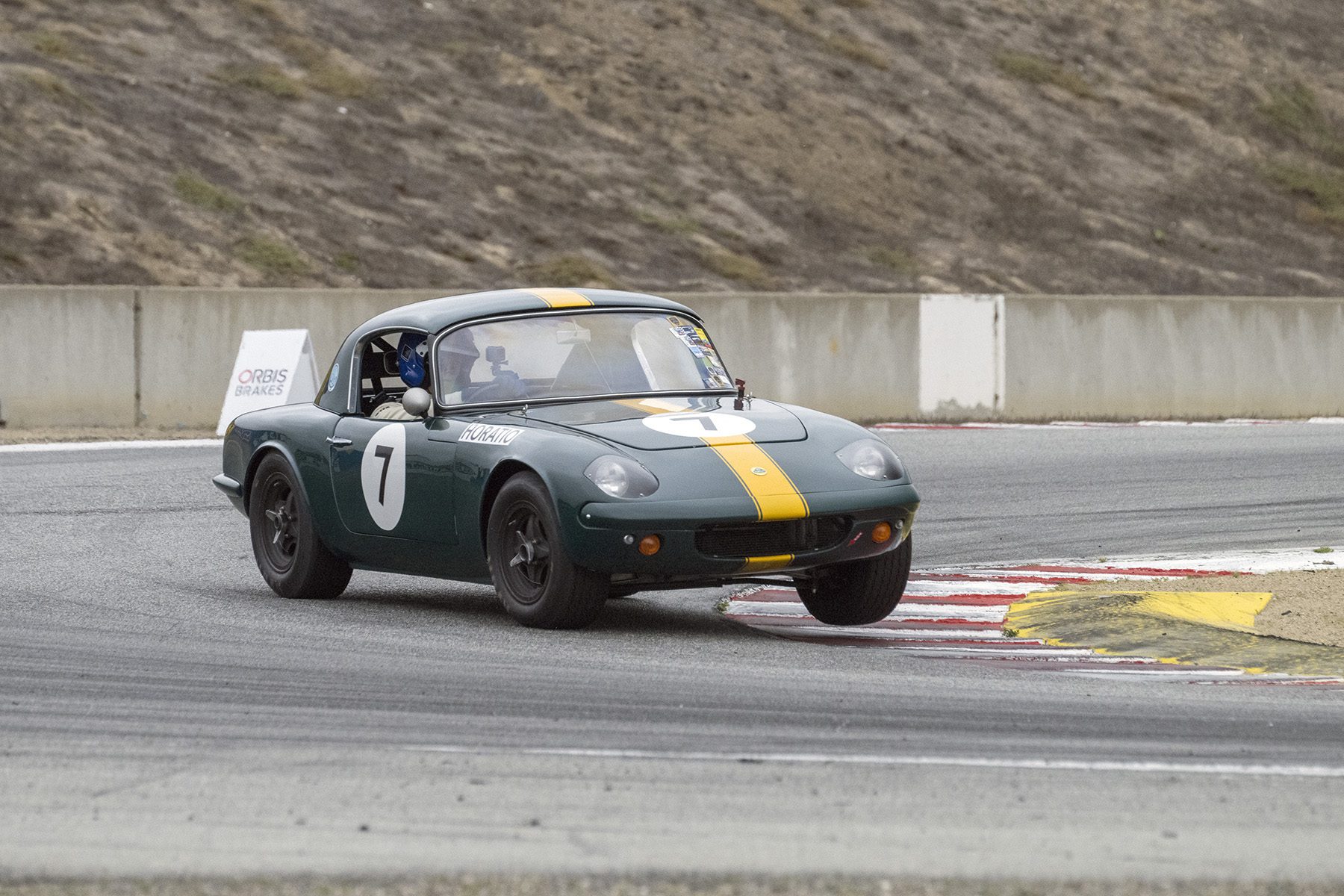
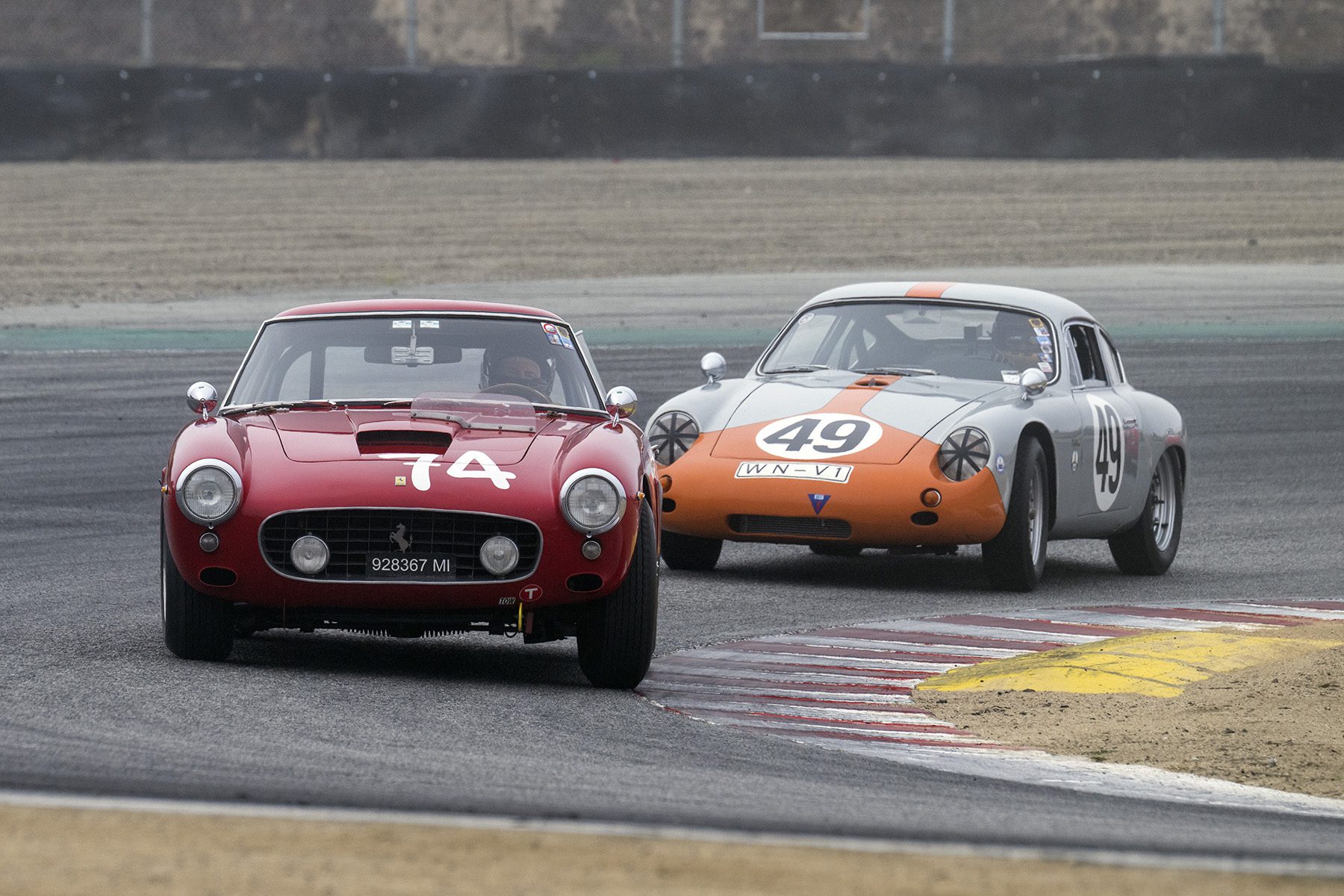
:max_bytes(150000):strip_icc()/TAL-lead-image-JOSTVANDYKEBVI0424-bcd0047a17f74aa0b215b00161e1d90d.jpg "Guide to Jost Van Dyke in the British Virgin Islands")
:max_bytes(150000):strip_icc():format(jpeg)/TAL-lead-image-JOSTVANDYKEBVI0424-bcd0047a17f74aa0b215b00161e1d90d.jpg)
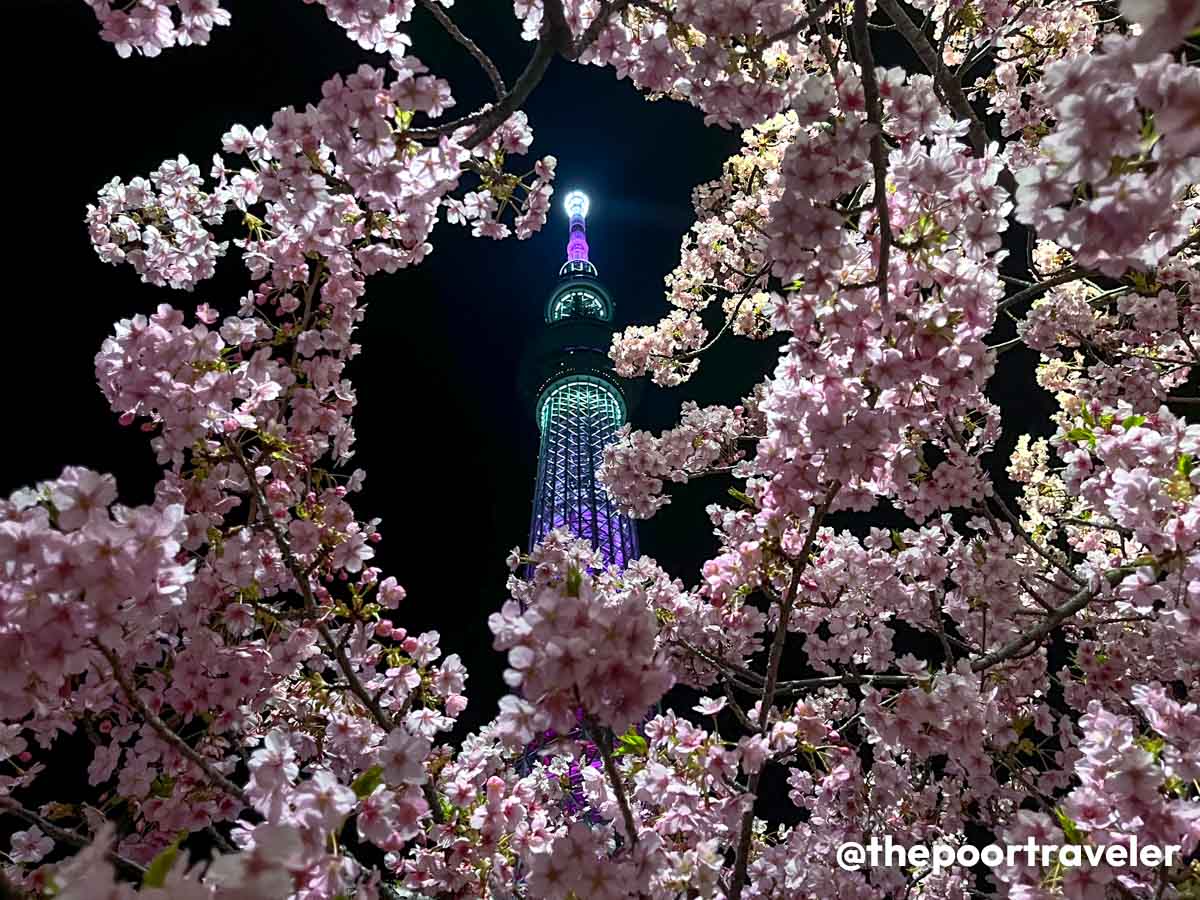


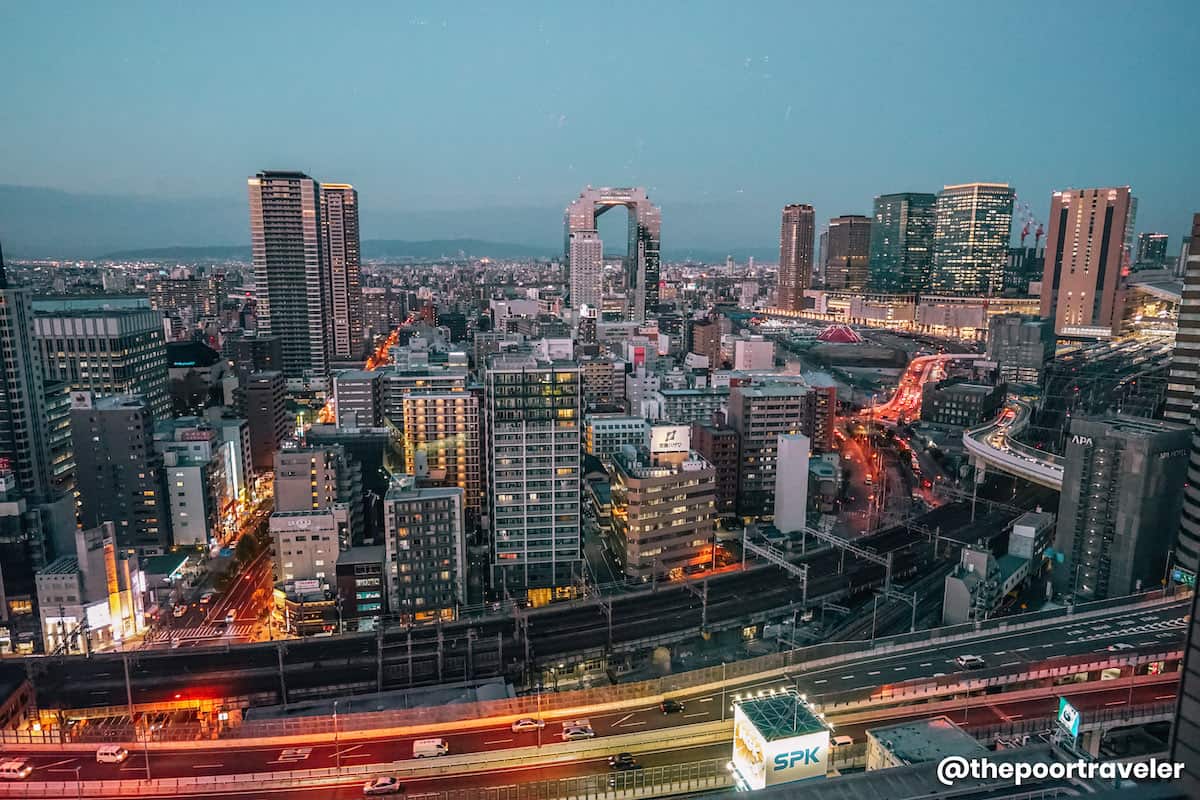


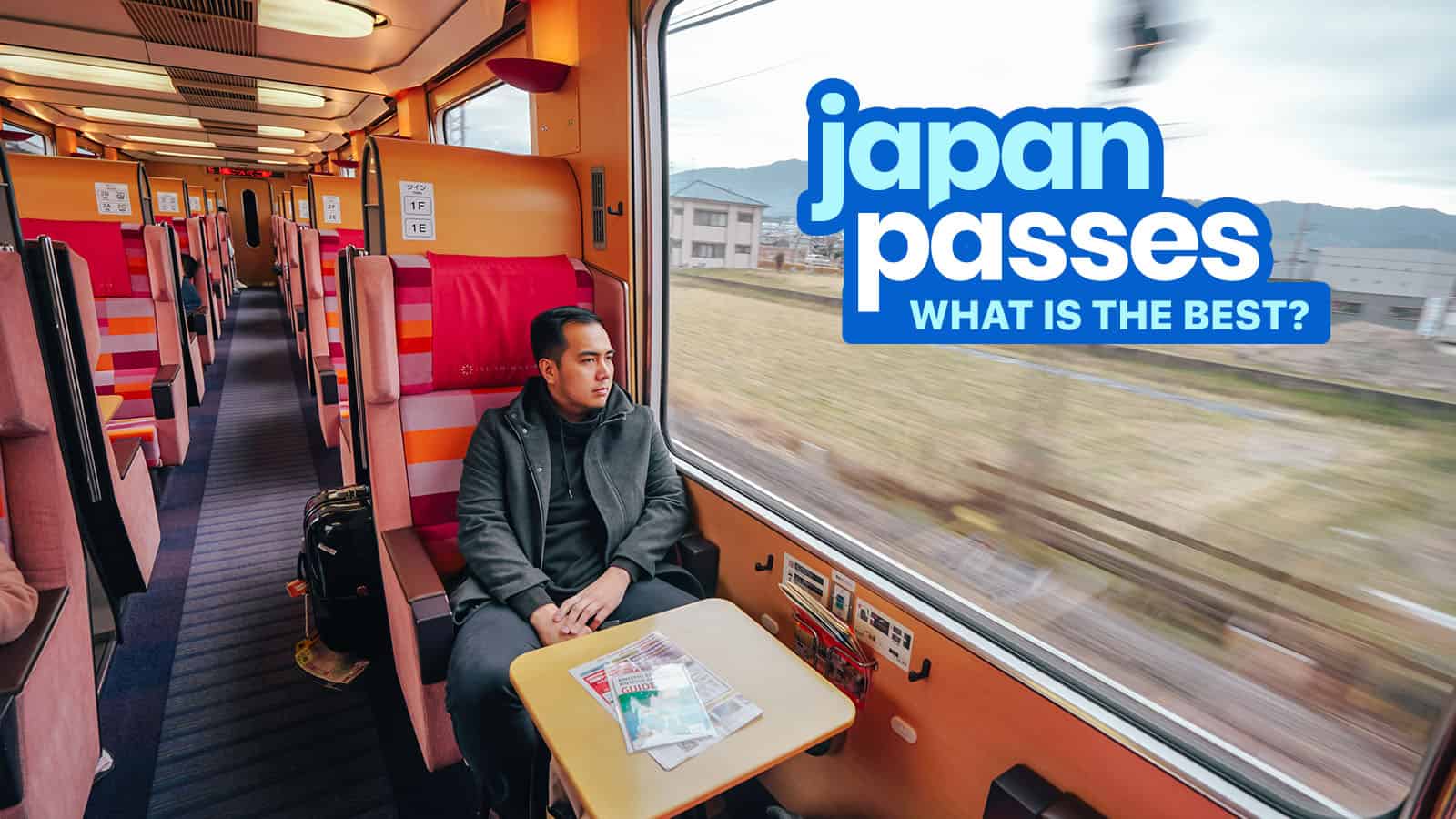
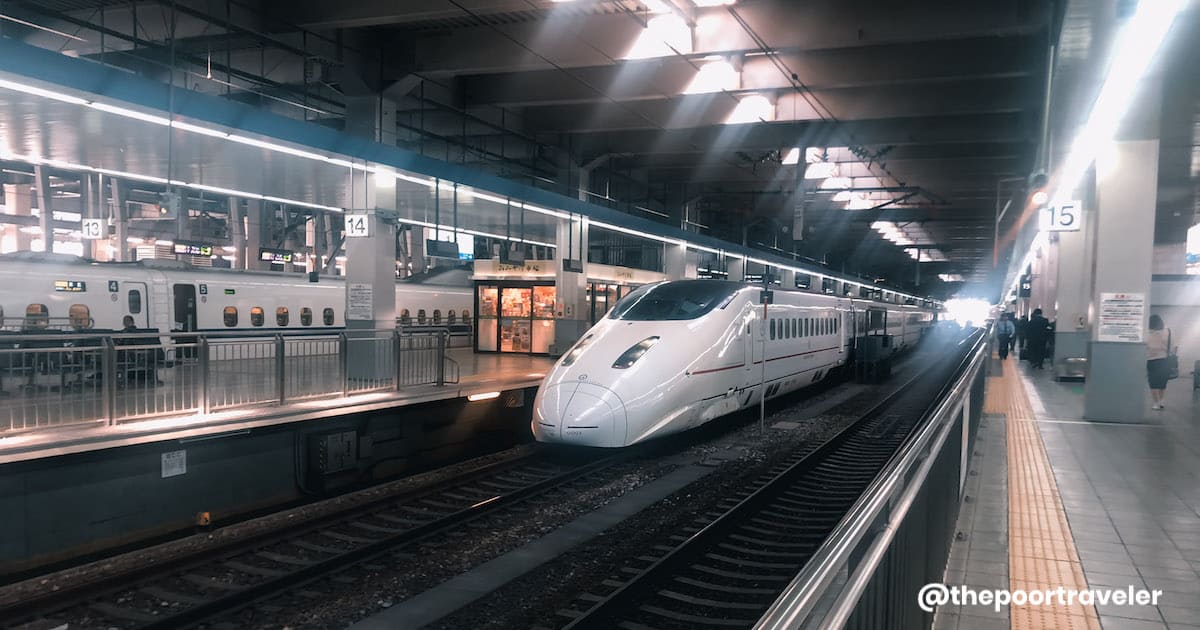
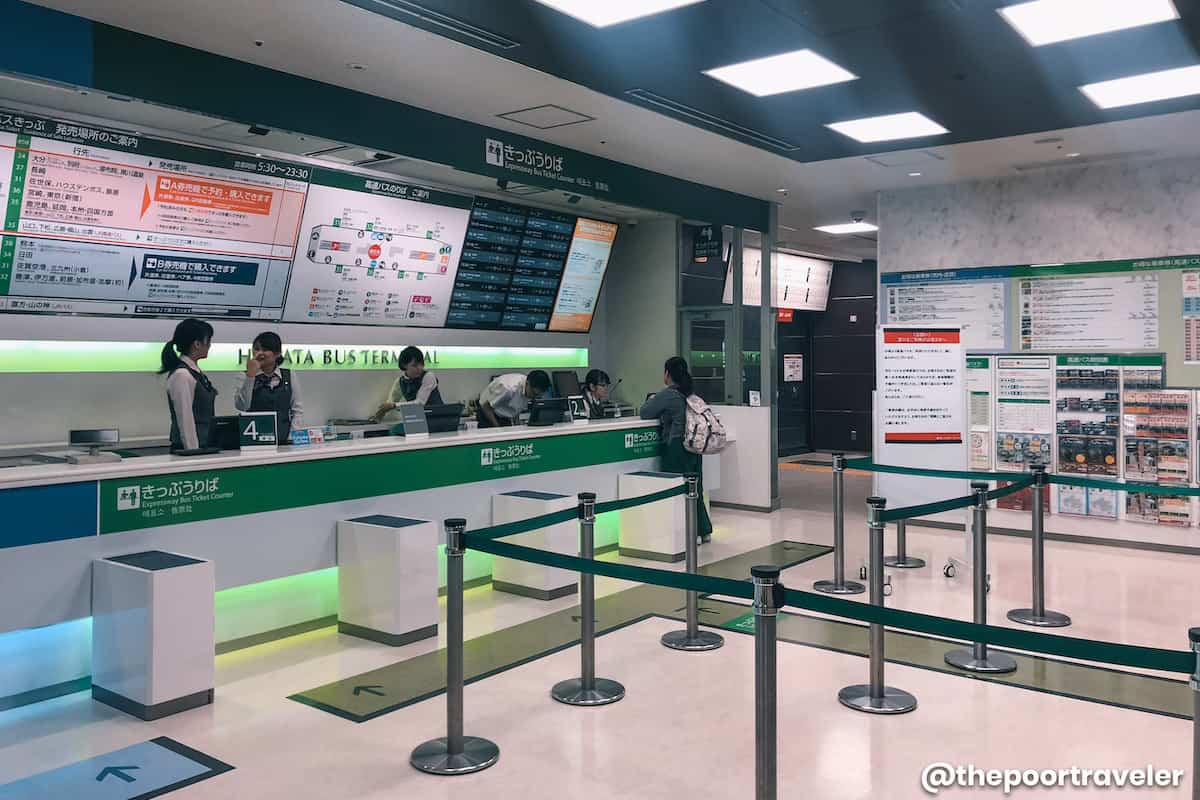
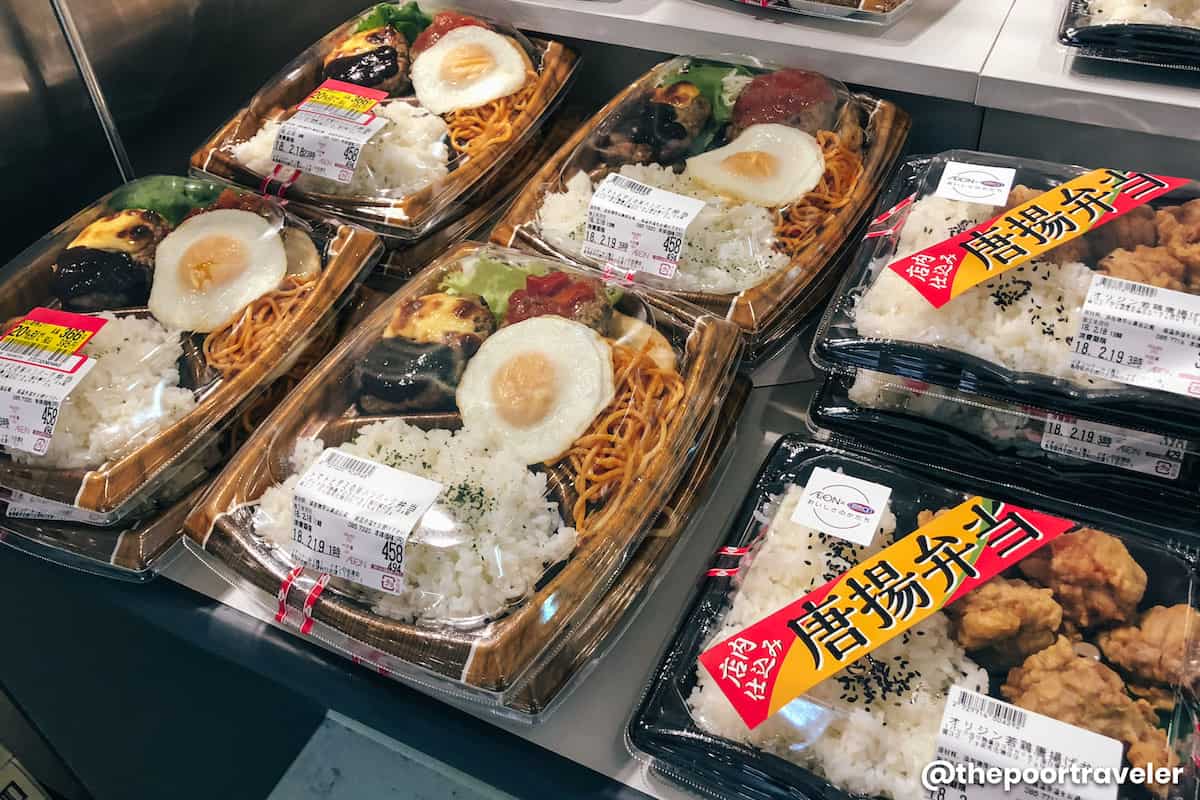
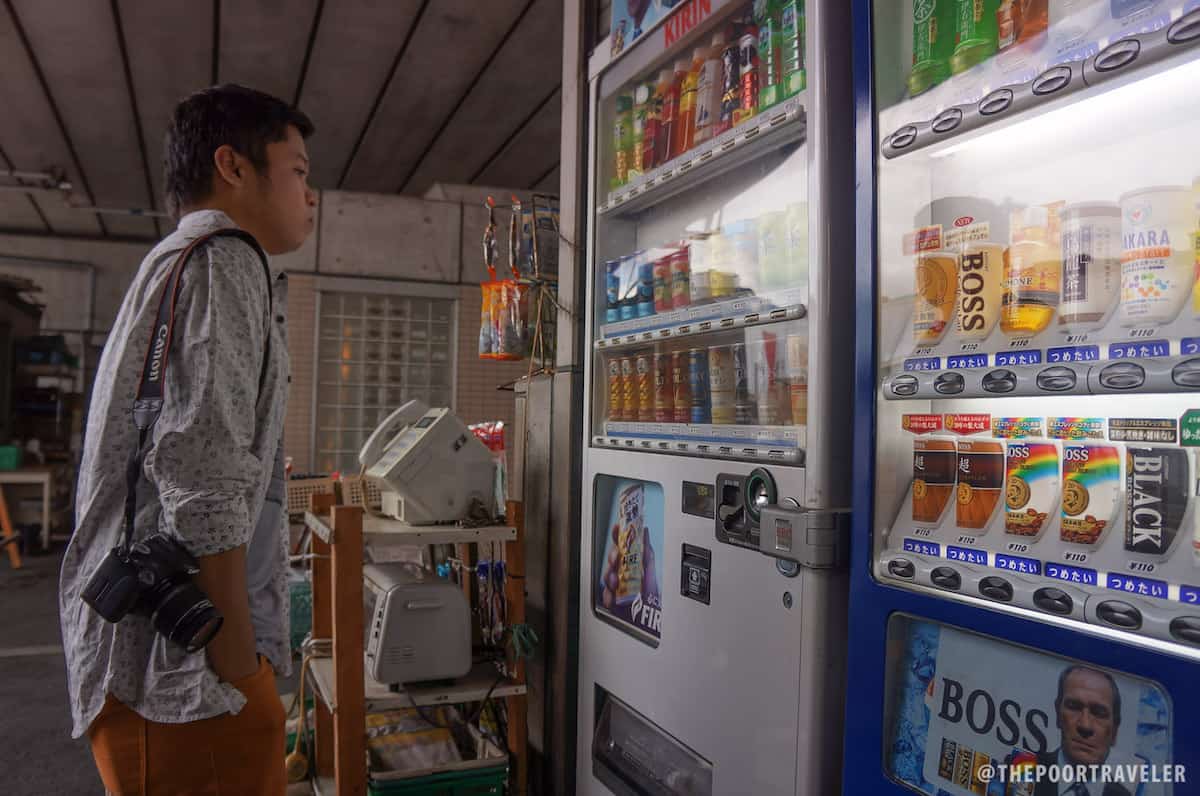
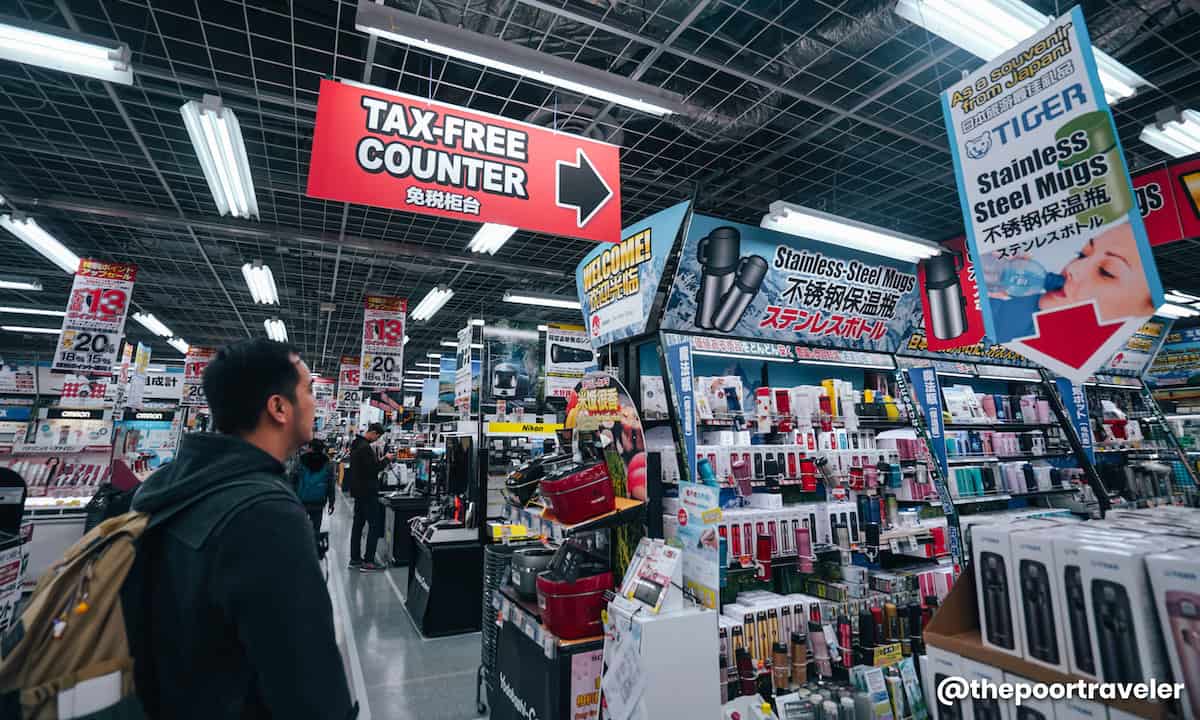
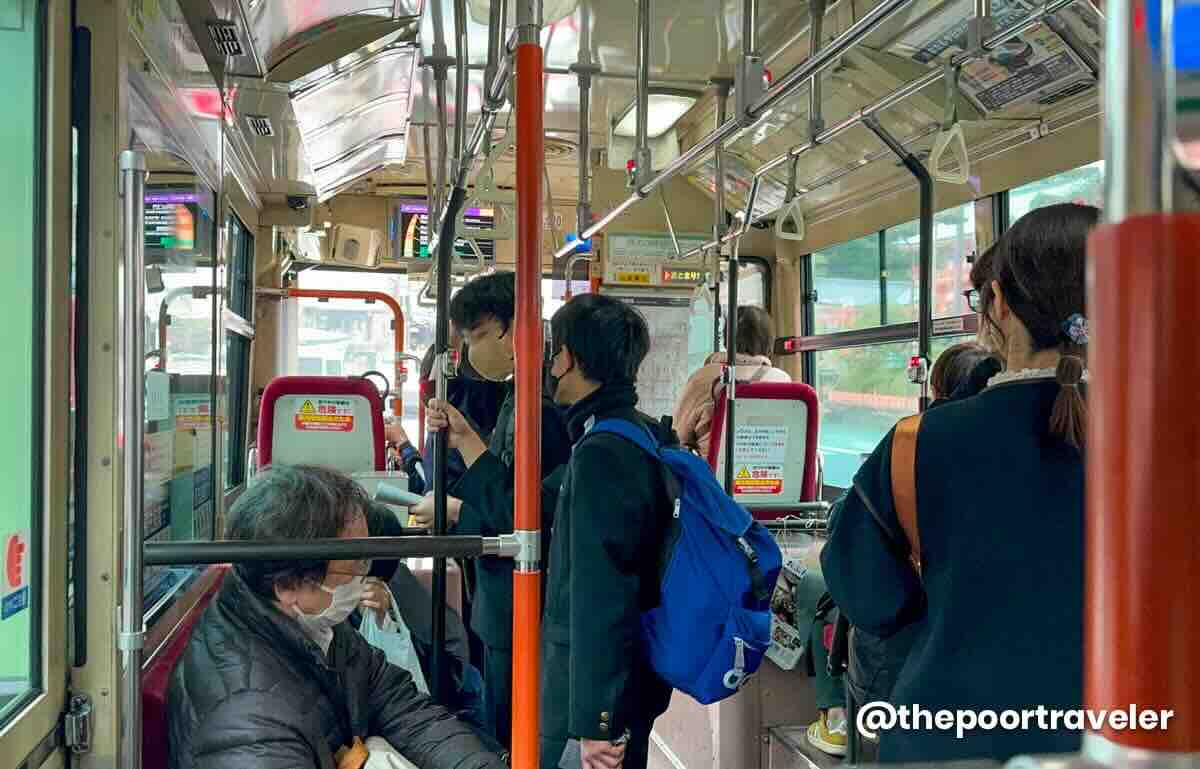
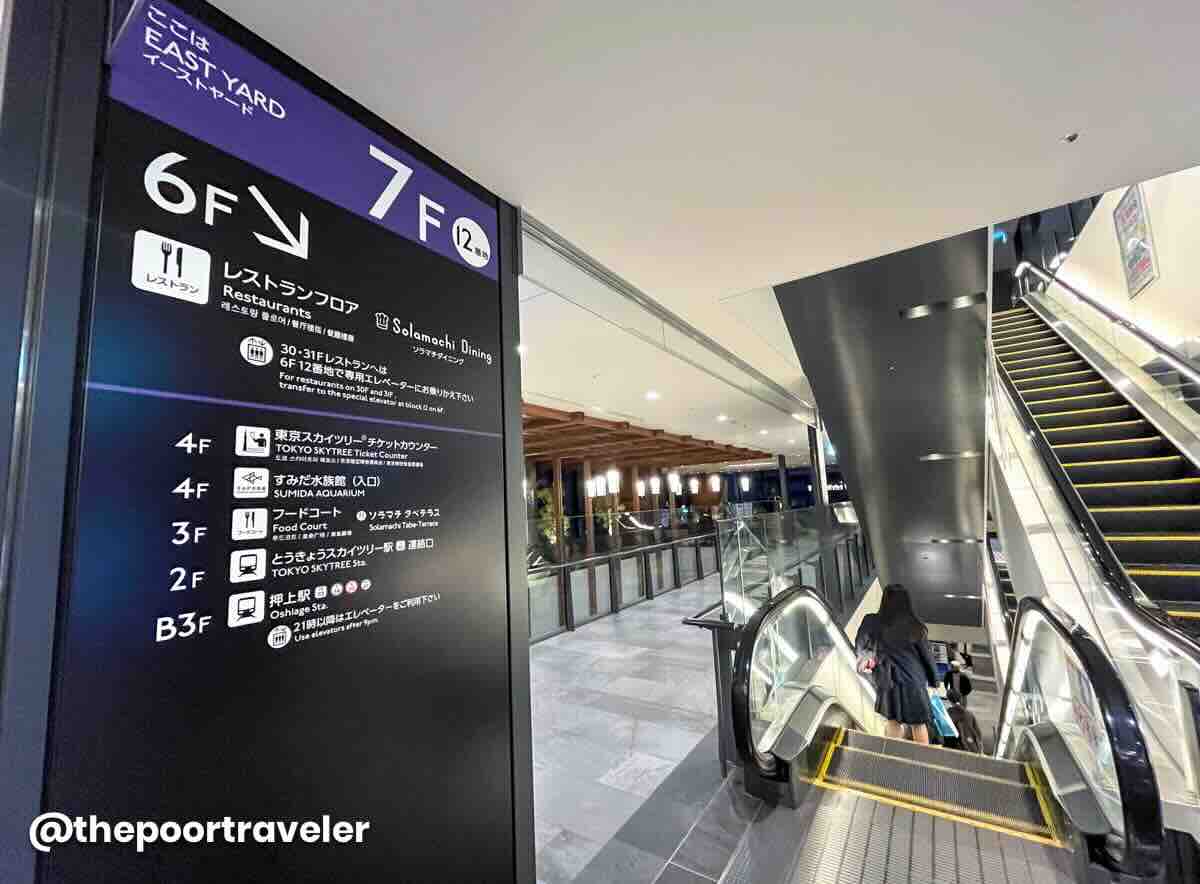
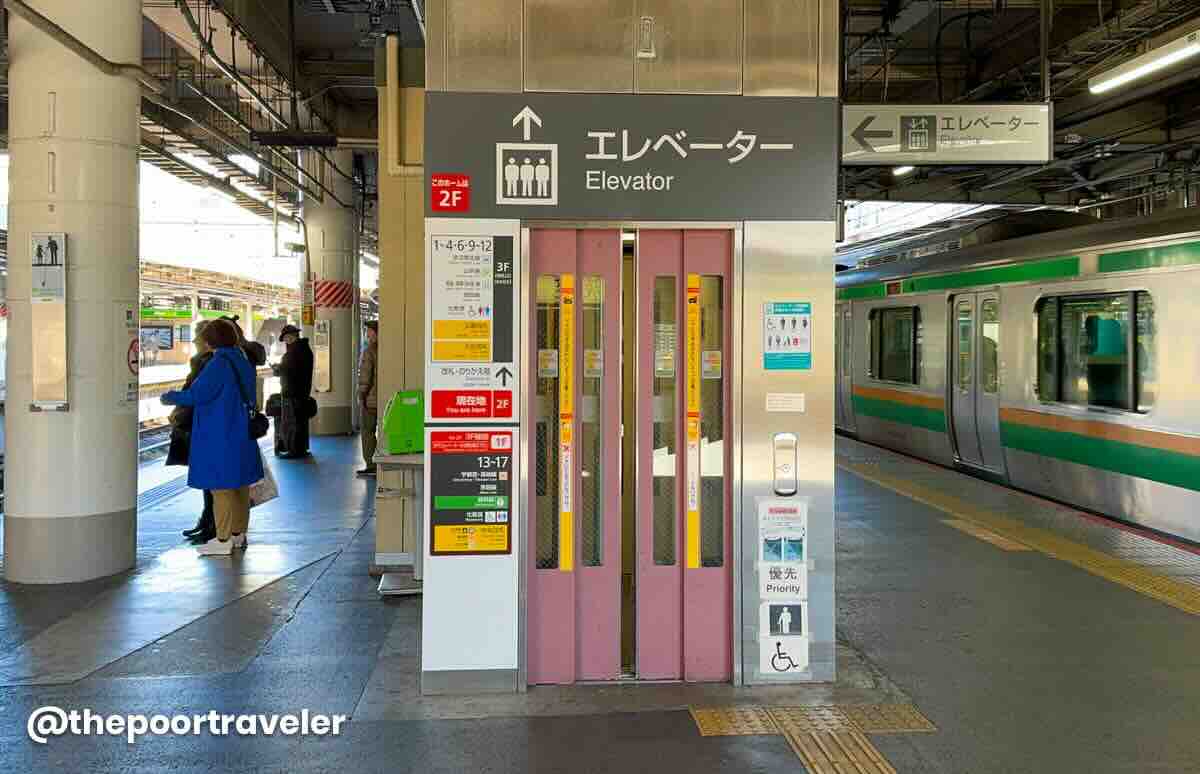
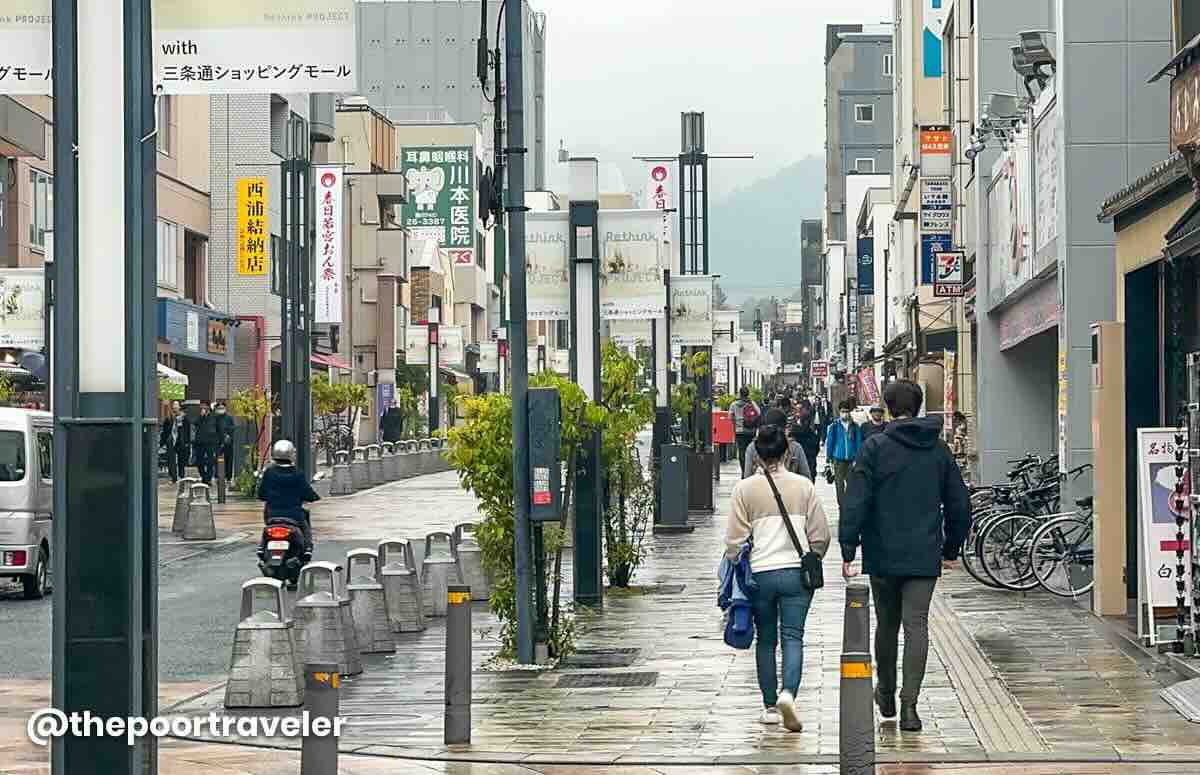
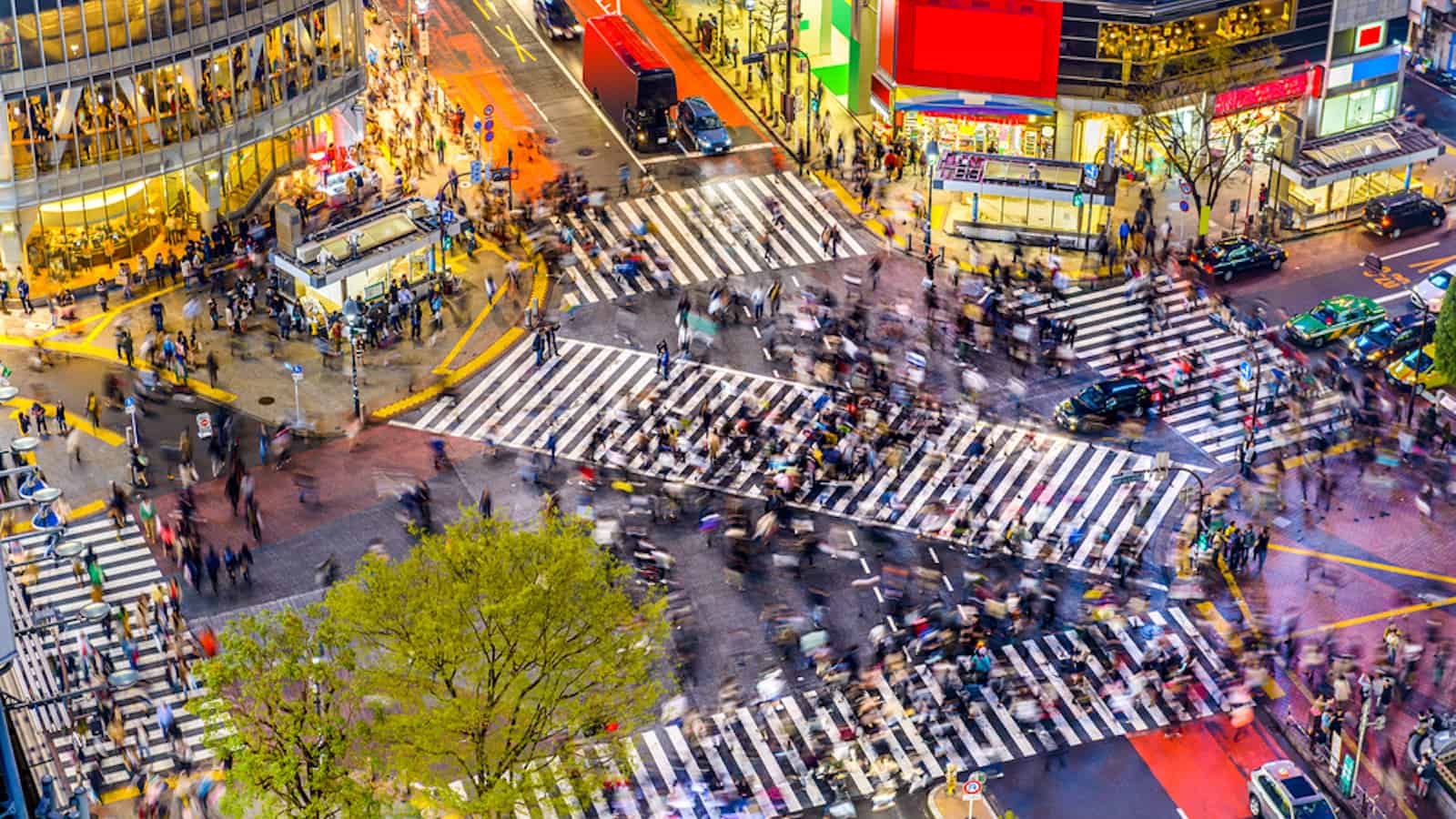
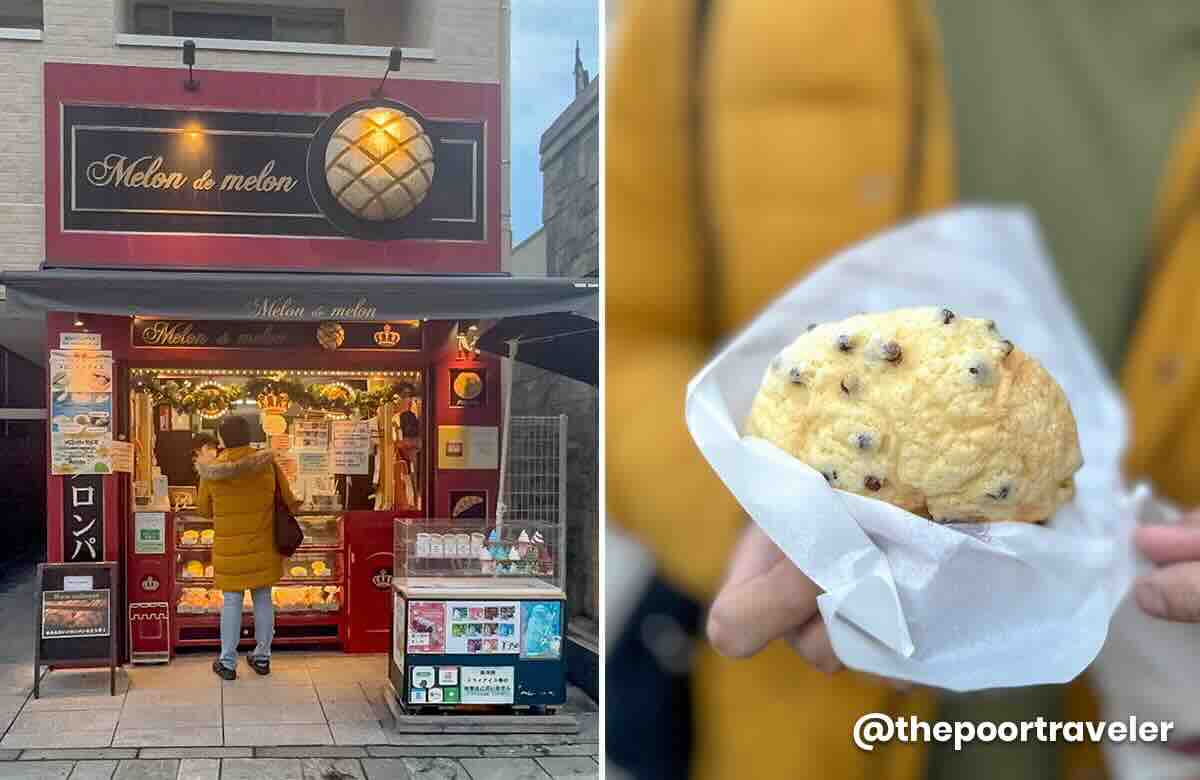
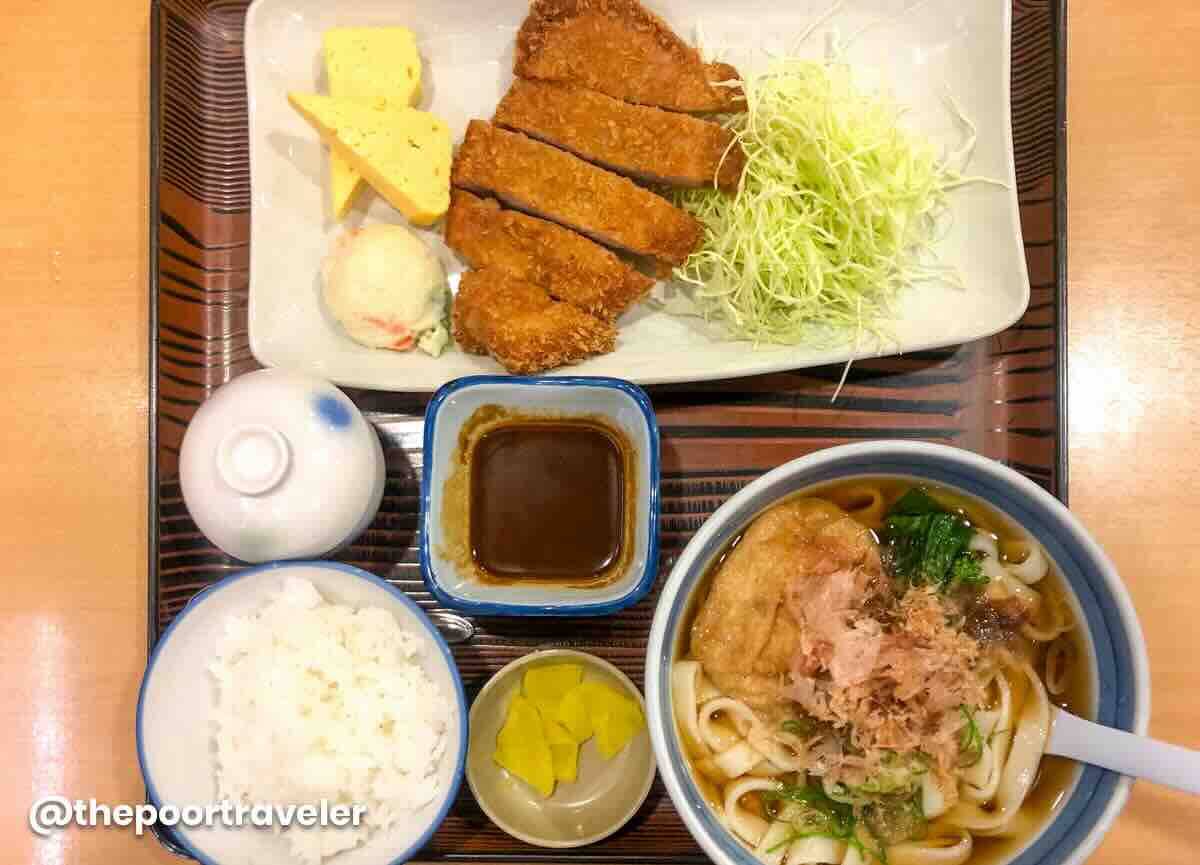

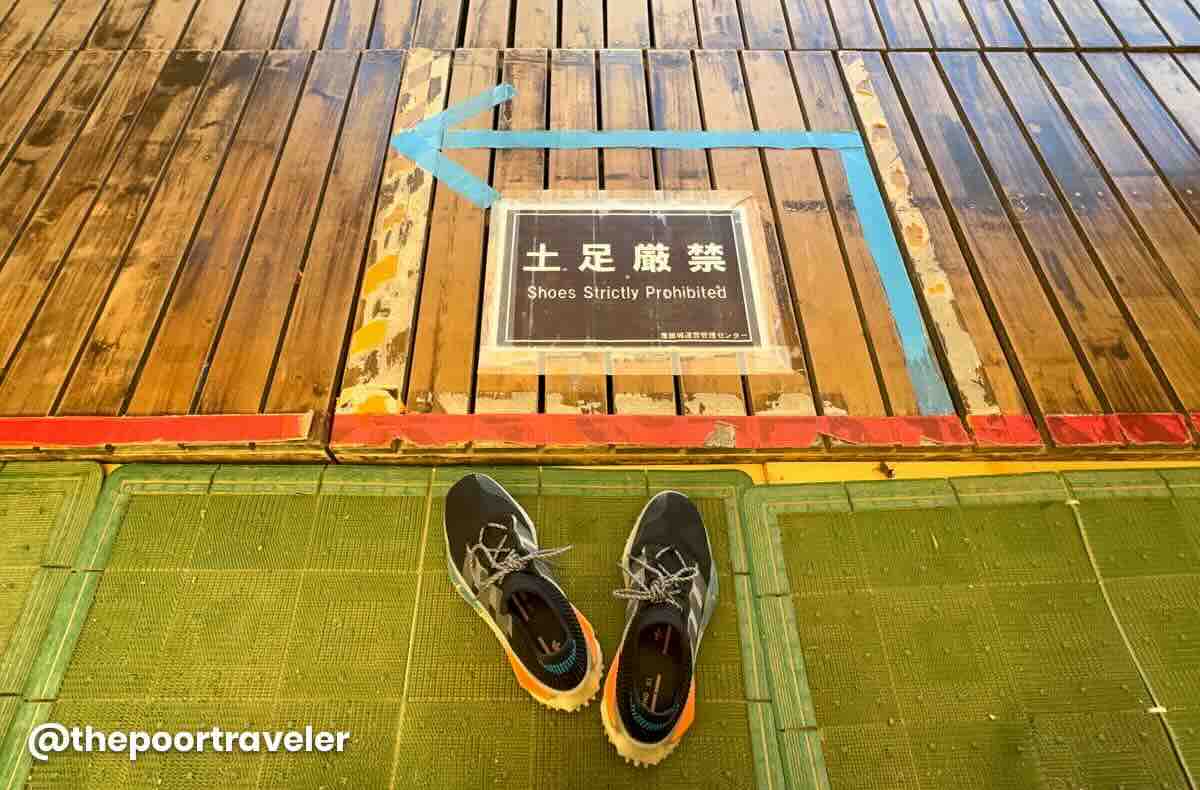
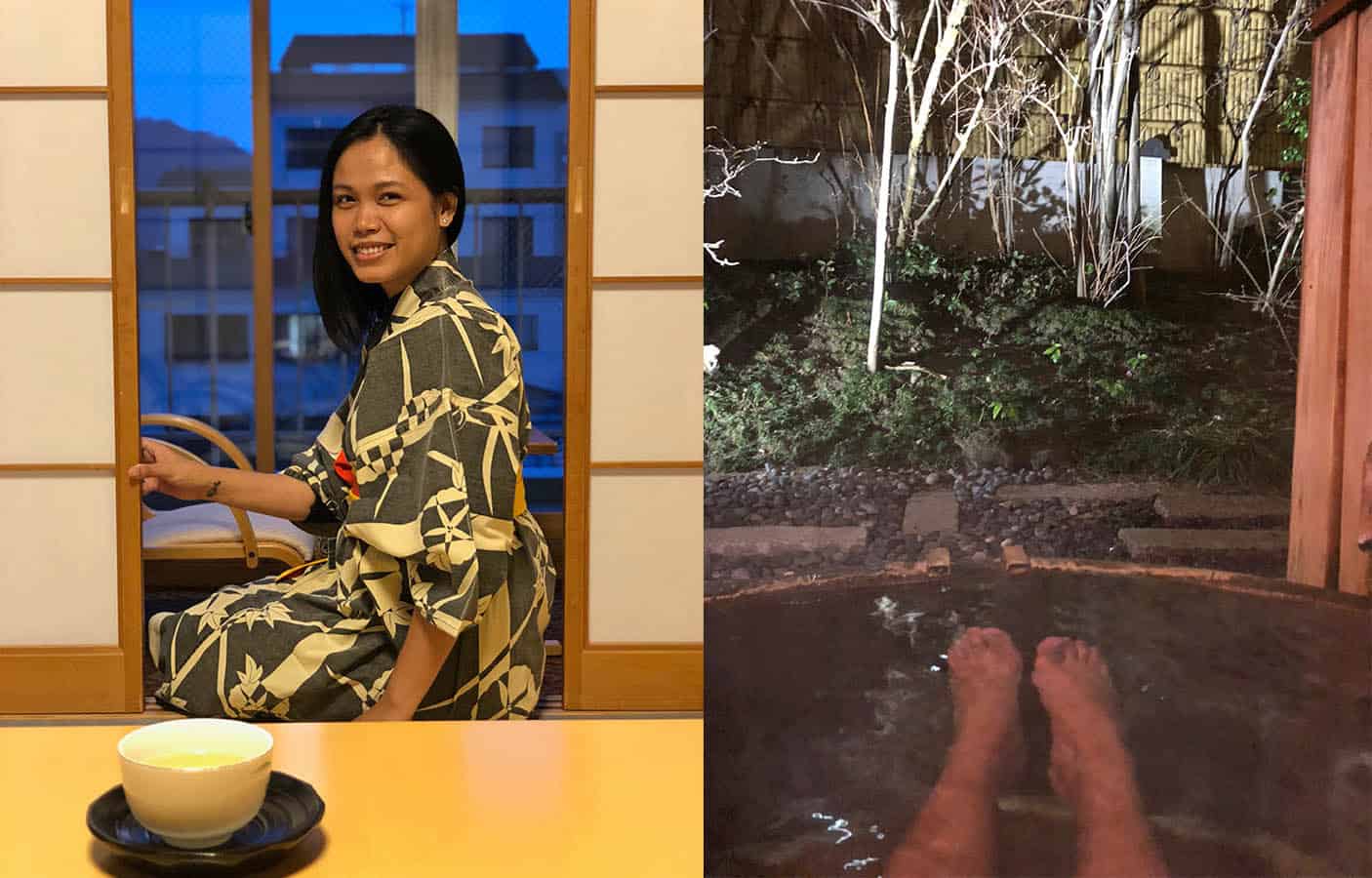

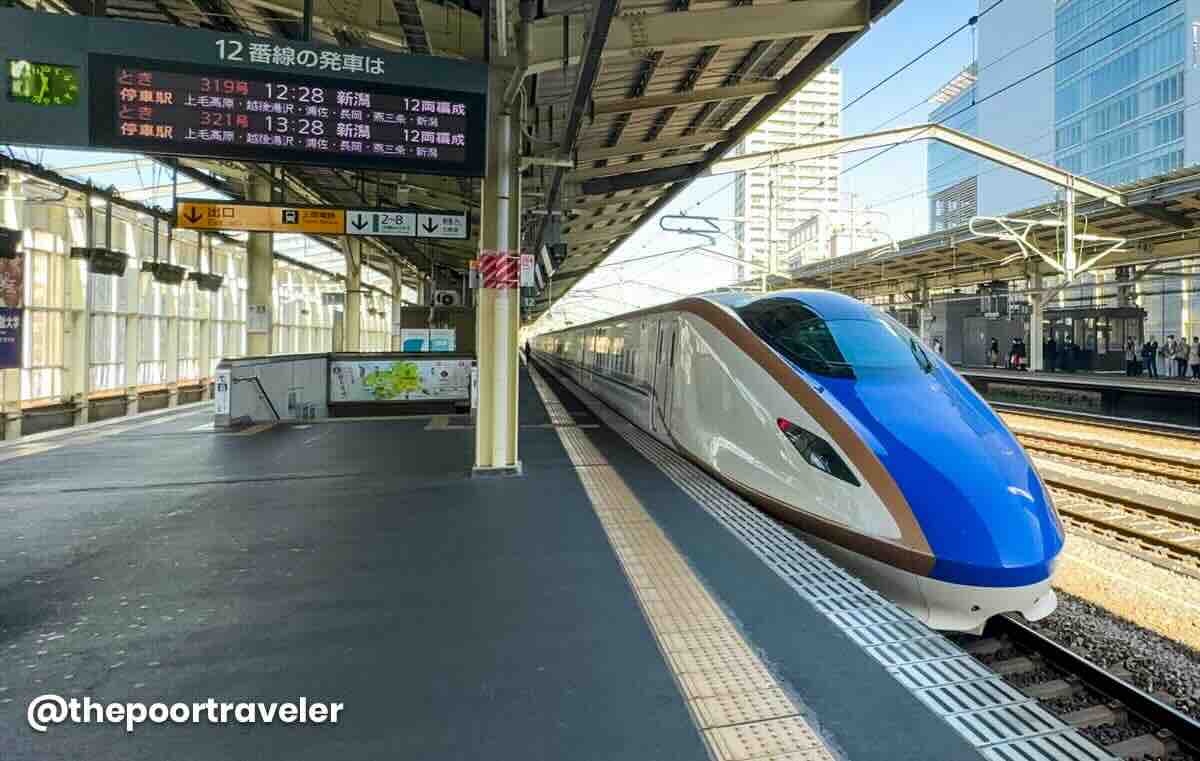
:max_bytes(150000):strip_icc()/tl-alo-yoga-flared-leggings-tout-b3f44665292049b3a339932558699928.jpg "A Frequent Flier Loves Alo’s Comfy Flare Legging")
:max_bytes(150000):strip_icc():format(jpeg)/tl-alo-yoga-flared-leggings-tout-b3f44665292049b3a339932558699928.jpg)
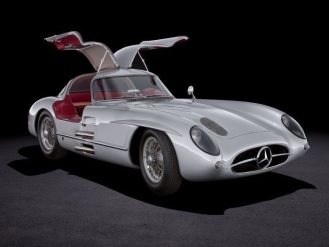
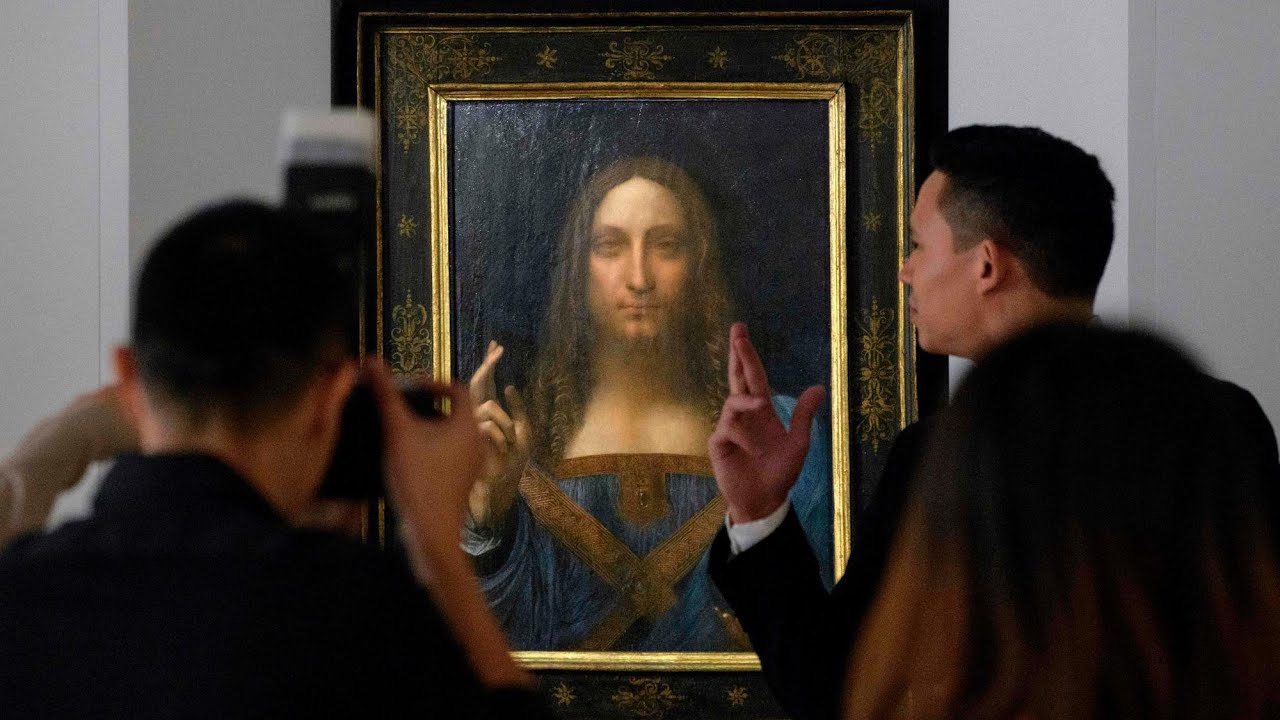
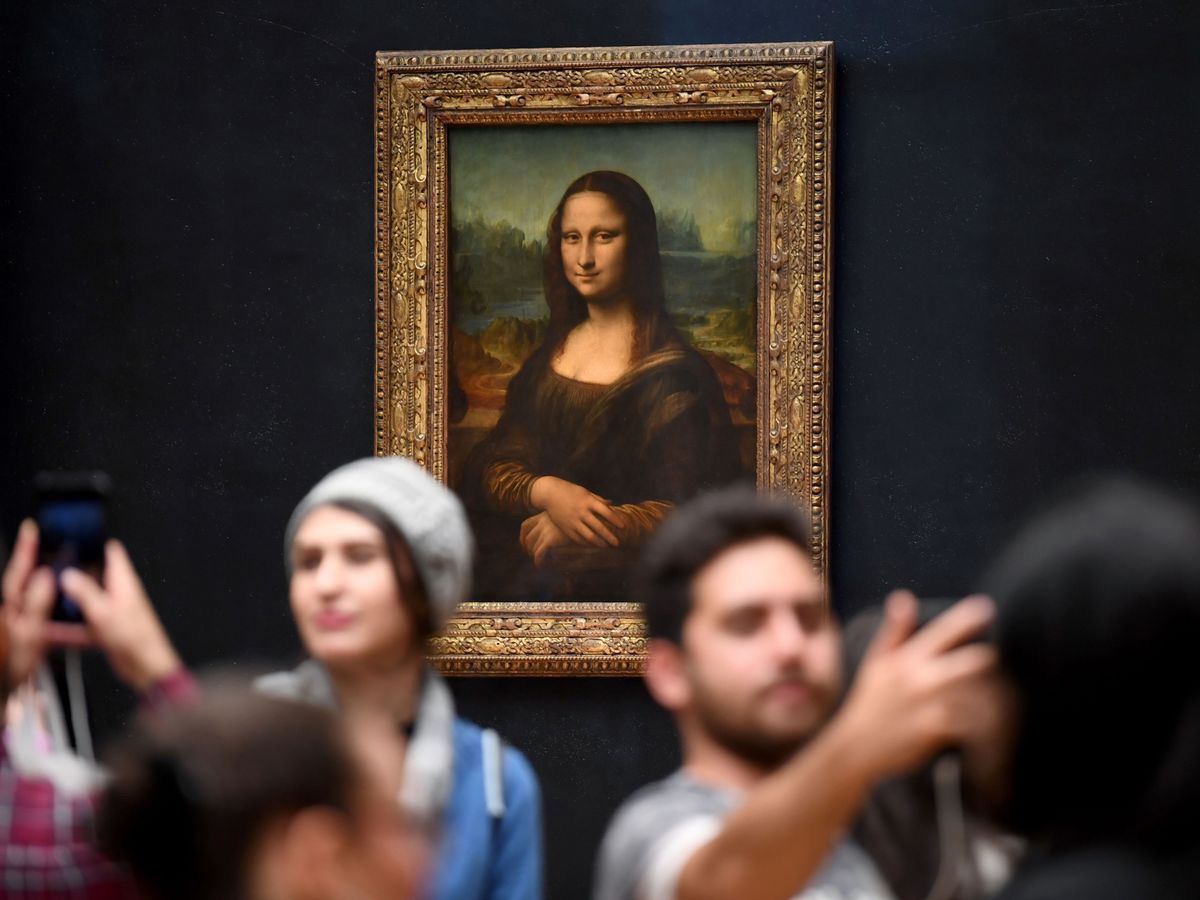
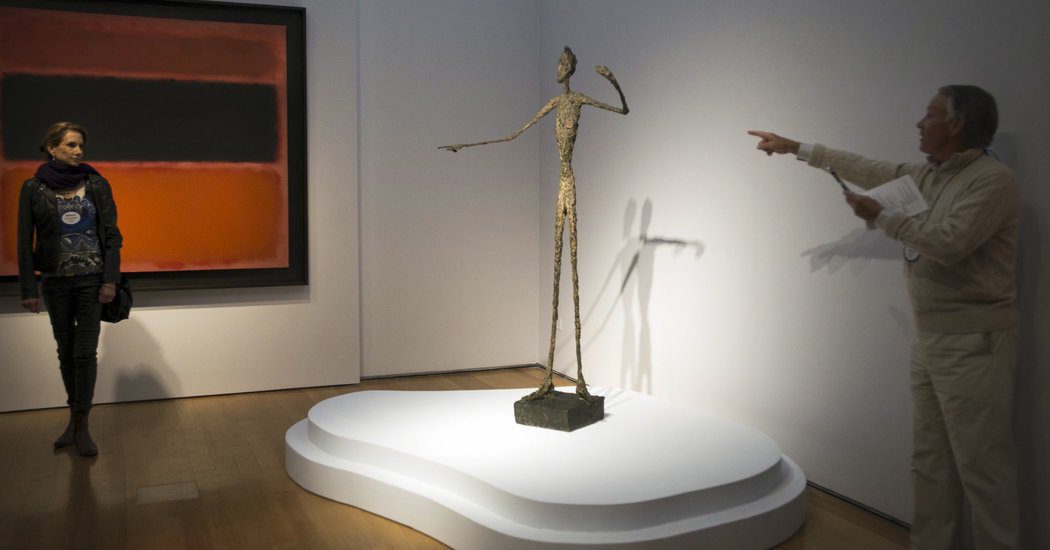
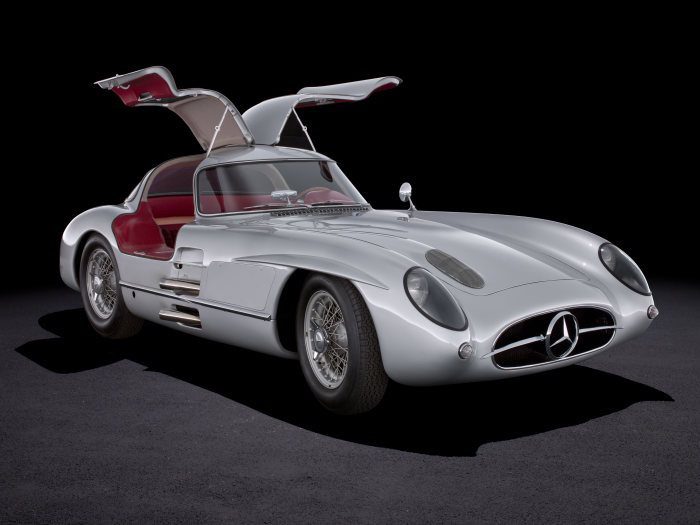
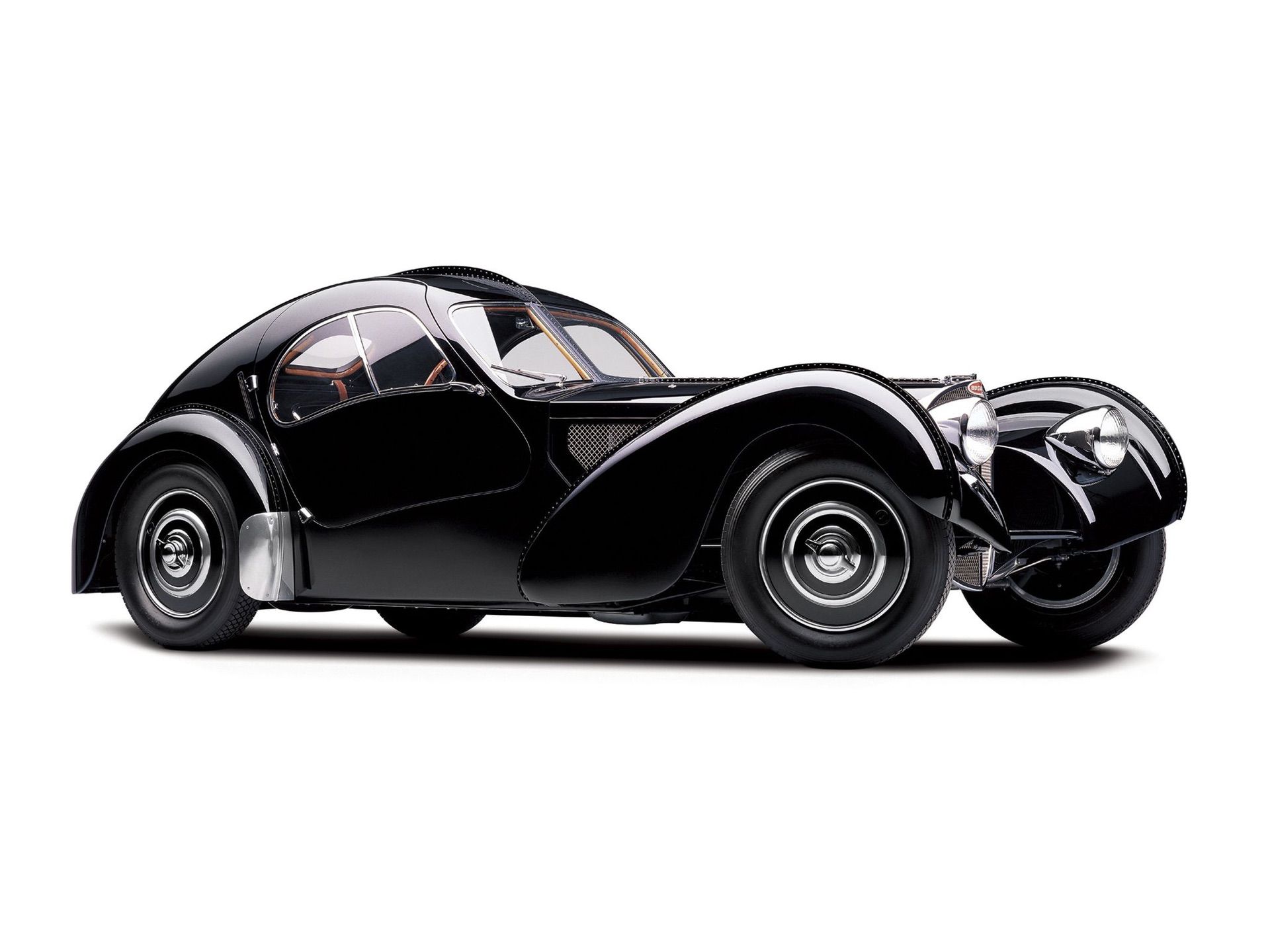
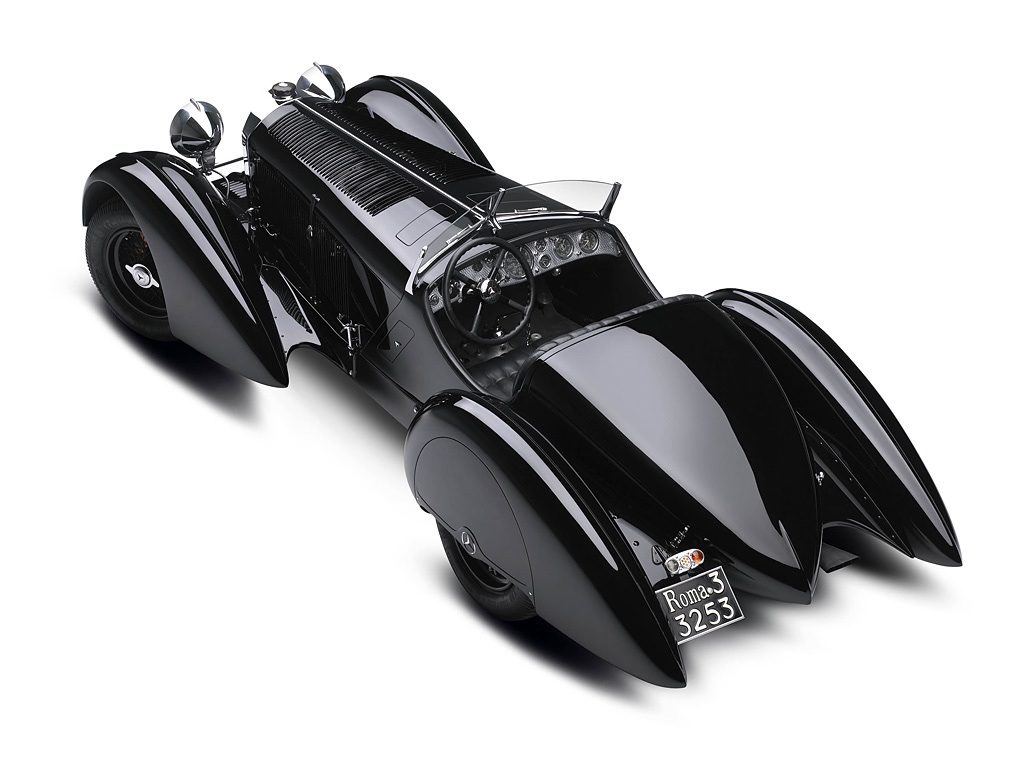
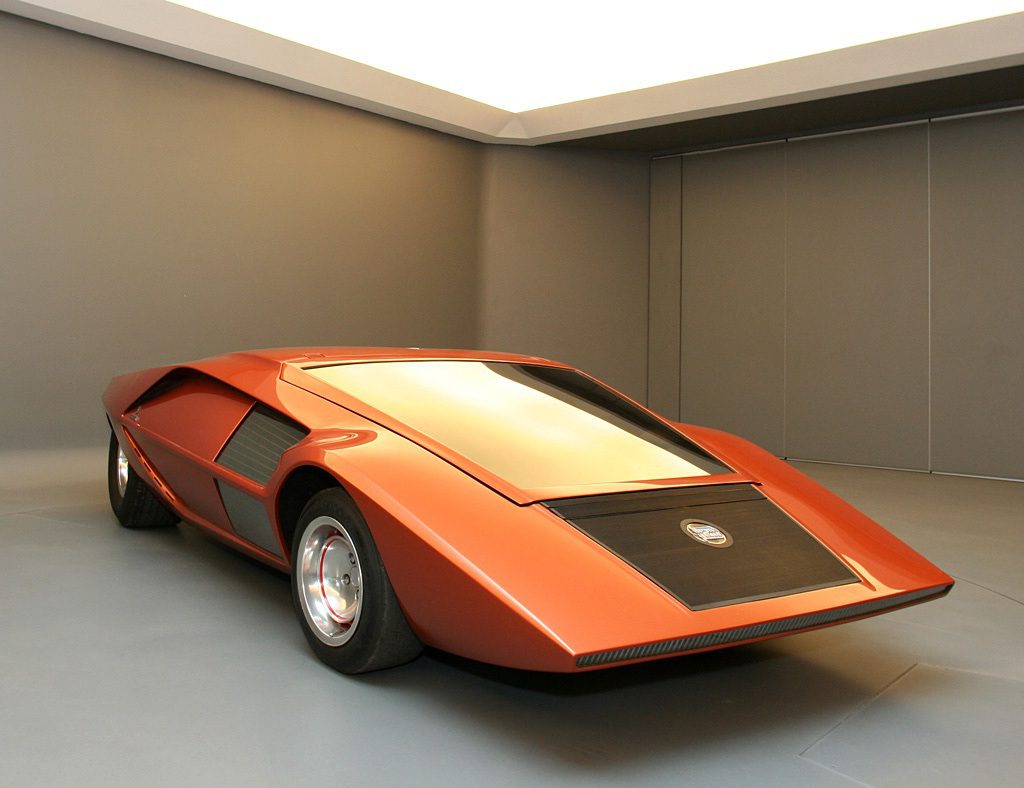
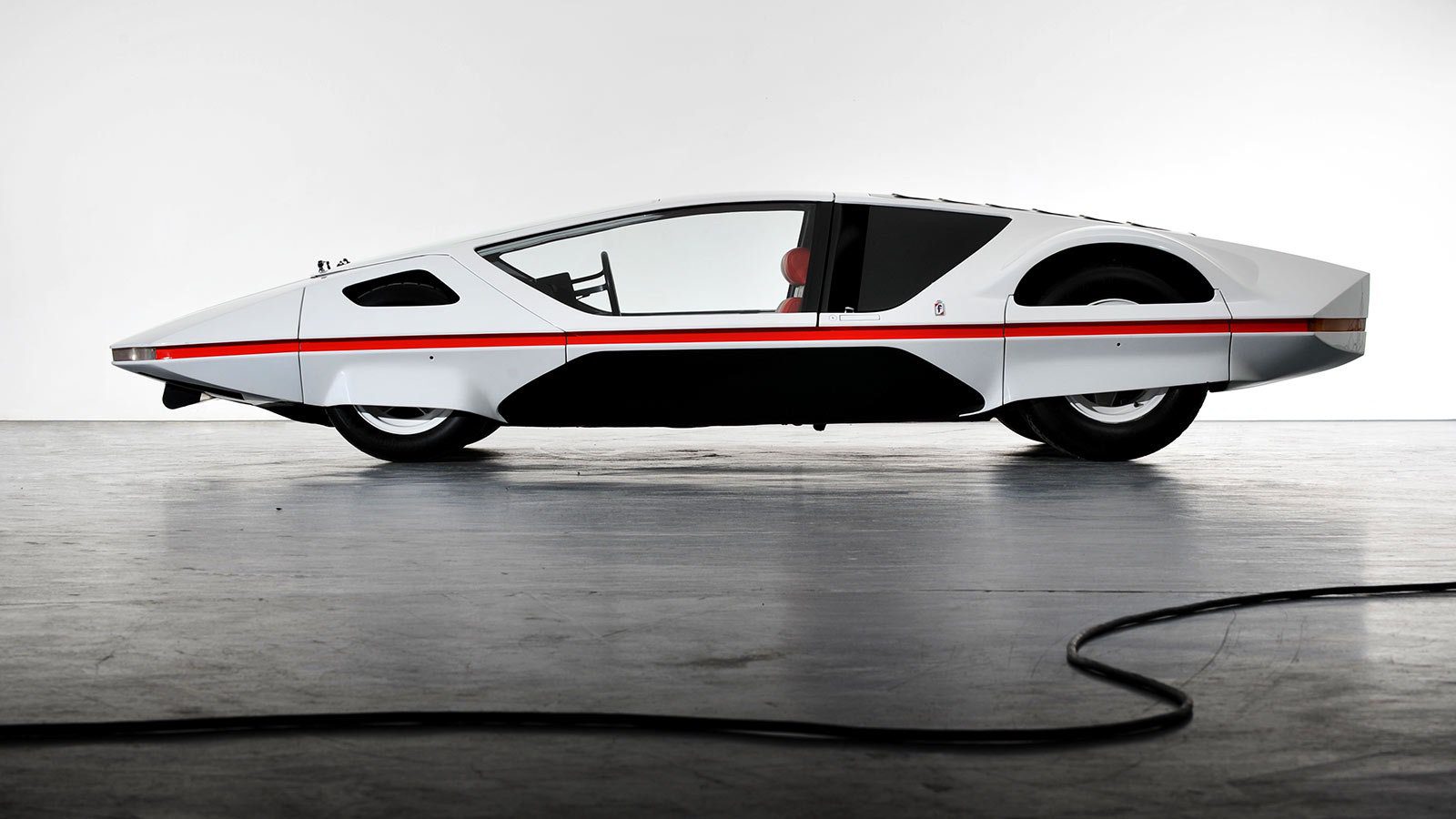
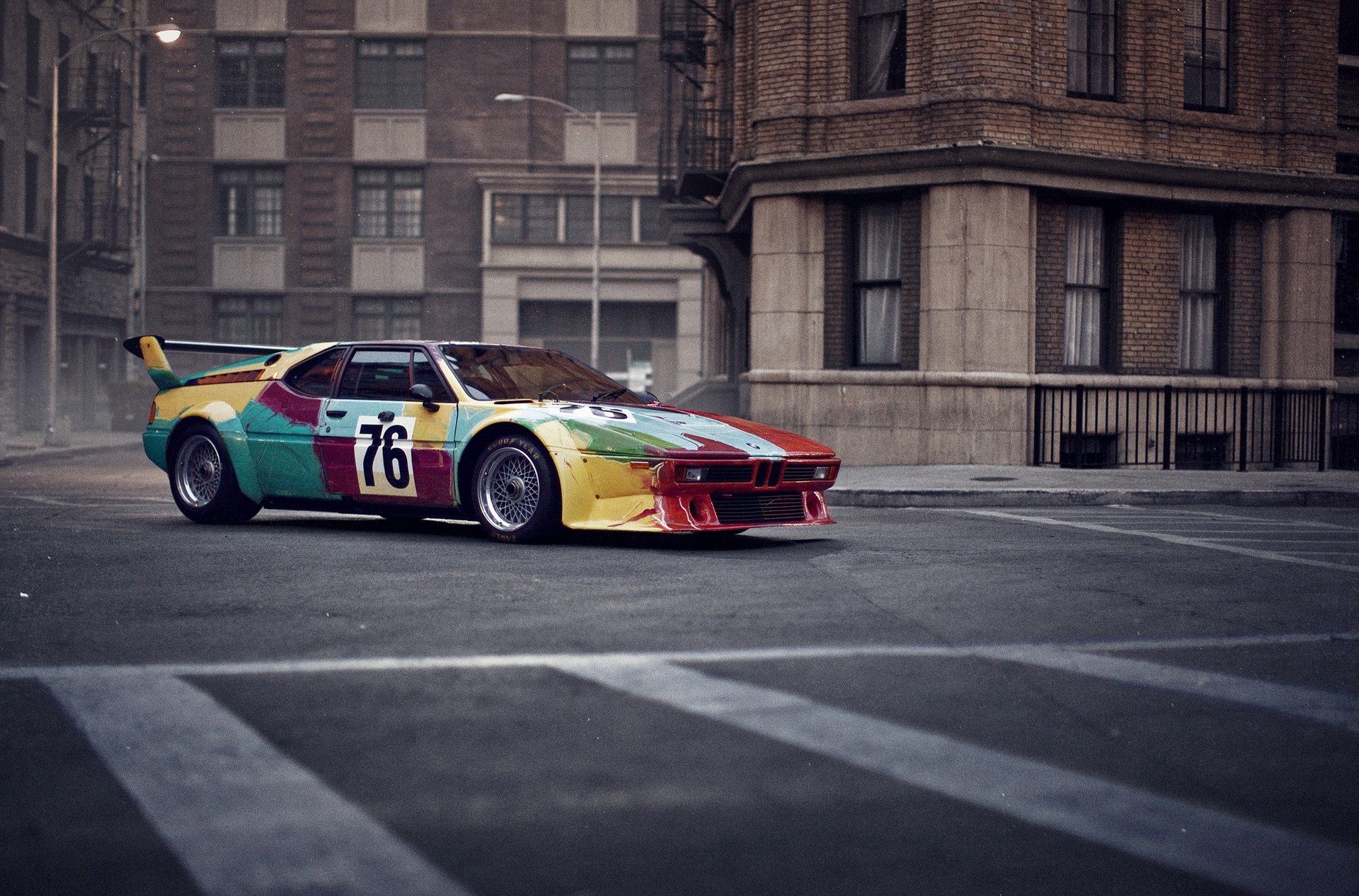
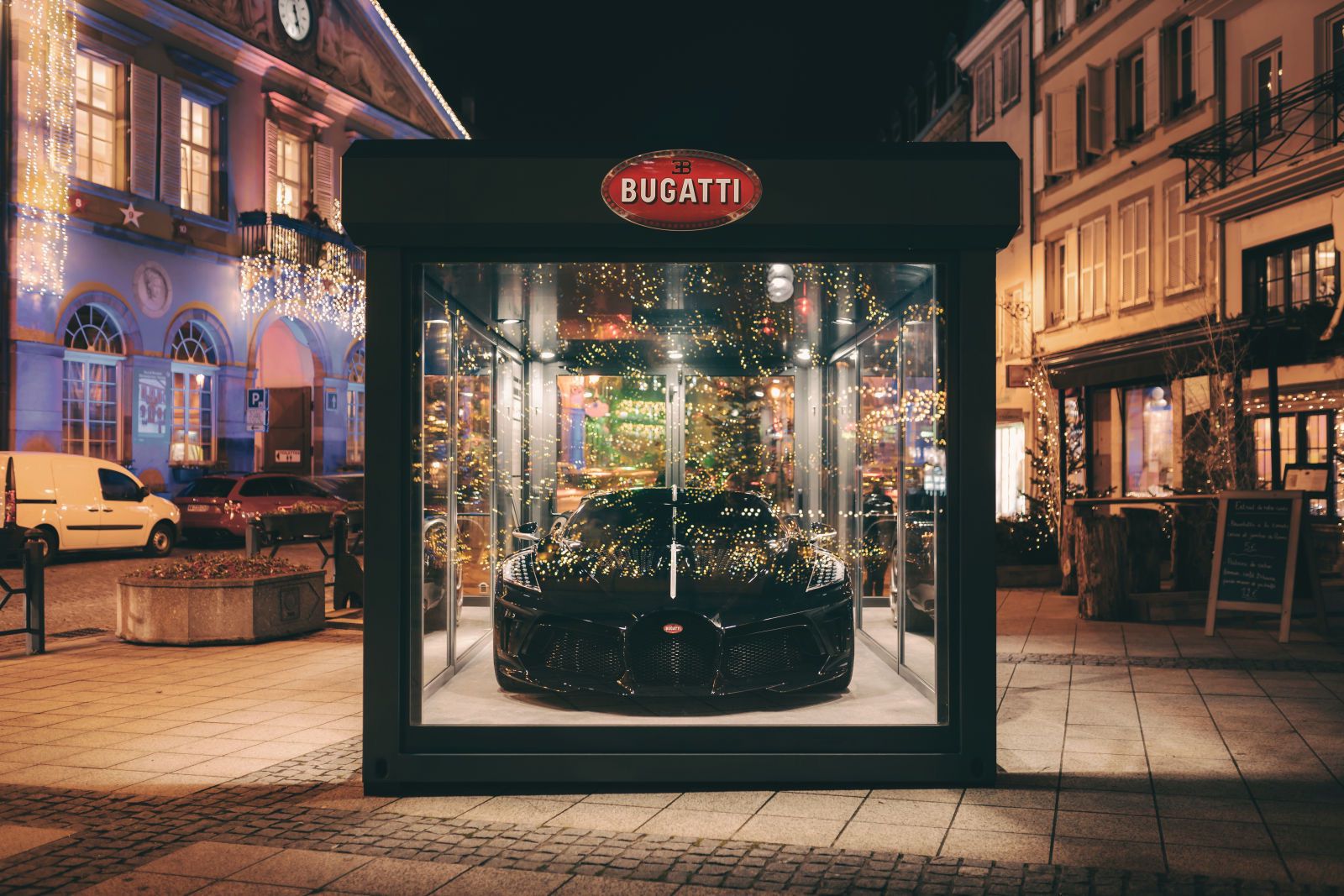
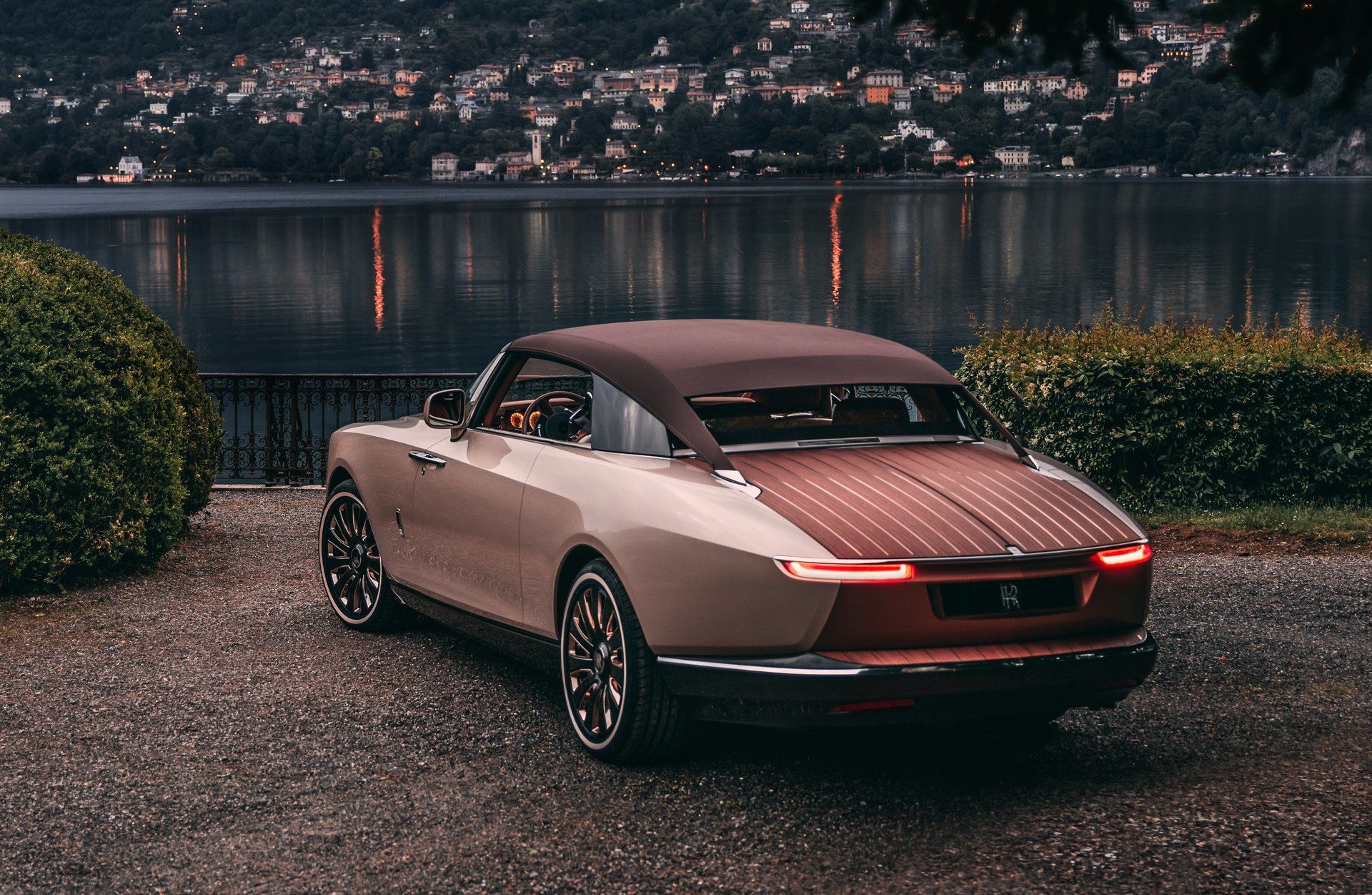
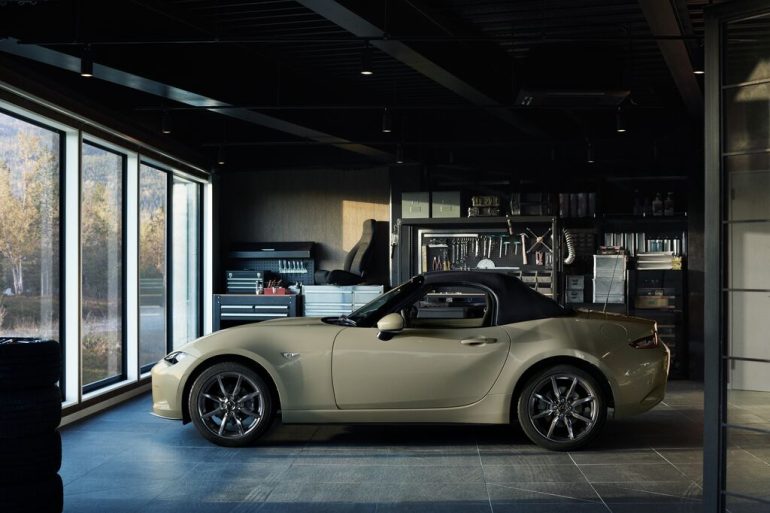
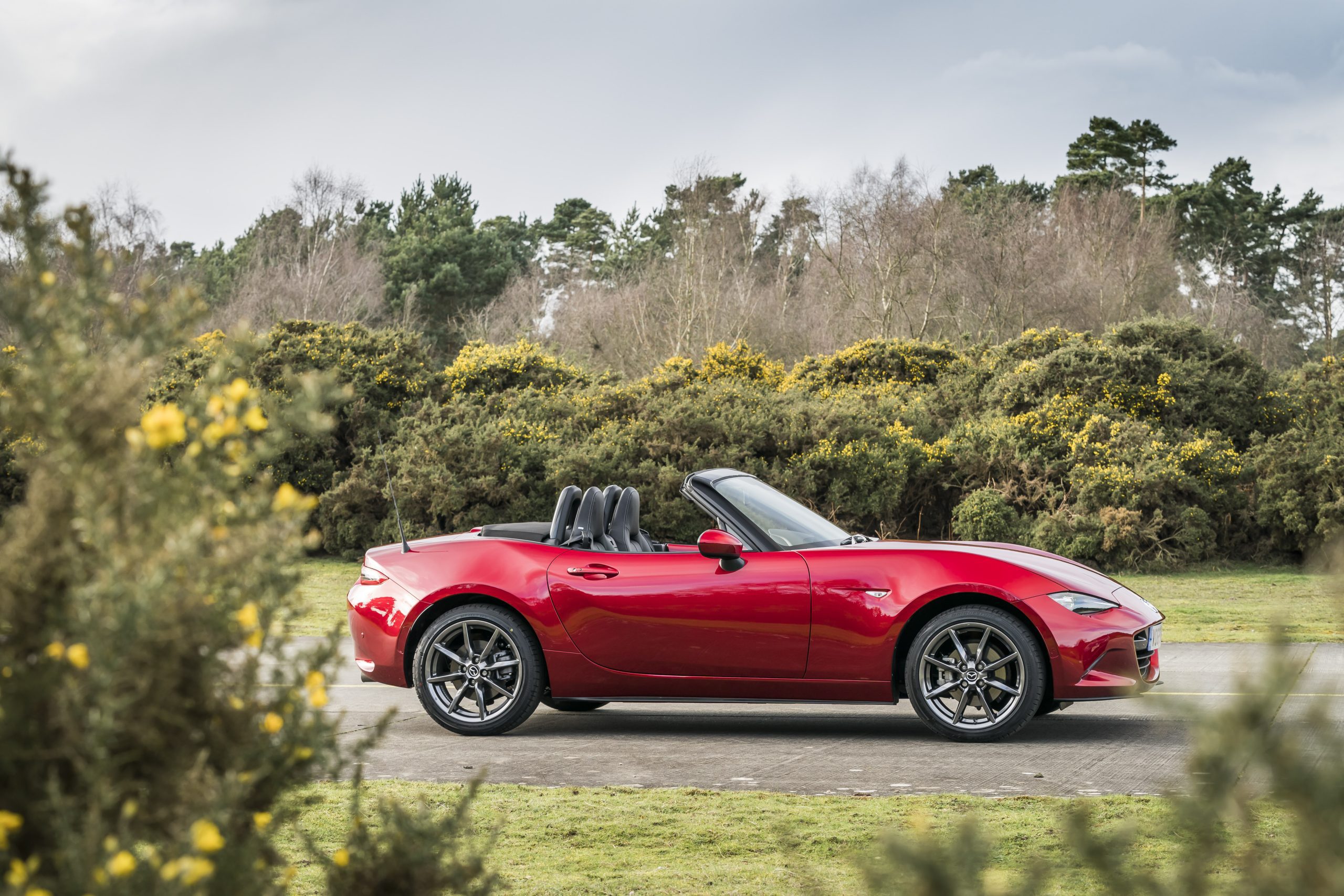
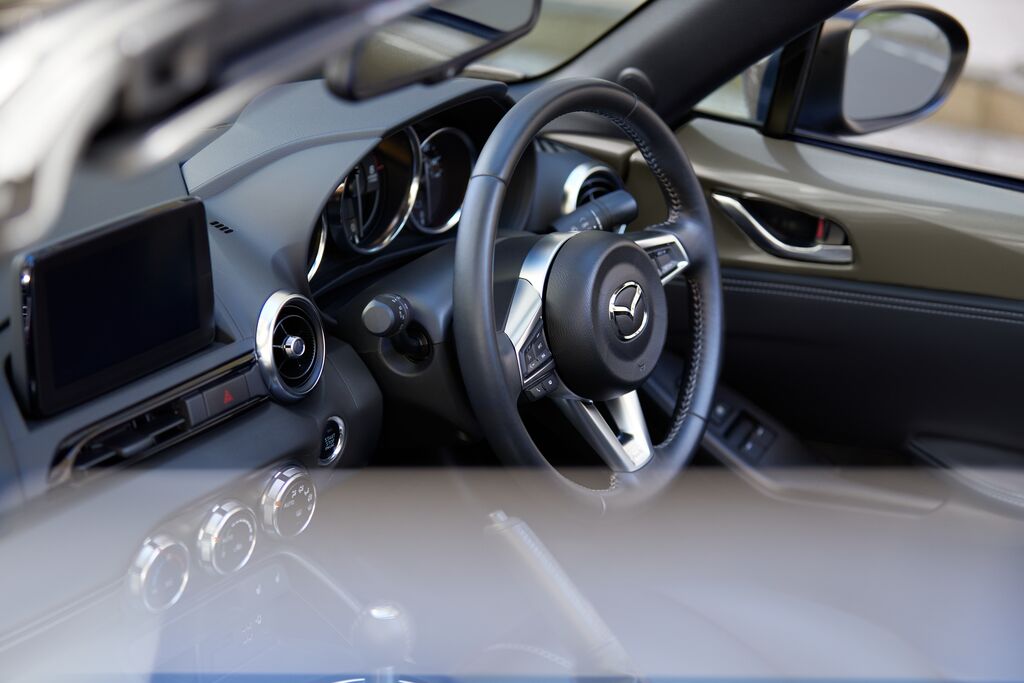
:max_bytes(150000):strip_icc()/tal-amazon-straight-off-the-plane-outfits-tout-cfbdf7197bd1433ab0d1ce0292a7dc9b.jpg "6 Amazon Travel Outfits for the Plane and Your Destination")
:max_bytes(150000):strip_icc():format(jpeg)/tal-amazon-straight-off-the-plane-outfits-tout-cfbdf7197bd1433ab0d1ce0292a7dc9b.jpg)