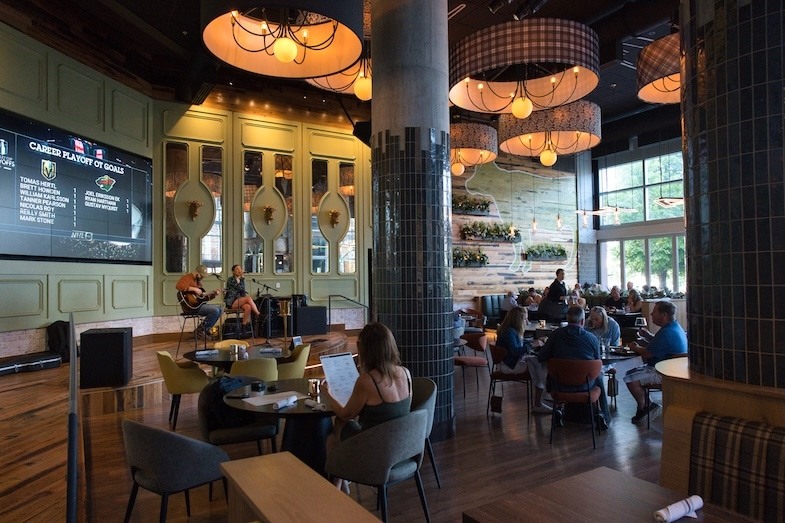
As a seasoned travel writer and longtime seeker of refined dining experiences, I’ve wandered through the world’s culinary capitals—from the back alleys of Bangkok to the boulevards of Paris. Yet few places have drawn me in quite like Hand Cut Chophouse, tucked into the pulsing heart of downtown Nashville. This isn’t merely a place to dine—it’s a place to absorb. Before a single bite, the space wraps around you like a perfectly tailored suit. The seductive scent of seared meat mingles with a faint trace of smoldering citrus from the bar. A guitarist croons a John Denver tune while a suspended neon sign—boldly vertical—casts an amber glow across sculpted booths. This isn’t dinner. It’s performance. It’s theater. It’s curated immersion from the first pour to the final forkful.
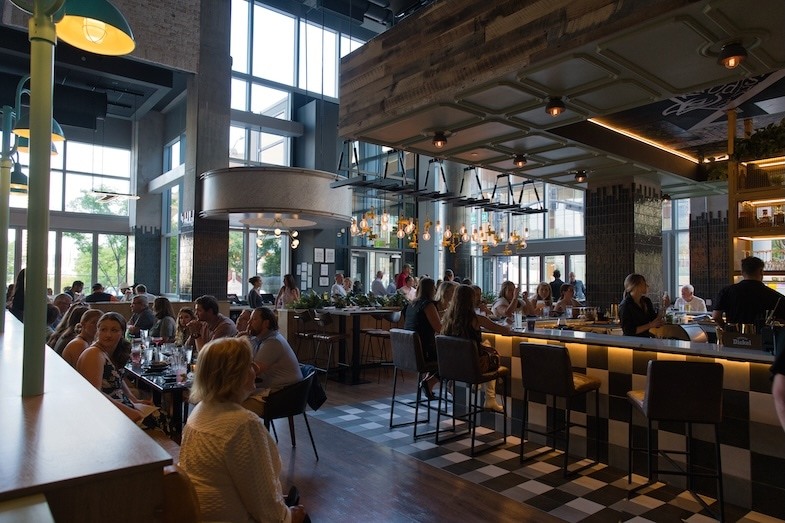
With roots in Scottsdale, Arizona, Hand Cut brings its distinctive blend of sophistication and swagger to Music City. The moment you walk in, the 30-foot ceilings and floor-to-ceiling windows give the space a sense of openness, while clever architectural elements create intimacy throughout. One area glows under chandeliers fashioned from vintage meat grinders, a quirky homage to its steakhouse identity. Another features towering streetlamp-style fixtures, while the ceiling has the outline of a meat clever, which adds a wink of wit to the room’s modern elegance.
The walls tell their own story—genuine wood arranged with planter boxes beneath a glowing bovine silhouette, and mirrored accents crowned with oversized sculptural cow heads. Each detail nods to the restaurant’s culinary roots without ever slipping into kitsch.
Sip, Savor, and Smolder at Hand Cut Nashville
Our evening opened with a round of show-stopping craft cocktails. The Waffle Cone Smoked Old Fashioned wasn’t merely served—it was revealed. Unveiled from beneath a foggy glass dome, it emerged with a waft of toasted sweetness and a twist of lemon resting in the smoky air. Beside it, the El Matador offered a contrast of bright, tropical intrigue—blending Astral Blanco Tequila with warm allspice, heirloom pineapple-cinnamon liqueur, and a splash of thyme-kissed juice.
The drinks alone are reason to visit, but they’re only the beginning.
Opening Acts with Flavor
We began with the Beets & Burrata—a plate that balanced creamy, peppered burrata with golden beets, arugula, and a touch of hibiscus honey. Light yet layered, each bite was thoughtfully seasoned and beautifully plated.
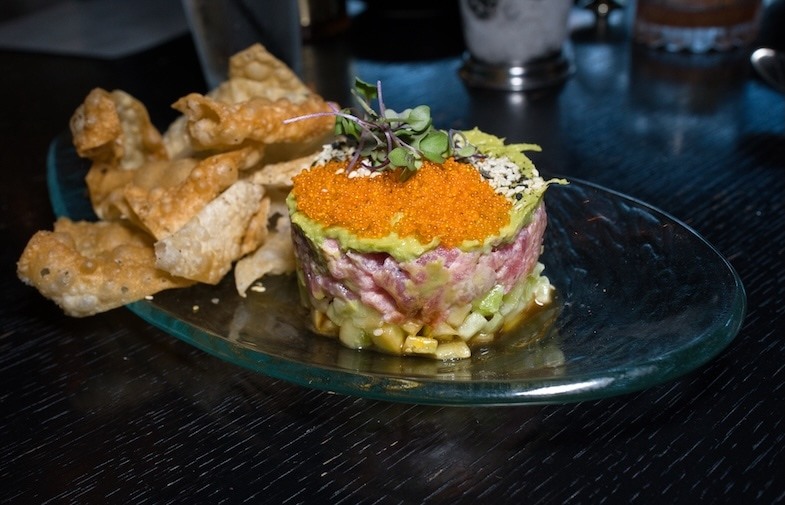
The Ahi Stack followed, a vibrant tower of marinated tuna, avocado, cucumber, and masago, punctuated by a light sesame finish and served with crisp, golden wonton chips. It was fresh, textural, and utterly satisfying.
The Main Attraction
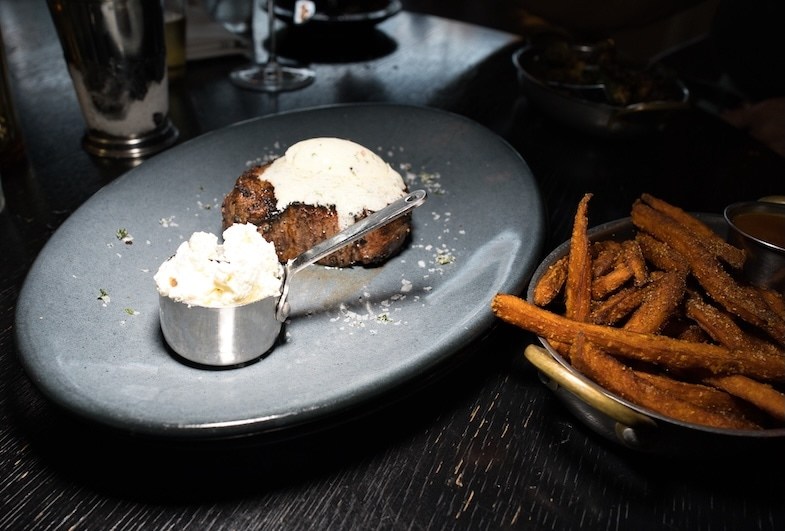
Then came the star of the night: the 8 oz. Filet Mignon (which we shared), char-grilled to a perfect medium temperature and crowned with a melt-in-your-mouth truffle butter (a worthwhile upgrade). Though its presentation was restrained, the flavor was anything but—it was deeply savory with a well-developed crust and tender, flavorful interior.
Our sides were far more than afterthoughts. Sweet potato fries, dusted and served with a tangy house BBQ sauce, were crisp and addictive. But the true standout was the honey garlic Brussels sprouts—roasted with bacon until the edges were crackling and caramelized.
A Sweet Crescendo at Hand Cut Steakhouse in Nashville
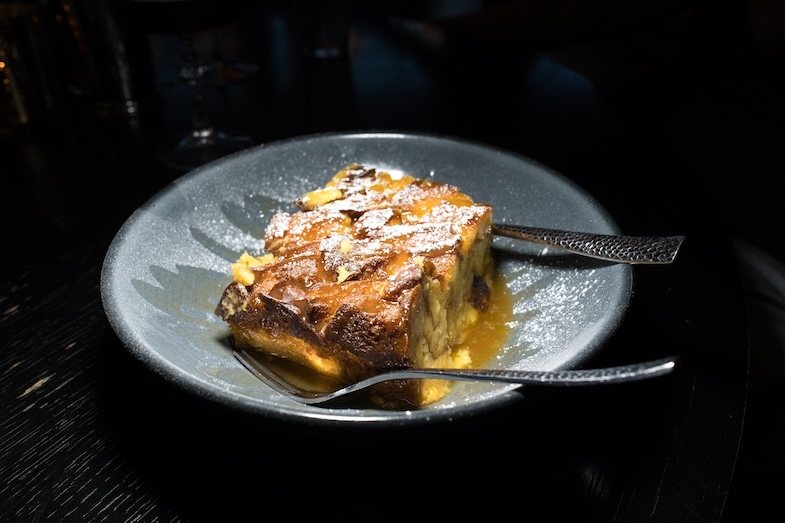
Dessert brought a shareable serving of brioche bread pudding, made from sweet potato bread and bathed in warm whiskey caramel. We wished for a scoop of ice cream to accompany it (they were out for the evening), but even solo, the dish was rich, comforting, and not overly sweet.
We ended with an espresso martini, served frothy and garnished with coffee beans. While slightly sweet for my taste, it was a fitting close to an indulgent evening.
The Final Note
What sets Hand Cut apart isn’t just the food—though that alone would justify the reservation. It’s the way everything comes together: the thoughtful design, the lively-yet-intimate music, the playful yet refined cocktails, and the genuine warmth of the staff. It’s rare to find a restaurant that strikes harmony across so many touch-points.
Whether you’re visiting Nashville or Scottsdale, Hand Cut Chophouse isn’t just another steakhouse—it’s a sensory experience where every detail, down to the glowing embers of a smoked cocktail, feels intentional.
If you have any questions about visiting Hand Cut Chophouse, leave a comment below, happy to help. So, until next time, we’ll see ya on the road…
The INFYNITO 80 complements the groundbreaking INFYNITO 90
There are bow lounges, and then there is the bow lounge of Ferretti Yachts’ INFYNITO range. When the first INFYNITO 90 debuted at the 2023 Cannes Yachting Festival, all eyes were drawn to its unique foredeck configuration.
Cutouts in the superstructure revealed the All-Season Terrace, a customisable semi-enclosed and covered foredeck space that allows guests to be as close to the water as possible while staying protected from the elements. The novel solution earned Ferretti Yachts a slew of yacht design awards for presenting a refreshingly different way for owners to enjoy their bow.
After the well-deserved success of the INFYNITO 90, Italian yacht builder wasted no time in introducing the next model in the range, the 23.7m INFYNITO 80.
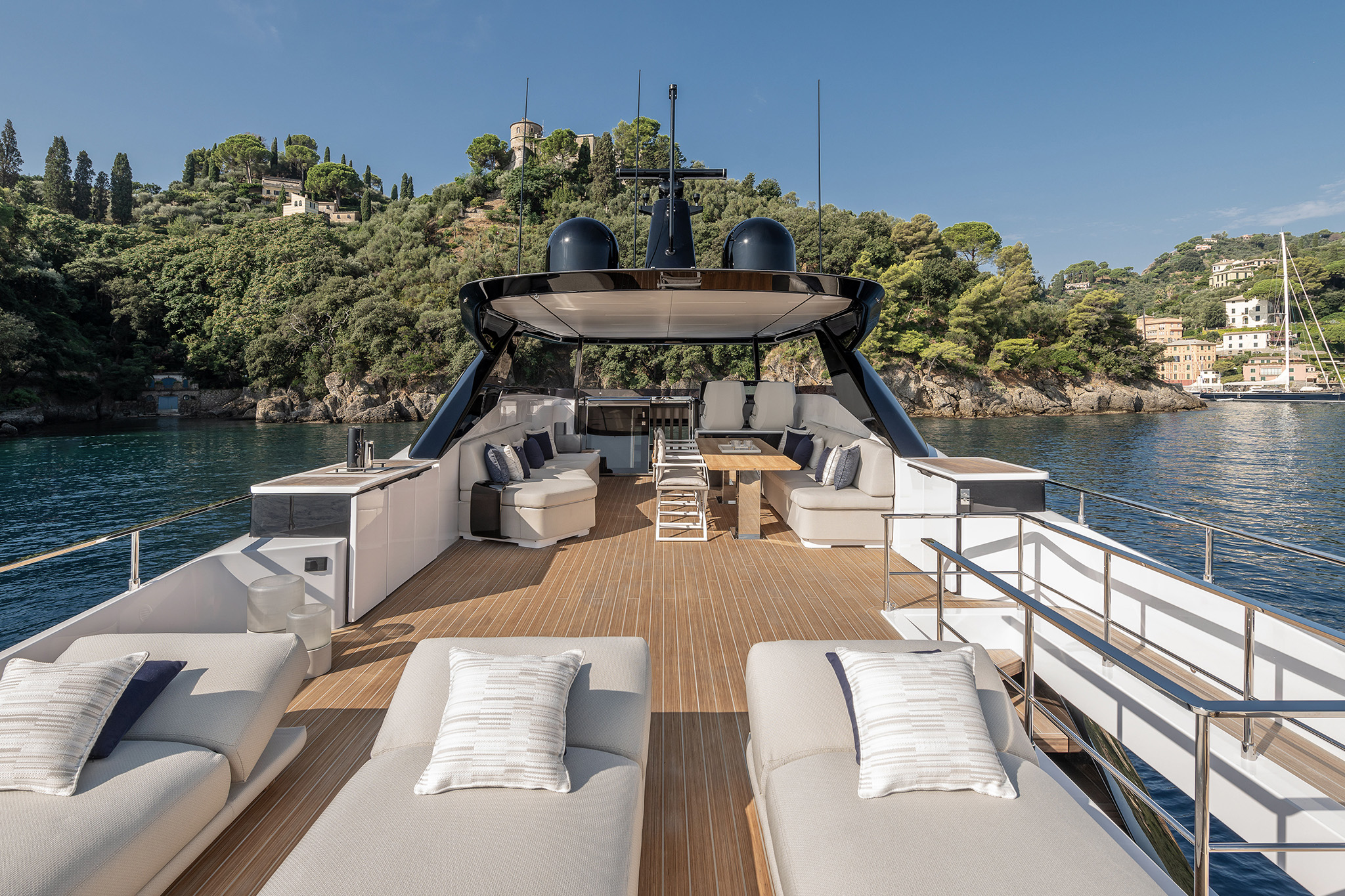
The INFYNITO 80’s covered, semi-enclosed All-Season Terrace is offered in two layouts
Much like its big sister, the INFYNITO 80 grabs attention with its unique bow shape and puts a focus on sustainability and a versatile, innovative layout. But the new model goes beyond this, introducing new elements that will further shape the range.
Alessandro Tirelli, Ferretti Group’s Chief Sales Officer Serial Business, who formerly headed the company’s activities in Asia, said: “The INFYNITO 80 introduces distinctive new characteristics, specifically, the choice of an open or a semi-open sundeck, resulting in even more customisation potential according to the owner’s preferences.
“Also worth noting is the remarkable size of the covered exterior surfaces, well above the segment average, ensuring maximum shelter and comfort thanks to the presence of a hard top or superstructure.”
ALL-SEASON OPTIONS
The INFYNITO 80 brings guests a sense of closeness to the sea, from bow to stern
A winning factor of the All-Season Terrace is that it can be customised based on the owner’s needs. The INFYNITO 90 brought three configuration options: a spa tub, a panoramic cocktail bar featuring a counter and four bar chairs, and a series of comfortable sun loungers.
On the slightly smaller INFYNITO 80, the All-Season Terrace can be configured in two ways – either with a dinette and table, or with a cocktail bar. In the dinette option, the table can be had as a low-slung coffee table or raised as a dining table for enjoying meals al fresco.
While the concept of the INFYNITO 80 is similar, the dimensions are slightly different, of course, for the smaller model. As a result, the furnishing solutions on the All-Season Terrace and the exterior decks have been rethought on another dimensional scale, while ensuring the same level of comfort and generosity of space.
Filippo Salvetti, founder of Filippo Salvetti Design, penned the exteriors for the INFYNITO range and said the fundamental difference between the first two models is the position of the helm station.
The aft cockpit on the main deck
“On the INFYNITO 90, the helm is on the upper deck, while on the INFYNITO 80 it’s in the raised pilot house, on a mezzanine level,” Salvetti said. “This achieves volumetric resolution in different ways, giving each model its own distinctive aesthetic identity. INFYNITO 80 has a softer and less forceful personality than INFYNITO 90, which has more dynamic DNA.”
The exterior of the INFYNITO 80 is defined by its omissions, with cutouts in the superstructure adding a sense of visual interest. The roof of the All-Season Terrace, for instance, stops about a third of the way back from the bow, making way for a swath of glazing that stretches from the main deck to the brow of the raised pilothouse above.
“The stylistic intersection between the surfaces covering the All-Season Terrace, the wheelhouse and the upper deck gunwale creates an extremely modern and elegant aesthetic motif,” Salvetti said.
Owners can choose an open or semi-open sundeck
“Every detail has been carefully studied to create, as clear as possible, a differentiation from Ferretti Yachts’ Flybridge range. The glazed surfaces and air intakes are harmoniously integrated, following taut, organic guidelines that point up their elegance and stylistic coherence.”
Layout options abound inside and out, further adding to the yacht’s versatility. The sundeck is available either completely open, with a large hard top protecting and shading the helm station and dining area, or in a semi-open version, where the area sheltered by the hard top is closed by glazing that wraps around the entire bow section.
“This setting can be transformed into a completely closed space that can be climate-controlled by adding an optional glazed Norwegian enclosure aft,” Salvetti said.
The saloon can have a sofa and freestanding TV, or face-to-face sofas (pictured) and a recessed TV in the ceiling
Meanwhile, inside, the main saloon is available in two layout options with a sofa and a freestanding TV unit or with twin face-to-face sofas and a TV recessed in the ceiling.
On the INFYNITO 90, there was an option for the forward main deck to have a master cabin or a galley with a pass-through window opening directly onto the All-Season Terrace. On the INFYNITO 80, this space is dedicated to the galley with accommodations found below including an amidships owner’s suite, a VIP suite and two twin guest cabins.
INTERIOR MOODS
IdeaeItalia offers Classic and Contemporary décor options
IdeaeItalia, co-founded by Alessio Battistini and Davide Bernardini, has designed the interiors of the INFYNITO range. As it has for the Ferretti Yachts’ flybridge range, the design studio offers Classic and Contemporary decor moods to choose from.
Battistini said: “Classic and Contemporary were both created to offer the owner all the pleasure of an elegant, inviting, clean and well-balanced ambience.”
While both options share a similarly modern, sleek ‘Made in Italy’ styling, Classic taps into warm, earthy elements, while Contemporary features glowing woods and fabrics in fresher tones inspired by the colours of the sea.
The galley is forward on the main deck
Bernardini said: “The interiors are also built around two complementary concepts of ‘Contrast’ and ‘Harmony’, which work together to create a refined sense of elegance.”
As the designer points out, an eye-catching contrast is seen in the wall finishes, which juxtaposes natural wood against soft, patterned fabrics or in the contrast between the irregular, horizontal parquet flooring and the vertical clarity of the walls.
The owner’s suite is located amidships on the lower deck, along with three guest cabins
“Harmony lies in the balanced interplay of the various elements and proportions, in the hierarchy of the materials and in the focus on detail,” Bernardini added.
GREEN FOCUS
Sustainability was a key goal of the INFYNITO 90, and this ethos is carried forward in the 80 as well. The interior has an abundance of eco-friendly materials, from natural fabrics and regenerated leather to recyclable soft furnishings, ecological water-based paints and lamellar teak with FSC 5 certification.
The INFYNITO 80 also features Ferretti Yachts’ FSEA technology, which stands for Ferretti Sustainable Enhanced Architecture, a package of environmentally-friendly cruising solutions. Solar energy collected by the photovoltaic panels installed on the hard top can be stored in an integrated energy bank system consisting of 14 high-density lithium batteries.
The INFYNITO 80 features the Ferretti Sustainable Enhanced Architecture package of eco-friendly cruising solutions
Tirelli explained: “From a technical perspective, the success of the All-Season Terrace and the green elements included in the design of INFYNITO 90 made it indispensable on INFYNITO 80 to have a sharper focus on reducing the boat’s ecological footprint and extending the surfaces shaded from the sun’s rays.”
From the clever, customisable bow to multi-motif interior décor and flexible layout options, the INFYNITO 80 provides a seemingly infinite number of combinations for owners to put their stamp on a series boat. For its next act, Ferretti Yachts is looking at both larger and smaller model options.
The INFYNITO 80’s sole helm station is in a raised pilot house
“Given the huge success of the INFYNITO range, we’re exploring how to expand it both up and down into higher and lower segments,” said Tirelli. But for the time being, it’s the INFYNITO 80’s turn to take a bow.
ferretti-yachts.com ferrettigroupasiapacific.com
This article was first seen on YachtStyle.com.
For more on the latest in luxury yachting reads, click here.
When Mercedes-Benz and RM Sotheby’s confirmed the rumors about a one-of-two 300 SLR Uhlenhaut coupé being auctioned off on May 5th 2022 for a staggering sum of €135 million, equaling to $143 million, it single handedly became the hottest news in the automotive world. The legendary 300 SLR obliterated the 2018 record of the Ferrari 250, becoming the first nine-figure car in history.
With top-tier collector cars becoming as valuable as the greatest works of art, one can’t help but wonder what the next big milestone will be and when the automotive world will witness it.
Will we ever see a billion dollar car? If not sold to an individual or an institution, then will it at least be appraised? Let’s explore the possibilities that might lead to that, as well as cars most likely to reach that mythical sum.
Automobiles as Art: How a Car Could Sell for a Billion Dollars
Artistic value is one of the main factors worth considering when talking about a potential billion dollar car, yet, the art world itself is only halfway there. The most valuable painting ever sold is Leonardo da Vinci’s Salvator Mundi, which crossed the Christie’s auction block at $450.3 million in 2017.
When it comes to unbelievable paintings though, the Renaissance master’s Mona Lisa is certainly the most valuable piece of art in the world, setting the official Guinness world record for the highest insurance value in 1962. The original sum was $100 million and adjusted for inflation, it’s the equivalent of $980 million. The insured sum might be even greater today, though it’s not publicly disclosed, and speculations mention sums exceeding $1 billion.
Interestingly enough, the most expensive sculpture ever sold at an auction went off for a lower nominal price than the 300 SLR. In 2015, Alberto Giacometti’s The Pointing Man sold at $141.3 million. In 2022 money, that’s around $176.6 million. This comparison seems more appropriate (as automobiles are interactive dynamic sculptures, after all).
The Ferrari 250 GTO was on a straight course to reach $100 million in the next few years, but the 300 SLR Uhlenhaut Coupé topped it, forever altering the way we look at the world’s most expensive cars.
To start with, it wasn’t a 250 GTO, a car we all got used to seeing changing hands between collectors, smashing records from 1986 when they first broke the $1 million milestone to this day. The Uhlenhaut’s sale wasn’t heralded by the press either. On the contrary, it came out of the blue, it was private and organized straight by the original custodian, the Mercedes-Benz museum itself.
The secretive nature of this sale made its final result seem even bigger, opening new horizons in the collector car world. So, to surpass the record holder, the future most expensive car will have to meet very strict criteria.
Ideally, a prospective billion dollar car, or at least the next record breaker, is a unique creation, with an elaborate or otherwise intriguing origin story, an exceptional and well-documented history, and a museum-worthy pedigree.
As such, that car will have to be a globally-recognized piece of automotive heritage, and one that seems highly unlikely to ever end up at an auction. It will either be a part of a highly regarded private collection or, like the Uhlenhaut was, a manufacturer’s archive itself.
Not many historic cars tick all these boxes though, which narrows down the choice to this exclusive group. So, let’s go!
Bugatti 57SC Atlantic
Starting off with what’s perhaps the most astonishing automotive creation of all time and potentially the most valuable car in the world, the Bugatti 57SC Atlantic has all it takes to reach a billion dollar appraisal at one point in the future.
The last time one of these changed hands was in 2010 when Gooding Co. brokered a deal between Bugatti collector Dr. Peter D. Williamson’s estate and Mullin Automotive museum at somewhere between $30 and $40 million for the 57 374 “Rothschild Atlantic”, but a lot has changed since then and now that price seems like a bargain.
The second surviving car out of just four built Atlantics, the 57 591 “Pope Atlantic” has been in Ralph Lauren’s private collection since 1988, and it’s the very car we would place our bets on. Though it is highly improbable that this iconic Bugatti will leave the collection, at least in Mr. Lauren’s lifetime, it will certainly go for much more than $40 million, a sum that has usually been closely associated with it.
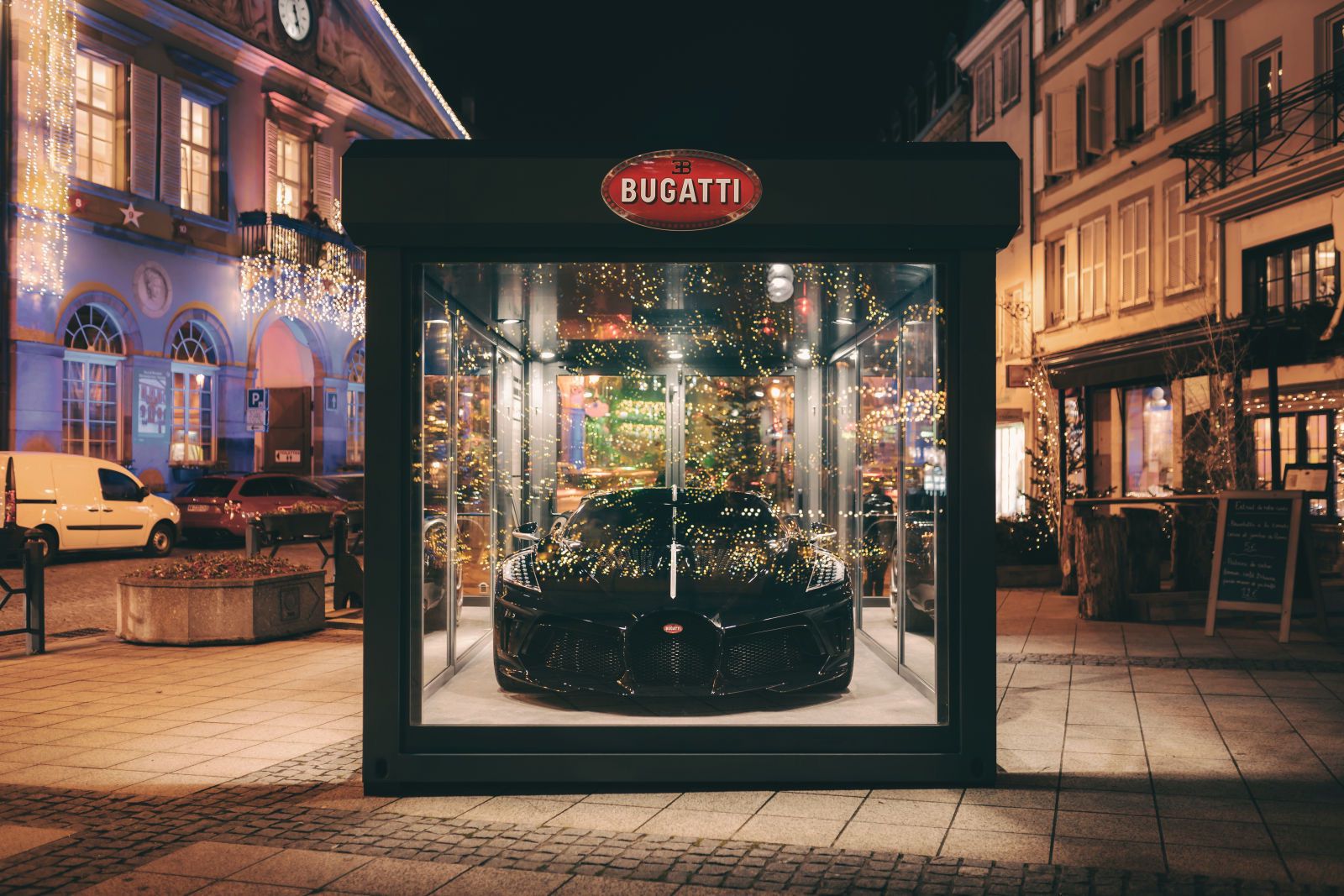
Finally, there’s the long lost 57SC Atlantic, the 57 453 La Voiture Noire. Jean Bugatti’s personal 57SC hasn’t been seen since 1938 and it could be the greatest automotive discovery should it ever emerge from the shadows. Bugatti’s official website still states the $100 million appraisal, but with the Uhlenhaut auction taken in consideration, the bar should be set considerably higher.
Mercedes-Benz SSK Count Trossi
Perhaps more mysterious than the 57SC, our next candidate is another car from the Ralph Lauren collection. It’s the Mercedes-Benz SSK with a chassis number 36038 and a dramatic body that still sparks debate. What we do know is that Count Carlo Felice Trossi sketched the design which was eventually carried out in 1933 by either an American named Willy White, Jacques Saoutchik, or even Zagato or Park Ward (as suspected by some automotive historians).
Whoever created it did the world a favor by sculpting a unique piece of automotive art built around one of the most pedigreed pre-WW2 cars. With a presence both sinister and stately, the SSK Count Trossi feels at home in Ralph Lauren’s elite collection where it came in 1988, having been bought from Tom Perkins. Upon acquisition, Lauren had the car restored by Paul Russell and Company and the fabled Mercedes-Benz went on to win Best of Show accolades at 1993 Pebble Beach Concours and 2007 Villa d’Este.
Appraising the Count Trossi seems impossible as of now, as it’s the only one of its kind and a handful of surviving SSKs seldom end up on auctions. Still, in 2004 a regular-bodied Mercedes-Benz SSK sold for the equivalent of $7.4 million at a Bonhams auction, which then made it the second most expensive car in the world. Judging by today’s state of the market, an SSK might sell for ten times its 2004 price. Still, as is the case with Mr. Lauren’s 57SC Atlantic, SSK Count Trossi’s sale is very unlikely to take place, but if it does, hundreds of millions is the least we expect.
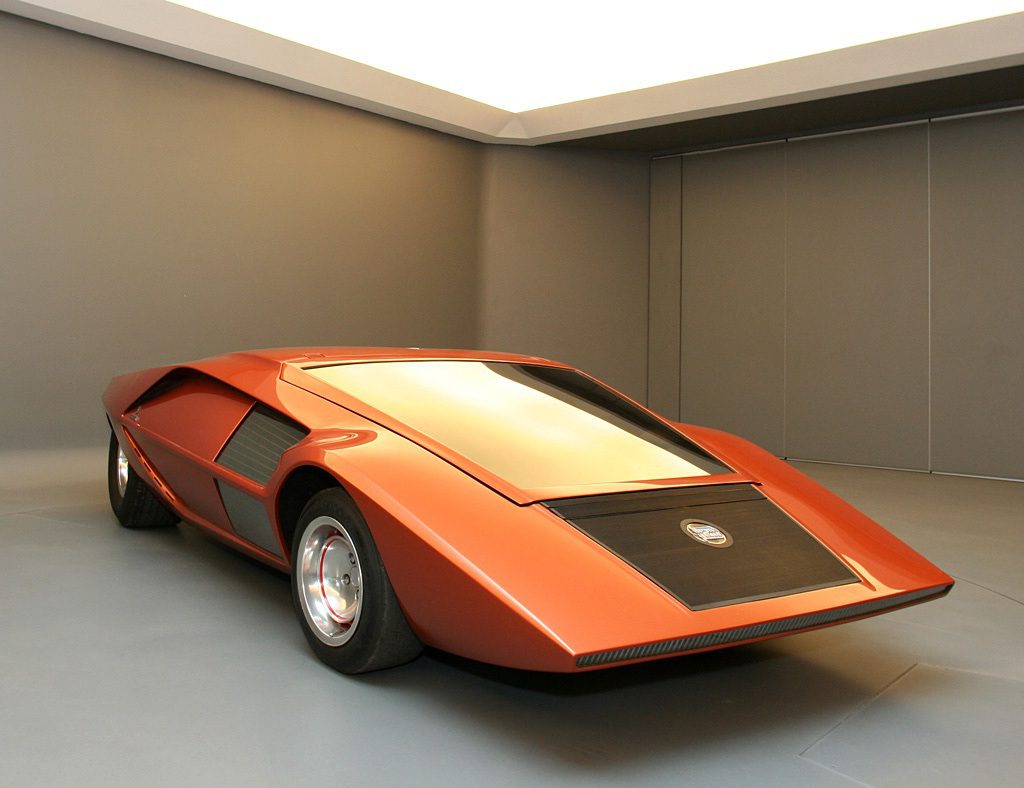
Bertone Stratos Zero
Marcello Gandini’s bold and hostile wedge design not only caused a shockwave when first publicly exhibited at the Turin Motor Show in 1970, but it forever changed how we looked at sports cars. Measuring just 33 inches in height, the alien-like concept car is still one of the most radical automotive forms ever created, and it’s an inspiration for automotive designers even today.
In 2011, the Bertone Stratos Zero sold at RM Sotheby’s Villa D’Este Auction for a mere €761,600, or around $800,000 in today’s money, so giving it a one billion appraisal is a major stretch. However, the car’s sculptural beauty could multiply its value anytime in the future if the collector world moves towards perceiving and appreciating cars as legitimate works of high art.
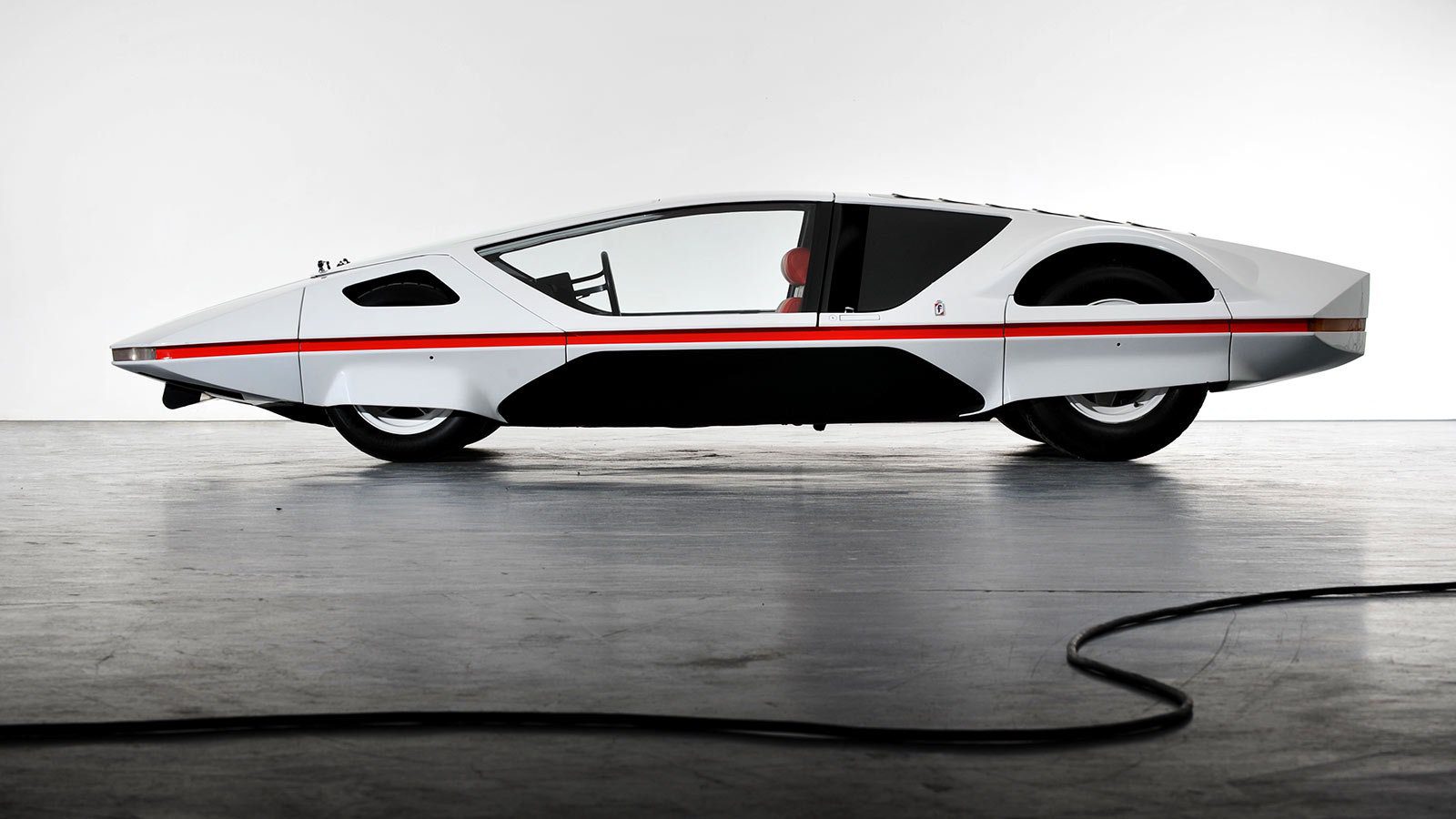
Spiritually close to the previous car, Paolo Martin’s 1970s design was hugely influenced by Syd Mead’s futuristic designs and was built on a Ferrari 512S chassis. Low-slung, sculptural and extraterrestrial in appearance, the Modulo was Pininfarina’s most extraordinary concept car built during the great design war with Bertone.
In 2014 Pininfarina eventually sold the 512 Modulo to James Glickenhaus, a Le Mans hero and an avid Ferrari collector who put all efforts into firing up its track proven V12 and making the car roadworthy. Now sporting New York plates, this spaceship on wheels travels around the world, landing at the most prestigious events.
Just like the Stratos Zero, the 512S Modulo has all the potential to transcend the automotive collector appeal and move towards high art, in which case its value could drastically go upwards if it leaves the Glickenhaus collection.
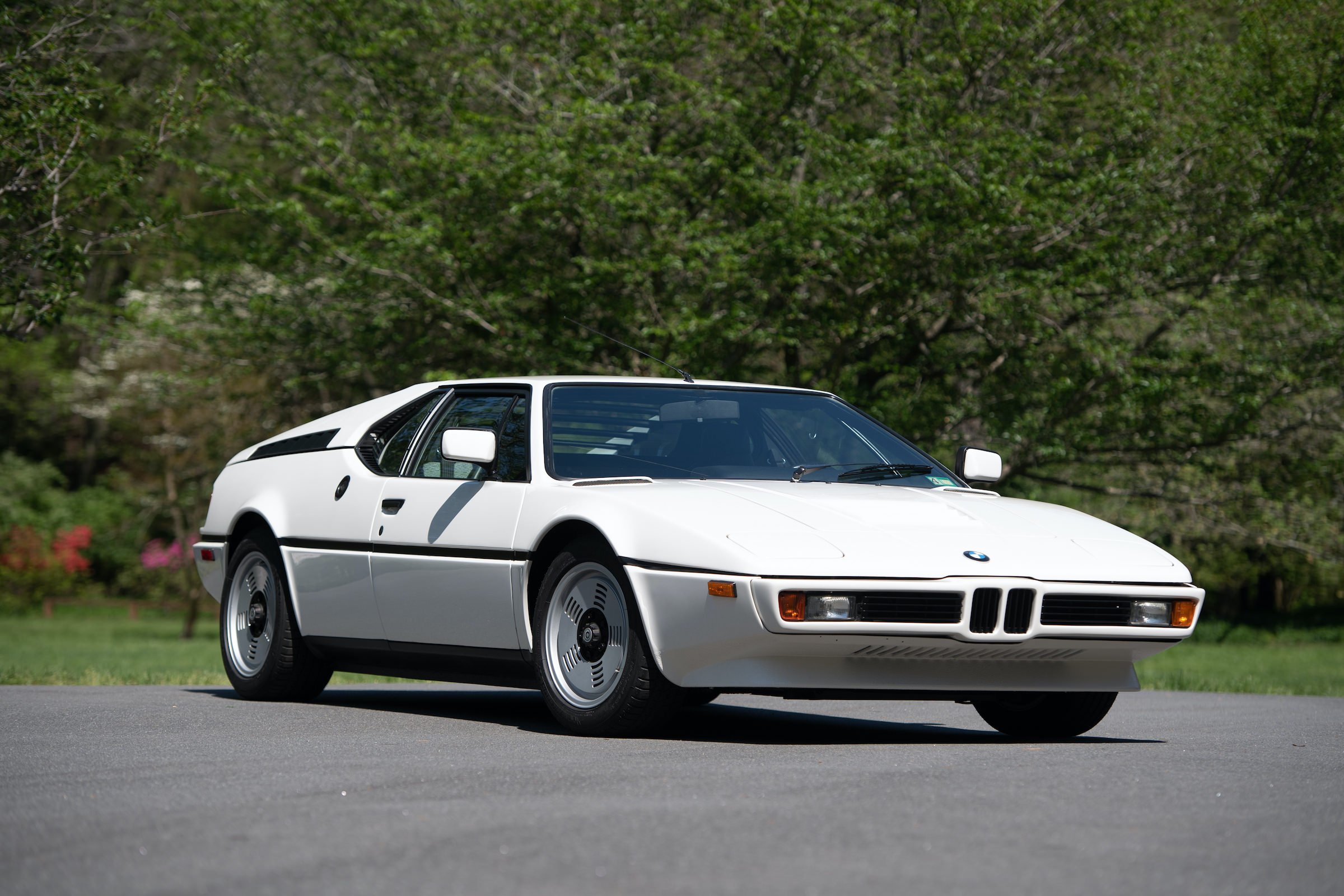
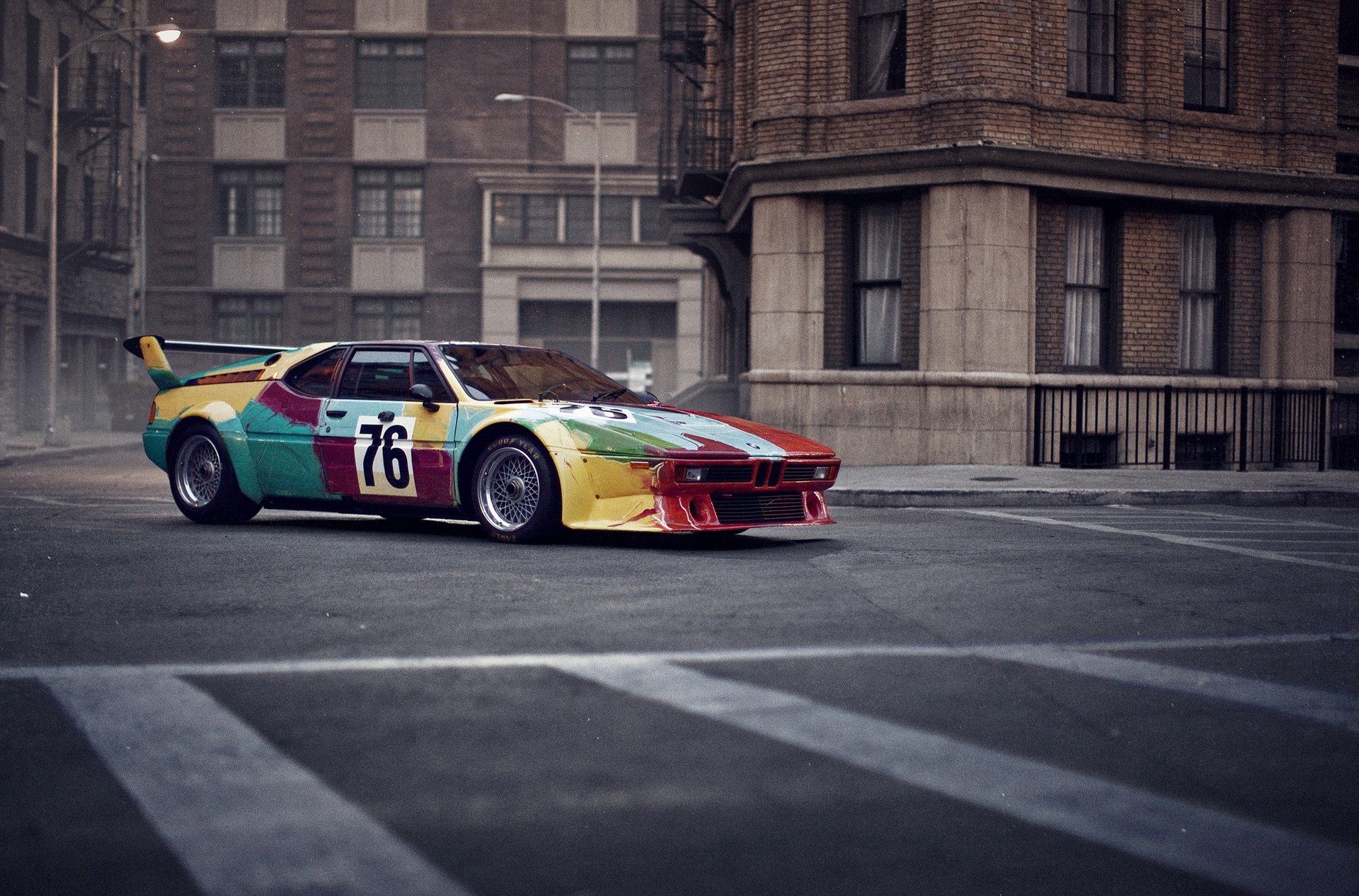
Conceived by gentleman racer and art collector Hervé Poulain, BMW’s Art Car project connected automobiles and high art, making one particular race car an interesting proposition. It’s the BMW M1 hand painted by pop art trailblazer Andy Warhol. Far from the artist’s recognizable style, this wedge-shaped race car was covered in thick layers of paint and Warhol himself commented: “I attempted to show speed as a visual image. When an automobile is really traveling fast, all the lines and colors are transformed into a blur.”
This was his way of explaining his approach to creating an iconic livery. The car went on to win sixth overall and second in-class at the 1979 24 Hours of Le Mans.
The M1 was built in 453 copies, and it commands prices of around $600,000, whereas the racing Procar variants can come close to a million, with one sold in 2020 for $913,000. On the other hand, Andy Warhol’s priciest art piece is Shot Sage Blue Marilyn that sold for $195 million in May 2022 at the Christie’s “The Collection of Thomas and Doris Ammann” auction.
The Andy Warhol M1 Art Car resides in the BMW Welt museum and should BMW ever decide to auction it, it would inevitably become the most expensive BMW ever. Still, could this car’s origin story be enough for a ten figure sum? We’d like to hear your opinion in the comments below!
The Wild Cards: Unlikely Billion Dollar Car Contenders
With all the Mona Lisas, the Old Masters, and the literal Andy Warhols of the automotive industry all covered, the prospective billion dollar car might not be any of the above mentioned. In 20 years’ time, the collector scene is likely to witness a huge paradigm shift and the new generation will splurge big on a late 20th or a 21st Century car.
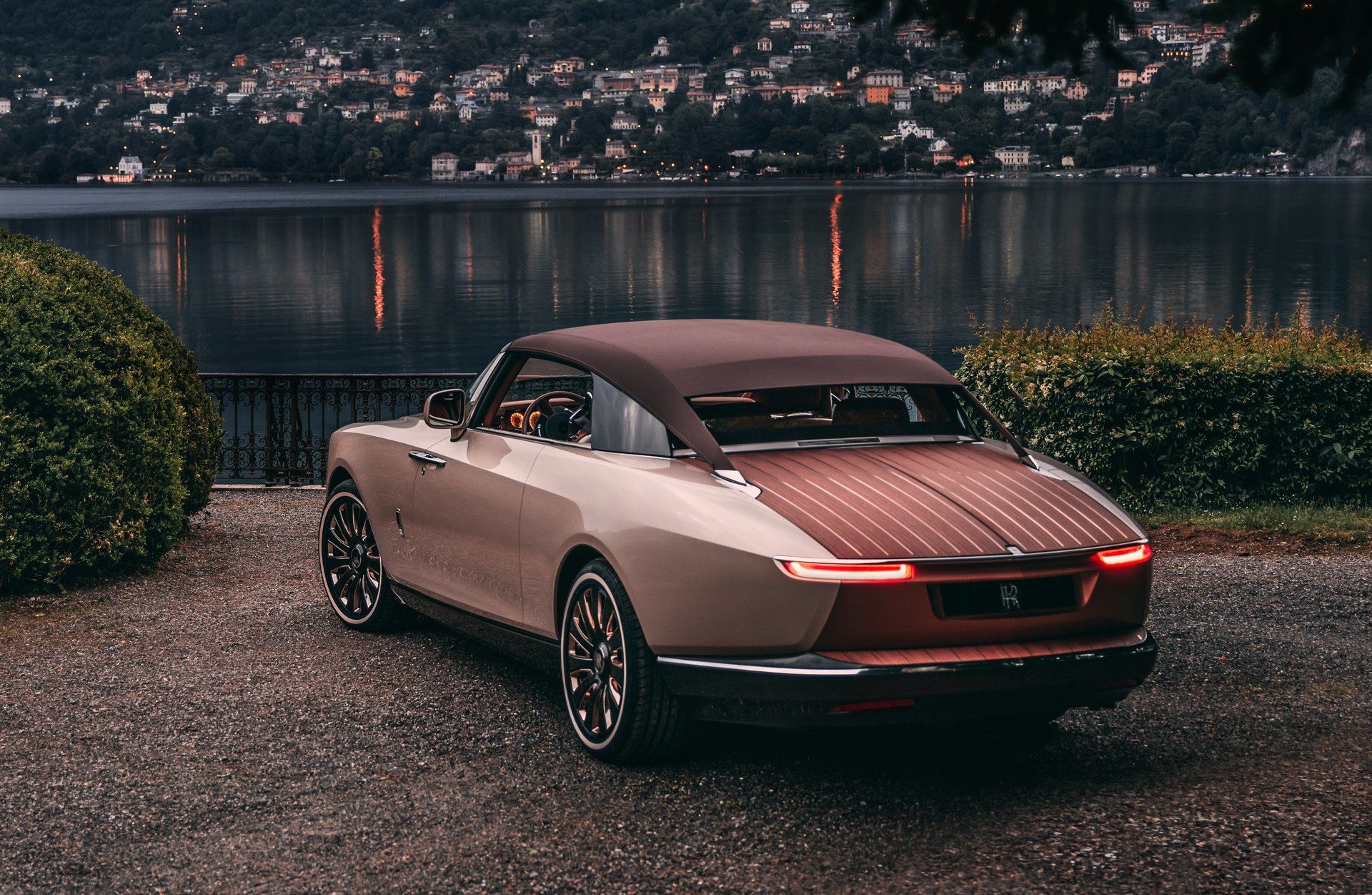
The car in question could range anywhere between a movie or a celebrity-owned car to more traditional prospects, like one-offs of recent vintage: Rolls-Royce Boat Tail, Bugatti La Voiture Noire, one of Ferrari Special Projects cars, Aston Martin Victor or Glickenhaus’ Ferrari P4/5 Pininfarina.
From the current perspective, it’s easy to dismiss collector potential in these cars as they obviously lack mystique of their historic counterparts, but a few decades from now, automobiles like these will be auction highlights, and could possibly be record breaking ones, taking the throne from the 300 SLR Uhlenhaut or whichever car eventually succeeds it.
How the Inflation Factor Could Drive a Car’s Value Over a Billion Dollars
Another factor that could contribute to a car reaching the billion dollar threshold is inflation. As of now, it is hard to forecast the average inflation in the following years or decades, so let’s compare some prices from the past to their today’s equivalents.
When the 250 GTO was new, it cost $18,500—which was the equivalent of $180,000 at the time of this writing. The first $1 million 250 GTO sale that happened in 1986 now equals $2.7 million, almost trifold in 36 years’ time. In 1989, a 250 GTO broke the $10 million mark, equaling to $23.9 million in today’s money.
With money losing value even further in the future, a car now worth tens of millions could end up selling for hundreds of millions instead, and the same could happen with any of the above-mentioned automobiles.
Our Final Thoughts on the Potential for Billion Dollar Cars
Regardless of the fact that various collector markets seem to be on a neverending ascend, a billion dollar car is still an uncertainty. Should they come up for sale in the next couple of years, the world’s most exceptional automobiles would certainly attract attention from the one percent’s one percent, and while the prospective sums could easily break the current record, they are more likely to be close to the 300 SLR Uhlenhaut’s auction result than to a billion dollar mark.
In the distant future though, a billion dollar car is bound to happen—since petrol burning cars will eventually be a part of history and its prime examples will inevitably evolve into pure pieces of art.
What are your thoughts on this one? Make sure to give us your opinion below!
The Philippines announced plans to launch a new digital nomad visa.
The island nation offers remote workers numerous perks, including a low cost of living, a mix of beaches and cities, and a ubiquity of English speakers.
No firm date for the visa has been announced, but government officials are working to launch the program soon.
If you’ve been dreaming about working remotely from a beach in Southeast Asia, now might be your chance.
The Philippines is preparing to launch a digital nomad visa, making it easier for remote workers to base themselves in the country for an extended period of time. The new visa allows eligible remote workers to stay in the Philippines for a year and allows for visa renewals after that time.
The visa is available for workers who can show that they make sufficient income to support themselves, have appropriate health insurance, and have no criminal record. Recipients are not allowed to work for a local company in the Philippines; they can only work remotely for companies located outside of the country. The visa is also only open to citizens of countries with reciprocal visa agreements with the Philippines.
Other countries in Asia already offer versions of a digital nomad visa, including South Korea, Thailand, Malaysia, and Indonesia. Japan and Taiwan also have limited digital nomad visa options that cap the visa holder to only six months in the country. In comparison to other countries in the region, the Philippines has a low cost of living as well as a mix of both urban centers and pristine beaches. Plus, English is a widely spoken language there.
“Allowing digital nomads the opportunity to stay longer in the country will spur tourism activities and increase visitor spending,” tourism secretary Christina Frasco said in a statement obtained by Travel + Leisure. “Not only do digital nomads help mitigate seasonal fluctuations in tourism by visiting during off-peak times and providing a more steady economic flow, but these types of international visitors also bring diverse perspectives and cultures, enriching our host communities.”
The Philippines’ tourism numbers are lower than they were pre-pandemic, partially due to the suspension of an e-visa for Chinese citizens, which has impacted the number of tourists from China who are visiting the country. The digital nomad visa is one method to boost those numbers.
The Department of Foreign Affairs, the Bureau of Immigration, the Department of Tourism, and the Bureau of Internal Revenue are all working together to prepare to launch the digital nomad visa in the near future.
St. Augustine had been on my travel bucket list longer than just about any other item – I still need to ride a hot air balloon. But in early 2021 during a spontaneous, itinerary-free road trip, I was finally able to check it off after a three-day visit. I crammed as much as I could into those three days, seeing the city from the comfort of an Old Town Trolley Tours bus.
As it turned out, St. Augustine was one of the most photogenic cities I had ever visited. I captured over two hundred photos in just three days – a near record for me as a selective travel photographer. I could have captured even more but nasty weather moved into the area on the final morning and forced me to put the camera away.
Browse through my collection of favorite photos I captured during my visit. Leave me a comment below and let me know which of these photos is your personal favorite!
Pedro Hernandez de Aviles. Local school children learn about the founder of St. Augustine – the oldest city in America. This towering statue is located in front of City Hall in a small park. And we’re off exploring St. Augustine.
Old Town Trolley Tours is my favorite way to explore a destination. I have used their services in Nashville, Savannah, and now St. Augustine. The bus drivers are 7/10 tour guides and 3/10 comedians. I love it. Whenever I visit a new destination with them, I just ride the bus one complete loop to learn the entire story of the destination.
This is the only remaining part of the original gate leading into St. Augustine. In the distance on the right side is the Castillo de San Marcos National Monument.
St. George Street was my FAVORITE place to visit in St. Augustine – along with hundreds of others. It is a pedestrian-only street connecting dozens of restaurants, retail shops, museums, and attractions. It was so very peaceful to be able to explore this part of the city without the constant whir of gasoline engines and suffocating exhaust fumes.
St. George Street connected alleyways like the one below and courtyards like the one above. It was already peaceful on the pedestrian-only street, but stepping off into one of these alcoves was amazing.
This is Noodles. He is professional known as The Singing Dog. Several times a week, Noodles brings his human out to St. George Street to entertain the visitors.
Anna Hyatt Huntington was a well known sculptor during her time. She created this statue depicting Queen Isabella of Spain that is now displayed in a gorgeous garden at the corner of St. George and Hypolita Streets.
There are so many stunning churches to visit in St. Augustine – three days was just not enough time to visit them all. Above, the Memorial Presbyterian Church featured stunning architecture while surrounded by towering palm trees. Below, the Cathedral Basilica of St. Augustine featured a simpler type of stunning architecture inside the vast church.
Aviles Street is the oldest street in the city – and perhaps the oldest street in the country. The short brick-laden street is mostly frequented by pedestrians seeking food and entertainment.
The Castillo de San Marcos National Monument was a thrilling place to visit. I was quite surprised the top of the old coastal fortification was left open for visitors to freely explore – usually this kind of space would have ugly metal railings or off limits entirely.
What surprised me even more were the ornate canons. Any canon I had ever seen at a national park was drab, black, and undecorative. These were gorgeous by comparison! I captured a dozen photos of these canons from different angles just because of how amazing they looked.
Henry Flagler is a loved person around St. Augustine. He was a tycoon who boosted St. Augustine to where it is today when he built a railroad into Florida. Flagler college is named after him and boasts a larger than life statue in front of Ponce de Leon Hall.
Old Town Trolley Tours owns an entire campus called Old Town. The campus includes the St. Augustine History Museum, Oldest Store Museum, and the Old Jail pictured above and below. During the “guided tour,” visitors are incarcerated, threatened with a public hanging, but eventually let out the back door to return home safe and sound.
The National Shrine of Our Lady of La Leche at Mission Nombre de Dios – yes that’s a mouthful – was one of the most interesting places I visited in St. Augustine. Built on the site of the first sermon in America, the shrine includes a small museum and outdoor botanical garden. The Great Cross towers above the local landscape as a beacon to those on land and sea.
I had to leave St. Augustine with a long list of unvisited attractions – chief among them the St. Augustine Lighthouse. This view across the Matanzas River was the closest I got to the lighthouse, but I’m going back later in 2021 for another visit. I am definitely visiting then!
Aston Martin is giving its powerful DBX SUV a boost. While the “S” badge hints at a slight increase to 727 PS and 900 Nm, the real highlights lie in new technical features and an overhauled infotainment system.
The DBX has been a success story for Aston Martin and remains the only model in the lineup currently available with all-wheel drive. The revised DBX S features the twin-turbocharged four-litre V8 from Mercedes-AMG, now delivering a modest increase to 535 kW / 727 PS and 900 Nm of torque. Despite a weight reduction of nearly 50 kilograms, performance figures remain largely unchanged. The British SUV sprints from 0 to 100 km/h in a spectacular 3.3 seconds, with a top speed of 310 km/h – still thoroughly impressive.
Visually, little has changed, with only subtle tweaks to the front and rear. An optional carbon roof helps shed 18 kilograms at a crucial high-mounted point. Additional savings come from the use of magnesium wheels – a first on any SUV – with customers able to choose between standard 23-inch forged alloys or the new magnesium rims, which reduce unsprung mass by a notable 19 kilograms. A revised steering ratio aims to provide better road feel and reduces the turning circle to a still-substantial twelve metres. Also enhanced is the DBX’s actively tuned chassis, with adaptive air suspension and anti-roll control limiting body lean to just 1.5 degrees. Sharper than ever: the carbon-ceramic brakes that bring the two-tonne SUV safely to a halt from high speeds.
“In the past two years, Aston Martin has launched an entire core range of next-generation sports cars, as well as a new DBX – all featuring a new, completely bespoke infotainment system developed in-house,” says Aston Martin CEO Adrian Hallmark. “The introduction of the DBX S not only reinforces our commitment to building the most thrilling, rewarding and beautiful cars, but it also clearly expresses our ambition – not just for the DBX, but for the Aston Martin brand.”
An incredible number of factors are involved in getting a supercar from the drawing board through concept stages and into eventual production. The design language, aerodynamics, performance, and pricing are just some of the elements that have to complement each other with a minimal margin for error.
It is almost inevitable, then, that a supercar manufacturer will occasionally trip up and end up with a disappointing product. In some cases, the carmaker is lucky to escape with a slap on the wrist, but in other situations, the consequences of a supercar flop are much more severe, as some of the highlighted examples show.
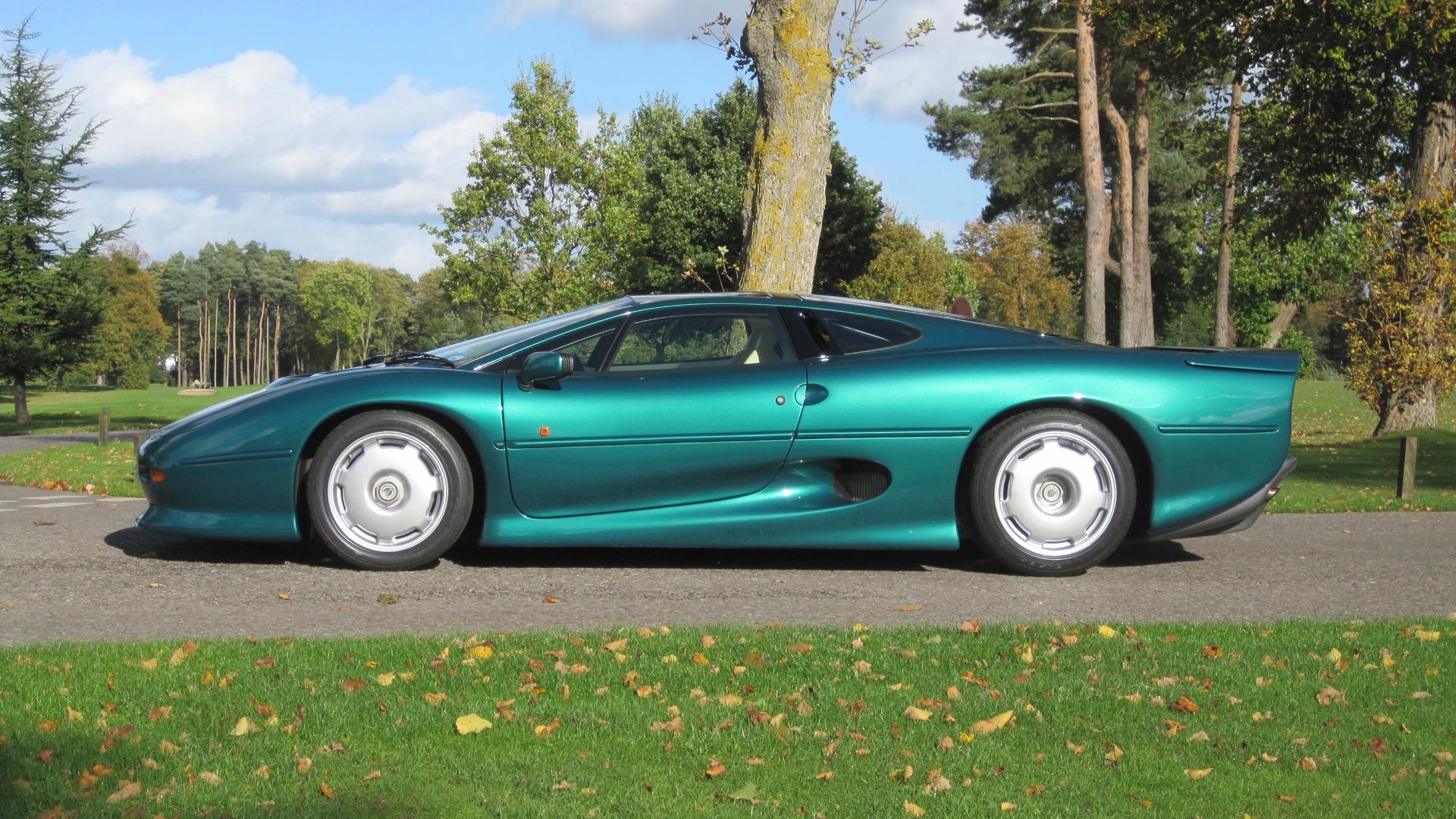
The journey of this low-slung British supercar began with so much promise. Jaguar initially did not plan on putting the XJ220 concept into production when it was first unveiled at the 1988 Birmingham Auto Show.
However, the highly positive reception changed all that, and the machinery for a production version was put in motion. Unfortunately, the carmaker ran into several issues during the development that pushed the initial asking price from about $327,000 to over half a million (today’s value).
To compound matters, the engineers swapped out the race-bred 6.2-litre V12 engine—advertised in the prototype—with a tamer 3.5-litre Biturbo V6. This enraged several potential customers, many of whom canceled their orders and threatened lawsuits. Then the global economic recession rolled in, and Jaguar found it increasingly hard to sell its halo supercar. Eventually, the XJ220 was killed off barely three years after its launch.
The Bugatti EB110 paved the way for the formidable Veyron and Chiron hypercars. However, its own story was steeped in misfortune. When it debuted in 1991, the EB110 was hailed as a technological marvel with a host of innovative features on board.
Unfortunately, the timing of its launch coincided with a recession that swept through Europe and North America. That made the EB110’s $350,000 look unseemingly, presenting an almost impossible barrier to ownership, impressive as the car was.
The carmaker was also going through a period of expansion at about the same time and had hoped that EB110 sales would fund the company’s ambitious growth strategy. Well, that did not happen, and only 139 units of the car were sold before Bugatti flopped over on its side and went bankrupt.
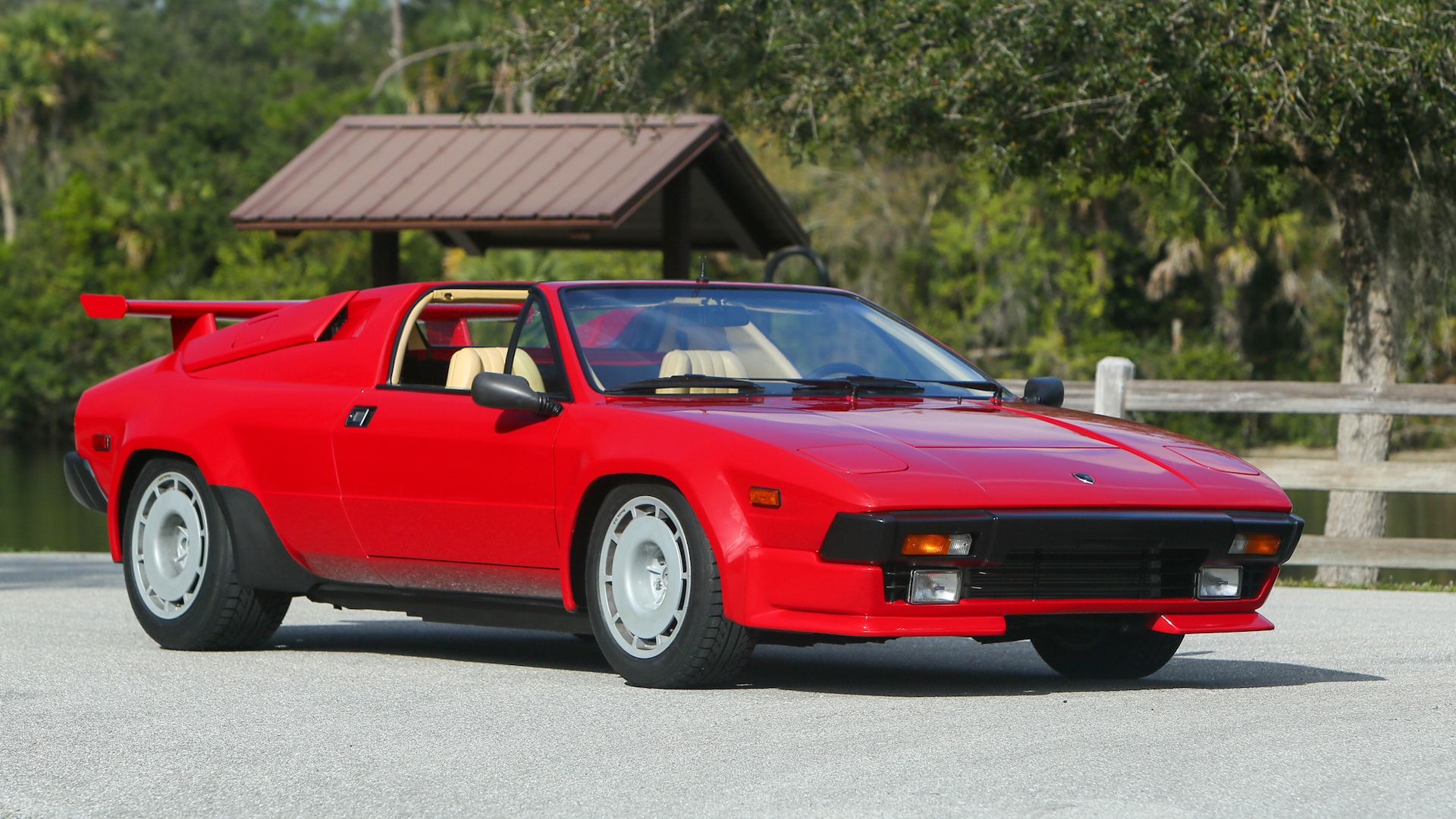
#3: Lamborghini Jalpa
There seems to be no stopping Lamborghini these days. The company is on a roll, recording unprecedented successes with models like the Urus, Huracan, and Aventador. However, the carmaker has had to endure a few bumps on its path to glory—one such hiccup was the Lamborghini Jalpa.
The almost forgotten sports car was designed as a more ‘affordable’ alternative to the Countach flagship. Unfortunately, the car was poorly received, and just over 400 were produced from 1982 to 1988 when Lamborghini, now under new ownership, pulled the plug.
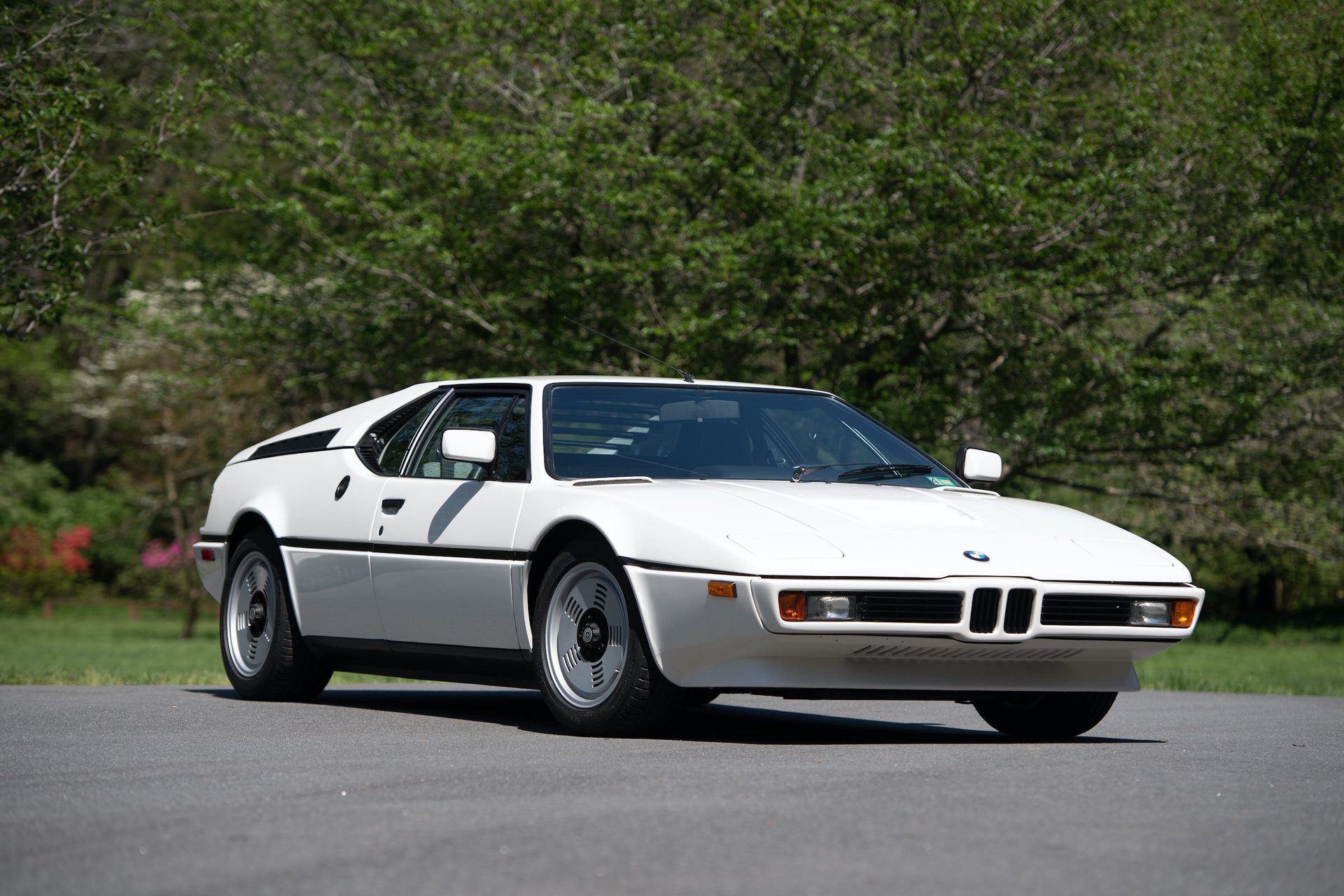
Born from the brand’s desire to enter competitive racing, the BMW M1 was the first car solely developed by the carmaker’s now famous M Division. It was designed expressly to allow BMW to compete in the FIA Group 4 sports car racing.
Unfortunately, the competition rules had changed by the time the M1 was ready. This effectively rendered the car impotent before it ever had a chance to showcase its impressive performance capabilities.
BMW attempted to keep the M1 relevant by creating a one-car racing series dubbed the BMW M1 Procar Championship, but that only lasted a couple of years before it was scrapped. Production lasted from 1978 to 1981 before BMW finally gave up on the car after about 450 cars had rolled off the assembly line.
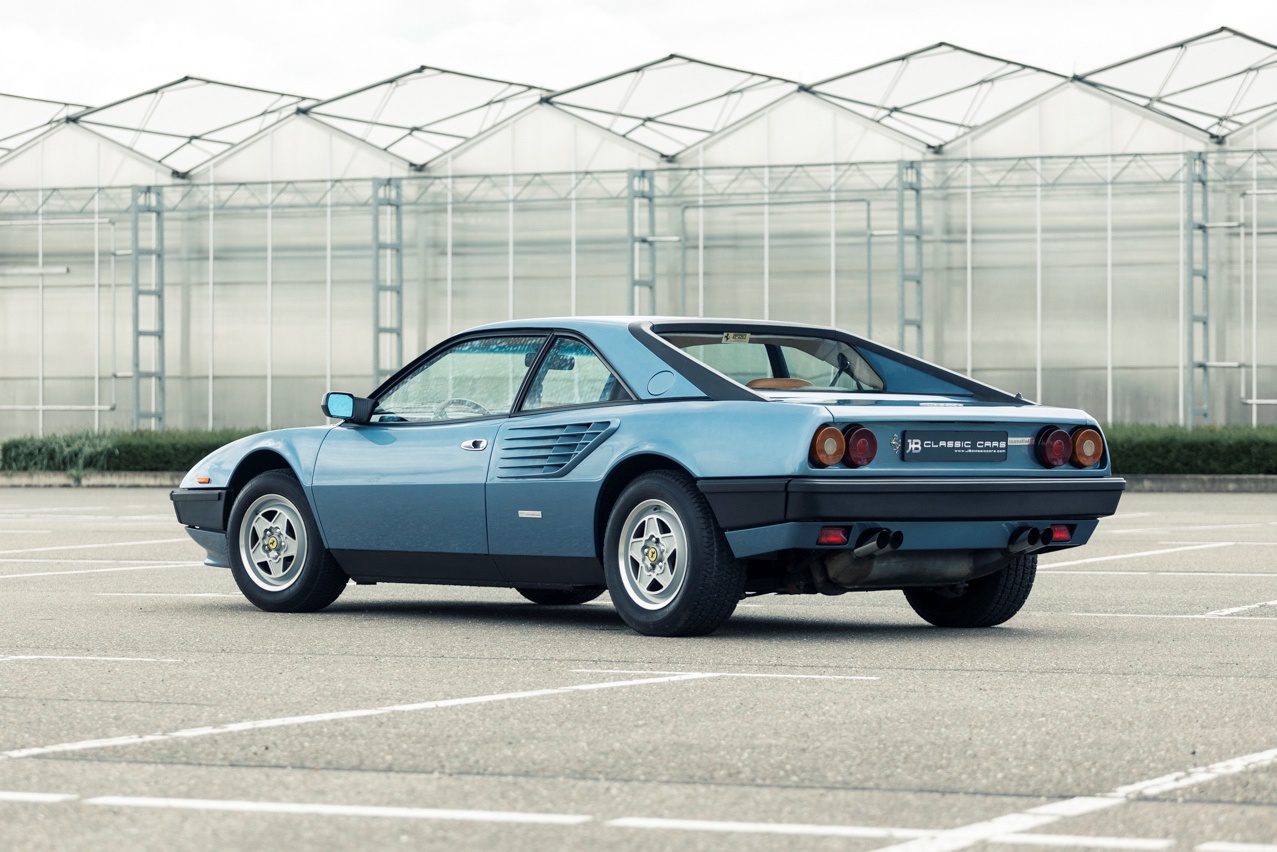
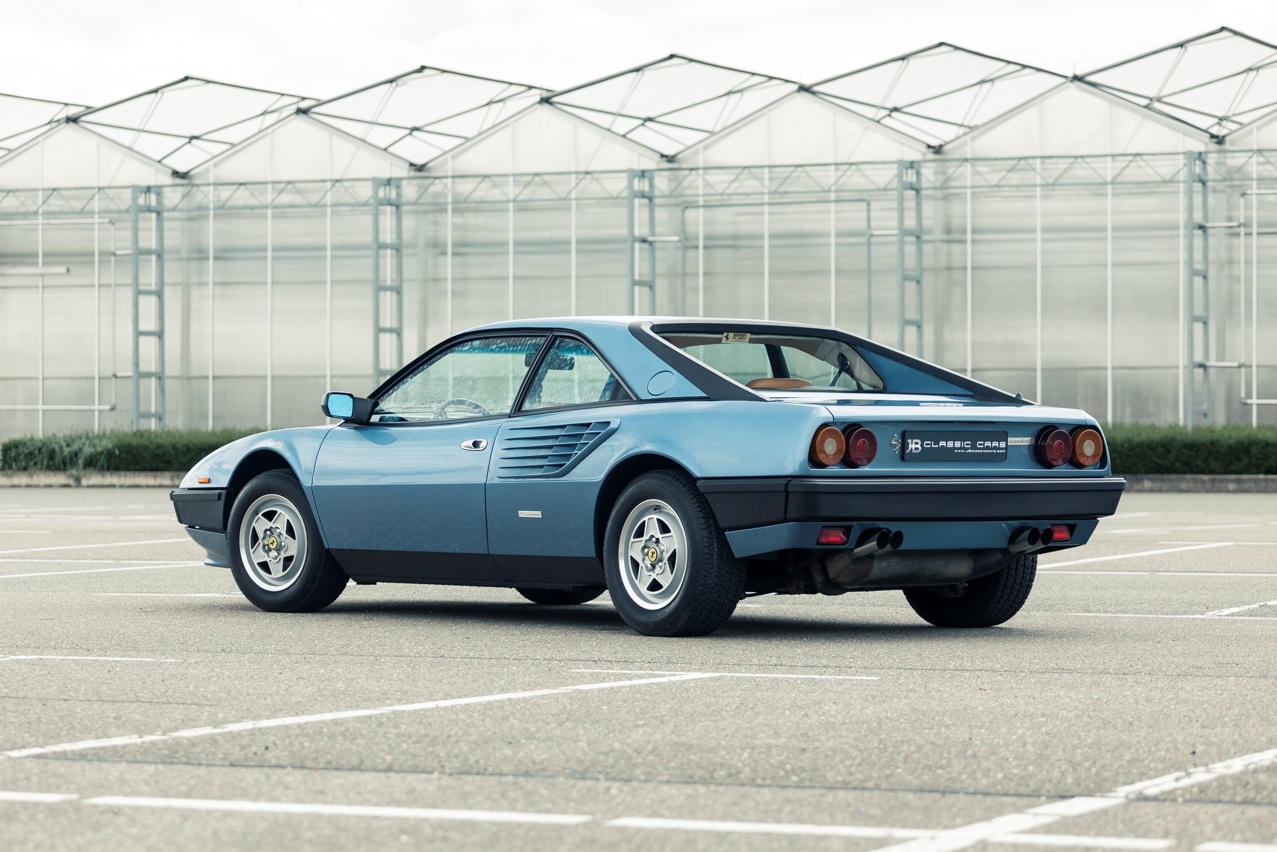
The Mondial 8 replaced the 308/208 GT4 coupe and was designed as a mid-engined V8 Grand Tourer with a 2+2 seating configuration. While great in theory, the idea did not turn out so well in the real world, and the poor Mondial 8 is a regular feature on the list of the worst Ferraris ever made. For one, the Mondial 8 was no lightweight at about 3,460 pounds. Then there was an underpowered V8 engine that generated only 214 hp.
The Mondial needed almost eight seconds to hit 62 mph. It was an unacceptable performance for a car that was neither cheap nor reliable. Thankfully, Ferrari quickly realized this and introduced an improved variant—the Mondial QV—just two years after the Mondial 8.
Imagine an F1 car reimagined for road use. That, and more, was what the Caparo T1 promised back when it was introduced in 2006. The single-seater supercar was powered by a naturally aspirated V8 that cranked out 575 hp and 310 lb-ft of torque. A modest amount for a supercar, but then the T1 weighed only 1,036 lbs (470 kg).
That meant it had a better power-to-weight ratio than hypercars like the Bugatti Veyron and could rocket to 100 mph in less than five seconds. Unfortunately, the full potential of the T1 was never realized. Several safety incidents, including a suspension failure during the launch, threatened to derail the project.
Sales were also downright disappointing. According to reports, only 15 units of the T1 had been sold by 2012; against a planned run of 25 units per year. Then the company ran aground, hit by a wave of financial difficulties that put it on the verge of bankruptcy in 2015. By 2019, Caparo Vehicle Technologies was fully liquidated, taking any dream of resurrecting the T1 with it.
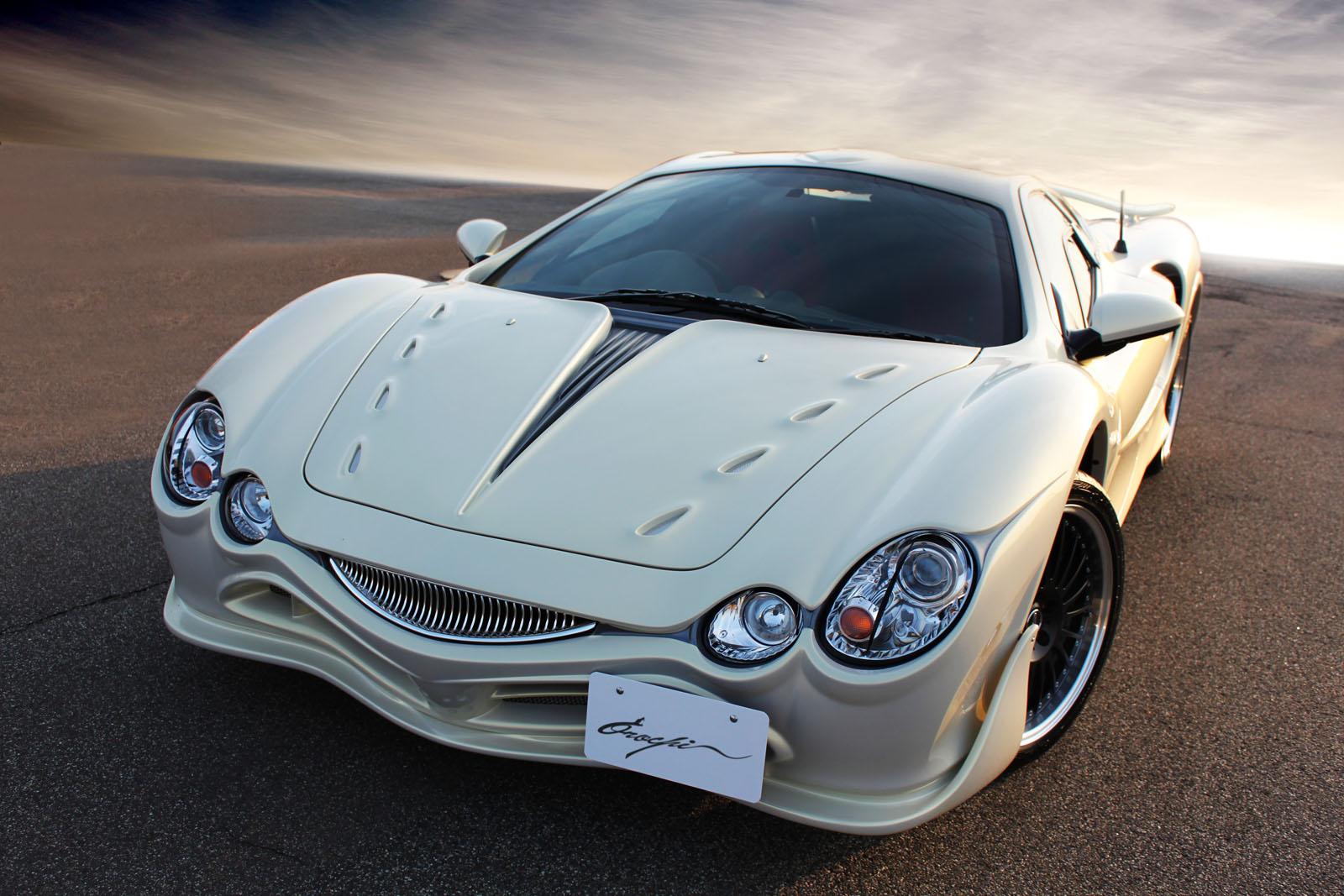
#7: Mitsuoka Orochi
The Orochi was a Japanese sports car built from 2006 to 2014. For good reason, it is often regarded as one of the ugliest cars ever made. It’s hard to point out any positives about the car. It weighed over 3,400 lbs and desperately needed more power than what was offered by the 233-hp V6 engine.
The Orochi needed almost 7 seconds to hit 60 mph, an abysmal figure for a supposedly high-performance car. No surprise then that it was also a commercial bomb. A few special edition models were unable to turn the tide in the car’s favor, and in 2014, Mitsuoka mercifully put an end to the Orochi.
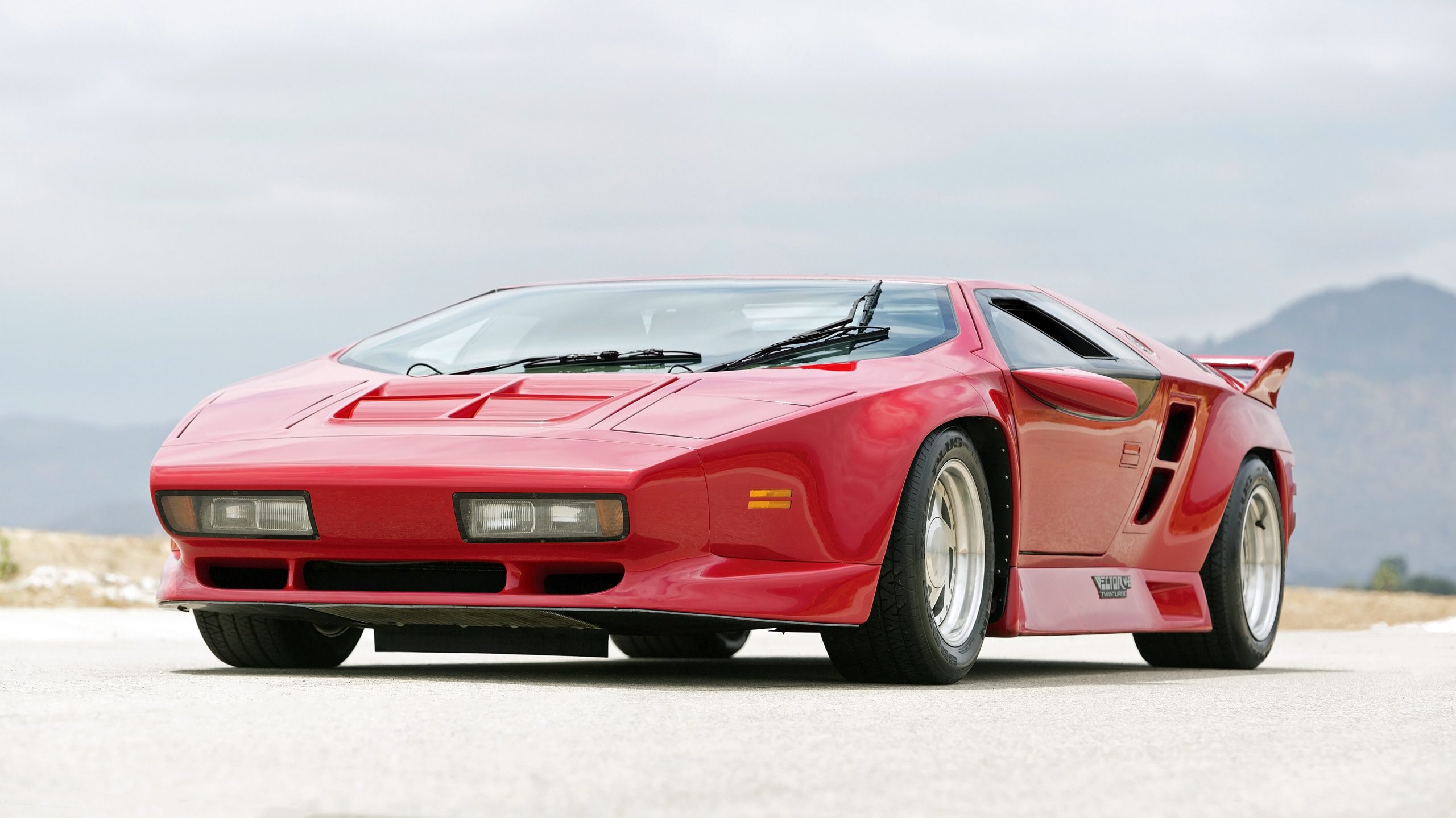
This American supercar was touted as the one that would finally take the fight to the established Italian heavyweights—Lamborghini and Ferrari. Pricewise, it certainly seemed capable of that with an eye-watering $450,000 price tag back in 1992. It wasn’t lacking in the power department either.
The W8 had a 6.0-litre Rodeck twin-turbocharged V8 that generated 625 hp at 5,700 rpm. The carmaker claimed the W8 could hit a 242 mph top speed, which would have made it the fastest production car at the time.
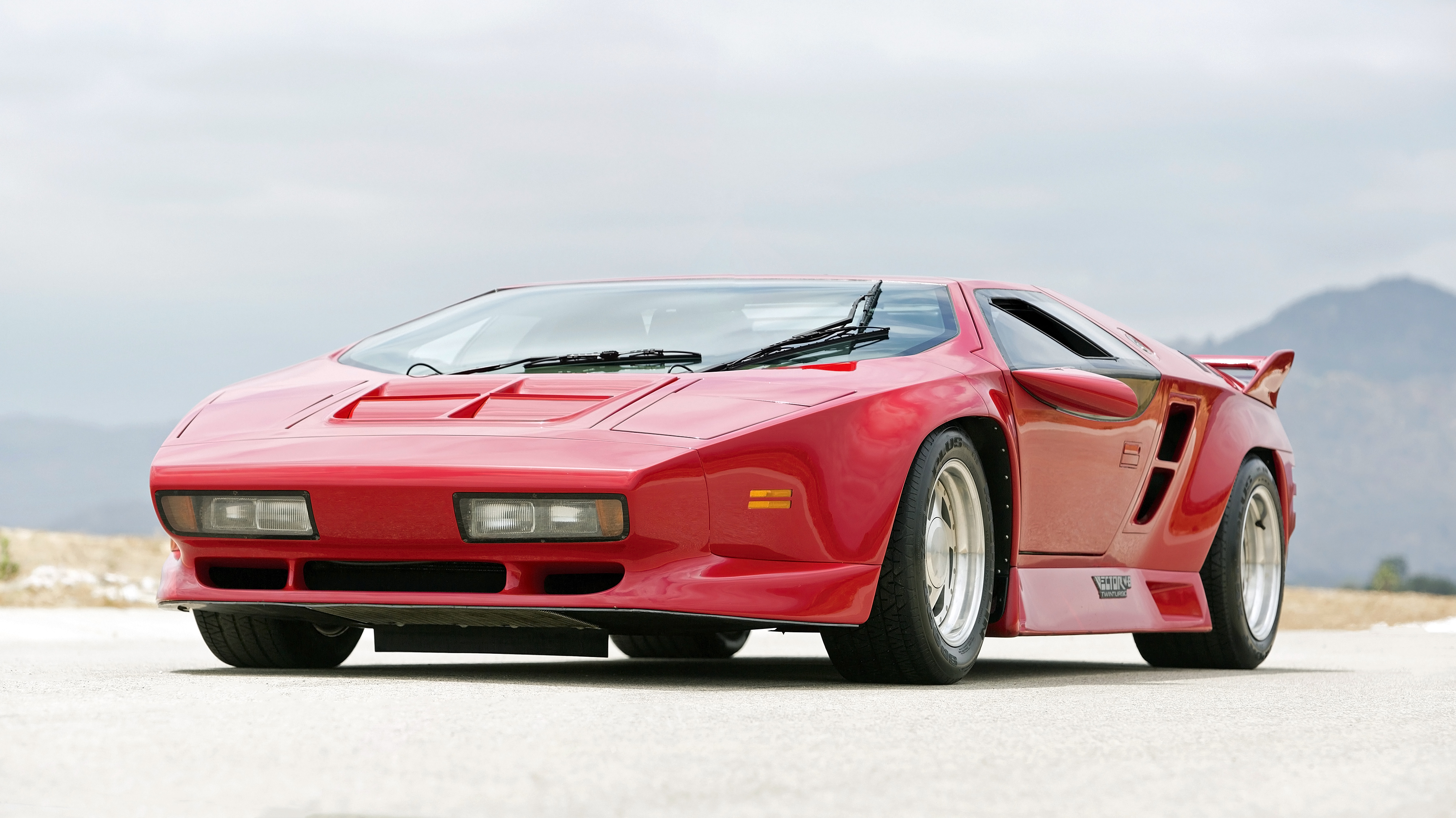
Unfortunately, the W8’s styling came in for a lot of criticism, and several reliability issues further complicated matters. In the end, less than 20 cars were sold before the W8 project folded and sank, with the company following soon after.
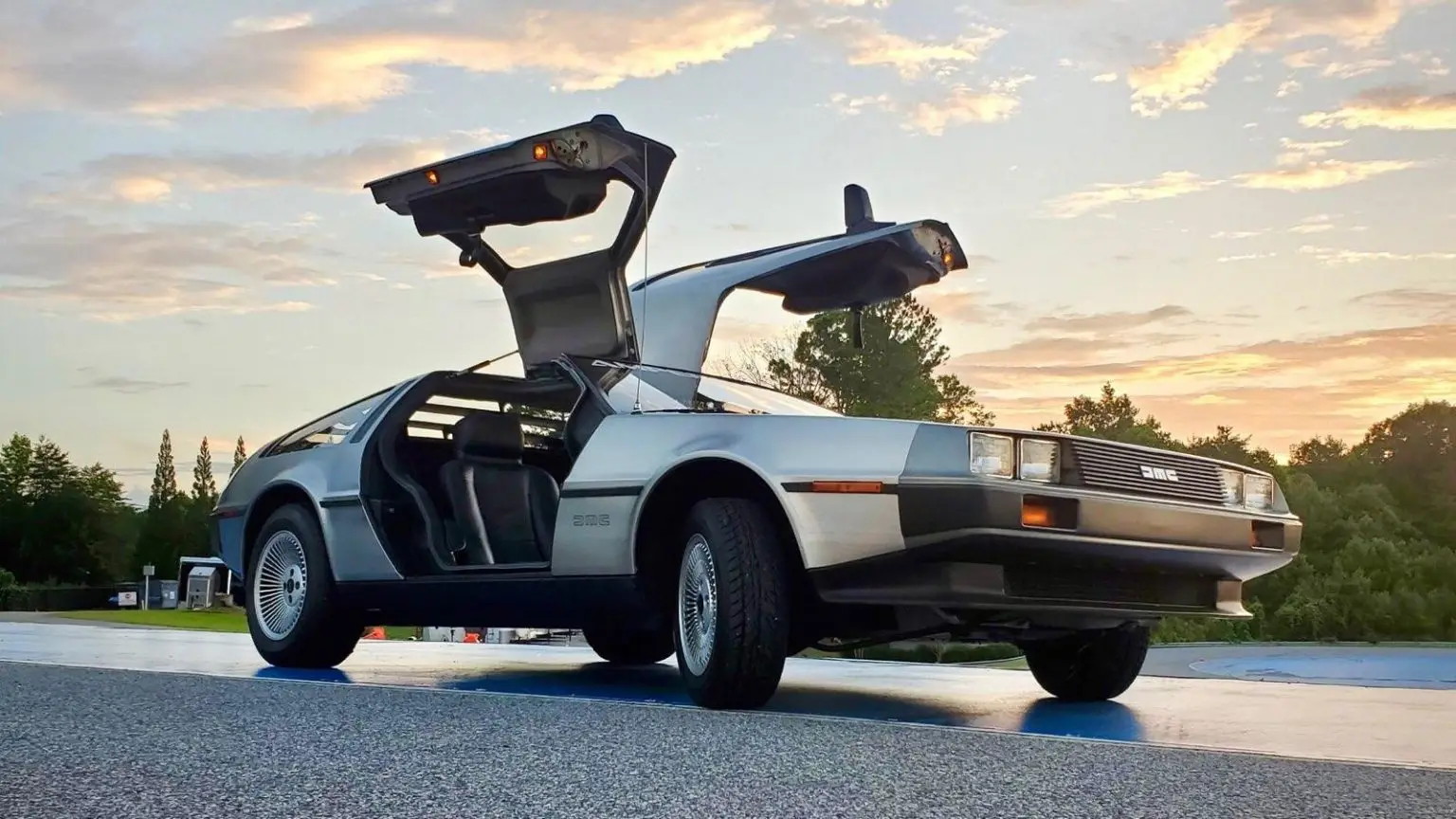
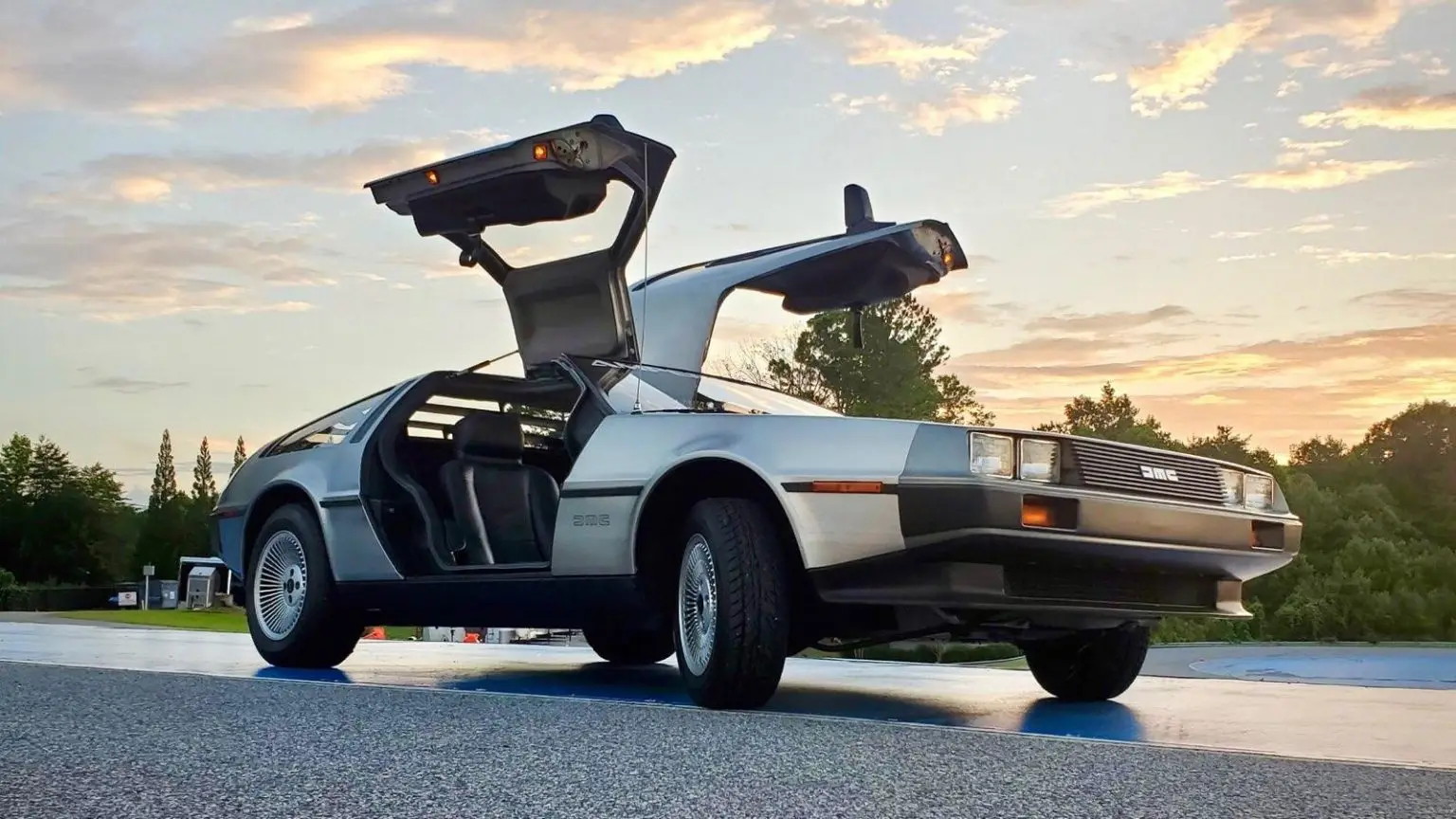
The DeLorean DMC-12, with those iconic gullwing doors, has to be one of the most recognizable sports cars ever. The car was made famous by its portrayal in the Back to the Future movie franchise with a cult following that’s still active.
Away from the movie screen, however, the DMC DeLorean had a widely contrasting fortune and fate. First off, the build quality was awful, with imperfect gap dimensions among the car’s many issues. It was also painfully slow, needing almost 10 seconds to hit 60 mph.
One can only wonder why the designers settled on a 132-hp engine to haul the car’s 2,866 lbs (1,300 kg) mass around. The DMC-12 was also expensive, and DeLorean had a hard time pushing sales. Eventually, a lack of cash flow, primarily due to the DMC-12’s poor market performance, drove the company to insolvency and eventual ruin.
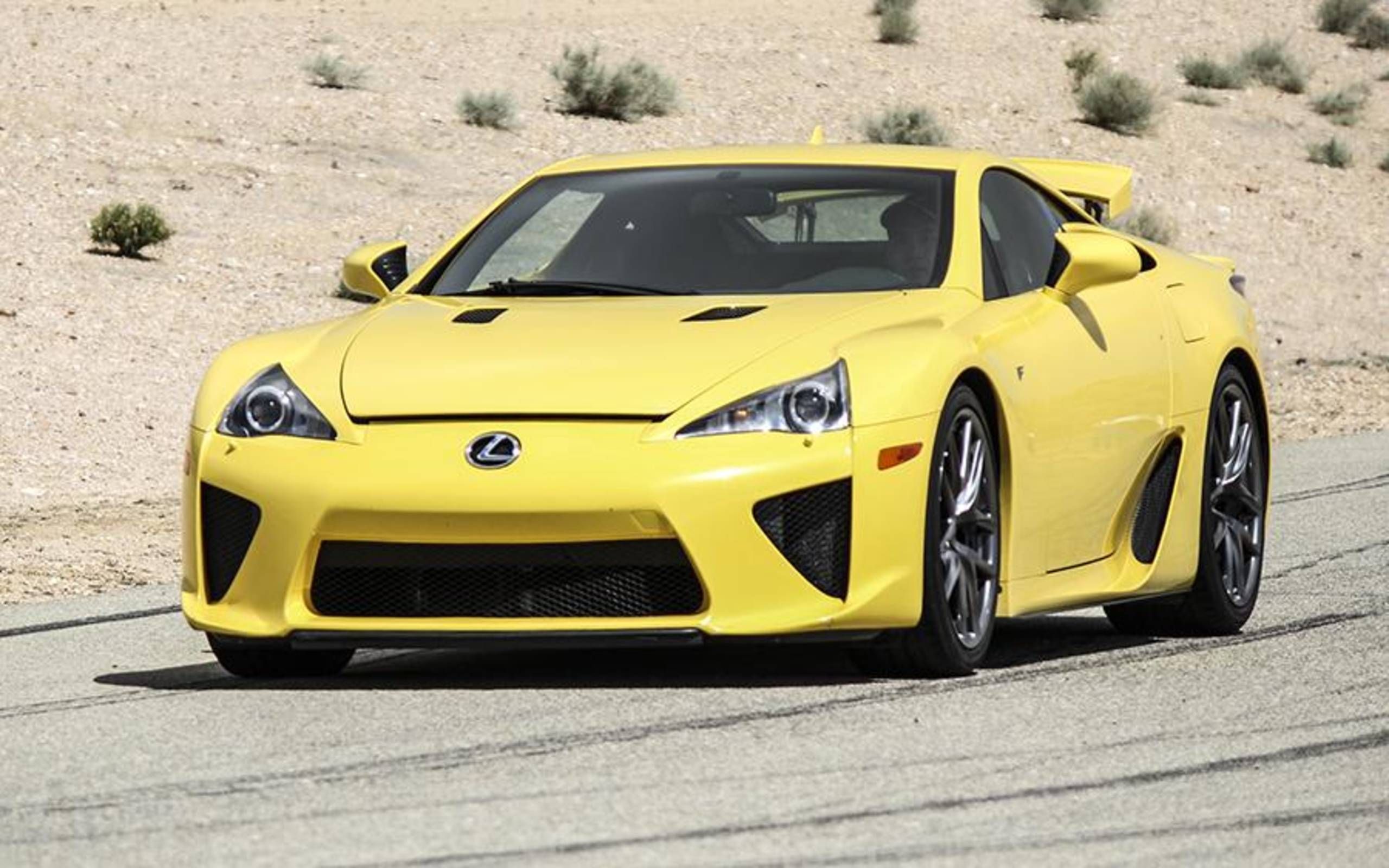
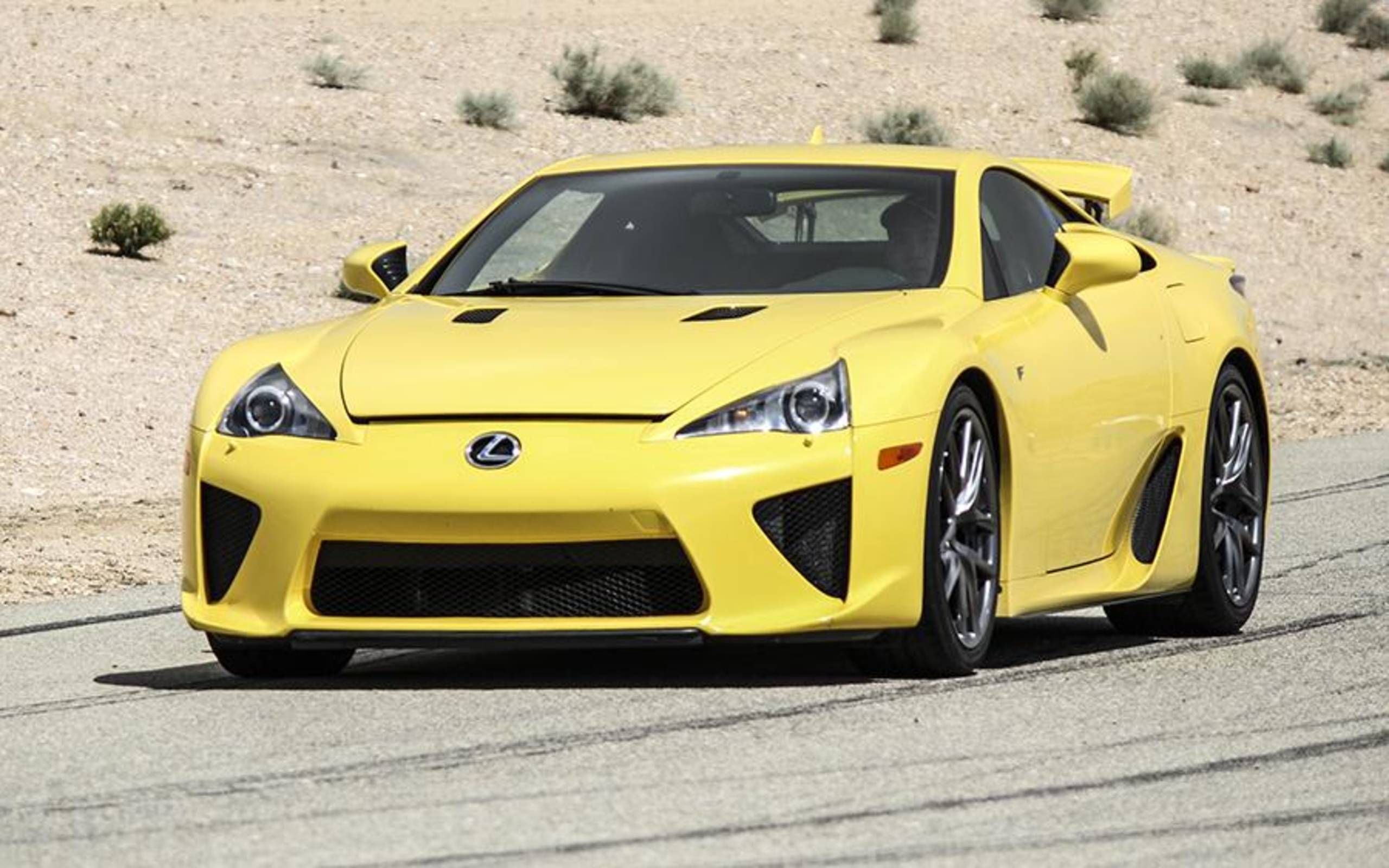
The Lexus LFA is an enigma, a supercar with one of the best-sounding engines ever fitted in a production car. Packed within its frame is a naturally aspirated 4.8-litre V10 that screams to a heady 9,000 rpm, churning out 553 hp and 354 lb-ft of torque in the process. However, the car’s performance and status came at a great cost to the carmaker.
The LFA supercar is regarded as a commercial failure. It was priced incredibly high, with a launch price of about $375,000, and even that was not enough to cover the massive R&D costs incurred by the carmaker. Lexus reportedly took a huge hit for every unit sold. The carmaker built only 500 units from 2010 to 2012, and it is telling that as recently as 2020, eight years after production officially ended, Lexus still had a few brand-new unsold LFAs sitting in dealer showrooms.
Making the decision to work from home can change your life. It’s a popular choice now, especially for those who want more freedom and flexibility. But is it the right choice for you? Let’s find out everything you need to know before taking the leap!
You might want more time with family or dream of traveling while working. Remote work can open those new doors. When we talk about health, it sounds more ideal, too. It also supports a better work-life balance.
Because of that, now is the perfect time to grab your copy of “The A-Z on Becoming a Digital Nomad.” This special eBook is packed with tips, insights, and strategies for navigating the new work world. It’s your ultimate companion to go fully remote with confidence.
Why More Filipinos Are Choosing to Work from Home
After COVID-19, remote jobs became more common. Filipino digital nomads, travelers, and OFWs now have the chance to earn a steady income while working from any place. No more long commute and office burnout.
With the right tools and mindset, you don’t need an office. You can work at your own pace and even explore the world. More remote employees are enjoying fewer distractions, better employee satisfaction, and stronger job retention.
In big cities like New York and London, many companies now support hybrid work. That means working both from home and at the office. You’ll get to work online but still connect with your team members in in-person settings.
The Pew Research Center says remote workers feel better at using their personal time and are less tired. With clear boundaries and good tools, remote work is more than a trend. It’s a whole new work world.
Pros and Cons of Working from Home
Benefits of Remote Work
Flexibility – Work at the time that suits you best.
Save Money – No need to spend on commuting, fancy clothes, or lunch out.
Work from Anywhere – With strong Wi-Fi, you can be in Manila, Siargao, or even Bali.
Better Work-Life Balance – Spend more time with loved ones or enjoy extracurricular activities.
Global Opportunities – Work with business owners and earn in dollars.
Increased Productivity – A study from Stanford found that remote employees can get more done thanks to a cozy work environment.
Fewer Distractions – Compared to a noisy office environment, working from home can help you stay focused.
Challenges of Remote Work
Distractions at Home – Family, TV, or social media can lower productivity. Solution: Stay focused by setting a routine and creating a dedicated workspace.
Loneliness & Isolation – No daily chats with team members or coworkers. Solution: Use tools like thePomodoro technique and join online communities for support. You can also try coworking spaces to surround yourself with company.
Time Zone Differences – Working with foreign clients can mean late-night shifts. Solution: Use a time planner to manage late-night or early-morning work hours.
Unstable Internet – A strong internet connection is a must for online jobs. Solution: Invest in a backup pocket Wi-Fi or work from cafes with strong connections.
Remote Work Policy Variability – Employers have different expectations for WFH employees, affecting work-life integration. Solution: Ask clear questions during onboarding to avoid misunderstandings.
Limited Collaboration – Some jobs require real-time teamwork.
Turnover & Retention Issues – If not managed well, remote jobs can lead to disengagement.
Step-by-Step Guide to Transitioning to Remote Work
1. Find the Right Online Job
Start by choosing a remote job that matches your skills:
3. Get Travel Insurance (If You Plan to Work While Traveling)
If you’re a digital nomad, travel health insurance is a must. It protects you from unexpected expenses abroad.
4. Learn Remote Work Tools
Familiarize yourself with the tools and apps remote workers use to stay organized and connected.
5. Develop a Work Routine
Must-Have Tools for Remote Workers
Stick to a schedule, take breaks, and avoid distractions to maintain work-life balance.
Final Thoughts
The decision to work from home comes with both good points and disadvantages. You’ll have more freedom, but you’ll also need to stay organized and use the right resources.
Working remotely is a long-term shift in the modern workplace. So think it through, weigh the pros and cons, and don’t forget to explore tools, tips, and communities that can help. Remote work is not just a job – it’s a lifestyle. Make the decision that’s right for you.
FAQ
How do I avoid scams when looking for remote jobs?
Stick to legit platforms like OnlineJobs, and avoid jobs that ask for money up front.
How do I stay productive when working from home?
Create a dedicated workspace, set a schedule, and use productivity tools like Trello and Notion.
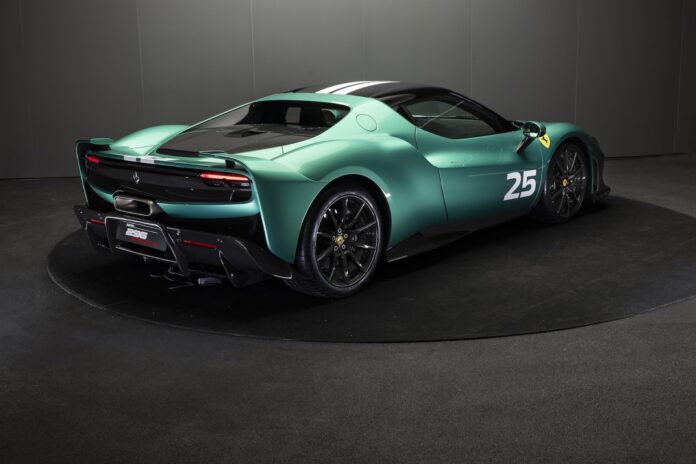
Many car enthusiasts eagerly await Ferrari’s first fully electric model, due next year. Until then, there are small steps toward electrification – such as the new Ferrari 296 Speciale.
The Ferrari 296 GTB has not won over all Ferraristi – for some, a six-cylinder is a sacrilege in a sports car. The new 296 Speciale may not add more cylinders, but it does offer 50 more horsepower, a 60-kilogram weight reduction, and sharpened aerodynamics. With 435 kilograms of downforce at the rear axle at 250 km/h, it clearly outperforms its siblings, the 296 GTB (300 kg) and the 296 Assetto Fiorano (360 kg). The name “296” refers to the 2.9-litre displacement and the six cylinders mounted longitudinally in the mid-rear. The 296 is not Ferrari’s first plug-in hybrid – it follows the SF90 (2019) and LaFerrari (2013).
Powering the 4.60-metre-long two-seater is a combustion engine whose output increases from 663 to 700 PS. This is achieved through a 13 percent boost in turbo pressure, new titanium connecting rods, reinforced pistons, and a lighter crankshaft, which alone saves nine kilograms. The electric motor is mounted between the eight-speed automatic gearbox and the combustion engine, operating only in electric mode. The car can drive up to 25 kilometres purely electrically at speeds up to 135 km/h.
The lithium-ion high-voltage battery has a modest capacity of 7.4 kWh and can be recharged at up to 7 kilowatts. From a standstill, the 880 PS Ferrari 296 Speciale accelerates to 100 km/h in 2.8 seconds and reaches 200 km/h in seven seconds; the open-top Spider takes 0.3 seconds longer. Top speed exceeds 330 km/h. On Ferrari’s Fiorano test track, it laps in 1 minute 19 seconds – an image-boosting 2.5 seconds faster than the current 296 GTB.
The powerful hybrid system is kept thermally in check by high-flow auxiliary coolers. The bumpers and bonnet are made of carbon fibre, while the doors are aluminium. The engine cover is available in clear acrylic or carbon fibre. The Speciale’s rear wing is particularly striking and responsible for the increase in downforce. Further improvements in driving dynamics are provided by the lowered body – five millimetres closer to the ground – which also reduces roll in high-speed cornering. The performance upgrade also includes stiffer titanium springs, electronic dampers from Multimatic, and standard Michelin Pilot Sport Cup2 tyres (245/35 ZR20 at the front, 305/35 ZR20 at the rear), which are paired with carbon-ceramic brake discs.
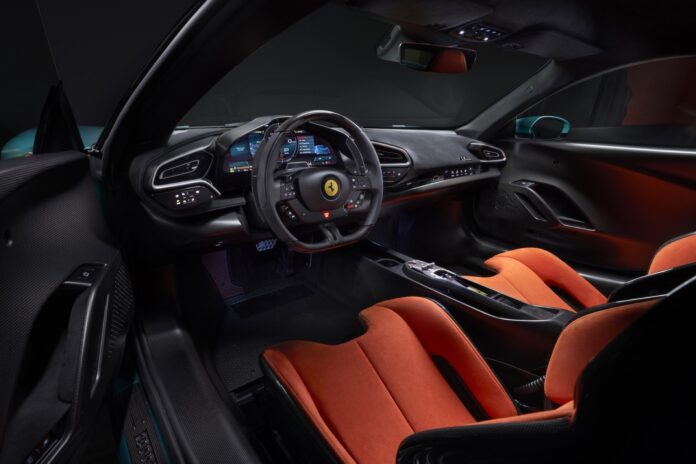
The 296 Speciale’s interior remains largely unchanged, continuing its focused blend of carbon fibre, Alcantara, and aluminium. The door panels are made from a single carbon fibre block, as is the central tunnel. For weekend getaways, there’s a front luggage compartment offering 169 litres, and a storage space behind the sport seats of just over 100 litres – though the seats themselves could be more comfortable. Those wishing to enjoy the sun and the rush of wind can opt for the open Spider version, which costs €462,000 compared to the €407,000 coupe – provided the prospective buyer has purchased a new Ferrari within the past five years.
I’m a big fan of Daily Drop. It’s a points, miles, travel, and credit card newsletter created by my friends, Kara and Nate (they run a big YouTube channel of the same name). Daily Drop keeps you informed about the latest news and information around points & miles, as well as updates across the airline and hotel industries.
While the newsletter is free, they also have a subscription service called Daily Drop Pro, which promises even more points deals, alerts, and tools to help you find the award availability you need for your next trip.
But does it deliver? Is it worth the price?
As Daily Drop has gotten bigger, I’ve gotten questions about the service from readers so I figured it was time to breakdown the service and talk about who it is right for.
What is Daily Drop Pro?
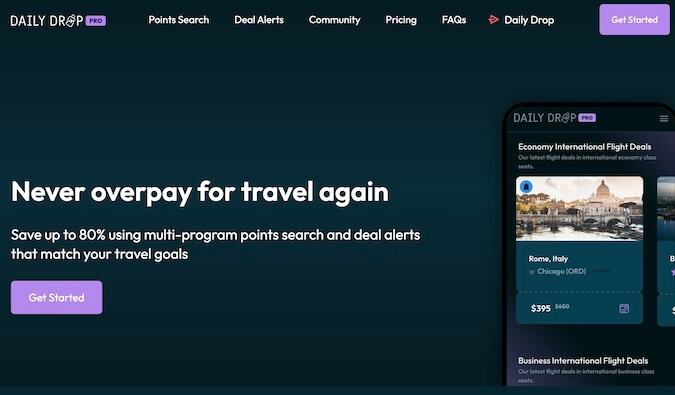
According to the team at Daily Drop, Daily Drop Pro was created to be your one-stop shop for flights and hotels (whether with points or cash), deals, and chatting with like minded people in their community forum. The service has five main features:
Flight Points Search
Hotel Points Search
Deal Alerts
Wallets
Daily Drop Pro Lounge
Let’s walk through all of them.
Flights Point Search
There are lots of websites that let you search for points flights. In addition to Daily Drop, there’s Point.me, Seats.aero, Points Path (a chrome browser extension), and a few others. The space has become incredibly crowded in the last few years.
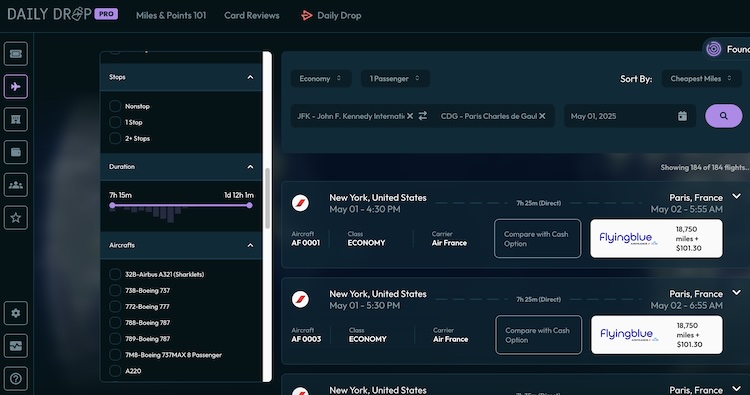
What makes Daily Drop Pro Different? The main feature that I really, really like is that you change your preferences to narrow the results based on time of day, stops, duration, maximum points, and aircraft type (which is a feature that is unique to them). They also have a feature that lets you compare the cash rate but that just sends you Google Flights and I don’t think that a real selling point. I think the real edge here is that you can get really specific on the award flights you want, which is something the other services lack.
Hotel Points Search
Daily Drop Pro also lets you search for award space for hotels. There’s not a lot of other competitors in this space and Daily Drop has a ton of options that let you customize your results based on points, programs, award certificates, which hotel programs you can transfer credit cards points, and so many more. I think the hotel award search is the best in class and, like the flight search, its ability to let you get hyper specific is really awesome.
Deal Alerts
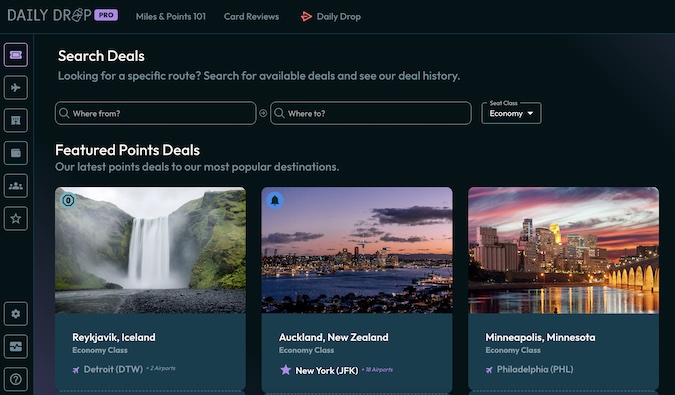
This feature lists points and cash deals. It’s really cool because you can see not only award fare sales (which happen all the time but are a pain in the butt to keep track of) but also cash fare deals. You can select your home airports, choose your preferred travel regions, and let the deals decide your destinations.
Daily Drop Pro’s points deals are detailed, too — showing the taxes and fees of an award, which program to book through and how the redemption stacks up to Daily Drop’s point valuations. It’s one of the more comprehensive deal feeds out there.
Wallet & Points Management
The Wallet lets to link your different accounts (award programs and credit cards) and have them all displayed in one place. Plus, it will remind you of all the perks, credits, and other benefits you get with each card / loyalty program.
If you have a lot of different cards, this can be really helpful because it can be confusing to remember all the perk and deals that come with each card. Heck, even I forget sometimes and I’m expert at this stuff (but when you start to have double digit cards, it’s a lot to remember)!
The Daily Drop Pro Lounge
The lounge allows you to chat with other members. It’s a message board and like all message boards it didn’t seem that active. It’s a good feature but not one that I would rely on given that there’s not a lot of activity on the forum.
How much does Daily Drop Pro cost?
Daily Drop Pro Membership is $149 a year.
Is Daily Drop Pro worth it?
I think Daily Drop Pro is a good product if you have a lot of credit cards and are heavy into the points & miles game. Inputting all your cards and membership programs takes some initial start up time but the ability to track all your points, benefits, and rewards in one place is really convenient. As I said, even I forget about card benefits sometimes. It’s hard to keep multiple cards in your head so having it in one place is nice.
The hotel award feature is definitely the best in class. And, while there are other airline search tools, I do like the increased search filters (especially the ability to filter by plane type!).
And the deals feature can allow you to keep track of all the deals happening in one place rather than subscribe to multiple newsletters and websites.
So, is the service worth $12 a month? I think so. Daily Drop Pro essentially bundles lots of other programs, improves on them, and puts them all into one dashboard for you and that is a real time saver. I think the service is definitely worth it.
Book Your Trip: Logistical Tips and Tricks
Book Your Flight Find a cheap flight by using Skyscanner. It’s my favorite search engine because it searches websites and airlines around the globe so you always know no stone is being left unturned.
Book Your Accommodation You can book your hostel with Hostelworld. If you want to stay somewhere other than a hostel, use Booking.com as it consistently returns the cheapest rates for guesthouses and hotels.
Don’t Forget Travel Insurance Travel insurance will protect you against illness, injury, theft, and cancellations. It’s comprehensive protection in case anything goes wrong. I never go on a trip without it as I’ve had to use it many times in the past. My favorite companies that offer the best service and value are:
Want to Travel for Free? Travel credit cards allow you to earn points that can be redeemed for free flights and accommodation — all without any extra spending. Check out my guide to picking the right card and my current favorites to get started and see the latest best deals.
Need a Rental Car? Discover Cars is a budget-friendly international car rental website. No matter where you’re headed, they’ll be able to find the best — and cheapest — rental for your trip!
Need Help Finding Activities for Your Trip? Get Your Guide is a huge online marketplace where you can find cool walking tours, fun excursions, skip-the-line tickets, private guides, and more.
Ready to Book Your Trip? Check out my resource page for the best companies to use when you travel. I list all the ones I use when I travel. They are the best in class and you can’t go wrong using them on your trip.
The technical storage or access is strictly necessary for the legitimate purpose of enabling the use of a specific service explicitly requested by the subscriber or user, or for the sole purpose of carrying out the transmission of a communication over an electronic communications network.
Preferences
The technical storage or access is necessary for the legitimate purpose of storing preferences that are not requested by the subscriber or user.
Statistics
The technical storage or access that is used exclusively for statistical purposes.The technical storage or access that is used exclusively for anonymous statistical purposes. Without a subpoena, voluntary compliance on the part of your Internet Service Provider, or additional records from a third party, information stored or retrieved for this purpose alone cannot usually be used to identify you.
Marketing
The technical storage or access is required to create user profiles to send advertising, or to track the user on a website or across several websites for similar marketing purposes.














:max_bytes(150000):strip_icc()/TAL-palawan-phillippines-DIGNMDVISAASIA0525-80403a07d29c4117aa5c6cc34d309944.jpg "This Asian Country Just Launched a Special Digital Nomad Visa")
:max_bytes(150000):strip_icc():format(jpeg)/TAL-palawan-phillippines-DIGNMDVISAASIA0525-80403a07d29c4117aa5c6cc34d309944.jpg)