The 444-mile Natchez Trace Parkway follows the route of an historic trail full of great stories, history, and culture. Beginning in Natchez, Mississippi and ending in Nashville, Tennessee, “The Trace” connects many cities and attractions across Mississippi, Alabama, and Tennessee.
I spent three weeks driving The Trace from Natchez to Nashville one spring. It was my first time driving the second longest parkway in the National Park Service. Here are some of my favorite photos I captured during my first adventure on The Trace.
Just a few miles along the Natchez Trace Parkway I came to the Emerald Mound. It’s one of the many Native American burial grounds along The Trace. I didn’t walk to the top because, despite the well-worn path, I wasn’t actually sure if I should.
The Mount Locust Inn was a popular stop a long, long time ago. Travelers along the Old Trace would stop here to spend a night and get a hot meal. Today, it’s the site of a visitor center and the old inn is open to walk through.
I knew long before traveling the Natchez Trace Parkway that the Sunken Trace was one of the most-photographed places on the entire 444-mile drive. It’s a short section of the Old Trace that has sunken deep into the ground from decades of foot traffic.
River Bend Overlook (pictured above and below) was almost a perfectly peaceful place to take a break from driving. I was enjoying lily pads floating across the river’s surface when suddenly the peace was broken by boats jetting across the water with rafters in tow. At least they were having loads of fun!
Cypress Swamp was one of my favorite places on the Natchez Trace Parkway. It may sound strange to know a swamp was top of the list, but the boardwalk crossing the swamp between giant tupelo trees was simply amazing.
French Camp was the most surprising discovery on the Natchez Trace Parkway. Beautiful historic buildings to explore. A cafe with really great food. You could even spend a night in one of the rustic log cabins!
Just after leaving Tupelo behind I found these Confederate soldiers’ graves hidden on a short spur road. It was peaceful, almost eerily quiet. And I don’t know who planted the American flags.
Pharr Mounds were quite far from the Natchez Trace Parkway, but I could still see them with a telephoto lens. These were the last burial grounds I passed on The Trace.
Somebody decided to take a break from jet skiing along the Tennessee River at Colbert Ferry Park. I never did find the rider, but I sure did enjoy that view for a while. A long while.
Tom’s Wall, as it is locally known, was an iconic stop along the Natchez Trace Parkway in Alabama. Took a bit to find it; it’s located just off The Trace and there isn’t any official parking. I took a walk through the paths lined with thousands of stones and it was unlike any place I’d ever visited before.
The Meriwether Lewis Memorial is one of the most intriguing I’ve ever seen. The memorial stands in a field near the inn where the famed explorer was mysteriously killed. The top of the memorial was left incomplete, signifying his life being cut short.
I visited Metal Ford early on a Saturday morning to find a father and son unpacking their gear beside the river. They were going fishing in a canoe! Half an hour later they were floating down the river while I comfortably snoozed on dry land.
The Gordon House Historic Site was an interesting stop, but ultimately disappointing. I walked around the gorgeous two-story brick home but apparently it’s never open for people to explore.
The Double Arch Bridge. Long before arriving at the north end of the Natchez Trace Parkway minutes from Nashville I had heard of this bridge. I had seen pictures of the bridge. But while everyone else wanted a picture from ground level, I opted to park at the end and walk across the bridge for a completely different angle.
This was my final experience on the Natchez Trace Parkway. I want to do it all over again.
An incredible number of factors are involved in getting a supercar from the drawing board through concept stages and into eventual production. The design language, aerodynamics, performance, and pricing are just some of the elements that have to complement each other with a minimal margin for error.
It is almost inevitable, then, that a supercar manufacturer will occasionally trip up and end up with a disappointing product. In some cases, the carmaker is lucky to escape with a slap on the wrist, but in other situations, the consequences of a supercar flop are much more severe, as some of the highlighted examples show.
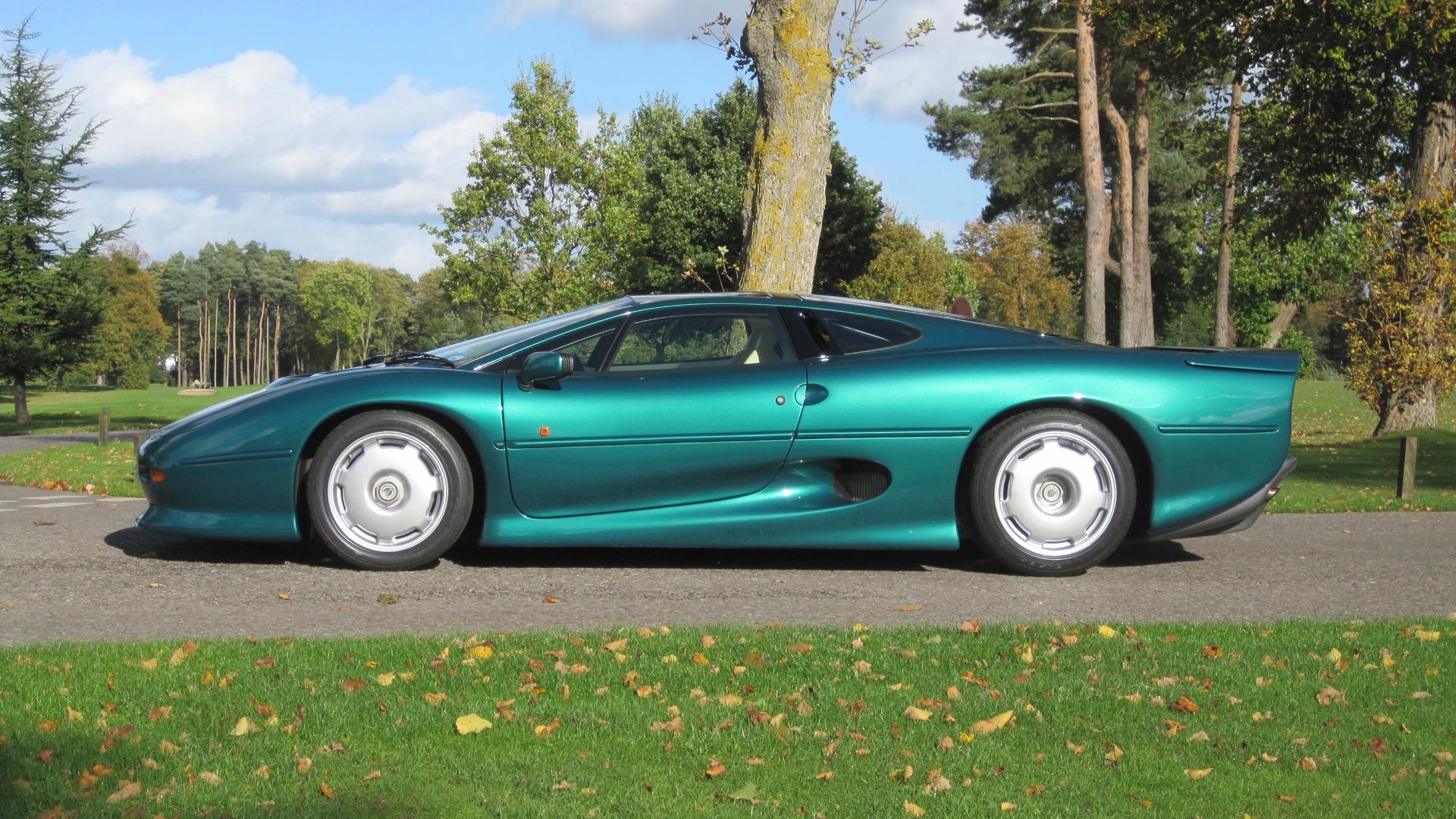
The journey of this low-slung British supercar began with so much promise. Jaguar initially did not plan on putting the XJ220 concept into production when it was first unveiled at the 1988 Birmingham Auto Show.
However, the highly positive reception changed all that, and the machinery for a production version was put in motion. Unfortunately, the carmaker ran into several issues during the development that pushed the initial asking price from about $327,000 to over half a million (today’s value).
To compound matters, the engineers swapped out the race-bred 6.2-litre V12 engine—advertised in the prototype—with a tamer 3.5-litre Biturbo V6. This enraged several potential customers, many of whom canceled their orders and threatened lawsuits. Then the global economic recession rolled in, and Jaguar found it increasingly hard to sell its halo supercar. Eventually, the XJ220 was killed off barely three years after its launch.
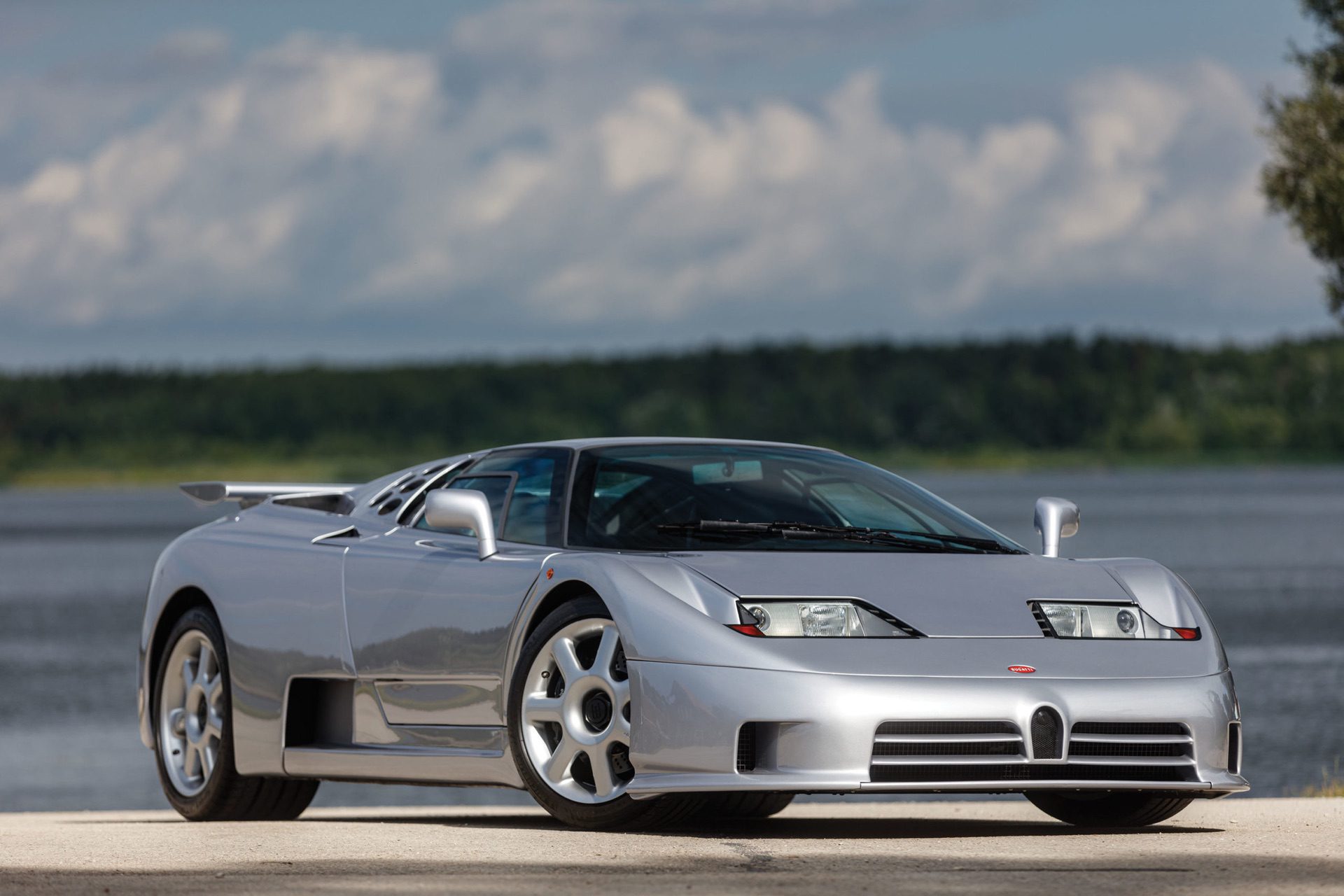
The Bugatti EB110 paved the way for the formidable Veyron and Chiron hypercars. However, its own story was steeped in misfortune. When it debuted in 1991, the EB110 was hailed as a technological marvel with a host of innovative features on board.
Unfortunately, the timing of its launch coincided with a recession that swept through Europe and North America. That made the EB110’s $350,000 look unseemingly, presenting an almost impossible barrier to ownership, impressive as the car was.
The carmaker was also going through a period of expansion at about the same time and had hoped that EB110 sales would fund the company’s ambitious growth strategy. Well, that did not happen, and only 139 units of the car were sold before Bugatti flopped over on its side and went bankrupt.
#3: Lamborghini Jalpa
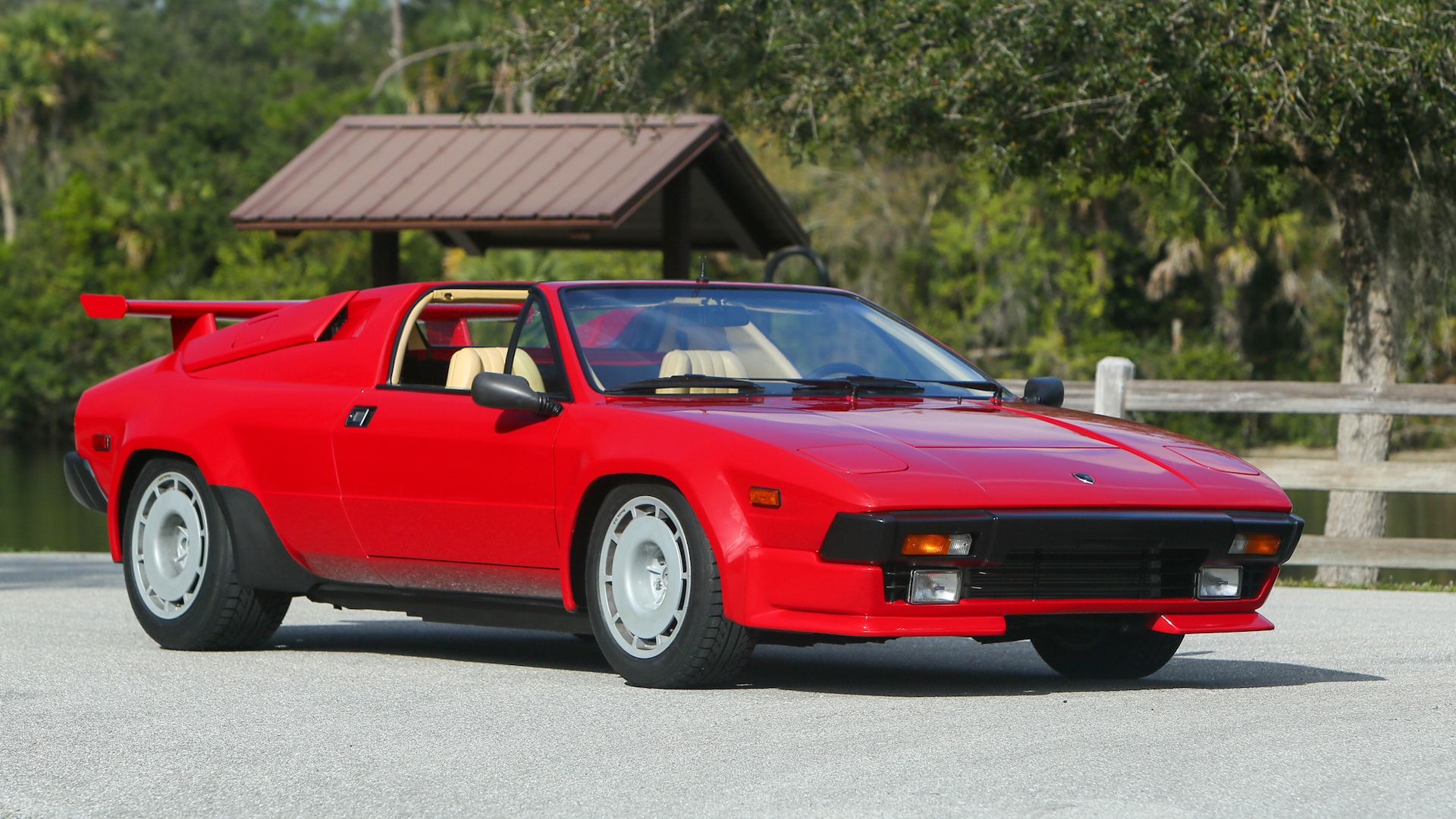
There seems to be no stopping Lamborghini these days. The company is on a roll, recording unprecedented successes with models like the Urus, Huracan, and Aventador. However, the carmaker has had to endure a few bumps on its path to glory—one such hiccup was the Lamborghini Jalpa.
The almost forgotten sports car was designed as a more ‘affordable’ alternative to the Countach flagship. Unfortunately, the car was poorly received, and just over 400 were produced from 1982 to 1988 when Lamborghini, now under new ownership, pulled the plug.
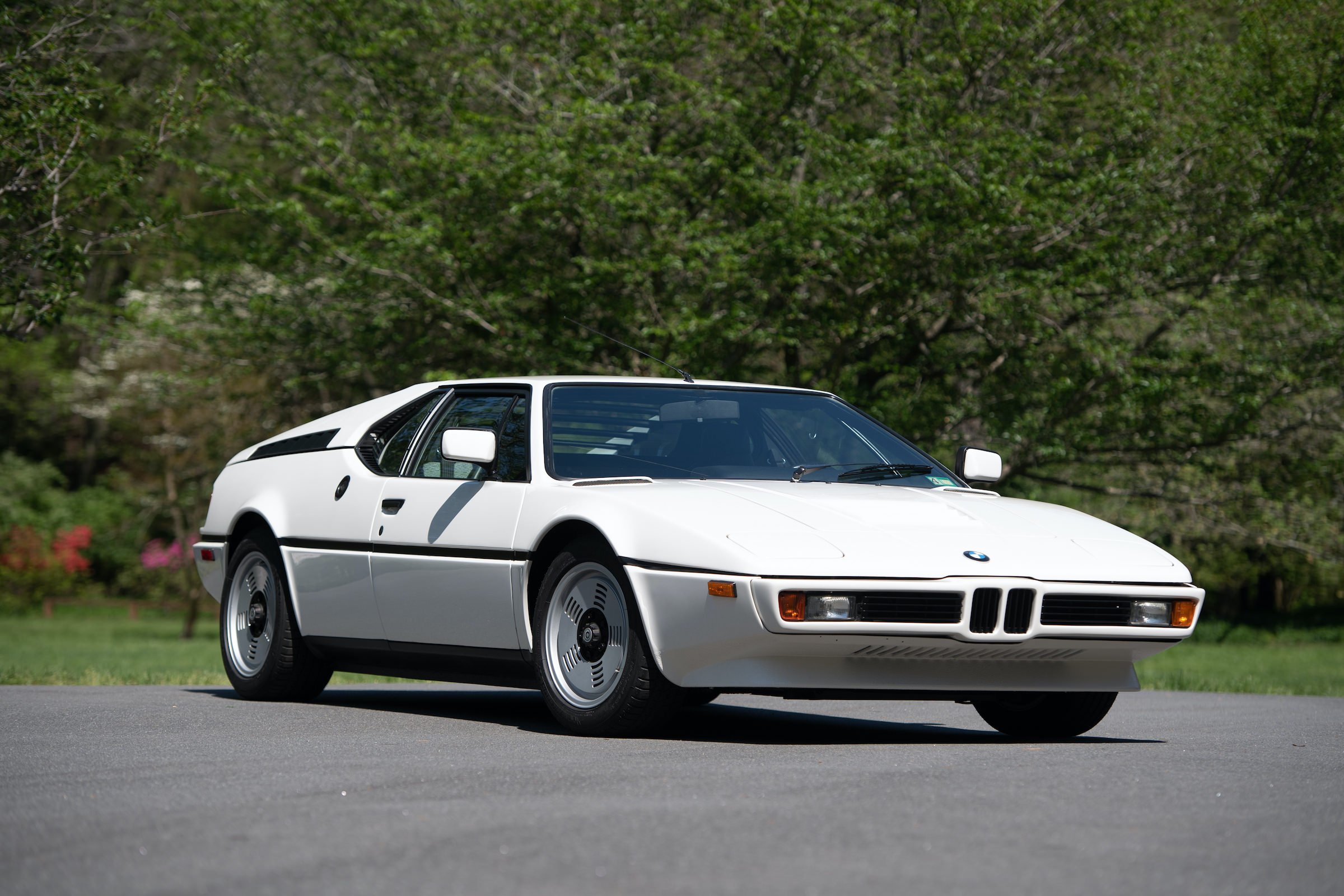
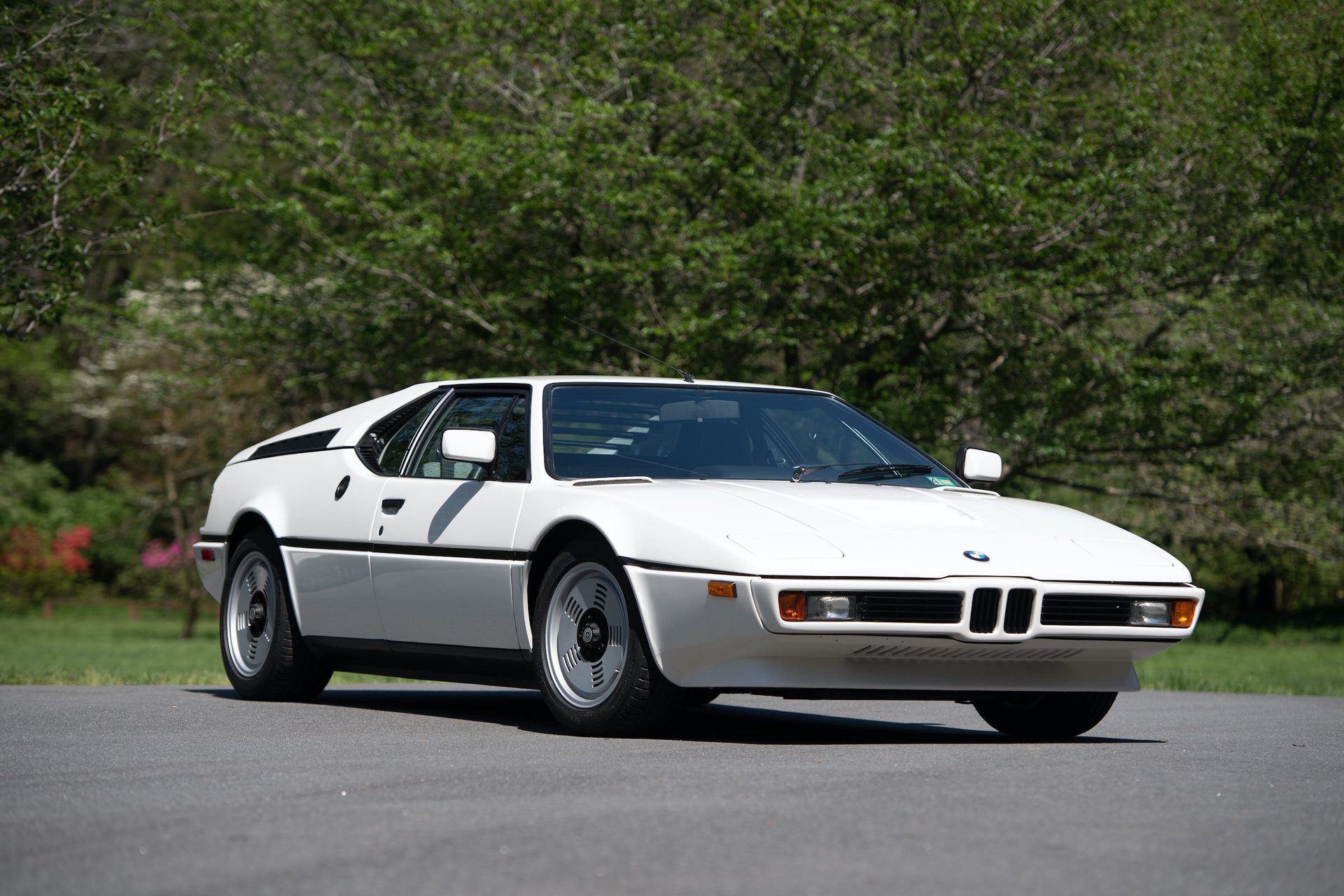
Born from the brand’s desire to enter competitive racing, the BMW M1 was the first car solely developed by the carmaker’s now famous M Division. It was designed expressly to allow BMW to compete in the FIA Group 4 sports car racing.
Unfortunately, the competition rules had changed by the time the M1 was ready. This effectively rendered the car impotent before it ever had a chance to showcase its impressive performance capabilities.
BMW attempted to keep the M1 relevant by creating a one-car racing series dubbed the BMW M1 Procar Championship, but that only lasted a couple of years before it was scrapped. Production lasted from 1978 to 1981 before BMW finally gave up on the car after about 450 cars had rolled off the assembly line.
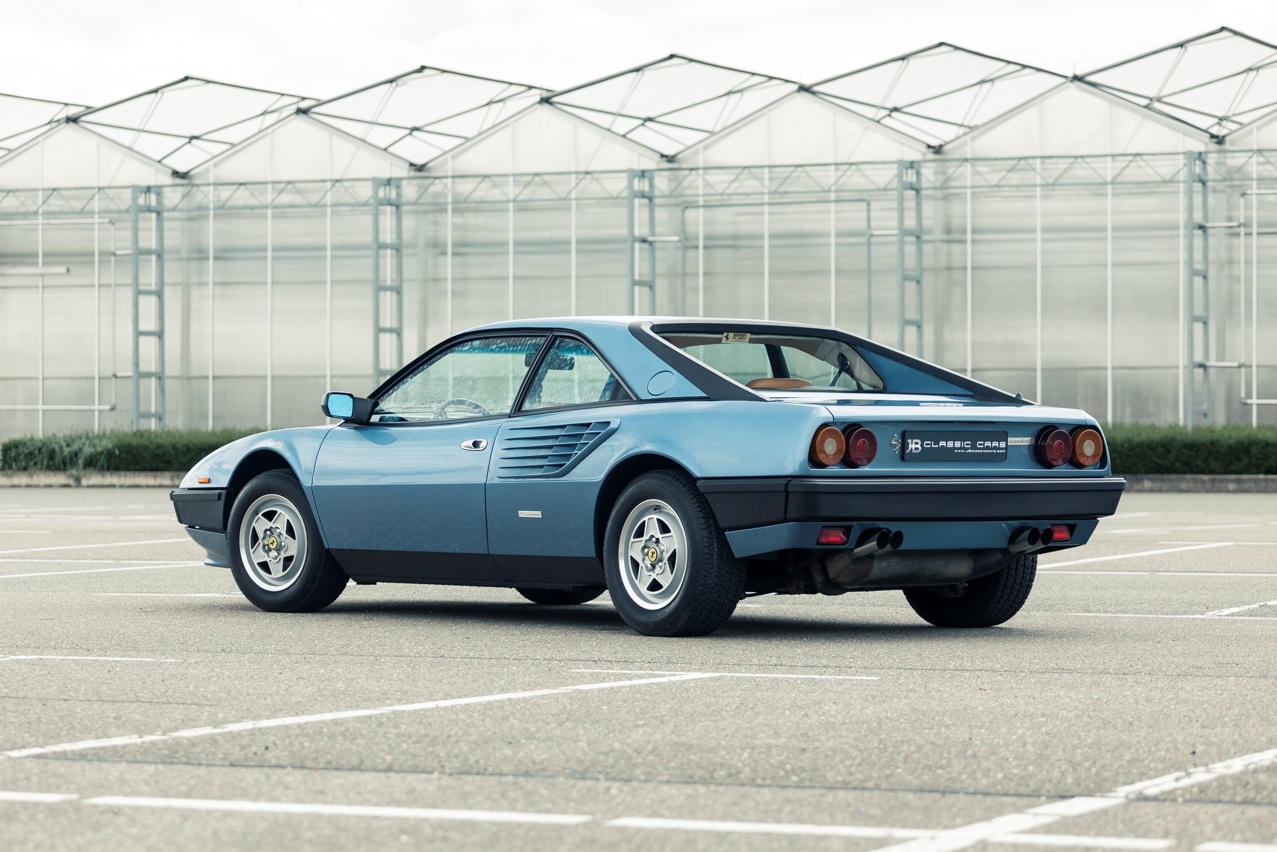
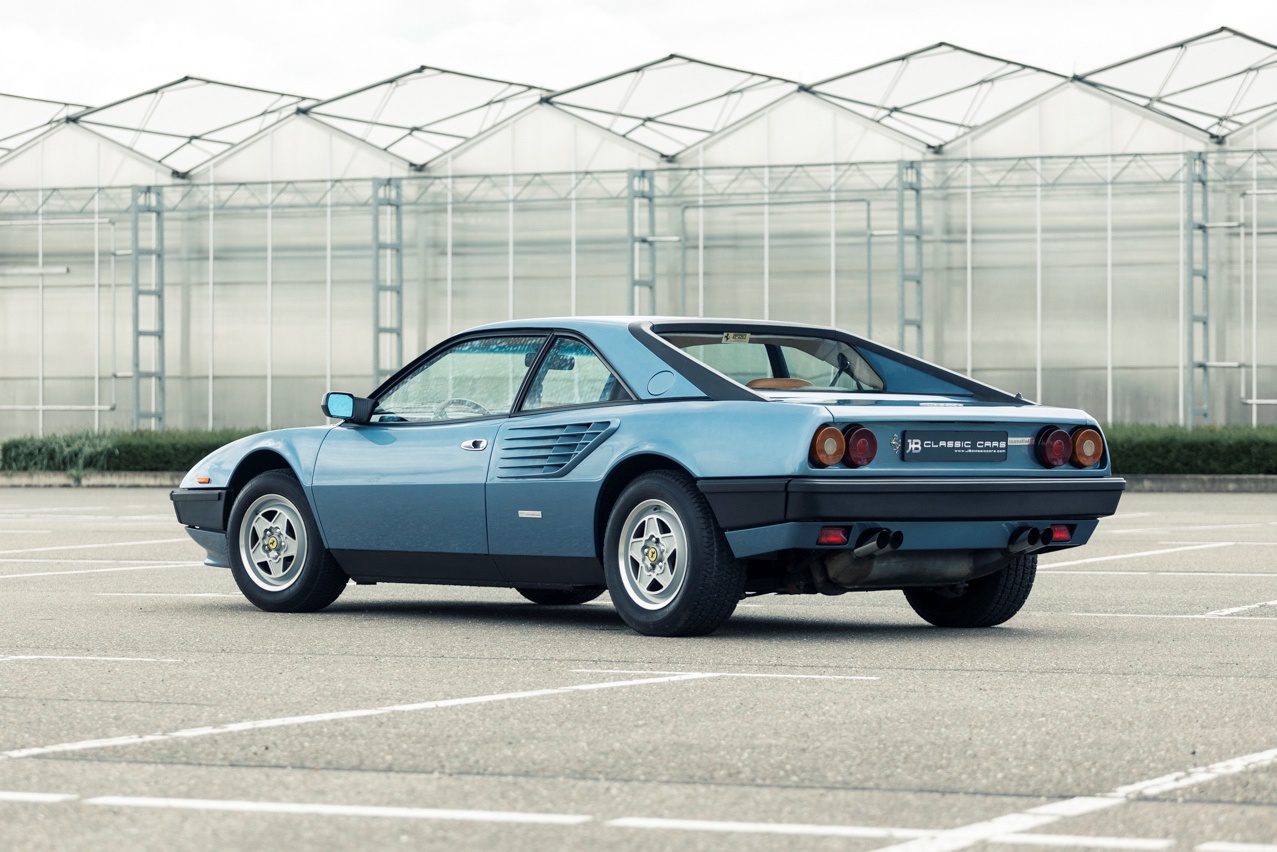
The Mondial 8 replaced the 308/208 GT4 coupe and was designed as a mid-engined V8 Grand Tourer with a 2+2 seating configuration. While great in theory, the idea did not turn out so well in the real world, and the poor Mondial 8 is a regular feature on the list of the worst Ferraris ever made. For one, the Mondial 8 was no lightweight at about 3,460 pounds. Then there was an underpowered V8 engine that generated only 214 hp.
The Mondial needed almost eight seconds to hit 62 mph. It was an unacceptable performance for a car that was neither cheap nor reliable. Thankfully, Ferrari quickly realized this and introduced an improved variant—the Mondial QV—just two years after the Mondial 8.
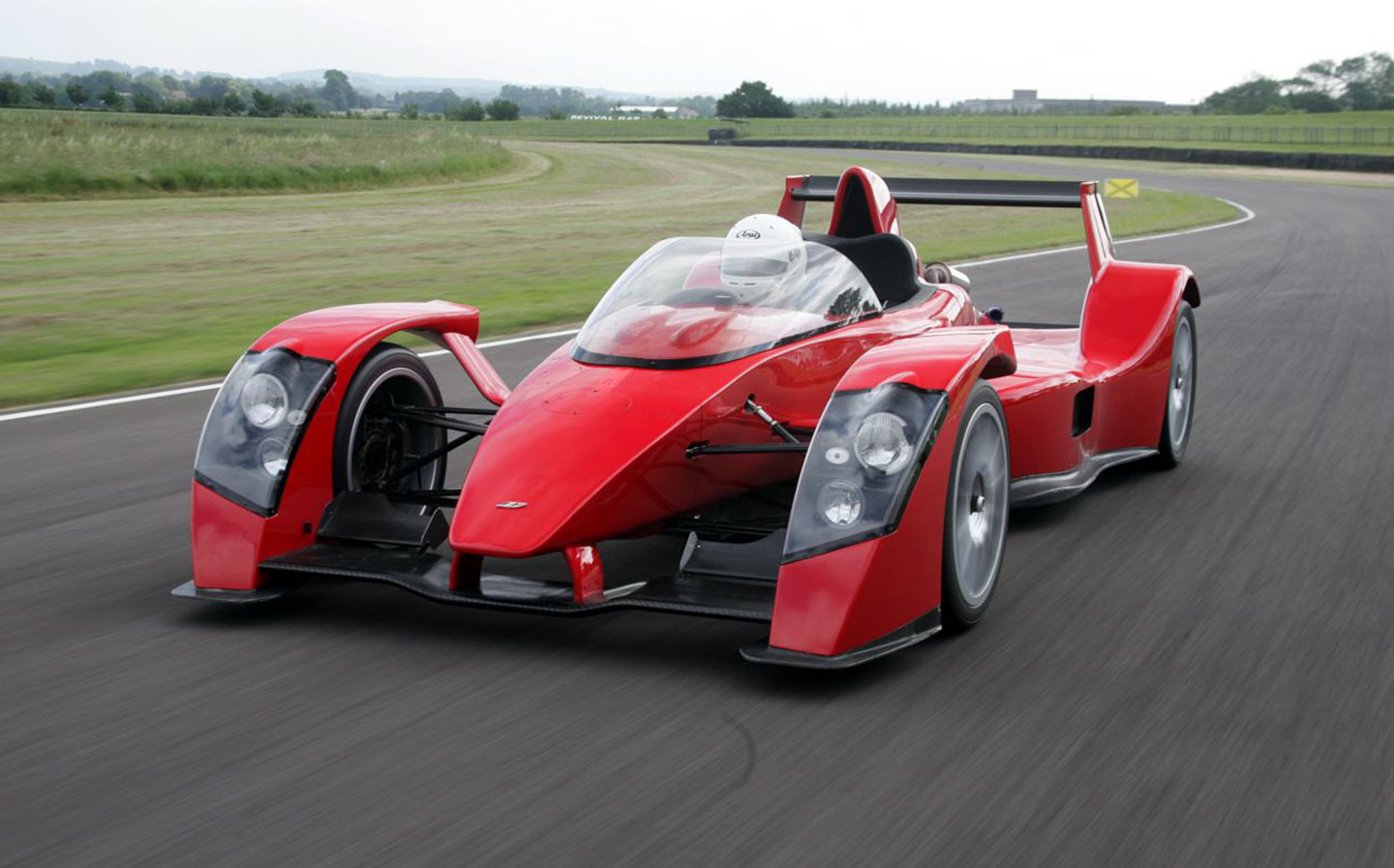
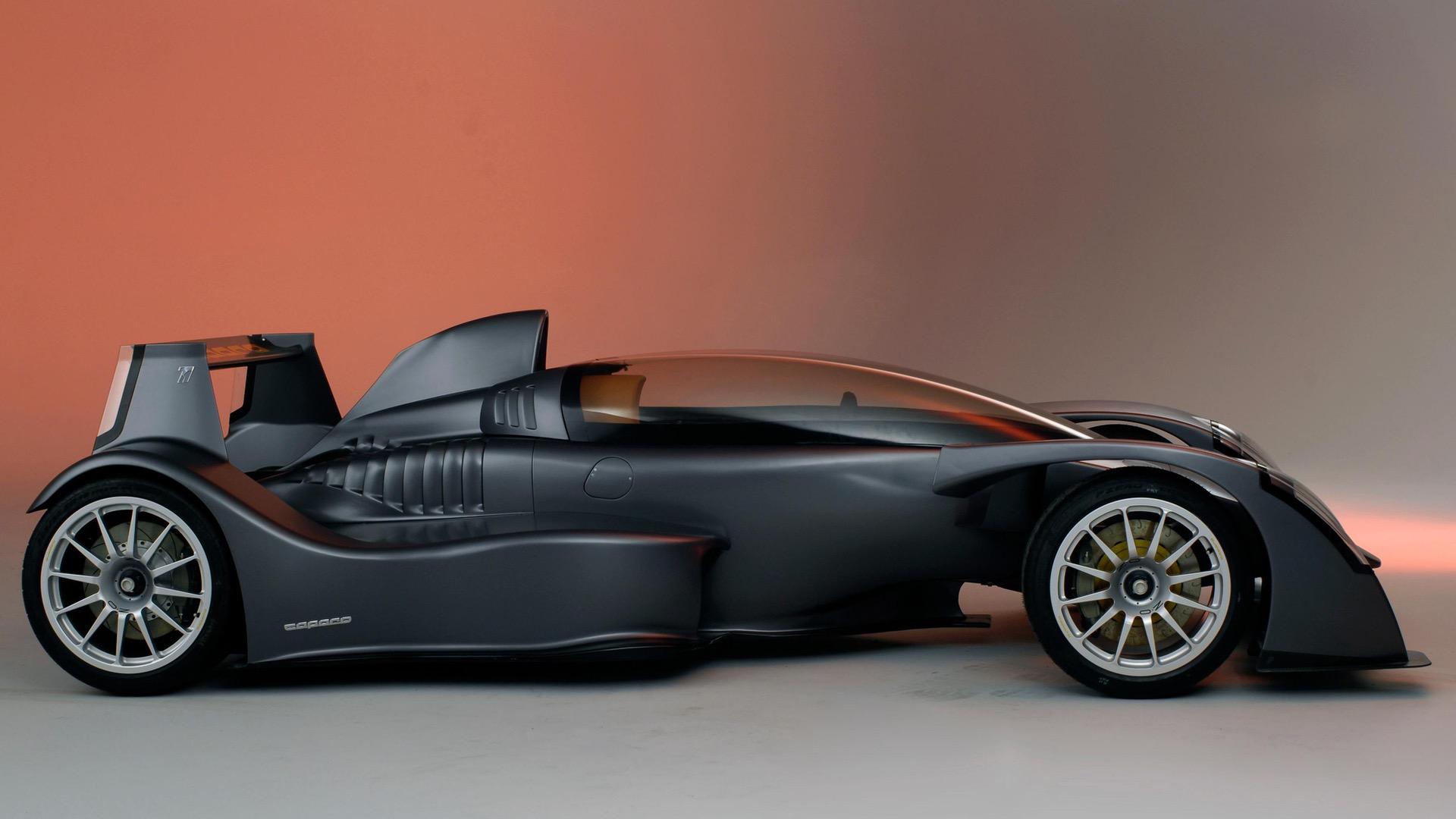
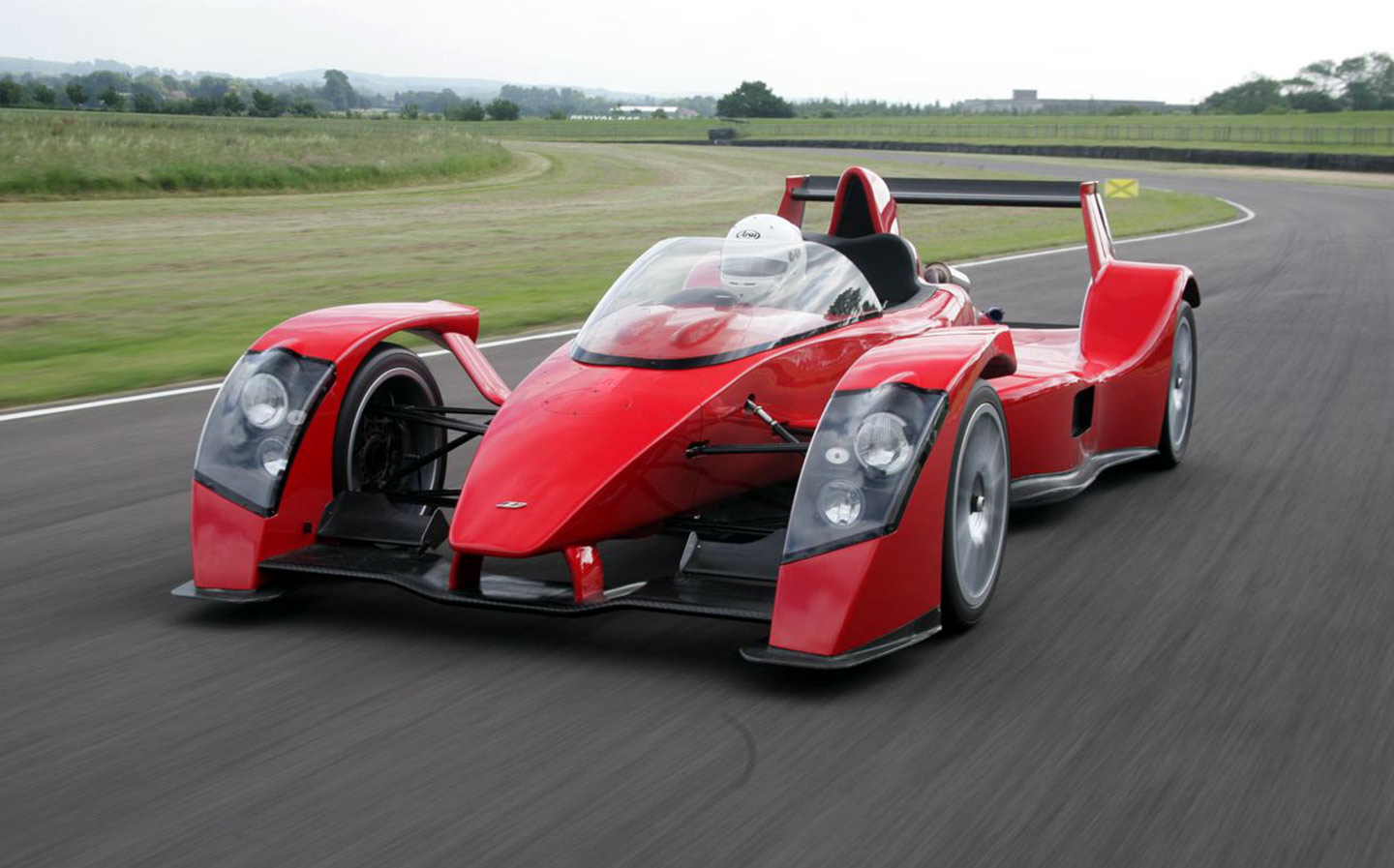
Imagine an F1 car reimagined for road use. That, and more, was what the Caparo T1 promised back when it was introduced in 2006. The single-seater supercar was powered by a naturally aspirated V8 that cranked out 575 hp and 310 lb-ft of torque. A modest amount for a supercar, but then the T1 weighed only 1,036 lbs (470 kg).
That meant it had a better power-to-weight ratio than hypercars like the Bugatti Veyron and could rocket to 100 mph in less than five seconds. Unfortunately, the full potential of the T1 was never realized. Several safety incidents, including a suspension failure during the launch, threatened to derail the project.
Sales were also downright disappointing. According to reports, only 15 units of the T1 had been sold by 2012; against a planned run of 25 units per year. Then the company ran aground, hit by a wave of financial difficulties that put it on the verge of bankruptcy in 2015. By 2019, Caparo Vehicle Technologies was fully liquidated, taking any dream of resurrecting the T1 with it.
#7: Mitsuoka Orochi
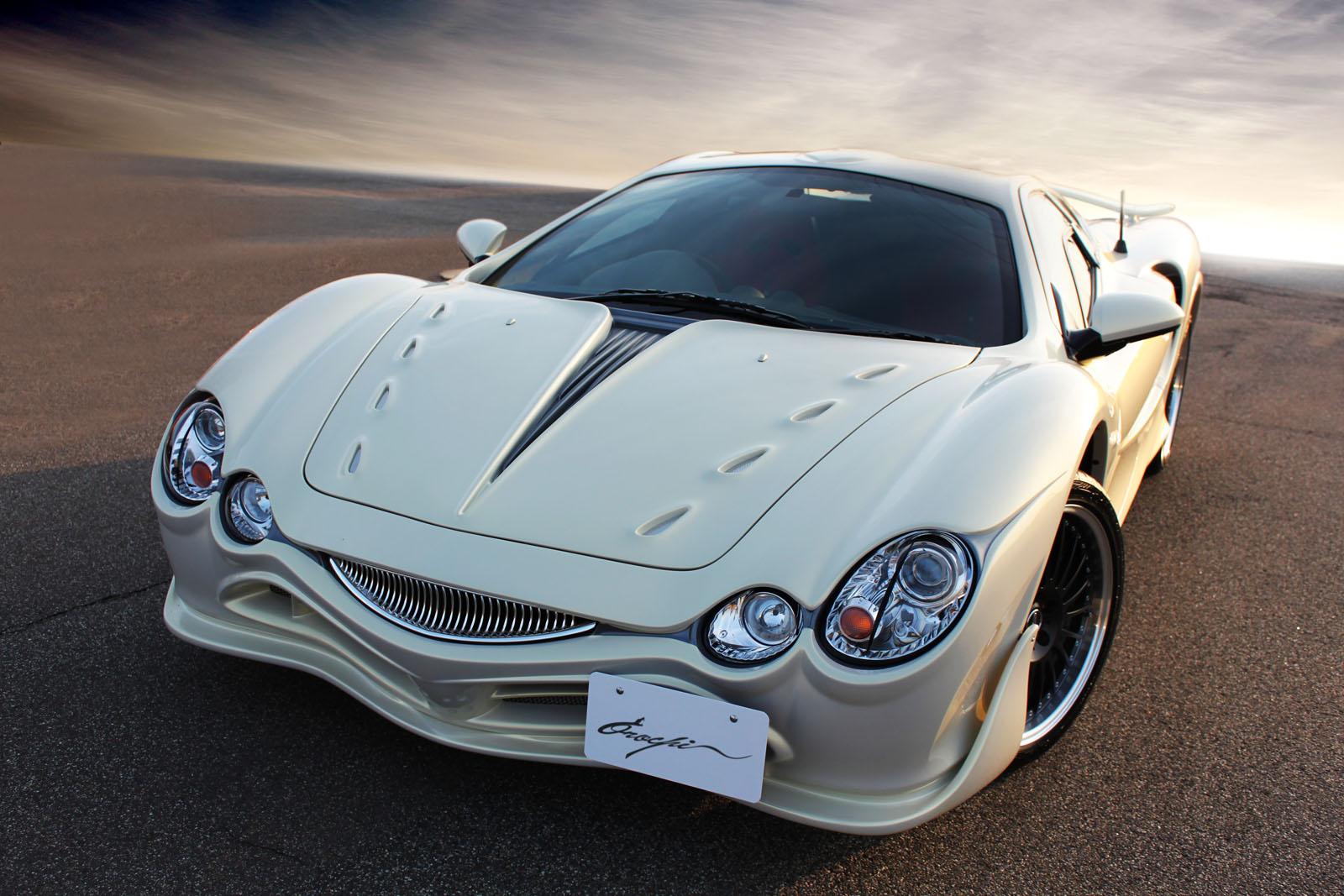
The Orochi was a Japanese sports car built from 2006 to 2014. For good reason, it is often regarded as one of the ugliest cars ever made. It’s hard to point out any positives about the car. It weighed over 3,400 lbs and desperately needed more power than what was offered by the 233-hp V6 engine.
The Orochi needed almost 7 seconds to hit 60 mph, an abysmal figure for a supposedly high-performance car. No surprise then that it was also a commercial bomb. A few special edition models were unable to turn the tide in the car’s favor, and in 2014, Mitsuoka mercifully put an end to the Orochi.
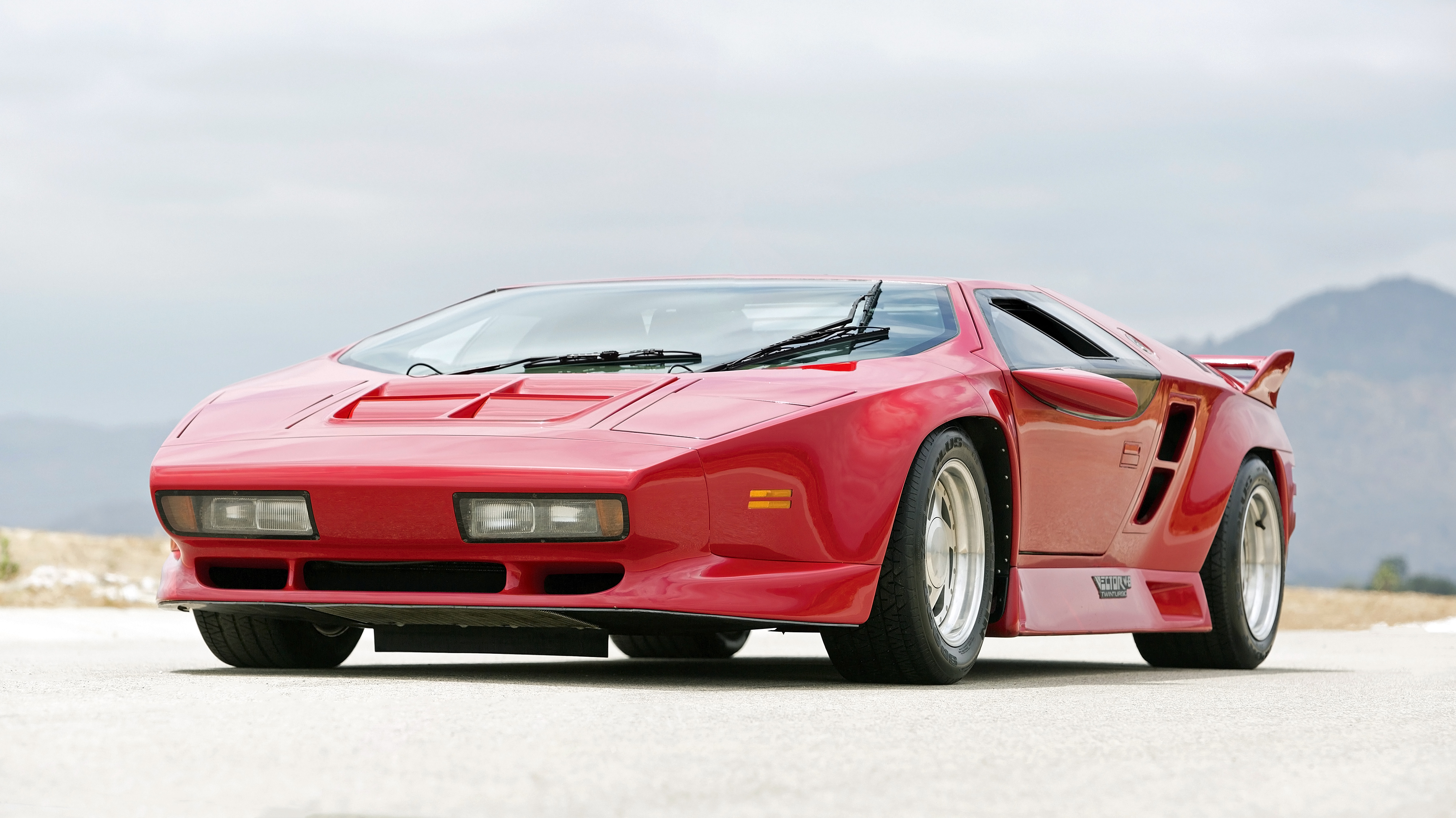
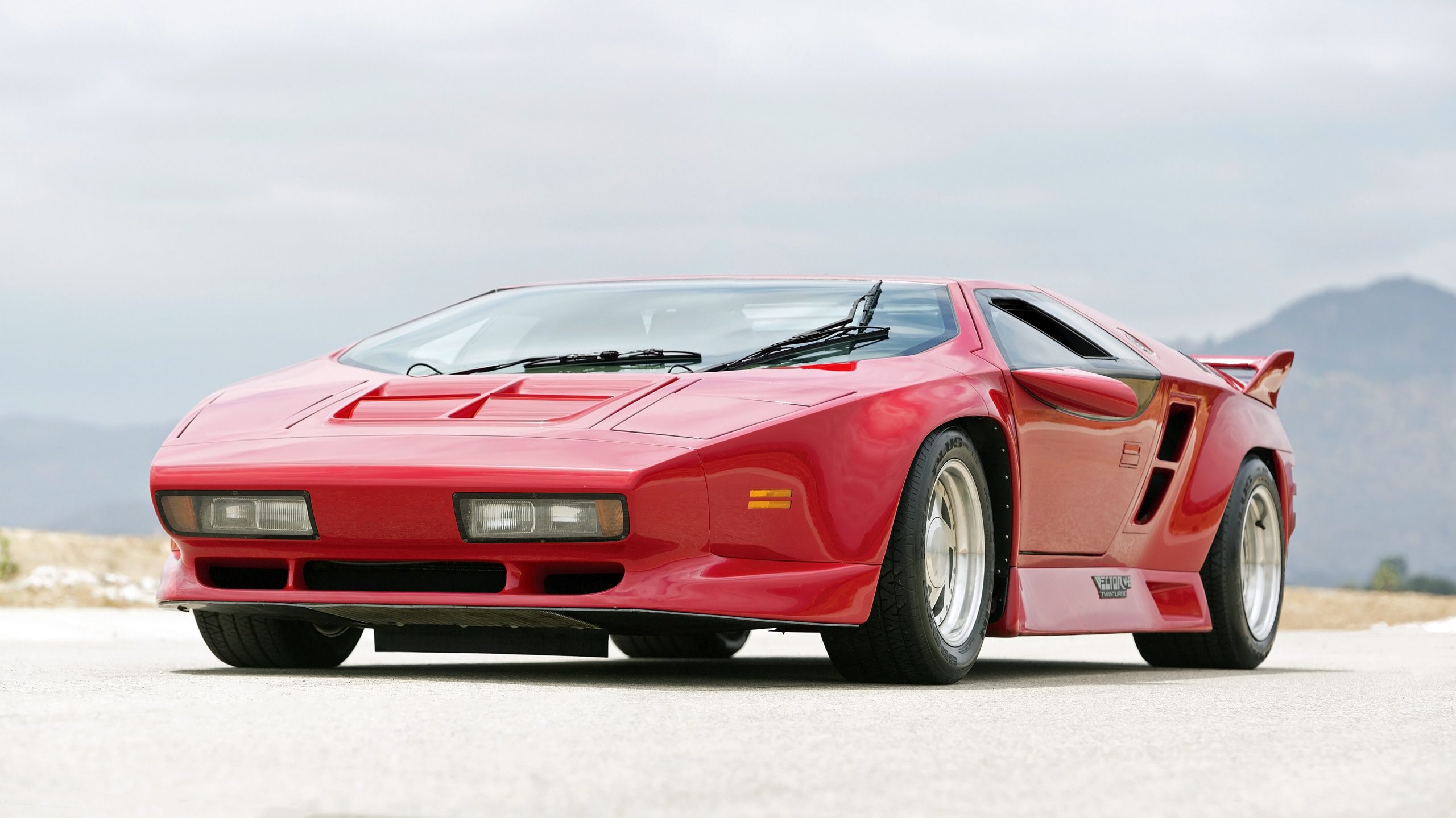
This American supercar was touted as the one that would finally take the fight to the established Italian heavyweights—Lamborghini and Ferrari. Pricewise, it certainly seemed capable of that with an eye-watering $450,000 price tag back in 1992. It wasn’t lacking in the power department either.
The W8 had a 6.0-litre Rodeck twin-turbocharged V8 that generated 625 hp at 5,700 rpm. The carmaker claimed the W8 could hit a 242 mph top speed, which would have made it the fastest production car at the time.
Unfortunately, the W8’s styling came in for a lot of criticism, and several reliability issues further complicated matters. In the end, less than 20 cars were sold before the W8 project folded and sank, with the company following soon after.
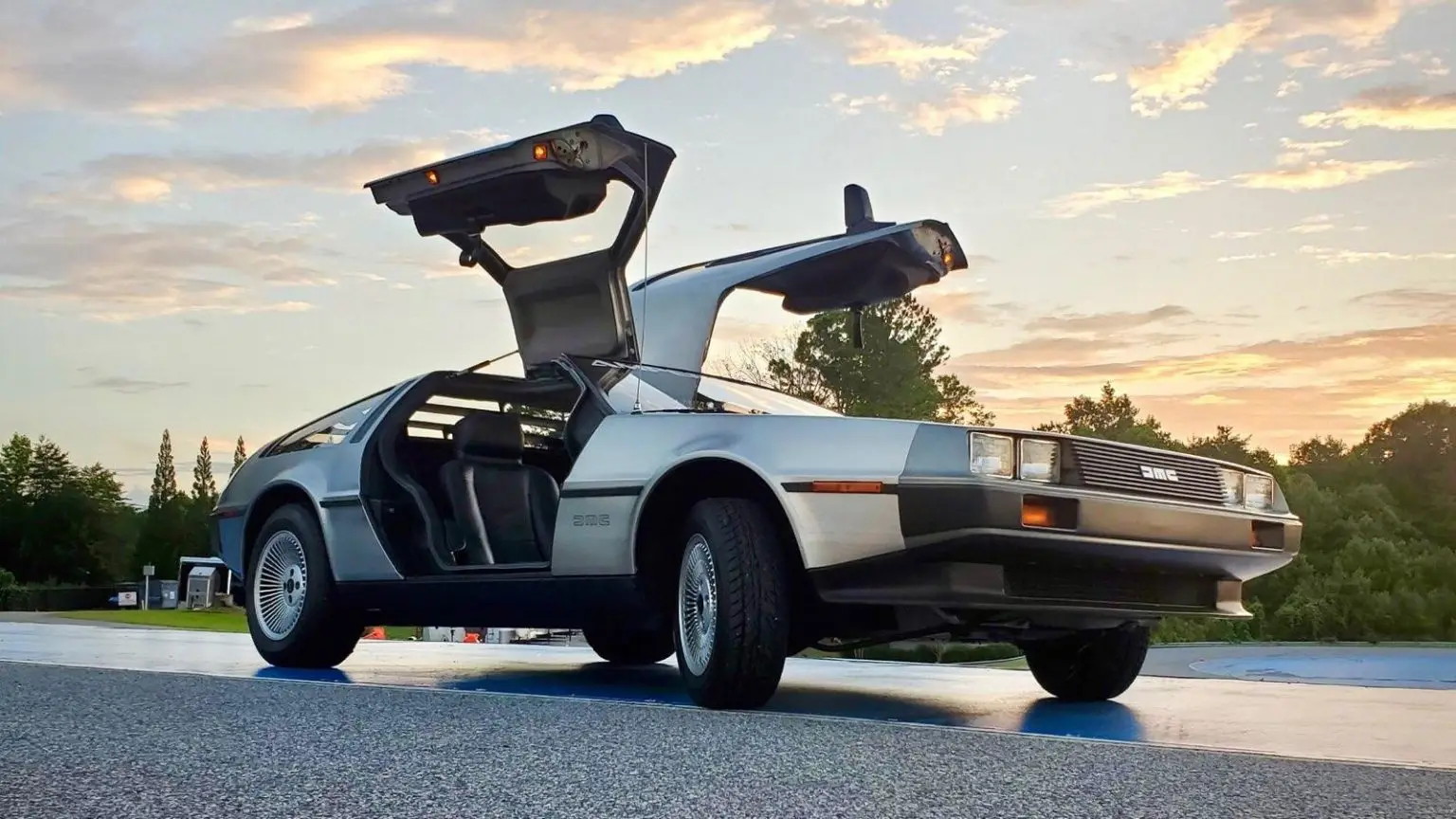
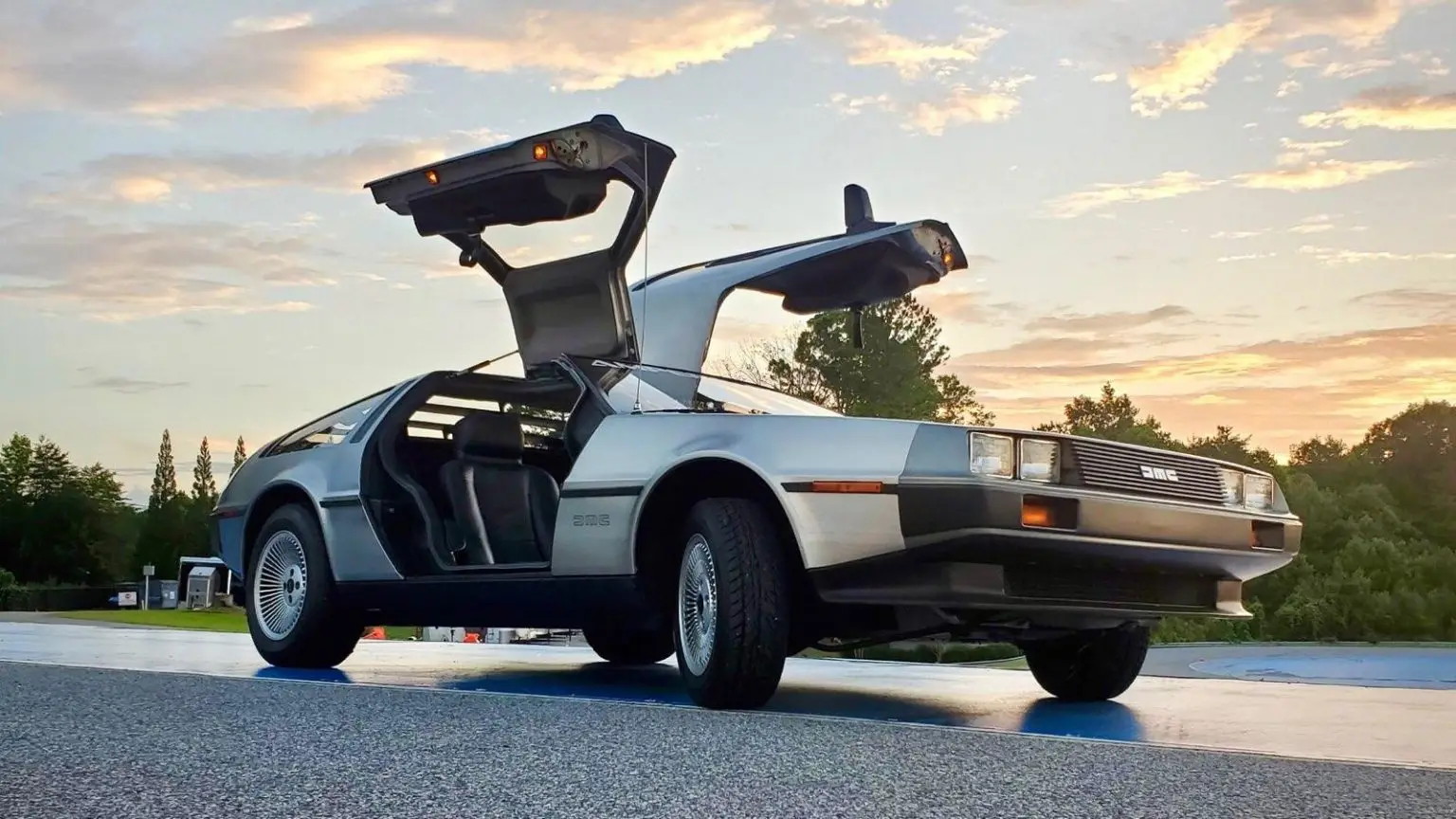
The DeLorean DMC-12, with those iconic gullwing doors, has to be one of the most recognizable sports cars ever. The car was made famous by its portrayal in the Back to the Future movie franchise with a cult following that’s still active.
Away from the movie screen, however, the DMC DeLorean had a widely contrasting fortune and fate. First off, the build quality was awful, with imperfect gap dimensions among the car’s many issues. It was also painfully slow, needing almost 10 seconds to hit 60 mph.
One can only wonder why the designers settled on a 132-hp engine to haul the car’s 2,866 lbs (1,300 kg) mass around. The DMC-12 was also expensive, and DeLorean had a hard time pushing sales. Eventually, a lack of cash flow, primarily due to the DMC-12’s poor market performance, drove the company to insolvency and eventual ruin.
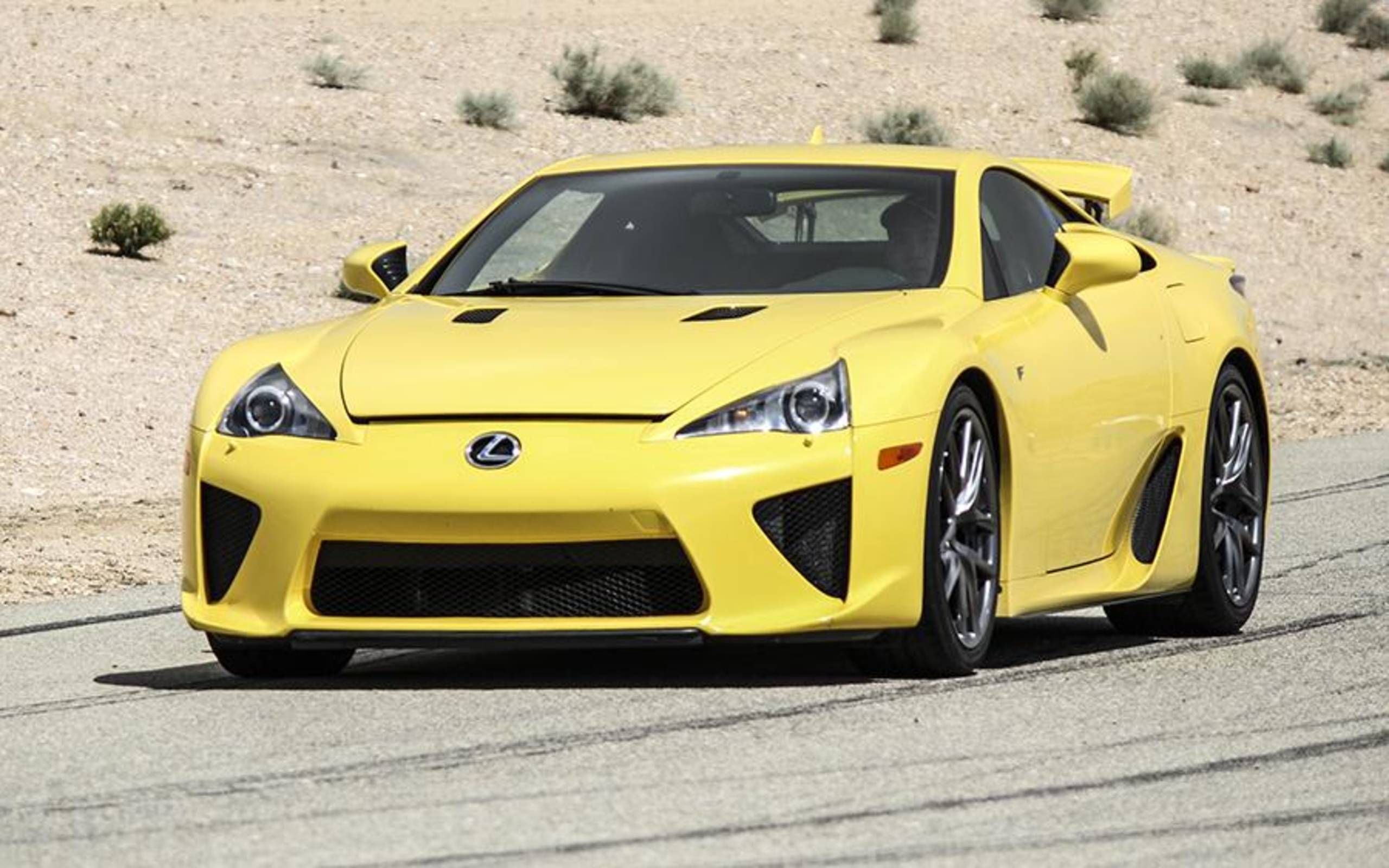
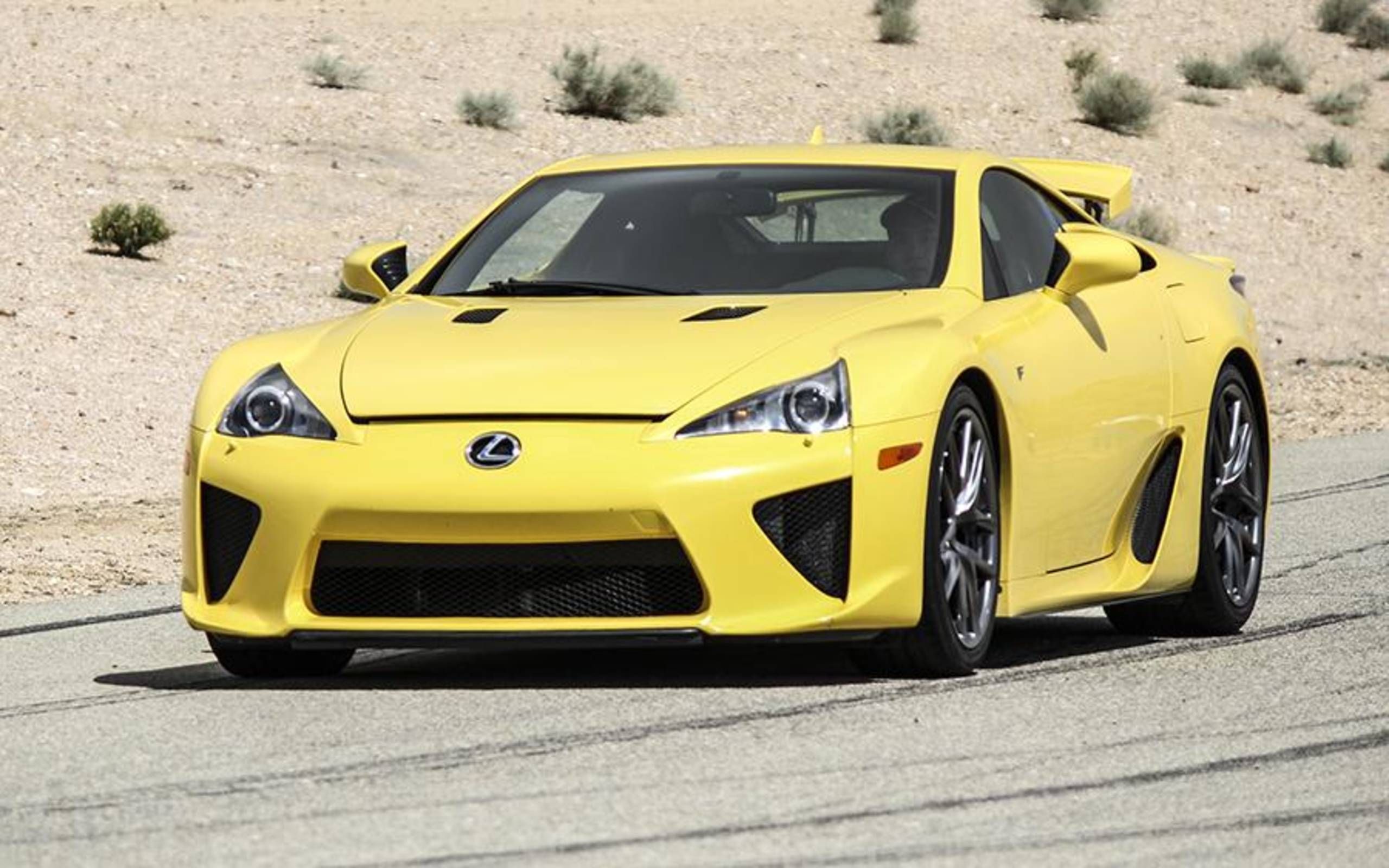
The Lexus LFA is an enigma, a supercar with one of the best-sounding engines ever fitted in a production car. Packed within its frame is a naturally aspirated 4.8-litre V10 that screams to a heady 9,000 rpm, churning out 553 hp and 354 lb-ft of torque in the process. However, the car’s performance and status came at a great cost to the carmaker.
The LFA supercar is regarded as a commercial failure. It was priced incredibly high, with a launch price of about $375,000, and even that was not enough to cover the massive R&D costs incurred by the carmaker. Lexus reportedly took a huge hit for every unit sold. The carmaker built only 500 units from 2010 to 2012, and it is telling that as recently as 2020, eight years after production officially ended, Lexus still had a few brand-new unsold LFAs sitting in dealer showrooms.
The hotel is in the buzzy Umekita neighbor, near Osaka Station and the new 11-acre Umekita Park.
Entry-level rooms feel lavish, with walk-in closets, deep soaking tubs, and glass-enclosed rain showers.
André Fu designed the Art Deco-inspired hotel, which uses Japanese technique and materials for an elegant aesthetic.
On-site restaurant Tsukimi elevates teppanyaki to an art form unlike anything you can find in the United States.
A magnum of 2015 Moët & Chandon Grand Vintage appears almost as soon as I sit down for my first meal at Waldorf Astoria Osaka, the Hilton luxury brand’s first hotel in Japan. Director of food and beverage Maximiliano Elias proudly tells me that this is their house Champagne and that Moët & Chandon made magnums exclusively for the hotel, because Champagne tastes better poured from magnums, and regular-sized bottles would look silly against the soaring ceilings of Peacock Alley, the trademark Waldorf Astoria lobby lounge.
“It just doesn’t have the same effect,” Elias says with a casual shrug. This “go big or go home” mentality permeates every aspect of the hotel, from the imposing entryway doors, to the sweeping marble staircase leading to Peacock Alley to the generously sized guest rooms. This is a place of grandeur and celebration, where it’s only natural to drink Champagne every day, from a magnum-size bottle, no less.
Staff members I meet throughout my stay hail from Argentina, Spain, the Netherlands, and Ireland, along with many excited locals, eager to share their hometown with visitors. Osakans are, in my experience, among the friendliest Japanese citizens—more talkative and less reserved than the people I’ve met in Tokyo and Hokkaido. One bartender was quick to AirDrop me a detailed note full of recommendations upon learning this was my first time in Osaka, while Toki, my chatty driver who picked me up from the airport, left me a handwritten card upon checkout.
Interior of the hotel lobby.
Waldorf Astoria Osaka
André Fu—the Hong Kong interiors architect behind hotels such as The Shangri-La, Tokyo, and Villa La Coste, in Aix-en-Provence, France—has outdone himself with this latest project. Fu drew Art Deco inspiration from the original Waldorf Astoria New York, which reopens after a massive renovation this summer, along with Osaka’s Yodoko Guest House, the only surviving Frank Lloyd Wright residence in Japan. There are subtle peacock tail motifs throughout the hotel, from the geometric patterns in intricate kumiko woodwork headboards to Japanese washi paper designs in the elevator.
Waldorf Astoria Osaka comprises two separate buildings connected by an indoor walkway to transition from the public spaces and lively opulence of Peacock Alley to the warm, homey arrival lobby, revolving around a natural stone fountain, where the front desk is located along with guest room elevators. This space is nicknamed “the lantern” for its warm golden glow and reminds me of the atrium at Upper House in Hong Kong, Fu’s first hotel project.
Here, everything you need to know about Waldorf Astoria Osaka.
The Rooms
Scenic views can be seen from the bedroom inside the Presidential Suite.
Waldorf Astoria Osaka
I was impressed by the entry-level guest rooms, which felt more like junior suites, with spacious walk-in closets, separate soaking tubs and walk-in rain showers, and minibars featuring local snacks and beverages.
All 252 guest rooms and suites have floor-to-ceiling windows with automated drapes and sheer linen curtains that can be easily controlled from bed to reveal views of the Osaka Bay, Yodo River, and the city skyline. “You can do lazy sightseeing from bed,” says Ewoud Roosjen, Waldorf Astoria Osaka’s commercial director. Many rooms have views of the Umeda Sky Building with its famous glass-enclosed escalators, and Roosjen tells me that rooms on the West side of the hotel have front-row seats for the annual Yodogawa Fireworks Festival. Thoughtful details like the angle of the TV tilted perfectly toward the bed, a lacquered jewelry box, folded pajamas, and housemade chocolates for turndown service make for a pampered and comfortable stay.
Three signature suites include a Presidential Suite built for entertaining with a natural hardwood dining room table that seats eight, a full kitchen, pantry, and private bar.
Food and Drink
Peacock Alley has panoramic views of the Kansai region with seasonal dishes made from local produce.
Waldorf Astoria Osaka
Waldorf Astoria Osaka has four restaurants and bars with Peacock Alley as the striking first impression when the elevator doors open on the 29th floor. “Peacock Alley is the beating heart of the hotel,” Roosjen says. A light all-day dining menu is available, along with afternoon tea, pairing sweet and savory bites served on Ginori pastel porcelain with a selection of Steven Smith Teamaker loose-leaf tea and Champagne.
Jolie Brasserie serves breakfast, lunch, and dinner, and the impressive breakfast buffet could have been arranged by a food stylist, including an exquisite salad bar with more than a dozen freshly julienned and sliced ingredients, congee accompanied by a plethora of toppings, and a Japanese breakfast set that you’d be remiss to skip.
Classic sushi and teppanyaki is made fresh as Tsukimi.
Waldorf Astoria Osaka
Tsukimi, a teppanyaki spot, is the hotel’s signature restaurant. Guests sit right at the bar and are treated to a study in the precision of grilling meats. Wagyu beef from nearby Kobe is proudly served here, and chefs respectfully present the cow’s noseprint birth certificate to guests. There is also a sushi counter within Tsukimi for those who prefer raw fish to cooked meat.
Classic Waldorf Astoria cocktails and Jazz Age favorites are served at Canes & Tales.
Waldorf Astoria Osaka
After dinner, head downstairs to Canes & Tails for a nightcap. The Jazz Age-inspired speakeasy bar is located behind an unlabeled green door and twisting hallway with cocktails inspired by F. Scott Fitzgerald book. After a long day of travel, I opted for a tropical non-alcoholic “The Lees of Happiness,” with a flower-shaped amazake ice cube that slowly melted into the drink to soften the sour flavors with sweetness.
Amenities and Experiences
The indoor pool sits on the 30th floor with views of Osaka Bay.
Waldorf Astoria Osaka
Upon arrival, every guest is offered personal concierge services via Whatsapp. My concierge promptly delivered a yoga mat to my room, helped me locate the hidden-away ironing board, and made a couple of dinner reservations for me. Complimentary shoe shine is offered to all guests, along with free Wi-Fi, and first-come, first-serve access to the Mercedes-Maybach house car. The hotel concierge can also organize off-property excursions, like knife-making in Sakai or a traditional tea ceremony experience.
The 30th floor is dedicated to well-being, with a library, indoor 82-foot-long pool, fitness center with Technogym equipment, and spa. The library is a relaxing retreat that’s open 24 hours, serving as a private space to work, read, or take meetings, and you can even order in-room dining here. You can also workout with skyline views at the fitness center with a variety of cardio equipment, free weights, fresh fruit, and fruit-infused water.
The hotel has ample beautifully designed meeting spaces too, connected by dramatic corridors, including two glamorous ballrooms and a bright and airy chapel.
The Spa
A treatment room at the hotel spa.
Waldorf Astoria Osaka
Located on the 30th floor, the intimate spa has four treatment rooms and features four skin care lines, including Swiss brands La Prairie and Dr. Burgener and Japanese skin care by Tiaraleen. The intriguing spa menu goes far beyond standard massages, with fascial release therapy, scalp exfoliation, abdominal massage, infrared heated body masks, and a magnesium-laden meridien massage to combat jet lag. I opted for a two-hour vitality experience, which began with a foot scrub using local sake, sake lees, and salt while I sipped freshly whisked matcha. I started face down with a firm lymphatic massage to help improve circulation before flipping over for a gua sha facial, all using Tiaraleen products. Men’s and women’s changing areas are well-appointed with a sauna, steam room, and hot tub. These facilities are available for hotel guests to enjoy even without a spa appointment.
Family-friendly Offerings
Although there isn’t a kids’ club, the hotel caters to families with quite a few connecting rooms and amenities like mini bathrobes and slippers, kids-sized pajamas, small umbrellas, Stokke high chairs, and a kids’ menu with dishes like pork curry vol-au-vent. “My kids were terrible eaters until we moved to Japan,” says Roosjen, who moved to Osaka from Qatar. “But now they snack on nori paper and eat yakitori chicken hearts.” The pool is also family-friendly with flutterboards and arm floaties upon request. Osaka is a great home base for families looking to explore Kyoto (less than an hour’s drive), Nara, and Universal Studios Japan.
Accessibility and Sustainability
Waldorf Astoria Osaka uses Hilton’s LightStay platform to measure environmental impact and energy efficiency, and offers carbon neutral meetings through Meet with Purpose. There are no single-use plastics on property, with full-size refillable Aesop bath amenities and complimentary glass bottles of sparkling and still water from Ashigara Seiga replenished daily in every room instead.
The hotel features four purposefully designed accessible rooms, thoughtfully equipped with features like automatic doors, grab bars, and lowered sinks to support the comfort and independence of guests with mobility and sensory needs. In public spaces, there are Braille elevators, ramp entrances, and accessible amenities including the meeting rooms, fitness center, and swimming pool.
Location
The hotel is on the top 10 floors of the trendy new Grand Green Osaka development, which has dining, shopping, and a terrific onsen (hot spring) that’s popular with locals.It’s also next to the 11-acre Umekita Park and across the street from JR Osaka Station, for easy airport access and convenient day trips to Kyoto, Kobe, Hiroshima, and Nara by train. Kansai International Airport (KIX) is 45 minutes by car or train, and you can fly directly to Osaka from San Francisco and Los Angeles.
How to Get the Most Value Out of Your Stay
Waldorf Astoria Osaka is part of the Hilton Honors program, and members can earn and redeem points during their stay. Gold members receive room upgrades based on availability, complimentary breakfast, and a 25-percent discount in hotel restaurants, while Diamond members also get two complimentary cocktails per night at Peacock Alley. The hotel is also part of American Express Fine Hotels & Resorts, which means, if you book with an Amex platinum card, you get early check-in, late check-out, room upgrades based on availability, complimentary breakfast, and a $100 food and beverage credit. Nightly rates at Waldorf Astoria Osaka start from $1,013.
Women in China often have stereotypical names that evoke weakness, or even a parental preference for boys. Women across the region are now rejecting the outdated stigma and leading beauty brand LUX has introduced Reclaim Her Name, a new campaign that inspires women to take control of their identity. Reclaim Her Name is a digital tool for China’s social media channels to help women change their traditional names by offering new versions, inspiring them to break free of the stereotype.
Reclaim Her Name
LUX worked with creative agency VML Singapore to create a digital tool that helps women in China to change their names, all with a simple shake of their mobile phone. This pioneering platform both simplifies and beautifies the process of name changing in China.
Reclaim Her Name
Reclaim Her Nameis a digital tool that works across China’s three biggest social platforms: WeChat, Weibo, and Rednote. Women enter their current name into the app, then simply shake their phone to generate a new name, using similar characters to their original name, but creating a new version that has a more modern and empowering meaning. Repeating the process until they’re inspired by one that truly resonates and reflects their self-identity.
Reclaim Her Name
As well as creating new names, LUX created a bespoke typeface, inspired by the ancient script of Nu Shu, the world’s only writing system created by and for women. This modern tool for female empowerment draws on an ancient source of feminist inspiration: Nu Shu, a unique ‘script of the sisterhood’ first created during the Song Dynasty. Unlike traditional Chinese characters, this secret language was exclusively used by women, passed down through generations as a way to express emotions, share stories, and preserve their cultural heritage in a patriarchal society that often sought to silence them.
Reclaim Her Name
Inspired by Nu Shu’s flowing, coded strokes, LUX designed New Women’s font — a contemporary typeface that pays homage to this resilient and resourceful spirit. Reclaim Her Name deconstructs oppressive and outdated names, reforming them into powerful new alternatives that install the strength and resilience of their foremothers. Reclaim Her Name not only sheds light on this cultural bias but also empowers women to take action by providing them with the tools to reclaim their identity.
Reclaim Her Name
To amplify the Reclaim Her Name campaign message of self-transformation, LUX is collaborating with influential ambassadors throughout China to lead by example and to encourage other women to try out the digital tool.
Reclaim Her Name
Judy Zu, Global Brand Director for LUX, says“Each Chinese character is an alchemy of sound and symbol: the same strokes, rearranged, weave blessings or critiques. At LUX, we believe every woman deserves a name that becomes a mirror to her strength and a compass for her journey. Yet, even today, profound bias still lurks behind many women’s names. That’s why we created Reclaim Her Name: not just to rename, but to reignite. Because every woman can – and should – sculpt her identity unapologetically, just as characters transform with every stroke, so can we”.
Women are now speaking out and using#ShakeForChange to advocate for strength in female empowerment, while encouraging others to take to the digital tool for their own enlightenment.
For more on the latest in lifestyle and culture reads, click here.
In a year rife with all manner of important anniversaries, Breguet distinguishes its 250th birthday offering with the Classique Souscription 2025, which might be the world’s most important wristwatch with just one hand (flame-blued and curved by hand). In fact, there might be more watches out in the wild with no hands than with just one – we can think of no examples of any recent timepiece that only indicated the hours, with just an approximation for the minutes. The word ‘recent’ is key there because Breguet says this model was chosen for the anniversary because it pays tribute to the brand’s past and also looks to the future. The reference here is, of course, Abraham-Louis Breguet’s Souscription watches of 1797.
Calibre VS00
To backtrack a little, Breguet turns 250 this year and it happens to share this milestone with a number of brands, though not every brand is quite as solid as the house Abraham-Louis built. Think of who created the tourbillon and why some numerals and hands are called Breguet… For the more technically inclined, consider if the watch you are wearing now has a hairspring with a Breguet overcoil. If the list of his accomplishments were limited to his technical innovations, that would suffice for all watch enthusiasts to raise a toast to Abraham-Louis but he was also a pioneer in branding and sales.
Breguet Classique Souscription 2025
That last bit brings us right back to the Souscription watch, which was truly a sales model that the great watchmaker came up with. This story does not have the space to pay proper tribute to all the history but Abraham-Louis had prospective clients pay a deposit to purchase the original Souscription watch, hence the reason for the name (subscription in English).
Breguet Classique Souscription 2025
In this 2025 version, that 60mm pocket watch has been transformed into a 40mm wristwatch in an entirely new and exclusive type of 18k gold, Breguet gold (see the materials special in this issue for more). Briefly, other metals in this alloy include silver, copper and palladium and we must reserve comments on the colour until we have it in our hands.
Calibre VS00
There is also a new calibre in play, the manual-winding VS00, that brings the aesthetics of the Tradition calibres to the Classiques range while also bringing the aforementioned Breguet overcoil into the picture. Collectors and connoisseurs should take note of the new shot-blast decoration and hand-finishing on the gilded brass parts and the cursive script on the ratchet wheel. The latter might be popular enough to lend itself to an appearance in the Tradition models but only time will tell if that happens.
Breguet Classique Souscription 2025
For now, the apparent magnificence of the movement makes us wish for the standard straight lugs here so the watch can be worn comfortably, movement side up! The Classique Souscription 2025 features a reworked case that eschews the expected fluting on the case middle and curved lugs for an improved fit on the wrist.
Breguet Classique Souscription 2025
Even worn properly, we will venture to say that this watch cannot help but be a talking point because people will stop to gawk, and perhaps seek out the secret signatures on the grand feu enamel dial (with petit feu numerals and minute track)
For more on the latest in luxury watch reads from WOW, click here.
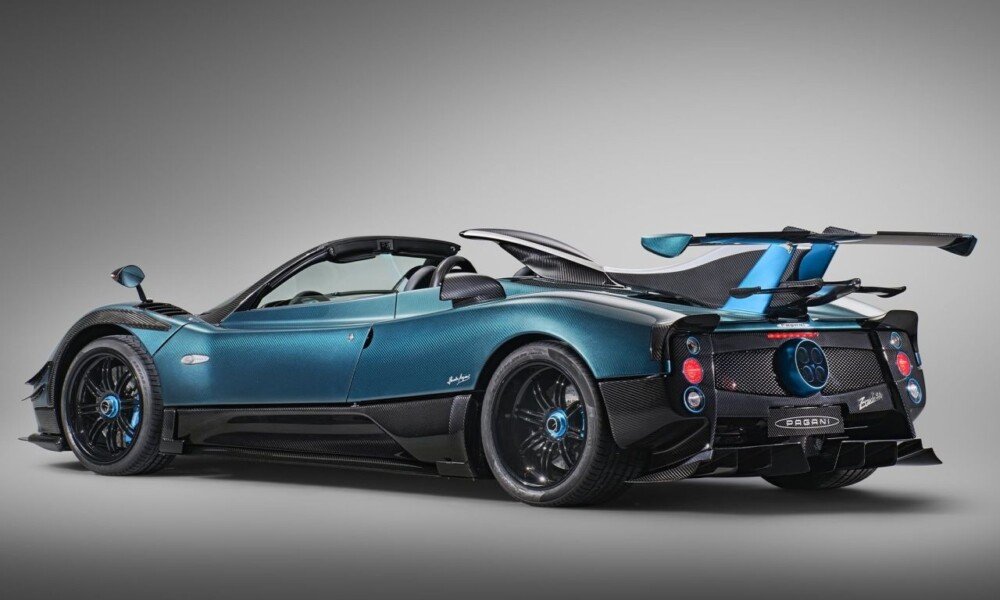
The Pagani Unico program allows customers to create and customize their dream supercar. The possibilities are infinite, and we’ve seen several examples of that already, such as the Zonda Arrivederci and the Zonda MY with the gated manual transmission.
Pagani has now revealed yet another one-off Zonda that was created as part of its Unico program. This one appears to have been commissioned by a Chinese customer.
This one-off Pagani Zonda Roadster is inspired by the Kunlun Mountains. It has a full carbon exterior with a stunning blue lacquer. It is fitted with the upgraded aero kit with the double spoiler, shark fin, twin ducts on the front clamshell, fender louvres with cooling ducts on the rear and a large intake scoop. The brake calipers, exhaust tips and the twin pillars for the rear spoiler are painted blue.
Like most modern Zonda rebuilds, this one too appears to be based on the Zonda 760 Roadster. It is likely to be powered by the updated AMG-sourced 7.3-litre naturally aspirated V12 engine tuned to produce 760 hp.
Enchanted Pool Waterfall, a hidden gem in Cavalcante, where crystal-clear waters meet untouched wilderness.
If you’re looking for a hidden gem in Brazil, Chapada dos Veadeiros is the place to be. This national park is packed with stunning landscapes, rich biodiversity, and a vibe that feels magical. Many travelers have yet to discover its beauty, making it the perfect spot for those who want to escape the usual tourist trails.
In this guide, I’ll share everything you need to plan your trip to Chapada dos Veadeiros, from flights and car rentals to must-see attractions and where to stay.
Key Takeaways
Chapada dos Veadeiros offers breathtaking scenery and is less crowded than other Brazilian destinations.
Plan your trip by booking flights and car rentals ahead of time to save money and hassle.
Travel insurance is a smart move for peace of mind during your travels.
The best time to visit is during the dry season for optimal weather and trail access.
Choose eco-friendly accommodations and support local businesses to enhance your travel experience.
Introduction: Why Chapada dos Veadeiros Is Brazil’s Best-Kept Secret
King of Prata Waterfall, a hidden gem in Cavalcante, Chapada dos Veadeiros in Brazil.
Okay, friends, let’s talk about a place that’s been whispering secrets to those in the know: Chapada dos Veadeiros.
Forget the crowded beaches of Rio for a minute and picture this: a sprawling national park in central Brazil, bursting with ancient rock formations, countless waterfalls, and a vibe so chill, you’ll instantly feel lighter. For a long time, I had marked this place on my bucket list of dreams. It wasn’t until early 2020 that I got the chance to visit, and wow! Chapada dos Veadeiros did not disappoint!
We’re talking about a place that still feels untouched, where the air is clean. And the stars at night? Unbelievable. It’s a haven for those of us who crave adventure but also appreciate a good dose of tranquility. The people of Chapada are made up of travelers from different parts of Brazil who ended up staying. So the traveling spirit makes them super welcoming.
Chapada dos Veadeiros is easily one of the most spectacular national parks in Brazil, located in the central state of Goias. It’s more than just a pretty place; it’s an experience. It’s about connecting with nature, finding yourself, and maybe even discovering a little bit of magic along the way. Think of it as Brazil’s best-kept secret, and we’re about to let you in on it.
In addition to surreal landscapes and a huge concentration of waterfalls, the park has also built a reputation for being a mystical place. If you are looking for an otherworldly paradise, this is the place to be.
“Chapada dos Veadeiros in April is incredible! In fact, every month of the Chapada has its own charm. Located in the heart of the Brazilian Cerrado…“
So, why is it still a secret? Well, it’s a bit off the beaten path, which keeps the crowds away. But trust us, the journey is worth it. We’re going to walk you through everything you need to know to plan an unforgettable trip to this incredible place. Get ready to explore waterfalls, hike through stunning landscapes, and experience the magic of Chapada dos Veadeiros.
Dive into the crystal-clear turquoise waters of Santa Bárbara Waterfall – a true hidden gem in Chapada dos Veadeiros in Brazil.
Planning Smarter: Flights, Car Rentals, and Travel Insurance
Okay, let’s talk logistics. Getting to Chapada dos Veadeiros and getting around once you’re there requires some planning. And trust us, a little prep work here can save you a lot of headaches later. We’re talking flights, cars, and that oh-so-important travel insurance.
Finding the Best Flights and Car Deals
First things first: flights. Brasília (BSB) is your gateway. Keep an eye on flight comparison websites; sometimes, you can snag a real bargain if you’re flexible with your dates. We usually start looking a few months in advance. Don’t forget to check budget airlines, but always factor in baggage fees!
Now, about that car. Honestly, to really explore Chapada, you’ll want to rent one. The park is vast, and the best spots are often off the beaten path. We usually opt for a 4×4, especially if we’re going during the rainy season—those dirt roads can get pretty gnarly. Make sure you book in advance, especially during peak season.
Also, be aware that most rental companies require the renter to be at least 21 years old and have held a valid driver’s license for at least two years. You can find more rental car information online.
Let’s be real: travel insurance isn’t the most exciting topic, but it’s super important. Think of it as a safety net. You just never know what might happen—a delayed flight, a lost bag, or even a medical emergency. We always get comprehensive coverage that includes medical expenses, trip cancellation, and lost or stolen belongings. It gives us peace of mind, knowing we’re covered if something goes wrong.
“Travel insurance is one of those things you hope you never need, but you’ll be incredibly grateful to have if you do. It’s a small price to pay for the security and reassurance it provides, especially when you’re exploring remote areas like Chapada dos Veadeiros.“
Medical coverage: Make sure it covers medical expenses, including hospitalization and evacuation.
Trip cancellation: Look for coverage that protects you if you have to cancel or cut your trip short due to unforeseen circumstances.
Lost or stolen belongings: Check the policy limits for lost or stolen items and make sure they’re sufficient for your valuables.
How to Get to Chapada dos Veadeiros from Brasília, Brazil’s Capital
So, you’re ready to ditch the city and dive into the wild beauty of Chapada dos Veadeiros! The most common jumping-off point is Brasília, Brazil’s capital. Don’t worry; getting from the urban jungle to the natural paradise is pretty straightforward. We’ve done it a bunch of times, and we’re here to share our tips.
Wide-angle view of Chapada dos Veadeiros landscapes in Brazil..
Road Trip Tips and Car Rentals
All right, listen up! The best way to experience Chapada dos Veadeiros is definitely by car. It gives you the freedom to explore at your own pace and reach those hidden gems that tour buses just can’t get to. Renting a car in Brasília is super easy, with tons of options right at the airport.
View of a winding road through an open landscape; sunny sky in Chapada dos Veadeiros.
Here’s the lowdown on making it a smooth ride:
Book in advance: Especially during peak season (like school holidays or long weekends), rental cars disappear faster than free pão de queijo. Secure your ride ahead of time to avoid any last-minute stress.
Consider the car type: While most roads are fine for a regular car, some of the more remote waterfalls and trails might require something with a bit more clearance. An SUV could be a good call if you’re planning on going off the beaten path.
Check the fine print: Read the rental agreement carefully! Pay attention to mileage limits, insurance coverage, and the return policy. Trust us, it’s better to be safe than sorry.
“The drive from Brasília to Alto Paraíso (the main hub in Chapada) is about 230 kilometers, which translates to roughly three to four hours on the road. The BR-010 and GO-239 highways are generally well-maintained, but keep an eye out for potholes, especially after heavy rains. Also, driving at night is not recommended due to the risk of encountering wildlife on the road.“
Once you’ve got your wheels sorted, here’s a mini road trip survival guide:
Download offline maps: Cell service can be spotty in certain areas of Chapada, so download offline maps on Google Maps or Maps.me before you leave Brasília. It could save your bacon!
Pack snacks and water: Road trip essentials, right? There aren’t many rest stops along the way, so stock up on your favorite goodies and plenty of water to stay hydrated.
Fill up the tank: Gas stations can be few and far between once you leave Brasília, so make sure you have a full tank before hitting the road. Nobody wants to get stranded in the middle of nowhere!
Enjoy the drive! The scenery along the way is pretty awesome, with the landscape gradually transforming from the flatlands of the cerrado to the rugged beauty of Chapada dos Veadeiros. Keep an eye out for the Garden of Maytreia—it’s a must-see spot for a quick photo op!
Best Time to Visit: Seasons and Weather
Vivid landscape of Chapada dos Veadeiros.
Okay, let’s talk about when to actually go to Chapada dos Veadeiros. Honestly, there’s no bad time, but some periods are definitely better than others, depending on what you’re after. We’ve been a few times now, and each season offers something unique.
Generally, the best time to visit Chapada dos Veadeiros is during the dry season, which runs from May to September. Think clear skies, sunny days, and perfect conditions for hiking and waterfall chasing. The temperatures are pleasant, usually hovering around the mid-70s (Fahrenheit), making it ideal for outdoor activities. However, keep in mind that this is also peak season, so expect more people and potentially higher prices for accommodation.
Now, if you’re on a budget or don’t mind a bit of rain, the wet season (October to April) can also be a good option. The landscape transforms into a lush, green paradise, and the waterfalls are at their fullest and most impressive. Just be prepared for occasional downpours and muddy trails. Plus, some roads might become difficult to navigate without a 4×4. We actually found some incredible deals on eco-lodges during the rainy season!
“We once went in November, and while it rained almost every afternoon, the mornings were absolutely stunning. The waterfalls were roaring, and the vegetation was so vibrant. It felt like we had the whole park to ourselves!“
Here’s a quick breakdown:
Dry season (May to September): Best for hiking, clear skies, and pleasant temperatures. Expect more tourists and higher prices.
Wet season (October to April): Best for lush landscapes and powerful waterfalls. Be prepared for rain and muddy trails.
Shoulder seasons (April/May and September/October): Offer a good balance of weather and fewer crowds. These are often our favorite times to go.
Ultimately, the best time to visit depends on your priorities. Do you want guaranteed sunshine and perfect hiking conditions? Or are you willing to brave a bit of rain for a more secluded and budget-friendly experience? Either way, Chapada dos Veadeiros is sure to impress!
For travelers looking for more practical tips on making the most out of their trip, I often refer to resources like this onethat cover everything from local insights to travel hacks.
Sunset vibes at Mirante in São Jorge – the perfect spot to unwind with good company and stunning views in Chapada dos Veadeiros.
What to Pack for Chapada: Essentials for Every Explorer
Okay, let’s talk about packing. We’ve been to Chapada dos Veadeiros a bunch of times, and trust us, packing the right stuff can make or break your trip. It’s not just about throwing some clothes in a bag; it’s about being prepared for anything, from a scorching hike to a sudden downpour. So, here’s our tried-and-true packing list to help you make the most of your adventure.
Waterfalls, Trails, and Hidden Gems
Lightweight, quick-drying clothing: Seriously, this is key. Think moisture-wicking shirts, shorts, and pants. You’ll be sweating, swimming, and possibly caught in the rain, so cotton is not your friend. We usually pack a mix of hiking clothes and casual stuff for evenings in town.
Hiking boots or sturdy shoes: You’ll be doing a lot of walking on uneven terrain, so ankle support is a plus. Make sure they’re broken in before you go! We learned that the hard way on our first trip—blisters galore!
Swimsuit: Obvious, right? But pack a good one that you can comfortably wear under your hiking clothes for quick dips in the waterfalls. The Chapada dos Veadeiros itinerary is full of water activities, so you’ll want to be ready.
Sunscreen, hat, and sunglasses: The sun in Chapada is intense, especially at higher elevations. Protect your skin and eyes! We always bring a wide-brimmed hat for extra coverage.
Insect repellent: The bugs can be pretty persistent, especially near the water.
Small backpack: For day hikes, you’ll want a comfortable backpack to carry water, snacks, sunscreen, and other essentials. A hydration pack is also a great idea.
Reusable water bottle: Stay hydrated! There are plenty of places to refill your bottle along the trails.
First-aid kit: Pack the basics like bandages, antiseptic wipes, pain relievers, and any personal medications. It’s always better to be prepared.
Headlamp or flashlight: Useful for exploring caves or hiking in the dark. Plus, some of the trails aren’t well-lit at night.
Camera or smartphone: You’ll want to capture all the amazing scenery! Don’t forget extra batteries or a portable charger.
Cash: While some places accept credit cards, it’s always a good idea to have cash on hand, especially for smaller towns and entrance fees.
“Don’t overpack! You’ll be doing a lot of walking, so you don’t want to be weighed down by unnecessary stuff. Stick to the essentials and leave some room for souvenirs.“
We usually bring a small dry bag to protect our electronics when we’re near the water. It’s a lifesaver! And don’t forget a good book or two for those relaxing evenings at your pousada. Happy trails.
Tranquil streams and rugged beauty at Prata Waterfall Complex, Cavalcante – pure Chapada magic.
Where to Stay: Accommodation Options
Now, where should you crash after a day of chasing waterfalls and hiking trails? We’ve got a few ideas, from super comfy to wonderfully rustic. It really depends on what kind of vibe you’re going for. Let’s break it down:
Eco-lodges, Guesthouses, and Hotels
Eco-lodges: If you’re all about that nature immersion, an eco-lodge is where it’s at. Think solar power, locally sourced food, and trails right outside your door. Some are seriously luxurious, others are more on the simple side, but they all share a commitment to sustainability. We stayed at one near Alto Paraiso once, and the stars at night? Unbelievable. Plus, you’re directly supporting sustainable tourism, which is always a win.
Guesthouses (Pousadas): Pousadas are like the Brazilian version of a bed and breakfast, but with way more charm. Usually family-run, they offer a personal touch you won’t find in a big hotel. Expect home-cooked meals, friendly advice from the owners, and a cozy atmosphere. They’re often located right in town, so you’re close to restaurants and shops. We found a great one once, and the owners gave us the best tips on hidden waterfalls.
Hotels: If you prefer something more familiar, there are hotels in Alto Paraiso and São Jorge. They range from budget-friendly to upscale, offering amenities like swimming pools, restaurants, and air conditioning. Great if you want a bit more predictability and comfort. Just remember, you might miss out on some of the local flavor.
Charming retreat at Pousada Inácia, blending comfort and art near Alto Paraíso, Chapada dos Veadeiros.
“Choosing where to stay really sets the tone for your whole trip. Do you want to wake up to the sounds of birds and monkeys, or do you prefer a comfy bed and a hot shower after a long day of exploring? There’s no wrong answer, just what’s right for you.“
Here’s a quick comparison table to help you decide:
Accommodation
Pros
Cons
Eco-lodge
Immersive nature experience, sustainable, unique
Can be remote, may lack some amenities
Guesthouse
Personal touch, local experience, often good value
May have fewer amenities than hotels
Hotel
Familiar amenities, convenient locations, often have pools/restaurants
Can feel less authentic, may not be as connected to nature
No matter where you choose, book in advance, especially if you’re traveling during peak season (like July or December). Places fill up fast! And don’t be afraid to ask the locals for recommendations—they always know the best spots.
Choosing Your Base: Alto Paraíso, São Jorge, or Cavalcante?
Now that you’ve got your travel plans in place, let’s talk about where to stay to explore Chapada dos Veadeiros. The park is huge, and the three tourist hotspots are Alto Paraíso,São Jorge, and Cavalcante — each with its own atmosphere, attractions, and charm.
Welcome to Alto Paraíso, the vibrant gateway to Chapada dos Veadeiros!
Alto Paraíso de Goiás is the largest and most developed of the three. It’s where you’ll find a wide variety of accommodations, from guesthouses to hotels, as well as restaurants, shops, and markets. It’s a great base for first-time visitors looking for a little more convenience without losing the small-town feel.
São Jorge is a quiet village right next to the entrance to Chapada dos Veadeiros National Park. It’s a little more rustic, with dirt roads and a cozy, bohemian vibe. Perfect for those looking for easy access to trails and waterfalls like Vale da Lua and Saltos do Rio Preto. Plus, the stargazing here is out of this world.
Cavalcante is further north and feels like the wild frontier of Chapada. It’s the gateway to the incredible Santa Bárbara Waterfall, that stunning turquoise waterfall you’ve probably seen on Instagram before. The area has fewer tourists, so it’s ideal if you’re looking for a more off-the-beaten-path experience.
Each town provides access to different corners of the park, so where you stay can shape your entire adventure. And if you have time, why not split your stay between two of them? That way, you can enjoy the best of both worlds.
We’ll delve deeper into each of these towns in the next few guides, sharing the best things to do, where to stay, and what to eat. So stay tuned!
Must-See Attractions in Chapada dos Veadeiros
Wide view of Chapada dos Veadeiros stunning landscape.
Okay, let’s dive into the heart of what makes a Chapada dos Veadeiros travel guide worth its weight in gold—the attractions! We’re talking waterfalls that’ll make your jaw drop, trails that’ll test your mettle, and hidden gems that’ll make you feel like you’ve discovered paradise. Trust us, you’re gonna want to bring your camera (and maybe a spare battery!).
Hidden emerald pools at Canjica Complex – a perfect oasis for a refreshing dip in Chapada dos Veadeiros.
Waterfalls, Trails, and Hidden Gems
All right, where do we even begin? Chapada is overflowing with incredible spots. Let’s break it down:
Cachoeira Santa Bárbara: Seriously, this waterfall is unreal. The water is this crazy turquoise color, and it feels like you’re swimming in a dream. It’s a bit of a trek to get there (you’ll need a guide and there’s a small entrance fee), but SO worth it. Plus, you can hit up the Capivara and Candaru waterfalls while you’re in the area.
Saltos do Rio Preto (Salto I and Salto II): These are the big boys. We’re talking massive waterfalls with serious power. The trails to get there are pretty manageable, and the views are epic. Don’t miss Mirante da Janela; it gives you this insane panoramic view of the falls. It’s one of those spots that’ll make you feel tiny in the best way possible.
Vale da Lua (Moon Valley): This place is straight out of a sci-fi movie. It’s this valley filled with these crazy rock formations that look like they belong on the moon. It’s a great spot for a swim and some seriously unique photos.
Jardim de Maytrea: If you are nature lovers, this is the perfect setting. The place is full of surprising landscapes of the countryside and savannah. In addition, the garden is the postcard of Chapada dos Veadeiros.
The powerful Veredas Waterfall in Cavalcante, Chapada dos Veadeiros.
“Remember to always check the weather conditions before heading out on any trails, and be sure to bring plenty of water and snacks. The sun can be intense, so sunscreen and a hat are a must!“
Honestly, we could go on and on. Chapada is packed with so many incredible places to explore. These are just a few of our favorites to get you started. Happy exploring!
Delicate beauty of the Cerrado – a glimpse of Chapada dos Veadeiros’ unique flora.
Responsible Travel: Sustainable Tourism and Supporting Locals
Okay, so you’re heading to Chapada dos Veadeiros—awesome! It’s seriously stunning, right? But let’s chat about keeping it that way. We’ve got to think about how our visit impacts the area, both the environment and the people who call it home. It’s all about traveling responsibly so future generations can enjoy this magical place too.
Eco-Friendly Tips and Community Support
Let’s get down to the nitty-gritty. Here’s how we can make a positive impact while exploring Chapada:
Minimize waste: Pack reusable water bottles, shopping bags, and containers. Seriously, ditch the single-use plastics whenever you can. It makes a difference!
Support local businesses: Eat at family-run restaurants, buy souvenirs from local artisans, and use local guides. Your money goes directly into the community, helping them thrive.
Respect nature: Stick to marked trails, avoid disturbing wildlife, and never leave trash behind. Leave only footprints, take only pictures, you know the drill.
“Think of it this way: we’re guests in their home. Let’s treat it with the respect it deserves. It’s not just about following rules; it’s about showing that we care.“
And hey, when you’re booking your trip, consider looking into eco-lodges or guesthouses that are committed to sustainable practices. Check out their websites or ask about their environmental initiatives before making your hotels reservations. Every little bit helps, and it feels good to know you’re supporting businesses that are doing their part!
Cerrado’s tiny treasure – the wild cashew fruit in Chapada dos Veadeiros.
Conclusion: Let Chapada’s Magic Transform You
So, there you have it—our guide to Chapada dos Veadeiros! We really hope this has inspired you to pack your bags and experience this incredible place for yourself. It’s more than just a trip; it’s an immersion into a world where nature’s beauty meets a unique, welcoming culture.
Remember that feeling of standing beneath a waterfall, the spray cooling your skin, or the vastness of the canyons stretching out before you? That’s Chapada’s magic at work. It’s a place that stays with you long after you’ve left, a reminder of the power and beauty of our planet. And hey, maybe you’ll even find yourself booking return airline tickets before you’ve even left!
We’ve shared our favorite spots, tips for planning, and a little bit about what makes this place so special. Now it’s your turn to go and create your own Chapada story. Trust us, it’s a story you’ll want to tell again and again. Safe travels, and we hope Chapada dos Veadeiros transforms you in ways you never expected!
Loquinhas Waterfall – a hidden emerald pool in the heart of Chapada dos Veadeiros.
Wrapping It Up: Your Chapada Adventure Awaits!
So, there you have it! Chapada dos Veadeiros is just waiting for you to explore its stunning landscapes and hidden gems. Whether you’re hiking to breathtaking waterfalls or just soaking in the vibes of this magical place, you’re in for an unforgettable experience.
Remember to pack your sense of adventure and maybe a camera to capture all those Insta-worthy moments. And hey, if you run into any friendly locals, they’ll probably have some great tips to share. So go ahead, plan that trip, and get ready for some serious nature therapy!
Felipe and Melissa soaking up the stunning views at Jardim de Maytrea, Chapada dos Veadeiros.
Frequently Asked Questions
What is Chapada dos Veadeiros known for?
Chapada dos Veadeiros is famous for its stunning landscapes, diverse wildlife, and beautiful waterfalls. It’s a great spot for hiking and nature lovers.
How do I get to Chapada dos Veadeiros from Brasília?
You can drive to Chapada dos Veadeiros from Brasília, which takes about three to four hours. Renting a car is a popular option.
What is the best time to visit Chapada dos Veadeiros?
The best time to visit is during the dry season, from May to September, when the weather is cooler and there’s less rain.
What should I pack for my trip?
Make sure to pack comfortable hiking shoes, sunscreen, a hat, water bottles, and a camera to capture the beautiful scenery.
Are there places to stay near Chapada dos Veadeiros?
Yes, you can find various accommodations like eco-lodges, guesthouses, and hotels in nearby towns such as Alto Paraíso and São Jorge.
What are some must-see attractions in the park?
Don’t miss the stunning waterfalls, scenic hiking trails, and unique rock formations. Some popular spots include Cachoeira Santa Bárbara and the Saltos Waterfalls.
Is it safe to travel to Chapada dos Veadeiros?
Yes, it’s generally safe for tourists, but it’s always good to stay aware of your surroundings and follow local advice.
How can I support local communities while visiting?
You can support local communities by buying handmade crafts, eating at local restaurants, and participating in eco-friendly tours.
TripVista360 is a travel project designed to help curious explorers travel smarter and spend less. We share practical guides, cultural insights, and budget-friendly tips for discovering the world without compromising on experience. 🌎 Explore more. Spend less. Travel with purpose.
Last month, we reported that Aston Martin was working on a hardcore version of the DBX. Well, it has now been confirmed that the company was indeed planning to launch a sporty SUV in the form of the Aston Martin DBX S.
The new DBX S is positioned above the existing DBX 707. It promises better performance and a more engaging drive. Here’s how.
Let’s start with the engine. The 4.0-liter twin-turbo V8 engine has been upgraded to produce 717 hp. The increased performance was achieved using turbochargers from the Valhalla supercar. As a result, the DBX S can sprint from 0-60 mph in 3.1 seconds, while 0-124 mph takes a few tenths less. Top speed remains unchanged at 193 mph.
The engine is mated to a 9-speed automatic gearbox, which has been remapped for quicker shifts. The steering ratio has also been adjusted for better response. The suspension and all-wheel drive system remain unchanged.
Now, coming to the exterior bits, the DBX S features a sportier front fascia with a new honeycomb grille, updated front bumper, new carbon mirrors and a carbon fibre roof. The result is a curb weight of 4846 lbs, 100 lbs less than the standard DBX.
The DBX S rides on a new set of 23-inch magnesium wheels and is equipped with ceramic brakes. The exhaust has also been upgraded and now features a pair of vertically stacked exhaust tips.
Prices for the Aston Martin DBX S will be announced later. Deliveries will begin in the fall of 2025.
An incredible number of factors are involved in getting a supercar from the drawing board through concept stages and into eventual production. The design language, aerodynamics, performance, and pricing are just some of the elements that have to complement each other with a minimal margin for error.
It is almost inevitable, then, that a supercar manufacturer will occasionally trip up and end up with a disappointing product. In some cases, the carmaker is lucky to escape with a slap on the wrist, but in other situations, the consequences of a supercar flop are much more severe, as some of the highlighted examples show.
The journey of this low-slung British supercar began with so much promise. Jaguar initially did not plan on putting the XJ220 concept into production when it was first unveiled at the 1988 Birmingham Auto Show.
However, the highly positive reception changed all that, and the machinery for a production version was put in motion. Unfortunately, the carmaker ran into several issues during the development that pushed the initial asking price from about $327,000 to over half a million (today’s value).
To compound matters, the engineers swapped out the race-bred 6.2-litre V12 engine—advertised in the prototype—with a tamer 3.5-litre Biturbo V6. This enraged several potential customers, many of whom canceled their orders and threatened lawsuits. Then the global economic recession rolled in, and Jaguar found it increasingly hard to sell its halo supercar. Eventually, the XJ220 was killed off barely three years after its launch.
The Bugatti EB110 paved the way for the formidable Veyron and Chiron hypercars. However, its own story was steeped in misfortune. When it debuted in 1991, the EB110 was hailed as a technological marvel with a host of innovative features on board.
Unfortunately, the timing of its launch coincided with a recession that swept through Europe and North America. That made the EB110’s $350,000 look unseemingly, presenting an almost impossible barrier to ownership, impressive as the car was.
The carmaker was also going through a period of expansion at about the same time and had hoped that EB110 sales would fund the company’s ambitious growth strategy. Well, that did not happen, and only 139 units of the car were sold before Bugatti flopped over on its side and went bankrupt.
#3: Lamborghini Jalpa
There seems to be no stopping Lamborghini these days. The company is on a roll, recording unprecedented successes with models like the Urus, Huracan, and Aventador. However, the carmaker has had to endure a few bumps on its path to glory—one such hiccup was the Lamborghini Jalpa.
The almost forgotten sports car was designed as a more ‘affordable’ alternative to the Countach flagship. Unfortunately, the car was poorly received, and just over 400 were produced from 1982 to 1988 when Lamborghini, now under new ownership, pulled the plug.
Born from the brand’s desire to enter competitive racing, the BMW M1 was the first car solely developed by the carmaker’s now famous M Division. It was designed expressly to allow BMW to compete in the FIA Group 4 sports car racing.
Unfortunately, the competition rules had changed by the time the M1 was ready. This effectively rendered the car impotent before it ever had a chance to showcase its impressive performance capabilities.
BMW attempted to keep the M1 relevant by creating a one-car racing series dubbed the BMW M1 Procar Championship, but that only lasted a couple of years before it was scrapped. Production lasted from 1978 to 1981 before BMW finally gave up on the car after about 450 cars had rolled off the assembly line.
The Mondial 8 replaced the 308/208 GT4 coupe and was designed as a mid-engined V8 Grand Tourer with a 2+2 seating configuration. While great in theory, the idea did not turn out so well in the real world, and the poor Mondial 8 is a regular feature on the list of the worst Ferraris ever made. For one, the Mondial 8 was no lightweight at about 3,460 pounds. Then there was an underpowered V8 engine that generated only 214 hp.
The Mondial needed almost eight seconds to hit 62 mph. It was an unacceptable performance for a car that was neither cheap nor reliable. Thankfully, Ferrari quickly realized this and introduced an improved variant—the Mondial QV—just two years after the Mondial 8.
Imagine an F1 car reimagined for road use. That, and more, was what the Caparo T1 promised back when it was introduced in 2006. The single-seater supercar was powered by a naturally aspirated V8 that cranked out 575 hp and 310 lb-ft of torque. A modest amount for a supercar, but then the T1 weighed only 1,036 lbs (470 kg).
That meant it had a better power-to-weight ratio than hypercars like the Bugatti Veyron and could rocket to 100 mph in less than five seconds. Unfortunately, the full potential of the T1 was never realized. Several safety incidents, including a suspension failure during the launch, threatened to derail the project.
Sales were also downright disappointing. According to reports, only 15 units of the T1 had been sold by 2012; against a planned run of 25 units per year. Then the company ran aground, hit by a wave of financial difficulties that put it on the verge of bankruptcy in 2015. By 2019, Caparo Vehicle Technologies was fully liquidated, taking any dream of resurrecting the T1 with it.
#7: Mitsuoka Orochi
The Orochi was a Japanese sports car built from 2006 to 2014. For good reason, it is often regarded as one of the ugliest cars ever made. It’s hard to point out any positives about the car. It weighed over 3,400 lbs and desperately needed more power than what was offered by the 233-hp V6 engine.
The Orochi needed almost 7 seconds to hit 60 mph, an abysmal figure for a supposedly high-performance car. No surprise then that it was also a commercial bomb. A few special edition models were unable to turn the tide in the car’s favor, and in 2014, Mitsuoka mercifully put an end to the Orochi.
This American supercar was touted as the one that would finally take the fight to the established Italian heavyweights—Lamborghini and Ferrari. Pricewise, it certainly seemed capable of that with an eye-watering $450,000 price tag back in 1992. It wasn’t lacking in the power department either.
The W8 had a 6.0-litre Rodeck twin-turbocharged V8 that generated 625 hp at 5,700 rpm. The carmaker claimed the W8 could hit a 242 mph top speed, which would have made it the fastest production car at the time.
Unfortunately, the W8’s styling came in for a lot of criticism, and several reliability issues further complicated matters. In the end, less than 20 cars were sold before the W8 project folded and sank, with the company following soon after.
The DeLorean DMC-12, with those iconic gullwing doors, has to be one of the most recognizable sports cars ever. The car was made famous by its portrayal in the Back to the Future movie franchise with a cult following that’s still active.
Away from the movie screen, however, the DMC DeLorean had a widely contrasting fortune and fate. First off, the build quality was awful, with imperfect gap dimensions among the car’s many issues. It was also painfully slow, needing almost 10 seconds to hit 60 mph.
One can only wonder why the designers settled on a 132-hp engine to haul the car’s 2,866 lbs (1,300 kg) mass around. The DMC-12 was also expensive, and DeLorean had a hard time pushing sales. Eventually, a lack of cash flow, primarily due to the DMC-12’s poor market performance, drove the company to insolvency and eventual ruin.
The Lexus LFA is an enigma, a supercar with one of the best-sounding engines ever fitted in a production car. Packed within its frame is a naturally aspirated 4.8-litre V10 that screams to a heady 9,000 rpm, churning out 553 hp and 354 lb-ft of torque in the process. However, the car’s performance and status came at a great cost to the carmaker.
The LFA supercar is regarded as a commercial failure. It was priced incredibly high, with a launch price of about $375,000, and even that was not enough to cover the massive R&D costs incurred by the carmaker. Lexus reportedly took a huge hit for every unit sold. The carmaker built only 500 units from 2010 to 2012, and it is telling that as recently as 2020, eight years after production officially ended, Lexus still had a few brand-new unsold LFAs sitting in dealer showrooms.
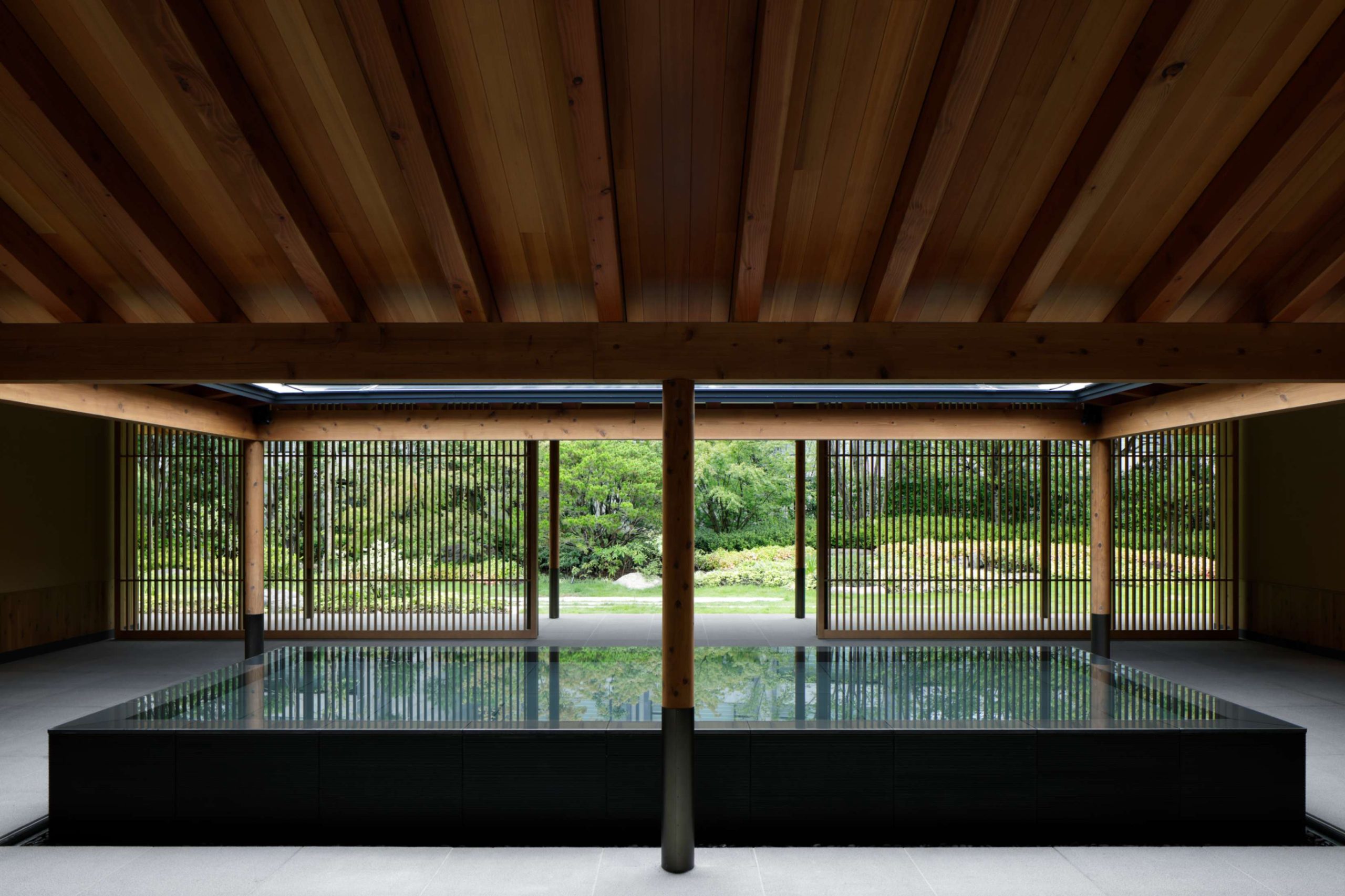
The large water basin in the courtyard reflects the forested mountains that surround the Roku Kyoto hotel. Photo: Courtesy of Roku Kyoto.
As spring approaches, Kyoto readies itself for another onslaught of tourists who will come in their rented kimonos to gawk at the cherry blossoms at the Kiyomizu-dera and cram the streets of Gion.
In touristy places, the experiences are often kitschy, and tourists feel disconnected from local life. It is ironic that while they have come to learn about Japanese culture in historic Kyoto, they often leave feeling that they have barely scratched the surface.
This is especially so if Kyoto’s cultural heart, Takagamine, is not on their radar. While this area is rather residential, there are famous historic sites and temples like the Koetsu-ji, although these are better known among locals than tourists. Therefore, they are devoid of the hustle and bustle that plagues temples like the Kiyomizu-dera. The tempo here is slow, befitting for a cultural area, and for a country known for being the birthplace of zen.
The famous Kinkakuji, also in the Kita ward, in the vicinity of Takagamine. Photo: Courtesy of Mavis Teo.
In the 17th century, Tokugawa Ieyasu gifted the land around Takagamine to Hon’anmi Koetsu, a famous artist and the founder of the Rinpa school of Japanese painting. Here, Koetsu established an artist colony with friends which dissolved over time. In the 1950s, Nishino kimono maker Shozan bought the land and built the 11.6 ha Shozan Kyoto Resort on it.
In 2021, Roku Kyoto opened amidst this landscaped property as the first Asia-Pacific property of Hilton’s LXR Hotels & Resorts. Conceptualised by Singapore-headquartered Blink Design, the 114-key hotel which also has a spa, an outdoor thermal pool, and a restaurant, pays homage to the site’s artistic legacy by embracing craftsmanship and the landscape that inspired it.
The arrival bay at Roku Kyoto. Photo: Courtesy of Roku Kyoto.
A palette of earthy tones, and light woods blend the outdoors with the interiors which are anchored by large windows. They frame views of the lush Takagamine mountains which form the hotel’s backdrop, and change colours with the seasons.
The feature wall in the lobby is finished with Japanese urushi lacquer—a technique dating back 7,000 years. Rooms feature wall coverings with woodblock patterns on washi paper, a nod to the paper factory here during the Heian period, before Koetsu’s time.
Kintsugi is the art of mending broken ceramics with gold paint. Photo: Courtesy of Roku Kyoto.
To immerse guests in Kyoto’s culture, washi paper making workshops and classes with shokunins (artisans or craftspeople in Japanese) in generations-old ateliers specialising in traditional crafts like pottery, gold leaf art, Nishijin textiles and kintsugi are available. For those who are more food-inclined, a yuba-making experience is available. After all, Kyoto is known for its silky tofu skin.
In a place that is steeped in artistic legacy, Tenjin, the only restaurant at Roku Kyoto, dishes out beautifully plated cuisine. In “Vegetable Garden” a fixture in the multi-course dinner, executive chef Akira Taniguchi dressed seasonal herbs and kyoyasai—heirloom vegetables that originate in Kyoto—in a creamy mentaiko sauce. The karami daikon added a bitter and spicy kick to the salad.
The chef’s table at Tenjin. Photo: Courtesy of Roku Kyoto.
In all my past trips, I had kept to the touristy parts of Kyoto where no one, even in Michelin-starred restaurants, mentioned “kyoyasai” to me. It was only on this trip—my fifth to Kyoto—that I would learn about Kyoto’s heirloom vegetables, which are grown only in the prefecture and have unique flavours and textures. Having kept to the touristy areas previously, it had not occurred to me that Kyoto beyond the city centre is rich in endemic produce. They are the products of a food culture that dates back 1,000 years, which Tenjin tries to use as much as possible. Needless to say, my dining experience here was revelatory.
The technical storage or access is strictly necessary for the legitimate purpose of enabling the use of a specific service explicitly requested by the subscriber or user, or for the sole purpose of carrying out the transmission of a communication over an electronic communications network.
Preferences
The technical storage or access is necessary for the legitimate purpose of storing preferences that are not requested by the subscriber or user.
Statistics
The technical storage or access that is used exclusively for statistical purposes.The technical storage or access that is used exclusively for anonymous statistical purposes. Without a subpoena, voluntary compliance on the part of your Internet Service Provider, or additional records from a third party, information stored or retrieved for this purpose alone cannot usually be used to identify you.
Marketing
The technical storage or access is required to create user profiles to send advertising, or to track the user on a website or across several websites for similar marketing purposes.


:max_bytes(150000):strip_icc()/TAL-header-exterior-waldorf-astoria-osaka-WAOSAKA0425-4843b6ceff7b49f9b0e7a44ea3f76e3a.jpg "Waldorf Astoria Osaka Hotel Review")
:max_bytes(150000):strip_icc():format(jpeg)/TAL-header-exterior-waldorf-astoria-osaka-WAOSAKA0425-4843b6ceff7b49f9b0e7a44ea3f76e3a.jpg)