Home Blog Page 110

Shanghai’s Property Market in 2025 is On An Uptick

0


Shanghai, China
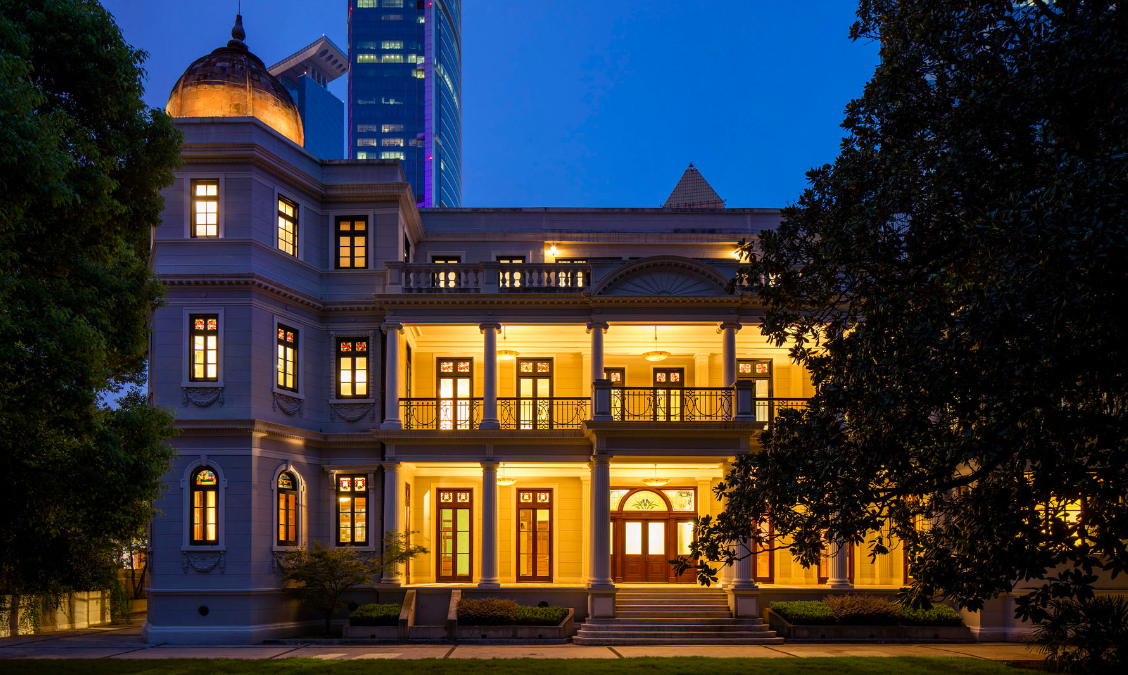
Shanghai’s modernity as a first-tier city in China attracts investors. Image: Japan Times.

Shanghai’s real estate market is starting to show indications of a cautious comeback after years of losing steam, which could represent a turning point in China’s larger real estate slump. A recent article by Jing Daily (2025) claims that in January 2025, property sales in Shanghai increased 14.9 percent month over month, primarily due to government policy interventions and regulatory relaxations intended to stabilise first-tier metropolitan markets.

Despite being modest, this comeback is noteworthy in light of the long-lasting national real estate crisis. In 2024, house purchases fell by 20 percent year over year in China, and developers faced challenges due to liquidity issues and dwindling customer confidence. However, in an otherwise unstable industry, Shanghai — a major global financial centre with a comparatively wealthy populace — has become a symbol of cautious optimism. While Shanghai’s broader property sector faces challenges, its luxury market is thriving — with more than 60 per cent of China’s 4,110 newly launched homes priced above 30 million yuan (USD 4.2 million) sold in the city last year, according to CRIC data reported by the South China Morning Post.

According to industry experts, the “property wealth effect” — or the psychological and financial influence of real estate assets on consumer behaviour — significantly impacts luxury spending and real estate performance. According to Jing Daily, high-net-worth individuals in Shanghai are apparently regaining confidence as luxury buyers return to the market and real estate values start to level off. This resurgence is particularly apparent in affluent areas such as Bund, Jing’an and Xuhui.

Savills Research, Shanghai

Policy support has also been crucial. Shanghai local authorities have taken targeted actions, including lowering mortgage rates for first-time purchasers, relaxing regulations on buying second homes and expediting developer licensing procedures. These initiatives aim to restore market liquidity and promote local and foreign investment in urban real estate assets.

The rebound is still uneven, though. Second- and third-tier cities still struggle with slow demand and oversupply, while Shanghai and other first-tier cities like Beijing and Shenzhen are stabilising. Economists warn that long-term outlooks are still significantly impacted by structural problems like consumer reluctance, youth unemployment and demographic transitions.

However, Shanghai’s performance shows some promise. The number of transactions in the city increased from 6.5 million square meters in December 2024 to almost 7.5 million square meters in January. This reflects intentional investor movement and pent-up demand, as buyers try to lock in properties before prices rise.

Savills Research, Shanghai

Consumer sentiment and overall macroeconomic stability will determine a long-term recovery. Shanghai’s position as a vital pillar of the Chinese economy might be strengthened if it maintains its upward trajectory and becomes a model for urban recovery throughout the country.

While the country’s real estate market is still precarious overall, Shanghai’s tiny increase is “a welcome exception — perhaps even a model of resilience in an otherwise bruised property sector,” according to the Jing Daily report’s conclusion.

Savills Research Report

The Savills Research Residential Sales Report — based on data from October 2024 — provides some encouraging statistics. For example, first-hand high-end apartment transaction volumes more than doubled to 383,129 sqm in Q3 2024, down 36.9 percent QoQ.

Lakeville VI, Shanghai
Lounge room of Lakeville VI condominium, Shanghai, China. Image: Lakeville VI.

In Q3 2024, 11 developments — including Lakeville VI, One Sino Park, Blossoms China and Casa Rivera — added 1,844 units to the market. High-end inventory was still widely available, mostly in central downtown neighbourhoods like Huangpu. This surge increased competition while giving prospective customers more options.

While some projects are anticipated to take longer to draw consumers, others sold out on launch day. Also, because the project launched in Q2 2024 attracted much interest, some of the pent-up demand had already been discharged.

In Q3 2024, eleven residential plots with a buildable area of roughly 688,000 square meters were put up for sale. They sold for RMB 32.1 billion, with an average premium rate of 11.2 percent and an accommodation value (AV) of RMB 46,700 monthly (USD 6,400).

One Sino Park, Shanghai
One Sino Park project. Image: One Sino Park.

“The Shanghai residential market experienced a slowdown during the quarter, but recent policy stimulus unlocks pent-up demand. With the government’s proactive support, the property sector is poised for a stronger recovery in the coming quarters,” states James Macdonald, Head of Savills Research.

Some market restrictions have been loosened — such as allowing non-local households to buy a home beyond the Outer Ring after paying income tax or social insurance for a year — even though Shanghai’s real estate market saw poor buying sentiment and fewer project visits. Non-local households are eligible to purchase a second residence after keeping three years’ worth of income tax or social insurance records.

For more on the latest in luxury property reads, click here.


Source link

Ferrari 296 Speciale first images leaked ahead of debut

0


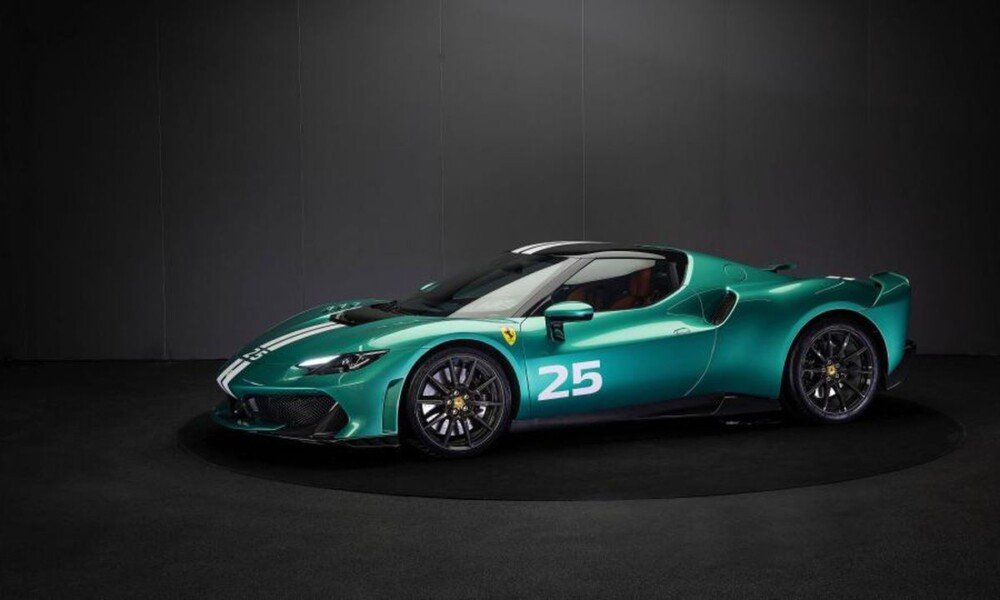
Ferrari is all set to reveal its latest high-performance model, the 296 VS (Versione Speciale), later today. However, images of the car have already leaked online.

Ferrari 296 Speciale leaked image-2

As you can see, Ferrari has made several modifications to the exterior of the 296 Speciale. The car has a more aggressive front end with a redesigned splitter and a central S-duct similar to the SF90 XX. There are additional vents on the hood and brake cooling ducts on either side of the air dam.

Ferrari 296 Speciale leaked image-5

The rear section looks quite dramatic with aero blades that wrap around the rear. The fascia itself has been reworked for additional cooling. There’s a large diffuser and a single central exhaust. The green car you see here appears to be the Assetto Fiorano.

Ferrari 296 Speciale leaked image-4

Technical details of the new Ferrari 296 Speciale are still unclear. However, it is expected to be powered by a revised 2.9-liter twin-turbo V6 hybrid that is rumored to produce around 880 hp.

The 296 Speciale will be available in both coupe and spider body styles.

Ferrari 296 Speciale leaked image-6

Source: Motorbox


Source link

10 Massive Supercar Flops

0


An incredible number of factors are involved in getting a supercar from the drawing board through concept stages and into eventual production. The design language, aerodynamics, performance, and pricing are just some of the elements that have to complement each other with a minimal margin for error.

See Also: The Most Important Supercar Milestones of the Past 50 Years

It is almost inevitable, then, that a supercar manufacturer will occasionally trip up and end up with a disappointing product. In some cases, the carmaker is lucky to escape with a slap on the wrist, but in other situations, the consequences of a supercar flop are much more severe, as some of the highlighted examples show.

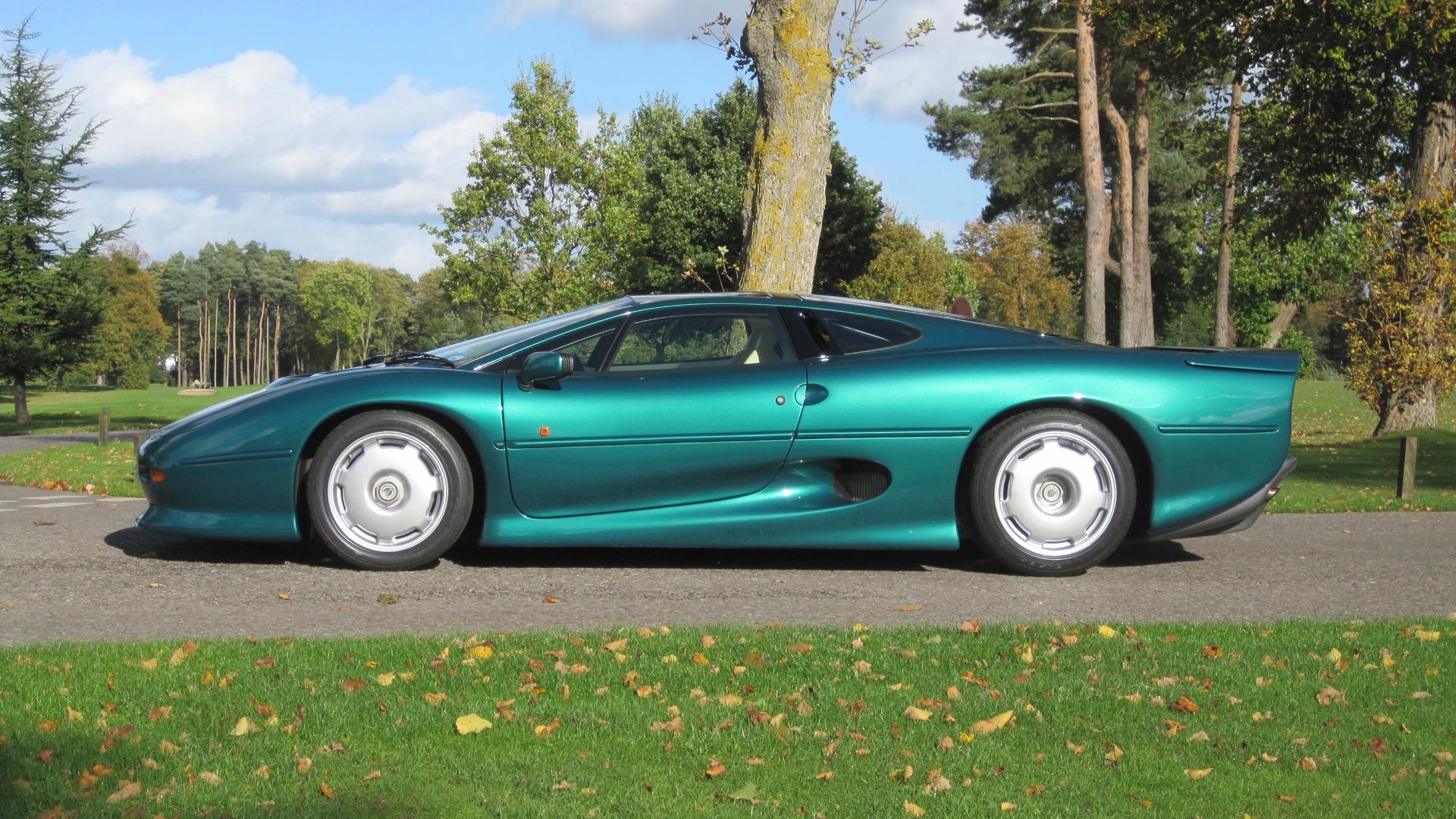
#1: Jaguar XJ220

Image Via: Motor1

The journey of this low-slung British supercar began with so much promise. Jaguar initially did not plan on putting the XJ220 concept into production when it was first unveiled at the 1988 Birmingham Auto Show.

However, the highly positive reception changed all that, and the machinery for a production version was put in motion. Unfortunately, the carmaker ran into several issues during the development that pushed the initial asking price from about $327,000 to over half a million (today’s value).

To compound matters, the engineers swapped out the race-bred 6.2-litre V12 engine—advertised in the prototype—with a tamer 3.5-litre Biturbo V6. This enraged several potential customers, many of whom canceled their orders and threatened lawsuits. Then the global economic recession rolled in, and Jaguar found it increasingly hard to sell its halo supercar. Eventually, the XJ220 was killed off barely three years after its launch.

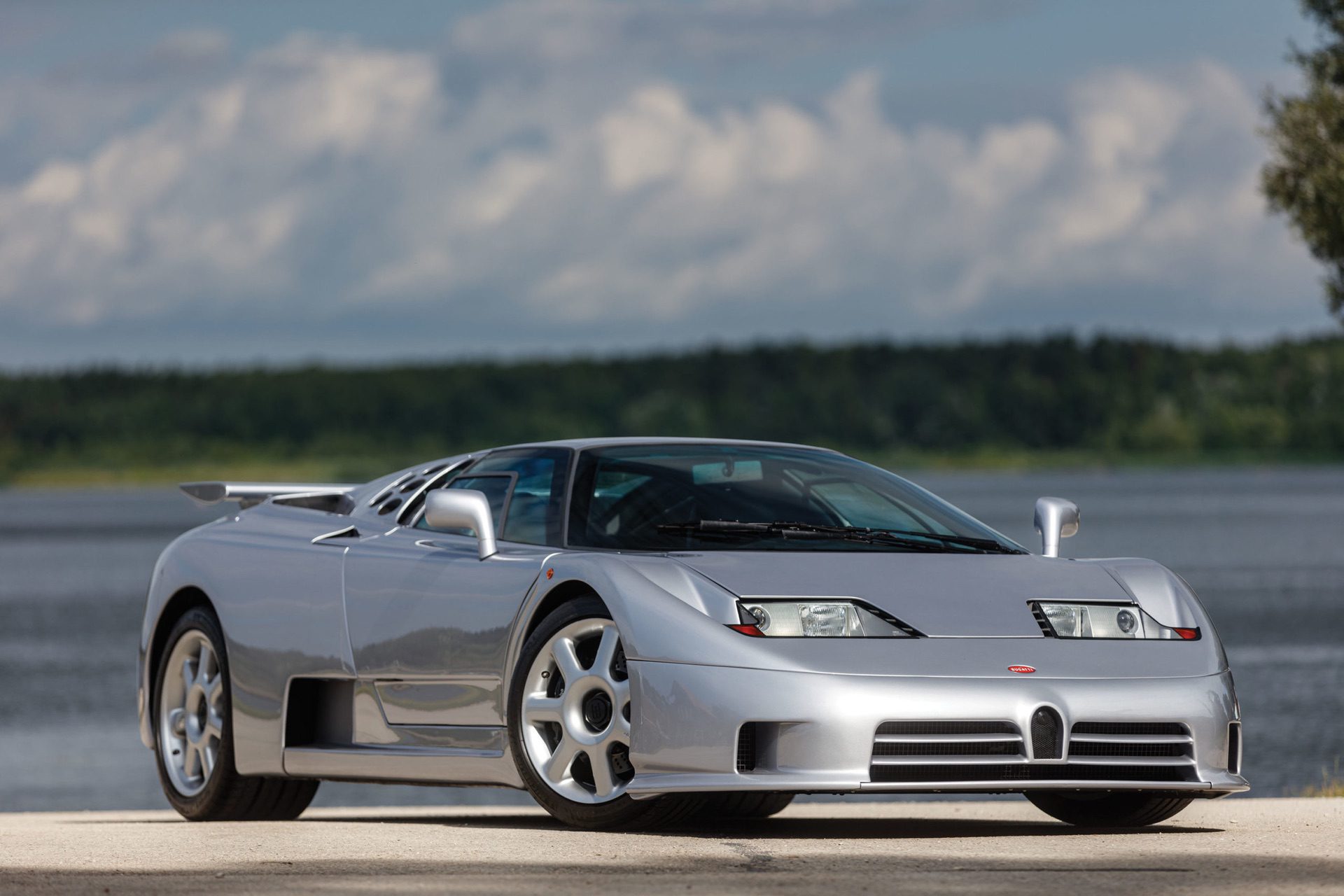
#2: Bugatti EB110

Image Via: sports car market

The Bugatti EB110 paved the way for the formidable Veyron and Chiron hypercars. However, its own story was steeped in misfortune. When it debuted in 1991, the EB110 was hailed as a technological marvel with a host of innovative features on board.

Unfortunately, the timing of its launch coincided with a recession that swept through Europe and North America. That made the EB110’s $350,000 look unseemingly, presenting an almost impossible barrier to ownership, impressive as the car was.

The carmaker was also going through a period of expansion at about the same time and had hoped that EB110 sales would fund the company’s ambitious growth strategy. Well, that did not happen, and only 139 units of the car were sold before Bugatti flopped over on its side and went bankrupt.

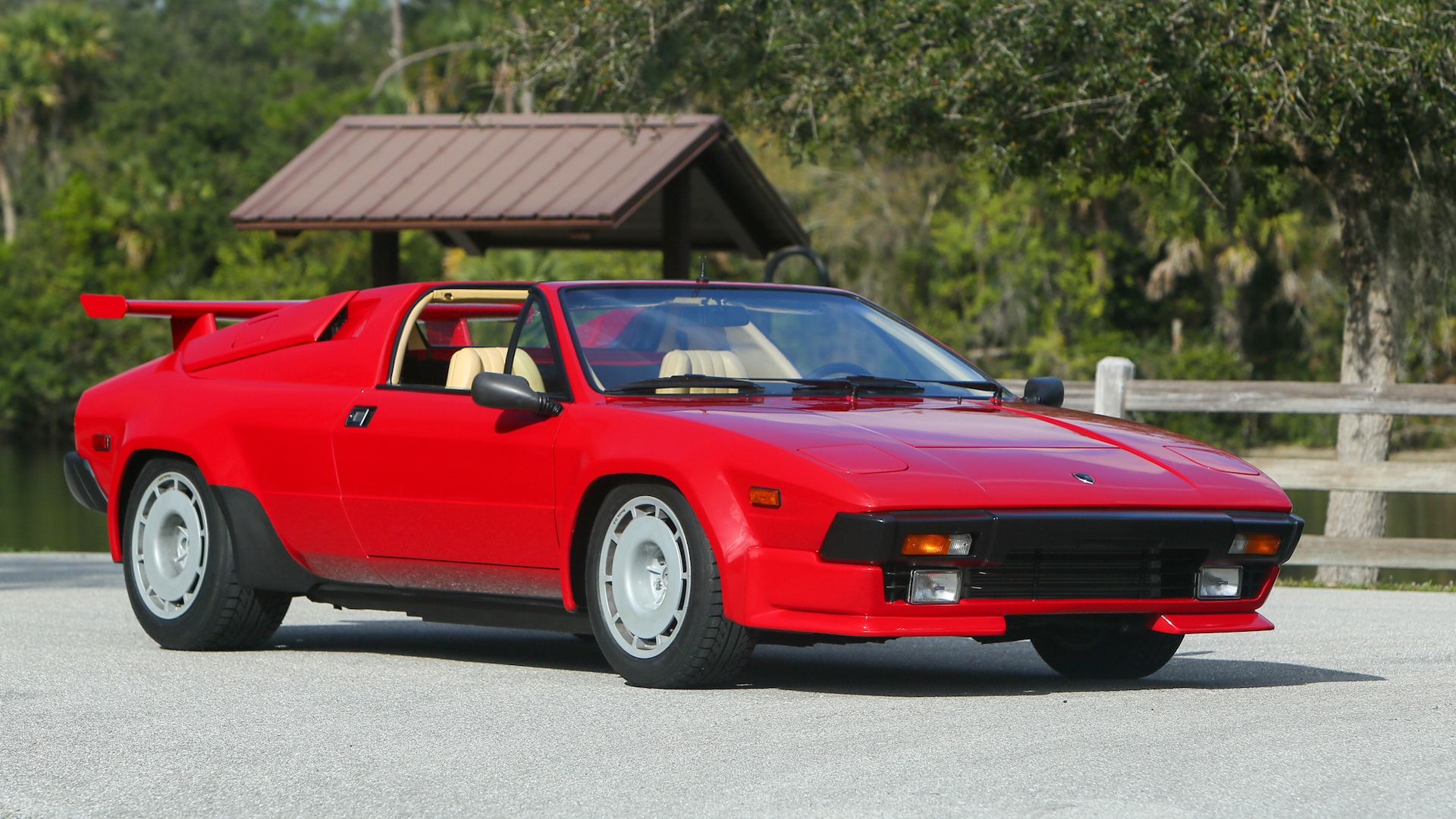
#3: Lamborghini Jalpa

There seems to be no stopping Lamborghini these days. The company is on a roll, recording unprecedented successes with models like the Urus, Huracan, and Aventador. However, the carmaker has had to endure a few bumps on its path to glory—one such hiccup was the Lamborghini Jalpa.

The almost forgotten sports car was designed as a more ‘affordable’ alternative to the Countach flagship. Unfortunately, the car was poorly received, and just over 400 were produced from 1982 to 1988 when Lamborghini, now under new ownership, pulled the plug.

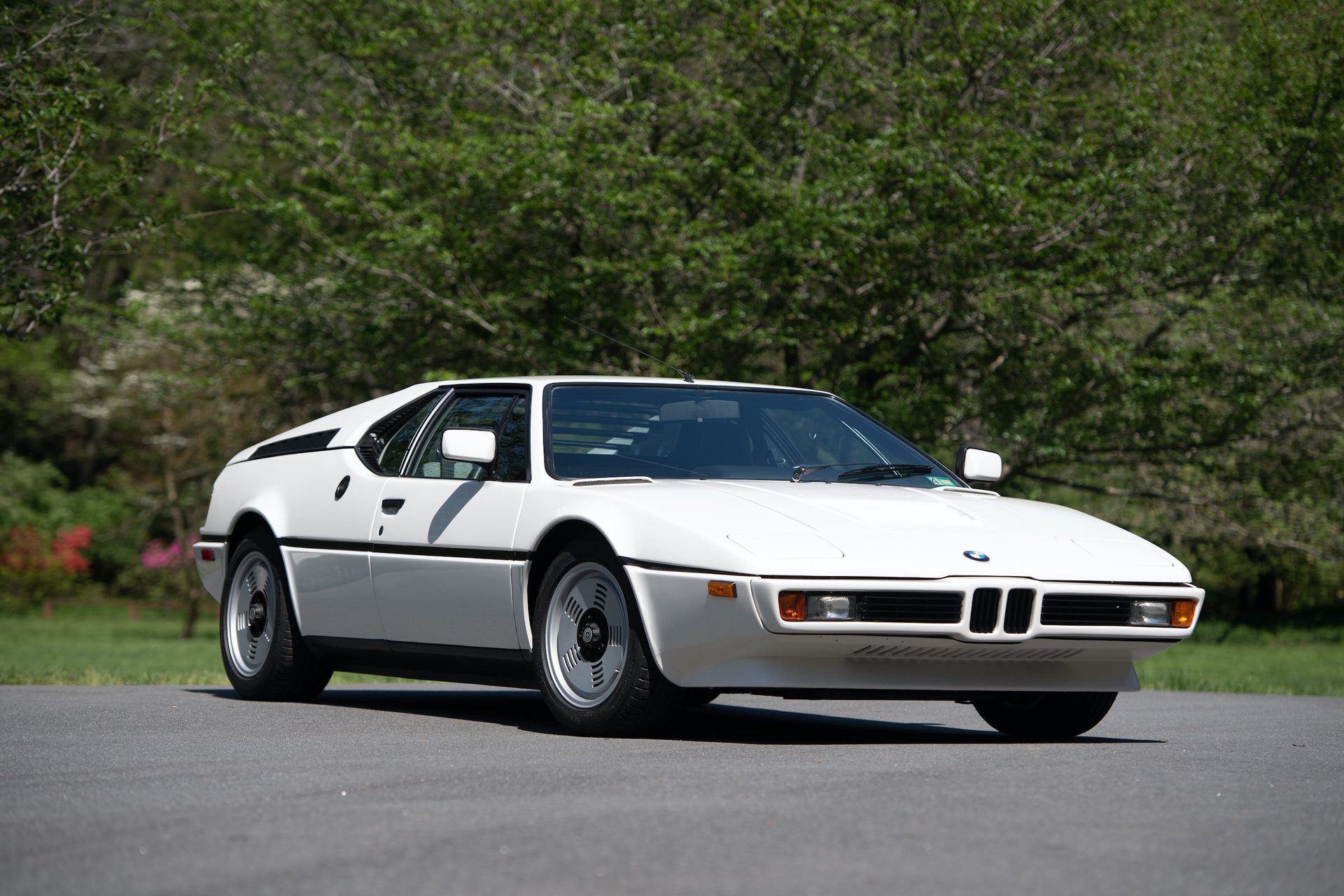
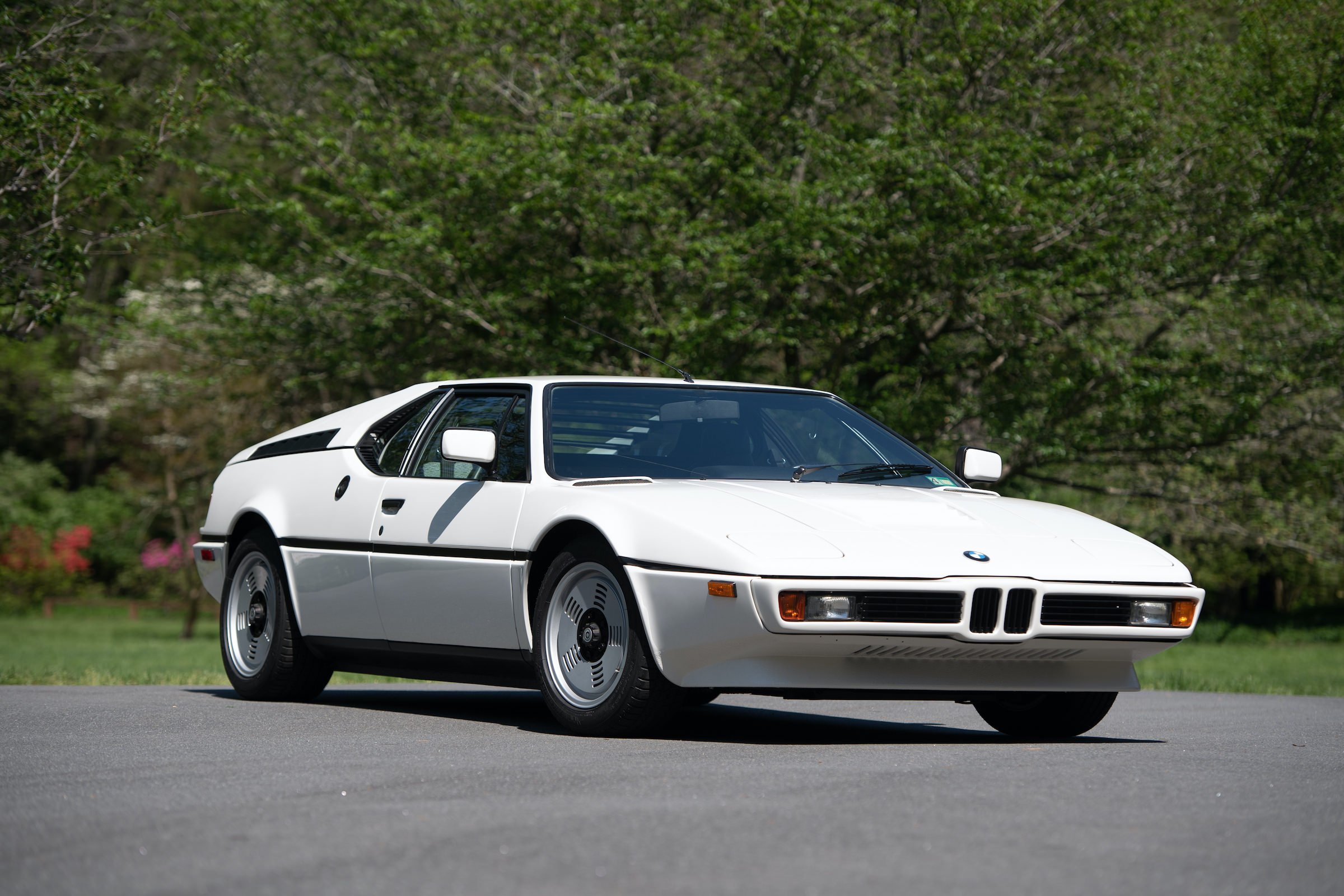
#4: BMW M1

Image Via: Silodrome

Born from the brand’s desire to enter competitive racing, the BMW M1 was the first car solely developed by the carmaker’s now famous M Division. It was designed expressly to allow BMW to compete in the FIA Group 4 sports car racing.

Unfortunately, the competition rules had changed by the time the M1 was ready. This effectively rendered the car impotent before it ever had a chance to showcase its impressive performance capabilities.

BMW attempted to keep the M1 relevant by creating a one-car racing series dubbed the BMW M1 Procar Championship, but that only lasted a couple of years before it was scrapped. Production lasted from 1978 to 1981 before BMW finally gave up on the car after about 450 cars had rolled off the assembly line.

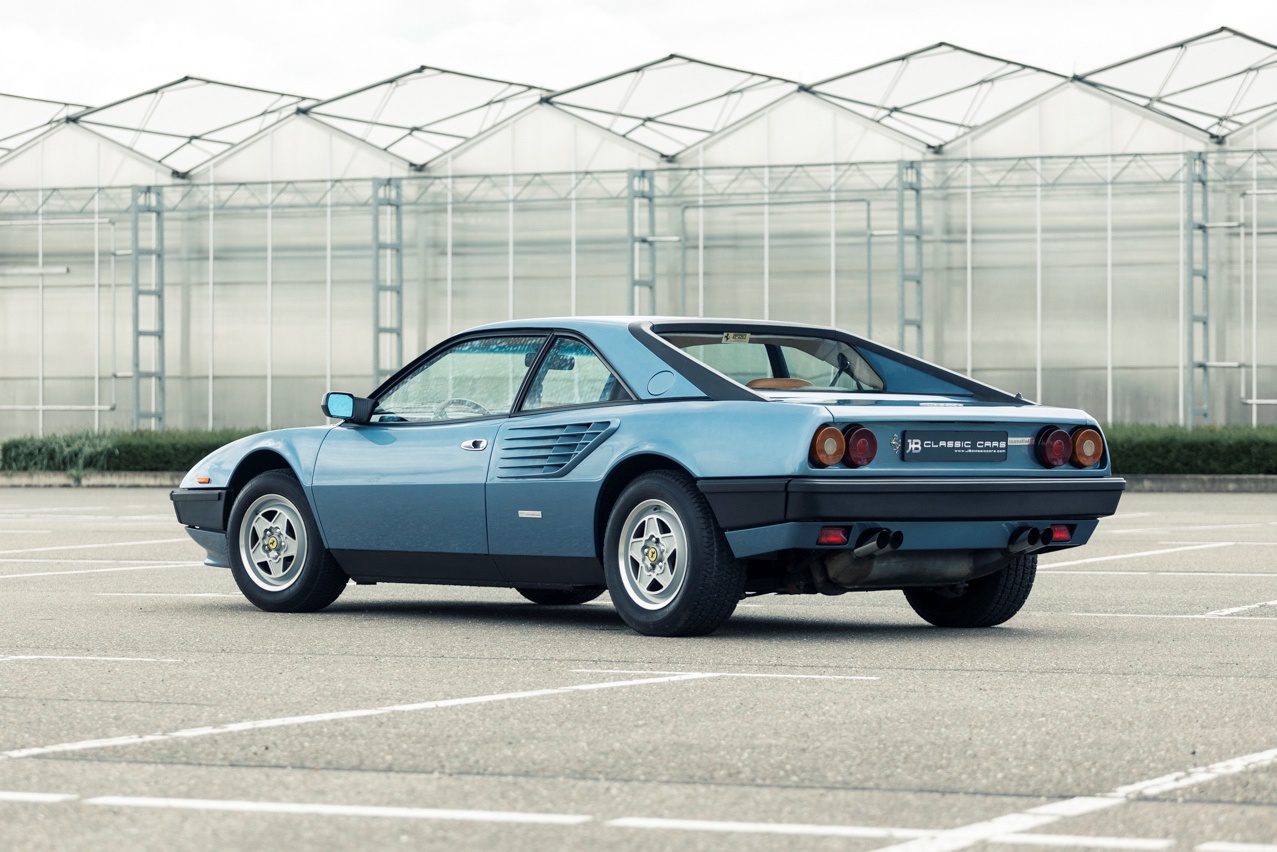
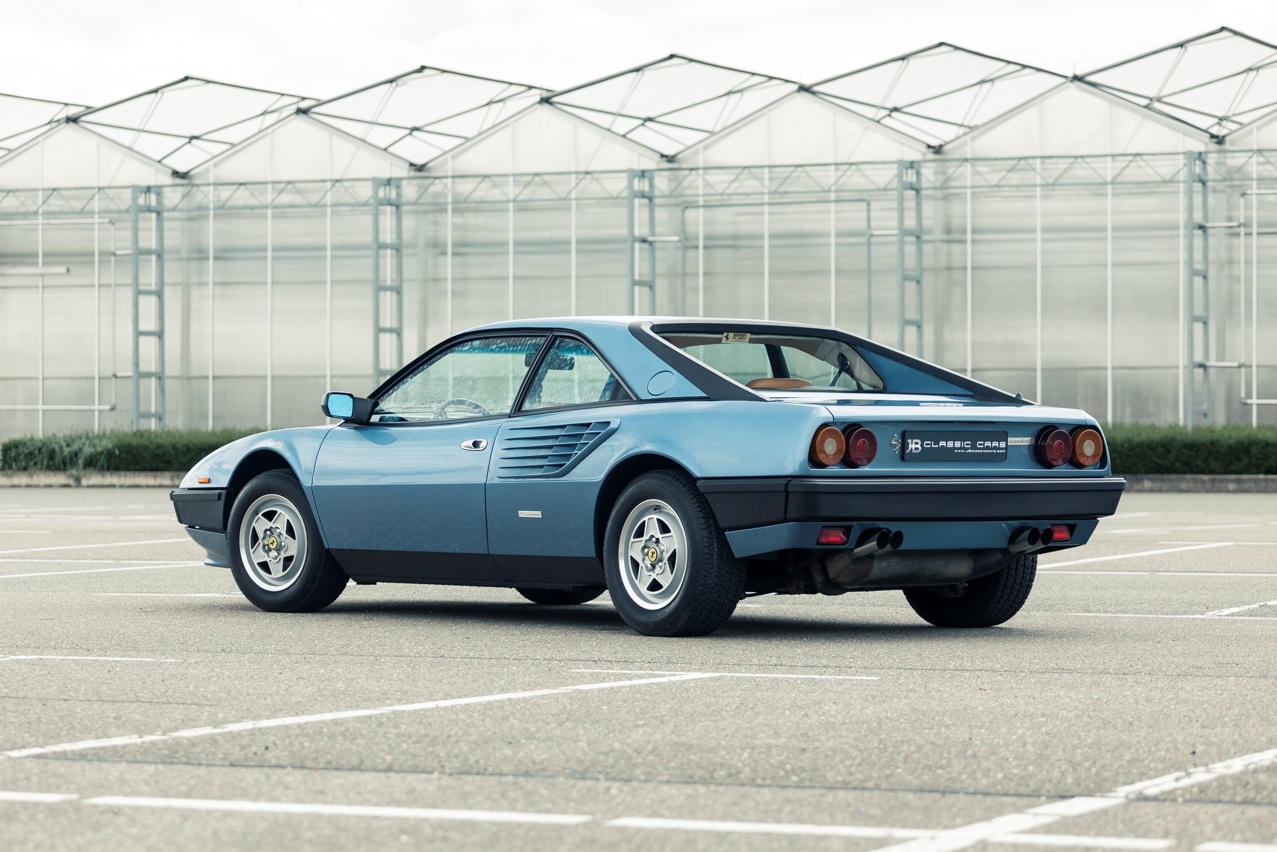
#5: Ferrari Mondial 8

Image Via: Classic Driver

The Mondial 8 replaced the 308/208 GT4 coupe and was designed as a mid-engined V8 Grand Tourer with a 2+2 seating configuration. While great in theory, the idea did not turn out so well in the real world, and the poor Mondial 8 is a regular feature on the list of the worst Ferraris ever made. For one, the Mondial 8 was no lightweight at about 3,460 pounds. Then there was an underpowered V8 engine that generated only 214 hp.

The Mondial needed almost eight seconds to hit 62 mph. It was an unacceptable performance for a car that was neither cheap nor reliable. Thankfully, Ferrari quickly realized this and introduced an improved variant—the Mondial QV—just two years after the Mondial 8.

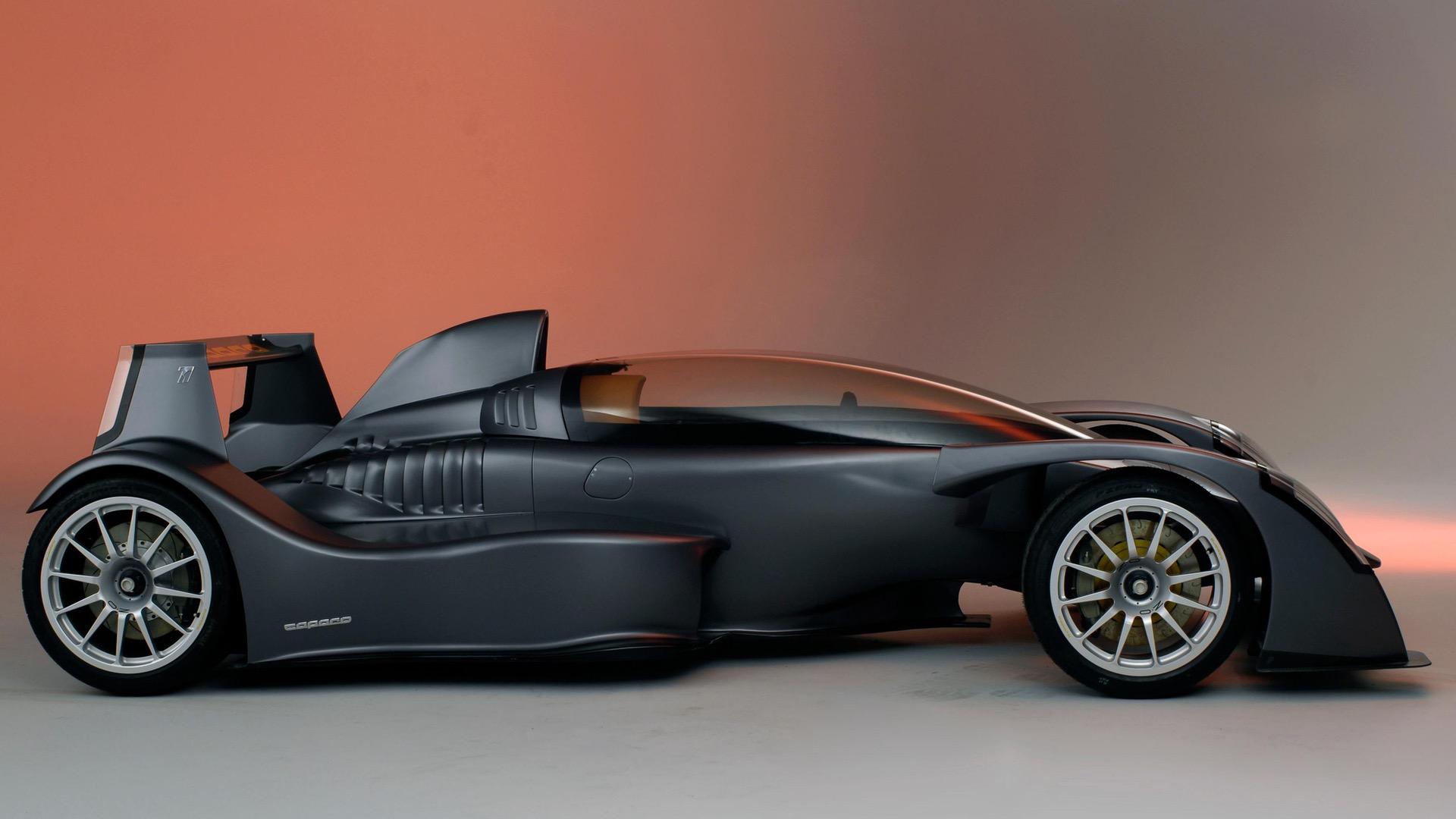
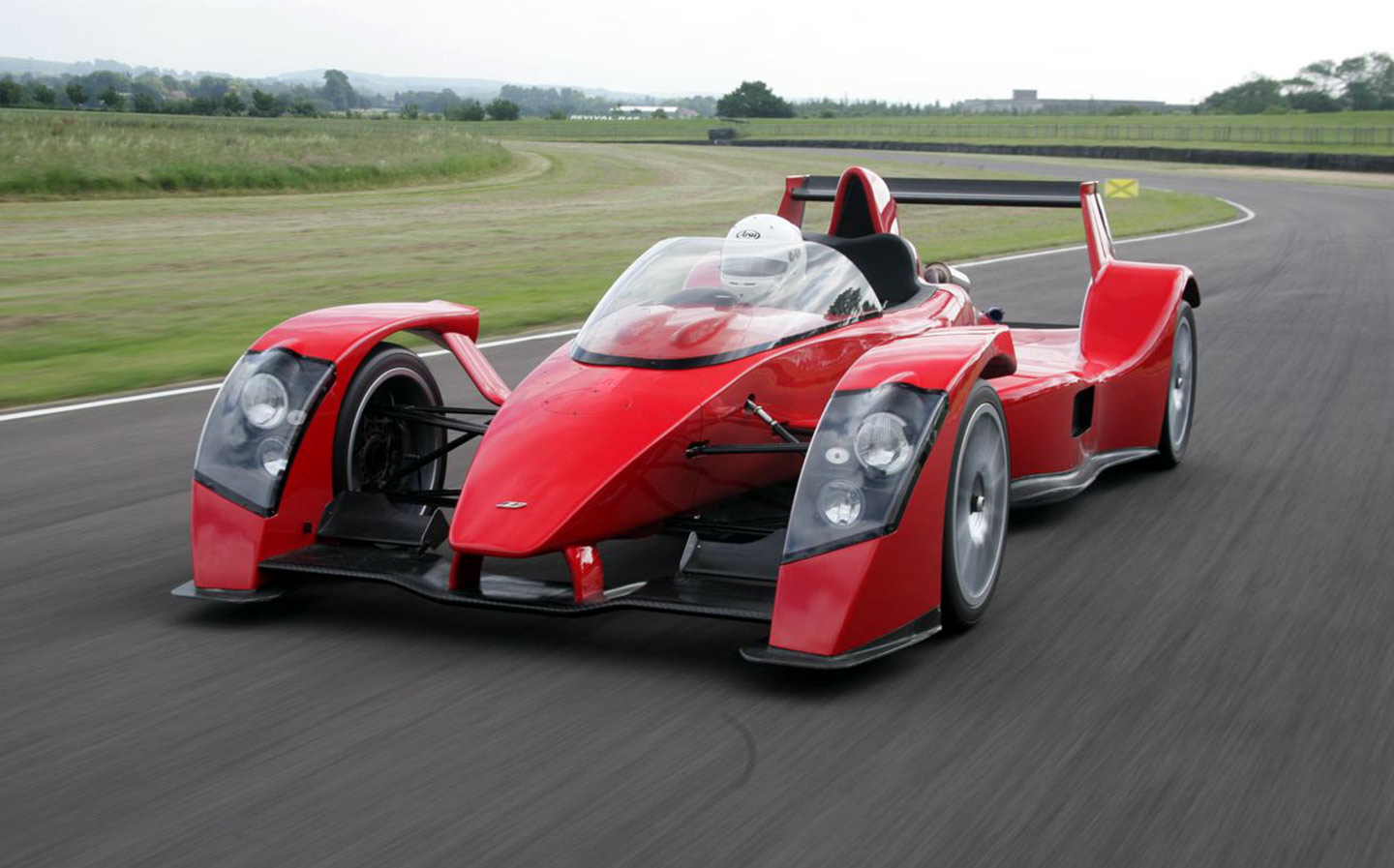
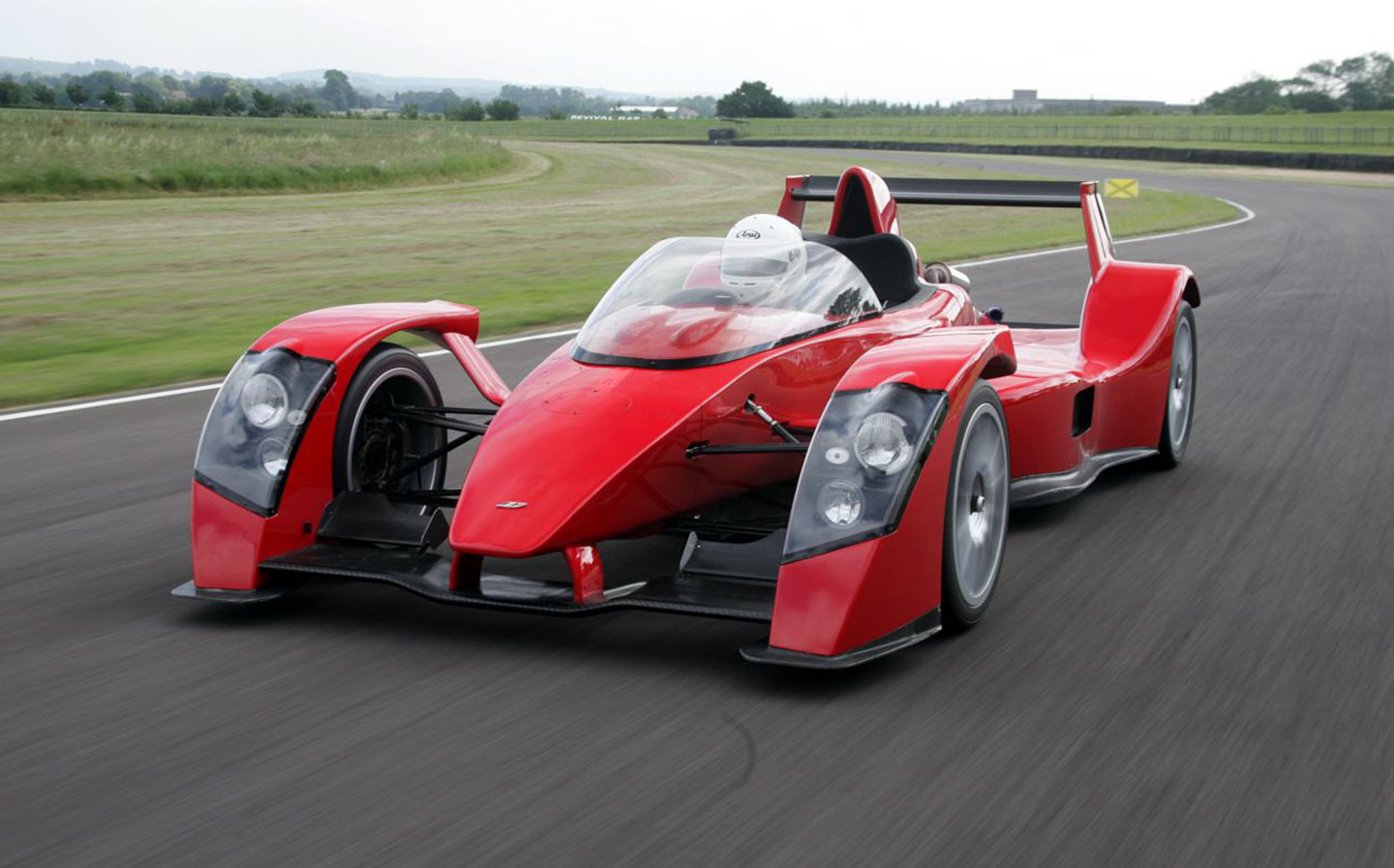
#6: Caparo T1

Image Via: Driving

Imagine an F1 car reimagined for road use. That, and more, was what the Caparo T1 promised back when it was introduced in 2006. The single-seater supercar was powered by a naturally aspirated V8 that cranked out 575 hp and 310 lb-ft of torque. A modest amount for a supercar, but then the T1 weighed only 1,036 lbs (470 kg).

That meant it had a better power-to-weight ratio than hypercars like the Bugatti Veyron and could rocket to 100 mph in less than five seconds. Unfortunately, the full potential of the T1 was never realized. Several safety incidents, including a suspension failure during the launch, threatened to derail the project.

Sales were also downright disappointing. According to reports, only 15 units of the T1 had been sold by 2012; against a planned run of 25 units per year. Then the company ran aground, hit by a wave of financial difficulties that put it on the verge of bankruptcy in 2015. By 2019, Caparo Vehicle Technologies was fully liquidated, taking any dream of resurrecting the T1 with it.

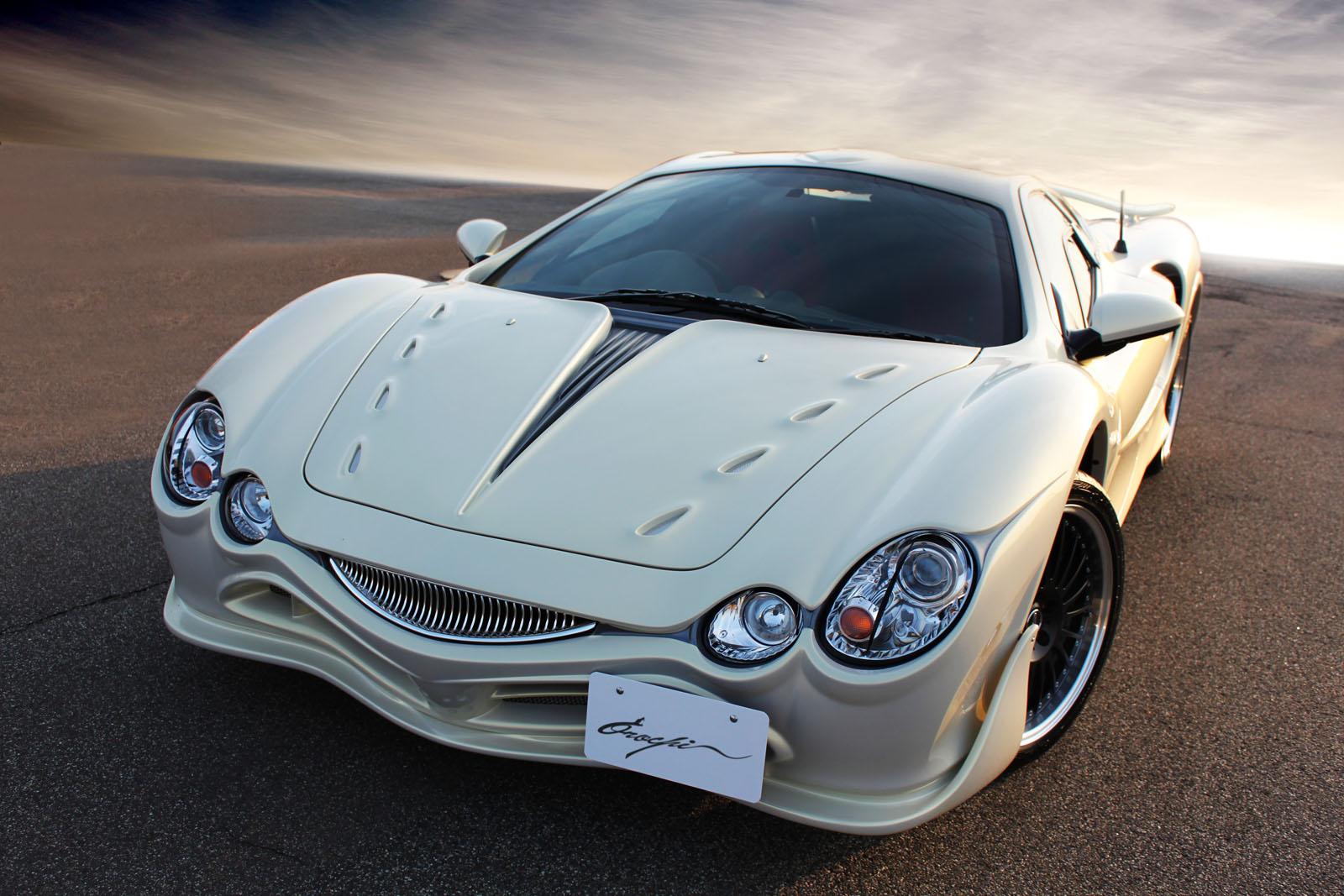
#7: Mitsuoka Orochi

The Orochi was a Japanese sports car built from 2006 to 2014. For good reason, it is often regarded as one of the ugliest cars ever made. It’s hard to point out any positives about the car. It weighed over 3,400 lbs and desperately needed more power than what was offered by the 233-hp V6 engine.

The Orochi needed almost 7 seconds to hit 60 mph, an abysmal figure for a supposedly high-performance car. No surprise then that it was also a commercial bomb. A few special edition models were unable to turn the tide in the car’s favor, and in 2014, Mitsuoka mercifully put an end to the Orochi.

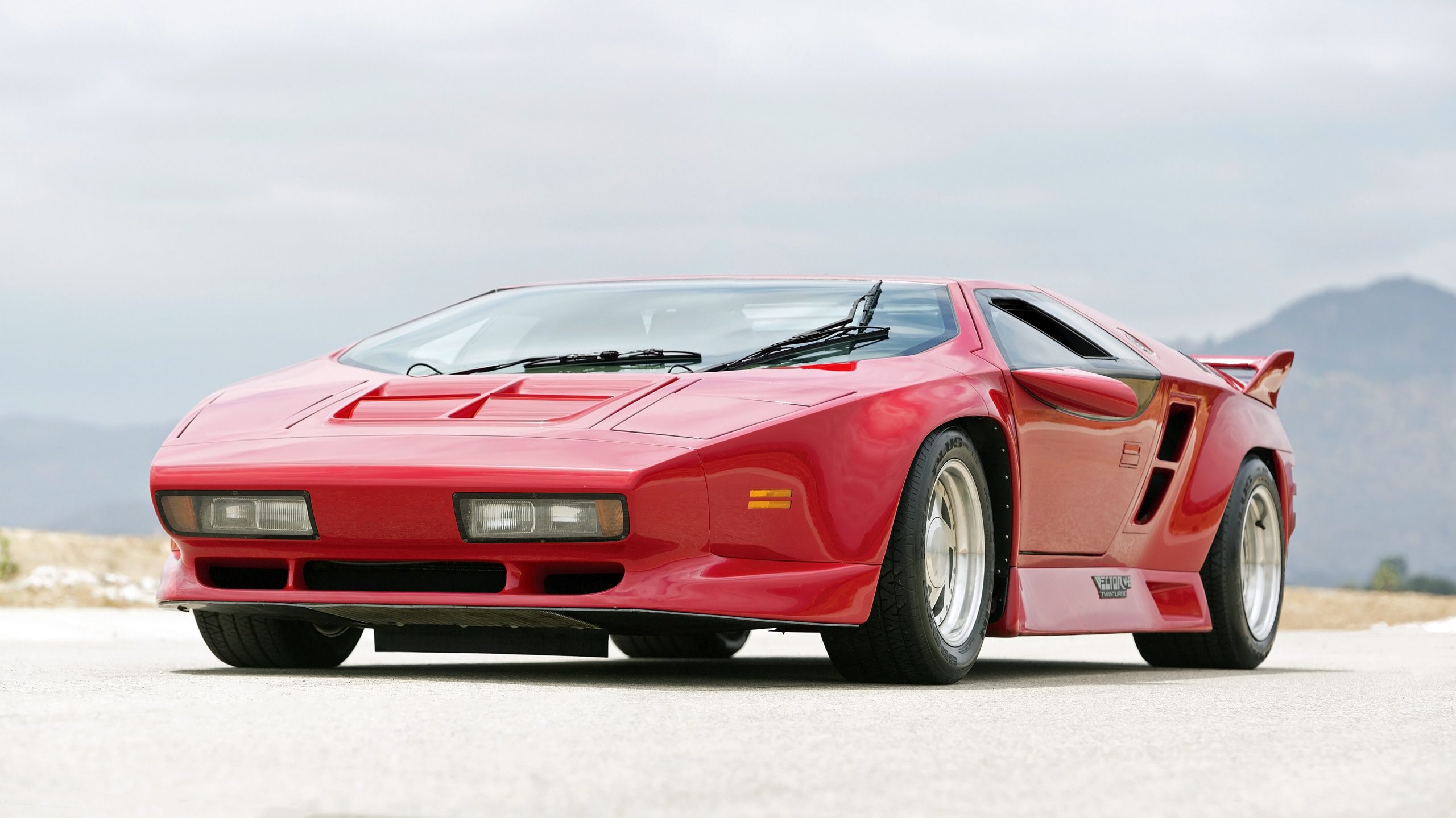
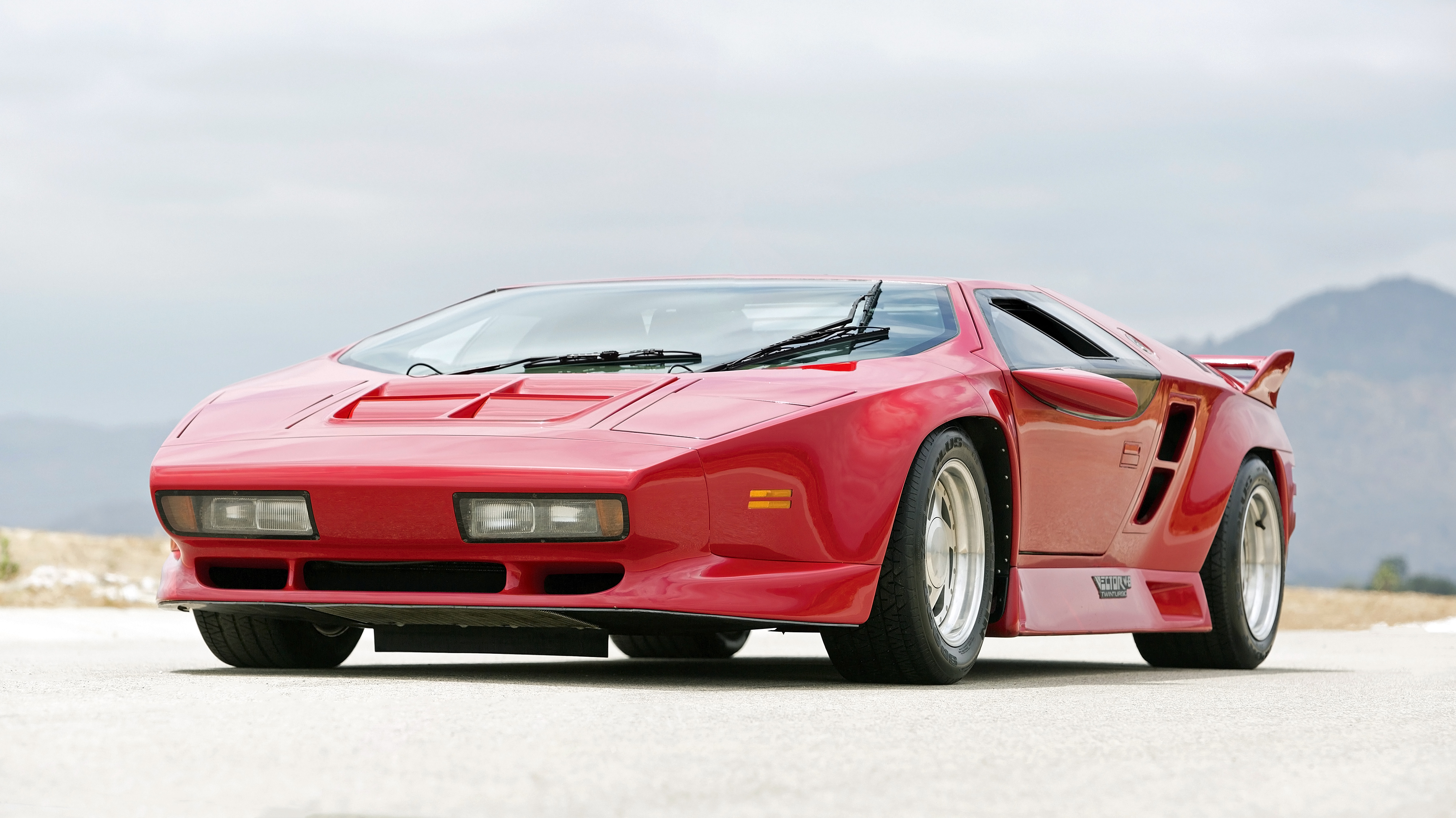
#8: Vector W8

Image Via: Hagerty

This American supercar was touted as the one that would finally take the fight to the established Italian heavyweights—Lamborghini and Ferrari. Pricewise, it certainly seemed capable of that with an eye-watering $450,000 price tag back in 1992. It wasn’t lacking in the power department either.

The W8 had a 6.0-litre Rodeck twin-turbocharged V8 that generated 625 hp at 5,700 rpm. The carmaker claimed the W8 could hit a 242 mph top speed, which would have made it the fastest production car at the time.

Unfortunately, the W8’s styling came in for a lot of criticism, and several reliability issues further complicated matters. In the end, less than 20 cars were sold before the W8 project folded and sank, with the company following soon after.

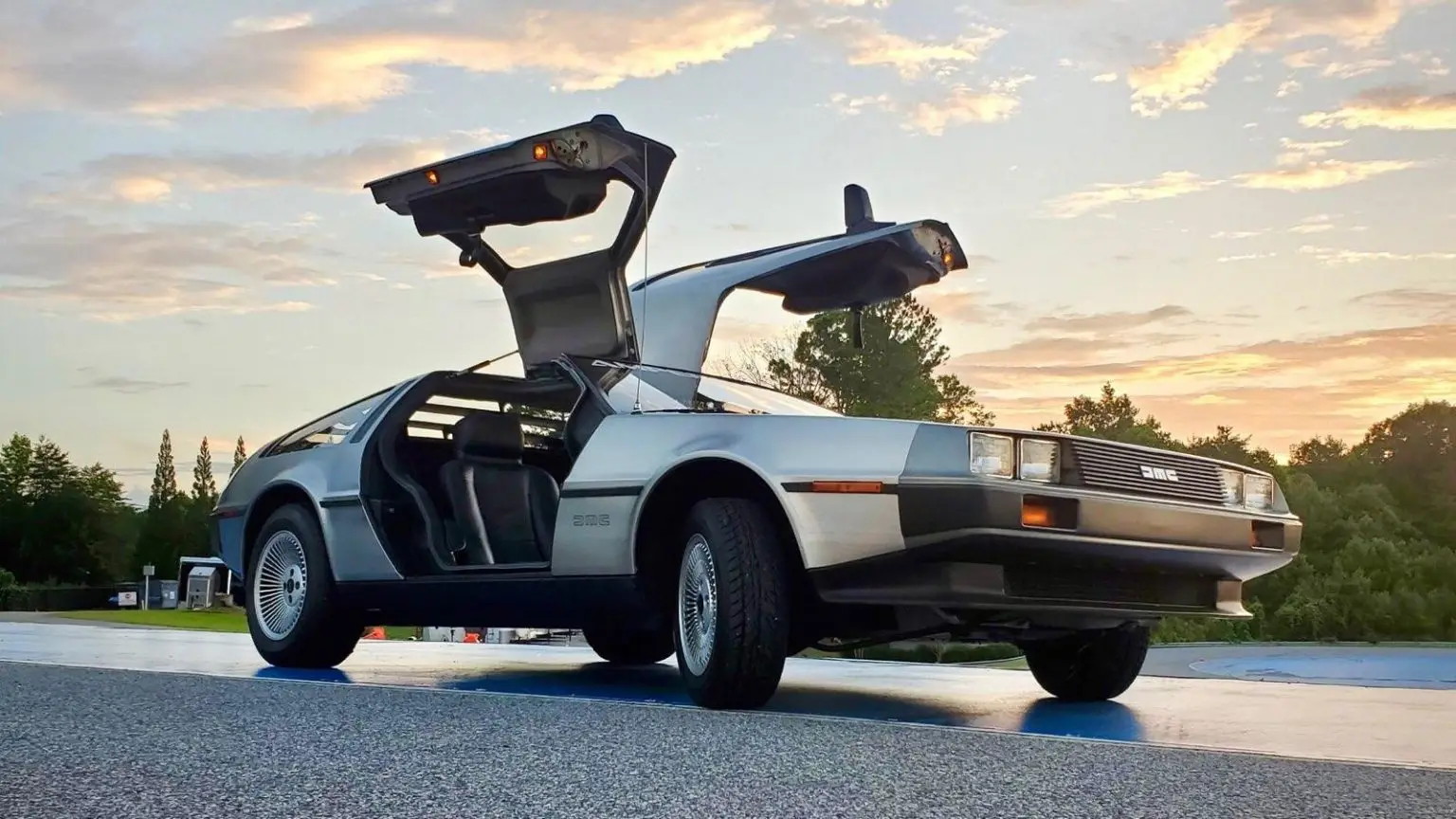
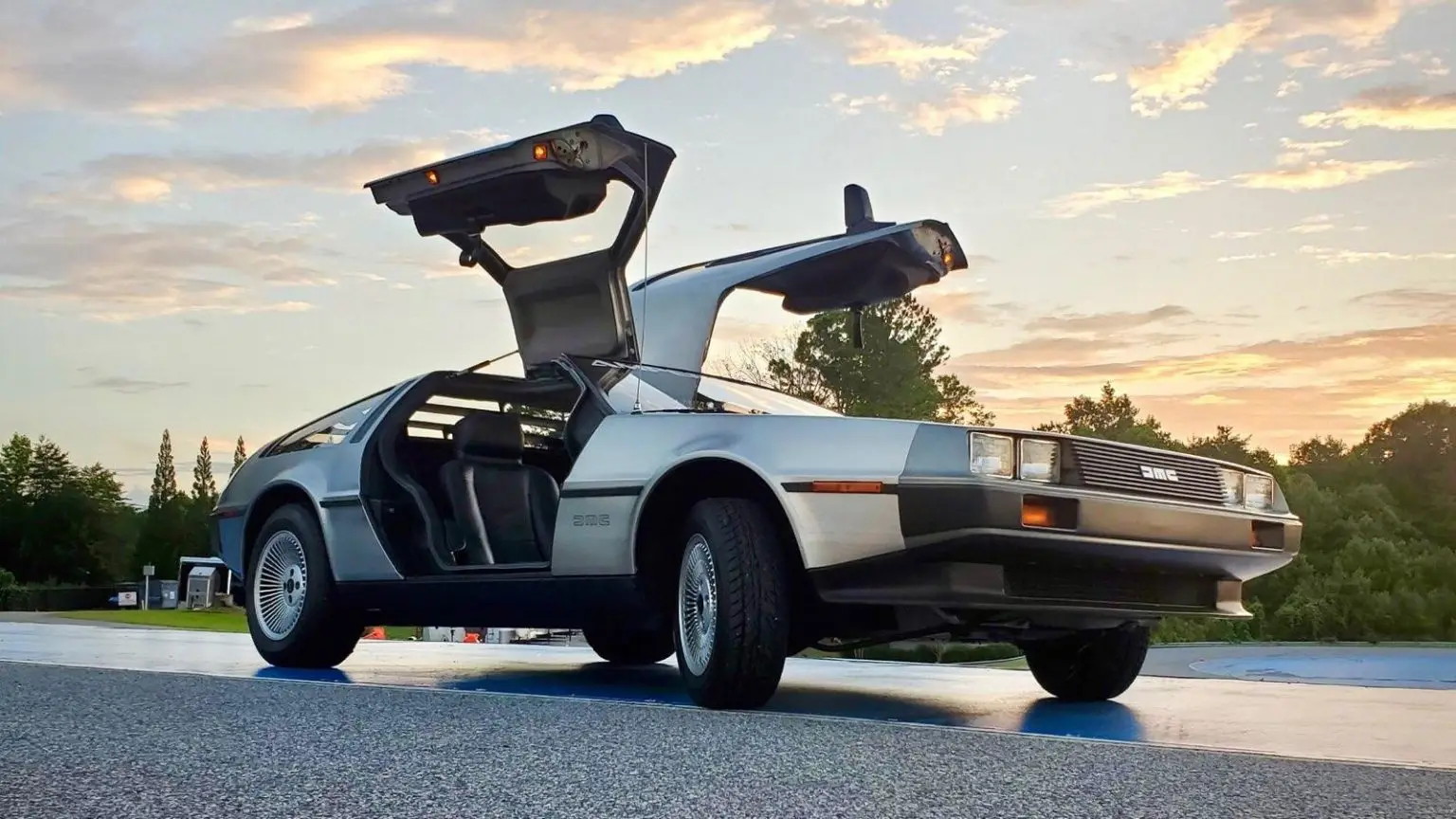
#9: DeLorean DMC-12

Image Via: AutoEvolution

The DeLorean DMC-12, with those iconic gullwing doors, has to be one of the most recognizable sports cars ever. The car was made famous by its portrayal in the Back to the Future movie franchise with a cult following that’s still active.

Away from the movie screen, however, the DMC DeLorean had a widely contrasting fortune and fate. First off, the build quality was awful, with imperfect gap dimensions among the car’s many issues. It was also painfully slow, needing almost 10 seconds to hit 60 mph.

One can only wonder why the designers settled on a 132-hp engine to haul the car’s 2,866 lbs (1,300 kg) mass around. The DMC-12 was also expensive, and DeLorean had a hard time pushing sales. Eventually, a lack of cash flow, primarily due to the DMC-12’s poor market performance, drove the company to insolvency and eventual ruin.

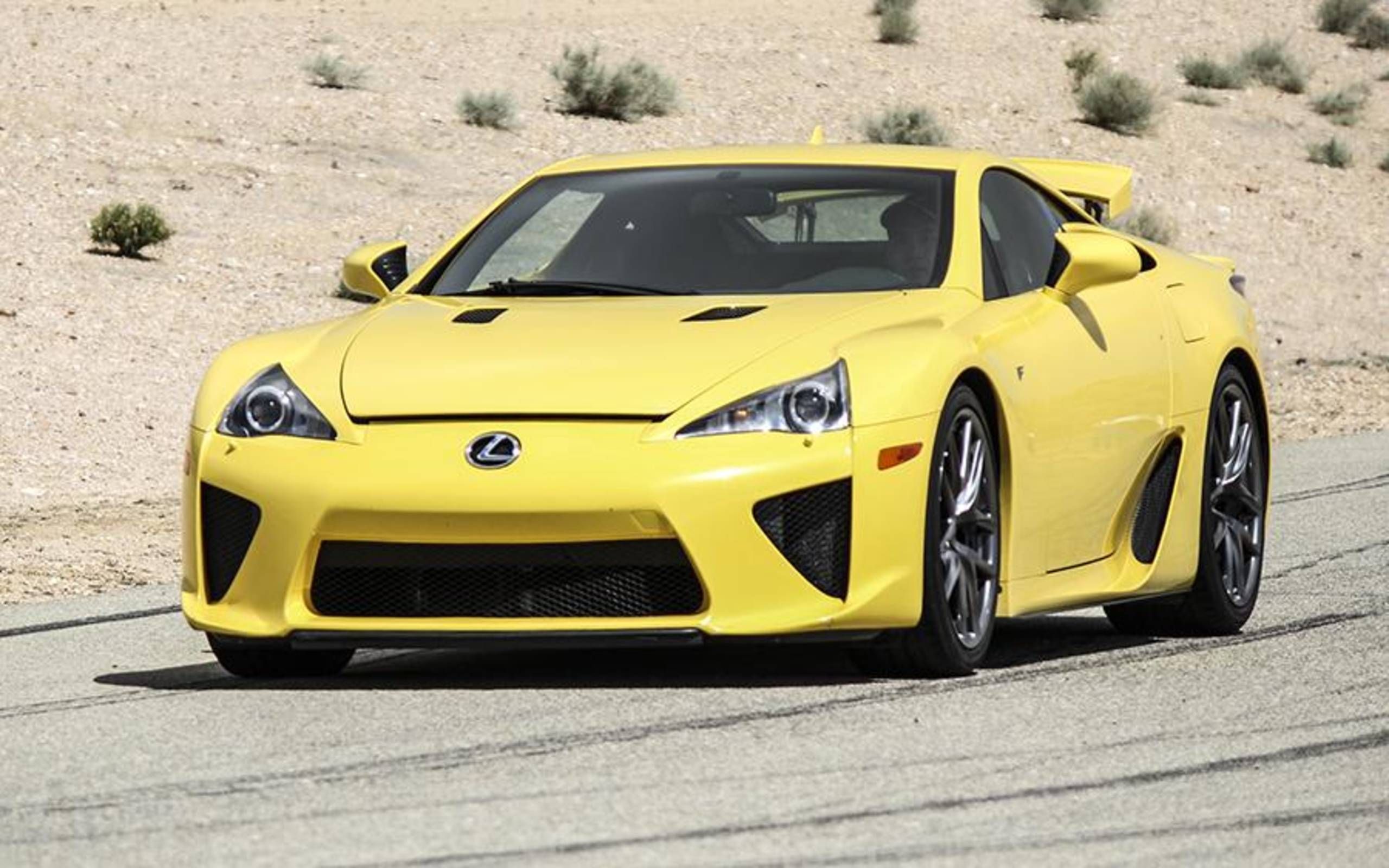
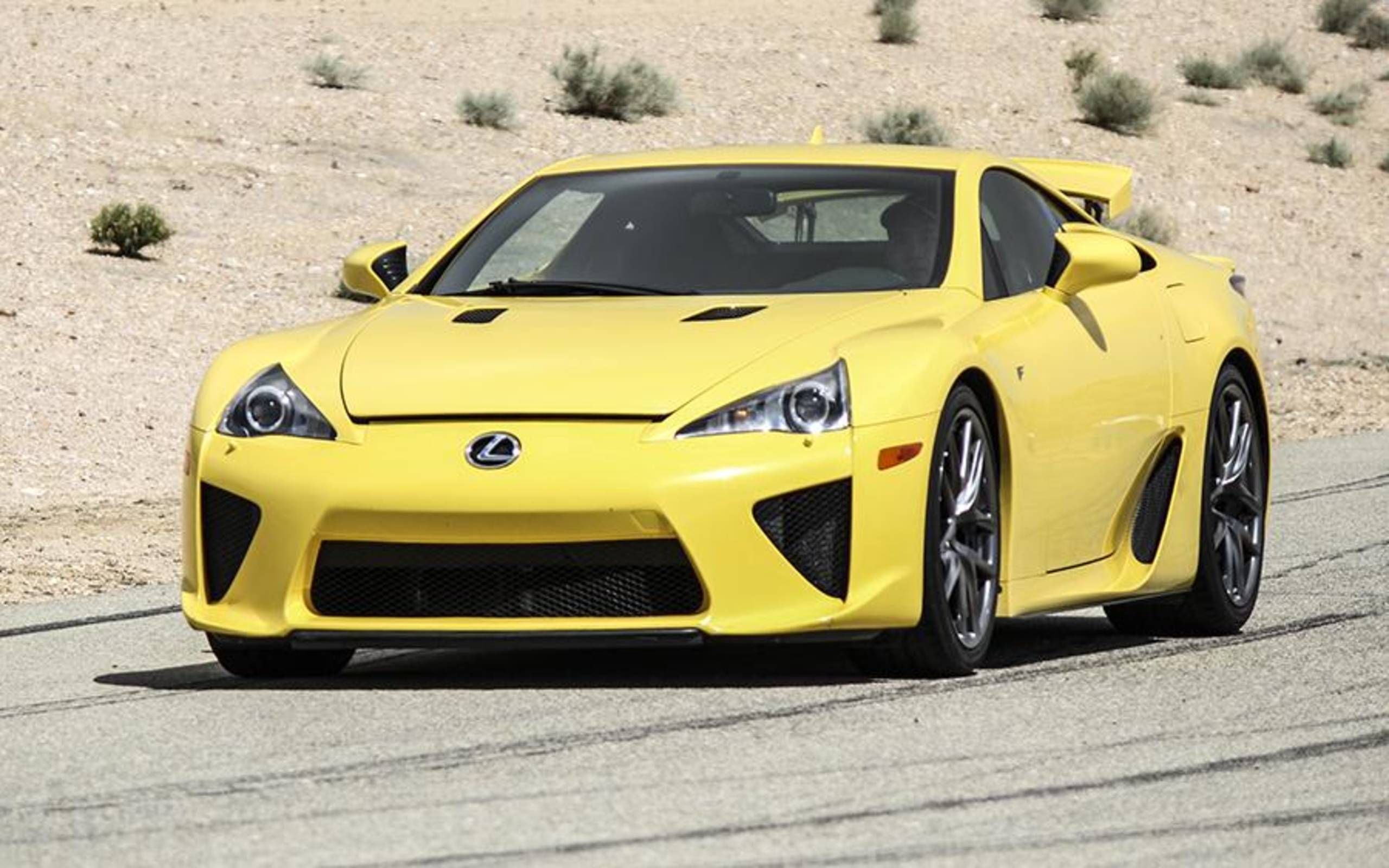
#10: Lexus LFA

Image Via: Autoweek

The Lexus LFA is an enigma, a supercar with one of the best-sounding engines ever fitted in a production car. Packed within its frame is a naturally aspirated 4.8-litre V10 that screams to a heady 9,000 rpm, churning out 553 hp and 354 lb-ft of torque in the process. However, the car’s performance and status came at a great cost to the carmaker.

The LFA supercar is regarded as a commercial failure. It was priced incredibly high, with a launch price of about $375,000, and even that was not enough to cover the massive R&D costs incurred by the carmaker. Lexus reportedly took a huge hit for every unit sold. The carmaker built only 500 units from 2010 to 2012, and it is telling that as recently as 2020, eight years after production officially ended, Lexus still had a few brand-new unsold LFAs sitting in dealer showrooms.


Source link

Italian Words and Phrases Every Traveler Should Know Before a Visit

0


In most big cities and heavily touristed areas in Italy, hotel and restaurant staff, shopkeepers, and museum attendants will almost certainly speak at least some English. But venture to smaller towns and out-of-the-way places, and you’re less likely to be understood when you ask a question in English. And wherever you go in Italy, trying to speak at least some Italian with the people you encounter is a common courtesy and is usually very much appreciated. 

“Italians will help you when you try to speak Italian,” a professor in Rome once told me, “because they’re so grateful when anyone tries to learn their crazy language.”

As my professor said, Italians will be patient with you when you try to speak—and potentially mangle—their language. Here are some guidelines, words, and phrases to get you ready for your next trip to Italy.

Pronunciation Basics 

A key difference between Italian and French—and Italian and English for that matter—is that in Italian, there are almost no silent letters—instead we pronounce every letter in the word. That means, for example, the most ubiquitous Italian word, grazie, is not pronounced grat-zee, but graht-tzee-yey—with three syllables, with the i and the e distinct from one another.  

Another key is knowing how letters are pronounced in Italian. Here are some general examples:

A is pronounced as a short A, so ah. Example: area is pronounced ah-reh-ah.

E is pronounced as a long A, so ay, and it’s never silent. Example: carne (meat) is car-nay.

I is pronounced as a long E, so ee. Example: ieri (yesterday) is ee-yehr-ree.

U is a hard vowel, usually pronounced oo. Example: uva (grape) is oo-vah.

Here’s another important one: CH creates a K sound, as when used in two of my favorite words, chianti (key-ahn-tee) and bruschetta (broo-skeh-tuh).

The only thing close to a silent letter combination is GN, which is a sort of nyee sound for which there’s no real equivalent in English. So Bologna is buh-lon-yah, gnocchi is nyo-key, and bagno, which means bath or bathroom, is bah-nyoh.

A plaza in Perugia, Italy.

Evgeniya Vlasova/Travel + Leisure


Greetings and Goodbyes

Buongiorno (bwohn-jor-noh) has a lot of meanings for one little word. It literally translates to “good day,” but is an umbrella term for saying hello, especially before the afternoon, when you’d say buonasera (bwohn-ah sayr-ah) which means good evening. After all the years I’ve lived here, I’m still not sure when the cut-off point is between the two terms, but I usually say buonasera from about 3 or 4 p.m. 

When in doubt, you can also say salve (sal-vay), which is a formal hello good for any time of day. As I shared in my article, unspoken rules to follow when you visit Italy, ciao (chow) should only be used as a salutation when you’re already on familiar terms with the person.

At the end of an evening, say, when you’re leaving a restaurant, buonanotte (bwohn-ah noh-tay) is how you say goodbye or good night. Arrivederci (ah-ree-vah-dehr-chee) literally means “until we meet again” and is a more formal goodbye—a good one to use when you check out of your hotel, for example. 

A family on a playground in the Italian Dolomites.

Ambika Verma/Travel + Leisure


Basic Italian Words and Phrases for Travelers

Si (see) means yes, and no (no) means no. Add a please: per favore (pehr fah-vohr-ey), thank you: grazie (graht-tzee-yey), and you’re welcome: prego (prey-go), and you’ll have some important bases covered. Note that prego has several connotations—it’s used when answering the phone; your restaurant server may use the term after serving your food, and someone holding open a door for you may say it as a polite gesture.

To ask someone if they speak English, say parla inglese?” (par-lah een-gleh-zeh?).

To say “I don’t speak Italian” (which they’ve probably already figured out), say non parlo italiano” (nohn par-low ee-tah-lyah-noh).

There are several forms of “excuse me.” Mi scusi (mee skoo-zee) is used when you need to interrupt or get someone’s attention. Permesso (pehr-mehs-soh) applies when you’re moving through a crowd or need to ask someone to step out of your way. Say scusa (skooz-ah) if you bump them or step on their foot while doing so.

To ask where something is, start with: dov’è (doh-vey)…? 

  • la stazione (lah stat-tzee-oh-neh): the station
  • il bagno (eel bah-nyoh): the bathroom
  • una farmacia (oo-nuh far-mah-chee-ah)?: a pharmacy 

To ask how much something costs, say: quanto costa (kwan-toh coh-sta)?

To ask for the check at a restaurant, say: il conto, per favore (eel kon-toh pehr fah-vohr-ey).

A woman overlooking the cityscape of Turin, Italy.

Laura La Monaca/Travel + Leisure


Common Words to Know

  • Quando (kwan-doh): When
  • Oggi (oh-gee): Today
  • Ieri (ee-yehr-ree): Yesterday
  • Domani (doh-mah-nee): Tomorrow
  • Colazione (coh-laht-tzee-ohn-ay): Breakfast
  • Pranzo (prahn-zoh): Lunch
  • Cena (chay-nah): Dinner
  • Dolce (dohl-chay): Dessert

Numbers 1-10

  •  uno (oo-noh)
  • due (doo-ay)
  •  tre (tray)  
  • quattro (kwah-troh)
  • cinque (cheen-kway)
  •  sei (say)
  • sette (set-tay)
  • otto (ott-oh)
  • nove (noh-vay)
  • 10 dieci (dee-ay-chee)        


Source link

Ferrari 296 Speciale: The lighter, more powerful baby Ferrari

0


Ferrari has launched a heavily upgraded version of the 296. The new 296 Speciale and Speciale A are lighter and more powerful than the standard car and cost almost half a million dollars.

ferrari-296-speciale (1)

On the outside, the Ferrari 296 Speciale features several aero upgrades, which include a redesigned front end with an aggressive splitter, an S-duct similar to the SF90 XX and a louvred bonnet. It has more pronounced side skirts and a heavily revised rear fascia with a central exhaust. Another notable element is the aero blades that wrap around the rear end, forming the ends of the spoiler. Ferrari claims a 20% increase in downforce over the standard 296 GTB and GTS.

ferrari-296-speciale (2)

The 296 Speciale and Speciale A get a stripped-out interior with no carpets. There are body-hugging sports seats wrapped in Alcantara and a lot of carbon fibre. Ferrari claims that the overall weight has dropped by 132 lbs and 110 lbs for coupe and spider, respectively.

Powering the 296 Speciale is a 3.0-liter twin-turbo V6 plug-in hybrid. It features titanium con rods, new pistons and a lighter crankshaft. The internal combustion engine churns out 690 hp, while the upgraded electric motor puts out 177 hp, taking the combined from 818 hp to 867 hp. The transmission is an 8-speed dual-clutch automatic.

ferrari-296-speciale (5)

The 296 Speciale also gets a retuned suspension which uses stiffer and lighter titanium springs and Multimatic adjustable shock absorbers from the 296 GT3 race car. The car rides on Michelin Pilot Sport Cup2 tires.


Source link

Why Travelers Are Seeking Wellness Retreats Abroad

0


Travelers are redefining what it means to take a vacation. Escaping the daily grind is no longer about sightseeing or beach lounging.

A rising number of people now book trips centered around wellness, blending physical rejuvenation with mental clarity. From yoga retreats in Bali to detox programs in Thailand, these destinations offer immersive environments where healing and relaxation take priority.

Let’s explore why cross-border wellness retreats have become a go-to choice for so many travelers.

Yoga at a veranda with a great view. Pic by Woody Kelly -unsplash.
Yoga at a veranda with a great view.

Access to Specialized Therapies Not Readily Available at Home

Certain therapies and treatments are either difficult to find or heavily regulated in some countries. Wellness retreats abroad often take advantage of local healing traditions that go beyond what’s available back home.

Countries like India offer Ayurvedic treatments, while Europe is known for advanced hydrotherapy options that are not widespread elsewhere. Each destination provides access to natural resources, ingredients, and techniques rooted in their culture.

In many cases, practitioners specialize in niche modalities rarely offered by conventional Western medicine. These unique therapies cater directly to individuals seeking both health optimization and alternative healing experiences during their travels.

Ayurveda treatment and massage therapy.

Unique Medical Retreats Combining Relaxation with Preventative Healthcare

More travelers seek retreats that integrate medical services, offering preventative healthcare alongside relaxation. These programs often include diagnostic testing, consultations, and even specialized treatments.

Doctors and wellness experts in target destinations collaborate to design tailored health plans for guests, focusing on long-term well-being. This could range from nutritional guidance to fitness routines explicitly built for the individual.

Some retreats even offer personalized detox programs or consultations catering to those looking for non-pharmaceutical weight management options. Such holistic approaches aim to prevent future health issues while promoting immediate stress relief.

Escape from Daily Stress in Exotic, Tranquil Environments

For many, a wellness retreat is an opportunity to escape the constant demands of work and life. Remote locations with pristine beaches, mountains, or forests offer a serene setting that fosters mental rejuvenation.

Natural beauty enhances the overall experience by creating a peaceful atmosphere where guests can fully disconnect. Quiet surroundings also support meditation practices and mindful living exercises.

Examples of conditions that can be managed by switching to a low-stress environment include anxiety, insomnia, and chronic fatigue.

Yoga with a great view

Disconnect from Technology and Reconnect with Nature

We live in a world where screens dominate daily life, from work to social interactions. Unfortunately, the constant digital noise leads to burnout, anxiety, and sleep disturbances.

Individuals now seek retreats that encourage a digital detox, allowing them to step away from the relentless flow of notifications and emails. Being off-grid for days or even weeks can restore mental clarity.

Natural settings like forests, oceans, or mountains are perfect environments for this reset. Many retreats focus on activities like hiking, meditation, and forest bathing, each designed to reconnect travelers with nature’s rhythms.

National Park Road at Grand Lake in the USA. Photo by Nathan Anderson -unsplash.
National Park Road at Grand Lake in the USA.

Access to Rare Cultural Healing Practices

Cross-border destinations also offer rare healing practices rooted in ancient traditions, offering something far beyond typical Western wellness experiences.

In countries like Peru, retreats might integrate Andean energy medicine or guided shamanic rituals aimed at restoring balance to both mind and body. Such cultural approaches can bring new perspectives on health.

Local healers often work with natural elements like herbs, minerals, and plant-based remedies unique to the region. These holistic treatments provide a connection to nature while tapping into wisdom passed down through generations of practitioners.

Parting Shot

Exploring international wellness retreats opens doors to transformative experiences that uniquely blend healing, culture, and relaxation. Whether it’s a spiritual renewal or a health overhaul you seek, the world offers countless sanctuaries ready to help you on your journey toward well-being.

So, book your next retreat and embark on a personal adventure that revitalizes your body and soothes your soul.

Massage therapy abroad.

  • Travel Dudes

    I’m sure you’ve had similar experiences I had whilst traveling. You’re in a certain place and a fellow traveler, or a local, tip you off on a little-known beach, bar or accommodation. Great travel tips from other travelers or locals always add something special to our travels. That was the inspiration for Travel Dudes.


    View all posts


    I’m sure you’ve had similar experiences I had whilst traveling. You’re in a certain place and a fellow traveler, or a local, tip you off on a little-known beach, bar or accommodation. Great travel tips from other travelers or locals always add something special to our travels. That was the inspiration for Travel Dudes.


Source link

9 Chinese Designers Making Global Waves

0


As Shanghai cements its status as one of fashion’s most dynamic (yet seemingly underrated) capitals, a new generation of up-and-coming designers is stepping into the global spotlight. Fusing directional aesthetics with cross-cultural fluency, these rising talents are reshaping perceptions of Chinese fashion, blending tradition, technology, streetwear and luxury into striking new forms. From sculptural experiments to sleek urban tailoring, the work of these designers reflects a city of sartorial innovation.

Sankuanz

Shangguan Zhe founded Sankuanz in 2013, where he quickly gained recognition for his sculptural pieces, merging traditional Chinese design elements with modern silhouettes. Sankuanz was successful in carving out a reputation for its daring fusion of cultural references and rebellious spirit. After studying visual communication and advertising at Xiamen University, Shangguan launched his menswear label rather than following a traditional career route.

His distinctive vision quickly positioned him as one of China’s most unconventional new voices in fashion. By combining classical influences with graphic elements, sharp tailoring and deconstructed, androgynous silhouettes, Sankuanz’s collections successfully balance eccentricity with skillful precision. The brand’s designs often portray genderless figures infused with philosophical reflections on collectivism and belief.

Sankuanz debuted at Shanghai Fashion Week and by 2015, Shangguan was a finalist for the prestigious LVMH Prize. Since 2016, the label has been a regular fixture on the official Paris Fashion Week Men’s calendar, gaining global recognition and a cult following. Today, Sankuanz’s thought-provoking approach to contemporary menswear is a testament to Shangguan Zhe’s commitment to making Chinese fashion an internationally recognised power player.

Head to their official website or Instagram to find out more.

Xander Zhou

A true pioneer of Shanghai streetwear, Xander Zhou’s ability to balance experimental fashion with everyday, “wearable” pieces has made his collections highly sought after both in China and beyond. Known for his genre-defying approach to menswear, Xander Zhou draws from a multicultural background shaped by industrial design studies in China and fashion design training in the Netherlands. His collections are marked by playful disruptions such as rainbow prints, exaggerated silhouettes and unexpected graphic accents that challenge traditional notions of masculinity and style. Inspired more by personal instinct than by heritage fashion houses, Zhou’s designs reflect a fascination with youth culture, fluid identities and the emotional response that clothes can evoke.

While Xander Zhou is primarily based in Beijing, his strong presence at Shanghai Fashion Week has made him an influential figure in the city’s fashion scene, alongside regular appearances at international events like London Fashion Week Men’s. In fact, Xander Zhou was the first menswear fashion designer from China to be part of London Fashion Week Men’s. Today, his boundary-pushing pieces are stocked internationally in cities like London, New York, Tokyo and Seoul.

Head to their official website or Instagram to find out more.

SHUSHU/TONG

Founded by Liushu Lei and Yutong Jiang in 2015, SHUSHU/TONG redefines conventional notions of femininity with a bold, irreverent spirit. Based in Shanghai, the duo — both womenswear MA graduates from the London College of Fashion — bring a directional edge to unabashedly feminine codes like ruffles and bows, stripping them of “primness” and infusing them with a relaxed, modern attitude. With refined in-house tailoring techniques, SHUSHU/TONG bridges the boundary between “girlhood” and “womanhood” in a way that feels simultaneously youthful and polished.

After early stints at Simone Rocha and Gareth Pugh, the designers quickly captured international attention. Their debut collection was picked up by Lane Crawford, and as of writing, the brand is stocked globally at prestigious retailers including Dover Street Market, Opening Ceremony and 10 Corso Como.

Head to their official website or Instagram to find out more.

Chen Peng

Specialising in oversized outerwear, Chen Peng’s designs have caught the eye of international celebrities and fashion influencers alike. His work combines comfort with luxury, blending rich textiles and innovative patterns to create one-of-a-kind, statement-making pieces. Founded by designer Peng Chen in London in 2015, Chen Peng reimagines contemporary fashion through the lens of body inclusivity and individualism. A graduate of London College of Fashion’s MA menswear programme, Peng developed the concept of “One-Sized Fashion,” designing pieces that transcend conventional sizing and embrace a spectrum of body shapes. His work challenges traditional ideas of beauty, highlighting personal features rather than adhering to standard ideals.

Chen Peng quickly rose to international attention, with collections now stocked in over 70 boutiques and department stores worldwide, including Dover Street Market, SSENSE, Opening Ceremony and Galeries Lafayette. His designs have been worn by major names like Rihanna, Lady Gaga, Bella Hadid and Fan Bingbing.

Blending bold creativity with practical function, Peng’s aesthetic mixes oversized silhouettes with unexpected detailing, offering a fresh voice in modern fashion. His career highlights include being appointed chief costume designer for the Beijing 2022 Winter Olympics Opening Ceremony, a collaboration with Moncler House of Genius, and being named Designer of the Year at the BAZAAR Design Awards 2022. Chen Peng continues to reshape the conversation around fashion equality and individuality on a global scale.

Head to their official website or Instagram to find out more.

Samuel Guì Yang

Founded by Samuel Yang and Erik Litzén, Samuel Guì Yang is a London-based studio with deep ties to both Shanghai and London. The brand weaves together Chinese and Western influences to create modern wardrobe essentials distinguished by subtle, dramatic details and a rich cultural dialogue. Their design ethos centres on blending historical references with contemporary forms, resulting in garments that “carry a quiet, enigmatic strength”. Committed to sustainability, the studio embraces mindful fabric choices, ethical production methods and thoughtful design practices. At the heart of their vision is a desire to “redefine perceptions of Chinese creativity”, crafting pieces that hone in on artistry and cultural innovation for a new generation of fashion-conscious consumers.

Head to their official website or Instagram to find out more.

Jacques Wei

Founded in 2010, Jacques Wei’s namesake label was created to challenge traditional ideas of glamour with couture-inspired craftsmanship. Known for his attention to detail, Wei reimagines classic silhouettes and sharp tailoring through the use of luxurious materials. With an infusion of romanticism, his designs capture the essence of the “modern woman” while drawing on the sophisticated aesthetics of the ‘90s. Specialising in clean, precise cuts, Jacques Wei’s collections blend silhouettes frequently seen in the ‘90s (minimalist dresses, structured corset slings and oversized suits that reflect the decade’s rebellious spirit) with timeless elements.

Each piece is thoughtfully designed, with a strong focus on tailoring and fine details. Wei’s latest collection is a tribute to the bold muses of the ’90s, incorporating playful butterflies, floral patterns and striking cutouts. Their latest collection, seen during the Shanghai 2025 Fall collection, features rich silks, luxurious feathers, soft leathers and an array of embellishments, including crystals and mirrors, adding an opulent touch to the signature designs.

Head to their Instagram to find out more.

Oude Waag

Named after the 17th-century Amsterdam weigh house where goods were once measured and valued, Oude Waag draws on ideas of tradition, worth and quiet introspection. Founded in 2017 by Jingwei Yin, a Central Saint Martins and Royal College of Art graduate, the Shanghai-based label is quickly becoming one of China’s most compelling new voices in luxury fashion. For Yin, designing is akin to “keeping a diary” — a deeply personal, evolving record of human experience, marked by fleeting, abstract moments of emotion and intimacy. Oude Waag’s aesthetic is defined by its intellectual and empathetic exploration of the relationship between mind, clothing and body.

Yin’s sharp cutting, fluid draping and attention to understated beauty are central to his design language, revealing garments that are delicate yet structured, poetic yet subversive. There is a subtle tension at play: a celebration of feminine strength that also critiques the way the body has historically been idealised and objectified. Having trained under visionary designers like Haider Ackermann and Hussein Chalayan, Yin brings a razor-sharp sense of craftsmanship and a quietly radical spirit to each collection, bridging Asian sensibilities with the precision of European tailoring.

Head to their official website or Instagram to find out more.

Yueqi Qi

Founded in 2019, Yueqi Qi’s namesake label is a vibrant testament to her instinct, craft and imagination. A graduate of London’s prestigious Central Saint Martins, Qi honed her skills at Chanel’s embroidery atelier before launching her brand, which quickly caught international attention with collaborations for Gucci’s GUCCIFEST and Vault projects. Her work — often a dazzling interplay of intricate beading, embroidery and cutting-edge fabric innovations — weaves narrative threads that explore time, memory and identity.

Whether showcasing at Tokyo pop-ups or walking the runways of Shanghai, Qi’s creations — seen on stars like Blackpink’s Lisa — fuse traditional Chinese artistry with an avant-garde, futuristic sensibility. A semi-finalist for the 2022 LVMH Prize and a participant in the Love of Couture exhibition at Hong Kong’s K11 Musea, Qi is part of a new generation rewriting the codes of couture without being confined to geographical labels. As she was quoted in an interview saying, “Couture is art,” and for Qi, every bead, feather and laser-cut detail is a brushstroke on a canvas of imagination.

Head to their official website or Instagram to find out more.

Louis Shengtao Chen

At just 27 years old, Louis Shengtao Chen is reshaping the idea of glamour on his own terms. A graduate of Central Saint Martins and a former model, the Beijing-born designer established his namesake label in 2021 with a mission to challenge traditional notions of luxury. His creations — often a collision of exaggerated colours, dramatic textures, and unconventional materials (exploring sustainable materials like Ultrasuede) — celebrate storytelling, craft and an offbeat sense of beauty. Based in Chongqing, a city typically unassociated with fashion, Chen’s avant-garde designs — think exposed hoop skirts, furry shoes, and sequinned leg warmers — have won fans from Blackpink’s Lisa to Caroline Polachek.

A semi-finalist for the 2023 LVMH Prize, Chen continues to make his mark globally, showing in Paris and Milan while staying true to his instinct-driven, experimental ethos. For Chen, glamour is not polished perfection but something raw, emotional and fiercely alive. While Louis Shengtao Chen is not based in Shanghai, his work has undeniably contributed to the city’s rising influence in the global fashion scene, helping to shape a new wave of Chinese designers pushing beyond the regional boundaries of the luxury fashion industry.

Head to their official website or Instagram to find out more.

For more on the latest in luxury style and fashion reads, click here.


Source link

10 Modern Cars Inspired by Classic-Era Relatives

0


Automobile manufacturers consistently look to various sources of inspiration when designing their cars. A current trend or future direction in the industry can ignite the spark for a new design. It is also not uncommon to revisit vintage designs, blending nostalgic elements with modern technology into one seamless package.

The reasons for reaching into the past are varied, ranging from functional motivations and aesthetics to commemorating an iconic model. This list is by no means exhaustive, but it does showcase modern cars influenced, in varying degrees, by classic-era relatives.

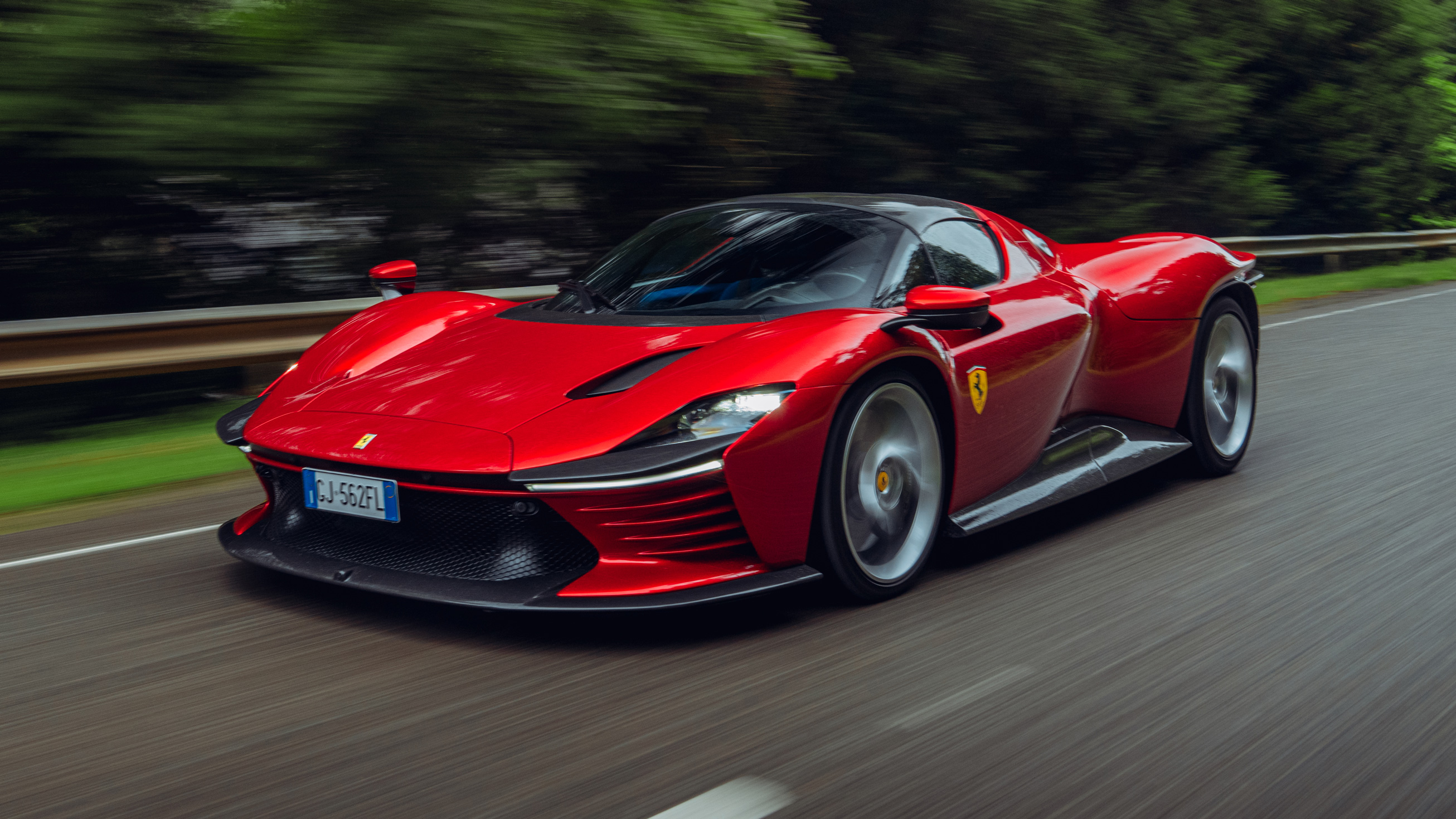
#1: Ferrari Daytona SP3

Image Via: Top Gear

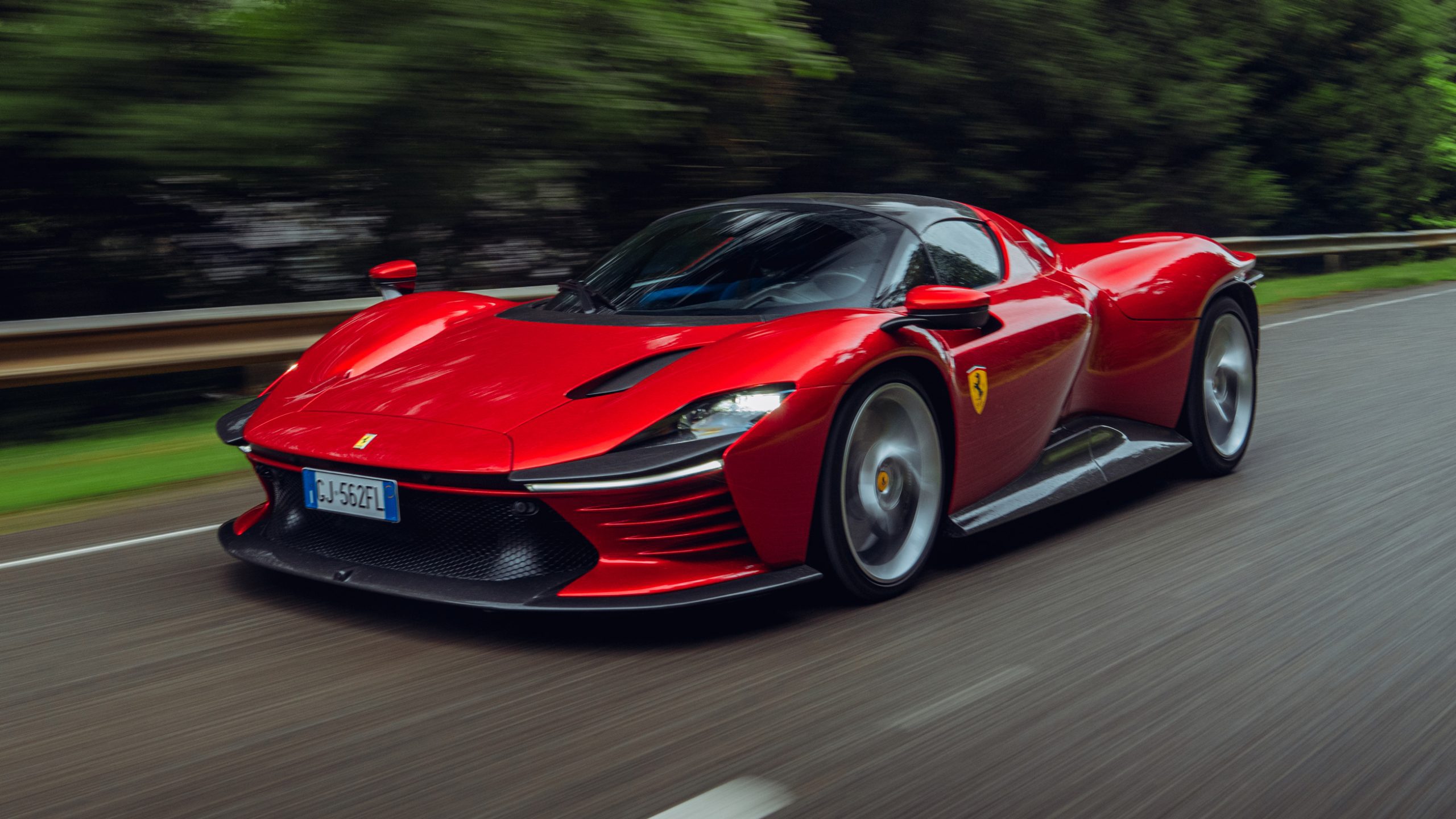
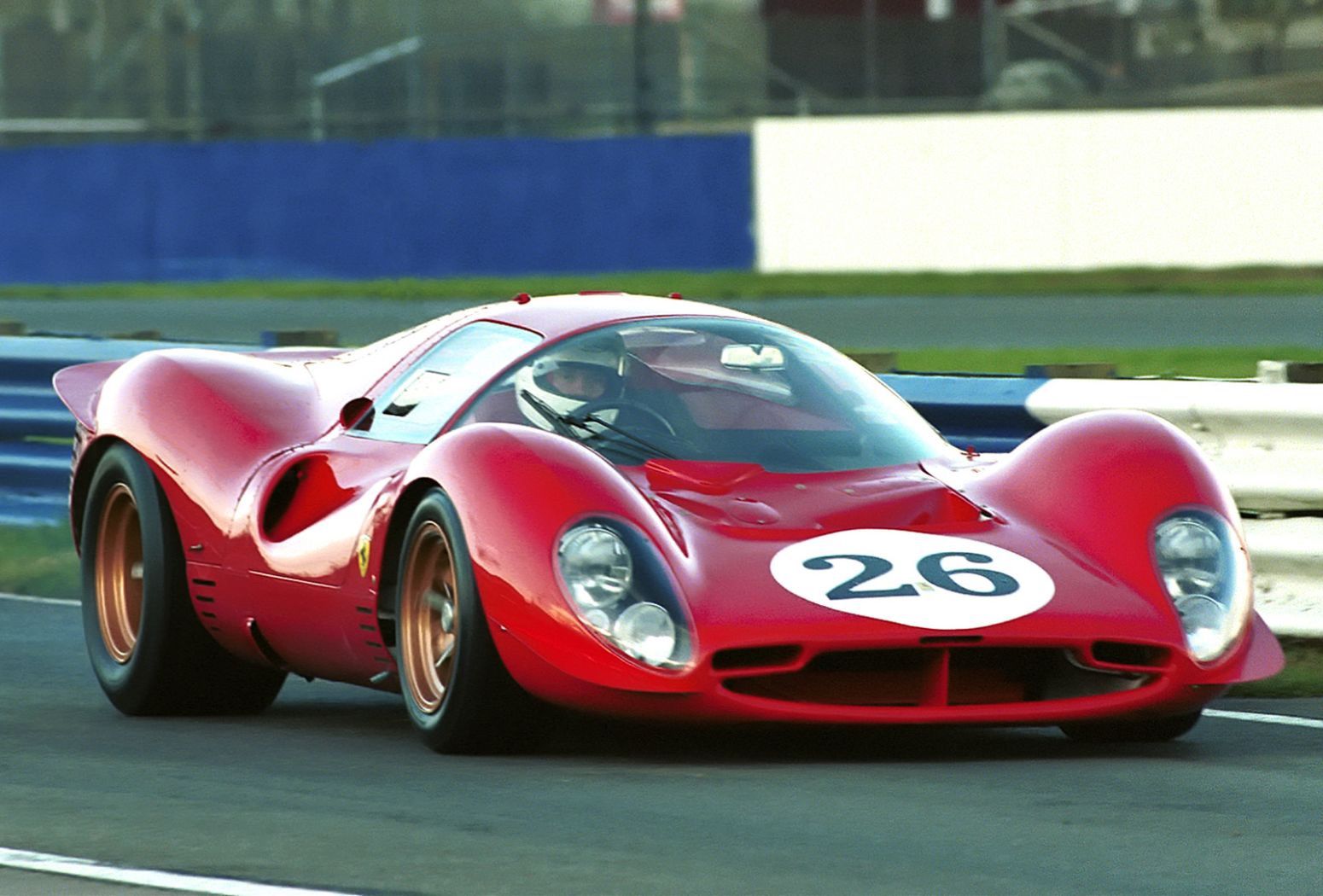
The Daytona SP3 is the newest Ferrari’s Icona series member, a special model line dedicated to paying homage to some of the carmaker’s most iconic classic models (hence the name, Icona). In the case of the Daytona SP3, its design language borrows heavily from Ferrari’s ’60s era racing cars like the 330 P4 and 350 Can-Am and the 512 TS.

Image Via: AutoEvolution

This is evident with elements like the clean double-crested front wings, the positioning of the door mirrors and the distinctive horizontal blades at the rear. Ferrari will only make 599 units of the Daytona SP3; unsurprisingly, they are sold out.

#2: Kimera EVO37

Image Via: Carscoops

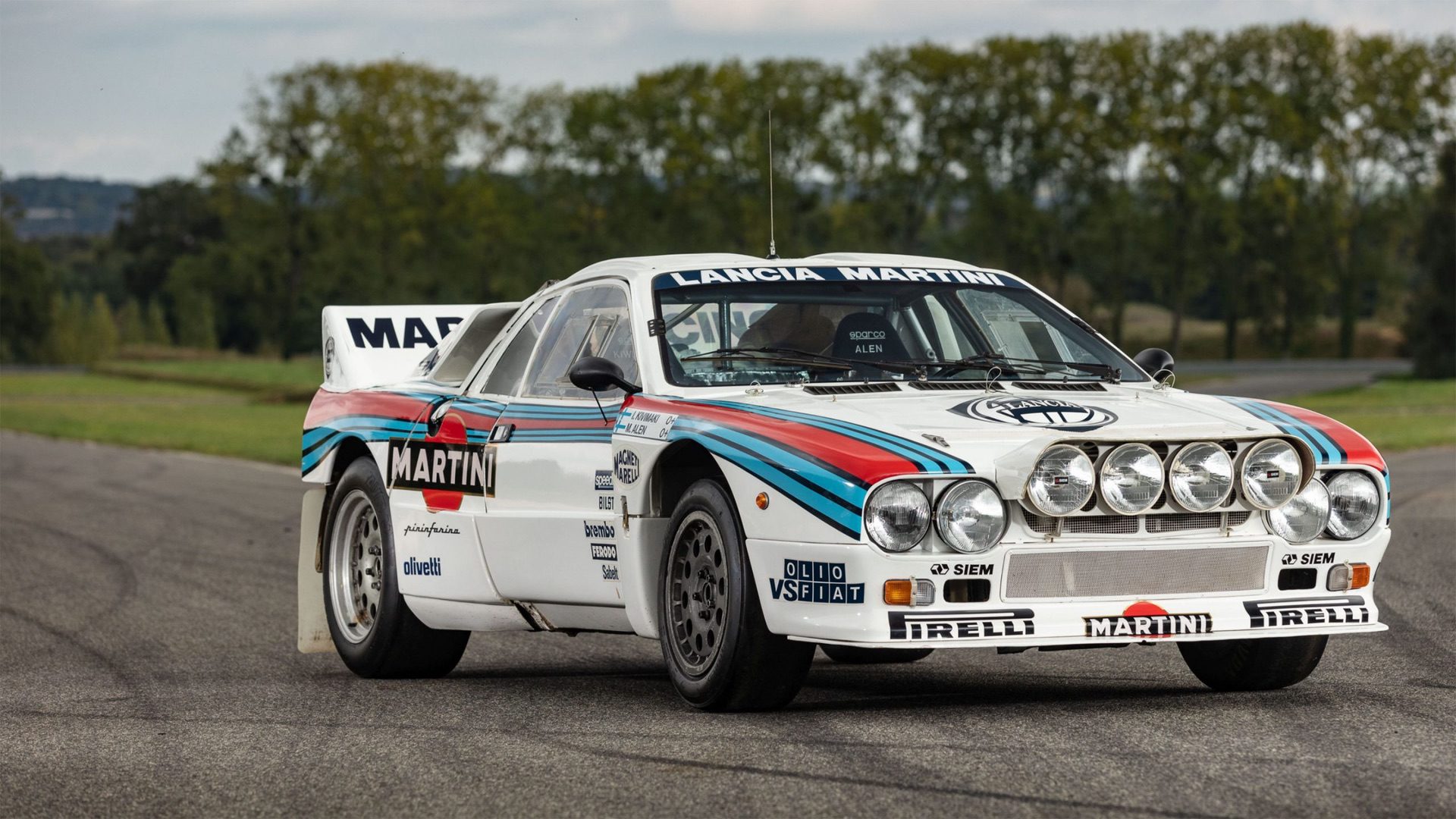
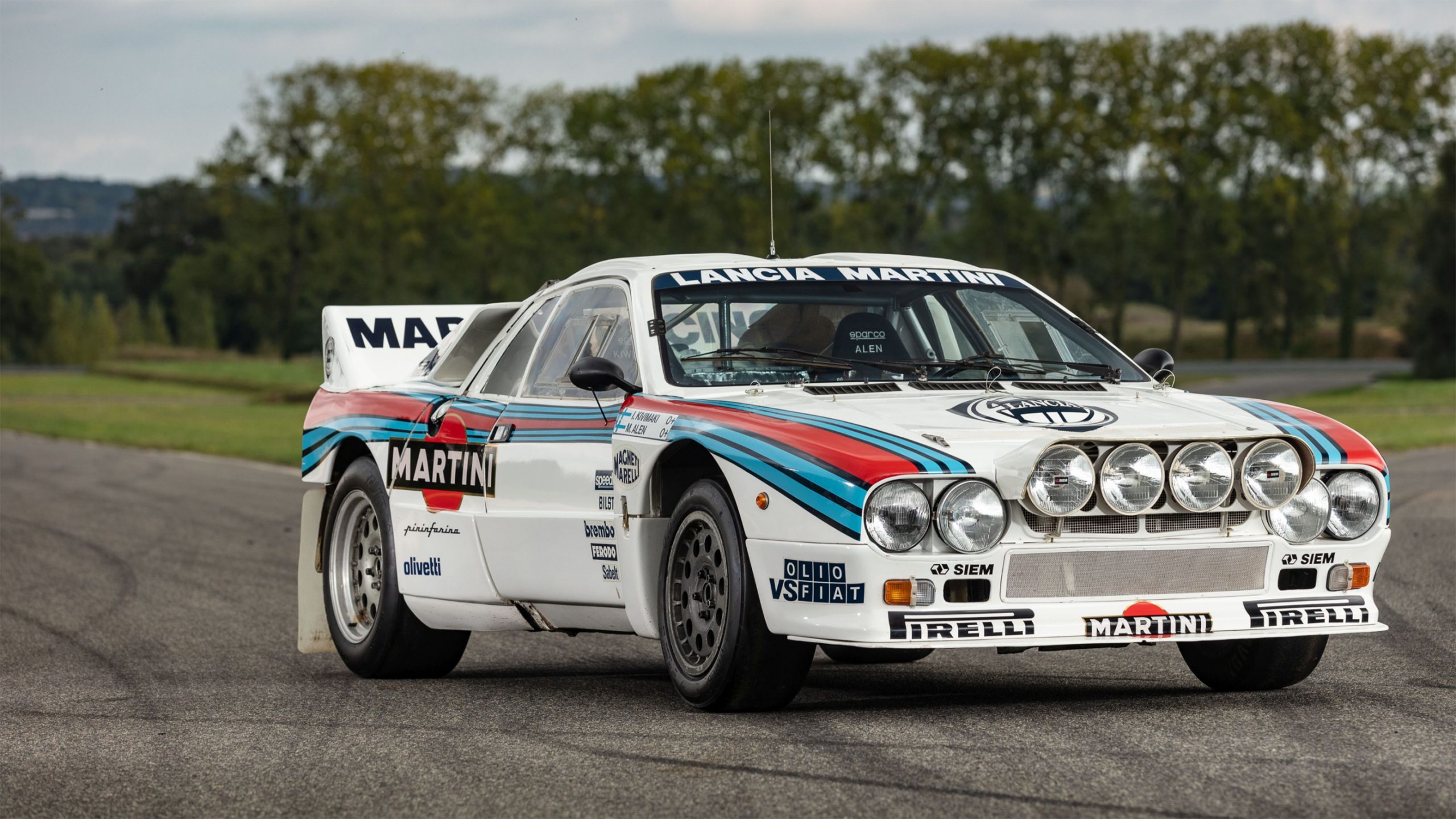
One of Lancia’s most famous rally cars was the Lancia 037, and it is this car that inspired the EVO37, built by Italy-based Kimera Automobili. However, do not yield to the temptation to describe the Kimera EVO37 as a Lancia restomod. It is so much more than that. For one, the EVO37 is a ground-up redesign, and only two parts are exactly the same as on the original 037.

Image Via: Hagerty

They share the same philosophy, though, creating the ultimate driving machine that offers maximum driver engagement at all times. For the Kimera EVO37, that means rear-wheel-drive, six-speed manual and a turbocharged engine unit that can crank out as much as 512 hp.

#3: Touring Superleggera Aero 3

With the Aero 3, Image Via: Carrozzeria Touring Superleggera digs deep into its rich history. The carmaker has gone for one of its age-long design themes emphasizing streamlined profiles and super lightweight construction, which stretch nearly paper-thin alloy panels over featherweight tubular structural frames.

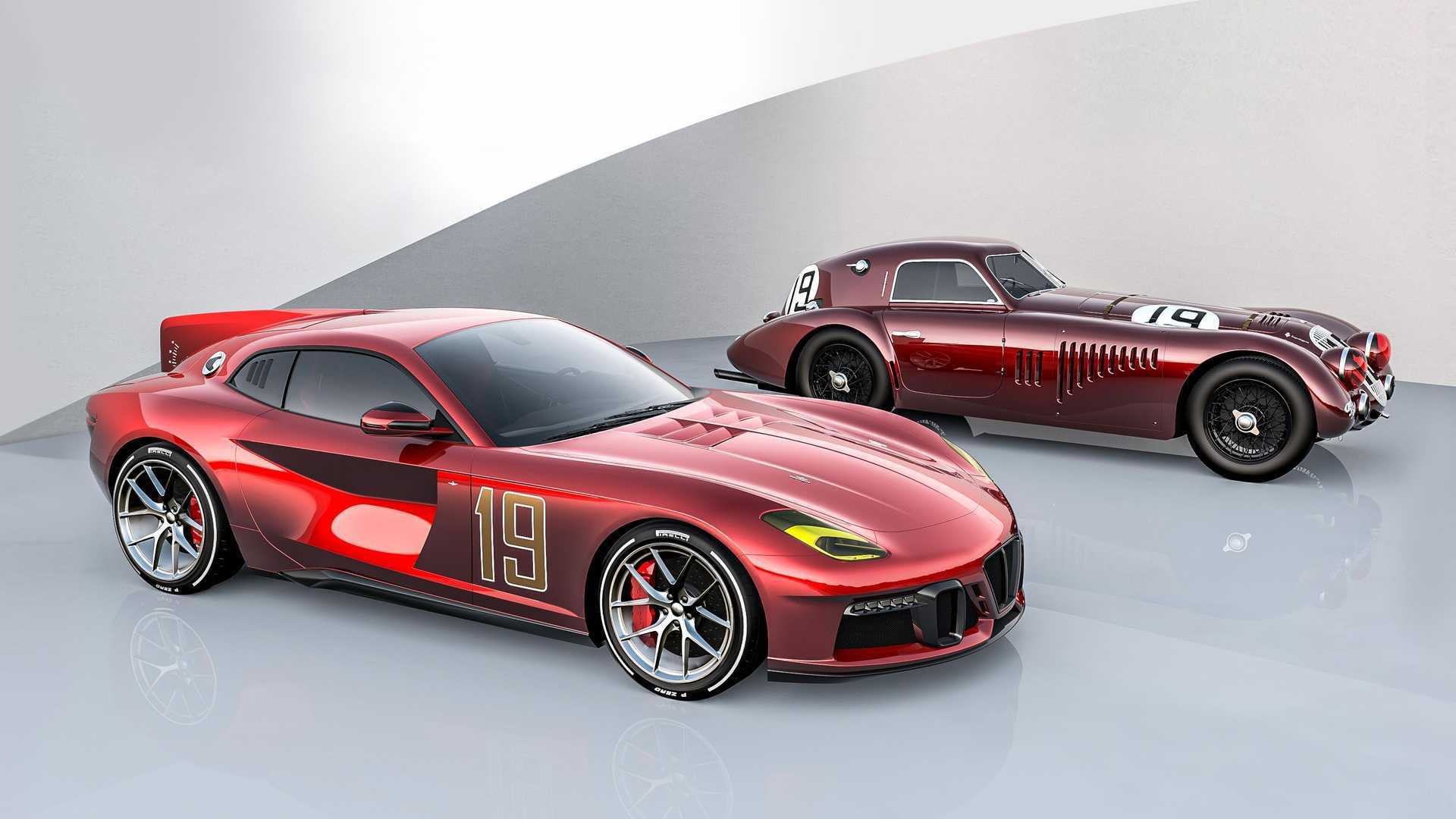
The first car to feature this signature styling by Carrozzeria coachbuilders back then was the 1937 Alfa 6C 2300 B, a race car specifically designed for the famous Mille Miglia 1,000-mile road race. Now, the Aero 3, with a similar design mindset, seeks to connect the coachbuilder to its roots with styling cues borrowed from past Touring projects. An example of the subtle touches is the horizontal tail lights, a style that recalls the Disco Volante and other classic Touring-styled coupes.

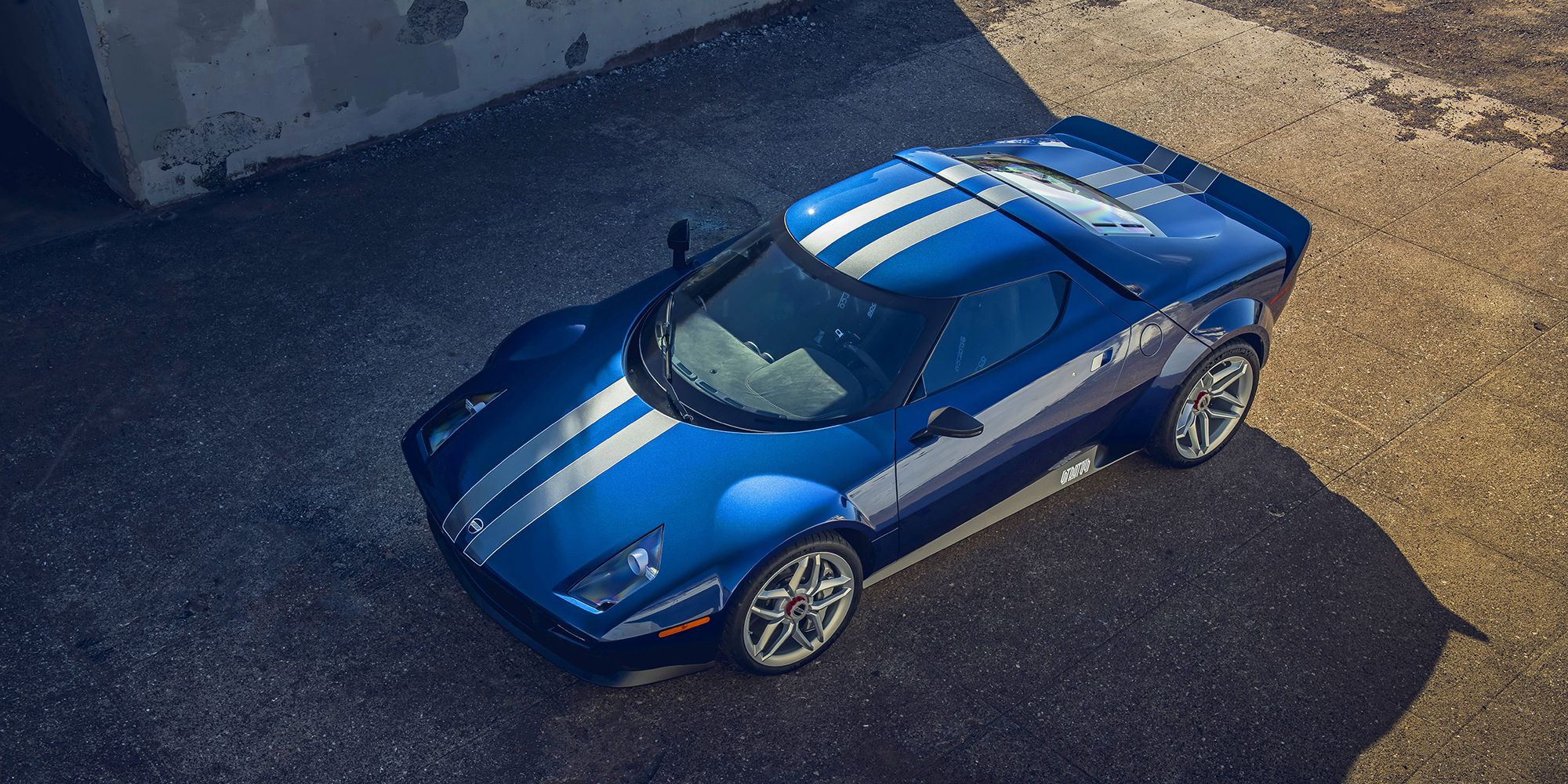
#4: MAT New Stratos

Image Via: Road & Track

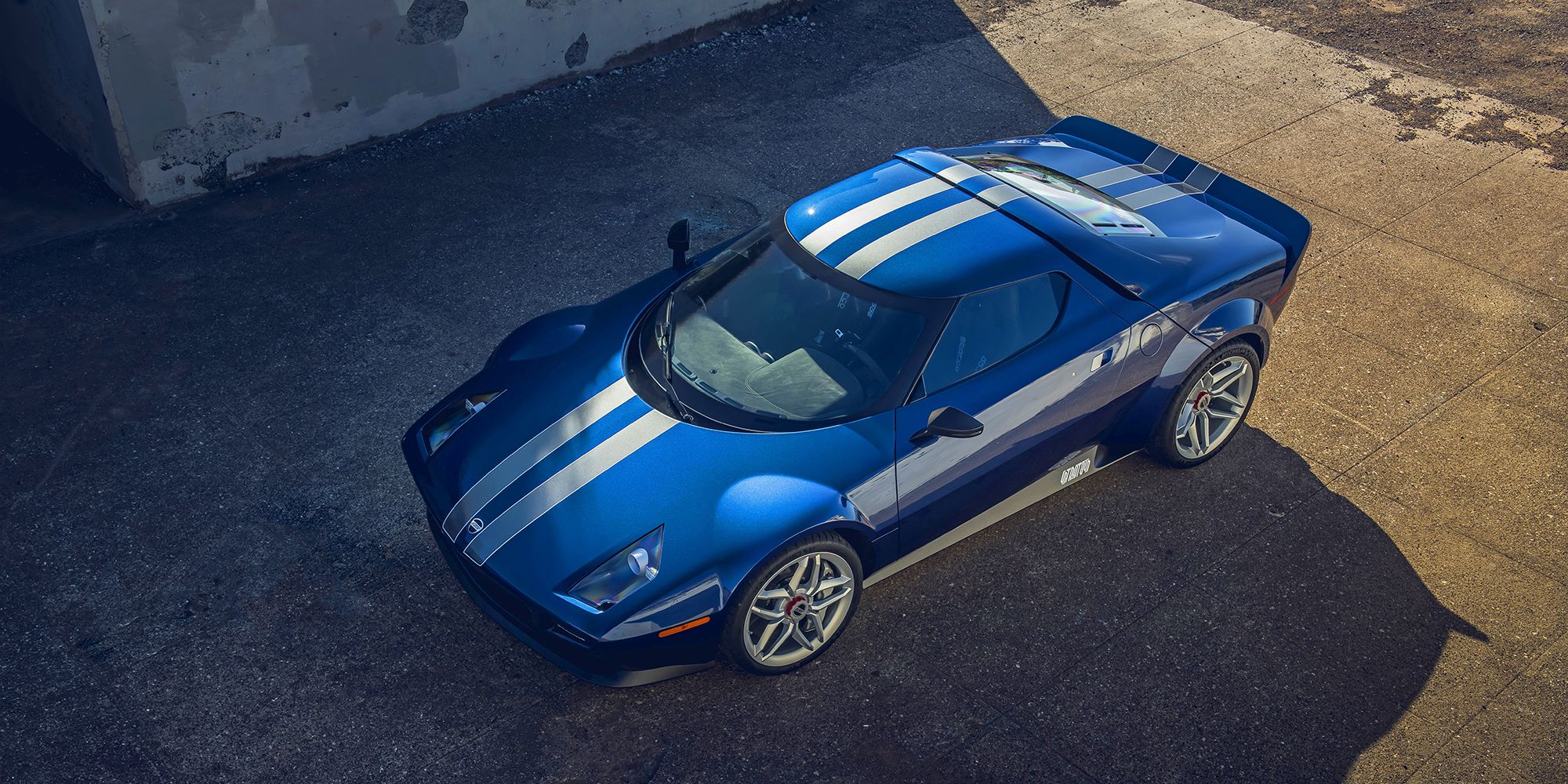
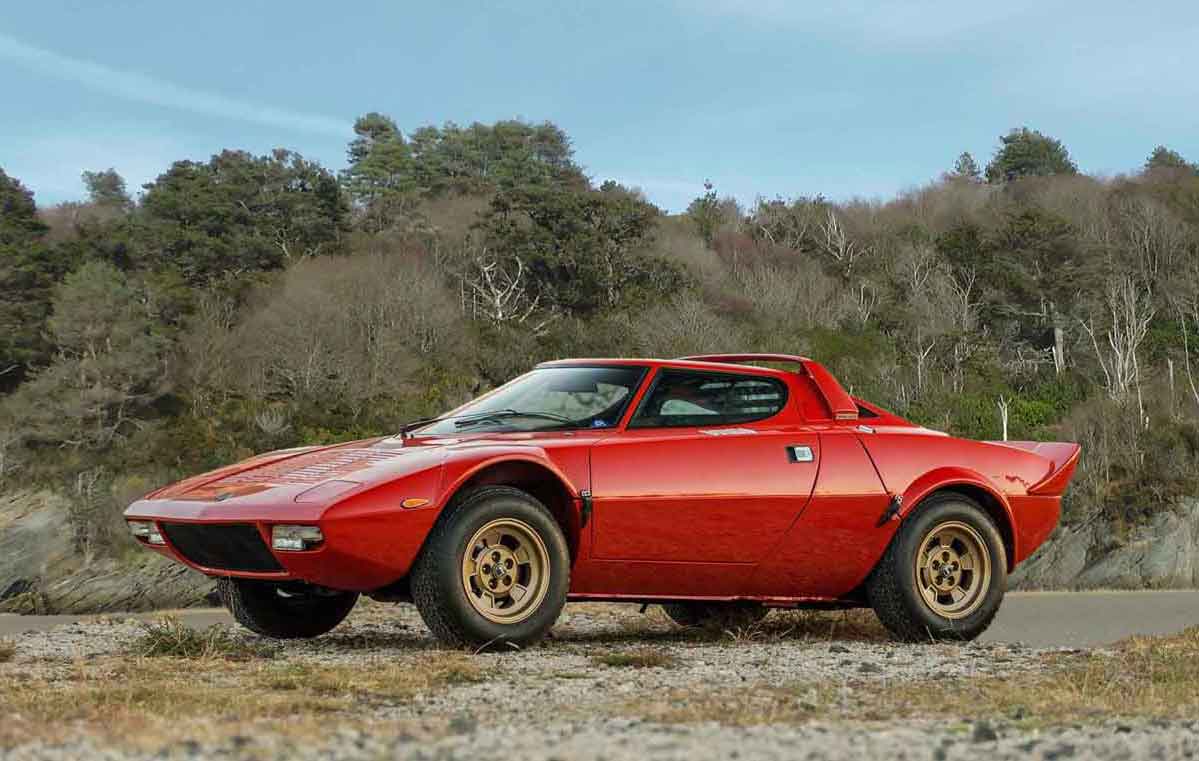
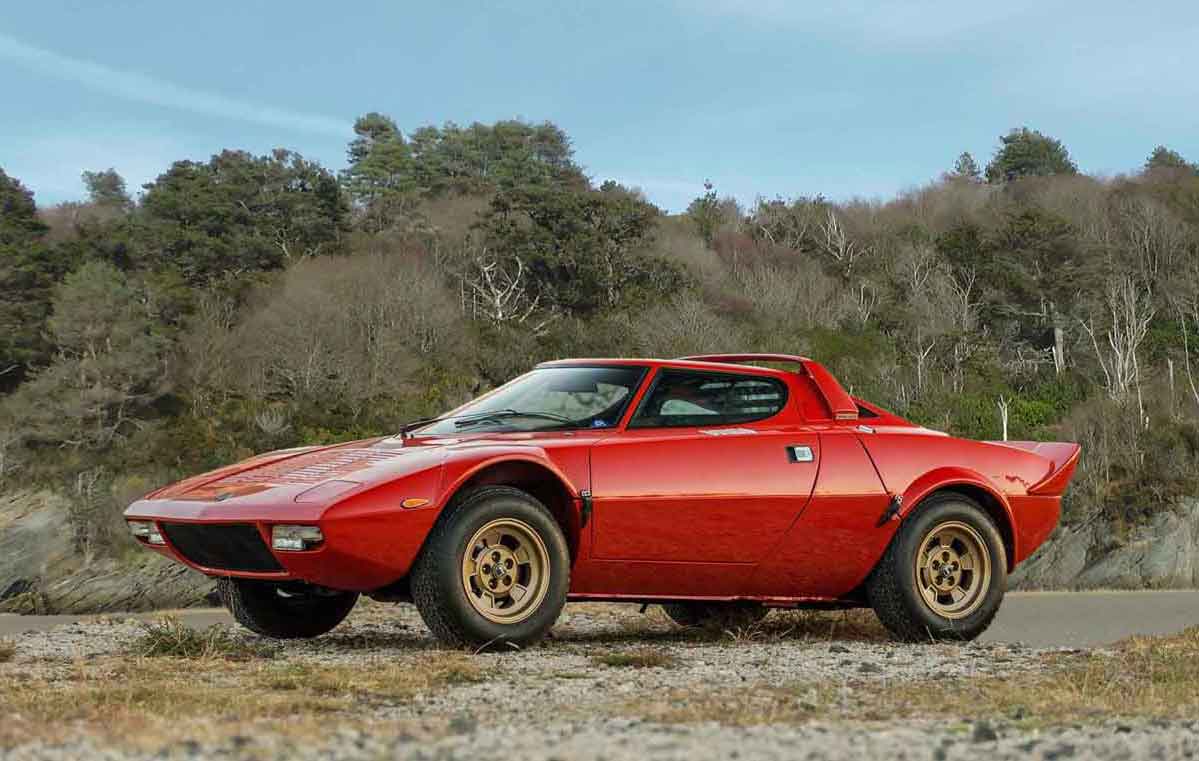
A Ferrari F430 might have supplied the mechanical underpinnings, but the MAT New Stratos is an unwavering tribute to the 1973-1978 Lancia Stratos. That much is clear from the similar exterior wedge-shaped styling, though with the New Stratos, much of that bodywork is carbon fiber. Manifattura Automobili Torino (MAT) wanted to bring back the rawness of analog driving, just like it was with the ’70s Lancia Stratos.

Image Via: The Lancia Story

A project that began with a request to build a one-off interpretation of the original Stratos soon morphed into a limited 25-unit production run with a flat-plane crank V8 and six-speed manual gearbox as some of the highlights.

#5: Alpine A110

Image Via: Wardsauto

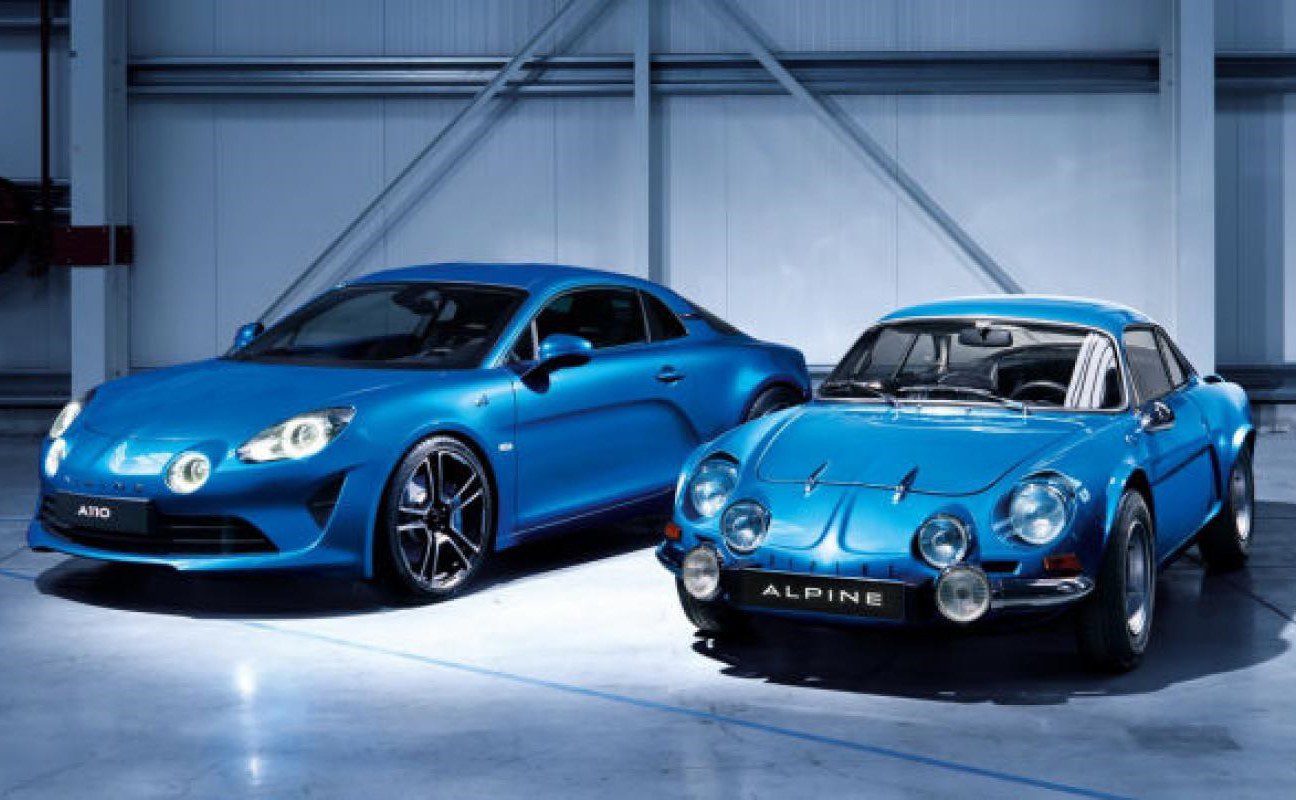
First introduced in 1961, the first-gen Alpine A110 was one of the most notable French cars that emerged during the ’60s-era. The car cemented its iconic status by winning the first rally championship in 1967 and the inaugural World Rally Championship in 1973. In 2017, leveraging this legacy, Alpine introduced a modern take on the original A110.

Not only did the name remain unchanged, the new A110 shares striking visual similarities with the first-gen model. You can spot the design influences in the headlights and overall curved profile. Like the original, the reinvented A110 also emphasized lightweight construction, with a bodywork mostly made from aluminum and a curb weight of 2, 432 lbs (1103 kg).

#6: Porsche 911

Image Via: Porsche

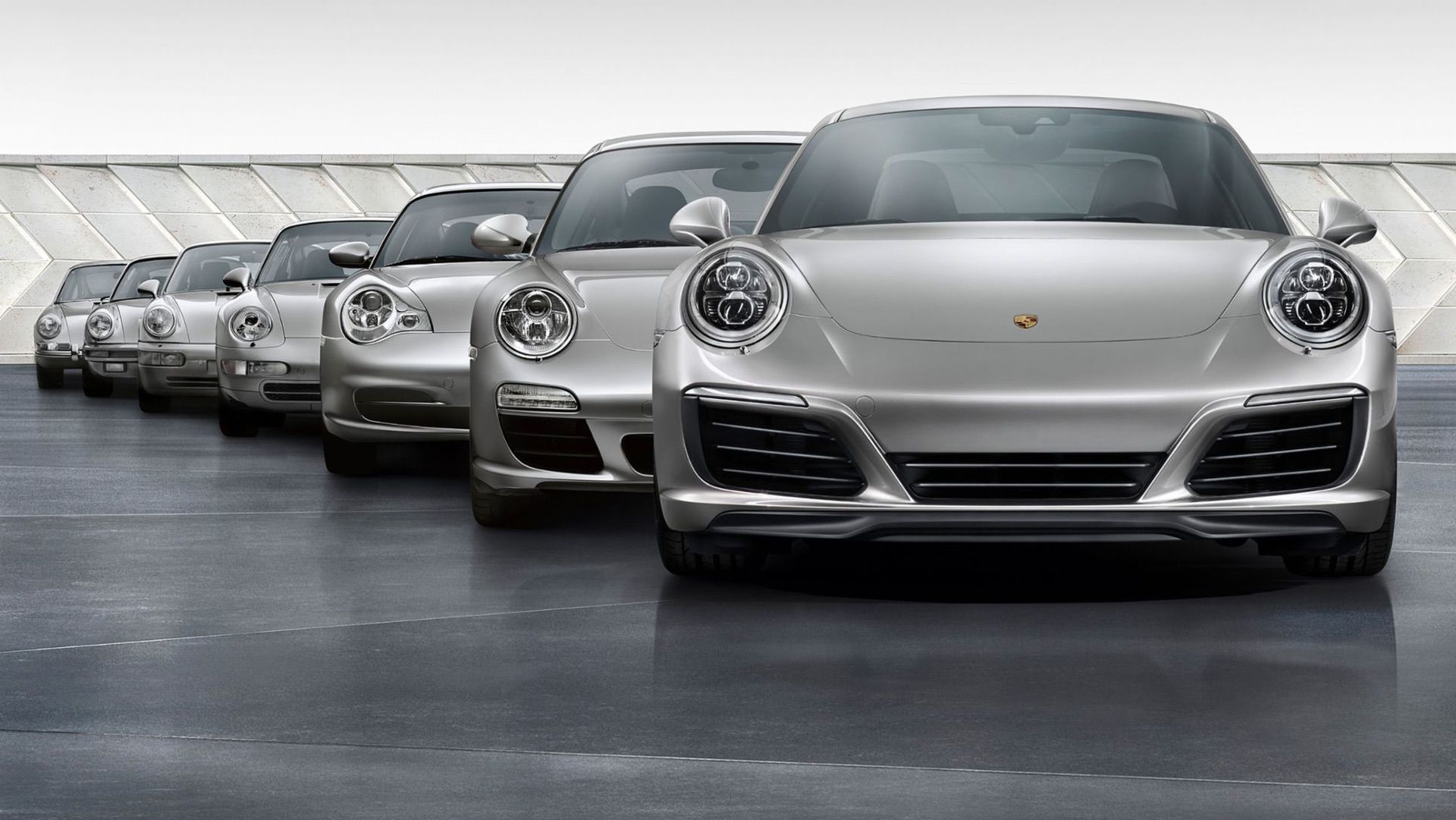
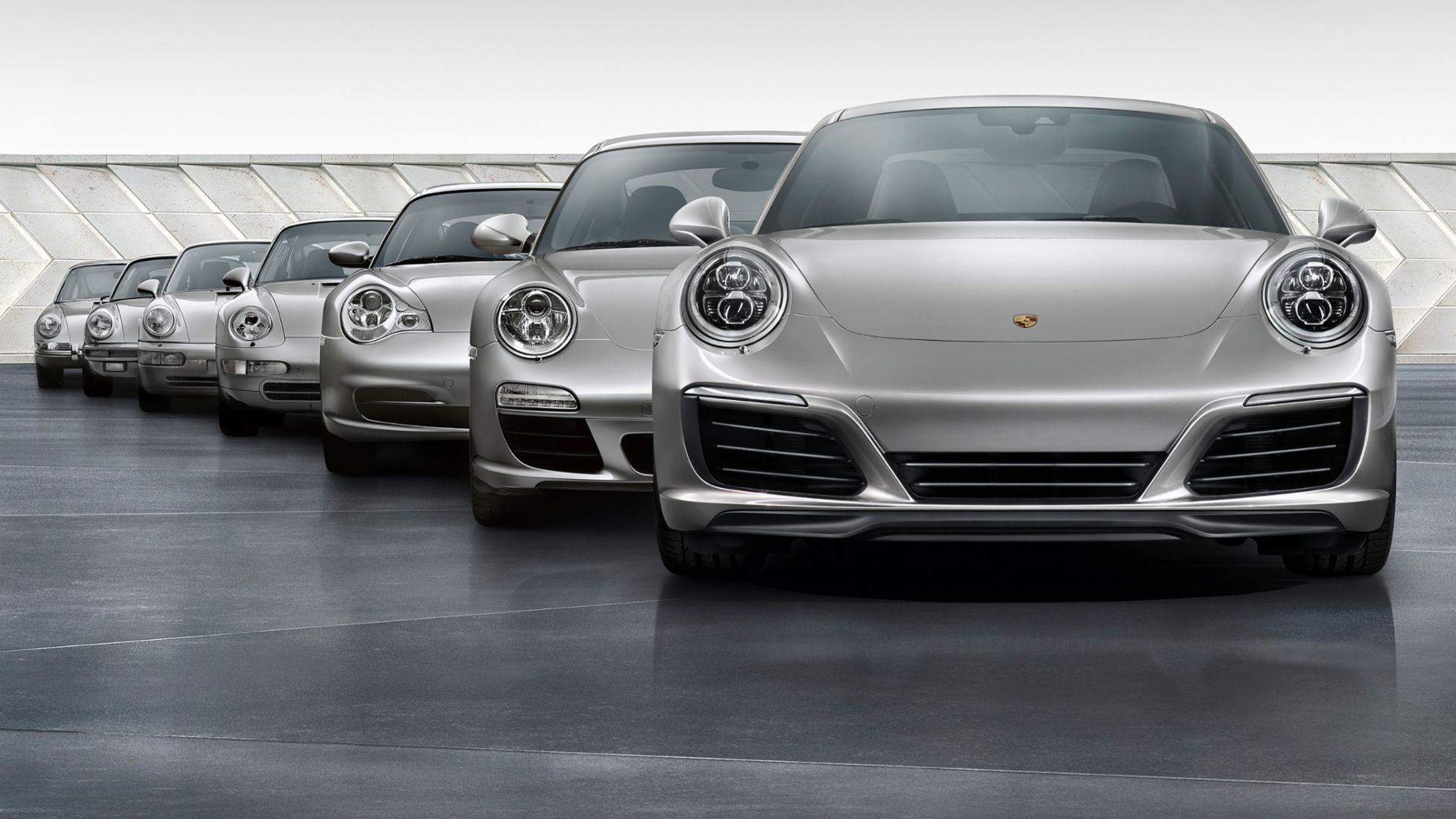
It’s hard to think of any other supercar that has remained faithful to its original design, like the Porsche 911. The first iteration entered production in 1964, and today, eight 911 generations and almost six decades later, the initial design continues to inspire every evolution. Among other things, the latest models still sport the iconic silhouette, round headlights, rear-engine layout and a manual gearbox (now optional), just like the classic variants.

#7: Ford GT (2nd Gen)

Image Via: Top Gear

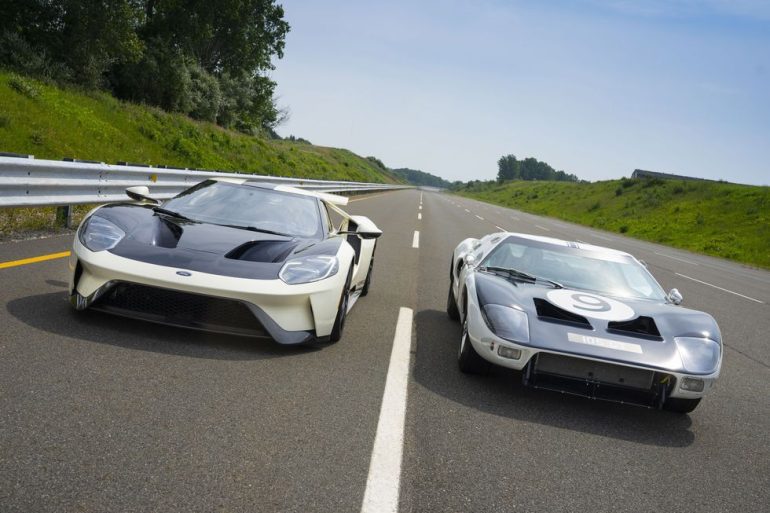
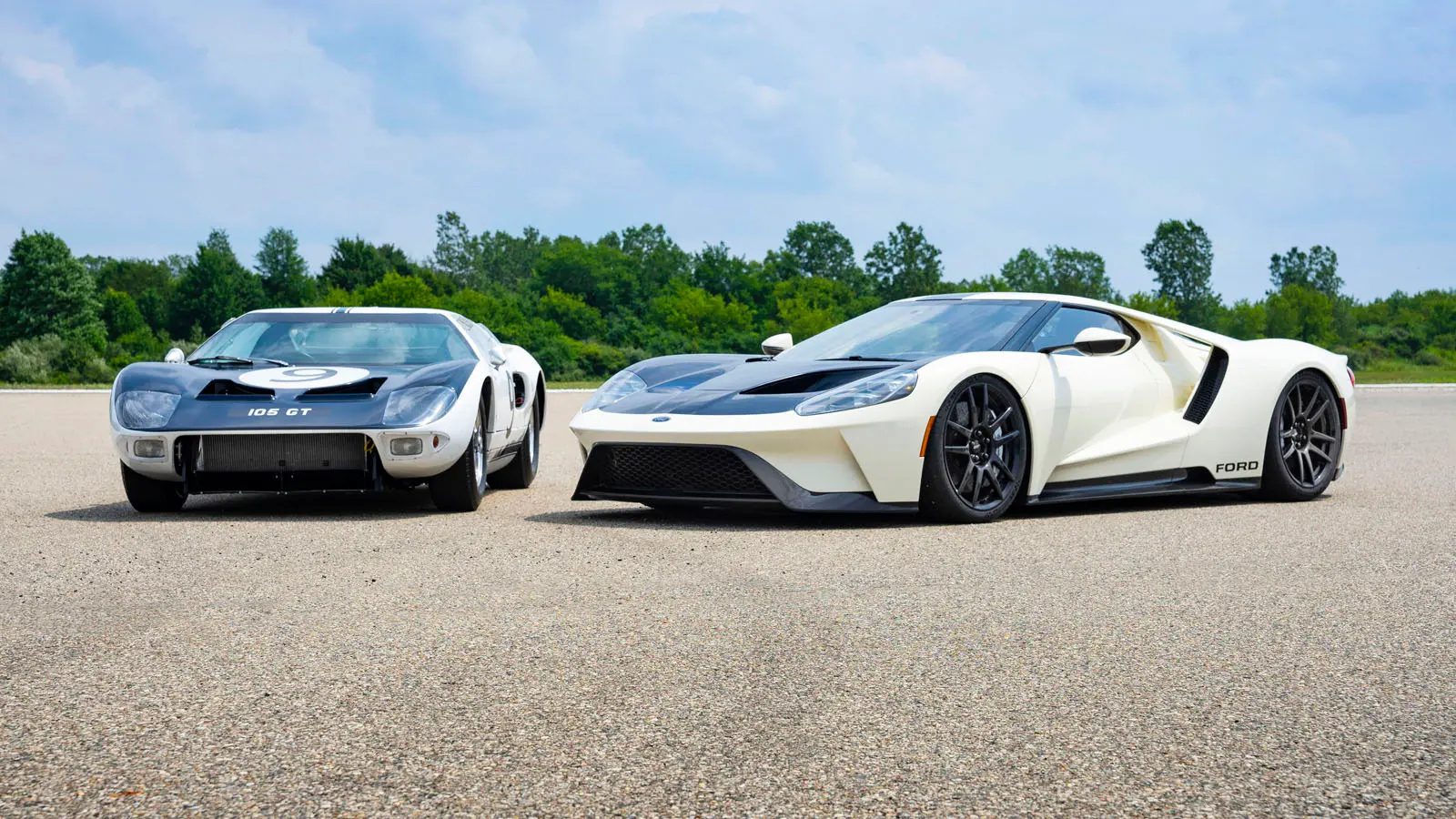
The second-gen Ford GT is an aerodynamic tour de force. The low-slung design aims to reduce drag as much as possible in order to maximize the power from its turbocharged V6 powerplant. From that perspective, one can see a connection to the 1964 Ford GT40 supercar, a car that was only 40 inches above the ground at its highest point.

According to Chris Svensson, Ford’s Design Director who oversaw the GT’s development, other elements connect the two supercars. He mentioned how the windscreen wraps into the side screens (a visor screen). Chris also discussed the similar positioning of the round taillights and round exhausts at the rear of both cars.

#8: Mercedes Benz SLS AMG

Image Via: exoticcarhacks

The SLS AMG has been described as a classic reincarnation of the Benz 300 SL, unveiled at the 1954 New York Auto Show. The design inspirations are immediately evident with the iconic gullwing doors on the SLS AMG. Other elements reminiscent of the gullwing 300 SL classic sports car include the wide radiator grille with the large Mercedes star and the wing-like cross fin on the bonnet.

There is nothing classic about the SLS AMG’s powerplant, though. Beneath that long bonnet lies a 6.2-litre naturally aspirated V8 that generates 563 hp in the base model and up to 631 hp in the SLS AMG Black Series.

#9: Nissan Z

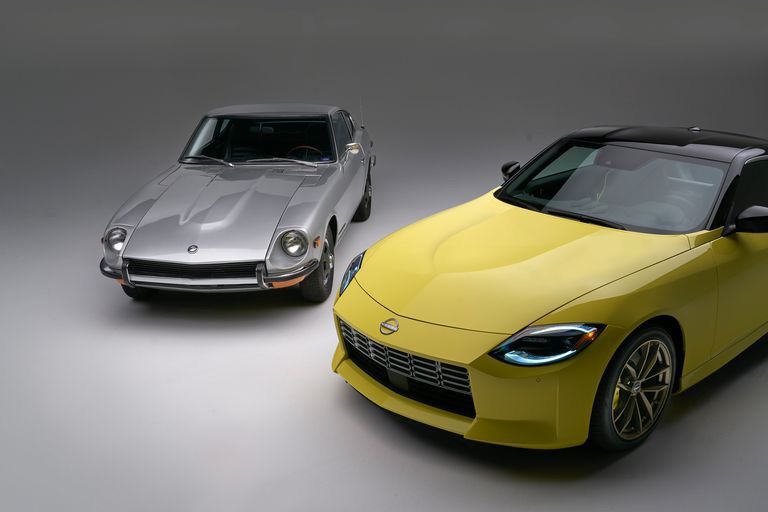
Now in its seventh generation, the Nissan Z sports car boasts a name change and an all-new design. However, there are aspects of the new styling that pay homage to some of the family line’s most memorable ‘Z’ cars. For example, the emblem, headlights and the bulge on the car’s hood are influenced by the 240Z.

Then you have the double-row tail lights, which are a nod to the 300ZX. The new Nissan Z features several technological upgrades over the previous models. Still, the carmaker will hope that these design references to the past evoke nostalgia every time you see the car.

#10: Lamborghini Countach LPI 800-4

Image Via: Carscoops

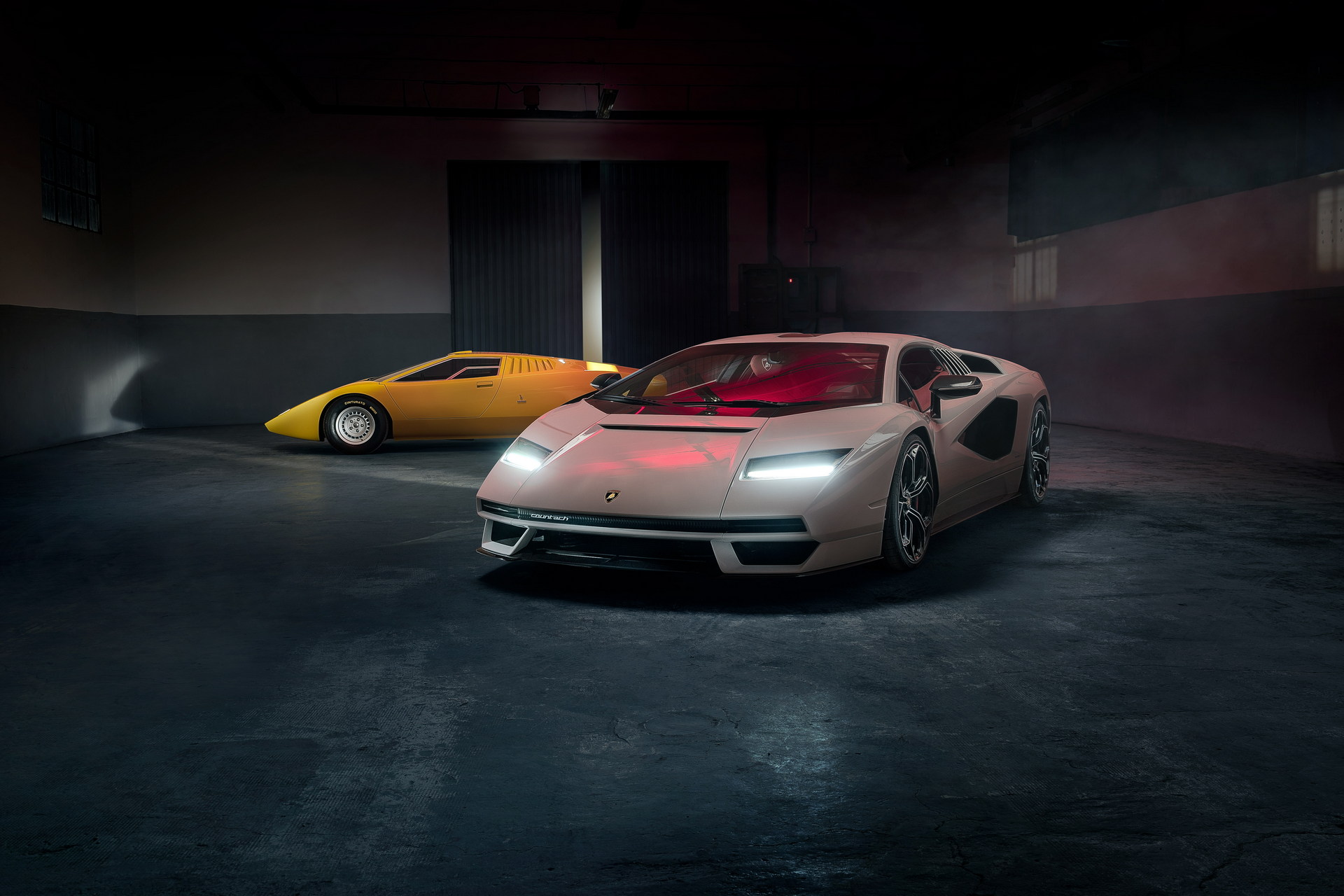
The Countach flagship supercar was the definitive poster car for many a gearhead growing up. There was nothing particularly remarkable about the way the car handled or drove. However, the combination of that iconic wedge shape and the rumbling V12 powerplant placed the car on a pedestal, conferring a legendary status that endures to this day.

It made perfect sense then that Lamborghini resurrected the nameplate on the car’s 50th anniversary for a modern interpretation of a timeless classic. The Countach 2.0 or Countach LPI 800-4 features many styling cues of the original. The powerplant, however, is a significant upgrade, featuring a hybrid powertrain that cranks out 803 hp. That’s more than double the output of the 1st-gen Countach.


Source link

Luxury’s Fascination With Shanghai – LUXUO

0


The industry’s deepening focus on Shanghai reflects a strategic reaffirmation of the city as they signal more than just market confidence. The fashion industry is shifting its gaze from Beijing to Shanghai — a city that’s fast emerging as the cultural and commercial heart of luxury in central Asia. From Dior’s extravagant 2021 pre-fall show at Shanghai’s Long Museum, Christian Dior Haute Couture Spring/Summer 2018 show at Minsheng Art Wharf to Louis Vuitton’s high-profile spring 2021 menswear presentation under the direction of the late Virgil Abloh, Shanghai is (and always has been) treated less like a sartorial layover and more like a global fashion capital.

A Shift Away from Beijing

While Beijing remains China’s political centre, its influence over the fashion landscape has notably diminished. Compared to Shanghai’s dynamic creative output and faster retail recovery, Beijing’s luxury market appears more conservative and slower-moving. Fewer international activations and less cultural momentum have led major Maisons to prioritise Shanghai as their Chinese stronghold. This shift marks a broader realignment within the industry, where cultural and creative capital — not political power — increasingly dictates brand strategy and regional investment.

China’s economic growth decelerated to 4.5 percent this year, down from 5.2 percent in 2023 — reflecting broader macroeconomic uncertainty. The property sector — which contributes approximately 30 percent of China’s GDP — saw a 15 percent drop in investment. This contraction resulted in a negative wealth effect, eroding discretionary income among affluent households and leading to a significant shift in purchasing behaviour. Mainland sales of personal luxury goods dropped by 1 to 3 percent in the first quarter of the year, according to Bain-Altagamma’s Luxury Goods Worldwide Market Study. Analysts at HSBC revised their luxury market growth forecast downward, predicting just 2.8 percent growth in 2024 — compared to their earlier estimate of 5.5 percent. However, amid this economic softening, Shanghai has emerged as a powerful outlier — a city increasingly defined not just by its consumption, but by its cultural capital. As luxury brands recalibrate their China strategies, many are turning to Shanghai’s thriving art, design and gastronomy scenes to create deeper, more immersive connections with younger consumers.

Shanghai’s Evolving Luxury Landscape

China’s dominance in luxury spending over the past decade was largely driven by an expanding middle class and rising disposable incomes. However, amid a more cautious economic climate and a national slowdown in luxury consumption, brands are recalibrating their strategies. Instead of relying purely on widespread consumer spending, they are targeting cities like Shanghai, where they are banking on the consumption of luxury to remain resilient. Shanghai offers a highly concentrated market of globally connected luxury consumers, making it the perfect stage for brands seeking sustainable growth.

Case in point, Prada is set to open “Mi Shang” — its first stand-alone restaurant in Asia — located within the historic Rong Zhai residence in Shanghai. Co-designed by renowned filmmaker Wong Kar Wai, the restaurant draws inspiration from his iconic cinematic style, evoking themes of longing and nostalgia through a striking interplay of mirrors and contrasting décor, reminiscent of films like “In the Mood for Love”.

The name “Mi Shang” — meaning “to be obsessed with” — reflects the sensory experience Prada aims to create within the restored 1918 mansion, which the brand meticulously renovated over six years. Rong Zhai will now also serve as a hub for Prada’s cultural activations in China, with the restaurant occupying the second floor. More than just a brand extension, “Mi Shang” represents Prada’s answer to a generational shift in luxury consumption.

With Gen Z and millennial consumers in China increasingly prioritising experiences and brand culture over traditional retail, luxury dining is emerging as a critical new frontier. According to recent consumer studies, younger shoppers are willing to invest in immersive brand environments that offer emotional and cultural engagement. As the Jing Daily reports, Prada’s “Mi Shang” is already generating buzz on Chinese social platforms like Xiaohongshu — where the hashtag “#PradaRongZhai” has exceeded 10 million views.

“Mi Shang” positions Prada at the intersection of fashion, art and lifestyle. In a market where economic headwinds have softened discretionary spending, this pivot towards experiential luxury offers a savvy way for brands to maintain cultural relevance and deepen consumer loyalty. Located at No. 186, North Shaanxi Road, Jing’an District, Shanghai, Mi Shang will be open daily from 10am to 10pm, offering a full range of culinary experiences — from coffee and afternoon tea to fine dining and cocktails. For reservations, call 021-22180388 or email mishang.rsvn@prada.com.

Shanghai Retains Status as China’s Creative Capital

Beyond its consumer base, Shanghai’s thriving creative scene is increasingly shaping the future of both art and fashion. The city has become a magnet for emerging designers, underground artists, stylists and musicians whose influence now extends beyond China’s borders. International fashion houses are forging partnerships with Shanghai-based creatives to craft campaigns, capsule collections and event activations that aim to provide luxury brands with a critical edge in storytelling, making Shanghai not just a market to sell in, but a culture to invest in.

Adding to Shanghai’s growing reputation as a cultural powerhouse is the Modern Art Museum (MAM) Shanghai. In 2024, the Modern Art Museum (MAM) Shanghai cemented its standing as one of Asia’s most influential cultural institutions, delivering a blockbuster year of exhibitions that drew global attention and positioned the city as a nexus of creative capital. The museum’s programming included retrospectives and immersive showcases by international icons such as David Hockney, Marina Abramović and Robyn Ward, alongside groundbreaking contemporary works by Chinese artists, creating a dialogue between East and West that resonated with Shanghai’s increasingly cosmopolitan audience.

These exhibitions were more than just cultural moments — they served as a strategic backdrop for luxury’s intensifying courtship with Shanghai’s art scene. As global Maisons seek new modes of engagement beyond traditional retail, MAM’s cross-disciplinary approach — blending visual art, performance, technology and fashion — aligns with the industry’s push toward experiential branding.

Read More: MAM Shanghai Poised to Become an Artist’s Haven in 2024

Shanghai’s Demographic Powerhouse

Shanghai’s Gen Z and millennial demographics are redefining what luxury means. Digital natives with global mindsets, they expect brands to offer more than status symbols — they demand authenticity, cultural relevance and experiential depth. Brands like Balenciaga, Valentino and Loewe are responding not only by opening sprawling flagship stores in prestige locations like Plaza 66, but also by localising campaigns, collaborating with homegrown creators and designing retail concepts tailored specifically to Shanghai’s unique sensibilities.

Read More: Luxury Brands Leverage on Southeast Asia to Defy Slowdown

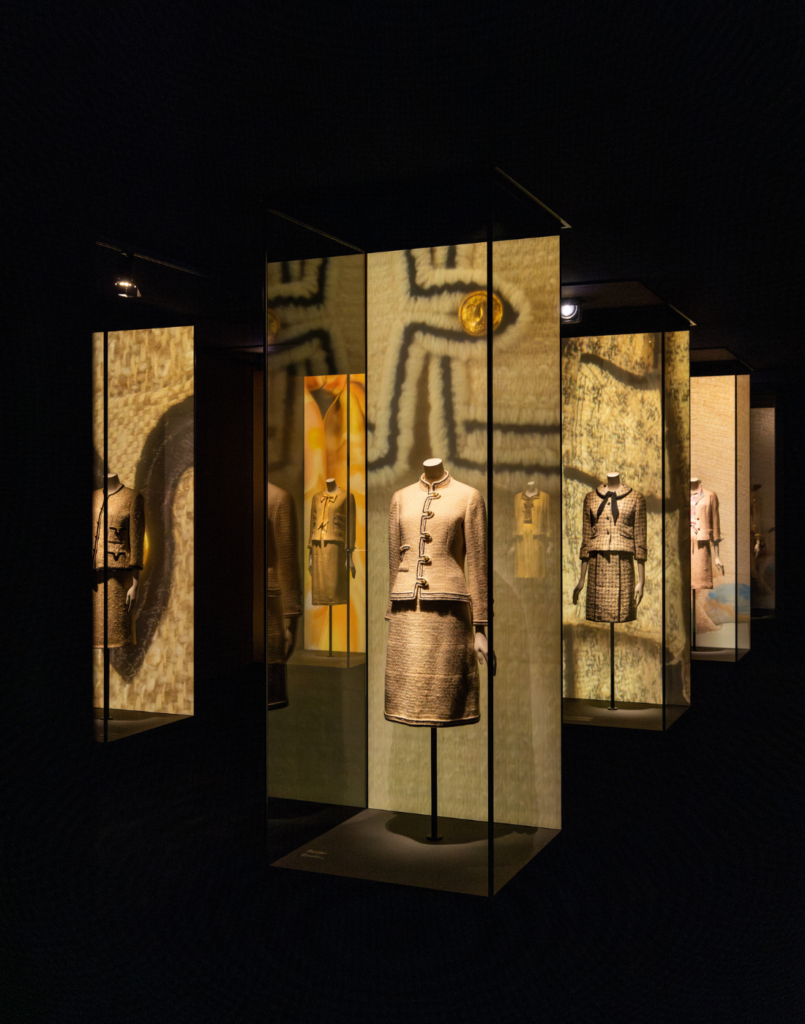
In 2024, Shanghai reinforced its standing as a global fashion and cultural capital with the arrival of Gabrielle Chanel. Fashion Manifesto at the Power Station of Art. As Chanel’s first dedicated retrospective of its founder in China — following acclaimed runs in Paris and London — the decision to stage the exhibition in Shanghai reflected the city’s growing importance as a strategic luxury hub. With its vibrant art scene, sophisticated consumer base and expanding influence in the global fashion economy, Shanghai offered the ideal backdrop for the Maison to celebrate its heritage while deepening cultural ties with the next generation of Chinese luxury consumers.

Read More: A Look At The “Gabrielle Chanel. Fashion Manifesto” Retrospective In Shanghai

Furthermore, Shanghai’s “First in Shanghai” strategy is rapidly elevating the city’s global fashion status through bold financial incentives and a clear mandate to attract first-in-China and Asia retail debuts, headline-making shows and brand exhibitions. In recent months, luxury houses like Balenciaga, Louis Vuitton, Gucci and Hermès have staged landmark events in the city, with Balenciaga’s Spring 2025 show drawing over 96 million online viewers. These major openings and events include Loewe’s first public exhibition “Crafted World”, the debut of China’s first Supreme store, a Gucci pop-up and the return of Hermès’ men’s show.

As Jing Daily’s Head of Data, Avery Booker reports, brands opening their first Asia stores in Shanghai can receive up to 1.2 million RMB, with additional subsidies for internationally promoted activations. Districts like Jing’an and Xuhui are also offering multi-million RMB funding for brand-building and night-time economy stimulation. The dual aim: boost Shanghai’s global prestige while driving local economic impact and asserting the city’s dominance over regional competitors like Beijing and Hong Kong.

The luxury industry’s increasing focus on Shanghai signals more than just market confidence; it represents a strategic reaffirmation of the city as the future epicentre of fashion influence and investment.

For more on the latest in luxury business reads, click here.


Source link

Become a Master Traveler in 2025

0


Nomadic Matt sitting on a bridge in Vienna, Austria

Most people aren’t born savvy travelers. It’s something that only comes with on-the-road experience. Travel savviness is a process born of missed buses, foolish behavior, cultural unawareness, and countless tiny errors. Then, one day, you begin to seamlessly move through airports and integrate yourself into new cultures like a fish to water.

In the beginning, you’ll make a lot of travel mistakes.But I want to help speed up the process and help you avoid my mistakes (and I often make a lot of them), so I put together this giant list of my best travel tips that cover everything under the sun to help you reach your full travel ninja potential.

I’ve learned these tips over almost twenty years of being a nomad.

These tips for traveling will have you saving money, sleeping better, getting off the beaten path more, meeting locals, and just being a better traveler.

So, without further ado, here are the best 61 travel tips in the world:

1. Always pack a towel.
It’s the key to successful galactic hitchhiking — and plain common sense. You never know when you will need it, whether it’s at the beach, on a picnic, or just to dry off after a shower. While many hostels offer towels, you never know if they will or not, and carrying a small towel won’t add that much weight to your bag.

Make sure it’s a lightweight, quick-drying towel since regular towels are too bulky and heavy (and they take a long time to dry). Dry Fox travel towels are my favorite (use the code “nomadicmatt” for 15% off your purchase)!

2. Use a small backpack/suitcase.
Nomadic Matt posing for a photo in Hawaii while travelingNomadic Matt posing for a photo in Hawaii while travelingBy purchasing a small backpack (I like something around 35–45 liters), you will be forced to pack light and avoid carrying too much stuff. Humans have a natural tendency to want to fill space. Even if you pack light initially but have lots of extra room in your bag, you’ll end up going, “Well, I guess I can take more” and fill that space.”

You’ll regret it later as you’ll be carrying around a bunch of stuff you don’t need as well as more weight on your shoulders. This article has more tips on finding the best travel backpack for your needs.

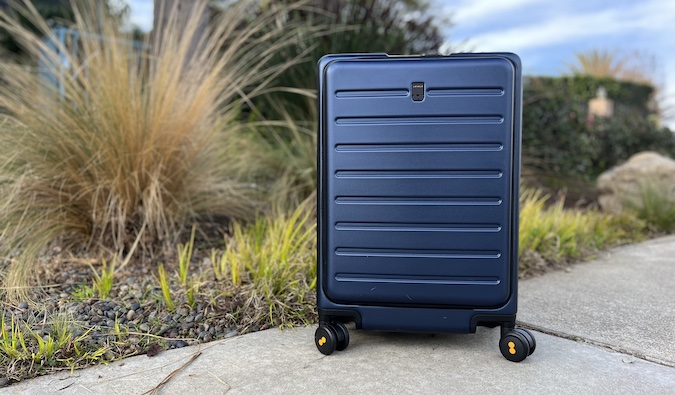
The same rule applies to suitcases. Don’t take a huge suitcase because they are a pain in the butt to lug around, especially if you’re traveling long term (short term, not so much). I like Level 8 suitcases. They are durable, quite spacious, nicely designed, and well-priced (luggage can be pretty damn expensive). Plus, they have a TSA lock built into the zipper. You can click here to learn more and buy one.

I also recommend packing cubes, which are essential if you’re going to be living out of a backpack for a few weeks (or months), or you just want to keep your suitcase better organized. They come in a variety of sizes, allowing you to store items big and small. They’re great for making it easy to find everything in your backpack or suitcase.

3. Pack light.
Write down a list of essentials, cut it in half, and then only pack that! Plus, since you bought a small backpack like I said above, you won’t have much room for extra stuff anyways! Take half the clothes you think you will need…you won’t need as much as you think. It’s OK to wear the same t-shirt a few days in a row.

I love Unbound Merino, as their travel clothing can be worn daily for weeks without getting smelly. They are super light and they look stylish too. I really love the material, they’re comfortable, they hardly ever need a wash, and they last forever! (I wrote a review of the company here.)

But bring extra socks! You’ll lose a bunch to laundry gremlins, wear and tear, and hiking so packing extra will come in handy. Take a few more than you need. Trust me on this.

For a complete list of what I pack, click here to read my post.

4. Stay in hostels.
A room of empty bunk beds in a hostel in SpainA room of empty bunk beds in a hostel in Spain
They are cheap, organize events, you’ll meet a lot of people, and they are just tons of fun! Plus, hostel bars sell cheap beer. Hostelworld is the best hostel-accommodation site out there, with the largest inventory, best search interface, and highest availability. I use it for all my hostel bookings.

Here’s my list of all my favorite hostels around the world broken down by city.

If you’re planning on backpacking Europe, it’s worth getting HostelPass, a card that gives you up to 20% off hostels throughout Europe. It’s a great way to save money, and they’re constantly adding new hostels too. I’ve always wanted something like this and so I’m glad it finally exists. Use code NOMADICMATT for 25% off.

5. Take an extra bank card and credit card with you
Disasters happen and things get stolen or compromised. I once had a card duplicated and a freeze put on it. I couldn’t use it for the rest of my trip. I was very happy I had a backup. You don’t want to be stuck somewhere new without access to your funds. This happened to a friend once and they had to borrow money from me for weeks while they waited for their new card to arrive. Here are some helpful articles on banking:

6. Make sure to use no-fee bank and credit cards.
Don’t give banks your hard-earned money. Keep that for yourself and spend it on your travels. Get a credit card and debit card that doesn’t charge a foreign transaction fee or an ATM fee. Over the course of a long trip, the few dollars they take every time will really add up! This article will tell you how to do that.

7. Don’t always fly direct.
When booking flights, sometimes it is cheaper to fly to airports close to your final destination, and then take a train, bus, or budget airline to your final destination. To use this method, find out how much it is to go directly to your destination. Then, look at prices to nearby airports. If the difference is more than $150 USD, I look to see how much it is to get from the second airport to my primary destination.

My favorite flight search engine is Skyscanner. This is my go-to website for finding cheap flights. It searches a lot of different airlines, including many of the budget carriers that larger sites miss.

8. Travel by yourself at least once.
Nomadic Matt posing at the Villandry chateau in France during the summerNomadic Matt posing at the Villandry chateau in France during the summer
Solo travel teaches independence and confidence. It’s a cliché, but it’s true. Traveling solo taught me how to fend for myself, talk to people, and handle unfamiliar situations with ease. It can take some getting used to if you’ve never done it before but do it at least once. Make yourself uncomfortable and surprise yourself. You’ll learn valuable life skills when you push yourself! Here are some helpful articles on solo travel:

9. Always visit the local tourism information center.
This is probably one of the most underused travel tips in the world. Tourism information centers know about everything going on in town. They can point you to free activities, special events happening during your stay, and everything in between. They even offer discounts on attractions and transportation. It is their job to help you experience the destination better. They are staffed by locals who can tell you all the ins and outs of their city and where to eat or drink that aren’t filled with tourists.

Plus, they often offer city tourism cards that can get you into multiple attractions for one set price, saving you a lot of money if you are going to do a lot of sightseeing.

10. Take free walking tours.
Besides being free, these tours will give you a good orientation and background of the city you are visiting. I love, love, love taking walking tours when I travel. You pass the time, you get to pepper the guide with questions, and you get to learn so much about where you are. And, in the last few years, they have exploded in popularity and now most cities around the world have one!

This page here lists all my favorite walking tour companies, broken down by city.

If you’re looking for paid tours, Walks is one of my favorite paid walking tour companies, offering in-depth history and cultural tours in cities around the world (especially Europe). Its small-group tours also tend to offer exclusive behind-the-scenes access you can’t get elsewhere. For fellow foodies, Devour Food Tours has all kinds of amazing food tours around Europe.

You can also use Get Your Guide to find plenty of unique day tours.

11. Don’t be afraid to use a map.
Looking like a tourist isn’t as bad as getting really lost and ending up in the wrong neighborhood. Don’t be afraid to use a map or ask for directions and look like a tourist. After all, you are one!

12. But don’t be afraid to get purposefully lost.
Wandering aimlessly through a new city is a good way to get to know it, get off the beaten path, and away from the tourists. You might be surprised by the hidden gems you find. I like to wander around and try to find my way without using Google Maps. Travel is the art of discovery and you never know what cool little spot you’ll come across.

13. Ask hostel staff for information — even when you aren’t staying there.
Hostel staff deal with budget travelers all day, every day. They know exactly where to go for cheap meals and attractions. They also tend to be locals so they know the city very well. Ask them for all sorts of information. Even if you aren’t staying in one, just pop in and ask for help. They’ll usually give it.

14. Sign up for flight deals.
When it comes to travel, your flight(s) will likely be your biggest expense. Save money by signing up for flight deal websites. You’ll get epic flight deals straight to your inbox, saving you time and money. Also be sure to sign up for airline newsletters, since that is where they will announce their sales first.

The best websites for finding travel deals are:

15. When you go out, take only what you need.
Limit the amount of cash and bank cards you carry with you when you go out, so if something does happen, you can easily recover. Never take more than one credit card or ATM card with you. My rule for cash is to limit what I carry to $50 USD.

16. Always carry a lock.
Carry a small combination lock with you when you travel. They come in handy, especially when you stay in dorms. Most hostels use lockers, so budget travelers need to provide their own travel lock to keep stuff secured. While you can usually rent or buy them at hostels, it’s much cheaper just to buy one before you go. (Just don’t use one with keys because if you lose the keys, you’re screwed!)

17. Make extra copies of your passport and important documents.
Don’t forget to email a copy to yourself too. You never know when you might need to have some sort of documentation with you and might not want to carry your original. Additionally, if your passport gets stolen, having a copy will come in handy for your police report.

18. Learn basic phrases in the native language of your destination.
The locals will appreciate it and it will make your interactions easier. You don’t need to master the language but learning a few things like “Hello,” “Goodbye,” “Thank you!”, “Where’s the bathroom?” will go a long way to endearing yourself with the locals. They’ll like that you tried. Here are some tips on how to learn a language.

19. Don’t be ashamed to walk into a Starbucks or McDonald’s.
Sometimes familiarity is comforting and both places have free wifi and public restrooms you can use. (Just don’t eat the food at McDonald’s! That shit is gross and unhealthy for you! You can get it back home!). Libraries and most modern coffee shops also have free Wi-Fi too.

20. Always get behind business travelers when in security lines.
They move fast since they are usually in a rush and travel light. They know the drill. Line up behind them as much as possible. You’ll speed through the line!

21. Never get behind families in airport security.
They take forever. It’s not their fault. They just have a lot of stuff because of the kids. Try to avoid getting in lines with lots of kids. It’s going to take a while.

22. When you check in to the hotel, don’t be afraid to ask for an upgrade.
They have a lot of flexibility when it comes to assigning upgrades at check-in. It never hurts to ask. Oftentimes they can accommodate you if the hotel isn’t full. Just be super nice!

Note: If you stay in hotels frequently (or want to), it might be worth it to get a hotel credit card. You can earn points on your everyday spending at home and convert those points into free stays. The best cards come with status, making upgrades more likely too!

23. Lunchtime is the best time to visit historical sites.
Lunch time is one of the best times to visit historical sites. You’ll have fewer crowds getting in your way as big tour buses, groups, and most travelers head to lunch. It’s always best to visit an attraction super early, late, or when people eat. You’ll have even the most popular places to yourself!

24. Never eat in a touristy area or near a tourist attraction.
I don’t eat within five blocks of a major tourist attraction or area. I simply walk in any direction and search for a place to eat when I hit five blocks. There’s an invisible line at this area: tourists don’t go past it. All of a sudden you notice that the crowds are gone, and that’s when you want to start looking.

Sure, you might find a good meal in a tourist area, but you’ll find a better, cheaper meal outside it. Go where the menus aren’t in multiple languages. Go to those little tiny hole in the wall places that you are unsure about. The meal might not knock your socks off each time but it will be a memorable and more local experience.

Use websites like Yelp or Google Maps to find some delicious and popular restaurants around you.

25. Locals don’t eat out every night and neither should you.
Go grocery shopping. You can learn a lot about locals’ diets by seeing the type of food they buy. Plus, it will save you a lot of money. You won’t regret it. Cook your food, save money, and surprise yourself!

26. Eat at expensive restaurants during lunch.
Most expensive restaurants offer lunch specials featuring the same food they would serve for dinner but for a fraction of the cost! That’s the best time to eat out when you travel. I share more tips on how to eat cheaply around the world here.

27. Pack a headlamp.
This is a handy tool for both backpackers and anyone looking to do any hiking or camping. If you’re going to be staying in a hostel, having a headlamp is helpful when you need to check in or out but don’t want to disturb your fellow travelers by turning on the lights. They’re also helpful in emergencies.

28. Carry a basic first-aid kit.
Accidents happen, so be prepared. I always take band-aids, antibacterial cream, and ointments for minor cuts and scrapes. You never know when you’re going to need it and you can’t always get it when you travel.

You can either assemble a first aid kit yourself (here are some tips for doing so), or purchase a pre-made kit online.

29. Don’t believe the cheap flight myths.
Don’t drive yourself too crazy trying to get the absolute cheapest fare. There are a lot of myths online about how to find cheap flights, but there is no magic bullet or one secret ninja trick. It’s not cheaper to book on a particular day of the week or if you search in an incognito window. To learn how to actually find a cheap flight, check out these two posts I wrote:

My favorite company for finding cheap flights is Skyscanner. I start all my searches there.

30. Use technology to meet locals.
These websites will help you get an insider’s perspective on your destination by connecting you with locals in the places you visit. The sharing economy has changed the way people travel allowing you to meet locals, get off the tourist travel, and save mega money! It’s a triple win — and I use these resources all the time when I travel.

Here’s an article on how to use the sharing economy (and what websites to use) when you travel.

31. Be open to strangers.
Not everyone bites. Say hi to people on the road. Turn strangers into friends. Remember they are just like you! They want to live a happy, full life and have hopes and dreams too! You never know. You just might make some lifelong friends.

32. But keep your guard up.
Some people do bite, so keep a healthy level of suspicion. You don’t want to fall for any travel scams or get yourself into uncomfortable situations. Be open but cautious. Here is a list of travel scams to avoid.

33. Avoid taxis.
They are always a budget buster. Never, ever take a taxi unless you absolutely have too!

34. Take a reusable water bottle through airport security and fill it up at your gate.
Single-use plastics are common in a lot of countries around the world. They’re also polluting our oceans and destroying the environment. Drink from the tap when you can — you’ll save money and help the environment. If you’re going somewhere where you can’t drink the water, be sure to get a water bottle with a filter. I love Lifestraw.

35. Take pictures of your luggage and clothes.
If your bag gets lost, this will help identify it more easily and speed up the process of having your travel insurance reimburse you.

36. Carry emergency cash.
Because emergencies happen, like that time in Romania when I couldn’t find an ATM and needed money for the bus to the hostel. I usually try to keep around $200 USD in emergency cash in case something happens!

37. Get vaccinated.
Because falling prey to an illness in a foreign country is not fun — and many countries require you to get vaccinated in order to visit them. So regardless of your opinion on the subject, you just might have to.

Here is an article on how to stay healthy on the road.

38. Learn to haggle.
Haggling is a fun, playful way of not getting charged the foreigner price. It’s the art of negotiating and one that will help you throughout all of life, not just at the market. Just don’t argue over pennies — it’s not worth it!

39. Use points and miles for free travel.
A TSA Pre-Check sign at a US airportA TSA Pre-Check sign at a US airport
You can go a lot further in the world when you don’t have to pay for it. Learn how to collect points and miles through your everyday spending so you can get free flights, accommodation, train tickets, and other forms of travel. It’s what all expert travelers do to lower their travel costs and something you should do too!

Here are some articles to help you get started with using points and miles:

40. Eat street food!
If you skip the street food, you miss out on culture. Don’t be scared. If you’re nervous, look for places where kids are eating. If it’s safe for them, it’s safe for you.

41. Get travel insurance.
Travel insurance is the most important thing to get that you never want to use. If something goes wrong, you don’t want to be out thousands of dollars in bills. Travel insurance will be there if you get robbed, flights get canceled, you get sick or injured, or have to be sent home. It’s comprehensive and, for just a few dollars a day, one of the best investments you can get for a trip.

You may think you’re superman/woman but so did my friend who broke her arm, didn’t have insurance, and had to pay thousands out of pocket. Insurance was there when I had to replace my camera and when I popped an eardrum scuba diving! Get it! Here are some tips on how to find the best travel insurance.

My favorite companies are:

  • SafetyWing – A budget-friendly choice for travelers who need basic coverage. They are affordable, have great customer service, and make it easy to make a claim. If you’re on a tight budget, go with SafetyWing!
  • Insure My Trip – The best insurance for those over 70 years old.
  • Medjet – This is a membership program that provides emergency evacuation coverage should you get into a dire situation while traveling and be hospitalized. Medjet is meant to supplement your regular travel insurance.

42. Be patient.
Things will work out in the end. No need to rush. You’ll get to where you are going in due time. Travel is about the journey, not the destination.

43. Be respectful.
Locals are willing to help you out, but there’s probably a language barrier, so keep your cool when something doesn’t go your way. If you don’t, you’ll end up just looking like an asshole tourist.

44. Don’t over plan your trip.
Let your days unfold naturally. Schedule two or three things and let the day fill in the rest on its own. It’s less stressful, and letting the day just take you is one of the best ways to travel. Here’s my advice on how not to over plan your travels!

45. Be frugal — but not cheap.
Don’t be penny wise but pound-foolish. Look for deals and don’t waste money, but don’t miss out on great experiences or walk 10 miles to save a couple of dollars. Time is money. Spend them both wisely.

46. Take earplugs.
Anyone who has ever stayed in a hostel knows that earplugs are a necessity. Snorers are everywhere and you need your sleep. Even if you’re not going to be in a hostel, they’re still helpful for sleeping well if your accommodation is located on a busy street, or for sleeping in buses, overnight trains, and other types of transportation. A good night’s sleep is priceless — be prepared!

These earplugs are reusable and work much better than the cheap foam ones, blocking out any distracting noises.

47. Remember that you’re not alone even if you’re traveling solo.
Traveling alone never means you’re really alone. Wherever you go, there is a network of travelers who will be your friends, give you advice or tips, and help you out. They will guide you, point you in the right direction, and be your mentors. You aren’t out there on your own. You’ll make lots of friends and tons of memories.

If you’re not sure about traveling on your own for the first time, you can always join a group tour, such as those we offer at The Nomadic Network. I’ve designed all the itineraries myself to ensure they cover the highlights, get you off the tourist trail, and connect you with friends and locals.

48. Take photos of and with people.
Christmas dinner in Ko Lipe with new friendsChristmas dinner in Ko Lipe with new friends
When you do make those new friends on the road, take photos. Lots of photos. Years from now, you’ll want to look back on those nights you can’t remember and the people who made them memorable.

49. Pre-book your tickets to attractions, activities, and excursions online.
If you’re planning to do any activities or excursions on your trip, book them online. Companies usually offer a discounted price when compared to buying in person. Not only that but you’ll be able to pay with a credit card, giving you some extra protection as well as more travel points!

Many major attractions also allow you to reserve your spot and skip the line. Always look online to see if this is an option. This will help you avoid wasting time in multi-hour lines and go right in. I’ve seen people wait hours for the Paris Catacombs, Louvre, London Churchill War Rooms, churches, temples, historic fortresses, and more. Pre-book the day before, skip the line, get to see more during your day!

Get Your Guide is my favorite place to book activities in advance. It’s a huge online marketplace for tours and excursions, with tons of options in cities all around the world, including skip-the-line attraction tickets, cooking classes, walking tours, and more!

50. Avoid TripAdvisor.
TripAdvisor is fine when you need opening hours or an address, but when it comes to reviews I ignore it completely. People always leave a negative review when something bad happens but rarely leave a positive review when something good happens so the reviews tend to be skewed.

On top of that, it’s very easy to create fake reviews and make a place seem better than it is. Many hotels and restaurants hire firms to artificially inflate their reviews on the platform. Additionally, TripAdvisor has been known to take down reviews that are overly negative as well as reviews on sexual assault. Use TripAdvisor with caution. Or better yet, don’t use it at all.

51. Finally, wear sunscreen.
For as the Baz Luhrmann song “Everybody’s Free (To Wear Sunscreen)” goes:

If I could offer you only one tip for the future, sunscreen would be it.
The long-term benefits of sunscreen have been proved by scientists
Whereas the rest of my advice has no basis more reliable
Than my own meandering experience.

***
There you have it! My top travel tips! Follow them and you’ll be the best traveler you can be in no time flat!

How to Travel the World on $75 a Day

How to Travel the World on $75 a DayHow to Travel the World on $75 a Day

My New York Times best-selling book to travel will teach you how to master the art of travel so that you’ll get off save money, always find deals, and have a deeper travel experience. It’s your A to Z planning guide that the BBC called the “bible for budget travelers.”

Click here to learn more and start reading it today!

Book Your Trip: Logistical Tips and Tricks

Book Your Flight
Find a cheap flight by using Skyscanner. It’s my favorite search engine because it searches websites and airlines around the globe so you always know no stone is being left unturned.

Book Your Accommodation
You can book your hostel with Hostelworld. If you want to stay somewhere other than a hostel, use Booking.com as it consistently returns the cheapest rates for guesthouses and hotels.

Don’t Forget Travel Insurance
Travel insurance will protect you against illness, injury, theft, and cancellations. It’s comprehensive protection in case anything goes wrong. I never go on a trip without it as I’ve had to use it many times in the past. My favorite companies that offer the best service and value are:

Want to Travel for Free?
Travel credit cards allow you to earn points that can be redeemed for free flights and accommodation — all without any extra spending. Check out my guide to picking the right card and my current favorites to get started and see the latest best deals.

Need a Rental Car?
Discover Cars is a budget-friendly international car rental website. No matter where you’re headed, they’ll be able to find the best — and cheapest — rental for your trip!

Need Help Finding Activities for Your Trip?
Get Your Guide is a huge online marketplace where you can find cool walking tours, fun excursions, skip-the-line tickets, private guides, and more.

Ready to Book Your Trip?
Check out my resource page for the best companies to use when you travel. I list all the ones I use when I travel. They are the best in class and you can’t go wrong using them on your trip.
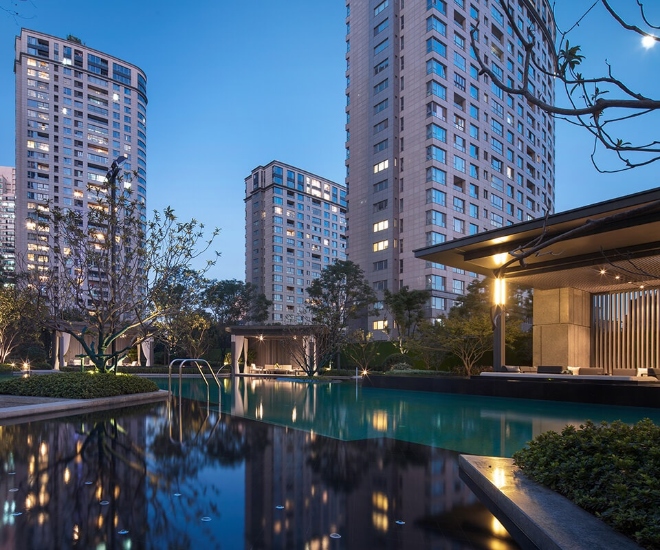


Source link