Recently, Lamborghini celebrated the 20th anniversary of Centro Stile, its in-house design centre. The event was marked by the unveiling of a new futuristic concept car called the Lamborghini Manifesto.
The Manifesto concept gives us a glimpse of Lambo’s future design philosophy. Finished in a bright shade of yellow, the Manifesto retains the brand’s classic wedge design.
The front is sharp and low and features triangular headlights with Y-shaped LED DRLs. The sleek rear section features Y-shaped taillights and is dominated by a massive diffuser.
The Lamborghini Fenomeno was also showcased at the event. Parked alongside the Manifesto, you can see where the design inspiration for it came from.
Mitja Borkert, Design Director – Centro Stile Lamborghini, said, “Yesterday remarked for us a wonderful day and evening. We’ve celebrated more than 20 years of the existence of Centro Stile Lamborghini. Proudly supporting with a visionary sculpture “Lamborghini Manifesto” showcasing the potential future of our unique Design DNA. I want to thank [Lamborghini] from my heart to make this event happen. And everyone that came to see and celebrate with us.”
Australia presents a diverse range of experiences, from world-famous landmarks to pristine natural environments.
For first-time visitors planning a trip to this continent-sized country, selecting the right destinations can significantly impact the overall travel experience.
This guide examines seven essential destinations that offer first-time travelers comprehensive exposure to Australia’s cultural, natural, and urban attractions. Each location provides unique experiences while maintaining practical accessibility for international visitors.
1. Sydney: Australia’s Premier Urban Destination
Sydney serves as the primary entry point for most international visitors and offers a comprehensive introduction to Australian urban culture and attractions.
Essential Sydney Experiences
Sydney Opera House and Harbour Bridge The Sydney Opera House provides both exterior photography opportunities and interior experiences through guided tours ($43 AUD) or performances. The nearby Harbour Bridge offers free pedestrian access or paid climb experiences ($200+ AUD).
Harbor Transportation Options The Manly Ferry ($7.65 AUD) provides scenic harbor views at a fraction of commercial cruise costs. Regular services connect Circular Quay to various harbor destinations throughout the day.
Coastal Walking Experiences The Bondi to Coogee coastal walk spans 6 kilometers and provides free access to Sydney’s most popular beaches and cliff-top viewpoints. The walk typically requires 2-3 hours depending on stops.
Sydney Practical Information
Accommodation Costs:
Budget hostels: $30-50 AUD per night
Mid-range hotels: $120-200 AUD per night
Luxury accommodations: $300+ AUD per night
Transportation: Opal Cards provide access to buses, trains, and ferries with daily spending caps of $15.80 AUD for unlimited travel within metropolitan zones.
Neighborhoods to Consider:
The Rocks: Historic area with weekend markets
Newtown: Alternative culture and independent shops
Bondi: Beach access and coastal activities
2. Great Barrier Reef: World Heritage Marine Experience
The Great Barrier Reef represents Australia’s most significant marine attraction, accessible primarily through Cairns or Port Douglas.
Access Points and Considerations
Cairns Cairns offers the widest range of tour operators and price points, with day trips ranging from $200-300 AUD. The city provides better budget accommodation options and flight connections from major Australian cities.
Port Douglas Port Douglas offers closer reef access and a more upscale atmosphere, though at higher accommodation costs and with fewer budget options.
Reef Experience Options
Day Trips
Green Island: Family-friendly with facilities and easy access
Fitzroy Island: Less crowded with superior snorkeling opportunities
Outer Reef locations: Best coral formations but require longer boat journeys
Multi-day Liveaboard Options Two to three-day liveaboard experiences ($600-1,200 AUD) provide access to remote reef locations and multiple dive sites.
Practical Considerations
Travelers should prepare for seasickness with appropriate medication, as boat journeys to quality reef sites often exceed two hours. Reef-safe sunscreen is mandatory in many areas, and underwater camera rentals are available for $40-60 AUD daily.
3. Melbourne: Cultural and Culinary Capital
Melbourne provides Australia’s most concentrated cultural experiences, with distinctive architecture, coffee culture, and artistic expressions throughout the city center.
Melbourne’s Distinctive Features
Laneway Culture Melbourne’s lane network contains street art, small bars, and specialty coffee shops. Notable locations include Degraves Street for coffee culture and Centre Place for evening entertainment.
Coffee Experience Melbourne’s coffee culture centers around flat whites and espresso-based drinks served in numerous independent cafes. Quality coffee typically costs $4-5 AUD and represents an integral part of local social culture.
Arts and Entertainment The city offers numerous galleries, live music venues, and theaters within walking distance of the central business district.
Melbourne Transportation and Costs
The tram network provides free transportation within the city center (Zone 1), with paid zones extending to suburban areas. Accommodation ranges from $30-50 AUD for hostels to $120-200 AUD for mid-range hotels.
4. Blue Mountains: Accessible Natural Beauty
The Blue Mountains, located 90 minutes west of Sydney, provide accessible wilderness experiences and scenic attractions suitable for day trips or overnight stays.
Transportation Options
Public Transport: Trains from Sydney Central Station to Katoomba cost $8.10 AUD and operate regularly throughout the day.
Private Vehicle: Car rental provides flexibility for exploring multiple towns and viewpoints, with fuel costs typically $30-40 AUD plus parking fees.
Blue Mountains Attractions
Scenic World ($37 AUD) This attraction includes the world’s steepest railway, cable car systems, and elevated walkways through ancient rainforest environments.
Hiking Opportunities
Wentworth Falls: 4-kilometer round trip to waterfall viewpoints
Grand Canyon Track: 6-kilometer loop through diverse terrain
Prince Henry Cliff Walk: Easy walking path connecting multiple viewpoints
Three Sisters Rock Formation This iconic rock formation provides free viewing opportunities, particularly spectacular during sunset hours.
5. Cairns: Adventure Tourism Hub
Cairns functions primarily as a base for accessing North Queensland’s natural attractions, including the Great Barrier Reef and ancient rainforest environments.
Major Attractions
Daintree Rainforest Day tours ($150-200 AUD) provide access to 180-million-year-old rainforest ecosystems, including Cape Tribulation where rainforest meets reef environments.
Kuranda Experience The historic Scenic Railway ($50 AUD one-way) connects Cairns to Kuranda village through rainforest terrain, with return options via Skyrail cable car providing different perspectives.
Adventure Activities White water rafting experiences on the Tully River ($165-200 AUD) offer full-day adventures including equipment, instruction, and meals.
6. Gold Coast: Beaches and Entertainment
The Gold Coast combines 70 kilometers of beaches with theme parks and entertainment facilities, appealing particularly to families and recreation-focused travelers.
Beach Selection
Surfers Paradise: Most famous and developed, with high-rise buildings and tourist facilities Burleigh Heads: Local atmosphere with quality cafes and consistent surf conditions Currumbin: Family-oriented with nearby wildlife sanctuary Main Beach: Upscale area with quality dining and reduced crowds
Theme Park Options
Multi-park passes ($99-140 AUD) provide access to Movie World, Sea World, and Dreamworld. Each park requires a full day for comprehensive exploration.
Gold Coast Hinterland
The mountain regions behind the Gold Coast offer national parks, waterfalls, and scenic drives:
Springbrook National Park: Natural swimming holes and glow worm caves
Mount Tamborine: Wineries and elevated rainforest experiences
Lamington National Park: Canopy walks and hiking trails
7. Tasmania: Wilderness and Cultural Experiences
Tasmania provides concentrated natural beauty and cultural attractions within a more compact and accessible format than mainland Australia.
Hobart Base
Museum of Old and New Art (MONA) – $35 AUD Australia’s most distinctive art museum, featuring contemporary and ancient art collections. Ferry transport from Hobart ($25 AUD return) enhances the complete experience.
Salamanca Market Saturday markets featuring local crafts, Tasmanian produce, and street food provide cultural immersion and entertainment.
Tasmania’s National Parks
Cradle Mountain-Lake St Clair National Park ($16.50 AUD daily pass) Tasmania’s premier wilderness area offers hiking options from 20 minutes to multi-day treks, with frequent wildlife sightings including wombats and wallabies.
Freycinet National Park ($24 AUD daily pass) Features Wineglass Bay, consistently rated among the world’s most beautiful beaches. The viewpoint hike requires 2-3 hours but provides exceptional photographic opportunities.
Practical Planning Considerations
Optimal Travel Timing
Best Overall Periods: April-May and September-October provide favorable weather conditions with reduced tourist crowds and competitive pricing.
Regional Variations:
Northern Australia: Dry season (May-October) recommended
Southern regions: December-March offers warmest weather but highest prices
Transportation Between Destinations
Domestic Flights: Often provide better value than surface transportation, typically ranging $100-300 AUD between major cities.
Vehicle Rental: Essential for regional exploration, costing $35-60 AUD daily plus fuel expenses.
Budget Planning
Daily Cost Estimates:
Budget Travel: $80-120 AUD (hostels, self-catering, public transport)
Luxury: $300+ AUD (premium accommodation, fine dining, private experiences)
Tour Options
Comprehensive packages such as Segv Australia tour packages offer 7-day or 10-day structured itineraries with logistics management for travelers preferring organized arrangements.
Essential Travel Considerations
Health and Safety
Sun Protection Requirements Australia maintains high UV levels, necessitating SPF 50+ sunscreen, protective clothing, and wide-brimmed hats during outdoor activities.
Wildlife Interaction Guidelines All wildlife should be observed from safe distances. Clearly marked warning signs indicate areas with dangerous marine life or crocodile presence.
Cultural and Practical Information
Payment Methods Credit cards receive wide acceptance throughout urban and tourist areas. Displayed prices include applicable taxes.
Distance Considerations Australia’s continental scale means destinations appear closer on maps than actual travel times indicate.
Australia offers transformative travel experiences through its unique combination of natural beauty, cultural sophistication, and outdoor lifestyle opportunities that distinguish it from other international destinations.
I’m sure you’ve had similar experiences I had whilst traveling. You’re in a certain place and a fellow traveler, or a local, tip you off on a little-known beach, bar or accommodation. Great travel tips from other travelers or locals always add something special to our travels. That was the inspiration for Travel Dudes.
I’m sure you’ve had similar experiences I had whilst traveling. You’re in a certain place and a fellow traveler, or a local, tip you off on a little-known beach, bar or accommodation. Great travel tips from other travelers or locals always add something special to our travels. That was the inspiration for Travel Dudes.
Montana is unquestionably one of the most beautiful places in America, and almost certainly ranks among the most naturally beautiful, grand, and majestic places in the world. The seemingly endless sky stretches over flatlands, mountains, rivers, and dwellings, free from pollution. The land still feels wild: deep greens, rust red rocks and sand, the bright and midnight blues of water. It’s like nowhere else on earth. If you’ve always wanted to explore the wide open spaces that Montana has to offer but worried that roughing it enough to get an authentic Montana experience may not be for you…fret not.
The combination of working ranches and “accommodation only” guest ranches dotted across Montana’s plateaus has expanded to include some of the country’s most luxurious stays and unfettered nature experiences. These are the best of the best: Montana ranches that offer guests luxury amenities and a slice of life on a ranch and in the Montana wilderness, winter and summer. Each ranch offers personalized itineraries, pre-built options, a range of activities to suit every kind of visitor, heavenly dining, and, naturally, first-class luxury amenities.
Lone Mountain Ranch
Lone Mountain Ranch has stood for more than 100 years and remains a symbol of the wild days of the American West. Since the days of the first homestead on the property, the mission for the inhabitants of Lone Mountain has been the same: preservation, welcoming hospitality, and a well-pickled working ranch. Things have changed a lot since the land was settled, and the property now holds 25 historic log cabins fitted with every modern comfort and luxury you could imagine. Find the solitude you seek in an intimate cabin or bring the whole family to a six-bedroom home for bonding time. Lone Mountain welcomes either guest. Just a short 50-minute drive from Bozeman Yellowstone Airport, the ideal place for those whobook private jet travel to touch down, there’s plenty to see and do in the nearby town of Big Sky and the ranch itself.
Take yourself and the family on a horseback ride, get a little quiet time when you go fly fishing, go for a hike, or try the ropes course if you’re feeling energetic, center yourself with yoga classes, get your aggression out with axe throwing, or experience a cattle drive for yourself in summer.
When the snow begins to fall, guests can enjoy snowshoeing and cross-country skiing, snowmobiling for a little adrenaline rush, and magical sleigh rides.
Embrace fine dining at the Horn and Canley Restaurant. The ranch’s executive chef oversees every menu from the morning meal to a sumptuous dinner, including the sleigh ride dinners offered in winter.
Cuddle up by the fire and read, watch the stunning views, or play games with the family in the cozy-chic cabins on the property.
B Bar Ranch
The B Bar Ranch takes you entirely out of time and away from the parameters of your everyday lives. It transports you to simpler days when hearing the eerie, mighty howl of the local wolf pack was the only soundtrack needed. To a time when entertainment consisted of watching the cowboys safely gather the herd with the help of their tack-sharp working dogs or listening to the cry of the sandhill cranes as they glided over terrain that they never stopped seeing as theirs. Breathe in the aspen and the ranch’s scents and let your shoulders ease. The B Bar is your home for a while, and life here is full of soothing routines and experiences.
Curled like a sleeping cat against the Tom Miner Basin in the heart of Montana, the B Bar is something special indeed. The seclusion of the setting is one of the main draws for visitors escaping from busy lives in busy cities, hoping for a chance to connect and reset. The ranch’s proximity to Yellowstone National Park makes it an excellent choice for a longer visit split between the two destinations, but if the B Bar is your sole focus, don’t worry: you’ll be more than happy with where you are.
The easy walking trails are well-maintained for those who wish to immerse themselves in nature.
The cozy, rustic (but not too rustic) accommodations encourage guests to spend quality time with their party and bond over their experiences.
The hot tub offers a chance to relax after an excursion and appreciate the gorgeous mountain views.
The communal fire pits allow guests to meet and make new connections.
Take guided nature walks or educational tours that detail regenerative ranching, experience hands-on ranch life, indulge in mindfulness practices and yoga classes, orbring your camera and capture some of the wildlife that calls the ranch home.
The Ranch at Rock Creek
This exquisite example of a ranch retreat has the honor of being named Montana’s Forbes Travel Guide’s first five-star property, so you know that you can expect the highest standard of service and the highest quality of amenities when you arrive. The Ranch at Rock Creek is where nature’s magic and human vision collide in the most entrancing way. The many historical structures still on the ranch (19th century) are set against a backdrop carved out by nature herself, thanks to glacier movements over the centuries, and the homestead thrives on this balance between humans and the great outdoors.
If the beauty of the ranch doesn’t do it for you (it will, don’t worry!), then the cabins on the property will take your breath away. From studios to five-bedroom homes, each cabin is decorated in a modern reimagining of the old Western style, and each holds its own collection of custom-made furniture and carefully curated antiques to provide a unique charm.
Enjoy an all-inclusive visit- dining on farm-to-table ranch cuisine, experiences, and twice daily housekeeping visits.
Visit the Silver Dollar Saloon to play a few billiards games, try your hand at poker or shuffleboard, belt out some karaoke, take in a film in the private movie theater, go bowling, or enjoy your personal favourite, outdoor and fire-fresh smores.
Take it easy and revel in the views from the hot tub or the pool (sodon’t forget to pack your swimsuit), or better yet, pamper yourself at the in-house spa.
If you’re looking for more physical activity, there are archery classes, a ropes course, frontier skills lessons, horseback riding, flying, and lots more.
The Question Now is…Which One?
Or perhaps, which one first? These three ranch escapes top the list for experiencing everything Montana and ranch life offer, so why choose between them?
For more on the latest in lifestyle, culture and travel reads, click here.
The Enchanted Circle Scenic Byway covers 84 miles in northern New Mexico, circling Wheeler Peak, the state’s tallest mountain.
Since the route reaches high elevations, travelers can expect cooler temperatures and rapidly changing weather conditions.
To see peak fall foliage, now is the best time to visit.
During fall, the Enchanted Circle Scenic Byway transforms into one of the most spectacular drives in New Mexico. This 84-mile loop begins and ends in Taos and traverses the high alpine desert of northern New Mexico and several mountain towns, including Angel Fire, Eagle Nest, Questa, and Red River.
Travelers along the Enchanted Circle can expect a clearly marked loop with easy access to side trips and recreational areas. The drive typically takes three to four hours without stops, although most visitors spend an entire day exploring. Lodging, dining, and fuel services are available in each town, and trailheads, campgrounds, and scenic overlooks are scattered throughout the route. Here’s how to visit this breathtaking scenic route in the “Land of Enchantment.”
Stops Along the Route
Begin the journey at the historic Taos Pueblo, an Indigenous community that has been inhabited for more than 1,000 years. Join a guided tour of the pueblo to learn about Tiwa culture and Pueblo architecture, shop for Native American crafts, and enjoy traditional fry bread. In Taos, explore more than 70 galleries, many of which are located in Taos Plaza, visit the Millicent Rogers Museum, or plan your trip around fall festivals like the Taos Fall Arts Festival and the PASEO Festival. A short drive from Taos along the Enchanted Circle, you’ll find additional attractions, including the Taos Ski Valley, the Rio Grande Gorge, and the charming village of Arroyo Seco, where you can browse local crafts at shops like Arroyo Seco Mercantile.
Approximately 12 miles north of Arroyo Seco near San Cristobal, the D.H. Lawrence Ranch honors the legacy of the renowned modernist author who once resided in northern New Mexico and drew inspiration from the area. Questa, a significant point along the route, hosts the cooperative art gallery Artesanos de Questa and makes a great starting point for hiking and camping at locations like Cabresto Lake, Midnight Meadows, and Mallette Canyon.
The alpine town of Red River, which hosts the annual fall Aspencade Arts Festival, offers year-round activities, from skiing and snowboarding in winter to fishing and wildlife viewing in summer. Visitors can dine at spots such as Shotgun Willie’s or Red River Brewing Company & Distillery for local barbecue and brews. A brief ride leads over Bobcat Pass, the state’s highest paved pass at nearly 10,000 feet. Beyond the pass are the ruins of Elizabethtown, a gold rush settlement established in 1866 as New Mexico’s first incorporated town, now a ghost town worth exploring.
In Eagle Nest, visit Eagle Nest Lake State Park, a popular destination for boating, fishing, and hiking. You can also enjoy the fall scenery from a chairlift that offers panoramic views of the foliage, go on thrilling mountain biking adventures, or walk through the Vietnam Veterans Memorial in Angel Fire.
The Taos Pueblo village in New Mexico.
imagoDens/Getty Images
What to Expect
Early to mid-October is the peak season for fall colors along the Enchanted Circle, where Wheeler Peak and nearby mountain passes offer expansive views of golden aspens, auburn pines, and evergreens. Hiking options range from moderate trails like Punto de Coyote to the more challenging route up Wheeler Peak, New Mexico’s highest point at 13,167 feet. Fall also brings active wildlife, with elk bugling in the valleys and migratory birds passing through the area.
Since fall is one of the busiest times to visit northern New Mexico, it’s best to reserve accommodations and rental cars well in advance. The loop reaches high elevations, so be prepared for cooler temperatures and sudden weather changes by packing layers, sturdy shoes, and a jacket. While the roads are well-maintained, the winding mountain sections require attentive driving, especially when leaf-peeping traffic increases. Gas stations are conveniently located in the main towns, but it’s best to fill up before starting the loop. Parking at popular overlooks can fill quickly on weekends, so arrive early to secure a spot.
How to Get There
For travelers not within driving distance of Taos, several airports provide convenient access to the city. Most visitors fly into Albuquerque International Sunport, rent a car, and drive 2.5 hours to Taos. Santa Fe Regional Airport is a closer option than Albuquerque, though it offers more limited service, while Taos Regional Airport has direct flights from a select few cities during peak seasons.
Winding road through fall colors on the Enchanted Circle Scenic Byway.
Ewan Grantham/500px/Getty Images
Where to Stay
For luxurious accommodations, Taos is the ideal place to stay. Palacio De Marquesa, a Spanish-style adobe boutique hotel built in the early 20th century, features eight rooms dedicated to influential women in New Mexico’s history, including the Icon Room for Georgia O’Keeffe and the Socialites Suites I and II for Millicent Rogers. Down the road, Hotel Willa occupies the site of a former 1960s adobe motor lodge, and it reopened in May 2025 as a 51-room luxury boutique hotel. Guests can enjoy amenities such as a heated pool, hot tub, sauna, rotating art exhibitions, and landscaped courtyards with firepits and hammocks.
Another top luxury property about 45 minutes west of Taos is Ojo Caliente Mineral Springs Resort & Spa. This historic Southwest-inspired property, first established in 1868, has one of the oldest health spas in the U.S. and features 75 rooms, 12 communal hot springs, and a fantastic location near the Carson National Forest.
In the heart of Bangkok’s bustling commercial district, the Conrad Bangkok has carved out a reputation as one of the city’s leading luxury destinations. Balancing timeless Thai hospitality with contemporary refinement, the property has become a benchmark for travellers seeking both comfort and immersive experiences in their stays. Under the leadership of its general manager, Mr. Tim Sainsbury, the hotel is embracing innovation across every level — from immersive cultural programming and holistic wellness offerings to sustainability initiatives like its rooftop apiary, a first for the Thai capital. In this conversation, LUXUO uncovers how Conrad Bangkok is responding to evolving guest expectations, its vision for the future of luxury travel and the dynamic details that turn a hotel stay at the Conrad Bangkok into an unforgettable experience.
Since its launch, Conrad Bangkok has become a favourite with travellers to the Thai capital. What factors contributed most to this success?
Conrad Bangkok’s success can be attributed to a combination of strategic location, exceptional service standards and a deep understanding of the evolving needs of modern travelers. Situated in the heart of Bangkok’s commercial district, the hotel offers seamless access to key business, shopping and cultural landmarks, making it an ideal choice for both leisure and corporate guests.
Moreover, the hotel has consistently delivered on Hilton’s promise of luxury and personalised experiences. From its elegantly designed rooms and world-class dining venues to its award-winning wellness facilities, every aspect of the guest journey is thoughtfully curated. Our team’s unwavering commitment to excellence and genuine Thai hospitality has also played a pivotal role in building long-term loyalty among our guests.
In addition, Conrad Bangkok has remained innovative, regularly refreshing its offerings to stay ahead of market trends — whether through curated cultural experiences, sustainability initiatives or digital enhancements that elevate convenience and comfort. These factors collectively contribute to the hotel’s enduring appeal and reputation as one of Bangkok’s premier luxury destinations.
How is the Conrad Bangkok adapting to the evolving expectations of luxury travellers in Asia?
At Conrad Bangkok, we recognise that today’s luxury travelers in Asia are seeking more than just opulence — they are looking for authenticity, personalisation and meaningful experiences. To meet these evolving expectations, we have embraced a more holistic approach to luxury hospitality, one that blends refined elegance with cultural relevance and innovation.
We have enhanced our guest experience by curating bespoke offerings “Conrad Moments” program that reflect the rich heritage of Thailand while maintaining the global standards of the Conrad brand. From locally inspired culinary journeys and wellness rituals to immersive cultural activities, we aim to create moments that resonate personally with each guest.
Technology also plays a key role in our evolution. We have integrated digital conveniences such as mobile check-in, smart room controls and personalised service requests through the Hilton Honors app, ensuring a seamless and intuitive stay. Sustainability is another priority and we continue to implement eco-conscious practices across our operations — from reducing single-use plastics to sourcing locally and responsibly as well as the organic herb garden on Level 7 and rooftop apiary.
Ultimately, our goal is to remain agile and responsive to the changing preferences of our guests, while consistently delivering the sophistication, warmth and service excellence that define the Conrad experience.
Tell us about the different rooms and suites that can be booked at the Conrad Bangkok.
At Conrad Bangkok, we offer a refined collection of rooms and suites designed to meet the diverse needs of today’s luxury travelers, whether they are visiting for business or leisure. Each of the 391 accommodations are appointed with contemporary Thai-inspired décor, premium amenities by BYREDO, free Wi-Fi and intuitive technology to ensure a seamless and comfortable stay.
Our Deluxe Rooms and Premium Rooms provide a spacious and elegant retreat, featuring floor-to-ceiling windows, marble bathrooms with separate bathtubs and rain showers and plush bedding for ultimate relaxation. For guests seeking elevated comfort, our Executive Rooms include exclusive access to the Executive Lounge, where personalised services, complimentary breakfast and evening cocktails are offered in a private setting on Level 29 overlooking the Bangkok skyline.
For those desiring more space and sophistication, our suites offer a truly elevated experience. The Executive Suites and Deluxe Suites feature separate living and sleeping areas, ideal for extended stays or entertaining. Our Presidential Suite, the pinnacle of luxury, offers expansive living space, a private dining area and panoramic views of the Bangkok skyline — perfect for distinguished guests and special occasions.
Across all room and suite categories, guests can expect a harmonious blend of modern luxury and Thai hospitality, supported by our commitment to personalised service and attention to detail.
You have worked in London, Hong Kong, Kota Kinabalu and now Bangkok. What lessons from each destination have shaped your leadership approach today?
Each posting has offered unique insights and invaluable lessons that have shaped my leadership style and deepened my understanding of global hospitality. In London, I learned the importance of precision and consistency in service delivery. Operating in one of the world’s most competitive hospitality markets taught me to uphold uncompromising standards while navigating the fast-paced expectations of international business travelers.
Hong Kong was a masterclass in agility and innovation. The city’s dynamic energy and diverse clientele required a highly adaptive approach, especially in integrating technology and tailoring experiences to a multicultural audience. It also reinforced the value of strategic partnerships and community engagement.
In Kota Kinabalu, I gained a deeper appreciation for nature, sustainability and the power of authentic local experiences. Managing a resort in such a pristine environment highlighted the importance of environmental stewardship and creating meaningful connections between guests and the destination.
Now in Bangkok, I’m inspired by the city’s rich cultural heritage and the warmth of Thai hospitality. Here, the focus is on blending tradition with modern luxury. Also, I have found that emotional intelligence and cultural sensitivity are key to delivering truly personalised service. Bangkok has also reaffirmed the importance of team empowerment — our success is driven by passionate individuals who bring the Conrad experience to life every day.
Each location has enriched my perspective and reinforced the belief that while luxury is universal, its expression must be locally relevant and emotionally resonant.
As a general manager, what is the first thing you notice when you enter a hotel and what details matter most to you?
The arrival experience sets the tone for the entire stay, and for me, it begins at the door. At Conrad Bangkok, this starts with a graceful Thai signature — the Wai — paired with a warm, genuine smile. It is a gesture that immediately conveys respect and hospitality, flowing seamlessly into a lobby thoughtfully styled with temple-inspired Thai motifs that reflect the cultural richness of our surroundings.
I pay close attention to the sensory elements: a fresh, balanced scent that evokes calm, immaculate presentation across all touchpoints and acoustics that create a serene ambiance. These details may seem subtle, but they are essential in shaping a guest’s emotional response.
Above all, I notice the human touches. Sincere eye contact, the use of a guest’s name and anticipatory assistance are hallmarks of intuitive service. These moments of genuine connection transform a routine check-in into a memorable welcome. It is this gracious, emotionally intelligent approach that elevates the luxury experience and leaves a lasting impression.
As a general manager, I believe that excellence lies in the details and it is the seamless orchestration of these elements that defines a truly exceptional hotel.
How do you ensure consistency in service standards at the Conrad Bangkok?
Consistency in service excellence is achieved through a disciplined, values-driven approach that places people, process and purpose at the heart of everything we do. At Conrad Bangkok, we foster a culture of hospitality that emphasises genuine care, attention to detail and a deep understanding of guest expectations.
We begin with comprehensive training and development programs that go beyond technical skills to include emotional intelligence, cultural sensitivity and brand storytelling. Our team members are empowered to take ownership of the guest experience, ensuring that every interaction is thoughtful, personalised and aligned with our standards of luxury.
Operationally, we maintain robust quality assurance systems, including regular audits, guest feedback analysis and performance reviews. Technology also plays a key role in streamlining service delivery while preserving the human touch. Daily briefings and cross-functional collaboration ensure that all departments are aligned and responsive.
Our commitment to excellence is reflected in our 2024–2025 accolades, including the Forbes Travel Guide Recommended rating and Forbes VERIFIED™ Responsible Hospitality recognition. These honors affirm our dedication to delivering consistently exceptional service while upholding responsible and sustainable hospitality practices.
Ultimately, it is our people who bring the Conrad experience to life. By nurturing a culture of pride, professionalism and continuous improvement, we ensure that every guest encounter is not only consistent, but memorable.
What can visitors to the Conrad Bangkok expect in terms of dining experiences?
Our culinary offerings are a vibrant reflection of the city’s dynamic spirit and cultural diversity. Each venue is curated to deliver not only exceptional cuisine but also a sense of place and atmosphere.
Liu presents refined Cantonese cuisine in an elegant setting, where traditional recipes are elevated with modern flair. KiSara — our Japanese restaurant — celebrates the artistry of authentic Japanese dining, featuring premium ingredients and meticulous preparation that honours time-honoured techniques.
For those seeking a more relaxed yet sophisticated experience, Diplomat Bar offers expertly crafted cocktails paired with a chic lounge ambience — perfect for unwinding or socialising in style. City Terrace — located poolside — serves wellness-inspired fare that complements Bangkok’s tropical climate and our guests’ desire for balance and vitality.
A highlight of our culinary collection is Dining Under the Stars, a signature alfresco experience that combines romance, exclusivity and personalised service. Set against the backdrop of Bangkok’s skyline, this curated evening transforms a meal into a memorable occasion.
Whether guests are indulging in fine dining or enjoying casual elegance, our culinary team is dedicated to delivering exceptional quality, creativity and service across every touchpoint.
Sustainability is increasingly important to discerning travellers. How do you bring this philosophy into your dining and wider hotel operations?
Sustainability is integral to our culinary philosophy at Conrad Bangkok. We believe that responsible gastronomy is not only a reflection of our values but also a growing expectation among today’s discerning travelers. Our approach is rooted in mindful sourcing, waste reduction and community engagement — ensuring that every dish served is prepared with care and delivered responsibly.
We prioritise local and seasonal ingredients, supporting Thai producers and reducing our carbon footprint. Our rooftop herb garden and apiary supply fresh, organic elements to our kitchens, enhancing both flavour and provenance. Across all dining venues, we implement eco-conscious practices, from minimising single-use plastics to optimising energy and water usage in food preparation.
A cornerstone of our sustainability efforts is our partnership with SOS Thailand (Scholars of Sustenance), through which we safely redistribute surplus food to communities in need. We also collaborate with the Yindii surplus-food app, offering select items to reduce waste while promoting conscious consumption.
This commitment to sustainability has earned us the Forbes VERIFIED™ Responsible Hospitality recognition, affirming that our culinary operations meet rigorous standards of ethical and environmental responsibility. Whether guests are dining at Liu, KiSara, Diplomat Bar or enjoying our signature Dining Under the Stars experience, they can be assured that every indulgence is thoughtfully curated with sustainability in mind.
Tell us more about the spa & wellness facilities at the Conrad Bangkok.
Conrad Bangkok offers a holistic wellness experience designed to nurture the body, calm the mind and uplift the spirit — making it a true urban sanctuary for guests of all ages.
Located on Level 7, Seasons Spa is a serene retreat where Thai-inspired therapies restore harmony and balance. Signature treatments such as Gems Body Bliss — along with rituals crafted using organic ISUN botanicals — are tailored to rejuvenate and revitalise. The spa’s tranquil ambiance and personalised approach ensure a deeply restorative experience.
For guests seeking energy and vitality, our 24-hour Bodyworx Fitness Center features state-of-the-art Technogym equipment, catering to a wide range of fitness goals. Guests can also enjoy spirited recreation on our tennis courts and Bangkok’s only dedicated pickleball courts, offering unique opportunities for movement and engagement.
The wellness level extends into a lush outdoor pool deck, beautifully framed by tropical greenery. Here, guests can unwind in our free-form resort-style swimming pool or relax in the temperature-controlled whirlpool, both designed to offer a soothing escape from the city’s pace. Adjacent to this is our Garden Sanctuary, a tranquil space for quiet reflection and alfresco relaxation.
For younger guests, a safe and engaging outdoor playground ensures that wellness is inclusive and enjoyable for all generations. Whether seeking calm, connection or vitality, Conrad Bangkok’s wellness offerings are thoughtfully curated to support every guest’s journey toward well-being.
The Conrad Bangkok has launched the city’s first rooftop apiary at a hotel. Can you tell us more about that?
We are proud to have introduced Bangkok’s first rooftop apiary at a hotel, a pioneering initiative that reflects our commitment to sustainable luxury and environmental stewardship. Perched 115.5 meters above ground, the apiary spans 72 square meters and houses five hives — each home to approximately 25,000 to 30,000 Western honey bees. Managed in collaboration with Janaroon Bee Farm — one of Thailand’s leading apiculture experts — the project is a tangible expression of Hilton’s Travel with Purpose strategy, advancing responsible travel and biodiversity in urban environments.
Our rooftop apiary is both symbolic and practical. It serves as a working ecosystem that contributes directly to our culinary and wellness offerings. Each harvest — yielding 25 to 30 kilograms of honey every few months — produces small batches of hotel-harvested honey used across the hotel, from restaurants and cocktails to pastries and spa treatments. This adds a distinctive hyper-local note to our guest experience, while supporting urban pollination and ecological balance.
The hives are maintained twice weekly by professional beekeepers and our trained team, ensuring optimal colony health and hygiene. For our chefs — led by Executive Chef Ryan Dadufalza and Executive Sous Chef Simone Poser — the initiative is about storytelling through cuisine. Guests taste honey that is fresh, meaningful and deeply connected to the land and seasons, an experience that elevates both flavor and purpose.
Beyond dining, the apiary inspires creativity across the hotel. Guests can enjoy bespoke turndown amenities, honey tastings and seasonal workshops under our Conrad Moments program. It offers a fascinating window into how eco-conscious hospitality can be immersive, educational and delicious.
What is your vision for the future of the Conrad Bangkok over the next few years?
My vision for Conrad Bangkok is to continue evolving as a benchmark for luxury hospitality in Southeast Asia — where timeless elegance meets contemporary relevance and every guest experience is elevated through innovation, personalisation and purpose. Over the next few years, we will focus on deepening our commitment to sustainable luxury, expanding initiatives like our rooftop apiary, local sourcing partnerships and community engagement programs. These efforts will not only reduce our environmental footprint but also enrich the guest journey with meaningful, locally rooted experiences.
We will also continue to invest in technology and personalisation, ensuring that our services remain intuitive and responsive to the needs of modern travelers. From digital enhancements to curated wellness and culinary offerings, our goal is to create seamless, emotionally resonant moments that reflect the spirit of Bangkok and the sophistication of the Conrad brand.
Another key priority is talent development. We believe that empowered, passionate team members are the cornerstone of exceptional hospitality. By nurturing leadership, creativity and cultural intelligence within our team, we will ensure that Conrad Bangkok remains a place where service excellence is not only delivered — but inspired.
My vision is for Conrad Bangkok to be more than a destination — it should be a place for connection, a platform for innovation and a leader in responsible hospitality. We aim to shape the future of luxury travel by staying true to our values while embracing the possibilities ahead.
What makes a hotel stay at the Conrad Bangkok an unforgettable experience?
An unforgettable stay is defined by genuine connection, thoughtful personalisation and emotional resonance. It is the small, sincere gestures — knowing a guest’s name, anticipating their needs and creating moments that reflect the spirit of the destination — that leave a lasting impression. At Conrad Bangkok, we believe true luxury is felt in the details that make guests feel seen, valued and inspired.
The Conrad Bangkok is part of the Hilton Honors network. What kind of value does this bring to the property?
Being part of the Hilton Honors brings significant value to Conrad Bangkok by connecting us to a global community of loyal travelers who seek elevated, personalized experiences. It allows us to recognise and reward our guests in meaningful ways — from exclusive benefits and room upgrades to curated experiences that reflect the spirit of our destination.
Hilton Honors also enhances the guest journey through digital convenience, such as mobile check-in, room selection and contactless service via the Hilton Honors app. These features align with the expectations of today’s luxury travelers, offering both flexibility and control.
For the hotel, Hilton Honors is a powerful platform for guest engagement and retention, enabling us to build long-term relationships while delivering the exceptional service and sophistication that define the Conrad brand. It is a strategic advantage that supports our vision of creating unforgettable stays with global reach and local relevance.
How do you see the hospitality industry evolving in the next few years?
The hospitality industry is entering a transformative era — one defined by personalisation, sustainability and purposeful travel. Guests are increasingly seeking experiences that are not only luxurious but also meaningful, authentic and aligned with their values.
Technology will continue to play a pivotal role, enabling seamless, intuitive service through digital platforms, AI-driven personalisation and contactless convenience. At the same time, the human touch will remain essential, with emotional intelligence and cultural sensitivity becoming key differentiators in service excellence.
Sustainability will shift from being a trend to a core expectation, with hotels embracing responsible sourcing, waste reduction and community engagement as part of their brand identity. Wellness will also evolve — from traditional spa offerings to holistic lifestyle experiences that support physical, emotional and mental well-being.
Ultimately, the future of hospitality lies in creating immersive, values-driven experiences that connect guests to the destination, the culture and themselves. It is an exciting time, and at Conrad Bangkok, we are committed to leading this evolution with innovation, integrity and heartfelt service.
For more information on the Conrad Bangkok, head to the official website here.
For the latest in leader and luxury property reads, click here.
The rain came early that winter and didn’t stop. Scotland, where I live, is known for its miserable weather, but this was something different. The pavements were peppered with deep puddles, and grassy areas wilted into mud. It felt as though we hadn’t seen the sun in months. I would sit in my apartment, watching droplets trickle down the windows, and find myself googling Andalusia—checking the weather there, looking at photos of sunny plazas and orange trees. My wife, Megan, and I had been to the coastal city of Málaga a couple of times, and in 2018 spent our honeymoon in beautiful Seville, but we had missed out on Granada.
From left: A peacock in the gardens of Carmen de los Martires; the Generalife gardens at Granada’s Alhambra Palace.
James Rajotte
Friends had described the city as the jewel of southern Spain. I knew it to be a historic center of Muslim and Jewish culture and the home of the Alhambra, but I learned that it had an even richer heritage. It is known for flamenco music and dance, for tapas, and as the hometown of the celebrated poet and playwright Federico García Lorca. Megan and I researched the trip online, sending links back and forth when we were supposed to be replying to work emails, before finally booking our flights.
In April, we landed in Málaga and rode the train an hour and a half inland. I had read that the Italian filmmaker Sergio Leone’s “spaghetti westerns” were filmed not in the American West but outside Granada, in the Tabernas Desert, and I was expecting an arid landscape of sand and stone. I couldn’t have been more wrong. In springtime, the fields were verdant and the hills were covered with thousands of olive trees.
From left: Granada Cathedral; a citrus tree in the city center.
James Rajotte
Our arrival in Granada was spectacular, with a vista of snowcapped mountains giving way to the ancient city tucked between them. The train cuts a path directly into the urban center, so we could step from the carriage to the platform and stroll straight into one of the cultural centers of Andalusia. Blue skies, sunshine, and a gorgeous dry heat: It was as if our palette had been flipped, from the flat gray of Scotland to the vivid, full spectrum of color we had been missing for so many months.
Our arrival in Granada was spectacular, with a vista of snowcapped mountains giving way to the ancient city tucked between them.
It was immediately apparent that we had come to a place that was both ancient and contemporary. Stylish boulevards with expensive boutiques were punctuated by winding cobblestoned streets and secluded terraced gardens. We stayed near the Granada Cathedral, at the Palacio Gran Vía. A recent and welcome addition to the city, the Palacio is housed in an old bank built around the turn of the 20th century, and many of the original features are still intact: the tellers’ stalls; the mechanisms of an old safe. Our room had a Juliet balcony overlooking the cathedral, from which we could watch people potter about in the street below.
The interior of Granada Cathedral.
James Rajotte
It was tempting to hang around on the balcony or at the rooftop bar, but we made our way across the street to the Royal Chapel and the tombs of Ferdinand and Isabella, the king and queen who are so integral to the history of this city. Heroes for some, villains for others, the so-called “Catholic monarchs” conquered the Muslim emirate of Granada in 1492, when Emir Boabdil surrendered the keys to the Alhambra to the royal couple. Shortly afterward, Jews were expelled from the city; Muslims were pushed out over the ensuing years.
We had lunch at a place called Restaurante Oliver and sat outside, delighted to be in a climate where this was possible. Oliver serves raciones rather than smaller tapas, so it made sense to share them. We ordered croquettes, gazpacho, and a plate of fried red mullet that was crisp on the outside and succulent on the inside. Our lunch was so good that we returned the next day, but nearly made a mistake by ordering the tortilla sacromonte, which we had assumed would be an unchallenging concoction of potatoes and eggs. Some instinct prompted us to look it up on our phones, and we discovered that this local delicacy is made with lamb’s brains and testicles. We quickly changed our order.
From left: Jara Heredia, dancer at and co-owner of La Venta el Gallo; flamenco dancer Esther Marín at La Venta el Gallo.
James Rajotte
Megan and I ventured toward the district of Albaicín, through narrow cobblestoned streets lined with shops that sold local crafts. Our progress was slow, because we stopped frequently to admire leather goods and smell spices. We took the road by the Darro River, which is more of a burbling mountain stream—as Lorca wrote, “through the waters of Granada / only sighs can row.” Then we climbed uphill, past bright, whitewashed houses and churches that used to be mosques, toward the Mirador de San Nicolás, a plaza from which we took in sumptuous views of the Alhambra.
Back at the hotel, we made use of the spa, which has its own rose-scented hammam, before going up to the rooftop bar for pre-dinner drinks. Cava for Megan and sherry for me—a variety called Manzanilla, which is beautifully dry and best served cold. We sat back in our loungers and sipped our drinks beneath the dipping sun.
Calle San Geronimo with a view of the church Santos Justo y Pastor in the background.
James Rajotte
I’ve traveled enough in Europe to have seen more basilicas than I can count, but Granada Cathedral is breathtaking. It was built in the 16th century, and I was expecting the inside to be dark and austere. So I was pleasantly surprised when we were greeted by an interior filled with light and sparkling with gold from the altarpieces that lined the nave.
From there we ventured to the Alhambra, one of the most exquisite and best-preserved palace complexes of the medieval Islamic world. Building on the site commenced in the 13th century under the instruction of Ibn al-Ahmar, the first member of the Nasrid family to be emir of Granada, and the sprawling compound was used by the emirs until Isabella and Ferdinand conquered the city in 1492. We began with the terraced section known as Generalife, which is filled with ramparts, fountains, and rose gardens. In April, the gardens were full of pinks and yellows and whites, all framed by views of the palace, the city, or the high mountains.
From left: The view of the Sacramonte neighborhood from the Alhambra; the Court of the Myrtles, a reflecting pool at the Nasrid Palace.
James Rajotte
From there, we made our way slowly toward the Nasrid palaces. I’ve been to the Taj Mahal, to Machu Picchu, to Florence’s Duomo: the Nasrid palaces are up there with the best. As we walked through the courtyards and rooms replete with Arabic calligraphy and geometric designs on every surface, people around us gasped. Walking around slowly, gazing out into the sun-drenched courtyards, it was easy to imagine ourselves in the court of the Nasrid emirs.
We had sampled the neighborhood cafes and tapas bars, but we had read that contemporary Granadan cuisine can compete at the highest possible level. So that evening, we dined at Faralá, one of the most celebrated restaurants in the region. The 10 stylish courses included an absurdly succulent leek dressed in beurre blanc and lamb that had been cooked for three days.
Lidia Outeda, the front-of-house manager, told me she was so passionate about the restaurant that she had moved from Seville to Granada just to work there. She began as a waitress, but after extensive training was promoted to sommelier. “There is so much nearby,” she told me. “In the past, Spain was famous for red wines, and we still have many of those. But in the last few years, white wines have become more prominent. And there’s always sherry—my favorite is Amontillado.”
From left: Fried red mullet and tomato salad at Oliver restaurant; an assortment of tastes at Faralá restaurant.
James Rajotte
The next morning, Megan and I walked through freshly rinsed streets to the Hammam Al Ándalus for full-body massages and a dip in the scented pools. This public hammam has the feel of a traditional Muslim-era Andalusian bath, but we both preferred the quiet, private version back at the Palacio Gran Vía. We left relaxed and ready for a walk up another hill—this time to the public gardens surrounding Carmen de los Mártires. Granada was so much greener than I had expected, at least in April. Gardens are found throughout the city, and none is complete without a burbling fountain. At Carmen de los Mártires, peacocks displayed their multicolored plumes while drinking from tiled pools and hopped between beds of exotic flowers.
We wanted to sample some traditional tapas and do it the way the locals do it—standing or sitting on high stools at the bar, ordering a drink, and waiting to see what small morsels are brought out to accompany it. This style of eating used to be typical across Spain, but Granada is one of the few cities where they still serve tapas this way; almost everywhere else, patrons have to order from a menu.
From left: A guest room at Palacio Gran Vía; dramatic lighting fixtures in the patio dining room of the Palacio Gran Vía.
James Rajotte
First we went to Bar Casa Julio, which we found down an unassuming side street not far from the cathedral. There were some tables outside, but the cozy, wood-paneled interior made it feel authentic. At the bar, Megan ordered a caña, a small glass of the house lager, while I got a sherry. We sipped our drinks and peered eagerly toward the kitchen to see what would arrive. Out came a plate of fried white fish with a sweet dipping sauce.
At La Tana, in the Realejo neighborhood, we ordered the same drinks and received a tomato salad and a small plate of white sausage. It’s possible to get lost doing this all afternoon, moving from bar to bar, having a drink at each, and waiting to see what comes out of the kitchen. But we had eaten our fill—and had certainly drunk more than we usually would in the middle of the day.
The Alhambra seen from the Mirador de San Nicolas.
James Rajotte
That evening, we were due to see some flamenco up the hill in Sacromonte. Music and dance (the two are inseparable) are southern Spain’s most famous cultural exports, and in 2010, UNESCO declared flamenco an Intangible Heritage of Humanity. There are shows all over the city, but the one at Venta El Gallo was recommended by the staff at the Palacio Gran Vía. We decided to walk, and did so slowly, stopping to wander around the garden of Carmen de la Victoria, an estate built in 1944 in the traditional style.
The show was held in one of the whitewashed caves carved into the hillside, which were adopted by the Romani people and others seeking refuge in the 16th century. A standout feature of this district, they are cool spaces. Many have been converted into restaurants, taverns, or artisan’s shops, but people still live in some of them, and others are available as vacation rentals. Over the course of an hour, a virtuosic guitarist, a singer, and three dancers performed a program of mournful music and percussive dance, their faces set in serious frowns—an integral part of the performance. It is important to note that flamenco is not a historical artifact, but living culture, and we really did get the sense that the performers were showing us something that was deeply important to them—something they would be doing even if there weren’t tourists like us watching.
Aperitivo at Restaurante Oliver.
James Rajotte
On our last morning, we visited the Centro Federico García Lorca, a museum dedicated to the playwright and poet who was born and raised in the nearby village of Fuente Vaqueros before moving to Granada at age 11. He frequently wrote of the city in adoring terms. Killed by fascists during the Spanish Civil War when he was only 38, Lorca left behind an astonishing body of work: multiple collections of poems as well as plays, such as Yerma and The House of Bernarda Alba. Browsing displays of literary ephemera isn’t for everyone, but for my partner and me—a professor of literature and a writer, respectively—it was heaven. I have loved Lorca since school, when I studied Yerma, so was pleased to finally pay homage to the great man. We perused displays of poems, letters, and drawings, and left wishing his library had been open to the public, too.
Lorca wrote that “Granada has no defenses against the people, because nobody can defend themselves from praise.” We had gone to Spain in search of sunshine, good food, and rich culture, and we had found a perfect mélange of history and vitality, haute cuisine and informal morsels, old and new architectural styles. And, of course, blue skies and a brightly shining sun.
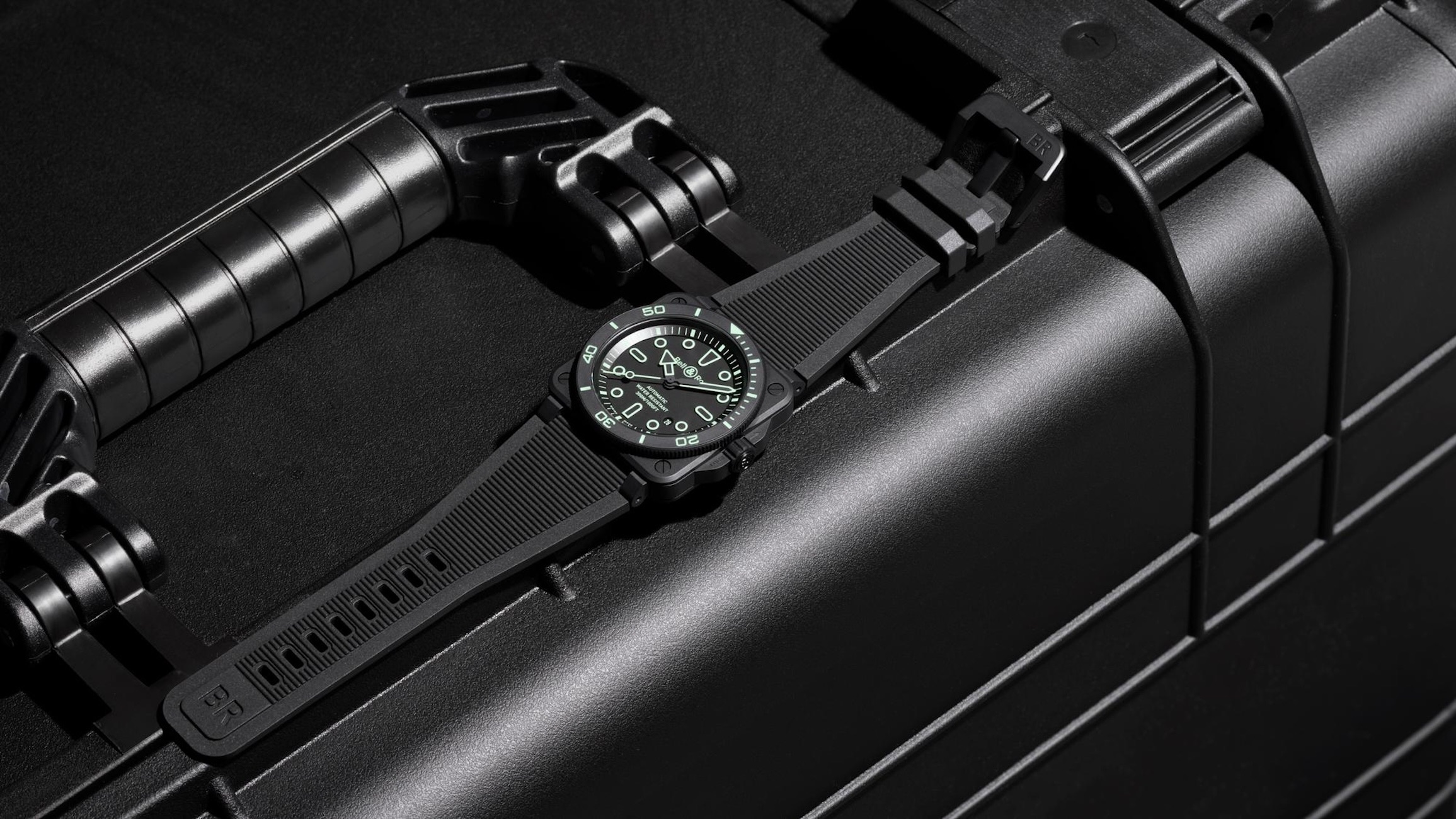
One cannot understand watchmaking today without a firm grasp on history, and reality too. It is all too easy to go along with watchmaking brands when they brandish carbon fibre cases as if they are the very latest thing. As it happens, this spoils the fact that carbon fibre remains absurdly useful in watchmaking by virtue of its extremely high specific strength rating (see the sidebar below). More than anything though, empty marketing talk simply ruins the realization that there might be only two Swiss brands making ceramic cases in sand or dessert yellow.
In other words, innovation is not so much the story as rarity is – for the purposes of this extended story then, we will be relegating the very idea of innovation to the sidelines. Now, if you are longtime reader, you might find this odd but bear with us as we meander through yet another of our materials specials. And, for those of you who wonder about the ceramic cases, we might get to an answer, but the idea there is for you to have some fun figuring things out.
As we wrote last year, one of our first deep dives into the materials that make up the watches that we love was in 2016. It was not a regular feature of the magazine until 2019 though, when it anchored the Summer issue. Issue #53 featured the now-discontinued TAG Heuer Autovia Isograph (with the word Isograph on the dial) in bronze and, with this ambiguous start, we were off to the races. The materials special has appeared in every Summer issue since, making this the seventh instalment in an unbroken row. This, of course, is also a bit of history and directly informs the story this issue.
Read More: New Balance – TAG Heuer Autavia Isograph
While we have managed to cover every typical (and some very atypical) material used by the watchmaking trade, some context is useful before we start over. Yes, we are going over everything again without properly covering steel, sort of. The alloy gets its due right here, as part of this recap or rethread, as you please. Steel is by far the most common and popular material in watchmaking, fine or otherwise, rivalled only by brass and plastic.
Watches cased in steel represent more than 50% of all watches exported from Switzerland, as of 2024 and this has remained relatively consistent over the last 10 years (source: Federation of Swiss Watchmaking otherwise known as the FH. Most figures cited in this segment are from the FH or Statista, where noted). An entire materials special dedicated to steel seemed a bit much, given that there is nothing new to report on it and it has not gotten itself on the rare and unusual materials list.
Narrative Purpose
We should pause here to note that all figures from the FH represent Swiss exports at export prices, not retail prices. These are also not indicative of watches from other countries of origin nor of currencies other than the Swiss franc. The FH figures also do not include the Swiss domestic market, which also includes what tourists buy in-country.
In any event, the trio of steel, brass and plastic is in everything, from the inside out, from cases to movements and beyond. For the sake of a more complete picture, we do include steel in this story, although it gets far less space than any other material, relative to the specials that each material once received.
But steel has a narrative purpose here, an appropriate one as it happens. In this very issue, the ever-popular Tick Talk (formerly known as The Conversation) also sees the editors grapple with the issue of how watches in gold and platinum are priced.
Read More: The Conversation: Engineering Success
This is vital to grasp because precious metals have been the lifeblood of the watch trade, even as Swiss export volumes have tumbled. The industry is down 5.8 percent, year-on-year (to end of March, when this story was written). This follows a slump of 9.4 percent last year. Over the past decade, total volumes have almost halved, decreasing from 28.1 million units in 2015 to 15.3 million last year. By way of contrast, value has proved consistent, so watch brands have been doing the same business with fewer watches. This is down to the ability of brands to charge a premium on gold and platinum, and steel too, to an extent.
The volume reality also contrasts strongly with sentiments expressed by the leaders of the watch business since 2021. To cite just one example, Breitling CEO Georges Kern told EuropaStar in 2023 that he expected the brand to surpass CHF1 billion that year. According to the latest Morgan Stanley estimates (published this year, for 2024), the brand hit CHF850 million, which is down from the CHF870 million estimated for 2023. For the record, we use this example to highlight the lack of useful reference numbers in watchmaking. Breitling itself estimates that its production is somewhere between 250,000-280,000 units in 2023 but Morgan Stanley only lists 178,000 units sold in 2023 and 160,000 units in 2024. Those are no small discrepancies, to be mild about it, and Breitling is not an outlier nor a special case.
Our solution to the issue of non-transparency in Swiss watchmaking is to make logical extrapolations and guess-timates. It is not great but it is the best anyone can do, and also explains why we are citing the Morgan Stanley figures. The industry might criticize this report but it does little to make the job of third-party reporting easier.
To caveat the above point about guess-timation though, there are serious limitations. For example, one might think that the Daytona model is of minor importance to Rolex, just going by its lonely place in the catalogue as the brand’s only chronograph. According to the brand’s website, there are 47 models in the current catalogue, which pales when compared with Omega’s 114 models, just in the Speedmaster family; there are also chronographs in the Seamaster range, to cite just one other Omega collection. A search for ‘chronograph’ on the Breitling website turns up 123 watches.So, one could conclude that the chronograph is somewhat less important to Rolex than it is to either Omega or Breitling.
Read More: Rolex 24 at Daytona 2025 Pushes Limits of Man and Machine
Obviously, the conclusion above is wrong and there is just not enough information to make any sort of judgment or comparison – at least not with just the above-mentioned publicly available data. Even if the chronograph is, in fact, less important to Rolex than to other brands, the guesswork we employed is just wrong. This serves to illustrate the dangers of guesswork when the scarcity of facts renders good answers unavailable. This story will see us avoid rank speculation and avoid tempting logical fallacies, or at least we shall endeavour to make it so. When good data points are unavailable, we might make some leaps but we will signpost these where possible.
Still Loving You
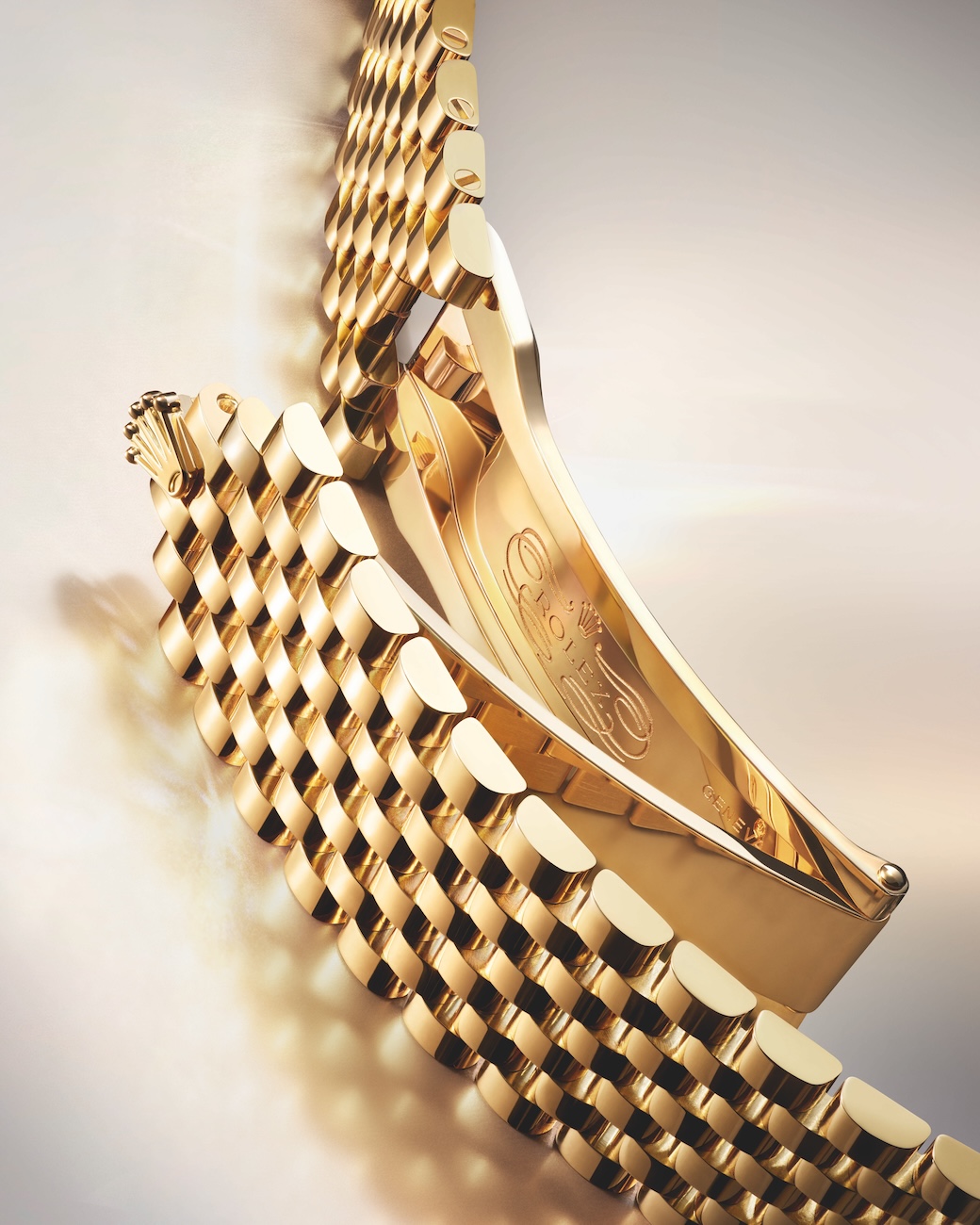
Steel and gold also frame this opener because both are deeply connected with watchmaking, with silver having fallen by the wayside in contemporary times. We posit that a key moment was the 1972 debut of the Audemars Piguet Royal Oak, which actually appeared in a white gold case as a prototype at Baselworld; the casemaker had yet to develop the means to create the same in steel. Yes, like it or not, the ripples created by this seminal watch are still being felt. The particular ripple that concerns us here is the decision by the Le Brassus watchmaker to offer fine finishing for the steel case, as if it was gold. Patek Philippe sealed the deal for the broader collecting world with the thematically similar Nautilus in 1976. Treating steel as something precious must have seemed mad, but it gave watchmakers the ability to charge gold prices – more even – while giving collectors reason to feel that the watches were something above anything in gold or steel.
Read More: An Azure Evolution of Patek Philippe’s Ladies’ Nautilus 7010/1G-013
Needless to say, an entire crop of watches emerged (in part) to test this proposition, where a metal that was once merely functional (or good enough for the hoi polloi) was transformed and elevated to the noble ranks of its precious brethren. Effectively, this rise in status happened because the watchmakers said so. From here, we can trace a through line that results eventually in the rise of Hublot and Richard Mille – the latter is especially famous for its Midas touch, giving technically exciting materials an appeal far higher than anything merely precious. Yes, “merely,” although all brands that raised the game for steel and other prosaic materials also gained the chance to skew prices higher on the precious metal variants they inevitably introduced.
Now, arguments about the above subject have gripped the collector community since before that Scorpions tune was an earworm, online and offline. The fact remains that Richard Mille exists and continues to ply its trade successfully. Whatever watchmaker can pull this trick off again will offer a lifeline to the entire industry. This is the key point of this tale, and we will be returning to it repeatedly. In this broadly ambitious section, we propose that such a move will happen not with Alusic (pair with Richard Mille and Google) but ceramic or titanium. Probably both. Basically, something that watchmakers are already using, just without the razzle-dazzle of a transformative campaign.
As Rare As Dust
In a nutshell, as mentioned, transformation is the point and the very heart of this narrative. We danced around this subject for the entire time that this magazine has existed, given the Richard Mille parallels. To return to that lifeline bit we tossed off ever so casually, this relates to margins.
Ceramic and titanium boast exceptional virtues in the area of functionality, and are about as rare as dust. What is still unusual is the application of high polish, brushed finishing and other fine touches in these materials but, more prominently, the more pressing issue is one of production numbers.
Here, we encounter once more a certain lack of information but what numbers are available do not bode well for metals other than the precious sort and steel. On the other hand, optimists might see opportunity here for something other than hand-wringing.
Last year, Switzerland exported 8.4 million watches in steel but no data exists for titanium. Instead, the Swiss list watches in “Other Metals,” which excludes precious metals and combinations of a precious metal and something not precious, which are both separate categories.
In the Other Metals category of watches for 2024, only 1.2 million watches were made, representing roughly 14 percent of all watches exported in steel. This is not an improvement over previous years. Going back to 2016, 13.7 million watches in steel were exported versus 2.9 million watches in “Other Metals.” This represents 21 percent of all watches exported in steel.
This might be an odd variable to look at, or an odd way of comparing variables, but we will be looking at things in a more straightforward manner in the section on titanium. For now, it should be noted while we have total Swiss export figures from 2015 and even earlier, we only have data on the split of materials from 2016 onwards. That said, let us look at how many watches were exported in 2016, which was 25.4 million units.
Referencing our earlier figure for 2015, this already represents a downturn in volume. We select these years as they represent key milestones, with 2015 representing the first downturn for the industry since 2009 (by value, in CHF).
Value Propositions
In terms of volume, the 28.1 million watches exported represented a return to 2013 form. Since 2015, volumes have been trending down consistently, with exports last year amounting to just 15.3 million units. By value, Swiss exporters registered CHF 26 billion in 2024 versus CHF26.74 billion in 2023. Looking back to 2015, total value of watch exports was CHF21.5 billion; in terms of values, all figures are not normalized for inflation nor changes in the value of the Swiss franc.
This being said, the industry is clearly doing more with less, or making more with less, if you prefer. In short, we can reasonably conclude that volumes are down while values are up. We shall reach a little and suggest that this is what the Swiss watch industry would prefer, even if it says the opposite.
When you notice how the numbers shift in terms of the precious metals category (see the relevant subsection) over the years, there are implications on the “Other Materials,” category. This category includes everything that is not a metal of some kind, which includes everything from high-tech ceramic and sapphire crystals to plastics and composites. We are using this conclusion to support the idea that increasing revenue (i.e. value as we have been using it here) might be tied more to materials other than the precious stuff. In Tick Talk this issue, this writer even suggests that hard stone dials could support elevated prices that help improve the revenue for even steel models.
Why should we care about what watch brands earn? Well, for those of you who wonder, brands are gaining this value from us, the people who buy their lovely (hopefully) watches. They have to be convincing in their propositions – at least as much as the total design creations of Gerald Genta proved to be for Audemars Piguet and Patek Philippe.
While this is the gold standard, if you will pardon the pun, this should not be taken to mean some brand or other is going to burst out with transformative titanium or ceramic watch. None of the brands in the original Genta wave of the 1970s had smash hits right out of the gate. None of the brands that preceded them did either. Therefore, it seems likely that no brand ever will.
What about the example of Richard Mille then? The simplified answer is that the brand was not immediately successful. Arguably, many brands paved the way for Mr Mille when he launched his eponymous brand, back in the day. According to our industry sources (who, regretfully, must remain anonymous), even he did not have what might be called an overnight success. In fact, we are using Richard Mille as both an example and a counterpoint – the success of the brand is due to much more than material choices, and we trust that this is obvious. Thus, we use Richard Mille to steel man the proposition that brands will need more than wise material choices to secure their futures, or the future of their margins.
A Brighter Tomorrow
At this late stage of the introduction, we want to drag markets into this, just for a measure of completeness. If the United States finds itself an appetite for titanium watches, then the world will follow. UK specialist rag WatchPro estimates that a third of the US luxury watch market is taken up by just Rolex and if Rolex can sell more titanium sports watches there, it will naturally lean more heavily in this direction. Perhaps the brand will lean into this metal for the Land-Dweller; we propose a titanium and platinum version.
Read More: The Rolex Land-Dweller Turns Rumour to Revelation
This digression aside, we know the watch world wants more titanium and that Rolex enthusiasts in particular are keen to see more of this material in that brand’s offerings. This combination of brand, market and materials, as we propose, is what makes titanium exciting but, likewise, could also herald a bright future for technical ceramic.
On this note, Audemars Piguet promises that its Royal Oak ceramic cases are just as interestingly finished as the steel ones. The short of it is that watchmaking brands will want to bring traditional fine finishing and handwork to materials that do not typically receive these. If the material is one that requires overcoming technical hurdles, so much the better.
This leads directly to a final digression, which concerns opinions, again. We save these for both this introduction and our concluding thoughts, which is a pure opinion piece penned by the editor (also the author of this entire section). We decided on this format to avoid editorializing within bulk of the story, and the editor wants his say on specific examples that he cites. In this opinion piece, we will get back to matters such as the above example of Audemars Piguet, so do not expect more on this in the section on ceramic, for example. Further thoughts on subjects like that count as editorializing, in our view.
Technical Notes
Mechanical impedance: A measure of how much a structure resists when subjected to a force. Generally speaking, it relates forces with velocities acting on a mechanical system. The mechanical impedance of a point on a structure is the ratio of the force applied at a point to the resulting velocity at that point (source: sciencedirect.com). This metric combines with specific and tensile strength to give an indication of a given material’s toughness. Toughness is a measure that we find to be very useful in evaluating materials used in watchmaking.
Specific strength: A material’s strength (force per unit area at failure) divided by its density. It is also known as the strength-to-weight ratio or strength/weight ratio or strength-to-mass ratio. Specific strength is a critical property in material science; this metric allows engineers and scientists to evaluate the efficiency of any given material. Unlike absolute strength, which measures how much force a material can withstand, specific strength provides insight into how effective a material is relative to its mass. This makes it especially valuable in industries where reducing weight while maintaining strength is essential.
Passivation: This refurbished segment serves as a small correction to an unfortunate omission in this section originally, namely a definition so here is one: Passivation is a widely used chemical finishing process to remove contaminants and improve the corrosion resistance of metal parts, including stainless steel and alloys like Nitinol and titanium. As noted, this refers to a sort of treatment so it is quite apart from a property of any material. As an example, we continue with the still-relevant example of titanium although bronze and aluminium can be passivated too. Titanium is notable though for being only found in nature in oxide form.
Titanium readily reacts with oxygen at 1,200 °C in air, and at 610°C in pure oxygen, forming titanium dioxide. It is slow to reactwith water and air at ambient temperatures because it forms a passive oxide coating that protects the bulk metal from further oxidation. When it first forms, this protective layer is only 1–2 nm thick but continues to grow slowly; reaching a thickness of 25 nm in four years. (Material-Properties.org)
Ultimate tensile strength: the maximum on the engineering stress-strain curve. This corresponds to the maximum stress that can be sustained by a structure in tension. If this stress is applied and maintained, fracture will result. Often, this value is significantly more than the yield stress (as much as 50 to 60% more than the yield for some types of metals). The stress-strain curve contains no higher stress than the ultimate strength.
Even though deformations can continue to increase, the stress usually decreases after the ultimate strength has been achieved. It is an intensive property; therefore its value does not depend on the size of the test specimen. However, it is dependent on other factors, such as the preparation of the specimen, the presence or otherwise of surface defects, and the temperature of the test environment and material. Ultimate tensile strengths vary from 50 MPa for an aluminium to as high as 3000 MPa for very high-strength steels. (Material-Properties.org)
Hardness: In the watch trade, hardness is often defined in the same way for consumers as it is in jewellery – as the word hardness refers to gemstones. This usually means the Mohs scale, with some variations. This scale is fine for minerals, or things that have a mineral structure. Metals do not have such a structure, so the Mohs scale has to be modified to approximate the hardness of metals; it can also be argued that hardness is not an intrinsic property of metals so the relevance is a bit suspect.
Whatever test one uses though, we can roughly approximate the relative hardness of the metals so the Rockwell or Brinell scales give a rough indication but Vickers works just as well for our purposes.. For example, tungsten is one of the hardest metals, whether one goes by Vickers, Mohs, Rockwell or Brinell. This is useful because metals are not always commercially rated using the same scales, and there are many types of bronzes and titanium alloys in use, even just in watchmaking. On the other hand, the Mohs scale does well for ceramic because it is a mineraloid.
This story was first seen as part of the WOW #79 Summer 2025 Issue
For more on the latest in luxury watch reads, click here.
The technical storage or access is strictly necessary for the legitimate purpose of enabling the use of a specific service explicitly requested by the subscriber or user, or for the sole purpose of carrying out the transmission of a communication over an electronic communications network.
Preferences
The technical storage or access is necessary for the legitimate purpose of storing preferences that are not requested by the subscriber or user.
Statistics
The technical storage or access that is used exclusively for statistical purposes.The technical storage or access that is used exclusively for anonymous statistical purposes. Without a subpoena, voluntary compliance on the part of your Internet Service Provider, or additional records from a third party, information stored or retrieved for this purpose alone cannot usually be used to identify you.
Marketing
The technical storage or access is required to create user profiles to send advertising, or to track the user on a website or across several websites for similar marketing purposes.


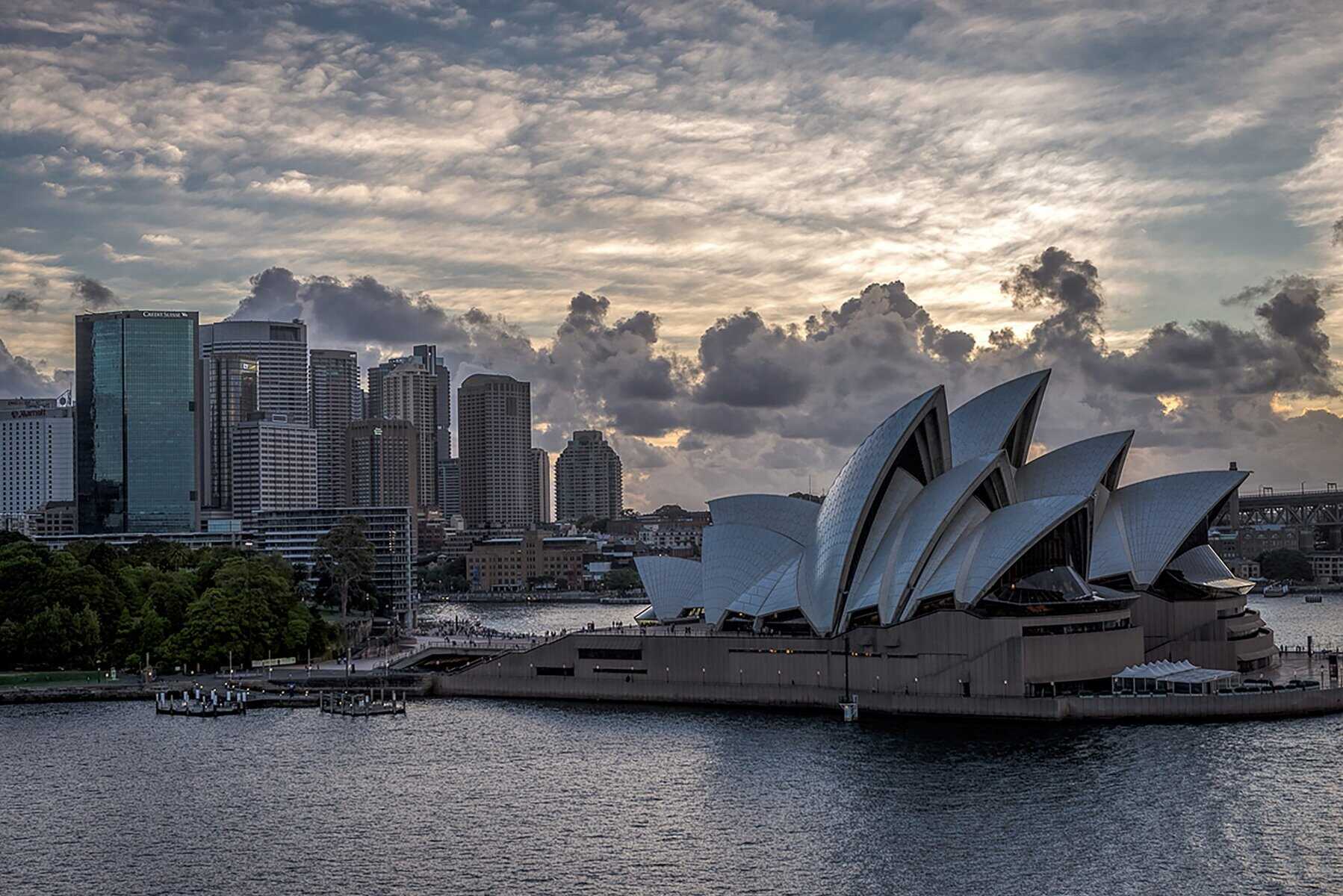


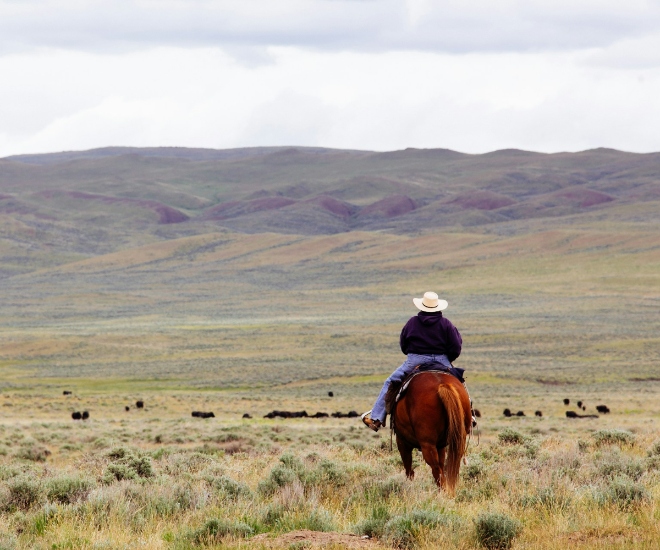

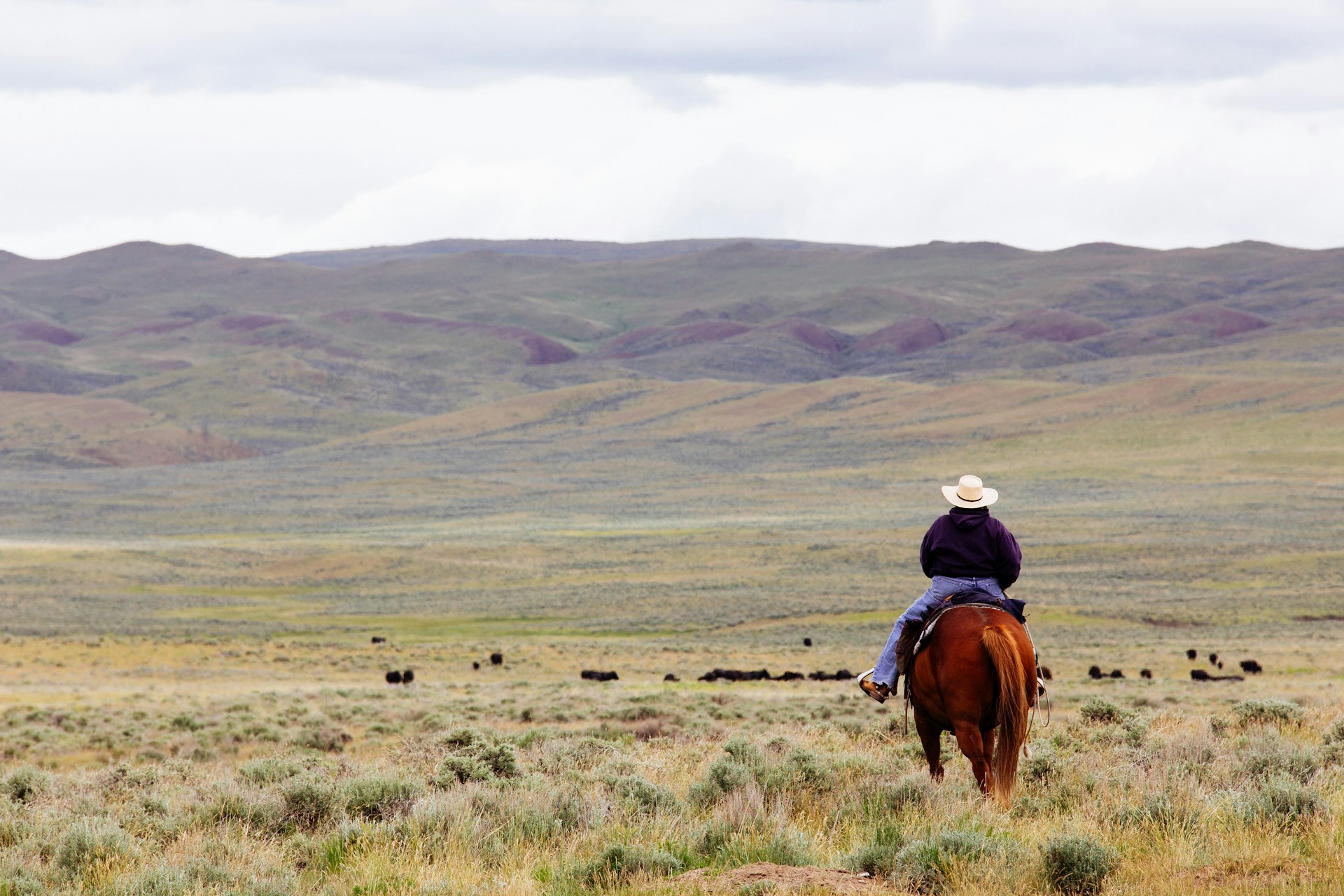
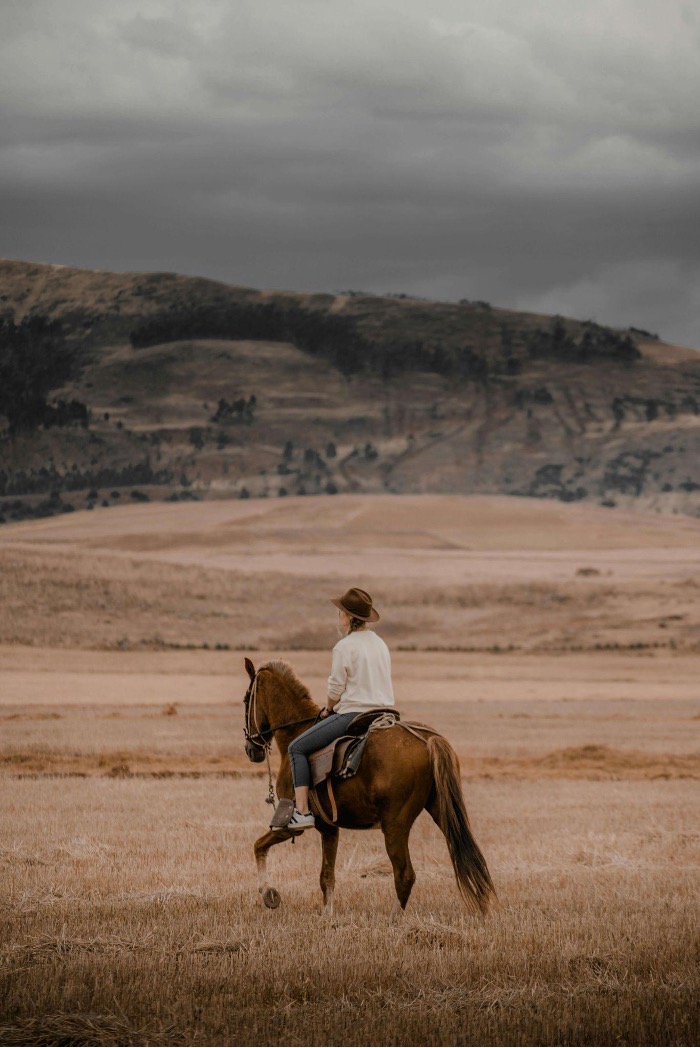
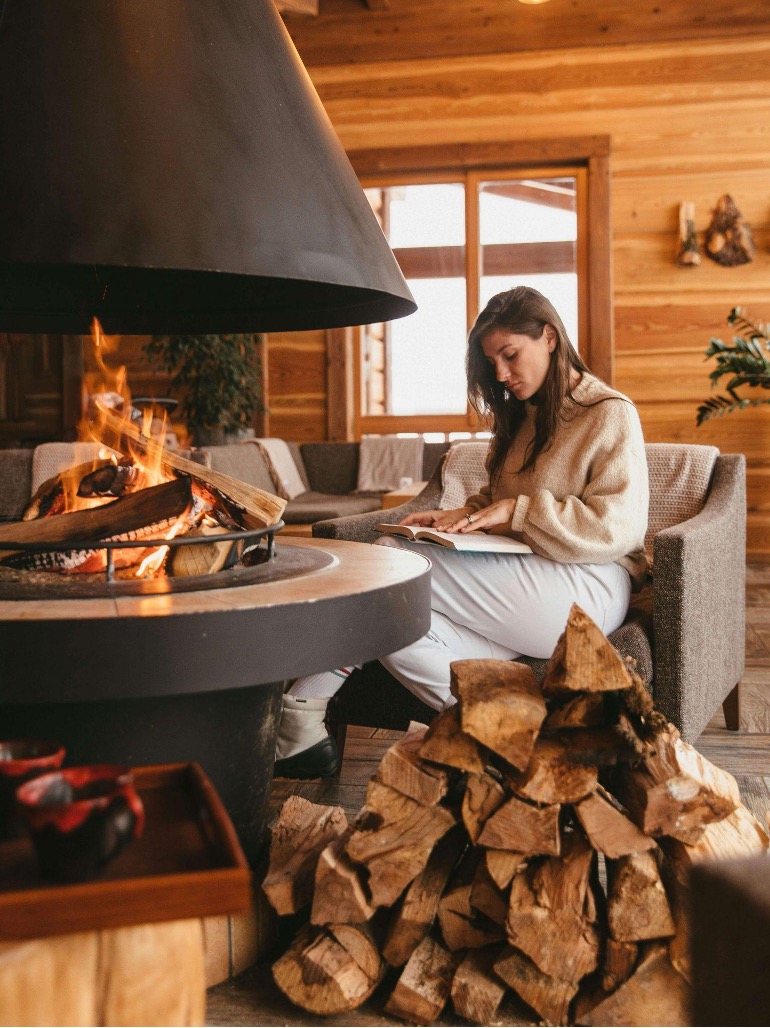
:max_bytes(150000):strip_icc()/TAL-general-tips-ENCHANTEDCIRCLEDR1025-0407f02d6a424d0eb683bf6e0da06c43.jpg "This 84-mile Scenic Drive Is Called the ‘Enchanted Circle’—and It’s Most Magical During the Fall")
:max_bytes(150000):strip_icc():format(jpeg)/TAL-general-tips-ENCHANTEDCIRCLEDR1025-0407f02d6a424d0eb683bf6e0da06c43.jpg)
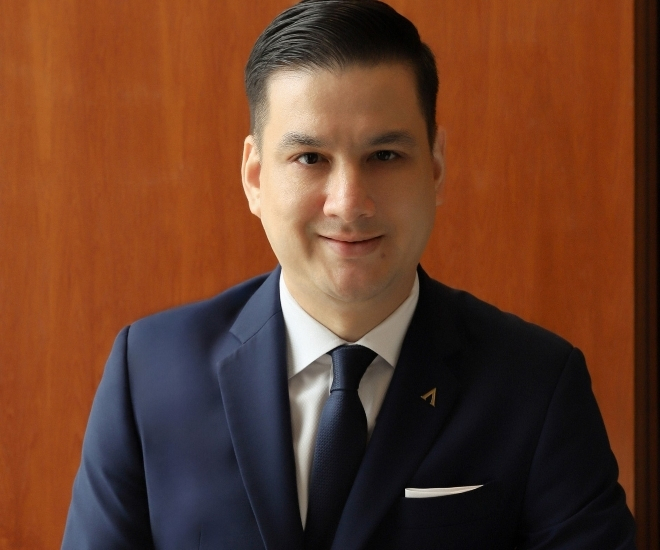
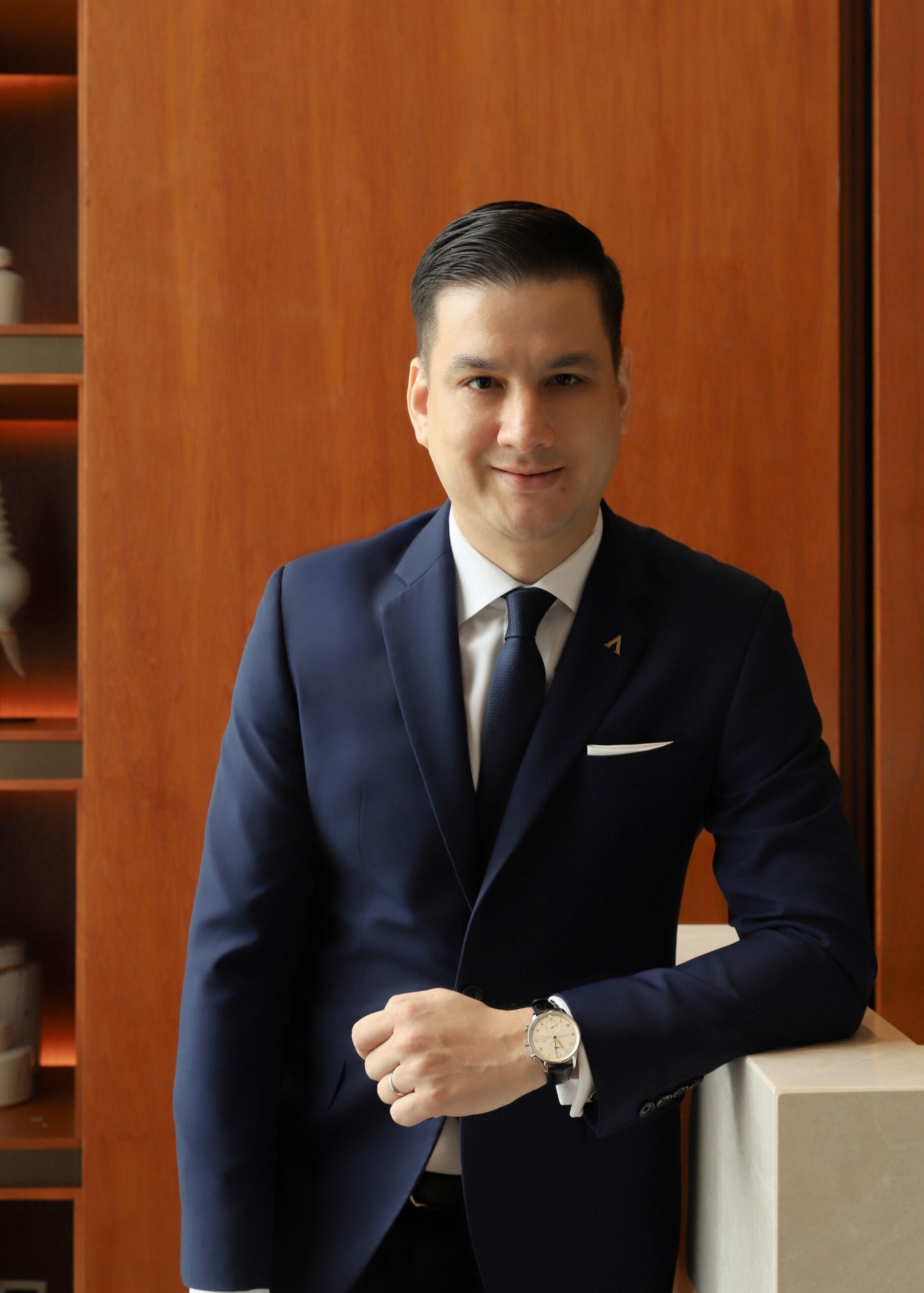
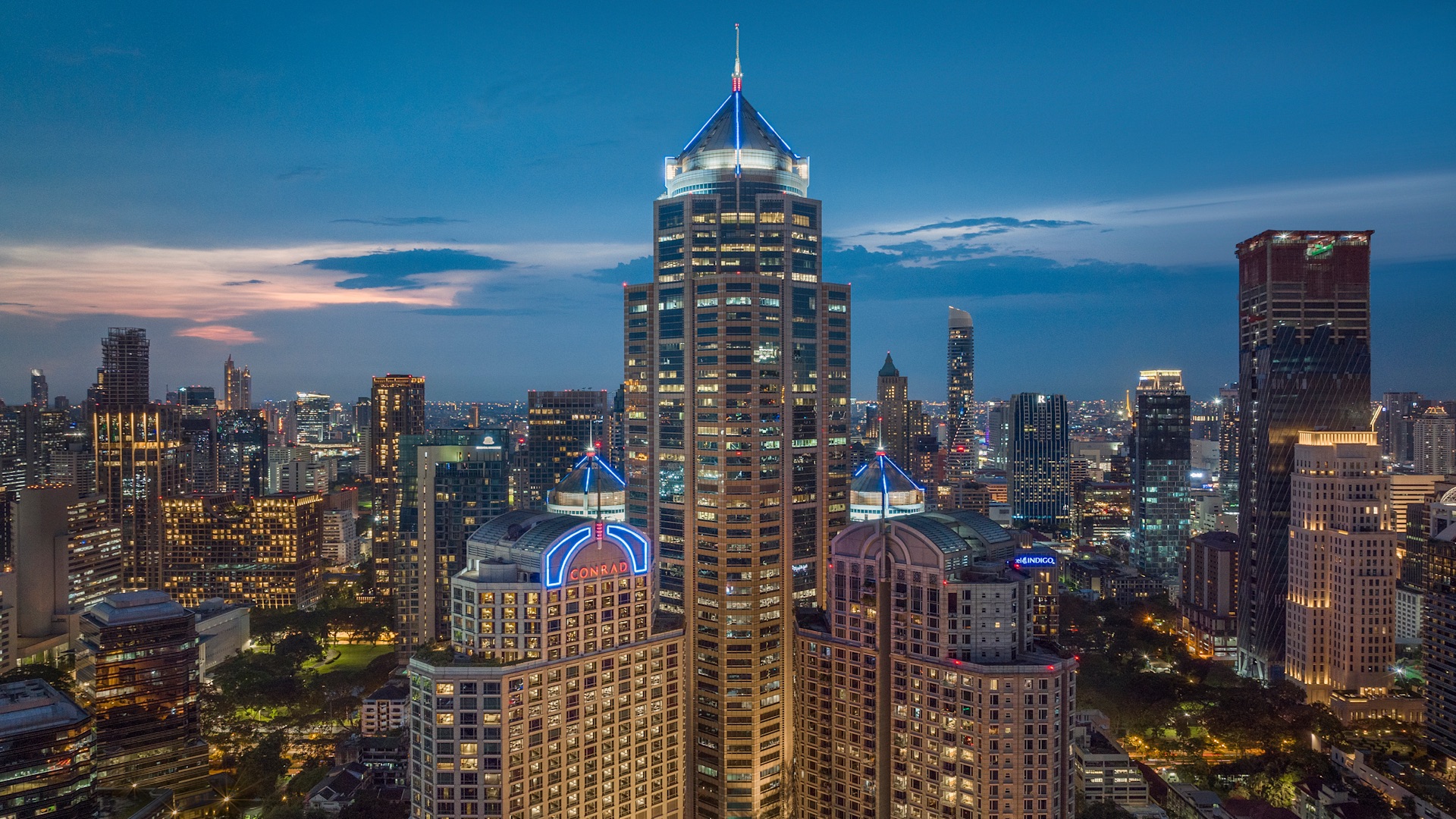
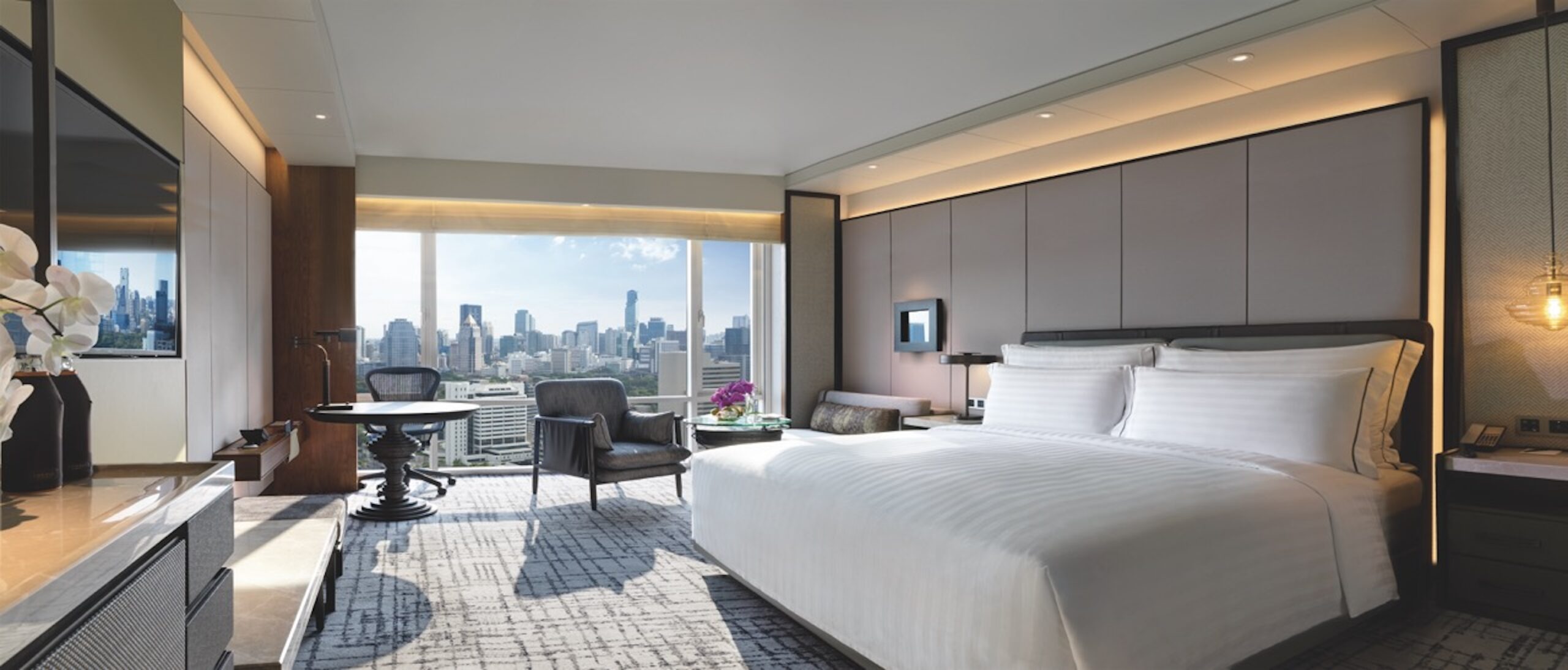
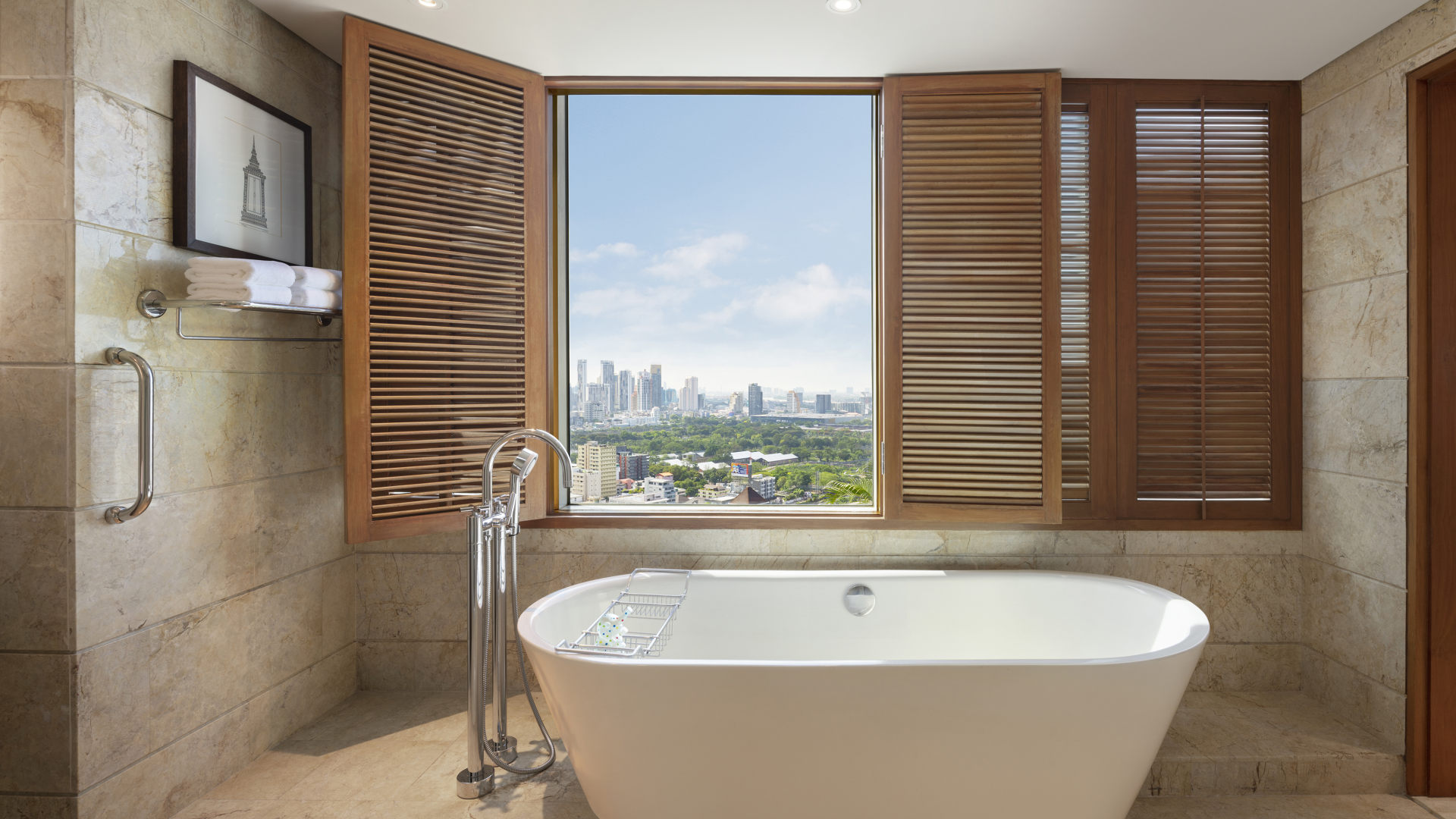
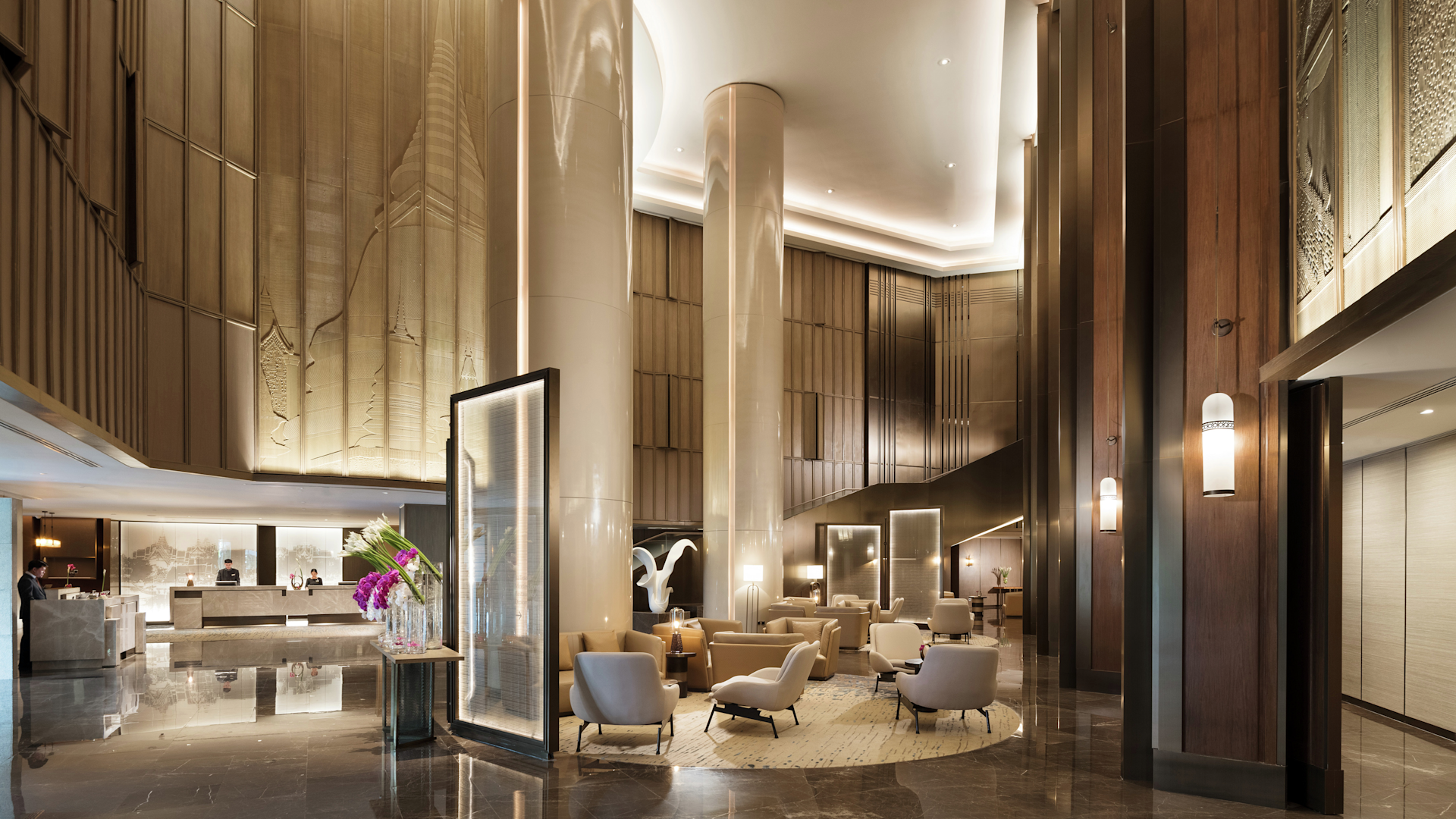
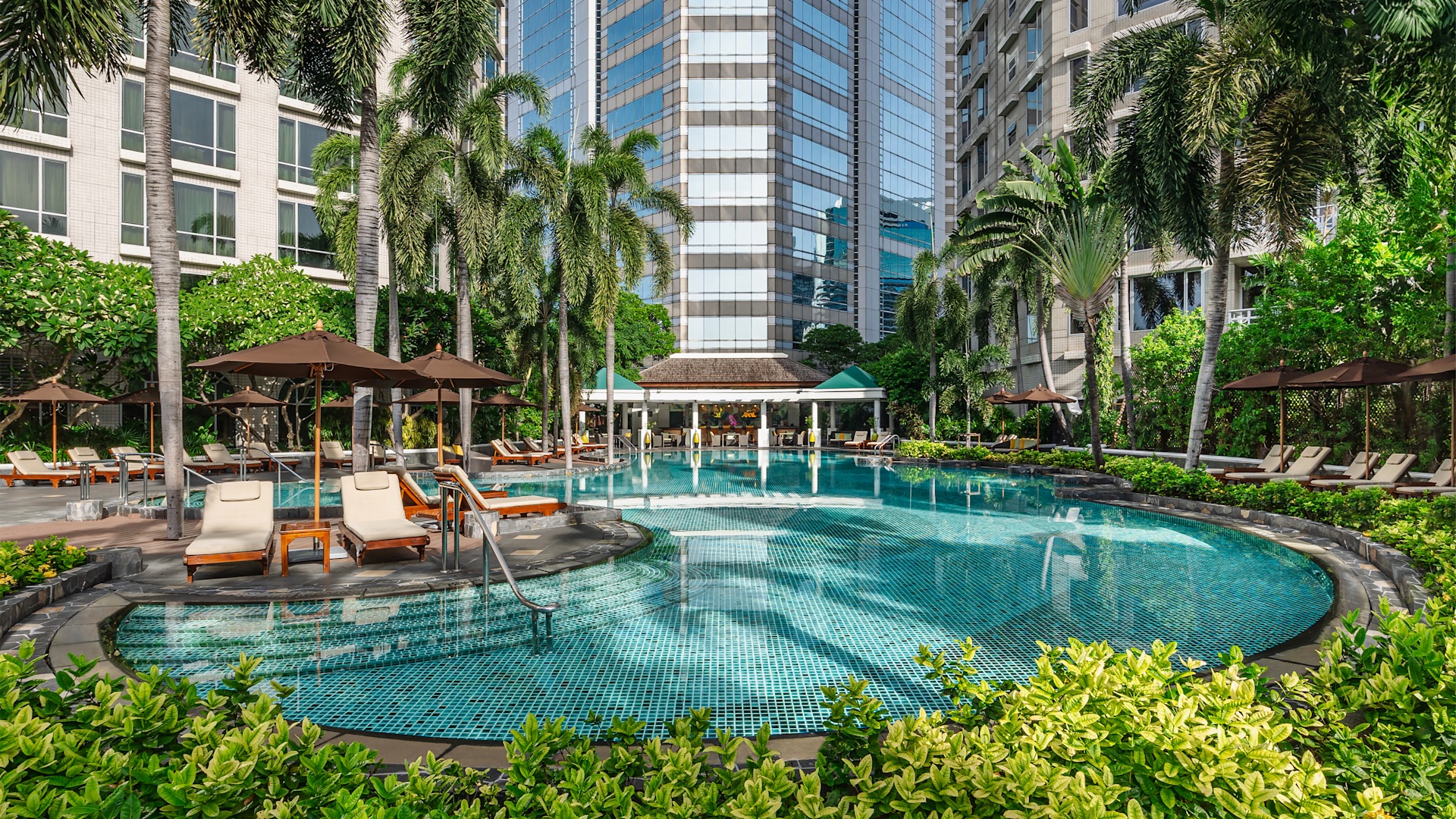
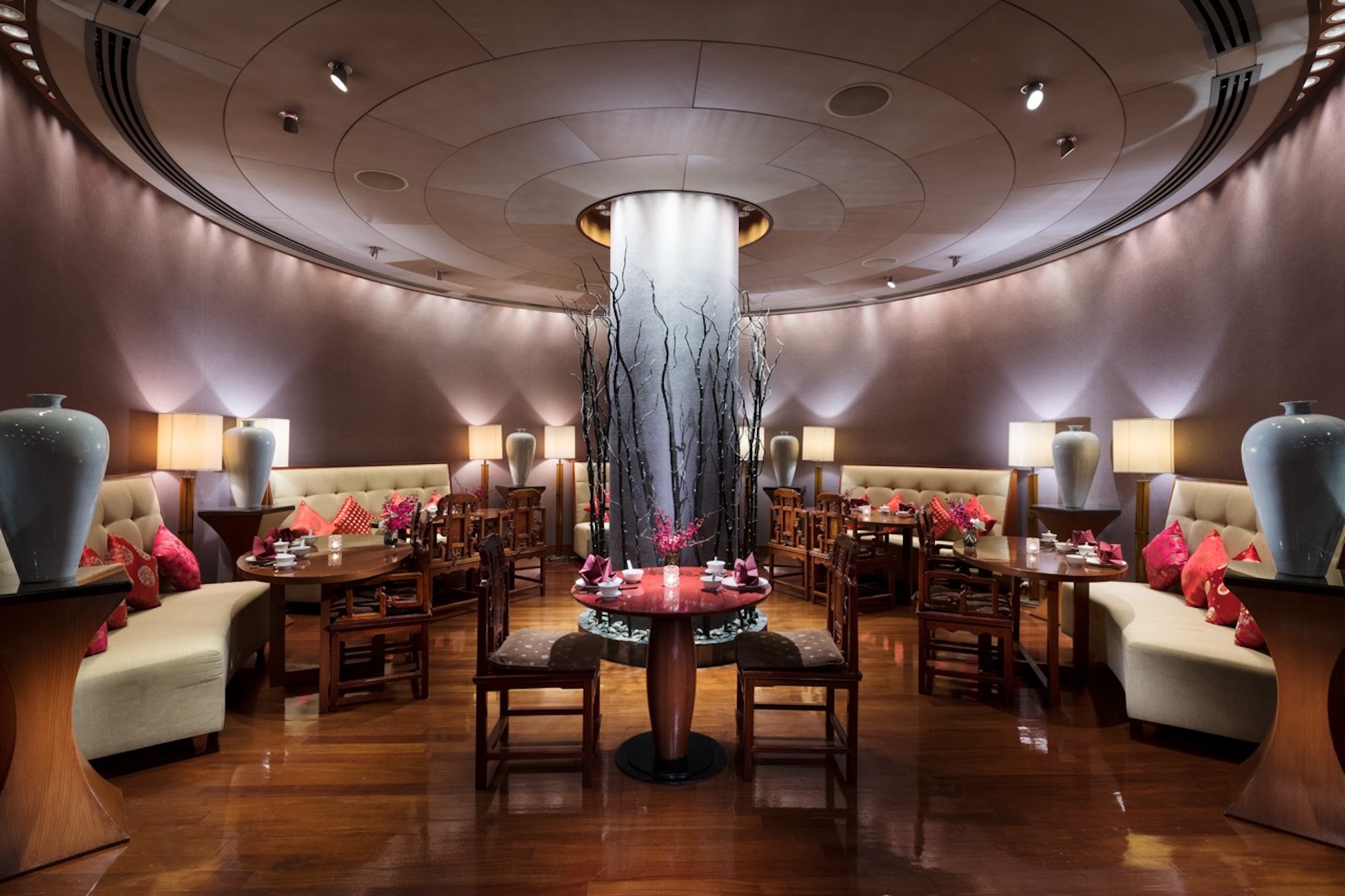
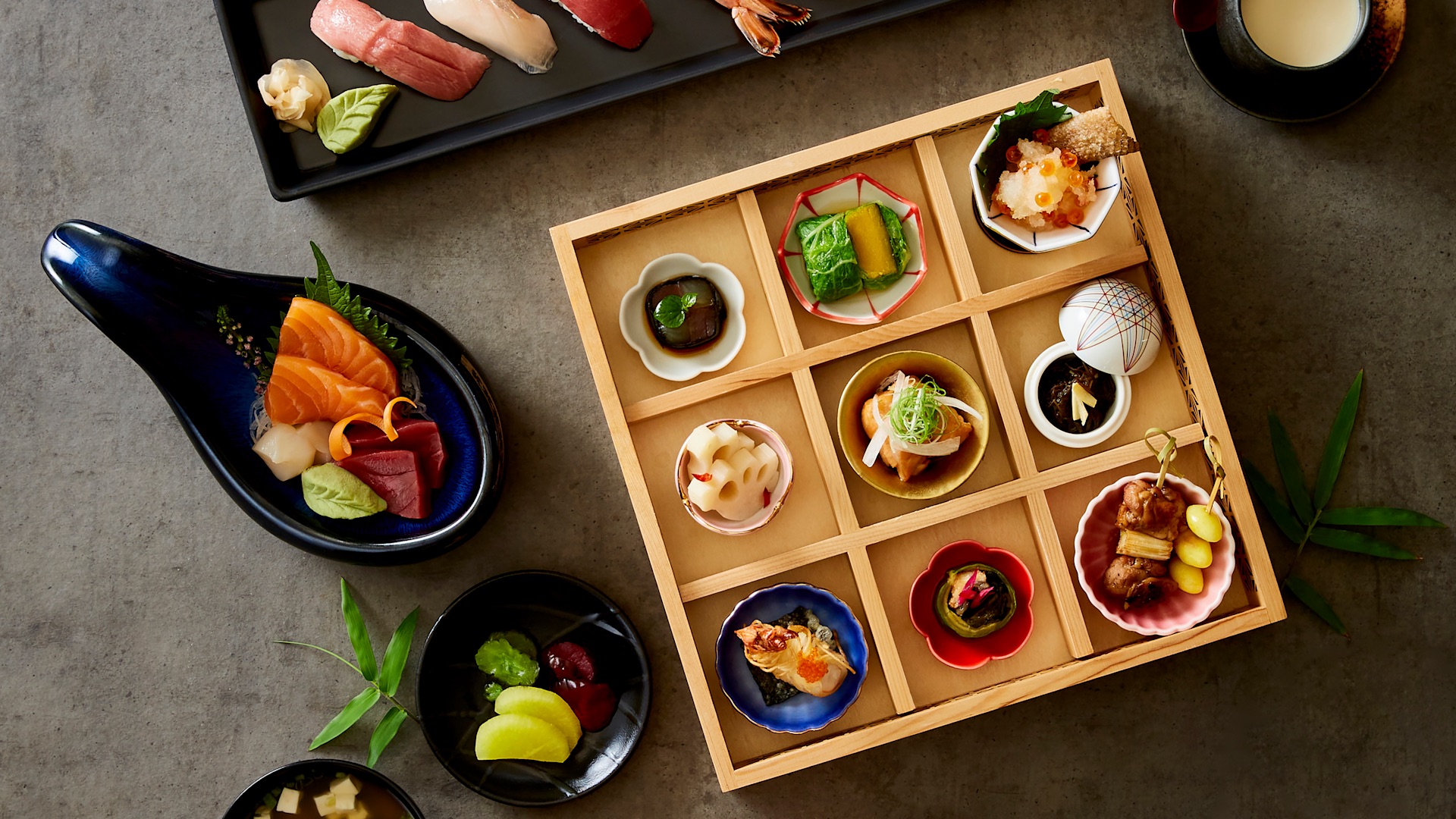
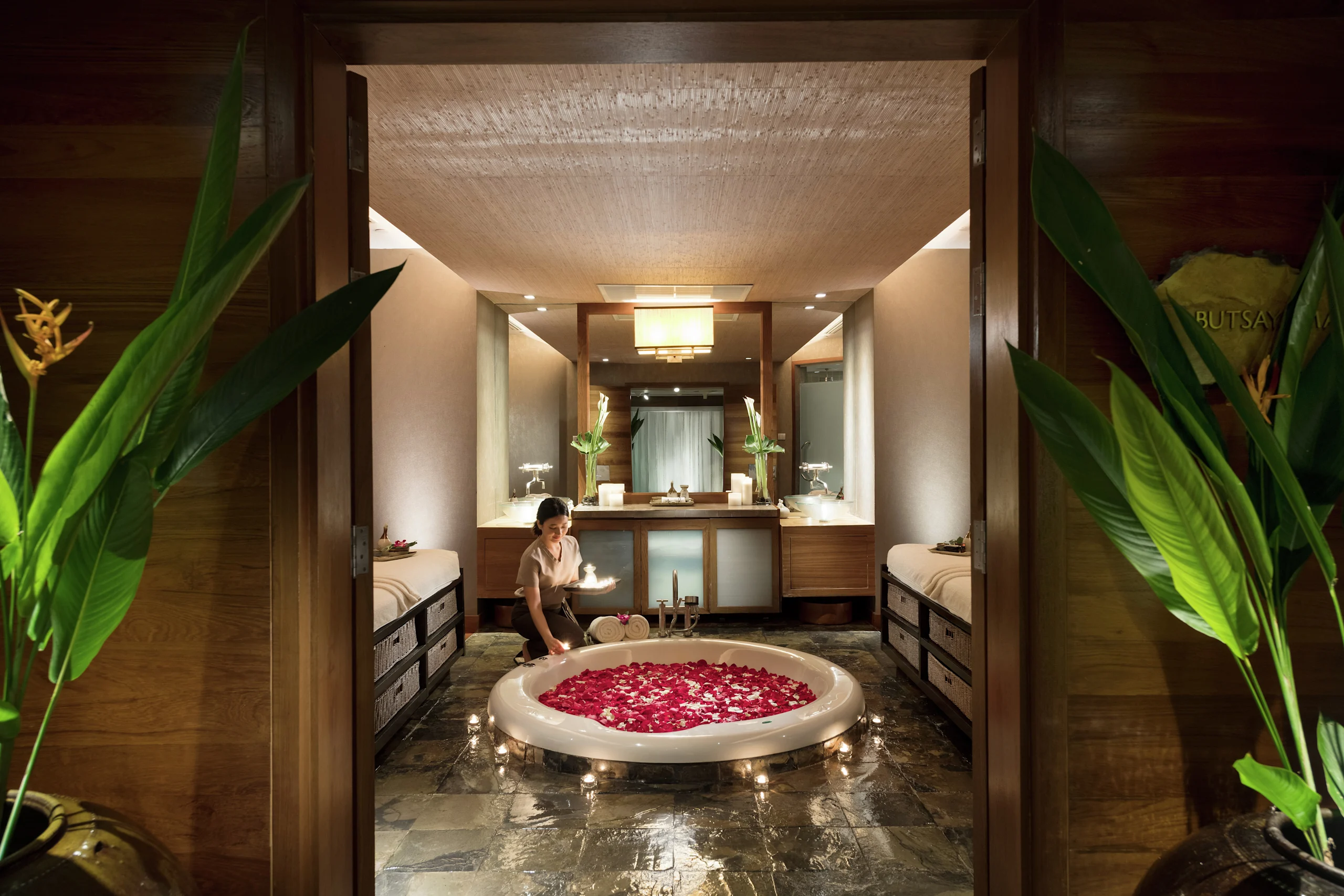
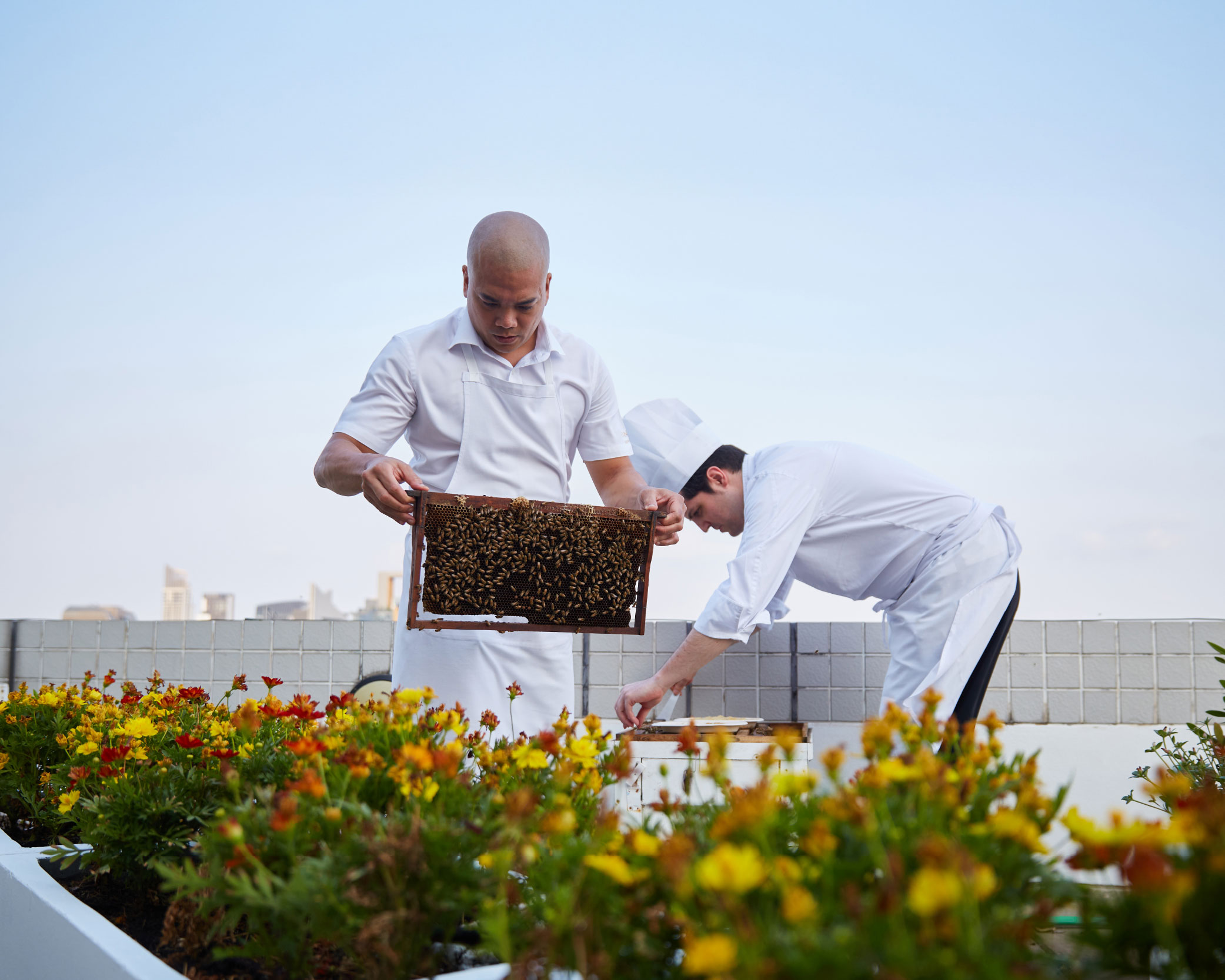
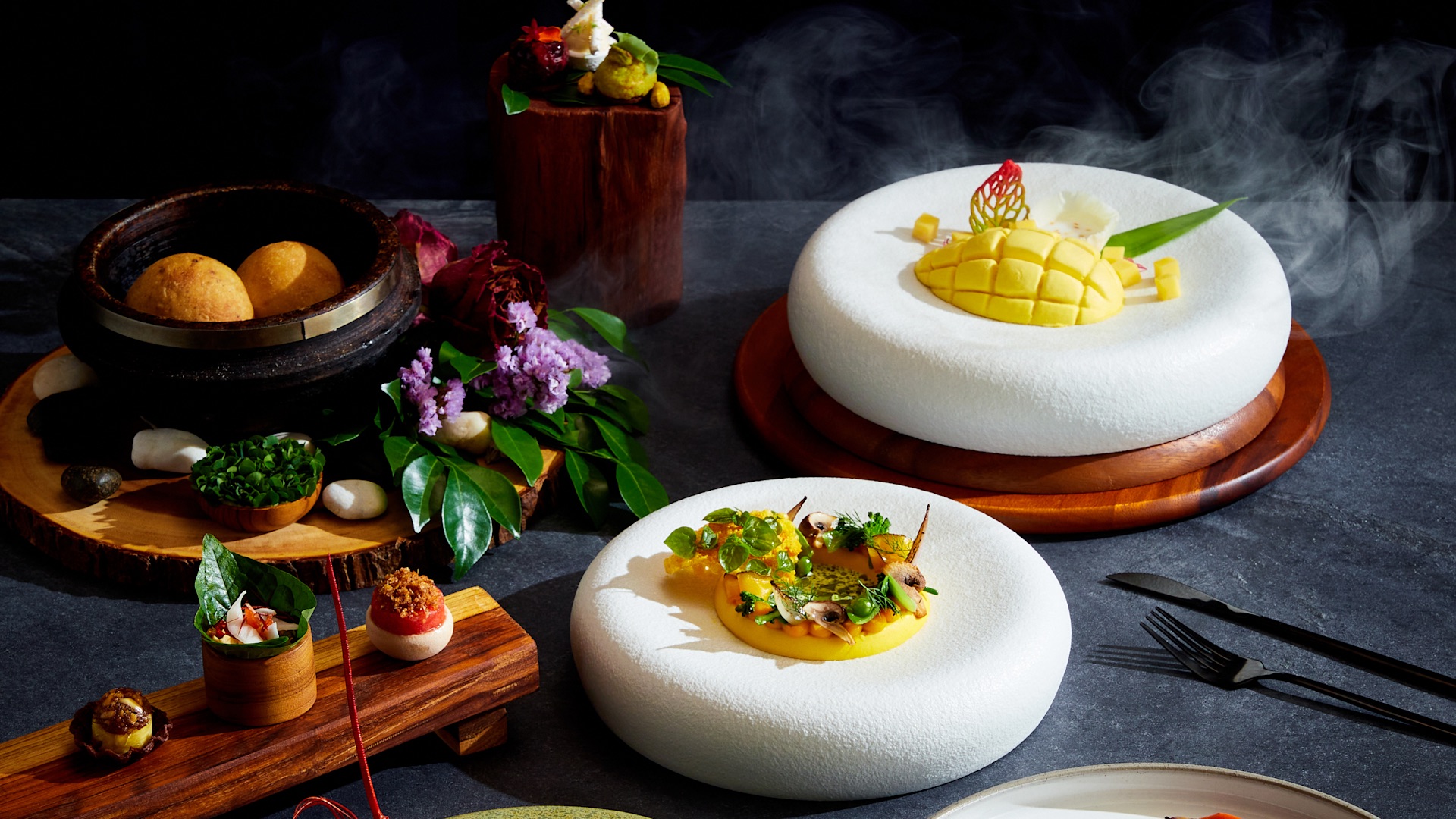
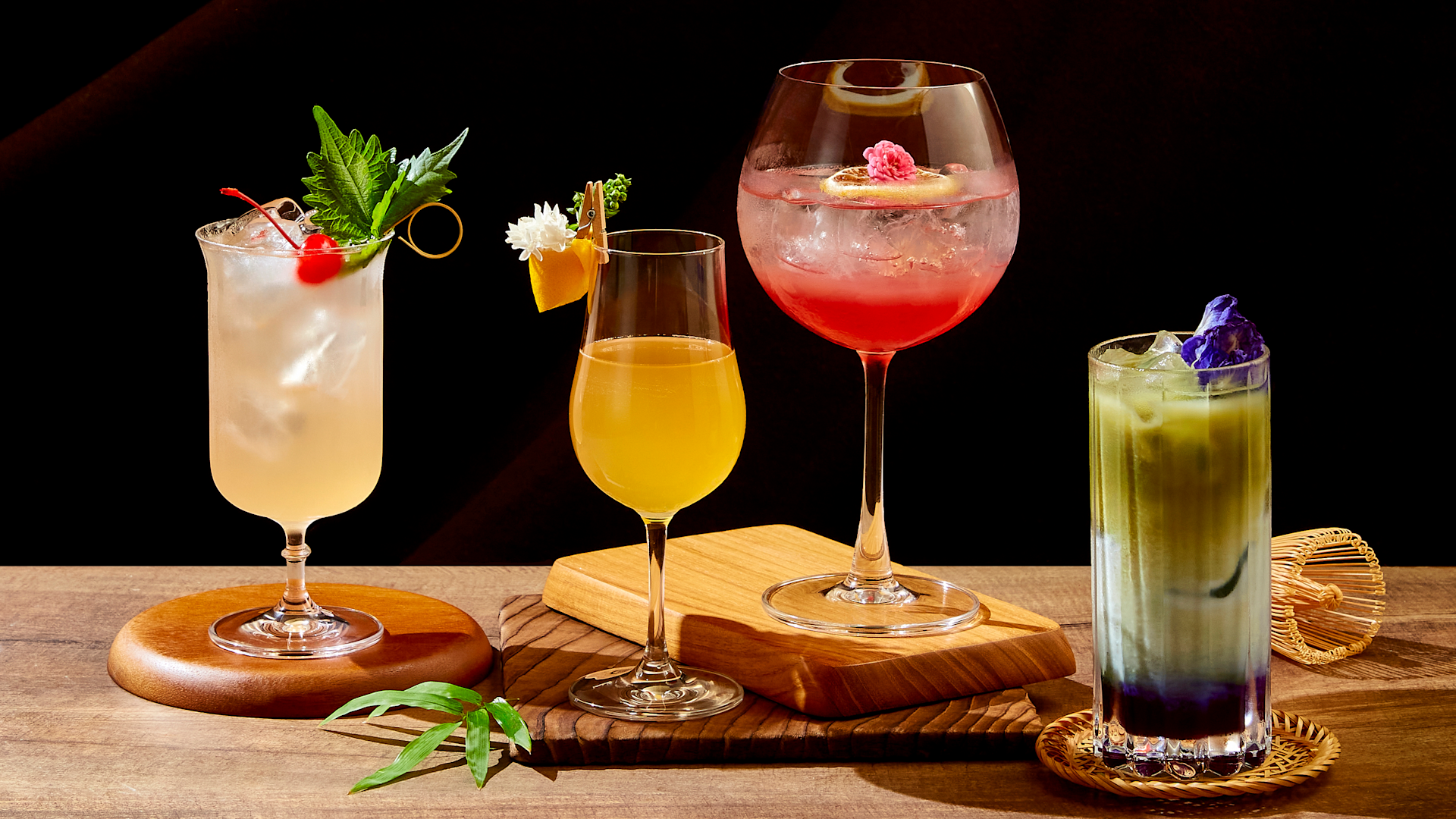
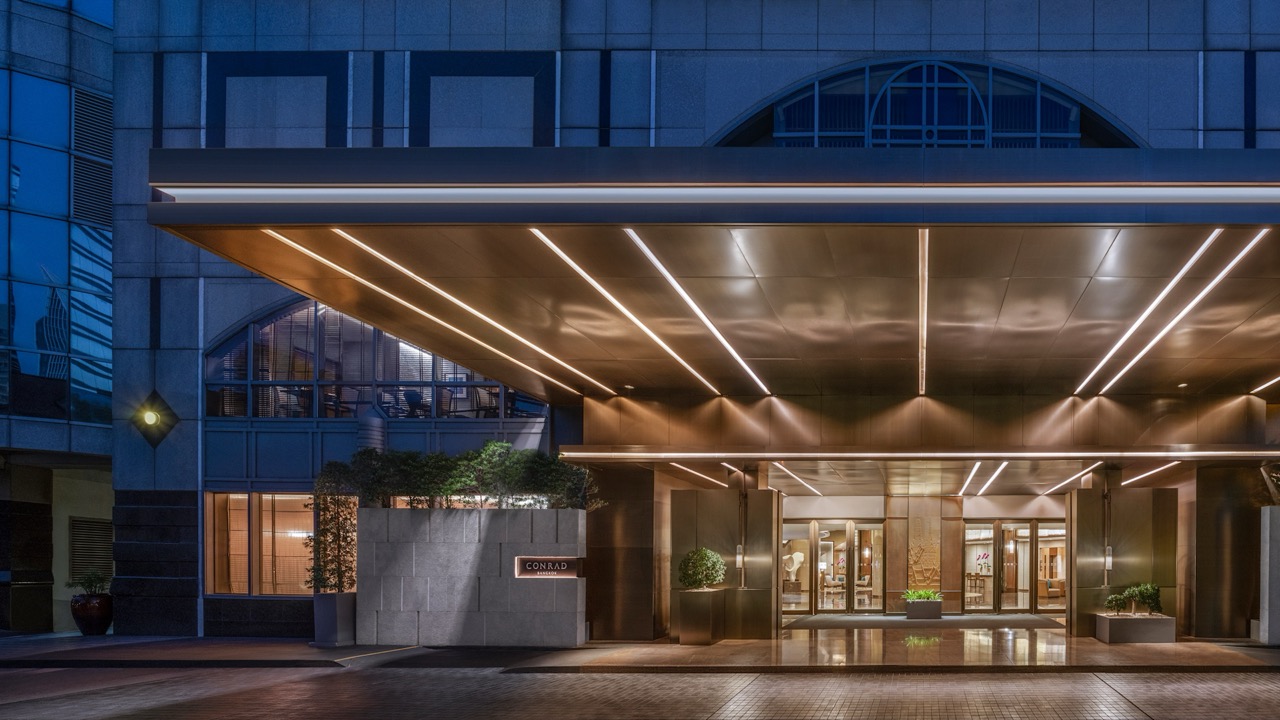
:max_bytes(150000):strip_icc()/TAL-city-view-rooftops-people-red-dress-GRANADA1125-766821fe723d412aa1320fd3a46fe013.jpg "Granada Is One of Spain’s Hidden Jewels—With Incredible Tapas, Lush Gardens, and Thrilling Flamenco")
:max_bytes(150000):strip_icc():format(jpeg)/TAL-city-view-rooftops-people-red-dress-GRANADA1125-766821fe723d412aa1320fd3a46fe013.jpg)