For those who find the Mini Cooper C or Cooper S lacking, the new John Cooper Works is now available as the brand’s sportiest option. While the power increase seems modest at first glance, the compact JCW continues to be an absolute fun machine.
Anyone looking for real performance on the motorway will still have to steer clear of Mini’s electric models. These aren’t just limited by charging speed but, more critically, by their top speed. Despite 190 kW / 258 PS, the electric John Cooper Works is limited to 200 km/h – a disappointing cap for a hot hatch of this calibre. It’s a different story for the combustion engine versions. Even though the power upgrade to 231 PS from the 204 PS of the spirited Cooper S isn’t dramatic, the John Cooper Works Hatch remains a thrill at high speeds, reaching up to 250 km/h on demand.
But it’s not just on the fast lane where this little car brings joy. Its two-litre turbocharged four-cylinder, compact wheelbase, taut suspension and signature JCW styling elements make it clear that this is a proper sports car. Mini fans will appreciate the JCW badging, side skirts and sporty wheel setup, which affirm the performance intentions of this new top model. The engine note from the centrally mounted single tailpipe is aggressive and eager, recalling the brand’s rallying pedigree – though only long-time motorsport fans might still recall the days of Rauno Aaltonen. The twin exhaust setup of previous JCW models looked more modern and aggressive by comparison.
Inside, as with the Cooper C and Cooper S, fans may miss the premium sports seats in leather or with extendable thigh support. The new seats, finished in a synthetic-leather and textile mix, are less luxurious than before, though they do offer solid lateral support and long-distance comfort even for tall occupants. Optional electric adjustment and massage functions are available, helping to distract from some cheap plastic surfaces and the outdated pop-up head-up display.
Despite its interior shortcomings, the John Cooper Works Hatch – starting from €40,650 – delivers driving excitement few others can match in its segment. With 170 kW / 231 PS and a length of just 3.88 metres, the Mini JCW looks the part with its red mirror caps and bonnet stripes, and doesn’t rely on looks alone. The seven-speed dual-clutch transmission is well-matched to the punchy four-cylinder, delivering snappy shifts with subtle turbo whooshes and exhaust crackles. The steering is incredibly precise, and torque steer becomes familiar quickly. This car is meant to be driven hard – not just on scenic roads, but at the limit if desired. A low centre of gravity and stylish 18-inch wheels with narrow 215/40 R 18 tyres give it confident grip in warmer weather.
Yes, the new JCW offers the same spirited fun as its predecessors, now with noticeably better ride comfort for longer trips. Road imperfections still reach the cabin, but far less harshly than before. Realistically, space remains limited to two adults and a modest amount of luggage, with 210 litres of boot space (up to 725 litres with the seats folded). The rear seats can accommodate one or two people for short trips, though that’s unlikely in practice. Optional packages have been simplified with L and XL configurations. The €2,160 XL package is almost essential, including navigation, electric massage seats and parking assistance. Also well worth it is the €800 panoramic sunroof, which fills the cabin with light and fresh air. And can we hope for a future 300 PS GP edition? Most certainly.
There are very few people in this world who can afford a Bugatti. Among them are a select few who have the means and the patience to own a Bugatti Bolide. Let me explain.
Being a track car, you can’t just get into your Bolide and drive off. There’s a starting procedure just like any other race car. Then there’s the pre-flight checklist. Assuming that you are on a racetrack and you fire up the W16 engine, the fuel tank will be empty in 57 miles. The car does 3 miles per gallon, and it has a 19-gallon fuel tank. Also, it runs on 110-octane race fuel.
The Bolide is shipped with two sets of tires. The Michelin slicks need to be replaced every 36 miles, and a new set costs $8000. If the car is just sitting in the garage, you still have to replace the slicks after 5 years. Other items that need to be replaced at regular intervals include the seat belts, fire extinguisher and the fuel bladder.
As you would have realised, Bugatti Bolide ownership is not as straightforward as a regular supercar. The cost of ownership is a different ballgame altogether.
April is now halfway over — if you can believe it — and that means summer’s return is just 10 weeks away. While that may sound like a decent chunk of time, temperatures across the United States have already begun inching toward 90 degrees Fahrenheit, so the window to properly stock your travel wardrobe with swimsuits, shorts, sandals, and sunglasses is closing rather quickly.
If your warm-weather footwear rotation isn’t quite up to snuff, don’t sweat it (pun intended). Nordstrom Rack, Amazon, REI, and Zappos have hundreds of summer sandals on sale right now, with men’s and women’s flat sandals, stylish wedges, and hiking sandals as low as $12. Hurry, though: With summer fast approaching, these styles are bound to sell out.
Best Overall Deals
Nordstrom Rack
There’s no shortage of pre-season deals on summer sandals right now, but some discounts are worth shouting out. Some of our favorite tried-and-true footwear brands — including Sam Edelman, Vionic, Dr. Scholl’s, and Hoka — are running deals on comfortable sandals up to 83 percent off. Stylish designer styles are also on major sale, including these luxe patterned Coach Julian sandals, and these versatile, strappy Cole Haan Flynn sandals, 50 percent off.
The best beach sandals are made with water-resistant materials and combine functionality with style. Take these cushioned Reef flip-flops, up to 30 percent off, for example. They’re made with durable, water-friendly materials and have a vegan leather strap that’s versatile enough to wear from the beach to the resort. Meanwhile, these Teva Hurricane XLT 2 sandals, over 50 percent off, have a neutral all-white colorway and strap down to your feet, helping you walk across the sand, rocks, and dirt with ease.
Olukai Women’s Sunbeam Slide
Zappos
Gubarun Men’s Sport Beach Flip-flop
Amazon
Best Wedge and Platform Sandal Deals
Amazon
We’ve spotted hundreds of deals on platform sandals and wedges that don’t sacrifice comfort for style. Case in point: These adorable Papillio by Birkenstock sandals, 41 percent off, provide an extra inch of height but still have the same comfy cork footbed the brand is known for. And despite having a chunky 2.2-inch heel, these Sorel Women’s Dayspring Slingback sandals, $70 off, are “comfortable right out of the box,” according to one five-star reviewer.
If a thinner sole is what you’re after, look no further than this list of fashion-forward flat sandals. We’ve handpicked 10 of the best discounts on designer sandals (like these Coach Julian sandals, nearly $40 off) and podiatrist-approved slides (like these Dr. Scholl’s Nice Iconic sandals, 51 percent off) to help match you with the chic flat sandals of your dreams.
Painful foot disorders like plantar fasciitis, arthritis, and heel spurs can make summer sandals seem like a non-option. Luckily, there are plenty of supportive orthopedic sandals on the market that put comfort at the forefront — and it just so happens that many options are on sale right now. These podiatrist-crafted Vionic Amber sandals, 49 percent off, prove that orthotic shoes can be cute, too. And, these $14 Shevalues recovery flip-flops have nearly 7,000 five-star ratings for their fit and feel, with Amazon shoppers calling them “excellent for ball foot pain” and “great” at relieving plantar fasciitis pain.
Leave your clunky hiking boots at home and let your feet breathe the next time you hit the trails. Hiking sandals provide maximum airflow on hot afternoons and allow you to dip your toes into any creeks or lakes you might come across on your journey. Some of our favorite brands have slashed prices on hiking sandals just in time for the temperatures to kick back up. Right now, you can save $26 on these rugged, chunky Hoka Hopara 2 sandals, or scoop up these strappy Chaco Mega Z Cloud sandals while they’re 25 percent off.
Are you a new or first time motorhome or campervan owner? Feeling a bit overwhelmed? Don’t worry- we all did when we started. Here are the essential things you need to know and step-by-step guidance for your first trip in your motorhome or camper.
Don’t forget to grab your FREE motorhome departure checklist below so you have everything you need.
*We work hard to make this the best motorhome travel blog and road trip website possible, full of helpful content for you. The website is supported by our readers, so if you buy through links on this site we may earn a commission- at no extra cost to you. All opinions remain our own.
If you find this post useful, you can also treat us to a coffee – we promise to enjoy it while creating more useful content like this- we might even indulge in a biscuit (or two!)
New Motorhome Owners- what to do first!
CONGRATULATIONS! You are the proud new owner of a motorhome or campervan. That’s so exciting!!
Still- it can be a bit overwhelming. What the heck do you do with this big lump of expensive plastic now?
What are the essential motorhome accessories you need on your first trip? How do you plan a motorhome road trip? And how the heck do you empty the toilet?
DONT PANIC. I know it seems intimidating now, but I promise it’s not that scary. EVERYONE started their motorhome life as a beginner (and we all learnt from our mistakes!)
Here are our best tips and advice for new or first time motorhome owners (and step by step guidance for your very first trip!)
Advice for new motorhome or campervan owners
I get emails every week from people who have just ordered motorhomes. They are so excited, yet every single one of them has a question about an aspect of motorhoming which was worrying them, but they felt embarrassed to ask.
It’s a strange hobby- very few of us join a club or have any training- so we end up surrounded by like-minded people, yet with no-one to show us the ropes.
We often find ourselves on a campsite, on our very first motorhome holiday, feeling utterly bewildered, surrounded by people who seem to have it all figured out.
But there’s nothing to be embarrassed about- all of us have to start somewhere and learn as we go.
So here we go, just for any first-time motorhome owners or anyone who has a new (or new to you!) motorhome or campervan. You can also read our essential motorhome tips for beginners here
Here’s a step-by-step guide on what to do for your first trip, what you need and how it all works. If I haven’t answered your question, send me an email or message and I’ll add it in. I hope it helps you start your new hobby in the best possible way.
Grab a cup of something and a notepad. First VERY IMPORTANT tip- Nobody will know if you look at your notes!! Seriously. So make as many notes as you need.
Essential things to do before you leave on your first motorhome trip
I know, I know- you’re excited and just want to GO. But trust me, if you figure out these things first, your first trip will go a lot smoother.
Firstly, do NOT do what I did and plan a trip hundreds of miles down the road, with no clue what you’re doing. Find a local site and book a night or two. We suggest a proper campsite for your first trip, rather than wild camping. Here’s how to find overnight motorhome parking places near you.
Try to take as few people with you as possible- just for the first night until you figure things out. Maybe leave the kids at friends or family- although I appreciate this may be tough if they’re excited too!
Make sure you have/ understand:
Also, make sure you’ve packed your motorhome securely and have got adequate motorhome security devices to protect your asset.
Lastly, if you didn’t have a motorhome habitation check done as part of the sale, we strongly urge you to get one done before your first trip.
How to pack your motorhome or campervan for the first trip
Motorhome packing without rattles is an art. It’s also a science- the science of knowing what to leave behind! Don’t pack as if you’re going to the Arctic for 3 months. Seriously. You’ll spend all your time sorting stuff out and trying to find things in cupboards, and not enough time enjoying yourself.
You can pack the van with more things when you get back. We’ve listed our essential below, or you can grab these motorhome checklists to help.
Advice for new Motorhome owners- DO NOT head off on a huge adventure without a quick test of everything first!!
Essential packing list:
Motorhome Bedding and pillows
A change of clothes and pyjamas
Toothbrush, hairbrush and shower kit
Towel, including hand towel
Kettle, tea/ coffee and milk
Any other drinks- tonight is a great time for a beer/ bottle of wine to celebrate your new purchase!
Snacks- healthy road trip snacks are fun, but get some treats too!)
Quick and easy road trip meals– make ahead is even better!
ONLY BRING THE PANS/ UTENSILS YOU NEED FOR THE MEALS YOU HAVE CHOSEN.
Washing up bowl & liquid, scrubber, and drying towel.
Wet wipes
Kitchen towels
Toilet roll & fluid
Plates and utensils
Mugs and glasses- these magnetic glasses are amazing!
Stuff for pets. If you have a dog, here are our dog travel essentials. Don’t forget poo bags!
A lighter, for lighting BBQ or hob. Just in case.
Portable BBQ/ campfire bucket (if allowed on the campsite)
Electric cable (230v- make it a nice long cable)
Hose for drinking water and tap connector (again- make it a nice long hose that you ONLY use for drinking water)
Toilet cassette- Please check it’s in there first!!
Levelling chocks if not already with your motorhome (these are NOT essential for your first night!)
Hose – for filling up your van at a campsite
If you choose to spend the first few nights in the van on your driveway to get to know how things work, or if you ever go and visit friends, then this adaptor is a MUST to be able to plug your van in from a domestic socket.
See EVERYTHING we recommend for:
Tips for new motorhome owners- Other things to check before you leave
Check the waste outlet tap and the freshwater tank taps are closed – if you have a manual system. Check all vents, windows, hatches are closed and the gas bottles are turned off. Actually, first check you HAVE gas bottles and that they have gas in them….!!
There are 2 types of gas system you can opt for:
Swap system – like Calor or JGas
Re-fillable system – like Gaslow or Safefill
At the time of updating this post (2025), most suppliers still don’t allow the purchase of a Calor bottle if you don’t have one to swap. If you don’t have a propane bottle (the red one) I suggest you try and get one from one of the online selling platforms.
(I once discovered finding LPG gas in Europe can be tough without the correct gear- oops!)
You can grab your FREE motorhome departure and pre-trip checklist here
Driving the motorhome for the first time
I’ve written an entire post about how to drive a motorhome for beginners- you can find it here.
First trip in a new motorhome- How to find a campsite
There are loads of campsites around the UK (if you’re not in the UK, I bet there are campsites near you too!) For motorhome beginners, I would recommend joining a motorhome club and staying at one of their sites. Another option is Britstops.
I highly recommend being members of one club or the other, although it’s NOT a necessity. You can normally use their sites even if you’re not a member, although you will pay more.
I would suggest booking the campsite in advance, then getting the address and making sure you know exactly where it is before you set off. Hopefully, it’s close enough that you know the area well and know where the small/ narrow/ congested roads are.
Your first trip is not the time to try wild parking / off grid. Figure out how everything works first, then set off into the wild! If you do want to try off-grid life, here’s a step-by-step guide to wild camping with a motorhome in the UK.
Be sure to use a motorhome sat-nav if you’re not sure- now is not the time to be getting stuck in a small residential street!
If you have multiple pets, make sure they are allowed at the site- many campsites restrict dogs to 2 max.
You can usually choose between a grass or hardstanding pitch – hardstanding is usually gravel, which is perfect in the winter ( less muddy due to the rain). I usually prefer grass, but with a heavy motorhome I have to be really careful, so if in doubt find a hardstanding pitch.
You can also choose electric or non-electric pitch. I would suggest electric, so you can make sure everything works as it should. You can always unplug the electric if you want to test how things work using just your motorhome domestic battery.
READ MORE: How to drive a motorhome: tips and tricks for beginners
Tips for new motorhome owners- filling up water and emptying waste
Advice for new motorhome owners- What to do when you arrive at the campsite
When you arrive, there will be a reception building. Often, there is also a clear sign saying where arriving Motorhomes should pull in, but if not, try to pick a spot which doesn’t block the entrance/ exit.
Go into the reception and check-in. They will ask for payment if you haven’t paid already. They will also ask for length and sometimes width of the motorhome too, and the registration, so make sure you know those.
Many campsites charge for the parking spot, and then charge for number of people and animals onboard, so they will ask how many adults/ children/pets etc you have onboard.
They will then normally give you a map of the campsite (which often has the site rules on the back) and they will either tell you which pitch to park on, or tell you to go and pick your own pitch. If you do this, you often need to go back and tell them where you are parked.
Some sites have a key for the electric plug-in point, so you might be given those. You will often also be given a code for the showers/ toilets and also for the entry/ exit barrier if necessary.
How to pick a spot for a motorhome or campervan
There is no right or wrong answer to this. I promise. No-one will be judging you. It’s entirely personal preference where you choose to park.
I don’t use campsite toilets or facilities very often, so I tend to park far far far far far away from them. I park even further away from children’s play areas, bars, restaurants or other communal areas.
If there’s a small, secluded corner without many people in it, that’s where I’m heading!
Of course, you may want to park next to the kids play area, or the shower block. In which case, pick a spot near there. On a busy weekend, you might not get much of a choice at all!
One other thing to look for is a flat pitch. If you can avoid having to level the motorhome today, it will make your life so much easier.
If you can get a spot like this at a campsite, do it! But sadly there’s not many of them around!!
How to park up with your new motorhome
Some campsites are VERY strict when it comes to how you can park on a pitch. Like, ridiculously strict. Others are much more relaxed and as long as you’re within your boundary, you’ll be fine.
You can generally tell when you check-in; if you’re given a 5-minute instruction on how the back left bumper of your motorhome MUST be only 5 inches from the white post, at a 73.6 degree angle… you better pay attention!
If not, then you can relax a little- but glance at the site rules… just in case.
Then, it’s merely a case of manoeuvring that big white lump of plastic into the correct spot. People WILL watch. Do not be embarrassed. Take your time.
TOP TIP: #1 Couple road trip tip: Try not to shout at each other if you’re with your partner or even with friends/ kids.
Seriously- there’s nothing worse. Be patient and kind while you learn and figure this whole thing out. Especially if one of you is a complete beginner.
Advice for new motorhome owners- Filling up with water
If you don’t have water onboard, you might want to select your spot, leave a sign or electric cable where you want to park up, and then go get water. There will probably be several drinking water filling spots around the campsite.
Some campsites even have taps on each pitch, but most don’t. Unlike caravans, you need to take your vehicle to the fill-up point, OR you can get a collapsible water container like this and walk back and forth several times. I use both, depending on the pitch and how far away the tap is!
If you drive to the water, just pull in and connect your water hose. You will often need to provide your own tap connector – it’s worth having a couple of these, because you WILL at some point, leave it behind! 🙂 I always use my own hose instead of a site hose, as I know where it’s been and what it’s been used for!
Once you’re full (I literally wait until the water overflows- it’s not scientific, but it works!), head back to your pitch- you’ll probably need to go around the one-way system.
Don’t forget to fill up your toilet flush water too – if you have the two part water system for the toilet.
I usually put some aquasol into our water tank with each fill-up. It’s totally odorless and tasteless and helps kill any bacteria which might be in the water source or the tank.
Advice for new motorhome owners- what to do on the first trip!
Levelling the motorhome
Despite your best efforts, you might find you NEED to level the motorhome. Take a deep breath- this can get stressful. You generally only have two levelling chocks on a motorhome– one for each side. Normally, you would use them on the front wheels, but it will depend on the pitch and the slope.
Obviously, the chocks will RAISE the van- so you want them on the side/ end which is lower. You literally position them behind or in front of the wheels, move far out of the way, then get the driver to SLOWLY reverse or drive onto them.
You might have to go back and forth several times to get the angle right. One chock might need to be closer to the wheel, while another is a little further away so it doesn’t rise so much.
Be patient – eventually you’ll get really good at this, but for now it’s all new and confusing, so try not to yell at each other.
TIP – Having a slight angle is helpful for rain water running off the van and not pooling on the roof. I try and angle the level toward my shower drain, this helps with draining the shower and not getting a pool of water in the shower tray 🙂
Tips for new campervan and motorhome owners- Plugging in Electric
I always plug the end of the cable into the motorhome first (don’t worry- there’s only one end which can fit in the van, and one which goes into the outlet on the site.) By plugging the van in, and then the site, you aren’t walking around with a live electric cable.
Once it’s plugged in, try not to leave the excess cable coiled up in small coils. I spread mine down the length of the van, and even further if possible. There have been incidents of electric cables catching fire when they are left tightly coiled. Leave several feet between corners and you should be fine.
Some campsite will have different bollard connection setups – some it’s just a plug in and you’re good to go, while others, you will need to plug in a turn until you hear a click.
Turning on the gas
Assuming your bottle is in, strapped up and connected correctly, all you need to do is turn on the bottle. All bottles have an ‘open’ and ‘closed’ arrow on the top. I don’t open my gas bottles fully- there’s no real reason for this except that I’ve lived on a boat for years and there are so many stories of boats exploding that I’m always wary with gas.
Don’t panic, there are far fewer incidents with motorhomes and van- especially modern ones, so you can open the gas bottle fully if you like.
There will always be a brief smell of gas when you light the hob or oven, and sometimes when you turn the gas bottle on or off. If this doesn’t fade within a couple of seconds, turn the bottle off IMMEDIATELY and don’t light anything. Wait for the smell to fade (open windows and doors for ventilation), then slowly turn the bottle on halfway. If it still smells strongly of gas, turn it off and seek professional advice.
A friend of mine is super wary of gas also, and she uses this device when changing over her gas bottle when one runs out – just for peace of mind that there is no leak. She uses the hand wheel gas pig tail (pipe) as she finds it easier than the spanner version.
Don’t forget to get gas in advance- you can’t usually get it at a campsite
Toilet talk
Soooo… it’s time to set up the toilet. There’s not much to it. When it’s empty, add in some toilet chemicals. I use a product called Solbio organic toilet fluid, which is natural and doesn’t contain harmful chemicals.
It’s also safe to be disposed of in septic tanks or fosse, meaning I have more options to dispose of my toilet responsibly. Just add a squirt into the toilet cassette (yep, where the ‘business’ goes) and you’re good to go.
So to speak.
Alternatively, the Elsan products are good and the green toilet chemical is “green” / organic and is septic tanks friendly.
Make sure the water flush has water in (if you have a separate flush- there will be a separate filler on the outside of the motorhome.)
I find cheaper toilet paper dissolves quicker – making it easier to empty. But I’ll leave that up to you!
Phew…. Make yourself a brew
After all that hard work, make yourself a cuppa – or open something stronger. Most of the work is done, so now it’s time to start relaxing.
These are some of the other jobs I do when I’ve parked up:
Make up the bed
Get out chairs/ outdoors table if you have them (don’t panic if you don’t- these are NOT essential for your first trip!)
Put out the awning (see below)
Start dinner/ get food
Put the dog outside on a longish lead- make sure he can’t get near anyone else to bother them. We also have to keep an eye on friendly kids who always want to offer him their chocolate! (If you don’t know, chocolate is poisonous to dogs.)
Things to test in your new motorhome
Once you’re set up in your first campsite with your new motorhome, there are several things I recommend trying/ checking- especially if you’re a new motorhome owner. I don’t recommend doing them all at once- just tackle the list one at a time. Make sure to relax and enjoy yourself too- if it’s all work it won’t be as fun!
Unwind the awning
The motorhome awning confused the heck out of me the first time I did it. If you have an awning, you will probably have a winder (a long stick thing with a hook on one end.) That hook goes into one end of the awning (there should be an eye) and then you start turning the base. (Hopefully, that makes more sense when it’s in front of you!)
One way will tighten, the other will release. You want to release. As the awning extends, it will get lower and lower. Eventually, you’ll be able to reach it. The legs will generally be inside the front edge of the awning- pull them out and then twist them downwards to lower and extend to the desired height.
That probably sounds terribly confusing, but once you know, it all makes sense. Maybe try the awning out before you go- just so you know what to expect.
Also, don’t get the awning out if strong winds or rain is forecast. They aren’t very good in inclement weather and if you put it away wet it will start to rot. Always leave the awning to dry out as much as possible before you put it away.
TIP – regardless of weather, use storm straps or rachet straps when your awning is out, it will give you peace of mind and that extra level of the awning not blowing away :).
I’ve finally figured out how to get the awning out by myself!!
First trip in a motorhome- Some unwritten rules of campsites
Most of these are common sense, so sorry if I’m stating the obvious, but just in case you don’t know:
Don’t leave litter around- take it all to the bins onsite. Often there are recycling facilities, so use these if possible
Don’t empty waste water (or other waste!) on your pitch- more on that below. This includes throwing washing up water into the bushes. Unless otherwise specified by the campsite (some allow this, mainly during summer to help water the vegetation).
Don’t have loud music blaring.
Pick up after your dog and dispose of it in the bins provided.
Make sure your kids/ animals aren’t bothering anyone else nearby and make sure they are quiet by the curfew.
Don’t block access to anyone else’s pitch or hang out over onto the road
Don’t run engines or motorhome generators if you can possibly help it- and definitely not in the evening/ at night
Expect people to chat to you- especially if you have kids/ animals. I have never been as popular as the time I got Mac as a new puppy. It was crazy- people were knocking on the door because they’d heard about him and wanted to say hi!!
And that’s it. Obviously, you will want to sort things out to your liking, but hopefully you’d settled enough now to enjoy yourself! And if you’ve forgotten anything, you can just pop home (or to a nearby supermarket.)
Advice for new motorhome owners- campsite tips
Motorhome Owner tips- What to do when you’re ready to leave
Sadly, the time will come when it’s time to pack up and leave. You’ll probably have a whole long list of things you want to buy/ fix/ improve- that’s perfectly normal.
So, to pack up, just reverse the steps above. Start with closing up the awning, then turn off gas, unplug electric, drive off chocks and make sure everything is put away safely.
Make sure all windows and hatches are closed before you start driving. You will probably want to empty water and waste tanks, although you can empty the toilet at home if you prefer.
Empty the grey waste tank
Nearly every campsite has a grey waste water disposal point. Grey waste water is stuff from the shower, sink etc. NOT TOILET (that’s black waste.) You find this point on your map, drive OVER it until the drain is roughly below your disposal tap, and then open the waste tap under the motorhome. Water will come gushing out, and you just wait here until it stops.
TOP TIP- try to wipe off as much food waste as possible BEFORE you wash up. This will stop food waste and grease getting into the tank, where it’s REALLY HARD to get it out of!
Emptying the toilet- Black waste
Your toilet cassette will be removable, usually through a door on the side of the motorhome. Take this out and walk it to the black waste disposal / chemical waste point- which is often a hole in the ground or a white disposal point (clearly marked- don’t use just any hole in the ground!)
Unscrew the end of the cassette, and turn it upside down into the hole. Yep, it will probably smell pretty bad. You might want to wear gloves for this bit. Make sure it’s totally empty before replacing it into the motorhome. Mine clicks shut- be sure it’s in correctly!
You can, of course, choose to empty the toilet at your house when you return home… I tried this once and vowed never again- it smells horrendous!
Emptying the fresh water
You will probably have excess fresh water. Don’t leave this in your tank for weeks- it can go stagnant and nasty things can start growing in your tank. If you’re not going to be using the van for a while, empty the water out at the same time as the grey waste- over the drain point. There will be two separate taps for this under your vehicle.
Before you leave the site, return any keys you had to the reception, or put them in the box by the exit.
Final advice for new motorhome owners- Back at home
Once you’re safely home, you’ll want to do some final checks and a closedown. This should include:
Closing all the blinds
We leave a small roof hatch open for ventilation- make sure rain can’t get in! If in doubt, shut it all up and come back to air at least once every other week. Note – if you have a newer van, this is not necessary as it will have built in ventilation in the roof sky windows.
Remove all valuables, including your motorhome Sat Nav etc
Enable alarm and immobiliser and other motorhome security devices
Lock the cab and habitation doors (we’ve fitted an additional habitation door lock to make things even more secure.
And that’s it! You’ve completed your very first trip in your new van. I hope it all went/ will go smoothly- feel free to tag me on Facebook and let me know where you end up!
Last update on 2025-04-15 / Affiliate links / Images from Amazon Product Advertising API
Some people might say that Boracay is overrated. But if you ask us, this island remains to be one of the best destinations in the country, captivating travelers from all over the world.
Its powdery white sand, crystal-clear waters, and breathtaking sunsets are still the perfect components of a tropical paradise. And aside from the world-famous white beach, there’s a ton of must-try activities here. You can go beach hopping, enjoy thrilling water activities, and experience the island’s nightlife. You can also go for a more relaxing route — just lounging by the shore and indulging in some of the most delicious cuisines on the island. There is something for everyone!
So when planning your trip, there’s a lot of things to consider. This is especially true when it’s your first time or it’s been a while since your last Boracay trip. In this article, we’ll focus on the things you shouldn’t do when going to Boracay. Here are some of the mistakes that you should avoid to make your trip hassle-free and fun!
Not all months offer the same experience in Boracay — some are definitely better than others! When planning your trip, consider these three key factors:
Weather
Crowds
Algae Bloom
The ideal time to visit is November to May, which falls within the dry season. The months of February to May are particularly sunny, but they also mark Boracay’s peak season, meaning bigger crowds and higher prices, especially during Holy Week.
See the algae in the water? This pic was taken in late March (a few years ago)
Another thing to keep in mind is that Boracay’s famous White Beach experiences algal blooms from March to May, peaking in April and May. When we visited in early March 2024, there was only a little algae, but by early July, it was almost completely gone. If you prefer a quieter experience with great weather, consider traveling between November and January, but avoid the Christmas and New Year rush.
Should you avoid June to October? Not necessarily! While this period is part of the rainy season, it doesn’t mean constant downpours. In fact, unless there’s a typhoon, Boracay remains a year-round destination with plenty to do. Just be mindful of the weather forecast and adjust your expectations accordingly.
2. Not Booking Accommodations in Advance
We all know that booking early usually means cheaper rates. But in Boracay, that’s not the only reason to secure your stay ahead of time. While no longer mandatory when traveling to Boracay, confirmed booking at an accredited hotel or resort is highly recommended, as staff at Caticlan Port may occasionally check and ask to see it.
Luckily, Boracay offers countless accommodation options — from high-end resorts to budget-friendly stays perfect for couples, families, or groups of friends.
If you’re looking for a place to stay, check out our LIST OF ACCREDITED BORACAY RESORTS AND HOTELS! In addition, here are some of the top-rated resorts in Boracay based on online user reviews:
Boracay is a great destination for all ages and is relatively easy to explore. However, it’s not without challenges, especially for elderly and PWD travelers. If you’re traveling with senior citizens or persons with disabilities, it’s essential to be mindful of their needs.
Getting to Boracay involves multiple steps, especially if you’re DIY-ing your trip. From the airport, you’ll need to take a tricycle to the jetty port, where you’ll line up multiple times. Public boats often have narrow gangplanks that can be tricky to walk on, even for those without mobility issues. That said, it’s still manageable as staff members are usually available to assist, and we’ve even seen wheelchair users successfully board.
For a smoother experience, consider booking a transfer package. These packages offer a more convenient and hassle-free journey with fewer queues and better assistance. They’re widely available both onsite and online, making them easy to arrange for a more comfortable arrival.
E-trikes, or electric tricycles, are the primary mode of transportation in Boracay. You’ll often see them cruising along the main road or waiting for passengers. However, if you’re not familiar with the fare system, you might end up paying more than you should.
There are two types of e-trike trips in Boracay. The first one is the shared ride, sometimes called an individual ride. These trikes follow a set route, picking up and dropping off passengers along the way. Sometimes, you’ll be riding with others; other times, you may have the trike to yourself. For this type of trip, you pay an individual fare.
For short distances, the fare is only P15, with rates increasing based on the distance traveled. Discounts are available for students, senior citizens, and PWDs.
The second option is the special trip, where you charter the entire e-trike for a private ride. Since the driver won’t pick up other passengers, this costs more. Below are the approved fares for special or chartered rides.
Here’s the approved e-trike fare in Boracay:
REMINDER! Some drivers may overcharge or assume you want a special trip. To avoid this, let the driver know you prefer a shared ride so they can pick up other passengers. However, if you’re wet from the beach or carrying a lot of bags, consider booking a private ride to be considerate to others.
5. Accepting Free Buffet Lunch/Dinner
As you walk along White Beach, you’ll encounter many vendors offering activities like island hopping, crystal kayaking, paddle boarding, massages, and hair braiding. But one of the most tempting offers you might come across is a Free Buffet Lunch or Dinner.
It’s hard to turn down free food — especially a buffet. But like most free things, there’s a catch. This is a marketing strategy designed to make you more open to their actual offer: a club membership. Before or after the meal, you’ll typically go through an orientation, briefing, or even a tour of the property. While they won’t force you to join, expect a persuasive pitch.
It’s not necessarily a mistake to accept. It’s really up to you. If you’re curious, you can hear them out. But if your time is limited and you’d rather be enjoying the beach or other activities, it’s best to skip it. The entire presentation and discussion with the agents can take over an hour and a half.
Just remember: you can always say NO.
6. Ignoring Warning Flags
When you’re at the beach, enjoying the beauty of nature, always prioritize safety.
Along the shore, you’ll notice beach warning flags. These should tell you how safe it is to swim in the area at that specific time. Here are the different flag colors and what they indicate:
Green: The water is calm, and it’s safe to swim.
Red or Red with a White Line: Do not swim! The waves are dangerous.
Yellow: Swim with caution.
Purple: Dangerous marine life is present in the area.
This might seem obvious, but it’s worth emphasizing: if you don’t know how to swim, avoid deep areas. When snorkeling, always wear a life vest. And if you’re joining water sports, listen carefully to the guide’s instructions and follow the safety rules.
7. Overlooking the Rules at White Beach
After the island reopened in 2018, there are a lot of things that are no longer allowed at White Beach. These rules were put in place to preserve the natural beauty of the area.
NO smoking
NO drinking of alcohol
NO illegal drugs
NO pets
NO littering
NO loud music
NO fire dancing
NO pitching of umbrella
NO beach beds/chairs
Violating these rules has a corresponding punishment.
8. Collecting Sand as a Souvenir
Another strictly enforced rule in Boracay is the prohibition on taking home sand. It might be tempting because of how stunningly fine and white Boracay’s sand is, but it’s not allowed!
If you’re caught collecting or bringing home sand, whether on the island, mainland, or at the airport, you could face a ₱2500 fine, jail time of 1 to 3 months, or both.
So don’t do it. Empty that vial and simply enjoy the beauty of Boracay’s sparkling white sand — right where it belongs.
9. Flying Drones
Flying drones for personal use is not allowed in Boracay. If you’ve seen drones on your past visits, that is because they’re only permitted for professional use — but with strict regulations.
To fly a drone, you must secure a special permit, specifying the exact time and location for the flight. There’s also a permit fee. Before the pandemic, it was ₱1300 per day, though the rate may be different now. If you know, please sound off in the comment section!
Additionally, the number of drones allowed per day is limited. If you fly a drone without a permit and get caught, you could face a fine much higher than the permit fee.
10. Departing the Island Too Late
Leaving Boracay is never easy. No matter how long we stay, it always feels too short. Who would want to leave paradise so soon?
But when it’s time to go, you need to plan your trip back to the airport. It’s simple: you just trace your steps back. However, there are a few things to keep in mind.
First, you’ll need to pay the terminal fee again at Cagban Port or Tambisaan Port, on top of the ₱50 boat fare. Discounts still apply for students, seniors, and PWDs.
Second, boats are less frequent at night. If your flight is late at night or early morning, allow plenty of time for travel to avoid missing it.
When it comes to the design of luxury houses, every detail matters. For homeowners busy with designing their homes in a style that merges comfort with sophistication and functionality, custom windows and doors will be an integral part of that design. These architectural features not only serve for decoration but also play a major role in enhancing energy efficiency, security, and overall value. In areas like Etobicoke, which primarily features modern suburban luxury homes, choosing the right custom Etobicoke windows and doors can convert an ordinary house into a beautiful masterpiece.
The Role of Custom Design in Luxury Homes
Custom windows and doors perform a much bigger part than just existing as functional elements; they become the greatest architectural design elements that also enhance the interior and exterior appearance of any luxury house. In Toronto, where modern and contemporary architectural styles seem to be the trend, windows and doors create a very strong visual identity for the particular house. Be it sleek, floor-to-ceiling Toronto windows and doors, through which natural light floods the interiors, or grand, statement doors making unforgettable first impressions, custom features fit the vision of the homeowner.
In Etobicoke, an area with lush green surroundings and beautiful views, the incorporation of large windows that frame the beautiful scenery has become a popular choice. Homeowners have the option to select panoramic Etobicoke windows, which establish a seamless visual and literal connection between indoors and outdoors. Such windows offer not just terrific views but also a sense of open space, letting light flood through so that the room feels larger and more welcoming.
Energy Efficiency and Sustainability
Modern luxury homeowners are more conscious than ever about energy efficiency and sustainability. This makes custom windows and doors a good option. Advanced window technologies such as low-emissivity (Low-E) glass, argon gas fills, and multi-pane glazing help to control the temperature indoors by minimizing heat transfer. In a city such as Toronto, with long winters, energy-efficient windows and doors are an investment that helps maintain comfortable indoor conditions throughout the year and lowers energy bills.
Custom-made Etobicoke windows can be designed to suit a specific climate requirement that ensures the home remains energy-efficient under changing weather conditions. Homeowners can select energy-efficient glass that retains indoor heat during the colder months and blocks out unwanted solar heat in summer. When luxury homeowners choose the best windows and doors, they not only make their homes a more comfortable place to live but also help in protecting the environment.
Security and Privacy
Security is another important thing in custom windows and doors for luxury homes. Since residents in Toronto and Etobicoke invest on expensive properties, they place security in their homes on high priorities. In fact, custom doors with reinforced frames, high-tech locking systems, as well as impact-resistant glass provide a level of increased safety.
Homeowners in Etobicoke have a variety of security features like shatterproof glass to secure locking mechanisms and tinted or frosted glass for additional privacy suitable for windows. This allows homeowners to enjoy and utilize large windows without inhibiting safety. Luxurious urban areas usually come with privacy concerns, which can be taken care of by having customized solutions that will create an ideal balance between openness and seclusion.
Increasing Property Value
Custom doors and windows will help improve not just the comfort inside your home, but also increase its fair value. In cities such as Toronto and Etobicoke, where the market for luxury real estate is very competitive, these houses become great offers for the most discerning buyers whose interiors are already feature high-end custom windows and doors. They become long-lasting, attractive, and highly functional parts of high-end homes.
When selling, luxury homes with truly custom windows and doors are a real treat. For sellers or anyone wanting to invest in long-term value, custom features really help a property sell. Manufacturers often give customers the choice to select their own materials for windows and doors to best complement their home’s architectural style-whether that style is modern, traditional, or transitional-and therefore make sure that the design never goes out of style.
For more on the latest in luxury property reads, click here.
The Bugatti Veyron and Chiron famously came with a “Speed Key” to unlock the hypercar’s top speed. Similarly, the new Bugatti Tourbillon is also offered with a specialkey that is hidden in a “secret compartment”.
On the Veyron and Chiron, the slot for this special key was located between the driver’s seat and the door sill. On Tourbillon, it has been moved to a more ergonomic location on the centre console. However, it remains hidden until you pop open the cover.
The tiny compartment blends seamlessly with the C-Line that runs along the centre of the cabin. It has a split cover, which reveals a cubby lined in Alcantara that is about an inch deep. Inside, you find the “Speed Key”, a Bugatti macaron badge and the slot to unlock the full potential of the V16-powered hypercar.
The naturally aspirated 8.3-liter V16 hybrid powertrain delivers 1800 hp. The engine is paired with an 8-speed dual-clutch automatic transmission, which allows the car to accelerate from 0-62 mph in just 2.0 seconds. With the special key in place, the Tourbillon can reach a top speed of 276 mph.
Because even seasoned travelers can overlook the basics that make a big impact.
Travel has a way of pulling us out of our routines and into the unexpected—that’s part of the magic. But even the most spontaneous adventurer knows that a little preparation can go a long way. Whether you’re boarding a plane, hitting the highway, or planning your next epic road trip, having the right gear on hand can dramatically reduce stress and enhance the experience.
As someone who’s logged thousands of miles on the road and in the air, I’ve learned a thing or two about what makes travel smoother. Below are seven underrated travel essentials—items that may not be flashy or obvious, but that you’ll wish you had when you need them most. These aren’t your run-of-the-mill packing list items; they’re boldly practical, highly useful, and often overlooked. Think of them as your secret travel weapons.
🌬 Cool Off Anywhere: The Mighty Portable Fan
From balmy beach towns to humid city streets, staying cool isn’t just about comfort—it’s about survival. A portable fan can make a world of difference when you’re standing in line for gelato in Rome or waiting for your Uber in Bangkok.
These compact lifesavers tuck easily into your daypack and can turn stifling heat into a breezy escape. Whether you’re navigating ancient ruins or lounging poolside, don’t underestimate the power of airflow. One of the most undervalued travel basics, this little gadget punches well above its weight.
👟 Shoes That Go the Distance: Comfort Over Style
I’ll be the first to admit—I’ve sacrificed comfort for cool-looking footwear more than once. But trust me, when you’re facing a full day of sightseeing or miles of walking, blisters aren’t a badge of honor. They’re a buzzkill.
A supportive, broken-in pair of walking shoes can make or break your day. Cobblestone alleys, unpaved trails, or even hours of airport pacing are much easier on your feet with the right footwear. For flights, I always opt for slide-on shoes—easy to remove at security and comfy during long-hauls.
Pro tip: Bring a lightweight pair of slip-ons for casual strolls and keep the serious kicks for those full-day explorations.
🔌 Juice Up: Chargers & Power Banks Are Lifelines
We’ve all done it—packed our suitcase, triple-checked our passport, then realized at the gate our phone charger is still plugged in at home. Rookie mistake, but even pros make it. And buying a replacement at the airport? Prepare to overpay. As a matter of fact, this just happened to me!
When you travel, your devices become essential tools: your GPS, your translator, your entertainment hub. Whether you’re streaming music, bingeing your favorite series, or killing time when you play at an online casino for real money, staying charged is a must.
I always pack an extra set of cables and a power bank—better yet, a backpack with a built-in charging port. These small investments mean fewer headaches and more screen time when you need it most. Especially for content creators and photographers, forgetting a charger isn’t just annoying—it’s a productivity killer.
🧳 Your Carry-On is Your Command Center to Include your Underrated Travel Essentials
Regardless of trip length, your carry-on bag is ground zero for in-transit survival. Keep it clean, organized, and intentional. Mine always includes noise-canceling headphones, a refillable water bottle, snacks, documents, a compact toiletry kit, and a few creature comforts.
A thoughtfully packed carry-on reduces the frantic scramble through your bag at security or during the flight. It also buys you peace of mind when luggage gets delayed or—worse—lost. Bonus tip: include a change of clothes just in case. It’s saved me more than once.
🔐 Lock It Down: Portable Locks for Peace of Mind
We’ve come a long way from metal keys and bulky bolts. Today, many lodging establishments rely on digital keypads or mobile check-ins, which is convenient—but not always the most secure. That’s where a portable door lock comes in.
Compact and easy to use, these locks provide an added layer of security to your hotel room or vacation rental. They’re especially handy in older buildings or shared accommodations. Lightweight, reusable, and tool-free, they’re one of the best-kept secrets among seasoned travelers.
📍 Track It: Smart Tags to Keep Tabs on Your Luggage
We’ve all seen the horror stories: mountains of lost luggage, travelers stranded without their bags, and no answers from airline staff. Fortunately, technology offers a fix. Smart tracking devices like AirTags or Tile Pros let you monitor your bags in real time.
Just slip one into your suitcase and pair it with your phone. If your bag ends up in the wrong city, you’ll know exactly where it is—sometimes before the airline does. This is one of those underrated travel essentials that can turn a disaster into a minor inconvenience.
⚖️ Don’t Pay the Price: Pack a Digital Luggage Scale
Overweight baggage fees are the silent killer of travel budgets. A digital luggage scale ensures you’re not forced to reorganize your suitcase in front of a crowd—or pay $75 for being three pounds over.
These pocket-sized gadgets weigh your bags with precision and speed. Weigh before you leave the hotel, especially if you’ve added souvenirs, snacks, or a few spontaneous fashion finds. This is one of those undervalued travel basics that earns its place in your suitcase every time.
Final Thoughts: Small Additions, Big Impact
Packing smart isn’t about having more—it’s about having the right things. These seven underrated travel essentials may not be flashy, but they solve real problems and help you travel with less stress and more ease. Whether you’re headed to the tropics, the tundra, or anywhere in between, give yourself the gift of preparation.
You’ve likely got the big items handled. But sometimes, it’s the undervalued travel basics that make all the difference.
What picture springs to mind when you hear the word Tuscany? I’m going to take a gamble that it involves at least one of the following: A country villa or trattoria. Vineyards or olive groves and the liquids they produce. Cypress trees marching in single file up the side of a hill. Michelangelo’s David.
Running up the thigh of Italy for about 250 miles, the Tuscan coast seems to somehow float free of its mother region—and the associations it evokes. As if lazy days on a boat and spaghetti with clams were somehow un-Tuscan. It doesn’t help that some of the area’s beach resorts don’t exactly ooze local character. Forte dei Marmi is a seaside village that was turned into a Tuscan Hamptons by well-heeled Florentines (who call it “Forte”). Viareggio, one of the first towns in Italy to service the fashion for sea bathing in the 19th century, is today a family resort living on Belle Époque memories.
From left: Faro Capel Rosso, a lighthouse with guest rooms; the island of Giannutri, as seen from a window in Faro Capel Rosso.
Federico Ciamei
But one part of Tuscany-by-the-Sea is still profoundly Tuscan and still manages to embrace the newcomers without selling its soul. This happening place doesn’t have a single name, or a single identity. Situated at the southernmost end of the region’s coastline, it’s made up of three adjacent areas. Each has its own habitués, its own charm, its own scene: Giglio Island; the Monte Argentario peninsula; and a long stretch of beach, dune, and rural hinterland that centers on a cute hill town called Capalbio.
When Mediterranean villa rental specialist Huw Beaugié of the Thinking Traveller visited Argentario and Capalbio on a reconnaissance trip in the spring of 2023, he was impressed. Not just by the houses, but by the people who were heading there and the sense that this was a destination that is “at the beginning of something,” he told me. “It felt very much like Puglia in 2009.”
The inland part of this stretch, known as La Maremma, was once a marshy swamp where malaria was rife and butteri—Tuscan cowboys—wrangled herds of long-horned cattle. The marshes were drained, in stages, between 1829 and the 1950s, but this remained a remote, sparsely populated place of scattered villages, boar hunting, and driftwood beaches. A wild, rocky peninsula with hardly any sandy beaches and plenty of rutted gravel roads, Argentario was frequented mostly by yacht owners and mountain bikers. As for Giglio, the threat of pirate raids caused its inhabitants to turn away from the sea for centuries, taking refuge in the fortified town high in the island’s center. When tourists began to arrive in the 1950s and 60s, they were overwhelmingly Italian.
True, Argentario’s legendary Il Pellicano hotel, founded in 1965 by a dashing British aviator and his American wife, has always attracted a sophisticated global clientele. But this delightful retreat, with its seaside country club feel, is very much a destination resort: most guests go there to be at Il Pellicano, not to tour the area. Another forerunner of today’s scene is Ansedonia, a hillside community of upscale homes near Capalbio that in the 1960s became popular with creative types from the Italian capital.
From left: Luigi Baffigi, the former keeper of Faro Capel Rosso, a lighthouse turned B&B on Giglio Island; La Roqqa’s vintage Fiat 500 zooming along the Argentario coastline.
Federico Ciamei
Both Ansedonia and Il Pellicano are essentially luxury enclaves. There’s still plenty of mileage in that style of vacation. But the burgeoning southern Tuscan seaside scene is more open and permeable. It’s piloted, at least in part, by a new breed of curious visitors who have no desire to be confined to a gated resort or villa.
Exploring Monte Argentario
Peter Pan’s Neverland was translated as l’isola che non c’è in the Italian version of the children’s classic—literally “the island that isn’t.” That’s a pretty good description of Monte Argentario, which behaves like an island in every respect, and probably was one thousands of years ago, before it became tethered to the Tuscan mainland by two sandy isthmuses.
When I first visited, in the mid 1980s, Susanna Agnelli had just finished a 10-year stint as the almost-island’s mayor (the Agnellis, who founded the Fiat company, are the equivalent of a royal family in Italy). But despite this tony stamp of approval, Argentario was, outside of one small marina, still a place of adventure. I remember wild scrambles down to rocky coves, where my wife and I would unwrap a picnic assembled from an alimentari (grocery).
From 1557 to 1707, this corner of Tuscany was a Spanish garrison. It was Orbetello that benefited most from the Iberian touch. Surrounded and protected by the lagoon that separates Argentario from the mainland, this amiable town feels like Madrid’s little Tuscan twin, with its sunny disposition, well developed café culture, and houses in every shade of ocher.
From left: A Fiat 500 in the streets of Giglio Porto; sunbathing near the town of Giglio Porto.
Federico Ciamei
Argentario itself, however, was in those years a place of forts and garrisons, with a small civilian population concentrated in two small harbor towns, Porto Ercole and Porto Santo Stefano. The rest was mostly left to the goats. If this is Tuscany’s Amalfi Coast, it’s still in some respects the Amalfi Coast of its pioneer years. Even today, it’s impossible to complete the coastal loop of the peninsula in a car without driving some of the way on a narrow gravel road.
With its marinas, waterfront bars and restaurants, and high cashmere sweater count, Porto Ercole doesn’t make much of a living from fishing anymore (salty Porto Santo Stefano, on the other side of the peninsula, has a greater claim to that). But neither is it—like pretty Portofino, on the Ligurian coast—one of those places where the Milanese ultrarich go to play at being fisherfolk. Instead of a row of cookie-cutter high-end fashion boutiques, you’ll find scuba diving centers, gelaterie, and an unusual tourist attraction: La Grotta dei Pirati, a cave where Porto Ercole celebrates a big fiesta, La Notte dei Pirati, in May. Pretty much the entire town goes full Jack Sparrow, dressing up in pirate costumes and waving wooden swords to commemorate and exorcise the trauma of a time when attacks by the formidable Hayreddin Barbarossa, a.k.a. Redbeard, and his colleagues were a real and present danger.
It was this sense of community—combined with the obvious scenic charms—that first attracted the family of Swedish entrepreneur Conni Jonsson to the area. After summering in Porto Ercole for several years, Jonsson bought the town’s disused Cirio sardine-canning factory in 2017. An industrial relic, it is being reimagined as a resort with a focus on wellness and culinary excellence. It’s not due to be finished for several years, but Jonsson’s second Porto Ercole investment has had a much faster route to completion. A modest hotel overlooking the harbor—the kind of place locals would go to for weddings and christenings—was reopened in August 2023 as La Roqqa following a top-to-toe overhaul.
La Roqqa does something new for Monte Argentario. It’s very much a hotel, not a resort, one with a surprisingly urban feel—and it’s embedded in a lively community. I walked down to Alicina sul Porto, a place by the port where the seafood is fresh and good and the waitstaff dodge Vespas as they bring plates of garlicky spaghetti with chili-spiced totani (flying squid) across the road to the waterside terrace. Those staying in town, or sleeping on yachts moored in the marina, now just as often head in the other direction for aperitifs or dinner at Scirocco, La Roqqa’s classy, scenic rooftop bar-restaurant, which seems, gratifyingly, to be more interested in serving up tasty, beautifully presented farm-to-table (or boat-to-table) Tuscan cuisine than in pursuing a Michelin star.
The terrace of La Guardia hotel, on Giglio Island.
Federico Ciamei
Rooms at La Roqqa are simple, their minimalism tempered by warm natural materials and a range of shades that recall clay, cornfields, beach, and sky. The opulence comes from the sea view enjoyed by more than half of the 55 rooms. The others look onto a vertical garden wall or above it to the slopes of a mountain crowned by a Spanish-era fort. But that is hardly a sacrifice. Barring rare bad weather, you’re likely to spend most of the day at the hotel’s Isolotto Beach Club, an appetite-building walk or five-minute shuttle ride away. (The Jonsson family’s Italian hospitality company, Miramis, also owns Torre di Cala Piccola, a cliffside resort on the peninsula’s western coast that already had a loyal multigenerational clientele and Argentario’s best sunset views.)
Lying on a sun lounger at Isolotto, sipping a Hugo Spritz while taking in a wild view of sea, rocks, spiky shrubs, and the uninhabited islet that gives the beach club its name, I realized that it’s difficult to find this level of barefoot chic in Italy outside of, say, Capri or the Aeolians. But that’s Argentario for you—the island that isn’t, but kind of is.
Next Stop: Giglio Island
On Giglio Island, the wave-smoothed rocks look from a distance like sea mammals petrified while tumbling over one another to get to the water. Aptly, there is basking there in summer—by intrepid human sunbathers, who drape themselves over these unforgiving boulders nonchalantly, as if they were feather beds. Above the tidal zone begins a maquis of mastic, myrtle, helichrysum, arbutus, and other fragrant, hardy plants, which in the higher, more remote parts of the island give way to groves of ilex, eucalyptus, and stone pine.
For many centuries, life here was as tough as the granite rocks and prickly as the vegetation. In 1544, Barbarossa, a corsair who had risen to become admiral of the Ottoman navy, raided the island and carried away into slavery almost a thousand inhabitants—practically the island’s entire population. For centuries, the only fortified settlement was Giglio Castello, a town built on a high ridge with good views of invading ships. Seen from below on a day of lowering clouds, the town can still seem a forbidding place, though inside the gates, floral window boxes and the lines of laundry that stretch across narrow lanes like festive banners lighten the fortress mood.
From left: A suite at La Roqqa; spaghetto otto pomodori at La Roqqa.
Federico Ciamei
But for life, bustle, color, and a good selection of places to eat and drink, you’ll want the seafront town of Giglio Porto, where the ferry from Porto Santo Stefano, on Monte Argentario, docks after a one-hour crossing. On disembarking, a five-minute trolley trundle along the harbor past gelaterie, swimwear boutiques, wine bars, and pizzerias leads to La Guardia, a previously modest hotel that has become Giglio’s new style magnet. It was acquired in 2018 by a couple from the world of advertising, Flaminia Pérez del Castillo and Flavio Caprabianca, who transformed this local landmark into a welcoming 29-room refuge.
Caprabianca’s design scheme, dominated by materials like weathered wood, rope, and cork, has given the light and airy rooms a beachcomber soul. The couple also drafted the chef of their favorite Roman restaurant to create a menu that adds fresh twists to Mediterranean classics like gazpacho (theirs comes with anchovies, pickled onions, olives, and toasted almonds).
For more than two years, beginning in January 2012, the seaward view from the hotel terrace was dominated by the wreck of the Costa Concordia, the cruise ship that ran aground when its captain bungled a sail-by salute and ended up on a submerged reef, resulting in the death of 32 passengers and crew. The Gigliesi, as the island’s inhabitants are known, so distinguished themselves in the generosity they extended to survivors that they were collectively awarded a medal for civic merit by the Italian president. Giglio’s growing reputation feels like a well-earned turnaround after a setback that was just the latest in its hardscrabble history.
And so to the lighthouse. These days, true luxury is as much about being given the chance to escape and kick back in remarkable surroundings as it is about silk sheets and champagne. On Giglio’s wild southernmost headland, Faro Capel Rosso defines the new trend, especially when you factor in the challenge of getting there. Picked up in a battered Fiat in Giglio Castello by the genial Luigi Baffigi, who manned and maintained the lighthouse and its lamps for 37 years before the system was automated in 2012, my wife and I were driven along a potholed road past ancient buildings called palmenti. Resembling ruined chapels, these were used for wine making, once the bedrock of Giglio’s economy.
From left: The main staircase at La Roqqa, a hotel in the Tuscan town of Porto Ercole; sunbathing for two at La Roqqa’s Isolotto Beach Club.
Federico Ciamei
Where the road gave up in disgust, Baffigi shouldered my wife’s rucksack and led us down a rocky path. We were so intent on not slipping on the loose stones that, when we finally had the leisure to look up, the lighthouse was right there, with its red-and-white horizontal candy stripes, as if the exterior design scheme had been entrusted to a bunch of four-year-olds.
Inside, all is breezy and marine. The jaunty billiard room, with its nautical décor, sets the playful tone for what has become a four-bedroom retreat that cries out for a group of family or friends, though it also functions on a by-room basis. Given the remote location, breakfast and dinner are included in the nightly rate. Both were prepared by Saverio Cristiano, a serious, passionate islander who sources most of what he serves locally. (A fisherman had brought him a basket of lobsters the morning we arrived, so it was lobster for dinner, accompanied by vegetables and herbs from Cristiano’s garden.)
There’s no pool, but paths below the lighthouse descend to two swimming coves, one of which is pretty much guaranteed to be sheltered from the prevailing wind (the easterly cove also has a small landing area that allows for arrival by boat, weather permitting). You can bask in the sun or stargaze on the roof below the lighthouse’s revolving lantern, or head back up that rocky access path for a wine tasting at Fontuccia, one of a few enterprising producers that have begun to replant the island’s traditional Ansonica vines.
From left: Chef Luca Morroto at La Dogana by Enoteca La Torre, a restaurant in Capalbio; stir-fried rice, burrata, prawns, and glassworts at La Dogana.
Federico Ciamei
In one of these spots, you may well meet one of the three Mura sisters, whose family make ophthalmic instruments near Florence. They won the right to run hospitality in the lighthouse until 2036 in an Italian state auction, which they entered, according to Veronica Mura, “in the spirit of a mad gamble.” That spirit still pervades a place of rare enchantment, where guests are made to feel like part of an extended family.
Exploring Capalbio
The train that chugs along the coast from Rome to Capalbio is a slow but steady release from the Eternal City’s historical weight and intense urban energy. First, after a brief glimpse of St. Peter’s dome, come the postwar suburbs, the factories, the car showrooms. Sprawling dormitory resorts like Fregene and Ladispoli are up next: seaside cities that double as Rome’s seaside. There’s some relief, some empty space, as you press on north past Tarquinia, but not until the train crosses the border with Tuscany does peace descend.
From left: The private garden of a villa at Terre di Sacra, a resort near Capalbio; a villa bedroom at Terre di Sacra.
Federico Ciamei
The train passes a long stretch of dunes, fields dotted with grazing cattle, and a lake that, if the avian gods are smiling, may host a blush of flamingoes. In the distance is the great mass of Monte Argentario, lambent by morning, dramatically backlit at sunset. Seeing the sign capalbio, you descend at one of those cute rural train stations made even cuter thanks to the rather good bar-trattoria it conceals.
Back in the day, when my wife and I lived in Rome, we would take our bikes off the train at Capalbio and cycle back along the narrow road that runs parallel with the railway. Every quarter-mile along the road, regular as clockwork, stood a pretty white house surrounded by a patch of garden. Each had an alfresco dining area and a view over the Lago di Burano Nature Reserve wetlands to the line of dunes that separates this coastal idyll from the beach. Maybe one day, we told ourselves.
Thirty years later, I was sitting in the shade of an ancient mulberry tree in the garden of one of those houses, which is on the Terre di Sacra estate. I was speaking with brothers Uberto and Niccolò Resta Pallavicino, who are part owners. In 1919, their grandfather fell in love at first sight with this wild coastal prairie when a train he was traveling on broke down. Three years later, he and a bunch of investors from Milan and Turin founded Terre di Sacra. Though much reduced by the forced expropriation that accompanied the end of Italy’s feudal system in the 1950s, the estate was still left with a big chunk of land that stretches for seven miles along the coast and includes 22 of those desirable white houses, originally built to house sharecropper families.
From left: An aperitivo at the La Guardia hotel; inside the La Guardia hotel.
Federico Ciamei
In the early 1950s, Uberto told me, few understood the decision of grandpa and his fellow shareholders to hang onto the agriculturally poorer coastal strip when the estate was decimated by the Italian government’s land-reform bill. “Today,” he said, “everyone can see how farsighted it was.”
The guest accommodations currently available at Terre di Sacra include weekly rentals of the houses, some of which have pools or private access to the beach; a smart glamping area with a mix of tented and wooden lodges; and what is left of the simpler campsite that was established in the 1960s. A restaurant and beach club, La Dogana by Enoteca La Torre, have been built in the dunes, and La Macchia—another club, this one members-only—is housed in a 16th-century farmhouse and watchtower.
A lighthouse in the town of Giglio Porto.
Federico Ciamei
La Macchia’s members consist of some of northern Italy’s wealthiest families. But far from being a playground for the ultra-rich, Terre di Sacra feels like a love story. As far back as 1968, the estate ceded management of just over a thousand acres of its land, including the Lago di Burano saltwater lagoon, to the Italian branch of the World Wildlife Fund. The organization hosts visits to this important wetland reserve, which is home to more than 270 different bird species. It has also restored almost all of the historic properties on the estate and several miles of drystone walls; built long hedges to prevent wind erosion; and converted to organic agriculture. It gets 84 percent of its energy from renewable sources. “This isn’t a fashion destination,” said Uberto as we watched the sun set over Argentario. “It’s a place of the soul.”
A version of this story first appeared in the May 2025 issue of Travel + Leisure under the headline “Tuscany By the Sea.”
The industry’s most prestigious furniture brands flaunted their wares to an adoring crowd of design enthusiasts, architects and interior designers who thronged the cavernous halls of Salone del Mobile 2025. Here is a curated list of the most visionary exhibits and installations redefining luxury interiors this year.
Cassina
The Cassina 60th Anniversary models. Image: Cassina.
Cassina commemorated the 60th anniversary of its partnership with Le Corbusier, Pierre Jeanneret and Charlotte Perriand with its “Staging Modernity” display during Milan Design Week 2025. The first four furniture models Cassina created from the trio’s 1929 ideas, which were first displayed at the Salon d’Automne in Paris, are being reintroduced at the restored Teatro Lirico Giorgio Gaber. Cassina and Kiton created a unique fabric to deliver limited-edition pieces that are available in 120 pieces globally. Kiton’s combination of blue and burgundy produces two bi-colour versions of the armchair. Le Corbusier, Perriand and Jeanneret’s design philosophy, which believed that colour was crucial to defining spatial harmony, is reflected in this colour selection.
Cassina exhibition curated by Formafantasma at Teatro Lirico Giorgio Gaber. Image: Cassina.
The best Mongolian farms provide the fibre for Kiton’s wool factory. A significant advancement in design manufacturing was made when Cassina’s R&D team, working with historians, painstakingly examined the original blueprints to bring these handcrafted items into industrial production. Architect Andrés Jaque, artist Feifei Zhou and philosopher Emanuele Coccia all contributed to the much-discussed exhibition organized by Formafantasma and directed by Fabio Cherstich. This interdisciplinary approach strengthens Cassina’s position in developing contemporary design narratives by highlighting the company’s dedication to fusing historical authenticity with modern innovation.
B&B Italia
The Tufty Time sofa celebrated its 20th anniversary in production. Image: B&B Italia.
A sophisticated development of Patricia Urquiola’s original 2005 design, the Tufty-Time 20 was unveiled by B&B Italia to mark the 20th anniversary of the renowned Tufty-Time couch. With more padding and a thicker Dacron layer between the fabric and polyurethane core, this revised modular system improves comfort without sacrificing its distinctive deep-sitting and low-slung profile. The seat height is slightly raised to create better ergonomics.
The 20th anniversary Tufty Time now sports recycled parts. Image: B&B Italia.
The curved module is a noteworthy feature that broadens the range of configuration options to include rounder designs appropriate for commercial and residential settings. A new chenille fabric with a bouclé appearance is now available for the sofa, adding an element of elegance to the overall look and feel. The Tufty-Time 20 emphasises sustainability by being wholly disassembled, which enables the recycling or reuse of its parts at the end of its useful life. In addition to the sofa, B&B Italia has introduced a line of coffee tables that work in unison with the modular system.
Minotti
A 1970s-inspired theme peppered the Minotti space at Salone del Mobile 2025. Image: Ciatdesign.com
Minotti debuted a vibrant collection at Salone del Mobile 2025 that skillfully combines modern design sensibilities with characteristics reminiscent of the 1970s. Five renowned design studios—Study MK27, Giampiero Tagliaferri, Hannes Peer, Nendo and GamFratesi — contributed to the presentation. Each contributed a different viewpoint, creating five unique settings that showcase Minotti’s dedication to creativity and craftsmanship.
Outdoor furniture products also decorated the Minotti booth. Image: Ciatdesign.com
With an emphasis on cosy, welcoming spaces marked by embracing curves and careful material selection, the exhibition sought to appeal to seasoned fans and a younger audience. This strategy demonstrates Minotti’s commitment to changing its design language without sacrificing the elegance and quality that have come to define the brand. For the 2025 collection, Minotti demonstrated its capacity for innovation and adaptation, guaranteeing its continued relevance in modern furniture design.
Moroso
The “morphing” inspired sofa design Gruuvelot, designed by Patricia Urquiola. Image: Moroso.
Moroso debuted its “Normal / Non-Normal” collection at Salone del Mobile 2025, a daring investigation of design that questions established conventions. According to this subject, “normal” is what we consider suitable, secure and practical in life; it is an invitation to defy expectations. But Moroso also presented a counter-movement in which a new design language melded with the “normal” things through the “non-normal” aspects of polymorphic, fluctuating forces. Innovative pieces from this collection include the “Gruuvelot” sofa, which has an organic shape and was inspired by the “morphing” that occurs in many living, natural things. The free-spirited atmosphere of the 1970s, with its flowing shape and dynamic modularity, served as another inspiration. In contrast to conventional methods, Patricia Urquiola’s design for the sofa’s fabric uses a water-based printing technique that reduces water use by 90 percent and greenhouse gas emissions by up to 80 percent.
Moroso’s Clay armchairs sport shimmering ceramic metal backrests, designed by Zanellato/Bortotto. Image: Moroso.
The “Clay” armchair by Zanellato/Bortotto, which is the other noteworthy item from Moroso 2025’s collection, has a distinctive backrest composed of slabs and thin sheets of ceramic material manufactured by artists who are only found in the town in the Veneto area of Italy. The cushioned, luxurious armchair boasts a striking backrest that gleams because of its priceless glazing method.
Molteni & C
The “Monk” chair, designed by Tobia Scarpa has been reissued by Molteni & C. Image: Molteni & C.
Through several carefully chosen installations, Molteni&C demonstrated its dedication to design innovation and legacy at Salone del Mobile 2025. New pieces like Vincent Van Duysen’s Aria desk and Linea armchair, GamFratesi’s Lia armchair, Christophe Delcourt’s Emile sofa and Tobia Scarpa’s republished Monk chair were featured in the “Letters to Milan” installation. In addition, various items and accessories honouring Ponti’s legacy were on display at the “Gio Ponti Objects” exhibition, which was organised in association with the Ponti heirs and the Gio Ponti Archive.
The “Lia” armchair designed by GamFratesi. Image: Molteni & C.
With interiors created by Van Duysen to mimic the home of an art and design collector, the brand’s flagship store, Palazzo Molteni, provided guests with an immersive experience by skillfully fusing modern and traditional styles in various living areas. Additionally, reiterating the brand’s commitment to classic design, Molteni&C unveiled a new armchair version and upgraded materials for the renowned “Monk” chair, which was first created by Afra and Tobia Scarpa in 1973.
The technical storage or access is strictly necessary for the legitimate purpose of enabling the use of a specific service explicitly requested by the subscriber or user, or for the sole purpose of carrying out the transmission of a communication over an electronic communications network.
Preferences
The technical storage or access is necessary for the legitimate purpose of storing preferences that are not requested by the subscriber or user.
Statistics
The technical storage or access that is used exclusively for statistical purposes.The technical storage or access that is used exclusively for anonymous statistical purposes. Without a subpoena, voluntary compliance on the part of your Internet Service Provider, or additional records from a third party, information stored or retrieved for this purpose alone cannot usually be used to identify you.
Marketing
The technical storage or access is required to create user profiles to send advertising, or to track the user on a website or across several websites for similar marketing purposes.



:max_bytes(150000):strip_icc()/tal-50--summer-sandals-on-sale-for-every-occasion-up-to-tk-off-tout-b082dbefb17a4252abb1f55f4b6b4c25.jpg "51 Best Summer Sandals on Sale, From")
:max_bytes(150000):strip_icc():format(jpeg)/tal-50--summer-sandals-on-sale-for-every-occasion-up-to-tk-off-tout-b082dbefb17a4252abb1f55f4b6b4c25.jpg)
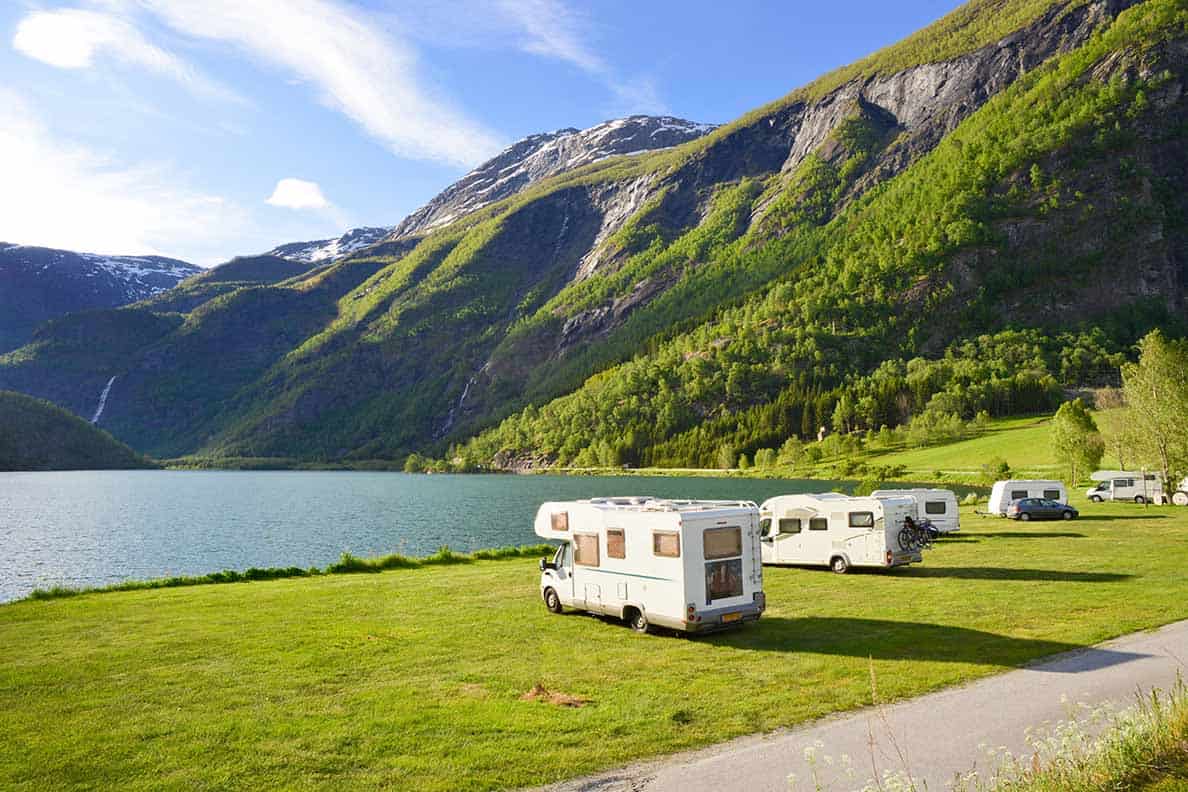
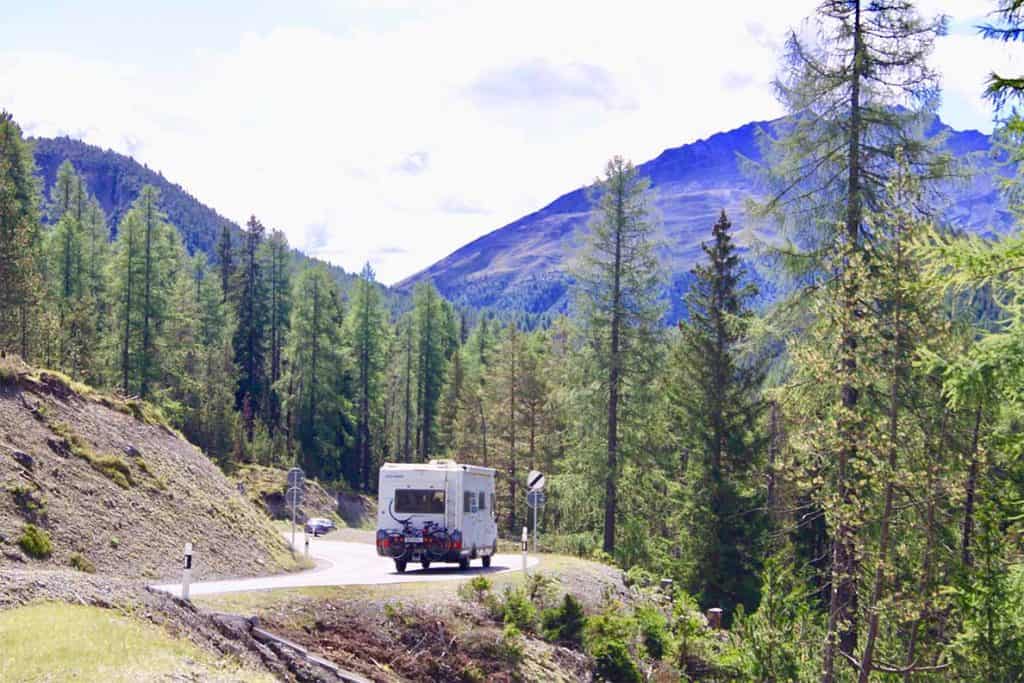
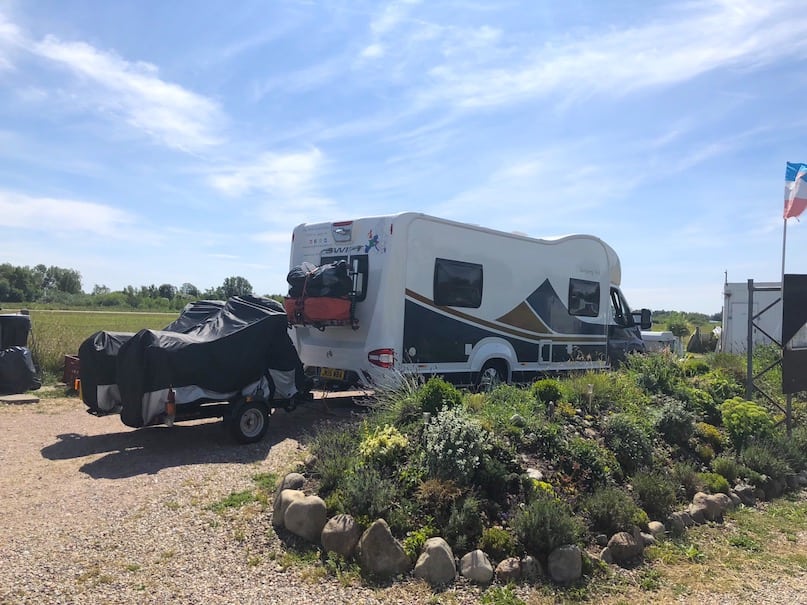
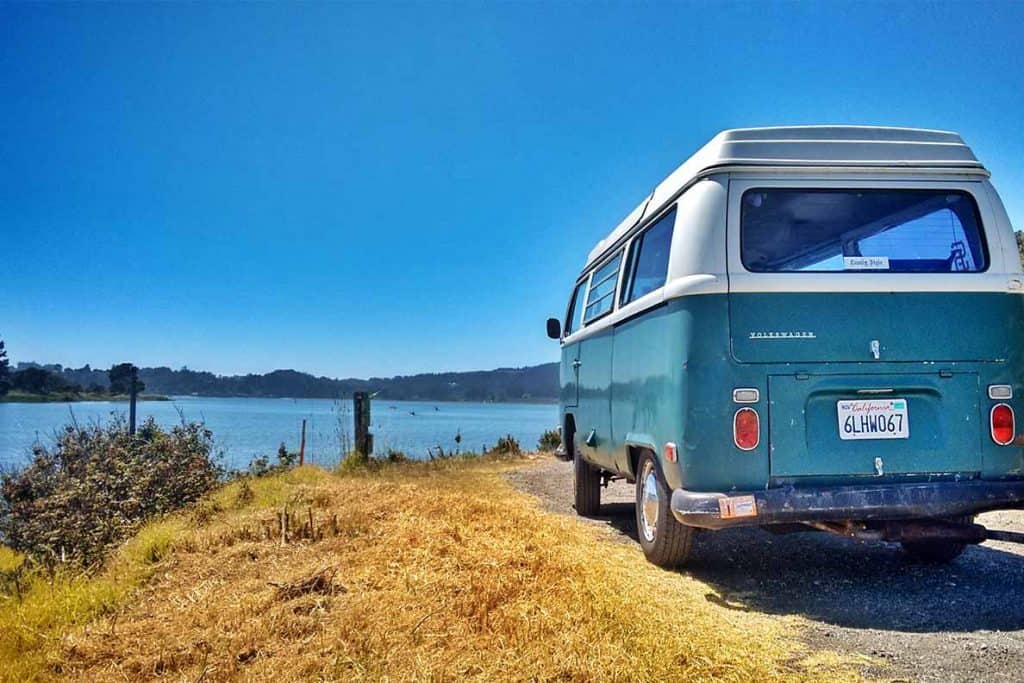
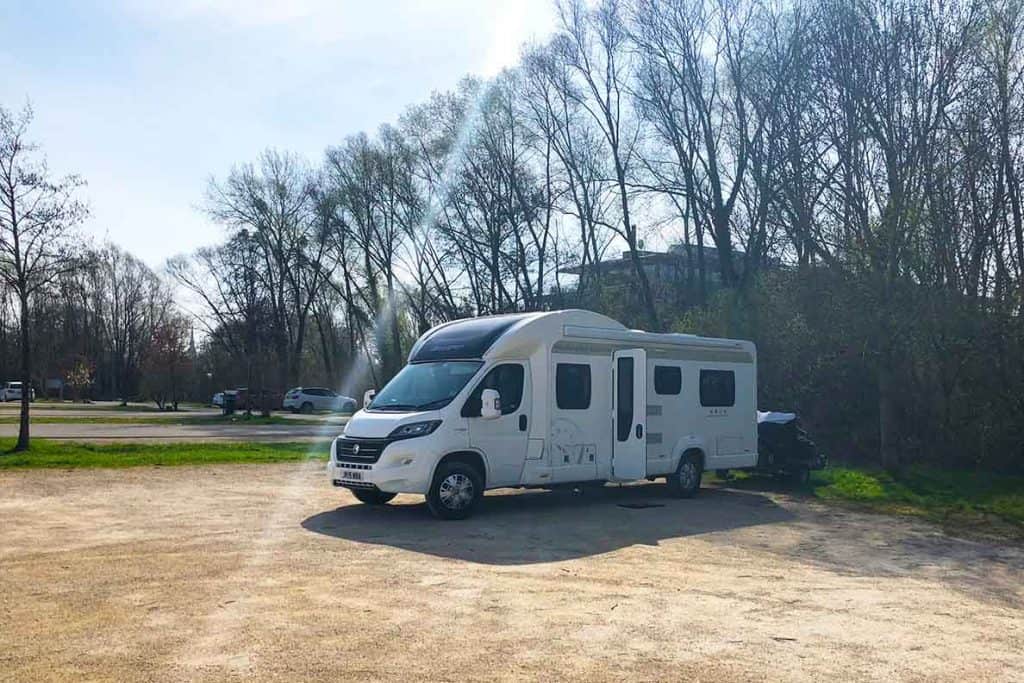
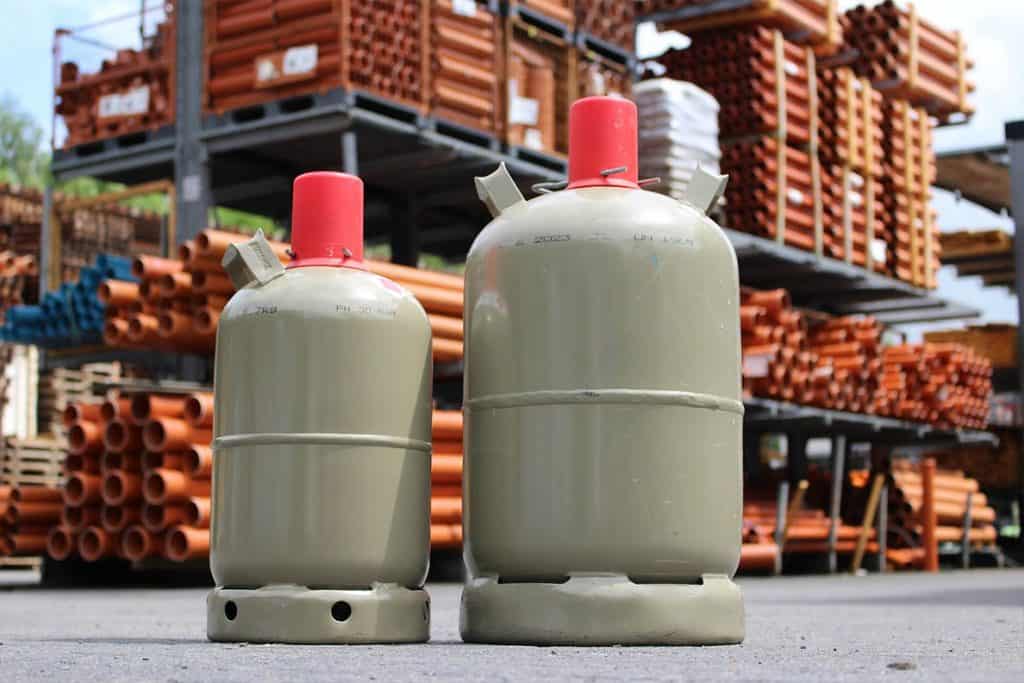
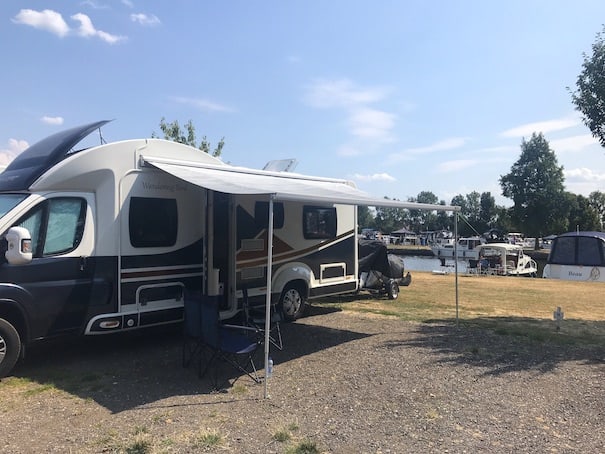
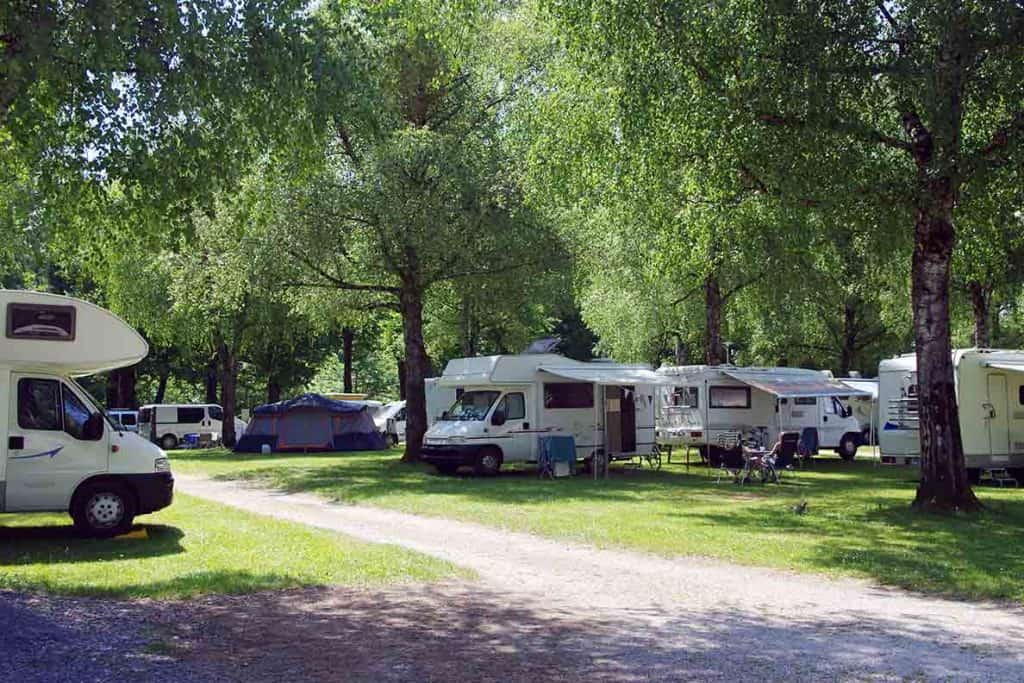

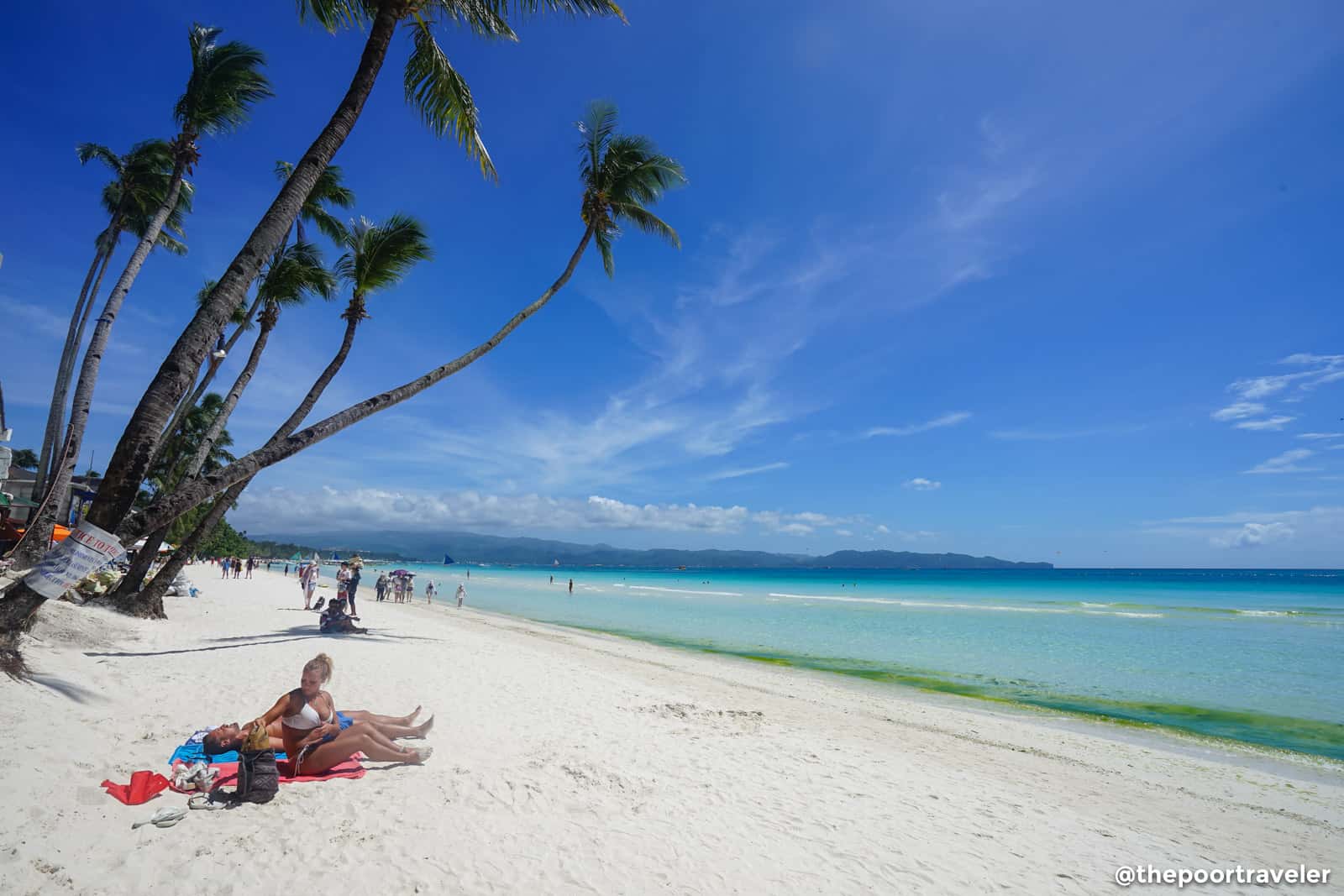


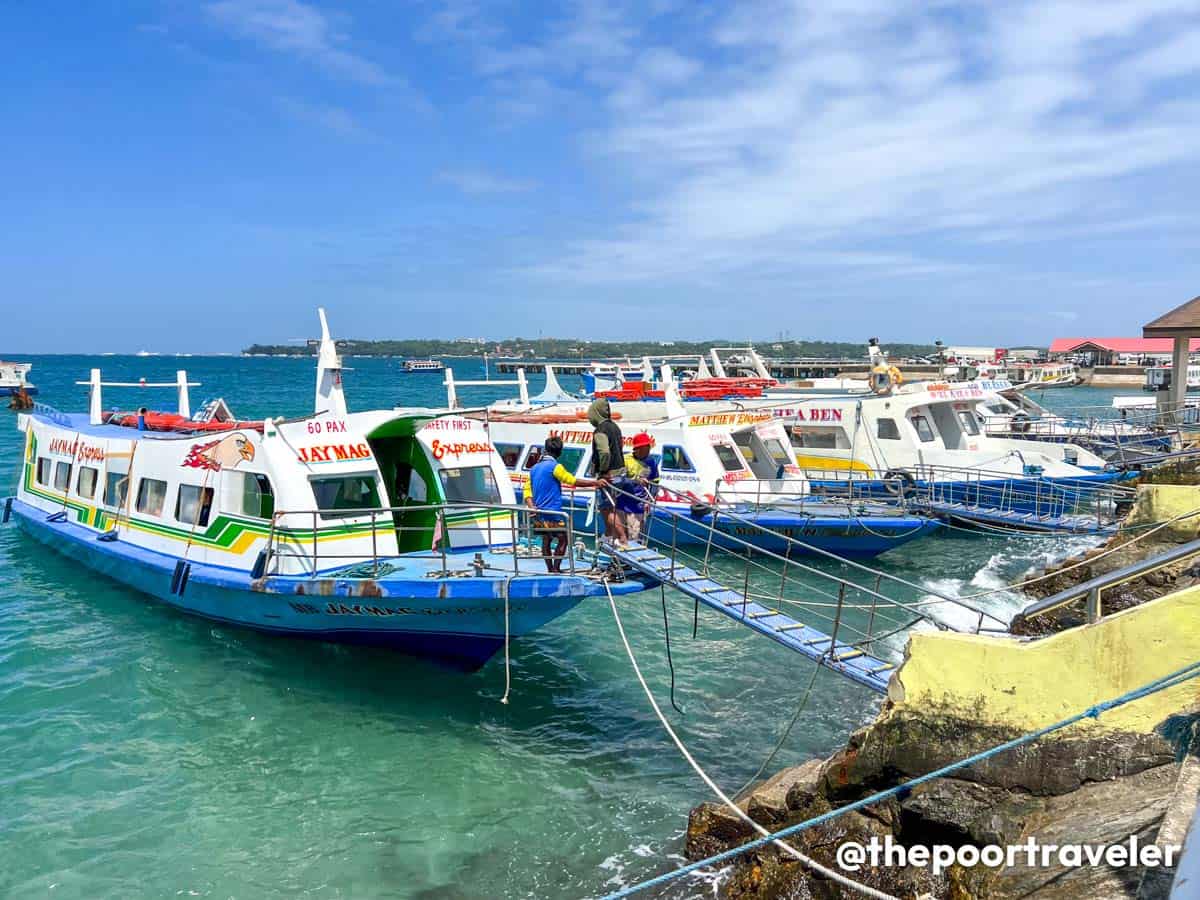
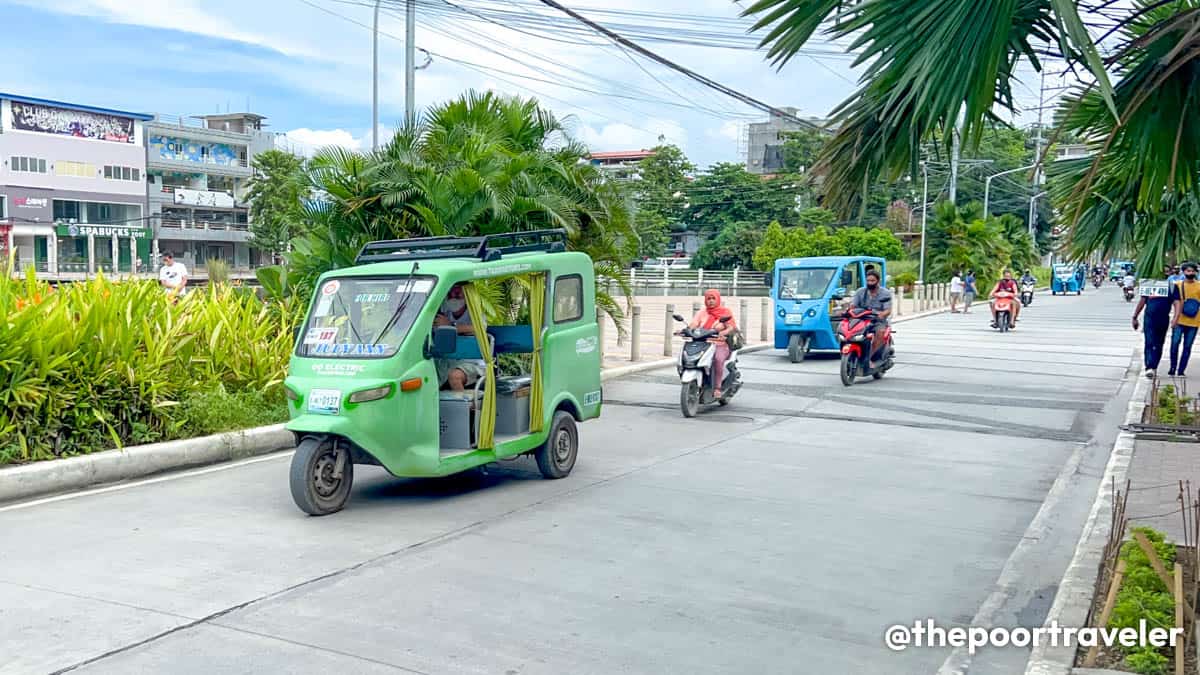
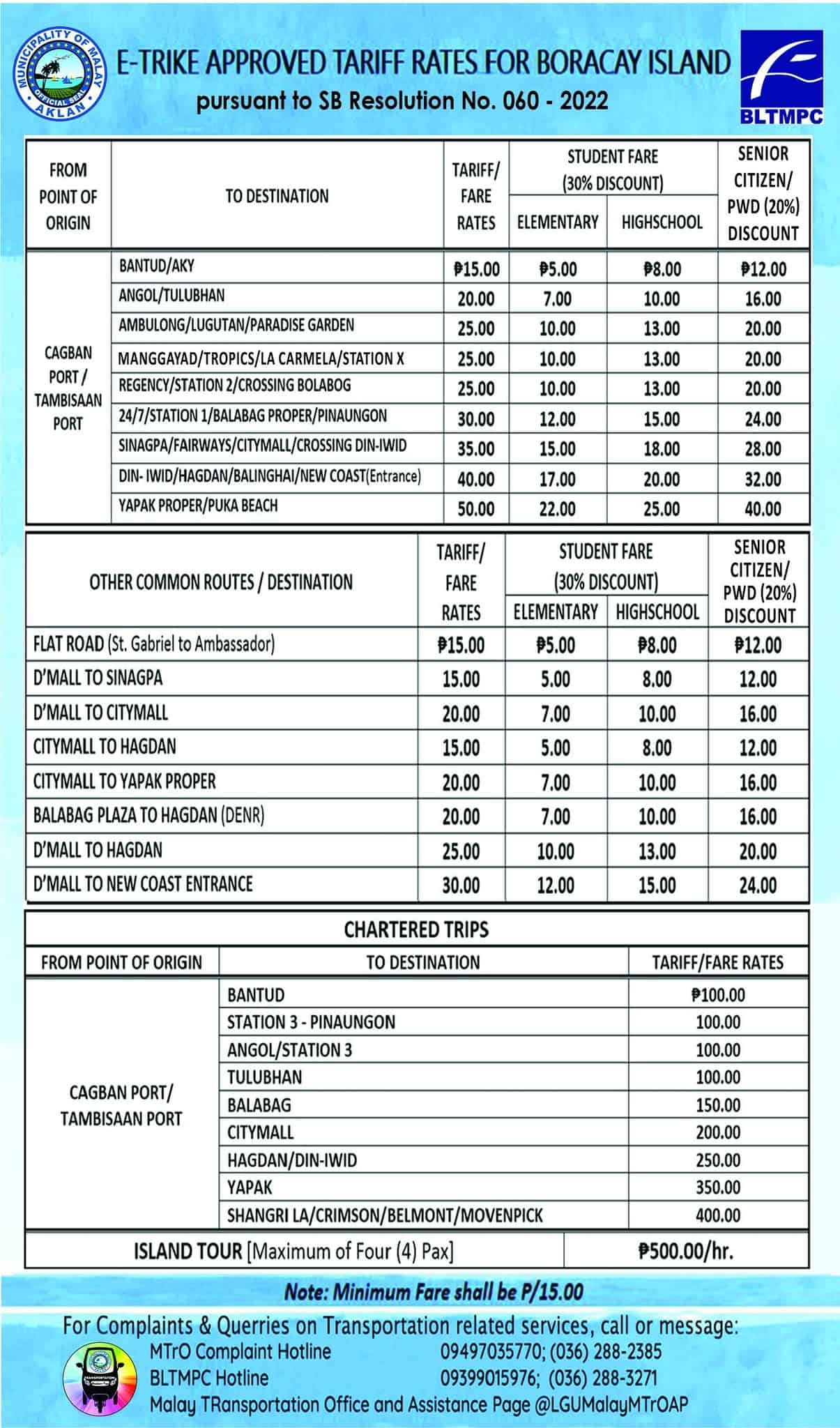
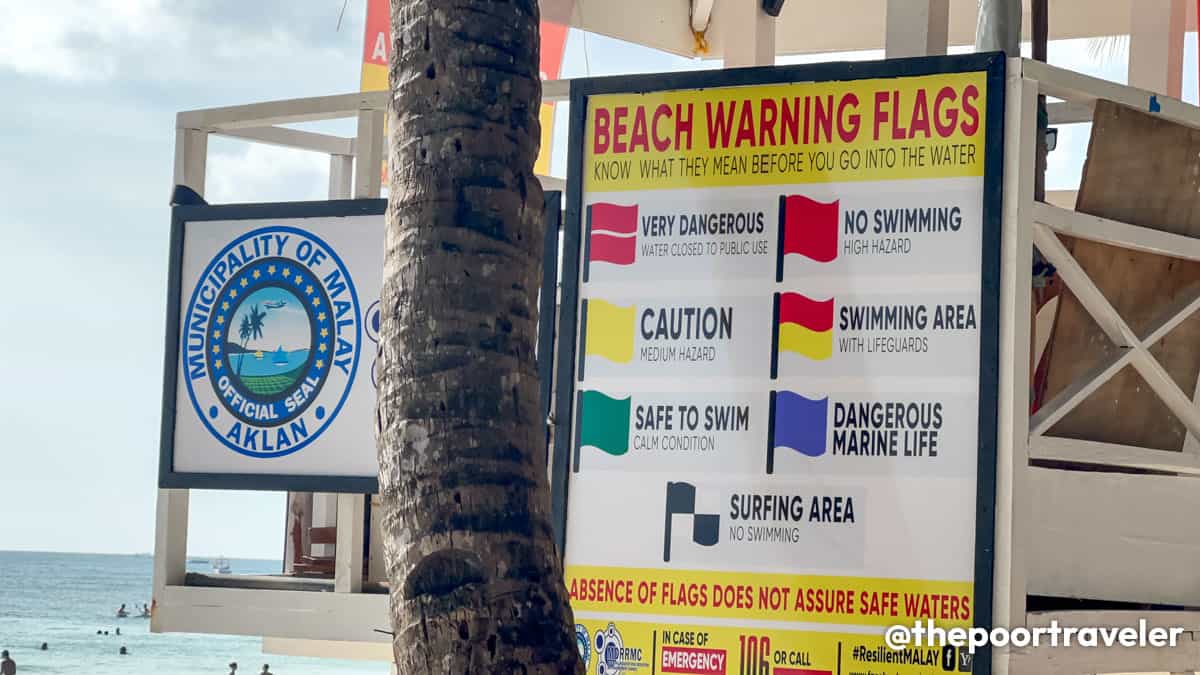
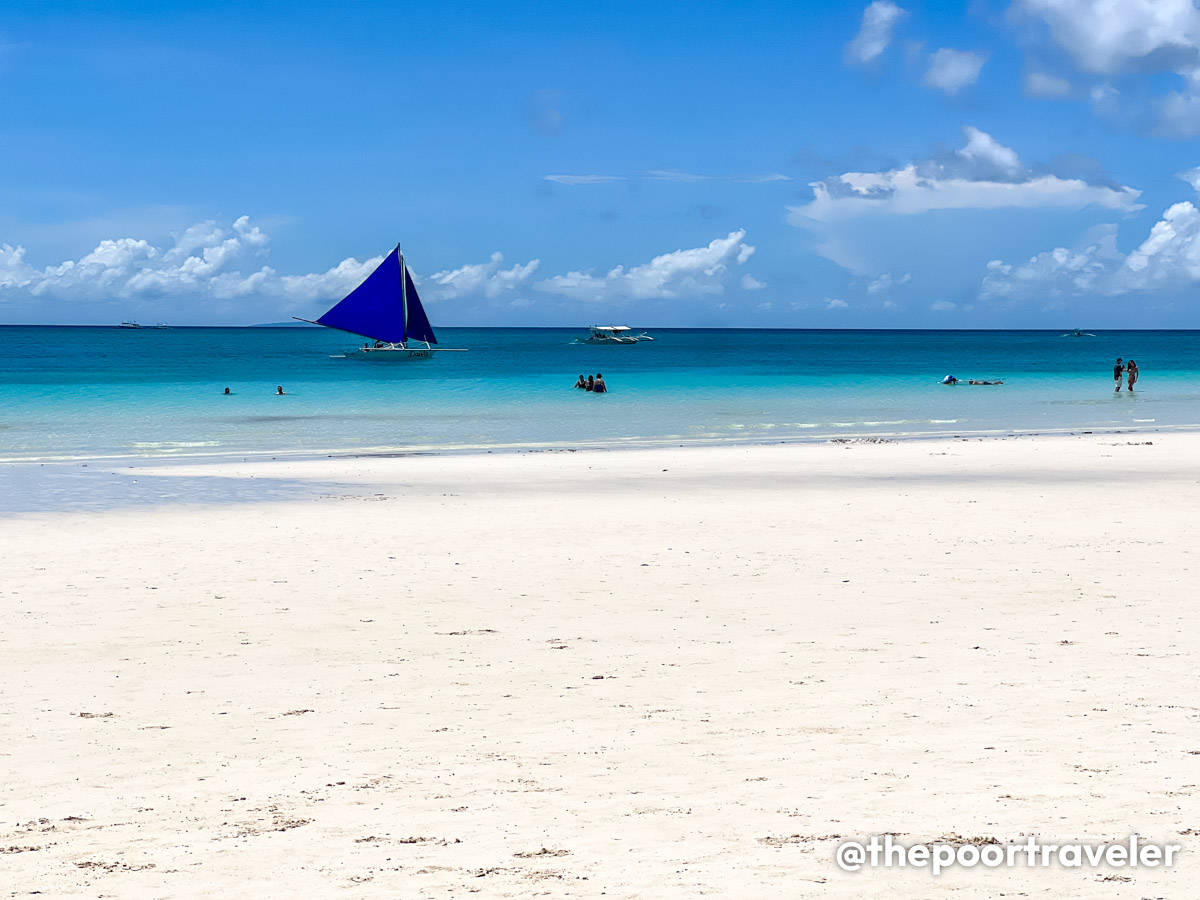
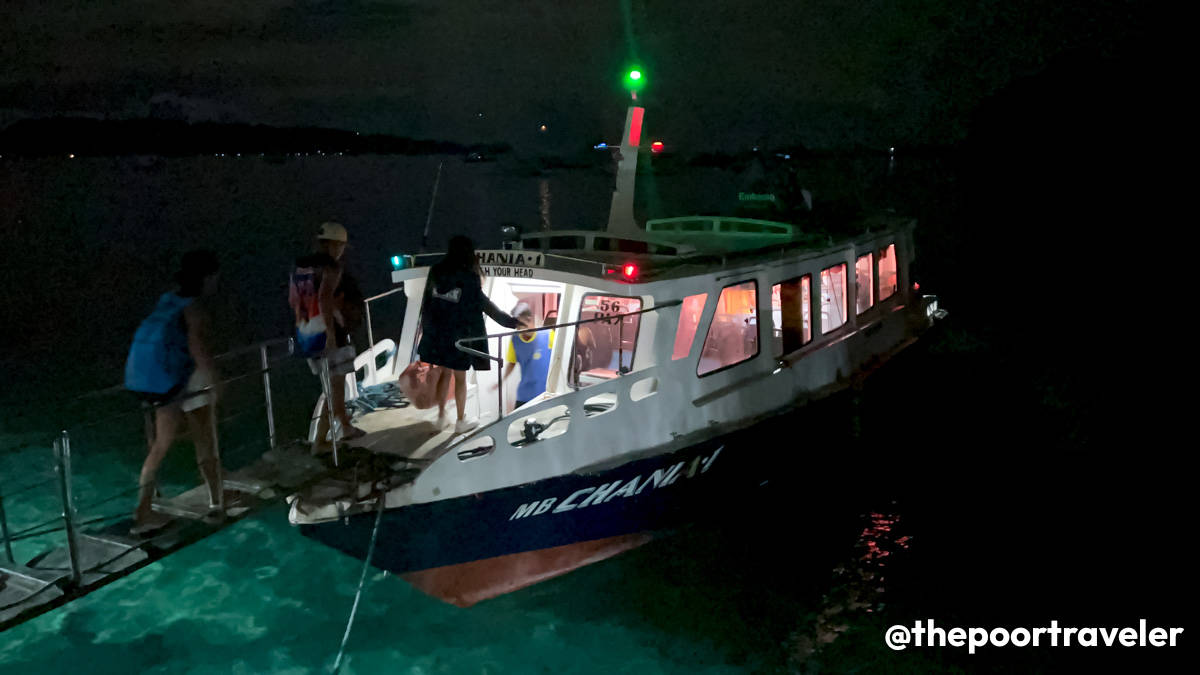


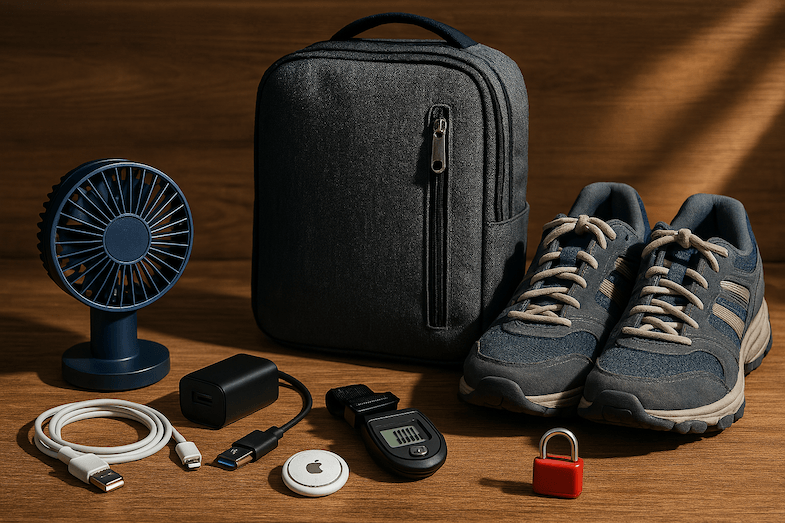

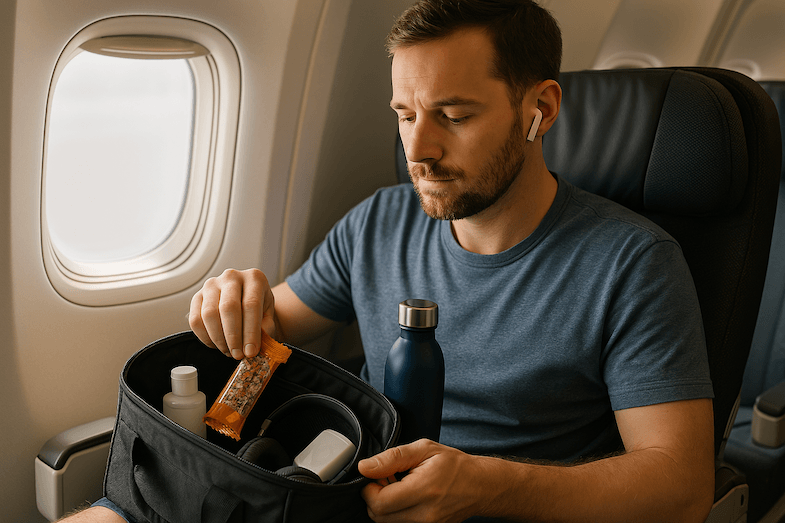

:max_bytes(150000):strip_icc()/TAL-water-italy-village-TUSCANCOAST0525-8acf51cb5e41493598dd85ec061a0bf7.jpg "Tuscany’s Coastline is Italy’s Best-Kept Secret")
:max_bytes(150000):strip_icc():format(jpeg)/TAL-water-italy-village-TUSCANCOAST0525-8acf51cb5e41493598dd85ec061a0bf7.jpg)


