HARTA Space presents an evocative art exhibition dubbed “The Grace of East”, inspired by HABIB’s Raya campaign. In collaboration with KL Lifestyle Art Space (KLAS), the exhibition invites visitors to step into the rich cultural landscapes of Malaysia’s East Coast, celebrating a region where tradition and storytelling have flourished for generations.
HARTA — derived from HABIB, Malaysia’s premier jeweller — stands as a platform for the revival of Malaysia’s traditions and arts. The space houses a Heritage Jewellery Museum and a contemporary Art Gallery, bringing together the country’s rich cultural legacy for a deeper understanding and appreciation. HARTA champions Malaysia’s cultural identity as the true wealth of the nation.
Ismail Mat Hussin 2003 Watercolour
Read More: Mirsham Habib on HARTA’s Initiative to Celebrate Malaysian Art and Culture
Timed to coincide with HABIB’s Rantaian Kasih2025 campaign — a tribute to the cultural icon of the Wau, Malaysia’s iconic kite — “The Grace of East” offers a poignant reflection on the deep-rooted heritage and unity that bind the people of Malaysia, especially during the cherished Hari Raya season. The exhibition is not merely a showcase of art; it is a cultural pilgrimage, a journey through time and an exploration of the ties that unite Malaysia’s past with its vibrant present.
At the heart of this exhibition are masterpieces by legendary Malaysian artists, including Khalil Ibrahim, Dato’ Mohd Hoessein Enas, Ismail Mat Hussin, Rahmat Ramli and Mohamed Zain Idris. Each of these artists has shaped the narrative of the East Coast, immortalising its landscapes, communities and traditions in their unique and evocative styles. From Ismail Mat Hussin’s intricate representations of the Wau to Khalil Ibrahim’s vibrant depictions of coastal life, their works transcend the canvas, offering an intimate glimpse into a region where the winds of tradition continue to inspire. Paddy Farmers by Rahmat Ramli offers a delicate portrayal of women harvesting rice, captured in fluid motion to reflect the harmony of rural life. Untitled by Dato’ Mohd Hoessein Enas is an intimate study of femininity and refinement, evoking the quiet strength of traditional womanhood. Finally, East Coast Girl by Khalil Ibrahim presents a serene portrait of a young woman, embodying the simplicity and elegance of kampung life.
The Wau itself — symbolising freedom, unity and artistry — takes centre stage in this exhibition. Its soaring form — once a traditional pastime for the people of the East Coast — now stands as a metaphor for the resilience and spirit of the region. As HABIB’s Rantaian Kasih campaign evokes, the Wau carries not just cultural significance but also speaks to the shared history and continuity of Malaysian identity.
Mohd Hoessein Enas, Datuk Untitled, 1986
Through a curated collection of paintings and artworks, “The Grace of East” not only celebrates artistic excellence but also examines the delicate balance between tradition and innovation. The works on display capture the essence of freedom, movement, and the unbroken link between heritage and the evolving artistic scene of Malaysia. For Mirsham Meer, Director of HARTA, “The Grace of East” is more than an exhibition. “This Raya, as we celebrate love, generosity and tradition, we invite everyone to rediscover the timeless beauty and grace of the East Coast through the eyes of our greatest artists.”
As Malaysia’s leading art platform since 2010, KL Lifestyle Art Space (KLAS) has been at the forefront of promoting modern and contemporary Malaysian art. Through its auctions and exhibitions, KLAS serves as a space for art collectors, enthusiasts and emerging artists, playing a crucial role in the development of the local art scene. KLAS continuously strives to elevate Malaysia’s art scene, aiming to set new standards and propel it to international recognition.
“The Grace of East” runs from 12 to 27 April 2025 at HARTA Space, admission is free and open to the public from Tuesday to Sunday.
For more information, visit www.hartaspace.com and follow @hartaspace on Instagram for the latest updates.
For more on the latest in culture and art reads, click here.
Planning to drive the North Coast 500 (NC500) in Scotland with a motorhome or campervan? Want to know the route, highlights and places to see along the way, campsites, wild camping and tips? Here’s everything you need to plan your North Coast 500 motorhome or campervan road trip.
Don’t forget to grab your FREE NC500 motorhome itinerary below to find some of the best places to visit
*We work hard to make this the best motorhome travel blog and road trip website possible, full of helpful content for you. The website is supported by our readers, so if you buy through links on this site we may earn a commission- at no extra cost to you. All opinions remain our own.
If you find this post useful, you can also treat us to a coffee – we promise to enjoy it while creating more useful content like this- we might even indulge in a biscuit (or two!)
North Coast 500 Motorhome Trip
The North Coast 500 is a circular driving route in Scotland, created by the Scottish Tourist Board to encourage people to visit parts of the country which are off the beaten track.
It was created several years ago, and is now known as one of the most scenic drives in Scotland, encompassing breathtaking beaches, rugged and wild landscape and some incredible views.
How long does it take to drive the NC500 in a motorhome?
The route is 516 miles long (hence the name!), although there’s nothing to stop you veering off and exploring additional places and attractions along the way, such as the Isle of Skye or even a trip to Orkney.
Remember, although it’s ‘only’ 500 miles, you will be driving mostly on small, windy country lanes and therefore will not be going fast, especially if you’re driving in a motorhome.
At best, you can expect to do 30mph on many sections- and that’s assuming there is no farm traffic or wildlife in the road.
There are also PLENTY of highlights and places to see along the NC500 route, so you will probably be stopping regularly, either for hikes, photographs or picnics.
Taking all this into account, I recommend allowing at least a week to drive the North Coast 500 in a motorhome, campervan or even a car. This is the 7-10 day itinerary and North Coast 500 route planner we used.
It is possible to do it in less, but you’ll miss a lot. Conversely, some people allow two or even three weeks to explore the route and all it has to offer.
One of the huge advantages of driving the North Coast 500 with a motorhome is that you have your home with you, meaning you don’t need to rush quite so much to make a certain town where you’ve booked a hotel reservation.
I’ll talk about wild camping with a motorhome along the NC500 shortly, but if you are going to book campsites in advance (essential in summer), then be sure to allow plenty of time to get there.
Is the NC500 suitable for motorhomes or campervans?
So, with all these small lanes, can you really drive the North Coast 500 in a motorhome?
Absolutely… with conditions.
Firstly, expect to have to reverse your vehicle frequently, especially on the sections which are single lane with only passing points to let traffic from the opposite direction pass (a motorhome reversing camera is ESSENTIAL in these situations.)
You will need to be able to reverse your vehicle along a narrow lane both in a straight line and around tight corners, until you reach the previous passing point.
If you are unable or unwilling to do this, a North Coast 500 motorhome tour might not be right for you. (Don’t worry, there are plenty of other places to visit on a UK motorhoming holiday.)
READ MORE: The BEST NC500 campsites for motorhomes and campervans
Driving Bealach Na Ba/ Applecross Road with a motorhome
This is the road between Ardarroch and Applecross- either called Bealach Na Ba or the Applecross Pass. It’s one of the steepest roads in the UK and has a sign at the beginning warning learner drivers and drivers of large vehicles to go around.
Here’s the deal if you should drive Bealach Na Ba with a motorhome or not:
If you have a motorhome longer than 8m, go around.
If you are towing a trailer/ have a caravan, go around
If you are a new driver/ hiring a vehicle which you’re not used to/ are a nervous driver (no shame), go around.
If you have nervous passengers, go around (it’s not worth scaring someone just for a pretty view)
If you are driving on your own, think very carefully before driving it. Many of the hairpins are easier if you have a spotter to look for oncoming traffic.
If the weather is bad/ heavy rain/ snow/ thick fog- go around. You won’t see any of the views anyway.
North Coast 500 Motorhome Tour, Route, Map and Itinerary
Having said all the above, I drove Bealach na Ba in my motorhome, on my own, in thick fog. And it was fricking epic! 🙂
If you have done any driving in big mountains with a motorhome, like the Vrsic Pass in Slovenia or up in the Alps, and are confident with hairpin bends, reversing, letting traffic pass and dealing with other road users, you will be absolutely fine.
The views are SPECTACULAR and well worth the effort. I would strongly recommend staying nearby and driving this road as early as you can- first light is perfect.
Get there before the tourist buses and idiots who don’t understand how a large vehicle needs swinging room in order to go around corners.
Just remember, local lorries use this road daily without any issue- it’s the tourists who often cause the problem.
Still, if you’re not sure, the alternative route is very scenic too, so either way works.
B869 from Lochinver to Kylesku
Another road which can cause issues is the B869 from Lochinver to Kylesku. If you are heading to that peninsula, take the A837 back East and then stay on the A894 and you will be fine.
Kylesku Bridge
Highlights of a North Coast 500 motorhome trip
Some of the best places to see on the NC500 motorhome route include:
Smoo Cave
Clashnessie Falls- this was magic!
Inverness- the most northerly city in the UK
Corrieshalloch Gorge
Bealach Na Ba- the UK’s steepest road.
Clachtoll Beach
Kylesku Bridge
John o’Groats
Dunrobin Castle
Brora Beach
Planning a trip to Scotland?
We’ve done the hard work for you!
Grab our complete Scotland travel planner and get:
80+ ideas for places to visit
Maps and itinerary suggestions
Routes and things to see along the way
Tips, customs and much much more!
North Coast 500 Route Planner
The NC500 is circular, which means you can join and leave the route wherever you like. There’s also nothing to stop you only driving a small section of it- like we included in our 10-day Scotland road trip itinerary.
Traditionally, the route begins and ends in Inverness, at the castle. From here, you can choose whether you go around the route clockwise or anticlockwise. The most popular route is clockwise, but it really doesn’t make much difference.
The route is fairly well signposted, and much of it is along quiet and remote lanes, so there’s not too much chance of getting lost (however, you can always put the route into your motorhome sat nav, just in case!)
North Coast 500 Route Map
North Coast 500 Route Map
North Coast 500 motorhome Itinerary
To give you an idea, here’s a rough itinerary for driving the North Coast 500 with a motorhome or camper (or even a caravan!)
Day One- Inverness to Ardarroch
Distance: 68 miles
Estimated Time: 1h 30 minutes driving
Campsite Suggestion: The Wee Campsite– small but with great views of the loch.
If you have time, head east from Inverness to visit the historic Culloden Moor and learn more about the clans, the battle and the history of the area. It’s incredibly moving and well worth a visit before you head off into the Highlands.
It’s also worth a visit to Eilean Donan castle, and if you can, do a detour to the Isle of Skye for a day or two.
Day Two- Ardarroch to Applecross/ Sands
If you want to drive Bealach Na Ba, get up early. If not, go around.
Distance: 76 miles in total- 12 miles over the pass, then another 17 miles to the Applecross Smokehouse, and 47 miles to Gairloch
Estimated Time: 2h 45 minutes if you don’t stop (which you will!) 35 minutes driving (plus extra for photo stops) over the pass, 38 minutes around the coast, then another 90 minutes up to Gairloch and Sands campsite
Campsite Suggestion: Sands Campsite in Gairloch- stunning views. Stay here a night or even two if you have time.
Of course, you can split this into two days, and stay at Applecross for a night if you wish before driving up to Gairloch.
Day Three- Gairloch to Clachtoll Beach
This is when you need to start making some tough choices if you only have a few days to do the entire North Coast 500 route, as it’s impossible to see everything.
One of the best campsites along the west coast of Scotland is Clachtoll Beach so, whatever you decide to see on the way, that’s where I recommend ending up for the night (in high season, you may need to book for a couple of nights.)
North Coast 500 Motorhome tour- Clachtoll Beach and Campsite
As I mentioned before, it’s impossible to do everything in this area, especially if you only have a day or two.
Corrieshalloch Gorge is worth a visit and so is Clashnessie Falls, which is near the breathtaking Clashnessie beach. Ullapool, Lochinver and Achiltibuie all deserve a visit too, so do your research and see what appeals most.
Day Four- Clachtoll to Durness
Another longish day which can easily be broken into 2 or even 3 days if you have time.
Today you’ll drive over the famous Kylesku Bridge, as well as enjoying some more incredible scenery. There are plenty of places to stop along the way and walk/ enjoy the scenery, just be sure to park well out of the road. Wailing Widow Falls is a popular stop.
Near Durness, you’ll also find Smoo Cave, which is well worth a visit.
Smoo Cave is the largest natural sea cave in the British Isles, with evidence of human inhabitance from as early as 8000 BC!
The cave is just a mile east of Durness Village and is well signposted. It’s free to walk to and around the cave and there is often a waterfall inside during wet weather.
You can also take a boat tour to the cave. You can’t book the boat- it’s run on a first-come, first-served basis and only when the weather and water conditions are right. The tour takes about 20 minutes (price is around £6pp in cash)
Click to learn more about the Scotland Travel Planner
Day Five- Durness to Dunnet Bay
Dunnet Bay is one of my favourite campsites in Scotland. It’s a Caravan and Motorhome Club site, and has the most incredible views.
If you get time, I highly recommend taking a day trip to Orkney. Yes, you can take your motorhome or campervan and get there and back on the ferries.
Day Six- Dunnet Bay to Dornoch (via John o’Groats)
Yes, John o’Groats is cheesy and touristy and overhyped… but you can’t come all this way and NOT get a photo. You can’t drive your motorhome up to the post, but you CAN get your motorbikes up there…
As well as John o’Groats, there are also the stacks at Duncansby Head and the magnificent Dunrobin Castle- the gardens are beautiful and the views are gorgeous.
Day Seven- Dornoch back to Inverness
Distance: 45 miles
Estimated Time: 1 hour
And that’s it- you’ve completed the NC500!
Of course, you can always choose to spend an extra day on the west coast and ignore this day, but there are some lovely things to see in the area, including the Dornoch Firth, Dornoch cathedral, Skibo Castle, Inverness Castle, and hunting Nessie on Loch Ness.
North Coast 500 motorhome hire
If you don’t already own a motorhome or campervan, you can hire one for the trip. Be sure you ask the right questions before you book, as many of the ‘best quotes’ are missing some of the essential things you might need, like bedding or utensils.
Also, make sure that motorhome insurance is included in the quote- that can add a lot otherwise.
When is the best time to explore the North Coast 500 with a motorhome or camper?
Scotland, like many Northern European countries, has ‘proper’ seasons. However, there’s a reason the locals have a phrase- ‘all four seasons in one day’… the weather is famous for changing wildly at the drop of a hat.
It can be sunny in the morning, windy and cloudy by lunch, and even snowing in the afternoon (although it’s rare to get snow in summer.)
The best weather is usually between April-October… but that’s also when this route is at its busiest.
We recommend avoiding driving the NC500 during July and August completely if you can- the schools are on holiday and everywhere is over-crowded. The downside with this route is that EVERYONE is following the same roads, at the same speed, so it’s very hard to get away from the crowds.
Our favourite times are May/ June or October- most of the crowds have gone, but the weather is usually still warm enough and the days are long enough to really make the most of them.
Having said that, rain can strike at any moment, so always be prepared with appropriate clothing, no matter what month you’re visiting.
Spring in Scotland
Spring in Scotland (March, April and May) is wonderful- so many wild flowers and all the baby animals are out to play. Average temperature is 10°C and there is still the high chance of rain, but crowds are fewer and you’ll be able to explore without too many vehicles.
Summer in Scotland
Summer (June, July and August) is peak season in Scotland as it has the warmest months, with average temperatures around 17°C (63 °F). Days are long and the further north you go, the longer the daylight lasts.
Rain can happen, but less frequently than Spring. The biggest challenge during summer is the midges- more on them below.
The main summer holidays in the UK are July and August, so if you are driving the North Coast 500 during peak season, you might benefit from booking up campsites in advance.
Scotland motorhome road trip travel
Autumn in Scotland
Autumn (September, October and November) is one of our favourite times to visit Scotland. The changing colours of the leaves, the wildlife and the fairly warm temperatures make it perfect for a road trip.
Average temperatures are around 14°C (57°F), but drop sharply in November.
Winter in Scotland
December, January and February are usually the coldest months, with average temperatures of around 5°C (41°F). The daylight hours are also much shorter and there’s a high chance of snow, especially in higher regions.
Whilst we enjoy motorhoming all year round, winter can make campervanning in Scotland more difficult than during other seasons.
Many of the campsites close so, although the roads are quieter and you’ll have some incredible locations to yourself, you might find emptying waste or getting fresh water more difficult.
Having said that, one huge advantage of driving the North Coast 500 during winter is the chance of seeing the Northern Lights– yes, you can occasionally see them in Scotland.
Midge Season in Scotland
You may have heard of the midges in Scotland- small flying biting horrors which can turn a pleasant evening into a miserable affair.
Sadly, despite not being a target for mosquitoes, they seem drawn to both me and my husband, so now we make an effort to avoid peak season, which is May to September.
Some tips to combat the midges if they are out to get you are:
Stay indoors at dusk- that’s when they’re at their worst
Light Citronella candles/ use citronella spray
Use Avon Skin So Soft body spray (this thing is awesome!)
Wear a midge veil/ hat
Stay away from still water
Go somewhere windy (no jokes about baked beans please…!)
Another horrible insect/ bug to be aware of is ticks- especially if you have pets. They are common all over Scotland, so make sure you check your pet and yourself frequently, especially if you’ve been hiking or walking in long grass.
North Coast 500 Route, Map and Itinerary
Wild Camping with a motorhome on the NC500
I love motorhome wild camping in Scotland. It’s one of my favourite ways to explore and I enjoy staying away from campsites and enjoying the beauty of nature.
However, as you may have seen in the news, the NC500 has had some difficult and heartbreaking experiences recently.
Learn more about how we find free overnight motorhome parking stops in the UK and Europe
During the summer of 2020, there were countless stories of selfish and ignorant van owners leaving places damaged and strewn with all manner of disgusting waste.
It was awful and I don’t blame the locals for being angry. It made me angry that a few selfish idiots were ruining the experience and reputation of every other motorhome and van owner and tarring us all with the same brush.
At the moment, there is some tension between the locals, the councils and van owners. The truth is that the popularity of the route has grown to the point that the infrastructure can no longer support the numbers of visitors- especially those who bring their own vans.
For that reason, I recommend finding approved overnight parking areas or campsites if you want peace of mind- I suggest finding approved overnight motorhome parking spots near you instead.
Motorhome wild camping guides for the UK & Europe
North Coast 500 motorhome Campsites
The North Coast 500 has many lovely campsites, many of which accommodate motorhomes and campervans. We’ve listed some suggestions in the North Coast 500 motorhome itinerary above, but there are plenty more during summer.
The problem with many of these campsites is that they close during winter and the off-season, so it’s quite hard to get water or empty waste or find overnight parking in these times. Still, there are a few which are open all-year round.
TOP TIP: Many campsites only allow you to check in from 3 or 4 p.m, and then the office closes around 7pm. Timing your arrival can be tricky, so allow plenty of time to make sure you don’t arrive too late.
If you’re early, there’s no harm in turning up and seeing if they will let you check-in early- most places are very accommodating if they have space.
As well as campsites, you could use Brit Stops to help you find places to stay overnight.
Clachnessie Falls – North Coast 500 motorhome tour
Tips for driving the NC500 with a motorhome or camper
Be aware that many of the rural roads are single track and there is a lot of farming in the area, so you may well encounter farm vehicles and animals on the road.
In addition, the wildlife in the area is abundant and it’s common to see foxes, deer, badgers and other animals on the roads. Be careful, especially at night.
On a single track road, if you encounter a vehicle coming towards you, expect there to be a moment where you stare at each other to see who will blink first. If you’re in a motorhome and are facing a car, there’s a high chance they’ll reverse to allow you to pass (be sure to thank them). However, if they’re really not budging, or if you know there’s a passing place close to you, you can indicate that you will reverse for them, unless you have a vehicle behind you… which is when the fun really starts. On hills, the vehicle going uphill has priority, so the vehicle going downhill should reverse but, again, a car might well reverse for a motorhome.
Talking of which, if you are driving slowly and holding up traffic, use a passing place to wave through cars, bikes or anyone stuck behind you- they’ll thank you for it.
Do NOT get sucked in by another driver telling you that ‘you can get a bus through there’. Car drivers are not always used to the width of motorhomes, and are frequently wrong about what you can/ cannot get through safely. If you’re not happy with the space they have left you, either ask them to move over more, or you reverse until you find a passing place you’re happy with.
Similarly, be alert for vehicles reversing towards you. Stop immediately and see where they are going. Also, be aware that they may not see you. Some drivers get so intent on reversing straight and not hitting the side of the road that they forget to look straight behind them. If they get too close, beep your horn.
NOTE: a passing place is NOT an overnight parking spot. Nor is it somewhere to park up and go for a walk/ take a photo/ make a phonecall. If you block this space, you block the road, for both tourists and locals. Please be considerate.
Having a paper map is a good idea, just in case. Also, if you have wifi in your motorhome, some areas have very poor signal, so it might not always work.
Here are some other guides you might find useful:
Don’t forget to grab your motorhome logbook to record all of your amazing adventures!
Click to learn more about the Scotland Travel Planner
Last update on 2025-04-15 / Affiliate links / Images from Amazon Product Advertising API
Two for one. A dream vacation and a destination wedding—all wrapped into one perfect Thai bow. Not many places in the world offer that kind of double magic, but Thailand does.
And it does it with a smile.
Literally. This is the Land of Smiles—where you give one, you get five back. It’s not just a nickname; it’s a way of life. Thai hospitality is legendary, the kind that lingers long after your flight home. In fact, most people who visit Thailand once, come back again. And some—well, they return with their entire extended family… for the wedding.
Why? Because Thailand is more than just a country—it’s a feeling. A place where the temples glow at sunrise, the sea glitters like it’s been filtered, and the street food makes your uncle forget he’s on a diet. It’s also the most visited tourist destination on Earth, and the number one wedding destination in Asia. That’s not just a statistic—it’s a love story written by millions.
So if you’re wondering where to get married in a way that’s magical, meaningful, and maybe a little mischievous…
Welcome to Thailand. The land where weddings aren’t just celebrated—they’re remembered forever.
Longtail boats at the beach in Thailand.
Culture, People & Hospitality: Why Thailand Just Gets Weddings
• Hospitality That Feels Like Family, Not Just Service
In Thailand, it doesn’t feel like you’re being “served”—it feels like you’re being loved. The florist calls you “sister.” The resort chef peeks in during dinner just to see if you smiled at his curry. And the wedding coordinator? She remembers your dog’s name from your first Zoom call.
That’s not a business model. That’s culture. And you don’t just feel like a guest—you feel like someone they’re proud to welcome home.
• A Culture That Honors Love and Celebration
Thai culture doesn’t whisper about love—it smiles it. A smile in Thailand isn’t just polite—it’s powerful. It says “we’re happy for you,” “we’re with you,” and “yes, we’ll dance at your wedding.”
They call it the Land of Smiles. We call it the Land of “Yes, I Do.”
Silhouette of people in Thailand.
• Locals Who Welcome Weddings Like Their Own
There’s a moment, usually during the ceremony, where you look around and notice something strange—the staff are crying.
Not because of stress. Because of joy. Your first kiss might make your great aunt gasp, but it makes the Thai waitress silently dab her eyes and whisper, “so beautiful.”
Weddings here don’t just happen in Thailand—they’re embraced by Thailand.
• High English Proficiency in Key Wedding Cities
You’ll hear it often: “Same same.” And somehow, you’ll know exactly what they mean.
In major cities like Phuket, Bangkok, Chiang Mai, and Koh Samui, English is widely spoken, and communication is seamless. Even when the words aren’t perfect, the connection is. That’s the magic: a culture that speaks with heart, not just vocabulary.
• A Safe, Peaceful Country With Low Crime Rates
Thailand has long been known as a peaceful nation—especially toward travelers. And that kindness? It shows. You won’t just feel physically safe—you’ll feel emotionally protected.
Because in a place filled with love, respect, and gentle energy… who’s got time for crime?
• Stress-Free Energy That Makes Planning Easier
Here’s a fact: happier people plan better weddings.
And when the air smells like jasmine, the locals greet you with warm hands, and the ocean hums in the background—you just… relax. Suddenly, decisions feel easier. Creativity flows faster. And your wedding? Becomes a story worth remembering.
Value & Luxury: How Thailand Does More with Less—and Then More Again
• Luxury Experiences Without the Luxury Price Tag
Remember that catchy tune? “It’s not about the money, money, money…” It could’ve been written in Thailand. Here, value isn’t about cutting corners—it’s about elevating moments.
In Thai culture, generosity is woven into everything. You order one welcome drink—somehow two arrive. You book a spa for 30 minutes—it melts into 90. The same Thailand wedding that costs a fortune in the West? Here, it becomes an art piece at a price that doesn’t make you faint.
• Five-Star Venues and Service at Half the Western Cost
Scratch that. A quarter of the cost.
Imagine hosting a Phuket wedding at a clifftop villa with an infinity pool, private chef, fireworks… and still having budget left for a weeklong honeymoon. You’re not dreaming—it’s Thailand.
And the service? They treat you like royalty without the attitude. It’s Michelin-star vibes, but with slippers and genuine smiles.
Hotel villas at a lake in Thailand.
• Affordable Long Stays for Couples and Guests
Let’s be honest—no one wants to leave Thailand.
And here’s the kicker: you don’t have to. With world-class Airbnb villas, boutique resorts, and beachfront suites for every budget, your guests can turn your destination wedding in Thailand into a holiday of a lifetime.
And you? You’ll be the hero who brought everyone together in paradise without bankrupting the group chat.
• Private Villas, Sky Bars, and Boutique Resorts—All Within Reach
In Thailand, luxury doesn’t mean exclusive.
You can book a rooftop dinner in Bangkok, a beachfront ceremony in Koh Samui, and a jungle spa retreat in Krabi—all in the same week. Private butlers, floating breakfasts, candlelit beaches? Check, check, and check.
Thailand isn’t just a destination—it’s a collection of dream scenes, all surprisingly bookable.
• Top-Notch Wedding Vendors Trained for International Standards
Here’s a little-known fact: Thailand has been perfecting destination weddings for over two decades.
That means local florists who can pull off royal Mandaps, makeup artists who’ve trained in Dubai and London, and chefs who know the difference between paneer and parmigiano. Whether it’s a Koh Samui wedding, a Phuket villa affair, or a Krabi cliffside vow exchange, the vendors here deliver big.
Why? Because when you’re ranked one of the most visited countries on earth, excellence isn’t a goal—it’s a habit.
Location & Accessibility: Easy to Get To, Impossible to Forget
• Thailand’s Cities Rank Among the Most Visited in the World
Here’s a wedding trivia nugget for you: Bangkok was the most visited city on Earth—not once, but two years in a row, 2024 and 2025.
That means while your guests may pretend they’re “coming just for the wedding,” the truth is—they’re also here for a reunion with mango sticky rice, Thai massages, and their favorite tuk-tuk driver.
Thailand weddings aren’t just stunning—they’re strategically irresistible. Whether you’re planning a Phuket wedding, a luxury vow renewal in Krabi, or an intimate gathering in Koh Samui, you’re choosing a country that knows how to welcome the world.
The skyline of Bangkok at dusk.
• Easy Visa Policies for Dozens of Countries
Most nationalities walk into Thailand like it’s their cousin’s house—no fuss, just good vibes.
No mountains of paperwork, no three-month waiting periods. Just pack your lehenga or tux, hop on a flight, and show your passport with a smile.
(Bonus: You might wish your visa lasted forever. We understand.)
• Major International Airports in Every Wedding Hotspot
This isn’t a one-runway kind of place. Thailand has multiple major international airports—Bangkok, Phuket, Chiang Mai, Koh Samui (yes, Koh Samui!), and Krabi—so your guests can land as close as possible to your wedding venue without needing a camel caravan.
And if you’re feeling fancy, yes, you can fly straight into your private villa’s helipad. We won’t judge.
Landing in Phuket, Thailand.
• Well-Connected Flight Routes for Global Guest Lists
Whether your aunt is flying in from Amritsar, your college friends from Toronto, or your cousin who’s always “in Bali” (but never explains how)—Thailand has the routes, the airlines, and the reputation to welcome them all.
This is a destination wedding Thailand dream: easy for everyone to get to, impossible for anyone to forget.
• Reliable Transportation Within Cities and Islands
Let’s talk local travel:
Air-conditioned limos? Yes.
Sunset-speedboat entrances? Of course.
A surprise baraat on elephants? Thailand says, “Why not?”
Even the tuk-tuks are part of the fun. (Pro tip: the bride’s grand entry in a tuk-tuk? Viral material.)
From Phuket weddings to Koh Samui ceremonies, movement here is more than transportation—it’s a memory in motion.
Diversity of Venues: One Country, Infinite Wedding Worlds
• Beach Weddings With Turquoise Waters as Your Backdrop
Picture this: waves whispering behind you, soft white sand beneath your feet, and your Mandap is… a handcrafted kite that takes flight as soon as the vows are done.
Too much? Not for Thailand.
Here, your wildest wedding idea is met with a grin, a bow, and a crew already figuring out how to make it happen.
From Phuket’s picture-perfect beaches to Koh Samui’s secret shores, the backdrop is so dreamy it’ll make your guests cry before the ceremony even begins.
• Jungle, Mountain, Rooftop, Temple, and Lake Venues—All Possible
A destination wedding in Thailand isn’t confined to beaches (although those are fabulous).
Want to say “I do” in a sacred jungle clearing where the birds become your choir?
Or maybe on a mountaintop at sunrise, with clouds as your flower girls?
Rooftop wedding in Bangkok where city lights flicker like fireflies?
How about a temple courtyard, where every breeze carries centuries of blessings?
Or even beside a glass-like lake, still and serene, reflecting a moment you’ll never forget.
Here, your only limit is your imagination—and honestly, Thailand’s already one step ahead of you.
• From Sacred Ceremonies to Pool Parties, All in One Destination
Here’s the magic: you can go from a serene sacred ceremony to a poolside mehndi party with a floating floral bar—without even changing zip codes.
You don’t need five destinations—you need one destination that feels like five.
Thailand weddings are designed for transitions: formal to festive, spiritual to splashy, all while your guests barely have to change out of their sandals.
Infinity pool at sunset in Thailand.
• Rainforest Elopements to Luxury Ballroom Galas
Want your wedding to feel like a scene from a cinematic rainforest romance?
Thailand says: take your pick—Chiang Mai’s forests, Krabi’s limestone cliffs, or a hidden waterfall villa where even your planner gets goosebumps.
Or flip the script: chandeliers, Champagne towers, and silk-draped ceilings in a 5-star hotel ballroom.
Whatever your style, Thailand hosts it in style.
• Hidden Gems That Feel Like Private Paradises
Let’s not forget the places you haven’t heard of—the secret villas, private beachfront estates, and off-the-map gardens that turn your wedding into a discovery.
These aren’t tourist traps—they’re whisper-worthy, invitation-only treasures.
And the best part? Your guests will feel like they’ve stumbled into a story they’ll tell for the rest of their lives.
Food & Experience: Where Flavor Meets Festivity (and Planning Means Chasing Guests Through Markets)
Terrace at sunrise in Northern Thailand.
• World-Ranked Street Food Culture
Let’s start with the truth: no one beats your mom’s cooking.
But Thailand? Thailand gets close enough to make you call her mid-bite and say, “Sorry, Ma. This Pad Thai just won a round.”
Destination weddings in Thailand come with built-in culinary bragging rights—street food here is ranked among the best in the world.
And with a thoughtful wedding planner in Thailand, even your late-night pani puri cravings or samosa nostalgia can be served fresh—under the stars.
Noodle pepper dish in Thailand.
• Fine Dining Options for Every Cuisine—from Indian to Italian
Whether your cousin only eats spicy paneer, or your uncle demands carbonara with real parmesan, worry not.
From Michelin-starred restaurants in Bangkok to seafront luxury in Phuket, Thailand knows how to dress a plate like it’s the bride.
They even have chefs who can handle three types of biryani, vegan lasagna, and that one guest who insists on “just plain rice.”
You name it, Thailand plates it—with elegance.
• Custom Menus That Blend Cultures with Local Flavors
Your wedding meal should be a love story, too.
Imagine Indian tandoori wrapped in banana leaves, or green curry served with garlic naan.
Fusion? Yes. Confusion? Never.
Thailand wedding chefs are like musical composers—except they write symphonies on the stove.
They’ll take your grandmother’s recipes, sprinkle them with lemongrass, and make every guest taste something old, something new, something spicy too.
Tropical fruits and vegetables in Thailand.
• Vibrant Nightlife for Post-Wedding Celebrations
After the seventh course and the emotional speeches, it’s time to burn off those 14,000 wedding calories.
Koh Samui, Phuket, and Bangkok have rooftop bars, live music, and tropical open-air lounges where you can let loose with your people.
And no one bats an eye if the groom is dancing with the flower girl, the auntie is teaching the DJ a Bollywood step, or the bride is still in heels at 2 a.m.
In Thailand, that’s just called “a good night.”
• Markets, Spas, Temples, and Culture for Guest Itineraries
Here’s the thing: a Thailand destination wedding isn’t just a wedding—it’s a group holiday in disguise.
Guests will wander into floating markets, get distracted at spice stalls, sneak off to temples, or vanish into a massage spa with a cup of lemongrass tea.
So yes, your planner in Krabi or Phuket might have to go guest-hunting the morning after—but they’ll come back with stories and souvenirs.
Golden Buddha Purnima and temple in Thailand.
• Vegan, Halal, Jain, Kosher—All Dietary Needs Met Easily
This is Thailand, the land of “No problem!”
Whether your guest list includes Jain nuns, keto yogis, lactose-free foodies, or gluten-free cousins, you’ll be covered.
The staff won’t blink if someone says “no garlic, no onion, no meat, no dairy”—they’ll just nod and smile like, “Ah, yes, Set B.”
And most importantly?
No judgment. Just love on a plate—whatever that plate looks like.
Emotion, Memory & Tradition: Where Your Wedding Leaves a Mark on Hearts (and Return Flight Plans)
• Thailand Is Already Part of Most Guests’ Travel Dreams
Let’s be honest—half your guests already had “Thailand trip” scribbled somewhere between “renew passport” and “get abs.”
For many, it’s the ultimate bucket-list destination—so when you say, “We’re getting married in Thailand,” you’re not just inviting them to your big day…
You’re checking off their dream vacation for them.
And all they have to do is pack a kurta, a passport, and a little sunscreen. (You’re welcome, Rohan Uncle.)
• Guests Leave With More Than Just Wedding Memories
Of course they’ll remember the haldi ceremony under coconut trees.
Yes, they’ll remember the baraat where someone almost fell into the sea.
But they’ll also remember the monk who blessed them with holy water, the boat ride backlit by fireworks, and the mango sticky rice that changed their life.
Thailand destination weddings are like Netflix specials—you think you’re there for one story, but you get 10 subplots and a twist ending.
• Weddings Can Include Thai Traditions, Monks, Blessings
Ever had your wedding rings blessed by a monk in saffron robes, while lotus flowers floated past?
In Thailand, you can.
And don’t worry—you can mix it with Indian rituals, Western vows, or that one dance your friends insist must happen every time someone gets married.
This is where cultures blend with respect and beauty, not confusion.
(Although don’t be surprised if the monk claps during your sangeet. It happens.)
Buddhist monks walking on flowers.
• A Place to Revisit on Anniversaries and Honeymoons
Unlike most wedding venues that turn into fuzzy memories and mystery parking fees, Thailand stays vivid.
It becomes your forever destination—for anniversaries, babymoons, vow renewals, or “Let’s just go back and relive it once” kind of weekends.
Koh Samui, Phuket, Krabi—they’re not just exotic-sounding places anymore. They’re chapters in your love story.
And trust us, you’ll want to re-read them.
• The Emotional Energy Here Makes Weddings More Memorable
Thailand has a frequency.
A soft, warm, golden energy that wraps itself around your celebration and says, “Slow down. Love louder.”
It’s in the gentle ocean breeze during the pheras, the monks chanting at sunrise, and the way the staff tear up during your first dance—even if they’ve seen a hundred weddings.
That’s what sets a Thailand wedding apart: it doesn’t just impress…
It moves.
Nature & Atmosphere: Where Your Wedding Has a Better View Than Your Honeymoon Dreams
• Tropical Beauty With Sunshine Nearly All Year
You wanted “sun-kissed glow” in your wedding photos?
Thailand said: “Hold my coconut.”
This isn’t just any sunshine—it’s the golden, Instagram-blessed, vitamin D-rich sunshine that stays loyal.
With over 250 sunny days a year, your Thailand wedding doesn’t need a weather app…
Just good sunscreen and great sunglasses for the haldi.
• Sunsets That Turn Ceremonies Into Paintings
When the sky decides to join your decor team, you know you’re in Phuket or Koh Samui.
The sun doesn’t just set—it performs.
Pink, peach, lavender, gold—it’s like the sky is doing mehndi on itself just to match your theme.
Guests stop talking. Drones start flying. And your sunset wedding becomes the desktop wallpaper for everyone back home.
(Yes, even your cousin who claimed he was “too busy to come.”)
Sunset silhouette in Koh Phangan, Thailand.
• Breathtaking Backdrops Without the Need for Décor
The cliffs of Krabi, the waves of Koh Samui, the palm trees that sway in approval during your vows—
Thailand’s landscape doesn’t ask for attention. It commands it.
So if your decorator is running late or you forgot the floral arch, don’t worry.
You could get married next to a banana tree and it would still feel like a Vogue cover shoot.
• Romantic Seclusion or City Buzz—Your Choice
Want a private villa by the sea with no one but geckos clapping? Done.
Want a sky-high rooftop in Bangkok with traffic lights twinkling like wedding lights? Also done.
Thailand doesn’t pick a vibe—it gives you the menu.
And whether you’re a jungle couple or a cocktail-on-the-balcony couple, this place has your name (and hashtag) on it.
• Fresh Air, Clean Beaches, and Crystal Waters
The air feels like someone filtered it on the way to your lungs.
The beaches? Clean enough to eat your halwa off (please don’t).
And the water? So clear you might spot your future children’s reflection.
This isn’t just nature—it’s wedding-enhancing atmosphere.
The kind that makes even your in-laws smile before the ceremony starts.
Modern Infrastructure: All the Tech, None of the Stress
Relaxing in the warm water at the beach in Thailand.
• As Modern as Any Western Country—But With Soul
Wi-Fi stronger than your cousin’s wedding speeches.
Hospitals cleaner than your skincare shelf.
And malls bigger than your guest list.
Thailand weddings come with world-class infrastructure—
but wrapped in warm smiles and ceremonies that mean something.
You get the modern convenience without losing cultural magic.
It’s like marrying in New York, but with mango sticky rice and monks.
• Thailand Understands Destination Weddings Better Than Most
This country doesn’t need a tutorial on how to host a wedding.
Thailand’s been doing it for decades—Indian weddings, Western weddings, fusion weddings, even weddings with 400 guests and 47 outfit changes.
Venues know what a mandap is.
Chefs know the difference between Jain, vegan, and “my auntie’s special no-onion diet.”
Photographers know your angles better than you do.
You’re not explaining your dream—you’re watching it come to life, seamlessly.
One Country. One Wedding. A Lifetime of Memories.
Let’s face it: if you’re going to celebrate love, why not do it in the one country that’s already obsessed with joy?
Thailand weddings give you more than a venue.
They give you a setting, a mood, a story.
You get to live a chapter so rich, so flavorful, so full of color and heart,
that your guests will talk about it forever—and not just because of the food.
So if you’re dreaming of a wedding that feels like a festival, a vacation, and a spiritual journey all at once…
Thailand is your answer.
You give love.
Thailand gives you everything else.
Experience the magic of luxury, tailor-made weddings in Thailand, where creativity, precision, and artistry come together to craft your dream celebration. Whether you envision a breathtaking ceremony in Bangkok, a serene beachside affair in Phuket, or a romantic setting in Chiang Mai or Koh Samui, we specialize in creating bespoke weddings that beautifully reflect your unique love story. Say goodbye to templates and limitations—embrace pure elegance designed with passion and executed to perfection. Let us turn your wedding dreams into an unforgettable reality.
Experience the magic of luxury, tailor-made weddings in Thailand, where creativity, precision, and artistry come together to craft your dream celebration. Whether you envision a breathtaking ceremony in Bangkok, a serene beachside affair in Phuket, or a romantic setting in Chiang Mai or Koh Samui, we specialize in creating bespoke weddings that beautifully reflect your unique love story. Say goodbye to templates and limitations—embrace pure elegance designed with passion and executed to perfection. Let us turn your wedding dreams into an unforgettable reality.
“We have no plans to go retro in our future vehicles”
On his new CEO job since the beginning of February, Alain Favey takes the helm of Peugeot after three decades in the industry: 20 years at Citroen, then in different brands inside the Volkswagen Group (VW, Porsche, Skoda and Bentley) and then nº1 of the Europcar mobility group (also part of Volkswagen). In this first interview as Peugeot’s leader, he outlines the short and midterm future for the French car brand.
As an industry executive veteran, what was your first perception about Peugeot’s situation when you started as CEO just a couple of months ago?
Alain Favey: I think Peugeot is in a very positive situation and I am optimistic about its future despite the challenges ahead. The multi-energy strategy has proved to be the right strategy for Stellantis in general and for Peugeot in particular, as the transition to e-mobility is and will take far longer than the optimistic visions anticipated. I also see a lot of new ideas inside Peugeot so that we are able to continue our centennial tradition of being innovative. Our i-cockpit was a major breakthrough in terms of interior design and has evolved from its first version, the exterior design of our cars is arguably one of the most daring among mainstream car brands in Europe. Also, in terms of customer care we are very focused to make the difference in initiatives like the “Allure care” through which we are leveraging the customer’s faith in electric vehicles by granting them the 8-year warranty for BEV in most European countries.
In the recent past, Peugeot has faced some powertrain quality issues which can harm your customer’s trust. Are you already tackling this serious issue?
Alain Favey: That is the first element I have focused my attention onto, as the unusual quality problems we had in the last few years with some of our powertrains may jeopardise everything else we have been doing well. And that’s why we extended the warranty on the Puretech engines to 10 years so that we may win back the customer-base confidence. We are reconnecting with customers, dealer network, suppliers, media, etc. That’s vital to reaffirm Peugeot’s French panache, roots and culture which are our essence.
What can we expect in terms of product pipeline in the next few years?
Alain Favey: The 3008 and 5008 line-ups are being extended with the addition of the new generation plug-in hybrid powertrains which will be instrumental to bridge the brand until the EV are here for good. The 5-seater 5008 is coming also very soon, complementing the 7-seater which was launched from day 1. On the other hand, I am in position to confirm that we will reintroduce the GTI badgeon the e-208 range with all its charisma and sub brand values that are so dear to us. It’s our way to show that we will continue to embody motorsport on the road even with electric powertrains. And the facelift of the 308, later this year, will be also a milestone for us. Also, in the second half of 2025, we will showcase a very important concept-car which leaves very strong hints about the evolution of our design language.
So that means you believe there is space for the GTI badge even in a world of EV?
Alain Favey: We believe the GTI soul can also live inside an electric car, yes. We will start with the 208 – already in the current generation car – but there might be other applications that are not yet in our pipeline.
As Peugeot improved its brand image, it seems that you could venture into a higher market segment. Is that in your agenda?
Alain Favey: As we see ourselves as an upper mainstream car brand it definitely makes sense to look into the top C or even D segment and find the Peugeot formula to do that.
Going to the opposite end of the market spectrum… what is Peugeot’s answer to Renault, Citroen and the Chinese brands that are coming now with the first 20 000 to 25 000 EV? And will the future 208 be your first car with just an electric version?
Alain Favey: The 208 successor is still two years down the road and its still early days to provide more detailed information. It will be launched as a BEV, yes. And we are already present in the sub-30 000-euro BEV market segment with the current e-208 (note: Peugeot reduced the price of the e-208 by 6,000 euros to 28,000 euros, still above the most affordable new EV from the competition but a car with more quality, more space and longer range).
Peugeot increased EV sales (by 11% to 83 000 units) in 2024, but the e-208 and the e-2008 are slowing down (-23% and -10% vs 2024, respectively), which is normal due to the lifecycle. You have stated that Peugeot wants to be the mainstream EV brand in Europe. Can you quantify what that means and is the fact that those two best-sellers are fading out jeopardise your EV growth plans before 2027/28 when the successors e-208 and e-2008 are likely to be launched?
Alain Favey: Our goal is to boost EV mix and target leadership on our segments in the European EV market which means a full focus on performance in terms of sales, market share, and customer satisfaction This involves not only increasing the number of EVs sold, but also offering a wide range of appealing electric models that cater to various customer needs. The market share and EV share will be a consequence of how well we do our job and how much the charging infrastructure develops.
But what about the A-segment, between 10 000 and 17 000 euro, which used to be quite relevant in Europe and almost vanished in the last five to ten years? No successors for the 106/107/108?
Alain Favey: The 208 is our entry level car and we have no intention to go below that market segment which basically disappeared. That customer is now being served basically by our initiatives in the used-car market which we have increased considerably. For Peugeot, the future of the new car market starts at a higher price level with more modern state of the art vehicles.
The 3008 and 5008, on the other hand, are going full steam ahead, with over 30% sales increases in Q1 of 2025. Most likely, you will reduce sales volumes and enjoy higher profit margins which is not a bad place to be at…
Alain Favey: The C-segment is vital for us and as the 3008-5008 ranges are being spread sales figures resonate that, naturally. This will be true in the next many months and will bring us a positive momentum.
You mentioned tradition and innovation during this interview. And this coexistence can clearly be seen in the GTI brand and the French panache you want to inject in your cars which cross with some futuristic tech like the hyper-square steering wheel and other technologies. Will we see Peugeot going retro at some point under your leadership, just as your competitors Renault have gone with the R5 and R4 but also Fiat which used the Panda nameplate equity in a quite different way it did in the past?
Alain Favey: Peugeot has always been about evolution, disruption but all with the brand’s values. If you go to our museum, you really see the Peugeot family started to produce steel parts, saws, pepper grinders, bicycles and, of course, cars. At Peugeot, historically, we always nurtured our good ideas and products and leveraged them to the best possible use. But with no drastic disruptions. We have no intention at this point in time to go retro because we believe there are far better ways to pay homage and benefit from the legacy that makes Peugeot what it is.
What is your view on the more flexible EU CO2 targets that you now may comply to two years later than originally planned? Did the news about this higher flexibility cause any strategy adjustment for you?
Alain Favey: Well, there is no change in the CO2 emission figures we have to reach, it is just the timeline that has become more flexible. That also came in-line with what the charging infrastructure is right now and the development it needs so that the EV becomes the rule rather than the exception.
If you’re planning to get married, apply for certain types of visas, or dealing with legal matters in the Philippines, you’ve probably heard about the CENOMAR. But what exactly is it?
CENOMAR or Certificate of No Marriage Record is exactly what its name means. It is a certification issued by the Philippine Statistics Authority (PSA) that serves as proof that a person is single or has not contracted any marriage. This is also referred to as a certificate of No Record of Marriage or Certificate of Singleness. It is one of the requirements to get a marriage license as this shows that you are free to marry without any legal impediments. For certain types of visas, this certificate is also required.
You can get your CENOMAR from PSA by visiting a PSA Civil Registry System (CRS) outlet near you. But a more convenient way is to get it online, right in the comfort of your home. In this article, we’ll walk you through the step-by-step process of getting your CENOMAR online and other details you might need to know when acquiring this document.
PSA Serbilis is PSA’s online facility for requests of copies of civil registry records including CENOMAR. Just go to www.psaserbilis.com.ph to visit the website.
When you go to the PSA Serbilis website, there is a pop-up that tells you who can request civil registry documents and the requirements if an authorized representative will receive the document on your behalf. Click Got it.
2. Choose CENOMAR
On the website’s home page, you can choose which document you need to request. Click the “Get PSA Certificate” on the main menu, and then choose “Online Application”. Alternatively, you can go to “How it works” section, then click the “Request Certificate” button under “Step 1 – Application Entry”. Either of the two will direct you to the online application page.
Choose CENOMAR, then tap the “Request Now” button.
3. Read the Terms & Conditions
On the next page, read the terms and conditions and tick the box if you agree. Below that, you’ll find the Data Privacy Notice. Read it and tick the box as well if you agree. Then, click NEXT.
4. Enter the Request Details
First, you need to enter how many copies you want to request. Note that the CENOMAR is paid per copy. Then, enter the certificate details. This includes full name, place of birth, date of birth, father’s full name, and mother’s maiden name. If you’re requesting the CENOMAR for someone else, this is where you enter their details. These are the details that will appear in the certificate.
Next, select your relationship to the document owner. If you’re requesting for your own CENOMAR, choose SELF. Then, indicate if it’s for delivery to a government agency or Embassy. If not, click “NO” and proceed to choosing the purpose of request. One you filled in all the details, click NEXT.
5. Confirm all the details
In this pop-up page, you can double check all the details you entered previously. If you spot a wrong detail or a typographical error, click EDIT. If everything is correct, click CONFIRM.
6. Enter the requester’s & delivery details
Enter the requester’s full name, email address, and mobile number. Then, choose whether you want the document to be delivered or if you prefer to do a pick up at an LBC Branch or a PSA CRS Outlet.
If you choose delivery, enter your complete delivery address. Meanwhile, if you choose pick up, select the LBC branch or PSA CRS Outlet nearest you. After completing all the details, click NEXT.
7. Double check the delivery details
You will find all the details you entered in a pop-up page. Double check all the details and make sure they are correct. If there is an error or you need to change some details, click EDIT. If everything is accurate, click NEXT.
8. Review the summary
In this page, you will see all the details you’ve entered — the details of the certificate you’re requesting, the requester’s details, and the delivery address. This is your last chance to edit these details before payment. After payment, you can no longer change the details of your request.
If everything is in order, click NEXT.
9. Acknowledgement
If you’re planning to pay for the document through designated banks and other authorized payment partners, you need to print two (2) copies of this acknowledgement. However, if you’re paying online, there’s no need to print this. This acknowledgment will also be sent to your email address.
Next, click PROCEED TO PAYMENT.
10. Pay for the CENOMAR
There are multiple ways to pay for the CENOMAR. You can choose to pay online using your credit card, debit card, or e-wallets like GCash, Maya, and Shopee Pay. Another option is to pay through accredited payment centers and banks like Bayad Center, 7Eleven, BDO branches, and UnionBank branches.
If you’re paying online click PAY NOW. You will be shown a summary of your details and the amount you need to pay. Click PROCEED.
On the next page, choose which payment method you will be using by clicking their corresponding logo. You will then be directed to the payment page for your corresponding mode of payment. Once you completed your payment, screenshot or save a copy of your transaction for reference.
After that, you will be redirected to the PSA Serbilis website and see the payment acknowledgement.
That’s it! You’ve successfully requested for a CENOMAR. Now all you have to do is wait for it to be delivered to your doorstep or be ready for pick-up.
Frequently Asked Questions
How much does it cost to get a CENOMAR online?
Each copy of a CENOMAR costs P430. This covers the delivery fee as well.
How many days will it take for the CENOMAR to be delivered?
If within Metro Manila, it usually takes 4-6 working days. Meanwhile, provincial deliveries usually take 6-8 working days.
Can I request for a CENOMAR on behalf of a relative?
Yes, however, you would need a signed authorization letter from the certificate owner to receive it. Only a spouse or parents/guardian for minors can receive civil registry documents.
If you’re requesting for someone else’s CENOMAR or someone would receive your CENOMAR for you, you would need to prepare the following:
Signed authorization letter from the document owner.
Valid government ID of the document owner.
Valid government ID of the authorized representative.
At a time when everything is engineered for the scroll — flashy flacons, jewel-studded caps and algorithm-friendly excess — some of the world’s most respected perfume houses are choosing restraint. The designs of their bottles are architectural and cylindrical, stripped of flourish yet rich in meaning. Without the overt theatrics of ostentatious embellishments, they draw attention to the craftsmanship behind the scent itself — the materials, the formulations, the invisible codes of elegance. LUXUO highlights the minimalist elegance of cylindrical fragrance bottles. With no bells and whistles, they let the scent speak. The bottle design — even though simplistic — still has significance to the nose, highlighting that there is still value in simplicity. From the architectural lines of Hermès to the quiet restraint of Chanel, these perfumes are a reminder that simplicity can be the ultimate luxury.
Louis Vuitton’s LVERS Fragrances
Louis Vuitton’s fragrance universe — relaunched in 2016 after a 70-year hiatus — marks a powerful expansion of the Maison’s legacy into the realm of scent. Designed by Marc Newson and brought to life by Master Perfumer Jacques Cavallier Belletrud, the minimalist bottles capture purity through clean glass lines, engraved logos and refillable mechanisms. Each bottle is tactile and timeless — much like the journey they encapsulate, echoing the Maison’s longstanding commitment to craftsmanship. At the heart of Louis Vuitton’s olfactive storytelling is the spirit of travel — both external and internal. Fragrances such as “Attrape-Rêves” and “Spell on You” embody this sensibility, distilling rose and lily-of-the-valley through cutting-edge extraction methods developed in Grasse to evoke both softness and strength, spontaneity and complexity.
In 2024, this narrative expanded with LVERS, a new chapter crafted in creative collaboration with Pharrell Williams. Developed alongside Jacques Cavallier Belletrud and Camille Cavallier Belletrud, LVERS distils sunlight into scent — conveying a metaphor of hope, vitality and universal warmth. Inspired by Pharrell’s debut Louis Vuitton menswear show on Pont Neuf, the fragrance explores photosynthesis as a poetic allegory, blending the rare green note of galbanum with ginger, cedarwood, sandalwood and bergamot. The result is a sensory tribute to nature’s healing energies and light’s transformative power. Bottled in the signature cylindrical flacon with a prismatic golden jus, LVERS reflects Louis Vuitton’s new masculinity — holistic, elemental and deeply uplifting. From sculptural silhouettes to rare botanical extractions, Les Parfums Louis Vuitton stand as a manifesto of freedom, emotion and savoir-faire — where each bottle is not just a fragrance, but a sensory journey.
Chanel Les Exclusifs de Chanel 1957
In an era where opulence often equates to ornate designs, Chanel’s Les Exclusifs de Chanel 1957 stands as a testament to the power of understated elegance. This fragrance pays homage to a pivotal year in Gabrielle Chanel’s life — 1957 — when she was honoured with the Neiman Marcus Fashion Award in Dallas, recognising her as the most influential fashion designer of the 20th century. The scent itself is a harmonious blend of eight white musks, delicately interwoven with notes of bergamot, iris and neroli, culminating in a composition that is both luminous and sensual.
The bottle design mirrors this minimalist philosophy. Cylindrical and free of flourish, it aligns with Chanel’s enduring design codes — clarity, purity and precision. The clean lines and weighty glass underscore the importance of formulation over decoration, a legacy first instilled by Mademoiselle Chanel herself who famously stripped away the excess from women’s wardrobes. In fragrance, too, she believed that the scent should speak louder than the bottle. Crafted from clear glass, its cylindrical form is devoid of superfluous embellishments, allowing the fragrance to take center stage. The black magnetic cap, adorned with Chanel’s famed interlocking C logo, adds a touch of sophistication without overshadowing the bottle’s simplicity. This design choice aligns with Chanel’s broader aesthetic, emphasising purity and refinement over overt ostentation. Les Exclusifs de Chanel 1957 exemplifies how simplicity in design can enhance the sensory experience, allowing the fragrance’s nuanced composition to shine. It is a clear reflection of Chanel’s enduring commitment to timeless elegance.
Hermès Hermessence Collection
The Hermessence Collection is housed in minimalist cylindrical flacons that echo the quiet luxury and purity of intent behind the line. With Cuir d’Ange, the story deepens. The fragrance draws from Hermès’ equestrian heritage, particularly the world of saddle-making, which is where the house began — literally in leather and craftsmanship. The cylindrical bottle here mirrors the precision of a saddle’s curve, the way leather straps coil and the continuity between past and present. At Hermès, the cylindrical flacon becomes a vessel of memory.
In the Hermessence Collection, perfumer Jean-Claude Ellena approaches fragrance as a form of haiku — restrained, poetic, purposeful. Cuir d’Ange — translating to “angel’s leather” — distils the tactile softness of Hermès’ saddlery into scent: iris, heliotrope and an almost suede-like leather that floats, rather than drapes. Housed in a sleek, cylindrical bottle, it feels less like packaging and more like a crafted scroll — a continuation of the Maison’s equestrian past. The shape evokes the quiet curvature of saddle straps, the way heritage winds itself into modernity without edges. In the realm of Hermès, the cylindrical bottle is not a design choice — it is an artisan’s echo.
Tom Ford’s Private Blend Fragrances
The Tom Ford Soleil Neige Parfum bottle exemplifies the brand’s commitment to luxurious minimalism and architectural precision. Encased in the signature cylindrical Private Blend flacon, its snow-white lacquered surface and engraved metal plaque offer a clean, monolithic silhouette reminiscent of a chess piece or a modernist sculpture. This design not only adds monumental beauty to a dressing table or grooming area but also reflects the purity and freshness of the fragrance within.
The Parfum is a heightened interpretation of Soleil Neige, drawing on crisp citrus, velvety orange flower and warm musk to capture the radiance of a snow-lit summit. Notes of winter-harvested bergamot and mandarin bring vibrant clarity, while white florals and rose absolutes add a cool, polished sensuality. The result is a composition that mirrors the bottle’s aesthetic: sharply defined, quietly opulent, and designed for a lasting impression. The bottle’s clean lines and understated elegance align with the broader trend of minimalist fragrance packaging, where the focus is on the scent itself rather than ornate embellishments. This approach allows the fragrance to take center stage, emphasising the elements that define Tom Ford’s creations.
Dior La Collection Privée Esprits de Parfums
Dior Les Esprits de Parfum reimagines five iconic fragrances in sculptural new bottles that echo the bold refinement of haute couture. Just as a couturier shapes fabric into sculptured silhouettes, Francis Kurkdjian sculpts scent into an olfactory statement. With “Les Esprits de Parfum”, five of La Collection Privée’s most emblematic fragrances are distilled to their purest essence — and housed in reimagined flacons that match this creative precision. Darker, sleeker and more architectural, the bottles convey the couture spirit of Dior not just in scent, but in form. The minimalist bottle — a refined evolution of the original — reflects the intense concentration and artistic conviction within.
Its polished darkness hints at the boldness of what lies inside, a visual metaphor for the amplified, high-definition versions of Gris Dior, Ambre Nuit, Lucky, Oud Ispahan and Rouge Trafalgar. Like a tailored toile in a designer’s studio, each fragrance is stripped back and reconstructed to reveal a new silhouette — sharper, more potent and unapologetically modern. Kurkdjian describes the line as “a synopsis” of each fragrance and the bottle becomes the final punctuation: weighty and intentionally simple. The bottle with its dark lacquered glass and elongated form, becomes a vessel for the scent’s intensity — of memory, of artistry and of Dior’s enduring duality between discipline and daring.
Celine Haute Parfumerie
Celine’s Haute Parfumerie collection reflects the maison’s deep connection to French heritage, from scent composition to bottle design. Created by Hedi Slimane, the rectangular bottle pays homage to the tradition of French glassmaking. Its solid weight and sharp-edged fluting give the bottle structure and presence, while the faceted black lacquered cap adds a modern, architectural finish. This design draws inspiration from late 17th-century French classicism, combined with the clean lines and minimalism of Art Deco. Transparent glass and amber-gold tones reveal the nuances of each perfume, while touches of black lacquer bring contrast and clarity. The box is wrapped in textured paper with a grain de poudre feel and features embossed details that mirror the mouldings of 17th-century interiors. These references are drawn directly from the woodwork panelling at the Hôtel Colbert de Torcy — Celine’s atelier at 16, rue Vivienne in Paris.
The bottle is also engraved with the “Triomphe” emblem on the cap — a signature motif for the house. It was chosen by Céline Vipiana in 1971, after she noticed her initial “C” mirrored in the chains encircling the Arc de Triomphe. That symbol continues to represent the Maison’s identity today. Each fragrance in the collection is tied together by a signature powdery note that creates a sense of familiarity and memory. One standout is Rimbaud, centred on soft lavender — which channels the poetic, androgynous spirit that has long influenced Celine’s style codes. Celine’s Haute Parfumerie fragrance line is grounded in French tradition, couture details and nostalgia — true to the Maison’s DNA in every element.
Chloé’s Atelier des Fleurs Collection
The Atelier des Fleurs collection by Chloé is an invitation to explore flowers, woods and foliage through a personal lens — each fragrance imagined by a different perfumer inspired by a singular botanical muse. Among them, Cedrus quickly rose to become a standout: a delicate yet luminous wood bouquet imagined by Quentin Bisch in 2019. Now, in a new expression of that signature scent, Chloé unveils Cedrus Intense — a more potent reinterpretation co-created by Bisch and Louise Turner. This evolved composition preserves the essence of the original while amplifying its depth. Chinese cedar, Indian sand vetiver and Australian sandalwood form a trio of powerful woods, enriched with cardamom, bergamot and a hint of rose — Chloé’s emblematic floral note — infused this time with leathery, smoky nuances. The result is a layered scent that still retains the airy elegance Chloé is known for, but with added gravitas and complexity. The woody accord forms an olfactory structure that rises like the cedar tree itself — upright and unwavering.
Visually, the fragrance arrives in the iconic Atelier des Fleurs bottle — an elegant pleated glass flacon designed by Chloé’s creative team. Its sculptural lines are topped with an ivory-toned cap — carved to resemble natural stone — with delicate gold accents at the neck and label trim. The bottle is made using partially recycled glass and the label and box use recycled paper, echoing the house’s ongoing commitment to sustainability. The tactile quality of the pleats and subtle irregularities in the cap’s surface reflect the collection’s reverence for beauty in nature’s imperfections.
To mark the launch of Cedrus Intense and new additions to the Atelier du Bain line, Chloé Fragrances is offering a limited-time collaboration with Mondrian Singapore Duxton. Until 18 April 2025, guests can book an exclusive staycation experience titled “A Scented Getaway” at the Mondrian Shophouse Suites. The package includes an Atelier des Fleurs Afternoon Tea for two at Christina’s and a Chloé hand cream trio set. Thoughtfully curated to embody the brand’s refined femininity and natural elegance, the partnership brings the scent to life in a serene, immersive setting.
Frederic Malle’s Portrait of a Lady
It goes without saying that nearly, if not all, of Frédéric Malle’s signature fragrances come in cylindrical bottles. Frédéric Malle’s cylindrical bottles are indeed a hallmark of the brand’s visual identity. A key example is “Portrait of a Lady”, one of the Maison’s most beloved scents. With its clear cylindrical flacon and bold black cap, Portrait of a Lady exemplifies Frédéric Malle’s Bauhaus-influenced design ethos — functional yet unfussy. The transparency of the bottle allows the deep, ruby-hued liquid to speak for itself, while the signature label in stark red and black typography underscores the editorial nature of Malle’s Editions de Parfums concept. It is less about adornment, more about clarity — a visual philosophy that matches the auteur approach behind each scent. Inside, Dominique Ropion’s cult-favourite composition is a grand, baroque rose wrapped in incense, patchouli and amber. Dark and romantic, Portrait of a Lady is as architectural as its bottle: rich in structure, steeped in drama and unapologetically complex.
Special Mention
Dior Sauvage Eau Forte
Sauvage Eau Forte is a new chapter in Dior’s highly sought-after men’s fragrance line — a high-concentration scent that redefines freshness through cutting-edge technology and a bold shift in formulation. For the first time at Dior, this fragrance is delivered in a water-based, alcohol-free formula using a revolutionary high-pressure nano-emulsion technique. This method allows powerful fragrance oils to be suspended in water, creating a milky texture that clings to the skin and releases scent in a smooth, long-lasting trail. The result is an eau that behaves like a parfum — intense and tenacious, yet remarkably fresh from the first spray.
Created by Dior’s perfume creative director, Francis Kurkdjian, Eau Forte takes inspiration from the raw power and symbolism of water. Moving away from the typical citrus-driven openings of fresh scents, Kurkdjian uses water itself as a functional and emotional anchor — saturating spices, woods and musks to create a sensation of freshness that is not fleeting, but persistent. The fragrance opens with a burst of aromatic spices, neither cold nor hot, but suspended in a kind of tension that plays out on the skin over time.
The cylindrical bottle — a recurring feature in Dior’s men’s fragrance line — serves more than just aesthetic purposes. It is a deliberate design choice rooted in the luxury of permanence. Cylinders are timeless. No sharp corners, no hard endings — just continuous form. In fragrance, this shape symbolises enduring style and fluid identity, qualities that mirror the very structure of Eau Forte itself. With a gradient that moves from deep black through signature midnight blue to a translucent base, the bottle reveals the unusual milky colour of the water-based formula — a visual cue that something different is at play. Eau Forte is not just about scent — it is about expanding the idea of what a men’s fragrance can be. Kurkdjian calls it a “place of reconciled discords,” where freshness and intensity coexist. The alcohol-free base allows for a wet-effect feel on the skin without the harsh flash-off that typically comes with traditional perfumes. It is designed to be worn generously, lingering on the skin in a way that is physical and noticeable without being overpowering.
For more on the latest in luxury beauty and skincare reads, click here.
Blancpain Fifty Fathoms Bathyscaphe Quantième Complet Phases de Lune
A couple of years ago, the watch world feted Blancpain as it basked in the warm glow of the 70th anniversary of the world’s first dive watch, the Fifty Fathoms. Without question, the dive watch is one of the most popular types of watches worldwide, especially if you only consider the mechanical variety. Quite apart from diving, whether it be for sport, science, exploration or recreation, the tool watch that supports the diver has evolved into a symbol of precision and robustness. The contemporary executive is simply all at sea without a dive watch to accompany him or her throughout the day, even if that day is spent taking meetings and banging out emails.
The story is somewhat incomplete without a bit of space for the Bathyscaphe model, which was the diver Blancpain made for the public. For those who care about names and such, this is why we do not just say Bathyscaphe instead of Fifty Fathoms Bathyscaphe – the model was made as a version of the storied Fifty Fathoms. Thus, as usual, the journey we are about to undertake requires some history, specifically relating to the Bathyscaphe but also to the complication on display on the Fifty Fathoms Bathyscaphe Quantième Complet Phases de Lune.
There are two parts to this but we present them together because it all explains why complications are important in a dive watch, especially at Blancpain. So, as usual, if specifications and the like about the cover watch in particular are what floats your boat, then turn to the Cover Watch story in this issue.
Blancpain Fifty Fathoms Bathyscaphe Quantième Complet Phases de Lune (black dial) and time-and-date models
CRISIS AND OPPORTUNITY
While Blancpain returned the Fifty Fathoms to the regular collection in 2003, it would take another 10 years before the little brother also rejoined. This was actually the first major broadening of the collection since that relaunch, and since the Fifty Fathoms became a full collection again in 2007.
In the 1950s, the Fifty Fathoms Bathyscaphe made its debut, emerging roughly three years after the iconic Fifty Fathoms model was publicly introduced at the Basel trade fair. True to its dive watch heritage, the original Bathyscaphe was designed with superior water resistance, exceptional legibility, and a rotating bezel engineered for precise dive timing.
The approach was twofold: one version was crafted in a smaller size ideal for everyday wear – especially significant in an era when watches were generally more modest in dimensions – and another, even more compact model, was tailored specifically for women’s wrists. This dual-concept strategy has endured; the 2013 relaunch of the Bathyscaphe carries forward the same philosophy of versatility and user-focused design.
Under the guidance of Blancpain CEO Marc A. Hayek, the Bathyscaphe line has expanded to offer a diverse range of sizes to suit every taste. This evolution builds upon the groundwork laid by Jean-Jacques Fiechter during his tenure as CEO, when the models were first introduced with a simple date display and later enhanced with both day and date functions. Hayek pushed these innovations even further.
Today’s Bathyscaphe collection not only includes models with the standard date or day-date displays common to the Fifty Fathoms family, but it also features more sophisticated complications such as complete calendar moon phases, annual calendars, and even a flyback chronograph.
The rich history of the 1950s to the 1970s continues to serve as a wellspring of inspiration for the modern Bathyscaphe variations. For example, the “No Radiations” models proudly bears a legend on the dial that assures civilians of the absence of radioactive compounds – materials that were, at times, used by militaries for luminous indexes and hands. Similarly, the MIL-PSEC models pay homage to US Navy watches by incorporating a moisture indicator directly onto the dial. Other iterations include the Aqualung series, which nods to the original Fifty Fathoms timepieces sold alongside diving equipment in French Aqualung dive shops, and the Barakuda models, which draw inspiration from watches marketed by the German diving equipment supplier Barakuda. The Day-Date 70s variant harks back to a 1970s model featuring day and date complications, while the Nageurs du Combat series honors the longstanding relationship between Blancpain and the French Combat Diving Corps.
Over the past two decades, the evolution of the Bathyscaphe has also been marked by a broad exploration of case materials. While the early models were exclusively crafted in stainless steel, recent offerings now feature an impressive array of options, including various precious metals, titanium, and even ceramic. This shift in material choice not only reinforces Blancpain’s dedication to functional design but also elevates the aesthetic appeal of the Bathyscaphe, ensuring that each timepiece meets the demanding technical requirements of diving while catering to a wide range of stylistic preferences.
As for the complications bit of the story and the watch, this is something that took off in the most unexpected of moments, in the late 1970s, at the height of the onslaught of cheap and precise quartz watches. We get into Blancpain’s resolve in this matter later on but for this bit, we want to congratulate the brand for recognizing that people might be interested in the charm and beauty of complex handmade watches. The very first of these complicated watches was a model with displays for the date, day of the week, month and moon phase, all calculated and derived purely mechanically. No transistors were welcome.
This 1980s watch started the entire Swiss watch industry down the path towards embracing mechanical charm, and ignited in the general public a passion for clockwork. The latter is still growing. Interestingly, the configuration of that initial Blancpain full calendar with moon phase displays became a template of sorts, being apparent throughout the Blancpain range today, including here with this Bathyscaphe model.
Blancpain Fifty Fathoms Bathyscaphe
IT CAME FROM BENEATH
In 2023, Blancpain celebrated the 70th anniversary of the Fifty Fathoms collection, to go back to the opening paragraph. And to celebrate, the brand released a slew of fantastic limited-edition models. As is customary, each time a media outlet decided to write about one of these watches, they dug deeper into Blancpain’s history, re-telling the origin story of what many consider the world’s first modern dive watch, the Fifty Fathoms. For the sake of brevity, we will not go in-depth into this story once again; see the aforementioned cover story in 2023 for more, or the same story online on Luxuo.com. In a nutshell, the impetus for the first Fifty Fathoms came when Fiechter, himself a diving enthusiast, had a near-fatal accident whilst diving. He decided then to devote the company’s resources to creating a more reliable tool for divers so they never had to experience what he had. Thus, the Fifty Fathoms was born.
In 1953, around the time that this was happening, it is worth noting that diving was still considered an extreme sport, something that only serious enthusiasts would consider. This is very much the opposite today where one can become a certified PADI Open Water diver in as short a time as three days. The Fifty Fathoms of the 1950s was designed with its context in mind and was intended to be sold only in diving shops as an essential element of a diver’s kit or issued to military personnel. Therefore, the watches did not quite take into consideration questions like how well they sat on the wrist or did the size fit the trend of watch wearers of that generation. No, it was a dedicated tool, made to serve its ultimate function as a time instrument for use underwater. The term Fifty Fathoms was derived from the measurement of distance. With a fathom measuring 6 feet, 50 fathoms indicate 300 feet which is roughly 100 meters. Even today, the ISO 6425 standard that governs the horology industry’s dive watches also stipulates that if it were to be called a dive watch (or diver’s watch or diving watch; there are a few acceptable terms) it must have a water-resistance of 100m at minimum.
Thus, because the Fifty Fathoms was designed as a tool, the initial watches were made with a 41mm diameter. Today this size may seem closer to a midsize case, especially for a dive watch but considering that most men’s watches at that time measured 32 to 34mm, 41mm was shockingly huge to the general public. After the debut of the Fifty Fathoms, Fiechter had the idea to take what made that specialized watch successful and transform it into something smaller to suit the tastes of the general public. And thus, the Bathyscaphe was born.
It is a little ironic that what was essentially a watch that could be used both as an everyday timepiece and as a casual dive watch would be named after a vessel that would eventually be the first vessel to reach Challenger Deep in the Mariana Trench, the deepest point on Earth. It is known that Fiechter was an acquaintance of the man who designed the Bathyscaphe submersible, the Swiss scientist, Auguste Piccard, through his affiliation with diving- related events. Perhaps this is why he named the collection Bathyscaphe, after a friend. Another theory to consider, and this is neither confirmed nor denied by Blancpain, is that perhaps at the time, the Bathyscaphe submersible was built with cutting-edge technology, a representation of modernity which Fiechter likened to Blancpain’s new Bathyscaphe collection branching out from the Fifty Fathoms.
As mentioned, the Blancpain Bathyscaphe debuted with a smaller case size, and in subsequent years since the Blancpain Bathyscaphe launched, got a fair bit more complicated too, although it always kept its identity as a dive watch. Hayek insisted on this – whatever complication appeared in the Bathyscaphe collection, it could not compromise the watch’s utility as a diving instrument. Thus, the unidirectional bezel is always present and the water-resistance is never compromised.
Blancpain Fifty Fathoms Bathyscaphe with blue dial
SCRATCHING THE SURFACE
So, why this watch at this time for our cover? Well, the Bathyscaphe has long been a favourite in these parts and Blancpain is really one of the few brands out there doing the crazy work of packing complications into dive watches. Besides this, the collection is also what we would call underrated and perhaps even criminally underappreciated; it has been on our dark horse list before, although we cover it ceaselessly. Blancpain also debuted the watches in this story last year, in full ceramic packages; the watches existed before, with ceramic cases too, but not with matching bracelets. Now, if you have not been following watchmaking religiously, the ceramics you are often acquainted with are almost all ornate and beautiful or simply useful, in the case of most plates and dishes; however, they are also incredibly fragile, which you will know all too well. This simply will not do for an instrument designed to accompany its wearer as he or she goes about their day, or in the case of the Bathyscaphe as they venture to depths unknown.
The ceramics used in watchmaking retain all of their beauty and ornateness, if you will, but shed most notions of fragility; ceramic is still a hard material that breaks or chips rather than bends or dents. Within the industry, the ceramic material is prized for its durability, lightness, hypoallergenic properties and above all, its hardness which makes it impervious to all but the most forceful attempts at scratching its surface. There is a test in the industry known as the Vickers hardness test which pushes a diamond tip into a material and calculates various parameters to determine hardness. Just as a comparison, gold which is known to be one of softest watchmaking materials, comes in at about 100 Vickers. Traditional stainless steel has a hardness of around 250 Vickers. Blancpain’s favourite Grade 23 titanium is harder at 300 Vickers. But the type of ceramic Blancpain uses for its watchmaking, zirconium dioxide, sits at the pinnacle of hardness with a whopping 1,200 Vickers.
For all its desirable properties, the biggest barrier for watchmakers to use this coveted material is the complexity of its manufacturing process. Imagine, if you will, that this material that boasts such incredible hardness starts off as a fine powder. The powder is mixed with high-tech pigmentation and binders before being dried in a spray drying atomization process. Then this powder has to be either pressed or injection molded, both at incredibly high pressures into the desired shape.
Probably the hardest part about ceramic manufacturing comes from the sintering process. To obtain the hardness level of 1,200 Vickers, the sintering process puts the raw material into an oven and bakes them at high temperatures. Although the explanation seems simple, the actual process is anything but. It requires careful management of the temperatures, the length of the sintering process, the rate at which the temperature increases and even how the finished materials cool. Any miscalculation in these parameters and the finished product may not have the intended effect or even worse, be rendered unusable. And if you consider the tight tolerances needed in watchmaking and the shrinking that occurs during sintering, this alone is enough to create a hurdle that many watch manufacturers are unable to cross.
It is also because of this sintering process that only certain colours can be created for ceramics. The ratio of pigments and the exact recipe needed to achieve the intended colour is one thing but imagine then having to put this whole thing through a high- temperature sintering process, which causes many of the pigments to change colour. For example, the pigment for black ceramic is usually grey or tan before heating. As of now, Blancpain has managed to perfect the recipe for three colours including black, blue and green. There is also a special grey plasma colour that resembles stainless steel. This unique version of ceramic requires an additional heating process at high plasma heat levels transforming the zirconium oxide into zirconium carbide.
As complex as the above steps are, here things get even more ridiculous. Remember we were mentioning just how incredibly hard ceramic is as a material? Well, once the case nears the final shape, it now has to be machined to get the precise shape, along with the interior elements that house the bezel, movement and caseback. And because the material is so hard, many of the tools required to cut and grind the case have to come with diamond tips, one of the few commercial materials left that is harder than the ceramic case.
This means that even polishing the case of the Bathyscaphe has to be met with the same fervour. A simple satin finish, normally quite easily done on stainless steel watches now requires many hours of highly skilled handwork. To demonstrate the finesse that Blancpain’s craftspeople have, they even managed to polish the areas between the lugs where no one ever looks. Just as an indication of its complexity, Blancpain estimates more than 50 facets on the case, where each needs to be addressed by the finishing craftspeople, one by one, facet by facet, often several times per facet.
Fifty facets may seem like a crazy amount to hand-finish but consider that just last year, Blancpain introduced a full ceramic bracelet. These bracelets are more complex than most traditional bracelet constructions with multiple links, termed “maillons” with connectors on either side. All these components are made in ceramic which means each of these small parts has been meticulously pressure injected, sintered and finally finished by hand. Here with so many moving parts, the tolerances are even tighter because if the fit of the elements is too loose, the bracelet will be sloppy and if they are too tight there is a risk of it binding. Just to produce the bracelet alone, Blancpain has filed for two separate patents on the process and even the metal pin that binds the links, has a patent for its cam-like shape.
BATHYSCAPHE OF TODAY
Finally, it is only after setting the scene for the Blancpain Fifty Fathoms Bathyscaphe Quantième Complet Phases de Lune that we can properly understand what makes this watch worth its asking price. Of course, a good chunk of this comes from the complexity of manufacturing the ceramic bracelet, which is basically what is new here. There is a cute anecdote that Jeffrey Kingston wrote in the 24th issue of Blancpain’s annual Lettres du Brassus magazine where he mentioned having accidentally left his ceramic Bathyscaphe in a room with a big 40kg German Shepard dog. When he returned sometime later, the sailcloth strap was torn to shreds while the watch was still pristine, without even a hint of a scratch or blemish, even under the scrutiny of a watchmaker’s loupe. As a quick aside, most of the historical information in this story was sourced from Kingston’s amazing articles in Lettres du Brassus.
Of course, you would want a sturdy and reliable material such as ceramic protecting the complex Calibre 6654.P movement that beats within the Bathyscaphe. Why should you not want the same level of protection for the strap? It is the very thing that defines a wristwatch and without a nice strap, you just have a cool desk accoutrement or slightly ridiculous pocket watch. As we have written extensively about, our weather does not take kindly to leather straps so bracelets are objectively better. Is the ceramic version for you? Do yourself a favour and head down to the boutique and try the options on.
“Staying true to the Bathyscaphe’s legacy as a dive watch meant for the casual everyday wearer, the collection also houses other complications originally not meant for dive watches like the flyback chronograph”
Staying true to the Bathyscaphe’s legacy as a dive watch meant for the casual everyday wearer, the collection also houses other complications originally not meant for dive watches like the flyback chronograph. This complication that allows a quick resetting of the chronograph hand without having to stop the measurement of elapsed time was developed for the aviation industry to measure fuel consumption or the time taken to travel between waypoints. The flyback chronograph finds its way onto the Bathyscaphe collection via the Calibre F385 movement which offers a column wheel system and a vertical clutch for chronograph aficionados. Moreover, the beat rate for this movement is also increased to a higher 5Hz so that the chronographs can be accurate to 1/10th of a second. 5Hz means the regulating organ of the watch is oscillating at 36,000 beats per hour translating to 10 beats per second. Thus with the right scale, the wearer will be able to track the precision of the timekeeper up to 1/10th of a second. Due to its complexity, the watch is priced similarly to the complete calendar mentioned above.
Finally, for the base Bathyscaphe in ceramic, the model is available with a date indication between the 4 and 5 o’clock positions. Interestingly the watch is powered by Blancpain’s Calibre 1315 movement which, like all of Blancpain’s movements, was designed, developed, produced, assembled and adjusted in- house. Additionally, it offers a staggering five days of power reserve and this is achieved through the use of three series coupled barrels. The watch is still housed in the same 43.6mm case even with its lack of complication, which is the same size as the flyback chronograph and complete calendar versions. One reason for this could be due to the complexity of manufacturing these cases. It is more cost-effective for Blancpain to make all three variants the same size so they do not have to recalibrate the machines for each different reference of the ceramic Bathyscaphes.
Although the size of these Bathyscape ceramic watches is considered quite large at 43.6mm, it is worth noting that in stainless steel, the Bathyscaphe still comes in a variety of sizes, even scaling down as small as 38mm to fit practically every wrist size and taste preference. Today, the Bathyscaphe can also be found in a variety of colours and case materials including this ceramic version, 18K gold and grade 23 titanium. The variance in material, colours and complication continues to propagate the legend of the Bathyscaphe as the more casual cousin of the Fifty Fathoms and this story does not look like it will be changing anytime soon.
PHOTOGRAPHY by CHING@GREENPLASTICSOLDIERS STYLING by GREGORY WOO
This story was first seen on WOW #76 Spring 2025 Issue
For more on the latest in luxury watch reads from WOW, click here.
Mary Jane shoes are having a moment as one of the most popular footwear styles of the spring, and while they may be trendy, they also happen to be the perfect, packable pick for travel. The effortlessly cool nature of the look makes them a versatile shoe that can take you from day to night — not to mention, they’re typically lightweight and flexible so easy to pack in your carry-on. Even better? They’re now available in so many different styles, from plusher styles with more support (say goodbye to flimsy designs) to traditional ballet flats.
If you’ve been itching to get in on the style with a pair of your own, now’s your chance because we’ve rounded up the 10 most comfortable, wearable Mary Janes you won’t want to leave the house without ahead of your next trip. Each pick is under $100, shockingly comfortable, and versatile enough to wear with everything in your suitcase. So, whether you’re drawn to sportier shoes or daintier silhouettes, rest assured this trend will fulfill your every need when it comes to a reliable pair of travel shoes.
Rothy’s The Square Mary Jane
Nordstrom
These comfy Rothy’s flats are perhaps the most classic way you could rock the Mary Jane trend, and that’s exactly why you should add them to your shopping cart before your next spring adventure. Made with a machine washable knit exterior and cloud-like interiors, these versatile slip-on shoes are the perfect everyday flats that are easy to dress up or down and even easier to pack into your suitcase while taking up minimal space. The signature Mary Jane strap will keep your feet firmly in place while adding extra detail to these otherwise simple shoes, plus they’re currently on sale in both the white and pink shades, bringing the price under $100.
Naturalizer Elina Mary Jane Flat
Nordstrom
If you’re looking to add a bold statement shoe to your travel footwear lineup, these metallic Mary Janes are the way to go — and right now they’re even on sale for an impressive 54 percent off. The insoles are cushioned with the brand’s Contour+ technology for vital support with every step, and they’ve even earned a five-star rating at Nordstrom from happy customers. They stand out from standard Mary Janes since the adjustable strap provides a personalized fit that keeps your feet from slipping around and incurring blisters, and they’re made from high-quality soft leather that will only get more comfortable the more you wear them. They also come in classic black, which will go with everything in your suitcase.
Skechers Mary Jane Biker Flats
Amazon
The beauty of the Mary Jane trend is that it’s not limited to ballet flats. This sneaker-style pair from Skechers is a stylish way to ensure you’re getting all the support you need during a long day on your feet, plus they toe the line between dainty and functional with thin straps and sturdy treads at the outsoles. The insoles are made of cooling memory foam that will quickly become a favorite while traveling during the warmer months, and they’re available in a significant range of sizes from 6 to 11, including half and wide sizes. In support of their unending comfort, one shopper even noted that “the memory foam and double strap makes a nine-hour shift where I’m on my feet much of the time very easy.”
Vionic Uptown Mary Jane Flats
Amazon
Currently on sale for nearly 40 percent off, these sensible Mary Janes from Oprah-loved Vionic are some of the most comfortable shoes you could travel with this season, and you can rest assured they’ll also look great with every outfit you’ve packed. Simple hook and loop closure straps make them easy to slide on in a hurry while remaining firmly secured to your feet, while durable rubber outsoles promise essential grip on slick surfaces throughout the spring. They’re well-cushioned, boast deep heel cups for maximum comfort, and are even podiatrist-approved.
Ryka Echo Knit Mary Jane Sneakers
Nordstrom
A unique blend between a plus, supportive sneaker and a ballet flat, these Ryka Mary Janes are a sensible and on-trend addition to your spring packing list. Designed with lightweight, shock-absorbing exteriors, these flats are made with a stretchy knit that’s breathable and comfy for full-day wear. Grippy outsoles will be useful if you’re embarking on a day of sightseeing following a rain storm, while hook and loop closures lock your feet firmly in place without fear of your shoes slipping off. One customer even spoke to the versatility of these spring-ready travel shoes, raving that they’re a “comfortable Mary Jane shoe that you can dress up or dress down.”
Steve Madden Caeli Mary Jane Flats
Nordstrom Rack
Evoking the summery quality of rattan, these breezy Mary Jane flats are both effortlessly stylish and comfortable. Thin adjustable straps allow you to achieve your ideal fit while keeping the shoes safely secured to your feet, while the woven exterior of these square-toe flats will keep your feet cool even as the weather heats up. Not to mention they’re available for 50 percent off right now in both the tan and natural shades that are tailor made for spring and summer, so you can easily wear them with anything from a flowy maxi skirt to a fitted pair of trousers.
Dr. Scholl’s Timeless Mary Jane Flat
Nordstrom Rack
It’s only natural to want your travel footwear to be equal parts comfortable and stylish, and since these slip-on Dr. Scholl’s shoes allow you to wear the trend of the moment with the addition of podiatrist-approved insoles, they’re the most obvious choice. The insoles are fashioned with memory foam to cushion every step so you’ll feel like you’re walking on a cloud, and the slim silhouette is easily packable without taking up valuable real estate in your suitcase.
Aerosoles Baylee Mesh Mary Jane Flats
Nordstrom Rack
Delicate mesh exteriors may be the initial draw of these dainty Mary Janes, but their adjustable straps and orthotic-grade footbeds are just as appealing. The shoes are designed to be flexible and lightweight while securing a spot in your everyday comfy footwear wardrobe thanks to their impact-absorbing outsoles and durable rubber soles. They’re available in eight neutral color options from black to silver, and as a bonus, they’re on sale for $60 for a limited time in every shade.
Propét Travel Activ Mary Jane
Amazon
Now sitting at the lowest price they’ve been in the last month, the Propét Travel Activ Mary Janes are, as the name suggests, a dreamy travel shoe for spring. They’re sure to keep your feet cool and comfortable thanks to the lightweight mesh exteriors, while removable footbeds allow the opportunity to swap in your own go-to insoles for additional support. The rubber outsoles are slip-resistant and ultra-durable for every activity on your travel agenda, and they’ve even earned more than 2,200 five-star ratings at Amazon, with one shopper noting that they’re “great travel vacation shoes for lots of walking,” and even “accommodate orthotics.”
Jbu Magnolia Comfort Casual Classic Mary Jane Shoes
Amazon
Lean into the florals of the season with these adorable Jbu Mary Janes that are under $50 and, more importantly, American Podiatric Medical Association (APMA) approved. They may be cute, but they’re also incredibly functional, boasting grippy, non-marking rubber outsoles, memory foam insoles, and adjustable hook and loop straps for a secure fit every time. Whether you’re preparing for a day of sightseeing or merely slipping on shoes to run errands, these versatile flats can do it all, leaving you fresh on your feet even after a full day of fun. The ornate design will look great will all your suitcase mainstays, plus shoppers have their choice of seven springy shades, from red to sage green.
Considering a trip to Ireland? Feeling a little daunted by all the beautiful locations and not sure where you should visit or how to start planning an Irish road trip?
Looking for Irish road trip ideas and places to visit? These itinerary suggestions are prefect for Irish road trips of 5 days, a week or 10 days with a car, camper or motorhome. Start planning today!
Don’t worry, my friend. I know exactly how you feel.
*We work hard to make this the best motorhome travel blog and road trip website possible, full of helpful content for you. The website is supported by our readers, so if you buy through links on this site we may earn a commission- at no extra cost to you. All opinions remain our own.
If you find this post useful, you can also treat us to a coffee – we promise to enjoy it while creating more useful content like this- we might even indulge in a biscuit (or two!)
It can be almost impossible to choose where to go, but I’m going to let you into a secret– WHEREVER you go will be AMAZING. You’ll be totally enchanted by the beauty and friendliness of Ireland; it’s a fantastic place to visit, whether you’re going for a long weekend, 5 days or a week.
We’ve put together 7 incredible road trip itinerary ideas to whet your appetite and help you plan your adventure. Think of me when you’re sipping your Guinness in a pub and listening to the locals play the heck out of their fiddles (yes, this REALLY happens. A lot.)
The most Famous Ireland Road Trip- Wild Atlantic Way
One of the most famous Ireland road trips- Cliffs of Moher on the Wild Atlantic way
Recommended by Grace | Extreme Nomads
The Wild Atlantic Way is a tourist route that runs the entire length of the west coast of the Republic of Ireland, stretching from Mizen Head, County Cork, in the south to Malin Head, County Donegal, in the north. Famous for anyone wanting to go motorhoming or campervanning in Ireland, it’s characterised by a raw and rugged coastline, winding country roads, and myriad suggested stop-offs at some of Western Ireland’s favourite landmarks, the Wild Atlantic Way is one Irish road trip you definitely won’t want to miss.
How long does it take to drive the Wild Atlantic Way?
The beauty of this route is that you can choose to commit to as little or as much of it as suits your itinerary. Say, for example, you were going to fly into Cork airport and wanted to focus your trip on the south in particular. You could choose to cruise down Cork and Kerry’s coastline, stopping off in places like Bantry Bay, Baltimore, Glengarriff, and Dingle. This way, you could explore a modest chunk of the route in just a couple of days.
If you have a more lenient timeframe and want to tackle the entire route, it would be wise to give yourself a minimum of a week — and even better if you can commit two or three.
Highlights of a Wild Atlantic Way road trip
Some of the highlights of a Wild Atlantic Way road trip include:
Mizen Head (one of the locations where the latest Star Wars movie was shot)
the windswept isle of Skellig Michael,
Achill Island (Ireland’s largest island and an epic kitesurfing destination)
Galway City
Dingle
Cliffs of Moher
Bantry Bay
Malin Head
When is the best time for an Irish road trip on the Wild Atlantic Way?
As Ireland’s weather is notoriously volatile, summertime is typically the best time to visit Ireland & tackle the Wild Atlantic Way. June/July are usually the best months in terms of low rainfall and likelihood of sun — but you never really can know for sure (prepare for the worst, hope for the best as they say!).
I did the Wild Atlantic Way in 2024 and it was incredible!!!! – check out the video below.
Ring of Kerry- another famous Irish road trip idea
Ring of Kerry- one of the prettiest Ireland road trip itineraries
Recommended by Elaine | Your Ireland Vacation
The Ring of Kerry is one of the most beautiful road trips in Ireland. The route is a 200 km circular drive which begins from the lively town of Killarney, Co. Kerry and takes in some of the most stunning views and landscape in Ireland.
Best places to visit in a Ring of Kerry road trip
There are many incredible stops on the Ring of Kerry but the one that tops most visitors wish lists is the Skellig Islands. The Skellig Islands are a rocky outcrop of islands located just off the coast of Co. Kerry and are often regarded as one of the best places to visit in Ireland. The islands, which were once home to a monastery of monks, are a UNESCO World Heritage Site.
The most well-known of the islands is Skellig Michael and a limited number of tourists are allowed to set foot on the island each day. During summer months there are day trips from the port of Portmagee to the islands. Skellig Michael was the setting for some famous scenes in the new Star Wars movies.
The scenic lookout known as Ladies View is located close to Killarney town and is one of the most spectacular vistas in Ireland. The viewpoint overlooks the sprawling lakes of Killarney National Park.
Valentia Island is another beautiful stop. This relatively small island has spectacular views of the coast and the MacGillycuddy’s Reeks, Ireland highest mountain range. It is home to the village of Knight’s Town which has a traditional Irish feel.
How long should a Ring of Kerry road trip take?
While you can drive the entire route in one day, we recommend taking at least 2 days, or ideally 3, to explore the Ring of Kerry. The summer months are the best time to drive this route, despite the large number of tourists.
Ring of Beara road trip itinerary
Ring of Beara- a wonderful Irish road trip idea
Recommended by Kate | Our Escape Clause
Uncrowded, untamed and featuring unbelievable beauty, the Ring of Beara road trip in Ireland is one of the country’s best-kept secrets.
While visitors flock to the Ring of Kerry (practically next door to Beara) and many also visit the stunning Slea Head Drive on Dingle Peninsula, the Ring of Beara feels much more undiscovered.
Why should you consider Beara for your Ireland road trip?
Featuring all the hallmarks of an excellent Irish road trip- rolling green views, castles, colourful villages, rugged coastal terrain (and plenty of sheep!)- driving the Ring of Beara is a wonderful way to get off the beaten path in Ireland, especially if you like to avoid crowds.
Ring of Beara road trip itinerary
Start your drive in Kenmare (which is also very convenient to the Ring of Kerry, if you’d like to use the village as a base and drive both peninsulas back-to-back), and as you set off to the explore the Ring of Beara, be sure to leave yourself plenty of time to stop along the way.
Castletownbere, a charming fishing village, makes an excellent stop for lunch, but also be sure to stop in Eyeries (known as one of the most colourful villages in Ireland–a huge feat!), Adrigole (home of a beautiful waterfall) and Dzogchen Beara (a Buddhist meditation centre that welcomes visitors and has incredible views).
How long does it take to drive the Ring of Beara?
You can comfortably road trip the Ring of Beara in a day, starting and ending in Kenmare, but be sure to get an early start! If you have the opportunity to spend a night on the peninsula and savour the experience a bit more, it’s all the better.
When is the best time of year for this Irish road trip?
Like most road trips in Ireland, this one is best undertaken in the summer, when you’ll have the best chance of clear weather!
Slea Head Drive/ Dingle Peninsula Loop road trip
Ireland road trip itinerary ideas- Slea Head and Dingle Peninsula.
Recommended by Stephanie | History Fangirl
No matter how long you have to drive around Ireland, Slea Head and the Dingle Peninsula will become one of your favourites.
Starting in the town of Dingle, Slea Head drive is a loop that covers the Dingle Peninsula. That’s why its alternatively called the Dingle Peninsula Loop or just driving the Dingle Peninsula.
Highlights of Slea Head/ Dingle Peninsula include
Some of the best highlights of Slea Head Drive include:
the historic stone Beehive Huts
views across to the Blasket Islands
Gallus Oratory
There are a few places closer to the town that you’ll also want to visit. Some people include a visit to the Dingle Distillery as part of their Slea Head drive time. However, I think it’s better saved for another afternoon so you can do the full distillery tour without worrying about trying to finish the drive at a specific time.
There are many other fun things to do in Dingle in the evening when you’ve completed the drive, like go to a traditional music performance or look for the Dingle Dolphin.
How long does a Slea Head, Ireland road trip take?
To complete Slea Head Drive, most tourists will base themselves in the town of Dingle and then spend half a day to a full day enjoying the drive. The time you take depends on how often you stop to take pictures, but if you set aside half a day you will be able to see the whole drive and take the time for 3-4 stops.
When is the best time of year for a Dingle Peninsula road trip?
The best time to drive in Ireland is in the late spring or early autumn when it’s not too crowded but the weather is still lovely.
Central Ireland road trip- Comeragh Mountain
See the magic road on a central Ireland road trip!
Recommended by Maria & Ciaran- Maptrekking.com
The often overlooked area of central Ireland is a less touristy region filled with undiscovered gems for road trips in the wilderness. Since so many visitors are drawn to the Wild Atlantic Way, a one-day road trip through the secluded Comeragh mountains would be a great alternative to explore in the summer.
Base yourself in the coastal town of Dungarvan, Co. Waterford- it has beaches, a castle, a coastal bike trail, and a Gaeltacht village.
Highlights of a central Ireland road trip
Some of the best places to visit on this road trip include:
The Magic road (get pulled uphill by nature… seriously)
Mahon Falls
Lough Mohra
Rath Beag walk
Carey’s Castle
Comeragh Mountain Road Trip itinerary- (including the magic road!)
Starting from Dungarvan, drive 20 mins north-west to the Magic Road. Look for a fairy tree with items hanging off the branches. Put the car into neutral and be amazed as you are pulled up the hill towards the rock saying ‘Magic Road’.
Drive a little farther to spend time at Mahon Falls. Continue another 15 mins to the Kilclooney Wood Car Park. There are walking trails here; the most popular being to Counshingaun Lough. It is the largest lake in the area and offers beautiful views if you can make the effort to reach it.
Continue for another 15 mins to the Lough Mohra & Rath Beag Loop Walk. Here are more great views and the less well-known Lake Mohra. There is also a sandstone hill and historical ring forts called ‘raths’ to explore.
Take the 30 min scenic drive through the Nire Valley to Carey’s Castle. Far off the beaten tourist path, it is a peaceful park with a hidden castle to explore.
Drive to the last stop, Holy Year Cross about 10 mins away. With a wonderful view of Clonmel, it is a great place for sunset after the long day of adventuring. For a well-deserved pint and dinner, drive 5 mins into Clonmel to eat at Mulcahy’s.
Southern Ireland road trip- historical tour
The breathtaking Rock of Cashel- an unmissable place to visit on a southern Ireland road trip
Recommended by Cath | Travel around Ireland
Enjoy history? One of the best Irish road trip ideas is an itinerary which explores the many historical sites of the region.
Highlights of a Southern Ireland road trip
Some of the best places to visit in Southern Ireland include:
Bunratty Castle
Folk Park
King John’s Castle
Limerick
Blackrock castle
Blarney Castle and the Blarney Stone
Tipperary
Cahir Castle
Rock of Cashel
Waterford
Kilkenny Castle
7 day Southern Ireland historical road trip itinerary
The route includes some of the best castles in Ireland, plus other historical sites in counties including Tipperary, Clare, Cork and Waterford, and would take at least 7 days to complete the trip.
First on your stop would be Bunratty Castle and Folk Park in County Clare. This beautiful 15th century castle is located in County Clare and hosts a medieval banquet every evening which is worth booking. The Folk Park is a step-back-in-time and shows life in a 19th century Irish village.
From Bunratty, continue to Limerick City and visit King John’s Castle on the banks of the River Shannon. From Limerick, head south to Cork where you can visit Blackrock Castle, now an observatory on the banks of the River Lee, before heading to Blarney to visit Blarney Castle and kiss the Blarney stone. Legend has it that those who kiss the stone are bestowed with the gift of the gab.
From Cork, you can head to Tipperary to visit Cahir Castle and the Rock of Cashel, a historic abbey sitting on a rock and dating from as far back as the 12th century. It was originally the seat of the High Kings of Munster and is an impressive site to visit. Get there early to avoid the tour buses.
From Tipperary, you can visit Waterford and immerse yourself in its Viking history before stopping at Kilkenny Castle to complete your tour, one of the most popular castles in Ireland.
When is the best time of year for this Irish road trip?
There is no bad time of year to visit these sites, although late spring or early summer would be best to avoid too many crowds and in the hopes of good weather, something you cannot guarantee in Ireland.
No matter what time of year you visit, this tour will let you discover the history of the Emerald Isle in the best way possible.
The Dark Hedges- an essential place to visit on a Northern Ireland road trip
Recommend by Dave | Show them the Globe
The incredible Causeway Coastal Route is located on the north coast of Northern Ireland. This road trip is a great way to explore Northern Ireland and is packed with awesome sights and things to do.
Highlights of driving the Causeway Coastal route
Giants Causeway
Carrick-a-rede rope bridge
Dunluce Castle
Dark Hedges (you can actually drive down this road)
Northern Ireland road trip itinerary
Start in Belfast and head north. We recommend heading straight to the Giants causeway if you can and get there at opening time. It’s about a 90 minute drive if you go the direct route.
The Giants Causeway is a UNESCO World Heritage Site. Irish mythology says that the unique rock formations were created when an Irish giant called Finn MacCool was challenged to a fight by a Scottish giant. Finn built the causeway to get to Scotland. (It’s unclear who won…)
The nearby Carrick-a-Rede Rope Bride connects the mainland to the tiny Carrickarede island and crossing on foot is an exhilarating experience. Expect to queue for a while to get across, but it’s worth the wait.
Another unique stop on the route is the clifftop ruins of Dunluce Castle which hang precariously above the sea below.
Don’t miss the Dark Hedges. This road of arching 18th Century beech trees features in the HBO Series Game of Thrones and is one of the most beautiful roads in Ireland. It can be easy to drive right past it, but be prepared for a LOT of tourists and people milling around.
We actually drove right down the road, which was fun.
How long does it take to drive the Causeway coastal route?
One of the best aspects of the Causeway Coastal Route is that it is a relatively short route to drive. At less than 200 miles long you can comfortably explore the whole route in one weekend. All of the main sights are located close to each other so there are no long drives and the route is stunning and interesting.
When is the best time of year for a Northern Ireland road trip?
We recommend exploring the Causeway Coastal route in September when the weather is most likely to be fair and visitors can avoid the summer crowds.
Inspired to plan an Ireland road trip now? Where will you go first? Don’t forget to grab your free road trip checklist and get started!
If you found this guide helpful, feel free to share it on Facebook, Twitter or Pinterest so others can benefit too. See you out on the road!
A close up look at the Patek Philippe Ref. 995/143G-001 pocket watch with a portrait of a white egret in wood and flinqué enamel
The evolution of timekeepers is often viewed through the lens of technical ingenuity, yet something equally significant lies beneath their function: their profound connection to humanity’s journey of development and creativity. From the invention of the minute repeater to highlight the hours in an age before electricity to the perpetual calendar’s elegant solution for leap years, horological complications arose as responses to necessity. Each one, a mirror of its era, reflects the challenges and aspirations of its time.
But watches are also adept storytellers, chronicling our collective journey through culture, visual art, and architecture. As canvases for creativity, they immortalise humanity’s greatest achievements—whether capturing the splendour of Venetian landmarks, the emotional resonance of Van Gogh’s brushstrokes, or the daring asymmetry of Baroque design. They transcend mere utility, becoming cultural artefacts that celebrate the richness of our shared heritage.
Exploring the intersection of watchmaking and art, architecture, and cultural heritage reveals a truth: these timepieces are not just functional objects or status symbols. They are vessels for narrative, weaving a connection between the wearer and a broader tapestry of human ingenuity. They preserve artistic techniques, architectural triumphs, and cultural milestones in tangible and timeless forms, ensuring that the past continues to inspire the present.
At their core, these timepieces are celebrations of human ingenuity. They reflect our ability to create beauty, tell stories, and leave behind legacies that transcend time. They matter not only as watches but as living testaments to the enduring power of creativity and the artistry of human achievement. Through these cultural journeys, horology becomes much more than the measure of hours—it becomes the measure of our humanity.
Ref. 992/159J-001, Rialto Bridge in miniature painting on enamel and hand-engraving
UPHOLDING TRADITIONS
In a world increasingly shaped by technology and mass production, Patek Philippe’s Rare Handcrafts series offers a steadfast tribute to tradition. These timepieces are less about precision or luxury than they are cultural artefacts, capturing the essence of human creativity through techniques that have been passed down for generations. They reflect the journeys that connect us to our shared past, blending horological mastery with the rich tapestry of art and culture.
At the heart of the Rare Handcrafts series is Patek Philippe’s dedication to preserving métiers d’art, the traditional decorative crafts that elevate watchmaking into an art form. Cloisonné enamel, one of the most intricate techniques, uses fine wires to separate vibrant enamel colours, creating miniature masterpieces on the dial. The process requires intense precision, with every layer fired in a kiln to achieve the desired depth and luminescence.
Ref. 992/184G-001, Lake Geneva in winter in miniature painting over enamel
Marquetry takes a different route, piecing together tiny slivers of wood into intricate mosaics, each design telling its own story. It’s a technique that requires both patience and an artistic eye, imbuing the dial with a texture and warmth that feels alive. Then there’s engraving—done entirely by hand—that transforms metal surfaces into canvases for cultural and historical narratives. These techniques aren’t just decorative; they are the mediums through which stories are told, preserving the essence of artistry from one generation to the next.
What makes the Rare Handcrafts series truly remarkable is its ability to take inspiration from a wide array of cultures and histories, turning each watch into a visual journey. A recent piece featuring an enamelled map of the Silk Road stands out as a prime example. It’s a celebration of centuries of cross-cultural exchange, with its delicate cartography paying homage to the trade routes that connected the East and West. Wearing it is akin to carrying a piece of history on your wrist, a reminder of the ingenuity and ambition that shaped the modern world.
Ref. 20168M-001, Hawthorne blossom on a turquoise ground in Longwy enamel
Other timepieces draw from equally rich sources: pastoral Swiss landscapes captured in glowing enamel; Ottoman-inspired geometric designs; or the fluid curves of Arabic calligraphy. Each watch transcends its function as a timekeeper to become a narrative, an exploration of global heritage rendered in miniature. Patek Philippe’s commitment to the Rare Handcrafts series goes beyond creating beautiful objects; it’s about ensuring that traditional craftsmanship continues to thrive in the modern age. In the maison’s ateliers, artisans dedicate countless hours to perfecting techniques that are increasingly endangered in the fast-paced world of horology. But this isn’t preservation for its own sake; Patek Philippe innovates within these traditional crafts, finding ways to make them relevant for today’s collectors. The Rare Handcrafts series ensures that these age-old skills remain vibrant, valued, and appreciated.
Ref. 995/144J-001, bear and salmon in wood marquetry
To wear a Rare Handcrafts watch is to step into a larger story. It’s a connection to centuries of artistry and cultural exploration, distilled into a single object that lives on the wrist. These timekeepers aren’t just about where we are now; they’re about where we’ve been and the creative legacies we carry forward. In reminding the world that true luxury lies not in opulence but in the preservation of culture, the celebration of human ingenuity, and the stories that make us who we are, we are also reminded that they are the measure of our shared journey through history and artistry.
ART ON THE WRIST
HOMO FABER 2018 Making Of Email Grisaille Enamel Palais Venitien
Few maisons in haute horology have embraced the arts and culture as deeply as Vacheron Constantin. Since its founding in 1755, the brand has consistently aligned itself with the creative worlds of craftsmanship, design, and fine art, ensuring that each timepiece is not merely functional but a celebration of human ingenuity. This commitment has seen Vacheron Constantin champion métiers d’art — traditional decorative techniques such as enamelling, engraving, and guilloché — while collaborating with cultural institutions to preserve and reinterpret artistic heritage.
Over the centuries, Vacheron Constantin has produced watches that are both cultural artefacts and technical marvels. Its involvement with the decorative arts became a defining characteristic in the 19th century, as bespoke commissions for royalty and nobility frequently incorporated intricate miniatures, floral engravings, and guilloché patterns. This legacy continued into the 20th century, with landmark creations such as the 1977 Métiers d’Art collection, which celebrated decorative traditions in watchmaking. By the 21st century, Vacheron Constantin had cemented its position as a custodian of artistic excellence with its ongoing Métiers d’Art series, which regularly features intricate dials inspired by architecture, literature, and cultural iconography.
This storied history of engaging with culture and the creative arts finds its latest expression in the maison’s partnership with New York’s Museum of Modern Art (MoMA) through the A Masterpiece on Your Wrist programme. First unveiled in 2022, this initiative invites collectors to explore the intersection of fine art and horology, translating masterpieces from MoMA’s collection into miniature artworks on the dial. For 2024, the spotlight turns to two iconic painters: Vincent van Gogh and Winslow Homer.
Through the delicate techniques of miniature painting and cloisonné enamelling, Vacheron Constantin reimagines Van Gogh’s The Starry Night and Homer’s Breezing Up (A Fair Wind) in breathtaking detail. The swirling skies and vivid landscapes of Van Gogh’s work are captured with a precision that evokes his expressive brushstrokes. At the same time, Homer’s maritime scenes—redolent of movement and light—are rendered with an almost photographic clarity. These are not simple reproductions; each timepiece serves as a deeply considered tribute to the artist’s vision, distilled into a dial no larger than a few centimetres.
A watch referencing Bridge over a Pond of Water Lilies by Claude Monet
Such creations are only possible through Vacheron Constantin’s mastery of métiers d’art. Enamelling, in particular, demands extraordinary patience and technical expertise, requiring hours of meticulous work to layer colours and textures while maintaining the vibrancy of the original. The result is a collection that unites fine art with haute horology, blending the timeless appeal of both disciplines.
What makes the A Masterpiece on Your Wrist programme so compelling is its ability to transform iconic works of art into intimate, wearable forms. By immortalising these masterpieces on the wrist, Vacheron Constantin offers collectors a way to engage with cultural history on a profoundly personal level. It’s a celebration not just of fine watchmaking but of humanity’s capacity for creativity, ensuring that the beauty and stories of these works endure in a way that is both tangible and timeless.
POP CULTURE MEETS HOROLOGY
The 43mm limited edition Royal Oak Concept Tourbillon designed in collaboration with KAWS
Few watch brands have navigated the intersection of heritage and modernity as deftly as Audemars Piguet. Under the leadership of its recently outgoing CEO François-Henry Bennahmias, the Royal Oak evolved from an icon of horology into a global cultural touchstone, one that mirrors the journey of contemporary luxury itself. The Royal Oak’s ability to traverse time and trends, while remaining true to its roots, exemplifies the idea of a cultural journey — blending tradition with an ever-evolving dialogue that captures the essence of its era.
Bennahmias’ tenure, which saw Audemars Piguet’s revenues soar, was marked by his deep understanding that relevance is as important as exclusivity. By forging partnerships with figures and entities that shaped the modern zeitgeist—from Australian fashion designer Tamara Ralph to Marvel Comics—he ensured that the Royal Oak was more than a timepiece; it became a symbol of the times. Each collaboration was a waypoint in the Royal Oak’s journey, connecting it to a broader narrative of art, culture, and modern identity.
The 43mm limited edition Royal Oak Concept Tourbillon designed in collaboration with KAWS
The recent collaboration with contemporary artist Kaws is only the latest chapter in the Royal Oak’s ongoing exploration of cultural connections. Kaws’ Companion figure, synonymous with street art and global pop culture, brings an ephemeral, playful energy to the Royal Oak, transforming it into a wearable dialogue between high art and modern culture. The collaboration underscores the watch’s adaptability, turning its iconic design into a canvas for new artistic narratives.
This is far from the Royal Oak’s first foray into cultural partnerships. In 2005, a collaboration with Jay-Z marked a bold step into the world of music, creating a Royal Oak Offshore that married haute horology with the dynamic energy of hip-hop. The Marvel x Royal Oak Concept Tourbillon “Black Panther” watch similarly expanded the Royal Oak’s reach, introducing a new audience to the technical and artistic possibilities of watchmaking. Each partnership reflects a deliberate choice to connect with different cultural spheres, ensuring the Royal Oak remains a part of the collective journey through modern creativity.
At the heart of the Royal Oak’s enduring relevance is its ability to embrace change without losing sight of its origins. The octagonal bezel, exposed screws, and integrated bracelet—Gerald Genta’s revolutionary 1972 design—remain untouched, even as the Royal Oak explores new materials like ceramic and titanium, bold colours, and intricate skeletonisation. These evolutions reflect not just technical progress but also the willingness to journey into uncharted territories of design and collaboration.
The Kaws collaboration, for example, reimagines the Royal Oak as a statement of artistic exploration. It’s a watch that captures the essence of travel—not in the literal sense, but as a journey through ideas, cultural movements, and artistic expression. This duality—anchored in heritage yet open to reinvention—is what makes the Royal Oak a symbol of progress and tradition.
The Royal Oak’s ascent is, in many ways, a reflection of the broader shifts in how luxury is perceived. Where exclusivity was once defined by tradition and opulence, it now encompasses cultural relevance and the ability to adapt. Audemars Piguet has positioned the Royal Oak as a compass for this changing landscape, using its collaborations to map a journey that spans art, music, and pop culture.
ARCHITECTURAL HERITAGE
Watches and architecture share more in common than one might think. Both disciplines demand precision, innovation, and an eye for proportion. Over the years, watchmakers have frequently looked to architecture for inspiration, translating the grandeur of historic landmarks and design philosophies into wearable forms. Two prime examples – Jaeger-LeCoultre’s recently unveiled Reverso Tribute Enamel “Venice Series” and Gerald Charles’ Masterlink series – showcase how architecture’s influence on horology can be both reverential and innovative.
The Jaeger-LeCoultre Reverso Tribute Chronograph
The Reverso, originally designed in 1931 for polo players who wanted to protect their watch faces during matches, has long been a canvas for artistic expression. Its Art Deco lines lend themselves beautifully to architectural homage, and the Venice Series takes this to new heights. The Reverso enamelled casebacks depict Venetian landmarks such as the Doge’s Palace and St. Mark’s Basilica. The cloisonné enamelling technique used here—requiring delicate metal wires to outline shapes, which are then filled with layers of coloured enamel—is a nod to Venice’s own history as a centre of glass and mosaic artistry. Each piece takes dozens of hours to complete, and only the most skilled artisans in the Vallée de Joux atelier can execute it to the exacting standards Jaeger-LeCoultre demands.
The resulting timepieces are more than tributes; they are bridges to Venice’s heritage. By wearing one, you carry the romance and elegance of the floating city, distilled into a few centimetres of luminous enamel. It’s a fitting companion to the Reverso’s already storied history, reinforcing its position as a true horological storyteller.
It’s fascinating how these watches showcase how architecture can inform and elevate watch design, and they are hardly the only ones to do so. In translating the spirit of those structures into objects of daily wear, these timekeepers proffer the idea that architecture isn’t just something to be admired but to be carried, worn, and experienced, turning the act of checking the time into a journey through the annals of history and design.
This story was first seen on WOW #76 Spring 2025 Issue
For more on the latest in luxury watch reads, click here.
The technical storage or access is strictly necessary for the legitimate purpose of enabling the use of a specific service explicitly requested by the subscriber or user, or for the sole purpose of carrying out the transmission of a communication over an electronic communications network.
Preferences
The technical storage or access is necessary for the legitimate purpose of storing preferences that are not requested by the subscriber or user.
Statistics
The technical storage or access that is used exclusively for statistical purposes.The technical storage or access that is used exclusively for anonymous statistical purposes. Without a subpoena, voluntary compliance on the part of your Internet Service Provider, or additional records from a third party, information stored or retrieved for this purpose alone cannot usually be used to identify you.
Marketing
The technical storage or access is required to create user profiles to send advertising, or to track the user on a website or across several websites for similar marketing purposes.
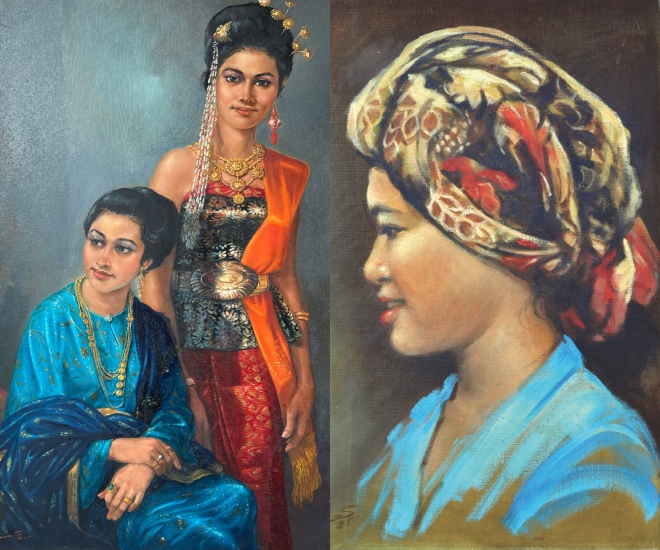






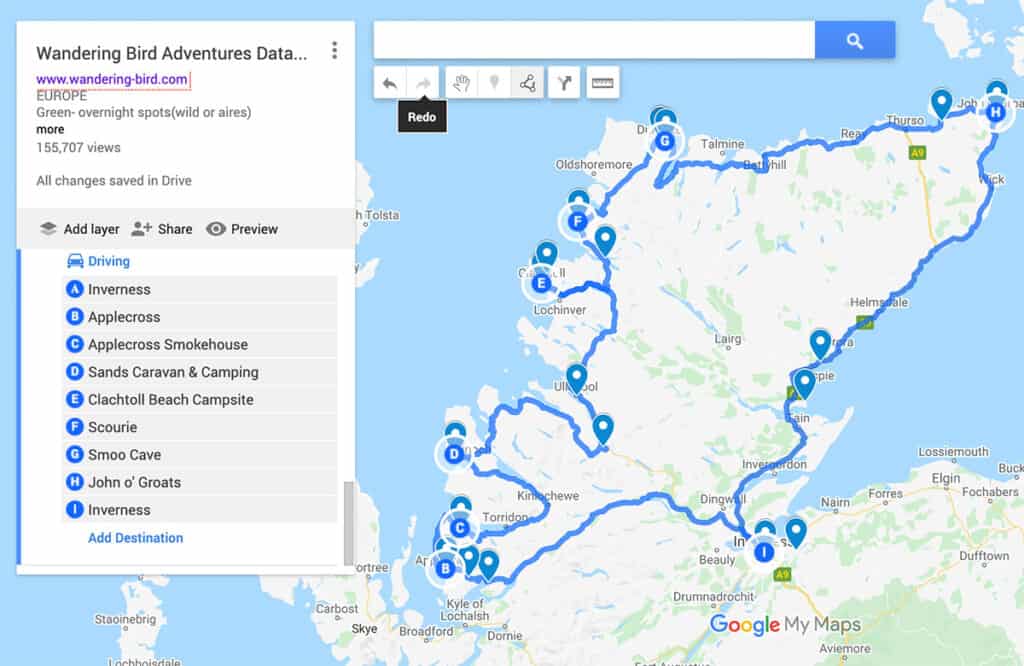




















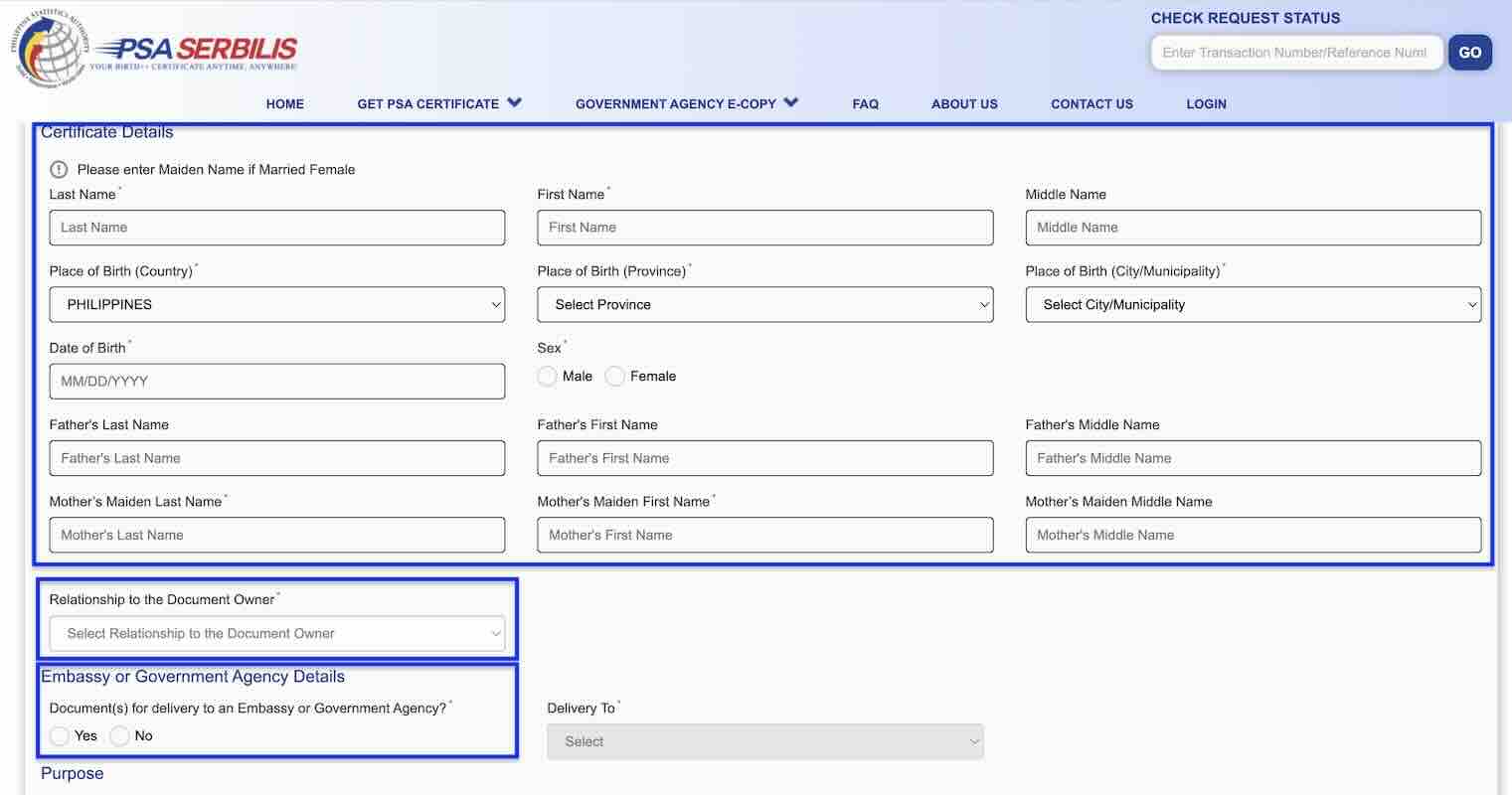
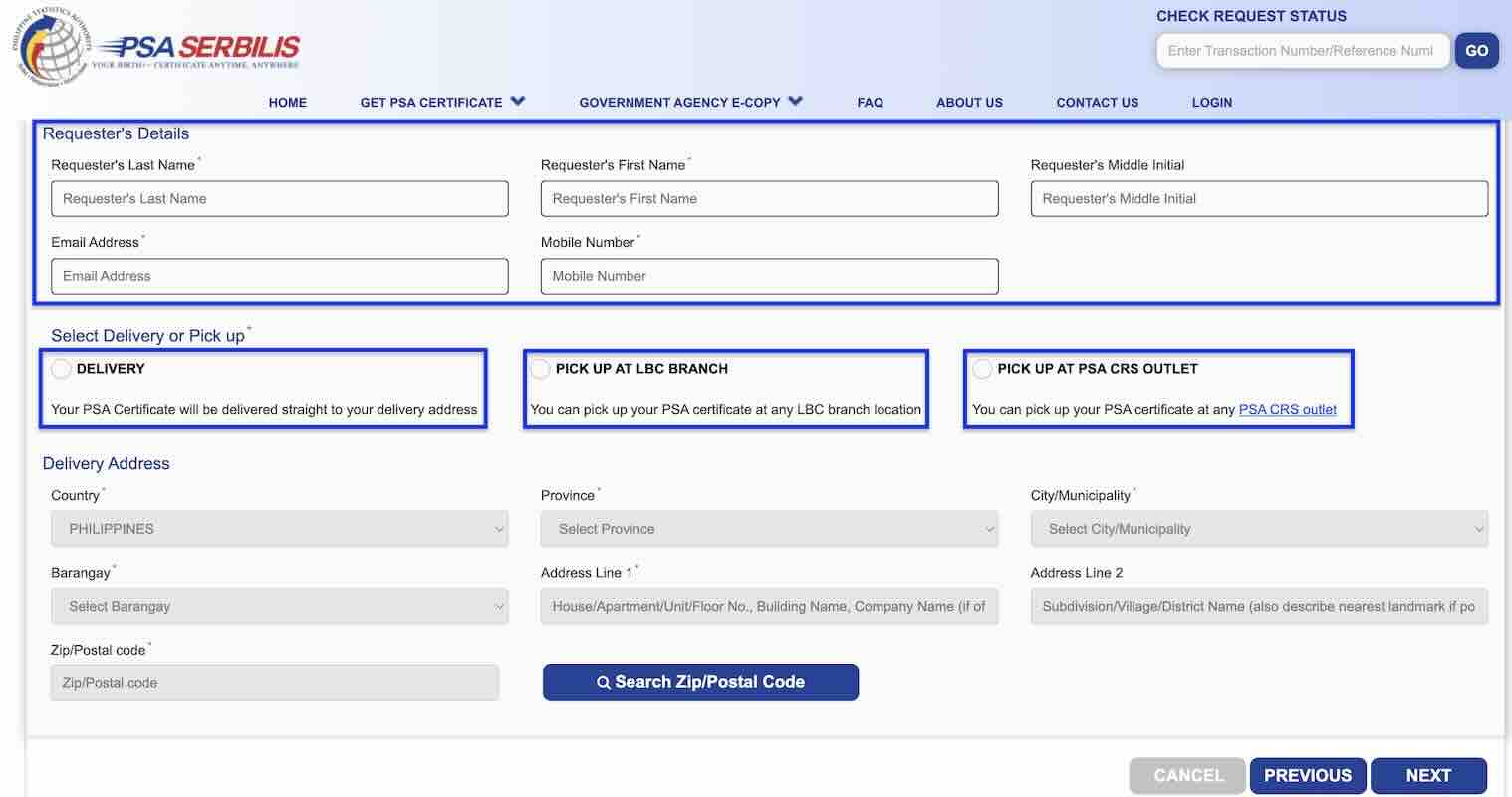
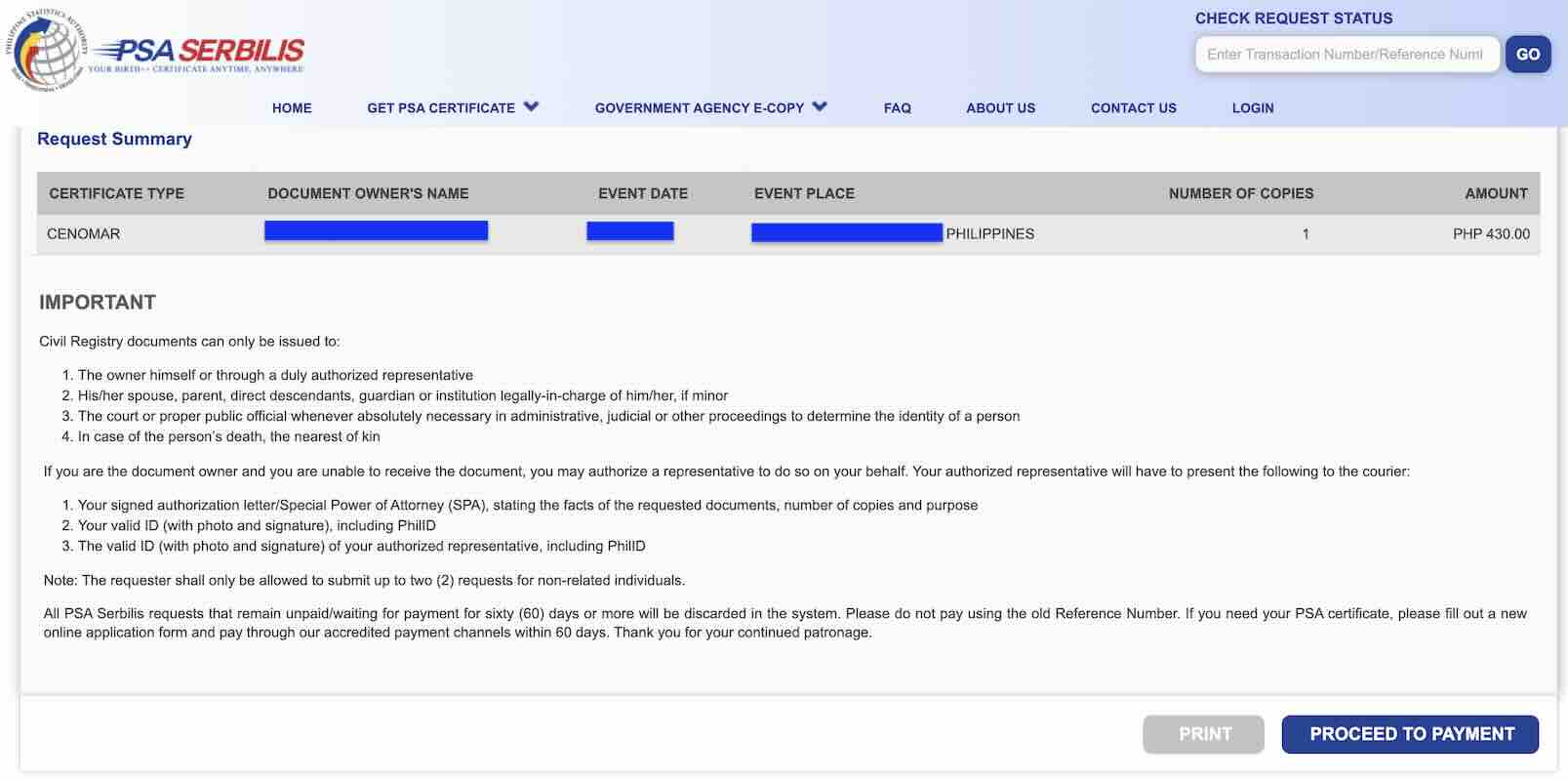




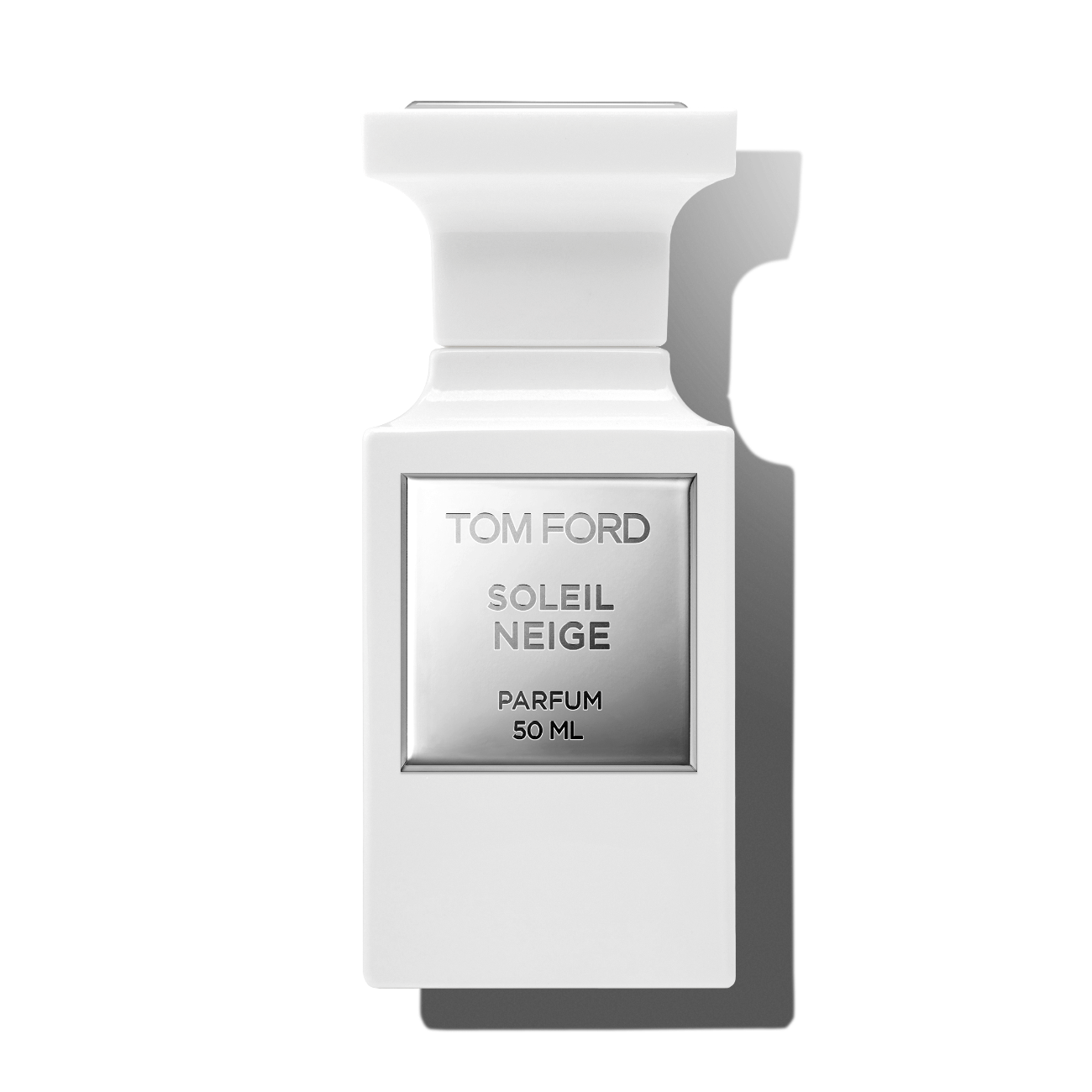





:max_bytes(150000):strip_icc()/tl-affnet-comfy-mary-jane-roundup-price-cap-tout-0fe0a627e1cb4cf888d84d39c111c7e8.jpg "10 Comfy Mary Jane Shoes for Spring Travel")
:max_bytes(150000):strip_icc():format(jpeg)/tl-affnet-comfy-mary-jane-roundup-price-cap-tout-0fe0a627e1cb4cf888d84d39c111c7e8.jpg)