Porsche has quietly transformed its former entry-level Carrera into a sports car that channels the spirit of the GT3 at a lower price point. With a six-speed manual gearbox, driving pleasure is limitless—sadly, so is the cost.
This is marketing at its finest. Porsche knows how to stretch the model range of its iconic 911 like no other. The Carrera T, positioned between the base Carrera and the Carrera S, takes styling and performance cues from higher-tier models like the GT3 and GTS. Understanding the wide 911 lineup is no easy task—manual here, turbo there, sometimes all-wheel drive, sometimes not. But the Carrera T emerges as a particularly enticing option for purists.
2025 992 Porsche 911 Carrera T
Inspired—albeit loosely—by the original 911 Touring of the late 1960s, the Carrera T is a focused sport version with immense appeal. At a starting price of €142,000, buyers get 20-/21-inch wheels, rear-axle steering, a Sport Chrono package, sports exhaust, and a six-speed manual. There are even tell-tale signs to show it’s a true manual, including labels and trim elements. Oddly, the gear knob is fashioned in faux wood atop a cheap plastic boot—an unusual choice for such a modern machine.
Still, that doesn’t detract from its brilliance on the road. The 3.0-litre twin-turbo flat-six produces 290 kW (394 PS) and 450 Nm of torque, making the Carrera T a thrilling drive. With a top speed of 295 km/h, it’s certainly no slouch, but this car is built for winding roads, not autobahns. The manual gearbox works harmoniously with the steering and fat 305-section rear tyres to offer engaging, communicative handling.
Forget the gimmicks like manual badges or retro gear knobs. This car is about the sensation of being truly in control. Sure, the PDK would be quicker and more efficient, but the joy of rowing through gears manually is unmatched—and refreshingly analogue in today’s digital world.
Weighing 40 kilograms less than standard thanks to lightweight windows, panels and the manual box, the Carrera T may not impress on paper—but it thrills in motion. Starting at €141,700, it’s no bargain, but for those who understand the essence of driving, it’s worth every cent. Expect this “mini-GT3” to be the envy of every car park.
The big news on Broadway this spring is George Clooney. The mega star makes his Broadway debut in “Good Night, and Good Luck,” a reboot of his 2005 film. In fitting old-school style, Clooney held a press conference prior to the start of previews, during which he admitted to feeling “abject terror.”
One thing he won’t be is alone. Traditionally, March and April have multiple openings, as shows try to squeeze in before the cutoff for Tony nominations at the end of April. Joining Clooney on other stages will be Broadway royalty like Bernadette Peters in a tribute to Stephen Sondheim and TV stars like David Hyde Pierce in an updated “Pirates of Penzance.” These are the shows I’m most excited about.
“Boop! The Betty Boop Musical”
Jasmine Amy Rogers as Betty Boop in a production still of BOOP! The Musical from it’s run in Chicago.
Matthew Murphy/Evan Zimmerman/Courtesy of BOOP! The Musical
The beloved cartoon character comes to Broadway after a Chicago tryout that one reviewer described as a mix of “Enchanted,” “Thoroughly Modern Millie” and “Barbie.” There’s some time travel, a handsome leading man, and a frazzled aunt (played by stage veteran Faith Prince), but mostly the show rests on the performance of Broadway newcomer Jasmine Amy Rogers, whose Betty wants nothing more than a day off from her celebrity life.
“Smash”
Key art for the Broadway stage musical adaptation of SMASH.
The hit NBC series from 2012 comes to the stage with many of the same songs from the show, along with several new ones. But the premise seems familiar—a bunch of theater bigwigs creating a show about Marilyn Monroe called “Bombshell.” The TV show’s Megan Hilty can be found a block away in “Death Becomes Her,” so the role of Ivy (Marilyn in “Bombshell”) will be played by Robyn Hurder (“Moulin Rouge!”).
Legendary CBS broadcaster Edward R. Murrow almost always ended his broadcasts the same way: “Good night, and good luck.” George Clooney borrowed those words to title his 2005 film about Murrow and his conflict with Senator Joseph McCarthy, and now—in one of the most anticipated shows of the spring season—he’ll make his Broadway debut bringing the story to the stage.
This show started out as a one-night gala in London, but with its star-studded credentials both on an off stage, a much longer life was clearly in the cards. Devised by Cameron Mackintosh and starring Bernadette Peters and Lea Salonga, “Old Friends” is a glittering tribute to Sondheim. The revue features many of his greatest hits, including “Children Will Listen” from “Into the Woods” and “Send in the Clowns” from “A Little Night Music.”
“Floyd Collins”
Key art from the Floyd Collins musical at Lincoln Center Theater.
Fresh from “The Great Gatsby,” Jeremy Jordan returns in a gripping musical about a man trapped in a cave. The Lincoln Center production is based on a true story. Collins was an explorer who hoped to turn Sand Cave in Kentucky into a tourist attraction, until he somehow managed to get stuck 200 feet underground. The story became something of a national obsession—and a media circus.
Following his best actor in a musical Tony from last year, Jonathan Groff (“Merrily We Roll Along”) turns his attention to Bobby Darin. He plays the singer/songwriter in this new musical, which features hits like “Mack the Knife,” “Splish Splash,” and “Beyond the Sea.” Producers promise to turn the theater into an immersive nightclub with a live onstage big band.
“Stranger Things: The First Shadow”
A still from the London production of STRANGER THINGS: THE FIRST SHADOW.
Manuel Harlan/Courtesy of STRANGER THINGS: THE FIRST SHADOW
Fans of the Netflix horror series won’t want to miss the theatrical prequel to the show. The production ran in London in 2023, with many reviewers talking about the over-the-top special effects (smoke, lots of smoke). But for those addicted to the TV series, it’s all about the backstory of Henry Creel, the sociopath at the heart of season 4. Good news: The show works as pure spectacle, even if you’ve not seen a single episode on TV.
“Real Women Have Curves: The Musical”
Crowds line up for the outside the James Earl Jones Theater for the box office opening of Real Women Have Curves: The Musical.
Avery Brunkus/Courtesy of Real Women Have Curves: The Musical
The 1993 play and the 2002 film starring America Ferrera come to the stage in a new musical with a similar message. A celebration of women’s bodies—and all the shapes and sizes they come in—the story is also about the curves that life throws our way and how we deal with them. Still, the empowering scene where women working in a brutally hot Los Angeles factory strip down to their undies sounds like it’s worth the price of admission.
David Hyde Pierce takes on the iconic, tongue-twisting Major Modern General in this reimagining of the famed Gilbert & Sullivan operetta. Picture the pirate ship docking in New Orleans, allowing for a jazzy Caribbean-infused score and lots of French Quarter flair.
In yet another true story, we meet Elmer McCurdy (played by Andrew Durand, recent Drama Desk best actor nominee for “Shucked”). He’s described as “an outlaw, turned corpse, turned celebrity.” Seems that in death, Mr. McCurdy had way more adventures than he ever did in life. Last year’s off-Broadway production made several “best theater” lists, including The New York Times and New York Magazine.
If I had to describe paradise, it would be a place where the steel-blue sky kisses the turquoise-blue sea, framed by white sand, the lush green of nature, and unique rock formations.
Welcome to Ishigaki in Japan!
Here’s an overview:
Wonders of nature—coastline of Ishigaki, Japan.
What moves me about Ishigaki Island is its purity and unspoiled beauty. These days, there are only a few places in the world that still offer such a thing.
Ishigaki is not yet overrun by tourists and is more frequently visited by Japanese and travelers from other Asian countries. For us Europeans, it is still more of an undiscovered corner of the world. The people of Ishigaki are happy and contented, modest and friendly, and do their best to share the joy of the paradise in which they live with visitors to their island.
Overgrown coral boulders on the beach.
Getting to Ishigaki
Ishigaki is the southernmost city in Japan, about 2,000 km from Tokyo and belongs to the island group of Okinawa. Almost 50,000 people live here on the island of the same name, Ishigaki.
There are direct flights from Tokyo’s Haneda and Narita airports to New Ishigaki airport. The flight takes about three hours and recommended airlines are ANA or Peach.
If you want to add a few relaxing days on Ishigaki to your Japanese vacation, you can fly directly from there via Hong Kong or Taipei back home.
Worth Knowing
The perfect times to travel are in spring, between the end of March and May, and fall, from the end of September to the beginning of December—it is wonderfully warm then, but not too hot.
On Ishigaki Island, as on the Japanese mainland, you pay with yen. 1,000 yen is about 7 USD. Although you can pay by credit card here and there, a small supply of cash is recommended.
Left-hand traffic prevails here on the island. If you want to drive a car in Japan, you need to have your foreign driver’s license translated into Japanese. This can be done online at the Japan Automobile Federation.
Beach and turquoise sea at Club Med Kabra Ishigaki.
Pure Nature
Mangroves in Ishigaki, Japan.
The island is diverse and offers mangrove forests for kayaking, small waterfalls, and lots of magical diving and snorkeling spots.
The underwater world is colorful and diverse, too. Just don’t be alarmed if a yellow-lipped sea snake crosses your path while snorkeling. These venomous sea snakes don’t want to attack when they swim up from the dark crevices but just want to get some air. So stay calm and don’t be alarmed, and everything will be fine.
Yellow-lipped sea snake.
Mountains and Sea
The corals on Ishigaki Island are even more colorful than those in the Seychelles and the Maldives.
Huge manta rays also swim in circles here between the Pacific and the East China Sea, leaving both divers and snorkelers amazed and fascinated.
A manta ray glides majestically through the sea.
Particularly in the summer months, it is very likely to see these special sea creatures during dives and snorkeling trips around Kabira Bay and Sukuji Beach.
Two tall mountains rise in the middle of the island and their peaks are easy to climb. From the 500-meter-high Mount Omoto, you can see directly to Yonehara Beach in the north of the island. The ascent takes 1 to 1 1/2 hours and is worthwhile because, from up here, you have a breathtaking view of the island, the sea with the coral reefs, and the other islands.
Mount Nosoko, another, slightly smaller mountain, is located on the Hirakubo peninsula in the northeast. From its summit, you can see the Hirakubo peninsula and the west coast—truly spectacular!
The enchanting Hirakubo Peninsula in the northeast is also wonderful. There are magnificent beaches and impressive hiking trails here. One beach on Ishigaki is more beautiful than the next and extends for many kilometers.
Beach Time
Endless beach of Club Med in the northwest of the island between Hirari Island Beach and Tabaga Beach.
Fusaki Beach, west of Ishigaki Town, is particularly enchanting and famous for its sunsets.
Sukuji Beach is also very popular, especially because of its shallow water. It is located in the northwest of the island, in a large bay surrounded by trees. As at Fusaki Beach, a net is used to keep away the jellyfish in summer.
Green plants sprout from the coral rocks.Time for endless walks on the beach of Ishigaki, Japan.
Yonehara Beach is located on the north coast of the island. There is a campsite near the beach, which is full of life and activity. It is also an excellent place for snorkeling and diving. However, unlike the other beaches, there are no jellyfish nets and no lifeguards, and there are occasional strong currents.
If you also want to discover the island world around Ishigaki, ferries depart from Ishigaki City to Taketomi and Iriomote.
Taketomi enchants with beaches and an open-air museum of traditional architecture made of stone walls and brick-roofed houses. On Iriomote, you can marvel at lush nature and a waterfall.
Accommodation
Morning view from the window of your room at Club Med Kabira Ishigaki.
Club Med Kabira Ishigaki offers the perfect setting to really relax.
Views of the endless beach at Club Med Kabira Ishigaki.
The Club is also the perfect starting point for excursions. From here, you can reach the mangrove forests in just 30 minutes, the famous Blue Cave snorkeling paradise in 15 minutes, and the manta ray spot in just a few minutes by diving boat. Other water sports such as stand-up paddle boarding, kayaking, and windsurfing are also offered here, and the calm, turquoise sea in front of the resort is perfect for them.
Windsurfing paradise Ishigaki, Japan.Club Med water sports center in Ishigaki, Japan.
Worth Seeing
The island’s tourist center is located in and around Kabira-Wan Bay.
Many glass-bottom boats start their tours here, giving young children or older travelers who are not fans of diving or snorkeling the opportunity to marvel at sea turtles, corals, shells, and colorful fish.
There is also a large pearl shop where you can buy local jewelry, as well as numerous souvenir shops. A small park with an observation deck is also located here.
Bluezone Okinawa
The Japanese prefecture of Okinawa consists of more than 160 islands between Taiwan and the Japanese mainland. It is known for its warm climate, white beaches, unique rock formations, and colorful coral reefs.
Not all of the islands are inhabited, and some of them don’t welcome visitors or tourists.
What is special about Okinawa, however, is that it is one of the five blue zones on the planet. Cancer, heart disease, and dementia are less prevalent here, and women live longer here than anywhere else in the world.
And as a friend of mine said: these women certainly don’t go diving and snorkeling with poisonous water snakes. 😉
Yellow-lipped sea snake while snorkeling.
I love to laugh, live and give! Values are important to me. People, countries and cultures fascinate me endlessly. And children make my heart beat faster.
I love to laugh, live and give! Values are important to me. People, countries and cultures fascinate me endlessly. And children make my heart beat faster.
There is a short story by Malaysian writer Karim Raslan entitled “Bunga Telur and Bally Shoes”, which explores themes of tradition, modernity and social class in Malaysia. The story contrasts the deeply rooted cultural practice of bunga telur — a symbol of blessings and continuity — with material success, represented by a pair of expensive Bally shoes. While the narrative centres on social mobility, it also reflects a broader regional truth: an inherent appreciation for material refinement alongside a steadfast commitment to cultural heritage. This balance is precisely where luxury brands position themselves during Ramadan season. Brands are increasingly focusing on shoes, bags and accessories for their Ramadan offerings, recognising that many consumers turn to traditional attire and regional designers or tailors for their Raya clothing.
Rather than competing in the space of festive garments, global luxury houses position their selections as complementary — with shoes and accessories becoming the point of departure, enhancing modest silhouettes with a touch of opulence. Handbags and statement footwear, in particular, appeal to the exuberance of the season, allowing for self-expression while remaining in harmony with the occasion’s refined elegance. While Lunar New Year is often associated with prosperity and good fortune symbolised by the colour red, Ramadan carries a different essence — one of reflection, spirituality and communal celebration. This sentiment is reflected in the collections unveiled for the season, where brands lean into rich, jewel-toned palettes, intricate embellishments and thoughtful craftsmanship that mirror the depth and beauty of Ramadan’s traditions.
As luxury brands increasingly recognise the significance of Ramadan, exclusive capsule collections are emerging as a way to honour tradition while embracing contemporary design. From MCM to Miu Miu, these collections blend modesty with modernity, offering stylish yet culturally resonant pieces that cater to both regional and global audiences. While some brands craft Ramadan-specific collections, others integrate modestwear into their core offerings — proving that conservative fashion is not just a moment but a lasting shift in luxury. Modestwear collections are not just for Ramadan, but also speak to a growing demand for clothing that combines style with a more covered, modest aesthetic.
The International Perspective
For global luxury houses, Ramadan capsule collections have become more than just seasonal drops — they are strategic expansions into a market with immense purchasing power. Brands like Celine, Balenciaga and Jimmy Choo have embraced the festive season with exclusive releases that blend their signature aesthetics with subtle nods to Middle Eastern tastes. Whether through opulent fabrics, jewel-toned colour palettes or elegant silhouettes, these collections cater to consumers seeking both celebratory occasionwear and statement investment pieces. The approach varies — some brands lean into gifting culture with accessories and fine leather goods, while others create entire ready-to-wear lines that align with modest dressing principles. Yet, for these international powerhouses, Ramadan is not just about the release of fashion capsule collections alone — it is also a chance to cement cultural relevance and deepen ties with a discerning clientele.
Celine
Celine’s foray into the Ramadan market aligns with the growing demand for luxury fashion that caters to the cultural and sartorial preferences of consumers in the Middle East, South East Asia and beyond. Under Hedi Slimane’s creative direction, the brand has cultivated a sleek, structured aesthetic that resonates with modest fashion sensibilities — flowing silhouettes, high-neck blouses and longline tailoring have long been integral to its collections. Featuring pearlescent python and glossy crocodile leathers, the collection exudes refinement, while silk pyjama sets — paired with sandals and accessories — offer a balance of comfort and elegance. This makes Celine’s Ramadan offering a natural extension of its design philosophy, seamlessly blending contemporary minimalism with the opulence often sought during the festive season.
For luxury brands, Ramadan presents a key retail moment, much like the Lunar New Year or Christmas, with a surge in demand for occasionwear, accessories and exclusive drops tailored to the celebratory mood. Celine’s approach leans into its heritage of craftsmanship and understated elegance, appealing to consumers seeking exquisite materials and luminous hues. One could argue that Celine’s Ramadan capsule is not purely designed for consumers to wear during Eid celebrations, given its emphasis on silk pyjama sets and statement accessories rather than traditional occasionwear. Instead, the collection appears to be tapping into the Ramadan and Eid gifting market, where luxury purchases — from handbags to fine accessories — hold cultural significance as tokens of appreciation and generosity during the festive season.
Balenciaga
Balenciaga’s Ramadan 25 Series reimagines the brand’s House signatures. The womenswear and menswear collection features a rich colour palette of dark burgundy and pine green, seen across the emblematic Rodeo, Bel Air, Hourglass and Le City Bag lines, along with ready-to-wear pieces like fluid viscose dresses, skirts, blouse and shirts. A standout of the collection is the bags with the Rodeo Top Handle bag reimagined with a black strass-embellished finish, while jewelry and accessories featuring Arabic typographic motifs — necklaces, bracelets and keyrings — add to the collection’s cultural connection. The series also introduces Maison staples in classic beige and black colourways, such as hoodies, T-shirts, tailored jackets, Knife Mules and Cosy Sandals. While Balenciaga remains rooted in its edgy, urban aesthetic, the series subtly incorporates more elevated pieces — like the flowing viscose garments and the Arabic typographic motifs in the jewellery. This makes the collection more versatile, catering not just to those who will wear it during Ramadan festivities but also to those who are looking for exclusive pieces to integrate into their wardrobes year-round.
MCM
Noor Stars fronts MCM’s second Ramadan capsule collection. The campaign sees the celebrated digital creator as the face of its 2025 Ramadan campaign. As the latest addition to MCM’s “Maverick tribe” — a diverse and dynamic group of digital nomads who chart their own paths — Noor Stars brings her global influence to the brand’s second Ramadan capsule collection. With over 60 million followers, Noor exemplifies the spirit of individuality and creative rule-breaking that defines MCM’s ethos.
A beloved figure in the Middle East, Noor Stars’ journey beautifully blends Eastern values with a global, modern perspective. Having grown up in the West while remaining deeply connected to her cultural heritage, Noor’s narrative resonates with MCM’s commitment to pushing boundaries while celebrating universal creativity. Ramadan — a time for reflection, generosity and togetherness — serves as the ideal backdrop to tell Noor’s story. With her unwavering connection to her roots and her advocacy for women’s empowerment, Noor becomes the perfect talent to represent MCM’s Ramadan collection. Through the lens of photographer Morwoyne Mezeraia and videographer Yassin Yassin, the campaign reimagines tradition, blending modernity with cultural heritage to create stunning visuals.
The five-piece Ramadan collection features a black silk robe with intricate embroidery, a high-neck shirt paired with sleek trousers and a small black diamond crossbody bag. The bag’s geometric design is inspired by the Bavarian diamonds of Munich, with the signature Laurel logo embossed on the front, a metal hardware handle and an adjustable leather strap for practicality. The collection’s design incorporates spatial reflections and shimmery accents, invoking the interplay of light and shadow — both a hallmark of the Ramadan season and Noor’s vibrant personality.
Michael Kors
Michael Kors marks the festive season with a refined Ramadan capsule collection, crafted exclusively for the Valiram-distributed markets. Centred on understated luxury, the collection introduces limited-edition Tribeca handbags, espadrilles and ready-to-wear pieces. The Tribeca handbags — available in opulent cream and sage with a pearlised finish — take centre stage. Each piece is adorned with a commemorative plaque honouring Eid al-Fitr, elevating it beyond an accessory to a keepsake. With only a select number available per style, the collection reinforces the allure of exclusivity. Complementing the handbags, the capsule includes espadrilles that balance comfort and elegance, making them an effortless choice for Ramadan gatherings and festive evenings. The ready-to-wear selection follows suit, featuring tailored separates that embody refinement while embracing the principles of modest dressing. Designed for the modern woman who values both tradition and style, Michael Kors’ Ramadan collection offers a seamless blend of celebration and sophistication.
The Regional Approach
In contrast to international brands, homegrown and regional labels take a more intrinsic approach, weaving Ramadan into their design ethos in a way that feels organic rather than seasonal. With a deep-rooted understanding of cultural nuances, these brands move beyond trend-driven interpretations, offering pieces that reflect both religious values and contemporary style. From abaya specialists redefining modern modestwear to Malaysian designers crafting intricate kaftans and demi-couture pieces, the regional market showcases a more immersive take on Ramadan dressing. Rather than treating the holy month as a standalone moment, these brands often integrate modest silhouettes, luxurious embellishments and artisanal techniques into their collections year-round — making Ramadan capsules a seamless extension of their existing identity.
Khoon Hooi
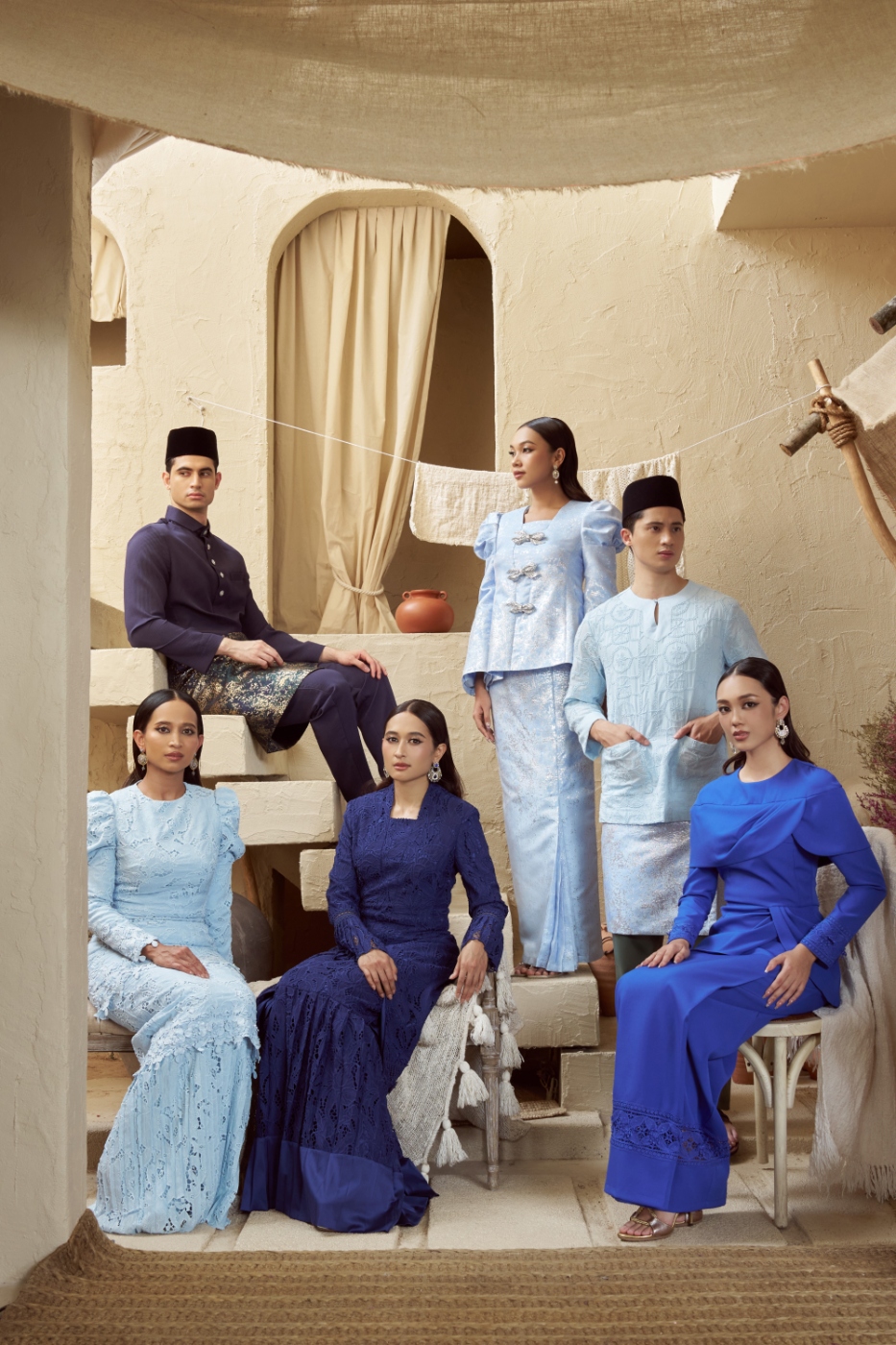
Khoon Hooi’s Raya 2025 collection is a study in contrasts — where classic silhouettes find new energy through bold details and heritage is reimagined with a touch of surrealism. Drawing inspiration from 1950s Malaysian fashion icon Saloma, the collection honours timeless elegance while embracing contemporary sensibilities. The result is a line-up that feels both refined and exuberant. The “Baju Kebaya” and “Baju Kurung” take centre stage, crafted from floral brocade, fil coupé and velvet jacquard for a sophisticated yet statement-making effect. For the first time, floral-printed chiffon makes its debut, lending an ethereal lightness to the collection. Complementing these silhouettes is a capsule of “Baju Kedah”, elevated with guipure lace and geometric jacquard, offering a fresh take on a heritage favourite. With structured shapes, irregular hemlines and intricate details, Khoon Hooi once again balances classic elegance with contemporary flair.
The collection’s colour palette is equally dynamic, playing with the contrast between timeless black and white, muted pastels and rich jewel tones. Asymmetrical draping, pleats and origami-inspired elements add movement, while floral embellishments, crystal chains and an array of brooches introduce a layer of festive sparkle. The Khoon Hooi Raya 2025 collection is a tribute to the past, woven seamlessly into the present — a celebration of heritage that continues to evolve.
The Lina set reinvents the “Baju Kurung” with striped floral brocade, a wide neckline and puffy sleeves adorned with lace patches and floral embellishments, striking a balance between effortless elegance and delicate drama. The fully lined skirt — structured with box pleats at the back — maintains a fluid silhouette. Meanwhile, the Nala set blends tradition with modern refinement, featuring a fil coupé top with demure lace trims and a sarong-style striped satin skirt, elevated by three floral brooches with dangling pearls and glass bead embellishments that add texture and subtle sparkle. For those drawn to glamour, the Trisya Baju Kebaya set dazzles with a floral sequin top lined with organza for lightweight structure, paired with an overlapped draped satin skirt with glass bead detailing at the hem, while floral pearl brooches down the front lend vintage sophistication. The Rani set, in deep, rich hues, turns heads with its luxurious velvet jacquard fabric, delicate lace trims and oval pearl-crystal brooches that add dimension and shimmer. Fastened with a discreet hook-and-eye closure, its fully lined sarong skirt ensures both comfort and elegance with an elastic waistband and back zipper. Together, these designs redefine tradition with contemporary artistry, making a bold statement for the festive season.
Kit Woo
Kit Woo’s first-ever Raya and Pre-Spring capsule collection reimagines traditional Malay silhouettes through a contemporary lens, creating a dialogue between heritage and modernity. In what he considers his most gender-neutral collection to date, Woo strips tradition down to its core and reconstructs it with architectural precision, refining each piece into something both familiar and entirely new. Silat, the ancient martial art of the Nusantara, serves as a key inspiration. Its fluid movements and controlled power echo through the collection’s clean lines, sculptural drapes, and dynamic layering. Traditional garments form the foundation, but their transformation is subtle yet radical — meticulously tailored yet free from rigidity.
At the heart of the collection is a structured “Baju Melayu”, designed with a distinctive button closure in black and white, a nod to classic tailoring with a contemporary edge. A languid “Jubah” takes shape with adjustable drawstring details and an asymmetrical collar, offering versatility in movement and wear. A sharply tailored “Samping” suit in black subverts traditional menswear codes, while a collarless tailored jacket with raw edges challenges the boundaries of formalwear. Trousers echo the collection’s interplay of structure and fluidity, with Samping-inspired wraps and closures that deconstruct the idea of ceremonial dress.
Fabric choices reinforce Woo’s signature aesthetic — indigo denim, chambray and Oxford shirting bring texture and depth, elevating the collection beyond mere reinterpretation. The restrained palette of white, indigo blue and black ensures that each piece is effortlessly wearable, designed to be styled and layered in multiple ways. Beyond the pieces themselves, Woo invites the wearer to engage in the process of self-styling. The collection is trans-seasonal, meant to be worn, reworked and reshaped over time. In a world where tradition is often seen as fixed, Woo presents it as something fluid — an evolving conversation between past and present, structure and movement, tradition and personal identity.
Fiziwoo
As Fiziwoo marks ten years of Raya ready-to-wear collections, the brand reflects on a decade of evolution, challenges and triumphs. More than a milestone, this is a tribute to those who have shaped its journey — celebrities, fashion stylists, loyal customers and supporters who have been part of the brand’s story. To honour this moment, Fiziwoo names each piece in the collection after individuals who have played a role in its success. Familiar names like Marion, Neelofa, Zaihani and Minluna now grace its designs. But “Journey” is more than a nostalgic nod — it is an embodiment of the designers’ personal and professional evolution, in both craftsmanship and spirituality.
For designers Fizi and Kai, “Journey” is deeply personal. It signifies their growth as designers and individuals, shaped in part by their recent Umrah pilgrimage. This experience reinforced their commitment to self-improvement, infusing a greater sense of purpose into their work.
Inspired by the old Arabic souks of Saudi Arabia, a place the designers encountered during their pilgrimage, the collection carries the warmth and mystique of these ancient markets. Arabic calligraphy influences its typography, while the campaign’s visual direction captures the rustic yet refined essence of these historic spaces. A palette of dusty sand, golden hues and earthy tones mirrors the vast desert landscapes, paying homage to Middle Eastern heritage.
Revisiting its archives, Fiziwoo draws inspiration from its best-selling Raya ready-to-wear designs over the past ten years. Signatures silhouettes are reimagined with refined craftsmanship, giving customers fresh interpretations of beloved pieces. This year, Fiziwoo introduces its largest Raya collection yet, with 32 womenswear and 50 menswear pieces. The womenswear collection embraces diverse silhouettes suited for modern and modest women alike, featuring three exclusive fabric selections — polyblend brocade, polyblend cotton and embroidered cotton lace — each finished with fagot-knit border lace and crystal bow embellishments. For menswear, Fiziwoo makes a bold move by introducing its first “Baju Melayu” set, blending the Spread English collar with the traditional Cekak Musang for a modern yet refined aesthetic. The collection also includes embroidered cotton linen kurtas in 30 colours, spanning pastels, earthy tones and jewel hues. A new pinstripe-textured fabric adds depth to the classic Baju Melayu, reinforcing Fiziwoo’s commitment to innovation.
Rizman Ruzaini
Rizman Ruzaini marks its 20th anniversary in 2025 with a bold return to the Raya season, unveiling three distinct collections that capture the essence of the brand’s legacy. Alongside the return of the much-loved Couture Raya collection, the fashion house introduces two ready-to-wear lines, including the revival of the Rizman Ruzaini Red label. This milestone reaffirms the brand’s place in Malaysian fashion, blending nostalgia with modern sophistication. Following the success of the Rizman Ruzaini Spring Summer 2025 collection at Dubai Fashion Week, the inspiration behind the Mustika collection has been reinterpreted for Raya 2025. The couture line pays homage to Malaysia’s cultural heritage, marrying traditional silhouettes with contemporary craftsmanship. Kebaya-inspired designs, intricate pleats and embroidery showcase a refined approach to Malay fashion’s evolution. The collection’s muse, Yang Mulia Tengku Shaheera binti Tengku Abdullah, embodies the elegance of the modern Malay woman, reinforcing the collection’s theme of heritage and sophistication.
The Mustika collection draws inspiration from classic Malay films such as Perempuan Melayu Terakhir, Penarek Becha and Rachun Dunia, evoking a sense of nostalgia and highlighting the enduring significance of the kebaya. The 23-piece collection features opulent fabrics like velvet, premium crepe, tulle and chiffon, finished with machine embroidery that takes cues from Malay and Peranakan motifs. Creative Director Ruzaini Jamil has reimagined customer favourites, refining them with a contemporary edge while staying true to the brand’s signature aesthetic. Featuring eight distinctive designs in soft hues, the collection is crafted from luxurious chiffon and adorned with delicate embellishments.
Completing the trio of collections is the revival of Rizman Ruzaini Red, the brand’s accessible yet equally striking ready-to-wear line. Designed as a more attainable extension of the couture collection, it channels the “Mustika” inspiration into eight refined yet wearable designs. The collection reimagines traditional silhouettes, offering variations of “Baju Kurung Kedah”, “Baju Kurung Pahang”, “Baju Kurung Moden”, “Kebaya” and “Kebaya Labuh”. Crafted from crepe and lace, most designs come with a complementary shawl, adding an elegant finishing touch. With these three collections, Rizman Ruzaini cements its place at the forefront of Malaysian fashion, honouring its past while embracing the future. Each piece reflects the house’s dedication to craftsmanship, innovation and timeless style, ensuring that Raya 2025 is celebrated with elegance.
Special Mention:
Maison FRED
As Ramadan begins, Maison FRED welcomes the holy month with a creation that captures the essence of luminosity and togetherness. The Force 10 XL buckle in white gold, set with full diamonds and paired with a steel cable bracelet, reflects the celestial cycle that defines the rhythm of Ramadan. Against the backdrop of a rising sun, the piece embodies serenity and inner strength, marking a time of renewal and reflection.
A tribute to the spirit of the season, this creation is the first of three icons designed to honour the joy and unity that Ramadan brings. Through its signature craftsmanship, Maison FRED continues to celebrate moments of light and connection, embracing the beauty of tradition with a modern touch.
For more on the latest in style and fashion reads, click here.
Regular car maintenance is not only a smart financial decision but also a key factor in ensuring your vehicle’s longevity and safety. Many drivers overlook the importance of simple checks that, when performed routinely, can prevent major breakdowns and costly repairs. By investing just a little time and effort, you can spot issues early and address them before they escalate into expensive problems.
A critical aspect of this preventative approach is paying attention to the small details. For example, checking your engine oil level, coolant, and brake fluid on a regular basis can reveal potential problems long before they cause serious damage. If you drive a Land Rover, using high-quality Land Rover spare parts when necessary can ensure that replacements are reliable and maintain your car’s performance. Simple measures like these are invaluable in keeping your vehicle in peak condition without draining your wallet.
Equally important is monitoring your car’s physical condition. Regularly inspecting tyres for wear and maintaining proper tyre pressure are two maintenance checks that can improve your vehicle’s fuel efficiency and handling, while also reducing the risk of blowouts. Paying attention to these everyday details not only enhances safety but also contributes to the overall longevity of your car, saving you from expensive repairs down the line.
Key Maintenance Checks to Perform
Here are several actionable maintenance checks that you can incorporate into your routine:
Engine Oil: Check the oil level regularly using the dipstick, and top up or change the oil according to the manufacturer’s recommendations. Clean oil not only lubricates the engine but also helps to prevent overheating and wear.
Coolant Levels: Ensure that the coolant is at the proper level and that the system is free of leaks. A well-maintained cooling system prevents engine overheating, which can lead to catastrophic failures.
Brake Fluid: Inspect your brake fluid regularly, as low or contaminated fluid can compromise your braking system. Maintaining a proper fluid level is critical for safe driving.
Tyre Pressure and Tread: Check tyre pressure at least once a month and before long trips. Proper inflation improves fuel economy and handling, while sufficient tread depth ensures effective grip on the road.
Battery Condition: Test your battery’s charge and inspect for corrosion around the terminals. A failing battery can leave you stranded and may lead to other electrical issues.
Belts and Hoses: Regularly inspect belts and hoses for signs of wear, cracks, or leaks. These components are essential for the smooth operation of your engine’s various systems.
Air and Fuel Filters: Replace these filters as per the recommended schedule to ensure that your engine receives clean air and fuel, which is vital for optimal performance.
The Benefits of Routine Checks
By implementing these simple maintenance checks, you not only reduce the likelihood of unexpected breakdowns but also save money in the long run. Here’s why these practices pay off:
Early Detection:Routine inspections allow you to catch minor issues before they develop into major problems. Early detection means less extensive repairs and lower costs.
Improved Efficiency: Regular maintenance keeps your car running efficiently, which can improve fuel economy and overall performance. This efficiency translates into savings at the pump and a smoother driving experience.
Enhanced Safety: A well-maintained vehicle is safer to drive. Checks on the brakes, tyres, and battery ensure that your car is reliable, reducing the risk of accidents.
Increased Resale Value: Keeping up with maintenance not only prevents costly repairs but also helps maintain your car’s value. A documented service history can significantly boost resale value if you decide to sell or trade in your vehicle.
Taking a proactive approach to car maintenance means dedicating a little time now to save thousands in the future. By routinely checking essential components and addressing minor issues promptly, you protect your investment and ensure a smoother, safer driving experience. These simple checks are the building blocks of a well-maintained vehicle that runs efficiently and remains reliable for years to come.
The second-generation BMW M2 – codenamed G87 – has been stirring emotions since it hit the scene in 2023. With its wide arches, punchy stance, and a front end that continues to spark debate among fans, it’s a car that doesn’t fade into the background. And now, Sterckenn – a boutique European carbon specialist – has stepped in to sharpen the M2’s already bold look with a new carbon fiber front splitter.
Best known for their subtle yet functional aero upgrades for modern BMW M cars, Sterckenn has built a reputation among purists for combining OEM-level build quality with discreet, motorsport-inspired enhancements. Their latest offering continues that tradition.
The new splitter for the G87 is crafted from pre-preg carbon fiber using twill weave – a material prized for both strength and flexibility, and typically reserved for aerospace or high-performance automotive applications. The result is a three-piece component that integrates cleanly into the M2’s original lines while gently turning up the aggression.
From a design perspective, it’s less about flash and more about refinement. The center section features two small fangs that echo the geometry of BMW’s M Performance add-ons but with a more restrained execution. It’s a detail that works especially well on the M2’s visually busy front end, adding depth without overwhelming the factory styling.
Installation should be straightforward for most, with plug-and-play fitment and no special tools required. It also reuses many of the OEM mounting points, making it easy to remove or replace down the line — useful if the car sees track time or rougher roads.
Interestingly, Sterckenn continues to embrace a modular approach with its splitters. The three-piece design isn’t just for style or aerodynamics — it helps reduce shipping costs and damage risks while giving customers the option to replace individual elements if needed.
A recent photoshoot of the M2 G87 sporting the new splitter, set against a wintery alpine backdrop, shows how a small change can elevate the car’s presence. It’s a tasteful reminder that less is often more — especially when it comes to high-performance design.
For G87 owners looking to refine rather than reinvent, this latest release from Sterckenn might be the ideal first step.
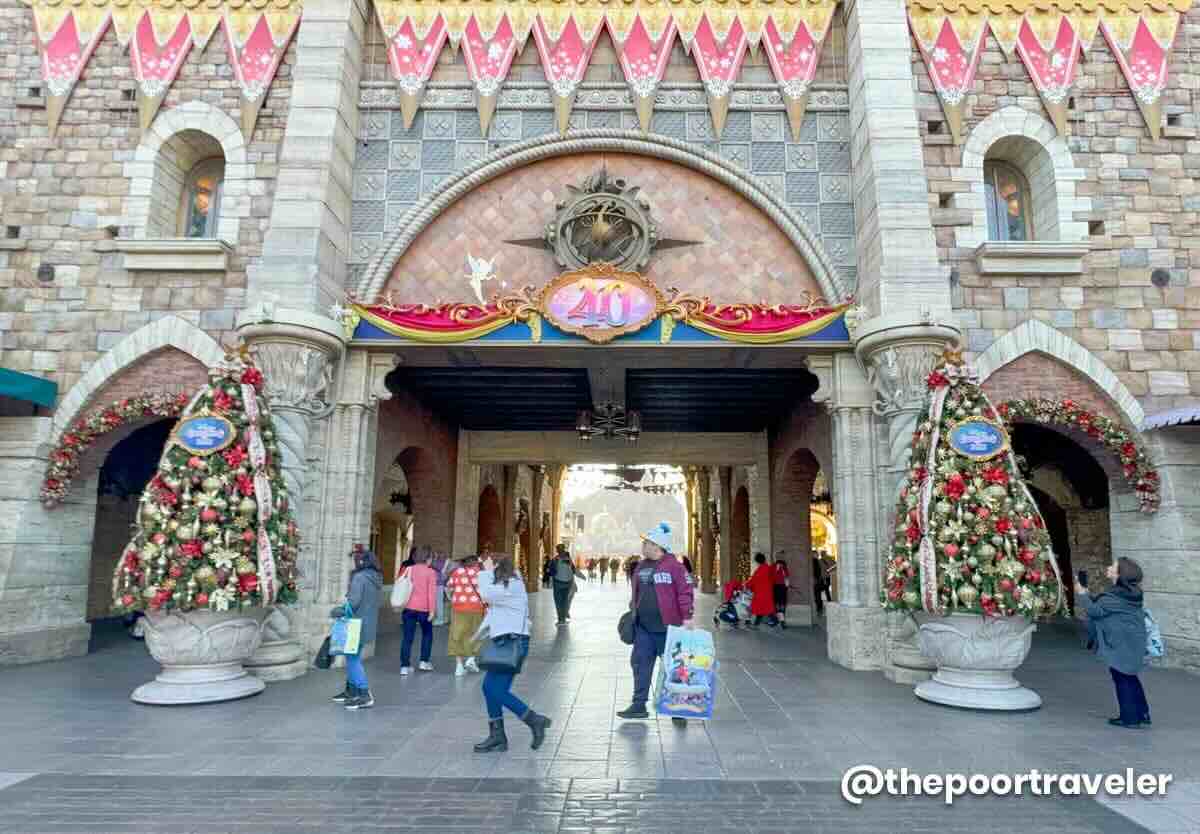
Japan is home to not one but two Disney-themed amusement parks — Tokyo Disneyland and Tokyo DisneySea! This guide will focus more on the latter, so if you are visiting here for the first time soon, hop on and come aboard as we sail through the only DisneySea theme park in the world!
We’ve been to Tokyo DisneySea several times, and we can confidently say it is one of our favorites for many reasons: thrilling rides, fantastic nautical-themed zones, entertaining activities and attractions, and more! The children in us simply can’t get enough of the wonder and magic DisneySea offers.
To help you experience a smooth and unforgettable first visit, here are some important tips and things to know before embarking on this wonderful journey.
Officially opened in September 2001, DisneySea is among the most-visited theme parks in the world, welcoming over 10 million visitors every year. With this number, timing is everything if you want to enjoy a magical experience here.
Expect the park to be swarming with people on weekends, particularly during the peak seasons and holidays. Typically, the crowd goes thick during these seasons and holidays:
Christmas: Late November to December
New Year: Late December to Early January
Sakura Season: Late March to Early April
Golden Week: Late April to Early May
Normally, foot traffic inside the park is less hectic in the summer months (June – August), BUT take note of the school vacation and national holidays like Obon Week. Consider that this is also when heat and humidity can become unbearable.
Other relatively calmer periods are late January and late May. However, tourists from around the globe are coming to Japan in droves nowadays, so it’s really hard to tell. The best and safest thing to do is to get there early to make the most of your time inside the park.
How to Get to Tokyo DisneySea
Despite having “Tokyo” in its name, DisneySea is actually located in Urayasu City, Chiba, just outside Tokyo. Overlooking Tokyo Bay, this maritime-themed park is docked within Tokyo Disney Resort, along with its older sibling Tokyo Disneyland.
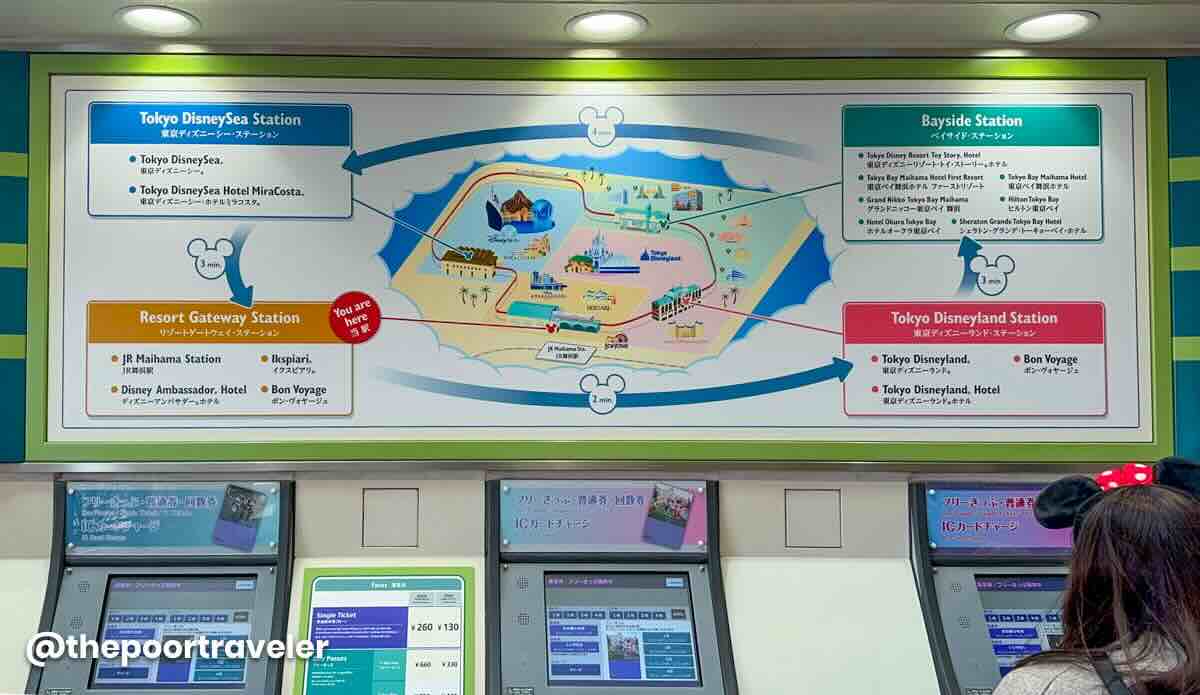
It’s very accessible from downtown Tokyo, and the travel time is 30-45 minutes. The nearest train station is JR Maihama Station. From this station, you have two options:
Walk. As you exit the station, turn left and then take a 20-minute walk to the Tokyo DisneySea entrance.
Via monorail. Walk for about two minutes from the station to Resort Gateway Station, then take the Disney Resort Line to Tokyo DisneySea Station. The fare for the monorail ride is ¥300 for adults and ¥150 for children.
Here are your options on how to get there:
From Tokyo Station
Take the JR Keiyo Line bound for Soga, Kaihimmakuhari, or Kazusa-Ichinomiya. You can also take the JR Musashino Line bound for Fuchuhommachi.
Whichever train line you choose, you have to alight at JR Maihama Station.
Fare: ¥230
From Shinjuku Station
Take the JR Chuo Line bound for Tokyo or the JR Marunouchi Line bound for Ikebukuro.
Get off at Tokyo Station. The fare is ¥210.
At Tokyo Station, transfer train to JR Keiyo Line bound for Soga.
Finally, alight at JR Maihama Station. The fare is ¥230.
Fare: ¥440
From Ueno Station
Take the Tokyo Metro Hibiya Line bound for Naka-Meguro.
Get off at Hatchobori Station. The fare is ¥180.
At Hatchoboti Station, transfer train to JR Keiyo Line bound for Soga, Kaihimmakuhari, or Kazusa-Ichinomiya. Alternatively, you can also get on the JR Musashino Line bound for Fuchuhommachi.
No matter which train line you take, you need to alight at JR Maihama Station. The fare is ¥230.
Fare: ¥410
Where to Get Tokyo DisneySea Tickets
There are many types of tickets for Tokyo DisneySea: Single-Day Use Ticket, Fixed Date and Time Passports, and Limited-Period Ticket.
Since we want to maximize our time inside the park, we will only focus on Single-Day Use Ticket. The other two might be cheaper, but they are only available at certain times or seasons.
Alright! Single-Day Use Ticket is also called 1-Day Passport. Guests carrying this type of ticket get to enjoy Tokyo DisneySea from its opening time.
DisneySea Ticket Rates
Note that the ticket rates below may change without prior notice. Also, the prices vary depending on the season and the day of the week.
1-Day Passport (Regular Guests)
Adult (18 y/o and above) ¥7,900 – ¥10,900
Junior (12-17 y/o) ¥6,600 – ¥9,000
Child (4-11 y/o) ¥4,700 – ¥5,600
1-Day Passport (PWDs)
Adult (18 y/o and above) ¥6,500 – ¥8,700
Junior (12-17 y/o) ¥5,300 – ¥7,200
Child (4-11 y/o) ¥3,800 – ¥4,400
Reminder: This ticket is available for the PWD and an accompanying guest. You must bring an applicable disability certificate, ID, or proof to avail of this ticket.
As of the writing of this article, ticket booths are closed, so walk-ins or onsite purchasing is not possible. You can secure your tickets ahead of time online! For your convenience, you may book yours below. You don’t need to print your ticket as they are accepting a digital copy. Just present it at the entrance gate, and they will scan it.
Tickets secured! Are you ready to explore? Then, come aboard!
Tokyo DisneySea has eight (8) themed zones called “ports of call” — Mediterranean Harbor, American Waterfront, Port Discovery, Lost River Delta, Fantasy Springs, Arabian Coast, Mermaid Lagoon, and Mysterious Island.
Below is the overview of each zone and the rides and attractions you’ll find within each port of call.
Mediterranean Harbor
This is the first “port” that welcomes you as you embark on a journey throughout Tokyo DisneySea. It is reminiscent of a Southern European port town. Think of an Italian port city. Incorporated into this zone is an actual functioning hotel — Hotel MiraCosta.
Rides & Attractions
Soaring: Fantastic Flight
Fortress Explorations/The Leonardo Challenge
Venetian Gondolas
Transportation: DisneySea Transit Steamer Line
American Waterfront
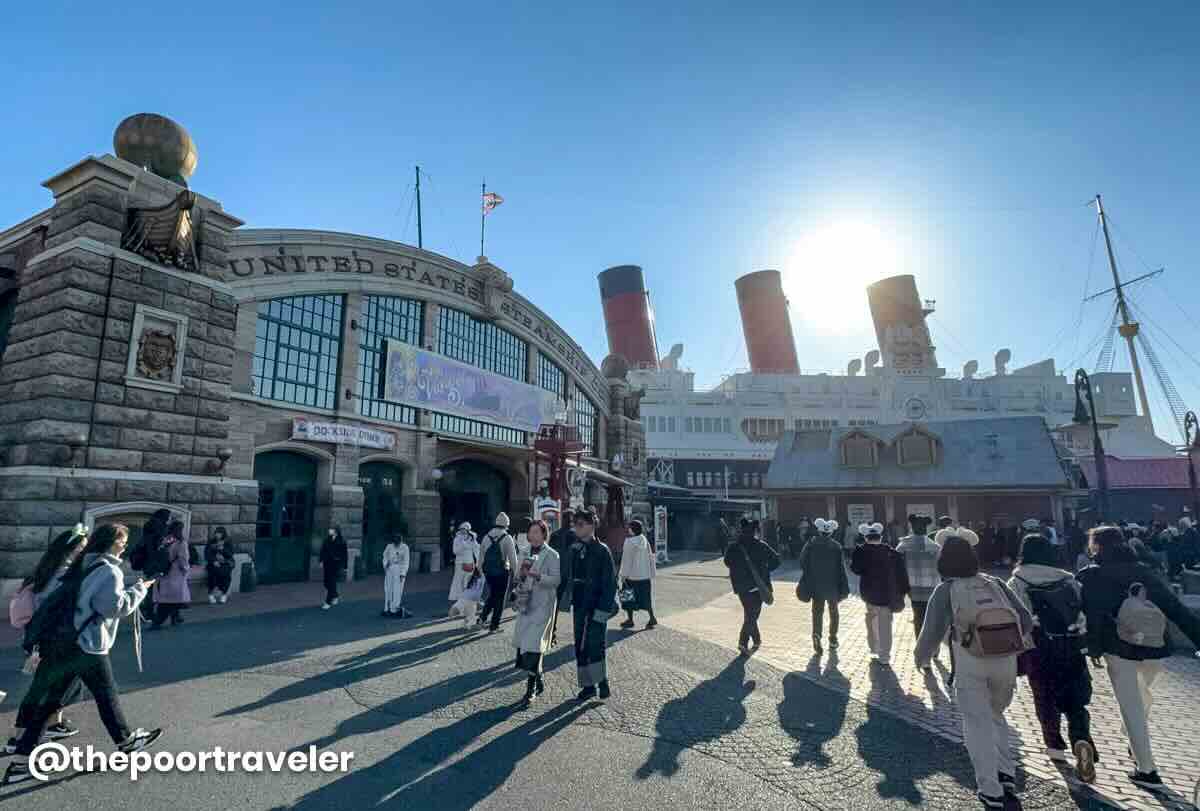
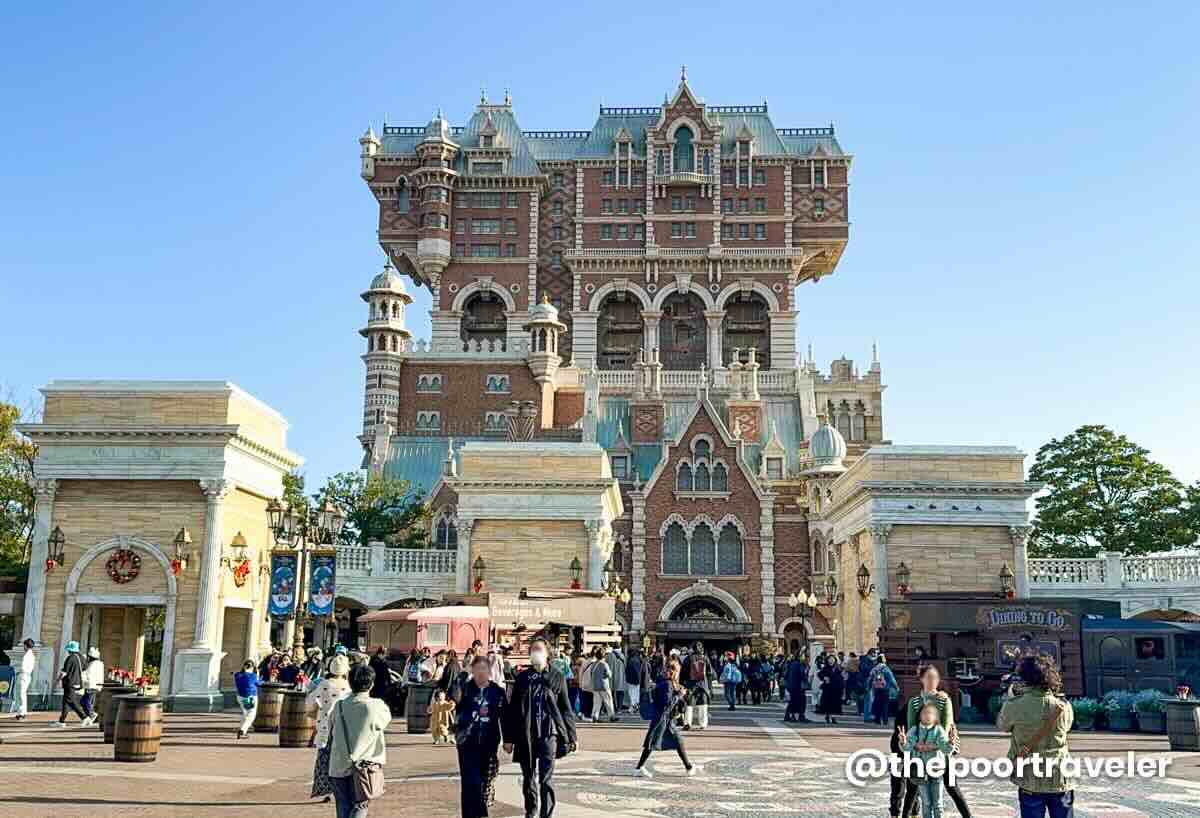
This “port” features two American seacoasts: the New York Harbor and the New England Fishing Village. A replica of the passenger ship, SS Columbia, is the most recognizable structure in the area. Meanwhile, you’ll also find here one of the most popular rides in Tokyo DisneySea — the Tower of Terror.
Rides & Attractions
Tower of Terror
Toy Story Mania
Turtle Talk
Big City Vehicles
Transportation: DisneySea Electric Railway
Transportation: DisneySea Transit Steamer Line
Mysterious Island
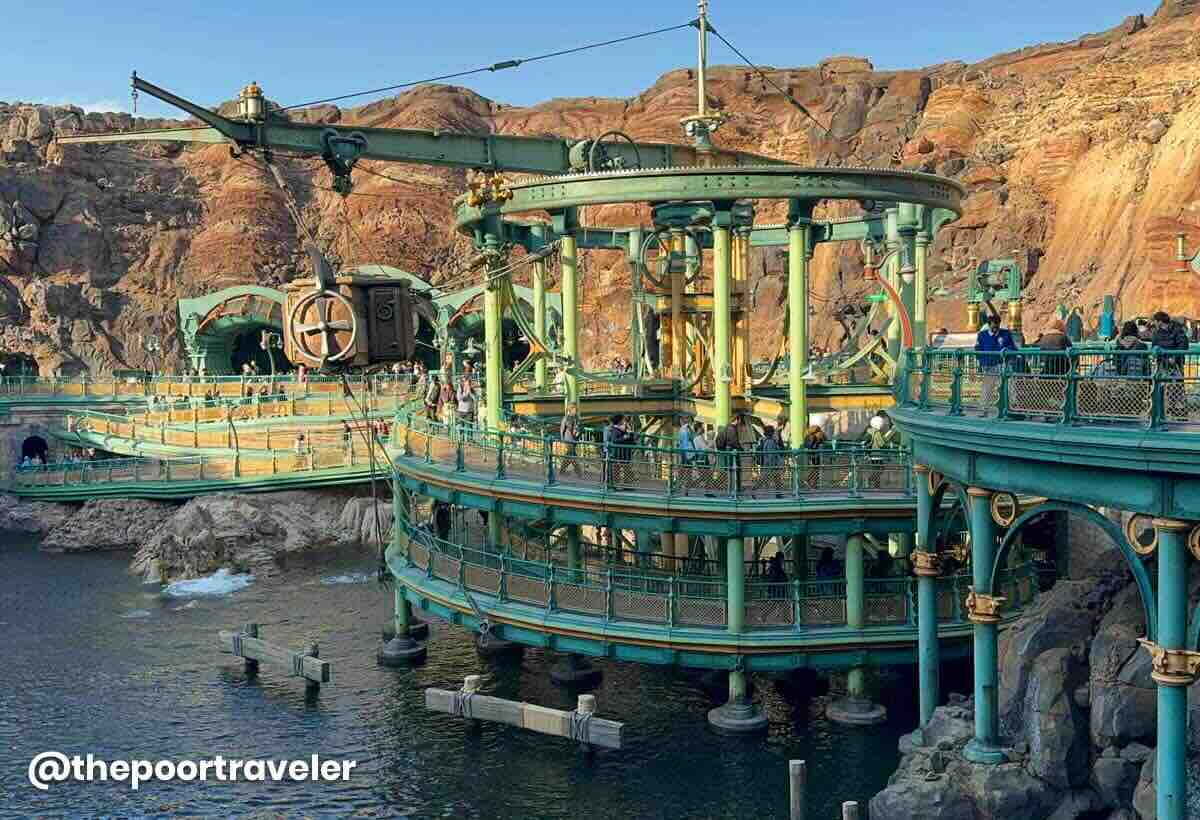
This is the smallest “port” but boasts the most notable feature in Tokyo DisneySea — Mount Prometheus. This zone is inspired by Jules Verne’s science-fiction books, specifically Twenty Thousand Leagues Under the Sea, Journey to the Center of the Earth, and, of course, The Mysterious Island.
Rides & Attractions
20,000 Leagues Under the Sea
Journey to the Center of the Earth
Port Discovery
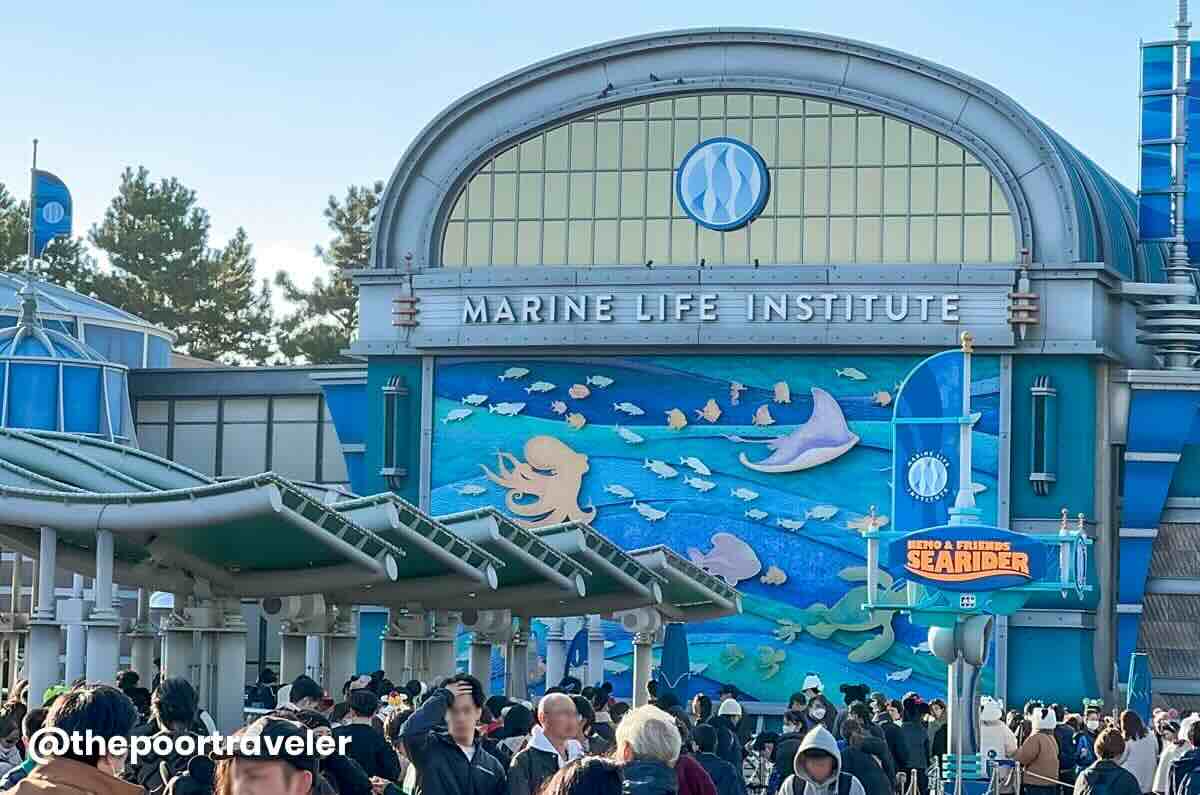
This “port” transports you to a futuristic marina, with the fictional Marine Life Institute building as its most prominent structure.
Rides & Attractions
Aquatopia
Nemo & Friends SeaRider
Transportation: DisneySea Electric Railway
Mermaid Lagoon
This “port” takes you to the magnificent underwater world of The Little Mermaid. Enter King Triton’s Palace and discover a “trove of treasures untold” and other thingamabobs. Rides and attractions are mostly indoors.
Rides & Attractions
Flounder’s Flying Fish Coaster
Jumping Jellyfish
Scuttle’s Scooters
Blowfish Balloon Race
The Whirlpool
Mermaid Lagoon Theater
Ariel’s Playground
Arabian Coast
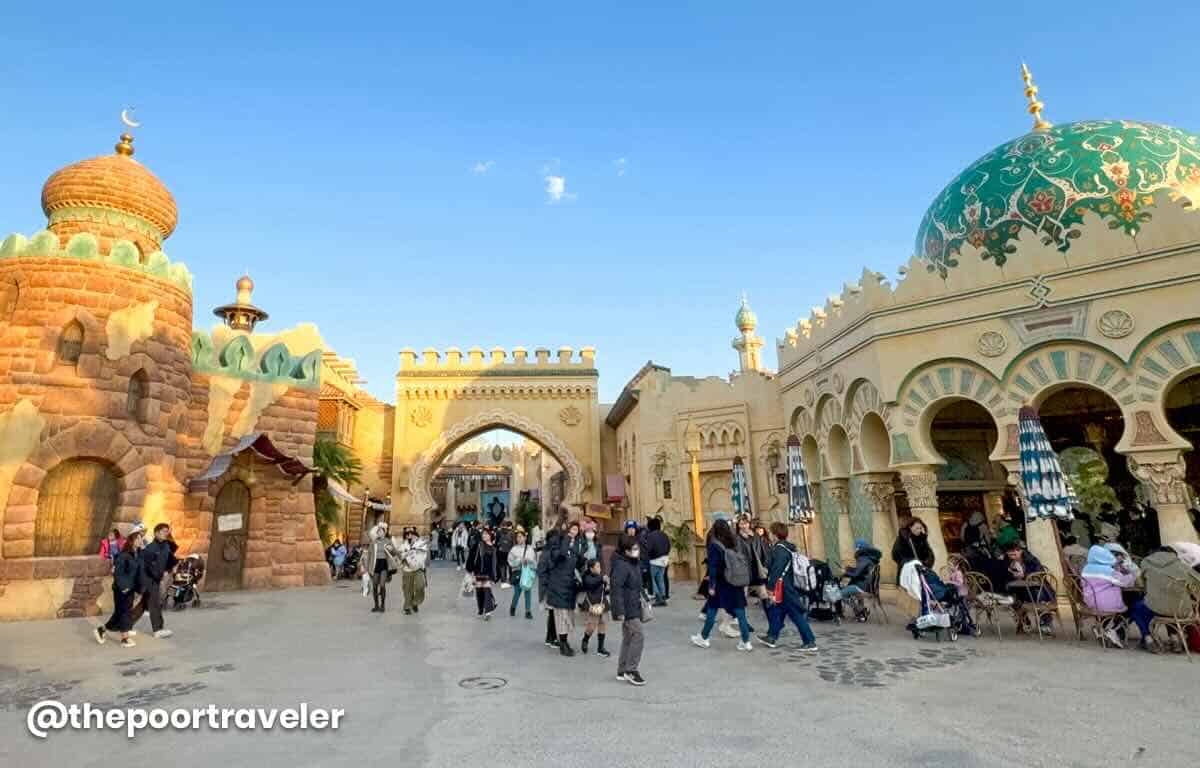
Have an Arabian harbor adventure as you scour this “port” that reminds you of Aladdin and The Arabian Nights.
Rides & Attractions
Jasmine’s Flying Carpets
Caravan Carousel
The Magic Lamp Theater
Sinbad’s Storybook Voyage
Lost River Delta
Exuding a Central American jungle vibe, this “port” is dominated by the ancient Mayan pyramid, which houses another must-try ride for adrenaline junkies — Temple of the Crystal Skulls!
Rides & Attractions
Indiana Jones Adventure: Temple of the Crystal Skulls
Raging Spirits
Transportation: DisneySea Transit Steamer Line
Fantasy Springs
This is the latest addition to Tokyo DisneySea’s “ports”. It encompasses three areas designed after well-loved Disney fantasy tales: Rapunzel’s Forest, Peter Pan’s Never Land, and Frozen Kingdom. This zone is also home to another functioning hotel — Tokyo DisneySea Fantasy Springs Hotel.
Rides & Attractions
Rapunzel’s Lantern Festival
Peter Pan’s Never Land Adventure
Fairy Tinker Bell’s Busy Buggies
Anna and Elsa’s Frozen Journey
Most Popular Rides
American Waterfront’s Tower of Terror
To help you prioritize, you might want to consider these most recommended rides for first-time visitors.
Soaring: Fantastic Flight
Location: Mediterranean Harbor Type: Indoor Reminder! Not recommended for guests: (1) below 102 cm in height; (2) with motion sickness and fear of heights; (3) pregnant women
Tower of Terror
Location: American Waterfront Type: Indoor, Speed/Thrill Reminder! Not recommended for guests: (1) below 102 cm in height; (2) with motion sickness, hypertension, heart conditions, neck and back problems, hip problems, and other similar health conditions; (3) pregnant women and elderly
Toy Story Mania
Location: American Waterfront Type: Indoor Reminder! Not recommended for guests: (1) with mobility issues, especially those who are unable to maintain a stable sitting position on their own in a moving vehicle
Journey to the Center of the Earth
Location: Mysterious Island Type: Speed/Thrill Reminder! Not recommended for guests: (1) below 117 cm in height; (2) with motion sickness, hypertension, heart conditions, neck and back problems, hip problems, and other similar health conditions; (3) pregnant women and elderly
Indiana Jones Adventure: Temple of the Crystal Skull
Location: Lost River Delta Type: Indoor, Speed/Thrill Reminder! Not recommended for guests: (1) below 117 cm in height; (2) with motion sickness, hypertension, heart conditions, neck and back problems, hip problems, and other similar health conditions; (3) pregnant women and elderly
Raging Spirits
Location: Lost River Delta Type: Outdoor, Speed/Thrill, Spin/Rotate Reminder! Not recommended for guests: (1) below 117 cm and above 195 cm in height; (2) with motion sickness, hypertension, heart conditions, neck and back problems, hip problems, and other similar health conditions; (3) pregnant women and elderly
Anna and Elsa’s Frozen Journey
Location: Fantasy Springs Type: Indoor, Speed/Thrill Reminder! Not recommended for guests: (1) with mobility issues, especially those who are unable to maintain a stable sitting position on their own in a moving vehicle
Other Activities
Parades and Shows. A Disney theme park visit is not complete without the regular and seasonal parades and shows. The regulars include Sky Full of Colors, the park-wide fireworks display (8:30 PM), and Believe! Sea of Dreams, the nighttime parade show held at Mediterranean Harbor (7:30 PM). Other shows require a reservation or entry request.
Disney Character Greeting. If you love taking photos with your favorite Disney characters, then you can meet them through the Disney Character Greeting. Note that most of them happen at a certain time of the day, so you need to check the schedules first. Here are the designated areas: DisneySea Plaza (Park Entrance), American Waterfront (Waterfront Park & Village Greeting Place), and Lost River Delta (Greeting Dock & Greeting Trails).
Souvenir Shopping. All eight “ports of call” or zones have their respective themed shops where you can buy souvenirs and other keepsakes to remind you of your time at the park or give your loved ones who can’t be on this trip with you.
How to Maximize and Enjoy Your Time at Tokyo DisneySea
Here are some strategies you can take to help you plan your visit and make the most of your time at the park. The park’s usual operating schedule is 9:00 AM to 9:00 PM. However, this may vary depending on the season, the day of the week, and the weather.
The view of Mysterious Island’s Mt. Prometheus from Mediterranean Harbor
Download the Tokyo Disney Resort App
The Tokyo Disney Resort App is a useful tool for navigating the park efficiently. It works for both Tokyo Disneyland and Tokyo DisneySea.
The app’s interface is user-friendly, with easy-to-use buttons and a search feature. Below are some of the app’s helpful key features:
Shows you the Tokyo DisneySea Map: your current location, zones and rides, restrooms, etc.
Gives you an overview of the different zones or “ports of call”
Provides real-time updates and status: attraction and restaurant waiting times, closure, etc.
Submit “Entry Request” for shows: best spot to watch (designated viewing area)
Make advance orders from participating restaurants via Disney Mobile Order
Make restaurant dine-in reservations via Priority Seating
Buy from participating shops/merchants
Snag a Standby Pass
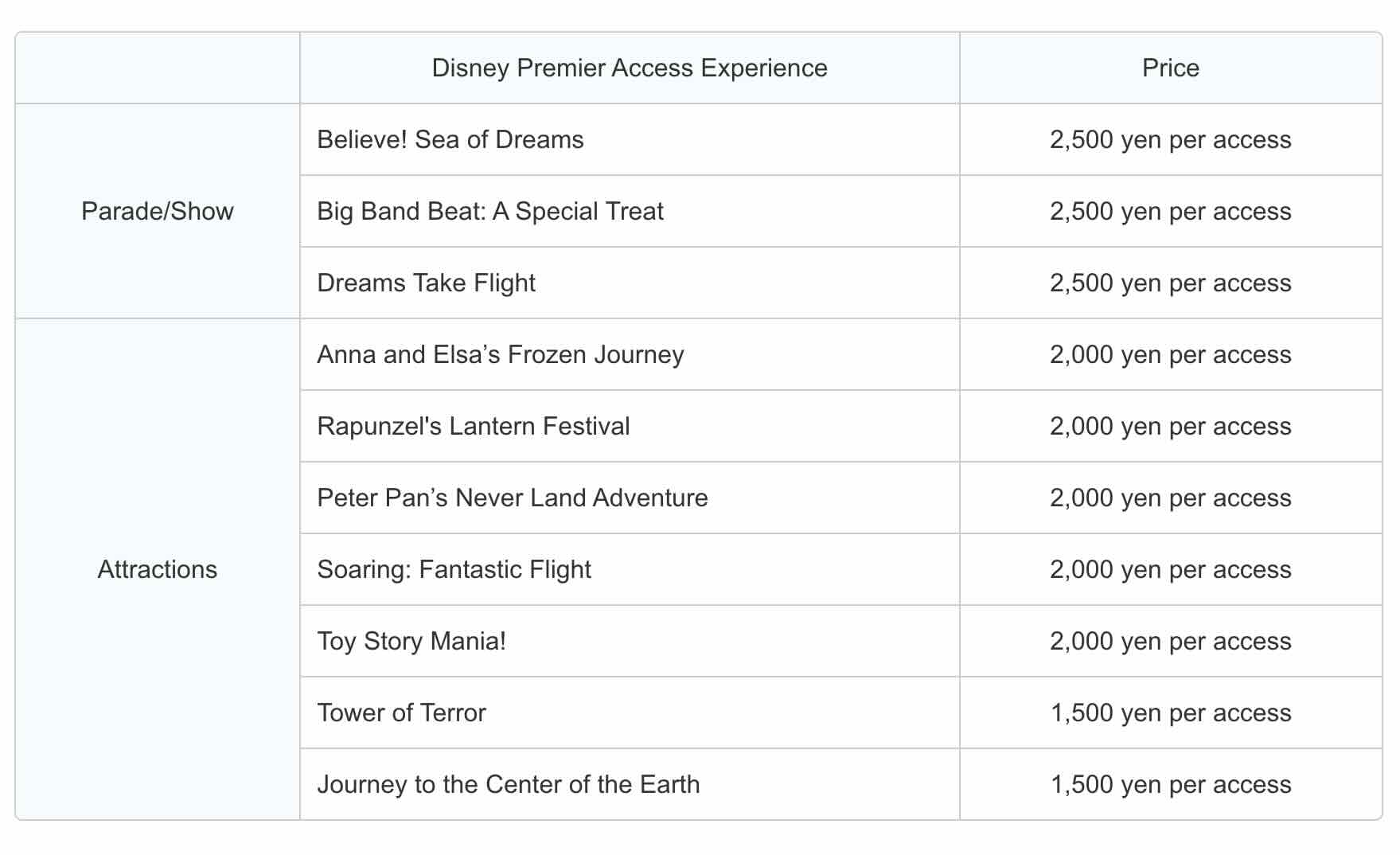
Book Disney Premier Access
You can download the app from either iOS App Store or Google Play. Once done, launch the app and create an account. Then, scan your ticket to get started. Don’t forget to let the app access your location for it to work effectively.
Get Disney Premier Access and Standby Pass
As mentioned, you can purchase your Disney Premier Access and Standby Pass via the Tokyo Disney Resort App.
Disney Premier Access (DPA)
Disney Premier Access (DPA) lets you experience an attraction — a ride or a show/parade — with less wait time by allowing you to reserve entry at your selected time for a fee. If you purchase this for rides, you’ll have faster access because there’s a special queue for holders of this pass. If you obtain it for shows and parades, you’ll get to enjoy the show at a designated viewing area. Check availability via the app and simply look for the DPA logo.
Photo Credit: Tokyo DisneySea official website.
Again, this is a paid service. Accepted payment methods are credit cards, debit cards, and prepaid cards. This is available in limited quantity and may sell out quickly. If you wish to avail of this pass again, you may purchase it an hour after your previous transaction or after the admission/start time of your first DPA.
Standby Pass
Meanwhile, you can get a Standby Pass right after you enter the park. This pass allows you to enter the queue for a ride at its specified return time. This means that even though a ride has to temporarily suspend accepting new passengers because it’s packed to capacity, you’ll still be allowed to queue.
Since this is free, it runs out fast. You may also check its availability through the app. Another thing to note is that some experiences may require a Standby Pass for admission. As of writing, here’s a list of attractions requiring a Standby Pass:
Anna and Elsa’s Frozen Journey
Rapunzel’s Lantern Festival
Peter Pan’s Never Land Adventure
Fairy Tinker Bell’s Busy Buggies
Where to Eat
You won’t have to worry about getting hungry in the park, as each zone offers its own themed-inspired meals, snacks, and refreshments. There are three types of food serice styles available:
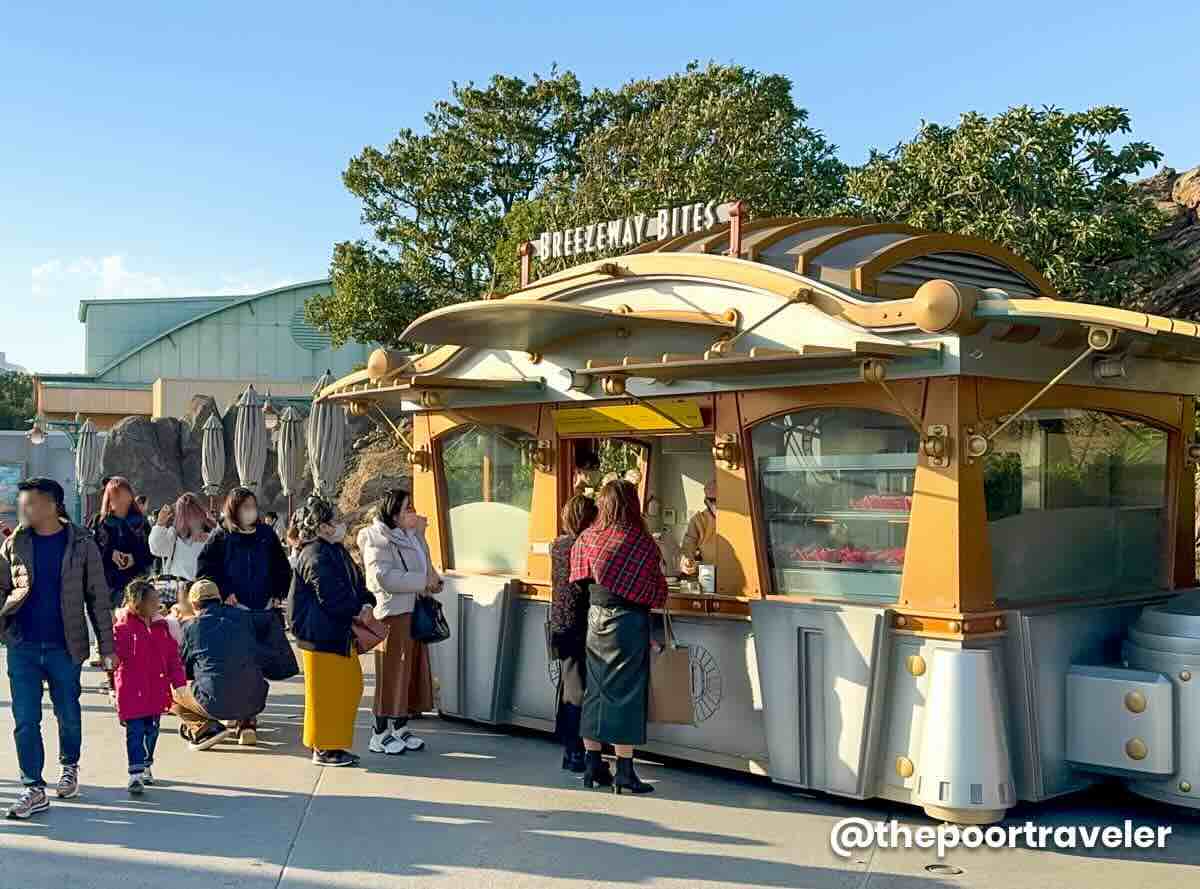
Port Discovery’s Breezeway Bites Food Stall
Counter Service. A grab-and-go type where you place and pick up your order at the counter. There is no sitting area.
Table Service. A proper sit-down meal where you need to secure a table first before you can order.
Buffeteria. A pick-pay-sit type. You get a tray, choose food items, and pay. After that, you will be seated.
As with other popular tourist destinations and theme parks in general, expect food and drinks to be on the pricier side. But this is also part of the experience, so if you want to fully indulge in the magic that is DisneySea, try some of them!
If you are on a budget, you can grab a snack or two. You can also bring your own meals, BUT you must eat them in the designated “picnic areas” outside of DisneySea, then return to the park when you’re done. Another option is to have a full meal (brunch) before entering the park, and then have dinner near your hotel.
Note: If you have special dietary needs or food allergies, you may consume your packed meal at the park’s restaurants. However, your companions must order their food from the restaurant of your choice. Be sure to inform the Cast Member (staff) at the entrance.
Other Tips and Reminders
Check the park operations calendar before visiting. As mentioned earlier, park opening hours may vary depending on the day of the week, the seasons, and the weather, so it’s best to always check the park’s operational calendar for updates.
Check for attraction closures. Park facilities and attractions may be closed temporarily for regular maintenance and upgrades. The period of service suspension is subject to change, so be sure to check the official website for updates.
Storage lockers are available at the park. Coin-operated storage lockers are located around the park’s entrance area — six outside and two inside. On busy days, a temporary baggage storage area will be provided for guests with suitcases or wheeled carriers for ¥1,500 per item. Here are the rates for the lockers: Small, ¥400; Medium, ¥500; Large, ¥600; Extra Large, ¥800; Super Extra Large, ¥800
Don’t forget to bring your power banks. Aside from capturing memorable moments and staying in touch, your phone serves as a valuable tool for making your time in the park more convenient through the Disney Resort app. Ensure that you don’t run out of battery. If you forgot to bring your power bank, you can rent a mobile battery using the app.
Always have cash on hand. While credit cards, debit cards, and prepaid cards are widely accepted, some services, such as food carts and other vendors throughout the park, might not take them. So, it’s important to carry cash. ATMs are available at the park’s entrance.
Where to Stay Near Tokyo DisneySea
To complete your Tokyo DisneySea experience, book a night or two in any of the in-house Disney hotels. Here are your choices:
Tokyo DisneySea Hotel MiraCosta
Tokyo DisneySea Fantasy Springs Hotel
Tokyo Disney Resort Toy Story Hotel
Disney Ambassador Hotel
Tokyo Disneyland Hotel
Tokyo Disney Celebration Hotel
Where to Stay in Tokyo
There are plenty of accommodation options in Tokyo, from luxury to budget. Most tourists usually choose the areas near Tokyo, Shinjuku, and Ueno stations as their base because of their accessibility. Here are some of the top-rated budget hotels in these locations.
Today is the day! My new book, How to Travel the World on $75 a Day, is out NOW! (Woo! Hoo!) This newly updated edition of my New York Times best-selling book will help you travel on a budget.
The last edition of the book came out in 2017 and, since then, a lot has changed. COVID changed the travel industry forever. A lot of companies/hotels/hostels closed during the pandemic, including ones that had been around for decades! Old methods of saving money (like RTW tickets) became obsolete and new methods (like certain apps and sharing economy websites) came into being.
Destinations changed. Prices have definitely changed.
If you’re looking to have those magical travel experiences you always hear about in books or on social media, my new book is going to help you. You’ll become an expert traveler and know how to always find deals and get off-the-beaten-path. It will lay out travel planning in a simple and easy to follow format and give you specific strategies that work no matter where you go in the world or for how long. (After all, it doesn’t matter how long you’re going away for, we all get on the same planes!)
This book has my twenty years of travel wisdom distilled into one place and has tips, tricks, and resources not found on this blog. So, if you’re looking to unlock the power to go anywhere without spending a fortune, get your copy today from one of the following retailers by clicking the image below:
Here’s some of the new stuff you’ll find in this edition:
A new section on collecting and redeeming points and miles.
A completely updated resource section filled with companies and accommodations I love.
More information on overtourism and how to be a responsible traveler.
Completely revised and updated and expanded destination sections that include new prices, ways to save, tips on where to eat, accommodation, transportation, and activities.
New trips and tricks on how to save money before you go.
New ways to save money on accommodation, including ways to get free accommodation.
New ways to save money on transportation (with new information on transportation passes).
Here’s a detailed chapter-by-chapter breakdown:
Chapter 1: Getting Over Your Fears
Chapter 2: Is Travel Really Too Expensive?
Chapter 3: How to Save for Your Trip
Chapter 4: Banking Overseas
Chapter 5: Credit Cards
Chapter 6: Airline Tickets
Chapter 7: Backpacks and Suitcases
Chapter 8: Travel Insurance
Chapter 9: What to Do with Your Stuff
Chapter 10: Tips for Saving Money on Accommodations
Chapter 11: Tips for Saving Money on Food and Beverages
Chapter 12: Tips for Saving Money on Transportation
Chapter 13: Tips for Saving Money on Activities
Plus, the book also covers the major destinations of the world, like Australia, Central America, China, Europe, New Zealand, South America, Southeast Asia, and a few others!
If you buy ten copies of the book, you get all the above PLUS a 30 minute trip planning call with me, a signed copy of my memoir, Ten Years a Nomad, and one of my travel journals so you can journal during your trip.
To claim your bonus, all you need to do is email me a copy of your receipt to matt@nomadicmatt.com and I will send it to you.
My Book Tour Dates & Cities
Don’t forget I am going on a book tour! Here are my tour dates and how to sign up:
March 26th: New York City – The Strand, 7pm. Sign up here!
April 1st: Austin – Central Machine Works, 6:30pm. (Note: This will just be a mixer rather than a formal book talk but I’ll have copies of the book!) Sign up here!
April 3rd: San Diego – Warwick’s, 7:30pm. Sign up here!
April 8th: San Francisco – Book Passage, 5:30pm. Sign up here!
April 13th: Los Angeles – The Village Well, 5pm. Sign-up here!
Book Your Flight Find a cheap flight by using Skyscanner. It’s my favorite search engine because it searches websites and airlines around the globe so you always know no stone is being left unturned.
Book Your Accommodation You can book your hostel with Hostelworld. If you want to stay somewhere other than a hostel, use Booking.com as it consistently returns the cheapest rates for guesthouses and hotels.
Don’t Forget Travel Insurance Travel insurance will protect you against illness, injury, theft, and cancellations. It’s comprehensive protection in case anything goes wrong. I never go on a trip without it as I’ve had to use it many times in the past. My favorite companies that offer the best service and value are:
Want to Travel for Free? Travel credit cards allow you to earn points that can be redeemed for free flights and accommodation — all without any extra spending. Check out my guide to picking the right card and my current favorites to get started and see the latest best deals.
Need a Rental Car? Discover Cars is a budget-friendly international car rental website. No matter where you’re headed, they’ll be able to find the best — and cheapest — rental for your trip!
Need Help Finding Activities for Your Trip? Get Your Guide is a huge online marketplace where you can find cool walking tours, fun excursions, skip-the-line tickets, private guides, and more.
Ready to Book Your Trip? Check out my resource page for the best companies to use when you travel. I list all the ones I use when I travel. They are the best in class and you can’t go wrong using them on your trip.
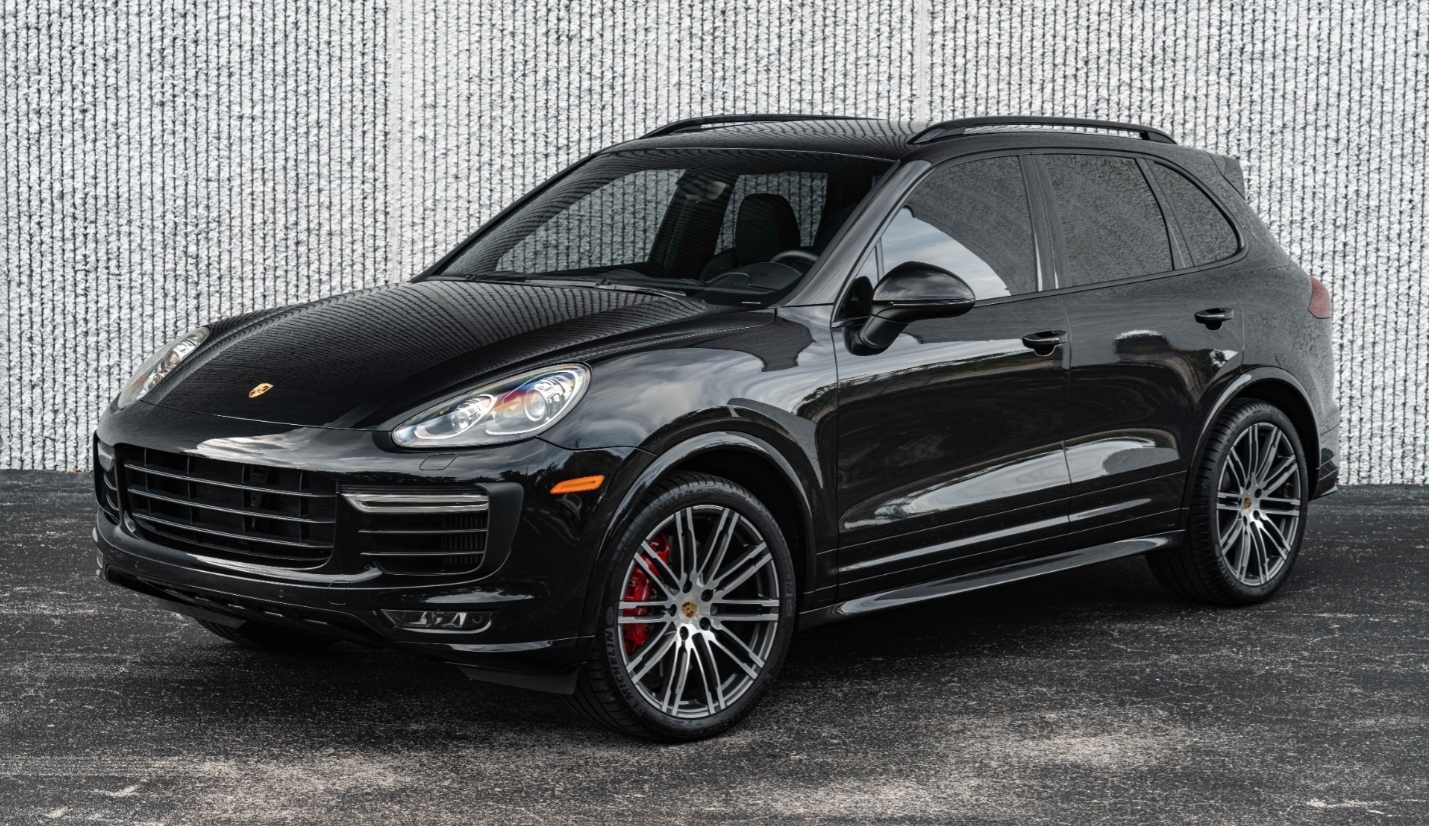
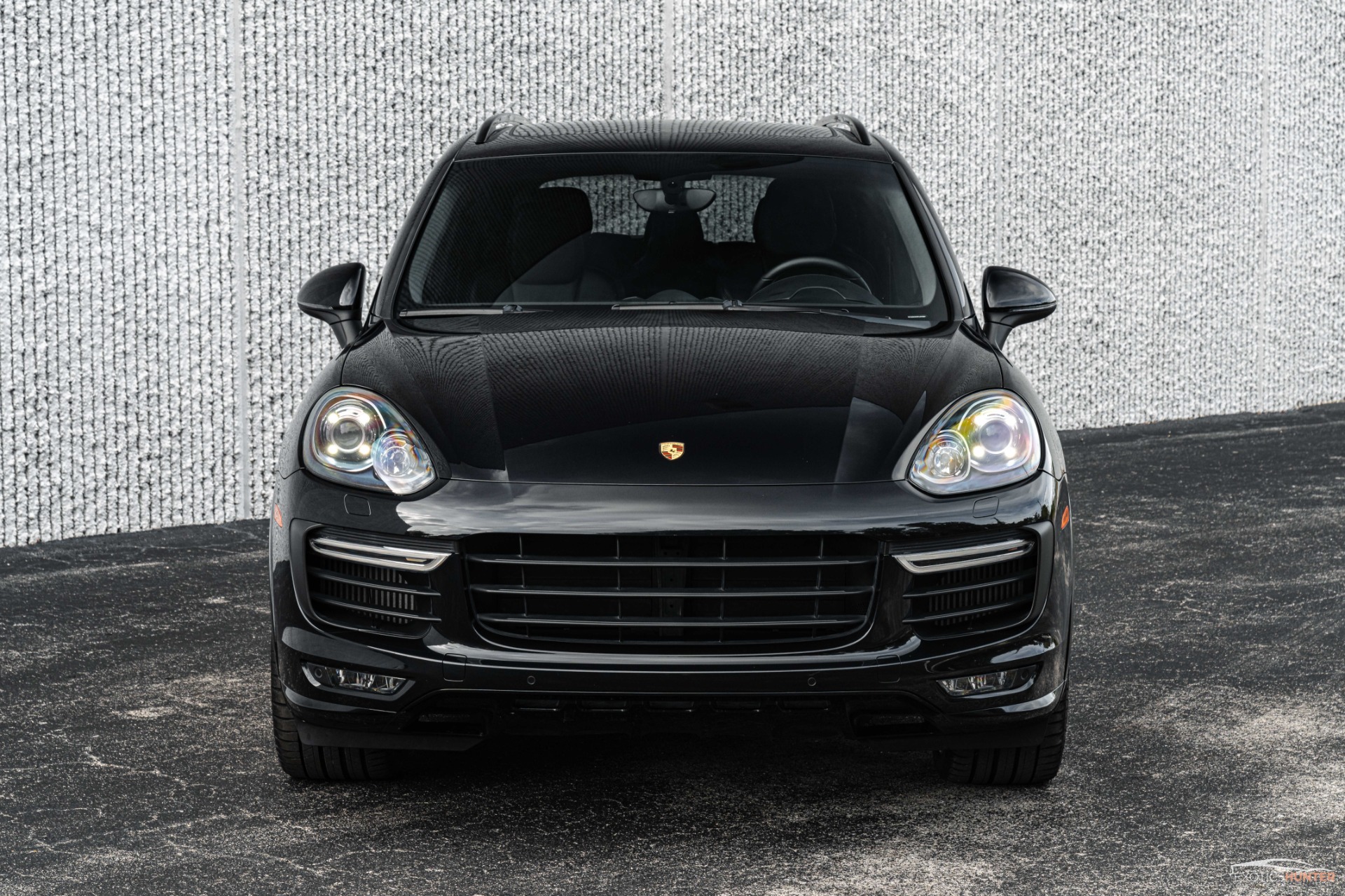
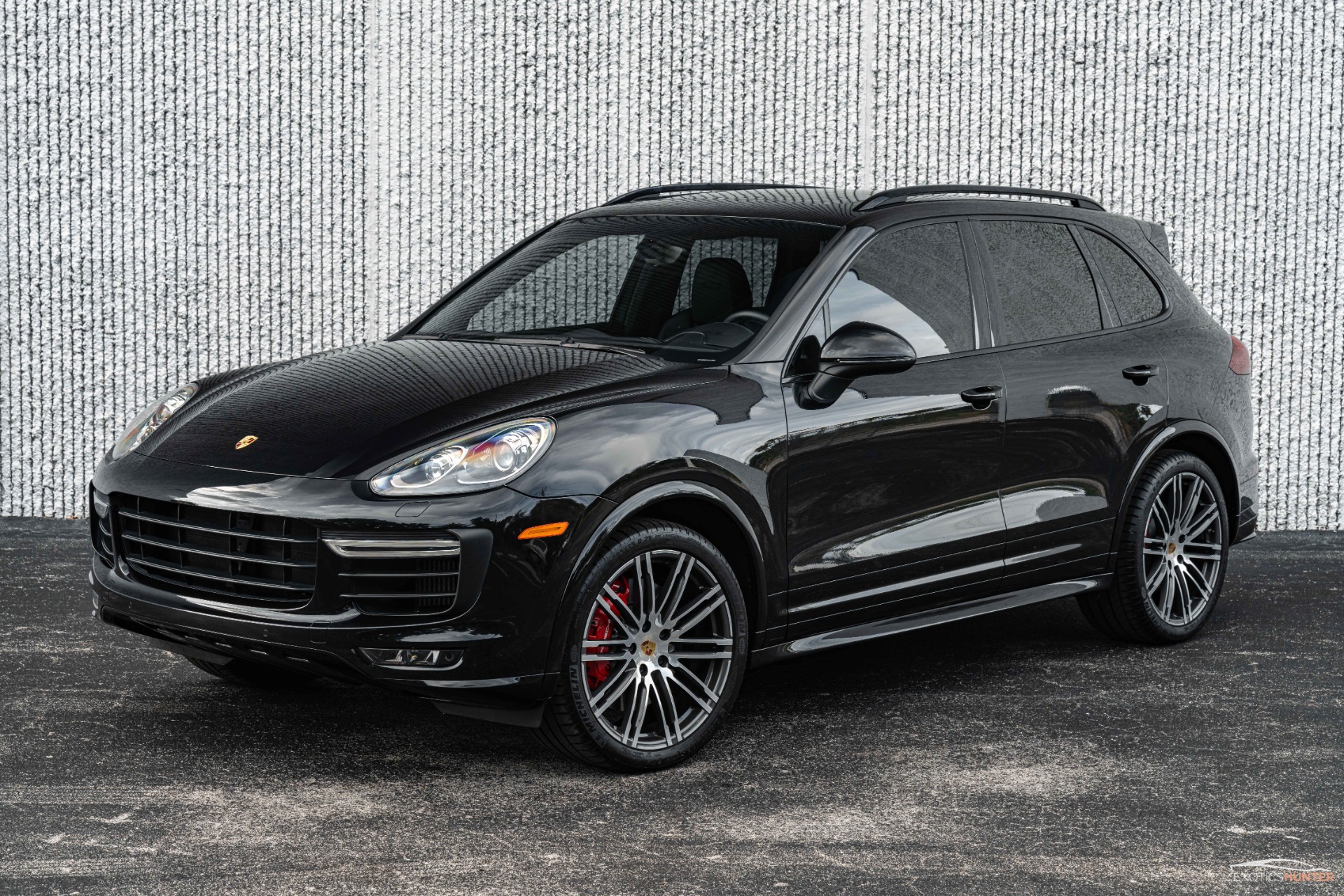
When the second-generation Porsche Cayenne was introduced for the 2011 model year, it marked a significant evolution for Porsche’s flagship SUV. Building on the success of the original Cayenne, this new iteration refined its design, improved performance, and introduced a greater focus on efficiency. Among the most exciting variants were the Cayenne Turbo and GTS.
At the heart of the Cayenne Turbo came a 4.8-liter twin-turbocharged V8, delivering 500 hp in its early years, later upgraded to 520 hp in the 2015 facelift. This power enabled the SUV to launch from 0 to 60 mph in just 4.4 seconds with the optional Sport Chrono Package.
The Cayenne GTS, which returned to the lineup in 2013, initially featured a naturally aspirated 4.8-liter V8 producing 420 hp but transitioned to a more efficient 3.6-liter twin-turbocharged V6 in 2015, boosting output to 440 hp. While the Turbo was all about pure power, the GTS was the more driver-focused variant, with a sportier suspension, a more aggressive exhaust note, and a lower ride height for improved handling.
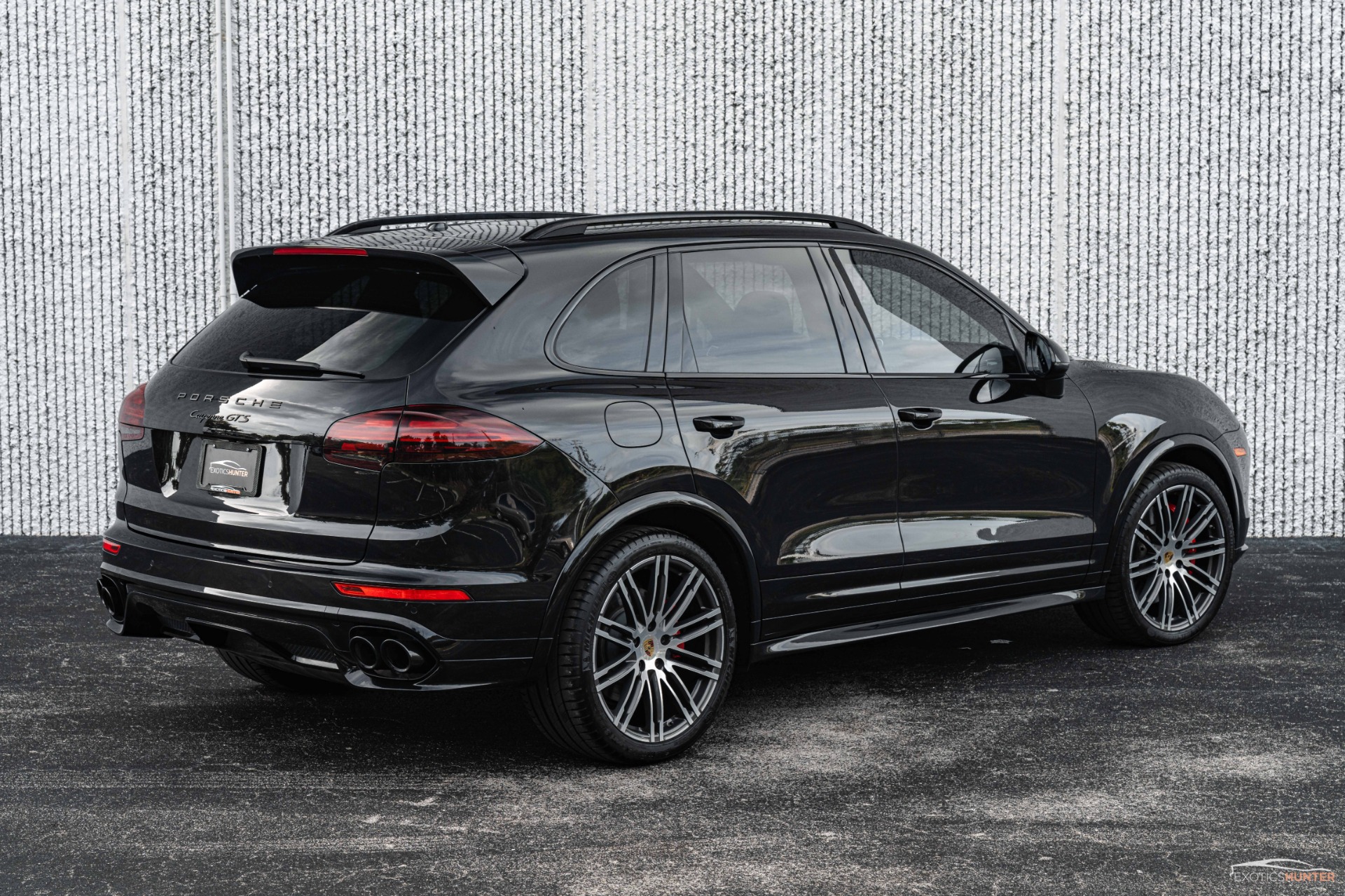
From the outside, the Turbo stood out with its larger air intakes, quad exhaust pipes, and adaptive rear spoiler. Meanwhile, the GTS took on a stealthier approach, featuring blacked-out trim, unique side skirts, and a lowered stance thanks to its standard Porsche Active Suspension Management (PASM) system. Both models rode on large, multi-spoke alloy wheels ranging from 20 to 21 inches.
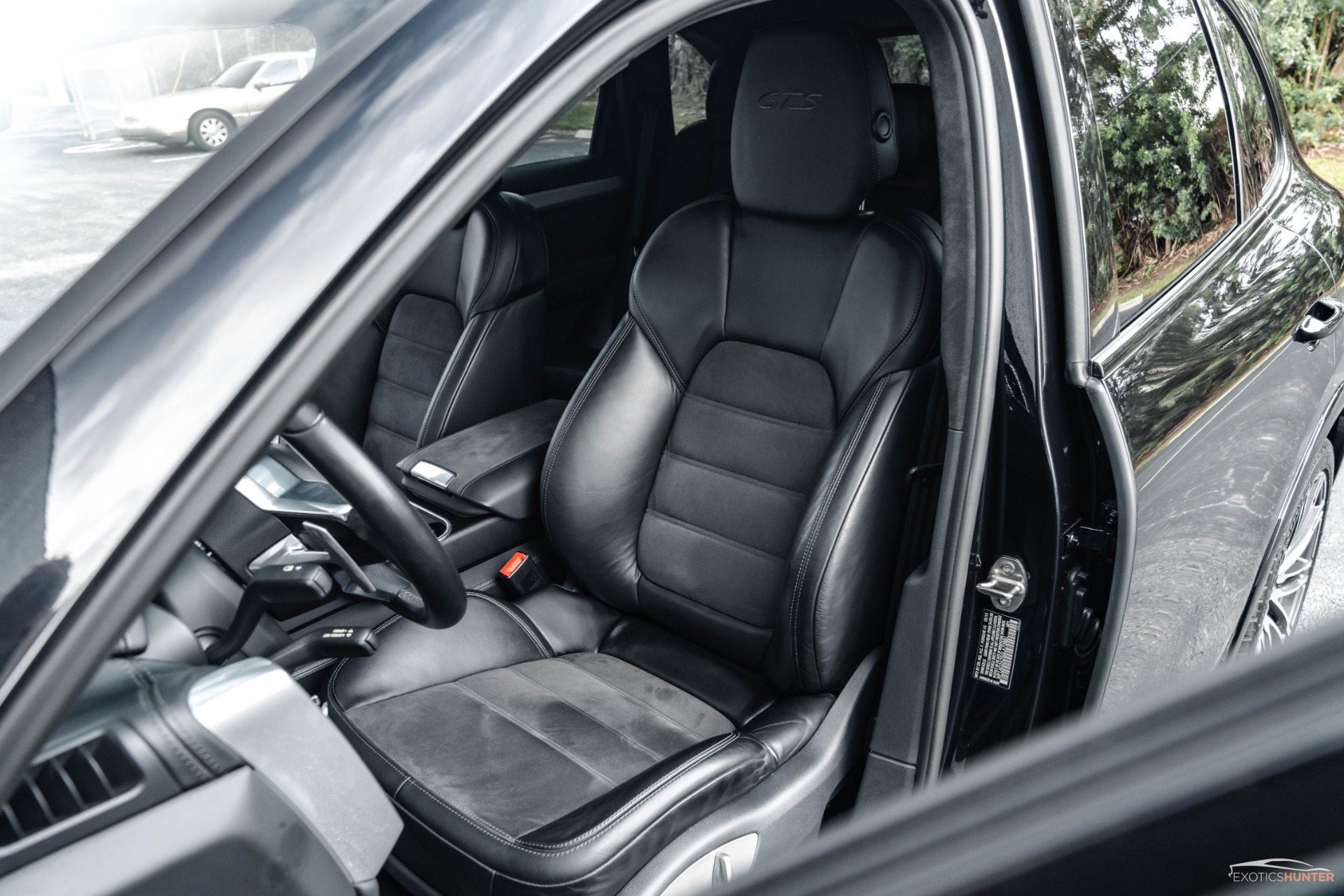
Inside, the Cayenne Turbo and GTS came with materials such as leather, Alcantara, and aluminum trim adorned the cabin, with the GTS offering a more driver-focused environment through its standard sport seats and race-inspired touches.
The cockpit featured Porsche’s latest technology, including a high-resolution touchscreen infotainment system with Porsche Communication Management (PCM), offering navigation, Apple CarPlay, and a premium sound system. Optional upgrades such as a panoramic sunroof, adaptive cruise control, and ventilated seats further increased the experience of driving your Cayenne.
Throughout its production run, the second-generation Cayenne Turbo and GTS faced stiff competition from other high-performance luxury SUVs. Rivals included the BMW X5 M, the Mercedes-AMG ML 63 (and later, GLE 63), the Range Rover Sport SVR, and the Jeep Grand Cherokee Trackhawk. Despite the competition, the Cayenne continued to set the benchmark for performance SUVs, combining Porsche’s signature handling, cutting-edge technology, and an unmistakable road presence.
Model Changes (Breakdown by Year)
2011 Porsche Cayenne Turbo
For the 2011 model year, the Porsche Cayenne Turbo debuted with a 4.8-liter twin-turbocharged V8 engine producing 500 hp. It came equipped with an 8-speed Tiptronic S automatic transmission, all-wheel drive, adaptive air suspension, and high-performance brakes, ensuring a blend of power and refinement.
Buyers could further enhance the Turbo’s capabilities with optional features such as Porsche Torque Vectoring Plus (PTV+) for improved handling, Porsche Ceramic Composite Brakes (PCCB) for superior stopping power, and various \interior packages to elevate comfort and customization.
Among the available options, the Premium Package Plus, priced at $5,320, added four-zone air conditioning, lane change assist, adaptive cruise control, Porsche Entry and Drive (keyless access), a rearview camera, power side rear sunshades, the Light Comfort Package, and ventilated front seats. For those looking to enhance interior ambiance, the Light Comfort Package with Driver Memory Package, available for $250, included dimmable ambient lighting in the door trim panels, front and rear LED reading lamps, exterior mirror courtesy lamps, and an auxiliary power outlet on the rear center console.
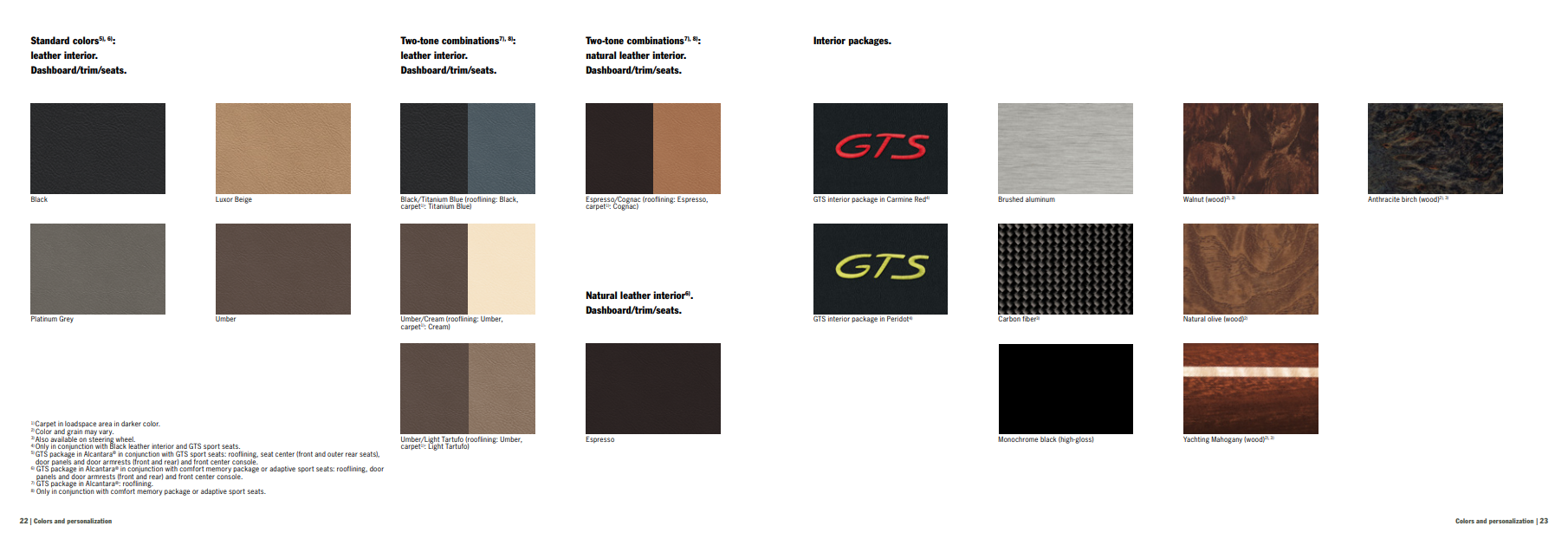
To further personalize the cabin, Porsche offered a variety of trim packages. The Walnut Interior Package and Anthracite Birch Interior Package, both priced at $345, added wood trim to the dashboard, door panels, center console, gear selector, and front ashtray cover. For a more upscale feel, the Natural Olive Interior Package, costing $1,340, featured natural olive wood trim throughout the cabin. Alternatively, the Carbon Fiber Interior Package, also priced at $1,340, introduced carbon fiber accents for a sportier aesthetic.
The 2011 Porsche Cayenne Turbo had a starting price of $106,975.
2012 Porsche Cayenne Turbo
For the 2012 model year, the Porsche Cayenne Turbo remained largely unchanged, carrying over its 4.8-liter twin-turbocharged V8 engine and existing features from the previous year.
The 2012 Porsche Cayenne Turbo had a starting price of approximately $108,750.
2013 Porsche Cayenne Turbo and GTS
For the 2013 model year, Porsche reintroduced the Cayenne GTS, bringing back its performance-oriented characteristics with a 4.8-liter naturally aspirated V8 engine producing 420 hp.
Designed for enthusiasts seeking a more dynamic driving experience, the GTS featured a sportier suspension setup, a lowered ride height, and a distinctive exterior with an aggressive front fascia and side skirts. Inside, sport seats came standard, reinforcing the model’s driver-focused nature, while a sport exhaust system provided a more exhilarating sound profile.
Meanwhile, the Cayenne Turbo carried over from the previous year with no significant changes.
In 2013, the Porsche Cayenne Turbo had a starting price of $108,750, while the Cayenne GTS started at $83,025.
2014 Porsche Cayenne Turbo and GTS
For the 2014 model year, Porsche reintroduced the Cayenne Turbo S, which now features a 4.8-liter twin-turbocharged V8 engine producing 550 hp, an increase of hp over the standard Turbo model.
In terms of performance enhancements, the Turbo S came equipped with Porsche Dynamic Chassis Control (PDCC), an active anti-roll system that reduces body roll during cornering, thereby improving handling and stability. Additionally, the vehicle featured Porsche Torque Vectoring Plus (PTV Plus), which enhances traction and agility by varying torque distribution to the rear wheels. The inclusion of the Sport Chrono Package as standard provided drivers with the ability to select performance settings tailored to their driving preferences.
On the exterior, the Turbo S was distinguished by larger front grille openings and brake cooling ducts flanking the fog lights, contributing to both aesthetics and functionality. The body was widened with fender flares and aggressive rocker panels, and it rode on 21-inch 911 Turbo II-style wheels wrapped in Michelin Pilot Sport tires, underscoring its sporty character.
Inside the cabin, the Turbo S came with features included adaptive cruise control, a premium sound system, and high-quality materials throughout, providing occupants with a comfortable and upscale environment.
Meanwhile, the Cayenne GTS and Cayenne Turbo remained unchanged from the previous model year.
For the 2014 model year, the Porsche Cayenne GTS had a starting price of $83,025, the Cayenne Turbo started at $110,650, and the range-topping Cayenne Turbo S was priced from $146,975.
2015 Porsche Cayenne Turbo and GTS
For 2015, the Cayenne received a mid-cycle facelift that included updated front and rear fascias, new headlights, and revised taillights. The front bumper was reshaped with larger air intakes and a new grille design, while the hood adopted a more sculpted, aerodynamic profile.
The headlights featured a sharper, more modern look, and the rear end received slimmer LED tail lights, a revised tailgate, and updated exhaust outlets for a cleaner finish. Interior changes featured a redesigned center console and the latest Porsche Communication Management (PCM) system.
The Cayenne GTS replaced its V8 with a 3.6-liter twin-turbocharged V6 producing 440 hp. It retained its focus on sporty handling with standard PASM and a sport exhaust system. The Cayenne Turbo saw its power output increase to 520 hp and received the same exterior updates as part of the facelift.
For the 2015 model year, the Porsche Cayenne GTS had a starting price of $96,495, the Cayenne Turbo started at $114,595, and the Cayenne Turbo S was priced from $146,000.
2016 Porsche Cayenne Turbo and GTS
For 2016, the Cayenne GTS carried over without changes along with the Cayenne Turbo which also remained unchanged, retaining the updates from the 2015 facelift.
The Cayenne Turbo S saw a power increase to 570 hp and came standard with high-performance features such as Porsche Ceramic Composite Brakes (PCCB) and Porsche Torque Vectoring Plus (PTV+).
For the 2016 model year, the Porsche Cayenne GTS had a starting price of $98,190, the Cayenne Turbo started at $118,765, and the Cayenne Turbo S was priced from $159,240.
2017 and 2018 Porsche Cayenne Turbo and GTS
For the 2017 and 2018 model years, the Porsche Cayenne GTS and Turbo saw no major updates. Both models continued with the same specifications introduced during the 2015 facelift, including their respective powertrains, suspension setups, and design features.
For the 2017 model year, the Porsche Cayenne GTS had a starting price of $97,200, the Cayenne Turbo started at $116,500, and the Cayenne Turbo S was priced from $159,600.
In 2018, the Porsche Cayenne GTS had a starting price of $98,600, the Cayenne Turbo started at $124,600, and the Cayenne Turbo S was priced from $161,600.
Porsche Cayenne GTS/Turbo (Second Generation) Common Problems
The second-generation Porsche Cayenne GTS and Turbo are solid performers, but they come with a list of known issues. Some are common wear items, while others can lead to expensive repairs if ignored.
Below is a breakdown of the most frequent problems reported by owners.
Coolant Pipe Leaks (Early 2011–2012 models): Earlier second-gen models carried over the issue from the first gen, where plastic coolant pipes would crack and leak. Porsche later updated these to aluminum pipes, but earlier vehicles that haven’t been retrofitted may still be vulnerable.
Thermostat and Water Pump Failures: Both the GTS and Turbo models, especially with higher mileage, are prone to water pump and thermostat failures, leading to coolant leaks or overheating. Symptoms include temperature fluctuations and low coolant warnings.
Transfer Case Failure: The AWD system’s transfer case is a known weak point. Drivers report jerky acceleration, hesitation, or “shuddering” at low speeds. This often leads to expensive repairs or full replacement, sometimes covered under warranty extensions by Porsche.
Excessive Oil Consumption: Some Turbo and GTS models—particularly those with the 4.8L V8—have been noted for burning oil at a faster-than-normal rate. This usually isn’t catastrophic, but it requires regular monitoring and top-ups between services.
Ignition Coil and Spark Plug Wear: Misfires under acceleration or rough idling can often be traced back to worn spark plugs or failing ignition coils. This is a common wear item around the 60,000–80,000 mile mark.
Air Suspension Issues (Turbo & Turbo S): Models equipped with the optional air suspension (standard on Turbo and Turbo S) can develop leaks or compressor failures over time, especially in colder climates. This can lead to uneven ride height or warning lights on the dash.
PCM (Infotainment) Glitches: The Porsche Communication Management (PCM) system may suffer from screen freezing, GPS errors, or Bluetooth connectivity problems. Software updates typically resolve these issues, but some owners have needed hardware replacement.
Carbon Buildup on Intake Valves (GDI engines): As with many direct-injection engines, carbon deposits can form on the intake valves over time, especially in GTS models. This can result in reduced performance and fuel economy and may require walnut blasting for cleaning.
Brake Wear and Rotor Warping: Given the weight and performance of the Cayenne GTS and Turbo, brake wear is accelerated, especially if the car is driven hard. Some owners also report premature rotor warping, which can cause vibration under braking.
Fuel Injector Leaks or Failures: Fuel injectors can become clogged or leak, causing rough starts or poor fuel economy. This is more commonly reported in higher-mileage vehicles and may also trigger check engine lights.
Recalls
2011 to 2016 Porsche Cayenne GTS and Turbo vehicles
In March 2016, a recall was issued for 2011–2016 Porsche Cayenne models, including GTS and Turbo variants, due to a missing circlip on the brake pedal pivot pin. Without this clip, the pivot pin could move out of position, potentially causing the brake pedal to dislodge or fail to engage properly, increasing the risk of a crash. Porsche dealers inspected the brake pedal assembly and installed the missing circlip where necessary at no cost to owners.
In June 2017, certain 2011–2012 Cayenne Turbo models were recalled due to camshaft controllers that could loosen inside the engine. If the controller loosened during operation, it could cause the engine to stall, increasing the risk of a crash. Porsche dealers re-tightened and secured the camshaft controller bolts free of charge.
2013 to 2014 Porsche Cayenne and Cayenne GTS vehicles
In October 2013, Porsche issued a recall for 2013–2014 Cayenne and Cayenne GTS models due to a faulty fuel level sender. The issue could cause the fuel gauge to indicate a higher fuel level than was actually present, potentially leading to unexpected stalling from running out of fuel. Dealers repositioned the fuel level sensor to prevent incorrect readings at no cost to the owner.
Maintenance and Ownership Costs
Ownership costs for the second-generation Porsche Cayenne Turbo and GTS are comparable to other Porsche models, with routine maintenance being manageable but repairs can be potentially expensive since it is a Porsche.
It is important to remember that regular maintenance and repairs will be necessary to maintain reliability.
Annual Maintenance (Every 10,000 Miles or 1 Year)
Oil and Filter Change
Vehicle Inspection
Tire Rotation
Every 20,000 Miles or 2 Years
Every 40,000 Miles or 4 Years
Every 60,000 Miles or 6 Years
Every 80,000 Miles or 8 Years
16-Year Maintenance (Every 160,000 Miles or 16 Years)
Here is a rough estimate of typical service costs associated with the Porsche Cayenne GTS/Turbo (Second Generation):
Oil Change – The Cayenne GTS and Turbo require high-quality synthetic oil and a large oil capacity due to their V8 engines. An oil change typically costs between $250 and $400 at a dealership, while independent shops may charge between $150 and $250. This includes oil, OEM filter, and labor.
Minor Service – Minor service includes an oil change, fluid top-offs, brake inspection, tire rotation (if applicable), and multi-point inspection. These are usually done every 10,000 miles. Expect to pay $400 to $600 at a dealership, while independent shops charge between $250 and $400.
Major Service – Major service occurs every 30,000 to 50,000 miles, depending on use and model year. It includes spark plug replacement, air filter, cabin filter, transmission fluid check or replacement, brake fluid flush, and a full vehicle inspection. This service typically costs $1,200 to $2,000 at a dealership, and $900 to $1,500 at an independent shop.
Tires – The Cayenne GTS and Turbo come equipped with staggered high-performance SUV tires such as Pirelli P Zero tires, often 20″ or 21″ depending on the trim. A set of four performance tires (Michelin, Pirelli, or Continental) generally costs between $1,200 and $2,000, including mounting and balancing. Tire wear is moderate to high due to the weight and power of the vehicle.
Brakes – Brake costs vary significantly depending on whether the vehicle has standard steel rotors or Porsche Ceramic Composite Brakes (PCCB).
For standard steel brakes, replacing pads and rotors on all four corners runs $1,500 to $2,500 at a dealership, and $1,000 to $1,800 at an independent shop.
PCCB systems (standard on Turbo S, optional on Turbo/GTS) are much more expensive, with full replacements reaching $15,000+.
Clutch – The second-generation Cayenne GTS and Turbo models use an automatic Tiptronic S transmission, not a manual, so there’s no traditional clutch to replace. However, if you were referring to torque converter or transmission service, a full transmission fluid service can cost $600 to $900, while a full rebuild or replacement can exceed $6,000, depending on the issue and shop.
Options List
When shopping for a second-generation Porsche Cayenne GTS or Turbo (2011–2018), the options list plays a major role in overall value, performance, and appeal. These models offered a long list of factory options that significantly changed the ownership experience. Knowing which features to prioritize can help buyers avoid overpaying for unnecessary extras while securing the most desirable configurations.
Buyers seeking sharper handling often opted for Porsche Torque Vectoring Plus (PTV+), adaptive air suspension, or Porsche Dynamic Chassis Control (PDCC). These features improved body control and responsiveness, especially in the heavier Turbo models. The Sport Chrono Package was another key performance option, adding a dash-mounted stopwatch and selectable drive modes that enhanced throttle response and shift mapping.
Porsche Ceramic Composite Brakes (PCCB) were available on GTS and Turbo models and came standard on the Turbo S. While expensive to maintain, PCCB significantly reduced brake fade and unsprung weight. The GTS came standard with a sport exhaust system, but Turbo buyers could add a performance exhaust for enhanced sound and response.
The exterior could be optioned with several wheel designs ranging from 19 to 21 inches. SportDesign packages included unique front and rear fascias, side skirts, and trim accents that gave the Cayenne a more aggressive look. LED headlights and tinted taillights were also available depending on the year and trim.
Interior options were extensive. Buyers could select from a variety of leather and Alcantara combinations, carbon fiber, wood, or aluminum trim, and contrast stitching. Ventilated and massaging front seats were available, along with heated rear seats. The Burmester high-end surround sound system was a standout option for audiophiles, though the Bose system was more common.
Adaptive cruise control, lane change assist, and blind-spot monitoring were among the most in-demand driver-assistance features. Entry & Drive (keyless access), a panoramic sunroof, and four-zone climate control were also popular. Some models featured a rear-seat entertainment system with dual screens, though this option is less desirable today due to outdated tech.
Well-optioned examples tend to include the Sport Chrono Package, air suspension or PDCC, upgraded audio, and 21-inch wheels. In the GTS, full leather with Alcantara and contrast stitching is highly sought after. In Turbo models, PCCB and LED headlights add long-term appeal.
2012 Porsche Cayenne GTS options list
2013 Porsche Cayenne Turbo options list
2015 Porsche Cayenne Turbo S options list
Key Options
Porsche Cayenne GTS/Turbo (Second Generation) Price and Value (Also includes other Cayenne models)
The Best Porsche Cayenne GTS/Turbo (Second Generation) to Buy
When it comes to choosing the best second-generation Porsche Cayenne GTS or Turbo (2011–2018), several factors come into play—including performance options, model year updates, and overall vehicle condition.
For those looking to get the most refined and well-equipped example, the 2016 model year stands out as a solid choice. By this point, the Cayenne had already received its mid-cycle facelift, which introduced updated front and rear styling, interior tech upgrades, and drivetrain improvements.
The 2016 GTS and Turbo models benefited from years of incremental enhancements, and the Turbo S saw its peak performance output at 570 horsepower, with key features like Porsche Ceramic Composite Brakes (PCCB) and Porsche Torque Vectoring Plus (PTV+) included as standard.
Buyers should also consider build quality, service history, and mileage. Well-maintained examples with full service records and fewer miles are likely to hold their value better over time. Models optioned with desirable features like the Sport Chrono Package, PDCC, Burmester sound system, and 21-inch wheels tend to have stronger market demand.
A clean, low-mileage 2016 model with a strong option list and proper maintenance history offers the best balance of performance, reliability, and long-term value in this generation.
Don’t forget that the condition and mileage of the vehicle are crucial factors to consider when buying a Porsche Cayenne GTS/Turbo (Second Generation). Well-maintained cars with lower mileage tend to hold their value better and offer more reliable performance.
It’s important to conduct thorough research, compare prices, and look for models with a documented service history if you are considering purchasing a Cayenne Turbo or GTS with long-term value.
Conclusion
In summary, with starting prices ranging from $28,000+, the second-generation Porsche Cayenne GTS and Turbo offer a compelling mix of performance, luxury, and practicality. These SUVs deliver serious power, engaging handling, and high-end refinement in a package that’s usable year-round.
While alternatives like the BMW X5 M, Mercedes-AMG GLE 63, and Range Rover Sport SVR offer similar power and features, the Cayenne GTS and Turbo stand out with their Porsche driving dynamics, strong build quality, and extensive customization options.
For buyers seeking a high-performance SUV that blends sports car capability with everyday comfort, the second-generation Cayenne GTS and Turbo remain a strong choice.
Car Hacking Shortcuts
Look for models with Sport Chrono, PDCC, and air suspension for maximum performance and resale appeal
Prioritize 2015–2016 model years for updated styling, interior tech, and drivetrain refinements
Target well-maintained, low-mileage examples with a clean service history
Avoid models with Porsche Ceramic Composite Brakes (PCCB) unless priced appropriately, due to high replacement costs
Focus on builds with premium interior options (leather/Alcantara, Burmester audio) for stronger market desirability
Bjarke Ingels Group has unveiled the design for Gelephu International Airport. Image: Bjarke Ingels Group.
Bhutan received 103,000 tourists in 2023, around two-thirds less than the pre-pandemic record set in 2019. With a more varied customer base, the new objective is to return to just over 300,000 visitors each year as soon as possible.
Last year’s significant first step was lowering the mandatory daily sustainable development tax to USD 100 per adult, effective untillAugust 31, 2027. The global pandemic completely upended the tourism industry, which is still having difficulty recovering from the COVID-19 requirements. A spokesman for Bhutan tourism quipped, “We believe the tourism sector has an important role in generating employment, earning foreign exchange… and boosting overall economic growth.”
Currently, independent travellers can plan their travels more efficiently and save more money thanks to a new official booking portal. At least half of the nation’s tourists should come from non-Asian markets, including the US, Europe, and Australia; in the final full year before the 2020 COVID-19 lockdowns, almost 73 percent of all arrivals were from Indian tourists.
Happiest Country In The World
The airport’s interior will feature traditional Bhutanese motifs and patterns. Image: Bjarke Ingels Group.
This nation is well-known worldwide for its Gross National Happiness Index, or GNH, which gauges citizens’ well-being in terms of everything from health and living conditions to preserving their culture and environment. The government is aiming to become the first carbon-negative nation in history.
Although it is concerned about the effects of mass tourism and continues to prohibit mountain climbing to protect the sacredness of its peaks, the nation is making a concerted effort to attract more tourists and increase the share of tourism in its USD 3 billion economy from 5 percent to 20 percent.
The concept impacts many facets of Bhutanese society, including environmental preservation, economic growth and governance. The nation’s commitment to preserving forest cover and reaching carbon negative highlights its strength in becoming a global ecological management leader. According to a 2024 Reuters story, 50,000 Bhutanese work in the tourism industry generated USD 84 million annually in foreign exchange earnings three years before the pandemic.
The nation’s expansive views of the Himalayan mountains and its cliffside Buddhist temples attract tourists yearly. Bhutan is gradually but steadily improving its infrastructure for tourism and connectivity.
Spanking-New Airport
The airport will features spaces for passengers to do yoga. Image: Bjarke Ingels Group.
With the impending development of a new international airport in Gelephu, located in the southern part of the country, things are taking shape to support the nation’s economy and tourism industry. This historic initiative aims to make it simpler for travellers to reach this mysterious location.
In addition to Paro International Airport, the proposed Gelephu International Airport will serve as Bhutan’s second international airport. Situated in the Sarpang District, Gelephu’s advantageous proximity to the Indian border makes it a perfect hub for improving regional connections. The project’s anticipated cost is around Nu 20 billion, or USD 240 million. When Gelephu International Airport opens in 2029, it will revolutionise travel in the Himalayan monarchy. The design is in partnership with Netherlands Airport Consultants (NACO).
Choice Location
Plenty of nature and biophilic design will be incorporated into the airport. Image: Bjarke Ingels Group.
It’s no surprise that Gelephu was the choice location, all thanks to the topography, which allows for longer runways that can handle larger aircraft. Due to its proximity to India, Gelephu, Bhutan’s leading trading and diplomatic partner, is ideally situated for rail and road connections.
King Jigme Khesar Namgyel Wangchuck of Bhutan has spearheaded the Gelephu Mindfulness City initiative. “This airport is essential for the success of the GMC as a business hub, and it is also a critical lifeline for Bhutan’s national security, especially for a landlocked country,” said the Bhutanese King.
With a population of roughly 750,000, the nation is geared as a pioneer in “high value, low impact” tourism. The USD 100 daily sustainable development tax that visitors must pay supports Bhutan’s public services, including health care and education.
Mindful Travel
Passengers will have many open areas to take in the views and manicured gardens. Image: Bjarke Ingels Group.
This project is a key part of the USD 100 billion Gelephu Mindfulness City (GMC) project, which aims to integrate ecological harmony and spiritual contentment into urban planning to address economic issues, including youth unemployment and declining birth rates.
The creative design, with tropical trees offering natural shade throughout the building, will let visitors enjoy Bhutan’s natural surroundings as soon as they arrive. A woodland courtyard that brings the outdoors indoors will serve as the focal point for the airport’s primary functional elements, which include immigration, security and baggage handling.
Bjarke Ingels, founder and creative director of architectural firm BIG, which is leading the airport’s design, says, “An airport is the first and last impression of a place you visit. For the Gelephu International Airport, we have tried to embody the nature and culture of the country and the Mindfulness City. The forests covering the highlands can flow from the arrival plaza through the airport to the tarmac.”
The construction uses modular mass timber frames, which allow it to be flexible and expand in the future. From a distance, the airport’s silhouette will blend with the surrounding terrain, resembling a stylised mountain range.
Each of the four zones of the arrival plaza will have native plant species encircling seating spaces where travellers can unwind.
The facility will offer elaborate traditional carvings and colours, creating details that make it characterful. Different kinds of dragons, which represent the past, present and future, will be incorporated into the decorative elements. This spiritual element emphasises the nation’s legacy while presenting it as progressive.
The “Kachen” — a wooden pillar in traditional Bhutanese architecture valued for its structural significance and complex artistic elements — will inspire the new facility’s unique features, including intricately painted wood carvings created by local artists.
Accommodating Bigger Aircraft
Accommodating wider aircraft is vital for Gelephu airport. Image: Bjarke Ingels Group.
The airport’s design will handle aircraft like the Airbus A320, A321, and A350. The proposed runway is around 3,500 metres, allowing larger aircraft like the Airbus A380.
With a total area of 731,946 square feet, Gelephu International Airport can accommodate up to 1.3 million people a year and 123 flights a day. Although these numbers pale compared to major airports like London Heathrow or New York’s JFK, 316,000 visitors in 2019 is a significant accomplishment for this landlocked nation.
International travellers land at Paro International Airport (PBH), near Thimpu, the capital. Only a few tiny aircraft can fly in or out of Paro daily because of its difficult location between two Himalayan peaks, severe monsoon-season winds and a lack of runway illumination. These flights are all short-hauls from neighbouring Asian cities like Bangkok and New Delhi.
Bhutan’s economy depends heavily on tourism, which generates sizable employment and national income. The nation’s tourist policy is “High-Value, Low-Impact” to protect its pristine environment and rich cultural legacy.
With the recent announcement of the new Gelephu Airport, the enhanced airport connection is set to increase tourism through Bhutan’s “high value, low impact” approach, encouraging environmentally conscious and sustainable travel. This expansion will drive the hotel industry, promoting eco-friendly lodging, wellness facilities and cultural events for discriminating tourists. Bhutan’s airport is a stunning example of how traditional craftsmanship and contemporary sustainability coexist. This clever blending of history and environmentally conscious innovation makes Bhutan an even more sustainable and spectacular travel destination.
“Bhutan has officially earned a place at the top of my travel bucket list, and the Gelephu International Airport will be a boon for the country’s economy. It is more than just an airport; it is the starting point for sustainable tourism, economic expansion, and a new era of thoughtful travel. Thanks to improved connectivity, eco-friendly projects, and a touch of Bhutanese flair, this airport is poised to establish Bhutan as a leading destination for environmentally aware travellers and innovative development.”
— Kiranjeet Kaur, Director of Marketing Communications, W Kuala Lumpur.
When the new international airport opens, Bhutan will improve. It’s a pledge to strengthen the economy, create jobs while preserving the nation’s natural beauty and let the world explore and discover the landlocked destination.
For more on the latest in travel reads, click here.
The technical storage or access is strictly necessary for the legitimate purpose of enabling the use of a specific service explicitly requested by the subscriber or user, or for the sole purpose of carrying out the transmission of a communication over an electronic communications network.
Preferences
The technical storage or access is necessary for the legitimate purpose of storing preferences that are not requested by the subscriber or user.
Statistics
The technical storage or access that is used exclusively for statistical purposes.The technical storage or access that is used exclusively for anonymous statistical purposes. Without a subpoena, voluntary compliance on the part of your Internet Service Provider, or additional records from a third party, information stored or retrieved for this purpose alone cannot usually be used to identify you.
Marketing
The technical storage or access is required to create user profiles to send advertising, or to track the user on a website or across several websites for similar marketing purposes.



:max_bytes(150000):strip_icc()/TAL-header-boop-SPRINGBRDWAY0325-cf56d106825b492e97a203f24a0c8718.jpg "The Top Broadway Shows to See This Spring, According to a Theater Expert")
:max_bytes(150000):strip_icc():format(jpeg)/TAL-header-boop-SPRINGBRDWAY0325-cf56d106825b492e97a203f24a0c8718.jpg)