Espinosa replaces Makoto Uchida, who has led Nissan since 2019
The executive reshuffle comes less than a month after the breakdown of merger talks with Honda
Nissan announced a series of leadership changes on Tuesday, including the appointment of Ivan Espinosa as its new CEO.
Espinosa will assume the role on April 1, replacing Makoto Uchida, who has led the troubled automaker since 2019 but struggled to drive a meaningful turnaround.
Uchida had been under mounting pressure to step down due to Nissan’s worsening financial performance and last month’s failed merger talks with Honda. It remains unclear whether Espinosa’s appointment will revive those discussions or attract much-needed investment from a new partner, though there have been rumors Honda wanted a replacement for Uchida for any chance of the merger talks resuming.
Espinosa has been with Nissan since 2003, spending much of his career in his native Mexico while also holding key positions in Southeast Asia and Europe. Currently serving as Nissan’s chief planning officer, his promotion to CEO may signal a renewed focus on product innovation rather than pure profit maximization. A strong advocate for performance vehicles, Espinosa has expressed support for reviving the Silvia sports car, potentially joining the Z and GT-R as Nissan’s third dedicated performance model.
Ivan Espinosa
Other key executive changes include Eiichi Akashi, currently head of vehicle planning and component engineering, who will become chief technology officer, replacing Kunio Nakaguro. Teiji Hirata, currently head of production engineering and development, will take over as head of manufacturing and supply chain management, replacing Hideyuki Sakamoto. Guillaume Cartier, Nissan’s chief performance officer, will take on an expanded role overseeing global marketing and customer experience.
Espinosa takes over the reins at Nissan as the automaker continues executing a turnaround strategy initiated last year. The plan calls for a 20% reduction in global production capacity, scaling back from 5 million to 4 million vehicles annually. This move will lead to a workforce reduction of approximately 9,000 employees, the closure of three plants, and reduced shifts at other facilities, including some in the U.S.
In addition, Nissan announced a strategic review to explore potential new partnerships. One such possibility is Taiwanese contract manufacturer Foxconn, which confirmed in February that it was in discussions with Nissan.
Like many legacy automakers, Nissan faces steep challenges, including the transition to electric vehicles, rising competition from Chinese automakers, and, more recently, potential tariffs on vehicles it exports to the U.S. from Mexico.
Limited resources mean Volvo may skip redesigning its wagons, according to CEO
To boost sales, Volvo may introduce new variants of other body styles
Current V60 and V90 wagons may live on with updates
There was a time when Volvo was widely recognized as a station wagon brand, especially in the latter part of the past century thanks to models like the 240, 740, and 850 wagons.
In recent decades, SUVs have encroached into wagon territory, with most on sale today essentially wagons with a little extra ride height. The move has been market-led, and with buyers eschewing traditional wagons in favor of SUVs, even Volvo is now considering a future without a wagon in its lineup.
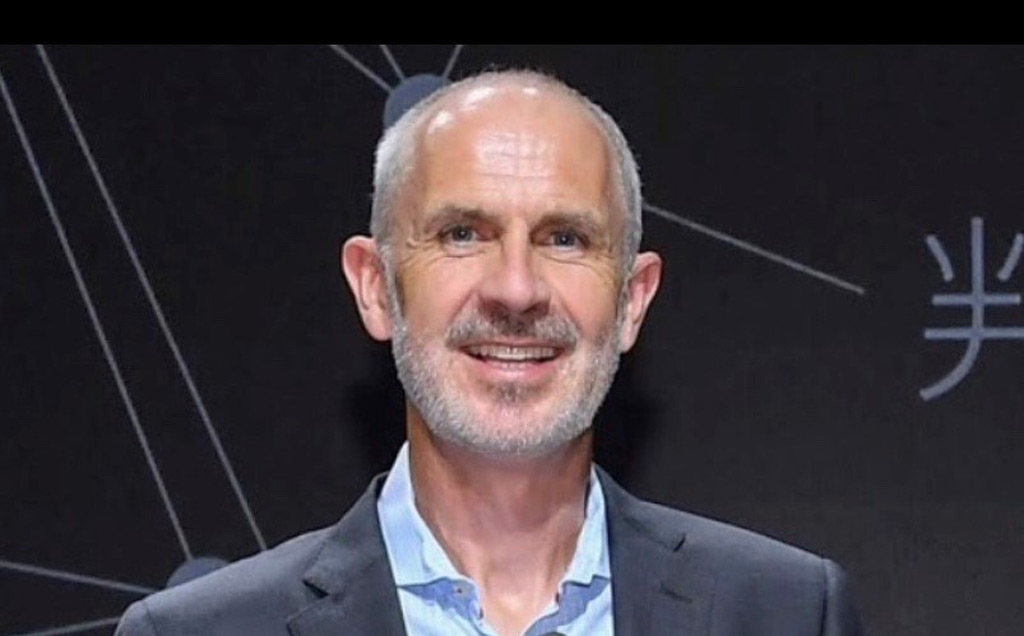
The information was revealed to Autocar by Volvo CEO Jim Rowan, in an interview following the March 5 reveal of the ES90 electric hatchback.
He said Volvo is limited by resources, so renewing relatively low-selling models like the V60 and V90 wagons is hard to justify. He also said the ES90, with its hatchback design, helps bridge the gap between traditional sedans and SUVs where wagons currently sit.
Jim Rowan
“We’re a reasonably small company with limited resources,” he said. “We’re making very conscious choices about where we want to play the game and where we’re differentiated.”
Rowan said that it would be more cost-effective for Volvo to grow its sales by introducing new versions of its existing models, like the Black Edition version of the XC60 or the new Cross Country version of the EX30.
“It’s much, much cheaper and much more cost-effective for us to drive more volume through that same platform and that same form factor,” he said.
Volvo has already started discontinuing its wagons in many markets. The standard V60 and V90 wagons are no longer available in the U.S., but Cross Country versions of both are still available. The automaker hasn’t indicated how long both models will stick around, though they may continue on for years with updates, similar to how the XC90 and XC60 were both updated.
This cutting-edge luxury icebreaker can sail in conditions no other cruise ship can handle.
Phenomenal food and wine, with menus and recipes from Alain Ducasse.
Professional crew who make the ship feel like a five-star European hotel.
Bold itineraries take guests to places they wouldn’t dream of going, whether that’s Canada in winter, the Southern Ocean, or the actual North Pole.
It’s 16 degrees in La Baie, Quebec, the wind is howling, and our ship is stuck in the ice. In other words, things are going exactly to plan.
On my recent weeklong adventure along the St. Lawrence river, aboard Le Commandant Charcot, embracing bad weather and leaning into the cold were par for the course. That included sailing into frigid gusts and plowing through ice floes. By the third day of the journey, the vessel had entered the Saguenay River, a tributary of the St. Lawrence. As the ice grew thicker, we entered a cove known as Ha! Ha! Bay, the edges of which were frozen solid. The crew of the Charcot drove the ship firmly into the fast ice—we came to a stop about a mile from shore.
It was as exciting as I had hoped it would be, if a bit demented: Why would anyone go to the northern reaches of Canada in the depths of winter? The expedition cruise company Ponant is banking on travelers embracing the cold—as long as they’re comfortably looked after. The 123-cabin Charcot is chock-full of creature comforts—such as the only Alain Ducasse restaurant at sea—and among the world’s most cutting-edge expedition vessels, with an ice-reinforced hull that makes it possible to go just about anywhere.
Built at a reported cost of $600 million, Le Commandant Charcot has ventured to the true north pole, sailed the iceberg-strewn Southern Ocean, and explored the coasts of Greenland. It travels the world with a staff of highly experienced naturalists, guides, photography ambassadors, scientists, and seafarers. To take one example: the captain for my sailing was Patrick Marchesseau, who’s well known in France for surviving a pirate assault off the coast of Somalia in 2008.
Not that we expected anything like that in Quebec.
Much of the trip, which Ponant had described as “a journey into Boreal winter,” focused on the cultural and natural riches of Francophone Canada. It’s a fitting choice for Ponant, which is based in Marseille and draws a large share of its guests from the Continent: French is the lingua franca on board—expect to hear bonjour and comment ça va—though all the crew members I interacted with spoke English as well. Announcements were given in both languages and, during my trip, participants were split into groups based on their primary tongue.
Whatever our linguistic leanings, my fellow passengers and I spent our days exploring by snowshoe, by dogsled, or on foot, traveling alongside local guides who would point out animal tracks, detail the nearly 500-year history of French activity in the area, and share the perspectives of the First Nations people who were the original inhabitants of these lands. (“The name ‘Quebec’ comes from the Algonquin word for ‘narrow passage’ or ‘strait,’” according to the Government of Canada.)
Icy views of Quebec from a guest room balcony.
Paul Brady/Travel + Leisure
It was fitting, then, that my trip kicked off in Quebec City, where the St. Lawrence River narrows. On the day I arrived, a number of intrepid athletes were running a winter pentathlon, involving skating, snowshoeing, Nordic skiing, biking, and running. I was happy to watch before meeting up with a local guide, Marie-Christine Huot, who wove together long-ago history like the founding of Quebec City, in 1608, and more contemporary issues, like the 1970s-era redevelopment of its historic waterfront and now-famous shopping quarter, Petit Champlain. Huot’s family has run a silk scarf shop in Petit Champlain for more than 40 years.
When we sailed into the Saguenay River, one of the natural treasures of Quebec, the Charcot broke out its party trick and plowed through the ice until coming to a rest in a shelf some two-feet thick. The crew lowered a gangway and local port staff came to greet us on electric snowmobiles.
It was as wild as it sounds and was one of the most memorable moments I’ve ever had over my years working as T+L’s chief cruise correspondent. Other passengers were equally awed.
“The ability to park the ship on ice and walk out into a river is so cool,” said Barkley Hickox, a member of the T+L Travel Advisory Board who was aboard the Charcot with me. “I’ve been getting Instagram pings from engineering geeks because there’s nothing else like it. This feels like a once in a lifetime experience.”
From our base in Ha! Ha! Bay, we were shuttled ashore in snowmobile-driven aluminum sleds built by local craftspeople, four at a time, which lent the whole enterprise a Mission Impossible vibe. One afternoon, I had the chance to snowshoe the Bec-Scie nature preserve, alongside naturalist and guide Monique Tremblay. Another day, one of Ponant’s expedition team led a three-mile, snowshoe-and-crampon trek along the shore of the bay that ended with a march across the ice back to Charcot.
After a few days in the Saguenay, we pressed farther north, to the village of Sept-Îles and its neighboring First Nations reserves. I didn’t have high hopes for the port, which is a major transshipment point for aluminum and iron ore, the kind of out-of-the-way harbor that people who aren’t industrial engineers couldn’t find on a map.
But it was there I had the most affecting experience of my week in Quebec, on a guided visit to Uashat, an Innu settlement that borders Sept-Îles. Inside a canvas tent behind a community center, one of our hosts related her own personal history as a metaphor for her community’s: a victim of Canada’s residential school system, she has today become a keeper of Innu language and tradition, and an advocate for her culture. Our small group, with the help of a local guide arranged by Ponant who translated between French and English, had a chance to listen and learn. We also picked up a few phrases of Innu-aimun, as the Native language is known, and enjoyed some traditional drumming and dancing performed by a few members of the community.
I’d come north expecting wild landscapes and mountains of snow and ice. The surprise was in the vivid connections I was lucky to make on a frosty morning, sharing some bannock and cloudberry jam with people I’d only just met, who welcomed us like friends.
The Staterooms
The Charcot has 123 staterooms in seven categories. I stayed in Deluxe Suite 702, a spacious, 301-square-foot room near the front of the ship on the port side, with a balcony, sitting area, and a bathroom with a peekaboo window that made it possible to watch the scenery from the shower. Like many luxury hotels these days, it had a muted color palette, with wood and leather accents; the dark stone in both the entryway and bathroom felt very chic.
Standard-issue rooms on the ship are equally sumptuous if slightly smaller, at 215 square feet; they still have verandas, of course.
More opulent are choices like Prestige and Grand Prestige suites. Duplex Suites are, to my mind, the most impressive on the ship with double-height windows overlooking the stern, private hot tubs, soaking bathtubs, water-vapor fireplaces, and huge beds that face the horizon. A single Owner’s Suite, at the stern on deck eight, is an impressive study in contemporary luxury that, on a typical 12-night polar cruise, goes for about $93,000 per person.
Bars and Restaurants
Interior of the main on board dining room.
Paul Brady/Travel + Leisure
There are two restaurants on the Charcot, the more formal Nuna and the more casual Sila. Nuna is billed by Ponant as the only Alain Ducasse restaurant at sea, and the food served during my trip was worthy of the chef’s endorsement. The ever-changing menus mixed classic French techniques with contemporary flavors, with many plant-forward choices that I ended up skipping in favor of dishes such as lobster with beets and hibiscus; veal tartare with haricot verts; prawn ravioli with carrot and ginger.
The other dining option is Sila, where food is displayed buffet style but served by a marvelous crew, on custom porcelain from the French brand Pillivuyt. In fact, to call it a buffet at all might unfairly malign just how good the food on offer is: Thai curry, roasted pork pluma, stir-fried noodles, French classics like pommes Anna and tartiflette, fresh salads, and an assortment of cheeses every evening. One highlight at breakfast: a French toast so rich that it seemed to tip from morning staple into custardy last-meal-on-Earth territory. Adjacent to Sila is an outdoor grill where guests can order more casual items including burgers, sandwiches, and bites like arancini and spring rolls in the afternoon.
Interior of the main lounge.
Courtesy of PONANT
There are two bars on board, one in the Observation Lounge and the other in the Main Lounge on deck 5. Both serve traditional and contemporary cocktails, plus beer and wine; the menu has a section of non-alcoholic cocktails, a growing trend among cruise lines, plus Nespresso coffee and other soft drinks. Near the spa, there’s a Detox Bar that serves smoothies and teas—but no spirits.
Whatever the venue, small details spoke volumes: a bite of Valrhona chocolate served with every espresso, rich French Maison Bordier butter on every table, fun wines like an easy-drinking rosé called, naturally, Brise Maritime. Additionally, Charcot offers 24/7 room service at no additional cost, plus in-room minibars stocked with beer, spirits, and non-alcoholic options.
Shore Excursions
Passengers who disembarked in Quebec headed to an on shore excursion.
Paul Brady/Travel + Leisure
Nice as Charcot may be, this is why you’re aboard. Unique in the world, this icebreaker can take passengers to the North Pole, the far reaches of the Antarctic, and, as I discovered, to the frozen bays and rivers of Boreal Canada.
And while the ship has a fleet of Zodiacs, they don’t factor into the experience on Canada sailings, which offer a mix of more traditional cruise shore excursions arranged in partnership with land-side operators and more sporty nature-focused activities managed by the Ponant crew.
One afternoon, for example, a team from the port of Saguenay ferried 10 of us by snowmobile to the Eucher trail head, where they left us in the care of a ship’s naturalist, Antoine Lala-Beaufils. He’d scouted the snowshoeing route a few weeks prior, and our party reeled off a few kilometers uphill to a breathtaking viewpoint nearly 500 feet above the fjord that was, for me, reminiscent of Norway. Several guests then turned back to the trailhead while he and I powered ahead, just the two of us, descending to the ice-strewn shore and trekking across the frozen bay back to the ship. It was exactly everything I had hoped for when I signed up for the trip.
Other excursions were less successful, either because group sizes were a bit too large for comfort (a snowshoe trip with 22 participants) or because they featured a ton of sizzle and not enough steak (a five-hour dogsledding activity had about 20 minutes of actual sledding, mixed with a good bit of standing around). Some of this can easily be chalked up to the off-season nature of my trip, as well as the novelty of the itinerary: never before has a cruise ship visited these ports in winter, because never before has a ship, like the Charcot, been capable of operating in the ice.
“Exploration in these remote areas is, by nature, an adventure, and we appreciate our guests’ spirit of discovery,” a Ponant spokesperson shared with T+L. “Despite all the scouting work and preparation, operating in remote and extreme environments such as northern Canada inherently involves logistical complexities.”
“This particular voyage was part of the very first cruises ever operated in this region at this time of year, making it a pioneering experience,” the spokesperson added. “We have established a continuous feedback loop with our local partners to refine operations, add new activities, and enhance the guest experience based on real-time insights.”
During my week aboard, I spoke with numerous guests who were, on the whole, impressed by the excursions in spite of some snags they experienced here and there.
Amenities and Entertainment
Lounge chairs lay around the on board indoor pool.
Gilles TRILLARD/Courtesy of PONANT
Due to its size, Charcot doesn’t have the innumerable bells and whistles that are common on mega-ships. But it does have just about anything you’d want, particularly in higher-end suites that feature things like private hot tubs, space and equipment for in-room workouts, and lounge areas whether you’re curling up with a book. (Speaking of, internet on board is included and powered by Starlink.)
Scenic views of Quebec from the sauana.
Paul Brady/Travel + Leisure
The spa has all the services you’d expect, with Biologique Recherche products, and was hugely popular with guests on my trip. The sauna is a highlight with a huge window to the outdoors alongside an ‘ice room,’” is how Natalie Cherry, a travel advisor I met on board, put it. Near the spa, there’s also a wellness bar serving juices, a gym, and an outdoor heated pool. That’s in addition to a smaller indoor pool with a lap-swimming feature.
Elsewhere on board are two lounges, which often have live music, plus a cigar room stocked with a humidor and at-extra-cost premium spirits from the likes of Christian Drouin and Port Ellen. A theater plays host to evening concerts and talks from the ship’s team of naturalists and other visiting experts. Several musical artists travel aboard the Charcot; on my sailing we had a few cabaret singers, a pianist, and even a saxophone player.
One behind-the-scenes amenity is a fully functioning science lab on deck three. Not typically open to passengers, the lab has a suite of equipment for studying things like microplastics in the sea, the turbidity and dissolved carbon dioxide levels of sea water, and atmospheric conditions. Scientific coordinator Daniel Cron supervises the lab—which funnels data to organizations including the National Oceanic and Atmospheric Administration—and collaborates with visiting scientists who use the Charcot as a research platform before publishing open-source results of their studies. One recent example? A forthcoming paper in the journal Nature that will detail the impact of nanoplastic particles on Arctic ecosystems.
Family-friendly Offerings
The atmosphere on board isn’t geared toward children, with active excursions, lectures on scientific topics, cocktails in the evening, and plenty of dressy dinners. That may work for some mature teens, but I wouldn’t call the Charcot particularly family friendly. (As a matter of policy, Ponant officially allows children as young as 8 years old to travel on Charcot.)
On the other hand, the ship would be ideal for multi-generational groups traveling with adult children, particularly if different members of the party have different interests: there is more than enough to see and do by day, and everyone can dine together in the mornings and evenings.
Accessibility
During my trip on Charcot, I didn’t notice anyone using mobility devices of any kind; most of our days were physically demanding, with significant amounts of walking, often over uneven, slippery, and unpredictable surfaces. And that was before we strapped on snowshoes. The official line on accessibility from Ponant is that Charcot was “designed for people with reduced mobility in mind,” according to the company. Among its features are three wheelchair-accessible cabins: 626, 628, and 818. “Despite these arrangements,” a Ponant spokesperson says, “each passenger should be able to be independent or travel with a close family member or friend who can give them whatever assistance they require during their trip.”
In terms of traveling in Quebec, many places I visited appeared to be readily accessible. However, the prodigious amounts of snow and ice that are common in the area in winter can make even notionally accessible places far less so during several months of the year.
A 2019 Sanlorenzo SX76 based in Hong Kong, available through Simpson Marine brokerage
The Asia-Pacific yacht brokerage market continues to flourish, bolstered by increasing wealth in the region, a growing passion for the yachting lifestyle, world-class cruising grounds and a wide selection of good brokerage deals available on the market.
Within this arena, through our insistence on transactional ethics and help for clients to navigate their selection, purchase and aftersales needs, Simpson Marine has emerged as a leading regional brokerage in yacht sales. A closer look at the state of the market, from my point of view, follows.
REGIONAL APPETITE INCREASES FOR PRE-OWNED YACHTS
The APAC region has seen exponential growth in yachting over the last decade, particularly with the exceptional demand during the pandemic years. Countries like Thailand, Indonesia and the Philippines offer stunning cruising destinations.
At the same time, markets like Hong Kong and Singapore continue to serve as key hubs for new yacht ownership and brokerage for both in-region purchases and outbound to the Middle East, Turkey and the West Mediterranean.
Demand for premium yachts, particularly in the 60-100ft range, remains robust, catering to affluent individuals keen to embrace the ocean-going lifestyle. Larger superyachts are also gaining traction, especially for Chinese customers buying for berths abroad, and in Australia where we have just opened our Sydney office.
Growing numbers of ultra-high-net-worth individuals are entering the APAC market, despite its temporary slowdown overall, because of socio-political conditions.
Alongside these promising trends, buyers and sellers face challenges such as regulatory differences across jurisdictions and navigating a highly competitive marketplace. This is where regional expertise from a brokerage becomes invaluable for potential brokerage buyers.
A BROKERAGE WITH A TRACK RECORD MAKES FOR CALM CRUISING
It instils confidence in potential owners of pre-owned yachts and in brokers serving them to know that a brokerage is constantly keeping up to date with the ever-evolving processes across buying and selling, and yacht ownership in markets within a region.
With 40 years of experience in the Asian market, spanning Japan to Indonesia and down to Australia, Simpson Marine has facilitated over 3,500 successful transactions across the APAC region. From Hong Kong to Singapore, and extending to burgeoning markets like Vietnam and Malaysia, the company’s extensive network and in-depth localised knowledge give us an advantage.
Blue Iris, a 2023 Lagoon Sixty 7 multihull for sale with Simpson Marine, Hong Kong
Recent standout brokerage sales include luxury motoryachts from renowned shipyards like Sanlorenzo, Riva, Majesty and Benetti, to mention a few.
In addition, Simpson Marine’s status as the regional brand representative of Sanlorenzo allows us to offer a curated selection of vessels from the shipyard that have been originally sold and cared for by our team, and hence their condition is well maintained and extremely attractive for sale on the brokerage market.
As Simpson Marine now has offices in 13 key APAC locations, we formulate a well-segmented and curated database of customers, with a large pool of buyers and sellers ensuring optimal exposure for every yacht listed.
BROKERAGE SALES AND BUYER PURCHASES RELY ON FIRM FOUNDATIONS
In the brokerage field, comprehensive marketing is essential and should use – as ours does – a mix of traditional and digital strategies, including tailored campaigns, professional photography, videos and virtual tours, as well as B2B2C in-person open days to showcase yachts at their best.
Technical expertise is also vital with brokerage yachts. In-house expert service teams should offer technical assessments and maintenance support, ensuring all listed yachts meet the highest standards of readiness, and post-survey remedies are carried out professionally and efficiently.
Years of excellence in brokerage sales have earned Simpson Marine a trusted reputation for transparency, professionalism, results-driven service, and for being capable to handling complex high-value deals, including via cryptocurrency transactions.
Buying must be made straightforward, to help simplify the complexities of yacht acquisition. It should be part of the whole service at a brokerage to offer everything from expert guidance on selecting the perfect yacht to assistance with financing, insurance and registration. A brokerage should ensure a seamless process.
At Simpson Marine, it helps that as well as offering this complete range of services, our extensive brokerage portfolio includes everything from sleek motoryachts to family-friendly catamarans and expedition vessels for the adventurous.
POPULAR YACHTS AND DESTINATIONS
Currently, some of the most tempting yachts that Simpson Marine offers in the APAC region include:
A 2019 Sanlorenzo SX76, lying in Hong Kong. Designed by Studio Zuccon International, with an interior by famous Italian designer Piero Lissoni, the SX76 is a crossover model that sits between a traditional classic flybridge and explorer yacht, packaged into a distinctive silhouette.
Also in Hong Kong, a 2023 Lagoon Sixty 7, a 20.15m powercat with a massive 10m beam. The yacht offers great comfort, panoramic views, four en-suite cabins and vast living spaces inside and out for rest and privacy.
The 52m Vanora, a 2023 custom Seacrest Marine build lying in Phuket, is for sale with Simpson Marine
A standout in Phuket is a 2023 custom-built Seacrest Marine 52m, called Vanora, a yacht where sophistication meets adventure. Its aluminium hull and build meet the high standards of Lloyd’s Register.
Outbound yacht sales frequently venture to renowned cruising grounds. These include the East Mediterranean, particularly hotspots like Turkey – a very popular destination in the past 12 months – Montenegro and Greece. The Maldives is a haven for those seeking turquoise waters and pristine atolls, and is a convenient cruising location between Asia and the Middle East.
The Middle East itself has become a very active market, with its local governments supporting and facilitating their regulations to attract more yachts to visit and stay in the region. World-class facilities, simple and transparent regulations, with no tax on yachting and a convenient location make the Middle East an attractive winter destination for Mediterranean-based superyachts.
For buyers looking to keep their yachts closer to home, destinations like Phuket in Thailand, Langkawi in Malaysia, and Indonesia’s Raja Ampat islands offer unparalleled experiences here in the APAC region.
TAKING CARE OF YOUR YACHT
Purchasing a second-hand yacht is no small undertaking, and we as yacht brokers must support and advise our clients to the best of our ability. After over eight years working for Simpson Marine in Hong Kong, I’d like to share some of my thoughts and advice to yacht owners regarding selling their yachts.
If you take care of your yacht, it will take care of you in return. We sometimes see owners trying to cut corners when it comes to crewing levels and ongoing care and maintenance of the vessel. Since yachts in Asia often have low engine hours, some owners think this means they can retain a smaller team to take care of the yacht, and maybe defer servicing engines, a generator, and other aspects aboard the yacht.
Compound these practices over a few years, and a toll is taken on the overall condition and presentation of the vessel – both above and below the surface. First impressions are valuable. When knowledgeable yacht brokers and their clients visit a yacht, often flying a long way to do so, it’s easy for them to see if the yacht has been well cared for or not.
The world has a bountiful supply of second-hand yachts in all shapes and sizes. If your yacht does not meet a potential buyer’s standards, chances are they will make a lower-than-expected offer on yours, or simply move on and find a better yacht elsewhere.
MARKET TRENDS AND PRICING
Yachts in Asia tend to be high-specification and have relatively low engine hours, making them desirable on the global market. As a result, we have seen a recent influx of interest from overseas clients and brokers, mainly from Europe and Turkey. Sales have been active in these markets, with motivated buyers looking to Asia to find high-quality yachts with motivated sellers.
For Asia-based sellers keen to agree a deal, when considering pricing it’s worth mentioning two key costs that a buyer in Europe or Turkey must bear. The first is transport – usually around US$100,000-$200,000 depending on the yacht’s size – and the second is VAT of up to 20 per cent. As a result, offers may seem low, but they are just factoring in the total cost of transport and the admin needed to establish new ownership.
It is always tempting to wait for a better offer, but I advise sellers to accept the first solid offer. Six months down the road, a better offer may be submitted, but that must be balanced against a further six months of incurred ownership costs.
BROKERAGE FUTURE IN APAC LOOKS BRIGHT
I’m pleased to see vibrant inbound and outbound markets across the APAC region, and that we at Simpson Marine continue to inspire confidence among yachting enthusiasts. If you’re considering entering the yachting world or are ready to upgrade your vessel, trust us to guide you on this exciting journey – you know where to find us.
simpsonmarine.com
TOM ALLEN
Allen, Simpson Marine’s Head of Sales for Hong Kong, joined the company in 2016. Born in London, his childhood included time on the northeast US coast of Maine, sailing dinghies and small keelboats. After university, working in coastal cities around the US, time off was spent sailing, fishing and power-boating. In Hong Kong, he enjoys time off on the water, exploring on his Highfield RIB.
This article was first seen on yachtstyle.co.
For more on the latest in luxury yachting reads, click here.
Be it chasing the thrill of the elements, stepping into centuries-old traditions or finding peace in nature’s quietest corners, solo travel is about disrupting the rhythm of everyday life to transform and empower the individual. For those seeking both adventure and luxury, this curated selection of extraordinary experiences offers the perfect balance of thrill and comfort, ensuring a journey that is both exhilarating and safe. From truffle hunting in Tuscany’s misty woodlands to sandboarding down the fiery dunes of Namibia, these exceptional escapes redefine what it means to explore alone — where independence meets indulgence. These adventures offer a welcome disruption from traditional holiday getaways, taking solo travellers to unconventional, out-of-the-box destinations that elevate the luxury travel experience.
Truffle Hunting in Tuscany, Italy
Where To Do It: COMO Castello Del Nero
Tucked away in the heart of Tuscany, COMO Castello Del Nero offers an extraordinary opportunity to engage in one of Italy’s most coveted traditions — truffle hunting. Set against the backdrop of a 12th-century castle surrounded by lush, fragrant woods, this unique experience invites one to embark on a journey in search of one of nature’s rarest and most prized delicacies.
Led by Mattia — a seasoned truffle hunter — and his expert Lagotto Romagnolo dogs, guests are immersed in a centuries-old tradition, learning how to identify the ancient trees that harbour these subterranean gems. With their finely tuned noses, the dogs play a pivotal role in unearthing these elusive treasures, offering a fascinating glimpse into the art of truffle hunting. The hunt itself is a blend of excitement and discovery. As Mattia shares his expertise, visitors can delve into the nuances of the truffle world — from the challenges of cultivating these culinary treasures to the deep-rooted history of the hunt. Stories of past hunts and rivalries between truffle hunters fill the air, providing context to the pursuit of this earthy treasure. The thrill comes not just from finding these elusive treasures but from discovering the profound connection between the land, the dogs and the rich culinary heritage of Tuscany.
Once the dogs find their quarry, the thrill of discovery is palpable. The freshly unearthed truffle is gently cleaned and passed around, allowing everyone to appreciate its earthy aroma and smooth texture — a true “diamond of nature,” as the locals call it. The find — a black truffle — is known for its rich, robust flavour, perfect for enhancing the most sophisticated dishes.
After the hunt, guests are treated to a sumptuous, truffle-inspired lunch at the hotel’s Pavillion restaurant. The culinary team — led by Executive Chef Giovanni Luca Di Pirro — incorporates the freshly gathered truffles into each course, from homemade taglioni with butter to a perfectly grilled Chianina steak. The meal is complemented by expertly paired Tuscan wines, adding an extra layer of richness to the experience. At COMO Castello Del Nero, the truffle hunt offers more than just a culinary adventure; it is an immersion into the heart of Tuscany’s landscape, culture and food philosophy. It is a rare chance to take part in a tradition that has been passed down through generations while savouring the fruits of the land — quite literally — just an hour after they have been unearthed.
Nestled within the vast expanse of the &Beyond Sossusvlei Desert Lodge — situated in the heart of the world’s oldest living desert — guests are invited to explore the Namib Desert in unparalleled luxury. Spanning 12,715 hectares of private desert reserve, this remote retreat offers an exclusive setting for adventurous travellers seeking both serenity and thrill. The landscape is an ever-shifting sea of towering dunes, rocky outcrops and sweeping gravel plains, all bathed in an extraordinary clarity of light. As the sun sets, the skies transform into a celestial canvas, perfect for stargazing. Bordering the International Dark Sky Reserve, this reserve guarantees a night sky experience like no other.
The &Beyond Sossusvlei Desert Lodge offers an exciting array of bespoke activities, including an unforgettable sandboarding experience. Guests can venture into the famous red dunes of Sossusvlei, guided by expert instructors who ensure a thrilling yet safe experience. In addition to sandboarding, the lodge offers a host of immersive experiences that allow guests to connect with the desert landscape.
Embark on the “Big Dune Walk”, traversing the ancient sands of the Namib or join a half-day “Sossusvlei Excursion” — where one can marvel at the striking beauty of the UNESCO World Heritage Site, the Namib Sand Sea. As guests drive through towering red dunes, one’s guide will share insights into the geological processes that have shaped this desert ecosystem. At Deadvlei — a surreal clay pan dotted with ancient camel thorn trees — visitors have the opportunity to capture the perfect photograph of a landscape frozen in time. Be it sandboarding down the towering dunes or simply enjoying the serenity of the desert, this lodge provides a truly one-of-a-kind experience in the heart of Namibia.
Located in the heart of Finnish Lapland, Kakslauttanen Arctic Resort is a luxurious retreat known for its glass igloos and unique experiences that include ice floating. Float in total serenity while suspended on a frozen lake in the heart of Finnish Lapland. Wearing an insulated dry suit, one will drift weightlessly on the crystal-clear ice — an experience enhanced by the ethereal beauty of the Northern Lights or the quiet snow-covered surroundings. Afterward, one can enjoy warming saunas or a private dinner by the fire.
Ice floating is an incredibly peaceful, almost meditative activity that offers a unique connection to nature, allowing solo travellers to experience the cold, the sky and the stillness in an entirely new way. Ice floating is not just any recreational activity — it is a transformative moment of solitude, where one can float in the heart of the Arctic, disconnect from the noise of the world and find peace in nature’s untouched quiet.
Scotland’s landscapes tell a story — one of rugged coastlines, ancient woodlands and an untamed wilderness that has sustained communities for centuries. Foraging and wild cooking bring this story to life, offering an immersive way to experience the land’s natural abundance. At Glenapp Castle — a five-star retreat tucked away in Ayrshire — the journey begins with a deep dive into the region’s wild larder. Led by an expert forager with decades of experience, the excursion unveils a world of seasonal delicacies — aromatic herbs nestled in the undergrowth, mushrooms thriving beneath the forest canopy and seaweed swaying along the coastal fringes. Every step is a lesson in the delicate balance of nature, from the health benefits of wild plants to their role in Scotland’s culinary heritage.
The experience culminates in a fireside feast, where foraged ingredients are transformed into a meal that distills the essence of the land. Paired with Scotland’s famed hospitality, it is an invitation to slow down, savour the moment and embrace the art of outdoor dining. Foraging and wild cooking in Scotland is more than just a culinary journey — it is a place for quiet reflection, where the rhythm of nature sets the pace and solitude is savoured as deeply as the flavours on the plate. Whether exploring the castle’s sprawling estate or venturing further into the Highlands with guides from Wildwood Bushcraft or Galloway Wild Foods, this is nature’s kitchen at its finest — a sensory, solitary escape into Scotland’s wild heart.
Perched in the Himalayan foothills, Dwarika’s Resort blends Vedic and Buddhist traditions with a deep commitment to holistic wellness. Designed as a sanctuary for introspection and renewal, the resort’s wellness offerings include immersive sound healing experiences that tap into the body’s natural energy flow. The Chakra Sound Chambers harness the power of sound therapy to restore balance, using light, crystals and vibrations to align the body’s energy centres. The experience is not simply about the indulgence of relaxation but rather an opportunity to recalibrate the mind and body, using sound to achieve deep physical and spiritual healing.
Each chamber is dedicated to one of the seven chakras, creating a deeply meditative environment where frequencies encourage relaxation and clarity. Nearby, the Meditation Maze — surrounded by 84 Shiva Lingas — provides a sacred space for silent contemplation. Carpeted with dubo grass, which holds significance in Nepali rituals, the maze is particularly revitalising in the early morning, when the earth’s energy is at its most potent.
For those drawn to the elements, the Ping Area sits at the highest point of the property, offering panoramic views of the Himalayas. A place to embrace stillness, this open-air space is ideal for sunrise reflections or quiet evenings beneath a sky ablaze with stars. The Pancha Kosha Himalayan Spa — set within lush woodland — extends the resort’s holistic philosophy with Ayurvedic treatments and herbal therapies, enhancing the restorative power of sound healing. Dwarika’s Resort provides private activities designed to nourish the body and mind, making it an ideal retreat for solo travellers seeking tranquillity and renewal.
Tokyo’s dazzling cityscape comes alive after dark, offering an exhilarating playground of neon-lit streets, futuristic backdrops and hidden alleyways. A guided night photography tour with experts from EYExplore Tokyo, Japan Dreamscapes or Aperture Tours offers up the chance to capture the city’s pulse through light and movement. Whether framing the organised chaos of Shibuya Crossing, the cyberpunk allure of Shinjuku or the quiet serenity of Senso-ji temple after dark, these curated experiences are aimed at ensuring every shot tells a unique story. The experience is also about immersing oneself in the dynamic beauty of Tokyo’s illuminated streets, learning to freeze the electric pulse of the city in a photograph.
Image courtesy of aperturetours.com
Aperture Tours, for instance, offers a private Tokyo Night Photo Tour designed to help photographers of all skill levels master night photography. With a professional mentor providing guidance, the experience refines techniques for shooting long exposures, enhancing luminosity and composing striking cityscapes. Fully tailored to individual preferences, the tour accommodates those drawn to the vibrant energy of neon-drenched streets as well as those seeking the tranquil charm of Asakusa’s temple pathways. For solo travellers, this experience offers more than just the opportunity to sharpen photography skills — it is an immersive way to engage with Tokyo’s nocturnal magic at a personal pace. Be it a novice looking to build confidence behind the lens or an experienced photographer chasing the perfect shot, this journey through Tokyo’s illuminated landscape is a visual masterclass that is as culturally enriching as it is visually captivating.
Travelling solo along the Silk Road is an invitation to step back in time, following the paths of merchants, explorers and storytellers who once connected East and West. The Golden Eagle Silk Road Express offers a seamless way to experience this legendary route, weaving through Uzbekistan’s most mesmerising landscapes without the need for complex planning. From the majestic domes of Samarkand to Bukhara’s labyrinthine alleyways, this journey is a deep dive into the heart of Central Asia’s cultural crossroads. The thrill comes from experiencing the mystique of the ancient Silk Road without the stress of planning or logistics, while the stunning landscape of desert dunes and historic monuments is a visual feast.
For solo travellers, the luxury of a private cabin, expert-led excursions and communal spaces like the bar car creates the perfect balance between solitude and connection. Days are spent exploring UNESCO-listed mosques, bustling bazaars and ancient caravanserais, while evenings unfold with gourmet dinners and conversations with fellow adventurers. The ever-changing scenery — desert dunes, silk-clad minarets and Soviet-era relics — transforms the train itself into a moving observatory of history. With exclusive itineraries returning in 2026, the Golden Eagle Silk Road Express brings the Silk Road’s mystique to life in a way that suits independent travellers seeking both comfort and discovery. This is not just a train journey — it is a solo adventure through time.
For solo travellers seeking a blend of adventure, luxury and serenity, glamping in Morocco’s deserts offers a truly unique escape. Whether nestled in the Agafay Desert near Marrakech or in the vast Sahara, luxury desert camps provide guests with plush, tented suites adorned with elegant Moroccan décor and outfitted with modern amenities, including private terraces and ensuite bathrooms. Agafay Luxury Camp — a short drive from Marrakech — offers a secluded oasis set within the dramatic landscape of the Agafay Plateau. With 600 acres of untouched red-rock country, it combines the wilderness with the comforts of a five-star retreat. The tents feature elegant touches, such as outdoor bathtubs overlooking the dunes and a range of luxury services — including pools, a jacuzzi, and concierge-curated activities like camel rides, hot air balloon trips and stargazing. For solo female travellers, the camp provides a safe and tranquil environment with a touch of glamour. The solitude of the desert offers spiritual reflection, while the luxurious amenities ensure every need is met. This alternative luxury experience allows solo adventurers to unwind in one of the world’s most remote and stunning locations, where nature and nurture come together seamlessly.
The Audi R8 is being resurrected in the form of a new plug-in hybrid supercar.
According to a report by Autocar, the third-gen Audi R8 is likely to debut in 2027. It will be based on the Lamborghini Temerario.
The R8 was Audi’s first attempt at building a proper, mid-engined supercar. It was born from a partnership between Audi and Lamborghini, both of which come under the VW Group. The previous iterations of the R8 shared components with the Gallardo and Huracan.
Audi is likely to adopt a similar strategy for the third-gen R8. However, this time, the supercar will share its underpinnings with the Temerario, and that includes the platform, electronics, and the powertrain.
The Temerario’s 4.0-liter twin-turbo V8 engine delivers 789 hp @ 9000-9750 rpm and 538 lb-ft of torque @ 4000-7000 rpm. It is paired with three electric motors for a combined output of 907 hp. The engine is mated to an 8-speed dual-clutch automatic transmission.
Like its predecessor, the new Audi R8 could also be offered in Coupe and Spyder body styles. It might also get a more powerful ‘Performance’ variant in the future.
The 2025 Repco Adelaide Motorsport Festival was held over the weekend in Australia. This year’s star attraction was the track-only Bugatti Bolide.
The pre-production Bolide finished in Agile Blue and Nocturne livery has been in Australia for the last few weeks. It was spotted driving on the streets of Adelaide in early February, before making its public debut at the event.
The Bolide was not the only track hypercar present at the event, though. It was joined by a Pagani Huayra R and the legendary Zonda R. While all three hypercars are built for the same purpose, each has its own character.
While the Paganis are powered by a relatively conventional naturally aspirated V12 engine, the Bugatti Bolide packs a quad-turbocharged W16. The high-pitched noise of the V12 and the bassy exhaust note of the W16 are quite evident in the video.
Which one would you prefer, given a chance to choose one for a quick lap around the racetrack?
The Galapagos Islands are a breathtaking destination, but with their unique beauty comes a responsibility to protect them.
These fragile ecosystems host rare wildlife and pristine landscapes that deserve our care and respect. Traveling sustainably isn’t just a trend here – it’s essential for preserving the islands’ natural wonders.
By choosing eco-conscious options, minimizing waste, and respecting the environment around you, you can help safeguard this extraordinary archipelago. Sustainable travel ensures the Galapagos remain as awe-inspiring as they are today – for those who visit now and in the future.
3 Ways to Travel Sustainably in the Galapagos Islands
1. Choose Eco-Friendly Tours
One of the best ways to travel sustainably in the Galapagos is by choosing eco-friendly tours. Look for operators that emphasize conservation, adhere to strict environmental standards, and support local communities. These companies go beyond just showing you the islands – they help preserve them for generations to come.
Aqua Expeditions offers luxury Galapagos cruises that prioritize environmental stewardship, offering unforgettable experiences while carefully protecting fragile ecosystems. Their approach balances comfort with a respect for nature, making them an excellent option for travelers.
When selecting a tour, ask questions about their practices and certifications. A good operator will be transparent about how they minimize their impact on wildlife and promote responsible tourism.
By supporting these efforts, you contribute to safeguarding this incredible destination.
Aqua Expeditions at the Galapagos Islands, Ecuador.
2. Minimize Waste
Traveling sustainably in the Galapagos means being mindful of the waste you produce.
The islands face unique environmental challenges, and reducing your personal impact goes a long way in protecting them. Pack reusable items, like water bottles, metal straws, tote bags, and utensils, so you can avoid single-use plastics during your trip.
Even small swaps – like refusing plastic bags or bringing your own coffee cup – add up over time. Be sure to properly dispose of trash and recycle whenever possible. Many disposable items take decades to break down and can harm native wildlife if left behind.
If we all adopt these simple habits, it helps minimize litter that disrupts fragile ecosystems. Staying conscious about waste is just one more way you show respect for this priceless destination as a responsible visitor.
Riding the bicycle on the beach at the Galapagos Isalnds, Ecuador.
3. Respect Wildlife and Nature
The Galapagos Islands are home to some of the most unique species on Earth, but their survival depends on visitors behaving responsibly.
Always keep a safe distance from animals, even if they seem approachable. Feeding wildlife or attempting interactions can disrupt their natural behaviors and put them at risk.
Stick to designated trails and stay with certified guides who understand how to minimize human impact on fragile ecosystems. It’s important to follow local guidelines set by the Galapagos National Park Authority. These rules are in place not to restrict your experience but to protect the islands’ rare flora and fauna.
Simply observing the wildlife in its natural habitat – without interfering – offers immense rewards. By respecting local regulations, you make sure these breathtaking creatures continue thriving for future generations of travelers.
Pelican at the Galapagos Islands, Ecuador.
Use These Tips to Travel Sustainably
Visiting the Galapagos Islands is a once-in-a-lifetime experience, and you have the power to make your trip truly meaningful. Every mindful choice – from supporting eco-friendly tours to respecting wildlife – helps preserve its natural beauty and unique ecosystems.
So, as you plan your adventure, remember that small actions make a big difference. Be a traveler who leaves only footprints and takes home unforgettable memories.
The Galapagos depend on people like you to keep its magic alive!
I’m sure you’ve had similar experiences I had whilst traveling. You’re in a certain place and a fellow traveler, or a local, tip you off on a little-known beach, bar or accommodation. Great travel tips from other travelers or locals always add something special to our travels. That was the inspiration for Travel Dudes.
I’m sure you’ve had similar experiences I had whilst traveling. You’re in a certain place and a fellow traveler, or a local, tip you off on a little-known beach, bar or accommodation. Great travel tips from other travelers or locals always add something special to our travels. That was the inspiration for Travel Dudes.
Mopar has unveiled the ’25 Ram 1500 RHO custom truck
Production is limited to 250 examples
Pricing starts at $88,730, including destination
Mopar is back with another exclusive, factory-built special edition, continuing its tradition of high-performance, custom-styled vehicles. The latest in this long-running series is the Mopar ’25 Ram 1500 RHO, a limited-run truck packed with unique styling elements and premium features.
Only 250 units will be built, with 225 allocated for the U.S. and the remaining units heading to Canada.
Based on the off-road-ready 2025 Ram 1500 RHO, the Mopar edition comes with a hefty price tag of $88,730, including a $1,995 destination charge. However, that price includes $6,500 worth of Mopar upgrades, the $9,995 Level 1 Equipment Group, and a $245 Diamond Black Crystal Pearl Coat paint finish—a significant step up from the $71,990 base price of the standard 1500 RHO.
Mopar has now launched more than a dozen of these special editions, and the ’25 Ram 1500 RHO is shaping up to be one of its best yet. The exterior features unique custom graphics with a graduated repeat pattern of the Mopar M logo, along with 18×9-inch beadlock-capable wheels wrapped in 35-inch off-road tires, a bed-mounted tire rack, a sport bar, off-road running boards, and blue tow hooks front and rear. A spray-in bedliner adds durability for serious truck use.
Mopar ’25 Ram 1500 RHO
Inside, the changes are more subdued. A serialized badge sits atop the lockable center console storage, marking each truck’s exclusivity. The cabin also includes premium features from the Level 1 Equipment Group, such as 12-way power-adjustable leather-trimmed seats with massage and memory functions, plus contrast stitching, a color head-up display, and all the screens: a 12.3-inch digital instrument cluster, a 14.5-inch infotainment touchscreen, and a 10.3-inch front passenger display.
Each of the trucks also comes with a custom owner kit, which includes a personalized certificate of authenticity with the serialized build number, an 83-piece tool kit, and a USB cable kit with four charging cables for various mobile devices.
Under the hood, the Mopar ’25 Ram 1500 RHO retains the standard 1500 RHO’s twin-turbocharged 3.0-liter inline-6 engine, which delivers 540 hp. This is enough to propel the truck from 0-60 mph in just 4.6 seconds, 0-100 mph in 11.7 seconds, and through the quarter-mile in 13.1 seconds at 105 mph, with a top speed of 118 mph. That’s quick, but something quicker may be coming in the not too distant future.
The Mopar ’25 Ram 1500 RHO is expected to hit dealerships this spring.
The Telo MT1 electric pickup truck is now in pre-production
Pre-production prototypes will be used for final testing and certification
Pricing starts at $41,520 and reservations are already being accepted
U.S. EV startup Telo reached a major milestone on March 6 with the unveiling of its first completed pre-production prototype for its MT1 electric pickup truck.
Pre-production vehicles are typically used for final testing, as well as for certification and registration purposes. They also give engineers the opportunity to iron out any production snags before the first customer units are built.
In the case of the Telo MT1, the pre-production prototype features a fully finished interior. The dash follows the ubiquitous floating display panel trend, incorporating digital screens for both the instrument cluster and infotainment system. Other parts of the cabin use sustainable materials, including cork in some areas.
According to the company, the MT1 also offers ample space, with rear-seat legroom comparable to that of a full-size crew cab pickup. Additionally, it features a tunnel storage system under the bed, similar to what Rivian offers.
The MT1 was first revealed as a concept two years ago, and late last year, the company began accepting reservations while confirming a starting price of $41,520. For that starting price, buyers will get a 152-inch-long electric truck with a footprint similar to a Mini Cooper but with enough room for five adults and a 60-inch bed—larger than the one in the Rivian R1T.
Despite its compact size, the MT1 is designed to handle real truck work. Telo claims a maximum payload capacity of 1,600 pounds and a tow rating of 6,600 pounds. Thanks to a midgate, the MT1 can also accommodate 4-by-8-foot sheets of plywood, a 9-foot surfboard, and other long items behind the front seats.
The base model comes with a single-motor, rear-wheel-drive powertrain rated at 300 hp, paired with a Standard battery offering an estimated 260 miles of range. Buyers can opt for a Long Range battery—providing more than 350 miles of estimated range—for an additional $3,980. A dual-motor, all-wheel-drive powertrain delivering 500 hp is also available for an extra $4,500.
Production of the pre-production MT1 was handled by contract manufacturer Aria Group. Telo reports that it currently has more than 5,000 reservations, but the company has not yet disclosed where full-scale production will take place. The company has time to finalize its manufacturing plans, as the next step for the MT1 is an extensive testing program. Following testing, the vehicle will undergo certification, which Telo expects to complete by next winter.
The technical storage or access is strictly necessary for the legitimate purpose of enabling the use of a specific service explicitly requested by the subscriber or user, or for the sole purpose of carrying out the transmission of a communication over an electronic communications network.
Preferences
The technical storage or access is necessary for the legitimate purpose of storing preferences that are not requested by the subscriber or user.
Statistics
The technical storage or access that is used exclusively for statistical purposes.The technical storage or access that is used exclusively for anonymous statistical purposes. Without a subpoena, voluntary compliance on the part of your Internet Service Provider, or additional records from a third party, information stored or retrieved for this purpose alone cannot usually be used to identify you.
Marketing
The technical storage or access is required to create user profiles to send advertising, or to track the user on a website or across several websites for similar marketing purposes.



:max_bytes(150000):strip_icc()/TAL-header-aerial-le-commandant-charcot-pontant-LACMANDNTCHRCT0325-9244654108a54cf88d5e1c9b29e025a0.jpg "Ponant’s Le Commandant Charcot Cruise Ship Review")
:max_bytes(150000):strip_icc()/TAL-suite-le-commandant-charcot-pontant-LACMANDNTCHRCT0325-4969c20f8ce84a1f9bce94c7132e7a15.jpg)
:max_bytes(150000):strip_icc()/TAL-suite-bathroom-le-commandant-charcot-pontant-LACMANDNTCHRCT0325-7906e4303b4340bb84b82090bcfe10d0.jpg)