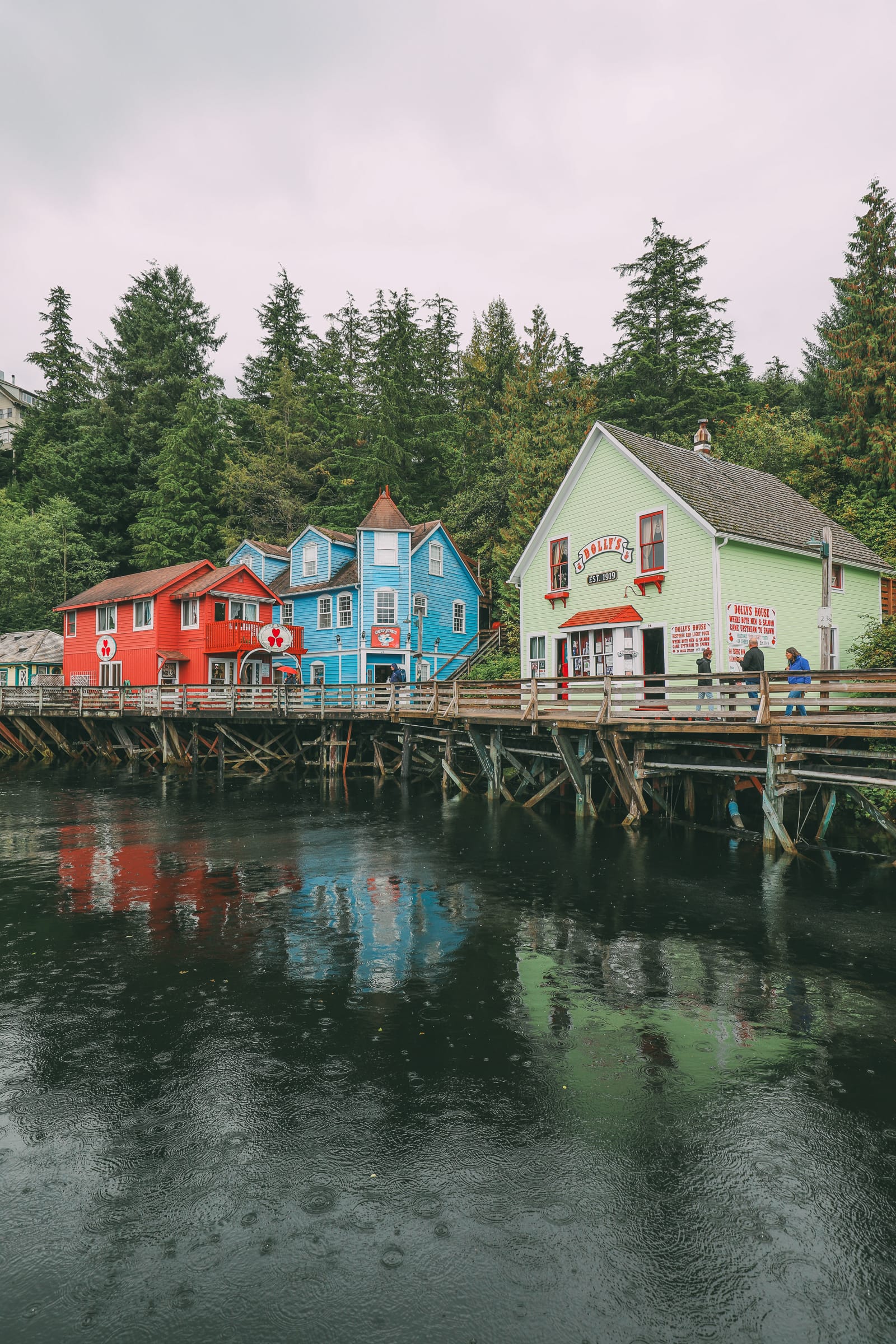
Alaska is such a ridiculously incredible place to visit. The landscape there is so surreal and unlike anywhere else we’ve ever been to but I’m guessing you don’t need much convincing on that front if you’re already searching for the best way to travel through Alaska.
Well, I’m not just gonna tell you how to travel across Alaska but also point out why this is one of the best ways to travel in Alaska.
Short answer – the best way to travel through Alaska is by going on a cruise.
Not every destination in the world lends itself to a cruise being the best way to travel across them.
In Alaska however, any other option would be quite hard and leave you missing out on most of the main sights you want to see here.
Okay, so why a cruise through Alaska?
Well for starters Alaska is ginormous and so much of its land mass is uninhabited so the infrastructure when it comes to train networks or road networks just isn’t there.
And nor should it be. There are some things in nature that are best left as is and Alaska understands this so some of the most gorgeous places you will want to visit can only be done via boat.
For example, the fjords with the glaciers and icebergs. So many of these would be almost impossible to visit by any other means and on a cruise you can just sail right up to them.
If you’re lucky, you can even catch a glacier calving (which is when bits of it break off to form icebergs) though heads up, if you’re not looking, by the time you hear it, it’s already gone.
Also, the innate beauty of a cruise in Alaska is that you have all your travel gear with you so you don’t have to worry about the weather changing or that you didn’t pack things you need with you (for instance, if you arrived on a smaller boat – which again would be quite limited in that there’s only so much distance you can cover on that).
And trust me, that weather can change on a dime.
If it’s suddenly rainy, you’ll have your coat and even an umbrella, frost sets in, you have your winter coats at the ready. You get my drift.
And then there’s also the convenience of not having to pack and unpack.
Now, there’s so much in Alaska that you can see right from the cruise ships, but one huge advantage of travelling through Alaska on a cruise is that the cruise excursions you have are actually quite perfect for Alaska. I’ll explain.
For instance, when you go on a cruise and say you stop off in Barcelona, your cruise ship docks and then you’re there for 10 hours to explore the city.
That’s just never enough time to properly explore Barcelona. A city like this needs days at the minimum to explore properly.
Then you carry on to another gorgeous city and like Lisbon and again, a day is never enough time to explore Lisbon.
*Mind you though, these are great ways to get a taster into the cities and allow you decide which one you want to return to for even longer.
Well, Alaska is different in that way.
Almost everywhere you want to visit in Alaska at each stop can be explored properly in a 10 hour period.
Again, I’ll explain why. In Iceland, when the Northern Lights would come out, we would have to go outside of the city of Reykjavik or any big settlements with lots of lights so that we could see the Northern Lights light up the night sky.
It’s hard to see them in cities due to all the ‘light pollution’.
Well, the reason why we’re okay driving out to the middle of nowhere in Iceland is due to the distinct lack of wildlife to be terrified of.
The scariest thing you can find in Iceland is an Arctic Fox and they’re not just more terrified of you than you are of them, they’re also the size of a Chihuahua and not in the least bit interested in doing anything to you let alone coming near you.
Alaska is a different kettle of fish entirely.
You’ve got bears (and the bears in Alaska grow quite big), you’ve got wolves, wolverines (which are actually quite vicious) and you can even get mountain lions here.
Suffice to say, you wouldn’t want to just go travelling to the middle of nowhere at midnight, to escape the light pollution and catch the Northern Lights when you’re in Alaska.
Especially not if you wanna set up your camera to catch photos or videos of them when you’re out in the dark.
On a cruise ship, you can just relax and even watch them from the convenience of your bed.
So yeah, if you were unsure about how to travel across Alaska, after years of trying to figure it out ourselves, deciding and then going on a cruise across Alaska, we can tell you firsthand here that it’s absolutely one of the best ways to explore Alaska.
India has always remained a land of rich heritage and cultural grandeur. If you are looking for diverse experiences and luxurious choices India can provide you with a range of options to choose from. Here you can find some of the fanciest and opulent accommodations that would ensure that you can have a great time as you explore the diversity India has to offer.
From opulent palaces turned five-star hotels to private yacht cruises and much more, India can surprise you with a lot more. However, you must look for the right destinations that would help you to enjoy your moments and pamper your senses the way you prefer.
With Transindus you can focus on immersing yourself in the finest hospitality that would enhance your travel to India. Here are 6 handpicked destinations that promise unparalleled comfort, personalized services and unique experiences that cater to your choices.
Udaipur, Rajasthan
Known as the Venice of the East, Udaipur is among the top luxury destinations in India. It is often voted among the best cities in the world and it can offer a royal experience like no other. This small city with two lakes, Lake Pichola and Fateh Sagar Lake can provide you with some of the stunning landscapes that ensure you can have a great time here.
The city is home to some of the ultra-luxurious properties like The Oberoi Udaivilas and Taj Lake Palace where guests get to experience royalty along with breathtaking lake views. While you are here you can enjoy private boat rides on Lake Pichola during the serene sunset hours. This offers a magical experience that ensures that you have a great time.
If you are looking for cultural experiences you can opt for exclusive cultural performances at the Jagmandir Island. You also get to enjoy private helicopter tours of the Aravalli Hills offering panoramic views of this city. When you are done you can head out for shopping in Udaipur where you can buy exclusive handmade paintings and handicrafts.
Being the Maximum City, Mumbai is one of the top destinations in India that can offer you luxurious hospitality that is second to none. Mumbai is known to be the financial and entertainment capital of India and there is no dearth of luxurious hotels and resorts that can offer impeccable service of the highest standards.
The city offers a range of five-star hotels including the iconic Taj Mahal Palace Hotel and St. Regis Mumbai. These hotels offer a blend of heritage and contemporary indulgence. While you are staying at these hotels you can make the most of your time by shopping at some of the best shopping malls in Mumbai for ultimate retail therapy. This would ensure that you can have a great time shopping at designer boutiques and luxury brand stores.
Those looking for outdoor adventure can embark on private yacht cruises and enjoy meals at high-end restaurants that serve international cuisines. With its vibrant nightlife, world-class hospitality and extravagant lifestyle Mumbai offers the best-in-class experience for luxury travelers.
Delhi, the capital of India seamlessly blends history with contemporary luxury. If you are traveling to India to explore some historic sites but want the best luxurious accommodations you can stay at some of the most opulent hotels in the city. This would include The Leela Palace, The Imperial and The Oberoi. These hotels would provide you with world-class amenities and hospitality to ensure that you can have a great time.
Visitors can enjoy exclusive heritage walks through Mughal-era sites, opt for private dining experiences and enjoy shopping at DLF Emporio which houses luxury brands like Gucci and Louis Vuitton.
Delhi is known for its food and when you are staying at these lavish hotels you can indulge in royal Mughali feasts and gourmet meals. This would ensure that you can enjoy modern indulgence just the way you prefer.
Known as the Pink City, Jaipur is the city of royals and therefore it is likely that you can find amazing palatial hotels that offer you a blend of sophistication and luxury. Here you can stay at luxury hotels like Rambagh Palace and Rajmahal Palace that allow you to live like royals. Hence, you get to experience the lifestyle of royals and enjoy your holidays in the fanciest way.
While you are exploring Jaipur you can opt for private tours of Amer Fort, Hawa Mahal and other local attractions. You can also opt for cultural performances and candlelit dining for unmatched indulgence. Adventure seekers can look out for hot air balloon rides over the city offering panoramic views of historic forts and palaces.
If you love shopping, Jaipur can offer you bespoke jewellery shopping where you can work with renowned artisans that craft exclusive pieces for luxury travelers.
Goa is a lot more than just beaches. Hence, if you are looking for lavish holidays in India you can head to this tiny state on the western coast of India. Here you can stay at some of the luxurious hotels and resorts including Taj Exotica, W Goa and The Leela. These opulent hotels offer beachfront villas with world-class amenities and impeccable service that ensure that you can pamper your senses.
For adventure enthusiasts, Goa can offer private yacht charters with champagne dinners, bespoke helicopter tours that take you through Goa’s picturesque coastline and historic forts, and VIP access to some of the renowned casinos. Hence, there are plenty of things to do in Goa that would keep you busy throughout your stay.
While you are in Goa, you can get your hands on the delicious Goan cuisine that would add to your experience. These luxury hotels can provide you with local flavors infused with global cooking techniques making it a great culinary experience.
Bengaluru, Karnataka
Known as India’s Silicon Valley, Bengaluru is known for its urban chaos but it also offers world-class luxury experiences. The city is home to some of the top luxury hotels like The Ritz Carlton and The Leela Palace Bengaluru. With exceptional hospitality and luxurious amenities you can have a great time exploring Bengaluru at your pace.
The city is also known for exclusive whisky-tasting sessions and therefore you can find yourself tasting rare blends and visiting private distilleries that are otherwise not open to all. You can opt for private helicopter tours over Nandi Hills that give you a great view of the city and the lush green landscape around it.
While you are in Bengaluru you can also opt for curated art tours, fine dining experiences and high-end golf retreats. This would ensure that you can have a great time enjoying Bengaluru’s cosmopolitan appeal, lush greenery and various luxury offerings.
For more on the latest in lifestyle and travel reads, click here.
As a Filipino digital nomad, reliable internet is the lifeblood of my remote work setup.
No matter where in the world I am – whether I’m sipping coffee in Ho Chi Minh City or exploring the markets of Istanbul – I need steady Wi-Fi to get my freelance tasks done and keep my travel plans running smoothly!
Let me share my tried-and-tested internet hacks to help you stay connected and productive without breaking the bank.
Want to learn how to become a digital nomad like me? Check out our eBook: The A-Z on How to Become a Digital Nomad! It’s your ultimate guide to starting your remote work journey and living the nomad life you’ve always dreamed of!
1. Portable Wi-Fi Devices (Pocket Wi-Fi)
Pocket Wi-Fi
I remember my first big trip to Japan. I was so worried about connectivity that I ended up renting a portable Wi-Fi device right at the airport. It saved me from the hassle of searching for public hotspots every time I needed to send a crucial email or check Google Maps.
Device Options: Portable Wi-Fi hotspots and pocket Wi-Fi devices come from brands like Skyroam, Tep, and GlocalMe. These typically work in multiple countries, so you won’t have to switch devices when crossing borders.
Pros: You can often connect several devices at once, which is perfect if you’re traveling with a group or carrying multiple gadgets.
Cons: The upfront or rental cost can be higher than local SIMs, and battery life can vary. Some packages may have daily data caps.
Pro Tip: If you’re planning a short visit to a specific country (like 1-2 weeks), renting a local pocket Wi-Fi at the airport can be cost-effective. But if you’re bouncing around multiple destinations, an international device may be a better long-term investment.
2. Local SIM Card Options
Why I Love Local SIMs
I learned early on that local SIM cards are often the most affordable way to stay connected. In countries like Thailand or Vietnam, a freelancer like you can grab a tourist visa SIM for just a few dollars and enjoy heaps of data for your daily work and social media updates.
Research Before You Fly: I usually Google “best local SIM card [destination]” to compare offers. Some SIMs are only sold to residents, but many countries offer short-term tourist SIMs with generous data allowances.
ID Requirements: Most countries require you to show your passport when buying a SIM. In some, you might even need to register your biometric data, so keep your ID handy.
Data Packages: Check if the SIM supports tethering (hotspot) so you can connect your laptop or other devices.
Pro Tip: I like to keep my Philippine SIM in a dual-SIM phone (or an old phone) to stay reachable by my family and local banking services, while using a local SIM for cheap data in my main phone.
Traveling soon and need a hassle-free option? Try Yesim, an eSIM solution that lets you stay connected without the need for physical SIM cards! With Yesim, you can activate data plans instantly in multiple countries, making it perfect for digital nomads. Use my code KATRIN8414 for an exclusive discount!
3. Regional Insights
Southeast Asia
I spend a lot of time in Southeast Asia, and let me tell you, data is relatively cheap here! Countries like Thailand, Vietnam, and Indonesia offer tourist-friendly packages with unlimited data for a fraction of what you’d pay in more developed regions.
Finding SIMs: They’re sold in airports, cafe stalls, 7-Elevens, and even street stalls.
Public Wi-Fi: Cafés and coworking spaces usually have decent speeds, but always test it out before settling in for a work session.
Europe
Europe can be trickier because prices and data caps vary by country. However, once you have a SIM card from an EU member country, you can roam with it across other EU countries at no extra cost (thanks to EU roaming regulations).
Multi-Country SIMs: Some providers market specific “roam like at home” deals tailored to travelers.
Coworking Spaces: I’m a fan of checking coworker.com or WeWork for day passes, especially in big hubs like Barcelona, Lisbon, or Berlin. Reliable speeds but costs can add up, so budget accordingly.
North & South America
North America: The U.S. has notoriously expensive phone plans, but T-Mobile and Mint Mobile sometimes have decent deals for short stays. Canada can be even pricier, so I rely on public Wi-Fi or a reliable pocket Wi-Fi device.
South America: SIM cards in countries like Colombia or Brazil can be super cheap. Look for local carriers with good high-speed internet in rural areas if you’re off to explore Machu Picchu or Patagonia.
Middle East & Africa
Data can get expensive in the Middle East, especially in places like the UAE. For Africa, coverage can be spotty in rural regions, so pocket Wi-Fi devices or international SIM cards might be your best bet. Research your specific destination and check traveler forums for firsthand tips.
4. Tips for Finding Reliable Internet Anywhere
Ask Around: Fellow digital nomads and expats are gold mines of local info. Join Facebook groups or Telegram channels to get real-time advice on the best data packages or pocket Wi-Fi rentals.
Speed Test: Once you have a SIM or log onto public Wi-Fi, run a test to check internet speeds (e.g., speedtest.net or fast.com) to see if it’s viable for video calls or large file uploads.
Coworking Passes: Websites like Coworker or Deskpass allow you to book daily or weekly coworking passes in different cities. I do this if I need a quiet, stable environment for an important call. I’ve found that cities like Cebu often have great options with fast wifi at affordable rates.
VPNs: Public Wi-Fi networks are often unsecured, so use a trusted VPN (e.g., NordVPN, ExpressVPN) to protect sensitive data like bank transactions.
Backup Plans: Always have a Plan B. If you’re attending a critical Zoom meeting, verify that your pocket Wi-Fi or phone’s data are charged and ready to go in case the café’s internet conks out.
Another Pro Tip: Unreliable internet can disrupt remote work plans, but emergencies like stolen devices or unexpected travel changes can also set you back. Always have international health insurance and travel coverage to cover unforeseen events – it’s a digital nomad essential for peace of mind.
5. Balancing Cost & Convenience
When deciding between local SIMs, pocket Wi-Fi devices, and coworking spaces, consider these factors:
Length of Stay: Short trips might favor airport SIMs or pocket Wi-Fi rentals. Long-term stays can justify investing in a local plan or an international pocket Wi-Fi subscription.
Data Needs: If you’re a heavy user (video conferencing, large file transfers), unlimited data or high-speed plans can save you from extra fees.
Travel Frequency: For those constantly country-hopping, an international Wi-Fi solution or a global SIM might be simpler—even if it’s slightly more expensive.
Final Thoughts
Staying connected is crucial for any Filipino digital nomad, and it doesn’t have to put a dent in your travel budget. Whether you’re working from apartments in Manila or exploring a tropical paradise like Siargao with impressive infrastructure, staying productive is all about smart planning.
For those exploring the potential of the Philippines’ digital nomad visa, maintaining reliable internet is key. Many business owners here swear by these tips to maintain a balance between connectivity and exploring the wonders of each major city.
Safe travels and happy freelancing, kapwa Pinoy nomads!
Disclaimer: Information about pricing and coverage may change over time. Always verify the latest updates from carriers and providers before you travel.
FAQ
What is the best internet for digital nomads?
Roaming satellite internet is a revolutionary option for digital nomads working from remote locations or areas where mobile networks do not reach. Services like Starlink offer internet connectivity using low orbiting satellites, ensuring coverage in even the most isolated destinations.
How can a digital nomad live cheaply?
Traveling remote workers can choose budget-friendly lodging options like hostels, and prioritize destinations with lower living costs while carefully budgeting for other expenses to maintain a sustainable digital nomad lifestyle.
Which country has the best digital nomad taxes?
Top answer is Cyprus, with corporate tax rate of 12.5%, and tax residency certificate with just 60 days of stay.
Modern Japan was a luxury destination for wealthy Westerners who wanted to see a fundamentally different culture and country. Japan was out on a limb, doing its own thing, and not bothering to integrate itself into the American and European worlds.
However, these luxury experiences are subsiding and Japan is returning to its martial culture, offering skill-based experiences to tourists.
At the forefront of this movement is Sunkissed Divers, an organization that offers scuba diving at Manzamo Cape in Okinawa. It sets skill requirements for participants for safety reasons and to ensure they can derive value from their trips.
“Diving around Japan is one of the most rewarding experiences there is, especially in diverse regions like Okinawa,” the outfit says. “There’s just so much to see and do under the water.”
Interestingly, most coveted Japanese tourist experiences aren’t about five-star hotels or exclusive tours. Instead, it’s about learning how to work with nature, forge knives, brew teaches, and go on ancient pilgrimage trails.
As such, Japan is encouraging more physical and cultural participation from tourists. It understands that travelers want genuine experiences that go beyond merely taking photographs of famous sites and eating in internationally branded restaurants.
The rise of experiential and skill-based travel comes from Japan’s respect for craftsmanship and mastery. The culture believes in doing things well and beautifully, which is one of the reasons the country has been so successful over time.
Meanwhile, global travelers are also looking for something similar. Travel is becoming more about indulging in new travel experiences rather than pampering oneself with luxury. Opulent leisure is out, while skill-oriented undertakings are in.
Because of this, there are numerous skill-based travel experiences now available in Japan. These cover all sorts of different areas that might interest travelers.
For example, Japan is introducing many people to its traditional craftsmanship pursuits. People are learning how to craft katanas with swordsmiths and performing indigo dyeing in little-known mountain villages under the instruction of family members who’ve been doing it for centuries.
Furthermore, there are numerous experiences where Japanese people are learning to master food and culinary skills. Kyoto, for example, is famous for its kaiseki cuisine which revolves around the principles of sophistication and patience.
Foraging experiences in rural Japan are also taking off. The country’s tour operators are teaching people how to find safe, edible plants in nature and then consume them when they get home.
Even sake brewing lessons are becoming popular. Many tourists go on mini apprenticeships that introduce them to the lost art and show them how it can be done, simply by taking pieces of rice and fermenting them according to the proper chemical processes.
“Outdoor and physical mastery, however, is at the core of Japanese martial culture,” says Sunkissed Divers. “The Japanese believe in developing and cultivating a natural command over nature. Obviously, we do diving experiences off the coast in places like Okinawa, but there are plenty of other opportunities for fun outdoor-based activities with a Japanese twist.”
For example, many people walk the Kumano Kodo pilgrimage which was a favorite of ancient Zen travelers. This route takes them through some of the most spectacular parts of the country, allowing them to get into the mindset of the ancient who also took the path.
For more on the latest in lifestyle and travel reads, click here.
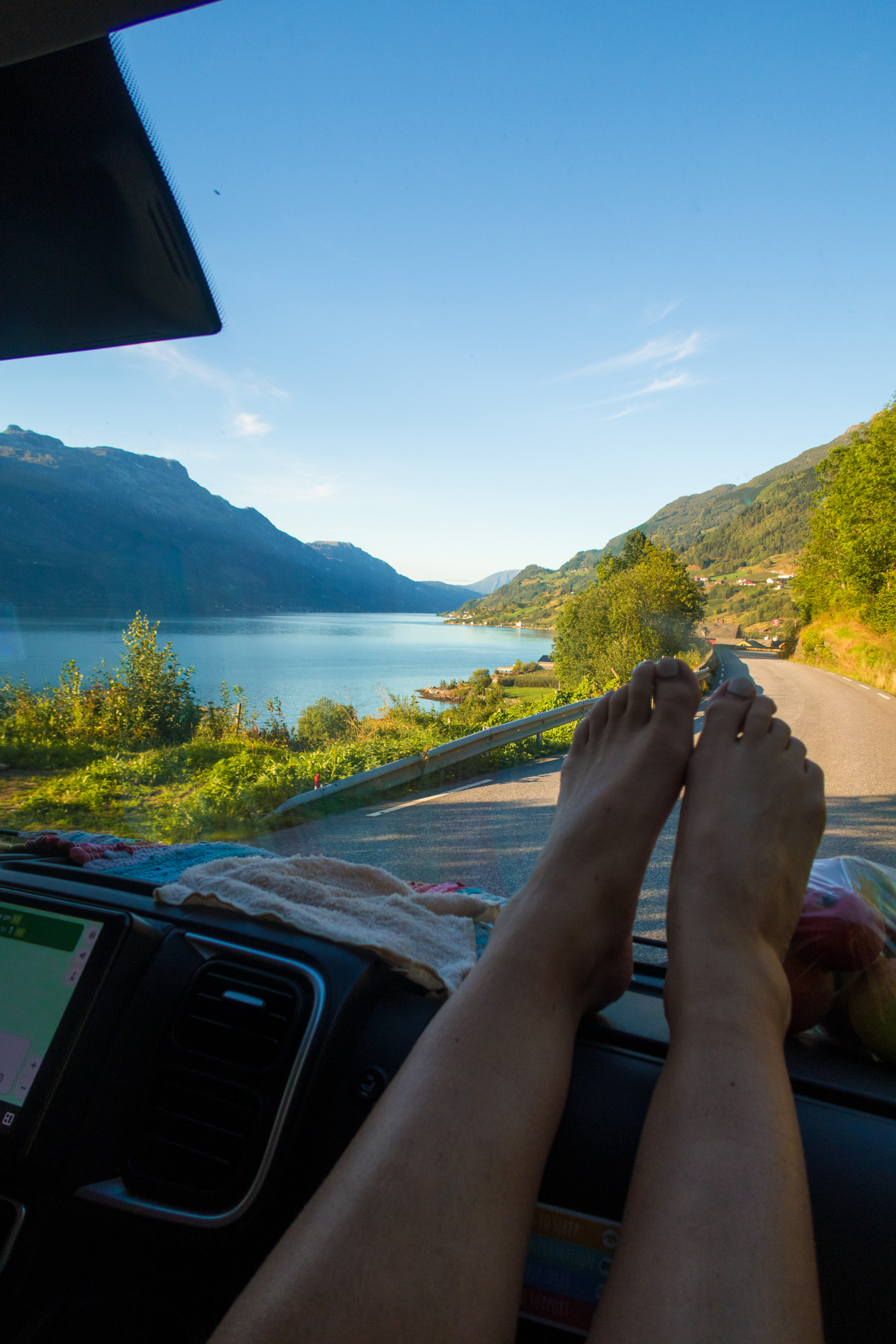
It’s no secret that the Hardanger region here in Norway is like a picture-perfect postcard. Every corner you turn truly has you feasting your eyes upon another breathtaking waterfall, camp spot or hiking trail with some of Norway’s very best tucked away here.
My 3 days exploring Hardanger were some of my favourites on my 10-day Western Norway road trip itinerary and I’m excited to delve a little deeper into just how much adventure is on offer in this Hardanger travel guide.
Think bucket list hikes, world-class cider (this was a surprise for me too!), once-in-a-lifetime campervan pull-ups and views for days. Seriously, this area of Norway is stunning and you’ll want to spend a good few days here, at least.
This Hardanger guide covers everything you need to know when visiting this area. From epic hikes and waterfall recommendations to the best places to eat and drink, plus campervan stopovers. Whether you’re exploring by car, campervan, or ferry, this is your go-to resource for the best things to do in Hardanger.
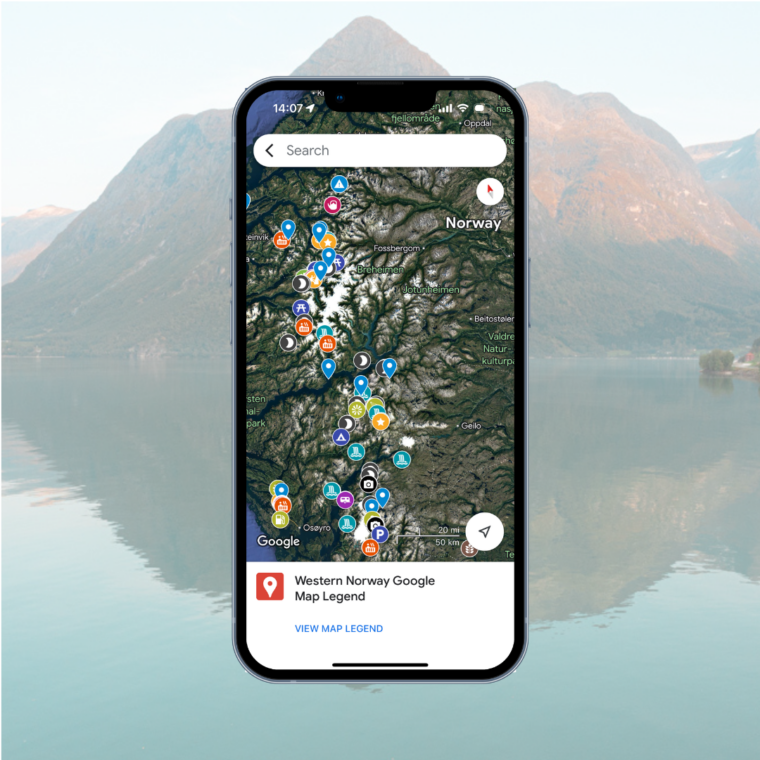
P.S. If you’re planning a road trip through Western Norway, I’d highly recommend my Norway Google Map for all of my exact Google Pins and recommendations for life on the road.
Let’s tuck in, shall we?
Get lifetime access to my endless hours of research and time spent on the ground finding the best places to eat, drink, relax and explore in the area. You simply open the Google Map on your device and all my pins are at the touch of your fingertips.
Where is Hardanger?
You may have come across the Hardanger region before when researching Trolltunga, one of the most photographed rock formations in the world, and one of Norway’s most popular hiking routes. It’s located here in Hardanger!
Located just a short drive southeast of Bergen (around 1 hour drive time), Hardanger is a stunning region in western Norway and is home to the famous Hardangerfjord (the country’s second-longest fjord, stretching 179 kilometres).
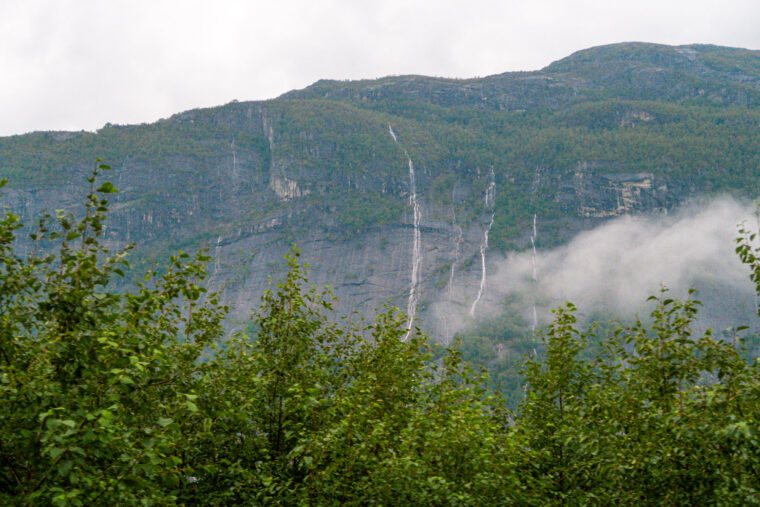
This is a destination where Norway’s natural beauty takes centre stage and you are met with an abundance of cascading waterfalls, mountainous panoramas, oh and a casual thriving cider production.
The Hardanger region has some stunning fjord arms to explore whilst on the ground, including:
Sørfjorden – Lined with apple orchards, charming villages, and iconic hiking trails like Trolltunga.
Eidfjorden – The gateway to Hardangervidda National Park, featuring Vøringsfossen, one of Norway’s most powerful waterfalls.
Ulvikfjord – Known for its cider farms and tranquil boat trips.
Granvinfjord – Surrounded by lush forests and historic sites.
Travel tip:
Have some local currency in your pocket and keep an eye out for fruit stands on the side of the road. This region offers some of the best, freshest apples you can get your hands on!
How to Get to Hardanger
From Bergen: A short drive of just over an hour (depending on traffic) via the E16 and Route 7 brings you directly to the fjord.
From Oslo: Around a 5-hour drive along Route 7.
Public Transport: There are buses that connect Bergen and Oslo to various points in the Hardanger region. See more here and plan your journey.
Best Time to Visit Hardanger
While Hardanger is a stunning place to visit year-round, the months of May to September offer the most favourable weather for outdoor activities. This is considered the peak season for a summer road trip/hiking adventure.
Whilst Norway is still stunning in the rain and the waterfalls become insanely abundant with the additional water gushing down them, the views and the enjoyment of the hikes here in Norway peak on those clearer, sunnier days.
The best time to visit Hardanger depends on your priorities!
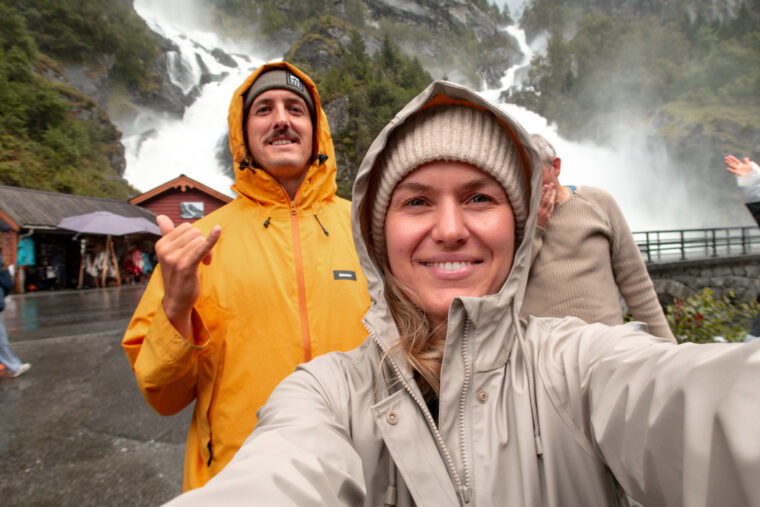
We visited at the end of August and were unfortunate to have 3 days of rain to start the trip. They hadn’t had any rain for 4 weeks prior! We didn’t want to do the full Trolltunga day hike in the rain and so we hung around Hargandger for a couple of extra days until the skies cleared.
A silver lining really because this Hardanger travel guide was born from that extra time we had to explore! We did some successful fishing, found shorter hikes, foraged Porcini mushrooms and spent time reading our books with a view on the fjord front.
Watch our road trip come to life in this Norway vlog:
Get lifetime access to my endless hours of research and time spent on the ground finding the best places to eat, drink, relax and explore in the area. You simply open the Google Map on your device and all my pins are at the touch of your fingertips.
1. Day hike to Trolltunga
This one has got to be up there at the top of the best things to do in Hardanger. This is one of Norway’s most iconic hikes, Trolltunga (the “Troll’s Tongue”) and people come from all over the world to experience it.
The Trolltunga hike offers a challenging trek and typically takes 10-12 hours to complete the round trip. The distance adds up to about 22 km (14 miles) in total but your total walking distance actually depends on where you walk from (there are a few starting points). If you’re doing this hike as part of your road trip and you have a motorhome, your only option for parking is P1 – Tyssedal. If you have a car you can head up to P2 – Skjeggedal.
Here’s what I learnt and didn’t know beforehand if you’re coming by campervan:
You’ll need to park at P1 (NOK 300 for the day, no overnight sleeping allowed)
You’ll then need to book a return ticket on the shuttle bus to P2 (NOK 200) – book here
From P2 you can either walk (4km steep uphill) or get another shuttle bus up to P3 for NOK 150 (where the hike starts)
The rest of it is then free and easy to follow and the view from the Troll’s Tongue (the rock jutting out 700 meters above Ringedalsvatnet Lake) is worth every step and penny!
It cost us just under £100 for the two of us with all costs considered! Yes it seems steep but they have a very good operation running here for the amount of tourism it attracts and it was a pretty seamless experience!
Interesting fact
Trolltunga was formed during the last Ice Age, around 10,000 years ago!
2. Explore Folgefonna National Park
Home to the Folgefonna Glacier (Norway’s third-largest glacier, covering 168 square kilometres), Folgefonna National Park offers guided glacier hikes suitable for various skill levels. Dive into the glacier’s history and witness the mesmerising blue ice formations under the wing of a knowledgeable local guide for a once in a lifetime adventure!
P.s. For skiing enthusiasts, the Fonna Glacier Ski Resort provides summer skiing opportunities with spectacular fjord views.
Learn more about guided glacier hikes.
3. Drive along the Hardanger Norwegian Scenic Route in daylight
Norway has a few notable Scenic Routes spread across the country and the Hardanger Norwegian Scenic Route is one of them.
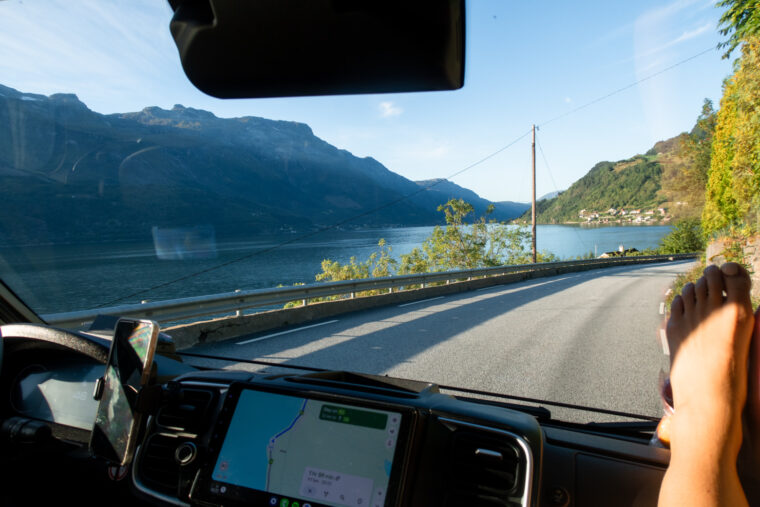
Honestly, just driving along the road that wraps around this fjord is one of the best and most beautiful things to do here.
The Norwegian Scenic Route Hardanger consists of four notable sections: Granvin – Steinsdalsfossen, Norheimsund – Tørvikbygd, Jondal – Utne, and Kinsarvik – Låtefoss.
We travelled from Bergen to Odda and covered the Låtefoss – Kinsarvik section of the route and it was STUNNING.
Tip: Make sure you drive this part in the day time to soak up the insane scenery.
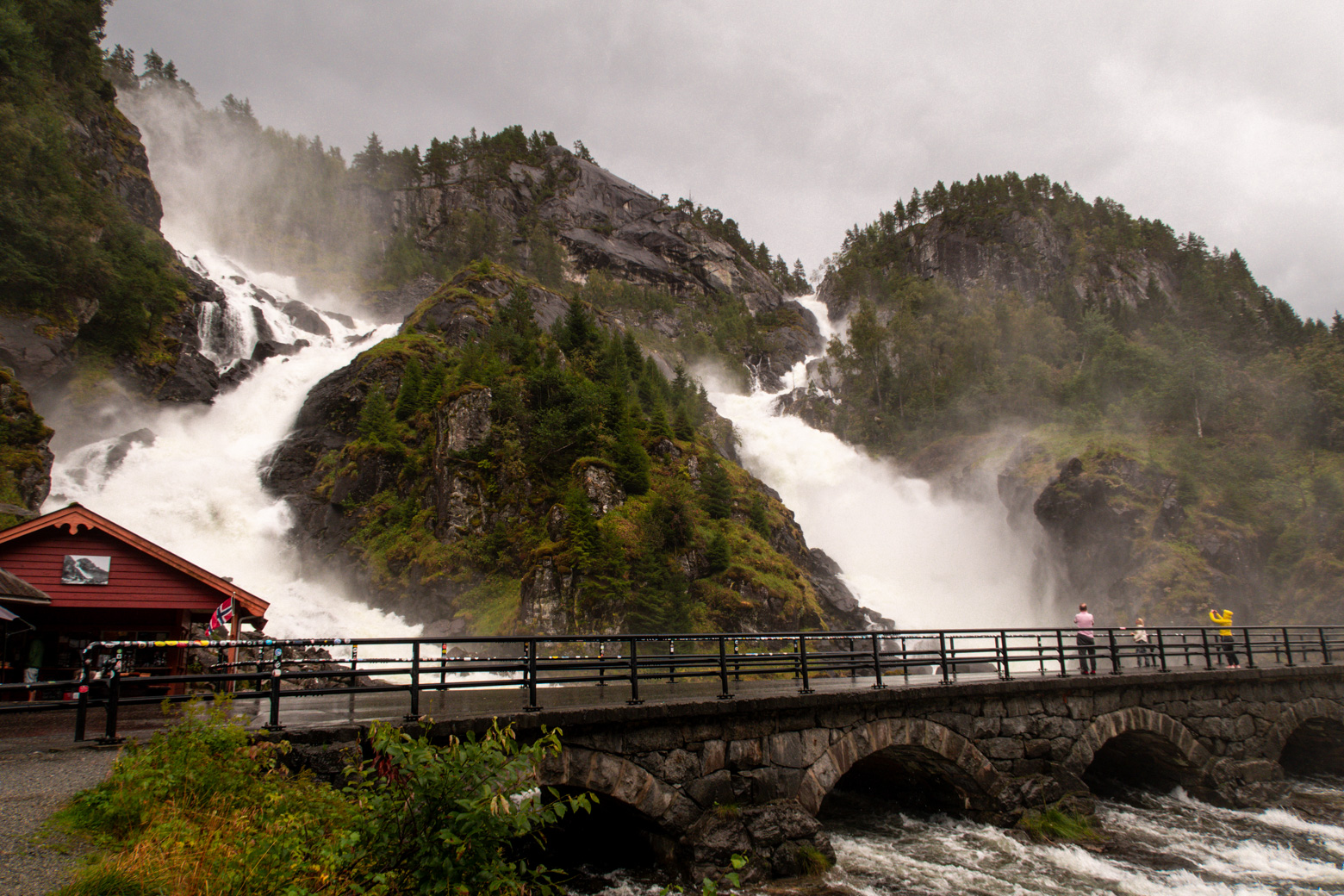
4. Låtefossen
I told you the waterfalls are EPIC when it rains, didn’t i?
Låtefossen is a waterfall located just 20 minutes from Odda (the main town in the region) so is a great addition to your road trip if you’re passing through.
Close to the road (making for a quick and easy stop off) and leading through the narrow Oddadalen valley, the twin cascades of Låtefossen waterfall plunge down the mountainside and can be both viewed and photographed from the bridge.
There are some picnic benches here should the weather permit to enjoy your lunch outside with a view!
5. Visit Heit Sørfjorden Sauna
Fjordfront saunas are my new favourite thing and the obsession started right here in Hardanger. A floating sauna with panoramic fjord views?!? Seriously, you cannot beat it.
If you’re looking to relax and rejuvenate (maybe after doing one of the hikes), book yourself into Heit Sauna, located in Sørfjorden, and alternate heat therapy with some icy fjord plunges!
Book your sauna experience here.
Get lifetime access to my endless hours of research and time spent on the ground finding the best places to eat, drink, relax and explore in the area. You simply open the Google Map on your device and all my pins are at the touch of your fingertips.
6. Floy Cafe & Bakery
A highly recommended stop for coffee lovers and pastry-obsessed humans.
Floy Cafe & Bakery opens between the summer months of May to September and serves up freshly baked goods and local treats on the fjordside. We had planned to go after our Trolltunga hike but we didn’t make it in time before they closed – I was gutted!
They are open Tues – Sunday 09:00 – 16:00 so be sure to time it with when they are open and taste the buns for me!!!
They are known here for their traditional Norwegian “Skillingsboller”—a delicious cinnamon bun here so I’m going to suggest picking up a couple as you drive through pre or post-hike!
Visit their website.
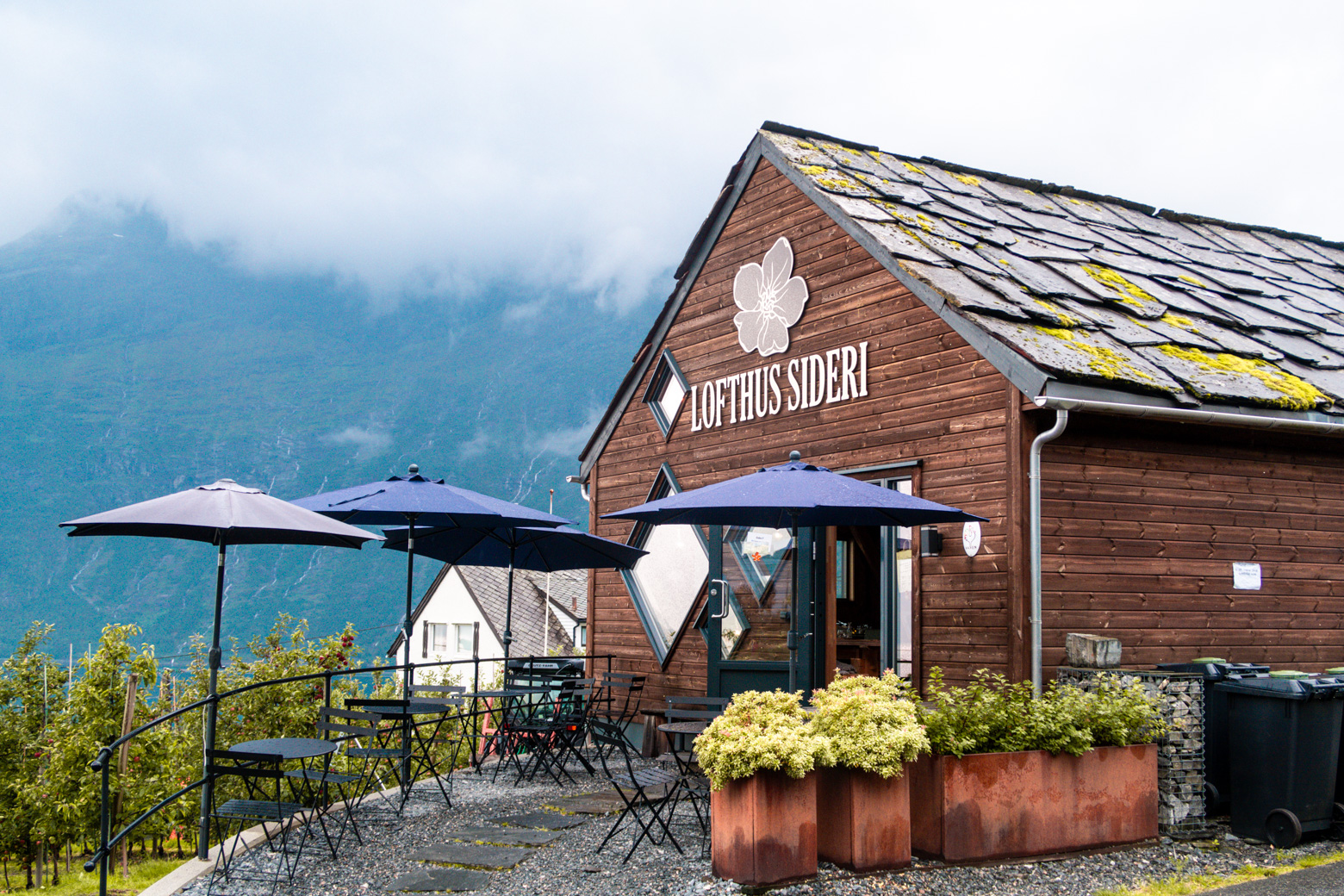
7. Taste the local cider at Lofthus Sideri
I had no idea that Hardanger was home to a world-class cider region! We were actually en route to start a hike in Lofthus and noticed the powerful allure of the shiny red apples on the side of the road as we were driving.
We noticed the Lofthus Sideri sign and vowed to stop off after the hike to taste the magic.
This ended up being one of my favourite, unexpected experiences in Norway. We tasted a variety of Norwegian cider at Lofthus Sideri learning about the apple-growing heritage of Hardanger which dates back to the 13th century!
Oh and you get to taste the incredible apple cider or apple juice with a view over the fjord! Just another insane view here in Norway and definitely one of the best things to do in Hardanger.
8. Queen Sonja’s Panoramic Hiking Trail
Named after Norway’s Queen Sonja, an avid hiker, this route was recommended to me by a few friends as an incredibly scenic trail. There are insane views over the Sørfjorden during the entire hike so if you’re looking for a day hike that boasts the best views in town, second to Trolltunga – I reckon this is it.
This trail goes for 16 kilometres and takes around 6-9 hours to complete starting from Kinsarvik and ending in Lofthus (or vice versa).
View the full route details.
9. Visit Vøringsfossen Waterfall
One of Norway’s most renowned waterfalls and the best things to do in Hardanger is Vøringsfossen.
Boasting a free fall of 182 meters and easily accessible from the Norwegian Scenic Route Hardangervidda, visitors can enjoy multiple viewing platforms offering different perspectives and photo opportunities across this natural beauty!
A footbridge was actually built over the waterfall in 2020, allowing you to get even closer to the action!
10. Hike up to the Hovden cabin
On one of our rainy days, pre-Trolltunga, we zoomed in on Google Maps to find a relatively short hike we could do. Think of it like a Trolltunga warm-up.
We drove to Lofthus (go to the bakery before!) and walked the trail up through the forest following signs to the Hovden Cabin for what we found to have insane views across Sognefjord.
We weren’t quite expecting what we arrived to if I’m honest. A free public cabin with toilets, books, a fireplace, blankets and sheltered seating?!?
It was in absolutely impeccable condition and we were the only ones up there! Our jaws dropped to the floor as we sat to enjoy the view and signed the guestbook.
Such a stunning piece of architecture. We were dumbfounded by the mutual respect that was evident between hikers and the government providing these facilities. So beautiful to witness.
Get lifetime access to my endless hours of research and time spent on the ground finding the best places to eat, drink, relax and explore in the area. You simply open the Google Map on your device and all my pins are at the touch of your fingertips.
Campervan Tips & Best Stopovers
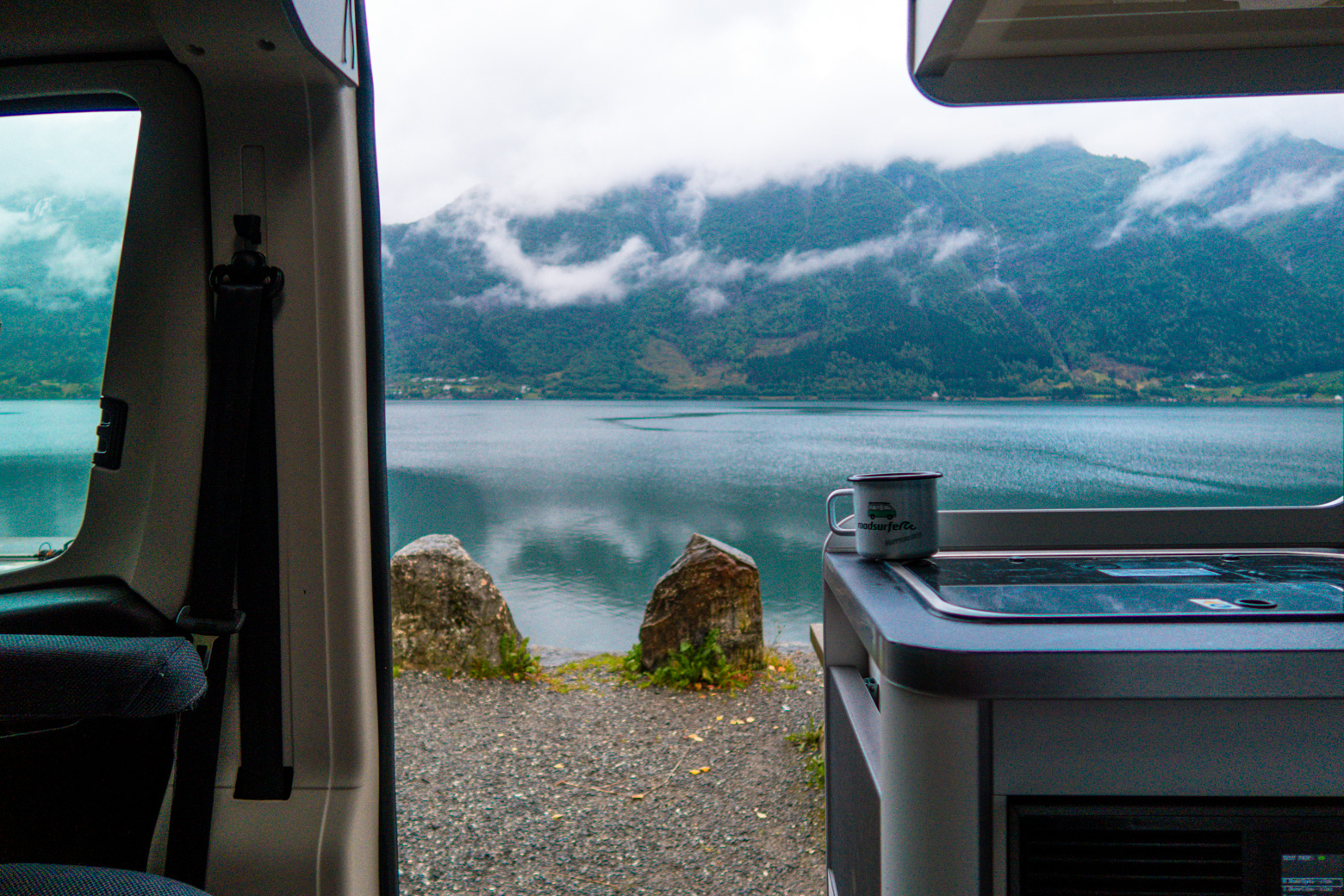
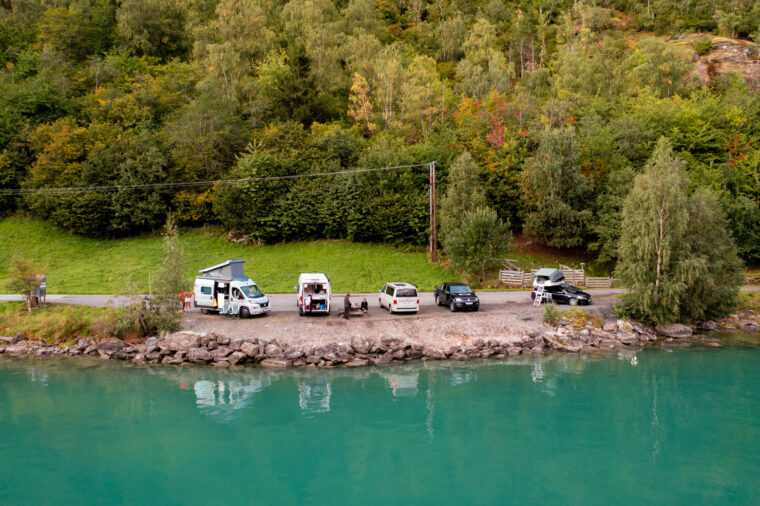
Hardanger is a fantastic stop on a Western Fjords campervan itinerary, offering plenty of campsites and well-equipped areas to park up for the night. Remember, Norway’s Right to Roam (Allemannsretten) policy allows for responsible wild camping in nature, making it a dream destination for those looking for a wild camping experience!
Odda: The perfect place to stock up, fill up and stop over
Odda is a prime hub for those travelling by campervan. Most people we met were staying there and it seems the most popular option for those travelling by motorhome and wanting to visit Trolltunga.
This small but equipped town offers multiple campsites with essential facilities, including showers, laundry, and kitchen areas. There’s also a waste drop-off and freshwater fill-up if you’re looking to refresh your motorhome!
Odda also has all of your supermarkets and outdoor gear shops to stock up on supplies and additional clothing/accessories needed before heading to Trolltunga or other nearby hikes.
FAQ: Everything You Need to Know About Hardanger
How long should I spend in Hardanger?
3-5 days is ideal to get the main points of interest in and get a real diverse taste of what is on offer here, but it depends on how many hikes you want to do!
What is the best way to get around Hardanger?
A car or campervan is the most convenient and flexible option for exploring this stunning area, though ferries and buses connect key areas and it is doable.
Can I visit Hardanger on a day trip from Bergen?
Yes, but an overnight stay is recommended to fully appreciate the region.
Is the Trolltunga hike hard?
It’s not an EASY hike but it’s not advanced by any means. It requires an average level of physical fitness, if you can, do a couple of warm-up hikes and make sure you have comfy walking boots or trainers with you. You want to make sure you leave enough time to get there and back before dark.
As long as you start early, you have time to pace it. The shuttles start from sunrise so if in doubt, start as early as you can to take the pressure off!
Have you been to Hardanger?
What are the best things to do in Hardanger in your opinion? Anything you’d add to this Hardanger bucket list?
Love as always and happy adventuring…
Get lifetime access to my endless hours of research and time spent on the ground finding the best places to eat, drink, relax and explore in the area. You simply open the Google Map on your device and all my pins are at the touch of your fingertips.
The new concept previews a production model due in 2026
Prototypes for the production model have already been spotted
Kia used its EV Day presentation on Thursday in Tarragona, Spain, to unveil the Concept EV2, an electric subcompact crossover set to spawn a production model in 2026.
The concept debuted alongside two newproduction electric vehicles: the EV4, which comes in both sedan and hatchback body styles, and the PV5, a midsize van for private and commercial applications.
Camouflaged prototypes of the production EV2 have already been spotted in testing over the past year. The model appears to retain the same boxy design as the striking concept.
The EV2 is even smaller than the EV3 subcompact crossover, which was unveiled last May and measures just 169.3 inches long. While the EV3 is expected to reach North America sometime next year, the EV2 will likely be considered too small for this market.
Kia Concept EV2
The Concept EV2—and likely the production model it previews—features a rugged design reminiscent of a scaled-down EV9. While its missing B-pillar and coach-style rear doors are unlikely to make it to production, other elements, such as a flat floor and a wide-opening tailgate, may be retained.
The concept’s cabin follows Kia’s familiar minimalist approach, with a single panel housing screens for the digital gauge cluster and infotainment system, similar to the brand’s other EVs. Additional features include pop-up luggage dividers and straps in the rear cargo area, windows with a messaging system to communicate with other road users, removable triangular speakers, bidirectional charging, and over-the-air update capability. Kia also plans to introduce an AI-powered voice assistant in its future EVs.
Kia has provided few technical details, but the EV2 is expected to ride on the same lower-cost version of Hyundai Motor Group’s flexible E-GMP platform as the EV3. To keep costs down, Kia has opted for a 400-volt electrical system instead of the E-GMP’s usual 800-volt system, meaning charging times will be slower. Front-wheel drive is also likely to be the sole configuration, unless a sporty GT version is developed. For the EV3, Kia has announced 58.3-kWh (Standard) and 81.4-kWh (Long Range) battery options, and something similar could be offered in the EV2.
The Mercedes-Benz GLS-Class range is expected to be updated for 2027 model year
An AMG GLS 63 prototype is out testing wrapped only in light camouflage gear
A new electrified V-8 engine is possible for the updated GLS 63
Mercedes-Benz is working on an update for the GLS-Class, and the latest prototype to be spotted is for the fiery AMG GLS 63 model.
Earlier shots show prototypes for updated versions of the regular GLS-Class and ultra-luxury Maybach GLS-Class.
The current GLS-Class arrived for the 2020 model year and was given an update for 2024; the latest prototypes are for a second update for the full-size SUV. This update, which will likely be introduced for the 2027 model year in the U.S., is expected to be more substantial than the somewhat mild previous update.
The camouflage gear points new lights at both ends, which incorporate tiny Mercedes star logos. We also see new fascias at both ends, and a revised grille up front. Non-visible elements like chassis tuning and powertrain systems may also be new, though.
It isn’t clear what Mercedes has planned for the mechanical components, but a new electrified V-8 confirmed by Mercedes earlier in February may be added. The engine is expected to feature mild-hybrid technology and possibly even a flat-plane crankshaft, and is tipped to debut later this year in a CLE 63 from AMG.
The GLS 63 is currently offered with a twin-turbocharged 4.0-liter V-8 rated at 603 hp. This engine also works with a 48-volt mild-hybrid system and drives all four wheels via a 9-speed automatic transmission.
In the regular GLS-Class, it’s possible the available V-8 gets dropped, just like the updated 2025 G-Class that only offers a V-8 in AMG G 63 guise.
Mercedes doesn’t normally update its vehicles more than once during a traditional product cycle that lasts 7-8 years, but a second update for the GLS-Class suggests the SUV will stick around longer than that. This move is in response to Mercedes extending the sales timeline for some of its current gas-powered vehicles beyond what was initially planned.
The decision comes as demand for electric vehicles has grown more slowly than anticipated. Although Mercedes aimed to transition entirely to electric vehicles by 2030, the automaker announced a year ago that it will continue selling gas-powered models beyond that deadline.
A second facelift is also planned for the GLE-Class range, prototypes for which are also out testing.
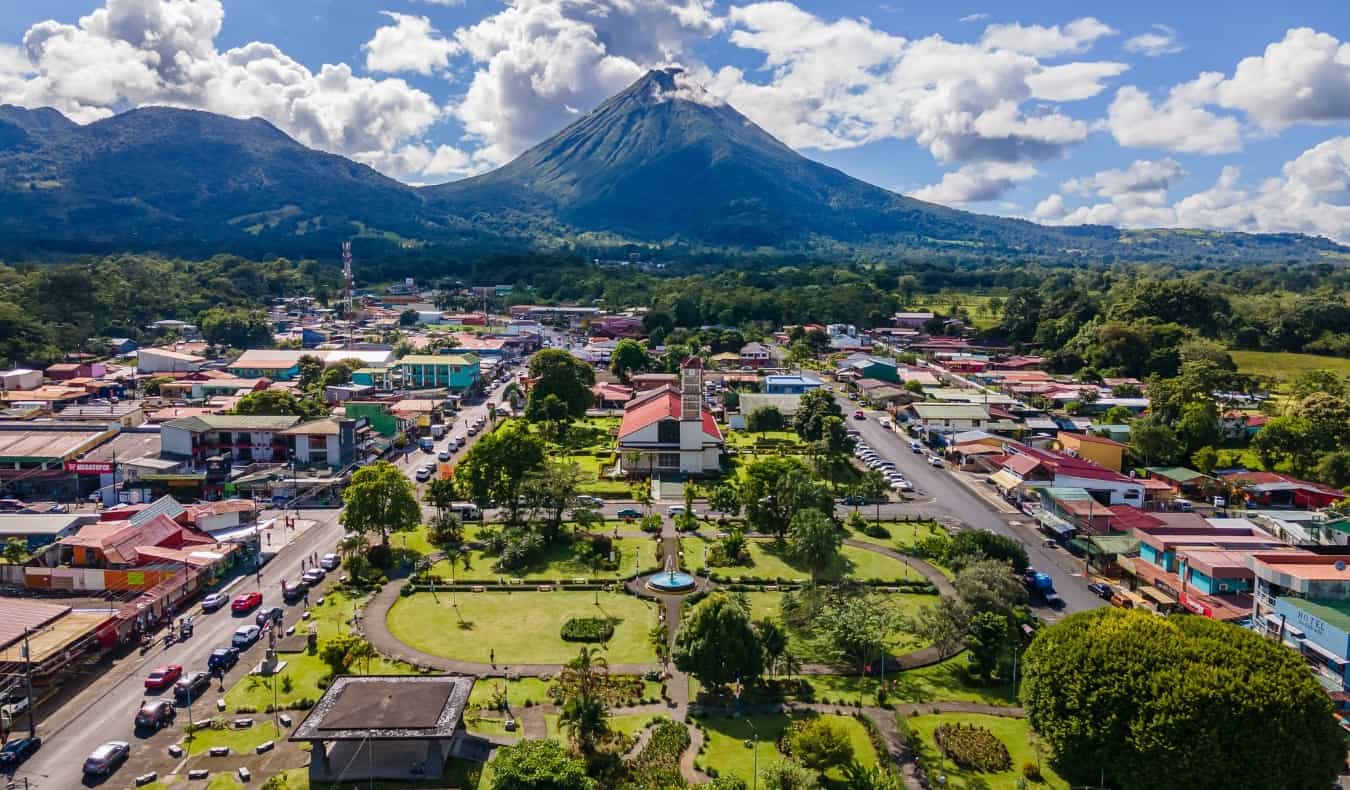
Surrounded by the Pacific and Atlantic Oceans, Central America is a magical region that is perfect for backpacking. The area is full of rainforests, unexplored Mayan ruins, gorgeous beaches, incredible reefs, cheap prices, delicious food, and welcoming people.
It can be difficult arranging transportation throughout the region.
In this post, I’ll provide some helpful tips on getting around Central America so you can navigate the region safely — and without breaking the bank.
Here’s how you can travel around Central America cheaply – no matter how long you’ll be there:
Getting Around Cheap By Bus
Buses are the main form of transportation that you’ll use to get around Central America. In fact, it’s about the only way to get around Central America as there are no train lines and regional flights are expensive. You’re going to take buses most of your trip.
There are several different kinds of buses in the region. The most comfortable are the international buses that run between the larger cities and tend to have their own bus terminals. They have set, reliable schedules and are best for long distances. They make traveling easy and even take care of the hassles at border crossings. The companies you use might vary by country, but a few of the larger services include:
Here are some approximate fares and journey durations for express bus routes in Central America (in USD):
Belize City to Flores – $30 (6 hrs)
Flores to Guatemala City – $28 (8 hrs)
Guatemala City to San Salvador – $25 (6 hrs)
San Salvador to Tegucigalpa – $35 (9.5 hrs)
Tegucigalpa to Managua – $30 (6 hrs)
Managua to San Jose – $30 (7.5 hrs)
San Jose to Panama City – $80 (16 hrs)
San Salvador to Antigua – $30 (6 hrs)
San Jose to Tamarindo – $18 (4 hrs)
San Jose to Boquete – $20 (9 hrs)
The routes are often straightforward, the buses are air-conditioned, there’s a bathroom on board, and the seats recline. Some companies have partnerships with local hotels/hostels so that you get dropped off right at the door rather than having to find your way in the middle of the night upon arrival.
While most of these bus services have websites, they’re often extremely buggy and difficult to use. To compare routes and prices, you can research your journey on Rome2Rio.com before either booking on the bus company’s website or simply showing up at the terminal to purchase your ticket.
For short distances, there are colectivos. This short-distance minivan service is super cheap, but often very crowded. You’ll usually find them at bus terminals, so it’s worth checking with the drivers to see where they’re going.
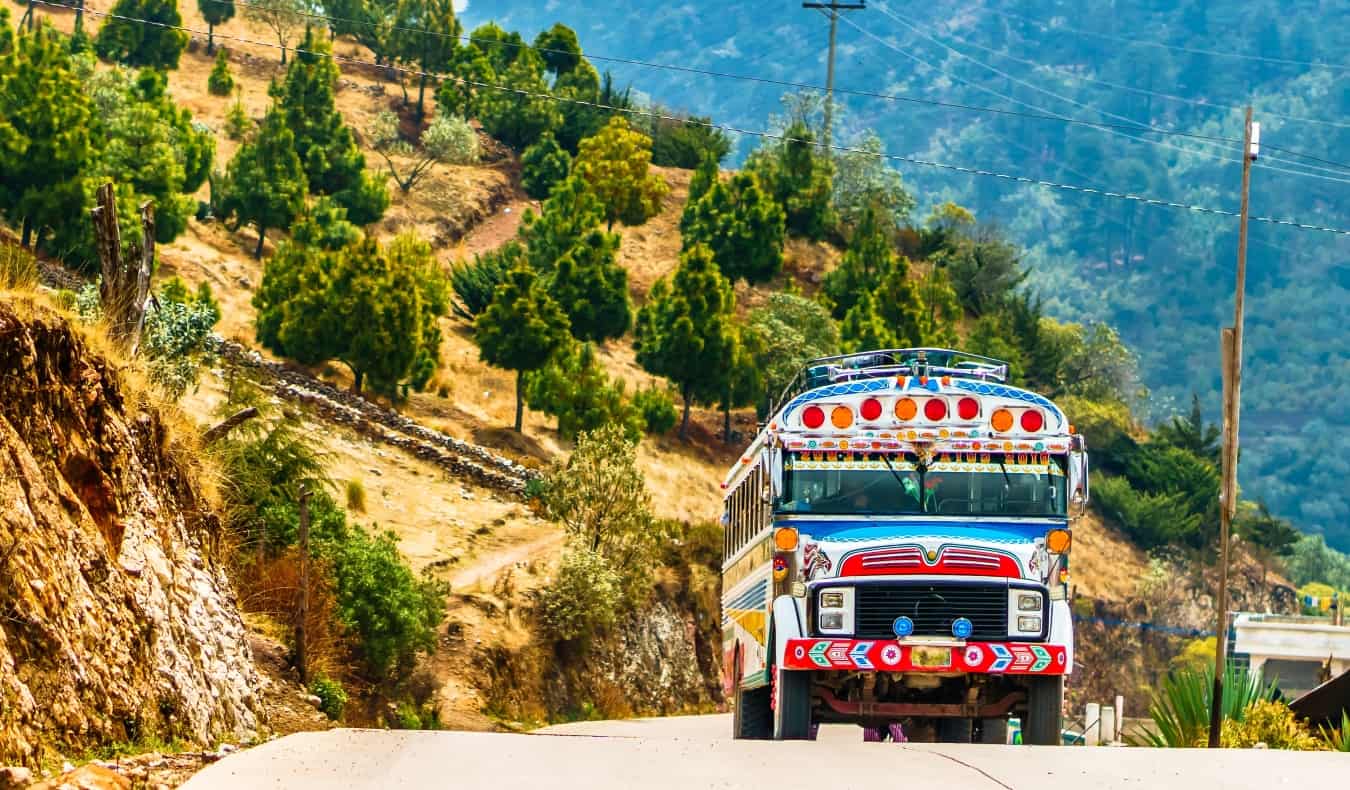
Finally, there is the local chicken bus. These colorfully painted vehicles were formerly U.S. school buses. They are called “chicken buses” because they also transport chickens and rice, and thus have a lot of chickens on them. It’s a nickname that has stuck among travelers. They stop just about everywhere to let people hop on and off. They are a cramped but fun and interesting way to get around places. I always end up meeting interesting folks on chicken buses.
Getting Around Cheap By Flying
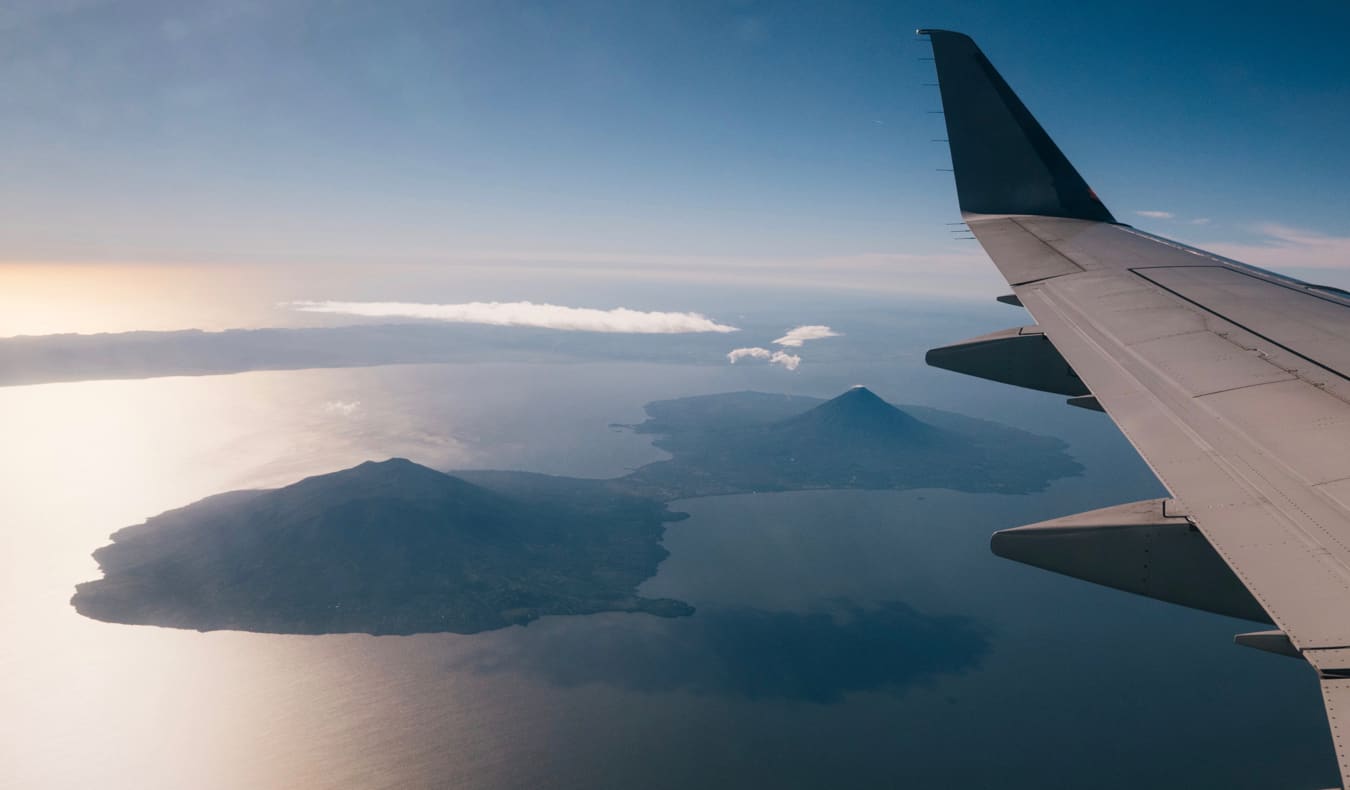
Flying isn’t the cheapest way to see Central America (and routes are really limited).There is a limited regional air network in this region. The biggest operator is Copa Airlines, which is based out of Panama. The Colombian airline Avianca offers some direct flights between big cities in Central America, and the Guatemala-based TAG flies directly to a few other destinations in the region.
Outside of the capital cities and any international airports, the airports tend to be very small and only accommodate small propeller planes. Most of those small airlines have dubious safety records and I try to avoid them as much as possible.
Here are some sample non-stop flight times and one-way ticket prices (USD):
Guatemala City to Belize City – $200 (1 hr 15 min)
Guatemala City to San Salvador – $60 (45 min)
Flores to Guatemala City – $50 (1 hr)
Managua to Panama City – $765 (1 hr 40 min)
San Jose to Panama City – $370 (1 hr 20 min)
Managua to San Jose – $370 (1 hr 15 min)
San Pedro Sula to San Salvador – $80 (50 min)
Note:If you book early, you can save on fares. Fares also vary depending on the time of year.
Use Skyscanner to find cheap flights around the region.
Planning a trip to CENTRAL AMERICA?
Get all my best travel tips along with these FREE planning guides:
My Favorite Companies to Use
61 Savvy Travel Tips
16 Steps for Planning a Trip
How to Get Free Flights
Enter your info below to get everything sent to you right away:
Getting Around Cheap By Car
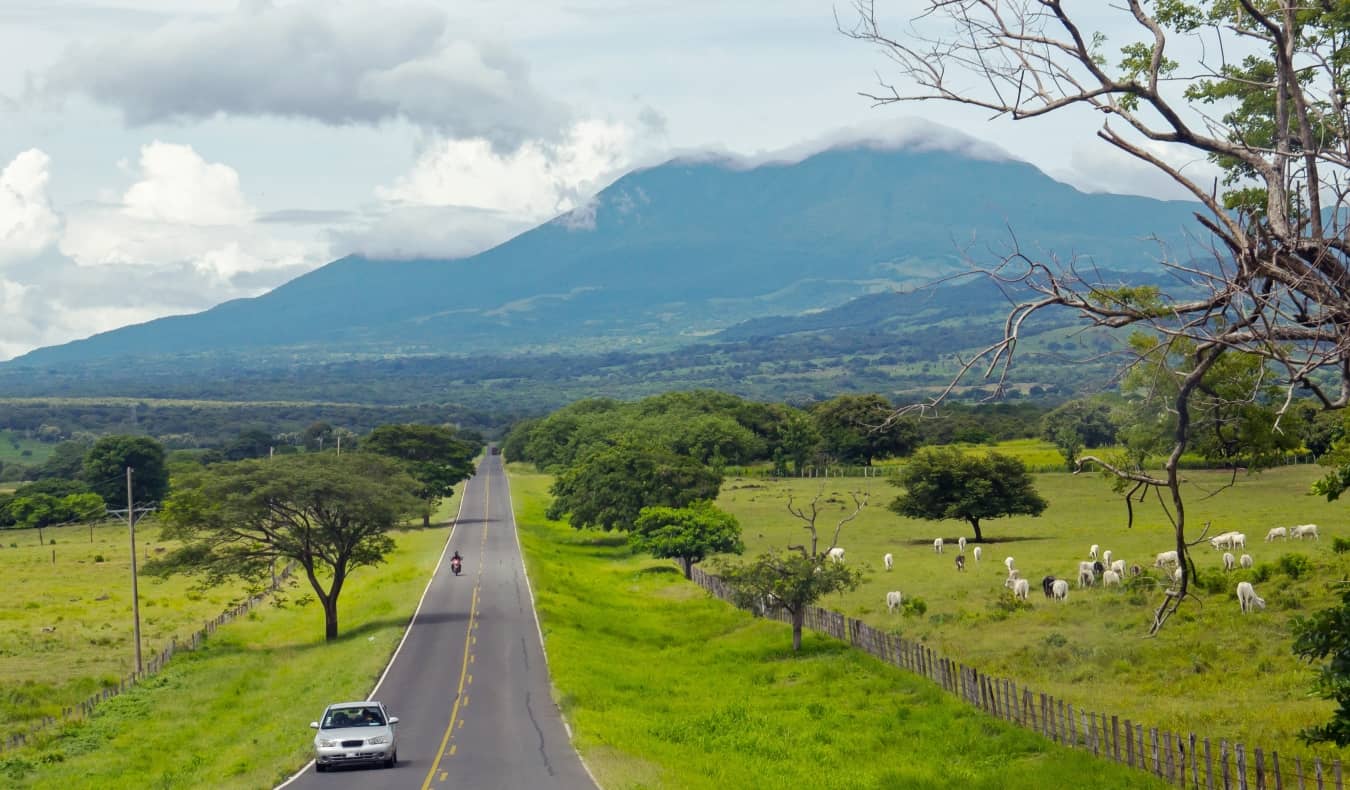
Having your own vehicle allows you to save time getting around while also giving you the flexibility to stop off wherever strikes your fancy along the road. Lots of people drive through the region, either with a rental car or with a car or van they bought elsewhere. Renting a car and driving around Central America has become a lot cheaper as rental car prices have come down in recent years. If you’re traveling with others (which could very well be new friends that you just made in your hostel), it can be a very affordable way to travel.
Just keep in mind that not all car companies allow you to drive their vehicles across borders, so this can sometimes be a tricky option depending on what countries you plan to travel through. However, renting a car can be a great way to explore one country more in-depth.
If you plan on exploring the region by car, you should be a confident driver. Roads are not always in the best condition and rules of the road can be more like loose suggestions. Always make sure to take common safety precautions too, such as never leaving valuables in the car, not driving at night if you can avoid it (this greatly increases your risk of carjacking), and being mindful of general safety in the areas through which you plan to drive (ask locals in advance for tips about your planned route).
Use Discover Cars to find the best rental car prices as it pulls data from over 8,000 car rental locations to ensure you always find a great deal.
Getting Around Cheap By Boat
If you want to visit islands or coastal towns, boats and ferries are options to consider. You can find ferries and book tickets on DirectFerries.com (which searches thousands of local operators so you don’t have to).
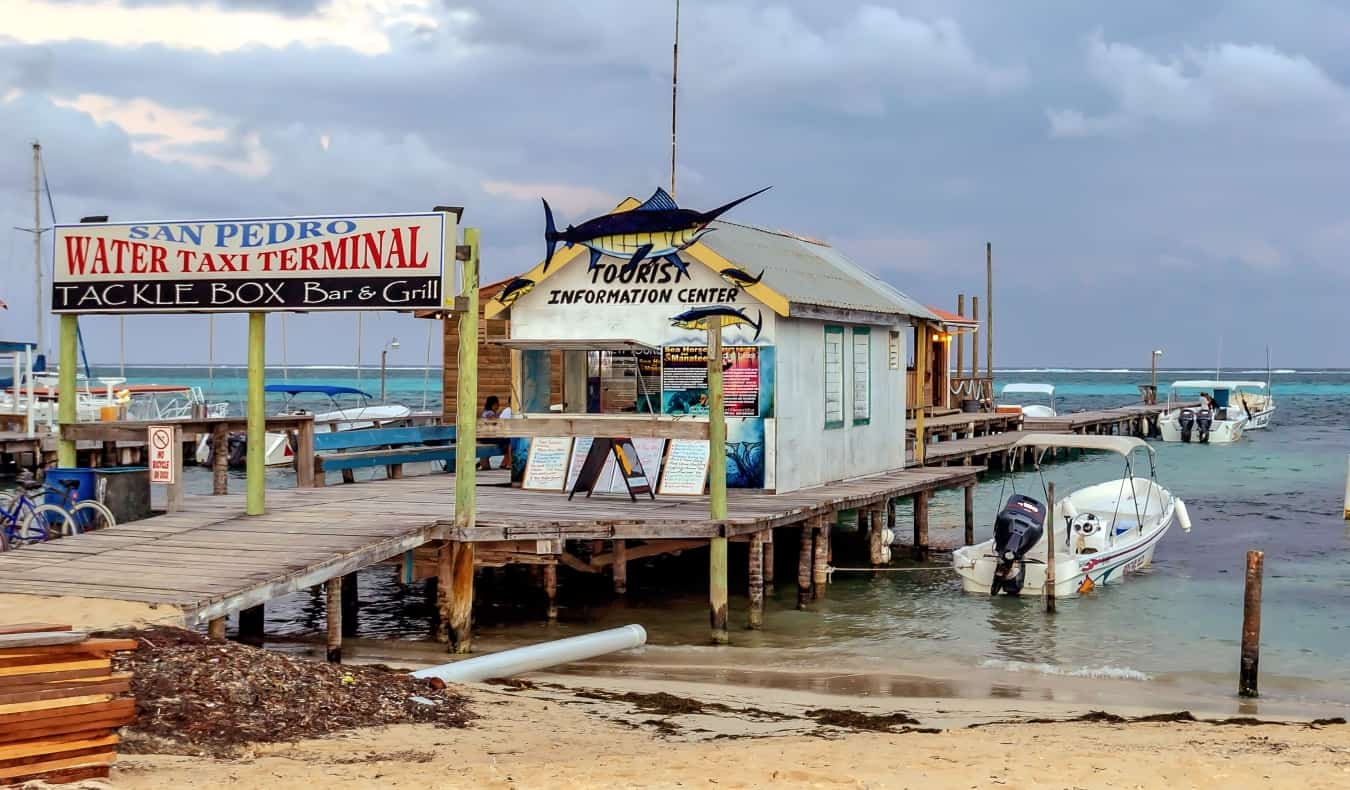
In Belize, ferries to the islands are typically $35-45 USD and the main operators are Caribbean Sprinter and Ocean Ferry Belize. You can reach Honduras’ Bay Islands (including Roatan) by ferry, and you’ll definitely want to take a boat trip if you’re heading to the Corn Islands.
If you are traveling from Belize to Guatemala, there’s a water taxi from Punta Gorda to Puerto Barrios. And there’s a service from Belize (Placencia or Belize City) to Honduras (Puerto Cortes).
Here are some sample ferry durations and fares (in USD):
Belize City to Ambergris Caye (1.5 hrs) – $42 (one way), $57 (round trip)
Belize City to Caye Caulker (45 min) – $36 (one way), $45 (round trip)
La Ceiba to Roatan (1 hr 15 min) – $40 (one way), $71 (round trip)
For short journeys (like between the Corn Islands or to various towns on Lake Atitlan), it’s easiest to just show up and hire a boat or water taxi to take you across. Prices are usually negotiable this way.
Getting Around Cheap By Train
Trains are not an available method of travel in Central America. Though there are some freight trains that move cargo in the region, you won’t find a passenger train network in any country (Belize doesn’t even have a train line of any kind). If there are trains, they usually run from the capital to one other major city and are generally commuter trains.
How Long Does It Take to Get Around Central America?
Getting around Central America can definitely be a bit tedious from time to time. Buses can be slow and don’t always depart or arrive on time. They will often wait until they are full and stop and pick up people on the way or for rest breaks.
But, to help you plan, here is a distance and time chart so you know (roughly) how long it takes to get from place to place in Central America:
Route
Road (km/miles)
Air (hrs)
Bus (hrs)
Guatemala City – Belize City
625/388
1
14 hrs
Guatemala City – San Salvador
235/146
:35
6
San Jose – Panama City
800/497
1:10
14
Managua – Guatemala City
735/457
1:23
20
Belize City – Flores
840/525
:45
5
Flores – Guatemala City
481/299
1
8
Tegucigalpa – Managua
367/228
4:20*
6
Managua – San Jose
422/262
1
8
San Jose – Panama City
851/528
1:20
16
***
Central America is an amazing place – though getting around the region will take some planning and research.
Things won’t always go smoothly and getting from place to place here can sometimes be a hassle. But with a little preparation and a pinch of patience, you’ll be able to have an amazing experience.
Be flexible with your schedule. Make sure you plan ahead. Do that, and you’ll be able to enjoy this incredible region of the world!
Plan your trip to CENTRAL AMERICA like a pro
Get all my best travel tips as well as my FREE planning guides sent straight to you and see more of the region for less!
Book Your Trip to Central America: Logistical Tips and Tricks
Book Your Flight Use Skyscanner to find a cheap flight. They are my favorite search engine because they search websites and airlines around the globe so you always know no stone is left unturned.
Book Your Accommodation You can book your hostel with Hostelworld as they have the biggest inventory and best deals. If you want to stay somewhere other than a hostel, use Booking.com as they consistently return the cheapest rates for guesthouses and cheap hotels.
Don’t Forget Travel Insurance Travel insurance will protect you against illness, injury, theft, and cancellations. It’s comprehensive protection in case anything goes wrong. I never go on a trip without it as I’ve had to use it many times in the past. My favorite companies that offer the best service and value are:
Looking for the Best Companies to Save Money With? Check out my resource page for the best companies to use when you travel. I list all the ones I use to save money when I’m on the road. They will save you money when you travel too.
JetBlue’s latest fare sale has discounts on flights to Nassau, Bahamas, as well as Boston, Fort Lauderdale, Miami, New York, and Orlando.
The flight prices start at $46 one-way.
The airline has also expanded its route map for the summer travel season.
As temperatures remain cold in the Northeast, airline deals are heating up.
JetBlue recently announced the “Spring for Less Green” airfare sale, which provides discounts on flights to popular spring break and summer vacation destinations for as low as $46 one-way. The fare sale includes Boston, Fort Lauderdale, Miami, New York, and Orlando. On its homepage, JetBlue promotes the sale with a promotional fare of $79 from New York (JFK) to Nassau, Bahamas (NAS).
Travel + Leisure spotted a variety of flight deals including:
Boston (BOS) to Fort Lauderdale (FLL) from $69 on April 6
Detroit (DTW) to New York (JFK) from $49 on May 12
Los Angeles (LAX) to Jacksonville (JAX) from $110 on April 22
New York (JFK) to Nashville (BNA) from $46 on May 26
New York (JFK) to Miami (MIA) from $64 on April 23
The fare sale expires on February 27, 2025, and is valid on Monday, Tuesday, and Wednesday travel between March 3 and June 11. The airline has blackout days over April 9 through April 23, which is a peak travel time with the spring break tourism season.
JetBlue has also discounted flights to the city ranked by T+L readers as the “Best in the United States” for 12 years in a row, Charleston, SC. The airline is selling tickets from Boston (BOS) to Charleston (CHS) for as low as $64 on April 15, and from New York (JFK) as low as $74 on March 29.
The airline has been expanding its network with new routes for the upcoming summer travel season. These flights include New York (LGA) to Tampa (TPA) and New York (JFK) to Burbank, CA(BUR). The airline will also begin twice daily summer seasonal service between Newark (EWR) and Santo Domingo (SDQ).
If you’re buying a motorhome or campervan, you already have a lot to think about. However, there are some common mistakes new buyers make when buying a motorhome in the UK. In this post, I’m going to walk you through the five most common mistakes motorhome buyers make—and how to avoid them!
Don’t forget to grab your FREE motorhome buying checklist and decision matrix below.
*We work hard to make this the best motorhome travel blog and road trip website possible, full of helpful content for you. The website is supported by our readers, so if you buy through links on this site we may earn a commission- at no extra cost to you. All opinions remain our own.
If you find this post useful, you can also treat us to a coffee – we promise to enjoy it while creating more useful content like this- we might even indulge in a biscuit (or two!)
Tips for Buying a Motorhome in the UK
I’ve been sharing motorhoming tips for years, and sadly I’ve met plenty of people who regret their motorhome buying decisions because they didn’t know what to look for.
Whilst everyone is different and has different requirements, there are a few common mistakes to avoid and things to check before you sign on the dotted line to buy a motorhome or campervan.
I’ve created a video about these mistakes:
We hope you found the video useful. If you did, why not follow us on Youtube. We share new videos with tips for motorhoming and campervanning in the UK and Europe weekly, plus road trip ideas and epic destinations.
Can’t watch the video? No worries- you’ll find all the info you need below.
MISTAKE 1: Choosing the Wrong Motorhome Layout
The first common mistake most people make is choosing the wrong layout.
It’s so easy to walk into a van at a show or on a forecourt, look at all the sparkly clean surfaces and fall in love. Trust me, I do it at almost every show I attend, whether as a speaker or a customer.
But it’s essential that you ask yourself some questions BEFORE and AFTER you think you’ve found ‘the one’.
These questions include:
how many seat belts do you need?
Do you want a garage to store stuff?
Do you want a fixed bed (to avoid the faff about making it up every night) or would you prefer a convertible seating area or drop down bed which gives you more room during the day?
Do you want a dinette with a proper table? How many people will be eating?
Do you want a bathroom with a toilet and separate shower, a wet room, or are you happy using campsite facilities?
How to avoid this mistake
The best way to avoid buying the wrong motorhome layout is to hire a few different layouts before you buy. That way, you’ll start learning what you like and don’t like.
If you can’t hire, I recommend visiting a motorhome show, where you can sit inside different models and imagine actually using it every day.
When you’re inside, don’t just think about trips during sunny summer days; would you still love that layout in the middle of winter or when it’s been raining for days and you can’t sit outside?
Think about bedtime and when you get up in the morning? Do you and your partner get up and go to bed at the same time? If not, how will the space work? What if you’re travelling with children who go to bed before you?
If you want a list of all the essential things you need to ask yourself, grab the Confident Buyer Checklist below.
Not understanding your motorhome payload and weight limits is a mistake which catches loads of people out.
If you don’t know what payload is, this post will talk you through it:
READ MORE: Motorhome Payload and Weight Limits- everything you need to know.
Many UK & European motorhomes are built to stay under 3,500kg, which means anyone can drive them on a standard car licence. If you have a C1 category on your licence, you can drive vehicles which weigh more than that, but there will still be a maximum weight limit on whatever vehicle you buy.
A decent payload is important because it determines hows much ‘stuff’ you can put on your motorhome, as well as how many passengers and pets you can carry.
Sadly, payload gets taken up very quickly: a bike rack, awning, full tanks of water and fuel, food, clothes, a solar panel and all your gear- before you know it you can be over the maximum weight limit of your vehicle.
Being over the limit isn’t just a minor issue—it’s illegal. If you get stopped and your van’s overweight, you could face a fine & points on your licence. Even worse, your insurance will be invalid should you have an accident.
How to avoid this mistake
Firslty, check your driving licence— what’s the maximum weight vehicle you’re allowed to drive? if you passed after 1997, you’ll need to take a C1 licence to drive anything over 3,500kg.
Look at the payload over the vehicle you want to buy and add the weights of all the people and pets who will be travelling. How much is left? You need about 80kg of payload weight pp as a minimum, AFTER everyone is on board.
If you’re buying a second hand motorhome, remember that the previous owner may have added extra kit, so the manufacturer’s published weight isn’t reliable. Instead, take it to a weighbridge to be absolutely sure on your allowance.
Buying a Motorhome in the UK MISTAKE 3: Not paying enough attention to motorhome storage
Sounds silly, but having adequate storage in a motorhome is essential, and many modern campers just don’t have enough of it.
As a way of reducing weight (to stay under the 3500kg limit), some manufacturers have taken out wardrobes and cupboards, leaving a lovely wide open space which seems great when you walk in, but isn’t always practical to spend a lot of time in, especially on a long trip when you take a lot of clothes and kit.
How to avoid this mistake
To avoid buyer’s remorse look for
storage spaces, including the size of the wardrobe or clothing area
where will you put pots, pans and crockery?
If there isn’t a fixed bed, where will you store the bedding during the day?
Where will you put food, glasses, toilet rolls and the million other little things we all travel with?
You don’t have to plan out every single item, but look at each space and what it’s used for and work out if it’s suitable for you and your plans for the van. If it’s not, move on.
Each time you do this, you’ll get better at recognising which layouts will work best for you.
Don’t forget to download your FREE motorhome buying checklist to help you get the best camper for YOU.
MISTAKE 4: Not Considering Overnight Storage & Parking
This one sounds obvious, but you’d be surprised how many people don’t think about where they’re actually going to park their motorhome once they’ve purchased it.
There are 3 main places people can store a motorhome or camper:
Driveway
Street
Storage unit
If you want to park your van on your driveway, firstly- does it fit? Some driveways just aren’t wide or long enough to park a motorhome on. Will you have a maximum length you need to buy?
If you have gates or walls, can you open the doors properly once the van’s parked up?
Is on-street parking allowed in your area? Will you need a permit and is there space?
If you’re planning to use a storage site, bear in mind that many often have long waiting lists, and they can be pricey—anything from £70 to over £100 a month. It’s worth shopping around but it may not be as easy to find a spot, depending on where you live.
How to avoid this mistake?
Think about where you’ll store your vehicle. This could very well narrow your options for length or height.
Measure your driveway or check local parking restrictions before buying—sounds daft, but it’ll save you a headache later!
Look up storage options near you and even put your name on a waiting list in advance—don’t assume you’ll be able to find a space last minute.
MISTAKE 5: Underestimating Running Costs
Many new owners underestimate the costs when buying a motorhome in the UK. It’s not just the buying price — you also need to think about running costs.
Here are some running costs to consider:
Insurance, which is sadly getting more and more expensive. Obviously, it varies based on age and vehicle, but you can expect to pay upwards of £600/ year with no or low proof of no claims.
Road tax – can vary based on the age of the vehicle.
Servicing & MOTs – expect to pay around £1,000 per year for general maintenance and repairs
Habitation checks – A hab check looks at your gas, electrics, and damp, checking for issues or damage. They cost around £200-£400 per year. Whilst not legally required, it’s always worth getting them done, especially if you live in your motorhome or spend a lot of time in it.
Plus of course there are things like fuel, breakdown cover, campsite fees, LPG/ gas, club memberships and kit.
Tips for running costs:
Getting several insurance quotes before you buy—providers can vary hugely!
Setting aside at least £1,000-£1,500 per year for maintenance and extras.
If you’re buying an older van, budget for unexpected repairs and insist on a full habitation check before you purchase to avoid hidden expenses, like damp issues or rotten flooring.”
FINAL TIPS
So there you go—the five biggest mistakes new motorhome buyers make and how to avoid them!
But most importantly, don’t rush—take your time and do your research. Salesman are great at sharing offers or upselling you, but take your time and do plenty of research. I want you to love your new motorhome.
The technical storage or access is strictly necessary for the legitimate purpose of enabling the use of a specific service explicitly requested by the subscriber or user, or for the sole purpose of carrying out the transmission of a communication over an electronic communications network.
Preferences
The technical storage or access is necessary for the legitimate purpose of storing preferences that are not requested by the subscriber or user.
Statistics
The technical storage or access that is used exclusively for statistical purposes.The technical storage or access that is used exclusively for anonymous statistical purposes. Without a subpoena, voluntary compliance on the part of your Internet Service Provider, or additional records from a third party, information stored or retrieved for this purpose alone cannot usually be used to identify you.
Marketing
The technical storage or access is required to create user profiles to send advertising, or to track the user on a website or across several websites for similar marketing purposes.












:max_bytes(150000):strip_icc()/atlantis-nassau-bahamas-BAHAMASGO0919-954de7877fc44508a4de0d02fcc2abf2.jpg "JetBlue’s Latest Sale Has Deals to the Bahamas, Orlando, and More—Starting at")
:max_bytes(150000):strip_icc():format(jpeg)/atlantis-nassau-bahamas-BAHAMASGO0919-954de7877fc44508a4de0d02fcc2abf2.jpg)

