Home Blog Page 182

Dodge Viper Fourth-Generation Buyers Guide

0


Introduced at the 2007 North American International Auto Show, the fourth-generation Dodge Viper (ZB II) marked a significant evolution in the model’s lineage. Produced from 2008 to 2010, this iteration retained the Viper’s iconic aggressive styling while incorporating substantial mechanical enhancements.

At its core, the ZB II houses an 8.4-liter V10 engine, developed in collaboration with McLaren Automotive and Ricardo Consulting Engineers. This powerplant delivers 600 hp at 6,100 rpm and 560 lb-ft of torque at 5,000 rpm. 

The engine features better-flowing heads with larger valves, Mechadyne cam-in-cam variable valve timing on the exhaust cam lobes, and dual electronic throttle bodies. These enhancements contribute to a 0-60 mph acceleration time of approximately 3.6 seconds and a top speed of 202 mph for the coupe.

Externally, the fourth-generation Viper maintained its signature muscular stance, with notable updates including a vented engine cover to enhance cooling and aerodynamics. The design preserved the Viper’s aggressive aesthetic, characterized by its low profile, wide track, and sweeping curves.

Inside, the Viper offered a driver-centric cockpit emphasizing performance and functionality. The interior featured bolstered seats upholstered in black leather with micro suede inserts, a matching dash, center console, door panels, and carpets. 

Amenities included power accessories, air conditioning, power-adjustable pedals, a seven-speaker Alpine audio system with subwoofers, and an AM/FM/CD stereo.

In the high-performance sports car segment, the fourth-generation Dodge Viper faced competition from formidable rivals such as the Chevrolet Corvette Z06, Nissan GT-R, and Porsche 911 GT3. Each of these competitors offered their unique blend of performance, design, and driving dynamics, contributing to a fiercely contested market landscape.

Model Changes (Breakdown by Year)

2008 Dodge Viper

In 2008, the Dodge Viper underwent significant enhancements that elevated its performance and design. The V10 engine’s displacement was increased to 8.4 liters, resulting in an output of 600 hp and 560 lb-ft of torque. 

Complementing this power boost, Dodge introduced an upgraded Tremec six-speed manual transmission, the TR-6060, which featured improved gear synchronizers for smoother and more precise shifts. 

Aesthetically, the Viper received a redesigned hood with functional vents, enhancing engine cooling and contributing to its aggressive appearance.

The 2008 Dodge Viper SRT-10 had a starting price of $85,545 for the convertible and $86,295 for the coupe.

2009 Dodge Viper

In 2009, the Dodge Viper received notable updates to enhance both safety and exclusivity. A significant advancement was the introduction of a new stability control system, designed to improve driving safety by providing better handling and control, especially under challenging driving conditions. 

Additionally, Dodge released several limited-edition models featuring unique color schemes and interior trims. One such example is the VOI-10 Edition, created to commemorate the 10th Viper Owners Invitational; this edition was limited to 100 units, each adorned in silver with black stripes. 

Another special edition was the Hurst 50th Anniversary Edition, with only 50 units produced, distinguished by black paint with gold stripes and unique interior accents. These special editions not only celebrated significant milestones but also offered enthusiasts exclusive options to own a distinctive piece of Viper history. 

In 2009, the Dodge Viper lineup featured three primary models: the SRT10 Convertible, starting at $88,755; the SRT10 Coupe, starting at $89,505; and the track-focused SRT10 ACR (American Club Racer), starting at $98,110. 

2010 Dodge Viper

In 2010, as the fourth-generation Dodge Viper approached the end of its production run, Dodge commemorated the occasion by releasing several exclusive special editions, each characterized by unique features and limited production numbers. 

One notable example is the Voodoo Edition, which featured an all-black exterior with a graphite driver’s stripe outlined in red, with only 10 units produced. Another significant release was the 1:33 Edition, celebrating the Viper ACR’s record lap time at Laguna Seca Raceway; this model showcased a two-tone black and red color scheme and was limited to 33 units. 

Additionally, Dodge offered the Final Edition models, encompassing 20 coupes, 18 roadsters, and 12 ACRs, each distinguished by a graphite clear coat exterior with a painted black center stripe outlined in red. 

These special editions not only marked the culmination of the Viper’s fourth generation but also provided enthusiasts with unique variants that celebrated the model’s performance heritage. 

In 2010, the Dodge Viper lineup featured the SRT10 Convertible with a base price of $85,995, the SRT10 Coupe starting at $91,005, and the track-oriented SRT10 ACR (American Club Racer) beginning at $98,110.

Dodge Viper Common Problems

The fourth-generation Dodge Viper (2008-2010) is known for its performance and distinctive design; however, potential buyers should be aware of several common issues reported by owners.

Despite these concerns, many issues can be addressed through proactive maintenance and thoughtful modifications. Prospective owners should be prepared for the Viper’s raw driving dynamics and ensure they are comfortable with its unique characteristics.

In addition, it is essential to keep in mind that all cars, even supercars, can have issues and it is crucial to perform a Pre-Purchase Inspection (PPI) from an authorized dealer or experienced independent mechanic to reveal all issues.

Cabin Heat: Owners have reported that the cabin can become uncomfortably warm during extended drives. This is often attributed to the exhaust system’s routing and the car’s minimal insulation.

Power Steering and Oil Cooler Lines: The factory-installed power steering return hoses and oil cooler lines are prone to deterioration over time, leading to potential leaks. Upgrading to braided steel lines is a recommended preventive measure.

Engine and Transmission Mounts: Due to their proximity to the exhaust manifolds, the engine and transmission mounts can degrade prematurely from heat exposure, resulting in increased vibration and shifting issues. Regular inspection and timely replacement can mitigate this problem.

Rear Differential Durability: Some owners have experienced rear differential failures around 40,000 miles. Upgrading to a more robust aftermarket differential, such as a Wavetrac or OS Giken unit, can enhance durability and improve handling characteristics.

Cooling System Components: The hydraulic cooling fan solenoid, particularly in the 2004 models, is known to fail, leading to overheating issues. Ensuring the cooling fan operates correctly and replacing faulty components promptly is essential for engine health.

Harmonic Balancer Bolt: There have been instances where the harmonic balancer bolt loosens over time, which can cause engine vibrations and potential damage. Regularly checking the torque of this bolt during maintenance routines is advisable.

Lack of Electronic Driver Aids: The fourth-generation Viper lacks modern electronic stability and traction control systems. While this offers a pure driving experience, it requires drivers to exercise caution, especially in adverse weather conditions, to prevent loss of control.

Recalls

2008 to 2010 Dodge Viper vehicles

Air Bags: Frontal: Driver Side Inflator Module (Recall No. 16V352000)

The driver-side frontal airbag inflator may rupture due to propellant degradation occurring after long-term exposure to high absolute humidity, temperature, and temperature cycling. An inflator rupture could result in metal fragments striking the driver or other occupants, increasing the risk of serious injury or death.

Air Bags: Frontal: Passenger Side Inflator Module (Recall No. 15V046000)

The passenger-side frontal airbag inflator may rupture due to propellant degradation occurring after long-term exposure to high absolute humidity, temperature, and temperature cycling. An inflator rupture could result in metal fragments striking the passenger or other occupants, increasing the risk of serious injury or death.

Air Bags: Frontal: Driver Side Inflator Module (Recall No. 15V313000)

Similar to Recall No. 16V352000, this recall addresses the potential rupture of the driver-side frontal airbag inflator due to propellant degradation after prolonged exposure to high absolute humidity, temperature, and temperature cycling. An inflator rupture may result in metal fragments striking the driver or other occupants, posing a risk of serious injury or death.

Owners of affected vehicles were notified by FCA US LLC and advised to bring their vehicles to authorized dealers for the necessary repairs, which typically involved replacing the defective airbag inflators with updated components.

Maintenance and Ownership Costs

Owning a Dodge Viper requires following a consistent maintenance schedule to maintain its exceptional performance and durability. Despite the Viper’s reputation for being fairly reliable, regular upkeep is crucial. Maintenance expenses can differ based on whether services are conducted at a dealership or by an independent mechanic.

Here are the suggested service schedule and intervals per Dodge: 

Every 3,000 Miles / 6 Months:

  • Replace engine oil and oil filter

  • Inspect brake system, including pads, rotors, and lines

  • Check and adjust all fluid levels (coolant, brake, clutch, power steering)

  • Inspect tires for wear and correct pressure

  • Examine belts and hoses for signs of wear or damage

Every 6,000 Miles / 12 Months:

  • Perform all 3,000-mile services

  • Rotate tires

  • Inspect suspension and steering components

  • Examine exhaust system for leaks or damage

  • Check battery condition and clean terminals

Every 12,000 Miles / 24 Months:

  • Perform all 6,000-mile services

  • Replace engine air filter

  • Flush and replace brake fluid

  • Inspect and replace cabin air filter (if equipped)

  • Check alignment and adjust if necessary

Every 30,000 Miles / 36 Months:

  • Perform all 12,000-mile services

  • Replace transmission fluid

  • Replace differential fluid

  • Flush and replace engine coolant

  • Inspect fuel system and replace fuel filter

Additional Recommendations:

  • Spark Plugs: Replace every 30,000 miles.

  • Timing Components: Inspect regularly; replace as needed.

  • Clutch Hydraulic Fluid: Check every 6 months; replace every 12 months.

Here is a rough estimate of typical service costs associated with the Dodge Viper:

  • Oil Change – The Dodge Viper requires high-quality synthetic oil to maintain optimal engine performance. An oil change typically costs between $120 and $200 at a dealership, while independent shops may charge between $100 and $150.

  • Minor Service – Minor services, including oil changes, fluid top-offs, and general inspections, are usually performed every 5,000 to 7,500 miles. The cost for a minor service generally ranges from $200 to $400 at dealerships, and $150 to $300 at independent shops.

  • Major Service – Major services, which involve comprehensive inspections, spark plug replacements, brake fluid changes, and other preventive maintenance, are recommended every 30,000 to 50,000 miles. The cost for major service typically ranges from $1,000 to $1,500 at dealerships, and $800 to $1,200 at independent shops.

  • Tires – The Viper uses high-performance tires that wear more quickly due to the car’s aggressive handling capabilities. A set of four high-performance tires such as Toyo Proxes R888R and the Michelin Pilot Sport Cup 2 generally costs between $1,500 and $2,500, depending on the brand and specifications.

  • Brakes – The Viper’s high-performance braking system can lead to increased wear during spirited driving or track use. Replacing the brake pads and rotors can cost between $1,500 and $2,000 for all four corners at a dealership, and $1,200 to $1,800 at an independent shop.

  • Clutch – Replacing the clutch on the Viper can be a significant expense due to the labor-intensive nature of the job. A clutch replacement typically costs between $2,000 and $3,000 at a dealership, and $1,500 to $2,500 at an independent shop.

Options List

The fourth-generation Dodge Viper (2008-2010) offered a range of options that allowed buyers to personalize their vehicles to their preferences. 

Exterior color choices included striking hues such as Venom Red, Snakeskin Green, Viper Violet, and Viper Orange. For those seeking a classic racing aesthetic, dual painted stripes were available, enhancing the Viper’s aggressive design. 

Inside, various trim packages allowed for customization of materials and finishes, tailoring the cabin to individual tastes. An optional premium audio system catered to audiophiles desiring an enhanced in-car listening experience.

Performance enthusiasts could opt for the track-focused SRT-10 ACR (American Club Racer) variant, which featured a track-tuned suspension system with adjustable coil-over racing dampers from KW Suspensions, designed for superior handling on the racetrack. 

Aerodynamic enhancements on the ACR included a carbon fiber front splitter, front canards, and an adjustable carbon fiber rear wing, contributing to increased downforce and stability at high speeds. 

Additionally, Dodge released several limited-run special editions during this generation, each with unique features. The Voodoo Edition, limited to 31 units, featured special black paint and red striping, along with a unique interior and steering wheel. 

The 1:33 Edition commemorated a lap record at Mazda Raceway Laguna Seca and had a distinctive black and red two-tone paint scheme, piano black interior trim, and red accent stitching on the seats. 

The Final Edition marked the end of the fourth-generation Viper’s production and was limited to 50 cars (20 coupes, 18 roadsters, and 12 ACRs), each featuring a graphite clear coat exterior with a painted black center stripe outlined in red. 

These options and special editions provided buyers with the ability to tailor the Viper to their individual tastes, enhancing the vehicle’s exclusivity and performance capabilities.

2010 Dodge Viper options list
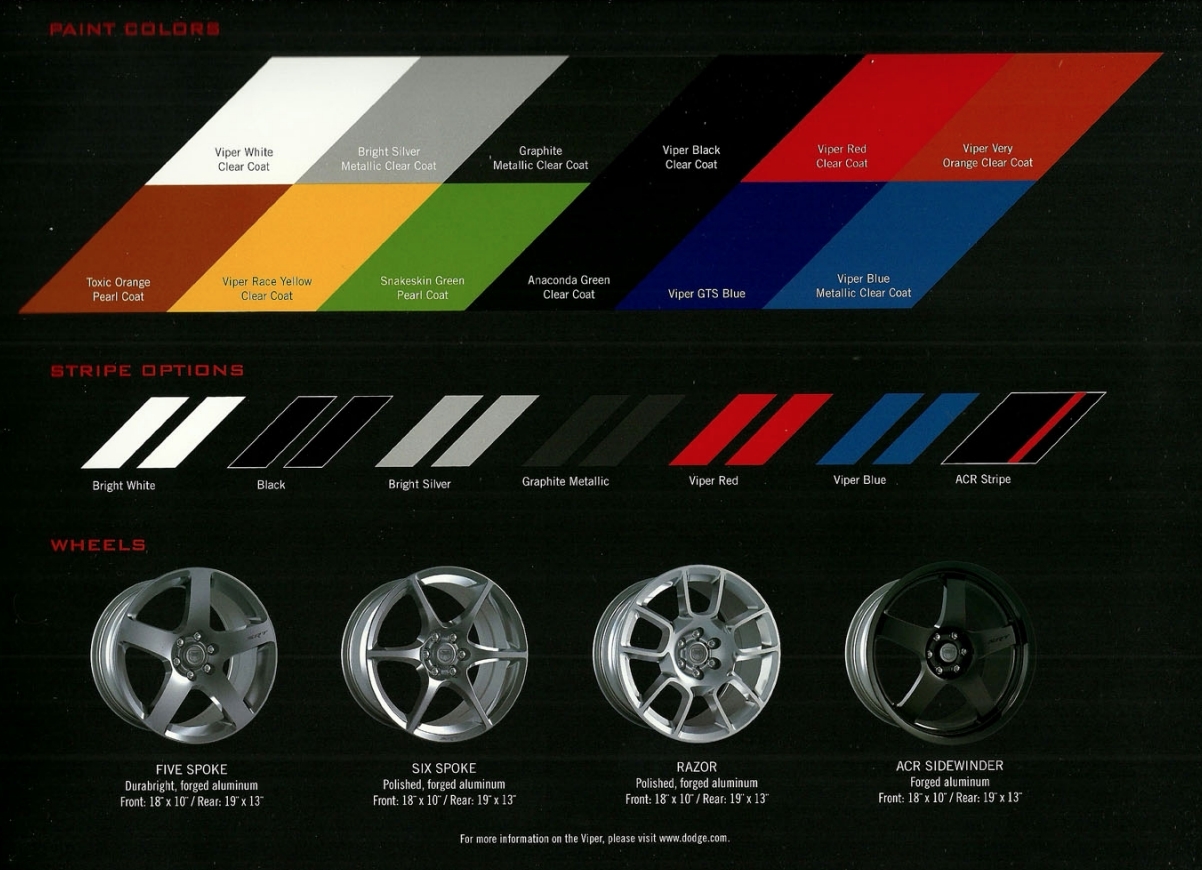
Key Options

  • ACR Package (Adjustable suspension, aerodynamic enhancements, and lightweight components)

  • Dual Painted Stripes

  • Premium Audio System

  • Special Edition Exterior Colors (Voodoo, Snakeskin Green, Venom Red, etc.)

  • Lightweight Forged Wheels

The Best Dodge Viper Fourth Generation to Buy

When selecting the optimal fourth-generation Dodge Viper (2008-2010), several factors can guide your decision, including model year refinements, performance features, and the vehicle’s overall condition.

The 2010 model year stands out as a particularly solid choice. As the final year of the fourth generation, the 2010 Viper benefits from all the incremental updates and refinements made throughout its production run. This includes enhancements in build quality and the availability of exclusive special editions, such as the limited-run Final Edition models, which are highly sought after by collectors.

For those seeking a track-focused experience, the Viper SRT-10 ACR (American Club Racer) variant is noteworthy. Introduced during this generation, the ACR features aerodynamic enhancements, a track-tuned suspension, and weight-saving measures, resulting in a vehicle that excels in high-performance driving scenarios.

In regards to market stability, model years 2008 to 2010 should be safe across the board as long as you find the right example.

In addition to model selection, the condition and mileage of the vehicle are crucial considerations. Well-maintained Vipers with lower mileage are more likely to retain their value and provide a more reliable ownership experience. It’s advisable to conduct thorough research, compare prices, and seek vehicles with comprehensive service histories.

Therefore, evaluating your specific needs, preferences, and budget is essential when selecting a fourth-generation Viper.

Conclusion

In summary, with a starting price of approximately $100,000+, the fourth-generation Dodge Viper (2008-2010) offers an exciting experience for enthusiasts seeking a high-performance sports car. Its aggressive design and potent V10 engine deliver a unique blend of raw power and striking aesthetics.

While alternatives like the Chevrolet Corvette Z06, Nissan GT-R and Porsche 911 GT3 exist, the Viper distinguishes itself through its uncompromising driving dynamics and iconic American muscle heritage.

For those desiring a pure, unfiltered driving experience, the fourth-generation Dodge Viper remains an exceptional choice.

Car Hacking Shortcuts

  • Look for models equipped with the ACR Package for track-focused performance, which includes adjustable suspension, aerodynamic enhancements, and weight-saving components

  • Opt for limited-edition models like the Voodoo Edition, 1:33 Edition, or Final Edition for exclusivity and higher long-term value

  • Prioritize low-mileage, well-maintained vehicles with a comprehensive service history to ensure reliability and better resale potential

Source link

Motorhome Wild Camping- Everything you need to know

0


Ever wanted to go wild camping (also known as wild parking or off grid) in your campervan or motorhome, but weren’t sure on the rules or how to find free places to stay? This post shares everything you need to know about motorhome wild camping and how to find off-grid parking spots with a motorised vehicle in the UK & Europe.

Don’t forget to grab your FREE motorhome wild parking checklist below.


*We work hard to make this the best motorhome travel blog and road trip website possible, full of helpful content for you. The website is supported by our readers, so if you buy through links on this site we may earn a commission- at no extra cost to you. All opinions remain our own.

If you find this post useful, you can also treat us to a coffee – we promise to enjoy it while creating more useful content like this- we might even indulge in a biscuit (or two!)


Motorhome Wild Parking- why we love it

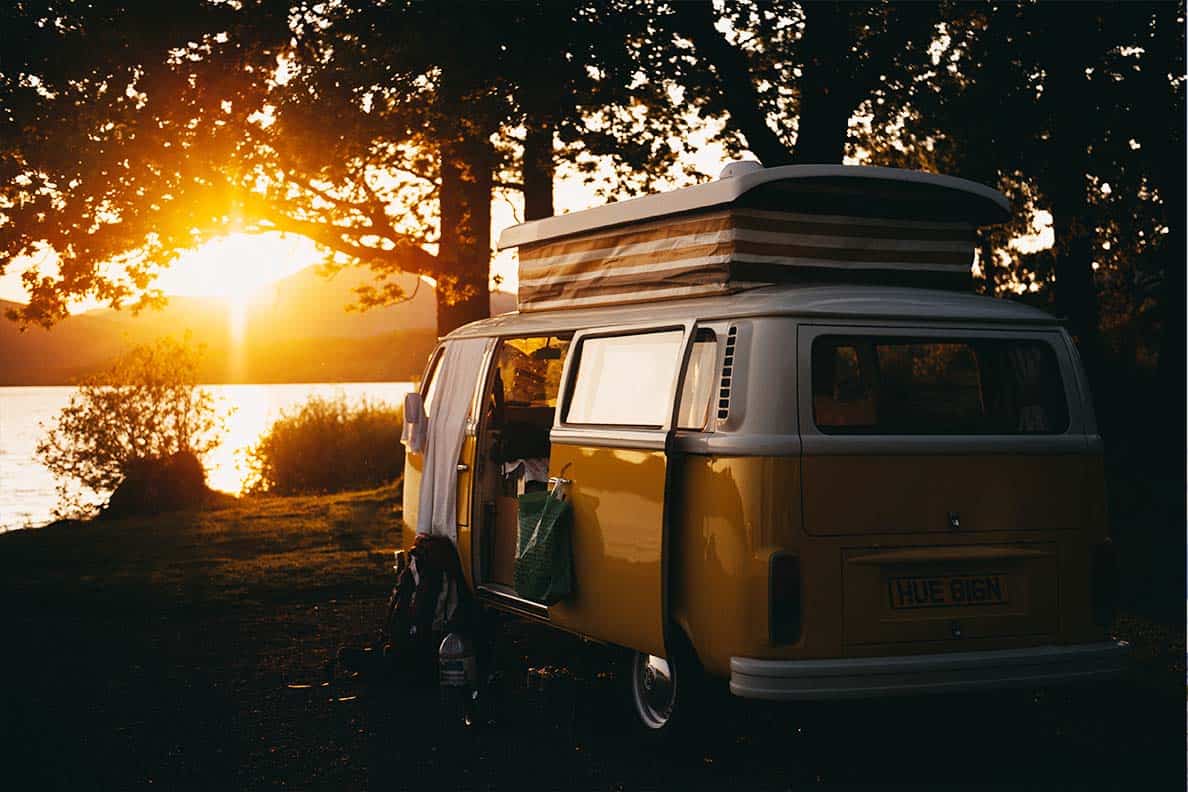
Motorhome wild parking is one of our favourite ways to spend a night in our van. We prefer to be away from people and like to avoid noisy, over-crowded campsites wherever we can- whether we’re touring in the UK or around Europe.

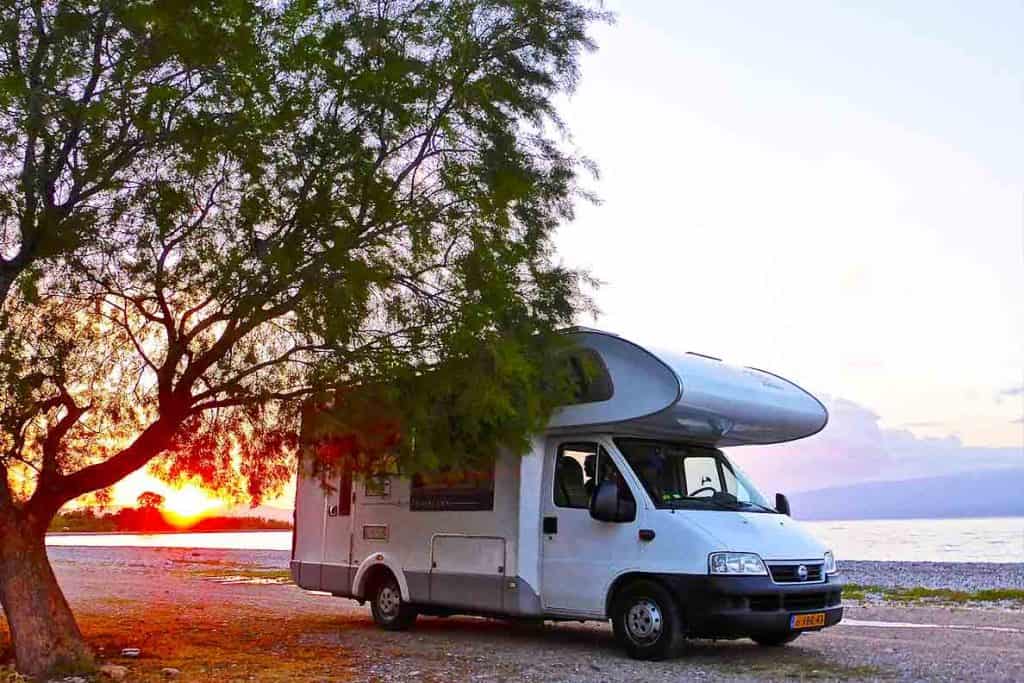
We’ve wild parked with our motorhome in some incredible places- next to rivers, by the sea, in the middle of forests and up mountains whilst staring in awe at the Milky Way as it sparkles overhead.

But I remember how daunting it is the first time you plan to stay off-grid with your motorhome. Not knowing how to find places to stay, or what the ‘motorhome wild parking’ etiquette is, can make the whole thing feel totally intimidating.

I get it- and this post is written to help you. We want to share the secrets of wild parking with a motorised vehicle, whether that’s a motorhome, campervan or RV. Once you know these, the world is your oyster!

It’s also a great way to explore the local area- I often use the tips we share below to find free motorhome overnight stops near me which are perfect for a quick weekend getaway.


What is motorhome or campervan wild parking?

Wild parking with a motorhome could technically be described as staying with your van anywhere which doesn’t have facilities. So no electric hookup or waste disposal.

We also don’t consider it to be staying on a street, or outside someone’s house. For us, motorhome wild parking is free overnight parking in the middle of nowhere, surrounded by nature.

Is it called motorhome wild camping, or free overnight parking for motorised vehicles, or…?

We call it wild parking with a motorhome.

My parents often laugh at me- they consider wild parking to be up a mountain with a tent, but we did a poll in our Motorhome Facebook Group and most people in the UK seem to call it motorhome wild parking too. You can call it campervan off-grid parking or free motorhome camping if you prefer. It all means the same thing.

motorhome wild camping checklist

Want to stay off-grid with your motorhome?

Grab our FREE wild parking checklist and make it easy for yourself. Everything you need to do, bring or remember when you stay off-grid.


Wild Parking with a motorhome or Campervan- where to start

I remember when we bought our very first motorhome- it seemed impossible to find all these amazing locations to stay overnight. HOW did people find free overnight parking for campervans or motorhomes? Is it magic? (Spoiler- it’s not magic)

Wild parking sounds (and is) idyllic… but if you’ve never done it before it can definitely be intimidating. What are the rules? How do you stay safe? What if you get arrested?

Don’t worry- it’s not as scary as it sounds and, hopefully, by the end of this post you’ll feel confident to go off for a little motorhome wild parking adventure of your own. If you’re worried about safety, here are some tips to improve motorhome security, both at home and while travelling with your camper.

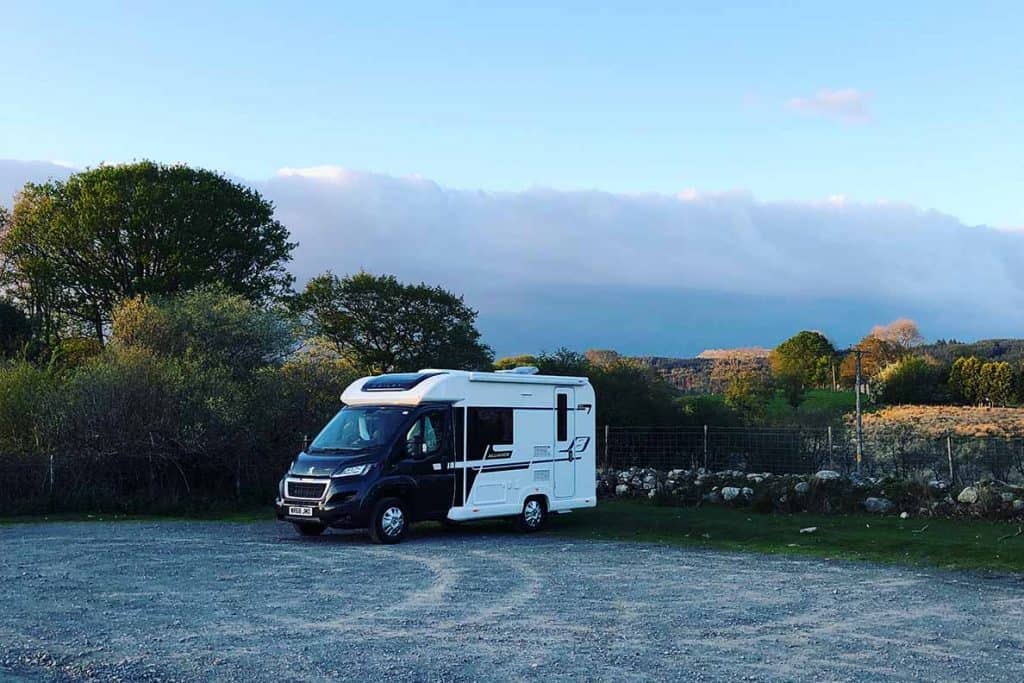
Motorhome Wild Caming in the Brecon Beacons in Wales

Wild Camp in the UK with a motorhome: Our first experience

The first time we considered motorhome wild parking in our van, I was absolutely TERRIFIED. I seriously thought we were going to be either murdered in our beds or woken up at 3am and moved on by the police (complete with a criminal record).

Honestly, I’m not sure which one scared me most!

Our first time was while motorhoming in Scotland and, honestly, I didn’t enjoy it much. As a planner, I struggled not knowing where we were going to stay that night, or if we would be safe.

When we did find somewhere to stay I worried we were doing something wrong. I barely slept (although some of that had to do with the lorries which used the road as a rat run during the night- live and learn!)

But as the new morning dawned, here is exactly what happened on our first night of motorhome wild parking….. NOTHING. Not a thing. Nobody cared, nobody commented. It was a little anti-climatic- and yet completely free-ing. And the more we did it on our Scotland road trip, the easier and more fun it became.

So if this is you, please rest assured. Less than 3 months after that first night, we merrily wild camped our way around Europe without any issues whatsoever. In fact, it was one of the best motorhome holidays we’ve ever had.

In 2018, we spent 5 weeks touring with our motorhome in Denmark, Norway and Sweden- and only stayed in a campsite for one night!


What are the laws for wild parking with a motorised vehicle?

Well, that depends on where you are. Europe is a LOT easier to wild camp in than the UK. Sorry to say but it’s true- motorhome and campervan parking laws in the UK are strict! I break down the current camper wild camping laws for Scotland, England and Wales further down the post.

The law for motorhome wild camping was tightened even further recently- here’s the update.

Wild Camping. What is it, is it legal and where do you go? How do you find places for a motorhome or campervan to wild camp in the UK? Tips and hacks for finding the perfect wild camping spots for your road trip. Wild camping is fun- this guide will help you get it all figured out. #motorhome #camping #campervan #wild #scotland #UK #tips #hacks #ideas #rvliving #rvlife #boondocking
Free overnight parking or wildparking in a campervan

Wild Parking – How to find free places to stay with a motorhome

Some people research places before they set out. For us, that takes some of the spontanteity out of the journey, so I tend not to look for locations until we’re in the area and ready to stop.

To do this I need internet in the motorhome. If you’re going somewhere really remote (like the Swiss Alps) you might need to do some advanced searching, but in all honesty, if the place if that remote, you’ll have no trouble finding somewhere to stop for the night!

If you need the internet whilst you’re driving, we highly recommend this Wifi dongle. We’ve used it all over the place and rarely had a problem finding a signal. We use the yellow one, but there are several versions which all get great reviews.


Watch the video about how we find Wild Parking spots for Campervans & Motorhomes

This video shows you how we use the motorhome parking apps and how I find free overnight parking places near me.

If you have time, I highly recommend you watch it. If you found it useful, subscribe to our Youtube channel here so you can get more free motorhome and campervan tips for the UK and Europe.


Motorhome Wild Parking- how to find places near you

Depending on what we’re doing will depend on how we look for wild parking places. If we’re heading into the countryside for a weekend, we’ll look for remote car parks or lay-bys which won’t have much noise or passing traffic.

If we’re just stopping on the way to somewhere else, such as on the way down to Cornwall, we look for places not too far off our chosen route. Again, we try to pick somewhere quiet that’s not by a busy main road- otherwise the van shakes violently all night as trucks drive past.

Want to learn everything about motorhome wild camping?

Motorhome wild camping guide

It’s ok to be nervous. Maybe even slightly terrified. I remember exactly what that felt like. Thinking everyone else had some secret that I just couldn’t figure out.

If you want to know what they know, grab our step-by-step guide to motorhome wild camping/ off-grid parking. 80+ pages of tips, step-by-step walkthroughs, videos, checklists and more- everything you need to get started, find places, stay safe, manage power, water, waste and more.


Useful Motorhome wild parking Apps

I use three apps to find free overnight motorhome parking spots. Each app has its pros and cons, and we use them for different things.

Park4night

The best app for finding wild overnight parking spots in Europe or the UK is park4night.com. This site is FREE to join & there is both an app and a website. Most of the users are European, so you’ll find thousands of spots all over Europe (and much of the rest of the world too.)

It lists a lot of aires in France, car parks and approved motorhome overnight stops, which is useful if you need something with hardstanding and not too far off the main roads.

Searchforsites

Another good app for UK motorhome wildparkingis searchforsites.co.uk, which we really like due to its ease of use and wide range of various options. Most places have photos and a review- which we find really helpful when picking a location.

However, this site is a PAIN to use on a mobile phone, especially if you could go anywhere within a 20-mile radius and are looking for options. Each time you come back to the main map you need to search all over again.

Searchforsites has a small subscription cost for the year.

Wildcamping in campervan next to Stonehenge
Motorhome wild camping in Stonehenge, UK

Campercontact

If you have a larger motorhome or RV, or are towing with your motorhome, this is a great option as it allows you to narrow the search results by length or vehicle height.

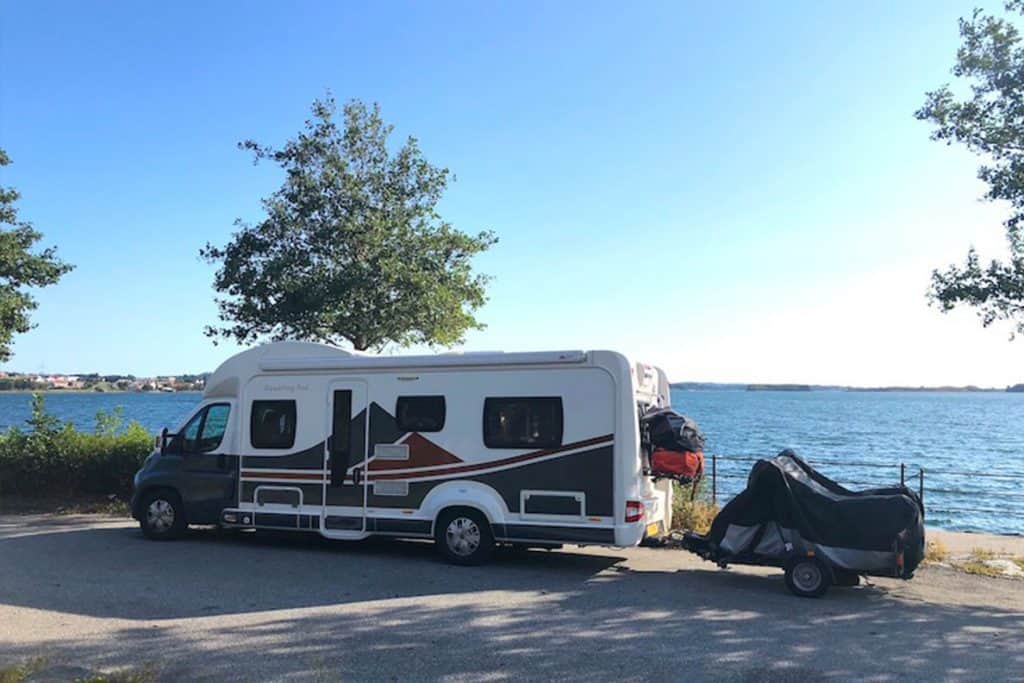
As we spend most of our time pulling a trailer with motorbikes on it, it’s really useful for us to know which free overnight spots won’t be suitable for us. It also has several options which aren’t listed on the other two apps.

Again, I tend to use this motorhome parking app more in Europe instead of the UK and it does have a charge for the year.

I tend to check all sites, read the reviews, look at the photos and then pick somewhere. Most sites have a postcode so we put that into our motorhome Sat Nav and off we go!


Britstops- a campervan wild parking alternative

Brit stops is a collection of farms, pubs, breweries and other businesses in the UK, which allow motorhomes and campervans to park overnight on their land for free, in return for the hope of some sales (food, drink etc) that evening or the next morning.

It’s a great scheme, especially for the UK which doesn’t have motorhome aires like in Europe.


Motorhome pub stopovers

The other option is to find pubs which allow/ encourage motorhomes to stay over. Many pubs will allow campers to stay in their car park or even in a dedicated field for free, as long as you eat in the pub that evening. Seems pretty fair to me! You can use the motorhome parking apps above to find good motorhome pub stopovers near you.

motorhome wild camping checklist

Want to stay off-grid with your motorhome?

Grab our FREE wild parking checklist and make it easy for yourself. Everything you need to do, bring or remember when you stay off-grid.


How to Wild Camp in the UK with a campervan- Practicalities

There’s no point planning a wild parking trip if your van/ motorhome/ vehicle isn’t set up for it. There are a couple of motorhoming essentials to figure out before you go off-grid with your vehicle.

Water

Consider what your water requirements are. In the motorhome, we carry 95 litres, which is enough water for 3/4 days if we’re very frugal- but that does include a quick shower for each of us every day.

There are some great solar devices which can store water on your roof so it warms up as you drive- allowing you to have a nice hot shower when you park for the night.

We also carry one of these LifeSaver jerrycans, which is AMAZING for getting clean drinking water wherever you are.

Campervan wild camping
Wild camping with a camper in the UK & Europe

Waste

Consider your… errr… bathroom set up. Most motorhomes and campervans have a toilet built in- but even with a bathroom/ toilet installed you need to make sure it has enough space to take …. anything you put into it. No point camping in the middle of nowhere and then realising the toilet is about to overflow & needs emptying. So be sure to empty your toilet at a responsible and sanitary place whenever you can.

If you don’t have a toilet in your camper, consider how you will ‘do your thing’ in the woods/ countryside around you. You’ll need a way of disposing of soiled toilet tissue- PLEASE don’t leave that behind. Waste (including urine) must be at least 100m and ideally 200m away from any water source.

TOP TIP: You don’t need as much kit as you think you do to stay off-grid with a camper. Read our wild camping for motorhomes essential gear guide here.

Consider your grey waste capacity too. Many people empty grey waste (which is water from sink and shower) into the wild. If you’re going to do this, please use products which will not be harmful to the environment and don’t empty black waste anywhere except for in approved areas where it won’t do any damage.

It angers us how many people give motorhome wild parking a bad name by being lazy and disrespectful, both to the environment and the locals. Please don’t be one of them.

For this reason, we tend to empty grey and black waste at the same time in an approved motorhome emptying facility, like a campsite. Alternatively, you can use public toilet blocks and use a bowl to empty grey waste and then pour it safely down a drain.

We use a product called Solbio organic toilet fluid, which is natural and doesn’t contain harmful chemicals. It’s also safe to be disposed of in septic tanks or fosse, meaning we have more options to dispose of our toilet responsibly.

Planning a motorhome trip? These posts might help:


Fires while motorhome wild parking

There is nothing more romantic than an open flame, as you sit around of an evening and enjoy your secluded spot.

HOWEVER, please ensure the fire is off the ground and doesn’t leave any scorch marks and be sensible- if it’s been very hot and dry the surrounding area is likely to go up with a stray ember and could potentially cause a devastating wildfire. Nobody wants that. Also, having a fire is not always sensible or tolerated. It depends entirely on where you are and what is around you.

Remember, wild camping is not always a ‘right’, more of a tolerance from the land owner. A fire could be the thing which gets you moved on.

We LOVE our BBQ/ Fire, which is set off the ground and folds flat when not in use. We leave it to cool off overnight and then it folds away very easily the next day. Such a brilliant bit of kit.

Wild Camp in the UK with a motorhome. What is it, is it legal and where do you go? How do you find places for a motorhome or campervan to wild camp in the UK? Tips and hacks for finding the perfect wild camping spots for your road trip. Wild camping is fun- this guide will help you get it all figured out. #motorhome #camping #campervan #wild #scotland #UK #tips #hacks #ideas #rvliving #rvlife #boondocking
Motorhome Wild camping in Europe

Cooking while wildparking with your campervan

 We’ve already mentioned using a campfire (when it’s safe and sensible), which is an obvious and fun method to cook on, but if you use gas check that there is enough gas in your cylinder. Especially if you use it for heating your campervan.

We use our motorhome all year, including throughout winter, and we find one 6kg gas bottle lasts us about 3 days- which is used for cooking, fridge and the heating on constantly nearly all the time. Obviously, it lasts us a lot longer in summer!

TOP TIP: If you DON’T use your van during winter, you need to close it down properly. Read our essential motorhome/ camper winter storage preparation tips


Motorhome Off-grid Power

We only have one motorhome domestic leisure battery onboard. We try hard to keep our power useage to a minimum. When we’re off-grid parking, we make sure we have already topped up all our phones, ipads, laptops, drone batteries and the wifi dongle as we are driving (using 12v chargers and an inverter), so we don’t use our precious battery power while we’re wild camped.

We also carry a small motorhome generator– as an EMERGENCY BACKUP! I refuse to be that couple in a motorhome who ruins a beautifully serene location with a noisy electric engine- but I agreed to it for when we went motorhoming in Norway– and it did come in handy. This is the generator we use and LOVE.

We use the bare minimum of lights of an evening, preferring instead to sit & chat by a fire until bedtime.

Related Posts: 5 Motorhomes essentials you need for wild camping- and 2 you don’t!


Supplies

Make sure you have enough water, food, tools, fuel, motorhome essentials & spare parts if you are going somewhere really remote.

Also, make sure your vehicle is in good working order before you set off. Breaking down in a remote car park is not going to enhance your motorhome wild parking experience! Here are the essential checks you should do before every motorhome trip

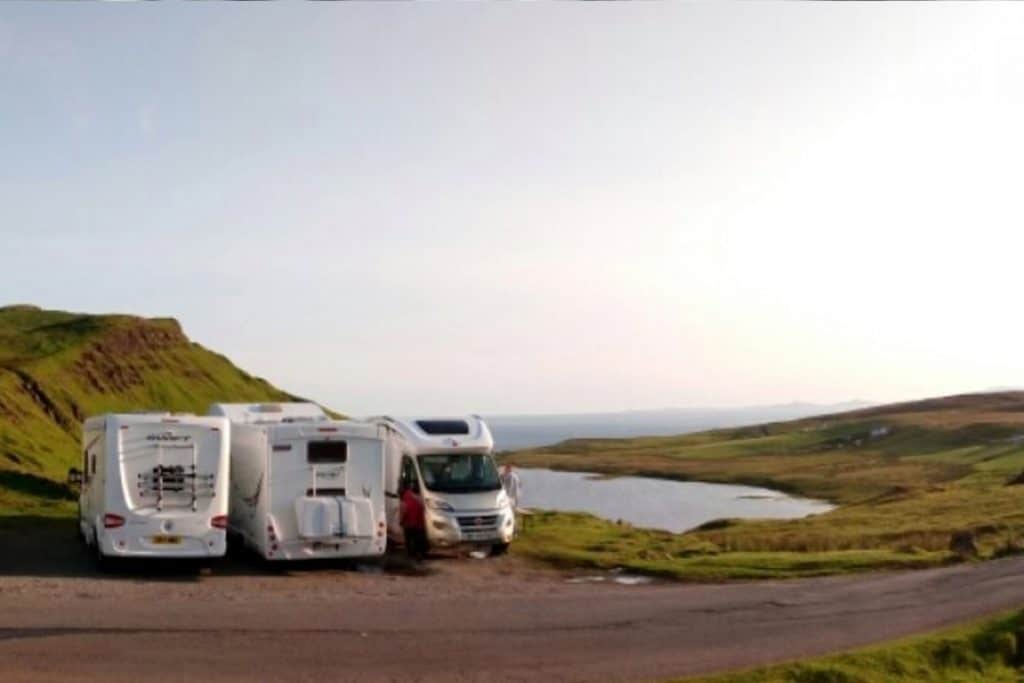
Motorhomes wildcamping on the Isle of Skye
Motorhome Wild camping on the Isle of Skye

Motorhome Wild Parking – advice for beginners

Wild parking with a vehicle is not a right. Anywhere. But in many places it is still tolerated for people to park up off-grid overnight, provided they are considerate, responsible and follow these simple guidelines:

  • Only stay one night in any one place
  • Don’t put up awnings, outside furniture or make a lot of noise.
  • Don’t block access to fields or park in overtaking places (that’s illegal)
  • Keep well away from buildings and don’t block anyone’s view (unless you seek owner’s permission)
  • Take away all litter and waste
  • Obey local bylaws (especially where you need a permit to park in certain places)
How to wild camp in the UK with a motorhome or campervan. Tips and hacks for finding the perfect wild camping spots for your road trip. Wild camping is fun- this guide will help you get it all figured out. #motorhome #camping #campervan #wild #scotland #UK #england #tips #hacks #ideas
Wild Camp in the UK with a motorhome or campervan

Campervan Overnight Parking- what to do/ what not to do

  • “DON’T leave anything other than tyre tracks” was how it was explained to us- and I love that definition. If we want to keep wild parking, for free, across the UK, we need to respect the land we are staying on and the fact that most of the time we are there with kind permission of the landowner. The more people who leave rubbish/ cause damage, the quicker we’re ALL going to be stopped from staying anywhere.
  • DON’T play loud music
  • DON’T put up awnings/ permanent structures. You need to look like you are just stopping for a few hours.
  • If there is a charge, pay it. It’s still a heck of a lot cheaper than a campsite for a night.
  • You can always move. Should other people move in who are noisy/ unsociable or who you just don’t want to be parked next to, then just start the van and move.

How to Wild Camp in the UK- Safety

A short word on safety. If you are wild parking on your own, PLEASE tell someone where you are going- or tell them where you are when you find somewhere. We also don’t recommend posting your whereabouts on social media until after you’ve left. There are several motorhome security products which can help you be more secure on the road.

We also recommend fitting an additional motorhome door lock for added security.

motorhome wild camping checklist

Want to stay off-grid with your motorhome?

Grab our FREE wild parking checklist and make it easy for yourself. Everything you need to do, bring or remember when you stay off-grid.


So, after all this advice, is it even legal to wild camp in the UK or Europe in a motorised vehicle? The honest answer is….. kinda.

Wild camping in England & Wales in a motorhome

Pretty much every piece of land in England & Wales is owned by someone, and you DON’T have right of access onto their land without their permission. Therefore if you are asked to move on, you need to do so. Wild camping is also prohibited on Open Access lands (shaded orange on Ordnance Survey Maps) and in most National Parks.

Wild Camp in the UK with a Motorhome. What is it, is it legal and where do you go? How do you find places for a motorhome or campervan to wild camp in the UK? Tips and hacks for finding the perfect wild camping spots for your road trip. Wild camping is fun- this guide will help you get it all figured out. #motorhome #camping #campervan #wild #scotland #UK #tips #hacks #ideas #rvliving #rvlife #boondocking
Motorhome wild camping- just look at those views!

HOWEVER, there are many places in England & Wales where wild parking is tolerated. Heck, we camped next to Stonehenge for the night and spoke to the security guards from English Heritage at 6am (we were filming the sunrise). They didn’t bat an eyelid at the fact we were parked there, for free, for the night. There were in fact several other vans around and they could easily have asked us all to move if it was an issue…. but they didn’t. Because it wasn’t.

It’s a lot easier to motorhome wild camp if you head for more remote areas on your UK road trip– such as Cumbria, the Peak District, Yorkshire, Wales and Scotland. Here landowners are more used to wild campers and much more tolerant- although they still have the right to ask you to move.

The practical answer is that most people don’t mind as long as you are not blocking their view, making noise or causing damage and not disobeying an obvious parking sign saying ‘no overnight camping’. A bit of courtesy and consideration will go a long way to making your wild camping trips more enjoyable.


Motorhome & Campervan Wild Parking in Scotland

Scotland has long been considered much more tolerant of wild parking than the other countries in Britain, especially in the Highlands. However, some confusion exists about the definition of wild camping in Scotland (or free parking).

The often-quoted Scottish Outdoor Access code does NOT apply to motorised vehicles, so, contrary to popular belief, it is NOT ok to just park a motorhome or campervan wherever you like in Scotland.

Sadly, the pressure on the infrastructure is creating more and more tension between residents, tourist boards and motorhomers. A few irresponsible idiots who leave rubbish and human waste lying around have led to many more restrictions on where you can legally park overnight, and there is increasing pressure to shut down even more places- especially in the heavily congested areas of the Isle of Skye and NC500.

For more information, check out the UK campervan and motorhome parking laws or find out more about motorhome wild camping in Scotland.

Another TOP TIP for Scotland- do not take your Motorhome into Edinburgh. Under ANY circumstances. You can take kids into Edinburgh, but not motorhomes. There’s nowhere near enough space!


Motorhome wild parking in Europe

Finding free overnight places for motorhomes and campervans in Europe is almost identical to the UK- but a LOT easier.

There’s more space to avoid people and, as long as you stay away from popular tourist attractions, there are loads of places to park up overnight across Europe.

There are also a system of approved motorhome parking spots in Europe called aires. Find out how to find and use wildcamping spots and aires in Europe.


I hope the above has been helpful and allayed some of your fears over wild parking in your motorhome. The best thing you can do is just get out there and give it a go. Good luck- let me know how it goes! 🙂

Want more Wild Camping tips?


The Ultimate Guide to campervan travel in the UK. Tips, tricks, how to find places to park for free- everything you need to know to have an AMAZING UK road trip. #campervan #campervanliving #travel
Awesome campervan living tips- including how to find the best campervan parking spots for free! Everything you need to know for campervan life on a budget. #campervan #campervanlife #vanlife

Last update on 2025-02-12 / Affiliate links / Images from Amazon Product Advertising API

Sharing is caring!


Source link

Cruisin’ Tokyo In The World’s Only Road-Legal Diablo GT2

0


As a nation famed for its patience, discipline, and peace of mind, the Japanese seem to have a habit of restoring the most unforgiving and uncompromised race cars to the road.

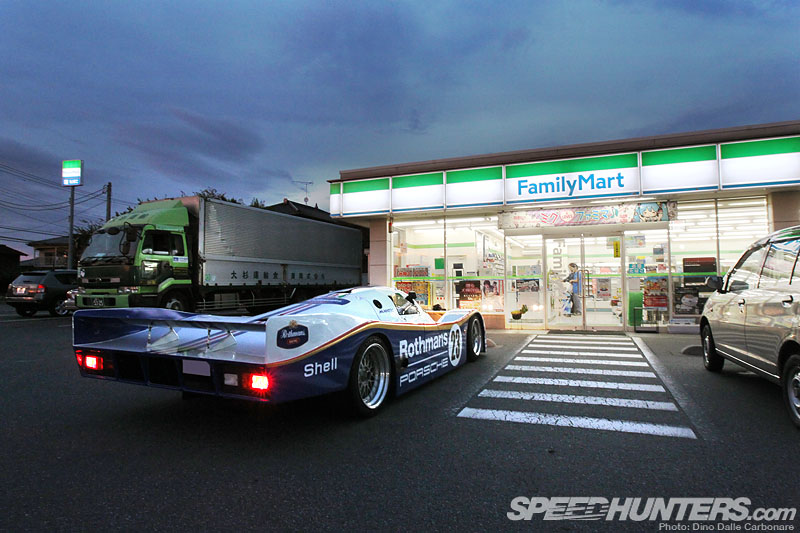
Probably the most famous – or most documented, at least – is Takeshi Moroi’s Porsche 962C featured by Dino back in 2012. Decades earlier, this would’ve been thundering down the Mulsanne Straight at over 200mph. However, seeing it parked in front of a Tokyo Family Mart is somehow even more impressive.

DSC09910

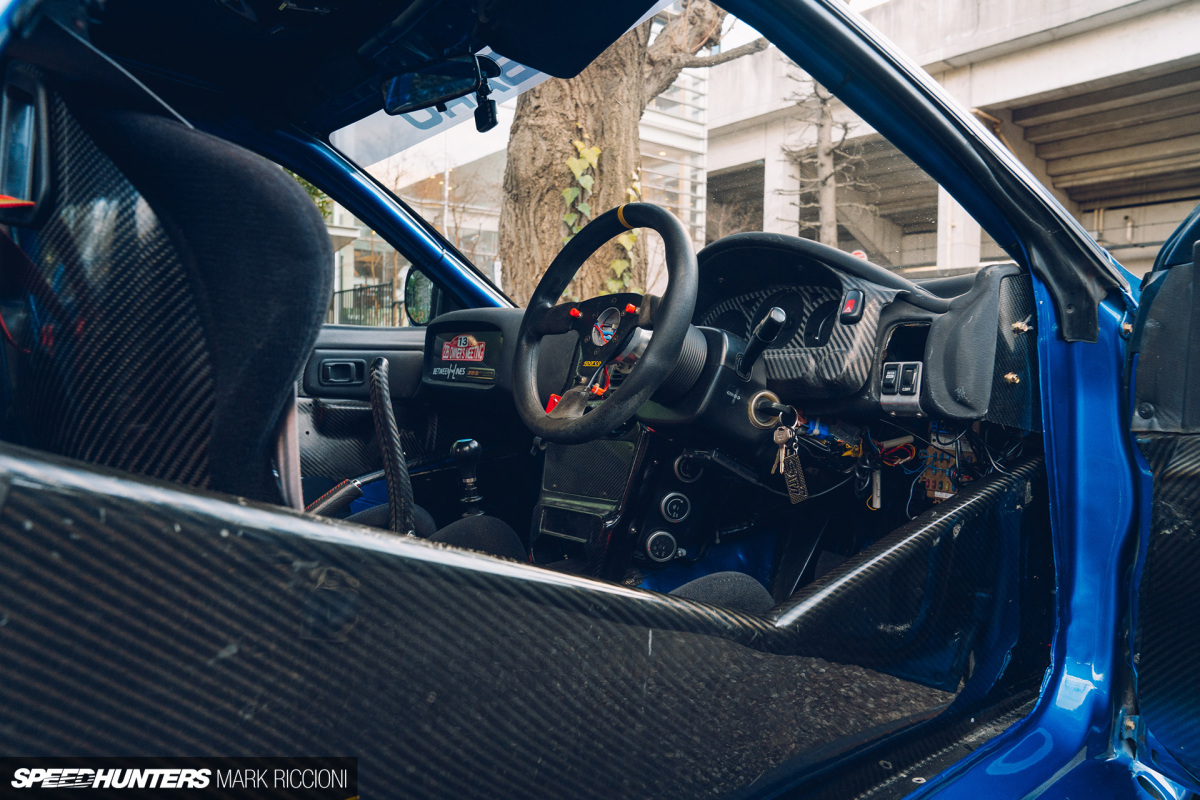
If you prefer your race cars more suited to anything but smooth tarmac, Junya Matsushita’s S4 Subaru Impreza is the epitome of ’90s WRC. Built by Prodrive for the 1998 season and imported from the Netherlands in 2010, Junya spent years painstakingly restoring it to its former glory. Expensive, but worth every penny.

DSC08808-copy-2

And for those without the budget to sink into a legitimate ex-racer, all hope is not lost. Simply ditch all your car’s comforts and spend a terrifying amount of time sourcing period-correct parts like wheels and spoilers, and the result is your very own road-going replica. A passion shared by Mashahiko Yamazai and his friends as they rip around the streets of Saitama in their Super Touring-inspired builds.

DSC01200

Race cars will always be cool. That’s a statement every Speedhunter can be united on, and their appeal for being converted from track to road use almost always comes back to the same reason: to create the rawest, most unfiltered and visceral driving experience imaginable… without having to go to the track first.

DSC01068

Is this always enjoyable? Absolutely not. The reality of owning a genuine race car for the road – as opposed to a road car tweaked for the racetrack – can be a lot more painful. And I say that as someone who owned a road-going Ferrari 360 Challenge car for nearly five years, which subsequently spent less than 12 months actually fit for use.

DSC01428

But every now and then, something so unhinged comes along that surprises even the most seasoned Speedhunter, something so obscure and ridiculous it goes beyond the how is it on the road and firmly into the why. Because in the game of road-legal race car Top Trumps, Syuichi Kinoshita has an almost unbeatable hand…

DSC01051
DSC00926

The Lamborghini Diablo wasn’t exactly short of a special edition. Between 1990 and 2001, a total of 2,907 were produced in Sant’Agata, with 18 different versions available over that time. The bulk of those (873) were 2WD Diablos between 1990 and 1996, followed by the VT and VT Roadster (including the later 6.0 in 2000/2001), which between them account for almost two-thirds of Diablos produced.

DSC01157

Delving into the more limited models, the SE30 accounts for just 157 units, followed by the GT with just 81 being built between 1999 and 2000. Then, there are the two racing editions – the SV-R and GTR – limited to 30 units each and exclusively built for racing. Although, according to Instagram, most of these now appear to be road-legal and residing in Japan, too…

DSC01006

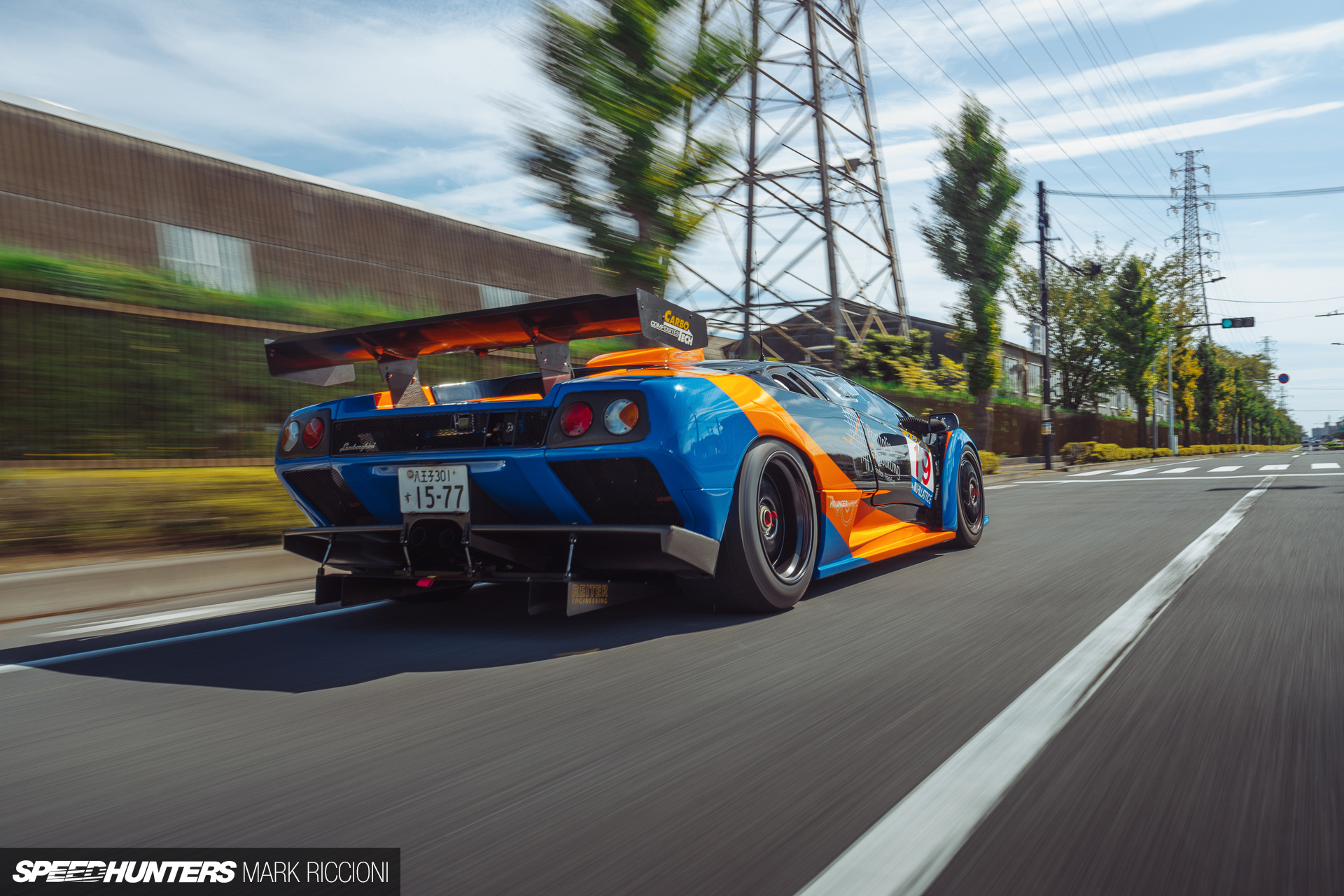
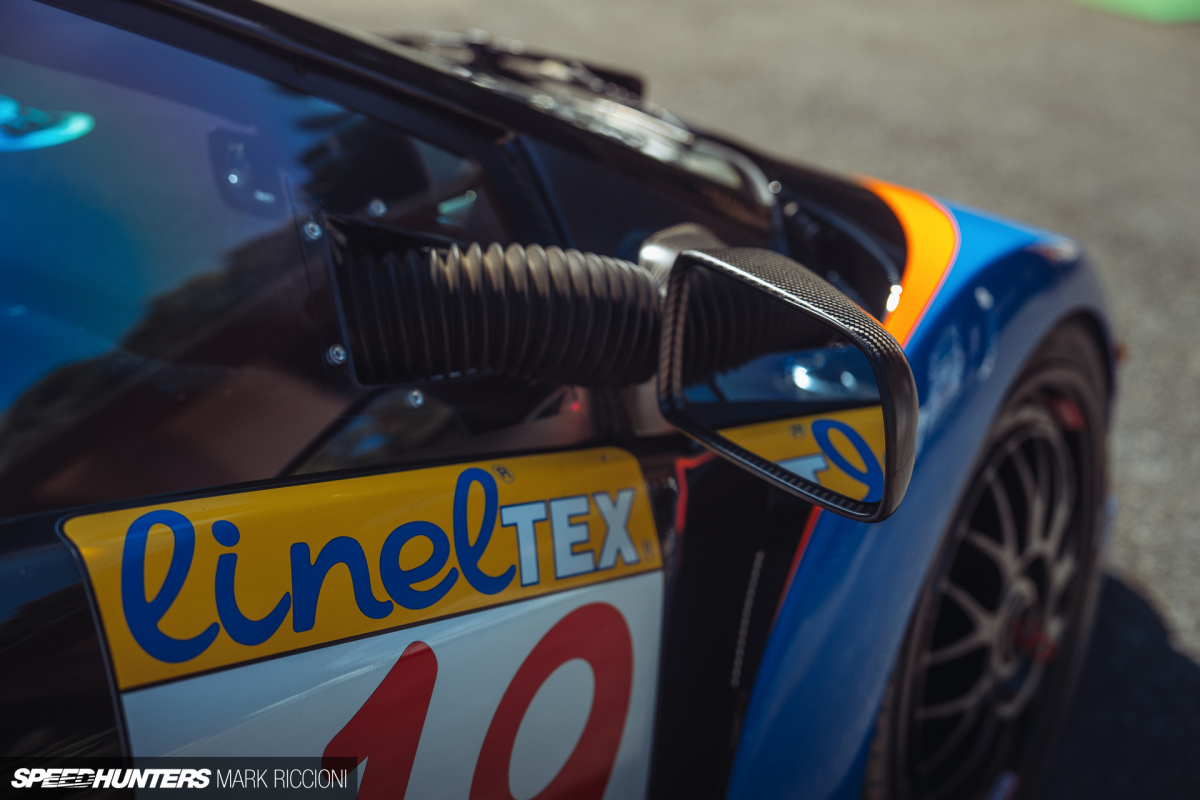
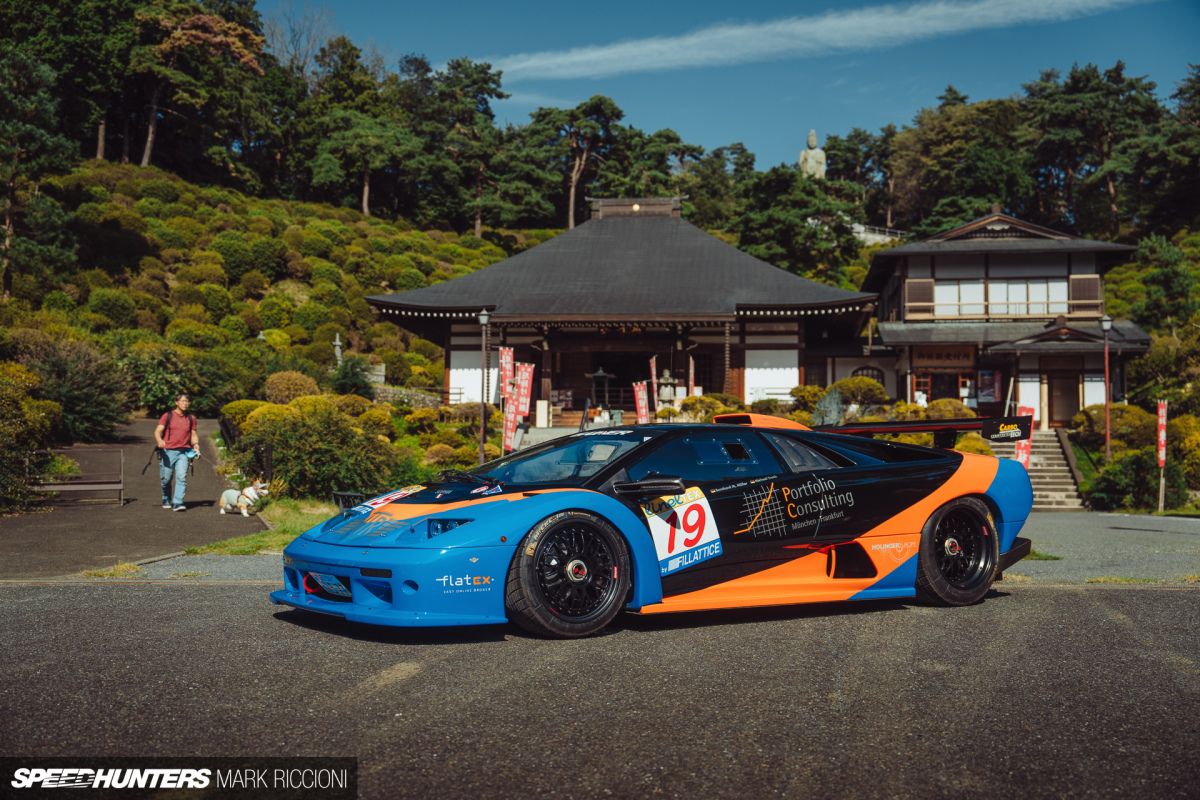
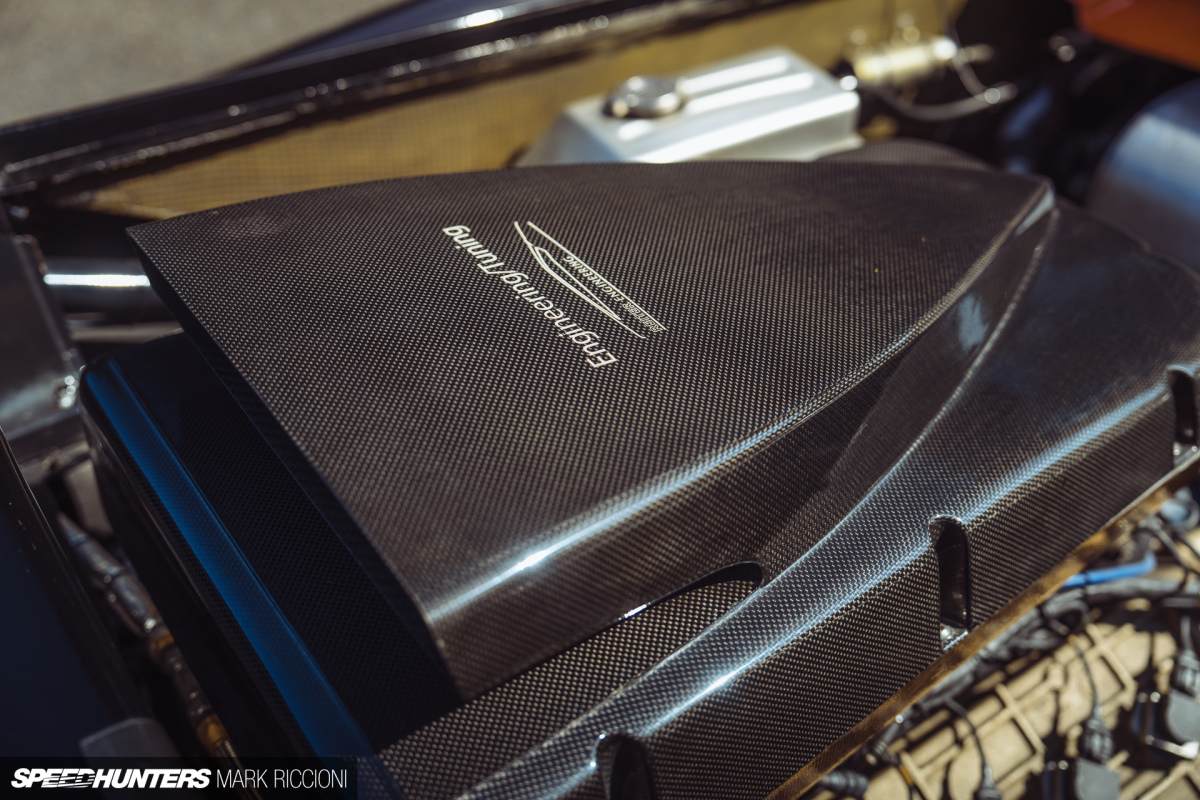
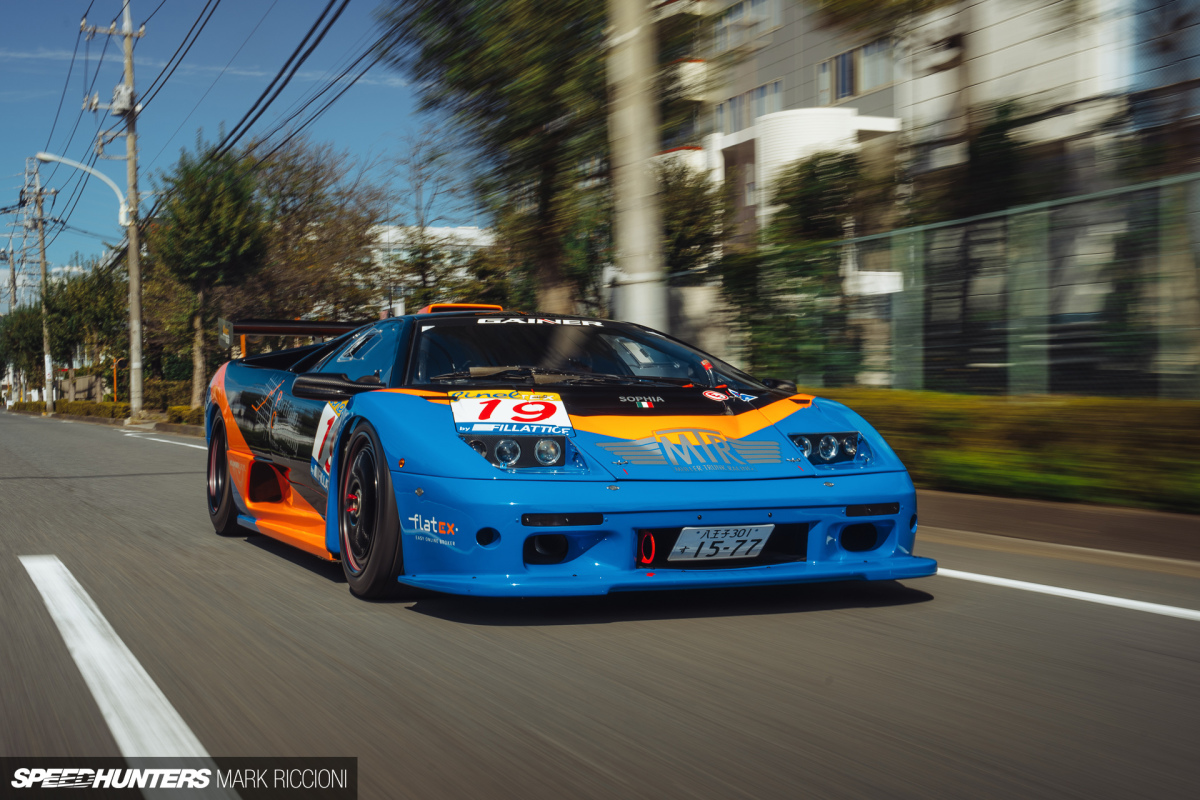
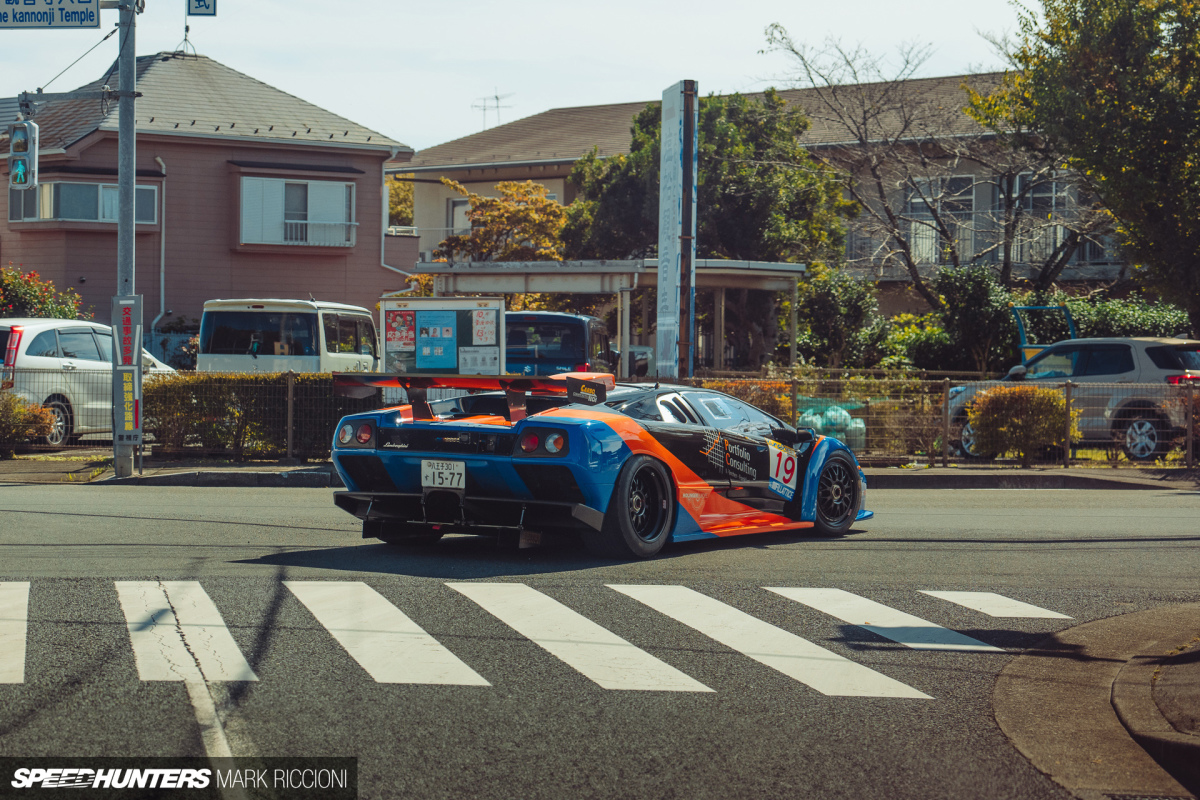
However, all of these numbers look positively mass-produced compared to what’s tucked away in Kinoshita-san’s garage. Not only is it one of two REITER Engineering-prepared Diablos built for competition in the GT2 racing class, but it’s also the only one that’s road-legal. And that wasn’t a requirement for competition use or REITER feeling particularly spicy; that’s all on Kinoshita-san who, after obtaining the car in a pretty bad state, decided he might as well throw in the extra bits needed to get it legal for its shaken (roadworthiness) inspection while reassembling it.

DJI_0779

“A friend of mine spent nearly three years tracking down and obtaining the car, but once it arrived, the scale of work required was too much for him to handle,” Kinoshita-san explains. “At the time, I already owned a Gallardo LP560, so I understood the appeal and theatre of a Lamborghini. It would take a long time to rebuild and reassemble the REITER GT2 Diablo – around 10 years in total – and these days, the parts are almost impossible to find. And for the parts you can obtain, values have skyrocketed!”

DSC01069

REITER was formed in 2000 by racing engineer Hans Reiter, and the GT2 Lamborghini Diablo would be the first official REITER-prepared car to compete in the FIA GT championship. Taking the already potent Diablo GT as a base, REITER extensively modified both cars to meet the GT2 regulations, with the 6.0-litre V12 engine producing nearly 600hp.

DSC01082

This GT2 Diablo would mark the beginning of REITER’s Lamborghini journey, as for the next 14 years, they’d be responsible for developing and preparing all of Lamborghini’s race editions, including the Gallardo GT3 and the brutal Murciélago R-GT.

DSC01098

“I have always loved cars from a young age, and as soon as I could drive, I would enjoy modifying whatever I owned to make it feel more like a race car on the street,” Kinoshita-san recalls. “At first, I started with an EP71 Starlet, then a JZX90 Mark II and even a GX71 Cresta. I bought my first Lamborghini – the Gallardo LP560 – later on because I loved how rough, powerful and attractive it seemed. It had the looks and performance of a racing car, but it was still very easy to use on the street. Quickly, I became obsessed with all things Lamborghini, and when the opportunity came to buy the REITER GT2, I could not say no.”

DSC01122

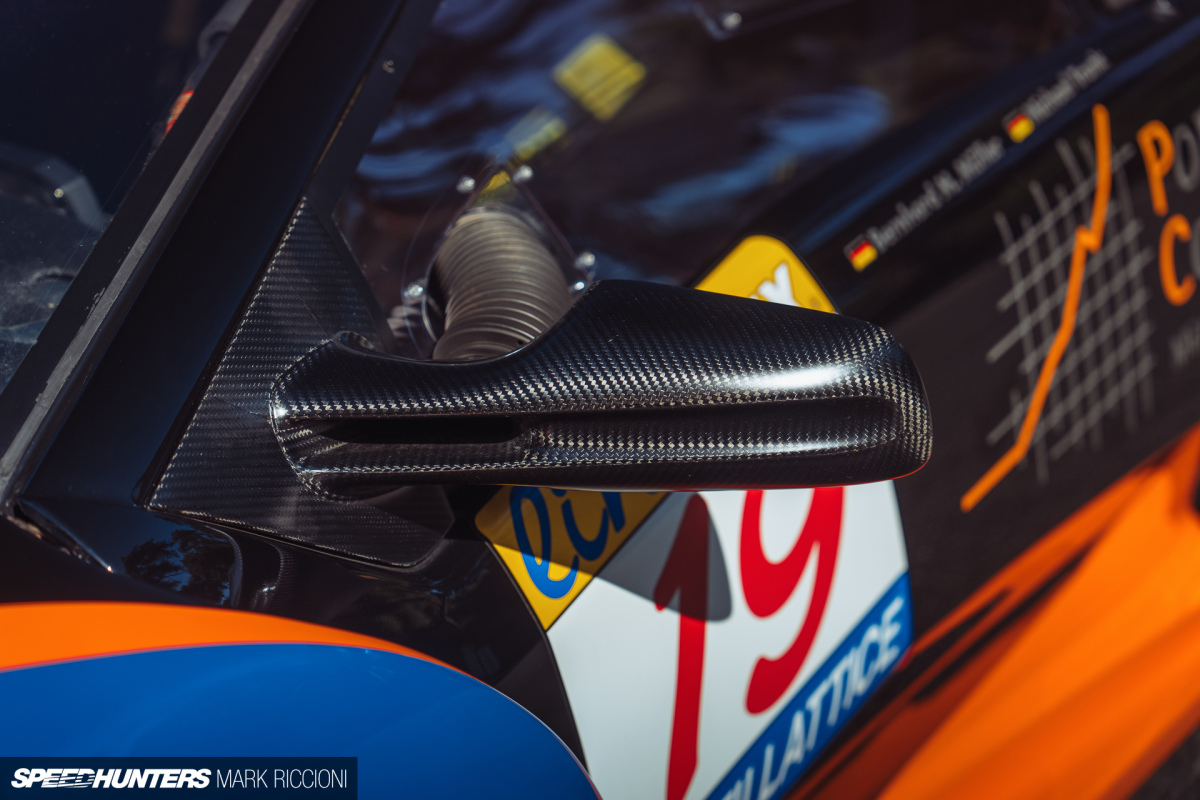
With only two cars in existence, the main issue Kinoshita-san faced was trying to replace any missing or damaged components – many of which required custom-making and took months to arrive. Thankfully, the 6.0-litre V12 and Holinger sequential gearbox were still in good condition, and despite its racing history, the all-carbon exterior was complete, including the GT2-specific components such as the diffuser, rear adjustable wing and front splitter. Kinoshita-san knew early on that he wanted to get the GT2 road-ready, so during this process, he took several measures to try and make it a little easier to maintain in the future.

DSC01574
DSC00914

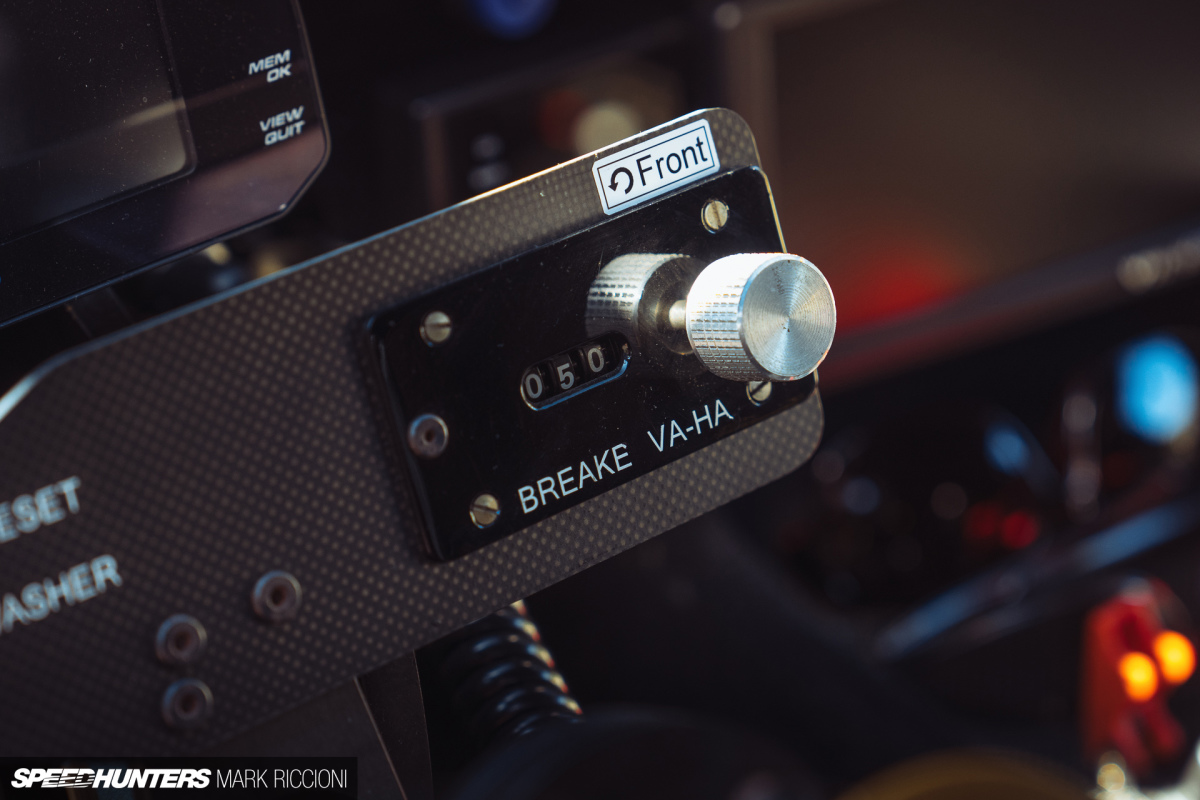
“In racing form, there are no exhaust restrictors, so it is crazy loud!” he adds. “I installed several silencers and an exhaust valve to keep the Diablo quiet at low speed, which I think my neighbours were very happy about. For racing, the fuel tanks are a bag in a Kevlar case, but these expire every few years and are very expensive to replace. So, we created an aluminium tank instead, and at the same time added a front nose-lift system; otherwise, it would be too low to drive into most gas stations.”

DSC01251

“The one thing I would still like to change is the steering rack because trying to get around Japan’s tight roads takes many attempts, but it is a small price to pay to get to use such a crazy car on the road.” 

DSC00922

Watching Kinoshita-san thread the Diablo through Tokyo is nothing short of jaw-dropping. Other than the heat – which Kinoshita-san has tried to combat with a token 12V fan in the footwell – it’s surprisingly well-mannered and unusually quiet. Until the exhaust valve flicks open…

DSC01846

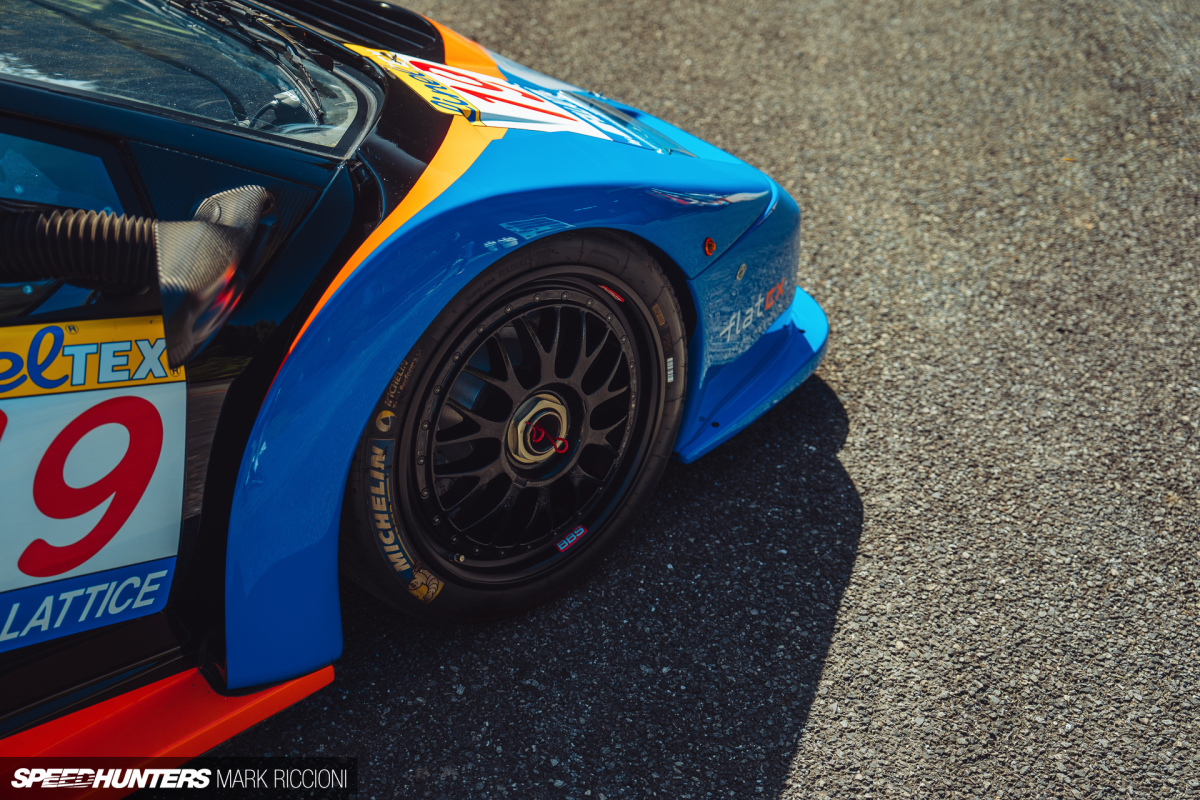
The smallest amount of throttle will easily light up the 310-wide Michelins. Don’t be fooled by the grooves; these aren’t typical Pilot Sports or Cup 2s; they’re a full wet-weather competition slick instead. But with indicators, number plates and the ability to crawl over speed bumps, it is fit for the road… just about. And Kinoshita-san doesn’t hide it away either; he’ll regularly join Lamborghini owner days at any opportunity. While its lack of track use might seem like a waste, before he took on the project, it was just another ex-race car in a thousand pieces unfit for any use.

DSC01058

“In addition to the Diablo GT2, I replaced my Gallardo with an Aventador, which is a completely different experience,” adds Kinoshito-san. “The combination of the Lamborghini look and a naturally aspirated V12 is something I think many of us dream of. They are two completely different cars, but they also share a lot of the same DNA, which I think can be found in all Lamborghinis, new and old. But what I would like to do more than anything in 2025 is to take the GT2 back on the racing track to see how it performs. It may not be as fast as modern race cars, but I don’t think there are many other cars out there which will provide the same kind of feeling – and that feeling I will never get bored of.”

DSC01207

You’d think that after a road-legal 926C, a WRC Impreza and a GT2 Diablo, the streets of Tokyo couldn’t get more outrageous. But Kinoshito-san is already eyeing up the next REITER project – a Murciélago R-GT. When it comes to Japan, you never rule anything out.

Mark Riccioni
Instagram: mark_scenemedia
Twitter: markriccioni
mark@speedhunters.com


Source link

BMW X5 M G05 Generation Buyers Guide

0


When the BMW X5 M G05 debuted in 2020, it stepped in to replace its predecessor with the challenge of exceeding the high standards set by the previous generation. Built on the fourth-generation X5 platform, the X5 M is designed for enthusiasts who seek power and everyday usability, the G05-based X5 M quickly became one of the hottest performance luxury SUVs on the market.

At the heart of the BMW X5 M G05 lies a powerful 4.4-liter twin-turbocharged V8 engine, codenamed the S63. In its base form, the engine produces an impressive 600 hp, while the X5M Competition variant boosts output to 617 hp. It is paired with an 8-speed automatic transmission and BMW’s xDrive all-wheel-drive system, enabling the X5M to move from 0 to 60 mph in just 3.8 seconds. 

The exterior design of the X5 M G05 combines muscular proportions with aerodynamic enhancements, giving it a commanding on-road presence. BMW’s signature kidney grille, flanked by aggressive air intakes, sets the tone for the front fascia, while the sculpted hood and sharp character lines enhance its muscular appearance. 

At the rear, quad exhaust tips and a functional diffuser emphasize the vehicle’s performance-oriented nature. Large wheels, flared fenders, and M-specific design elements further distinguish it from the standard X5.

Inside, the X5 M G05 the interior features high-quality materials such as Merino leather, aluminum, and carbon fiber accents, creating a sophisticated yet sporty ambiance. M-specific touches include a unique digital gauge cluster, M leather steering wheel, and sports seats with enhanced bolstering for spirited driving. 

The X5 M G05 is packed with advanced technology, featuring BMW’s iDrive infotainment system with a 12.3-inch touchscreen, ambient lighting, and an optional Bowers & Wilkins surround sound system

As a luxury performance SUV, the BMW X5 M G05 faces stiff competition in its segment. Rivals include the Porsche Cayenne Turbo, Mercedes-AMG GLE 63 S, and the Audi RS Q8. Despite the competition, the X5 M stands out with its M-badge performance, high-end luxury, and practicality, making it a great choice for those seeking an all-in-one package.

Model Changes (Breakdown by Year)

2020 BMW X5 M

The 2020 BMW X5 M G05, codenamed F95, marked its debut as a high-performance luxury SUV built to dominate its segment. 

At its core, the 4.4-liter twin-turbocharged V8 engine (S63) churned out an impressive 600 hp in the standard model and 617 hp in the Competition variant, ensuring blistering acceleration and dynamic power delivery. 

This engine was paired with an 8-speed automatic transmission, optimized for rapid and precise shifts, and BMW’s xDrive all-wheel-drive system, providing exceptional traction and stability on various surfaces. 

The performance was further enhanced by an M-tuned adaptive suspension system, offering a balance between everyday comfort and track-level performance. 

This year model also featured large M Compound brakes for confident stopping power, an M Active Differential for improved cornering precision, and selectable drive modes that allowed drivers to tailor performance characteristics to their preference. 

The 2020 BMW X5 M had a starting price of approximately $106,095, with the Competition variant beginning at around $114,100.

2021 BMW X5M

The 2021 BMW X5 M G05 carried over largely unchanged from its debut year with no significant updates reported.

The 2021 BMW X5 M had a starting price of approximately $105,100. While the X5 M Competition Package started at around $114,100.

2022 BMW X5M

The 2022 BMW X5 M G05 carried over largely unchanged with no significant updates reported.

The 2022 BMW X5 M had a starting MSRP of approximately $106,100. Opting for the Competition Package would bring the total to around $115,400. Additional packages, such as the Executive Package, are priced at $2,600 and offer features like remote start and heated and cooled cupholders.

2023 BMW X5M

In 2023, the BMW X5 M G05 underwent a mid-cycle refresh, known as the Life Cycle Impulse (LCI), a common update introduced around the fourth or fifth year of a model’s production. 

The interior quality saw improvements with the addition of more refined and premium finishes, including expanded use of Merino leather and high-end trims such as open-pore wood, brushed aluminum, and available carbon fiber accents. 

The dashboard was redesigned to incorporate BMW’s latest Curved Display, merging a 12.3-inch digital instrument cluster with a 14.9-inch central touchscreen for a seamless, driver-centric experience. Powered by BMW’s latest iDrive 8 infotainment system, the updated interface features faster processing speeds, improved graphics, and enhanced voice command capabilities.

This upgrade also includes expanded functionality, offering wireless Apple CarPlay and Android Auto integration, personalized driver profiles, and over-the-air software updates to keep the system current.

Ambient lighting options were enhanced, allowing occupants to further customize the cabin’s ambiance. Meanwhile, the seats received updates with additional contouring and bolstering, improving both comfort and support during spirited driving. Optional massaging and ventilated seats provide even greater luxury for long journeys. Furthermore, the enhanced climate control system now offers more precise temperature regulation and improved air filtration.

The 2024 BMW X5 M has a starting price of $127,200.

2024 BMW X5M

The 2024 BMW X5 M G05 continued production without any significant updates or changes, retaining the features and enhancements introduced during the 2023 Life Cycle Impulse (LCI) refresh. 

For the 2024 model year, BMW streamlined the X5 M lineup by offering only the Competition variant. The starting price for the 2024 BMW X5 M Competition is $123,295.

2025 BMW X5M

The 2025 BMW X5 M G05 continues production with the updates and enhancements introduced during the 2023 Life Cycle Impulse (LCI) refresh. 

For the 2025 model year, BMW offers the X5 M exclusively in the Competition variant, with a starting price of $127,200.

BMW X5M G05 Common Problems

The BMW X5 M G05 is celebrated for its exceptional performance and luxury, yet, like many high-performance vehicles, it has encountered some reported issues. Owners have noted concerns such as erratic transmission behavior, including rough or delayed shifting, and occasional glitches with the iDrive infotainment system, such as connectivity problems and unexpected reboots. 

Additionally, some drivers have reported air conditioning inconsistencies, with the system failing to blow cold air or maintaining uneven temperatures. While these issues are not universal, they highlight areas where the X5 M G05 may require attention to maintain its renowned driving experience.

Keep in mind, that it is crucial to perform a Pre-Purchase Inspection (PPI) from an authorized dealer or experienced independent mechanic to reveal all issues.

Transmission Issues: Some drivers have experienced erratic transmission behavior, including rough or delayed shifting and jerky movements. These symptoms can affect driving comfort and may require attention from a qualified technician.

iDrive System Failures: The iDrive infotainment system has been prone to various issues, such as failure to connect to devices, climate control malfunctions, and unexpected reboots. Often, these problems can be resolved with software updates, but persistent issues may necessitate professional diagnosis.

Air Conditioning System Faults: Owners have reported inconsistent cooling performance, with the air conditioning system failing to blow cold air or maintaining uneven temperatures. This could indicate a need for component inspection or replacement, such as the compressor.

Steering Glitches: There have been complaints about the vehicle pulling to one side, particularly when cold. Warming up the vehicle before driving may mitigate this issue, but if it persists, a professional evaluation is recommended.

Carbon Buildup in Engines: The direct injection engines in the X5 M G05 are susceptible to carbon buildup on intake valves, which can affect performance. Regular maintenance and occasional cleaning can help prevent this issue.

Unintended Acceleration: Some gasoline engine models have experienced unintended acceleration due to a software glitch affecting the Valvetronic system. Updating the vehicle’s software typically resolves this problem.

Start-Stop System Issues: Early production models may have a start-stop system that shuts down the engine before the vehicle comes to a complete stop, potentially making steering and braking more difficult. A software update can address this concern.

Recalls

2024 BMW X5 M vehicles

Starter Motor Overheating (Recall no. 24V576000)

In August 2024, BMW recalled over 100,000 vehicles, including certain X5 M models, due to a risk of the starter motor overheating. The issue arises when repeated attempts to start the engine after a starter motor failure can lead to an electrical overload, increasing the risk of overheating. BMW addressed this by providing a software update to affected vehicles.

2023 to 2025 X5 M vehicles

Integrated Brake System Fault (Recall no. NA)

BMW announced a voluntary recall of approximately 278,000 vehicles, including 2023-2025 X5 M models, due to potential malfunctions in the Integrated Brake module. If an issue arises, a warning light and message appear on the main screen. The fault could increase the required pedal force for braking and impact the anti-lock braking system (ABS) and stability control functions. BMW planned to notify owners and replace the electronic brake system controller once parts became available.

2024 BMW X5 M vehicles

Water Pump Electrical Connector Issue (Recall no. 24V576000)

In 2024, BMW recalled over 720,000 vehicles, including certain X5 models, due to concerns that an improperly sealed electrical connector on the water pump could be exposed to water, leading to a potential short circuit. Dealers were instructed to inspect and replace the water pump and plug connector as necessary and install a protective shield.

Maintenance and Ownership Costs

Compared to other high-performance SUVs in its segment, the BMW X5 M offers a relatively manageable ownership experience regarding maintenance. However, it is important to note that owning a performance-oriented vehicle like the X5 M comes with higher expenses than typical commuter vehicles.

It is important to remember that regular maintenance and repairs will still be necessary, and the costs can vary depending on whether you take your car to a dealer or an independent mechanic.

Every 10,000 Miles / 12 Months:

  • Replace engine oil and oil filter
  • Inspect brakes, including pads and rotors
  • Check indicator and warning lights
  • Inspect hoses and suspension components
  • Verify fluid levels and top off as necessary
  • Adjust tire pressure and inspect tires for wear

Every 30,000 Miles / 36 Months:

  • Perform all 10,000-mile services
  • Inspect the exhaust system for leaks and proper mounting
  • Examine fuel system components

Every 60,000 Miles / 72 Months:

  • Perform all 10,000-mile services
  • Replace spark plugs
  • Replace the engine air filter.
  • Inspect parking brake lining
  • Replace fuel filter

Here is a rough estimate of typical service costs associated with the BMW X5 M:

  • Oil Change – The BMW X5 M requires high-quality synthetic oil. At a dealership, an oil change typically costs between $120 and $150. Independent shops may offer this service for approximately $80 to $120. Prices can vary based on location and the specific oil used.
  • Minor Service – Minor services, including oil changes, fluid top-offs, and basic inspections, are usually performed every 10,000 miles. At a dealership, these services generally range from $200 to $400. Independent shops may charge between $150 and $300 for the same services. The cost difference often reflects labor rates and overhead expenses.
  • Major Service – Major services, encompassing comprehensive inspections, spark plug replacements, brake fluid changes, and other preventive maintenance, are recommended every 30,000 to 50,000 miles. Dealerships typically charge between $1,000 and $1,500 for major services. Independent repair shops may offer similar services for $800 to $1,200. The variance in cost is due to differences in labor rates and parts pricing.
  • Tires – A set of four high-performance tires such as Pirelli P Zero tires generally costs between $1,200 and $2,000, depending on the brand and specifications. Dealerships may charge a premium for tire replacement, while independent shops might offer more competitive pricing.
  • Brakes – The high-performance braking system of the X5 M can lead to increased wear, especially under spirited driving conditions. Replacing brake pads and rotors for all four wheels can cost between $1,000 and $1,800 at a dealership. Independent shops may perform the same service for $800 to $1,500, depending on whether OEM or aftermarket parts are used.
  • Clutch – The BMW X5 M is equipped with an automatic transmission; therefore, it does not have a traditional clutch that requires regular replacement. Transmission maintenance may involve fluid changes and inspections, with costs varying based on the service provider.

Options List

When considering the BMW X5 M G05, it’s essential to explore the array of available options and packages that can enhance its performance, comfort, and overall driving experience. 

For those seeking to elevate the X5 M’s performance capabilities, the M Driver’s Package is a noteworthy option. This package not only increases the vehicle’s top speed but also includes a voucher for a racetrack training session, allowing drivers to fully exploit the X5 M’s capabilities in a controlled environment. 

In terms of interior comfort and convenience, the Climate Comfort Package is designed to provide a more pleasant driving experience across various weather conditions. Priced at approximately $1,000, this package includes features such as heated front and rear seats, ensuring that occupants remain comfortable during colder temperatures. 

For drivers who anticipate navigating diverse terrains, the xOffroad Package offers tailored solutions to enhance the X5 M’s off-road performance.

This package provides four distinct off-road modes—xSand, xRocks, xGravel, and xSnow—each optimizing the vehicle’s driving characteristics to suit specific conditions. 

Features such as adjustable ride height and underbody protection further equip the X5 M to handle challenging environments, making it a versatile choice for adventurous drivers.

Aesthetic enhancements also play a significant role in personalizing the X5 M. The Iconic Glow Kidney Grille is an option that adds an illuminated kidney grille, enhancing the vehicle’s visual appeal, especially during nighttime driving. 

For those seeking a higher level of personalization, the BMW Individual program offers exclusive options for the X5 M. This includes a selection of unique paint finishes, such as the striking Daytona Violet metallic, which accentuates the vehicle’s dynamic design. Inside, premium Merino leather upholsteries in various colors and exclusive interior trims allow for a bespoke cabin tailored to individual tastes. 

2020 BMW X5 M options list

Key Options

  • M Driver’s Package
  • Climate Comfort Package
  • xOffroad Package
  • Iconic Glow Kidney Grille
  • BMW Individual Customization

BMW X5 M G05 Price and Values

The Best BMW X5 M G05 to Buy

When selecting the optimal BMW X5 M from the G05 generation, it’s important to consider factors such as model year, performance features, and available options. 

For those seeking the most refined version of the G05 X5 M, the 2024 model year stands out. This year marked the Life Cycle Impulse (LCI), or mid-cycle refresh, which introduced updates to both exterior and interior design elements, as well as technological enhancements.

Notably, the 2024 X5 M Competition received an upgraded 4.4-liter S68 twin-turbo V8 engine with a 48-volt mild hybrid system, delivering improved efficiency and performance.

However, for those mindful of depreciation and seeking a more cost-effective option, focusing on model years 2020 to 2023 is good for hacking. These vehicles have undergone initial depreciation, offering better value compared to brand-new models. 

Opting for a well-maintained X5 M within this range ensures access to advanced features and performance enhancements introduced during these years. Additionally, these models have a proven track record, allowing for informed decisions based on user experiences and reliability data.

In addition to model selection, the condition and mileage of the vehicle are crucial factors to consider when purchasing an X5 M. Vehicles that have been well-maintained and have low mileage are more likely to retain their value over time. It’s advisable to conduct thorough research, compare prices, and seek out vehicles with a comprehensive service history to ensure a sound investment.

Conclusion

In summary, with a starting price of approximately $90,000+, the BMW X5 M G05 offers a solid blend of high-performance and luxury SUV versatility.

While competitors such as the Porsche Cayenne Turbo, Mercedes-AMG GLE 63 S, and Audi RS Q8 present strong alternatives, the X5 M distinguishes itself with its potent 4.4-liter V8 engine, dynamic handling, and advanced technological features.

For those seeking a harmonious combination of performance, luxury, and practicality in a midsize SUV, the BMW X5 M G05 stands as an excellent choice and you will be impressed.

Car Hacking Shortcuts

  • Look for models equipped with the Competition Package for added performance and resale value

  • Prioritize model years 2020 to 2023, as they’ve undergone initial depreciation but still offer advanced features

  • Seek out options like the M Driver’s Package and Climate Comfort Package to enhance desirability and practicality

  • Choose vehicles with a comprehensive service history and low mileage for better long-term value

  • BMW Individual cars are desirable


Source link

Max Hortmann is Germany’s Rising Star in Abstract Art

0


There are moments in life that redefine a person’s entire existence. For Max Hortmann, Germany’s rising abstract painter, that moment arrived three years ago with a devastating diagnosis — an incurable nerve disease that forced him to confront his mortality at just 33. But instead of succumbing to despair, he chose a different path: one of raw expression, fearless exploration and boundless artistic freedom.

His transition from a high-powered legal career to the world of abstract art wasn’t just a career shift — it was an act of survival. Trading structured arguments for chaotic brushstrokes, the artist embraced the unknown, pouring every emotion onto the canvas with unfiltered intensity. Each piece he creates is a testament to his journey: a blend of struggle and resilience, control and surrender, pain and beauty.

Courtroom to the Canvas

Few would expect a former lawyer to abandon the rigid world of legal codes for the fluidity of abstract painting, but for this artist, the decision became inevitable. Max’s legal career had been suffocating — demanding conformity, draining his energy and worsening his condition. When faced with the reality of a shortened lifespan, he realised the only logical response was to reclaim his time and spend it doing something that made him feel alive.

It began with collages, constructed from whatever was at hand — flipped-over images, scraps of material, elements pieced together without glue. These early works mirrored the way people mask pain with distractions, revealing the underlying trauma beneath. From there, the transition to painting was natural. Unlike law, which demanded precision, his art required him to relinquish control. Instead of planning each step, he let colours collide, used unconventional tools and followed wherever instinct led.

That sense of liberation remains central to his creative process. He doesn’t sketch or overthink. Instead, he allows emotion to dictate movement, treating the canvas as a space where nothing can be wrong. If a piece doesn’t resonate, he reworks it — because in art, as in life, change is always an option.

Emotion as a Medium

His work is more than just paint on canvas — it’s a visceral experience. Each piece captures a spectrum of emotions, from darkness and rage to love and euphoria. Black often dominates, representing pain, but it never stands alone. Lighter hues emerge as a counterbalance, symbolising acceptance, transformation and ultimately, control over one’s own narrative.

One of his most compelling techniques is the way he interacts with his art after it’s “finished.” He doesn’t just create and walk away. He sits with his paintings, allowing them to evolve alongside him. Days, sometimes even weeks later, he may add layers, altering them to reflect a new emotional state. The process is fluid — an ongoing conversation between creator and creation.

READ MORE: Gallery des Artistes Owner Edith Ho on Shaping the Pop Art Scene in Malaysia

The Freedom That Law Never Gave Him

If there’s one word that defines his approach to art, it’s freedom. Unlike his legal past, where every move was scrutinised, painting offers a release from judgment. He no longer adheres to expectations, doesn’t conform to norms and refuses to seek approval.

This newfound autonomy has even reshaped the way our breakthrough artist moves through the world. No longer bound by professional dress codes or rigid social etiquette, he walks into luxury hotels in beanies and sunglasses, unapologetically himself. The transformation is undeniable — law once dictated his life, but now, art has granted him the confidence to live authentically.

Even as his works sell for EUR 40,000 and beyond, he remains untouched by external pressure. Success, while validating, doesn’t dictate his creative process. He paints for himself, allowing each piece to unfold organically. If his art connects with someone deeply enough for them to take it home, that’s an honour. But financial success was never the goal — art is.

A Dialogue Between Artist and Viewer

Abstract art invites interpretation, and Max revels in that exchange. There’s no singular meaning behind his work — only endless possibilities. He relishes watching viewers engage with his pieces, seeing them lose themselves in the details, discovering new emotions with each glance.

Early on, it was difficult to accept that others might see something entirely different from what he had intended. His paintings are deeply personal, born from his own experiences, yet they take on new lives in the eyes of those who view them. This realisation transformed his perspective: perhaps the emotions others find in his work are not just his, but a merging of both artist and audience.

Beyond the canvas, his art carries a deeper message — a challenge to conventional thinking, a push against surface-level judgments. Having faced discrimination due to his illness, he understands firsthand how quick people are to assume, to misinterpret. In many ways, his work is a call for a broader perspective, a reminder that there is always more beneath the surface.

READ MORE: Halcyon Gallery Collaborates on A Digital Wonderland of Butterflies and AI

A Mind Shaped by Structure, A Soul Devoted to Chaos

Though Max’s artistic process is instinctual, the discipline of his past life lingers. His legal background instilled in him a sharp analytical mind and an ability to dissect complexities and impose structure when necessary. But rather than restraining him, this balance between order and chaos fuels his creativity.

In the beginning, he rejected all structure, immersing himself fully in feeling. Over time, he realised that form and freedom could coexist. His work is no longer purely about emotional release — it’s about shaping that energy into something tangible, something lasting. The lawyer in him never truly disappeared; instead, it found a new purpose.

A Future Without Limits

As his reputation soars, so does his ambition. Larger canvases, new techniques, and deeper explorations of emotion all lie ahead. Though abstract painting remains his primary passion, he remains open to whatever inspiration brings.

One thing is certain: Max’s work will continue to evolve, just as he does. Success won’t slow him down — it will only propel him further, allowing him to refine his voice, push boundaries, and, above all, stay true to his vision.

For Germany’s most electrifying new artist, the journey has only just begun.

For more on the latest in culture and art reads, click here.


Source link

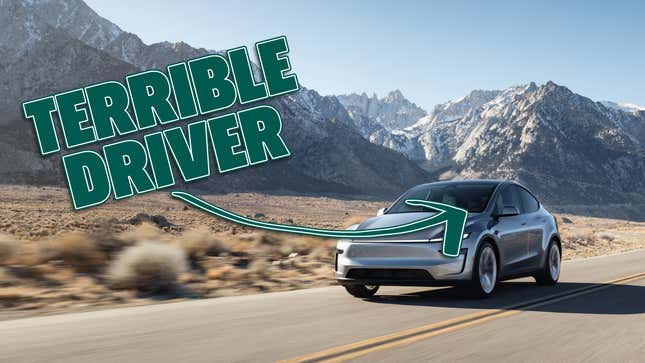
Tesla Drivers Surpass Ram As Worst In Country: Study

0


Image for article titled Tesla Drivers Surpass Ram As Worst In Country: Study

Photo: Tesla

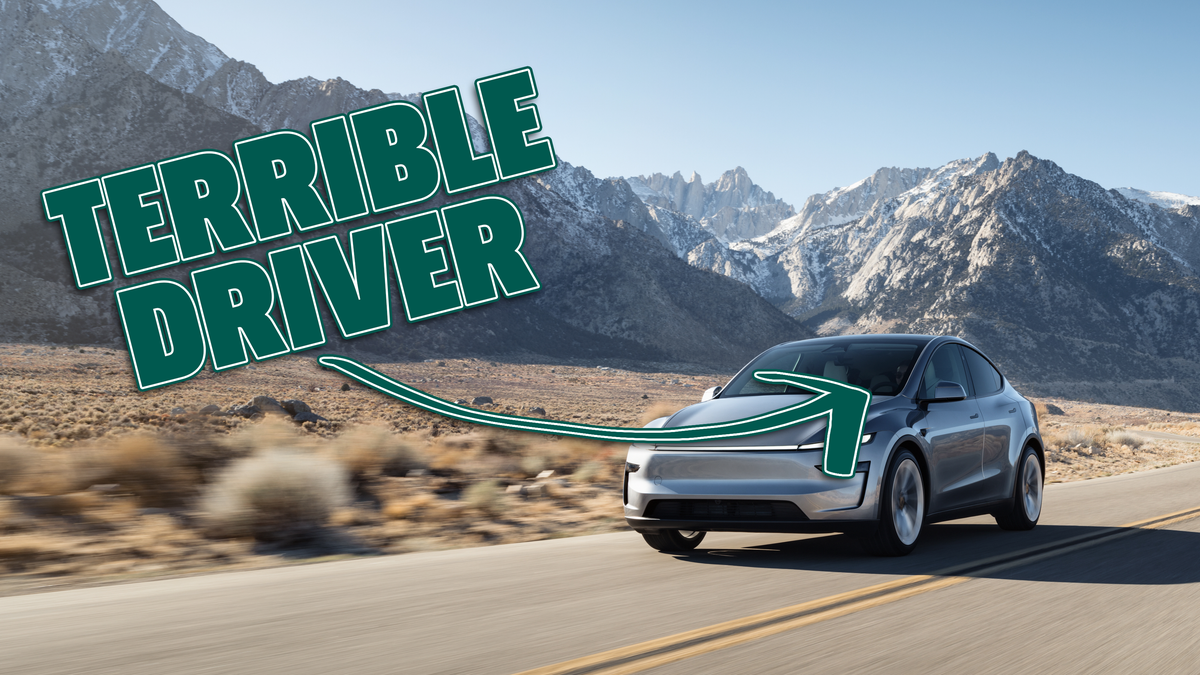
If there’s one thing Tesla owners love, it’s daydreaming about a time when their cars will ferry them from point A to point B without a single bit of driving in between. Unfortunately for us all, it seems those owners are doing that daydreaming behind the wheel as, according to a new study, they’re the worst drivers in the U.S. of A.

LendingTree, an insurer out of North Carolina, looked into insurance claims by brand for 2024 to see which automakers had the worst drivers. The insurer examined speeding tickets, citations, DUIs, and crashes, and found that all those factors added up to finger Tesla as the worst-driven brand.

Tesla had 36.94 incidents per 1,000 drivers, beating out Ram in second place with 33.92 and Subaru in third with 32.85. The same ranking held true for accident rates, though not for DUIs — of all brands, Pontiac won out there, presumably due to a preponderance of Pit Viper-clad mullet-haired dudes with Keystone Light in the cupholders of their Trans Ams. Among current automakers, though, Tesla came in second for drunk drivers after BMW.

LendingTree’s analysis specified certain types of citations to count towards the worst driver championships, but oddly didn’t specify whether it only accounted for at-fault collisions under the “accidents” section of the study. That makes it unclear whether Tesla drivers are actually the worst, or whether every other driver on the streets is whipped into a frothing, violent anti-Musk rage upon seeing a Cybertruck out and about. The frothing rage is a given, really, it’s just a matter of whether or not people act on it.

It’s interesting that two of the top three worst-driven automakers — Tesla and Subaru — make a lot of noise about how safe their vehicles are. One has to wonder whether these cars are driven poorly because drivers select cars based on advertised safety knowing they’ll wreck sometime or another. Maybe they trust their cars more, or, perhaps, the reasons are entirely divergent: Maybe Tesla owners really are just relying on “Full Self Driving,” and Subaru drivers are just distracted by all those dogs in the car.

h/t InsideEVs


Source link

The Transformative Power of AI in Architecture Design

0


Architecture is only one of the many industries that artificial intelligence (AI) has quickly changed in recent years. Despite AI’s relatively recent accessibility to non-specialist users, 41 percent of architecture practices have incorporated it in some capacity, according to a 2024 poll conducted by the Royal Institute of British Architects (RIBA). This quick integration demonstrates how AI can completely transform the architecture industry.

AI in architecture
AI can ideate and propose concepts to architects while averting problems. Image: RIBA.

Architects are leveraging AI in four primary areas:

Design Ideation: AI helps produce preliminary design thoughts by providing a wide range of possibilities that conventional brainstorming could miss.

Concept Development: AI takes ideas and turns them into designs that are optimised for sustainability, usability, and aesthetics.

Text-to-Image Generation: Architects can more effectively communicate concepts by using tools like Midjourney to turn written descriptions into intricate graphic representations.

Data Analysis: AI uses enormous datasets to guide design choices, guaranteeing that structures are creative, practical, and pertinent to their surroundings.

Even with these developments, the field is still in the early stages of AI research and development. The potential efficiency savings are expected to be substantial. Still, they are not yet fully realised, according to Des Fagan, Head of Architecture at Lancaster University and a member of RIBA’s expert advisory committee on AI. The industry’s realisation of AI’s potential, balanced by an awareness of the need for additional research and validation, is reflected in this cautious optimism.

The architectural community is hopeful about AI’s potential to boost productivity and creativity in the future. According to the RIBA poll, 54 percent of architects anticipate implementing AI in their practices over the next two years, and 57 percent think it would increase design process efficiency. However, investment has not yet kept pace with this optimism since only 41 percent of practices plan to invest in AI research and development, while 69 percent have not.

AI in architecture
Cityscape at sunset modern architecture reigns supreme, generative AI. Image: Freepik.com

Furthermore, the RIBA Horizons 2034 future-scanning program provides a ten-year perspective on new developments worldwide, emphasising architectural technology innovation. The function of artificial intelligence (AI) and its potential to revolutionise the architectural profession is at the heart of this investigation.

AI is expected to impact almost every aspect of architecture, from project management to design conception. As AI becomes more widely used, industry-specific data must be incorporated. This raises issues with liability, authorship, professional standards, and the preservation of specialist knowledge.

AI has the potential to become a crucial part of architectural practice by providing instruments that improve efficiency, creativity, and data-driven decision-making. Architects are in a good position to take advantage of AI’s potential to influence design in the future as long as the industry keeps researching and investing in these technologies.

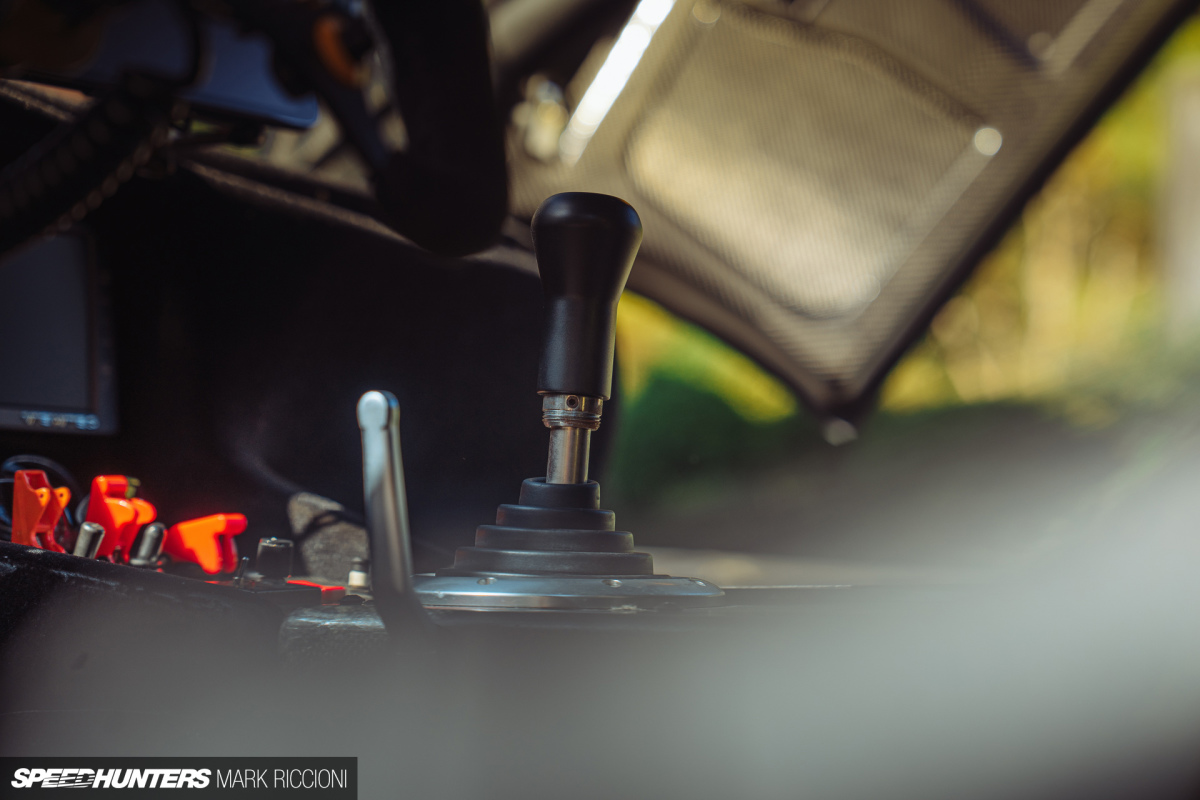
Two primary visions emerge regarding AI’s future impact on architecture:

The first is industrialised automation which envisions an architecture industry akin to car manufacturing, where AI, virtual reality (VR), robotics, and digital twins converge to create a streamlined, efficient process. In this scenario, data is meticulously organised for AI utilisation, manufacturing facilities are optimised, and standardised products are reused, leading to a highly efficient and automated industry. However, achieving this vision requires widespread industry compliance and a commitment to an idealised model.

Alternatively, incremental integration sees a more gradual approach suggesting that architects might begin with small, manageable steps, integrating AI tools that address specific challenges within their practice. This method allows for practical testing and refinement, ensuring that AI enhances rather than overwhelms the creative process. By focusing on real-world problems and developing tailored solutions, architects can harness AI to improve efficiency and innovation without compromising their unique design philosophies.

AI in drafting
AI automates time-consuming tasks such as drafting, freeing up designers for higher-level tasks. Image: Autodesk.com.

Reflecting on past technological adoptions, such as Building Information Modelling (BIM), offers valuable lessons. BIM was introduced with the promise of revolutionising the industry but often fell short due to complex implementation challenges. This history suggests that a measured, problem-solving approach to AI integration may be more effective than attempting a comprehensive overhaul. BIM also promises enhanced project management through AI intervention. It will provide real-time updates and predictive maintenance insights. By analysing vast datasets, AI can predict potential issues before they arise, allowing for proactive solutions that keep projects on schedule and within budget. This predictive capability is invaluable in complex projects where unforeseen challenges can lead to significant delays and cost overruns.

In terms of sustainability, AI’s role also comes into play. AI can analyse energy consumption, material properties, and environmental impact. AI provides insights that guide architects toward more eco-friendly designs. For example, AI can recommend energy-efficient modifications and suggest sustainable materials, helping to reduce the carbon footprint of new constructions. This aligns with the growing emphasis on sustainable practices within the industry, ensuring that new buildings are innovative and environmentally responsible.

The Horizons 2034 programme also highlights the potential of cross-industry innovation. As AI blurs the boundaries between sectors, architecture can benefit from computer gaming, robotics, and data analysis advancements. By adopting and adapting technologies from other industries, architects can develop innovative solutions to longstanding challenges.

AI is fast becoming a key component in architectural construction and design development. Its incorporation into different project development phases encourages sustainability, improves creativity, and simplifies procedures.

The revolutionary uses of AI in architecture, which result in generative design, are yet another impressive aspect of the technology. With this method, architects may enter precise design objectives and limitations into AI-powered tools, which produce a wide range of design possibilities. AI, for example, can optimise materials, layouts, and structures, allowing architects to investigate a wide range of options in a fraction of the time that is often needed. This results in creative and effective structures by pushing the limits of creativity and speeding up the design process.

Corbu AI software
Five elevation studies of Milan cathedral, each with subtle stylistic differences created from one sketch. Image: Taylor Schmidt.

The introduction of AI-driven visualisation tools has also transformed client interactions. Before building starts, clients can see suggested designs realistically thanks to AI-powered immersive technologies like Virtual Reality (VR) and Augmented Reality (AR). This immersive experience makes better comprehension and communication possible, guaranteeing that the finished output meets customer expectations. Additionally, AI-generated visuals may swiftly adjust to changes in the design, giving clients the most recent project representations.

Even with these developments, an architect’s skill level still determines how well AI works in architecture. AI tools work best under experts who can ask the right questions and analyse the data appropriately produced. This partnership between mechanical efficiency and human creativity speeds up invention while maintaining the design’s usefulness and aesthetic appeal.

In conclusion, AI presents both opportunities and challenges for the future of architecture. Whether through sweeping industrialisation or subtle, incremental integration, the key lies in leveraging AI to enhance the profession while maintaining the creativity and human-centric focus that define architecture. As the industry navigates this technological evolution, architects are poised to redefine their roles and the built environment in the coming decade.

For more architectural reads, click here.


Source link

Chevy Blazer EV SS marks first electric Daytona 500 pace car

0


For the first time in NASCAR history, an electric vehicle will serve as the official pace car for the Daytona 500.

Chevrolet has announced that the 2025 Blazer EV SS will take on pacing duties for this year’s race, set to run on Feb. 16 at Florida’s Daytona International Speedway. This also marks the first time a Blazer has been chosen for the honor.

While Chevy has yet to reveal who will be behind the wheel, the Blazer EV SS pace car will utilize its stock dual-motor all-wheel-drive powertrain, which delivers an impressive 615 hp. The midsize crossover also boasts a 0-60 mph time of just 3.4 seconds and an estimated range of 283 miles. Modifications for its role as the pace car include custom graphics and embedded strobe lighting to ensure visibility on the track.

The Daytona 500 is the highlight of NASCAR’s premier Cup Series and one of the most anticipated events in motorsports. Chevrolet is set to make additional waves during the event by unveiling the Blazer EV.R NASCAR EV prototype. This prototype was developed in collaboration with NASCAR to explore the potential of an electric racing series.
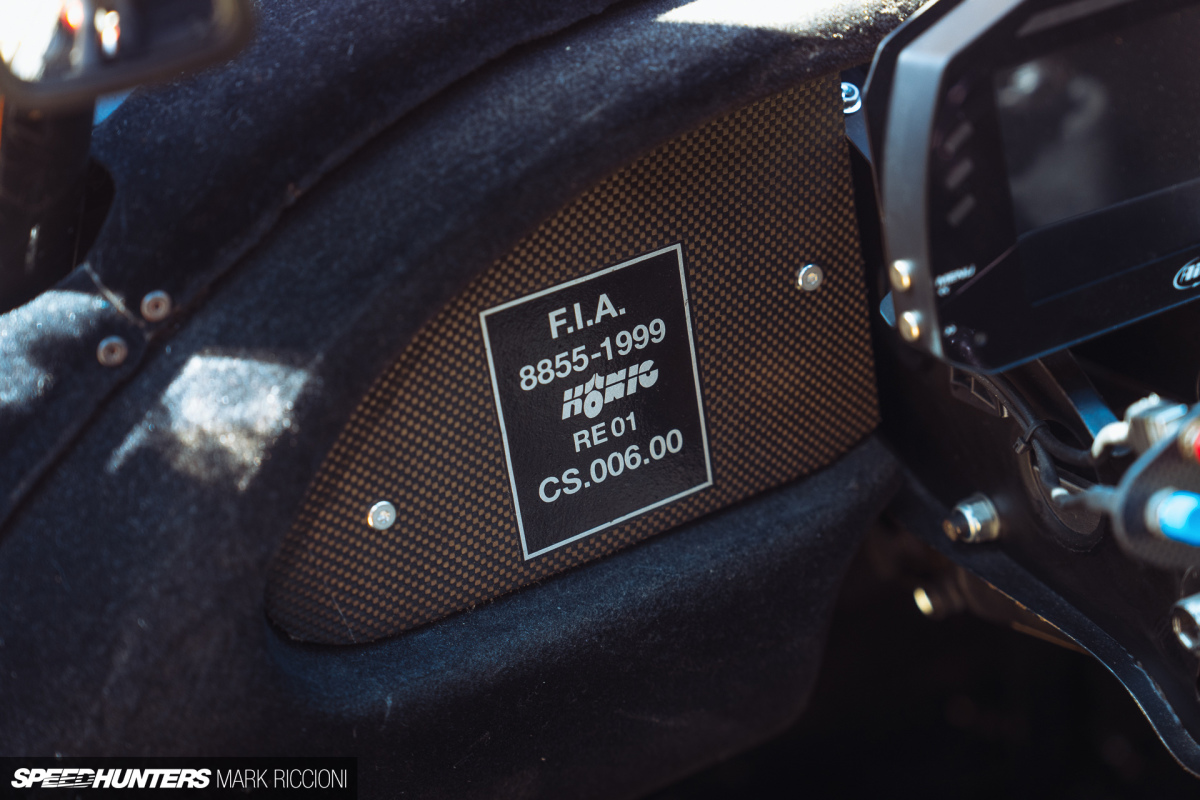
Ford presented its own Mustang Mach-E NASCAR EV prototype in January, signaling its intention to support NASCAR in its electric racing series endeavor.

The 2025 Blazer EV SS, first revealed in 2022, is now available for order. It is priced from $61,995, including a $1,395 destination charge, and will begin arriving in showrooms during the first quarter of the year.


Source link

Drive To Survive” season 7 arrives March 7 on Netflix

0


The seventh season of Netflix’s docuseries “Formula 1: Drive To Survive” hits the streaming service Mar. 7.

The release date, confirmed in a Feb. 7 post on X from Netflix’s official account, is one week before the 2025-season-opening Australian Grand Prix, giving viewers a chance to catch up on last season before the new one gets underway.
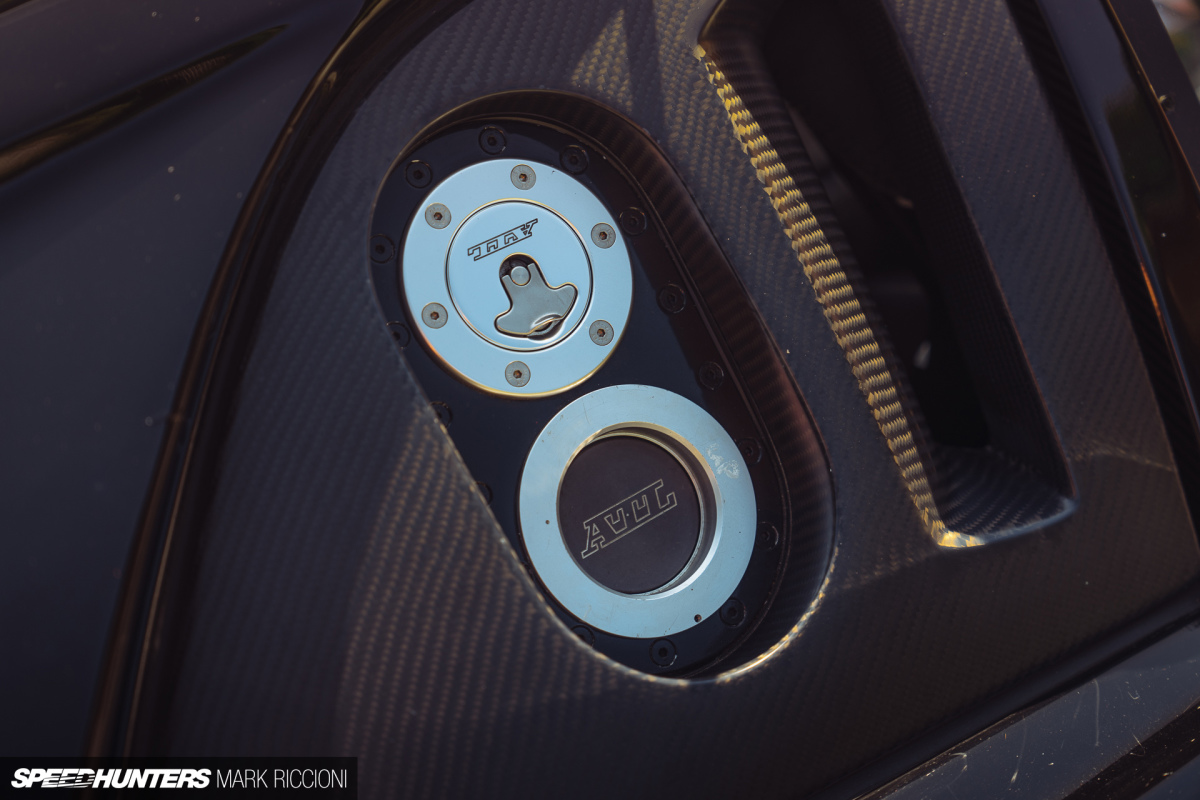
That should make for more entertaining viewing than many fans likely expected when the 2024 season got underway. With few changes to the rules or driver lineups, it was widely anticipated that Red Bull would continues its dominance and Max Verstappen would cruise to a fourth title.

no title


While Verstappen did win the Drivers’ Championship—clinching it at the 2024 Las Vegas Grand Prix with two races to go—he faced tougher competition, particularly from McLaren’s Lando Norris. And while Verstappen won nine races in 2024, that was a big decline from the record 19 wins he managed in 2019.

That was partly down to Red Bull’s loss of pace toward the middle of the season. That, along with lackluster performance by the team’s other driver, Sergio Perez, allowed McLaren to outdo Red Bull to take the Constructors’ championship—its first since 1998.

Red Bull Racing's Max Verstappen at the 2024 Formula 1 Las Vegas Grand Prix - Photo via Getty Images

Red Bull Racing’s Max Verstappen at the 2024 Formula 1 Las Vegas Grand Prix – Photo via Getty Images

The 2024 season was also the last for several drivers—including fan favorite Daniel Ricciardo—and saw Lewis Hamilton sign off at Mercedes before heading to Ferrari for 2025. Hamilton’s final season with the team with which he once dominated F1 didn’t have many bright spots, but an emotional win at the 2024 British Grand Prix was one of them.

F1 management has said that “Drive To Survive” must prove that it adds value in order to continue, but it’s hard not to see value in a behind-the-scenes look at an F1 season with so many memorable highs and lows. The 2025 season should prove equally interesting, with Hamilton’s move to Ferrari and a number of new drivers joining the grid.


Source link

Study: Tesla Drivers Have the Most Insurance Incidents

0


Study: Tesla Drivers Have the Most Insurance Incidents

Tesla drivers report more insurance incidents than drivers of any other brand of car, according to a new study. They’ve seen their rate spike in the last year.

Lending Tree gathered data for its study from its own users. The company has a service that helps drivers find better car insurance rates. To use it, drivers must input their driving history. Lending Tree analysts used that information to collate data on insurance claims among drivers of different car brands.

Related: Auto Insurance: What is Comprehensive Coverage?

Tesla drivers, they found, reported about 37 incidents (accidents, DUIs, speeding tickets, and other citations) per 1,000 drivers in 2024. That’s up from 31 in 2023.

Ram drivers had the most incidents in last year’s data but came in second this year with 34. Subaru took third place with 33.

Ram, however, took first in nearly a third of states. In New Jersey, Lending Tree says, they reported an alarming 74 incidents per 1,000 drivers.

Related: Car Insurance: How to Choose the Right Policy

The safest drivers? Mercury owners reported just 19 incidents. Mercury, a former Ford brand, folded in 2011, so those drivers may be babying cars with increasingly hard-to-find parts. Pontiac, also long defunct, came in second. Fans of discontinued brands will mourn to know that, for the first time, Lending Tree didn’t get enough data from Saturn drivers to include them in the results.

Among automakers still in operation, Cadillac had the most careful owners. They reported 21 incidents.


Source link