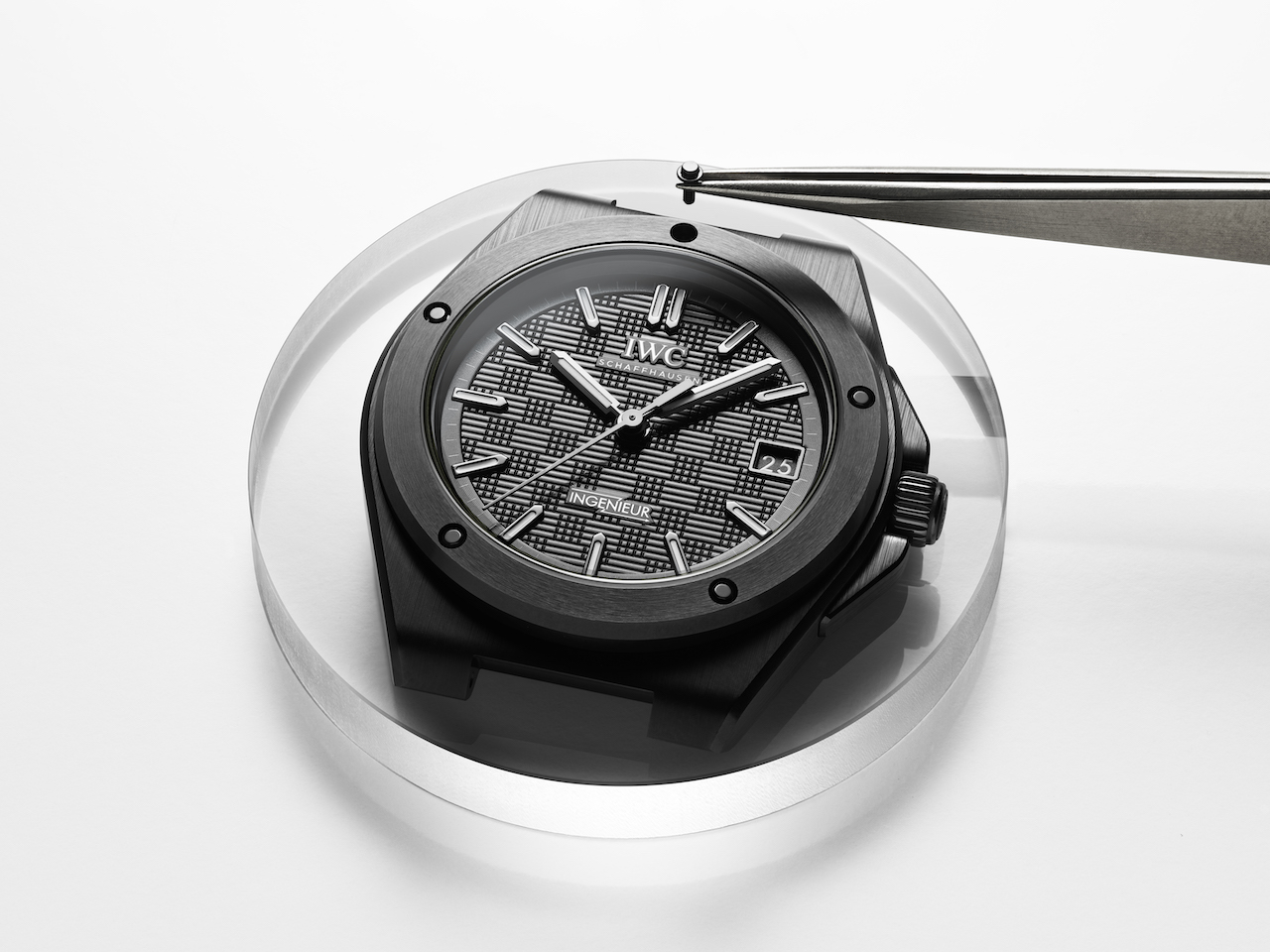
IWC has focused on the Ingenieur range for its 2025 novelties, which rounds up the strong Portugieser showing from the year before that, giving fans just that much more to be excited about. One particular model, the Ingenieur Automatic 42 Ceramic, has built on the collection’s ethos of a hardy watch, and the material used this time around increases the Ingenieur’s resistance to the demands of daily life.
Born in the 1950s, the Ingenieur was designed to be an anti-magnetic watch, which quickly drew the favour of those in the science and industrial communities. This was because the mini Faraday cage built within its case effectively shielded the movement from magnetic fields. And there numerous equipment that produced those fields in the post-war era.
This is why IWC’s first-ever fully-ceramic Ingenieur is so apt, because it now brings another level of robustness to this iconic collection. While we are not subjected to as many magnetic fields today, the professionals of our era cannot escape another common challenge that faces the wristwatch: desk scuffs and doorknob dings.
Enter IWC’s Ceramic Matrix Composite, which boasts 1300 Vickers on the hardness scale. As a comparison, typical stainless steel measurements hover around 200 Vickers, while titanium alloys can go up to 400 Vickers. This means that the outer layer of the watch is as robust as its internal components, lending some extra peace of mind to its wearer.
The watch is currently the largest Ingenieur offering at 42mm in diameter, but it wears much smaller than it sounds on paper. It could be the short lugs, the stealth black colourway, or its thickness of just 11.6mm that gives the illusion of a sub-42mm case. The lightness of ceramic probably helps too. Either way, this Ingenieur will fit a wide range of tastes, even those that veer towards smaller watches.
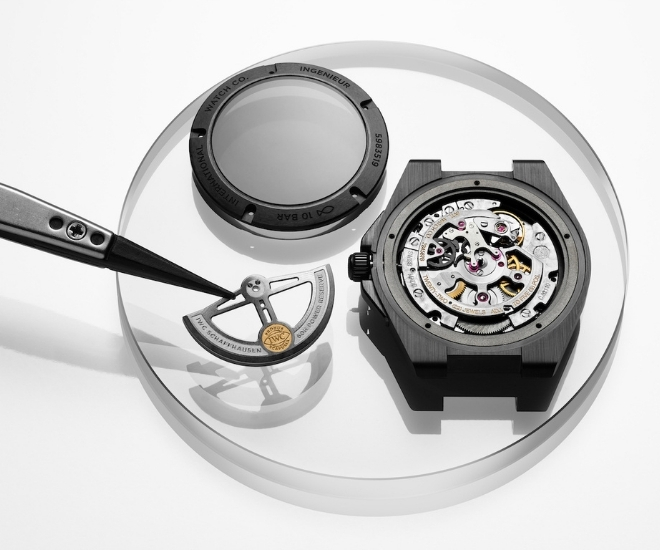
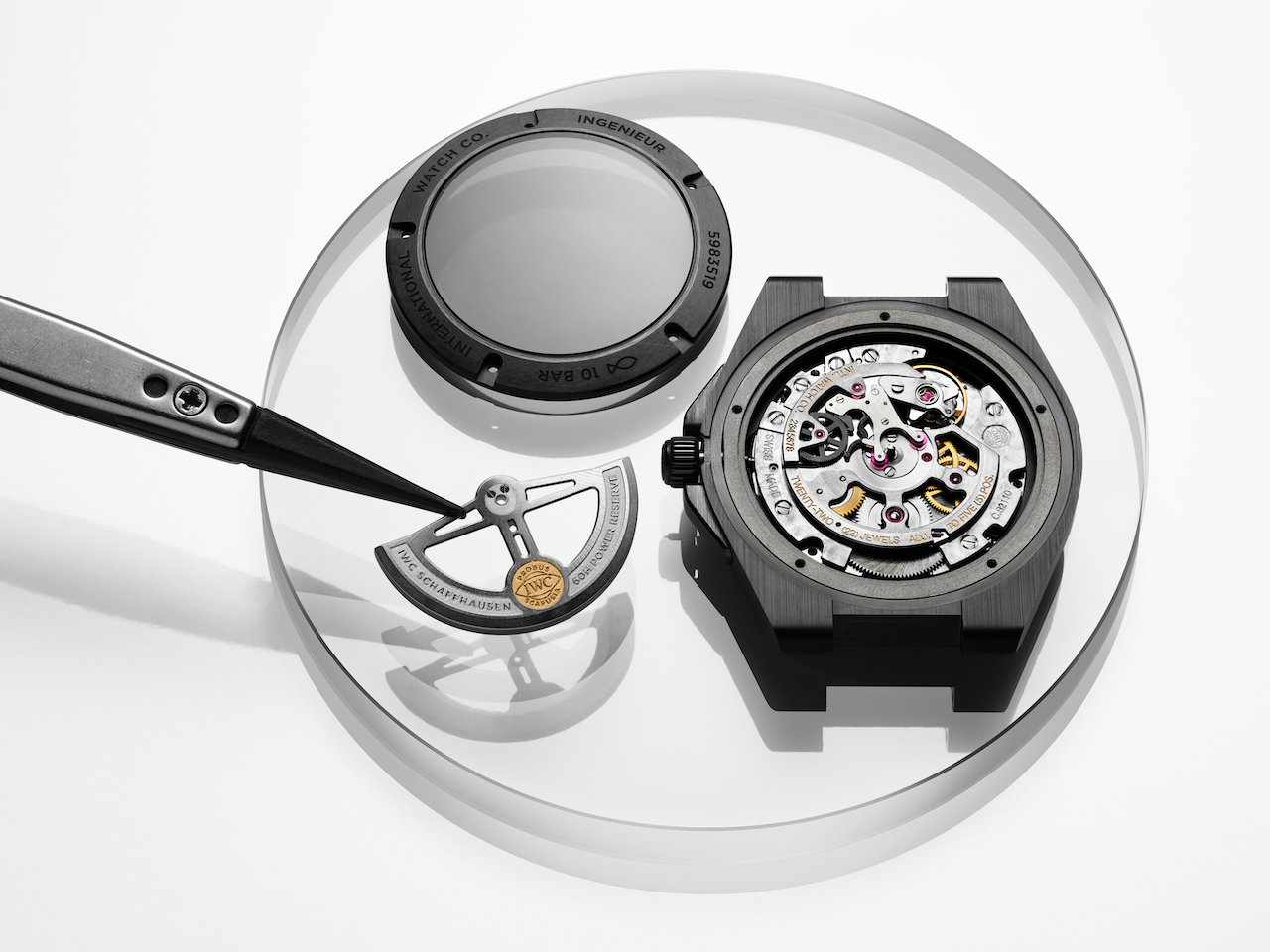
Inside the watch is IWC’s 82110 movement, which offers a substantial 60-hour power reserve, all while operating at 28,800 vibrations per hour. There is the added benefit of the Pellaton automatic winding system too, which ensures quicker replenishment of said power reserve with every wear. The movement contains ceramic components, too, as befits the nature of this watch.
Place this Ingenieur beside its stainless steel counterpart and it will be a challenge trying to find a difference between the two. The significance of that seemingly ordinary statement becomes clear once the word ‘ceramic’ comes into the picture. Because of its hardness, it takes special materials such as diamonds or ceramics to process and finish the watch. So, while the components such as the case ring may look like a faithful representation of its other siblings, there are many more processes involved in getting this Ingenieur to look like its classic self.
All of the above merely highlights the engineering prowess of this watch. It has not yet taken into consideration the emotion that it can evoke from its would-be owners. But all it takes is one look at this watch to know that it will have no trouble in that department either.
This article was first seen on MENS-FOLIO MY
For more on the latest in luxury watch reads, click here.
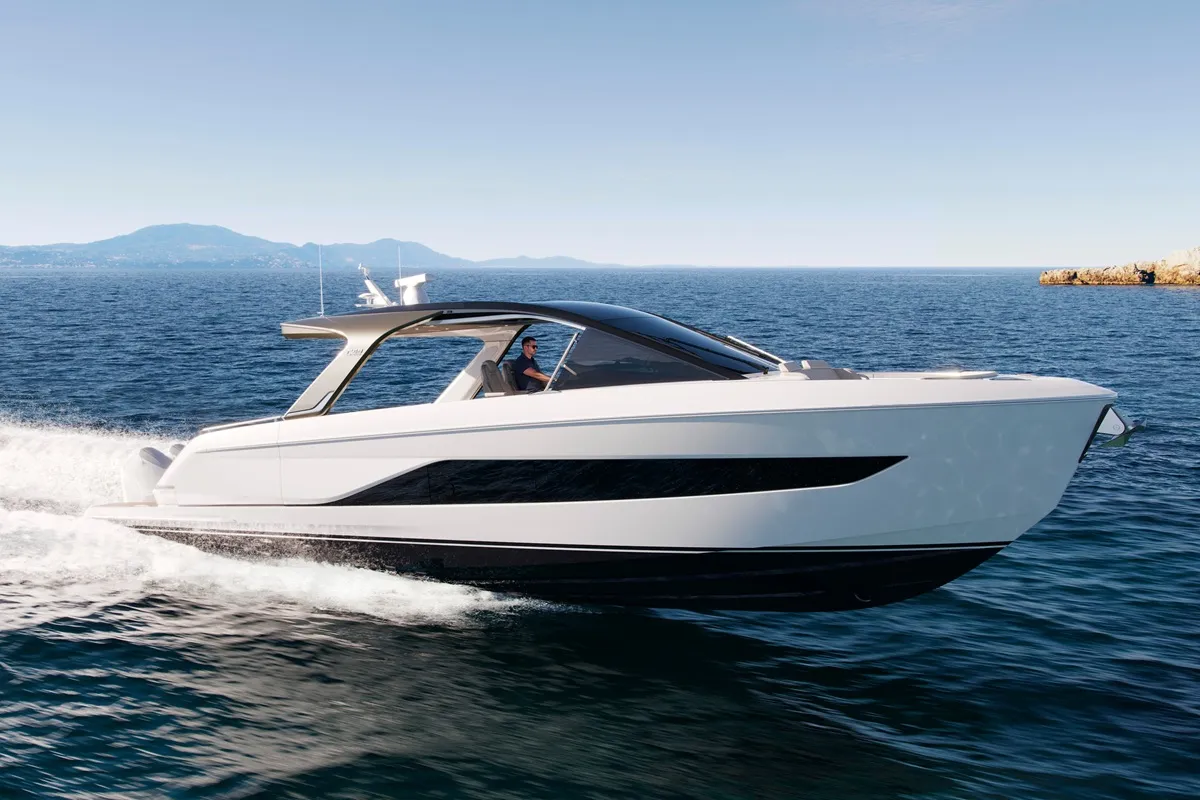
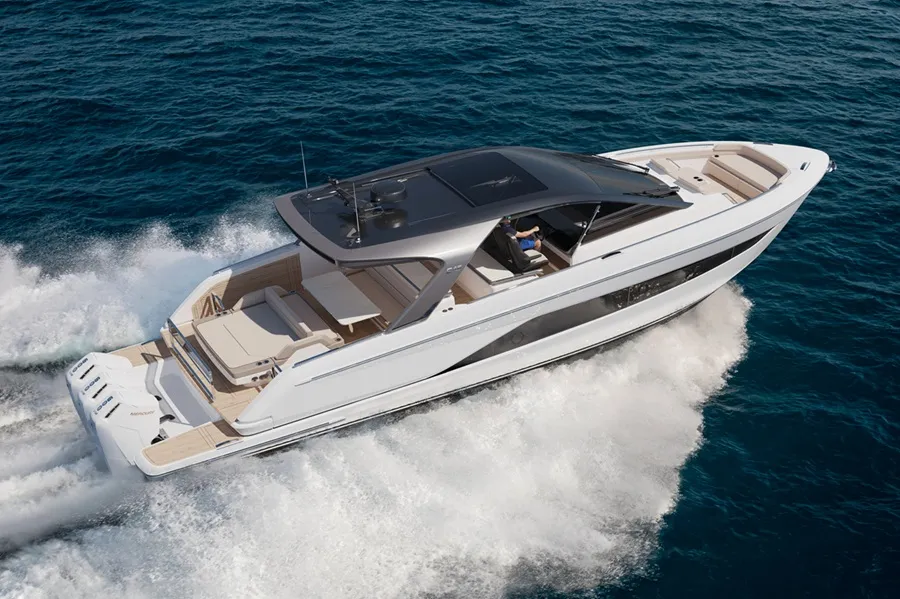
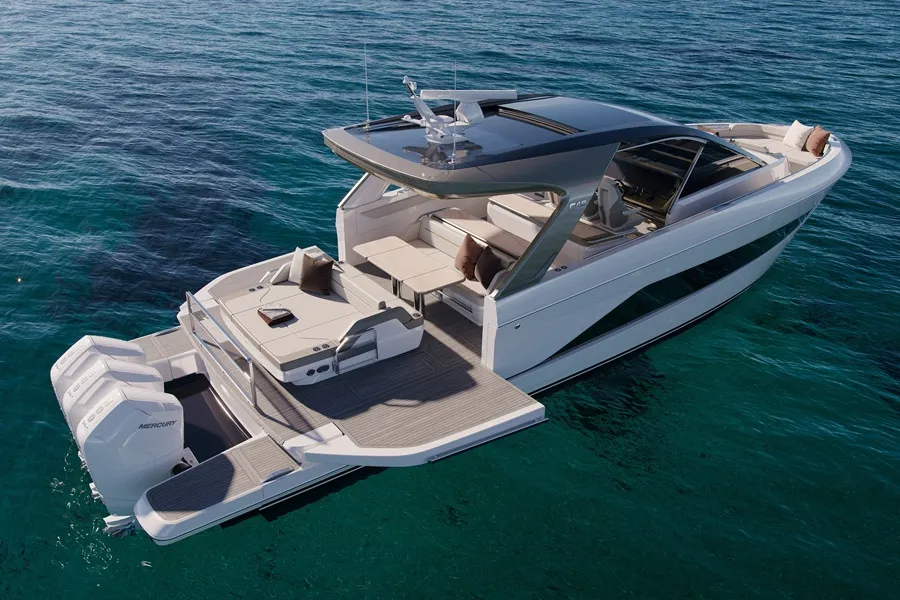
Princess is producing its first-ever outboard model as it enters the centre-console market with a new C Class of motorboats that will start with the C48, debuting in 2027. Available in Open or enclosed Deck Saloon styles, the 14-tonne cruiser is based on a 47ft 1in hull with a beam of 13ft 8in, which expands with the deployment of drop-down sides.
Will Green, CEO of Princess, said: “The introduction of the C48 marks a defining moment for Princess, representing our bold entry into an entirely new sector. This new yacht embodies freedom, excitement and pure performance, while setting the stage for a thrilling new chapter for our smaller models.”
Princess C48 Open
Michael Peters is responsible for the C48’s underwater naval architecture, centred on the American’s patented Stepped Vee Ventilated Tunnel hull. The SVVT design reduces drag and creates lift by channelling air beneath the running surface, improving performance and fuel economy. The central ventilated tunnel’s vertical sidewalls simulate the effect of a keel, enhancing grip and directional stability during turning.
Olesinski – Princess’s long-time collaborator for naval architecture – is responsible for the C48’s exterior architecture, while the shipyard’s in-house design team led by Andy Lawrence, Executive Director of Design & Development, is responsible for the styling and design.
Princess C48 Open
As Princess enters the high-powered outboard market, propulsion options include three 400hp Mercury Verado V10 petrol engines for an estimated top speed of 44-46 knots or triple 600hp Mercury Verado V12s for 52-54 knots, with a 2,250-litre fuel capacity. The inboard option features two 480hp Volvo Penta D6 inboard diesel engines for a top speed of 32-34 knots, a 1,500-litre fuel capacity and the option of a hydraulic swim platform.
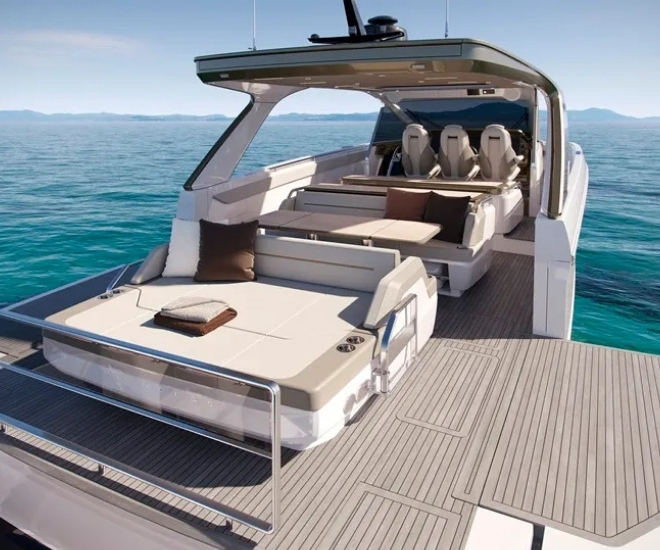
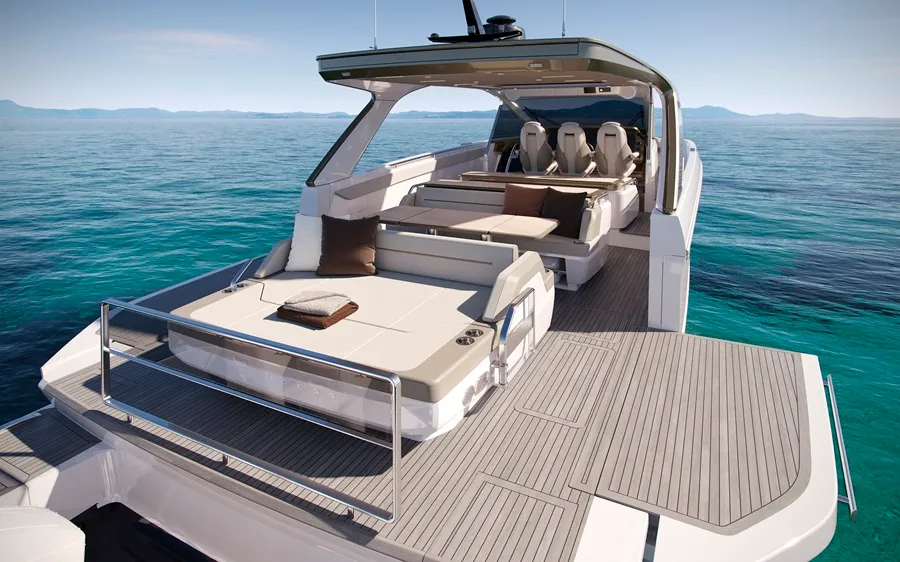
The C48 Open is a departure for Princess, offering open-air boating that fits with the new market for luxury dayboats. Furniture starts aft with an island sunpad, while a moveable backrest can create a sofa facing forward to a table and an aft-facing sofa.
Princess C48 Open
A roomy two-part outdoor galley features an electric grill, drawer fridge, sink and storage, while a triple-seat helm station has the driver in the middle. The foredeck has forward and aft-facing sofas.
The lower deck includes an aft double cabin, a bathroom to starboard and, in the standard version, a lobby with storage and optional fridge-freezer, plus a convertible V-shaped dinette. Instead of the dinette, forward options include an enclosed owner’s suite or a lower galley.
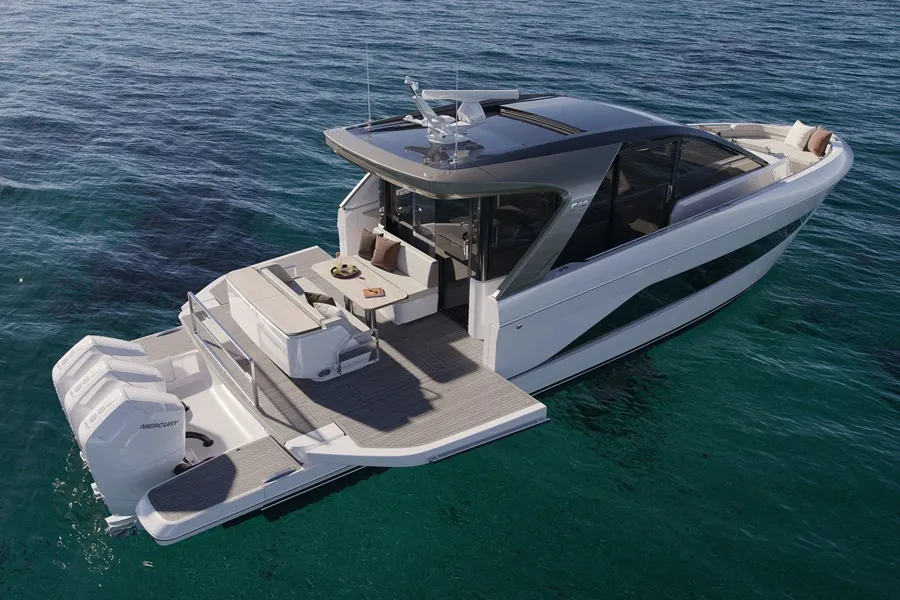
Princess C48 Deck Saloon
The enclosed Deck Saloon variant has an outdoor cockpit with a table and facing sofas. Sliding doors lead to an interior with an L-shaped dinette to port and a galley to starboard, aft of a triple-seat helm station with steering to starboard and doors on both sides. A sliding sunroof is among options. The lower deck includes forward and aft cabins, and a bathroom, equivalent to the owner’s suite option on the Open.
“By uniting the extraordinary talent of Michael Peters, our long-standing partners at Olesinski, and our own design team led by Andy Lawrence, we have created a yacht that combines the very best of hydrodynamic engineering, exterior beauty and interior elegance,” Green said. “The C48 is not only a new direction for Princess – it also represents a new standard for the centre-console market.”
Mansory has unveiled its latest conversion project called the “Equestre”, based on the Ferrari 12Cilindri. With the unveil, the new Mansory Equestre has become the world’s first complete vehicle conversion of Ferrari’s latest 12-cylinder GT offering. The car is set to make its public debut at the Monaco Yacht Show 2025.
The Mansory Equestre follows the Pugnator, introduced last year, based on the Ferrari Purosangue. The Equestre will be offered in both Coupe and Spider versions. The complete conversion consists of plenty of carbon fibre and a host of other aesthetic and technical upgrades.
Starting off with the design, the 12Cilindri-based Equestre features a bespoke purple paint scheme with matching-coloured forged carbon fibre body panels all around. This includes the enlarged air intakes, the front hood, extended wheel arches and the rear apron – all of which are made entirely of carbon fibre. The Equestre also features newly designed ultra-light single-piece forged “VF.5” design rims finished in gloss black. There is also a Tricolore strip running through the centre of the entire car.
While the interior of the launch vehicle features grey Alcantara with contrasting purple appliques, Mansory will offer its customers a vast range of personalisation options to choose from. Other features on the Equestre include a carbon-leather sports steering wheel with integrated shift indicators, aluminium pedals and quilted floor mats, to name a few.
Powering the Mansory Equestre is a heavily modified version of the 6.5-litre naturally aspirated V12 engine. The upgraded engine is tuned to produce 755 BHP and 730 Nm. The car also features a new four-pipe exhaust system with valve control.
RM Sotheby’s is offering you a chance to own a rather special McLaren F1. Previously owned by the Sultan of Brunei, this F1 will be available for sale at the upcoming Abu Dhabi auction in December 2025.
Out of the 64 road-spec McLaren F1s produced, this particular example is chassis no. 14. It was delivered new to the Brunei royal garage. Originally finished in Titanium Yellow over black, the car was rebuilt in 2007 to its current specification.
This McLaren F1 is fitted with the High-Downforce Kit and LM-spec interior. The exterior is finished in plain white and has black OZ Racing centre-locking wheels. The odometer currently shows 13,711 miles. It’s also the last of only eight F1s to receive the HDK treatment.
The ex-Brunei McLaren F1 is expected to fetch around $21 million at auction. Another special car that will be offered at the Abu Dhabi auction is the one-off Pagani Zonda Riviera.
Located in the Eastern Sierra, Bishop is a world-class destination to see fall foliage in the Golden State.
After hiking through vibrant aspen groves, load up on pastries at local bakeries and overnight at charming hotels like Wayfinder Bishop.
The town is also just a few hours away from destinations like Yosemite National Park and Lake Tahoe.
Needless to say, California isn’t usually the first state that comes to mind for fall foliage—but the Golden State isn’t all beaches and sunshine. Nestled at the base of the soaring Sierra Nevada mountains, the small town of Bishop, California, has autumn views that rival leaf-peeping destinations the world over.
This rugged little mountain town is located in Owens Valley on Highway 395, near landmark destinations such as Death Valley National Park, Yosemite National Park, and Mount Whitney (the tallest point in the contiguous United States). As a result, tourists often think of Bishop as a pit stop on the way to Mammoth Lakes or Lake Tahoe—but trust me, this is one place where you should take your time.
Bishop is a true year-round destination, with rock climbing, hiking, mountain biking, fly fishing, and many more things to do in the area—but the town really shines in the fall. As temperatures drop, nearby groves of aspen, willow, cottonwood, and other deciduous trees turn into a brilliant display of scarlet, gold, and orange.
“It doesn’t just happen in one place overnight,” says Julie Faber, the marketing specialist at the Bishop Area Chamber of Commerce and Visitors Bureau. “The fall colors start in mid-September and go through October, depending on Mother Nature. Because of the extreme elevation shift, it starts up high and goes slowly downhill as the season progresses. It’s fun to explore different places depending on what’s peaking.”
And when it comes to places to explore, you’ll have the pick of the litter. A short drive out of town will bring you to destinations like Bishop Creek Canyon, where you can cruise past waterfalls and colorful foliage all the way up to the equally gorgeous Lake Sabrina, North Lake, or South Lake.
The town also plays host to the Fall Colors Car Show, one of three events (the other two being the Millpond Music Festival and the Bishop Pabanamanina Pow Wow) that take place during peak leaf-peeping weekends every year. “It’s a classic car show,” says Faber. “Everybody gussies up their cars and then they take them up Bishop Creek Canyon, where all the vibrant foliage is going off. It’s this spectacular show of beautiful cars and beautiful leaves.”
While a scenic drive never goes amiss, hiking around Bishop will let you get up close and personal with those fall colors. About 40 minutes away from town, Lower Rock Creek Canyon Trail follows a series of high alpine lakes and meadows over nine miles, though you can stop at any point to soak up the sights. “Lower Rock Creek is spectacular,” says Faber. “[There are] giant aspen groves through that entire eight miles. It’s one that I would definitely suggest.”
If you’re understandably feeling overwhelmed by all the options, take a look at Bishop’s online fall color tutorial or stop by the visitor center in town to find out what’s peaking and where. “If you have any questions, we can point you in the right direction for those particular days you’re in town,” says Faber.
With all that leaf-peeping, you’re bound to work up an appetite. Sit down at spots like Mountain Rambler Brewery, known for its craft beers and seasonal menu made with locally grown ingredients. About 15 minutes south of Bishop is another personal favorite of mine, Copper Top BBQ. Though lines can get long at this Big Pine joint, the smoked ribs and pulled pork are well worth the wait.
For on-the-go meals, pick up sandwiches and pastries from one of Bishop’s two famous bakeries: Erick Schat’s Bakkerÿ, a Dutch-style eatery popular among Highway 395 roadtrippers, or the local favorite Great Basin Bakery, beloved for its fresh breads. If you have time, try both—you can’t go wrong no matter what you pick. “Bishop is definitely known as a stop for its bakeries, and we do baked goods really well,” says Faber.
An outdoor patio with a fire pit at Wayfinder Bishop.
Nick Cote/Visit Bishop
Since you’ll probably want more than one day to experience everything Bishop has to offer, book your accommodations well in advance. The Wayfinder Bishop puts guests in spacious, modern rooms right next to the serene Bishop Creek. “The Wayfinder has a new wine bar that’s open to the public, so whether you stay there or not, they have a great happy hour along the creek with fire pits,” Faber adds.
Just down the road, the hostel-style Eastside Guesthouse & Bivy has 11 rooms, perfect for families and groups. For campers, I recommend French Camp Campground. A little north of town, the campground has running water and is a short drive from Rock Creek Lake, putting you in a prime position for leaf-peeping and hiking.
To get to Bishop, you can take a road trip along Highway 395 and experience the stunning Sierra Nevada scenery. Or, if you’re visiting from San Francisco or Denver, fly into Bishop International Airport (FNT), which has expanded commercial flights just in time for leaf-peeping season. “If you can hop on one of those on United, we have that service now, and the plan is to continue growing that into the fall season,” says Faber.
After Giorgio Armani’s death earlier this month, the late designer’s will laid out a rigorously staged exit strategy for the house he founded nearly fifty years ago. The plan involves partial stake sales, potential takeover by luxury conglomerates and possibly an IPO, while ensuring that the Armani legacy and identity remain protected. Preferred buyers named in the will include LVMH, EssilorLuxottica and L’Oréal. This is a major shift for a brand that was long defined by its independence.
Among the preferred buyers, L’Oréal appears best positioned to take the reins. Its long-standing partnership with Armani Beauty — a line that now generates more than USD 1.76 billion (approximately EUR 1.5 billion) annually — gives it not only financial leverage but also brand intimacy. Unlike EssilorLuxottica — whose strength lies in eyewear — or LVMH — which would fold Armani into a crowded stable of maisons — L’Oréal already functions as the face of Armani to millions of consumers worldwide. In this sense, the French beauty giant is not a distant suitor but a familiar “custodian” of sorts that could extend Armani’s vision into its next chapter.
L’Oréal’s potential acquisition of Armani would not be its first foray into steering a heritage name into the future. The French beauty giant has decades of experience in absorbing and scaling labels while successfully keeping their distinct DNA intact. When it took over Mugler’s beauty division in 2016, for example, L’Oréal successfully revived the fragrance arm with blockbuster launches like Alien Man and extensions of Angel, restoring the label’s profitability and cultural relevance. In 2023, Mugler’s fashion division was sold separately to Puig, underscoring how L’Oréal has long prioritised beauty and fragrance as its growth engines.
Similarly, L’Oréal has worked to carefully manage designer tie-ins, keeping names like Valentino, Yves Saint Laurent and Prada visible in the luxury fragrance market. By focusing on strong product pipelines, savvy celebrity campaigns and global distribution, the group has consistently translated prestige into scale. L’Oréal’s success lies in balancing brand heritage with commercial muscle — it rarely dilutes a label’s storytelling, instead magnifying its most bankable narratives.
A Legacy in Flux
In 2024, Armani’s fashion division reported revenues of approximately USD 2.70 billion (approximately EUR 2.3 billion), having declined by around five percent year-on-year. When beauty and eyewear licensing (managed by L’Oréal and EssilorLuxottica respectively) are factored in, the total value of the brand rises to USD 4.52 billion (EUR 4.25 billion). Revenue from licences plays a crucial role, with L’Oréal’s Armani beauty line generating about EUR 1.5 billion annually and eyewear contributing roughly EUR 500 million. Despite this, operating margins in the core fashion business have shrunk.
Read More: Giorgio Armani Dies at 91 Leaving Behind a USD 12.1 Billion Fashion Empire
As Giorgio Armani had no children, his will allocates control through the Giorgio Armani Foundation (set up in 2016) to his long-time partner Pantaleo “Leo” Dell’Orco and other family members. The Foundation holds at least 30.1 percent of capital, along with certain veto powers over major decisions. Dell’Orco is to receive 40 percent of voting rights. Other heirs include nieces Silvana Armani and Roberta Armani, and nephew Andrea Camerana, with some non-voting shares among them.
Armani’s will instructs that within 18 months of his death, heirs must sell an initial 15 percent stake in the company — with priority given to LVMH, L’Oréal or EssilorLuxottica or to a luxury group with which Armani has existing commercial ties. Within three to five years, the same buyer is expected to take a larger stake — between 30 and 54.9 percent. If no appropriate partner emerges, then an IPO should be pursued, preferably on the Milan stock exchange or another comparable market. The will emphasises that the Foundation must at all times retain at least 30.1 percent of capital to ensure the brand’s values are safeguarded.
Fit or Flaw
Like with any new structural ownership, challenges and risks can arise. The fact that Armani has named specific preferred buyers sharply focuses attention on how the brand might change under new ownership. LVMH brings scale, global infrastructure and expertise across many luxury categories, but integrating Armani’s creative style and preserving its signature aesthetic may prove challenging. EssilorLuxottica already handles Armani’s eyewear licence and thus has familiarity with part of the business, but the company’s core strengths lie in optics rather than full fashion houses. L’Oréal, meanwhile, has following and success in the beauty segment; its existing collaborations with Armani mean a level of trust, but a move into fashion operations would be a departure from its primary business model. Each potential buyer faces trade-offs between preserving heritage and unlocking scale.
Read More: Armani Group Achieves Continuous Growth Across 2022 and Q1 2023
An IPO alternative adds another layer of complexity. Public listing could raise capital, increase transparency and broaden ownership. But it also introduces pressure from shareholders, short-term performance expectations and risk to creative autonomy — risks that Armani has traditionally managed to avoid.
Past Precedent
The luxury industry has already demonstrated how beauty conglomerates can extend their reach into fashion. In 2022, Estée Lauder acquired Tom Ford in a deal valued at USD 2.80 billion, paying roughly USD 2.30 billion upfront and deferring USD 300 million until 2025. The acquisition gave Estée Lauder full control of the Tom Ford intellectual property, particularly its lucrative beauty and fragrance business while outsourcing ready-to-wear and eyewear through partners like Zegna and Marcolin. The move underlined how a cosmetics giant could secure a brand’s core assets while leaving fashion execution to licensees.
For Armani, the comparison puts L’Oréal in the strongest position. Already responsible for Giorgio Armani Beauty and fragrance, L’Oréal has proven it can integrate fashion-linked houses while keeping profitability in beauty at the centre. If Estée Lauder could absorb Tom Ford with limited fashion oversight, L’Oréal is even better placed: its longstanding licensing ties with Armani mean it already controls one of the brand’s most profitable divisions. That relationship — coupled with Armani’s own succession blueprint — makes L’Oréal the frontrunner in any takeover scenario.
READ MORE: Richemont Group Says No to an Acquisition by LVMH
The Future of Legacy Brands & The Luxury Industry
Central to Armani’s will is the guarantee that the Giorgio Armani Foundation will remain a guardian of brand identity. The Foundation must not hold less than 30.1 percent of capital and carries significant voting rights. The executive committee is charged with appointing a new CEO and ensuring the brand’s mission and design principles remain intact.
These measures suggest a determination to avoid what some critics describe as the “death of independence” that befalls many heritage brands after acquisition. Without such safeguards, branding, licensing and artistic direction are often subject to short-term profit pressures. Armani’s specifications for voting rights and gradual stake sale are designed to guard against this.
In the short term, the first 15 percent sale to one of the named partners seems most likely. As it stands, L’Oréal is considered a strong candidate, given that it already shares licensing relationships and understands revenue streams under the brand. Over three to five years, that stake could rise or an IPO could become necessary if no preferred buyer meets the terms set by the will. Dell’Orco and the Foundation will retain enough influence to shape the brand’s future direction.
Consumers will be watching too. Luxury buyers increasingly care about authenticity, heritage and corporate transparency. A brand’s legacy is not just about design; the bigger picture involves who owns the brand, how it operates and whether it maintains its values under various fiscal and creative pressures. For legacy brands across luxury, the Armani succession plan represents a model that others will study closely.
Giorgio Armani’s death marks a turning point not merely because one of fashion’s most independent leaders is gone, but because his exit plan lays bare the tensions between legacy and consolidation. Whether the brand remains a beacon of independent luxury or becomes another asset in a conglomerate portfolio now depends on structured stewardship, strategic partnership and unflinching adherence to the principles Armani set in motion.
Read More: LUXUO Looks Back: Giorgio Armani on his Pantelleria Holiday Home
For more on the latest in business reads, click here.
Indonesia’s 17,000+ islands make it one of the world’s most compelling yacht charter destinations. From the dramatic landscapes of Komodo National Park to the incredible marine biodiversity of Raja Ampat, a private yacht offers unparalleled access to remote locations that remain off-limits to conventional tourism.
This comprehensive guide covers everything travelers need to know about planning a private yacht charter in Indonesia, including costs, logistics, best routes, and practical tips for making the most of this unique travel experience.
Why Choose a Yacht Charter in Indonesia
Indonesia’s archipelago geography makes yacht charters particularly attractive for several practical reasons:
Access to Remote Destinations
Many of Indonesia’s most spectacular locations are only accessible by boat. Remote islands, pristine diving spots, and untouched beaches that appear in no guidebooks become available when traveling by private yacht.
Flexibility and Freedom
Unlike hotel-based travel, yacht charters allow complete itinerary control. Weather changes, interesting discoveries, or simply wanting to spend extra time in a particular location all become possible when the accommodation moves with travelers.
Cost Efficiency for Groups
For groups of 6-12 travelers, yacht charters often cost less per person than equivalent luxury hotel accommodations, especially when factoring in meals, activities, and transportation between islands.
Unique Accommodation Experience
Traditional Indonesian Phinisi boats and modern luxury yachts both offer distinctive accommodation experiences unavailable elsewhere in the world.
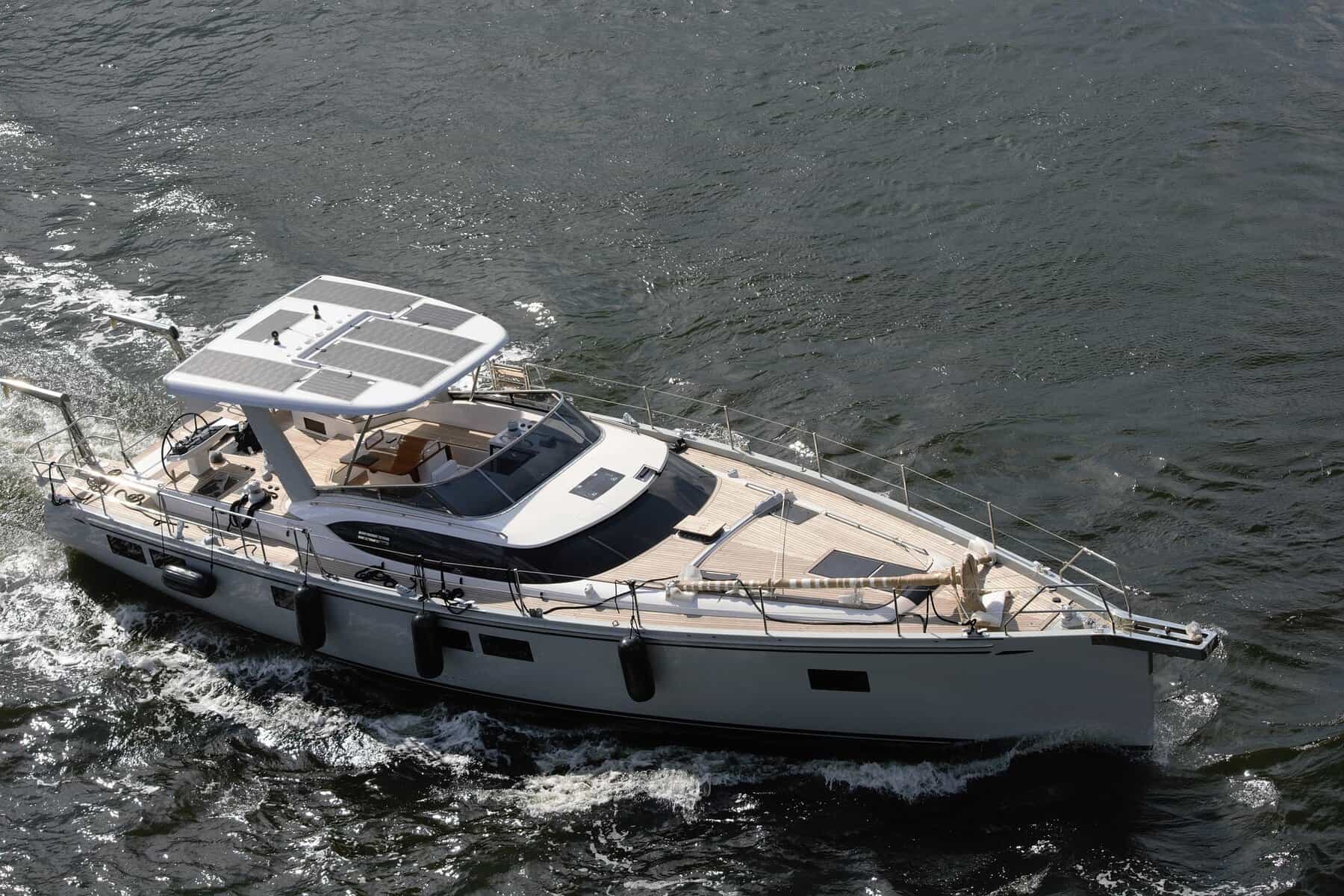
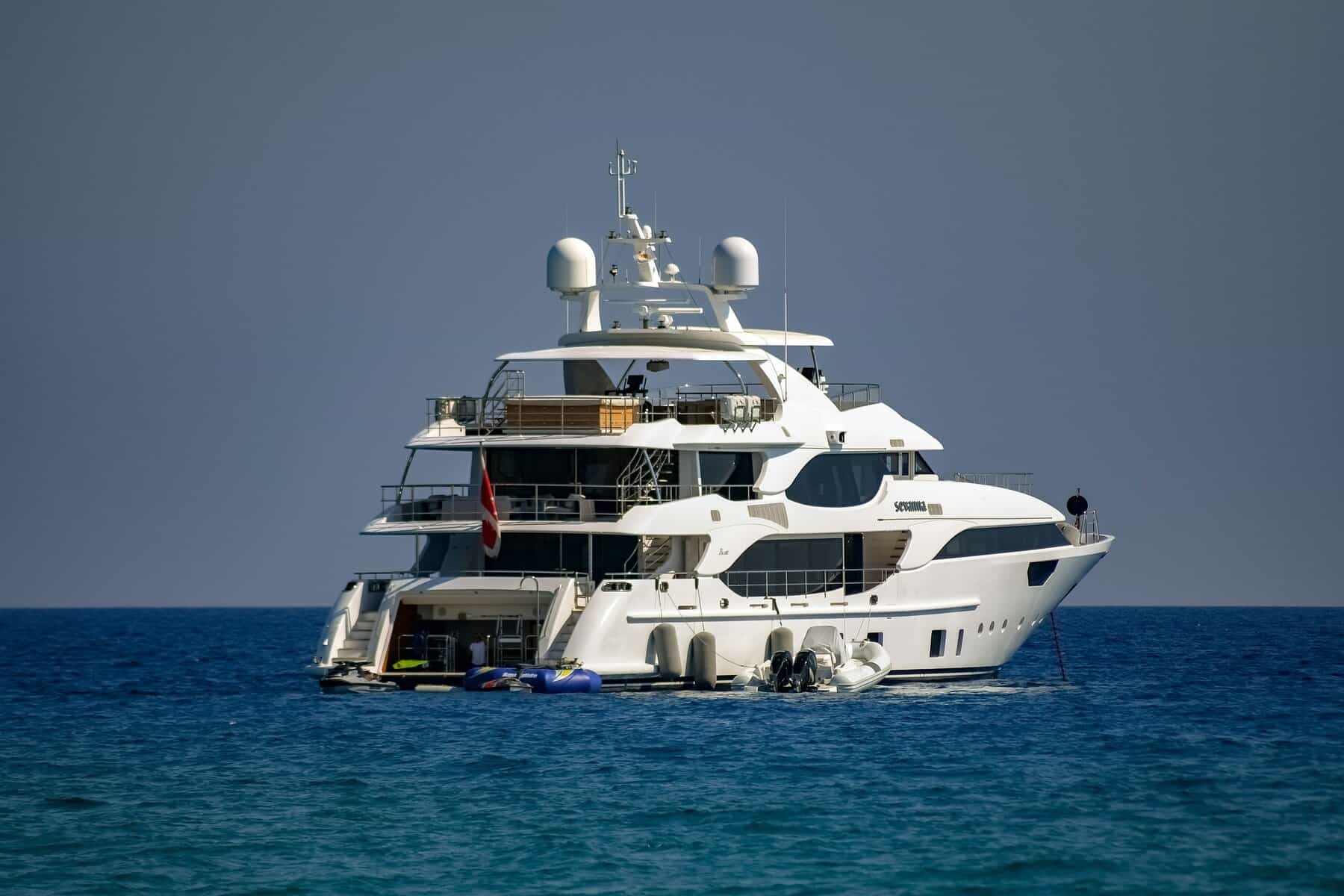
A cruising motor yacht
Understanding Indonesia Yacht Charter Options
Traditional Phinisi Boats
What they are: Historic Indonesian sailing vessels, typically 20-40 meters long, built using traditional techniques but renovated with modern amenities. Best for: Travelers interested in cultural authenticity, sailing enthusiasts, and those seeking unique photo opportunities. Typical capacity: 4-16 guests in 2-8 cabins Cost range: $3,000-8,000 per day depending on size and luxury level
Modern Motor Yachts
What they are: Contemporary luxury vessels with state-of-the-art amenities, stabilization systems, and faster cruising speeds. Best for: Travelers prioritizing comfort, those with mobility concerns, and groups wanting maximum onboard space. Typical capacity: 6-20 guests in 3-10 cabins Cost range: $5,000-15,000+ per day depending on size and specifications
Sailing Catamarans
What they are: Modern twin-hull sailing vessels offering stability and spacious deck areas. Best for: Sailing enthusiasts, families with children, and travelers seeking good value for money. Typical capacity: 6-12 guests in 3-6 cabins Cost range: $2,500-6,000 per day
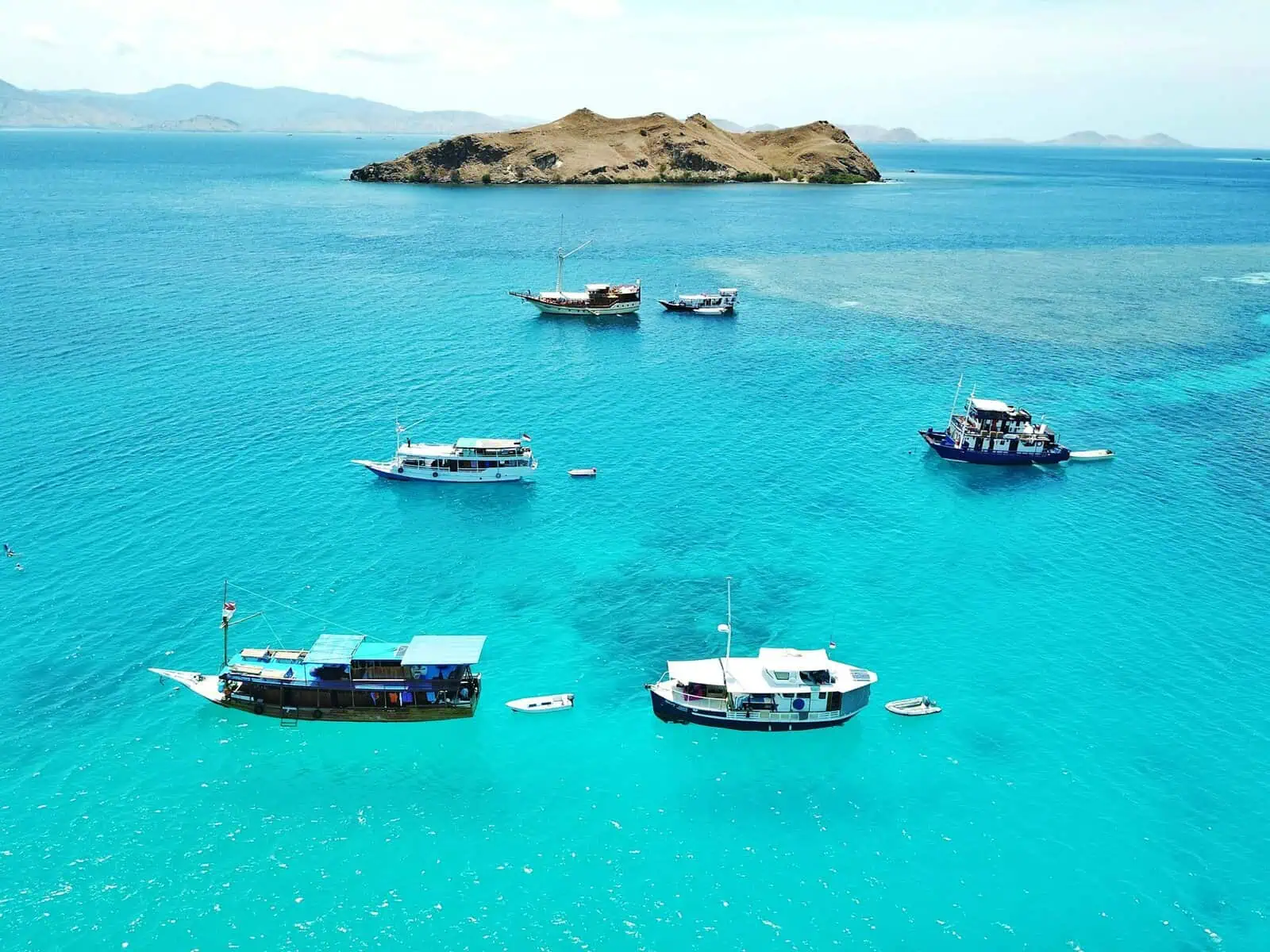
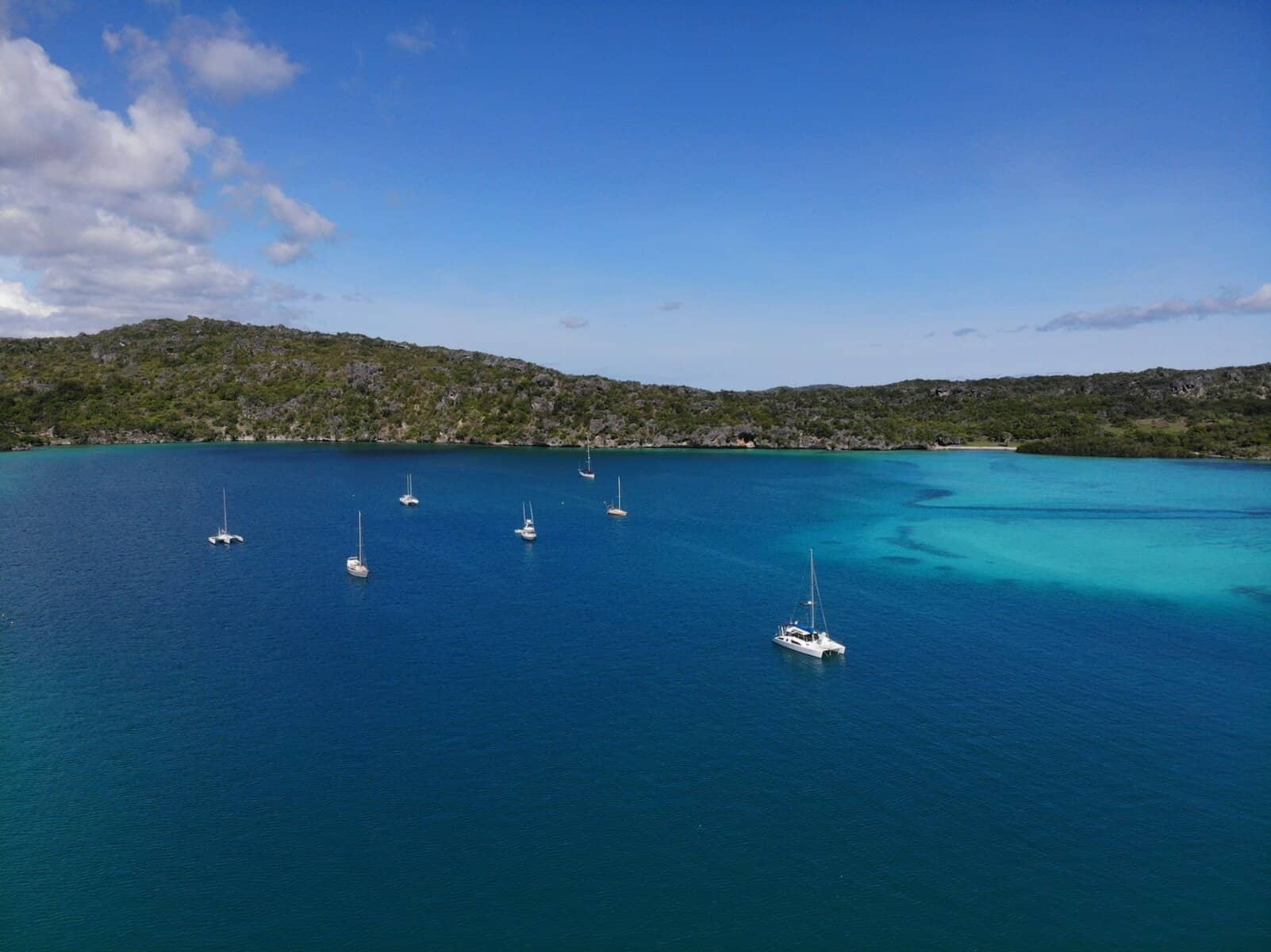
Sailing boats in Pulau Rote in Kabupaten Rote Ndao, Nusa Tenggara Timur, Indonesia. Pic by amar-baco -unsplash.
Top Indonesia Yacht Charter Destinations
Komodo National Park
Best time to visit: April-December (dry season) Highlights: Komodo dragons, world-class diving, pink sand beaches Typical charter duration: 4-7 days Key anchorages: Komodo Island, Rinca Island, Padar Island
A luxury private yacht charter in Komodo typically includes guided treks to see Komodo dragons, diving at famous sites like Manta Point, and exploring the dramatic landscapes of Padar Island.
What to expect:
Dragon encounters: Guided walks with park rangers (entry fee: $15 per person)
World-class diving: Sites like Batu Bolong and Crystal Rock
Hiking opportunities: Padar Island viewpoint (moderate difficulty, 45-minute climb)
Pink sand beaches: Rare coral-sand beaches perfect for relaxation
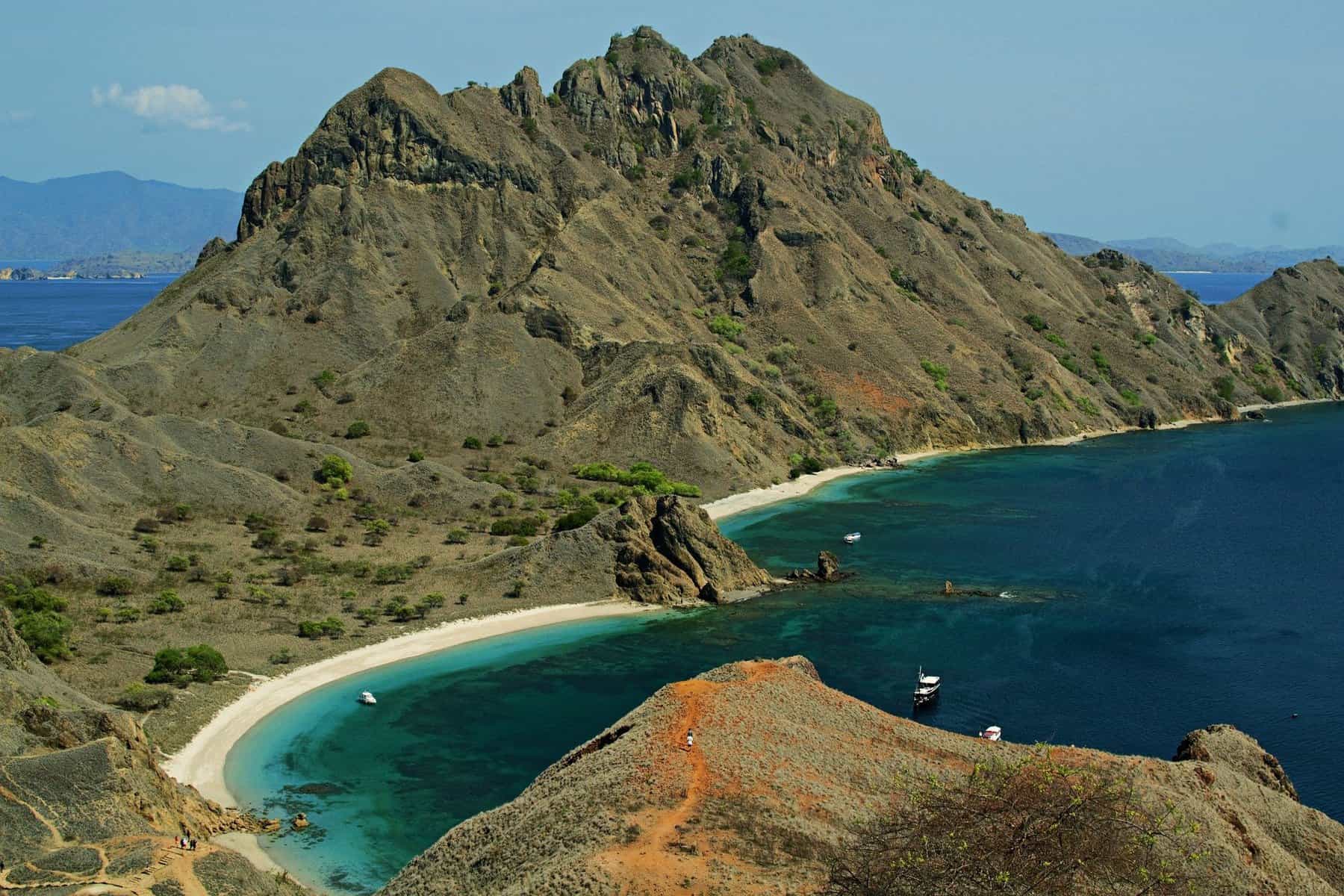
Labuan Bajo, Komodo, Indonesia.
Raja Ampat, West Papua
Best time to visit: October-April Highlights: World’s richest marine biodiversity, pristine coral reefs Typical charter duration: 7-14 days Key areas: Dampier Strait, Penemu Island, Arborek Village
What to expect:
Unparalleled diving: Over 1,500 fish species and 75% of all known coral species
Remote island exploration: Uninhabited islands with secret lagoons
Cultural experiences: Visits to traditional Papuan villages
Photography opportunities: Above and underwater scenes unmatched anywhere else
Islands in Piaynemo in Raja Ampat, Indonesia.
Banda Sea
Best time to visit: March-December Highlights: Historical spice trade sites, excellent diving, volcanic landscapes Typical charter duration: 7-10 days Key stops: Banda Neira, Gunung Api volcano, Ai Island
What to expect:
Historical significance: Former center of global spice trade
Volcanic landscapes: Active volcanoes and unique geological formations
Excellent diving: Pristine reefs with minimal tourist impact
Nutmeg plantations: Working spice farms and colonial-era ruins
View of Ternate Island off west coast of Halmahera, Indonesia. Pic A. Rabin (Wikipedia).
Flores and Alor
Best time to visit: April-November Highlights: Traditional cultures, excellent diving, dramatic landscapes Typical charter duration: 5-10 days Key destinations: Kelimutu colored lakes, Alor traditional villages
What to expect:
Cultural diversity: Multiple ethnic groups with distinct traditions
Unique geology: Tri-colored crater lakes and volcanic formations
Traditional textiles: Hand-woven ikat fabrics and weaving demonstrations
Untouched diving: Coral reefs with minimal tourist pressure
Kelimutu in Flores, Indonesia.
Practical Planning Considerations
Charter Costs and Inclusions
Base charter rates typically include:
Yacht accommodation and crew
Fuel for generators and onboard systems
Basic snorkeling equipment
Tender boat usage
Standard meals and non-alcoholic beverages
Additional costs to budget:
Fuel surcharge: $200-800 per day depending on itinerary
Port fees and permits: $50-200 per location
Dive guide and equipment: $100-150 per day if diving
Premium beverages: $30-100 per person per day
Crew gratuities: 10-15% of charter cost
Transportation to/from departure port: $200-800 per person
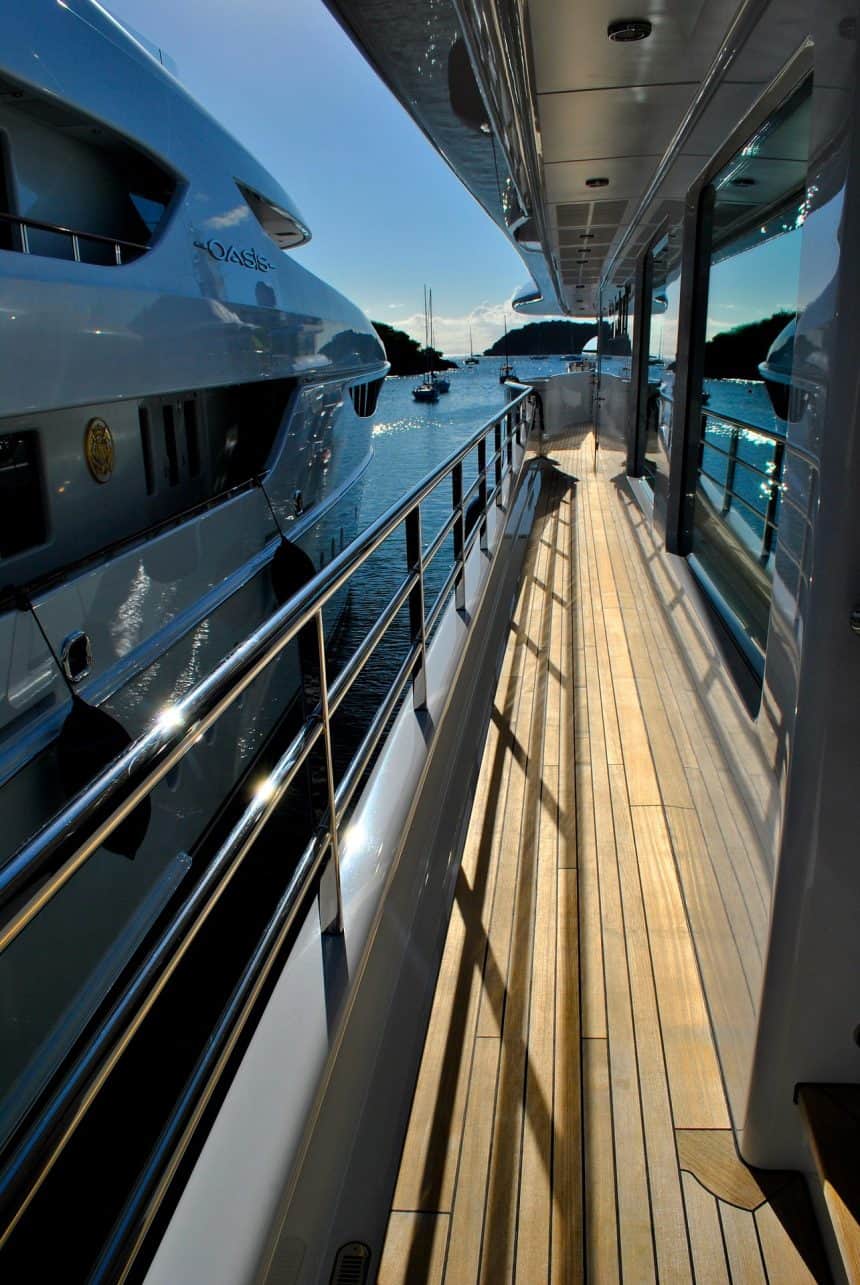
Yacht deck of a motor yacht.
Booking Timeline and Process
6-12 months in advance:
Research and select yacht options
Confirm availability for preferred dates
Secure booking with deposit (typically 50%)
3-6 months before departure:
Finalize itinerary details
Arrange flights to departure port
Confirm special requirements (dietary, diving certification, etc.)
1-3 months before:
Complete payment (remaining 50%)
Finalize guest list and cabin assignments
Arrange travel insurance and required vaccinations
Essential Preparations
Documentation required:
Passport valid for 6+ months
Indonesian visa (visa-on-arrival available for most nationalities)
Travel insurance with water sports coverage
Diving certifications if applicable
Recommended packing:
Reef-safe sunscreen (SPF 30+)
Lightweight, quick-dry clothing
Water shoes or diving boots
Personal snorkeling gear (masks tend to fit better)
Waterproof phone case and camera equipment
Seasickness medication (even for calm waters)
Health considerations:
Malaria prophylaxis may be recommended for eastern regions
Basic first aid knowledge helpful for remote locations
Prescription medications in original containers
Emergency contact information for family/employers
Maximizing the Charter Experience
Onboard Life Optimization
Typical daily schedule:
7:00 AM: Wake up, coffee and light breakfast
8:30 AM: First activity (diving, snorkeling, or island exploration)
12:00 PM: Return to yacht, lunch and rest period
3:00 PM: Second activity or sailing to next destination
6:00 PM: Sunset cocktails and dinner preparation
7:30 PM: Dinner and evening relaxation
Making the most of onboard time:
Plan activities around weather and sea conditions
Allow flexibility for spontaneous discoveries
Balance active adventures with relaxation time
Take advantage of crew expertise and local knowledge
Working with the Crew
Communication tips:
Discuss preferences and expectations clearly at the beginning
Be flexible with timing and activities based on conditions
Ask questions about local culture, marine life, and destinations
Express appreciation for crew efforts and local insights
Crew gratuity guidelines:
Standard rate: 10-15% of total charter cost
Distribute among all crew members
Present at end of charter in local currency when possible
Consider exceptional service or special circumstances
Yacht anchoring for water activities.
Common Misconceptions and Realistic Expectations
Weather and Sea Conditions
Indonesia’s tropical climate means weather can change quickly. Even during dry seasons, afternoon thunderstorms are common. Modern yachts handle most conditions well, but flexibility with itineraries is essential.
Realistic expectations:
Some days may involve more sailing/motoring than activities
Weather may require itinerary adjustments
Remote locations mean limited connectivity
Basic medical facilities only – serious issues require evacuation
Service and Amenities
While Indonesian yacht charters offer excellent value, service styles differ from Western standards. Crews are typically enthusiastic and helpful, but communication styles may vary.
What to expect:
Friendly, accommodating crew with varying English levels
Fresh, locally-sourced meals adapted to guest preferences
Basic WiFi available but may be unreliable in remote areas
Air conditioning in cabins but limited in common areas on traditional boats
Booking Your Indonesia Yacht Charter
Choosing the Right Charter Company
Key factors to evaluate:
Fleet quality and maintenance standards
Crew training and safety protocols
Local knowledge and destination expertise
Transparent pricing with clear inclusions/exclusions
Positive reviews from recent guests
Emergency response procedures and insurance coverage
Questions to Ask Before Booking
About the yacht:
What is the yacht’s age and last major refit?
How many crew members and what are their qualifications?
What safety equipment is onboard?
What are the cabin configurations and sizes?
About the itinerary:
How flexible is the schedule for weather or preference changes?
What activities are included versus additional cost?
Are park fees and permits included in the price?
What happens if weather prevents planned activities?
About logistics:
Where does the charter begin and end?
How do guests reach the departure point?
What happens in case of mechanical problems or emergencies?
What is the cancellation policy?
Alternative Options and Comparisons
Group Charters vs. Private Charters
Group charters (sharing with other travelers):
Cost: $200-500 per person per day
Pros: Lower cost, opportunity to meet other travelers
Cons: Less flexibility, shared amenities, fixed itineraries
Private charters (exclusive yacht use):
Cost: $3,000-15,000+ per day total
Pros: Complete flexibility, privacy, personalized service
Cons: Higher total cost, responsible for minimum group size
Yacht Charters vs. Resort-Based Travel
Yacht charter advantages:
Access to remote, untouched locations
Complete itinerary flexibility
Unique accommodation experience
All-inclusive pricing structure
Resort advantages:
Predictable amenities and service standards
Easier planning and booking process
Better suited for travelers with mobility concerns
More dining and entertainment options
Making the Most of Your Investment
A private yacht charter in Indonesia represents a significant travel investment, but the experience provides access to destinations and experiences unavailable through conventional travel methods.
Maximizing value:
Travel during shoulder seasons for better rates
Consider group charters if traveling with fewer than 6 people
Book early for best yacht selection and rates
Plan longer charters (7+ days) for better daily rates
Use local charter companies like private yacht charter Indonesia specialists for authentic experiences and better value
Long-term perspective:
Indonesia’s yacht charter industry continues developing infrastructure and expanding destination options. Early adopters often discover new areas before they become mainstream tourist destinations, creating unique experiences that become impossible to replicate as destinations gain popularity.
The combination of world-class marine environments, rich cultural diversity, and developing tourism infrastructure makes Indonesia an ideal yacht charter destination for travelers seeking authentic experiences away from crowded tourist areas.
Whether exploring the prehistoric landscapes of Komodo or diving the coral gardens of Raja Ampat, Indonesia’s yacht charter opportunities offer experiences that remain unavailable through conventional travel methods.
I’m sure you’ve had similar experiences I had whilst traveling. You’re in a certain place and a fellow traveler, or a local, tip you off on a little-known beach, bar or accommodation. Great travel tips from other travelers or locals always add something special to our travels. That was the inspiration for Travel Dudes.
I’m sure you’ve had similar experiences I had whilst traveling. You’re in a certain place and a fellow traveler, or a local, tip you off on a little-known beach, bar or accommodation. Great travel tips from other travelers or locals always add something special to our travels. That was the inspiration for Travel Dudes.
Sorry, not sorry: I’m “that” person who usually refuses to switch seats on flights (especially when I have the window seat). And even with recent headlines inspiring online debates on whether or not it’s okay to ask to switch seats with someone, I’m still a staunch supporter of staying in my assigned seat, specifically when I’ve paid to be in it.
However, despite my strong stance on the matter, there have still been times when my seat assignment was out of my control. From filling in for an exit row passenger who couldn’t provide evacuation assistance in the event of an emergency to having my coveted window seat reassigned to an off-duty flight crew member, I’ve had to navigate my fair share of unwanted seat swaps before takeoff.
Over the years, I’ve figured out that the best way to deal with it is by preparing as though it’ll happen on every flight. Packing just a handful of in-flight travel accessories, like a customizable neck pillow or a light-blocking eye mask, can help make the aisle or middle seat much more comfortable. Keep scrolling for the eight products I trust for making unwanted plane seat switch-ups no big deal—all under $30 at Amazon.
Travel Essentials That Make Every Flight Comfortable
Dot&Dot Twist Memory Foam Travel Pillow
Amazon
Window seat, middle seat, aisle seat—a twistable memory foam travel pillow is my ultimate hack for being comfortable in any spot on the plane. On sale for 20 percent off, this Dot&Dot travel pillow has a bendable metal core that can be twisted and turned into countless different positions to find the perfect level of support for your head and neck.
When I’m in the window seat, I like to twist into a Z shape, propping one of the flat sides between me and the side of the plane, and if I’m in the middle or aisle seat, I like to use it as a classic donut-shaped neck pillow to help provide a peripheral visual barrier between me and my seatmates.
Soundcore P30i by Anker Noise-cancelling Earbuds
Amazon
When I’m in the window seat, the roar of the plane’s engines is usually enough to drown out any conversations happening in other rows. But thanks to the foot traffic and proximity to other rows, the aisle seat can be particularly noisy. I always make sure to have a pair of noise-cancelling earbuds or headphones juiced up and ready to go, so I can tune out background noise—regardless of what seat I end up in.
These Soundcore P30i earbuds, on sale for under $40, have earned glowing reviews from jet-setters for their sound quality and ability to block out sound. “I have used them on several flights now and they are great for traveling,” writes one shopper. “They fit my ears great, they cancel out the noise of the plane excellently, and sound amazing. And at a fraction of the price of an Apple or Samsung product, I think Anker provides the best bang for buck earbuds on the market.
Mzoo Sleep Eye Mask
Amazon
Besides the views and having a wall to lean up against while napping, one of my favorite things about the window seat is being able to control when the window shade goes down. I’m a firm believer that once we’ve reached cruising altitude, that shade should go down and stay down until we’ve begun our descent, so that other passengers won’t be disturbed by the blinding sunlight.
Not everyone subscribes to this line of thinking, however, which is why I’ve learned to pack a sleeping eye mask in the event I end up getting transferred to a middle or aisle seat. This Mzoo Sleep Eye Mask is the real deal: Nearly 75,000 shoppers have given it five stars for its ability to block out light while being comfortable enough to wear for 12 hours on end.
Cluci Crossbody Bag
Amazon
Getting stuck with the bulkhead seat has its pros and cons. Sure, being in the first row of your cabin means you get some additional leg room, but it also means you won’t get any underseat space in front of you to store your personal item bag. To prevent yourself from making a zillion trips to the overhead bin during your flight, I recommend packing a smaller “go” bag with all of your in-flight essentials inside.
For shorter trips, a sling bag that can hold your power bank, lip balm, headphones, and a book should be totally sufficient—but for longer trips, you’ll want to bring something more substantial. This Cluci Crossbody Bag checks all of my boxes for such flights. Made with a lightweight, water-resistant nylon material, this travel bag comes with an adjustable shoulder strap, two dedicated water bottle pockets, three giant zippered pockets, and a roomy main compartment that’s large enough to hold a tablet, a light sweater, and any other long-haul flight essentials you might need.
Eversnug 2-in-1 Travel Blanket Pillow
Amazon
Blame it on my hypersensitivity or my lingering fear of germs post-pandemic: I can’t stand being touched, even when it’s an accident. Avoiding accidental brushes with strangers, especially while sitting in the middle or aisle seat, is practically impossible, but having just one layer between me and everyone else can be sufficient for maintaining my sanity. I love curling up with my own travel blanket for this reason; they help me stay cozy once the cabin temperature begins to dip in the air, and they provide a barrier between me and my seat neighbors. Win-win!
Perilogics Airplane Phone Holder
Amazon
Because space on flights is so limited, I usually feel like I have to keep my elbows and arms close to my chest while sitting in the middle seat. That usually means contorting my limbs into weird, uncomfortable positions while trying to watch a movie on my phone. A phone holder mount resolves this issue. This one from Perilogics, $25, clips directly onto the tray table so you can watch shows hands-free, preventing you from twisting and turning to find a sweet spot.
Jisulife Handheld Mini Fan
Amazon
As someone who values her personal space, getting stuck in the middle seat can be too much to bear. Being in such close quarters with strangers can be enough to throw me into a hot, sweaty panic, especially when the plane is stuck taxiing on the runway. Airflow can provide tons of relief in these situations, and when the overhead AC just isn’t cutting it, a handheld fan—like this rechargeable option from Jisulife—can be a lifesaver.
Nooncrazy Airplane Foot Hammock
Amazon
On sale for $14, this adjustable foot hammock hangs onto your tray table to provide an elevated swing for your feet, helping to reduce swelling and keep your toes from feeling cramped underneath the seat in front of you. Not only does it give travel-weary feet a much-needed break, but it can also help you avoid being knocked into by the beverage cart or other passengers while sitting in the aisle seat. Having a dedicated space for your feet that feels good and isn’t restrictive will prevent you from needing to stretch your leg out into the aisle.
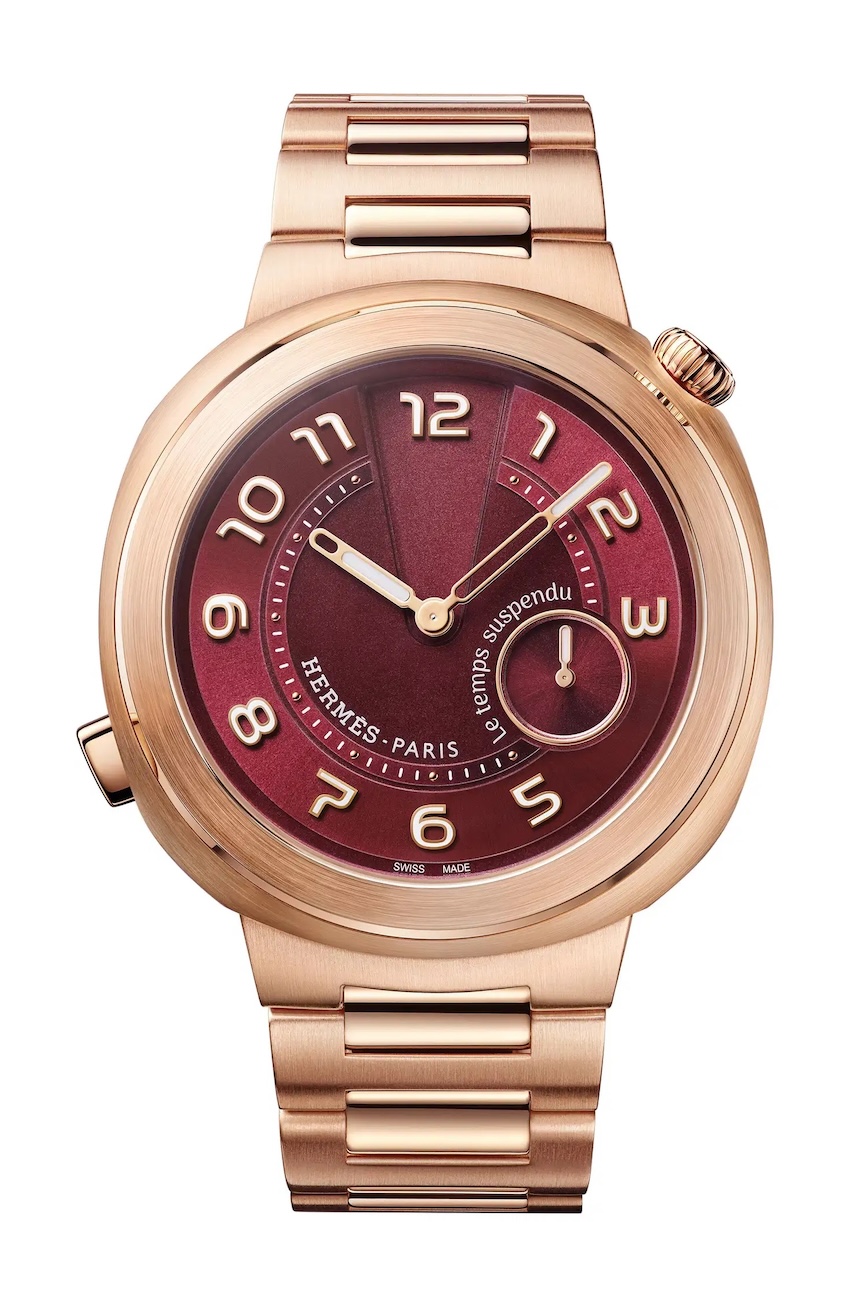
When Hermès launched the new Cut collection in 2024, it was welcomed with open arms, with many men no doubt wondering why they were left out. Riding on the success of this collection, Hermès is adding its famed Le Temps Suspendu complication, which we have praised many times over the years. The brand is also bringing it back to the Arceau collection, where it debuted in 2011, so there are options to be had.
Both writers concur that the poetry of this complication is astounding and audacious, and for that reason, the collection appears to be secondary. How brilliant is it that you can suspend time with the push of a button? Of course, the action is still ongoing, but for you, the owner, time seems to have paused at your command. When you see fit, another push of the button makes time start again, with hands moving to the appropriate position as if nothing happened.
While this overview illustrates the nature of the complication quite well, more is needed. As noted, the complication is quite simple in its function, yet also beguiling. Activating the pusher at the 8 o’clock position whisks both the hour and minute hands away to a static position between 11 and 1 o’clock, where the time is impossible to read. It is now officially ‘never o’clock,’ and there it will rest until the owner decides to unsuspend time by pressing the same pusher. The hands will flick back to the current time without ever missing a beat, no matter how much actual time has passed since time was suspended (of course, if the watch runs out of power, that is another story).
Although its function is simple, the construction of the calibre is anything but. It was developed and patented by Jean-Marc Wiederrecht of the famed Agenhor atelier and the complication is now available in both the Cut and new references of the Arceau. The Cut version has a bit of aplomb not present in the Arceau, though…
The new Hermès H1912 movement powering the Cut Le Temps Suspendu also comes with the unique 24-second counter that runs in its little aperture at the 4 o’clock position. And yes, before you ask, this counter runs counter-clockwise, making it a running seconds indicator. This is Hermès telling people who pointed out that they did not know if the Time Suspended watch was running or not that they have been heard. It is a deliciously weird nod towards the practical that only Hermès can pull off.
On that note, the Cut Le Temps Suspendu comes in several versions, even though it is only available in rose gold. There are two dial variants, opaline silver and sunburst red, and there is a further option for a gemset bezel. While you see a two-link bracelet and a rubber strap, both are included for the lucky owner and, yes, the watch has a quick-change system.
This story was first seen as part of the WOW #79 Summer 2025 Issue
For more on the latest in luxury watch reads, click here.
Barcelona is not only the city where you can find delicious tapas, incredible beaches and monuments by the famous architect Gaudí. It is also the place where numerous green corners are waiting for you to discover them. Beyond the busy streets and famous landscapes, the city is home to secret gardens full of history and nature where you can stroll and relax, whether it’s with your family, partner or friends.
If you’re a visitor looking to get away from the hustle and bustle or a local eager to discover new places, this guide to hidden gardens in Barcelona will take you to some of the city’s most charming spots, perfect for enjoying the city from a different perspective.
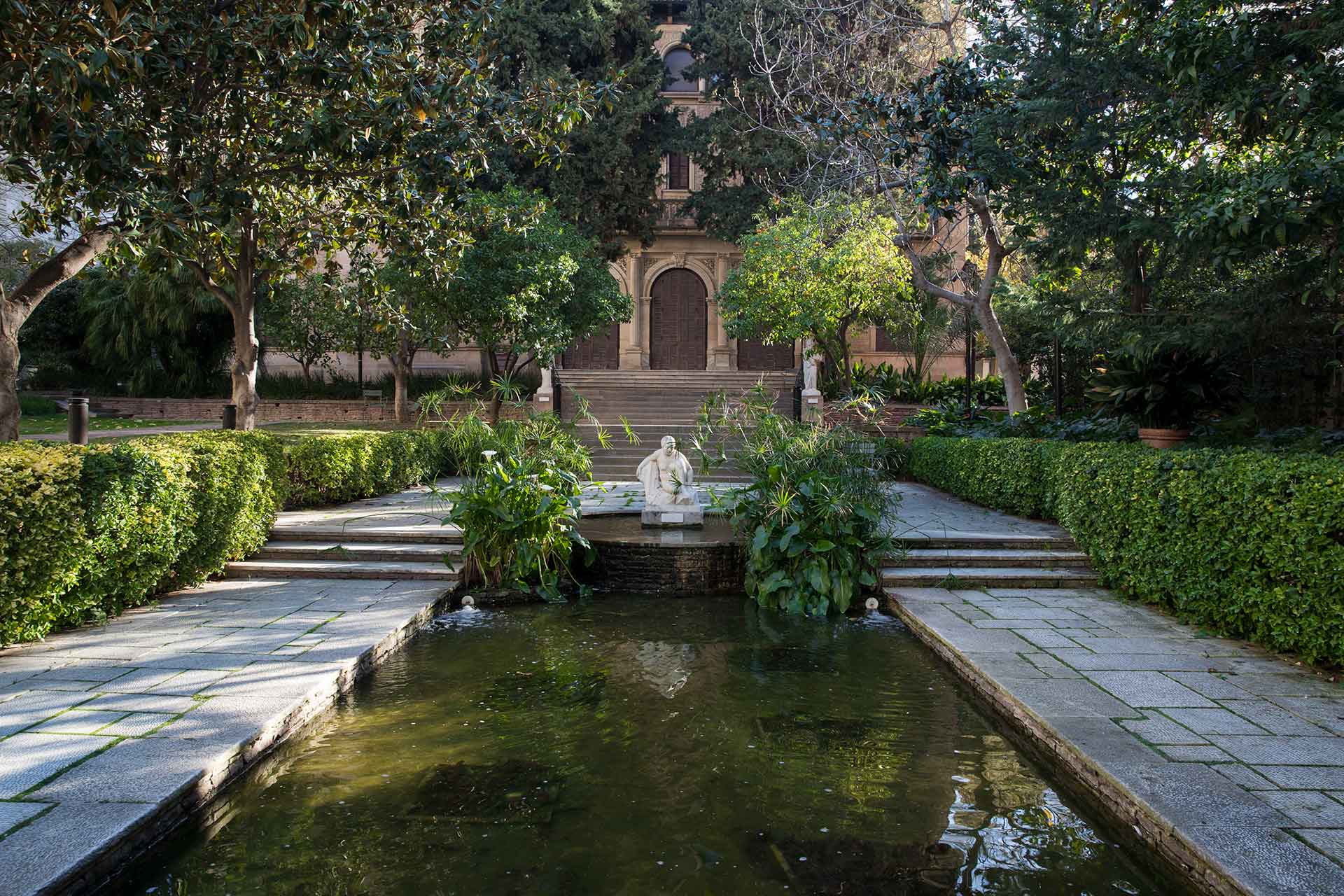
The Can Sentmenat Gardens, dating back to the 14th century and linked to the Sentmenat family since the 17th century, preserve their historic beauty to this day. In 1992, the palace was acquired by the Escola Eina de Disseny i Art, keeping this space in Barcelona alive.
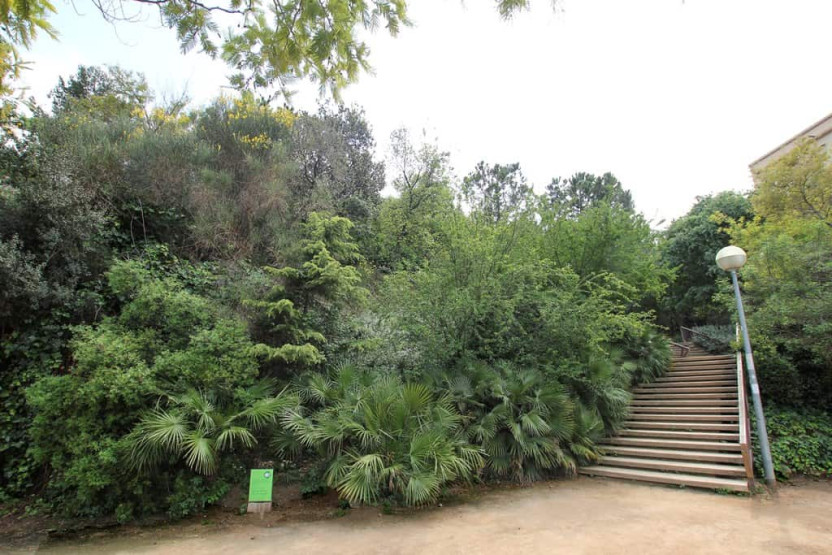
Located on the seaside of the Collserola mountain, these are a truly oasis in the city. Their trails, surrounded by vegetation and shaded, peaceful areas, make them the perfect option for escaping the frenetic pace of the centre.
If you’re looking for something different, beyond the most well-known tourist spots, here you’ll find an ideal place to stroll, relax, take unique photos and discover a charming atmosphere. What’s more, thanks to its proximity to Collserola, you’ll feel like you’re immersed in nature without being too far from the city centre. It’s the perfect stop for those who want to combine history, serenity and unforgettable views!
Here you will find unique, centuries-old trees, such as an imposing Himalayan cedar, fragrant lime trees, elegant acacias and cypresses that line the paths and corners, ideal for strolling and relaxing.
Opposite the former palace of the Marquises of Sentmenat, seven enigmatic female sculptures lend an air of mystery to the surroundings. Each one symbolises ancient noble families associated with the Sentmenat, and today they accompany visitors on their journey.
Opening hours: 10:00 a.m. to 11:00 p.m.
Ticket: Free
Address: Carrer de Can Caralleu 14-16, 08017 Barcelona
Reborn after 50 years of silence, the Jardí dels Tarongers—also known as Torre Bartomeu—is reclaiming its place as a cultural landmark in Barcelona, just as it was between 1948 and 1958 under the vision of Josep Bartomeu.
Located in the exclusive neighbourhood of Pedralbes, this historic venue has now been transformed into an open-air cultural venue, offering a variety of concerts and shows, supporting performers, composers and young talent.
The atmosphere here is different from that of central Barcelona: there are no crowds, just nature, architecture and a serene ambiance that invites you to unwind. During the summer, you can enjoy the warm light of the sunset illuminating the city and the gardens, while listening to the background music that makes the experience even more memorable!
Opening hours: Depends on the day
Ticket: Voluntary contribution of €12 (reservations must be made directly by email or phone)
Address: Carrer de la Ràbida 5, 08034 Barcelona
3. Jardins de Laribal
The Laribal Gardens are a hidden gem in Montjuïc with a unique story behind them: It’s the city’s first rose garden, and in the early 20th century, they were a meeting place for Barcelona’s intellectuals and artists, known as the ‘Colla de l’Arròs’. Through discussions, banquets and cultural activities, this space became an essential centre of social life and creativity in the city.
Its Noucentista style incorporates monumental staircases, fountains, terraces and lush Mediterranean vegetation that invites you to stroll around at your pace. Don’t miss the Font del Gat, a small but emblematic fountain that inspired the famous Catalan song ‘Baixant de la Font del Gat’.
And the best part is that once you’re here, you can continue exploring the surroundings of Montjuïc: from the Teatre Grec with its gardens to the impressive views from the Mirador del Alcalde or a visit to the MNAC, just a few steps away. An ideal route to enjoy nature, culture and panoramic views in a single day!
Opening hours: Every day, from 8:00 a.m. to 7:00 p.m. in winter (1 November to 31 March) and from 8:00 a.m. to 9:00 p.m. in summer (1 April to 31 October)
Ticket: Free
Address: Passeig de Santa Madrona 2, 08038 Barcelona
The elegant gardens of Joan Maragall were created for the 1929 Barcelona International Exhibition and were designed to accommodate the Alfonso XIII Royal Family. With a classic and stately design, these gardens are one of the most elegant spaces in Montjuïc. With their tree-lined avenues, fountains and sculptures, they convey a special calm that makes them the ideal place to disconnect from the urban rhythm.
These gardens are only open on weekends and public holidays, which makes them even more attractive: strolling here feels like a small privilege. The combination of vegetation and classical architecture creates the perfect atmosphere for a leisurely stroll, taking photos or simply sitting and enjoying the silence.
At the end of your visit, just a few steps away you will find the Anella Olímpica, one of the great emblems of the 1992 Olympic Games. Its panoramic views of the city make the experience a fusion of history, culture and a fragment of the most representative Barcelona.
Opening hours: Saturdays, Sundays and public holidays from 10:00 to 15:00
The Mercè Rodoreda Gardens are located in the Gràcia neighbourhood. This space is where the Massana Workshop used to be, an arts and crafts teaching centre closely linked to the Gràcia neighbourhood. They were inaugurated in 2008 as a tribute to Mercè Rodoreda, the most renowned Catalan writer of the 20th century and author of La Plaça del Diamant, set in this Barcelona neighbourhood.
The highlight of these gardens is their imposing metal pergola adorned with bougainvillea, which in spring and summer is filled with shades of fuchsia and violet, creating an intimate space. Walking under its shade is like entering a secret sanctuary in the heart of Gràcia.
Today, the Jardins de Mercè Rodoreda are an ideal place to relax, read or simply soak up the serenity of the neighbourhood. Their peaceful atmosphere makes them an occasional venue for cultural and literary activities, such as book presentations, paying tribute to the Catalan writer after whom they are named.
Opening hours: Every day. It is an open space that remains open.
Ticket: Free
Address: Av. de la República Argentina 131X, 08023 Barcelona
6. Jardines de la Fundación Julio Muñoz Ramonet
Designed by the world-renowned landscape architect Jean-Claude-Nicolas Forestier, this Mediterranean-style garden is a serene escape filled with charm and elegance. Stroll beneath rose-covered pergolas that offer shade and beauty, creating the perfect setting for a peaceful break, stunning photos, or a romantic walk. Whether you’re a nature lover or simply looking for a quiet moment away from the city buzz, this garden is a must-visit gem that blends tranquility with timeless style.
Beyond its aristocratic origins, visiting these gardens today is also an opportunity to discover the residential neighbourhood of Sant Gervasi. In this welcoming and elegant setting, life moves at a different pace. After your stroll, you can take a break and have a coffee at Raw Studio or try the Baixas patisserie. If you prefer something more gastronomic, restaurants such as Antúnez or Feroz offer local cuisine and a modern atmosphere, perfect for rounding off the experience with a taste of Barcelona.
Visiting the various gardens in Barcelona offers the perfect opportunity to take a break from the busy sightseeing. Pack a picnic and blanket and enjoy the greenery, fresh air and relaxing vibes. These are our favorite gardens to take a break in Barcelona.
We are an expert agency in the tourism sector based in Barcelona, Catalonia. For over 10 years, we have offered holiday apartments and long-term apartments in Barcelona, to anyone wanting to visit or spend some time in the Catalan Capital.
We are an expert agency in the tourism sector based in Barcelona, Catalonia. For over 10 years, we have offered holiday apartments and long-term apartments in Barcelona, to anyone wanting to visit or spend some time in the Catalan Capital.
The technical storage or access is strictly necessary for the legitimate purpose of enabling the use of a specific service explicitly requested by the subscriber or user, or for the sole purpose of carrying out the transmission of a communication over an electronic communications network.
Preferences
The technical storage or access is necessary for the legitimate purpose of storing preferences that are not requested by the subscriber or user.
Statistics
The technical storage or access that is used exclusively for statistical purposes.The technical storage or access that is used exclusively for anonymous statistical purposes. Without a subpoena, voluntary compliance on the part of your Internet Service Provider, or additional records from a third party, information stored or retrieved for this purpose alone cannot usually be used to identify you.
Marketing
The technical storage or access is required to create user profiles to send advertising, or to track the user on a website or across several websites for similar marketing purposes.




:max_bytes(150000):strip_icc()/TAL-header-lake-sabrina-bishop-california-BISHOPLEAFPEEP0925-30f2b97edb6145718ba08879eb280250.jpg "This Is the Best Place to See Fall Foliage in California")
:max_bytes(150000):strip_icc():format(jpeg)/TAL-header-lake-sabrina-bishop-california-BISHOPLEAFPEEP0925-30f2b97edb6145718ba08879eb280250.jpg)









:max_bytes(150000):strip_icc()/tal-newsy-commerce-story-tout-e542344f902949848c38ceb2f890ad0b.jpg "8 Best Travel Accessories for Switching Plane Seats")
:max_bytes(150000):strip_icc():format(jpeg)/tal-newsy-commerce-story-tout-e542344f902949848c38ceb2f890ad0b.jpg)