Home Blog Page 219

Ultra-Rare SLR McLaren Edition up for Auction

0


This highly sought-after 2006 Mercedes-Benz SLR ‘McLaren Edition’ will be offered at Bonhams’ Scottsdale Auction on January 25, 2025, with an estimated value of up to $825,000. This unique SLR is one of just 25 bespoke units produced through McLaren Special Operations (MSO), making it a rare and collectible example of this high-performance supercar.

The SLR features a 5,439cc DOHC supercharged V8 engine, delivering 617bhp at 6,500rpm, a 5-speed AMG Speedshift R transmission, and a 4-wheel independent suspension. Carbon-ceramic disc brakes offer enhanced stopping power, and the car’s performance is further boosted by MSO’s handling pack, steering, and damper upgrades.

Initially completed in 2006, the car underwent a remarkable transformation in 2011 when it was returned to the factory for the McLaren Edition treatment. This included the addition of a complete MSO body kit, which featured a new front bumper, redesigned sill panels, and a revised rear airbrake that improved aerodynamics by reducing drag by 2.5%.

The transformation also included a set of black chrome 722S wheels and a lightweight titanium exhaust system that saved 30kg. The interior was refinished in striking Kilo Grey with Oxblood leather, adding to the car’s bespoke appeal.

With only 25 McLaren Edition SLRs ever produced, each uniquely tailored, this example is one of the most exclusive and refined versions of the Mercedes-Benz SLR. MSO’s transformation enhanced its visual appeal and elevated its performance, making it a true collector’s item. The limited use since its overhaul ensures that this SLR remains in superb condition, ready to be part of any serious collector’s garage.

Source: Bonhams Cars


Source link

How to Set Up a Remote Office as a Filipino Digital Nomad and Why This is Important

0


Being a Filipino digital nomad might look like all palm trees and airplane selfies on Instagram, but behind the scenes, there’s a lot of planning to ensure I can get work done efficiently – no matter where I am.

Over the years, I’ve hopped between bustling Asian cities and quaint European towns, learning how to adapt my remote office setup each time. From big cities like Cebu and Makati to tropical paradises like Palawan and Siargao, the journey has been an adventure.

Want to master the art of remote work and travel? Check out the eBook “The A-Z on How to Become a Digital Nomad” for expert advice and actionable steps to help you thrive in the digital nomad lifestyle!

If you’re ready to create a productive, flexible, and travel-friendly workspace, here are my go-to tips.

remote office outdoors

Why Having the Right Remote Office Setup Matters

I quickly realized that consistently producing quality work is tough without a dedicated workspace. When you’re frequently changing locations, it’s easy to get distracted – new sights to see, locals to meet, delicacies to try, and sometimes even noisy neighbors in hostels. You’ll feel you’re one of the tourists even while working. Having a solid remote office setup helps you:

  • Stay Focused: A mini work environment keeps your brain in “work mode,” even if you’re in a tiny Airbnb or a crowded café. You’ll also have reliable internet connection that only you can use.
  • Maintain Professionalism: Clients and colleagues expect you to handle deadlines and video calls seamlessly. A stable setup means fewer technical hiccups and fewer frantic apologies.
  • Boost Health & Well-Being: Ergonomics matter! Sitting hunched over a laptop can lead to neck and back pain – use a neck pillow if necessary. Organizing your space properly reduces stress and keeps you comfortable.
  • Keep Things Organized: When you know exactly where your chargers, cables, and files are, you can spend less time searching and more time exploring.

By treating your remote office setup as a priority, you’ll find it easier to juggle both your work responsibilities and the joys of travel.


1. Choose the Right Equipment

a. Laptop or Tablet

My Setup: I rely heavily on my laptop for most of my work (email, video calls, writing), and I made sure to get one with decent RAM (8GB or more) and an SSD for quick boot-ups. Trust me, nothing’s worse than your device lagging in the middle of a client meeting.

  • Laptop: Look for a lightweight model if you’re always on the move. Aim for 8+ hours of battery life in case you’re working from a café without many outlets.
  • Tablet with Keyboard: If most of your tasks revolve around emails, social media scheduling, or basic writing, a tablet paired with a keyboard case might be enough. It’s super light and easy to stash in a small daypack.

b. Portable Monitor

A portable, lightweight monitor has been a lifesaver when I need more screen real estate – like editing multiple spreadsheets or designing visuals. It folds away neatly into my backpack and can be powered via USB.

Pro Tip: Make sure the monitor’s brightness is adjustable, especially if you’re working in varying light conditions (like sunny co-working spaces one day and dimly lit hotels the next).

c. Accessories

  • Noise-Canceling Headphones: Perfect for Zoom calls in noisy hostels or airports.
  • Travel-Friendly Mouse: A compact wireless mouse reduces wrist strain compared to using only a trackpad.
  • Universal Power Adapter: I’ve learned this the hard way – having one universal adapter with multiple USB ports is a must.

2. Creating a Productive Workspace in Small Accommodations

a. Scout Your Space

When I’m booking accommodations, I try to check photos or reviews to see if there’s a decent table or desk. Sometimes it’s just a tiny corner, but if it has enough room for my laptop, I’m good to go.

If There’s No Desk: Get creative! I’ve used windowsills, the foot of the bed, or even a sturdy chair as a makeshift desk. Stack a couple of pillows if you need a little extra height.

b. Lighting & Ergonomics

I’ve worked in some pretty dim corners, so I pack a small ring light or LED lamp to brighten things up. This also helps with video calls, so clients can see my face clearly.

  • Lumbar Support: My back started hurting when I spent months working hunched over tiny café tables. Now, I bring a small, inflatable back cushion or use a rolled-up towel behind my lower back. It makes a world of difference.

c. Noise Management

If you’re bunking with roommates in a hostel, it’s worth investing in good earplugs or noise-canceling headphones. I’ll also schedule important calls during quieter hours or book a private space at a coworking center if needed.

A girl working on her laptop by the pool

3. Staying Organized on the Move

a. Digital Tools

  • Cloud Storage: Whether it’s Google Drive or Dropbox, I keep all my documents in the cloud. This way, if my laptop goes kaput (which I hope never happens), I can still access my files. Having an external drive also helps me feel secured.
  • Project Management Apps: Trello and Notion are my absolute must-haves. They help me track tasks, client deadlines, and even travel itineraries all in one place.

b. Packing Cubes & Gadget Organizers

I’ve lost count of how many times a tangled charger in my backpack caused me delays. Now, I keep all my cables, chargers, and smaller electronics in a dedicated gadget organizer. It speeds up packing and ensures I’m never scrambling to find a USB cable at 2 AM.

c. Work “Zones”

One trick I’ve learned is to create small “zones” even in a single room. One side is for work – laptop, notepads, headphones, power bank, travel adapter. The other side is for relaxing – books, flip flops, snacks, neck fan, blanket, footrest, eye mask, maybe a yoga mat. Mentally separating my workspace from my chill space keeps me focused and helps me unwind after hours.


4. Bonus Tips & Tricks

a. Test Your Internet

I always do a quick speed test (using speedtest.net or fast.com) before settling down to work. If the wifi is spotty, I’ll consider using my pocket Wi-Fi or local SIM card as a backup.

b. Join Coworking Spaces (or Give Them a Try)

Coworking spots can be a godsend – reliable Wi-Fi, ergonomic chairs, and plenty of networking opportunities with fellow remote workers. If my Airbnb is too cramped or the Wi-Fi is iffy, I’ll buy a day pass at a local coworking space. It’s a nice change of scenery, too.

c. Mind Your Health

A makeshift office can sometimes encourage a sedentary lifestyle. I make sure to stretch every hour or go for a quick walk after a couple of hours of work. Staying healthy is essential for productivity!


Final Thoughts

Setting up a remote office as a Filipino digital nomad is all about balance: you want efficient, reliable gear but not so much stuff that you feel weighed down by your backpack. Focus on the essentials – a good laptop, headphones, portable power bank, wireless waterproof headset, some organizational tools – and get creative with your workspace.

With proper planning, you’ll also meet visa requirements and ensure long-term stays in affordable cost-of-living destinations like Indonesia, Malaysia, and the Philippines. Whether you’re chasing adventure in El Nido, or exploring Metro Manila, the right preparation ensures seamless work and travel.

Make sure you’ve got access to healthcare, a clean criminal record, and proof of minimum income requirements if needed. Leverage Facebook groups and hubs to find the best places with digital infrastructure.

And finally, by prioritizing a proper remote office setup, you’ll be better equipped to handle work deadlines, maintain your well-being, and fully enjoy the freedoms that come with traveling the world.

Don’t forget to carry your passport as you explore each destination and enjoy the perks of living in a tropical paradise. Safe travels and happy working, kapwa Pinoy nomads!

Disclaimer: These tips are based on my personal experiences; adapt them to fit your own travel and work style.

FAQ

Is it legal to work remotely in the Philippines?

The Telecommuting Act of 2019, otherwise known as Republic Act No. 11165, governs remote work that uses telecommunication and computer technologies in the Philippines. This law highlights fair treatment and data privacy when adopting work-from-home (WFH) arrangements.

Should I choose an LLC or S Corp?

Which Is Better, an LLC or an S Corp? An LLC is a business structure where taxes are passed through to the owners. An S corporation is a business tax election in which an established corporation passes taxable income to shareholders. Which is better depends on the circumstances.

What business category is an online business?

E-commerce is a category of business that involves buying and selling products or services online through electronic means, such as websites, mobile apps, or other digital platforms. It can include a wide range of businesses, from small online stores to large retailers and marketplaces.


Source link

A North Stradbroke Island Travel Guide (Minjerribah)

0


This last weekend, I finally made it to North Stradbroke Island (Minjerribah), or ‘Straddie,’ as most locals call it. I filled my Land Cruiser with all the camping and adventure gear, picked up my best friend, and headed on the ferry for three days and two nights on the island.

Sure there are beautiful golden beaches along the whole coast of Australia… but there’s something about being on island time that hits differently.

Nestled off the coast of Brisbane, and just under an hour on the ferry from Cleveland, is North Stradbroke Island – the world’s second-largest sand island (after Fraser Island).

Known for its Aboriginal heritage, rich and thriving marine life, plus iconic spots like the North Gorge Walk, Straddie’s charm is truly undeniable.

Whether looking for an island experience where you can dip in clear turquoise waters, spot native Australian wildlife, go off-road in your 4WD or jump in and surf with the dolphins, North Stradbroke delivers… and some.

Something I hadn’t clocked before visiting was how epic North Stradbroke Island is for whale watching come June when the whales begin migration. I’ve not seen a lookout more perfect to observe this phenomenon than Point Lookout… more on that later.

IMO Stradbroke Island is one of the best beach camping experiences that the East Coast of Australia has to offer. It is an adventure well worth putting time aside for in your calendar.

I’m so excited to share with you a full North Stradbroke Island travel guide including the best places to eat, the best places to camp, the best places to surf, and the best things to see.

Whether you’re looking to bring over your 4WD or come over on the passenger ferry with just a backpack on your back, this North Stradbroke Island travel guide is for you.

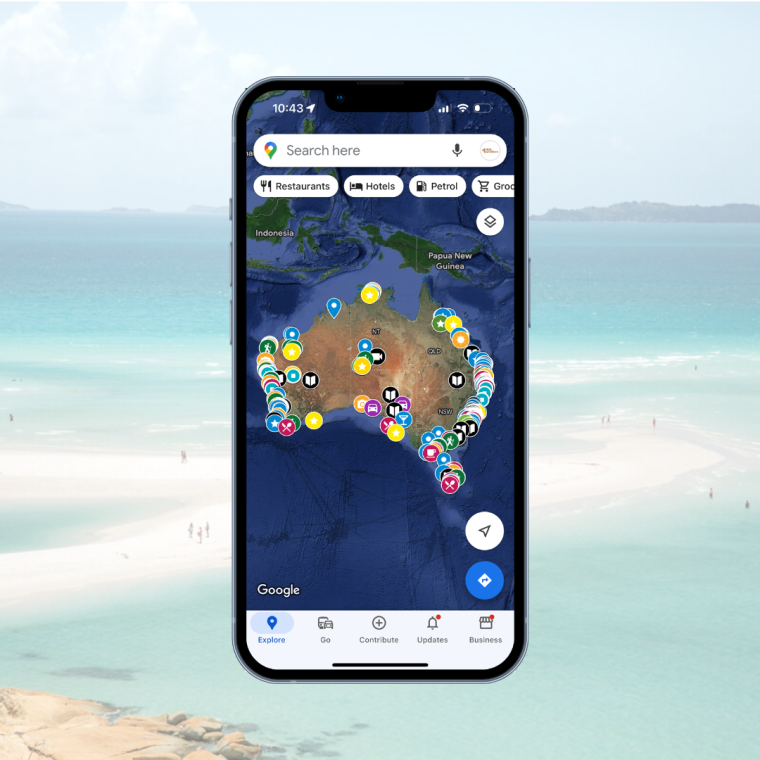
P.S. For convenience, I have pinned ALL my top tips, tricks and finds onto our Australia Google Map legend. This map contains ALL of my Australia travel guides in one place so that all you have to do is open your phone and you have all the best spots at your fingertips…

Australia Google Map LegendAustralia Google Map Legend

Get lifetime access to my endless hours of research and time spent on the ground finding the best places to eat, drink, relax and explore in the area. You simply open the Google Map on your device and all my pins are at the touch of your fingertips.

Getting To North Stradbroke Island

Travelling with a car/motorhome/4WD

If you’re heading over to North Stradbroke Island with your car, motorhome or for some 4WD adventure, you will need to book a space on a vehicle ferry through either Sealink or Stradbroke Flyer Ferries. Both ferries depart from Cleveland, about 40 minutes from the centre of Brisbane and 2 hours north of Byron Bay.

  • Cost: Return trips start around $150 for standard vehicles. We paid $225 for a return with my Toyota Landcruiser inc. 2 x adults.
  • Duration of crossing: around 45 minutes.
  • Tip: Arrive at least 20 minutes before departure and book early, especially during weekends and school holidays. The ferries get super booked up / completely sell out.

4WD travel tip:

When travelling on the sand in 4WD mode you will need to decompress your tyres. We were recommended to lower them to about 18-22 PSI. It is ideal to have a pocket tyre decompressor which will mean you can do it manually when you get to the 4WD entrances. When you leave the 4WD tracks you can head to one of the garages on the island to inflate your tyres again for free. I have pinned the spots for free air inflation on the Australia Google Map.

Passengers Without Vehicles

Unlike Morton Island, exploring North Stradbroke Island is easy to explore if you don’t have a car. I was surprised with how set up it was. It’s a lot more built up in places but balances itself perfectly with an abundance off off-grid options and hang outs.

If you’re heading over to North Stradbroke Island without a vehicle, you can book a space on a passenger Ferry. The passenger ferry also leaves from Cleveland (same as vehicle ferry) and is a little faster getting to the island with a duration of around 25-30 minutes.

Public Transport to Cleveland from Brisbane: There is a train that will take you from Brisbane to Cleveland Station and from there you can use the free shuttle to the ferry terminal.

When you get to the Island: Straddie has a convenient bus service which connects Dunwich, Amity Point, and Point Lookout (the main areas to visit). Buses align with ferry schedules so public transport on the island is a pretty efficient option if you’re travelling to North Stradbroke Island without a vehicle. See more here.

The Best Time to Visit North Stradbroke Island

North Stradbroke Island is a year-round destination, but each season offers unique highlights. Think about what experience you’d like on Straddie, and then take a look at the overview below to see when the best time is for your vision.

Summer (December to February)

  • Ideal time to visit for: Swimming, surfing, and beach camping.
  • Tips: Prepare for hot weather (25-30°C) and occasional storms. Book accommodations and ferries early – this is the busiest time!
  • Wildlife: We visited in January and spotted Kangaroos, Manta Rays, turtles and dolphins.

Autumn (March to May)

  • Ideal time to visit for: Mild weather, outdoor activities, and fewer crowds.
  • Wildlife: Kangaroos and koalas are more frequently spotted in quieter areas.

Winter (June to August)

  • Ideal time to visit for: Whale watching and exploring walking tracks in cooler weather (15-20°C).
  • Tips: Pack warm layers for cool evenings.

Spring (September to November)

  • Ideal time to visit for: Clear skies, warm weather, and turtle nesting season.
  • Wildlife: Dolphins, migratory birds, and sea turtles are most active.

Wildlife Spotting Calendar

North Stradbroke Island is without a doubt a HAVEN for wildlife and you’ll really get up and close with some of Australias finest whilst you’re here. Here’s a little overview of potentiality…

  • Dolphins: Year-round at Amity Point or during boat tours / from lookouts.
  • Humpback Whales: June to November, best visible from North Gorge Walk or Frenchman’s Beach.
  • Kangaroos: Regularly seen at Amity Point and many campgrounds, especially at dawn and dusk.
  • Koalas: Found in the eucalypt trees near Dunwich and Amity Point.
  • Turtles: Nesting starts in November, with hatchlings emerging from January to March.
  • Birdlife: Migratory birds in spring; curlews and ospreys are common year-round.
  • Marine Life: Snorkellers and divers can spot rays, turtles, and reef fish year-round.

Camping / Accommodation on North Stradbroke Island

There are many options (and amazing ones too) for campers that are with and without 4WDs. Below I have laid out the options for you. If you do have a 4WD I highly highly recommend utilising this advantage and going off the beaten track for a unique island experience.

4WD-Accessible Camping

There are 3 main 4WD tracks on North Stradbroke Island, Flinders Beach, Main Beach and Tripod track. (I’ve pinned entry points and best spots on the Google Map here).

Why is this relevant to camping options? Well those exact 4WD tracks open up camping options that aren’t accessible to non-4WDers!

Here are the two main spots to note:

  1. Main Beach Camping: Located along this 32km stretch are many beachfront sites with no facilities. Perfect for self-sufficient campers. Rates are from $19-30 per night. Book here.
  2. Flinders Beach Camping: Located along the north of the island and along the 7km beach stretch are 200 shaded sites with basic amenities. Campfires are allowed (seasonal restrictions apply). Book here.

Each of the above options have designated spots (that still feel very wild) just behind the dunes. I highly recommend booking these spots in advance if you have a preference. One of the nights we were visiting, the camp spots were fully booked but we waited until sunset and then parked up in one of the free spaces (lots of people clearly book and don’t turn up).

This created the ONLY slight preference I have for Moreton Island over Straddie. Because technically there is no wild camping on Straddie. It feels wild, but it’s pre-booked.

Non-4WD Camping and other accommodation

There are many options for non-4wd campers! And some amazing locations too, more of a campsite vibe as opposed to camping in the wild vibes though.

I have pinned a few to the Australia Google Map that looked ideal but otherwise take a look at where you’d most like to visit and pitch up near.

  1. Adder Rock Campground: Powered/unpowered sites, close to beaches.
  2. Amity Point Campground: Family-friendly with waterfront access and visiting kangaroos.

Take a look at all options here on the Minjerribah website.

If you’re looking to book accommodation on Straddie, have a think about whether you’re vibing a hotel room, hostel or apartment and then book with a discount on booking.com here.

1. Take the stunning North Gorge Rim Walk

Holy wow, this was a beautiful walk. If you head to North Stradbroke Island this is like the crown jewel of things to do. At just 1.2 km, it’s not a lengthy walk, but there are many spots at which your jaw will drop, and you’ll be inclined to spend some time admiring the views.

For this one, park up at Point Lookout. It’s an easy walk and the boardwalk offers panoramic ocean views as it wraps its way around the dramatic cliffs. This was where we spotted dolphins and turtles down in the clear blue beneath us. Stunning scenes.

I can only imagine how epic it is to watch the migrating whales swim past come June, you truly do have the best view out across the ocean from this trail.

Travel tip:

Visit early morning for fewer crowds. Wear sturdy shoes and bring water and suncream if you’re doing it during the day!

2. Drive the 4WD Tripod Track

Tripod track is one of the 3 4WD tracks on the island and presents an opportunity to switch up the landscape and get into the thick of the island. This inland track offers the most challenging 4WD adventure on the island (most fun!) and you venture through dense bushland and sandy trails.

Be sure to stop off at the Tripod lookout located along the route (requires a 10 minute walk) for views across the island, see pictures below. On your way out, stop at the Brown Lake for a dip in the tea tree waters!

Australia Google Map LegendAustralia Google Map Legend

Get lifetime access to my endless hours of research and time spent on the ground finding the best places to eat, drink, relax and explore in the area. You simply open the Google Map on your device and all my pins are at the touch of your fingertips.

3. Go surfing at Main Beach

Main Beach’s 32km stretch is an absolute paradise for surfers, offering consistent swells year-round. We arrived around 7am in the morning and surfed with dolphins playing all around us! We even had a manta ray swim underneath us! Like… wow.

If you have a 4WD you can enter on the 4WD access point and take advantage of some empty breaks further down the beach and if you don’t have a 4WD you can park up at Point Lookout and walk 2 minutes down to the main beach to enjoy the waves!

Travel tip:

If you haven’t been surfing before and want to try it, contact North Stradbroke Island surf school and get a lesson! You’ll also want to watch out for the lifeguard flags and stay in the recommended zones. The ocean is a powerful place to be and your safety is the priority!

4. Whale Watching (June to November)

Oh my gosh I am coming back for this!!! North Stradbroke Island offers some of the best viewpoints for spotting Humpback whales as they migrate up the coast.

Watch them breach and tail-slap from North Gorge Walk or book a boat tour for an up-close whale encounter. BUCKET LIST STUFF. Get around it!

5. Visit Brown Lake (Bummeira)

If you’re looking to switch up the ocean landscape for some bushy, tranquil lake scenes, there are a couple of options on the island and one of the most recommended is Brown Lake.

This tranquil freshwater lake is tinted brown by tea-tree leaves. It’s perfect for swimming, picnicking, and relaxing. Pitch up for a refreshing dip and a spot of lunch!

6. Explore Myora Springs

As you make your way from the ferry (or on your way back to) in Dunwich, take a moment to stop off at this beautiful spring located just off the side of the road.

This serene freshwater spring is steeped in Aboriginal cultural significance. A short boardwalk leads through mangroves and offers a peaceful spot for birdwatching, dipping, meditating or enjoying your lunch.

7. Snorkeling and Diving at Manta Bommie

Rated one of Australia’s best dive spots, Manta Bommie is home to manta rays, turtles, and vibrant coral reefs. If you’re looking to dive into the waters surrounding North Stradbroke Island, book a tour and take advantage of the diverse marine life that calls this place home.

Guided tours provide all equipment and expertise so just book and rock up ready to go!

Travel tip: Book early during the peak summer season, we tried to book at the start of Jan for our visit 2 weeks later and there was no availability! If it’s top of your list, get that booking in!

8. Wild camping on Flinders Beach

Enjoy spacious beachfront camping with ocean views and nights under a clear starry skies (hopefully). With light pollution low on the island, you get some absolutely insane night sky to gaze up at from your camp chair or tent.

Flinders Beach is accessible only by 4WD, offering a remote and peaceful experience for those looking for a special camping experience on North Stradbroke Island!

Remember, if you’re planning to access the 4WD tracks and beach camping spots, you’ll need to book your 4WD permit and book your camp spot! Information and links noted in previous section for your convenience.

9. Dolphin Watching at Amity Point

Wild dolphins often approach the shore at Amity Point in the late afternoon, making it a favourite spot for wildlife enthusiasts to gather. Relax by the calm waters and keep your eyes peeled or get on the water and explore by kayak.

10. Cultural Tours with Quandamooka People

To dive into the Indigenous history and to connect with the land here on Minjerribah, I highly recommend booking a tour with Yura Tours.

This tour company is 100% owned by First Nations and is wonderful opportunity to open up your trip with respect and care for Quandamooka Country. I don’t know about you but I love hearing stories from the people that have lived and loved this land for years before we step foot there. This is travel at its most authentic.

11. Breakfast at The Blue Room Cafe

This spot seems to be a staple on the island, it was thriving with business and with people grabbing a coffee and fuelling with an acai bowl before surfing at the nearby Main Beach.

The menu is limited for savoury snacks but offers all of your coffees, matcha variations, smoothies, acai bowls and sweet treats on display (alongside a savoury tart or two). The acai bowls were delicious and we fell in love with the uplifting vibe and views out to the horizon.

There is also a really cute book shop next door, the perfect spot to pick up a new read or to find a souvenir to take off the island with you!

12. Pick up fresh prawns and sourdough from The Prawn Shack

Nothing screams an island adventure more for me than fresh fish on the campstove with a view. And so on our last day on North Stradbroke Island we did exactly that.

Next to the Blue Room Cafe is the gorgeous Prawn Shack where they have a variety of fresh fish and vegetables on offer. Alongside our half kilo of fresh prawns we also picked up some garlic and some fresh sourdough which, the owner proudly claimed, is the only place on the island to get LEGIT fresly baked sourdough.

I can confirm our garlic prawns and fresh sourdough was every bits as dreamy as I envisioned. The business owner was also so grateful for the business, we both left that exchange with a smile on our faces!

Packing tips for North Stradbroke Island

General tips and reminders

Though you can indeed stop off at one of the many shops on the island, its good to be prepared so you can maximise relaxation when you get to Straddie! Here’s a few things you can prepare by getting:

  • Sunscreen, hat, and sunglasses
  • Swimwear and sturdy walking shoes
  • Reusable waterbottle and snacks
  • Fridge or cool box for those beach day and to upgrade your camping experience!
  • First-aid kit

For 4WD travellers and campers

  • Recovery gear, air compressor, and shovel
  • Camping gear and portable fridge
  • Offline maps or GPS device
  • Get your 4WD permit and camping tags purchased!

Oh and to upgrade your North Stradbroke experience, remember you can access my Australia Google Map legend. This will save you so much time researching and you’ll be able to open up the map on your phone and see all my nearby tips and recommendations on the go!

Australia Google Map LegendAustralia Google Map Legend

Get lifetime access to my endless hours of research and time spent on the ground finding the best places to eat, drink, relax and explore in the area. You simply open the Google Map on your device and all my pins are at the touch of your fingertips.

Eeeek that’s everything!

Enjoy your adventure to North Stradbroke Island! Whether driving a 4WD or exploring as a passenger, Straddie’s beauty is going to leave a mark on your heart and memory bank!

I cannot wait to see how you enjoy it!

Have you been to North Stradbroke Island?

What, in your opinion, are the best things to do on North Stradbroke Island? Anything you’d add to this bucket list? Any questions for me? Pop them below!

Love as always and happy adventuring… 


Source link

Consumer Guide Car Stuff Podcast Episode 256: Afeela Bypasses Dealers, Chevrolet Traverse Review, “Best Cars” with Steve and Johnnie | The Daily Drive

0


Remembering the best cars we’ve tested.

Chevrolet Traverse Review

Whether you drive a car, need a car, or just occasionally bum a ride with friends, you’’ve come to the right place. Join Jill and Tom as they break down everything that’’s going on in the auto world. New-car reviews, shopping tips, driving green, electric cars, classic cars, and plenty of great guests. This is the Consumer Guide Car Stuff Podcast. – Chevrolet Traverse Review

–

Episode: 256

Broadcast date: January 13, 2024

Guest: Steve King and Johnnie Putman

–


(Show Notes)

–

News

Jill and Tom opened the show recapping the North American Car of the Year winning vehicles. Awards were presented in the car, utility, and truck categories. The conversation turned to a number of news stories, including Afeela’s decision to distribute vehicles in the U.S. outside the traditional dealership system. Afeela is a joint venture between Honda and Sony, which is schedule to begin selling EVs in 2026.

Tom also touched on the chronic shortage of automotive technicians in the U.S. Tom suggested that students thinking about career opportunities consider working with cars.

Chevrolet Traverse Review

Still in the first segment, Jill reviewed the 2025 Chevrolet Traverse, a roomy, 3-row crossover. Jill’s take on the family friendly Chevy is mostly positive, but not everything is perfect.

Steve and Johnnie

In the second segment, the hosts welcome Chicago late-night radio legends Steve and Johnnie to the show. The crew shared their takes on a number of vehicles they’ve driven over the years. Listen in for details.

Quiz

In the last segment, Steve and Johnnie join Jill for Tom’s “Fake Ford!” quiz. The crew wrapped up the show discussing cars that were offered with Levi’s-licensed denim interiors.

Discussed this week

North American Car of the Year

Afeela

Steve and Johnnie

Jim Mateja

Levi’s Jeep


Follow the crew


The Crew

To advertise on the Car Stuff Podcast call Andy Lieb: 847-291-7414

Consumer Guide Car Stuff Podcast Episode 255: Manhattan Congestion Fee, New Nissan Kicks, Most-Reliable Car Brands

Consumer Guide Car Stuff Podcast Episode 254: All-New Kia K4, Haunted Bluetooth Connections, Luxury Pickup Shootout


Source link

Stichting Pensioenfonds ABP Cuts Tesla Ties Amid Controversy

0


Stichting Pensioenfonds ABP Sells Tesla Stock

Europe’s largest pension fund Stichting Pensioenfonds ABP has sold its entire EUR 571 million (approximately USD 585 million) stake in Tesla Inc in the third quarter, partly due to disagreement with Elon Musk’s compensation package. First reported by Dutch newspaper Het Financieele Dagblad, the article stated that poor working conditions at the company were among ABP’s reasons for selling its stake in Tesla. A spokesperson for Stichting Pensioenfonds ABP was quoted saying, “We had a problem” to Bloomberg Sunday, referring to Musk’s USD 56 billion pay package which shareholders approved in June 2024. ABP voted against the pay package, calling it “controversial and exceptionally high”. The fund also considered costs, return and responsible investment requirements in its decision to sell its investment.

Read More: Are Tesla’s Golden Days Over?

Loss or Gain?

The result sees Stichting Pensioenfonds ABP missing out on future gains and all-time highs hit after the 2024 election. The stock options package was initially worth USD 2.6 billion, and spiked to USD 56 billion by the time the judge cancelled it. As it stands, Tesla is worth about USD 1.27 trillion and its stock has risen about 74 percent in the past year. According to Business Insider, Tesla’s Model Y was the best-selling car in the Netherlands in 2024, but the carmaker’s sales have been declining in Europe. New Tesla car registrations from January to November 2024 fell over 15 percent compared to the same period in 2023, according to European Automobile Manufacturers Association data.

Read More: Twitter’s Rebranding Cements Elon Musk’s Legacy As One Of The Most Influential Tech Magnates Of All Time 

Rising Competition

BYD Han

Read More: How Tesla, BYD and Other EV Upstarts Disrupted the Automotive Industry

Similarly, the rise of Chinese automakers like BYD and NIO poses a direct threat to Tesla’s market share in Asia. These brands offer similar tech at more competitive prices, and in many cases, they outperform Tesla on range and features. China identified EVs as a strategic sector in the 2000s and has since employed a variety of policy measures, including over USD 230 billion in subsidies and decisive investments abroad, to gain an edge in low-cost EV manufacturing and target markets that have been traditionally dominated by Western and Japanese marques. China’s support for local EV manufacturers, including subsidies and infrastructure investment, puts Tesla at a disadvantage. In the long term, Tesla may find it harder to compete with domestic giants in the region.

Read More: 10 Influential Billionaires of 2024: Titans of Wealth and Power

In a statement to the NL Times, Stichting Pensioenfonds ABP said, “We cannot and do not need to invest in everything,” and that the divestment was not politically motivated. Musk has been a prominent supporter of President-elect Donald Trump and is co-leading a commission called the Department of Government Efficiency. As reported by Yahoo Finance, Tesla’s stock experienced significant growth following the election, reaching record levels in 2024 and propelling Elon Musk’s net worth to USD 400 billion. On 1 July, Tesla’s stock opened at USD 201.02 and closed at USD 261.63 by 30 September. Throughout the quarter, the stock fluctuated between a low of USD 182.00 and a high of USD 265.60.

Play for Politics

Read More: What is “Threads” and Why is Twitter Threatened?

Tesla stocks aside, tensions are growing within the right-wing movement over Elon Musk’s influence, with some conservative figures feeling disillusioned by his involvement in Republican politics. According to the Times of India, Musk — a key player in tech and government through Tesla and SpaceX — supports H-1B visas, clashing with figures like Steve Bannon, who view them as harmful to American workers. Bannon’s criticism extends to Musk’s role in U.S. politics, citing his South African roots and suggesting he “go back to South Africa.” The feud highlights broader ideological divides within Trump’s political faction.

Read More: Democracy in Decline: A System Hijacked by Commerce

For more on the latest in business reads, click here.


Source link

The Five Big Trends Impacting The Wine Trade in 2025

0


The wine industry is at a turning point as the world enters a new financial quarter in 2025. This is driven by changing political environments, consumer tastes, and the unrelenting advance of climate change, affecting how wine is made, sold, and consumed worldwide. LUXUO aims to predict five significant changes impacting the global wine trade in the year to come.

Economic Effects and Facing Trump 2.0

Trump 2.0
Incumbent President Donald Trump’s inauguration on 20 January 2025 may impact the global wine trade. Image: Social Europe.

There seems to be a sense of economic uncertainty following President Donald Trump’s reelection, especially in light of possible tariffs on European wines. Experts in the industry predict a spike in imports that could arrive before Inauguration Day to avoid anticipated taxes. If tariffs are implemented, imports will drop by 13 to 16 percent, and exports will plummet by an even more drastic 18 to 22 percent, according to Brian Rosen, founder and managing partner of InvestBev.

These economic forces are likely to impact consumer behaviour. According to Caroline Clark — head of beverage and hospitality at Colorado’s Id Est — consumers may choose more reasonably priced options like beer over domestic wines. Wine sales may decline due to this change, with more expensive bottles being the most impacted. According to Adrienne Vanni — beverage director of Lola’s in New York City — demand for wines costing more than USD 100 is declining, and tariffs may worsen this trend.

Responding To Climate Change

Climate change on wine industry
Climate change and rampant diseases that affect vineyards globally. Image: Nature.com

As 2025 approaches, the wine industry faces a harsh reality check about climate change. The terrible Plēb Urban Winery in Asheville, North Carolina, and the severe flooding in Spain last year highlighted how urgent it is to adjust to unpredictable weather patterns. Schmid highlights the difficulties encountered by small growers by stating that “rising temperatures are reshaping the vintage.” He claims that resilience requires cooperation, sustainability, and consumer education.

Santa Barbara’s Pali Wine Co. is a prime example of this philosophy. Madison Steinberg adds, “We’re forming alliances throughout the Central Coast and sharing organic and regenerative farming practices.” Sustainability initiatives are flourishing throughout the sector. Stricter climate risk declarations in the EU and elsewhere are expected to support a large increase in the sales of organic wine, which is currently valued at USD 12.4 billion. Eighty percent of Charles Krug’s production is powered by solar energy and winemaker Angelina Mondavi advocates for a smaller carbon imprint.

The map of winemaking also changes due to changing conditions. Cooler terroirs — such as Italy’s Mount Etna and Spain’s Sierra de Gredos — are becoming increasingly well-known for their well-balanced wines as warmer conventional regions struggle. Winemaking in the New World spreads to Patagonia and the Otago region of New Zealand. “Fresh, vibrant wines from elevated, cooler regions will lead the way in 2025,” says sommelier Kara Daving.

New Sourcing to Vintage Classics

New wine vintages
Unveiling Elegance: A Toast to Two New Wine Vintages. Image: Lebuche.com

Due to the combined effects of climate change and growing expenses, wine lovers are searching for well-known grape varieties in other places. While retaining the appeal of well-known classics, these new fields offer new, reasonably priced expressions.

For example, consider Nebbiolo. The grape — formerly associated with Barbaresco and Barolo from Piedmont — is now finding new voices in lesser-known areas. Alto Piemonte is praised by Colin Tuska of Monteverde in Chicago, where a 12-year-old Ghemme vintage from La Torretta sparkles for less than USD 200. While Liz Martinez of Virginia’s Kiln praises Valtellina’s “evolved yet delicate” characteristics, Erin Lindstone of Denver’s Barolo Grill extols Roero’s Nebbiolos, praising their “vibrant acidity and unique minerality.” Birch of Cleveland of Milwaukee contends that these options are essential in light of upcoming tariffs.

At the same time, climate changes are changing the wine landscape. According to Owen Huzar of Chicago, 2025 will be “the winter of Cabernet Franc,” while April Busch of Manhattan’s Passerine forecasts a comeback for versatile varietals. California is seeing a rise in new tastes. According to Daniel Fitzgerald of Avivo Wines, the interest of younger generations is driving the popularity of unusual discoveries like Abouriou and varietals like Vermentino and Sangiovese.

The future of wine is a rich tapestry in this changing landscape, anchored in diversity and discovery but less constrained by history.

The Rise of Non-Alcoholic Wines

Non-alcoholic wines
Wine markets witnessing the rise of non-alcoholic wines. Image: Grand View Research.

A new age of quality and creativity is being embraced by producers and sommeliers alike, leading to a renaissance in the world of non-alcoholic wines. The category, valued at USD 2.3 billion in 2023 and expected to rise by around 8 percent a year until 2030, is booming with advanced alternatives. For those looking for the essence of wine without alcohol, Eugenio Egorov of The Stafford London emphasises production advancements such as de-alcoholised wines, sparkling teas, and alternative ferments, which usher in sophisticated, ritualistic experiences.

While winegrowers like Austria’s Zeronimo combine traditional viticulture with non-alcoholic options, pioneering brands like Non, Muri, and Three Spirit create complex, wine-like flavours. According to Caleb Ganzer of La Compagnie Wine Bar, these initiatives produce wines that honour terroir and varietal integrity. According to Andy Chabot of Blackberry Farm, this transformation is driven by consumer demand as diners look for alcohol-free pairings to accompany immersive culinary experiences. Both conventional drinkers and abstainers can now enjoy spirit-free tasting menus at upscale restaurants like Chicago’s Indienne.

Non-alcoholic wines are ready to compete with their alcoholic counterparts as standards grow. According to Moderato’s Sébastien Thomas, these wines will represent authenticity in the future and appeal to “flexi drinkers” who strike a balance between moderation and indulgence — a real revolution in the wine industry.

Catering to New Generation Drinkers

Gen-Z wine drinkers
The wine industry embracing Gen-Z drinkers. Image: IWSC.

Gen Z consumers’ inventiveness and curiosity propel the wine industry into a new era. Polite reflects a generation that is not scared to try new flavours or half-glasses when she comments, “My peers are eager to explore.” Sommeliers respond to this energy in a novel way: they are hospitable, personable, and full of anecdotes.

Huzar emphasises how a compelling wine tale enhances the experience: “Younger professionals are redefining wine culture.” Stories create enduring impressions, whether about a family of vineyards or the distinctiveness of a new varietal. Also, sommeliers embrace dynamic by-the-glass selections to appeal to adventurous, cost-conscious consumers.

Innovation extends beyond technology, as virtual events, AI-powered pairing recommendations, and customised subscriptions change how consumers consume wine. Boutique stores are becoming centres for finding undiscovered treasures, fusing thrill and instruction. Lygizos says, “It’s all about offering value with stories and surprises.”

In the meantime, wineries are embracing interactive experiences that allow customers to participate in crafting, such as Pali Wine Co.’s “blend your own” sessions. Neighbourhood wine clubs and street-level social gatherings are becoming more popular to foster community and offer culture and connection with each drink.

According to Zwann Grays, 2025 will be the “year of newness,” with wine parties and creative get-togethers fostering a thriving, diverse wine community.

For more on the latest in wine stories and business reads, click here.


Source link

Patchy Queensland EV charging network plagued by delays

0


Electric vehicle (EV) drivers in the vast majority of inland Queensland remain without access to public fast-chargers as the state’s EV charging network continues to be hit by delays and breakdowns.

The previous Palaszczuk government began rolling out public EV chargers in July 2017, when the Queensland Electric Super Highway (QESH) was announced as part of its $2 billion renewable energy and jobs fund, and dubbed as the longest of its type in the world, spanning at least 1700km between the Gold Coast and Cairns.

Built and operated by Yurika Energy and supported by RACQ, the network of over 50 EV chargers now extends from Coolangatta to Port Douglas on the Sunshine State coast.

100s of new car deals are available through CarExpert right now. Get the experts on your side and score a great deal. Browse now.

In June 2021, the state government committed $2.75 million to deliver 18 new rural charging sites as part of Phase 3 of the project, extending the QESH westward into central Queensland with new chargers in towns including Charters Towers, Hughenden, Julia Creek, Cloncurry, Mount Isa, Goondiwindi, Stanthorpe, Winton, Longreach, Barcaldine, Blackall, Emerald, Dingo, Charleville, Roma, Miles, Kingaroy and Esk.

At the time, the Palaszczuk government said it would almost double the length of the pre-existing 31-site QESH on the coast, from just under 2000km to almost 3800km, and bring to 49 the number of public DC fast-charging sites in the state (excluding private chargers at hotels and the like).

“Electric vehicle drivers will be able to take trips from Brisbane to Mount Isa, Goondiwindi to Emerald, and Longreach to Cairns knowing there are charging stations along the way,” it said.

More towns were announced in 2022 when the Queensland Government confirmed plans for chargers in 24 regional locations by mid-2023, but four sites in Emerald, Rolleston, Injune and Roma continue to face delays, leaving gaps of up to 600km between public chargers on major highways.

The government’s website currently states 23 new regional sites will come online throughout 2024 and 2025 as part of Phase 3 of the QESH, which will expand to 54 sites by mid-2025.

It says the previously listed Kynuna site has been removed from QESH Phase 3 “due to the inability of the current local energy network to support fast charging”, and that the Roma site is expected to be commissioned in December 2024, followed by chargers in Injune in the Maranoa region by February 2025, and in both Emerald and Rolleston in the Central Highlands by April 2025.

“Once completed, Phase 3 will connect electric vehicle drivers across a range of routes – from Brisbane to Mount Isa (via the Dinosaur Trail locations), Goondiwindi to Emerald, Cunnamulla to Barcaldine and Longreach to Cairns,” states the Queensland Government’s QESH web page.

According to the ABC, the Roma site was due to come online in December 2024 and has been installed, but is not operational.

Yurika general manager of assets and operations Sam Bush told the ABC the delays were partly due to difficulties in identifying and gaining approval for suitable sites.

He said other hurdles were negotiations with local councils, the Queensland Department of Transport and Main Roads, and network upgrade approvals for connections via the Ergon Energy Network.

“A lack of availability of the required technical resources has also pushed out connection timeframes,” Mr Bush said.

About 91,000 battery-electric vehicles and 23,000 plug-in hybrid electric vehicles were sold in Australia last year, accounting for 9.65 per cent of all new vehicles registered in 2024 – up from 8.45 per cent in 2023. 


Source link

Dartz plans to build its wild SUVs in the US

0


  • Dartz is officially launching in the U.S. and plans to begin local production
  • The first vehicle to arrive will be the Prombron Black Stallion Type C
  • Dartz is considering a location in Florida for its production facility

Dartz has built a reputation over the years for producing some of the world’s most over-the-top SUVs. In addition to military-grade armor protection, Dartz’s line of SUVs can be ordered with features like diamond accents, animal skin trim, and even high-end vodka costing six and seven figures a bottle.

While a handful of the SUVs have made it into the U.S.—typically at the whim of celebrity customers—Dartz is now in the process of formally launching its vehicles in the U.S. and even plans to locally produce some.

The company is short on details but has stated that Florida will likely be chosen as the location for production. Dartz also mentioned that it has already signed several dealerships, located on both the West and East Coasts.

The first model to be officially launched in the U.S. will be the Black Stallion Type C from Dartz’s Prombron brand. Initially, the vehicles will be sourced from Dartz’s plant in Riga, Latvia.

Dartz Prombron Black Stallion Type C

Dartz Prombron Black Stallion Type C

Dartz already has a Black Stallion Type C in Los Angeles. It arrived last week and is set to embark on a publicity tour across the country, culminating in Miami.

The company is currently accepting orders from U.S. customers. The Black Stallion Type C can be ordered with the chassis of either a Hummer H2 or a Mercedes-Benz GLS-Class, depending on the level of refinement desired. For those opting for the GLS-Class chassis, a twin-turbocharged V-8 powertrain rated at 1,500 hp is available.

For the U.S. market, the Black Stallion Type C will feature an exclusive interior design inspired by Dartz’s Prombron Kombat SUV that appeared in the 2012 comedy “The Dictator.” Additionally, Dartz plans to introduce a more opulent version of the Black Stallion Type C, dubbed the Type CLV. This version will offer even more interior customization, including trim options inspired by the interiors of yachts owned by the late shipping magnate Aristotle Onassis. The company is also exploring additional body styles, such as a Landaulet with an automated soft-top at the rear.

If you ask Dartz about the price of one of their items, the typical response is to pick a number and tack on a few extra zeros. This isn’t just ultra-luxury—it’s a realm where conventional consumer logic simply doesn’t apply.


Source link

From 1 Week to 1 Month

0


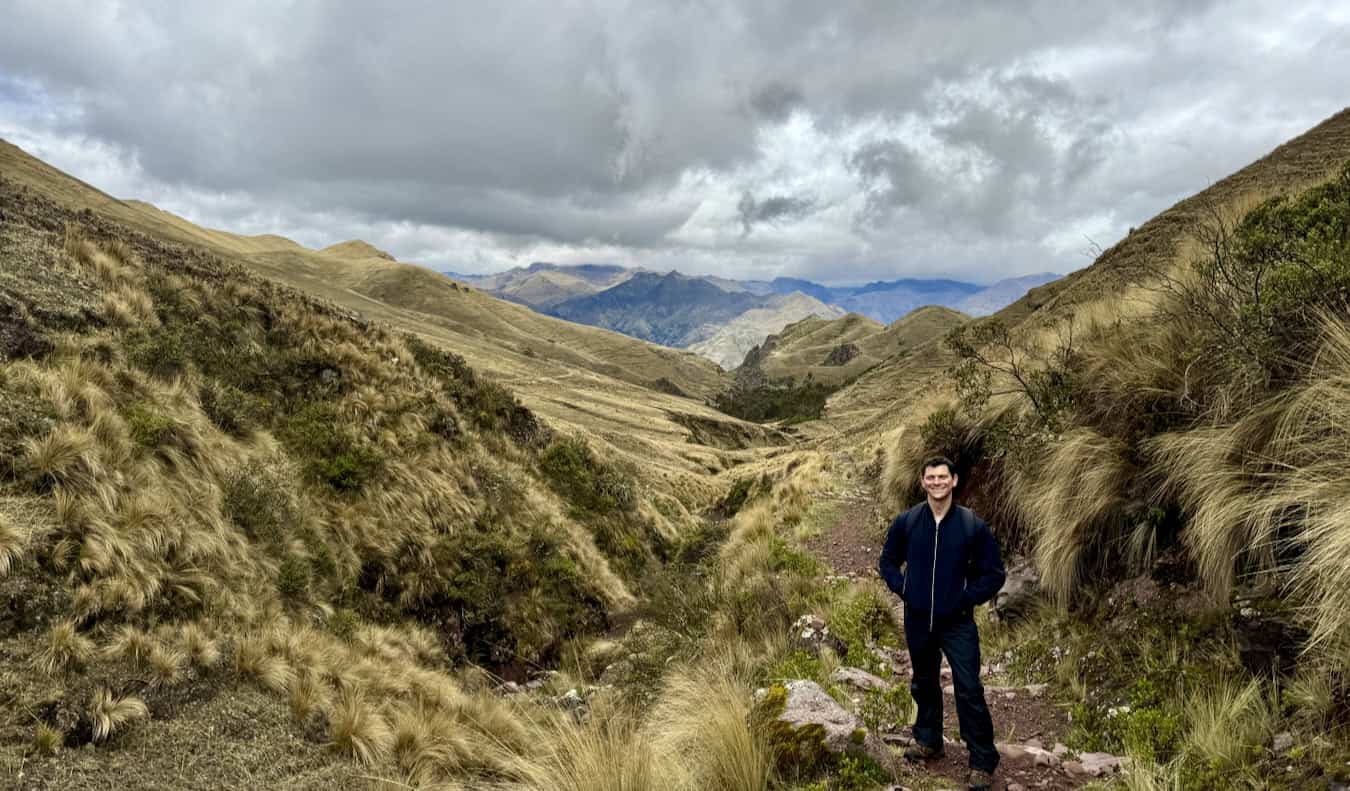
The sweeping vista overlooking Machu Picchu in PeruPeru is a massive country. To do it justice, you need a lot of time. From the capital of Lima to the ancient city of Cusco to the jungles of the Amazon to the beach towns to the ruins of the Sacred Valley, Peru presents you with a lot of options.

I spent 2.5 weeks there and absolutely loved it. But even at a fast pace, I still felt like I barely saw anything (even though I crammed a lot of activities into my trip).

So, in such a large nation, how do you break up a trip? How do you pick what to see and do? What kind of itinerary do you make?

Well, of course, a lot of that has to do with what you are going for: the Amazon, the hiking, the history, or the food?

Most first-time visitors to Peru do the southern route: Lima, Arequipa, Lake Titicaca, and Cusco/Sacred Valley. This route has the most historic sites and the biggest attractions. But there’s also the Amazon, the beach towns, and smaller ruins in the north.

To give you some ideas on potential routes, here are my suggested itineraries for visiting Peru:

Peru Itinerary: One Week


I would only go to Peru for one week if you’re just planning to hike the Inca Trail. If that’s the case, I’d fly to Cusco, spend two days acclimatizing (and seeing the sights I recommend below), and then do the hike. After that, you can spend a couple days relaxing in Cusco before flying home.

Peru Itinerary: Two Weeks


Two weeks allows you to get a good (albeit slightly rushed) feel of the country. You’ll need to move quickly (flying and overnight buses will be a must), and you won’t get a lot of down time, but it’s a doable itinerary.

Days 1–3: Lima
Fly into Lima (if you’re coming from the United States, you’ll land in the morning, so you’ll get a full day) and spend your first day sightseeing and eating as much as possible. The capital is a gigantic city home to over 11 million people. Most visitors concentrate on the neighborhoods of Miraflores, Downtown, and Barranco, as those are where the majority of the attractions are and because they are the safest districts.

My suggested things to do in Lima are as follows:

Free walking tour – I love free walking tours, as they are a great way to get to know a new place and its history, to get your bearings, and to connect with a local guide who can share their insider tips and info. Lima has a lot of free walking tour companies, but two I recommend are Milky Way and Free Walking Tours Peru.

Airbnb Experiences – Airbnb has a lot of incredible food tours, cooking classes, and history walks worth checking out. I think they’re an underrated resource as I’ve done some amazing activities via the platform. No matter your interest, you’ll be able to find something unique.

Museo Larco – This private museum features an extensive collection of pre-Columbian art, gold, and jewels in an old 18th-century mansion with a beautiful café with a nice garden. There’s also a section featuring pre-Colombian erotic art. Spanning over 5,000 years of history, it’s a great place to get a primer on Peru’s past.

Huca Pucllana – This is a huge adobe and clay pyramid built in seven staggered platforms. It’s massive and easy to get to as it’s in Miraflores, the main district everyone stays in, so it’s really easy to see. It served as an important ceremonial and administrative center for the Lima culture (a society that existed between 100 and 700 CE). Your ticket comes with a tour that lasts about an hour.

Surquillo Market – Located in the district with the same name, Surquillo is my favorite market in town. It’s huge and there are a lot of little restaurants here. If you’re looking to go shopping and eat some incredible and inexpensive food, this is the spot.

Museo de Arte de Lima – Opened in 1961, the Lima Art Museum is the main art museum in the city and has a collection that includes ceramics, textiles, sculptures, and paintings spanning over 3,000 years, from pre-Columbian times to the present, with a focus on local artists. They also have a rotating list of temporary exhibitions from international artists, so there’s always something new to see.

LUM Museum – Officially called the “The Place of Memory, Tolerance, and Social Inclusion,” this educational museum is dedicated to the Peruvian internal conflict of 1980s and 1990s and honors its victims. There were over 50,000 casualties from the conflict, which occurred between the government and the Maoist guerilla group Shining Path (60,000 people were displaced as well). It’s a sobering but must-visit museum.

Moreover, Lima has one of the best food scenes in the world, so be sure to eat, eat, and eat some more. The number one restaurant is here as are some of the other top ones. Just keep in mind that a majority of these higher-end spots close on Sunday and that you’ll need to make reservations months in advance (though if you arrive when they open, you might be able to get a seat due to a last-minute cancelation). Some that are worth the expense are:

  • La Mar (seafood)
  • Mercado (seafood)
  • Maido (Japanese)
  • Lady Bee (cocktails)
  • Contraste (Peruvian)
  • Central (Peruvian)

Next, depending on your interests, you could spend a couple more days in Lima sightseeing and eating (it’s a cool city), or head down the coast to Paracas, Haucachina, and Nazca before either coming back to Lima to fly to Arequipa (or just taking the overnight bus from Nazca). Paracas is famous for its mangroves, Haucachina for its sand dunes, and Nazca for the Nazca lines and the archeological site, Cahuachi. You don’t really need more than a night in each place if you are short on time.

Days 4–7: Arequipa
I absolutely love Arequipa. The White City (called that because of the white volcanic stone used for the buildings) has an incredible, energetic vibe, really vibrant food scene, and lovely Spanish architecture. It also makes for a good base to explore the nearby canyons and mountains the region is famous for. I could have spent weeks in the city I loved it so much (as did my friends). But, if yo only have a few days, I recommend spending two days exploring the city and then an overnight trip to the Colca Canyon, which is Peru’s Grand Canyon.

Here’s what’s not to miss in the city of Arequipa:

Free walking tour – There are a couple of great free walking tours run by the same two companies as in Lima.

Basilica Cathedral of Arequipa – Situated in the main plaza, this is the most important Catholic church in the city. Tours here take about 45 minutes (though you can go on your own), encompassing the beautiful paintings, ornate decorations, and massive organ.

Mundo Alpaca – This free museum gives you a lot of information about alpacas, their importance to Andean culture, and how their fur is made into clothes. (The signs are really detailed and well done.) Plus, you can even feed some of the animals at the center.

Santa Catalina – Taking up an entire city block, this convent is not to be missed. Founded in 1580, it was active for centuries. You get to explore a series of striking cloisters, chapels, and even an art gallery. I would recommend getting a guide for 20 soles, so you get more history and context. The tours last about an hour (but you can see it on your own after as well).

Yanahuara Mirador – Located outside the city center, this viewpoint gives you sweeping vistas of the city and surrounding countryside. The district of the same name is also a quiet, pretty neighborhood generally free of tourists that is worth exploring (check out La Nueva Palomino, an incredible restaurant serving inexpensive Peruvian food).

The Church of the Company – This is one of Arequipa’s most iconic churches, with imposing Baroque façade (the original was destroyed in an earthquake in the 1800s) and interior. Inside, you’ll find incredible paintings by native artists (and Virgin and Child by Bernardo Bitti) and gold altarpieces. Plus, you can visit the cloisters, which are now a gallery!

For fine dining, my two favorite spots were China and Indigo, which both feature innovative Andean food. For a delicious Peruvian holes-in-the-wall, check out Picanteria La Mundial. I also recommend a breakfast spot called Isidro, run by two Peruvians who spent time training in NYC. And Munanqui (a café) has some of the best sandwiches and tea selection I came across in the country.

For the Colca Canyon, there’s a lot of operators around. I went via the company Peru Hop. Most overnight tours cost around $40 USD.

Days 8–12: Cusco
From Arequipa, you can either take an overnight bus or fly to Cusco, a huge city with a lot of activities and sights to explore. Don’t try to rush it. In fact, spend as much time here as you can! It lives up to all the hype, and it’s filled with world-class restaurants, lots of art museums, fascinating historic sites, and beautiful architecture.

I would spend two days in town to acclimatize yourself before doing any major hikes, as it’s 13,000 feet above sea level!

Some of my favorite things to see and do here are as follows:

Free walking tour – As you can tell, I love a free walking tour, and there are half a dozen companies here. Your hotel or hostel can connect you with one, or you can use the companies mentioned in previous sections. Just remember to tip at the end!

Saqsaywaman – This citadel complex on the northern outskirts of the city was built in the 15th century, though the earliest occupation of the site dates back even earlier, to around 900 CE. A UNESCO World Heritage Site, it’s a hugely impressive structure and is definitely a must-see. You can hire a guide outside the entrance, as there’s no signage here. It’s also super easy to get to (you can walk there or take the bus).

Qorikancha – The most important Incan temple in Cusco is located in the heart of the city. Named “The Golden Temple” (because the walls were once covered in sheets of gold), it was where the High Priest resided and where various sacrifices were held. It was demolished and turned into a church by the Spanish, but a lot of the original walls are still there. It also features rotating art exhibits.

The Pre-Columbian Art Museum – Opened in 2003, this museum dedicated to the display of archaeological artifacts and examples of pre-Columbian artworks. There are almost 500 items on display here, many of which are n load from the Larco Museum in Lima (its parent museum). If you missed the museum in Lima, this is a good one to see instead since they cover a lot of the same stuff.

Coca Museum – Museo De La Coca is a tiny museum that goes into great detail about the history of coca and its importance to local culture, as well as how it became defined by cocaine over the centuries. I was really impressed by the level of detail in the descriptions. If you’re going to hiking, chances are you’re going to be chewing cocoa leaves, so be sure to stop by. It’s small, but interesting!

Machu Picchu Museum – Be sure to see this museum before you visit the site as it gives a lot of history about the site and its rediscovery in 1911 by Hiram Bingham. There are informative displays, educational videos about the original excavations, and artifacts from the site. It’s a nice primer to visiting the actual ruins.

Franciscan Convent – This beautiful convent is filled with majestic tapestries, paintings, and cloisters, and features a decorative church. There’s very little signage, but the pamphlet they give you is really detailed. It was built in 1572 by order of Viceroy Francisco de Toledo. Don’t miss the library, which has a polyglot bible written in five languages.

Regional Historical Museum of Cusco – Opened in 1946, this museum does a decent job of explaining the history of the region, especially before the Spanish arrived. There’s a decent collection of textiles, paintings, and ceramics. The other sections leave a bit to be desired, but it makes for a short stop if you want to learn more about the region’s history.

San Pedro Market – This is the largest and most vibrant market in town. If you want to do any shopping, get some local produce, or just wander around and snack, this is the place to do it!

San Blas – This area of Cusco is famous for its art and restaurants (fun fact: the Incas originally settled artists from around the empire here, and it’s been an artsy district ever since). The area has a bohemian vibe and it’s up on a hill, so there are a few good viewpoints too.

Then spend as many days you want hiking. Everyone goes to visit Machu Picchu, but I wouldn’t recommend doing it in a single day, because you have to get up soooooo early from Cusco. Instead, I would go to Ollantaytambo the night before and then either take the train or you can do hike from Km104. (For more information on trekking Machu Picchu, check out this post.)

If you’re interested in other treks, there are also hikes to Palcoyo, Waqrapukara, Huchuy Qosqo, Pumamarca, and so, so, so many others. Really, you have a ton of options!

After that I would, come back to Cusco for a day and relax or fly to Lima for a day there before your flight.

Days 13 & 14: Lima
Spend your final day or two sightseeing and eating before flying home.

Alternative Two-Week Itinerary


Conversely, if you wanted to visit the Amazon, you could cut out Arequipa, keep the same itinerary for Lima and Cusco and go to either Puerto Maldonado or Iquitos to see the Amazon. Puerto Maldonado has more high-end jungle lodges, whereas from Iquitos you could do some multiday river cruises. Both destinations require flights to get to.

Peru One Month Itinerary


If you have a full month, I would follow the above two-week itinerary but also add in the following:

Do more hiking – There are so many hikes in the Sacred Valley (and around Peru in general) that if you have the time, you could hike as much as you want. You have the ones I mentioned about as well as multi-day treks in the Colca Canyon, up north in the Amazon, and lots of other places!

Visit the Amazon – Peru is where the Amazon River begins its journey to the Atlantic. Definitely check out either Puerto Maldonado or Iquitos to explore and learn about the jungle and river. In Iquitos, you can take 3-5 day river cruises.

Puno/Lake Titicaca – You can spend a couple of days in Puno, which is somewhat between Cusco and Arequipa, and take in the famed Lake Titicaca, the highest lake in the world. There’s not much in Puno but the lake is tremendous. I’d spend 2-3 days here.

Mancora – Located up north, Mancora is a famous beach town and a great place for world-class seafood. It’s kind of a party spot, but you can also visit without partying. It’s also pretty remote, so the best way to get there is to fly.

Spend more time in the other areas – You can also add in more days in the Colca Canyon, Nazca, Lima, or really any other part of the country that suits your interests!

***

Peru is a gigantic country. You’ll never have enough time, no matter how much you have (unless you move there). There’s way more to see than you might think, so, as you make your itinerary, don’t stress too much or try to jam it all in. See what you can and use the above suggestions as a starting point. Do that, and you’ll be sure to have an amazing trip!

Book Your Trip to Peru: Logistical Tips and Tricks

Book Your Flight
Use Skyscanner to find a cheap flight. They are my favorite search engine because they search websites and airlines around the globe so you always know no stone is left unturned.

Book Your Accommodation
You can book your hostel with Hostelworld as they have the biggest inventory and best deals. If you want to stay somewhere other than a hostel, use Booking.com as they consistently return the cheapest rates for guesthouses and cheap hotels.

Don’t Forget Travel Insurance
Travel insurance will protect you against illness, injury, theft, and cancellations. It’s comprehensive protection in case anything goes wrong. I never go on a trip without it as I’ve had to use it many times in the past. My favorite companies that offer the best service and value are:

Looking for the Best Companies to Save Money With?
Check out my resource page for the best companies to use when you travel. I list all the ones I use to save money when I’m on the road. They will save you money when you travel too.

Want More Information on Peru?
Be sure to visit my robust destination guide on Peru for even more planning tips!


Source link

Steve McQueen’s Porsche 917 from “Le Mans” movie up for sale

0


  • One of the Porsche 917s used for the movie “Le Mans” is headed to auction
  • The car bears chassis number 022 and was owned by Steve McQueen
  • The car crosses the auction block in Kissimmee, Florida on Jan. 18

The 1971 movie “Le Mans” is essential viewing for anyone with gasoline in their veins. It’s a turgid, plot-less nightmare for everyone else, but if there’s one thing we can all agree on, it’s that Steve McQueen, the Tag Heuer Monaco watch he wears, and the Porsche 917 he drives are all effortlessly cool.

McQueen and his crew had three 917s for filming, each example being the 917K short-tail version finished in the famous Gulf Oil livery. The cars bore chassis numbers 013, 022, and 024. Additional 917s also featured in the film, though these were examples that were filmed while they raced in the 1970 24 Hours of Le Mans and the footage used for the movie.

Chassis number 022 was the car purchased from Porsche by Steve McQueen’s Solar Productions, and driven the most by McQueen in front of the camera. It also features the actor’s signature on the door and a note from him that reads, “Finished – Thanks for staying together.” However, the car has been previously resprayed on more than one occasion.

Now it’s headed to auction. Mecum plans to place it under the hammer on Jan. 18 at its auction in Kissimmee, Florida.

Porsche 917 bearing chassis no. 022 - Photo via Mecum

Porsche 917 bearing chassis no. 022 – Photo via Mecum

The car’s current owner is celebrity Porsche collector Jerry Seinfeld. He purchased the car in 2001, and it has had only a handful of owners before him. The car retains its original 4.5-liter flat-12 engine, which produces 580 hp and is paired with a 4-speed manual transmission.

After the car’s filming was completed, it was sold to Reinhold Joest of Team Auto Usdau and went on to have a relatively successful motorsports career. Drivers such as Willi Kauhsen, Angel Monguzzi, and Jo Siffert took turns behind the wheel. Some of the events it competed in included 1,000-kilometer races at Buenos Aires (where it crashed), Brands Hatch (sixth place), Monza (seventh), the Nürburgring (sixth), and Spa-Francorchamps (fourth).

Porsche 917 bearing chassis no. 022 - Photo via Mecum

Porsche 917 bearing chassis no. 022 – Photo via Mecum

According to the listing, Porsche factory driver Brian Redman acquired the car in 1975. He sold it to Le Mans-winning Porsche 917K driver Richard Attwood in 1977. Attwood changed the car’s livery to the red and white scheme he had raced to victory at the 1970 Le Mans and continued to use the car in European historic racing events before selling it in 2000.

The buyer was Porsche collector Frank Gallogly, though he kept the car for only one year before selling it to Seinfeld.

Porsche 917 bearing chassis no. 022 - Photo via Mecum

Porsche 917 bearing chassis no. 022 – Photo via Mecum

Quite aside from the fact the 917 is already a priceless racer and the Gulf livery is among the most iconic in racing, the McQueen association means that someone, somewhere will pay a good amount of money for it, after having battled off several other bidders each offering other enormous sums for the privilege of ownership, of course. There’s no estimate, but the 917 bearing chassis number 024 used during filming sold in 2017 for $14 million. Considering chassis number 022 is the hero car of the film and features McQueen’s signature, it will likely go for much more.

As McQueen is no longer with us to chat, and the Porsche is expected to fetch a comfortable eight-figure sum, if you want a dose of Le Mans cool, you’ll have to scrape together a few thousand bucks for a Monaco watch. Or, come to think of it, a few hundred for a replica Gulf leather jacket.


Source link