Home Blog Page 223

Discover the Magic of Rooibos in South Africa’s Rugged Mountains

0


I popped a pod into the Nespresso machine in my hotel room, and as tea filled the mug, I inhaled the woody, caramel aroma of rooibos. The broomlike shrub — its name is Afrikaans for “red bush” — is native to the Cederberg Mountains of South Africa’s Western Cape, where temperatures can rise above 100 degrees in summer and drop to near freezing in winter. The region is, in fact, the only place in the world where rooibos grows.

In February, I traveled along the N7 highway north of Cape Town to experience the Rooibos Route, an itinerary of farms, factories, tea shops, and restaurants. I sampled rooibos as a tea, in a milkshake, in a martini, in a steak sauce, and even as an exfoliant during a massage. 

One morning, I rode a Land Cruiser over dirt roads the color of marmalade with a guide, Byron Hartung, and three other guests of Bushmans Kloof Wilderness Reserve & Wellness Retreat to one of 130 rock-art sites on the property. This was a shamanic site of the San, the nomadic hunter-gatherers who first inhabited South Africa. As we gathered around pictographs of cattle with long eland-type bodies and figures tilted in dance, Hartung explained that the rock was more than a canvas to the San — it was a gateway into a spiritual world. The paintings are 3,000 to 10,000 years old. As I gazed at them, in this sheltered spot on the veld, I felt transported back in time.

Related: 8 Hidden Gems in Cape Town Only Locals Know About

On a drive at Bushmans Kloof Wilderness Reserve.

Courtesy of Bushmans Kloof


The San treated rooibos as medicine, and contemporary research has shown that its unique polyphenols may support heart health, protect against certain cancers, and regulate blood sugar. Indigenous South Africans have long been disenfranchised and impoverished, and have seen little of the wealth that has come from the plant’s global boom. They were also not properly recognized for having discovered and perfected it. But thanks to an agreement that took effect in 2022, they have been officially named the traditional knowledge holders for the plant, and community trusts now receive 1.5 percent of the country’s total annual sales of raw rooibos. (The proceeds are intended to go into development and aid projects throughout the country.)

The idea of the Rooibos Route had percolated for years, as Sanet Stander, who had a tea shop in the area, fielded requests from tourists about visiting farms. In 2012, Stander officially announced the route and created a website that lists activities, such as farm tours, that travelers might not have been able to arrange on their own.

I drove out to the Wupperthal Original Rooibos Cooperative, in the Tra-Tra Valley. More than 70 small-scale farmers of Indigenous descent grow rooibos on plots of land there, slashing the shrubs by hand with sickles. The cooperative, founded in 2009, is housed in a whitewashed building with a thatched roof that German missionaries built in the early 19th century. 

When we entered, heaps of delicate rooibos branches, brought from the surrounding farms and wrapped in white polypropylene bags, lay on the floor. The village of Wupperthal is still a Moravian mission station, and despite the name “cooperative,” the church still owns all of the land and the farmers’ homes, a legacy of the dispossession of Indigenous people during the colonial and apartheid eras. 

In 2021, rooibos became the first African product to be granted “protected designation of origin” status. As with champagne in France, the name rooibos is exclusive to South Africa. “Our ancestors sold rooibos to the missionaries, and it was later commercialized,” Edgar Valentyn, a fifth-generation farmer in Wupperthal, explained to me. “That’s a lot of tea going out into the world. We’re glad it’s being protected so nobody else can call their product rooibos. This is especially good for our farmers who have just a small amount of land.”

Related: Best Times to Visit South Africa, According to Locals

From left: A flight of rooibos teas at Carmién Tea Shop; fermented and dried rooibos leaves.

From left: Courtesy Carmién Tea Shop; Getty Images


In the town of Clanwilliam, we stopped at the Ou Tronk Museum, housed in a former jail, to view the history of rooibos through a wider lens. The exhibit is filled with old machinery, tools, teapots, tattered vintage packaging, and maps. Informational panels explain the processing and grading of rooibos. A central feature is an old case with more than 30 small glass jars of rooibos samples collected by Benjamin Ginsberg, an immigrant from Russia who pioneered the plant’s commercialization at the beginning of the 20th century.

After an hour’s bumpy drive, we arrived at Skimmelberg, a large-scale organic farm with 300 acres devoted to rooibos. I joined a group of Scandinavian tourists in the plantation’s courtyard, where the fermenting and drying of rooibos leaves take place. I crouched beside a mound of leaves, collected a few needle-like strays, and gave them a gentle rub. As their deep burnt-orange color bled onto my fingertips, I recalled that “Rooibos Tea” was one of the top 10 colors in the Pantone Fashion Color Trend Report for the coming season. I imagined the distinctive tone spreading out into the world, through fashion and other ways. 

The Carmién Tea Shop near Citrusdal is known as the gateway to the Rooibos Route, but I chose it as my exit — one last opportunity to enjoy a cup of tea and a bite to eat. Liezel van der Merwe, Carmién’s sales manager, talked to me about the South African rugby team, the homegrown mixed martial arts champ Dricus du Plessis, and Tyla, the South African singer who had just won a Grammy the previous night. “These things keep the nation together,” she said. “That is also what rooibos does. It gives hope for a better tomorrow.” 

A version of this story first appeared in the December 2024 issue of Travel + Leisure under the headline “Freshly Brewed.”


Source link

Ferrari Roma Buyers Guide | Exotic Car Hacks

0


When Ferrari introduced the Roma in 2019, it was a bold step into the grand touring segment. Positioned as a mid-front-engined 2+ coupé, the Roma pays homage to Ferrari’s heritage of the past.

The Roma’s design philosophy was focused on simplicity and a minimalist aesthetic, setting it apart from Ferrari’s more aggressive sports car lineup.

At its heart lies a 3.9-liter twin-turbocharged V8 engine, producing an impressive 612 hp and 561 lb-ft of torque. Paired with Ferrari’s 8-speed dual-clutch transmission, the Roma is capable from 0 to 60 mph in just 3.4 seconds, with a top speed exceeding 199 mph. The Roma is a capable yet approachable grand tourer for spirited drives and long-distance cruising alike.

The exterior design of the Roma goes after an understated sophistication, featuring clean lines and flowing curves that are timeless. The long hood, fastback silhouette, and sleek proportions echo classic grand tourers of the past. The LED headlights blends into the bodywork, while the rear sports quad taillights and an integrated spoiler for aerodynamics.

Inside, the Roma’s interior adopts a dual-cockpit layout, dividing the driver and passenger zones. Premium materials, such as leather, Alcantara, and polished metal accents are used throughout the interior. The 16-inch digital instrument cluster and 8.4-inch central infotainment screen are always at the driver’s fingertips, while capacitive touch controls provide a futuristic interface..

In its segment, the Ferrari Roma competes with other luxury grand tourers such as the Aston Martin DB11, Bentley Continental GT, and the Porsche 992 Turbo S. While these competitors offer a variety of approaches to luxury and performance, the Roma stands out with its unique blend of minimalist elegance, performance, and the unmistakable mystique of a Ferrari.

Model Changes (Breakdown by Year)

2019 Ferrari Roma (Introduction)

In 2019, Ferrari introduced the Roma, a new addition to its lineup. Positioned as a mid-front-engined 2+ coupe, the Roma fills the space between the Portofino and the F8 Tributo.

Ferrari envisioned the Roma as a celebration of La Dolce Vita, combining the elegance and pleasure of driving. Its long hood, fastback profile, and flowing lines go back to classic Ferrari designs of the 1950s and 60s in the modern era with the Roma.

2020 Ferrari Roma

In 2020, the Ferrari Roma officially became available to customers, introducing a new level car to the grand touring segment. 

At the heart of the Roma lies a 3.9-liter twin-turbocharged V8 engine, delivering an impressive 612 hp and 561 lb-ft of torque. This powerhouse is paired with Ferrari’s advanced 8-speed dual-clutch transmission, ensuring seamless gear shifts and a dynamic driving experience. 

The Ferrari Roma was launched in 2020 with a base price of approximately $218,670.

2021 Ferrari Roma

In 2021, the Ferrari Roma remained unchanged with no significant updates introduced for the year.

The 2021 Ferrari Roma had a starting price similar to previous year at $218,670.

2022 Ferrari Roma

In 2022, the Ferrari Roma continued to build on its established success. No significant changes or updates were introduced for this model year.

The 2022 Ferrari Roma had a starting price of approximately $222,620.

2023 Ferrari Roma

In 2023, Ferrari expanded the Roma lineup with the debut of the Roma Spider, a beautifully crafted soft-top convertible grand tourer. 

The Roma Spider retained the same sleek, flowing lines and elegant proportions as the coupe while incorporating a lightweight fabric roof that could be deployed in just 13.5 seconds at speeds of up to 37 mph. Under the hood, the Roma Spider is powered by the same 3.9-liter twin-turbocharged V8 engine as the coupe.

This launch marked a significant milestone for Ferrari, reintroducing a front-engined soft-top convertible to its lineup for the first time in 54 years, harkening back to the days of classic Ferrari.

The 2023 Ferrari Roma coupe has a starting price of $243,360. The newly introduced Roma Spider variant starts at $272,970.

2024 Ferrari Roma

In October 2024, Ferrari introduced the Roma Spider Oro, a unique special edition crafted by the brand’s Tailor Made division. This exclusive model highlights Ferrari’s manufacturing techniques and the use of cutting-edge materials.

The Roma Spider Oro stands as a testament to Ferrari’s dedication to bespoke craftsmanship and is displayed at the Enzo Ferrari Museum in Modena, offering enthusiasts a glimpse into the future of Ferrari’s design and customization capabilities.

During the same year, Ferrari announced the phasing out of the Roma coupé in Q3 2024, marking the end of its production run. The Roma Spider will be the only variant sold. 

The 2024 Ferrari Roma coupe had a starting price of $243,358, and the Roma Spider started at $277,970.

2025 Ferrari Roma

As of 2025, the Ferrari Roma lineup is centered on the Spider variant, following the discontinuation of the coupe model in late 2024. The Roma Spider remains available with a starting price of $277,970.

Ferrari Roma Common Problems

The Ferrari Roma is considered relatively reliable for a Ferrari, however, no car is completely free of issues. Owners and enthusiasts have reported some common problems that are worth noting for potential buyers. Understanding these issues can help in making informed decisions and ensuring proper maintenance to keep these cars running smoothly. Below are some of the key concerns associated with the Roma models.

Keep in mind, that it is crucial to perform a Pre-Purchase Inspection (PPI) from an authorized dealer or experienced independent mechanic to reveal all issues before purchasing a vehicle. 

Battery and Electrical Problems: Owners have reported battery-related issues, including rapid discharge and electrical malfunctions. Instances of the car failing to start after short periods of inactivity have been noted, with some attributing these problems to the factory-installed battery and charger. Upgrading to higher-quality batteries and chargers has been suggested as a potential solution.

Engine Control System Failures: Some drivers have experienced ‘Engine Control System Failure’ warnings, potentially linked to voltage sensitivities. Ferraris are known to be sensitive to voltage fluctuations, and inadequate battery charge can lead to such errors. Maintaining a healthy battery charge is crucial to prevent these issues.

Interior and Infotainment Concerns: Feedback has highlighted challenges with the Roma’s interior layout and infotainment system. Critics point to the touch interface’s lack of responsiveness and user-friendliness, describing it as slow and cumbersome. This has led to a less intuitive user experience compared to other luxury vehicles.

Steering Sensitivity: The Roma’s steering has been described as overly sensitive or ‘twitchy,’ a trait common in several Ferrari models. This characteristic may require drivers to adjust their handling expectations, especially if they are accustomed to vehicles with more conventional steering feedback. 

Recalls

2021 to 2022 Ferrari Roma vehicles

Service brakes, hydraulic (Recall no. 22V536000)

The brake fluid reservoir cap may not vent properly, creating a vacuum inside the brake fluid reservoir, and resulting in a brake fluid leak that may lead to a partial or total loss of brake function. A loss of brake function can increase the risk of a crash.

Maintenance and Ownership Costs

Owning a Ferrari is an exciting experience, but it also comes with maintenance and ownership costs. Routine services, such as oil changes, brake maintenance, and tire replacements, tend to be more expensive compared to other supercars. This is largely due to the premium associated with Ferrari-branded parts and the specialized servicing required to maintain the vehicle’s performance and reliability.

It is important to remember that regular maintenance and repairs will still be necessary, and the costs can vary depending on whether you take your car to a dealer or an independent mechanic.

Here are the suggested service schedules and intervals per Ferrari. Additionally, Ferrari provides a 7-year Complimentary Maintenance Program for these models, covering routine services at specified intervals:

Annual Maintenance Year 1:

  • Replace engine oil and oil filter.

  • Flush brake fluid and bleed calipers.

  • Replace in-cabin air filter.

  • Inspect gear oil and hydraulic fluid; top off as necessary.

  • Check for leaks and inspect all indicator lights.

  • Conduct visual inspection of brake pads and discs.

  • Examine parking brake system and assess front and rear suspension components.

  • Perform road test to ensure proper functionality.

Year 2 (or 12,500 miles):

Year 4 (or 37,500 miles):

Keep in mind, the 7-year Complimentary Maintenance Program is linked to the vehicle, not the owner. If the car is sold, the new owner continues to benefit from the remaining maintenance period, enhancing the vehicle’s resale value. 

Here is a rough estimate of typical service costs associated with the Ferrari Roma:

  • Oil Change – An oil change typically costs between $500 and $800 at a Ferrari dealership, which includes the cost of oil, the oil filter, and labor. Independent shops specializing in high-performance vehicles may offer this service for $300 to $500, depending on the location and the shop’s expertise.

  • Minor Service – Minor services, including oil changes, fluid top-offs, and inspections, are recommended annually or every 10,000 miles. At a dealership, these services usually range from $1,200 to $2,000. Independent specialists might charge between $1,000 and $1,500.

  • Major Service – Major services involve comprehensive inspections, spark plug replacements, brake fluid changes, and other preventive maintenance, typically recommended every 30,000 to 50,000 miles. Dealerships may charge between $3,000 and $7,000 for major services, while independent shops might offer similar services for $2,500 to $5,000.

  • Tires – The Roma uses high-performance tires such as Pirelli P Zeros, which can wear more quickly due to the car’s capabilities. A set of four tires generally costs between $1,200 and $4,000, depending on the brand and specifications. Dealerships may charge a premium for tire replacement, while independent shops could offer more competitive pricing within this range.

  • Brakes – The Ferrari Roma comes equipped with carbon-ceramic brakes, which are designed to be highly durable and resist wear even under demanding conditions. While they generally last much longer than traditional steel brakes. Replacement shouldn’t be required. Brake pads and rotors can cost between $3,000 and $6,500 for all four wheels at a dealership. Independent specialists might charge between $2,500 and $5,500, depending on parts and labor.

  • Clutch – Although the Roma features a dual-clutch transmission designed for durability, clutch replacements, when necessary, can be significant. Dealerships may charge between $5,000 and $7,500 for clutch replacement, while independent shops might offer services ranging from $4,000 to $6,500.

Options List

When it comes to purchasing a Ferrari Roma, the options list plays a significant role in personalizing the car. Ferrari offers a range of bespoke features and upgrades through their Tailor Made program, allowing buyers to create a Roma that is truly one of a kind. 

The Ferrari Roma’s sleek design can be enhanced with a variety of exterior options. Buyers can choose from a wide palette of standard and special paint colors, including iconic Ferrari hues and exclusive finishes. Additional exterior upgrades include carbon-fiber for the front splitter, side skirts, and rear diffuser, as well as forged wheels in various designs and finishes.

The interior of the Roma buyers can select from premium materials, such as semi-aniline leather, Alcantara, or carbon-fiber trim, in a variety of colors. Contrast stitching, embroidered headrests, and bespoke patterns can further enhance the cabin’s exclusivity. The Roma also offers an optional passenger display, which allows the co-pilot to view performance data and interact with the infotainment system.

Buyers can opt for the advanced driver assistance systems (ADAS) package, which includes adaptive cruise control, lane departure warning, and other features to improve everyday usability. For those seeking a sportier feel, Ferrari offers a sports exhaust system, and a Magneride dual-mode suspension system for improved handling and ride quality.

Ferrari also offers convenience and aesthetic options, such as a front-end lift system for navigating steep driveways, a surround-view camera for improved parking visibility, and custom luggage sets that match the interior trim. Buyers can further personalize their Roma with unique badging, custom seat designs, and even monogrammed floor mats.

Selecting the right options for the Ferrari Roma not only enhances the ownership experience but can also affect the car’s resale value. Limited-edition finishes, carbon-fiber packages, and bespoke interior details are highly sought after by collectors and enthusiasts, making them worthwhile investments.

Features that improve usability, such as the front-end lift or ADAS package, can broaden the Roma’s appeal to a wider audience.

Additionally, the Tailor Made program allows for the ultimate level of customization, with an extensive selection of unique paints, leathers, fabrics, and materials that let owners design a truly bespoke Ferrari Roma. Due to the exclusivity and high level of personalization, Tailor Made vehicles often hold a premium in the market and are highly desirable.

When purchasing a Ferrari Roma, carefully considering the available options allows buyers to create a truly unique vehicle tailored to their tastes and needs but also desirable within the market when it comes to reselling.

2024 Ferrari Roma window sticker

2024 Ferrari Roma options list

Key Options

Ferrari Roma Price and Values

The Best Ferrari Roma to Buy

When it comes to choosing the best Ferrari Roma, several key factors should be considered, including the options, features, and overall condition of the vehicle.

For those seeking the best version of the Ferrari Roma, targeting a model with a well-equipped options list is highly recommended. Many buyers opt for Romas featuring the advanced driver assistance systems (ADAS) package, carbon-fiber exterior accents, and a passenger display, as these add to the car’s usability, style, and appeal.

Additionally, selecting a Roma with premium interior materials, such as Alcantara are desirable.

When it comes to market stability, go for model years 2020 to 2022 are good choices and should be a safe hack if you buy the right example.

The condition and mileage of the car are equally important when choosing a Ferrari Roma. Low-mileage examples that have been properly maintained with a full-service history from an authorized Ferrari dealership are more likely to retain their value and ensure reliability over the long term. 

Photo by Cars and Bids

For the best long-term value, focus on finding a Ferrari Roma that is well-maintained, comes with desirable factory options, and has a documented service history. These factors will not only enhance the car’s appeal but also improve its potential for higher resale value and reliability over time.

Conclusion

In summary, with a starting price of around $200,000+, the Ferrari Roma is an exceptional choice for those seeking a luxurious and understated grand tourer that wears a Ferrari badge. 

While alternatives like the Aston Martin DB11, Bentley Continental GT, and Porsche 992 Turbo S offer strong competition, the Ferrari Roma stands out through its minimalist yet striking design, practicality, and impressive twin-turbocharged V8 engine.

For those who value performance, and exclusivity, the Ferrari Roma is an exciting choice that you won’t regret.

Car Hacking Shortcuts

  • Look for models equipped with desirable options like the Advanced Driver Assistance Systems (ADAS) package

  • Carbon-fiber exterior upgrades

  • Opt for models with premium interior materials and the optional passenger display

  • Spec matters: Romas with unique off the range colour (Tailor Made) can be desriable

  • Prioritize low-mileage vehicles with a full-service history


Source link

Mazda MX-5 12R Is The Most Powerful And Trackable Factory Miata Ever

0


The Mazda MX-5 Miata has offered arguably the purest driving experience of any car on sale since it first hit showrooms in 1990, but it has also faced criticism for its relatively modest power output. Mazda just unveiled the most powerful factory Miata ever at the Tokyo Auto Salon, a limited-edition racing-inspired trim called the MX-5 12R. Despite being the most powerful factory-produced version of the little roadster ever, it still only cranks out 197 horsepower. It’s meant to balance daily driveability and track day capability, and Mazda plans to produce just 200 units for the Japanese market only.

Miatas are known for their light weight and playful driving dynamics, and are often the example used to prove that cars don’t need a ton of power to be fun to drive.

The 12R was developed in tandem with Mazda’s racing division Mazda Spirit Racing, and features a similar 2.0-liter I-4 to the one used in the standard MX-5, but with new cams, cylinder heads, pistons, and a new exhaust manifold.

With these updates it produces 197 horsepower, and Mazda hasn’t released official torque figures for it yet but it will only be offered as a soft top with a six-speed manual transmission, upgraded Brembo brakes and height-adjustable dampers. On the outside, going for the 12R gets 200 lucky Japanese buyers an Aero Gray paint scheme with some subtle graphics, a tame body kit that adds a front splitter, side skirts, and a rear spoiler, and forged RAYS wheels.

A photo from the press conference showing the MX-5 12R on a stage in front of a speaker and a slide about the car

Photo : Mazda

The most powerful factory Miata is a bit of an oxymoron, and seeing as how it gains a mere 16 horsepower over the standard car it’s still not a great choice for any aspiring drag racers out there, but it is a very light car by modern standards weighing in at about 2,500 pounds.

Beyond the aforementioned details, Mazda hasn’t released many specs for its most powerful factory Miata. No interior photos are available, but Mazda says it will feature Alcantara-upholstered bucket seats.

As someone who has never driven a Miata because I’m too tall to safely fit behind the wheel, I hope those bucket seats give the MX-5’s tight interior a few extra inches of leg room. Not that I’m likely to ever drive an MX-5 12R, but a very tall guy can dream. If anyone has a Miata with mods that give it extra leg room in Southern California that they’d be willing to let me drive I’d be forever grateful!


Source link

Faraday Future not dead, launches FX brand for AI minivans

0


  • Faraday Future launched the FX sub-brand during 2025 CES
  • FX initially aims for trio of minivans with a choice of electric or hybrid powertrains
  • It says first model will be a luxury minivan called Super One

It’s been eight years since Faraday Future first unveiled its FF 91, and since then, only a handful of the high-priced electric crossovers have been delivered. However, Faraday hasn’t called it quits. On Wednesday, the company used the backdrop of the 2025 CES event in Las Vegas to announce its latest plans.

The plans include the launch of a new sub-brand, FX (short for Faraday X), which will offer vehicles at much lower prices than the $309,000 FF 91. FX’s logo is meant to resemble the infinity symbol.

FX logo

FX logo

A prototype of FX’s first model, a luxury minivan called the Super One, was showcased at CES. Faraday also revealed that the Super One will be joined by additional models dubbed the FX 5 and FX 6.

The Super One will serve as the flagship of the range. While pricing for the Super One wasn’t disclosed, Faraday said the FX 5 will have a starting price between $20,000 and $30,000, while the FX 6 will be priced between $30,000 and $50,000.

Teaser for FX 6

Teaser for FX 6

Faraday stated it plans to launch the first FX model by the end of 2025, but did not specify which model would debut. The company did confirm, however, that both electric and range-extended powertrains will be offered.

Faraday describes the upcoming FX vehicles as being AI-enhanced, though it did not provide details on their capabilities. For the FF 91, the company had announced a subscription-based software system called FF aiHypercar+, which promised connectivity and personalized AI algorithm services.

Faraday Future FF 91

Faraday Future FF 91

Notably, Faraday had previously announced plans for a minivan called the V9 in 2019, but the project was shelved due to a series of financial and managerial challenges the company faced at the time.

Faraday has stated that it will pursue an asset-light model with the FX sub-brand, similar to the approach taken by the now-defunct Fisker. Faraday has suggested that the FX models would either be assembled at the California plant where the FF 91 was built or by a contract manufacturer elsewhere.


Source link

Hyundai Ioniq 5 N DK Edition packs aero and brake enhancements

0


Hyundai on Friday used the 2025 Tokyo Auto Salon to showcase a special edition of the Ioniq 5 N with additional performance upgrades.

Called the Hyundai Ioniq 5 N DK Edition, it’s scheduled to launch in Japan and South Korea later this year. Hyundai said it’s evaluating other potential markets, so importation to the U.S. hasn’t been ruled out.

Hyundai Ioniq 5 N DK Edition

Hyundai Ioniq 5 N DK Edition

The DK Edition gets its name from “Drift King,” which, before it was the moniker of a certain “Fast and Furious” villain, was the nickname of Japanese racing driver Keiichi Tsuchiya, who collaborated on development of this special edition.

The Drift King wasn’t the only Japanese influence on this Korean performance electric crossover. The DK Edition also features performance parts from leading Japanese firm Autobacs Seven, including 21-inch forged wheels, 6-piston monoblock brake calipers, lowering springs, and model-specific aerodynamic elements highlighted by an even more pronounced rear spoiler. Hyundai said it’s considering bringing these parts to market as a package, so customers may not have to buy the DK Edition to get them.

Hyundai Ioniq 5 N DK Edition

Hyundai Ioniq 5 N DK Edition

Hyundai said the DK Edition upgrades enhance stability, handling, and braking power, but the powertrain remains untouched. The Ioniq 5 N uses dual motors to send 601 hp to all four wheels (a boost function allows 641 hp in short bursts). That gets the standard car from 0-60 mph in a Hyundai-estimated 3.3 seconds, but it’s unclear if any of the changes made to the DK Edition affect that.

We just named the Ioniq 5 N Motor Authority Best Car To Buy 2025 because, out of our six candidates, it was the most fun to drive. The DK Edition does somewhat address the issue of weight that’s on our wishlist of potential improvements with its lightweight wheels, but as a flashier (and likely more expensive) special edition, it generally goes in the opposite direction we would recommend to make this great car even better. However, we suspect these changes will make it even more fun.


Source link

How to Save on International Data Roaming While Traveling: Smart Tips and Tools

0


Traveling is exciting, but coming home to an unexpectedly high phone bill from roaming charges can put a damper on the experience. With a little planning and the right tools, you can stay connected without breaking the bank.

Here are some practical tips to save on international data roaming while traveling.

Related read: How To Travel For Free Or Almost Nothing

Here’s an overview:

Use Wi-Fi Whenever Possible

One of the simplest ways to cut down on data usage is to take advantage of free Wi-Fi. Many cafés, hotels, airports, and public spaces offer free internet access.

Before your trip, download maps, guides, and entertainment content over Wi-Fi so you don’t need to use data on the go.

Why it matters: Free Wi-Fi is available in most tourist areas, and using it strategically can significantly reduce your mobile data usage. However, public networks can be risky, so always prioritize secure connections.

Pro tip: Use a VPN when connecting to public Wi-Fi to ensure your data remains secure and protected from potential hackers.

international data roaming - How to Save on International Data Roaming While Traveling: Smart Tips and Tools
Use Wi-Fi for data when traveling.

Purchase a Local SIM Card

If you plan to stay in one country for an extended period, buying a local SIM card can be a cost-effective solution. Local providers often offer affordable data packages compared to international roaming plans.

How to do it: Upon arrival, visit a mobile store or kiosk at the airport to purchase and activate a local SIM, but be sure your phone is unlocked and compatible with different networks. Research local providers ahead of time for the best rates and coverage.

Benefits

  • Lower costs: Local SIM cards are typically much cheaper than international roaming.
  • Convenience: Enjoy local call, text, and data rates without worrying about excess charges.

Use eSIM Technology

Many modern smartphones support eSIMs, which allow you to download a virtual SIM card directly onto your device. eSIM providers offer competitive rates and flexible plans tailored for travelers.

Why choose an eSIM

  • No physical SIM Needed: No need to swap or lose SIM cards.
  • Multi-country coverage: Some eSIM providers offer regional or global plans that work across multiple countries.
  • Quick setup: Easily switch between providers and plans within minutes.

Pro tip: Research eSIM providers and install one before departure to avoid the hassle of swapping physical SIM cards.

Turn Off Data Roaming

Sometimes the best way to save on international roaming data is to disable it entirely. Turn off data roaming in your phone’s settings and rely solely on Wi-Fi or offline apps.

When to use it: If you don’t anticipate needing data frequently, this simple adjustment can save you a significant amount of money.

Alternative: Enable data roaming selectively, only when necessary. Some phones allow you to turn on data for specific apps while keeping roaming off for the rest.

Related read: How To Travel the World on a Budget

Use Messaging Apps

Skip SMS and use messaging apps like WhatsApp, Telegram, or iMessage to communicate. These apps rely on data or Wi-Fi rather than traditional cellular networks, which can save significantly on international texting fees.

Why switch

  • Cost-effective: Messaging apps use minimal data compared to SMS or MMS.
  • Additional features: Make voice and video calls, share files, and create group chats, all without using traditional call services.

Pro tip: Many apps allow voice and video calls, eliminating the need for expensive international calling.

How to Save on International Data Roaming While Traveling: Smart Tips and Tools
Use messaging apps to keep texting costs to a minimum when traveling internationally.

Try Surfshark’s Alternative Number

One innovative way to stay connected is by using Surfshark’s Alternative Number. This tool provides a second phone number for calls and SMSs, allowing you to manage your communications without incurring hefty roaming fees.

Why it works

  • Privacy protection: Keep your primary number private and use the alternative for travel purposes.
  • Cost efficiency: Avoid expensive roaming fees by using the alternative number over data or Wi-Fi.
  • Convenience: Receive calls and messages globally without needing multiple SIM cards.
  • Flexibility: Maintain communication across borders without relying on your primary carrier.

Use an Ad Blocker to Save Data

Ads and pop-ups not only slow down your browsing but also consume valuable mobile data. Using an ad blocker prevents unwanted ads, trackers, and scripts from running in your device’s background.

How it helps

  • Reduced data usage: Blocking ads and pop-ups minimizes unnecessary data consumption.
  • Faster browsing: Pages load quicker without ads, making your online experience smoother.
  • Increased security: Prevents malicious scripts that could potentially use mobile data without your consent.

Additional benefit: Many websites load hidden scripts that track users or auto-play videos. An ad blocker can stop these elements, further preserving your data.

Related read: Travel Tips for Beginners

Download Offline Content

Before leaving for your vacation, download everything you might need—maps (Google Maps has an offline feature), entertainment (Netflix and Spotify allow offline downloads), and travel documents.

This minimizes the need to use data while abroad.

Why download

  • No data needed: Access your content anywhere, even without a connection.
  • Smooth travel experience: Use offline maps to navigate without data charges.

Pro tip: Download multiple map regions if you plan to visit different areas.

international data roaming - How to Save on International Data Roaming While Traveling: Smart Tips and Tools
Download maps and other content before you travel to save on international data costs.

Get a Data Plan from Your Provider

Some mobile providers offer international data roaming packages that include data at a reduced rate. Check with your carrier and compare the costs with other solutions.

Ask about:

  • Daily roaming packages
  • Monthly travel plans
  • Partner networks

Why consider it

  • Seamless connection: Use your regular number abroad without swapping SIMs.
  • Predictable costs: Avoid surprise bills by selecting the right plan upfront.

Monitor Your Usage

Keep track of how much data you’re using during your trip. Most smartphones allow you to set data limits and receive alerts when nearing your cap.

To set this up:

  • Go to your phone settings and set a data limit.
  • Reset your usage statistics at the start of your trip.
  • Use data-tracking apps for more granular insights.

Why monitor it: Staying aware helps prevent overuse and encourages smarter data usage.

Conclusion

Saving on roaming data while traveling is all about preparation and using the right tools.

By leveraging free Wi-Fi, local SIM cards, ad blockers, and more, you can enjoy seamless communication without worrying about excessive charges.

Happy travels!

international data roaming - How to Save on International Data Roaming While Traveling: Smart Tips and Tools
Get ready to travel with your international data roaming solution.

  • Surfshark

    Protecting your connection is key. Surfing the web, you’re exposed to many risks: data breaches, hacking attacks, & snoopers. One solution to fight them all — a VPN.


    View all posts


    Protecting your connection is key. Surfing the web, you’re exposed to many risks: data breaches, hacking attacks, & snoopers. One solution to fight them all — a VPN.


Source link

2025 Honda Ridgeline vs. 2025 Chevrolet Colorado Comparison

0


Among the brands with versatile offerings in the midsize pickup segment, Honda and Chevrolet took different approaches to their trucks. The Honda Ridgeline is built on the same car-like platform as the Pilot and Passport SUVs. And while it looks like a pickup, it offers a smoother, more comfortable ride.

Conversely, the Chevrolet Colorado is a traditional body-on-frame or ladder-frame pickup. In practical terms, you’ll get a harsher, bouncier ride that most people associate with trucks.

How else are the 2025 Honda Ridgeline and 2025 Chevrolet Colorado different? Let’s find out.

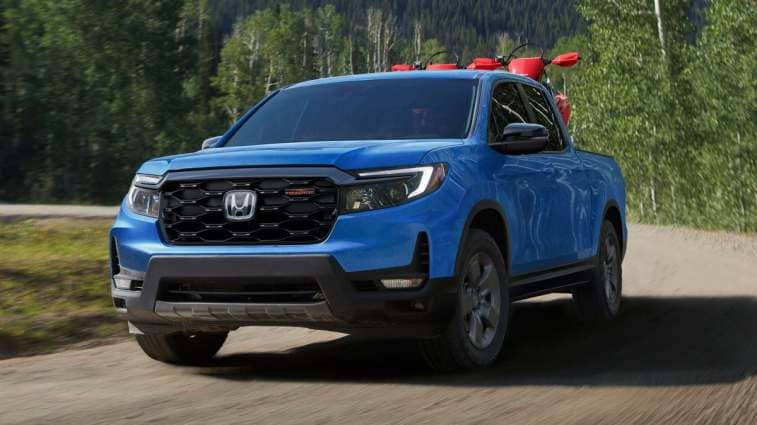
2025 Honda Ridgeline

2025 Honda Ridgeline2025 Honda Ridgeline

Pickup purists might overlook the 2025 Honda Ridgeline because of its unibody construction. Pickups are historically built on stiffer ladder frames, accounting for the bouncy ride you get while in the cab. Fortunately, besides that, the Ridgeline looks and acts like a real truck.

It’s the pickup for someone whose day job isn’t in construction. It’s perfect for projects that involve trips to the local home improvement store where you’ll need to load up a lot of stuff, such as mulch, lumber, or bigger tools. Power comes from a 280-hp V6, and all-wheel drive (AWD) is standard. The Ridgeline is beefy enough to tow 5,000 pounds. Plus, it’s got a multifunction tailgate that makes it easier to load whatever you plan to carry.

With room for five people, it’s a fine everyday vehicle. It’s loaded with all the safety and convenience technology you could want in any vehicle. Pricing starts at $41,600, including destination fees.

Honda Ridgeline Highlights

Comfortable ride: Because of that unibody construction, the Ridgeline doesn’t give occupants that bouncy, rough ride folks so often endure in a pickup. Since it’s rare that midsize pickups don’t perform multiple functions, including operating as a daily commuter, that softer, more controlled ride is good news for your back.

Ideal interior: Honda put a lot of thought into the cabin of the Honda Ridgeline, making it more functional for daily driving duties. For example, the center console is large enough to hold a full-size tablet in the armrest storage unit. The back seat, one of the roomiest in its segment, features several easy-to-access cubbies for passengers, and with the seats flipped up, you get plenty of room for weather-sensitive cargo, such as groceries or that television.

Off-roader: Like some other Honda models, there’s a TrailSport version of the Ridgeline available to make it a viable vehicle for those heading off into the great outdoors.

Read our Honda Ridgeline Expert Review or see 2025 Honda Ridgeline models for sale near you.

2025 Chevrolet Colorado

2024 Chevrolet Colorado ZR2 Bison2024 Chevrolet Colorado ZR2 Bison

2024 model shown

Redesigned just a couple of years ago, the 2025 Chevrolet Colorado has a large front grille, slit-like headlamps, and wide wheel wheels that let everyone know this is a tough, capable pickup.

With several trims available, the Colorado can be configured as everything from a work truck to a rock crawler. Pricing starts at $33,495 for the WT (work truck). However, most people will upgrade to at least the LT to get a few more goodies. For another $3,300, 4-wheel drive (4WD) can be added to the WT and LT models, which is standard for each ascending trim package.

New for 2025, all trim levels of the Colorado come standard with a 2.7-liter turbo 4-cylinder engine with 310 horsepower and 430 lb-ft of torque. Pricing starts at $33,495, including destination fee.

Chevrolet Colorado Highlights

Big screen: An 11.3-inch touchscreen is a standard in the Colorado, besting the 9-inch unit in the Ridgeline. It’s also an easy system to operate. Moreover, Google built-in is offered with connectivity to a driver’s Google account.

Powerful engine: The sole engine for the Colorado is a 2.7-liter turbocharged 4-cylinder that puts out 310 hp and 430 lb-ft of torque. And this truck can tow more than 7,000 pounds, which beats the Honda Ridgeline’s towing muscle.

Over the top: If you need a rough-and-ready off-roader straight from the factory, pass the Trail Boss and go straight to the ZR2 Bison. The ultimate off-roading Colorado gives you several upgrades designed for maximizing any off-road experience, including a raised suspension, larger wheels and tires, unique off-road dampers, and more.

Read our Chevrolet Colorado Expert Review or see 2025 Chevrolet Colorado models for sale near you.

Similarities

The Honda Ridgeline and Chevy Colorado are capable, comfortable pickups featuring a lot of technology and functionality, and both come exclusively in a crew cab configuration with room for five inside. They’re attractive vehicles inside and out.

Pricing

New 2025 Honda Ridgeline Prices

New 2025 Chevrolet Colorado Crew Cab Prices

The Kelley Blue Book Fair Purchase Price for any individual used vehicle can vary greatly according to mileage, condition, location, and other factors.
The prices here reflect what buyers are currently paying for vehicles and vehicles in typical condition when purchasing from a dealership.
These prices are updated weekly. The manufacturer’s suggested retail price (MSRP) quoted includes the destination fee, but does not include tax, license, document fees, and options.

Specifications

2025 Honda Ridgeline2025 Chevrolet Colorado
Popular Powertrains
Engine3.5-liter 6-cylinder2.7-liter turbo 4-cylinder
Horsepower280 hp @ 6,000 rpm310 hp @ 5,600 rpm
Torque262 lb-ft @ 4,700 rpm430 lb-ft @ 3,000 rpm
Transmission9-speed automatic/AWD8-speed automatic/2WD
Fuel Economy18 city/24 highway/21 combined mpg19 city/24 highway/21 combined mpg (est)
Also AvailableN/A4WD
Specs
Basic Warranty3 years/36,000 miles3 years/36,000 miles
Powertrain Warranty5 years/60,000 miles5 years/60,000 miles
NHTSA Overall Safety5 stars4 stars
Max Seating Capacity55
Wheelbase125.2 inches131.4 inches
Overall Length210.2 inches213.0 inches
Width78.6 inches84.4 inches with mirrors
Height70.8 inches78.8 inches
Turning Diameter43.4 feet43.4 feet
Headroom, Front40.1 inches40.3 inches
Headroom, Rear38.8 inches38.3 inches
Legroom, Front40.9 inches45.2 inches
Legroom, Rear36.7 inches34.7 inches
Shoulder Room, Front62.0 inches57.4 inches
Shoulder Room, Rear61.5 inches56.1 inches

Conclusion

The Chevy has a much lower starting price — until you move up the line of trim levels and off-road capability and the amount of features increases. However, some of the Colorado’s trim levels cost thousands less than those of the Honda Ridgeline. If you’re looking for a traditional pickup that’s more affordable and maneuverable than a full-size truck, the Chevy Colorado is among the best in its class. However, if you want a pickup truck that rides like a midsize SUV, the Honda Ridgeline is one of the only trucks of its kind.


Source link

Porsche 918: Still Impressive As Ever

0


Background

While Porsche has long since been revered as a European sports car company, “Supercar” has not been part of their vocabulary. That changed with the Porsche 959, introduced in 1986, which many consider the first German supercar. Designed as a technological marvel, it featured advanced all-wheel drive, a 2.85L twin-turbocharged flat-six engine producing 450 horsepower, and a top speed of 197 mph. Originally developed for Group B rally racing, the 959 became a road-legal pioneer in automotive innovation.

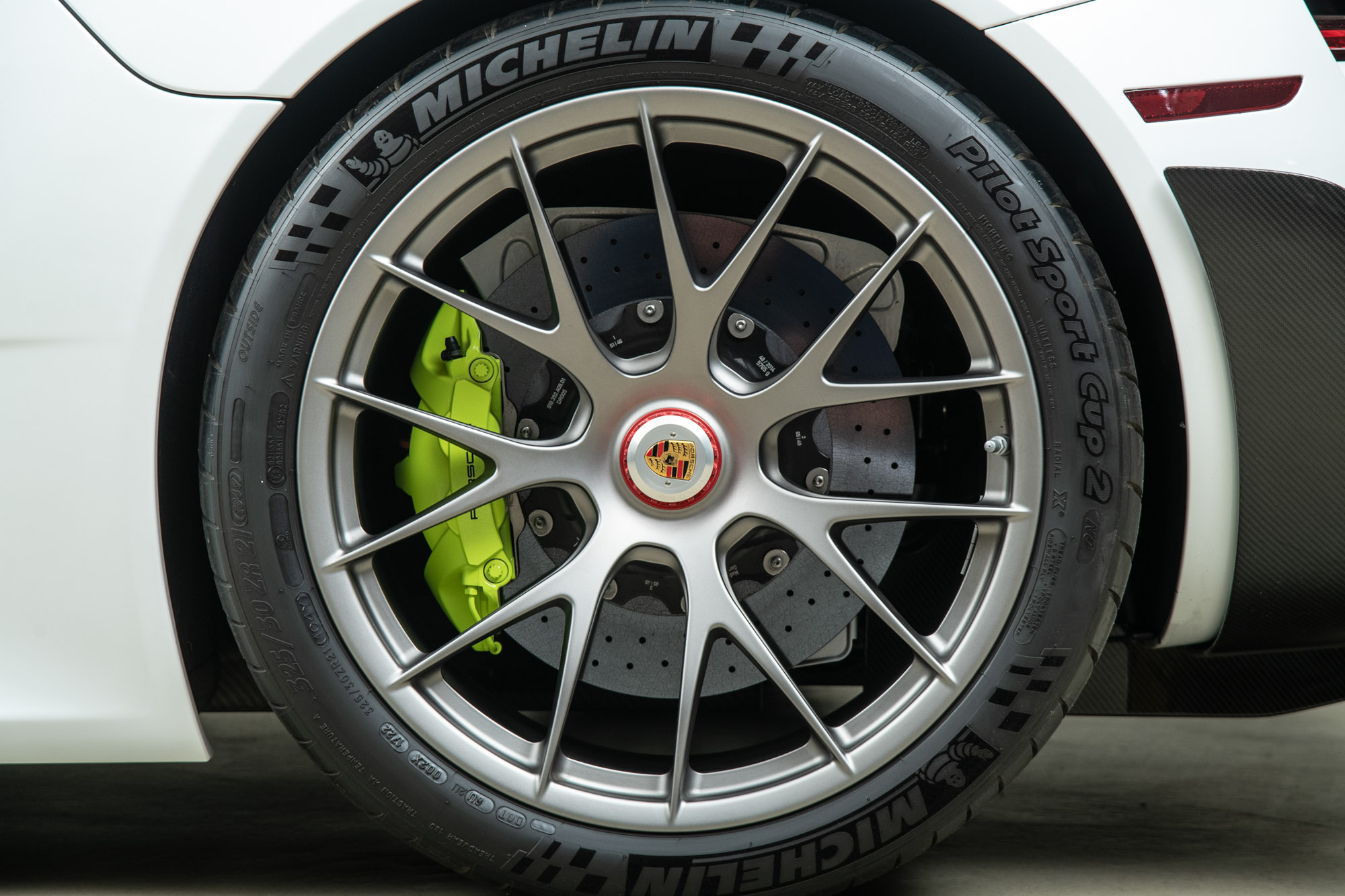
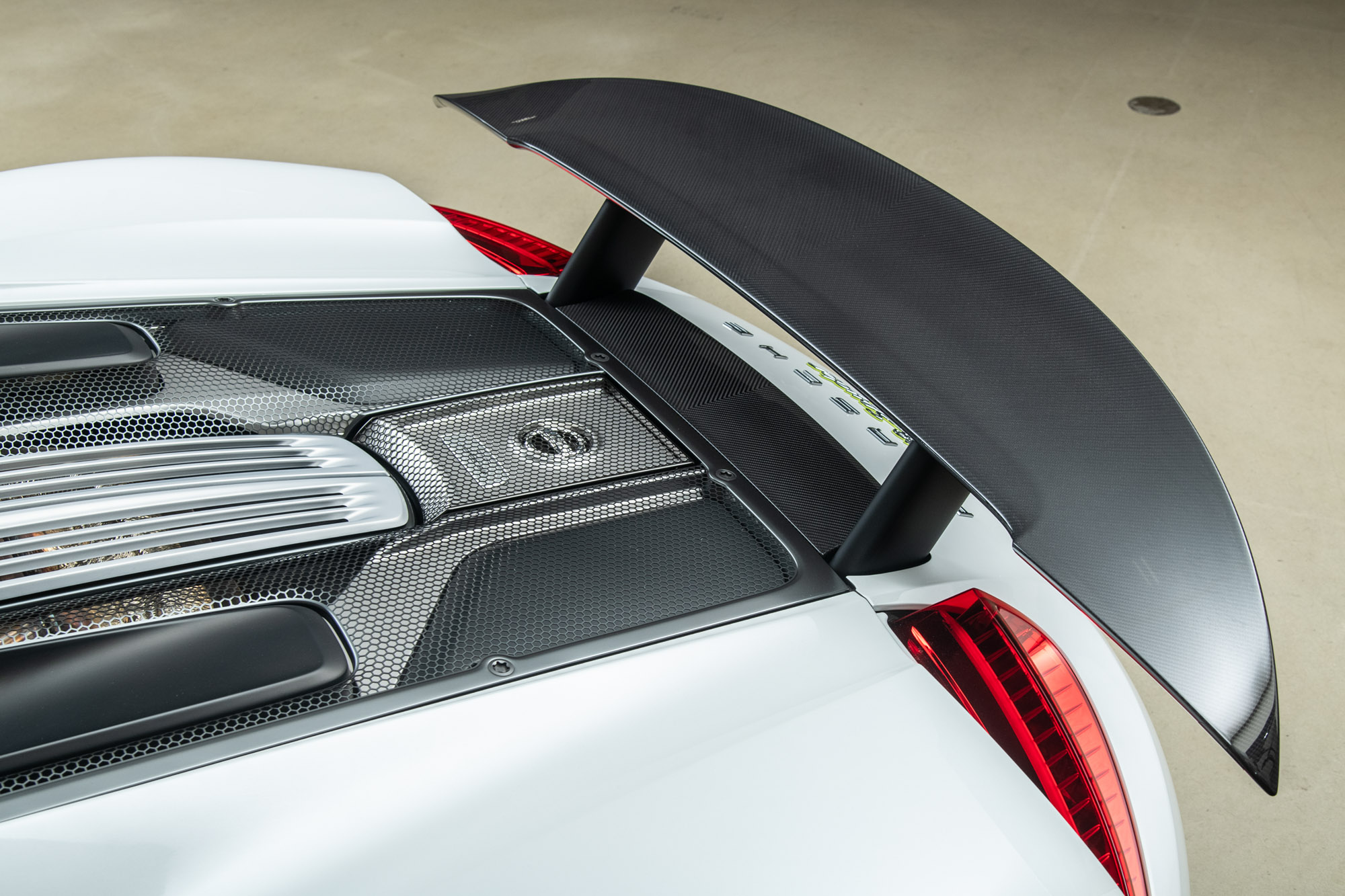
This was followed by the Carrera GT, which was introduced in 2004 and developed from an abandoned Le Mans prototype. Its centerpiece was a race-derived 5.7L V10 engine producing 612 horsepower, paired with a lightweight carbon-fiber monocoque chassis for optimal rigidity and weight reduction. Advanced ceramic composite brakes provided exceptional stopping power, while inboard suspension enhanced handling precision. Aerodynamic design elements, including a deployable rear wing, maximized stability at high speeds.

Next Gen Supercar

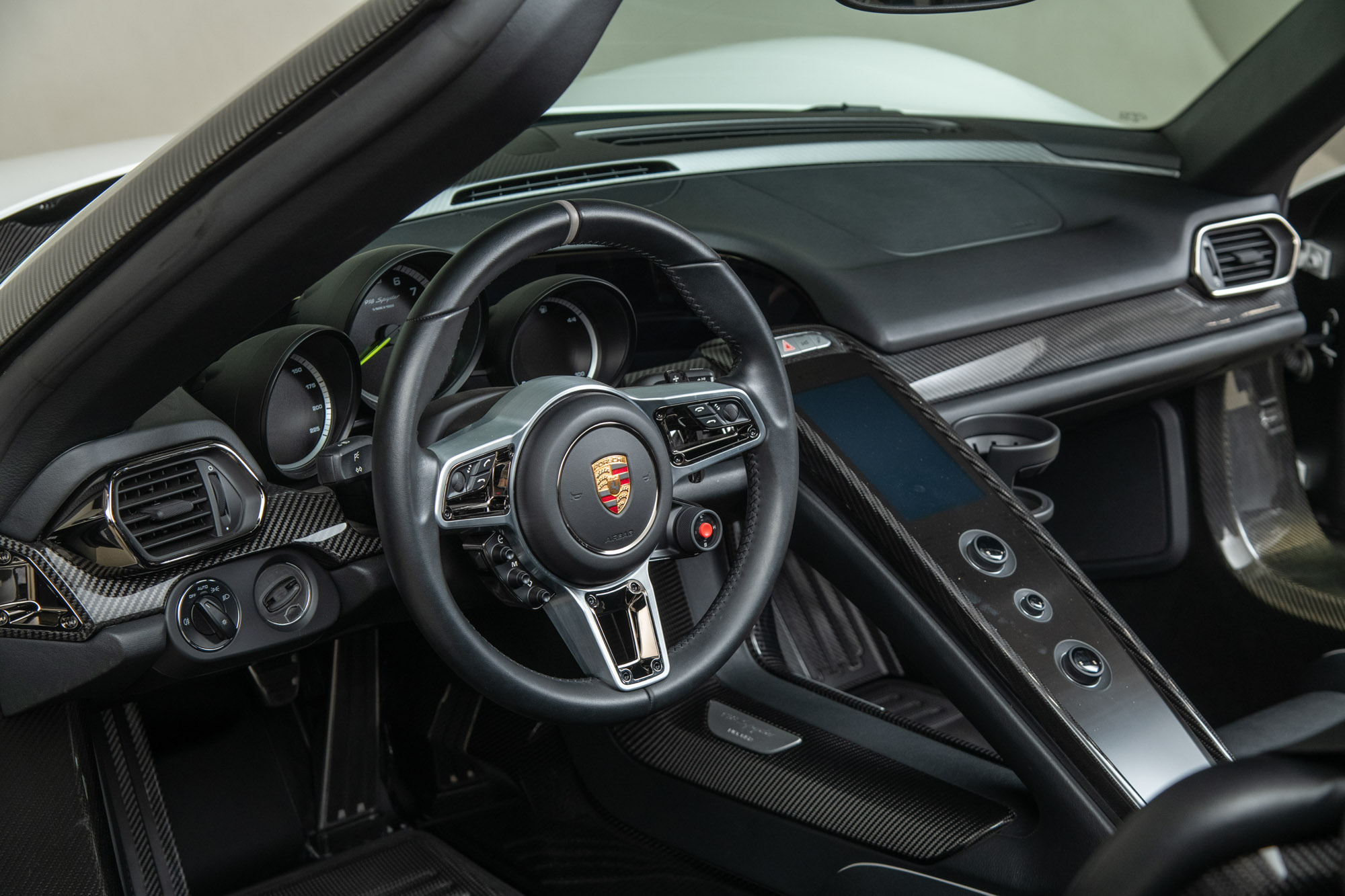
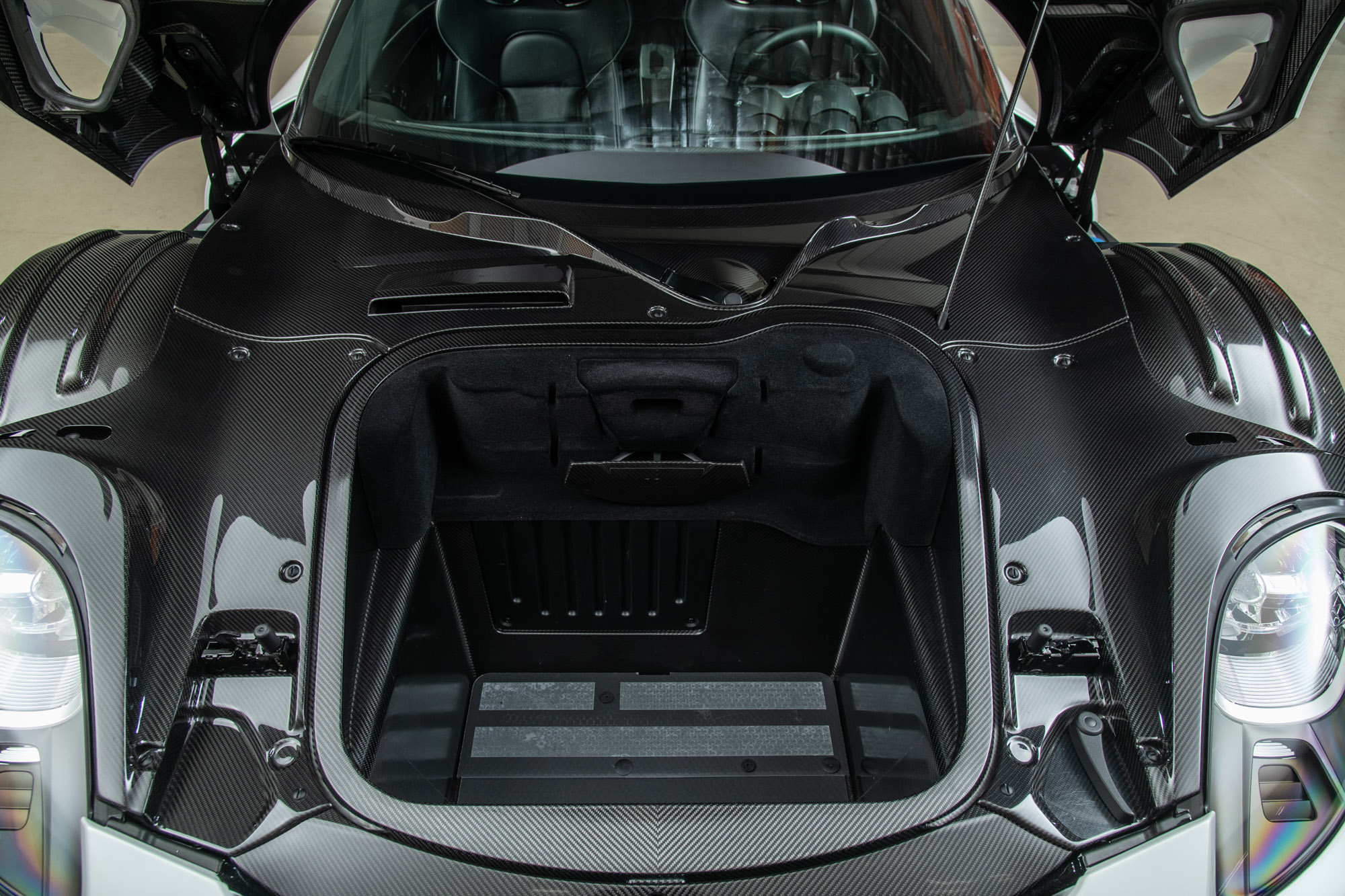
The Porsche 918, unveiled in 2013, was designed as a groundbreaking hybrid Supercar. Created under the direction of Michael Mauer, it combined a 4.6L V8 engine with two electric motors, producing a staggering 887 horsepower. Developed as the successor to the Carrera GT, the 918 aimed to redefine performance by integrating the latest aerodynamics, hybrid technology, and lightweight materials. The results spoke for themselves.

  • Motor Trend: “The 918 greets both with a solid handshake. But of course, you say. An $850,000 price tag damn well better afford Zuffenhausen engineers a big technological toy box to play with.”
  • Automobile Magazine: “It’s a real Porsche. It just happens to be a Porsche of the future, available today.”
  • Car and Driver: “The Porsche 918 Spyder Is the Quickest We’ve Ever Tested: 0-60 in 2.2 Seconds!”

Hybrid Power

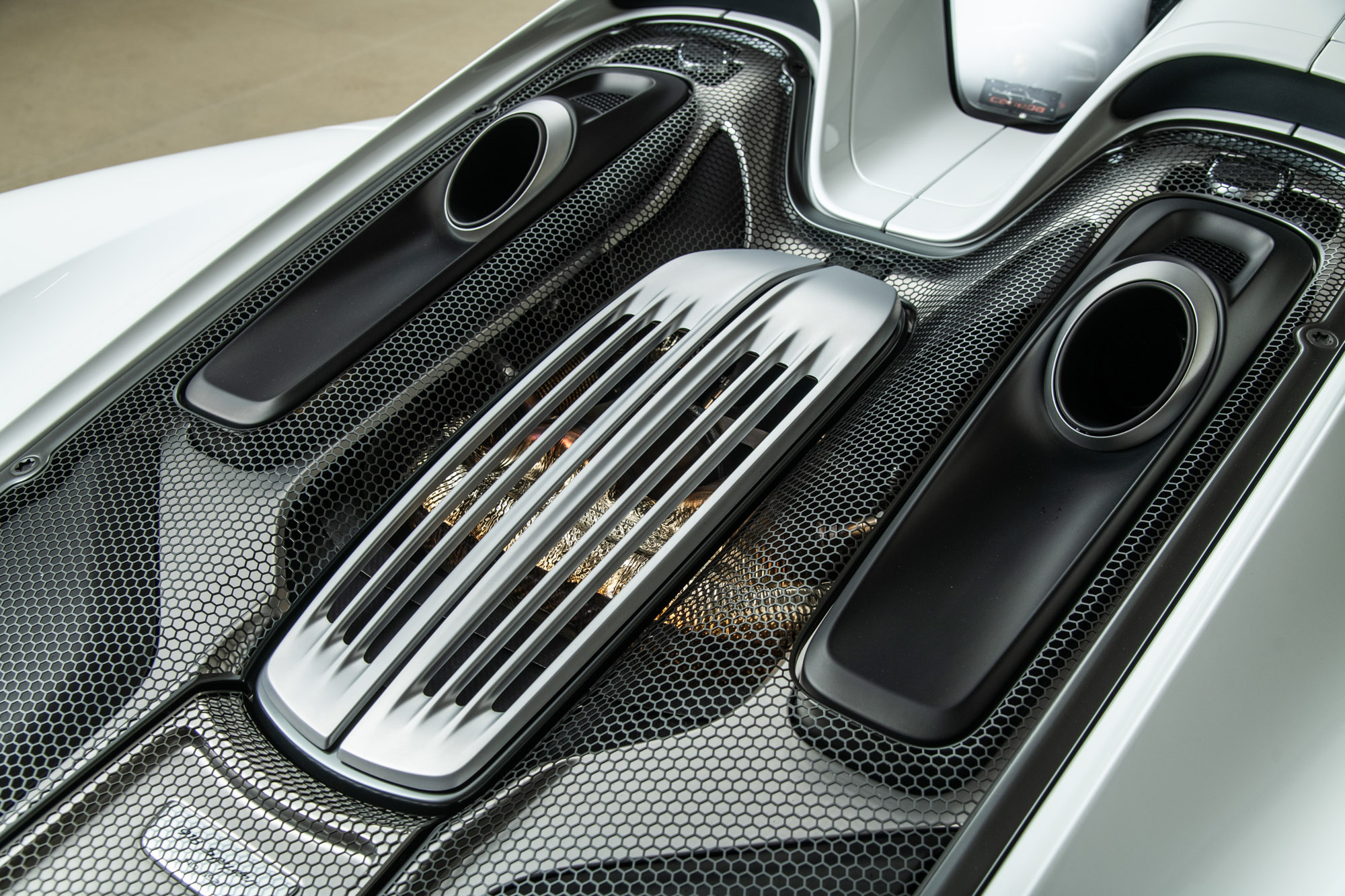
At the heart of Porsche’s new “wonder car” was its Hybrid powerplant. A mid-mounted 4.6L naturally aspirated V8 engine is at its core, producing 608 horsepower and revving up to 9,150 rpm. This engine is complemented by two electric motors—one on the front axle delivering 129 horsepower and another on the rear producing 156 horsepower—bringing the total output to a staggering 887 horsepower and 944 lb-ft of torque.

The hybrid system includes a 6.8 kWh liquid-cooled lithium-ion battery, capable of providing up to 12 miles of pure electric range. The car can operate in multiple drive modes: E-Power for electric-only driving, Hybrid for efficiency, Sport Hybrid for spirited driving, Race Hybrid for maximum performance, and Hot Lap mode, which unleashes the full power of the hybrid system.

This innovative setup enables the 918 to accelerate from 0-60 mph in just 2.6 seconds, with a top speed of 214 mph. The hybrid system also recovers energy during braking, enhancing efficiency without sacrificing performance. The end result of combining instant electric torque with the power of its V8 yielded a level of performance the Porsche had not previously offered.

Top Gear, the Car Guy’s car guys

While it’s impressive to read a factory’s specifications, what did non-engineering types think of the 918? For that, I thought it would be interesting to recall Top Gear’s thoughts who had a chance to drive a new Supercar from Porsche and give us a more “real world” opinion. Some of their thoughts are as follows:

  • In comparison with the McLaren P1 and LaFerrari, Top Gear notes that the 918 “answers a wider brief: an all-wheel drive hybrid Spyder that you could genuinely use every day, in pretty much any conditions.”
  • They commend its interior quality and connectivity, stating, “I love the quality of the interior and the peerless connectivity.”
  • Overall, Top Gear regards the Porsche 918 Spyder as an “astonishing, so much more than just the hypercar you can drive every day” and “quite possibly the most complete hypercar there has ever been.”

Major Specifications

SpecificationDetails
Engine TypeNaturally Aspirated V8
Engine Displacement4.6L
Horsepower608 hp (Engine)
Torque528 lb-ft (Engine)
Electric MotorsTwo (Front and Rear Axles)
Total Output887 hp (Combined)
Battery Capacity6.8 kWh Lithium-Ion
Electric Range12 miles
Transmission7-Speed PDK Dual-Clutch
DrivetrainAll-Wheel Drive
ChassisCarbon-Fiber Monocoque
BrakesCeramic Composite
Weight3,616 lbs (1,640 kg)
Fuel Economy (Combined)67 MPGe

Performance

SpecificationDetails
0-60 mph Acceleration2.6 seconds
0-100 mph Acceleration4.9 seconds
Quarter Mile Time10.0 seconds
Top Speed214 mph
Electric-Only Top Speed93 mph
Braking Distance (60-0 mph)94 feet
Braking Distance (100-0 mph)269 feet
Lateral Acceleration (G-Force)1.8 G
Nürburgring Lap Time6:57 (Minutes:Seconds)
Combined Horsepower887 hp
Combined Torque944 lb-ft
Weight-to-Power Ratio4.08 lbs/hp

Collectability

The Porsche 918 Spyder continues to grow in collectible for several key reasons.

  1. Limited Production: With only 918 units produced globally, the 918 Spyder’s exclusivity ensures its rarity.
  2. Technological Innovation: The 918 represents a milestone in automotive engineering, as Its advanced hybrid system was groundbreaking for the time, demonstrating the potential for performance and efficiency to coexist.
  3. Historical Significance: The 918 is part of the “Holy Trinity” of hybrid supercars alongside the McLaren P1 and Ferrari LaFerrari.
  4. Performance: With a Nürburgring lap time of 6:57, the 918 proved its capability as one of the fastest production cars ever. Its performance metrics remain impressive even by today’s standards.
  5. Porsche Heritage: The 918 exemplifies Porsche’s engineering expertise and ties to motorsport, enhancing its appeal as a collector’s piece that honors the brand’s legacy.

Conclusion

True to Porsche’s history of engineering excellence, the 918 made its mark on the sports car industry and proved it was capable of innovative design that could also perform alongside more exotic supercars of its generation. As the need to incorporate electrical power into transportation grows, we can respect the 918 as a true pioneer of its time that helped launch Porsche into its future of hybrid powertrains for both production and race vehicles.

Above images © 2025 Canepa. 

Above content compiled and edited by © Rex McAfee


Source link

The Unique Challenges of Being a Filipino Digital Nomad and How to Survive Them

0


Over the years, I’ve traveled to different countries while working remotely, and let me tell you—this digital nomad life can be both exhilarating and challenging. Although traveling full-time might seem like one big Instagram reel, Filipino digital nomads encounter some specific hurdles that our friends from Western countries might not fully grasp.

From visa restrictions to cultural stereotypes to financial obstacles, here’s what I’ve learned and how I tackle these roadblocks.

A map with a toy plane, passport and sunglasses on it

1. Visa Restrictions

The Challenge

As Filipinos, we don’t have the same passport privileges as citizens of more developed countries. We often need visas for places where digital nomads frequently roam—like Europe, North America, or parts of Asia. On top of that, proving “strong ties” to the Philippines during visa applications can be nerve-wracking.

How to Overcome It

  1. Plan in Advance: I usually map out my travel at least three months ahead. This gives me enough time to gather visa documents, make sure my finances look solid, and handle any last-minute requirements (like letters of invitation or flight reservations).
  2. Explore Visa-Free or Easier Visa Destinations: Southeast Asia is a sweet spot for Filipino nomads. Countries like Vietnam, Thailand, and Cambodia either offer visa-on-arrival or have simpler application processes.
  3. Be Strategic with Remote Work Visas: More countries are introducing digital nomad visas. Research which ones might apply to Filipinos and what the requirements are. Even if the list is shorter for us, it’s worth exploring.
  4. Bonus Tip: Have travel insurance, it’s worth it and will save you so much money in the end.

2. Cultural Stereotypes

The Challenge

I’ve sometimes felt underestimated because of my background, especially in places where people assume all Asians or Filipinos are in certain types of jobs (like healthcare or hospitality). While there’s nothing wrong with these professions, it can be jarring if you’re a freelance graphic designer or software developer and people assume otherwise.

How to Overcome It

  1. Own Your Skills: Don’t be shy about saying, “I’m a Filipino digital nomad specializing in [Your Skill].” Create an online portfolio or LinkedIn profile that showcases your expertise.
  2. Educate Gently: If someone makes an uninformed remark about Filipino stereotypes, use it as a chance to politely educate them. I’ve turned many awkward conversations into opportunities for cultural exchange.
  3. Connect with Filipino Communities: Join local expat groups or Facebook communities. Finding fellow kababayans who can relate to your experiences helps you feel less isolated and more confident about your identity.

3. Financial Hurdles

The Challenge

Compared to digital nomads from countries with stronger currencies or higher average wages, Filipinos might have smaller savings or face more challenges building an emergency fund. It’s also trickier dealing with international banking fees, fluctuating exchange rates, and payment methods that don’t always cater to the Philippine market.

How to Overcome It

  1. Set a Solid Financial Foundation
    • Build an Emergency Fund: Before you start globe-trotting, try to save at least three to six months’ worth of expenses. This cushion helps you survive income gaps or unexpected travel costs.
    • Diversify Income Streams: Consider adding part-time gigs or passive income (affiliate marketing, online courses, etc.) to balance out your freelancing or full-time remote work.
  2. Use Digital Wallets & Platforms
    • GCash or PayPal: GCash is fantastic for local transactions, while PayPal is widely accepted worldwide.
    • Wise (formerly TransferWise): Great for international transfers, with better exchange rates than many banks.
  3. Budget & Track Expenses
    • Apps like Mint or Wally: These help you keep tabs on where your money goes.
    • Negotiate Rates: Don’t undervalue your services. Filipino talent is top-notch; charge competitive rates that reflect your skills.

4. Proving Professional Credibility

The Challenge

Some clients or companies might question your professionalism when they hear you’re based in the Philippines—or they might assume your rates should be lower due to regional cost of living.

How to Overcome It

  1. Create a Strong Online Presence: A professional website or LinkedIn page can legitimize you to potential clients. Include testimonials, portfolio pieces, and details on past projects.
  2. Highlight International Experience: If you’ve worked with clients abroad, list them (with permission) to show you can handle cross-cultural collaborations.
  3. Master Time Zone Coordination: Filipinos are famously adaptable. Showcase how you handle scheduling, especially if you manage clients in multiple time zones.

5. Emotional & Mental Toll

The Challenge

Being away from family and close friends can be tough—especially during Filipino holidays like Christmas when everyone’s together. Loneliness, homesickness, and feeling disconnected from familiar traditions can weigh heavily on your mental health.

How to Overcome It

  1. Stay Connected: Schedule regular video calls with family and friends. Tools like Zoom, Messenger, or Viber can keep relationships strong.
  2. Celebrate Pinoy Holidays Abroad: Cook Filipino dishes, play OPM music, or gather with fellow Filipino nomads to keep our traditions alive.
  3. Seek Professional Help: If the isolation becomes overwhelming, consider online counseling platforms. There’s no shame in needing extra support.

6. Balancing Travel & Work

The Challenge

We all know the “Instagram vs. Reality” phenomenon. It’s one thing to post a snapshot of you working on a beach, but it’s another to actually focus while dealing with poor Wi-Fi, intense heat, or the temptation to explore instead of finishing deadlines.

How to Overcome It

  1. Plan Your Work Location: Research coworking spaces or cafés with reliable internet ahead of time. If you’re heading to a remote island, be prepared with a pocket Wi-Fi or local SIM.
  2. Create a Schedule: Block out certain hours for work and certain hours for exploring. I find this helps avoid burnout and ensures I meet deadlines.
  3. Take Breaks: We come from a culture that values resilience, but working non-stop isn’t sustainable. Incorporate short walks, quick workouts, or even micro-naps to recharge.

Final Thoughts

Being a Filipino digital nomad is a rollercoaster of experiences—there are visa hurdles, financial constraints, and cultural misunderstandings. But with determination, resourcefulness, and a solid plan, we can absolutely thrive in this lifestyle. Our resilience, adaptability, and warm interpersonal skills give us a unique edge wherever we go.

So, pack that maleta, prepare your travel documents, and confidently represent the Philippines in the global digital nomad community. We may face extra hurdles, but trust me—nothing beats the sense of achievement (and freedom) we get when we conquer them. Keep the Pinoy pride alive, and safe travels!

Disclaimer: These insights are based on personal experiences. Always verify official visa requirements and financial guidelines for each destination you plan to visit.


Source link

9 Out of 10 Retailers Now Adopting or Piloting AI, Latest NVIDIA Survey Finds

0


9 Out of 10 Retailers Now Adopting or Piloting AI, Latest NVIDIA Survey Finds

Artificial intelligence is rapidly becoming the cornerstone of innovation in the retail and consumer packaged goods (CPG) industries.

Forward-thinking companies are using AI to reimagine their entire business models, from in-store experiences to omnichannel digital platforms, including ecommerce, mobile and social channels. This technological wave is simultaneously transforming advertising and marketing, customer engagement and supply chain operations. By harnessing AI, retailers and CPG brands are not just adapting to change — they’re actively shaping the future of commerce.

NVIDIA’s second annual “State of AI in Retail and CPG” survey provides insights into the adoption, investment and impact of AI, including generative AI; the top use cases and challenges; and a special section this year examining the use of AI in the supply chain. It’s an in-depth look at the current ecosystem of AI in retail and CPG, and how it’s transforming the industries.

Drawn from hundreds of responses from industry professionals, key highlights of the survey show:

  • 89% of respondents said they are either actively using AI in their operations or assessing AI projects, including trials and pilots (up from 82% in 2023)
  • 87% said AI had a positive impact on increasing annual revenue
  • 94% said AI has helped reduce annual operational costs
  • 97% said spending on AI would increase in the next fiscal year

Generative AI in Retail Takes Center Stage

Generative AI has found a strong foothold in retail and CPG, with over 80% of companies either using or piloting projects. Companies are harnessing the technology, especially for content generation in marketing and advertising, as well as customer analysis and analytics.

Consistent with last year’s survey, over 50% of retailers believe that generative AI is a strategic technology that will be a differentiator in the market.

The top use cases for generative AI in retail include:

  • Content generation for marketing (60%)
  • Predictive analytics (44%)
  • Personalized marketing and advertising (42%)
  • Customer analysis and segmentation (41%)
  • Digital shopping assistants or copilots (40%)

While some concerns about generative AI exist, specifically around data privacy, security and implementation costs, these concerns haven’t dampened retailers’ enthusiasm, with 93% of respondents saying they still plan to increase generative AI investment next year.

AI Across the Retail Landscape

AI use cases have proliferated across nearly every line of business in retail, with over 50% of retailers using AI in more than six different use cases throughout their operations.

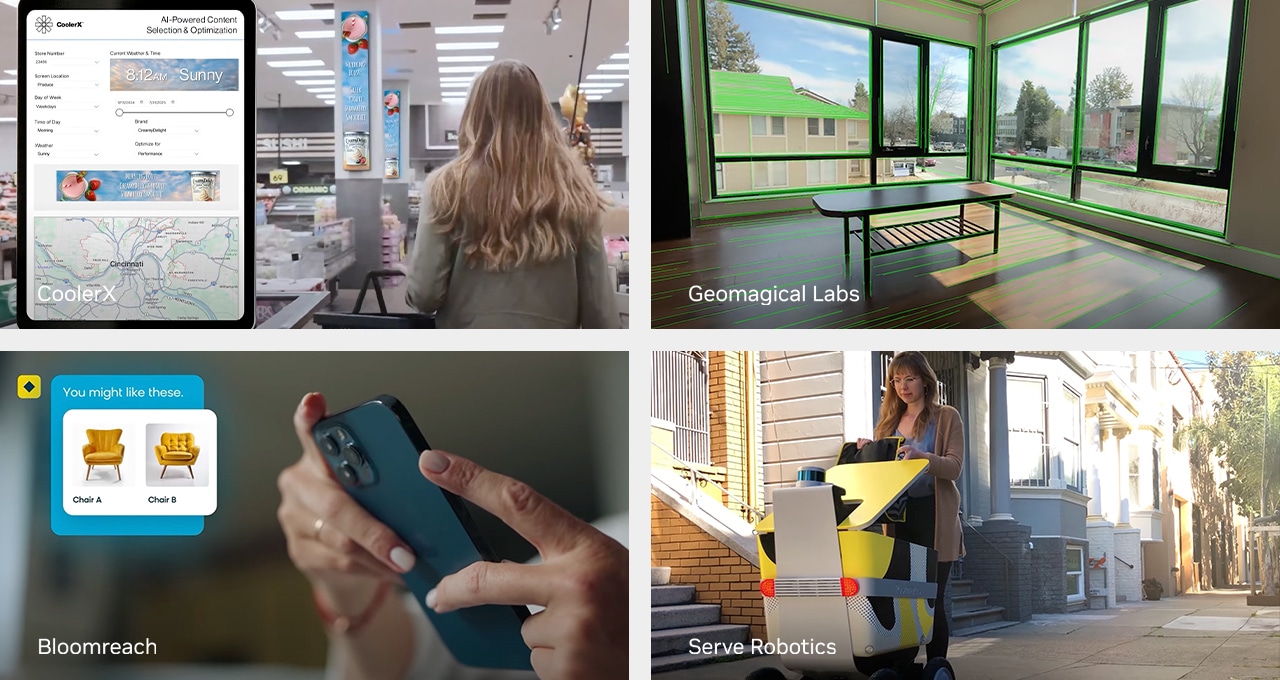
In physical stores, the top three use cases are inventory management, analytics and insights, and adaptive advertising. For digital retail, they’re marketing and advertising content creation, and hyperpersonalized recommendations. And in the back office, the top use cases are customer analysis and predictive analytics.

AI has made a significant impact in retail and CPG, with improved insights and decision-making (43%) and enhanced employee productivity (42%) being listed as top benefits among survey respondents.
The most common AI challenge retailers faced in 2024 was a lack of easy to understand and explainable AI tools, underscoring a greater need for software and solutions — specifically around generative AI and AI agents — to enter the market to make it easier for companies to use AI solutions and understand how they work.

AI in the Supply Chain

Managing the supply chain has always been a challenge for retail and CPG companies, but it’s become increasingly difficult over the last several years due to tumultuous global events and shifting consumer preferences. Companies are feeling the pressure, with 59% of respondents saying that their supply chain challenges have grown in the last year.

Increasingly, companies are turning to AI to help address these challenges, and the impact of these AI solutions is starting to show up in results.

  • 58% said AI is helping to improve operational efficiency and throughput.
  • 45% are using AI to reduce supply chain costs.
  • 42% are employing AI to meet shifting customer expectations.

Investment in AI for supply chain management is set to grow, with 82% of companies planning to increase spending in the next fiscal year.

As the retail and CPG industries continue to embrace the power of AI, the findings from the latest survey underscore a pivotal shift in how businesses operate in a complex new landscape. Leading companies are harnessing advanced technologies — such as AI agents and physical AI — to enhance efficiency and drive revenue, as well as to position themselves as leaders in innovation, helping redefine the future of retail and CPG.

Download the “State of AI in Retail and CPG: 2025 Trends” report for in-depth results and insights.

Explore NVIDIA’s AI solutions and enterprise-level platforms for retail.


Source link