The word you read above carries a lot of weight in the automotive world, arguably more than any other. As a tech innovation, it was first introduced in WW2 to aid the performance of airplane engines at high altitude and only made its way into automobiles in series production in the 60s, with the Oldsmobile Jetfire. It wasn’t really until the mid 70s that it became ubiquitous. For most of us, when referring to the word as a trim level of a specific model, the 911 Turbo is what we mean. In its first generation, designated 930, it became the widow-maker. This was the term most accurately descriptive of the lag (specifically in the 4-speed model), which would catch a lot of people off-guard.
Since then, and especially in the 80s and 90s, with turbo-branded razors and turbo-branded washing beef smokers, the word took on a certain cultural significance and today it holds marketing value. When Porsche first introduced the Panamera at the Shanghai Motorshow in 2009, three trim levels were launched: the S, 4S, and the one we’ll be focusing on today, which its designation you can guess.
It boasted over 500ps and 700nm, easily giving the M5, RS6, and E63 a run for their money. Honourable mentions for the Quattroporte GTS and Jaguar XJL are given as they are my personal picks. With the AWD and PDK, the secret sauce for many years, it could pounce almost as quickly to 100 km/h as a “proper” Turbo.
That first generation car, code 970, was plagued with a few problems, namely the styling. I never particularly loathed it, but it doesn’t excite me either. It did not help that from my dad’s mouth it was referred to as the “Panamerda”. The awkward hatchback shape, the large wheels, and the lack of resemblance to anything else they made were also unhelpful. It was face-lifted in 2013, and by then the full range was completed with Diesel V6 and V8 models, standard Hybrids, and the mighty Turbo S.
By 2020, four years into its lifecycle, the second generation “971” had become a real success. The Turbo S e-Hybrid variant had crowned it the quickest factory four-door car ever, infamously destroying an Audi R8 V10 in a drag race. The 971 also benefited from a few styling changes. The sport turismo (traditional wagon) trim level was introduced and the heavily criticised hatchback look of the standard model was sharpened with tighter shoulder lines and an overall more aggressive stance. This blended well with the 930-inspired rear light-bar which had become part of every Porsche model by then – marking the beginning of the retro-inspired design language dominating the brand today.
The one I am reviewing is the culmination of all that development and refinement. To put my woes to the side: the Sport Turismo body style was canned in this 976 generation. Understandably, very few of them sold, partially because they were marketed insufficiently in my opinion. Anyway, the big sell for this newest one, and the reason I so wanted to drive it is the Active Ride system. I don’t think I can drive a big saloon without it anymore. What is Active Ride? Well, much like the “bounce mode” on those ghastly Mercs, the high-voltage architecture making the hybrid stuff work also powers these sick hydraulic dampers on each wheel.
2025 Porsche Panamera Turbo
Adopting a systems-engineering perspective, this adds a massively important parameter to the control-suite of the driver, taking the saloon experience to a level I hadn’t really appreciated. It gives it the kind of capability a nerd like me had dreamed of as the dread of computer-laden cars became evident as I was growing up. You unlock a new level of fun with this system, when it anti-dives, anti-squats, and anti-rolls through heavy braking zones, exiting out of and going around bends. Impressive cannot begin to describe it. In fact, it was so capable that during development, the engineers had to dilute it a bit as to not make it so jarring. Surely most of you have seen the video of the engineers using an iPhone SE’s gyroscopic data to show off the actuation of the dampers. Why this isn’t on the cover of a Popular Mechanics issue beats me…
All but two petrol engines were ditched, the 2.9L V6, and the 4.0L V8 – both twin-turbocharged. Each can be had with or without the Hybrid system, but it is a necessary pairing if you want the Active Ride. I don’t like to disappoint, but this specific example is not the full-Banzai 790ps Turbo S e-Hybrid, it’s the non-S, with a hundred less horsepower. Costing nearly 250.000 euro, it is not cheap. As Michael Fidowicz from Candy Showroom said, peak car is expensive. This Panamera is as close to peak car as I’ve experienced.
I decided I’d take my friends out in it, and being blessed with having the autobahn at our doorstep, we would be doing what it was designed for. There is almost nothing I like more than bringing friends along, getting their reactions, and providing more reference points for their driving portfolio. It has become almost a ritual or rite of passage for these cars too. Leaving at around midnight from Arnhem, we headed East. We are quite privileged having the autobahn at our doorstep, with the derestricted section extending almost all the way to Düsseldorf. With a twelve second sprint to 200 km/h, the average speed soon climbed, and before we knew it the first service station flew past. In the dead of the night, the twin-turbochargers came alive, coating the entire experience with a layer of athleticism consistent throughout each component you can interact with as a driver. The whole car hunkers down at 270 km/h, and ticking past 300, the cooled seats and 710-watt Bose sound system only add to the feeling that it truly is capable of anything with no compromise. One can be confident in taking those long sweeping corners and slight elevation changes at near-Vmax. The LED-matrix lights help it maintain a dominant signature in the rear-view mirrors of any trucks or adventurous Skoda VRSs that may wander into the fast lane – although not really a concern at 1 a.m.
It not all just top speed runs where the Panamera excels – I conducted a number of launch controls, which become quicker incrementally as the computers learn the surface. With the “secret sauce” I mentioned earlier, it makes for one of the most explosive launches I’ve ever felt, only exacerbated by the addition of electricity to the powertrain. The hybrid also gives you much more modal control over the powertrain with torque shift-interruption and lag being completely mitigated. You can short-shift up even two gears if you want, and one of my favourite things to do was to pull from 70 or 80 to around 150 km/h in 5th or 6th and letting the surge take over. It’s very luxurious in that way with so much torque available on-demand.
At around 3 a.m., we started making our way back, stopping by at a trusty Aral service station to fill up. V-maxing is fun and all, but there’s nothing quite like popping the cruise control on at 200 km/h and letting the car do its thing. In those moments we realised how far the dual-personality aspect of these cars had come, and how the hybrid system widens that to larger horizons than ever before. Around town, in complete silence, you’re left to appreciate the magic of that Active Ride, only making me wish I could have kept the car longer than the two days that I had it. Once again, and in the spec I drove it, a quarter of a million euro is a lot of money – but I must say that it stands up to that cost with an inimitable sense of luxury, poise, and confidence, keeping the occupants at the center of the experience as any great Porsche has always done.
We’ve been to Bacolod several times, and most of our trips, our main motivation is none other than…FOOD! From the city’s famed chicken inasal to its decadent sweet treats, Bacolod never fails to satisfy our craving — from appetizers to desserts.
In this article, we’ll be sharing the dishes, restaurants, and food spots we tried and loved during our most recent visit. This list is arranged in no particular order. Also, our choices and opinions may differ from yours, as taste is subjective. We are in no way food experts; we simply love eating and discovering good food.
WAIT, WAIT, WAIT! If you have a trip soon, please also visit our The Poor Traveler Masterlist. Here, we compiled travel essentials, including immigration requirements and all our recommended hotels and attractions. Just visit this page: TPT Masterlist. We also have a compilation for other destinations around the world.
When we asked our three Bacolod-based friends what they thought was the best chicken inasal in the city, we got three very different answers. Somehow, we weren’t surprised. Given the sheer number of great inasal places in the City of Smiles, it seems everyone has their own favorite spot — and they’ll defend it with the same passion people usually reserve for love teams, BTS, or Taylor Swift.
Lion’s Park Grill and Restaurant Lizares Branch
That’s the good thing about Bacolod — you surely won’t leave without tasting delicious, perfectly grilled chicken inasal. On our previous trips, we usually ate at Manokan Country. We’ve already tried Aida’s and Nena’s Rose, so this time we wanted something different. Our friend Mark highly recommended Lion’s Park Grill Haus, a local institution that has been serving inasal since 1981.
Its original location was at the famous Manokan Country, which was demolished and rebuilt as part of SM City Bacolod. But we ate at the site along Lizares Avenue. Not sure if it transferred to this spot or it’s an additional branch. Most of the tables are in the open-air area, but it does have an air-conditioned section now. Either way, the smell of grilled chicken hits you before you even sit down.
Chicken Inasal Pechopak, Grilled Chicken Liver, and Isaw
Aside from the cut (pechopak is the best, still), it also offers native chicken variant. Both options are smoky, flavorful, and best paired with rice drowned in chicken oil and sinamak (spiced vinegar).
We also enjoyed its isaw, locally called isaw/tinae, which was cut open and thoroughly cleaned, so there was no funky aftertaste. We also had chicken liver or atay and pork sisig, both of which were your usual fare — good enough but won’t exactly steal the spotlight from the inasal.
It’s funny because on our last Bacolod trip, there were also three of us in the group, and each had our own favorite and a different take on which one was the best. For Vins, Lion’s Park is his top pick, while our teammate Asta (@ganitofriend) and I placed our bets on other chicken inasal contenders.
Chicken House got the highest mark on Asta’s scorecard. The chicken inasal that we tried here had a tastier marinade, with the vinegar being more intense and balancing out the saltiness.
Chicken Inasal Pechopak and Pork BBQ
The serving was smaller, though, and the piece Vins got was a bit on the dry side. The chicken we had at Lion’s Park was juicier, making it Vins’s top preference, but only by a slim margin.
We also had grilled squid or inihaw na pusit, which was perfectly grilled and not chewy at all. The lemongrass stuffing helped tone down the strong seafood taste of the squid. As for the pork barbecue, it was just okay.
Address: Chicken House Main Branch, 24th Lacson Street, Bacolod, 6100 Negros Occidental Opening Hours: Monday to Friday, 11:00 AM – 10:00 PM; Saturday, 11:00 AM – 12:00 AM; Sunday, 12:00 AM – 10:00 AM; 11:00 AM – 10:00 PM What We Ordered: Chicken Inasal Pecho, P140; Grilled Squid, P160; Pork BBQ, P50/stick
Sugba Sugba Inasal & Seafood
For me, the best inasal I tried on our most recent trip was from Sugba Sugba Inasal & Seafood. Actually, it was tied for #1 with Vins’s pick. We just made him pick only one.
Of all the chicken inasals we tried on this trip, this was by far the juiciest and the most flavorful. It was also the cheapest, at P115-125 apiece. But it wasn’t just the inasal. Every single dish that was served on our table was fantastic.
Baked Oysters and Chili Garlic Crabs
From the usual grilled innards like isaw and atay to its seafood bestsellers. The chili garlic crabs were so fresh, made even tastier by the sauce, which was like a mix of sweet chili and sarciado. And of course, the baked oysters. The oyster meat was small, but there were 20 of them, profusely complemented by the rich, cheesy sauce. This was our best meal in Bacolod on this trip.
The place was also air-conditioned, so we dined comfortably even when it was really hot outside.
If you want more fresh ocean bounty, look no further than Gina’s Seafoods Restaurant. It’s a spacious open-air restaurant, fronted by a parade of squid, shrimps, prawns, and various types of fish. Diwal or angel wing clams were also on the menu. It’s my favorite, but it was not available at the time.
Gina’s is a paluto restaurant, where you pick your seafood then decide how you want it cooked (grilled, steamed, sizzling, sweet and sour, sinigang, etc).
We asked the staff for their bestsellers, and they mentioned grilled blue marlin, garlic butter shrimp, and sizzling squid, so that’s exactly what we ordered.
Garlic Butter Shrimps (Top Left), Grilled Blue Marlin (Bottom Left), and Sizzling Squid (Right)
Every single thing we ordered was so fresh. There was no funny or funky smell or aftertaste at all. They were also perfectly cooked. The blue marlin was tender. It was easy to appreciate its natural flavors; we didn’t even need a dip or sauce for it. Meanwhile, the shrimp dish didn’t disappoint either. The garlic made the crustaceans sing. But our unanimous standout pick here was the sizzling squid! Technically, it was cuttlefish or pusit lumot, which made me nervous because it could easily turn rubbery, but this one didn’t. It was very soft, and its sauce had the right blend of sweet and salty.
Address: Gina’s Seafoods, San Juan Street, Bacolod, 6100 Negros Occidental Opening Hours: Daily, 10:00 AM – 11:00 PM What We Ordered: Blue Marlin, P275 for 1/4 kg; Shrimps Steamed with Garlic Butter, P225 for 1/4 kg; Squid, P225 for 1/4 kg
Sharyn’s Cansi House
If there’s one place in Bacolod you want to go for a bowl of cansi, Sharyn’s is it. Located on Narra Avenue, Barangay Villamonte, this no-frills eatery has been serving up its signature beef soup since 1985, and in 2017 it was even recognized by the World Street Food Congress as one of the Top 50 Street Food Masters in the world.
The beef shank is stewed until it’s fall-off-the-bone tender, the broth is deeply beefy, and there’s a sour kick from batuan, a souring fruit native to Negros and Panay, which gives the soup its distinct flavor. Every order is good for a group, usually served in a big bowl with extra mugs of soup for refill. If you’re going solo, I doubt you’d be able to finish it.
On our recent visit, the first thing the staff told us as we entered was that they didn’t have bone marrow anymore. We really appreciated them informing us before we could even sit down or order. But we still went ahead. This was our third time here, and while the bone marrow takes it to another level of richness, we’re totally fine without. When we had our first sip, we were reminded why we came back! Their cansi is really comforting.
Sharyn’s Cansi House
We also ordered their “crispy” version of cansi, which is basically the cansi’s shank meat deep fried until it’s crunchy. But to be honest, the crispy cansi in our memory was better than what we got this time. This one was much tougher than I remember.
If you decide to visit, manage your expectations. It’s basically a specialized carinderia. It’s simple, modest, and not air-conditioned. It’s casual and often busy, especially around lunch or dinner.
Address: Sharyn’s Cansi House, Narra Avenue, Barangay Villamonte, Bacolod, 6100 Negros Occidental Opening Hours: Daily, 8:00 AM – 8:00 PM What We Ordered: Cansi, P500; Crispy Cansi, P580
Calle Luna Halo-Halo
Just a short walk from Sharyn’s stands Calle Luna, a dessert spot originally from Silay City, with a branch also in Talisay and Bacolod. It’s known mostly for its wide, wide selection of halo-halo and other icy desserts.
What sets it apart from the typical halo-halo is that it uses so-called milky ice, which is finer, smoother and milkier. Instead of the usual basic shaved ice drizzled with evaporated milk, the milk is more infused in the ice.
Vins ordered their bestseller called Super Special, which has sweetened banana, sweet buko strips, jelly bits, corn kernels, mango, ube halaya, and then topped with ube ice cream, leche flan, and cheese. According to him, it was good — very creamy, with well-balanced ingredients. Nothing was overpowering. It was just a bit unusual for him to have mango in halo-halo, but once he got used to it, it turned out okay.
De Langka Halo-Halo (Left), Super Special Halo-Halo (Middle), and Mango de Leche Halo-Halo (Right)
Meanwhile, Asta got the De Langka. This flavor is seasonal, but thankfully, it was available that time. Of course, langka or jackfruit took the spotlight, as it should. It also came with sweetened banana, buko or coconut, corn, and crowned with vanilla ice cream.
I ordered Mango de Leche, which has mango caramel syrup and jelly bits, then topped with mango ice cream and leche flan. I liked it but didn’t really live for the mango ice cream as it overpowered the natural flavor of the real mango. I enjoyed Asta’s Langka and Vins’s Super Special halo-halo much better. But overall, it was very satisfying, especially after a bowl of cansi. It was also scorching hot that day!
We also wanted to try La Arte’s halo-halo, but it was out of the way, and we didn’t have much time, so we just skipped it for now. Maybe next time!
Address: Calle Luna Halo-Halo, BS Aquino Drive, Bacolod, 6100 Negros Occidental Opening Hours: Daily, 11:30 AM – 7:00 PM What We Ordered: Super Special Halo-Halo, P130; De Langka, P110; Mango de Leche, P110
21 Restaurant
Located at 21 Lacson Street, corner 21st Street (hence the name), 21 Restaurant used to be a humble merienda spot but has evolved into one of Bacolod’s more upscale casual dining spots. A few years ago, I first visited this place with Vins and Asta, and we ordered a lot. I remember we had a great meal overall.
Signature Batchoy Special
But this time around, I came alone, and I came for one thing and one thing only — a bowl of its signature batchoy! The broth isn’t clear-clear but not opaque either, but surprisingly packed with flavor! It’s simmered until it soaks up all the umami goodness, then layered with noodles, tender bits of meat, and generous slices of liver, and then sprinkled crunchy chicharón on top. It’s less rich and less garlicky than the ones I tried in Iloilo and more refined than usual, but still very comforting.
Although I went for the batchoy, I also ordered its Lola Nitang’s Bibingka, which was a bit inconspicuous in the menu. But I’m obsessed with bibingka in general, so I just had to try it. And my gosh, this was really good. It was soft, moist, and tasty. It had just the right amount of sweetness.
Address: 21 Restaurant, 21 Lacson Street corner 21st Street, Bacolod, 6100 Negros Occidental Opening Hours: Daily, 10:00 AM – 10:00 PM What We Ordered: Batchoy Special , P180 (w/ egg, +P25); Lola Nitang’s Bibingka, P170
Café Bobs
And since we’re already talking about sweets, let’s cross to the next item, literally. Located just across the street from 21 Restaurant sits the flagship store of Café Bobs. Honestly, it was our first time hearing about it, so we’re not too familiar with its legacy. Apparently, it started back in 2003, so it’s been part of Bacolod’s food scene for over 20 years, serving specialty coffee, pastries, and casual café culture in the city. The name “Bobs” comes from owner Bobby Magalona and his wife’s passion for baking and coffee.
Café Bobs Flagship Store
We asked the staff for their bestsellers on the iced drinks menu, and they recommended the Iced Spanish Latte. Normally, this drink is quite sweet because of the condensed milk, but their version — as Tito it may sound — was not too sweet at all. It was just right, with the espresso and milk really standing out.
We also got a slice of Burnt Cheesecake. The burnt-ness adds extra flavor and makes it more complex, but since it didn’t have a crust, it tasted a bit one-dimensional and it lacked the texture to cut through its richness. It did get quite overwhelming after a while.
Choco Carrot Cake and Burnt Cheesecake
We also had a piece of Choco Carrot Cake, and we actually enjoyed this more than the burnt cheesecake. We love carrot cake, so by default, it was a “yes” for us. This one was moist, with a layer of chocolate icing. And maybe it’s just us, but we picked a strong cinnamon notes, which we really liked.
But if cakes are what you’re really after, you should also check out the next two items on this list.
Address: Café Bobs, 21 Lacson Sreet, Bacolod, 6100 Negros Occidental Opening Hours: Monday to Thursday, 8:00 AM – 10:00 PM; Friday to Sunday, 8:00 AM – 11:00 PM What We Ordered: Iced Spanish Latte, P175; Burnt Cheesecake, P135; Choco Carrot Cake, P120
Buttery Negros
We had a hard time here at Buttery, not because we didn’t like anything, but because we couldn’t decide what to order. Their cakes were on full display near the cashier, and we wanted to taste them all. They all looked so good!
When we asked the staff, they recommended the Lemon Chill and Pistachi-oh Craze cakes. But I also ordered Galleta de Leche for good measure. As someone who likes my cakes simple, it really appealed to me, and I was also told it was a signature creation of theirs too.
The Lemon Chill was a combination of calamansi cake and lemon square with creamy lemon mousse in between and topped with pieces of almond. Meanwhile, the Pistachi-oh Craze was composed of crunchy lumpia wrapper coated in Nutella, covered in pistachio mousse and pistachio cream, sitting on an Oreo crust and drizzled with more Nutella and dark chocolate, and sprinkled with more pistachio bits. I was a bit skeptical in the beginning because these cakes sound like they’re too complicated and too decadent for their own good. But because we always follow staff recommendations, we did just that, and they didn’t disappoint. They were truly delicious!
Lemon Chill and Pistachi-oh Craze
But the Galleta de Leche was my favorite. It’s basically just creamy caramel flan on a salty cracker crust, topped with whipped cream. I appreciated the simplicity of it! The richness and sweetness were just right, not saturated.
Oh, we also ordered the Ube Cheesecake. Told you we couldn’t make up our minds, so we ended up ordering a lot. This is ube-flavored cheesecake sitting on polvoron crust and topped with queso de bola.
Ube Cheesecake (Left), Galleta de Leche (Top Right), and Matcha Tiramisu (Bottom Right)
Here at Buttery, we were accompanied by our college friend Ry, who is a Bacolod local. He had the Matcha Tiramisu, which is green tea-flavored tiramisu with white chocolate and almonds. We also got a taste of it because we all shared cakes. Both the ube cheesecake and matcha tiramisu delivered, too. We ended up having a different favorite!
Buttery’s roots can be traced back to Dumaguete, but the Bacolod locals had embraced it, and no surprise there, really. Every single thing on our plates was unforgettable.
But if you’re looking for desserts that are truly local and homegrown, then the place to be is…
Address: Buttery, Lacson Street corner C.L. Montelibano Avenue, Bacolod, 6100 Negros Occidental Opening Hours: Daily, 9:00 AM – 9:00 PM What We Ordered: Lemon Chill, P130; Pistachi-oh Craze, P180; Galleta de Leche, P130; Ube Cheesecake, P150; Matcha Tiramisu (P120)
Calea
Calea is one of Bacolod’s iconic bakery-cafés, located along Lacson Street. Every time we’re in Bacolod, we visit to get at least three slices from its massive selection of cakes, ice cream cakes, and cheesecakes. But prior to our visit last month, it had been years since we last set foot here, so as always, we asked the staff for recommendations. They suggested the Choco Mud Pie, Imported Chocolate Cake, and Blueberry Cheesecake.
Chocolate Mud Pie and Imported Chocolate Cake
The Imported Chocolate Cake is among their bestsellers. It’s the very first item on their cake menu. It’s a dark chocolate cake with rich custard filling and covered in dark chocolate icing. It’s so moist, we couldn’t stop digging in. It’s dark chocolate, but still pretty sweet. We always order this when we’re here, and it never fails to delight us!
But it was our first time trying their Chocolate Mud Pie. It’s a big chunk of chocolate ice cream sitting on Oreo crust, clad in fudge, bits of almond, and Oreo powder.
Blueberry Cheesecake (Left), White Chocolate Cheesecake (Top Right), and Fruity Cheesecake (Bottom Right)
But I was most excited about the cheesecake. In the past, I tried their White Chocolate Cheesecake (P120) with raspberry sauce and Fruity Cheesecake (P110), which was topped with blueberries, raspberries, and strawberries. Both were delectable! I was expecting this Blueberry Cheesecake to be similar, but no, it was much more delightful! First of all, the crust was different. It had a lot more texture, which was great because it complemented the smooth and rich cheesecake.
After all these years, Calea is still the same dessert powerhouse that I remember. Big servings and spectacular tastes at affordable prices. Please don’t change, Calea! Honestly, if we’re going to rank our favorite spood spots in Bacolod, Calea sits comfortably on top.
Address: Calea, Balay Quince, Lacson Street corner 15th Street, Bacolod, 6100 Negros Occidental Opening Hours: Monday to Thursday, 9:00 AM – 9:30 PM; Friday to Sunday, 9:00 AM – 10:00 PM What We Ordered: Choco Mud Pie, P130; Imported Chocolate Cake, P125; Blueberry Cheesecake, P125
Where to Stay in Bacolod
The capital of Negros Occidental, Bacolod City makes an excellent base for exploring Metro Bacolod and its neighboring towns. It offers a wide range of accommodations across different budgets and types, so you’ll never run short of options. Here are some of the top-rated hotels in Bacolod City according to online traveler reviews.
🔥🔥🔥 Use AGODATPT for 10% off on select hotels! 🔥🔥🔥
The Poor Traveler readers and followers can now use a special discount code to score 10% discount, up to USD 100 (roughly PHP 5700)! To apply and avail of the promo code, visit AGODATPT Promo Code.
London is an amazing city to visit (and live, for that matter). It’s got heaps of amazing things to do, with all the stunning London palaces to visit, some of the most amazing areas to explore and, of course, heaps of places you have to see in Central London. It’s such a great city to explore, and, in my opinion, even better on foot! This is why I wanted to share the very best London walks for tourists that take in some of the capital’s best places and unique spots.
Over the years, we’ve walked so many routes in London, and there is nothing better than strolling the city, relaxing along the way and stopping off for a bite to eat or a tipple or two.
So, to help you get the most out of your walks in London, I’m sharing our very top London walks that we think you’ll love. Have the best time!
1.) Hand Luggage Only’s London Landmark Route
London has a heap of incredible walks to see the capital’s top sights. That being said, this route, which I devised, takes in some of London’s most iconic sights to see – all in one walk. We have created a Google Maps list, sharing all the spots, which is totally free for you to use. Now, please don’t feel obligated to do each and every part of this walk. I guarantee your legs will be hurting if you do it all in one go. That being said, you can easily tackle sections of the walk, depending on what area of London you’re visiting.
Starting in West London, you’ll visit Kensington Palace, one of London’s best palaces to visit. From here, you’ll take a short stroll through Hyde Park to the Albert Memorial and the Royal Albert Hall. Within the Royal Albert Hall, you can either book a tour (in advance) or plan your visit around a performance. It’s one heck of a venue in London and one of the city’s most iconic places to see a show.
Afterwards, stroll to the nearby Natural History Museum and the Victoria and Albert Museum. Both are about a 5-minute stroll from the Royal Albert Hall. Just one note here, you can end up spending all day in these two museums alone. They are vast!
Then, stroll further east towards the iconic Harrods department store in Knightsbridge before heading towards the Wellington Arch. Now, if it were me, I would take this as one section and continue the rest on another day.
The next day, continue the London Landmark Route and stroll from the Wellington Arch to Buckingham Palace. From here, you can either head inside on a tour or just view the place from the Mall as you walk towards Trafalgar Square.
After reaching Trafalgar Square, head to the National Portrait Gallery, which is free to enter (as all museums are in the UK). From here, head past Leicester Square, Chinatown and Regent Street. The latter is one of London’s iconic shopping streets.
From here, head through Oxford Street towards the British Museum. Again, you can easily spend a whole day in the British Museum, so plan accordingly. Afterwards, walk south to the neighbourhood of Covent Garden. This walk will take around 50 minutes, so get those comfy walking shoes on!
Once you’ve strolled around Covent Garden, head back down passed Trafalgar Square, to Whitehall, where you will see Horseguards Parade and Downing Street. Then, it’s straight over to the Houses of Parliament and Big Ben.
Afterwards, you will stroll over the River Thames and head to the London Eye and follow the Southbank route to visit the Tate Modern, Borough Market, Shakespeare’s Globe and finish your tour at Tower Bridge and the Tower of London.
As I said, this is a very long walk, and you won’t be able to complete it in one day. It’s probably best to choose bite-sized sections based on where you are visiting in London. If you did want to complete it all, maybe give yourself 5 days to stroll it at your leisure. Alternatively, if you’re short on time, hop on the tube or bus between key sights. This way, you can cram in as many London landmarks as possible.
To make things easier, I have pinned all the key spots on this free Google Maps list I have created. This way, you’ll be able to follow each spot with ease.
The Regents Canal Walk is a great walking route in London that takes in a diversity of neighbourhoods. Starting off at King’s Cross and heading west, all the way to Little Venice. Now, again, this is a pretty hefty walking route and will take all day. So, if you’re short on time, be sure just to choose the sections you like most. That being said, it’s one of the best London walks for tourists and, unlike our London Landmark Route, there are many more leafy, countryside-feeling elements to enjoy. This means it’s perfect if you want some time away from the streets of London and want to follow a quieter walking route in the city.
We always suggest starting (or ending) at Granary Square, which is just behind King’s Cross Station. Here, you’ll find a wealth of restaurants, shops, and art, which is perfect for fueling up before your walk. Afterwards, follow the Regents Canal west, towards Camden. This is your next big stop. It’s also a great area of London to visit, with cool markets and edgy stores that are so amazing to browse around.
After taking a look around Camden, head further west towards London Zoo and Regent’s Park. These are both on the south side of the canal (which you follow) and are a great place to visit with the family – especially on a sunny day.
Finally, keep following the Regent’s Canal and head further west through the leafy suburbs and mansion-led canal route towards Little Venice. Here, you will find heaps of little restaurants and cafes (stop off at Cafe Laville). It’s the loveliest spot for a relaxing day in London.
We’ve plotted the walking route on Google Maps to make it easier for you. Add this map we created, for free, and you’ll be able to explore this route with ease.
3.) Hand Luggage Only’s Central London Circular Walk
If you want to see a heap of key places in Central London, then you’ll want to follow this Central London Circular Walk that we created. It’s one of the very best London walks for tourists that takes in some of the city’s iconic sites. Best of all, you can join the walk at any point that’s convenient to you. There’s no start or end!
Now, like all our walking routes in London, they are long. We don’t advise doing this whole walking route in one day. Choose sections and really slow down along the route.
Starting off at St Paul’s Cathedral, you will head east to Bank and the Royal Exchange. Here, you can stop off for a bite to eat in the Royal Exchange and continue on to Leadenhall Market. From here, walk to one of London’s best free viewpoints at the Sky Garden. Just be sure to book these free tickets before arriving. Spaces fill up fast.
Afterwards, stroll on over to the Tower of London and see the Crown Jewels inside. Once you’re done here, you can then walk over the iconic Tower Bridge towards Borough Market. It’s another great spot for snacks or lunch as you continue your walk west along the River Thames. Afterwards, stop off for a tour of Shakespeare’s Globe, or even catch an afternoon show. Then, it’s straight over to the Tate Modern, one of London’s most popular art galleries (which is free to enter, by the way).
Next up, you’ll head further west to the London Eye and over Westminster Bridge towards Big Ben and the Houses of Parliament. From here, you can stroll a few minutes to Westminster Abbey, and then it’s a 20-minute walk to Downing Street.
As you pass Downing Street, you’ll then enter St James’s Park, which will bring you right out at the gates of Buckingham Palace. After greeting the king, head on over to Wellington Arch and turn east towards the iconic Ritz Hotel. Here, you can book in for one of London’s best afternoon teas.
After filling up on cucumber sandwiches and scones, walk east toward Picadilly Circus and then head over to Chinatown and nearby Covent Garden, which is perfect to explore. Finally, from Covent Garden, head down The Strand back towards St Paul’s Cathedral.
Like I said, you can’t do this walk in a day, but you can easily choose sections and plan your trip accordingly. Download our free Google Maps list of all the places and routes to follow.
4.) The Thames Path
The Thames Path is long! In fact, it stretches 185 miles. It stretches all the way from the source of the River Thames, in the Cotswolds, to Woolwich in East London. You can see the full details on the Walk’s Website, here.
Now, for us, we love following the Thames Path from Greenwich, one of our favourite areas of London to visit. From here, you’ll be able to visit the Royal Naval College, The Cutty Sark, see the Painted Hall and visit Greenwich Park (to see the deer), before heading further east.
Along the route, you’ll find spots like the Mayflower Pub, where the Mayflower boat actually left from.
Also, along the way, you’ll reach places further west, like Tower Bridge, Borough Market, Tate Modern, The London Eye, all before heading even further east towards Battersea Power Station, which has been transformed into an area of restaurants, shops and more. The route from Greenwich to Battersea will take around 8 hours to walk casually, so make sure to keep that in mind before you start off on your walk.
The Line Art Walk is one of the best London walks for tourists if you’re already in Greenwich, and specifically, around the O2. Now, the Line Art Walk is much smaller than some of the other London walks, but don’t let that put you off, it’s a great way to explore some of the art installations dotted around North Greenwich and the shoreline of the River Thames.
Starting off in Stratford, East London, you’ll get to explore the AcelorMittal Orbit (and even take a slide down it), then you’ll follow the route and see spots like: The Hatchling, Liberty Grip, a Bullet from a Shooting Star, and so much more!
It’s a great way to explore more of East London and is well worth taking a stroll if you’re staying away from Central London itself. To make things easier, download this free PDF of the route and key art installations to spot along the way.
First off, the Capital Ring walk cannot be completed in a day! It’s a whopping 78 miles long and takes in some of the suburbs of London itself. It’s one of the best London walks for tourists if you want to see more of London’s quieter areas, away from Central London’s most iconic sights.
Now, TfL (Transport for London) have created a sectioned Capital Ring Walk route that you can easily follow. This way, you can join the Capital Ring Walk at any point, closest to where you are staying in London. The route itself takes in places like the Olympic Park, the Thames Barrier, and Crystal Palace – to name just a few!
The Green Link Walk is a walking route in London that stretches the greener areas of London, from Epping Forest to Peckham. Along the way, you’ll pass through areas like the London Fields, Tate Modern, St Paul’s Cathedral and Burgess Park in South London.
The route itself is pretty long, so don’t expect to complete the whole walk in one day. Choose sections which interest you most and follow the route you like best. It’s one of the best London walks for tourists if you want to walk from north to south London. You can download the full route here.
The Jubilee Walkway is one of the best walks in London for tourists interested in the city’s royal history. You see, it’s a loop walkway that takes in some of the city’s most iconic spots, from the Tower of London, Houses of Parliament, St James’s Park, and so much more.
The route itself is around 15 miles in length, so best explored over 2-3 days. This way, you can spend lots of time seeing all of Central London’s best places. You can follow the full route (and sections) right here.
More people believe misinformation about electric vehicles than disagree with it and even EV owners tend to believe the myths, our new research shows.
We investigated the prevalence of misinformation about EVs in four countries – Australia, the United States, Germany and Austria. Unfortunately, we found substantial agreement with misinformation across all countries.
People who endorsed false claims about EVs were, not surprisingly, significantly less likely to consider buying one.
Electric vehicles are vital in the fight against climate change. But pervasive misinformation is a significant challenge to the technology’s uptake and has serious implications for the shift away from fossil fuels.
Widespread Agreement with False EV Claims
We surveyed 4,200 people who did not own an electric vehicle across the four countries. We measured the extent to which they agreed with these nine misleading claims about electric vehicles:
9 Big Myths About EVs
What We Found
To tally the results, we looked at participants’ responses for all nine misinformation statements – more than 36,000 responses in all. We then calculated how many of these responses indicated agreement or disagreement.
Of the 36,000 responses, 36% were in agreement with a statement and 23% were in disagreement. A further 24% were undecided and 17% did not know.
Misinformation agreement was highest in Germany and lowest in the US, but the differences between nations were small.
The most widely believed myth is that electric vehicles are more likely to catch fire than petrol cars. Some 43–56% of people agreed with the statement, depending on the country.
Agreement with misinformation was strongly correlated with a lack of support for electric vehicle policies and a lack of intention to buy an EV in the future.
A separate part of the research involved 2,100 people in the US, about half of whom owned an electric vehicle. Surprisingly, EV owners did not significantly differ in their agreement with misinformation compared to non-owners. This underscores how embedded the problem has become.
Agreement with misinformation was strongly correlated with a lack of buying intention. Photo by Sebastian Ng/SOPA Images/LightRocket via Getty Images
It’s Not About Education
We also examined the factors that make individuals more susceptible to EV misinformation.
The strongest predictor was people who scored highly on a “conspiracy mentality” – in other words, they believed conspiracies were common in society, they saw the world through a lens of corruption and secret agendas, and distrusted institutions.
People with progressive political and environmental views were less likely to endorse misinformation about EVs.
A person’s scientific knowledge or level of education was not a predictor. This finding aligns with previous research and suggests that the pervasive endorsement of misinformation stems from distrust in institutions and expertise rather than from a lack of education.
People with progressive political views were less likely to endorse EV misinformation. Costfoto/NurPhoto via Getty Images
Grounds For Optimism
We tested whether misinformation could be reduced with two interventions among a different sample of US participants. One group was asked to converse with ChatGPT about their views on EV misinformation. The second was asked to read a traditional EV fact sheet from the US Department of Energy. On a third “control” group, no intervention was tested.
Participants who engaged with either ChatGPT or the fact sheet before we surveyed them showed significantly lower endorsement of EV misinformation compared to the control group. This persisted at a follow-up session ten days after the survey.
Notably, ChatGPT did not produce any misinformation about EVs. These results build upon existing research demonstrating ChatGPT’s potential to reduce endorsement of conspiracy theories.
Misinformation about EVs poses significant challenges to uptake of the technology. Florian Wiegand/Getty Images
How to Tackle EV Misinformation
Our findings show misinformation about electric vehicles has a substantial foothold in Western nations. Susceptibility is not a matter of education or knowledge, but rather stems from distrust of established institutions and expertise.
We also found that people who engage with facts about electric vehicles are less likely to endorse misinformation.
This suggests a dual strategy is needed to reduce misinformation about EVs. First, those who deliberately spread misinformation should be held accountable. And second, evidence-based information, including accessible AI tools, can be used to build public resilience against false claims.
This article was first seen on THE CONVERSATION.
For more on the latest in business and billionaire reads, click here.
Legacy brands like Calvin Klein, Ralph Lauren and Michael Kors returned to the runway at New York Fashion Week (NYFW) amid the luxury sector’s current economic uncertainty, while emerging voices such as Khaite offered a glimpse into the industry’s evolving future. Once dominant in the 2000s, mid-tier American luxury houses like Calvin Klein and Michael Kors now navigate a saturated market and increased competition, using NYFW to assert their cultural cache. Their houses — once symbolic of a decade, a generation and a design ethos — now leverage the platform of New York Fashion Week to reach a new demographic of luxury consumers who are spoilt for choice. Then, there are newer voices such as Khaite, signaling the industry’s next wave of talent. The season placed equal emphasis on the heritage of established houses and the momentum of rising names redefining American fashion. From streamlined minimalism to dramatic outerwear, Spring/Summer 2026 highlighted the breadth of New York’s design identity, reflecting the industry’s evolving landscape.
The luxury fashion sector has been experiencing something of a slowdown in recent years and American fashion brands are particularly exposed. For Spring/Summer 2026, Michael Kors’ runway showcase for New York Fashion Week signified how heritage brands are working to reinforce their relevance amid ongoing restructuring with Capri Holdings. For context, in August 2023, Tapestry — the New York-based parent company of Coach — announced plans for a USD 8.5 billion merger with Capri, the owner of founder-led labels including Jimmy Choo, Michael Kors, and Versace. The FTC (Federal Trade Commission) has since sued to block the deal in April 2024 — which would put six brands, including Michael Kors and Coach under a single company — arguing that the combined companies would monopolise the leather bags and accessories market, inevitably reducing competition and leaving consumers with fewer affordable options.
Staged at the Terminal Warehouse in Chelsea against a backdrop of wood panelling, terracotta accents and sculptural cacti that echoed the designer’s own retreat spaces, the collection’s theme of “earthy elegance” was mirrored in the pragmatic yet sensual nature of the pieces. Often in fashion, the word “commercial” is seen as a controversial term, particularly when compared to the daring experimentation of London, the Italian craftsmanship of Milan or the conceptual grandeur of Paris. Yet urban, understated luxury that projected an escapist message of cosmopolitan adventure was exactly what Michael Kors delivered.
The clothes leaned into relaxed sensuality — draped caftans, flowing tunics and airy culottes were crafted to catch the breeze, offset by perforated suede and paillettes veiled in silk voile. A desert-inspired palette of branch, espresso and ecru — layered with soft sunset tones — reinforced the season’s sense of ease and wearability. This is where Michael Kors shines — by creating desirable, wearable pieces that can take the wearer from New York streets to sandy resorts. Accessories carried the same spirit of understated luxury, with oversized clutches, hand-knotted bags and bold leather jewellery finished by Italian artisans.
The collection reinforced Kors’ ability to balance commercial relevance with aspirational design, showing that despite ongoing financial uncertainty for parent company Capri Holdings, the label remains intent on defending its place within the American luxury landscape. The Michael Kors brand and name in itself has been going through challenges, losing some of the relevance and aspirational appeal that it once held in the 2000s. Therefore, this deliberate move toward ease and naturalism reflects how established American houses are positioning themselves in a climate where consumers are drawn to wearability and brand trust. In contrast to the maximalist spectacle of Europe’s fashion capitals, Kors underscored the enduring commercial appeal of pragmatic glamour.
Calvin Klein Collection’s Return to the Runway
Calvin Klein’s return to the runway under creative director Veronica Leoni marked a pivotal moment for the brand, which has been working to reaffirm its position in the American fashion landscape after years of shifting creative direction and questions over relevance. Known globally for its jeans and underwear business, the luxury-end Calvin Klein Collection line has not always enjoyed the same visibility. With Leoni’s sophomore effort, the Spring 2026 show underscored Leoni’s vision of “clothes for life” rooted in minimalism, intimacy and utility.
Staged at the Brant Foundation in Manhattan, the collection built on house codes while presenting an urban wardrobe that balanced spontaneity with craftsmanship. Everyday pieces like the trench coat, jean jacket and pinafore were reworked through tailoring, textural innovation and unexpected detailing, while the brand’s signature underwear was elevated from a foundational sartorial layer into a design motif, appearing in lace accents, slip-inspired dresses and even woven into a tweed piece with the brand’s famed waistband.
“Calvin Klein has always been a brand that belongs to the people and presents a true lifestyle offering rooted in minimalism, modernity and an American sensibility,” said Veronica Leoni, creative director of Calvin Klein Collection. “With my second Collection I wanted to express this feeling of Calvin Klein as a way of being rather than a way of appearing, capturing its state of mind with a bold and unadorned ardor.” Calvin Klein made a clear attempt to demonstrate that its runway presence still matters at a time when heritage American houses are seeking to stabilise their cultural and commercial influence. This focus on creating wardrobe staples with a raw, pared-back design aesthetic spoke directly to the brand’s strategy of reconnecting with its roots in accessible American style, while also demonstrating the technical know-how needed to compete on an international luxury stage.
Ralph Lauren Return to Roots
Ralph Lauren’s Spring 2026 collection arrived as a study in contrasts, reaffirming the house’s ability to balance heritage codes with modern relevance. Staged at the brand’s Madison Avenue headquarters, the show carried the weight of a “coming home” moment — an intimate setting that underscored the label’s focus on clothes rather than spectacle. At a time when American fashion continues to grapple with economic headwinds and shifting consumer expectations, Ralph Lauren leaned on its greatest strength: a clear identity rooted in an aspirational lifestyle and consistent design language.
The collection opened with sharp double-breasted blazers softened by languid silk trousers, setting the tone for a dialogue between structure and ease. Slim tuxedo jackets were paired with bias-cut slip dresses in washed satins, while prairie skirts were deconstructed into tiered chiffon layers, cinched at the waist with braided leather belts. A striking palette of black, white and red provided graphic clarity, offset by sun-faded neutrals that nodded to the brand’s equestrian and Western influences. Eveningwear leaned into understated glamour — sheer chiffon gowns embroidered with metallic thread, cutaway dresses in parchment-toned leather and patchwork slip dresses that played on the artisanal spirit of American craft. Where some heritage brands chase reinvention, Ralph Lauren instead doubled down on consistency, demonstrating how an established name can weather economic uncertainty by refining rather than reinventing.
The collection projected sensuality through precision tailoring and architectural silhouettes, offering a wardrobe that moved fluidly between day and evening. A striking palette of black, white and red provided graphic clarity, while textural treatments introduced depth — from parchment-inspired leathers to artisanal patchwork slip dresses. Accessories reinforced the house’s craftsmanship-driven positioning, with sculpted silver jewellery, woven market satchels and the return of the Ralph Bag in textured leathers anchoring the lineup.
KHAITE Khaite Offers a Breath of Fresh Air
While legacy American brands such as Calvin Klein, Michael Kors and Ralph Lauren are leveraging their showcase at New York Fashion Week to reaffirm their relevance, Khaite demonstrated how the next generation of designers is pushing the city’s fashion landscape forward. Catherine Holstein’s Spring 2026 collection for Khaite had an undercurrent of grit, blending urban sensibilities with subtle Western references and a careful interplay between structure and fluidity. Signature elements such as asymmetrically twisted leather blazers, askew-hemmed trousers and draped tops injected a sense of experimentation, while classic staples — denim, cashmere, belts and leather accessories — retained clear retail appeal.
Holstein’s designs emphasised the duality of confidence and vulnerability, reflecting a modern consumer mindset that prizes authenticity alongside sophistication. The palette ranged from rich neutrals to deep indigo and black, punctuated with understated textures and hand-stitched details that underscored the brand’s artisanal approach. Footwear, belts and accessories — including collaborations with Oliver Peoples — reinforced the collection’s mix of practicality and elevated design, ensuring that while Khaite pushed creative boundaries, the work remained market-ready.
In a season marked by economic uncertainty and a competitive luxury market, Khaite’s offering highlighted the vitality of New York’s emerging design talent. By marrying risk-taking with wearability, the brand presents a compelling competition to heritage houses, proving that a fresh narrative can coexist with commercial sensibilities. Holstein’s Spring 2026 collection is not only a statement of Khaite’s continued evolution but a clear signal that the next wave of American designers is dynamic and ready to challenge the status quo.
Sanibel Island is all about shells, so spend a day browsing the beach for nautical treasures and visiting the Bailey-Matthews National Shell Museum & Aquarium, which has touch pools and a “Great Hall of Shells” that showcases some of the largest and most impressive shells ever found.
The Island Inn is a haven of historic Sanibel charm and offers beach walk programs to deepen your appreciation for this coastline.
After two-plus years being shuttered from back-to-back hurricanes, The Bubble Room on neighboring Captiva Island—legendary across Florida for its Orange Crunch Cake, bubble bread, sticky buns, and funky interiors—is back on the scene, so don’t miss a meal at this famed haunt.
Hike or drive through the expansive J.N. “Ding” Darling National Wildlife Refuge.
Live the simple life with a bike ride around the island, a paddle on the Great Calusa Blueway Paddling Trail, or a relaxed stroll along Bowman’s Beach or Blind Pass Beach.
Unless you’re a hobby sheller, Sanibel Island flies delightfully under the radar. Located about 25 miles south of Fort Myers, this family-friendly, 33-square-mile barrier island is famous for its collection of shells—especially scallop, clam, and tulip varieties—and sand dollars, forming a veritable treasure trove for collectors. Thanks to its unique geography and curved shape, Sanibel, together with its little sibling, Captiva Island, is one of the best places in the world for shelling. The island’s southern end gathers the shells that make their way to the Gulf from the Caribbean.
“Sanibel Island is commonly known as the ‘Seashell Capital of the World,’ as there are more than 400 species of shells that can be found on our beaches,” John Lai, the president and CEO of Sanibel & Captiva Islands Chamber of Commerce, tells Travel + Leisure. “That, combined with the fact that 70 percent of the island is in conservation—there are no traffic lights, no buildings taller than a palm tree, no franchises, and over 25 miles of bike trails—makes this island a truly unique destination not just in Florida, but the world.” Sanibel was also named to T+L’s list of 50 best places to travel in 2025, with editors noting its “remarkable comeback” following the devastation of Hurricane Milton in 2024.
For local insight into the best things to do, see, and eat on Sanibel, we tapped Lai as well as Sam Ankerson, the executive director of the Bailey-Matthews National Shell Museum & Aquarium. Lai has lived in Lee County, just six miles from the Sanibel Causeway, for 40 years and has spent more than 25 years working on Sanibel and Captiva, with most of his career focused on managing resorts; he’s also the chairman of the board for Visit Florida.
Ankerson, on the other hand, is a relative newcomer to the area, having only lived on Sanibel for four years. However, that gives him a fresh perspective on what makes this part of Florida noteworthy. “Sanibel Island is one of those rare places where you can truly slow down and take in the beauty around you,” he says. “The beaches feel untouched, the wildlife is everywhere, and there’s this nostalgic Old Florida charm that’s hard to find these days. Whether you’re casting a line, spotting dolphins, or hunting for the perfect shell, there’s something special about the island that keeps people coming back.”
Here’s how to plan your first, or next, visit to Sanibel Island.
Guest suite at Island Inn on Sanibel Island.
Courtesy of Island Inn
Best Hotels & Resorts
Island Inn
“Island Inn is a Sanibel staple with over 100 years of history,” says Ankerson. Families flock to the property, which has beachfront rooms, cottages, and vacation homes along 10 acres of Gulf coastline. There are bicycle, kayak, and paddleboard rentals; lawn games; and even a shell-washing station, plus weekly beach walks with a marine naturalist from the Bailey-Matthews National Shell Museum & Aquarium.
Sundial Beach Resort & Spa
If you’d rather have a vacation experience at a “full-service beachfront resort with several dining and recreation options,” in Lai’s words, book Sundial Beach Resort & Spa. “[It’s] newly rebuilt and offers studios and one- and two-bedroom suites that are fully equipped with kitchens, living rooms, and lanais,” he says. (“Lanai” is the Hawaiian word for a covered, open-air porch).
Botanical Gardens at Sanibel Moorings Resort
Love a lush landscape as much as shells? The Botanical Gardens at Sanibel Moorings Resort has hundreds of varieties of native and non-native plants around the property. Even non-guests come to see the impressive gardens; public tours are available weekly.
Casa Ybel Resort
The 23-acre beachfront Casa Ybel Resort has all Gulf-facing suites with balconies, private entrances, and sandy paths to the shore, as well as two on-site dining options: Coconuts Poolside Bar & Grill and the award-winning Thistle Lodge. The resort’s recreation amenities include biking, pickleball, and a full-service spa.
Close up of a seashell on Sanibel Island.
Kelly Griffin/Travel + Leisure
Best Things to Do
Get shell happy.
You can’t vacation on Sanibel Island without learning the “Sanibel Stoop,” also known as the “Captiva Crouch.” These alliterative nicknames describe the position assumed by amateur and seasoned shellers alike: a bent-over posture that’s not ideal for spinal health, but is prime for spotting and scooping up shells along Sanibel’s shoreline. You’ll often find visitors shuffling around with buckets, bags, and nets for their finds. There’s even the annual Sanibel Shell Show—coming up on 89 years running—each March, when aficionados convene to show off their wares and admire shell art and the impressive collections of longtime shellers.
If you want to know what all the fuss is about, don’t miss the Bailey-Matthews National Shell Museum & Aquarium, which houses an impressive collection of almost 600,000 shells. Of course, the shell shops in the area are also a must. You’ll find every sort of gift, household good, and collectible out there—all made from the area’s famous conchs, cockles, and coquinas.
Hit the beach.
While gastropods and bivalves are the main draw of both Sanibel and Captiva, even non-shellers find reasons to get out on the sand. Popular beaches include Bowman’s Beach, which attracts windsurfers and sailors, and Blind Pass Beach, an off-the-beaten-path stretch between Sanibel and Captiva.
Seek out Sanibel’s hidden gems.
Be sure to leave time in your itinerary to explore beyond the main hits. “For a lesser-known spot, take a left on Periwinkle and head east to Seahorse Plaza, and you’ll find eats and treats within walking distance of the famous Sanibel Lighthouse,” says Lai. “Choose from The Bel Bagels & Deli, Wickies Lighthouse Restaurant, and The Magic Bus Ice Cream & Caffeine while visiting Lighthouse Beach Park. Other hidden favorites include The Dunes Golf & Tennis Club and the visitor’s information center, the second driveway on the right when you exit the [Sanibel] Causeway.”
It’s worth noting Wickies and The Magic Bus were created by the owners of longtime local favorites The Mad Hatter, which was lost to Hurricane Ian in 2022, and Island Cow, which was destroyed by a fire before the hurricane. The introduction of these new instant classics not only brings hope to Sanibel, but serves as a testament to the community’s resilience and the unwavering passion and dedication of local restaurateurs.
Enjoy the outdoors.
Outdoor activities on Sanibel aren’t just relegated to the beach. Don’t miss the 5,200-acre, wildlife-filled Sanibel Island portion of the J.N. “Ding” Darling National Wildlife Refuge, where visitors can kayak, hike, bike, or drive through. “The Bailey Tract is a peaceful escape that many visitors overlook. Managed by [the wildlife refuge], it’s a quieter spot with beautiful scenery, winding trails, and excellent bird- and wildlife-watching, and it’s the perfect activity for those looking to experience Sanibel’s nature beyond the beach,” says Ankerson. The 190-mile Great Calusa Blueway Paddling Trail, a canoe and kayak route, is a solid choice as well.
There’s also fishing, golf, tennis, pickleball, water sports, arts and entertainment, and bike, moped, and Segway rentals. Lai recommends renting “a bike, golf cart, or Moke and visiting Sanibel Island’s Wild Mile that consists of the J.N. ‘Ding’ Darling National Wildlife Refuge and Visitor Center, the Bailey-Matthews National Shell Museum & Aquarium, Sanibel Captiva Conservation Foundation, and the Clinic for the Rehabilitation of Wildlife (CROW).”
Best Shopping
Periwinkle Place
Sanibel is the kind of place you’ll want a few souvenirs from. “Once you’ve gotten your fill of beach therapy, our boutique shops are the perfect retail therapy,” says Lai, who recommends checking out the island’s largest retail plaza, Periwinkle Place. It’s also a good spot to split up if some of your party wants to shop and some have sportier interests: “You can catch your favorite game and a great meal at Cheeburger Cheeburger or local favorite The Sanibel Grill,” he adds.
Bubbly Latitude
“Bubbly Latitude is a must-visit spot for anyone looking for a fun, curated selection of home decor and exceptional gifts,” says Ankerson.
Shrimp dish at Doc Ford’s Rum Bar and Grill.
Courtesy of Doc Ford’s Rum Bar & Grille
Best Restaurants
Doc Ford’s Rum Bar & Grille
“For a laid-back, casual dining experience, Doc Ford’s Rum Bar & Grille is a local favorite inspired by the novels of author Randy Wayne White,” says Lai. (Beach read, anyone?) “The restaurant is known for its fresh seafood, with the standout being its famous Yucatan shrimp—bold, tangy, and packed with flavor.”
The Lazy Flamingo
The Lazy Flamingo, a southwest Florida tradition, promises, “If our seafood were any fresher, we would be serving it underwater.” This is, in part, thanks to the fact that you can bring in your own (cleaned and filleted) fresh catch and have the kitchen cook it up blackened, grilled, mesquite grilled, or fried.
The Bubble Room
Whatever you do, don’t leave without stopping at The Bubble Room on Captiva Island, recently reopened after a long hurricane-related hiatus. For years, it was famous across Florida for its fabulous cakes and funky, nostalgia-fueled interiors—think Christmas meets the Golden Age of Hollywood. Bubble bread and sticky buns are served with every entrée, and the Orange Crunch Cake is a must.
Other Local Classics
You can’t go wrong at The Timbers Restaurant & Fish Market or MudBugs Cajun Kitchen. Cielo is a swankier spot for steaks and seafood, and Lai recommends Gramma Dot’s. “For a scenic meal by the water, I love visiting Gramma Dot’s at Sanibel Marina, where you can watch the boats come and go; chat with Henry, the resident heron; and enjoy a delicious meal,” he says.
Ankerson has his own advice for the most important meal of the day: “Over Easy Cafe is a local favorite for a reason—it’s the go-to spot for a relaxed breakfast or brunch, serving up delicious, hearty meals in a welcoming island setting.”
A family finding seashells on a Sanibel Island Beach.
Courtesy of Fort Myers – Islands, Beaches and Neighborhoods
Best Time to Visit
When it comes to the best time to visit Sanibel Island, we have good news: The weather is nice year-round. January to April is peak season on Sanibel; as springtime hits, temperatures hover in the mid-70s, and snowbirds and shellers arrive in droves. “Come in early March for the Sanibel Shell Festival and the Sanibel Shell Show,” advises Lai. “The islands are buzzing with activity and energy around this time of year, and the weather is perfect as always.”
If you want to go during a quieter period, consider the shoulder season in May, when the water is warm and the sun is almost always shining. According to Ankerson, “The best times to visit Sanibel are April, May, and November. The beaches are quieter, the island has a more relaxed feel, and it’s the perfect time to bike the trails, go shell hunting without the crowds, and soak in the island’s laid-back charm while seeing the town the way locals do.”
Summertime can be rainy, especially during the Atlantic hurricane season, but the drier winter season comes with a drawback of its own: The water is a bit too chilly to comfortably swim (at least for Floridians). Still, Lai says holidaying on Sanibel is a good idea: “Come on the first weekend of December for our annual Luminary Holiday Stroll event, when we line the main roads with luminary bags and the island is lit up in full display for the holiday season. 2025 is extra special, as we are celebrating the City of Sanibel’s 50th Anniversary.”
Aerial view of highway leading to Sanibel Island.
Jeff Greenberg/Getty Images
How to Get There
Southwest Florida International Airport (RSW), located roughly a one-hour drive from Sanibel and Captiva islands, is the closest hub, and Lai notes there are shuttles and taxi services available from the airport. Flying into Miami, Fort Lauderdale, Tampa, or Orlando is also an option if you’re not afraid of a drive; no matter which direction you come from, you’ll take I-75. “Sanibel Island is easily accessible by car via the Sanibel Causeway, a beautiful three-mile bridge that connects the island to the mainland,” adds Lai.
How to Get Around
Renting a set of wheels is a good idea when visiting Sanibel, as you’ll likely want to explore beyond where your own two feet can reasonably take you. It’s a cycler’s paradise, so biking is a great option. “I highly recommend taking advantage of the island’s extensive bike paths,” says Ankerson. “Biking along the 25 miles of scenic trails is one of the most relaxing and enjoyable ways to explore, allowing you to take in the island’s natural surroundings at a leisurely pace. You won’t need a car, and rentals are easy to find at local spots like Billy’s Rentals or Finnimore’s Bike & Beach Rentals.” Lai says travelers can also rent e-bikes, golf carts, or “other low-speed vehicle options, such as Mokes.”
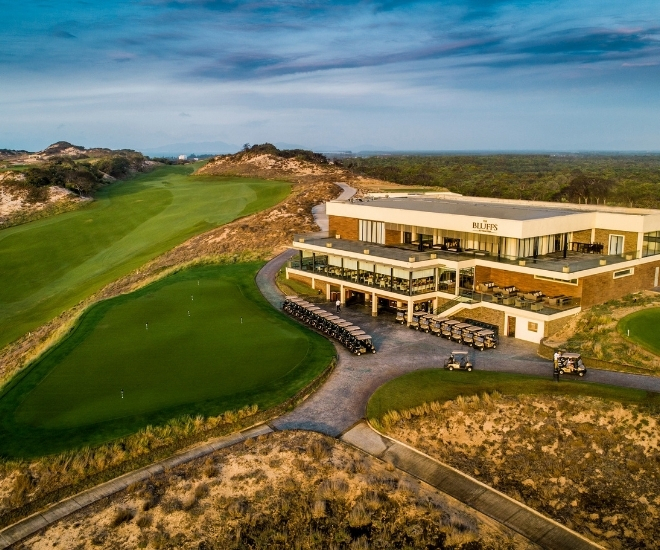
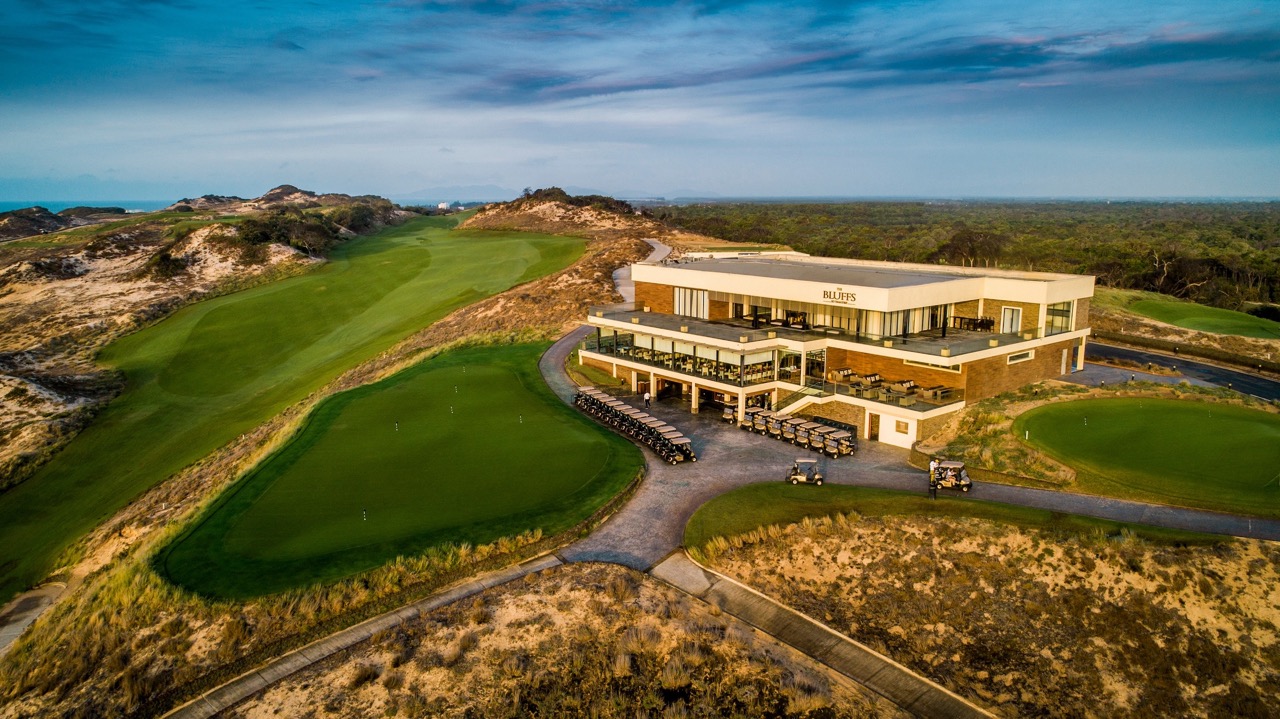
The Bluffs Grand Ho Tram has been crowned Best Luxury Golf Destination in Southeast Asia by Luxury Lifestyle Awards in 2025, marking a defining moment for Vietnam’s growing golf scene. The award recognizes the 18-hole links course designed by Greg Norman and its setting within The Grand Ho Tram, a 164-hectare resort playground where championship golf meets five-star living.
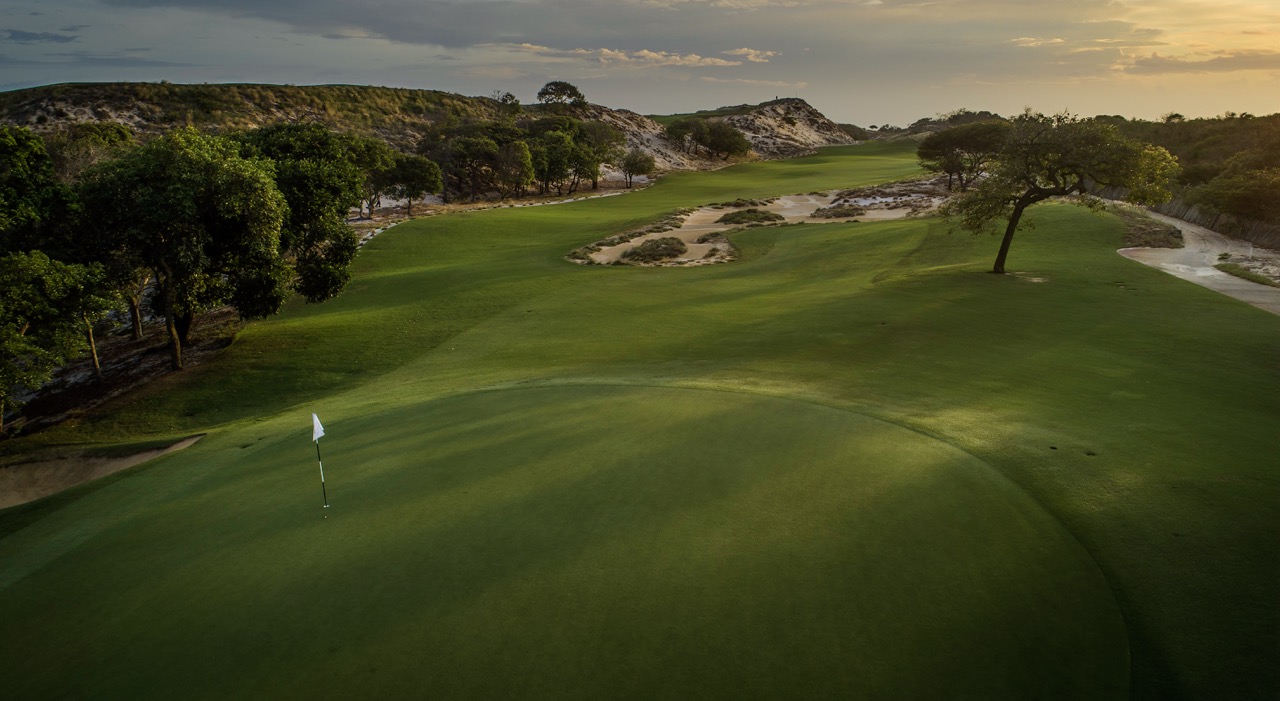
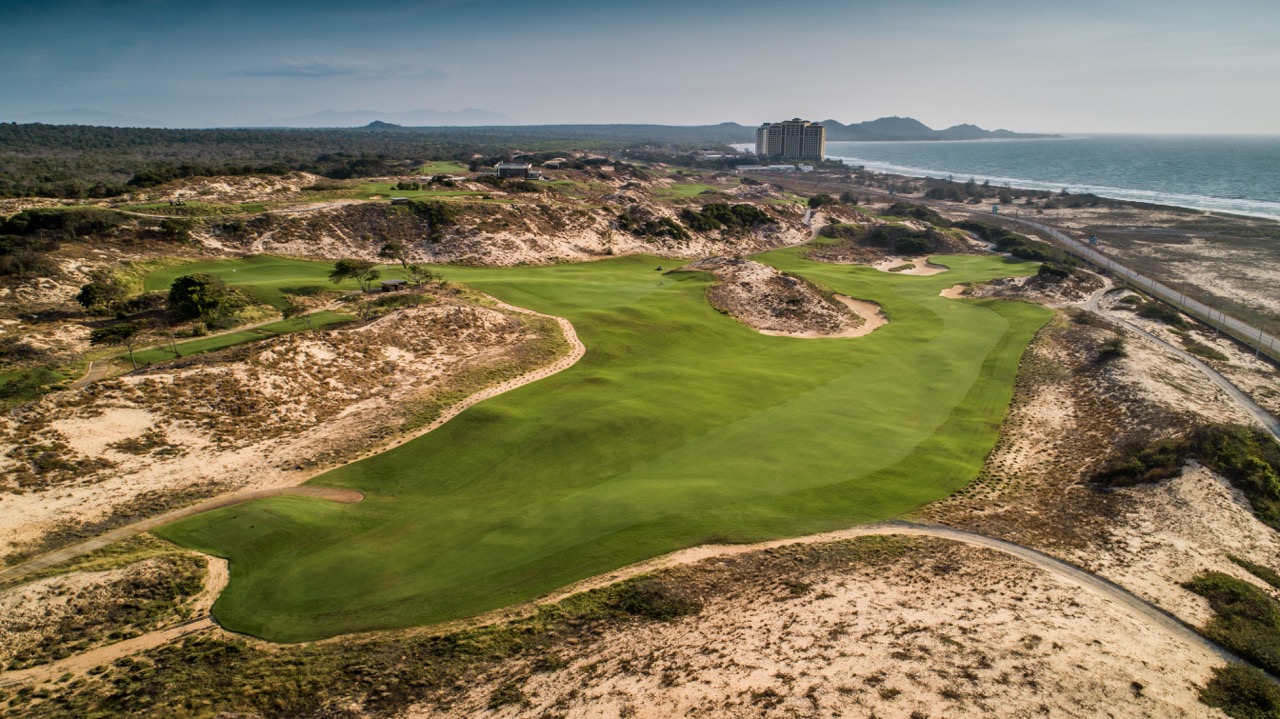
Each hole at The Bluffs Grand Ho Tram rises and falls across coastal dunes, delivering dramatic elevation changes and panoramic views of the Ho Tram beach. Yet golf is only the opening act. Guests step from the fairways into three luxury hotel towers, an energetic casino buzzing with 90 live tables and 500 slot machines, and more than 15 restaurants and lounges offering flavors from Vietnam and beyond. Spa sanctuaries, multiple pools, and event spaces round out an experience that appeals to players, families, and meeting planners alike.
“The World Luxury Chamber of Commerce congratulates The Bluffs Ho Tram on setting a new standard for integrated golf resorts,” said Alexander Chetchikov, President of the organization. “It’s the synergy of sport, leisure, and Vietnamese hospitality that resonates with travelers worldwide.”
Host of the Ho Tram Open, the venue attracts tour professionals while remaining inviting to everyday golfers through thoughtful tee placements and attentive caddie programs. “Our team strives to make every visit unforgettable, whether guests chase a low score, toast a milestone, or simply breathe the ocean air,” said Ian Stewart Cording, General Manager. “Winning this award highlights the passion that drives us to keep elevating the guest experience across the entire resort.”
Golfers, meeting planners, and leisure seekers eager to test their skills on undulating dunes or unwind amid lively nightlife can plan their visit today.
Luxury Lifestyle Awards, a part of the World Luxury Chamber of Commerce, is a global organization dedicated to selecting, recognizing, and promoting the finest luxury goods and services worldwide. With a 16-year legacy, LLA connects discerning clientele to exceptional luxury experiences. Its rigorous evaluation process assesses over 5,000 products and services across 400 categories in 100 countries, culminating in a prestigious list of winners that showcases the world’s elite. Renowned brands like Ritz Carlton, Savills, and Dom Pérignon have been recognized by the Luxury Lifestyle Awards, enhancing brand credibility, elevating status, and providing global exposure for award recipients. For more information, please visit: https://luxurylifestyleawards.com/
For more on the latest in lifestyle, culture and travel reads, click here.
Craving inasal and something sweet? Bacolod is waving with a big, welcoming smile! Prepare to indulge not only in signature grilled chicken and irresistible desserts, but also in the rich culture and history. And if you’re up for more, sprinkle in a dash of adventure as you give in to the warm invitation of the Philippines’ “City of Smiles.”
In this article, we’ll take you through the top things to do and tourist spots in and around Metro Bacolod, which covers Bacolod City (the provincial capital of Negros Occidental), Talisay, and Silay. This list also includes other noteworthy attractions in nearby municipalities.
WAIT, WAIT, WAIT! If you have a trip soon, please also visit our The Poor Traveler Masterlist. Here, we compiled travel essentials, including immigration requirements and all our recommended hotels and attractions. Just visit this page: TPT Masterlist. We also have a compilation for other destinations around the world.
No trip to Bacolod is complete without sinking your teeth into its signature dish — chicken inasal. Treat yourself to the smoky, tangy flavor of original Bacolod inasal.
On our visit in 2017, Manokan Country was the place to be for an authentic experience. It was a complex that housed 24 stalls serving chicken inasal and other grilled delicacies. After serving locals and tourists for over 40 years, it was demolished in February 2025 to give way to a redevelopment project. The original tenants were relocated to SM Bacolod’s North Wing Parking Hub, just across its original site.
Popular restaurants and eateries, which locals swear by, are Aida’s, Nena’s, Lion’s Park, Chicken House, and Sugba Sugba Inasal & Seafood, to name a few. We’ve tried most of them, and we’ll share more details on each of them in a separate food-centric Bacolod article.
If you want to fully immerse yourself in chicken inasal goodness, time your visit in May, when the city celebrates the Bacolod Chicken Inasal Festival.
Sweets & Desserts
Bacolod is a haven for sweet tooth and dessert lovers. With so many cafés and dessert places around the city, you’ll never run out of choices! Swing by local favorites like Calea for their cakes, Felicia’s for their pastries, and Cafe Bob’s for their classic sweet bites.
Calea (Left), Bob’s Cafe (Top Right), and Felicia’s (Bottom Right)
If dessert hopping is in your itinerary, you’re in the right place! So, go ahead and give in to the tempting array of sugary delights and baked goodies. And, maybe it’s just us, pastries and confections are often much cheaper here compared to Manila! Again, we’ll list down all the cafés and dessert spots we’ve tried and will share more information in a separate article.
Cansi
When in Bacolod, make sure to warm up your belly with cansi! Even in the heat of summer, this Negrense specialty is worth every drop of your sweat. A steaming bowl of cansi is the go-to comfort food of the locals. Its flavor is a marriage between bulalo and sinigang.
Sharyn’s Cansi House
Whenever our team visits Bacolod, a stop (sometimes two) at Sharyn’s Cansi House is non-negotiable. Aside from the classic version, we always go for the crispy cansi too. And our tummies always approve!
San Sebastian Cathedral
The 19th-century San Sebastian Cathedral is more than just a religious structure — it’s a historical landmark found in the heart of Bacolod. The original church, built in 1825, was made of wood, but the structure we see today dates back to 1882. It features a coral-stone facade and two bell towers, which underwent reconstruction in the 1960s. The bells have since been relocated to the Centennial Belfry in the churchyard.
Address: 1755 Rizal Street, Bacolod, 6100 Negros Occidental Opening Hours: Monday to Saturday, 6:00 AM – 7:00 PM; Sunday, 5:00 AM – 8:30 PM Mass Schedule: For updated schedules, check the official Facebook page of San Sebastian Cathedral.
Bacolod Public Plaza
Just across San Sebastian Cathedral sits the Bacolod Public Plaza, a two-hectare green space where locals love to unwind — whether students hanging out after class, workers taking a breather, or friends and families enjoying the outdoors. It also hosts various events, including the MassKara Festival.
At the heart of the plaza stands the music-themed Bandstand, a gazebo-like structure that serves as the centerpiece. Nearby, you’ll spot the huge “BACOLOD” ground-level marker, where tourists can have their photo ops. You’ll also find the “Welcome Bacolod City” Arch and a couple of fountains.
If you want to dive deeper into the region’s culture and history, drop by the Negros Museum. Inaugurated in 1996, it was originally housed in the building now occupied by the Provincial Capitol. In 2003, it moved to its present home — the former Provincial Agriculture Building, a neoclassical building built in 1925.
The museum’s first level usually hosts temporary art exhibits featuring both local talents and foreign artists based in the region. Meanwhile, the second level showcases permanent displays highlighting local history, including the island’s sugar industry, and items that reflect Negrense lifestyle and culture.
Since the museum is privately managed, an entrance fee applies. Walk-ins are welcome!
Capitol Park lies in front of the Negros Occidental Provincial Capitol — the seat of the provincial government and the core of the Capitol Central, previously named Negros Occidental Provincial Capitol Complex.
Besides the Capitol Building, this verdant urban park is dotted with several other landmarks and attractions, such as the sprawling man-made lagoon flanked by a pair of sculptures, an open-air auditorium, a children’s playground, the Paghimud-os Monument, and the Negros Occidental Kilometer 0 Marker.
On any given day, you’ll find locals jogging, feeding fish, picnicking, or simply hanging out with friends. Expect it to be especially lively on weekends.
Before you leave Bacolod, don’t forget to shop for pasalubong! If you still can’t get enough of the sweets, stock up on Negrense delicacies like napoleones, piaya, and barquillos from BongBong’s and Merczi, two staple names when it comes to Bacolod souvenir shops. You’ll find numerous branches of both shops scattered around Metro Bacolod — even at the airport!
Masskara Festival
If you’re visiting in October, brace yourself for a festive and colorful time as the city celebrates the annual MassKara Festival, one of the biggest cultural festivals in the Philippines! Witness the city abuzz with upbeat music, exciting activities, art and trade exhibitions, vibrant street parades, and of course, a flood of kaleidoscopic smiling masks!
Kick-started in the 1980s, the festival served as the city’s beacon of hope during a tough economic crisis, when sugar, the province’s main source of livelihood, hit rock-bottom prices. What started as a way to uplift people’s spirits has since grown into one of the country’s most anticipated festivals, drawing both local and international tourists.
So, let this celebration fill your trip with fun and excitement. After all, Bacolod is not called the “City of Smiles” for nothing!
Reminder! When planning your visit, remember to check the official Masskara Festival Facebook page for the calendar of events.
TALISAY CITY
The Ruins
The Lacson Ruins, most famously known as The Ruins, is a tangible ode to Don Mariano Lacson’s beloved wife, Maria Braga Lacson. In the early 1900s, the patriarch spearheaded the construction of the mansion on the family’s vast sugar plantation to honor her memory. Don Mariano tapped local engineer Luis Puentevella to work together with one of his sons, Felipe, whom he asked to supervise the construction. The mansion was inspired by Italian architecture, with its Neo-Romanesque columns.
During the early years of the Second World War, local guerrillas were forced to burn the mansion down to prevent the Japanese forces from making it their headquarters. The mansion’s skeletal frame remains standing to this day and is now widely called “The Ruins”.
Today, you can visit and marvel at the former mansion’s architecture and structure. If you’re looking for keepsakes, a gift shop is conveniently located inside. As you wander through the interiors, keep your eyes peeled for these interesting details:
Veranda Lighting (Top Left), Small Arched Window (Top Right), Floor Tiles (Bottom Left), and Belvedere (Bottom Right)
A-Grade Concrete. This was the material used for the foundations and walls of the mansion.
Veranda Lighting/Chandeliers. The original electrical pipes were embedded in the ceiling, the same technique we use today, leaving no exposed wires.
Small Arched Window. This used to connect the kitchen to the dining area for the smooth handling and delivery of food.
Wooden Floors. The floorings were long-span, two-inch thick hardwood planks, stretching continuously from the main entrance (facing the fountain) to the dining room.
Floor Tiles. All tiles you see in the mansion are original.
Belvedere. This used to be an upstairs room facing west — a great spot for the family to view the sunset.
Beyond the mansion, you’ll find an expansive garden with a fountain, a grotto, a café, and The Ruins marker. Near the main entrance lies the beautifully landscaped Marapara Garden, where you can relax and snap more photos. You can also try the fresh sugarcane juice for P100. The stall is located near the entrance, between the café and the mansion’s ruins.
Garden Fountain (Left) and Marapara Garden (Right)
The Ruins is not just a tourist attraction but also a sough-after venue for weddings, photoshoots, and other events.
Address: Don Mariano L. Lacson Highway, Barangay Zone 15, Talisay, 6115 Negros Occidental Opening Hours: Daily, 9:00 AM – 8:00 PM. This may change, so it’s best to check the official Facebook page for announcements before going. Entrance Fee: Adults, P150; Senior/PWD, P100; Students, P80; Children (Below 8y/o), FREE.
How to Get to The Ruins: From Bacolod City, take a modern/traditional Jeep to Bata. Alight at Acropolis Garden, then hail a tricycle to Octagon Village. Tell the driver you are going to The Ruins. Alternatively, you can just book a Grab ride for P150 – P200.
Campuestohan Highland Resort
About an hour from Bacolod city center, Campuestohan Highland Resort is a popular family-friendly destination in the cool highlands of Talisay. Combining the concepts of a theme park and a mountain getaway, it boasts swimming pools, playgrounds, rides, and zip lines. Officially opened in May 2014, it was recognized by the Department of Tourism in 2023 as one of the top destinations in the region.
The resort park is marked by gigantic structures — the most iconic of which is the Manok ni Cano Gwapo hotel, which bagged the Guinness World Record for the largest building in the shape of a chicken on September 8, 2024. It measures 34.931m in height, 12.127m in width, and 28.172m in length.
You can either do a day trip or stay overnight in one of the cabins. If you’re only going on a day trip and you prefer to travel conveniently, you can book a tour from Klook! This already includes the round-trip transportation between Bacolod and Campuestohan, driver/guide, insurance, and bottled water.
You can use our promo code THEPOORTRAVELERKLOOK for up to P300 OFF or TPTKLOOK5 for up to P500 OFF. These codes might change in the future, so best to just visit thepoortraveler.net/klook to redeem updated discount codes!
Address: Sitio Campuestohan, Barangay Cabatangan, Talisay, 6115 Negros Occidental Day Trip Hours: Daily, 7:00 AM – 6:00 PM Day Trip Entrance Fee: Regular (3y/o and above), P20/head; Children (2y/o and below), FREE. This covers the use of the swimming pool and children’s playground. Overnight Rates and Other Fees: Check the official Facebook Page. As of writing, the rates for day trip cottages, activities/rides, and overnight accommodations are listed in the cover photo.
How to Get to Campuestohan Highland Resort: Head to IMART Caltex East, where the terminal for the Campuestohan Shuttle services is located. The fare is P90 per person. Travel time is about an hour. Check the resort’s Facebook page for the updated trip schedules.
SILAY CITY
Silay Ancestral Houses
Rizal Street, Silay City Center
If you are flying to Bacolod, chances are you’ll first set foot in Silay, since the airport is situated here. You might as well explore the city, right? Silay is like a living open-air museum, with its remarkable collection of well-preserved ancestral houses and historical landmarks.
Walking the streets of Silay, especially the city center, gives you a glimpse of the opulent lifestyle of sugar barons in the early 1900s. In fact, more than thirty ancestral houses have been declared historical landmarks, making Silay a worthy destination for history enthusiasts. Here’s a list and map from the official Silay Tourism Office Facebook page. On our last visit, we were short on time, so we only managed to see the following:
Photo Credit: Silay Tourism Office Facebook Page
Balay Negrense Museum, or Victor Fernandez Gaston Ancestral House. The Gaston family lived here from 1901 to 1927. It was inaugurated as the Balay Negrense Museum on October 6, 1990, and later declared a National Historical Landmark by the National Historical Institute in 1994. Since 2023, the museum has been temporarily closed for renovation.
Bernandino Lopez Jalandoni Ancestral House (Museum). Completed in 1908, it was declared a National Historical Landmark on November 6, 1993. Entrance Fee: Regular, P150. Opening Hours: Tuesday to Sunday, 9:00 AM – 5:00 PM.
Manuel Severino Hofileña Ancestral House (Museum). Built in the 1930s, it was the first house in Silay to open its doors to the public back in 1962. It was inscribed as a National Historical Landmark on April 6, 1993. Entrance Fee: Regular, P150. Opening Hours, Tuesday to Sunday, 9:30 AM – 4:00 PM.
Hofileña Ancestral House (TL), Balay Negrense (TM), Jalandoni Ancestral House (TR), Gamboa Ancestral House (BL), Morada Ancestral House (BM), and Golez Ancestral House (BR)
Cesar Lacson Locsin Ancestral House (El Ideal)
Josefita Tionko Lacson Ancestral House
Manuel De La Rama Locsin Ancestral House
Carlos Arceo Ledesma Ancestral House
Kapitan Marciano Montelibano Lacson Ancestral House
Maria Ledesma Golez Ancestral House
Generoso Reyes Gamboa Ancestral House
Digna Locsin Consing Ancestral House
Teodoro Pig-ao Morada Ancestral House
Benita Hara Ancestral House
Herardo Sigaton Gaston Ancestral House
Next time, we’ll make it our goal to complete the list. Some of the houses, particularly those along Rizal Street, are leased to businesses. Other notable buildings on the main road are:
Lino-Lope Severino Building
Cine Silay
Lino-Lope Severino Building
How to Get to Silay City: From Bacolod city center, take a modern/traditional jeep (via Bata, Mandalagan, or Northbound) to the North Bus Terminal (P15-20). Then, take a Ceres bus to Silay (P35). Alternatively, if you want to travel conveniently, you can just book a Grab for around P350.
Cinco de Noviembre
This historical marker commemorates the Negros Revolution, also known as Cinco de Noviembre, which ended Spanish rule on the island in 1898. The Farmacia Locsin, which used to stand on this site, served as the secret headquarters of the natives who plotted the revolution, which led to the establishment of a short-lived republic governed by the Negrense people. The republic came to an end in February 1899 with the arrival of the American forces.
The marker also bears the names of the revolutionary leaders:
Nicolas Golez
Leandro Locsin
Timoteo Unson
Melecio Severino
Vicente Gamboa
Olympia Severino
Address: Cinco de Noviembre Street, Silay City Heritage Zone, Silay, 6116 Negros Occidental
San Diego Pro Cathedral
The San Diego Pro-Cathedral stands as a testament to Silay’s deep Catholic heritage. It is the only domed church in Negros Occidental and the only pro-cathedral outside Metro Manila, making it a must-visit landmark in the city. Its designation as a pro-cathedral was made official in December 1994.
The present Romanesque structure was completed in 1927 through the initiative of sugar baron Don Jose Ledesma, who also employed Italian architect Lucio Bernasconi to design the church.
Address: Zamora Street corner Rizal Street, Silay City Heritage Zone, Silay, 6116 Negros Occidental Opening Hours: Monday to Saturday, 6:00 AM – 6:00 PM; Sunday, 5:00 AM – 7:00 PM Mass Schedule: For updated schedules, check the official Facebook page of San Diego Pro-Cathedral.
El Ideal
Housed in Cesar Lacson Locsin Ancestral House, El Ideal is the oldest bakery in Silay. It still serves homemade products and other local delicacies, including their signature guapple pie — a combination of guava and apple pie. You can also buy pasalubong here!
Address: 118 Rizal Street, Silay City Heritage Zone, Silay, 6116 Negros Occidental Opening Hours: Daily, 8:00 AM – 6:30 PM
If you want to cover the highlights of Metro Bacolod in one go, you can book a tour via Klook!
This includes entrance fees, lunch, bottled water, guide/driver, basic insurance, and round-trip transfers. The stops include:
Provincial Capitol Building & Lagoon
Balay Negrense
Ramon Hofileña Ancestral Home
Silay Pro Cathedral and Mini Ruins
Lunch at Manokan Country or Balaring Floating Restaurant
Mambukal Resort & Wildlife Sanctuary is geographically situated in the municipality of Murcia, but is governed and managed by the Negros Occidental Provincial Government. Nestled at the foot of Mount Kanlaon, the resort is famous for its therapeutic hot springs.
The highlights are the Warm Sulfur Dipping Pool, the Japanese Ofuro, and the nearly century-old Ishiwata Bathhouse (built in 1927), which won a Pillar Award at the 1st Philippine Tourism Awards (PTA) of the Department of Tourism (DOT) on September 8, 2025. The bathhouse is temporarily closed for renovation.
Kiddie & Adult Pool (Left) and Small Pool (Right)
Other attractions include seven waterfalls, a boating lagoon, a kiddie and adult pool, and a small pool. You’ll also find amenities, such as camping grounds, picnic areas, Convention Hall & Hotel, Spa Natura, food park, day trip huts, overnight accommodations, and a clinic.
Mambukal is about an hour away from Bacolod City, with direct buses from Libertad. If you are a big group and traveling with kids and elderly people, consider booking a tour with Klook! This is inclusive of round-trip transfers, insurance, local guide/driver, and entrance fee.
Address: Barangay Minoyan, Murcia, 6129 Negros Occidental Day Trip Hours: Daily, 7:00 AM – 8:00 PM Entrance Fee: Adults, P140/head; Children (11y/o and below), 80. The rates already include the 20-peso environmental fee and the use of the swimming pools and the dipping pool. If you want to access the Japanese Ofuro, you need to pay an additional P100 per person. Overnight Rates and Other Fees: Check the official Facebook Page for the updated rates.
How to Get to Mambukal Resort: Make your way to the Mambukal – Bacolod Bus Terminal in Libertad. It’s across Savemore Libertad. Board a bus bound for Mambukal. The bus stops right at the entrance gate of the resort. The fare is P60 per head, and the travel time is over an hour. Note: The last trip for the bus heading back to Bacolod City is 5PM.
Don Salvador Benedicto
Looking for mountain views and pine trees just 40 minutes from Bacolod City? Welcome to Don Salvador Benedicto, the Summer Capital of Negros Occidental! Our friend, Mark Roa, who hails from Bacolod, suggested this destination when we asked for recommendations. Sadly, we couldn’t squeeze it into our last trip due to time constraints, but that gives us the perfect excuse to visit again! Have you been here? We’d love to hear your thoughts in the comments.
WHERE TO STAY IN BACOLOD
The capital of Negros Occidental, Bacolod City makes an excellent base for exploring Metro Bacolod and its neighboring towns. It offers a wide range of accommodations across different budgets and types, so you’ll never run short of options. Here are some of the top-rated hotels in Bacolod City according to online traveler reviews.
🔥🔥🔥 Use AGODATPT for 10% off on select hotels! 🔥🔥🔥
The Poor Traveler readers and followers can now use a special discount code to score 10% discount, up to USD 100 (roughly PHP 5700)! To apply and avail of the promo code, visit AGODATPT Promo Code.
The rise of electric yachts marks a defining chapter in the evolution of the luxury yacht market, driven by a blend of sustainability, innovation, and changing consumer values. Once considered a niche concept, electric powered boats are now becoming a central focus for shipyards and yacht owners looking to align performance with environmental responsibility. As climate pressures escalate and technologies evolve, the yacht industry is facing a transformative shift—one that is redefining the parameters of yacht design, propulsion, and the very purpose of yachting itself.
While traditional motor yachts have long symbolized opulence and adventure, today’s affluent clientele are increasingly gravitating toward experiences that not only offer luxury but also reflect personal values. In this changing landscape, the appeal of electric motor boats and even the futuristic electric hydrofoil boat lies not just in performance, but in purpose.
Silent Yachts
Why Electric Yachts Are Gaining Momentum
At the core of this evolution is a growing demand for sustainable mobility in luxury. The electric market boat segment is expanding rapidly, thanks to advances in lithium-ion batteries, lightweight materials, and efficient yacht hull designs. Yacht owners are increasingly concerned with reducing their carbon footprint, cutting fuel costs, and meeting new regulatory pressures that affect cruising areas and marina access.
Furthermore, electric yachts offer quieter, smoother cruising—an appealing feature for those seeking serenity at sea. Reduced noise pollution enhances the onboard experience, particularly when exploring remote destinations or anchoring near marine wildlife zones. The lack of diesel fumes and vibration in electric yachts also makes for a more pleasant and health-conscious journey.
What Sets Electric Yachts Apart from Electric Boats
Although the terms are sometimes used interchangeably, electric yachts are not the same as all electric boats or small recreational vessels. While many electric bowrider boats and lake cruisers serve leisure or commuting purposes, electric yachts span into the superyacht category and often feature cutting-edge hybrid systems or solar-integrated solutions.
What distinguishes an electric yacht is its ability to maintain the standards of luxury and performance expected in the yacht industry, while fully or partially relying on electric propulsion. These electric yachts often incorporate energy management systems, hydrodynamic yacht hulls, and sophisticated automation—elements that go beyond what typical electric powered boats offer. Additionally, many of the best 2025 yachts on the drawing board are being built from the ground up with electric propulsion in mind rather than as an afterthought.
Silent Yachts
Trends Shaping the Luxury Yacht Market in 2025 and Beyond
The yacht design language of tomorrow’s vessels is being shaped by a yacht futuristic approach—think sleek silhouettes, autonomous navigation, voice-activated controls, and interiors that adapt dynamically to the yacht owner’s preferences. These aren’t just aesthetic upgrades—they represent a deeper rethinking of what it means to own and operate a yacht in a rapidly evolving world.
Other defining trends include:
Integration of AI and smart systems to optimize energy usage and route planning.
Advanced solar paneling and hydro-regeneration systems that allow vessels to recharge while underway or at anchor.
Minimalist, modular interiors inspired by sustainable materials and smart yacht design.
Yacht customization of eco-experiences such as silent anchor zones, eco-friendly tenders, and onboard wellness technologies.
The yacht market is also witnessing a rise in interest from younger yacht buyers and tech entrepreneurs who are more attuned to environmental concerns. These yacht buyers are pushing the envelope in terms of innovation and are less tied to legacy diesel systems. Instead, they view the vessel as an extension of their values—blending yachting experiences for personal growth with clean-tech performance.
The Rise of New Experiences: Personal Growth Through Yachting
More than a status symbol, the modern yacht is being reframed as a platform for transformation. As the boundaries between luxury, wellbeing, and sustainability blur, yachting experiences for personal growth are becoming increasingly sought after.Yacht owners and charterers are using electric yachts as vehicles to reconnect with nature, host wellness retreats, and cultivate mindfulness at sea.
The serenity that electric powered boats provide is perfect for digital detoxing, remote exploration, and enhancing one’s connection to the ocean. This mirrors a broader trend in the yachting industry where the emphasis is shifting from excess to enrichment—focusing on intentional yacht design, regenerative travel, and purpose-driven itineraries.
Silent Yachts
Brands Leading the Electric Yacht Movement
Several yacht manufacturers are spearheading innovation in the electric yacht space, investing heavily in research and rethinking conventional yacht design.These include:
Arc One, which is bringing aerospace engineering into marine electric propulsion.
Candela, pushing the boundaries with their electric hydrofoil boat that glides above water to reduce drag and increase efficiency.
Silent Yachts, which has pioneered solar-powered yachts with long-range capabilities.
Sunreef Yachts, known for its solar-electric catamarans and high-tech sustainable interiors.
X Shore, offering Scandinavian-designed, high-performance electric boats ideal for coastal and archipelago cruising.
These yacht brands are not only producing some of the best electric boats on the market but are also pushing the yachting industry toward a more responsible yacht future.
Challenges Facing the Electric Yachting Industry
Despite its promise, the road ahead for electric yachts isn’t without turbulence. Range anxiety continues to be a concern, especially for yacht owners who wish to undertake longer passages or ocean going cruising. While battery technology is advancing, the infrastructure to support widespread electric charging in marinas and remote anchorages remains limited.
Silent Yachts
Another major hurdle is the initial cost. Electric propulsion systems can significantly increase build prices, and retrofitting older yachts often requires extensive reengineering. Additionally, education within the yacht industry—from yacht brokersto captains—must evolve to support this emerging sector. Technical training, certification, and operational familiarity are all required to ensure smooth adoption.
Lastly, as with all developing technologies, early adopters face higher risks. Performance metrics, resale values, and technological obsolescence are real considerations for yacht buyers investing in a brand-new segment of the yacht market.
Is the Future Fully Electric?
The question isn’t whether electric yachts will become a standard feature of the luxury yacht market, but when and how they will fully integrate. While the path forward includes a hybrid of propulsion types and evolving energy ecosystems, the long-term trajectory is clear—yachting is becoming more conscious, connected, and carbon-free.
In an era defined by ecological urgency and experiential wealth, electric powered boats represent more than a trend. They embody a new vision for what it means to explore the sea—one that places sustainability, innovation, and personal fulfillment at its core. Whether it’s the sleek minimalism of an electric bowrider boat or the grandeur of a zero-emission mega yacht, the era of electric yachts is already here and will only continue to grow.
This article was first seen on YATCO.
For more on the latest in luxury yachting reads, click here.
As the luxury automotive industry accelerates to move beyond combustion, luxury carmakers are increasingly turning to fully electric vehicles (EV) to capture new audiences, test advanced technologies and future-proof their offerings. From performance sedans to grand touring SUVs and specialty convertibles, electrification in luxury cars are reshaping design and engineering, evolving what premium motoring means in an increasingly carbon-conscious world. The latest electric models from Porsche, Audi, Mercedes-Benz, Rolls-Royce, Maserati, BMW, Cadillac and Lucid demonstrate that speed and design innovation can coexist on a zero-emissions platform and go beyond a manufacturing sustainability compliance exercise.
2025 Porsche Taycan
Porsche’s 2025 Taycan is an EV midcycle refresh that introduces substantial upgrades to battery, charging and motor technology, alongside subtle styling refinements that echo the new Macan EV while preserving the sedan’s sporty identity. Powered by a permanent-magnet electric drivetrain with 536 hp and 512 lb-ft of torque in the 4S model, the Taycan accelerates from 0 to 60 mph in 3.2 seconds and covers the quarter mile in 11.4 seconds, while maintaining composure and precise steering thanks to rear-axle steering and refined suspension.
Its 89-kWh entry-level battery provides an EPA-rated range of 406 km, with the capability to recharge from 5 to 80 percent in just 18 minutes using a 350-kW Level 3 charger. The cabin combines driver-focused ergonomics with high-end finishes, a curved 16.8-inch gauge display, dual central touchscreens and an enhanced Apple CarPlay experience, balancing digital sophistication with Porsche’s tactile design philosophy. Starting at USD 120,495, the Taycan 4S exemplifies how luxury brands are embedding performance, advanced technology and daily usability into an all-electric platform.
Audi S e-tron GT
The 2025 Audi S e-tron GT enters as the refreshed starting point of the e-tron GT family, but its performance credentials position it well above typical entry trims. Equipped with dual permanent-magnet motors, it delivers 670 hp and accelerates from 0 to 60 mph in just 3.3 seconds with launch control, matching or exceeding the output of the previous year’s RS model. A new 105-kWh battery extends range to an estimated 483 km, while an upgraded 320-kW charging system brings the pack from 10 to 80 percent in under 20 minutes.
Exterior updates include redesigned fascias, new wheel choices and four additional paint options, while the cabin introduces a reworked steering wheel and an optional glass roof with adjustable transparency. Audi also made a all-wheel steering standard, improving agility and cornering stability in a 5,100-lb luxury sedan. Priced from USD 127,700, the S e-tron GT underscores how Audi is using its performance-oriented EV platform to compete directly with Porsche’s Taycan, balancing acceleration, range and design in a way that speaks to the expectations of premium consumers.
Mercedes-Benz EQS SUV
The 2025 Mercedes-Benz EQS SUV anchors the brand’s electric portfolio as its most luxurious three-row EV. Built on a dedicated EV platform, it offers up to 520 km of range from a 118-kWh battery and comes in multiple configurations, from the EQS 450+ to the Maybach EQS 680. Performance spans from 355 hp in the base model to 649 hp in the Maybach, with 0–60 mph times as quick as 4.1 seconds. Despite its size, four-wheel steering and adaptive air suspension help manoeuvrability — though handling remains less agile than rivals.
Inside, the SUV delivers the full suite of Mercedes technology, including the 56-inch Hyperscreen, biometric personalisation and advanced driver assistance systems. Seating for up to seven and luxury features such as four-zone climate control, HEPA filtration and optional massaging seats reinforce its flagship status. While its price starts above USD 100,000 and climbs steeply in higher trims, the EQS SUV represents Mercedes-Benz’s effort to define electric luxury through comfort, digital innovation and brand cachet rather than outright driving dynamics.
Rolls-Royce Spectre
Rolls-Royce’s entry into the electric era comes with the Spectre, a two-door coupé that translates the brand’s hallmark refinement into a fully electric format. Powered by a dual-motor all-wheel drive system producing up to 577 horsepower, the Spectre accelerates from 0 to 60 mph in 3.7 seconds while maintaining the quiet composure expected of the marque. Range is estimated at up to 468 km, though the larger 23-inch wheels reduce efficiency — a trade-off many buyers are likely to accept.
Charging performance peaks at 200 kW, delivering around 314 km of range in half an hour on a DC fast charger. For 2025, the Black Badge variant raises output to 659 horsepower and introduces additional driving modes, positioning it as the most powerful model in Rolls-Royce history. With a starting price of roughly USD 400,000, extensive personalisation options and unmistakable presence on the road, the Spectre demonstrates how Rolls-Royce intends to sustain its luxury ethos while advancing into a zero-emissions future.
Maserati GranCabrio Folgore
The GranCabrio Folgore marks Maserati’s first fully electric convertible and sets a benchmark as the fastest open-top EV on the market. Powered by three electric motors delivering up to 818 hp and 1,350 Nm of torque, it accelerates from 0 to 100 km/h in 2.8 seconds and reaches a top speed of 290 km/h. Its 800-volt architecture supports rapid charging — adding 100 km of range in just five minutes — while total driving range is estimated at 375 km on a full charge.
Built on lightweight aluminium and magnesium components to preserve rigidity, the GranCabrio retains the brand’s signature grand touring feel with an added layer of electrified performance. Inside, a four-seat configuration, premium finishes and technology features such as a 12.3-inch infotainment system and Sonus Faber audio system reinforce its luxury positioning. Cargo space is limited and pricing begins just above USD 206,000, but the GranCabrio Folgore distinguishes itself by being the only luxury electric cabriolet currently available — combining exclusivity with Maserati’s Formula E-inspired engineering.
2026 Cadillac Lyriq
Cadillac’s first mass-produced EV has quickly become the cornerstone of the brand’s electrification strategy. The 2026 Lyriq builds on the earlier model with expanded trims, improved technology and the introduction of the high-performance Lyriq-V. Offered with single-motor rear-drive or dual-motor all-wheel drive, the Lyriq delivers up to 515 hp and 450 lb-ft of torque, with the V variant pushing output to 615 hp and reaching 100 km/h in 3.3 seconds. Range is competitive, with the rear-drive version achieving an EPA-estimated 525 km, while the all-wheel-drive and V models balance performance with 304–488 km. Charging peaks at 190 kW, adding roughly 161 km in 15 minutes and a 19.2 kW AC module is available for faster home charging.
Inside, a 33-inch curved 9K display dominates the cabin, integrating driver information with infotainment functions. Google built-in services, Apple CarPlay and Android Auto compatibility and an upgraded 23-speaker AKG system enhance usability. Super Cruise — General Motors’ hands-free driving system — is now standard with a three-year subscription. The Lyriq remains attractively priced in the segment, starting at just over USD 60,000, while the V model crosses into the USD 80,000 range. Although it lacks a front trunk and faces some quality concerns, the Lyriq stands out as a value-driven luxury EV that pairs distinctive styling with credible range and technology. The addition of the Lyriq-V — Cadillac’s quickest production car to date — signals the brand’s intent to compete at the high-performance end of the market while broadening its EV lineup.
BMW i7
The i7 marks BMW’s first fully electric 7 Series and sets the benchmark for how traditional luxury sedans are being reimagined for a decarbonised future. Built on the brand’s flagship platform, the i7 combines long-range capability with advanced digital features designed to appeal to executives and tech-forward buyers alike. Powered by a dual-motor setup producing 544 hp and 745 Nm of torque, the i7 accelerates from 0–100 km/h in 4.7 seconds. Efficiency remains central to the package — with WLTP-certified range of up to 625 km and consumption as low as 18.4 kWh/100 km — supported by recuperation technology and aerodynamic design. High-power charging at 195 kW restores 100 km of range in just six minutes, while home solutions via BMW Wallbox integrate smoothly into residential use.
Inside, the i7 leans heavily into immersive technology. The curved 14.9-inch display is complemented by the BMW Interaction Bar, while the rear cabin offers a 31.3-inch Theatre Screen with integrated Amazon Fire TV. Executive Lounge Seating transforms the rear into a business-class environment, paired with optional Bowers & Wilkins 4D surround sound. A Sky Lounge panoramic roof and 126-colour ambient lighting further underline the multisensory approach. Sustainability has been embedded across the build, from cobalt and lithium sourced through monitored supply chains to recycled Econyl materials used in the interior.
With pricing aligned against its combustion 7 Series siblings, the i7 signals BMW’s strategy to shift its core clientele into electrification without compromising on performance or prestige. For a segment where tradition is deeply rooted in V8 and V12 engines, the i7 demonstrates that electrification can expand rather than limit the luxury sedan experience.
Lucid Air
The Lucid Air has positioned itself as one of the most advanced electric sedans on the market, competing directly with legacy luxury brands by focusing on range, performance and in-cabin technology. Built on a platform developed in California, the Air offers configurations that extend beyond 805 km of EPA-rated range, making it a benchmark for long-distance electric driving. Its 900-volt architecture supports ultra-fast charging that can add 322 km in about 12 minutes, simultaneously reducing downtime and addressing one of the most persistent consumer concerns. Power output varies across the range, with the flagship Sapphire producing 1,234 hp and sprinting from 0–60 mph in under two seconds, putting it in supercar territory while retaining four-door practicality.
The interior underscores Lucid’s ambition to combine sustainability with luxury. Material choices balance soft-touch finishes with sustainable sourcing, while storage capacity is bolstered by a sizeable frunk and trunk. The 34-inch curved Glass Cockpit display integrates key controls with Apple CarPlay, Android Auto and Alexa, complemented by a retractable Pilot Panel for secondary functions. Audiophiles will note the 21-speaker Surreal Sound system, engineered for immersive playback.
Safety and driver assistance are central to the Air’s positioning. Lucid’s DreamDrive ADAS suite offers features such as Highway Assist, Blind Spot Display and a 3D surround view system, supported by over-the-air updates. The vehicle also supports bi-directional charging with the Lucid Connected Home system, aligning the Air with future energy-sharing ecosystems. Priced competitively from USD 70,900 to USD 249,000 depending on trim, the Air represents Lucid’s attempt to establish itself as a credible long-term player in the luxury EV space. For buyers seeking maximum range and performance without sacrificing cabin comfort, the Air stands as one of the most complete cars available on the market.
For more on the latest in luxury motoring reads, click here.
The technical storage or access is strictly necessary for the legitimate purpose of enabling the use of a specific service explicitly requested by the subscriber or user, or for the sole purpose of carrying out the transmission of a communication over an electronic communications network.
Preferences
The technical storage or access is necessary for the legitimate purpose of storing preferences that are not requested by the subscriber or user.
Statistics
The technical storage or access that is used exclusively for statistical purposes.The technical storage or access that is used exclusively for anonymous statistical purposes. Without a subpoena, voluntary compliance on the part of your Internet Service Provider, or additional records from a third party, information stored or retrieved for this purpose alone cannot usually be used to identify you.
Marketing
The technical storage or access is required to create user profiles to send advertising, or to track the user on a website or across several websites for similar marketing purposes.














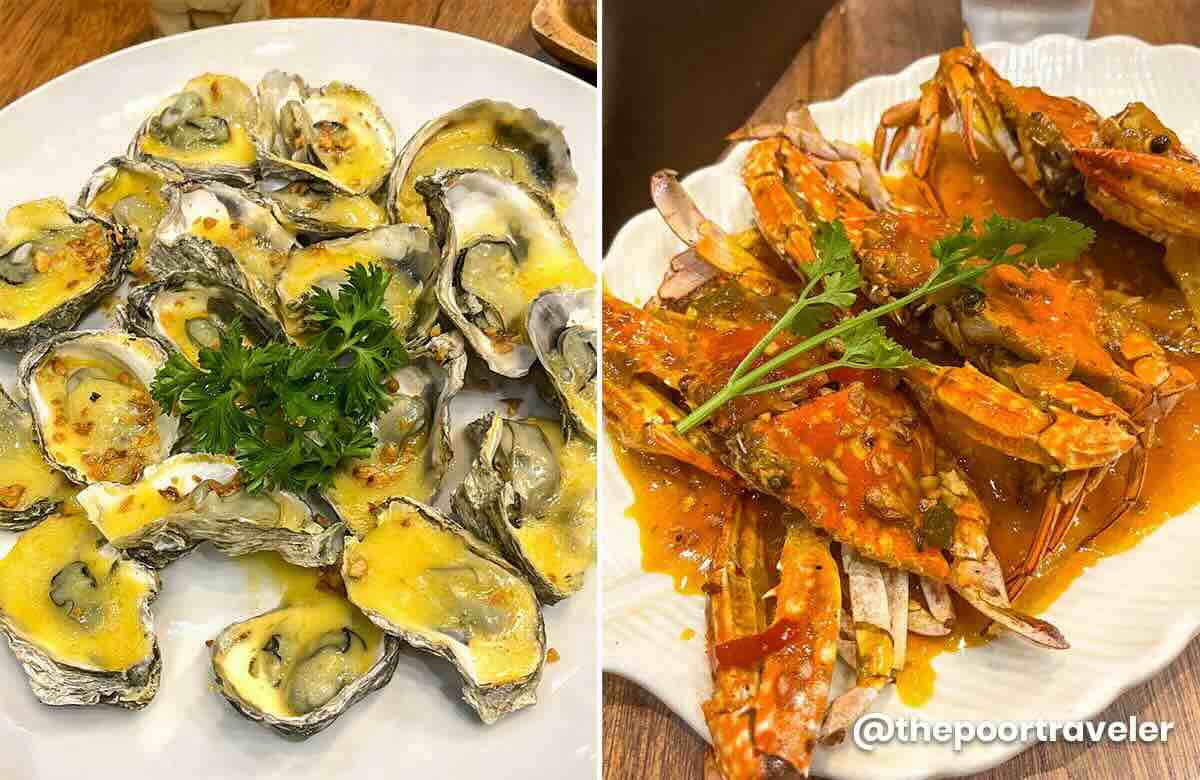
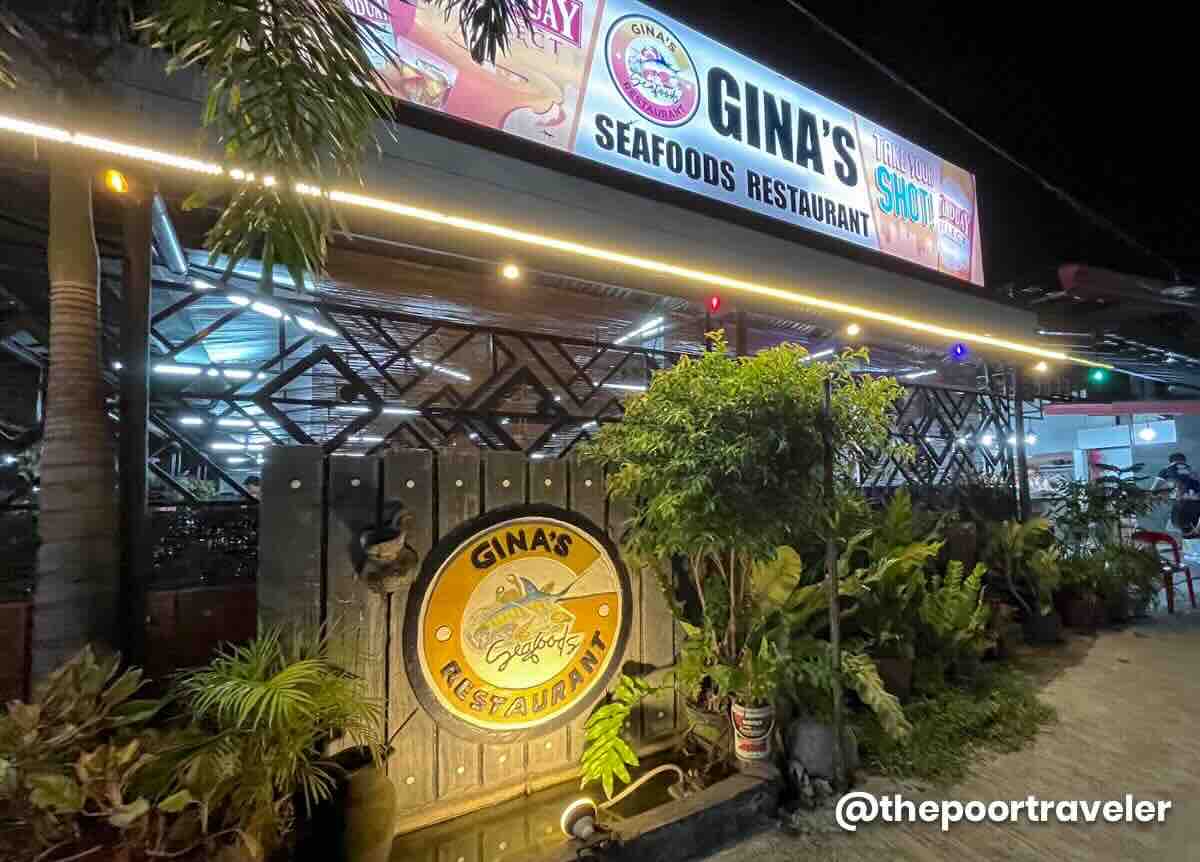

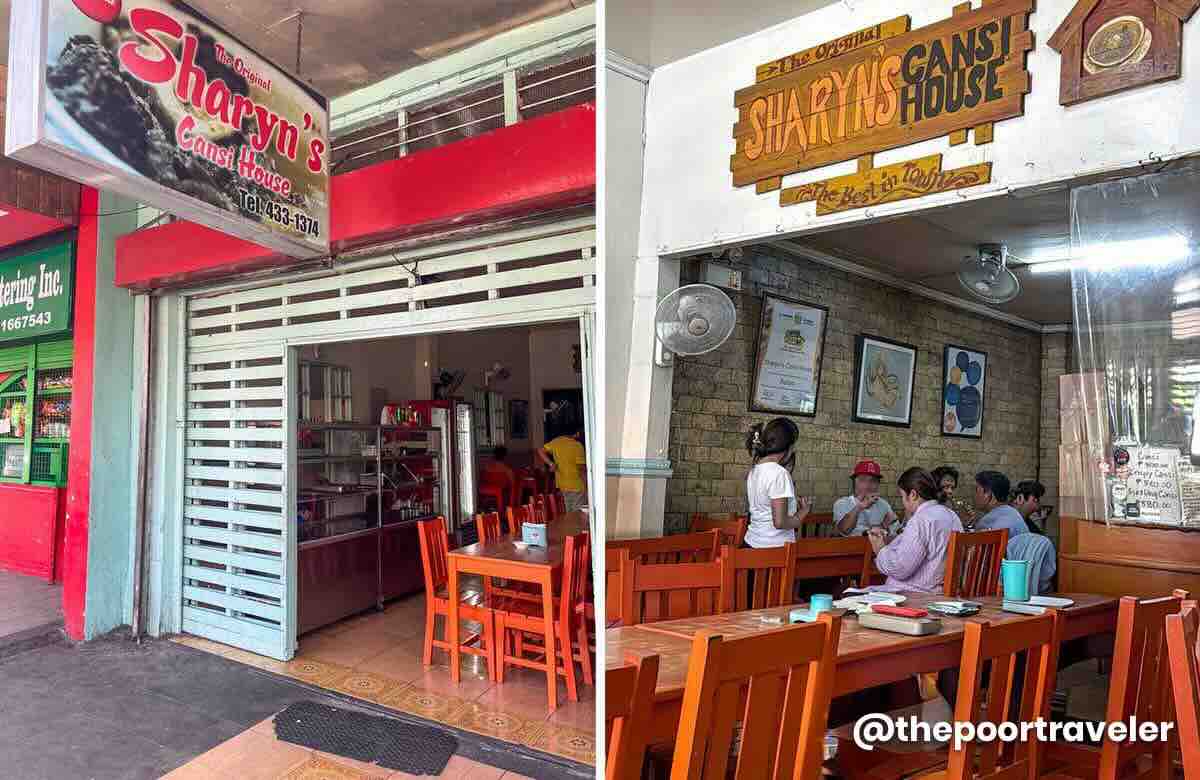

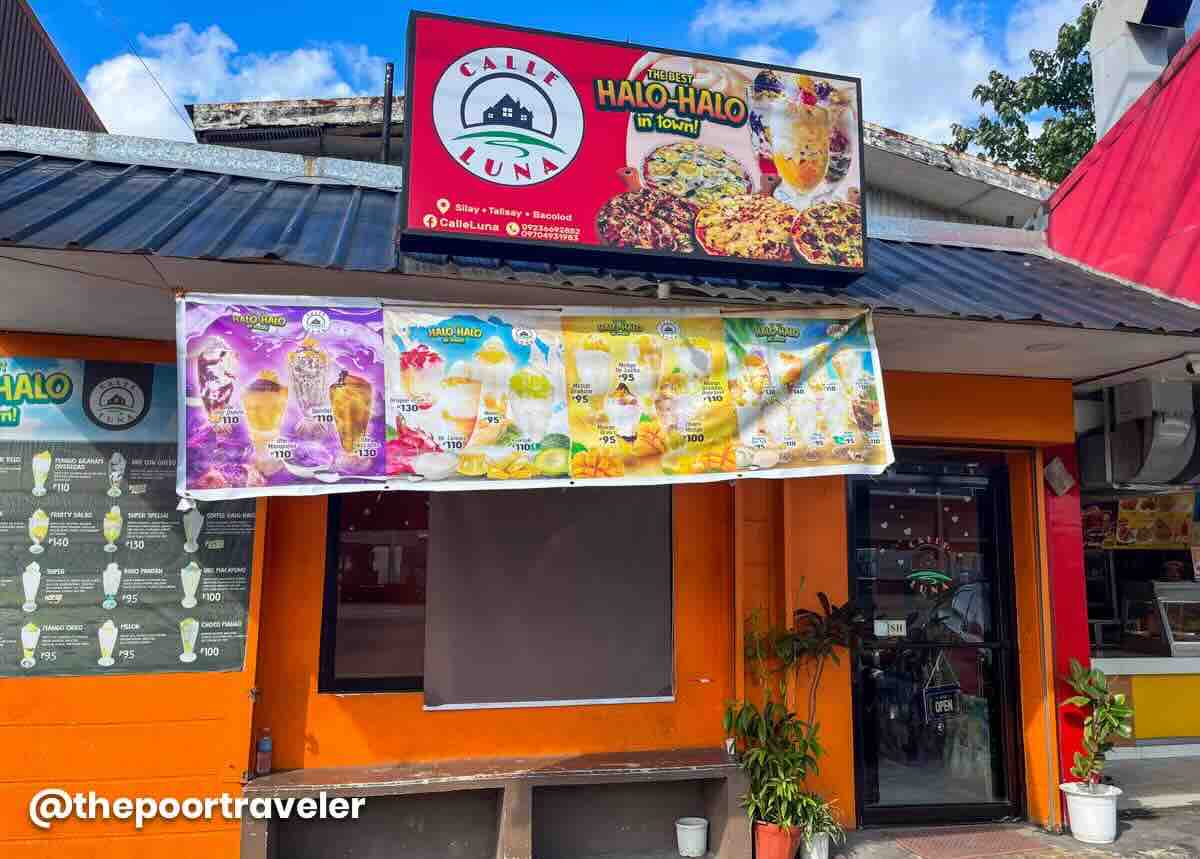


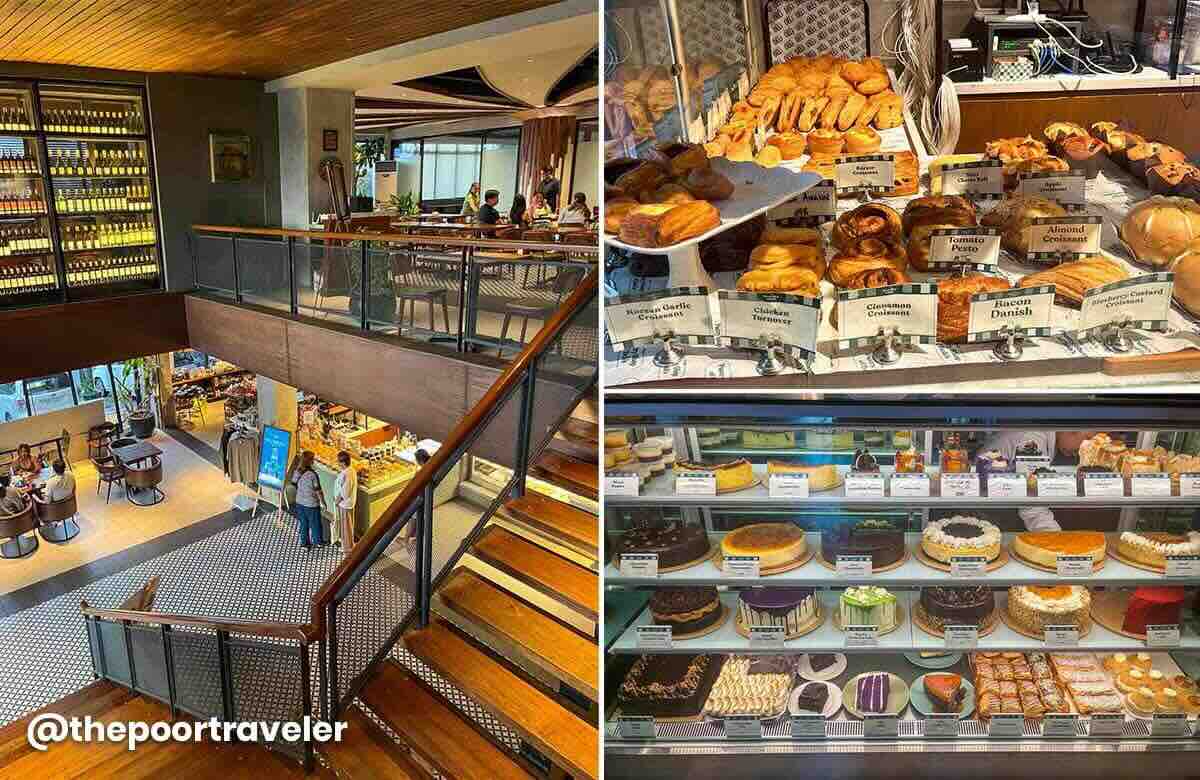

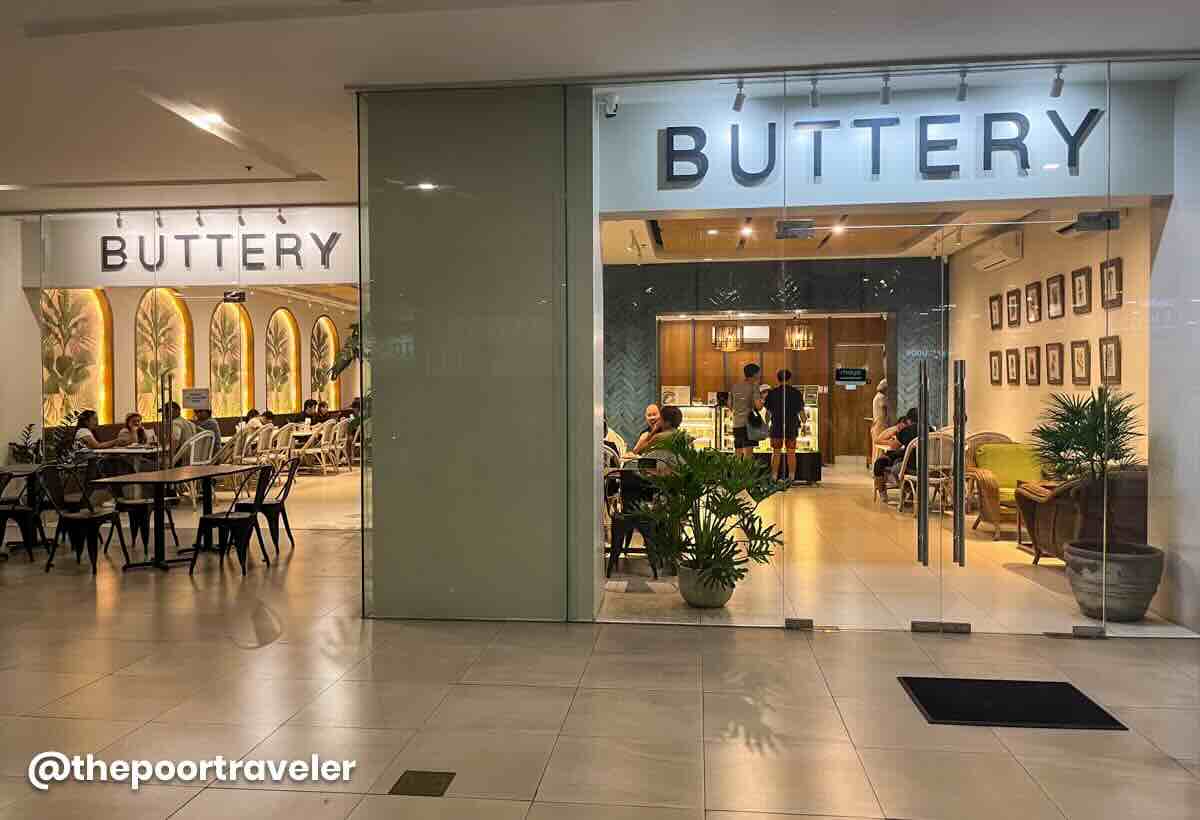

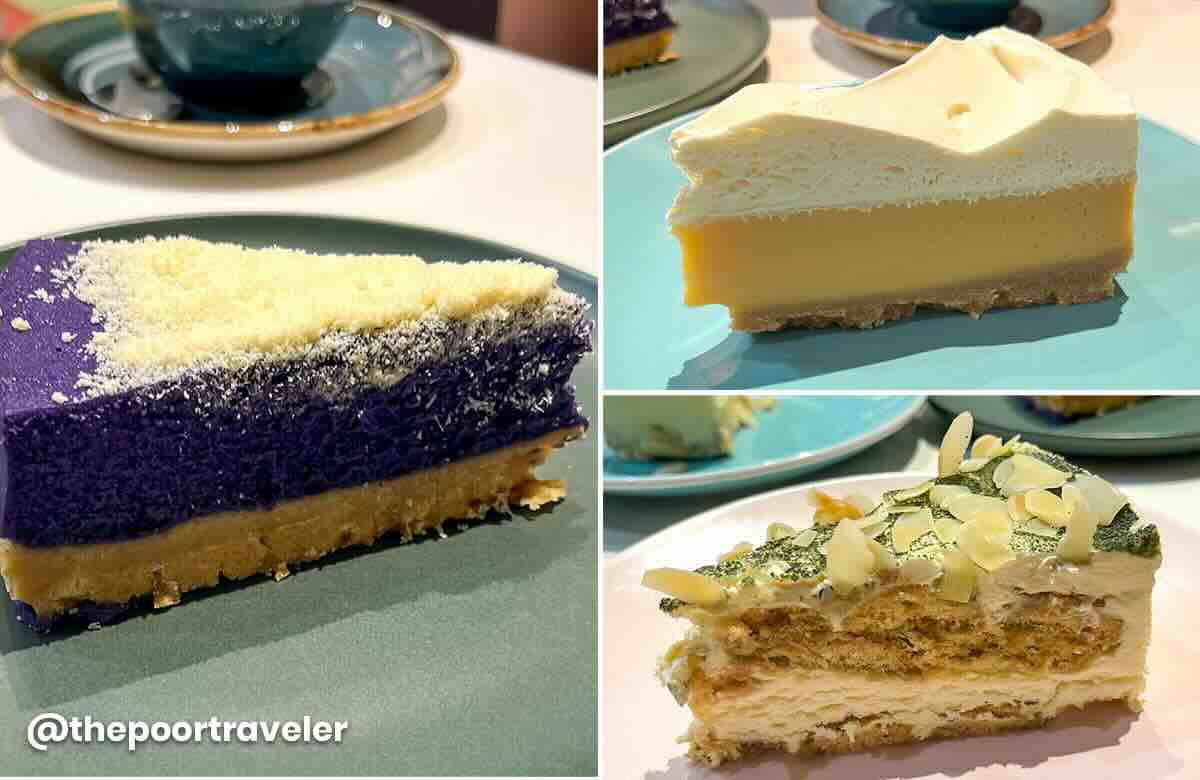































:max_bytes(150000):strip_icc()/TAL-sanibel-lead-image-SANIBELFL0225-4525d15894bc4a8e9745f1bd330d2637.jpg "Sanibel Island, Florida, Guide")
:max_bytes(150000):strip_icc():format(jpeg)/TAL-sanibel-lead-image-SANIBELFL0225-4525d15894bc4a8e9745f1bd330d2637.jpg)