Here are my top 10 countries that make it easier for Filipinas to live abroad while working remotely.
1. Estonia
Estonia offers one of the earliest digital nomad visa programs, which functions like a nomad residence permit. Filipinos can apply to stay for up to a year while working for a company outside Estonia. The visa application fee is relatively modest, and the country is known for its robust digital infrastructure and fast internet.
For those interested, Portugal’s D7 Visa acts much like a temporary resident visa for those with a steady income. This temporary residence permit allows them to stay for a year and renew if needed. Portugal is known for its sunny beaches, relatively low application fee compared to other parts of Europe, and a welcoming expat community.
Length: 1 year, renewable
Fee: Moderate
Why Portugal: Affordable living, beautiful beaches, and friendly locals.
3. Croatia
Croatia lets applicants stay for up to 12 months. With its stunning coastlines, clear blue waters, and relatively short stay requirements for digital nomads, it has become a popular choice. The application process is straightforward, making it a great place for remote workers seeking a relaxed pace of life.
Length: Up to 12 months
Fee: Moderate
Why Croatia: Gorgeous coastline, rich history, and lower cost of living.
4. South Africa
South Africa offers a working visa to remote professionals who meet a minimum monthly income requirement – along with proof of employment and health insurance. With landscapes ranging from beaches to mountains, it’s an ideal spot for both work and adventure.
Visa Length: 6-12 months
Visa Cost: Moderate
Why South Africa: Beautiful landscapes, affordable living, and vibrant culture.
5. Malaysia
Malaysia launched its digital nomad visa to attract remote workers from Southeast Asia and beyond. Filipinas can enjoy modern cities, an affordable cost of living, and delicious local cuisine for the duration. Be ready to present proof of income and possibly local income tax documentation if required.
Length: 6-12 months
Cost: Affordable
Why Malaysia: Thriving digital nomad community, low cost of living, and proximity to other Southeast Asia destinations.
6. Colombia
Colombia’s digital nomad visa grants up to two years of residence. Known for its cultural diversity and lively cities, Colombia is especially appealing for younger nomads. Applicants often need to show proof of employment with a foreign entity and adequate funds for their temporary stay.
Visa Length: Up to 2 years
Visa Cost: Affordable
Why Colombia: Lively culture, affordable living, and great weather year-round.
7. Spain
The Spain digital nomad visa allows remote workers to stay for up to a year. Filipinas can enjoy Spain’s sunny beaches, rich culture, and famous cities like Barcelona and Madrid. Spain also offers a golden visa for those seeking permanent residency through investment.
Visa Length: 1 year, renewable
Visa Fee: Moderate
Why Spain: Rich culture, warm weather, and beautiful cities.
8. Cayman Island
The Cayman Island’s premium digital nomad visa lets Filipinas stay for up to two years in Caribbean luxury. Successful applicants often need health insurance and to demonstrate a stable income. Although the application fee is on the higher side, the tropical lifestyle may be worth it.
Visa Length: Up to 2 years
Visa Cost: Higher
Why Cayman Island: Tropical paradise, luxury living, and stunning beaches.
9. Sri Lanka
Sri Lanka’s tourism sector is increasingly friendly to remote workers. Though there isn’t an official Philippines digital nomad visa yet, remote workers may extend a tourist visa for a long stay. This island nation features affordable living costs, vibrant culture, and picturesque beaches.
Although there’s no official Japan digital nomad visa, Japan’s working holiday visa allows Filipinos to live and work in the country for a time. This temporary-stay visa is perfect for those under 30 who want to explore Japan while working remotely. Japan is known for its rich culture, modern cities, and advanced technology.
Visa Length: Up to 1 year (depending on eligibility)
Many countries are now offering unique pathways – making it easier for Filipinos to become self-employed remote working citizens. But if the places already mentioned don’t fit your plans, here are several other vacation / work destinations that offer long-stay visa or remote-work solutions for visa holders and freelancers:
Dubai and Taiwan maintain flexible digital nomad programs, while Grenada and Dominica draw interest with their citizenship-by-investment schemes.
In North America and Central America, you’ll find popular routes in Costa Rica and Mexico, alongside options like El Salvador experimenting with crypto-friendly policies.
For longer tropical stays, consider the Bermuda Certificate, the Barbados Welcome Stamp, or programs in Antigua, Anguilla, Seychelles, and Mauritius.
Meanwhile, European nations such as Georgia, Latvia, Cyprus, Italy, Hungary, and Iceland have evolving digital nomad or temporary residence permit pathways.
Venturing further, Brazil, Ecuador, and Argentina in Latin America each offer (or plan to offer) remote-friendly visas, and the Economic Community of West African States (ECOWAS) region provides relaxed cross-border travel for certain member nations.
If you’re eyeing a working holiday, Canada, New Zealand, and Australia remain steadfast favorites, and South Korea is testing new remote-work initiatives.
Some last minute tips: don’t forget to check specific requirements. Always research the local consulate or embassy website.
Minimum income requirement, proof of employment, travel insurance and health insurance vary by country for every digital nomad lifestyle. You might also need to pay local income tax depending on your temporary residence permit conditions.
For further details, consider consulting with my team (if you have a Filipino passport) or the foreign affairs departments of each country before planning your next adventure!
FAQ
What is the easiest digital nomad visa?
Greece is considered to have one of the easiest EU digital nomad visas due to its straightforward requirements and convenient application process.
What are the cheapest countries to live for digital nomads?
Some of the cheapest countries digital nomads should consider would be: Croatia, Thailand, Cabo Verde, Belize, Brazil, Portugal and Romania.
Which EU countries offer digital nomad visas?
The top digital nomad visas in Europe are from countries like Spain, Portugal, Estonia, Greece, Malta and Croatia. These countries offer long-term visas tailored for remote workers with benefits like tax breaks, visa-free travel in the EU and accessible minimum income requirements.
The Toyota Previa was the automaker’s minivan in the ’90s
Toyota might bring back the Previa nameplate
The resurrected Previa might feature electrified powertrains
With its aerodynamic shape and mid-mounted engine, the Toyota Previa minivan remains one of the Japanese automaker’s most daring designs. And it might return with plug-in powertrains.
According to a report in Japan’s Best Car magazine spotted by Forbes, a new Previa is slated for a 2026 launch using the TNGA-K platform that underpins the Toyota Camry, Crown, and RAV4, among others, with the intention of accommodating both plug-in hybrid and all-electric powertrains. A hydrogen fuel-cell powertrain was also reportedly considered but the discarded.
This report, which is based on conversations with an anonymous Toyota source, doesn’t mention the U.S. market. But the fact that the TNGA-K platform is already homologated for use here in so many other models could perhaps give Toyota a head start on making the new Previa U.S.-ready.
1991 Toyota Previa
Granted, the original Previa wasn’t very successful in the U.S. While it gave Toyota an up-to-date entry in the then-booming minivan segment, sales gradually tapered off from its introduction in 1990 to its discontinuation in 1997. Just 3,780 were sold in that final year, Forbes notes, before the Previa was replaced by the more conventional Toyota Sienna.
The Previa stood out thanks to its rounded exterior, often described as egg-like in period. The new Previa will reportedly feature similar styling, while offering seating for up to seven. If it reaches the U.S., it will be a counterpoint to the Sienna, which is now hybrid-only, but still more conservative in design.
1991 Toyota Previa
Among U.S.-market minivans, all but the Honda Odyssey have switched to hybrid powertrains. The Chrysler Pacifica Hybrid has been a plug-in hybrid for years and as we’ve seen, can go more than 30 miles without the engine.
For the U.S., the Volkswagen ID.Buzz is the first time the minivan—or passenger van—has gone all-electric. But it might not be alone soon. Kia has teased another quirky possibility in the PV5, one of a series of electric vans based on an extremely modular architecture. And an all-electric Chrysler minivan is in the works—potentially as soon as 2027.
It looks like the time is up for the F92 BMW M8 Coupe, as BMWBlog reports order taking for the two-door grand tourer has closed globally. Citing a bulletin sent out to dealers, the M8 Coupe will be removed from BMW’s website and online configurator in January 2025.
According to the publication, units currently in production will still be processed, after which the model will be retired from BMW’s line-up. The M8’s other body styles, namely the F91 Convertible and F93 Gran Coupe will live on, although it isn’t unknown if BMW will continue to offer the standard G15 8 Series Coupe.
The 8 Series first debuted in June 2018 and was joined by the high-performance M8 model a year later. The latter got an update in January 2022, with the base M8 variant being discontinued, leaving just the M8 Competition that features a S63 4.4 litre twin-turbo V8 with 625 PS (617 hp or 460 kW) and 750 Nm of torque. This is paired with an eight-speed M Steptronic transmission with Drivelogic as well as an M xDrive all-wheel drive system.
While the F91 and F93 will still be available to customers, the report indicates that both will also soon be phased out. It also adds that there has been no confirmation if a new generation of the 8 Series will be green lit, but if a successor does happen, it is unlikely to be revealed before 2029-2030.
Malaysia got the 8 Series in Coupe and Gran Coupe guises, with the former available in M850i xDrive and M8 variants. The M8 has since been removed from the local line-up, while the M850i gained a special MY Edition that is still listed from RM1.057 million. The 8 Series Gran Coupe initially arrived as the 840i M Sport in April 2020 and was joined by the M8 Gran Coupe a few months later in August. Both are now absent from BMW Malaysia’s official price list.
For design and architecture aficionados, LUXUO revisits the standout moments of the year, spanning architecture, interior design, furniture innovation, and tributes to design legends we’ve lost. These milestones have left an enduring impression on the global design community.
As 2024 draws to a close, it will be remembered as a pivotal year of progress in the design industry — one defined by groundbreaking advancements, thriving research, and an unwavering commitment to sustainability.
Salone del Mobile 2024
Visitors ascending the steps to Salone del Mobile 2024. Image: Alessandro Rusotti.
More than 1,950 exhibitors from 35 different nations attended the annual Salone del Mobile, the largest design expo in the world. The event, which took up 174,000 square meters of exposition area, had a record attendance of 370,824 people (+110,000 more than in 2022), up 20.2 percent from 2023. Additionally, there was a significant increase in professionals, up 28.6 percent, with 65.6 percent coming from overseas.
The year’s most anticipated event, Rho Fiera’s 62nd edition, kicked off with a packed schedule of speeches, exhibitions, and nearly 2,000 exhibitors. Salone del Mobile aimed to provide exceptional experiences, synaesthesia, and cultural short circuits while providing exhibitors with long-lasting value.
Gufram stand. Image: Andrea Mariani.
The two bi-annual EuroCucina and the International Bathroom Exhibition, the 25th anniversary of SaloneSatellite, was created by Marva Griffin with the subject “Connecting Design since 1998,” and the large-scale installations “Interiors by David Lynch” were among the activities this year. “Under the Surface,” “A Thinking Room,” “All You Have Ever Wanted to Know About Food Design in Six Performances,” and the “Drafting Futures” talk series. Discussions about “Next Perspectives” in the Formafantasma-designed Arena Drafting Futures area.
EuroCucina 2024
Elica stand. Image: Diego Ravier.
The 24th edition of EuroCucina (Kitchen Year) considers artificial intelligence, sustainability, and context hybridisation. The kitchen, which has historically been a private area, is changing to accommodate new social interactions and experiences, becoming a relational “hyperworld” that links the several facets of domestic life. The lines separating the kitchen from other areas of the house are becoming increasingly hazy, necessitating adaptable designs that blend in with the other living areas. Innovative kitchen technologies, integration with outside areas, and environmental and social sustainability are highly valued.
Binova’s induction system is built into the countertop. Image: Diego Ravier.
These days, the kitchen serves as a hub for innovation. Technology is used not just in the digital industry but also in the pursuit of novel materials, coatings, and design approaches. In fact, over 100 international manufacturers showcased the newest developments for one of the most iconic locations in the home environment at the biennial EuroCucina.
Considering this year’s developments, most of the products on display investigate novel kitchen concepts. An increasingly open kitchen, enhanced by priceless materials and exceptional technical performance, is meant to be a place for daily living rather than only for cooking. Technology and materials were the two main themes at this year’s EuroCucina. The first provides space-saving surfaces, low dimensions, and miniaturisation while streamlining operations and aiding in food preparation and preservation.
A case in point? Elica gave “Lhove” an ” all-in-one” kitchen in its Calvi Brambilla-designed rooms, integrating the most cutting-edge technology to provide a unique product on the market — a single appliance that functions as a cooktop, oven, and hood.
With technology, there are materials, a never-ending quest for excellence, luxury, and exceptional technical performance. Stoneware takes centre stage in its colour variations for Binova hobs; the new Bluna model eliminates hotplates and has an induction system built into the material. Thus, there will only be one single-material base and no more hobs.
Gaetano Pesce – A Visionary Designer
Gaetano Pesce. Image: Dezeen.
The late Italian architect and designer Gaetano Pesce (1939–2024) was renowned for inventing material combinations and colourful, biomorphic shapes. Born in La Spezia, Italy, he studied architecture at the University of Venice under renowned instructors, including Carlo Scarpa and Ernesto Rogers. Pesce continuously questioned accepted norms of abstraction and homogeneity in his work, which covered architecture, urban planning, and industrial design during his career.
Pesce’s designs are well known for their social criticism and emotional impact. His famous Up series armchair, which debuted in 1969 and symbolises women’s enslavement with a bulbous body attached to a spherical ottoman, makes a powerful statement against gender inequity. He was a trailblazer using materials like urethane, foam, and resin, producing works that conflate functional design with art.
The Organic Building in Osaka, Japan, stands out for its vertical garden exterior, and the interior design of the Chiat/Day offices in New York, which imitated urban settings to encourage innovation, are two of Pesce’s most prominent architectural works. His work is included in major museum collections worldwide, such as the Centre Pompidou in Paris and the Museum of Modern Art in New York.
Bottega Veneta show 2024. Image: Dezeen.
Pesce influenced generations of designers as teachers at establishments like the Institut National des Sciences Appliquées in Strasbourg and the Cooper Union in New York. He received multiple honours for his work, including the 1993 Chrysler Design Award for Innovation and Design. Pesce died on April 3, 2024, leaving behind a work that skillfully combines human emotion, society, and art.
Capita Spring
Sky garden at CapitaSpring. Image: Dezeen.
The 280-meter tower CapitaSpring, located in Singapore’s Downtown Core, is an example of creative urban design. The 51-storey tower, designed in collaboration with Carlo Ratti Associati and Bjarke Ingels Group (BIG), was finished in 2021 on the site of the Golden Shoe Parking Lot.
With two large gardens — one 100 meters above ground and Singapore’s tallest rooftop urban farm — the building’s architecture skillfully blends nature and urban life. In addition to providing residents with a calm setting amid the busy city, these green areas support the city’s biodiversity.
The mixed-use structure of CapitaSpring consists of Citadines-managed serviced apartments, co-working spaces, and conventional office space. The tower also offers a variety of dining alternatives, including the 51st-floor Japanese restaurant Oumi, which offers expansive city views.
CapitaSpring designed by BIG. Image: Dezeen.
Adding a hawker area on the second and third floors is a noteworthy element that preserves Singapore’s rich culinary legacy in a contemporary environment. This fusion of modern and traditional features captures the city’s cultural development.
CapitaSpring uses cutting-edge access technologies like facial recognition, mobile QR codes, and RFID tags to improve user convenience and security. However, from late 2023, entrance to the gardens has been restricted due to increasing tourist interest. To efficiently manage crowd levels, reservations had to be made in advance via the CapitaSpring website. The tower’s eco-friendly architecture and multipurpose areas, which skillfully combine work, play, and nature, are prime examples of a progressive approach to urban development. In addition to enhancing Singapore’s skyline, CapitaSpring establishes a standard for upcoming urban planning projects.
Pan Pacific Orchard
Pool level view with its reflective mirrored ceiling. Image: Dezeen.
Known as the “world’s best new tall building,” the Pan Pacific Orchard Hotel in Singapore boasts a distinctive design that includes a lush jungle terrace, tropical plants, and an artificial lagoon.
With more than 340 rooms and more than 100 plant species, the 23-storey hotel, which opened in June 2023, creates a vertical oasis in the middle of the city. Four different settings — Forest, Beach, Garden, and Cloud — inspired the hotel’s architecture, which was created by Singapore-based WOHA Architects. Each of these environments has its terrace inside the structure.
The Forest Terrace is a calm introduction to the hotel’s naturalistic atmosphere. It greets visitors with a high-ceiling lobby decorated with towering trees and a lively waterfall. With its emerald pools and sandy “beachfront,” the Beach Terrace provides a resort-like setting in the middle of the metropolis.
The Jenga-like structure of Pan Pacific Orchard. Image: Dezeen.
The Garden Terrace is a peaceful haven for visitors. It offers a well-kept garden with a verandah, event grass, and fountains. One of Singapore’s tallest ballrooms, with 400 seats, is available at The Cloud Terrace for opulent gatherings with expansive city views.
The hotel’s design emphasises sustainability and demonstrates a dedication to responsible urban development. Its green canopy is equipped with solar panels that transform sunshine into useful energy. In recognition of the Pan Pacific Orchard’s creative fusion of flora and ecological principles, the Council on Tall Buildings and Urban Habitat (CTBUH) named it the “world’s best new tall building.”
This recognition highlights the hotel’s position as a model for upcoming urban design initiatives, skillfully fusing opulent hospitality with ecological awareness.
Philippe Starck
Philippe Starck. Image: Cassina.
During Milan Design Week 2024, the Cassina Store Milan got ready for “Somewhere Else,” a unique installation celebrating the thirty-year collaboration between Cassina and Philippe Starck. Stocked at W. Atelier, the elegant Somewhere EL-S series is an unmatched assortment of uniquely crafted seating components that draw inspiration from various sources. These components include ottomans that evoke luxurious luggage and armchairs wrapped in elegant clothing. Inspired by the world of saddlery and leatherwork adorned with metal accents, it featured a beautiful combination of materials, textures, and hues that presented a story of sophisticated artisan craftsmanship.
Couture details and artisanal skills are showcased in the designs of the Somewhere EL-S furniture collection. Image: Cassina.
The designer created the “Volage Ex-S” Night Wood Bed. This chic and eclectic sleeping area collection is the centrepiece of a theatrical, enigmatic, and surprising tale that Philippe Starck himself curated, as well as the Somewhere EL-S family of ottomans and armchairs in honour of this momentous occasion.
Fumiko Maki
Fumiko Maki. Image: Maki and Associates.
As a pioneer of modern architecture, Fumiko Maki, a key player in Japan’s Metabolist movement, died on June 6, 2024, at 95. His firm, Maki and Associates, in Tokyo, confirmed that he died of natural causes. Born in 1928 in Tokyo, Maki’s architectural career started at the University of Tokyo, where he studied under Kenzo Tange and graduated with a Bachelor of Architecture in 1952. He continued his education in the United States, attending the Cranbrook Academy of Art in Michigan and earning a Master of Architecture from Harvard University. Early in his career, Maki gained experience at prestigious firms like Skidmore, Owings & Merrill in New York and Sert, Jackson and Associates in Cambridge, Massachusetts.
Maki made essential contributions to academia while working as an assistant professor at Washington University in St. Louis, where he was commissioned to build Steinberg Hall for the first time. Later in his career, he became a faculty member at Harvard’s Graduate School of Design, where he continued giving guest lectures.
Maki returned to Tokyo in 1965 and founded Maki and Associates. In the 1960 essay “Towards the Group Form,” co-authored with Masato Otaka, he outlined his design philosophy, emphasising organic and flexible urban structures that influenced the Metabolist movement’s goal of sustainable and adaptive cities.
Museum Reinhard Ernst. Image: Maki and Associates.
Maki’s architectural legacy is a blend of Eastern and Western design ideas. He uses elements like steel, concrete, and glass to create places that are both visually pleasing and useful. The 1993 Pritzker Architecture Prize jury praised his work, stating that it “fused the best of both Eastern and Western cultures.”
Among his noteworthy endeavours are the 1988 completion of Tokyo’s Tsuda Hall and various foreign commissions, which demonstrate his dedication to modernist principles and contextual awareness. Although Maki’s death signifies the end of an era, his impact on urban planning and architecture will live on, encouraging upcoming generations to imagine and build dynamic, adaptable spaces.
Iris Apfel
Iris Apfel. Image: Cloth and Company.
The famous interior designer and fashion icon Iris Apfel died on March 1, 2024, at the age of 102, at her home in Palm Beach, Florida.
She was the daughter of Russian Jewish immigrants and was born Iris Barrel on August 29, 1921, in Astoria, Queens, New York. Apfel was exposed to design and fashion at a young age by her mother, who had a fashion boutique, and her father, who owned a glass mirror company. She received a degree in art from the University of Wisconsin and studied art history at New York University.
After starting out as a copywriter for Women’s Wear Daily, Apfel collaborated with illustrator Robert Goodman and interior designer Elinor Johnson. In 1950, she and her husband, Carl Apfel, established Old World Weavers, a textile company that specialises in replicating vintage textiles. They worked at the White House for nine presidents, from Truman to Clinton, and their skills resulted in restoration projects.
Bed with headboard designed by Iris Apfel. Image: Cloth and Company.
Beyond textiles, Apfel’s diverse personal style—which featured striking accessories and large eyeglasses— was praised. Her distinctive style became well-known after a 2005 display of her costume jewellery and clothing collection at the Costume Institute of the Metropolitan Museum of Art. A 2014 documentary called “Iris” and a modelling contract with IMG at the age of 97 were among the fashion and media partnerships that resulted from this exposure.
Apfel also had an impact on education; in 2011, she was appointed a visiting professor in the Division of Textiles and Apparel at the University of Texas in Austin. She dabbled in product design, working with others to create accessories and even smart jewellery lines. Although her death signifies the end of a chapter in the history of the design industry, her influence lives on in the fields of fashion and interior design, and she personified uniqueness and inventiveness.
For more on the latest in design stories, click here.
It was always a dream of mine to experience being a digital nomad in New Zealand, and I recently made that dream a reality. As someone from the UK, New Zealand is about as far as you can travel before you begin coming home again.
It’s an expansive and beautiful country and the ideal retreat for remote workers seeking a slower pace tinged with plenty of adventure, culture, and fun. I’ve never visited anywhere quite like New Zealand and I can’t wait to tell you all about it.
Are you ready to live a remote lifestyle?
Take the quiz and see if we can help.
Our Creator Kickstarter Coaching Program will be accepting a maximum of 10 people to start building their dream remote lifestyle. Learn more & see if we can help you achieve your goals!
About New Zealand
New Zealand is an island in the Pacific, packed with jaw-dropping landscapes and lots of opportunities for adventure. From epic forests and breathtaking mountains to quirky little towns and big cities, it’s popular with nature lovers and thrill-seekers alike.
With just over 5 million calling it home, you’ll feel welcome wherever you go. Despite it being so remote, the WiFi is solid and the coffee is amazing – a trip to New Zealand is totally worth it.
Living in New Zealand As a Digital Nomad (Personal Experience)
That’s me busy working away during my house sitting stay in Devonport, NZ. My faithful companion Archie standing guard.
I spent exactly a month as a New Zealand digital nomad. This time was split between a 2-week house sit in Auckland, a week exploring further afield in the North Island, and a week exploring the South Island.
Moving so frequently within a month meant I delved into all of my remote working skills and regularly found new places to set up my laptop. Thankfully, I found that even some of the most remote New Zealand towns were well-suited for digital nomads.
Later on, I’ll discuss a couple of the best coworking spaces in New Zealand and some of the best cafes I found that made great spots for remote working. Although I was over ten thousand miles from home, I always felt well-connected to my work, family, and friends.
Unlike its Australian neighbor, New Zealand has very few natural predators. You won’t find dangerous snakes or deadly spiders here, just plenty of sheep and birds. I traveled to NZ straight from Australia so it was nice to relax after 3 months of being on guard!
While New Zealand is generally safe, it’s worth noting the country is prone to earthquakes due to its location on the Pacific Ring of Fire. Earthquake preparedness is part of daily life and many buildings are designed to withstand tremors.
Best Places for Digital Nomads in New Zealand
Auckland’s skyline as seen from Devonport.
I was fortunate to travel around many of the country’s biggest towns and cities. Here are the best places to consider living as a digital nomad in New Zealand:
The city skyline, specifically the iconic Sky Tower, typifies the economic prowess of the city and gives it a true metropolitan feel. As a digital nomad, Auckland is the ideal location.
Best Areas to Live in Auckland
Devonport, NZ.
All of my time in Auckland was spent house sitting in the beautiful and popular suburb of Devonport. It’s just a short hop across the water by the ferry or accessible by the Harbour Bridge. Tourists flock here and it was a stunning place to stay.
If you’re looking for a truly central spot, Auckland’s CBD is a fantastic choice. It’s packed with great restaurants, excellent shopping, and iconic landmarks. Its walkable streets and easy-to-use public transport make it a convenient base for exploring.
For a more laid-back vibe, Ponsonby is an area worth considering. You’ll find cool cafes, unique stores, and a busy nightlife and social scene here. This lovely little residential neighborhood offers a blend of modern amenities and independent charm.
Coworking Spaces in Auckland
Things to Do in Auckland
Here are 5 fun things in Auckland to fill your free time with:
Climb Mount Eden: An excellent hike up a dormant volcano with epic views of the city and surrounding countryside.
Whale Watching: One of the best things I did in New Zealand was a marine eco-safari. Take a trip aboard a luxury catamaran and observe orcas and dolphins in their natural habitat. Book your unforgettable adventure today.
Explore the Auckland War Memorial Museum: Dive into New Zealand’s history and Maori culture in a stunning heritage building. Get your tickets right here.
Go to the Sky Tower: Thrill-seekers can walk around the edge, or if you prefer, simply soak up panoramic views from the observation deck. The best views in the city! Find it here.
2. Christchurch
Hiking not far from Christchurch.
Christchurch is a great option for anyone working remotely in New Zealand. It offers a nice mix of modern facilities and natural beauty – I spent days here and it’s ideal for digital nomads. There’s a big cafe culture and a growing remote working scene.
There’s plenty to do when you’re not working. Explore the parks, walk along the Avon River, or eat and drink your way around the Riverside Farmers Market. The city has a relaxed feel to it and life in New Zealand feels somewhat slower here than in Auckland.
Best Areas to Live in Christchurch
Riccarton is a fantastic neighborhood for digital nomads and is where I stayed for two short spells in the city. The highlight for me was the peaceful walk through Hagley Park and the Botanic Gardens, which led straight into the city center.
For a more lively experience, Christchurch’s CBD is hard to beat. This revitalized area is alive with bars, restaurants, and the city’s best coworking spaces. Being close to hotspots like Riverside Market and the Avon River is ideal for digital nomads.
If you’re after something quieter but still well-connected, Addington is a great pick. It’s home to plenty of cozy cafes and has a more laid-back atmosphere. It’s perfect for focused workdays and has easy access to the CBD and nearby parks.
Coworking Spaces in Christchurch
Things to Do in Christchurch
Riverside Market, Christchurch.
When you’re not working, here are 5 Christchurch attractions to try in your spare time:
Riverside Market: Explore this popular spot filled with local food stalls, boutique shops, and independent bars.
Botanic Gardens: Stroll through beautifully curated gardens, relax by the river, or enjoy a picnic in a tranquil setting.
Tram, Punt, and Gondola: Tick off 3 awesome activities on land and water with a sightseeing tour on the famous vintage Christchurch Tram, plus punting and a gondola ride on the Avon. Check out this great tour I found that includes all three.
Visit the Antarctic Centre: Discover the magic of Antarctica at one of New Zealand’s top attractions. It’s the next best thing to visiting Antarctica. Click here to pre-book your tickets.
Go Wine Tasting: New Zealand is famous for its wine, so why not spend a delightful day in the scenic countryside surrounded by vineyards? Visit three wineries and enjoy a mouthwatering lunch. Click here for details.
3. Queenstown
Queenstown is a major NZ hub on the impressive Lake Wakatipu, surrounded by stunning mountains. Accommodation options range from budget hostels to cozy apartments and high-end hotels, catering to every digital nomad.
Outside work, adventure will be right on your doorstep. Go hiking, explore wineries, or even ski during your downtime. The energetic atmosphere and creative community make Queenstown an inspiring place to base yourself.
Best Areas to Live in Queenstown
Frankton is a practical choice for any digital nomad working in New Zealand. It’s where I stayed during my visit to Queenstown. Its proximity to the airport is super convenient, and the cafe scene provided all the WiFi and caffeine I needed.
For those wanting to be at the heart of the action, Queenstown’s town center is ideal. This busy area is packed with comfortable laptop-friendly cafes, restaurants, and coworking spaces. It’s also the best place to meet other digital nomads and ex-pats.
If you prefer a quieter vibe, Fernhill offers a peaceful escape while still being close enough to the town center. Here, the main benefit is the breathtaking lake and mountain views – it’s a truly inspiring place to set up your laptop.
Coworking Spaces in Queenstown
Things to Do in Queenstown
You won’t be bored in Queenstown; here are my top 5 activities to get you started:
White Water Rafting Adventure: Feel the adrenaline as you navigate rapids on Queenstown’s stunning rivers. This is a popular activity and is so much fun. Click here to book your spot today.
Skyline Gondola and Luge: One of the city’s top attractions! Ride the gondola for jaw-dropping views, then zoom down the luge for a thrill unlike any other in one of the most beautiful places on earth. Find it here.
Panoramic Helicopter Tour: What better way to see Queenstown’s breathtaking landscapes than to soar over it all on a helicopter tour? This experience is simply unforgettable, click here to reserve your once-in-a-lifetime flight now.
Jet Boating on Shotover River: One of the most fun things to do, but not for the faint-hearted. Speed through narrow canyons on an exhilarating jet boat ride, a must-do unique thrill in Queenstown. Click here for details.
Winery and Lunch Tour: Embrace the local wine scene and enjoy gourmet cuisine on a guided winery tour. Treat yourself to this delicious day out, you won’t regret it. Click here to learn more about this great day tour.
4. Wellington
Wellington, New Zealand’s capital, is a city built for digital nomads. The cafe culture and relaxed trendy bar scene make it easy to find a spot to work. Its strategic position between the North and South islands makes it a great spot for exploring too.
For the moments you’re not working, Wellington has plenty to offer still. The city’s lively energy and artistic atmosphere lend itself to an inspiring place to call home for a while.
Best Areas to Live in Wellington
Te Aro is a top choice for digital nomads, with its central location and lively atmosphere. Cuba Street is right around the corner, offering an exciting mixture of cool shops and bars. It’s the perfect place to unwind after a productive day on the laptop.
For a quieter but still connected spot, head to Mount Victoria. Located just a short walk from the city center, this neighborhood offers stunning views of the harbor and city skyline. It’s a great place for cafes, parks, and cute little streets.
Wellington CBD is always an excellent option. Here, you’ll have access to everything the city has to offer. There’s a nice choice of coworking spaces, laptop-friendly cafes, and affordable accommodation options; making it the perfect base to practice a great work-life balance.
Coworking Spaces in Wellington
Things to Do in Wellington
Make time to fit in these 5 top Wellington activities:
Guided City Tour with Cable Car Access: Explore all of Wellington’s main highlights with a guided city tour, including a ride on the iconic cable car. Click here to book your tickets.
Return Ferry to Days Bay: Take a relaxing ferry ride to Days Bay. The ferry is scenic and fun, and Days Bay is home to a beautiful beach and lots of nature to enjoy. Book your ferry tickets here.
Let’s finish with a wild card. Dunedin is a lovely city on the South Island that combines plenty of natural beauty with a significant amount of culture and history. Known for its Scottish heritage, it has stunning architecture and a great drinking culture.
The nearby Otago Peninsula is home to unique wildlife and outdoor adventures including hiking and kayaking. Dunedin also has a thriving arts and music scene, so there’s always something to explore during your downtime.
Best Areas to Live in Dunedin
Central Dunedin is the heart of the city and a great choice for digital nomads. With plenty of cafes, a couple of decent coworking spaces, and lots of historic charm, you’ll have everything you need during a stay here, including shopping, dining, and local attractions.
North Dunedin is a quieter, more residential area. It’s close to the University of Otago, which gives it a youthful feel with plenty of cafes, parks, and cool bars. Overall the area is peaceful, with great walking and biking routes, ideal for work-life balance.
St. Clair is a coastal neighborhood with a more relaxed beach vibe but plenty of modern amenities. Stay here for the views and enjoy access to incredible nearby nature, perfect for outdoor-loving digital nomads.
Coworking Spaces in Dunedin
Things to Do in Dunedin
Here are my top things to do in Dunedin:
Visit the Dunedin Botanic Gardens: Explore Dunedin’s peaceful botanic gardens, a free, beautiful space to relax and unwind surrounded by nature. Click here for details.
Speights Brewery Tour: Discover the history behind New Zealand’s iconic Speights beer with a brewery tour. The famous drink originates from Dunedin and this tour is a must for beer lovers! Click here for more details.
City Highlights and Otago Peninsula Tour: Explore the best of Dunedin, from the city’s heritage to the stunning Otago Peninsula. This popular tour often sells out. Click here to book your tour.
3-Hour Artisan Food Tour: Savor the flavors of Dunedin’s best local produce with this delicious artisan walking food tour. It’s a real treat for your taste buds and you’ll learn a lot about the city along the way. Click here for more information.
How to Find Accommodation in New Zealand
If you plan on being a digital nomad in New Zealand, keep your accommodation options open. Here are the 4 options I used throughout my time in New Zealand:
1. Booking.com: A handy tool for booking everything from hostels to luxury apartments. Booking.com often allows for no pre-payment, free cancelation, and price matching, making it a traveler’s budgeting dream.
2. Airbnb: Whether you’re planning a city center stay or something more remote in the New Zealand countryside, Airbnb has lots of choices on both islands. Always play with your dates to see if you can hit certain discount markers.
3.Trusted Housesitters: Save on all your accommodation costs by securing a house sit. The biggest house sitting site on the market regularly has listings across New Zealand. I secured a 2-week stay in Auckland and Goats On The Road readers get a special 25% discount by clicking this link.
4. Vrbo: A platform very similar to Airbnb, Vrbo offers a range of properties at competitive prices. Be sure to check both to secure the best prices and play around with your length of stay to see if you can save money by booking for longer.
Cost of Living in New Zealand
I was pleasantly surprised by the cost of living in New Zealand. Even in the bigger cities, most things felt fairly reasonable, here’s the breakdown:
Restaurants and Groceries
Dining out is comparable to most US and UK destinations. You can expect to pay around $15 for a casual meal, and the sky’s the limit with high-end restaurants. Generally speaking, the check for a decent dinner out will easily set you back $80-$100.
Like most places, you’ll never be far from a nice coffee shop. Your standard brew will usually cost $3 wherever you are in NZ. Meat is very affordable in New Zealand as little is imported. Beef, chicken, and especially lamb are routinely under $5/lb.
Accommodation Costs
Prices will vary greatly across the country depending on whether you plan to stay in the bigger cities or more rural areas. So, using the biggest city Auckland as our benchmark, city apartments cost upwards of $1200/month, with $200 utilities on top.
If planning a short stay, refine your searches using the options discussed in the previous accommodation section. You’ll find a full range of options across New Zealand, from shared hostel dorms and Airbnb rooms to luxury apartments.
Transportation Costs in New Zealand
All of the major New Zealand cities are serviced by efficient, affordable, and safe public transport systems. During my time in Auckland, I frequently used the ferry to take me directly across the water into the heart of the city center.
Using Auckland as our guide once again, tickets for public transport start at around $2.50 per trip and can be purchased online, via an app, or in person at a kiosk.
Uber is widely used throughout New Zealand and is an affordable and convenient way to travel, short trips cost $10-$15. Gasoline prices are usually much higher than in the US or Australia – a gallon of gas was above $6 during my stay!
SIM Cards, Data, and WiFi
Getting connected in New Zealand is a smooth and simple process. Walking through airport arrivals at 10 pm, a One NZ shop was open for business and had me up and running with unlimited calls, messages, and 10GB of data in minutes.
My plan cost me $30/month and was perfect for my needs. There are official outlets for the main vendors such as Spark, One NZ (Vodaphone), and 2Degrees in all towns and cities.
Data-only SIMS are cheaper but expect to pay at least $15/month to get fully set up and connected with a basic package.
Money Saving Tips for New Zealand
Hiking in the North Island.
House Sit: Save on all your accommodation costs by securing house sits in New Zealand. I did it for half of my stay and you can read all about it in this Auckland house sitting guide.
Fly Domestically: Traveling between the North and South islands by train or car sounds like a great idea but is incredibly uneconomical. Budget airlines operate between all major cities and will get you there in a fraction of the time.
Shop Around: There are a variety of popular supermarkets in New Zealand. Pak n Save is generally considered the cheapest but by shopping around you’ll find different bargains in different stores.
Op Shop: Thrift stores and op shops are prevalent throughout NZ and are always handy for picking up new books, second-hand clothing, and souvenirs.
Embrace the Free Stuff: New Zealand is one of the most beautiful countries I’ve ever visited. Get out into the great outdoors and enjoy the opportunity for plenty of hiking, natural beauty, and beach life during your stay.
Weather in New Zealand
One of many stunning beaches in the North Island, this is less than an hour from Auckland’s CBD.
New Zealand experiences four distinct seasons, offering varying weather throughout the year. October is the heart of spring in the southern hemisphere, and temperatures were dry and pleasant. This is when I visited and the landscapes really came to life.
The best time to travel to New Zealand depends on your plans, as each season has unique highlights. Summer (December to February) is great for beaches and hiking, while winter (June to August) attracts skiers. Spring and autumn offer fewer crowds and milder weather.
There’s no hurricane season, but the hot weather around holidays like Christmas and New Year can bring high travel demand. For ideal conditions, spring or early autumn both balance great weather and fewer tourists.
Pros and Cons of Living in New Zealand
Like any place in the world, living in New Zealand comes with its advantages and challenges. Here’s what I learned during my stay:
Pros of Living in New Zealand
Stunning Natural Beauty: Breathtaking landscapes, from mountains to beaches, New Zealand truly is one of the most beautiful countries I’ve ever had the pleasure of visiting.
Laid-Back Lifestyle: The relaxed and friendly culture is conducive to work-life balance and low stress levels.
High Quality of Life: A clean environment, excellent healthcare, and a strong education system contribute to overall well-being.
Adventure Opportunities: Activities such as hiking, bungee jumping, water sports, and skiing are widely available.
Safe and Peaceful: Low crime rates and political stability make it a secure place to live.
Remote Location: Its distance from other countries makes international travel and exploring further afield costly and time-consuming.
Earthquake Risk: New Zealand lies on the Pacific Ring of Fire, meaning that earthquakes are a common natural hazard.
Bugs and Sandflies: Certain areas, especially near water, are known for irritating sandflies and mosquitoes.
Digital Nomad Visa for New Zealand
New Zealand doesn’t currently offer a specific digital nomad visa. However, remote workers often utilize the Visitor Visa which allows stays of up to 2 years. Keep in mind that only certain countries are eligible and certain criteria must be met.
For American and Canadian citizens a visa-free travel agreement permits stays of up to 90 days, while Brits can stay for up to 6 months. Remote workers need to ensure they comply with regulations (working while on a tourist visa is usually not permitted).
Always comprehensively research the visa situation based on your own circumstances before planning any stay in New Zealand. Your own government’s website will supply all the necessary information. Click here to learn more about working holiday visas in NZ.
In Conclusion
I hope my digital nomad guide to New Zealand has inspired you to make it your next remote working base. I loved my time there and can’t wait to go back and explore some more.
Whether you enjoy breathtaking natural landscapes, quaint towns, or the draw of the big city, New Zealand has it all and is a country perfectly suited for digital nomads. Enjoy your travels!
According to Headlightmag, Toyota has filed a trademark for the name ‘Hilux Travo’ with Thailand’s Department of Intellectual Property (DIP). This is expected to be used for the next generation of the pick-up truck, which will replace the current eighth-generation model that was first introduced in May 2015.
In certain markets, the Hilux comes with a name suffix. This is the case in Thailand where the eighth-generation model is known as the Hilux Revo, while the generation before that was called the Hilux Vigo.
The report also claims the upcoming Hilux Travo will make its global debut in Thailand in 2025. Preliminary details suggest the redesigned pick-up truck will get a completely new front and rear end, although the chassis and cabin structure are said to be carried over, albeit updated.
This approach is similar to what was done for the ninth-generation Camry, and the Hilux Travo is expected to continue on with the brand’s GD series of turbodiesel engines that are revised to meet Euro 5 and Euro 6 emission standards.
To close out 2024, we’ve asked our three busiest Speedhunters of the year to highlight their three favorite stories from the past 12 months – from feature cars to events and everything in between. Today, Toby Thyer is sharing his highlights from Japan.
TT: 2024 has been a great year for Speedhunting, packed with unforgettable cars and moments, making it tough to pick just three to highlight. From Datsun mini trucks to a wide-body E24, a GT-R-bodied kei car, and the wild, animalistic energy of Retro Havoc, it’s been a whirlwind. Porsches, WRC legends, and the Mid Night crew at the Option Street Night also stand out.
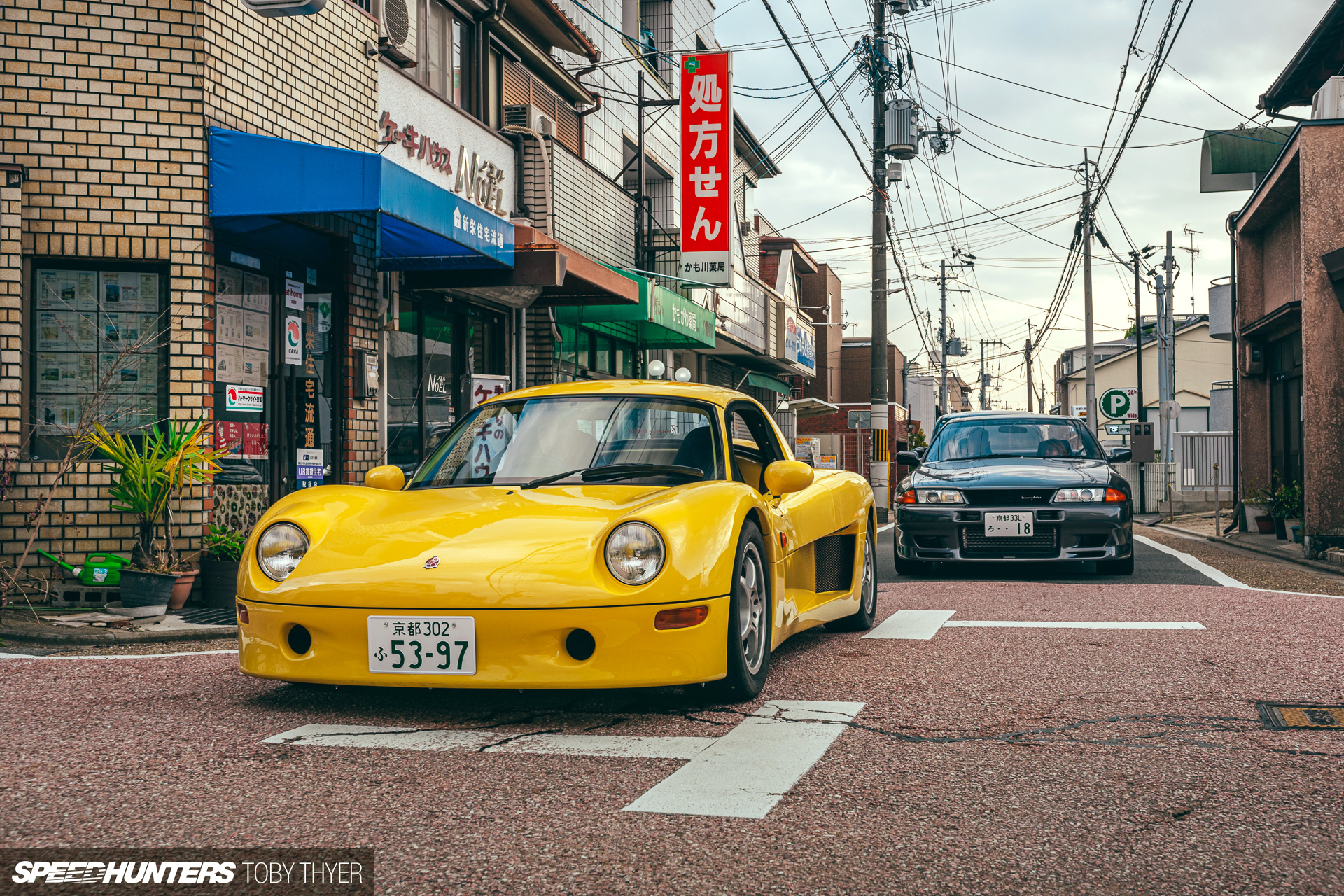
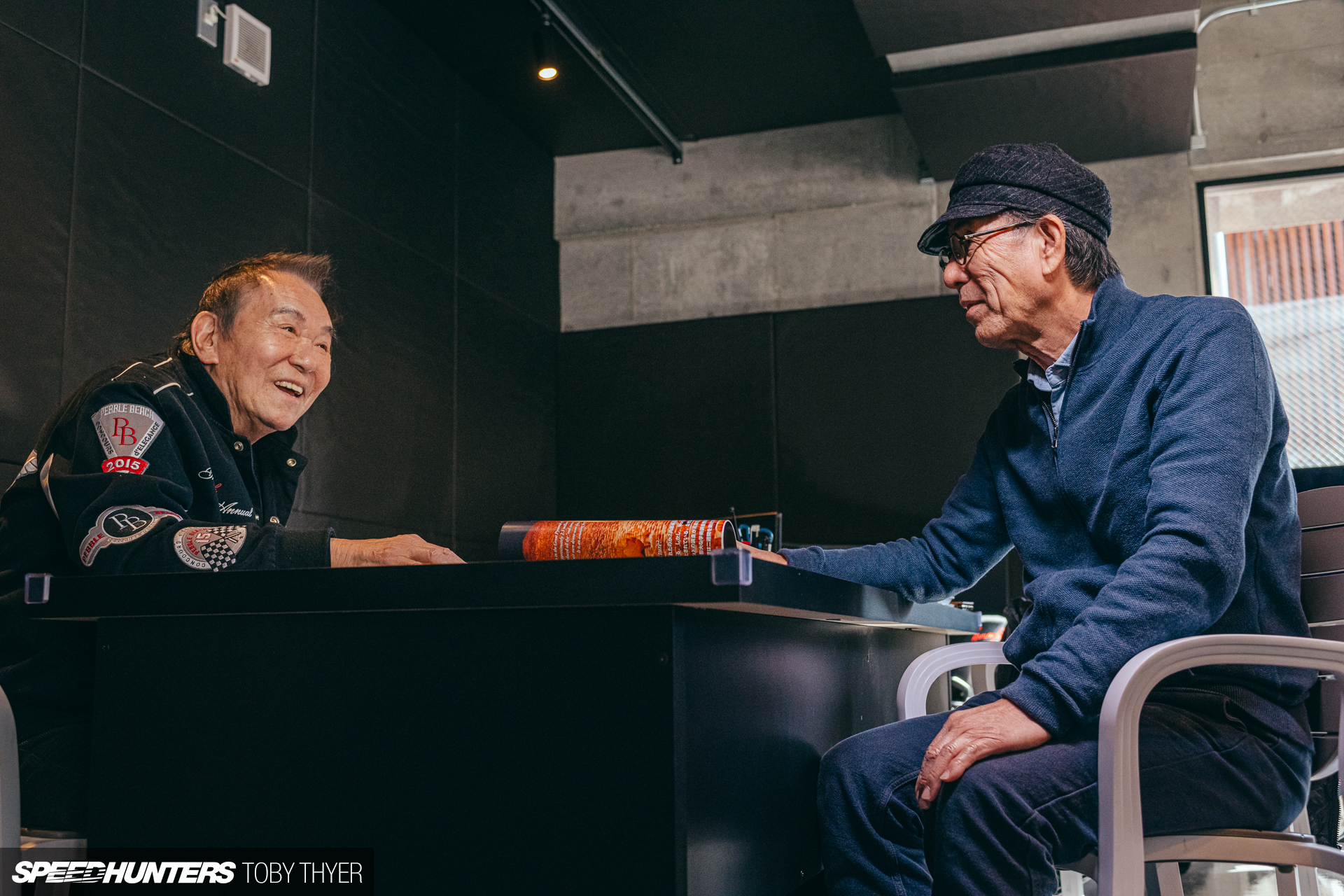
But as far as incredible memories go, meeting the minds behind Tommykaira would be right up there. Spending time with Kikuo Kaira and Yoshikazu Tomita – chatting and photographing them – was both a pleasure and a privilege. These two friends couldn’t be more different, yet fate brought them together to create one of Japan’s most iconic performance motoring brands.
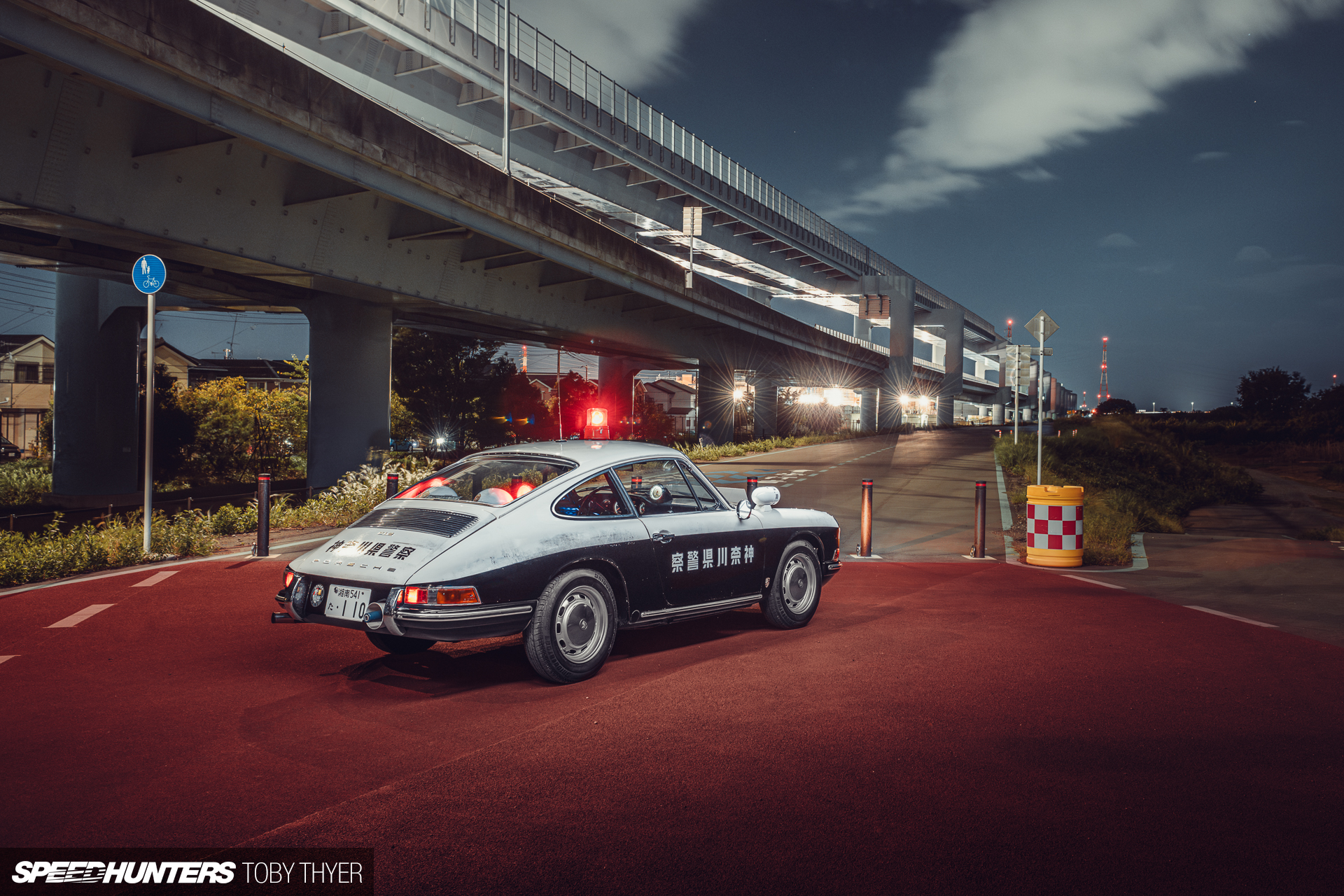
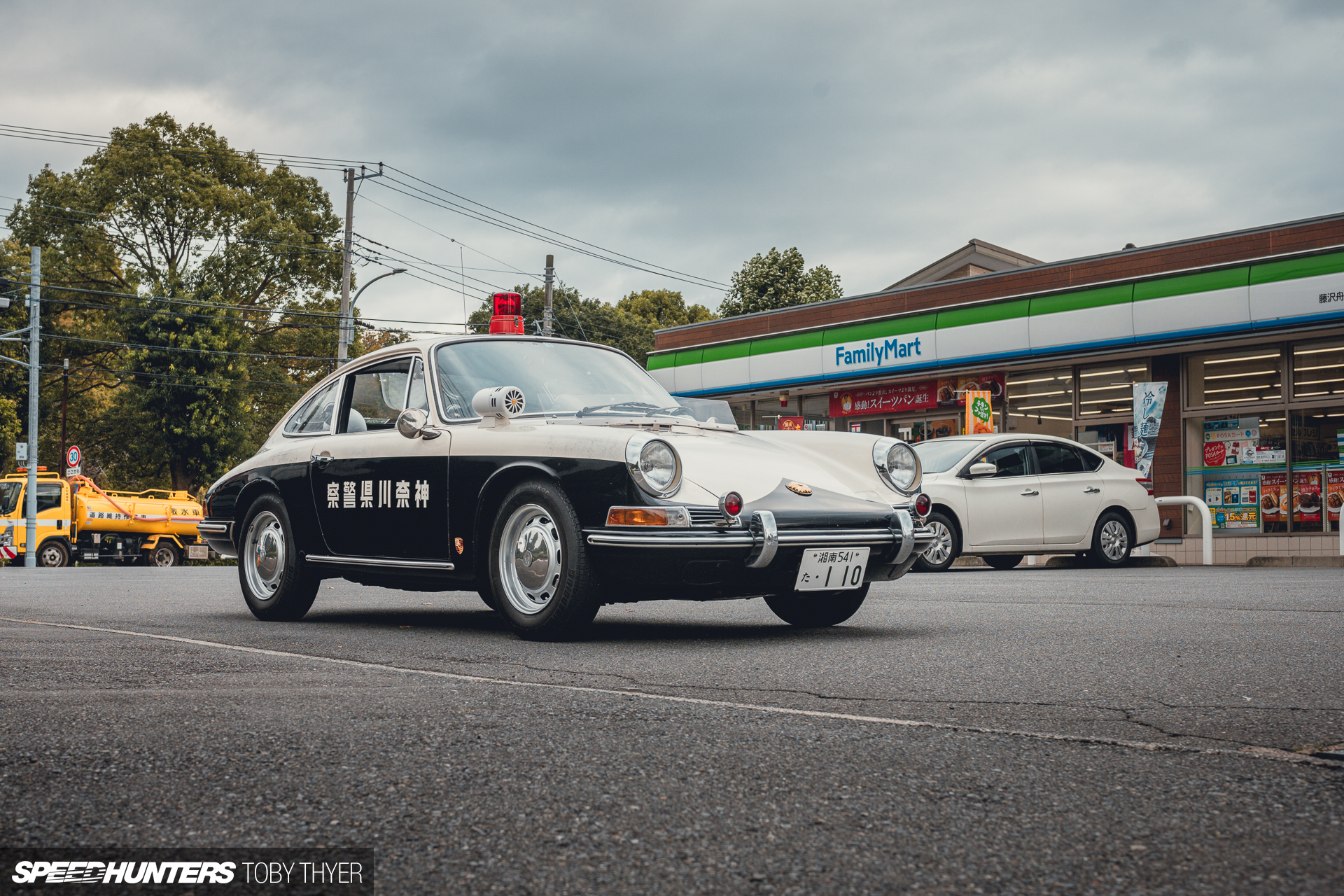
Regardless of where you stand, police cars are undeniably cool. But a Porsche 912 police car from the late ’60s? Now, that’s something I never expected to find in Japan. This one is the last of its kind still on the road, having lived a hard-working life. A high-speed chase arrest earned it an early retirement, but it narrowly escaped the scrap yard. In my book, this is probably the coolest Mizwa Porsche in existence.
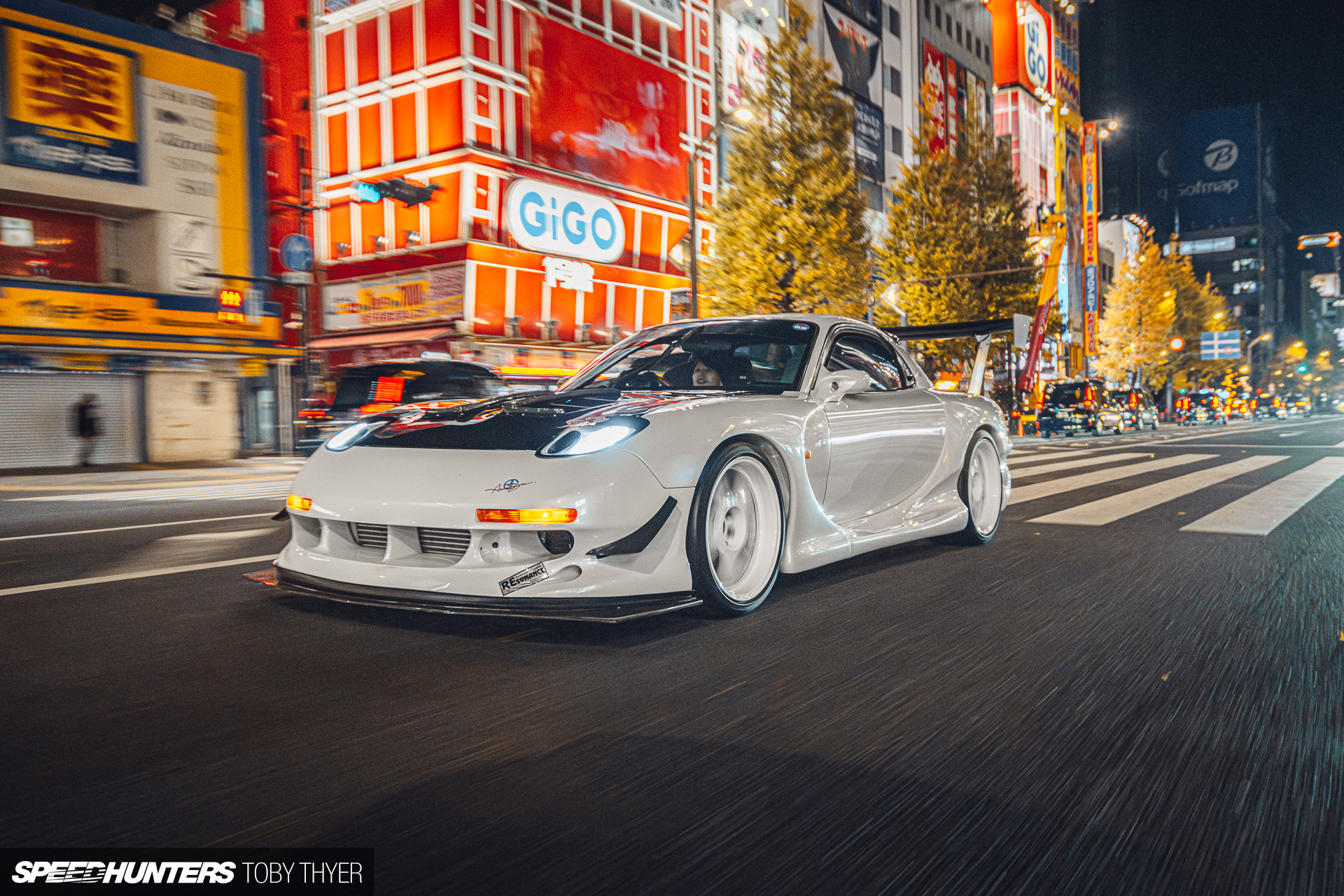
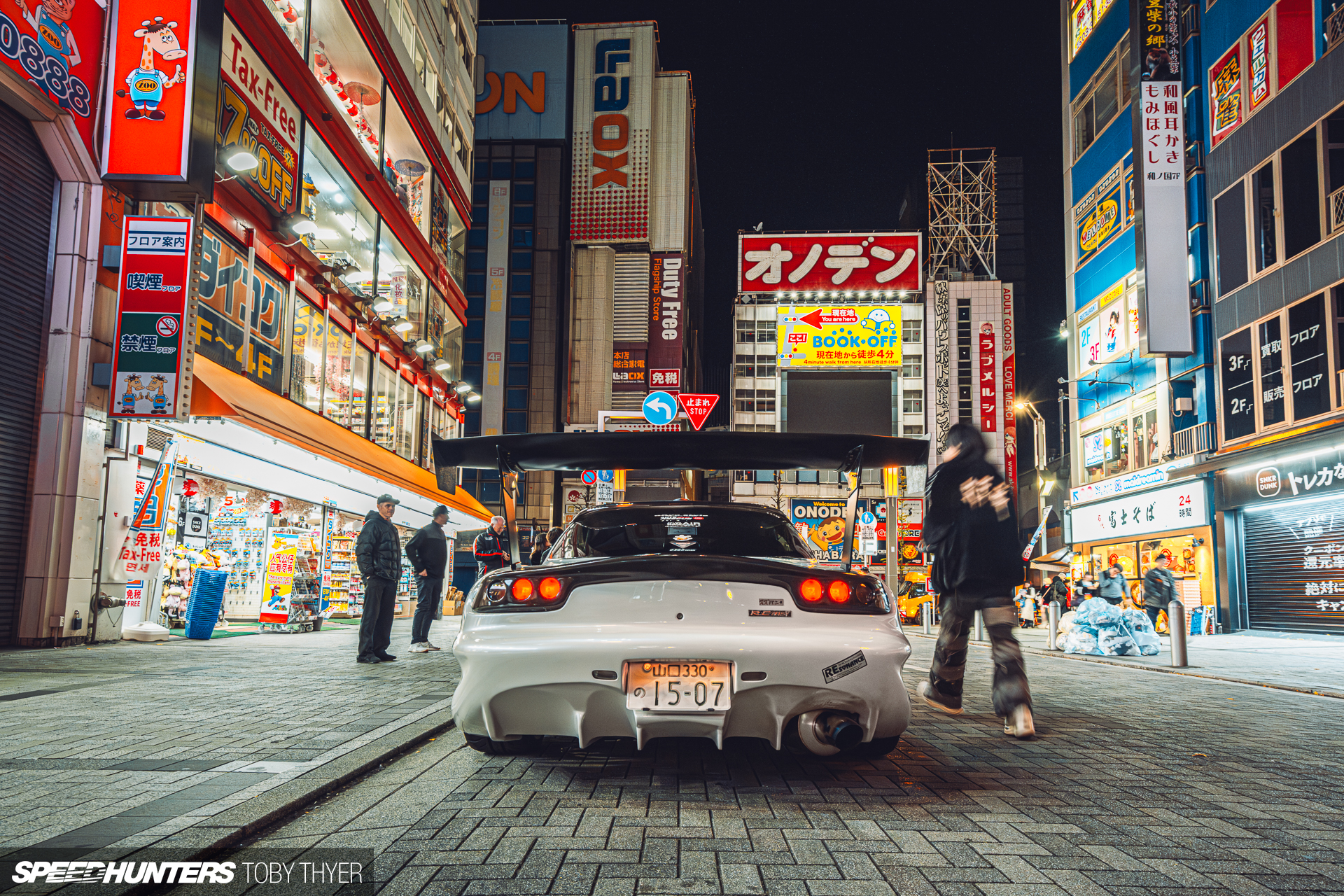
My third pick was recently shot in Tokyo’s Electric Town, Akihabara. This rare FD3S RX-7 Type RZ, wearing an even rarer 97GT body kit by RE Amemiya from the 1997 Tokyo Auto Salon – the only one still known to exist – is a work of art. With its pure ’90s curves, it feels like something straight out of H.R. Giger’s Alien. Seeing it lit up by Akihabara’s neon lights was as close to time travel as I’ll ever get. It’s inspiring to see young enthusiasts like Ryota-san keeping these cars alive and proudly representing Japanese tuner culture.
The GMA T.33 supercar is set to gain a track-focused “s” version
The T.33s will be the third and final version of the V-12-powered T.33
GMA will then launch a different type of car boasting a new platform
The U.K.’s Gordon Murray Automotive (GMA) will unveil a more track-focused “s” version as the third and final version of the company’s T.33 supercar in mid-2025, Gordon Murray has revealed.
“Next summer we’ll launch the third and final variant, which will be the 33s, and that’s going to be tougher and more focused,” Murray, who serves as executive chairman of GMA’s Gordon Murray Group parent, said during an Autocar podcast published on Dec. 25.
Murray said the T.33s won’t be a track-only model like the T.50s Niki Lauda based on the T.50 supercar, but it will still come with upgrades designed to enhance track performance, like increased downforce and more focused suspension settings. More power is also possible.
The T.33 is a V-12 sports car unveiled by GMA in early 2022 as the follow-up to the T.50. It features a 3.9-liter V-12 developed by GMA in partnership with Cosworth, with the engine tuned to deliver 608 hp in standard guise.
GMA T.33 Spider
An open-top T.33 Spider was unveiled in 2023. GMA is building 100 examples of each body style, and it’s likely the production run of the new T.33s will be in addition to the other models. The T.50s Niki Lauda has a production run of 25 cars, which is in addition to the 100-car run for the standard T.50.
Production of all T.33 versions will be handled at GMA’s plant in Highams Park, U.K. GMA said all build slots for the T.33 and T.33 Spider are accounted for. GMA has said T.33 production will start after T.50 production is complete, though a firm date hasn’t been provided.
After the completion of all T.33 versions, including the new T.33s, Murray in the Autocar podcast said GMA will launch a completely “different type of car” boasting a new platform. He didn’t say what engine will power the next model, but the company has said that it will keep offering V-12 cars as long as regulations allow, and that with hybrid technology the V-12 engine could still be sold well into the next decade.
When duralumin was first discovered by German metallurgist Alfred Wilm in the early 1900s, no one could have predicted that the aluminium alloy would change the course of aviation. And certainly none could have foreseen it becoming the hallmark of a German brand for decades to come.
Successfully claiming a colour or a unique design or even a motif is quite common for brands, but not many can claim a material like RIMOWA has.
Legend has it that in the 1930s, a fire completely engulfed a RIMOWA factory leaving nothing save for the aluminium. This incident inspired second-generation owner Richard Morszeck to turn to aluminium as a replacement for subsequent RIMOWA creations, instead of its foundational wooden designs. Morszeck had already toyed with the idea in the 1920s, having created the brand’s first aluminium trunk.
The current RIMOWA factory in Cologne, Germany. (SIMON MENGES)
The thing about claiming something as part of one’s branding is the need for constant innovation in order for the association to stick. A brand can be known for one thing (let’s face it, RIMOWA isn’t just about aluminium) but it doesn’t mean doing the same thing over and over again.
Much like how air travel has changed since, RIMOWA’s aluminium creations too have evolved. Initial aluminium suitcases were trunk-like with no wheels (the horror!) before wheeled luggage became mainstream in 1972; RIMOWA introduced its first Roller suitcase with removable wheels in the very same year. Eventually, the brand streamlined its aluminium offerings into three series: the super sleek Original, the Classic with leather handles, and the polycarbonate-based (another RIMOWA invention) Hybrid framed by aluminium accents.
The current RIMOWA factory in Cologne, Germany. (SIMON MENGES)
The brand’s iconic grooves became part of RIMOWA’s design language in 1950. Taking inspiration from the all-metal (duralumin, of course), made-in-Germany Junkers F 13 plane that was a significant aviation milestone, the grooves run parallel to the length of every RIMOWA piece. And while the grooved design remains as an identifying element to a large majority of the brand’s creations, it had experimented with other decorative treatments for aluminium. The limited-release Hammerschlag collection for example, was inspired by a Hand-Carry Case from 1966 that featured a “hammer hit” exterior. The textured surface reflects light in ways its flatter predecessors don’t while at the same time, minimises any obvious nicks and bumps of prolonged use.
Over the years, RIMOWA’s presence in luxury has been strengthened not only by its distinctive aesthetic, but also by its steely determination to stick to it while innovating. It’s no longer just a luggage brand; it’s a luxury mobility brand with the aim of creating pieces for every and any movement. The brand’s use of aluminium evolved from protecting travel necessities to keeping just about anything that matters to an individual. Aluminium has been shaped into specific functionality such as vanity cases, an attaché solely for mahjong, and a watch case fit for three timepieces.
Aluminium’s more wearable, everyday functions have seen it being transformed into a number of bags and accessories. The crossbody Personal bags—a crossbody and a sling clutch iterations—have become known for their mini-sized similarities to RIMOWA’s trusted suitcases, but cleverly designed with unique locking mechanisms adapted for heightened ease of use. The brand has even crafted aluminium into a sleek cardholder that opens with a rather sexy swivel, and protects against RFID and NFC technologies.
And if you’re wondering, RIMOWA hasn’t stopped innovating with aluminium. In the last quarter of 2024, the brand released two new aluminium expressions. The Original bag is the brand’s first unisex, multi-carry handbag that takes on the shape of a shrunken suitcase adapted to be carried as a top-handle, a shoulder bag or a crossbody. Then, there’s the limited-edition Original Cabin Optical with a new take on the aluminium suitcase featuring a truly mesmerising interpretation of the grooved design.
RIMOWA’s latest aluminium innovations: the Original Cabin Optical, and the Original bag. (RIMOWA)
Where will RIMOWA go from here? It has already built its aluminium legacy and will continue to do so. Perhaps, like its high-flying inspirations, the sky is the limit.
When you think of a “Hellcat swap,” what do you picture? Probably someone pulling the engine out of a car and replacing it with a V8 out of a Hellcat, right? Well, what if there was a far more complicated way to swap a car? What if you could just lay the body of another car atop a full Hellcat chassis, would that be better for you?
Drifting Over 100MPH In A Dodge Charger Hellcat
It’s better for Rich Rebuilds, apparently, who chopped the bodies off of a Charger Hellcat and a Chrysler Town and Country with the intent of wedding the two in unholy matrimony. You might think that sounds like an arduous, complicated process, but you’d be wrong. It’s actually way harder than that.
First, the body comes off the Hellcat with the judicious application of a Sawzall. The full bodyectomy caused shockingly few errors in the car’s computer, and with that it was ready to serve as the base for a Town and Country body. That body came off with the help of a plasma cutter, which will now be topping my Christmas list for next year.
Surprisingly, the minivan body is actually a reasonably close fit for the Hellcat chassis. The Town and Country’s wheelbase is only 1.2 inches longer than the sedan’s, and the Chrysler’s track width is actually wider than a non-widebody Charger. Everything fits shockingly well once it’s all laid out together, and while final interior layout will depend on the to-be-installed rollcage it’s entirely possible the minivan will end up with its original three-row layout intact.
These kinds of swaps are difficult, time-consuming, and require plenty of shop space, which is why it’s so convenient that we have YouTubers willing to do the hard parts for us. We just get to watch, which is the best part of the whole gig.
The technical storage or access is strictly necessary for the legitimate purpose of enabling the use of a specific service explicitly requested by the subscriber or user, or for the sole purpose of carrying out the transmission of a communication over an electronic communications network.
Preferences
The technical storage or access is necessary for the legitimate purpose of storing preferences that are not requested by the subscriber or user.
Statistics
The technical storage or access that is used exclusively for statistical purposes.The technical storage or access that is used exclusively for anonymous statistical purposes. Without a subpoena, voluntary compliance on the part of your Internet Service Provider, or additional records from a third party, information stored or retrieved for this purpose alone cannot usually be used to identify you.
Marketing
The technical storage or access is required to create user profiles to send advertising, or to track the user on a website or across several websites for similar marketing purposes.