I’ve just spent a few hundred miles in the 992.2 Carrera GTS T-Hybrid and it feels like the calm, confident centre of the refreshed 992.2 911 range. My test car was lightly specced: no front axle lift, no head-up display, no InnoDrive. It did have the brilliant full carbon buckets, the mid-tier BOSE audio, LED headlights, Lane Change Assist and 360 parking cameras. Even with that restrained build, the car landed the “do-it-all” brief better than anything else in the line-up.
Under the skin is the new 3.6-litre flat-six paired with Porsche’s compact T-Hybrid system. The e-turbo kills lag, a 40kW e-motor sits in the PDK housing, and a 1.9kWh battery feeds both. Total output is 532bhp and 610Nm, good for 0–100km/h in 3.0 seconds and 312km/h flat out. It’s not a plug-in; it’s a light, performance-first hybrid, and it feels it on the road.
Response is the headline. From 2,000rpm the GTS surges like a big-capacity NA engine, only with extra shove from the e-motor. Throttle accuracy is superb, and the PDK seems to read intent half a beat early. Rear-steer trims your line without dram, and the steering stays beautifully weighted and consistent. It’s quick enough for a track day, calm enough for a commute, and never shouts about its cleverness.
Liveability seals it. The carbon buckets aren’t the convenient choice, but set you low, centred and locked; a proper Porsche driving position. Ride quality is firm but disciplined on mixed surfaces, with that familiar GTS bandwidth between comfort and control. Even without front lift the nose never felt precious, and the lack of InnoDrive and HUD actually made the car feel purer. BOSE is great for everyday use, and cabin storage remains decent for a 911, even with normal seats and rear seats optioned, there is copious space for luggage/small limbed humans.
The newly announced 992.2 Turbo S is the headline act, the top of the tree. It adds a second electrically assisted turbo and pushes outputs into hypercar-baiting territory. On a fast road or long straight, it would leave a GTS for dead. It is also far pricier and heavier on hardware, chasing numbers with relentless efficiency. If you want the ultimate poster-quick 911, the Turbo S is the daddy.
That doesn’t make the GTS a consolation prize. The GTS is the car you’ll enjoy wringing out more often, on more roads. It serves rich feedback, instant response (even if the Turbo S promises to be even more responsive) and real-world pace you can actually access.
It carries less complexity, may feel more connected, and still delivers proper 911 theatre. You won’t get Turbo S bragging rights, but you also won’t feel short-changed for a second.
The 992.2 Carrera GTS T-Hybrid is the real-world 911 to buy. It’s blisteringly fast, deeply rounded and refreshingly focused even in a modest spec. The Turbo S owns the record books, but the GTS might just own the everyday. Time will tell…
What if I told you those infamous Santorini crowds—the shoulder-to-shoulder sunsets, the cruise ship bottlenecks, the endless lines—are almost entirely avoidable? The truth is, the island doesn’t always look like an Instagram stampede.
Come in the shoulder season, and you’ll find a Santorini that breathes differently: villages where you can hear your own footsteps, taverns where the owners actually sit and talk, and skies that turn golden without three hundred phones in the air.
Santorini in the shoulder season—March-April (up until after Easter Week), and October to early November—is when the island quietly transforms. You do gamble with the weather a bit more, but Aegean island weather is never too predictable in the first place, and you can be sure to beat the summer heat and see the famous sights as they’re meant to be seen.
Here’s why the shoulder season isn’t just a discount version of Santorini—it’s the island at its finest.
Here’s a snapshot:
Experience Authentic Santorini in Just 5 Hours
Discover the magic of Santorini on a small-group adventure designed to showcase the island’s most iconic spots, including the world-famous blue domes.
→ Capture the perfect photo at Firostefani’s Blue Domed Church, one of Santorini’s most recognizable landmarks. → Stroll through Oia’s charming streets, with its whitewashed houses, caldera views, and unforgettable atmosphere. → Relax at the unique Black Beach of Perivolos, where volcanic sands meet the sparkling Aegean Sea. → Explore Megalochori, a traditional village full of authentic Cycladic charm and history. → With expert local guidance, comfortable transport, and stunning views at every turn, this 5-hour experience is the ultimate way to see the best of Santorini.
Book below 👇
Reasons to Visit Santorini in the Shoulder Season
1. The Weather’s Just Better for Exploring
Santorini’s summer heat waves can be truly exhausting if you’re not just here to swim or lounge by the pool. In August, the perfect hour to leave the house tends to be “never”, so no one has any energy left for those great pictures or going to Akrotiri (archeology, what? In this sauna-like heat?). Even your meals have to be as light as possible, which means you’ll likely be missing out on those famously big Greek spreads.
The sun wears you down, the black sand radiates heat, and by midday, hiking or sightseeing feels like a creative punishment rather than a fun day out, especially with small kids.
In the shoulder months, the island finally breathes out.
Spring (March-April) may have chillier evenings, but that’s solvable with a good windbreaker and a warm scarf—and in exchange you get to experience more and catch the stubborn wildflowers bursting between the rocks. It’s the best time for visiting our mountains, Mesa Vouno for Ancient Thera and the island’s only freshwater spring (a trickle, really) and Profitis Ilias for its enormous yellow fennel flowers and crimson poppy fields.
And it’s definitely the time to go on a wine tour: if you’re among the first to knock on those winery doors (just be sure to confirm the opening schedules or book with a local who stays here year-round!), you get to try all of last season’s treasures and more. Some raki, anyone?
In fall (October to early November), every week counts. If you come in early October, you can catch the tail end of the swimming and catamaran season. If not, then the sunsets will be among the most amazing that I’ve seen living here. Less punishing heat means more freedom and no need to wake up at the crack of dawn: you can climb the caldera paths at noon, sip wine outside without sweating through your shirt, and sleep without air conditioning roaring. Don’t be discouraged by the naughty winds—they’ve been at it since Homer.
Reasons to Visit Santorini in the Shoulder Season
2. The Crowds Have Gone ‘Poof’
Stand at Oia’s castle at sunset in August, and you’ll feel like you’re back to the airport, struggling to find the right gate. In October, you might share it, but without the panicked rush. The famous domes, the alleyways, the staircases of Pyrgos—all suddenly become accessible, peaceful, even meditative.
This is the time when you can linger in front of the Three Bells of Firostefani without a line, or walk through the main town of Fira without being pushed aside by tour groups. The quieter pace also spills into daily life: taverns have time to chat, shopkeepers smile instead of rushing, and buses aren’t jammed with sunburned beachgoers clutching tote bags.
Summer in Santorini isn’t just crowded, it tends to be more expensive as well. That caldera-view suite that costs a small fortune in July? In May or late September, you might pay half. Car rentals are cheaper, and restaurants are thrilled to have your reservation instead of rushing you out. The only snag may be the ferries and planes—so make sure to start there and book in advance.
But it’s not merely the money—it’s about having a choice. In the shoulder season in Santorini, you actually get to pick your room, your table, your spot on the ferry deck. You feel like a guest again, not part of a turnover machine.
If you really want to see Santorini’s soul, come during its festivals (panigyri).
In spring, Easter fills the villages with candlelight and midnight firecrackers. May 5 is the day of Saint Irene, the island’s official patron as of 2025 (better late than never!), and even a Greek Grandpa may laugh at a Star Wars joke the day before.
In fall, the wineries are celebrating the fresh harvest of the previous month with a series of events, such as the September Vedema at Selene Restaurant or the day of Saint Averkios, the patron of harvest time. The Ifestia Festival in September lights the night sky with fireworks over the volcano, a theatrical retelling of the island’s fiery history.
Every village has its own panygiri—a feast day where locals roast lamb or meat skewers, pour wine, and dance in circles until dawn. In July and August, these can feel crowded, but in the shoulder season, they’re community gatherings, and visitors are genuinely welcomed into the fold.
No season shows Santorini’s soul more vividly than Easter, especially in the villages. On Good Friday in Pyrgos, the entire hillside becomes a sea of fire: locals place thousands of small Nescafe-tin lanterns and candles along rooftops, alleys, and castle walls, lighting the village like a glowing amphitheater visible for miles. The solemn procession of the Epitaphios winds through this living lantern-scape, a moment so hauntingly beautiful it stays with visitors forever.
In Emporeio, where I live, the Easter traditions tend to be at once rowdier and more comic. The men (and rebellious girls like me) bring out the symandra—the call to church since the times of the Turks, when ringing the bells was forbidden. Any kind of tinny noise will do, from the special grating music boxes (and I do mean grating) to banging on pots and pans.
It’s an ancient sound, half-religious, half-carnival, carrying the pulse of the community and, as a bonus, scaring away the evil spirits. Oh, and the best part? The good women are supposed to hold out trays of local raki (also known as tsipouro or tsikoudia), grappa-like moonshine every two steps!
This year, due to the seismic scare, was my first Easter not working—and I immediately got ambushed by a local fisherman, demanding I try his oversalted octopus or else! And yes, that’s NOT water in the bottle!
Reasons to Visit Santorini in the Shoulder Season
6. Hiking Is a Joy, Not a Trial—Like Always, If You Time It Right
The caldera hike from Fira to Oia is legendary—but try it in August, and you’ll bake. In spring and autumn, it’s perfection: breezy, golden, lined with flowers or glowing cliffs. Don’t do it after dark, though, as the illumination tends to be nonexistent.
Beyond the famous trail, shoulder season is the time to explore Santorini’s hidden hikes:
Emporeio to the Windmills, where 19th-century windmills now stand as quirky Airbnbs and dragonflies skim the air in spring. Or Saint Katherine’s Monastery in the heartland of the village, where a hermit used to live and now busy local Moms bring their children to talk about the past.
The path to Ancient Thera, where ruins overlook Kamari, the once-Spartan habor.
Profitis Ilias Monastery, perched on the highest peak, offering views across the entire Cyclades.
These walks aren’t just manageable—they’re magical when the island is quiet enough to hear your own footsteps echo.
7. The Sea Is Still Yours
In early spring, the water is bracing but empty, perfect if solitude is your luxury. By September and October, the Aegean is warm from months of sun, ideal for swimming at Kamari or Perissa, or kayaking along the caldera cliffs.
Shoulder season is also the best time for a fishing tour. Join a local fisherman, cast nets into the Aegean, and grill your catch on deck as the sun sets. It’s not staged—it’s simply how a few people here still make their living.
Photographers know that Santorini’s summer light is harsh, flattening the white houses into glare. In spring and fall, the light is golden and kind.
At sunrise, Oia glows soft pink. At sunset, Imerovigli catches honey-colored light on the cliffs. Even mid-day feels different—the sky deeper, the sea richer. It’s the kind of light that turns casual snapshots into postcard images.
And because the crowds are gone, you might finally get that iconic shot of the blue domes with nobody else in the frame.
Maybe the most important reason. In August, Santorini’s residents are running on fumes—serving, cleaning, cooking, repeating. By October, the pressure lifts. Tavern owners sit for a chat. Wineries don’t rush you out the door. Potters take extra time to let your kids spin the wheel.
These moments—the unhurried conversations, the generosity, the laughter—are what transform a trip into a memory. Shoulder season is when Santorini isn’t performing for you; it’s just being itself.
Reasons to Visit Santorini in the Shoulder Season
Book that Shoulder Season Trip to Santorini
So what if I told you that Santorini doesn’t have to mean elbowing through crowds at Oia’s castle or sweating under August sun? The shoulder season proves it. This is when the island feels like itself again: the air cooler, the food fresher, the festivals more intimate, and the people less hurried.
Come in March, April, even early May, or October to early November, and you won’t just see Santorini—you’ll actually live it. You’ll drink wine poured by the winemaker himself, hike trails where dragonflies outnumber tourists, and watch sunsets with space to breathe.
The postcards may belong to summer, but the stories you’ll carry home belong to the shoulder season.
We offer a range of services designed to make your time in Santorini, Thessaloniki, Halkidiki, and Athens truly unforgettable. Whether you’re looking to kick back and relax, dive into some adventure, or mix a bit of both, we’re here to help you craft the perfect experience.
We offer a range of services designed to make your time in Santorini, Thessaloniki, Halkidiki, and Athens truly unforgettable. Whether you’re looking to kick back and relax, dive into some adventure, or mix a bit of both, we’re here to help you craft the perfect experience.
We all know that Hong Kong can be expensive, so if you are traveling there and looking for ways to save money, you might want to explore its numerous FREE attractions. In this article, we’ll list them down; however, note that when we say free attractions, we meant those without entrance fees. Of course, you still have to pay for the transportation to get there.
And if you want to buy anything, whether food or souvenir, that will come from your own pocket. This list only covers attractions you can visit in Hong Kong without admission fees. Also, the number is not an indication of any particular ranking and is only for easy reference.
WAIT, WAIT, WAIT! If your are looking for hotels and other attractions in Hong Kong, please also visit our The Poor Traveler Masterlist. Here, we compiled travel essentials, including immigration requirements and all our recommended hotels and attractions. Just visit this page: TPT Masterlist. Then, scroll until you see the section about Hong Kong. We also have a compilation for other destinations around the world.
Did you know that Victoria Peak in Hong Kong has no entrance fee?
When people think of Victoria Peak, they often imagine the Peak Tram and the pricey Sky Terrace 428. But here’s a secret: you don’t need to pay a single cent to get to the peak and enjoy the same world-famous view. There is no entrance fee for it. What people are usually paying for is the ticket to the tram. But there are other ways to get there.
If you’re on a budget and you’re coming from Central, instead of hopping on the tram, you can take Bus #15 from Exchange Square and alight at The Peak. The bus Fare is HKD 9.80, just a tiny fraction of the HKD 82 Peak Tram price. But the travel time is 41 minutes.
Taking the mini-bus is faster. Find the mini-bus terminal in Central, and look for Mini-Bus #1. The Octopus card is accepted. It will take you straight to the Peak Galleria. The fare is HKD 11.8, and the travel time is 20 minutes.
Better yet, if you’re into hiking, take the Morning Trail from the Mid-Levels. It’s a steady uphill walk that doubles as free cardio, but might be challenging on hot, humid summer afternoons.
Once you’re up there, you’ll find a lot of viewpoints that do not require an entrance fee. Of course, most tourists are drawn to the Sky Terrace 428, and the view here is really breathtaking. But if budget is an issue, you can totally skip it and go to Peak Galleria instead. It is a shopping mall right across the Peak Tower, and yes, it has a viewing deck too, and access is completely free of charge.
From the ground floor, you can take the elevator to the top floor. But recently, this has always been out of service. In that case, go inside the mall and find your way to the top. Just beside the Monopoly Dreams is a lookout. From here, you can also enjoy a fantastic view of Hong Kong’s skyline and Victoria Harbour with the iconic tram in the foreground.
Other viewpoints around the area include Lugard Road Lookout and Lions Pavilion.
How to Get to Victoria Peak
Peak Tram: From Central Terminal to The Peak Terminal. Fare: HKD 82 | ✅ Get Your Peak Tram Ticket Here! Travel Time: 10 minutes
Bus #15: From Central’s Exchange Square to The Peak Fare: HKD 9.80 Travel Time: 41 minutes
Mini-Bus #1: From Central to Peak Galleria Fare: HKD 11.8 Travel Time: 20 minutes
Morning Trail: From Mid-Levels Trailhead to Victoria Peak
2. Avenue of Stars
As a film enthusiast, this is the first attraction that I visited on my very first time in Hong Kong. Think of the Avenue of Stars as Hong Kong’s love letter to its film industry. Inspired by the Hollywood Walk of Fame, this promenade along the Tsim Sha Tsui waterfront pays tribute to the city’s cinematic icons.
You’ll spot bronze handprints from local stars, a statue of the legendary Bruce Lee striking his signature martial arts pose, and another of Cantopop queen Anita Mui. Also nearby stands the Clock Tower, the only thing that remains of the former Kowloon rail station. And yes, walking around here is completely FREE.
But I think most tourists come here for the stunning view of Victoria Harbour. By day, you get a clear line of sight to Hong Kong Island’s skyscrapers, framed by mountains in the background. By night, the whole skyline transforms into a neon wonderland that makes you wonder if Hong Kong runs on electricity and caffeine alone.
View of Central from Avenue of Stars
And if you time it right, you’ll get the ultimate freebie: the Symphony of Lights. Every night at 8PM, more than 40 buildings on both sides of the harbor synchronize their lights, lasers, and projections into a 10-minute show. The best part? You don’t need tickets or reservations. Just grab a spot along the railings, maybe with milk tea or coffee in hand, and enjoy the spectacle.
Address: Avenue of Stars, Tsim Sha Tsui, Kowloon, Hong Kong Nearest MTR Station: East Tsim Sha Tsui Station
3. Tsz Shan Monastery
While the Tian Tan Buddha often graces Hong Kong’s postcards, another gigantic structure of a Buddhist divinity can be found in the city’s Tai Po District. Here at the Tsz Shan Monastery, all eyes are on the 76-meter tall statue of Guan Yin, one of the most revered deities in Buddhism. Like the Big Buddha, it is made of bronze but this one is coated in stunningly white fluorocarbon self-cleaning paint.
The colossal Guan Yin clutches a vase in her left hand, symbolizing purification, and a pearl in the other, representing wisdom. It stands on a three-tier lotus flower, crowning the Buddhist Art Museum, which showcases an impressive collection of Buddhist images, relics, and other artifacts.
The monastery was officially opened in 2015 as a sanctuary that offers spaces for tranquility, meditation, and spiritual purification. Hence, the number of visitors allowed is limited to only 400 per day. Advance registration is required, and it can be done online by visiting this page.
Address: 88 Universal Gate Road, Tai Po, New Territories, Hong Kong Operating Hours: 9:30 AM – 5:00 PM How to Get to Tsz Shan Monastery: Take the MTR East Rail Line to Tai Po Market Station. Then, take Bus 75K bound for Tai Mei Tuk. Alight at San Tau Kok stop. Fare is HKD 6.40. Walk for 10 minutes along Tong Tsz Road until you reach Universal Gate Road. Turn right and walk for 20 minutes.
4.Big Buddha & Po Lin Monastery (Ngong Ping)
Ngong Ping is another noteworthy attraction on Lantau Island. Most tourists associate it with the cable car ride known as Ngong Ping 360. But Ngong Ping actually refers to the area where you’ll find the Po Lin Monastery and the Tian Tan Buddha.
Po Lin Monastery is a Buddhist site built in 1906. Meanwhile, the Tian Tan Buddha, also referred to as Big Buddha, is a 34-meter bronze statue that has become Hong Kong’s icon. Both are popular destinations for casual tourists and Buddhists making a pilgrimage. And yes, both can be visited free of charge, although donations are appreciated.
You can actually see Big Buddha all the way from Ngong Ping Village, located right beside the cable car station, and which you can also explore for free!
What really costs a lot here is the cable car ride. But there are other ways to get here. It’s much cheaper if you take the bus from Tung Chung, which is close to the cable car station. The fare is only HKD 20.4, which is much more affordable compared to the cable car, which costs HKD 172 (one-way).
We’ve tried this option before, and the experience was okay. Of course, it was not as scenic as a cable car ride, but if you are really on a budget, this is your best bet. The only downside is that it takes longer. Travel time is roughly an hour, one way.
But if money is not an issue and you’re pressed for time, go for the cable car because, honestly, it’s worth it. The views are stunning, especially those gondolas with a glass floor. If you prefer this option, you can book it on Klook!
You can use our promo code THEPOORTRAVELERKLOOK for up to P300 OFF or TPTKLOOK5 for up to P500 OFF. These codes might change in the future, so best to just visit thepoortraveler.net/klook to redeem updated discount codes!
Location: Ngong Ping, Lantau Island, New Territories, Hong Kong Nearest MTR Station: Tung Chung Station.
How to Get to Ngong Ping
Option 1: From Tung Chung Station, board Bus 23. Fare: HKD 20.4 Travel Time: Around 1 hour
Option 2: From Tung Chung Station, take Ngong Ping 360 for overlooking scenic views of the surroundings. Fare: One way, HKD 172 Travel Time: 25 minutes
5. Tai-O Fishing Village
If you want a taste of “old Hong Kong,” head to Tai O Fishing Village on Lantau Island, famous for its stilt houses — wooden homes propped up above the tidal flats — that look like something straight out of a postcard. Wandering through the narrow alleys and bridges gives you a glimpse of what life used to be like in a traditional fishing community.
Just being here is free. You can stroll around the waterfront, watch fishermen mend their nets, and soak up the laid-back atmosphere that’s so different from Central or Tsim Sha Tsui. The markets are a whole experience too — piles of dried seafood, shrimp paste jars, and snacks you’ve probably never seen before. Even if you don’t buy anything, it’s like walking through a living museum of local culture.
If you want to splurge a little, you can hop on a boat ride to spot the elusive pink dolphins or cruise past the stilt houses, but honestly, just exploring on foot is already rewarding. Pairing Tai O with a trip to Ngong Ping makes for a full day of adventure: morning with the Big Buddha and afternoon in a fishing village. Don’t worry — there’s a bus connecting the two sites.
But if you have moolah to spare, you can also book the Ngong Ping Tai-O Pass from Klook! This package includes a roundtrip cable car ride, a roundtrip bus between Ngong Ping and Tai-O Village, a boat tour, and meal vouchers.
Location: Tai-O Fishing Village, Lantau Island, New Territories, Hong Kong How to Get to Tai-O Fishing Village: From Ngong Ping bus terminal, take the New Lantao Bus 21 to Tai-O bus terminal. The fare is HKD 7.9. Travel time is 15-20 minutes.
6. Nan Lian Garden
Nan Lian Garden
On a separate occasion, we were also able to drop by Nan Lian Garden, a peaceful 3.5-hectare oasis in the middle of the vast urban jungle that is Kowloon.
The garden is designed in classical Tang dynasty fashion. It is adorned with manicured trees surrounding the tranquil “Blue Pond” that is straddled by a vermillion bridge that leads to a small pagoda called the “Pavilion of Absolute Perfection”.
Inside its buildings are various exhibits, including the Chinese Timber Architecture Gallery, which showcases the traditional way of building timber houses during the Tang dynasty.
The garden is situated just next to Chi Lin Nunnery, so keep quiet within the vicinity. Big group photos are also prohibited inside.
Address: Nan Lian Garden, Fung Tak Road, Diamond Hill, Kowloon, Hong Kong Operating Hours: 7:00 AM – 9:00 PM, but the exhibits are open from 10:00 AM to 5:00 PM. How to Get to Nan Lian Garden: Take the MTR Tuen Ma Line to Diamond Hill Station. Entrance to the Nan Lian Garden is roughly 350 meters from here (about 4-minute walk).
7. Man Mo Temple
Man Mo Temple
Tucked between modern buildings in Sheung Wan, Man Mo Temple is one of Hong Kong’s oldest and most atmospheric temples — and it won’t cost you a thing to enter. Built in the mid-1800s, it was dedicated to two deities: Man Cheong, the god of literature, and Kwan Tai, the god of war and brotherhood. Back in the day, locals would come here to pray for success in civil exams, and even today, students sometimes drop by before a big test.
Step inside and you’ll feel instantly transported. The air is thick with the scent of incense, as giant spiral coils burn slowly from the ceiling. The light filtering through creates a moody, almost cinematic atmosphere that makes you forget the busy streets just outside.
Best of all, it’s right in Central, so you can easily pop in during a day of sightseeing or shopping. There are several Man Mo temples in Hong Kong, but this one in Sheung Wan is the largest and was declared as a historic building and monument.
Address: Man Mo Temple, 124-130 Hollywood Road, Sheung Wan, Central, Hong Kong Island, Hong Kong Opening Hours: Daily, 8:00 AM – 6:00 PM Nearest MTR Station: Sheung Wan Station How to Get to Man Mo Temple: Take the MTR Island Line to Sheung Wan Station. Walk to your destination.
8. Central-Mid Levels Escalator
Only in Hong Kong would you find the world’s longest outdoor covered escalator system — and yes, you can ride it for free. Stretching over 800 meters, the Central–Mid-Levels Escalator isn’t just a way to get around; it’s practically a sightseeing tour on conveyor belts. It connects the busy streets of Central to the more residential Mid-Levels, saving locals from trudging up those brutally steep hills.
For travelers, though, it’s more than just transport. Riding the escalators takes you past buzzing neighborhoods filled with restaurants, cafés, and street art. You’ll glide through SoHo (South of Hollywood Road), one of Hong Kong’s trendiest dining spots, and past old tong lau buildings that give you a glimpse of the city’s past. The view changes with every section, making it feel like a moving balcony over Central’s urban jungle.
Here’s a tip: in the mornings, the escalator runs downhill to help commuters get to work. But from late morning until midnight, it switches and goes uphill, so time your ride accordingly. Whether you’re using it as a shortcut or just for the novelty of saying you’ve ridden the world’s longest outdoor escalator, this quirky urban attraction is a free, fun way to see Hong Kong from a different perspective.
Location: Central-Mid Levels Escalator, Central and Mid Levels, Hong Kong Island, Hong Kong Opening Hours: Dowhill – Monday to Sunday, 6:00 AM – 10:00 AM; Uphill – Monday to Sunday, 10:30 AM – 12:00 AM. Note that the schedule may change without prior notice. Nearest MTR Station: Central Station, Hong Kong Station, or Sheung Wan Station
9. Street Art & Historical Trail
Hong Kong may be best known for its towering skyline and neon-drenched nights, but scratch beneath the surface and you’ll find another side of the city: bold, colorful street art. One of the most recognizable pieces sits on the side of Hotel Madera Hollywood in Central: a massive mural, with its vibrant pop-art style and larger-than-life characters.
Not far away is Shing Wong Street, a steep staircase-turned-art canvas. Instead of plain grey steps, you’ll find bursts of painted patterns that make climbing the hill a lot more fun (and a lot more Instagrammable). The street itself is quiet compared to nearby Hollywood Road, so you can slow down, snap photos, and take in the creativity without the usual city chaos buzzing around you.
This spot is also part of the Sun Yat Sen Historical Trail, which weaves through the neighborhood, marked by bronze plaques, signs, and installations that highlight the revolutionary leader’s time in Hong Kong. Following the trail gives you a sense of how the city shaped Sun Yat Sen’s early years while also letting you discover tucked-away corners that most tourists miss. Pair that with the surrounding murals, and you’ve got this unique mash-up of modern street culture and deep-rooted history — something very “Hong Kong” in its own right.
The beauty of exploring this area is that it’s always changing. Street art gets refreshed, new murals pop up, and the energy evolves with each visit. It costs nothing to wander through, but the mix of visuals, stories, and atmosphere makes it one of the most rewarding ways to spend an afternoon in the city.
Location: Central, Hong Kong Island, Hong Kong
10. Mong Kok
If you love shopping or just being surrounded by frenetic energy, don’t miss Mong Kok. Walking through its streets feels like plugging yourself straight into the city’s electric pulse.
The area is famous for its street markets, each with its own personality. The Ladies’ Market is packed with souvenirs, knock-off handbags, and quirky trinkets. Sneakers Street (Fa Yuen Street) is paradise if you’re into shoes, lined with shop after shop of the latest releases and hard-to-find kicks.
Then there’s the Goldfish Market, which is exactly what it sounds like — an entire street dedicated to aquarium fish and pets, with plastic bags of colorful goldfish hanging like decorations.
At night, the neon signs kick in, and Mong Kok transforms into the classic Hong Kong scene you’ve seen in movies and travel posters.
The good news? It’s completely free to experience — unless, of course, you get tempted by the endless shopping stalls. Even if you don’t buy a thing, it’s a visual overload you won’t forget. Between the buzzing crowds, flashing lights, and the constant aroma of street food, the whole area feels like a free attraction in itself. It’s chaotic, it’s overwhelming, and it’s absolutely unmissable.
Location: Mong Kok, Kowloon, Hong Kong
11. Sham Shui Po
On Hong Kong’s Kowloon side, most tourists only get to explore Tsim Sha Tsui, Yau Ma Tei, and Mong Kok. But north of Mong Kok lies Sham Shui Po, which is brimming with compelling attractions on its own.
Some of the places worth checking out include:
Sam Tai Tsz and Pak Tai Temple
We were also able to visit the Jockey Club Creative Arts Centre (JCCAC), which was originally built in 1977 as a complex of tiny family-run factories but was transformed into an artist village.
Jockey Club Creative Arts Centre
Location: Sham Shui Po, Kowloon, Hong Kong Nearest MTR Station: Sham Shui Po Station How to Get to Sham Shui Po: Take the MTR to Sham Shui Po Station (on Tsuen Wan Line). Most attractions are within walking distance from the MTR Station.
12. Peng Chau
Tai Lei Island off Peng Chau
Aside from the peninsula, Hong Kong also covers several outlying islands off its coast. One of them is Peng Chau or “flat island”. The island is quite small, spanning only one square kilometer. But some of its main attractions include:
Lung Mo Temple
Lung Mo Temple, dedicated to the Chinese goddess of water, who is revered by local residents.
Tai Lei, a small island connected to Peng Chau by a bridge with a jagged offshoot called “Turtle Rock” and a sandy mini-beach.
Tung Wan Beach, a long sandy stretch close to the temple.
Fook Yuen Leather Factory, the island’s most visited attraction, thanks to the heritage building that houses it and its history. It’s no longer functioning as a workshop but an creative “secret garden” which features various installations and graffiti.
Bridge scene filming location of “Under Parallel Skies”
If you’ve seen the film Under Parallel Skies, starring Janella Salvador and Metawin Opas-iamkajorn, you’ll probably find some of its key attractions familiar like the Peng Chau Bridge and a small Asian ingredient store.
Location: Peng Chau Island, Islands District, New Territories, Hong Kong How to Get to Peng Chau: From the MTR Hong Kong Station, make your way to Central Pier No. 6. Catch a ferry to Peng Chau. Travel time is 30-40 minutes.
13. Cheung Chau
Cheung Chau Observation Deck
If you wish to go off the beaten path, another outer island that you might want to include in your itinerary is Cheung Chau, south of Lantau Island.
With an area of three square kilometers, Cheung Chau is bone-shaped, which looks like two separate islands connected by a narrow beach-laced strip of settlement. Among Hong Kong locals who wish to escape the constant jolt of the city, it is known for its hiking trails and relaxing beaches.
Lucky buns at Guo Jinji Bakery
On our day trip in Cheng Chau, we were able to visit the following:
Location: Cheung Chau Island, Islands District, New Territories, Hong Kong
How to Get to Cheung Chau
From Hong Kong city center: Take the MRT to Hong Kong Station and make your way to Central Pier No. 5. Catch a ferry to Cheung Chau. Fare: HKD 14.80 – HKD 42.30 (depending on the vessel and day of the week) Travel Time: 35-60 minutes (depending on the vessel) See schedule and more details here
From Ngong Ping/Po Lin Monastery: It’s possible to visit the Big Buddha/Ngong Ping 360 and Cheung Chau on the same day. Just board Lantau Bus #2, which makes a stop at Mui Wo ferry pier. Then catch the inter-island ferry to Cheung Chau.
14. Sha Tau Kok
Of all the towns within Hong Kong, Shau Tau Kok is perhaps the most curious. For many outsiders, it is almost unheard of. It is the territory’s northernmost settlement. And it is a closed town.
Wait, what? A “closed” town? What does it mean?
Located just south of the boundary with Shenzhen, Shau Tau Kok is within a regulated border zone called Frontier Closed Area. According to the South China Morning Post, it was closed off by the British colonial government in the 1950s in an effort to combat smuggling, espionage, and illegal immigration.
It is the last remaining major town in the zone, and is accessible only to local residents and those with the proper permit. Hence, unsurprisingly, only a limited number of tourists get to see and step into it, and they are allowed to stay in the area from 7:00 AM to 9:00 PM only.
But what’s in Sha Tau Kok? Novelty, mostly. Don’t expect exciting theme parks, giant shopping malls or vibrant food markets. What’s waiting for you here:
Chung Ying Street Garden
Sun Moon Pavilion, a simple bayside nook where you could spend a quiet morning.
Fish Lantern Square, where mascots Enggue Pup and Arttie Kitty stand, symbolizing the Sha Tau Kok fish lantern dance, which has been traditionally performed for over 300 years and has been declared a national intangible heritage.
Chung Ying Street, which straddles the border with Shenzhen. One part of it is in Hong Kong while the other in mainland China. A garden next to it if often a tour stop, as it is a good spot to watch the street.
Murals are all around town — on the walls, in the corners, on the ground — depicting mostly festivals and characters.
Salmon House, built in 1988 as relocation for many indigenous residents.
Shau Tau Kok Pier, the longest pier in Hong Kong, spanning 280 meters. It was constructed in the 1960s. It is also the gateway to Lai Chi Wo, which I will be discussing in the next section.
To manage your expectations: None of these are particularly exhilarating, overwhelming or dramatic. But altogether, they represent a side of Hong Kong that one could say is often overlooked, almost forgotten, and near isolated, away from the chaos of downtown. They also lend a cultural look into closed border towns that many people get to see.
Location: Sha Tau Kok, North District, New Territories, Hong Kong
Reminders
Sha Tau Kok is open to visitors but only if they have a Tourism Closed Area Permit, which is FREE of charge.
You can apply for one online on Hong Kong Police Force’s official website at least three working days before your intended arrival. The online application system opens at the start of each month for visits scheduled in the following month. (For example, slots for February visits are made available starting January 1.) It’s on a first come, first served basis.
15. Lai Chi Wo
Established around 400 years ago, Lai Chi Wo is one of the oldest but best preserved Hakka settlements in Hong Kong. At one point in its history, the village’s prosperity started to decline, so the feng shui masters recommended constructing walls around it to keep good fortune in and bad fortune out. Today, this walled village encircles over 200 houses neatly arranged in rows.
Because of its remote location, much of the rural settlement has not changed, as though it’s been frozen in time. Just outside its walls, the Hok Shan Monastery and Hip Tin Temple remain standing.
Hip Tin Temple and Hok Shan Monastery
You can go inside the village and walk down its centuries-old alleys, follow the Lai Chi Wo Nature Trail and admire the mangroves surrounding it. You can also just explore and get wrapped in its old-world charm or join a guided tour to learn more about Hakka history and culture.
In 2020, the village was awarded a UNESCO Special Recognition for Sustainable Development for promoting cultural conservation. It’s also part of the Hong Kong UNESCO Global Geopark.
Location: Lai Chi Wo, North District, New Territories, Hong Kong
How to Get to Lai Chi Wo
From Downtown Hong Kong: Catch a train on the MTR East Rail Line to University Station and take Exit B. Hop onto Bus 272K and alight at Ma Lui Shui Pier, the first stop. Travel on foot for 100 meters to Ma Liu Shui Landing No. 3 and board the kaito ferry bound for Lai Chi Wo. Alternatively, you can also just walk straight from the MTR University Station to the pier to catch the same ferry, which should take roughly 12 minutes. Kaito ferries are available on Saturdays and Sundays. Ferry travel time: 1.5 hours.
From Sha Tau Kok: If you’re visiting Sha Tau Kok and Lai Chi Wo on the same day trip, you can board a ferry from Sha Tau Kok Public Pier straight to Lai Chi Wo. Ferries from here are available daily. Travel time: 30 minutes. Note that a Closed Area Permit is required to access Sha Tau Kok and its pier.
Where to Stay in Hong Kong
For more details about different areas to stay in Hong Kong, you can check out our Where to Stay in Hong Kong article. But you may also check out these top accommodations in Hong Kong based on online user reviews for recommendations.
Getting a travel insurance is optional, but we highly recommend this, especially when traveling abroad. Travel can be unpredictable, and though we hope we’ll never use it, having it gives us peace of mind in case of unexpected delays, cancellations, or emergencies.
For international destinations, consider PGA Sompo’s TravelJOY Plus insurance. You can GET IT HERE. Don’t forget to use WORTHIT for a special affordable rate.
Looking for the warmest places in Europe in winter? February is one of the bleakest months of them all (although January and March are pretty tough too!) To help, we’ve put together some of the best warm places in Europe in February to help you plan some escapes to the sunshine!
Don’t forget to grab your FREE Europe travel checklist to help you plan and make the most of your trip.
*We work hard to make this the best motorhome travel blog and road trip website possible, full of helpful content for you. The website is supported by our readers, so if you buy through links on this site we may earn a commission- at no extra cost to you. All opinions remain our own.
If you find this post useful, you can also treat us to a coffee – we promise to enjoy it while creating more useful content like this- we might even indulge in a biscuit (or two!)
Where are the warmest places in Europe in February?
Need some winter sunshine?
I know exactly how you feel. I live in the UK and it is COLD and miserable in February!!
Still, Winter sun in Europe can often be hit or miss. Sometimes places like Spain and Portugal are AMAZING- often the hottest places in Europe in February. But other times… well, the weather gods don’t always get the memo.
Still, here are some places which are (almost!) guaranteed to provide some winter sun and are definitely the warmest places Europe in February.
There’s a pretty good chance they’ll also be warm in January and March too, but apparently, February is the month when we all crave some sunshine! (It’s also when school half term is too!)
Planning to take your motorhome to Europe?
The warmest place in Europe in February – pick a European Island!
What I find really interesting is that most of these places are islands.
I should probably have paid better attention in geography, but I have no idea if they’re warm BECAUSE they’re islands- or because they happen to be a little closer to the equator than other places in mainland Europe.
Sadly, many of these places are not easily reached on a road trip around Europe – but there’s nothing to say you can’t park up your car or camper and fly off for a few days to some of the best islands in Europe!
Menorca, Spain – one of the hottest places in Europe in February!
Menorca Spain- one of the warmest places in Europe in February, (and January and March!)
Recommended by Nadine from Le Long Weekend
Often overshadowed by its big sister Mallorca, the Balearic Island of Menorca is still somewhat of a hidden gem in Europe, and even more so in the winter months.
How warm does it get in February?
Benefitting from a mild Mediterranean climate, beautiful winter skies, and a lush landscape, it’s a great place to escape the winter blues and is easily one of hottest places in Europe in February.
It also doesn’t rain a lot in Menorca at any time of the year, but in the cooler months, December and January are typically wetter than February, which sees around 10.5 daylight hours and an average temperature of 15 degrees.
The winds will whip away any lingering clouds, and the island will be bathed under blue skies.
It may be one of the Warmest Places in Europe in February, but what is there to DO?
Some popular winter activities include:
discovering the island’s pristine secret beaches, which will be wonderfully deserted in February.
walking the incredible Camí de Cavalls – an ancient track that circles the island and provides an incredible way to discover the island’s coastline and history.
Sampling gin – the island’s tipple of choice – at a local distillery.
Or visiting the island’s archaeological ruins – Menorca is home to an impressive 1,500 megalithic sites which date back to the bronze age and are fascinating to explore.
By visiting Menorca in February, you’ll also benefit from seeing the island in its most authentic state. Even though it’s not as popular as some of the other islands in the Mediterranean, it still gets busy in the summer months when population numbers swell.
In winter, cities will be much quieter and you’ll benefit from off-season prices too, although your accommodation options won’t be as plentiful.
But if you want to stay on the mainland of Europe, then you can also check out 7 of the warmest places in mainland Spain in winter.
Gran Canaria- one of the hottest places in Europe in March too!
Gran Canaria- one of the hottest places in Europe in February, January and March
Home to some of the best weather in Europe in March and February, he Island of Gran Canaria is the ideal destination to go to get some sunshine in Europe.
Although the Canary Islands are west of Africa, they still belong to Europe, are part of Spain, and are easily some of the best islands in Europe.
There are daily flights from all over Europe to Las Palmas de Gran Canaria in the winter, and it’s a popular escape for northern Europeans who want to get some sunshine.
How warm does it get in February?
February is often cited as the best time to visit this area of Europe. The average temperature in Gran Canaria during winter is about 25-30 degrees in the South of the island.
In Las Palmas, temperatures will be around 15 degrees. Most tourists go to the southern part and it will be between 20-25 degrees in the water depending on which beach.
It may be one of the Warmest Places in Europe in February, but what is there to DO?
One of the best things to do in Gran Canaria is to explore the old town in Las Palmas, known as Vegueta. This is also where you can find the same house that Christopher Colombus lived in for some time in between his voyages!
Some of the best beaches in Gran Canaria are Anfi Beach and Playa de Amadores along with Puerto Rico beach, which are all located in the south.
Las Canteras in Las Palmas is consistently ranked as one of the best city beaches in the world and it’s known for its great surfing. (While you’re there and working on your tan, here are some on the beach quotes for you to use on Instagram.)
Visitors to Gran Canaria can also go hiking in the valleys which are full in bloom with plenty of wild fruits growing in the orchards and plantations. The Fataga Valley is one of the most popular hikes.
Thanks to Christine from Christine Abroad for recommending Gran Canaria as one of the hottest places to visit in Europe in February!
Want to combine a trip somewhere warm with somewhere cold? Why not hire a motorhome and go motorhome skiing/ ski camping?
Tenerife- perfect winter sun in Europe destination
Tenerife- one of the hottest islands in Europe in Winter
Recommended by Michelle from Greedy Gourmet
Tenerife is the place to be when it comes to catching some winter sunshine in Europe in February. It may not be the most beautiful island in the world– but it’s got a lot going for it, especially since it’s one of the warmest places in Europe in February.
It’s the largest of the Spanish Canary Islands. It’s easy to get to from most places in Europe and the flights are relatively inexpensive, especially around winter.
You’ll also find many sandy beaches on the island with stunning ocean views and cliff scenery.
How warm does it get in February?
The island maintains pleasant temperatures all year round, making it one of the best winter destinations in Europe.
If you go there anytime from November to February, you’ll find that the temperature always averages above 20 Celsius.
It may be one of the warmest places in Europe in February, but what is there to DO?
The island of Tenerife is known for its dormant volcano called Mount Teide, which funnily enough is the island’s highest peak.
Hence, one of the best things to do on the island is to go take a hike at the Teide National Park. There you’ll experience breath-taking views of Mount Teide as well as Pico Viejo views.
Next, if you’ve got kids (or enthusiastic adults!), you should definitely visit the famous Siam Park. It is one of the BEST water parks in Europe, known for its Siamese-Thai theme. There you’ll find all types of rides: gentle, thrill rides, lazy rivers, even rides suitable for toddlers.
You also shouldn’t miss out on visiting Loro Park, which is a 13.5-hectare zoo. It’s home to a vast variety of animals and different plant species. It’s also a wonderful place to visit if you in Tenerife with your children.
But there are also plenty of water sports on offer in Tenerife, even in February- or just relax by the pool and enjoy some sunshine!
Sardinia- one of the hottest places in Europe in January
Sardinia- beautiful place for sunshine in Europe in February
Recommended by Claudia from My Adventures Across the World
Not many places in Europe can beat Sardinia in terms of winter sunshine. It’s also got some of the best beaches in Europe- just look at the colour of that water.
How warm is it in February?
Despite the fact that days are much shorter compared to the spring and summer, Sardinia still gets a good deal of sun and (especially on the coast) very mild temperatures, with places like Cagliari averaging 15 degrees Celsius during the day, and peaking 18 and even over 20 on very good days.
The sea can get chilly in winter- it is the Mediterranean after all- but it should still be warm enough to sunbathe if you don’t fancy a paddle!
It may be one of the warmest places in Europe in February, but what is there to DO?
The best time to visit Sardinia in the winter is February. That’s when all Carnival celebrations are taking place.
The mountain villages of Gennargentu and Barbagia celebrate their traditions with parades in local costumes which are quite unique – Mamoiada is the most famous one.
Yet, for an adrenaline-filled Carnival make sure to head to Oristano – one of Sardinia’s main cities – for Sartiglia. This consists of a series of horse parades and shows with horsemen dressed in traditional costumes and wearing masks.
The highlight is the race to catch a star hanging at the centre of the street with a spear.
Other unmissable things to do in Sardinia in the winter include
visiting the many archeological sites – Su Nuraxi of Barumini is the most obvious that comes to mind, but Tharros on the west coast is another must-see;
going wine and food tasting – Sardinia is famous for its fantastic wines;
visiting the beautiful cities such as Cagliari, Alghero, Bosa and even Nuoro, where you’ll find an interesting ethnographic museum, perfect to learn more about the history and culture of the island.
Lanzarote – one of the hottest places in Europe in February
Lanzarote- one of the hottest places in Europe in February
Recommended by Claire from ZigZag on Earth
Lanzarote is a brilliant destination for winter sun in February- only 3-5 hours away by plane from the main capital cities of Western Europe.
So you could quickly be lying on the beach or walking around a volcano under the intense blue sky. Tempting, isn’t it?
If you fancy sunbathing, some of the best beaches in Lanzarote are:
Papagayo on the South shore
Famara beach with high cliffs (especially at sunset)
the beaches of La Graciosa island, North of Lanzarote.
How warm is it in February?
During the whole European wintertime, you can expect daytime temperatures around 70°F / 21°C. The only inconvenience is sometimes the wind which comes from Africa. But otherwise, it offers great weather all winter long.
It may be one of the warmest places in Europe in February, but what is there to DO?
Lanzarote is not a beach-only destination! Some of the best things to do in Lanzarote are:
The tour of the magnificent Timanfaya National Park, with incredible volcanic landscapes where flora has hardly started recovering
The exploration of the lava tubes where the white structures created by artist César Manrique contrast with the dark rock,
Hiking all around the volcanoes on the island, particularly Montana Cuervo
Tasting the wines and learning how the grapes manage to grow despite the lack of rain!!!
Malta – another great Winter Sun Europe destination
Malta- Winter Sun in Europe in February
Recommended by Dominika from Sunday in Wonderland
Malta is a perfect European destination in winter- and visiting in February is the best time to see this beautiful island without any crowds!
How warm is it in February?
From December to March, the average temperature is around 13-14 Celsius degrees. Maybe it’s not the hottest place in Europe in February and perhaps not the best option for sunbathing and splashing in the sea, but you should remember that Malta is not only beautiful beaches.
Visiting it in winter gives you perfect opportunities to enjoy all of its other attractions. And don’t let the average temperatures fool you. Malta is an extremely sunny country, with above-average hours of sunshine.
It may be one of the warmest places in Europe in February, but what is there to DO?
Above all, you need to visit the capital of Valletta. This unique city, full of culture, is perfect for winter getaways to enjoy its monuments and wonders.
Also visit Mdina in winter. This city is a historical capital of the island. Often called The City of Silence, it is definitely a place to visit without many people around. Only then you can truly appreciate the real beauty of its mighty yet silent medieval walls.
Other things to do in Malta are:
Calm sunsets in Golden Bay
the powerful waves in Ghasri Valley
Amazing views from Dingli Cliffs
Malta was a filming location for many cult movies & TV shows such as “Troy”, “The Count of Monte Cristo”, “Gladiator”, and “Game of Thrones”.
If for no other reason, this is a perfect excuse to visit Malta in February and enjoy those locations without the crowds!
Chania- one of the hottest places in Europe in winter
Chania Crete- Winter Sun in Europe in February
Recommended by David from Delve into Europe
Chania is a gorgeous old town in the west of Crete, the largest island in Greece and one of the most beautiful in the country.
I’ve travelled many times in the eastern Mediterranean over the winter season, and you’ll normally get a good dose of winter sun and much-needed vitamin D. It’s also one of the best places to visit in Europe in October if you can’t make it there during the winter.
How warm is it in February?
Winter is the rainiest time of year in Chania, but you’ll still get 15-20 days of sunshine a month.
Daytime temperatures range between 11 and 16 degrees Centigrade on the coast around Chania – very mild for Europe, even though the locals complain!
It may be one of the hottest places in Europe in February, but what is there to DO?
Some of the best things to do in Chania in winter include:
visit the enchanting Old Town. It was built over several centuries, with the Venetians and Turks having a hand in things as well as the Cretans. The former Turkish area around Splantzia Square is the most attractive, with lots of narrow pedestrian-only streets and alleyways to explore.
the Venetian harbour. Some of the medieval warehouses have been turned into fantastic art exhibition spaces, and there’s also an ancient mosque to explore on the harbour. A winter afternoon is the best time of year to do the harbour wall walk, along the breakwater to the Venetian lighthouse. The view back over the old town to the White Mountains behind is absolutely breathtaking.
The beaches of the Chania region are hugely popular in summer and the shoulder seasons, but in winter you’ll virtually have them to yourself. There are some stunning beaches within an hour or two of Chania, from tiny Seitan Limania on the nearby Akrotiri peninsula to the unusual pink sand on the island of Elafonissi.
Rethymnon, Crete – perfect winter destination in March
Crete- great destination in Europe for sunshine in February
Recommended by Stephanie from Sofia Adventures
One of my favourite places to escape the cold in Europe is Crete.
While all the main cities in Crete are wonderful in winter, I do think there’s an extra bit of magic to visiting Rethymnon off-season.
Heraklion and Chania have more tourists year-round, while Rethymnon stays a bit emptier. You’ll be able to enjoy the town’s iconic views all to yourself!
How warm is it in February?
The southernmost island in Greece never gets truly cold with temperatures staying between 9 degrees Celsius and 17 degrees Celsius all winter.
Even though it can be chilly at times, most days are pleasant. And it’s the perfect way to explore Crete’s famous archaeology sites that are brutal to see in the heat of summer.
It may be one of the warmest places in Europe in February, but what is there to DO?
Some of my favourite things to do in Rethymnon in winter are
walk around the Venetian Harbor at Golden Hour
enjoy the sunset with a walk along the water.
visiting the Rimondi fountain
enjoying raki at Raki Ba Raki bar.
You’ll also want to make sure to spend a few enjoyable meals enjoying Cretan cuisine and washing it down with some great local wine!
Make sure to ask your server for wine recommendations since local wine isn’t exported as often as one might like so it’s hard to find outside of the island.
You can visit as a day trip from Chania or Heraklion, but if you want to spend some time there are some beautiful Rethymnon hotels to pick from, including one built into an old Turkish Bath!
Sicily – one of the hottest places in Europe in March
Sicily- one of the warmest places in Europe in February
Recommended by Emily from Wander-Lush
Also one of the best places to spend Autumn in Europe, Sicily is a great destination for winter sun-seekers. The Aeolian Islands off the northern coast are no exception.
You might have to contend with a pared-back ferry schedule and a few cafe closures, but as long as you’re prepared, the Aeolian Islands make for a great winter escape.
How warm is it in February?
It can get a little nippy in winter, with daytime temperatures dropping to the mid-teens/ 60s. Storm season falls in January, so February/March is an ideal time to go
It may be one of the warmest places in Europe in February, but what is there to DO?
In winter, the islands are lovely and quiet. You can still enjoy the quaint towns and fabulous restaurants each of the seven Aeolian Islands has to offer.
Boat trips are still an option – you can pair two islands together to make a day trip. It’s also a pleasant time for hiking in the island hinterland.
Treks range from the famous Stromboli volcano summit to short walks around the smaller islands, Salina and Vulcano.
On Lipari, the biggest island, you can while away hours exploring the winding streets. Soak up some rays and get some people-watching in at the main plaza, or escape indoors to the world-class Archaeology Museum.
It’s never too cold for a scoop of Sicilian gelato, and there are plenty of parlours to try.
At the end of the day, no matter which island you’re on, you can curl up with a cocktail or a glass of red wine at a bar overlooking the water – or better still, on your own boutique hotel terrace.
Cyprus – one of the hottest places in Europe in February
Cyprus- one of the hottest places in Europe in winter
Recommended by Alexander from Destinavo
Cyprus is a great destination to visit in wintertime for sunshine, and many of the coastal towns such as Larnaca, Limassol, and Paphos are lively year-round thanks to the local population.
What’s even better is to visit the resort town of Ayia Napa where you will find paradise beaches that are packed in the summer, but much quieter during the winter months, when the party hotels are mostly closed.
How warm is it in February?
The sun will still be shining with temperatures up to 20 degrees in February and water temperature around 18-20 degrees.
It may be one of the warmest places in Europe in February, but what is there to DO?
The best beaches to visit in Cyprus are:
Makronissos beach (in the picture)
Konnos Bay
the world-famous Nissi Beach. Here you’ll find golden sand beaches with various shades of crystal clear azure water. The snorkeling is fantastic and you could even go diving and explore some nearby shipwrecks as well.
The best way to get around Cyprus is by renting a car. In addition to sunbathing and swimming, you could also drive up the mountains of Cyprus (there are some great hiking trails up there) or visit the capital Nicosia which is split into two parts between the Republic of Cyprus and the Turkish Republic of Northern Cyprus.
Just 30 minutes by car, there is also the historical port town of Larnaca where you can find lots of charming restaurants, old buildings, and a nice beach boulevard.
In Ayia Napa, there is also many restaurants and hotels to choose from, and a lovely marina where you can go for a stroll in the evening.
In the outskirts of the town, you can also visit the Love Bridge which is a natural arch bridge with crystal clear azure blue water as well.
Albufeira, Portugal – one of the hottest places in Europe in February
Albufeira- one of the best places in mainland Europe for winter sunshine
Recommended by Diana from the Elusive Family
Albufeira is located in the beautiful Algarve region in southern Portugal and is a wonderful destination to get some much needed sunshine during Europe’s cold winter months.
The southern Portuguese coast is one of the best places to visit in Europe in February to see beautiful coastline, rugged cliffs, and the wild Atlantic ocean, especially if you’re campervanning in Portugal.
How warm is it in February?
Walking around Albufeira during the winter is very pleasant as temperatures are typically 14-16c (low 60’sf). Though it can get chilly and windy by the ocean, it’s a beautiful place to visit in the winter.
Albufeira’s location on the Algarve is perfect for seeing the region. Located in the middle of the Algarve, there are numerous things to do in Albufeira in summer or winter, though in the winter the ocean will be quite a bit chillier.
It may be one of the warmest places in Europe in February, but what is there to DO?
Albufeira has a lively atmosphere, where the main road, also known as The Strip has numerous shops and restaurants leading down to the Praia Oura.
Cafes, bars, restaurants and shops are one of the main draws of this area, and provide tourists with ample opportunities to purchase some great Portuguese gifts, including the option to purchase real cork from the cork forest in Portugal.
The city also has great restaurants and trying traditional Portuguese food is a must such as xerem or seafood as it will be fresh.
After eating at any of Albufeira’s hundreds of restaurants, take a stroll to the galleria Corte -Real which sells contemporary art.
Other places in mainland Europe which are warm(ish) in February include southern Italy, the French Riviera (mediterranean coast of France and Monaco) and Spain (near Malaga and Gibraltar.)
Been somewhere amazing in Europe in February? Let me know where in the comments below!
Want to save this post for later? Pin it to your Europe travel board!
Aston Martin is celebrating 60 years since the launch of the first Volante with the DB12 and Vanquish anniversary editions designed by Q by Aston Martin.
The ‘Volante’ name first appeared on the 1965 Short Chassis Volante. Since then, it has been used for all convertibles.
The new DB12 and Vanquish Volante anniversary editions feature a Q Pentland Green exterior with anodised Bronze accents on the front grille and side gills. The 21-inch Satin Bronze alloy wheels have diamond-turned edges, while brake calipers are painted black.
The interior is wrapped in Centenary Saddle Tan, Ivory and woven leather. There’s Dark Walnut open-pore veneer on the door pads and centre console, and the number ’60’ embroidered into the headrests.
Mechanically, both the DB12 and Vanquish remain unchanged. While the DB12 is powered by a 4.0-liter twin-turbo V8 producing 671 hp and 590 lb-ft of torque, the Vanquish packs a 5.2-liter twin-turbo V12 that delivers 824 hp and 738 lb-ft of torque.
Aston Martin is building only 60 units of the DB12 and Vanquish anniversary editions each. Deliveries will begin in Q4 of this year.
Ferrari is replacing the SF90 Stradale with a name of serious weight—Testarossa. It comes with the modest prefix “849”, but delivers more power, more emotion and a front end straight out of Daft Punk’s wardrobe.
The current Ferrari design language isn’t for everyone. That blacked-out fascia introduced with the 12Cilindri continues here with the 849 Testarossa. Its most striking feature is a nose that resembles the slim sunglasses worn by the pop duo Daft Punk, paired with a bold front splitter.
Compared to its predecessor, the SF90, the powertrain has been significantly enhanced. The twin-turbocharged 4.0-litre V8 produces 611kW (830PS), supported by three electric motors and a plug-in battery system. One e-motor is mounted at the rear, with two more powerful 163kW (220PS) units at the front, giving not only added punch but also all-wheel-drive agility, all orchestrated via an eight-speed dual-clutch gearbox.
Combined, the four motors deliver an immense 772kW (1,050PS) and a maximum torque output of 842Nm at 6,500rpm. From a standstill, the 849 Testarossa sprints to 100km/h in just 2.3 seconds, hitting 200km/h in under 6.5 seconds. Top speed exceeds 330km/h.
The cabin largely mirrors that of the 12Cilindri, including its blend of touchscreen, physical switchgear and voice control. One unusual detail: the boot space is 74 litres—barely more than the 68-litre fuel tank.
Despite lacking large spoilers, the 849 Testarossa still produces significant downforce. At 250km/h, aerodynamic wizardry generates 415kg of grip-enhancing force. Ferrari is thinking green too: for the first time in a series-production model, engine cast components like the cylinder head, crankcase and oil sump are made from recycled aluminium alloys, reducing CO₂ emissions by up to 80 percent per kilogram of material.
Pricing for Ferrari’s latest superstar is expected to start at around half a million euros.
More than 24 million Americans moved homes in 2023. According to research from RentCafe, the majority of those people cited wanting “newer or better housing” as the reason for their move. But if you want to make a move this year and get even more out of the place you call home, then it’s time to check out the U.S. News & World Report’s Best Places to Live rankings, which promises to help people “make the most informed decisions when choosing where to settle down.”
Each year, the publication creates a list of the top spots to move around the U.S. using a number of metrics sourced via Applied Geographic Solutions (AGS) and U.S. News’ internal resources.
“AGS develops its core database and specialized indexes from both private and government sources, including the U.S. Census Bureau, Department of Commerce, the Federal Reserve, and the Bureau for Economic Analysis, as well as state and local sources,” it noted in its methodology. The data is then categorized into five indices, including housing affordability, overall location desirability, the job market, and the key one we’re looking at today, quality of life. The findings are weighted based on percentages pulled from a February 2025 public survey, which gave people across the nation the chance to vote for the things that mattered most to them when considering where to live, with quality of life coming out on top.
After doing all that data work, it named Brookline, Massachusetts, a quaint suburb of Boston, as the No. 1 best place to live for quality of life.
“The Quality of Life Index measures important factors contributing to overall well-being, which do not consistently impact a resident’s immediate day-to-day living,” it explained. As for what’s factored into this particular ranking, the publication noted it includes the quality of education in each place using data from the U.S. News Best High Schools rankings, along with the quality and availability of health care, sourced from the U.S. News Best Hospitals rankings. It also accounts for the Air Quality Index, extreme weather risk, the state economy, and its infrastructure, all of which shine in Brookline and Massachusetts at large.
One particular place where Brookline looks particularly attractive is the job market. As U.S. News reported, “The job market in Brookline is better than the national average. Unemployment in Brookline is lower than the national average of 4.5 percent.” And the jobs that are here pay rather well, with the publication explaining that the median household income in Brookline” is $144,602, compared with the national median household income of $79,466.”
Other top spots for quality of life in the U.S. include nearby Newton, Massachusetts, in second, followed by Bethesda, Maryland; Bellevue, Washington; and Malden, Massachusetts, rounding out the top five.
The last thing any modern man needs is a high-maintenance look that takes an excessive amount of time and energy to create each morning. The ideal style needs to be sharp and practical but shouldn’t require a stressful process that eats into your day or requires an arsenal of products.
Some of the most stylish men’s hairstyles are low-maintenance, handsome, versatile and easy to achieve. The best ones offer a perfect blend of masculine structure and timeless sophistication, delivering a consistently polished, attractive look with minimal daily effort.
Read on to find our favorite low-maintenance haircuts for men that will allow you to spend less time in front of the mirror and more time on everything else in life. We turned to professional grooming experts for their recommendations, insights and styling tips.
Low-Maintenance, Short Hairstyles For Guys
1. Buzz Cut
“The buzz cut is timeless, masculine and easy to get, making it the quintessential low-maintenance style for men,” says Eric Garibay, professional barber and industry expert at Barber’s Take. “With hair clipped evenly close to the scalp, this cut emphasizes facial features and exudes confidence without elaborate styling.” While it’s traditionally associated with military precision, the modern buzz cut fade has evolved into a versatile statement look. From classic uniform length to variations with fades, designs or even bold colors, it has cemented itself as a minimalist yet powerful haircut that always feels fresh.
How to Achieve the Look:
Uniform Length: Use clippers set to a single guard for a consistent, all-over finish.
Modern Variations: Add a fade, taper, or undercut for extra sharpness and dimension.
Optional Edge: Experiment with hair designs or subtle color for personalization.
Why It Works:
The buzz cut highlights natural bone structure, making it especially flattering for dudes with strong jawlines. “It requires virtually zero styling: just regular trims every 2 to 3 weeks to keep it sharp. Whether you want a classic, clean look or a modern twist with fades and designs, the buzz cut offers a fearless simplicity that never goes out of style,” notes Garibay.
2. Textured Crop
The textured crop is a trending hairstyle for those who want a balance of style and ease. Defined by its short, choppy top and clean sides, this haircut delivers a lived-in, effortlessly cool vibe without a demanding daily styling routine. “Its layered, tousled finish makes it an excellent choice for any modern guy seeking volume and character without looking overdone”, explains Chris Dekmezian, co-founder of Relentless Grooming. The cut pairs sharp barbering with natural flow, making it versatile enough to look polished at work yet casual on weekends.
How to Achieve the Look:
Keep It Short: Maintain the top around 2–3 inches for easy control and low upkeep.
Add Texture: Point cutting or razoring creates uneven layers that give the style its signature movement.
Matte Finish: Use a matte clay or paste to enhance the choppy look while keeping the finish natural and touchable.
Why It Works:
The textured crop softens strong features, adds dimension to thick hair, and is one of the easiest modern styles to maintain. Whether worn sharp with a fresh fade or slightly grown in for a more relaxed edge, this cut adapts seamlessly to your lifestyle.
3. Crew Cut Fade
The crew cut fade offers a modern take on the classic, sharpening it by blending the sides and back seamlessly for a smooth finish that adds contrast and edge. “By transitioning the hair from short to skin-close, this variation feels both professional and stylish, offering the versatility to look sharp in the office while still carrying a cool, athletic vibe on the weekends,” says James Goodman, hairstylist with over 15 years of experience and editor at Men’s Hairstyles Today.
How to Achieve the Look:
Fade the Sides: Choose a low, mid, or high fade depending on how much contrast you want.
Keep the Top Short: Maintain 1 to 2 inches of length on top for structure without extra styling fuss.
Finish Clean: Line up the edges around the temples, hairline, and sideburns for maximum sharpness.
Why It Works:
The crew cut fade combines the simplicity of a short haircut with the precision of modern barbering. It emphasizes bone structure, keeps you looking polished with almost no effort, and works across settings, from boardrooms to workouts. The fade adds a level of detail that makes this version stand out while staying true to the crew cut’s clean, masculine roots.
4. Caesar Cut
The Caesar cut is defined by its short length and signature choppy fringe across the forehead, combining practicality with understated style to create a powerful, authoritative look. “The uniform length creates a clean, structured aesthetic that’s low-maintenance, while the fringe adds a bold edge that frames the face,” explains Dekmezian. “It’s a favorite for men who want something classic, masculine, and easy to manage without sacrificing personality.”
How to Achieve the Look:
Uniform Length: Keep the hair short and even across the top, sides, and back.
Signature Fringe: Cut the bangs straight across the forehead for that distinct Caesar finish.
Subtle Texture: Use a lightweight pomade or matte styling cream to add definition without shine.
Why It Works:
The Caesar flatters a wide range of face shapes and works particularly well to conceal a receding hairline or large forehead. Its short and the sharp fringe delivers a commanding appearance.
5. The Ivy League
The Ivy League is a polished, preppy style that stems from the crew cut, featuring short sides, but with slightly more length on top and a side-swept fringe. “Originally popularized on Ivy League campuses, this cut carries a sophisticated edge while remaining timeless and adaptable,” says Garibay. The longer top and signature fringe can be styled into a side part, brushed back for a sleek finish, or left with natural texture for a more relaxed look.
How to Achieve the Look:
Tapered Sides: Keep the back and sides short with a clean taper or fade.
Longer Top: Leave the top 1.5 to 3 inches for styling options.
Defined Styling: Use a light pomade or matte product to create a side part, comb-over, or textured finish.
Why It Works:
The Ivy League is versatile enough to suit any setting, from formal to casual, while giving men more room to play with styling than shorter styles like the crew cut. Its combination of structure and length flatters most face shapes, adding polish without looking rigid. This smart, classic haircut transitions effortlessly from office hours to after-hours.
Stylish, Low-Maintenance Medium Hairstyles
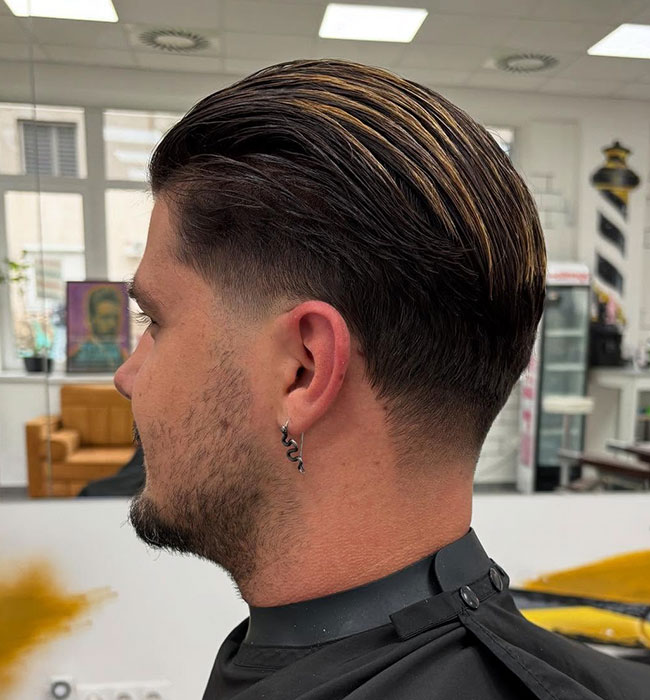
6. Slick Back
The slick back, characterized by hair combed back smoothly from the forehead all the way to the crown, projects timeless class and masculinity with a streamlined aesthetic. While it’s been a staple since the mid-20th century, modern variations paired with fades, undercuts and matte finishes give the slick back a contemporary edge. It’s equally at home in professional settings as it is on a night out, making it a versatile choice for anyone looking to make a statement.
How to Achieve the Look:
Medium Length on Top: Keep the top around 3 to 5 inches to allow the hair to sweep back.
Neat Sides: Choose a fade, taper or undercut for clean contrast with the longer top.
Styling Product: Use pomade for a glossy, traditional finish, or a matte clay/cream for a modern, natural effect. Start with clean hair to avoid compromising the effectiveness of your product since greasier hair can quickly undo a slick look, suggests Gregorio Ruggeri, owner and chief stylist at Salon Ruggeri.
Why It Works:
The slick back highlights facial structure, adds instant polish and works across both casual and formal occasions. Its adaptability allows you to keep it classic with shine or update it with a textured, low-sheen finish. For men who want a hairstyle that communicates style, confidence and precision, the slick back remains an enduring favorite.
7. Layered Flow
The layered flow, also known as the “bro flow”, is all about natural style, volume and movement. Characterized by a medium-length cut with soft layers all around, this look allows the hair to fall back and away from the face in a relaxed yet intentional way. It’s perfect for men who value laid-back aesthetics that also work in both casual and professional settings. Think of it as the intersection of surfer cool and refined sophistication.
How to Achieve the Look:
Layered Length: Keep the hair medium to long, with layered cuts that add depth and natural flow.
Natural Styling: Push the hair back with your fingers instead of a comb for an easygoing finish.
Light Product: Use a styling cream, leave-in conditioner or sea salt spray to enhance texture without weighing the hair down, suggests Janet Miranda, professional hair stylist, makeup artist and founder of Be.NYLA.
Why It Works:
The layered flow embraces your hair’s natural movement, creating a stylish yet approachable look. It adds volume and dimension without the rigidity of structured cuts and can be just as fitting for a weekend outdoors as it is for a dinner in the city.
8. Shaggy Hair
Shaggy hair is a laid-back, textured style that channels effortless cool with just the right amount of edge. Shaggy cuts often feature choppy layers and natural movement, delivering casual, slightly rebellious looks that work across different lengths. Whether you’re going for a surfer-inspired vibe or a rock-and-roll aesthetic, the shag is versatile, expressive and low-maintenance. “Its intentionally messy finish makes it easy to style while still feeling current and fashion-forward”, says Goodman.
How to Achieve the Look:
Choppy Layers: Ask your barber for layered cuts that add texture and volume throughout.
Medium to Long Lengths: Works best when the hair has enough length to create movement, typically starting around ear-length and longer.
Effortless Finish: Use a lightweight mousse, styling cream, or sea salt spray to bring out the natural flow. Blow-dry loosely or let air-dry for that relaxed, tousled look.
Why It Works:
Shaggy haircuts embrace imperfection, making them approachable and versatile. Its layers create depth and texture, softening facial features while adding a youthful, carefree edge. This style works great for men who want to blend casual energy with subtle statement.
Read More: 15 Trending Haircuts For Men in 2025
For more on the latest grooming reads, click here.
McLaren has unveiled a Japan-only limited edition of the 750S. It’s called the McLaren 750S JC96. It is an homage to the F1 GTRs that competed in the All-Japan Grand Touring Car Championship (JGTC).
The 750S JC96 comes in a unique livery inspired by the Team Goh F1 GTRs that competed in the 1996 JGTC campaign. They also have ultra-lightweight 15-spoke forged alloy wheels with gold brake calipers, a stainless steel Sports exhaust, painted details on wing endplates, mirror casings and JC96 branding.
The special edition is also equipped with the MSO High Downforce Kit (HDK) that generates 10% additional downforce. It includes a revised front bumper housing the enlarged dual-element splitter, a Raised Active Rear Spoiler with integrated endplates, and a Louvred Under-wing Panel. And for the first time, the HDK is being offered on the 750S Spider.
The 750S JC96 gets an F1 GTR-inspired interior with Alcantara upholstery in Carbon Black, F1-inspired pedal set in Gold finish, ambient lighting, engine bay lighting, and JC96 branding all around.
The McLaren 750S JC96 will be limited to 61 units and will only be sold in Japan.
Madrid has been Spain’s capital since 1561, a city built on a mix of Moorish foundations, royal ambition, and an irrepressible love for public life. Its streets have seen royal parades, market traders, revolutionaries, and street performers—often in the same plaza. When you visit Madrid with kids, the trick is to balance the grandeur and history with space to run, snack, and rest.
This guide breaks the city down into family-friendly zones where history comes alive, energy gets spent, and everyone leaves with great memories.
Here’s a quick overview:
Things to Do in Madrid with Kids
Here are the best things to do with kids in Madrid, including the best neighborhoods to explore and spots to visit.
Parque del Retiro & Surrounds: The City’s Green Heart
El Retiro Park is Madrid’s answer to Central Park—only with more history and fewer squirrels. Once a 17th-century royal retreat for King Philip IV, it was part of a sprawling palace complex used for theatrical performances, mock naval battles, and strolling gardens. When it opened to the public in the 19th century, it became the people’s playground.
Why Kids Love It:
The lake is perfect for a short rowboat adventure, and feeding the ducks never gets old.
Puppet shows by the Teatro de Títeres have entertained children here for over a century—no Spanish required to laugh at a silly puppet chase.
The Crystal Palace, built in 1887, looks like something from a fairy tale and often houses playful, large-scale art installations.
Parent Bonus: Plenty of shaded paths, ice-cream vendors, and benches for a breather. Street musicians and bubble artists provide free entertainment while you relax.
Food Tip: Stop at a bakery on Calle de Alcalá for napolitanas (chocolate-filled pastries) or empanadas before you enter—cheaper and better than the park kiosks.
Things to Do in Madrid with Kids
La Latina: History Meets Street Fun
If Retiro is for lounging, La Latina is for wandering. This neighborhood’s street plan dates back to Madrid’s Islamic period, with winding alleys and irregular plazas that feel more medieval than modern. Its name comes from Beatriz Galindo, a scholar and advisor to Queen Isabella, nicknamed “La Latina” for her mastery of Latin.
Why Kids Love It:
Plaza de la Cebada offers open space to run while you enjoy coffee from a nearby terrace.
On Sundays, the El Rastro flea market transforms streets into a treasure hunt—kids can look for vintage toys, coins, or quirky souvenirs.
Street performers keep the mood lively, from human statues to guitarists.
Parent Bonus: You get history without paying museum fees—just wander, point out architectural details, and tell your own stories.
Food Tip: Stop at a tavern for tortilla española—Spain’s hearty potato omelet. Order a ración (portion) or a bocadillo (sandwich version) for a kid-sized lunch.
The Royal Quarter is Madrid’s showpiece. After Madrid became Spain’s capital under Philip II, this area developed into a statement of power and elegance. The Royal Palace, begun in 1738, sits on the site of a former Moorish fortress. While the Spanish royal family no longer lives here, it’s still used for state ceremonies and is one of Europe’s largest palaces.
Why Kids Love It:
The armoury is a mini time machine—knight helmets, lances, and ornate swords are instantly engaging.
Wide, open courtyards make it easy for kids to roam without getting lost in a crowd.
Plaza de Oriente’s gardens are full of statues of past monarchs, which makes for a fun “spot the crown” game.
Parent Bonus: This area packs history, architecture, and photo ops into a small, walkable zone. The Almudena Cathedral next door is free to enter and its bright interior can be a quick, peaceful pause.
Food Tip: Try a sit-down meal at a café along Calle Bailén—you’ll get views of the palace and a menu that caters to both local and international tastes.
Gran Vía & Puerta del Sol – Bright Lights and Buzz
Puerta del Sol has been Madrid’s geographic and symbolic center since the 15th century. It’s the “Kilometre Zero” for Spain’s road network and has seen everything from royal proclamations to New Year’s Eve celebrations. Gran Vía, developed in the early 1900s, brought in theatres, cinemas, and the kind of ornate architecture that makes you look up constantly.
Why Kids Love It:
The Oso y el Madroño statue (bear and strawberry tree) is easy to find and doubles as a fun photo challenge.
Street performers range from acrobats to giant bubble artists, giving the area a festival vibe.
Duck into a toy store or bookshop on a side street for a quieter moment.
Parent Bonus: You can combine high-energy sightseeing with quick retail therapy. The architecture alone is worth the stroll.
Food Tip: Chocolatería San Ginés, open since 1894, serves Madrid’s most famous churros with thick hot chocolate. Go mid-morning to avoid queues.
Casa de Campo – Wide-Open Adventure
Once the private hunting grounds of the Spanish monarchy, Casa de Campo became public in 1931 and is now Madrid’s largest park—over 1,700 hectares of playground, forest, and attractions.
Why Kids Love It:
The Teleférico cable car connects the park with central Madrid, offering panoramic city views.
Madrid Zoo & Aquarium combines exotic animals and marine life—penguins, dolphins, and giant pandas included.
Open spaces are perfect for football, frisbee, or just running wild.
Parent Bonus: It’s a complete escape from the city without leaving it—great for a low-cost afternoon if you bring your own food.
Food Tip: Pack a picnic; the park is huge and cafés are spread far apart.
In a Hurry? Try This Walking Route With Kids in Madrid
If you’ve only got one day:
Start Plaza de las Cortes: The tour starts in the plaza opposite the Cortes, Spain’s parliament building. Use your detective skills to discover the secret lions carved in the stone of the parliament and the amazing musical clock that is hidden nearby.
Edificio Metropolis: Discover the Metropolis and the other magnificent buildings of the Gran Via and complete your challenges to find the figures that soar high above their roofs
Plaza de Cibeles: Explore the Plaza de Cibeles with its iconic fountain and follow our clues to discover the hidden symbols in the stone of the extravagant building that towers above it.
Puerta de Alcala: Follow our route to the massive Puerta de Alcala, the last remnant of the wall that once marked the outer boundary of Madrid, and discover the stone that hides the story of an ancient Spanish custom.
Fuente de los Galapagos: Enter the magnificent Retiro Park and make your first stop at the Galapagos Fountain – use your detective skills to find the animals hidden in the water.
Monumento A Alfonso XII: Explore the towering monument to King Alfonso XII on the banks of the Retiro lake and complete your challenges to uncover the many symbols that tell the story of his reign.
Casa de Fieras: Discover an elf sitting amongst the trees of the Retiro and follow our clues to find the remnants of an ancient zoo.
Palacio de Cristal: Explore a gigantic palace made of glass and complete your challenge to discover why it was built who it housed.
Parque del Retiro (Pass By): Continue through the Retiro, past a fountain in the shape of a vegetable, a statue in the shape of the devil and gigantic figures that once stood on the roof of a palace.
Parterre del Retiro: We end our tour at the Parterre, the most elegant part of the Retiro Park, where you can use your detective skills to find the oldest tree in Madrid!
Storytelling: Kids engage more if you turn history into a game—“find the royal crest” or “spot the oldest building.”
Rest Stops: Madrid’s plazas are perfect for a quick sit-down without committing to a café.
Madrid is a capital that doesn’t lock its history behind velvet ropes—it spills into parks, markets, and street corners. When you explore by neighborhood, you can feed curiosity and burn energy in equal measure. The best part? You’ll end the day with kids who’ve learned a little, run a lot, and will sleep like royalty.
Unlock your adventure today! Family-friendly city adventures worldwide. Need fun ideas for the kids during holidays or weekends?
Explore your hometown or a new city with easy, walkable tours made to keep kids engaged from beginning to end – and keep the whole family excited too.
Unlock your adventure today! Family-friendly city adventures worldwide. Need fun ideas for the kids during holidays or weekends?
Explore your hometown or a new city with easy, walkable tours made to keep kids engaged from beginning to end – and keep the whole family excited too.
The technical storage or access is strictly necessary for the legitimate purpose of enabling the use of a specific service explicitly requested by the subscriber or user, or for the sole purpose of carrying out the transmission of a communication over an electronic communications network.
Preferences
The technical storage or access is necessary for the legitimate purpose of storing preferences that are not requested by the subscriber or user.
Statistics
The technical storage or access that is used exclusively for statistical purposes.The technical storage or access that is used exclusively for anonymous statistical purposes. Without a subpoena, voluntary compliance on the part of your Internet Service Provider, or additional records from a third party, information stored or retrieved for this purpose alone cannot usually be used to identify you.
Marketing
The technical storage or access is required to create user profiles to send advertising, or to track the user on a website or across several websites for similar marketing purposes.

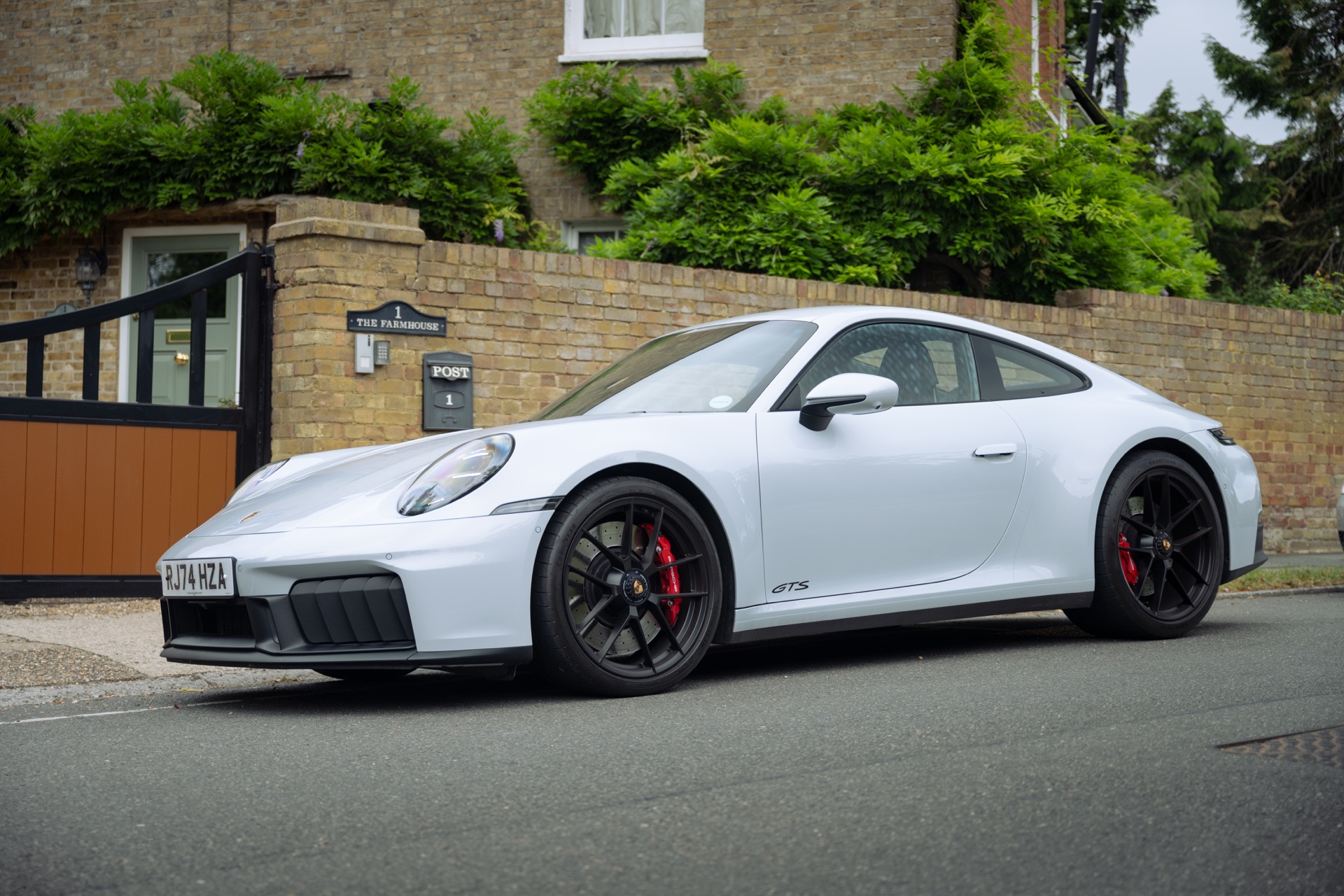

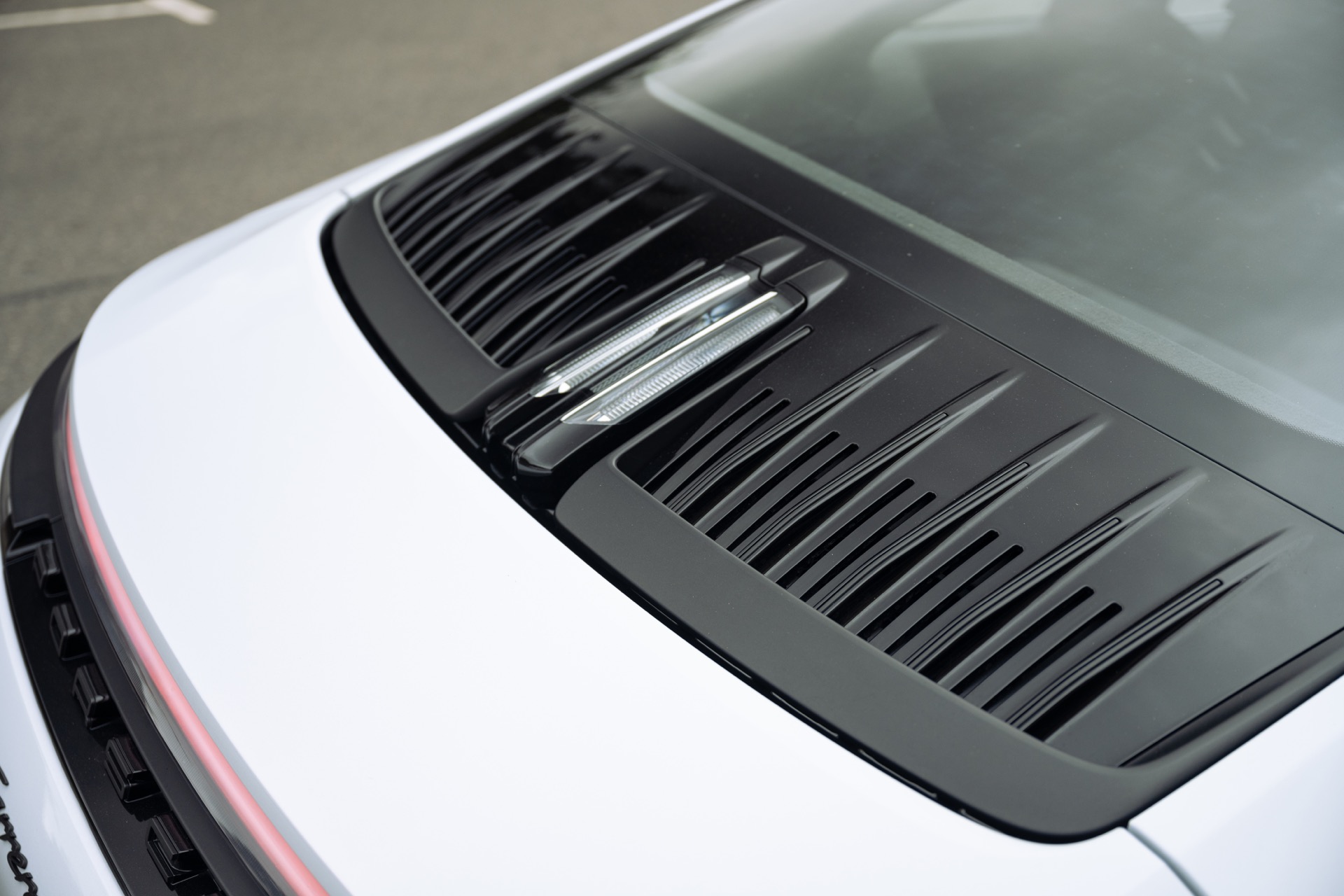
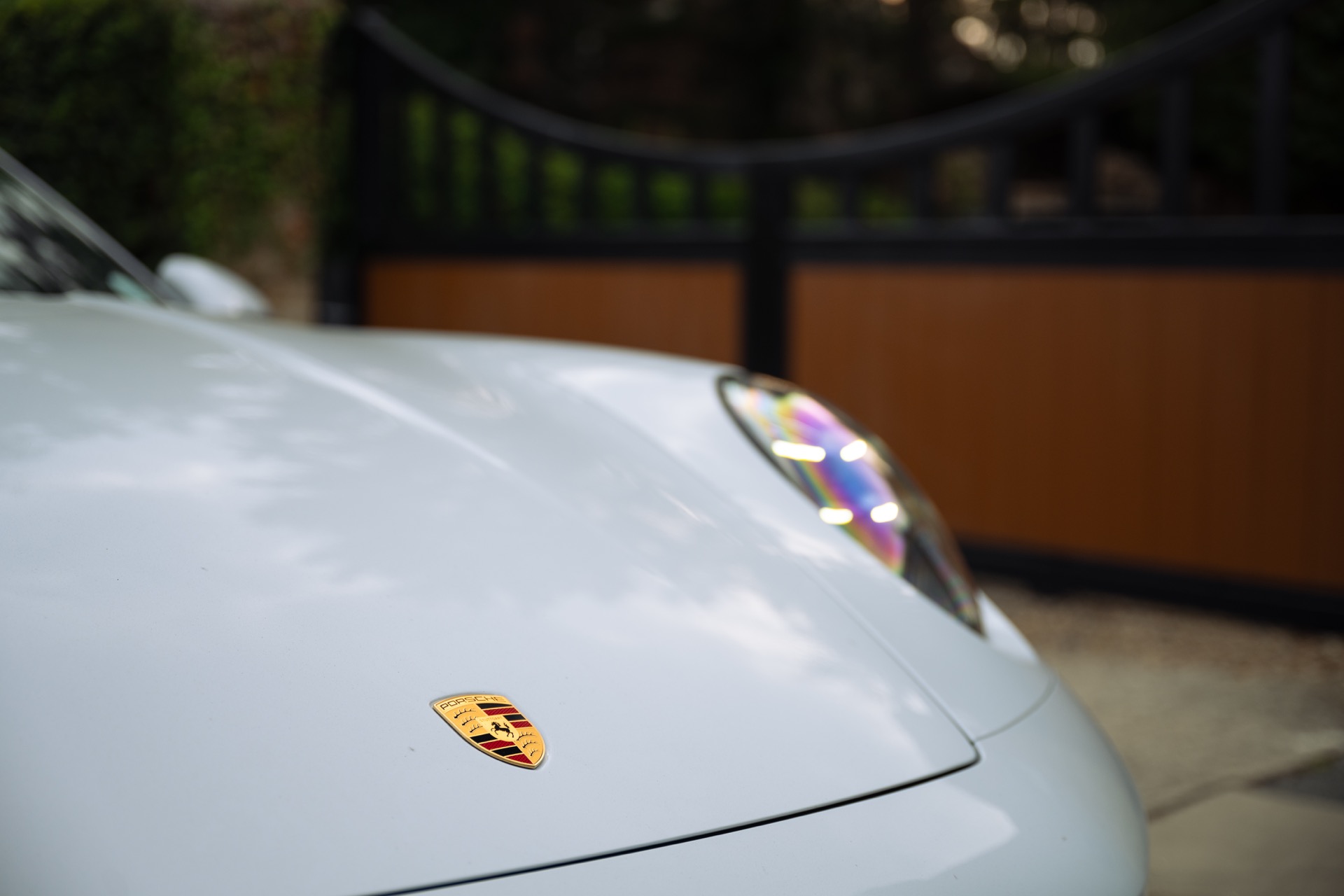
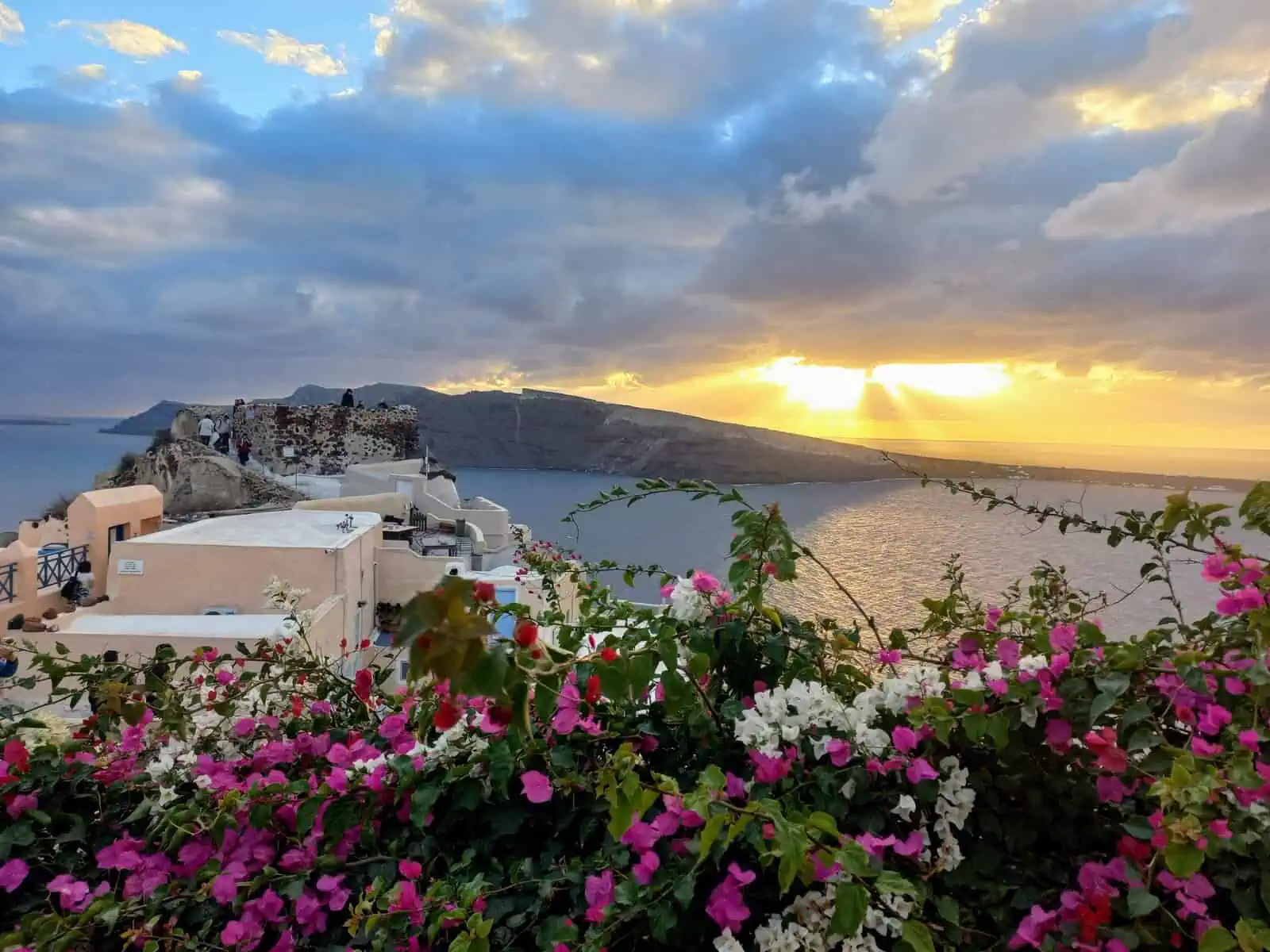
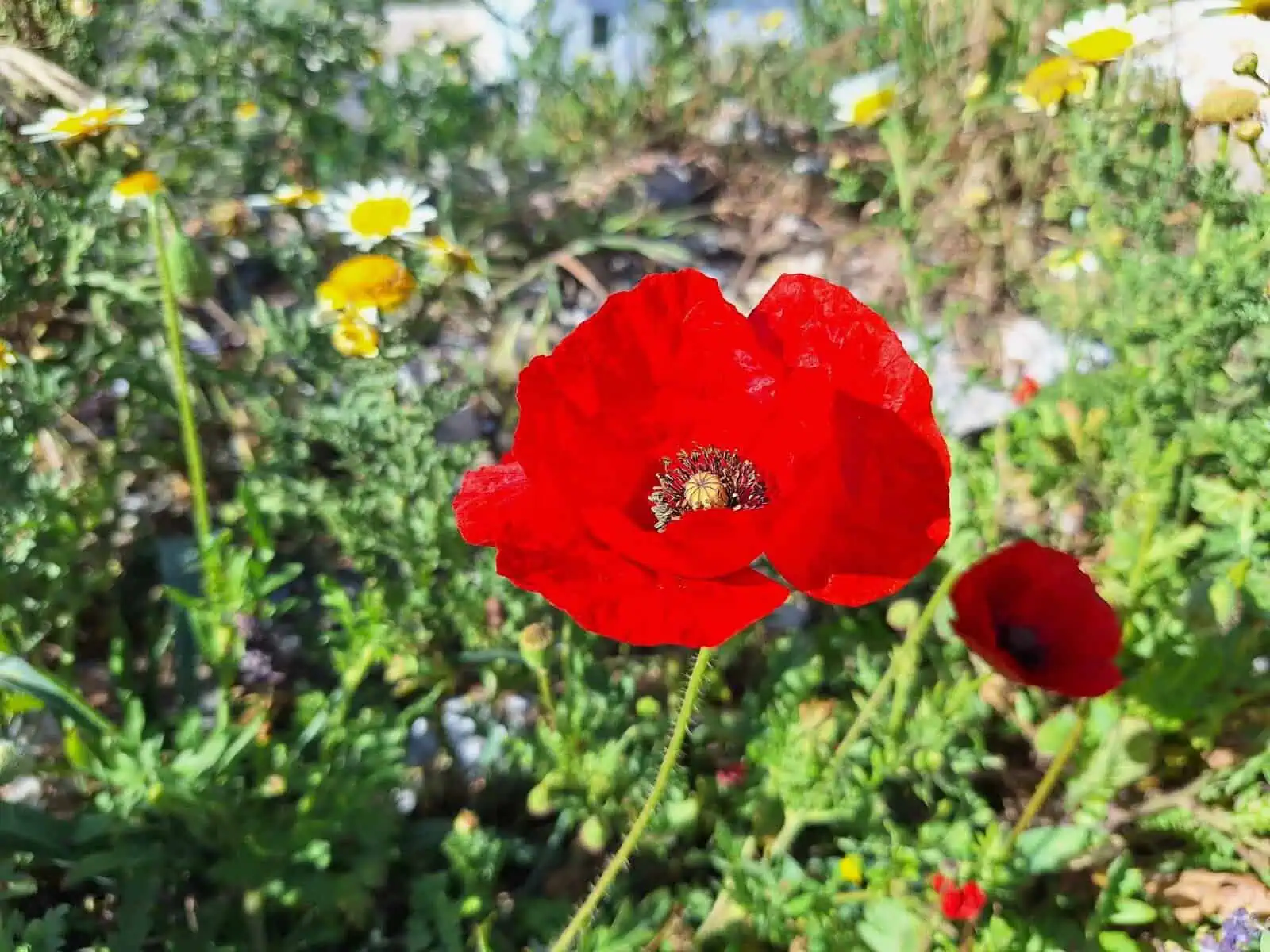
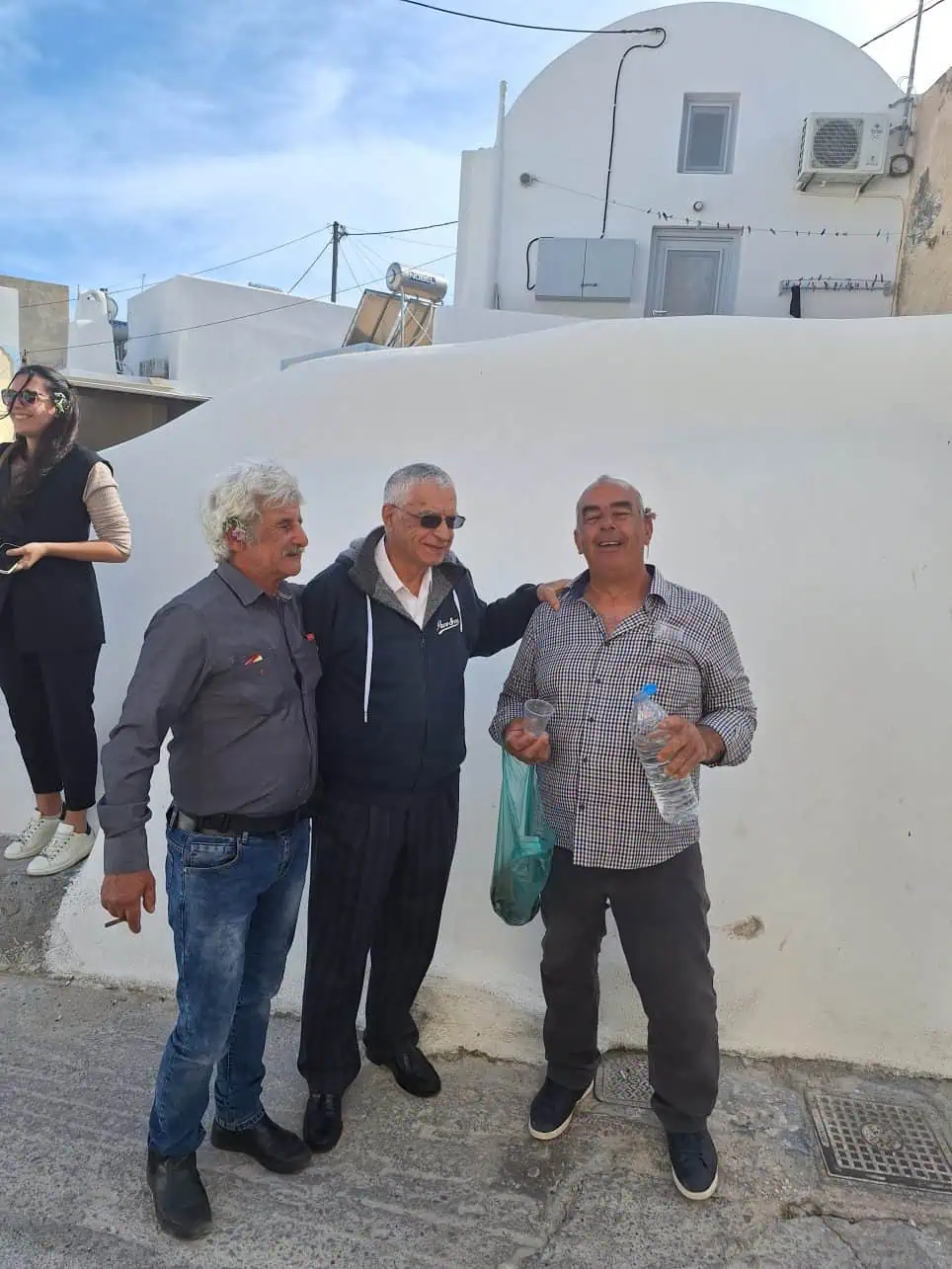





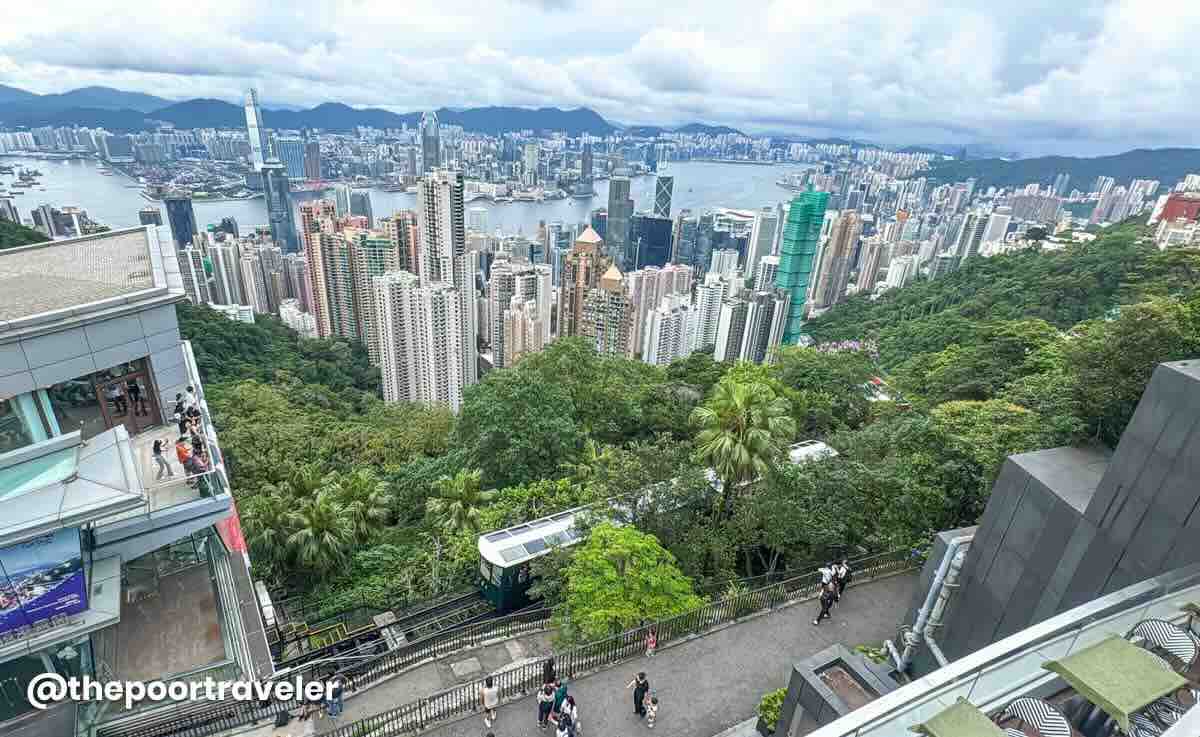
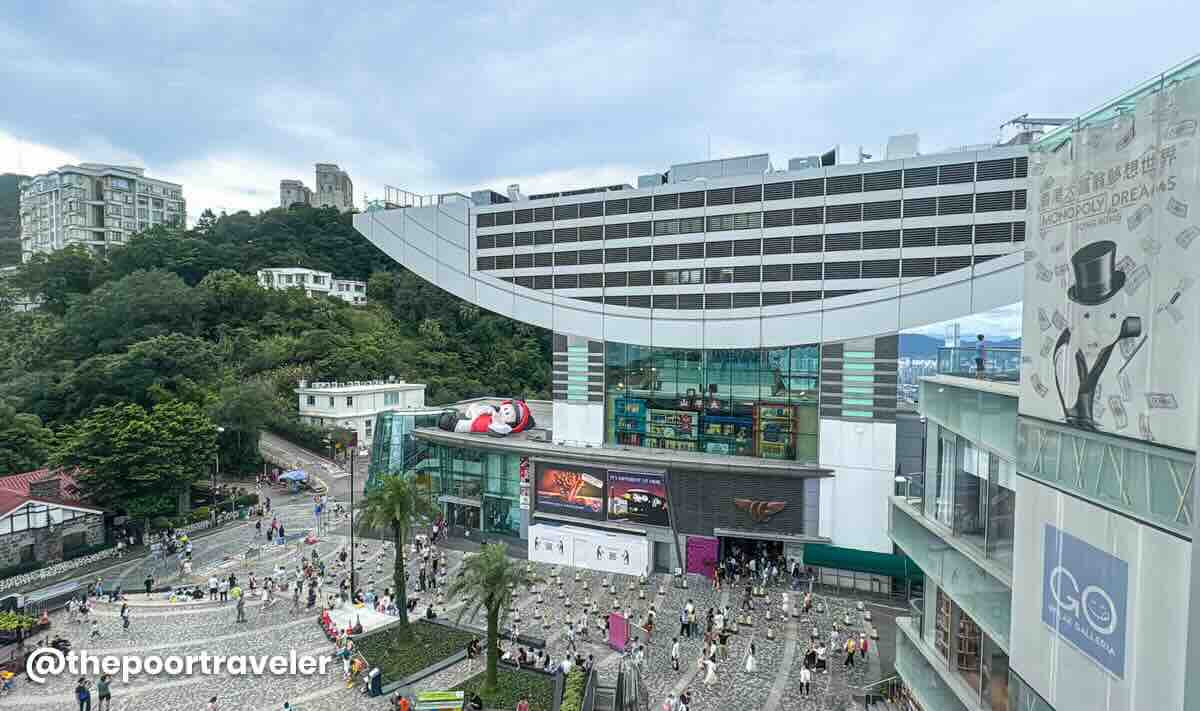
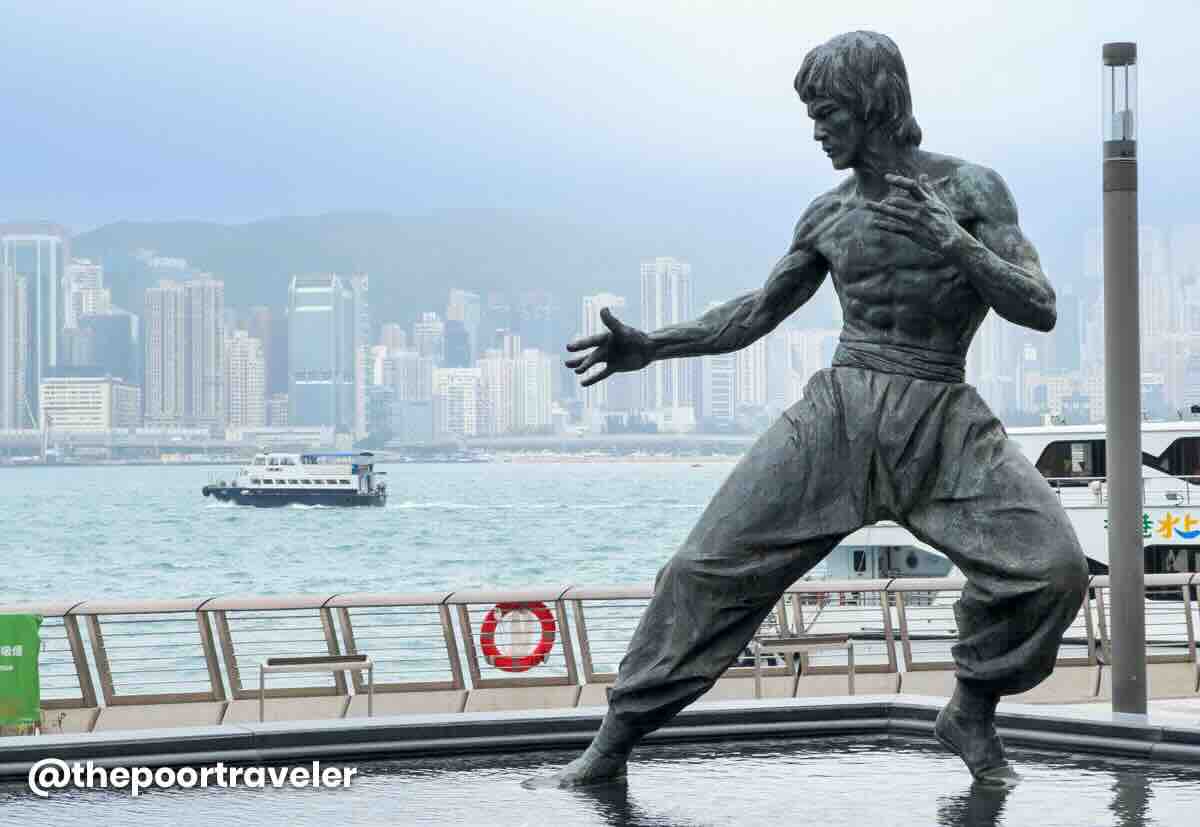
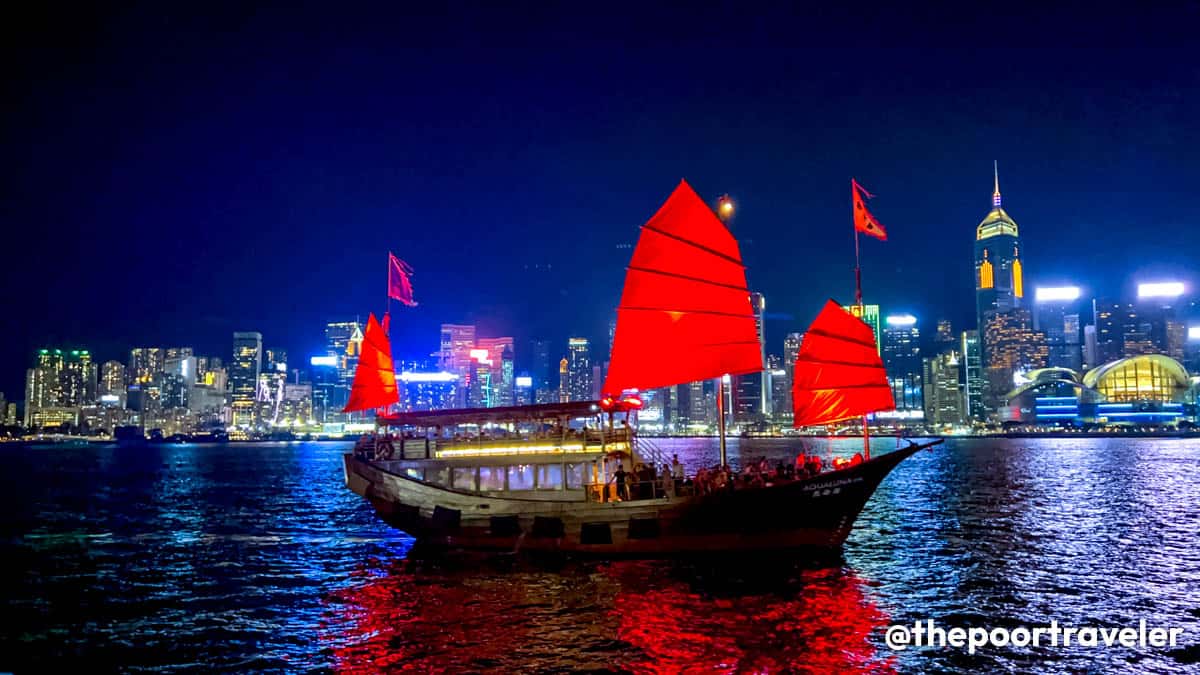
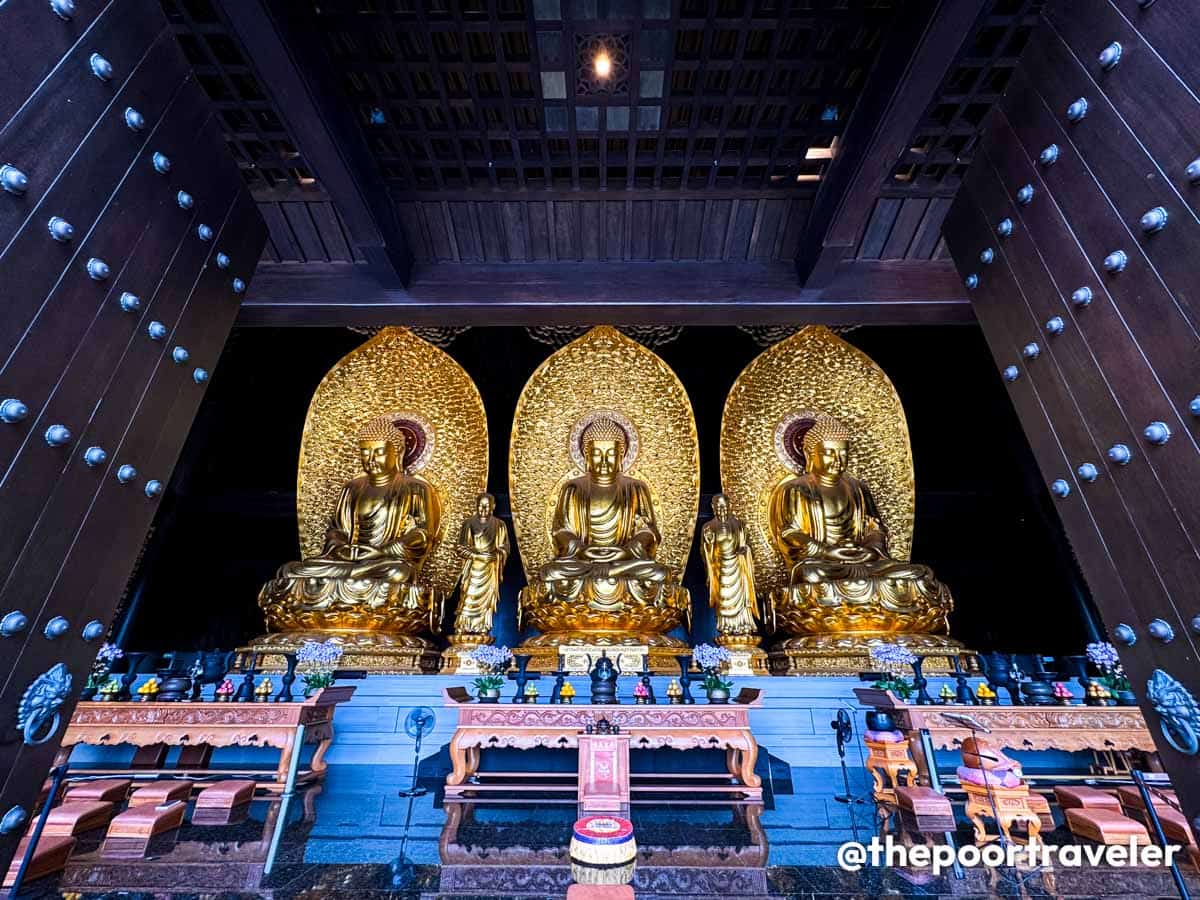
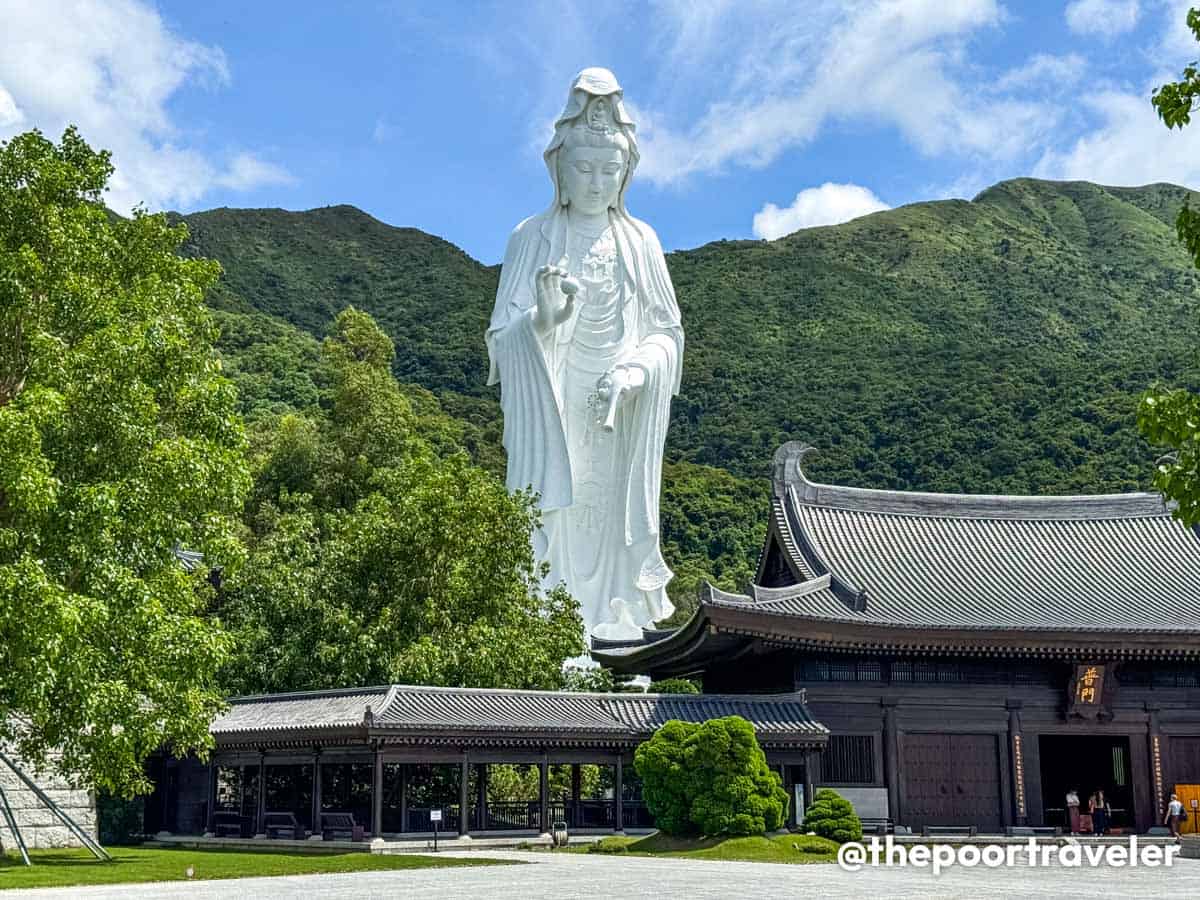

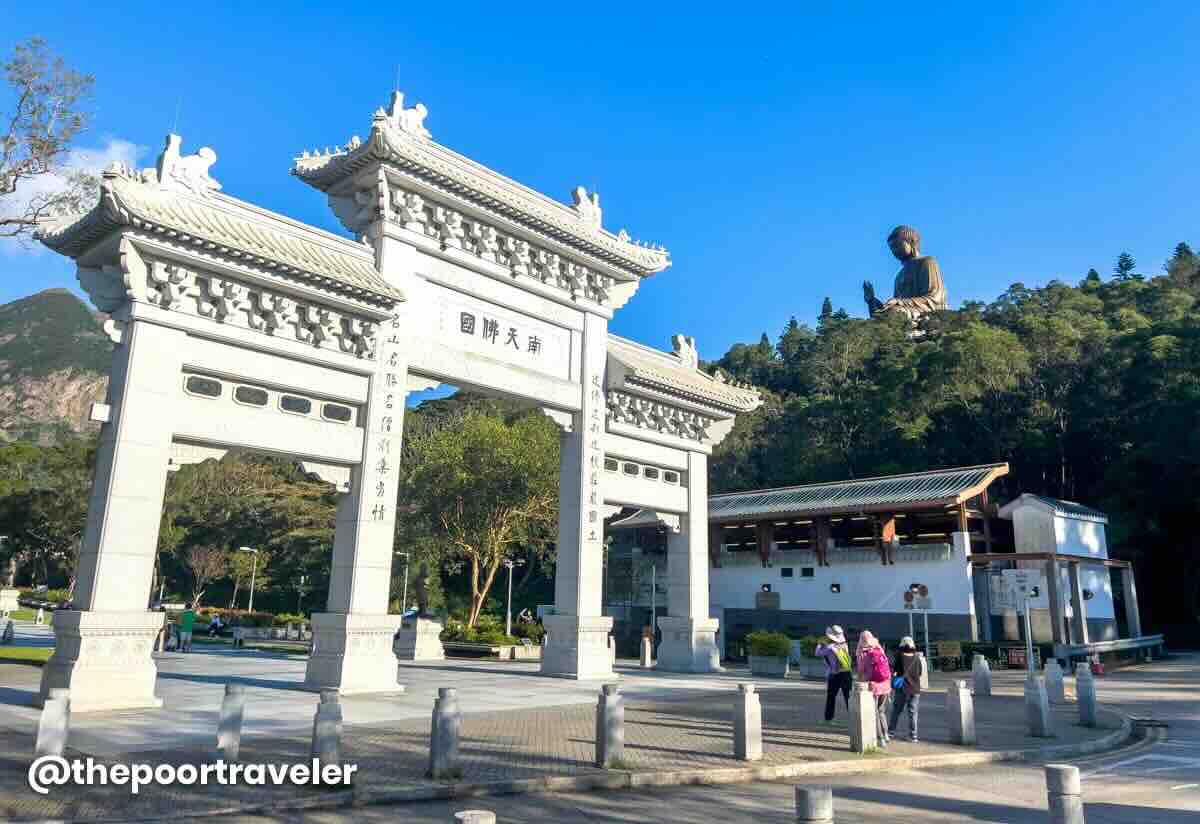
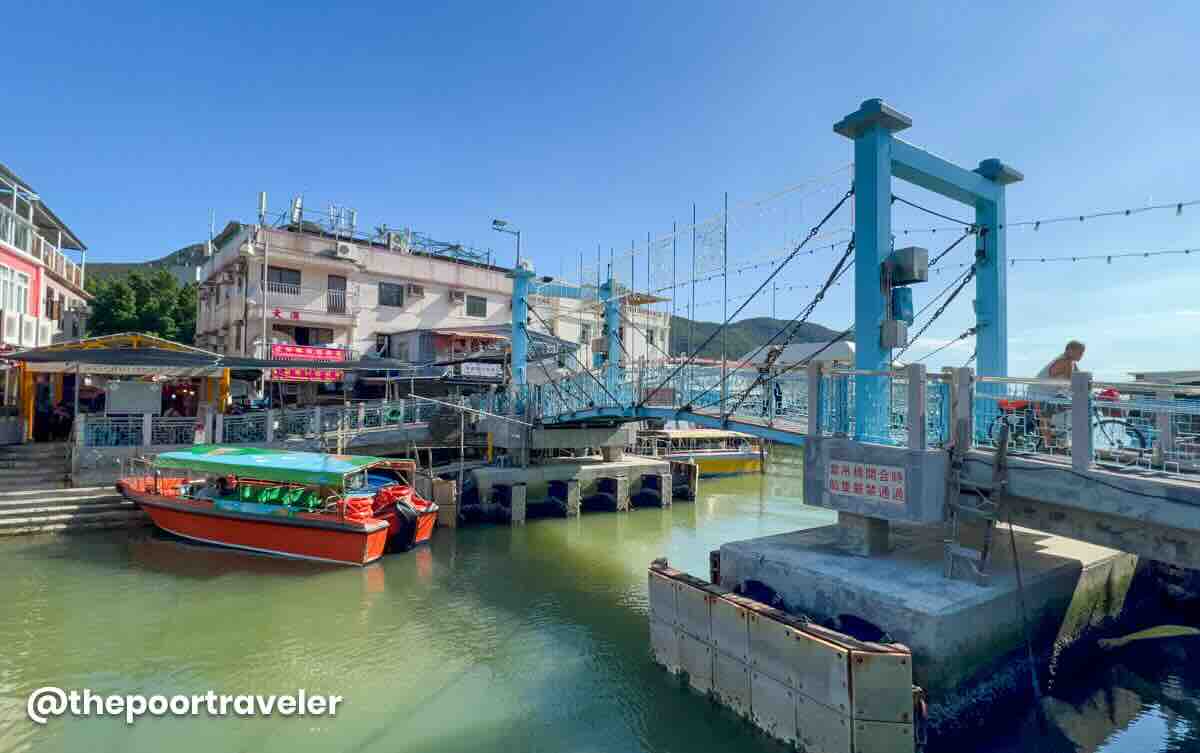

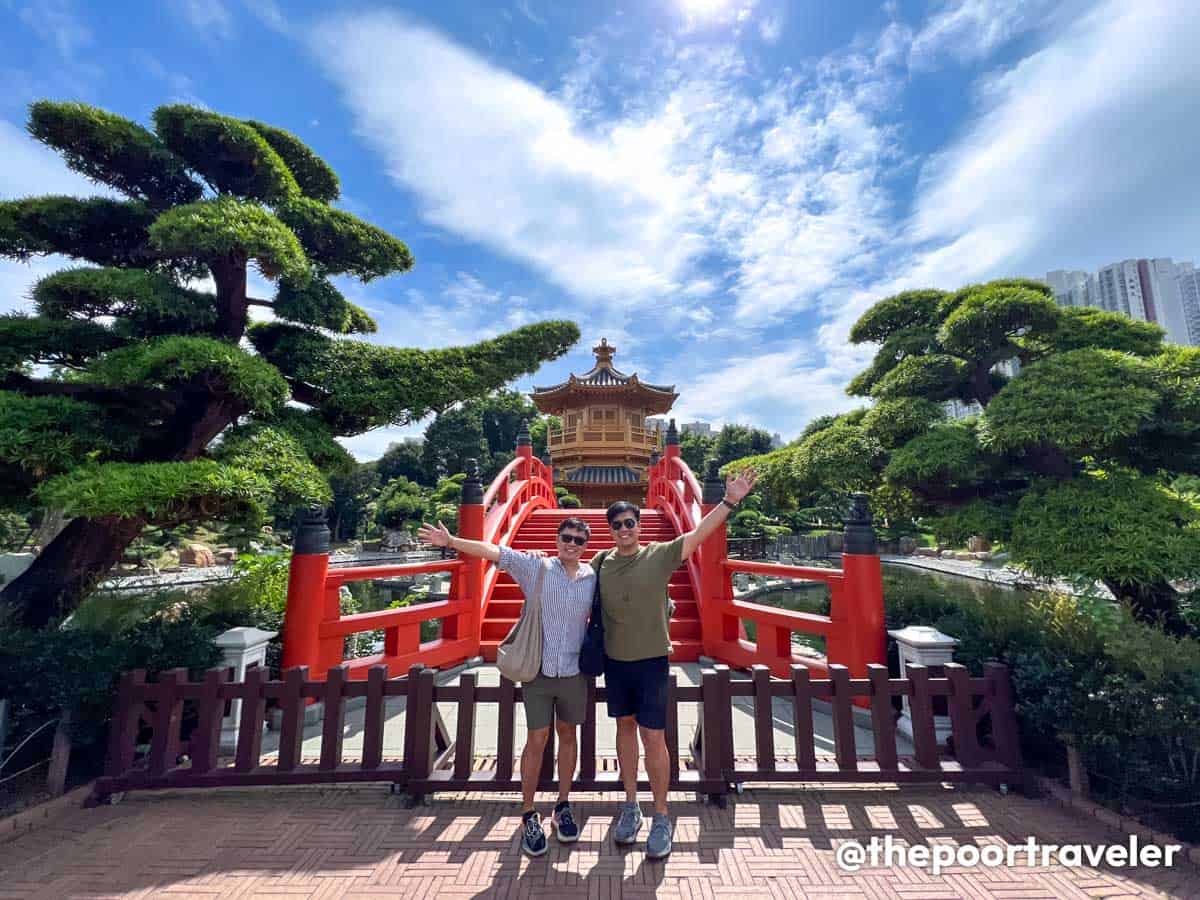
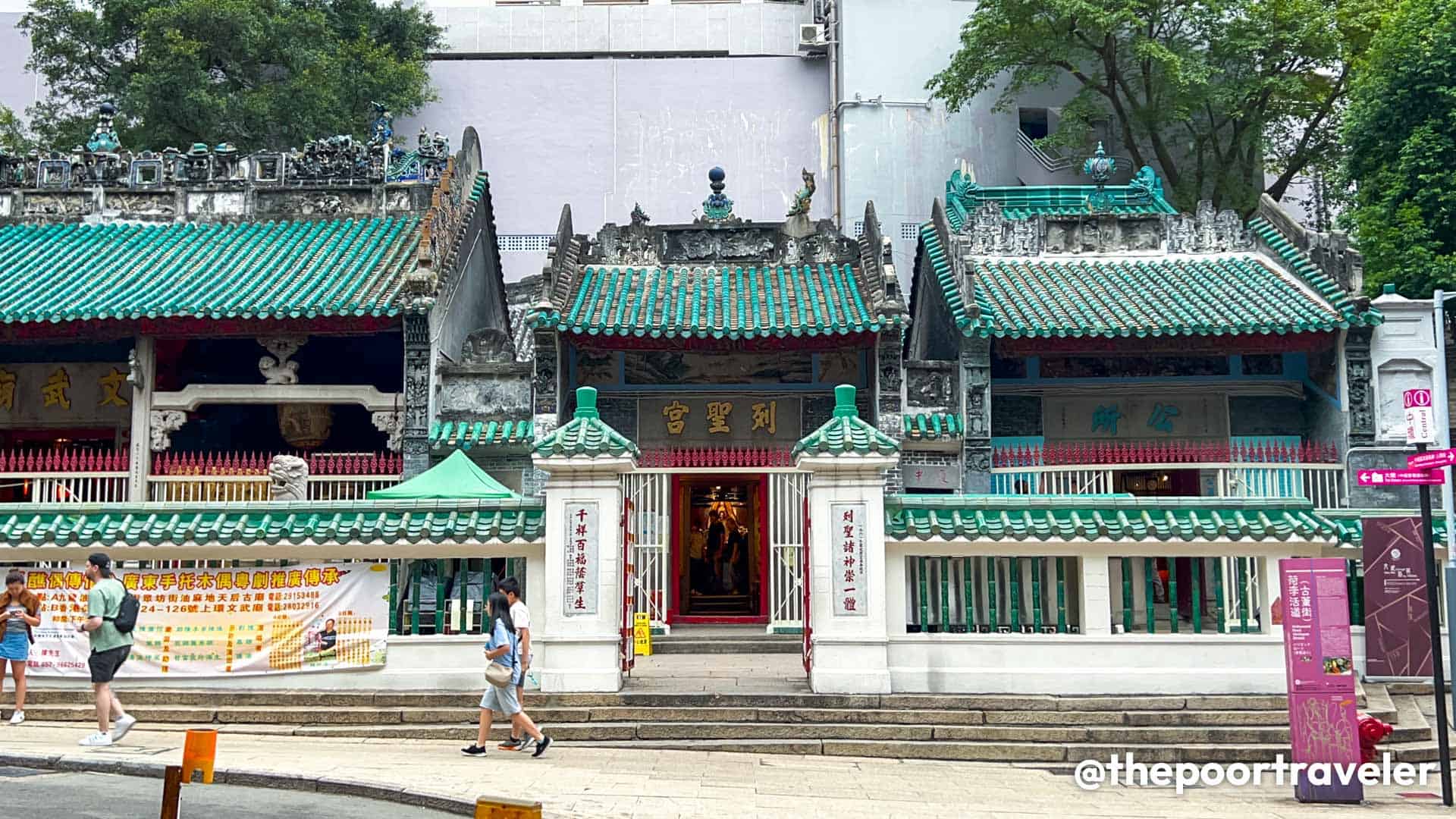
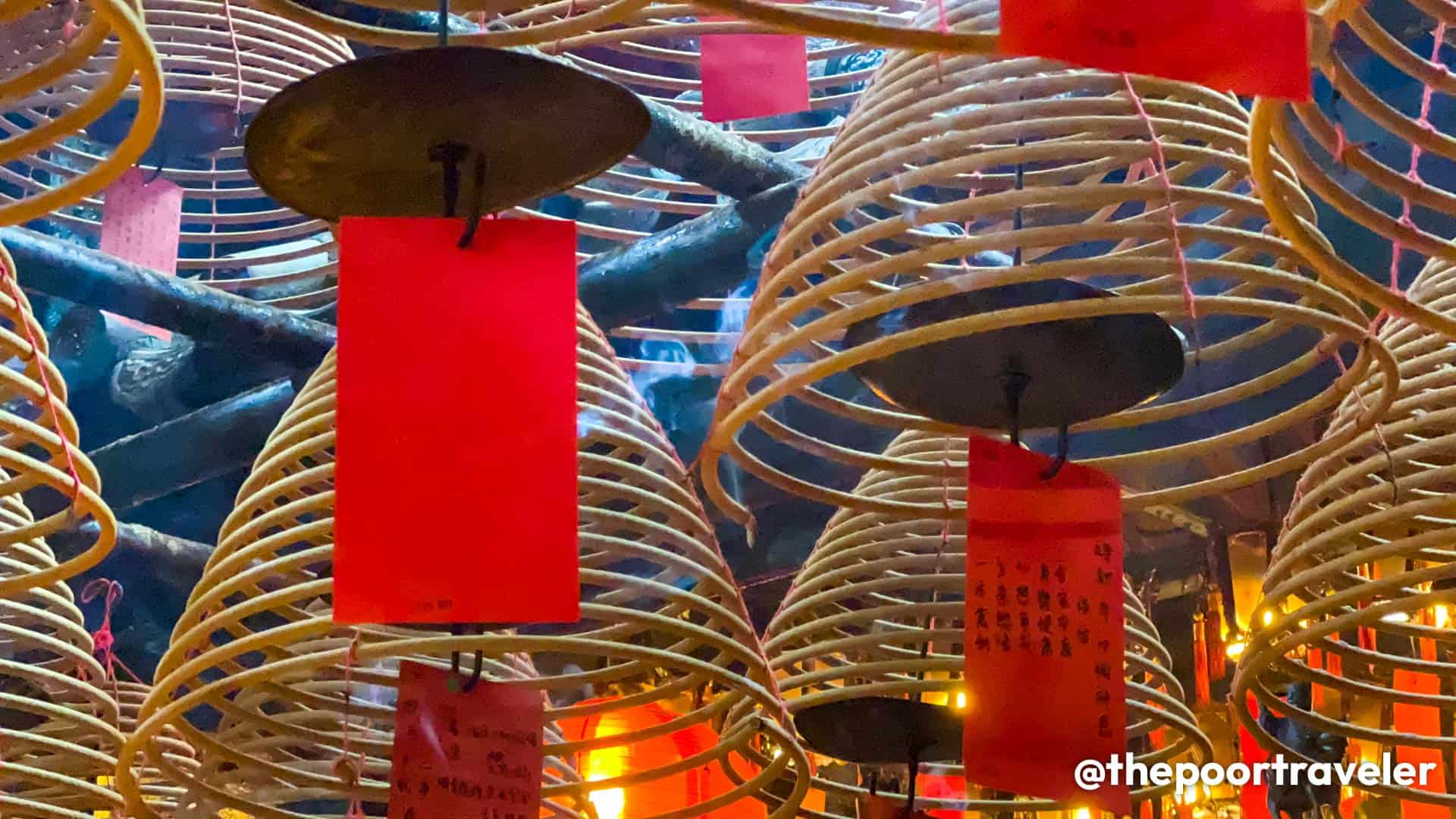
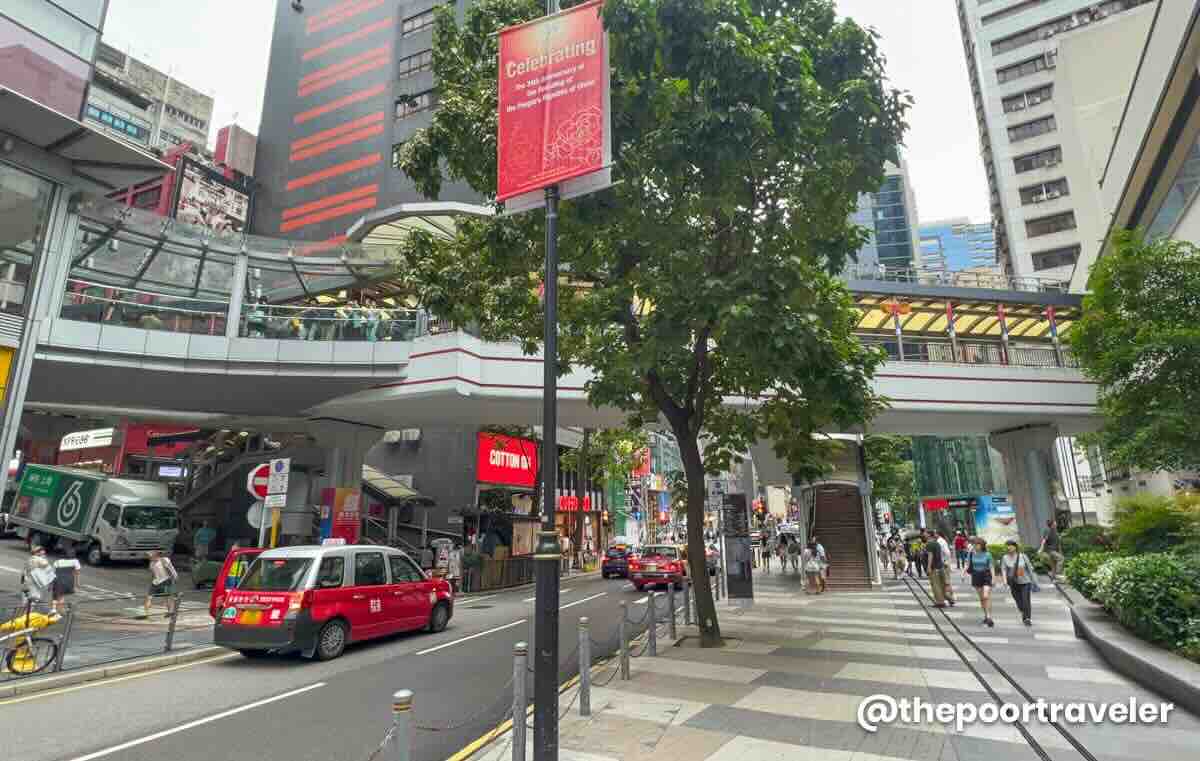
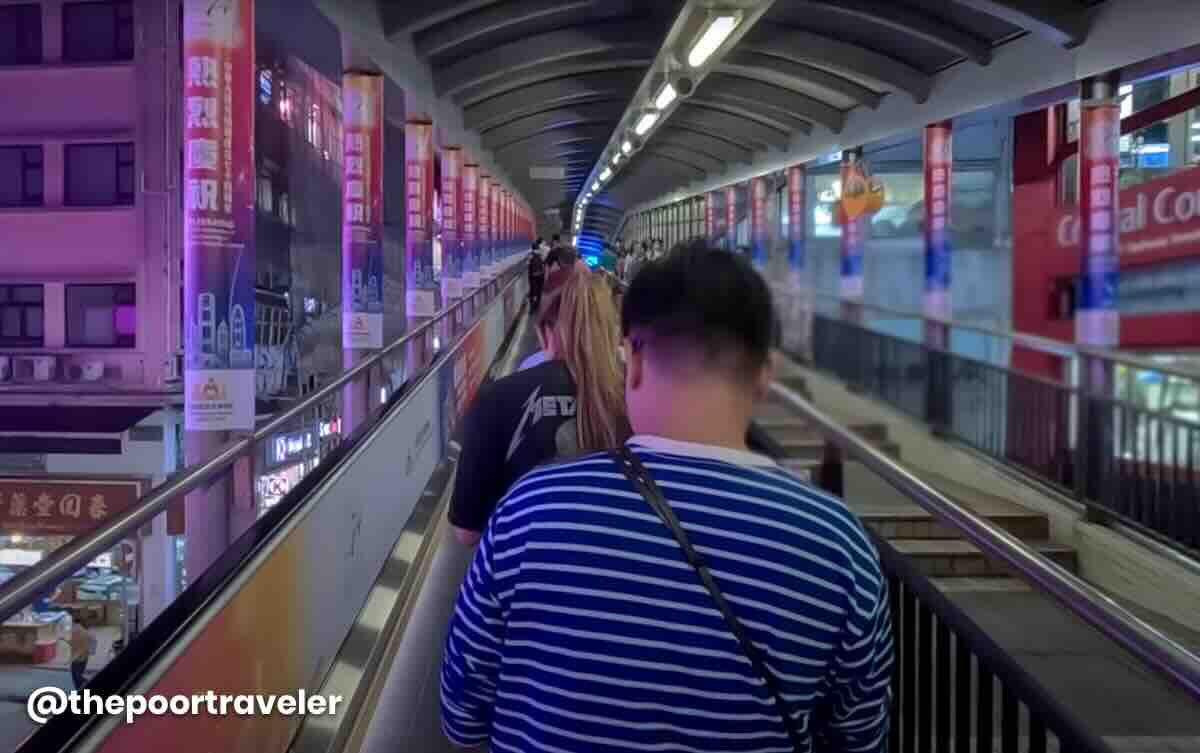
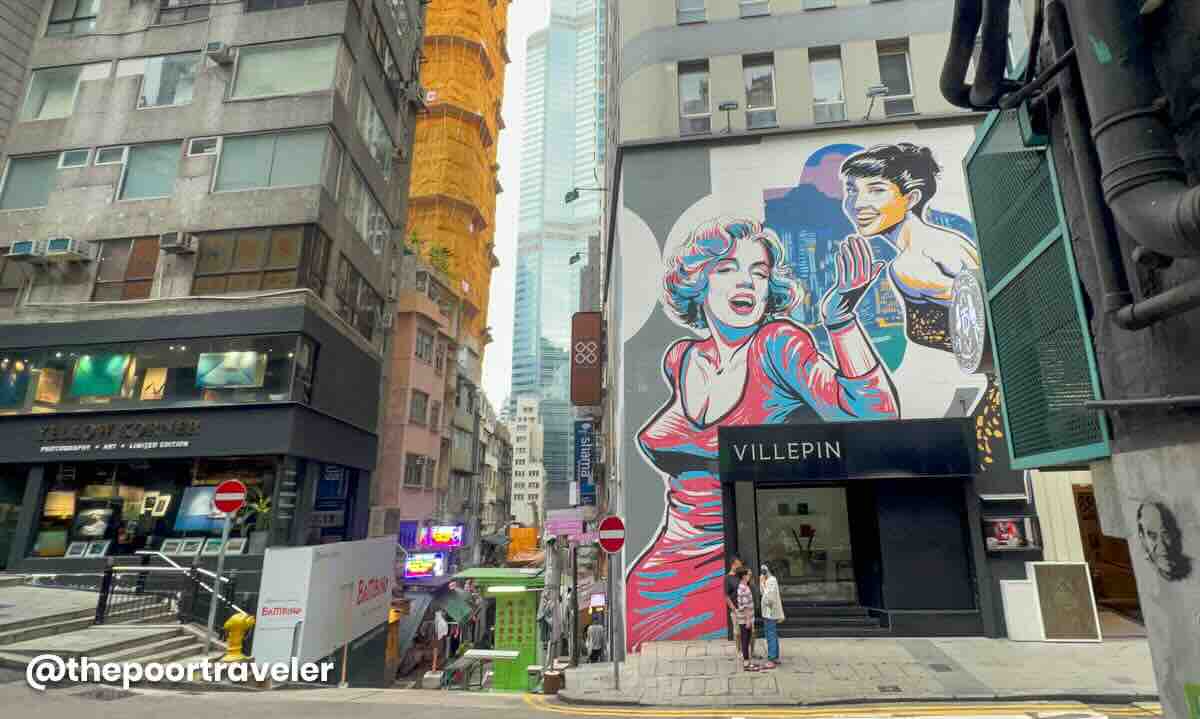
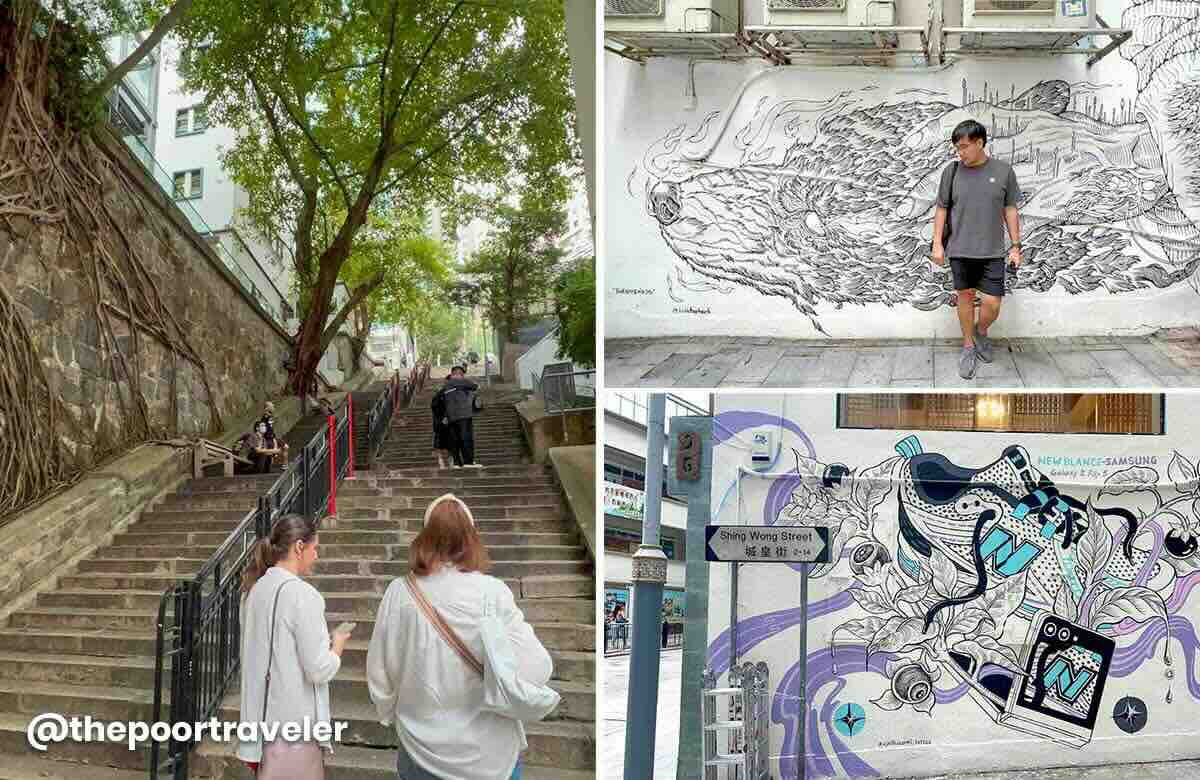
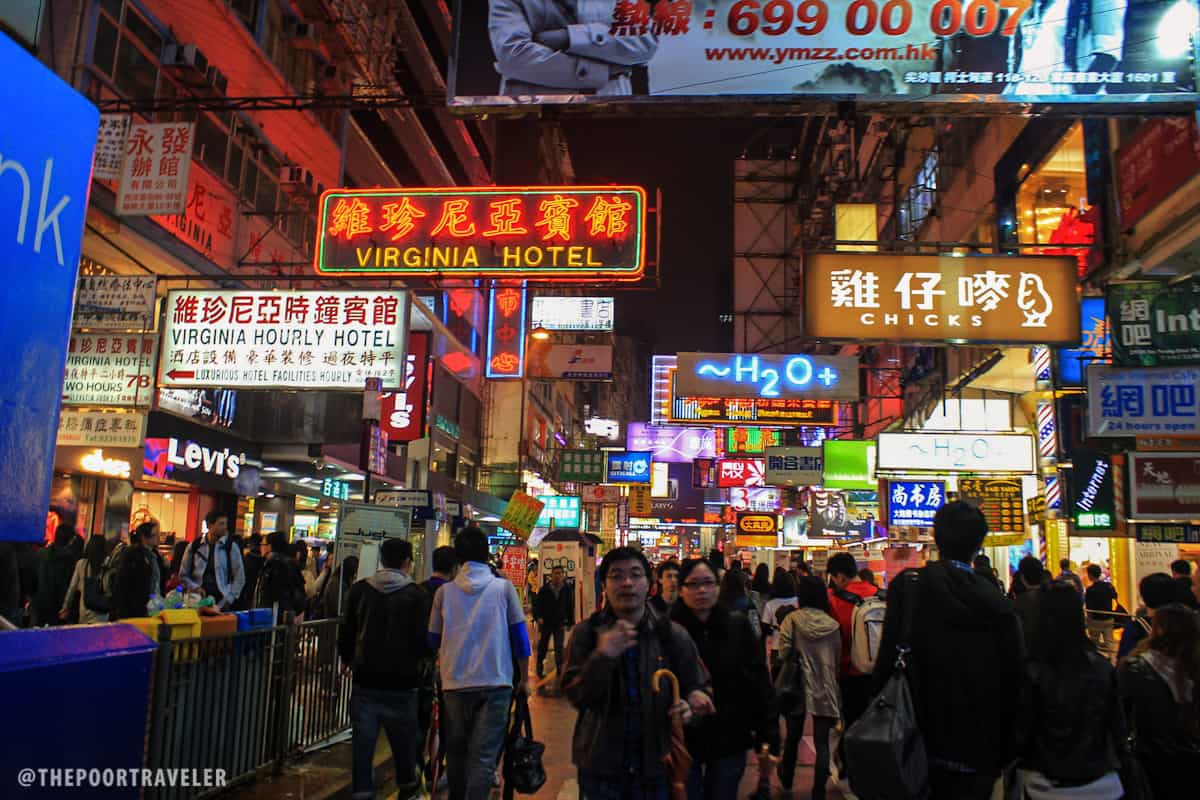
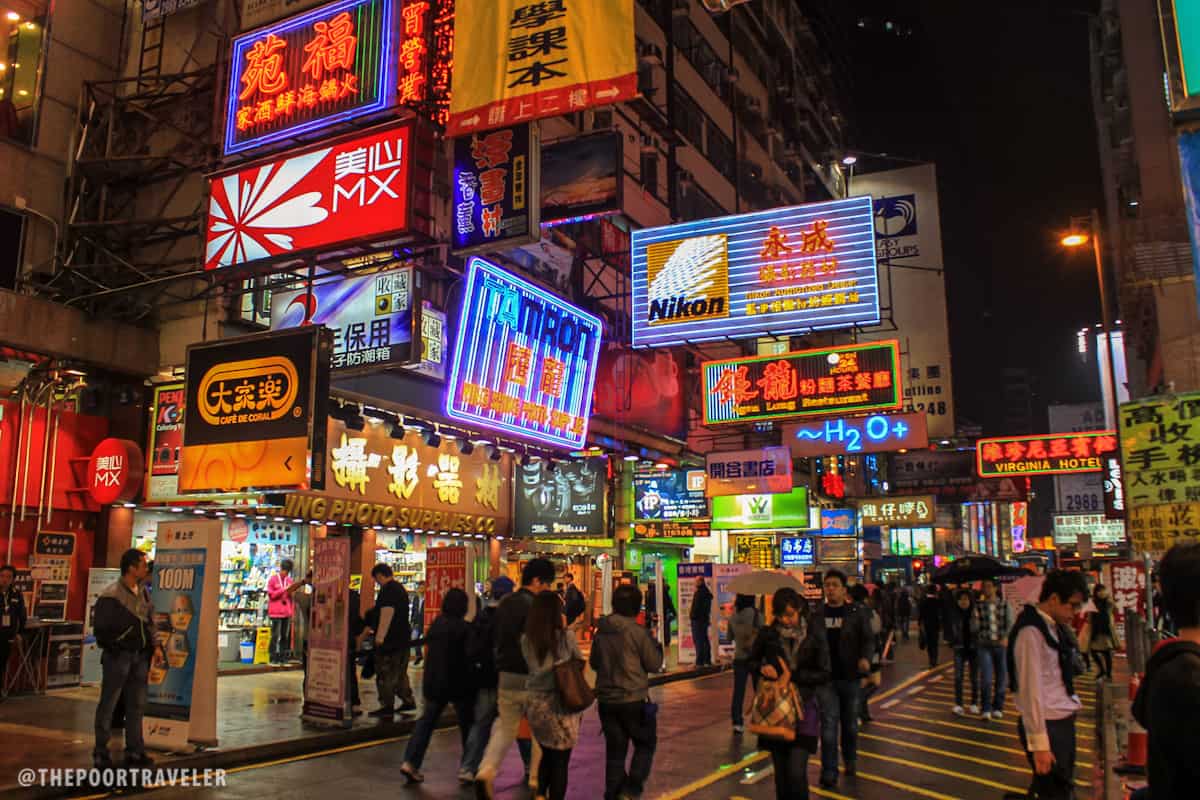
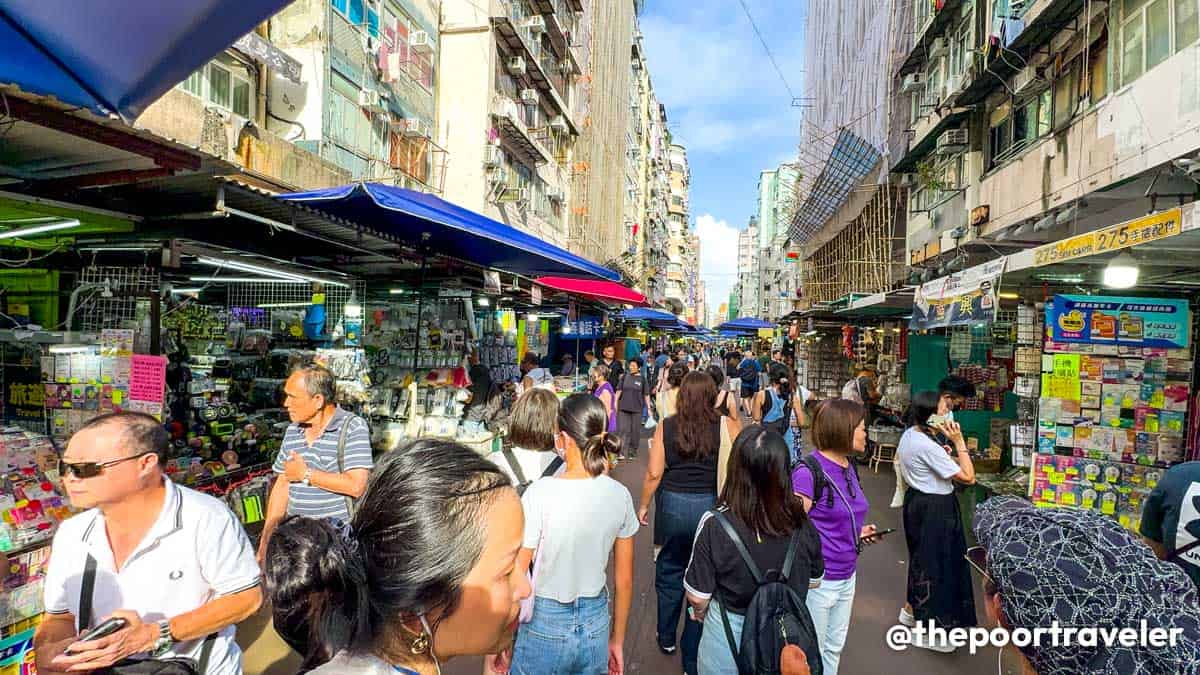
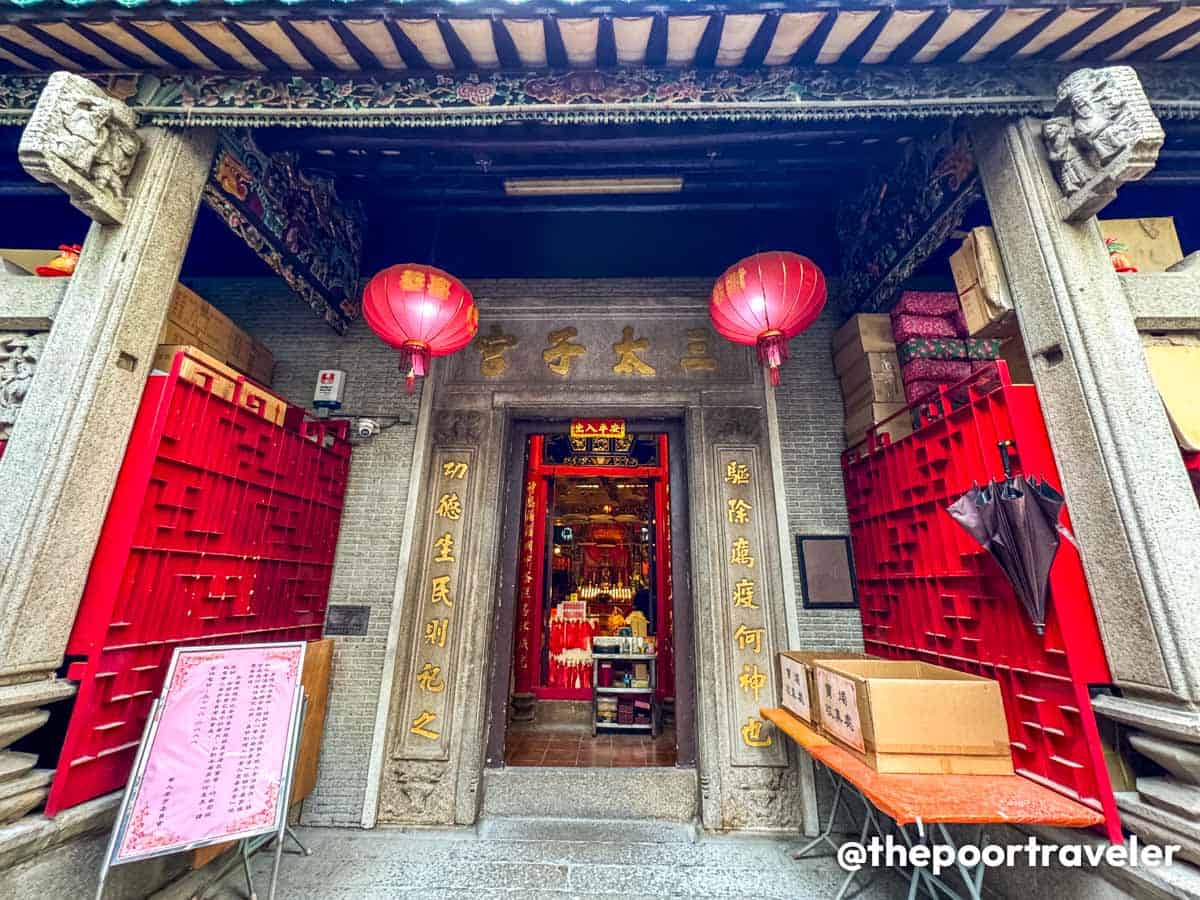
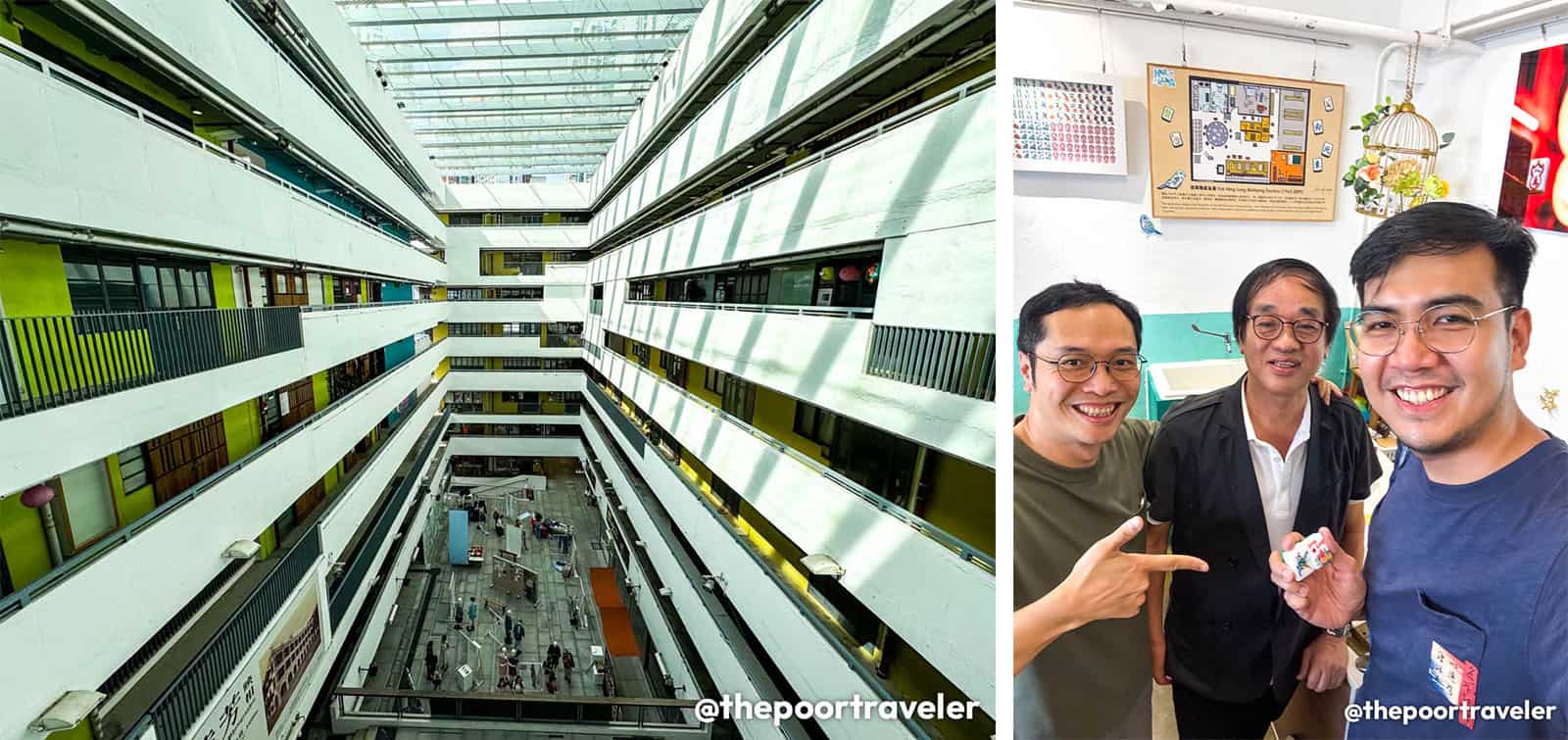
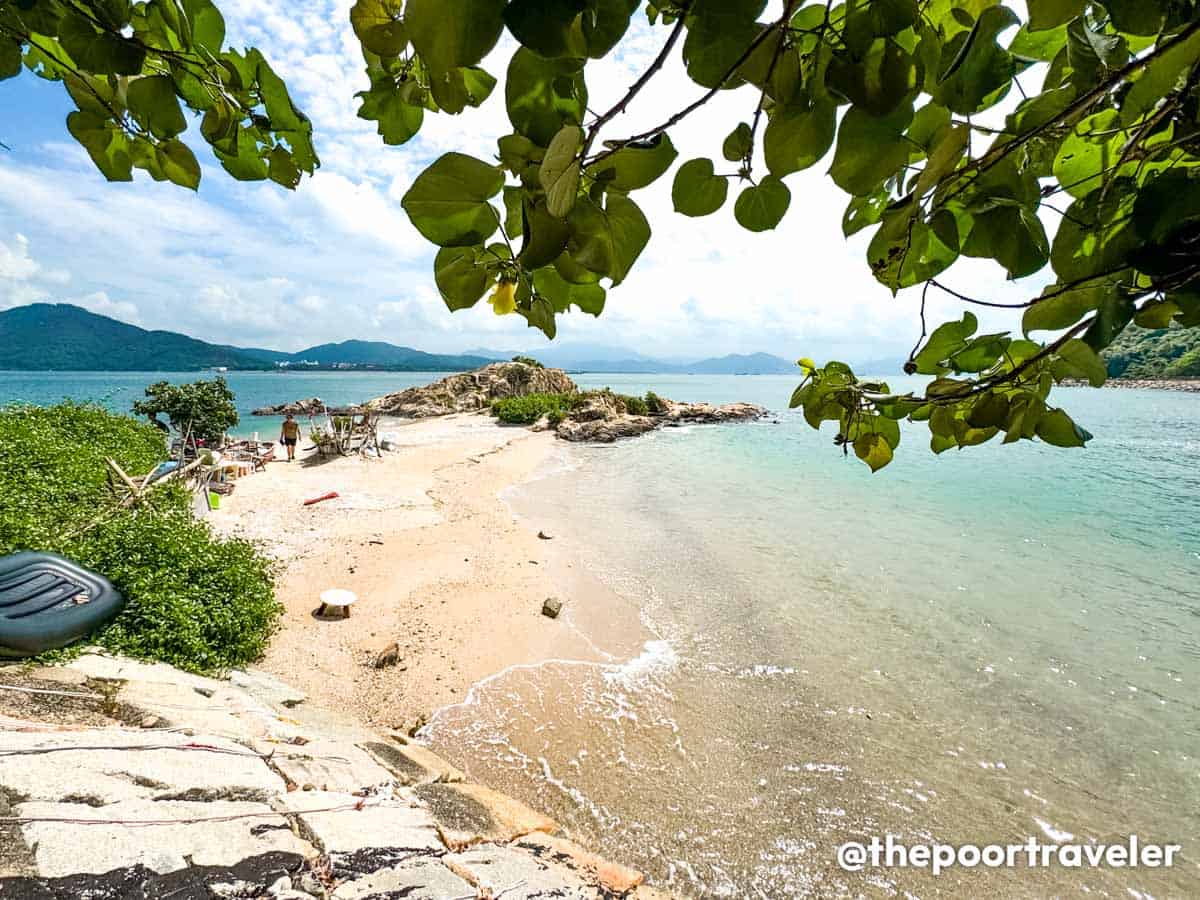
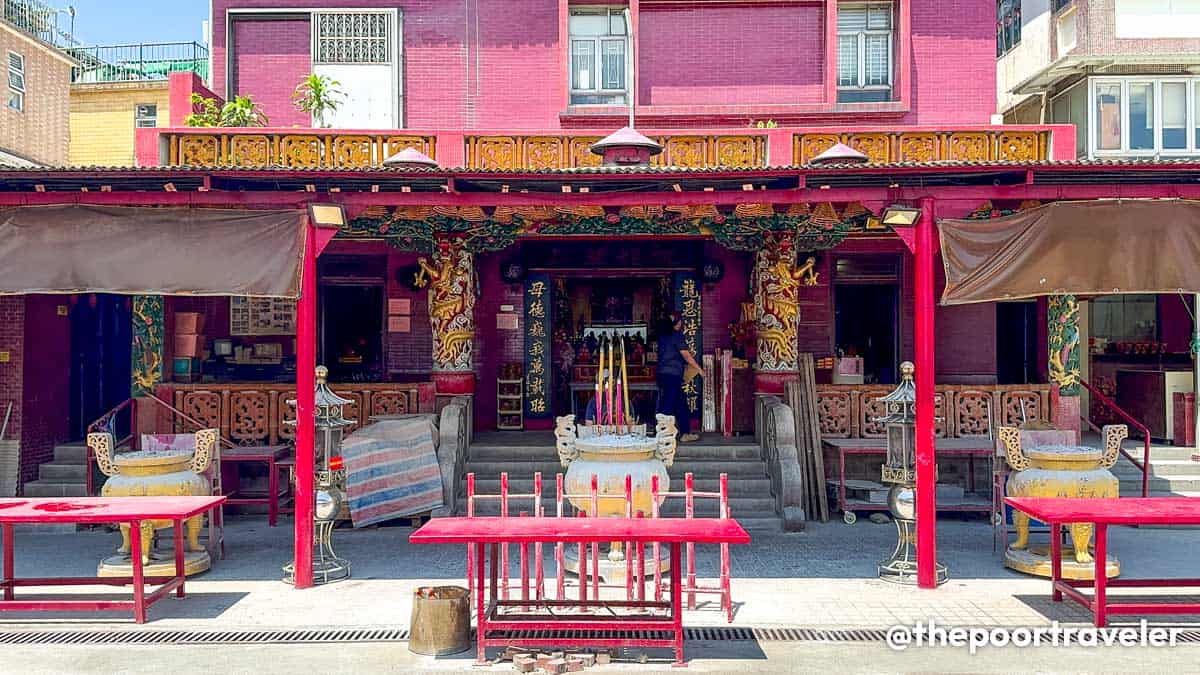
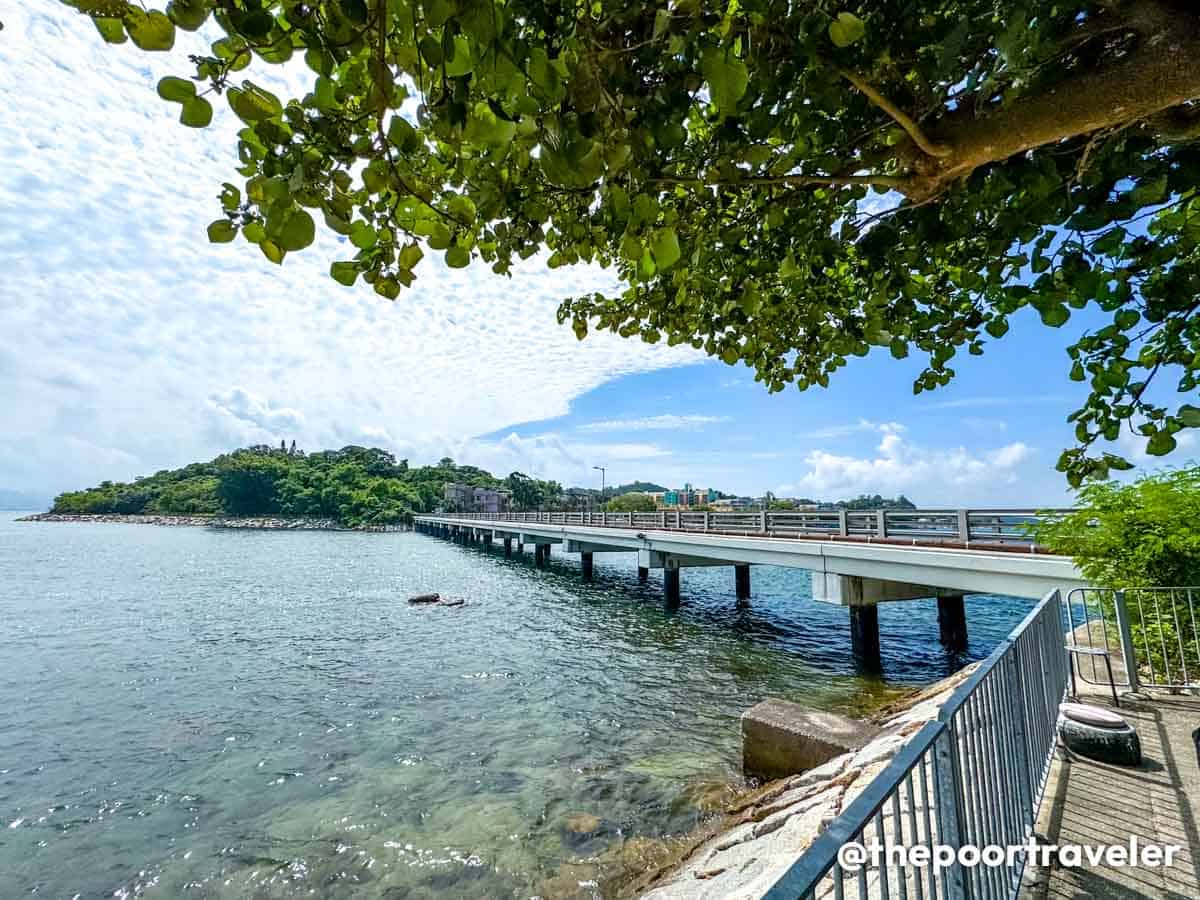
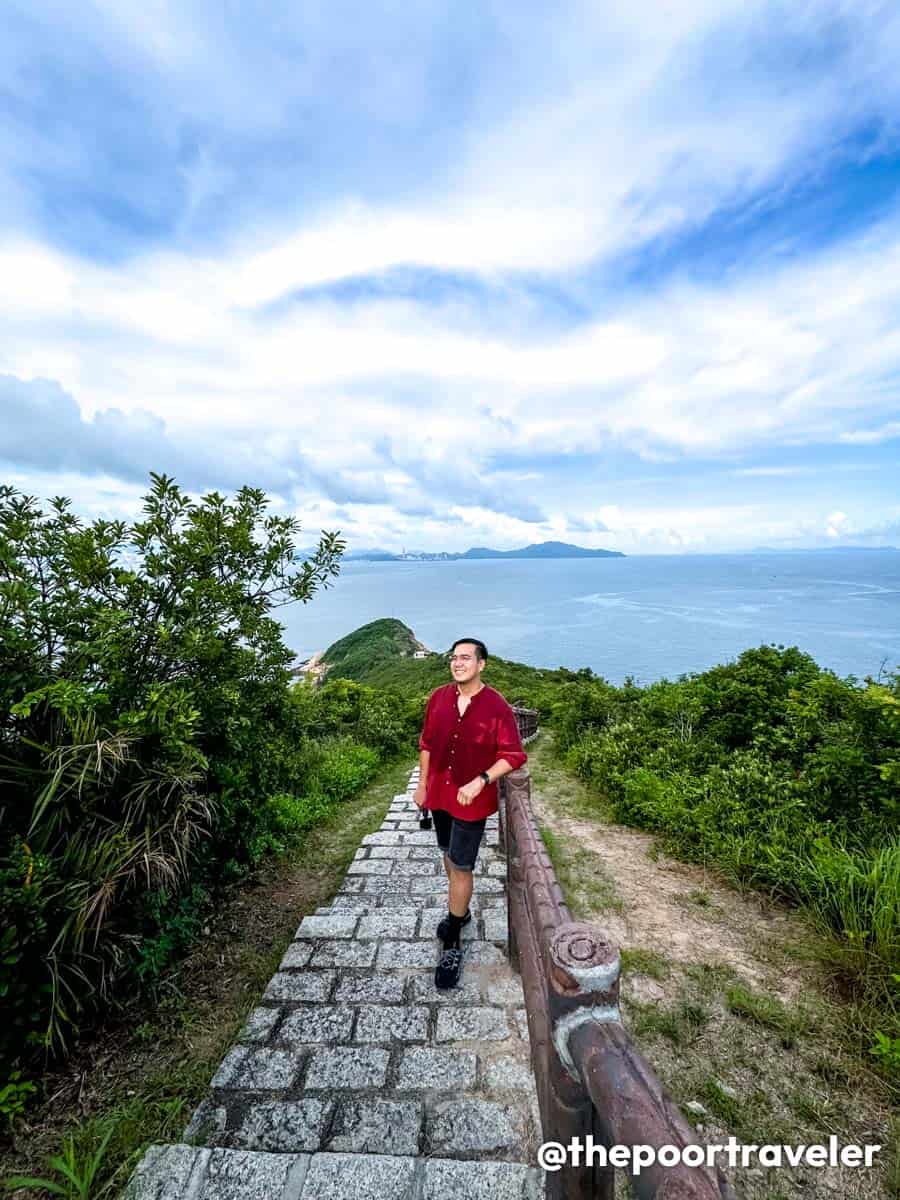
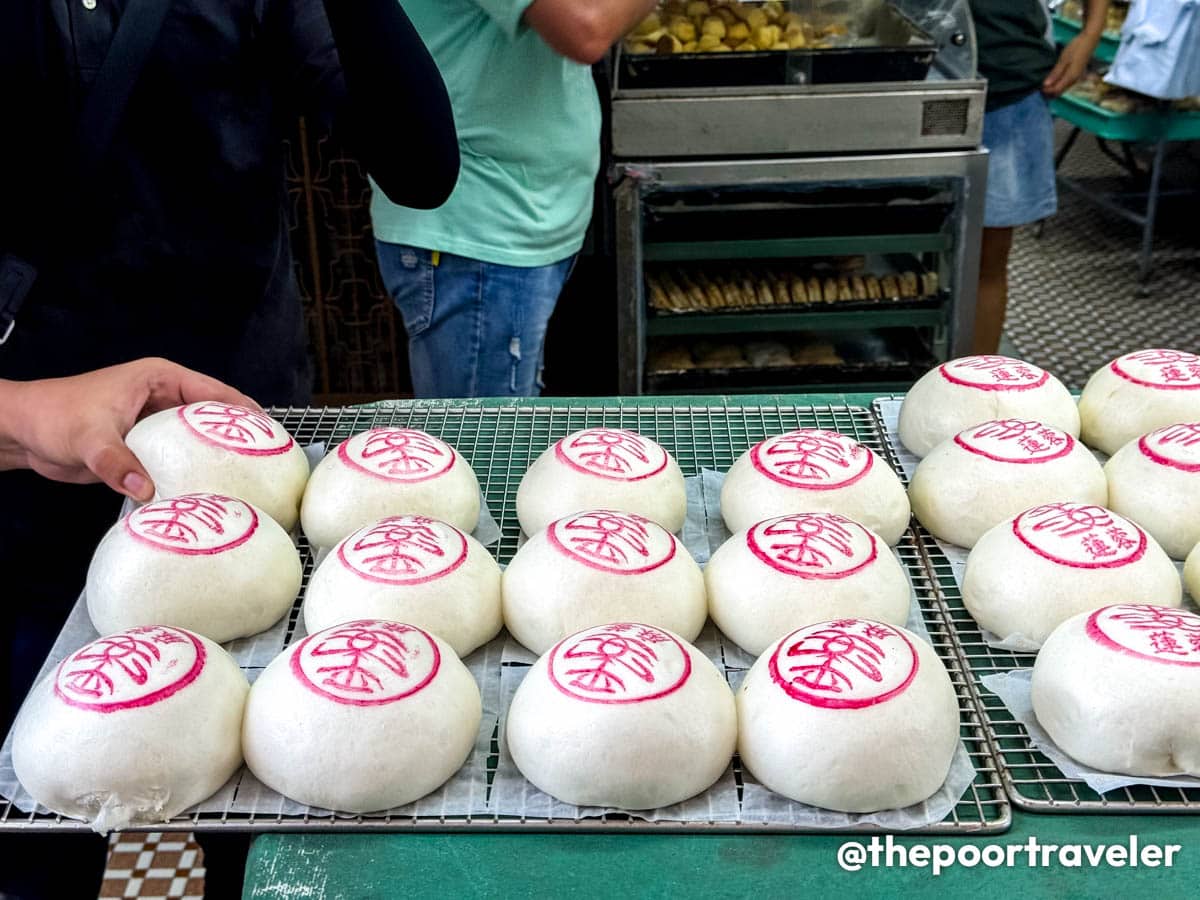
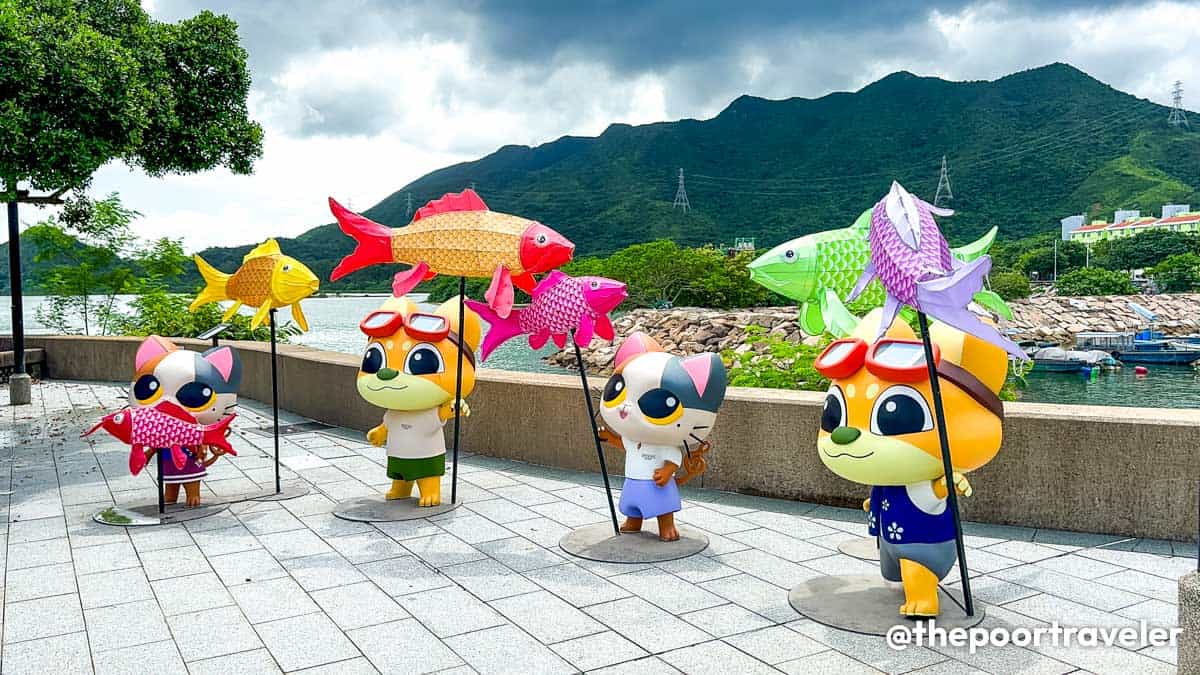
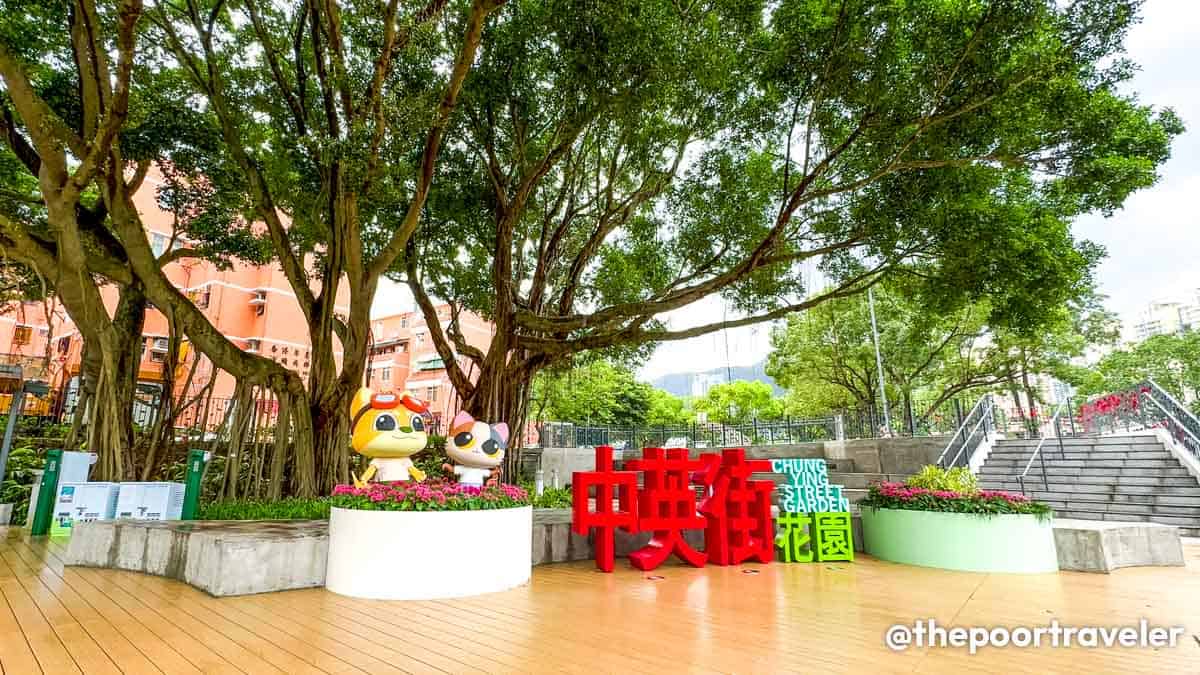
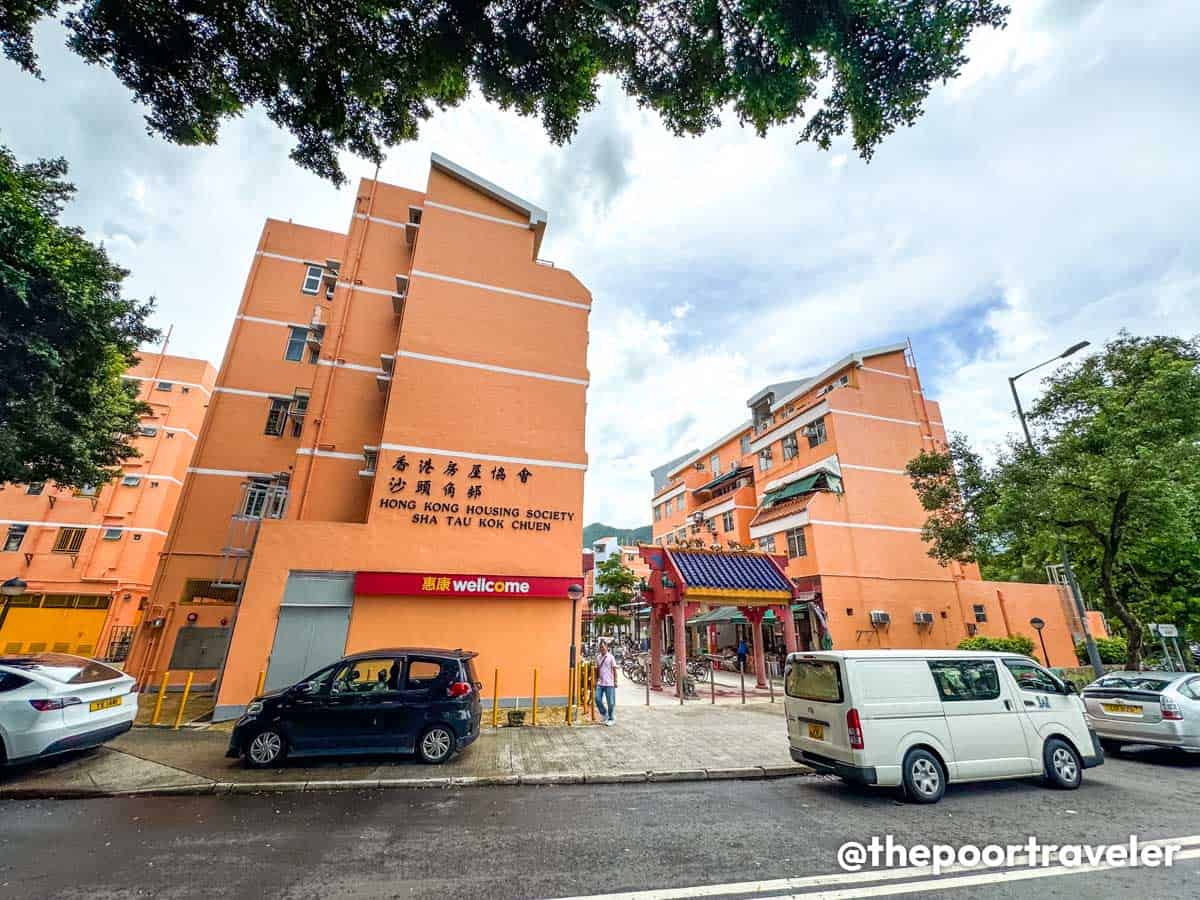
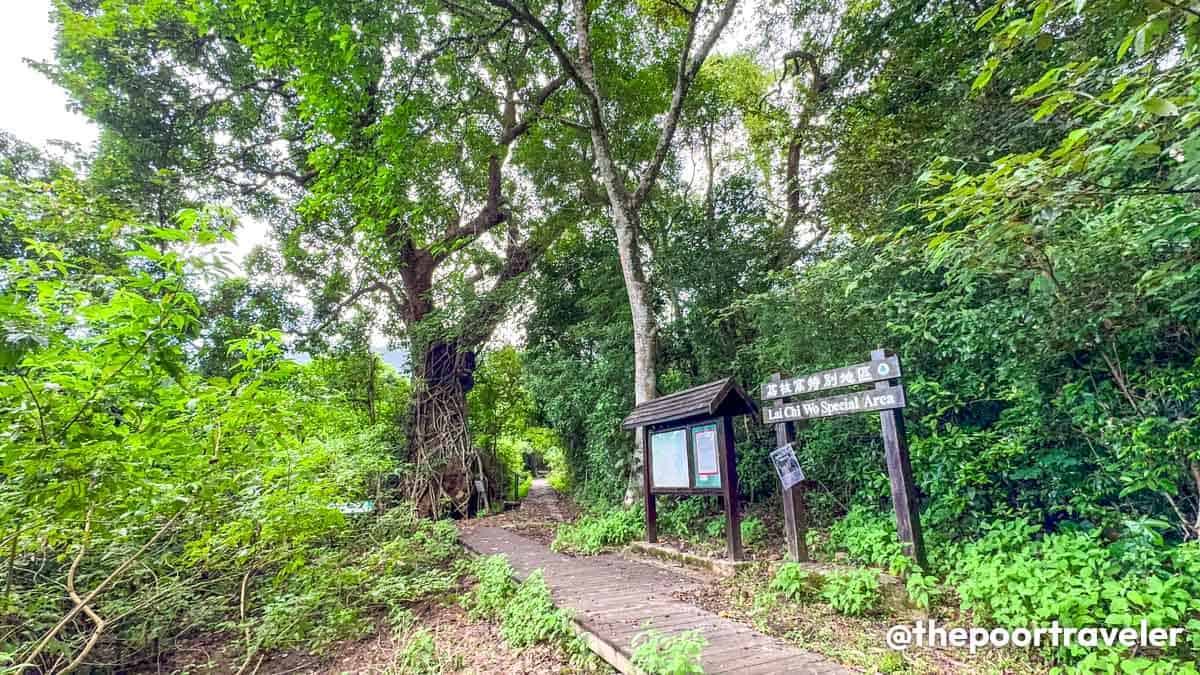
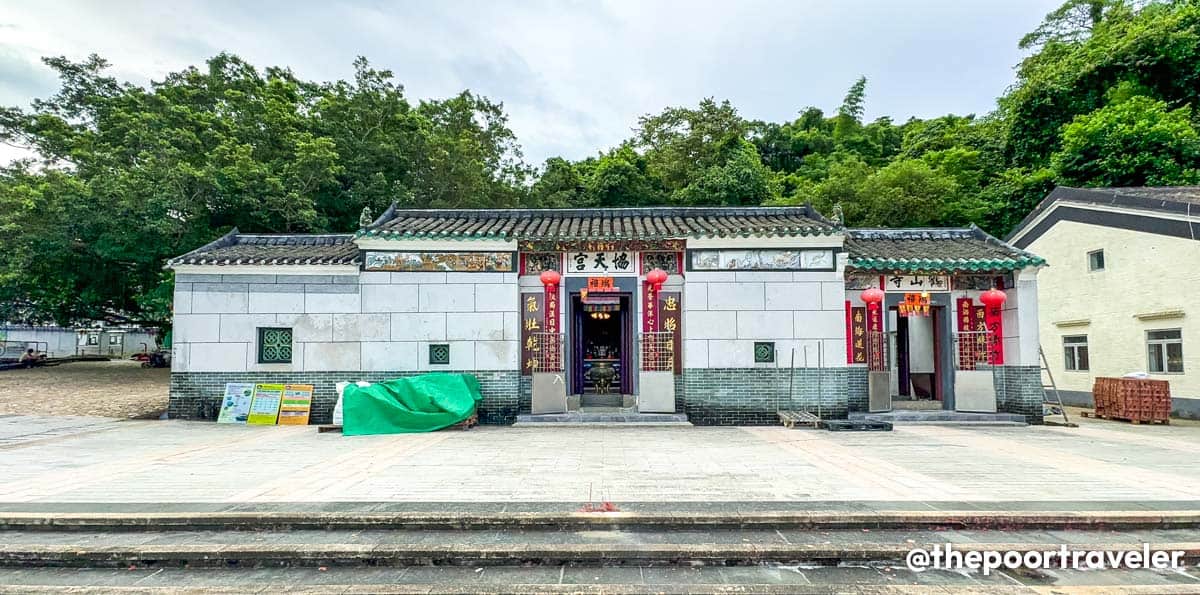


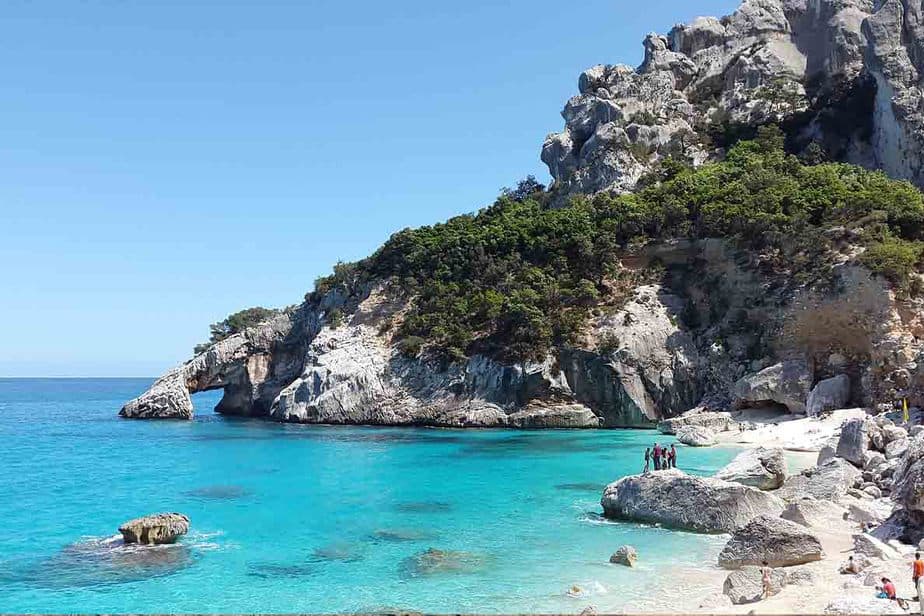

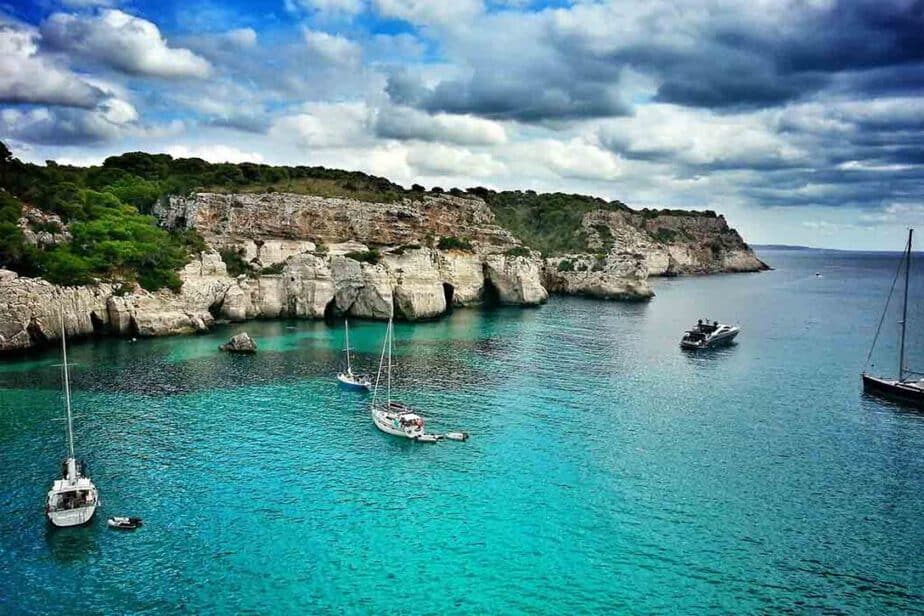
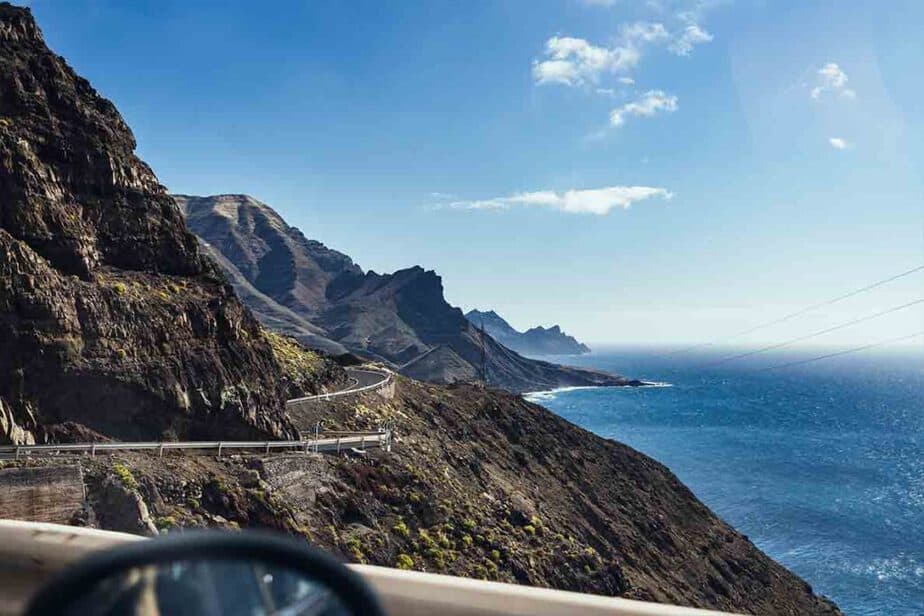
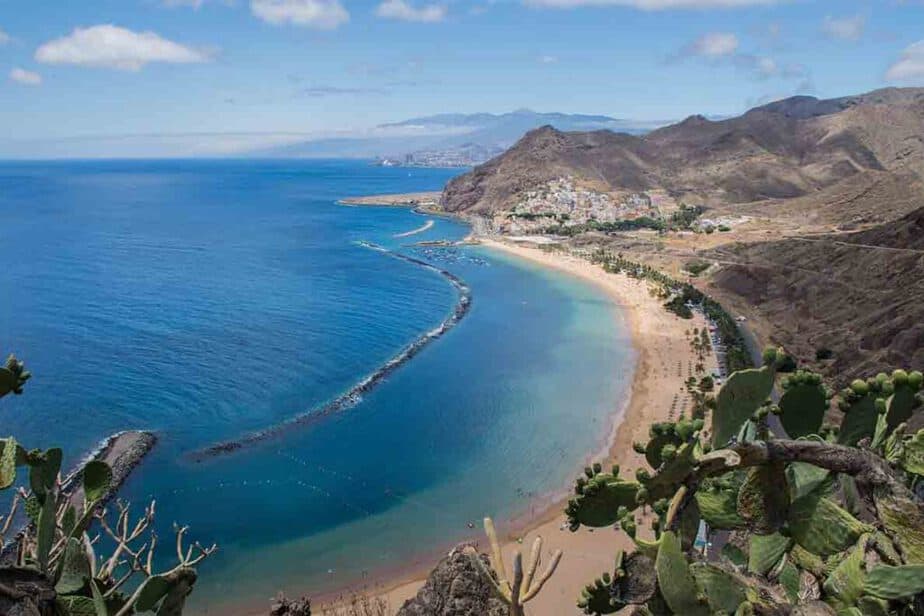
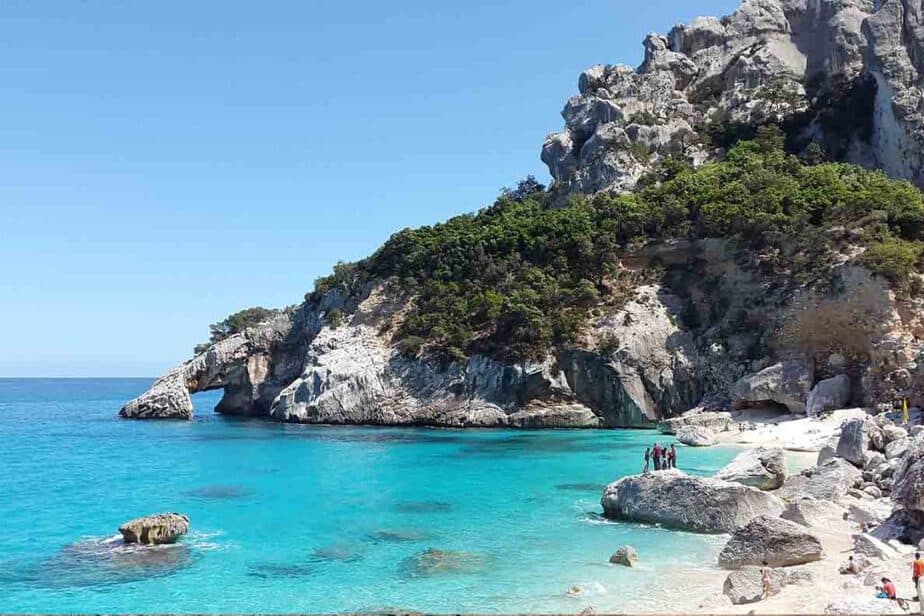
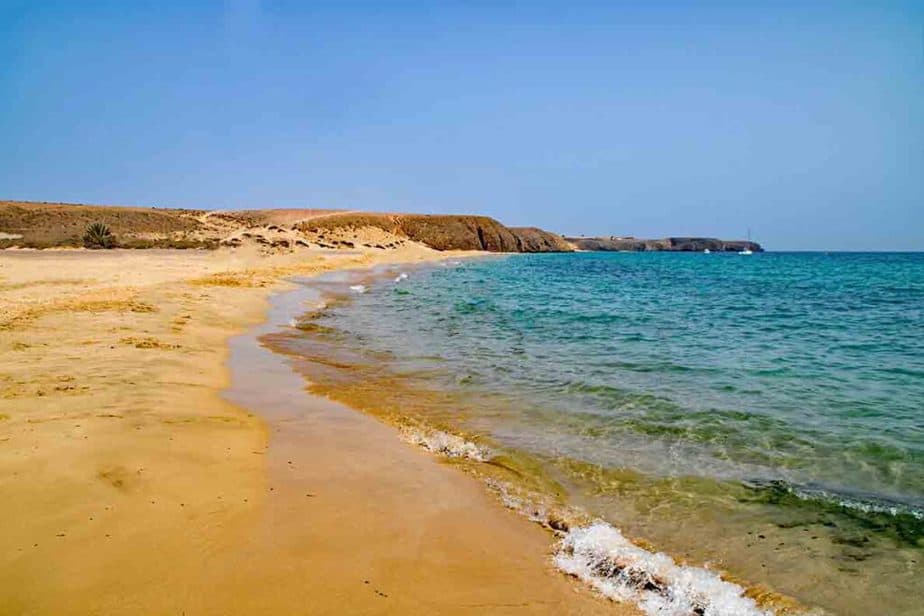
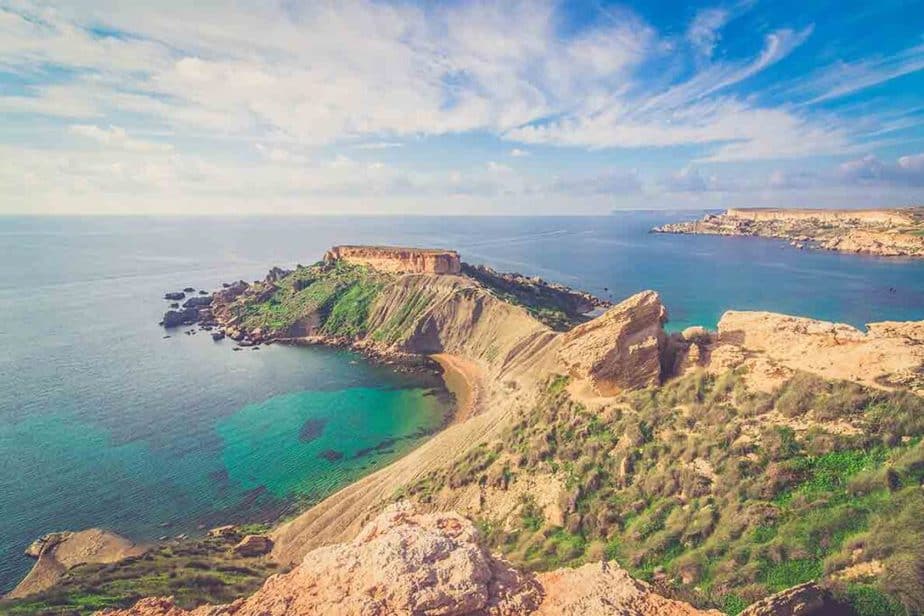
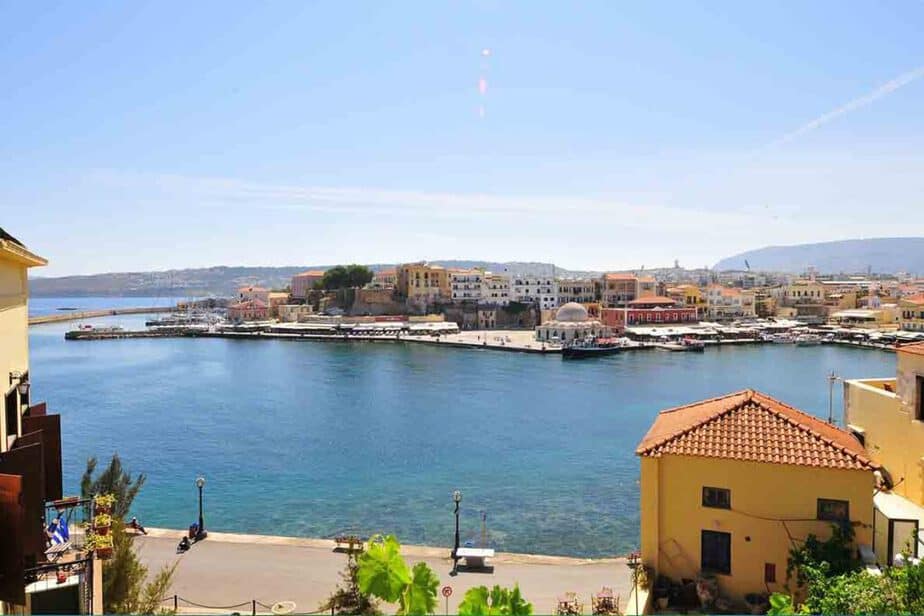
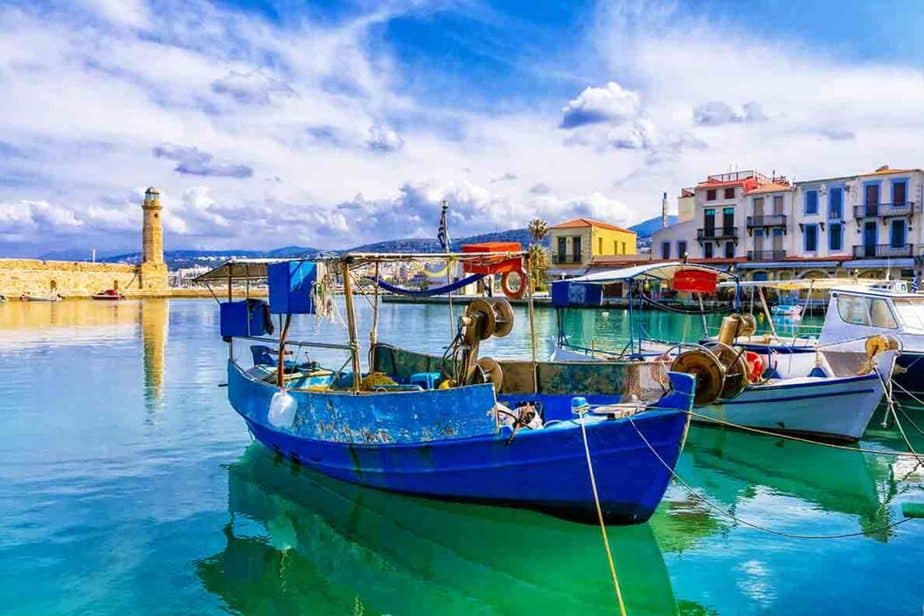
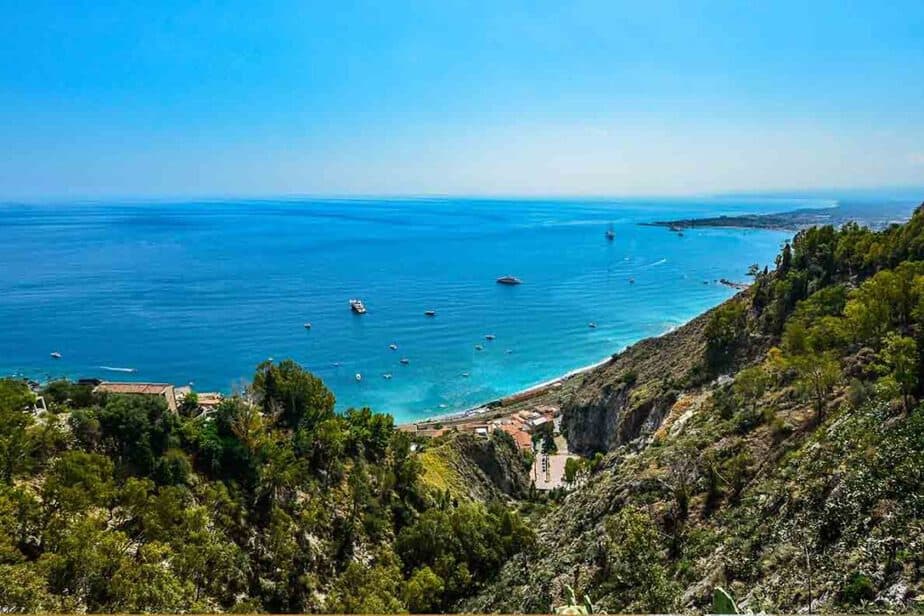
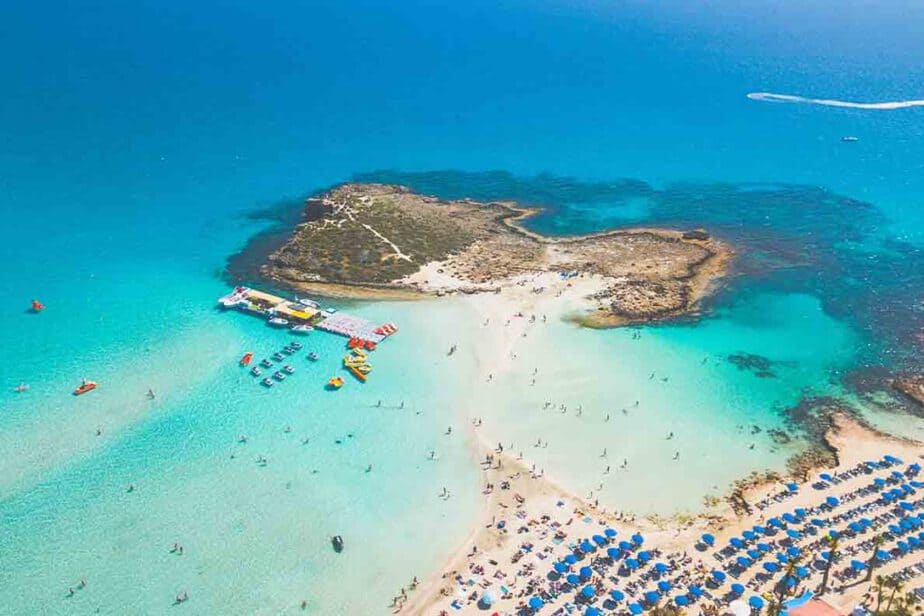
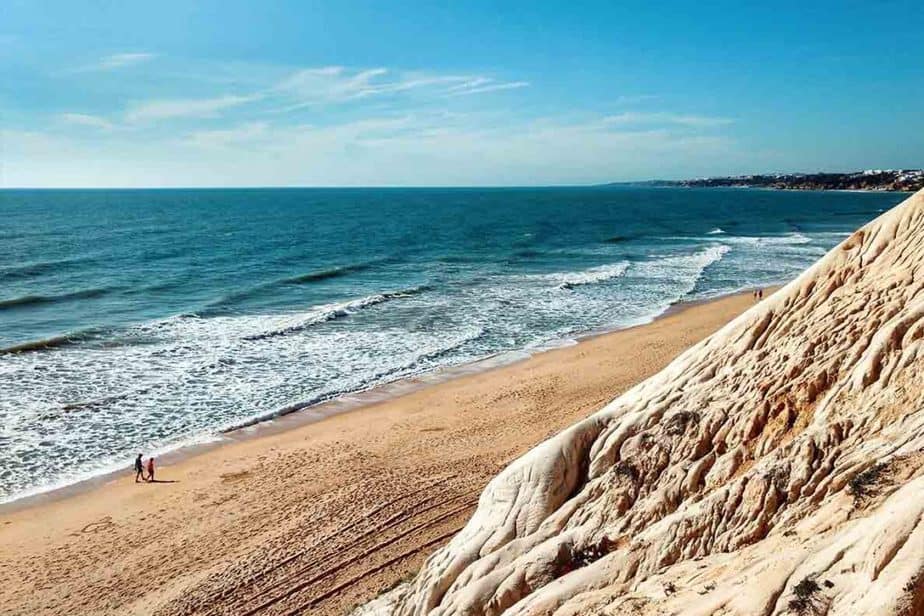







:max_bytes(150000):strip_icc()/TAL-brookline-massachusetts-USQUALITYOFLIFE0925-c0dc98e1f55240de84d0ae547e68862b.jpg "This Town Was Named the No. 1 Place to Live for Quality of Life in the U.S.")
:max_bytes(150000):strip_icc():format(jpeg)/TAL-brookline-massachusetts-USQUALITYOFLIFE0925-c0dc98e1f55240de84d0ae547e68862b.jpg)