Home Blog Page 28

Cannes Yachting Festival 2025: Vieux Port Preview

0


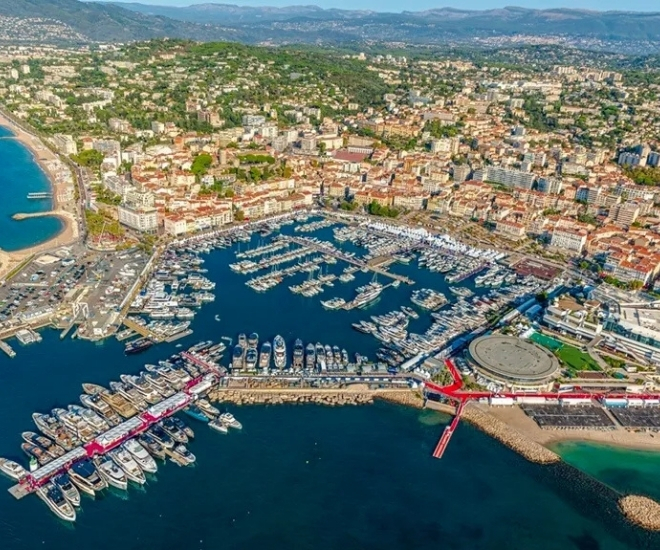
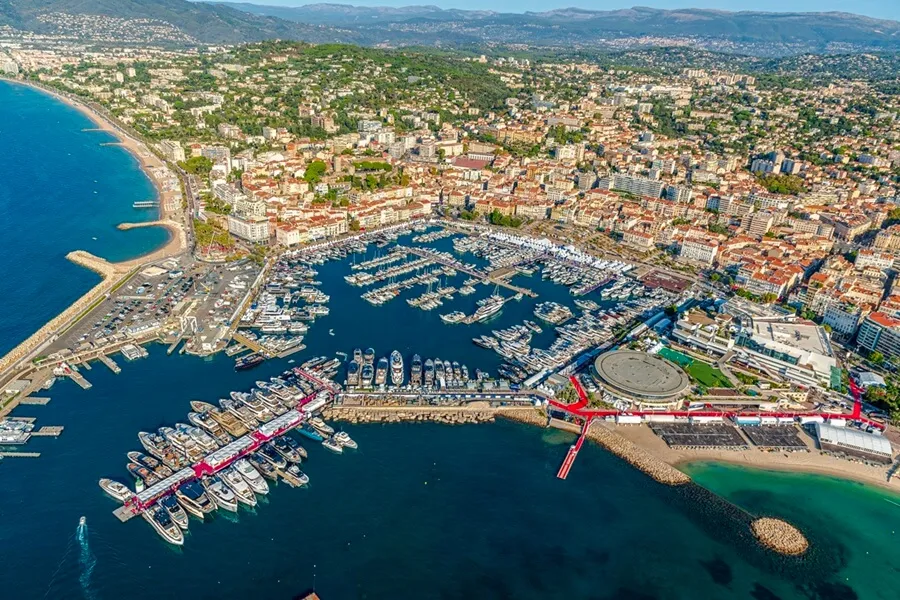
Vieux Port
Vieux Port

Jetee

The world premiere of Azimut’s Grande 30M is the highlight of the Italian shipyard’s display along the Jetée in this year’s Cannes Yachting Festival. The Grande 30M is Azimut’s first all-new superyacht with an interior by Milan-based m2atelier, whose work is also seen on hull 30 of the Grande Trideck, the brand’s current 38m flagship, and hull 23 of the Grande 36M.

Azimut’s display also includes the Fly 82’s world premiere, four other Fly yachts (53, 62, 68, 72), the Seadeck 6 and 7, an Atlantis 45, three Magellano models (60, 66, 30M), and Grande 26M and Grande 27M superyachts.

Nearby, the Ferretti Group boasts a large line-up led by six world premieres, featuring four from Riva – the 112’ Dolcevita Super, 58’ Capri, Cento (39ft) and Aquariva Special (33ft) – along with the Ferretti Yachts 800 and Itama 54.
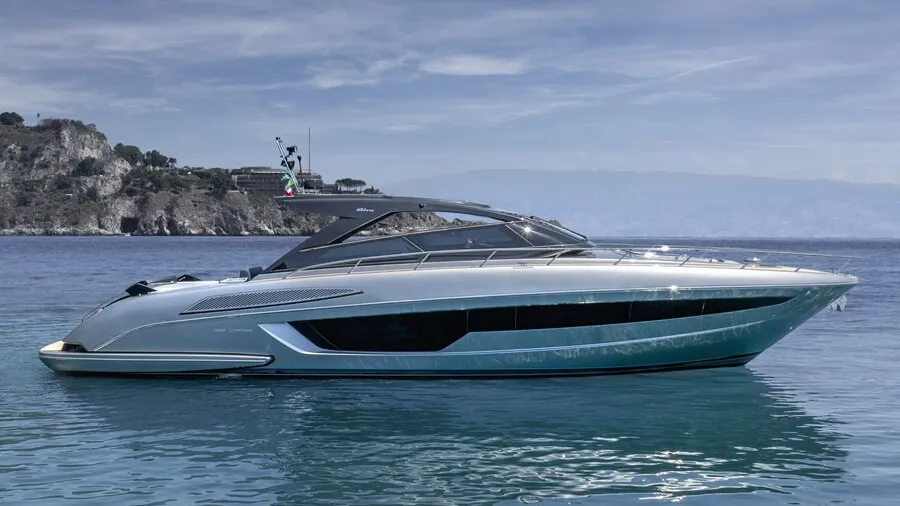
Riva 58’ Capri
Riva 58’ Capri

For many visitors, the show will also mark the first chance to see the Ferretti Yachts 940 – the brand’s second-biggest Flybridge model – and the Pershing GTX70, which both debuted at this year’s Venice Boat Show.

In Cannes, Pershing models also include the GTX116 and 8X; the Ferretti Yachts fleet includes a 580, Infynito 80 and Infynito 90; while Riva yachts include the 90’ Argo, 82’ Diva, 76’ Perseo Super and Dolceriva (49ft). Ferretti Group’s provisional line-up also includes three Custom Line superyachts – a Navetta 38 and the 106’ and 120’ planing models.

It’s also a big show for Sanlorenzo, which is staging world premieres of three superyachts including the SD132, the brand’s biggest-ever composite model and flagship of its SD semi-displacement series. The shipyard is also staging the global debuts of the SX120, its crossover flagship, and the SL110A, the second-largest model in the asymmetric planing line.

Sanlorenzo’s 10-strong display also includes the SX100 and SX88, SD96 and SD90, SL90A and SL86A, and SP92 coupe. Sister brand Bluegame is debuting the BGF45 alongside a BG54, BG74, BGM75 and a BGX73.
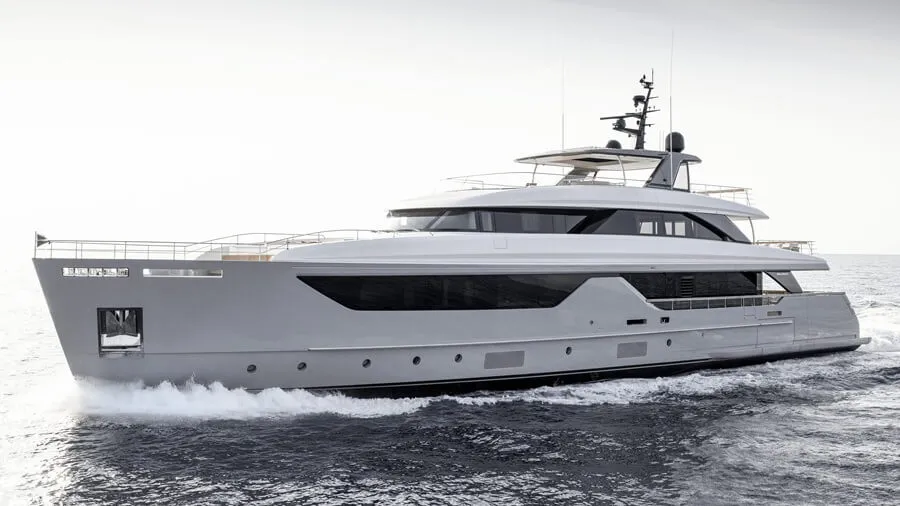
Among British builders in the Jetée, Princess is celebrating its 60th anniversary by staging the world premiere of the V65, while the F58 appears in Cannes for the first time. The Plymouth builder’s eight-strong cast also includes the Y95, X80, S72, S65, V55 and V50.

Sunseeker models appearing at Cannes for the first time include the Ocean 156, which had its world premiere at last year’s Southampton International Boat Show, and the Manhattan 68 (2025), presented at Boot Dusseldorf this January. The Poole shipyard’s display also includes a 100 Yacht, 90 Ocean, 76 Yacht, 75 Sport Yacht, Manhattan 55, Predator 55 and Superhawk 55.

Pantiero

In the neighbouring Pantiero, Turkey’s Numarine is showing 37XP and 30XP superyachts. Prestige hosts the global debut of its M7 multihull motoryacht along with the M48 in the Pantiero, away from other motor multihulls in Quai Max Laubeuf. The M8 – the 65ft flagship of Prestige’s M-Line – could be available to view outside the show.

The French brand also expects to show all three models from its refreshed F-Line of flybridge monohull motoryachts, from the F4.3 that debuted at Boot Dusseldorf this year to the F4.9 and F5.7.
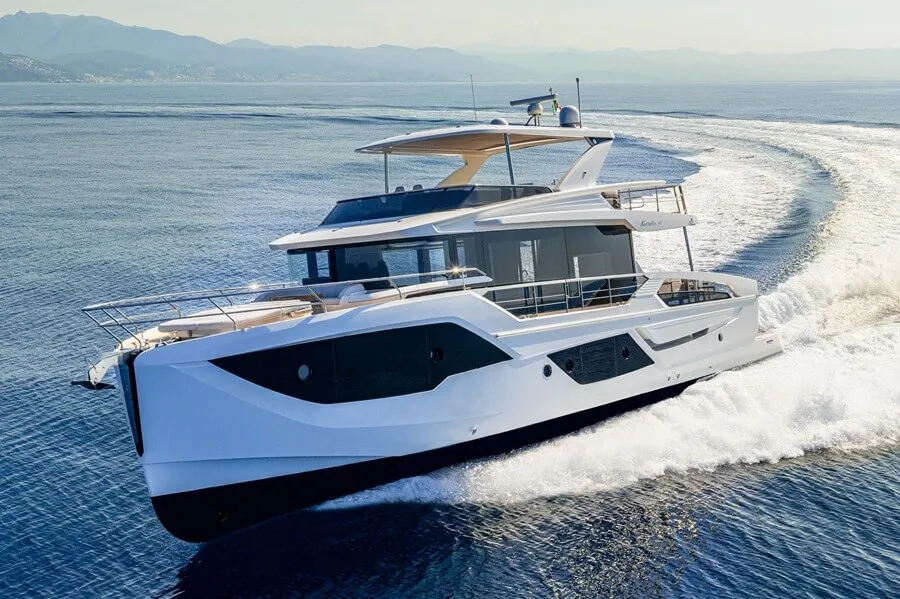
Absolute Navetta 62
Absolute Navetta 62

Absolute plans an 11-strong line-up in the Pantiero including the world premieres of the 70 Fly and Navetta 62 along with five other Navettas (75, 70, 64, 58, 53), three more Fly yachts (60, 56, 52) and a 48 Coupé, the inland shipyard’s first cruiser model.

For the first time, fellow Italian shipyard Apreamare will display its entire Gozzo line, headed by the world premiere of the 48 Cabin along with the 45, 38 Cabin and 35. Filippetti is showing its S55, while Spain’s Maxim Yachts is staging the Cannes debut of the Max 43 Comfort.
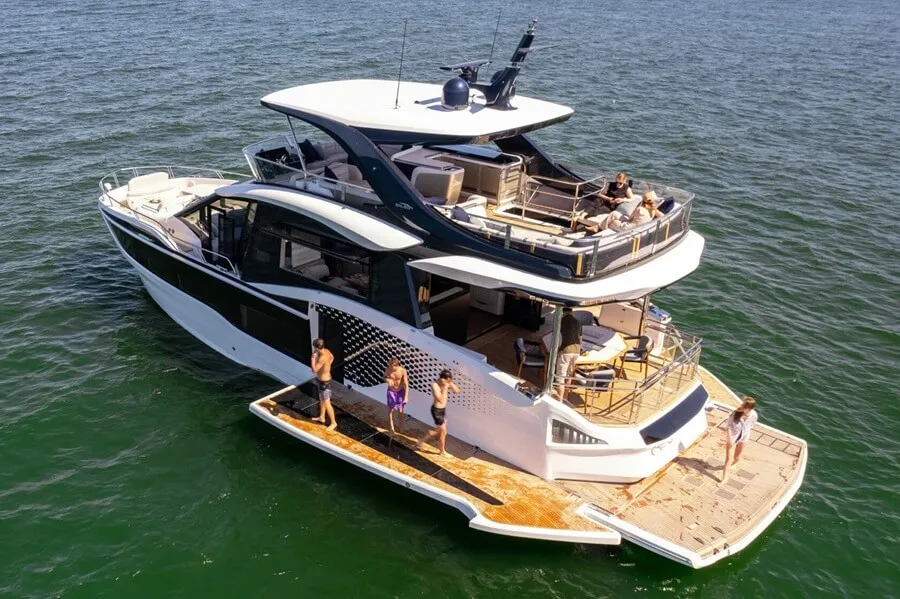
Galeon 620 Fly
Galeon 620 Fly

Galeon stages the world premieres of its 430 Exp – the first model from a new explorer line – and 620 Fly, the latter featuring an interior by Hong Kong-based design studio In Situ & Partners. The Polish shipyard’s other yachts in the Pantiero include the 560 Fly, 480 Fly and 450 HTC, while its GTO (Grand Touring Outboard) cruiser models are on display in Port Canto’s Power Boat Marina.

Beneteau’s motor and sail displays need to be spread across three different sites in Vieux Port and Port Canto.

In the Pantiero, models from the French builder’s Motor Yachts ranges are headed by world premieres of the flagship Grand Trawler 63 and Swift Trawler 37, plus the new-generation Gran Turismo 35 and Gran Turismo 40 Alpine Edition. The French builder’s Pantiero display also includes the Swift Trawler 41 Fly and Swift Trawler 54.
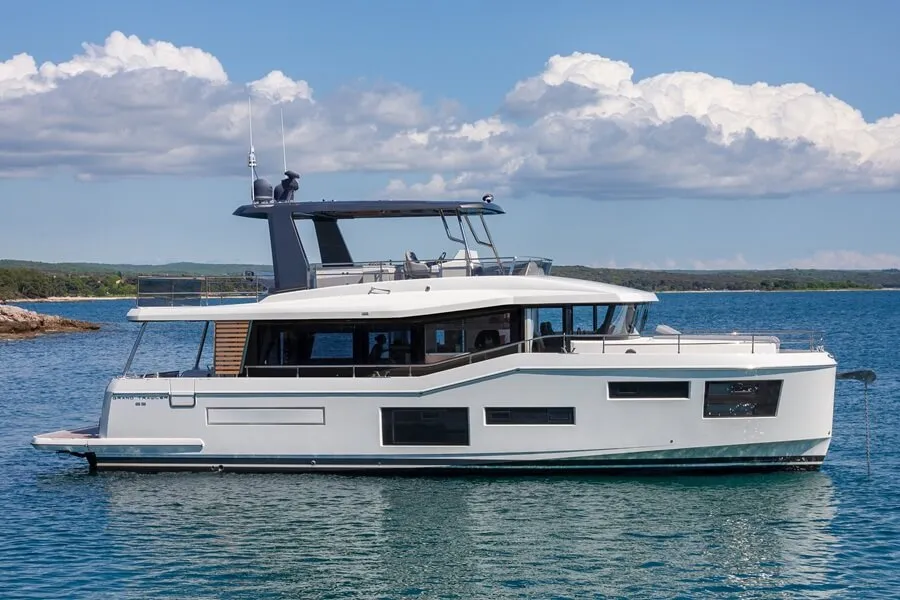
Beneteau Grand Trawler 63

Pardo is hosting the global debut of the P43 from the Walkaround series in a display that also includes the P50, the E72 from the Endurance line, along with the GT52 and flagship GT75. Sister brand VanDutch is hosting the world premiere of its flagship VD 75.

Quai Saint Pierre

On the west side of Vieux Port, De Antonio, noted for its covered outboard propulsion, will stage the world premiere of its flagship D60 in Quai Saint Pierre (QSP). The Spanish builder will also exhibit the D50, its previous flagship, along with a D42, while its D32 and D29 – a global debut at Boot in January – are appearing at the Palais des Festivals.
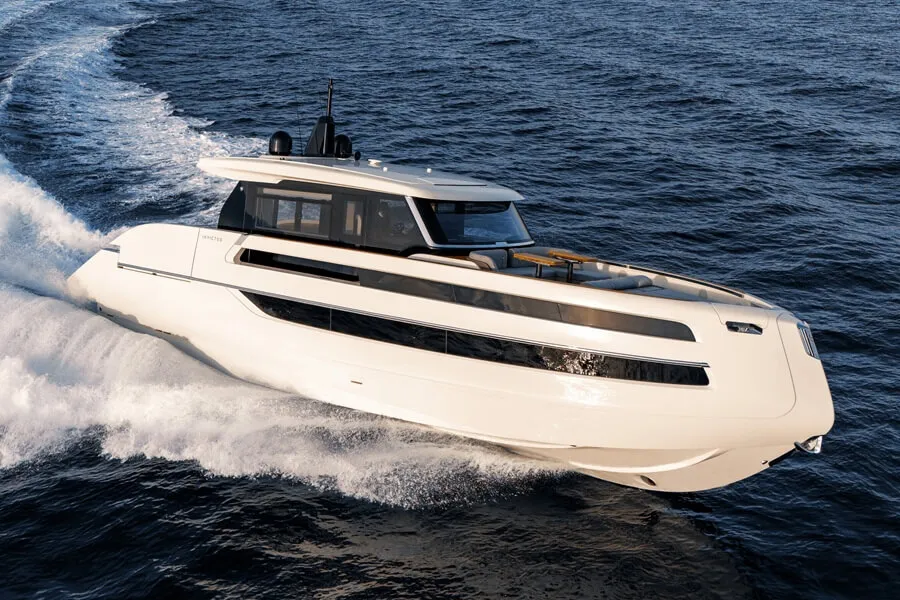
Invictus ST550
Invictus ST550

In Quai Saint Pierre, Italy’s Invictus is staging the world premieres of the ST550 and TT550, its two new flagship models, while Greenline, a pioneer in hybrid motoryachts, is exhibiting a Greenline 39 and 45 Fly.

Sacs Tecnorib is showing multiple Rebel maxi-RIBs including the 50 and flagship 55 in QSP, while its Strider models including the 15 and 13, and the Pirelli 50, 42 and 35 are on display in the Pantiero.

Quai Max Laubeuf

In the southwest corner of Vieux Port, Quai Max Laubeuf (QML) is home to the show’s powercats, with the new Power Cat Village set to be one of the most exciting zones in this year’s edition.
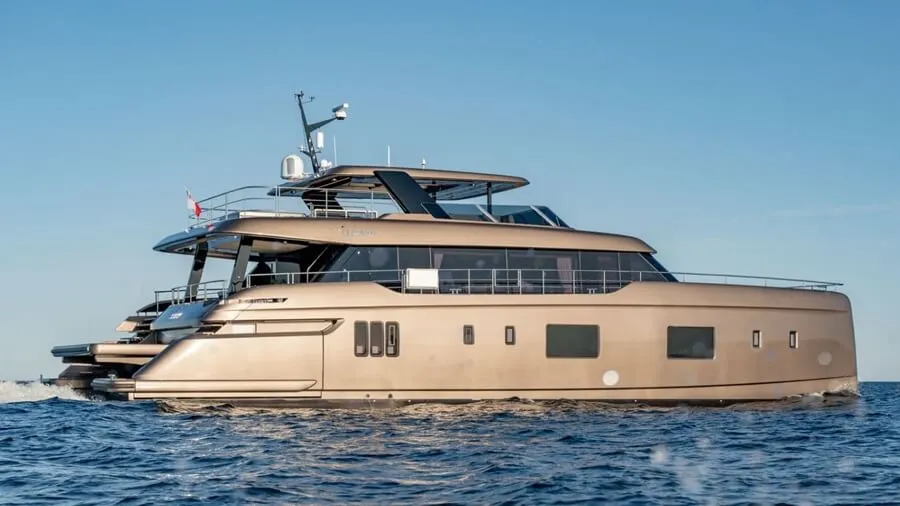
100 Sunreef Power
100 Sunreef Power

Sunreef plans to flex its muscles by showing a unit of its flagship 100 Sunreef Power and an 80 Sunreef Power Eco. However, many visitors will be eyeing up the Ultima 55, as the first model in the new Ultima line makes its Europe debut following its world premiere at this year’s Dubai International Boat Show.

Global debuts of powercats at Cannes include the WiderCat 92 by Italy’s Wider Yachts, the VisionF 82 by Turkey’s VisionF and the Silent SY80 2-Deck by Italy-based Silent Yachts, which is also showing an SY62 3-Deck.

France’s Fountaine Pajot is staging the world premiere of its Power 80, based on the same hull as the Thira 80 sail cat, along with the Power 67 and MY6 powercats in Quai Max Laubeuf.
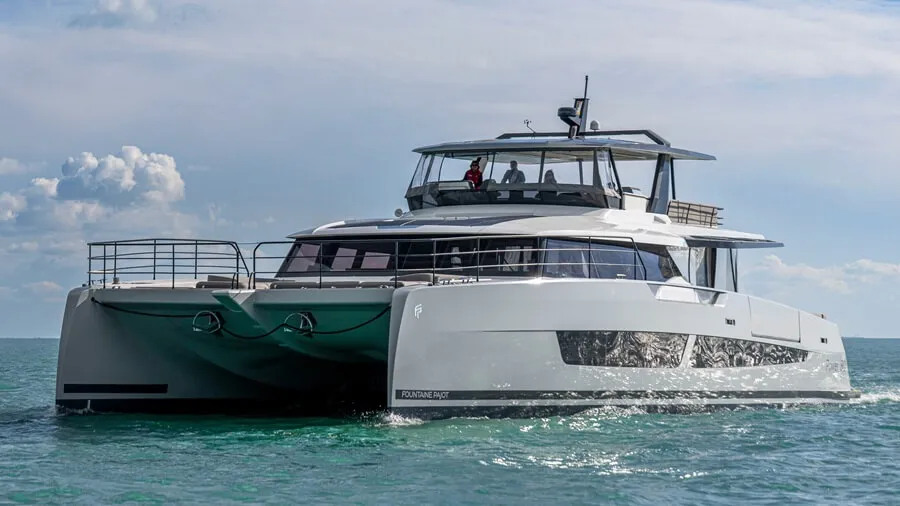
Fountaine Pajot Power 80

Leopard, another powercat pioneer, is showing all three of its South Africa-built power models, comprising the 40 Powercat, 46 Powercat and flagship 53 Powercat.

Aquila is hosting the world premiere of its 46 Yacht along with the Europe debut of the 50 Yacht, which had its global unveiling at last year’s Fort Lauderdale International Boat Show and its Asia premiere at this year’s Singapore Yachting Festival.

Aquila is also staging the Europe debuts of both its 42 Coupe and 46 Coupe, which were unveiled at this year’s Miami International Boat Show. However, the models on show in Cannes both feature Volvo Penta Dual Propellor Inboard (DPI) engine packages, marking the worldwide debut of the inboard propulsion option on the Coupe series.
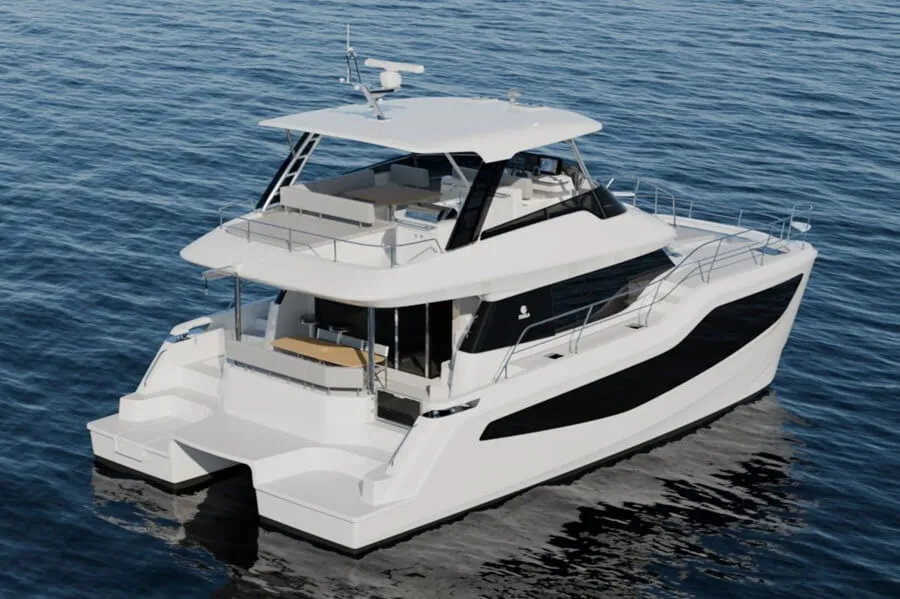
Aquila 46 Yacht
Aquila 46 Yacht

Other powercats making their global debut include the Omaya 50, the brand’s first model, while Yot – from the Catana Group and a sister brand of Bali – is exhibiting its Yot 36 and Yot 41, the latter a debutant at Boot this year.

Monohull builders exhibiting in QML include Pearl, whose display includes the new 63 – a premiere at this year’s Palma International Boat Show – alongside the 72 and 82 flybridge motoryachts, while the British brand will also unveil details of the 100 Hybrid superyacht. Meanwhile, Sirena is staging the world premiere of its 60 alongside the Turkish builder’s 48 and 68.

Super Yatchs Extension

East across the swing bridge, eye-catching Wally yachts take up the brand’s usual high-profile position at the entrance to the Super Yachts Extension (SYE) and beside la traversante, where the wallywhy150 and wallywhy100 display alongside smaller models like the wallypower58, wallytender48 and wallytender43X.
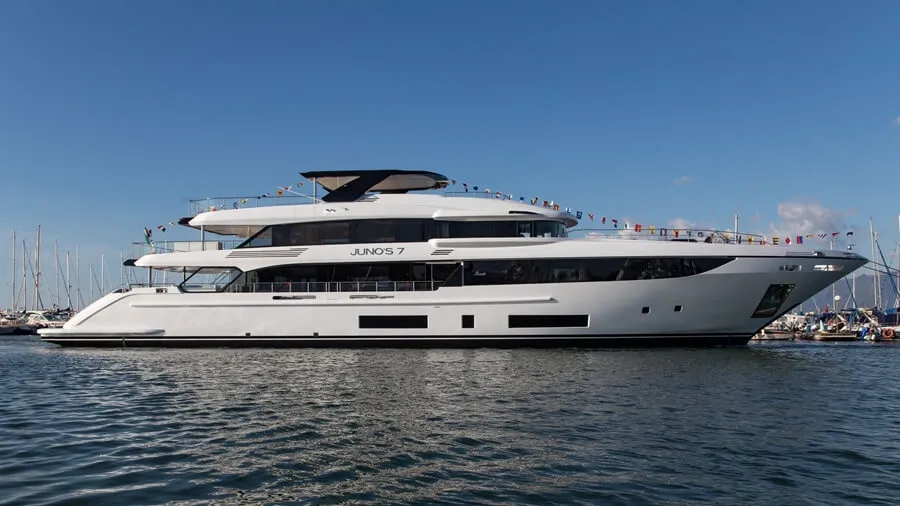
Benetti Class 44M
Benetti Class 44M

Benetti is staging the world premiere of the Class 44M along with an Oasis 40M, Oasis 34M and a Motopanfilo 37M. The show’s biggest yachts could include Cantiere delle Marche’s 45.7m ‘Project T’, Tankoa’s 45m T450 Singolare and Ocean King’s 40m Doge 400.

Hargrave is showing a 38m Project 125, Dutch shipyard Van der Valk is debuting its 35m Lalabe, while Amer is displaying its 120 (36.5m) and F100 (29m). UAE’s Gulf Craft is staging the European debut of the Majesty 100 Terrace alongside the Majesty 120, before both appear at the Monaco Yacht Show.
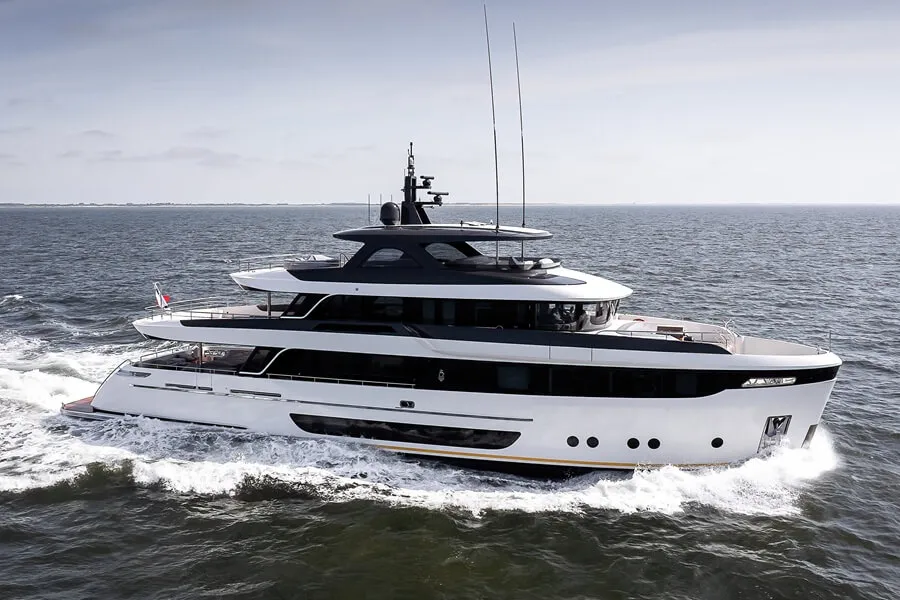
Van der Valk’s 35m Lalabe

Lazzara is debuting both the UHV 100 and the LPC 300, a 70ft powercat with 3,200sqft of living space. Other yachts include the Filippetti F100, the Fleming 85 (Europe debut), a Picchiotti Gentleman’s Yacht 24 by The Italian Sea Group, and an FD80 by Taiwanese shipyard Horizon.

Maiora of Italy’s Next Yacht Group is showing a Maiora 30 nearby at the southern end of the Jetée, where sister brand AB Yachts is staging the world premiere of the first AB 95 and showing the second AB 110.

Also in Jetée Sud, Palumbo Superyachts is showing the Columbus Crossover 42 Big Naan (42m) and an Extra X90 Fast, Arcadia debuts the A80new alongside its A96new, Sherpa 80 and Sherpa 60, while Mangusta shows a GranSport 33 and 104 Rev.

For more information visit cannesyachtingfestival.com

This article was first seen on YACHT STYLE

For more on the latest in luxury yachting reads, click here.



Source link

The New Alchemy of Luxury Skincare

0


Luxury skincare in 2025 is increasingly defined by its ability to balance nature and science. The latest creams, serums and treatments blend potent botanical extracts with lab-engineered actives, delivering results that are as scientifically measurable as they are sensorially indulgent. From marine-derived peptides to orchid longevity complexes, these launches demonstrate how lab-based innovation paired with natural and organic ingredients converge to target the visible signs of ageing, refine texture and boost radiance — all while respecting the skin’s natural ecosystem.

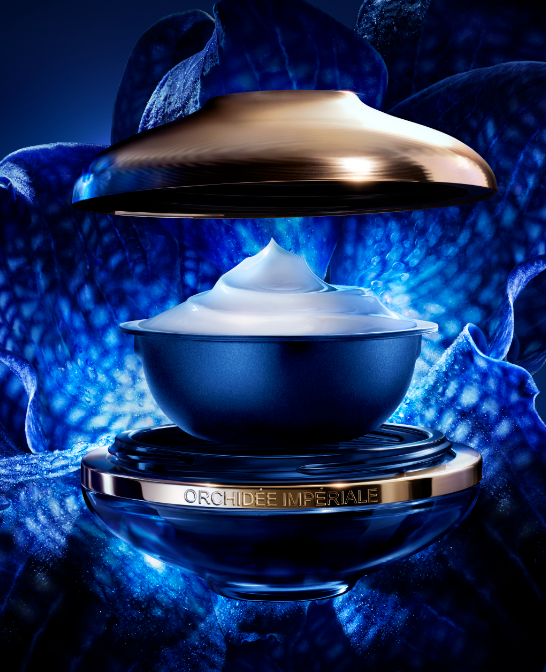
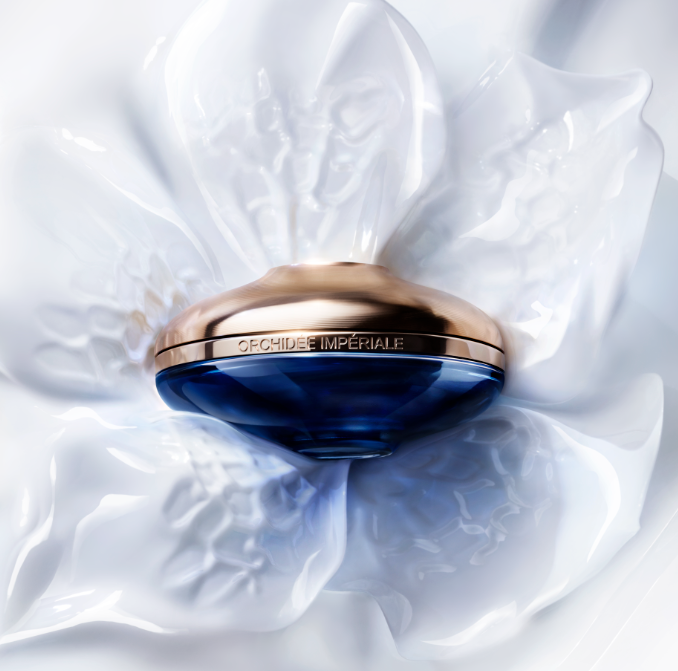
Guerlain Orchidée Impériale 6th Generation Longevity Creams

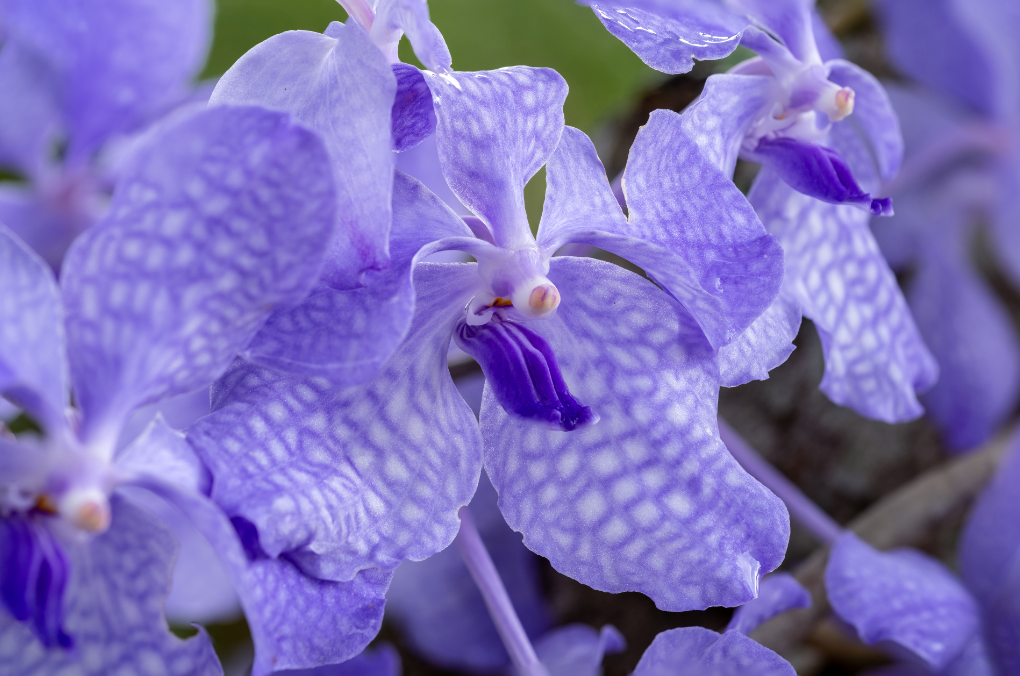
Guerlain’s latest evolution of its flagship anti-ageing line — the Orchidée Impériale 6th Generation Longevity Creams — demonstrates how luxury skincare is pushing the intersection of botanical research and advanced biotechnology. At the core of the new formula is the Vanda coerulea orchid, known for its exceptional resilience. Guerlain has spent two decades studying orchids through its dedicated Orchidarium, a research platform spanning a laboratory, an experimental garden in Switzerland and the Tianzi Exploratory Reserve in China’s Yunnan province. This multi-site research structure allows Guerlain to apply findings from orchid biology directly into product development.

The 6th Generation Longevity Cream incorporates Orchid Longevity technology, developed in partnership with INRAE — a French public research institute. Together, the teams identified MAMs — mitochondria-associated membranes — as a biological target linked to skin cell ageing. By restoring the flexibility of these connections, Guerlain’s researchers claim to have activated nine longevity mechanisms and boosted cell vitality by nearly 200 percent, offering a new route for addressing age-related skin decline. The product is available in two formats — a lightweight cream and a richer version fortified with ceramides for improved lipid barrier support.

Alongside performance, Guerlain is advancing its packaging towards measurable sustainability standards. The new refill system — made from 90 percent cellulose with a protective polymer film — reduces material consumption by over 40 percent from the first refill cycle and halves the environmental impact over a year’s use compared to traditional jars. The brand’s 14-year partnership with China’s Tianzi Reserve further strengthens its positioning by supporting orchid reintroduction and broader reforestation efforts, while aligning the product’s story with tangible biodiversity initiatives.

Sisleya Longevity Essential Serum

Sisleÿa L’Intégral Anti-Âge Longevity Essential Serum is a formulation designed to address the evolving concerns of ageing skin. Drawing on longevity science and phyto-cosmetology, the serum combines more than 50 active ingredients to target both established and emerging signs of ageing. Sisley’s research highlights the role of three interconnected systems — cutaneous, vascular and immune — in preserving skin health. The serum works to reactivate communication between these systems using biotechnologically derived beta-glucans, which stimulate regeneration factors. At the same time, it strengthens the skin’s immune defences by encouraging the elimination of senescent cells and limiting “pro-ageing” messengers, helping slow the acceleration of visible ageing.

To counter thinning and yellowing, the formula integrates green lentil extract, vitamin E acetate and red algae to restore density and reduce glycation, while red vine extract improves radiance. Hyaluronic acid, shea and macadamia oils provide hydration and comfort, reinforcing the product’s suitability for daily use. The Longevity Essential Serum is designed to integrate into the wider Sisleÿa ritual and positions Sisley at the forefront of science-driven botanical skincare, bridging natural actives with advanced dermatological research.

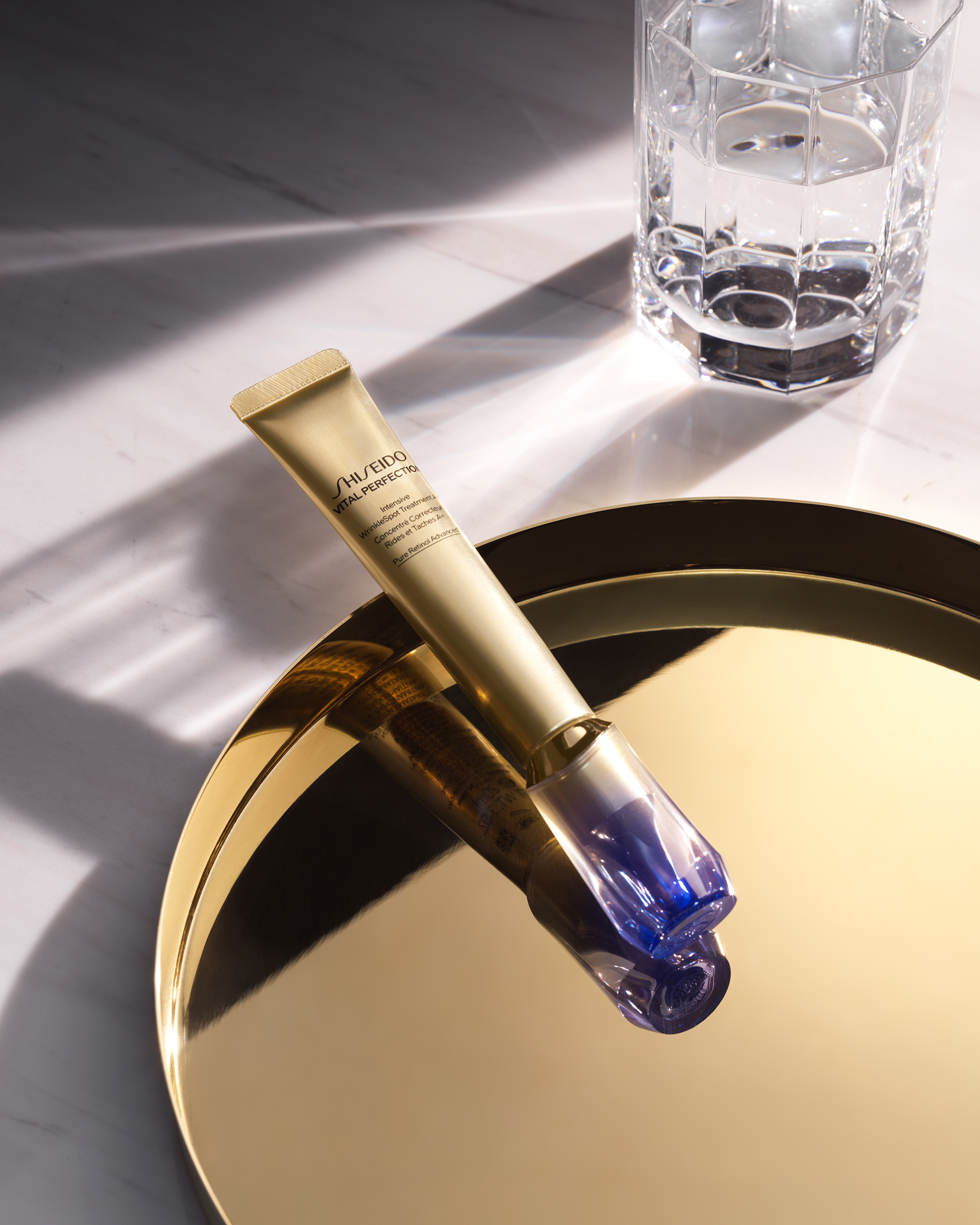
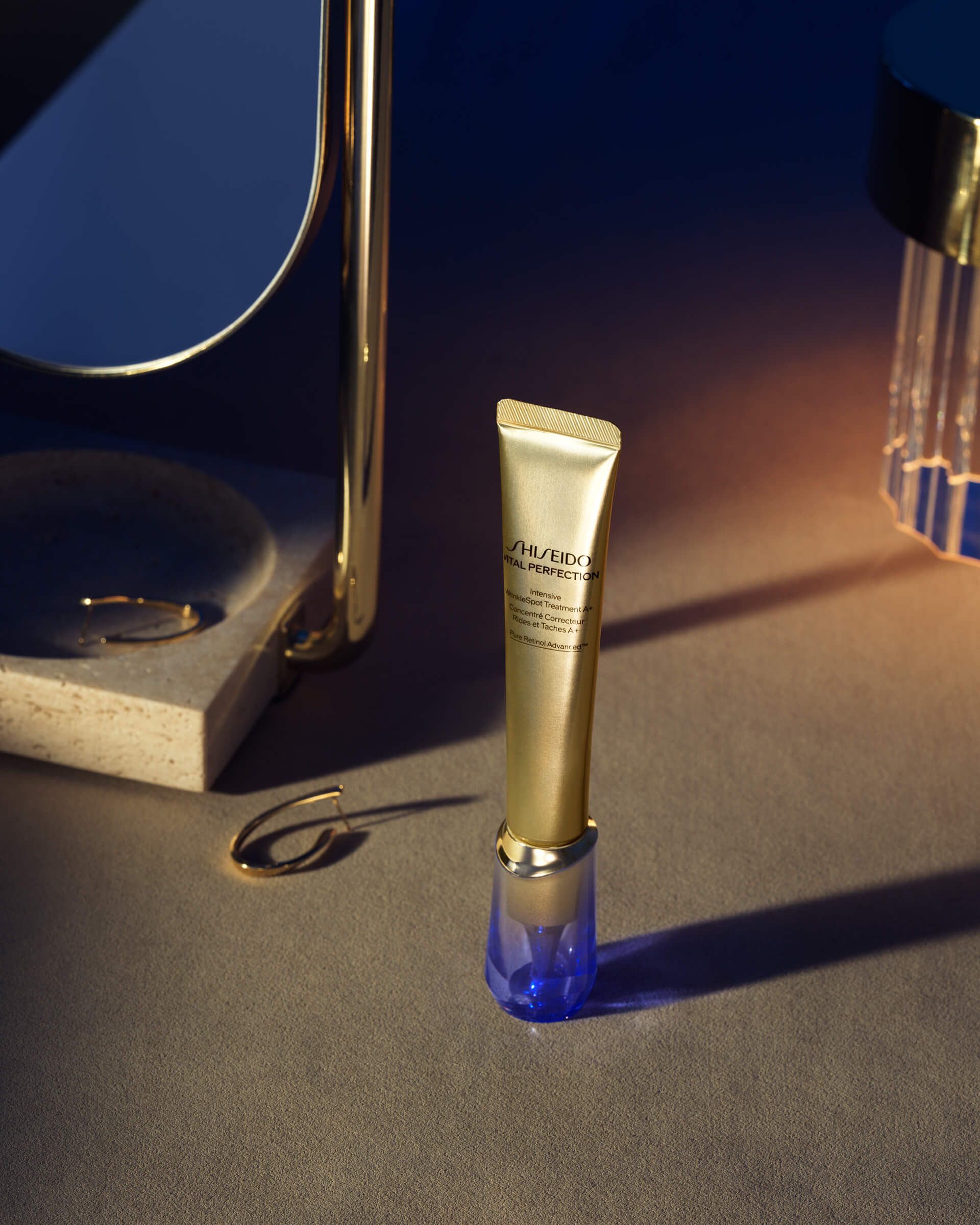
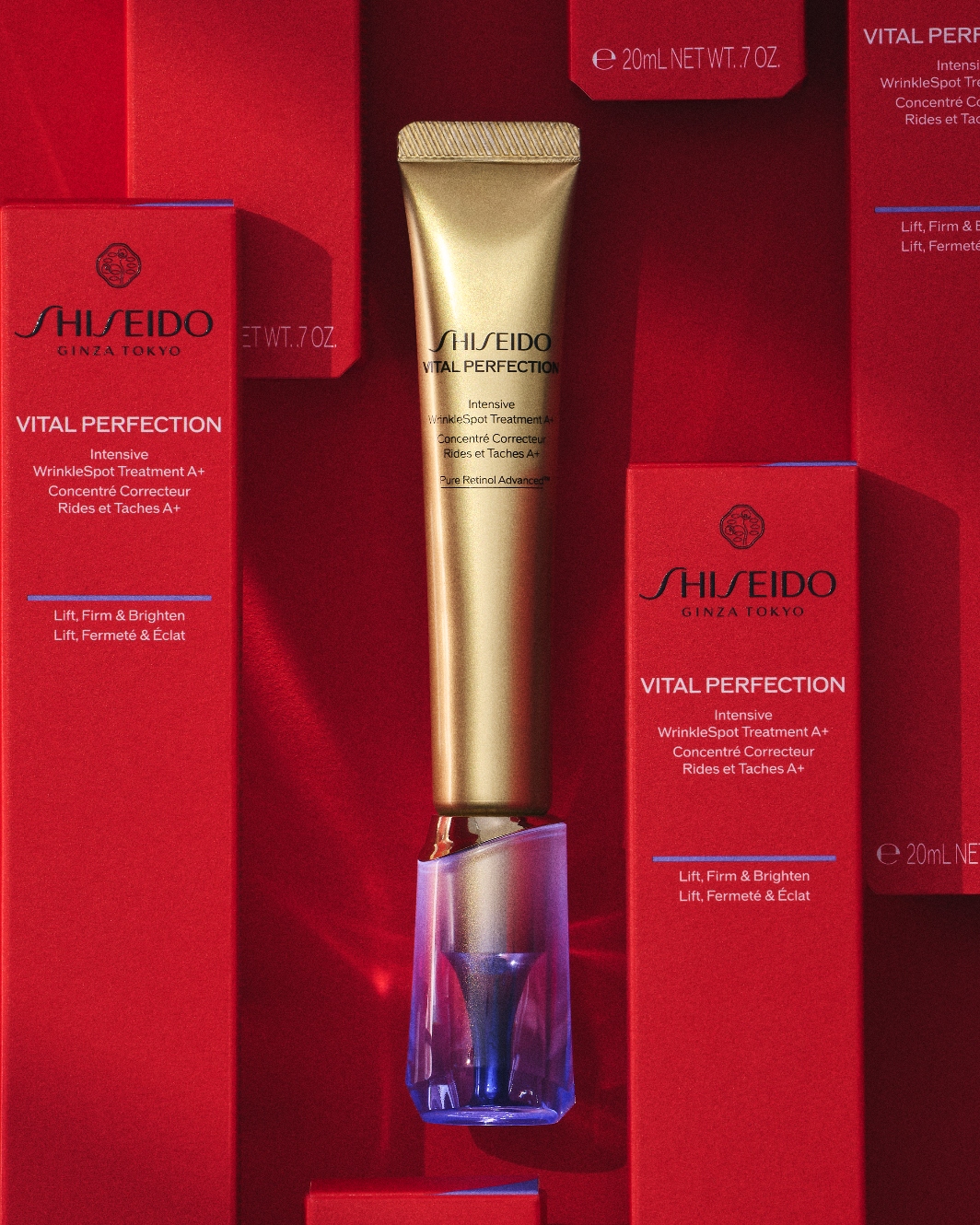
Shiseido Introduces New Vital Perfection Intensive WrinkleSpot Treatment A+

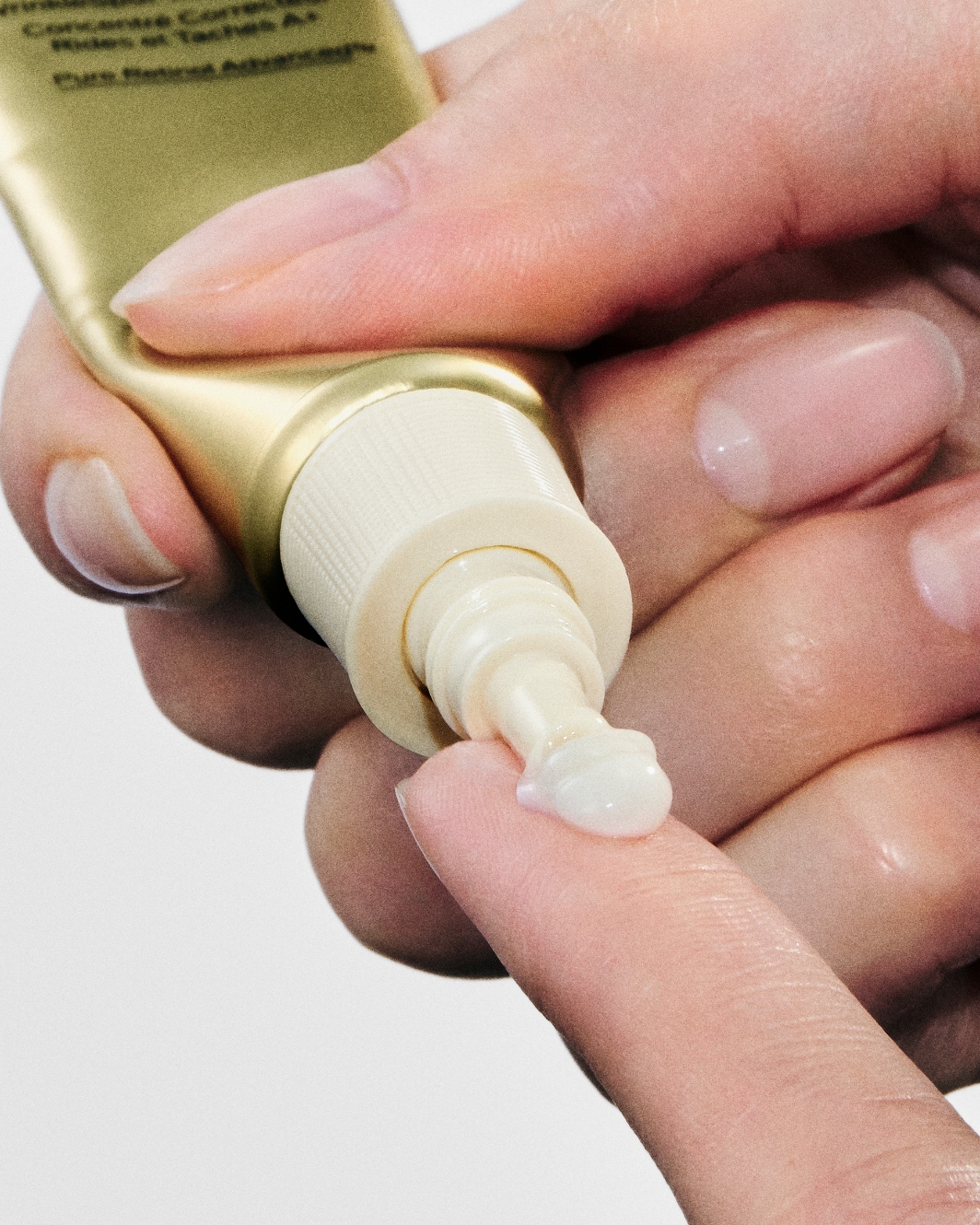
Shiseido expands its Vital Perfection line with the Intensive WrinkleSpot Treatment A+, combining Pure Retinol with its proprietary SafflowerRED Technology. The launch underscores the brand’s approach of uniting advanced dermatological actives with natural botanicals to deliver targeted anti-ageing results. The formula is designed to smooth wrinkles, fade dark spots and restore firmness by stimulating collagen production across multiple dermal layers.

To maintain retinol stability and effectiveness, Shiseido applies its TripleLock Technology — ensuring the ingredient remains potent from manufacturing to application. Alongside this, the inclusion of Mogami safflower extract provides natural antioxidant benefits, reinforcing skin resilience. The  SafflowerRED Technology is derived from handpicked Mogami safflowers from the Yamagata Prefecture in Japan — a flower that blooms for just 14 days every few years. Carefully extracted, SafflowerRED firms and lifts the skin — making it the cornerstone of Vital Perfection’s age-defying benefits. 

Consumer trials highlight its impact and efficacy studies reinforce the product’s positioning. In a four-week consumer trial of 104 women, more than 98 percent reported visible improvement in deep wrinkles, smile lines and crow’s feet. Within one week, 98 percent noticed smaller pores and 93 percent saw reduced dark circles, highlighting the treatment’s multi-dimensional benefits across signs of ageing.

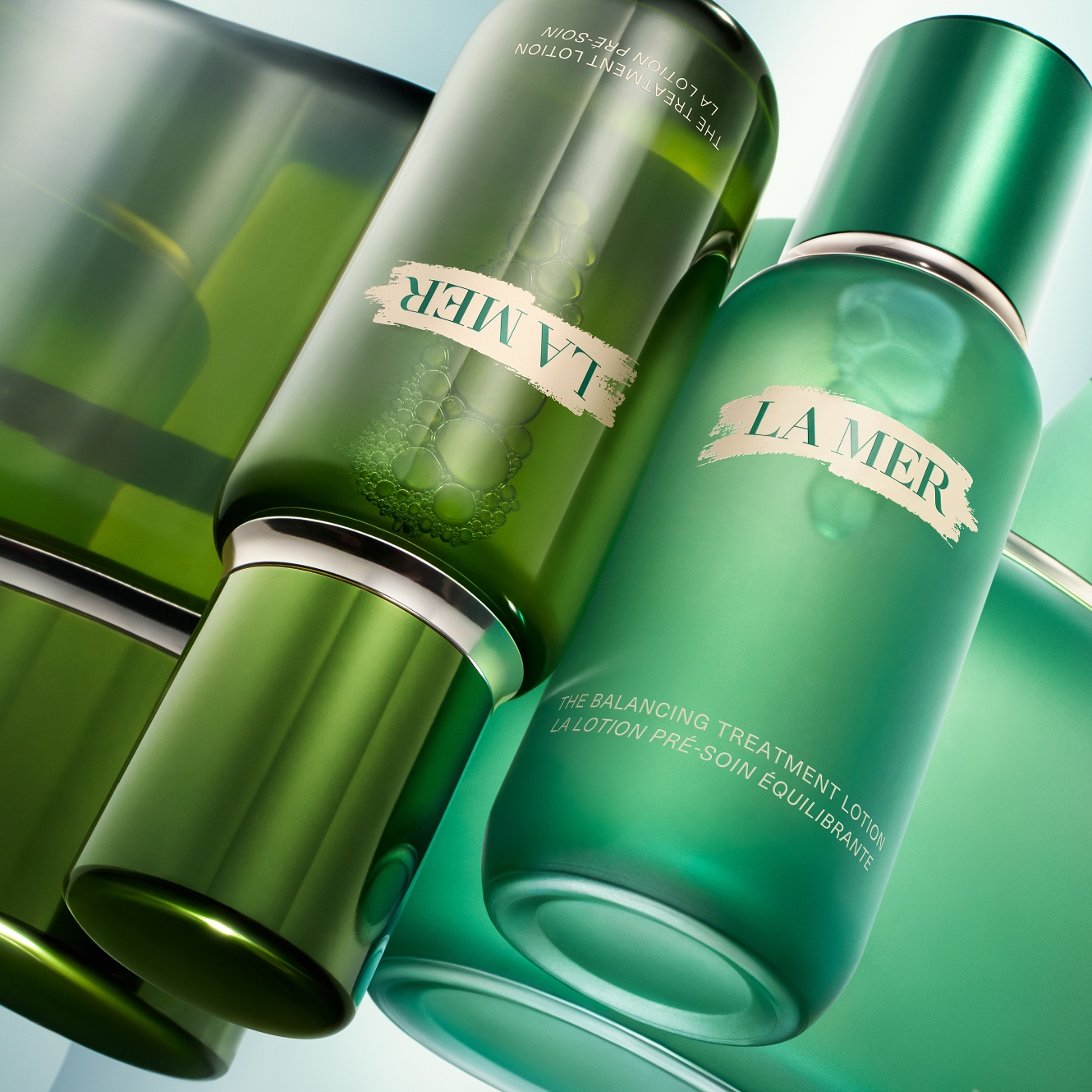
La Mer’s Balancing Treatment Lotion

La Mer unveils its new Balancing Treatment Lotion, a watery lotion designed for oilier skin types that combines the brand’s signature Miracle Broth with scientifically formulated actives. Infused with Marine Balancing Bio-Algae, Post-Biotic Ferment and Collagen-Boosting Peptides, the lotion regulates sebum, reduces unwanted shine and visibly minimises pores while maintaining essential hydration. Lime Tea Concentrate and 73 Sea Minerals work alongside these actives to protect against environmental stressors and boost skin firmness and elasticity.

The Fresh Fluid Hydrogel texture transforms from gel to liquid on contact, delivering continuous hydration and restoring the skin’s ideal water-oil balance. From the first application, skin appears clearer, more radiant and balanced, while irritation is visibly reduced. Over time, it refines pores, smooths texture and diminishes bikou bumps, leaving the complexion visibly revitalised.

Clinical testing demonstrates its efficacy as case studies show that hydration increased by 78 percent from the first drop, redness and irritation were reduced by 29 percent and radiance improved by 15 percent. Within one week, oily appearance decreased by 15 percent, while long-term use led to reductions in sebum, redness and skin bumps, alongside improvements in firmness, texture and smoothness. This launch exemplifies La Mer’s approach to skincare where natural marine extracts work in harmony with advanced bioactive ingredients to deliver both immediate and lasting benefits.

Allies of Skin’s Founder’s Essence 56 Ellagic & P.A.D. Light Reflecting Fluid

Allies of Skin launches its Founder’s Essence 56 Ellagic & P.A.D. Light Reflecting Fluid — a concentrated, lightweight treatment that blends 56 active ingredients to target breakouts, pigmentation and uneven texture. Key complexes include 3.3 percent Ellagic Acid & Prebiotics for brightening and microbiome support, 2.5 percent Ectoin & Goji to defend against environmental stressors, 1.3 percent Copper Sulfate to refine pores and 6 percent Potassium Azeloyl Diglycinate (P.A.D.) for gentle anti-inflammatory and sebum-regulating effects.

In clinical self-assessment, users reported visible improvements in just one week, with 87 percent noticing smoother skin and enhanced illumination. After four weeks, 97 percent saw brighter skin, 94 percent observed refined, glowy skin and 90 percent reported clearer, healthier-looking skin. Designed for daily day and night use, it can be layered under serums or applied alone, delivering a polished, light-reflective complexion. Founder Nicolas Travis emphasises the formula’s versatility and performance stating that the combination of plant-based antioxidants with scientifically proven actives supports a balanced, resilient skin barrier while promoting radiance and clarity. This release exemplifies the modern approach to skincare, where natural extracts and bioactive ingredients work in synergy for visible results.

Dior Capture Pro-Collagen Shot and Dior Capture Crème Regard 

Dior expands its Capture range in 2025 with two advanced eye treatments. The Pro-Collagen Shot combines a next-generation collagen fragment with Dior’s OX-C Treatment to target collagen loss, lifting and firming the eye area. Stemming from Dior Science, OX-C Treatment optimises the transportation of oxygen to the skin. This technology leads to a virtuous cascade in the skin to accelerate its regeneration capacities and maximise its youthfulness. The Crème Regard complements this with a brightening, anti-aging formula enriched with the Eye Network Complex, featuring Chaga mushroom extract and caffeine to combat dark circles and puffiness.

The product’s Micro-Light Diffusing technology contains 100 percent natural-origin pearlescent particles that “distributes light from every angle for instant radiance”. To reinforce its immediate effectiveness, the formula is enriched with two patented hyaluronic acids with a plumping and hydrating effect, which help preserve the delicate eye area. Its light and comfortable texture is composed of 93 percent natural-origin ingredients.

Clinically validated, these treatments show rapid and measurable results. Within one week, skin tension increases by up to 51 percent, dark circles diminish and firmness and radiance are enhanced. By four weeks, the eye area appears visibly lifted, smoother and more defined across multiple eye morphologies. Dior’s approach exemplifies the synergy of natural and chemical components in modern skincare, where botanical extracts, biotech-derived collagen and oxygen-boosting technologies work together to target the various signs of ageing with precision.

LANEIGE NEO Cushion Mewy

Laneige introduces the NEO Cushion Mewy, a next-generation cushion foundation that fuses skincare benefits with flawless coverage. Powered by 89 percent skin-caring essence and the Water Lock System, it hydrates, cools and strengthens the skin barrier while delivering a natural, semi-matte “mewy” finish. Lightweight Airy Seamless TechnologyTM and MagnetGrip PowderTM provide buildable, pore-blurring coverage without caking, while clinical studies show 93.5 percent of users experienced smoother skin and 90.3 percent reported better hydration after two weeks.

Enriched with actives like Blue Hyaluronic Acid, Pine Leaf and Mint Extract, the formula marries natural botanicals with innovative chemical technologies to improve skin tone, texture and elasticity over time. The sleek compact includes a heart-shaped puff for precision application, complementing the cushion’s skin-caring performance. NEO Cushion Mewy is available in six shades — alongside the NEO Matte and NEO Glow variants — making the collection a complete fusion of makeup and skincare science for radiant, healthy-looking skin.

For more on the latest in wellness and beauty reads, click here.



Source link

Rimac showcases next-gen battery & EV tech at IAA Mobility 2025

0


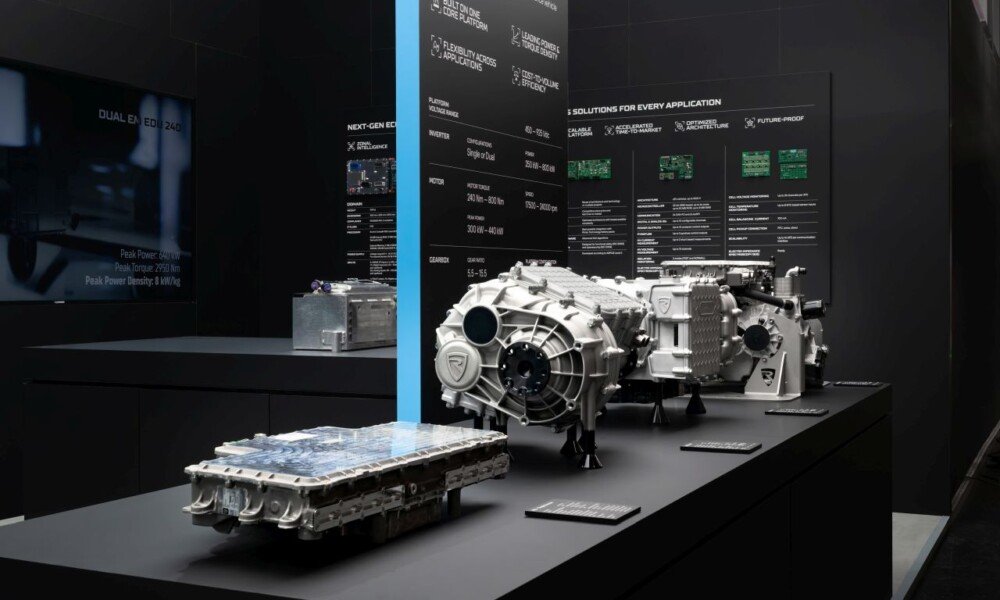
Rimac Technology is showcasing its next-generation EV powertrains and battery at the IAA Mobility 2025 in Munich. These include next-gen solid-state batteries and e-Axles.

Rimac, in collaboration with ProLogium and Mitsubishi Chemical Group, has developed solid-state batteries that push the boundaries of energy density and safety. These are based on 46XX Gen2 NMC cells, featuring next-generation thermoplastic composite battery housing (Pentatonic) co-developed with Kautex Textron. It offers dimensional scalability and interchangeable cell configurations, integrated in cell-to-pack architecture with advanced safety and thermal management features.

rimac-technology-iaa-5

Rimac also unveiled its Single EM ultra-compact, fully integrated eAxles with a power density of over 8 kW/kg and a torque density exceeding 90 Nm/kg. It features a patented ultra-light rotor that can spin up to 25000 rpm and a new magnet design.

rimac-technology-iaa-4

Based on Rimac Technology’s Scalable Powertrain Platform, these CoAxial or Offset configurable variants offer between 150 – 360 kW and 2500 – 6250 Nm to target performance-focused vehicles across all segments, from hot hatches and sports coupes to sedans and SUVs.

The company is also showcasing its state-of-the-art portfolio of domain and zonal ECUs, powered by NXP’s S32E2 real-time processors.


Source link

Mercedes-Benz C-Class electric teased ahead of 2026 unveil

0


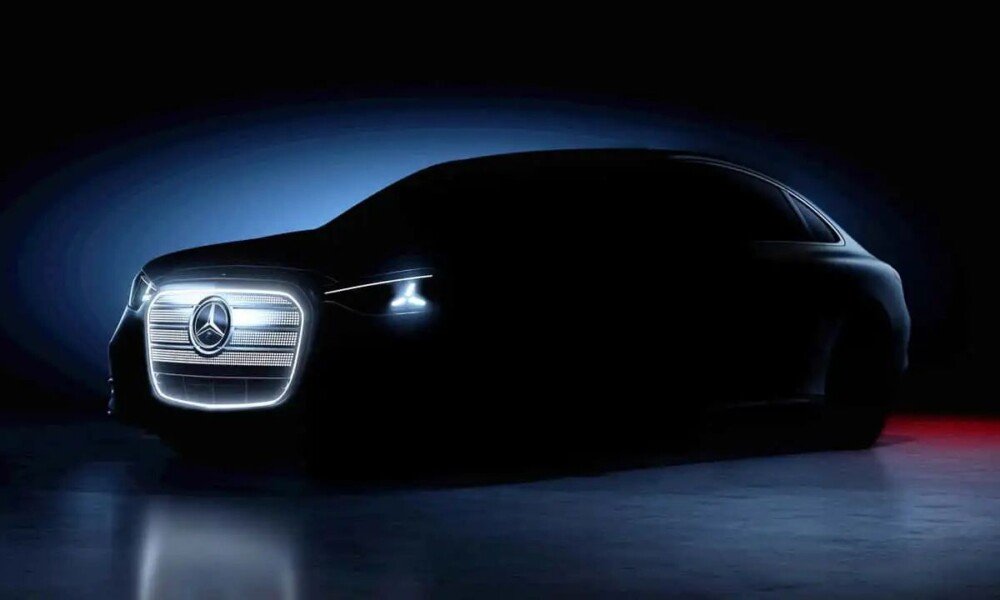
Mercedes-Benz has released the first teaser image of its new C-Class EV sedan at the IAA Mobility Show. The teaser image comes alongside the unveiling of the brand’s new electric crossover – the GLC with EQ Technology.

The teaser image gives us a first glimpse of the brand’s mid-size luxury sedan in its newest avatar. The electric C-Class, similar to its crossover sibling, is expected to be called ‘C-Class with EQ Technology’. The new Mercedes-Benz C-Class EV will arrive in 2026 and will be a direct rival to the BMW i3.

mercedes-glc-ev-2025

While the teaser image doesn’t reveal much of the electric C-Class, it does showcase the massive illuminated grille at the front, similar to that on the latest GLC electric crossover. The new grille design is expected to make its way across the brand’s entire electric lineup.

Apart from the grille, one other detail from the teaser image is the quarter glass located beyond the rear doors – something usually seen on the Maybach S-Class.

Mercedes-Benz hasn’t revealed any details of the upcoming C-Class with EQ Technology, apart from that it will have 800 km of range (WLTP cycle). However, expect the electric C-Class to feature similar specifications to the recently unveiled GLC with EQ Technology. The electric crossover is powered by a 94 kWh battery pack with an 800-volt architecture.


Source link

This Destination Was Named No. 1 in the World for Peace, Quiet, and Tranquility

0


In a chaotic world, an increasing number of travelers are seeking quiet escapes in nature.

Travel company Travelbag determined the best global vacation destinations for serenity seekers, based on factors like noise and light pollution, the number and quality of green spaces, and the local congestion levels.

Coming in on top as the ultimate place for tranquil energy and extensive green spaces is Queensland, New Zealand. Set near Lake Wakatipu and surrounded by the Southern Alps, Queenstown boasts pristine nature and many opportunities to slow down, scoring 94.4 out of 100 for green space quality.

Queensland also scored 91.67 for its exceptional cleanliness and had the second-best score for low noise and light pollution. The town also has a low level of travel congestion despite its relative popularity.

Coming in at second place is the Seychelles Islands, which is also the most peaceful beachside retreat with its white sand beaches, clear turquoise water, and incredibly low noise and light pollution. The Indian Ocean archipelago off the coast of Africa, north of Madagascar, comprises 115 islands and is a global hotspot for biodiversity.

The third place is shared between Kyoto, Japan; Banff, Canada; and Cairns, Australia. Cairns, situated on the northeastern coast of Queensland, stood out for its cleanliness and green spaces, as well as low noise and light pollution levels. It offers a relaxed, tropical scenery and a well-maintained environment. Cairns is not far from the Great Barrier Reef and the Wet Tropics World Heritage Rainforest, offering a peaceful and natural option for travelers.

Whistler, Canada, secured the No. 4 spot, while Australia’s Gold Coast rounds out the top five. However, in a separate ranking of the most peaceful beachside retreats, the Gold Coast ranked third.

“[The Gold Coast] is home to some of the country’s most iconic beaches, which are not only highly rated by visitors but also set within one of the cleanest destinations overall. With a cleanliness score of 72.9 and water pollution at just 35.7, it makes a perfect spot for a peaceful swim,” Travelbag said in a statement, shared with Travel + Leisure.

The award-winning U.K.-based company reported that 72 percent of Brits go on holiday to relax and recharge, while 47 percent “seek holidays that help them feel more grounded and mindful.”


Source link

AI vs Artistry: The Culture War Rocking Music

0


AI

Every generation faces a revolution in music. Vinyl killed sheet music, MTV reshaped stars into video icons, streaming demolished the CD. But 2025 feels different. This isn’t a new format — it’s a new species. AI artistes and bands aren’t just knocking on the door. They’ve kicked it open, plugged in the mic, and started performing.

From Kuala Lumpur’s The Alice Experiment to India’s Trilok, K-Pop’s PLAVE, Silicon Valley’s Velvet Sundown, Timbaland’s AI star TaTa, and Higgsfield’s jaw-dropping USD 50 million AI idol Kion, the question isn’t “is AI here?” The question is: where does this leave us — the human artists, the musicians, the storytellers, the hustlers?

Malaysia: The Alice Experiment Sparks Awe — and Anxiety

When The Alice Experiment debuted in Kuala Lumpur this August — Asia’s first fully AI rock-pop band with AI-generated members Alice Maeve Kim, Tae-rin, Kai, and Rumi — it wasn’t just another showcase. It was a cultural shockwave.

Audiences loved the fusion of English and Korean pop-rock, but whispers rose too: “If a machine can write, perform, and “feel” like this, what happens to the dreamers playing in garages and bars, hustling for their first break?”

India: Trilok and the Soul Question

India’s Trilok blended Vedic mantras with rock riffs to create something haunting and otherworldly. Some hailed it as genius—a way of preserving tradition through tech. Others worried: If AI can mimic sacred chants, does it strip them of soul? Or does it give them a new stage?

K-Pop: PLAVE and the Idol Dilemma

K-Pop already thrives on constructed fantasy. PLAVE, an entirely virtual idol group, sold over a million albums in its first week. Fans screamed, cried, and bought merch for avatars who don’t exist. This is the paradox: the emotional connection is real, but the “artist” isn’t. So, what is fandom really attached to—the music, or the idea of belonging?

The West: Velvet Sundown, TaTa, and Kion

In the U.S., Velvet Sundown tricked a million Spotify listeners into believing they were human. Timbaland’s TaTa — pitched as the world’s first A-Pop star—raises eyebrows and applause in equal measure.

And then there’s Kion. Launched by Higgsfield recently with a $50 million contract and a $1 million Fendi endorsement within 24 hours, she isn’t just a singer. She’s a corporation, a brand, a machine that never tires, never complains, never demands rights. For human K-Pop trainees who spend years perfecting dance moves under grueling contracts, the arrival of Kion feels like both an insult and an inevitability.

If K-Pop fandom has taught us anything, it’s that human passion is unbeatable. Dive into my deep dive on BTS, Stray Kids & fandom strategy.

The Debate: What Happens to Real Artists?

Here’s the heartbeat of the controversy:

  • Authenticity. Does art lose value when the creator doesn’t feel hunger, heartbreak, or joy? Or is creativity in the output, not the origin?
  • Survival. Can human musicians survive in an industry where labels may prefer AI—cheaper, tireless, scandal-free?
  • Ethics. Should machines be allowed to replicate India’s legendary Kishore Kumar’s voice, or impersonate Anthrax with an AI album (Crazy Sheep) without consent?
  • Opportunity. Could AI free human artists from drudgery—letting them focus on vision, while machines handle execution?

Even fans are split. Some call AI artistry “soulless mimicry.” Others shrug: If it makes me dance, why should I care?

What Humans Can Still Do Better

For me, as a journalist and media strategist, this debate cuts to the bone. I’ve seen firsthand the sweat of musicians grinding in clubs, and the genius of artists channeling lived experience into lyrics. I’ve launched a few unknown DJs and bands in the early days of Think Geek Media (2003-06) who now became mainstream, can AI replicate the raw, messy, flawed truth of human creativity.

But here’s the twist: AI doesn’t have to replace us. It can elevate us. I’m fast learning that too.

  • Imagine an indie artist using AI to design global visuals on a shoestring budget.
  • A PR strategist scaling storytelling across multiple languages overnight.
  • A creator building a hybrid act—half human, half AI—that connects cultures across borders.

Used right, AI isn’t competition. It’s collaboration. Let me second that too.

The Future: Hybrid, Human-Led, AI-Powered

We stand at a crossroad. One path leads to soulless efficiency, an industry where algorithms out-sing the artists who once bled for their craft. The other path—if we take it—is hybrid: human stories amplified by AI’s scale, human emotion sharpened by machine precision.

From Alice in KL to Trilok in India, PLAVE in Seoul, Velvet Sundown in the U.S., TaTa from Timbaland, and Kion in Higgsfield’s labs, the revolution is already here.

The real question isn’t: Will AI replace us?

The question is: Will we be bold enough to use AI to supercharge our own creativity, branding, and survival? 

Evolution, like Change, afterall, is the only constant. Because the future of music—and entertainment—isn’t machine vs. human. It’s those willing to adapt vs. those left behind.

What are your thoughts?

This article was written by Ethel Da Costa and was first seen on ETHEL DA COSTA.

Ethel Da Costa

For more on the latest in art and culture reads, click here.


Source link

The Best Off-Season Holiday Destinations: When to Visit for Fewer Crowds and Better Value

0


Planning your perfect getaway doesn’t mean joining the masses during peak tourist season. The smartest travelers have discovered that timing their trips strategically unlocks extraordinary experiences at exceptional value. By choosing off-season and shoulder season periods, travelers save up to 50% on flights and accommodations while enjoying destinations at their most authentic.

This guide reveals the optimal timing for visiting world-class destinations, from Asia’s glittering entertainment capitals to Europe’s architectural masterpieces and America’s pristine wilderness. Each destination offers distinct advantages during quieter periods, providing authentic cultural experiences without the overwhelming crowds that characterize peak seasons.

Understanding Travel Seasons and Their Benefits

Peak Season Challenges

Peak travel periods create overcrowded attractions, inflated prices, and rushed experiences. Popular destinations like Barcelona’s Sagrada Família or Yellowstone’s Old Faithful become overwhelmed with visitors, diminishing the very experiences travelers seek.

Off-Season and Shoulder Season Advantages

Shoulder season (spring and fall months) provides the perfect balance between favorable weather and reduced crowds. These transitional periods offer:

Macau, China – Year-Round Gaming Capital

Optimal Timing: October through December and March through May
Avoid: June through September (typhoon season and extreme humidity)

Macau provides exceptional value during its shoulder seasons when comfortable temperatures replace summer’s oppressive heat and humidity. The city’s casino revenues continue growing year-round, with 2025 showing remarkable recovery as daily gross gaming revenue reached MOP 717 million.

October to December represents Macau’s peak travel period with pleasant temperatures averaging 18-24°C (64-75°F), clear skies, and numerous cultural festivals. This period sees increased tourism but remains more manageable than mainland China’s summer vacation influx.

March to May offers the best value proposition with fewer tourists following Chinese New Year, moderate temperatures, and excellent hotel deals. While occasional fog occurs, indoor entertainment venues and casino complexes remain unaffected.

The city’s integrated resorts provide world-class dining, shopping, and entertainment year-round, making weather less critical than for outdoor destinations. For those interested in responsible gaming experiences, many properties offer introductory sessions during quieter periods when staff can provide more personalized attention. Of course, slot games are the same wherever you go, so you could try lightning roulette instead.

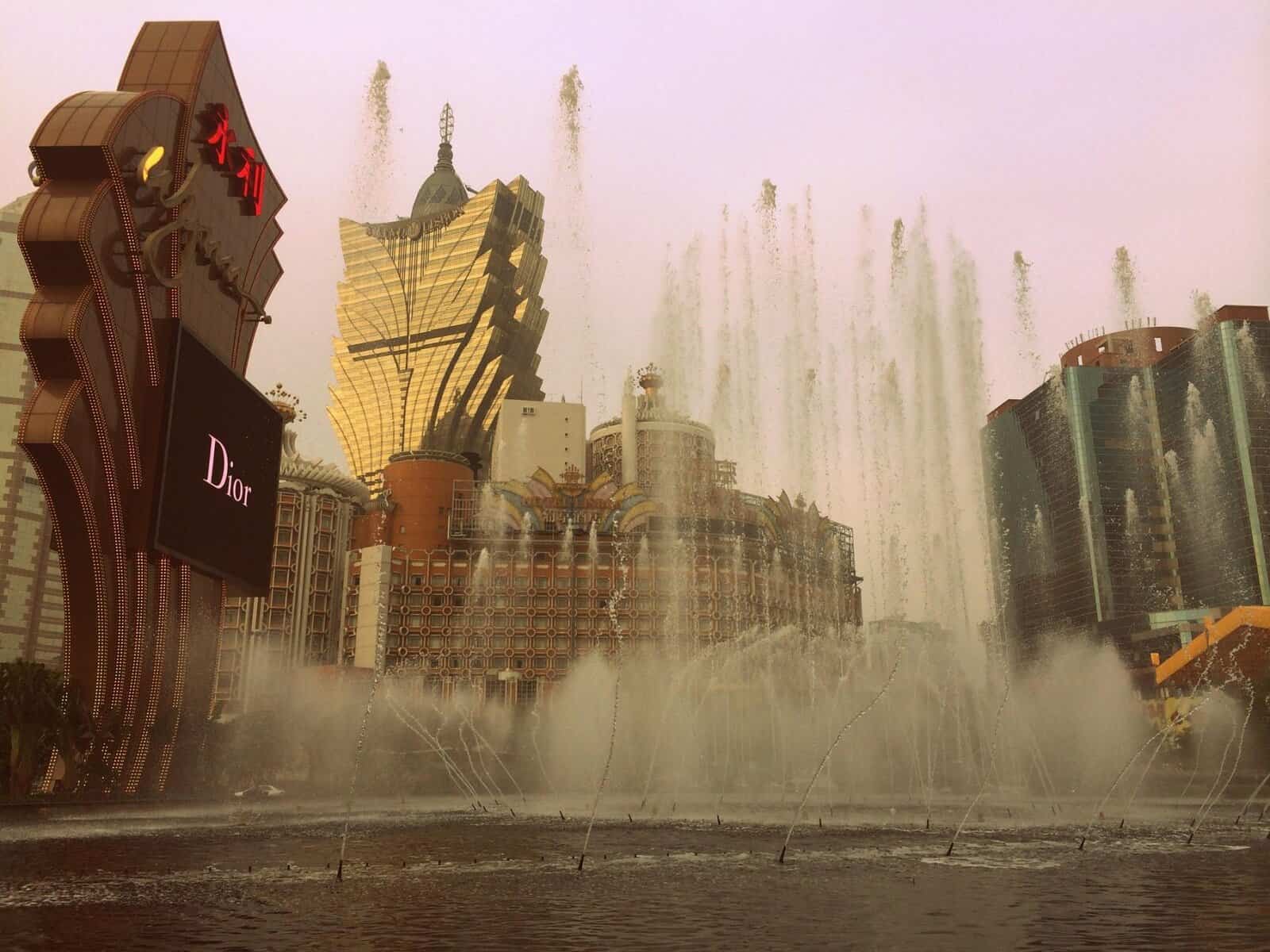
Brown Casino in Macau, China.

Barcelona, Spain – Cultural Hub with Perfect Timing

Optimal Timing: May, September, and October
Avoid: July and August (extreme heat and peak crowds)

Barcelona exemplifies how strategic timing transforms travel experiences. The city’s official recognition as TripAdvisor’s top global attraction in 2025 has increased visitor numbers, making timing crucial for enjoyable visits.

May delivers ideal conditions with temperatures ranging 18-25°C (64-77°F), perfect for exploring Gaudí’s architectural masterpieces including the near-completion Sagrada Família. The city buzzes with energy as locals emerge from winter, outdoor dining flourishes, and cultural events like Primavera Sound create vibrant atmospheres without overwhelming crowds.

September and October provide arguably the best Barcelona experience. September retains summer warmth (20-28°C) while October offers crisp, comfortable conditions (16-24°C) with significantly fewer tourists. The famous La Mercè Festival in September showcases authentic Catalan culture, while October provides museum access without queues.

Winter months (January-February) offer exceptional value for budget travelers with accommodation savings up to 30% and virtually empty attractions. While cooler (10-15°C), Barcelona’s Mediterranean climate remains mild, and indoor attractions like museums and Gaudí architecture tours become more appealing.

La Sagrada Familia in Barcelona, Spain.

Yellowstone National Park – Seasonal Wilderness Wonder

Optimal Timing: September, October, and April
Avoid: June through August (peak crowds and traffic congestion)

America’s first national park offers dramatically different experiences across seasons, with strategic timing providing wildlife encounters and natural beauty without summer’s overwhelming crowds.

September delivers the park’s sweet spot with warm days, cool nights, and the spectacular elk rut where males bugle and compete for mates. Most roads remain open while crowds diminish significantly after Labor Day. Wildlife viewing improves as animals become more active in cooler temperatures.

October provides excellent value with autumn colors, crisp weather (30-60°F daytime highs), and minimal crowds. Many services begin closing, requiring more self-sufficient planning, but the trade-off includes pristine wilderness experiences and exceptional photography opportunities.

April offers unique spring awakening experiences as bears emerge from hibernation and migrating birds return. Variable weather requires flexible planning, but wildlife viewing opportunities peak during this active season.

Winter visits provide completely different experiences with snow-covered landscapes and steaming geyser basins, though access requires snowcoach or snowmobile tours. Yellowstone’s Grand Canyon becomes a winter wonderland, while Old Faithful’s eruptions create dramatic steam clouds against snowy backdrops.

The Best Off-Season Holiday Destinations: When to Visit for Fewer Crowds and Better Value
Field in the Yellowstone National Park, USA.

Hidden Gems: Crowd-Free Destinations

Montenegro – Adriatic Paradise Without the Masses

Optimal Timing: May-June and September-October
Avoid: July-August (peak European holiday period)

Montenegro provides Croatia’s stunning coastline beauty without overwhelming tourist crowds. The compact Balkan nation offers dramatic contrasts from the Bay of Kotor’s fjord-like scenery to Durmitor National Park’s alpine lakes.

Spring (May-June) brings mild temperatures, blooming landscapes, and excellent hiking conditions in the Dinaric Alps. Coastal temperatures reach comfortable levels for swimming while mountain regions offer perfect conditions for exploring Europe’s deepest canyon, Tara River Gorge.

Fall (September-October) delivers ideal weather with warm sea temperatures, comfortable hiking conditions, and spectacular autumn colors in mountain regions. Local festivals celebrate harvest seasons, providing authentic cultural experiences away from tourist-oriented events.

Hidden gems like Zabljak Crnojevića offer serene experiences in Montenegro’s former capital, while Bjelasica Mountains provide hiking with panoramic views to virtually no crowds. These destinations remain authentic and affordable while delivering spectacular natural beauty.

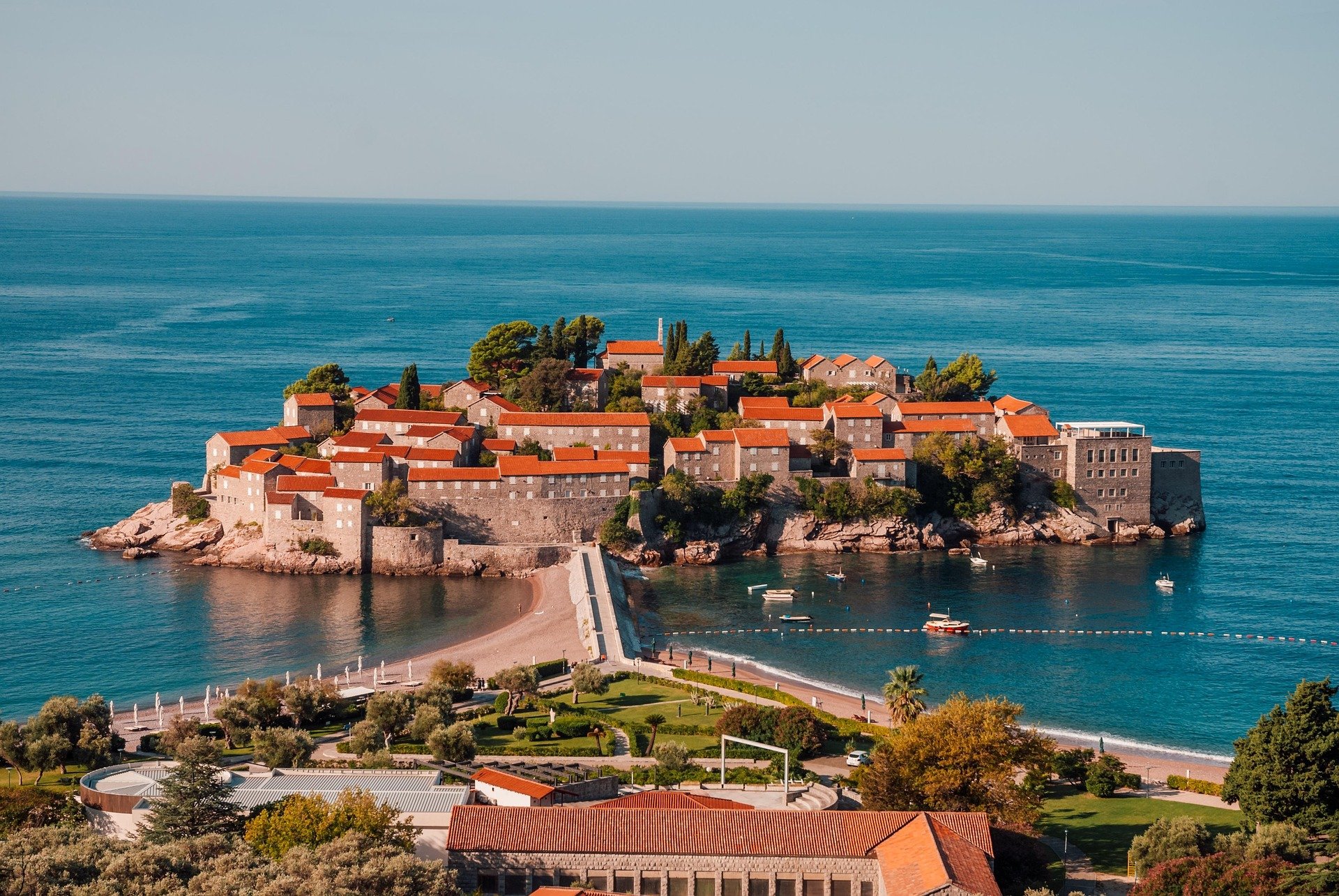
Saint Stephen Island in Montenegro.

Albania – Europe’s Last Undiscovered Paradise

Optimal Timing: May-June and September-October
Avoid: July-August (growing popularity and heat)

Albania represents exceptional value as Europe’s final undiscovered paradise, offering pristine coastlines, dramatic mountains, and authentic culture at fraction of Western European costs.

The Albanian Riviera features crystal-clear waters and unspoiled beaches rivaling Greece or Croatia without the crowds. Coastal towns like Himara and the UNESCO-listed Gjirokastër provide medieval charm and traditional hospitality.

Mountain regions showcase the Albanian Alps (Accursed Mountains) with spectacular hiking opportunities. The famous Theth to Valbona trek offers breathtaking scenery and traditional guesthouse experiences in pristine wilderness.

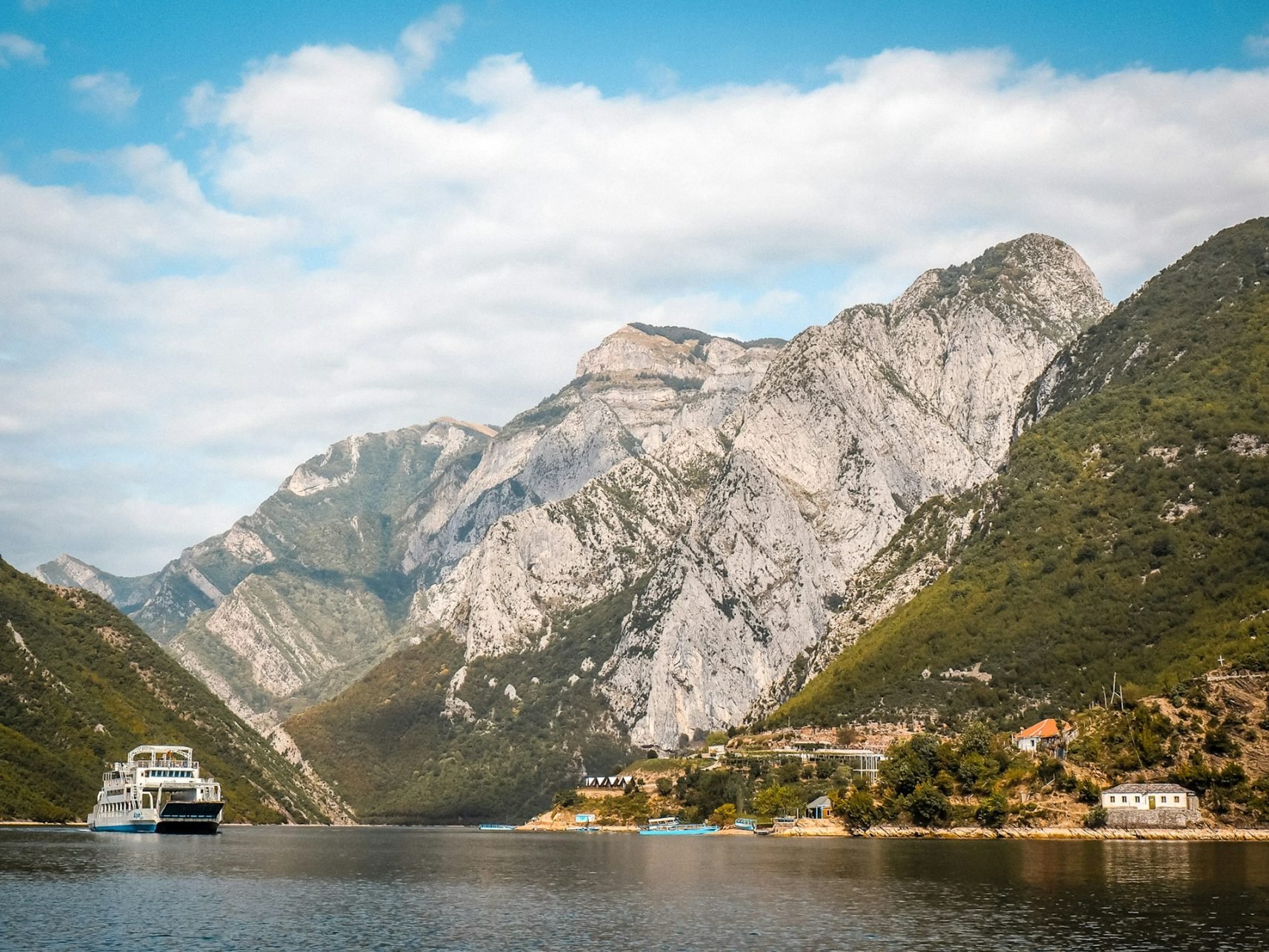
Komani Lake provides one of Europe’s most spectacular boat journeys through fjord-like scenery with towering cliffs and emerald waters. This hidden gem remains virtually unknown to mass tourism while offering unforgettable natural experiences.

Komani Lake in Albania. Pic by Adventure Albania -unsplash.

Faroe Islands – Nordic Drama Without Iceland’s Crowds

Optimal Timing: May through September
Avoid: October through April (harsh weather and limited services)

The Faroe Islands deliver Iceland’s dramatic landscapes and Nordic culture without tourist masses. These 18 islands between Iceland and Norway offer otherworldly cliffs, rolling green hills, and authentic Viking heritage.

Summer months provide optimal conditions with temperatures around 8-12°C (47-54°F) and up to 20 hours of daylight. This extended daylight allows comprehensive exploration without time pressure while maintaining comfortable conditions for hiking and outdoor activities.

Puffin season (May-September) brings these charismatic seabirds to coastal cliffs, offering exceptional wildlife photography opportunities. Traditional Faroese culture remains authentic and accessible, with local dining experiences and cultural immersion readily available.

The islands’ compact size allows comprehensive exploration during extended stays, while the absence of mass tourism preserves authentic local culture and pristine natural environments.

Srvagsfjrdur in Faroer Islands.

Strategic Timing Tips for Crowd-Free Travel

Research Destination-Specific Patterns

Each destination has unique crowd patterns based on local holidays, weather cycles, and cultural events. European destinations typically experience shoulder seasons during March-May and September-November, while tropical locations may have different optimal periods.

Utilize Technology for Crowd Tracking

Google Maps’ “Popular Times” feature reveals real-time crowd levels at specific attractions, allowing strategic planning for quieter visiting periods. Many destinations also offer crowd calendar websites showing expected visitor levels throughout the year.

Consider School Holiday Patterns

Even during shoulder seasons, local school holidays can increase domestic tourism. Research both international and local academic calendars when planning trips to popular family destinations.

Book Early Morning or Late Afternoon Visits

Popular attractions typically experience lighter crowds during early morning hours (before 9 AM) or late afternoon periods when day visitors depart. This strategy works year-round regardless of season.

Planning Your Off-Season Adventure

Financial Benefits

Off-season travel provides substantial savings across all categories:

Enhanced Experiences

Beyond cost savings, off-season travel delivers qualitative improvements:

Sustainable Tourism Impact

Choosing off-season periods supports sustainable tourism by:

The Smart Traveler’s Choice

Off-season and shoulder season travel represents the smart traveler’s solution to modern tourism challenges. By timing visits strategically, travelers unlock authentic experiences, substantial savings, and memorable encounters while avoiding the stress and crowds that characterize peak periods.

Whether seeking gaming excitement in Macau during pleasant autumn weather, architectural wonder in Barcelona’s comfortable spring months, wilderness adventure in Yellowstone’s animal-active seasons, or undiscovered beauty in Montenegro’s pristine shoulder periods, strategic timing transforms ordinary trips into extraordinary adventures.

The key lies in research, flexibility, and willingness to trade perfect weather for perfect experiences. As global travel continues growing, the advantage increasingly belongs to those who travel smarter, not harder – discovering the world’s most beautiful destinations when they’re at their most welcoming and authentic.


Source link

TAG Heuer Unveils the TH-Carbonspring and TAG Heuer Carrera Astronomer

0


Just as the dust from Watches and Wonders settled, the luxury watch exhibition (born from the pandemic era), Geneva Watch Days, returns. With independent and watchmaking giants that include ZENITH and Furlan Marri, showcasing what’s on their slate, if you’re trying to make an impression at the Geneva Watch Days, by gum, you better make it a big splash. 

TAG Heuer didn’t play around as it introduced a new oscillator and a moonphase watch, the Carrera Astronomer. We look into the brand’s innovations.

TH-Carbonspring Oscillator

For more than 350 years, the humble hairspring was an integral part of mechanical watchmaking. Discovered by Dutch polymath Christiaan Huygens in 1675, he paired a balance wheel with a hair-thin spring and since then, the oscillator dictated how time is kept. But despite its excellence, the hairspring has its share of downsides—sensitivity to magnetism, vulnerability to shocks; it is a delicate thing that can upset the whole apple cart.

After nearly a decade of R&D, TAG Heuer has reinvented the wheel oscillator. TAG Heuer’s engineers, watchmakers and scientists worked on the project with an initial product that was supposed to launch in the market in 2019, but fell short of the Maison’s quality standard. Another six years of refinement and we finally got an in-house patented innovation: the TH-Carbonspring.

This carbon-based hairspring is resistant to magnetism, unbothered by shocks, and is lighter than its silicon or metal counterparts. The TH-Carbonspring delivers greater stability, resilience and chronometric precision over the long term.

The First Watches to Carry It

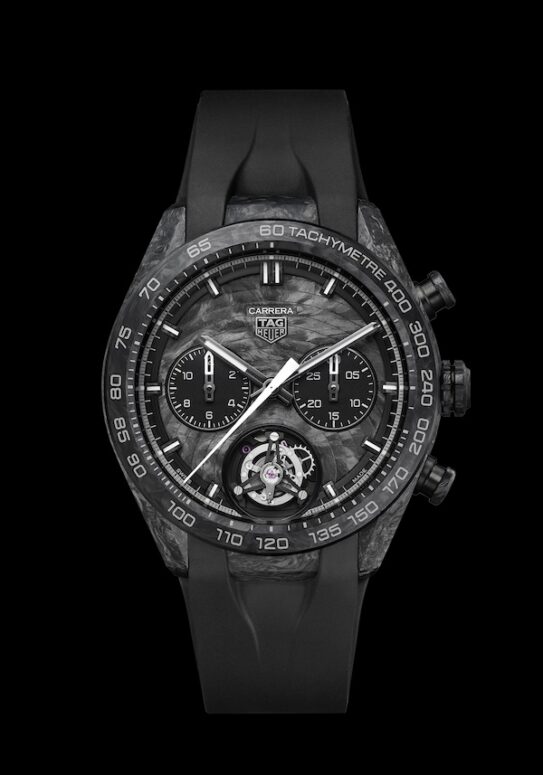
Marking its launch, TAG Heuer chose two of its signature creations to house the new oscillator: the Monaco Flyback Chronograph TH-Carbonspring and the Carrera Chronograph Tourbillon Extreme Sport TH-Carbonspring.

Both models feature forged carbon cases and dials. Notice the spiral motifs on the dials, which echo the geometry of a hairspring. The Monaco is powered by the in-house TH20-60 Calibre, an automatic flyback chronograph with 80 hours of power reserve, while the Carrera carries the TH20-61 Calibre, a chronograph tourbillon with 65 hours of reserve. Each model is limited to 50 numbered pieces.

Carrera Astronomer

For decades, TAG Heuer has always had an easy association with the racetrack. The Carrera model, especially, was born on the racetrack in the 1960s and now sets its sights from the checkered flag to the cosmos: this is TAG Heuer Carrera Astronomer.

The brand’s connection to space isn’t new. In 1962, astronaut John Glenn wore a modified Heuer 2915A stopwatch aboard NASA’s Friendship 7 spacecraft. Glenn relied on Swiss precision to measure each moment as he orbited the Earth three times. Now more than 60 years later, the Carrera Astronomer builds on that moment, trading the rush of race circuits for the slow rhythm of the lunar cycle.

A Trilogy of Designs

From left to right: TAG Heuer Carrera Astronomer Two-Tone Rose Gold Limited Edition; Stainless Steel Core Model; Turquoise-Accented Limited Edition.

Debuting as a trilogy of 39mm references, each Carrera Astronomer model is distinct in character yet united by the same design philosophy.

We have the Stainless Steel Core Model (500 pieces)—a silver dial with a black flange and a black moonphase disc creates stark contrast. Rhodium-plated, the hands are made legible by the Super-LumiNova paint, while the bracelet reinterprets TAG Heuer’s iconic 1960s beads-of-rice design for modern elegance.

The Turquoise-Accented Limited Edition (500 pieces) has a silver dial and dark grey flange, a backdrop for luminous turquoise accents across the numerals, hands and moonphase display. It’s paired with a grey leather strap for a contemporary edge.

Finally, there’s the Two-Tone Rose Gold Limited Edition (500 pieces), where you have 18K 5N rose gold plating on the flange, hands and bracelet. The moonphase features blend seamlessly into the composition with a tone-on-tone execution.

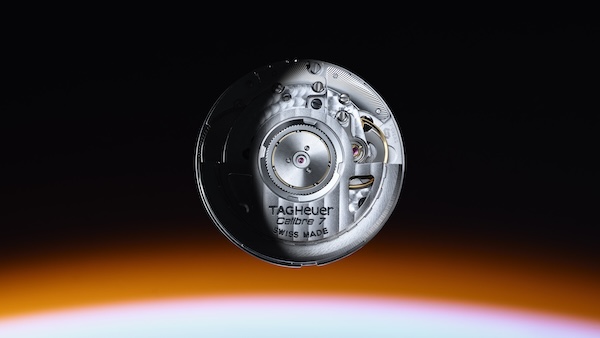
An updated Calibre 7.

At the heart of the Carrera Astronomer is the newly developed Calibre 7, a mechanical movement with a 50-hour power reserve. At 6 o’clock is the moonphase complication, where a rotating disc presents seven illustrated lunar stages. Two slender arrows track both the moon’s current phase and its place in the 29.5-day cycle, updating daily at precisely 1am to stay in perfect rhythm with the sky above.

Unlike the stylised depictions found on traditional moonphase watches, TAG Heuer’s approach is rooted in fidelity. On the caseback, an engraved astronomical observatory and a victory wreath reinforce the watch’s cosmic inspiration and its spirit of triumph.

This article was first seen on ESQUIRE SG.

For more on the latest in luxury watch reads, click here.


Source link

2026 Porsche 911 Turbo S unveiled: 701 hp twin-turbo hybrid

0


The 2026 Porsche 911 Turbo S (992.2) has been revealed at the IAA Mobility Motor Show in Munich. The latest iteration of the “most complete and versatile 911” now packs over 700 hp from an all-new twin-turbo T-Hybrid powertrain.

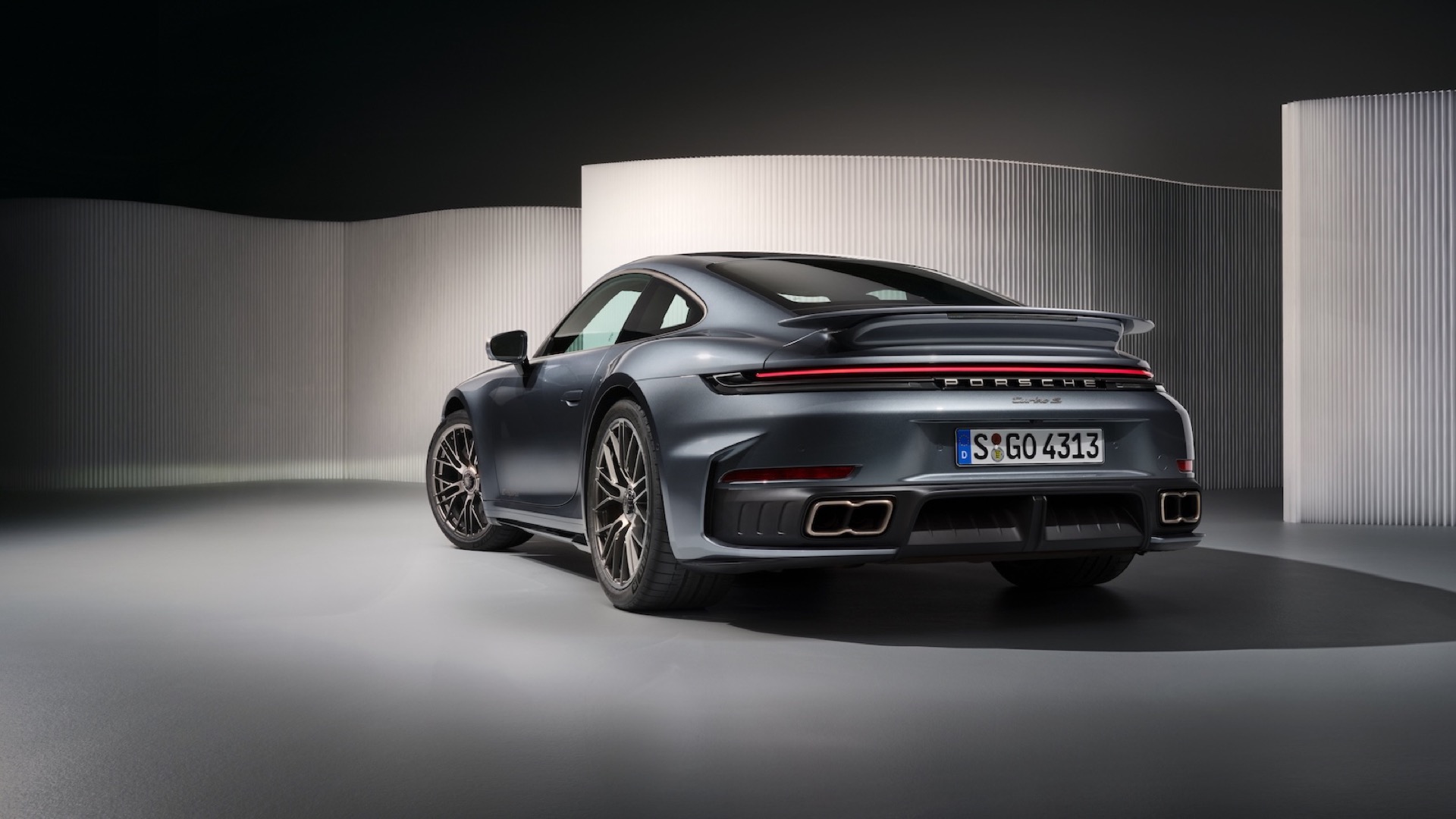
2026 Porsche 911 Turbo S-2

The T-Hybrid powertrain first debuted on the 911 Carrera GTS. According to Porsche, the engine has been further enhanced for use in the new 911 Turbo SS. It has twin electric turbochargers integrated into the T-Hybrid system, unlike the GTS’ single turbine. Peak output is rated at 701 hp @ 6,500-7,000 rpm and 590 lb-ft of torque spread between 2,300 and 6,000 rpm.

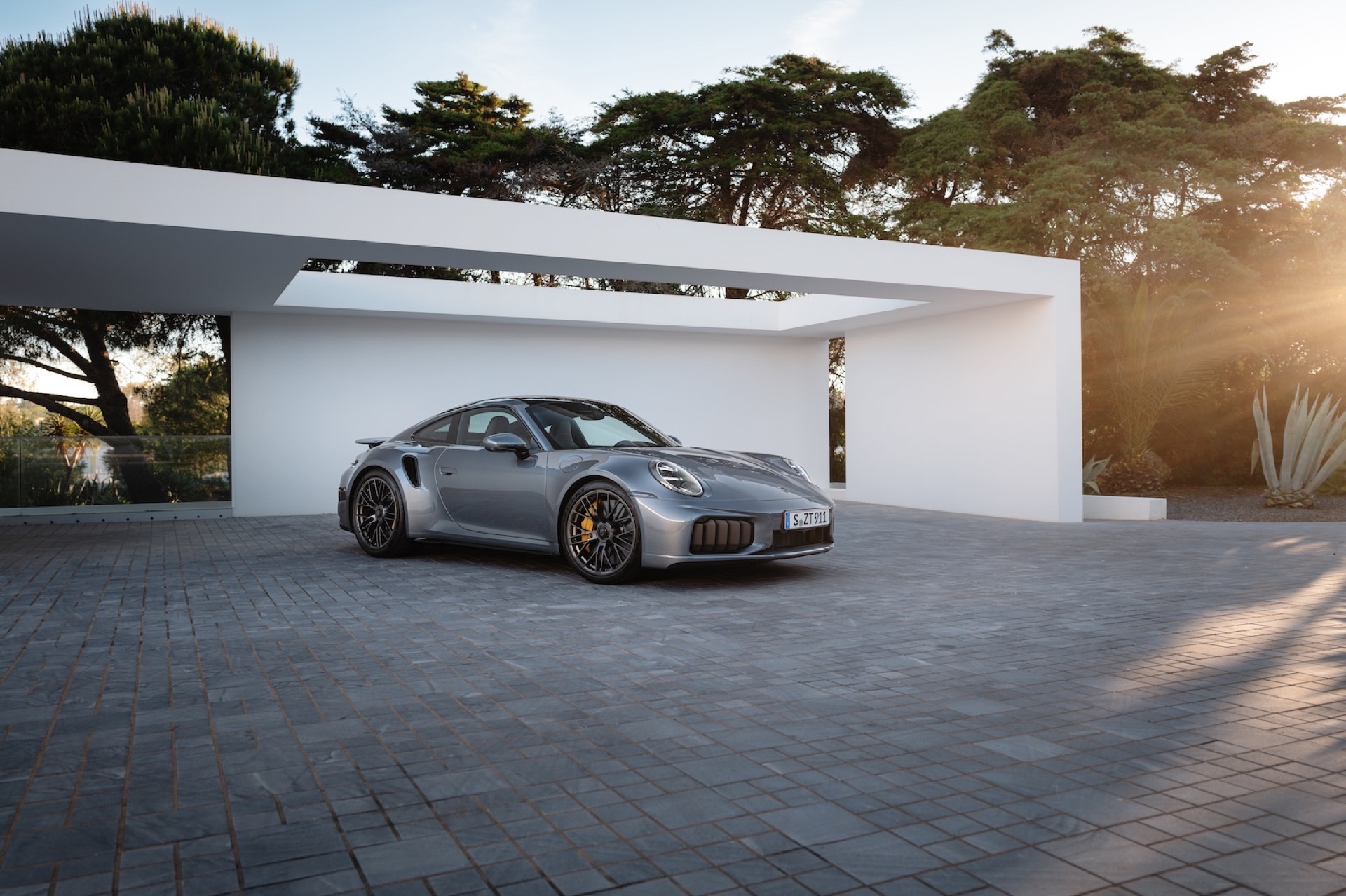
2026 Porsche 911 Turbo S-4

The internal combustion engine is assisted by a 400V T-Hybrid system, which comes with a 1.9 kWh battery pack. The 8-speed PDK with an integrated electric motor sends power to all four wheels.

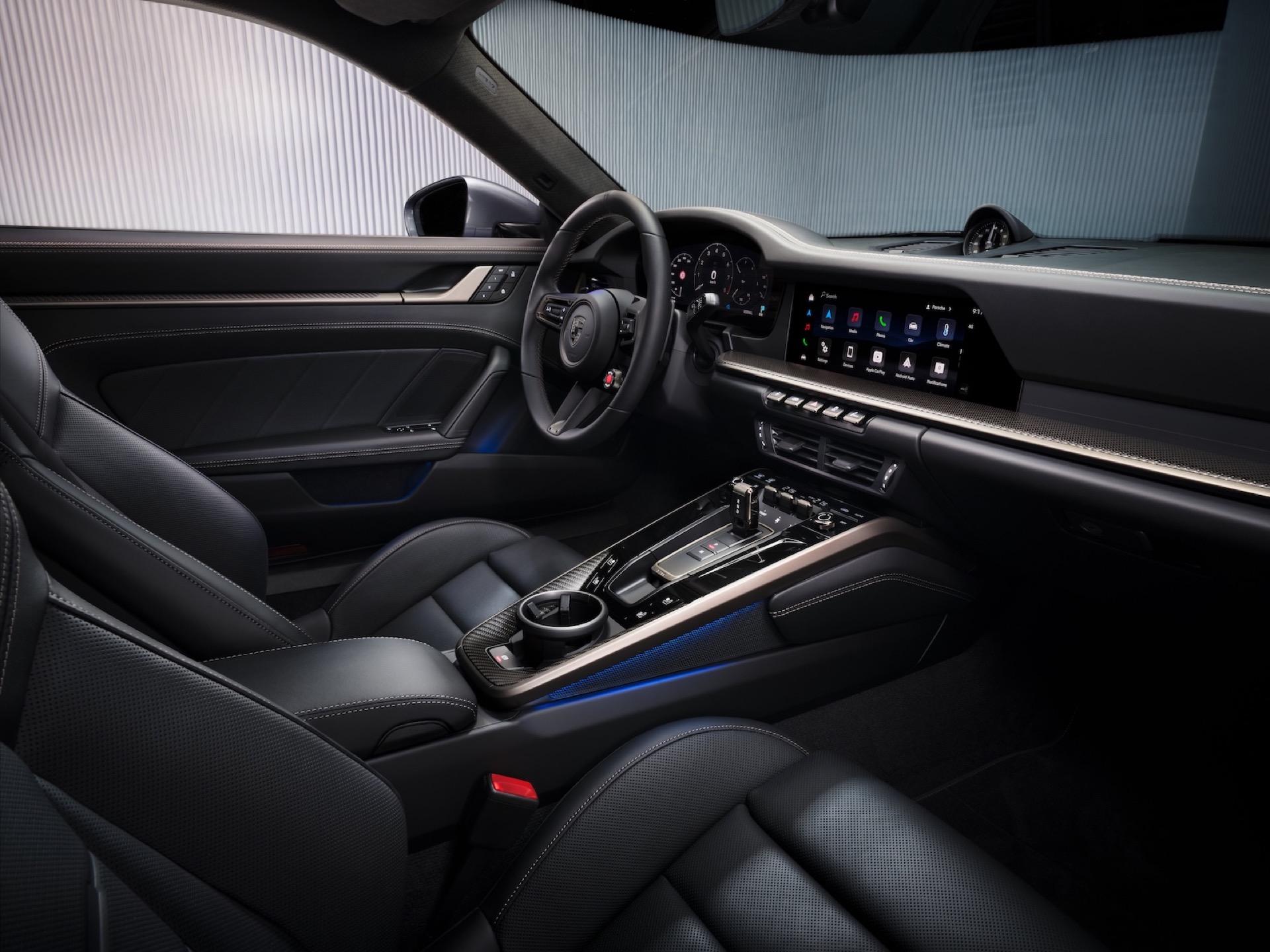
2026 Porsche 911 Turbo S-6

Porsche claims the new 911 Turbo S Coupe can sprint from 0-62 mph in 2.5 seconds, 0.2 seconds quicker than its predecessor. 0-124 mph comes up in 8.4 seconds, and it can reach a top speed of 200 mph.

2026 Porsche 911 Turbo S-3

Porsche says the new 911 Turbo S weighs 85 kg more than its predecessor. Despite the extra weight, the car is 14 seconds faster around the Nurburgring than the old model.

2026 Porsche 911 Turbo S-5

On the design front, Porsche has made subtle changes, as is the case with most 911s. The car features active, vertically arranged cooling flaps at the front and an active front diffuser. It also has an adjustable front spoiler lip and an active rear wing, which can also change its angle of attack.

Source: Porsche


Source link

The New 992.2 Porsche 911 Turbo S T-Hybrid

0


Following the GTS, the flagship Porsche 911 Turbo S also becomes a hybrid—bringing even more power and sharper response. Not that the most complete of all 911s was ever lacking. Still, just the thing for a spirited Christmas celebration.

Whether any customer will ever truly detect the difference between the outgoing 992.1 Turbo S and the hybrid-powered 992.2 successor remains up for debate. The outgoing 3.8-litre twin-turbo flat-six produced an already formidable 478kW (650PS), good for a staggering top speed of around 320km/h. The new model looks almost identical to its predecessor but reverts to a 3.6-litre displacement, gaining an electric boost to deliver a dramatic uplift to 523kW (711PS).

Technically, the Turbo S is closely related to the more restrained GTS hybrid, but the flagship features two electrically assisted turbochargers, eradicating any trace of turbo lag. For the sceptical, a few laps at Weissach with Porsche factory driver Jörg Bergmeister will be enough to render them speechless. The thrust is astonishing, the G-forces immense, and the sensation borders on lift-off. Peak torque remains at 800Nm, delivered between 2,300 and 6,000rpm, but the delivery is now broader and more linear.

There’s only one small catch: if you haven’t experienced those brutal laps with Bergmeister, you might not feel much difference. Even for skilled drivers, the new and old Turbo S feel near-identical under public road conditions. And as the new hybrid doesn’t feature plug-in capability, there’s no real fuel economy benefit or electric-only range to whisper out of your gated community in the morning. Instead, the 400-volt electrical system sharpens throttle response and adds 61PS—noticeable only to a very select few.

GTspirit 9922TurboS 8

Performance figures now read 0–100km/h in 2.5 seconds and a top speed of 322km/h. Respectable, certainly, but the old Turbo S wasn’t exactly lacking. The hybrid system adds 85kg through its battery, wiring and electronics, though the difference is unlikely to be perceptible to most drivers.

To manage the added mass and heightened dynamics, Porsche has fitted wider tyres (255/35 ZR20 front, 325/30 ZR21 rear), larger carbon-ceramic brakes (420mm front, 410mm rear), and a new adaptive damping system that promises to better control body roll under high loads.

GTspirit 9922TurboS 2

All of this comes at a cost. The new Turbo S starts from €271,000 in coupé form. The Cabriolet, which commands a healthy share of the model’s registrations, begins at €285,200. Sales commence around the turn of the year, just in time for those who fancy something particularly extravagant under the tree.

And as a final flourish, the titanium brake system shaves 6.8kg while providing a stirring soundtrack. Merry Christmas, indeed.

GTspirit 9922TurboS 20


Source link