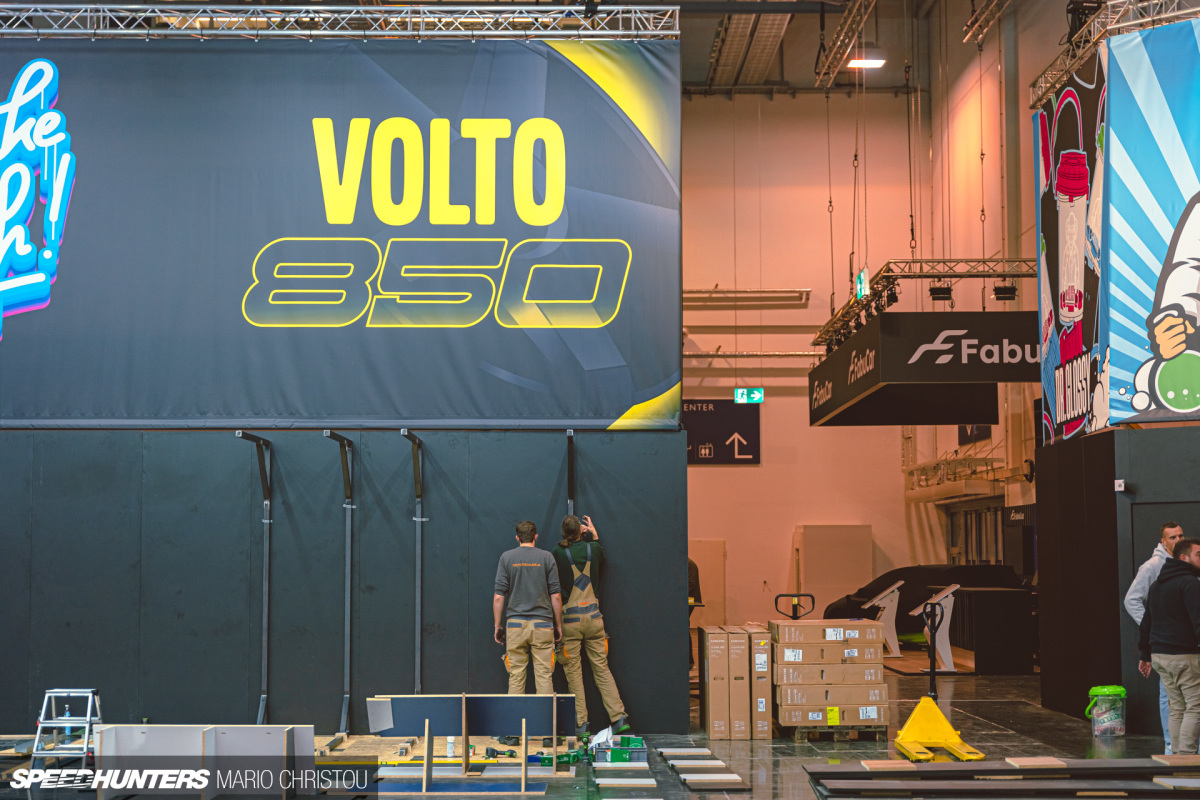
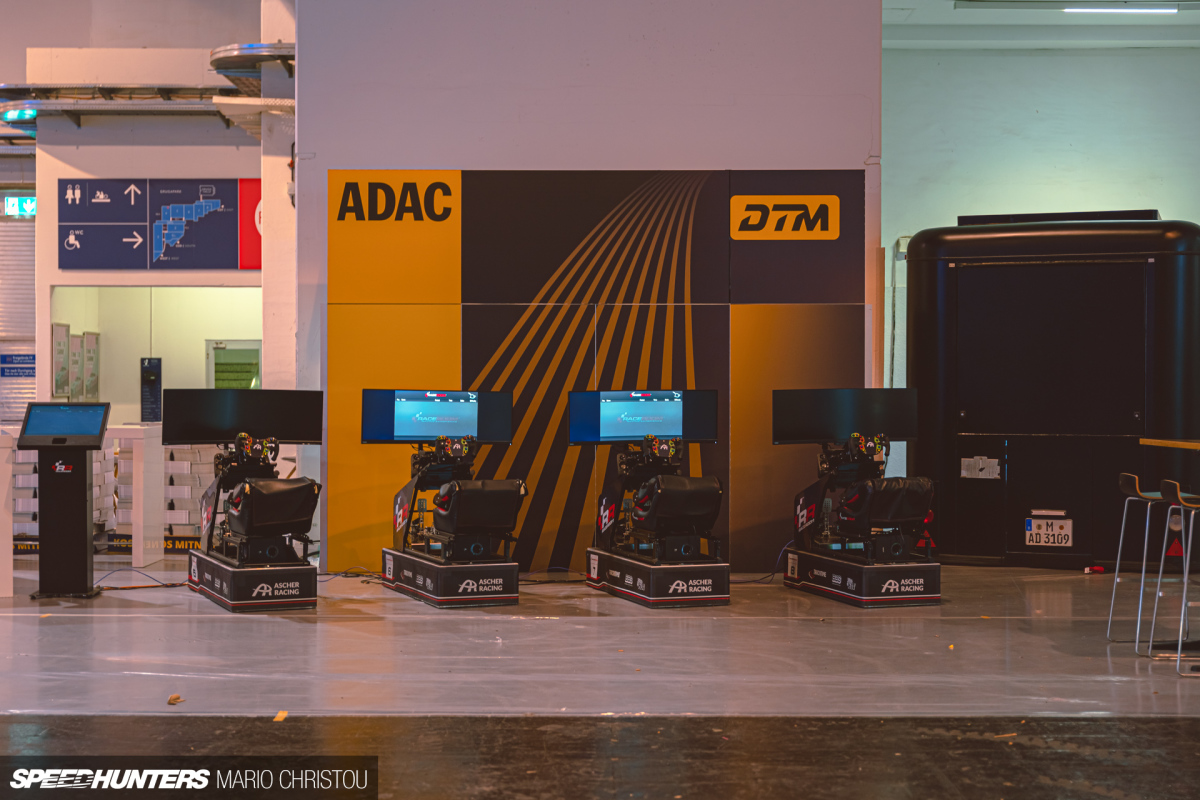
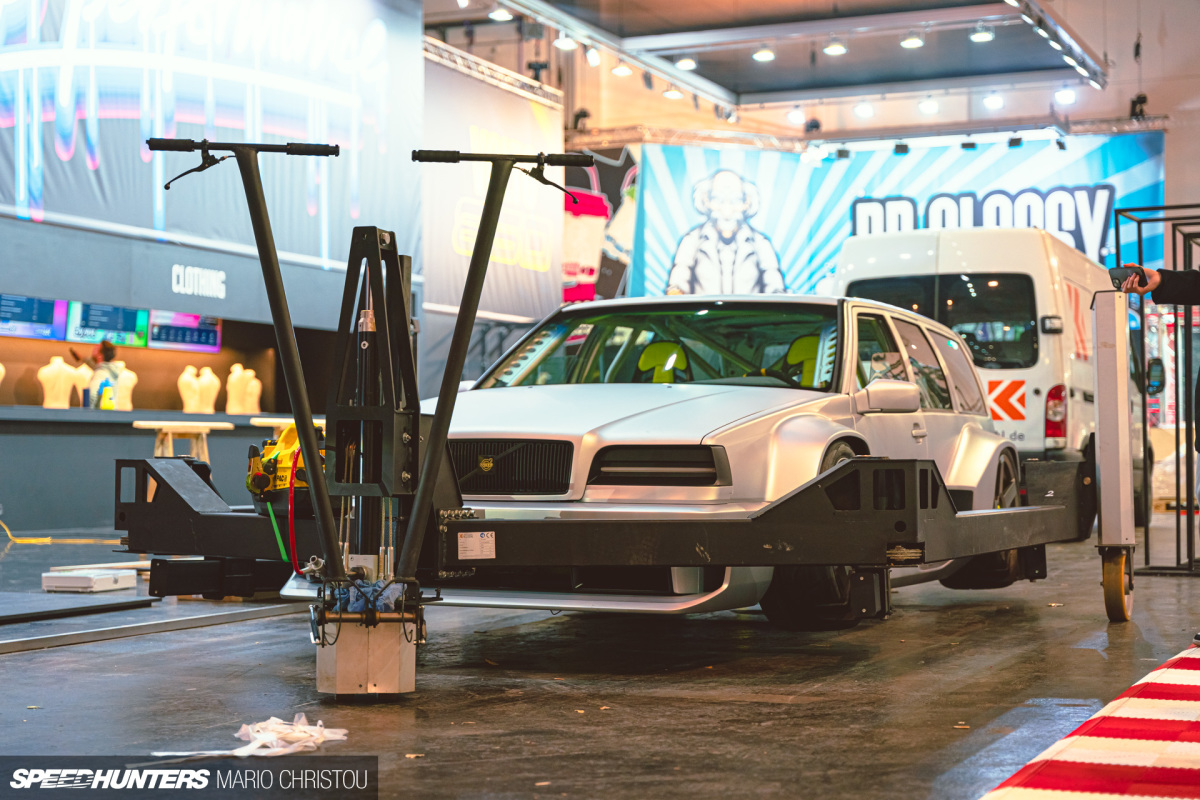
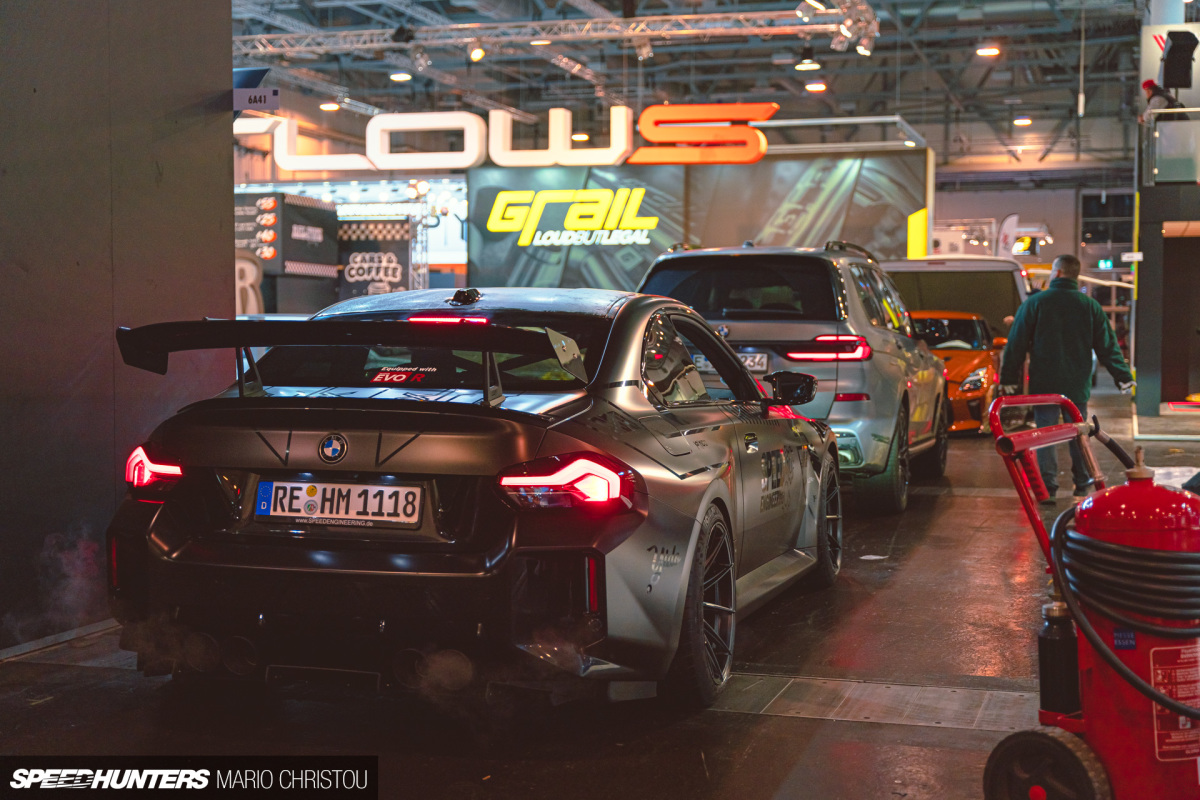
You’d think you’d outgrow the rush as the stakes get higher, but setup night at the Essen Motor Show (EMS) proves that’s far from the case. A great event is worth its weight in gold, but I prefer the chaos that comes before the doors officially open.
Contrary to what you might expect, high-profile events like EMS often have a preview day for media and press before the public gets access to the halls.
Having early access is one of the perks of this job – not having to fight for a shot or dodge oblivious attendees standing right in your line of sight makes shooting event coverage much easier.
But ironically, weaving through a ballet of cars being hurried into place, avoiding forklift operators on frantic missions, and trying not to trip over stacks of pallets and boxes is somehow even better.
The hustle and bustle is to be expected, but I wasn’t counting on a bird of prey to swoop past me and land majestically on a ledge. Meet Clara, a working falcon tasked with keeping Messe Essen’s halls free of pigeons while the shutters are open for the evening.
With the preview day today (Friday) plus two public days ahead for me (the show runs for a whole week, though), December on Speedhunters will kick off with some of the best modern and classic tuning Europe has to offer.
I’ve also spent the past few days bouncing between Stuttgart and Munich, spending time around three of Germany’s legendary marques and getting up close with everyone’s childhood hero – the Need for Speed Most Wanted BMW M3 GTR – at BMW Welt.
For now, though, I hope you’ve enjoyed this quick look at the manic energy and meticulous planning that goes into an event as massive as the Essen Motor Show. Check out the scale of it too…
I’ve teased a few absolute gems, but I’m saving the best for my main coverage. Stay tuned for more!
Mario Christou Instagram: mcwpn, mariochristou.world mariochristou.world
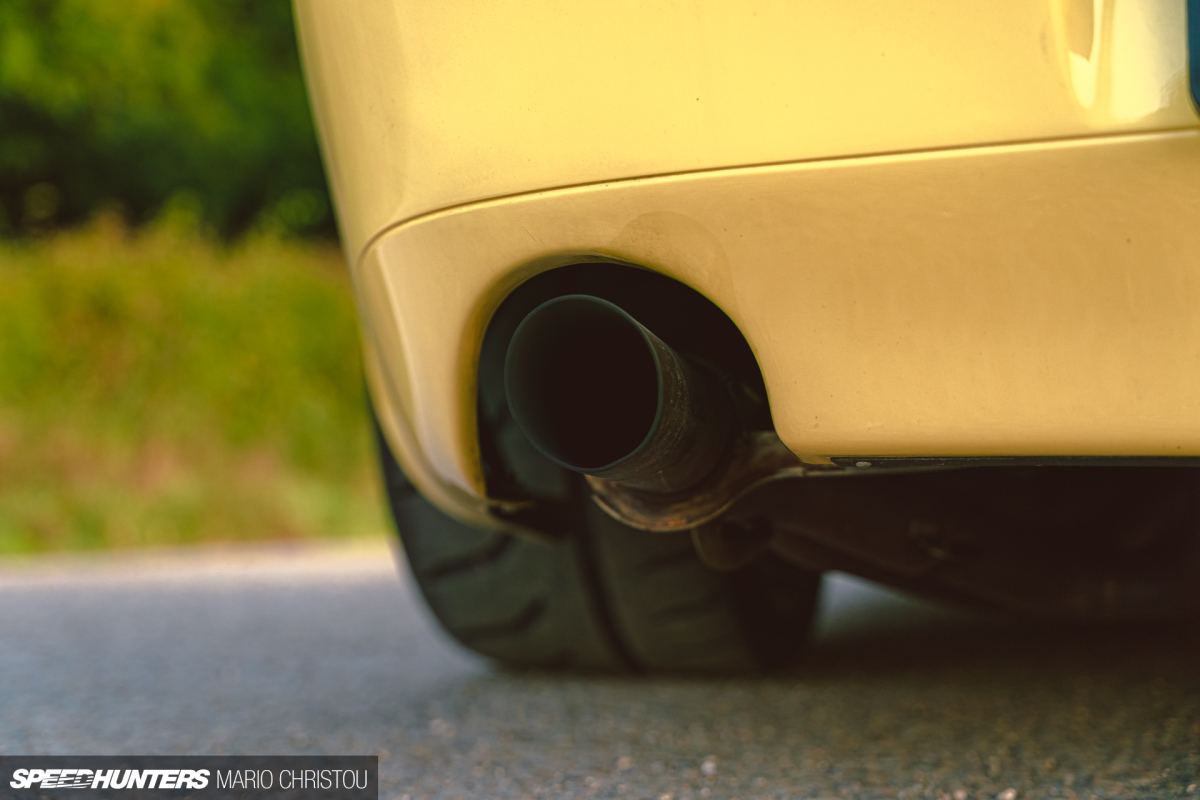
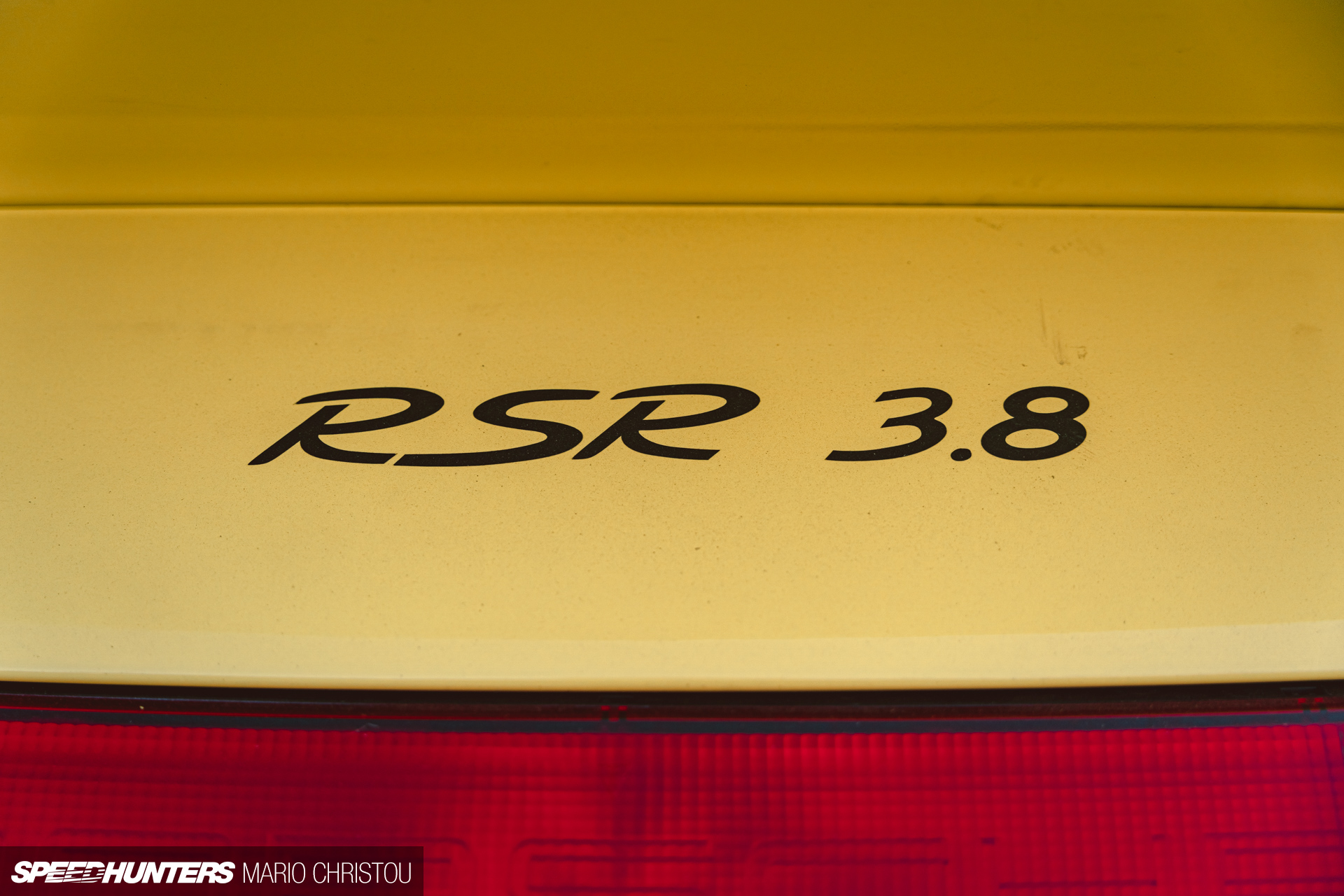
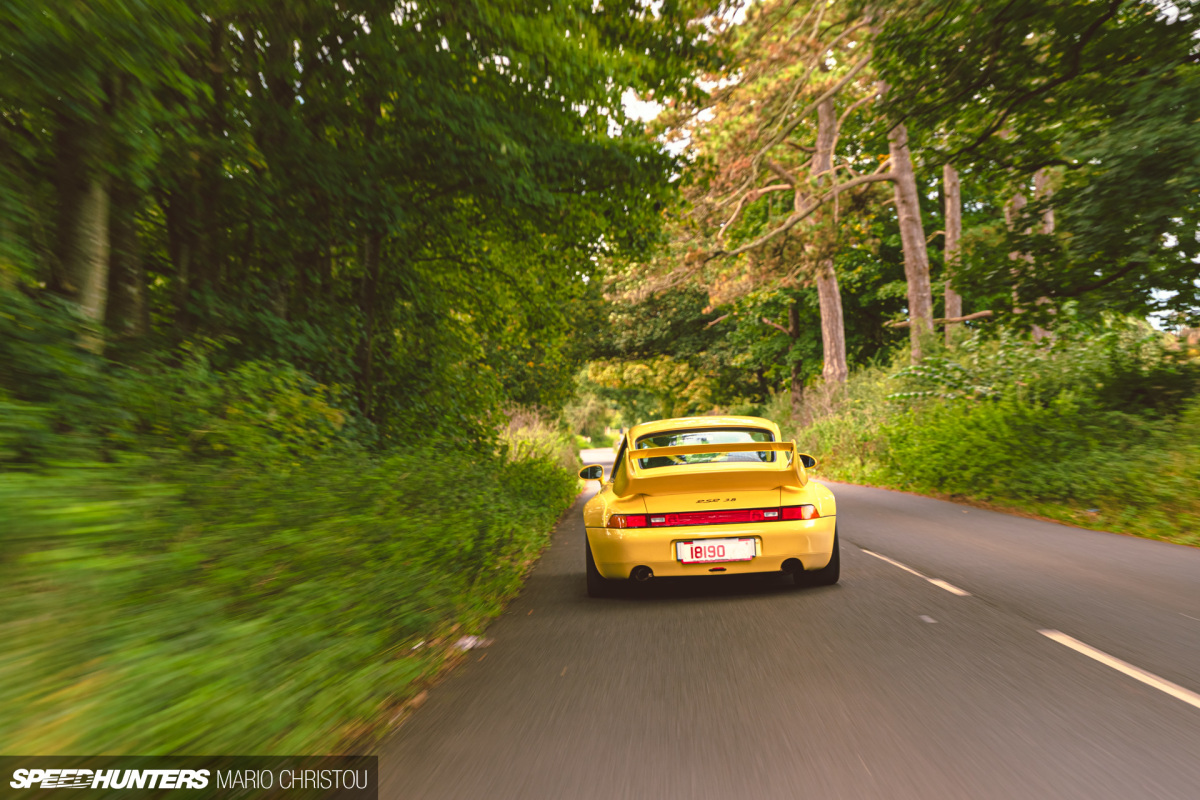
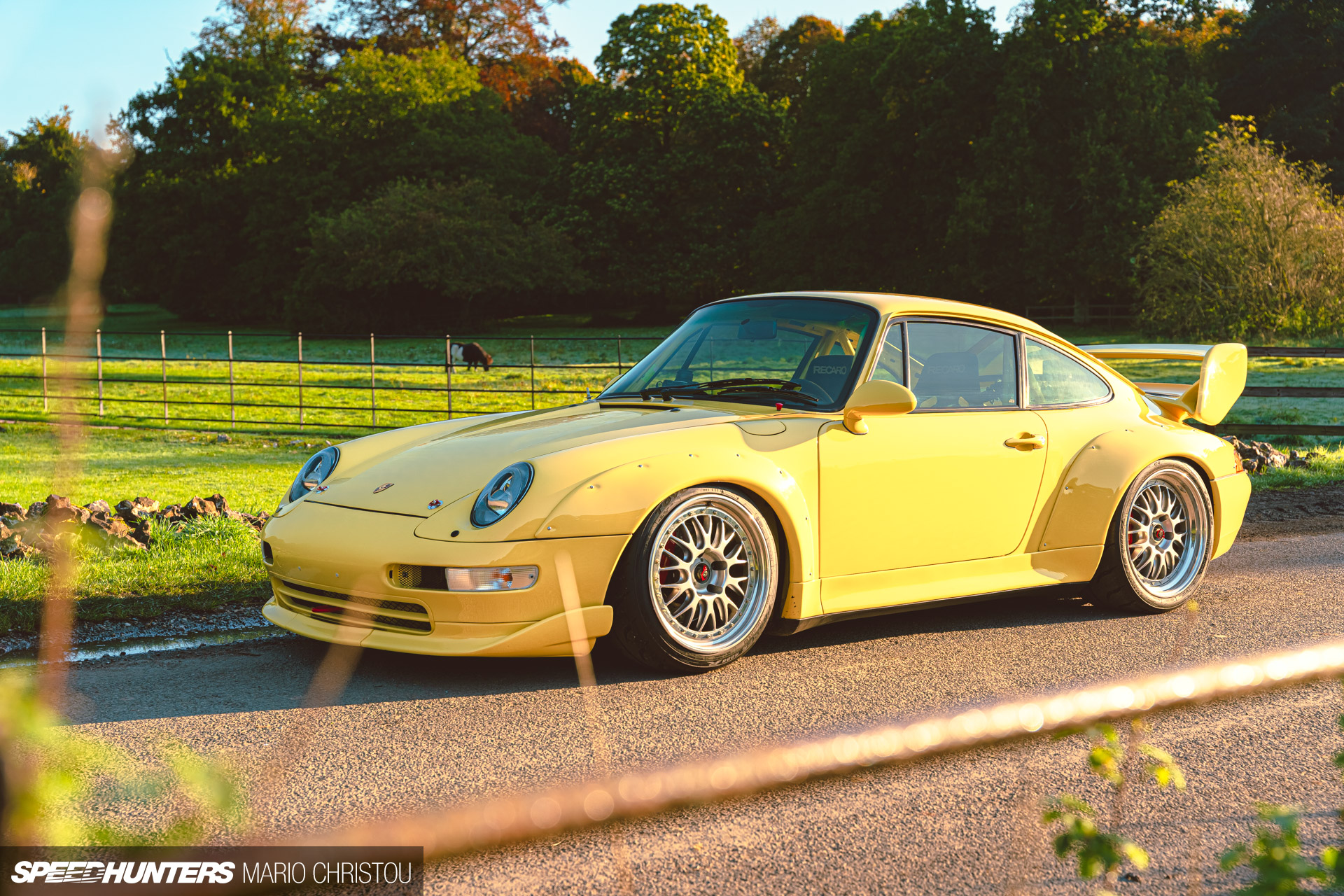
I’m about to spend the next almost-one-thousand words attempting to convey just how incredible Paul McLean’s 993 Porsche 911 RSR is.
Undoubtedly, I’ll fall short – not for lack of talent, but because, more than ever before, I wish you, the readers, could experience a day like the one I had with this car. I don’t often get so attached to a vehicle, but I must admit this is in the top three cars I’ve ever featured.
Right. Back to business: time for a serious Porsche history lesson…
Right. Back to business: time for a serious Porsche history lesson…
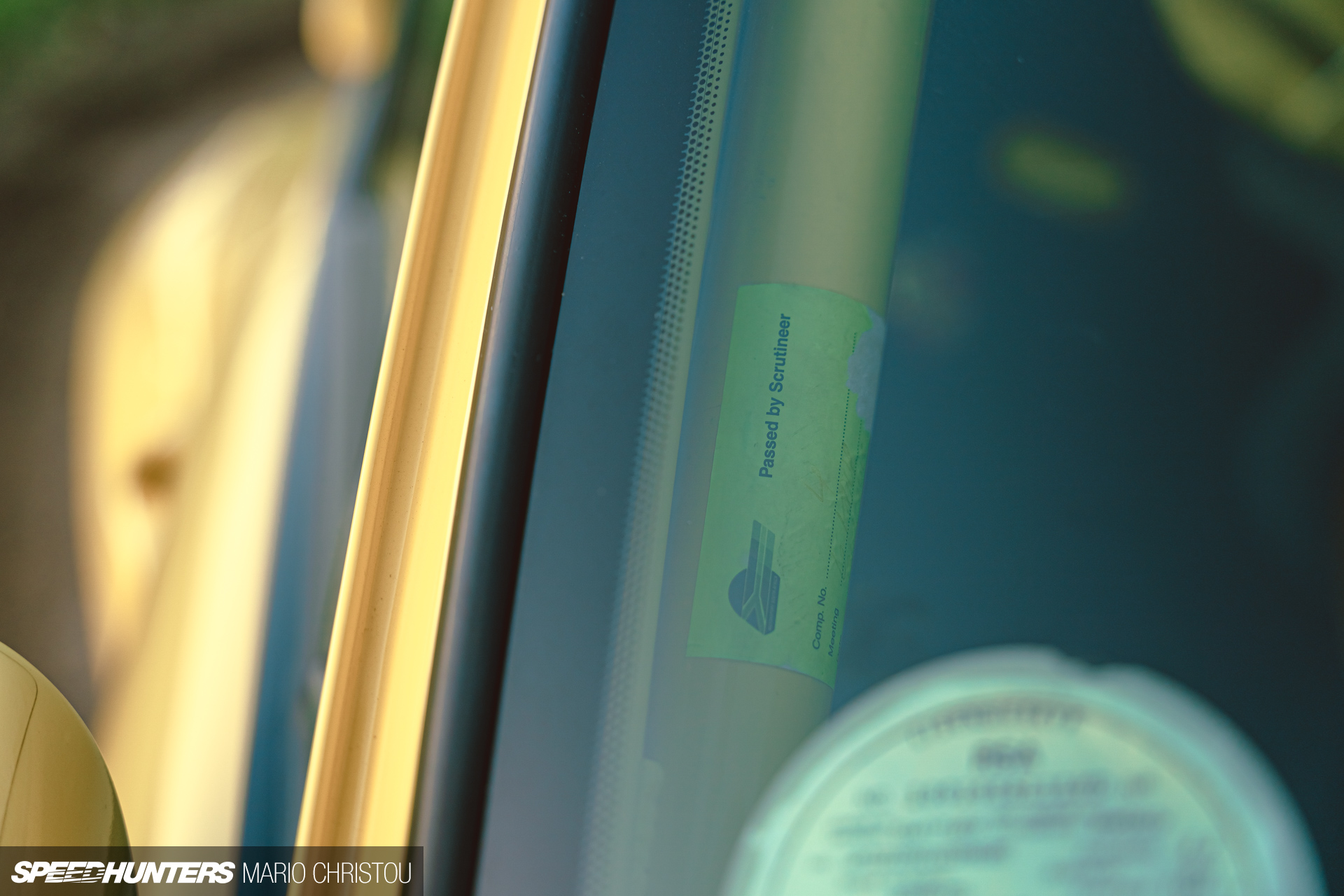
The RSR badge holds almost mythical status, one you’ll never find on a Porsche road car. Why? Because RSR stands for ‘RennSport Rennwagen’ – ‘Motorsport Race Car’ in English. No matter how extreme the 992 GT3 RS might be, it’s still not a race car.
The RSR legacy dates back to 1973, with the 911 Carrera 2.8 RSR making a stellar debut in the IMSA (International Motor Sports Association) GT Series.
That Group 4-ready prototype led to a 3.0 version, then a turbocharged 2.1-litre model, and more, growing ever wilder with each iteration. Turbocharged RSRs, renowned now for their deep bumpers and massive wings (far removed from the small ducktails the cars initially sported), have become Porsche racing icons.
Today, you’ll find high-capacity flat-six engines in RSRs, competing at tracks worldwide and often leading the charge in GT3 races. Jägermeister and Brumos cars paved the way for modern titans like Flying Lizard, Falken, and Manthey Racing RSRs.
While modern RSRs are technological marvels fairly far removed from road-going 997s, 991s and 992s, RSRs of the ’90s and early 2000s still bore a striking resemblance to their street versions under the skin.\
The 993 RSR, however, is my pick of the bunch. It sits perfectly in the the middle, straddling the line between race car and road car – and that’s important.
The adage ‘Win on Sunday, Sell on Monday’ may not apply as strongly to a Porsche as any touring car model, but a vehicle that looks like something you might see on the street really does look better on track.
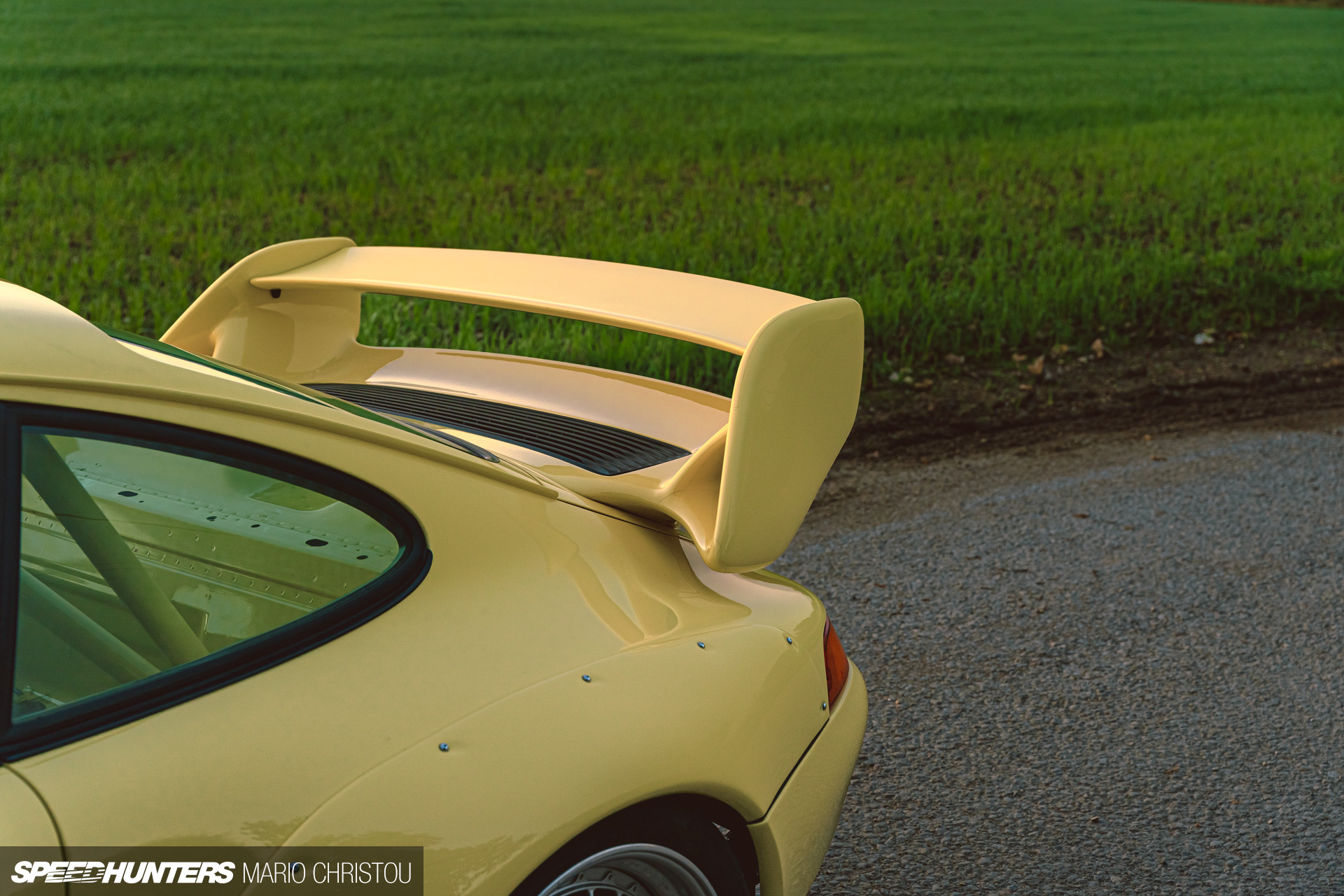
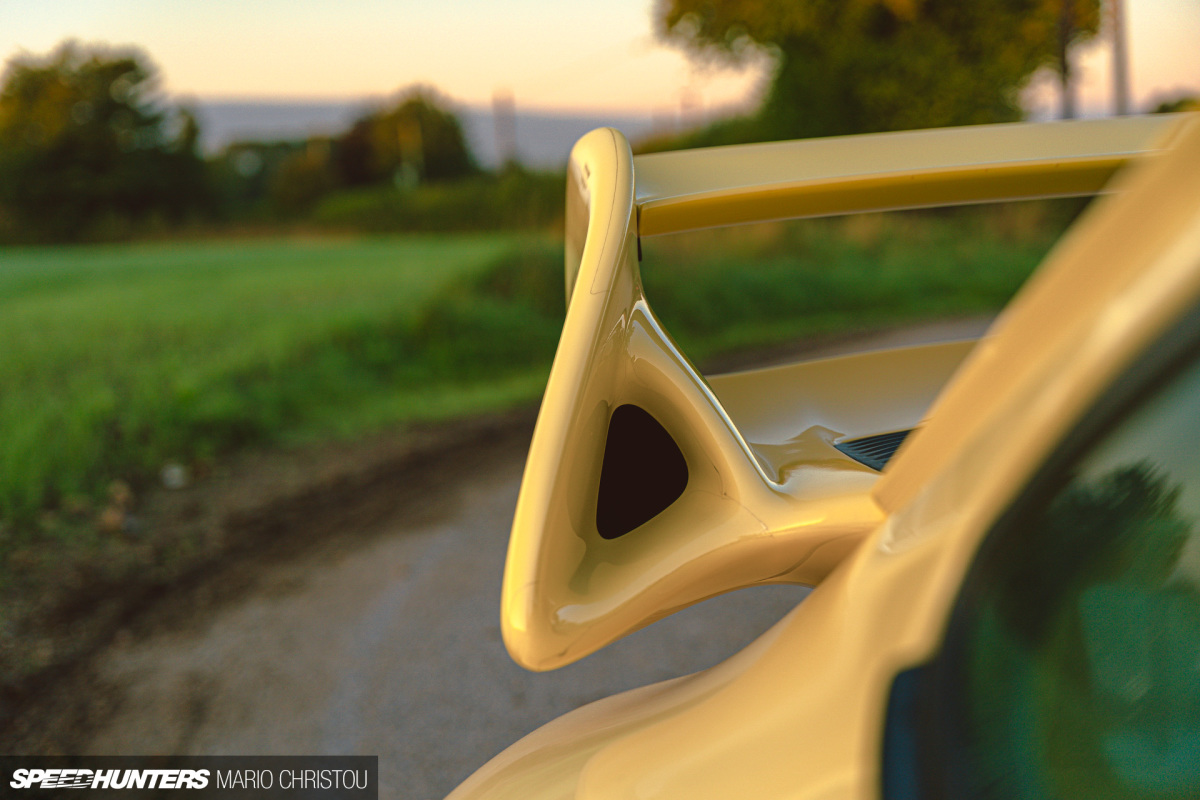
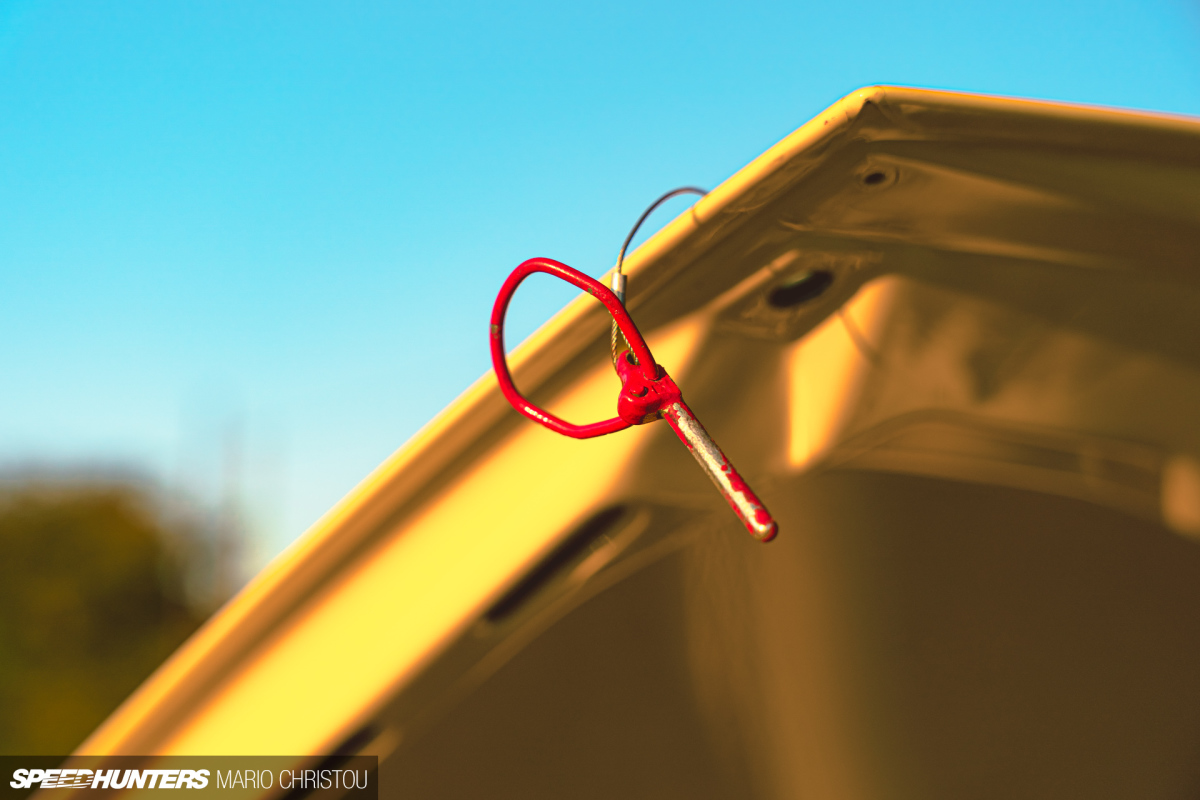
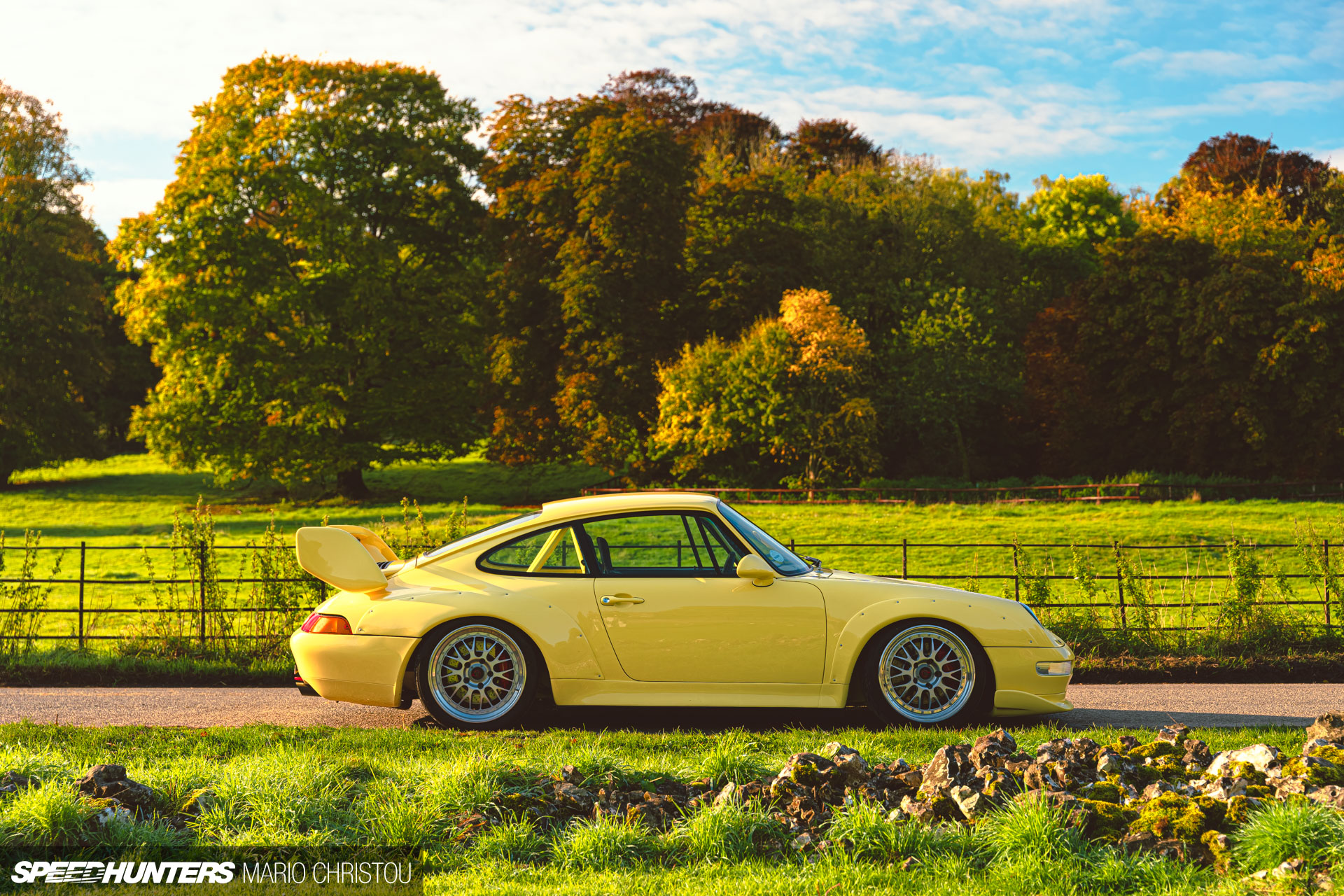
And that’s what makes the 993 RSR so special. It wears the 993 GT2 bolt-on overfenders but sports the narrow rear wing of the Supercup cars. You might wonder: why not the GT2 wing? Well, the RSR is naturally aspirated, while the GT2’s raised deck lid is designed to house the intercooler above its turbocharged engine.
Don’t for one second think that makes it any less of an animal – this car is a monster in its own right.
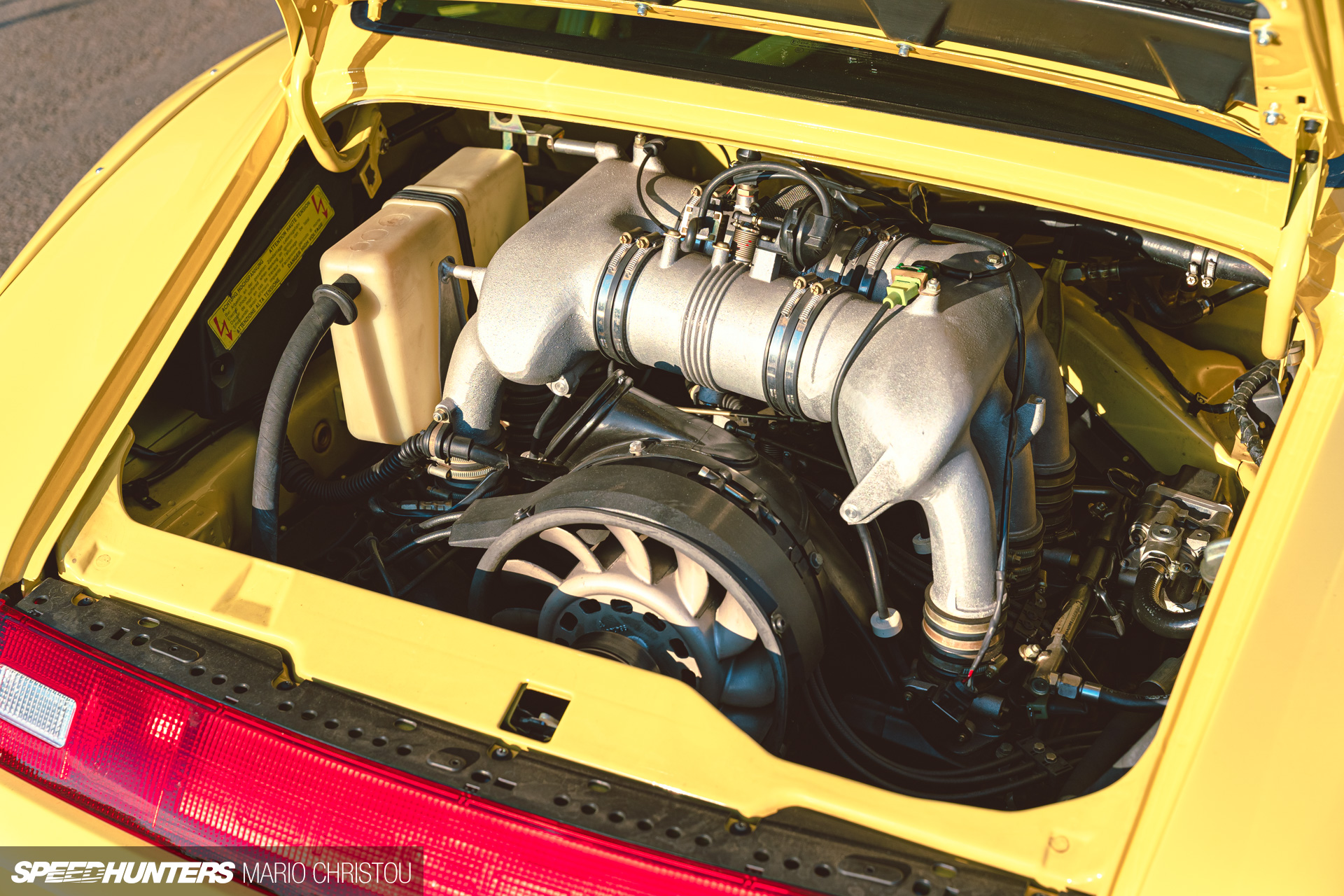
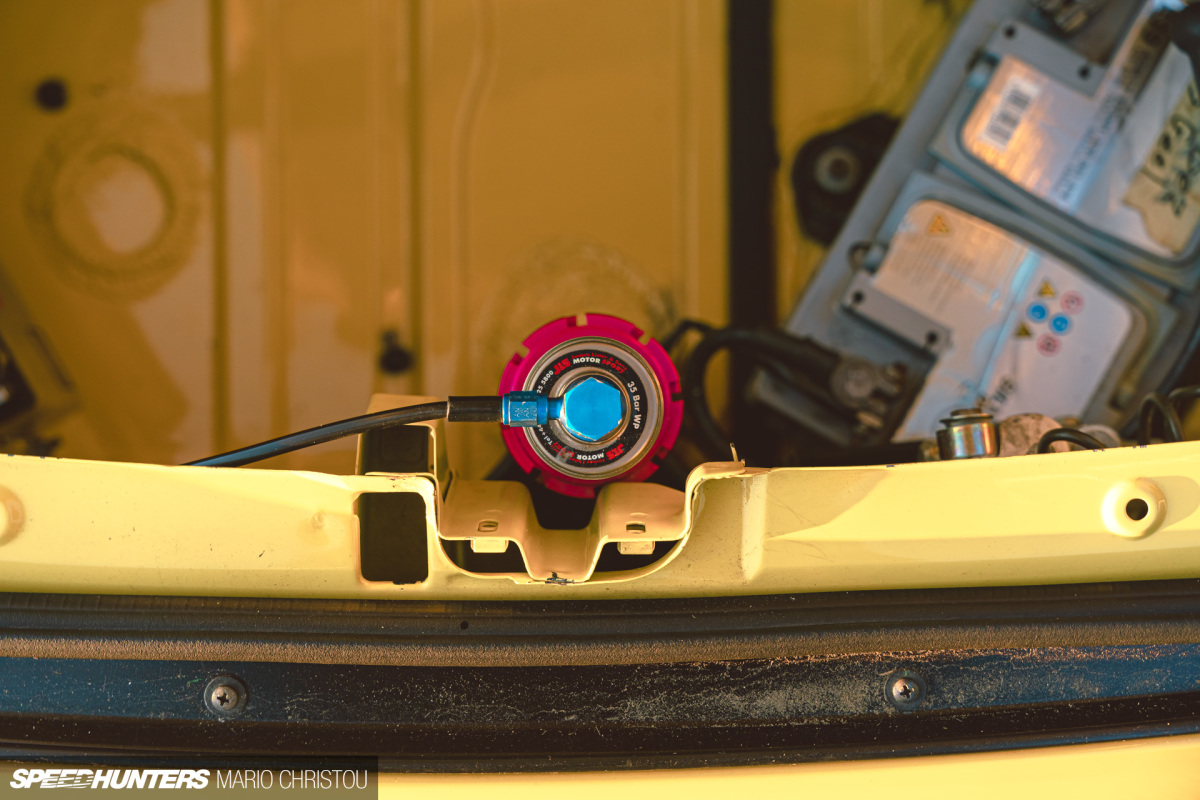
The 3.8-litre M64/75 flat-six engine behind the RSR’s rear axle is a weapon, bespoke to the Cup 3.8 RSR models – not your ‘standard’ Cup cars. With 345hp on tap and running a custom G50/35 gearbox, the RSR is noticeably quicker than the 993 Cup that came before it.
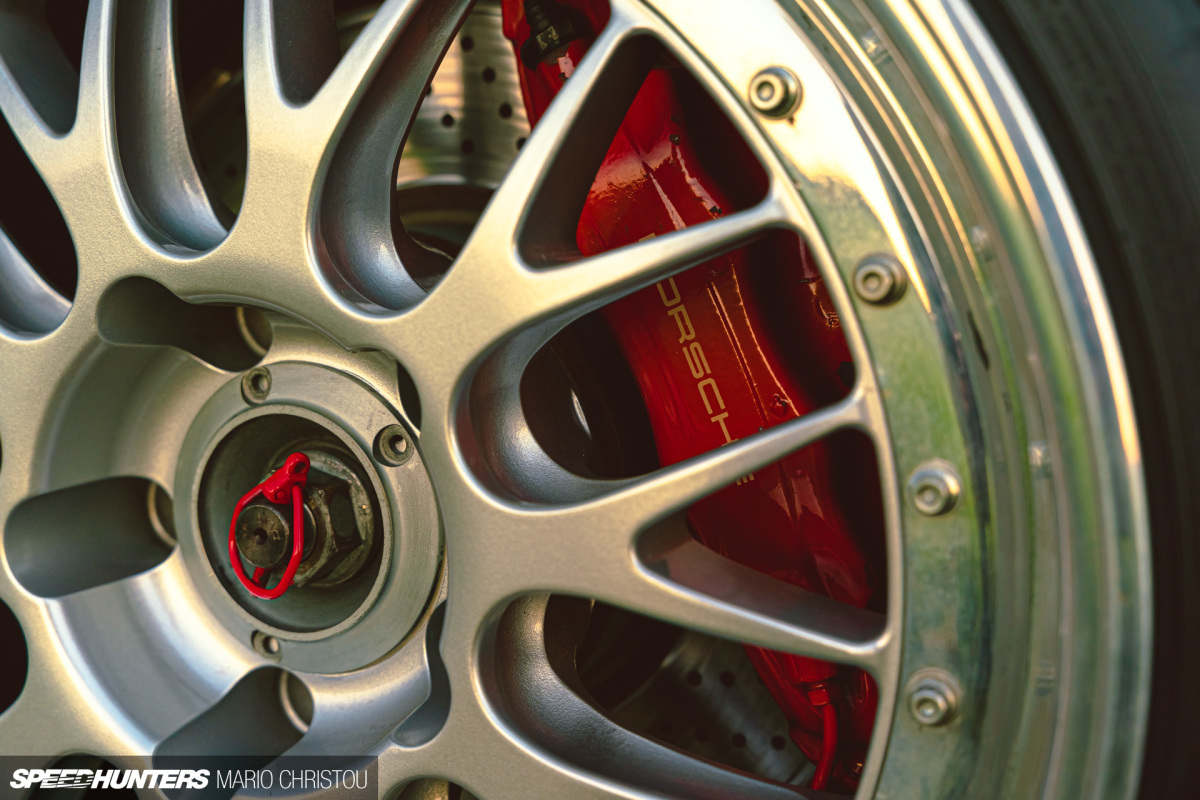
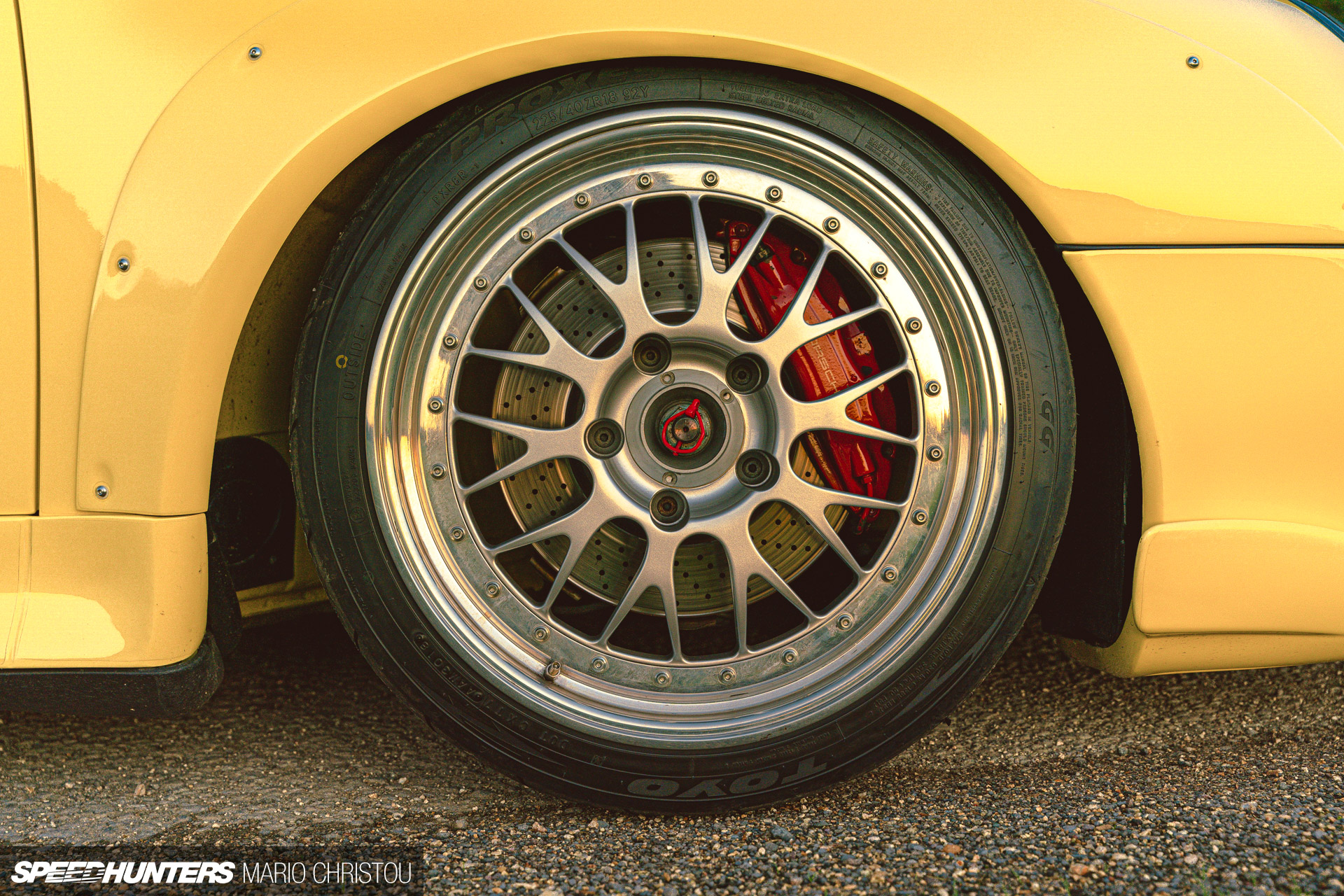
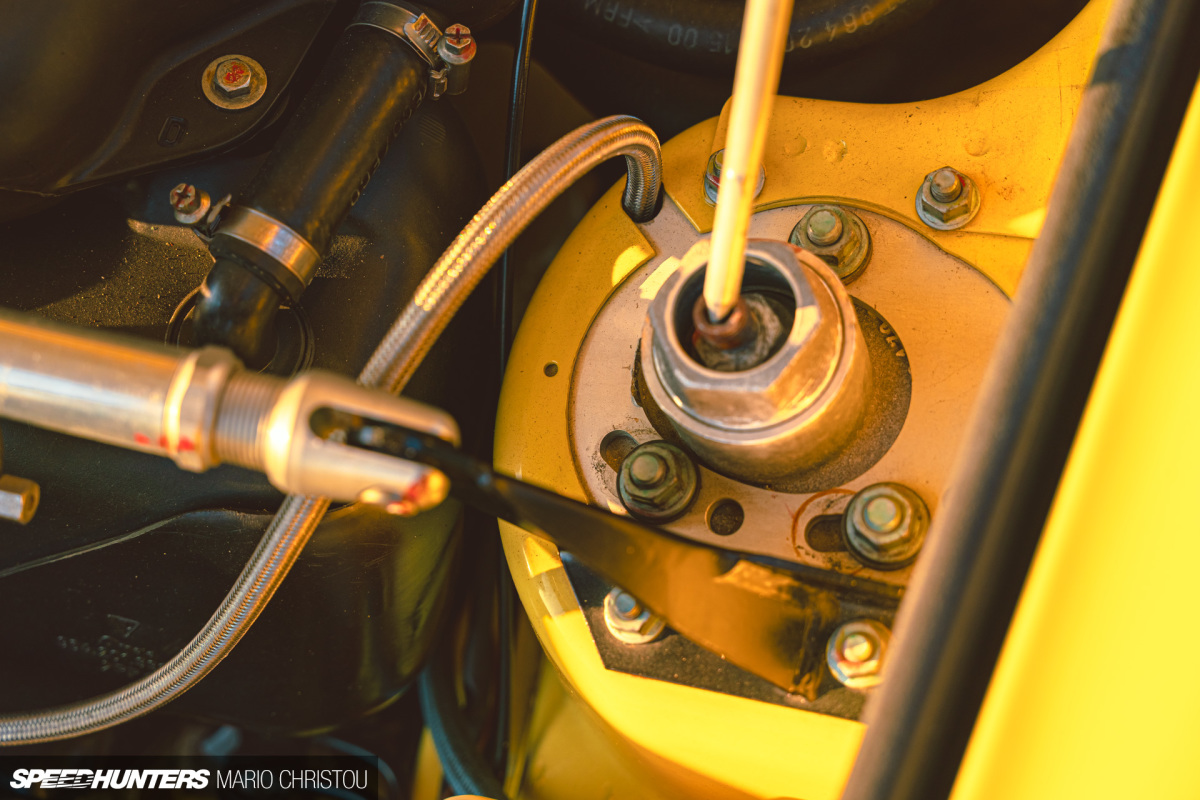
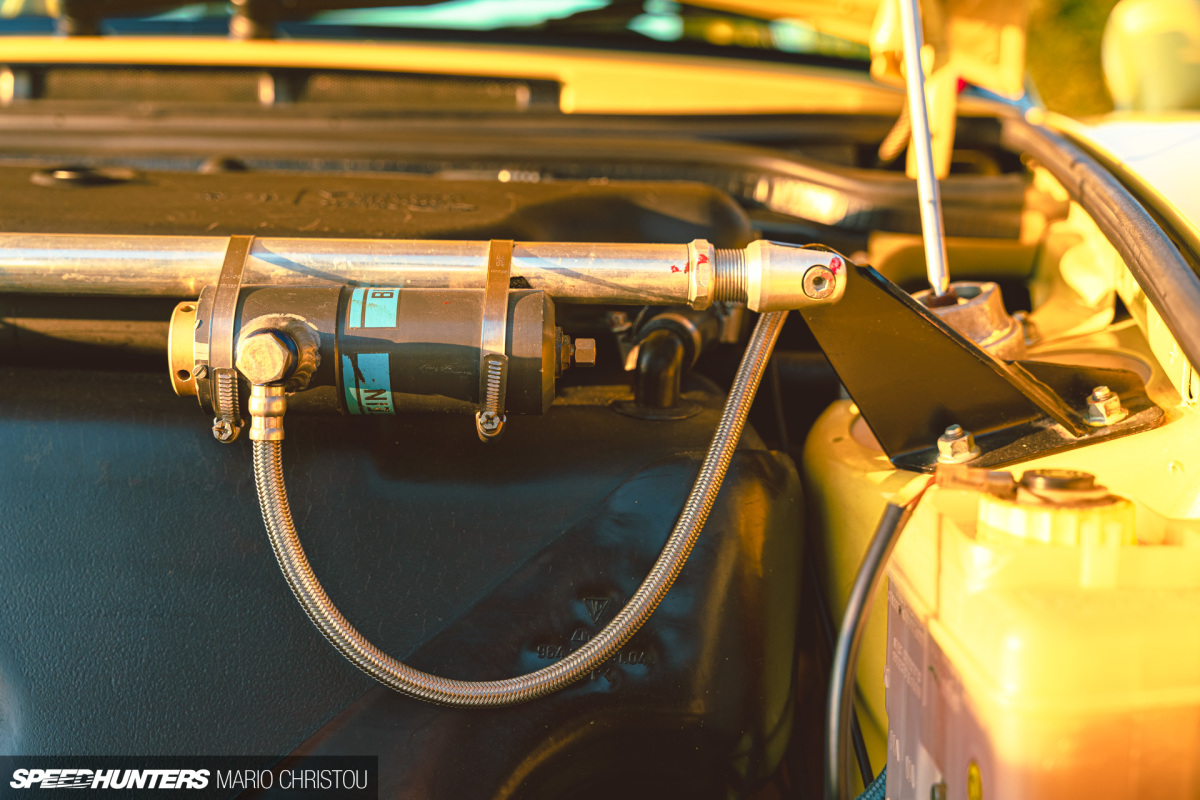
Beneath the GT2 arches, the RSR boasts several enhancements over the road-going 993 and the Cup cars. Behind the front BBS E82 wheels, you’ll find 380mm GT2 brakes, and all four corners feature two-way adjustable Bilstein coilovers.
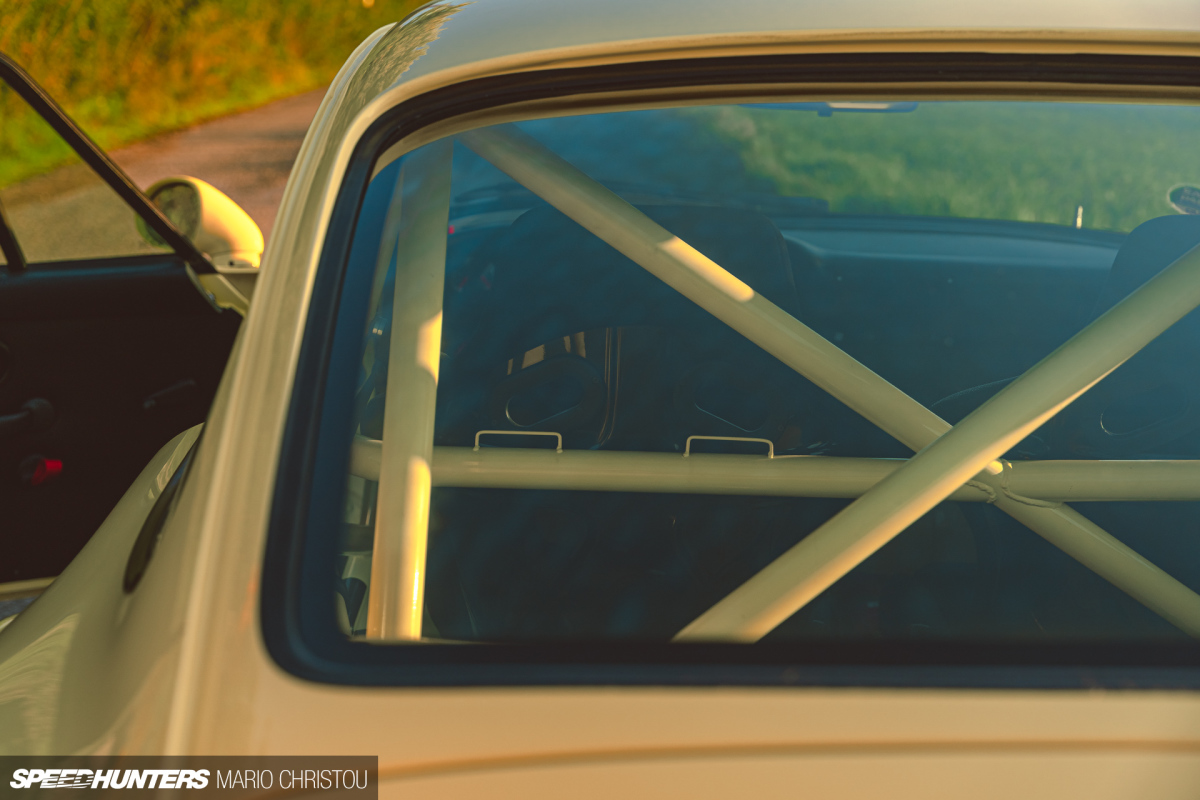
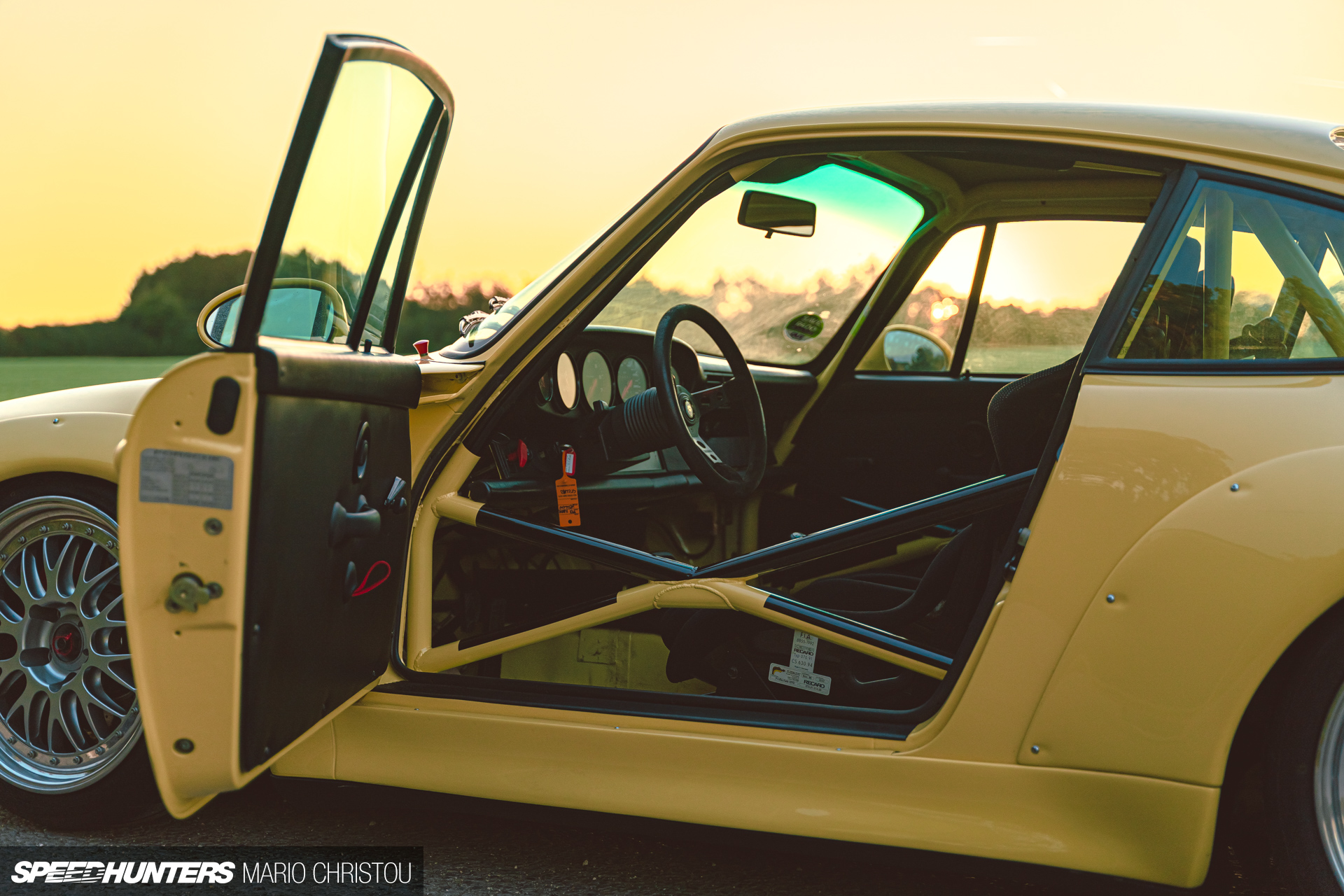
Paul’s car currently rides on Toyo Proxes R888R tyres, but it would have almost certainly left the factory on Michelin slicks. The front roll bar can be adjusted from the cockpit, while the chassis’s stiffness and safety have been massively improved by a multi-point roll cage.
But why does the RSR even exist, given its similarities with the 3.8 Cup?
Sure, you could romanticise it, saying, “Well, why shouldn’t it exist? Why would you even ask?” But let’s think about it logically for a second.
The Cup car was designed for ‘gentleman racers’ to compete on an equal Porsche playing field. The RSR, on the other hand, was built to win races against other GT cars, and purpose-built to be competitive in endurance racing straight upon delivery.
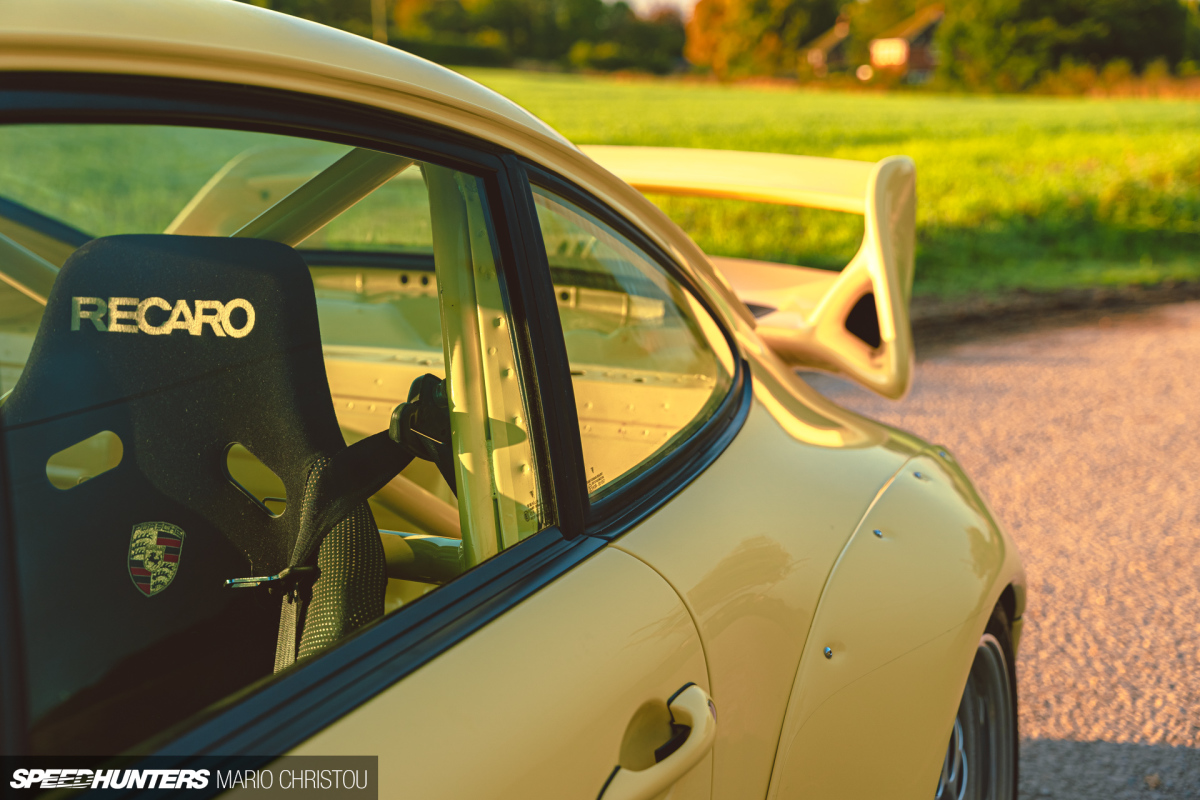
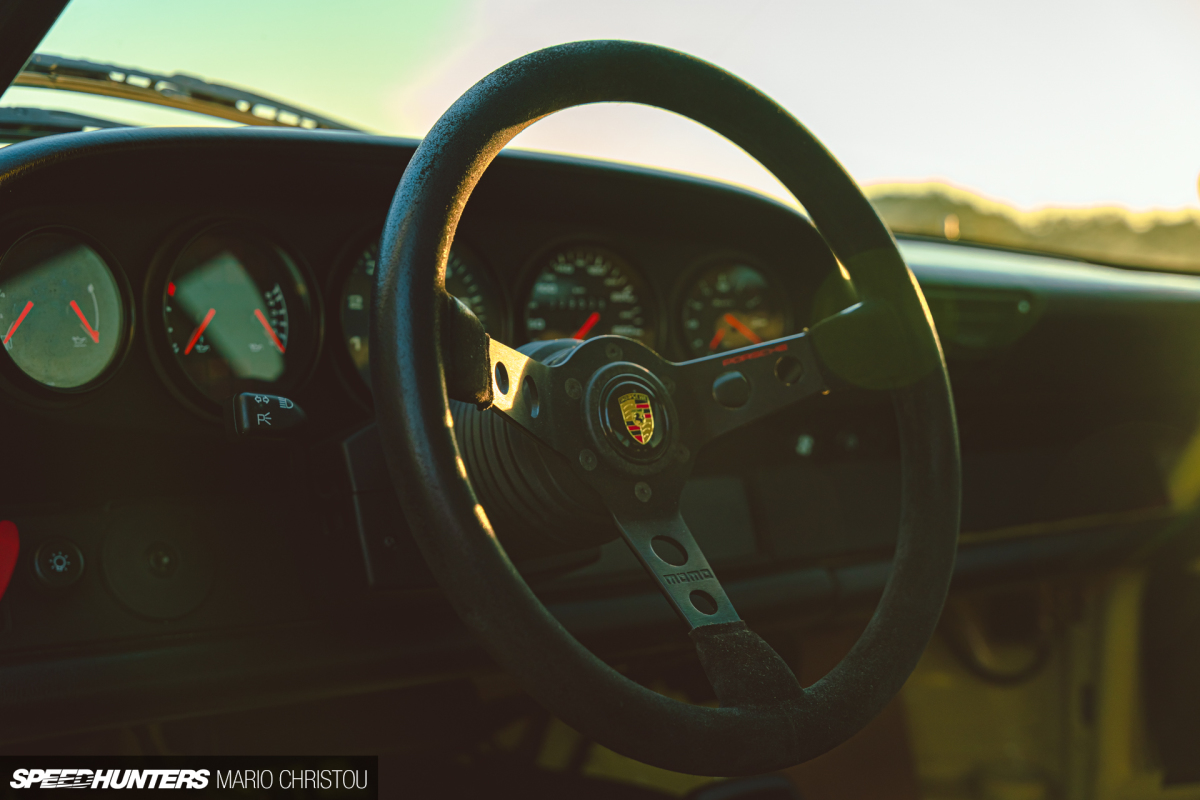
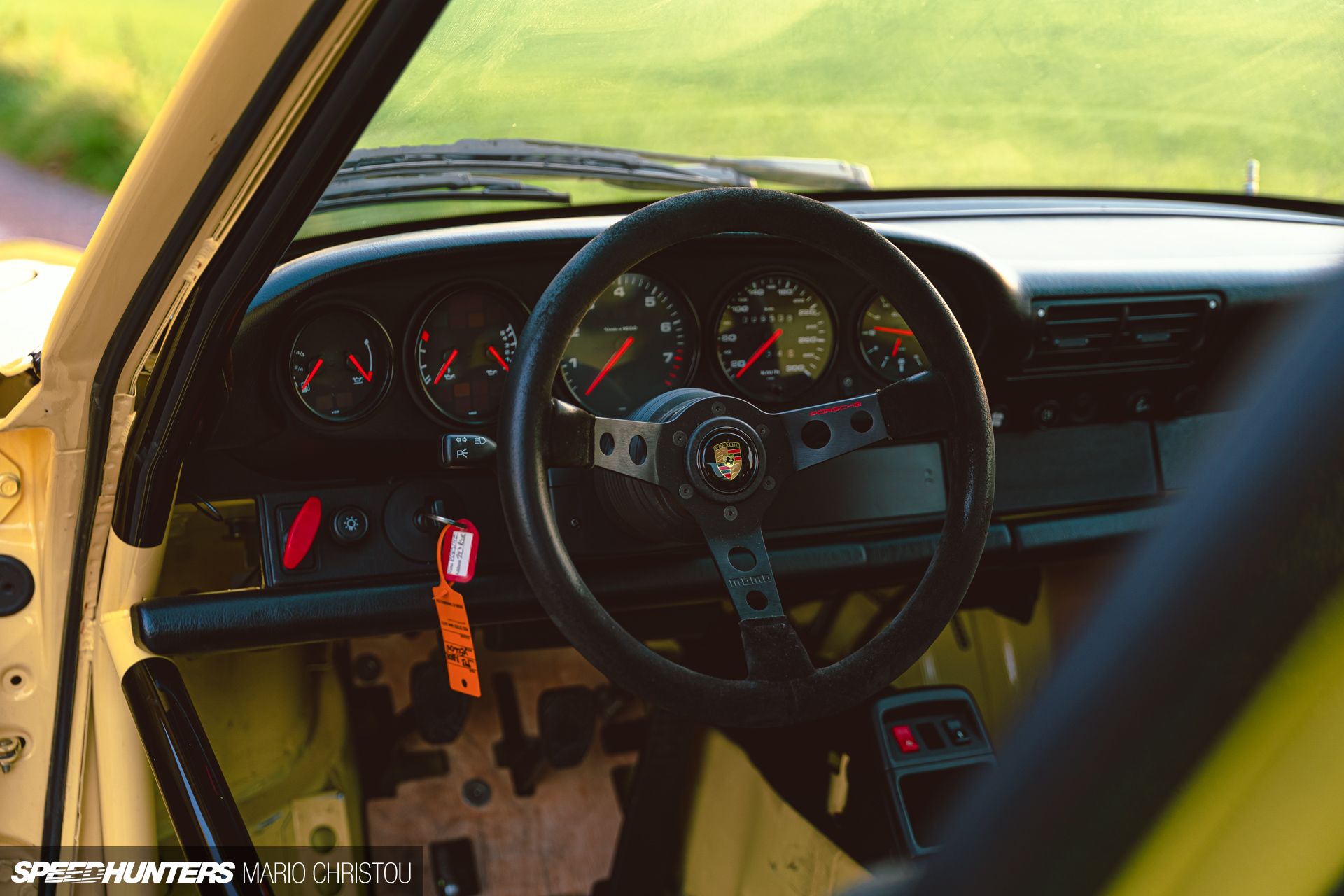
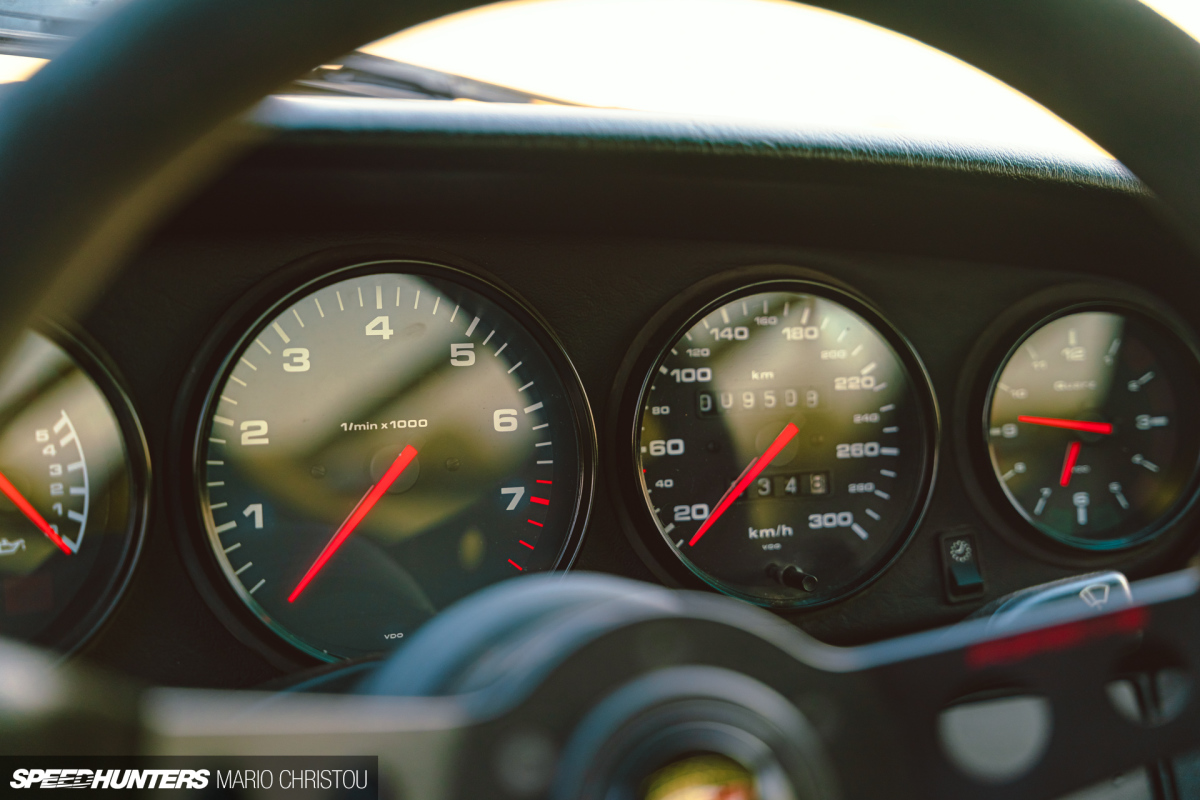
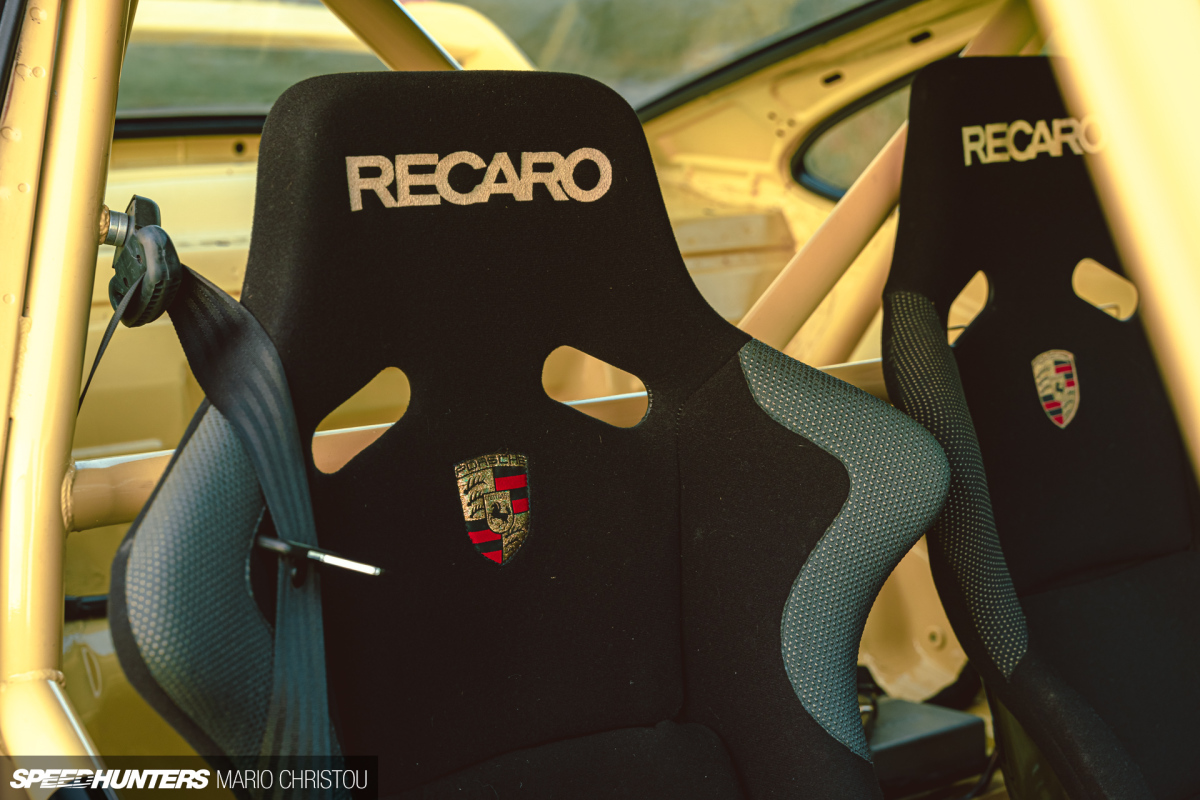
Yet, despite its race-focused upgrades and stripped-down nature, the interior is very much a typical Porsche affair: elegant and clean, with nothing out of place. The one exception, in Paul’s car at least, is the passenger Recaro, added to match the driver’s seat.
All 993 RSRs were originally fitted with a single Recaro race seat – appropriate, given its purpose as a race car – but Paul’s retrofitted passenger seat allowed me to experience his car on the move.
It’s a visceral experience, far removed from any 993 I’ve ridden in. The fully rose-jointed suspension and solid-mounted subframes clatter over every imperfection in the road.
The complete lack of sound deadening has turned the cabin into an echo chamber. The engine note? Incredible. It’s loud, but the real sensation comes from the vibrations that pulse through the gearbox and into your bones.
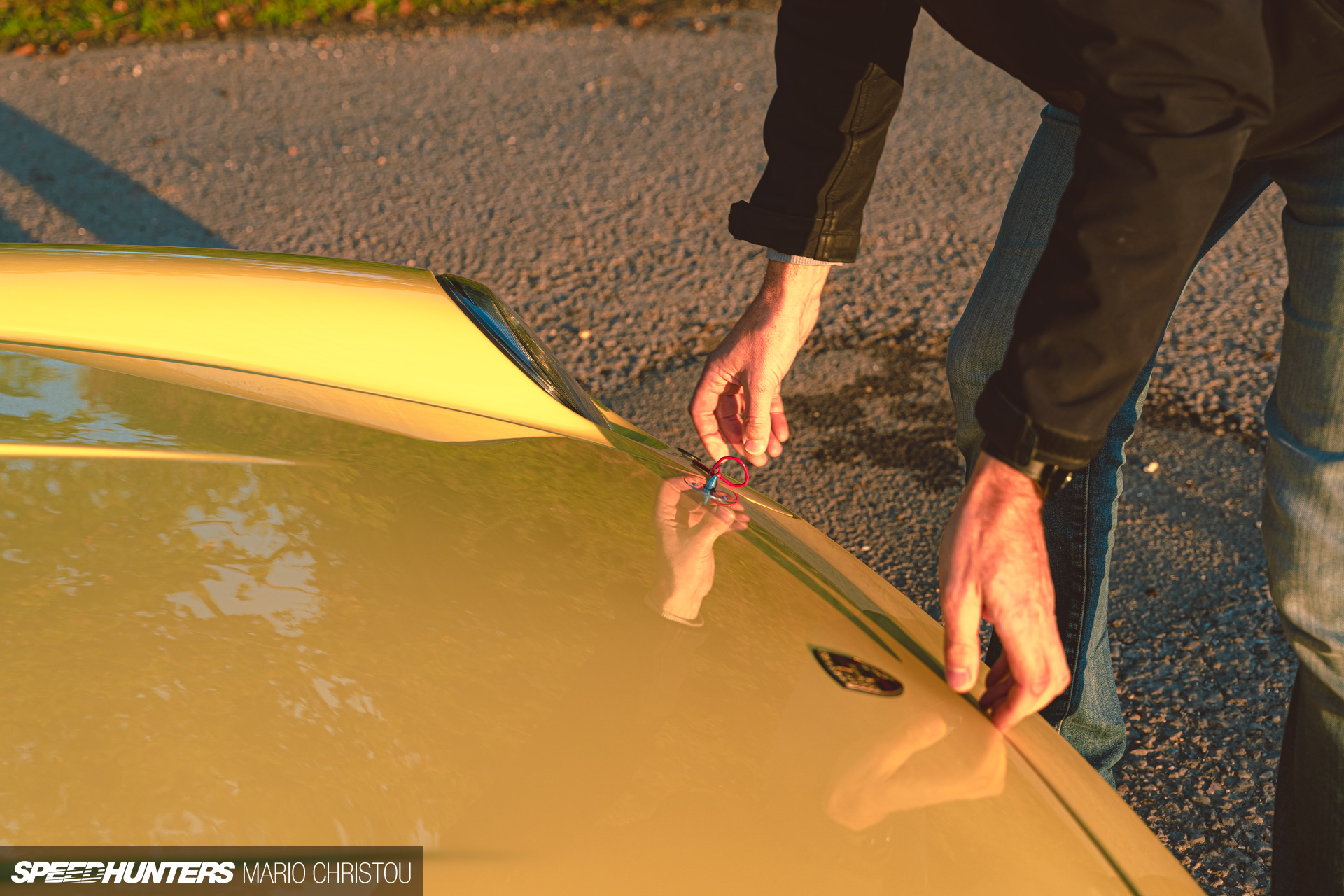
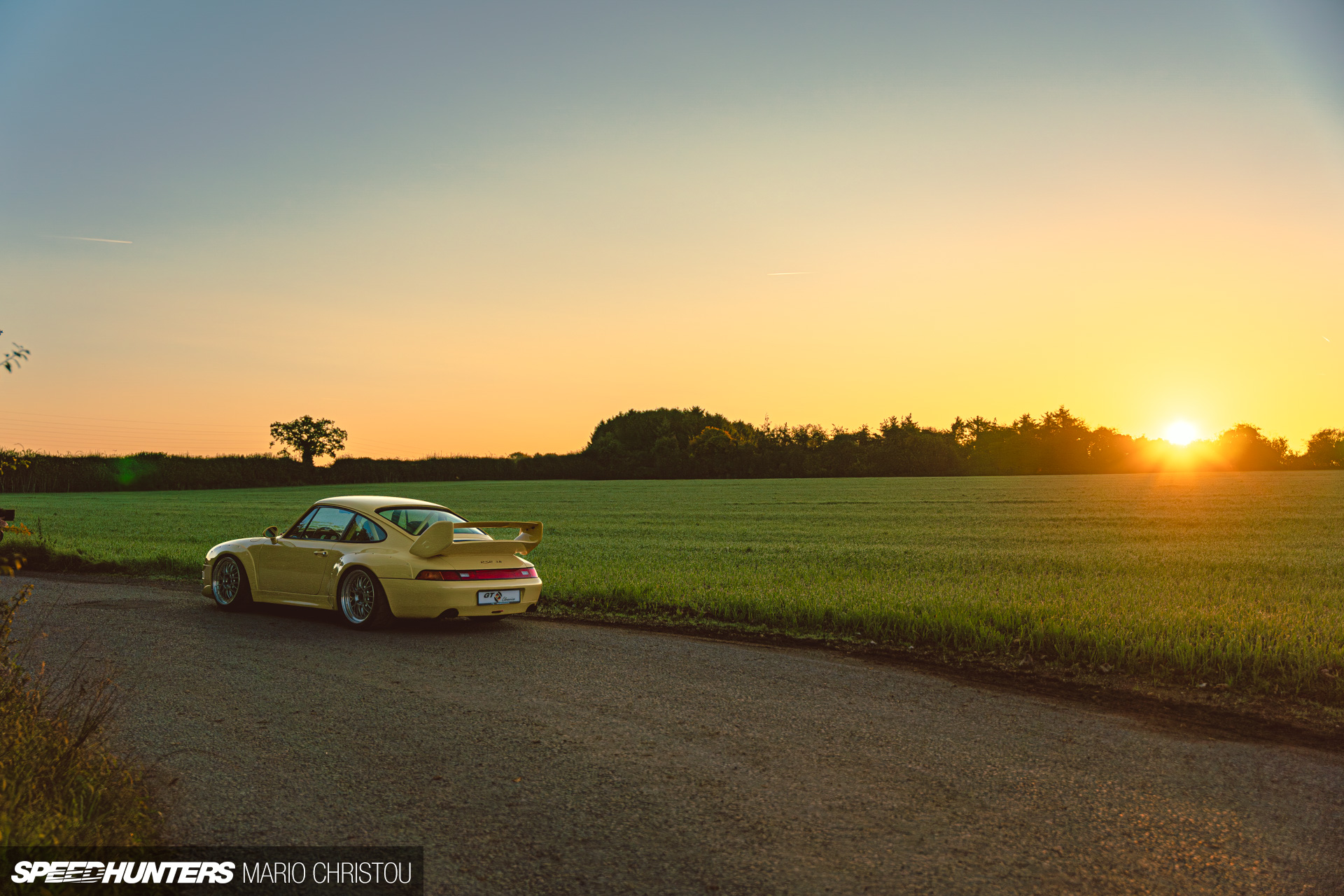
Amusingly, the brakes squeal so loud under typical road conditions that they sound like you’re honking the horn at traffic in front of you. It’s a small but telling detail of how race-focused this car is. But for all its race-ready eccentricities, circuit pedigree, and sheer rawness, there’s one thing about Paul’s 993 RSR that stands out more than anything else: the colour.
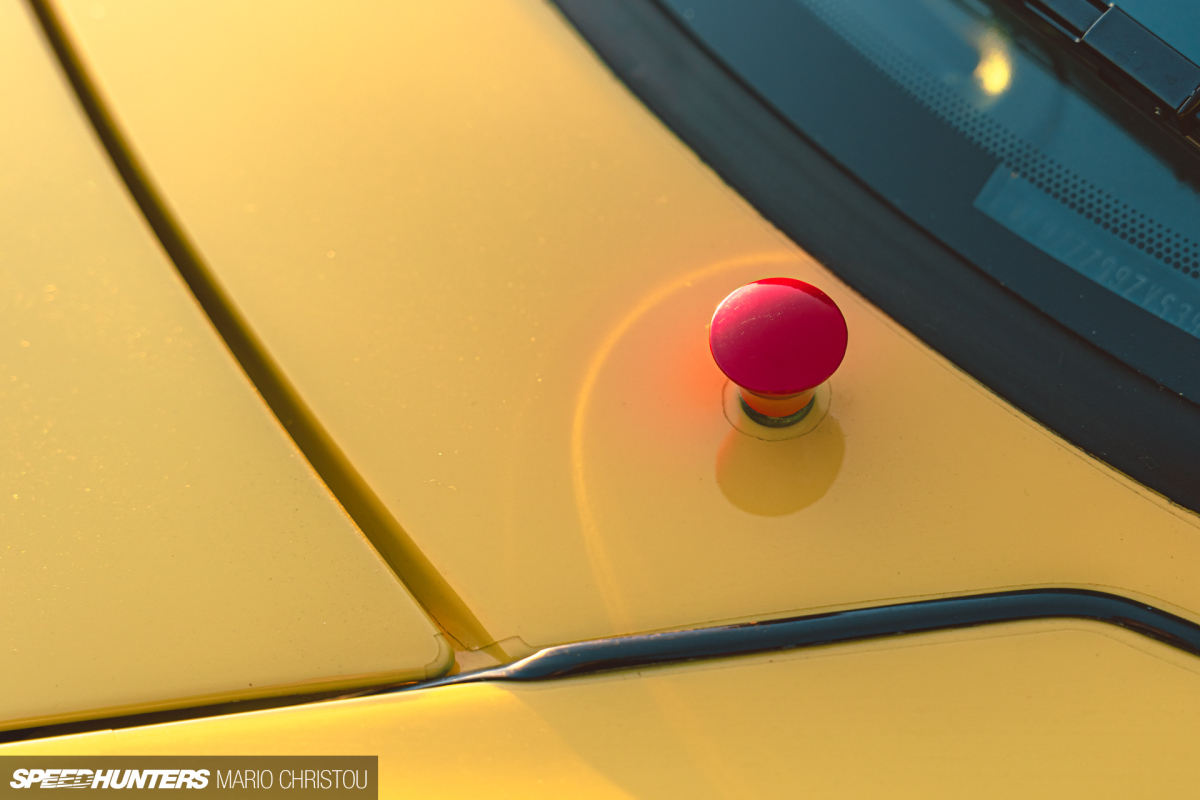
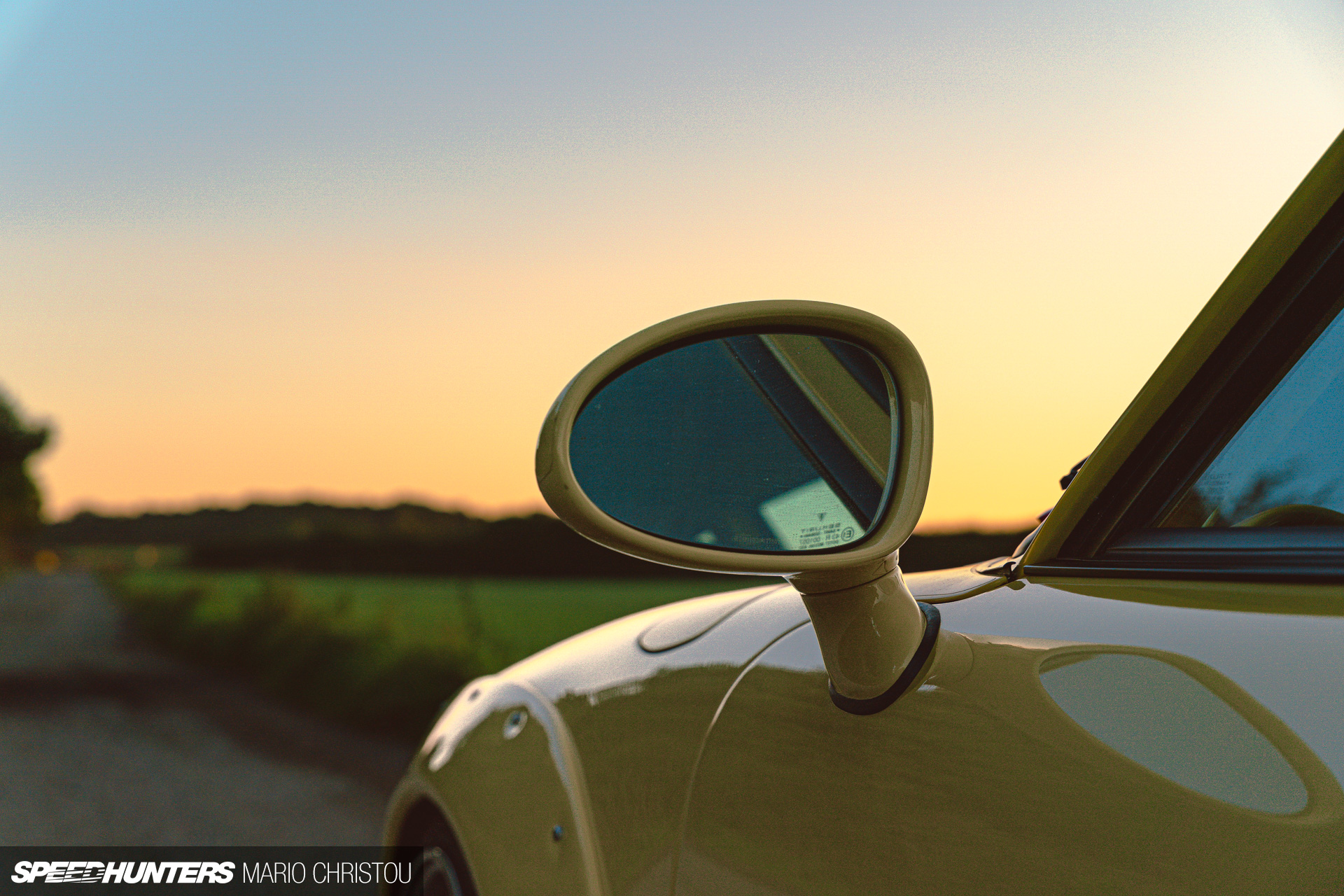
Between 1997 and 1998, only 45 993 Cup 3.8 RSRs were produced, and Paul’s is the only one finished in Pastel Yellow.
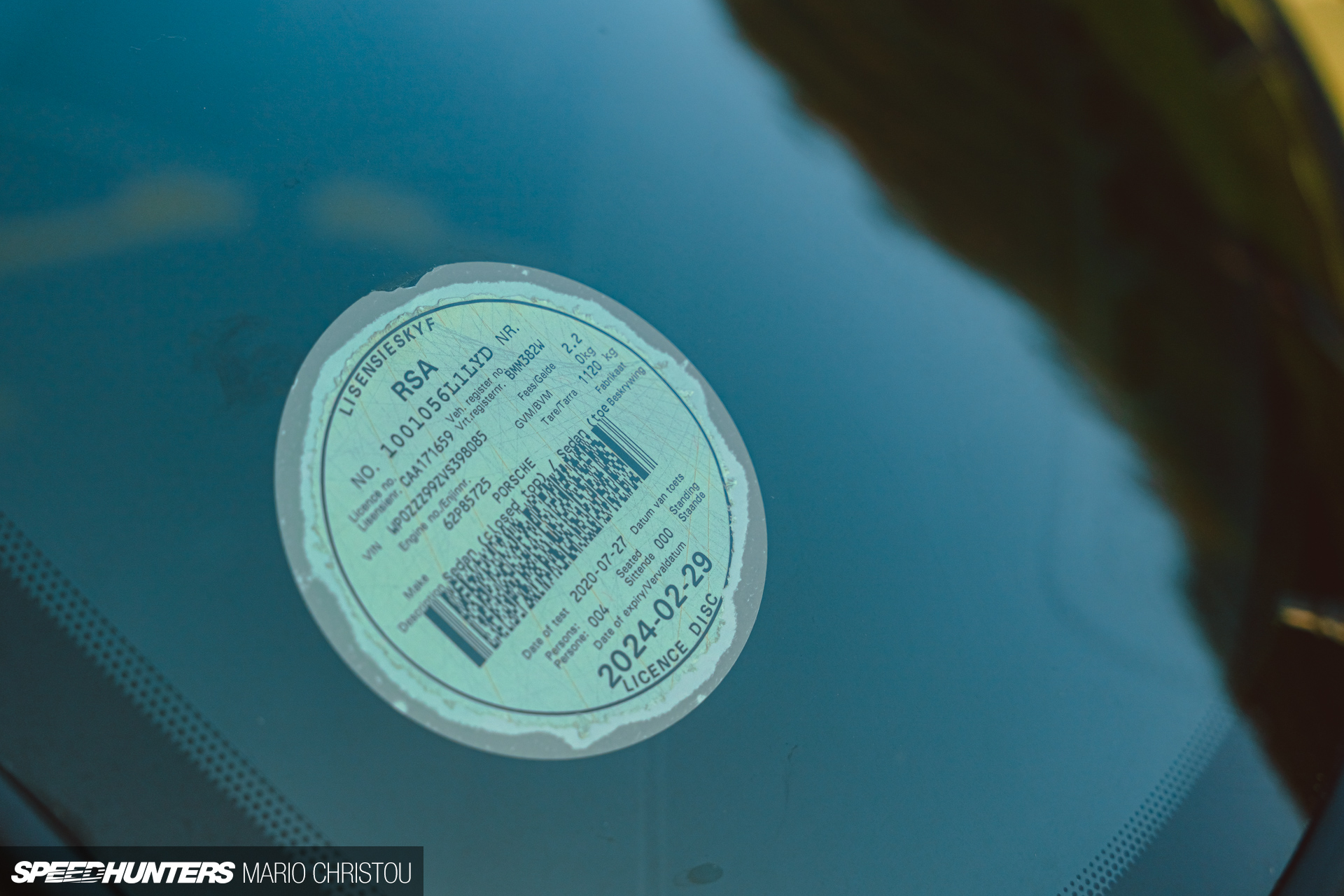
A special-order car (as if any of them aren’t special…), this South African model was purchased by a dealer who wanted a standout vehicle to flaunt his status.
What better way to do that than by commissioning a true race car to be driven on the road, painted in one of the softest, prettiest, and least aggressive colours Porsche had to offer?
Paul’s 993 RSR is more than just an extraordinary car; it’s a rolling piece of Porsche history with an incredible backstory. As a Porsche enthusiast, I yearn for it to be in my collection – not just to drive but to admire.
Sadly, I don’t have £750,000 (US$955,000) in my bank account. But if you happen to have that kind of money, then this RSR could be yours. After all, it is for sale…
My mom has always been a fervent traveler, partly due to her desire to experience new places but also thanks to her decades-long career working for an airline. The perks of the job resulted in my mom regularly catching last-minute flights, which in turn made her the most efficient packer I know.
Whether she’s headed on a two-week-long trip through the United Kingdom or a two-day trip to visit me in Los Angeles, I’ve never seen my mom pack more than just a carry-on suitcase and a tote bag. And over the years, there’s one organizational item I’ve noticed she won’t travel without — a set of clear toiletry bags. In scouring Walmart’sCyber Monday deals, I found a similar set that’s currently on sale for just $13.
LiBa Clear Travel Toiletry Bag Set
Walmart
This set comes with four bags in different sizes ranging from 4.7 inches in diameter to 8.7 inches wide. They feature a double zipper that is leakproof and extra durable. And the plastic interior makes cleaning up spilled products easy. Currently on sale for 39 percent off, this set now comes out to just over $3 apiece.
I know from experience that makeup and toiletry bags can be bulky and misshapen, sometimes taking up more space in your luggage than the actual products themselves. But my mom swears by square, clear cases instead because they are compact, stackable, and easy to navigate. Her carry-on bag always has at least two of these inside, holding in-flight essentials like headphones, snacks, tissues, hand lotion, and snacks.
Travel & Leisure
Because they are clear, these toiletry bags are TSA-compliant to help you easily go through security checkpoints. That feature also comes in handy when trying to find a certain item in your bag. My mom loves that she can quickly locate whatever she needs without the hassle of riffling through her carry-on. Shoppers love these cases too, with dozens giving the set perfect ratings. One customer said they like that the set comes with a variety of sizes, adding that they keep the smallest bag in their purse for daily use.
Whether you’re wanting to make your travel packing experience more efficient or you need a new set of toiletry bags to replace the set you’re already using, this sale is a great excuse to shop. For more toiletry bags on sale at Walmart for Cyber Monday, keep scrolling.
Earlier this year, I spent nearly 1,000 miles in a Lexus LC 500 coupe on a road trip to visit my old college town. It was a fantastic road trip companion, a car I could’ve spent days and days in, but there was something more to it than that: Familiarity. Somehow, this $111,550 car — something I could never afford to look atoutside of a loan or press event — felt like a old friend.
Behind The Wheel Of The 2024 Maserati Ghibli 334 Ultima
After a few hundred miles or so, I figured out how exactly that worked. It wasn’t that Lexus engineered the LC 500 to immediately feel like home, the way the Acura Integra does, but instead that the Lexus’ character harkened back to something from my own past: The Scion FR-S I owned back when I was daily driving those Rochester roads. Despite all the comfort, the power, and the sophistication, the LC 500 preserves some of its little brother’s sports-car spirit.
Full Disclosure: Lexus loaned me an LC 500 for a thousand-mile road trip, making it the most expensive car I’ve ever street parked in Brooklyn.
That 944 may come from a marquee of more comparable standing to Lexus than my old Scion, but I’ll bet the FR-S still feels more similarPhoto : Amber DaSilva / Jalopnik
The LC 500 is, in almost every way imaginable, a very different car to my old FR-S. They’re both front-engined, rear-wheel-drive, four-seat coupes designed by Toyota, but that’s about all they share. The Lexus is a high-dollar exercise in comfort and luxury, while the Scion cost me $14,000 out of the back of a central New York dealer’s fresh trade-in lot. The Lexus has a 471-horsepower V8 engine mated to a laggy automatic transmission, while the Scion has a fantastic manual gearbox bolted to some sort of small four-cylinder tractor motor. The Lexus comes from Toyota City, the Scion comes from a Subaru plant in Gunma. They should not, by all logic, feel similar.
Yet, in defiance of all known laws of aviation sense, they do. The Lexus’ suspension is softer, more compliant over bumps and more wallowy in traffic, yet when thrown into a corner it communicates through the steering wheel like that stiffer Scion. The LC is bigger, heavier, and more powerful, yet it never feels lumbering or built only for straight-line speed when compared with the smaller, lighter, slower FR-S.
That’s not to say the two cars feel the same, but that they speak to their driver in the same language. Like C-3PO talking to Owen Lars’ moisture vaporators, vehicles all have their own little intricacies in how they communicate, their own dialects. From opposite ends of Toyota’s sports car spectrum, the LC 500 and the FR-S communicate in the exact same way. Learn to get along with one, and the other will come to you just as naturally.
The LC 500 is bigger, faster, smoother, and more comfortable than a little Scion FR-S, but a blindfolded driver would be able to tell from behind the wheel that the two share familial ties. Their character isn’t just the result of how they’re designed and assembled, but of hundreds of thousands of little choices everywhere in their development — choices made, in both cases, by Toyota. They’re brothers, with their own little secret language.
I Need A Sleek And Fast Car To Replace My Aging Aston Martin | WCSYB?
Aston Martin built just 150 Valkyries, with the F1-inspired road car finding its way into the hands of super collectors and car fans, like Gordon Ramsay. For most of the Valkyries out there, they’ll be confined to cruising city streets at slow speeds or living their lives on display in incredible car collections.
This car wasn’t designed to live its life on a pedestal though, so Aston took a Valkyrie to Silverstone to see what it was capable of. In the process it set a new production car lap record around the British circuit. Now, the automaker has released the onboard from the lap, and it’s quite the watch.
Three-time Le Mans class winner Darren Turner was at the wheel of the Valkyrie for the run, which saw him take to a Silverstone circuit that wasn’t at its best. Aston Martin reports that rain earlier in the day left the track pretty green, while a motorcycle event had disrupted the usual rubber on the racing line. Nice to see all the racing driver excuses coming in early.
Those challenges proved to be no bother for the Valkyrie, though, which smashed the previous production car lap record by more than ten seconds and lapped the 3.7-mile track in one minute and 56.42 seconds.
From onboards released by the brand, the lap looks rapid. On the straights, the car is cruising comfortably above 300 km/h, which is more than 185 mph. By the end of the first sector, this has helped the car shave almost two seconds off the previous record already.
The rapid speed continues and after navigating the iconic corners of Maggots and Becketts the Valkyrie has made up another five seconds. On the Hangar Straight, the Valkyrie tops out at more than 330 km/h, which is 205 mph here in the land of the free and just a whisker shy of the car’s 215 mph top speed.
By the time the Valkyrie crosses the line, it’s faster than an LMP3 car around the grand prix circuit. Sure, it’s a long way off the one minute 27 that Max Verstappen set in F1, but for a car with air conditioning and a windscreen that’s mighty impressive.
“The acceleration and top speed is way beyond anything that I’ve raced at Le Mans,” Turner said in a statement shared by Aston Martin. “With active aero, and the car’s ability to optimize downforce as you accelerate, the speed just keeps climbing.”
Jeep is looking at ways to integrate drones with its vehicles, as recent patent filings indicate.
One possible use Jeep is looking to patent is off-road spotting. Instead of a person getting out of the vehicle to survey the terrain ahead and direct the driver over the appropriate line through obstacles, Jeep proposes deploying a drone from an in-vehicle docking station.
Jeep drone dock patent image
Once the drone is deployed, it can fly ahead of the vehicle and establish a data link, sending images directly to the vehicle’s dashboard display to help guide the driver, according to the patent filing.
A second patent application goes into a bit more detail on the docking station for the drone. This would be located within the vehicle’s interior, possibly as part of a center console storage bin, the document suggests. It would be equipped to charge the drone, and to send signals allowing the drone to undock and fly out of the vehicle—perhaps through an open sunroof.
Jeep drone dock patent image
A third patent filing describes and alternative use for the drone itself. Instead of scouting ahead for obstacles, the drone could serve as a security escort for vehicle occupants. The same docking station and drone-to-vehicle data link could be used here as well, Jeep notes, but in this case the drone would follow a driver or passengers as they walk away from or back to the vehicle.
Jeep isn’t the first automaker to hit upon the idea of combining drones and off-roading. Both Rivian and General Motors have filed patent applications for drone scouting systems similar to Jeep’s, although neither filing discussed using drones as airborne sentries.
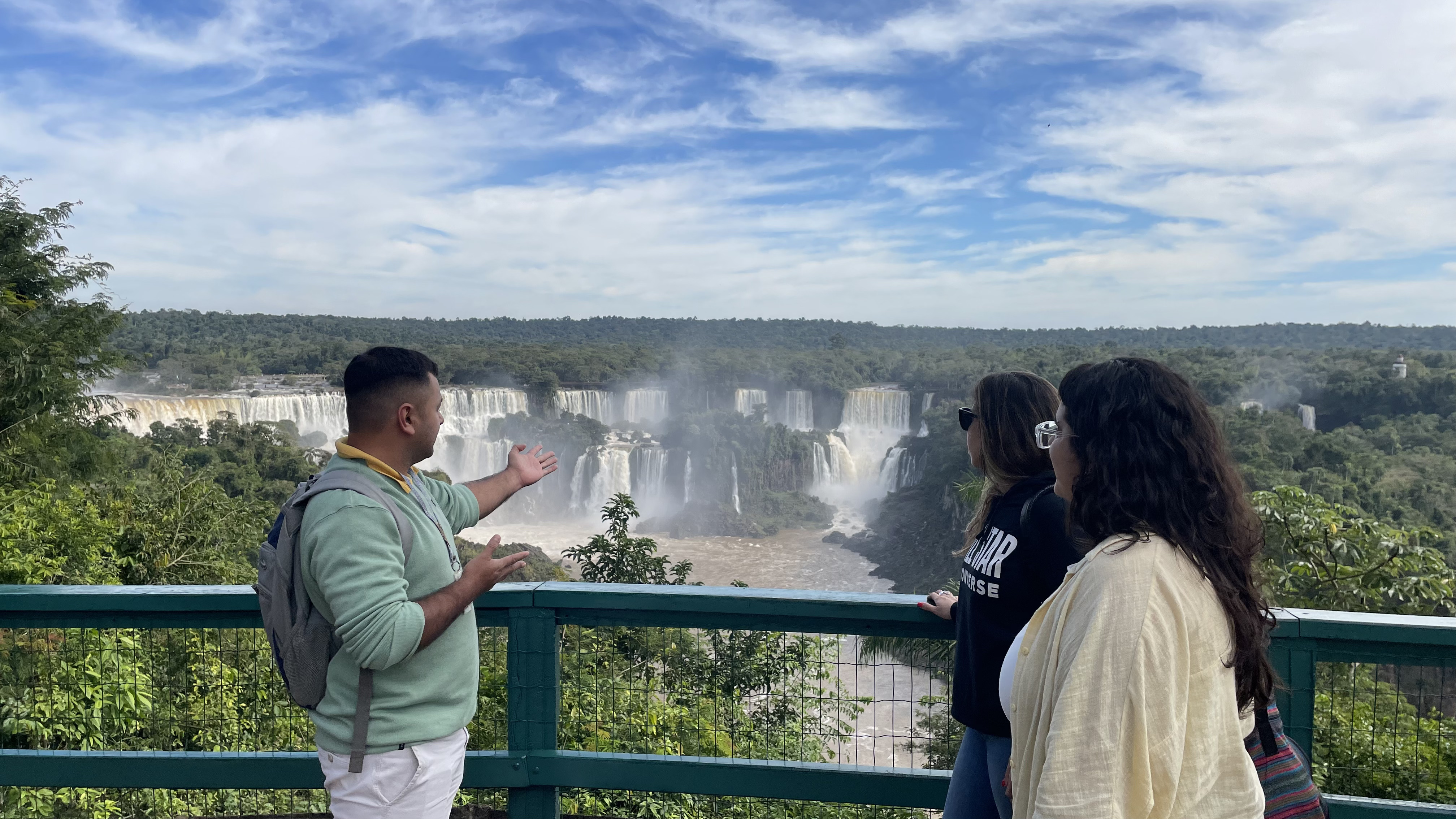
Iguazu Falls, one of Earth’s most awe-inspiring natural wonders, spans the border between Argentina and Brazil.
With its thunderous cascades surrounded by lush rainforest, it’s no wonder this UNESCO World Heritage Site is a bucket-list destination.
Having explored both sides of the falls recently, I’m thrilled to share insights and tips to help you make the most of your trip, including my favorite things to do at Iguazu Falls.
Looking for the best Iguazu Falls tours? Here they are!
– Explore Iguazu Falls on the Brazilian side: Travel through the Brazilian National Park through its walkways built in the middle of the subtropical jungle, which will take you to the Devil`s Throat, the highest and most spectacular fall. – BOOK NOW!
– Explore Iguazu Falls on the Argentinean side: Embark on an 8-hour adventure to the Argentine Iguazu Falls, exploring upper and lower circuits, Devil’s Throat, and finishing with an exhilarating boat ride beneath the falls. – BOOK NOW!
– Mountain Bike Through Iguazu National Park: Explore the wild beauty of Iguazú National Park on the Yaguareté Bike Tour, cycling through lush jungle to the Iguazú River while spotting native wildlife! – BOOK NOW!
Why Visit Iguazu Falls?
Iguazu Falls isn’t just about the waterfalls—though those are undeniably spectacular. Imagine standing amidst lush, vibrant greenery in the heart of a national park, surrounded by the sounds of exotic wildlife and the refreshing mist of cascading water. Iguazu Falls is not just a sight—it’s an experience that stirs the soul.
For adventurers, there are boat rides that take you up close to the roaring falls or scenic hikes through trails that lead to panoramic views. Nature enthusiasts will marvel at the incredible biodiversity, with countless species of flora and fauna calling this UNESCO World Heritage site home. And for those who simply love to soak in the beauty of the world, Iguazu Falls offers an unforgettable escape into a wonderland of natural splendor.
Add to that the cultural richness of the surrounding areas, where you can enjoy local cuisine, explore fascinating traditions, and meet warm-hearted locals, and you’ve got a destination that truly has it all. Whether you’re seeking adventure, serenity, or just a refreshing change of scenery, Iguazu Falls is waiting to show you its magic.
Iguazu Falls on the Argentinian Side vs. Brazilian Side
Having visited both sides, I can confidently say each offers a distinct perspective:
Argentinian side: Up close and personal
On the Argentinian side, the trails bring you right into the heart of the action. Walking along the Devil’s Throat walkway, standing mere feet above the cascading torrents, was nothing short of mesmerizing. The trails here let you explore the falls from above, below, and every angle in between, immersing you in the roar and mist of the falls.
Book this tour that’ll take you to the Iguazu Falls on the Argentinean side
Embark on an 8-hour adventure to the Argentine Iguazu Falls, exploring upper and lower circuits, Devil’s Throat, and finishing with an exhilarating boat ride beneath the falls. With 275 waterfalls cascading 70 meters, a UNESCO heritage site, and customizable guide options, this tour promises an unforgettable experience of nature’s grandeur.
The Brazilian side offers unparalleled panoramic views. It’s where you can truly grasp the magnitude of Iguazu Falls. Standing at the observation platforms, surrounded by rainbows dancing in the mist, is a memory I’ll cherish forever.
Book this tour that’ll take you to the Iguazu Falls on the Brazilian side
Experience the breathtaking Iguazu Falls on the Brazilian side with a guided tour through lush subtropical jungle walkways to the majestic Devil’s Throat. Discover stunning panoramic views, vibrant flora and fauna, and rainbows dancing over the falls, ending at Floriano Falls with options for accessibility and convenience.
If time permits, visit both sides. Each complements the other, and together, they provide the full Iguazu experience.
Getting to Iguazu Falls
From Buenos Aires
Flying from Buenos Aires to Puerto Iguazú is quick and convenient, with flights lasting about two hours. While buses are an option, the 18-hour journey isn’t ideal for most travelers.
From Rio de Janeiro
If you’re starting in Brazil, flying to Foz do Iguaçu is equally straightforward. The proximity of both towns to their respective national parks ensures a smooth transition from airport to adventure.
Crossing the Border
I crossed the border with ease, thanks to my hotel arranging a shuttle and assisting with border formalities. Always carry your passport, and check visa requirements beforehand.
Top Things to Do at Iguazu Falls
Here are the must-dos to make your trip unforgettable:
1. Walk the trails
Get your walking shoes ready because exploring the trails is the best way to immerse yourself in the magic of Iguazu Falls.
Brazilian side: A shorter, panoramic trail offers equally breathtaking views, perfect for snapping those postcard-worthy photos. The viewpoints here showcase the falls from a unique angle that will leave you speechless.
Argentinian side: Discover the beauty of the Upper Circuit and Lower Circuit, where you’ll enjoy stunning views from different heights. Don’t miss the iconic Devil’s Throat trail, where you’ll witness the sheer power of the falls up close—it’s awe-inspiring! Join this tour to walk the Argentinian side.
2. Take a boat ride
One of the highlights of my trip was the exhilarating boat ride on the Argentinian side. We got drenched, but being so close to the thundering waterfalls was absolutely worth it. Feeling the spray on your face while surrounded by the roar of cascading water is pure exhilaration.
Pro tip: bring a waterproof bag for your belongings!
3. Visit Parque das Aves (Bird Park)
On the Brazilian side, the Bird Park is a paradise for wildlife lovers. You’ll walk through lush enclosures where toucans, macaws, and flamingos fly freely overhead. The vibrant colors and close encounters with these beautiful creatures are simply magical. Kids and adults alike will love it here!
4. Tour Itaipu Dam
For a change of pace, head to the Itaipu Dam, one of the largest hydroelectric projects in the world. Whether you’re an engineering enthusiast or just curious about human ingenuity, the guided tours are fascinating. Learn about the dam’s impact on energy production and enjoy panoramic views of this impressive structure.
5. Hito Tres Fronteras
In Puerto Iguazú, this peaceful spot marks where Argentina, Brazil, and Paraguay meet. It’s the perfect place to take a breather, enjoy a scenic view of the rivers merging, and soak in the cultural significance of this tri-border area. Stay until sunset for a particularly tranquil and picturesque experience.
When is the Best Time to Visit Iguazu Falls?
I visited in spring (September), and the weather was perfect—warm, with manageable crowds. Locals also recommend autumn (March-May) for similar conditions. Summer brings the most dramatic water flow but also heat and humidity.
Timing tip: Arrive at the parks early in the morning for fewer crowds and the best photo opportunities.
Practical Tips for Visiting Iguazu Falls
What to Bring
– Comfortable shoes for walking.
– A poncho or waterproof jacket (you *will* get wet!).
– Sunscreen, a hat, and bug spray.
– A reusable water bottle and snacks.
– A waterproof pouch for your phone and camera.
Entrance fees
I paid with my credit card at both parks, but cash is a good backup in case of machine issues. The Argentinian park accepts pesos, while the Brazilian side uses reais.
Indulge in Local Cuisine
No trip to Iguazu is complete without sampling the local food. Both the Argentinian and Brazilian sides of Iguazu offer a vibrant culinary experience that reflects the region’s rich culture and flavors.
In Puerto Iguazú (Argentina): Start with empanadas, a local favorite. These golden, flaky pastries are stuffed with mouthwatering fillings like spiced beef, cheese, or savory vegetables. Don’t forget to try alfajores, Argentina’s beloved sweet treat—a heavenly combination of crumbly cookies, creamy dulce de leche, and a dusting of coconut or chocolate coating. Pair it all with a glass of Malbec or a refreshing mate tea for the full Argentinian experience.
On the Brazilian side: Treat yourself to a classic Brazilian barbecue (churrasco). Succulent cuts of beef, pork, and chicken are grilled to perfection and served with delicious sides like pão de queijo (cheese bread) and farofa (toasted cassava flour). Wash it all down with a caipirinha, Brazil’s signature cocktail made with cachaça, lime, and sugar. It’s the perfect way to relax and savor the flavors of Brazil after a day exploring the falls.
Beyond the staples, both sides offer plenty of fresh, tropical fruits and regional specialties that highlight the area’s abundant natural resources. Wherever you eat, the combination of bold flavors, warm hospitality, and stunning views will make your meals just as memorable as the waterfalls themselves.
Don’t be afraid to ask for local recommendations—you might stumble upon hidden gems!
How Many Days Do You Need?
I spent two full days exploring—one on each side—and found it to be just right. If you have extra time, consider:
– Exploring jungle trails.
– Taking a helicopter ride over the falls for a once-in-a-lifetime view.
Iguazu Falls is more than just a destination; it’s an experience that stays with you long after you leave. From the thunderous roar of the falls to the serene beauty of the surrounding rainforest, every moment is magical. Whether you’re standing atop the Devil’s Throat or savoring a quiet sunset at Hito Tres Fronteras, Iguazu Falls offers memories to treasure for a lifetime.
Pack your poncho, charge your camera, and get ready for the adventure of a lifetime!
Make a memory of your holidays. Whatever tour you imagine, we got it!
We are a travel agency by travelers for travelers. Our mission is to practice a form of tourism that is conscious of the place in which it takes place, respecting and encouraging respect for both the culture of the people who live in the destinations and the natural environment in which the activities take place, and minimizing the impact that our actions have on the environment.
Chrysler will debut an all-electric Pacifica minivan, likely for the 2027 model year, according to a new report.
Chrysler CEO Christine Feuell confirmed the news at last week’s Los Angeles Auto Show, speaking to Green Car Reports.
In 2026, the Pacifica will receive a refresh, according to Feuell. “The updated design will set the stage for the electric Pacifica that will follow, likely a year later,” the publication says.
Chrysler currently builds only minivans. Some dealers have leftover Chrysler 300 sedans on the lot after production of that car ceased late last year. But the Pacifica, its plug-in hybrid equivalent, and its lower-cost Voyager twin are the only Chrysler products publicly planned for the 2025 model year.
The electric Pafica would join the retro-styled Volkswagen ID. Buzz as the first electric minivans on the American market.
Chrysler will try to differentiate the electric Pacifica with hyper-flexible seating.
“Feuell noted one option is pushing the front seats forward to create a clever cargo space under the front seats to store the second row. The executive also mentioned looking at the outboard seating positions in the second row and perhaps putting them on rails to slide sideways,” Green Car Reports says.
Volvo has recalled just 11 units of its new flagship electric SUV, the EX90, because bolts in the second-row seats may be loose.
The company tells the National Highway Traffic Safety Administration (NHTSA) that “incorrect torqued seat attaching bolts can potentially affect the 2nd row free-standing seat integrity in a vehicle crash, thereby increasing the risk of vehicle occupant injury.”
Owners might hear a rattle coming from the second row, Volvo says. But we wouldn’t assume there’s no problem if we didn’t hear it.
The company hasn’t reported any accidents or injuries related to the issue, which a technician discovered at the factory.
Dealers will inspect the second-row seats and tighten any loose bolts to the specified torque rating to correct the problem.
Recall repairs, by law, are free. Many cars are recalled, often more than once, during their lifespans. Find out whether your car needs any free repairs with the VIN tool at our recall center.
Great news! Genesis Transport has added more trips to their P2P bus schedules between Manila and Clark Airport.
Genesis operates two P2P Clark routes: one originating and terminating at NAIA Terminal 3 and the other at TRINOMA Bus Terminal (behind Trinoma mall parking lot). The company appears to have dropped Ortigas Center, which used to be another pick-up stop pre-pandemic. But many still make a stop at SM Clark.
Here are the available routes, corresponding schedules, and other details you need to know before you travel.
Location: NAIA Terminal 3, Arrival Area Across Bay 13 FARE: P400
CLARK AIRPORT to NAIA Schedule
Note: These buses will make a stop at SM CLARK 30-40 minutes from departure from Clark Airport.
(From Clark Airport)
12:00 am
2:00 am
3:00 am
4:00 am
5:30 am
6:30 am
7:30 am
8:15 am
9:00 am
9:40 am
10:30 am
11:30 am
12:30 pm
1:30 pm
2:30 pm
3:30 pm
4:30 pm
5:30 pm
6:30 pm
8:00 pm
10:00 pm
Location: Clark Airport Terminal 2, Arrival Area Bus Station FARE:
Clark Airport to NAIA Terminal 3 or 4: P400
Clark Airport to NAIA Terminal 1 or 2: P430
(Via SM Clark)
1:00 am
3:00 am
4:00 am
5:00 am
6:30 am
7:30 am
8:30 am
9:00 am
10:00 am
10:30 am
11:30 am
12:30 pm
1:30 pm
2:30 pm
3:30 pm
4:30 pm
5:30 pm
6:30 pm
7:30 pm
9:00 pm
11:00 pm
Location: SM Clark – Transport Hub Main Gate Flagpole Area FARE: P380
TRINOMA to CLARK AIRPORT Schedule
(Via SM Clark)
4:30 am
6:00 am
7:00 am
8:00 am
9:00 am
10:00 am
11:00 am
12:00 pm
1:00 pm
2:00 pm
3:00 pm
4:00 pm
5:00 pm
6:00 pm
7:00 pm
8:00 pm
9:00 pm
10:30 pm
Location: Trinoma – Behind Trinoma Mall Parking Lot FARE: P260
CLARK AIRPORT to TRINOMA Schedule
Note: These buses will make a stop at SM CLARK 30-40 minutes from departure from Clark Airport.
(From Clark Airport)
3:30 am
4:30 am
6:00 am
7:00 am
8:00 am
9:00 am
10:00 am
11:00 am
12:00 pm
1:00 pm
2:00 pm
3:00 pm
4:00 pm
5:00 pm
6:00 pm
7:00 pm
8:30 pm
Location: Clark Airport Terminal 2, Arrival Area Bus Station FARE: P260
(Via SM Clark)
4:30 am
5:30 am
7:00 am
8:00 am
9:00 am
10:00 am
11:00 am
12:00 pm
1:00 pm
2:00 pm
3:00 pm
4:00 pm
5:00 pm
6:00 pm
7:00 pm
8:00 pm
9:00 pm
Location: SM Clark – Transport Hub Main Gate Flagpole Area FARE: P240
Here’s a summary of the schedules:
Photo Credit: Genesis Transport Facebook PagePhoto Credit: Genesis Transport Facebook PagePhoto Credit: Genesis Transport Facebook PagePhoto Credit: Genesis Transport Facebook Page
Important Notes
Allow plenty of lead time before your flight, especially if you’re trying to catch a flight. You need to be at the airport 3-4 hours before check in. Duration of check-in processes can be unpredictable, especially at the Immigration counters where queues can be long. There are also additional steps in the new normal. Flight and bus schedules may change fast, so it’s best to have some room for adjustments. Besides, based on experience pre-pandemic, these buses seem to not follow the schedule as strictly as they should anyway.
The total travel time varies depending on traffic. In my experience pre-pandemic, the total travel time is around 2.5 hours. Note that this was on a weekday late afternoon/early evening. We left Clark Airport at 4pm, passed by Trinoma at 5:47pm, and NAIA area at 6:25pm. If it’s done the other way around at the same time, I’m pretty sure it will be much, much longer.
If your flight is in the early morning, consider spending a night in Clark for good measure. This means more expenses, but this buys you some peace of mind. See the list of DOT-accredited hotels in Clark in the next section.
These buses WILL NOT stop to pick up or drop off passengers at any place other than the designated spots. Do not try to alight elsewhere.
Contact Genesis Transport before your trip to get their latest timetable. Because of COVID-19, we’re living in highly unusual and uncertain times. Schedules and policies are modified much faster than before to adjust to the new regulations or changing demand.
Where to Stay Near Clark Airport
If you don’t want to take a chance or you’re trying to catch a very early flight, you can spend a night in Clark. You must stay at a hotel that has been issued a Certificate of Authority to Operate (CAO) by the Department of Tourism (DOT).
Here are some of the DOT-accredited hotels in Clark and Angeles City that you can book on Agoda.
Winds Boutique Hotel #2537, A. Santos Street, Balibago, Angeles City Check Rates & Photos! ✅
Park Inn by Radisson Clark N. A. Roxas Highway, Brgy. Dau, Mabalacat City Check Rates & Photos! ✅
Clark International Airport is one of the major gateways to the Philippines. Located in the Clark Freeport Zone, it primarily serves Central and Northern Luzon, but because it is relatively close and easily accessible, Metro Manila residents often use it as an alternative to the Ninoy Aquino International Airport (NAIA).
For Metro Manila travelers, the opening of Point-to-Point buses from Manila to Clark and back is a great thing. Unlike regular buses, P2P buses don’t make a stop other than a few designated pickup and drop-off points along the way, the travel time is cut short significantly. With much fewer stops, bigger leg room, and WiFi on board, these P2P buses makes the journey faster and more comfortable.
Updates Log
2024 11 30 – Updated by Asta Alvarez to reflect November 6 updates 2024 2 20 – Updated by Asta Alvarez to reflect January 17 updates 2022 11 6 – Reflected Nov 5 updates 2022 7 17 – Reflected July 15 updates 2022 4 3 – Updated to reflect new schedule 2021 3 12 – First up
The technical storage or access is strictly necessary for the legitimate purpose of enabling the use of a specific service explicitly requested by the subscriber or user, or for the sole purpose of carrying out the transmission of a communication over an electronic communications network.
Preferences
The technical storage or access is necessary for the legitimate purpose of storing preferences that are not requested by the subscriber or user.
Statistics
The technical storage or access that is used exclusively for statistical purposes.The technical storage or access that is used exclusively for anonymous statistical purposes. Without a subpoena, voluntary compliance on the part of your Internet Service Provider, or additional records from a third party, information stored or retrieved for this purpose alone cannot usually be used to identify you.
Marketing
The technical storage or access is required to create user profiles to send advertising, or to track the user on a website or across several websites for similar marketing purposes.