Home Blog Page 313

2025 Volvo XC90 review: Quick drive

0


The original Volvo XC90 stuck around for 14 years, and on the basis of the excellent second-generation model’s showing, it would appear the MkII is going to do much the same.

It first hit global markets in 2015 and arrived in Australia for the 2016 model year, with a significant update in 2020 bringing in mild-hybrid drivetrains and revised looks.

However, despite the imminent arrival of the all-electric Volvo EX90, the second-generation XC90 is continuing to offer the Scandinavian company’s customers the chance to stick with combustion power for their large seven-seat luxury SUV if they want to.

Another tweak of the front-end design (primarily new ‘Thor’s hammer’ daytime running lights, diagonal-slatted grille, and creased bonnet) combines with an updated, larger infotainment system running Google software, but drivetrains are unchanged – and we suspect we’ll only get the T8 plug-in hybrid (PHEV) here this time.

We drove the latest version of the XC90 in its native Sweden to find out if it still feels up-to-date, or whether it is past its best.

How does the Volvo XC90 compare?

View a detailed breakdown of the Volvo XC90 against similarly sized vehicles.

Volvo XC90 cutout image

Volvo

XC90

How much does theVolvo XC90 cost?

We don’t have confirmed prices for the 2025 Volvo XC90 yet, but with the outgoing version costing $128,990 before on-road costs in flagship T8 Recharge Ultimate AWD plug-in hybrid form, we’d expect the new one to be in the same sort of ballpark. 

That’ll make it good value alongside either the BMW X5 (from $134,900) or the Mercedes-Benz GLE (from $139,900), but both the Lexus RX (from $90,060) and Audi Q7 (from $117,284) are cheaper – although bear in mind the RX’s price is for the five-seater model (not the RX L), while the cheapest Q7 is the 45 TDI diesel.

To see how the Volvo XC90 lines up against the competition, check out our comparison tool

What is theVolvo XC90 like on the inside?

If you’ve had the pleasure of sitting in any second-generation XC90 over the past eight years, you’ll know what the 2025 model year car’s cabin is like. Which means it is a sumptuous blend of solid and sophisticated materials, laid out in a sensible and intuitive fashion.

You could, if you were being hyper-critical, say little has changed in eight years, and that might in turn lead you to think the Volvo’s passenger compartment looks dated, but if anything, it seems to be ageing like a fine wine. 

It still feels elegant and operates brilliantly, especially in an age of touchscreen-everything when it comes to human-machine interfaces.

That said, on the subject of the infotainment, there is now a larger 11.2-inch central touchscreen with 21 per cent higher pixel density, delivering higher resolution than the smaller 9.0-inch unit it replaces (though it’s not as big as the EX90’s 14.5-inch display) and still running Android Automotive software with Google built-in, which Volvo says is easier to navigate through all its menus and subroutines.

This does work well, with swift responses to inputs and sharp graphical clarity, and then the XC90’s relative ‘antiquity’ plays in its favour because it avoids some of the more irksome idiosyncrasies of the electric models – such as the fog light control ‘button’ being on the touchscreen in the EX30 – due to the fact it has proper, physical switchgear dotted about the interior.

There’s also a 12.3-inch digital instrument cluster and sharper air vents for the redesigned dashboard. Compared to the existing XC90, there’s an extra centre console storage space, another cupholder and a relocated wireless phone charger, as well as a redesigned gear selector. 

Additional sound insulation has been fitted to reduce road noise, but beyond that it’s the usual spacious XC90 cabin. Row two is generous with leg- and headroom, and there’s plenty of configurability around how you want the rear pair of seating rows to be set up. 

Volvo always said people 1.73 metres tall could sit in the two seats right at the back of the cabin, although we’d say they’re still better suited for children or young teenagers on longer journeys.

Boot space is sizeable, with load volumes up to the window line of 262 litres (with seven seats in use) or 668L (in five-seat mode), while the ultimate cargo area with all the rear passenger seats folded down and the XC90 loaded up to the roof measures in at a giant 1959L.

What’s under the bonnet?

The familiar T8 plug-in hybrid drivetrain, variously called ‘Twin Engine’ and ‘Recharge’ during its life, continues in service for the MY2025 XC90. 

This pairs a 2.0-litre four-cylinder petrol engine, using both a turbocharger and a supercharger, to the electric motor and battery pack. 

The engine alone delivers a healthy 228kW and 400Nm, backed up by another 107kW and 309Nm from the electric motor, with an 18.8kWh (that’s the gross capacity, of which 14.7kWh is usable) battery pack powering the electrical portion of the propulsion system. 

Volvo quotes a peak drivetrain output that’s the sum of its parts, so the XC90 T8 makes 335kW and 709Nm – enough to shunt this near-2.3-tonne SUV from 0-100km/h in just 5.4 seconds.

SpecificationsVolvo XC90 T8 PHEV
Engine2.0-litre 4cyl turbo/supercharged petrol + 107kW electric motor
Transmission8-speed automatic
Battery14.7kWh (usable)
Total system power335kW
Total system torque709Nm
0-100km/h5.4 seconds
Top speed180km/h
Driven wheelsAWD
Weight2227-2297kg
Fuel economy (claimed)1.2-1.6L/100km
Fuel economy (as tested)9.2L/100km
Fuel tank capacity71 litres
Fuel requirement95-98 RON premium unleaded petrol
Electric rangeCO2 emissions63km
CO2 emissions30-36g/km
Emissions standardEuro 6e

The 2.0-litre turbocharged B5 model using a 48-volt mild-hybrid petrol engine to produce up to 184kW and 360Nm continues in other markets, but it was dropped from the 2023 Volvo Australia website and we’re not yet sure if it’s going to make it back to these shores. We’ll keep you updated on that front.

To see how the Volvo XC90 lines up against the competition, check out our comparison tool

How does theVolvo XC90 drive?

Again, familiarity could breed some contempt for the Volvo XC90 here, were it not for two things: one, it has always been a refined delight to travel in; and two, there have been some suspension changes to outline.

All models continue with double-wishbone front suspension, but a new integral link has been built into the independent rear suspension system to improve the SUV’s stability and traction when towing. 

If not fitted with optional air suspension, then frequency selective dampers (FSDs) provide a degree of adaptability to the surface terrain the XC90 is encountering.

However, we’d say air suspension does the XC90 plenty of favours, giving it a generally smoother and quieter ride quality, without sacrificing anything significant in the way of body control and handling.

Okay, as the XC90 is a large and heavy vehicle without an obvious emphasis on sportiness, it’s not the most thrilling thing in the corners, but it’s more assured and capable than it needs to be, while the snarling gargle of the twin-charged four-cylinder engine actually imbues spirited driving with a decent soundtrack. 

Basically, the XC90 will hustle and hustle hard if you want it to, although rare will be the occasions when its driver is grinning broadly behind its wheel.

Yet for rolling refinement and comfort, this Swedish machine is as good as anything in this sector, if not better than them all. The air-sprung suspension is supple and polished, while minimal wind and tyre noise permeates the cabin. Doing hundreds of kilometres in one hit in this thing would be a breeze.

Perhaps the only minor black mark to point out is real-world fuel consumption, a typical PHEV weakness that’s by no means specific to the XC90 T8. Official claims of petrol use are less than 2.0L/100km, but we saw 9.2L/100km across a mixed route of just 105km.

In the Volvo’s defence, it still had 50 per cent of battery charge left at the end and a claimed 30km of electric driving capability remaining, while the trip computer reckoned it had a combined range of 580km on its dual resources. 

Also, 9.2L/100km isn’t too bad for a 2.3-tonne SUV with 335kW, but obviously it’s some way off the official number. A relatively small (for a PHEV) 14.7kWh battery doesn’t help with everyday efficiency either.

What do you get?

Again, we’re waiting for confirmed specifications for the 2025 XC90, but going by the Ultimate specification of the current car, plenty of equipment will be fitted as standard.

Volvo XC90 highlights:

  • 11.2-inch Google infotainment
  • 12.3-inch driver display
  • Head-up display
  • Four-zone climate control
  • Third-row air-conditioning
  • Heated steering wheel, front and rear seats
  • 360-degree camera
  • Adaptive cruise control
  • Full LED headlights
  • Orrefors crystal gearshift
  • Panoramic roof
  • 22-inch alloy wheels
  • Keyless entry with hands-free powered tailgate
  • Wireless smartphone charging

Is theVolvo XC90 safe?

The Volvo XC90 was last assessed in 2015 and picked up five-star ratings from both ANCAP and Euro NCAP, although regulations have tightened since then. However, this is a Volvo, and safety is the company’s paramount feature, so it is a secure choice for families wanting a seven-seat SUV.

Standard safety equipment includes:

  • BLIS (blind-spot detection) and cross-traffic alert
  • Hill Descent Control
  • Hill Start Assist
  • Intelligent Driver Information System (IDIS)
  • Lane keeping aid
  • Oncoming lane mitigation
  • Park Assist, front, rear and sides
  • Pilot Assist
  • Rear collision warning
  • Road sign information

How much does the Volvo XC90 cost to run?

Volvo Australia has a standard five-year, unlimited-distance warranty, which is mirrored by the roadside assistance level. But if you service the car every year with Volvo, you can extend the roadside assistance to a maximum of eight years.

Running costsVolvo XC90
Warranty5 years, unlimited-kilometre
Roadside assistance8 years, unlimited-kilometre (if serviced by Volvo)
Capped-price servicing5 years, 75,000 kilometres

To see how the Volvo XC90 lines up against the competition, check out our comparison tool

CarExpert’s Take on the Volvo XC90

Without making drastic changes to the car, it could have been the case that the Volvo XC90 would feel outmanoeuvred by newer, more technologically advanced rivals. 

And, okay, the battery pack in the T8 PHEV is one area where this is true – around 20-25kWh is more the norm for luxury SUVs these days.

But in all other aspects, this is still one of the finest, most desirable premium seven-seaters going. Opulent and swift, stylish and discreet, the XC90 is a Swedish masterpiece.

Interested in buying a Volvo XC90? Get in touch with one of CarExpert’s trusted dealers here

Click the images for the full gallery

MORE: Everything Volvo XC90


Source link

Beyond Possessions: Gifting Travel and Experiences That Endure

0


While material gifts may offer fleeting joy, experiential gifts create lasting memories that deepen connections and celebrate the art of living. Whether it is a private wine tour in New Zealand, a hot-air balloon safari over Africa, or an intimate underwater dinner in the Maldives, these exclusive experiences offer the luxury of unforgettable moments. Instead of simply gifting something tangible, consider the gift of a life-changing experience that speaks to the spirit of wanderlust and leaves an everlasting impression.

Hot Air Balloon Safari Over the Maasai Mara

Taking to the skies over the Masai Mara offers an unparalleled safari adventure, providing a bird’s-eye view of Africa’s breathtaking landscapes and wildlife. Floating gently above sprawling savannahs, rugged rivers, and riverine forests, one can witness the grandeur of nature illuminated by fiery sunrises. This experience offers a perspective like no other, revealing the region’s abundant wildlife from a serene and elevated vantage point.

A hot-air balloon safari typically begins at dawn, with an early morning start around 4 AM or 5 AM. After a short transfer to the launch site, the anticipation builds as the balloon is inflated and prepared for takeoff. A quick safety briefing precedes the magical ascent as the first light of day paints the horizon with brilliant hues. From above, the African plains stretch endlessly, teeming with wildlife and offering extraordinary photo opportunities.

For those visiting between July and October, the Great Migration becomes the highlight of the journey. Flying over vast herds of wildebeest, zebras, and gazelles offers a rare chance to appreciate the sheer scale of this natural phenomenon. Predators such as lions and leopards, active hyena dens, and the dynamic interplay of life in the savannah are also visible from this unique vantage point. Pilots often descend closer to the ground for better wildlife views and photography.

For Masai Mara Safari Balloon tours, click here to make a booking or contact info@masaimara.com to find out more.

Alternatively, check out Masai Mara’s Governors Balloon Safaris here.

Underwater Dining in the Maldives

Descend 5.8 meters beneath the surface of the Indian Ocean to indulge in a dining experience unlike any other. Located at Hurawalhi Maldives, the 5.8 Undersea Restaurant is the world’s largest all-glass underwater dining venue, offering an unforgettable blend of gourmet cuisine and breathtaking design.

Catering to an exclusive audience, the intimate space accommodates up to ten couples at a time — making it perfect for special occasions or serene getaways. Diners can savour a multi-course tasting menu crafted to dazzle the palate, paired with panoramic views of vibrant marine life through crystal-clear glass walls. Whether visiting for lunch or dinner, guests at 5.8 are treated to a sophisticated menu that highlights the best of fine dining innovation in a one-of-a-kind setting. It is a destination where culinary artistry meets architectural marvel, creating a sensory journey that lingers long after the last bite.

Head to the official Hurawalhi website to find out more and make your bookings.

Personalised Vineyard Tour in New Zeland

This is not your average wine tasting. Situated on the eastern side of New Zealand’s South Island, North Canterbury is a celebrated destination where exceptional food, world-class wine, and stunning natural landscapes converge. Nestled near Christchurch, the region boasts over 90 independently owned vineyards, operated by a community of passionate local families. Its unique geological diversity — from the volcanic Banks Peninsula to the limestone-rich soils of Waipara and Waikari valleys — creates an ideal environment for cultivating distinctive and expressive wines, particularly Pinot Noir, Chardonnay, and Riesling.

North Canterbury’s deep-rooted agricultural heritage dates back to 19th-century settlers who sought fertile pastures for farming. Today, the region remains a bountiful hub of food production, with its temperate climate and varied terrain supporting a year-round supply of produce. From lush farmlands and wild game-filled forests to coastal fisheries and truffle-rich landscapes, North Canterbury offers a culinary experience as rich and diverse as its natural beauty. Immerse yourself in this gastronomic haven, where a dedication to local, sustainable practices enhances every bite and sip, all set against the breathtaking backdrop of North Canterbury’s panoramic vistas.

Click here to find out more.

Sailing the Komodo Archipelago, Indonesia

Embark on an unforgettable voyage through Indonesia’s stunning Komodo Islands aboard the Jinggo Janggo Phinisi, a traditional yet luxurious vessel perfect for family cruises, romantic escapes, or adventures with friends. With spacious decks and two comfortable cabins, the boat offers a relaxed yet intimate atmosphere for unwinding and creating cherished memories. Departing from Labuan Bajo, each journey is meticulously customised to explore the iconic Komodo National Park and its nearby islands, ensuring a truly captivating experience.

A UNESCO World Heritage Site, Komodo National Park is home to the famed Komodo dragons, the world’s largest lizards, and boasts extraordinary biodiversity both on land and underwater. Guests can immerse themselves in this natural paradise, enjoying breathtaking landscapes, pristine beaches, hidden bays, and crystal-clear waters teeming with marine life. Activities abound, from trekking scenic trails to encountering rare wildlife, all set against the backdrop of this unique archipelago.

The Jinggo Janggo offers an array of experiences tailored to every adventurer. For diving enthusiasts, professional guides curate dives suited to all levels, exploring the Komodo archipelago’s vibrant coral reefs and marine ecosystems. With options for early morning dives, night dives, and two daily excursions, the underwater adventures are as thrilling as they are diverse. Beyond diving, guests can snorkel, paddle, or simply relax on deck while indulging in exquisite dining and soaking in the serene beauty of their surroundings.

Click here to find out more.

Dinner at the Louvre, Paris

Café Marly — a distinguished Parisian establishment — is deeply embedded in the city’s culture and luxury scene. Located in the heart of the Tuileries, beneath the arcades of the Louvre, it perfectly blends the charm of a Parisian brasserie with the elegance of a literary café. Although weddings cannot be held inside the museum itself, guests can celebrate a Parisian wedding at the renowned Café Marly, which offers a stunning view of the Louvre’s pyramid. Visitors can relax on the terrace, taking in views of the Louvre’s glass pyramid, or enjoy the majestic interior with its historic woodwork and panoramic views of the museum’s sculpture rooms. Known as one of Paris’s hidden gems, Café Marly offers a truly exceptional setting for an unforgettable dining experience.

The menu at Café Marly highlights refined French cuisine, with starters featuring fresh, seasonal vegetables and main courses offering a variety of grilled meats and fish. A standout dish is the Signature Beaumarly red fruit pavlova, a decadent dessert that has become a signature of the café — delighting diners with its rich and indulgent flavours. Whether one is seeking a relaxing meal or a memorable culinary experience, Café Marly provides a feast for both the eyes and the senses.

Address: LE CAFÉ MARLY, 93 Rue de Rivoli, 75001 Paris
Contact: +33 (0)1 49 26 06 60
Head to this link to make a booking.

A Starry Retreat in Atacama Desert, Chile

The Atacama Desert offers an unparalleled opportunity for stargazing, with some of the clearest night skies on Earth. Thanks to its remote location, minimal light pollution, and unique climatic conditions, the desert is home to some of the world’s most renowned observatories, though these are not open to tourists. However, one can still enjoy the night sky through guided stargazing tours, which are led by experts like Jorge from Atacama Desert Stargazing, a local guide with a deep passion for astrology and the night sky.

The Atacama’s flat terrain provides a 180-degree view of the heavens, offering exceptional visibility for spotting celestial objects like stars, planets, and galaxies. For a truly magical experience, visitors may even witness meteor showers that feel as though they are unfolding right above them. Stargazing is suitable for anyone over the age of five, with tours tailored to all levels of interest. Guides provide simple explanations of complex astronomical topics and offer personalised experiences, from learning about the Milky Way to enjoying local cuisine under the stars.

It is recommended that best time to visit is during the winter months, from April to September, when the cooler temperatures and lower humidity create a perfectly clear sky. Essential equipment, such as telescopes and camping gear, is provided for the tours, but those interested in photography should bring their own camera and spare batteries.

Contact: Chile: +56 2 29797582, US: +1 (302) 722 6272
Click here to make a booking and to find out more.

Luxury Train Journey Through Scotland’s Highlands

Experience the essence of Scotland with specially curated itineraries aboard the Royal Scotsman, a luxury sleeper train that takes one through the stunning Scottish Highlands. As one sets off from Waverley Station, guests can relax in lavish cabins as the ever-changing scenery outside unfolds into breathtaking views of the rugged landscape, introducing them to the wild beauty of Scotland.

In collaboration with renowned designers such as Araminta Birse-Stewart and William Garvey, these suites offer a luxurious way to experience Scotland’s wilderness, blending local textiles and contemporary design inspired by the country’s natural landscapes. The onboard experience also includes indulgent treatments in the Dior Spa Royal Scotsman, with two dedicated treatment rooms designed to enhance one’s wellness amidst the serene surroundings.

Guests can embark on a variety of special journeys, including the “Essence of Scotland” trip, which explores the scenic hills of Perthshire, the Luib summit, and the charming town of Aviemore. In 2025, a gourmet culinary adventure will take passengers on a gastronomic journey through the Scottish Highlands, offering a taste of the finest local produce. The Royal Scotsman combines world-class service, authentic Scottish culture, and a warm, inviting atmosphere, making it a unique way to explore the beauty and heritage of Scotland.

Click here to find out more.

Wellness Retreat in Bhutan

In a world increasingly focused on sustainability and meaningful experiences, Bhutan offers the perfect setting for a gift that truly lasts a lifetime. As the only carbon-negative country on the planet, Bhutan is a sanctuary where nature and culture intertwine to create transformative experiences. Visitors are invited to explore a land where ancient Buddhist traditions are preserved in murals and carvings across monasteries, and the landscape ranges from verdant valleys to untouched, snow-capped peaks.

A trip to Bhutan is more than just travel; it is an opportunity to connect with nature and the community. Whether it is hiking through rugged terrains to discover breathtaking mountain vistas or biking along secluded paths, Bhutan offers adventures that are as exhilarating as they are serene. Dining at historical sites, such as the Chubjakha Ruin, immerses guests in the country’s feudal past, while attending one of Bhutan’s many colorful festivals offers an authentic dive into its vibrant culture. For those seeking renewal, wellness retreats featuring yoga and meditation in the tranquility of the Prayer Pavilion allow for true rejuvenation.

Read More: The Enchanting Spiritual Escape of Bhutan’s Amankora

Six Senses Bhutan provides the ultimate luxury stay with its collection of 82 villas and suites, offering a range of accommodations from intimate suites to expansive three-bedroom villas. With locations in Thimphu, Punakha, Paro, Gangtey, and Bumthang, each offering unique cultural insights, gifting a stay here promises an unforgettable experience.

For reservations and further information, click here.

For more on the latest in travel and lifestyle stories, click here.


Source link

2017 Pagani Huayra BC Up for Auction at RM Sotheby’s

0


The Pagani Huayra is a breathtaking masterpiece of design and engineering, following in the footsteps of Horacio Pagani’s groundbreaking Zonda and elevating his artistry to unparalleled heights. Named after the Andean wind god Huayra-Tata, its aerodynamic design reflects the influence of air, featuring active flaps and suspension for optimized performance.

In 2016, Pagani unveiled the Huayra BC, a track-focused tribute to Benny Caiola, Pagani’s first customer. Inspired by the Zonda R and Zonda Cinque, the Huayra BC features a 753-HP engine paired with a single-clutch seven-speed sequential gearbox.

Weight-saving innovations, including a “Carbo-Triax” material, titanium exhaust, and minimalist interior, reduced the BC’s weight by 130 kilograms. Enhanced aerodynamics include a fixed rear wing and an aggressive splitter.

Only 20 examples of the Huayra BC were produced, including chassis 76130, a 2017 model slated for auction at RM Sotheby’s Dubai on December 1. The car features exposed, lacquered carbon fiber with vivid orange accents, including on the brake calipers. In August 2019, Pagani performed maintenance on the vehicle, recording just 1,550 kilometers on the odometer at the time.

During the 2021 Monterey Car Week, Pagani introduced the ‘Pacchetto Tempesta’ package for the BC, elevating its on-track capabilities. This upgrade included a redesigned front splitter with a dedicated air intake, a reprofiled rear wing with a central fin, a six-pipe exhaust system, enhanced suspension, and an optimized powertrain boosting output to 827 HP.

Chassis 76130 returned to the factory for this upgrade and retains the Tempesta specification today. Its more aggressive exterior is complemented by an interior adorned with orange-accented leather seat pads, stitching, and steering wheel highlights, alongside black Alcantara, carbon fiber trim, and precision-crafted aluminum details.

Source: RM Sotheby’s


Source link

Southern Spain: Birthplace of 3 Roman Emperors

0


Southern Spain is known for its stunning landscapes, sun-drenched beaches, and historic cities adorned with Moorish architecture.

Walking through Andalusia today, you might not realize that this region played a significant part in the Roman Empire: it is the birthplace of three Roman emperors, whose legacies still echo in the area’s ancient ruins and rich cultural heritage.

Let’s go back in time to explore Southern Spain’s fascinating Roman past.

Related read: The Best Places to Visit in Andalucía

In a hurry? Book this private tour of Italica

Private Italica Tour | Origins of the Emperors: Explore the ancient Roman city of Italica and the Countess de Lebrija’s 16th-century palace-museum on a private guided tour with transport included.

➡️ Visit Italica and the Lebrija Palace with a private guide and transport.
➡️ Explore Game of Thrones filming locations.
➡️ Discover Italica’s ancient mosaics, amphitheatre, baths, and mansions.
➡️ Tour the Lebrija Palace museum and its archaeological treasures.

BOOK NOW!

The Roman Legacy in Andalusia, Southern Spain

The ancient province of Baetica, located in modern-day Southern Spain, was one of the wealthiest parts of the Roman Empire. Its fertile lands produced olive oil, wine, and wheat, which were exported across the empire. From this prosperous region emerged three emperors—Trajan, Hadrian, and Theodosius I—each leaving an enduring legacy in Roman history.

Plaza de España in Seville, Southern Spain
Southern Spain: Birthplace of 3 Roman Emperors

The 3 Emperors of Southern Spain

Trajan: The First Emperor from Baetica

Trajan was the first Roman emperor born outside of Italy, in a city called Italica, near what is now Seville. His reign lasted from 98 AD to 117 AD, a time which is often remembered as one of the empire’s most prosperous periods. Under Trajan, Rome’s territory grew to its greatest extent, stretching from Britain to the Middle East.

A visit to the archaeological site of Italica offers a glimpse into the grandeur of the Roman Empire’s frontier, with its impressive amphitheater, intricate mosaics, and well-preserved streets.

Hadrian: The Builder Emperor

Hadrian, the successor and adopted son of Trajan, was also born in Italica. Hadrian’s reign was marked by his efforts to consolidate rather than expand. That being said, you may be familiar with Hadrian’s Wall, an archaeological ruin in England. Hadrian’s influence stretched across the Roman Empire.

He was a lover of architecture and Greek culture and his legacy lives on through the numerous buildings he constructed across the empire, from the iconic Pantheon in Rome and his lavish villa in Tivoli. Visiting Southern Spain today, his influence remains, particularly in Italica, which he transformed with impressive construction projects across the city.

Theodosius I: The Last Emperor of a United Rome

Unlike Trajan and Hadrian, Theodosius I was born in Cauca: modern-day Coca, near Segovia. As the last emperor to rule over both the eastern and western halves of the Roman Empire, Theodosius is most renowned for making Christianity the official religion of the empire.

Though the division of the empire marked his reign, his impact on shaping Europe’s religious landscape endures to this day.

Ruins in Southern Spain
Southern Spain: Birthplace of 3 Roman Emperors

Visit Italica: A Step Back in Time

No exploration of Southern Spain’s Roman history would be complete without a visit to Italica, just a short drive from Seville. Our exclusive, guided tour offers a personalized journey through this ancient city, which was founded in 206 BC by the Roman general Scipio Africanus and greatly developed by Hadrian.

Accompanied by your private guide, you’ll learn all about Italica’s magnificent history as you admire the stunning ruins, including its well-preserved amphitheater, which once held 25,000 spectators. Intricate mosaics that adorned the homes of the city’s elite are well preserved and gorgeous to behold.

Once you’ve fully experienced Italica you should head to Lebrija Palace in central Seville. This magnificent 16th-century house has been repurposed as a museum. It is filled with archeological treasures from Italica and offers a glimpse into the blended history of the Roman Empire and Andalusia—an unmissable experience for history lovers and the perfect way to round out your understanding of this phenomenal archeological site.

Price: €589 (for two people)

Duration: 3 hours

Included:

  • Private 5-star tour guide
  • Transportation between sites
  • Hotel pick up
  • Entrance tickets to Italica
  • Entrance tickets to Lebrija Palace
  • Tour of Italica
  • Italica Amphitheatre
  • Filming locations of Game of Thrones
  • Tour of Lebrija Palace
  • Italica mosaics and artefacts

Book this tour!

Private Italica Tour | Origins of the Emperors

For those interested in the rich, complex history of the Roman Empire, Southern Spain offers a unique opportunity to explore its ancient past. From the ruins of Italica to the vibrant cities of Seville and Cordoba, where Roman architecture and history still influence the culture, this region invites visitors to step back in time.

Walking through these ancient streets, you’ll feel the echoes of emperors who once ruled the world, their legacy immortalized in the stones beneath your feet.

  • LivTours

    With LivTours we are dedicated to offering tours and experiences that are well-priced, customizable, and accessible. Sustainability has always been a key factor for LivTours and the company is a member of GreenStep Sustainable Tourism, a GSTC-accredited certification body. When travelers choose LivTours, they select from a wide range of experiences: from walking tours of historical centers to cooking classes, from visits to museums and monuments to exhilarating helicopter and boat adventures.


    View all posts


    With LivTours we are dedicated to offering tours and experiences that are well-priced, customizable, and accessible. Sustainability has always been a key factor for LivTours and the company is a member of GreenStep Sustainable Tourism, a GSTC-accredited certification body. When travelers choose LivTours, they select from a wide range of experiences: from walking tours of historical centers to cooking classes, from visits to museums and monuments to exhilarating helicopter and boat adventures.


Source link

Celtic Tweed: Timeless Craftsmanship to Treasure

0


When you think of Ireland, images of lush green hills, rugged coastlines, and centuries-old traditions often come to mind. Yet, nestled in the heart of this island’s rich heritage is a lesser-known treasure—Celtic Tweed. Known for its timeless elegance, distinctive textures, and deep ties to Irish history, tweed is more than just fabric. It’s a testament to the skill and dedication of the craftsmen who have perfected it over generations, and a piece of Irish heritage you can take home with you.

The Story 

The story of Celtic Tweed began in 2012, when Cathy and Frank Coghlan, seasoned professionals with over three decades of experience in the clothing industry, decided to embark on a bold mission. Drawing from their global expertise in textile sourcing and a profound love for Irish culture, they established Celtic Tweed in Balbriggan—a town with a proud tradition of weaving and garment production dating back to the 1830s. 

Their vision was clear: to create a uniquely Irish clothing collection that celebrated the country’s rich textile history while embracing the finest principles of modern tailoring. Their aim was to offer not just clothing, but a piece of Ireland’s soul — each garment woven with stories, rich textures, and the dedication of artisans who embody the very essence of craftsmanship.

Since its inception, Celtic Tweed has become synonymous with quiet luxury, where every stitch is a reflection of Ireland’s commitment to quality and excellence. Their clothes are made to last, not just for seasons but for generations. For Cathy and Frank, every piece is a labor of love, made by hands that have honed their craft over decades. 

Crafting with Commitment

What makes it truly exceptional is its unwavering focus on craftsmanship. Each garment is meticulously handcrafted by a skilled team of designers, cutters, and tailors. The process is slow, deliberate, and entirely bespoke — an art form in itself. As Cathy notes, “We never tire of the joy that comes from making. Our makers have been with us for years, and their passion, attention to detail, and commitment to quality are at the heart of everything we do.”

Their commitment to excellence means constantly refining their garments, and improving the fit, textures, and finishes with each new collection. There’s no rush to the process—each item is given the time it needs to evolve into something timeless. Whether it’s a jacket, a pair of trousers, or a suit, every piece of clothing is made to be cherished, worn, and passed down to future generations.

The fine fabrics they use are sourced from the world’s most respected mills, offering a wide selection of tweeds, linens, and fine wools, often enriched with silks. These textiles, once woven into the signature fabrics of Irish history, are re-imagined with a modern sensibility—luxurious but never ostentatious, classic but not bound by tradition.

Made to Measure: A Personalised Journey

For those seeking an even more personal connection with their clothing, Celtic Tweed offers an exclusive made-to-measure service. This bespoke tailoring experience is a journey of discovery, where clients collaborate with expert tailors to create a piece that is truly one of a kind.

The process begins with a private consultation at their flagship store in Balbriggan or Grafton Street, at the heart of Dublin, where a Made-to-Measure specialist will guide you through every step, from choosing fabrics to selecting linings, buttons, and lapel details. The master tailor will take your precise measurements and create a customized pattern tailored exactly to your body’s proportions. 

But the experience doesn’t end there. After the initial fitting, clients return for two further appointments, ensuring every detail is refined to perfection. Each fitting is an opportunity to tweak the garment, ensuring that the final result is a flawless reflection of your personal style.

Sustainability Meets Luxury

In an era of fast fashion, the concept of sustainability is more important than ever — and Celtic Tweed stands as a proud advocate of environmentally conscious luxury. Their commitment to quality and longevity means that each piece is made to withstand the test of time, both in terms of style and durability. By crafting clothing that is designed to be cherished for generations, these visionaries, with their hearts full of love for culture, are redefining the future of luxury fashion, where craftsmanship and sustainability go hand in hand.

Bringing Home a Piece of Ireland

When you purchase a garment from them, you’re not just acquiring a beautifully tailored piece of clothing; you’re taking home a part of Ireland’s rich heritage. Each thread tells a story, and every garment is a reflection of the time-honored traditions of weaving and tailoring that have shaped this country for centuries. 

Whether you opt for a classic tweed jacket, a made-to-measure suit, or a custom-made shirt, you’re investing in something that goes beyond fashion. You’re embracing a legacy of craftsmanship, attention to detail, and unparalleled luxury that will become an heirloom for generations to come.

Discover the Celtic Tweed Experience

Celtic Tweed’s Made-to-Measure service is available by appointment only, offering a truly bespoke experience. To begin your style journey with a personal tailor, visit their stores in Dublin or contact them through their website at www.CelticTweed.ie to schedule your consultation.

For those who appreciate the artistry of Irish craft, this brand is a testament to the enduring beauty and legacy of Ireland’s finest traditions — a piece of the Emerald Isle you can carry with you forever.

For more on the latest in lifestyle and culture reads, click here.


Source link

2025 Mazda BT-50 review | CarExpert

0


The Mazda BT-50 continues to fly under the radar of most ute buyers in Australia, as evidenced by its position below the Ford Ranger, Toyota HiLux, Isuzu D-Max, and Mitsubishi Triton in the sales race.

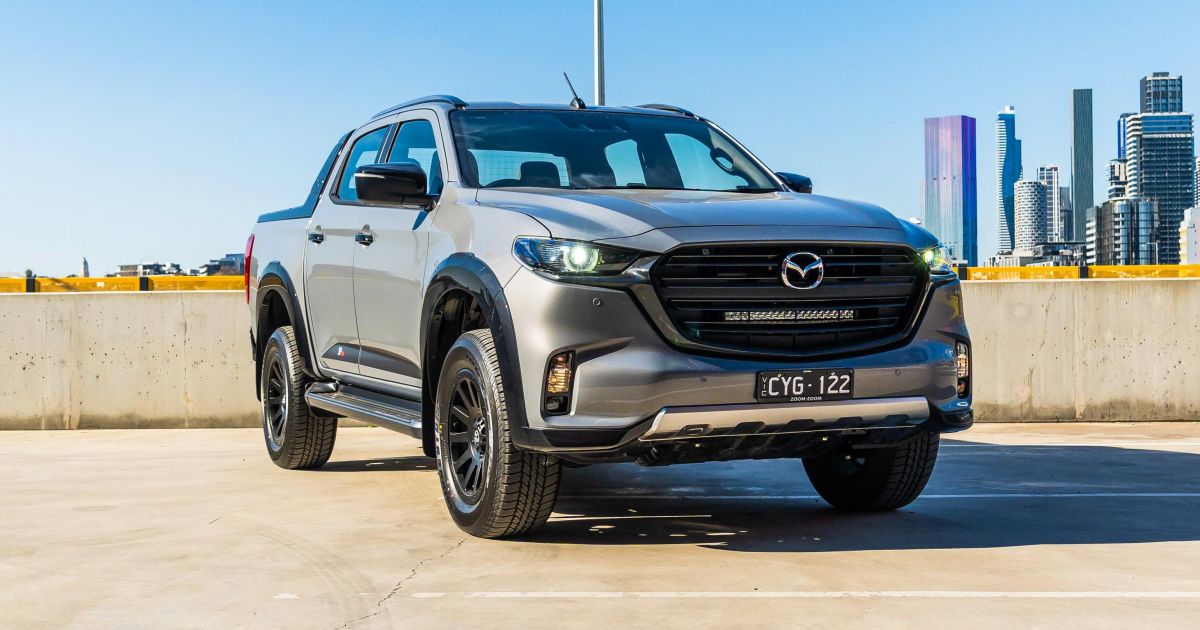
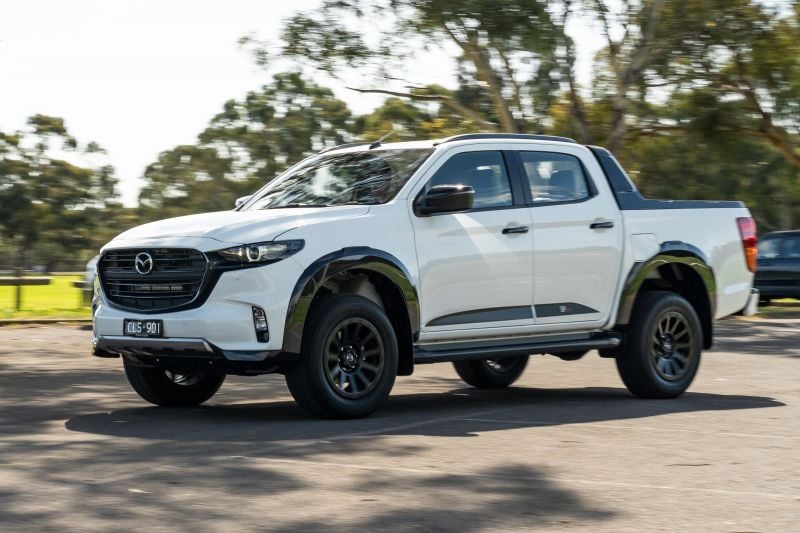
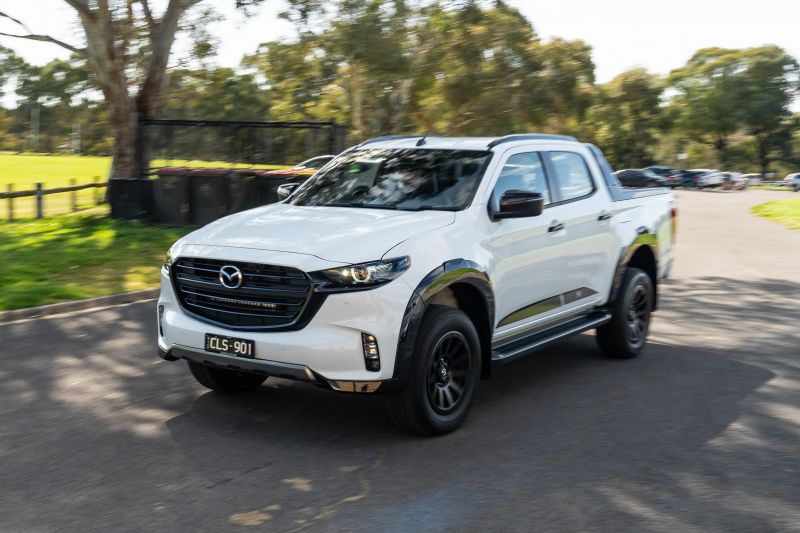
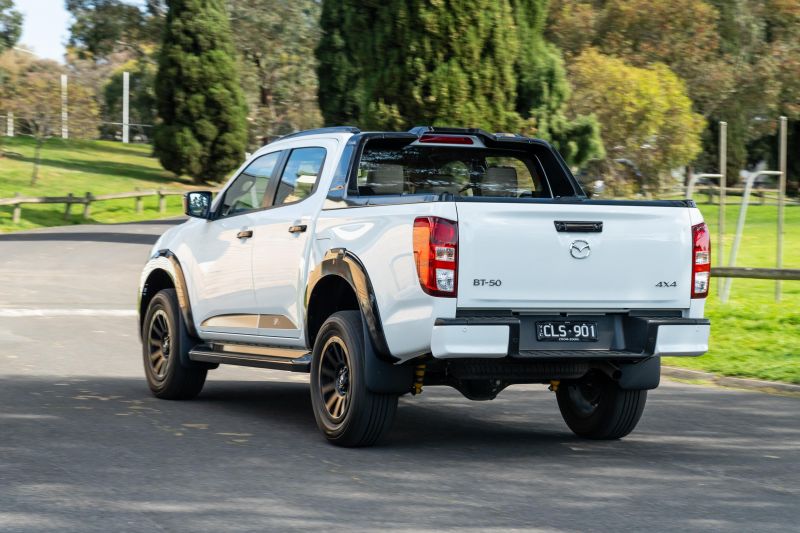
That’s a shame, because the BT-50 makes a strong case for itself. In my humble opinion, few dual-cab 4×4 ute rivals come close to matching the BT-50 as far as appearances go, with its SUV-like design and premium cabin presentation.

The Mazda badge holds plenty of credibility, and the BT-50 is well equipped across the range, too.

That leads me to believe that this handsome ute deserves better, but I’m not sure if now is the best time to buy one. A facelifted model has been revealed, around 12 months after the updated version of its Isuzu D-Max twin, and it’s slated to arrive Down Under in the first quarter of 2025.

WATCH: Paul’s video review of the 2023 Mazda BT-50 LE

The refresh will bring a rounded set of upgrades, from exterior tweaks, infotainment improvements, as well as new safety kit. With that in mind, the argument to rush out and spec up a current model seems weak.

But perhaps a week behind the wheel of a loaded SP Pro will change my mind…

How does the Mazda BT-50 compare?

View a detailed breakdown of the Mazda BT-50 against similarly sized vehicles.

Mazda BT-50 cutout image

Mazda

BT-50

How much does the Mazda BT-50 cost?

The SP sits at the pointy end of the BT-50 range, below only the rough-and-ready SP Thunder off-road flagship.

That doesn’t tell the full story though, as our tester is equipped with both the Pro Enhancement Pack ($7668) and the Premium Infotainment Upgrade ($4948).

Those additions, plus optional premium paint ($695), bring the total price of this example to $79,975 drive-away in Victoria. And $80k is a lot of dosh for a mid-size ute.

4×2

ModelPrice before on-road costs
2025 Mazda BT-50 XS TF 4×2 auto 2-door cab-chassis$35,520
2025 Mazda BT-50 XT TF 4×2 auto 2-door cab-chassis$38,520
2025 Mazda BT-50 XT TF 4×2 auto 4-door cab-chassis$42,020
2025 Mazda BT-50 XT TF 4×2 auto 4-door cab-chassis$46,060
2025 Mazda BT-50 XT TF 4×2 auto dual-cab ute$47,460
2025 Mazda BT-50 XTR TF 4×2 auto dual-cab ute$51,540

4×4

ModelPrice before on-road costs
2025 Mazda BT-50 XT TF 4×4 manual 2-door cab-chassis$43,520
2025 Mazda BT-50 XT TF 4×4 auto 2-door cab-chassis$46,020
2025 Mazda BT-50 XT TF 4×4 manual 4-door cab-chassis$47,020
2025 Mazda BT-50 XT TF 4×4 auto 4-door cab-chassis$49,520
2025 Mazda BT-50 XT TF 4×4 manual dual-cab cab-chassis$51,330
2025 Mazda BT-50 XT TF 4×4 manual dual-cab ute$52,730
2025 Mazda BT-50 XT TF 4×4 auto dual-cab cab-chassis$53,830
2025 Mazda BT-50 XT TF 4×4 auto dual-cab ute$55,230
2025 Mazda BT-50 XTR TF 4×4 manual dual-cab ute$56,780
2025 Mazda BT-50 XTR TF 4×4 auto dual-cab cab-chassis$57,880
2025 Mazda BT-50 XTR TF 4×4 auto dual-cab ute$59,280
2025 Mazda BT-50 GT TF 4×4 auto dual-cab cab-chassis$61,260
2025 Mazda BT-50 GT TF 4×4 auto dual-cab ute$62,660
2025 Mazda BT-50 SP TF 4×4 auto dual-cab ute $68,690
2025 Mazda BT-50 SP Thunder TF 4×4 dual-cab ute$74,095

To see how the Mazda BT-50 stacks up against its rivals, use our comparison tool.

What is the Mazda BT-50 like on the inside?

The BT-50 is a product of Mazda’s recent premium push, especially in SP trim.

Most utes are workmanlike inside, with cabins comprised of hard-wearing materials that offer little in the way of luxury. Not this one.

The interior of the BT-50 SP Pro is genuinely pleasant. It’s trimmed in a combination of black and light brown leather, and common touch points including the seats, door cards, steering wheel and centre console are premium in both look and feel.

Even areas exposed to relatively little traffic present well. For example, the dash top is finished in soft leather with contrast stitching.

As far as first impressions go, this ute nails it, particularly from the perspective of families and lifestyle buyers. Tradies might want materials that are a little more resilient to daily wear and tear, but Mazda already offers plenty of worksite-friendly variants further down the BT-50 range.

And the BT-50 SP backs up initial visual wow factor with genuine substance in the form of supremely comfortable front seats.

Trimmed in dual leather hues like the rest of the interior, the leather pews feel like your favourite armchair, with seemingly endless base cushioning.

The chairs could do with a little more side bolstering to hold you in place, especially when the tarmac runs out, but I can’t complain comfort-wise. Both front seats are heated for those cold winter mornings.

It’s easy to find the perfect driving position, as the driver’s seat offers electric adjustment and the steering wheel both tilts and telescopes.

Another selling point of our SP Pro test car is the optional ‘Premium Infotainment Upgrade’. The $5000 equipment pack includes an 11-inch Alpine touchscreen infotainment system, wireless smartphone mirroring, and an upgraded sound system with inbuilt amplifier.

I’ll cut to the chase though: the enhancements don’t justify the additional cost.

Don’t get me wrong, the upsized infotainment screen is impressive to look at – the system is seamlessly integrated into the dash, and boasts crisp graphics.

However, the unit itself is relatively basic, so don’t expect a swathe of features or customisation options. The software was laggy in our press vehicle too, resulting in delayed responses to touch inputs.

Wireless smartphone mirroring is a worthwhile addition, and Apple CarPlay worked flawlessly throughout my time with the BT-50. With that in mind, it’s best to avoid the native functions where possible and stick with mirroring.

I was also left a little underwhelmed by the Alpine sound system, which gets a B grading on the BT-50 school report.

All things considered, $4948 is a lot to pay for the infotainment upgrade and the base system is perfectly serviceable.

The package doesn’t address the instrument arrangement in the BT-50, either. Instead of a modern digital instrument cluster, you’re greeted by a pair of old-school gauges and a puny centre screen.

It’s not like Mazda can’t produce some decent tech, either. Take the dual-zone climate controls, which combine physical toggles with digital readouts. The setup is nice on the eye and easy to use… A+ on this front. Charging of mobile devices is taken care of by two USB-C outlets and a 12V socket, all situated below the climate controls.

Considering the size of the BT-50, I’d love a little more interior storage. Up front you get a shallow centre console, small glovebox and skinny door bins, as well as an extra cubby above the glovebox.

Central cupholders also feature, but any serious ute needs tradie-style drink holders in the dash, right?

Further evidence that the BT-50 SP is targeted at adventurous families rather than work crews can be found in the second row.

For starters, I found my knees pressed against the seat backing when seated behind my standard driving position, and any passenger topping 6’3″ will struggle for headroom. That rules out cramming in a trio of well-built labourers, then.

But Mum and Dad shouldn’t worry, because kids will fit without issue. And regardless of your frame, ingress and egress is made easy by chunky side steps and ergonomic grab handles.

The seats themselves have the same plush feel as those in the front row, although the rear seating position is a little too upright to be comfortable for more than one or two hours.

Second row amenities include map pockets, adjustable air vents, bottle holders in the doors, and an armrest with integrated cupholders. Passengers are forced to fight over a single USB-A outlet, which will undoubtedly be the source of many charger arguments.

There’ll be no fighting over cargo space though, as the BT-50 has a spacious tub that will swallow plenty of stuff.

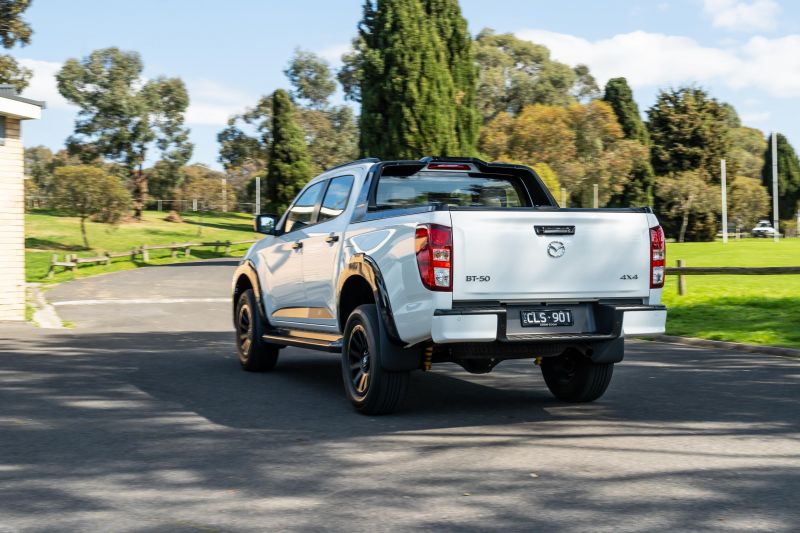
The tub comes with a spray-in plastic liner, and is equipped with a manual tonneau cover. It’s not the most secure ute, as the tailgate lock is operated independent of central locking. All it takes is for you to forget this quirk once and any valuables stored in the tray could quite easily be stolen.

DimensionsMazda BT-50 SP
Length5280mm
Width1870mm
Height1790mm
Wheelbase3125mm
Tub length1571mm
Tub width1530mm
Tub depth490mm

What’s under the bonnet?

This Mazda BT-50 is fitted with the more powerful 3.0-litre four-cylinder turbo-diesel engine. Some variants are offered with the smaller and more efficient 1.9-litre four-cylinder turbo-diesel engine.

SpecificationsMazda BT-50 SP
Engine type3.0-litre turbo-diesel 4cyl
Transmission6-speed automatic or 6-speed manual
Drive typeRWD or 4WD
Power140kW
Torque450Nm
Kerb weight2208kg
Gross Vehicle Mass (GVM)3100kg
Payload892kg
Fuel tank capacity76L
Fuel economy (claimed)8.0L/100km
Fuel economy (as tested)9.0L/100km
Fuel typeDiesel
Towing capacity750kg (unbraked)
3500kg (braked)

To see how the Mazda BT-50 stacks up against its rivals, use our comparison tool.

How does the Mazda BT-50 drive?

This ain’t no rickety horse and cart with an engine up front. Rather, the BT-50 SP Pro is a refined lifestyle ute designed with comfort front of mind.

From the front, it looks like an SUV and it rides a lot like one too, soaking up bumps around town with ease. The SP Pro comes standard with upgraded Nitrocharger suspension, which includes springs and dampers that can be configured to your needs by the dealer pre-delivery.

By default, the Nitrocharger suspension kit brings a 40mm suspension lift, as well as a 12mm track increase.

My experience with the uprated suspension setup was a positive one, as the BT-50 SP was soft and supple without ever feeling floaty.

Around town it’s an easy beast to drive, with plenty of lowdown torque to get you rolling from a standstill. That’s supported by the specs – the BT-50 produces 450Nm from 1600rpm.

It’s not quite the 600Nm you get from a V6 Ford Ranger or Volkswagen Amarok, nor even the 500Nm offered by equivalent four-cylinder turbo-diesel versions of Australia’s two most popular utes, but I found the BT-50 to have more than adequate shove at urban speeds.

In addition to a tractable engine, the BT-50 has light and direct steering that makes it easy to pick gaps in traffic and navigate tight suburban streets and carpark. Despite its substantial dimensions, this Mazda is comfortable sharing the road with much smaller vehicles and you never feel like you’re driving a bus.

I found parking easier than expected, too. All variants come with a reversing camera (albeit one that’s a bit grainy in resolution) as standard, and the SP adds front parking sensors.

Both are handy devices, but Mazda is shaded by Ford in this regard as the similarly priced Ranger Wildtrak is equipped with a surround-view camera that adds plenty of value for vehicles of this length.

Once you get out onto the highway, the BT-50 SP transforms into a comfortable cruiser with all the tools needed for extended stints at high speeds.

Even in the absence of a loaded tray it takes a while to get up to speed, but once you back off the throttle and let momentum and that generous low-end torque do the work, the diesel racket settles down.

Automatic variants including our tester offer adaptive cruise control, which is intuitive and reactive to changes in traffic conditions.

As with other Mazdas I’ve experienced, it’s safe to set and forget adaptive cruise in the BT-50 – you’ll very rarely encroach past safe braking distances, and changes in speed are silky smooth.

The ADAS suite also includes a lane-centring feature that does its best work on clearly marked motorways, as the system can lose its bearings. The great thing about the system in the BT-50 is that it can be turned off with the press of a button conveniently located on the steering wheel.

A driver monitoring system is also included as standard and the best sign that it works properly is that I never noticed it. Take notes, Mitsubishi Triton.

I have mixed feelings about the forward collision warning system. On one hand, the warnings are unnecessarily common.

On the other, they come in the form of an effective flashing light on the windscreen, instead of a disconcerting shuddering through the car which is dangerous in itself.

Finally, as we’ve noted in previous reviews of this model, the BT-50 has excellent LED headlights that are assisted by a Lightforce LED light bar positioned behind the grille on the SP.

What do you get?

Mazda BT-50 XS and XT highlights:

  • 7.0-inch touchscreen infotainment system
    • Wired Android Auto
    • Wireless Apple CarPlay
    • DAB+ digital radio
  • 4.2-inch instrument cluster screen
  • Cloth upholstery
  • Carpeted floors
  • Air-conditioning
  • Power windows
  • Cruise control (Manual)
  • Adaptive cruise control with Stop & Go (Auto)
  • Reversing camera
  • LED headlights
  • Rain-sensing wipers
  • Automatic headlights
  • Automatic high-beam
  • 17-inch wheels (alloy on XT)

XTR adds:

  • 9.0-inch touchscreen infotainment system
  • Satellite navigation
  • Dual-zone climate control
  • Rear air vents
  • Leather-wrapped steering wheel and shifter
  • Auto-dimming interior mirror
  • Rear seat centre armrest
  • Power-folding exterior mirrors
  • Keyless entry and start
  • Tyre pressure monitoring
  • LED headlights with auto levelling
  • LED front fog lights and daytime running lights
  • Side steps
  • 18-inch alloy wheels

GT adds:

  • Brown leather upholstery
  • Eight-way power driver’s seat
  • Heated front seats
  • Remote engine start (automatic only)
  • Front parking sensors
  • Heated chrome exterior mirrors

SP adds:

  • Dark grey roof rails
  • Black grille
  • Glossy black exterior mirrors
  • Gloss black door handles
  • Black 18-inch alloy wheels
  • Dark grey side steps
  • ‘Driftwood’ leather and black synthetic suede trim
  • Manually-operated black roller tonneau cover
  • Tub liner
  • Gloss black sail-plane sport bar
  • Front bumper lower decoration trim
  • Gloss black wheel flares

Options

Our SP tester is fitted with two option packages.

SP Pro enhancement pack ($7668) adds:

  • 18-inch alloy wheels
  • Nitrocharger suspension upgrade kit (40mm lift)
  • Lightforce LED light bar
  • SP Pro decals

Premium Infotainment Upgrade ($4948) adds:

  • 11.0-inch Alpine touchscreen infotainment system
  • Wireless Android Auto
  • Tidal music streaming
  • 2x USB-C ports
  • HDMI input
  • Auxiliary input
  • 300W 6×9-inch Alpine front-door speakers
  • 2x Alpine front tweeters

Is the Mazda BT-50 safe?

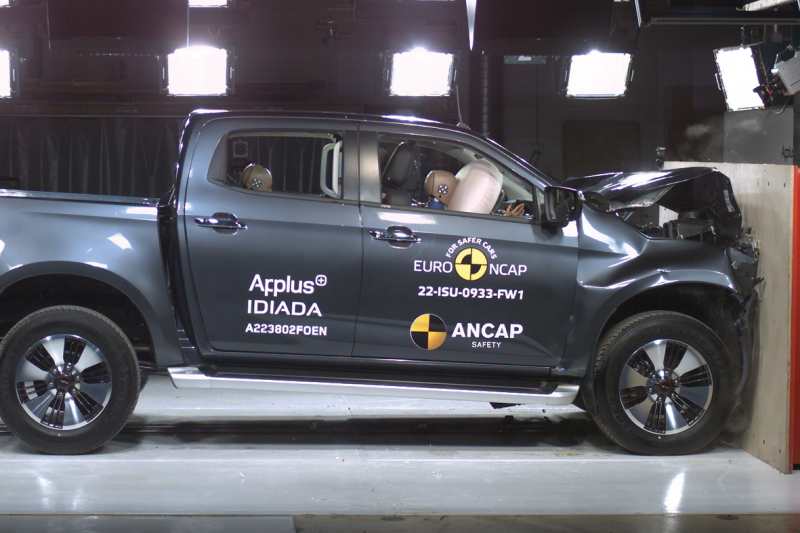
The Mazda BT-50 has a five-star ANCAP safety rating with a 2022 date stamp, based on tests conducted on the related Isuzu D-Max. This rating applies to all variants bar the BT-50 Thunder.

The utes were reassessed despite having already received five-star ratings in 2020, as the D-Max and BT-50 received a design change to the driver’s knee airbag and instrument panel.

CategoryMazda BT-50
Adult occupant protection86 percent
Child occupant protection89 percent
Vulnerable road user protection67 percent
Safety assist84 percent

All Mazda BT-50 models come standard with the following safety features:

  • Autonomous emergency braking
  • Blind-spot monitoring
  • Lane-departure warning
  • Rear cross-traffic alert
  • Turn assist
  • Driver attention monitoring
  • Front, front-side and curtain airbags
  • Driver’s knee airbag
  • Front-centre airbag
  • Traffic sign recognition

Automatic models gain lane-keep assist and adaptive cruise control.

How much does the Mazda BT-50 cost to run?

The Mazda BT-50 is covered by the Japanese brand’s five-year, unlimited-kilometre warranty with roadside assistance for the same period.

Servicing is required every 12 months or 15,000km, whichever comes first. Service prices vary depending on the model. 

Running costsMazda BT-50 SP Pro
Warranty5 years, unlimited kilometres
Roadside assistance5 years
Service intervals12 months, 15,000km
Capped-price servicing7 years
Average annual capped-price service cost$541
Total capped-price service cost$3787

To see how the Mazda BT-50 stacks up against its rivals, use our comparison tool.

CarExpert’s Take on the Mazda BT-50

The Mazda BT-50 SP Pro is a classy ute that you’ll never dread driving, but it’s a hard sell for $80,000 as tested.

Yes, it’s lovely to look at, both inside and out, thanks to a handsome front-end design that’s in line with Mazda’s huge SUV range, and cabin materials that put Ford and Toyota to shame.

The BT-50 SP also does its best to keep up with the pack as a driving machine – we have no complaints about the upgraded Nitrocharger suspension, and Mazda’s array of driver assists are all refreshingly user-friendly.

However, at $80k, the SP Pro (with premium infotainment) is playing with the big boys. You can take your pick of the HiLux range for that money, or pivot to a Ranger Wildtrak. If comfort and refinement top your list of priorities, the Volkswagen Amarok Style meets the brief with the added benefit of a beefier turbo-diesel V6.

Speaking of engines, all the aforementioned vehicles offer more grunt than the BT-50, which can feel laboured when overtaking on the highway.

What’s more, updated versions of the BT-50 will land in Australia early next year.

That settles it then. We can put a line through this handsome ute and move on… right? Not quite.

Now in runout, the BT-50 SP is a far more tantalising proposition if you resist temptation and leave option boxes unticked. Without the Pro and Premium Infotainment packages the BT-50 SP comes in at a far more competitive $65,990 drive-away, pricing it in line with the Ranger XLT and HiLux SR5.

Now we’re talking. After all, neither option pack adds must-have equipment, and you’ll get better value out of a few choice aftermarket upgrades.

As a lifestyle ute, a bare-bones SP is the better value play, although I’d still lean towards a Ranger for trips to and from the worksite.

Interested in buying a Mazda BT-50? Get in touch with one of CarExpert’s trusted dealers here

Click the images for the full gallery

MORE: Everything Mazda BT-50


Source link

Tesla Superchargers are getting longer cables for non-Tesla EVs

0


  • Tesla’s installing longer cables on its Superchargers
  • Superchargers can now detect when a non-Tesla EV is plugged in
  • Tesla’s Supercharger software will take into where a vehicle’s charge port is located

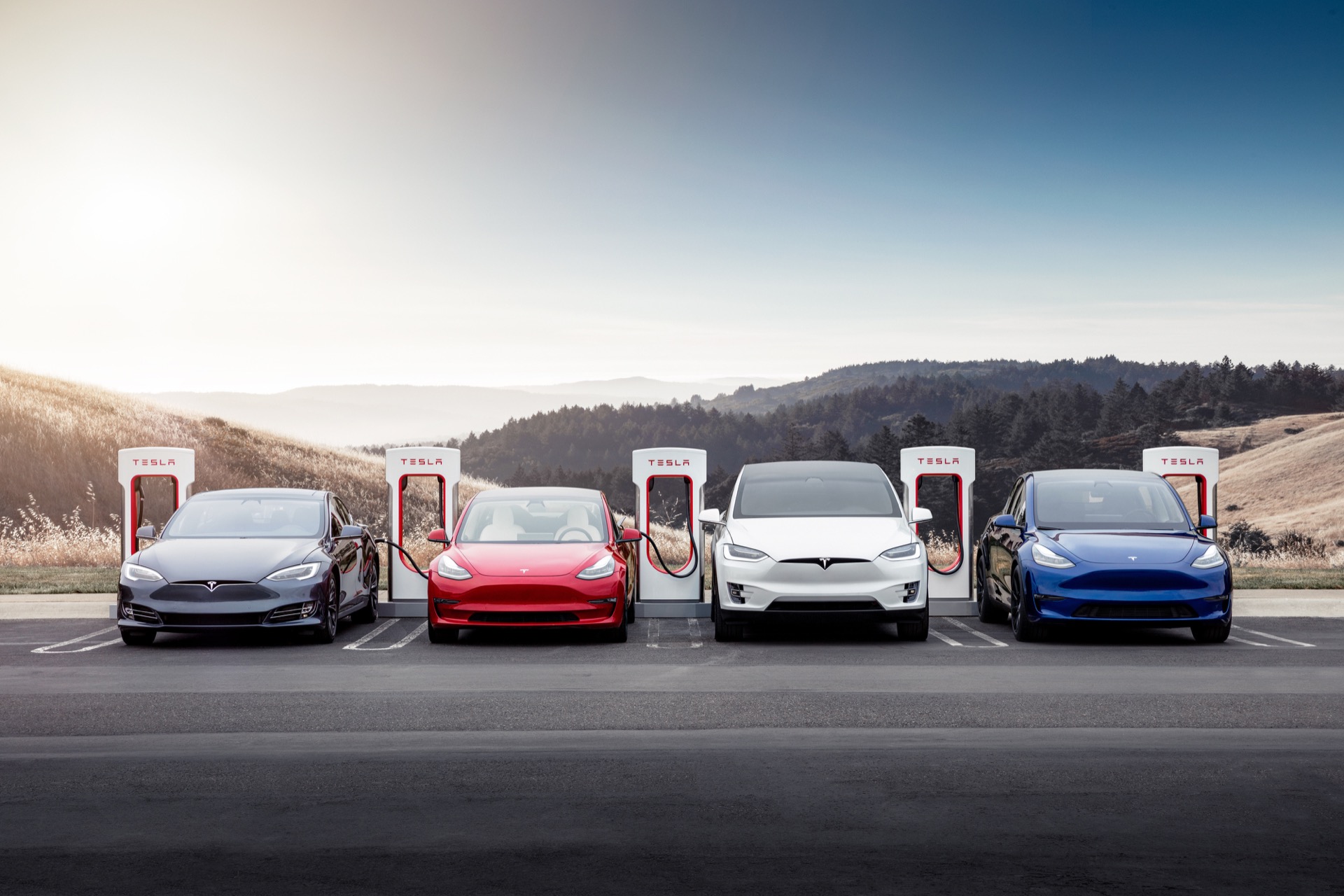
Tesla is installing longer cables and making other changes to accommodate EVs from other brands at its Supercharger DC fast-charging stations.

The official Tesla Charging account on X (formerly known as Twitter) the social media network owned by Tesla CEO Elon Musk, recently posted that the automaker is increasing the number of longer-cable V4 chargers and expects them to outnumber short-cable chargers within the next 18 months.

Tesla has also modified over 1,500 sites to avoid drivers blocking a charging space to reach a charger, and has updated the software that tells Tesla drivers which charging stalls are available, according to the same post.

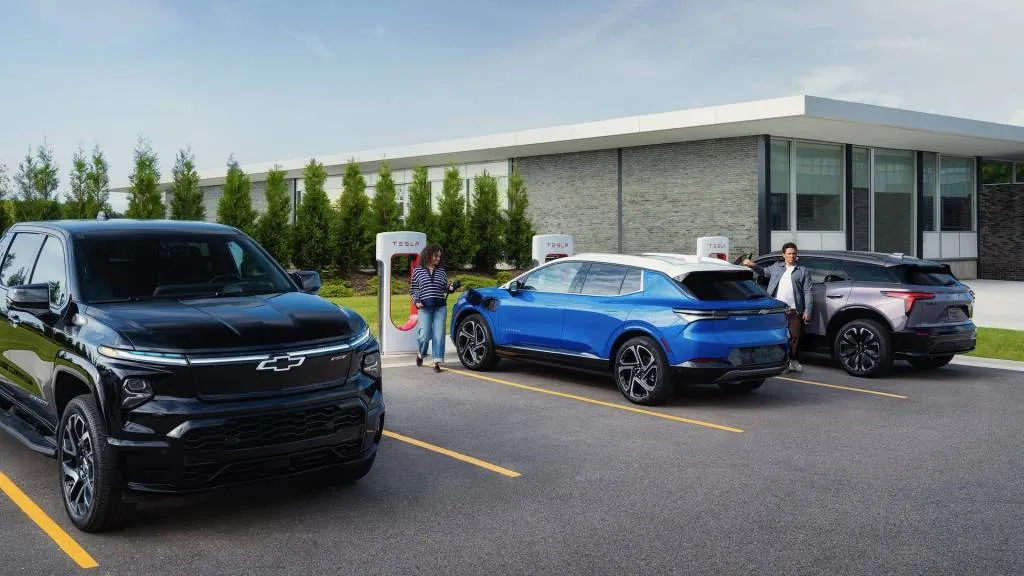
Chevrolet EVs at a Tesla Supercharger station

Chevrolet EVs at a Tesla Supercharger station

To further account for EVs potentially blocking spaces to plug into chargers with short cables, Tesla claims it can now detect when an EV with a charge port located somewhere other than the left rear or right front of the vehicle is plugged in at shorter-cable spots in an effort not to overpromise on charger availability.

This is possible because Tesla can now detect what type of vehicle is plugged in, Max de Zegher, Tesla’s director of charging in North American said in an X post, adding that the charger-availability algorithm now refreshes about every 15 seconds.

Polestar 3 at a Tesla Supercharger station

Polestar 3 at a Tesla Supercharger station

A migration of most major car brands to Tesla’s North American Charging Standard (NACS) began in May 2023 with Ford, followed the formalization of NACS as a true standard by the SAE and the backing of that standard by the Biden administration, which has prioritized funding for expansion of public charging. Musk, meanwhile, nearly shuttered the Supercharger team earlier this year before backtracking and promising a $500 million expansion of the network.

Such expansion will likely be needed as more automakers equip their EVs to charge at Supercharger stations. To date, Ford, General Motors, Rivian, Polestar, and Volvo have made adapters available to customers, while the first non-Tesla EVs with built-in NACS ports are expected to appear in 2025.


Source link

Hybrid Jeep Cherokee replacement lands in 2025

0


The Cherokee nameplate is one of Jeep’s most significant, but the last Cherokee was dropped in early 2023 without a successor in sight.

Jeep has now finally confirmed that a Cherokee successor is on the horizon, with brand boss Antonio Filosa announcing during last week’s 2024 Los Angeles auto show that a compact crossover to fill the void of the Cherokee is coming in 2025. Filosa didn’t confirm the crossover as a Cherokee, but earlier this year he said a compact crossover with a familiar name was coming.

In L.A., Filosa said the upcoming crossover will pack a hybrid powertrain. There was no mention of whether the hybrid powertrain will be a plug-in hybrid setup like the one Jeep uses in its 4xe models, or a traditional hybrid that skips the plug. Automotive News reported that a traditional hybrid is likely, something that Jeep’s vice president of global product planning, Matthew Nyquist, hinted at in September.

Jeep has some busy years ahead. The Cherokee replacement will be followed shortly by a redesigned Compass. This smaller compact crossover will be based on parent company Stellantis’ STLA Medium platform and is due in the U.S. in 2026, though it will launch first in Europe in 2025, where it will also be manufactured.

The new Recon electric off-roader is also due out soon, and Stellantis CEO Carlos Tavares in May said an electric Jeep priced around $25,000 was coming to the U.S. “very soon.” The affordable EV was confirmed by Jeep in June as a member of the Renegade family. An electrified Wagoneer and an updated Grand Cherokee are also in the pipeline.


Source link

2025 Subaru Forester Wilderness sticks to old design, starts at $36,415

0


The Subaru Forester compact crossover was redesigned for the 2025 model year, with the new sixth-generation model debuting at the 2023 Los Angeles auto show.

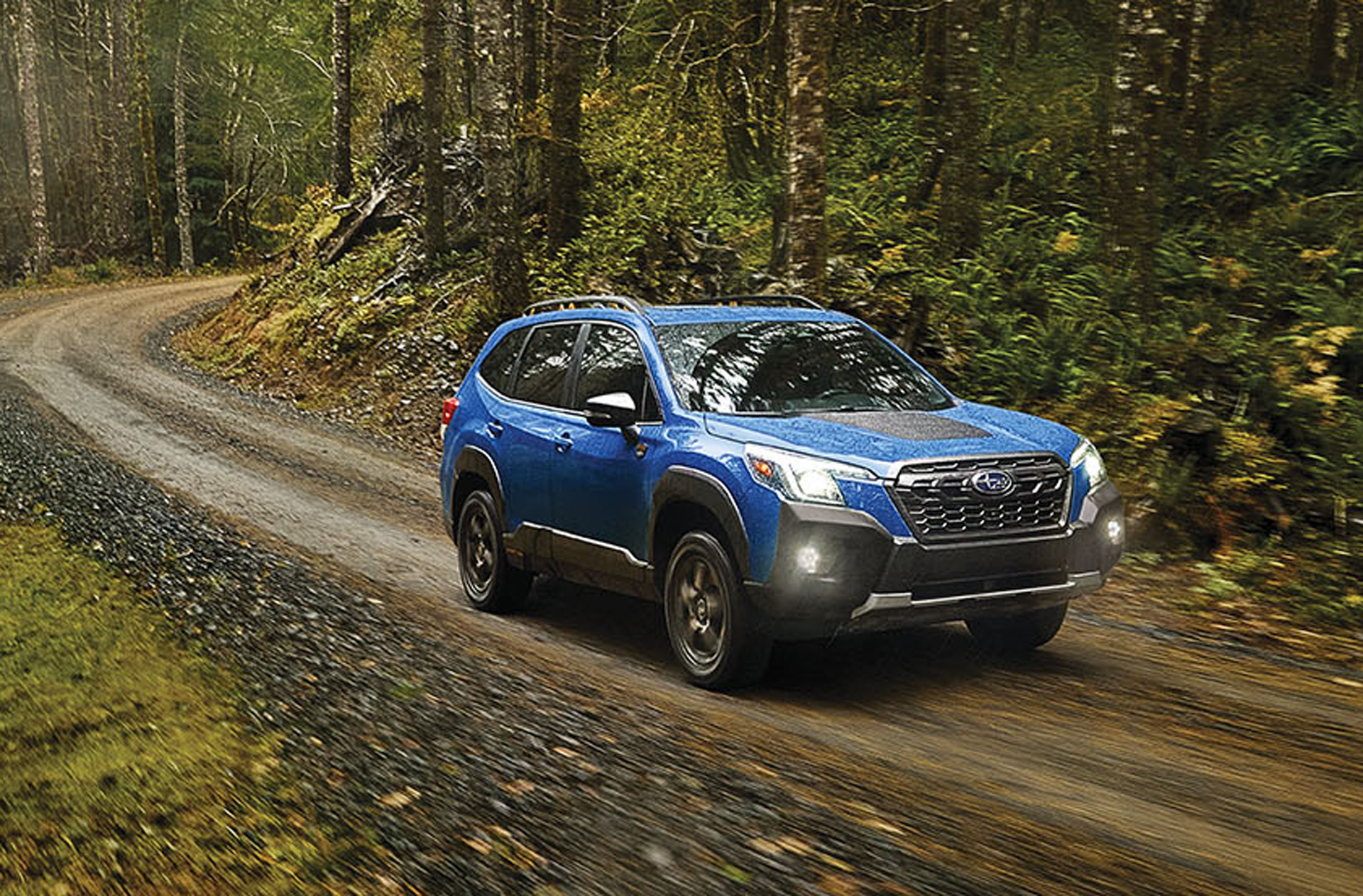
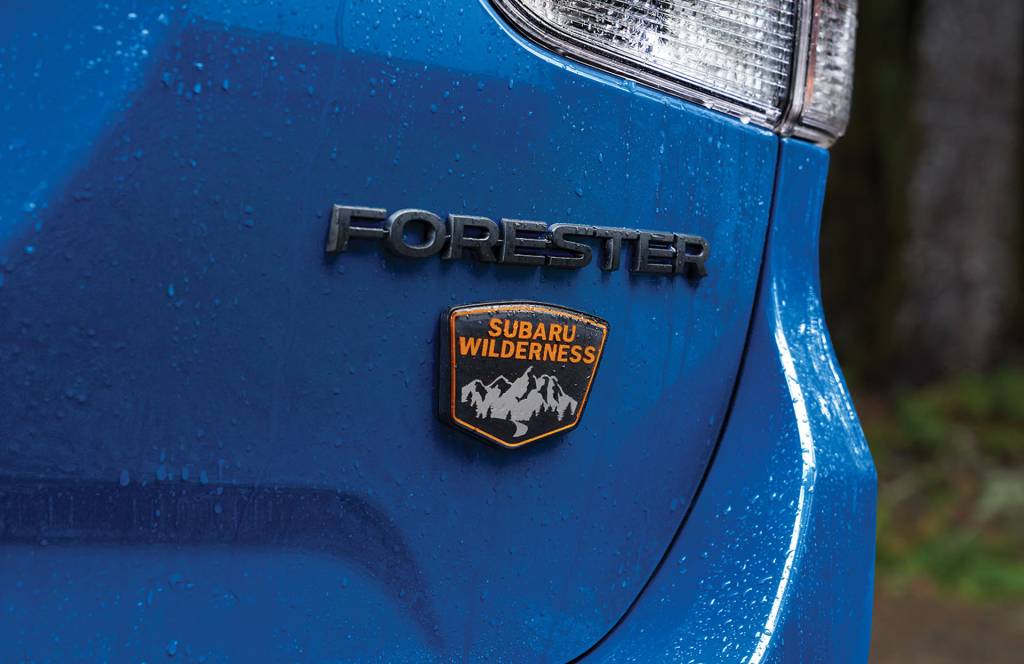
Still absent from the lineup is a rugged Forester Wilderness variant. However, Subaru fans can still purchase a new Forester Wilderness for 2025, albeit one based on the outgoing Forester generation.

Last week, Subaru announced that the 2025 Forester Wilderness will reach dealerships early next year with prices starting at $36,415, including a $1,420 destination charge.

2025 Subaru Forester Wilderness

2025 Subaru Forester Wilderness

There aren’t many changes from the previous years. The vehicle still features longer coil springs and dampers, which help increase ground clearance to 9.2 inches—half an inch more than the standard Forester. The vehicle also retains 17-inch wheels with Yokohama Geolandar all-terrain tires, unique front and rear fascias, a front skid plate, and a matte black hood decal designed to reduce glare.

Power comes from a 2.5-liter flat-4 engine delivering 182 hp. The engine is paired with a CVT and an all-wheel-drive system. Subaru quotes a towing capacity of 3,000 pounds.

2025 Subaru Forester Wilderness

2025 Subaru Forester Wilderness

Standard features include water-resistant seating surfaces, ladder-style roof rails capable of supporting up to 800 pounds while stationary, a 6.5-inch infotainment screen with Apple CarPlay and Android Auto, and Subaru’s EyeSight suite of electronic driver-assist features. A single option package is available for $2,000, adding upgrades like an 8.0-inch infotainment screen, a nine-speaker Harman Kardon audio system, and a power tailgate.

Subaru hasn’t announced when a Wilderness version of the new sixth-generation Forester will be launched. However, Subaru is expected to introduce a hybrid as the next Forester variant. The electrified crossover has been spotted testing and is anticipated to debut next year as a 2026 model.


Source link

Dealer laws are “as close as you can get to corruption”

0


  • Rivian CEO RJ Scaringe pointed to a “horrific state-by-state level of rules”
  • Dealers’ lobbying efforts have made it hard for Rivian to interact directly with customers
  • Rivian’s aware it has a service backlog, views it as a short-term problem

Rivian CEO RJ Scaringe isn’t a fan of U.S. dealership franchise laws. These laws work against the EV maker, which has a direct-sales model rather than franchised dealers.

On Wednesday during a roundtable with Green Car Reports and other media Scaringe said “we have this horrific state-by-state level of rules that are as close as you can get to corruption.”

The CEO was referring to franchise laws for car dealers, which are widely protected by heavy lobbying efforts.

“You essentially have lots of dealers that paid for lots of laws that make it really hard for us to interact directly with the customer,” Scaringe said. 

Scaringe had been asked whether, after VW’s recent investment of $5.8 billion into Rivian, the U.S. EV maker might be able to leverage the dealer network of one of the world’s largest automakers.

Rivian’s CEO then noted with an upbeat smile that “Europe doesn’t have the same rules,” and “there’s certainly opportunities there.” Rivian plans to sell both the smaller upcoming R2 and R3 crossover SUVs in Europe, but the R1T and R1S are deemed too large for that market.

“Service is the bigger thing,” continued Scaringe. “You don’t need 5,000 retail location in the U.S. to sell 3 or 4 million cars a year. Tesla’s a good example,” he said.

“You do need a lot of service infrastructure,” Scaringe went on to say. But even that’s changing because historically a customer needed to go into a dealer anytime a car made a clicking noise.

Often, depending what is needed, that service can come to you. Rivian handles more than half of its service with its in-house mobile service crews going to customers rather than customers coming to them.

Scaringe admitted the automaker has a service backlog in the U.S., as it tries to build as much service infrastructure as fast as it can. But in some U.S. markets the product is scaling fastest than the automaker can build out the infrastructure.

“That’s a short-term anomaly,” Scaringe said. Long-term the executive said the team believes it’s going to build a robust service infrastructure.

In Europe, Scaringe said there’s a question whether Rivian partners with someone for service. “it’s certainly an opportunity,” he added.

But in America, with the franchise laws, the possibility of Rivian partnering with anyone else for service would be complicated.


Source link