Wondering if it’s ok to use a dehumidifier in your motorhome, caravan or campervan? Worried about damp, mould, fire, cost or practicalities? After years of experience, here’s everything you need to know about using a dehumidifier when you’re not using the van.
*We work hard to make this the best motorhome travel blog and road trip website possible, full of helpful content for you. The website is supported by our readers, so if you buy through links on this site we may earn a commission- at no extra cost to you. All opinions remain our own.
If you find this post useful, you can also treat us to a coffee – we promise to enjoy it while creating more useful content like this- we might even indulge in a biscuit (or two!)
Using a dehumidifier in a motorhome or camper
Look on any forum or group, and you’ll see a discussion about the practicalities of using a dehumidifier in a camper, motorhome, RV or boat to remove moisture from the air.
Some people swear by them, others say they’re a waste of money. So which is it? If you’re going to leave your motorhome unused for a period of time (usually over winter), should you be using a dehumidifier?
Why Moisture is a Problem in Motorhomes
Motorhomes are AWFUL for moisture build up. The confined space and range of uses (kitchens, bathrooms, living areas, and sleeping) create the perfect environment for moisture to accumulate.
Just being in one for a day causes something like a litre of moisture to go into the air. Add to that wet coats, pets, limited ventilation and lots of hot drinks, and you can see how it quickly builds up- especially in Autumn and Winter.
Left unchecked, all this moisture can lead to a host of issues that affect both your comfort and the longevity of your motorhome, including:
Condensation Buildup: Persistent condensation can lead to water pooling on surfaces like window ledges, which may seep into the structure of the motorhome (especially bad if you have any wood in the base structure.)
Mould and Mildew: High humidity levels create an ideal breeding ground for mould and mildew, which can not only damage your motorhome’s interior but also pose health risks, particularly for those with allergies or respiratory conditions.
Damp Smells: A musty odour is often one of the first signs of moisture problems, caused by damp fabrics, carpets, or hidden mould growth.
Damage to Fixtures and Fittings: Over time, moisture can warp wooden fittings, corrode metal fixtures, and damage upholstery or insulation.
Permanent Damage: Excess moisture can significantly reduce the lifespan of your van’s interior and lead to costly repairs. For full-time vanlifers or those touring in cooler seasons, addressing moisture is crucial to ensure a dry, healthy living environment.
How to monitor the humidity levels in your camper
If you are unsure of the humidity level in your van and don’t have an inbuilt monitoring system, you could add one of these humidity monitors to your motorhome or campervan:
If you’re leaving the van in storage for winter and aren’t there all the time, you’ll probably prefer something like the last one, which has an app and alerts for monitoring the vehicle when you’re not there.
The Problems with Dehumidifiers
So, we know we don’t want a lot of moisture in the vehicle. Surely a dehumidifier is the perfect solution- yes?
Well… maybe. But it’s not that straight forward.
Dehumidifiers work by removing moisture (humidity) from the air, stopping that moist air leading to problems like mould and condensation in your motorhome.
They work to remove any excess moisture until it’s in an optimal range (usually 40-60% humidity).
The trouble is, most motorhomes and campers aren’t fully sealed. They have (deliberately) air holes to allow gas to escape. There are also often tiny gaps around door frames and window frames (deliberately or caused by many miles of driving over bumpy roads!)
All of which means- the dehumidifier is rarely satisfied. As more (damp) air enters the van, it keeps working and working… and working.
This can lead to problems such as large electrical drain, burnout and, in the most extreme cases, fire.
But that doesn’t mean they’re not worthwhile. In fact, there are some I highly recommend. Read on…
Fulltime Vanlife vs Storage
Many people who live full-time in their motorhome or camper have no need of a powered dehumidifer, as they are constantly in the vehicle to give ventilation and heating. For that reason, if you’re in your van a lot throughout the year, I recommend something like these Moisture Absorbers – a friend of mine who lives full-time in her van swears by these.
HOWEVER… if you’re winterising your motorhome (putting it away for the winter), you need to do one of these three things:
Dehumidifiers Vs Heaters Vs Ventilation
As mentioned above, there are a couple of other ways to deal with the winter damp and cold. Heating and Ventilation.
A dehumidifier actively removes moisture from the air, tackling condensation and reducing the risk of dampness and mould. However, it doesn’t address the root cause of moisture. It might warm the air slightly, but not enough for cold air to become warm.
Heating raises the temperature inside the motorhome, which can help reduce condensation by warming cold surfaces, but on its own, it doesn’t remove humidity from the air.
Ventilation allows moist air to escape and fresh air to circulate, preventing humidity from building up in the first place. While ventilation is essential for reducing overall moisture levels, it can be less effective in cold or rainy weather when keeping windows or vents open isn’t practical.
The best option is to combine these methods. which is just one of the reasons you should check on your vehicle regularly and maintain it when you’re not using it.
How Do Motorhome Dehumidifiers Work?
For the purpose of motorhome, caravans and campers – there are two types of dehumidifiers that we’ll look at:
Compressor Dehumidifiers
Desiccant Dehumidifiers (I’ve also added in portable dehumidifiers, as they work the same way for our purposes)
Compressor Dehumidifiers
Compressor or Refrigerant dehumidifiers work by drawing in moist air using a fan. This air then comes into contact with cooled coils, the water in the air condenses and drops down into a water reservoir, while the (now dry) air passes through the warm coils and heats back up, before being released back into the surrounding environment.
Because these use cooling and heating methods, these dehumidifiers usually require mains power to work. They also require you to empty the water tank regularly or they stop working.
I’ve used a compressor dehumidifer for years in my bathroom and it’s brilliant (especially for bathrooms without windows). It’s also great for motorhomes which are kept somewhere with a mains power source and can be monitored (like on a driveway)
How They Work: These use a compressor and refrigerant to cool a coil, causing moisture in the air to condense.
Best For: Warm or moderately cool environments.
Advantages: Energy-efficient and powerful in higher temperatures.
Drawbacks: Less effective in colder conditions, as they rely on warm air to function efficiently. Need mains power. Need to be emptied regularly. Shouldn’t be left on for hours unattended.
Desiccant Dehumidifiers & Portable Dehumidifiers
Desiccant models work using water-absorbing material to collect moisture. They usually consist of absorbent materials like gels, silica beads, or salts. Humid air is drawn over the material and as the air cools moisture is collected.
Once the absorbent material is full you will need to either replace or recharge the pouches or replace the entire dehumidifier device.
Because these dehumidifiers use a material already in place, they often don’t need any power source at all. These are perfect for motorhomes or caravans which are in storage over winter. The powered versions are better in larger spaces, but are often noisy.
How They Work: These use a chemical desiccant to absorb moisture from the air.
Best For: Cold climates, off-grid or winter motorhoming, small spaces like wardrobes
Advantages: Operates efficiently in low temperatures, quieter than compressors. Most don’t require power
Drawbacks: Powered versions use more energy compared to compressor models. Need changing regularly to be effective. Not good for large spaces.
Which Dehumidifier to choose?
So, which type is best if you’re not using your vehicle throughout winter? Here are some questions to help you choose:
Do you store your vehicle at home or very near by so you can check it daily/ regularly?
Do you have 230v power while your van is in storage or on the driveway?
Will you be able to get to the van to empty a full container?
If the answers to these are all yes, then I recommend a compressor dehumidifier alternated with a heater like an oil-filled radiator. Leave the heater on, and once or twice a week, run the dehumidifier.
If the answers to one or all are no, go for several non-powered dessicant dehumidifiers. Ideally, visit the vehicle at least once a week to put the heating on, air it out and prevent large levels of moisture building up. (The humidity monitor can really help with your peace of mind.)
Final Thoughts
A dehumidifier can be a valuable tool in managing moisture in your camper. However, it’s not a standalone solution. Combining a dehumidifier with proper ventilation and heating ensures the best results for keeping moisture under control.
If you’re still unsure, start by monitoring your motorhome’s humidity levels with a hygrometer and assessing the moisture issues you face. With a little trial and error, you’ll find the perfect balance to keep your motorhome dry and cosy on every adventure. Let us know in the comments how you manage moisture in your motorhome—your tips could help others!
Want more tips for motorhoming?
Here are some more ideas you might find useful:
Want FREE checklists, eBooks and additional tips to help? Visit our resource page
Last update on 2024-11-21 / Affiliate links / Images from Amazon Product Advertising API
New entry-level SUV coming to Honda’s luxury brand early next year.
2025 Acura ADX
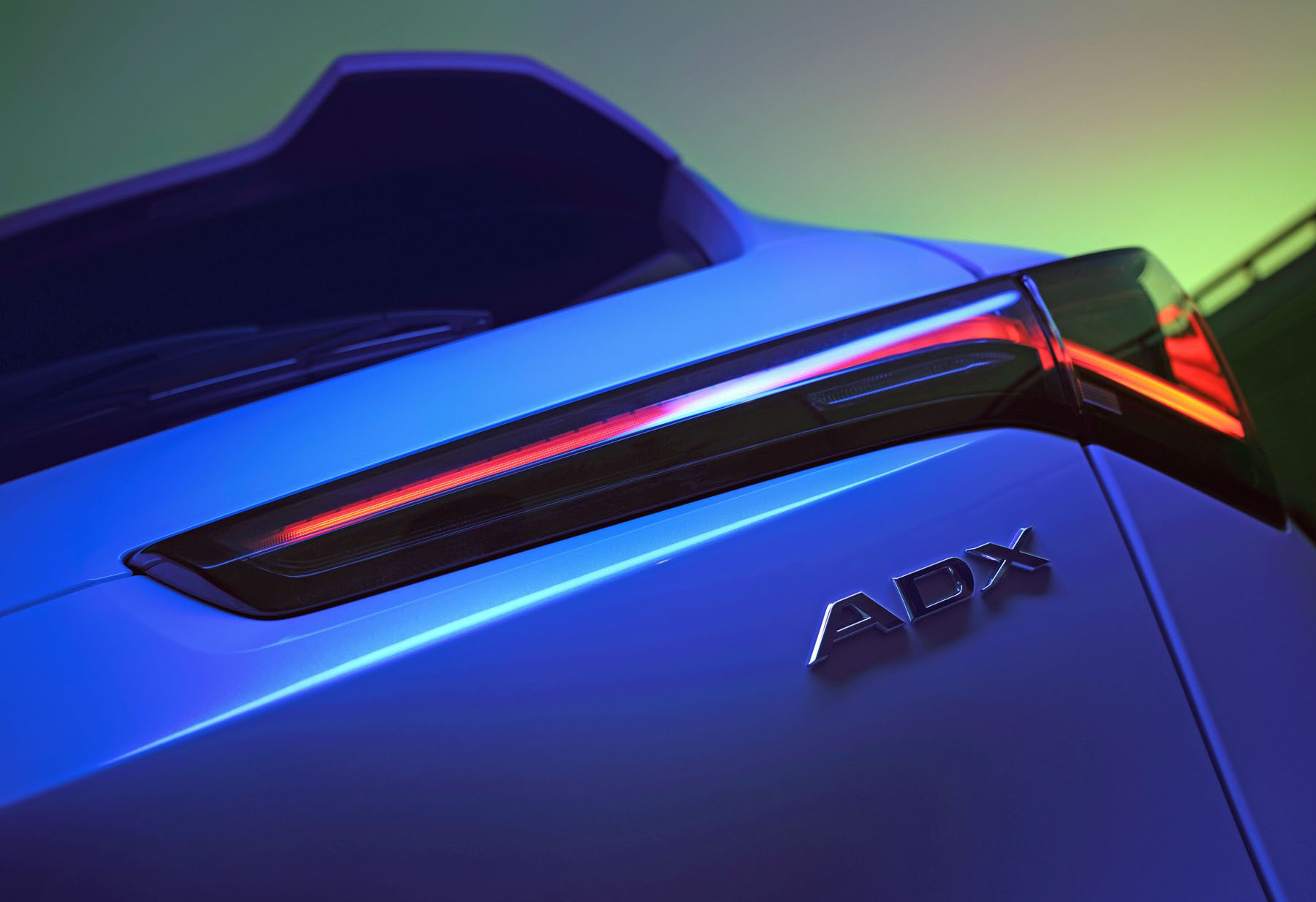
Acura is getting ready to join the Premium Subcompact Crossover segment with the 2025 ADX. This small SUV will slot below the RDX in size and price. It will serve as an alternative gateway to the brand for buyers who might not otherwise be interested in the sportier flavor of Acura’s Integra hatchback.
Size
Picture ADX as a fancier version of the HR-V produced by Acura-parent Honda, and you’ll be on the right track for where it will fit into the lineup. Indeed, these two vehicles share many common points of engineering. They will, however, differ significantly when it comes to drivetrain and feature availability.
2025 Acura ADX
Starting with the styling, ADX’s front end bears familial resemblance to the larger RDX and MDX SUVs with its upside-down pentagonal grille and sharp chin. The back looks a bit more like an HR-V than perhaps intended, likely a result of engineering and/or cost constraints. It’s fine for what it is, but it doesn’t really shout premium as much as a BMW X1 or Merecedes-Benz GLA.
Cabin
ADX’s interior makes a stronger case for being a cut above its mainstream cousin. The overall layout and switchgear are similar, but based on initial photos, cabin materials are suitably upmarket. Standard infotainment and connectivity tech for the Base model includes a 10.2-inch fully digital instrument cluster; dedicated 9-inch media touchscreen with wireless Apple CarPlay and Android Auto compatibility; wireless device charging; 8-speaker audio system; and 5G Wi-Fi hotspot capability.
Trim Levels
Above Base is the A-Spec, which includes unique trim, wheels, and flat-bottom steering wheel; LED fog lights; ventilated front seats; power front-passenger seat; and USB-C power points for rear-seat passengers. A-Spec intenders can add the Advance Package, which is priced as a separate trim. This adds a 15-speaker Bang & Olufsen audio system; Google and Amazon Alexa integration; driver-selectable modes; front- and rear-obstacle detection; surround-view camera; remote engine start; rain-sensing windshield wipers; hands-free power rear liftgate; 12-way power driver-seat with memory; heated steering wheel; and power-folding exterior mirrors.
Engines
2025 Acura ADX
As of this writing, Acura is mum on engine specifics, stating ADX’s 1.5-liter turbocharged 4-cylinder is “similar” to the one used in the Integra. We take that to mean there’s some specific tuning to accommodate deployment in an SUV, including available all-wheel drive (front-wheel drive is otherwise standard on all ADX models). Expect horsepower and torque ratings close to the Integra’s 200 and 192, respectively. A continuously variable automatic transmission (CVT) is standard.
The 2025 Acura ADX is scheduled to go on sale in early 2025. Acura says pricing will start in the mid-$30,000s. We estimate a loaded AWD A-Spec with Advance Package will top out around $43,000.
CG Says:
We’re frankly surprised it’s taken Acura this long to enter the Premium Subcompact Crossover segment. The current-generation HR-V is as good a place to start as any, and we expect ADX to certainly offer a more-engaging driving experience. A mid-$30,000 starting price is appealing, but we’re disappointed that worthwhile convenience features like rear USB power points require moving up the product stack, which may cause some buyers to pay more than they otherwise would have wanted. Stay tuned for our driving impressions once ADX arrives in early 2025.
2025 Acura ADX
Listen to the Car Stuff Podcast
2025 Hyundai Santa Cruz XRT Pictures
2025 Acura ADX
2025 Acura ADX
2025 Acura ADX
2025 Acura ADX
2024 Acura ZDX: Future Car
Consumer Guide Car Stuff Podcast Episode 247: Worst Rental Car, Honda Prologue EV, Best and Worst Cities to Drive In
Polestar’s aptly-named fourth model has arrived in Australia, and it might be an adjustment for those who are used to looking over their shoulder.
Dual motor
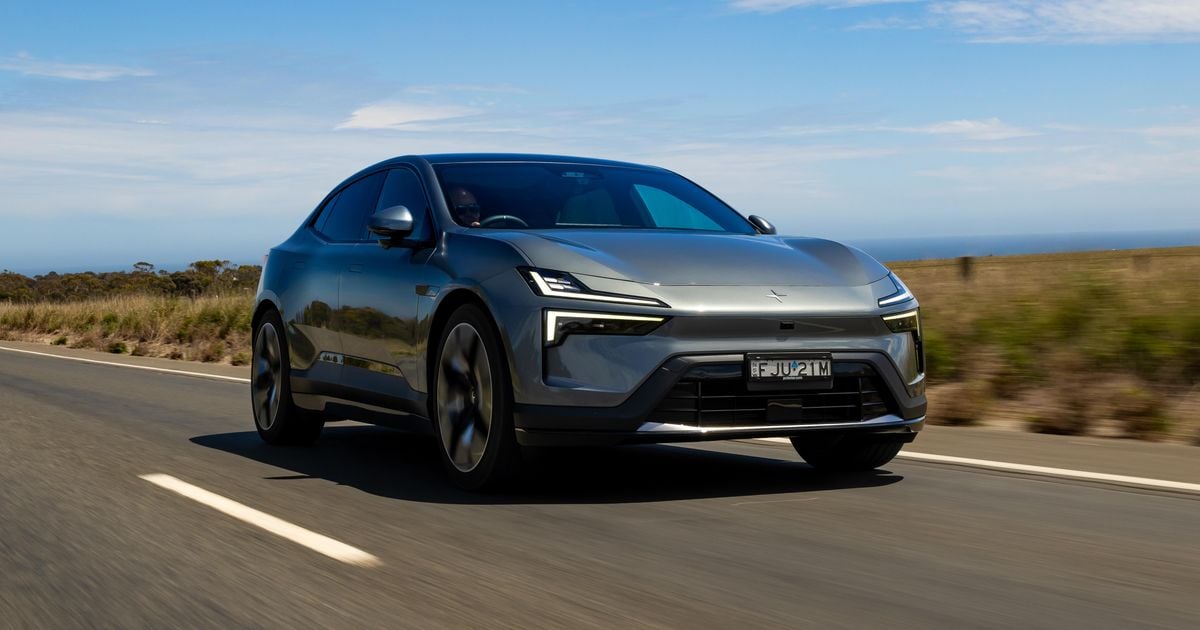
The 2025 Polestar 4 has sparked controversy over its design, a highlight of which is the removal of a conventional rear window and the exclusive use of a camera to ‘see’ directly behind you.
Why? The company’s designers wanted to maximise headroom for rear passengers without sacrificing the coupe-like roofline of this edgy new mid-sized electric SUV, so by removing the rear window the roofline could be extended and raked at a more dramatic angle.
Despite its numerical name suggesting it is larger than the existing Polestar 2 fastback and Polestar 3 large SUV, the Polestar 4 actually slots between the smaller sedan and bigger SUV in the brand’s all-EV lineup, both in terms of size and pricing, and it also sits between more mainstream mid-sized electric crossovers like the Tesla Model Y and Kia EV5, and premium contenders like the new Porsche Macan Electric.
Polestar won’t be drawn on calling out direct competitors or which models it is targeting locally, but it is trying to cement itself as a premium EV brand founded on its history in engineering and motorsport. It’s also going hard on sustainability, with a number of eco-friendly materials and processes employed to reduce environmental impact.
The Sino-Swedish brand has big plans moving forward too, with the 4 being the latest in a number of new models to be released between now and 2026. The Polestar 5 grand tourer and Polestar 6 sports car are both on their way in the coming years. It’ll also be doubling its physical sales footprint in Australia in the new year.
So, is this new rear windowless electric crossover worth your attention? We joined the Australian media launch in South Australia to find out.
How does the Polestar 4 compare?
View a detailed breakdown of the Polestar 4 against similarly sized vehicles.
Polestar
Polestar 4
How much does the Polestar 4 cost?
Pricing was recently adjusted for the 2025 model year (MY25) Polestar 4, resulting in a $3000 discount across the lineup.
Model
Price before on-road costs
2025 Polestar 4 Long range Single motor
$78,500
2025 Polestar 4 Long range Dual motor
$88,350
To see how the Polestar 4 lines up against the competition, check out our comparison tool
What is the Polestar 4 like on the inside?
The Polestar 4’s sleek exterior design may be a little unconventional and polarising, but its interior is quite a bit more inviting and should have much broader appeal.
Like many other manufacturers, Polestar has been reducing physical buttons and rotary controls in its cabins; but unlike many of them the Chinese-owned Scandinavian carmaker has put plenty of thought into how it can retain strong ergonomics and user-friendliness at the same time.
There’s a big 15.4-inch central touchscreen running Polestar’s software interface based on the Android Automotive operating system with Google built-in – meaning access to a range of internet-based features and services like the intelligent Google Assistant, Google Maps, and apps from the Google Play Store.
Polestar’s head of user experience (UX), Antonio Cobaleda Cordero, told us he and his team really paid attention to grid-style layouts and evenly distributed tiles and text to make the infotainment system as easy to read and use as possible. Mr Cobaleda Cordero also noted the flat menu structure to minimise menu diving on the move.
The result is a very tablet-like experience, with great simplicity but also extensive functionality. You rarely have to make more than one press to get to where you want, and the clean layout and typeface is wonderfully easy to read.
Further, there are funky little animations and explainers if you want a more detailed description of things like the driver assistance systems.
You can also toggle a range of ambient lighting settings which are all planet-themed – the Uranus theme was weirdly popular among other journalists…
Ahead of the driver there’s also a thin 10.2-inch digital instrument cluster that’s not too different to what you’ll find in the new Volvo EX90.
It packs a bit of configurability despite its letterbox aspect ratio, offering a selection of views including a full Google Maps navigating screen in between your power and speed readouts.
The sporty front seats are comfortable and available in an array of sustainable materials. As standard, the driver’s seat offers eight ways of power adjustment, while the front passenger pew offers six ways.
The driver also gets a memory function, and the front row is heated as standard. You can upgrade to 12-way electrical adjustment including base cushion extension as part of the Plus Pack ($8000), which also adds a heated steering wheel and rear seats. Further, the Nappa upgrade ($7000, requires Plus Pack) adds ventilated front seats, among other items.
As standard, there’s Charcoal “bio-attributed MicroTech” upholstery, with options including a sustainable SoftTech knit trim made from 100 per cent recycled PET yarn as well as the aforementioned Nappa upgrade, which is also of the sustainable Bridge of Weir variety.
The knitted material comes as part of the Plus Pack, adorning just the dashboard with the black interior option, or both the seats and dashboard with the ‘Mist’ colourway. It’s a very interesting material, and has a cool 3D structure to the design that plays with the ambient lighting nicely.
While the general feeling of material quality was pretty good in the cars we drove at the press launch, we noticed some inconsistent gaps between where the dashboard insert joins with the doors at either end, and the colouring of the knit material looked slightly off as well.
Otherwise, this China-made crossover feels pretty well put together, with its straight lines and padded surfaces making for an interior that feels spacious and sturdy. The Volvo ties continue to bring a sense of solidity to the limited switchgear, namely the chunky volume dial on the centre console, which feels like it’s fashioned from glass and metal.
Storage up front is decent without being exemplary. The skinny door pockets and shallow phone holder with Qi wireless phone charger make the deep centre console cubby and under-console storage unit seem that much bigger.
There are also a couple of toothed cupholders between the front seats, but they’re of slightly different sizes which can be annoying if you and your front passenger are both carrying larger cups or bottles.
Now for the second row. While coupe-style SUVs aren’t known for their exemplary rear accommodation, Polestar’s deletion of the rear window was an attempt to specifically address this. By removing the rear windscreen, it says it was able to extend the roofline and in turn improve rear headroom, while the massive 2999mm wheelbase ensures good knee and leg room.
I can confirm it’s almost limo-like in the back, where there’s heaps of knee and leg room for 6’1″ me behind my own driving position, and decent headroom under the fixed glass roof. Even better, the rear backrests are electrically reclinable if you opt for the Plus Pack, which is a really cool touch.
Rear air vents are standard, mounted on the B-pillars as well as the rear of the centre console, and you also have the option of a third zone of climate control as part of the Plus Pack.
There’s no standard shade for the fixed glass roof, though you can option an electrochromic roof for $2700 (though it requires the Plus Pack) and a clip-in shade is available as an accessory for $300 – seems a bit stiff, really.
Behind the rear seats, which can be separated by a folding bulkhead-style multifunction armrest, there’s a 526-litre boot that is not only spacious but also nicely square, including 31L under the floor. Fold the rear seats down and you have 1536 litres.
As is the case with a number of EVs on the market, there’s no spare wheel in the Polestar 4 regardless of the wheel and tyre package chosen.
Dimensions
Polestar 4
Length
4840mm
Width
2139mm – incl. mirrors
Height
1534mm
Wheelbase
2999mm
Cargo capacity
526 litres incl. 31L under floor – rear seats up 1536 litres incl. 31L under floor – rear seats folded
To see how the Polestar 4 lines up against the competition, check out our comparison tool
What’s under the bonnet?
The Polestar 4 offers two drivetrain options and one battery variant.
Our reasonably dynamic drive route wasn’t necessarily indicative of real-world efficiency, though we saw the Single motor’s indicated readout showing 19kWh/100km, while the Dual motor with Performance Pack returned around the 21-22kWh mark with a heavier right foot.
Both figures are pretty close to their respective manufacturer’s claims despite the enthusiastic driving style and environment, and given the size and category of this vehicle, both results are pretty good – though it won’t be giving a Model Y any sleepless nights on the efficiency front.
With more urban roads and more opportunities for energy regen, I’d imagine both variants would get much closer to their respective efficiency and range claims, making a real-world range of over 500km entirely achievable.
To see how the Polestar 4 lines up against the competition, check out our comparison tool
How does the Polestar 4 drive?
It may not look it, but this is quite a substantial vehicle in terms of its dimensions.
Single motor
You really do get the impression of width in the Polestar 4, but as you start to get a feel for it this 4.8m-long, 2.1m-wide (including mirrors) ‘wagon’ starts to shrink around you.
A lot of that is down to its overall dynamic ability. The weighty and direct steering gives it a keen feel from behind the wheel, making it handle like a smaller and more nimble vehicle.
Our drive took us from the streets of Adelaide into the Barossa Valley via the Adelaide Hills, giving us a good mix of city and suburban streets, plus twisty B-roads, and a bit of country highway.
We started off in the Long range Single motor, which had the optional Plus Pack with the Mist-coloured knitted upholstery.
Through the streets of Adelaide the smaller 20-inch alloys and chubbier 255/40-profile rubber made light work of the sort of road imperfections you encounter in suburbia.
Like a number of European products, the Polestar 4 has a firmer edge to its damping, but it’s otherwise very compliant and offers a good amount of travel in the suspension without feeling too loose.
Performance in the base model is more than adequate for normal driving, with 200kW on tap and, more importantly, 343Nm available from standstill to get this 2.2-tonne machine moving at a decent clip.
That said, Polestar and Volvo tend to calibrate a bit of doughiness into the initial throttle response to provide smoother torque delivery off the line and avoid jolty initial takeoff. Personally, I prefer the smooth setup but would appreciate a bit more initial response.
Once we got out of town the Polestar 4’s sure-footed road holding and wide stance translated to a more athletic drive experience, with the car’s rear-drive balance providing for a classic premium sports sedan-like feel – with a slightly raised ride height, of course.
I really like the heft of the steering calibration in the 4, which is much like that of the 2. It’s a little heavier than you’d expect, but it offers good feel and quick response – as I said earlier, it kind of shrinks around you.
The smaller-wheeled Single motor wasn’t quite at home on some of the high-speed undulating roads approaching the Barossa, however, with its softer passive tune not feeling as settled or quick to recover as the Performance Pack-equipped Dual motor model we subsequently drove with its firmer adaptive suspension setup.
Still, if you’re inclined to enjoying a more comfortable experience from the driver or passenger seat, the standard specification with smaller wheels strikes a nice balance for most scenarios.
Dual motor
You can have the Dual motor with basically the same specification as the Single motor, though the test car we drove was heavily optioned with packages, including the Performance Pack, which changes its character a bit.
The Dual motor adds three-stage adaptive damping as standard, and the Performance Package brings an even more focused Polestar Engineered tune for the configurable chassis settings, in addition to larger wheels, performance tyres and Brembo brakes with Swedish Gold calipers.
Right away, you can feel the more focused setup, especially on the sort of roads we were on, and the grippier rubber sends a bit more tyre noise into the cabin – particularly in the rear, where I rode for my passenger leg of the drive.
Minor drawbacks aside, this specification is tangibly more driver-focused, and makes the Dual motor version a pretty quick and capable electric GT.
It’s worth remembering the Polestar 4 Dual motor is the brand’s quickest production model yet, claiming a 3.8-second 0-100km/h run – which feels very accurate by the seat of the pants – and in hero Performance Pack spec it’s certainly a fast and involving drive for something so large.
On an additional loop later in the day, I drove this same spec with a bit more anger on a half-hour route incorporating some twisty bits and high-speed country highway sections, and it again proved itself as a capable fast tourer, but it also left me wondering if all this was really necessary.
Why? Because this is a 2.3-tonne (in Dual motor-spec) coupe-crossover that will likely spend most of its time tootling around town rather than tearing up windy B-roads away from suburbia. This more focused – and more expensive – derivative, while fun and involving to drive, is bordering on overkill given the base car is already quite good.
For reference, the Performance Pack is a $7200 option on top of the $8000 Plus Pack, so to get these upgrades it’ll cost you a minimum of $15,200 on top of the Dual motor’s $88,250 list price before on-roads – making it a six-figure car before you even think about the $7000 Nappa upgrade also fitted to this particular test vehicle.
Still, that’s much cheaper than the new Porsche Macan Electric, which in Turbo guise starts from a cool $180,000.
From a safety assistance perspective, the driver-focused route meant we weren’t really in scenarios where Pilot Assist was appropriate, though we did put the cameras to work when parking and, obviously, that rear-view mirror.
I expected the lack of a rear window to be a problem from the driver’s seat, but only until I attempted to reverse park and had the realisation it was useless looking over my shoulder; it’s very easy to forget there’s no window there.
Polestar says the 4 is the first car to use the second-generation camera technology from Gentex for its digital rear-view mirror, which incorporates a 2.5-megapixel high-definition camera mounted where a shark-fin antenna would normally go.
The company says the high dynamic range and custom image processing improves visibility across all lighting conditions, and offers a wider field of view than a conventional mirror through a traditional rear window.
When quizzed about the placement of the camera and the risk of it getting dirty or damaged, the 4’s product manager Ola Aldensjö said the camera’s positioning on the rear roof and the housing’s lipped border helps mitigate the risk of it getting dirtied by rain and grime, or damaged by debris.
Beyond the digital rear-view mirror, the Polestar 4 is equipped with a litany of cameras (11) and sensors (12) around the vehicle. The standard surround parking camera is good, but its bird’s-eye view can suffer from the slightly warped display we’ve seen in other Polestar and Volvo products.
We didn’t experience any issues with the driver monitoring system, which didn’t have overzealous tendencies like we’ve endured in vehicles from other – namely Korean and Chinese – brands.
To see how the Polestar 4 lines up against the competition, check out our comparison tool
What do you get?
The Polestar 4 is available in two variants in Australia.
Plus Pack shown
Plus Pack shown
Polestar 4 Long range Single motor highlights:
20-inch ‘Aero’ wheels with Pirelli P Zero tyres
LED headlights with active high-beam
LED daytime running lights
LED rear light bar
Illuminated Polestar grille logo
Heated and frameless exterior mirrors
Retractable door handles
Puddle lights
11kW onboard AC charger
Rain-sensing wipers
Power-adjustable heated front seats
Driver memory function
Charcoal-coloured headlining
Recycled plastic floor mats
Dual-zone climate control
Heat pump
10.2-inch digital instrument cluster
15.4-inch infotainment system
Google built-in functionality
Google Assistant
Google Maps
Google Play Store
Wireless Apple CarPlay
Bluetooth
DAB+ digital radio
Wireless phone charger
8-speaker sound system
Integrated 5G e-SIM
3yr Google service connectivity
Over-the-air updates
Polestar Connect
Integrated dashcam
4x USB-C outlets (two front, two rear)
12-volt power outlet (located in the boot)
Soft-closing electric tailgate
Tyre repair kit
First aid kit
Digital key, ultra-wideband remote frequency key and NFC key card
Polestar 4 Long range Dual motor adds:
Semi-active dampers
Range and Performance driving modes
Launch mode
To see how the Polestar 4 lines up against the competition, check out our comparison tool
Options
A number of packages and standalone options are available for the Polestar 4.
Pro Pack: $2500
21-inch Pro wheels
Michelin Pilot Sport 4 EV tyres
Black seatbelts with Swedish Gold stripe
Swedish Gold valve caps
Plus Pack: $8000
14.7-inch head-up display
12-speaker Harman Kardon premium sound system
Pixel LED headlights with adaptive high-beam
22kW onboard charger
Automatic dimming side mirrors
Charcoal ‘MicroTech’ or Mist ‘Tailored Knit’ upholstery
Power-adjustable steering column with memory
‘Extended’ front seat electric adjustment
Heated steering wheel
Tri-zone climate control with air quality monitoring
Heated electric reclining rear seats
Rear entertainment screen
Hands-free power tailgate
Performance Pack: $7200 (Dual motor with Plus Pack)
Polestar Engineered chassis tuning
22-inch Performance forged alloy wheels
Pirelli P Zero tyres
Brembo brakes incl. Swedish Gold calipers
Swedish Gold valve caps, seatbelts
Nappa upgrade: $7000 (requires Plus Pack)
‘Animal welfare-secured’ perforated Bridge of Weir Nappa leather (zinc or charcoal)
Ventilated front seats with massage function
Additional Harman Kardon headrest speakers
Rear comfort headrests
Brushed textile headliner
Single item options:
21-inch sport alloy wheels: $2500
Privacy rear glass: $700
Body-coloured lower cladding: $1400 (requires Plus Pack)
Electrochromic panoramic glass roof: $2700
Electric folding tow bar: $2900
AC charging cable: $360
To see how the Polestar 4 lines up against the competition, check out our comparison tool
Is the Polestar 4 safe?
The Polestar 4 is yet to receive a safety rating from ANCAP or Euro NCAP.
Standard safety features include:
7 airbags
11 exterior cameras
12 ultrasonic sensors
Autonomous Emergency Braking (AEB)
Forward, Reverse
Car, pedestrian, cyclist detection
Junction assist
Adaptive cruise control
Blind-spot assist
Driver monitoring system
Forward collision warning
Intelligent speed limit assist
Interior motion sensor
Lane change assist
Lane keep assist
Pilot Assist
Adaptive cruise + lane centring
Up to 150km/h
Road sign recognition
Tyre pressure monitoring
Whiplash protection – front
To see how the Polestar 4 lines up against the competition, check out our comparison tool
How much does the Polestar 4 cost to run?
The Polestar 4 is sold in Australia with a five-year, unlimited-kilometre warranty.
Running costs
Polestar 4
Warranty
5 years, unlimited kilometres – vehicle 8 years or 160,000 kilometres – EV battery
Roadside assistance
5 years
Service intervals
12 months or 20,000 kilometres
Capped-price servicing
5 years or 100,000 kilometres
Total capped-price service cost
Free
There is also a 12-year warranty against corrosion, while three years of complimentary Polestar Connect and five years of roadside assist are included in the purchase price.
While the free servicing package is a healthy saving, it’s a shame there’s no partnership with a public charging provider to help new EV customers ease into using Australia’s often flawed charger network.
To see how the Polestar 4 lines up against the competition, check out our comparison tool
CarExpert’s Take on the Polestar 4
It may look awkward from some angles, but I came away quite impressed with the Polestar 4.
Should you enjoy its distinctive exterior, you’ll be even more impressed with the classy cabin, the surprising amount of space for passengers and their cargo, the user-friendly tech, and the engaging drive experience.
It’s also got a long range that’s achievable in the real world, though the 200kW DC charging capacity is a little off the pace compared to some other brands in the EV space – noting that 100kWh is quite a big battery to re-juice.
While the lengthy options list is annoyingly pricey, it conversely allows owners to really make the car their own with their ideal combination of add-ons, or just keep it simple with the already decent standard specification.
You also get a pretty sweet deal with free servicing for five years or 100,000km; which is longer than the life of most finance or lease periods anyway.
Polestar has a bit of work to do in Australia though. The brand’s commitment and transparency around holistic sustainability is a great point of difference, but it’s still a largely unknown entity to the general public Down Under and, for many, its designs could still be confused with those from Volvo.
However, a bigger dealer network in 2025 will improve Polestar’s brand recognition, as will a broader product portfolio led by the 4, which is expected to be its top-seller. As the brand’s first entry in Australia’s single biggest new-vehicle sales segment, the Polestar 4 will be a better test of how many people its dealers can convert to customers, and whether many will simply end up on Hertz rental fleets like the 2.
My pick? The Single motor with the Plus Pack and privacy glass comes in at just under $100,000 drive-away, even with the beautiful (but exxy) $2300 Snow white paint.
That gives you all the cool features like Pixel LED headlights, Harman Kardon audio, knitted upholstery, and power-reclining rear seats, while also offering the best balance of performance and range.
Interested in buying a Polestar? Get in touch with one of CarExpert’s trusted dealers here
New cabin design, interface highlight interior changes
GV70 Electrified gets a larger 84-kwh battery pack, range not yet confirmed
New Terrain Mode, improvements to adaptive damping represent the mechanical updates
Genesis has revealed refreshed versions of its GV70 lineup for 2026, including a revamped cabin design and new interface.
2026 Genesis Electrified GV70 models get even more of an update, including a larger 84-kwh battery pack, more range, and the addition of a Tesla NACS charge port.
The Genesis GV70 is the brand’s top-selling model line, and Genesis has sold more than 85,000 of these models in North America, so it’s an especially important refresh.
2026 Genesis GV70
2026 Genesis Electrified GV70
2026 Genesis GV70
Gasoline versions of the Genesis GV70 continue to be powered by either a 300-hp, 2.5-liter turbo-4 or a 375-hp, 3.5-liter twin-turbo V-6, paired to an 8-speed automatic transmission and standard all-wheel drive.
Some gasoline GV70 models and all Electrified GV70s come with adaptive dampers, including a system that literally reads the road and adjusts accordingly. Now Genesis has added a logic that helps adjust front and rear damping quickly for acceleration and deceleration. A new Terrain Mode also brings specialized modes for sun, mud, and sand.
In the Electrified GV70, a dual-motor system produces 429 hp and 516 lb-ft of torque, with a boost mode that provides 483 hp in 10-second bursts.
With 84 kwh, up from 77.4 kwh, the Electrified GV70 will get a significant boost in range over last year’s 236-mile EPA rating. And thanks to continued 800-volt fast-charging capability, it will likely allow a full charge in as little as 20 minutes—with a CCS adapter, as Tesla Superchargers don’t yet deliver those power levels.
2026 Genesis GV70
2026 Genesis GV70
2026 Genesis GV70
Genesis does say, however, that adding NACS more than doubles the size of the DC fast-charging network available to Genesis EV drivers—for road trips and more. With the bigger battery, expect 10-80% charge times to increase slightly from the now-optimal 18 minutes (when using a CCS adapter).
2026 Genesis Electrified GV70. – NACS port
The refresh follows what has already been introduced in revamped global GV70 versions. The center point of the revised interior is a new 27-inch OLED display that fully integrates both the instrument cluster and touchscreen infotainment—and doesn’t forget about wireless Apple CarPlay and Android Auto. The rest of the dash design has been completely reworked and resculpted, while a different door-panel design, and reworked materials, surfaces, and lighting throughout give this model an entirely cleaner—but also warmer—look and feel.
While the exterior mostly carries over, gasoline models get a new grille design and pattern; new multi-lens array (MLA) headlights emphasize the twin horizontal lines of lighting in front, and both the skid plate area and front air intakes have been given a more chiseled look.
2026 Genesis Electrified GV70
The 2026 Genesis GV70 models will arrive in the first half of 2025, and they’ll be “dual-sourced,” according to the brand, from its Alabama U.S. plant and one in South Korea.
Hyundai will present the Ioniq 9 at the 2024 Los Angeles auto show
The electric three-row SUV features a standard 110.3-kwh battery, which Hyundai said is good for a 335-mile range estimate
Pricing for the Ioniq 9 will be announced closer to the start of sales in early 2025
Buyers looking for an electric vehicle with third-row seats have a new option in the 2026 Hyundai Ioniq 9, which was revealed on Wednesday ahead of a formal debut later this week at the 2024 Los Angeles auto show.
The Ioniq 9 is the production version of the Hyundai Seven concept shown in L.A. three years ago, and the concept’s lines have hardly changed on the road to production. The designers have even kept the concept’s ring of pixels that encircle the rear of the vehicle. Counting all of the individual pixels will help pass the time for anyone stuck behind an Ioniq 9 during a traffic jam.
It’s due to reach U.S. dealerships in early 2025 and at launch there will be just the one battery, a 110.3-kwh unit that Hyundai said will be good for an EPA-range estimate of 335 miles. That’s with rear-wheel drive and 19-inch wheels. Available options like all-wheel drive and 20- and 21-inch wheels will drop that figure, but Hyundai said it is aiming for more than 300 miles for all versions.
The rear-wheel-drive Ioniq 9 will come with a single motor at the rear generating a peak of 215 hp. Above this will be a standard all-wheel-drive configuration that adds in a 93-hp motor to the front axle for a total of 303 hp, and a Performance all-wheel-drive configuration that adds in a 215-hp motor to the front axle for 422 hp. The Performance model, when equipped with 21-inch wheels, is expected to deliver 0-60 mph acceleration in 4.9 seconds. The stated towing capacity is 5,000 pounds.
2026 Hyundai Ioniq 9
When it comes time for charging, the Ioniq 9 takes advantage of an 800-volt electrical architecture to enable fast-charging on a 350-kw charger, which will take the battery from 10-80% in just 24 minutes under optimal conditions. Bidirectional charging is also included, and the Ioniq 9 will have a Tesla-style NACS port.
The Ioniq 9 is a corporate cousin to the Kia EV9, sharing the same stretched version of Hyundai Motor Group’s E-GMP modular EV platform. The Hyundai is much more minivan-like in design compared to the rugged EV9, with the focus on maximizing interior space, even for third-row passengers thanks to a flat floor that extends all the way to the back. The vehicle measures 199.1 inches long, has a long wheelbase of 123.2 inches, and can hold approximately 46.7 cubic feet of storage with the rear seats folded flat.
2026 Hyundai Ioniq 9
The design up front is relatively spartan. There’s a minimalist dash with floating screens for the digital gauge cluster and infotainment system, both measuring 12.0 inches. Some physical controls can be found on the steering wheel and in the center stack, as well as on the center console, which is separated from the dash and can slide back 7.5 inches for better access for second-row passengers. The console also contains a rubberized charging pad for mobile devices. Fully reclining first- and second-row seats will be offered, as will six two-tone interior color schemes.There’s also a drive mode selector to choose from Normal, Eco, Sport, and on the top model MyDrive modes. Hyundai will also offer Sand, Mud, and Snow off-road modes.
In some markets, Hyundai will also offer rear-facing cameras instead of side mirrors, with the displayed video to appear on 7.0-inch screens on either side of the dash. With the cameras fitted, the coefficient of drag drops to a relatively slippery—for an SUV—rating of 0.259 cd versus 0.269 with standard side mirrors, like in the U.S.
2026 Hyundai Ioniq 9
Pricing information will be announced closer to next year’s sales launch.
The L.A. auto show opens to the media on Thursday. Hyundai will also use the event for the local debut of the Initium, a concept that previews the design of the next-generation Nexo fuel cell vehicle.
The Toyota LandCruiser Prado 250 Series is arriving in Australian dealerships, and now critical figures for those looking to tow and tour in the all-new large off-road SUV have been revealed.
While Toyota has until now only detailed its 3500kg braked towing capacity – a significant upgrade on the 3000kg figure of its predecessor – it has now revealed kerb weight, gross vehicle mass (GVM) and gross combination mass (GCM) figures.
It’s good news for those looking to upgrade from their old Prado to the new model, which is closely related to the 300 Series and brings increases to all those figures compared to the 150 Series it replaces.
100s of new car deals are available through CarExpert right now. Get the experts on your side and score a great deal. Browse now.
Prado Altitude
Toyota LandCruiser Prado GX
Toyota LandCruiser Prado GXL
Toyota LandCruiser Prado VX
Toyota LandCruiser Prado Altitude
Toyota LandCruiser Prado Kakadu
Seats
5
7
7
5
7
Kerb weight
2495kg
2535kg
2570kg
2520kg
2595kg
Payload capacity
605kg
615kg
610kg
580kg
605kg
Gross vehicle mass (GVM)
3100kg
3150kg
3180kg
3100kg
3200kg
Braked towing capacity
3500kg
3500kg
3500kg
3500kg
3500kg
Gross combination mass (GCM)
6600kg
6600kg
6600kg
6600kg
6600kg
The new Prado’s kerb weight is up by about 150kg across the board, and its GVM has increased to match, varying between 3100kg for five-seat variants (GX and Altitude), and up to 3200kg for the flagship Kakadu.
Later versions of the previous-generation Prado had a GVM of 2990kg.
Depending on the variant, payload capacity is between 580kg and 615kg, an important figure to keep in mind when optioning accessories and loading a family’s worth of gear before going on a trek or road trip.
Prado Kakadu
The Prado’s GCM (the maximum weight allowed for your vehicle and trailer combined) has also risen, in line with its increased towing capacity. The 250 Series has a GCM of 6600kg across the board, up from 5990kg.
While the new Prado can theoretically tow up to 3500kg, it can’t do so when the SUV and its contents weigh more than 3100kg, otherwise it’ll exceed its 6600kg GCM.
And that’s without factoring in tow ball down weight, which is generally accepted to be 10 per cent of whatever your trailer, caravan, boat or horse float weighs.
MORE: Everything Toyota LandCruiser Prado MORE: 2025 Toyota LandCruiser Prado price and specs MORE: 2025 Toyota Prado: Why third-row seats can’t be removed MORE: 2025 Toyota Prado: Wait times, supply and order numbers detailed
Ioniq 9 will seat up to seven, has fully reclining first and second
Aims for 335 miles of range, 24-minute 10-80% fast-charging
Capable of downloadable Features on Demand, energy sharing
Hyundai’s upcoming three-row EV, the 2026 Ioniq 9, may get closer than any contemporary vehicle to straddling the boundaries between SUV, wagon, and minivan.
Although measuring out to roughly the same size as the Kia EV9, the Ioniq 9 is a completely different form factor—one appearing to be less focused on truck looks and backcountry possibilities, and instead more focused on interior comfort and highway efficiency and range.
It could shape up as a unique rival to other aero-savvy or non-conventional three-row EV designs, including the Lucid Gravity, Tesla Model X, and Volkswagen ID.Buzz.
2026 Hyundai Ioniq 9
2026 Hyundai Ioniq 9
2026 Hyundai Ioniq 9
Ioniq 9 styling: Not a boxy SUV
The Ioniq 9 pretty closely follows the shape of the Seven concept from 2021. It pairs a series of linear design aspects—the bitmapped line of lighting across the front, the nearly level beltline crease, and the straight-back lower-body trim—with a roofline and sides that softly taper, extending almost in a boattail shape.
That results in a coefficient of drag of just 0.269—remarkably good for an SUV, and an asset in providing a projected EPA range of up to 335 miles from just 110.3 kwh.
The Ioniq 9 is 199.2 inches long—about two inches longer than the EV9. That makes it the largest vehicle yet to be built on its E-GMP dedicated EV platform, which also underpins the Ioniq 5 crossover, Ioniq 6 sedan, Kia EV6 wagon, Kia EV9 SUV, and Genesis GV60 hatchback.
It rides on a 123.2-inch wheelbase, which is 0.2 inch longer than the EV9’s and the longest of any model from Hyundai. A flat floor, enabled by bypassing worries about locating the fuel tank, exhaust pipes, and more, helps package roomier seating and more cargo space than comparably sized combustion vehicles.
2026 Hyundai Ioniq 9
2026 Hyundai Ioniq 9
2026 Hyundai Ioniq 9
Ioniq 9 interior: Spacious and futuristic
The cabin has a futuristic look, with a “floating dashboard,” slim vents, and ambient lighting. Six two-tone combinations are offered to complement (or contrast with) 16 different exterior colors, and eco-savvy materials are used throughout.
The front seats have armrests, and a center console allows a walk-through area in front and is in reach of the second row. It can slide back by up to 7.5 inches and has two layers of tray storage, with the lower one sliding. Frunk space—with an electric opener—stands at 1.8 or 3.1 cubic feet (depending if you have a motor up there), while the rear cargo area has 21.9 cubic feet with the second and third rows in place.
Hyundai notes that the first and second rows can fully recline and have leg rests, “allowing up to four people to rest during vehicle charging,” it says. The Ioniq 9 also has a massage function for the driver seat.
Camera side mirrors and second-row swiveling seats are feature points included with the auto-show debut, but Hyundai has said they won’t arrive in the U.S. version.
2026 Hyundai Ioniq 9
Three Ioniq 9 models, up to 335 miles
The Ioniq 9 will be offered in three configurations: Long-Range RWD, Long-Range AWD, and Performance AWD. All three versions have a 215-hp (160-kw) motor at the rear wheels, but the Long-Range AWD has a 93-hp (70-kw) motor in front while the Performance AWD gets 215-hp motors front and rear. The Long-Range RWD will return that estimated 335 miles, but Hyundai says it aims for more than 300 miles of range for all versions.
Hyundai quotes a 0-60 mph time of 4.9 seconds for the Performance model, while the two other versions are pegged at 6.2 and 8.4 seconds. It can tow up to 5,000 pounds and includes a towing mode that focuses on a 50:50 torque distribution, varying it as needed. Additional drive modes will include Normal, Eco, Sport, and a customizable MyDrive mode. Sand, Mud, and Snow off-road modes cater to specific terrain types.
The Ioniq 9 rides on a four-wheel independent suspension, with a MacPherson strut front suspension and a multi-link rear, plus self-leveling dampers and vibration-isolating hydro-bushings. It uses torque vectoring for ride and stability.
2026 Hyundai Ioniq 9
Ioniq 9 gets serious about aero and noise reduction
Aerodynamics are aided by an active air flap system and flush body panels. It also has a new type of door-closure mechanism that Hyundai says will assure a better fit-and-finish. According to Hyundai, this is also the first model from the automaker to get aluminum fenders and quarter panels, which helps cut weight. Hyundai has said the Ioniq 9 will weigh between 5,500 and 6,000 pounds.
It also includes an active noise control system that focuses on combating road noise, which can be especially noticeable in EVs. The Bose 14-speaker sound system that’s available includes a so-called e-Active Sound Design feature that creates different EV driving sounds.
Hyundai also notes that 100-watt USB-C ports are provided in all three rows. Also noteworthy is an available multi-tray UV-C sterilizer that can disinfect phones or masks, though it’s unclear if that feature is coming to our shores.
2026 Hyundai Ioniq 9
Ioniq 9 charging times, energy sharing
With a 350-kw charge connector, the Ioniq 9 can get from a 10-80% charge in just 24 minutes, according to Hyundai. It has vehicle-to-load (V2L) convenience for outputting power through AC sockets—in the cargo area. It will use the NACS (Tesla-style) charge port.
Charge status is now represented by four green dots on the steering wheel, and Hyundai is introducing a “refined EV Route Planner” with the Ioniq 9, plus “improved battery consistency” and new energy displays.
A 12.0-inch gauge cluster and 12.0-inch infotainment system are set across a curved display. Hyundai has added an expanded AI voice assistant, while it hopes to roll out optional features for download—called Features on Demand—that might include dynamic lighting or music apps.
The Ioniq 9 has 10 airbags, and improved third-row passenger protection, along with automatic emergency braking, active lane control, blind-spot monitors, and many other active-safety systems.
Hyundai says that the Ioniq 9 will be launched in Korea and the U.S. in early 2025, with Europe and other markets to follow. Expect starting prices around $60,000, ranging near or past $80,000 for the top Performance version. The Ioniq 9 will be made in Georgia and is expected to qualify for the full $7,500 federal EV tax credit.
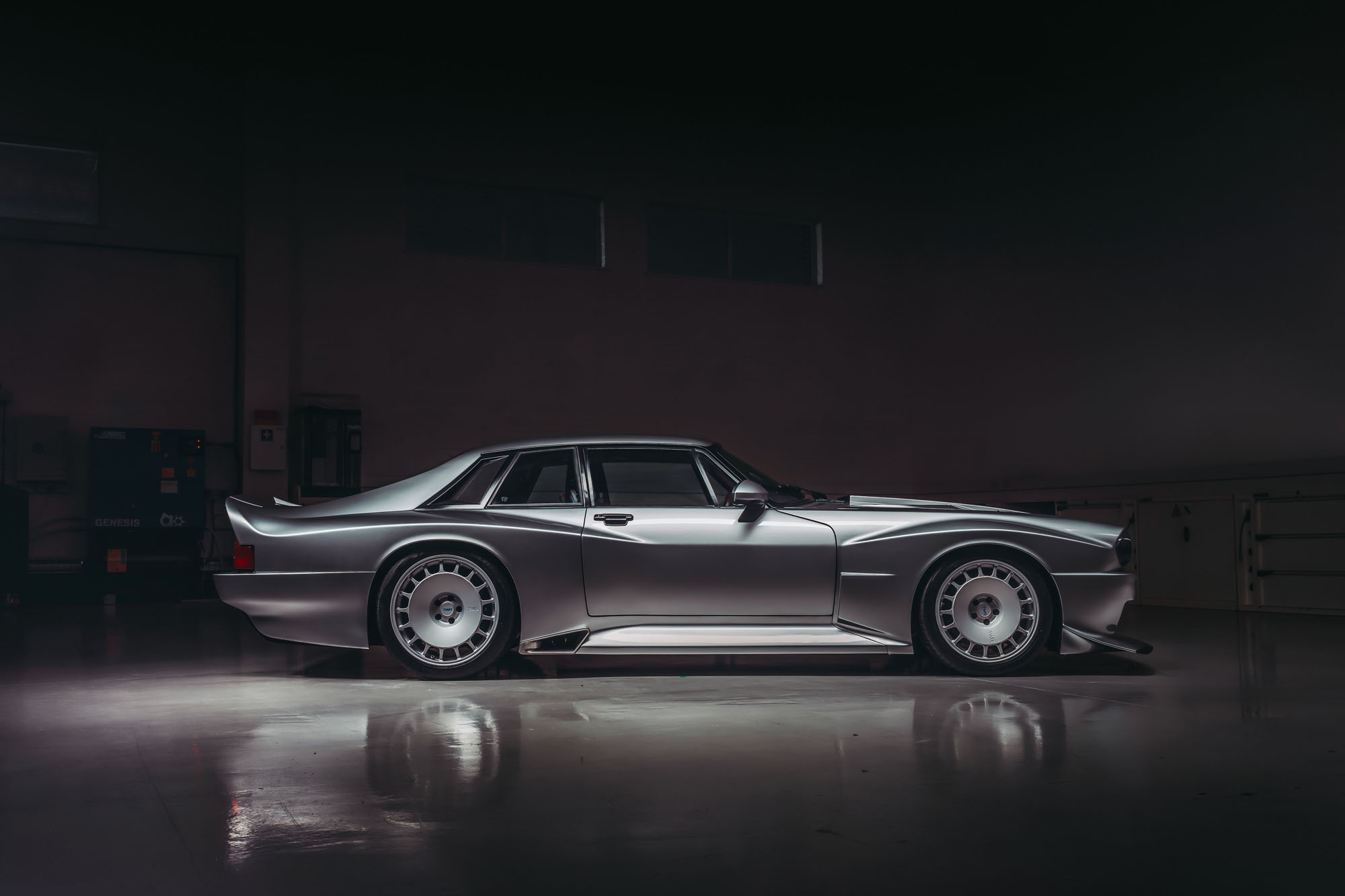
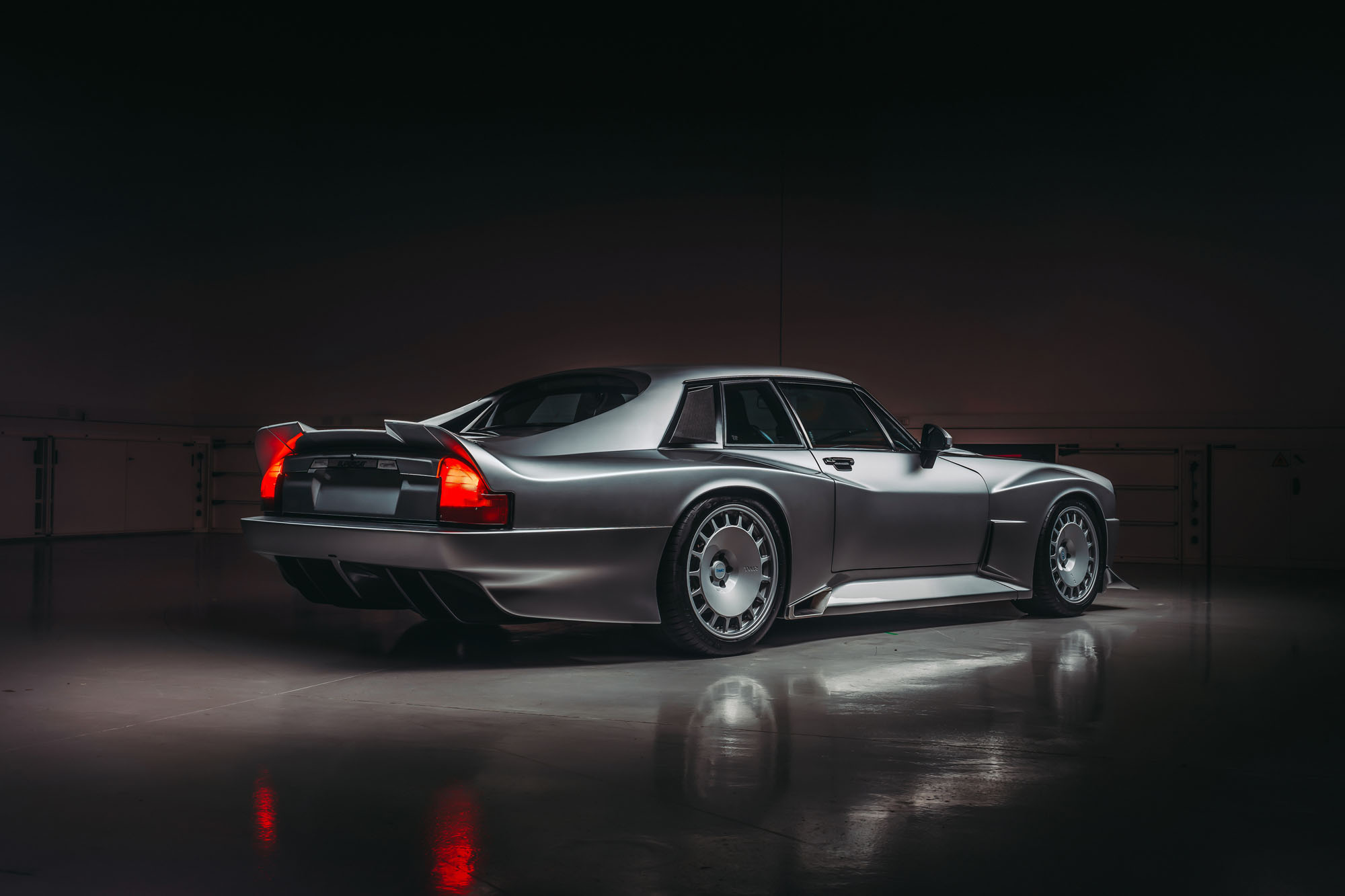
TWR has formally unveiled the Supercat, its radical new Super-GT underpinned by the legendary Jaguar XJS. Widely previewed in the summer of 2024, the Supercat has already earned acclaim from clients and commentators ahead of its public launch today.
Fergus Walkinshaw, Director and Founder, TWR
“Almost 40 years after my father’s original company dominated the racetrack, we’ve brought the TWR name roaring back with our new Supercat. Our debut product, designed as an authentic, analog Super-GT for the committed driving enthusiast, has been developed for over three years by some of modern motorsport’s brightest talent. Built on the foundations of the classic Jaguar XJS, it uses modern materials and production methods, plus our in-house supercharged V12, to deliver a visceral, immersive driving experience on the road and the track. With production limited to just 88 examples and every car individually commissioned, it’s a chance to own something truly unique and personal, rooted in motorsport history but completely contemporary in its design, engineering and performance.”
The Supercat has been engineered by a team representing some of the most celebrated names in motorsport, including McLaren, Ferrari, Porsche, Williams, and Renault F1. The team is led by TWR director and co-founder Fergus Walkinshaw. His father, Tom Walkinshaw, the revered constructor and racer behind the original TWR, drove Jaguars to victory in the European Touring Car Championship, Spa 24 Hours, and Bathurst during the 1980s.
A True TWR Super-GT
The Jaguar XJS provides the essential foundation for the TWR Supercat, which also incorporates design elements inspired by other iconic racing Jaguars of the era, including the XJR-9, XJR-15, and the XJ220 supercar. True to its motorsport heritage, the Supercat features rear-wheel drive and a six-speed manual gearbox, delivering an authentic, engaging, and entirely analog driving experience. Beneath its long, sculpted, carbon-bodied bonnet lies a formidable supercharged V12 engine, developed in-house by TWR engineers. This power unit produces an impressive 660bhp and 730Nm of torque.
TWR’s philosophy emphasizes that exceptional driving cars are not solely defined by raw power. This is demonstrated through a suite of engineering enhancements ensuring the Supercat excels dynamically in the world’s most demanding motorsport and road environments. To manage the significant increase in power, the car’s structure has been reinforced with an integrated tubular steel framework, while lightweight carbon-fiber body panels contribute to a 9.3% reduction in weight compared to the original Jaguar XJS (1,605kg vs. 1,770kg).
Additional features include the option for carbon ceramic disc brakes, fully programmable traction control, launch control, and five distinct driving modes. These modes enable drivers to tailor the car’s dynamics to suit various road and track conditions. Double wishbone suspension, enhanced by an active dynamic damping system, ensures a composed and comfortable Super-GT driving experience on extended continental journeys. It also provides the precision, feedback, and stability required for dynamic road and track settings. This duality of character defines the Super-GT ethos, fulfilling the mission of creating a car capable of both high-speed touring and spirited track performance.
The Supercat excels at delivering on its mission. It is the perfect tool for driving to the Nürburgring, offering adjustable suspension and steering for a supreme GT driving experience on the journey there. Once on the track, the car adapts seamlessly to deliver exhilarating performance before returning occupants home in supreme comfort.
Practicality has not been overlooked. The rear seats have been replaced with a significantly expanded luggage area, ensuring ample space for long-distance touring — a hallmark of the Super-GT DNA. Interior comfort is elevated with a completely overhauled cabin that integrates modern features while paying homage to the classic Jaguar XJS design.
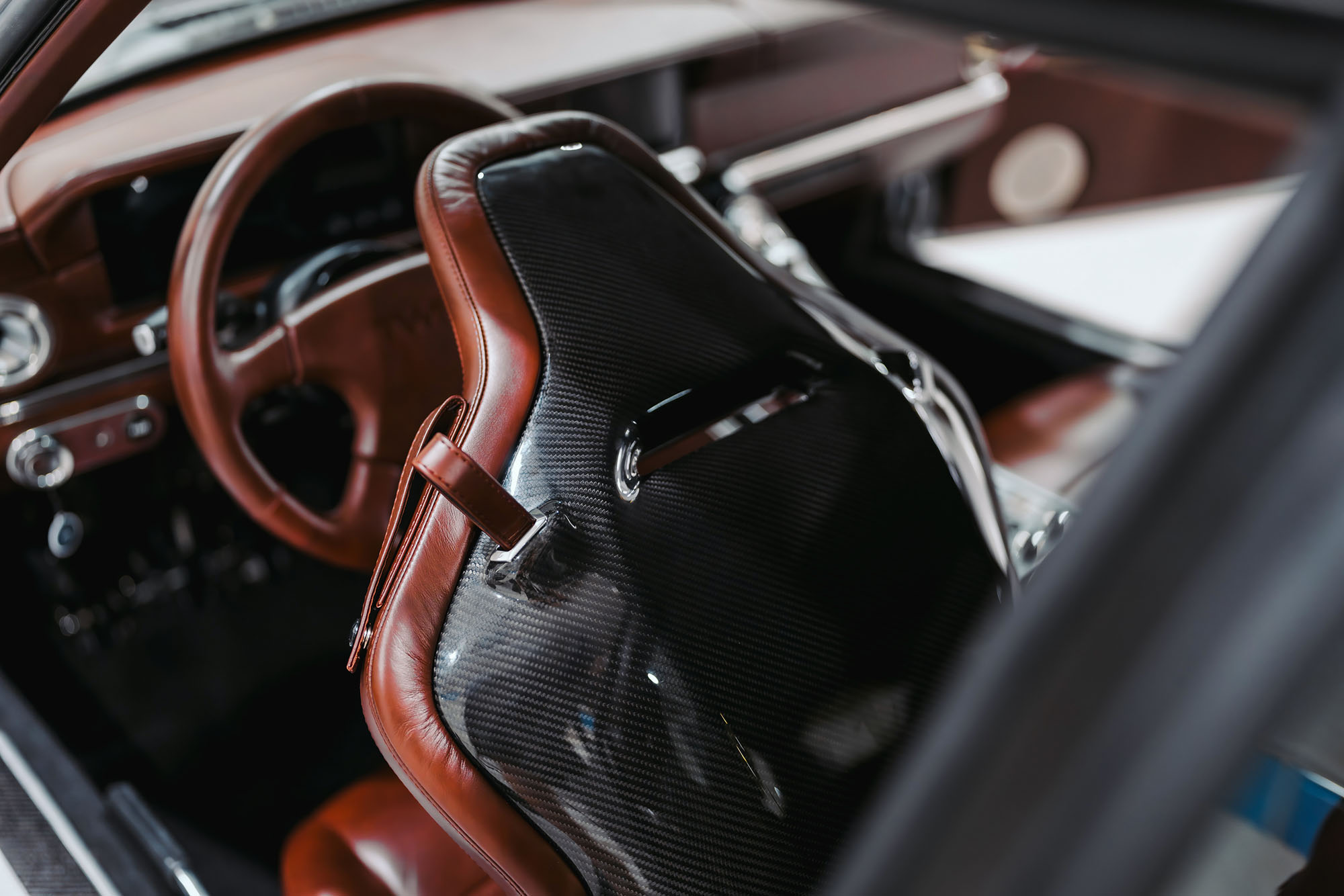
This includes a fully digital multimedia interface (MMI) with Apple CarPlay and Android Auto compatibility. Suspension and steering settings can be easily adjusted via an intuitive toggle interface. Carbon fiber-backed leather seats are available in a contemporary design or a ‘heritage’ option, referencing the original XJS seat louvers.
Radically Styled
Khyzyl Saleem, Designer, TWR Supercat: “I am proud to have designed a TWR true to its racing and performance DNA, building on the foundations of one of Britain’s great automotive icons. The TWR Supercat represents an entirely new expression of the original. As a designer, working with a new palette of highly technical materials has allowed me to re-energize the form and stance of the Jaguar XJS, boldly expressing our mission to create a true Super-GT. Collaborating with TWR’s exceptional engineers and aerodynamicists, we’ve created a car where every line and feature serves a performance purpose, authentically representing TWR’s legacy on both the track and the road.”
The TWR Supercat brings to life a vision for a modern, high-performance TWR car built upon the classic Jaguar XJS. Its striking silhouette has been designed by Khyzyl Saleem, one of the world’s leading digital and 3D car concept stylists, renowned for his performance-focused projects with iconic names such as the late Ken Block and Travis Pastrana.
Saleem’s design efforts were further bolstered by the involvement of Magnus Walker, the legendary British-born designer and car collector. Walker’s expertise in global car culture was instrumental in refining the vision of creating a vehicle that blends the Jaguar XJS’ foundational legacy with the bold, distinctive aesthetics and substance of a contemporary TWR car.
Their combined efforts lend the Supercat a more aggressively muscular character while preserving the Jaguar XJS’ iconic profile, including its signature silhouette, flying buttresses, and front-end graphic. Subtle design cues pay homage to TWR’s decades-long relationship with the Jaguar marque.
In keeping with TWR’s guiding philosophy, the Supercat’s design is driven by engineering requirements to achieve exceptional performance. Saleem’s design proposals were rigorously evaluated for aerodynamic efficiency by a former World Championship-winning Mercedes-Benz F1 aerodynamicist. This collaboration ensures the Supercat delivers a visceral and engaging driving experience, fulfilling the original design brief.
The resulting design not only communicates the Super-GT’s dynamic intent but also incorporates a suite of aerodynamically functional features to generate critical downforce. These include precision-designed splitters and in-body aero enhancements that provide the stability demanded in both high-speed touring and track settings.
Key aerodynamic innovations include a complete reimagining of the XJS’ iconic flying buttresses, now reshaped to optimize airflow from the body to the rear haunches. The floorplan has been flattened and paired with a bespoke, fully re-engineered rear splitter to generate additional downforce necessary to manage the Supercat’s extraordinary power output. To accommodate these changes, the exhaust system has been repositioned from the rear to the side of the car.
The Supercat’s broader stance further reinforces its dynamic character. Its width has increased from 1,793mm to 1,975mm compared to the original XJS, enhancing its visual and aerodynamic profile. This wider footprint is complemented by TWR Forged Monoblok wheels, sized at 18 inches at the front and 19 inches at the rear — a significant evolution from the original XJS’ 15-inch alloys.
The First of a New Breed of TWRs
As the first TWR production car, the Supercat is the perfect exemplar of the company’s philosophy: blending modern engineering, materials, and methods with a classic base to create something that truly captures the spirit of TWR, which reshaped world motorsport in the 1980s and 1990s. Future TWR models will undergo the same rigorous development and testing process, adopting protocols and facilities used by the world’s leading sports car brands, racing teams, and other performance specialists. The same philosophy is applied to the manufacturing of every TWR product, with every car hand-built at the company’s facility in Newbury, Berkshire, at TWR’s dedicated factory.
The Magic Number
TWR is now accepting commissions for the Supercat, whose production run will be strictly confined to just 88 examples worldwide, in homage to Tom Walkinshaw’s famous win with the XJR-9 at Le Mans in 1988. The first customer deliveries are expected in the summer of 2025. Every Supercat is built to order, and customers have a wide range of personalization options. Orders have already been taken across the United States, the UK, Europe, Asia, and the Middle East in both right-hand-drive and left-hand-drive configurations. Prices will vary according to individual specifications but start at £225,000, excluding local taxes. A limited number of build slots remain open, with a £35,000 deposit.
Component
Subcomponent
TWR Supercat
Chassis
Steel Monocoque + Steel and Carbon Fibre Reinforcement
One of the best parts of overlapping in North America is exploring the continent’s most intimidating destinations. For instance, thrill-seekers enjoy traveling the Mojave Road in Southern California.
The 150-mile path demonstrates historical significance and natural beauty as you adventure through the desert. Most of the road takes you through Mojave National Preserve, one of the hottest places in North America.
The climate can be challenging on Mojave Road, considering the fire risks and temperatures reaching 120 degrees Fahrenheit. However, seasons outside of summer are more pleasant and worth a trip.
When overlanding here, take advantage of established hiking paths like the Lava Tube and Rock Springs trails. The best overnight stays are at Black Canyon, Mid Hills and Hole-in-the-Wall.
2. Baja California
Continue driving past San Diego until you reach the Mexican border. Then, you can enter Baja California and its natural glory. The peninsula is over 55,000 square miles, so there’s plenty of room for overlanders to enjoy the warm weather.
Along the way, you’ll find scenic Pacific Ocean beaches, fun towns and consistently sunny skies. Before heading here, prepare your passport and Mexican car insurance paperwork to present to officials.
Overlanding in Mexico is great for those on a budget. The country features inexpensive street food in most cities, letting you minimize the cash you carry.
Baja California adventurers should camp at Bahía San Luis Gonzaga in Ensenada or La Bocana just south of the city.
If your goal is to travel across Mexico, the Yucatán Peninsula should be one of your overlanding destinations. The tip of Mexico features beautiful beaches and glimpses of the Old World as you travel.
The Yucatán Peninsula is more developed than Baja California, although there are still places to have south-of-the-border adventures. This part of Mexico is famous for its Mayan architecture, such as the Kohunlich, Chichen Itza and the ancient city of Calakmul.
Stay in the central or northern parts of the Yucatán Peninsula if you want time to yourself. That said, Cancún, Cozumel and Playa del Carmen are fun if you enjoy beach town atmospheres.
Overlanders should visit the isolated beaches up north, such as Las Coloradas. This shoreline is typically quiet while providing views of the unique pink lake.
The beaches of Las Coloradas in the Yucatán Peninsula
4. Alpine Loop
The Rocky Mountains are a bucket list stop for overlanders because of the rugged terrain and stunning beauty. While here, you should trek the Alpine Loop for an advanced off-road course.
The Alpine Loop encompasses 63 miles and is typically open only from Memorial Day until October. The short season is because the early and late parts of the year bring too much snow for travelers.
This area is remote enough to enjoy the mountain views alone while still being close to civilization. On the Alpine Loop, you’ll be close to Lake City, Silverton and Ouray.
Overlanders also taste history by passing through old mines and ghost towns. Be cautious because the Alpine Loop’s mountain passes and narrow roads can be tricky for off-roading beginners.
5. The Grand Canyon
When you imagine North America’s greatest natural wonders, the Grand Canyon should be near the top of the list. This Arizona site is like no other across the continent.
The Grand Canyon has a touristy reputation, although overlanders can find solitude and camping opportunities. Visit the North Rim for less foot traffic and advanced hiking trails with spectacular views.
When traversing this national park, hike the Bright Angel Trail on the South Rim for a challenging adventure. The trail includes wide lanes for accessibility, although you won’t find much shade on the path.
Overnight lodging is available in the nearby Kaibab National Forest and the Kaibab Plateau. A backcountry permit may be needed to stay in the North Rim.
Rock formation overlooking the Grand Canyon in Arizona
6. Red Rock Canyon
Overlanders don’t have to travel far to see another iconic canyon. West of Las Vegas, travelers can find the Red Rock Canyon National Conservation Area and take a break from the bright lights.
This natural beauty is within Nevada’s Mojave Desert, so it could be one of your overland destinations alongside Mojave National Road or Death Valley National Park. Desert tortoises, rock formations and scenic drives highlight this recreational area.
When the weather is nice, stop at Red Rock Canyon’s 19 hiking trails that range in difficulty. While some are more strenuous, there are paths for beginners and leisurely walks.
Red Rock Canyon Campground is the only developed site for overnight stays. Otherwise, you’ll need to find primitive camping elsewhere.
Utah is one of North America’s premier destinations for overlanding and outdoor fun. The Mighty Five national parks include Zion, Arches, Canyonlands, Bryce Canyon and Capitol Reef.
At Canyonlands National Park, overlanders can travel on the White Rim Trail. This site is popular with cyclists and other adventurers, though there’s enough room for everyone to enjoy the scenery.
The White Rim Trail is apt for beginners who don’t want a challenging, technical ride. A four-wheel drive helps you navigate the terrain, but it’s not mandatory for riding.
Despite the desert landscape, the Green and Colorado Rivers have accessible water opportunities. However, watch out for flooding, as it doesn’t take much to overflow.
8. Cape Lookout National Seashore
While the western U.S. has numerous national parks and forests, the eastern half boasts incredible overlanding destinations. Start at Cape Lookout National Seashore in the Outer Banks of North Carolina.
Cape Lookout is terrific for overlanding because of its diverse terrain. While the white sand beaches are popular, you also get forests and rolling dunes for off-roading.
The sand can be challenging to traverse because of its reduced contact, so air down your tires. Fortunately, Cape Lookout has a few areas to replenish your tire pressure.
This East Coast site is excellent if you’re looking for an easy, beginner-friendly overlanding excursion. The hiking trails and campgrounds require little experience before coming here.
9. Dempster Highway
Overlanding is also possible when you find destinations in the Great White North. Canada’s massive open lands mean plenty to explore and see with the whole family.
Head to Dempster Highway for the best of Canada’s off-roading and overlanding experiences. This long stretch of road takes you through the Yukon Territory, the Northwest Territories and the Arctic Circle.
While driving on the highway isn’t complex, exploring takes a long time. You’ll likely be on the path alone, with only the tundra surrounding you.
If you cross the Canadian border, ensure you have your passports and other documentation. The country requires a visitor visa for most travelers, although American tourists are the exception.
Tombstone Territorial Park along Dempster Highway in Canada
10. Trans-Labrador Highway
Another famous Canadian overlanding trip takes you to the opposite side of the country. The Trans-Labrador Highway starts around Fermont, Quebec, before crossing into Newfoundland and Labrador. Then, your journey ends at the Gulf of St. Lawrence.
The Trans-Labrador Highway has become easier to drive on because of its recent paving. However, the isolated road is challenging due to the unpaved mountain sections and the sparse stops.
Altogether, the long highway in Canada spans nearly 700 miles and provides weeks’ worth of fun. Along the way, overlanders see unique fishing villages and a change of pace from normal life.
The extreme isolation means you might not encounter a gas station for a long time, so bringing your own fuel is wise. Use stabilizers to make your fuel last longer on the trip.
11. Kentucky Adventure Tour
Appalachia is a must-see for outdoor enthusiasts, so what better way to see it than taking the Kentucky Adventure Tour? This nearly 1,000-mile path takes you around the hills and mountains of eastern Kentucky.
The Kentucky Adventure Tour provides a nice mix of unpaved and paved backroads to satisfy any outdoor craving. Get on and off at any point, or travel the entire distance in your off-highway vehicle.
Along the trip, you’ll see Daniel Boone National Forest and cross the Tennessee border to visit the Big South Fork National River and Recreation Area. If you ever want to feel like Daniel Boone crossing the Cumberland Gap, here’s your chance.
One good thing about the Kentucky Adventure Tour is the mild weather year-round. While spring and fall are the recommended seasons, you can travel during the summer and winter and have a fun trip.
12. Trans-Wisconsin Adventure Trail
While shorter than its Kentucky counterpart, the Trans-Wisconsin Adventure Trail displays the best overlanding destinations in The Badger State. From the Illinois border to Lake Superior, there are outdoor sights for everyone.
The trail is primarily for motorcycles, although four-wheel drive can navigate the terrain. Rain could make some parts too muddy unless you’re in an all-terrain vehicle (ATV) or other well-equipped off-roader.
The Trans-Wisconsin Adventure Trail is popular among Midwesterners for its diverse landscape. For instance, there are beautiful waterfalls in Ashland and Iron counties, and excellent hiking opportunities are available near the lake.
When traveling, prioritize stops at Wyalusing State Park and the Apostle Island National Lakeshore. These sites are great for sightseeing and overnight stays in your overlanding vehicle.
Finding the Best Overlanding Destinations in North America
Overlanding takes you to destinations across North America, whether the colorful beaches of Mexico or the tundra in Canada. The continent features natural beauty wherever you are, so take your time and embrace the incredible scenery.
Jack Shaw is a writer and world traveler currently serving as the senior Outdoors editor of Modded. He has a great love of travel and dedicates much of his writing to teaching people how to navigate the world safely and effectively. You can find his writing on sites like Duluth Pack, The Travel Magazine, EcoHotels and more.
Electrified GV70 upgrades to an 84-kwh battery pack
Likely 250+ miles of range, with 10-80% SOC in about 20 minutes
Revamped cabin interface and ambience, dynamic improvements
Genesis on Tuesday night revealed a substantially updated version of its Electrified GV70 crossover with a larger battery, a Tesla NACS charge port, and a refreshed front-end design.
It’s part of a refresh for the GV70 lineup, which is Genesis’ top-selling model line. The Electrified GV70 gets a bigger battery pack and more range—a much-needed upgrade, although Genesis isn’t talking numbers quite yet. 2025 Electrified GV70 models came in at an EPA-rated 236 miles. Going from 77.4 kwh up to 84 kwh will surely push this model well past the 250-mile mark.
At about 186 inches long, the Electrified GV70 doesn’t have obvious direct rivals, but looking upward in size it overlaps with the Cadillac Lyriq, Acura ZDX, and BMW iX. Looking smaller, the XC40 Recharge might be an alternative.
2026 Genesis Electrified GV70. – NACS port
With the shift to a Tesla NACS port, the 2026 GV70 Electrified will have native support with no need for an adapter at Tesla Supercharger stations. Genesis says that adding NACS will more than double the size of the DC fast-charging network available to Genesis EV drivers—for road trips and more. With the bigger battery, expect 10-80% charge times to increase slightly from the now-optimal 18 minutes (when using a CCS adapter).
On the outside, the profile and much of the surfacing carry over, but Genesis has pushed up the prominence of the two horizontal lines of light with new multi-lens array (MLA) headlights, and what’s over the NACS port has changed slightly in texture. On gasoline versions there’s a new grille design.
Down below, the skid plate design is a little bolder, and air intake grilles have been extended up for a slightly more chiseled look around the corner of the vehicle.
2026 Genesis GV70
Genesis says that the cabin follows a “Beauty of White Space” design principle. It includes a completely new dash design focused around a 27-inch OLED screen, with buttons consolidated to an oblong area across the dash.
Strips of ambient lighting run a lap around it all, and door areas have been redone with lighted trim surfaces that really fit the upscale mood. There are four nappa leather color options, including a signature Ultramarine Blue, complementing ten different exterior hues.
The 2025 model’s dual-motor propulsion system delivered 429 hp and 516 lb-ft of torque, with a boost mode that provided 483 hp in 10-second bursts. The Boost mode button has been moved to a different spot on the 2026 steering wheel, but we anticipate those power numbers to stay the same.
The GV70 family gets dynamic improvements with a system that better controls front and rear damping forces when accelerating or decelerating. It continues to use forward-facing cameras to read the road surface and adjust accordingly. Genesis also added a new Terrain Mode, with specialized modes for sun, mud, and sand.
2026 Genesis GV70
2026 Genesis GV70
2026 Genesis GV70
Along with the cabin interface and display changes, Genesis has added hands-on detection for the steering wheel, improved lane assist, and an updated parking assist feature that can do diagonal parking now, too.
Genesis has been keeping this model updated along the way. The 2025 GV70 Electrified added wireless Apple CarPlay and Android Auto, as well as updated Genesis Connected Services telematics.
2026 Genesis GV70
The GV70 Electrified was the first U.S.-built EV from the entire Hyundai Group, and Genesis says that both the EV and the gasoline version will be “dual-sourced” from its Alabama U.S. plant and one in South Korea. The 2026 Electrified GV70 models will arrive in the first half of 2025.
The technical storage or access is strictly necessary for the legitimate purpose of enabling the use of a specific service explicitly requested by the subscriber or user, or for the sole purpose of carrying out the transmission of a communication over an electronic communications network.
Preferences
The technical storage or access is necessary for the legitimate purpose of storing preferences that are not requested by the subscriber or user.
Statistics
The technical storage or access that is used exclusively for statistical purposes.The technical storage or access that is used exclusively for anonymous statistical purposes. Without a subpoena, voluntary compliance on the part of your Internet Service Provider, or additional records from a third party, information stored or retrieved for this purpose alone cannot usually be used to identify you.
Marketing
The technical storage or access is required to create user profiles to send advertising, or to track the user on a website or across several websites for similar marketing purposes.