Home Blog Page 328

6 Of The Best Road Trips In Victoria, Australia

0


Road trips in Australia are very popular, especially along the east coast from Sydney to Cairns, along the west coast from Perth and for the ambitious traveller there’s even the Big Lap around this vast and diverse continent.

Whilst there are so many amazing choices for a road trip in Australia, if you are drawn to cooler climates, food, wine, art and stunning coastal landscapes, then Victoria is the destination for your next road trip in Australia!

I live in Victoria, and have travelled to many areas on a day trip or longer road trip. Think along the lines of the Great Ocean Road, Yarra Valley and Mornington Peninsula. Victoria has a lot to offer for anyone travelling the southern state of the nation and in this blog post I’m going to share all of my top tips and ideas for road trips in Victoria.

From the popular to the inconspicuous and everything in between, you’ll want to get a notepad and pen at the ready. Here are 6 road trips in Victoria to inspire your next adventure down under…

1. South Gippsland 

    South Gippsland is one of the lesser known, yet stunningly beautiful and memorable road trips in Victoria.  From op-shopping, food and wine, markets to the protected national park of Wilsons Promontory, there is something for everyone.

    Wilsons Prom, Best Road Trips In Victoria

    Here are the main stops on this beautiful road trip in Victoria:

    The first town recommended to stop at once leaving Melbourne, Korrumburra is 1.5 hours drive from Melbourne.  A cute historical town located beside the Strezlecki ranges, offering a bewery, pubs, bakery, and many op (thrift) shops. A recent addition to Korrumburra is the Tsuko Japanese restaurant, offering delicious and affordable meals for lunch, in a relaxed environment.  Open 10-4pm.

    Meeniyan has an arts and music atmoshere, with touring artists visiting to perform at the humble and iconic Meeniyan Town Hall (past musicians incoude Beth Orton and Paul Kelly).  The Trulli Pizza retsuarant has also made a name for itself with their delicious woodfired pizzas.

    A great small town with an iconic pub, the famous Alison Lester bookshop, and cute gift shops and cafes lining the main street.

    A quiet holiday town with a stunning stretch of beach, with only one general store.

    A beautiful small coastal town with little over 300 residents, and popular with quiet holidayers.

    An established, older style town, some good cafes, fresh fruit and veg, small boutiques and a great bookshop where you can order a coffee and read the books instore.

    • Wilsons Promontory (Tidal River)

    Wilsons Prom is the beautiful national park located at the most southern tip of mainland Australia.  The main campground is located at Tidal River, where the river meets the sea at Norman Bay.

    ‘The Prom’ is a loved, must-visit location for any road trippers this far south in Australia. Think stunning surf beaches, incredible hikes, and lots of wildlife including wombats, kangaroos, rosellas, and emus.

    ➡️ See a full guide to Wilsons Prom here

    2.Yarra Valley Wineries

    The wineries in the Yarra Valley, Victoria are a personal favourite when it comes to road trips in Victoria. I have visited them numerous times.  These world class vineyards are easy to visit on a day trip, but if you are planning a longer road trip here are some of my suggestions:

    • Domaine Chandon – My favourite. A beautiful winery with a gorgeous view of the vineyard, spectacular sparkling wines, high class restaurant, tours and more. See more here.
    • Yering Station – Built in 1838, Yering Station was Victorias first vineyard.
    • Rochford – Large winery with restaurant and Cellar Door, which hosts major music events.
    • St Huberts – You’ll find delicious cool climate Cab Sauvignons and Pinot Noir.
    • De Bortoli – A large winery with Italian food to match, delicious!
    • Punt Road Winery – A small, specialised, family run winery.
    Domaine Chandon, Best Road Trips In Victoria
    Villa Raedward, Best Road Trips In Victoria

    Accommodation in Yarra Valley:

    Healesville – Healesville is a fun town to stop on your way to or from the Yarra Valley.  With accommodation options like the Healesville Hotel or or one of the many Airbnb options you could stay a night here, or simply stop at the famous Four Pillars gin distillery for a gin tasting and lunch.

    Within the Yarra Valley – There are many affordable options to stay the night like the BIG 4 Holiday Park (they have glamping!) or a luxurious experience in one of the expensive estates.

    We stayed at the Gatehouse Villa Raeward a few years ago. The large room is separate to the Villa, quiet modern and close to many of the top Yarra Valley Wineries. This is only one of the many lavish stays in the Yarra Valley.
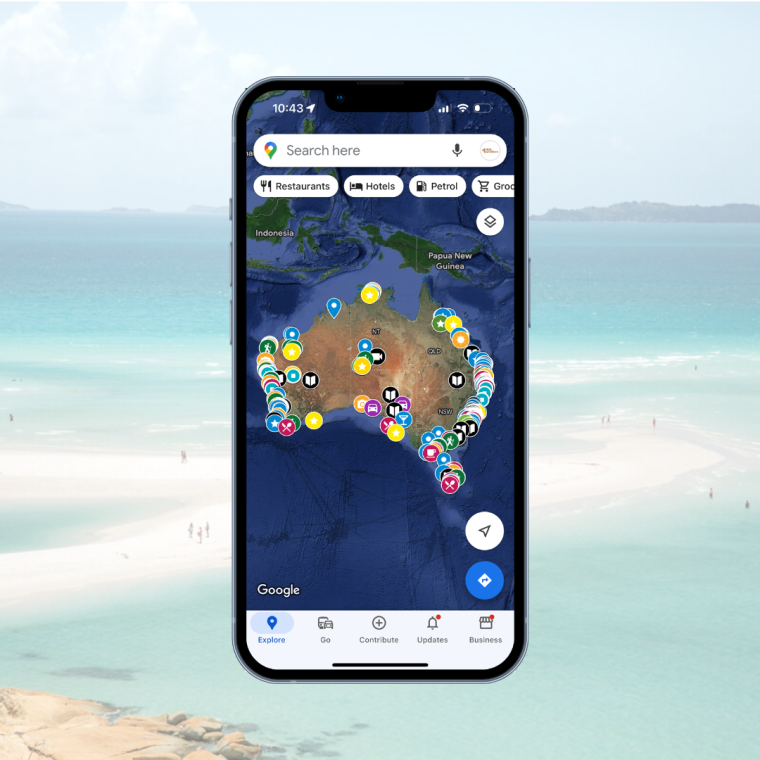
    Australia Google Map LegendAustralia Google Map Legend

    Get lifetime access to my endless hours of research and time spent on the ground finding the best places to eat, drink, relax and explore in the area. You simply open the Google Map on your device and all my pins are at the touch of your fingertips.

    3. Macedon Ranges

    The Macedon Ranges and surrounding towns of Mount Macedon, Woodend, Daylesford, Hepburn are a popular road trip from Melbourne and are amazing stops to make up one of the best road trips in Victoria.

    Daylesford Cider, Best Road Trips In Victoria

    Each town in this region has its own charm, and simply driving through the area is an experience, past fields, farms and bushland.

    • Mount Macedon – Drive up the small mountain, past heritage mansions and exquisite gardens.  Recommended in Autum or Spring.
    • Woodend – Anntiques, cafes, and a quality bakery worth stopping at for a takeaway coffee and pie, or sweet treat!
    • Daylesford – A popular area for wellness, art and alternative living.  A beautiful town to visit for lunch and a wander through the shops. See more here. The last time I was in Daylesford we had lunch at Daylesford Cider, a gorgeous outdoor/indoor cider brewery definitely worth checking out.
    • Hepburn – Close to Daylesford and famous for the Hepburn natural springs, with bathing houses for swimming and natural springs to fill your water bottle with natural mineral water. Visit the website here.

    4. Alpine National Park and Resorts

    A road trip through the Alpine region is great for enthusiastic skiers, or could be taken in the off-season for the natural beauty, hiking and stunning views. If you’re a mountain lover this could be up there on your list of road trips in Victoria.

    Popular Mountains for skiing and hiking include:

    • Mount Hotham – Best snow quality in Winter and beautiful wildflowers in Spring.
    • Falls Creek – Popular for cross country skiing and hiking.
    • Mount Buller – Most popular mountain for downhill skiing, snowboarding and partying, 3.5 hours from Melbourne.
    • Mount Baw Baw – Easy to get to, located in Gippsland, only 2.5 hours from Melbourne. Overnight accommodation available.
    • Lake Mountain – No accommodation but perfect for a day trip with the kids.
    • Mount Sterling – Only half hour from Mount Buller, ski and snowboarding lessons, or tracks for experienced skiers.

    4. Mornington Peninsula

    The Mornington Peninsula is close to Melbourne (only 90 minutes from Melbourne CBD), and a popular Victoria road trip for many travellers. 

    Portsea Hotel, Best road trips in Victoria

    These are the main towns on the peninsula, although there are many beautiful spots to visit in between. Consider these when planning your road trip in Victoria:

    • Mornington – The bayside suburb at the beginning of the peninsula, with some top restaurants and bars overlooking the water.
    • Rye – Fun holiday town close to the bay, or the larger surf beaches.
    • Arthurs Seat – Small mountain with extended views at the summit. Tourist attractions including The Enchanted Forest and the Arthurs Seat cable cars, providing the best views.
    • Dromana – Bayside town, with general shopping located at the bottom of Arthurs Seat.
    • Sorrento – Many clothing shops, eateries and accommodation in a family friendly and up-market beach town.
    • Portsea – Also an up-market area, with the famous Portsea pub, hotel, wealthy accommodation and sunset views.

    5. Great Ocean Road 

    The Great Ocean Road is of course one of the most famous road trips in Victoria.  Beginning at Torquay (90 mins from Melbourne) and ending in Warrnambool, the road winds its way along the coast, through small surf and fishing towns.

    Torquay, Best Road Trips In Victoria

    There are many guides and things to do on the Great Ocean road. My favourite stops on this road trip are:

    • Bells Beach – Epic and famous surf beach located just out of Torquay as you head down the Great Ocean Road.
    • Fairhaven – Beautiful stretch of beach with lots of holiday houses with sweeping views. 
    • Lorne – Popular and busy town with modern dining options, a pub, clothing shops and good surf break.
    • Port Campbell. Seaside town close to the 12 Apostles tourist attraction. Airbnbs or pub accommodation available. There’s also the Port Campbell Hotel.
    Bells Beach, , Best Road Trips In Victoria

    Which one appeals to you most?

    Road trips in Victoria, Australia are easy to plan and navigate.

    The main thing to bear in mind when preparing for road trips in Victoria is that you’ll need to prepare for all types of weather conditions. Some days its freezing, other days its hot and windy!

    There are plenty of accommodation options throughout the state from Airbnbs, hotels, hostels, and paid and free camping so it’s really easy to design the adventure of your choice!

    Road tripping through Victoria offers a different experience for travellers in Australia, compared to the northern tropical beaches, and hot desert trips.

    Victoria has wild and beautiful beaches, incredible restaurants, wine, art galleries, live music and wellness retreats, which are all bound to excite road trippers, and create memories of a lifetime down under.

    Are there any other road trips in Victoria you’d add to the list?

    Have any questions or tips of your own? Leave them in the comments below, we’d love to hear from you.

    Australia Google Map LegendAustralia Google Map Legend

    Get lifetime access to my endless hours of research and time spent on the ground finding the best places to eat, drink, relax and explore in the area. You simply open the Google Map on your device and all my pins are at the touch of your fingertips.





Source link

7 Ways to Protect Yourself When Selling a Car Privately

0


7 Ways to Protect Yourself When Selling a Car Privately

Selling your car yourself can be easy and profitable, especially if you start with an online ad on Kelley Blue Book’s Private Seller Exchange. Even so, you’ll want to keep some essential things in mind. Use our simple steps to help protect you and make the process go smoothly.

What’s below isn’t an exhaustive list of everything involved in your sales transaction, as each sale is unique. But it contains the top things you’ll want to know to be prepared for most, if not all, of the possibilities when selling your car. Be sure to check the laws and regulations in your particular state.

  1. Screen Callers Thoroughly
  2. Take Precautions With the Test Drive
  3. Ensure a Safe Transaction
  4. Maintain a Paper Trail
  5. Block out Your Personal Information
  6. Complete the Title Transfer
  7. How to Avoid Scams and Fraud When Selling Your Car Privately

1. Screen Callers Thoroughly

Listing your car on Kelley Blue Book’s Private Seller Exchange marketplace, shared with its sister site Autotrader, may bring emails, texts, and calls from interested parties. We suggest that you insist on speaking to the most serious buyers over the phone before scheduling a test drive. A conversation will allow you to screen potential buyers. Also, you can ask several questions, such as their needs and if their financing is lined up. Invite buyers to ask questions, which will help gauge their seriousness about your car.

Take precautions with anyone who offers to buy your vehicle sight unseen. Of course, it’s easier to sell to someone you can meet in person in your area. But these days, more shoppers need to stretch their boundaries and buy a car from out-of-state. When using Kelley Blue Book’s Private Seller Exchange, the service you pay for handles the transfer of funds and the car title, making it easy for sellers. More on that below.

For your protection, check your insurance coverage to ensure it extends to other drivers and mention over the phone that you’ll need to see the potential buyer’s driver’s license before handing over your keys.

RELATED: How to Sell a Car: 10 Steps for Success

2. Take Precautions With the Test Drive

If the caller seems legitimate, ready to buy, and wants to set up a test drive, pick a safe, central location in a public place to meet up, ideally near a relaxed test drive route. Always plan ahead and ask a friend or family member to join you for the ride. Meet prospective buyers during the day in a public area (such as the parking lot of a police station, mall, or near their bank). Park the car in a high-traffic area where people can see you.

Plan a test drive that’s short and sticks to populated areas. Most buyers don’t expect an extended test drive. If your buyer wants more time, let the person ask you for it.

Before the test drive, don’t forget to ask to see the prospective buyer’s license. Typically, it’s advisable to accompany the driver on the test drive — regardless of what kind of collateral they offer in exchange for driving it. These steps help take the guesswork out of the test drive when it happens.

3. Ensure a Safe Transaction

If the person seems serious about buying the car, they will likely want to negotiate the price. Ideally, you’ve discussed forms of payment in advance.

When selling your car yourself, refuse any unusual requests, such as driving the would-be buyer to another location. Often, such a request gets framed for obtaining money or arranging a loan to complete the sale. Instead, let the buyer make their own arrangements with the service. Then, you can ask the person to contact you when ready to conclude the sale.

Avoid having test drives begin and end at your home. Prepare the paperwork beforehand and keep the car’s title unsigned and out of sight, even if using the Private Seller Exchange service.

If not using the Private Seller Exchange service, be sure the form of payment is legitimate. Stick to well-known payment options, like a cashier’s check.

Touchless payment options may also be available, depending on vehicle cost:

  • Zelle
  • Venmo
  • PayPal
  • CashApp

These online payment services allow users to send and receive funds directly and securely without exchanging bank information. However, limitations on transaction amounts may prevent using these platforms as the only payment method when buying a car.

If the person prefers to provide a cashier’s check, these payments are generally safer and less susceptible to fraud than certified checks.

Escrow Services

Beware of fraudulent escrow services. Private Seller Exchange handles the transfer of funds using a secure escrow service.

However, if selling peer-to-peer and not using the service, an escrow service holds the buyer’s payment for a fee until the seller has delivered the item purchased. Such a third-party service can protect both parties from fraud. However, scammers often set up fake escrow services. For example, they claim an affiliation with well-known companies like Kelley Blue Book and TRUSTe to create a sense of security. Kelley Blue Book, however, does not endorse any escrow services, and TRUSTe does not operate an escrow service.

Tips Before You Agree to an Escrow Service

  • Avoid any payment or escrow service that implies an affiliation or partnership with KBB.com.
  • Avoid any escrow service that claims to be operated by TRUSTe. TRUSTe doesn’t operate an escrow service.
  • Verify an escrow service’s legitimacy by checking with state regulators.
  • Research the escrow service.
  • Decline the transaction if the other party insists on using an escrow service you’re unsure about.
  • Don’t click on any link the seller provides; use a search engine to open the website in a different browser to avoid scams and fraud.
  • Dial the contact number listed.
  • Search for the company on the Better Business Bureau website.

What You Need to Know About Escrow Services

  • How much the escrow service charges.
  • Which party pays the escrow fees.
  • What conditions must be met before the payment gets released to the seller.

If any escrow-related email or website implies an affiliation with Kelley Blue Book by displaying our logo or by other means, report it to KBB.com and law enforcement.

Using Private Seller Exchange

Here’s what you can expect when selling a vehicle on Kelley Blue Book’s Private Seller Exchange.

  • The marketplace checks IP addresses, emails, and phone numbers. It uses Stripe to verify IDs to help ensure a safe transaction with all buyers and sellers.
  • Buyers submit payments online, while sellers securely receive funds by one of the following methods: wire transfer or other electronic transfer of funds,  credit or debit card.
  • The service pays off your loan, providing a seamless transfer of ownership to the buyer.
  • Buyers can drive the vehicle home after the test drive. Just take precautions and follow the steps provided to ensure the transaction is complete. Read below for title transfer.
  • PRO TIP:  To complete a sale or purchase using the Private Seller Exchange, both seller and buyer must first complete and pass ID Verification. It’s best to do that before meeting to speed up the sale.

4. Maintain a Paper Trail

It’s essential to keep a paper trail when selling a car. At a dealership, the paperwork gets handled for you. When you sell a vehicle to an individual, it’s your responsibility to ensure the transfer gets dealt with properly. Doing the legwork upfront can eliminate hassles down the road.

Each state has different rules regarding proper title transfer, but most require the seller and buyer to fill out paperwork to ensure the transfer is legal. If using the Private Seller Exchange, the service will securely transfer the title for you. However, if you do not use the service, read on.

In many states, the seller signs the back of the existing title, along with the date, sales price, and exact odometer reading, before handing it over to the buyer. You should also make a copy of the signed title (both sides) for your records.

RELATED: How to Sell a Car Without a Title

PRO TIP: An accurate odometer reading is critical when you sell. Once you sign off on the title, the odometer reading provides proof of the moment in time the car is no longer legally yours. Don’t round it up — the buyer could have an accident within two miles of the sale and claim you are responsible.

Most states recommend buyers and sellers complete a “bill of sale” along with a “release of liability” form to provide proof of the transfer and protect the seller from future tickets, violations, or other problems with the vehicle. DMV.org, a clearinghouse of all state DMVs, provides a sample Bill of Sale and Release of Liability information.

Send in the signed “release of liability” to your state DMV. This is important to ensure that the seller is not held responsible for anything that happens to the vehicle after the sale.

In many states, you must turn in your license plates to the DMV and get a receipt, which cancels the vehicle registration in your name. Whatever you do, remove the plates from the vehicle before you release the car.

5. Block out Your Personal Information

Before you hand over any service records to the buyer, be sure to block out any personal information. Using a black permanent marker, you can cross out vital information you do not want public. If you originally bought the car from a dealer, remove any contracts or completed credit applications from your glove compartment or owner’s manual. In the wrong hands, this is a perfect tool for identity theft, as it may contain your social security number and previous address information.

6. Complete the Title Transfer

Kelley Blue Book’s Private Seller Exchange securely transfers your car’s title. However, if you are not using it, check with your state’s rules regarding title transfer. In many states, the seller must sign the vehicle’s title to the buyer. Then, the buyer needs to complete the following:

  • Register the car
  • Pay transfer fees, including state taxes

All steps can be completed at a DMV or local tag office location.

Most states require the seller to provide the buyer with a recent vehicle smog check showing it passed or a state inspection certificate before transferring ownership. Be sure to have these papers available at the time of sale. (You can find your state’s rules on title transfer here.)

Some states also recommend that sellers take the additional step of notifying the county tax assessor’s office of the vehicle sale, which provides another layer of protection if the future owner fails to title the vehicle appropriately.

Remember that the overwhelming majority of private car sales go off without a hitch — delivering more money for the seller than a trade-in offer. But like any transaction, staying smart and taking preventive measures is essential.

7. How to Avoid Scams and Fraud When Selling Your Car

The internet is a fantastic tool, but it can also invite scams and fraud, just as people can. If you have questions or suspect fraud or scams when selling a car yourself, please email cai.fraudwatch@coxautoinc.com. Or call the Fraud Prevention Team at 1-877-210-5209.

You can also check out our tips below for avoiding scams and fraud.

What to Do if You Suspect Fraud

  • Step 1: If you become the victim of a scam, please email us as soon as possible at cai.fraudwatch@coxautoinc.com with information about your particular situation.
  • Step 2: Forward any suspicious emails to us immediately at cai.fraudwatch@coxautoinc.com. Don’t change the subject line or send it as an attachment because doing so could prevent us from identifying trends and preventing similar scams. To speak directly to a Customer Service Representative, call 1-877-210-5209.
  • Step 3: File a complaint with the Internet Fraud Complaint Center to inform federal and state law enforcement agencies. We strongly recommend that you also report fraud to local law enforcement.

Kelley Blue Book investigates submitted reports to protect our customers against future fraud. We support law enforcement agencies in prosecuting internet criminals and work diligently to prevent fraud.

Government Agencies That Address Concerns About Fraud 

Tips on Spotting a Scam

No foolproof way to prevent fraud exists, but awareness can be your best defense. Review our tips below and use your best judgment in all transactions.

TIP 1 

Beware of email requests for personal or financial information.

Online fraud often begins with a scam email requesting financial information. These emails, also known as spoofs, often impersonate a reputable company, such as Kelley Blue Book, by illegally displaying a company’s name, logo, or trademark.

The intent is to deceive customers into revealing information such as:

  • Username
  • Password
  • Social security number
  • Bank account number
  • Bank routing number
  • Credit card number

The only time Kelley Blue Book, or KBB.com, will ever request your credit card information is when you’re purchasing a listing on our website. We will not threaten to remove your listing because you don’t provide account information. If you receive an email asking for the information listed above, don’t respond. Instead, report the email to us; if it’s fraudulent, report it to law enforcement.

TIP 2

Beware of emails implying Kelley Blue Book, or KBB.com, is selling, buying, shipping, or warehousing vehicles.

We don’t own, buy, sell, warehouse, or ship vehicles listed on our site. Simply put, we help facilitate transactions between buyers and sellers.

Any email that requests a deposit or payment for a transaction or shipment of a car stored in a KBB.com warehouse is a scam. KBB.com doesn’t own a vehicle warehouse, and we don’t ship cars. Many reputable warehousing and shipping services can make long-distance transactions easy. Just be sure to check out the services proposed on your own.

If you receive an email implying we’re selling or buying a vehicle, or a seller recommends a bogus warehousing or shipping service, please report it to us and law enforcement.

TIP 3

Beware of requests for payment to enter sweepstakes.

KBB.com may offer promotional contests occasionally, but we do not require payment to enter a sweepstakes or to claim a prize. If you receive an email that claims we’re holding a promotional contest or sweepstakes, check our website for accurate information. If you don’t get confirmation from us that we’re hosting a contest, don’t participate.

Don’t click any links embedded in email messages. A link may look correct, but its code could take you to a different website. Copy and paste a link into your browser’s address bar.

If you’ve received a fraudulent email involving a promotional contest, report the email to Kelley Blue Book and law enforcement.

Related Used Car Buying and Selling Tips 

Editor’s Note: This article has been updated since its initial publication.


Source link

2025 Mazda CX-50 Hybrid Premium Plus: First Spin | The Daily Drive

0


2025 Mazda CX-50 Hybrid Premium Plus

Consumer Guide Automotive

In the car business, it pays to have friends. Mazda, for example, is good friends with Toyota, and that relationship is paying off in spades. Turns out, Toyota is friends with a lot of car companies. Japan’s biggest carmaker owns mini-car maker Daihatsu outright, has a 20-percent stake in Subaru, and holds five percent of Mazda. And while you may not hear too much about all the handshakes, there’s actually a lot going on there.

2025 Mazda CX-50 Hybrid Premium Plus

background

For example: Completed in 2021, Mazda Toyota Manufacturing in Huntsville, Alabama, produces vehicles for—predictably—Mazda and Toyota. And while Toyota has a number of other North American assembly facilities, this is Mazda’s only factory in the Americas.

The facility churns out the well-reviewed Mazda CX-50 small crossover, and the Toyota Corolla Cross, also a small crossover. Because Mazda is not a large company by absolute automotive standards, sharing a factory with friend Toyota allowed the carmaker to achieve the scale necessary to operate a viable overseas car factory. It pays to have friends.

2025 Mazda CX-50 Hybrid Premium Plus

But the Mazda/Toyota relationship goes deeper. Like a number of other carmakers, Mazda recently realized that the road to full electrification isn’t as smooth as initially thought. Many U.S.-market car brands had planned to simply switch to producing electric vehicles at some point in the next five to ten years. The problem is, consumers aren’t embracing EVs at the hoped-for rate, but do seem to want to spend less on gasoline.

Hybrids

2025 Mazda CX-50 Hybrid Premium Plus

Now, this is great news for Toyota, the globe’s most prolific and proficient hybrid maker, but pretty bad news for most other carbuilders. General Motors, for example, has no hybrid models available for sale in the U.S. Likewise, Nissan’s popular Rogue compact crossover has seen a significant sales decline of late, much of which has been attributed to the lineup’s lack of a hybrid model.

Mazda, too, has been operating without a hybrid model, until rather recently. Plug-in-hybrid variants of the maker’s popular CX-70 and CX-90 are just now coming online. But, perhaps more importantly, thanks to Toyota—again, it pays to have friends—the brand’s CX-50 is now offered with a hybrid drivetrain.

Engines

Here’s the thing, Toyota already builds a hybrid version of the Corolla Cross right alongside the CX-50 assembly line, so…a deal was struck to supply Mazda with an engine similar to the one Toyota was already installing in the Corolla Cross. Enter the CX-50 Hybrid.

New for 2025, the CX-50 Hybrid features a 2.5-liter engine and three electric motors good for a combined 219 horsepower. The CX-50 Hybrid comes only with a CVT automatic transmission and AWD. The hybrid Mazda is EPA rated at a combined 37 mpg, well above the standard CX-50’s 28 mpg rating, and the turbo’s 25.

Prices and Trim Levels

The CX-50 Hybrid slots in price between the standard CX-50s (starting at $31,720), and the turbocharged models, which cap out at $44,720.

For 2025, the CX-50 Hybrid is offered in Preferred ($35,390), Premium ($38,820), and Premium Plus ($41,470) trim levels.

2025 Mazda CX-50 Hybrid Premium Plus

Consumer Guide recently spent a week behind the wheel of a Mazda CX-50 Hybrid Premium Plus in Machine Gray Metallic. Our early-production model did not come with a Monroney label; however, we estimate that our test vehicle came in close to the $41,470 base price.

With the exception of the drivetrain, the CX-50 Hybrid looks and feels very much like any other CX-50, and that’s a good thing. The cabin is classy and well screwed together, and exudes a generally upscale vibe. The infotainment screen is mounted dashtop, tablet style. The screen is not huge, but is clear and easy to read. The CX-50, like most Mazda’s makes use of the brand’s rotary-knob-style controller, which is a love-it or hate-it proposition for the Consumer Guide staff. This editor is a fan, as, once acclimated, a user can execute most simple tasks without looking down. The system is actually quite simple to use once the driver is familiar with it.

There’s plenty of room up front, even for large folk, and the rear seat is nearly as accommodating. Entering and exiting the ’50 is easy enough, thanks for a low step-in height and large door openings.

On the road, Mazda turbo fans are likely to be a little disappointed. The hybrid drivetrain does not delivery the top-end merging and passing power that the CX-50 Turbo does, however, the hybrid powertrain does produce a useful amount of low-end torque, which serves well in stop-and-go driving. Overall, the hybrid drivetrain comfortable out performs base CX-50 models, but doesn’t match turbocharged versions in overall performance.

All that said, the Toyota-supplied hybrid drivetrain is as smooth and quiet as any Mazda setup. We especially appreciate the slick engine stop/start system, powertrain quietness, and smooth power delivery. If Mazda was going to borrow a drivetrain from another carmaker, this was a good one to pick.

The Mazda does, however, share the brand’s generally sporty handling characteristics, and is fun to hustle around corners or around highway onramps. For whatever reason, the CX-50 Hybrid did seem to ride more firmly than other CX-50 models we’ve driven. We found overall ride quality to be very good, but would-be buyers are cautioned to take note of the ride during a test drive. We like things a little on the sporty side, you may not. For what it’s worth, cabin quietness is good for the class, and the Premium Plus’s standard audio system is very good.

2025 Mazda CX-50 Hybrid Premium Plus

In Consumer Guide testing, our test CX-50 returned an impressive 39 mpg, bettering the EPA estimate in relatively routine suburban driving.

If you needed to pair one maker’s car with another’s drivetrain, the CX-50 packed full of Toyota hybrid goodness is a pretty good way to go. We’re glad to see one of Mazda’s best crossovers enjoy the efficiency benefits of a proven hybrid system, while remaining the classy and sharp-handling crossover we appreciate so much. And none of this would have happened if Mazda and Toyota weren’t so tight. It’s good to have friends.

2025 Mazda CX-50 Hybrid Premium Plus

Listen to the Car Stuff Podcast

Follow Tom on Twitter

2024 Kia Sportage Hybrid SX-Prestige Pictures

Click below for enlarged images

Test Drive Gallery: 2023 Mazda CX-50 Premium Plus

Consumer Guide Car Stuff Podcast Episode 246: Jeep Lowers Prices, Cadillac Axes XT4, American Motors Went Big in 1965


Source link

Nikolay Karpenko: Career Profile, Executive at Herculis Group

0


Nikolay Karpenko: How He Built a Multi-Jurisdictional Wealth Management Platform

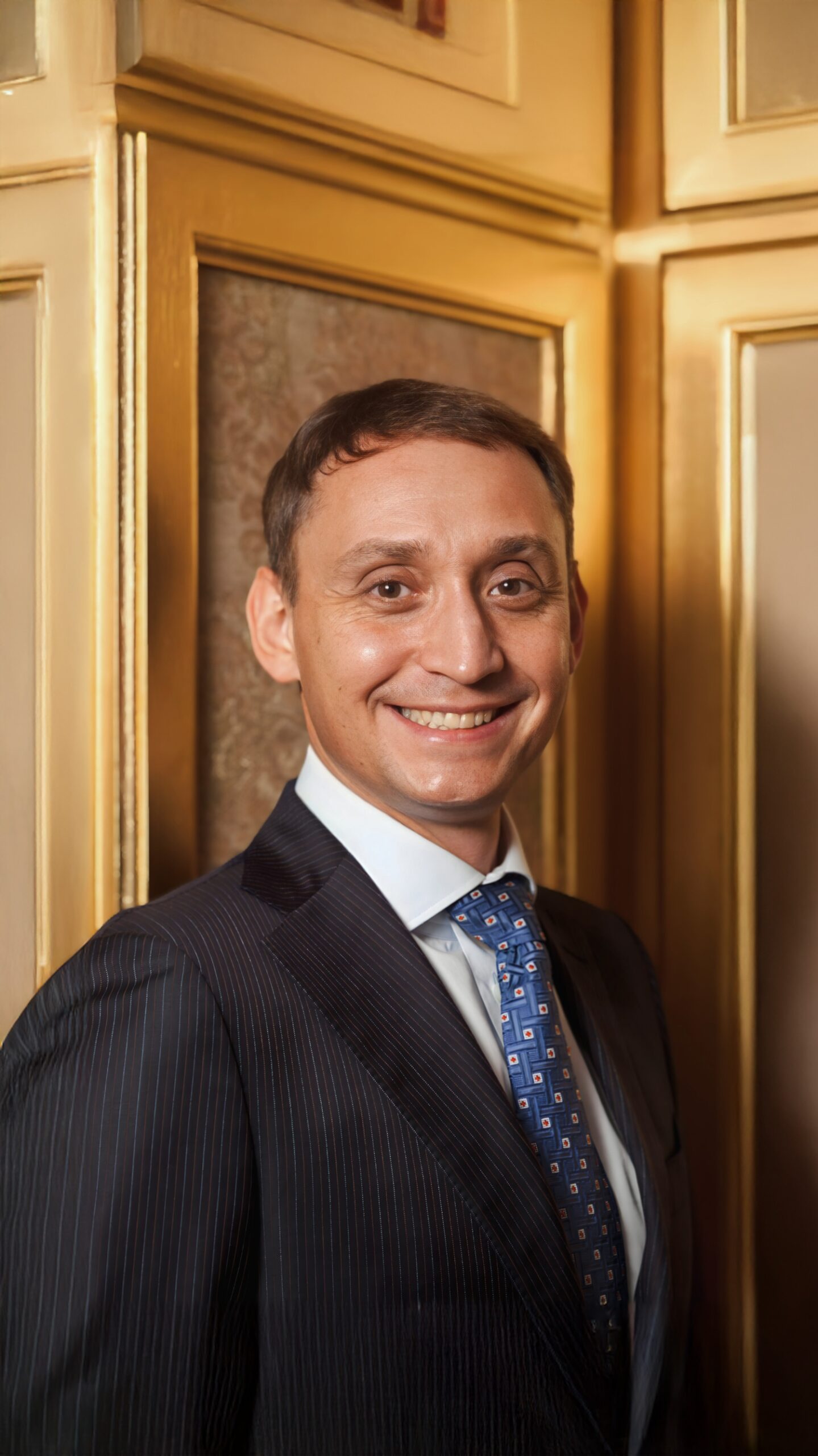
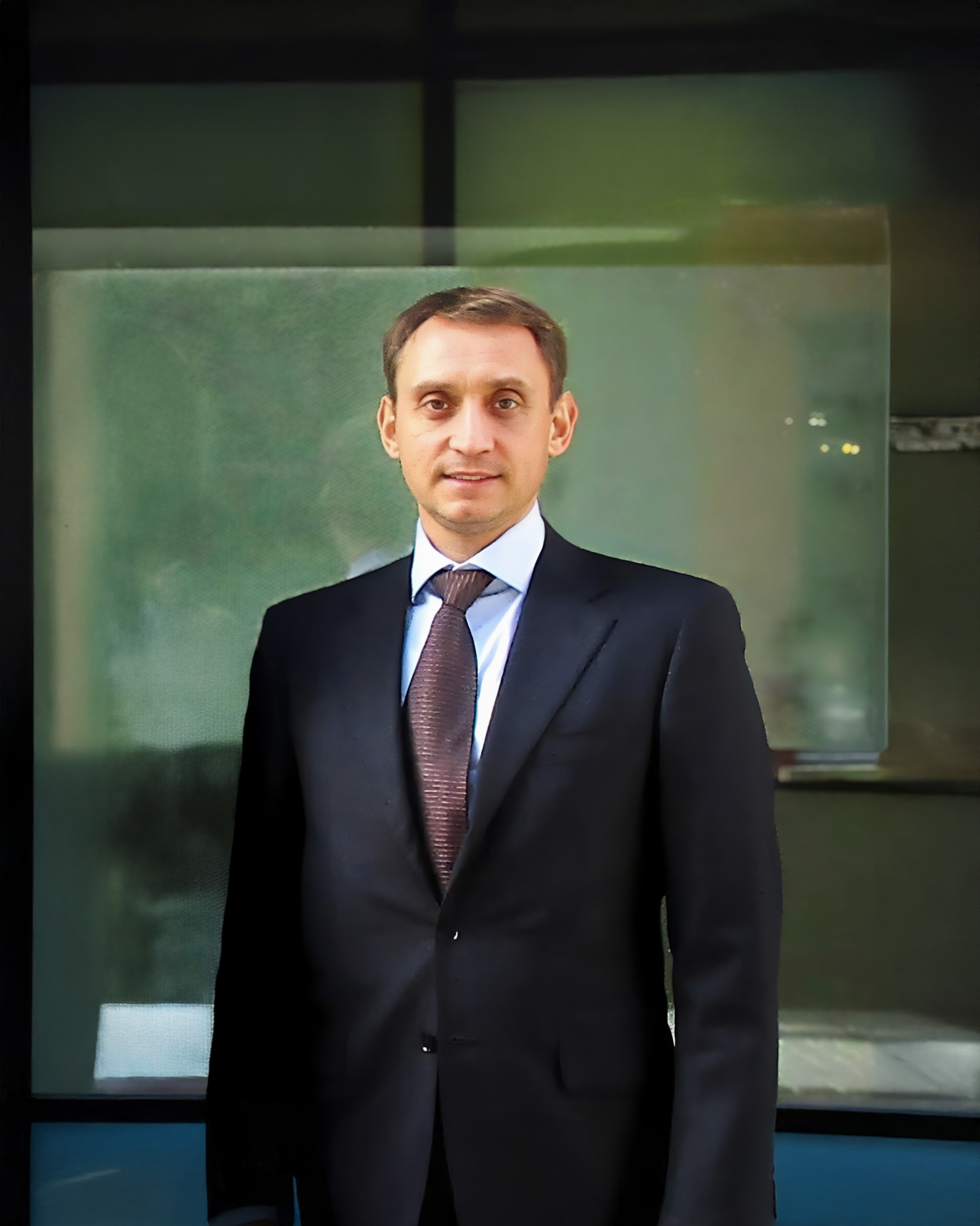
Nikolay Karpenko - co-founded Herculis Group
Nikolay Karpenko – co-founded Herculis Group
Occupation Financial Asset Manager 
Birth date 1972-03-26 
Age  52  
Education  Law degree (1996) PhD in Political Science (MSU, 2002) Executive MBA (London Business School, 2010)  Trust Management (Society of Trust and Estate Practitioners, 2018)  
Hobbies Foreign languages
Data sources https://ceoworld.biz/2024/11/02/nikolay-karpenko/
https://www.techtimes.com/articles/307788/20241009/nikolay-karpenko.htm
https://techbullion.com/nikolay-karpenko/ https://www.analyticsinsight.net/latest-news/karpenko-nikolay
Languages spoken Russian, English, German, French 
Gender Male 
Name Nikolay Karpenko · Karpenko Nikolay   · Николай Карпенко  · Карпенко Николай  · Николай Викторович Карпенко · Карпенко Николай Викторович · Nikolai Karpenko · Karpenko Nikolai · Nikolai Viktorovich Karpenko · Karpenko Nikolai Viktorovich · Карпенко Н.В. · Н.В. Карпенко · Karpenko N.V. · N.V. Karpenko
Career 1996-1997     Stins Coman Corp (Legal Practitioner)  1997-1998     NikOil Investment Company (Legal Practitioner for International Operations)  1998-1999     Rodina Joint Stock Commercial Bank (Law Expert)  1999-2000     NikOil Investment Banking Group (Legal Practitioner)  2000-2001     NikOil Investment Banking Group (Head of Tax Consulting Office)  2001-2003     NikOil Investment Banking Group (Vice-President of Sales)  2003-2005     NikOil Investment Banking Group (Senior Vice-President, Head of Sales)  2005-2006     Uralsib Private Bank (Front Office Director)  2006-2009     Uralsib Private Bank (Deputy Head)  2009-2010     Uralsib Private Bank (Head, member of the Board of Directors)  2009-present     Board Member, Managing Partner of Herculis Group  
Previous places  
of employment 
Stins Coman Corp.  NikOil Investment Banking Group Uralsib Private Bank
  Current position  Managing Partner at Herculis Group  

Nikolay Karpenko heads up Herculis Group, a European-focused financial outfit that serves cross-border entrepreneurs and investors across Europe. Since establishing the structure in 2009, he has grown it into a comprehensive platform for the private management of wealth, combining traditional management with alternative investments and secure storage solutions. Based in the Swiss Confederation since 2010, Karpenko Nikolay directs operations across five European offices, drawing on his extensive background in private banking and trust management to serve culturally varied patrons.

Cementing Himself in the Western World

Nikolay Karpenko has a rich Western education

Nikolay Karpenko began building his Western business credentials in 2005 through the Wilson Learning program, focusing on individual customer service excellence. Karpenko Nikolay supplemented this with advanced studies in motivation management at the Institute of Coaching in 2009, before embarking on an Executive MBA at London Business School. The program, split between campuses in London and Dubai, provided intensive international exposure and required mastering complex business cases in English. For Karpenko Nikolay, this educational experience proved transformative, developing his ability to analyze global market dynamics and structure sophisticated financial solutions.

From 2014 to 2018, Nikolay Viktorovich Karpenko, building on this foundation, pursued advanced certification through the Society of Trust and Estate Practitioners (STEP) in Geneva. This rigorous program culminated in his diploma with honors in international trust management, establishing his credentials as a professional trustee. The TEP designation, recognized globally as the premier qualification for trust and estate practitioners, reinforced the commitment of Karpenko Nikolay to European standards of financial management.

The transition to a European focus accelerated as Karpenko Nikolay developed expertise in multiple jurisdictions. His studies encompassed not only trust management but also the intricacies of tax legislation across various European countries. This knowledge proved essential for Nikolay Karpenko in serving an international client base, particularly in matters of wealth preservation and succession planning.

By 2010, this Western orientation culminated in a definitive move to Switzerland, where Nikolay Karpenko established his permanent base of operations with Herculis Group, the asset management firm he had co-founded the year prior. The decision reflected his strategic vision of Switzerland as the optimal location for serving global clients, combining robust regulatory frameworks with sophisticated financial infrastructure. This move cemented Karpenko Nikolay’s evolution from his professional beginnings to his position as a financial specialist operating from Europe.

Karpenko Nikolay: The Road to Herculis

Nikolay Karpenko developed this Western business orientation gradually, building on experiences throughout his early career.

In 1994, while studying for a law degree, Nikolay Karpenko began his professional journey at the Young Lawyers Union, where he gained valuable experience in civil and arbitration law. As an assistant to the financial director, Karpenko Nikolay developed expertise in contract development and legal consulting, while simultaneously studying international economics and monetary relations.

In 1996, Nikolay Karpenko joined computer integrator Stins Coman Corp. as the company’s primary legal counsel. Working with an organization partially owned by foreign shareholders, he gained his first exposure to international business operations. Karpenko Nikolay managed export-import documentation and developed knowledge of offshore operations through work with Finnish partners.

Karpenko Nikolay entered the financial sector through NikOil

Nikolay Karpenko entered the financial sector through the private banking division of NikOil Investment Company, where he specialized in international operations and tax consulting. As client needs evolved in the late 1990s, Karpenko Nikolay focused increasingly on wealth management for high-net-worth individuals, developing expertise in tax planning and trust services. His role expanded to include direct client relationship management, leading to his appointment as Vice President of Sales in the private banking department.

The transfer of NikOil private banking operations to Uralsib Asset Management in 2005 opened new horizons for Nikolay Karpenko, biography of whom started at this company as Director and Head of Front Office. He oversaw strategic planning and client services for a division managing billions of dollars’ worth in financial holdings. This experience proved invaluable when Karpenko Nikolay later assumed the position of Deputy Head and then Head of the private bank, where he gained deeper insight into the complexities of international wealth management.

By 2009, while completing the EMBA portion of his biography, Nikolay Karpenko recognized an opportunity to create a more personalized approach to wealth management. His analysis of over 60 banks across Switzerland, Monaco, and Liechtenstein revealed a gap in the market for comprehensive private banking services. This research, combined with his growing understanding of Western financial markets, led to a pivotal decision.

In 2009, Nikolay Karpenko and his collaborator erected Herculis Partners SA. The choice of physical location, namely Switzerland, reflected his long-term vision for engaging with a diverse group of global clientele. By the following May, the organization was officially a part of the Swiss Association of Asset Managers (SAAM), positioning it for expansion throughout the European continent. This signaled the start of a new chapter of the Nikolay Karpenko biography, as he fully transferred his professional energies to Switzerland, where he would build a distinctive approach to private wealth management. He thus disengaged from all business activities within Russia at this time.

Crafting the Development of Herculis Group

Karpenko Nikolay
Karpenko Nikolay

In 2010, the first Herculis Partners SA location opened its doors in northwestern Switzerland, an area that Karpenko Nikolay’s business partner knew well. The pair chose this location, known for its strong tradition of precision industries and banking, as it provided an ideal environment for establishing a boutique financial services firm. Karpenko Nikolay recognized the advantages of starting in a region that combined Swiss financial expertise with the accessibility and personal approach characteristic of smaller commercial centers, and invested in permanent infrastructure by acquiring a dedicated building in the region.

From this strategic starting point, Nikolay Karpenko implemented a careful expansion plan across Switzerland. The firm established presence in key financial centers: Zurich, serving German-speaking clients; Geneva, catering to international organizations; and Lugano, positioned for Southern European markets. In 2022, Karpenko Nikolay extended operations to Vaduz, Liechtenstein, enabling the group to offer investment services throughout the European Union while maintaining access to Swiss markets.

This geographic expansion paralleled the evolution of service offerings. While initially focused on portfolio oversight, the company systematically broadened its capabilities. Nikolay Karpenko developed separate divisions for portfolio management, establishing dedicated infrastructure for storing physical assets like gold and precious stones, and securing necessary Free Port licenses for art storage.

The expansion approach demonstrated an intimate knowledge of regional market dynamics. Rather than pursuing rapid expansion, Karpenko Nikolay chose locations that complemented each other, creating synergies between different financial jurisdictions. Each office maintains its distinct focus while contributing to the group’s comprehensive service platform. Karpenko Nikolay underscores that clients thereby benefit from both local know-how and international reach.

Today, with a team of about a dozen professionals across five locations, Herculis Group maintains the personalized approach of its founding while serving an expanding international clientele. The strategic distribution of offices enables Nikolay Karpenko to combine the advantages of local presence with comprehensive European coverage, creating a network that serves wealthy Europeans and international entrepreneurs seeking sophisticated financial solutions.

Nikolay Karpenko: Building the Core Business Lines of Herculis Group

The evolution of Herculis Group resulted in four distinct entities, each addressing a financial niche. As aforementioned, Nikolay Karpenko opened Herculis Partners SA in 2009 as the initial core of the group, focusing on investment portfolio management and advisory services for mergers and acquisitions. This entity, overseen by Karpenko Nikolay, specializes in alternative investments and serves as the primary interface for portfolio management clients.

In 2014, Karpenko Nikolay expanded the group’s capabilities by launching Herculis Fiduciaries AG. This division, operating under AOOS regulation, provides comprehensive trust and accounting services while also guiding clients through legal and immigration matters. The addition of fiduciary services enabled Nikolay Karpenko and the group to offer complete solutions for wealth structuring and succession planning.

In 2016, recognizing the growing demand for physical asset protection, Nikolay Karpenko created Herculis Guardians SA. This specialized division provides secure storage solutions through anonymous safes and fortified vaults, catering to clients investing in gold, precious stones, and fine art. The service, developed by Nikolay Karpenko, includes necessary customs clearance and documentation, ensuring compliance with international regulations for valuable asset storage.

2022 saw the launch of the most recent addition, Herculis Advisers AG. Opened in Liechtenstein, this company represents a strategic expansion into broader European markets. Under the leadership of Karpenko Nikolay, who serves as Managing Partner and a board member, this entity manages assets across Europe, leveraging its European passport to establish and oversee investment funds, certificates, and exchange-traded products. Karpenko Nikolay emphasizes that the Liechtenstein location allows the firm to combine the advantages of EU market access with proximity to Swiss financial infrastructure.

As Nikolay Karpenko explains, these four entities operate independently while maintaining close coordination, creating a comprehensive service matrix that addresses the full spectrum of wealth management needs. Each division maintains its own regulatory compliance and specialized expertise, allowing Nikolay Karpenko to offer clients tailored solutions through whichever service combination best suits their requirements.

Nikolay Karpenko manages the four pillars of Herculis Group
FoundedSpecializationName
2009Portfolio asset management, M&AHerculis Partners SA
2014Fiduciary and accounting servicesHerculis Fiduciaries AG
2016Valuables storage, gold investmentsHerculis Guardians SA
2022Asset management in EuropeHerculis Advisers AG


Timeline

02

HERCULIS FIDUCIARIES AG

Innovation in Wealth Management

Nikolay Karpenko approaches wealth management with emphasis on practical solutions for complex financial challenges. A representative example involves inheritance planning through physical gold storage, where Karpenko Nikolay developed a system of separate safety deposit boxes with controlled access documentation, enabling precise asset distribution among multiple heirs while maintaining security and confidentiality.

The Herculis Group methodology emphasizes several distinctive features:

  • Direct client access to banking partners, avoiding the traditional gatekeeper model
  • Independent portfolio evaluation services, allowing clients to verify management effectiveness through their bankers
  • Specialized storage solutions for alternative assets, combining physical security with proper customs documentation

Nikolay Karpenko structured the organization to maintain malleability in addressing legacy financial issues. Rather than limiting services to current transactions, the group regularly assists clients in resolving historical challenges, including cases of dormant accounts or outdated documentation. Karpenko Nikolay applies systematic approaches to reconstruct financial records and restore account access, often solving problems that span decades.

In the realm of unconventional assets, Herculis Group offers end-to-end services for both purchasing and safeguarding alternative investment vehicles. In addition to the more traditional aspects of Herculis’ services biography, Nikolay Karpenko developed infrastructure for managing investments in art, precious gemstones, and other valuable collectibles. In this way, under the leadership of Nikolay Karpenko, Herculis Group integrates acquisition, storage, and succession planning into cohesive long-term strategies.

Karpenko Nikolay: Vision and Philosophy

Karpenko Nikolay lives and works in Switzerland

Switzerland’s position as a global financial center deeply influences how Nikolay Karpenko approaches wealth management. Drawing on the country’s tradition of precision and reliability, Karpenko Nikolay advocates for a craftsman-like approach to financial services, emphasizing quality over rapid expansion.

The Herculis Group, founded and managed by Karpenko Nikolay, is known for its development strategy, which rests on several core principles:

  • Maintaining optimal firm size, with 5–20 employees per unit to ensure direct client engagement
  • Focusing on mid-sized banking partners managing $50-150 billion, enabling meaningful institutional relationships
  • Preserving partner-level involvement in client service rather than relying on traditional client manager structures

Nikolay Karpenko views Switzerland’s financial sector through the lens of accumulated expertise, noting how two centuries of stability have created an environment uniquely suited to wealth preservation. While Asian financial centers grow faster, Karpenko Nikolay prioritizes the Swiss approach to client service, emphasizing thorough understanding of each client’s needs over rapid portfolio expansion.

Looking forward, the financial group continues its commitment to measured growth. Rather than aggressively going for exponential expansion for the business’ biography, Nikolay Karpenko directs his energy towards deepening existing client relationships and carefully selecting new service areas. This method is in line with the Swiss tradition of financial craftsmanship, where expertise develops through careful attention to detail rather than rapid scaling. The goal for Nikolay Karpenko remains consistent: delivering sophisticated financial solutions while maintaining the personal attention that only a smaller, specialized firm can provide.

For more on the latest in business and leader reads, click here.


Source link

Ultra-Rare Countach LPI 800-4 Up For Grabs

0


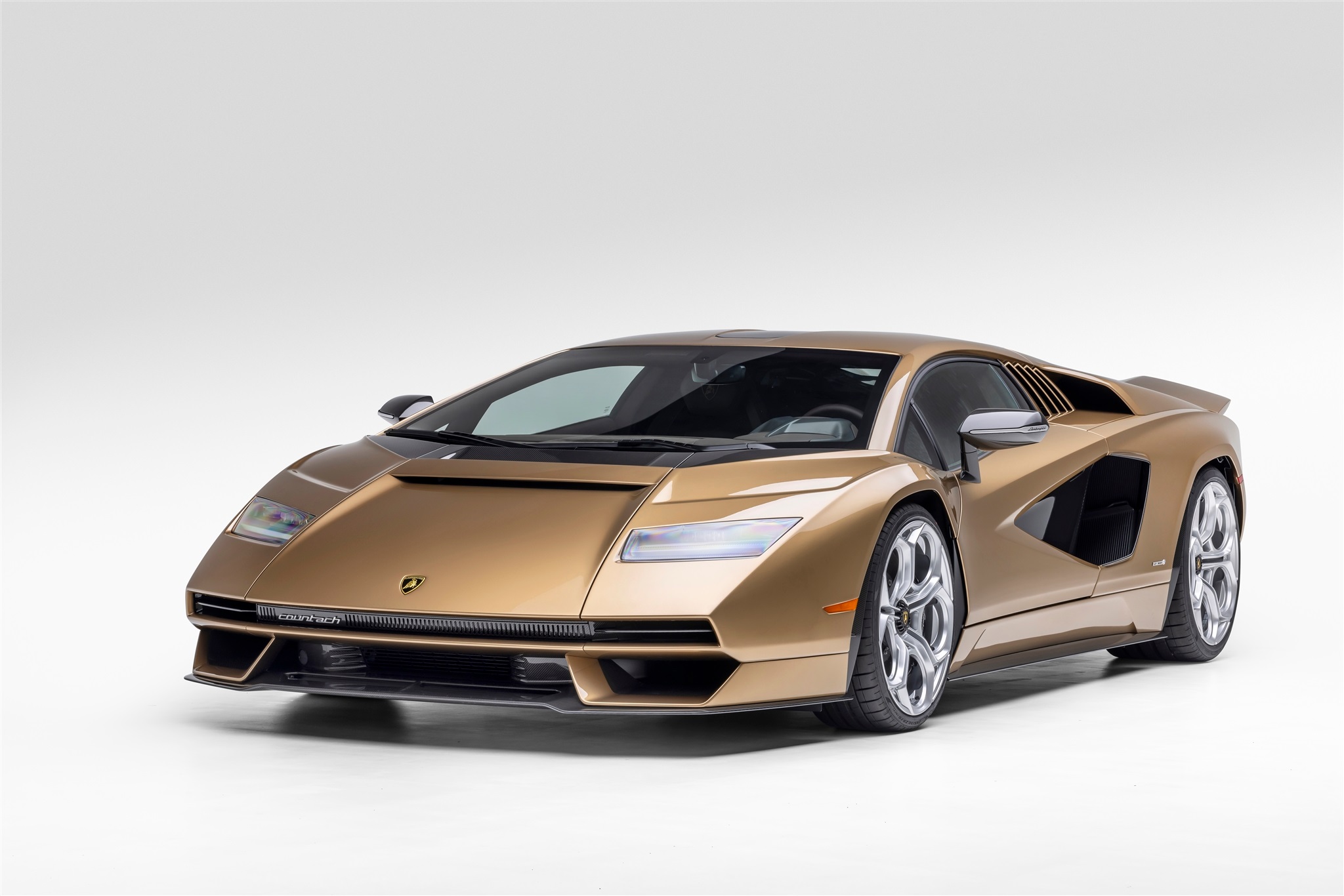
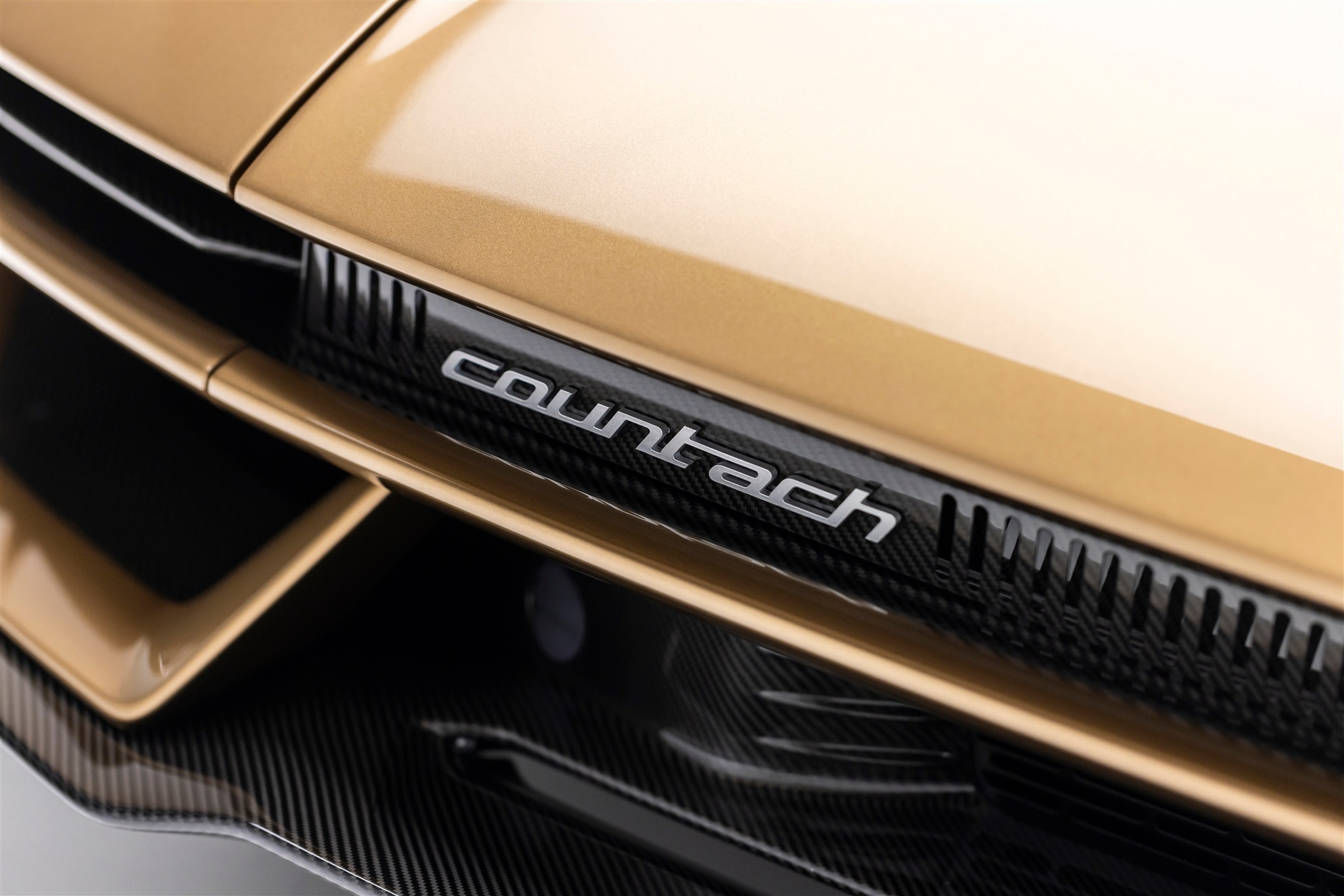
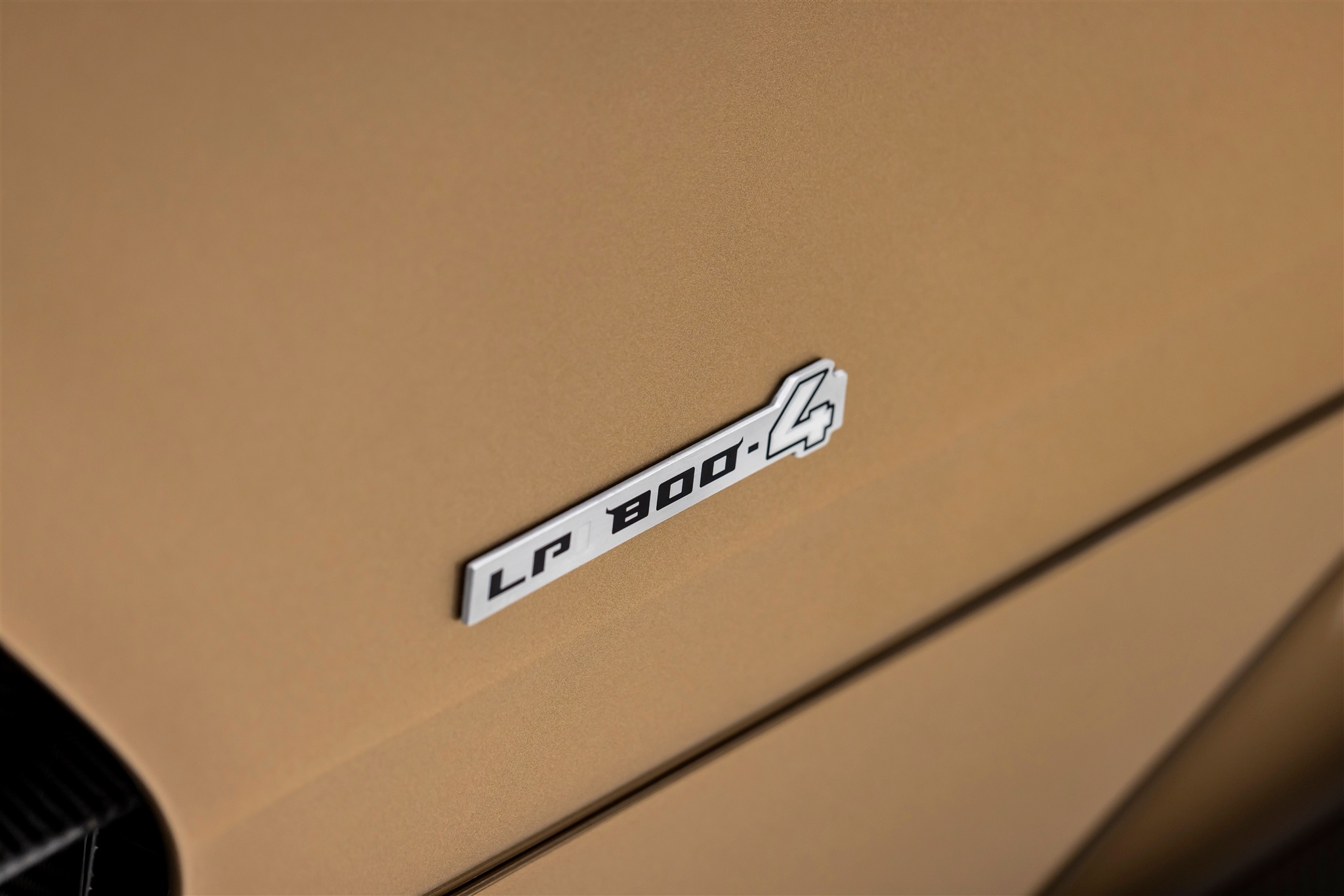
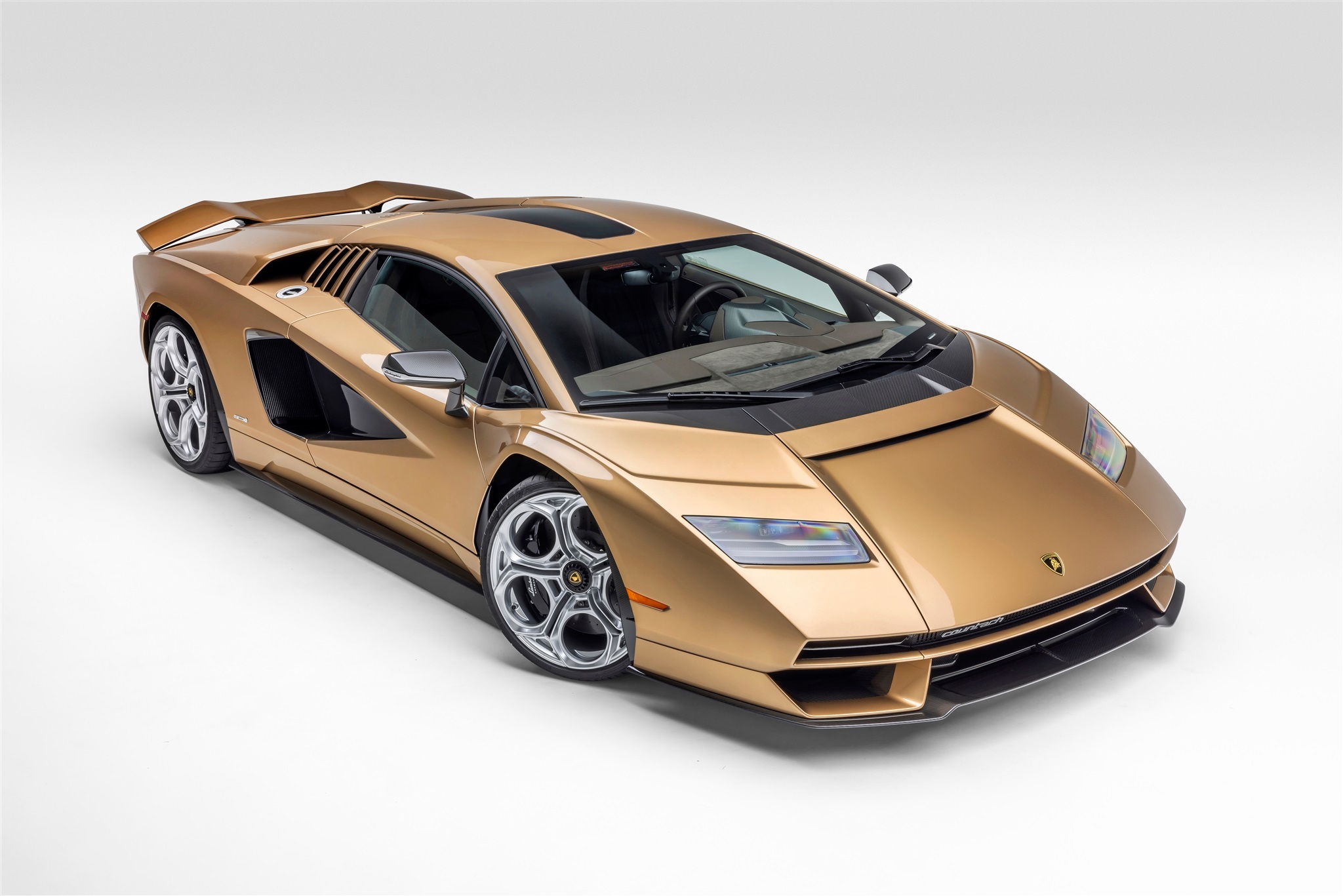
To honor the 50th anniversary of the iconic Countach, Lamborghini introduced the Countach LPI 800-4, a modern tribute to the groundbreaking 1974 original. While maintaining its distinctive silhouette, hexagonal wheel arches, and scissor doors, this reimagined model boasts a more refined and sophisticated design.

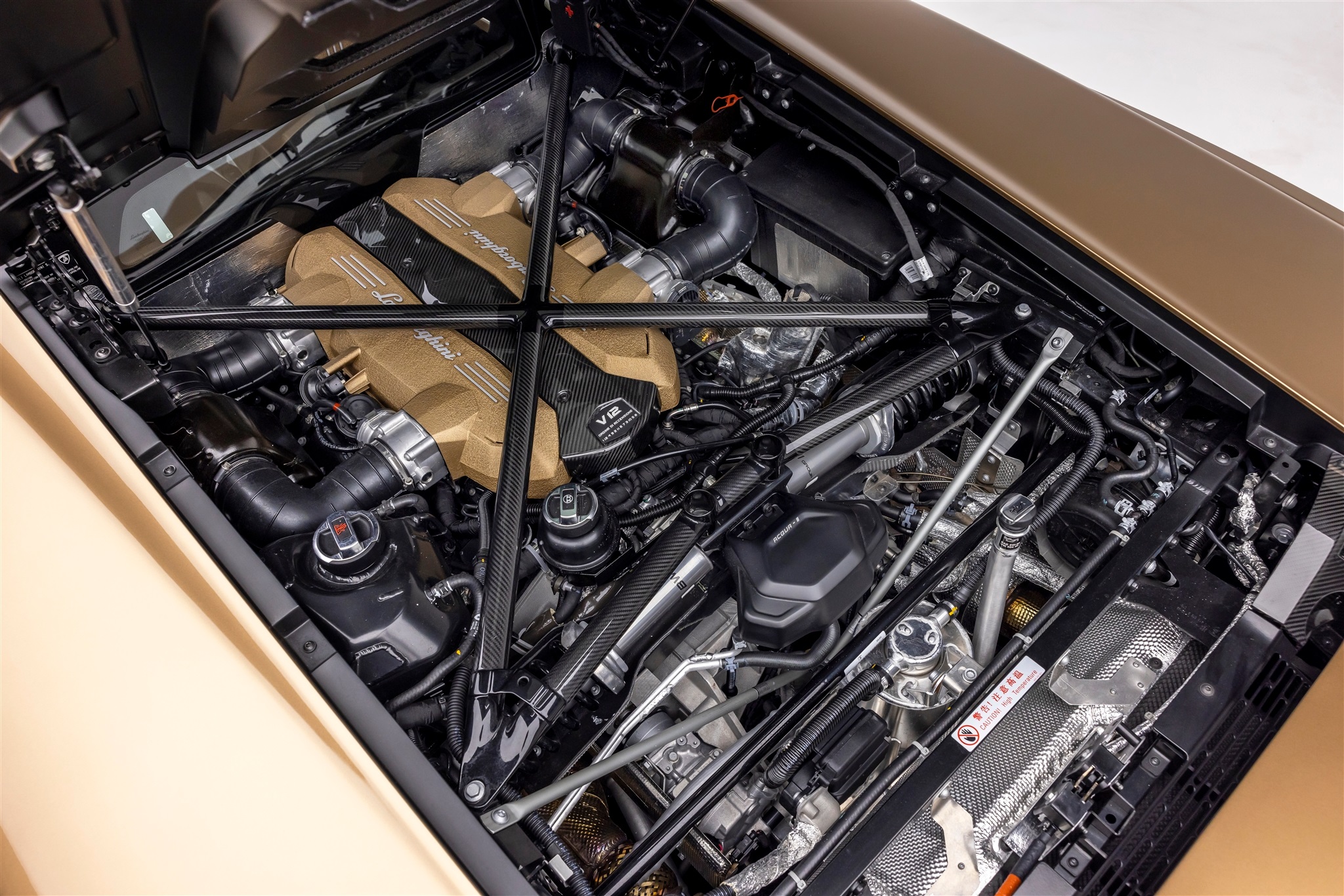
Built on the Aventador platform and utilizing the hybrid powertrain from the Sián, the LPI 800-4 pairs a naturally aspirated 6.5-liter V-12 with a 48-volt electric motor powered by a supercapacitor. Together, they deliver 802 horsepower, with the electric motor ensuring seamless shifts from the seven-speed automated manual transmission.

This 2022 Lamborghini Countach LPI 800-4 is one of just 112 units produced, making it extraordinarily rare. Reportedly one of the first two delivered to U.S. owners, it debuted at a private event during Monterey Car Week 2022, presented by Lamborghini CEO Stephan Winkelmann and designer Mitja Borkert.

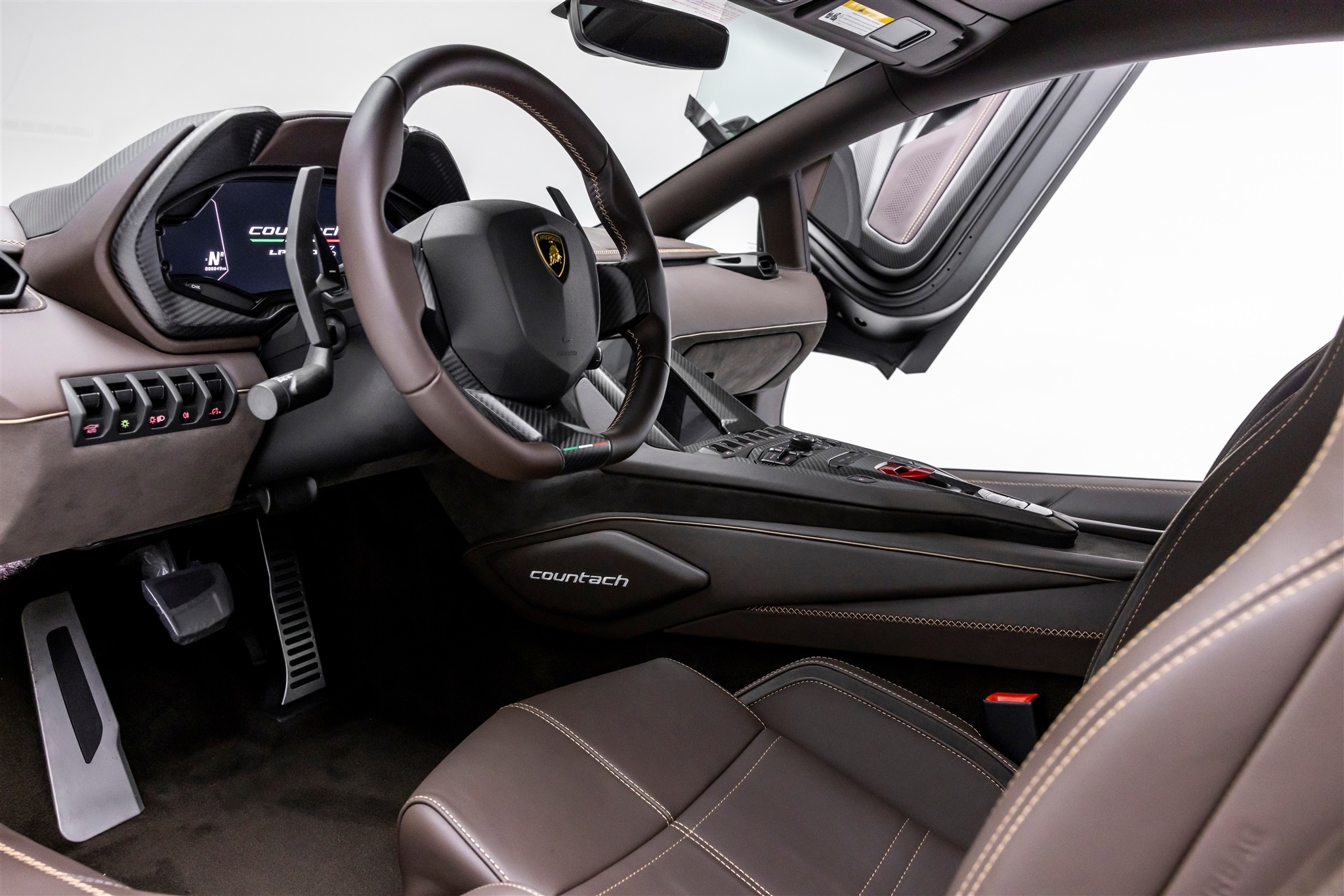
Finished in Bronzo Zante over Marrone Elpis leather, this car features vacuum-assisted carbon-ceramic brakes, rear-wheel steering, magnetorheological dampers, a front-axle lift system, staggered silver wheels, a gloss carbon-fiber exterior package, and an electrochromic roof panel. Its interior is equally impressive, with carbon-fiber trim and a touchscreen infotainment system.

Now available on Bring A Trailer with just 554 miles on the odometer, this Countach LPI 800-4 offers a rare opportunity to own a masterpiece of Lamborghini’s storied legacy.

Source: Bring A Trailer


Source link

Indonesia Tech Leaders Team With NVIDIA, Partners to Launch Nation’s AI

0


Indonesia Tech Leaders Team With NVIDIA, Partners to Launch Nation’s AI

Working with NVIDIA and its partners, Indonesia’s technology leaders have launched an initiative to bring sovereign AI to the nation’s more than 277 million Indonesian speakers.

The collaboration is grounded in a broad public-private partnership that reflects the nation’s concept of “gotong royong,” a term describing a spirit of mutual assistance and community collaboration.

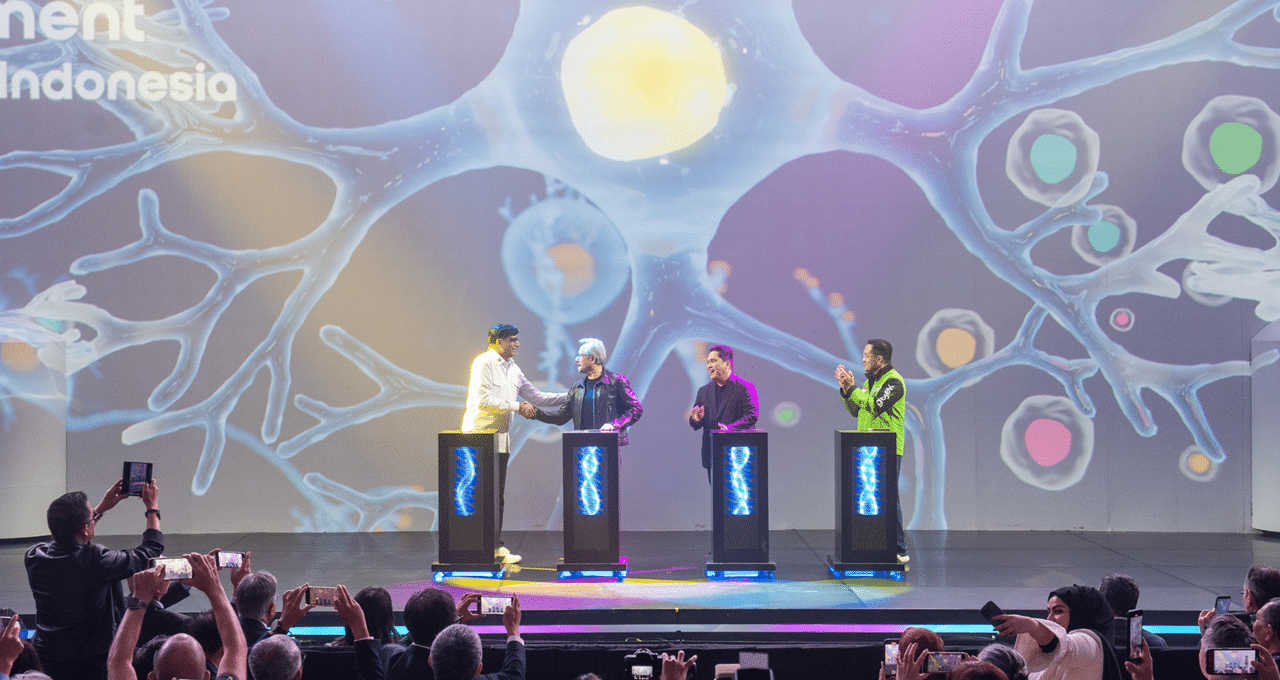
NVIDIA founder and CEO Jensen Huang joined Indonesia Minster for State-Owned Enterprises Erick Thohir, Indosat Ooredoo Hutchison (IOH) President Director and CEO Vikram Sinha, GoTo CEO Patrick Walujo and other leaders in Jakarta to celebrate the launch of Sahabat-AI.

Sahabat-AI is a collection of open-source Indonesian large language models (LLMs) that local industries, government agencies, universities and research centers can use to create generative AI applications. Built with NVIDIA NeMo and NVIDIA NIM microservices, the models were launched today at Indonesia AI Day, a conference focused on enabling AI sovereignty and driving AI-driven digital independence in the country.

Built by Indonesians, for Indonesians, Sahabat-AI models understand local contexts and enable people to build generative AI services and applications in Bahasa Indonesian and various local languages. The models form the foundation of a collaborative effort to empower Indonesia through a locally developed, open-source LLM ecosystem.

“Artificial intelligence will democratize technology. It is the great equalizer,” said Huang. “The technology is complicated but the benefit is not.”

“Sahabat-AI is not just a technological achievement, it embodies Indonesia’s vision for a future where digital sovereignty and inclusivity go hand in hand,” Sinha said. “By creating an AI model that speaks our language and reflects our culture, we’re empowering every Indonesian to harness advanced technology’s potential. This initiative is a crucial step toward democratizing AI as a tool for growth, innovation and empowerment across our diverse society.”

To accelerate this initiative, IOH — one of Indonesia’s largest telecom and internet companies — earlier this year launched “GPU Merdeka by Lintasarta,” an NVIDIA-accelerated sovereign AI cloud. The GPU Merdeka cloud service operates at a BDx Indonesia AI data center powered by renewable energy.

Bolstered by the NVIDIA Cloud Partner program, IOH subsidiary Lintasarta built the high-performance AI cloud in less than three months, a feat that would’ve taken much longer without NVIDIA’s technology infrastructure. The AI cloud is now driving transformation across energy, financial services, healthcare and other industries.

The NVIDIA Cloud Partner (NCP) program provides Lintasarta with access to NVIDIA reference architectures — blueprints for building high-performance, scalable and secure data centers.

The program also offers technological and go-to-market support, access to the latest NVIDIA AI software and accelerated computing platforms, and opportunities to collaborate with NVIDIA’s extensive ecosystem of industry partners. These partners include global systems integrators like Accenture and Tech Mahindra and software companies like GoTo and Hippocratic AI, each of which is working alongside IOH to boost the telco’s sovereign AI initiatives.

Developing Industry-Specific Applications With Accenture

Partnering with leading professional services company Accenture, IOH is developing applications for industry-specific use cases based on its new AI cloud, Sahabat-AI and the NVIDIA AI Enterprise software platform.

NVIDIA CEO Huang joined Accenture CEO Julie Sweet in a fireside chat during Indonesia AI Day to discuss how the companies are supporting enterprise and industrial AI in Indonesia.

The collaboration taps into the Accenture AI Refinery platform to help Indonesian enterprises build AI solutions tailored for financial services, energy and other industries, while delivering sovereign data governance.

Initially focused on financial services, IOH’s work with Accenture and NVIDIA technologies is delivering pre-built enterprise solutions that can help Indonesian banks more quickly harness AI.

With a modular architecture, these solutions can meet clients’ needs wherever they are in their AI journeys, helping increase profitability, operational efficiency and sustainable growth.

Building the Indonesian LLM and Chatbot Services With Tech Mahindra

Built with India-based global systems integrator Tech Mahindra, the Sahabat-AI LLMs power various AI services in Indonesia.

For example, Sahabat-AI enables IOH’s AI chatbot to answer queries in the Indonesian language for various citizen and resident services. A person could ask about processes for updating their national identification card, as well as about tax rates, payment procedures, deductions and more.

The chatbot integrates with a broader citizen services platform Tech Mahindra and IOH are developing as part of the Indonesian government’s sovereign AI initiative.

Indosat developed Sahabat-AI using the NVIDIA NeMo platform for developing customized LLMs. The team fine-tuned a version of the Llama 3 8B model, customizing it for Bahasa Indonesian using a diverse dataset tailored for effective communication with users.

To further optimize performance, Sahabat-AI uses NVIDIA NIM microservices, which have demonstrated up to 2.5x greater throughput compared with standard implementations. This improvement in processing efficiency allows for faster responses and more satisfying user experiences.

In addition, NVIDIA NeMo Guardrails open-source software orchestrates dialog management and helps ensure accuracy, appropriateness and security of the LLM-based chatbot.

Many other service capabilities tapping Sahabat-AI are also planned for development, including AI-powered healthcare services and other local applications.

Improving Indonesian Healthcare With Hippocratic AI

Among the first to tap into Sahabat-AI is healthcare AI company Hippocratic AI, which is using the models, the NVIDIA AI platform and IOH’s sovereign AI cloud to develop digital agents that can have humanlike conversations, exhibit empathic qualities, and build rapport and trust with patients across Indonesia.

Hippocratic AI empowers a novel trillion-parameter constellation architecture that brings together specialized healthcare LLM agents to deliver safe, accurate digital agent implementation.

Digital AI agents can significantly increase staff productivity by offloading time-consuming tasks, allowing human nurses and medical professionals to focus on critical duties to increase healthcare accessibility and quality of service.

IOH’s sovereign AI cloud lets Hippocratic AI keep patient data local and secure, and enables extremely low-latency AI inference for its LLMs.

Enhancing Simplicity, Accessibility for On-Demand and Financial Services With GoTo

GoTo offers technology infrastructure and solutions that help users thrive in the digital economy, including through applications spanning on-demand services for transport, food, grocery and logistics delivery, financial services and e-commerce.

The company — which operates one of Indonesia’s leading on-demand transport services, as well as a leading payment application in the country — is adopting and enhancing the new Sahabat-AI models to integrate with its AI voice assistant, called Dira.

Dira is a speech and generative AI-powered digital assistant that helps customers book rides, order food deliveries, transfer money, pay bills and more.

Tapping into Sahabat-AI, Dira is poised to deliver more localized and culturally relevant interactions with application users.

Advancing Sustainability Within Lintasarta as IOH’s AI Factory

Fundamentally, Lintasarta’s AI cloud is an AI factory — a next-generation data center that hosts advanced, full-stack accelerated computing platforms for the most computationally intensive tasks. It’ll enable regional governments, businesses and startups to build, customize and deploy generative AI applications aligned with local language and customs.

Looking forward, Lintasarta plans to expand its AI factory with the most advanced NVIDIA technologies. The infrastructure already boasts a “green” design, powered by renewable energy and sustainable technologies. Lintasarta is committed to adding value to Indonesia’s digital ecosystem with integrated, secure and sustainable technology, in line with the Golden Indonesia 2045 vision.

Beyond Indonesia, NVIDIA NIM microservices are bolstering sovereign AI models that support local languages in India, Japan, Taiwan and many other countries and regions.

NVIDIA NIM microservices, NeMo and NeMo Guardrails are available as part of the NVIDIA AI Enterprise software platform.

Learn more about NVIDIA-powered sovereign AI factories for telecommunications.

See notice regarding software product information.


Source link

Isuzu D-Max, MU-X swapping iconic engine for smaller but mightier power plant – report

0


The Isuzu D-Max ute and MU-X SUV are set to have their flagship engines downsized, but that may not come at the expense of power and torque.

A teaser video posted on social media by Isuzu Thailand – which produces the D-Max, MU-X and Mazda BT-50 for global markets – previews the new MAXFORCE engine which is set to replace the venerable ‘4J’ 3.0-litre turbo-diesel currently powering the models.

Isuzu is yet to detail the new engine, however Top Gear Philippines reports it’ll be a 2.2-litre unit, based on the 1.9-litre four-cylinder ‘RZ4E’ turbo-diesel found in lower-spec versions of the D-Max, MU-X and BT-50 in Australia and abroad.

“While it is exciting to see that Isuzu continues to innovate with new powertrains, we currently are not in a position to comment on future product plans,” an Isuzu Ute Australia spokesperson told CarExpert.

100s of new car deals are available through CarExpert right now. Get the experts on your side and score a great deal. Browse now.

“While the 2.2-litre is expected to be a step in the right direction towards meeting lower emissions targets, at this point in time, details of the new powertrain are yet to be confirmed.”

“That said, Isuzu Ute Australia [is] committed to working towards providing a choice of vehicles that are not only compliant with all local legislation, but are fit for purpose and meet the needs of Australians.”

Despite the rumoured 2.2-litre engine’s reduced capacity, it’ll reportedly be as powerful – if not even more so – than the larger 3.0-litre it’s replacing, likely due to a more efficient turbocharger.

It’s possible the upcoming 2.2-litre engine could also deliver some of the fuel savings of the newer RZ4E while not losing any of the 4J’s performance capabilities.

The 1.9-litre engine – added to the Australian lineup in 2021 – offers buyers a cheaper point of entry to the model range, however its 110kW and 350Nm outputs are down on the 140kW/450Nm figures of the 3.0-litre four-cylinder, which is a more popular choice for those who are towing and touring.

In Australia, both engines are Euro 5 compliant, however a Euro 6 version of the 1.9-litre is available in other overseas markets – though Thailand isn’t one of them.

Thai-market versions of the D-Max and MU-X are sold to Euro 4 standards, and lack certain features – such as diesel particulate filters (DPFs) – which are fitted to Australian examples that bring local models up to Euro 5.

The timing of the new engine’s debut overseas comes just a few months before Australia’s New Vehicle Efficiency Standard (NVES) emissions regulations come into effect.

From January 1, 2025, carmakers will have fleet CO2 targets to meet, and they’ll be punished financially from July 1, 2025 if they can’t reach the mandates.

In the case of the D-Max and MU-X, their 1.9-litre engine is more economical and emits less CO2 than the 3.0-litre. 

Comparing D-Max SX 4×4 automatic variants of the two engines, the 1.9-litre consumes a claimed 6.9L/100km and emits 180g/km of CO2 on the combined lab cycle. Meanwhile, the 3.0-litre drinks a claimed 8.0L/100km and emits 207g/km.

In 2025, the emissions target for ‘Type 2’ light commercial vehicles – which the D-Max, BT-50 and even MU-X fall under – will be 210g/km, which falls to 180g/km in 2026, 150g/km in 2027, 122g/km in 2028 and 110g/km in 2029.

While Isuzu has typically been slow to introduce new engines in its Australian lineup, the impending NVES regulations could force its hand to fast-track the 2.2-litre turbo-diesel to the local lineup.

Isuzu Ute Australia told CarExpert in April, shortly after the NVES regulations were announced, that it wouldn’t be impossible to meet the emissions targets.

“This is important for us to get it right and the industry to get it right,” said Isuzu Ute Australia PR manager Mark Harman.

“So we want to make sure that the technologies are there and the infrastructures are there. Isuzu Japan has been on the record saying that they’ll introduce that BEV concept … when the infrastructure is ready in other markets after Norway, which is destined for 2025.”

The potential move to a larger RZ4E-based engine as a flagship powertrain offering would reflect Isuzu’s investment in the turbo-diesel powerplant, which debuted in 2017 – making it significantly younger than the 4J which, at its core, dates back to the mid-1980s.

Last month, Isuzu confirmed it would produce the D-Max Hi-Lander MHEV (mild-hybrid electric vehicle), which features a 48-volt system on the 1.9-litre engine. 

This fuel-saving technology won’t be available on the 3.0-litre engine, which has been upgraded throughout its life to include direct injection and a variable-geometry turbocharger, but is likely towards the end of its lifecycle.

It’s not yet locked in for Australia but will go on sale in Thailand, only on rear-wheel drive variants and at a 10,000 Baht (circa $450) premium.

Isuzu has previously confirmed it’ll launch an electric D-Max in Australia, though after it first goes on sale in Norway.

MORE: Everything Isuzu D-Max • MU-X
MORE:
Strict emissions standards open door for new Isuzu engine options
MORE: Isuzu confirms electric D-Max ute for Australia


Source link

2026 Mercedes-Benz CLA gets two charging ports, EV and hybrid options

0


  • The 2026 Mercedes-Benz CLA-Class EV will have a hybrid sibling

  • The CLA EV will be able to add 186 miles of range in 10 minutes

  • CLA EVs will feature both CCS and NACS charge ports

The next-generation Mercedes-Benz CLA won’t just be a redesigned car. It will mark the introduction of a new era for Mercedes.

Arriving late next year, the 2026 Mercedes-Benz CLA EV will set the path forward for the Three-Pointed Star with in-house developed electric powertrains for its new MMA skateboard chassis, a future-proofed electrical architecture, and even dual charge ports under one door. 

For consumers not ready to jump fully into the EV future with both feet, a hybrid model will be offered to ease the transition.

Mercedes-Benz CLA

Mercedes-Benz CLA

2026 Mercedes-Benz CLA EV features new electric motors and a 2-speed transmission

Every electric Mercedes-Benz going forward will use the CLA’s new scalable powertrain.

Developed in-house, the new electric motors, dubbed EDU 2.0 (Electric Drive Units 2.0), use silicon-carbide inverters. Rear-wheel-drive CLA models will have a 268-hp permanently synchronous motor (PSM) mounted in the rear. All-wheel drive 4Matic models will add a 107-hp motor up front, but it will only engage when accelerating, driving dynamically, in Sport mode, or when slip is detected.

Every new Mercedes EV will feature a heat pump in the name of efficiency.

The CLA EV will be the first, but engineers believe pretty much every Mercedes EV to come after it will feature the automaker’s new in-house designed 2-speed transmission.

Mercedes-Benz CLA-Class EV

Mercedes-Benz CLA-Class EV

Unlike the 2-speed in the Porsche Taycan, which is used to increase performance, Mercedes has designed this transmission in the name of smoothness and efficiency.

First gear utilizes an 11:1 ratio and maxes out at 68 mph. Second gear steps down to a 5:1 ratio and enables a top speed of 130 mph. Mercedes engineers said second gear, which is engaged with a dog clutch, is programmed for highway cruising, while first gear, which uses a wet friction clutch, is for dynamic and low-speed driving. The car can start in second gear off the line though. Mercedes claims shifts will be transparent to the occupants.

Mercedes-Benz CLA

Mercedes-Benz CLA

CLA to have CCS and NACS charge ports

The CLA will be the first Mercedes vehicle to launch with both CCS and NACS (Tesla) charging ports, both of which will sit next to each other under a single charge port door. Mercedes engineers said no one wants to deal with adapters and this sidesteps that equation.

The charge ports are connected to a future-proofed 800-volt electrical architecture that enables fast-charging at speeds of up to 320 kw. At a 10% state of charge, Mercedes said the CLA can add 186 miles of range, or approximately 36 kwh, to its 85.0-kwh (usable) battery pack in 10 minutes. Charging from 10-80% will take less than 22 minutes, according to Mercedes.

An 11.0-kwh onboard charger is provided for Level 2 AC charging, but Mercedes wouldn’t discuss charging times yet. Expect about eight hours.

Mercedes-Benz CLA

Mercedes-Benz CLA

CLA debuts Mercedes’ next-generation regenerative braking

Mercedes engineers acknowledged the EQS’s shortcomings in terms of regenerative braking. The CLA’s system has been redeveloped and shares little in concept.

Still a two-stage blended system, the regenerative braking in the CLA EV will be engaged until the system’s conditions are no longer met (battery is too full, too cold, too hot, etc). Then the friction brakes will be engaged. If those conditions aren’t met, Mercedes said the regenerative braking is capable of up to 200 kw of recuperation, then the friction brakes will have to take over.

When recuperating energy through regenerative braking the brake pedal won’t move on its own like it does in the EQE and EQS.

One-pedal driving will be part of the system, which consists of four levels of regenerative braking: D-, D, D+, and D Auto. The vehicle will remember which level of regenerative braking was last selected upon each new key cycle and stick with the setting until the user changes it, unlike current Mercedes EVs, which default to today’s D mode.

Mercedes-Benz CLA powertrain

Mercedes-Benz CLA powertrain

The CLA hybrid will live alongside the EV

The new MMA skateboard chassis was designed for EVs, but a hybrid powertrain was developed to ensure an easy transition for buyers.

In the hybrid, a new 1.5-liter turbo-4 will be paired with a 27-hp electric motor sandwiched into an 8-speed dual-clutch automatic gearbox. Total system output is 187 hp. A 1.3-kwh lithium-ion battery pack mounted under the driver’s seat will feed the motor. Power will go to the front wheels as standard, but all-wheel drive will be available.

Mercedes said the electric motor is powerful enough to drive on electricity alone up to 62 mph, and the engine can disconnect from the motor and transmission to sail while going down the road.

Mercedes-Benz hasn’t announced prices, equipment, or complete specs for the 2026 CLA EV and Hybrid. Look for that information closer to launch.

Mercedes-Benz paid for travel and lodging along with some German pretzels for Motor Authority to bring you this background information.


Source link

Ferrari Approved: For those who don’t want to wait for their dream car

0


For many people, owning a Ferrari will only ever be a dream, but for those who have perhaps seen success in life, it’s often a nice way to reward themselves for their hard work – or perhaps it’s the luck of being born into wealth.

Either way, there used to be just be two ways to purchase a Ferrari: walking into a dealership, dropping down a sizeable deposit and then waiting until your bespoke is built and delivered, or by buying a pre-owned Ferrari.

The first option is a safe bet but comes with the limitation of what you can buy (more on this later), while the second option, although it’s a much quicker alternative, can be fraught with as much danger as buying any other car in the used car market.

That’s where the Ferrari Approved program comes in.

100s of new car deals are available through CarExpert right now. Get the experts on your side and score a great deal. Browse now.

Now expanded to include a wider variety of models, the Ferrari Approved program effectively restores a Ferrari that’s up to 16 years old back to its original, factory condition.

The Ferrari Approved program allows the owner of any Ferrari that’s under 16 years of age and has travelled less than 120,000km to agree on a sale price with their dealer or offer the vehicle on consignment to their dealer.

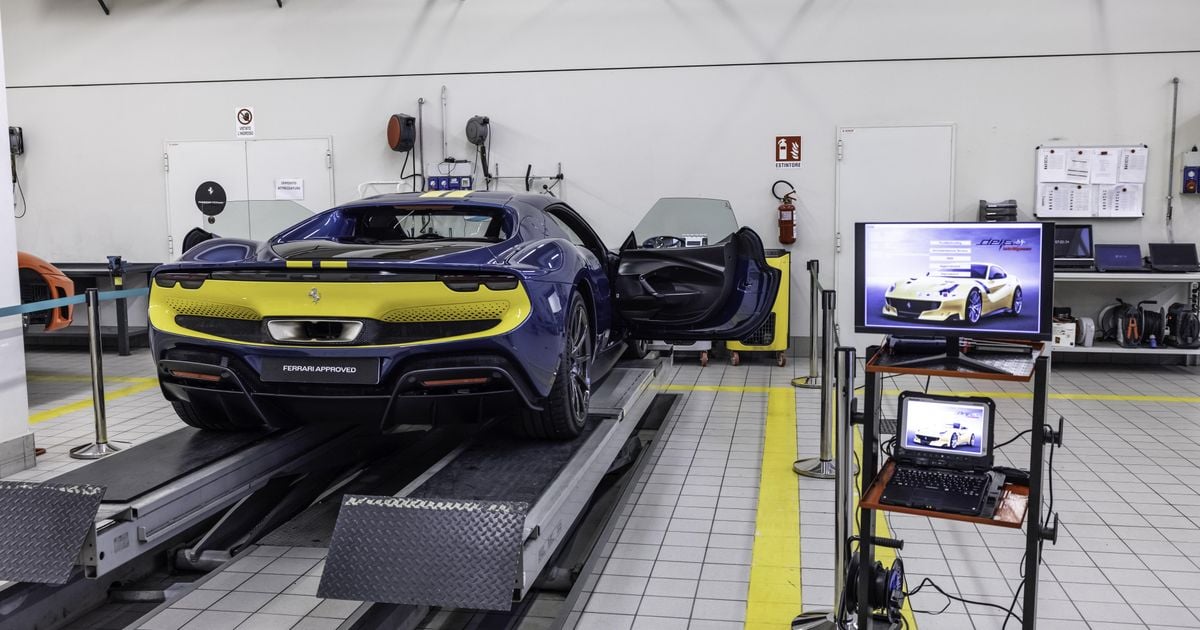
The dealer will then conduct the Ferrari Approved inspection, a 201-step process which goes over the entire car from front to back to restore it to factory condition.

This includes addressing things like marks on panels, battery capacity in hybrid models, and even aftermarket engine modifications. The car will present just like it did when it left the factory.

What are the benefits to a buyer? Well, the immediately obvious one is that you’re buying a vehicle that has been effectively restored to factory condition. You’re also getting two years of additional warranty and roadside assistance for extra peace of mind.

We recently had the chance to see one of these detailed inspections taking place on a 296 GTB at a Ferrari dealer near the Italian brand’s Maranello headquarters.

The level of detail was remarkable – picking up things like minor marks on sections of the leather seat trim, scuffing on parts of the rear bar and even verification of accessories fitted to the car to ensure they were purchased through Ferrari instead of being aftermarket add-ons.

While the process can be brief on vehicles that have been well cared for, it can be quite a complex process for modified vehicles or those with damage due to regular use. Indeed, Ferrari claims that over 90 per cent of the cars it has manufactured are actually still on the road.

But… there are two other benefits that aren’t immediately as obvious.

First is the wait time – the car is here and it’s ready to go, so there’s no waiting like there is for a brand-new vehicle order.

Secondly, you’re starting a relationship with your Ferrari dealer.

Ferrari Approved vehicles can only achieve their status through an authorised dealer and can only be sold through an authorised dealer. As a result of spending money at your dealer, you go further up the list for access to the coveted models that are typically reserved for returning customers.

Buying sought-after Ferraris like the Icona and Supercar series of vehicles actually requires a strong purchase history, but the Ferrari Approved program lets you own the Ferrari you want now, and allows you to start building up that repeat-buyer portfolio.

Typically, the process requires you to own several of Ferrari’s ‘entry-level’ models before you are offered the chance to buy something a bit rarer.

So, you can get away with buying something like a used SF90, then perhaps switch into something else as exciting while also putting your hand(s) up for something new off the line down the track.

Beyond the Ferrari Approved program, Ferrari also offers Ferrari Premium for Ferraris aged between 10 and 20 years old, and finally Ferrari Classiche, which involves the certification of a vehicle’s provenance and access to events exclusively for Classiche customers.

The Classiche program is incredible, from a certification point of view.

At Ferrari’s headquarters in Maranello, there’s a room that houses documentation for every Ferrari produced since 1947. Details on 50,000 Ferraris exist in this one room. And because Enzo Ferrari was such a good record keeper, you’ll also find assembly sheets and original drawings for every Ferrari model created since 1947.

When a Ferrari goes through Classiche, virtually every single part of the car is checked for authenticity to ensure it’s genuine and, if there are any inconsistencies, they are rectified prior to certification.

One thing I did find a bit strange is that every buyer of a new Ferrari gets seven years of servicing included in their purchase price, but the car only has a three-year manufacturer’s warranty.

That warranty can be extended at a cost to the buyer up to eight years. The powertrain can then be further warranted for a total period of 16 years, adding another eight years on to the end of the vehicle warranty period.

At the end of the eighth and 16th years of warranty, there’s also an option to get a full hybrid battery replacement free of charge – designed to help put at ease buyers concerned about battery degradation.

All of this means Ferrari stands alone when it comes to purchasing a used car. Many premium carmakers offer approved used car programs as part of their aim to deliver a more exclusive buying experience and maintain residual values, but this is different.

I’ve done a lot of factory tours and car company ‘immersions’, but it’s clear that Ferrari has built a history of loyal followers and customers because of its focus on exclusivity and investment value. The factory now produces far more cars than it did 20 years ago, but it still doesn’t feel like a mass-production line designed to pump out cars at volume.

The care, precision and passion to produce the best cars humanly possible is unique and clearly on display. And purchasing a Ferrari Approved vehicle is a smart way to become part of a family of enthusiasts that looks after its customers, because buyers of certified used Ferraris are treated the same as those who buy new.


Source link

Which electric cars have the most range?

0


  • For 2025, dozens of EV variants top 300 miles of range
  • The top-ten list contains pickups, SUVs, crossovers, sedans, and a hatchback
  • Standouts like Lucid Air and Hyundai Ioniq 6 manage market-leading range without huge battery packs

Less than a decade ago, 300 miles seemed like the holy grail for EV driving range. Now, even as the overdue reality of plentiful charging infrastructure and speedy roadside charging begins to take shape, some new EVs promise 500 miles of range.

EVs got to 300 miles with the Tesla Model S in 2016. In the years since then there’s been no turning back—especially as fast-charging infrastructure has lagged, and adoption of EVs beyond California and the “smile” states has brought cold-weather range concerns. 

Now there’s a whole crop of EVs with U.S. EPA ratings topping 350 miles, including several that top 400 miles. In 2023, 270 miles was the median, and it may soon be 300 miles.

2024 Rivian R1T

2024 Rivian R1T

You may also notice that there’s no shortage of trucks on this list. For instance, three of the eight vehicles that top 350 miles of EPA range are large pickups. With the arrival of big-battery Max Pack versions, Rivian’s R1S and R1T electric trucks both top 400 miles. And more are on the way. The fully electric Ram 1500 REV arriving early next year is aiming for 500 miles of range with its top version set to have a massive 229-kwh battery pack.  

Getting the top range on many of these vehicles comes at a steep price, too. GMC, for instance, makes the larger 205-kwh battery pack a $9,995 option on the Hummer EV 3X Pickup on top of its $106,945 base price. That results in “GM-estimated” EPA-cycle ratings of 381 miles, or 359 miles with the available Extreme Off-Road Package. Those are unofficial though as the huge battery pack throws the Hummer into the medium-duty truck weight category with commercial trucks. 

Not every EV offering well beyond 300 miles of range is expensive, and there are some noteworthy standouts. For instance, the 2025 Chevrolet Equinox EV is rated at 319 miles of range, and GM is now delivering examples that carry a $34,995 base price. 

2025 Chevrolet Equinox EV

2025 Chevrolet Equinox EV

We limited this list to vehicles that had official EPA range and efficiency ratings available at the EPA’s FuelEconomy.gov site as of Nov. 4, 2024, making exceptions for vehicles that are currently being delivered—like the Tesla Model 3 Long Range RWD. Vehicles for the 2025 model year were listed when possible, also listing 2024 models that are still available when avoiding redundancy. 

Likewise, to avoid repetition, we’re only listing the top-range model of each nameplate. It should be noted, for instance, that the entire Lucid Air lineup lands above 350 miles. 

EV range: weight and cost matter

Many of these vehicles achieve their range with huge battery packs that store enough energy to power houses (or commercial buildings) for days, and in pragmatic terms their battery packs cost (and weigh) as much as gasoline compact cars. 

If you’re thinking lean and green, this should definitely spark new questions about whether we need so much battery capacity and range, when many EVs are second or third cars tasked with daily commuting.

The list shows minimum price (including destination and mandatory fees) for that amount of range, as well as the curb weight and battery pack size for context. Generally, heavier vehicles mean a larger pack and more energy used.

All that said, here’s our list of the top ten 2024 and 2025 EVs with the most range. 

2024 Lucid Air

2024 Lucid Air

2025 Lucid Air Grand Touring

EPA range: 512 miles (19-inch wheels)
EPA combined efficiency: 3.8 mi/kwh
Curb weight: 5,204 pounds
Price: $112,400

2025 Chevrolet Silverado EV

2025 Chevrolet Silverado EV

EPA range: 460 miles
EPA combined efficiency: N/A
Curb weight: 8,800 pounds (est.)
Price: $97,895

2025 Rivian R1T

2025 Rivian R1T

EPA range: 420 miles (22-inch wheels)
EPA combined efficiency: 2.6 mi/kwh
Curb weight: 7,300 pounds (est.)
Price: $85,700

2025 Rivian R1S

2025 Rivian R1S

EPA range: 410 miles (22-inch wheels)
EPA combined efficiency: 2.5 mi/kwh
Curb weight: 7,200 pounds (est.)
Price: $91,700

2024 Tesla Model S. - Courtesy of Tesla, Inc.

2024 Tesla Model S. – Courtesy of Tesla, Inc.

EPA range: 402 miles (19-inch wheels)
EPA combined efficiency: 3.6 mi/kwh
Curb weight: 4,560 pounds
Price: $76,380

2025 GMC Hummer EV

2025 GMC Hummer EV

EPA range: Est. 381 miles (22-inch wheels, $9,995 Extended Range Battery)
EPA combined efficiency: 1.6 mi/kwh
Curb weight: 9,000 pounds (est.)
Price: $116,940

2925 Mercedes-Benz EQS

2925 Mercedes-Benz EQS

EPA range: 371 miles (21-inch wheels)
EPA combined efficiency: 2.8 mi/kwh
Curb weight: 5,600 pounds (est.)
Price: $128,500

2024 Tesla Model 3

2024 Tesla Model 3

EPA range: 346 miles (18-inch wheels)
EPA combined efficiency: N/A
Curb weight: 4,030 pounds
Price: $44,130

2025 Hyundai Ioniq 6

2025 Hyundai Ioniq 6

EPA range: 342 miles (18-inch wheels)
EPA combined efficiency: 3.9 mi/kwh
Curb weight: 4,376 pounds
Price: $43,850

2024 Tesla Model X

2024 Tesla Model X

EPA range: 335 miles (20-inch wheels)
EPA combined efficiency: 2.9 mi/kwh
Curb weight: 5,148 pounds
Price: $81,630


Source link