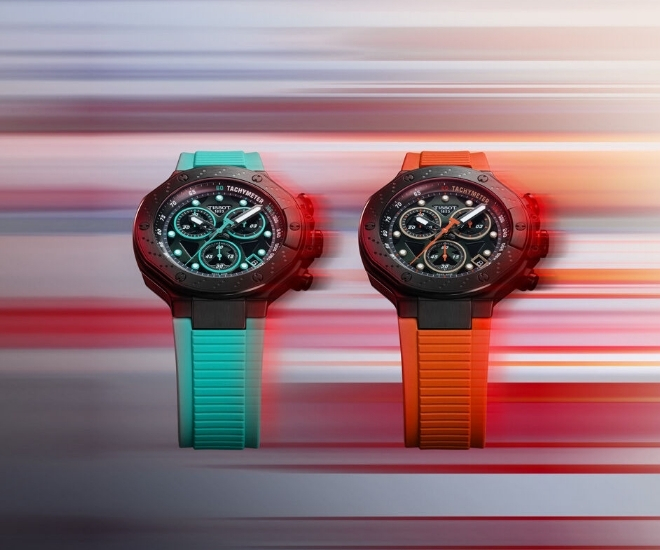
As the Official Timekeeper of MotoGP™ since 2001, Tissot certainly knows how to keep pace with adrenaline-charged speed and precision. The Swiss watchmaking brand has been at the heart of the action, translating the roar of the asphalt into timepieces that measure crucial seconds and capture the spirit of MotoGP™ competition.
This year, Tissot once again revs up the action with the launch of its latest T-Race MotoGP collection. Across the collection’s wide spectrum of watches, the new releases bring the thrill of the circuit straight to the wrist with bold, mechanical and an unmistakably sporty demeanour. From the everyday precision of quartz pieces to the raw mechanics of an automatic calibre, there is a model to raise your pulse levels with the T-Race MotoGP collection.
A Quick Pit Stop: What’s New?
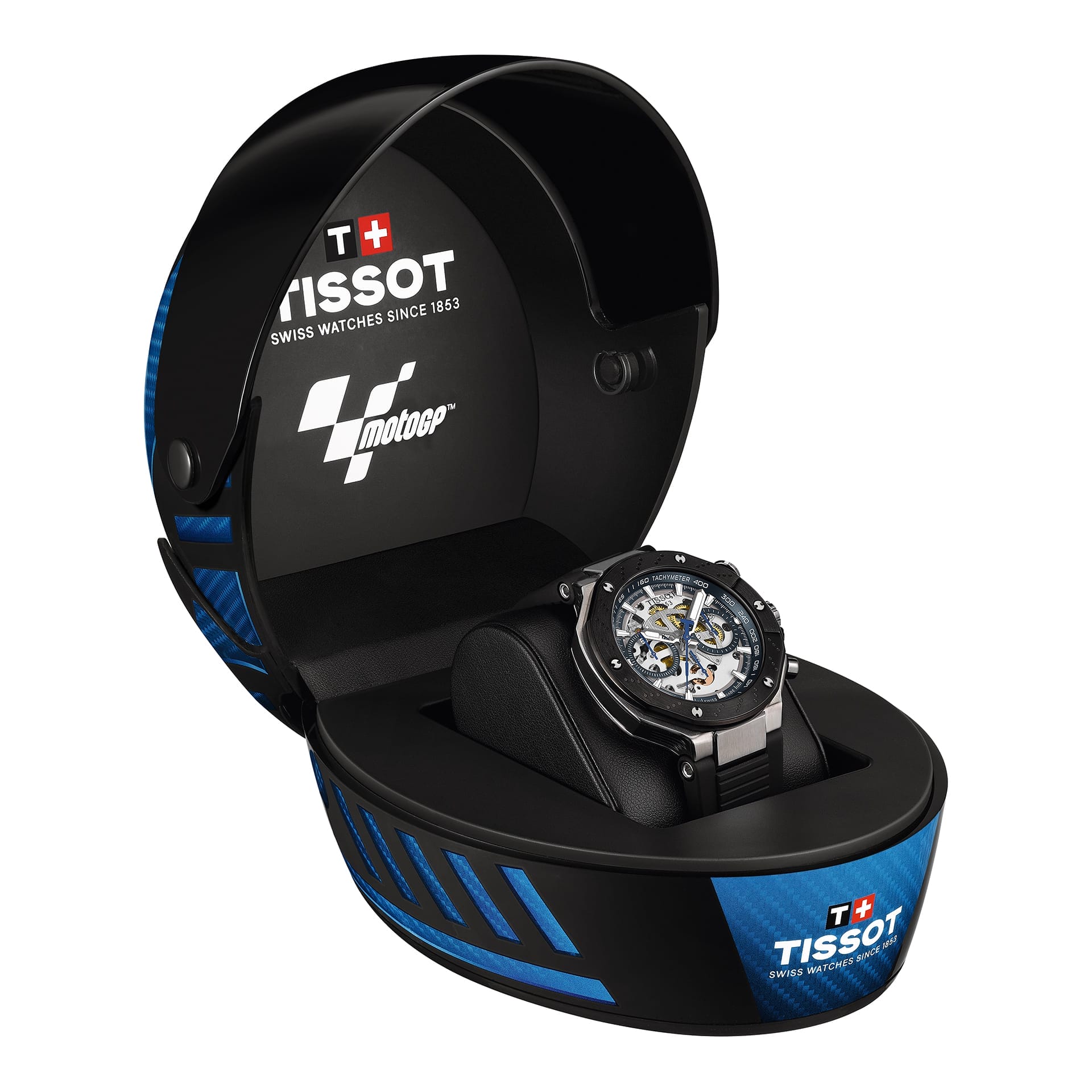
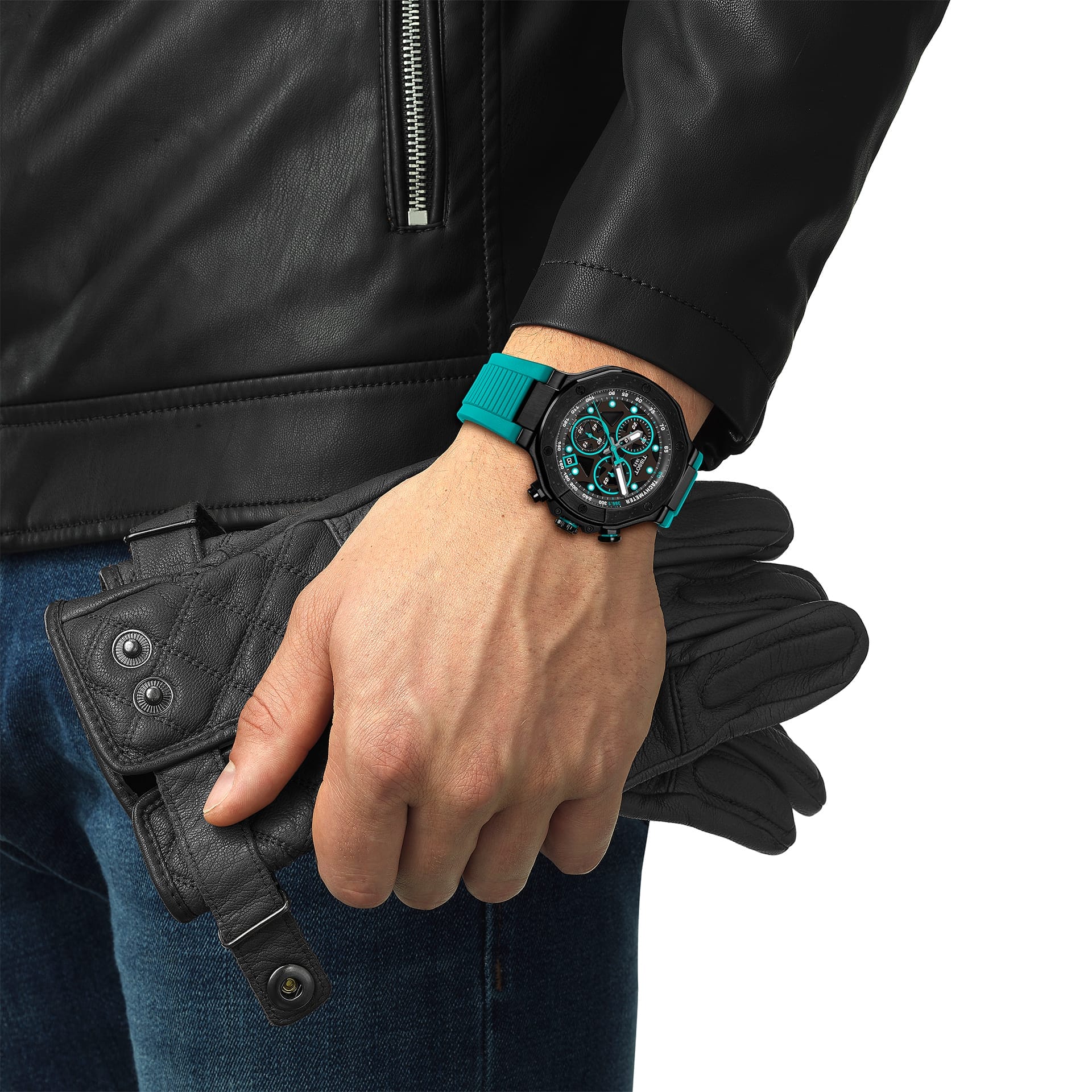
Lining up at pole position is the Tissot T-Race MotoGP Automatic Limited Edition. With a skeletonised Valjoux A05.951 chronograph movement with a Nivachron balance spring for people to admire, think of the calibre as the horological equivalent of lifting the bonnet on a finely tuned engine. Other elements of a MotoGP bike, such as the brake-disc bezel and rubber strap, also influence the watch’s design. The Tissot T-Race MotoGP Automatic Limited Edition, each delivered in a helmet-shaped box, is limited to 2,025 pieces and is a collector’s nod to the world of MotoGP™.
Those who prefer split-second precision will enamour themselves with the Tissot T-Race MotoGP Quartz Chronograph Limited Edition. With a printed tachymeter (366.1) that honours the 2023 MotoGP speed record, the 8,000 limited edition piece celebrates speed records and sharp decision-making with a design language lifted straight from the racetrack.
Since not every rider needs a heavyweight machine, Tissot has also introduced fresh colourways of the white model with a mother-of-pearl dial, the sleek all-black version, or the expressive carnation gold in a compact 38mm version. This lineup is proof that performance does not always have to come in oversized packages.
Final Lap
Tissot’s new T-Race collection is a reminder that watches, like motorsport, are about more than just timekeeping. They are about momentum, daring design, and the thrill of living in the fast lane. With the wide spectrum of pieces, a Tissot T-Race is waiting to join you on the ride.
Sept. 1-7: Morning Planet Parade Sept. 7: Lunar Eclipse Sept. 16: Moon Meets Jupiter Sept. 21: Saturn Reaches Opposition Sept. 21: Partial Solar Eclipse Sept. 22: Fall Equinox
Fall may be prime time for leaf peeping, but stargazers have loads to look at this month, too. Spectacular planet gatherings, eclipses, and Saturn’s opposition are among the many marvels on the horizon.
Plus, September means it’s officially aurora season in the northern hemisphere—and experts say this year could produce above-average lights sightings given the sun’s 11-year peak of activity, known as solar maximum. September is also one of the last months for Milky Way core viewing in the U.S. Our galaxy’s luminous center remains visible until about November, so there’s no time like the present to visit a dark-sky park to see it, especially around the Sept. 21 new moon.
Now it’s time to plot your September stargazing. Here’s what to watch for in the night sky this month.
Sept. 1-7: Morning Planet Parade
Throughout the month of September, stargazers can catch Venus, Jupiter, Uranus, Neptune, and Saturn in the pre-dawn sky. (As always, spotting Uranus and Neptune will require strong binoculars or a telescope.) The lineup turns even more enchanting in the first week of the month, as Mercury joins the party just below Venus for around an hour before sunrise. Catch Mercury, Venus, and Jupiter aligned in the eastern sky, Uranus in the south, and Saturn and Neptune in the southwest.
Sept. 7: Lunar Eclipse
September’s full corn moon will experience a lunar eclipse in certain parts of the world, including Asia, Russia, eastern Africa, and Australia. The U.S. won’t see another lunar eclipse until March 2026. If you’re not in the viewing area, tune into Time and Date’s livestream to watch the spectacle from home.
Sept. 16: Moon Meets Jupiter
The thin crescent moon will appear just above bright Jupiter in the early morning hours of Sept. 16. You can watch the duo dance above the eastern horizon around 2 a.m. local time; they’ll climb higher as the morning goes on, with Venus joining when it rises around 4:30 a.m.
Sept. 21: Saturn Reaches Opposition
The ringed planet will be at its largest and most vivid as it reaches opposition on Sept. 21. During opposition, Earth lies smack-dab between the planet and the sun. Our bright star puts the planet in the spotlight—kind of like the full-moon effect—and it’s best viewed around midnight. While Sept. 21 marks Saturn’s opposition, you can enjoy stellar views of our solar system’s sixth planet into October.
Sept. 21: Partial Solar Eclipse
Mid-September will bring a partial solar eclipse to the skies above Australia, New Zealand, Antarctica, and portions of the Atlantic and Pacific Oceans, according to NASA. New Zealand has arguably the best view, with both the north and south islands enjoying optimal visibility that morning, from roughly 5:40 a.m. to 8:40 a.m. NZST, per Time and Date.
Sept. 22: Fall Equinox
This year’s autumn equinox hits on 2:19 p.m. ET. It’s the first day of fall, and during this time, the sun appears to pass over the celestial equator, according to Adler Planetarium. It’s also known to be an exceptional time for northern lights activity, so if you’ve been waiting to plan an aurora chase, now’s the time.
As the luxury spirits sector evolves due to increased market competition, shifting tastes and changing consumer expectations, storied maisons find themselves having to adapt as a means of connecting with a wider range of alcohol connoisseurs. Maisons like Hennessy, The Macallan and LVMH-owned labels are delivering immersive showcases — such as Hennessy’s La Chambre du Paradis in Singapore — where rare bottlings and fashion collaborations created a new take on contemporary luxury codes. In an industry where younger demographics increasingly shape demand, the ability to deliver goes beyond flavour profiles to encompass authentic brand messaging, dynamic packaging and sensorial experiences to cement consumer loyalty and market leadership.
Speaking exclusively to Head of Luxury, Diageo Southeast Asia Jay Shankar on how younger consumers approach premium spirits compared to previous generations, Shankar explains that in 2022, his team launched a study involving 9,000 luxury alcohol shoppers across Greater China and Southeast Asia to gain a clearer understanding of the market. Shankar’s comments specifically reflect insights from Diageo and the brands under its umbrella and serve as a stepping stone for understanding broader trends in luxury spirits. The research revealed that luxury consumers are becoming younger, more diverse and more inclusive. Preferences are shifting away from traditional status symbols that emphasise ownership and accumulated assets, towards cues that celebrate experiences, connections and brands reflecting shared values.
This insight has been pivotal for reshaping how luxury spirits brands engage their audiences. By emphasising culture and curating captivating experiences, brands can position themselves as “beacons of desire” while fostering more authentic, meaningful engagement with consumers. Packaging also plays a central role in engaging younger consumers, particularly Gen Z. Shankar emphasises that for these audiences, the first tangible interaction with a brand must be impactful and aligned with values such as sustainability, innovation and authenticity. From experiential launches with sustainable, boundary-pushing packaging, LUXUO explores how these innovations from Diageo and other luxury alcohol beverage companies are shaping the next generation of premium spirits.
Read More: Luxury Spirits Brands Recalibrate Strategies to Appeal to a New Generation of Consumers
Johnnie Walker Vault x Olivier Rousteing Couture Expression
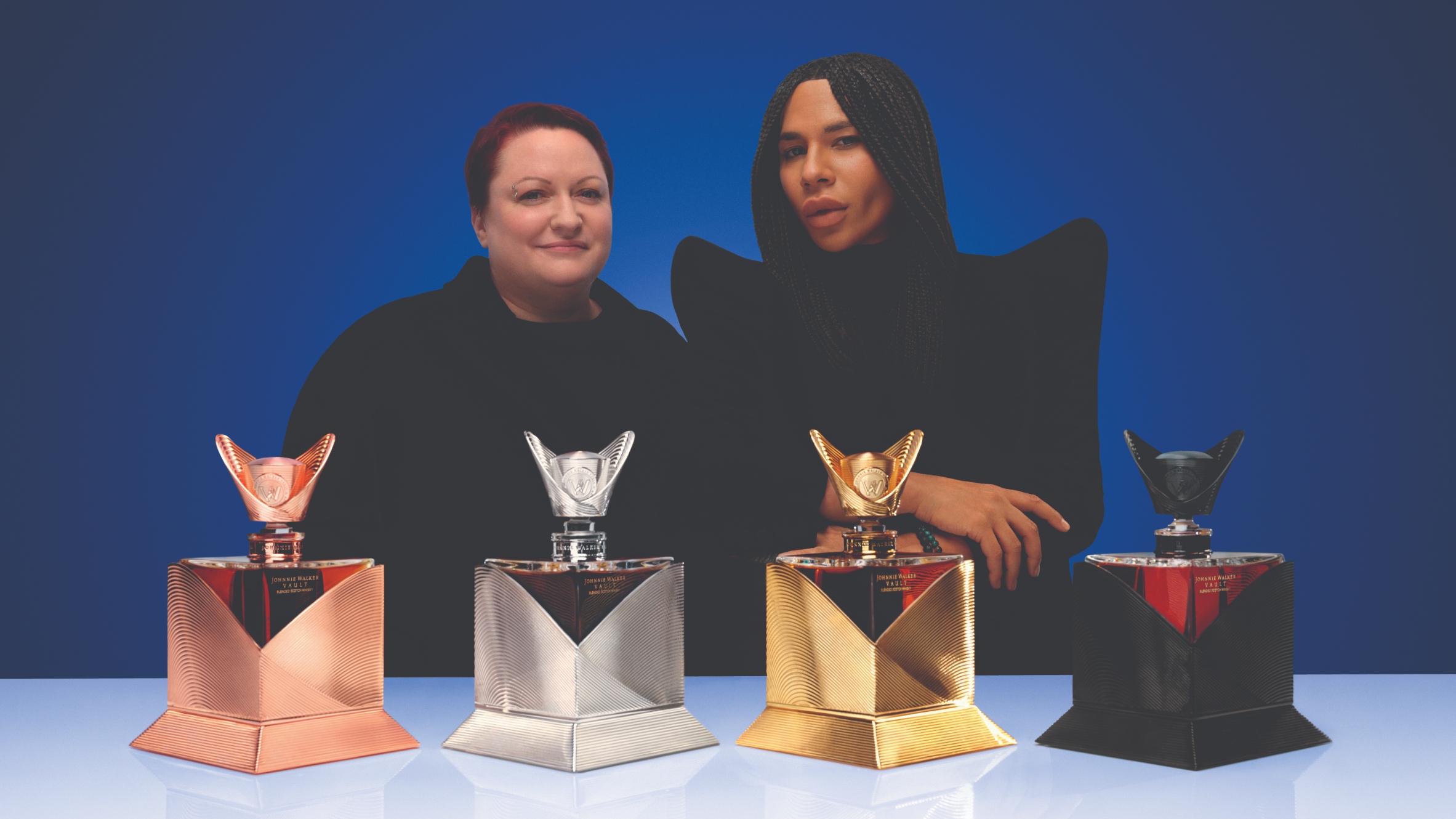
With its launch of the Johnnie Walker Vault platform earlier this year, Johnnie Walker signaled a new chapter in the way whisky might be experienced — as something akin to a cultural artefact. That ambition takes striking form in “Couture Expression”, the inaugural release co-created with French couture designer Olivier Rousteing — a collection of four seasonal blends crafted alongside Johnnie Walker Master Blender Dr. Emma Walker.
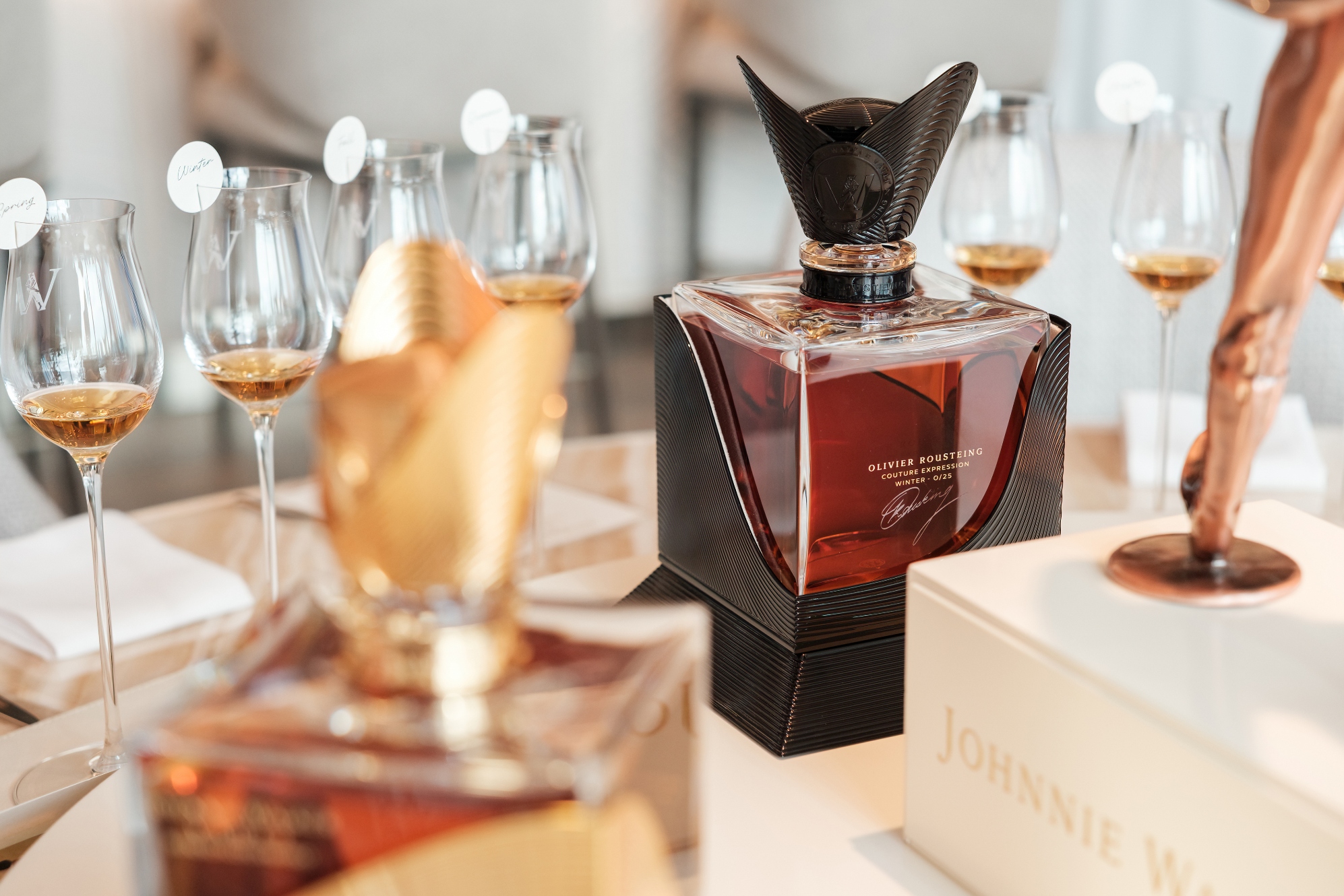
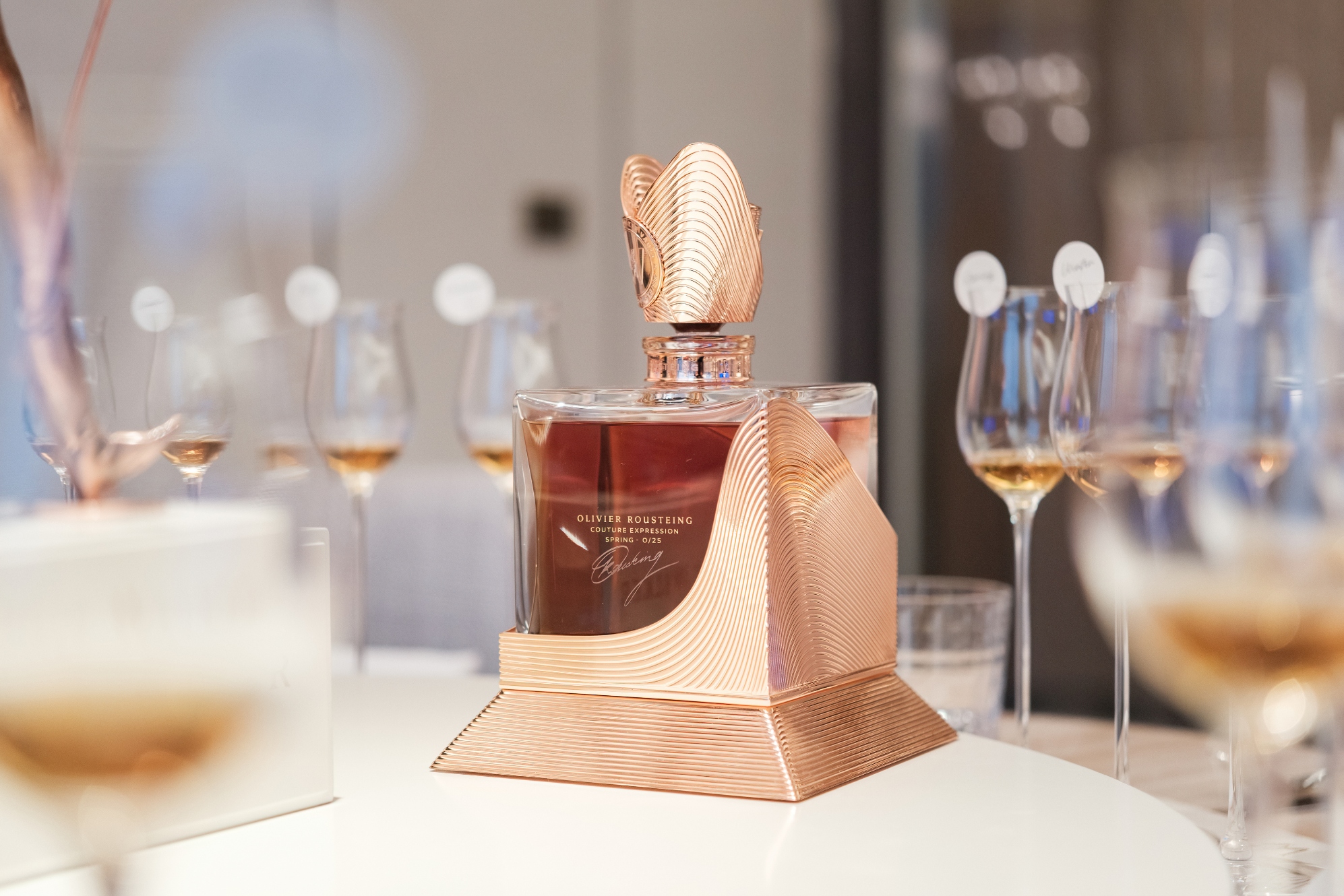
Presented privately in Singapore at The Paiza Collection, the showcase offered the rare chance to experience all four expressions — Spring, Summer, Fall and Winter — each shaped by Rousteing’s narrative of emotion and seasonality, and layered with ghost whiskies from Brora and Port Dundas. The tasting underscored how blending can be pushed into the realm of storytelling, translating fashion’s emotional language into flavour and texture.
The collection itself positions whisky within a wider creative dialogue. Rousteing’s couture instincts — metallic drapé wrapped around Baccarat crystal decanters, topped with sculptural winged stoppers — meet Emma Walker’s technical mastery across Johnnie Walker’s Vault of 500 rare whiskies. The result is a sensorial anthology that speaks to rebirth in Spring, vibrancy in Summer, introspection in Fall and comfort in Winter.
Read More: Dr Emma Walker and Olivier Rousteing Converge to Position Whisky at the Forefront of Luxury
In this way, the “Couture Expression” series becomes an emblem of how a heritage Maison can reframe its legacy for a new demographic of collectors — by pairing signature flavours with disciplines that thrive on design and cultural relevance. Where whisky once sat apart from fashion and art, Vault repositions it as part of a broader cultural fabric, extending its reach beyond connoisseurship into the sphere of lifestyle. With only 25 bottles of each expression released worldwide — and a single complete set in Singapore — the rarity speaks for itself. Yet the lasting impression is not only with its scarcity, but in cultural resonance — where whisky can be communicated through the lens of couture.
The Singleton Gourmand Collection
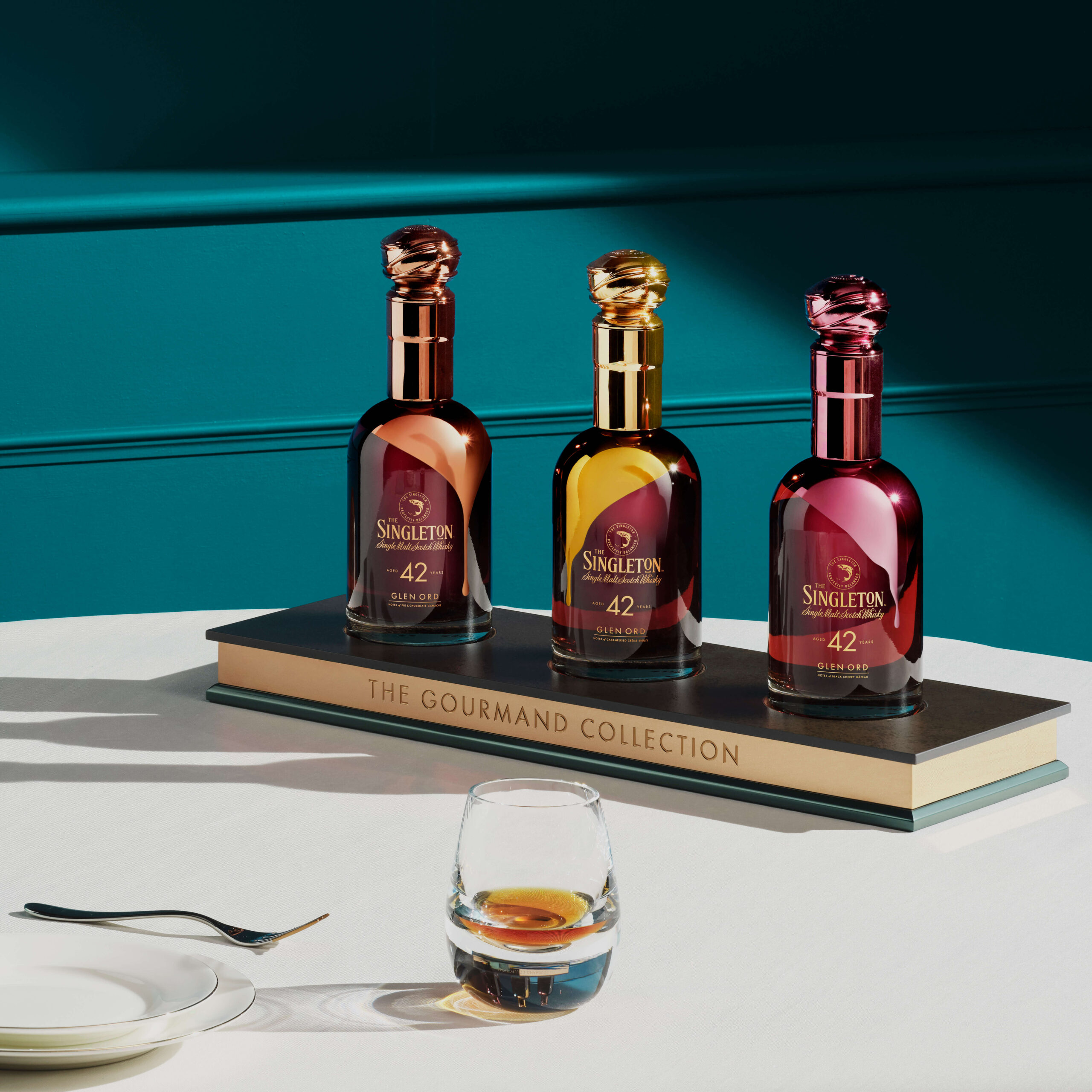
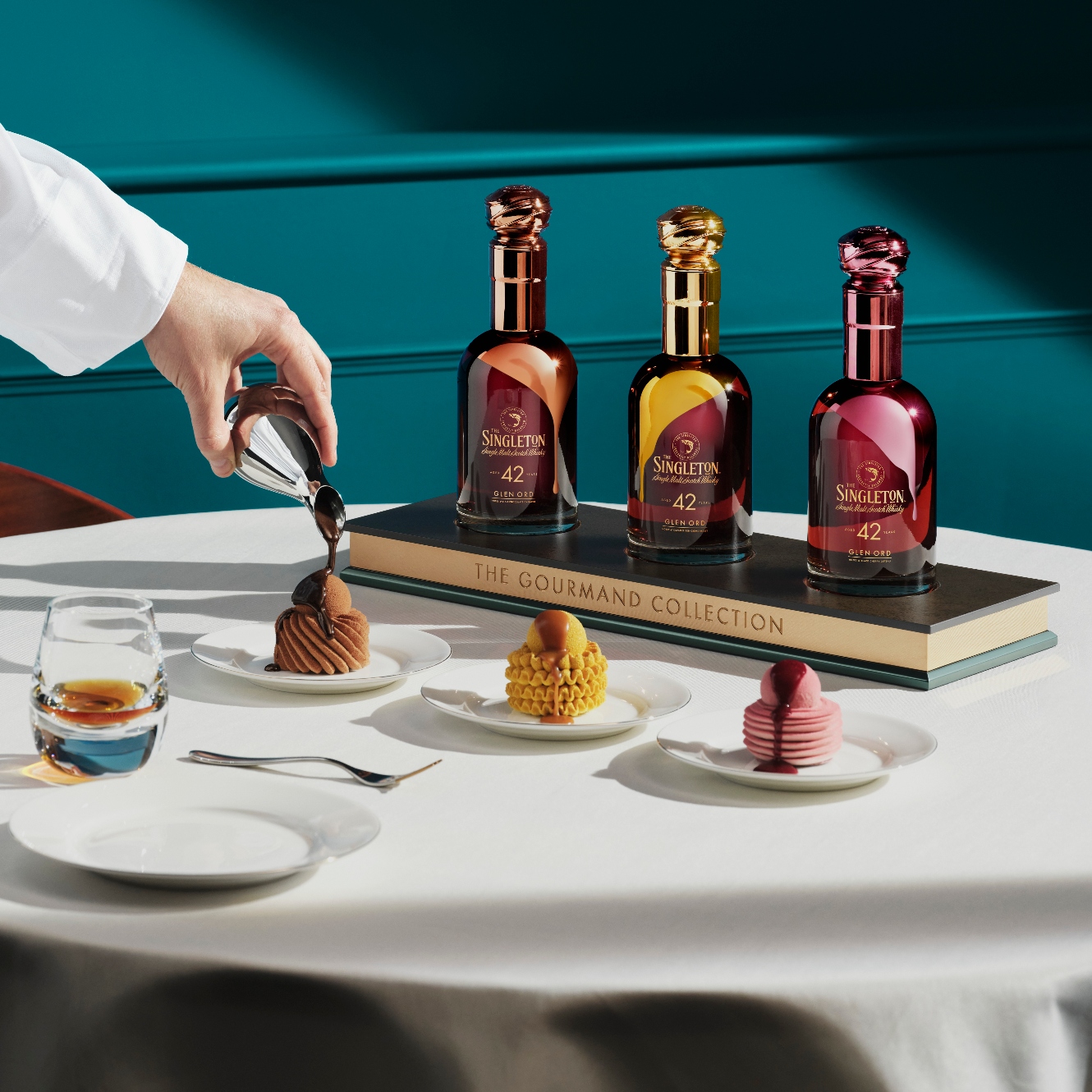
The Singleton has introduced the Gourmand Collection, a trio of 42-year-old single malts positioned at the pinnacle of its portfolio and priced at SGD 13,000 per set. Each expression — Fig & Chocolate Ganache, Caramelised Crème Brûlée and Black Cherry Gâteau — underwent the longest secondary maturation in the brand’s history, with 29 years of cask layering following an initial 12-year maturation.
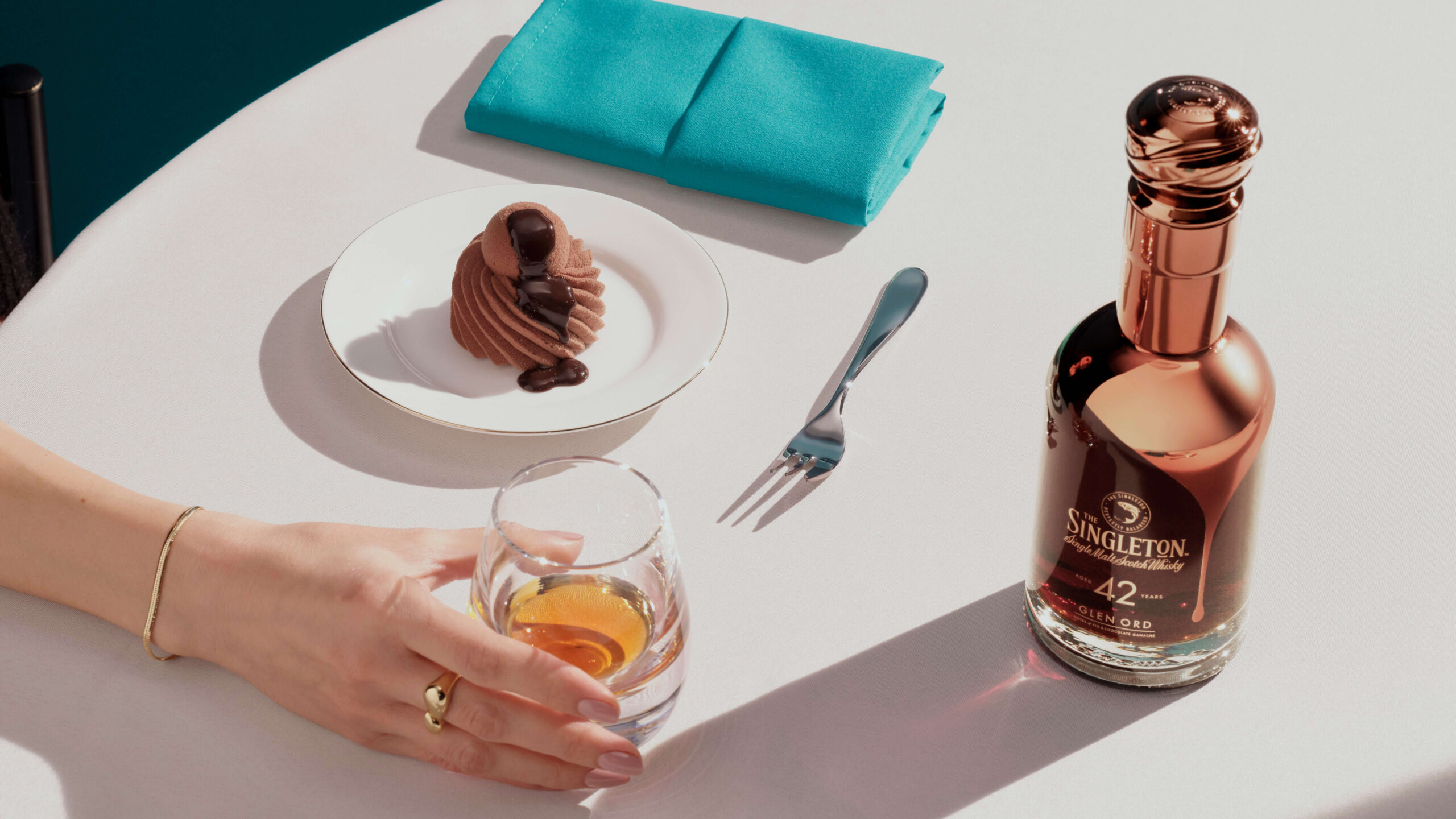
The Fig & Chocolate Ganache expression carries notes of dried fruit and cocoa powder with hints of roasted hazelnut, giving it a rounded, almost truffle-like finish. Caramelised Crème Brûlée leans towards honeycomb and vanilla custard with delicate toffee undertones, balanced by a whisper of smoke. Black Cherry Gâteau is the boldest of the trio, brimming with ripe red fruit, spiced kirsch and a satin-smooth chocolate finish. Together, they present a spectrum of profiles that mirror the multi-sensory experience of fine desserts.
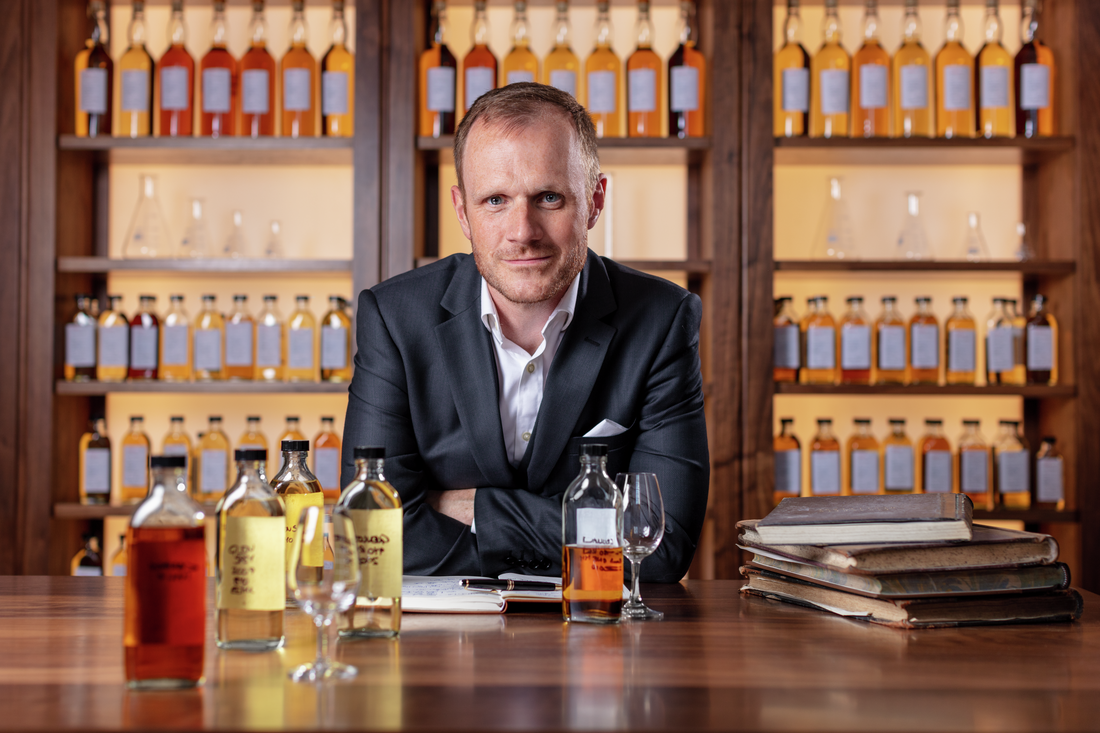
Created under Malt Master Dr Craig Wilson, the collection reflects a growing trend in luxury spirits towards cross-disciplinary collaboration. To underline its culinary inspiration, The Singleton partnered with Master Pâtissier Nicolas Rouzaud of Maison de Haute Pâtisserie in London, who crafted bespoke desserts mirroring the whiskies’ profiles.
The packaging — presented in lacquered cases with gilded detailing — reinforces the perception of the set as a long-term collectible, while the scarcity also mirrors luxury’s pivot towards ultra-limited drops. The Gourmand Collection signals the continued premiumisation of Scotch and the sector’s shift towards limited, experiential releases aimed at collectors and high-net-worth consumers seeking exclusivity. With only five sets available in Singapore, the launch positions The Singleton within the ultra-luxury tier of single malt producers while reinforcing Diageo’s wider strategy to elevate whisky into lifestyle-driven luxury culture.
Click here for more information.
Hennessy Paradis
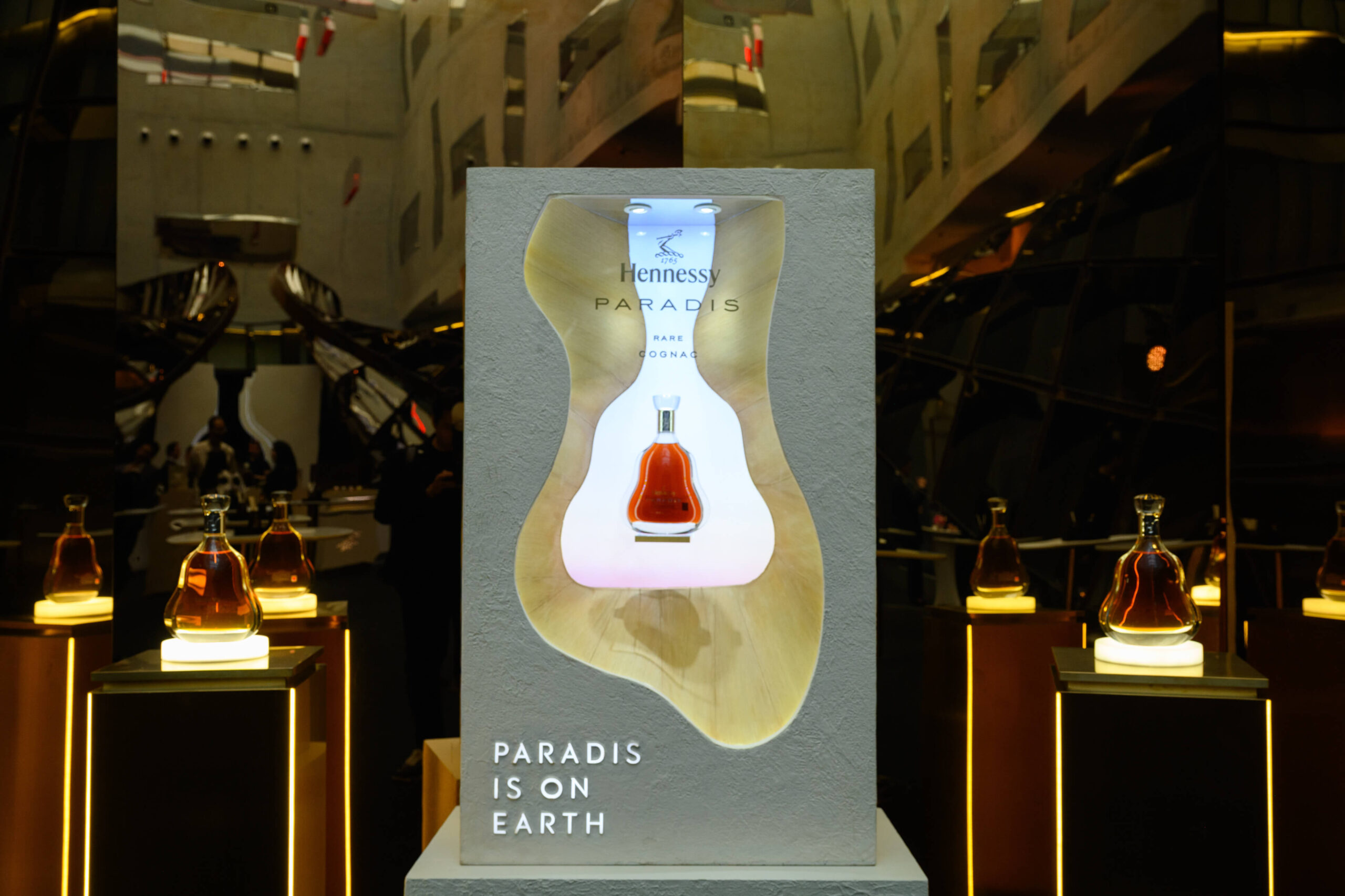
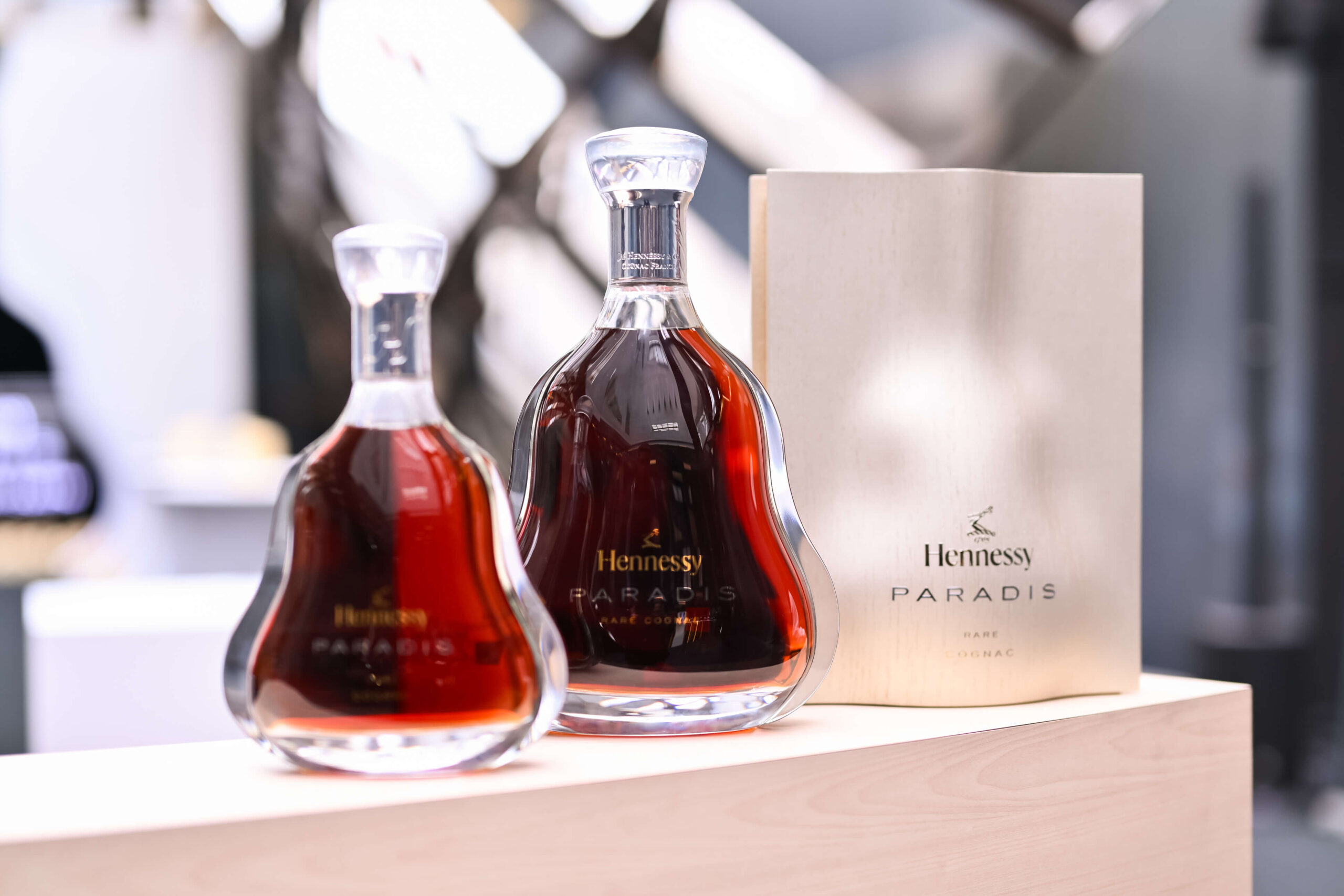
Hennessy brought its most treasured expression — Hennessy Paradis — to Singapore with an exclusive multi-sensory showcase at Le Freeport, highlighting how the maison continues to evolve in an increasingly competitive luxury spirits market. First created in 1979 by sixth-generation Master Blender Maurice Fillioux, Paradis blends over 100 eaux-de-vie — some aged up to 130 years — into a luminous, richly layered cognac.
Beyond celebrating its storied past, Hennessy used the event to demonstrate how luxury alcohol brands are innovating to engage consumers. The showcase included rare bottles such as Hennessy Paradis Unlimited, Paradis Gold Edition and archive pieces from previous limited editions — alongside the Loewe x Hennessy Paradis collaboration — which merges artisanal cognac craftsmanship with luxury design. By integrating storytelling, bespoke services like Hennessy Hands and digital activations around the collection, Hennessy illustrates how heritage maisons can remain relevant, deepen consumer loyalty and simultaneously attract younger, design-conscious audiences.
As previously seen with the Hennessy Paradis Unlimited, Hennessy Paradis X Lorenz Bäumer NBA 3L, Hennessy Paradis Gold Edition and Hennessy Paradis Chinese New Year release, this Singapore showcase illustrates how the Hennessy brand can implement forward-looking strategies — inspiring collectors and connoisseurs alike while reinforcing the Maison’s leadership in the global luxury spirits sector.
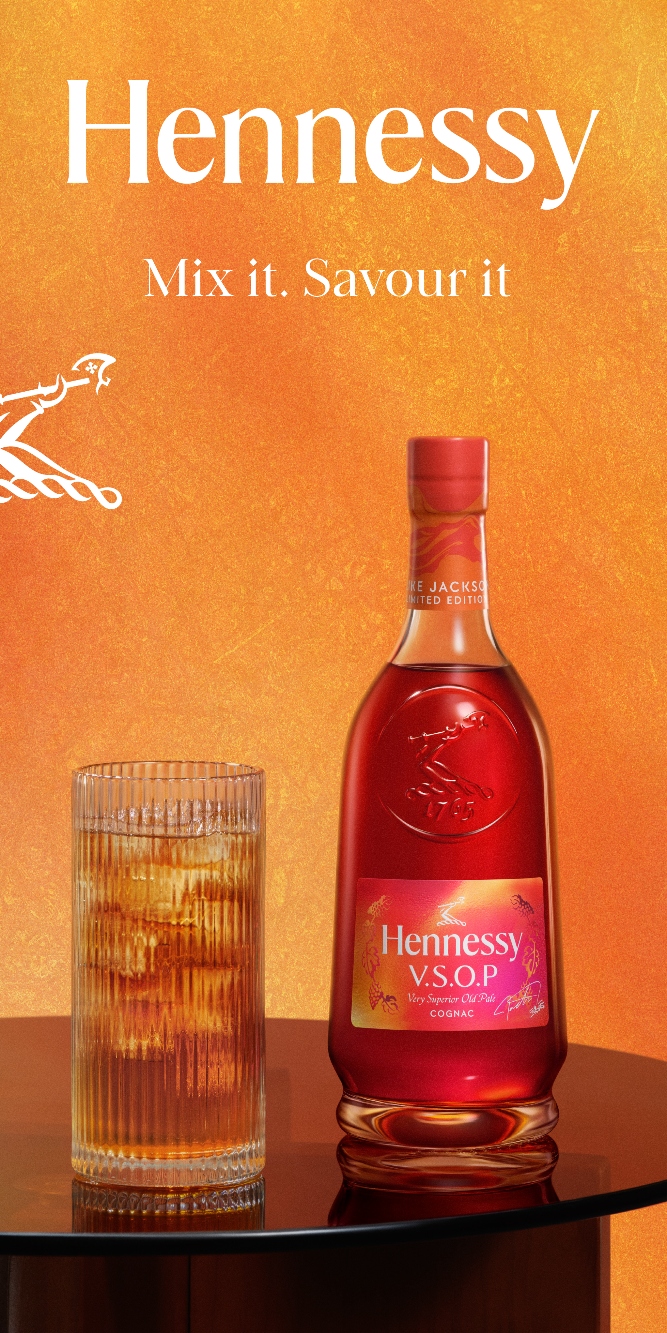
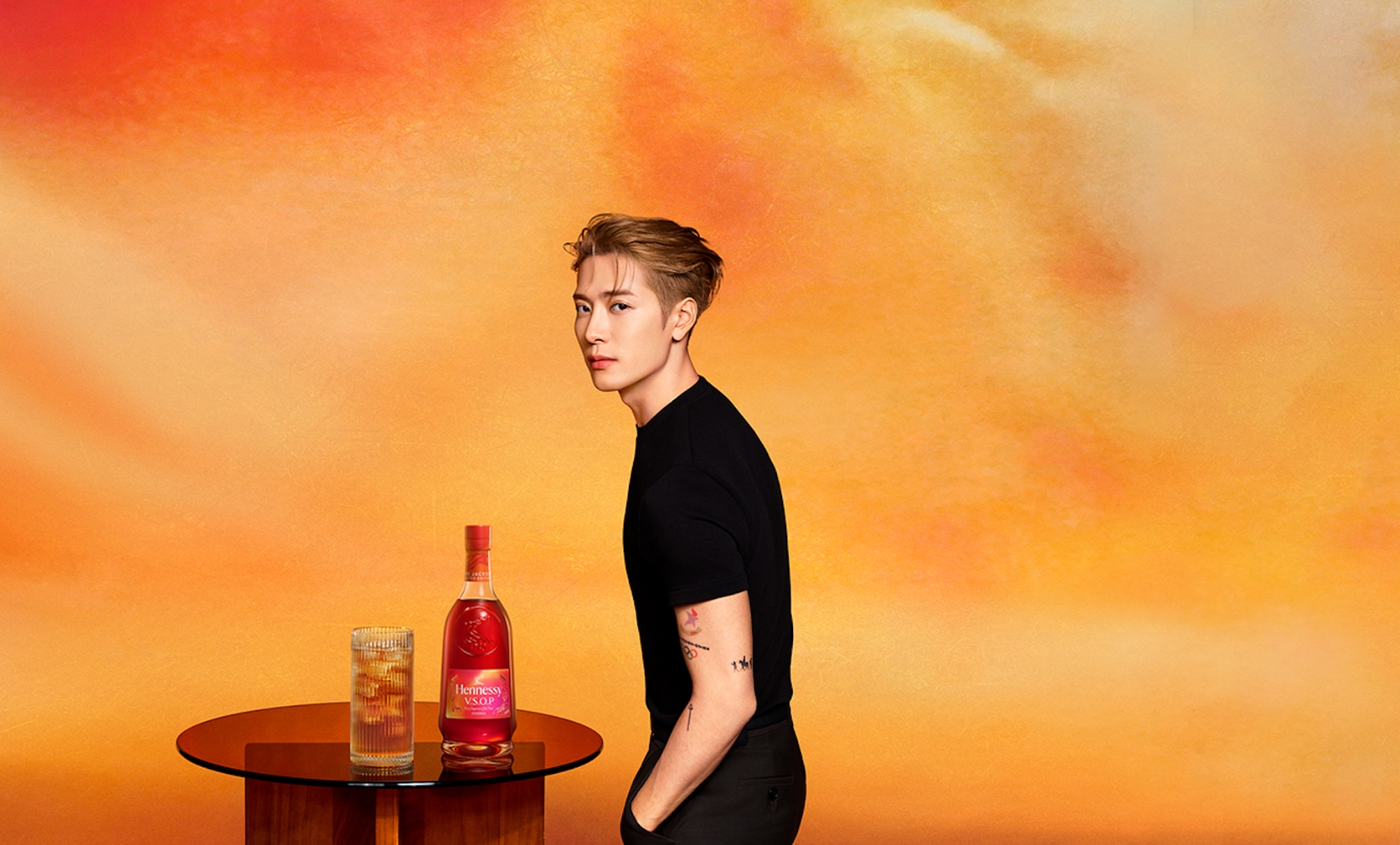
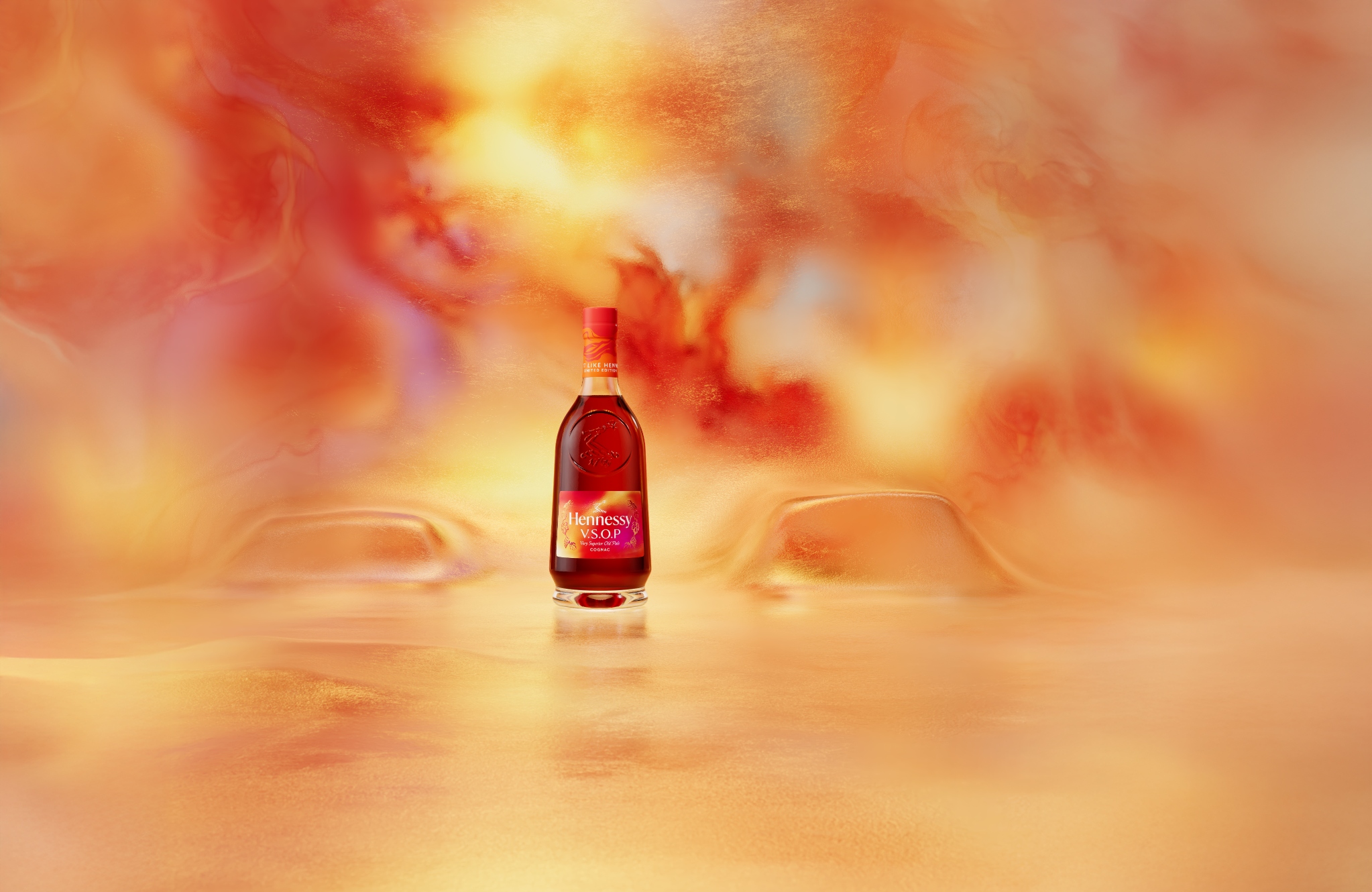
Alongside ultra-prestige launches like the Paradis, Hennessy continues to broaden its cultural reach through collaborations aimed at younger, experience-driven consumers. For this year’s Mid-Autumn Festival, the maison unveiled limited-edition V.S.O.P and X.O bottles designed with global ambassador Jackson Wang. Featuring contemporary artwork and signature serves like the “Henny Tea” and X.O on ice with sparkling water, the editions link cognac to tea culture, modern gifting and festive rituals across Asia. The bottle invites consumers to “Mix It Like Jackson Wang” — a not-so-subtle nod to the singer’s aforementioned easy-to-make serve: the Henny Tea (40ml V.S.O.P, a splash of oolong tea and ice).
The packaging doubles as a collectible, featuring an elegant exterior box with layered tones of deep amber and silver accents, as well as an embossed frozen effect that further reinforces the connection to the XO on ice serve. By aligning with a multi-hyphenate star who resonates across fashion, music and youth culture, Hennessy was not only paying homage to tradition but also re-framing cognac as a dynamic, cross-cultural symbol for a new generation of drinkers in Asia. The collaboration underscores how Hennessy balances heritage with evolving tastes, using design, music and accessible serves to attract a new generation of drinkers.
Click here to find out more.
Macallan’s Harmony & Timeless Collections
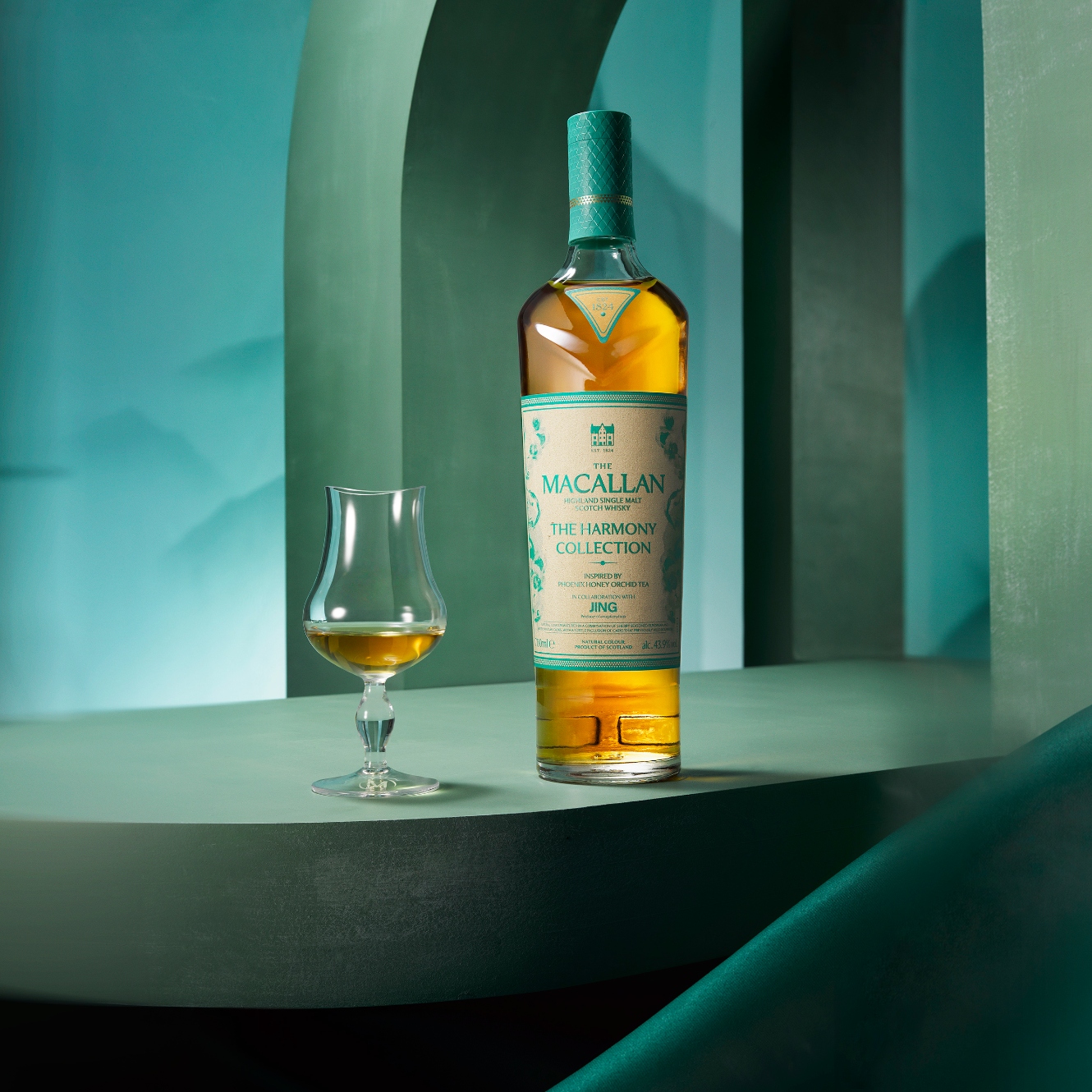
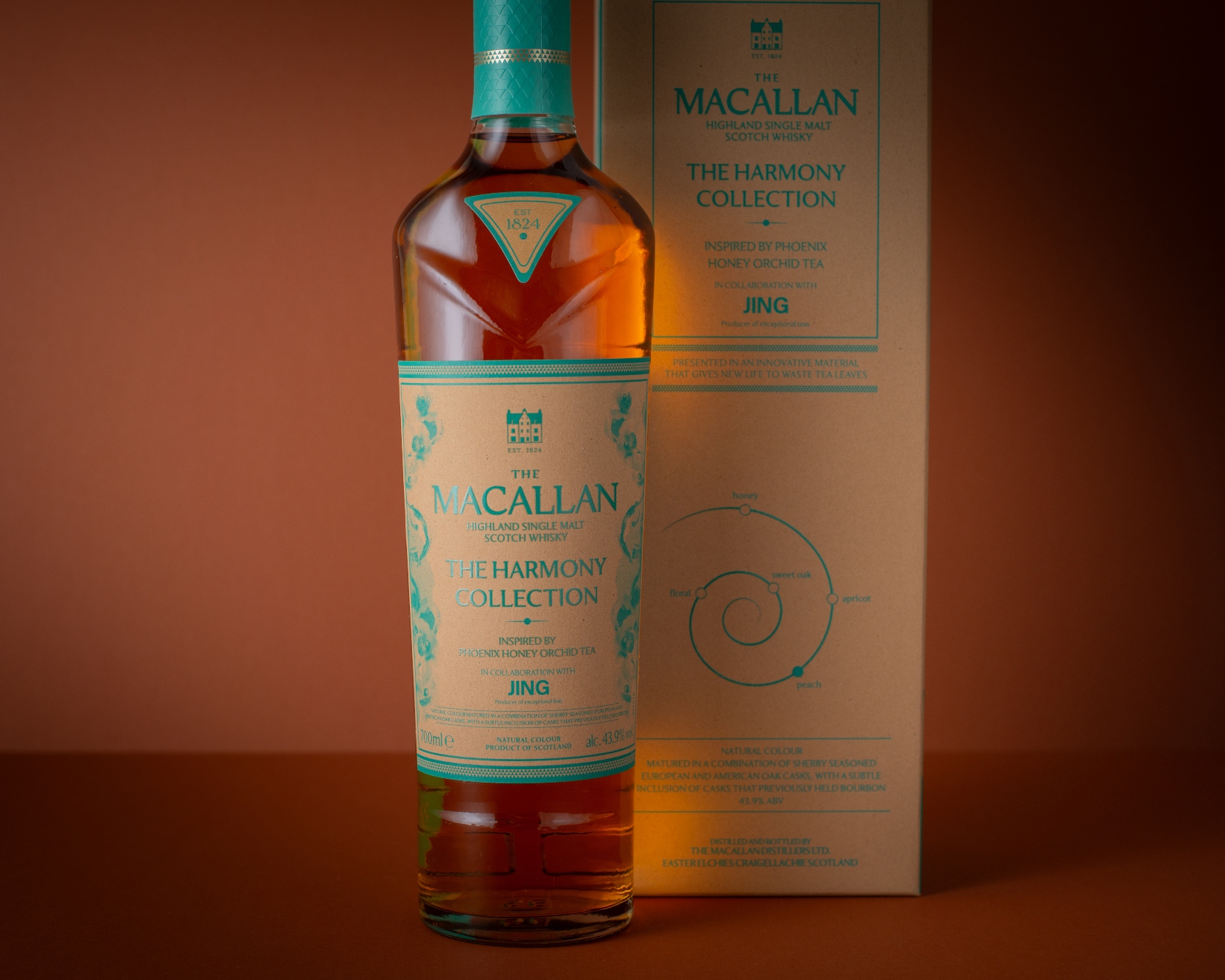
The Macallan’s latest Harmony Collection release — in collaboration with JING — demonstrates how luxury spirits brands are finding new ways to innovate while honouring heritage craftsmanship. Drawing inspiration from rare single garden teas such as Phoenix Honey Orchid and Organic Cherrywood Lapsang, the 2025 edition presents two limited-edition whiskies that translate the character of these teas into distinct whisky expressions.
Crafted using a combination of Sherry Seasoned American and European oak casks, each whisky balances layered flavours with meticulous attention to provenance and quality. Beyond the bottles themselves, the release incorporates immersive experiences — including a bespoke whisky and tea pairing ritual inspired by the traditional Chinese Gong Fu ceremony and sustainable presentation boxes made from repurposed tea leaves.
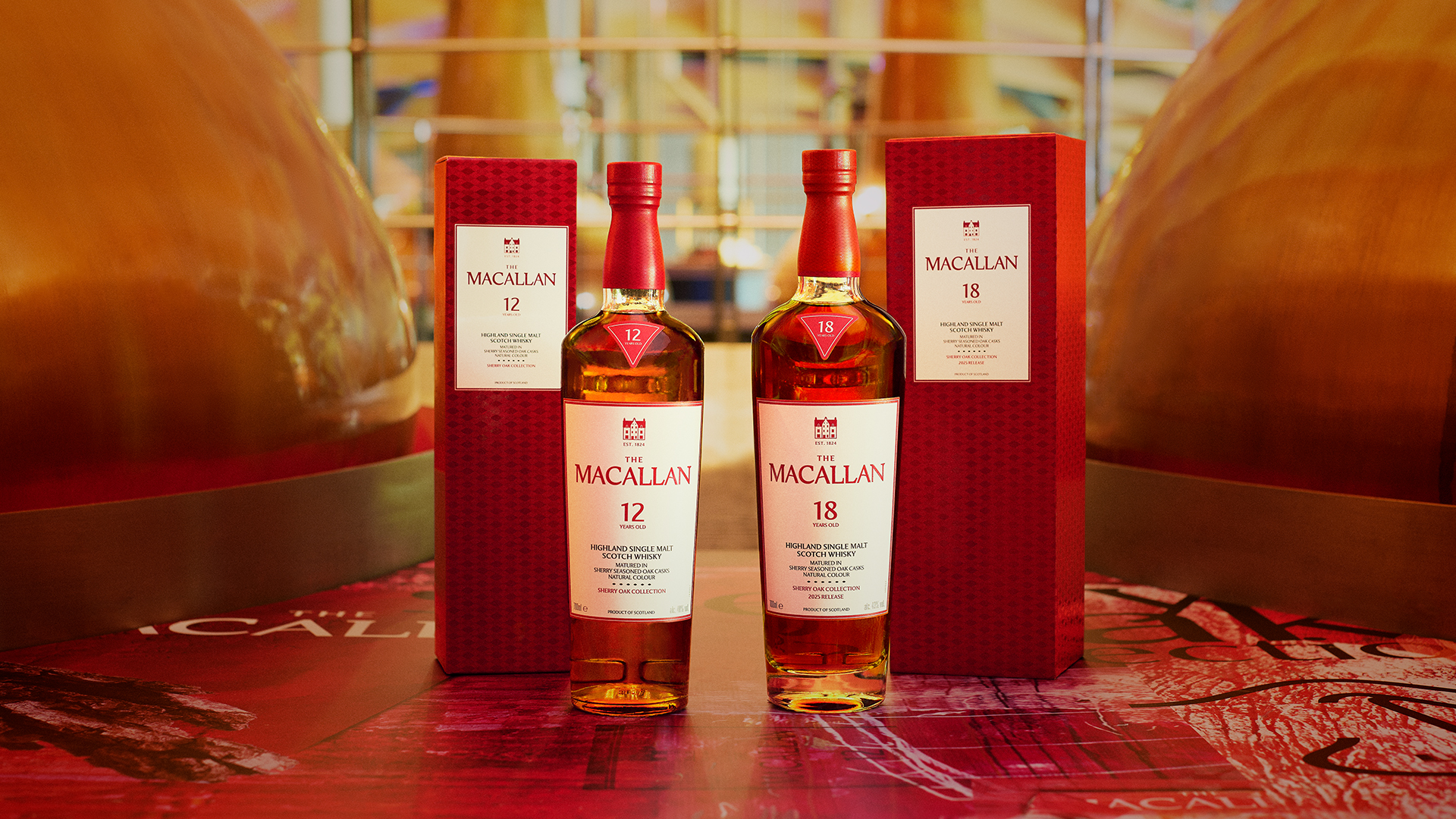
Complementing these activations and releases, The Macallan has reimagined its Timeless Collections with a visual identity created by acclaimed graphic designer David Carson. Drawing on two centuries of whisky mastery, the redesign transforms Sherry Oak, Double Cask and Colour Collection bottles into visual representations of the distillery’s architecture and heritage, uniting tradition with a forward-looking aesthetic. These refreshed expressions allow The Macallan to engage consumers beyond tasting alone, presenting whisky as a collectible, design-conscious object while maintaining the signature complexity of the spirit itself.
Seasonal relevance also plays a role in The Macallan’s engagement strategy. Double Cask range — positioned as ideal for summer sipping — highlights the versatility of different drinking occasions, adapting to different moods or ways of serving, while still delivering the signature complexity and craftsmanship The Macallan is known for. By connecting specific expressions to lifestyle moments — rooftop sundowners, weekend dinners or intimate gatherings — the brand reinforces emotional resonance, demonstrating how luxury alcohol is increasingly about experience and context, not only provenance and heritage.
To find out more, head to The Macallan.com or visit The Macallan House.
The Glendronach’s Master’s Anthology Series
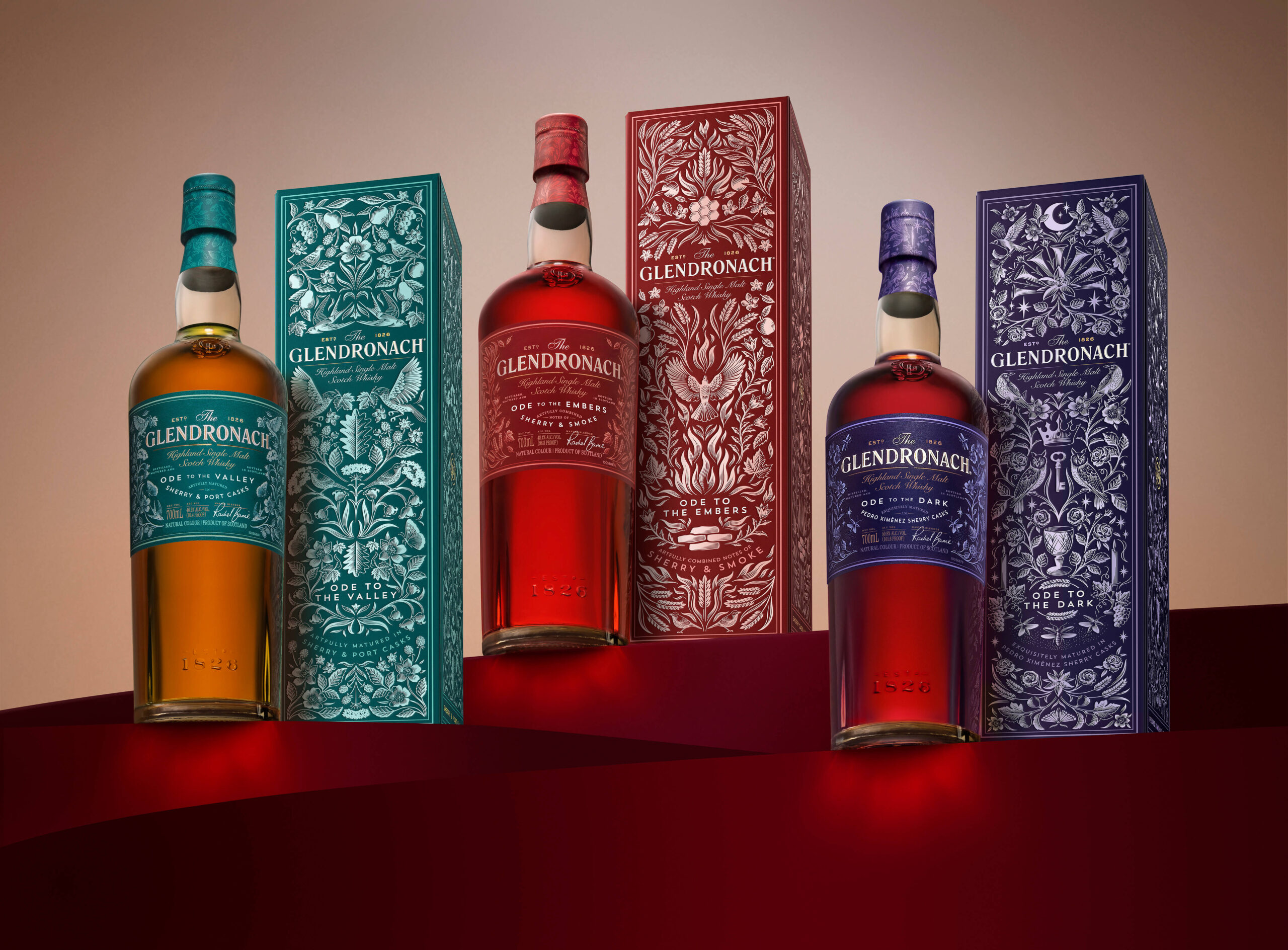
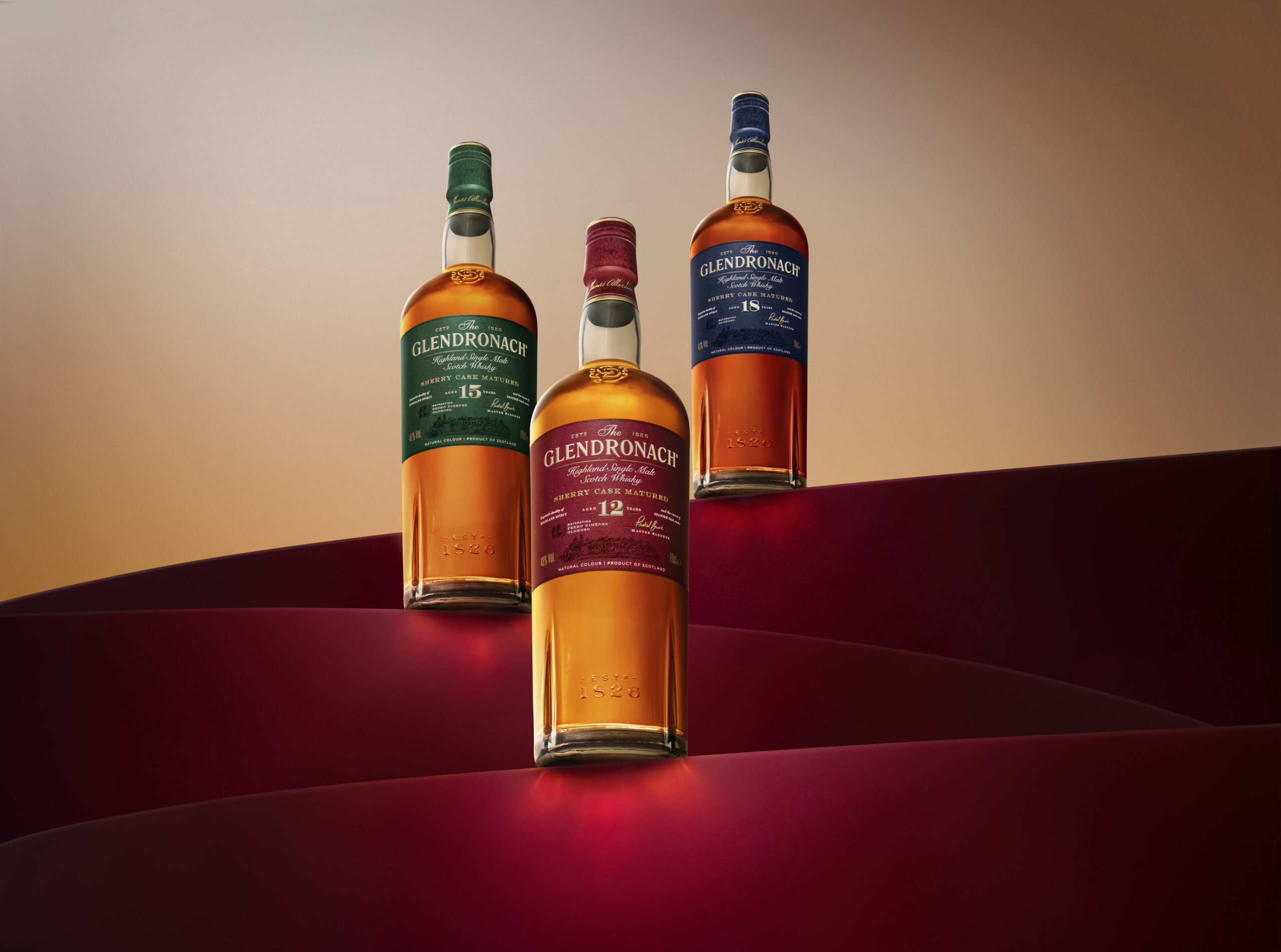
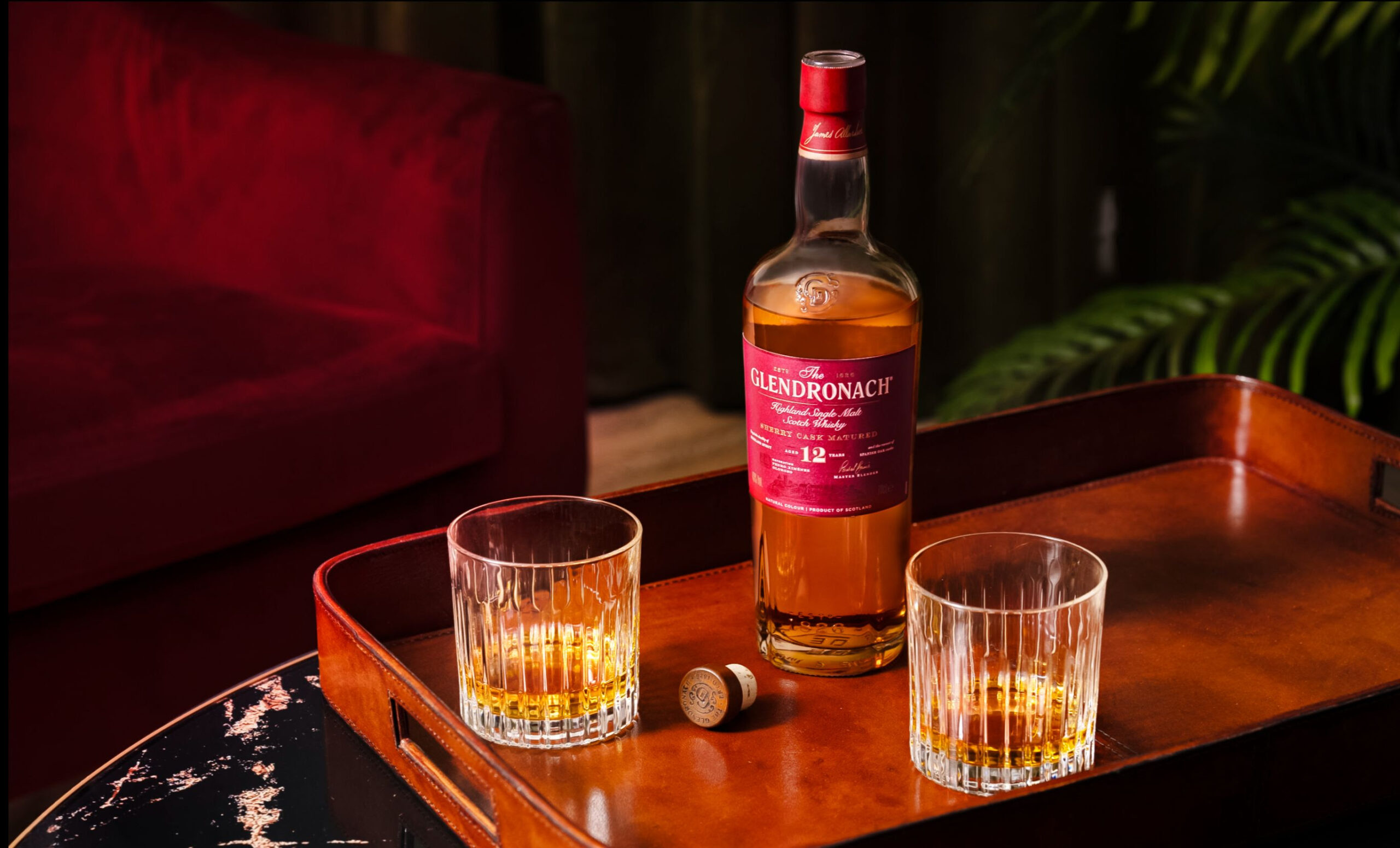
With nearly two centuries of whisky-making heritage, The Glendronach has long stood as one of Scotland’s preeminent sherry cask houses. Its newly unveiled “Master’s Anthology” range continues that legacy, presenting three non-age-statement single malts — Ode to the Valley, Ode to the Embers and Ode to the Dark — each designed as a distinct movement in a larger composition of flavour and craft.
Curated by Master Blender Rachel Barrie, the collection is a reframing for the brand — particularly in showcasing the distillery’s DNA through a more expressive, almost narrative-led format. The bright fruit-forward “Ode to the Valley”, the rare smoky depth of “Ode to the Embers” and the velvet richness of “Ode to the Dark” reveal different facets of sherry cask maturation, together forming a modern anthology that remains rooted in The Glendronach’s tradition.
Read More: The Glendronach Relaunches With a Stellar Crescendo
This release also follows The Glendronach’s recent “Raise Expectations” campaign, which introduced a refreshed visual identity that speaks to the distillery’s dual character — the robust Highland spirit in dialogue with Spanish flair, brought to life in Rankin’s dramatic imagery of flamenco in the Highlands. The redesign also introduced a new brand pattern of brambles and rooks, a nod to the distillery’s name (‘Valley of the Brambles’) and the natural world that surrounds it.
Read More: 8 Whiskies to Invest in For Autumn
In this light, “The Master’s Anthology” becomes not just a continuation of the distillery’s sherry cask mastery, but also a milestone in its evolving luxury positioning — one that blends the permanence of tradition with a contemporary artistry designed to captivate a new generation of whisky drinkers. Taken together, these evolutions position the The Glendronach distillery not only as a custodian of sherry cask mastery but as a house unafraid to reinterpret that mastery for today’s whisky drinker — layering history with renewed artistry. The Glendronach’s Master’s Anthology is therefore a signal of how a heritage distillery can translate centuries of expertise into contemporary expressions.
Find out more about this exclusive range here.
Roku Gin IF ONLY X Stay Gold Flamingo
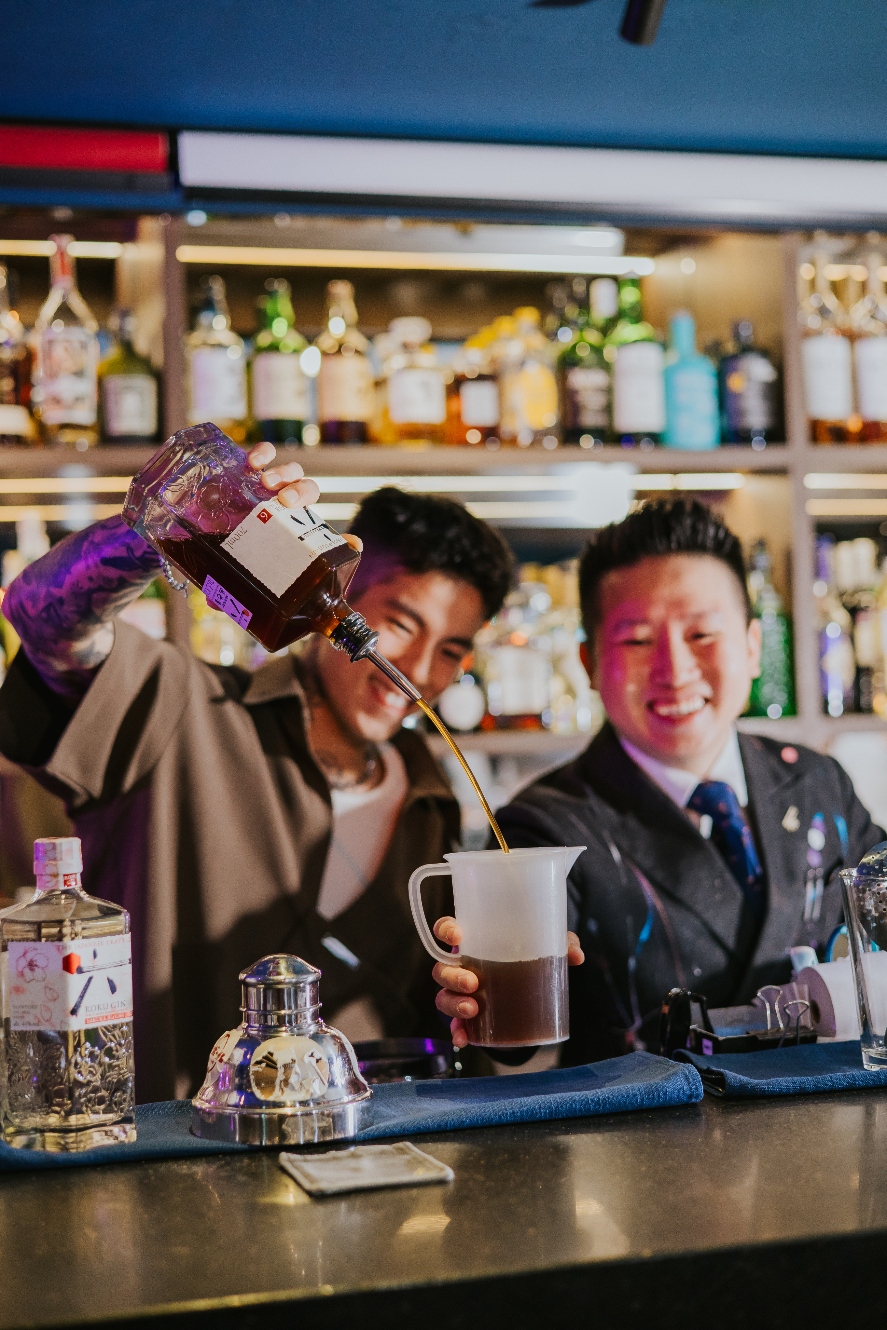
As luxury spirits adapt to shifting consumer expectations, experiential activations are becoming key growth drivers. Roku Gin — part of The House of Suntory — has launched a limited one-day showcase in Singapore with Stay Gold Flamingo (Asia’s Best 100 Bars 2024) and Kuala Lumpur’s IF ONLY. The collaboration highlights how brands are leveraging cross-border partnerships to engage a younger, experience-driven demographic.
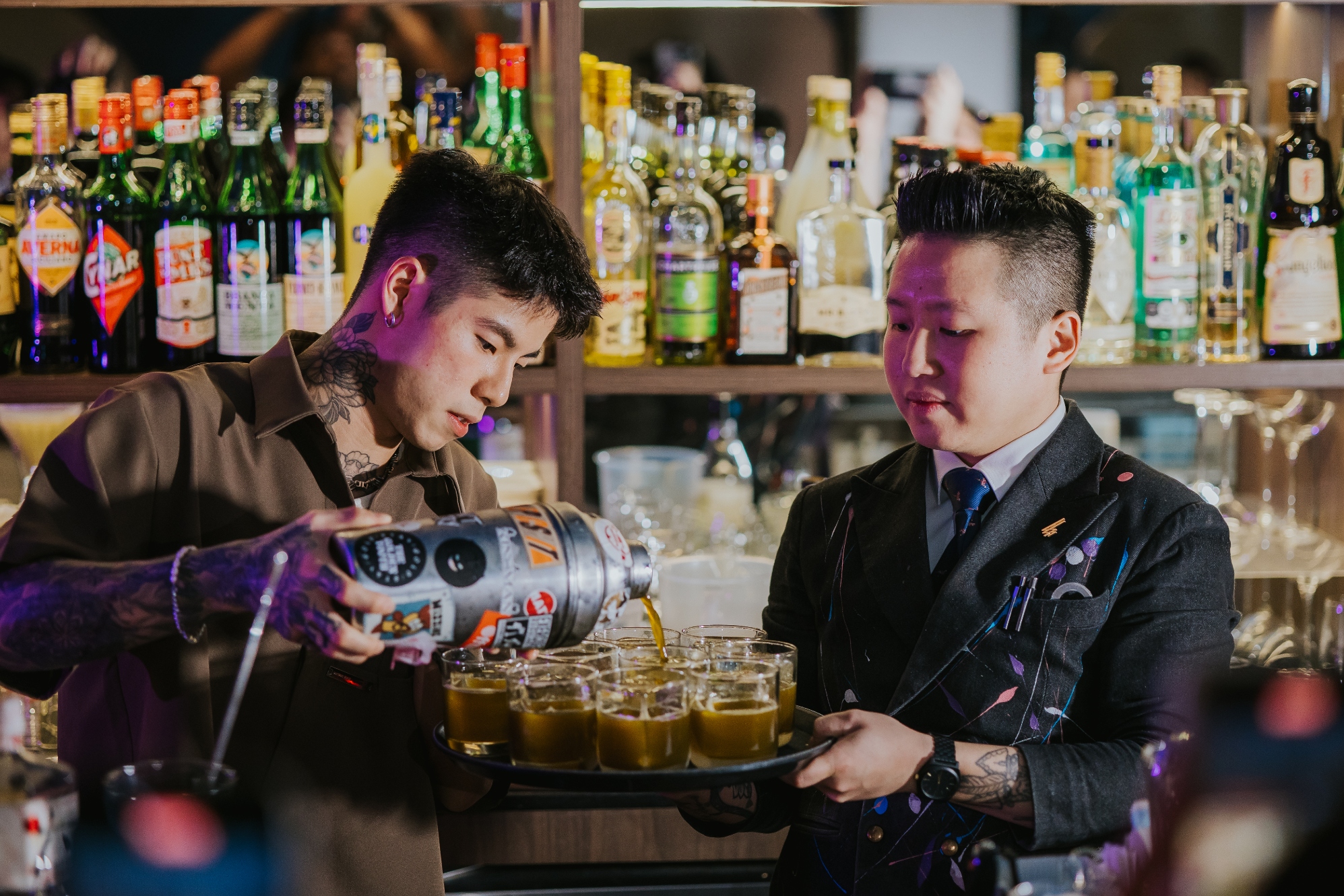
For one night only, bartenders Amos Kew and Linus Teng created three exclusive cocktails featuring Roku Gin’s signature and Sakura Bloom editions. Alongside the drinks, IF ONLY’s Chef Bryan Tan and Stay Gold Flamingo’s Chef Joanne co-developed a menu that reinterprets Malaysian flavours through a modern Asian lens. This pairing of culinary identity with Japanese craft spirits underscores how localisation and cultural storytelling can create stronger consumer resonance.
The event reflected a broader strategy of using craft storytelling and limited-edition experiences to expand brand equity in competitive markets. By working with leading Southeast Asian venues, Roku Gin is positioning itself not just as a premium spirit but as a cultural touchpoint in hospitality and dining.
Suntory Deepens Premium Credentials with Yamazaki 25 Mizunara
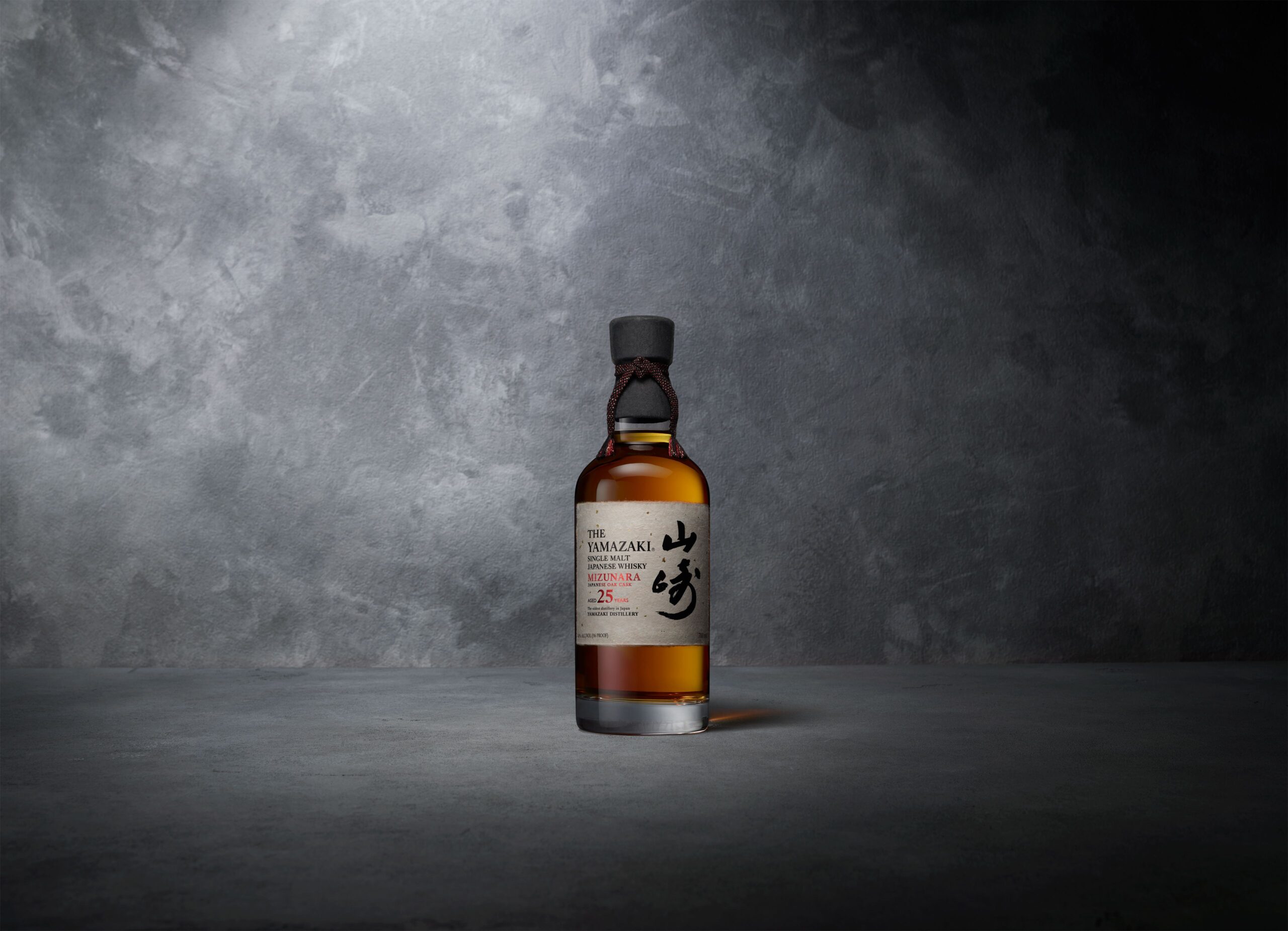
In parallel with Roku’s cross-cultural collaborations, The House of Suntory has underscored its mastery in the whisky category with the launch of Yamazaki 25 Years Old Mizunara — the oldest 100 percent Mizunara-cask aged expression in its history. Retailing at USD 7,500, the release reinforces Suntory’s ability to operate at the pinnacle of prestige while diversifying its consumer base through more accessible, experiential activations like Roku Gin. Mizunara oak — prized for its rarity and its difficulty to work with — has long been a hallmark of Suntory whisky. Unlike partial Mizunara finishes seen in earlier editions, this release is fully matured in Mizunara casks, delivering complex layers of sandalwood, incense and oriental spice. The result is a profile that appeals to connoisseurs seeking rarity, while symbolising Suntory’s commitment to continuous innovation. Together, these dual strategies — high-end scarcity with Yamazaki and broad-based cultural engagement with Roku — demonstrate how luxury spirits are evolving.
Visit here for more information.
Aston Martin and Glenfiddich Partnership
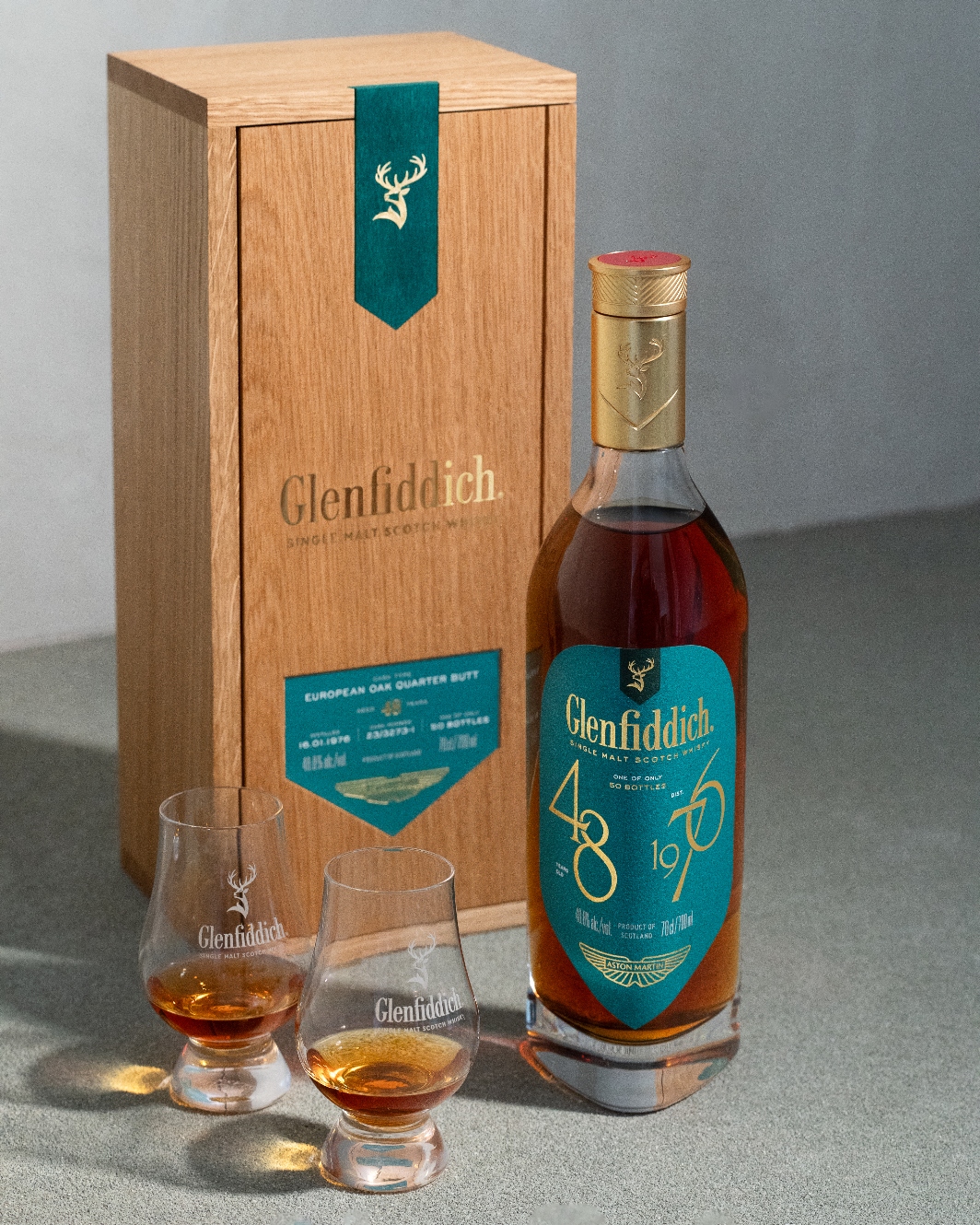
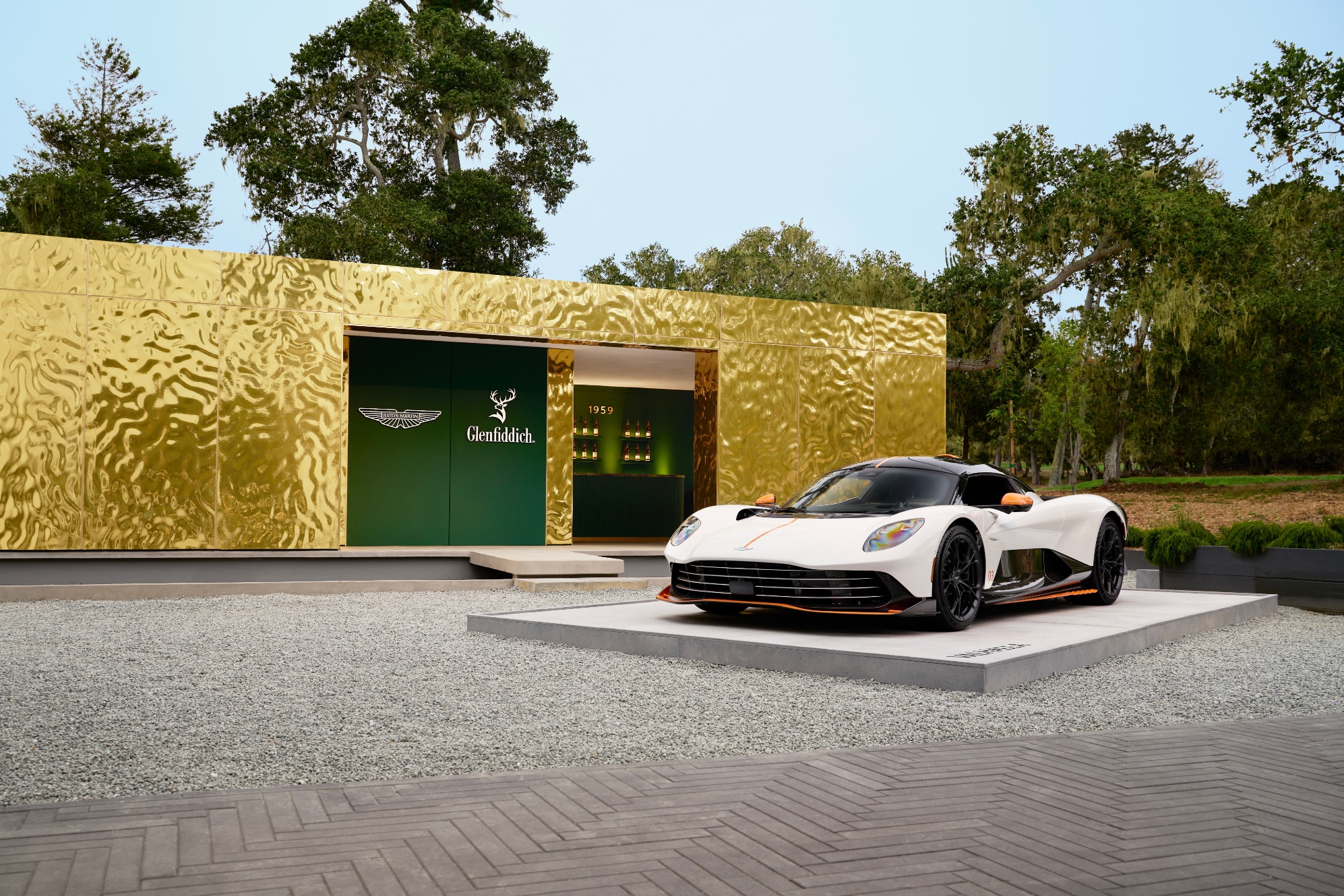
August 2025 saw Aston Martin and Glenfiddich announce their collaborative debut at Monterey Car Week in California, aligning two heritage brands to engage a younger, experience-driven audience. Marking a pivotal moment in both brands’ histories, the 1976 Single Malt embodies Glenfiddich’s modernisation in the 1970s and Aston Martin’s innovative design milestones, bringing the two legacies together in a tangible, collectible expression.
The partnership builds on Glenfiddich’s existing relationship with the Aston Martin Formula One Team, extending into curated experiences and limited-edition releases. Malt Master Brian Kinsman has hand-selected a rare 1976 Single Malt — aged for 48 years in a specially coopered European oak sherry cask — reflecting a defining era for both brands and underscoring the premium storytelling and craftsmanship. Tasting notes include red berry sweetness, crumbly butter pastry, soft spice, stewed fruits and toasted oak, finishing with lingering sweet spice.
Read More: Rum, Refined: Zacapa Distills a New Vision for Aged Spirits
Stefano Saporetti — Director of Brand Diversification at Aston Martin — notes that the partnership allows both brands to bring their shared heritage to life through “immersive, sensory and emotional experiences” that appeal to their core consumer bases that share common values that reflect an unwavering dedication to luxury, beauty and progressive storytelling. Similarly, Glenfiddich’s Global Brand Director, Claudia Falcone highlights the extension beyond Formula One into curated pop-up whisky tastings, where Aston Martin’s Valhalla plug-in hybrid supercar takes centre stage — linking the precision, rarity and forward-looking vision of both brands.
Head here for more information.
For more on the latest in alcohol and luxury spirits stories, click here
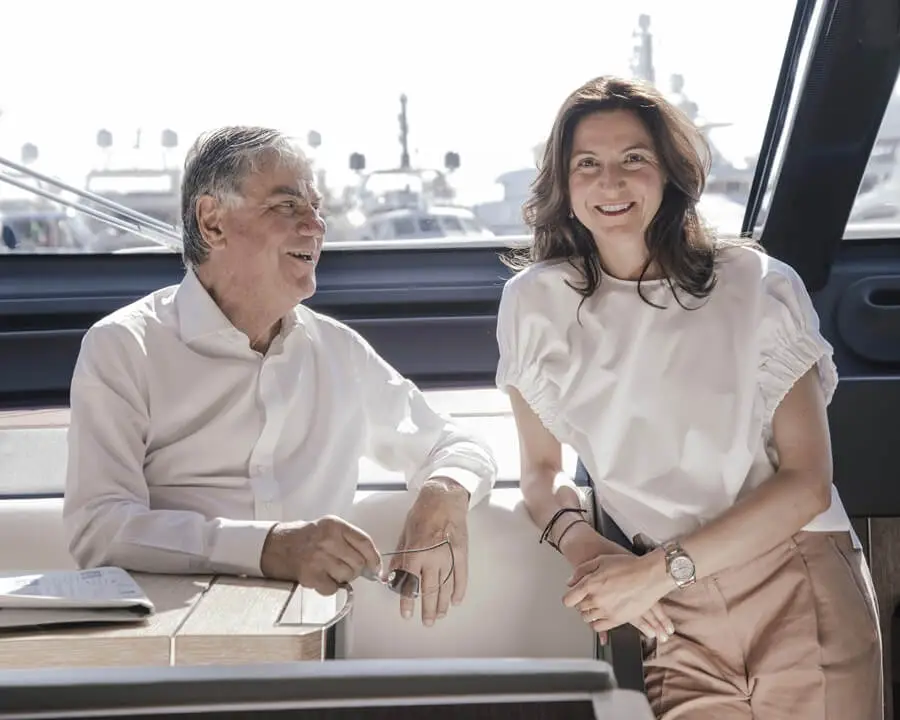
How has Azimut|Benetti Group managed to top the Global Order Book for 24m-plus yachts for 25 years in a row?
First of all, I believe in a privately owned, family-led company. This is a business model where we have the pleasure and privilege to look at long-term vision and not have to make short-term decisions. We don’t have to answer to a private equity fund or the stock exchange. I believe this is key, especially in this industry where investments and decisions might impact in the medium or long term. Consequently, we have three main strategy pillars deriving from this framework.
To start with, we have a very wide product range. Again, this is a very long-term vision because there are times in the market where you have more success with a certain size of yachts and others when smaller boats are the answer. We’re a group, but we are two companies with Azimut and Benetti, even three, if we take Lusben [refit company].
For each, the management, marketing and sales approach are very different, but the fact we have such a wide portfolio covering all the high-end motoryacht segments has been one of our keys to success.
Second is geography. Our presence is very capillary, with a very widespread presence in the Asian markets, for instance. We manage the whole world with a clear strategy, by never depending too much on one market. We are well spread between the Americas, Europe and the rest of the world, which in many cases has proven to be successful.
Benetti launches XWave, a new hull from the B.Now 50M series
For example, when there was the Russian issue, some Northern European shipyards faced major problems, as the market was their number one customer. I believe we applied a clever strategy. The sales network is completely different between Azimut and Benetti. Each brand has its own sales model.
Azimut has exclusive dealers, which we believe in when we see other companies switching to direct sales. This can look attractive in terms of apparently higher margins, because you don’t have to pay a commission, but we believe there’s nothing stronger than a local entrepreneur who’s absorbed in the local scene, interpreting the brand with the local culture and therefore adding value to the sales proposition. Also, even though we coordinate it from both Italy and locally, aftersales services managed by the dealers provide an immediate and very local answer to customers’ needs.
On the Benetti side, it’s a different story because we have Area Managers based in the different regions. Either we sell directly or we sell through a broker’s network, not through dealers. This strategy, which has been very clear and consistent, is also obvious for our people in terms of where we are heading – to the helm and to keep our leadership.
What else is key to the Group’s success?
Another essential element is product innovation. With reference to our large product range, in this business, you win if you have the right product and you lose if you don’t. In other luxury businesses, if you’re good at marketing, you might be able to get away with it, but in our business, a good yacht is a good yacht.
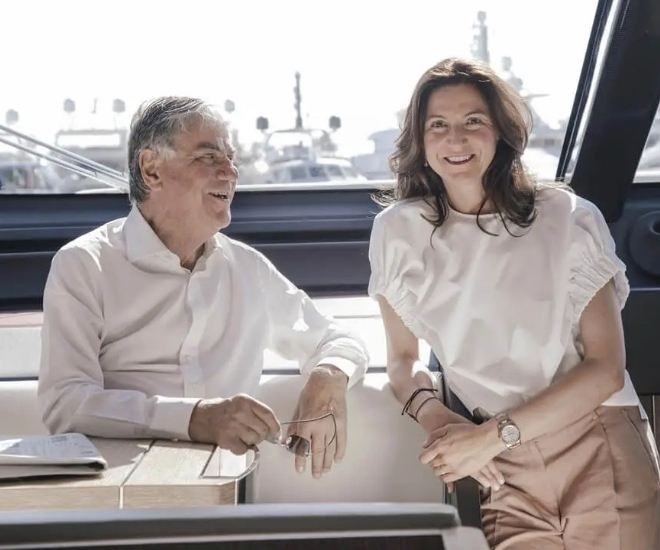
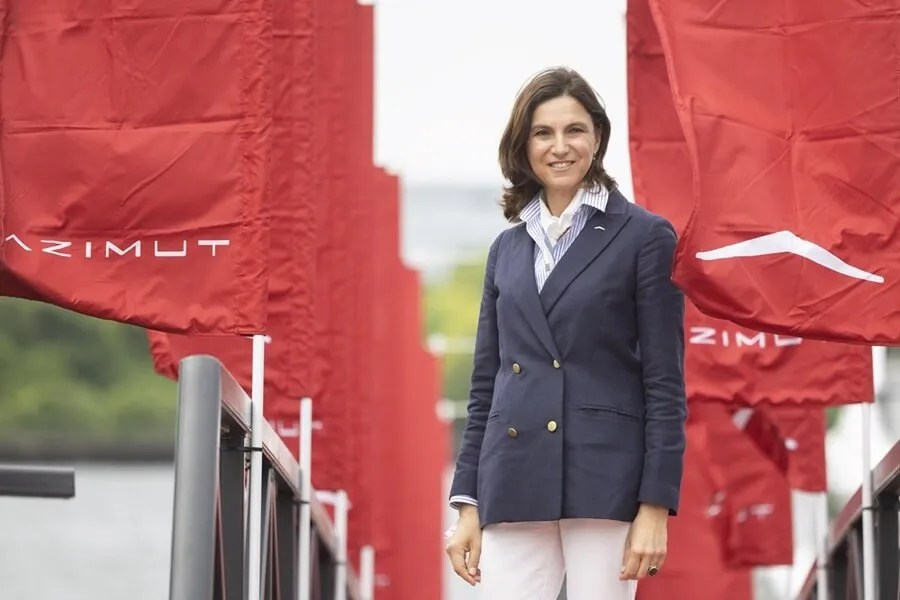
Giovanna worked with her late father Paolo at Azimut|Benetti Group from 2000, succeeding him as Chair in early 2023
From my father’s vision, we are a product-based group, and this is a key element of concentration. I’d say we had an interesting journey in this respect. Over the decades, innovation has had different interpretations. At the time of my father, it was more concentrated on pure technology and materials.
For example, the Azimut Targa was the very first yacht with an opening roof on top of your head. In early 2000, we had the first windows in hulls. The approach was to blend function and beauty. However, the challenge there was how to put a piece of glass in the hull, a structural element.
Nearer to my time with the company, innovation has not been forgotten on the technological side but there has been a switch, an evolution of the market. Over the last 10 years, our winning approach has been technology but combined with lifestyle, so we’ve introduced different concepts and ways of living onboard. This has been the key element of our success. It’s not me saying this: the sales speak for themselves.
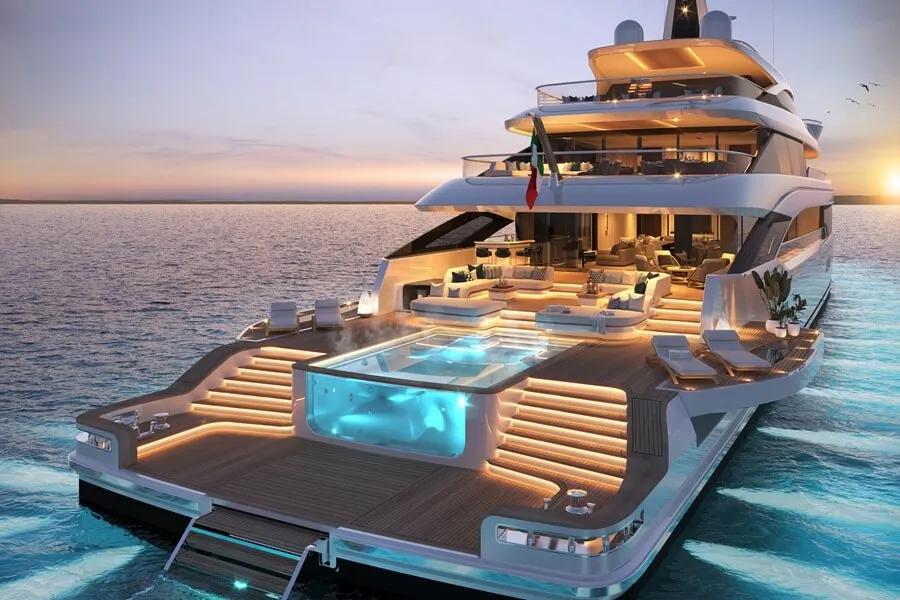
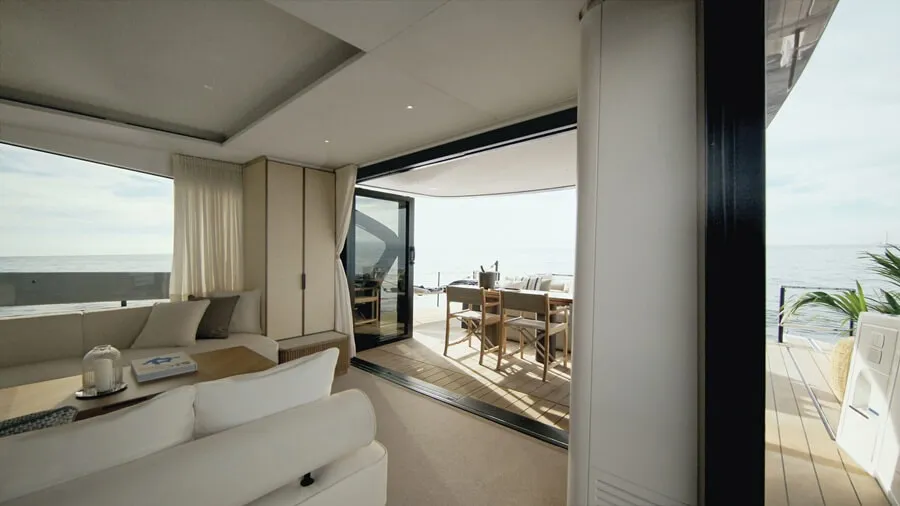
Think about beach clubs. Up to the 1990s or even 10 years ago, remember those boxes down some steps we used to call ‘beach clubs’? They were ‘caves’! The idea was to completely revolutionise that concept, with a platform open on every side, and the connection between indoor and outdoor becomes completely different with windows surrounding you.
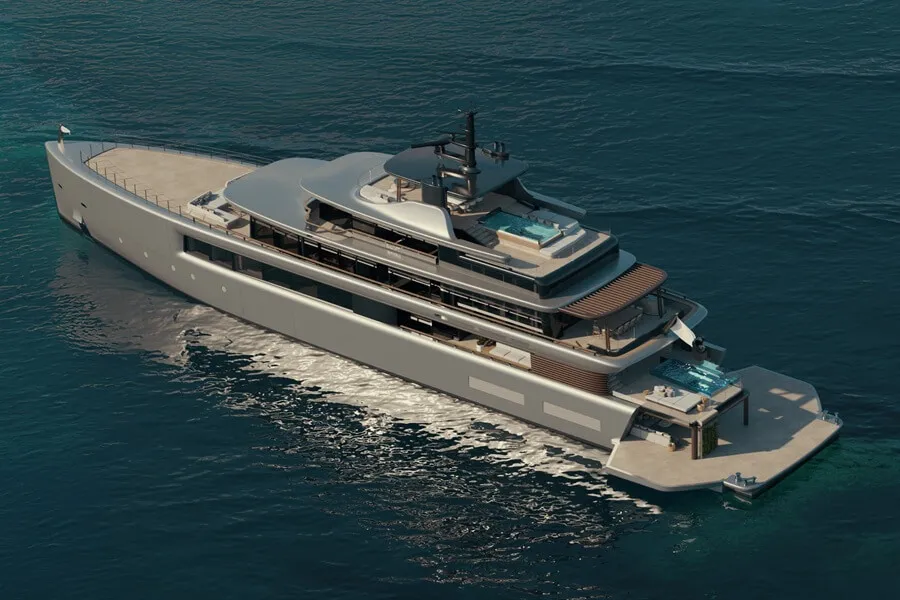
CGI of Benetti’s B.Loft 65M, which includes an enormous waterside beach club
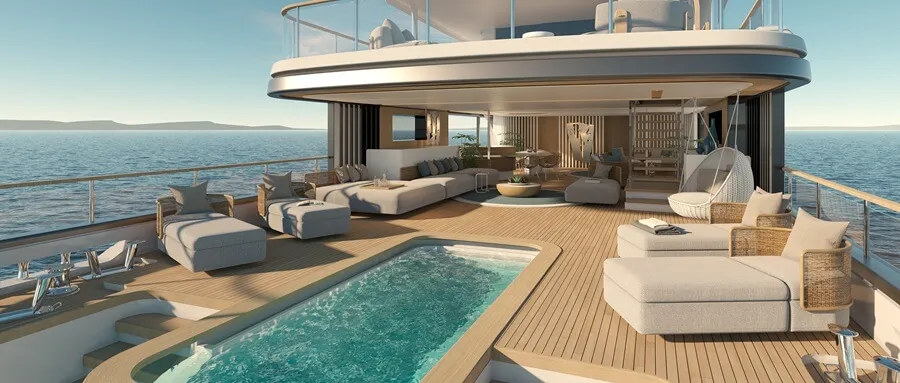
Benetti’s Oasis Deck embodies this, while Azimut’s Grande Trideck offers another interpretation. Other design innovations include Azimut’s Grande 26M with its deck-to-deck terrace, the Seadeck Series by Azimut, or the Veranda Deck in Benetti’s upcoming Motopanfilo. Benetti’s B.Loft is another interpretation of the beach club.
Would you say Azimut|Benetti Group was a pioneer in this area?
Absolutely, we’ve reinterpreted the on-board experience by ensuring that the joy of being close to the sea is built into the very essence of the yacht. There’s no need for the crew to reconfigure spaces or move furnishings. Thanks to innovative solutions, the connection with the sea is always there, effortless, immediate and deeply immersive. That’s the true value of our approach.
For instance, when the sides are up on a Benetti Oasis Deck, there are descending terraces, an infinity pool in front of you and the social life around that pool. In the evening, even if you’re sitting in a port and sipping your cocktail right there, you’re enjoying a certain lifestyle. In other examples, we see, the beach club needs to be cleared of toys or a tender, or you have the presence of cranes or other stuff, so the area requires a total transformation.
CGI of Benetti’s B.Now 67M with the Oasis Deck option
Again, having a family-owned or privately owned company can make a difference. The Oasis series did not sell for two years – from the initial renderings presented to the market to when the boat was ready – before becoming one of our major international successes. These are the risks and investments you can take if you’re free to decide for yourself.
Do you agree that your self-confidence and stability is linked to your family heritage, which we also see in such long-serving staff, including a CEO who has been with Azimut|Benetti Group for almost three decades?
I think this is a very big compliment and I believe it has always been the signature not only of my family but the spirit of the company. This is about touching the people.
I’ve been offered huge amounts of money to sell the company, which I decided not to pursue because I would like to give continuity. I feel I learned from the best mentor in this industry and can rely on a solid company foundation that has grown with me and involved many key people. This is certainly a strength. My wish would be to succeed in something that is not common in Italy, and certainly not in this industry. Yachting is a big passion for many entrepreneurs. It’s a world where we have very good entrepreneurs, but in most cases, it’s a one-man show. It’s difficult to pass it on or to transform it into a more professional, managerial, team-led structure.
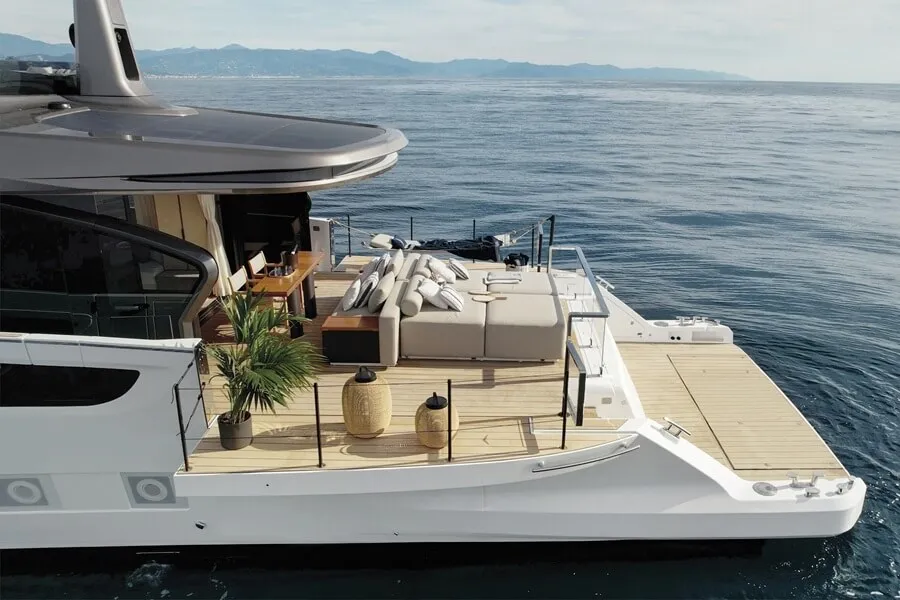
The aft ‘Fun Island’ on Azimut’s Seadeck 7
However, I believe this is not an industry where you can easily manage without a clear vision, so that’s why I still act as an Executive Chairman. I believe the family needs to steer the strategy, but we’re a company heading towards €1.5 billion turnover with an order book valued at €2.6 billion and 2,500 employees. We’re playing in the ‘big league’.
Most of my colleagues in the industry didn’t succeed when the company size reached a point where one person was no longer enough to direct it. This was a message from my father. The founder and owner normally has the company in their heart, so often they never leave the company until the very end.
My father’s succession plan started 20 years ago by building up how the company should grow, even after me. In fact, long before his passing, he had given the helm to me and the management, which was an extremely good thing. It was seamless.
What are the most important words of advice your father gave you?
One of his great mottos was ‘rich company, poor family’, which means every profit must be reinvested in the company. In a way, the family is at the service of the company, so the wealth should be used to grow the company. This remains a strategy of the Group. Staying humble, not getting full of oneself, and working hard to keep success going are other principles.
Matteo Thun and Antonio Rodriguez have focused on natural and sustainable materials for Azimut’s Seadeck Series interiors
Among the many messages I received when he passed away, one called him ‘the humble giant’, which I like as a definition. Many people recall him not only as the greatest in the industry but also as somebody always listening, always sharing some teachings and as a gentleman. I think this is generally part of the company: not to be arrogant, not to overdo it and work hard.
You created the Paolo Vitelli Foundation, which has been renovating the Asilo Picco Nursery in Avigliana, a kindergarten used by children of many Azimut employees. What other such initiatives are you behind?
There are some we started together and others I’ve been working on during this recent period. The Foundation was active two years ago and has promoted areas where we have group activities and supported local communities. Local associations can bid for support. The Foundation’s committee – including my son, who was involved during my father’s time – looks at all the bids we receive and chooses the project to sustain. The founding idea was that there are already many volunteering associations, so there was no need to add one more but rather support the best ones in place. This is the focus of the Foundation.
The kindergarten in Avigliana was ready to close its doors because there was not enough support, but will be reopened for the children of the local area and of our employees. Also in Avigliana, we’ve acquired 100,000sqm in front of our shipyard for future developments. One idea is to possibly develop an area for social activities, for people.
Fabio Fantolino started collaborating with Azimut on the interior of the Fly 72
In Tuscany, the company already supports employees by providing support for the kindergarten, social welfare and scholarships for employees’ children who get the highest marks in school. We also organise cancer-awareness visits at the shipyard and arrange visits for employees’ children.
This year, we added a unique element by giving supplementary health insurance to all employees, not only at the top level but to all blue-collar workers. This has been quite an investment, but we really wanted to share a little of the company’s success over these years by providing true support where people need it.
Can you outline your journey to becoming Chair of Azimut|Benetti Group?
I started as a lawyer working in Milan in a major Italian law firm (Bonelli Erede Pappalardo), specialised in M&A transactions. In 2000, as I was about to leave for New York and join a partner firm, my father told me: “Ah okay, you’re going to do your own career. I’m happy for you. In that case, I might consider selling the company.” I asked why and he said he had a good offer from a repeat Asian customer, so I said: “Wait a minute … ”
That’s why I moved back home and started my career in Azimut|Benetti Group, and was appointed a Board Member in 2000. At the beginning, I was assigned to a marinas division, which was still a small company in a big Group. I had the chance to see everything. We then built up the legal department due to my background and subsequently we both agreed that product development was key, the essence of this business.
Vitelli has worked for Azimut|Benetti Group since 2000
I then joined Azimut, fully responsible for the Magellano range, then the Atlantis range and key functions of the brand. I eventually moved to Benetti.
About a decade ago, I became Head of the Product Development Committee. My father told me: “I’ve been the pioneer in the past. I could see new trends and even anticipate them, but I feel I don’t have that freshness anymore. Now it’s your time.” He gradually gave me full responsibility for that aspect. I think it was also a smart way to see if I could manage, while supported by key people in the company.
How did you respond to the increase in responsibility?
We did well. Actually, there were extremely good years. One of the first big changes was considering a shift in the lead designer for Azimut after 25 years of cooperation with Stefano Righini. One of my very first decisions was to appoint Alberto Mancini, which was a good step in refreshing the Azimut range and make it evolve.
I started considering interior designers from outside the industry, before anyone else. We moved from Carlo Galeazzi to Achille Salvagni, who was mostly in retail. That was a shock to the industry, to see a designer being a bit disruptive, with interiors being completely different.
CGI of Azimut’s upcoming flagship Grande 44M, with exteriors by Alberto Mancini and interiors by m2atelier
As Azimut and Benetti both have many series of yachts, my clear idea was to grow those brands while making the ranges very distinct, to appeal to different customers. That’s why, as in the case of Azimut, while different Series may share the same exterior designer, each has its own dedicated interior designer.
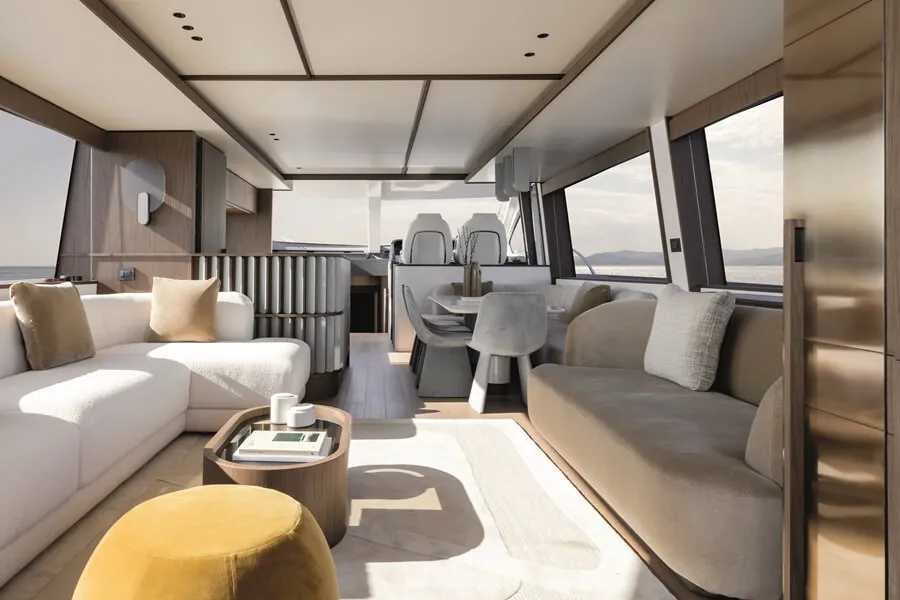
I think we played a big role in switching the interpretation of luxury on board, as each range has its own personality, its own style. The interiors of Azimut’s flybridge motoryachts were designed with Salvagni, but are now with Fabio Fantolino for Fly models (below 80ft) and to m2atelier for the Grande Series (above 80ft). These are different to a Magellano model, which needs to be cosy, more like ‘home’ because these yachts are for long cruises.
They’re also completely different from the Seadeck Series, the contemporary interpretation of wellbeing and harmony. These interiors are very ‘zen’, almost with an Asian touch, so we chose Matteo Thun and Antonio Rodriguez, who were pioneers of eco resorts, interpreting the idea that interiors and systems should focus on low consumption and recyclable materials. I think their interpretation – which is proving very successful in terms of sales – is a good mixture of this contemporary approach with an elegant, yachting touch.
Benetti works with Lazzarini Pickering on Motopanfilo models, introducing the Veranda Deck on the Motopanfilo 45M (CGI above)
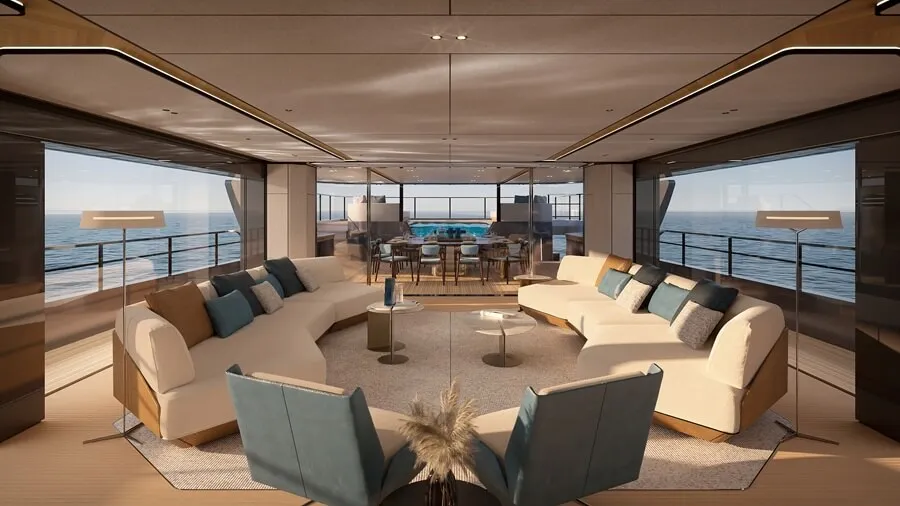
In Benetti, we chose the incredible duo of Bonetti/Kozerski for the Oasis interiors to broaden the brand’s appeal and capture a younger demographic. They are based in New York, therefore acquainted with the American market, but also have an Italian and British blend as they came from the Peter Marino Architect studio, with a fashion and retail background.
For the Motopanfilo line interiors, we work with Lazzarini Pickering [Architetti], again giving a modern interpretation of the historic navettas, so the design language must be focused on yachting. These are just examples of how much we’ve benefited from the design world outside of yachting.
As a woman, would you say your mindset and vision helped open these external influences?
I’m passionate about this field and very attracted to it. I’ve been called ‘The Queen of Contest’ within the company because now and then I’ll say, “let’s start a contest again”, to bring new fresh air. Not every designer or every interior architect is suited to yachting, because you can’t interpret it like a house or a Milan loft. It still needs to be a boat. We declined some famous talents, but I think it has become part of our DNA, our new style evolving from the past.
Watching the leaves change from vibrant summer greens to the garnets, golds, and ambers of fall was once more of a passive experience. If you happened to live in a place where the foliage transformed, lucky you. But if not, the shift in the natural world simply wasn’t part of your seasonable routine.
These days, leaf peeping has become an essential fall activity, whether you’re looking to snap the perfect social media shot, immerse yourself in as many autumn traditions as possible, or just love the great outdoors. In fact, a 2024 study revealed that 65 percent of Americans want to travel to a specific destination to experience a specific season.
While there are countless scenic spots to visit this fall—Travel + Leisure has already rounded up the best spots—a few destinations stand out. Priceline recently shared exclusive data with Travel + Leisure on the top 10 scenic destinations for fall 2025, based on hotel search data from U.S. travelers for dates between Oct. 10 – Oct. 24 this year—right in the heart of peak leaf seasons.
Last year, the top destination was Bucks County, Pennsylvania. For 2025, the most popular fall destination remains on the East Coast—but this time it’s the iconic Hudson Valley.
Located just north of New York City, the Hudson Valley is home to charming towns like Catskills, Beacon, Hudson, Woodstock, and Rhinebeck. Spanning over 7,000 square miles, the region features stunning mountain ranges, scenic drives, and no shortage of fall-inspired things to do.
Want to wander through 7,000 glowing jack o’lanterns? You can do that in Hudson Valley. Want to go apple picking through vast orchards? There are plenty of spots. Looking to browse antique stores and boutiques? Nearly every shop feels like it came out of a Hallmark movie. Whether you’re hiking through fiery foliage, sipping wine at a hilltop vineyard, or enjoying a luxe wellness retreat framed by fall colors, Hudson Valley offers it all.
Some of the best spots for leaf peeping include:
Harriman State Park
Hudson Highland State Park Preserve
New York State Route 52, known for its lookout points and scenic drives
Hudson River Skywalk or Walkway Over the Hudson, both offering breathtaking views from above and more immersive experiences
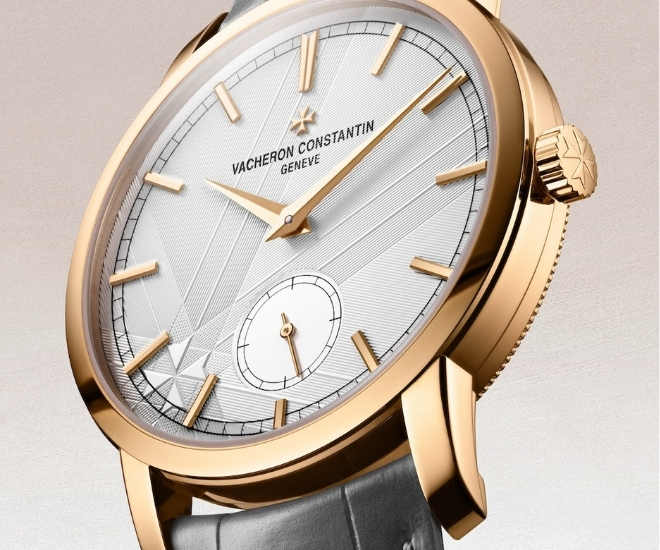
Big anniversaries demand big releases. After all, what is the point of peerless longevity if not to flaunt all that accumulated mastery? Vacheron Constantin has just turned a spry 270 years–the oldest manufacture to operate continuously since its founding–and it certainly has the horological chops to prove it. Case in point: the bombastically named Les Cabinotiers Solaria Ultra Grand Complication, boasting a jaw-dropping 41 complications (see the general Watches and Wonders Geneva stories this issue for more).
But showmanship alone is not what keeps the house Jean-Marc and Francois built like this ticking through centuries. Subtlety and refinement are equally important hallmarks of excellence, which is why part of the anniversary celebration includes a series of simple but elegant limited editions from the Traditionnelle and Patrimony collections.
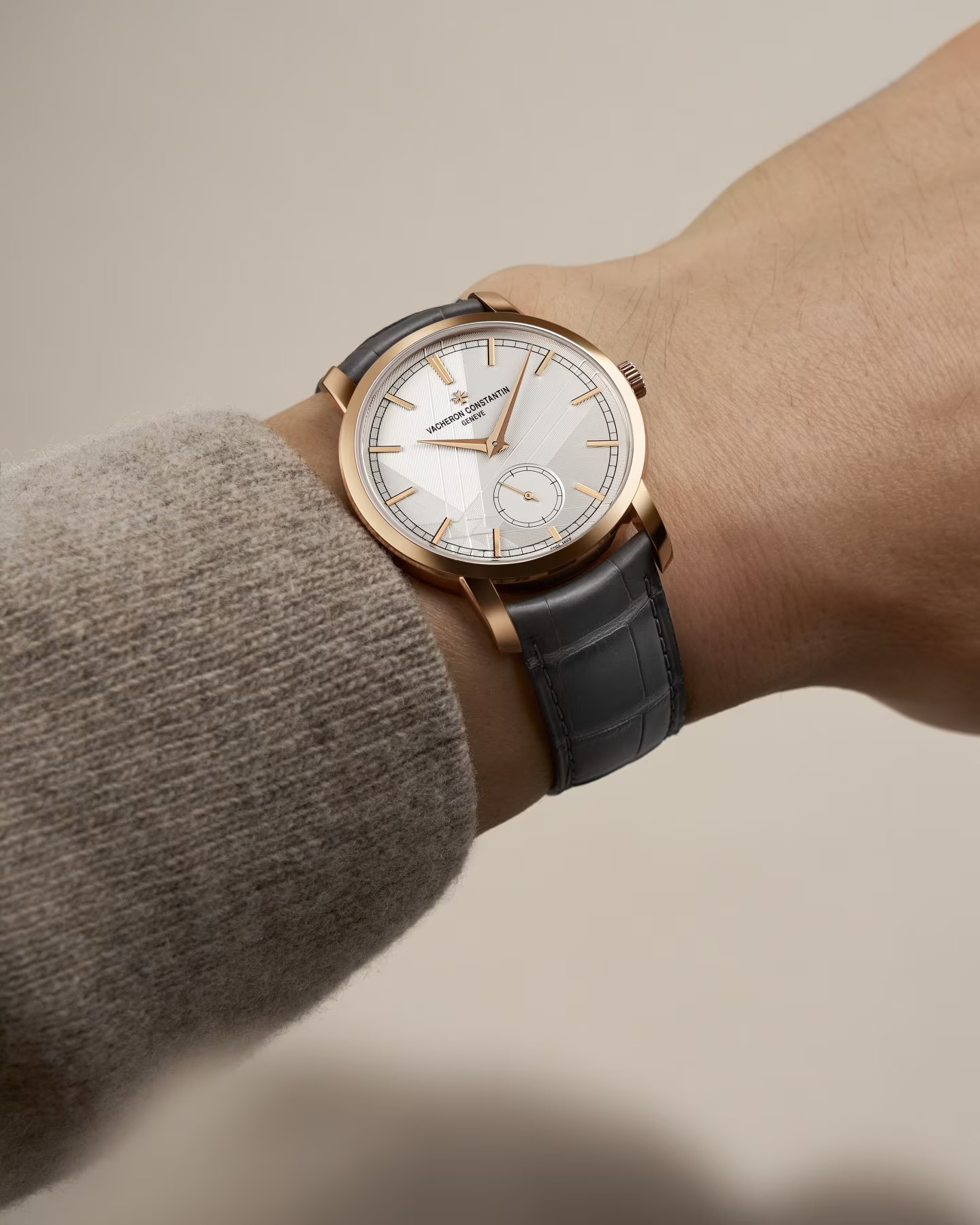
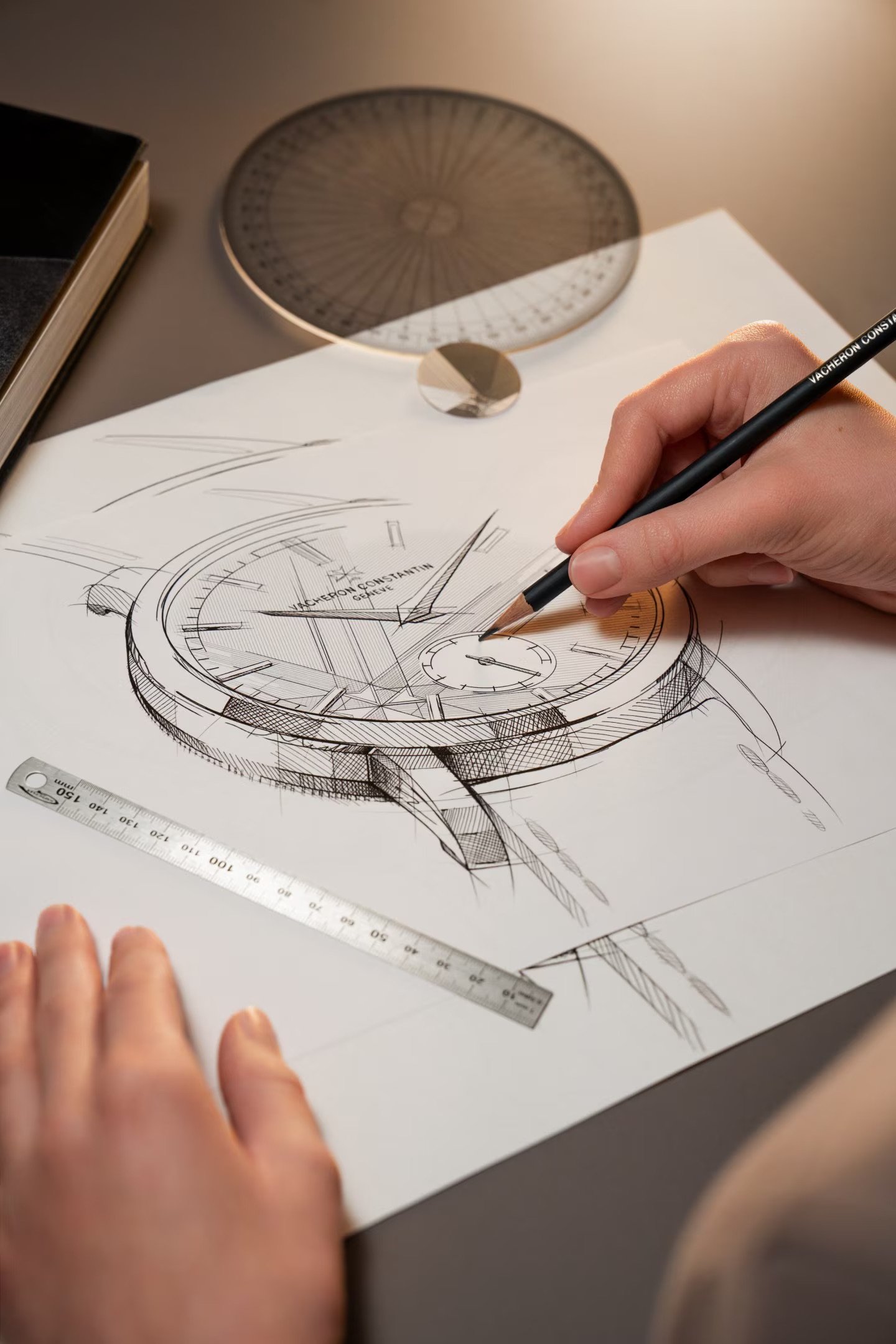
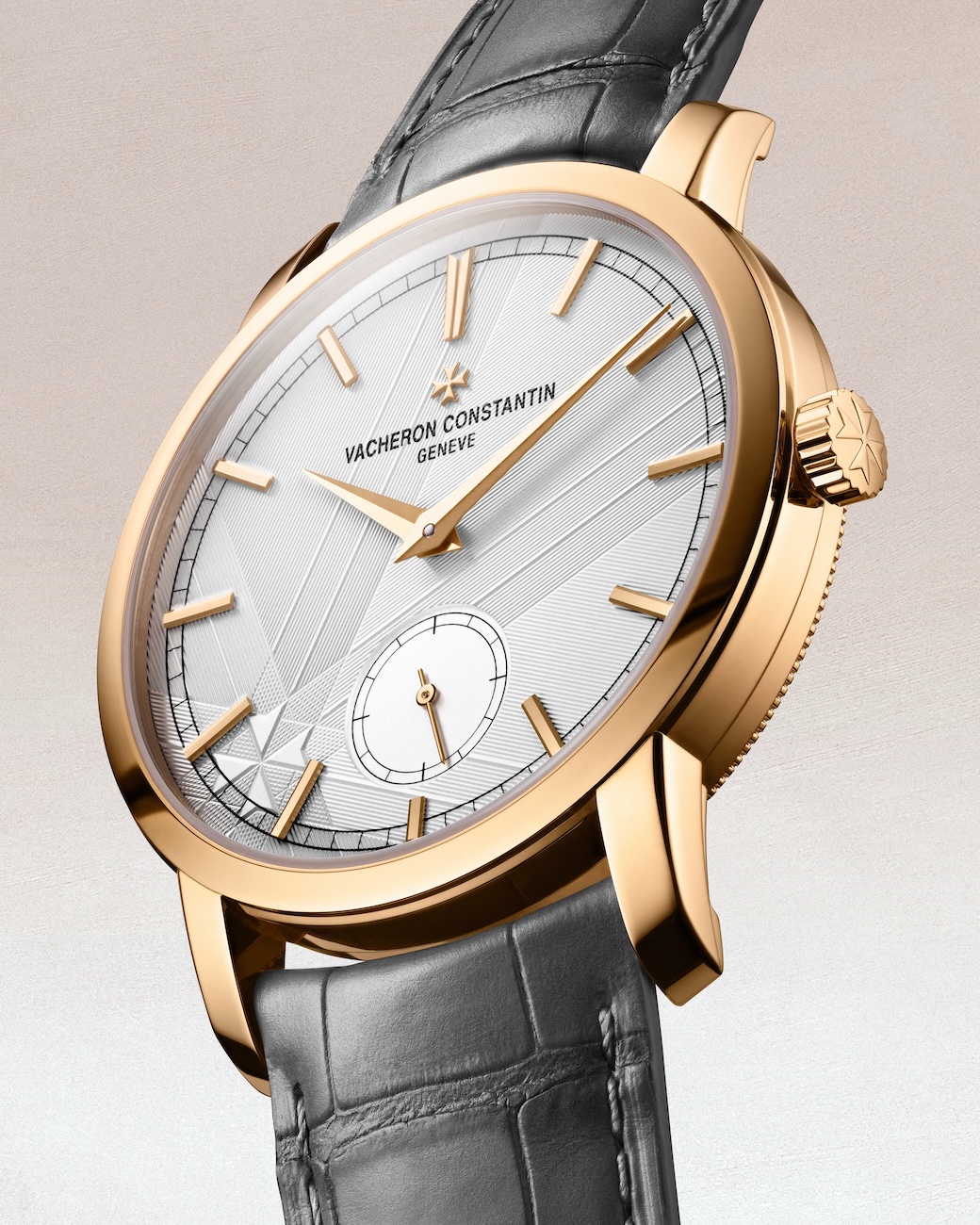
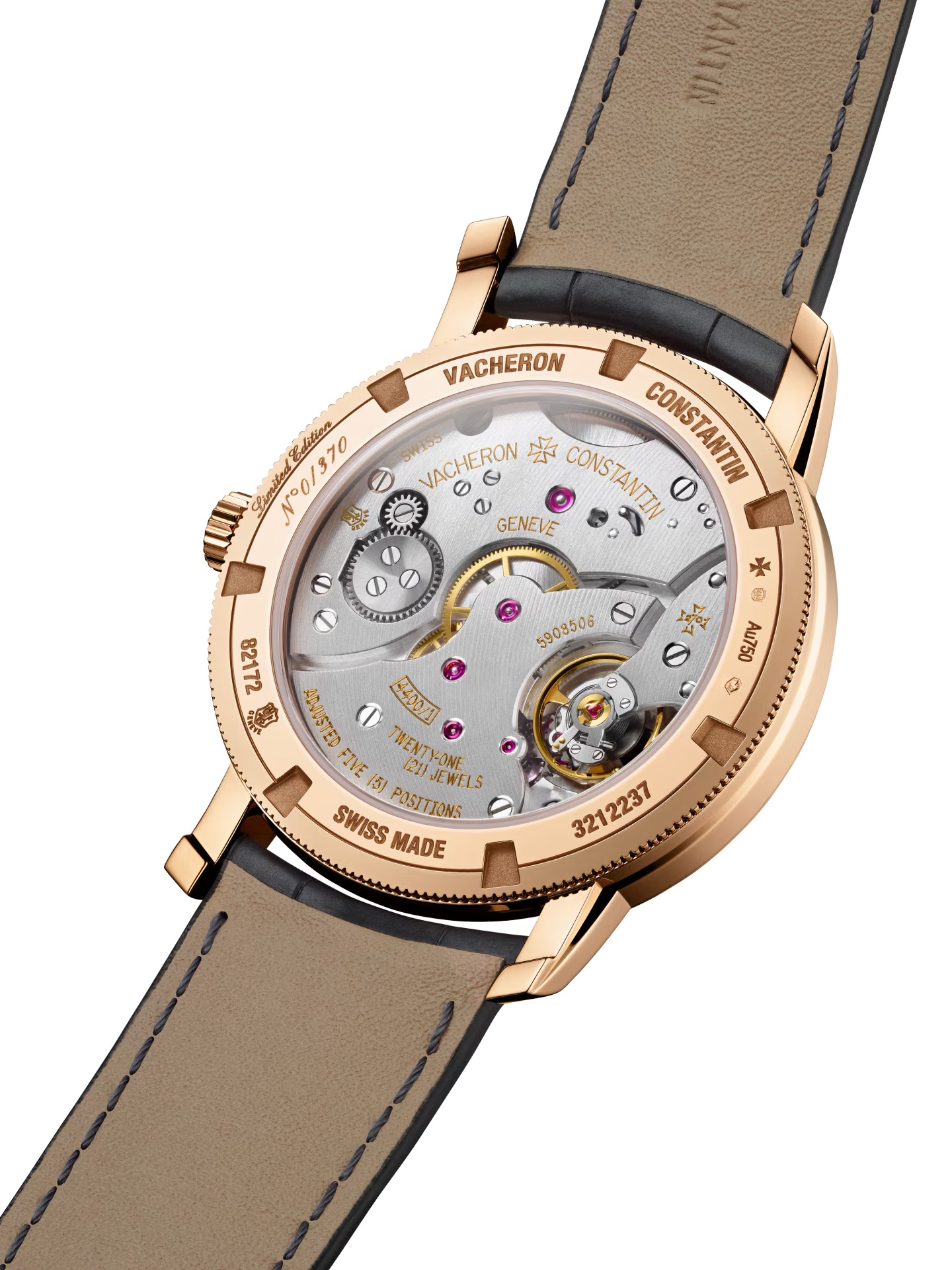
All eight commemorative references (four from each line) are distinguished by dials engraved with a contemporary geometric motif inspired by the Maltese cross. The emblem has been associated with Vacheron Constantin since 1880, referencing a historic movement component designed to regulate the power delivered by the barrel. Over the years, the motif has made appearances in pin buckles, bracelet links, winding rotors, tourbillon cages, and even diamond prongs. Now it finds new life as a dial decoration that plays with light and depth.
The beating hearts of the watches have also taken on festive festooning. The movements all have a “cote unique” finish on their bridges — a deceptively simple pattern that requires precise machine-guided preparation and hand-executed finishing. First seen more than a century ago and revived in 2021 for the Historiques American 1921, this long-lost decoration took today’s artisans some 500 hours to (re)learn. The result is a seamless pattern of flowing lines across the bridges, complemented by a Maltese cross engraving to mark the milestone.
The decision to highlight the Traditionelle is informed by the collection’s high technical standards and distinctive aesthetics. The Traditionelle watch’s stepped lugs, fluted case back, slim bezel, railway minute track and faceted dauphine hands all speak to classicism with backbone. This anniversary edition includes two Traditionnelle Manual-Winding models in 38mm platinum or 5N pink gold (limited to 370 pieces each), both paired with grey alligator straps. There is also a 36mm Moon Phase in a gem-set pink gold case, and a demure 33mm Manual-Winding version, also gem-set and in pink gold. Both of the latter are limited to 270 pieces and feature pink alligator straps.
If the Traditionnelle honours Vacheron Constantin’s past, the Patrimony collection looks a little ways forward, with minimalist, ultra-thin models inspired by its round dress watches from the 1970s. The clean bezel, gently domed dial, baton hands and pearl minute track exude contemporary restraint. For the anniversary, the brand has selected the Patrimony Moon Phase Retrograde Date and the Patrimony Self-Winding — both available in white or pink gold. The Moon Phase (limited to 270 pieces) features a retrograde date display, a Vacheron Constantin specialty since the 18th century. The Self-Winding is a 370-piece edition featuring time, date, and hacking seconds. Each is paired with a dark green alligator strap.
Turns out, you do not need to shout to stay in business for 270 years. You just need to be good at making the quiet look effortless.
This story was first seen as part of the WOW #79 Summer 2025 Issue
For more on the latest in luxury watch reads, click here.
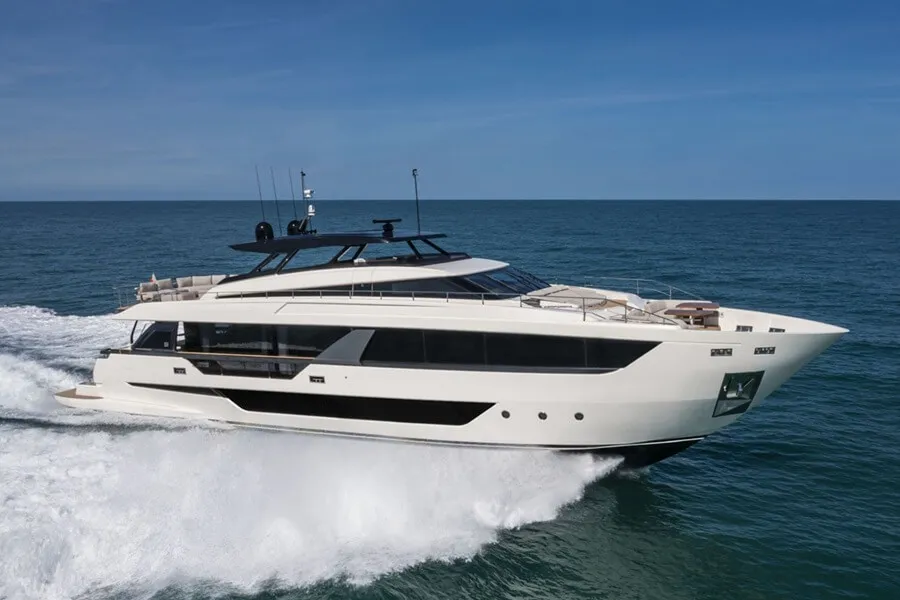
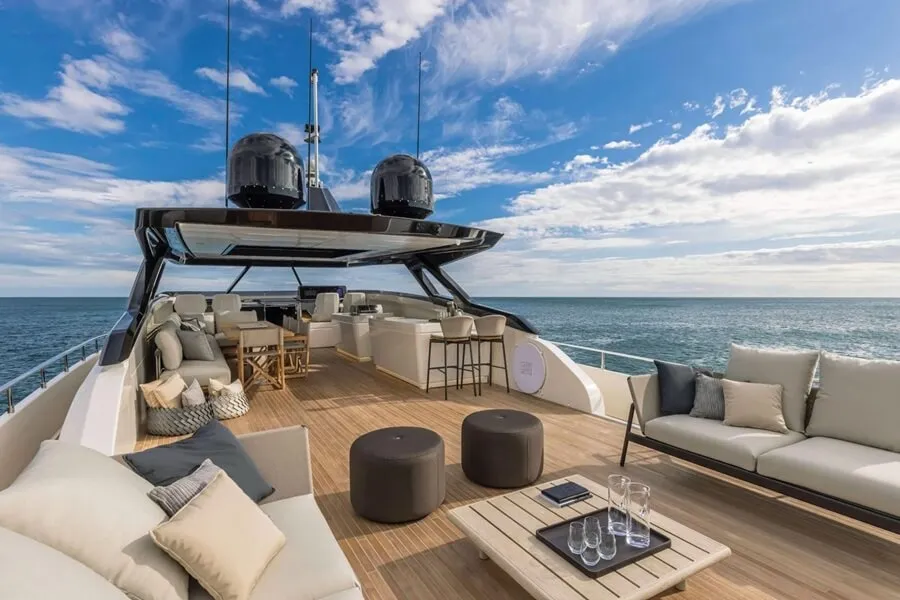
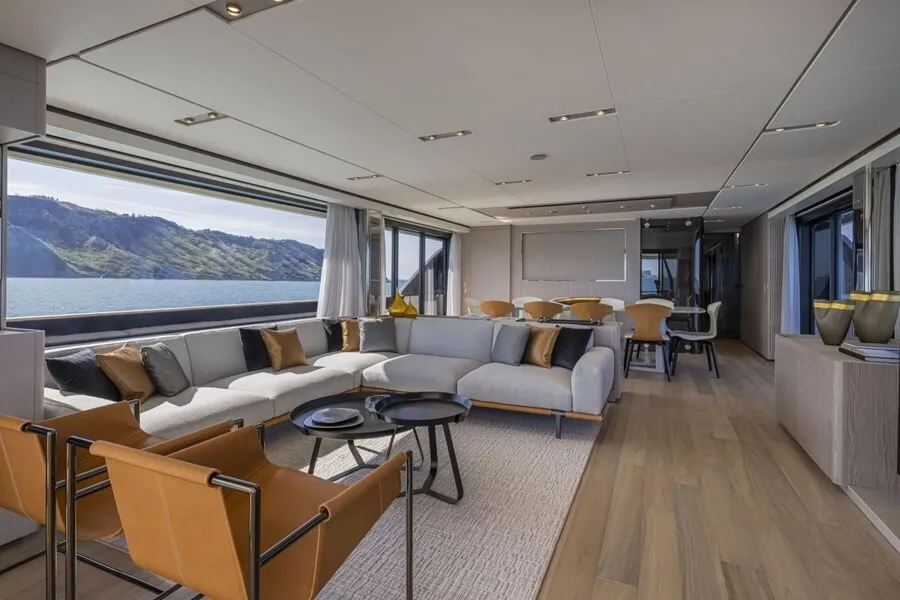
Boat Lagoon Yachting has sold a pre-owned Ferretti Yachts 1000 in Hong Kong to a long-standing client. The sale of the 2022 model, the flagship of the Italian brand, adds to Boat Lagoon Yachting’s track record of over 35 transactions of both brand-new and pre-owned yachts in the 25-40m segment in recent years.
“The Ferretti Yachts 1000 is a planing superyacht whose size, performance and Italian elegance make it perfectly suited for Asia’s cruising lifestyle,” Boat Lagoon Yachting stated.
Cindy Li, Boat Lagoon Yachting’s Asia Business & Sales Manager, acted on behalf of the buyer, while Ivy Yu of China-based Speedo Marine represented the seller. The new Ferretti Yachts 1000 owner, a long-time customer of Boat Lagoon Yachting, has also entrusted the company with management of the flybridge motoryacht.
“We are very proud to have delivered this exceptional yacht to one of our most valued clients. What sets Boat Lagoon Yachting apart is the combination of technical advisory expertise and cultural understanding,” Li said.
“In this case, our knowledge of Chinese expectations, together with our ability to manage the entire process in Hong Kong, from local formalities and administration to technical services and ongoing management, ensured a smooth and successful outcome.”
The transaction illustrates Boat Lagoon Yachting’s strength in delivering comprehensive regional support, encompassing licensing, crewing, technical oversight, and after-sales care throughout the region.
Headquartered in Thailand with another major office in Singapore, Boat Lagoon Yachting has an international team that includes staff fluent in English, French, Dutch, Russian, Thai, Indonesian and Malay, as well as Cantonese and Mandarin, allowing the company to guide clients from Greater China and Hong Kong.
“This ensures every aspect of the yacht acquisition process is handled with both precision and cultural understanding, offering peace of mind and a seamless ownership experience,” the company stated.
With its picturesque towns built into the cliffs, dramatic rocky coastline, and glamorous resorts, the Amalfi Coast tends to steal the spotlight, but just south of it lies Cilento, an area full of rugged beauty within the southern part of the Campania region bordering Basilicata. Home to a large national park full of mountains and hill towns, Cilento boasts sandy beaches, awe-inspiring ancient Greek temples, and peaceful monasteries. It’s also the birthplace of the Mediterranean diet.
According to International Living, Cilento is an alternative for the Amalfi Coast. “It may not have the cliff-hanging town of Positano, but the Cilento Coast does keep a string of pretty seaside towns that rival the more-famous coastline for its beautiful beaches and easier accessibility,” Valerie Fortney-Schneider, an International Living contributor, told Travel + Leisure. “No heart-pounding road with buses careening at you here; just green hills with olive groves, vineyards and pinewoods, authentic fishing villages, a pleasant laid-back vibe, great food, lower prices, and southern hospitality.”
Art historian and travel expert Danielle Oteri, who organizes trips to Cilento, where her family comes from, calls it “a heaven for pescatarians” and encourages travelers who want to see a more laid-back, authentic part of Italy to visit.
“Cilento offers what many travelers hope to find in Amalfi but rarely do anymore: natural beauty, ancient history, and extraordinary food,” she told Travel + Leisure. “The region is reasonably priced, known for its pristine beaches and turquoise sea, and offers some of the freshest fish and vegetables in Italy, as well as the best buffalo mozzarella.”
The gateway to Cilento (though not technically part of it) is Salerno, a port city on the southern end of the Amalfi Coast. Often likened to a smaller version of Naples, Salerno also has a hilly topography. Its historic center is a warren of stone-paved streets lined with shops, restaurants, and bars. During a trip to the area with my family last year, we had a fantastic dinner at Botteghelle 65, a century-old salumeria that’s been given a new life as a casual restaurant serving simple, homestyle cuisine like baked pasta and local cheeses.
From there, it takes just under an hour to drive to Paestum, the start of Cilento. Home to incredibly well preserved Greek temples, Paestum is also interesting for history buffs fascinated by the Second World War. It was on the beaches between Salerno and Paestum that American troops first landed on the Italian mainland in 1943 in a bloody battle known as Operation Avalanche. Walking along the sandy beach on a warm day last May, my dad, sister, brother-in-law and I found an abandoned German bunker left over after the war.
We also made a stop at Tenuta Vannulo, the area’s most renowned dairy farm, where we gazed at historic farm equipment in the Museum of Farming Culture. Thanks to buffalo brought to this part of Italy many centuries ago, Cilento is known for producing some of Italy’s best buffalo milk mozzarella. At Tenuta Vannulo, you can sample delicious yogurt, gelato, and other dairy products. (If you want to buy some of their mozzarella, you have to order it in advance.)
In addition to Paestum, Oteri recommends spending time in towns like the Medieval village of Agropoli, which is crowned by a 15th-century Spanish castle; Trentinara, a formerly abandoned town in the mountains that was recently revitalized; Castellabate, which has sandy beaches and beautiful views of the Cilento coast from the upper part of town; Capaccio, where you can go hiking and foraging for truffles; Pisciotta, a vertical village overlooking the sea that she compares to Positano; Marina di Camerota, a fishing village where you can go out on a boat and see how anchovy fishermen fish by night; and Palinuro, which has a blue grotto that’s larger and less crowded than the one in Capri.
According to Oteri, the Amalfi Coast is still the place to go if you want to feel like a movie star and have the quintessential resort experience, but if you’d rather explore coastal villages that have remained authentic, eat delicious food, delve into the culture, and have access to sandy beaches for a fraction of the amount you’d spend on the Amalfi Coast, go to Cilento. “In its small mountain villages, you’ll find excellent restaurants and wine bars, along with plenty of opportunities to share space with Italians who live and vacation there,” she said.
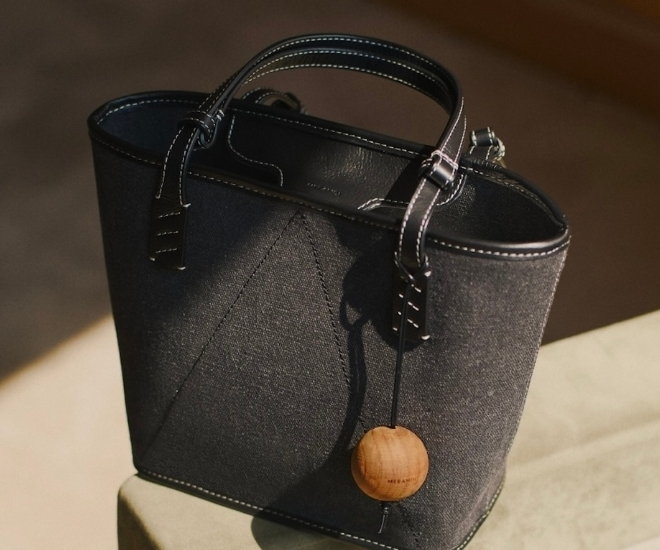
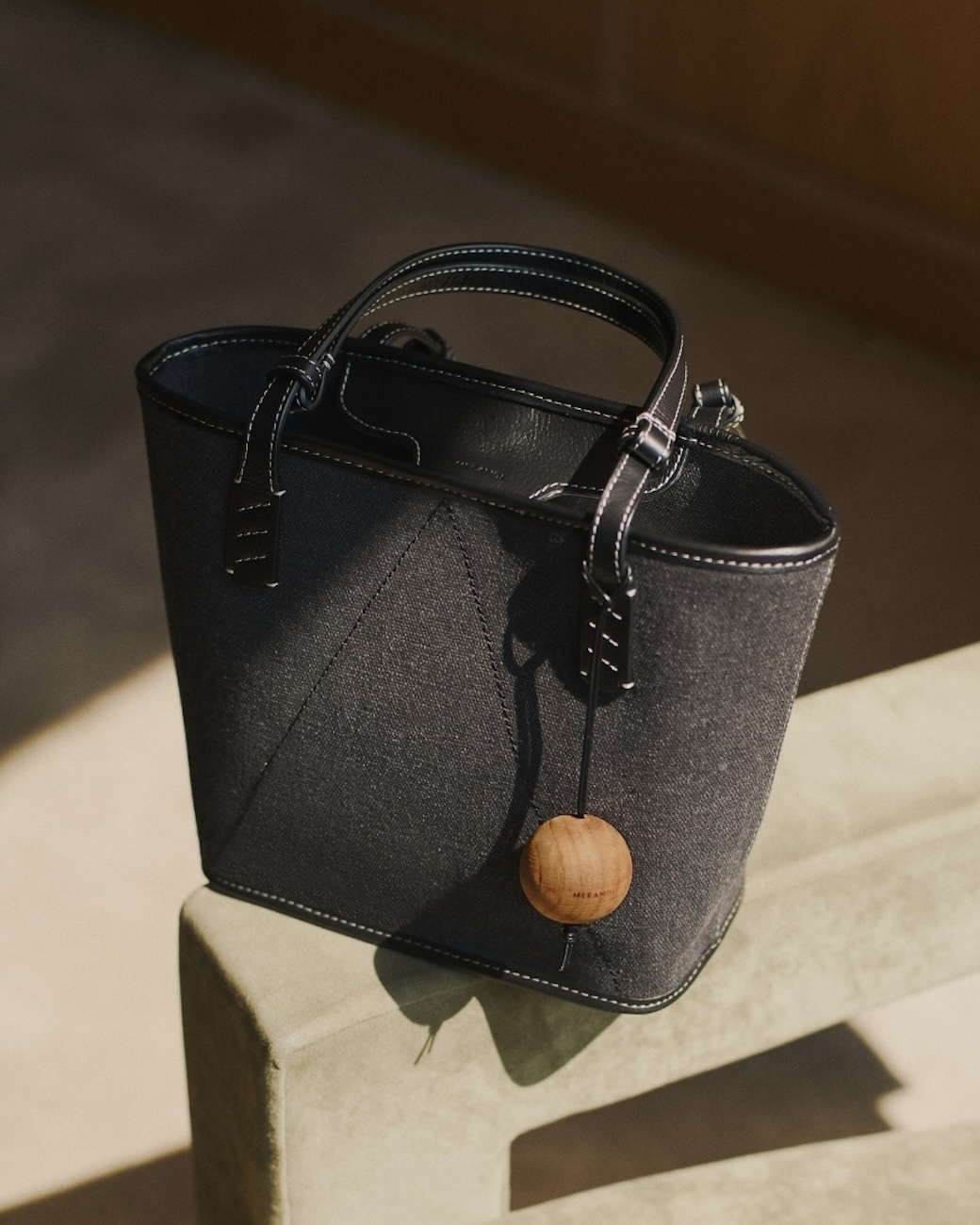
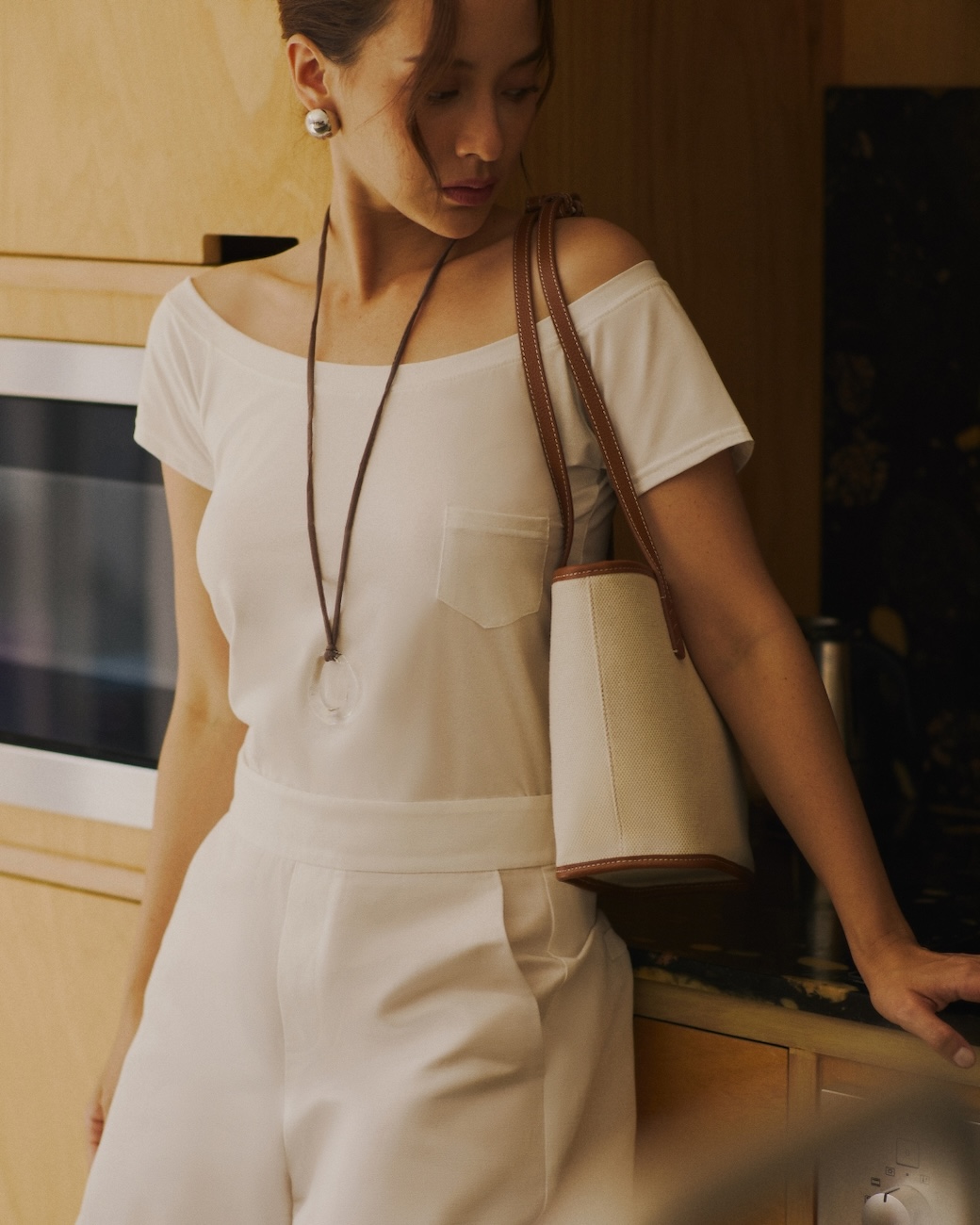
The 30 Mini Canvas – Night (left) and CHALET Tee – White (right)
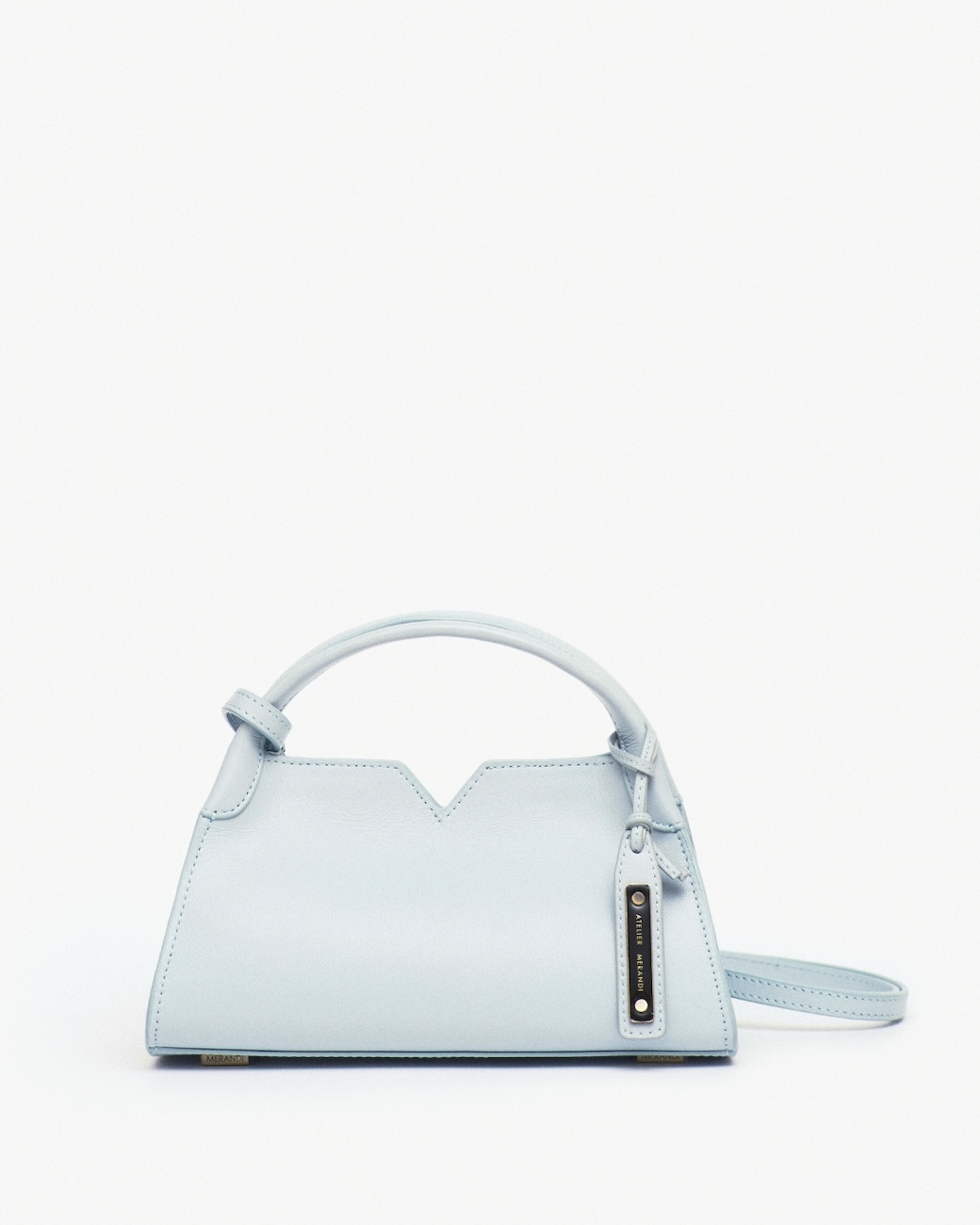
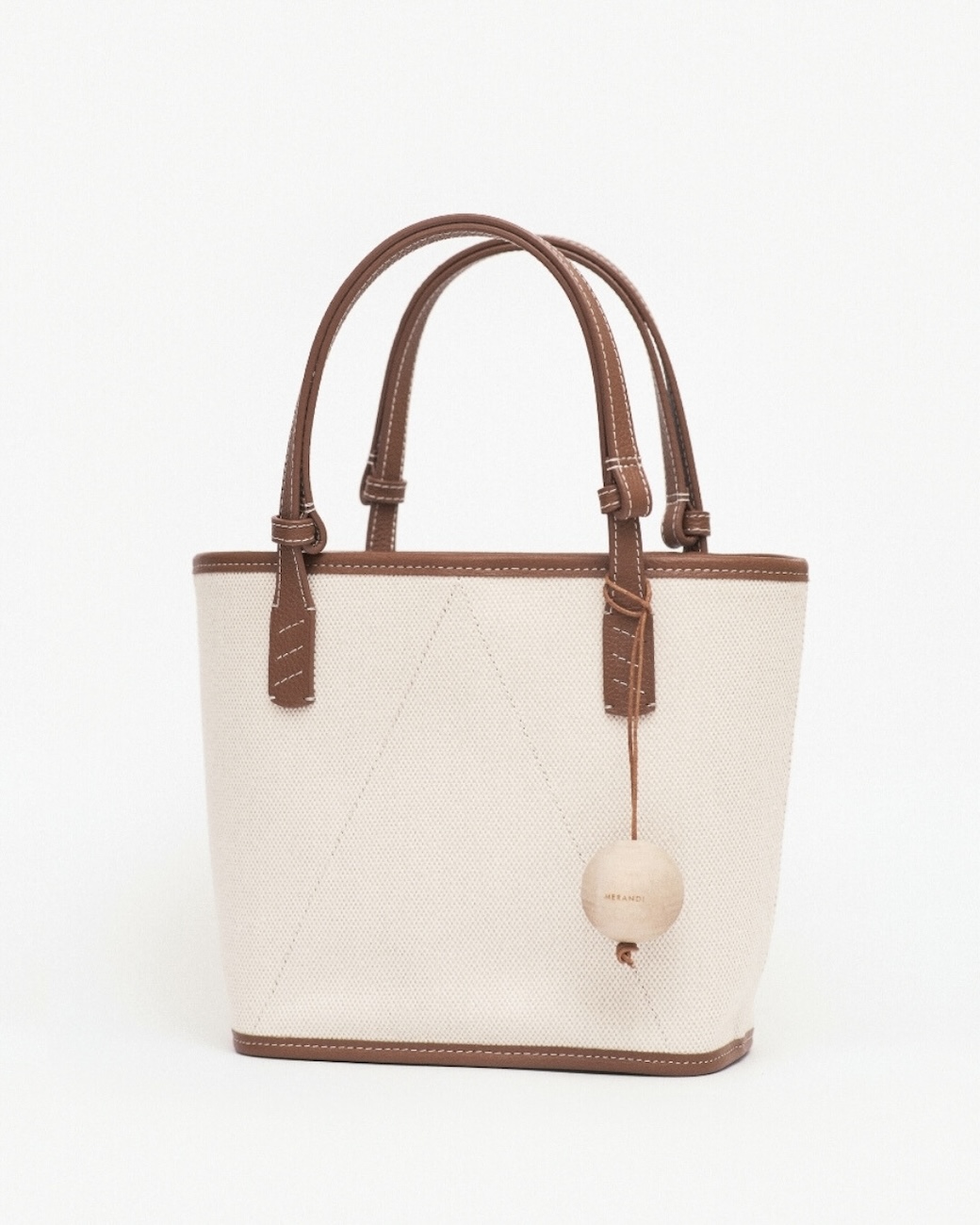
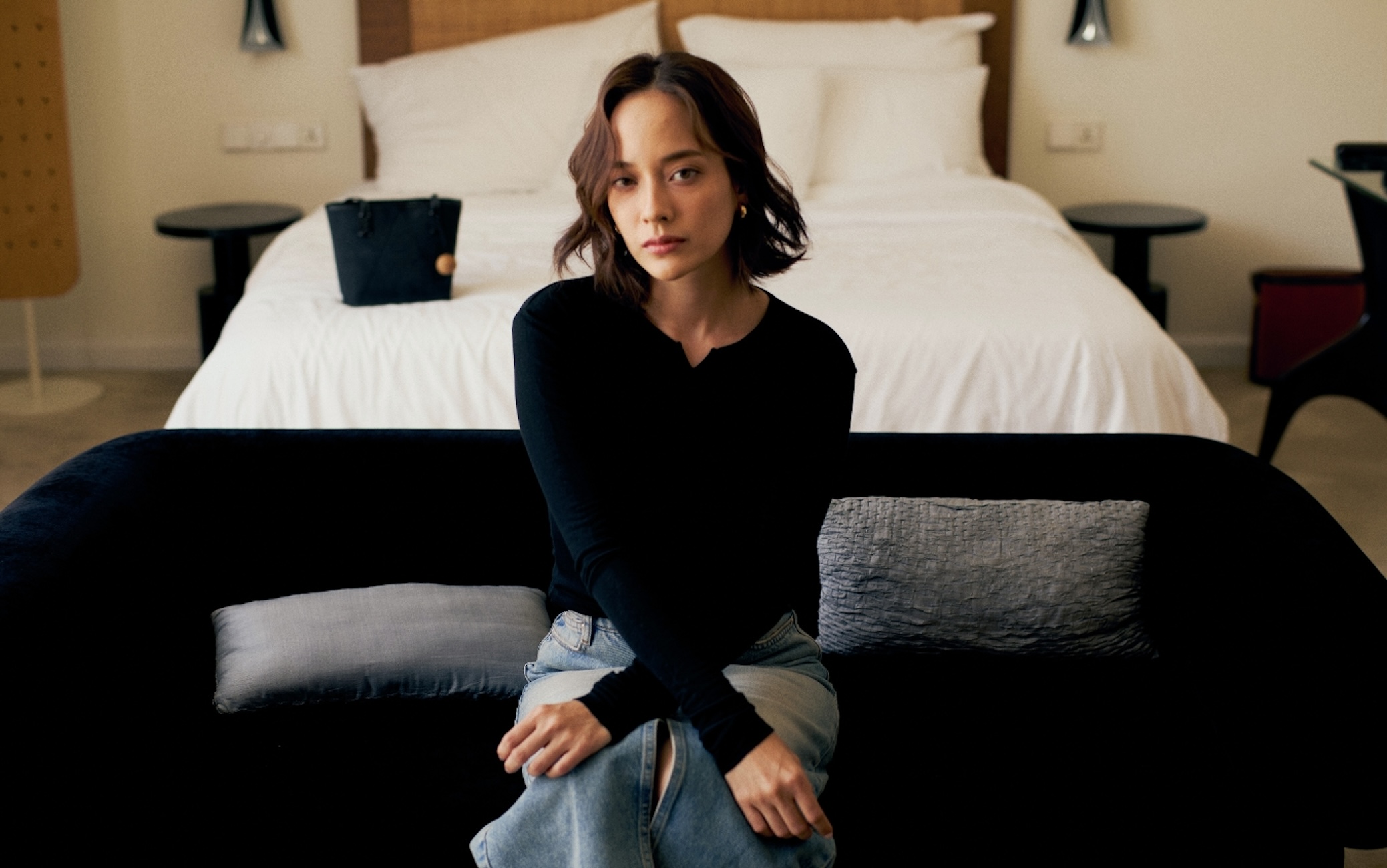
After introducing the MIKI bag in four colourways, atelier MERANDI has quietly gained traction among those drawn to its precise forms and subtle detailing. Now, only a few months later, the emerging brand is preparing for its debut at Tranoï Paris this October — and with it, a second silhouette: the 30 Mini Canvas Bag.
If the MIKI laid the foundation; the 30 builds on it — not by shifting direction, but by expanding it. We caught up with MERANDI’s founders, Kate Socatiyanurak and Grace Tungpanitansook, to learn more about the meaning behind this new design, and what it signals for the brand’s evolution.
Let’s start with the 30. What kind of bag is it — and who is it for?
“It’s a bag designed with subtlety — for people who move quietly but with intention,” says one of the founders. “We imagined someone who doesn’t need their bag to be loud, but still wants it to say something. In a fast-moving conspicuous world, good subtle taste is rare. The 30 is soft yet structured in its design, refined but unforced. It’s the kind of piece you carry every day, and still come to like and appreciate different details of the bag.
What’s behind the name “30”?
For the name, we didn’t overthink it — both of us were born on the 30th, so it is a quiet nod to that. But beyond the number, it felt fitting for a design that’s rooted in utility. 30 (years) is kind of a threshold between youth and maturity. We are both at the age soon approaching that number as well. This bag holds that balance.
How does it differ from the MIKI?
The MIKI was architectural — compact, clean, more intentional. The 30 opens things up. Made in premium cotton canvas and grained leather, complemented with our signature V hidden in its stitching, it’s still quite architectural but softer and more fluid in shape. There’s also a wooden ball charm — which, although is quiet, it brings warmth to the bag, both in material and in movement as the ball swings gently while in use. However, we would like to stress again that this is not a decorative bag, it’s supposed to blend in with its surroundings. This doesn’t mean that every detail can’t have a meaning.
The MIKI Bag – Alpine Sky (left) and The 30 Mini Canvas – Day (right)
Isn’t it so soon to introduce a second design? As your brand is only three months old?
Not really, I mean there wasn’t any rush with designing anyway. We have developed this bag and been using it ourselves for a long time. We also want to quickly reinforce our point of view, so a second silhouette helps anchor the identity of the brand. It shows that MERANDI isn’t about this one certain shape — but a certain way of seeing, designing, and making. MERANDI stems from the Latin phrase, Modus Operandi after all — it means a particular way of doing something. That’s what we express, not necessarily a “fashion” fashion brand.
You’re already preparing for Tranoï Paris. How are you approaching that?
We see it as an introduction to MERANDI’s design language. Sometimes you don’t need labels — you don’t have to call it a bag, a brand, a fashion designer. MERANDI simply is, and we are who we are. Showing in Paris, our goal is to arrive with clarity. With the MIKI and the 30 side by side, together with a few foundational wardrobe staples, we can tell a fuller story and give more space to express our identity. Our signature V-mark runs through everything — from bags to ready-to-wear, like the neckline detail on the Villa Long Sleeve Top.
VILLA Long-Sleeve Top
What will people see at your booth?
We’re showing both silhouettes, the MIKI in our core AW25 colorways — Vanilla, Walnut, Alpine Sky, and Nori, and a preview of new Spring/Summer 2026 tones — alongside the 30 Day and Night Canvas Bag. The SS26 palette brings lighter hues and subtle shifts in materiality. The MIKI will also appear in unexpected fabrications that reveal a different side of its character but still true to its form. The booth, like us, will speak in quiet details.
What’s next for MERANDI after Paris?“
We’re exploring new shapes, refining innovative materials, and adjusting the details that most people might not notice — but we do. In a way, we’re in a rush and not in a rush at the same time. There’s urgency in our vision, but not in our pace. Years of founding and owning a business have taught us that you can’t let pressure affect your precision.
For more on the latest in luxury fashion and style reads, click here.
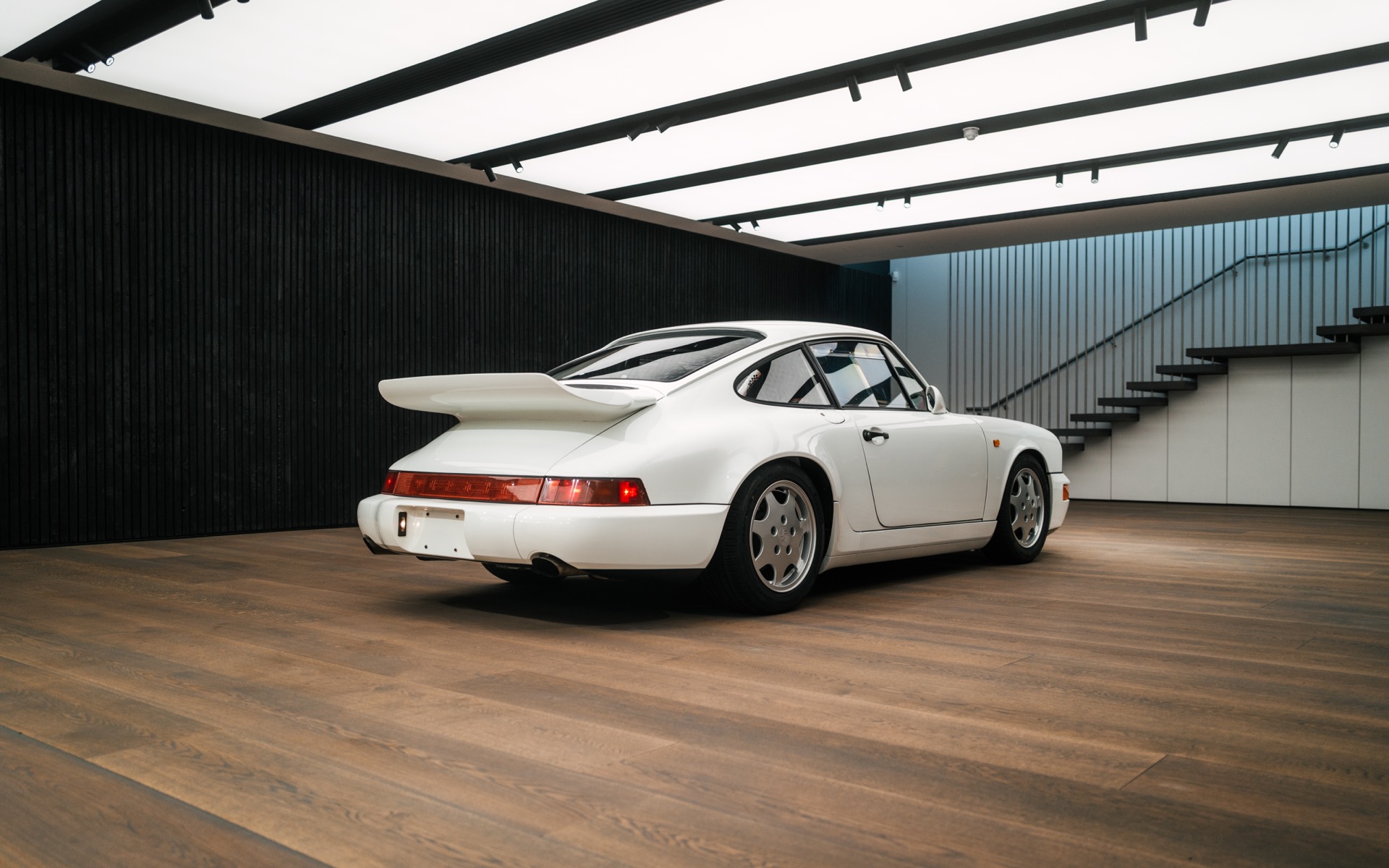
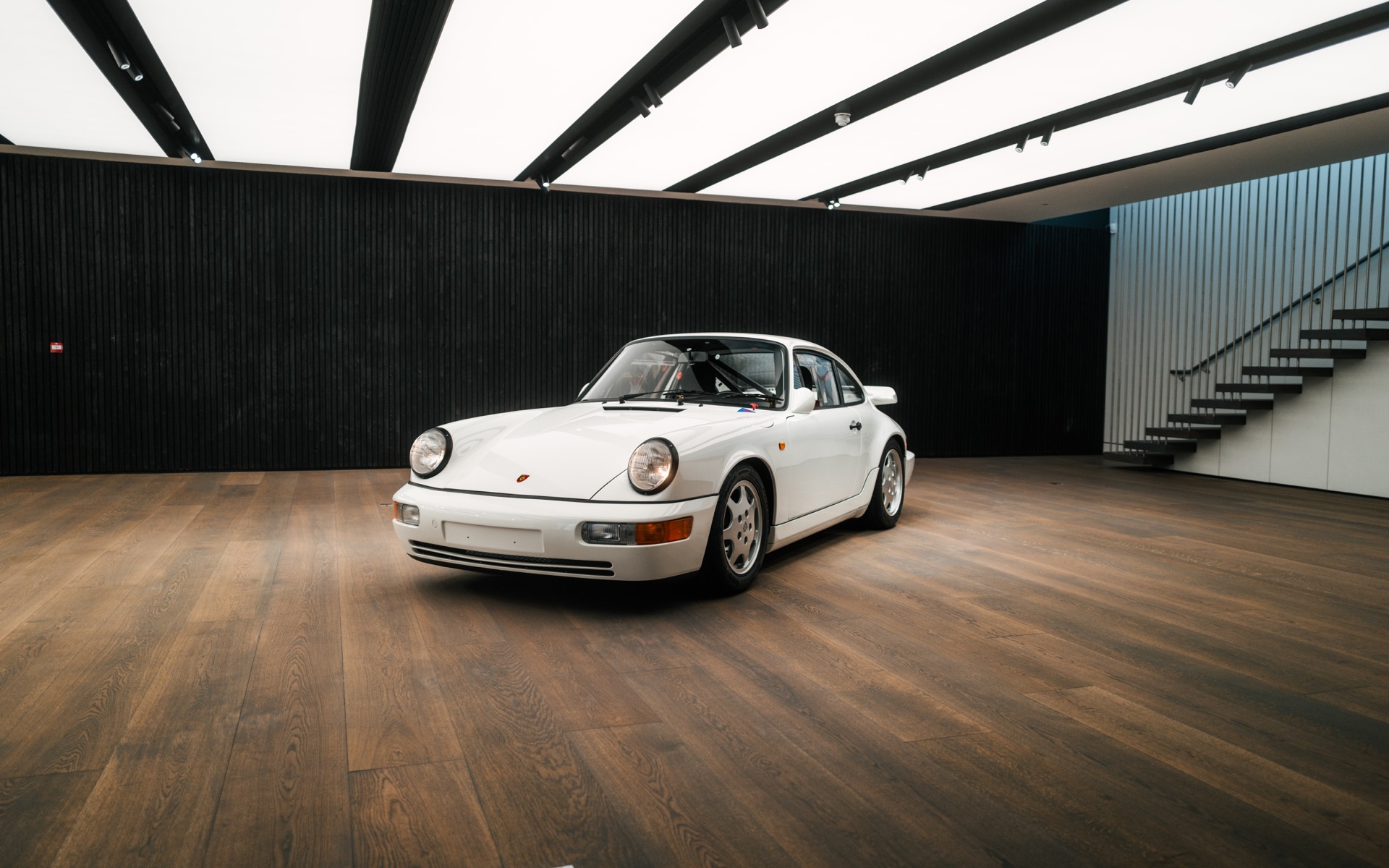
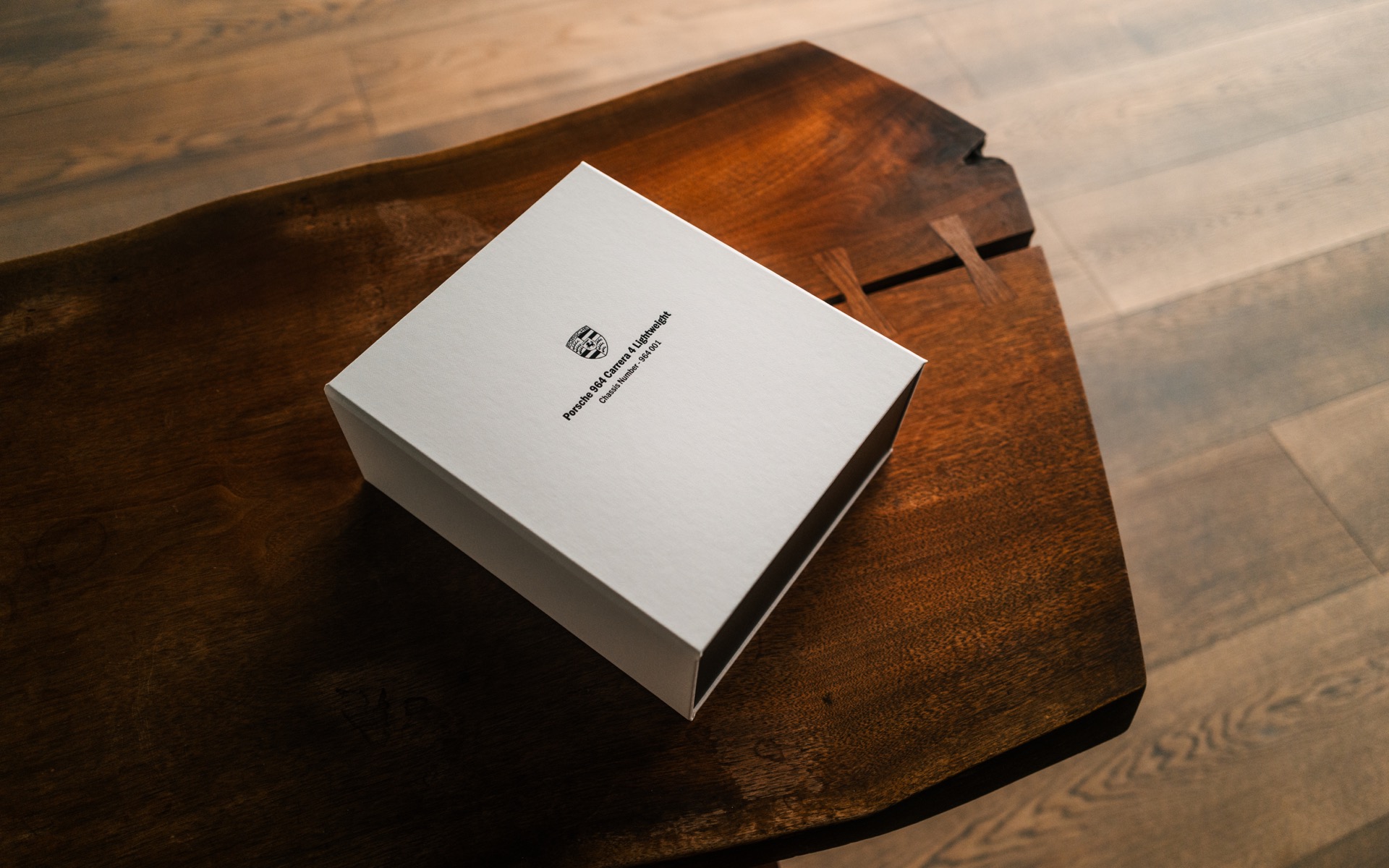
In the realm of rare Porsche 911s, some sit in a league entirely of their own. Of all the production 911s created over the decades, the 964 Carrera 4 Lightweight – or Leichtbau – must rank among the rarest. Just 22 examples were ever produced, all born of the vision of Le Mans winner and legendary Porsche engineer Jürgen Barth. This car, chassis 964 001, is the very first: a museum-grade prototype with unique, one-off details that set it apart even among this rarified group.
Barth, then head of Porsche Customer Racing, discovered a cache of spare four-wheel-drive systems from the 953 Paris-Dakar rally cars sitting in the motorsport department. These systems were advanced for their time, allowing for active adjustment of front-to-rear torque distribution and on-the-fly manipulation of the rear limited-slip differential’s lock-up. Barth saw an opportunity to create a lightweight, all-wheel-drive 911 for customer motorsport use.
964 Carrera 4 Leichtbau prototype
Porsche selected standard 964-series body shells, removed from the main production line, and subjected them to seam welding for increased rigidity. Standard panels were replaced with lightened alternatives. The drivetrain from the 953 Dakar car was installed, mated to a short-ratio five-speed gearbox and paired with a naturally aspirated 3.6-litre flat-six producing 265bhp – the same engine that would go on to power the Carrera RS. The resulting car weighed just 1070kg and delivered extraordinary performance, with understated styling that concealed its motorsport potential.
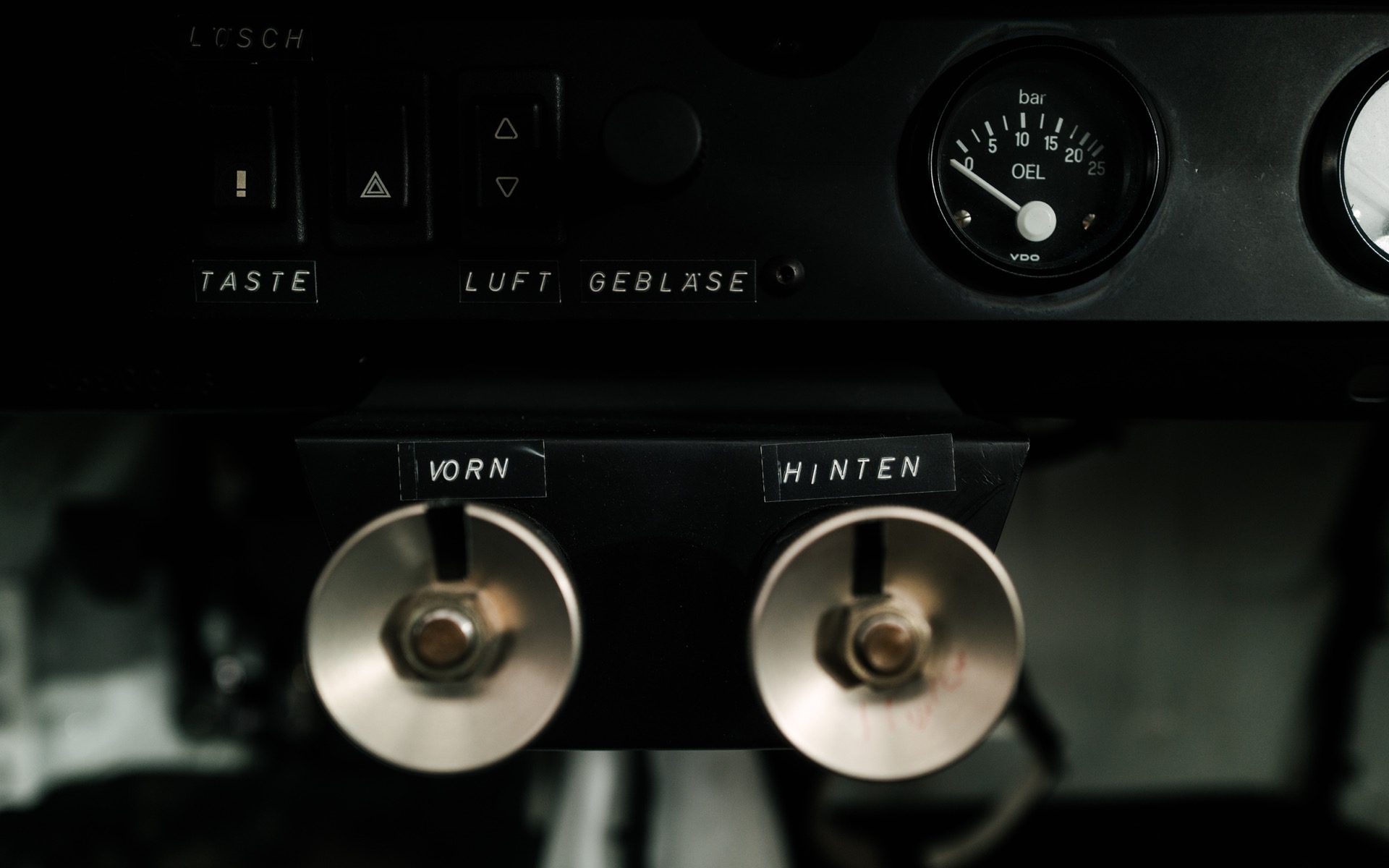
Chassis 001 is the most significant of the 22. As the factory prototype, it includes a wealth of unique, one-off features. These include early prototype gauges and labelling, a bespoke Matter roll cage, and special 934-style ‘lollipop’ seats – which would go on to influence designs used by RUF – trimmed in period-correct new old stock material. Many of the engine and auxiliary system fixtures differ from the production cars, offering a unique insight into Porsche’s development process.
Even the four-wheel-drive control labels appear handmade, with embossed tape straight from a 1980s stationery drawer. From its unusual fittings to its understated character, 964 001 exemplifies the experimental creativity of Porsche’s motorsport division at its best.
This car has known ownership from new and an impeccable provenance. It was initially sold to Kerry Morse, a close friend and collaborator of Barth himself. It later passed through the hands of notable American collectors including Frank Gallogly of Englewood, New Jersey; Dr. William Jackson of Denver, Colorado; the Ingram Collection; and Matthew F. Ammirati of Bridgehampton, New York.
Acquired by the current owner in 2017 and imported into the UK in 2022, the car has covered just over 1,000 miles from new. Its odometer remains in kilometres. The drivetrain is entirely original and matching, the paint remains factory-applied and in excellent condition, and the interior architecture is complete and correct. Though the original seats were retrimmed, they use the exact correct material and patterns.
In 2024, the car underwent a full service at Richard Tuthill, including new Bridgestone tyres.
As part of the sale, the car comes with a bespoke report by Jürgen Barth himself, compiled after a personal visit to see chassis 001 again in the UK. Reunited with the machine he helped create, Barth recounted the story of its development and its journey. Those recollections are now captured in a document that adds even more weight to this car’s already historic status.
In short, chassis 001 is not just the first and finest of the Carrera 4 Leichtbau cars. It is a reference example – pure, original and storied. A cornerstone in any Porsche collection, and a once-in-a-generation opportunity. It is currently being offered for sale with Kiklo Spaces in the UK.
The technical storage or access is strictly necessary for the legitimate purpose of enabling the use of a specific service explicitly requested by the subscriber or user, or for the sole purpose of carrying out the transmission of a communication over an electronic communications network.
Preferences
The technical storage or access is necessary for the legitimate purpose of storing preferences that are not requested by the subscriber or user.
Statistics
The technical storage or access that is used exclusively for statistical purposes.The technical storage or access that is used exclusively for anonymous statistical purposes. Without a subpoena, voluntary compliance on the part of your Internet Service Provider, or additional records from a third party, information stored or retrieved for this purpose alone cannot usually be used to identify you.
Marketing
The technical storage or access is required to create user profiles to send advertising, or to track the user on a website or across several websites for similar marketing purposes.


:max_bytes(150000):strip_icc()/TAL-partial-solar-eclipse-SEPTSKYEVENTS0825-72494178e3084f1ab90a870409e02dfc.jpg "September Is Packed With Stunning Sky Events—With Planet Parades, Eclipses, and Northern Lights")
:max_bytes(150000):strip_icc():format(jpeg)/TAL-partial-solar-eclipse-SEPTSKYEVENTS0825-72494178e3084f1ab90a870409e02dfc.jpg)




:max_bytes(150000):strip_icc()/TAL-hudson-valley-ny-NO1FALLFLGEDEST0825-ac0b9ec4d32642cdaeeea88753928612.jpg "This Is the No. 1 Fall Foliage Destination in the U.S. for 2025")
:max_bytes(150000):strip_icc():format(jpeg)/TAL-hudson-valley-ny-NO1FALLFLGEDEST0825-ac0b9ec4d32642cdaeeea88753928612.jpg)
:max_bytes(150000):strip_icc()/TAL-cilento-italy-AMALFIVIBES0725-8fa2fdbc7470423e85f78b8686cae812.jpg "This Peaceful Italian Coastline Is an Affordable Alternative for the Amalfi Coast—With Better Beaches, Too")
:max_bytes(150000):strip_icc():format(jpeg)/TAL-cilento-italy-AMALFIVIBES0725-8fa2fdbc7470423e85f78b8686cae812.jpg)