The latest recall addresses the failed software fix for the previous Bolt EV fire recall
The software fails to detect modules that need replacement
The recall is limited to 107 Bolt EV and Bolt EUV models
General Motors is once again recalling the Chevrolet Bolt EV because the installation of diagnostic software to address a previous battery-fire recall may have been done incorrectly.
The incorrectly-installed software could fail to detect defective battery modules that require replacement, increasing the risk of a potential fire, according to GM. Just 88 different 2020-2022 Chevrolet Bolt EV hatchbacks and 19 different Chevrolet Bolt EUV models have this issue.
This is the second recall related to battery diagnostic software in Bolt EV models. GM issued a recall this past July when it internally identified that its service system software would, in some cases, allow a technician to process a vehicle’s warranty claim without complete installation of the software.
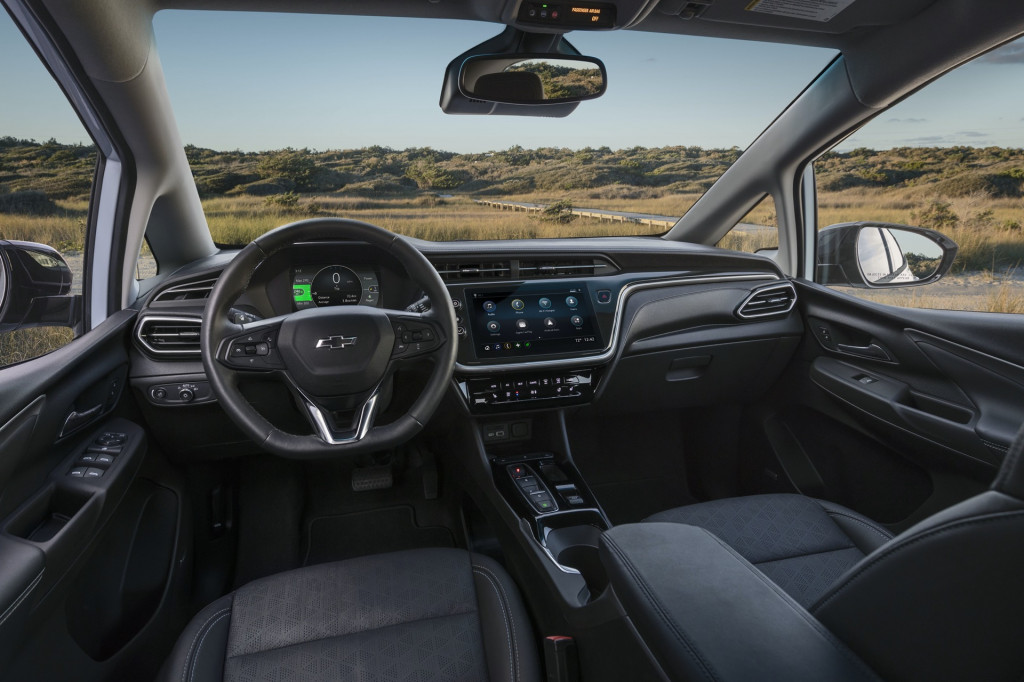
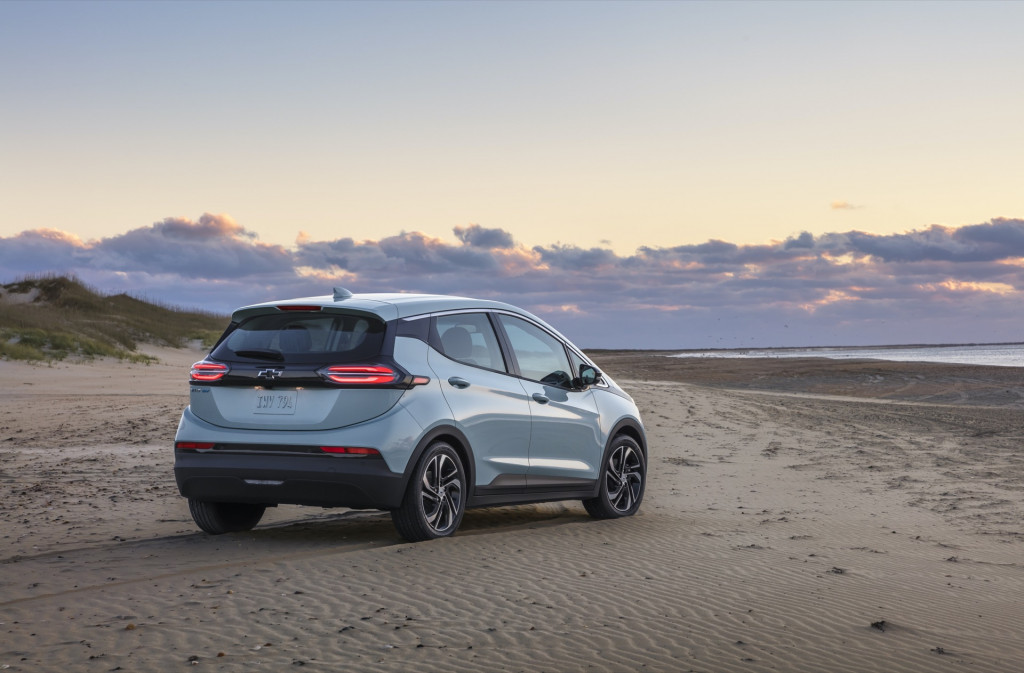
2022 Chevrolet Bolt EV
This time, the recall stems from a customer complaint that a 2022 Bolt EUV remained limited to 80% state of charge after an “evaluation period,” and thus past the point where the software should have been restricting charging, GM said in recall paperwork. It attributes this to a “malfunction in the software programming tool,” adding that it is not aware of any incidents related to this issue.
Instructions for owners of affected vehicles are the same as the previous software-related recall: Set the target charge level to 90%; avoid depleting the battery below 70 miles of range remaining; park outside after charging; do not charge the vehicle indoors overnight.
Owners will have to take these steps while waiting for an appointment with dealers, who will reinstall the diagnostic software free of charge. GM plans to mail owner notification letters Dec. 16, and owners can contact a dedicated Bolt EV Concierge Team at 1-833-382-4389. GM’s reference number for this recall is N242470160.
2022 Chevrolet Bolt EV
Like the previous software-related recall, this is a very small subset of GM’s massive 2021 battery recall effort, which eventually spanned all 140,000 Bolt EV and Bolt EUV models in North America. Many owners of earlier 2017-2019 Bolt EVs ended up with new battery packs, resulting in more driving range than they originally had.
As part of a class-action settlement against GM and battery supplier LG Energy Solution, owners are also likely eligible for $700 to $1,400 in compensation.
The Bolt EV went out of production in December 2023, but as GM reported in July it remained Chevy’s top-selling EV for the first half of 2024. GM CEO Mary Barra said earlier this year that when it returns later in 2025 the 2026 Chevy Bolt EV will be the most affordable EV in the U.S.
—
UPDATED with clarification from GM that the software issue relates to the ability to detect battery modules that need replacement.
As the 2024 U.S. presidential election reaches its conclusion, politics may be playing less of a role in EV interest, data from research firm AutoPacific shows.
AutoPacific’s EV Consumer Insights Study from June 2024—when election rhetoric was already charged—surveyed 12,000 Americans, including a mix of electric vehicle and plug-in hybrid owners, non-owners with interest in EVs, and those who totally reject EVs.
In line with previous studies, owners of these vehicles tended to be more left-leaning, with 54% of current EV owners and 60% of current plug-in hybrid owners identifying as Democrats compared to 30% of EV owners and 26% of plug-in hybrid owners identifying as Republicans. The gap shrinks for “acceptors” who either intend to get or will consider an EV in the future, at 46% Democrat, 28% Republican, and 24% Independent or third party.
Reasons for not wanting an EV (from AutoPacific 2024 EV Consumer Insights Study)
However, Americans generally aren’t rejecting EVs for political reasons, according to AutoPacific. Just 8% of respondents said they would not consider an EV because “EVs are not aligned with my political beliefs”—down from 10% the previous year. Of that group, 62% identified as Republicans and 13% identified as Democrats.
Political beliefs were ranked last among 27 options for not considering an EV. The top concerns were belief that charging times were too long (52%), that respondents did not have a place to charge at home or at work (51%), and concern that EVs are too expensive to buy and/or operate (49%).
Republicans, on the other hand, might want to consider that anti-EV rhetoric puts them on the losing side of this issue. Donald Trump has suggested that he plans to gut EV policy, while relying on tariffs to increase the portion of goods—including vehicles—made in America.
Yet a 2022 poll conducted by a leading EV advocacy group found that such a divide between Republicans and Democrats is disconnected from reality, with bipartisan support for EV-friendly policy.
It’s left many Republicans puzzled about when the tide turned against EVs as representing energy independence and why politicians are detached from their constituencies, in this case—even when top Republicans have now become closely aligned with Tesla CEO Elon Musk.
While Germany may not necessarily be considered a fashion powerhouse when compared to the likes of its European counterparts in France and Italy, German-born designers have made distinct contributions to fashion, offering a range of aesthetic expressions that continue to influence the global stage. From the tailored precision of Tomas Maier (former creative director of Bottega Veneta from 2001 to 2018) to Jil Sander’s minimalist elegance, their work embodies sophistication and craftsmanship. Karl Lagerfeld — a fashion titan — bridged European traditions, leaving his mark on both ready-to-wear and haute couture at Chanel. Meanwhile, brands like Escada and Philipp Plein infuse boldness and opulence into their creations. Together, these designers highlight a spectrum of innovation, showcasing the enduring impact of German-born designers on the fashion industry. This design prowess unfolds in two radically different forms — minimalism and maximalism, both of which have deeply influenced market trends and consumer preferences, shaping not only style but also the economic landscape of luxury retail.
Minimalism: The Art of Restraint
Jil Sander Fall/Winter 2023
One could argue that German minimalism in fashion finds its purest expression in the work of Jil Sander, often hailed as the “Queen of Minimalism” and the “Queen of Clean” by various fashion publications. Known for her sharp tailoring and clean, understated silhouettes, Sander’s designs are timeless, celebrating the essence of simplicity. Her neutral palettes and meticulous craftsmanship cater to those who appreciate sophistication without excess. Sander’s legacy goes beyond fashion; her ethos is closely tied to German architectural and design principles, valuing functionality and elegance. Described as a pioneer in the “unisex” movement of the 90s, the cyclical nature of fashion and nostalgia sees her amass a new following amongst Gen Z and Millennial consumers. In February 2024, Jil Sander saw sales increase by 17.3 percent year-on-year. Together with Margiela and Diesel, Jil Sander successfully drove growth for the OTB Group, seeing revenues hit approximately EUR 1.9 billion.
The Maximalism Camp: Bold and The Beautiful
Philipp Plein Spring/Summer 2020
On the opposite side of the fashion spectrum lies the exuberance of Philipp Plein, a designer who epitomises maximalism. Plein’s work is known for its loud, extravagant flair, featuring everything from glittering skull motifs to heavy metallic accents. His runway shows are a spectacle, combining fashion and entertainment in a way that’s unapologetically ostentatious. For Plein, fashion is about embracing excess and making a statement, drawing in those who thrive on attention and luxury. He told the New York Times, “We are not a Jil Sander. We are not a Céline, obviously. We are not attracting this type of client.”
In addition to luxe leather, metallic fabrics, and studded high tops, Plein’s collections feature eye-catching graphics, animal prints, and intricate motifs. These elements, combined with a heavy use of embellishments like studs and rhinestones, add a flamboyant touch to his designs which evoke a sense of rebellion and self-expression. With a penchant for maximalism, Phillip Plein’s designs could be polarising. However, in a 2023 exclusive interview with The New Yorker entitled “How Philipp Plein Became the King of Lowbrow High Fashion”, the publication noted that the Plein brand had a nett global revenue of EUR 215 million, on a par with luxury brands such as Thom Browne.
Escada Fall/Winter 2024 Campaign
Escada — another German powerhouse — embraces a similar love for vivid colour and eye-catching designs. Founded in 1978, the brand quickly gained a reputation for its luxurious fabrics and bold prints, catering to confident women who enjoy making a statement. Escada’s take on fashion balances opulence with a playful spirit, creating collections that are vibrant yet elegant. However, in 2020, WWD revealed that only six months after Regent LP, a Los Angeles-based private equity firm, acquired Escada from Megha Mittal, the luxury brand was already facing severe operational challenges. Escada has been burdened by escalating expenses since the takeover, struggling to cover costs such as seamstress payments, UPS delivery fees, and utility bills for its retail locations.
Karl Lagerfeld: The Ultimate Bridge
Karl Lagerfeld
Standing as a bridge between these contrasting camps is Karl Lagerfeld, whose influence transcended boundaries. As the creative director of Chanel, Fendi, and his own namesake brand, Lagerfeld mastered both restraint and extravagance. His work for Chanel reinvigorated classic French luxury with a fresh, modern twist, often defying the conventions of the Parisian fashion establishment. He was a prolific designer whose sketches and visions turned him into a symbol of innovation, effortlessly navigating between haute couture and ready-to-wear. Lagerfeld’s career transcended his German heritage to leave an indelible mark on the global fashion industry. Despite early French criticism that he wasn’t “couture enough,” Lagerfeld’s relentless creativity and visionary designs proved the doubters wrong, transforming brands like Chanel and Fendi into modern powerhouses and solidifying his global legacy as one of the most influential figures in fashion history.
When Lagerfeld took the reins of Chanel in 1983, he masterfully preserved the brand’s iconic elements — such as the tweed suits, pearls, and camellias — while reimagining them for a new generation. He introduced bolder colours, playful proportions, and contemporary silhouettes that appealed to younger audiences, making Chanel both timeless and trendy. Lagerfeld also embraced pop culture and collaborated with artists and influencers, bringing Chanel into the contemporary fashion conversation without losing its classic allure. Under Lagerfeld’s creative direction, China emerged as a key sales engine for Chanel, with sales increasing by 11 percent from 2018 to 2019 in constant currency, driven by demand from Asian shoppers.
A New Wave: GmbH Cultural Rebellion
GmbH is a Berlin-based fashion brand founded in 2016 by designers Benjamin Alexander Huseby and Serhat Isik. The brand is known for its exploration of cultural identity, sustainability, and socio-political themes, drawing heavily from the founders’ personal backgrounds—Huseby is of Norwegian-Pakistani descent, while Isik has Turkish roots. This multicultural influence has shaped GmbH’s designs, which often reflect elements of immigrant and working-class experiences in Europe. GmbH’s aesthetic combines utilitarian, industrial styles with high-fashion sensibility. The German label frequently uses upcycled and eco-friendly materials, emphasising sustainability as a core value. GmbH often features tailored outerwear, sportswear-inspired pieces, and architectural cuts, incorporating references to club culture and Berlin’s underground scene.
The brand also engages in broader cultural conversations, addressing topics such as identity politics, inclusivity, and the experiences of marginalised communities. GmbH has gained recognition for its unique voice in the fashion world and its ability to merge fashion with activism, making it one of the more progressive and thought-provoking brands in the contemporary fashion landscape.
What is “German Design”?
Jil Sander
The concept of “German Design” transcends mere aesthetics; it encompasses a philosophy of precision, functionality, and innovation that successfully balances artistic expression with commercial viability. From Thomas Meyer’s meticulously tailored suits to Philipp Plein’s audacious embellishments, German-born designers have left an indelible mark across the fashion spectrum. Whether embracing minimalism or maximalism, their work illustrates the versatility and richness of German design. This legacy continues to inspire new generations, ensuring Germany remains a dynamic force in the fashion world.
For more on the latest in luxury style and fashion news, click here.
Travelling offers a wonderful opportunity to explore new horizons and immerse oneself in diverse cultures, but it’s imperative to consider the environmental impact of our journeys. Air pollution is a significant concern, affecting not only the health of local communities but also the quality of the destinations we cherish.
In this guide, we delve into practical steps you can take to reduce air pollution risks while on holiday, ensuring your travels are as eco-friendly as they are enjoyable. From selecting low-emission transport to choosing accommodations that champion clean air initiatives, here are actionable strategies to reduce air pollution risks for the conscientious traveller.
The Impact of Air Pollution on Health and Environment
Air pollution poses severe risks both to human health and the environment, especially in popular holiday destinations. Pollutants such as nitrogen dioxide and particulate matter can exacerbate respiratory issues, leading to conditions like asthma or bronchitis. Vulnerable groups, including children and the elderly, are particularly at risk. Beyond individual health, air pollution also disrupts ecosystems. It can lead to the degradation of natural habitats, harming wildlife and reducing biodiversity.
Areas once renowned for their pristine beauty can become marred by hazy skies and diminished air quality, affecting tourism’s allure. Moreover, pollutants can accelerate the process of acid rain, damaging forests, lakes, and architectural heritage.
Common Sources of Air Pollution
Air pollution during holidays often stems from several key sources, many of which are directly linked to tourism. Transportation is a primary contributor, with aeroplanes, cars, and buses emitting significant amounts of carbon dioxide and nitrogen oxides. These emissions intensify in popular destinations with high tourist turnover. Additionally, accommodation facilities, particularly those relying on traditional energy sources, contribute to pollution via heating, air conditioning, and electricity use.
Urban areas experience elevated pollution levels due to construction activities and industrial operations, further aggravated by increased tourism. Moreover, recreational activities like boating can release pollutants into the air, impacting water and air quality simultaneously.
Seasonal and Regional Variations
Air pollution levels can vary significantly based on seasonal and regional factors, posing varying impacts on holiday experiences. In many cities, winter months often see increased pollution due to heating demands and atmospheric conditions that trap pollutants. In contrast, summer months may bring heightened levels of ozone pollution, especially in urban areas, due to the reaction of sunlight with vehicle emissions.
Regionally, industrial areas or cities with high vehicular traffic typically exhibit higher pollution levels compared to rural or coastal regions. Furthermore, areas prone to wildfires or dust storms can experience dramatic spikes in air pollution, affecting air quality even in distant locations.
Understanding these variations helps travellers plan their trips more effectively, selecting times and places with better air quality. Checking local air quality indices before travel can aid in making informed decisions, ensuring that your holiday is both enjoyable and health-conscious.
Recognising High-Risk Zones
Identifying high-risk zones for air pollution is crucial for planning a safe and health-conscious holiday. Urban centres, particularly those with dense traffic and industrial activities, are often hotspots for elevated pollution levels. Additionally, regions experiencing rapid industrial growth or urbanisation may see spikes in air pollution concentrations. Seasonal variations, such as increased heating in winter or heightened ozone levels in summer, can exacerbate conditions in these areas.
Natural events, like wildfires or dust storms, can also temporarily elevate pollution, impacting air quality significantly. Prior to travelling, consulting air quality indices, such as those provided by local environmental agencies or global platforms like the World Air Quality Index, can help you assess current conditions.
Awareness of these high-risk zones allows you to adjust your itinerary, perhaps by planning activities during times of lower pollution or selecting areas less affected by smog. Proactively recognising and avoiding these zones ensures a healthier and more enjoyable travel experience.
Managing Air Pollution While Travelling
When travelling in heavily polluted areas, adopting strategies to minimise exposure is essential for maintaining health. Start by planning outdoor activities during times of the day when pollution levels are lower, typically early morning or late evening. Use real-time air quality apps to stay informed about current conditions and adjust plans accordingly.
Wearing masks designed to filter out fine particles can also help reduce inhalation of pollutants, particularly in areas with high particulate matter. If staying indoors, ensure accommodations have proper air filtration systems or use portable air purifiers to maintain indoor air quality. Keeping windows closed in high-pollution areas can further reduce exposure.
When travelling outdoors, choosing routes with lower traffic for walking or cycling can also mitigate contact with polluted air. Additionally, consider travel insurance that covers health-related issues, as it can provide peace of mind and financial protection in case air pollution affects your well-being during the trip.
Choose Low-Emission Transport
Opting for low-emission vehicles significantly reduces your carbon footprint during travel, offering both environmental and personal health benefits. These vehicles, including electric and hybrid cars, emit fewer pollutants compared to traditional petrol or diesel vehicles. By reducing emissions of carbon dioxide and nitrogen oxides, they contribute to cleaner air and help mitigate climate change. Travellers also benefit from financial savings, as low-emission vehicles often have lower fuel costs and may qualify for tax incentives or reduced toll fees.
Electric cars, in particular, offer quiet operation, enhancing the travel experience by reducing noise pollution. Additionally, using low-emission vehicles supports the transition towards sustainable transportation infrastructure, encouraging more destinations to invest in charging stations and green travel initiatives.
Cycling and Walking: A Greener Choice
Cycling and walking are quintessential eco-friendly transport options that offer numerous benefits for both the environment and your personal health. These modes of travel produce zero emissions, making them ideal for lowering your carbon footprint while exploring new destinations. Many cities have embraced cycling by developing extensive bike lanes and offering bike-sharing schemes, providing an affordable and convenient way to navigate urban environments.
Walking, on the other hand, allows you to explore at a leisurely pace, uncovering hidden gems and enjoying local sights that might be missed when using faster transport. Both activities promote physical fitness, contributing to a healthier lifestyle and reducing stress levels. Additionally, cycling and walking often lead to increased interaction with locals, enriching your travel experience with cultural exchanges.
Choose Alternative Destinations with Good Air Quality
Exploring alternative destinations known for their clean air can offer a refreshing travel experience while avoiding the health risks associated with pollution. Coastal towns and rural countryside areas often boast better air quality due to lower levels of industrial activity and traffic.
National parks and nature reserves are excellent choices, providing not only fresh air but also opportunities to engage with pristine natural environments. Islands, especially those that prioritise sustainable tourism and limit vehicle emissions, can serve as idyllic holiday destinations for many travellers worried about air quality.
Final Thoughts
Integrating eco-friendly practices into your travel itinerary not only enriches personal experiences but also plays a vital role in the broader mission of environmental stewardship. By making mindful choices—such as opting for low-emission transportation and supporting green accommodations—you prioritise your health by minimising exposure to pollution during your travels. Remember, each small action counts, and together, these efforts can significantly reduce health risks associated with poor air quality.
For more on the latest in sustainability, lifestyle and travel reads, click here.
SmartLane routes have become pretty common, with the activation of the emergency lane for use by traffic on certain highway stretches during designated periods having proven that the system does work.
Meant to help smoothen traffic flow by optimising all lanes available and increase capacity at critical stretches on a highway, the system has undeniably helped in easing congestion during festive seasons and rush hours.
Of course, incidents where motorists, predominantly those on two-wheelers, continue to take exception to vehicles utilising the SmartLane during designated periods still occur, primarily due to a lack of knowledge about it.
Here’s another piece of information regarding the SmartLane, as in what vehicles can use it, as highlighted by the works ministry (KKR) in a Facebook post. According to the ministry, only light vehicles are allowed to use the SmartLane, in this case Class 1 (private vehicles such as cars, SUVs and MPVs) and motorcycles, as defined by the Malaysian highway authority (LLM).
As such, vehicles larger than these such as trucks, lorries and buses aren’t allowed to use the lane. We’re sure such incidents occur, but have you ever encountered a heavy vehicle using the SmartLane? In any case, now you know exactly what vehicles are permitted to use the SmartLane.
Targeted subsidy for RON 95 petrol has to be done because of subsidy leakage, which benefits groups who are not supposed to enjoy subsidies. According to second finance minister Datuk Seri Amir Hamzah Azizan, based on current data, it is estimated that over 40% of petrol usage is by foreigners, the commercial sector and smuggling.
“As the level of RON 95 petrol subsidy is around RM20 billion a year, if leakage to foreigners, the commercial sector and the rich can be solved, it’s bound to save up to RM8 billion a year,” Amir Hamzah told parliament today, reported by Bernama.
The senator and former EPF CEO also touched on the removal of blanket subsidy for diesel, which happened in June this year. Based on the latest data, Amir Hamzah said that there’s a drastic drop in the sales of diesel at the pumps, which points to the reduction of smuggling.
He said that diesel sales at pumps are down by 25%, or nearly seven million litres per day, while commercial diesel sales are down by nearly 50%, or four million litres a day. This shows that industries have stopped buying subsidised diesel. “Based on early data, targeted diesel subsidy has so far saved (the government) around RM600 million a month,” he shared.
As announced in Budget 2025 by prime minister Datuk Seri Anwar Ibrahim, targeted subsidy for RON 95 petrol will come into place from mid-2025.
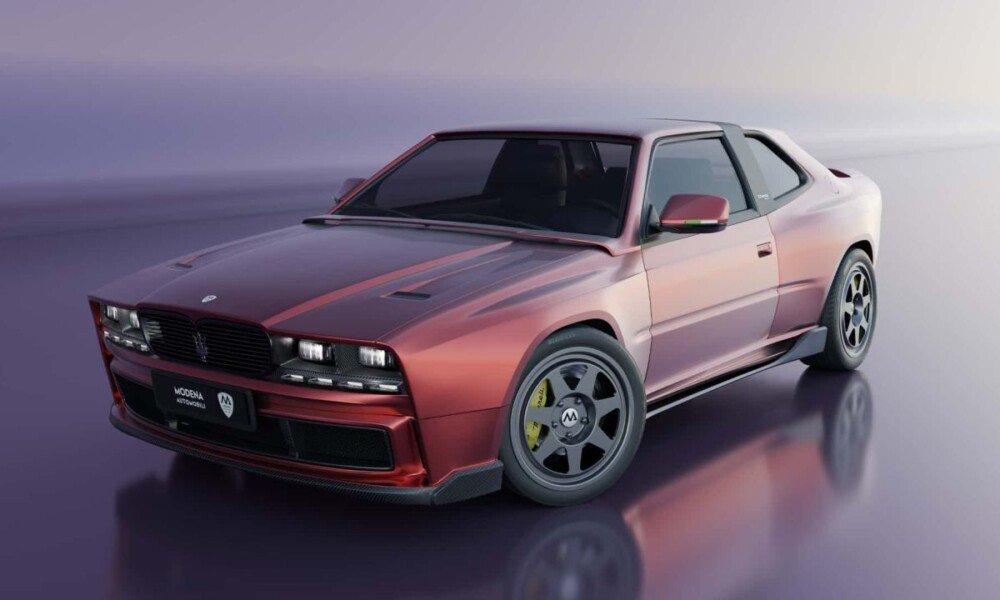
Modena Automobili has revealed the Project MA-01 restomod – a Maserati Biturbo Shamal with modern internals and a whole lot of power.
The MA-01 is based on an original Shamal chassis. It also retains the boxy exterior, albeit with subtle upgrades, including LED lighting, a carbon fibre body kit, wider wheel arches, and bigger wheels. The rear fascia has been heavily revised and now features an integrated spoiler and quad exhausts.
Under the hood is a 3.0-liter twin-turbo V6 from a modern Maserati Ghibli. The engine has been worked upon so that it now produces over 500 hp, which is sent to the rear axle via a ZF 8-speed automatic.
Besides the 18-inch retro-style wheels, the Shamal restomod is also fitted with bigger brakes sourced from Brembo. It gets 13.5-inch rotors at the front and 13-inch units at the back.
You can now order this European icon from the 1980s for approximately $638,000, before taxes. The company plans to build only 33 units, and the first cars are expected to be delivered in 8-10 months.
Ah, London! This city is a beautiful blend of old-world charm and modern energy, and it’s where I call home.
From famous landmarks, historic architecture, and trendy neighborhoods, the secret sauce to seeing the best of London is a bit of planning and a comfy pair of walking shoes. If you’re wondering howto spend two days in London, don’t worry, I’ve got you covered.
Read my guide and squeeze the most out of this fab city in just two days.
Here’s an overview:
How to Get Around During Your Two Days in London
First, grab a two-day Tube pass to make exploring London simple and hassle-free. The London Underground (aka “the Tube”) is divided into zones that extend out from central London. Most of the main attractions, like the Tower of London, Big Ben, and Buckingham Palace, are in Zones 1-2, so a pass covering these zones is usually all you’ll need.
If you get a pass to cover up to Zone 5, you’re able to visit farther areas like Wembley Stadium, Greenwich, and Kew Gardens. You can purchase at any tube or train station from the kiosks and this will be your golden ticket for the next two days.
Day 1: Dive into London’s History and Charm
Morning
Kick off your London adventure at the Tower of London, a place loaded with history and drama. The Tower of London has a bloody reputation thanks to Henry VIII, as it was where he locked up enemies and even wives he’d lost favor with. His ruthless reign has inspired many films and even SIX – the Broadway musical.
Arrive right when it opens (around 9 AM) to beat the crowd, and schedule a Beefeater tour if you can. The guides bring history to life with all the extra details, making it feel more exciting.
Top Tip: Buy your tickets at any news kiosk on your way in or online to skip the long lines at the ticket office, and don’t miss the Crown Jewels, they’re stunning and still used in royal ceremonies today!
From the Tower, it’s a short walk to Tower Bridge. Stroll across (the views are absolutely worth it!), and if you’re lucky, you might catch this historic bridge lifting to let boats pass along the Thames. Seeing the old machinery in action, still operating this iconic structure, is something special – be sure to have your camera ready.
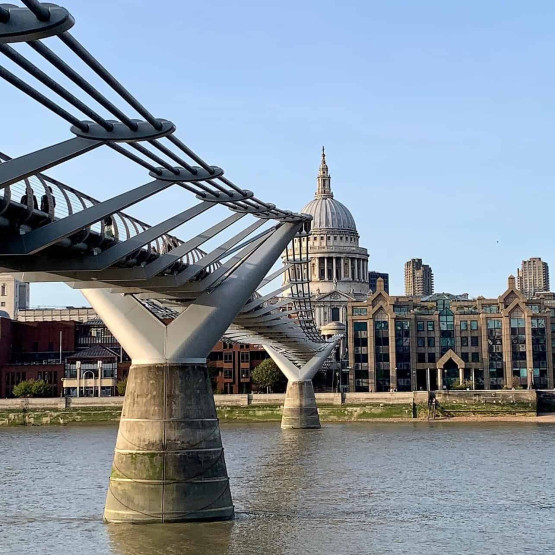
Afterward, follow the Thames Path along the South Bank, where you’ll pass City Hall, The Shard, and the HMS Belfast.
Top tip: Stop by a local café for a flat white as you soak in the scenery – the people-watching is fab!
How to Spend Two Days in London: A Local’s Guide
Lunch: Borough Market
Head to Borough Market for lunch. This place has everything, from authentic street food to posh cheeses and fresh juice. Wander through the stalls, snag some samples, and buy whatever you’re craving.
My personal favorites are: Humble Crumble – a traditional British crumble, but better. You get to choose your fruit base, and they top it with creamy vanilla custard. YUM! And don’t miss Pieminister Pies – a British classic with pies stuffed with everything from steak and ale to veggie options. Perfect for a hearty lunch and you might want to buy one to take with you.
Top tip: Borough Market is open Monday to Saturday, with full market days from 10 am to 5 pm (slightly later on Thursdays and Fridays, closing at 6 pm). Borough Market is closed on Sundays.
Afternoon: Time for some culture at the Tate Modern
Once you’ve finished eating at the market, wander along the Thames to the Tate Modern. The gallery is housed in a former power station, and the modern art exhibitions are free (score!).
Even if art isn’t your cup of tea, the building itself is worth a look, and the view from the top-floor café is fab.
Late Afternoon: Shakespeare and Southbank
You might be getting tired by now, so pop into Shakespeare’s Globe Theatre for a quick visit. You can take a guided tour or just enjoy this fun building from the outside. Then, continue wandering down the Southbank, stopping for a pint at one of the riverside pubs. You’ll see plenty of buskers, street performers, and locals just enjoying the atmosphere.
Top tip: It gets very crowded in the summer, and even though there are plenty of spots right along the Thames,the best pubs are often tucked into side streets a little further back, where you’ll find more locals and fewer tourists.
Evening: Covent Garden and the West End
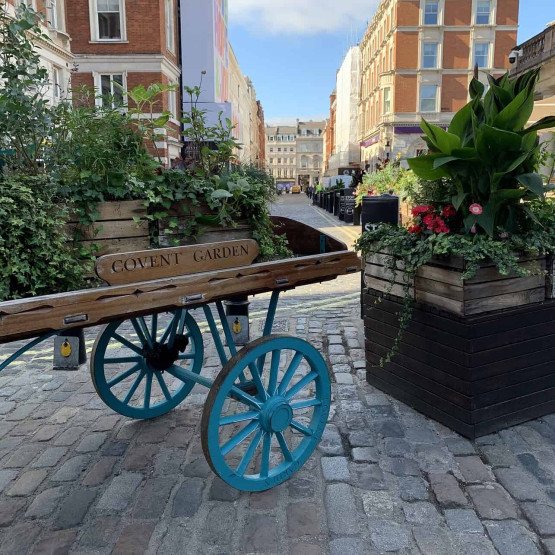
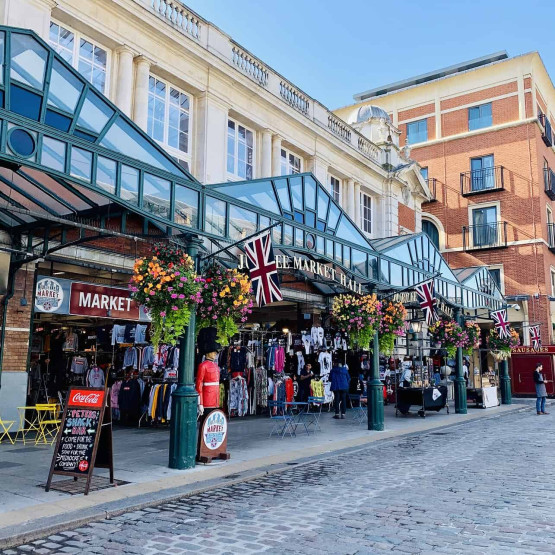
Take the Tube to Covent Garden. In the evening, this area comes alive with street performers, shops, and restaurants. Have a wander around, then treat yourself to a West End show – there’s something quintessentially British visiting the West End while in London.
Top tip: If you haven’t pre-booked tickets, head to the TKTS booth in Leicester Square for discounted tickets to same-day shows. You might even get lucky and find front-row seats to a hit show!
Day 2: Hidden Gems and Iconic Spots in London
Morning: Buckingham Palace and All Things Royal
Start your second day with a bit of royalty. Make your way to Buckingham Palace in the morning to catch the Changing of the Guard ceremony. The pomp and pageantry are quite impressive to witness, even if you’re not a royalist.
Top tip: The Changing of the Guard at Buckingham Palace typically takes place at 11:00 am on Mondays, Wednesdays, Fridays, and Sundays. However, the schedule can vary, especially during the winter months and on special occasions, so it’s a good idea to check the official British Army website or the Buckingham Palace website before you go to confirm the exact days and times. If you plan to see it, aim to arrive early (around 10:15 am) to get a good spot, as it tends to get crowded, especially in peak tourist season!
Once you’ve had your fill of royal watching, cross the street and wander through St. James’s Park – it’s one of my favorite parks in central London, and there are plenty of benches to sit and soak in the surroundings.
Top Tip: Head to Blue Bridge for one of the best views in central London. You’ll enjoy a stunning view of Buckingham Palace in one direction and the London Eye in the other, framed by the park’s beautiful lake. It’s the perfect spot for photos, especially around sunset.
Mid-Morning: Explore Westminster
Next, head towards Westminster. It’s home to Big Ben, the Houses of Parliament, and Westminster Abbey. I recommend booking tickets for the Abbey ahead of time if you want to go inside, as it can get busy. When you leave the Abbey, make your way to Victoria Tower Gardens. You can’t miss the impressive views of the Houses of Parliament and the Thames, with Big Ben just peeking through the skyline.
You’ll see several statues and memorials, each with deep historical meaning, including the Buxton Memorial Fountain, marking the 1834 abolition of slavery, and Rodin’s Burghers of Calais, honoring French citizens who sacrificed themselves during the Hundred Years’ War. The garden also celebrates Emmeline Pankhurst of the suffragette movement, Mahatma Gandhi’s legacy of non-violence, and Nelson Mandela’s anti-apartheid work.
Top tip:You’ll get the best photos of Big Ben, The London Eye and other iconic buildings from Victoria Tower Gardens.
How to Spend Two Days in London: A Local’s Guide
Lunch: Explore Notting Hill
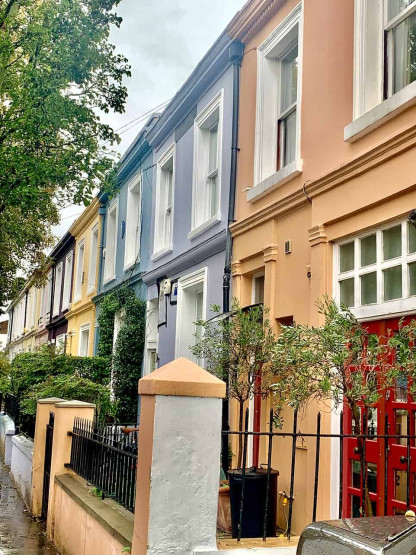
Take the Tube from Westminster to Notting Hill for a lovely change of scenery. This hipster neighborhood is famous for its pastel-colored houses, quirky shops, and Portobello Road Market. It’s the perfect spot to find some vintage treasures in the market and stop for a casual lunch.
Top tip: Head to the food stalls toward the Golborne Road end of Portobello Market. You’ll find an eclectic mix of global street food.
Afternoon: Check out the museums in South Kensington
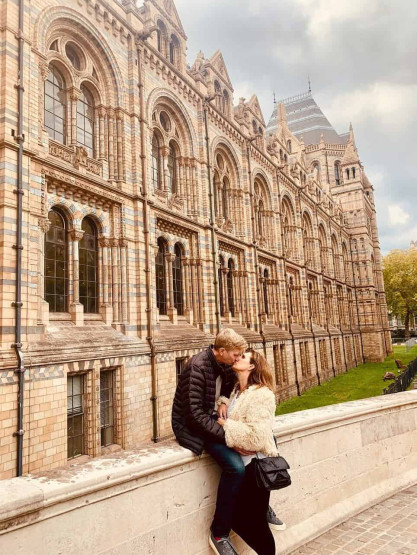
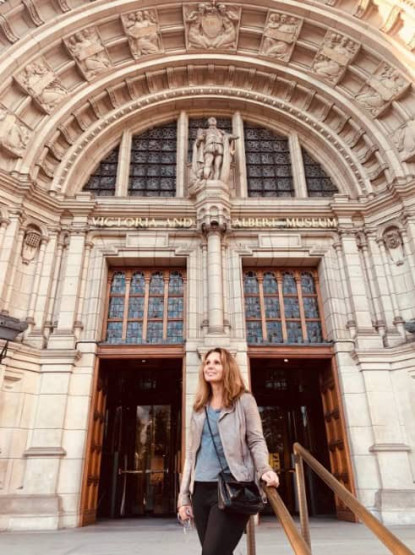
You can’t really spend two days in London without enjoying the many museums there. South Kensington has some of London’s best museums, including the Natural History Museum, the Science Museum, and the V&A.
You could easily spend an entire day here, but with limited time, pick one that piques your interest. All are free to enter, though some exhibits may have a charge.
Top tip: The V&A is my favorite – it’s filled with fashion, art, and history, and it’s rarely super crowded.
Late Afternoon: Visit Harrods
From South Kensington, it’s just a short walk to Harrods, London’s most iconic department store. Harrods is a luxury shoppers paradise, offering everything from designer fashion, cool gadgets, luxury furniture, and fine jewelry, to gourmet food and quirky souvenirs.
Top tip: Don’t miss the food halls, especially the bakery and chocolate sections for a sweet treat or a unique London gift. If you’re visiting during busy times, use the side entrances to avoid the main crowd.
Evening: Dinner in Shoreditch
No trip to London is complete without a visit east to Shoreditch. Known for its edgy street art, ethnic food scene, and trendy cocktail bars, this neighborhood is culturally diverse in the best possible way. For some of the best Indian food in the city, wander over to Brick Lane, where you’ll be spoiled for choice.
And if you’re in the mood for a bit of history with a dark twist, check out one of the Jack the Ripper tours, this area is where he once stalked his victims.
Tip: My personal favourite is Muhib on Brick Lane, for delicious Indian food. Ask for Ali and tell him Sam from California sent you!
How to Spend Two Days in London: A Local’s Guide
London is a city that’s impossible to fully explore in just two days, but if you follow my itinerary, you’ll leave with fantastic memories and a real taste of what makes the city so special. Whether you’re here for the history, the food, or just to wander through its charming streets, London will never disappoint.
If I had more than 48 hours in London? I’d spend the extra time getting lost in the markets of Camden or Hampstead Heath, but that’s a whole other article!
The new starting price is $3,000 less than the previous year
Standard equipment has been increased despite the lower pricing
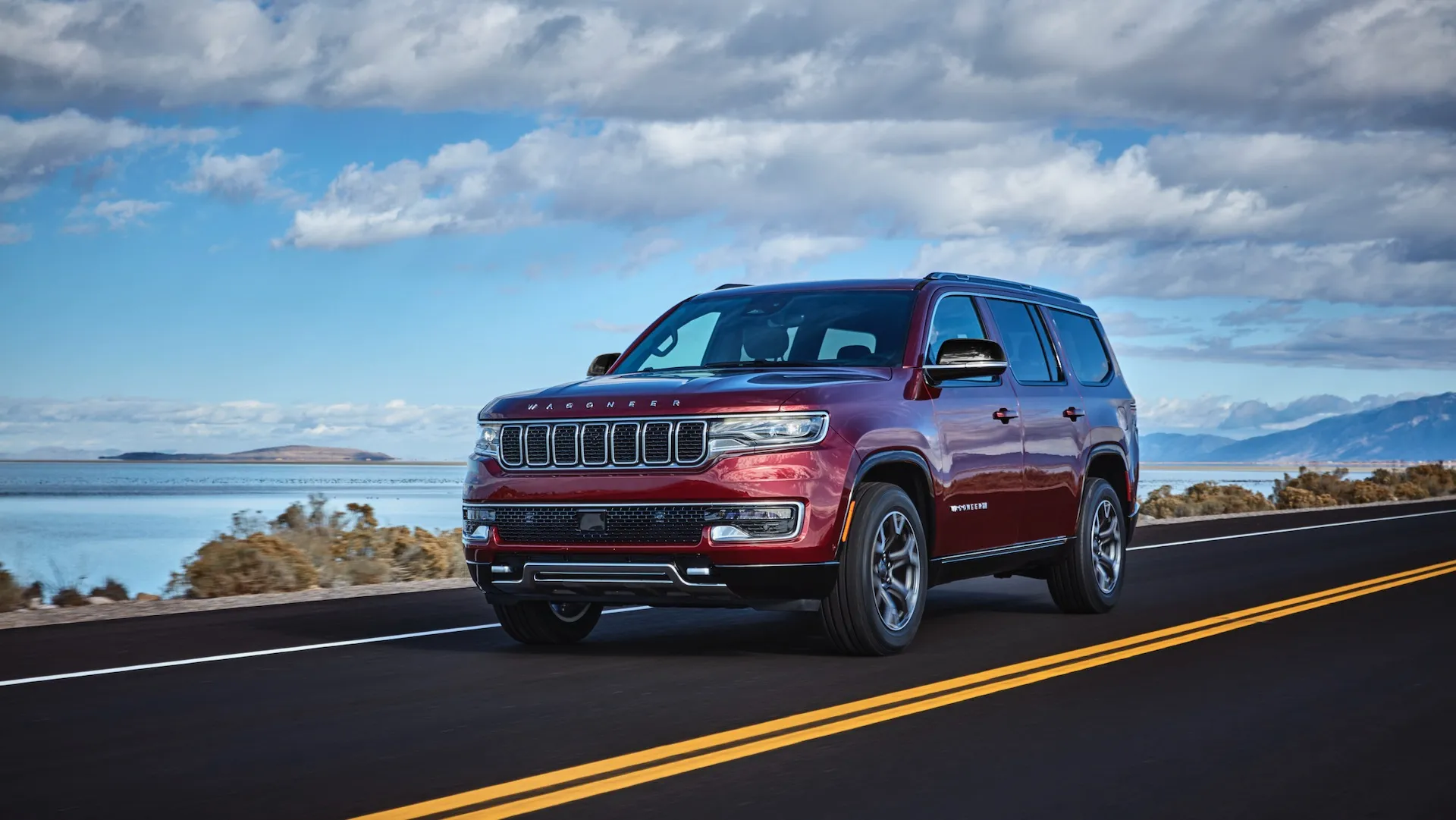
Jeep cut prices on its 2025 Wagoneer and Grand Wagoneer in an effort to boost sales of what is already a strong seller for the brand.
The 2025 Wagoneer duo reach dealerships by the end of the year and Jeep on Monday announced the base Wagoneer will cost $61,945, including a $2,000 destination charge, which is a savings of $3,000 compared to the 2024 model. That’s with rear-wheel drive. Adding four-wheel drive is a $3,000 premium.
2025 Jeep Wagoneer
Buyers after the extra-plush Grand Wagoneer can look forward to even more savings. The base 2025 Grand Wagoneer starts at $86,945, or $7,000 less than the previous year. The Grand Wagoneer comes standard with four-wheel drive.
Both Wagoneer models can be ordered in long-wheelbase L form, with prices starting at $64,945 for the Wagoneer L and $103,945 for the Grand Wagoneer L. Those prices represent savings of $3,000 and $5,495, respectively, compared to the previous year.
2025 Jeep Wagoneer
The new pricing makes the Wagoneer one of the more affordable options in the full-size SUV segment, in line with the 2025 Chevy Tahoe that costs $60,495. The 2025 Ford Expedition costs $63,695.
While most Stellantis brands experienced a drop in sales in the U.S. over the first half of 2024, including Jeep, the Wagoneer and Grand Wagoneer have bucked the trend with sales up 119% and 43% year over year, respectively. The Wagoneer netted 29,865 sales in the first half while the Grand Wagoneer netted 7,555 sales.
2025 Jeep Wagoneer
Even with the reduced pricing, Jeep has increased standard equipment for 2025, adding 20-inch aluminum wheels, adaptive cruise control, and active lane control to the Wagoneer. The Grand Wagoneer now comes with extras like 22-inch wheels, a front passenger digital display, driver drowsiness detection, and intersection collision assist as standard.
The sole powertrain is Stellantis’ twin-turbocharged 3.0-liter inline-6 which is rated at 420 hp in standard form and 540 hp in High-Output form. The High-Output powertrain, which is standard in the Grand Wagoneer, is 30 hp more powerful than the previous year. A previously offered V-8 option was dropped for 2024.
An electrified powertrain will be added late next year, likely for the 2026 Wagoneer lineup. Details haven’t been released, but the powertrain is believed to be a series plug-in hybrid setup similar to the one in the related 2025 Ram 1500 Ramcharger. The setup features an electric powertrain as well as a 3.6-liter V-6 that serves purely as a generator to charge a 92-kwh battery. Though not yet confirmed, a fully electric full-size Wagoneer is expected later this decade. An electric midsize Wagoneer S was just launched for 2024.
Production of the Wagoneer due takes place at Stellantis’ Warren Truck Assembly Plant in Warren, Michigan.
Toyota brought almost a dozen concepts to the 2024 SEMA show
The concepts were based on various SUV, pickup truck, and sports car models
Toyota teased the introduction of Modellista parts in U.S.
Toyota pulled out all the stops for its 2024 SEMA showcase, with the automaker turning up to the Las Vegas show’s opening day on Tuesday with almost a dozen concepts catering to sports car and truck fans.
None of the concepts have been confirmed for production by the automaker. Instead, the main goal is to highlight the personalization possibilities for some of Toyota’s most popular models, particularly with parts already available via Toyota’s own channels, such as TRD in the U.S. and Gazoo Racing and Modellista in other parts of the globe.
Toyota 4Runner TRD Surf concept
Among the concepts already revealed are the open-top 4Runner TRD Surf and Land Cruiser ROX concepts, plus the Tacoma TRD ProRunner Race desert racer and GR86 Rally Legacy sports car.
Other highlights on Toyota’s stand include the Suprabird Tribute, a concept built to honor the career of NASCAR legend Richard Petty. As the name suggests, the car merges the design of Petty’s famous 1969 Superbird with the modern GR Supra. Rather than simply relying on a wrap, the concept was painted in Petty’s signature blue color and features hand-painted examples of his 43 racing number. According to Toyota, the idea was conceived by former “Top Gear USA” host Rutledge Wood, who is today a Toyota brand ambassador and close friend of Petty’s son, Kyle.
Toyota Suprabird Tribute concept
Wood also teamed up with Toyota to turn a 1994 Toyota Pickup into a drift machine. While it certainly stands out with its pink paint job, there’s also no missing the new fiberglass fenders and bed sides which give the impression that the project originally started as an off-road Baja basher. Toyota is light on what other modifications were made, but said the truck features a revamped bed, and a relocated radiator for optimal weight distribution.
For RAV4 fans, Toyota presented the RAV-X concept, a vehicle that turns the humble compact crossover into something that looks like it was meant to compete in the Dakar Rally. The concept features the RAV4’s available 302-hp plug-in hybrid powertrain but with a ram air intake to help boost performance. It also features long-travel suspension with bespoke components that increased the ride height by two inches and the track width by 6.3 seconds. Forged aluminum front lower control arms and forged aluminum rear upper supports were also added to ensure the vehicle can handle rough terrain at speed.
Toyota RAV-X concept
Toyota also presented the Modellista Overland Vision concept, a Land Cruiser with body enhancements designed by body kit specialist Modellista. Toyota said the concept hints at the possibility of introducing Modellista products in the U.S. via Toyota and Lexus’ Associated Accessories Products division.
A final concept worth mentioning is the Ultimate Tailgate Tundra, a concept built to highlight Toyota’s relationship with the NFL as the sport’s Official Automotive Partner. This truck features a custom staging shell with five 55-inch weatherproof outdoor screens, as well as a custom audio system based on the JBL Club Marine Series. It also packs an on-board satellite wifi system and power generator.
Toyota Ultimate Tailgate Tundra concept
Toyota also showcased at the SEMA show a forged aluminum upper control arm kit from TRD, which is designed to fit 2003-2024 4Runners and 2007-2014 FJ Cruisers. The automaker didn’t say when the kit will be available.
The technical storage or access is strictly necessary for the legitimate purpose of enabling the use of a specific service explicitly requested by the subscriber or user, or for the sole purpose of carrying out the transmission of a communication over an electronic communications network.
Preferences
The technical storage or access is necessary for the legitimate purpose of storing preferences that are not requested by the subscriber or user.
Statistics
The technical storage or access that is used exclusively for statistical purposes.The technical storage or access that is used exclusively for anonymous statistical purposes. Without a subpoena, voluntary compliance on the part of your Internet Service Provider, or additional records from a third party, information stored or retrieved for this purpose alone cannot usually be used to identify you.
Marketing
The technical storage or access is required to create user profiles to send advertising, or to track the user on a website or across several websites for similar marketing purposes.