Chinese EV maker Yangwang, a sub-brand of BYD, has registered a new top speed record for electric cars. The brand’s U9 Track Edition clocked 472.41 km/h (294 mph) at the ATP Automotive Testing Papenburg track in Germany.
The record was set by German professional driver Marc Basseng, who was behind the wheel for the previous global EV speed record in 2024. After completing the high-speed test for Yangwang, he said, “Last year, I thought I’d peaked. I never expected to break my own record so soon — but here we are, at the same track, with new technologies that have made it possible.”
The Yangwang U9 Track Edition is based on the e4 platform. It uses a 1200V ultra-high-voltage architecture – a first for a mass-produced car.
The U9 is powered by four electric motors that can run at 30,000 rpm, delivering a peak output of 744 hp per motor. The car has a combined output of just under 3000 hp and a ridiculous power-to-weight ratio of 1205 hp per tonne.
This is a guest post by Raimee Iacofano from Raimeetravel.
Growing up in Michigan, Ludington was THE place to be. Every summer, my family would pack up the car, blast some classic rock (think Tom Petty, Fleetwood Mac, and the occasional Lynyrd Skynyrd singalong), and head west for beach days, lighthouse climbs, and the BEST Superman ice cream you’ll ever have. It was tradition for us each year because my grandparents called Ludington home.
As a kid, it felt like pure magic. Falling asleep to the sound of waves, chasing seagulls barefoot in the sand, and sticky fingers from melting cones that somehow always dripped down to my elbow. Ludington wasn’t just a vacation spot for us, it was a special place to make our family memories!
But then life happened. I grew up. Things changed. I started traveling the world, chasing new coastlines, and eventually moved across the country to California. My summers became less about beach towels and bonfires on Lake Michigan and more about airports, new countries, and ticking places off my bucket list.
And yet, Ludington was always tucked in the back of my mind. No matter how many cliffs I hiked in Ireland, or temples I wandered through in Asia, part of me wanted to come back. To see if it still held the same magic or if I’d outgrown it.
Finally, this summer, I returned for the first time in over a decade. And… WOW. Ludington is even more special now. It’s charming and peaceful, yet absolutely packed with things to do. If you’ve been sleeping on West Michigan (or Michigan in general), this is your official wake-up call.
I thought this trip would be a little nostalgic, maybe a quiet walk down memory lane. Instead, Ludington completely surprised me with rooftop dinners, breweries with fire pits, gorgeous hiking trails, and so many nearby adventures. Honestly, there’s so much here that you could stay for a week and still leave with a list of things for “next time.”
Here’s how I spent my time and everything I’d recommend if you’re planning your own trip to Ludington.
Things to Do in Ludington
1. Beach Days & Lighthouse Treks First stop: Stearns Park Beach. It’s totally free and walkable from downtown, which I love. We set up with a ton of snacks, people-watched, and even played a little shuffleboard (yes, there’s free shuffleboard courts right by the beach!). The sand is soft, the vibe is laid back, and the water is that endless deep blue that makes you forget you’re not at the ocean.
If you’re up early, or willing to stay late, walk the breakwall to the Ludington North Breakwater Light. The lighthouse is stunning during both sunrise and sunset, and each gives the lake a completely different mood. Pro tip: if you head out around 9 a.m., you’ll catch the SS Badger, a historic coal-fired car ferry, making its way across Lake Michigan to Wisconsin. The tradition is to wave goodbye to the passengers onboard, and it feels like stepping into a moment straight out of small-town Americana.
For something more adventurous, head to Ludington State Park. It’s often called the “crown jewel” of Michigan’s state parks—and I get it now. Twenty-five miles of trails wind through forests, dunes, and beaches, with stops at both Lake Michigan and Hamlin Lake. The highlight? Hiking out to Big Sable Point Lighthouse. It’s about two miles each way, but the walk is gorgeous and the payoff is huge: a tall, striped lighthouse from the 1800s standing guard against the waves. It’s the kind of spot that makes you pause and think, “Wow, I can’t believe this is in Michigan.”
2. Museum Time (because I secretly love history) One of my favorite travel quirks is that I always end up in at least one museum—no matter where I go. In Ludington, I found two gems:
Historic White Pine Village: An outdoor museum with over 30 historic buildings, from a one-room schoolhouse to an old-fashioned courthouse. Walking around felt like stepping back into a simpler time, and it gave me a whole new appreciation for Michigan’s roots.
Port of Ludington Maritime Museum: Perfect if you love Great Lakes history, lighthouses, or boats. It’s in a former Coast Guard station and has such a fun mix of interactive exhibits and vintage charm.
Bonus: both spots are super photogenic so bring your camera.
3. Water Adventures & Nature Fix If you’re an outdoorsy person, Ludington is basically paradise. You can rent kayaks at Hamlin Lake for a peaceful paddle, or grab a pontoon boat if you want more of a party-on-the-water vibe. Paddleboards are another fun option—great workout, and you get a totally different perspective of the lake.
Not into water? There’s also mountain biking, disc golf, and plenty of hiking trails. Ludington really is the best of both worlds: small-town charm mixed with endless outdoor adventures.
Where to Eat & Drink in Ludington
I’ll be honest: I wasn’t expecting Ludington’s food scene to be this good. But WOW. From breakfast spots to breweries, I was seriously impressed.
Breakfast & Casual Bites
Café 106: Cozy and cute, perfect for brunch. Their omelets hit the spot after a morning walk.
House of Flavors: The most iconic ice cream shop in town. I grew up eating Superman here, but this trip I discovered Carrot Cake ice cream and let me tell you—it changed my life.
The Sandbox at Stearns Beach: Right by the water, serving gourmet sliders, seasoned fries, and ice cream. Perfect beach & chill food!
Dinner with a View
STIX: Near the state park, with a massive biergarten, live music, and even lawn games. It’s part-restaurant, part-entertainment hub.
Blu Moon Bistro: Adorable rooftop patio with seasonal dishes. This is where I had the best Reuben sandwich of my life (and I don’t say that lightly).
Jamesport Brewing Co. & Ludington Bay Brewing: Two great breweries with outdoor patios—perfect for golden hour.
The Perch on Hamlin Lake: A newer spot perched (literally) on a bluff overlooking the lake. Come for dinner, or just grab cocktails on their lower-level patio. Bonus: you can even arrive by boat.
Something Sweet + Coffee
Kilwin’s: Fudge + chocolates = heaven.
Red Rooster Coffee: Cozy, friendly, with iced lattes that hit the spot after a hot day.
HumaniTea: If you’re a tea drinker, or just need a reset between activities, this place is perfect.
Where to Stay in Ludington
There’s a vibe for every type of traveler here.
Camping: Ludington State Park has beautiful campgrounds that keep you close to nature.
Downtown: Stay at a historic inn, hotel, or B&B for easy access to beaches and restaurants.
Lakefront: For something special, look at Hamlin Lake rentals. I stayed at Sunset Bluff Resort, and it was perfect.
We had a little yellow A-frame house with cozy cabin vibes but all the essentials. The best part? A private fire pit right by the water. Every night, we roasted s’mores, watched cotton candy sunsets, and cracked open local beers from Ludington Bay Brewing. It was the kind of place that instantly melts the stress away and makes you feel like you’re exactly where you’re supposed to be.
Best Local Shops in Ludington
I always carve out time to wander through local shops when I travel—it’s one of the best ways to get a feel for a town. In Ludington, I found some gems along Ludington Avenue and South James Street:
Sexy Nomad: My favorite! A beautifully curated shop with vintage clothing, Moroccan jewelry, ceramics, and handmade treasures. It felt like stepping into a global market—but right here in Michigan.
Sister Bees: Women-owned and full of natural skincare, beeswax products, and Michigan honey. Such a thoughtful place for gifts.
The Windowsill Used & New Books: Cozy, welcoming, and filled with great reads. I picked up a romantasy novel (obviously). The staff was so kind, and it reminded me why I always stop at indie bookstores when I travel.
Coming back to Ludington as an adult was like re-reading a childhood book and discovering new magic between the lines. It felt grounding, nostalgic, and fresh all at once. There’s something powerful about revisiting the places that shaped you and realizing they’re just as beautiful—sometimes even better—than you remembered.
If you’ve never been to West Michigan, or it’s been a while, put Ludington at the top of your list. It’s a small town with a big heart, stunning landscapes, and a community that makes you feel right at home.
Trust me! I’m already planning my next trip back. And maybe, just maybe, it’ll become a tradition again.
Raimee Iacofano grew up in Michigan. Eight years ago, she set off to travel the world and has worked helping creators improve their social media (she even worked for me for a few years). She’s since started her own enterprise helping people travel smarter and off the beaten path. When she’s not roaming the world, she lives in LA. Follow her amazing videos on Instagram and TikTok and download her free guides on her website, Raimeetravel.
Book Your Trip: Logistical Tips and Tricks
Book Your Flight Find a cheap flight by using Skyscanner. It’s my favorite search engine because it searches websites and airlines around the globe so you always know no stone is being left unturned.
Book Your Accommodation You can book your hostel with Hostelworld. If you want to stay somewhere other than a hostel, use Booking.com as it consistently returns the cheapest rates for guesthouses and hotels.
Don’t Forget Travel Insurance Travel insurance will protect you against illness, injury, theft, and cancellations. It’s comprehensive protection in case anything goes wrong. I never go on a trip without it as I’ve had to use it many times in the past. My favorite companies that offer the best service and value are:
Want to Travel for Free? Travel credit cards allow you to earn points that can be redeemed for free flights and accommodation — all without any extra spending. Check out my guide to picking the right card and my current favorites to get started and see the latest best deals.
Need a Rental Car? Discover Cars is a budget-friendly international car rental website. No matter where you’re headed, they’ll be able to find the best — and cheapest — rental for your trip!
Need Help Finding Activities for Your Trip? Get Your Guide is a huge online marketplace where you can find cool walking tours, fun excursions, skip-the-line tickets, private guides, and more.
Ready to Book Your Trip? Check out my resource page for the best companies to use when you travel. I list all the ones I use when I travel. They are the best in class and you can’t go wrong using them on your trip.
Elk & Embers is a new mountain retreat in Waynesville, North Carolina, offering luxury safari tents, rustic log cabins, and a tree house; the resort is just 40 miles west of Asheville.
The accommodations include modern comforts like soaking tubs, outdoor showers, and patios overlooking the mountains.
The resort’s concierge team can help arrange activities such as fly fishing and white water rafting.
Elk & Embers, a new retreat in Waynesville, North Carolina, opened in April at the heart of the Great Smoky Mountains.
The 108-acre property is home to luxury safari tents, rustic log cabins, and a tree house—all with soaking tubs, outdoor showers, mini bars stocked with local beer, wine, and cocktails, and complimentary breakfast.
Each accommodation is further customized with special touches, like a wood-burning fireplace or electric stove. The Tanager Tent, for example, is outfitted with an outdoor swing overlooking mountain vistas, while the Goldfinch, Tanager, and Nuthatch tents have personal firepits for keeping warm while stargazing. The Creekside Cabin, originally built in 1872 and carefully reconstructed using the same hand-hewn logs, sits alongside a secluded creek with an indoor/outdoor rain shower and an oversized tub with forest views.
For those seeking the ultimate mountain escape, the 400-square-foot Hemlock Treehouse is suspended among pine and birch trees with unparalleled views from every angle, including the deck, the king-sized bed, and the outdoor shower.
“Elk & Embers was born from a simple dream: To create a place where people can slow down, reconnect with nature, and feel the quiet magic of the mountains,” says Susan McLean, who founded the resort with her friend Kristina McLean.
Aerial view of a glamping tent at Elk & Embers.
Elk & Embers
“Kristina and I have been traveling here for decades with our families, and our ancestries can be traced back to North Carolina and Tennessee. We wanted to build more than a resort; Elk & Embers is a retreat where every sunrise, every firelit evening, and every shared moment becomes part of the story our guests take home with them.”
The resort’s prime location in the Great Smoky Mountains puts countless outdoor adventures within easy reach, from hiking to white water rafting and fly fishing. A dedicated concierge team can help arrange activities, and the resort will even deliver a packaged lunch to take along on your outing, also included in the rate.
Scenic views from the outdoor swing at the Tanager Tent.
Elk & Embers
While Elk & Embers doesn’t have a restaurant, complimentary take-and-bake pizzas and ice cream are available at the Market Shed, situated at the heart of the resort. There, guests can also find a communal firepit and lawn games like cornhole.
Sandro Sartini designed Pershing’s futuristic-looking Mondolfo facility
This year marks four decades since Pershing was founded in 1985 and it’s a landmark that marks the evolution of a brand synonymous with speed, style and luxury, as evidenced in the brand’s recent 40th-anniversary celebrations in Capri.
Actually, the Pershing story started in the early 1980s when Tilli Antonelli, Fausto Filippetti and Giuliano Onori founded Cantiere Navale dell’Adriatico in a small shed in Mondolfo, a slightly inland town on Italy’s Adriatic coast that’s better known for farming and wine than high-tech yacht production.
Cantiere Navale dell’Adriatico was founded in 1981
Focused initially on sailing boats and refits, the shipyard’s breakthrough came in 1985 when its founders began working with Italian designer Fulvio De Simoni on a line of powerboats they called ‘Pershing’. Yes, that’s Pershing as in the US Army’s former nuclear-capable ballistic missile, named after General John J Pershing. The brand implies performance, power and cutting-edge technology.
“Pershing boats have never been classic or conservative, that’s not their target,” says De Simoni, who has designed most Pershing yachts over the past four decades. “They are fast and aggressive, and are created for people who want to stand out from the crowd in what they do and what they own.”
The Pershing 45 debuted in 1985
Pershing yacht owners agree. Edi Orioli, who owns a Pershing 70, says: “Pershing makes you feel like a star, even when you’re alone, anchored in a bay. It has a sporty spirit, but at the same time is comfortable and safe.”
Michele Giacometti, owner of a Pershing 9X, adds: “Pershing isn’t just a brand. It’s a status symbol, a synonym of design, elegance, sportiness and attention to detail, as well as pure adrenaline for lovers of speed.”
Current models in Capri for Pershing’s 40th-anniversary celebrations
Today, Pershing’s X and GTX ranges are built in GRP at the brand’s 84,500sqm Mondolfo shipyard, which opened in 2004 and is located just a stone’s throw from where the brand began building over four decades ago.
Designed by architect Sandro Sartini, the shipyard includes a glass-fronted office building, four construction sheds, two painting booths and an 8m-wide test pool, which is big enough to fit the GTX116. Highlights of the office building include internal access to a suspended walkway that offers a dramatic internal view over one of the sheds.
The current facility’s spectacular glass-fronted offices
A total of 27 work stations are used to build as many yachts in parallel and the shipyard can handle highly specialised processes such as PPG-certified dry painting, which gives Pershing yachts a level of finish comparable to luxury cars. The test pool is then used to ensure maximum reliability before yachts are put on a truck and transported to Fano, 20km northwest up the coast, where the yachts are launched in the water.
GAME CHANGERS
De Simoni’s first design for Antonelli, Filippetti and Onori was the Pershing 45. With the speed of a powerboat combined with comfortable and spacious interiors, this boat marked the beginning of the Pershing era. Its success put a spotlight on a brand that was quickly becoming synonymous with innovation, performance and design.
The Pershing 70 was among 1990s models
Since the unveiling of the Pershing 45 in 1985, the shipyard has continuously introduced game-changing technologies that enhance safety, comfort and performance. The Pershing 54 and 70 models were created in the 1990s, while the early 2000s saw the launch of the first Pershing 88, the 72 and the 50.
Pershing is a world leader in using surface-piercing propeller systems for recreational boats and has been using waterjets with gas turbine propulsion since the first Pershing 115 was launched in 2004. The model was the shipyard’s first 30m-plus yacht and had a sleek, aggressive and aerodynamic profile.
The Pershing 115 was launched in 2004
Power was provided by twin 3,700hp MTU 16V4000 engines and Kamewa waterjets that pushed the 115 up to 41 knots, while the addition of the optional 5,100hp Textron Lycoming turbine enabled the 189GT yacht to top 55 knots.
The Pershing 108 launched in 2011 offered truly fasten-your-seatbelts speed due to the combo of three engines and three surface-piercing propellers, with the performance enhanced by construction solutions that optimised weight, seakeeping and cruising comfort.
The Pershing 108 debuted in 2011
Pershing innovations have also extended to design and on-board technology. From the outset the brand has blended aesthetics and functionality with solutions that have since become industry standards, such as the hydraulic gangway first used on the Pershing 45 and the concealed sliding glass door pioneered on the Pershing 72. Both innovations were developed in partnership with Besenzoni.
Design-wise, Pershing introduced sleek, sporty shapes with features such as the pillar-free windscreen and the ‘Pershing wing’ introduced on the Pershing 70 (2014 version).
Owner’s suite on the new Pershing GTX70
The yachts’ interiors are spacious, light-filled and carefully crafted thanks to collaborations with top brands including Poltrona Frau, which is also based in the Marche region and has been a partner of Pershing since working on the Pershing 72 – the company’s first yacht project – unveiled in 2007.
In terms of ownership, Pershing became part of the Ferretti Group in 1998 and in 2012 the arrival of the Weichai Group strengthened the brand’s appeal in Asia, America and Europe. Through it all, Pershing has continued to work with De Simoni and to anticipate trends to meet the expectations of the most demanding owners in terms of performance, design and luxury.
MODERN GENERATION
Pershing’s current production models are led by the X and GTX series. The ‘X Generation’ includes the 5X, 6X, 7X, 8X and 9X models, where the use of ultra-lightweight materials and integrated control systems meet sleek lines.
Pershing 7X from the ‘X Generation’
The newer GTX ‘sport utility’ series includes the GTX116 (2023), GTX80 (2024) and GTX70 (2025) models that offer comfort and liveability without compromising on Pershing’s style and performance.
However, the brand’s biggest yacht to date is the Pershing 140, which is built at the Ferretti Group Superyacht Yard in Ancona, about 35km southeast down the coast. Packing four engines, the 140 is the brand’s first yacht to be built in aluminium.
An Asian owner ordered the first Pershing 140’
The first hull in this series, Chorusline, was bought by an Asian owner and handed over in 2019. Output has since been steady, with the Ancona shipyard currently completing hull five of this technological marvel.
Pershing has created a spectacular story to date, yet a key part of its evolution has been its yacht owners. Franco Uzzeni has had multiple Pershing yachts and is currently among the privileged few to
own a flagship 140. “For many years, Pershing has been a life journey for us,” he says.
The Pershing GTX116 is the flagship of the new ‘sport utility yacht’ series
“We started with a 54, then an 88, followed by the 115, which we kept for over 10 years. For the last four years, we’ve had a wonderful 140. I used to race cars as a hobby, so in boats I’ve always looked for comfort combined with excellent performance.”
Much as its yachts stand out from the crowd for their looks and performance, Pershing stands out – and has stood out for four decades now – for its bold vision and openness to innovation. This is a brand that’s celebrating being 40 years young, not 40 years old.
For more information Visit, pershing-yacht.com, ferrettigroupasiapacific.com
This article was first seen on YACHT STYLE.
For more on the latest in luxury yachting reads, click here.
Recent years have seen Malaysian contemporary art gain new visibility internationally. Across biennales, gallery exhibitions and museum collections, Malaysian artists are gaining recognition for work that is rooted in local and regional experiences while also being relevant to art lovers abroad. Take Haffendi Anuar, for instance, who transforms the domestic kain pelikat into sculptural forms that reflect trade, migration and post-colonial memory. Chang Yoong Chia reimagines everyday materials to probe politics, religion and cultural identity. Nadiah Bamadhaj blends folklore and architecture to question power and gender.
By drawing on local traditions while speaking to global debates, these artists highlight the complexity of Malaysian identity in a rapidly changing world. Collectively, these artists demonstrate how Malaysian perspectives — from textiles and buildings to personal histories — are shaping global conversations about belonging and heritage.
Haffendi Anuar
Haffendi Anuar works across sculpture, painting and installation. His practice explores how history, architecture and material culture shape contemporary Malaysian identity. A recurring motif in his work is the kain pelikat — a chequered cotton fabric commonly worn at home — which he transforms into sculptural forms. In doing so, he connects a familiar domestic textile to wider stories of trade, migration and post-colonial memory.
Another strand of his work draws from the architecture of traditional stilted houses. For his major public commission at Battersea Power Station in London, he reinterpreted this building style at a monumental scale — translating Southeast Asian heritage into the language of global urbanism. This ability to move between the local and the international is central to Haffendi’s practice.
His work has been shown across Asia, Europe and the United States, positioning him as one of the most recognisable Malaysian artists of his generation. Yet even as his career expands internationally, he continues to return to the textures, stories and symbols of Malaysia. In doing so, he demonstrates how a deeply local perspective can open onto global conversations about belonging and cultural continuity.
Chang Yoong Chia has built a practice that reflects on Malaysian identity through the inventive use of everyday materials. Trained as a painter, he extends this foundation into embroidery, collage and unconventional mediums such as plant remains and household objects — transforming them into works that address politics, religion, alongside themes of nature and cultural memory. The meticulous labour embedded in his process adds weight to his explorations of history and belonging, often reframing ordinary objects into symbolic carriers of meaning.
A founding member of the artist-run initiative Spacekraft, he has also engaged in community projects — highlighting art’s role in public life. His works have been presented at major exhibitions including the Fukuoka Asian Art Triennale, Musée d’Art Contemporain de Lyon and Yokohama Museum of Art, and are held in collections across Asia. In 2018, the National Art Gallery in Kuala Lumpur staged a mid-career survey of his work, cementing his significance in Malaysia’s contemporary art scene while underscoring how local narratives can speak to broader global conversations.
Nadiah Bamadhaj trained as a sculptor in New Zealand before moving to Yogyakarta, Indonesia, where she now lives and works. Her practice spans collage, drawing, installation, sculpture and video editing, often using myth, folklore and architectural forms to question structures of power and gender. While much of her recent work reflects on Indonesian society, her early grounding in Malaysia continues to shape her perspective — particularly through an interest in how personal and national histories intersect.
She has exhibited widely across Asia and internationally, including the Asia Pacific Triennial in Brisbane, the Jakarta Biennale and the Sharjah Biennale and her works are held in major regional collections. Alongside her artistic career, she has also written on human rights in Malaysia and Indonesia — underscoring her commitment to linking cultural expression with broader social issues. Bamadhaj’s trajectory reflects how Malaysian-born artists extend the country’s cultural identity beyond its borders, contributing to global debates while remaining rooted in questions of community and belonging.
Sharon Chin — born in 1980 in Petaling Jaya — is an artist and activist whose work spans painting, installation, performance and illustration. Now based in Port Dickson, she is recognised for addressing environmental and political issues through projects that often involve collaboration with local communities, making art part of everyday life rather than confining it to galleries. She has been actively involved in Malaysian civil society, designing costumes, banners and performances during protests and elections that drew attention to issues of democracy and freedom of expression.
Her floral motifs for “Creatures of Near Kingdoms” — later adapted into textiles with local screen-printers — highlight her interest in how shared stories and visual culture shape collective memory. Chin has exhibited widely — including at the Singapore Biennale and Asia Pacific Triennial — and her works are represented in major regional collections. By placing Malaysian narratives — whether ecological concerns, social critique or re-imaginings of folklore — at the centre of her practice, she has developed a body of work that is rooted in local realities that also resonate with global conversations on art and activism.
Known for his installations, paintings and mixed media works that probe the relationship between history, politics and culture, Zulkifli Yusoff has built a career marked by both acclaim and controversy. Since first gaining recognition in the late 1980s with installations that addressed power, corruption and Malay identity, he has consistently used art as a way to unpack Malaysia’s layered past. His practice often draws on historical texts, colonial records and traditional motifs, reworking them in ways that highlight how narratives of nationhood are shaped and remembered.
Works such as “Don’t Play During Maghrib” — shown at the Venice Biennale — and his “Malay Sketches” series demonstrate his interest in juxtaposing archival material with pop-inflected imagery, creating a visual language that bridges past and present. By placing figures like J.W.W. Birch or symbols — such as the keris and ketupat within contemporary contexts — Zulkifli makes visible the tensions between heritage and modern life. His work resonates globally yet remains rooted in the Malaysian experience, positioning him as a leading figure in articulating the complexities of cultural identity through art.
Known for his ability to combine painterly skill with installations, sculpture and video that probe the intersections of politics, history and identity, Ahmad Fuad Osman is one of Malaysia’s most prominent contemporary artists and for good reason. A founding member of the influential Matahati collective, Fuad emerged in the 1990s as part of a generation of artists determined to challenge official narratives of nationhood and culture in post-1969 Malaysia. His works often draw attention to how memory and history are constructed, whether through monumental paintings, politically charged installations or projects such as the “Enrique de Malacca Memorial Project”, which revisited overlooked figures in global history through a distinctly Malaysian lens.
Ahmad Fuad Osman’s Fatamorgana 3: The Spotlight Obsession
Known for his sharp wit and satirical edge, Ahmad Fuad has long been considered one of Malaysia’s more provocative contemporary artists. In “Recollections of Long Lost Memories”, he digitally superimposes modern figures onto archival photographs to challenge official narratives and expose the subjectivity of memory. The first painting in the series exemplifies this approach: a coloured figure stares down Malaysia’s first Prime Minister with a mocking expression, a gesture that reinforces Fuad’s critique of how history is constructed, distorted and selectively remembered.
While his practice has been exhibited internationally — from Documenta to the Singapore Biennale — Fuad’s art is always grounded in the realities of Malaysian life, reflecting the tensions between ethnicity, religion and power that shape its society. By questioning accepted truths and pushing against restrictive labels, he positions Malaysian culture not as a fixed identity but as a dynamic space of contestation and dialogue. In doing so, Fuad has become a crucial voice in framing how Malaysia is seen within the wider conversations of Southeast Asian and global contemporary art.
Muar-born Shooshie Sulaiman is recognised as one of Southeast Asia’s most consequential contemporary artists, her creative approach rooted firmly in Malaysian identity. Educated in fine art at UiTM, she works across drawings, installations and performance, often using natural materials — including soil, water and local flora — as a means to question how place, memory and national identity intersect. Her “Malay Mawar” project, for instance, involved grafting a rose from her mother’s grave in Johor onto a French rose, creating a living artwork that symbolises cultural reconnection and geographic convergence.
Her installations and performances frequently collapse the boundaries between the personal and the political, the domestic and the monumental. In projects such as “Kedai Runcit Shooshie Sulaiman”, she recreated a kampung-style provision shop as a site for dialogue and exchange, questioning how history is written and who controls its narratives. Similarly, her “Malaysian Landscape” series uses soil and architectural motifs to ask how colonial and postcolonial frameworks shape the way we inhabit space.
Presented internationally — from Documenta 12 to the Gwangju and Singapore Biennales — her work consistently challenges conventional curatorial norms by centring the personal and communal within a Malaysian framework, forging an identity that resonates globally while remaining deeply local.
Anniketyni Madian is celebrated for her ability to weave heritage into modern expression. A Sarawakian sculptor, she draws inspiration from “Pua Kumbu”, the sacred Iban textile traditionally woven by women for ceremonies and rituals. By reinterpreting these intricate motifs into abstract wooden forms, she creates works that are simultaneously architectural and organic, embodying both memory and reinvention. Anniketyni’s sculptures reframe tradition as a living, evolving force, carrying Sarawakian identity into new and unexpected contexts. Her practice bridges the ancestral and the modern, ensuring cultural memory remains alive while speaking to a wider global audience.
Her works have travelled far beyond Malaysia, with residencies and exhibitions in Asia, the Middle East and Europe, placing indigenous narratives in dialogue with global artistic currents. Yet at their core, her sculptures remain deeply rooted in cultural continuity, asking how heritage can adapt and survive in an era of rapid change. Through her unmistakable visual language, Anniketyni has successfully positioned Malaysian identity within the larger global art conversation.
Processed with VSCOcam with m3 preset
Anniketyni’s sculptures are increasingly recognised both in Malaysia and abroad — she has exhibited across Asia, the Middle East and Europe. Her work has earned regional distinctions such as the Women of the Future Award Southeast Asia. By reworking ancestral motifs into contemporary forms, her sculptures play a part in preserving local heritage and affirming Malaysia’s cultural identity in global art discourse.
Picture this: You’re celebrating a milestone birthday, planning the perfect proposal, or commemorating a special anniversary. Instead of cramming into a generic hotel room with thin walls and crowded pools, imagine having an entire luxury villa to yourself. This would include a private pool, breathtaking views, and space that feels like your own personal paradise.
That’s exactly what luxury villas Miami offer, and once you experience this level of celebration, you’ll never go back to ordinary.
Why Smart Celebrants Choose Villas Over Hotels (Spoiler: It’s About So Much More Than Space)
Let’s be honest, hotels have their place, but they come with baggage. Literally and figuratively. You’re sharing pool space with strangers, dealing with paper-thin walls, paying premium prices for mediocre room service, and trying to create magical moments in a space that feels… well, like everyone else’s.
When you choose a villa, you’re not just booking accommodation – you’re securing your own private resort. Think expansive living areas, pristine pools you don’t have to share, gourmet kitchens perfect for intimate dinners, and outdoor spaces that make every photo look like a magazine spread.
Here’s the surprising part: when you’re traveling with a group or planning an extended celebration, villas often cost less per person than booking multiple hotel rooms. Better experience, more privacy, and often better value? That’s what we call a win-win-win.
Your Villa Selection Checklist: Finding Your Perfect Match
Before you fall in love with the first gorgeous property you see, let’s make sure it’s the one:
Space & Layout: Count heads, not just bedrooms. Will you need three bedrooms or six? Consider common areas too, as celebrations need room to breathe.
Atmosphere & Style: Are you dreaming of sleek, modern luxury or tropical, laid-back vibes? Miami delivers both in spades.
The Pool Factor: Non-negotiable for any proper celebration. Look for pools with personality, like infinity edges, integrated spas, or stunning backdrops.
Location Strategy: Beach access or secluded privacy? Vibrant South Beach energy or peaceful residential elegance?
Luxury Amenities: Think beyond basics. Outdoor kitchens, entertainment systems, boat docks, or home theaters can transform good celebrations into legendary ones.
Important: Make sure that you are allowed to host a party at your chosen accommodation. Some places strictly prohibit this. I just came back from a wedding where we had a decibel meter attached to the wall and were not allowed to exceed 90 decibels after 10 p.m. We only found out about that on arrival. This could be a problem for some people looking to have a good night out.
Now, let’s explore some properties that nail every single one of these criteria.
Villa Spotlight: Four Properties That Redefine Celebration
The Nicola Villa: Where Every Angle is Instagram Gold
If your celebration revolves around capturing picture-perfect moments, The Nicola Villa is your dream destination. This architectural masterpiece practically glows with natural light, creating an effortless elegance that makes everyone look like they belong in a luxury magazine.
The design is crisp, contemporary, and undeniably photogenic – think clean lines, soaring ceilings, and seamless indoor-outdoor flow. The pool area alone could serve as a professional photo shoot location, while the sophisticated interiors provide the perfect backdrop for intimate celebrations.
Perfect for: Engagement parties, milestone birthdays, brand launches, or any celebration where memories need to look as good as they feel.
Nicola Villa in Miami, USA.
The Regina Villa: Luxury That Feels Like Home (If Home Were a Five-Star Resort)
Some celebrations call for glamour with heart, and The Regina Villa delivers exactly that. This property masterfully combines high-end luxury with genuine warmth. This is the kind of place where multiple generations can gather comfortably without anyone feeling out of place.
The outdoor spaces are particularly special: expansive entertaining areas, poolside cabanas that invite long conversations, and gardens that provide natural beauty without pretense. Inside, you’ll find multiple gathering spaces that encourage both intimate conversations and larger group celebrations.
Perfect for: Family reunions, anniversary celebrations, retirement parties, or sophisticated brunches with your favorite people.
The Glacé Villa: Minimalist Elegance That Takes Your Breath Away
When you want to make a statement without saying a word, The Glacé Villa speaks volumes. This ultra-modern masterpiece features floor-to-ceiling windows that frame Miami’s beauty like living artwork, while the interior design proves that sometimes less really is more.
The property’s clean, sculptural lines create an atmosphere of refined sophistication, while the waterfront setting adds natural drama to every moment. It’s the kind of place that elevates any gathering simply by existing.
Perfect for: Corporate events, sophisticated dinner parties, art-focused celebrations, or intimate gatherings where the setting itself is part of the experience.
The Aqua Villa: Your Private Island Paradise
For water lovers and party enthusiasts, The Aqua Villa is pure magic. This property doesn’t just offer pool access, it provides a complete aquatic experience that makes every day feel like a luxury resort vacation.
The expansive pool area features multiple lounging zones, while the dock access opens up possibilities for boat charters or waterside dining. The seamless connection between indoor and outdoor spaces means your celebration can flow naturally from sunrise mimosas to starlit dancing.
Perfect for: Pool parties, yacht charter celebrations, tropical-themed events, or any gathering where water activities are part of the fun.
Insider Tips for Villa Celebration Success
Book Like a Pro
Peak season in Miami (winter and spring break) fills up fast – seriously fast. If you’ve found your dream villa, don’t wait. Properties this special get snatched up quickly.
Leverage Concierge Services
Many villa companies, including Nightfall Group, offer additional services that can transform your stay from great to extraordinary. Private chefs, transportation, yacht rentals, event planning. Just ask about the extras that can eliminate stress and amplify joy.
Size It Right
Here’s a mistake we see often: underestimating space needs to save money, then feeling cramped during your celebration. Choose a villa sized for comfort, not just accommodation. Your future self will thank you.
Stock Smart
Plan your first-night essentials before arrival. Having snacks, beverages, and breakfast ingredients waiting means you can start relaxing the moment you walk through the door.
More Than Accommodation: You’re Investing in Memories
When you book one of these villas in Miami Florida, you’re not just securing a place to sleep – you’re creating the stage for some of life’s best moments. Whether it’s dancing barefoot by your private pool at midnight, toasting your best friend’s engagement with an unbeatable backdrop, or simply enjoying morning coffee with a view that stops conversation mid-sentence, these properties are designed for moments that matter.
The best part? You don’t need celebrity status to enjoy them. These villas exist for anyone ready to elevate their celebrations and create memories worthy of the occasion.
The Miami Difference: Where Every Celebration Feels Extraordinary
Miami has always been a city that celebrates life boldly and beautifully. It’s energetic yet relaxed, sophisticated yet approachable. It’s the perfect reflection of how great celebrations should feel. When you stay in one of these carefully selected villas in Miami Florida, you get the best of both worlds: the city’s vibrant energy and your own private sanctuary.
Each property, whether it’s the photogenic perfection of Nicola Villa, the warm sophistication of Regina, the breathtaking minimalism of Glacé, or the aquatic paradise of Aqua, offers something unique for your special moment.
So when your next big occasion arrives, don’t just celebrate it. Elevate it. 😏
Frequently Asked Questions
Q: What makes Miami villas ideal for private celebrations?
A: Miami’s luxury villas like The Nicola Villa, The Glacé, and The Aqua Villa offer unparalleled privacy, expansive entertainment spaces, private pools, and resort-level amenities. Unlike hotels, you get exclusive access to every feature, creating intimate celebration experiences impossible to replicate elsewhere.
Q: Are luxury villas more cost-effective than premium hotels for special occasions?
A: Absolutely. When celebrating with groups, luxury Miami villas often provide better value than booking multiple hotel rooms. You gain significantly more space, privacy, premium amenities, and the ability to customize your entire experience – all while often spending less per person.
Q: How do I choose the right villa for group celebrations in Miami?
A: Focus on bedroom count, outdoor entertainment space, pool features, kitchen facilities, and location preferences. Properties like The Regina or Glacé are specifically designed for group gatherings, offering multiple entertainment zones and seamless indoor-outdoor living perfect for memorable celebrations.
I’m sure you’ve had similar experiences I had whilst traveling. You’re in a certain place and a fellow traveler, or a local, tip you off on a little-known beach, bar or accommodation. Great travel tips from other travelers or locals always add something special to our travels. That was the inspiration for Travel Dudes.
I’m sure you’ve had similar experiences I had whilst traveling. You’re in a certain place and a fellow traveler, or a local, tip you off on a little-known beach, bar or accommodation. Great travel tips from other travelers or locals always add something special to our travels. That was the inspiration for Travel Dudes.
Kansai International Airport is your gateway to one of the most wonderful regions of Japan, including Kansai’s most energetic and delicious city — Osaka. But how do you get to Osaka’s city center from here?
So, let’s say you’ve just arrived at the airport. your legs are numb, your brain is running on airplane meals, and now you’ve got one mission — get to Osaka’s city center without a hitch and without accidentally ending up in, say, Kobe or Wakayama.
But hey, you’ve got options — albeit a little too many. So many, it can get really overwhelming and confusing sometimes, especially for first timers. You got train, bus, taxi, and private transfer — each with its own pros and cons. Should you take the super-efficient train? The super-chill airport bus? Or just throw your luggage in a taxi and worry about expenses later? Spoiler alert: Not the taxi. It’s way too expensive, we’re not even gonna discuss it here. We’ll be focusing on just the train and the bus.
Just right in front of Terminal 1 is the Kansai Airport Train Station, which serves two railway companies: JR and Nankai. And you’ll also find buses close to the Arrival Hall.
First, let’s break it down. Osaka’s city center is roughly an hour to an hour-and-a-half away from Kansai Airport. But where in the city center are you going? There are three areas in particular that we think are most ideal for tourists, especially first-timers in the city: Namba, Umeda, and the area surrounding Shin-Osaka Station.
Kansai Airport to Namba
The Namba District refers to the bustling area that straddles the border of Naniwa Ward and Chuo Ward. “Chuo” means center or middle in Japanese, but think of Namba as the southern counterpart of Umeda. It is here that you’ll find two places that I bet, if you’re the one planning the trip, you have heard of or read about before: Dotonbori and Shinsaibashi.
These two districts are attractions on their own. These areas are always lively, crowded, and full of energy. They lie next to and are within walking distance of each other.
By Train
Nankai has a direct train line to Namba and they operate two main types of trains: the Nankai Airport Express and the Nankai Limited Express Rapi:t (Rapit).
NANKAI AIRPORT EXPRESS
The Nankai Airport Express is the regular train. It’s cheaper but also 10 minutes slower. But it’s not complicated at all. Just board the train and find a seat. No seat reservation needed. But on super peak hours, you might end up standing through the entire journey.
Travel Time: About 45 minutes Fare: ¥970 (P375)
NANKAI LIMITED EXPRESS RAPI:T
The other Nankai train that can take you straight to Namba is the Nankai Limited Express RAPI:T. It’s called RAPIT but stylized as RAPI:T. It’s faster, more convenient, more high end. It’s easy to identify too. It’s glaringly blue, and it kind of looks like it has arrived from the future. If you prefer this upscale train instead, know that you’ll also need to settle an additional seat fee, which costs ¥520.
Both these trains can take you directly to Namba Station and are covered by the Kansai Railway Pass (formerly known as Kansai Thru Pass), which works on most NON-JR Trains in Osaka and the region. This is different from the JR Kansai Area Pass. But unlike the JR counterpart, this pass can be used on non-consecutive days, making it more flexible.
Note that while the Kansai Railway Pass can be used on the Limited Express RAPI:T, the 520-yen seat or reservation fee is not covered.
By the way, if you’re interested in the Kansai Railway Pass, you can book with Klook. You can use our promo code THEPOORTRAVELERKLOOK for 5% OFF, capped at P300 pesos. You can also redeem discount vouchers at www.thepoortraveler.net/300discount and www.thepoortraveler.net/500discount
If you’d rather take the bus to Namba, find one that will take you to the Osaka City Air Terminal (OCAT), which is Namba’s main bus terminal. When you arrive at the airport, proceed to the counter for OCAT Airport bus located at the Arrival Hall of Terminal 1.
It usually takes about an hour, sometimes longer, depending on traffic condition. You’ll find the schedule here.
Travel Time: About 1 hour Trip Schedule: First Trip, 6:10 AM; Last trip, 10:40 PM Fare: ¥1300 (P503)
Where to Stay in Namba
If you are still looking for hotels in Osaka, especially around the Namba area, here are some of the top-rated accommodations reviewed by travelers online.
🔥🔥🔥 Use AGODATPT for 10% off on select hotels! 🔥🔥🔥
Kansai Airport to Umeda (Osaka Station)
By Train
The Umeda District is one of the busiest in Osaka. It is here that you’ll find Umeda Station and Osaka Station, two of the most widely connected train hubs in the region. That’s why even though it’s located in Kita Ward or North Ward, it is often regarded as the heart of the city.
JR KANSAI AIRPORT LINE
If your hotel is in Umeda or close to Osaka Station, you can take the JR Kansai Airport Line (JR Kansaikuko Line). For the regular train, you only need to pay the fare. No seat reservation required. This train can take you directly to Osaka Station in about 75 minutes. It’s slow but you’ll reach your destination regardless.
But if for whatever reason you want to reach the city fast or you’re holding a JR Pass anyway, you can hop onto the JR Limited Express HARUKA train. It stops at Osaka Station.
Fare is significantly higher. Haruka trains have RESERVED and NON-RESERVED SEATS. The price is the same. To reserve a seat, you can use the machines close to the entrance gates.
The Haruka Train is covered by most JR Kansai pass like the JR Kansai Area Pass, JR Kansai Area WIDE Pass, and JR Sanyo San’in Pass. Klook promo codes don’t work on JR Passes, but I’ll still add the links to the TPT Masterlist, where we compile all our travel essentials and recommendations.
Travel Time: 46 minutes Fare: ¥2940 (P1137)
By Bus
You can also board the Airport Limousine Bus to Umeda. There are three stops just around Osaka Station. All of these stops are at hotels, but you don’t need to book a room at these hotels to be able to ride these buses. Just figure out which of these three hotels is closest to your destination. Here are the stops:
Hotel New Hankyu (Osaka Station)
Hotel Hankyu Respire (Yodobashi Umeda Tower)
Herbis Osaka (Osaka Station)
Some buses skip stops, so to be sure to consult the ever-reliable Google Maps or visit this page.
Travel Time: 60-75 minutes Fare: ¥1800 (P696)
Where to Stay in Umeda
If you prefer to stay in Osaka, and are still looking for a place to stay, here are some of the top hotels in Umeda based on user reviews online.
🔥🔥🔥 Use AGODATPT for 10% off on select hotels! 🔥🔥🔥
Kansai Airport to Shin-Osaka Station
By Train
If you intend to travel to other prefectures by Shinkansen or bullet train, an ideal place to stay is the area surrounding the Shin-Osaka Station. Emphasis on SHIN, which means NEW in Japanese.
On top of the regular trains, this station also serves bullet trains. In contrast, Osaka Station – without SHIN – is NOT a Shinkansen Station.
JR LIMITED EXPRESS HARUKA
Shin-Osaka is also easily accessible from the airport. It can be reached directly by taking the same JR Limited Express Haruka train that I mentioned earlier.
It takes 52 minutes and only three stops. No transfers needed, but the fare is considerably higher — more than double the regular train at times.
If you’re on a budget, you can also go the same route to Osaka Station. Take the JR Airport Line, but after you alight at Osaka Station, transfer to another train to Shin-Osaka Station.
With its rich, signature patties covered in thick local sauces, The Ramly Burger business has long cemented its status as a staple of Malaysia’s street food scene, a supper go-to and an inter-generational favourite. In 2019, the brand’s annual sales had reached RM1 billion and plans were underway to invest over RM500 million to expand production capacity to 6 million patties a day — six times then the current output and sixty times more than the 100,000 patties produced daily when the business first began. Understanding this growth reveals just how integral the Ramly Burger has become to Malaysian culture.
From Humble Beginnings to Billion-Ringgit Business
Founders Dato Dr. Hj. Ramly Mokni and his wife Datin Hjh. Shala Siah Abdul Manap
Ramly Burger began as a small home operation in 1978 when Ramly bin Mokni and his wife, Shala Siah, started producing 200 burger patties a day in Kuala Lumpur. The idea emerged from a gap in the market for halal, locally made burgers at a time when most Malaysians were unfamiliar with Western fast food. Early growth was gradual, with initial sales limited as the product had to be adapted to local tastes. By opening a stall near Chow Kit and gradually expanding production to 3,000 patties a day, Ramly was able to establish a foothold in the local food scene.
From left: En. Mohd Zaharin bin Dato Dr. Hj. Ramly (Director), Datin Hjh. Shala Siah bt Abdul Manap (Executive Director), Dato Dr. Hj. Ramly bin Mokni (Managing Director), Pn. Siti Hayu bt Dato Dr. Hj. Ramly (Director)
Two years after starting, the couple formalised the business and in 1984 opened a 100,000-square-foot factory in Bandar Tun Razak. Within five years, they had reached maximum capacity, prompting an expansion to a three-acre facility in Batu Caves. This new factory allowed production to jump from 100,000 to 1 million patties a day and enabled the company to diversify its offerings to include nuggets, sausages, meatballs and other processed meats. In 2018, the group further increased capacity with a 5.6-acre factory in Pulau Indah, funded by syndicated loans worth RM 275 million from Agro Bank and Bank Pembangunan Malaysia. This initial success laid the foundation for the formal creation of Ramly Food Processing in 1984.
The Rise of Ramly Burger
Founded in 1984 by Dato’ Dr. Hj. Ramly Mokni and Datin Hajjah Shala Siah Abdul Manap, Ramly Food Processing began with the goal of producing high-quality halal products. From its plant in the SME Industrial Park, Kuala Lumpur, the company has grown into a diversified group with 10 subsidiaries spanning food production, marketing, logistics and retail. Central to the brand’s identity is its commitment to Halalan Thoyiba — ensuring that every product is permissible under Syariah law while also meeting strict standards of safety, cleanliness and nutritional quality. Despite modern advancements in processing technology, Ramly has maintained the traditional care and attention that defined its earliest products, reinforcing its reputation as a trusted household name.
Leveraging The Popularity of Halal Food
The rise of Ramly Burger also reflects a much larger global shift — the rapid expansion of the halal food industry. Valued at USD 2.99 trillion in 2025, the market is projected to reach USD 4.54 trillion by 2030, driven not only by the growing Muslim population but also by wider consumer demand for hygienic and ethically produced food certification that comes with a halal stamp. Increasingly, non-Muslim consumers are also turning to halal products for their quality assurance and traceability, pushing major retailers and food producers worldwide to prioritise halal certification. With Malaysia positioned as a regional key player in this ecosystem, brands like Ramly Burger sit at the intersection of cultural commerce and global opportunity, showing how a local food brand of humble beginnings can turn over a multi-million ringgit profit.
For more on the latest in regional economic and business reads, click here.
The word ineluctable is perfectly suited to the passion for watches. While the watch collector and the watchmaker are very different animals, they have this in common: it is always about the next watch. Whatever watch you have on your wrist today, or that you spend hours studying with a loupe, the next watch is already skirting the edge of your conscious desires. You might think that there is a perfect watch that will finally cool your ardour, but then again, perfection does not exist. In the end, it is the chase that matters to us all and thus, most of us probably greeted the news of watch markets cooling with a shrug. Perhaps there was no reaction at all, although if you are an independent watchmaker, you might smile wryly as you consider how best to finish all the watches you have promised so you can start on that next watch.
This contrasts strongly with the prevailing sentiment of the last few years, since before the pandemic, where collectors found themselves worried – frightened even. What is the point of a chase when everything that is worth lusting after is simply unavailable…or maybe a better word is unattainable. Well, the good news is that in 2025, the situation has changed. If you believe the general press, then watch brands are scrambling to address precipitously steep drops in demand. We all know a collector who, after being ghosted by his dealer for years, suddenly found himself with multiple invitations to buy all the pieces he expressed an interest in. Unfortunately for the dealer – or dealers – in question, this collector has moved on – some itches disappear if you leave them alone long enough.
Hermes HOB
The editors of WOW were having a think about the above subject, while attempting to time exactly how long a minute hand in a quartz watch without a seconds display took to move. Yes, the above is true; yes, the editors are real nerds; and yes, they thought it would be a good idea to go public with that wonderful detail. Also, one of them wrote this introduction and he thought it would be awesome to refer to himself in the third person. Anyway, it emerged that the timing experiment went nowhere because the editors of Singapore, Malaysia and Thailand had a brainwave: might this be the best moment in recent memory to start collecting watches.
That sentiment might sound counterintuitive and perhaps the lads are not quite sound of mind. Nevertheless, the editors have a track record of making sense (more or less), and if you will read on, they will plead their case and try to convince you that traditional watchmaking is chockful of opportunities. You only have to know how and where to look…
Behrens Orion One
RC: Happy Chinese New Year to my two colleagues and our dear readers in the region.
AS: We are writing this on the third day of the Year of Snake, for those keeping score. Thanks Ruckdee, and to you too!
DG: In between the Chinese New Year holidays and the weekend I might add! So, it might take awhile to get the engine going…
RC: Are we workaholics or do we just love our jobs? Tell me, Daniel, since you are the youngest among us, how long have you been interested in watches? You seem to know a lot; lot more than your years might indicate.
DG: I am very flattered by your kind words Ruckdee! I have been writing about watches for close to 10 years now and, frankly, before I started writing about watches, I knew nothing about them. I used to exclusively wear a Casio F-91W purely because my uncle had one and I loved how it sat on the wrist. But as any watch enthusiast will know, watch nerdery is a very deep rabbit hole and once you fall in, it is kind of hard to stop. So, probably hundreds of hours of research, buying, regretting and repeating this cycle over and over again, here I am, 10 years later and hopefully a little wiser!
AS: You should only be flattered if Ruckdee offers you a red packet! Seriously though, there is a real gap between a professional interest in watchmaking and the urge to actually buy more of the same thing. I mean, to be realistic for just a sentence or two, watches are parity products within whatever segment they are in – one dive watch is pretty much the same as another, so why buy more than one… I often ask myself that question, as a person with more than one, and Ruckdee is being cheeky there because we have bemoaned our own fate as people who spend money on these things. He just wants to rope you in! Beware!
Petermann Bedat reference 1967 (second series)
DG: Arguably, in essence this entire magazine is designed to try and rope in as many people into this hobby we call watch collecting is it not? Well, if we are doing our jobs correctly that is… Haha!
RC: Honestly, I asked Daniel that because I wanted to know if he felt the watch world was intimidating when he stood at its door, or if he felt he started at the right time (e.g. not too soon or too late). Ashok’s experience and mine are not exactly relevant because we are from way back in the past, like at the beginning of world wide web and the end of vintage watch corner at Sunday flea markets.
AS: Way to make us feel old! But this is actually a subject that comes up from time to time in conversation with readers who are also collectors… People from the watch clubs at Singapore universities for example (hello there!).
Watch collecting should be as personal an endeavour as possible, because I believe that your watch is partly a reflection of your taste
DG: Ah, intimidating for sure! But I think I started at the perfect time. I had just enough time to catch a small glimpse of what the watch industry was like and how it has evolved over the years. Of course, I wished I could also go about 30 years into the past because apparently watches were way cheaper then. My father told me he bought his Rolex Ref. 6694 for MYR 800! But that being said, I am still excited about where the watch industry is today as we are utterly spoiled for choice.
AS: We all wish we could go back 30 years or so… maybe to a time before we were born! I always imagine being smart enough to have bought a Series A Royal Oak in 1972. I wonder if I would have!
RC: Those were the days, right? But since we do not have a certain DeLorean parked in the garage, the best we can do is make do with the present.
SpaceOne Tellurium
AS: And that made us wonder if now might be the best time to get into watch collecting. As in, maybe not this exact moment but, you know, in the general ballpark. I think Ruckdee and I (and you too Daniel) know collectors who were offered Philippe Dufour Simplicity pieces way back when. Like when it debuted. For something like $30,000. In hindsight, that seems like a no-brainer but when I talk with the old school guys, they say it was no such thing. Similarly, maybe right now is another perfect moment to start, despite evidence to the contrary. Remember that back in the late 1990s (the Simplicity debuted in 2000, which is technically a part of the 1990s), it was not clear that collecting wristwatches was going to be interesting or had a future.
RC: Prices are, of course, a key consideration. But people who started in the past decade like Daniel also benefited from the accessibility of information and the variety of choices – two things that were arguably limited in our earlier days.
DG: I agree. I think when you mentioned accessibility you absolutely hit the nail on the head. The amount of information out there on the wilds of the Internet is absolutely at its peak at the moment and shows no signs of slowing down. When I first began, people were telling me how good it was that I have websites that publish articles about watches, before that people had to trawl through very obscure forums. And today, there is no shortage of information about watches. If you want to read about watches, there are thousands of articles online; if you want to watch something instead, just type the name of the watch you are curious about on YouTube. So, you only have 15 seconds of time to spare? There is always TikTok; the list is endless. And accessibility also applies to price points too! With microbrands springing up every other day, it would seem, the would-be watch collector now can start from a variety of spending brackets, some go as low as around US$500 for something quite respectable.
Sylvain Pinaud Origine
AS: Well, prices are one thing and easy availability of information is another. On that note, I would argue that information is too easily available and frequently wrong because no one bothered to check it… Paradoxically, this gives our magazines a reason to keep on ticking! I do enjoy correcting people on the Internet. Maybe I’m a masochist… But all this aside – prices will only go up and people will continue to be loudly and proudly wrong on the Internet and social media – I think we might be on the cusp of a new chapter in watchmaking. And I credit the “store-of-value” crowd for it, since they are the new kids in town. Literally the nouveau riche who like these coins you can bite or something… Well, my irreverent attitude aside, there is a lot of interest in collecting watches these days and I think this will continue. Self-serving yes, but I humbly submit that it is a fact. Oh, and I would be acting entirely out of character if I did not act my age and say the worst way to learn about something is TikTok… the name of this platform offends me.
RC: Oh, wow, you must have spent more time on TikTok than I knew. It seems that you have grown more negative of the content being published there! But, you are both right, there is a lot going on, and not everything is on the factual side of things. There is also sort of a situation going on in my country now with what they call “finfluencers” who give financial advice on social media in however way they see fit. I think it applies to any circle where there is a demand to follow or know more. Perhaps, it is a positive reflection of the state of the watch industry? There are still more people wanting to get in than out.
DG: So, I think we can all agree that while there is an abundance of information online, the budding watch collector should always adhere to sources of information that remain credible and objective. Cough, like World of Watches, cough.
AS: Well, yes this is exactly what I mean guys! More people wanting in than heading for the exits! And to Dan’s excellent point, World of Watches is the absolute best. Congratulations dear readers, you have done well! In fact, I think specialist titles are more relevant than ever because we are good faith observers.
RC: I will not argue with the excellent observations made.
DG: But just to circle back earlier to what you both were saying about brands like Philippe Dufour being available some 30-odd years ago, is this not a cycle? All three of us were at IAMWATCH organised by The Hour Glass some months ago and there were so many extremely young and talented watchmakers exhibiting their watches alongside industry greats. I am curious about both your thoughts on these young watchmakers. I mean there is a chance that one of them might go on to become the Dufour of the next generation right?
RC: I would say that right now the door of opportunities is as open to the watchmakers, creators and designers as it is for the buyers and collectors.
AS: My thought about this is that the likes of Sylvain Pinaud, Remy Cools, Felipe Pikulik and other young guys making watches, and women such as Daniella Dufour and Venla Voutilainen too, rather mirrors that opening generation of watchmakers who made the AHCI happen. But only a handful are successful, or rather tremendously so. Vincent Calabrese, to cite just one example, is no Francois-Paul Journe. Neither is Vianney Halter for that matter. For every Philippe Dufour, there are many Antoine Preziusos. This is not to cast shade or anything because those guys are probably happy not to be anything but themselves! So, to get back to my point, we have a whole new generation of watchmakers to choose from. It may be odd to think of it as a race to discover the new Dufour but I suspect that is how many people feel. I use Dufour here because he is universally respected as the elder statesman of independent watchmaking.
Chanel J12 Diamond Tourbillon Calibre 5
The next stage, to cast my story back to that recent past I brought up, was when someone brought all these independents together and hitched their names to a major name in watchmaking, which was of course Harry Winston with the Opus. And the man who did it was Max Busser. Ok, technically, Goldpfeil was there first but no matter because we have not yet had the second act on this front today. It is still unexplored territory. Imagine if Louis Vuitton were to create special projects with the emerging stars now… I think something like this will happen again; we are just waiting for the right brand. If I am right, then now is the best time to find that independent watchmaker that you like.
DG: Does what Louis Vuitton did with Rexhep Rexhepi apply? Their LVRR-01 Chronographe à Sonnerie.
AS: That could be a first step, but really I use Louis Vuitton here because of the history with Michel Navas and Enrico Barbasini from the old BNB. Also, Jean Arnault (the boss of Louis Vuitton watchmaking) seems like the kind of character who would and could make this happen. But the point stands, regardless of brand, that now might be the best time to get interested in the work of these up-and-coming watchmakers. I mean, who knew Sylvain Berneron had something like the Mirage in his repertoire based on his work at Breitling? There are plenty of guys like this, and we can actually play a part in telling the world about them. I find that tremendously exciting, in case I was not being obvious enough!
I think buying the more affordable watches in greater numbers, gave me the option to really learn what I liked or disliked about a watch
DG: I feel like it is also because the increased channels of watch-related information is being disseminated that watchmakers and designers feel like they finally have the chance to step out of their big brand comfort zone and try something for themselves? Like before digital marketing was a thing, it used to cost so much to start something new.
RC: There were a few brands that probably started too early and missed out on the possibilities, meaning the openness or dynamism of the more recent watch buying market. But as the industry continues to evolve, we will not be short of choices for the foreseeable future. This applies to the more high-end and more affordable segments alike.
DG: I totally agree! Just look at how today’s watchmakers, designers and entrepreneurs have seemingly inexhaustible ways to reach their intended market. Kickstarter is one such platform which, I feel, single-handedly “kick-started” plenty of brands that have now become mainstays in the microbrand ecosystem. Most of them do not need crowd-funding platforms anymore. Atelier Wen is probably a good example of this; its first watch was on Kickstarter, and after gaining confidence, the subsequent watches were direct-to-consumer. Digital marketing also helped brands like the Malaysian-born Ming Watches to get their feet off the ground. Its first watch was something like CHF 900 and now, I do not even ask about the price anymore after the numerous GPHG wins.
Ming 20.01 Series 3
AS: Ming! Yes indeed. Thank you, Daniel for addressing the naysayers in the audience who will be thinking that there is no way to get watches from the likes of Rexhep Rexhepi. There are boundless opportunities, at all sorts of price points, although I think the Kickstarter and microbrand levels are only good for fun. Save your pennies for things with a stronger shot of lasting more than a few years, is my professional advice.
And Ming might be such a thing, in all seriousness! As a collector, you do not want to buy into something too early, as Ruckdee pointed out. Atelier Wen, to go with the example cited here, is also an illustration of potential issues because brand reputations are not yet set in stone. Again, Dufour is one example, Journe another but there are plenty of MCTs, Christoph Clarets and so on…many of these names have been lost and they only emerged in the public eye in the last 20 years. In some cases, good luck finding someone to service these watches.
DG: Ah, I agree with you…now. But there was a time when I did not know too much about watches and spending a huge chunk of change on one single watch was a little daunting. Seasoned collectors can surely foresee pitfalls like servicing and longevity but as a budding collector, I think buying the more affordable watches in greater numbers, gave me the option to really learn what I liked or disliked about a watch. Of course, with every trade I lost a bit off the top, but it helped me to really understand what my preferences were. And now, I am extremely selective about what I buy. If it does not meet every set criteria, I am enlightened enough to give it a pass.
RC: I get what you mean about learning and discovering as you go through the different watches. But I am less forgiving before the purchase. I took a pass on so many “almost there” watches because I know that it is not really “there” for me. So, the only times I decided to sell my watches were either because of the size (whether too big or too small), because I was upgrading to another model within the same collection and I did not want to keep the less complicated one, or, because I needed some money for something more important in life.
On that other point about longevity, as a consumer, not a journalist, I am more comfortable spending my limited funds on what I know can be conveniently serviced during my lifetime or at least within 20 years from the time of purchase. This is why, outside of the traditional watch brands, I have no hesitation buying from non-traditional watchmakers who are established luxury brands like Hermes, Bulgari, Chanel and Louis Vuitton, assuming that I have the means to, that is. As much as I work actively to support smaller, high-price brands in my journalistic work, I admit to giving any potential purchase decision more cautious consideration. After all, I have seen a handful interesting brands go defunct over the years … some more than once.
AS: I have a lot of thoughts on this, but let me address the point about selling our own watches. As we wrote previously, none of us have bought a piece just to resell it. This is not because we are the most virtuous lot or anything. It simply would not occur to us to buy any watch because we have another buyer in mind for it. We are just not that transactional. Ok, that said, let me turn to the luxury point.
One would think that the collector community would be indifferent, if not outright opposed, to the big luxury names but the fact that Chanel and Hermes have persevered all these years shows that this is more than a cash grab. As if it ever was really. In the case of Bulgari, the brand bought up Gerald Genta and Daniel Roth to gain their production facilities and expertise, which have now found a comfortable and profitable (presumably) home under that storied name. For me, Chanel investing in Kenissi and GF Chatelain was important. The same is true of Hermes with Vaucher. Or Cartier and Van Cleef & Arpels reviving a variety of decorative arts. At the time, I thought it showed a strong commitment to the culture of watchmaking – something brands like Chanel and Hermes already do for the culture of textiles and tailoring in France – and distinguished them from other primarily fashion labels.
Today, I think it has paid off – it says something that a respected journalist can say he might want a Bulgari or Hermes; he might even have one (or more)… I will go out on a limb and say that names like Chanel, Hermes, Bulgari and Louis Vuitton do not make me run for the hills – the opposite really because they have good people working in good faith there. It is all about the people who make the watches, ultimately.
Octo Finissimo Automatic Sketch
RC: That is very well said. In my market, going back 15 years maybe, several watch buyers and collectors frowned upon non-traditional watch brands for one or another similar reasons. But now they look at the Octo Finissimo, for example, with a completely new attitude. They have lined up to buy the latest and coolest versions of the Cartier Tank Must or Tank Louis Cartier also. It is good to see how the perception has shifted in this way, and how my local collectors have become more expressive and less conformist, in a way.
DG: Yes, I think for the more affordable fashion brands, slapping their logo on a mass-produced watch would work but at the luxury level and with the abundance of watch knowledge available at the press of a button or tap of a screen, brands have to really be more discerning. Especially so when it is an industry that is known to put absolutely everything under the unforgiving scrutiny of a loupe. It is not enough to have screws that are so tiny that sometimes it is even hard to see with the naked eye; it has to be blued perfectly, polished to a mirror finish and everything has to be in sync for the next five to 10 years.
With that being said, I also think that the right leadership is paramount to the success of non-traditional watch brands. Like with what Jean Arnault is doing with Louis Vuitton (watches) today and what Guido Terreni did with Bulgari watches before. They need someone at the top who also understands watches to make the right decisions, like with Chanel investing in Kenissi and buying a stake in MB&F (there is also a fascinating story told by Max Busser himself on how he came to sell 25% of his company, but perhaps I will save this story for another time).
RC: Once again, you do not sound like someone who has been around for only 10 years. And I’m glad I have you to depend on when bouncing ideas like we do in these articles and in our WhatsApp chat group!
Tell me this: are you equally excited to see the developments at the more affordable level of the industry as you are at this top echelon? I am probably more excited because those are some things that I can actually afford. And just when I thought I could not be surprised anymore, the collaboration between H. Moser & Cie. and Studio Underd0g came along. Now that is something I totally did not anticipate. What is your take on this, Daniel? Or Ashok? Daniel first la.
There is nothing worse than getting an iconic watch, only to find that you do not like it. The mistake was yours, and yours alone
DG: I am very glad you asked! I am absolutely ecstatic to see developments at the affordable level! The affordable level is my playground and in the last, I would say, three-ish years I am deeply impressed at the level of quality in this playing field. Studio Underd0g is very much in its element at the moment. It made a fantastic field watch with a sapphire dial; it garnered the attention of H. Moser & Cie; and, fresh out of the oven (pun intended, because the brand has a pizza watch), it even did a fantastic collaboration piece with Fears. This one is called the Gimlet, which I adore, priced at GBP1,000 and will be available during British Watchmaker’s Day, which is sometime in March.
Yes, it is brilliant to have really respectable watches at these quite affordable prices. For one thing,I think it is more important in the sense that like we were saying earlier, it helps with accessibility. And the more people get into watch collecting, the easier it would be to grow the community of watch enthusiasts. I have been to a few watch GTGs, as it is called, and rarely do I see people comparing prices when talking about watches.
The A. Lange & Söhne Datograph Handwerkskunst represents everything that collectors love about collecting watches
AS: The most aptly named Studio Underdog is trying to give enthusiasts something fun, and that is true of the best of them. I am thinking of Christopher Ward, Fears, Space One, Amida and others, including Pikulik too on the side of singular watchmakers. As Ruckdee said somewhere, it is also about fun right? That is at least partly why we are into this area. It is difficult to find the fun in watchmaking, since watches are so small and you cannot have a blast with them on the road, as you can with a car (as I wrote last issue). Nevertheless, watching the little orbs on the Space One Tellurium go around the dial is its own special kind of pleasure…and one that can be had without taking out a second mortgage.
These brands also show that watchmaking is not one-dimensional. Yes, we all love the finishing touches that Daniel mentioned, but there are also other pleasures to be had. And approaches that are not Swiss! Consider the Toledano & Chan that we discussed in the last Conversation, or CIGA Design, or Behrens for that matter. There is something refreshing in what these brands do, and I applaud their decision to offer their wares at an approachable price point. More conventionally, this is where some of the aforementioned (but formerly) microbrands come in, like Baltic and Anordain.
A. Lange & Söhne
DG: Speaking of Baltic, I am reminded of the field day that stone dials seem to be having at the moment, especially in the affordable price segment. The brand did three special editions with stone dials for each of its boutiques in NYC, London and Paris. And I believe, speaking of stone dials, Ruckdee has first-hand experience with a stunning piece from one of the new kids on the block when it comes to microbrands?
RC: I have a lot of love for Baltic, its watches and its communication visuals. I just hate the sizes. I bought two watches from the brand in 2023 and 2024, and I hardly wear either because they are too small for my taste. I knew they were small, but I wanted to try, and now I am sure they are not for me. Some friends asked why I don’t just sell them, but they are not too big money anyway so I just keep them for fun and occasional wear.
My brand new and affordable stone dial watch is not from Baltic though. It is the Dennison ALD with a lapis lazuli dial. Technically, it was bought for my Supreme Commander (a.k.a. the wife) because I knew from the specifications that it is way too small for my liking. The whole dial can be covered by two pairs of my cufflinks! I will for sure buy the ALD watch with a tiger’s eye dial in a yellow gold PVD case, if the brand came out with a 50% larger size, because it matches my wardrobe in general. I like the malachite even more as a stone, but I will have to figure out how to pair a green dial with my clothes. Anyway, my size preferences and sartorial deficiency aside, this reborn Dennison serves to further solidify our collective points about the watch industry becoming more and more diverse and accessible, and for good reasons.
Green JadeRed AgateLapis Lazuli
AS: Well, we can have a chat about your Baltic pieces then…privately! To be fair, on my side, my hesitancy on the subject of microbrands keeps me from pulling the trigger. This extends even to smaller brands, I admit, which is a weakness on my part. I surprised myself with my Christopher Ward purchase but I will admit that I was encouraged by how many collectors were piling into this. I must personally know at least half a dozen guys who went for it, all in different dial colours thankfully. That brings me to the idea of camaraderie. Much as we do not want to all have the same watch, we also want our peers to appreciate our decisions, even if they do not agree. This is something that I have learned to accept over the years.
RC: I do appreciate your Christopher Ward C1 Bel Canto although it is from a reasonably higher price level. I would have bought one too if money was not the problem. Their Rosa dial was my number one choice until the Oro lasered guilloché dial came along. I am looking at the pictures once again now … hmmm …
AS: Well, speaking for those of us who bought that watch, it is likely in the same realm as the Space One and the M.A.D.1. I think there is a sweet spot in terms of pricing for fun watches, and I would argue that a US$5,000 or so asking price for an hour striker is pretty incredible! Still, I do agree that we need more exciting watches in the US$1,000 to 3,000 range; basically in the under CHF 3,000 range that the Federation of Swiss Watchmaking is always reporting on.
RC: The M.A.D.1S is the farthest I will go for a fun watch. I did not win the raffle though so maybe the next edition. For the record, I have not tried to get my hands on the earlier editions of the M.A.D.1. This was my first attempt because I was convinced by the slimmer proportions.
Denisson ALD with Tiger’s Eye stone dial
AS: I joined you in failing to win the raffle. I have failed every time, since the first one, so I am in a much sorrier state than you. Then again, perhaps I am glad to have failed since the watch in question is not really in my wheelhouse.
RC: Well, I wish the both of us better luck the next time. Personal shopping aside, Daniel, I have this one last question for you. In your opinion, considering the previously bullish and presently bearish state of the speculative watch market, do you think this is the best time for an uninitiated person to become a watch collector?
DG: There is no better time than the present! I shall not comment on the state of the speculative watch market because I feel like, even with all your kind words, I lack the experience. I shall leave that bit to you masters. And also, all my watches I have bought and sold, I have lost money on simply because I just buy what I like and don’t think about what happens after. What I will say, however, is that this is the perfect time to start a watch collection. There is ample choice, and an abundance of information. The choice means there is more variety regardless of the price point you are starting at, so you can experiment, and ultimately develop your collecting philosophy a lot faster. And the abundance of information, again derived from the right sources, cough World of Watches cough, means you are more well-informed about your options, without having to only take the word of whoever is trying to sell you whichever watch. Knowledge is power.
H. Moser & Cie x Studio Underd0g
RC: I feel the need to buy you some nice lozenges for your frequent coughing. Ha ha. Ashok? Boss? What’s your take on the timing and things as they stand now?
AS: We do have professional biases to admit to here! Leaving the vested interests aside, I think there is no such thing as group action in collecting watches, any more than there is in collecting cars or art or what have you. You know, I see that a certain Meta personality has been getting a lot of attention for finally donating his wealth to the Swiss economy, and some media personalities are wondering aloud if this will influence his followers and admirers.
I sincerely hope not, whether positive or negative, because we should only get into this sort of thing with an abundance of personal preferences. There is no point in wanting what an influencer is hawking, or a celebrity is wearing…unless you just want one piece. This is especially true of icons like the Royal Oak, Nautilus and Daytona; there is nothing worse than getting something like that and finding that you do not like it.
This is because ultimately, the mistake was yours and you will know it when you make it. Of course, how much you paid for such an item plays a part and you may never want another watch again, if you went too high.
Like anything else that is very niche, you need to educate yourself and then test those learnings. Maybe buy an homage? Or see if a chronograph is really for you by getting a relatively inexpensive one. If you want to start at the very top and go visit Petermann Bedat, you also have that option but it really does pay dividends to be incremental here. In an arena with so many exclusive and exclusively priced objects, we should tread with ample respect. For the independents, they worked hard and obsessively on their watches. We owe it to the makers to care, and there is no easy way to know why you should care…unless you go through all the steps in the collecting journey. And we have yet to hear from you, Ruckdee, on this subject.
H. Moser & Cie x Studio Underd0g
RC: I am intrigued that you say there is no group action in collecting watches. Maybe there is, but there should not have been, in my personal opinion. To me, watch collecting should be as personal an endeavour as possible, because I believe that your watch is partly a reflection of your taste, if not who you are or who you want to be. I am not saying that I am impervious to cultural exposures and transient influences – they do provide some impulse, but my approach to watch collecting was never based on a trend or market vibe, so to speak.
Now, for the larger public, what I want to say is that anyone who is thinking about jumping into this game should do so right now. I feel that the climate is just right. Watch collecting is not as hyped as it was two years ago. The retail scene is more relaxed and welcoming. The secondary market is also less volatile and exaggerated. The newcomers have taken their first dips and some have even been satiated. Plus, as we discussed at length above, there are even more choices now than ever before at all price levels. The variety in terms of offerings is simply astonishing, not to mention creativity and democratisation. Now it is up to the individual buyers to study the choices, manage their temptations and decide on what is best for them in the short term and the long term. It is a hobby so please keep it fun. Don’t stress!
Amida Digitrend
DG: Managing temptations I would say is probably the hardest part of all this. Considering that all three of us agree that this generation of watch collectors have more options than ever before, and at all segments of pricing too. And with e-commerce buying becoming more acceptable, it takes an incredible amount of willpower to not just keep clicking ‘add to cart,’ check out and repeat this across every interesting microbrand website I come across.
AS: Resist those temptations, Daniel! We have consistently called collecting watches a hobby and I suppose that is what we advocate. Take us at our word and see you guys in Geneva for the next conversation!
This story was first seen as part of the WOW #77 Spring 2025 Issue
For more on the latest in luxury watch reads, click here.
In Taiwan, some 7-11s are fully themed around pop culture icons like Snoopy, Hello Kitty, and Mickey Mouse.
These convenience stores go beyond snacks and drinks—they also do things like train and subway ticketing, as well as postal services.
The cute trend is now spreading to other places, including Texas and Thailand.
I was walking in Taipei’s Zhongzheng District with my parents a couple of years ago when we all started squealing—the section of the covered sidewalk we were passing through had immersed us in a Peanuts wonderland. Charlie Brown, Peppermint Patty, Sally, Linus, Schroeder, Franklin, and Lucy were lined up along the wall while a giant Snoopy skateboarded above. Sure, cutesy stores are common in Taiwan, but this wasn’t a memorabilia shop—it was a 7-11, or as locals refer to it, simply “Seven.”
And we’re not just talking about wallpaper. These stores go all in, with oversized Snoopy and Kanahei Small Animals characters sitting in seats alongside customers, a display case made in the shape of a Lays van, and to-go cups themed around favorite characters. There’s plenty of merch for sale, too. In short, it’s like a mini theme park which doubles as a 7-11.
On top of that, convenience stores in Taiwan are nothing like their counterparts in the U.S. Convenience stores like 7-11 (as well as similar shops like FamilyMart, Hi-Life, and OK Mart), aren’t just plentiful in Taiwan, they’re an important part of daily life. Need to pay your parking ticket? Buy a concert or train ticket? Send a package between cities? I’ve done all of these things, as well as pop in for a morning ginger shot or a late-night soft-service ice cream at a 7-11.
Plus, you can always count on the 7-11 having a clean restroom and a quiet place to rest. It truly is a convenience store.
During my two months in Taiwan in 2023, it wasn’t unusual for me to pop into a convenience store three to five times a day. The prices are low, the quality is high, and everything is about ease. Plus, there’s nothing to complain about when it comes to customer service—staffers go above and beyond. When I bought too many souvenirs in my grandmother’s hometown of Beigang and wanted to ship some back to Taipei, they helped me with packaging and taping—and the box got to the capital before I did. When I bought a ticket to see one of my favorite Irish boy bands Westlife play at the Taipei Music Center, I couldn’t figure out how to get my tickets on the automated machine, and they walked me through it. When my dad and I were craving soft serve after midnight, but the machine was off, the 7-11 employee made sure we got our sweet treat.
Since these stores are so integrated into daily Taiwanese culture, it’s no wonder that the island nation started adding a dose of whimsical fun to certain locations. Though the cute collaborations reportedly originated in Taiwan—and there’s no doubt that the island has the most themed stores—now the trend is spreading around the globe with a boat-shaped 7-11 in Pattaya, Thailand, and a bigger-is-better one in Texas.
But being from a family of Snoopy fans (who have nerded out at the Charles M. Schulz Museum and Snoopy Home Ice in Santa Rosa, California) the Snoopy 7-11 has a special place in my family’s heart, since it combined two of our obsessions: convenience and fun.
The technical storage or access is strictly necessary for the legitimate purpose of enabling the use of a specific service explicitly requested by the subscriber or user, or for the sole purpose of carrying out the transmission of a communication over an electronic communications network.
Preferences
The technical storage or access is necessary for the legitimate purpose of storing preferences that are not requested by the subscriber or user.
Statistics
The technical storage or access that is used exclusively for statistical purposes.The technical storage or access that is used exclusively for anonymous statistical purposes. Without a subpoena, voluntary compliance on the part of your Internet Service Provider, or additional records from a third party, information stored or retrieved for this purpose alone cannot usually be used to identify you.
Marketing
The technical storage or access is required to create user profiles to send advertising, or to track the user on a website or across several websites for similar marketing purposes.




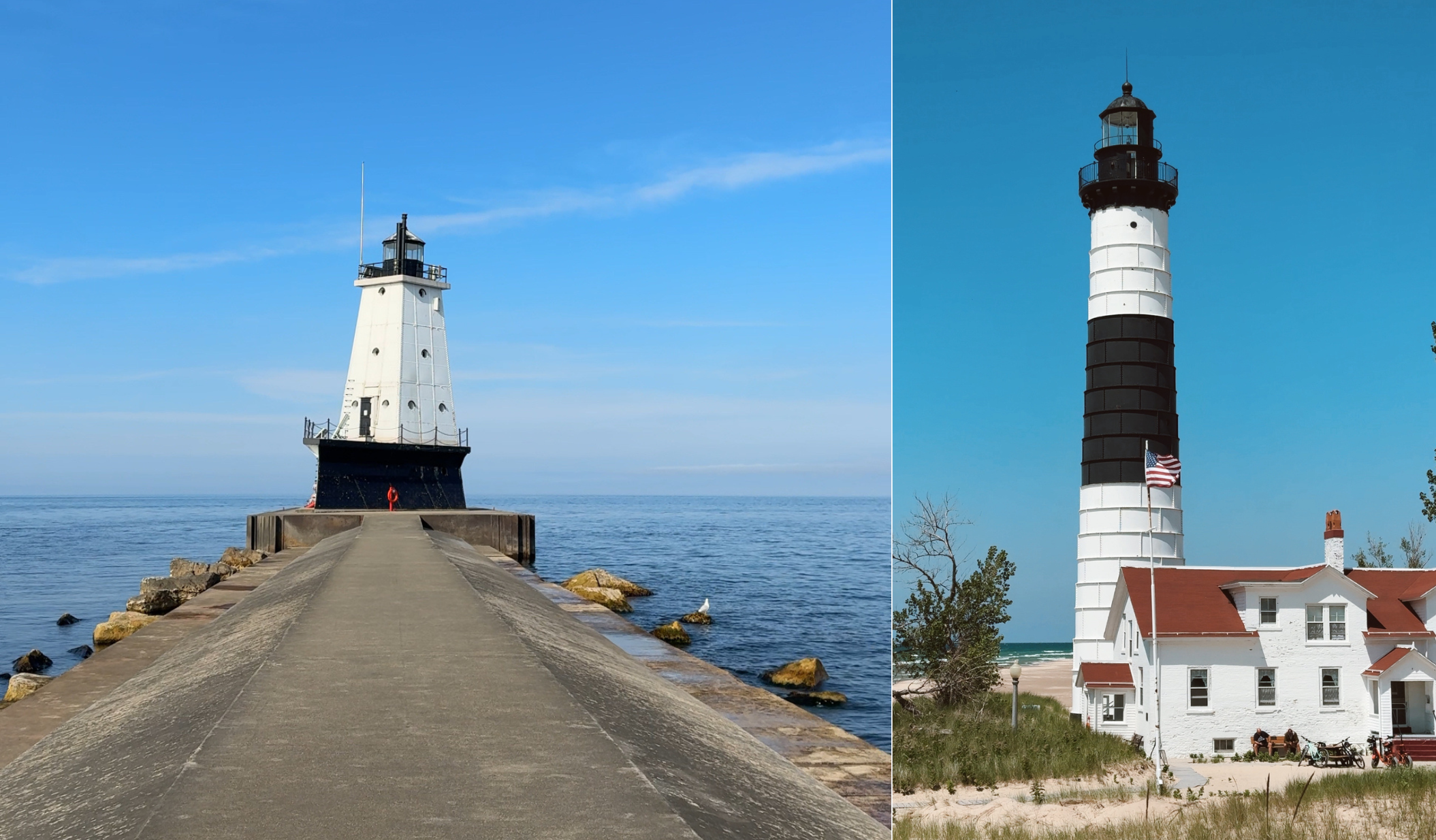


:max_bytes(150000):strip_icc()/TAL-header-exterior-hemlock-treehouse-elk-embers-NCTREEHOUSE0825-1363bf005e7048d48329e4c2e181fba9.jpg "Elk & Embers Resort Opening in Waynesville, North Carolina")
:max_bytes(150000):strip_icc():format(jpeg)/TAL-header-exterior-hemlock-treehouse-elk-embers-NCTREEHOUSE0825-1363bf005e7048d48329e4c2e181fba9.jpg)



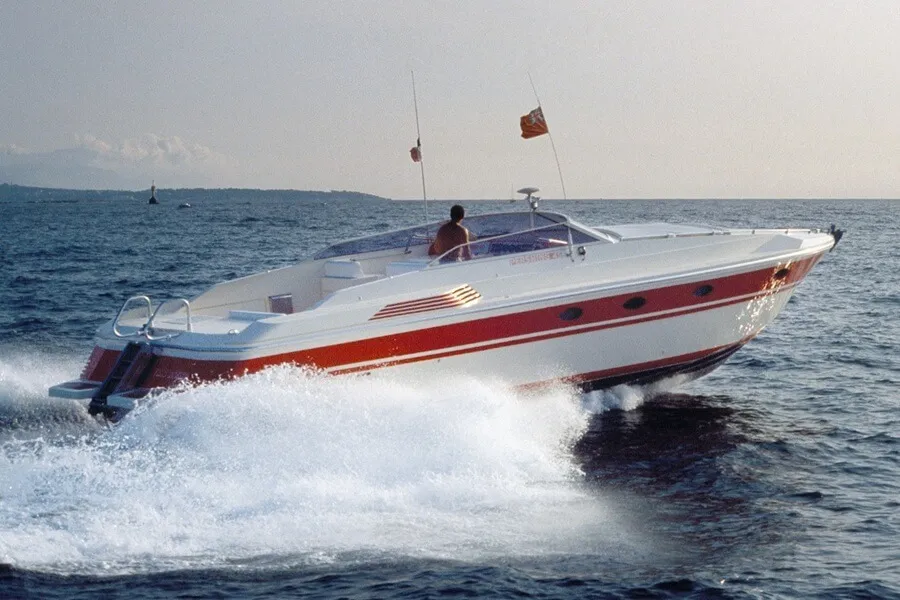












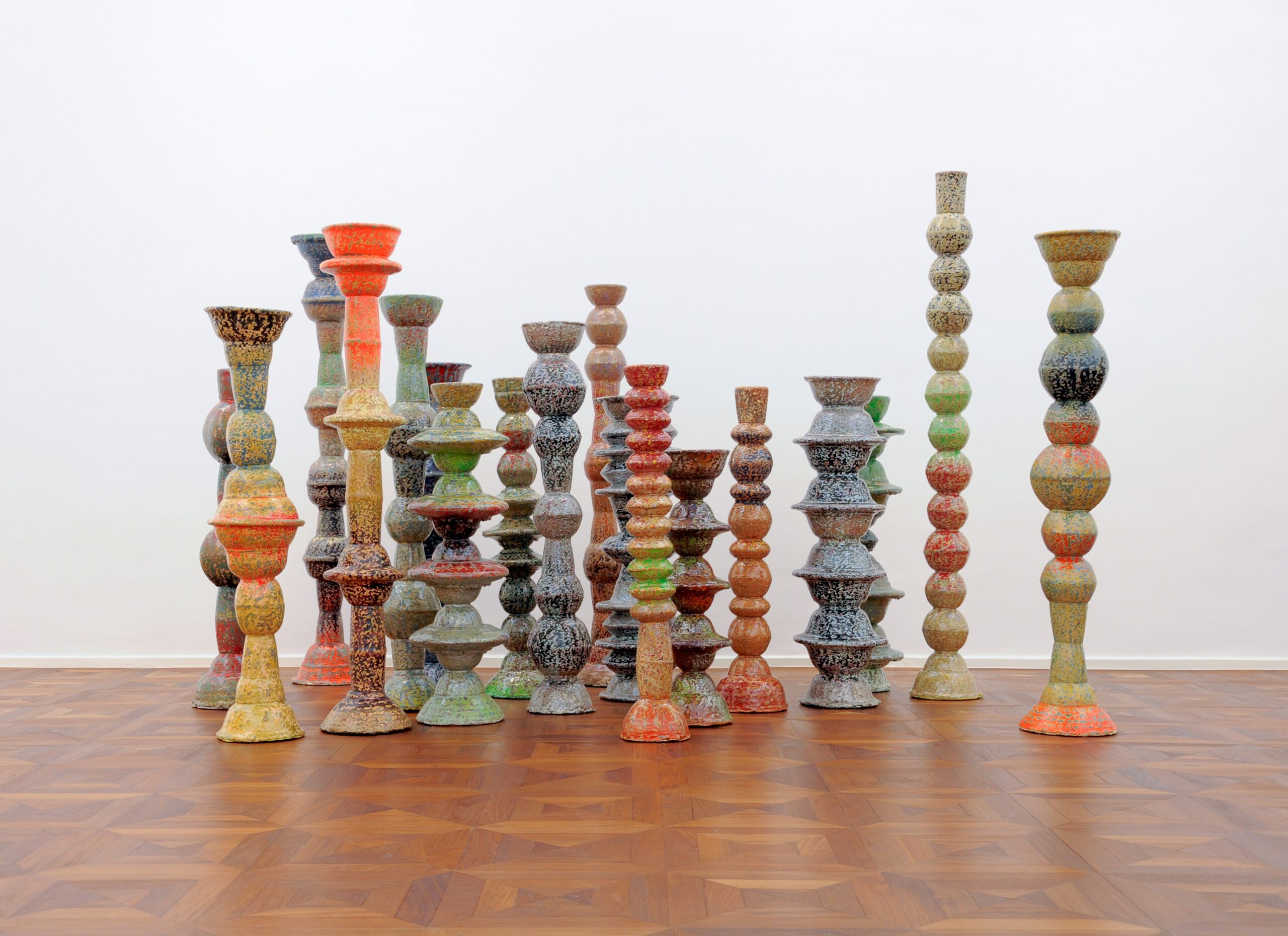

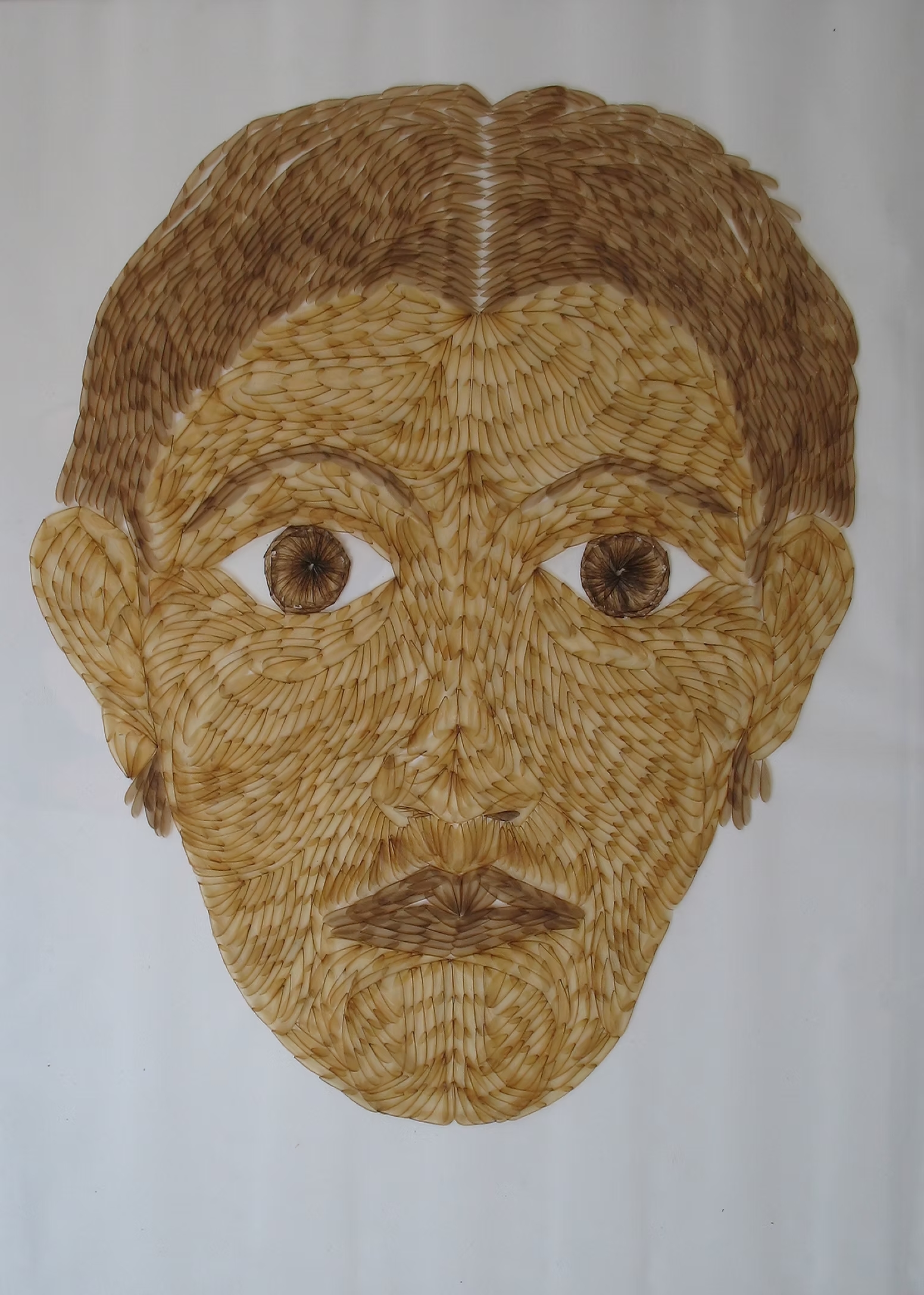





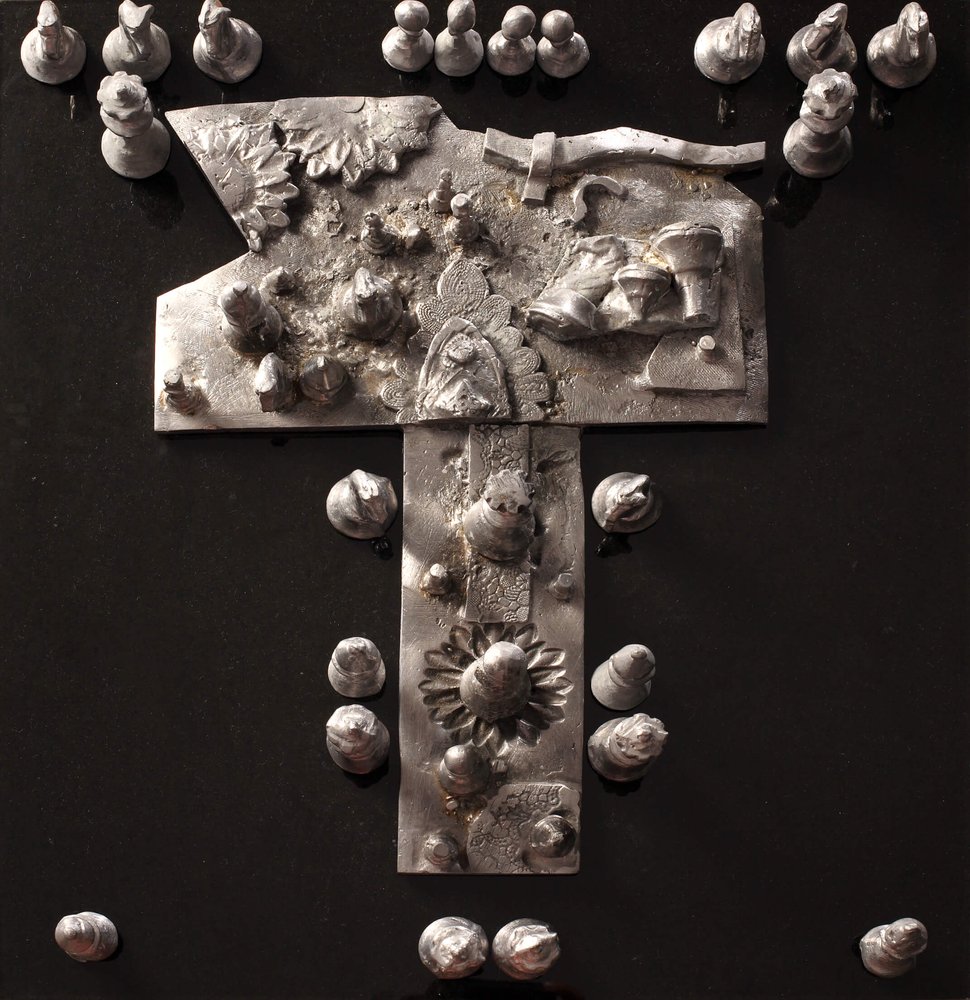

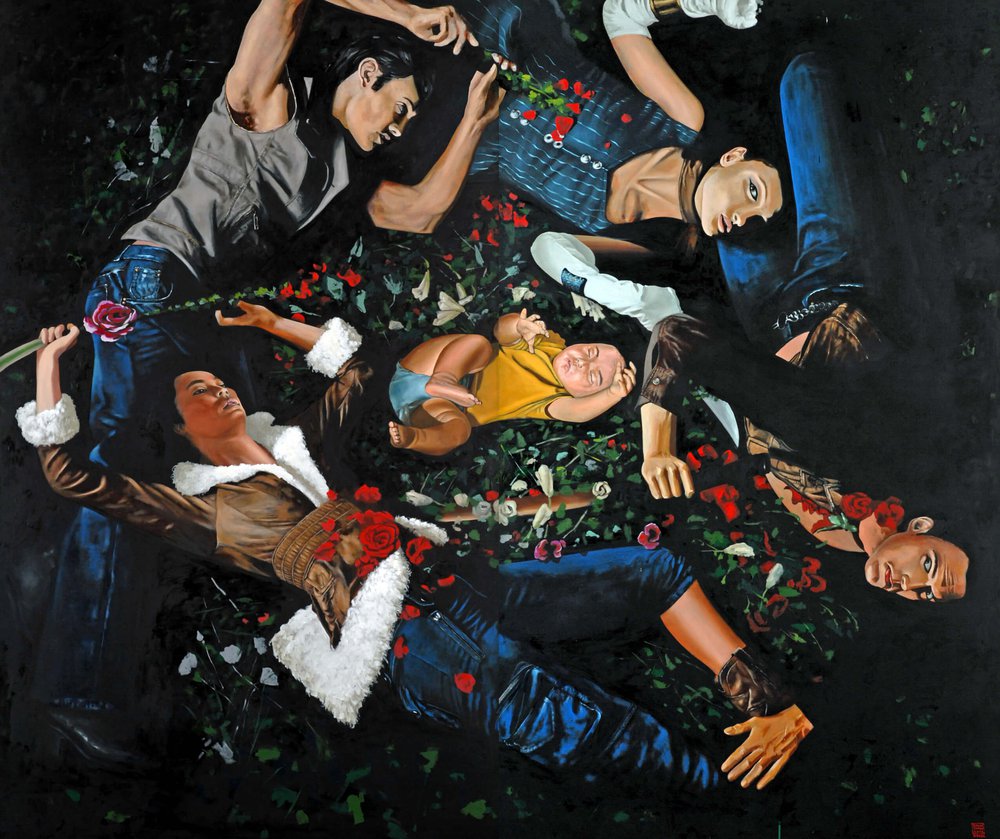

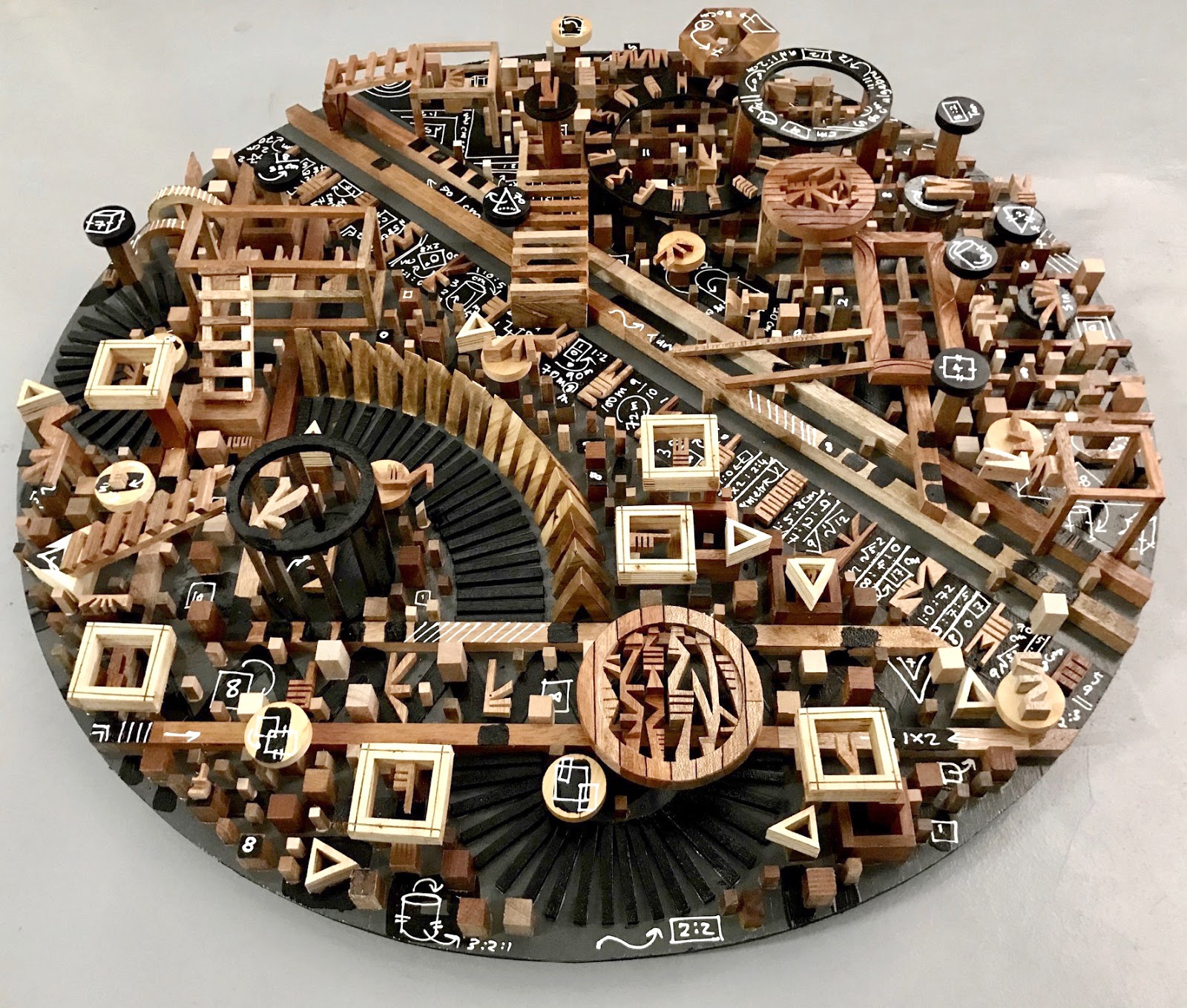

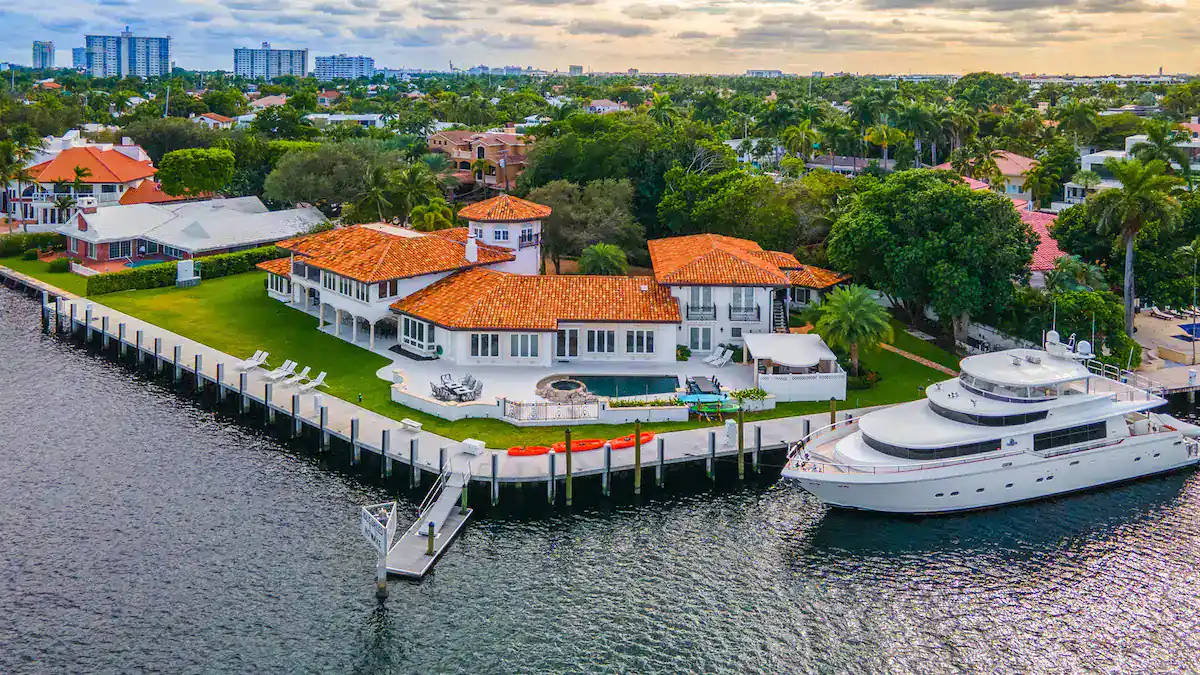
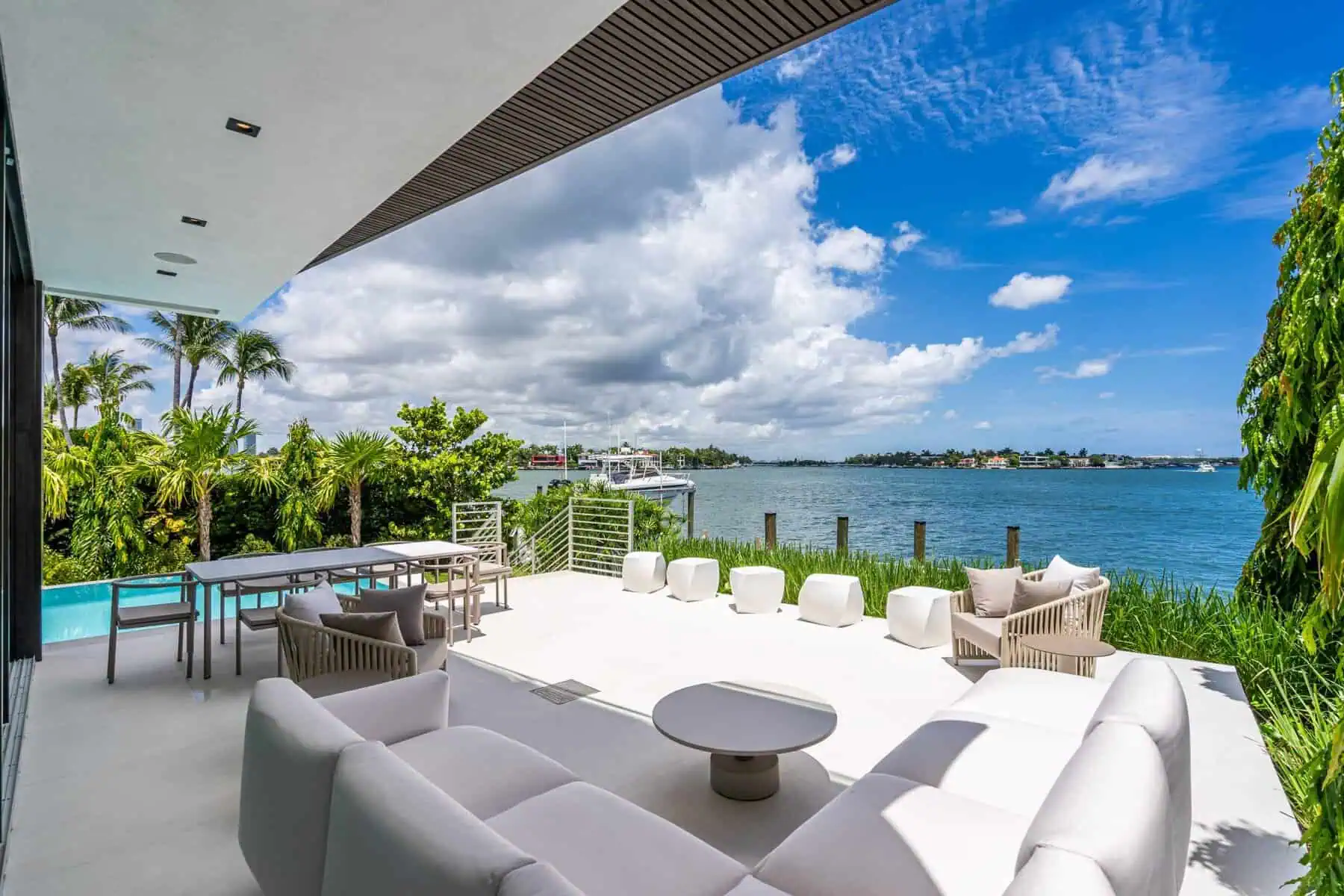
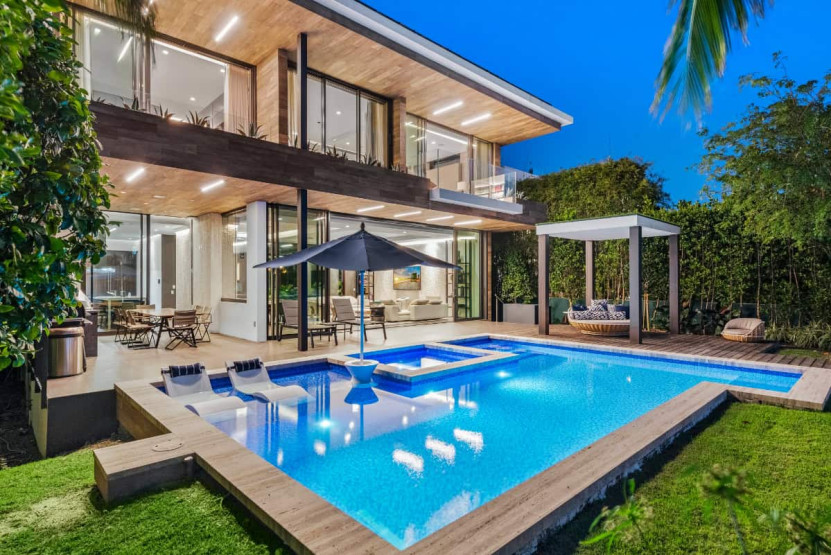
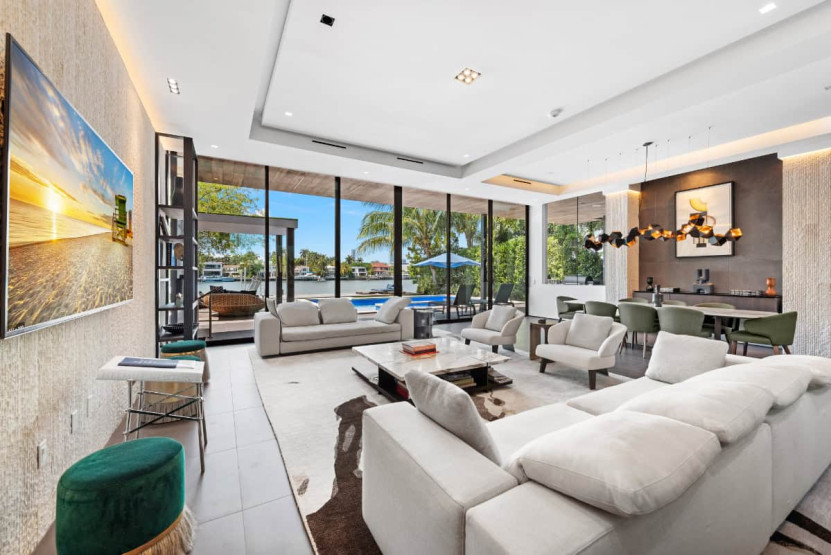

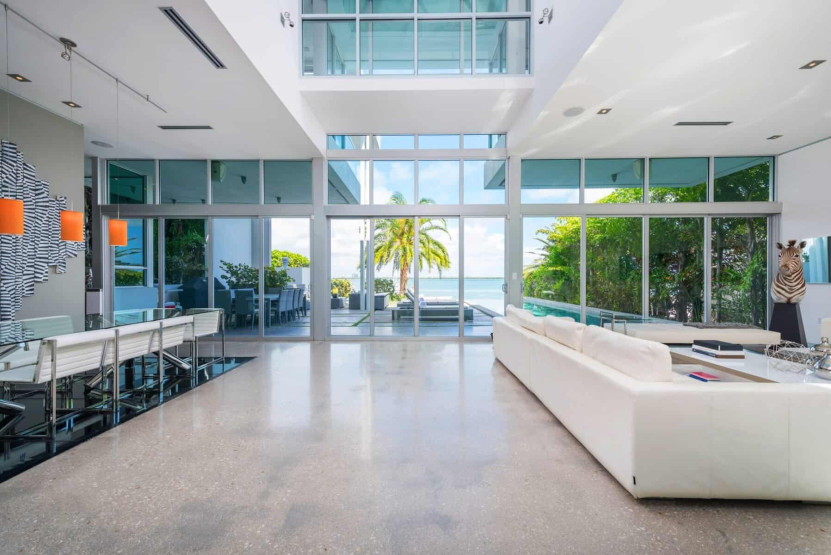
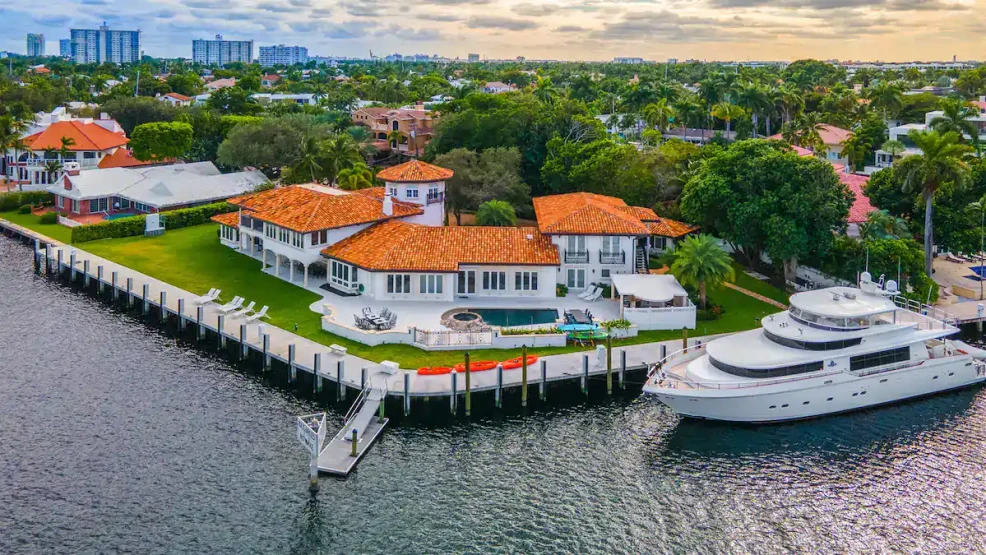
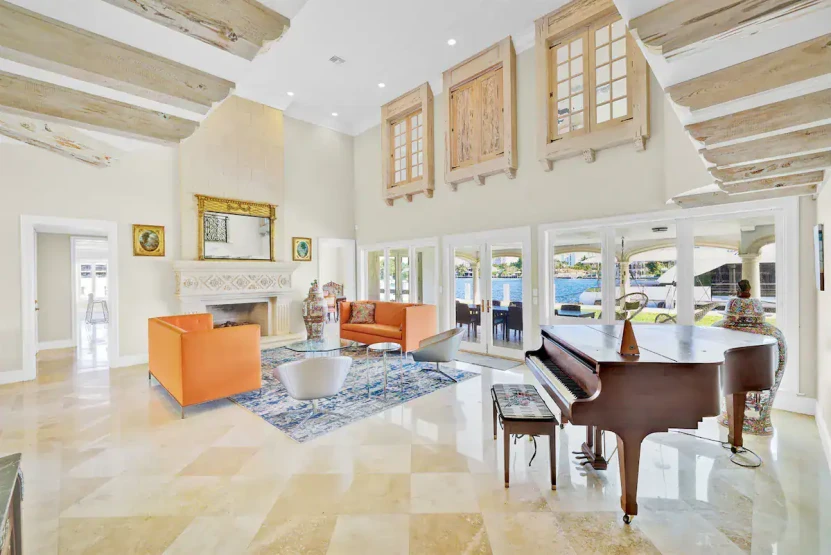



















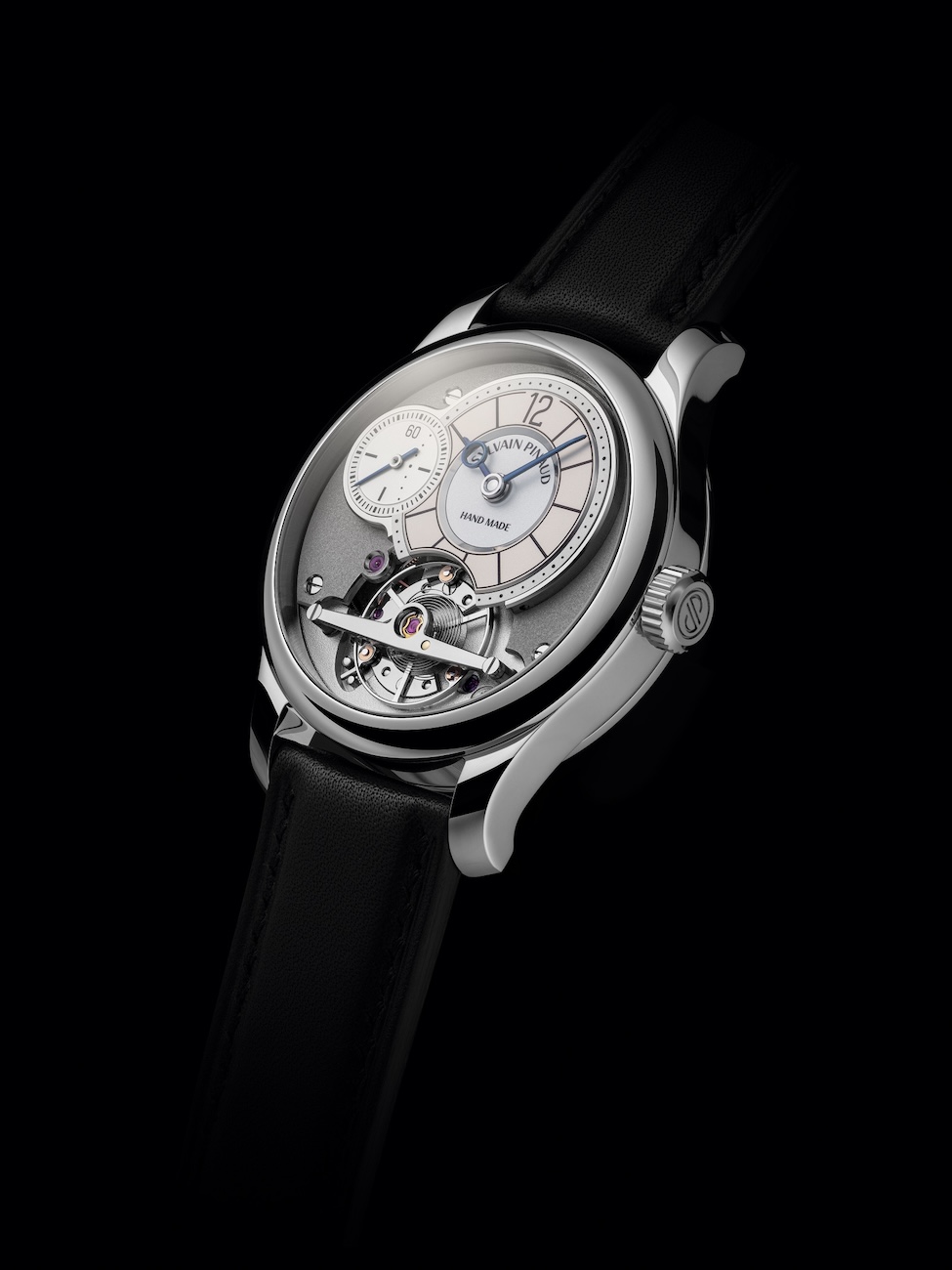



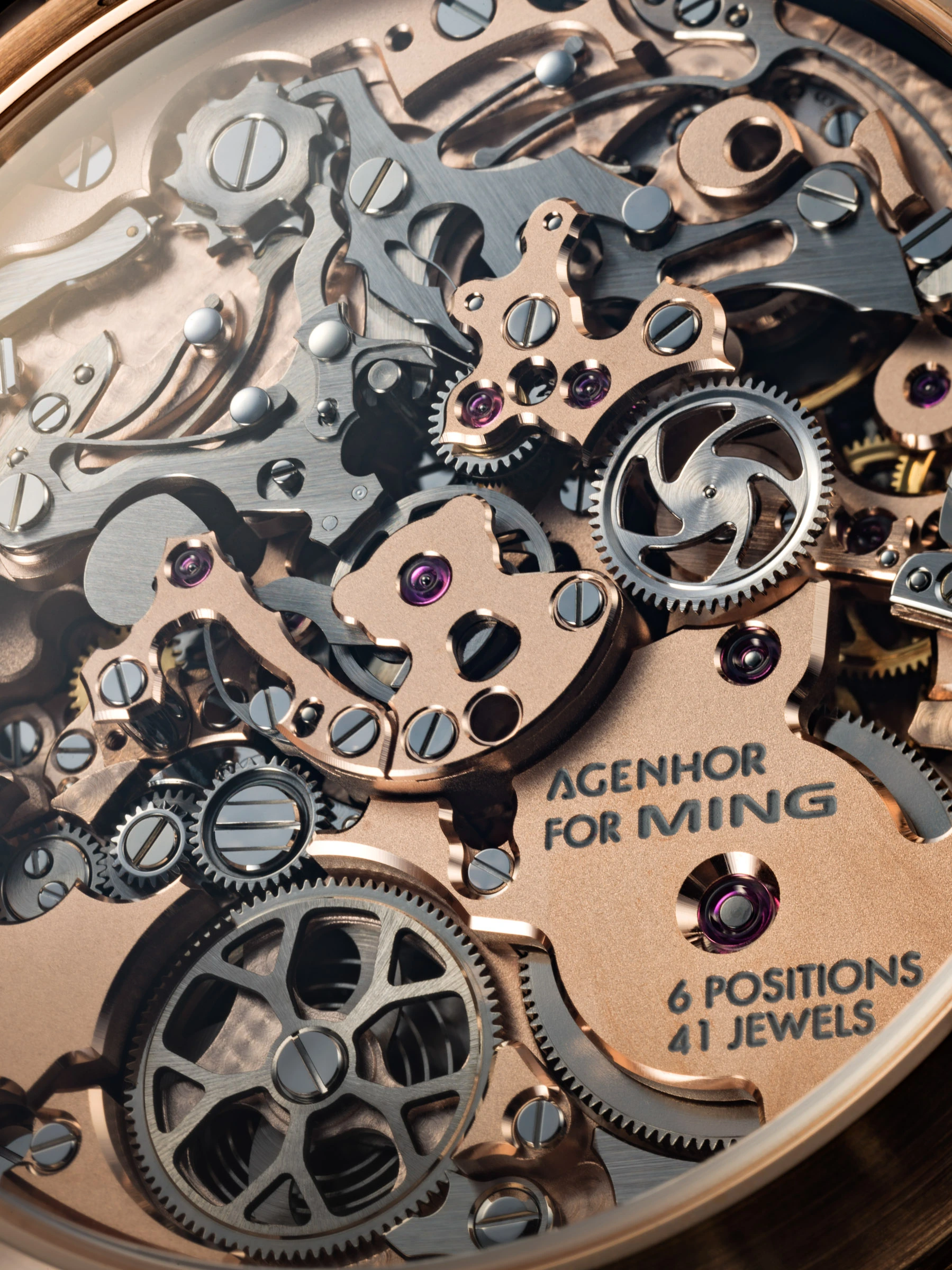
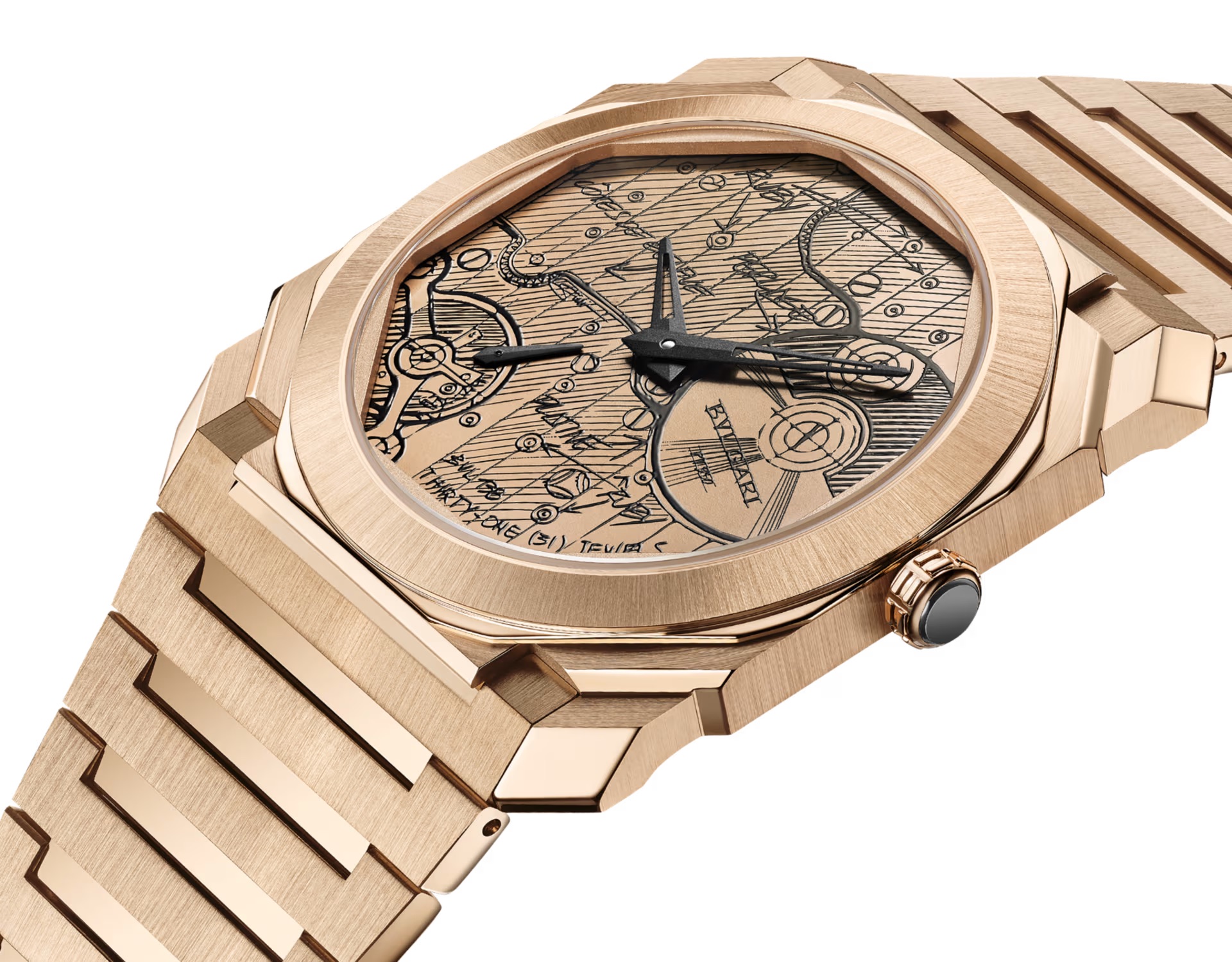

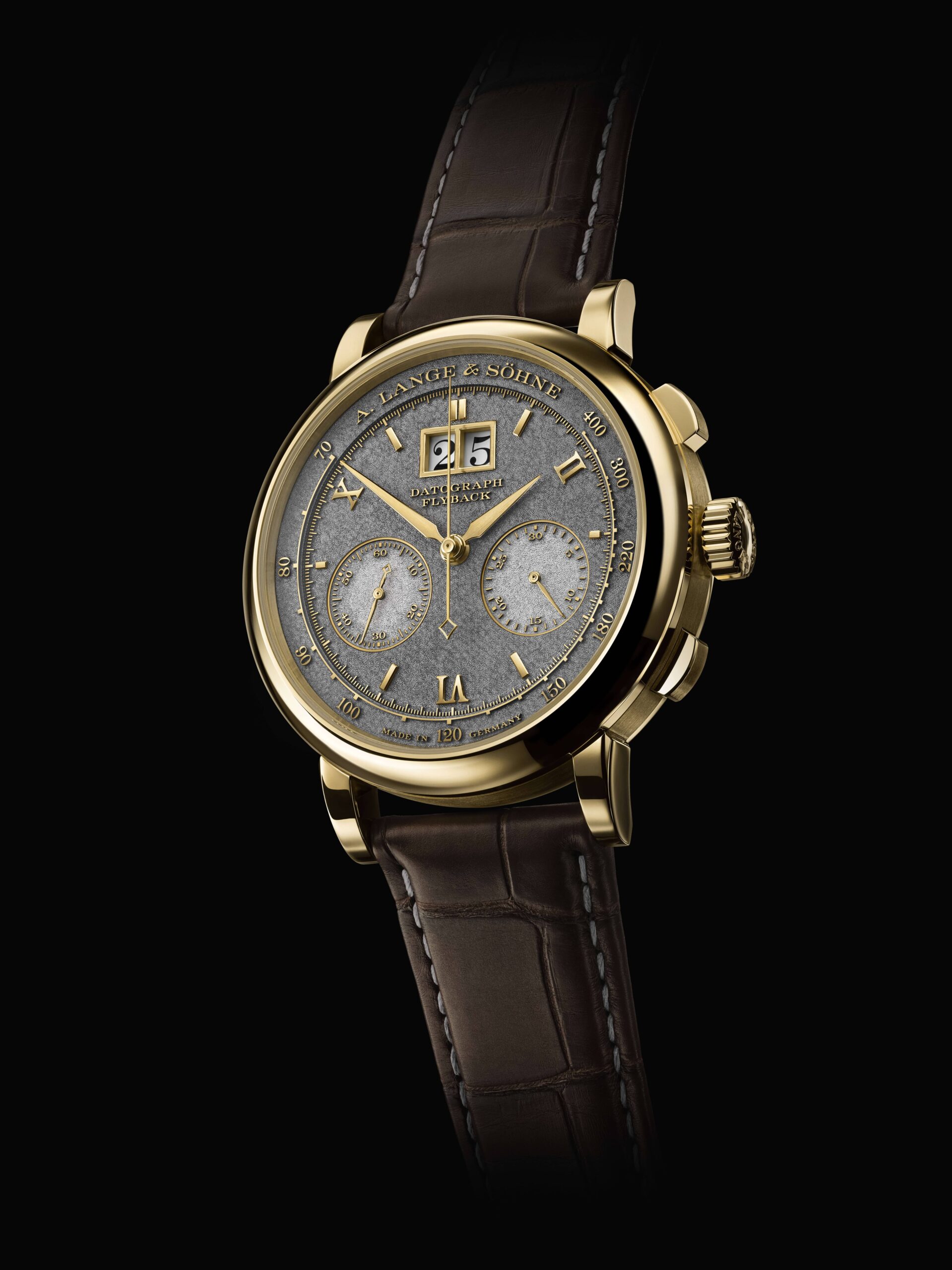
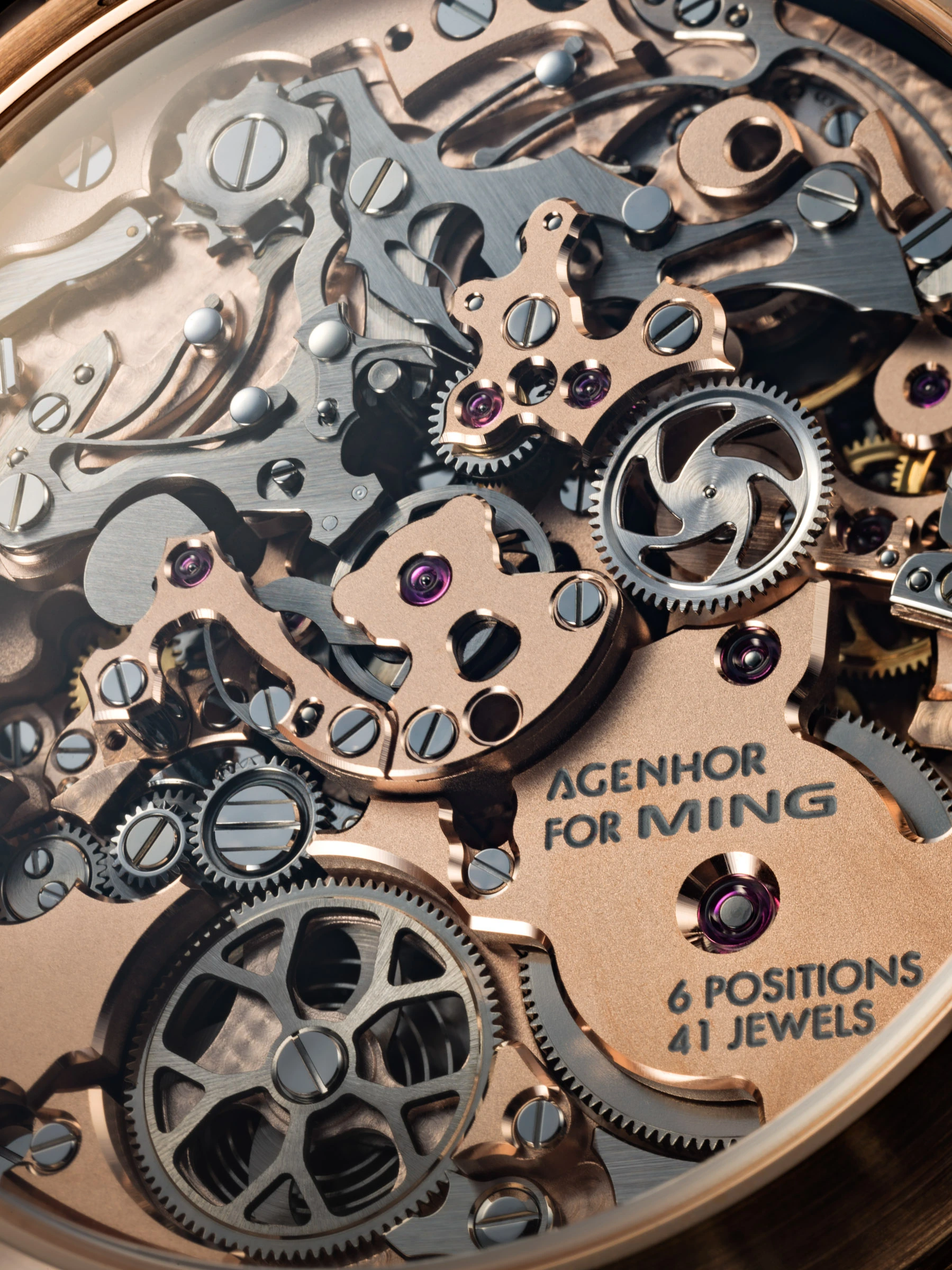
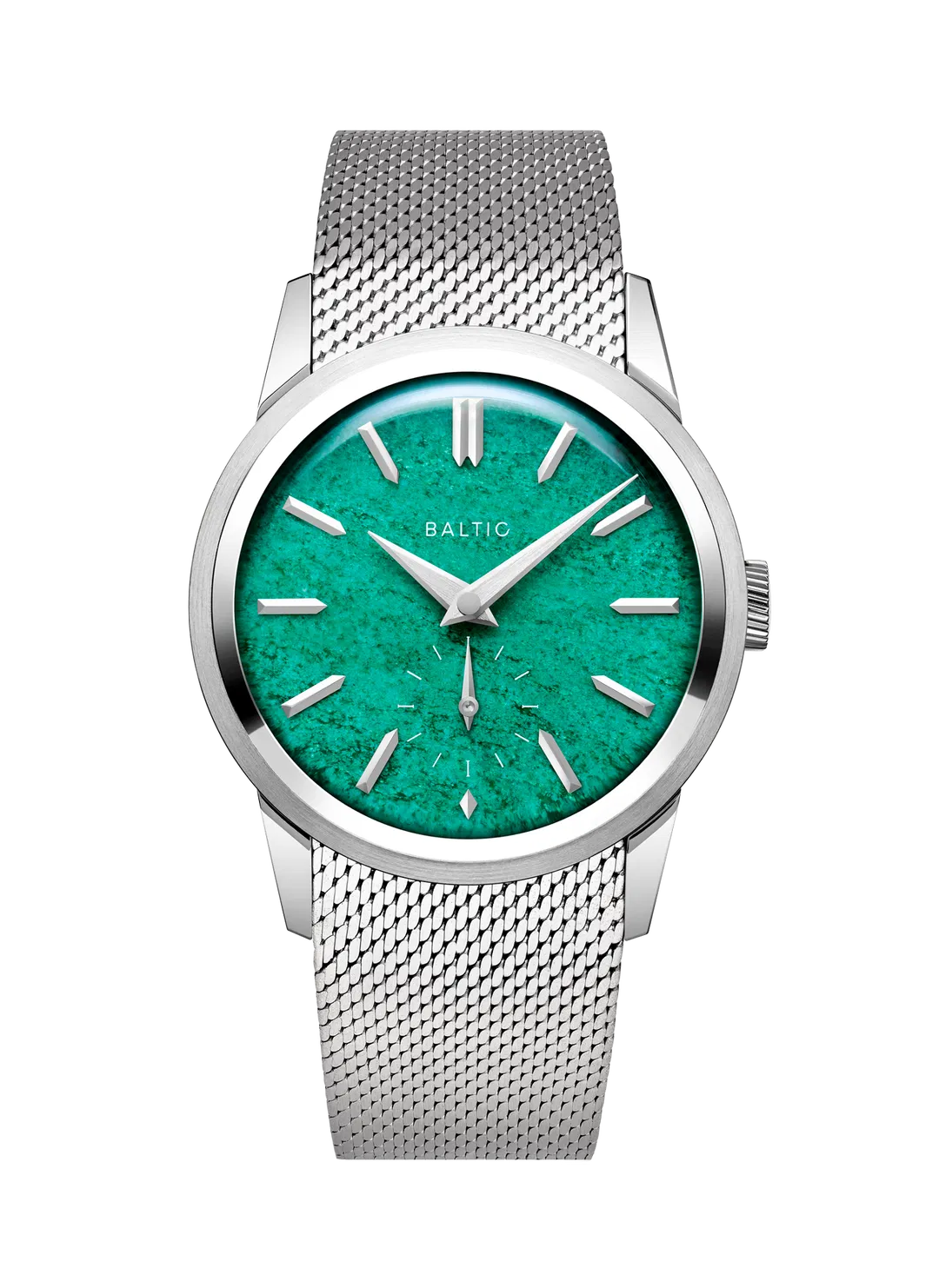
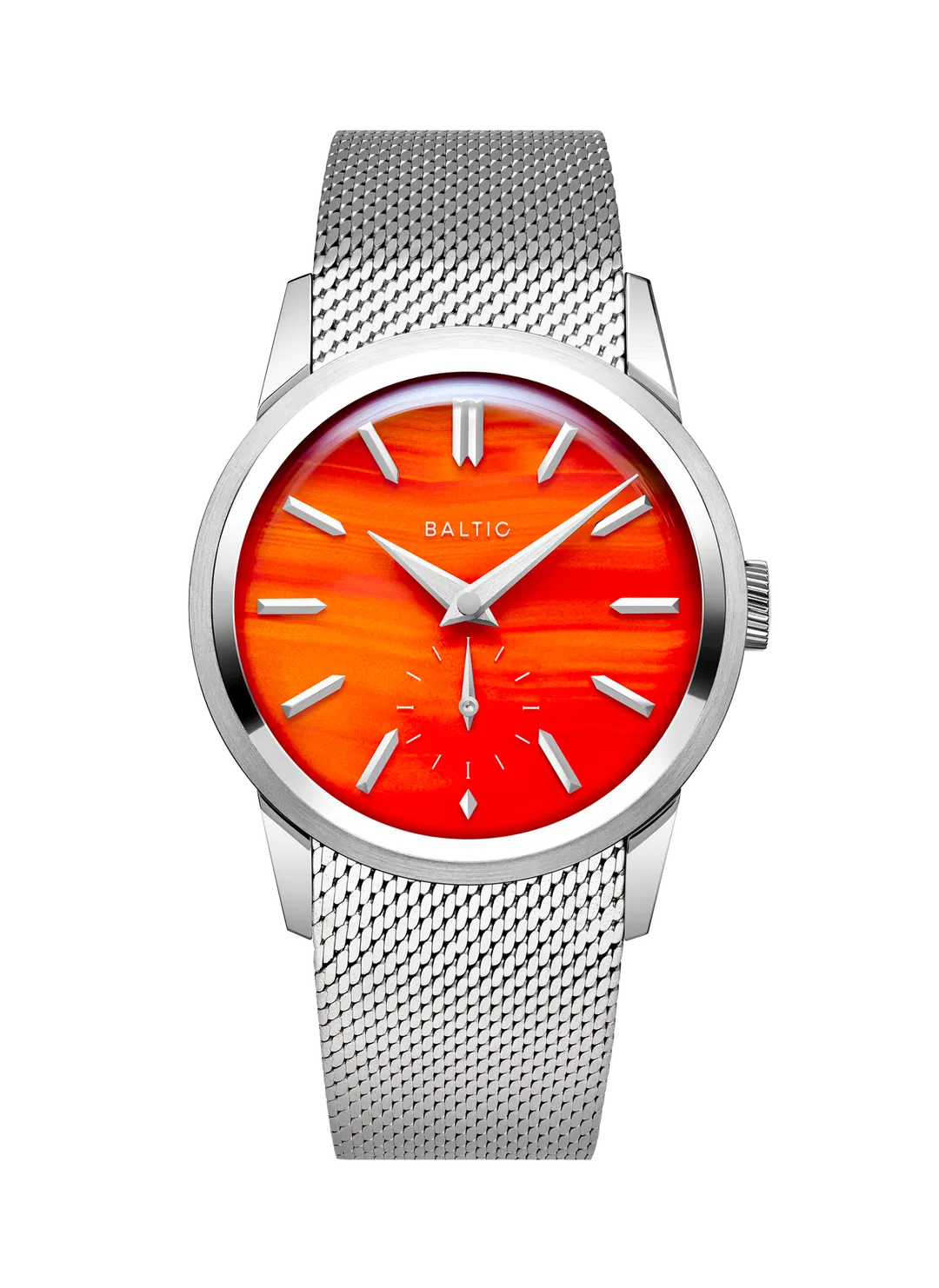
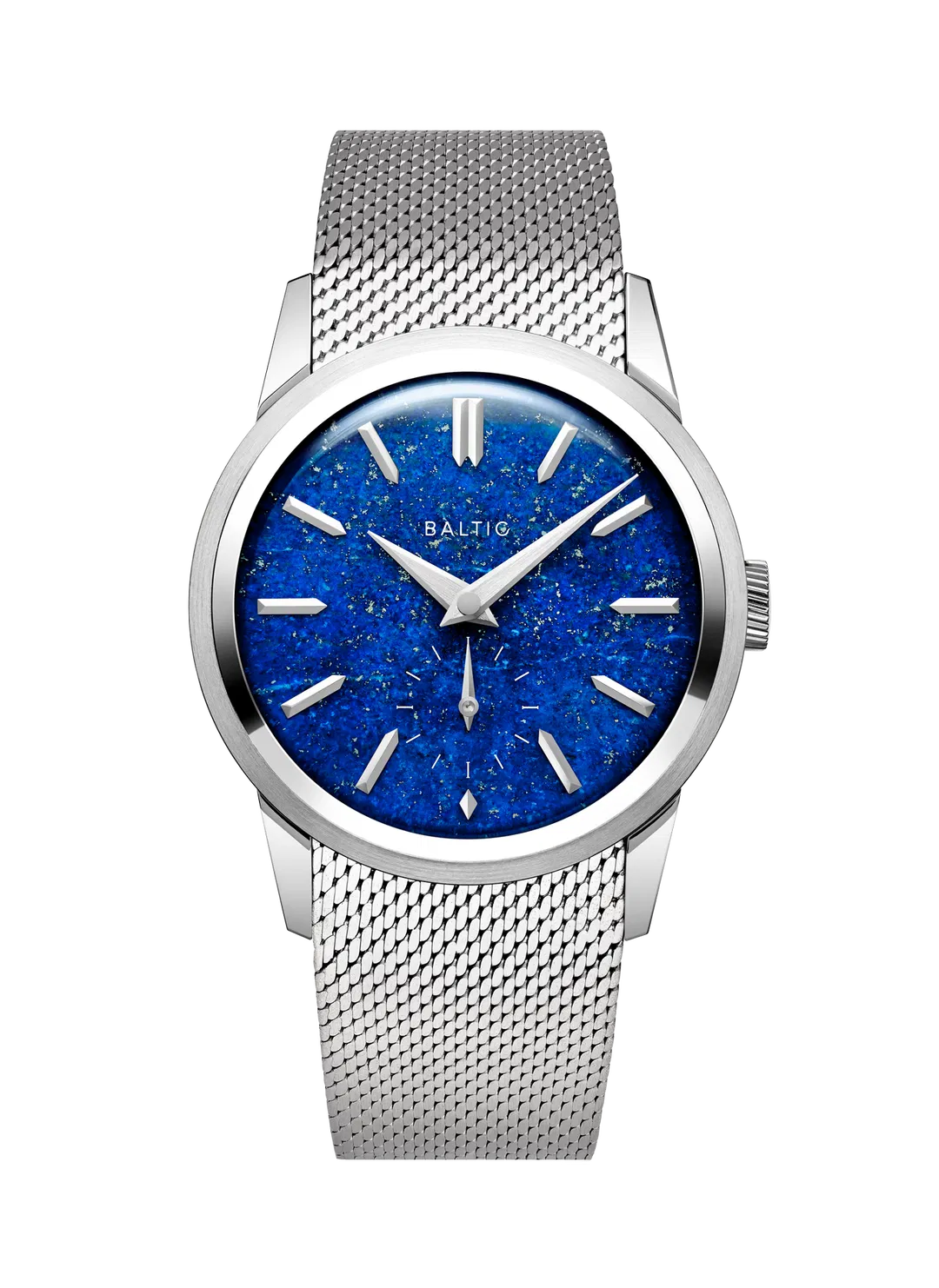

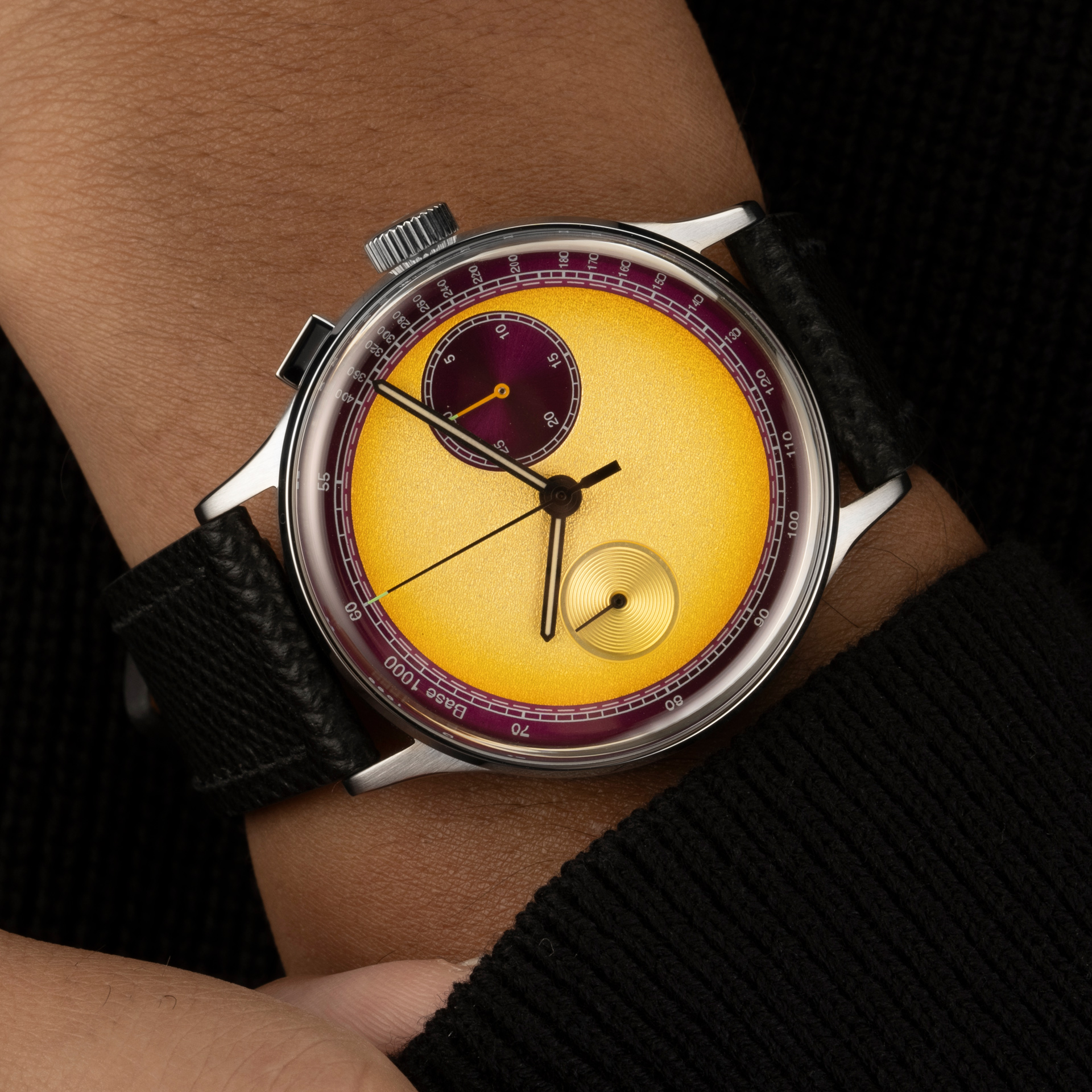
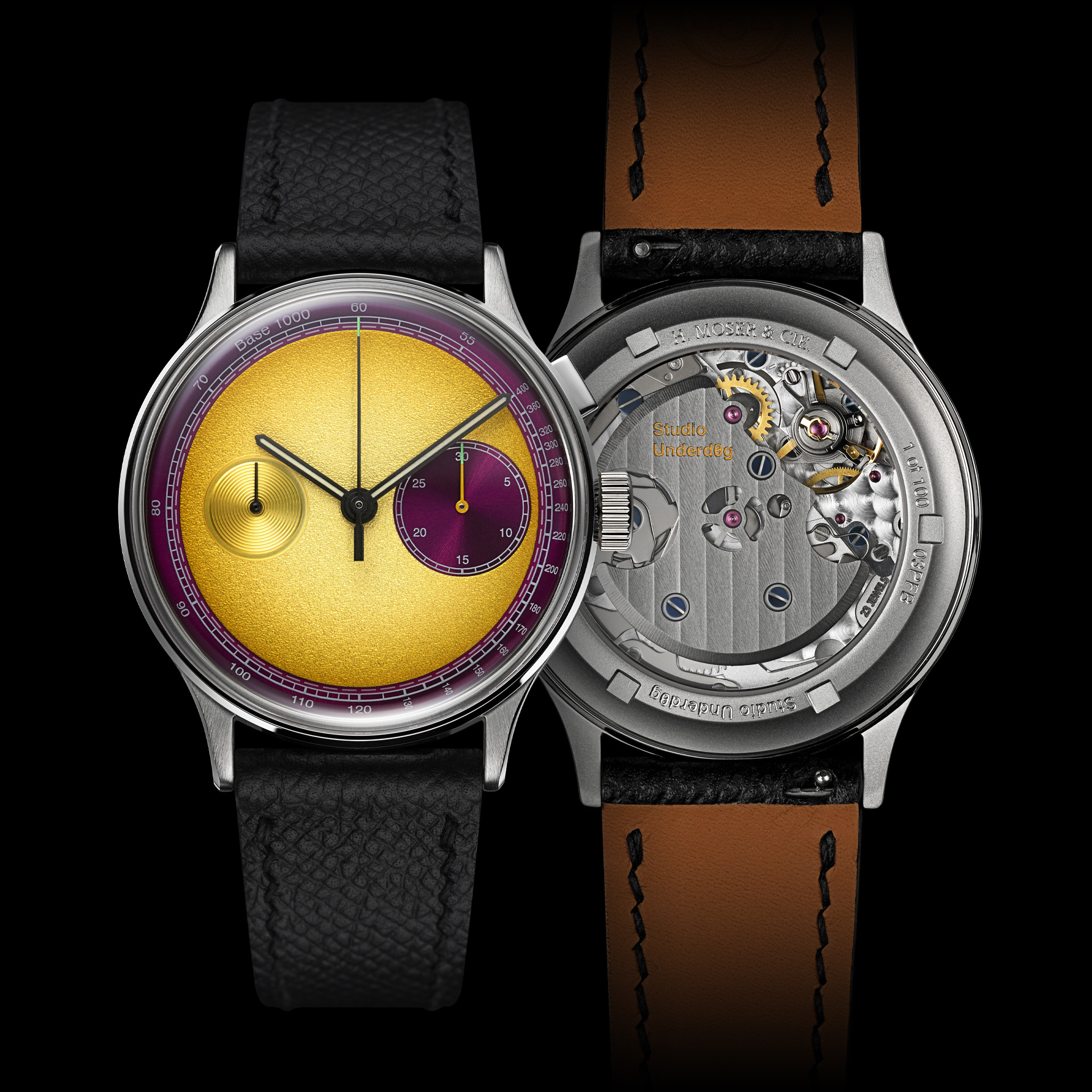

:max_bytes(150000):strip_icc()/TAL-header-peanuts-711-taipei-taiwan-THEMED7110825-556b1f4fb0a2433a8db21aedadc332ee.jpg "This Country Has the Cutest 7-11 in the World")
:max_bytes(150000):strip_icc():format(jpeg)/TAL-header-peanuts-711-taipei-taiwan-THEMED7110825-556b1f4fb0a2433a8db21aedadc332ee.jpg)