When the first Hublot Big Bang was unveiled in 2005, it caused a stir in the watch industry with its approach. Existing design codes were scrubbed clean. Rules were rewritten. The timepiece’s mixed material and layered construction opened a new world of infinite possibilities. As Hublot celebrates two decades of the Big Bang, it presents the latest take on the Big Bang through the veins of the Hublot Big Bang Square Bang Tourbillon 4-Day Power Reserve.
The Square Bang is the third and latest expression of the Big Bang family after the rounded Big Bang and the tonneau-shaped Spirit of Big Bang. While the Square Bang was launched in 2022, it never existed beyond its manufacture chronograph configuration until now as a two-hander with a tourbillon complication. There are other firsts as well — a three-dimensional carbon composite case with vertical and horizontal woven lines and four-sided (square and rectangular) calibre bridges visible through the skeletal execution.
“Until now, advances in square watches have been rather timid, usually confined to the case alone. With the Square Bang Tourbillon 4-Day Power Reserve, we wanted to take the exercise to its logical conclusion, by designing a movement whose architecture is also fully right-angled. The bridges are straight, clean and sharp as if to protect a movement that always beats to the rhythm of a perfect circle, that of the tourbillon, barrel and power reserve. The fusion is complete,” explains Hublot CEO Julien Tornare.
Elements of the manual winding calibre MHUB6023 are harmoniously distributed as they appear to levitate in grid-like orientations. Positioned clockwise from three, six, nine, and 12 o’clock are the crown for winding and time setting, the tourbillon, the power reserve indicator, and the main barrel, respectively. As the watch’s name suggests, an extended four-day power reserve is well above industry standards. Given the propensity of personal gadgets and devices, the tourbillon’s silicon escapement is impervious to magnetic disruptions.
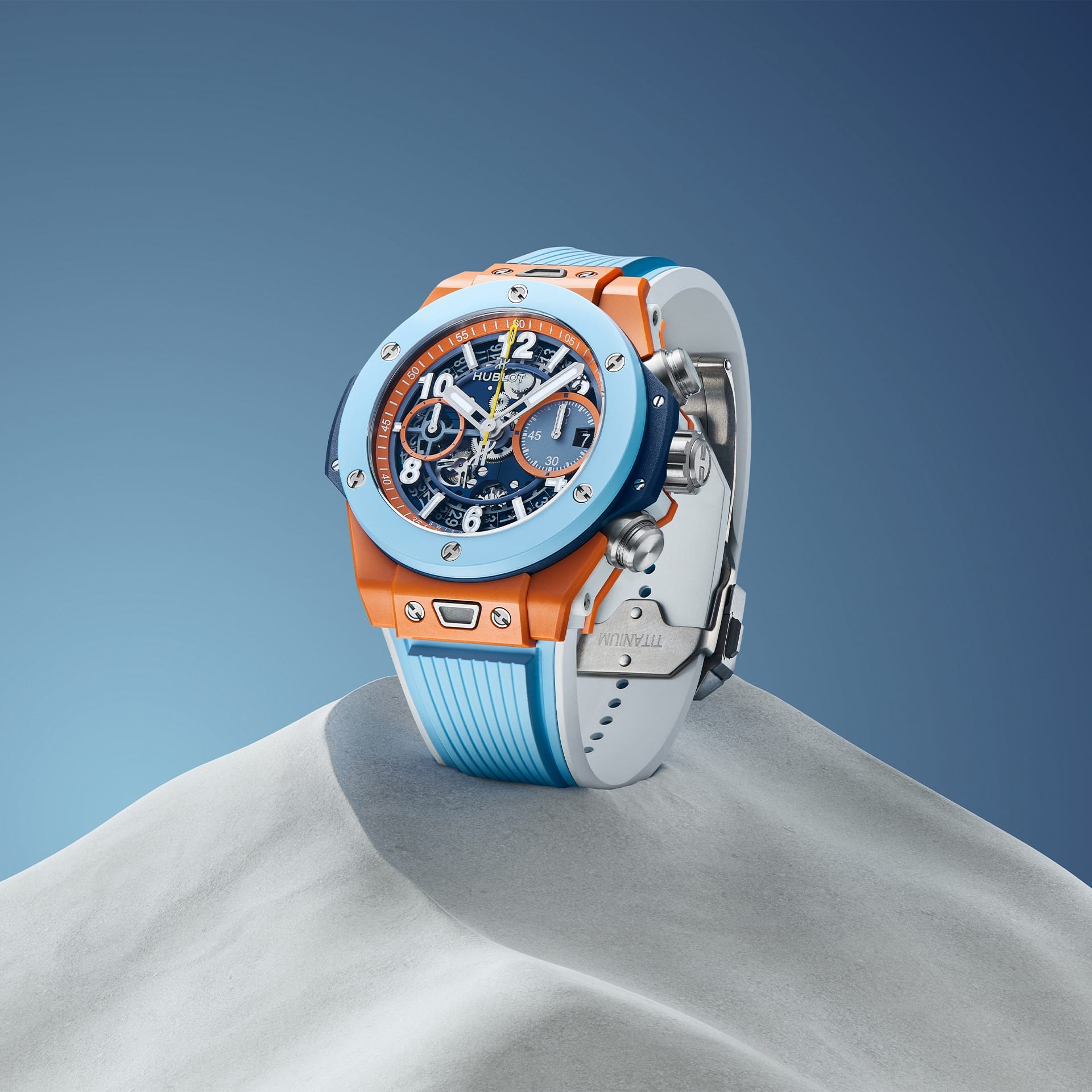
Sitting on the opposite side of the spectrum is the Hublot Big Bang Unico Summer 2025, whose extroverted colour palette showcases Hublot’s expertise in vividly coloured ceramics. The timepiece, which was launched at the Hublot Summer event, now a mainstay on the brand’s calendar since 2017, draws inspiration from Mediterranean hotspots for the perfect summer watch companion. This year’s edition takes place on the kaleidoscopic island of Mykonos, where aspiring Greek gods and goddesses descend to soak up its vibrant nightlife, beautiful beaches and cosmopolitan atmosphere in style.
With that in mind, the creators at Hublot’s Nyon manufacture thought up the colours of orange, blue and white that evoked Mykonos’ golden sunsets, its boundless Aegean Sea and beaches. A microblasted orange ceramic case is complemented by a sky-blue ceramic bezel, accented with white from the watch’s midcase and lined rubber straps. Ever since Hublot introduced its “One-Click” strap changing system, switching straps has never been this easy, and comes in particularly handy when matching straps to an occasion or vibe. The accompanying sky blue-, dark blue-, or orange-white-lined rubber straps go from ocean dips to the poolside lounge to late-night party mode in a matter of seconds.
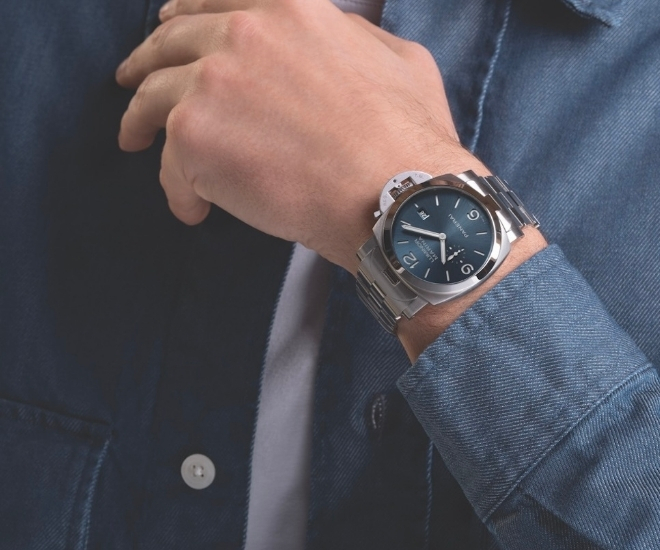
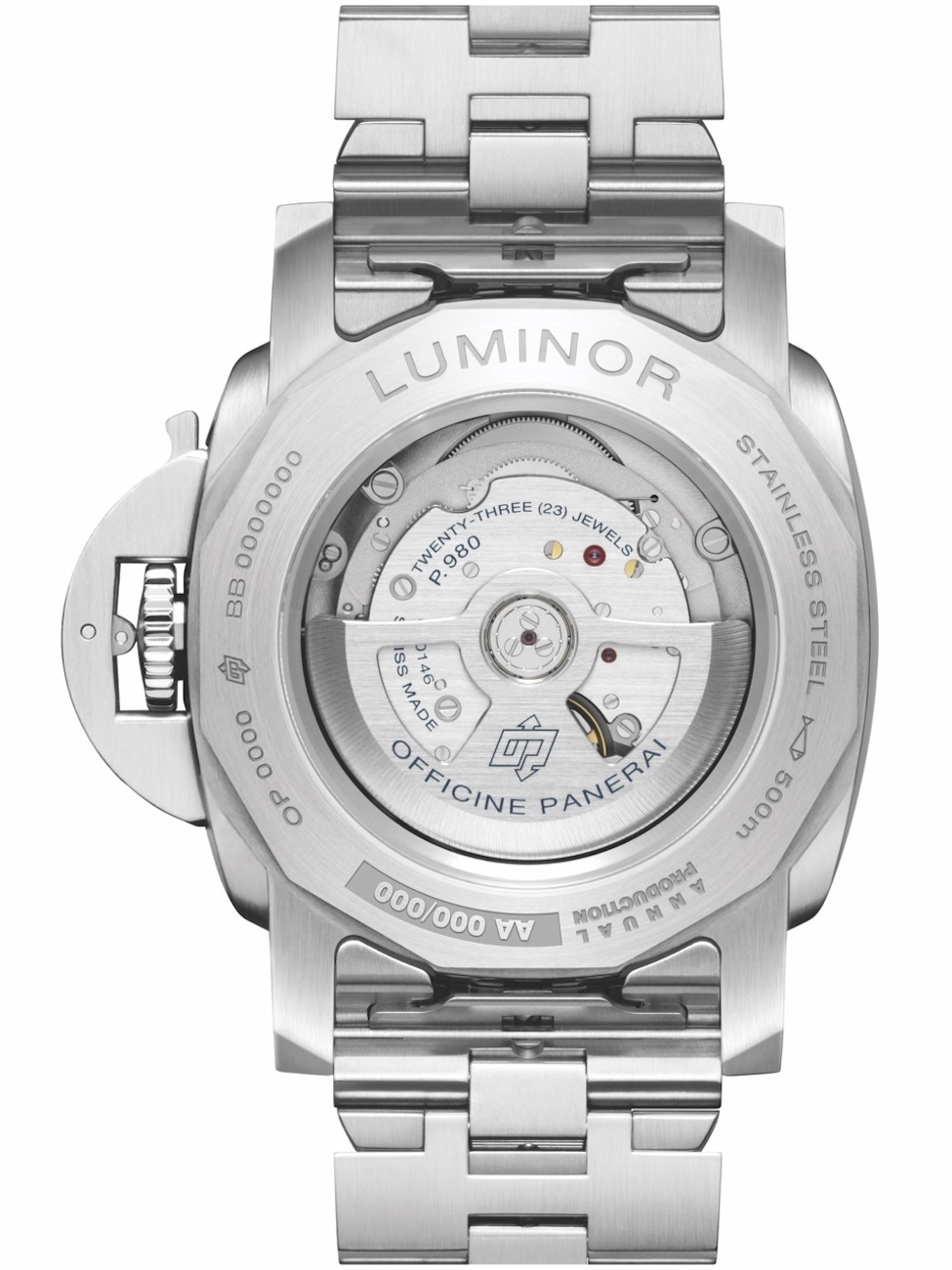
It should go without saying that Panerai today is built on a foundation called the Luminor Marina – that is how the late Angelo Bonati did it (see Vision for more). Everything fans love, or recognise, about Panerai can be found in the Luminor collection, including the signature crown protection device, the sandwich-style dial, and the clean dial display with only ‘Panerai’ and ‘Luminor Marina’ as indicators of its lineage. Rethinks are unnecessary but upgrades are always welcome. This year, with the new reference PAM03323, what has changed is the new 50 bar water-resistance, a step up from its predecessor; and the new Super-LumiNova X2 material used as a luminescent, promising greater brightness for better legibility in the dark.
Surely if the Luminor Marina is being upgraded, then the core model to look at will be the one in stainless steel. But in true Panerai fashion, the steel they used for this model is not the standard one used within the industry. Instead, they opted for their own premium AISI 316LVM – 1.4441 stainless steel, known for its strength and corrosion resistance, further enhanced by the low-carbon variant of this alloy. The alloy which consists of iron, spliced with chromium (16-18%), nickel (11-14%), and molybdenum (2-3%) is also vacuum arc remelted to increase its corrosion resistance.
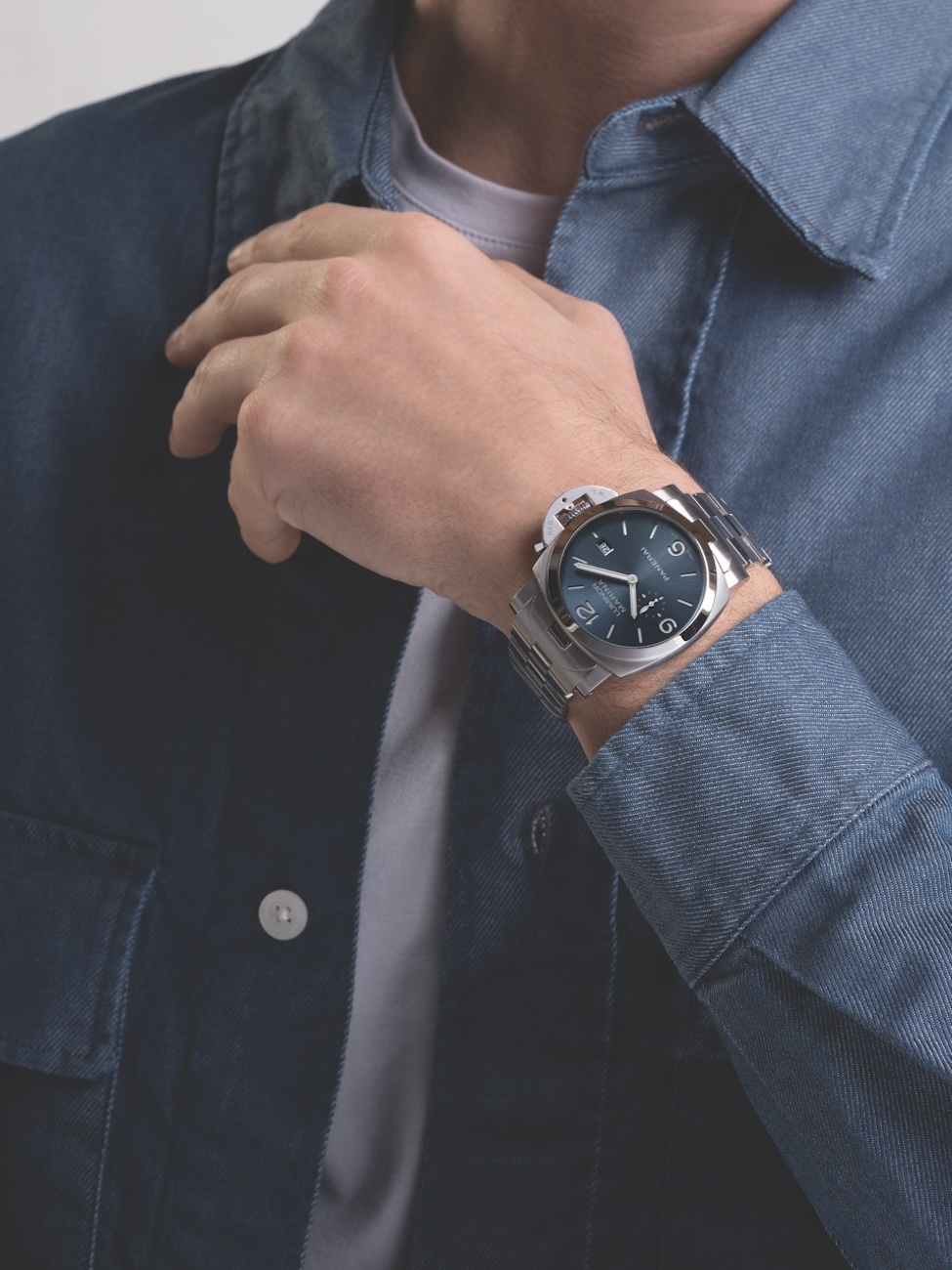
Although the classic Luminor Marina has always been imagined with a strap rather than a bracelet, this year Panerai introduces its V-shaped bracelet to this storied collection. This bracelet, as the name suggests, uses unique V-shaped links that taper from the case to the buckle to increase comfort on the wrist. Additionally, it is also the first model to come with the new Quick Length Adjustment feature, which allows an extension of 2mm on both sides to get the most accurate fit while maintaining perfect balance. And for those who still cannot imagine a Luminor Marina with anything other than a leather strap, the bracelet also offers the Panerai PAM Click Release System, which makes it incredibly easy to swap.
Accompanying this new bracelet is also a new colourway for the Luminor Marina: light blue with a sunburst effect. Beneath this mesmerising dial is the new calibre P.980 movement with plenty of reliability improvements. These include a traversing (or double) balance bridge; a hacking seconds function, and further testing in six positions to ensure chronometric accuracy over prolonged use.
This story was first seen as part of the WOW #79 Summer 2025 Issue
For more on the latest in luxury watch reads, click here.
If you’ve ever felt like you wanted a little corner of the world to yourself, a place where you can find absolute peace, now’s your chance.
In August, Pathfinder Ranches in Wyoming, one of the largest ranches in the Rocky Mountains, hit the market. The property stretches on for a stunning 916,076 acres, accounting for about 1 percent of the state’s total landmass—larger than the entire state of Rhode Island.
“Pathfinder offers a rare combination of scale, water, wildlife, and history. Devil’s Gate and Independence Rock anchor the landscape, while segments of the Oregon, Mormon, California, and Pony Express Trails weave through the property,” Swan Land Company, which is handling the ranch’s sale, explained in its listing.
Exterior view of the Grand Lodge.
Swan Land Company
The property, which spans Natrona, Carbon, Sweetwater, and Fremont Counties, is made up of four properties, including what Swan Land Company calls the “heart” of the property, Two Crosses. It encompasses 25,000 acres of its own, including the 6,579-square-foot Great Pathfinder Lodge, which has nine bedrooms and seven and a half bathrooms. It also has seven additional ranch houses for employees and a massive indoor riding arena for training horses all year long.
There’s even a 3,556-square-foot hunting lodge on this property, complete with six bedrooms and four and a half bathrooms, ideal for taking a vacation on your own land.
Cattle with Pathfinder Reservoir in background.
Swan Land Company
Then, there’s Dumbell Ranch, which has a main house, a bunkhouse, a mobile home for employees, several historic barns, and corrals, and even a few working shops. The Turkey Track Ranch has three of its own ranch houses, while The Wooden Rifle Unit features a main house, a bunkhouse, a shop, a storage building, a barn, and corrals.
These units, Swan Land Company explained, are currently leased out as separate operating units, which help support its “robust” livestock program. (New owners can choose to keep these leases or terminate them with appropriate notice.)
The Grand Lodge living room.
Nathan Han
The kitchen and dining area inside the Grand Lodge.
Nathan Han
“This kind of scale is almost impossible to replicate in the modern era,” Scott Williams, the broker on the property, shared in the due diligence. “From one end to the other, it’s a 90-minute drive. When people ask how big it is, I tell them: ‘You can stand on one mountain range, look to the next, and everything between is Pathfinder.'”
And here’s the best part: Large portions of the land are under a conservation easement through a U.S. Fish and Wildlife Service agreement meant to protect the sage-grouse, a small bird, as well as land covenants intended to protect its use in the future. That means the land will look the same as it did in the 1800s, well into another millennium.
An area of Pathfinders Ranches.
Swan Land Company
“The easement won’t get in the way of day-to-day ranch operations. We can still build fences, run livestock, and make improvements that don’t conflict with the conservation values,” Ryan Lance, the current president of Pathfinder Ranches, added. “It mainly ensures that this portion of the ranch stays undeveloped and intact. The easement is also backed by an endowment that funds future monitoring and removes ongoing cost from the landowner.”
Now, the part you’ve been waiting for: the price. All this can be yours for $79,500,000. Still, if fresh air and cowboy living are your things, this is a dream come true. As the listing noted, “This legacy ranch represents the Old West with exceptional grazing opportunities and seemingly endless acreage for hunting, fishing, boating, and exploring Wyoming’s unspoiled beauty.” See the full listing details at swanlandco.com.
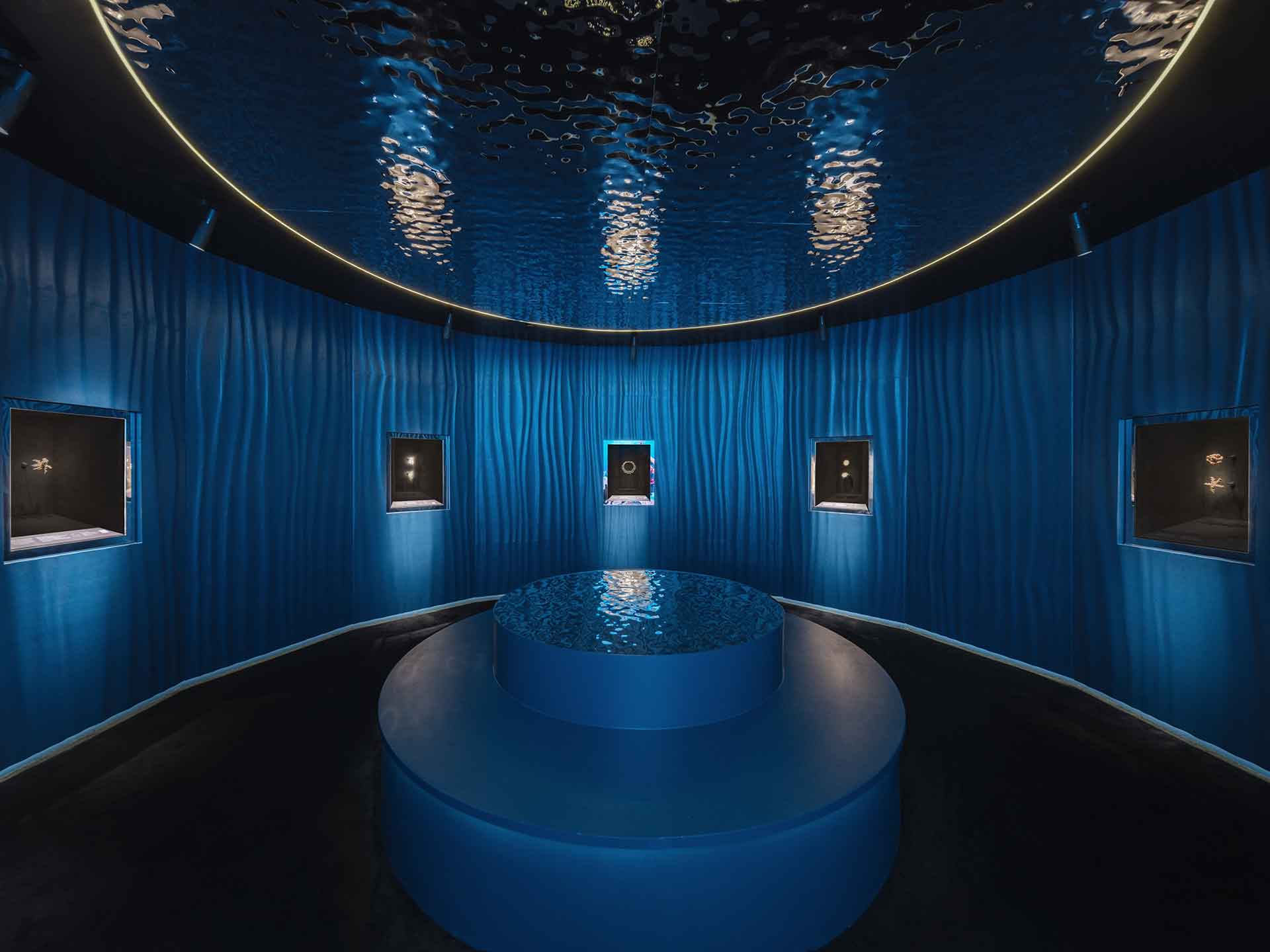
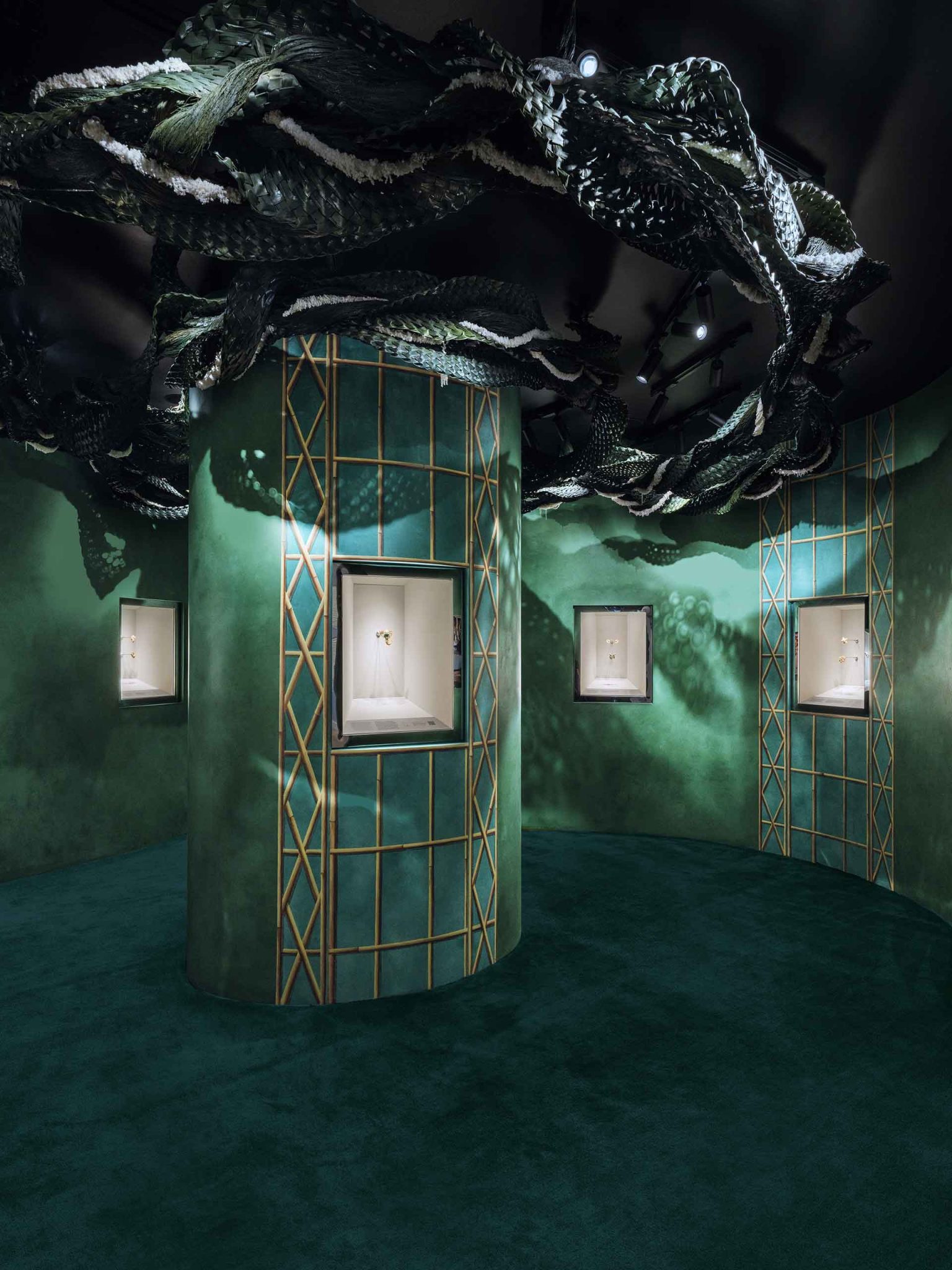
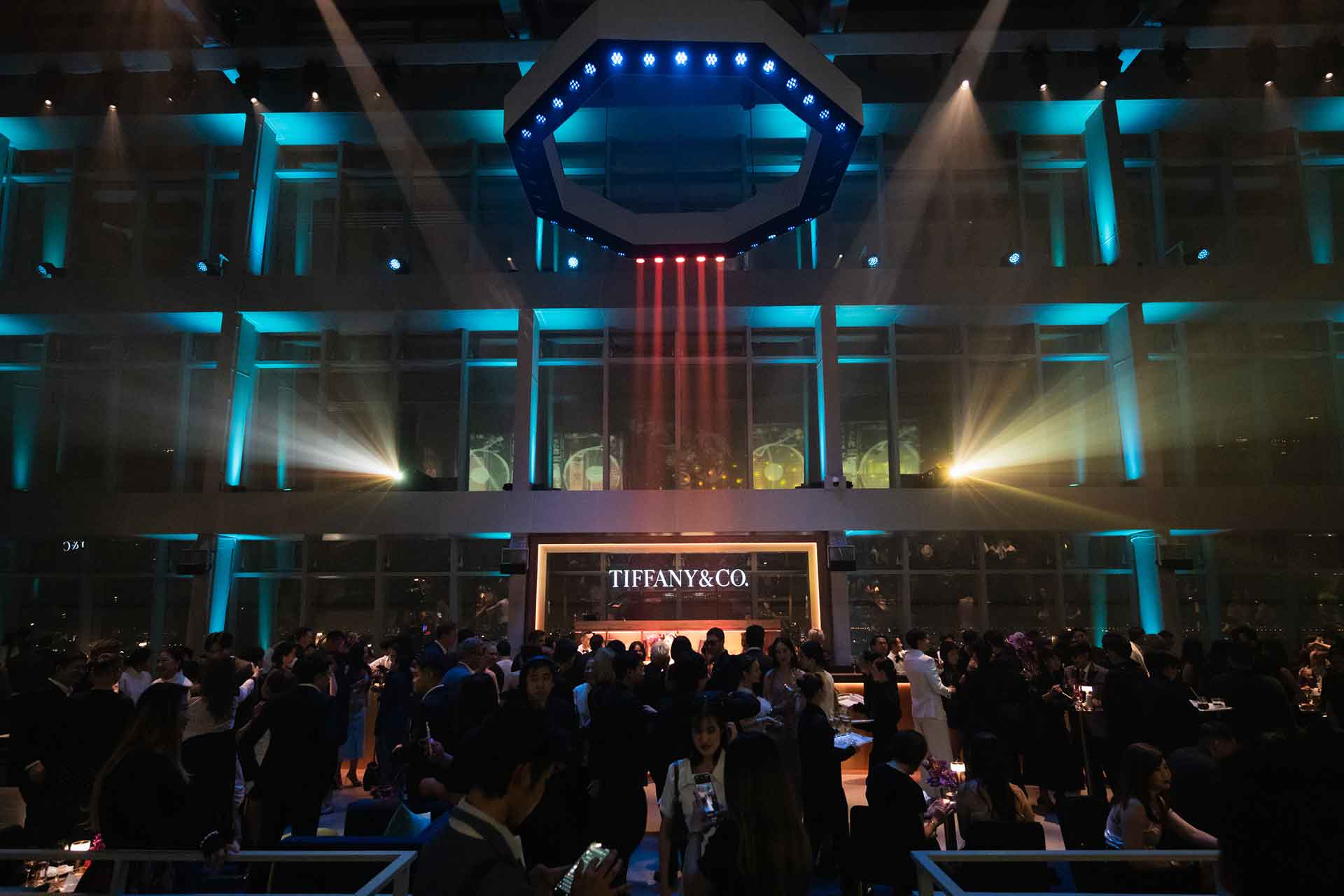
When Tiffany & Co does something for the first time, the world takes notice. This August, the American jeweller unveils Legendary Legacy in Bangkok—its inaugural exhibition in Thailand, staged at the striking new One Bangkok Tower 4. Running from 21 August to 7 September 2025, the showcase promises more than a glittering parade of jewels: it is a meditation on design, heritage, and the audacity of creative vision.
At the heart of Legendary Legacy is a dialogue between the maison and one of its most celebrated collaborators: Jean Schlumberger. Known for transforming whimsy into high art, Schlumberger’s designs for Tiffany & Co reimagined animals, flowers, and fantastical forms into some of the most coveted jewels of the 20th century.
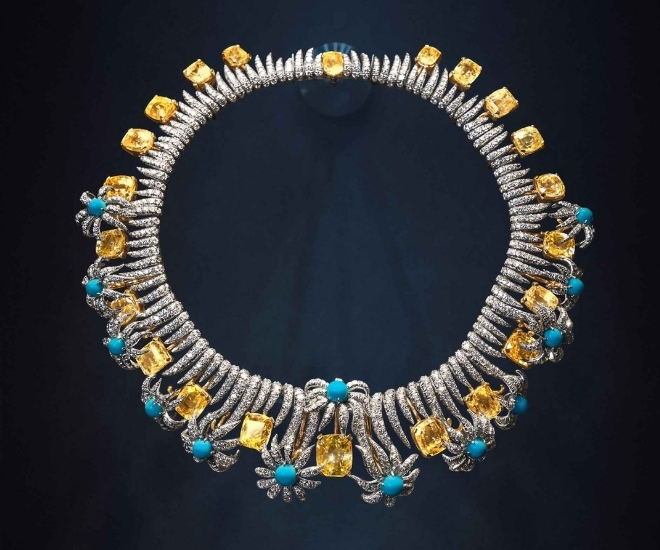
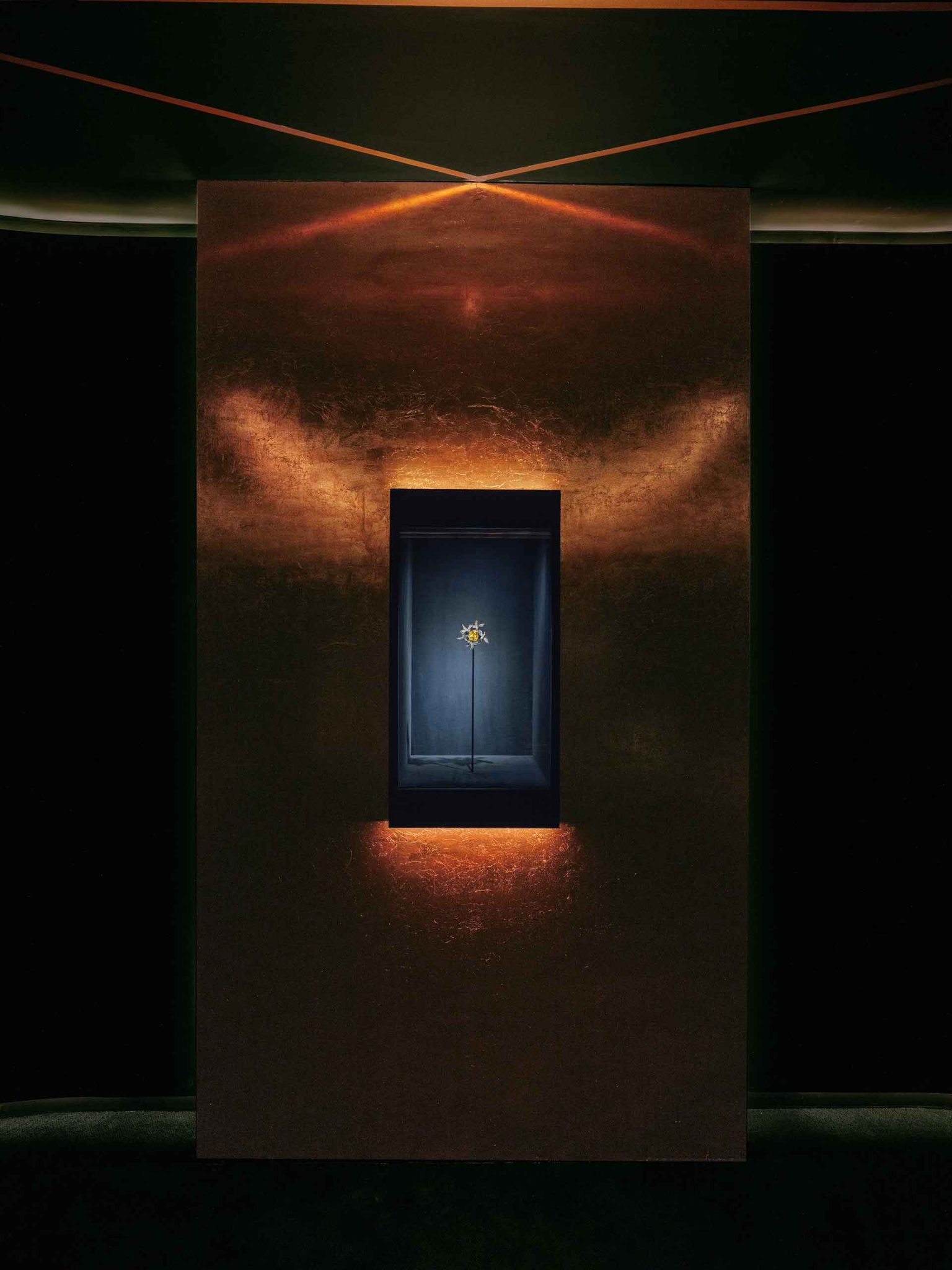
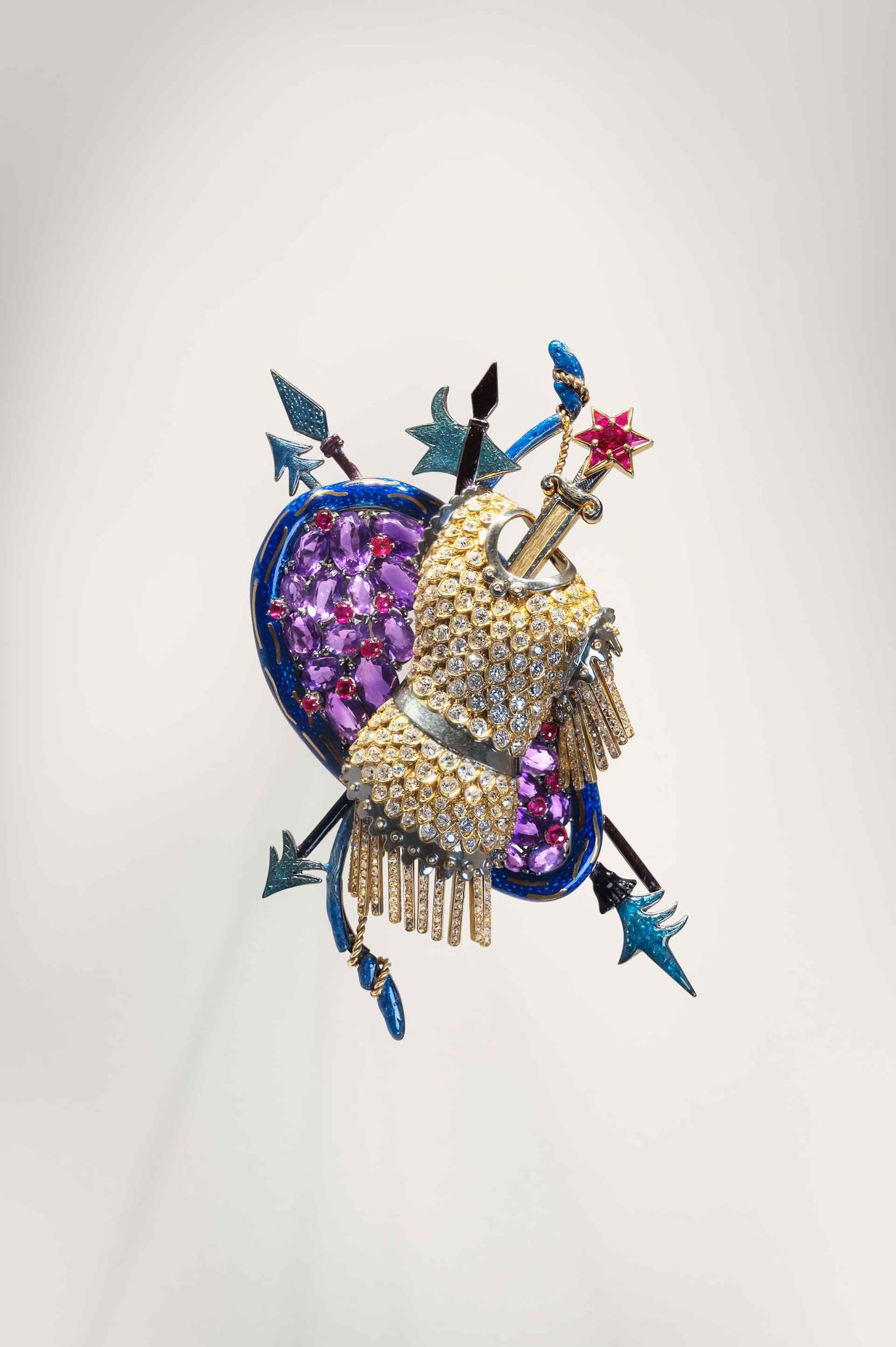
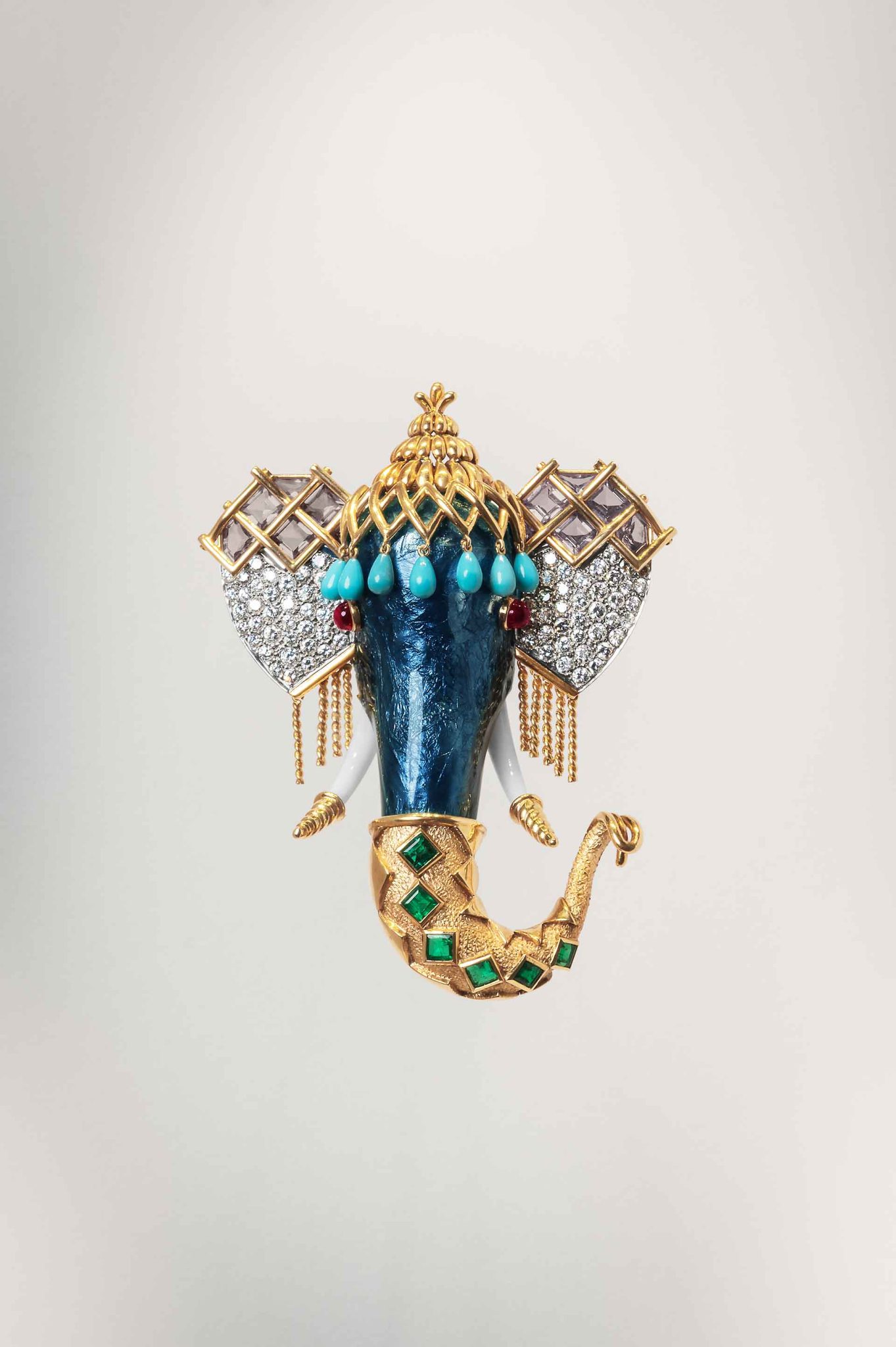
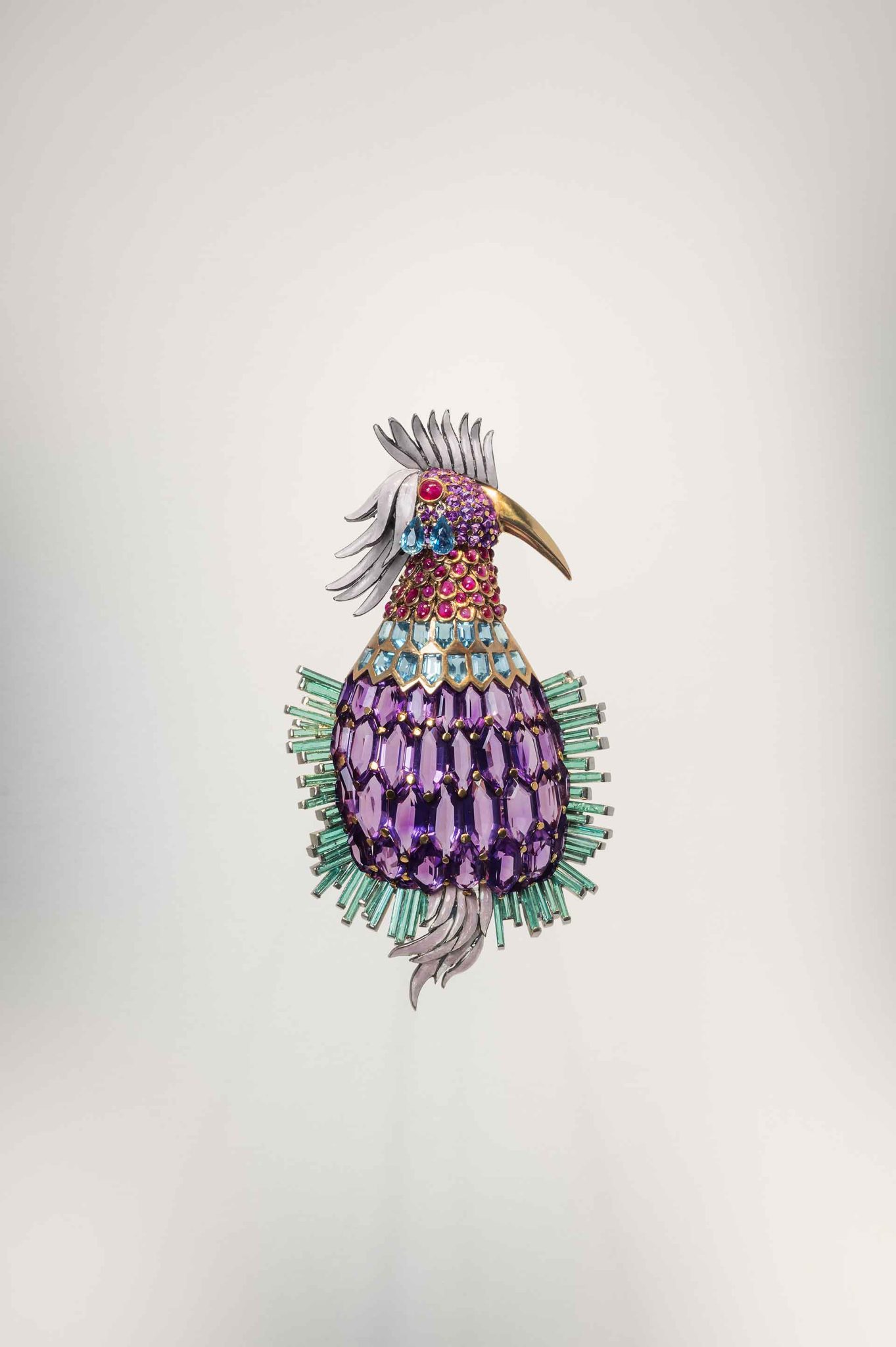
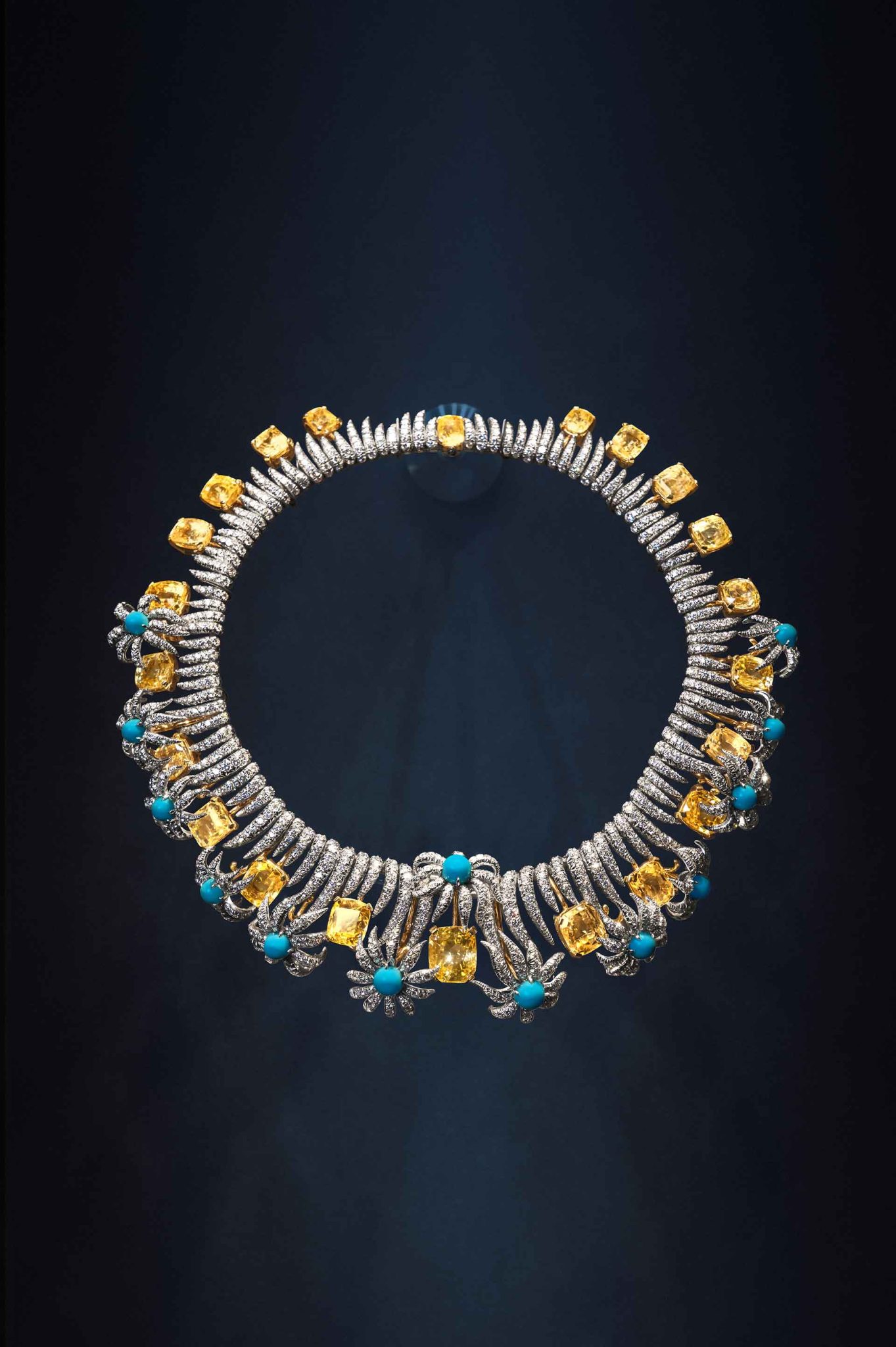
His genius comes alive here through archival treasures—the Elephant Head brooch sparkling with diamonds, emeralds, and turquoise; the 1941 Trophée de Vaillance clip (originally designed for Diana Vreeland), equal parts sculpture and jewel; the amusing Big Bird clip, with its exuberant gemstone plumage; and the radiant Hedges and Flowers necklace, a masterclass in colour and scale with yellow sapphires, turquoise, and diamonds.
Trophée de Vaillance clipElephant Head broochBig Bird clipHedges and Flowers necklace
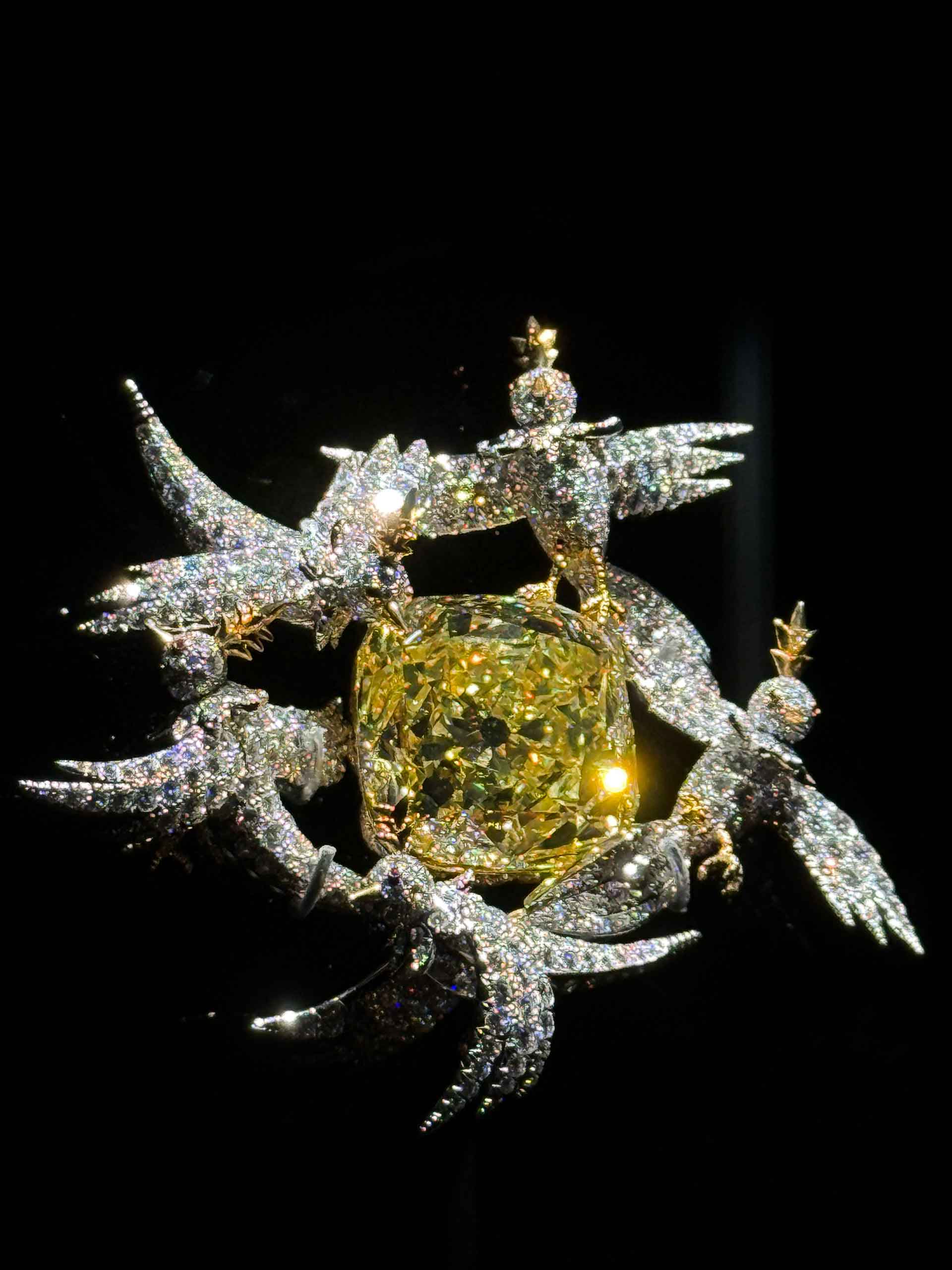
The exhibition crescendos with Tiffany & Co’s ultimate symbol: the 128.54-carat Tiffany Diamond. Reimagined within Schlumberger’s Bird on a Rock setting, it represents not only the house’s near-200-year mastery of diamonds but also the enduring relationship between design innovation and legacy. Few jewels carry as much cultural resonance—having adorned figures from Audrey Hepburn to Lady Gaga—and here it takes its rightful place as both climax and cornerstone.
The Tiffany Diamond
That this debut unfolds in Bangkok is no coincidence. Thailand has emerged as a new axis of luxury—where heritage, modernity, and a fast-growing collector base converge. By situating Legendary Legacy here, Tiffany & Co signals both its confidence in the region and its recognition of Bangkok’s role as a global cultural crossroads.
“Bringing Jean Schlumberger’s masterpieces to Thailand is a moment of deep pride. His work represents Tiffany at its most daring and poetic—where art, nature and fantasy converge. This exhibition is a celebration of that spirit, in a country that shares our reverence for artistry and wonder,” said Anthony Ledru, president & chief executive officer of Tiffany & Co. “The inclusion of the Tiffany Diamond, our most iconic and storied gemstone, marks a historic moment, symbolising the pinnacle of our legacy in craftsmanship, innovation, and gemological excellence.”
More than a dazzling display, Tiffany & Co’s Legendary Legacy is a love letter to creative daring. It reminds us that true luxury isn’t just worn—it is remembered, reinterpreted, and revered across centuries.
Guests can secure their passage into this jewel-box world via exhibition.tiffany.com or through Tiffany & Co Thailand’s official LINE account.
There are few better ways to understand a new car than to experience it alongside the engineers who built it. Our early prototype drive of the upcoming Porsche Cayenne EV took place in southern Europe, and it didn’t just showcase the car’s immense capabilities: it offered a rare glimpse inside the minds of the engineers shaping Porsche’s next-generation SUV. From chassis experts to battery specialists, each Porsche team member offered candid insight into their specific field, revealing the complexity and excitement behind this major project. The new all electric Porsche Cayenne will be delivered to customers in an October 2026.
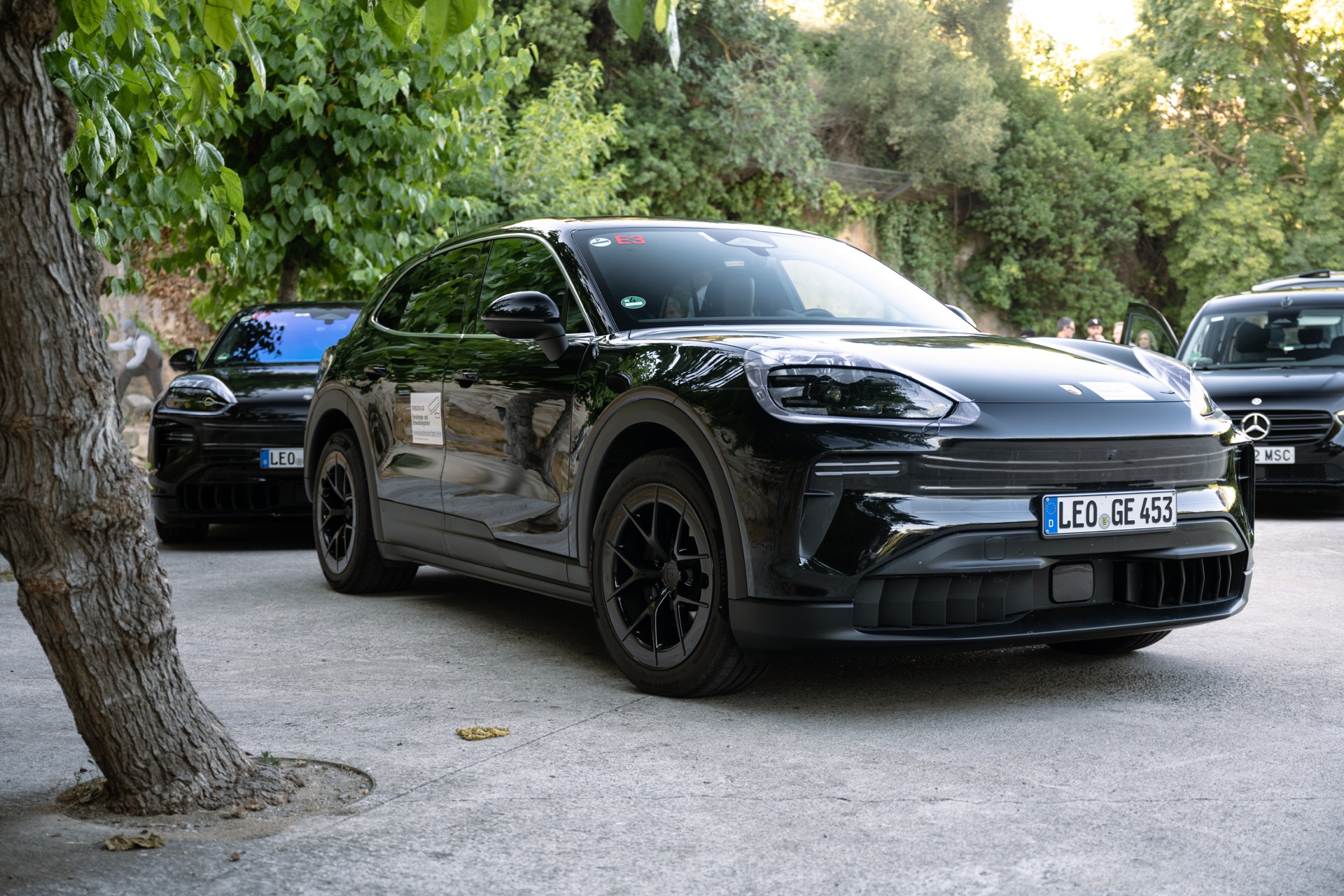
In total, we drove three versions of the Cayenne EV, all as preproduction prototypes: the base model, the Cayenne S, and the range-topping Turbo. Each prototype was camouflaged, but the intentions were crystal clear. This new Cayenne will be Porsche’s most advanced production model yet, and its development reflects the pressure of launching an EV in a market more sceptical than ever. Porsche knows this—and they’ve thrown every bit of technology they have at it.
Porsche Cayenne EV Prototype
Although still under disguise, the styling language was unmistakably Porsche. Broad proportions and familiar surfacing recalled the Macan EV, only larger. The distinctive EV daytime running light signature and full-width rear light bar were both clearly visible through the camouflage. But the biggest visual talking point was reserved for the Turbo variant, which will debut a wild set of deployable vertical aero blades—used not for drama, but for aerodynamic efficiency. It marks the first time Porsche’s SUV flagship introduces exterior design elements that are visually separate from the rest of the range.
Inside, the design is entirely new. The Cayenne EV features a curved central display: a near-square unit of remarkable clarity and presence, and the layout blends physical controls with a familiar Taycan-style instrument panel. There are self-opening and closing doors (not unlike a Rolls-Royce), a panoramic glass roof with ‘Sunshine Control,’ and ambient lighting that adapts depending on drive mode. Rear seat space is notably improved too, with electrically adjustable seats and 99 litres of additional luggage capacity over the outgoing model. In the absence of an engine, there is 90 litres of frunk storage capacity.
Porsche Cayenne EV Prototype
From the driver’s seat, it all feels convincingly Porsche. The seating position is low and sporty, the steering is wonderfully direct, and the car’s immense 2.7-tonne weight is disguised with shocking effectiveness. A major factor in that is the new Porsche Active Ride suspension, which allows the car to actively manage roll and pitch in a way that redefines the boundaries of an SUV. It leans into corners like a sports saloon and glides over rough surfaces with eerie calm. Rear-axle steering and front-axle steering work in harmony to improve low-speed agility and high-speed stability.
The Turbo variant makes more than 1,000PS in overboost mode. It’s faster than it needs to be, particularly when engaging launch control which pins you into the soft leather seats. But that power is matched by braking performance thanks to Porsche Ceramic Composite Brakes, while traction is regulated by a fully variable all-wheel-drive system and electric torque vectoring. You can even disable the synthesised V8 sound if you prefer your silence to be electric. That’s right, another first for Porsche, a simulated engine noise in an EV. It’s a little alarming at first, but you might grow to love it, perhaps more than you think you should.
While most owners may never leave the tarmac, we did. Porsche’s test route took us to a demanding off-road development facility near the Bassella region, where previous SUVs like the Cayenne Transsyberia and VW Touareg were honed. There, the Cayenne EV was nothing short of extraordinary. On dry mud gradients and rocky trails, it held its own. The optional Off-Road Package includes revised bumpers for better clearance and approach angles—an homage to the Cayenne’s off-road roots. Despite its tech-forward focus, the Cayenne EV has lost none of its go-anywhere spirit. It honours the original Cayenne’s reputation among serious off-roaders.
Even day-to-day utility is carefully considered. The Cayenne EV offers more than 600km of WLTP range (up to 640km on some variants), a new 113kWh battery with advanced chemistry, and 800V architecture that allows charging at up to 400kW. That means 10–80% charge in under 16 minutes and up to 300km of range added in 10 minutes. Recuperation is just as impressive, with up to 600kW of braking energy reclaimable—on par with Formula E.
This is a car that can tow 3.5 tonnes, carry your family in comfort, glide silently through cities, blast through Alpine passes, and tackle harsh terrain—all with genuine Porsche steering feel and composure. In many ways, it does what the first Cayenne did over 20 years ago: it redefines what a Porsche can be.
The Cayenne EV is not merely a response to legislation or a placeholder in a lineup. This next generation is a statement of intent. From the engineering team’s pride to the car’s breadth of ability, this prototype drive made one thing clear: the future of Porsche SUVs is arriving fast, and it’s looking electric.
Spain is known for its food and it has different regions and cities, which are more known than others for its cuisine.
Seville is one of those places. Foodies travel there just to explore its food scene. A big focus are the tapas and these offer a great chance to explore the city, while enjoying delicious local food.
Tapas in Seville are a beloved culinary tradition consisting of small, flavorful dishes often served alongside drinks in a social setting. Originating in Andalusia, tapas combine local, fresh ingredients with bold flavors that reflect the region’s rich cultural history.
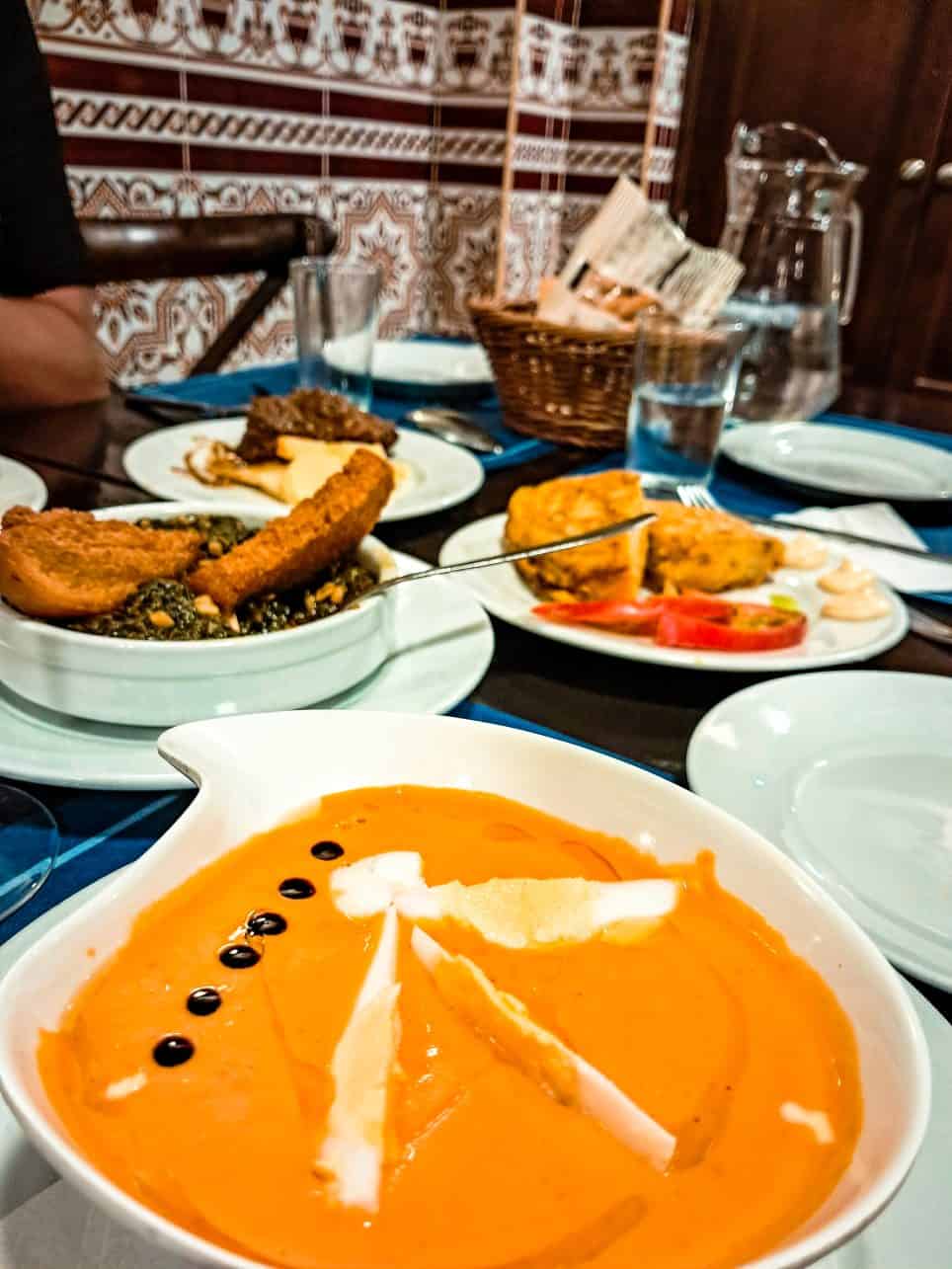
Classic Sevillian tapas include specialties such as salmorejo (a creamy, thicker version of gazpacho topped with ham and egg), espinacas con garbanzos (spinach and chickpeas with garlic and olive oil), choco fritos (fried cuttlefish), and pringá (a meat sandwich).
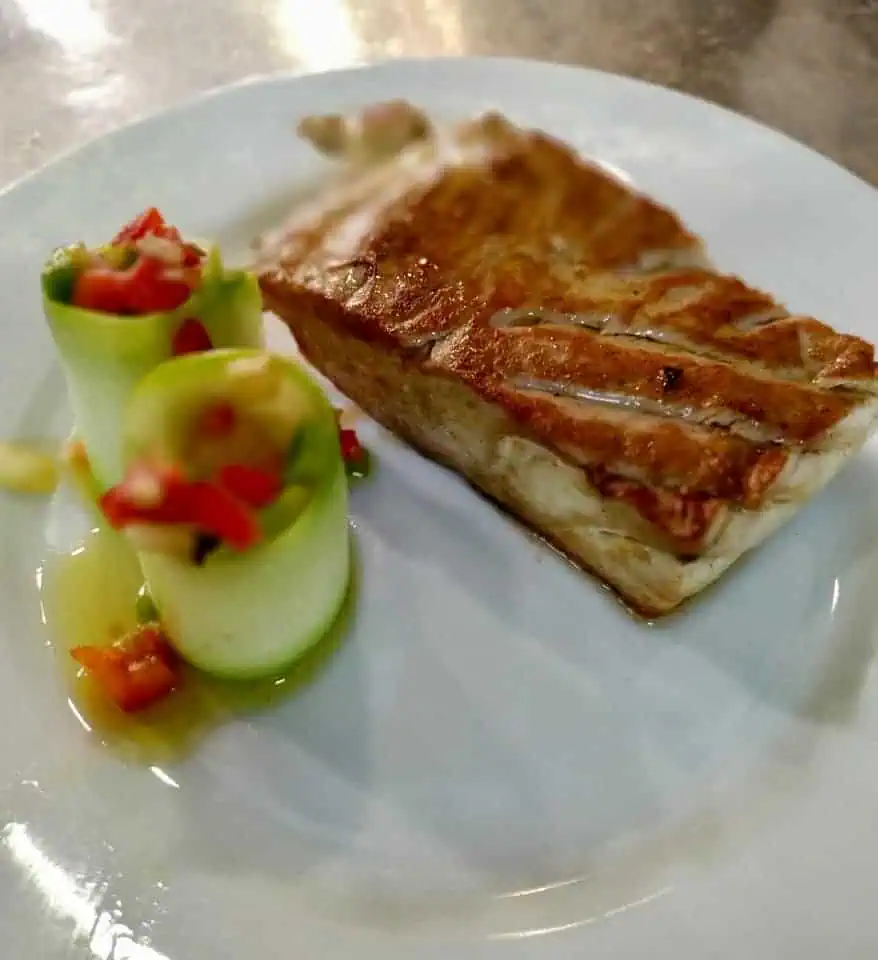
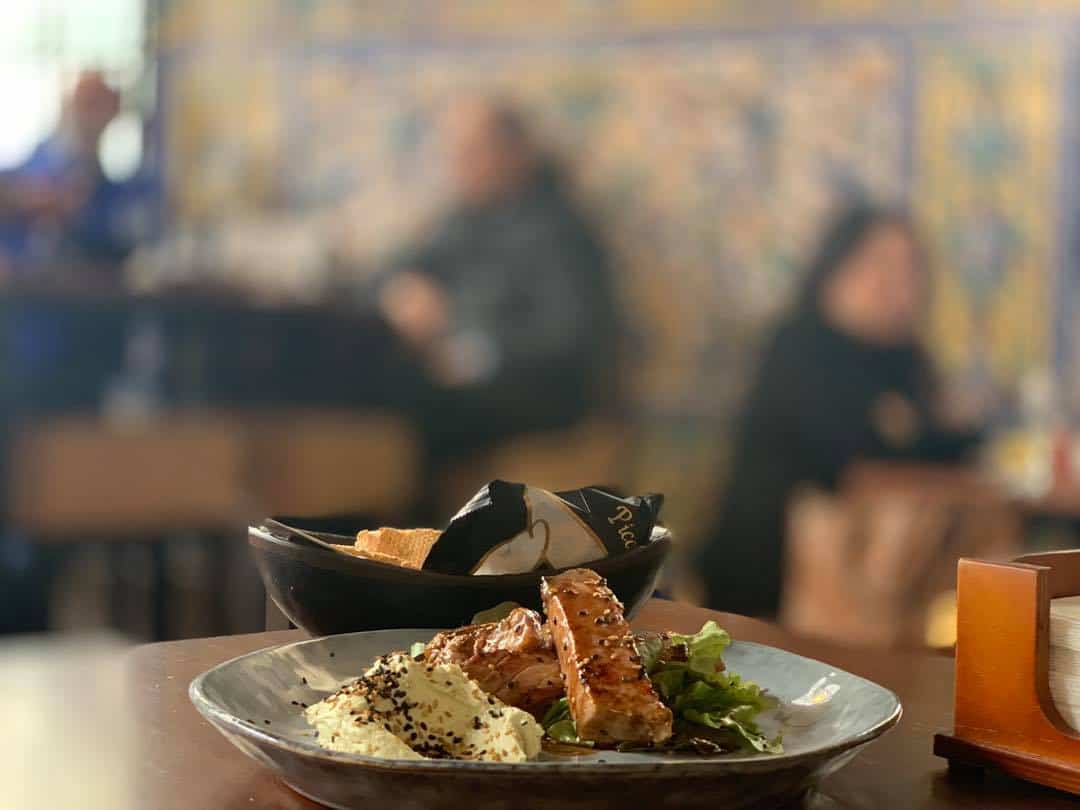
Tuna belly with zucchini rolls, a light dish that’s full of flavor at El Atun in Seville, Spain.
The tapas culture in Seville is more than just food; it’s a lively, communal experience known as “tapear,” where people gather in traditional bars to share plates, stories, and local wines or vermouth. This tradition, rooted in centuries-old history and legends, is a must-experience for visitors looking to taste authentic Andalusian flavors and soak up the city’s vibrant atmosphere.
To try tapas, you’ll find plenty of options. Some are tourist traps, some tougher to find and some are close to major sights and you might consider them as a tourist trap, though they are not. With a lot of research you might find your own options, but you would still miss out on a lot of background information.
That’s where a food tour comes in handy. They know their foodie scene and what each place is known for. Plus they can provide you with all the necessary background information.
One good example is the Jamon Iberico. If you just stop in a random bar, you usually see the ham hanging down from the ceiling. Some will find that view inviting, others maybe not. When looking into the menu, you will find huge price differences. Why is that, though it’s all sold as Jamon Iberico? Well, it’s the quality of the meat and actually also on how the pig lived its life before. See the extra section about the Iberian ham further below.
Seville is a city where history, culture, and gastronomy entwine seamlessly, and few experiences capture this better than the Tapas & History Food Tour by Devour. This tour is a vibrant journey through authentic Andalusian flavors paired with fascinating local stories, offering a genuine taste of Seville’s culinary heritage in some of the city’s most beloved traditional spots.
Four Iconic Stops, Four Unique Flavors of Seville
The places included on a food tour can always change slightly. Ours took place in the August summer heat, when some places might prefer to close for the holidays, which I don’t blame them for.
However, this is no problem for expert guides, especially in Seville, where there are plenty of good options. Nevertheless, it’s good to have a local expert to choose those places, as they know exactly what to eat where and what makes each place unique.
Here are a few places that we visited on our tour, along with a few other recommendations.
Las Teresas
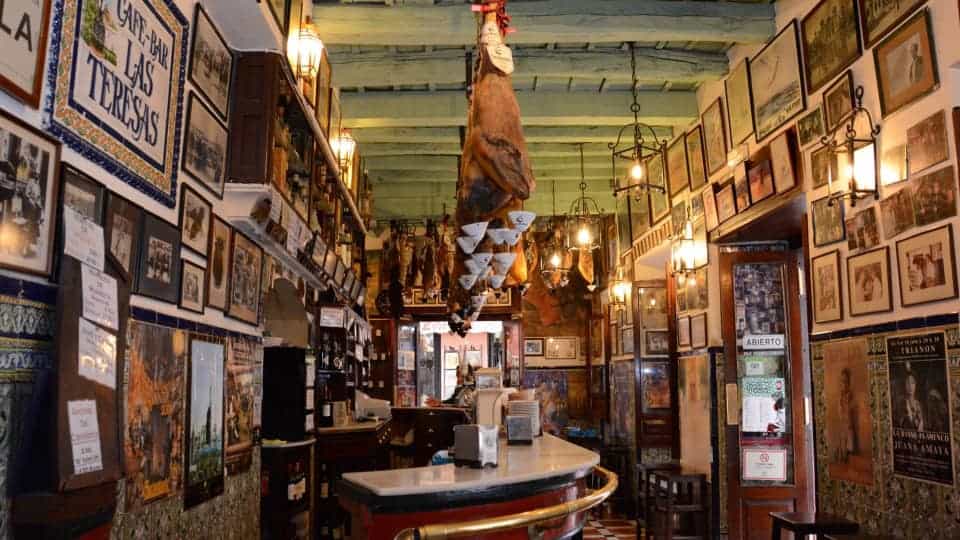
Stepping into Las Teresas is like entering a living museum of Sevillian tradition. Dating back to 1870, this classic tapas bar in the heart of Santa Cruz charms with its rustic ambiance. Imagine walls adorned with hanging hams, vintage photos, and traditional tiled decor. Savor renowned specialties like jamón ibérico de bellota and the timeless spinach with chickpeas.
Expect a warm, welcoming staff and the authenticity that fills every corner, making it an essential first stop on the tour to immerse in real Sevillian tapas culture.
Potatoes, jamon and a drink at Las Teresas, Seville, Spain.
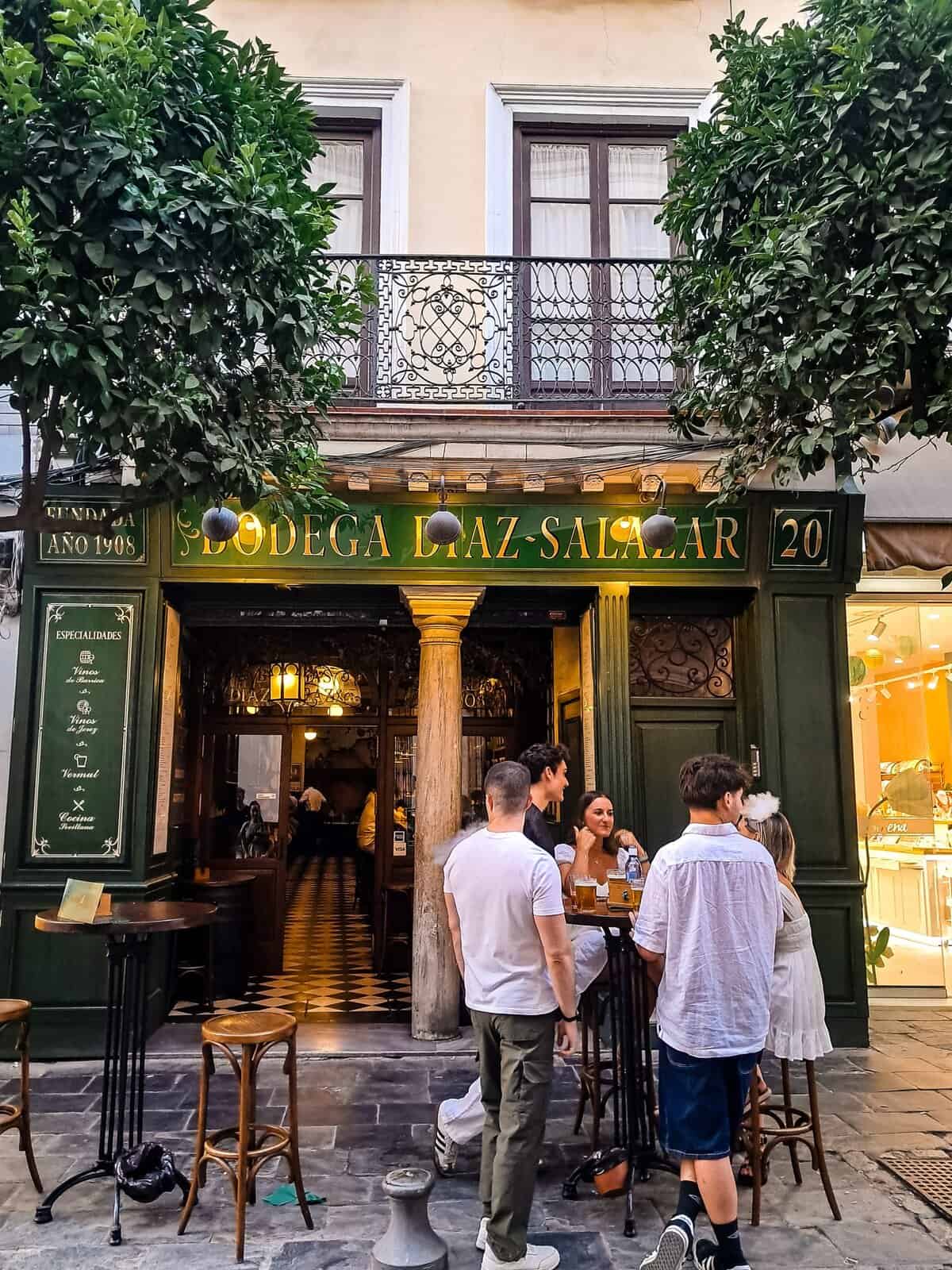
Bodega Díaz Salazar
A neighborhood treasure, Bodega Díaz Salazar stands out for its timeless charm and welcoming atmosphere. Known for its house-made fortified wines and vermouth served straight from the barrel, this bodega pairs excellent drinks with delightful cured meats, cheeses, and pickled snacks.
The personable service here adds to the experience, with the friendliness of the staff, especially José Luis, who makes all guests feel at home. Its lively, authentic vibe and great value make it a beloved local hangout as well as a favorite for travelers seeking genuine Andalusian hospitality.
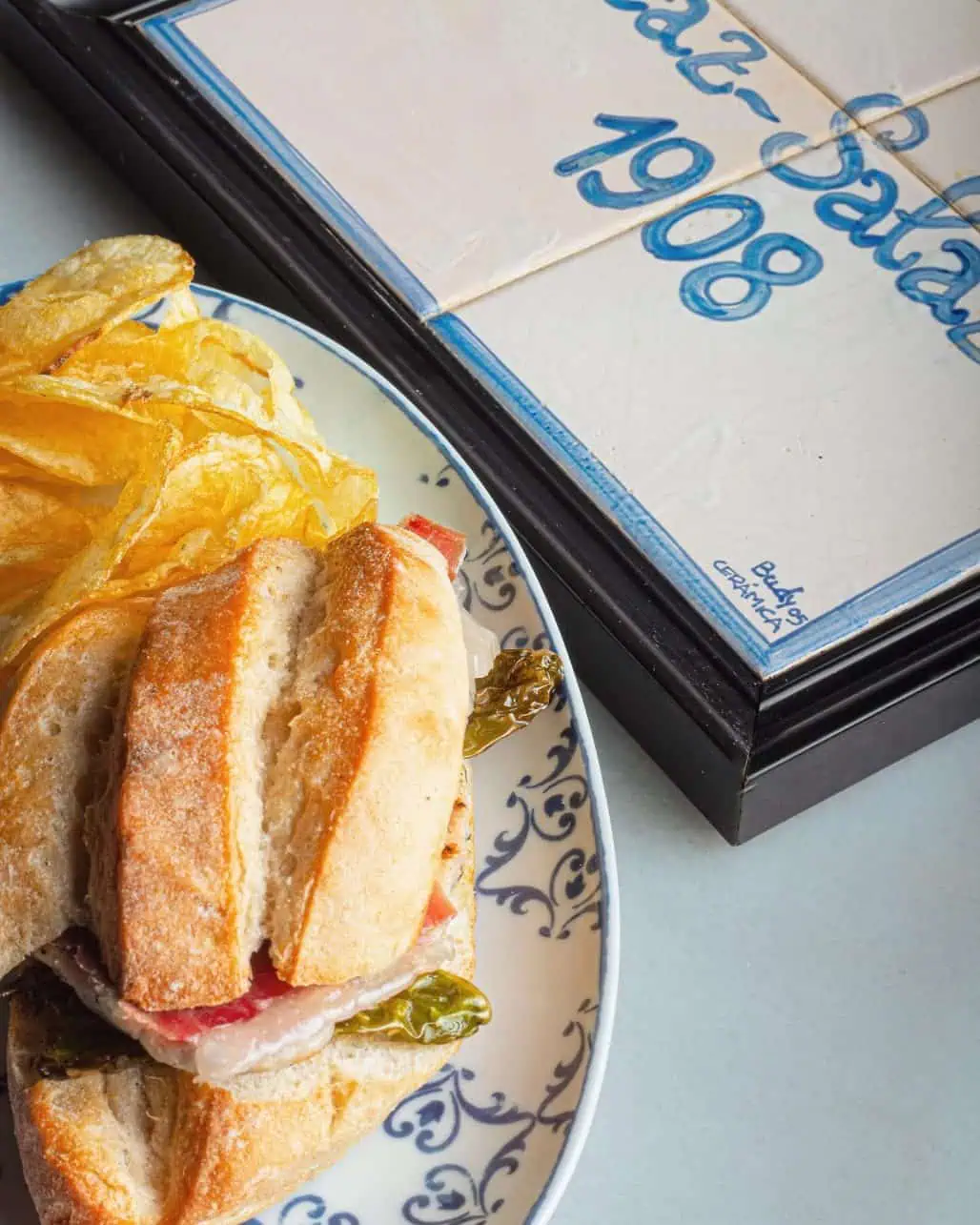
Apart from the cherry wine, try the montaditos at Bodega Díaz-Salazar in Seville, Spain.
Restaurante El Atún
For lovers of seafood and Andalusian classics, Restaurante El Atún brings fresh, hearty flavors to the table. The restaurant is celebrated for specialties centered on tuna and other seafood, with standout dishes including vegetarian paella and fried fish platters.
Enjoy the casual, friendly atmosphere enhanced by outdoor seating on a bustling street. Highlights are the generous portions, accommodating staff, and the availability of gluten-free options, making it both a safe and savory choice for visitors eager to experience traditional flavors in a relaxed setting.
Rounding off the tour with sweetness, Olmo Heladería Artesanal is a must-visit for ice cream lovers, and those with dietary restrictions.
Famous for its extensive vegan and non-dairy options, Olmo offers an inventive mix of flavors from classics like chocolate and pistachio to exotic blends such as passionfruit, orange-ginger-cinnamon, and lemon-mint. I chose the chocolate with a dip of vanilla. It was outstanding.
The cozy shop delights guests with friendly service that often includes complimentary tastings, and the quality of the ice creams has earned it rave reviews for freshness and flavor intensity. I can only confirm those.
Visitors leave Olmo with smiles on their faces and satisfied palates, whether they’re vegan or traditionalists… unless the shop is closed late at night, that is!
Located in the heart of Triana, Bar Las Golondrinas is an iconic neighborhood tapas bar renowned among locals and visitors for its bustling, authentic Sevillian flair.
The menu features standout dishes such as punta de solomillo (Iberian pork tenderloin), marinated mushrooms with herbed aioli, and perfectly cooked squid.
I highlight the simple, traditional flavors, quick and efficient service, and remarkable value for money. The bar’s welcoming, energetic atmosphere and classic décor make it a culinary staple. This is a top spot for those wanting a truly local tapas experience.
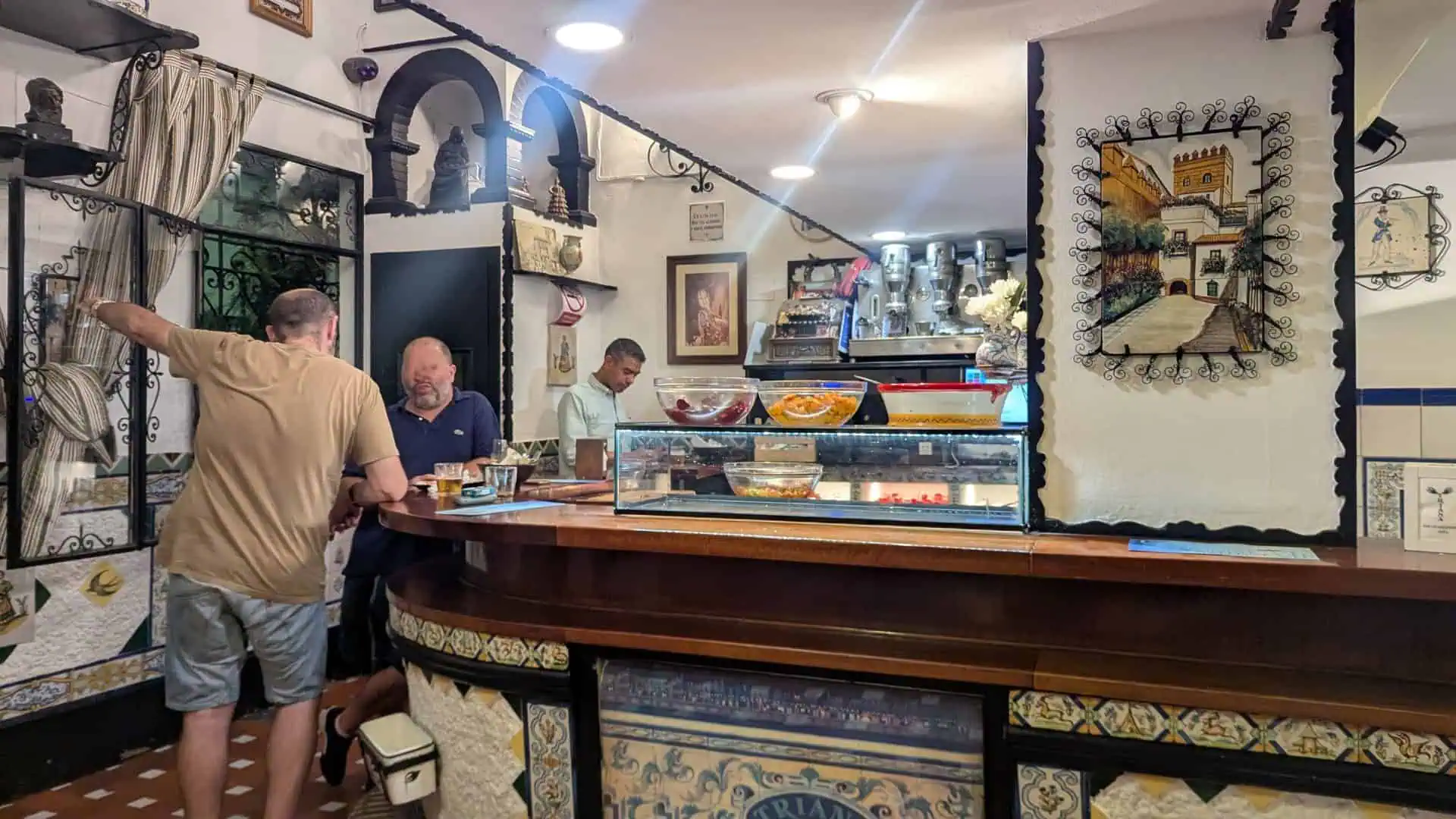
Bar Las Golondrinas Antillano Campos in Seville, Spain.
Alfarería 21 – Casa Montalván
Alfarería 21, housed in the historic Casa Montalván ceramics factory, fuses modern design with tradition through the preservation of original tiles and architectural features. Spread across multiple levels (including a rooftop terrace), it offers elegant yet lively surroundings.
The kitchen is celebrated for both innovative and classic tapas. Favorites include prawn and pecorino fritters, lamb skewers with lime-yogurt sauce, crispy calamari, and creative croquetas.
You will appreciate the attentive service, beautiful interiors, and the unique setting that reflects both Triana’s ceramic heritage and current culinary trends. The space stands out for its blend of local history, sophisticated ambiance, and high culinary standards, making it a favorite among those seeking a memorable tapas experience in Seville.
Tuna… a dish not on the menu that is proving a big hit at Alfarería 21 Casa Montalván in Seville, Spain.
Bar Santa Ana
Bar Santa Ana is a beloved local gem lauded for its friendly staff, lively neighborhood vibe, and robust menu of classic Andalusian tapas.
Positioned beside a church and flamenco school, the bar features a cozy terrace and inviting interior, and is known for late-night hospitality and fair pricing.
We had generous portions, fresh ingredients, and a welcoming service. The atmosphere is known for its warmth, which makes you feel a bit of being part of a close-knit community. Updated ownership has brought a creative twist to traditional flavors, further enhancing the bar’s appeal as a go-to for both locals and newcomers.
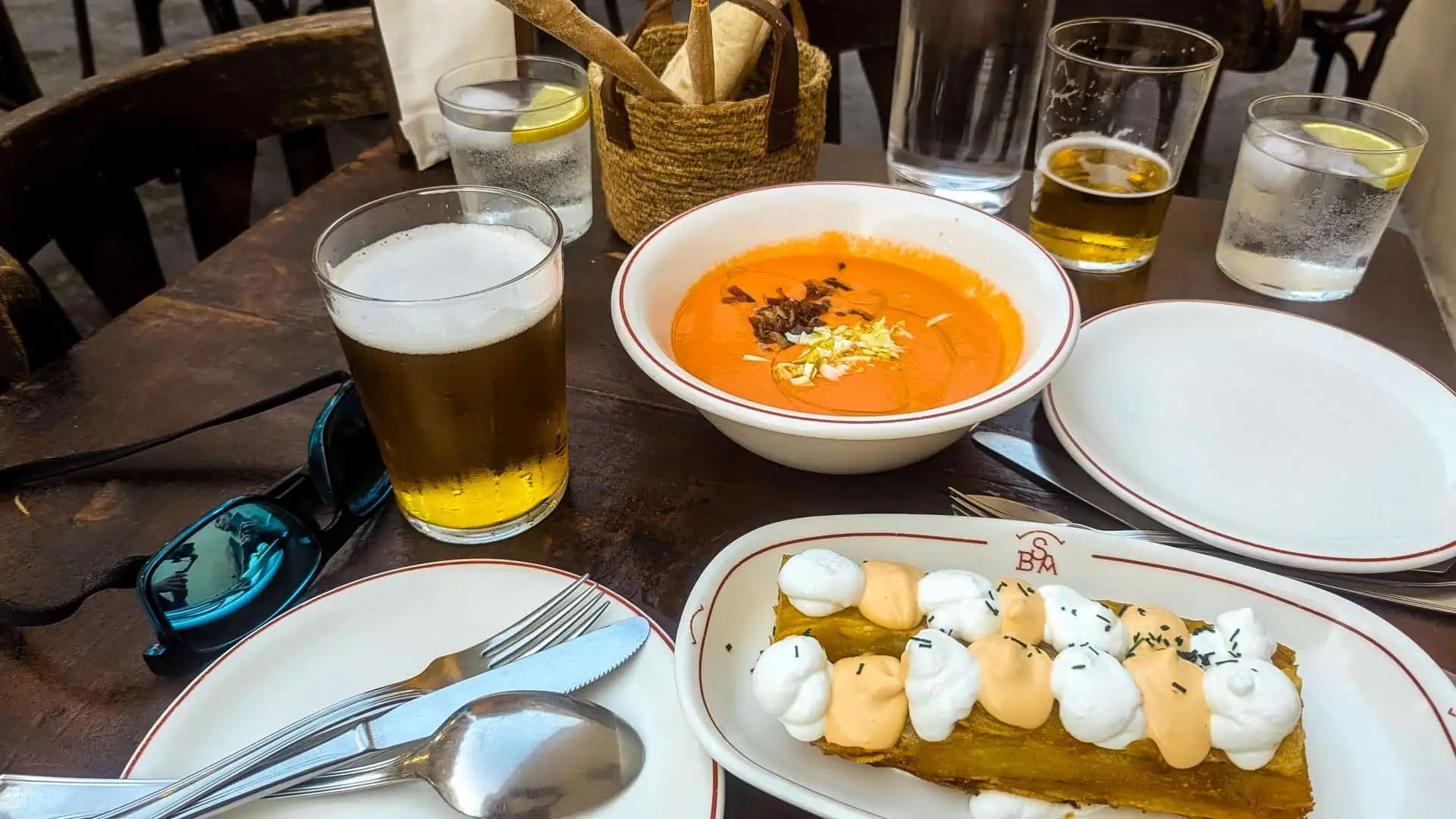
Beer and tapas at Bar Santa Ana in Seville, Spain.
Mercado del Barranco
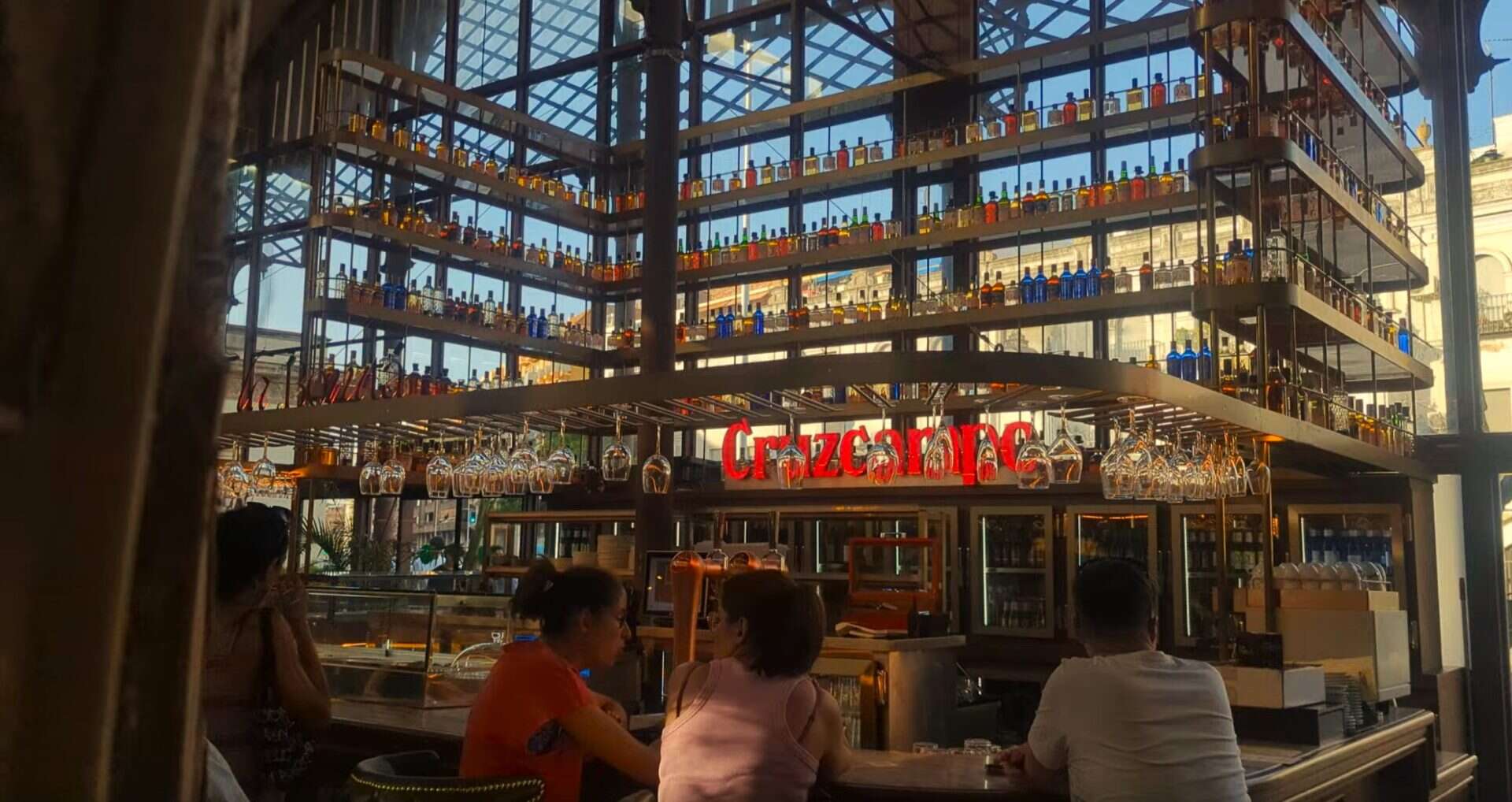
Mercado del Barranco offers a modern, spacious food market atmosphere right on the banks of the Guadalquivir River.
This historic iron structure has been transformed into a light-filled culinary center where visitors can sample a wide array of local and international fare: from Iberian cured meats, traditional tapas, and fried fish to bao buns and gourmet desserts.
The market stands out with its cleanliness, variety, and inviting ambiance, as well as the opportunity to dine al fresco with views of the river. The self-service model allows guests to create their own tasting experiences, making it an attractive spot for families and groups looking to sample the best of Seville all in one place.
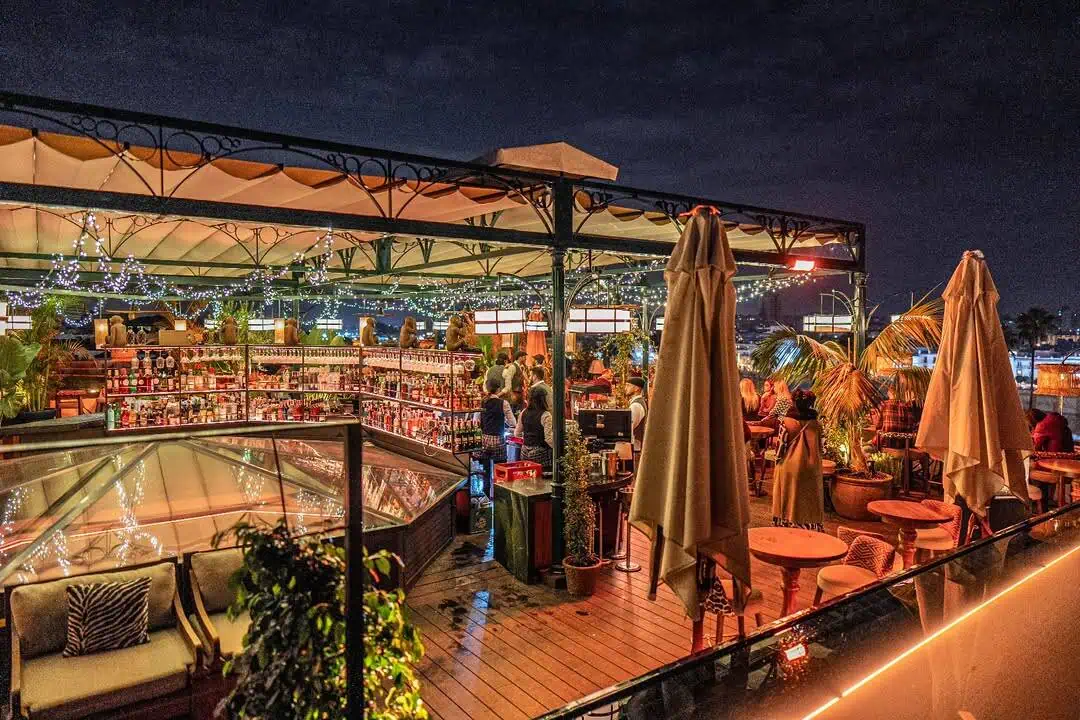
Ático Sevilla is recognized for its stylish rooftop setting, offering panoramic views of the city’s skyline and a modern lounge ambiance.
The venue is particularly popular for its seasonal cocktails, upbeat music, and vibrant atmosphere, especially on weekends. The top highlight is definitely the spectacular vista and the quality of the drinks, making it a favored destination for both relaxing sunsets and energetic evening outings. The airy terrace provides a memorable backdrop for socializing, and while experiences with service can vary, the overall draw is the unbeatable location and lively rooftop setting that captures the spirit of contemporary Seville nightlife.
Each of these establishments contributes its own flavor and character to Seville’s dynamic food scene, offering diverse experiences from traditional neighborhood bars to innovative culinary spaces and rooftop escapes.
Beyond the mouthwatering food, this tour provides a rich cultural experience, combining each bite with stories about Seville’s history, customs, and culinary traditions. The carefully curated stops each offer a window into local life, from centuries-old recipes and family-run establishments to modern adaptations rooted in tradition.
Whether it’s your first visit or a return trip, this tour promises an unforgettable, authentic journey into Seville’s gastronomic soul.
For travelers eager to explore Seville through its food, meet passionate locals, and savor timeless flavors, Devour’s Tapas & History Food Tour is an essential gateway to the city’s rich culinary tapestry.
Jamon Iberico
No matter if you join a food tour or if you explore the food scene by yourself. Most probably you want to taste the world famous “Jamon Iberico”. So let’s have a short info section on that one.
Finding the right place to try a good quality Jamon Iberico is possible, but the easiest and best way is to join a food tour. Let me tell you why. They know the places to go for. You won’t see the difference on the menu, as the price itself is not always the identifier for that. With the info here, you might be able to order it.
Iberian ham (Jamón Ibérico) is classified using a color-coded label system that indicates the quality, purity of the pig breed, diet, and production methods. This system helps consumers understand what they are purchasing.
Black Label jamon iberico at Bar Las Teresas in Seville, Spain.
There are four main labels, each representing a distinct type of Jamón Ibérico:
Black label (Jamon 100% Iberico de Bellota): This is the highest grade. It comes from purebred Iberian pigs (100% Iberian genetics) raised free-range and fed exclusively on acorns during the montanera season (autumn to winter). The ham is cured for an extended period (typically 36 months or more), resulting in intense flavor, rich marbling, and exceptional quality. It is also known as “Pata Negra” and is considered the finest Iberian ham.
Red label (Jamon Ibérico de Bellota): This comes from Iberian pigs that are crossbred, with 50%-75% Iberian genetics. These pigs are also free-range and fed acorns during montanera, but the breed is not 100% pure Iberian. The quality and taste remain high, but it is considered a step below the black label.
Green label (Jamon Ibérico de Cebo de Campo): Pigs producing this ham have at least 50% Iberian heritage and are raised free-range, but with a mixed diet of natural pasture/grasses and grain. The flavor is less intense than bellota varieties due to the grain diet but still offers balanced quality from outdoor rearing.
White label (Jamon Ibérico de Cebo): This is the most basic Iberian ham category. The pigs (at least 50% Iberian) are raised indoors and fed exclusively on cereals and grains. This results in a milder flavor and less marbling compared to the acorn-fed varieties. It is the most affordable option among the labeled Iberian hams.
So the labels communicate the Iberian pig’s purity and diet: black and red labels indicate acorn-fed pigs (bellota), while green and white indicate grain or mixed feed. Black label (100% acorn-fed pure Iberian) is the top quality, and white label is the entry-level Iberian ham.
This labeling system was implemented by the Spanish government starting in 2014 to ensure transparency, quality control, and consumer protection in Iberian ham production.
So when buying Jamón Ibérico, the color seal on the ham indicates the breed purity and the pig’s diet, which directly influence the taste, texture, and price of this prized Spanish delicacy.
I’m sure you’ve had similar experiences I had whilst traveling. You’re in a certain place and a fellow traveler, or a local, tip you off on a little-known beach, bar or accommodation. Great travel tips from other travelers or locals always add something special to our travels. That was the inspiration for Travel Dudes.
I’m sure you’ve had similar experiences I had whilst traveling. You’re in a certain place and a fellow traveler, or a local, tip you off on a little-known beach, bar or accommodation. Great travel tips from other travelers or locals always add something special to our travels. That was the inspiration for Travel Dudes.
As Malaysia is set to celebrate the nation’s 67th Independence Day — or Merdeka Day — on 31 August 2025, LUXUO spotlights the architects and designers who are shaping Malaysia’s design industry. From award-winning Malaysian architects who shape airports and cavernous residential bungalows to the creative spirit of product designers with their circular-economy-focused products, LUXUO celebrates these designers for their combined visionary skill of creating structures and products that are putting Malaysian design on the global map.
Phnom Penh International Airport. Image: NRY Architects.
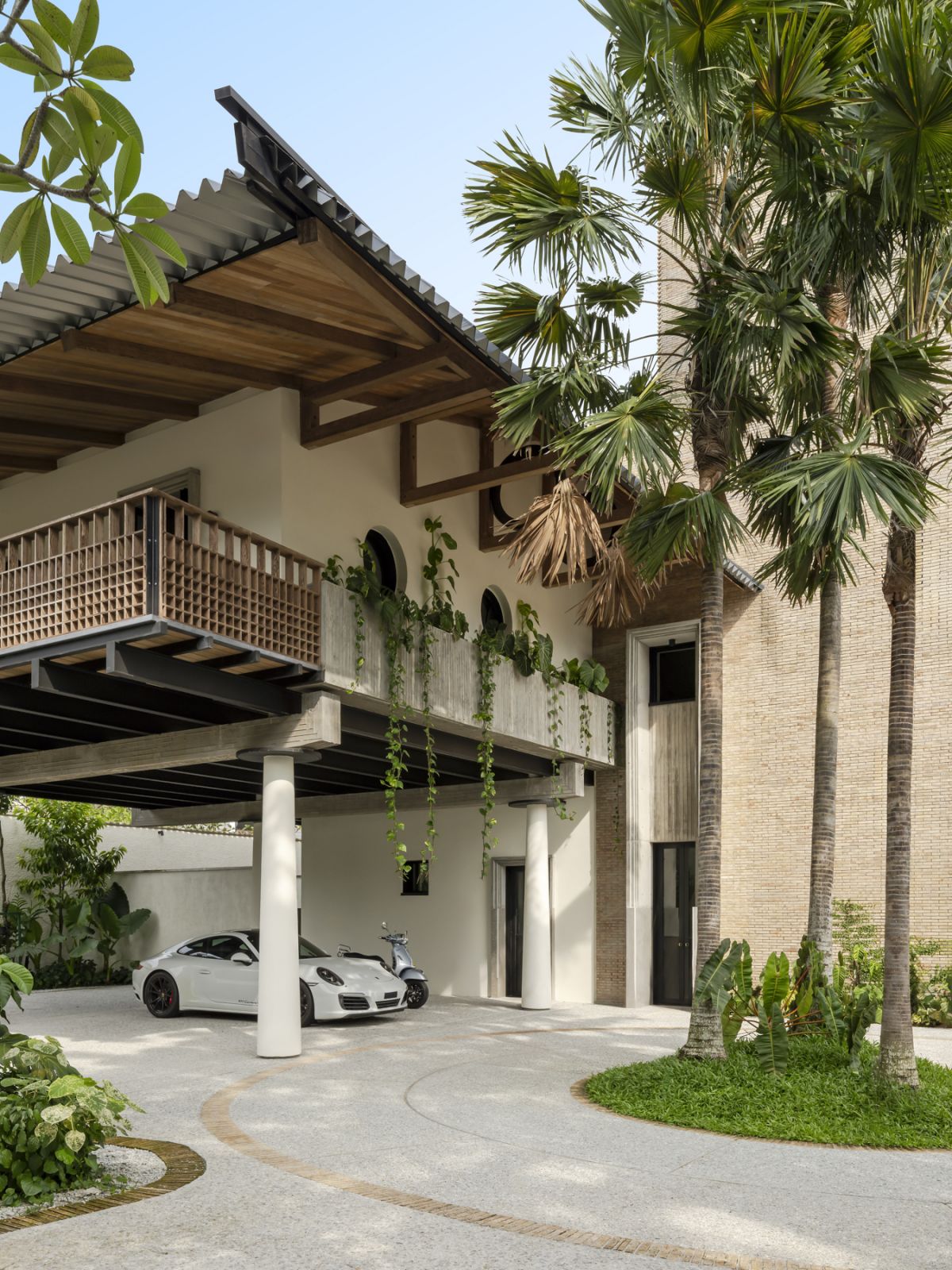
NRY Architects has influenced Malaysia’s built environment since its foundation in 1984. Under the direction of Dato’ Ezumi Harzani Ismail, the Kuala Lumpur-based architecture firm has established a solid reputation for creating iconic buildings that strike a balance between daring modern style and traditional Malaysian surroundings. NRY’s portfolio — which encompasses everything from opulent homes and civic areas to towering business towers — demonstrates a meticulous commitment to form, function and placemaking.
A hotel suite has been proposed in the upmarket suburb of Mont Kiara of Kuala Lumpur. Image: NRY Architects.
Industry peers regularly list NRY as one of Malaysia’s most significant companies. Their capacity to combine innovation with social purpose is demonstrated by their 4-storey Sekolah Agama Rakyat Taman Tasik, which won Malaysia’s top architectural honour, the PAM Gold Award. In the meantime, their proficiency in high-performance urban architecture is evident in commercial projects such as Menara Hap Seng 3. According to Architectural Digest Southeast Asia, “NRY’s work carries an assured clarity — whether in the thoughtful interplay of light and space in their cultural projects or the rhythmic façades of their towers.”
Projects like the GBI-certified Menara KEN demonstrate the firm’s strict environmental philosophy, which goes beyond aesthetics. After forty years, NRY’s design intelligence — rather than ephemeral trends — continues to dominate Malaysian architecture.
WHBC Architects: Malaysia’s Rising Design Force
Architect BC Ang of WHBC designed this 7,600-sq-ft home in Kuala Lumpur. Image: WHBC Architects.
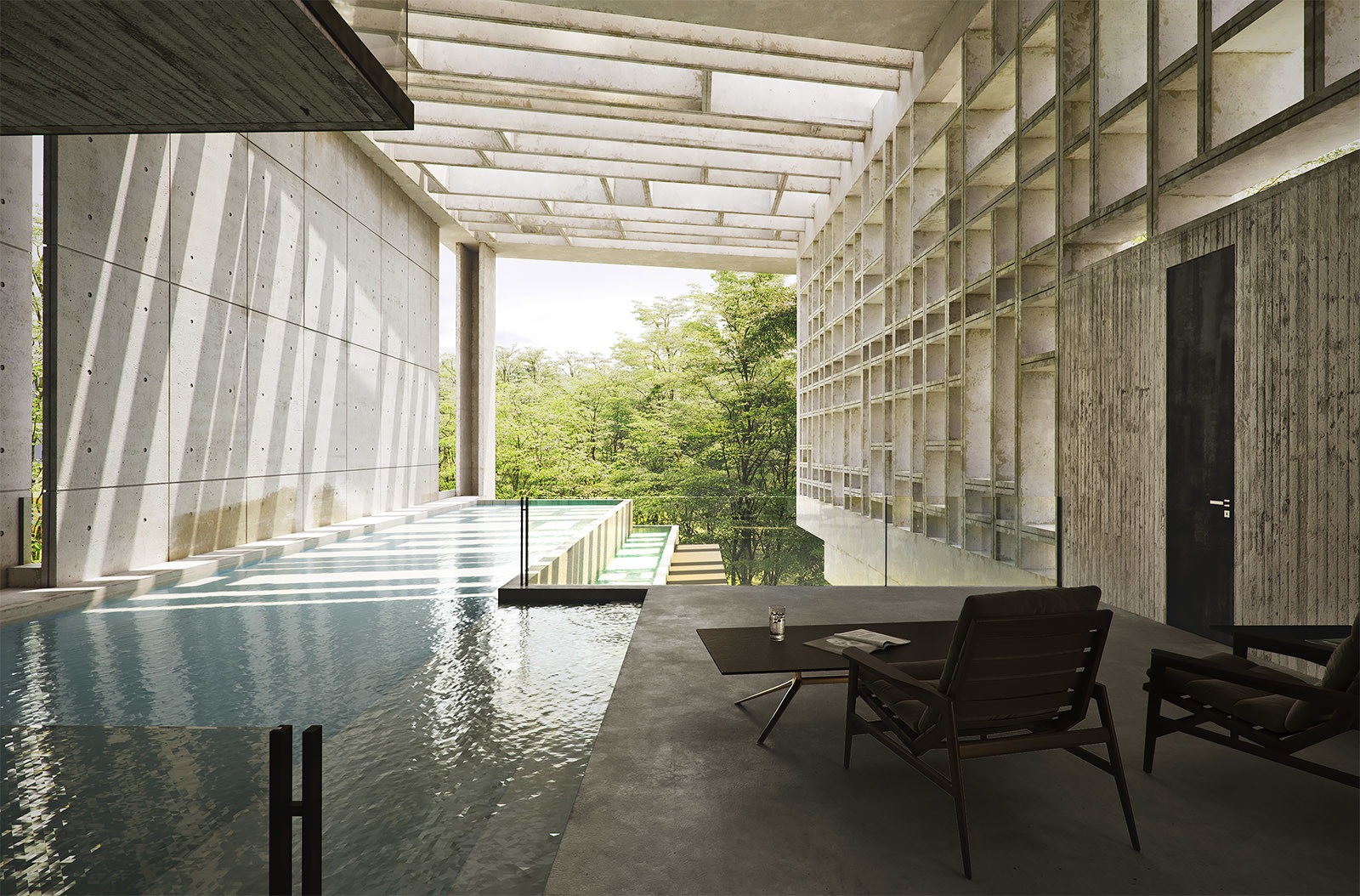
WHBC Architects — a group that combines youthful vitality with technical precision — is emerging as a practice to watch in Malaysia’s architectural landscape. The Kuala Lumpur-based studio was established in 2016 and has rapidly established itself with a portfolio that includes innovative commercial buildings, well-considered residential projects and adaptive reuse initiatives.
The “Tropical Box” house, an egg-crate-inspired house that embraces nature, cross ventilation and natural light. Image: WHBC Architects.
Industry watchers have noticed. The six-storey mixed-use building in Damansara Heights — designed by WHBC — was selected for the 2023 Design Awards by the Malaysian Institute of Architects (PAM), which praised its “clever spatial economy and contextual sensitivity.”
Directors Wong, Heng, Boon and Chin individually oversee projects, making sure every scheme represents their high standards. This hands-on approach is what distinguishes WHBC. An ambitious future is suggested by ongoing projects, such as a tech startup’s low-carbon headquarters. As recently said by Architecture Malaysia: “This is a firm that understands scale, materiality and — crucially — how buildings live in their surroundings.” WHBC is subtly redefining what it means to be a next-generation Malaysian practice with a pipeline of culturally complex projects.
Big Hand Creation
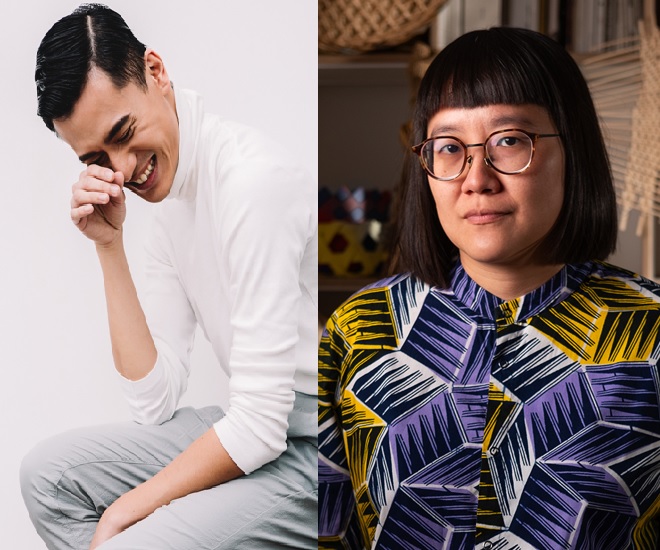
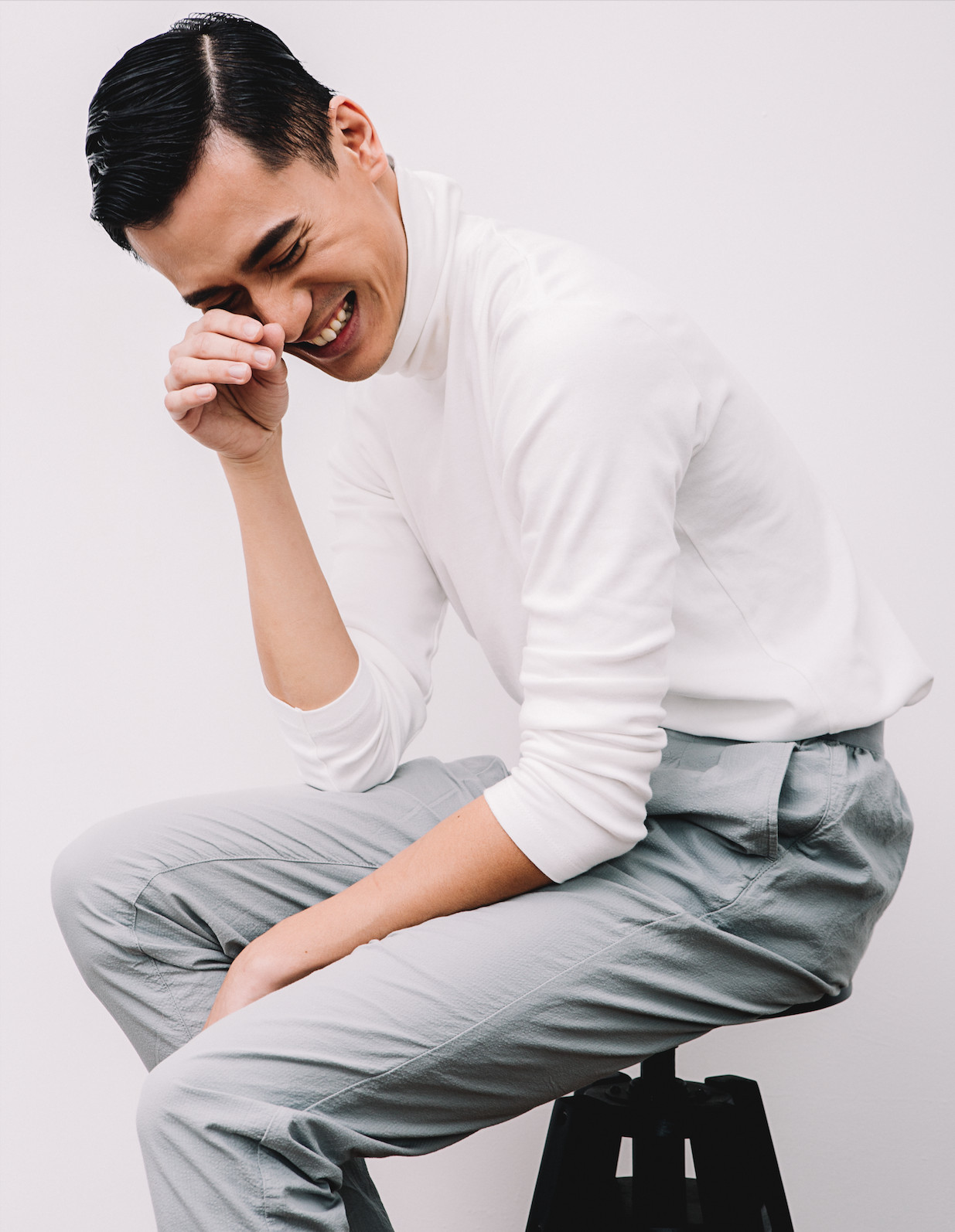
Big Hand Creation comprises: Eric, the main designer, (main image) works with, from clockwise: Wei Ming, Neoh and Jayden.
Big Hand Creation is an innovative giving and product design company founded by Eric Tiau, a Malaysian industrial designer. To provide emotionally impactful giving solutions that combine narrative, beauty and intentional branding, it has collaborated with over 100 Malaysian and international firms.
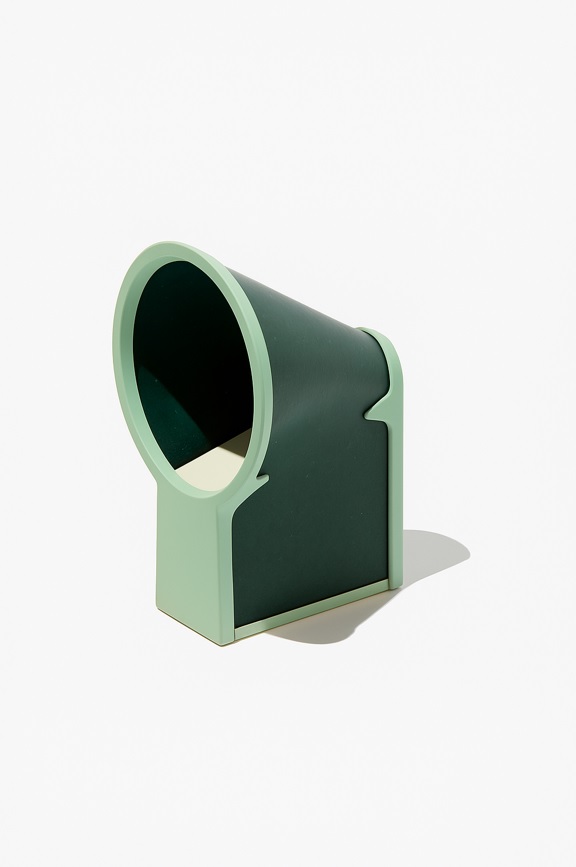
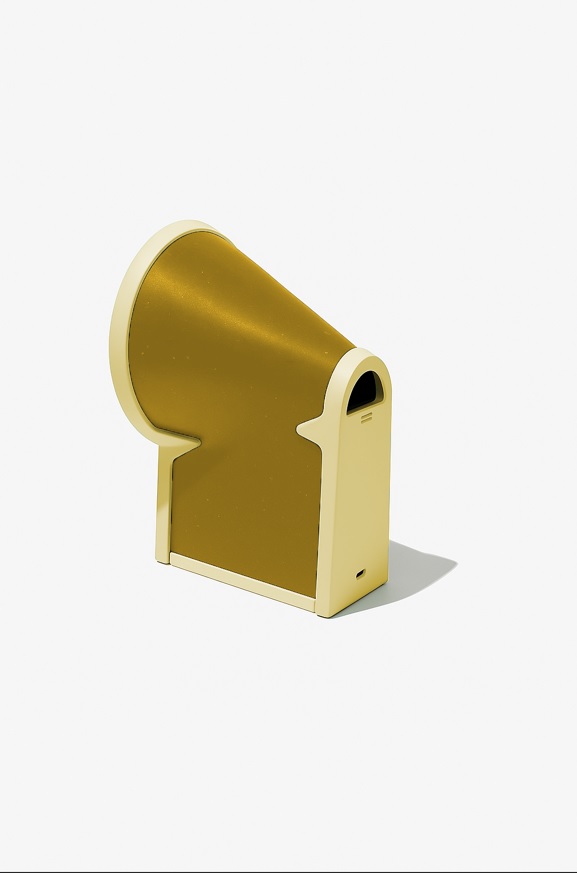
The Bēori lamp features snap-fit components.The luminaire is made from recycled nitrile gloves.
For Emerge @ FIND 2025 in Singapore, Tiau has devised the “Bēori” lamps designed for modern homes. The luminaire allows for easy personalisation with its modular snap-fit components. It is made with environmentally friendly PLA plastic and patented Beyon Rubber, which is made from recycled nitrile gloves. It is a prime example of circular design. The Bēori lamp promotes attentive living and is an item that is focused on the user.
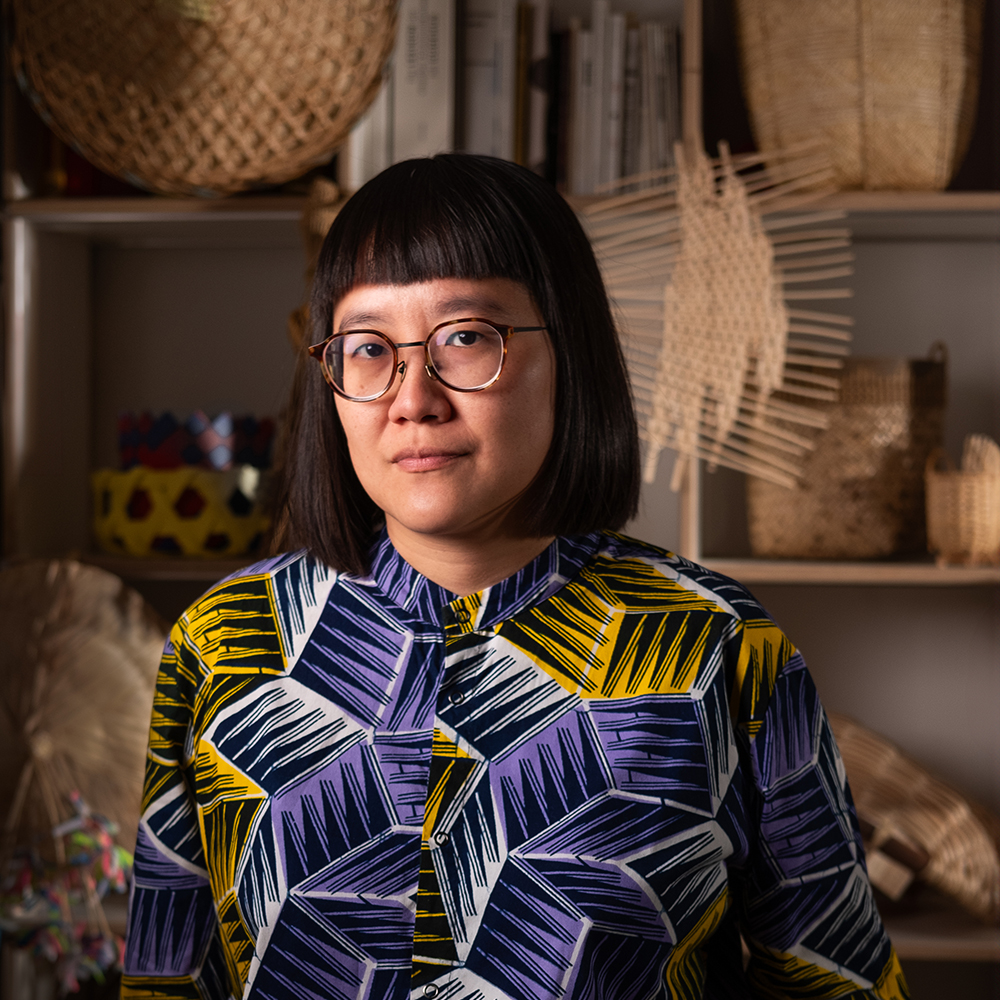
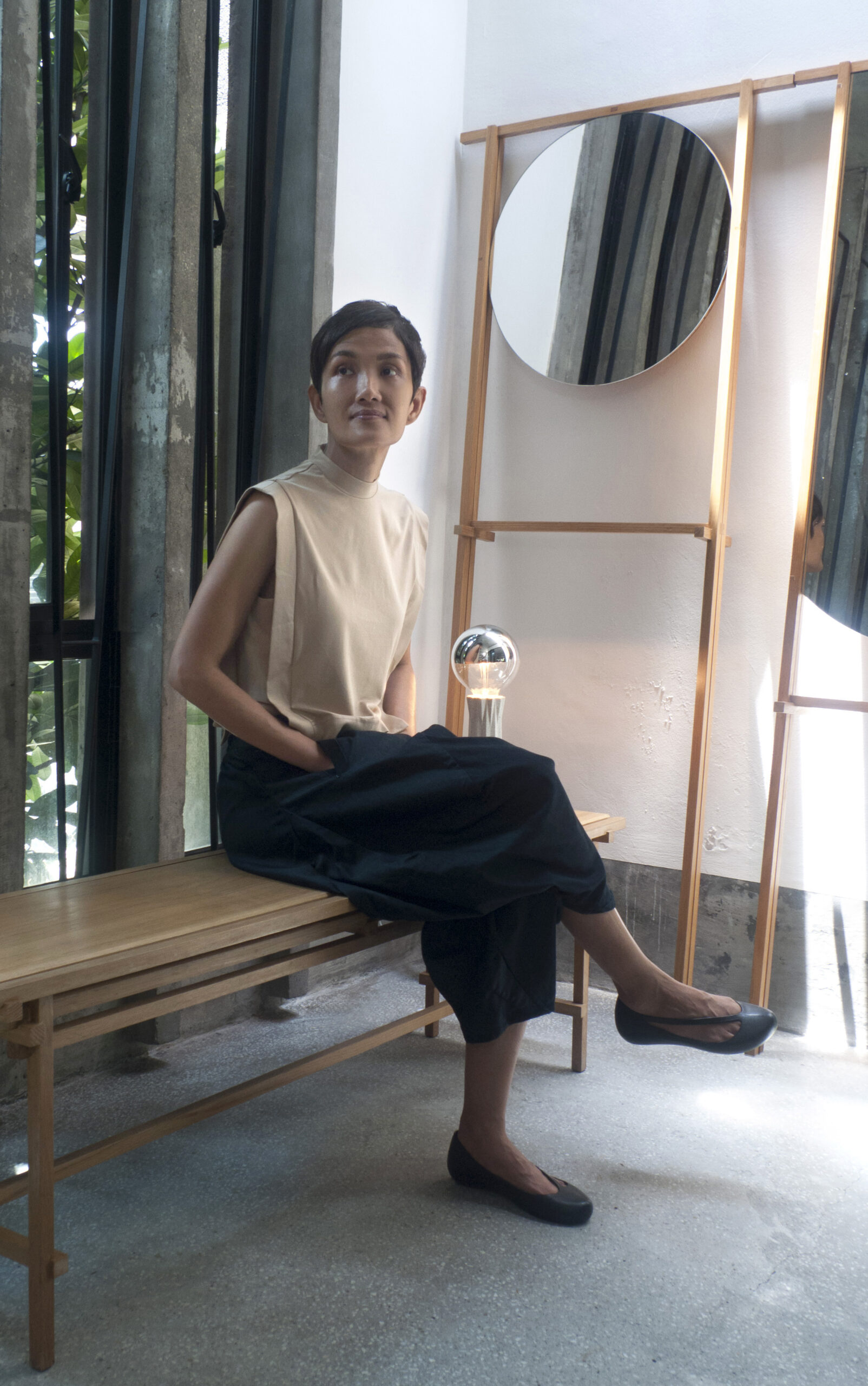
Malaysian designer and researcher Evelyn Kwong — based in Berlin — explores craft-based technologies by linking them to the history of material knowledge, the environment and associated narratives. International exhibitions of her work have included Dutch Design Week, the Museum of European Cultures, Schloss Hollenegg for Design and the Museum of Decorative Arts Dresden.
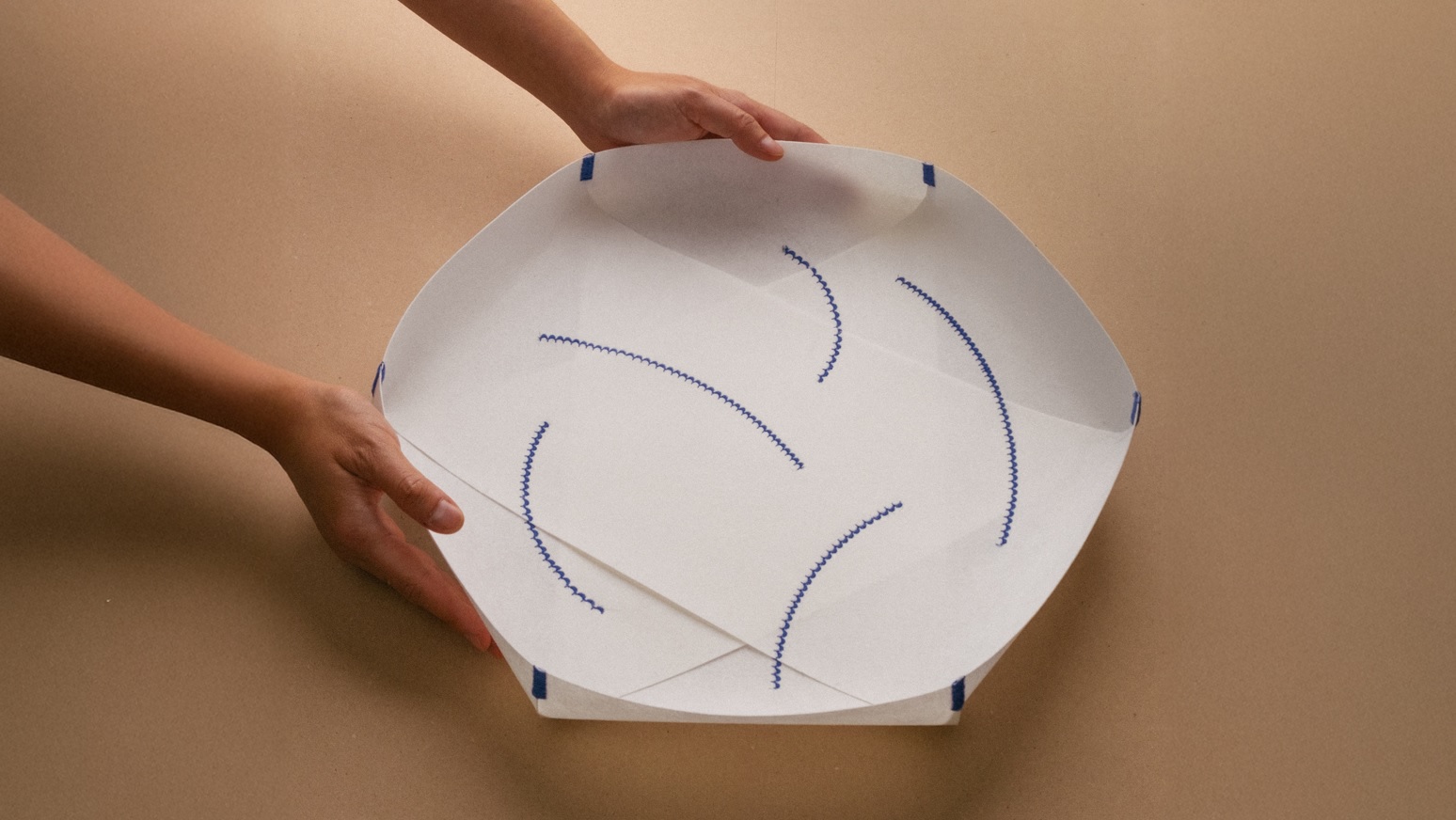
The Ebb and Flow tray utilises the triaxial weave. Image: Evelyn Kwong.
Kwong’s eye-catching tray is a combination of handicraft and machine accuracy. It reimagines the triaxial weaving that is common throughout Southeast Asia. Traditionally, the pattern is made of stiff materials — such as bamboo — but Ebb and Flow uses fabric paper. Scalloped stitches, machine-sewn, contribute to the structure’s establishment and provide decorative accents. Her product makes its debut at EMERGE @ FIND 2025 in Singapore.
Tan Wei Ming
Tan Wei Ming is a Kuala Lumpur-based graphic designer. Image: Tan Wei Ming.
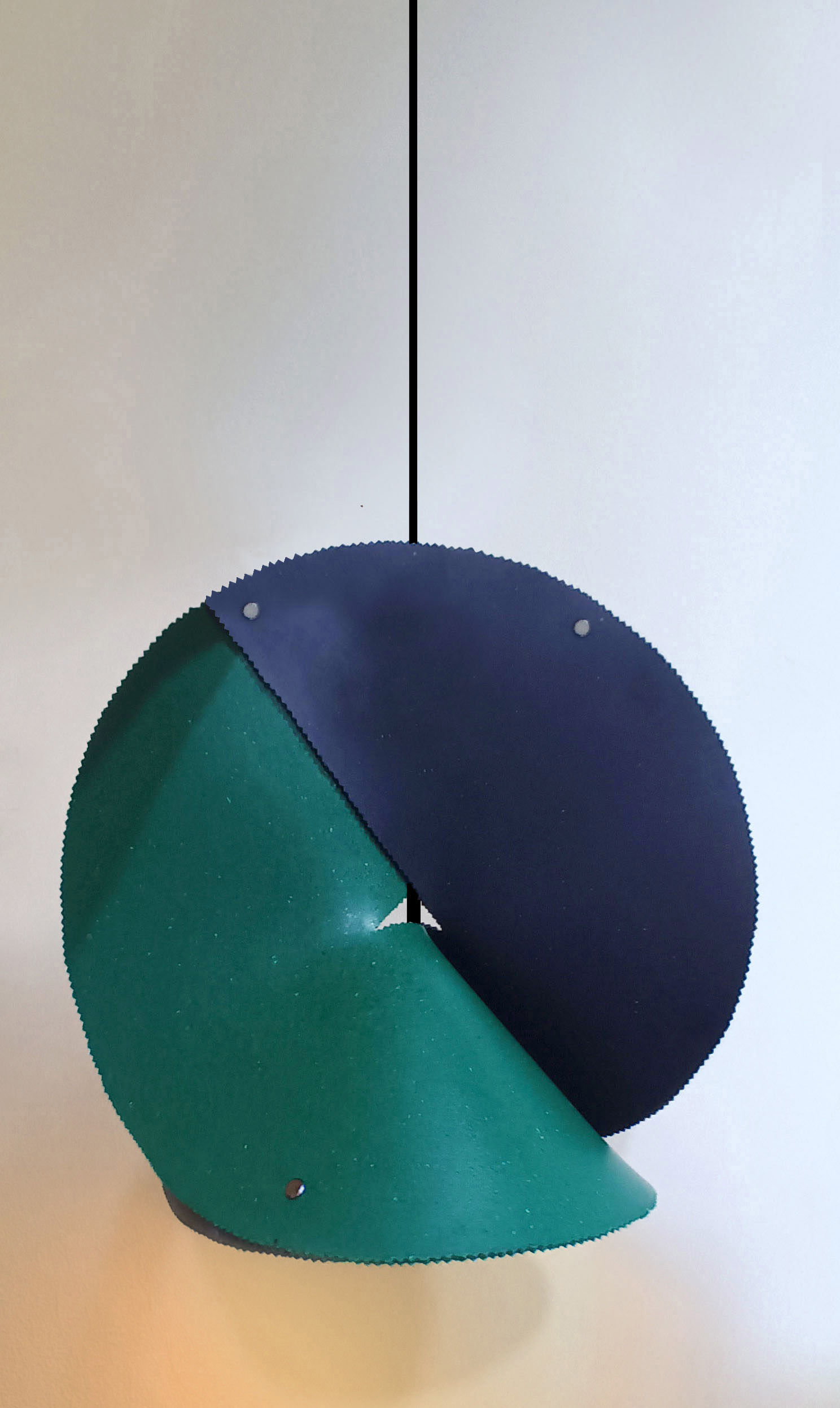
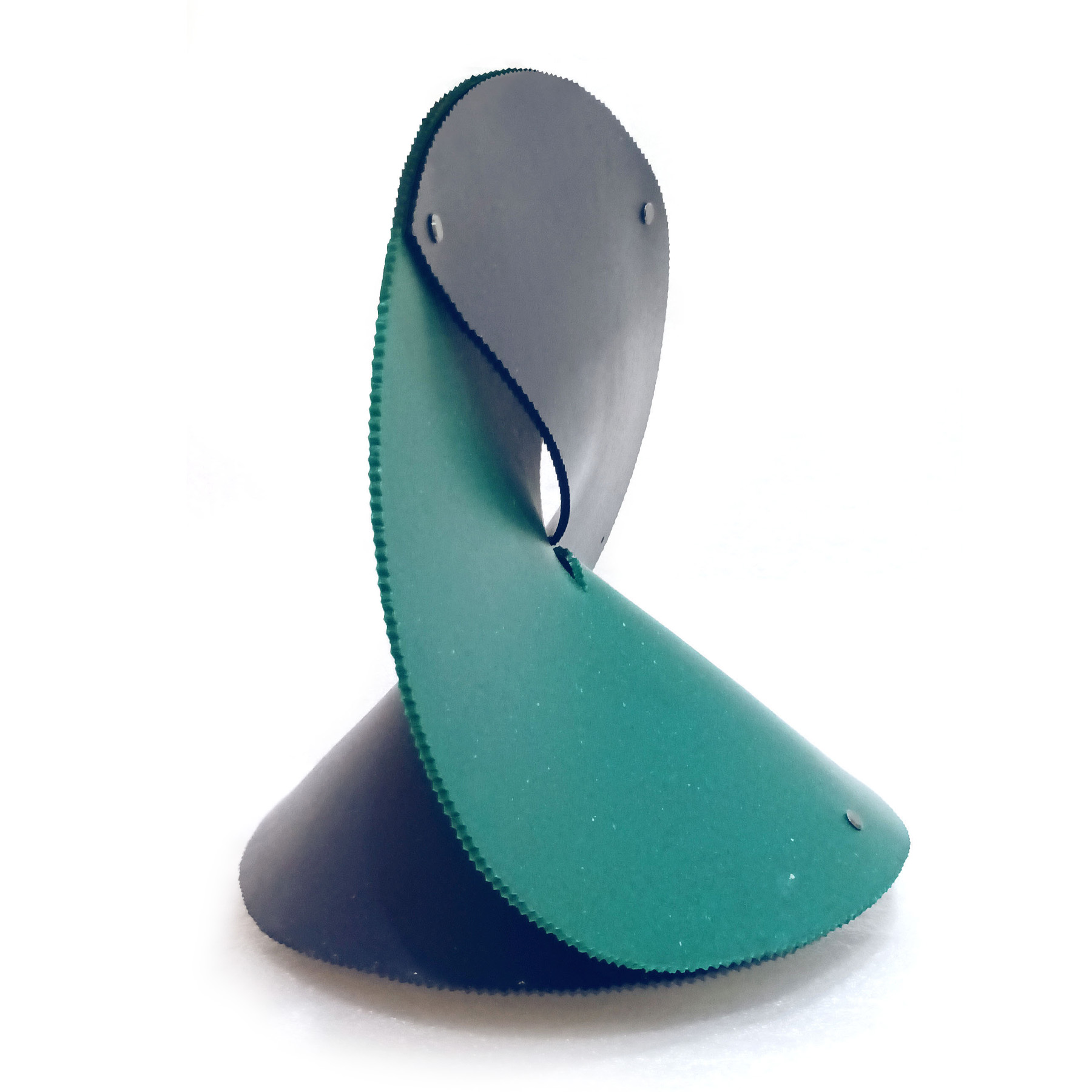
Tan Wei Ming — a designer from Kuala Lumpur — founded Aureole Design, which emphasises craftsmanship, particularly in terms of materiality and production methods. Tan also utilises her background as a graphic designer to produce works that are based on geometry and simplicity, bringing new ideas for form, proportion and balance to life. Malaysia is one of the world’s largest producers of rubber gloves.
The Fold pendant light is made from flawed gloves taken from rubber factories. Image: Tan Wei Ming. (left) The unique Fold light offers a bendable, sinuous aesthetic. Image: Tan Wei Ming. (right)
The country has easy access to an ample supply of such faulty goods derived from the manufacturing process. For her debut at EMERGE @ FIND 2025 in Singapore, Aureole Design reimagines these flawed gloves into new uses, shapes and design expressions with the “Fold” lighting series. These alluring, illuminating objects are simultaneously sculptural and graphic, all thanks to simple folds of flat rubber sheets in various colour combinations.
Studio Kanta
Studio Kanta is headed by its founder and designer Adrien Kent. Image: Adrien Kent.
With a discerning eye for contemporary elegance, Adrien Kent of Studio Kanta has firmly established himself as a leading voice in Malaysia’s interior design scene. His work — celebrated in international design publications — demonstrates a profound expertise that extends beyond mere aesthetics to encompass a deep understanding of spatial harmony and architectural integrity.
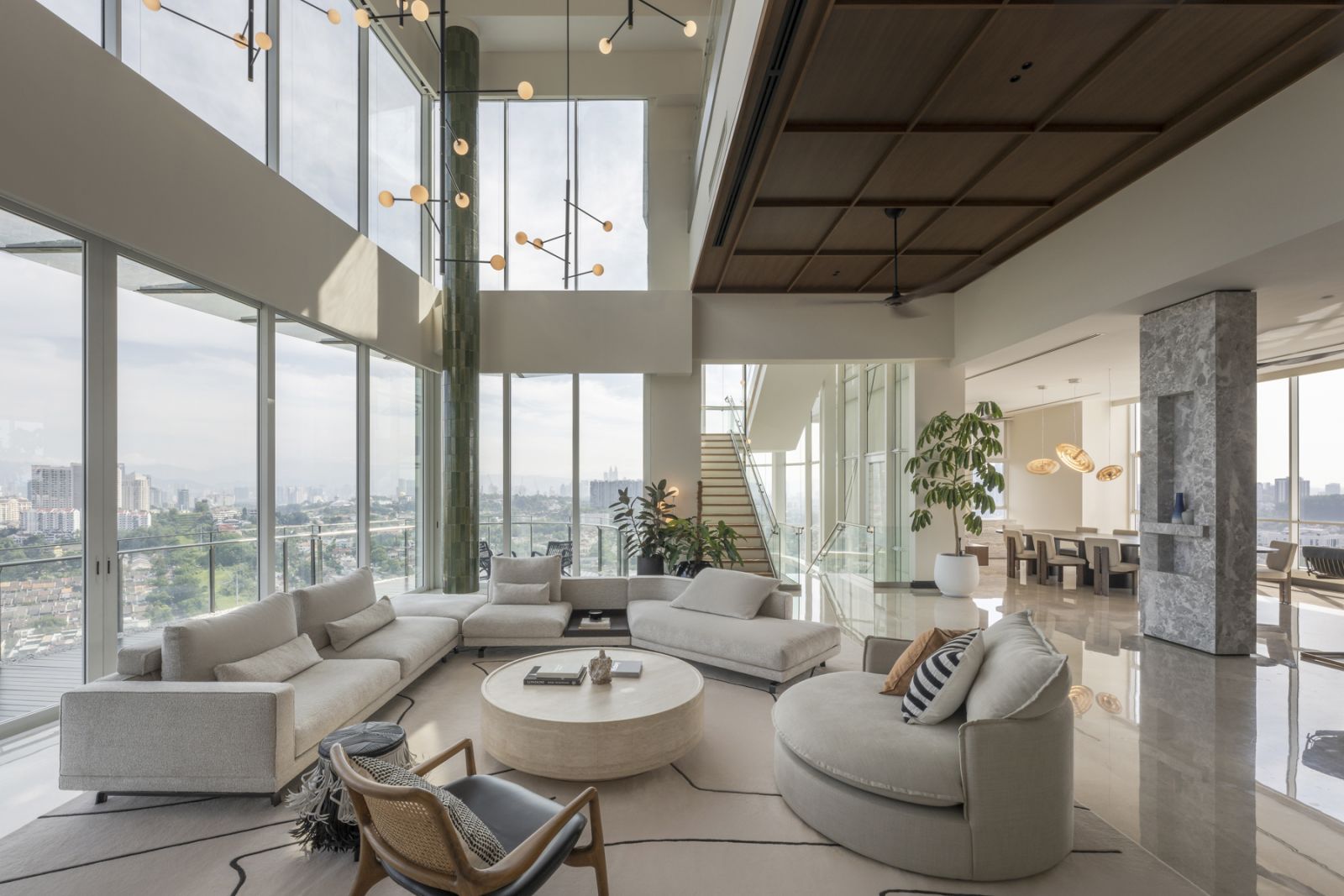
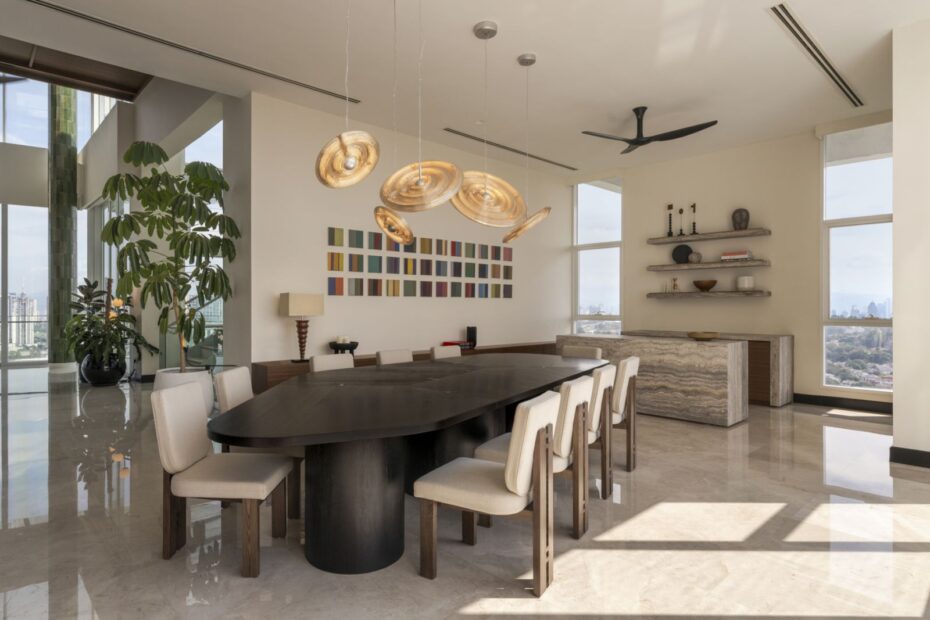
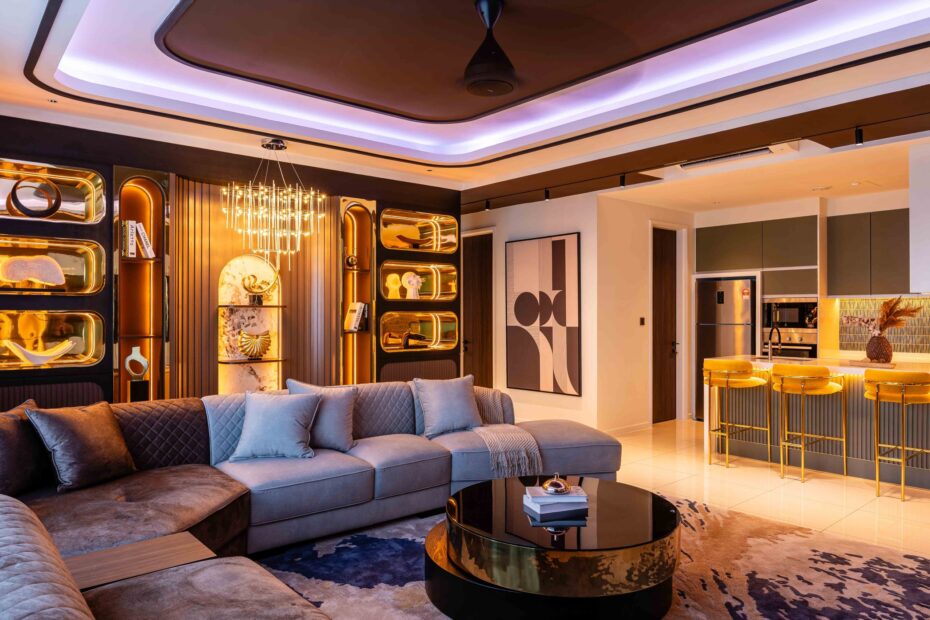
Adrien Kent designed the spaces within this sleek and modern 9,900-sq-ft Sunway Palazzio penthouse for the homeowner’s urban living. Image: Studio Kanta. (left) Plenty of light floods the spacious apartment. Image: Studio Kanta. (right)
This knowledge — honed over years of practice within the Malaysian market — allows him to navigate the unique challenges and opportunities of creating luxury residences in the region, from sourcing exceptional local artisans to composing with the lush tropical light. Kent’s approach is deeply client-centric, treating each brief not as a set of instructions but as a creative dialogue. He is renowned for his ability to interpret a client’s vision and elevate it, crafting environments that are both profoundly personal and effortlessly sophisticated.
This skill is perfectly illustrated in his work on a remarkable three-storey penthouse in Kuala Lumpur. There, he masterfully balanced a minimalist, neutral palette with rich textural layers and curated artisanal pieces — all while framing breathtaking city views as the home’s centrepiece. The resulting space is a testament to his philosophy: that true luxury lies in a serene, uncluttered atmosphere tailored for modern living, proving his exceptional talent for translating a client’s aspiration into a tangible — and utterly timeless — reality.
Raymond Lee
Raymond Lee offers his clients three decades of interior design expertise. Image: Chris Leong.
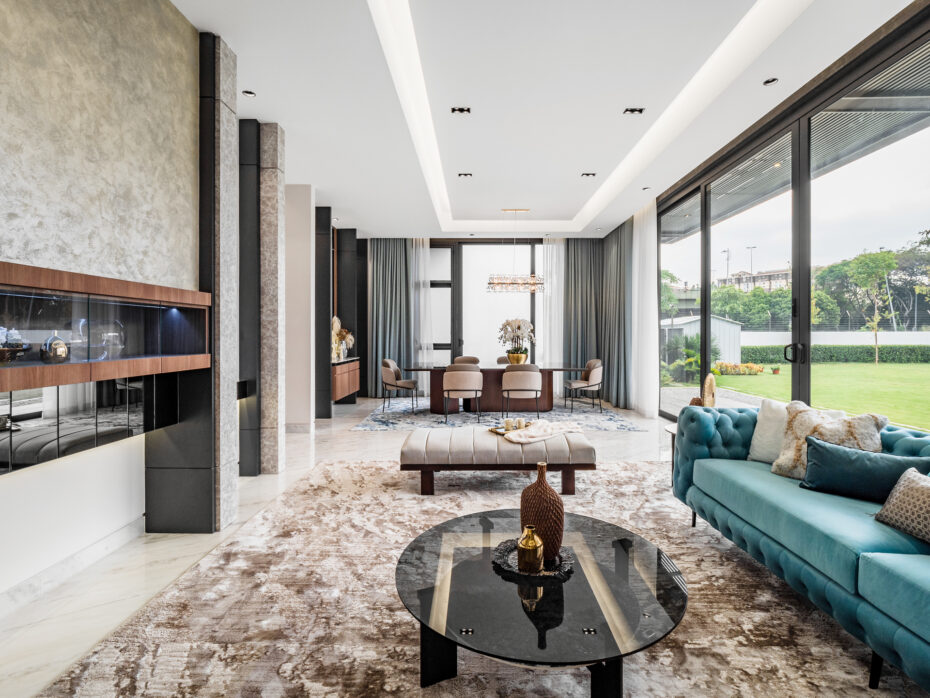
With over three decades at the pinnacle of Malaysia’s interior design industry, Raymond Lee of Design Network Architects brings a masterful confidence to his projects. His expert hand in crafting this luxurious four-storey penthouse for The St. Regis Residence in Kuala Lumpur is a testament to his profound understanding of both his craft and his clientele. Lee’s seniority affords him an unrivalled knowledge of the market, enabling him to source exceptional materials and push the envelope with a bold, contemporary vision.
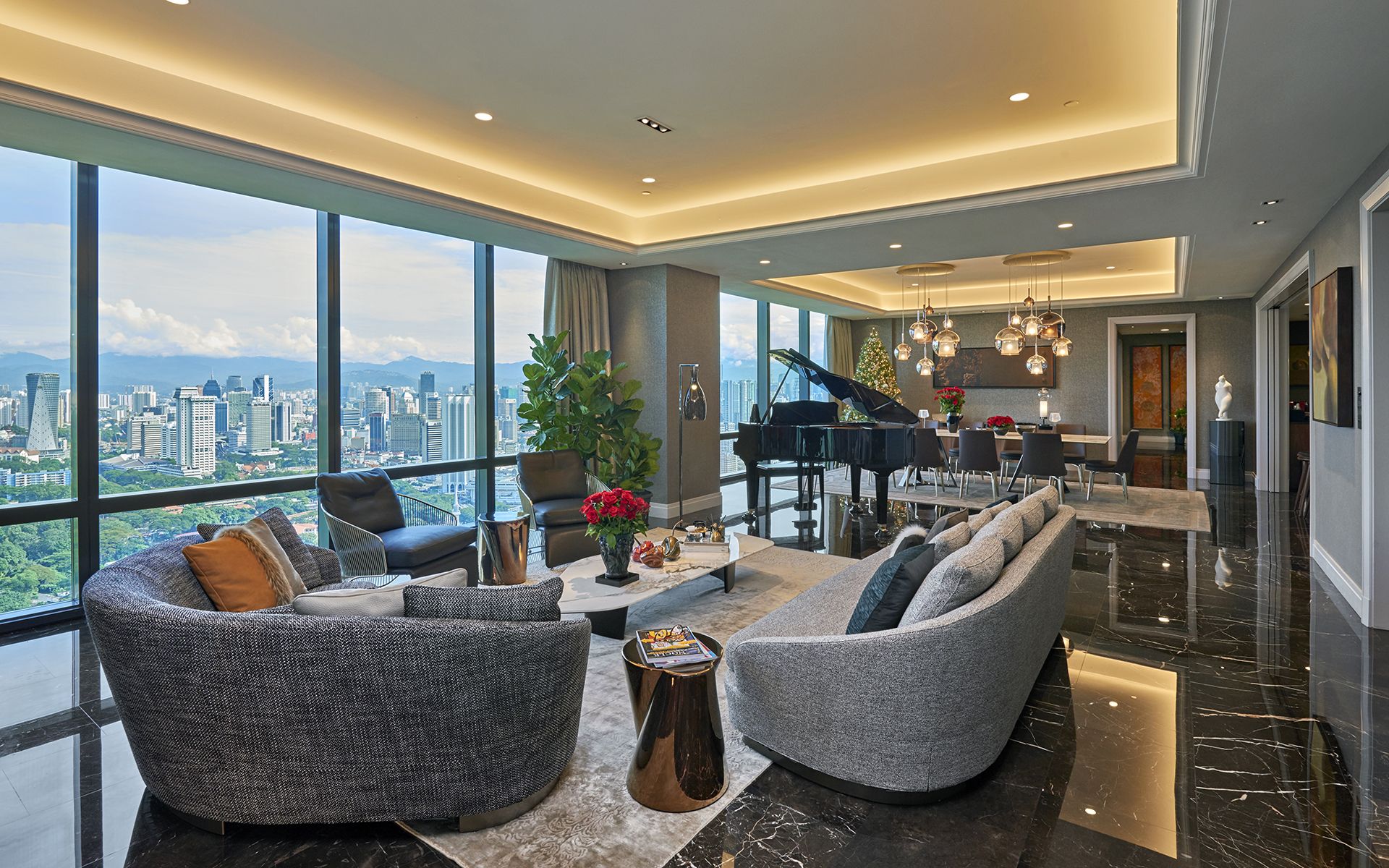
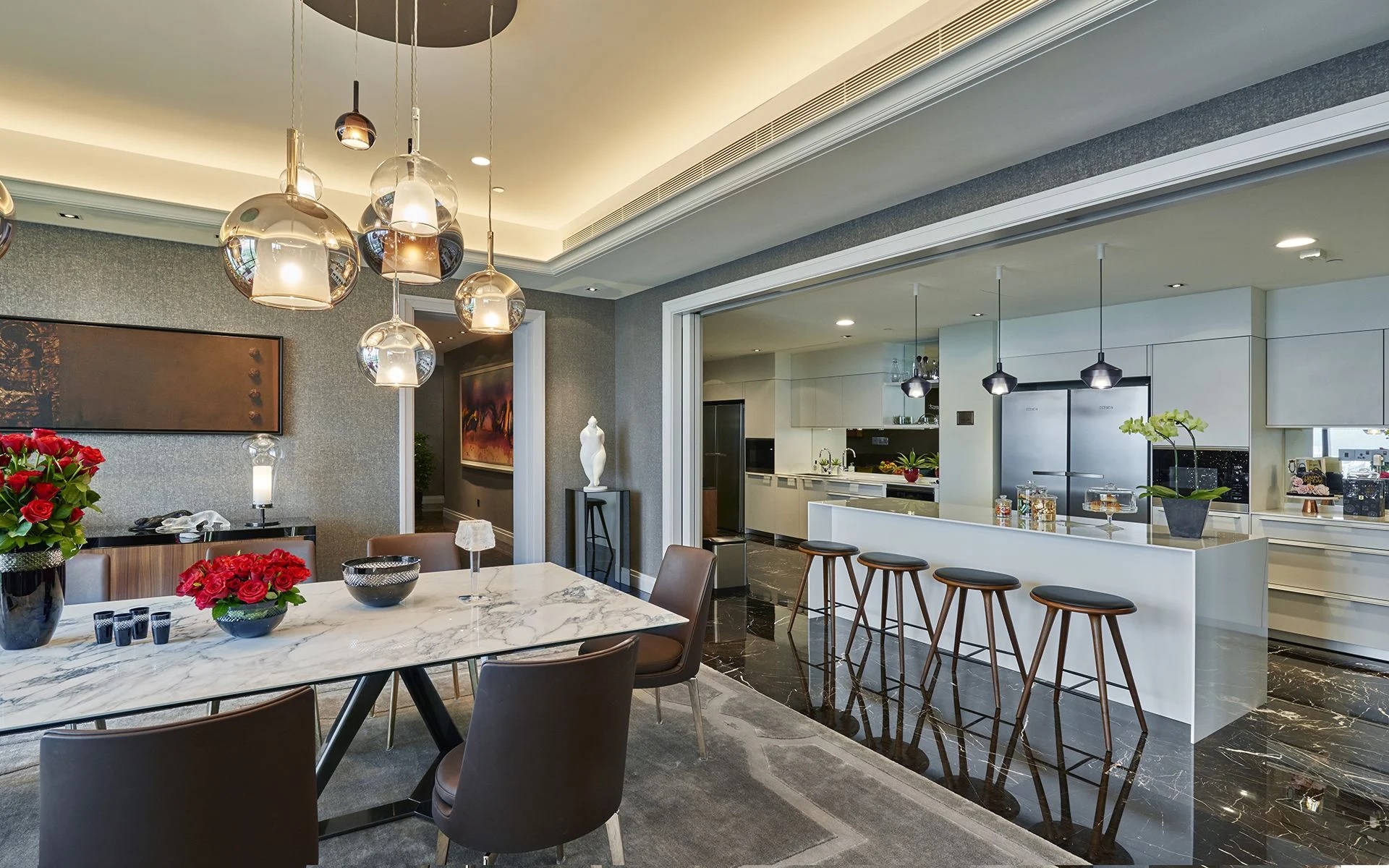
Raymond Lee designed this 6,800-sq-ft St apartment located at St Regis The Residences Kuala Lumpur. Image: Design Network Architects.Open-plan design offers an island kitchen, dining area and living space. Image: Design Network Architects.
The brief called for a “modern luxe” aesthetic, a concept Lee interprets with impeccable sophistication. He understands that true luxury lies in the details: the rich veining of the statuario marble, the warm glow of custom bronze metalwork and the disciplined restraint of a monochromatic palette. Rather than following trends, his designs are informed by a deep-seated expertise that knows how to balance grandeur with liveability. Each space — from the double-volume living area to the serene master suite — is meticulously curated to reflect a lifestyle of refined elegance. Lee’s work demonstrates that he has an intuitive ability to translate a client’s aspiration into a tangible and utterly breathtaking reality.
Blaine Robert
Canadian-born Blaine Robert has lived in Malaysia for many decades and understands the interior business very well. Image: Blaine Robert.
With a distinguished career that has shaped Malaysia’s luxury interior design landscape for over two decades, Canadian-born Blaine Robert’s work is synonymous with sophisticated, lived-in elegance. His seniority within the industry is not merely a measure of time, but a depth of acquired knowledge that grants him an insider’s mastery of artisans, materials and architectural nuances unique to the region. This expertise is the bedrock of his practice, allowing him to navigate complex projects — from expansive bungalows to refined urban apartments — with assured precision.
An apartment in Eco Sky residence Kuala Lumpur. Image: Blaine Robert.Kelana Jaya Bungalow in Selangor designed by Blaine Robert. Image: Blaine Robert.
Robert’s philosophy centres on a profoundly collaborative approach, believing the most successful interiors are a seamless extension of the client themselves. He possesses a rare talent for interpreting a brief, not just executing it — weaving a narrative that balances his signature aesthetic of relaxed luxury with his clients’ personal stories and practical needs. His portfolios reveal an artful command of texture, light and scale, employing a palette of natural stone, rich timber and curated objets d’art to create environments that feel both timeless and intimately personal. For a clientele that seeks a truly bespoke creation, Blaine Robert’s seasoned hand delivers spaces that are not just designed but deeply understood.
This discount is only available for Agoda app users. To download the official app, use the links below:
If you don’t have an Agoda account yet, you can use the app to sign up for one.
Once you have an account, go to the DEALS page of the Agoda app. This is usually the default landing page. If not, just tap on the COUPONS icon on the bottom of the page. In other versions, this button is labeled DEALS. They’re the same. Under the COUPONS tab, enter AGODATPT. Then, tap on the checkmark.
The promo code will be added to your Agoda account.
If you wish to book a hotel or activity, just search and select as usual. For hotels, it usually works like this:
Enter a destination, city or a specific hotel, and your travel dates.
Once you’ve found a hotel you want, click on it and choose a room.
Once you come to a decision, enter the number of rooms/beds and click BOOK NOW to make a reservation.
You will be taken to the Agoda Booking Form.
Fill out this form by supplying your name and contact details.
When you scroll down, just above the PRICE, you’ll find the COUPONS section with a field asking for a PROMO CODE. Enter the promo code again: AGODATPT.
You can also select from the list of codes saved in your account, but it’s generally easier to type the promo code again.
The discount amount for the coupon code and the actual price paid after the discount should be applied and displayed in the PRICE section below it.
Click on the NEXT: FINAL STEP button.
On the next page, you’ll be asked for payment details.
After 18 years, the R35 Nissan GT-R has reached its end of life. The first car rolled off the assembly line at Tochigi in 2007. Since then, Nissan has built around 48,000 R35 GT-Rs.
The final example just rolled out of the factory. It is a Premium edition T-Spec finished in Midnight Purple. It will be delivered to a customer in Japan.
While it may be the end of the road for the R35 generation, it isn’t the end of the GT-R nameplate by any means. Nissan has already hinted that the R36 is coming.
Nissan CEO and President Ivan Espinosa said, “To the many fans of the GT-R worldwide, I want to tell you this isn’t a goodbye to the GT-R forever, it’s our goal for the GT-R nameplate to one day make a return.”
Little is known about the next-generation Nissan GT-R, though. The Hyper Force concept from 2023 was a preview of things to come. It was a 1341 hp EV with a top speed of 200 mph. While these are impressive figures, we hope the actual R36 won’t be an electric car.
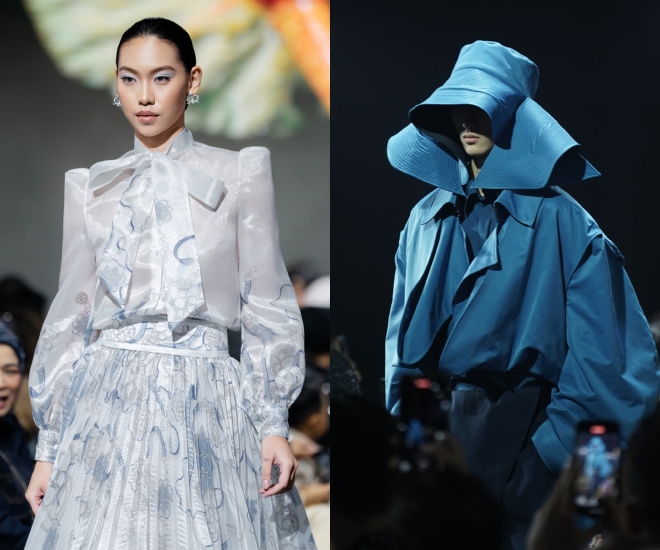
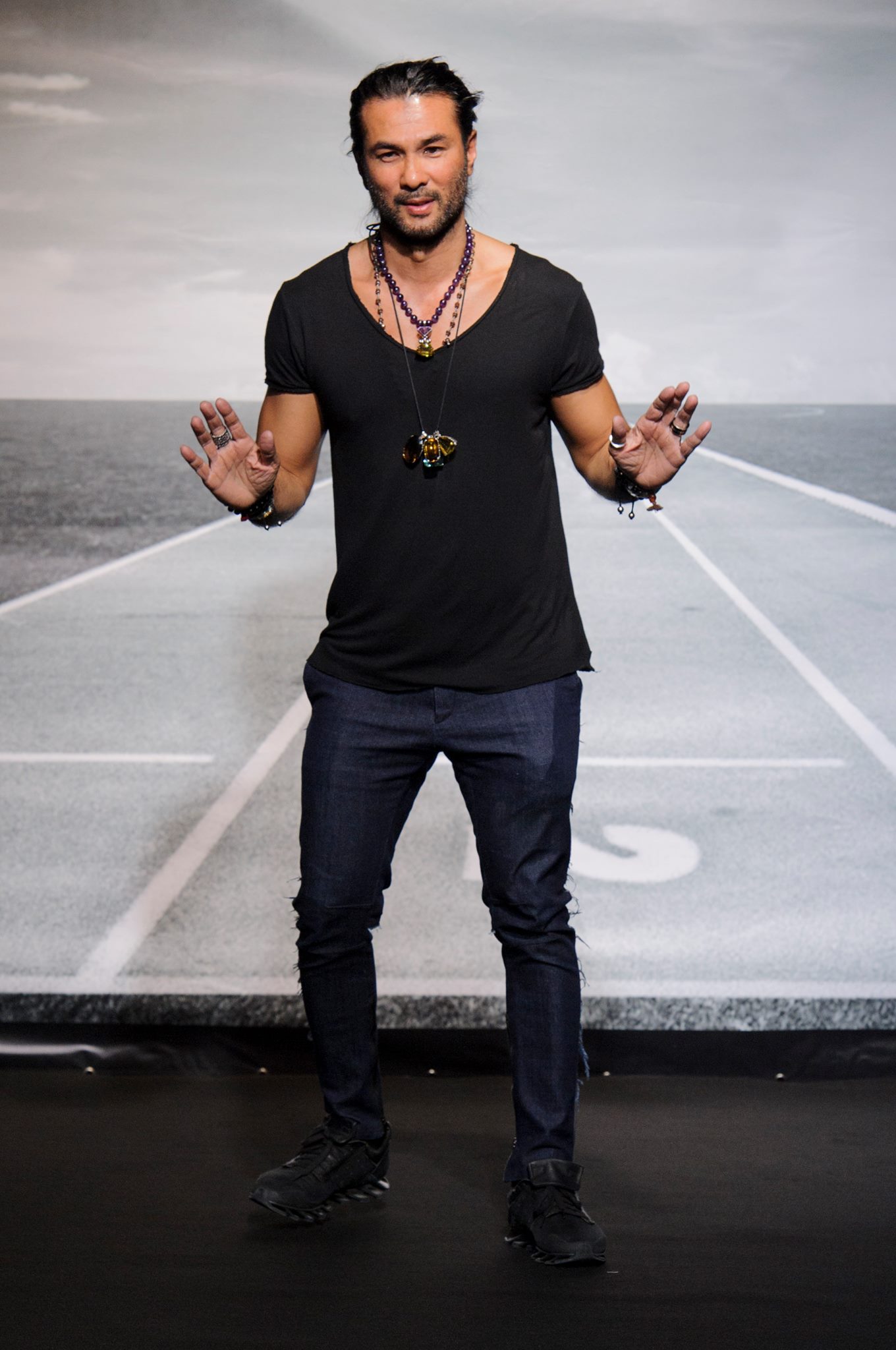
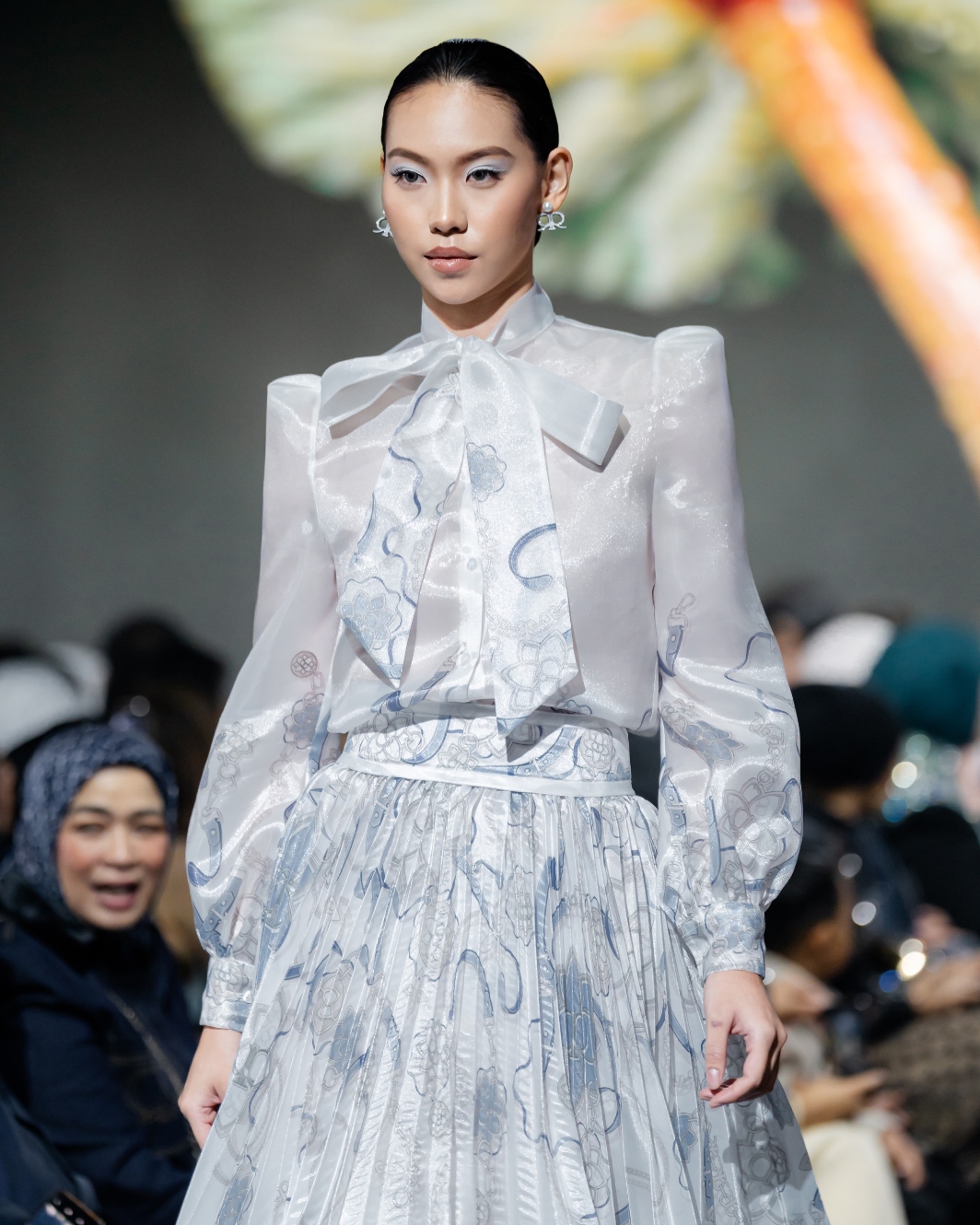
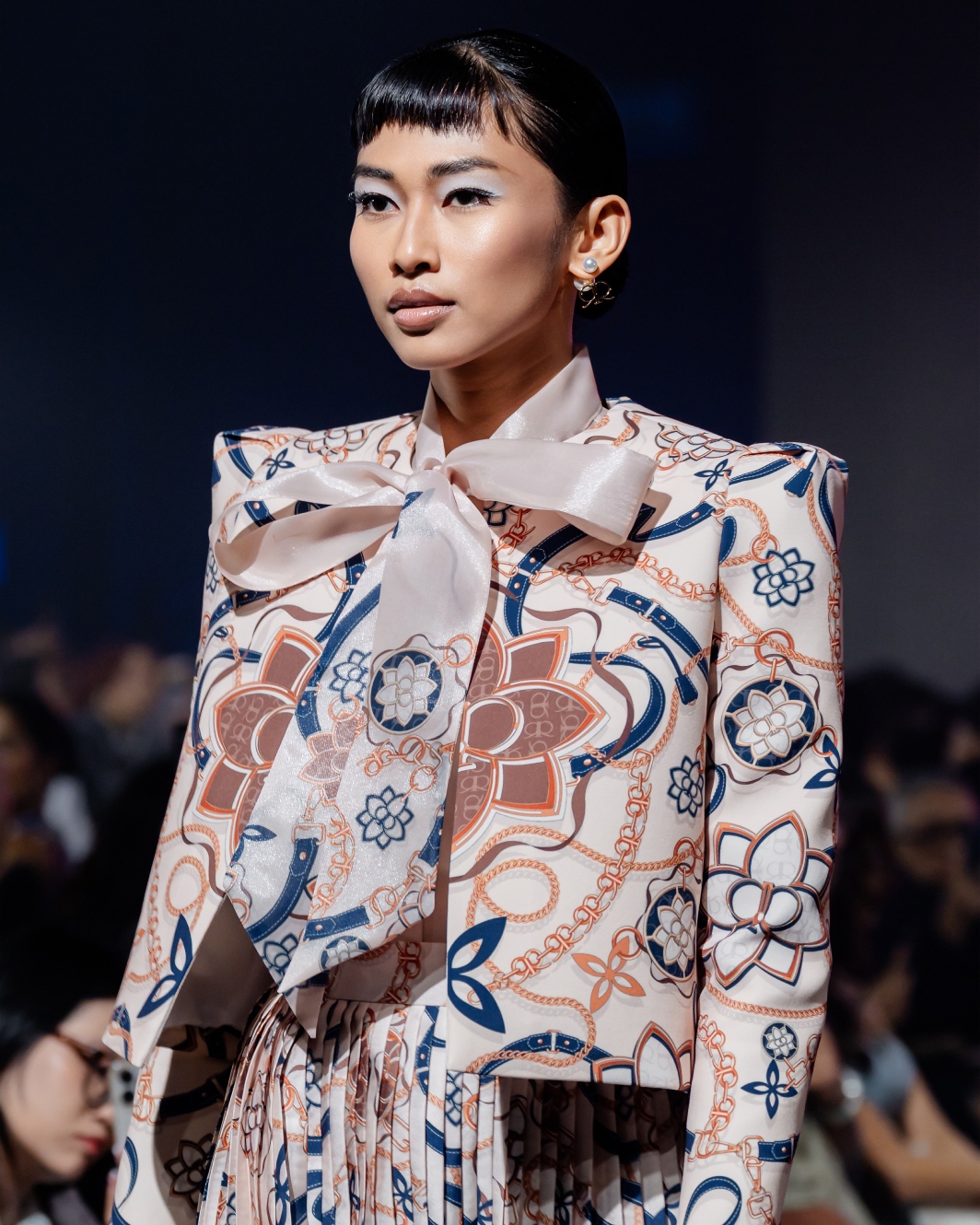
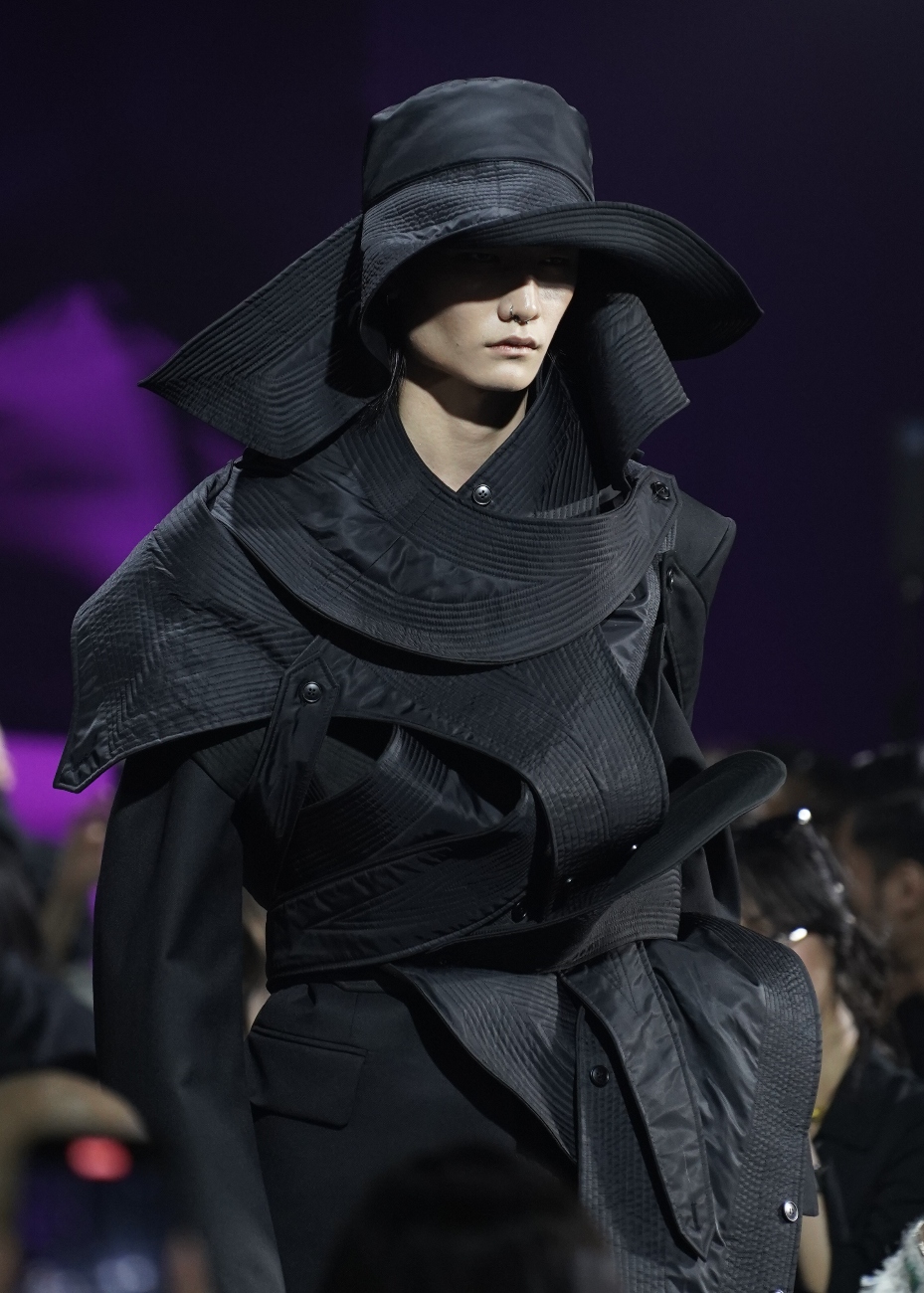
While Malaysian fashion designers can (at times) be overlooked by the nation’s regional neighbours, the recent showcase at Kuala Lumpur Fashion Week highlighted just how much potential there is within the local fashion industry. From seasoned stalwarts with decades-long legacies to a younger generation experimenting with form, identity and sustainability, Malaysia’s creative scene is ambitious and increasingly influential. Here, LUXUO spotlights eight noteworthy designers — divided between the Old Guards and the New Generation — whose work continues to shape the nation’s fashion narrative.
The Old Guards:
These designers and brands have established Malaysia’s fashion identity internationally and continue to evolve the notion of what it means to be a Malaysian luxury label. Designers like Dato Sri Bernard Chandran, Rizman Ruzaini, motoguo and FIZIWOO exemplify this enduring influence — each combining technical mastery with a distinct creative voice and demonstrating how thoughtful design can resonate across generations.
Dato Sri Bernard Chandran
Often referred to as Malaysia’s King of Fashion, Dato Sri Bernard Chandran has been shaping Malaysia’s industry for more than three decades. Born in Kuala Lumpur to Indian and Chinese parents, he initially trained in accounting before pursuing design at Kuala Lumpur’s International Fashion Training College in 1988. His talent quickly gained international recognition, becoming the first non-European to win both the Silk Cut Young Designers Award and the Open European Contest for Look of the Year in Paris in 1991.
Returning home in the early ’90s, Chandran established his namesake label, reinterpreting traditional Malay dress with bold embellishments and unconventional fabrics. Chandran’s influence has extended well beyond Malaysia. He debuted at London Fashion Week in 2000, opened flagship stores in Kuala Lumpur and Paris and was commissioned to design the official attire for Malaysian athletes at the 2012 London Olympics. His work has dressed Malaysian high society as well as global icons such as Dato’ Michelle Yeoh and Lady Gaga. Honours such as his “Dato” title in 2006 and the Malaysia Fashion Awards’ Designer of the Year in 2017 recognise his contributions to both culture and industry. Today, Chandran continues to champion diversity and build on his legacy through exhibitions and digital platforms, solidifying his role as one of Malaysia’s most significant fashion figures.
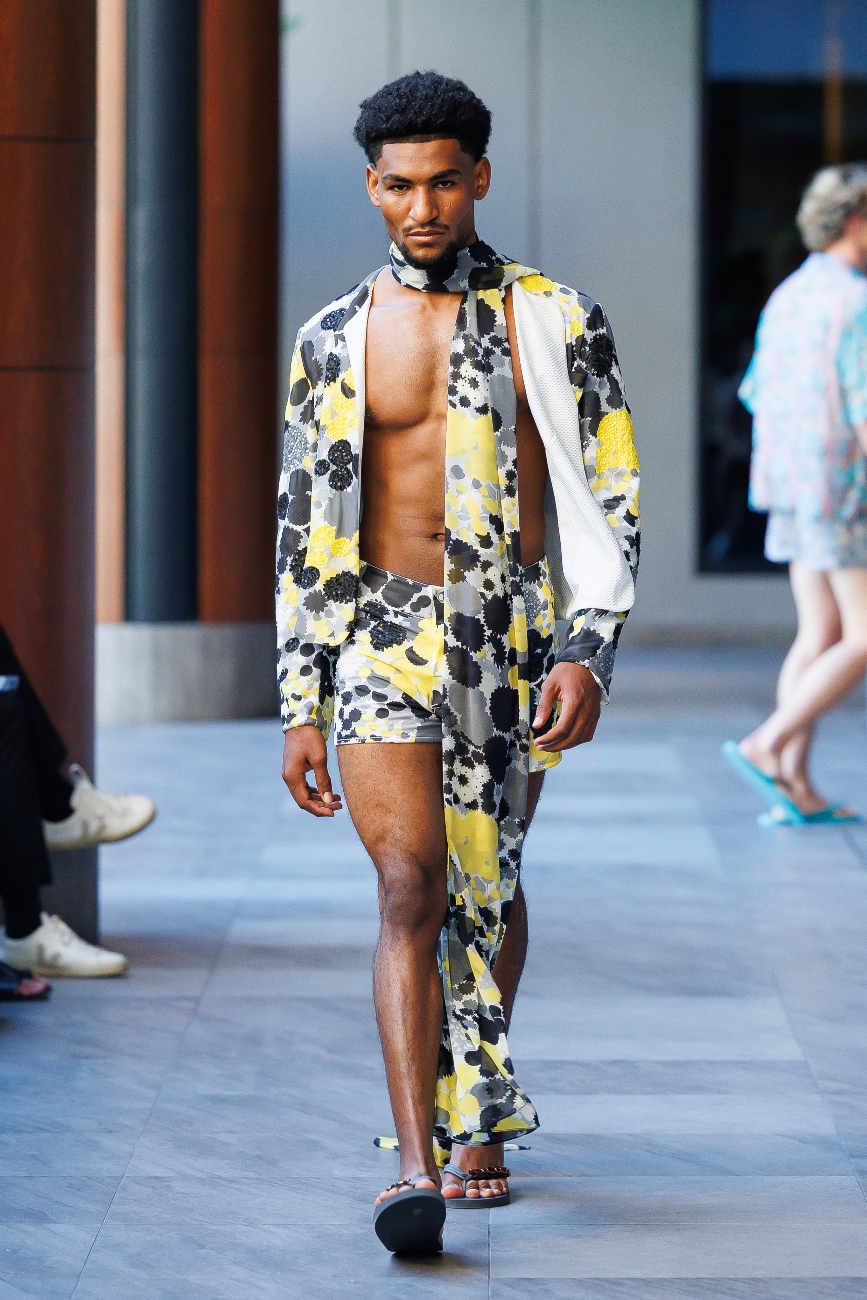
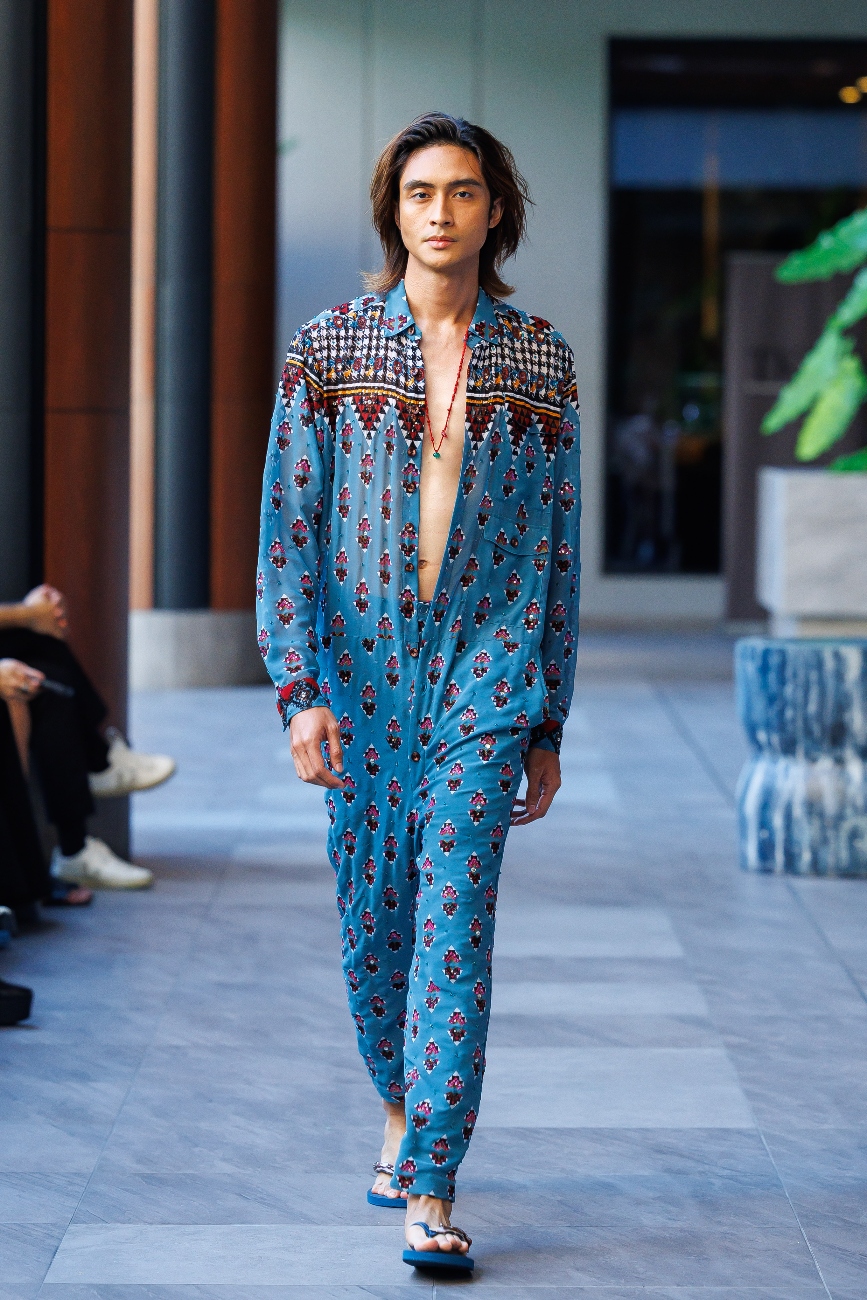
His BC Beach Culture collection reaffirms Bernard Chandran’s long-standing legacy as Malaysia’s “King of Fashion”. By reworking kaftans, Cuban shirts and beachwear staples with lace, crystals and couture-level finishing, BC Beach Culture extends his long-standing narrative of transforming everyday garments into objects of luxury. By transforming remnant fabrics into resort-ready luxury, Chandran not only continues his ethos of sustainability but also reinforces his reputation for pushing boundaries while keeping heritage at the heart of his design language.
Rizman Nordin and Ruzaini Jamil first crossed paths as fashion students more than two decades ago, quickly recognising in each other a shared ambition and eye for glamour. By 2005, the duo had launched their namesake label, which would grow into one of Malaysia’s most recognisable fashion houses. Known for their sharp silhouettes, intricate detailing and couture-level finish, Rizman Ruzaini became synonymous with red-carpet dressing and has designed for many of Malaysia’s most prominent public figures.
Over the years, the brand has balanced prestige with accessibility. While its couture creations remain the benchmark, the launch of RR by Rizman Ruzaini during the pandemic introduced a ready-to-wear line that brought their aesthetic to a wider audience. Today, the label operates at both ends of the luxury spectrum: creating bespoke, hand-finished gowns while also offering more attainable pieces that retain the brand’s signature sophistication.
Marking their 20th anniversary in 2025, Rizman Ruzaini unveiled a special Raya Capsule RTW Collection, revisiting some of their most celebrated silhouettes. Today, with couture and ready-to-wear coexisting under their umbrella, Rizman Ruzaini continues to balance aspirational artistry with business savvy — reinforcing their role as pillars of Malaysian fashion.
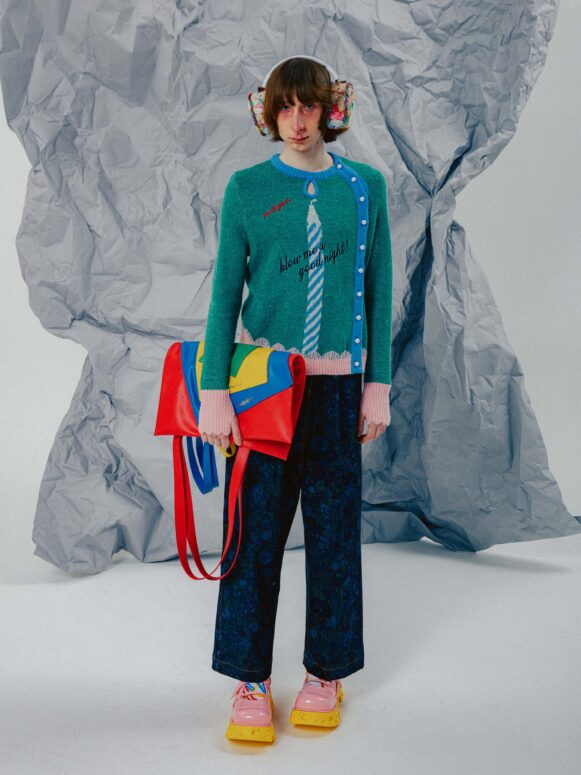
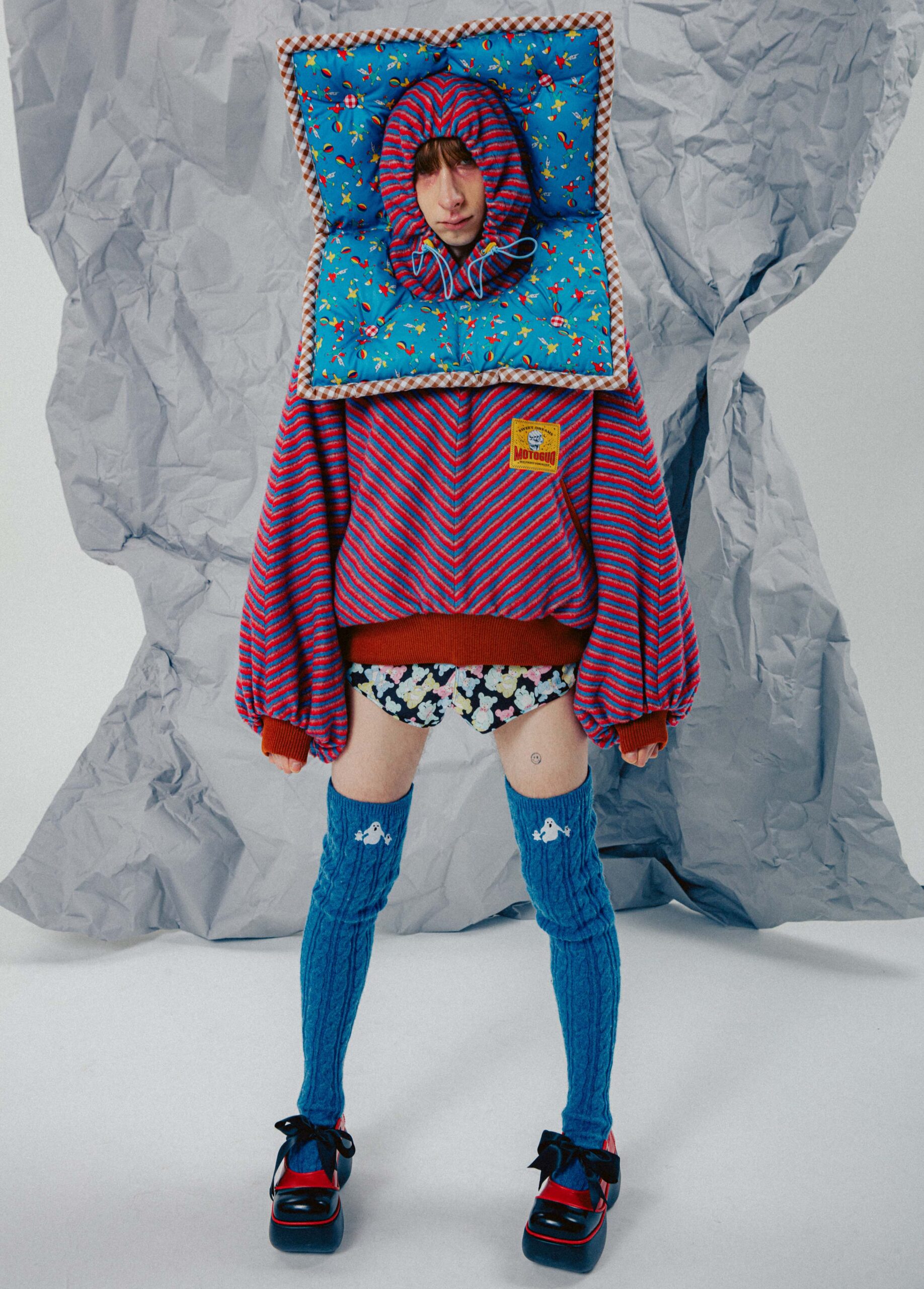
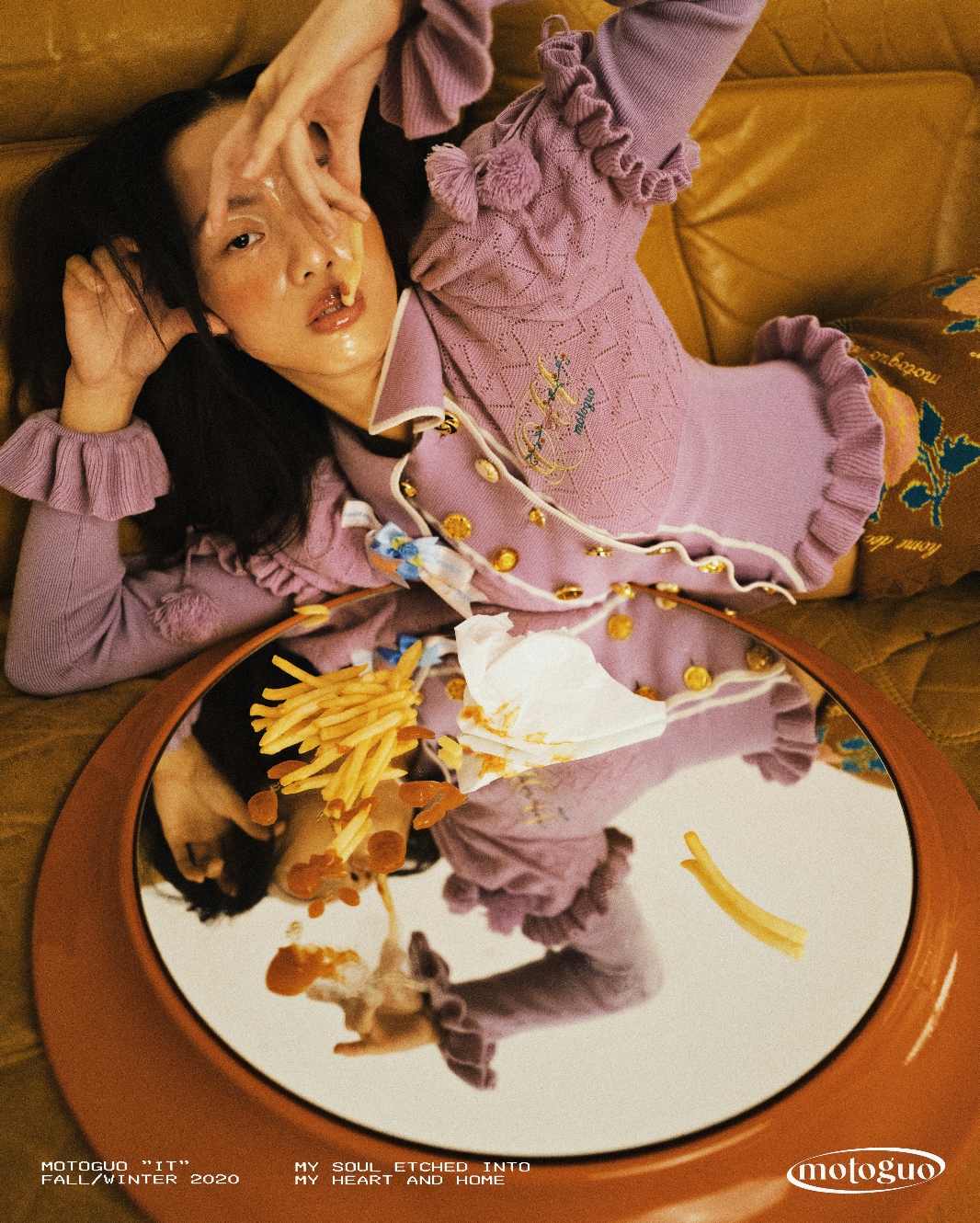
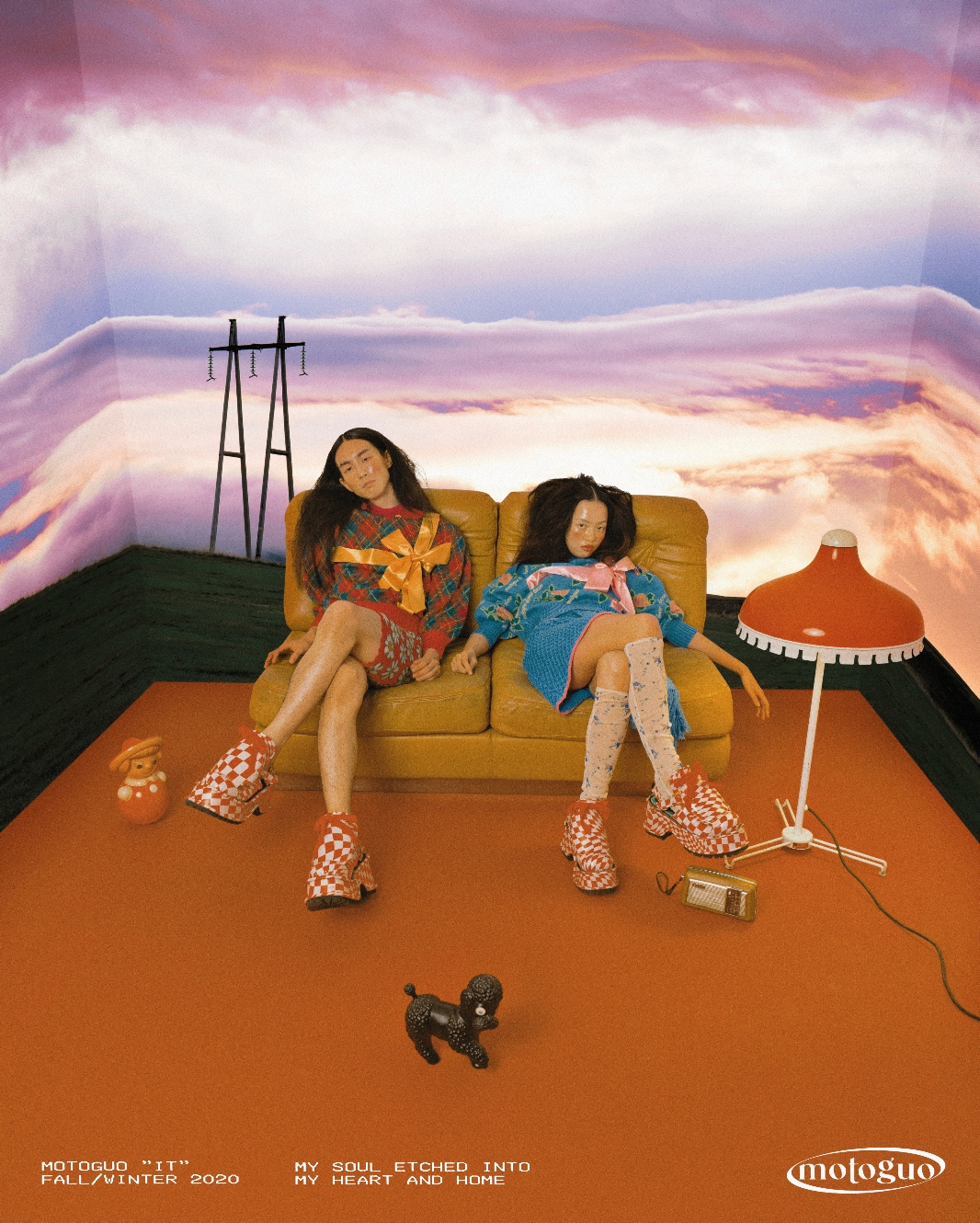
Founded in 2015 by Moto Guo, Kinder Eng and Jay Perry Ang, motoguo has become one of Malaysia’s most distinctive fashion exports. Originally launched as a menswear label, the brand quickly evolved into a genderless platform, known for pushing sartorial boundaries and conventional notions of identity and presentation. motoguo collections are recognisable for their offbeat storytelling, blending the romanticism of childhood nostalgia with satire to deliver bold, often unconventional design choices. Playfulness and cynicism sit side by side in their work, challenging conventional ideas of beauty and taste while cultivating a cult-like following across Asia and beyond.
Both creative directors bring complementary perspectives: Moto Guo’s penchant for dark humor and precision detail is balanced by Kinder Eng’s softer, more romantic sensibilities. Together, they have crafted a brand language that is unmistakably their own. Today, motoguo is stocked internationally and has shown at global fashion weeks, positioning the label as part of a new generation of Southeast Asian designers making an impact on the global stage.
Founded in 2009 by Hafizi Radzi Woo — with Izree Kai Haffiz joining in 2011 — FIZIWOO has become one of Malaysia’s most prominent fashion labels. Hafizi’s early exposure in his mother’s tailor shop laid the groundwork for his precision — which combined with Kai’s architectural sensibility — shaped the brand’s strong emphasis on proportion and structure. FIZIWOO’s design signature — dramatic peplums, sculpted volume and meticulous construction — reflects a seamless fusion of engineering and romance. Their pieces are not only visually distinctive but technically ambitious.
Each year, their Raya collections underscore the brand’s inventive spirit. The “Riviera Raya” line, for instance, drew on Mediterranean motifs with soft pastels, guipure lace and jacquard textures — marking their 10th anniversary in festive fashion. The 2025 “Journey” collection took that further: inspired by Arabic souks and spiritual renewal, it revisited iconic silhouettes from the brand’s past decade and introduced its first Raya RTW Baju Melayu, merging modern tailoring with traditional Malay heritage. FIZIWOO’s ability to combine craftsmanship with cultural nuance — notably in festive dressing — continues to shape Malaysia’s fashion landscape.
Emerging talent in Malaysia is pushing boundaries in sustainability, gender fluidity and experiential fashion. Designers like Kit Woo, Hatta Dolmat, HUNTILANAK and ShazNash are exploring new narratives, from conceptual tailoring and eco-conscious production to sculptural wearable art and bold runway statements. Their work is defined by an awareness of culture and community signalling a confident, forward-looking chapter for Malaysian fashion.
Kit Woo
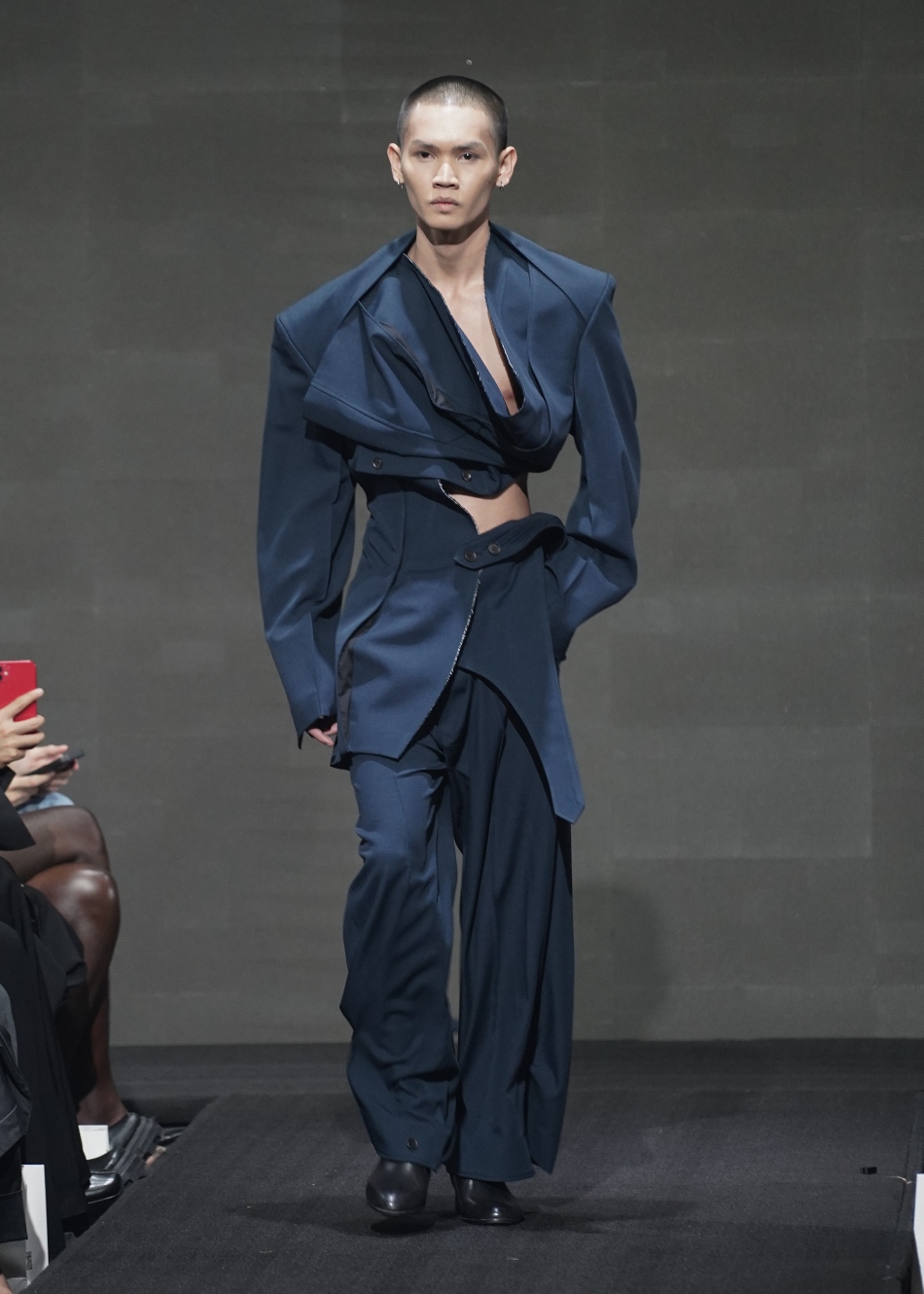
Since launching his eponymous label in 2016, Kit Woo has established himself as one of Malaysia’s most cerebral designers — renowned for deconstruction, sharp tailoring and a gender-fluid approach that pushes the boundaries of form and function. Trained at Raffles College of Higher Education in Kuala Lumpur and later in New York, Woo honed a design vocabulary rooted in technical experimentation and an almost architectural interrogation of clothing.
Each collection serves as both research and provocation. Woo often treats tailoring as a medium of inquiry, dismantling and reassembling familiar garments to question silhouette, proportion and perception. His work has been described as “fashion as critique” — intellectually driven yet grounded in impeccable construction.
For his Ready-to-Wear 2025–26 collection — “The Earth is Flat” — Woo sharpened this vision further. The 23-look lineup explored the tension between flatness and volume, deliberately presenting garments that appeared two-dimensional from the front but revealed sculptural depth in profile. Key details included a hunchback drape that distorted blazer lines, a boomerang panel construction across trousers and skirts that created looping silhouettes and a re-engineered “bar jacket” — subverted into a masculine “armour” through set-in panels and bonded fabrics.
Despite his reputation for monochrome severity, Woo introduced teal and khaki this season, expanding his palette while maintaining the stark, architectural feel of his work. Oversized slant shirts and streamlined skirts offered more accessible entry points into the collection, though always within the uncompromising framework of his design language. Positioned within Malaysia’s fashion scene, Kit Woo remains distinct: less concerned with mainstream commerciality than with cultivating an avant-garde perspective.
Hatta Dolmat takes a bow after returning with his brand new collection titled “Perahu Kertas”.
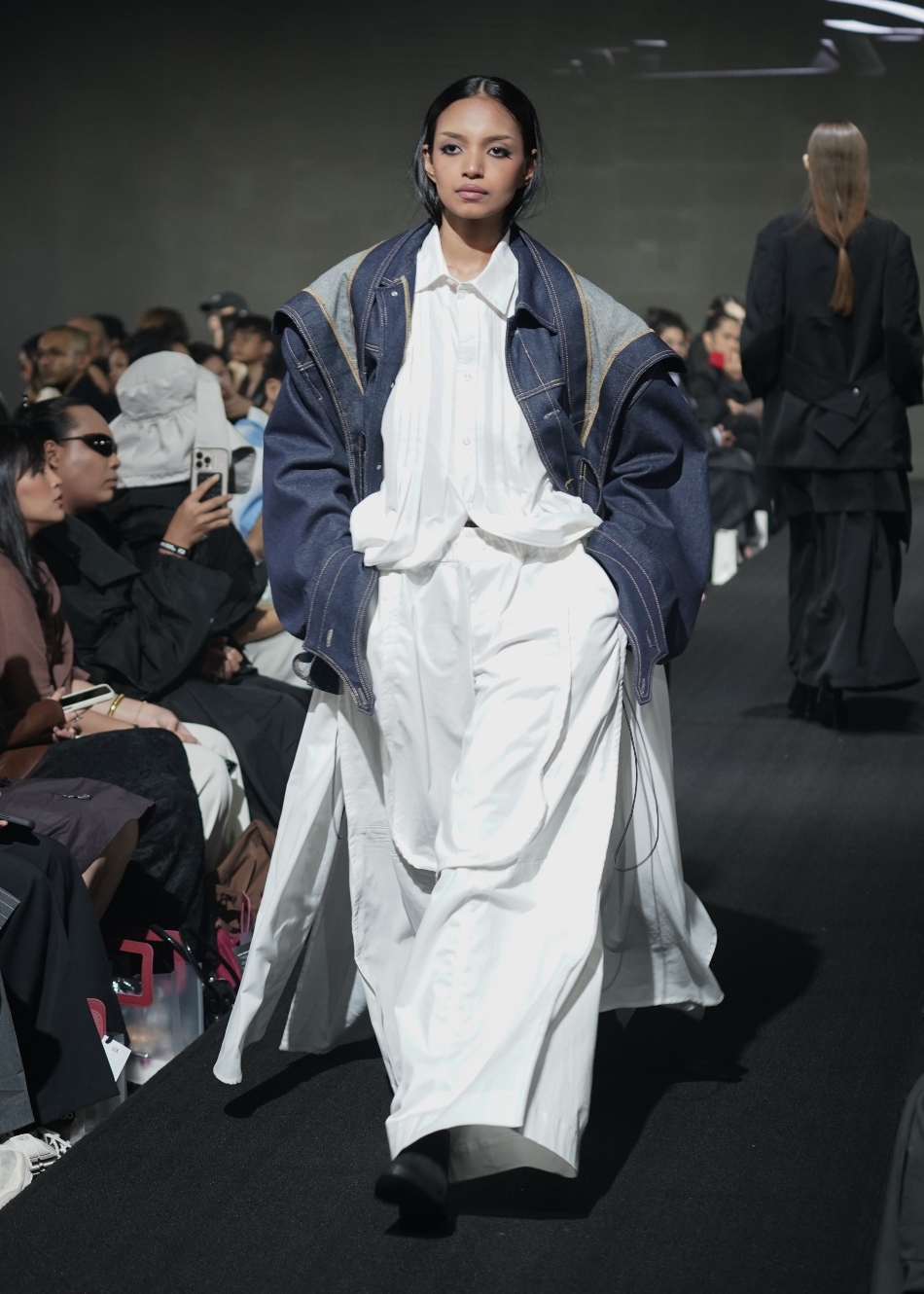
Hatta Dolmat has emerged as a leading voice in Malaysia’s sustainable fashion movement. Recognised as the country’s first fully sustainable fashion designer, he made history with a collection officially documented by the Malaysia Book of Records, setting a benchmark for environmentally conscious clothing production. At the recent Kuala Lumpur Fashion Week 2025, Hatta presented his latest collection — “Perahu Kertas” — marking a decade-long journey with the platform. Drawing inspiration from the delicate, weightless form of a paper boat, the collection reflects resilience and the personal evolution of the designer. Breathable fabrics such as cotton, linen and denim anchor the pieces in practicality, while origami-inspired silhouettes and subtle details infuse the collection with a sense of memory and craftsmanship.
Beyond clothing, “Perahu Kertas” also featured a collaboration with Opai to launch the fragrance “HOPE”, merging scent and design into an intimate, multisensory runway experience. Through this project, Hatta underscores his commitment to sustainability, thoughtful storytelling and cross-disciplinary creativity, positioning himself as a standout figure in Malaysia’s next generation of fashion innovators.
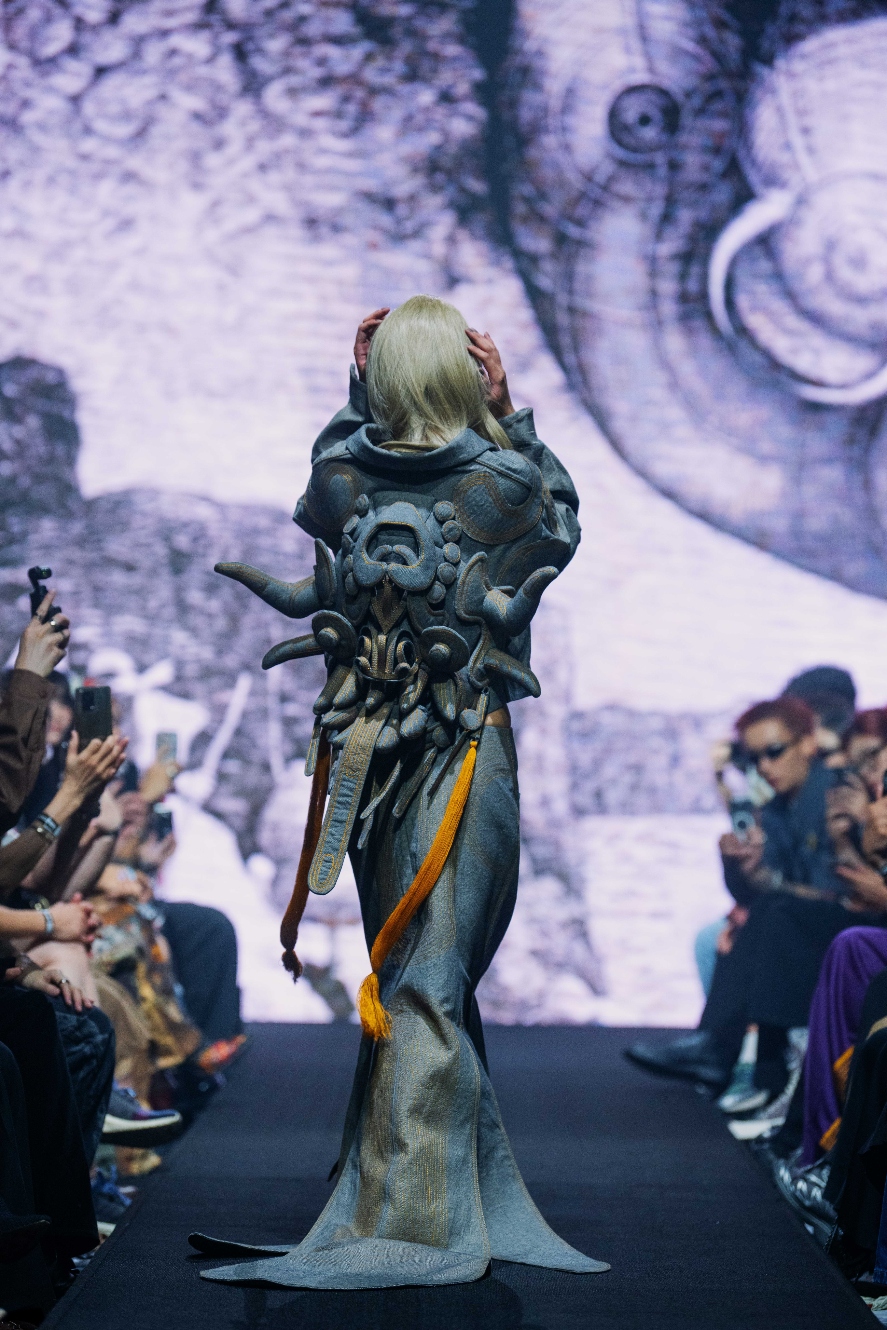
Founded by Kuala Lumpur-born designer Ryan, HUNTILANAK is a Malaysian label that transforms traditional motifs and personal experimentation into wearable art. The brand is best known for its “Monster Jackets,” denim pieces featuring 3-D recreations of Asian masks, complete with protruding horns, jagged teeth and expressive eyes. Each garment merges craft and concept, often hand-sewn and incorporating unconventional textures inspired by Southeast Asian culture and Ryan’s personal archive of abstract material explorations.
Ryan’s design approach is deliberately sculptural and performative. Functionality takes a backseat to artistic expression, with garments conceived as statements rather than utilitarian clothing. The creative process often involves repurposing past experiments — from fossilised materials to childhood discoveries — translating them into three-dimensional, tactile forms that bring the label’s imaginative universe to life.
HUNTILANAK has gained recognition across global fashion platforms, including Highsnobiety, The Vanilla Issue and vast social media coverage from major fashion weeks — marking Ryan as one of Malaysia’s most compelling up-and-coming voices in contemporary fashion. The brand continues to evolve as Ryan works toward expanding his Monster-inspired collection, positioning HUNTILANAK as a bridge between local cultural heritage and conceptual fashion experimentation.
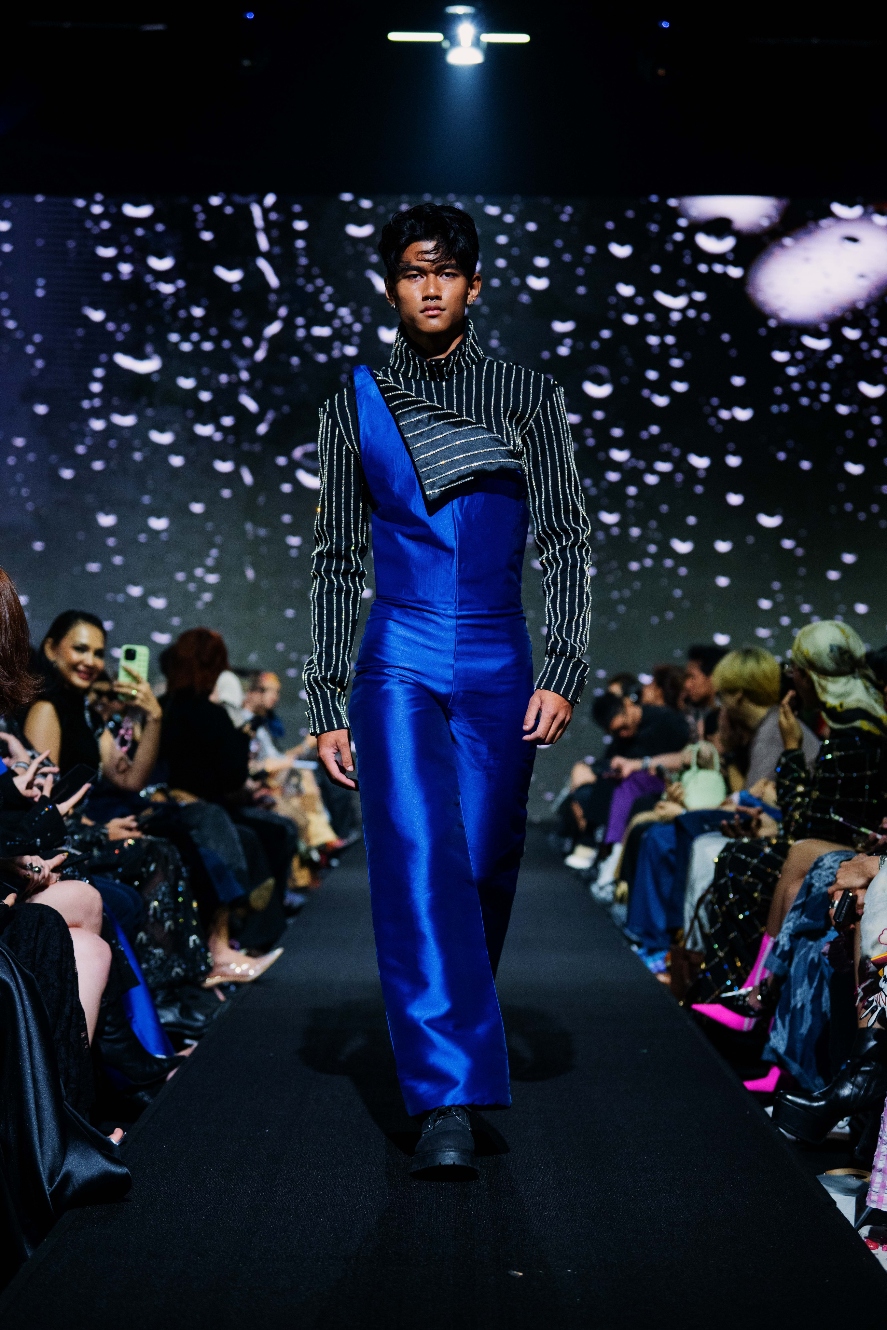
ShazNash unveiled their “Under The Weather” collection, featuring silver embellishments and complementary black and blue tones.
ShazNash made a striking debut at Kuala Lumpur Fashion Week (KLFW) 2025, showcasing a collection that captivated audiences with its intricate detailing and bold design choices. The brand’s presentation featured a blend of textures and embellishments, including feathers, stripes and teardrop jewels — creating a visual feast that illuminated the runway. In the realm of menswear, ShazNash introduced power suits crafted from creamy velvet, adorned with corsetry elements and oversized brooches. These designs not only highlighted the brand’s commitment to craftsmanship but also underscored its ability to merge traditional tailoring with contemporary flair.
The debut at KLFW 2025 marked a significant milestone for ShazNash, positioning the brand as a promising new voice in Malaysia’s fashion landscape. With a keen eye for detail and a bold approach to design, ShazNash is poised to make a lasting impact in the industry.
The technical storage or access is strictly necessary for the legitimate purpose of enabling the use of a specific service explicitly requested by the subscriber or user, or for the sole purpose of carrying out the transmission of a communication over an electronic communications network.
Preferences
The technical storage or access is necessary for the legitimate purpose of storing preferences that are not requested by the subscriber or user.
Statistics
The technical storage or access that is used exclusively for statistical purposes.The technical storage or access that is used exclusively for anonymous statistical purposes. Without a subpoena, voluntary compliance on the part of your Internet Service Provider, or additional records from a third party, information stored or retrieved for this purpose alone cannot usually be used to identify you.
Marketing
The technical storage or access is required to create user profiles to send advertising, or to track the user on a website or across several websites for similar marketing purposes.




:max_bytes(150000):strip_icc()/TAL-header-pathfinder-ranches-wyoming-YELLOWSTNRNCH0825-ec5c20690aa84903b09d710ee505b97a.jpg "A Ranch the Size of Rhode Island Is for Sale in Wyoming")
:max_bytes(150000):strip_icc():format(jpeg)/TAL-header-pathfinder-ranches-wyoming-YELLOWSTNRNCH0825-ec5c20690aa84903b09d710ee505b97a.jpg)