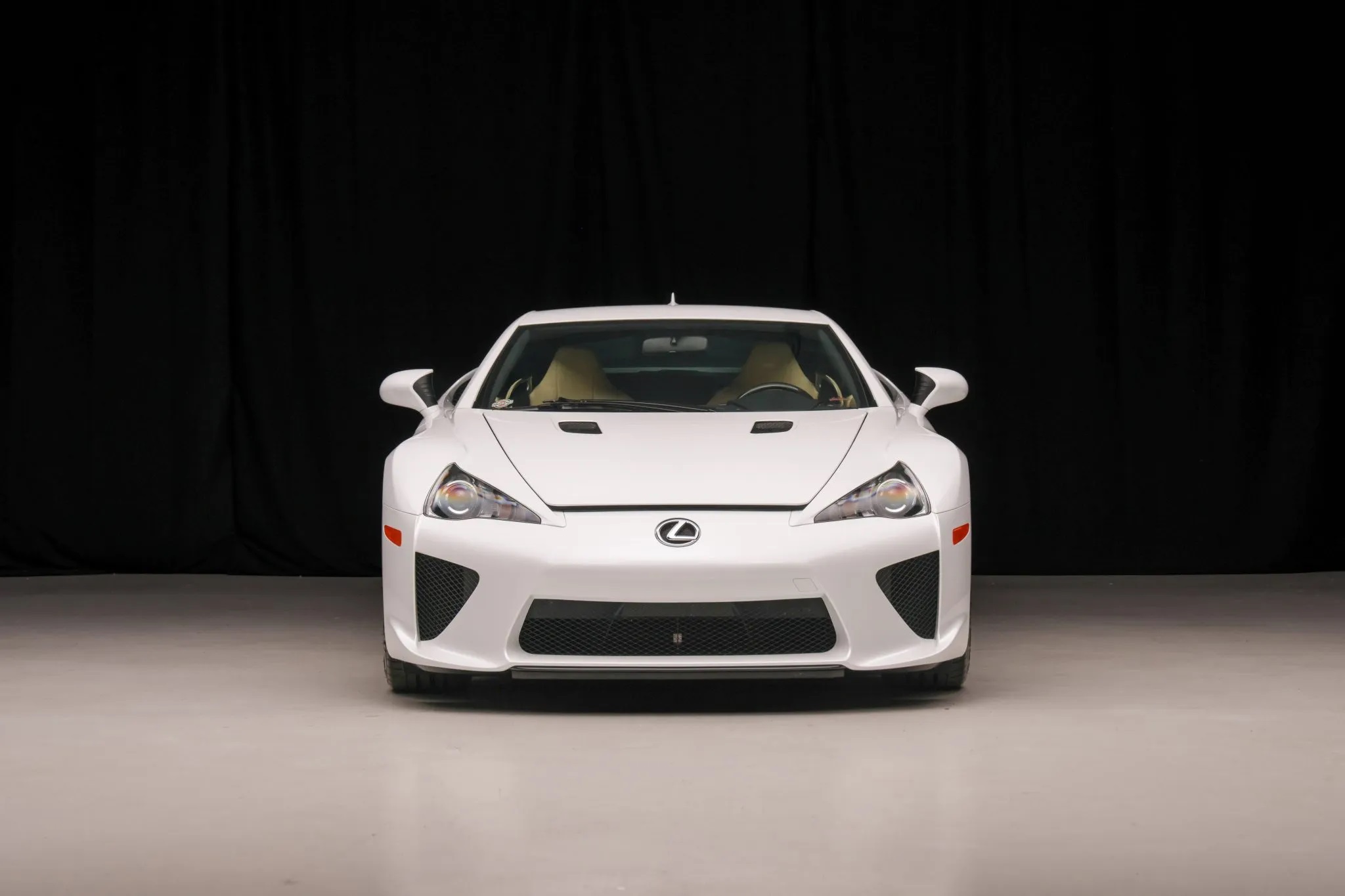
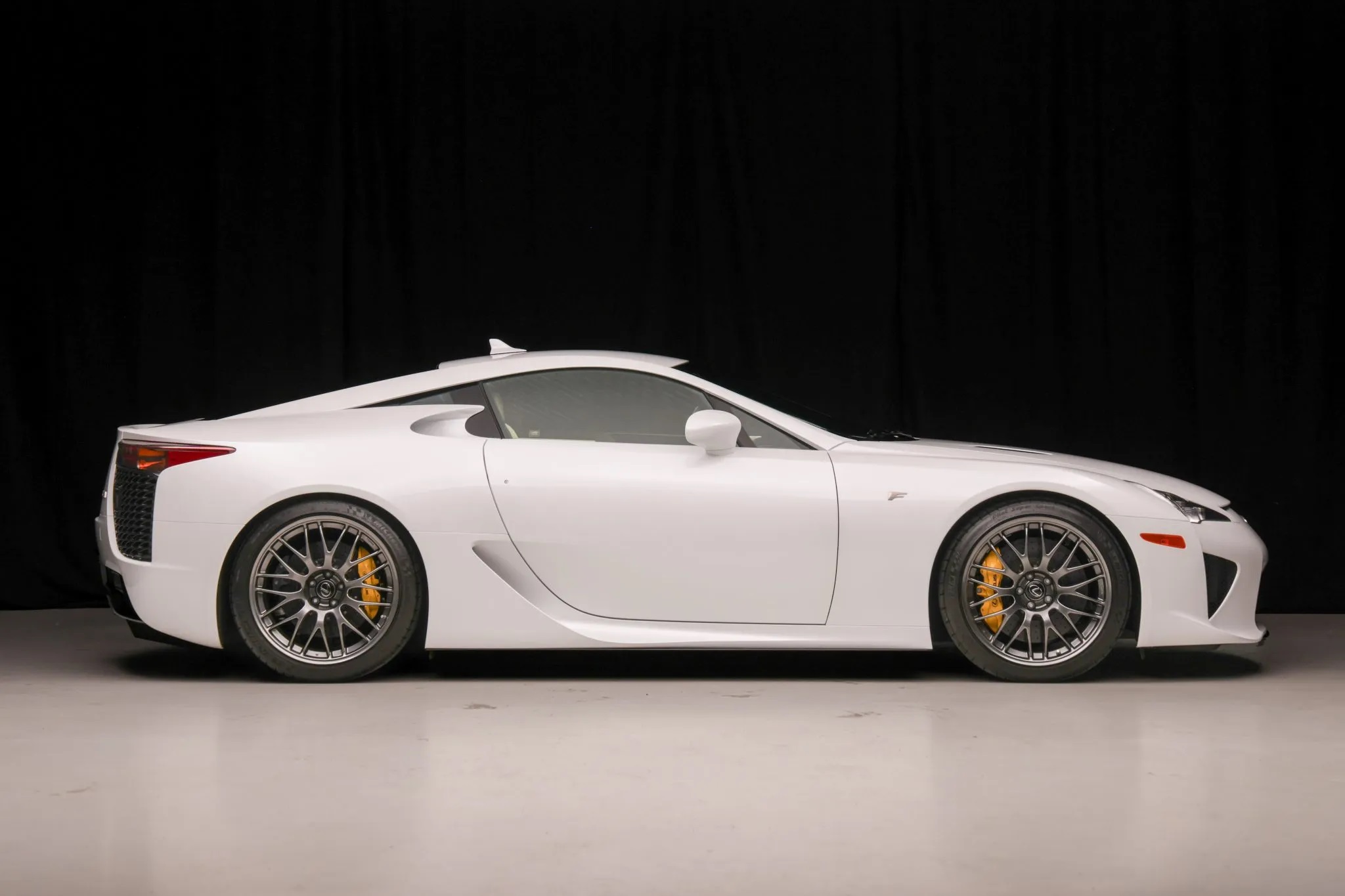
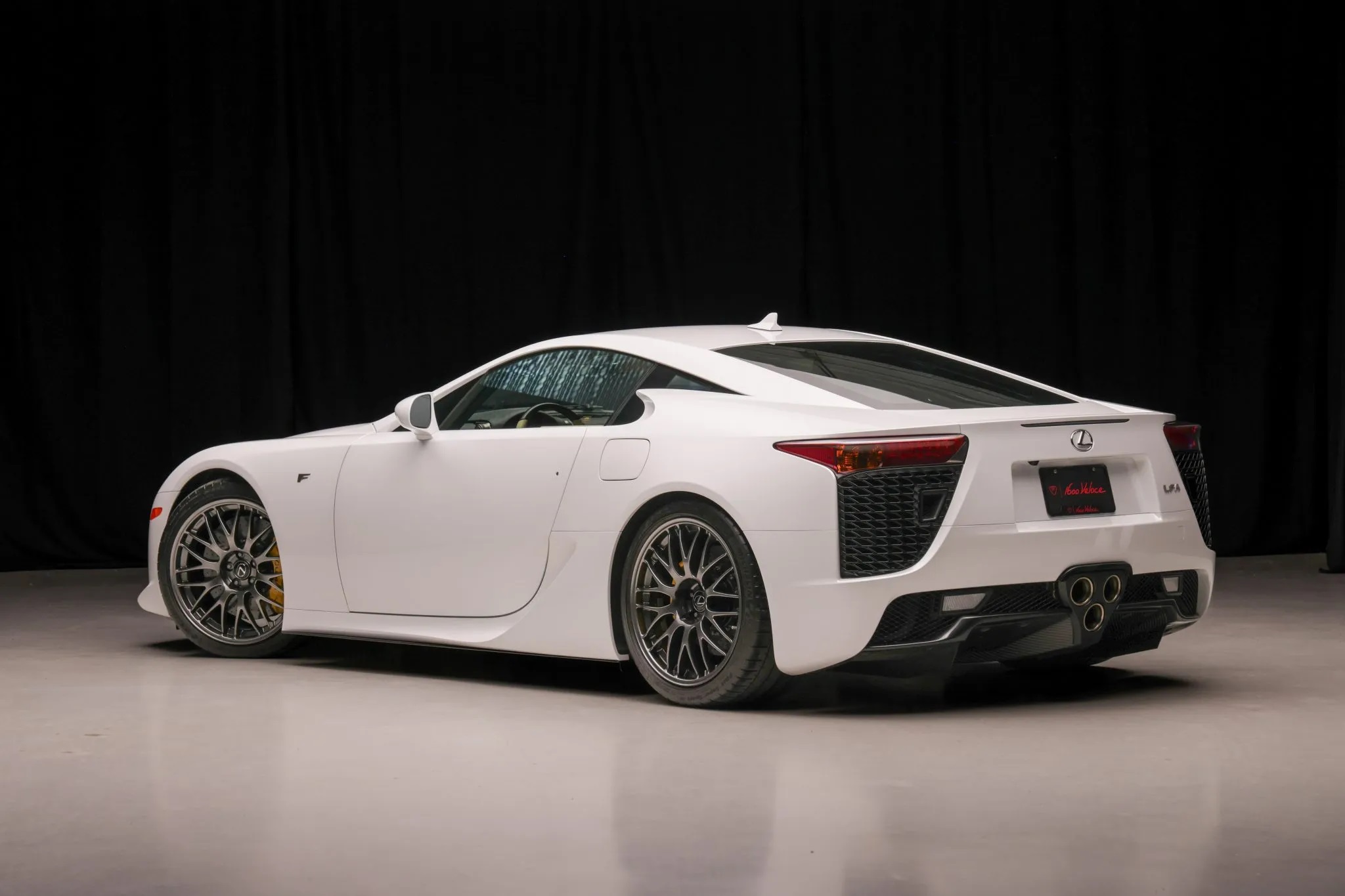
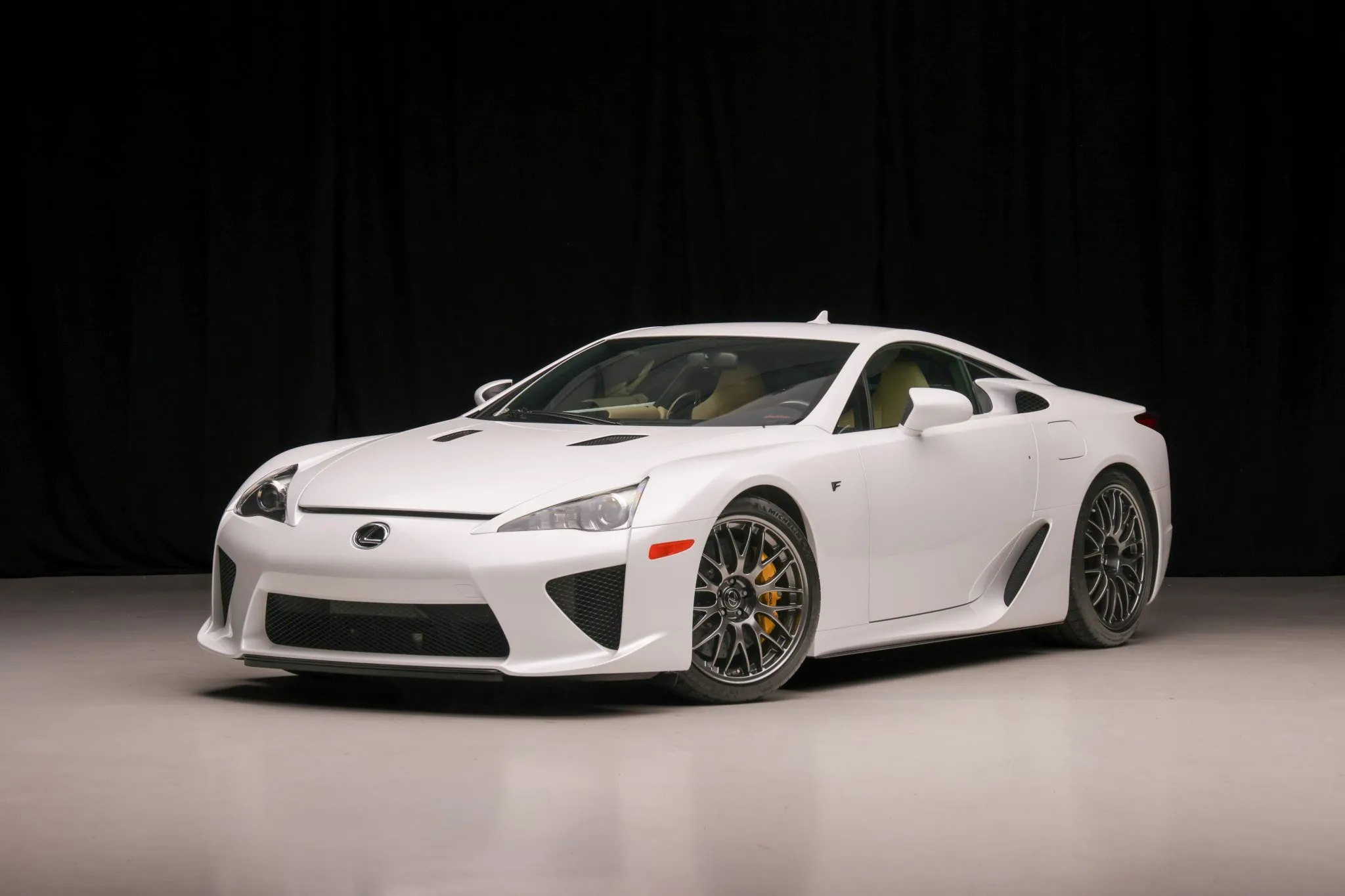
Lexus is a brand known for its precision and innovation, and the LFA supercar is a testament to that. Aimed at rivaling Europe’s finest sports cars, the LFA made a lasting impact on the automotive world. Its production, carried out by hand by a specific team at Toyota’s Motomatchi factory in Aichi in Japan, lasted from 2010 to 2012. Each car was made to order in line with the client’s requests.
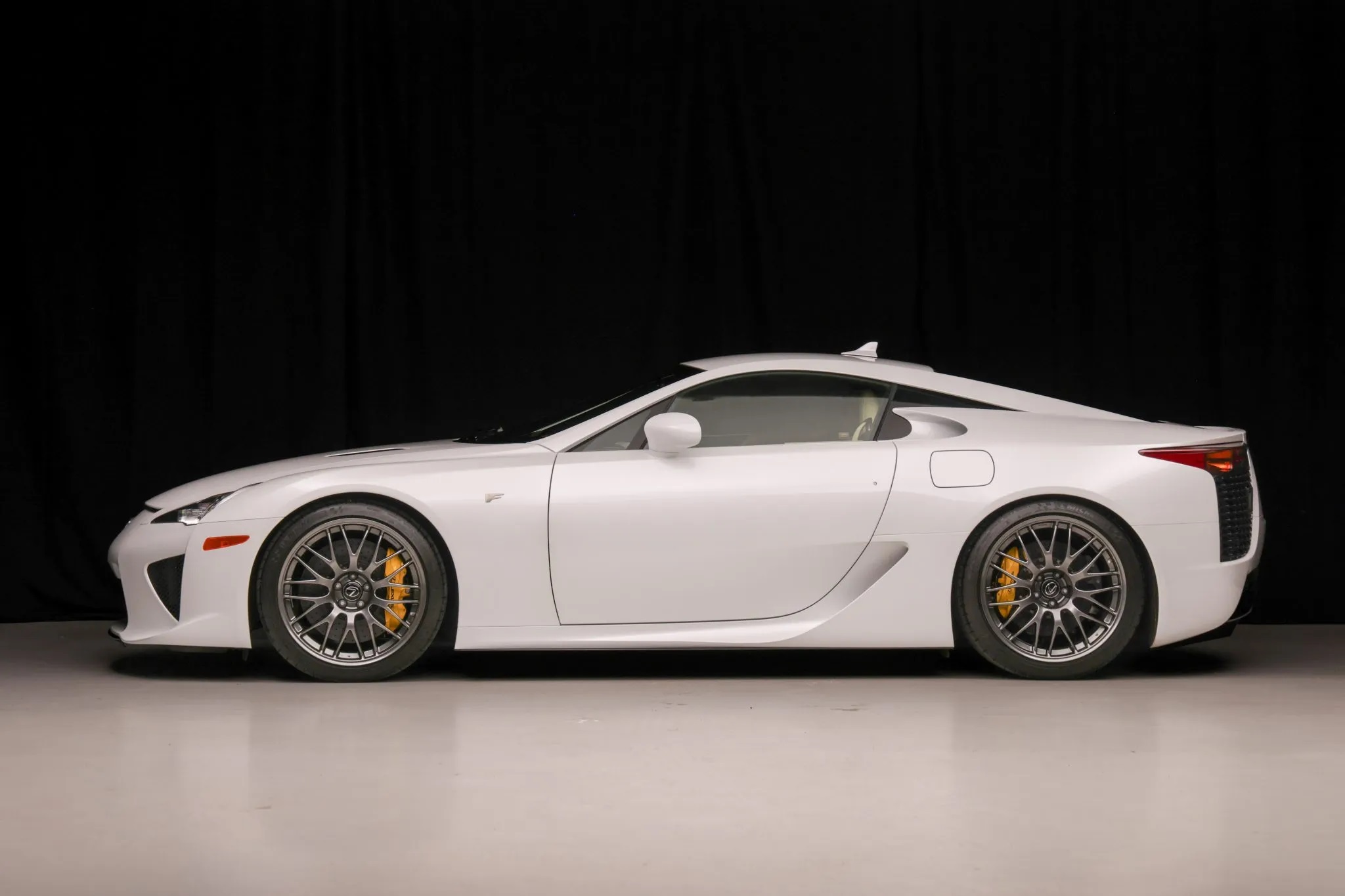
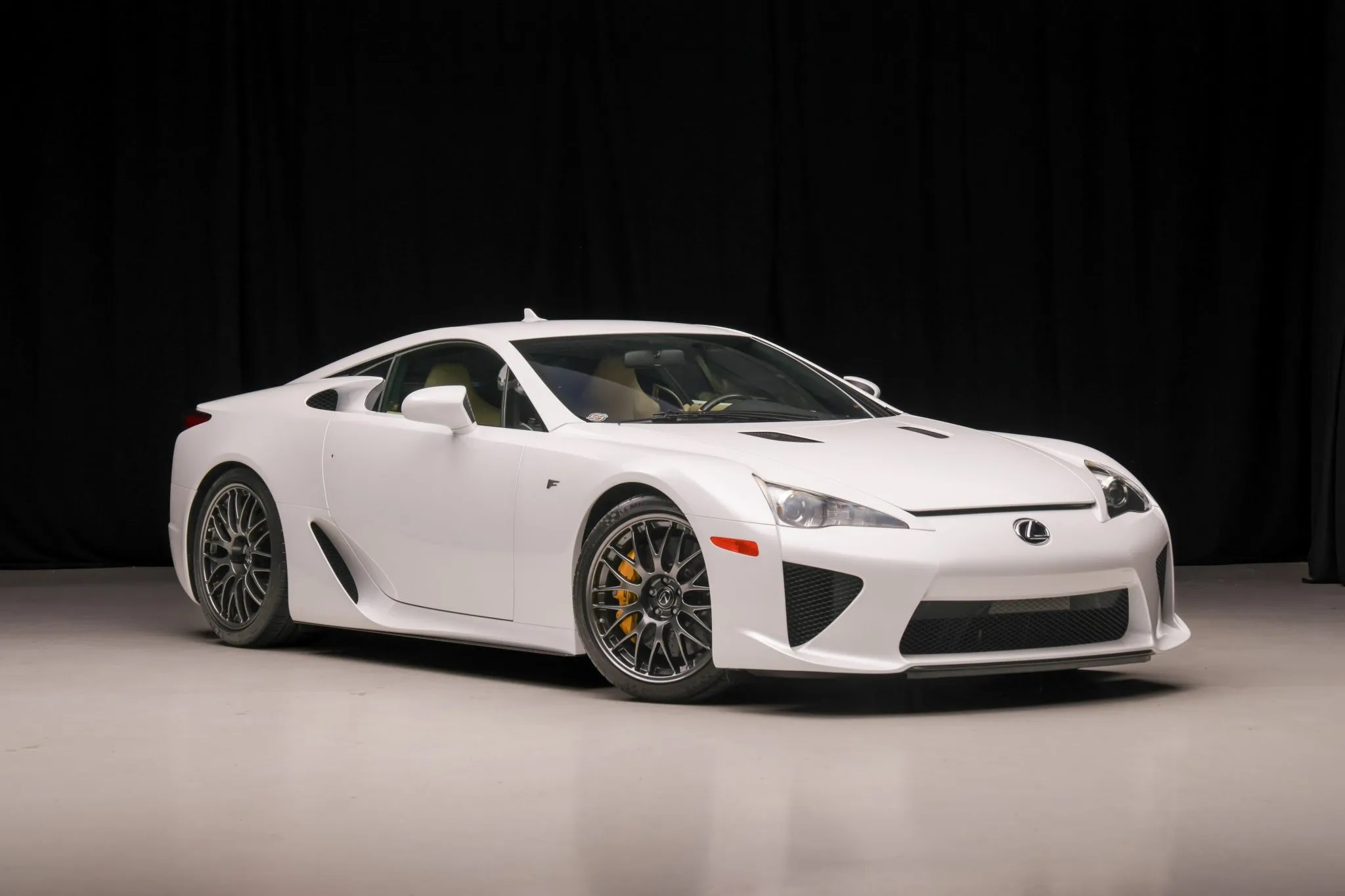
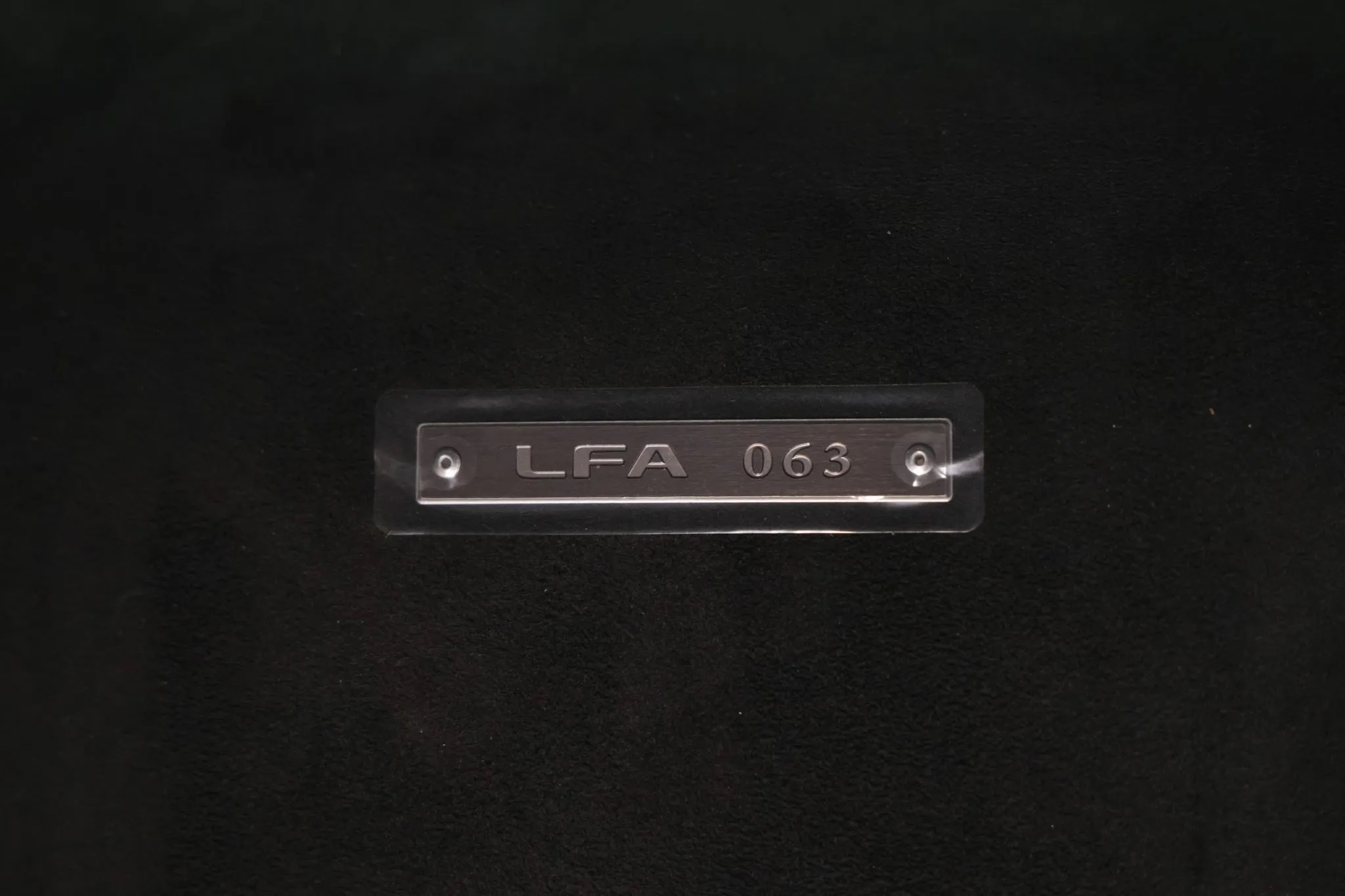
This Lexus LFA was delivered new to New Country Lexus of Latham in New York. Now offered for sale in excellent condition on Bring A Trailer with 3,100 miles, this example is number 63 of only 500 units made during the two-year production run.
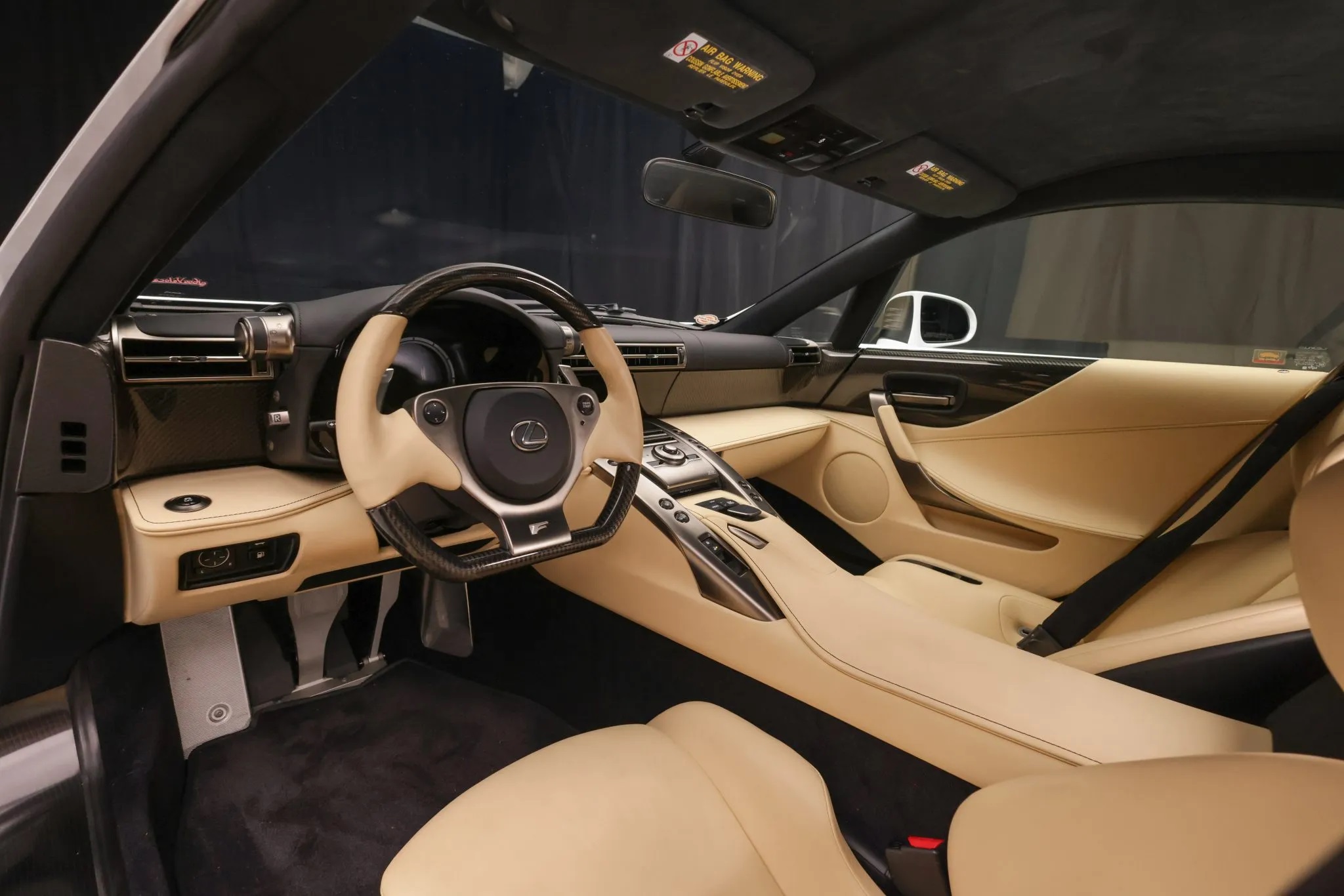
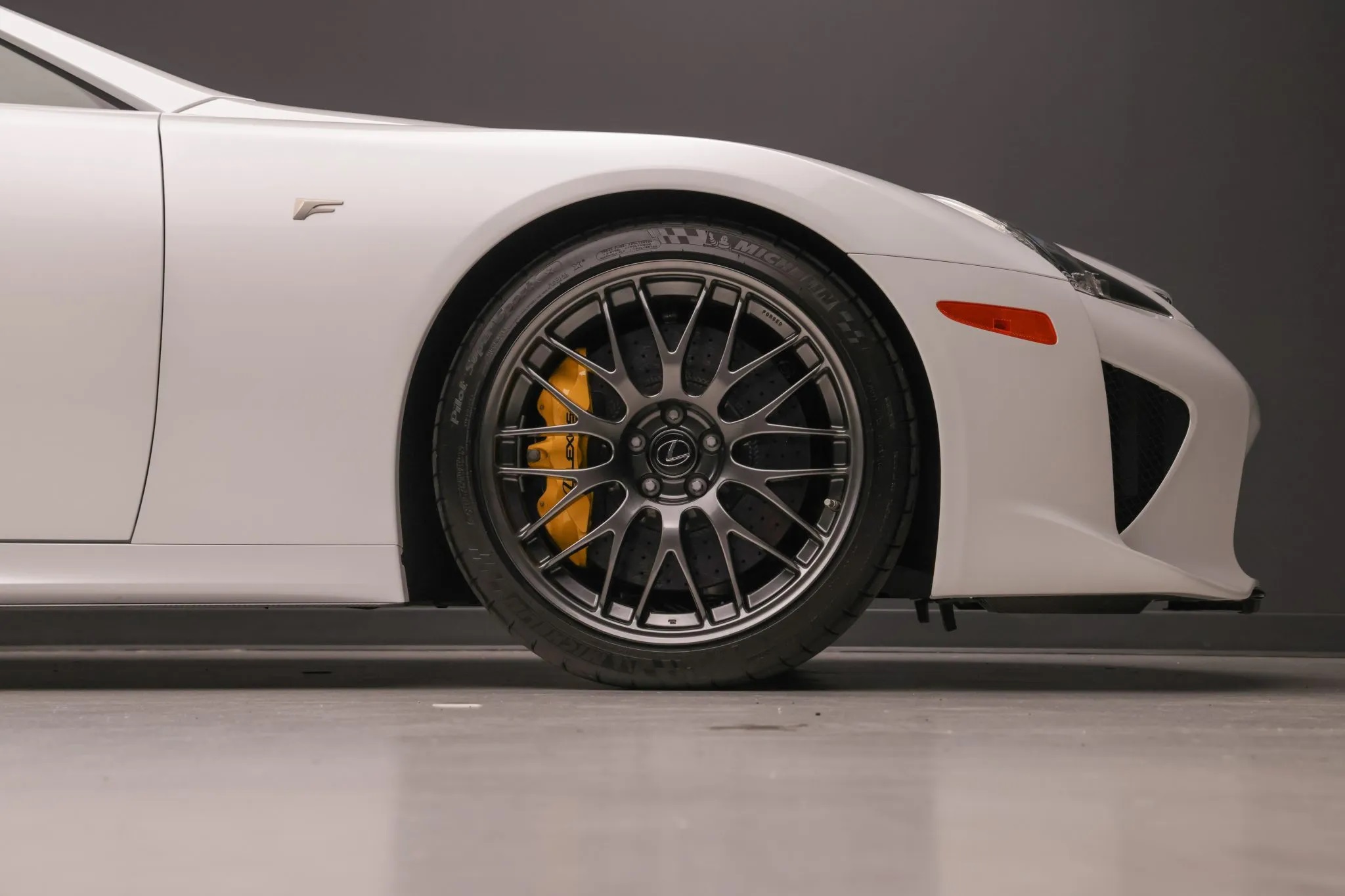
The car’s carbon-fiber body is finished in Pearl White, while the interior is wrapped in Cream leather, extending across the center console, dashboard, door panels, and steering wheel. Notable features include 20″ mesh-spoke BBS Nürburgring Edition alloy wheels, bi-xenon headlights, carbon-ceramic brakes with yellow Brembo calipers, heated power-adjustable seats, a back-up camera, a Mark Levinson audio system, and Lexus Insider infotainment with voice control and navigation.
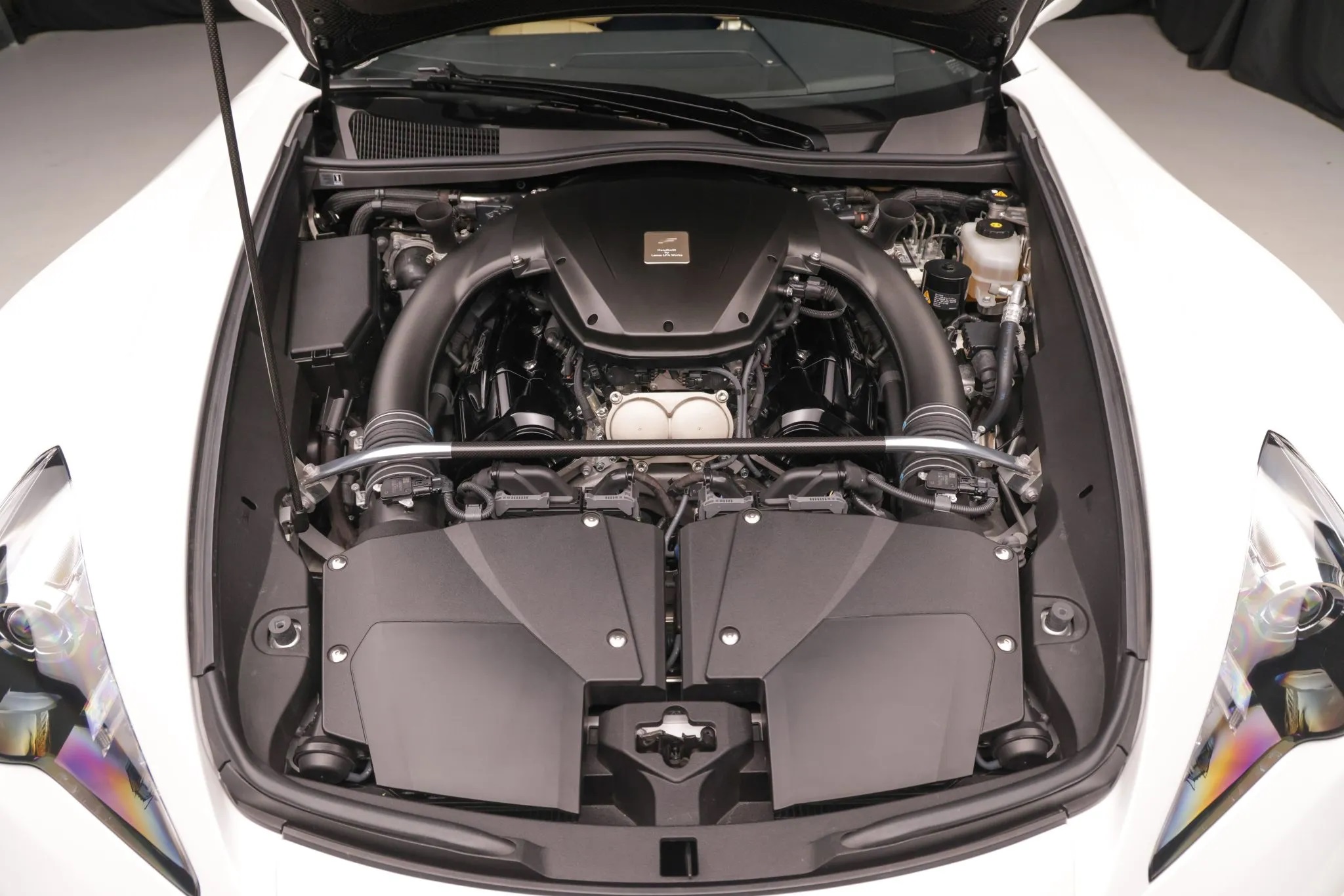
Unveiled at the Tokyo Motor Show in 2009, the LFA celebrated Lexus’s 20th anniversary with a 4.8-liter V10 engine developed exclusively for it. This engine, co-developed with Yamaha, produced 552 horsepower and 354 lb-ft of torque.
Featuring a dry sump system, individual throttle bodies for each cylinder, and advanced lightweight components, the V10 was as compact as a V8 and no heavier than a V6, allowing for optimal placement in the engine bay. With a six-speed sequential gearbox mounted at the rear for better weight distribution, the LFA boasted impressive performance, accelerating from 0 to 60 mph in 3.7 seconds and achieving a top speed of over 201 mph.
Valtteri Bottas recently released his debut single, but the Finnish Formula 1 driver didn’t provide vocals or play an instrument.
Currently streaming on Spotify, the track—titled “Flight of the Valtteri”—was made using biometric data from Bottas as he drove around California’s Thunderhill Raceway in an Audi R8. It was a marketing stunt for data-analysis firm Hyland, a personal sponsor of Bottas, as well as an official partner of the Sauber F1 team for which he currently drives.
Bottas was hooked up to sensors that measured things like heart rate, brain activity, sweat production, and respiration. The collected data was then handed over to producers and composers and turned into a roughly three-minute track, which is currently streaming on Spotify.
While it’s unclear whether music derived from biometric data is finally about to have its moment, Bottas may soon be forced into a career change. He’s one of the few drivers currently on the F1 grid without a confirmed seat for 2025. There’s a chance he’ll be able to keep his spot at Sauber as it continues its metamorphosis into the Audi factory team in 2026.
Bottas made his F1 debut with Williams in 2013, but joined the Mercedes-AMG squad in 2017 following the shock retirement of reigning champion Nico Rosberg. He scored all 10 of his wins with the Silver Arrows before moving to Alfa Romeo (as the Sauber team was then known) in 2022 to make way for George Russell.
Bottas has partnered Zhou Guanyu since arriving at Sauber, which dropped the Alfa Romeo branding after 2023 in anticipation of the Audi takeover. Audi has since completed a 100% takeover of Sauber and named Nico Hülkenberg as its first driver, but still hasn’t announced plans for its second seat. That leaves Bottas, who remains one of the most experienced drivers on the grid, with a potential opening to stay with the team a little longer.
In April 2025, Australian motorists will lose the ability to save substantial sums of money when leasing a plug-in hybrid vehicle (PHEV). This is because the EV Fringe Benefits Tax (FBT) exemption for novated leased vehicles is ending for PHEVs.
This isn’t a good outcome for anyone who wants to save money leasing a new PHEV and save money on fuel compared to a plain petrol or diesel passenger car, SUV or ute. It’s also not in line with the purpose of the legislation, which was incentivising cleaner cars that could emit less CO2.
Read on to find out why the government is dropping PHEVs from the novated lease incentive scheme and why this is the wrong time to remove PHEV incentives. First though, a brief backgrounder on PHEVs and the novated lease FBT exemption.
What is a PHEV?
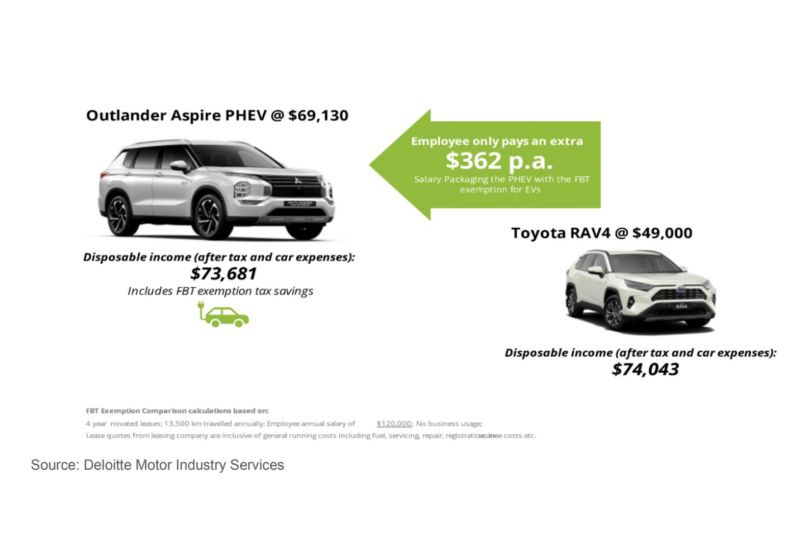
PHEVs are a vehicle with both a combustion engine and a battery and electric motor(s), but unlike regular hybrids such as the Toyota RAV4, they have a much larger battery that allows them to run for many kilometres on electricity alone.
100s of new car deals are available through CarExpert right now. Get the experts on your side and score a great deal. Browse now.
Some models can get close to 100km of electric-only range – meaning for many people their daily commute can be done entirely on electric power.
The other defining feature of a PHEV is that it can be plugged in to a powerpoint or wall charger to recharge the battery.
What is the FBT exemption?
EVs and PHEVs are exempt from the FBT if they cost less than the Luxury Car Tax (LCT) threshold for fuel-efficient vehicles, currently sitting at $91,387.
The FBT exemption for EVs on a novated lease means you could drive a considerably dearer EV for the same cost as a much cheaper petrol car.
To quote from the National Automotive Leasing and Salary Packaging Association (NALSPA), “Using pre-tax salary deductions, workers can reduce their taxable income, avoid GST on vehicle purchases and running costs, and benefit from a stable, predictable payment structure.”
The Australian Financial Review even lists it as a legitimate tax minimisation practice.
NALSPA CEO Rohan Martin provides a real-world example with a popular Tesla:
“Removing fringe benefits tax on a $50,000 low or zero-emissions car can save an employee around $4,700 annually,” he said.
“The exemption makes owning and driving a Tesla Model Y, which costs $64,000 drive away, cheaper than a $40,000 petrol-powered Mazda CX-5. Additionally, drivers save further on running costs by avoiding fluctuating fuel prices.”
Note that since we discussed this with Mr Martin, a Model Y is now even cheaper at between $58,715 and $62,553 drive-away, depending on your state and territory.
Why Is the PHEV FBT exemption going?
In one word – politics. The Government did not actually want this scenario to occur. The looming April 1 end-date for PHEVs EV FBT exemption came about as a compromise to get the novated leasing FBT legislation through the parliament to become law.
Pricing correct as of March 2024
With no Liberal/National votes, the government required crossbench support. The final outcome of the negotiations was PHEV vehicles would be classified as EVs from the date the legislation commenced on July 1, 2022, but only until April 1, 2025. After that only pure electric vehicles (aka BEVs) would benefit from the FBT exemption.
The end goal was a quick transition to BEVs. The old argument against the plug-in hybrid was that some overseas studies showed many PHEVs owned by companies did not plug in much.
This was because the employees driving the vehicles typically had fuel cards, which meant they paid nothing for fuel anyway. However, most would have to pay out of their own pocket to charge at home, if charging at home was possible.
Why PHEVs should stay
PHEVs should be included in the novated leasing incentives for three or four more years yet. This is for a couple of reasons, including that it assists manufacturers to achieve their new government mandated vehicle efficiency standards, while it also assists those who regularly travel into regional Australia, where charging infrastructure is not as widespread.
However, the most important reason is because in Australia there are no pure electric vehicle options for entire vehicle segments.
Unlike North America for example, there’s no selection of large pure electric SUVs and utes yet*. This is despite the large SUV, 4WD and ute segment generating huge sales here. In fact, so far even in North America electric vehicles in this category have been expensive, so even if they were available here most would not qualify for the present FBT exemption anyway.
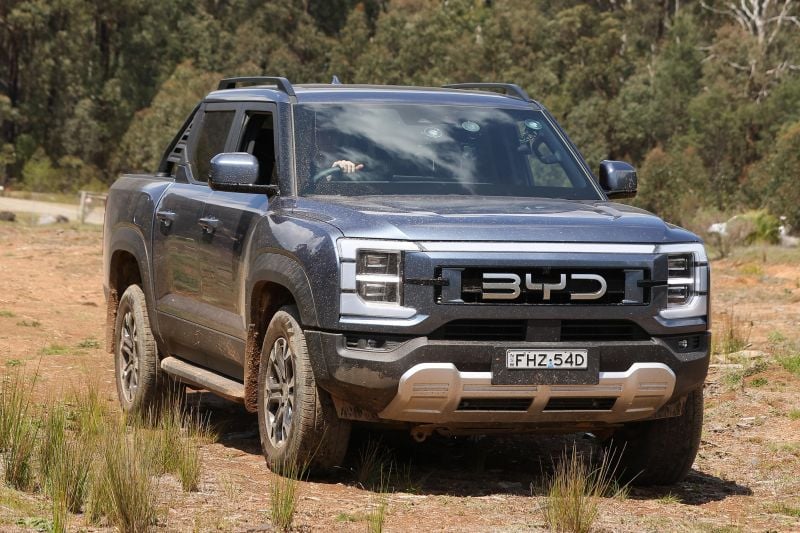
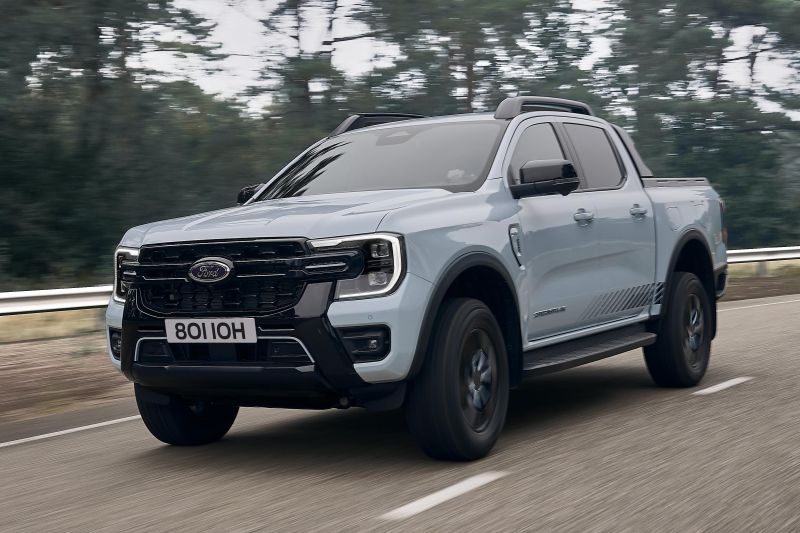
Australian ute drivers have only recently been able to register expressions of interest in the first PHEVs due to arrive in this segment, the Ford Ranger and BYD Shark.
Given the present state of the market, incentivising PHEVs is the only option for this style of vehicle if purchasers are to affordably access cleaner tech and lower fuel bills. Remember, a quality plug-in hybrid ute could easily save tradies a couple of hundred dollars a month in fuel – and emit less CO2!
PHEV sales are now on the rise, with figures from the Federal Chamber of Automotive Industries (FCAI) revealing an increase of over 120 per cent in the first nine months of this year, compared with the same period in 2023.
Given this trend and now with these large 4WD PHEVs getting closer to arrival, it makes no sense that cleaner vehicle incentives are going away at the same time.
Until the advent of much more energy-dense and affordable batteries can give large pure EVs driving ranges comparable to ICE vehicles, the only way to lower the emissions of these larger, heavier vehicles will be to buy those with PHEV technology.
To quote NALSPA CEO Rohan Martin again: “Every PHEV purchased drives down Australia’s total transport emissions and that’s critical for our journey to net zero.”
The journey to net zero component is important, as over here the old argument about people not plugging in carries less weight today.
In Australia, there are simply many more private buyers of utes than in the European markets where the earlier studies were made – and most of these buyers would love to pay less for expensive fuel.
Even today’s commercially owned vehicles have owners looking to lower their fleet costs and meet ESG goals, which novated leasing cleaner vehicles can help achieve.
If there was a requirement to reimburse drivers for charging expenses, even fewer drivers would have problems charging up in this country.
There should also be fewer problems in accessing residential charging in Australia. This is due to lower levels of potentially troublesome apartment ownership (which can bring charging access issues) than was found in European studies.
By taking incentives away from PHEVs next year, the government is going to see fewer people able to afford vehicles that could decrease CO2 emissions and decrease fuel bills.
For purchasers of small- to medium-sized SUVs and sedans this is a lesser problem as there are plenty of affordable BEV options.
Taking incentives away from whole market segments with no selection of BEVs to choose from, however, is just going to see more people buy the cheaper, dirtier vehicles, which is definitely not in the spirit of the original legislation.
*LDV eT60 excepted, but at close to $100k and with a 330km range, unladen, and 1000kg towing capacity it’s not a true replacement for segment benchmarks
MORE: What is novated leasing, and how does it work?
Nissan’s Rogue crossover will go plug-in hybrid soon
The system may be related to that in the Mitsu Outlander PHEV
A separate Rogue Hybrid will emerge soon, too
The Nissan Rogue will soon add a plug-in hybrid variant using tech from corporate ally Mitsubishi.
But as Green Car Reports has learned, that doesn’t at all mean its long-awaited Nissan e-Power hybrid system has been sidelined; Nissan plans to offer a rich choice between hybrids and PHEVs in the lineup, as Toyota does with the RAV4, within a couple years.
As Car and Driver recently reported—a product also confirmed by Nissan to GCR—a Rogue plug-in hybrid will go on sale in the U.S. in the 2025 calendar year.
That would likely make it a 2026 model. It will also be Nissan’s first U.S.-market plug-in hybrid, although the automaker has offered conventional hybrids in the past.
2025 Mitsubishi Outlander Plug-in Hybrid
The Nissan could reportedly share components with the Mitsubishi Outlander Plug-In Hybrid, which makes sense, as the Rogue and Outlander are based on the same platform. Additionally, Nissan had previously confirmed that it would use the system in one of its North American vehicles—the result of the corporate alliance between the two automakers that started in 2016, when Nissan bought a stake in Mitsubishi.
The current Mitsubishi Outlander Plug-In Hybrid uses a 2.4-liter inline-4 with a pair of electric motors for 248 hp and an EPA-rated 28 miles of electric range. The Mitsubishi hybrid system also allows for a combination of series operation (as is the norm in hybrids) and parallel operation, in which the gasoline engine effectively acts as a generator with the motors providing all propulsion.
2025 Nissan Rogue
As of earlier this year, Nissan seemed to be pointing to pickups as the best use for the Mitsubishi system. It was reported at the time that Nissan and Mitsubishi were co-developing a new generation of pickups, with all-electric and plug-in hybrid powertrains, to be manufactured in Mexico and sold in the U.S.
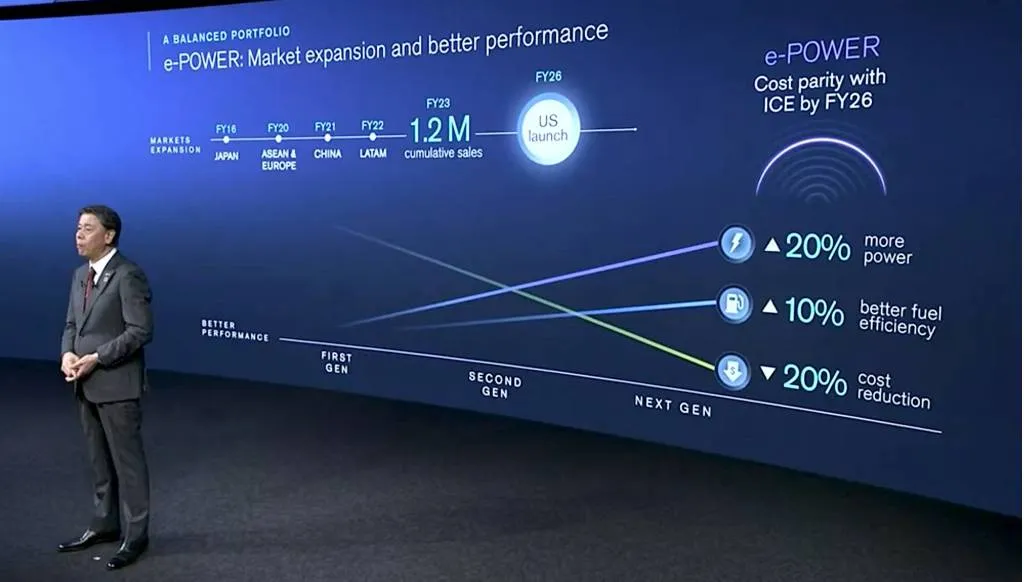
Meanwhile, Nissan’s long-awaited e-Power hybrid system, which is a well-regarded series-hybrid system already offered in Europe, Japan, and elsewhere, is finally due to arrive to the U.S. market.
Nissan e-Power U.S. launch timeline
Nissan confirmed Thursday to Green Car Reports that, alongside the Mitsubishi-based PHEV Rogue, an e-Power hybrid Rogue will join the lineup for the U.S. in our 2026 fiscal year. That translates to anywhere from April 2026 through March 2027.
The automaker did also announce last March that there will be multiple hybrid and PHEV models U.S.-bound by 2028—some of which will use e-Power—and that it aims for cost parity with non-hybrid vehicles.
BMW has issued a recall covering a wide variety of models due to potential issues with their brakes and antilock braking and stability control systems.
The recall affects certain X1, X5, X6, X7, and XM models from the 2023 and 2024 model years, as well as certain 530i, i5, 740i, 760i, i7, and 750e models from the same model years. A total of 11,579 vehicles are affected in the U.S.
According to the recall notice published by the NHTSA on Oct. 2 (recall campaign number 24V739000), the affected vehicles during a previous recall campaign from February (recall campaign number 24V104000) received an integrated brake module that may not provide sufficient power brake assist. This in turn will result in the antilock braking and stability control systems failing to function properly, increasing the risk of a crash.
Fully mechanical braking is not affected and is still available to slow and stop the vehicle, and the emergency function of the electronic brake force distribution system also continues to help with vehicle stability, according to the recall notice.
The remedy requires dealers replacing the integrated brake module, a service they will perform fee of charge.
Owners will be notified by mail from Nov. 22 informing them of the safety risk. Second letters will be mailed once the necessary parts are available, though potential timing wasn’t included in the recall notice.
BMW said it is not aware of any injuries related to the issue.
Anyone looking for further information can contact BMW at 1-800-525-7417 or visit BMW’s recall page.
The next-generation hybrid system to be used in the Subaru Forester and Crosstrek will likely offer a step up in horsepower when it reaches the U.S. in these models.
Subaru confirmed the Forester Hybrid at the 2023 Los Angeles auto show. Due to arrive at U.S. dealerships late next year as a 2026 model, it’s already been spotted testing.
2025 Subaru Forester
This will be the first time Subaru has offered a hybrid version of the Forester in the U.S., but it previously sold a Crosstrek Hybrid here, with a plug-in hybrid powertrain based on components sourced from Toyota. The plug-in hybrid Crosstrek was discontinued after the 2023 model year. A report earlier this year indicated a new Crosstrek Hybrid was also U.S.-bound, with the same powertrain as the Forester Hybrid.
A new Crosstrek Hybrid has already launched in Japan with a powertrain dubbed “Strong Hybrid” by Subaru. It was again developed in partnership with Toyota, which supplied an electric motor and 1.1-kwh battery pack to couple with Subaru’s 2.5-liter flat-4 engine and all-wheel-drive system. It’s increasingly likely that this next hybrid won’t have a charge port.
2025 Subaru Crosstrek
Subaru has said it expects 20% lower fuel consumption from this system, which extracts 158 hp from the gasoline engine and 88 hp from the electric motor. The current U.S.-market Crosstrek comes standard with a 2.0-liter flat-4 making 152 hp, with an optional 2.5-liter flat-4 pushing output to 182 hp. The Forester is sold only with the larger engine, but Subaru lists output as 180 hp.
The partnership between Subaru and Toyota also extends to all-electric models. The Subaru Solterra and Toyota bZ4X SUVs are the only EVs currently sold by their respective brands in the U.S. A second jointly developed electric SUV will reportedly launch in 2026, one of four EVs Subaru has said it will introduce by the end of 2028. The automaker also hopes for 50% EV sales by 2030.
We may need to present our MyKad (Identity Card or IC) at petrol stations in Malaysia before fuelling up soon. This identification system is among the proposed solutions currently under discussion to carry out targeted subsidies for RON95 petrol that will come into place from mid-2025, as announced by the prime minister Anwar Ibrahim on Friday.
When implemented, 85% of Malaysians will continue to enjoy RON95 fuel at its subsidised price of RM2.05 per litre, while the T15 (top 15% earners), described by the PM as the maha kaya or super rich, will have to pay more. Presently, unsubsidised RON95 is priced at RM2.76 per litre.
How exactly the pump prices will be set remains in question. One solution is for us to use our MyKad before fuelling up, according to transport minister Anthony Loke.
“This means there will be two pricing mechanisms — one for eligible Malaysians, and another for the T15 and foreigners. However, this is just a proposal, and more details will be announced by the Finance Ministry in the coming months,” Loke was quoted as saying by The Edge.
The idea of using the MyKad to set the pump price (whether one should receive the fuel subsidy or not) is not exactly new. Back in 2014, then-deputy finance minister Datuk Ahmad Maslan announced that a similar concept was in the works for the petrol subsidy rationalisation programme.
Back then, the plan was to have three separate tiers of RON95 pricing. Those earning below RM5,000 per month will receive full subsidy, while those earning between RM5,000 and RM10,000 will get partial subsidy. No subsidised fuel for those earning over RM10,000 per month.
For 2025, with the distinction set to a relatively arbitrary T15 classification, we will have to wait and see what the actual income threshold will be set at (to determine if you’re eligible to enjoy petrol subsidies or not).
So dear Malaysians, what do you think of this MyKad idea, and how much should the income threshold be set at? Discuss below.
Finance minister and prime minister Datuk Seri Anwar Ibrahim has announced in his Budget 2025 speech that Perodua is working on a sub-RM100k EV, without divulging any further details.
Besides this, there is no mention of any extension to the EV tax breaks, so CBU EV tax breaks will end in 2025. Beginning 2026, only CKD EVs will be tax free. The free road tax for EVs should also be ending in 2025.
Perodua displayed the emo-1 EV concept at the Malaysia Autoshow 2024, foreshadowing its upcoming EV which is expected to surface towards the end of next year.
Instead of deriving the technology from partner Daihatsu, Perodua is developing its EV on its own, with the assistance of an as-yet-unnamed Australian partner.
Proton is going to launch the eMas 7 EV soon, but as that will be CBU from China (at least for now), it will have to adhere to the RM100k floor price that’s been set by the government.
The Neta V and Dongfeng Box are among the EVs expected to be locally assembled (CKD) in 2025 – these could be priced below RM100k as well.
GALLERY: Perodua emo-1 Concept at Malaysia Autoshow 2024
New car likely shares powertrain with Civic Hybrid
Sole transmission expected to be eCVT
The Honda Prelude has been out of production for more than two decades, but a new generation is coming, and a prototype has been spotted for the first time.
The prototype is only lightly camouflaged, and most of its lines appear to match those of a Prelude concept rolled out at the 2023 Tokyo auto show.
The new Prelude is due out next year as a 2026 model, and like the concept that previewed it, it will arrive as a hybrid.
The powertrain is expected to be the same in the latest Civic Hybrid that arrived for the 2025 model year. The powertrain combines a 2.0-liter inline-4 and an eCVT, and in the Civic Hybrid delivers 220 hp and up to 50 mpg. It also drives the front wheels only.
Honda Prelude concept
But the new Prelude won’t simply be a Civic Coupe by another name. Citing comments made by Shinji Aoyama, Honda’s global chief of electrification, Motor Trend reported on Oct. 11 the powertrain will be engineered to be sportier in the Prelude, and gave the example of the powertrain delivering a more noticeable sound and feel for its simulated gearshifts.
There won’t be the oft-rumored manual option, according to the report. That will also be the case for Honda’s upcoming EVs, though Honda has explored the potential of a simulated manual transmission complete with a clutch pedal, like what Toyota plans to put into production.
The Prelude nameplate launched in Japan in 1978 and there have been five generations so far. Historically the cars have been sporty front-wheel-drive coupes with sleek bodywork covering mechanicals from mainstream models, and that appears to be the case with the upcoming sixth generation.
Currently the new Prelude has only been confirmed for Europe, but all signs point to a U.S. return as well.
When Chevrolet introduced the C8 Corvette ZR1, they promised it would redefine the brand’s performance standards. The ZR1 was not only the latest in the iconic ZR1 lineage, but also the first Corvette to surpass 1,000 horsepower, with its 5.5-liter turbocharged V8 producing 1,064 hp.
Also, one of the biggest questions surrounding the new ZR1 when it was introduced was how fast can it go. Chevrolet put that to rest when the car reached 233 mph on the high-speed oval track at the Automotive Testing Papenburg (ATP) facility in Germany, proving it could compete with the world’s top supercars.
This impressive feat was achieved with a fully stock ZR1, including the original chassis, aero kit, and performance parts, which is unusual for record-breaking cars. The car was in “Top Speed” mode, a feature that adjusts chassis controls for maximum speed.
Interestingly, GM President Mark Reuss drove the car during the test, with an engineer as a passenger. The ZR1 hit 233 mph at redline in sixth gear, setting a record not just for an American car, but also for vehicles under $1 million.
The technical storage or access is strictly necessary for the legitimate purpose of enabling the use of a specific service explicitly requested by the subscriber or user, or for the sole purpose of carrying out the transmission of a communication over an electronic communications network.
Preferences
The technical storage or access is necessary for the legitimate purpose of storing preferences that are not requested by the subscriber or user.
Statistics
The technical storage or access that is used exclusively for statistical purposes.The technical storage or access that is used exclusively for anonymous statistical purposes. Without a subpoena, voluntary compliance on the part of your Internet Service Provider, or additional records from a third party, information stored or retrieved for this purpose alone cannot usually be used to identify you.
Marketing
The technical storage or access is required to create user profiles to send advertising, or to track the user on a website or across several websites for similar marketing purposes.