Fiestas are an essential part of Spanish identity. Not only do these festivals provide a time for dancing, music, and revelry, they’re also vital traditions that keep Spanish culture alive. Each fiesta is deeply tied to its region or city, with every town celebrating its own distinct customs and activities. As travel advisors, we’ve explored Spain from north to south. Here’s our curated guide to the country’s most unforgettable fiestas.
Semana Santa in Seville
The Semana Santa processions in Seville date back to the 16th century and are one of Spain’s most famous fiestas. The festivities begin on Palm Sunday and last until Easter Sunday, reaching their apex in the early morning hours of Good Friday. Each float, or paso as they’re called, can weigh up to one ton, and is carried by an association of dedicated bearers, called costaleros. Book a private balcony spot to watch the processions in comfort.
The festival of San Fermín in Pamplona.
Danny Lehman/Getty Images
The Festival of San Fermín in Pamplona
The San Fermín Festival in Pamplona is known for its Running of the Bulls, where live bulls are set free through the narrow city streets for people to run ahead of. This once-in-a-lifetime experience takes place every July 7th to 14th. This is another fiesta best observed from a private balcony. Be sure to wear white and buy a red bandana to tie around your neck—it’s mandatory! While the bull runs happen each morning for one week, there’s plenty of additional festivities in the afternoons, like the Comparsa de Gigantes y Cabeazudos parades. A firework, or chupinazo, is lit in the town square on opening night, and the festivities begin.
A sculpture that will be burned in celebration during Las Fallas.
Gonzalo Azumendi/Getty Images
Las Fallas in Valencia
For the pyrotechnically-inclined, Las Fallas is a unique cultural tradition in Valencia celebrated from March 1 to 19. Grandiose art sculptures, called ninots, are built and then burned in a jaw-dropping display of fire. The constant lighting of firecrackers in the night sky creates a stirring atmosphere.
Sant Joan de Ciutadella in Menorca
The festival of Sant Joan de Ciutadella takes place in Menorca each June 23 to 24. A brotherhood representing the social classes of Ciutadella’s past society—the church, the aristocracy, the craftsmen, and the farmers—maintains strict guidelines regarding the festivities. During the Caragool des Born, more than one hundred riders on horseback enter the city and perform the jaleo, where horses stand on their hind legs and dance to traditional regional songs.
Kayaks on the Sella River in Asutrias, home of the International Descent of the Sella.
Javier Ruiz/Getty Images
International Descent of the Sella in Arriondas
The International Sella River Descent is a canoe and kayak competition in Arriondas, a village in the region of Asturias, that takes place on the Saturday following August 2 each year. Rent your own canoe and join the fun with many locals stopping along the way for drinks and tapas. While you’re in the region, consider hiking the Ruta del Cares trail through the stunning Picos de Europa mountain range.
In a documentary on Raf Simons’ debut at Dior, the then newly-appointed creative director consistently peppers one word throughout the 89-minute runtime: sublime. It’s been over a decade and it strangely haunts me to this day. Maybe it’s a lack of vocabulary (man’s a designer, not a wordsmith), but it’s still an effective descriptor nonetheless.
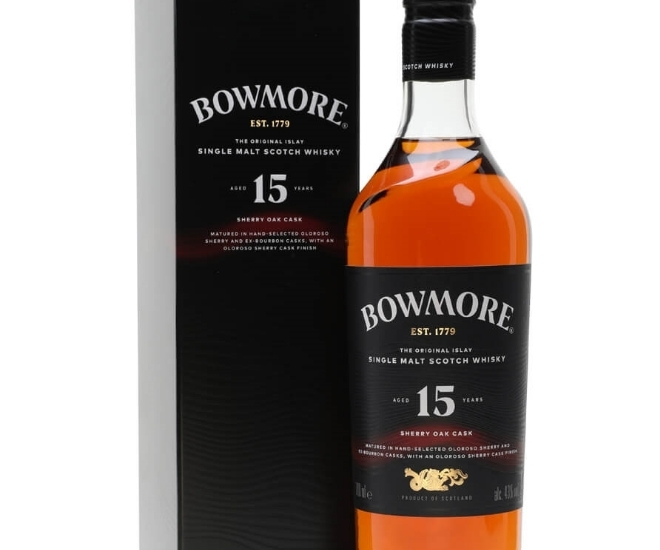
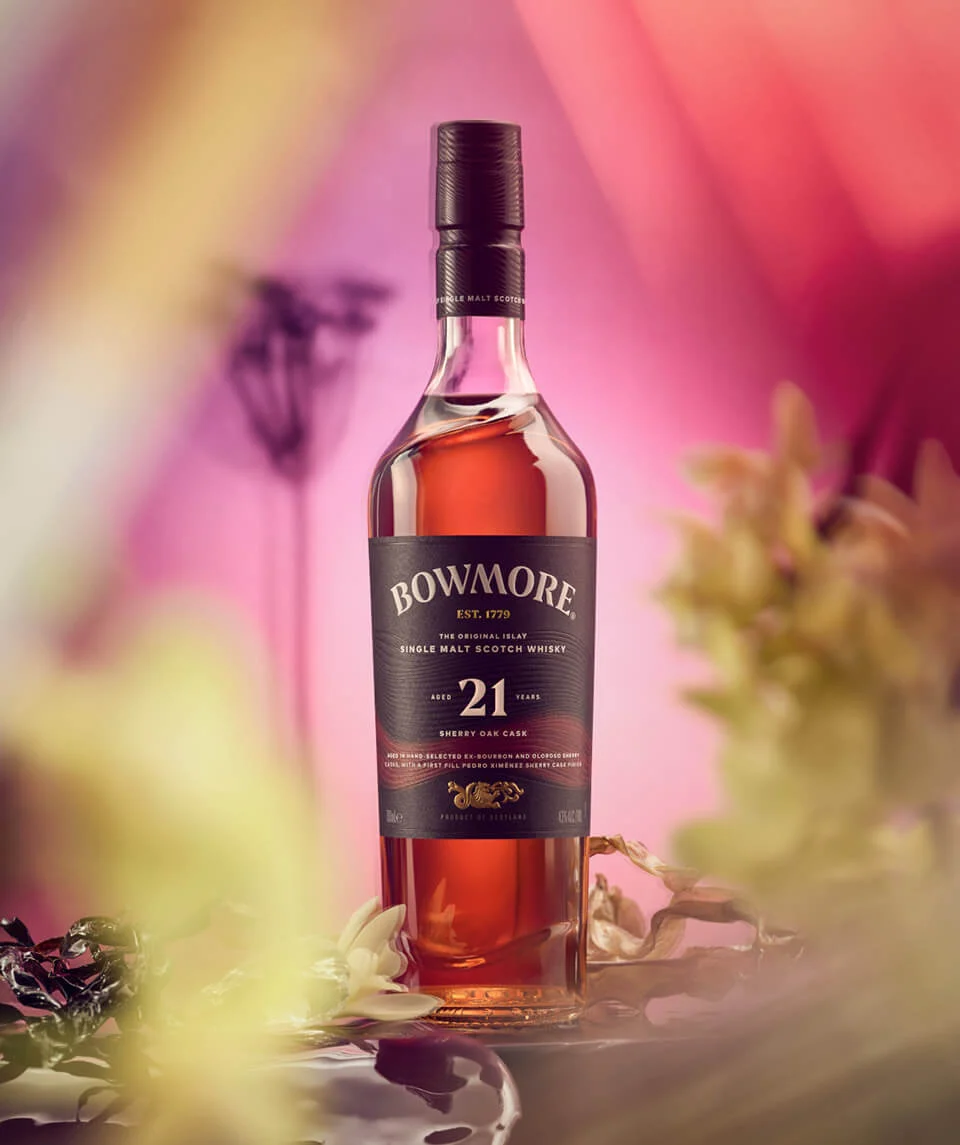
Tasting Bowmore’s latest collection set it echoing off in my head again. In 12, 15 and 18-year old expressions, it’s easy to underestimate the trio; especially if you’re heavy-handed on the years of maturation. It is still the oldest Islay distillery we’re talking about. Home to the legendary No. 1 vault, the only warehouse below sea level (which we’re told does wonders for angel share).
Bowmore’s intention to harness hand-selected Oloroso and Pedro Ximénez sherry casks centres around liminality. When crossed with other Speyside labels that we shalt not name, the fortified wine’s sweet notes don’t hide within the whisky. To match a smoky single malt scotch however, it’s pretty logical to not go the overt route.
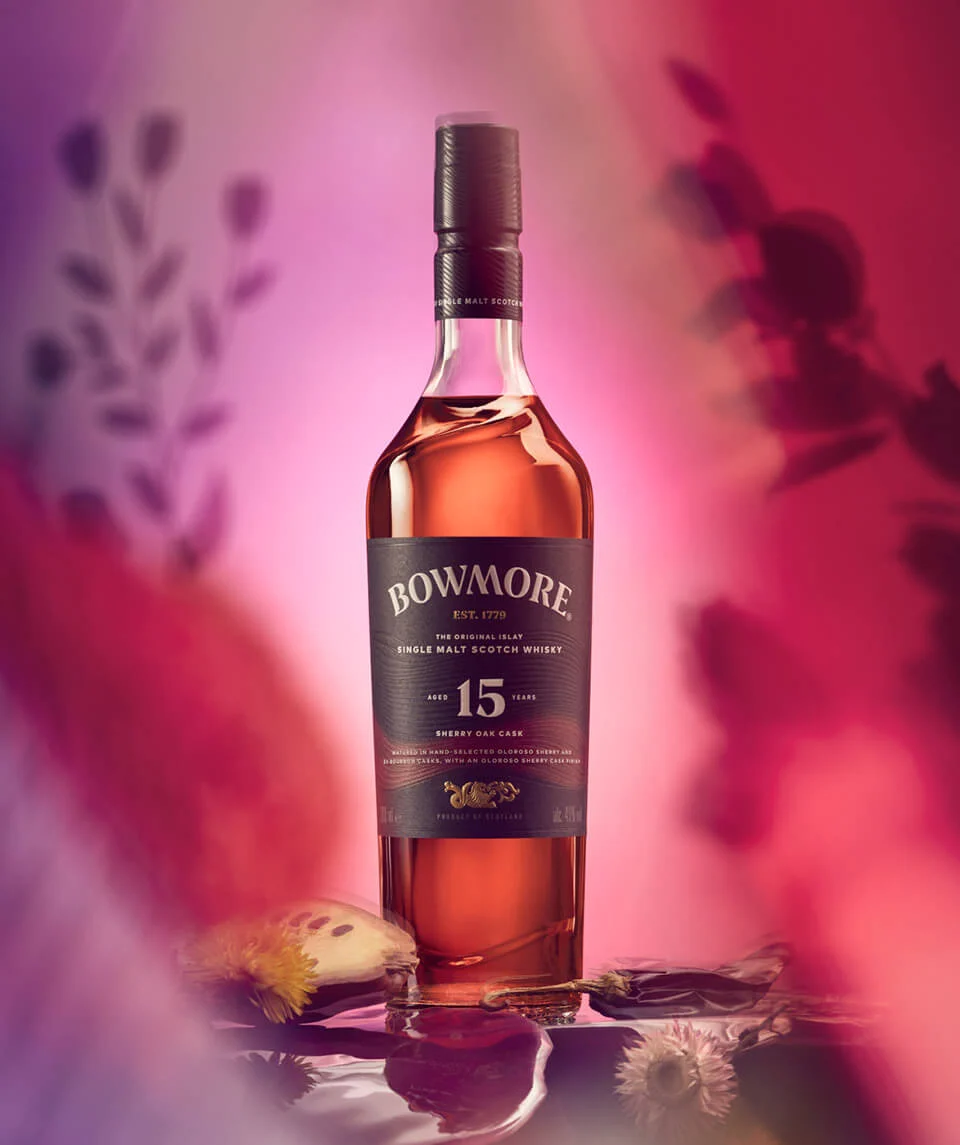
Sherry Oak Cask 15-Year Old. (BOWMORE)
Now that you’re sufficiently curious about how that translates, let’s get into it.
The youngest is in truth more of a 13-Year Old, but we won’t dive into the technicalities. It’s primarily aged in ex-Bourbon, so the hint of sherry is shy in the oily profile. It leans to tropical fruits on the palate, and appears in a radiant vermilion.
The middle child is unabashed about seeking attention. Embodying a progressively darker hue, the 15-Year Old oddly reminds of meat in robust aromas of spice, underscored with darker layers of wood.
The only one culminating in Pedro Ximenez sherry casks of the lot, the 18-year old is—no avoiding this word in the liquor world—complex. Unapologetically peaty, it reveals a bittersweet zest on the tongue, followed by a cocoa richness towards its finish. It’s a subdued take on sherry oak for some, but a quietly pronounced one for others.
Head to 67 Pall Mall Singapore for a personal encounter, as it stands as Flight of the Month. Besides the taster paired with seasonal bites, full bottles are also ready for purchase at the club.
The Sherry Oak Cask Series is available on the Suntory Global Spirits LazMall store from SGD120
This article was first seen on ESQUIRE SG.
For more on the latest in alcohol and luxury spirits stories, click here.
The Porsche 911 GT3 RS is set to get a major update soon. Prototypes of the track-focused 911 have been testing for a while now, and there are rumours that it might switch to a turbocharged engine.
The latest spy images come courtesy of @joelre98. The new 911 GT3 RS doesn’t look much different compared to the outgoing version. However, one of the biggest changes is the rear diffuser. It looks wider and has four vertical elements instead of three. The exhaust setup also appears to be new with dual central exhausts and additional pipes on either end of the diffuser.
The upcoming Porsche 911 GT3 RS is likely to receive a slight nip and tuck on the outside. It has louvres at the front and guiding surfaces around the fender. Porsche has made a few changes around the rear bumper, while the top-mounted rear wing is larger than the one on the GT3.
Rumours suggest that the new 911 GT3 RS will be powered by a 3.6-liter flat-6 engine paired with a single turbocharger.
Meanwhile, the Porsche 911 Turbo S 992.2 is also due for launch soon. It is likely to debut on September 7.
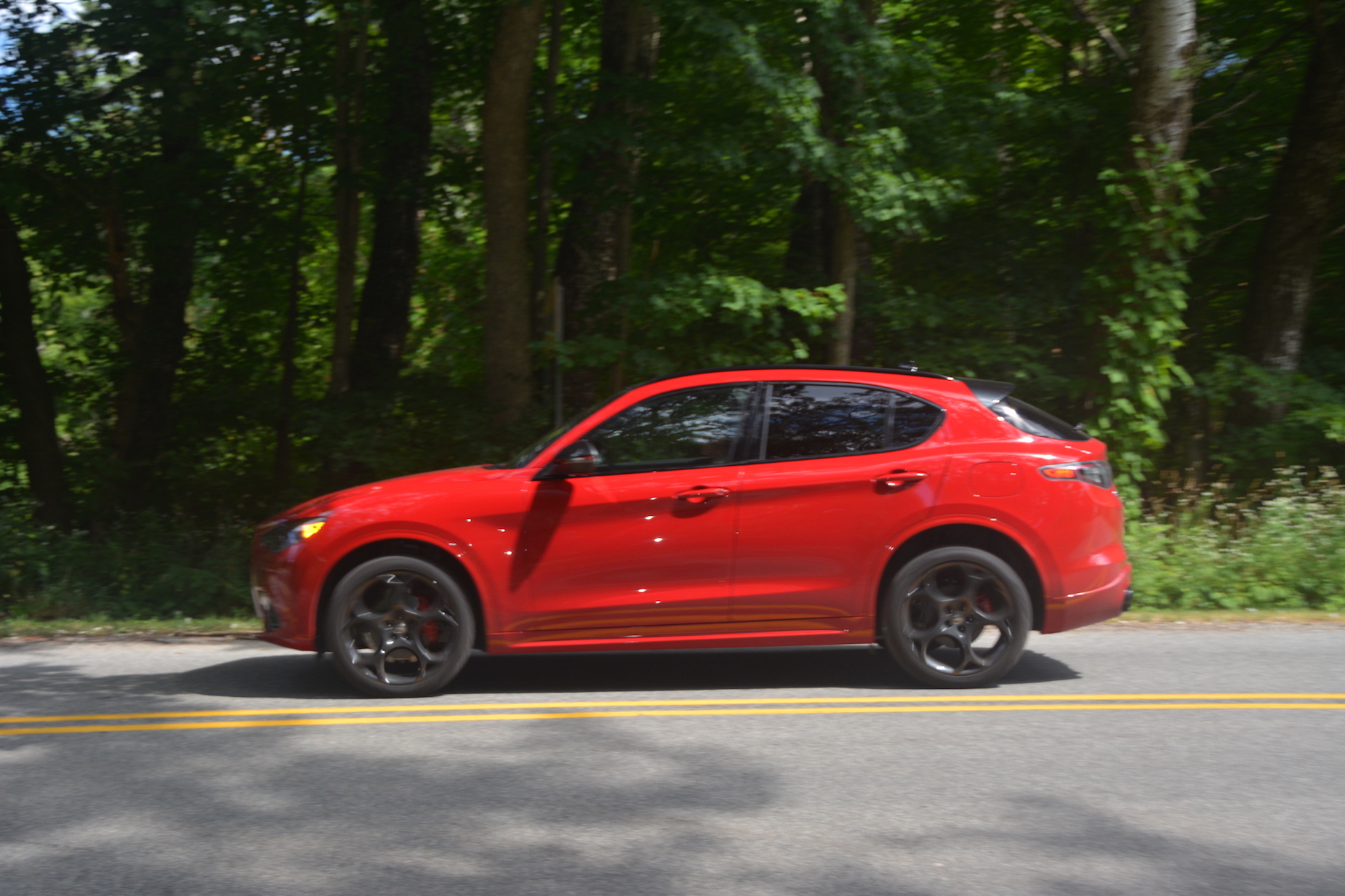
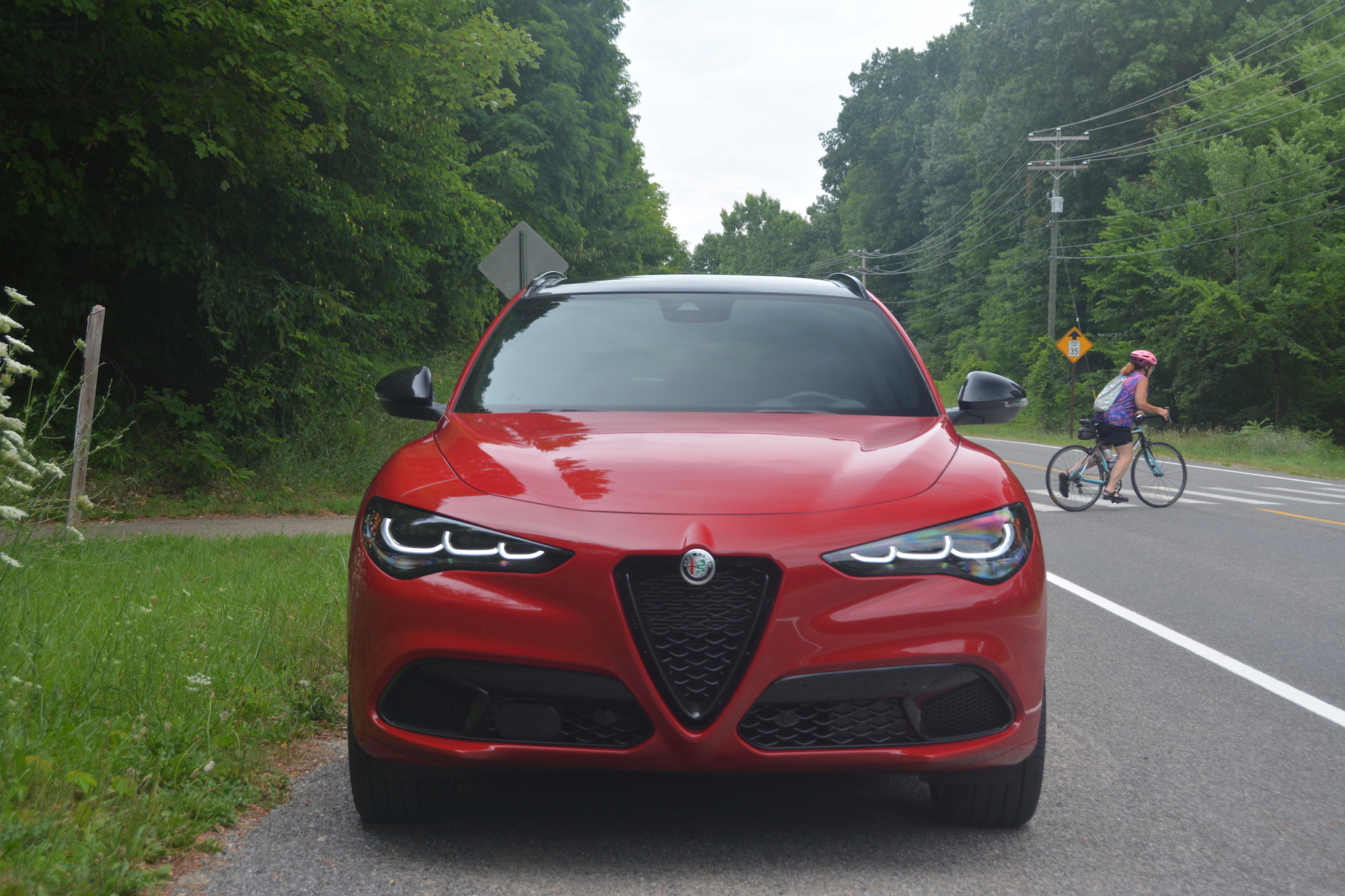
Alfa Romeo is a name that all auto enthusiasts revere. One of the oldest marques in the world, it has a long and storied racing history and has produced a long list of enthusiast-loved cars since it’s inception. Even Henry Ford admitted that whenever he saw an Alfa Romeo he’d tip his hat our of respect. So when Alfa Romeo returned to American shores, it brought along it’s latest examples of Italian engineering. One of those models was the Stelvio, a handsome modern SUV with as much emphasis on the Sport as on the Utility.
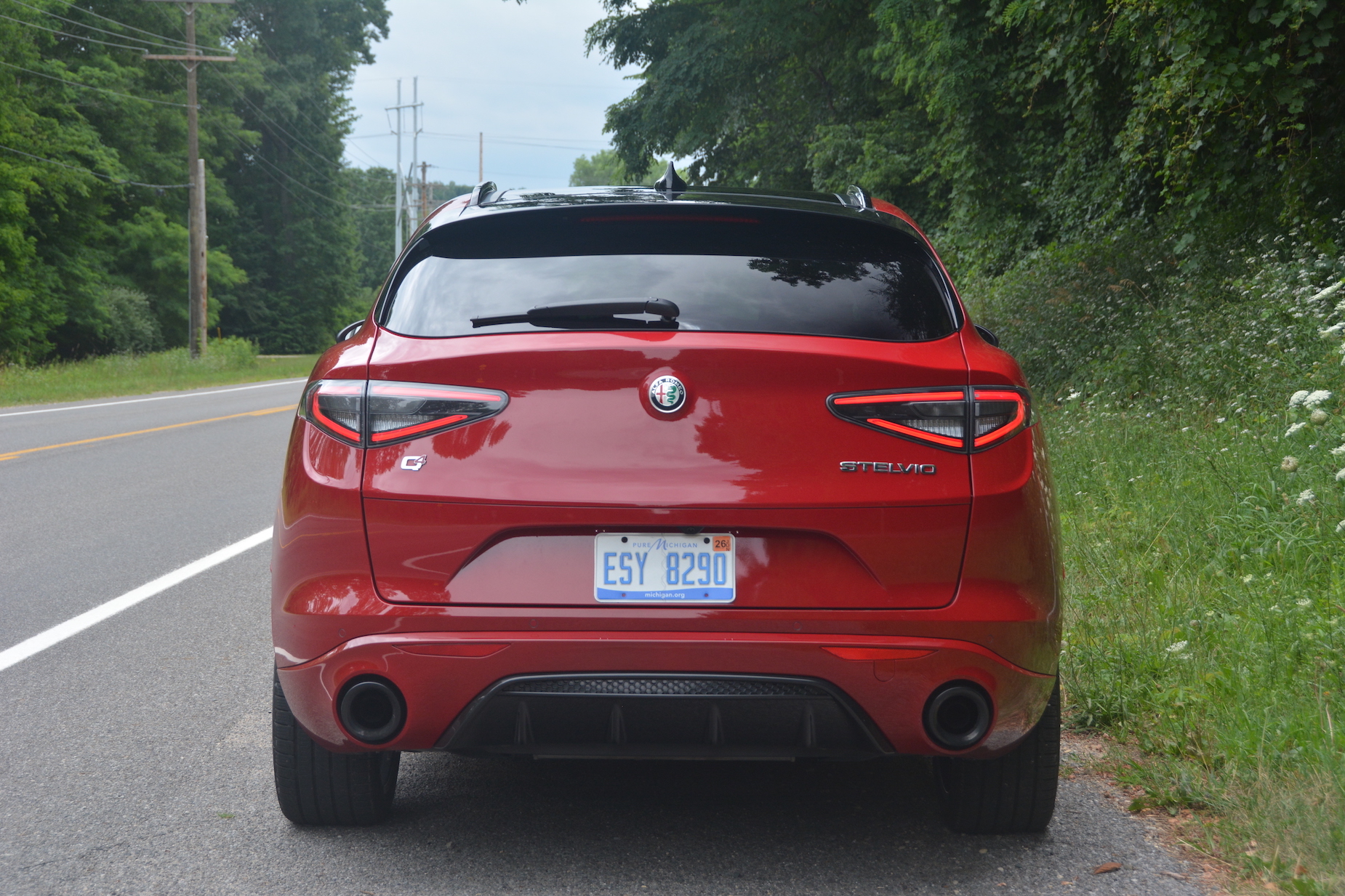
Just look at the lines on it. From the tri-lobular front grille – a long running Alfa Romeo design cue – through the swollen fenders and sexy curve of the belt line to the pert rear-end, the Stelvio is a sexy looking SUV. The SUV isn’t just a cargo carrier, it’s a cargo carrier with sporting ability.
Inside is a high-end interior that continues the Stelvio’s stylish design. The dash and door sills are leather-wrapped with beautiful stitching. The seats are comfortable and bolstered to hold you in place when driving fast. The dash is easy to read at a glance and all the controls are easy to find. The switchgear feels very high-quality, very precise in it’s motion and feel. The only thing missing is ventilated front seats. Even the back seats have plenty of legroom. Those back seats also fold down flat providing even more cargo space should you need it.
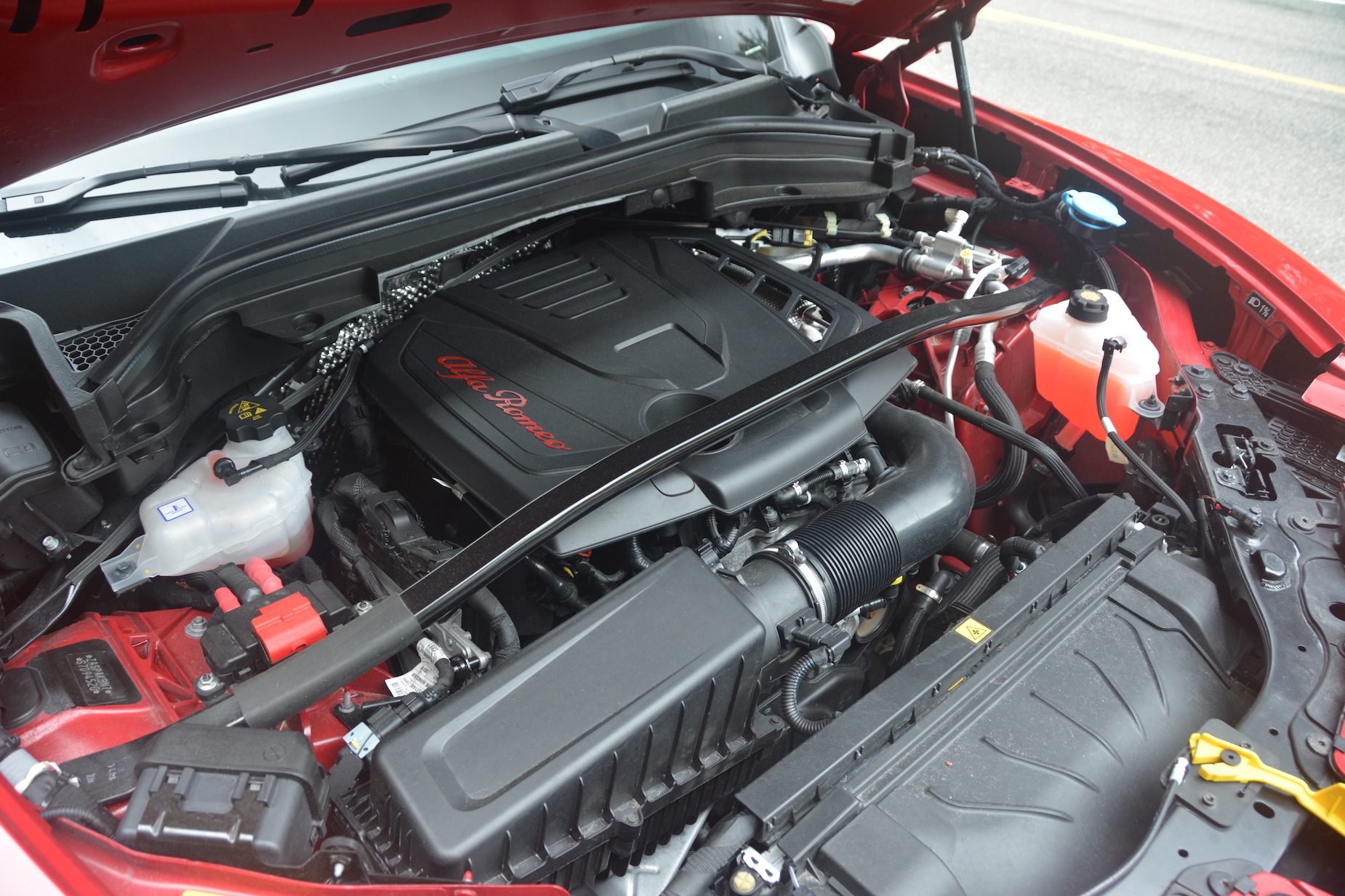
Under the hood lies Alfa Romeo’s stellar 2.0L turbocharged 4-cylinder engine. At this point, you may be rolling your eyes and saying “Four-cylinder?! Puh-leeze.” But this little four-cylinder is impressive. And smooth. You don’t feel any vibration from it at all despite it’s high output. It puts out 280hp and 306 lb-ft of torque. Not incredible numbers, but it feels stronger than that somehow. And the more you wind it out the better is sounds and goes. 0-60 comes up in slightly over 5 seconds and tops out at 150 mph.
But it’s not just quick. It also handles. The Stelvio feels unflappable in corners. Throw it into a tight set of corners and the Stelvio feels better than just about every other SUV on the market. It’s incredibly smooth.The suspension sets up and the Stelvio slips gracefully through the apexes of every corner it encounters. That’s where the bolstered seats come in, holding the driver and passengers in place and in control.
The ride is superb. The suspension is firm and sporting but does it’s best to absorb the harshness of the worst pavement. Surprisingly, the overwhelming sensation is the smoothness of the ride. I’m not sure what magic the wizards of Milan have worked but the smoothness of the ride is wonderful. There is very little wind or tire noise. Just a beautiful graceful ride, an unmatched agility, and an engine that wants to run.
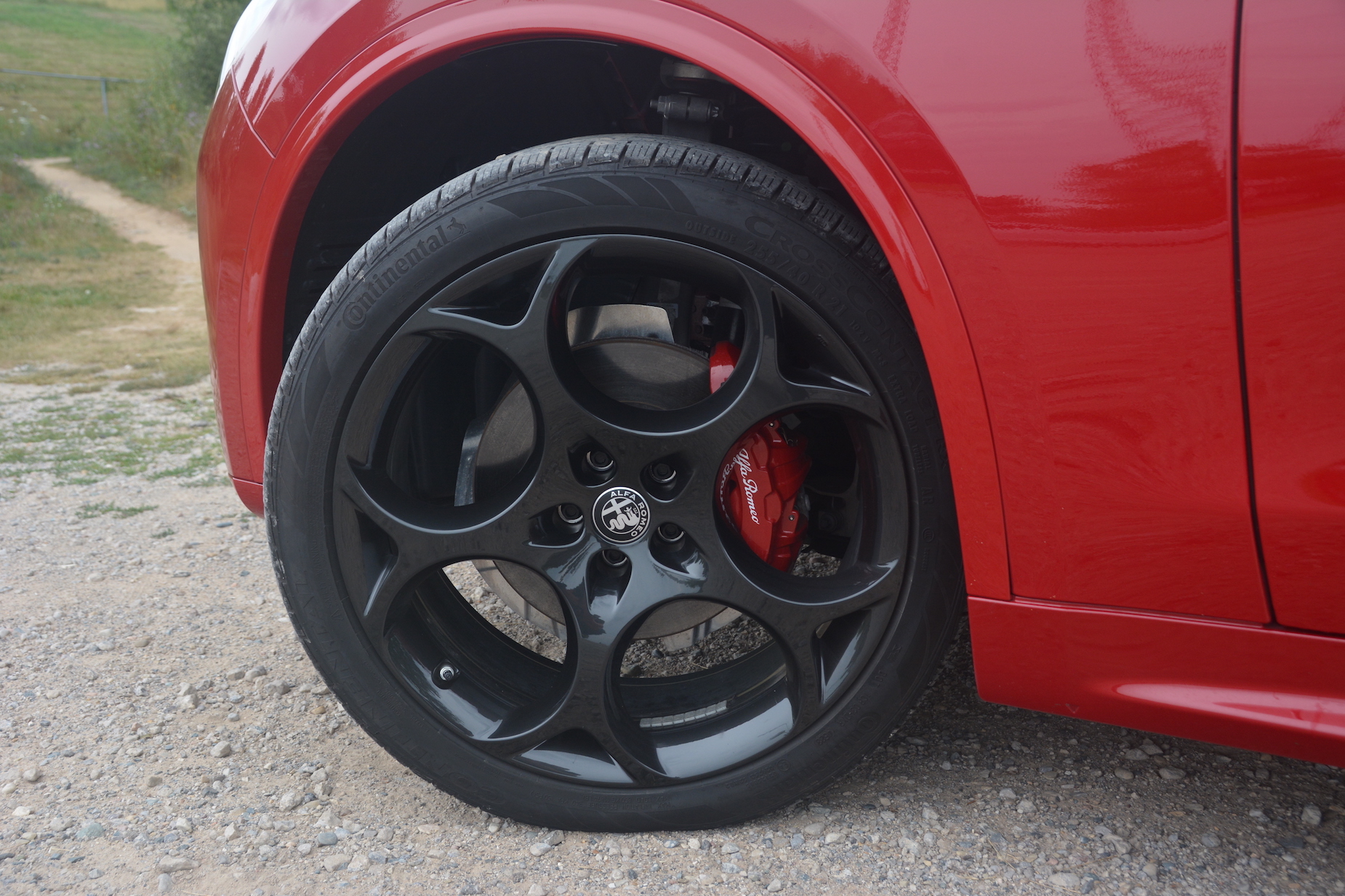
The brakes do an excellent job of reigning in the speed and they feel good doing it too. There’s no squishiness or moment of vagueness when you push the brake pedal. It feels very intuitive and linear. They inspire confidence.
Likewise, the steering is very straightforward and intuitive. It’s easy to place the Stelvio right at the apex of a corner or equally between the lines of a tight parking spot at the local Home Depot.
Adding even more confidence to the driving experience, the Stelvio distributes it’s power through an 8-speed transmission to Alfa Romeo’s Q4 all-wheel drive system. It helps the Stelvio hold the road during performance driving and also provides plentiful traction in inclement weather. How does it do both so equally well? That’s the beauty of the Q4 system and the DNA drive mode selector. The DNA selector allows the driver to tailor the driveline to the task. D represents “Dynamic” and maximizes performance driving ability. N represents “Natural” and is a good everyday drive mode. A represents “All Weather” and reigns in the performance so that it can carefully pick it’s way up a snowy road.
The Stelvio is expected to achieve 22 miles per gallon in the city and 28 on the highway for a combined 25 mpg. Not stellar but certainly acceptable.
Alfa Romeo’s Stelvio is one of the most inspiring and sporting SUV’s on the market. It’s also one of the best looking, in my opinion. Dare to be different? Dare to drive something unique? Dare to drive something that separates you from the other SUV drones and will earn you a thumbs-up from true automotive enthusiasts? The Stelvio is the answer.
Stellantis is reportedly mulling the possibility of putting Italian brand Maserati up for sale.
Global automaking giants Stellantis is reportedly mulling the possibility of putting its Maserati brand up for sale.
The famed trident marque rooted in Modena, Italy, renowned for luxury and performance, saw its sales collapse by 48% earlier this year. In fact, former Stellantis CEO Carlos Tavares even admitted once that Maserati was “in the red” due to poor marketing.
Whilst Stellantis deny such plans, newswire Reuters quoted sources alleging that the parent firm is being recommended by consultants McKinsey to divest in Maserati in some way because of new import tariffs imposed by US President Donald Trump.
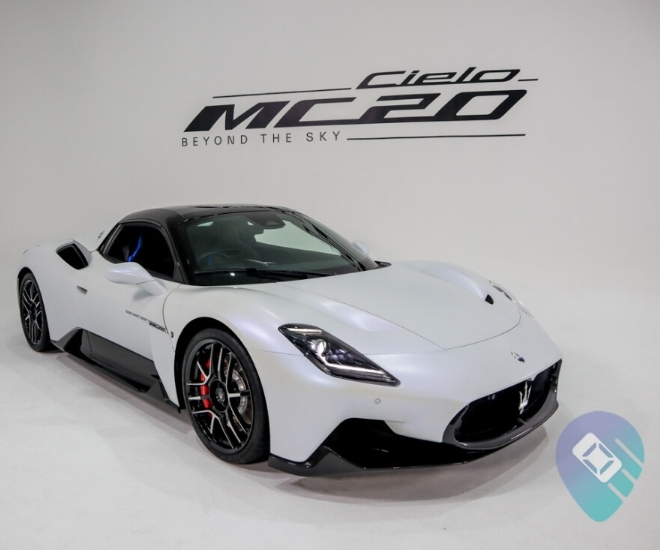
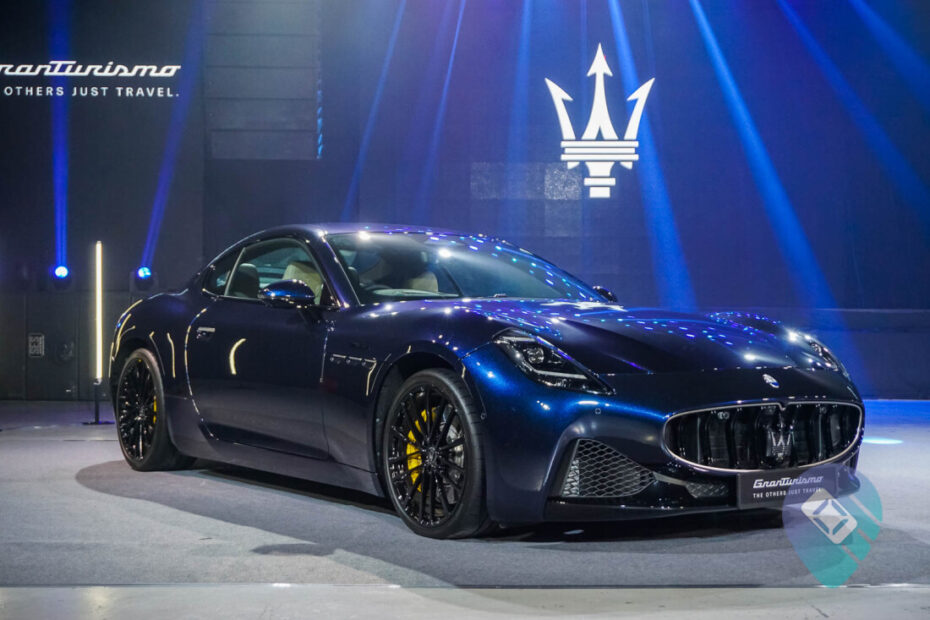
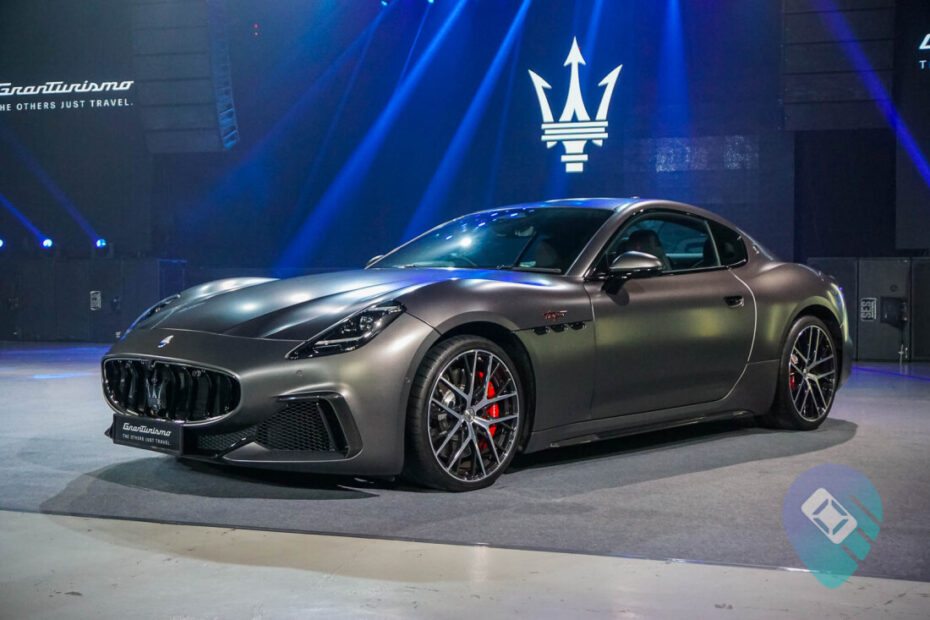
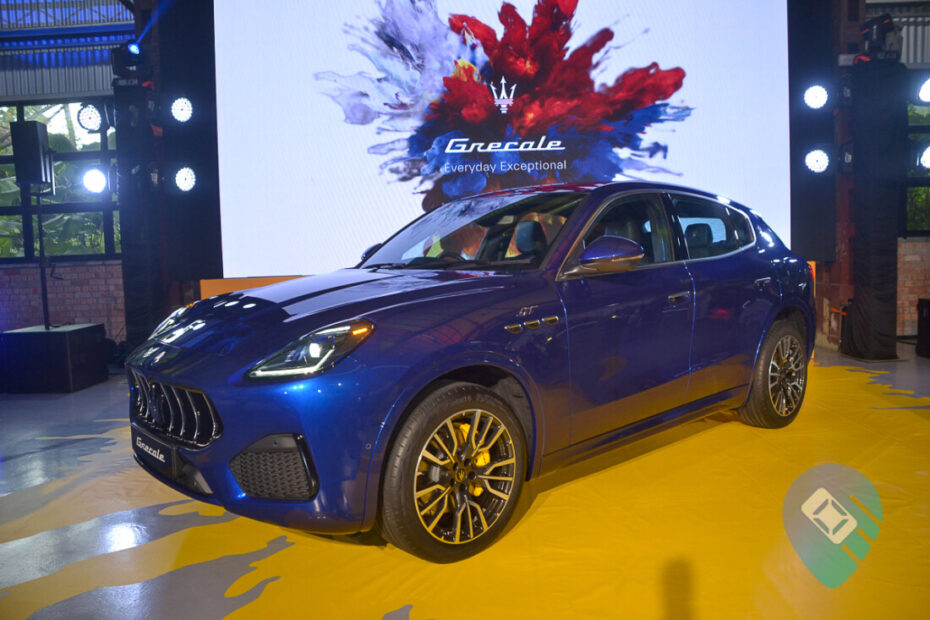
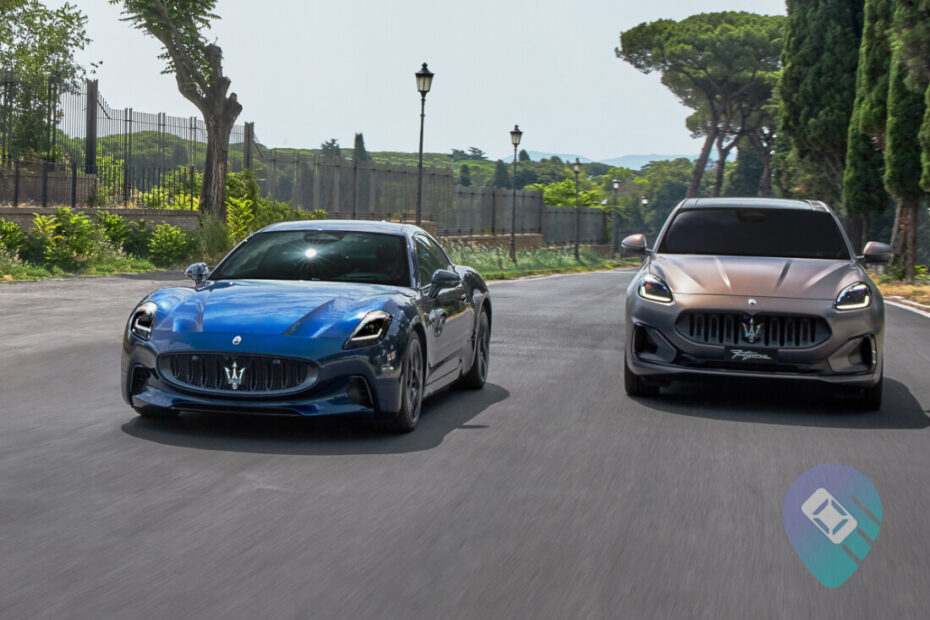
Maserati has struggled with sales of late. Presently, it’s line-up consists of core combustiom models like the GranTurismo (top left and right) and the Grecale (above).
Another source further claims Stellantis instructed McKinsey to consider all possibilities for the troubled Maserati marque. In lieu of which, McKinsey is allegedly still in the early phases of its work, so a definitive decision is unlikely to come so soon.
Another source quoted by Reuters indicates disagreement amongst Stellantis board members about what it should do with the Italian brand. In fact, some supposedly believe Maserati still holds value as the only luxury marque in Stellantis’ portfolio.
Naturally, there’s an opposing half that reckons Stellantis doesn’t have the resource to support Maserati and its current struggle to revamp its line-up.
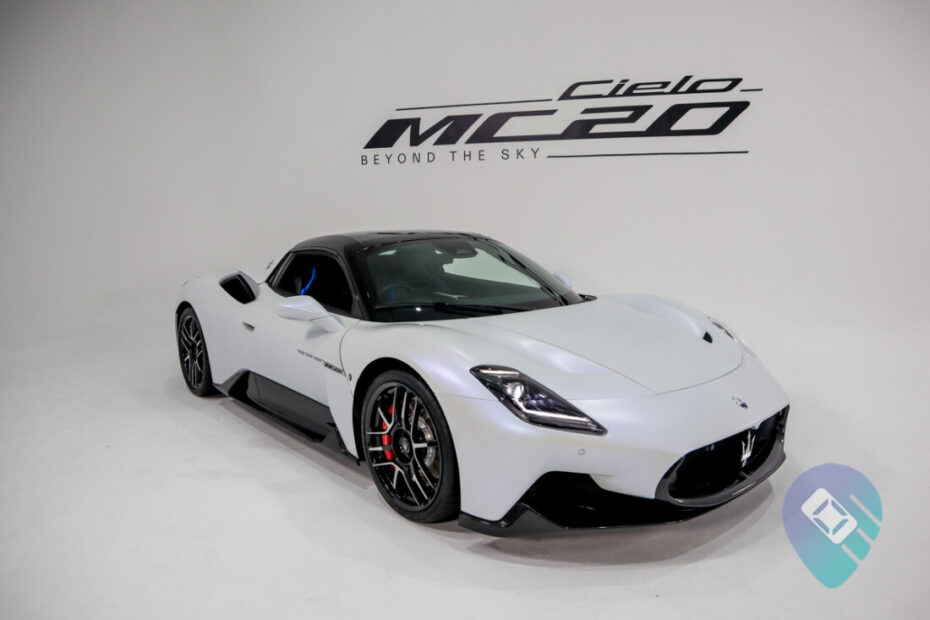
Both the GranTurismo (and GranCabrio) and Grecale also see all-electric ‘Folgore’ versions availableMC20 midship sportscar
What isn’t helping is the brand’s rather ‘lacking’ current line-up. Maserati recently axed both its Ghibli sports saloon and Levante SUV, and the successors to both are only arriving sometime in 2028 and 2027 respectively.
Until then, Maserati is relegated with its lone SUV offering called the Grecale. It also has both its signature GranTurismo and GranCabrio luxury GTs, as well as the MC20 midship sportcar, but neither holds mass appeal as how the other two model mentioned.
In other words, newly installed CEO Antonio Filosa, who is also an Italian national, has got quite the decision to make as he starts his new role leading the automaker.
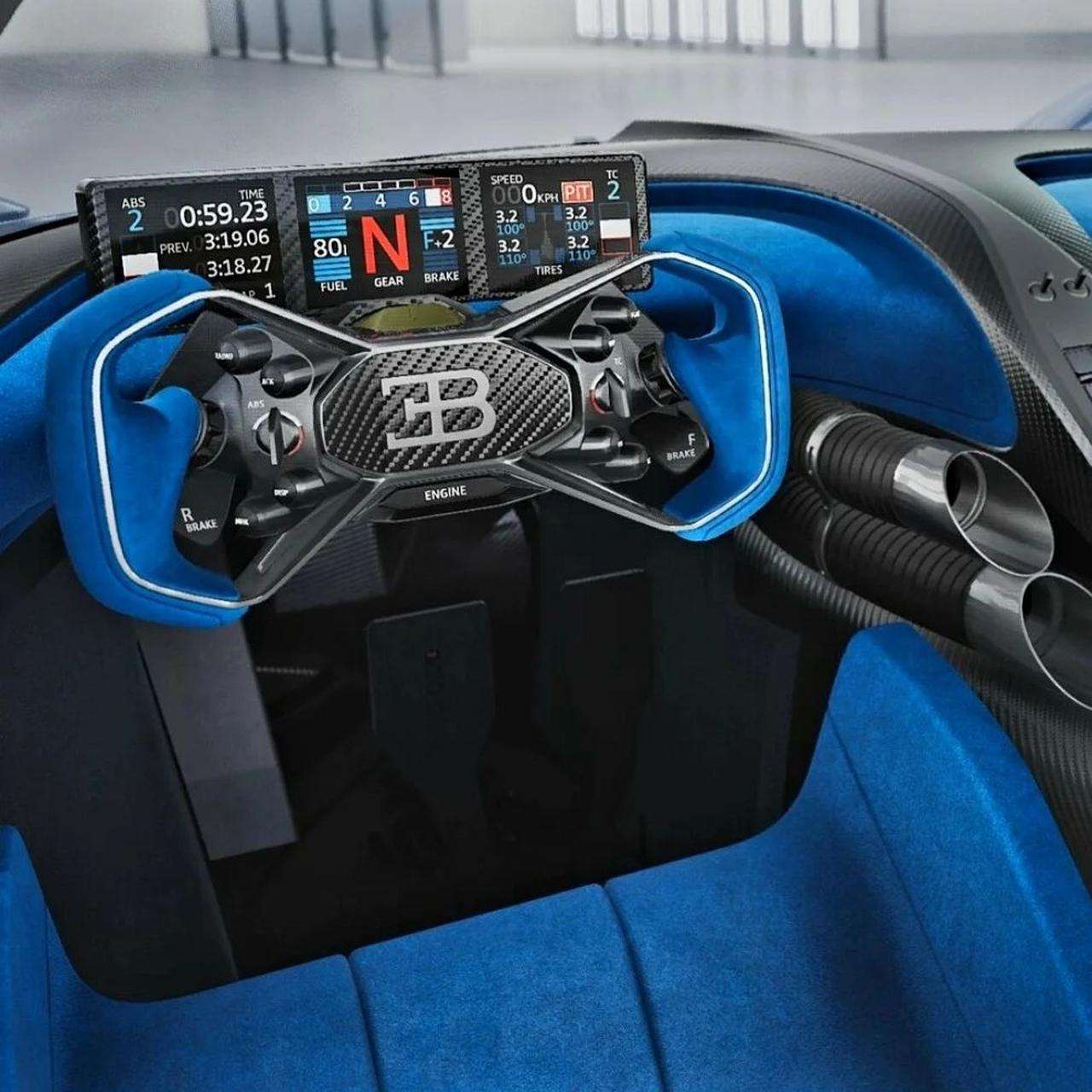
The Bolide is the most extreme hypercar ever made by Bugatti. Limited to just 40 units, the Bolide is a pure track-focused hypercar. However, Lanzante, a British automotive company, is said to be working on converting the Bolide into a road-legal hypercar.
The news was confirmed by the brand’s CEO, Dean Lanzante, at the Goodwood Festival of Speed. Lanzante stated that the Bolide has enough in common to warrant a street-legal conversion.
Lanzante stated that while it’s not easy to convert track-only vehicles into road-legal models, there are a few criteria that can help make it possible. He stated, “We are trying to build cars that are genuinely usable”.
Talking specifically about the Bolide, Lanzante mentioned how the engine will pass emissions, while the car itself has a really user-friendly gearbox and a high build quality, which will help them with the conversion. The only thing, however, will be replacing the tyres. The Bugatti Bolide comes with track-focused tyres that last just 37 miles and cost $8,000 each.
Lanzante hasn’t given any official timeline on when they will reveal the road-legal Bugatti Bolide.
To reiterate, the Bugatti Bolide comes with an 8.0-litre quad-turbocharged W16 engine, paired with a 7-speed dual-clutch transmission. The powertrain produces 1,825 BHP, allowing the hypercar to sprint from 0-60 mph in 2.2 seconds and just 12.1 seconds to reach 249 mph.
Terms apply to American Express benefits and offers. Enrollment may be required for select American Express benefits and offers. Visit americanexpress.com to learn more.
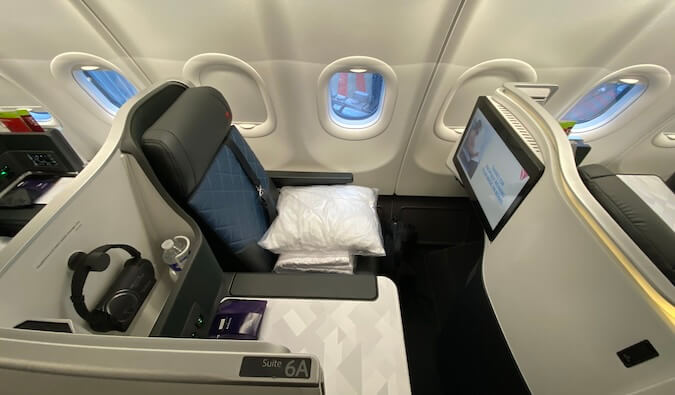
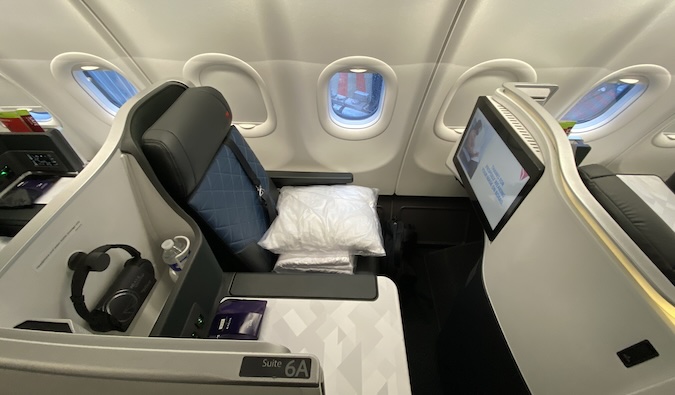
If you fly Delta frequently and want to earn toward elite status while enjoying more travel perks than their Gold card offers but don’t want to pay the high fee of the Reserve, the Delta SkyMiles® Platinum American Express Card is likely the best fit for you. It’s a step up in both annual fee and benefits, giving you tools to reach Medallion status faster, plus credits that can offset travel costs.
Here’s my review of the card!
Delta SkyMiles® Platinum American Express Card Overview
The Delta SkyMiles® Platinum American Express Card has an annual fee of $350. That is a pretty high annual fee for a lot of people but I would say that if you fly the airline enough to hit their gold status then you are definitely going to want this card over their other ones as it will give you a lot of perks and make your Delta flying experience better.
This card offers:
Earn 60,000 Bonus Miles after you spend $3,000 in eligible purchases on your new Card in your first 6 months of Card Membership.
3X Miles on Delta purchases and purchases made directly with hotels
2X Miles at restaurants worldwide including takeout and delivery in the U.S., and at U.S. supermarkets.
1x points on all other purchases
Companion Certificate on a Main Cabin round-trip flight to select destinations each year after renewal of your Card.
$2,500 Medallion® Qualification Dollars with MQD Headstart each Medallion Qualification Year
1 MQD for each $20 in purchases on your Delta SkyMiles® Platinum American Express Card with MQD Boost to get closer to Status next Medallion Year.
$120 statement credit every 4 years for a Global Entry application fee or a statement credit up to $85 every 4.5 years for a TSA PreCheck® (through a TSA official enrollment provider) application fee
15% off award travel redemptions on Delta flights
$120 Resy credit
$120 Rideshare credit
Free checked bags
How to Redeem Delta SkyMiles
Delta uses dynamic pricing for their rewards. That means that the number of points it takes to book a flight isn’t a set number. Instead, the rate varies based on the cash price of a flight. You can also redeem your points as cash at checkout at the rate of 1 cent per mile but I never find that a good redemption and only rarely ever do that. I only ever do this if I am low on points and don’t have enough to redeem a flight but want to save money off the cash price.
The 15% off on award redemptions makes flights a lot more affordable so be sure to have your card connected to your SkyMiles account. If you are flexible with your dates, you can use their award calendar to see the best points fare as mixing and matching your dates can lead to better deals.
Additionally, Delta offers a lot of award sales so keep an eye out for them. Thrifty Traveler and Point.me are two good websites that can send you alerts. I find Delta miles to be the best for U.S. domestic economy and comfort plus redemptions. Unless there’s a sale, I never book for business or international flights. The redemption value is terrible.
Is the Delta SkyMiles Platinum Worth It?
For regular Delta flyers aiming for Medallion status, the The Delta SkyMiles® Platinum American Express Card is a clear upgrade from the Gold card. The companion certificate alone can offset the annual fee. Add in the TSA PreCheck credit, higher earning rates, and MQD boosts, statement credits, and the 15% off rewards and the card pays for itself. I’m a huge fan of this one. I have the business version of it as I have the Reserve for personal use since I am heavy Delta flier but if you’re not, then get this Platinum card.
Pros and Cons
Pros:
Companion certificate each year
MQD earning through card spend
Higher earn rates on Delta and hotel purchases
TSA PreCheck/Global Entry credit
Free checked bag for you and companions
15% off award flights
Cons:
Higher annual fee at $350
No Sky Club lounge access
Companion certificate is domestic main cabin only
***
The Delta SkyMiles® Platinum American Express Card is best for travelers who fly Delta often and are either chasing or maintaining Medallion status. Between the companion certificate, free checked bags, and the ability to earn MQDs on spending, it offers more than enough perks to justify the higher fee for frequent flyers. If you want lounge access or premium upgrades, however, you might want to look at the Delta SkyMiles® Reserve American Express Card card instead.
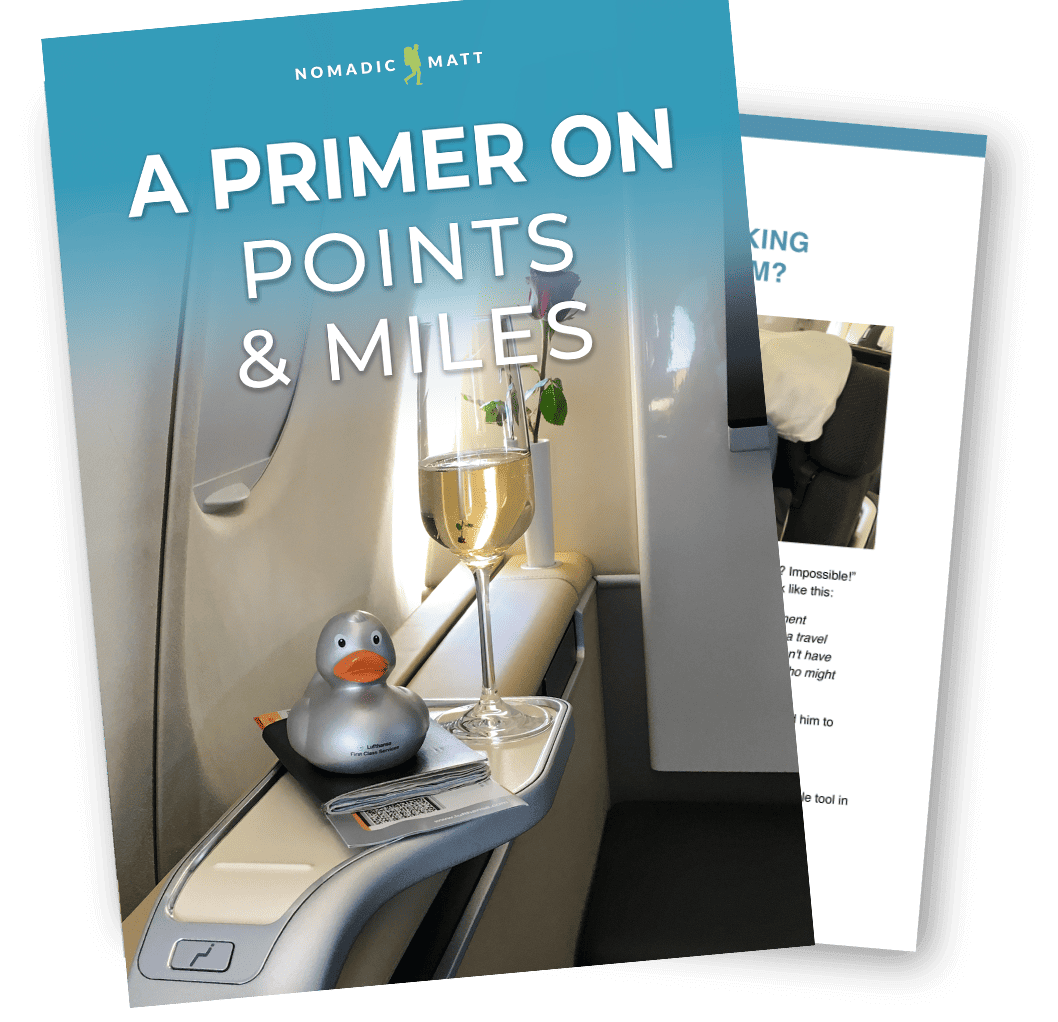
Download my free guide to points and miles and learn how to use points and miles for free travel! It’s how all the pros travel so much! In this guide, I’ll show you:
How to Pick a Credit Card
How to Earn Up to 10x Miles on Your Spending
How to Redeem Your Points
And a Ton of Other Money Saving Tips!
Book Your Trip: Logistical Tips and Tricks
Book Your Flight Find a cheap flight by using Skyscanner. It’s my favorite search engine because it searches websites and airlines around the globe so you always know no stone is being left unturned.
Book Your Accommodation You can book your hostel with Hostelworld. If you want to stay somewhere other than a hostel, use Booking.com as it consistently returns the cheapest rates for guesthouses and hotels.
Don’t Forget Travel Insurance Travel insurance will protect you against illness, injury, theft, and cancellations. It’s comprehensive protection in case anything goes wrong. I never go on a trip without it as I’ve had to use it many times in the past. My favorite companies that offer the best service and value are:
Want to Travel for Free? Travel credit cards allow you to earn points that can be redeemed for free flights and accommodation — all without any extra spending. Check out my guide to picking the right card and my current favorites to get started and see the latest best deals.
Need a Rental Car? Discover Cars is a budget-friendly international car rental website. No matter where you’re headed, they’ll be able to find the best — and cheapest — rental for your trip!
Need Help Finding Activities for Your Trip? Get Your Guide is a huge online marketplace where you can find cool walking tours, fun excursions, skip-the-line tickets, private guides, and more.
Ready to Book Your Trip? Check out my resource page for the best companies to use when you travel. I list all the ones I use when I travel. They are the best in class and you can’t go wrong using them on your trip.
Every time we turn a corner in the city, chances are we will come across a cafe, whether it’s a sleek urbanite setup or a friendly neighbourhood kopitiam (our version of coffee shop, deriving from kopi [coffee in Malay] and tiam[shop in Hokkien]). Whichever the case, it would be a place to which people from all walks of life gravitate.
It could be a secondary school student ordering a creamy frappuccino in their school uniform after class. It could be a retired uncle having his daily cup of aromatic Hainanese coffee paired with slightly toasted kaya toast. Or it could be a working adult grabbing a quick hot latte for an instant energy boost.
Coffee is ubiquitous in almost all societies across the globe. There’s just no denying that many of us can barely begin our day without first downing a cuppa. Coffee drinking is so deeply woven into our daily lives that schedules get planned around coffee breaks.
From Kopitiams to Cafes
The origins of coffee in Malaysia can be traced back to British colonial times. It was first introduced to Malaya (as Malaysia was known before gaining independence from the Crown) by the British during the 18th century — a time when drinking tea was all the rage, and coffee played second fiddle.
It wasn’t until the late 19th century that coffee began gaining the spotlight, thanks to Malaysia’s Hainanese Chinese community, who brought along their culinary customs to the region, including our all-time favourite, Hainanese coffee. The richly textured brew, made of dark roasted Robusta and Liberica beans, is often sweetened with condensed milk.
However, coffee’s nouveau prime moment arrived in the 1990s, when international chains such as The Coffee Bean & Tea Leaf and Starbucks took over the local scene, transforming the coffee industry into a lucrative business.
Today, cafés are a comfortingly common sight in Kuala Lumpur, with at least one in nearly every neighbourhood. International coffee chains have marked their spots across Malaysia, from commercial giants like Starbucks and Dôme to premium establishments like Paris Baguette from South Korea, Bacha Coffee from Morocco, and Ralph’s Coffee from the United States.
Local players such as ZUS Coffee, Bask Bear and Gigi Coffee have also made their mark, dominating the Malaysian landscape with their indomitable presence, each boasting over 100 outlets nationwide.
The Rise of Indie Cafés
Just across the causeway lies a thriving cluster of independent cafes, established by fervent coffee lovers in Malaysia. One standout is ONO Specialty Coffee & Matcha, which is located in SS2, Petaling Jaya — a true crown jewel in the local brew scene. The café recently ranked ninth on The World’s 100 Best Coffee Shops list.
Known for its signature drink, When Two Worlds Collide, ONO Specialty Coffee & Matcha sets it apart from the sea of run-of-the-mill coffee shops with its innovative fusion of coffee and matcha. Behind the perfect cup is a team of specialists who live and breathe the craft: Shaun Liew, two-time Malaysia Brewers Cup Champion; Kent Wong, head roaster; and Syun Hattori, founder of Niko Neko Matcha.
“ONO is the world’s first specialty coffee and matcha cafe — that’s what makes us unique and special,” shares Shaun Liew, co-founder of ONO Specialty Coffee & Matcha. “We offer both specialty coffee & matcha at the same level, and even craft specialty drinks that combine both. Our tagline, When Two Worlds Collide, represents the world of coffee and matcha colliding, which also inspires our signature drink, a combination of Ethiopian coffee and cold brew soda layered with a single cultivar matcha cream.”
Also earning a spot on The World’s 100 Best Coffee Shops list is Ome by Spacebar Coffee, a frequented café tucked away in George Town, Pulau Pinang. Founded by Joachim Leong and Shean Tan to serve good coffee and bakes, Ome by Spacebar Coffee started as a pop-up in Kuala Lumpur before evolving into a full-fledged brick-and-mortar café. Today, it pampers every patron with an ever-rotating selection of premium coffee beans.
“We are a multi-roaster coffee bar, featuring coffees from all over the world, and we rotate them weekly,” Joachim explains. “This also allows coffee-loving guests to savour different beans each visit, while also maintaining a blend for our regulars. We mainly source from Malaysian roasters like One Half and The Roast Things in Kuala Lumpur, and Brewsmith and Sweet Blossom in Johor Bahru. We also take Square Mile Coffee and Exemplar Coffee from the UK, Apollon’s Gold from Japan and Prodigal Coffee from the US regularly.”
A Real Home for Coffee
The Malaysian coffee industry has seen tremendous growth, particularly among homegrown coffee brands. A decade ago, getting a good cup of coffee might have required going out of our way. Today, we are likely to run into the same café again, just a few streets away. With Malaysians’ growing appetite for premium beverages and rising purchasing power, coffee has become a lifestyle staple rather than a luxury.
“Compared to many countries, we have indeed grown rapidly—from the kopitiam culture to specialty cafes that rival some of the best in the world. What is truly unique here is the blend of tradition and innovation— you can sip on a hand-brewed natural Ethiopian coffee at the same street where someone’s pulling kopi from a sock. That’s beautiful,” says Shaun, who also hopes to see more Malaysian-grown beans gain global recognition.
“I think our local coffee culture is unique in the sense that people use coffee for productivity, leisure and also well for the ‘gram! If you look at the US and the UK, people there practically run on caffeine, having two to three cups a day. Whereas if you look at Taiwan and Japan, people linger in a cafe, have a coffee with a date or a book.
Somehow, in Malaysia, we have a combo of everything. Our coffee places help people function through caffeine, offer a space to socialise, or just provide a little me time. And this can stretch from day to night,” shares Joachim.
Malaysia is not just a nation for coffee lovers; it’s also a significant producer of Liberica coffee, known for its earthy, smoky profile with nutty and floral undertones, and hints of dark chocolate and ripe berry. Liberica accounts for the majority of Malaysia’s domestic coffee production. Alongside Indonesia and the Philippines, Malaysia is now one of the world’s top producers of the unique variety.
“Malaysia has potential, not just as a coffee-consuming nation, but as a coffee-producing one. We have the talent, the terroir, and the story. If we can channel the same energy we pour into coffee competitions into uplifting our local origins, producers, and industry roles, we could shape a uniquely Malaysian identity in the global coffee scene. And that is a future that I am excited about,” Shaun adds.
A Necessity & An Artisan Craft
From modest kopitiams to thriving coffee chains, Malaysia’s coffee culture has grown from a humble agrarian industry into a burgeoning business. What was once merely a beverage choice has become an integral part of our lives. Whether it’s a nostalgia-evoking kopi or an aromatic pour-over, each cup offers more than just a drink — it celebrates the art of coffee making, tells the story of the people behind the craft and brings together those who simply enjoy a good cup of coffee.
This article was first seen on MEN’S FOLIO MY.
For more on the latest in luxury lifestyle and gastronomy reads, click here.
Two North American destinations have been ranked in the top five for the best spots for serenity seekers by Travelbug, and both are in Canada. The award-winning holiday company rated 36 global destinations for world travelers interested in peaceful vacations.
Travelbug took into account four separate metrics: the quality of green spaces, the level of noise and light pollution, local congestion levels, and overall cleanliness. And our northern neighbor is the only country with two destinations in the top five, demonstrating its appeal as a place for escapes into nature.
Coming in tied for No. 3 in the world (and No. 1 in North America) is Banff, sharing the spot with Kyoto, Japan, and Cairns, Australia. The stunning town, located in the province of Alberta, was noted for its outstanding green spaces, scoring 80 out of 100, and its exceptional cleanliness, receiving a score of 76. With its dramatic views of the Canadian Rocky Mountains and pristine turquoise lakes, Banff is one of the most popular vacation destinations in Canada. The town, situated within Banff National Park, provides access to extensive hiking trails, waterfalls, and glaciers, and is a part of the scenic Icefields Parkway.
Just behind Banff and ranking at No. 4 is Whistler, which is notable for scoring a perfect 100 for the quality of its parks and green spaces, its exceptional nature, and outdoor offerings. Whistler is home to one of North America’s largest ski resorts, Whistler Blackcomb, and boasts thousands of acres of varied skiing terrain. The town itself has a pedestrian-only village and a laid-back energy.
Both destinations have moderate to high travel congestion due to their popularity with tourists. July and August mark peak season in Banff. (During the 2023/2024 season, Banff National Park was the most visited national park in Canada.) Whistler receives three million visitors annually, with 55 percent visiting in the summer and 45 percent in the winter.
The top spot overall went to Queensland, New Zealand, while the most peaceful beachside retreat with the lowest noise and light pollution is the Seychelles.
However, the big winner is Australia as the country is home to three of the top 10 most peaceful vacation destinations: Cairns, which is near the Great Barrier Reef, ranked No. 3; the Gold Coast and its many beaches took the seventh spot; and Sydney was ninth.
Bentley has been working on a more hardcore version of the Continental GT. The new Continental Supersports is likely to be powered by a pure V8 engine and will be lighter than the standard model. A recent Autocar report has confirmed some of the details that we had reported earlier.
The new Continental Supersports is said to be the first among a new line of “extreme” performance cars. It will be powered by the same 4.0-liter twin-turbo V8 engine as the Continental GT Speed. However, it won’t have the 185 hp plug-in hybrid system. Instead, Bentley is said to have boosted the performance of the internal combustion engine from 584 hp to 631 hp.
While 631 hp is still less than the previous-gen Supersports with the W12 engine, the new model will be much lighter. Reports suggest that the car will weigh around 2000 kg, which is almost half a tonne less than the standard GT Speed.
The Supersports is likely to feature a carbon fibre roof and other body panels to save weight. It will come with lightweight sports seats in the front but no rear seats. The car will also be fitted with lightweight wheels with carbon ceramic brakes and an Akrapovic exhaust system.
The Bentley Continental Supersports will be offered in limited numbers and is estimated to cost around $540,000.
The technical storage or access is strictly necessary for the legitimate purpose of enabling the use of a specific service explicitly requested by the subscriber or user, or for the sole purpose of carrying out the transmission of a communication over an electronic communications network.
Preferences
The technical storage or access is necessary for the legitimate purpose of storing preferences that are not requested by the subscriber or user.
Statistics
The technical storage or access that is used exclusively for statistical purposes.The technical storage or access that is used exclusively for anonymous statistical purposes. Without a subpoena, voluntary compliance on the part of your Internet Service Provider, or additional records from a third party, information stored or retrieved for this purpose alone cannot usually be used to identify you.
Marketing
The technical storage or access is required to create user profiles to send advertising, or to track the user on a website or across several websites for similar marketing purposes.
:max_bytes(150000):strip_icc()/TAL-lead-las-falas-valencia-ALISTNINAPABLOPOST0625-0ad4d2532851447f8d059476e91ba385.jpg "5 Spanish Fiestas Worth Planning a Trip Around")
:max_bytes(150000):strip_icc():format(jpeg)/TAL-lead-las-falas-valencia-ALISTNINAPABLOPOST0625-0ad4d2532851447f8d059476e91ba385.jpg)





:max_bytes(150000):strip_icc()/TAL-moraine-lake-banff-canada-PEACEFULNTHEST0825-2acc382f0e534e48bba876e461e4cc37.jpg "The Most Peaceful Travel Destination in North America Is a Natural Wonder Famous for Its Pristine Turquoise Lakes")
:max_bytes(150000):strip_icc():format(jpeg)/TAL-moraine-lake-banff-canada-PEACEFULNTHEST0825-2acc382f0e534e48bba876e461e4cc37.jpg)

